|
An occasional blog about populist politics and popular music, not necessarily at the same time. LinksLocal Links Social Media My Other Websites Music Politics Others Networking Music DatabaseArtist Search: Website SearchGoogle: Recent Reading
Music DatabaseArtist Search: Website SearchGoogle: |
Blog Entries [500 - 509]Sunday, November 8, 2020 Weekend RoundupTable of contents:
Last week I collected a number of links meant to help readers understand how votes were likely to be counted over time from Tuesday evening into the next day(s). However, on Tuesday evening I found myself with little interest in checking, let alone following, the returns. Nor did my wife, who is much more the news junkie, somewhat more partisan, and definitely more full of dread. So we watched a movie instead (Ford vs. Ferrari, based on a story I followed closely when I was 15) and some stream TV I can't recall -- maybe the Australian series, Mystery Road? I googled election returns before going to bed: Biden was leading in popular vote, but it was closer than expected, with Trump still holding leads in Pennsylvania, Michigan, and Wisconsin, but Arizona called for Biden. I saw some Kansas returns, and knew that Barbara Bollier had lost her Senate bid. I spent the rest of the week never going deeper than Google's AP widget, which currently gives Biden a 290-214 lead, a margin of a bit over 4.5 million votes (with Biden at 50.7%), with three states still uncalled: Biden leads narrowly in Georgia, Trump leads a bit more in North Carolina, and much more in slow-returning Alaska. I had hoped the Democrats would win more impressively, especially in the Senate races. (One piece which explains why is Joseph Fishkin: Please let it not be close: Who 2020 prez outcome probably won't be decided in court. But also Republican obstruction and rule has cost us 10 years of "opportunity costs" as Washington has ignored critical problems.) As it is, Democrats picked up two seats (Arizona and Colorado), lost one (Alabama), are trailing in North Carolina and Alaska, and face two difficult runoffs in Georgia, so it is very likely that the Republicans will control the Senate: leverage they could use not just to prevent Democrats from delivering on any of their legislative goals but totally sandbag the Biden administration: rejecting any or all nominations (judges, even cabinet members), even failing to pass a budget, appropriation bills, and resolutions allowing the government to extend its credit limit. They could, in short, shut the federal government down for the next two years. I wouldn't put any of that past them. Democrats also lost a few seats in the House, but retain control there. I stil haven't looked at detailed returns for down ballot races. I haven't had much interest in reading people's opinions about why the votes broke as they did, or what it means for the future. Nonetheless, I do have a few opinions:
Here's a related Steve M tweet:
The ElectionsJosh Barro: Smile, Democrats. Trump lost. You won. Jerusalem Demsas: Why Georgia has runoff elections: Well, you know, racism, same as in other Southern states that use runoffs to a black person doesn't win a plurality against a divided mix of white candidates. It matters this year because both Senate elections will be going to runoffs. And most likely, the runoff election will draw fewer voters than the presidential, and that will help the Republicans sweep both seats, giving them a slim majority in the Senate, the the ability to sabotage any appointments or other initiatives Democrats push. Liza Featherstone: There was actually a lot of good news for the left on election day. Natalie Fertig/Mona Zhang: 1 in 3 Americans now lives in a state where recreational marijuana is legal: "New Jersey, Arizona and Montana passed measures to legalize adult-use marijuana. South Dakota became the first state to authorize both medical and recreational sales at the same time." Mississippi voters approved medical marijuana. Every state that offered voters the chance to weigh in passed the measures. Matt Ford: Election day was peaceful -- then Trump opened his mouth. Murtaza Hussein: Nonwhite voters are not immune to the appeal of right-wing populism. Ezra Klein:
Michael Kruse:
Anita Kumar:
Peter Maass: As Trump is defeated, the Murdochs try to dodge backlash for Fox News. One thing I'll add is that Fox never needed to build a Republican majority to make money. Indeed, their interests favor keeping their audience extremely agitated, even if it's merely a sizable minority. Also, it kind of cramps their style having to defend a Republican establishment, certainly compared to how freewheeling they can get in attacking Democrats. That said, Trump was ideal for them: for one thing, he was living testament to their power and reach; for another, he never tried to be less crazy than they were. But Fox never needed Trump like Trump needed Fox. More on Trump and Fox:
Ian MacDougall: If Trump tries to sue his way to election victory, here's what happens. Dylan Matthews: Joe Biden has won. Here's what comes next. Laura McGann: Anderson Cooper described Trump as "an obese turtle on his back flailing in the hot sun". David Nakamura: Trump's bid to discredit election raises fear that he will undermine a smooth transfer of power. John Nichols:
Ella Nilsen: House Democrats will keep their majority for two more years. Alice Miranda Ollstein/Megan Cassella: 'A dreaded two years': Biden, allies gear up to face a GOP Senate. Gabby Orr: Trump faces divided family and friends as calls out for a concession. Lili Pike: Why so many young people showed up on Election Day. Max Read: Time has never moved as slowly as it did this week. Aaron Rupar:
Nate Silver: Biden won -- pretty convincingly in the end.
The one election the Republican won the most votes in was 2004, when GW Bush used his minority win in 2000 to start a war in Iraq, and was barely able to rally the nation behind its hapless Commander in Chief, and a thick veil of smoke and mirrors to hide how poorly the war was going. By 2008, Bush was even more unpopular than Trump this year. You can read 538's election blog here: Biden is projected to be the President-Elect. Here's how it all went down. Emily Stewart: Trump spent years worrying about the stock market only to discover Wall Street doesn't care if he loses. Asawin Suebsaeng/Sam Stein/William Bredderman: Trump orders advisers to 'go down fighting'. Libby Watson: The futility of the Democrats' record-breaking war chest: "Liberals lined the campaigns of Senate hopefuls with mountainous piles of campaign loot, only to watch it all burn up on election night." Matthew Yglesias:
Li Zhou: Kamala Harris makes history as the first woman to become vice president. Lots of articles in this vein, as if it matters. At this stage, anyone who has a problem with her race and/or sex needs to get over it. What matters more (and most Republicans will emphasize this) is that she's significantly more progressive than Biden. Of course, that may be a consequence of her experiences given her background. Or she may just be smarter and more respectful and responsible than your average American. More on Harris:
After the ElectionDean Baker:
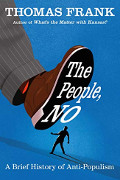
Jedediah Britton-Purdy: Donald Trump was a monster forged by the American free market. Thomas Frank: Ding-dong, the jerk is gone. But read this before you sing the Hallelujah Chorus. Fine with me if you sing first, even dance a little. Plenty of time for disappointment later.
Michael Grunwald: America votes to make politics boring again. Fred Kaplan: Even without the Senate, Biden can get an awful lot done: "The executive branch is powerful and has only become more so in recent years."
Kevin M Kruse: Why a Biden administration shouldn't turn the page on the Trump era: "The Obama-Biden administration wanted to move forward rather than hold Wall Street bankers and CIA torturers accountable. If elected, Biden should follow FDR's playbook and expose his predecessor's corruption and mismanagement instead." Matt McManus: How to avoid another Trump. "Trump was able to divert attention from the profound structural inequities of our time toward an agnostic politics where 'giving the middle finger' to liberals would serve as an ideological substitute for change." Osita Nwanevu: Will the Democrats ever make sense of this week? "They're more likely to take the wrong lessons from Biden's win and the down-ballot losses." Alex Pareene: What if Democrats' message just doesn't matter? "Florida voters backed a $15 minimum wage. So did Joe Biden -- and he lost the state. There are important lessons here for the party." Yanis Varoufakis: Hoping for a return to normal after Trump? That's the last thing we need. The Pandemic Is Still With UsKatelyn Burns: The White House is dealing with another Covid-19 outbreak: "Five people have tested positive, including chief of staff Mark Meadows, as the US sees record daily case counts." Umair Irfan/Julia Belluz/Brian Resnick: The US Covid-19 epidemic hit a deadly new milestone, and help isn't on the way: "More than 120,000 new Covid-19 cases in a single day." A Odysseus Patrick: Australia has almost eliminated the coronavirus -- by putting faith in science. Melody Schreiber: Trump is still the president, and the pandemic is getting worse. David Waltner-Toews: The wisdom of pandemics: "Virus are active agents, existing within rich lifeworlds. A safe future depends on understanding this evolutionary story." Still More on Donald TrumpDaniel Block: Donald Trup's return to TV would not be easy.
Katelyn Burns: The Trump legal team's failed Four Seasons press conference, explained. More:
Nancy Cook: Trump prepares to launch a second term early, even without winning: "He ay fire department heads like the FBI's Chris Wray and Pentagon chief Mark Esper. He could sign base-pleasing executive orders. He might resume travel." Emily Dreyfuss: Trump's tweeting isn't crazy. It's strategic, typos and all. I'd rather just think of him as an illiterate moron, but could that just be his personal touch added to devious coaching? Amy Gulick: The majestic Alaskan rain forest in Trump's crosshairs: Tongass National Forest. The Intercept: Part Seven: Climate change: "Trump has stacked his anti-science administration with corporate polluters, gutted environmental regulations, and opened protected land for extraction." Most recent installment in a series, American Mythology. Previous parts:
Sarah Jones: Say good-bye to Trump's lesser ghouls: The roll call profiled here: Seema Verma (as administrator of the Centers for Medicare and Medicaid Services, "approved drastic cuts to Medicaid that left thousands of needy Americans without health care"); Sonny Perdue (Secretary of Agriculture, issued rules to allow states to cut SNAP); Eugene Scalia (Secretary of Labor, name no coincidence, undermined OSHA among other things); Gina Haspel (CIA Director, torture supervisor); Julia Hahn (White House speechwriter, with white nationalist credentials to rival the more infamous Stephen Miller); Robert Wilkie (VA head, union buster, Confederate monument fetishist); Paula White (White House "spiritual adviser"); Alyssa Farah (White House communications director); Russ Vought (Director of Office of Budget and Management, "task is to reshape the executive branch according to Trump's whims"); William Perry Pendley (acting director Bureau of Land Management). Nick Pinto: Across the US, Trump used ICE to crack down on immigration activists. This is part of a larger series on The war on immigrants. Jon Schwarz: During the Trump Era, everyone and everything in America failed: "The possibilities in front of us are real, but we should not deceive ourselves about what we learned during the Time of Trump." Schwarz doesn't limit his list of failures to Trump and the Republicans; also indicted are: Biden, Democrats, and The Corporate Media. Nonetheless, Trump leads:
Supreme Court and Other InjusticesIan Millhiser:
Benjamin Weiser/Michael S Schmidt/William K Rashbaum: Steve Bannon loses lawyer after suggesting beheading of Fauci: "Mr Bannon, the former adviser to President Trump, said the heads of the FBI director and Dr Anthony Fauci should be put on pikes, leading Twitter to ban one of his accounts." Around the WorldLaura Gottesdiener: The children of Fallujah: The medical mystery at the heart of the Iraq War: "Since the 2003 invasion, doctors in Fallujah have been reporting a sharp rise in birth defects among the city's children -- and to this day, no one knows why." Murtaza Hussain: Trump, the war president, leaves a trail of civilians dead in Yemen: "A new report sheds light on Donald Trump's bloody continuation -- and intensification -- of the brutality of US foreign policy." Marissa J Lang: Mexico is poised to legalize marijuana, but advocates don't like the details. Sharon Lerner: US military responsible for widespread PFAS pollution in Japan: "A new book by Jon Mitchell exposes 'countless' releases of PFAS chemicals by the US military in Japan." Interview with Mitchell, whose book is Poisoning the Pacific: The US Military's Dumping of Plutonium, Chemical Weapons, and Agent Orange. Timothy McLaughlin: America still thinks it's the election police: "After the 2020 election, who would bother to listen to the US about how to run a vote?" Other MattersHarry Browne: Robert Fisk was a reporter who brought the wars home and shaped the thinking of a generation. Fisk died last week. His books Pity the Nation (on civil war in Lebanon, although it also includes important reporting on Syria) and The Great War for Civilisation (on Bush's "War on Terror") were major, but mostly we depended on him for day-to-day journalism. Matthew Cappuci/Andrew Freedman: Tropical Storm Eta nears Florida with flood threat, hurricane warnings: "The storm's swipe at Florida is part of the second incarnation of Eta, which killed dozens in Central America last week after striking Nicaragua on Tuesday as a devastating Category 4 storm." David Harvey: Socialists must be the champions of freedom. Anatol Lieven: US strategists lost empathy, along with their wars. Paul R Pillar: The global nuclear bargain. Eighty-four nations have signed, and fifty have now ratified the Treaty on the Prohibition of Nuclear Weapons. You may recall that the Treaty on the Non-Proliferation of Nuclear Weapons (NPT) back in 1970 promised that if nations agreed not to develop nuclear weapons, the states that previously had them would disarm. The US and others have failed to do so, hence the need for a new treaty. Jeffrey St Clair: Roaming charges: The fog of bores. Ask a question, or send a comment. Monday, November 2, 2020 Music Week
November archive (in progress). Music: Current count 34286 [34260] rated (+26), 214 [214] unrated (-0). Went to bed last night with chills. Finally found a thermometer after I got up, and still had a mild fever (100.7). Not much else in the way of symptoms. Seems unlikely to me that it is covid, but I expect to take it easy today, and monitor the situation. Will knock this out fast, then maybe read or watch some TV. Week was short, as far as rating new records, not starting until I locked down the previous week on Thursday. Still, ran through a lot of records over the weekened. Phil Freeman's Stereogum column helped, as did Dave Sumner's at Bandcamp, and Tim Niland's blog. (Sorry I don't feel like tracking down the links.) Made a mistake in yesterday's Weekend Roundup: It should be Laura Lombard, as the Democrat running for the House 4th Congressional District in Kansas (not "Carol"). When editing that, I resisted the temptation to add "creepy" to her opponent Ron Estes' name, although that's the adjective that always comes to mind. Robert Christgau tweeted about my Weekend Roundup:
Also in my Twitter feed was this from Admiral Mike Franken:
A reasonable lesson to draw from this is that we should never allow sitting presidents to run for second terms. Of course, like so many things, this was a less obvious abuse of power before Trump. Also in the Twitter feed is one from Trump ("The Depraved Swamp have been trying to stop me - because they know I don't answer to THEM - I answer only to YOU"). I suppose it's possible that by "swamp" Trump meant something other than the obvious point about how lobbyists have so much influence in Washington, but he never corrected the misperception. He simply made a mockery of it. As Public Citizen notes in quoting Trump's tweet:
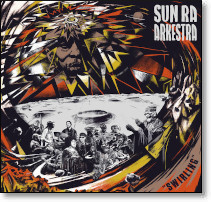
Front page headline in the Wichita Eagle today: Guns and ammo fly off the shelves in Wichita. Page two headline: Wichita police: Suicide attempts involving guns up 150% in 2020. My first thought was that this sounds like a self-correcting problem, but the scales don't work out. I understand why people on both sides are terrified by the prospect of losing this election -- not that I think Trump supporters have anything serious to worry about -- but it escapes me how anyone could think the solution is stockpiling guns. If you haven't already voted, do so tomorrow. It is, quite literally, the least you can do. Next week we'll unpack some of the results, but quite frankly, I'm looking forward to not having to deal with so much insanity on a weekly basis. New records reviewed this week: Ainon: Drought (2020, We Jazz): Finnish cellist Aino Juutilainen, probably her first album as leader, quartet with Satu-Maija Aalto (violin/viola), Suvi Linnovaara (sax/clarinet/flute), and Joonas Leppänen (drums). B+(**) Autechre: Sign (2020, Warp): English electronica duo, Rob Brown and Sean Booth, 14 studio albums since 1993. Quasi-industrial push-pull, decorated with the occasional squiggle. B Autechre: Plus (2020, Warp): Released a couple weeks after Sign, feels like leftovers. Still, might have an edge for humor, or maybe I'm just in a better mood. B Ballrogg: Rolling Ball (2020, Clean Feed): Norwegian trio -- Klaus Ellerhusen Holm (clarinets), Roger Arntzen (bass), and David Stackenäs (guitars) -- second album. Drumless, the guitar well under control, offers a free chamber jazz effect. B+(*) Tim Berne's Snakeoil: The Deceptive 4 (2009-17 [2020], Intakt, 2CD): The alto saxophonist's main group for more than a decade now, originally appearing on his 2012 Snakeoil ECM debut. Oscar Noriega (clarinets) offers a contrasting horn, Matt Mitchell plays piano, and Ches Smith drums. First disc is a 2017 set at Firehouse 12. Second picks up tracks from two early shows (the 2nd and 4th played by the group). I struggled with Berne's early music, then it seemed like he really hit his stride in the 1990s, but I've never been a big fan of this particular group, and this is a bit much on edge. B+(**) Call Super: Every Mouth Teeth Missing (2020, Incienso): British electronica producer Joseph Richmond-Seato, third album, first two I liked a lot. A misstep to start, then this starts to find itself, just enough beats to keep you going, just enough embellishment to stave off monotony. B+(***) Chrome Hill: This Is Chrome Hill (2019 [2020], Clean Feed): Norwegian quartet, fourth album since 2008 (second on Clean Feed), led by guitarist Asbjørn Lerheim, with Atle Nymo (tenor sax), Roger Arntzen (bass), and Torstein Lofthus (drums). B+(*) Mino Cinelu/Nils Petter Molvaer: SulaMadiana (2020, Modern): Percussion and trumpet duo, French and Norwegian, the latter has a major career in jazztronica, Cinelu less famous but three years older -- I especially liked his Kenny Barron duo, Swamp Sally (1995). Four dedications: one to tribes of the Amazon, two Africans, Jimmy Cobb. No electronics, but exotic enough to set up the trumpet. A- Joachim Cooder: Over That Road I'm Bound: The Songs of Uncle Dave Macon (2020, Nonesuch): Ry Cooder's son, started playing drums as a child, also keyboards. Has a couple previous albums, side credits mostly on his father's albums. Clever misdirection, but not that good a fit. B Dagny: Strangers/Lovers (2020, Polydor, EP): Norwegian pop singer, full name Dagny Norvoll Sandvik, singles back to 2011 but this six song, 19:42 digital download is the closest she's come to an album. Pretty good songs, especially the closer ("Tension"). B+(**) Fat Tony: Exotica (2020, Carpark): Houston rapper Anthony Lawson Obi (or Obiawunaotu), early record called Smart Ass Black Boy, more to the point than this title, although this does include a title in French. Nine tracks, 26:52, flows and bounces and wigges a bit. B+(***) Ariana Grande: Positions (2020, Republic): Pop star, sixth album since 2013, typical pop production where all songs have 5+ writers and 3+ producers, where Tommy Brown and Steven Franks are ubiquitous but never sufficient. B+(*) Home Counties: Redevelopment (2020, Alcopop!, EP): UK alt/indie band, from Bristol, first record (five tracks, 15:46). Kinky enough they may be worth following. B+(*) Keith Jarrett: Budapest Concert (2016 [2020], ECM, 2CD): Solo piano, dozens of albums like this, but since a couple of strokes in 2018 sidelined him, the supply is looking more finite, therefore more precious. B+(**) Junk Magic: Compass Confusion (2020, Pyroclastic): Group named for a 2004 Craig Taborn album, part of Matthew Shipp's "Blue Series" of avant-jazztronica albums on Thirsty Ear (and not a particularly successful one in my opinion). Taborn was gaining recognition for his innovative use of electronic keyboards, before eventually establishing himself as one of his generation's finest pianists. This quintet -- Chris Speed (sax), Eric Fratzke (bass), Mat Maneri (viola), David King (drums) -- is both a throwback to his electronica, and a step forward comparable to Kris Davis' poll-topping Diatom Ribbons. I admire the dark and dirty sound more than I like it. B+(***) [cd] Takuya Kuroda: Fly Moon Die Soon (2020, First Word): Trumpet player, from Japan, studied at Berklee, settled in New York, half-dozen albums since 2010. Lively funk-fusion, don't have credits but two songs feature Corey King (trombonist and, evidently, singer, although someone else does "Sweet Sticky Things"). B+(***) Adrianne Lenker: Songs (2020, 4AD): Singer-songwriter, second solo album since she co-founded Big Thief (4 albums). Low-key, has some nice spots. B+(*) Malin Pettersen: Wildhorse (2020, Die With Your Boots On): Country singer-songwriter from Norway -- Bandcamp tags include "americana, country, nordicana, norwegicana, roots." Has the voice, plus some songs. B+(**) Mikkel Ploug: Balcony Lullabies (2020, Stunt): Danish guitarist, fifth album, second solo effort. Nice within its limits. B+(*) Serengeti: With Greg From Deerhoof (2020, Joyful Noise): Greg Saunier and David Cohn crossed paths several times, including a gig in Berlin that produced a 17:16 "I Got Your Password," leading to the long-distance collaborations added here: Saunier emailed music tracks, and Cohn added raps. B+(*) Sun Ra Arkestra: Swirling (2018 [2020], Strut): Ghost band, the former Herman Poole Blount having departed this dimension in 1993, leaving alto saxophonist Marshall Allen (now 96) in charge, a link going back to the 1950s. Billed as the group's first album since 1999, but no recording date given, so when? Presumably before two members passed: Danny Ray Thompson in March, 2020, and Stanley "Atakatune" Morgan in October, 2018. Long album (13 tracks, 92:58), has some rough spots, quite a few vocals (Tara Middleton), a generous helping of that old cosmic swing. A- [bc] Richard Thompson: Bloody Noses (2020, Beeswing, EP): All acoustic solo quarantine music, "some harmony vocals by Zara Phillips," six very solid songs, 24:41. B+(***) Jeff Tweedy: Love Is the King (2020, dBpm): Leader of Uncle Tupelo and Wilco, fourth solo album since 2020. Nice songs. B+(**) Ben Wendel: High Heart (2020, Edition): Tenor saxophonist, from Vancouver, BC; albums since 2008. Also plays piano/Wurlitzer on three tracks (although Gerald Clayton and Shai Maestro also have keyboard credits), bassoon on one. More trouble for me is Michael Mayo ("vocals/EFX"). B Miki Yamanaka: Human Dust Suite (2020, Inside Out Music): Pianist, also plays vibraphone, from Kobe, Japan, based in New York, at least two previous albums, this a quartet with Anthony Orji (alto sax), Orlando le Fleming (bass), and Jochen Rueckert (drums). One piece by Randy Weston, the rest originals. B+(**) Recent reissues, compilations, and vault discoveries: Sharon Jones & the Dap-Kings: Just Dopped In (To See What Condition My Rendition Was In) (2001-17 [2020], Daptone): Retro-soul outfit, first album 2002, ended with Jones' death in 2017. Covers compilation, most not on the group's seven albums. Right up their alley, but the best songs inevitably remind you of better ones. B+(*) [bc] Sun Ra & His Arkestra: Unity: Live at Storyville, New York, October 1977 (1977 [2020], Enterplanetary Koncepts): Leader plays organ and "rocksichord," band tops out at 20, including singer June Tyson, but mostly you get hard swinging soul jazz. B+(***) Unpacking: Found in the mail last week:
Ask a question, or send a comment. Sunday, November 1, 2020 Weekend RoundupTable of contents:
I opened the Wichita Eagle this morning to see an alarming op-ed, titled "This presidential election is a battle between good and evil." I didn't instantly disagree, but figured I needed to look at the fine print to see whether it favored good or evil, and turns out it sided with evil. The author was Brian McNicoll, a writer for the Heritage Foundation. This kind of demonization never does anyone any good -- even when opposing Donald Trump, who is guilty of so many offenses against humanity one can excuse the shorthand. The thing is, it's always possible to construct a valid critique of Trump on issues, without ever getting into ethical or psychological matters (which are pretty offensive, too). McNicoll's screed is evenly divided between lies he thinks favor Trump and lies he thinks damn Biden. One could go through these point-by-point, but the deeper problem is the absolutist Manichaean worldview. One may disagree over corporate tax rates, but you're only deluding yourself when you claim that some levels are good and others evil. Worse, you're vowing to kill your opponents, and inviting them to kill you, just so you can feel righteous. The weird thing is that while Trump is right to worry about losing, his followers aren't really risking much. Most popular Democratic reforms will actually help all but the very richest Americans, and if the track record of Biden's wing of the party holds up, the rich will also do better. Guns seem to be a concern, but the only things Democrats are seriously pushing there are background checks and/or some kind of limit on weapons of mass destruction. Most gun owners will barely be inconvenienced. Lately I've known several people describe abortion as "evil" in tones liberals almost never apply to guns. Clearly, they want to strip hard-earned rights away from women, and be able to dictate a large chunk of their lives. What makes them think they should even have that right baffles me, but it's become a litmus test for the whole conservative movement. I had a second screed I wanted to write a bit about, but don't have time. It starts:
I picked this up from a Facebook "friend" (actually, a relative), and ascribe much of it to the heat of the moment, but I feel personally threatened by this vitriol. Again, nearly all of the charges are lies, wrapped up with the credulous anger of someone who feels he is being victimized by the unseen but much imagined forces of the left. I think it should be clear by now that I don't hate Trump supporters. Indeed, I know a fair number of them, and love some very much. I simply think they are mistaken, sometimes even delusional, and I believe that their mistakes and delusions can hurt people (including themselves). As for Trump himself, I think that someone who started out with all of his advantages, who ultimately accumulated so much power, should be held responsible for his actions. Here's one of my rare political tweets:
One last note: Robert Fisk, veteran British foreign correspondent, dies aged 74. Fisk wrote a very important book on the 1975-90 Lebanese Civil War, Pity the Nation: The Abduction of Lebanon. He covered the Middle East for many years, writing in The Independent, and has several more notable essay collections. His work immensely helped many of us to anticipate the disasters that unfolded with GW Bush's invasions of Afghanistan and Iraq, as well as the later interventions in Libya and Syria. EndorsementsIf you care about the community you live in, the nation, and/or the world, Vote for Biden-Harris. There is no other sane choice, and it's silly to pretend otherwise. If you're in Kansas, vote for Barbara Bollier for Senate, because her brand of Republicanism is far less obnoxious than Roger Marshall's, and she'll vote to organize the Senate in a way where Democrats actually have a chance of doing something good (or less awful). If you're in or near Wichita, vote for Laura Lombard over Ron Estes. If you're in our neighborhood, vote for Mary Ware and John Carmichael for the state legislature. And especially vote for James Thompson for the judge slot he started a late campaign for. If in doubt, vote for whoever's running as a Democrat. Not all Republicans are corrupt, sociopathic miscreants, but a lot of them are, and they're running on a ticket headed by one. Electing Democrats won't solve our problems. They will be as sympathetic to lobbyists as Republicans are, but they'll understand better the need to protect their voters' interests as well, to find some balance which is the soul of moderation. I didn't look for endorsement links this week (although I found one in an open tab). You can see some last week. I also wrote something about this in last week's Music Week. The Economist: Why it has to be Biden. Campaigns and ElectionsElection day is Tuesday. Actually, most Americans have already voted -- 92 million, according to an article below -- so the real import of the day is that's when we start moving from polling to actual vote counts. As noted below, the polls favor Biden-Harris, not only to get more votes than Trump-Pence but to get enough more to overcome the systemic bias built into the electoral college (which in 2016 allowed Trump to win while receiving 3 million fewer votes than Hillary Clinton). I tend to avoid spending a lot of time on polling, but this time I've picked out a number of links that explain how polling works, how it tends to go wrong, and what the risks are. The big open question this time is whether Republican efforts to suppress the vote and/or to reject votes through lawsuits slant the returns significantly. There is, also, a chance that someone might be able to hack the actual returns -- a far more serious problem than Russian efforts to spread misinformation in 2016. (After all, Republicans were doing a huge amount of that anyway.) I think it's possible to say that any major discrepancies will be discovered and corrected if given time and attention. Most likely, a major thrust of Republican post-election torts will be (as Trump has already abundantly advertised) directed to shutting the process down as early as possible. While a truly close election could take a week or two to sort out, a Biden landslide could be clear within a day or two. At this point, a Trump landslide seems inconceivable, and would certainly be very suspicious. Kate Aronoff: Are you fracking kidding me, Trump? "The president's latest electoral Hail Mary: He's considering ordering federal agencies to produce a report on fracking that will emerge months after the election and which no one will read." I can't help but find this amusing. After eight years of "oil man" Bush driving gasoline prices through the roof (only to see them collapse in his Great Recession), it was the Obama-Biden administration that promoted fracking, leading to a surge in oil production, achieving the "holy grail" of American energy independence that had been part of Republican platforms since Reagan but had always proved elusive. In a saner world, Biden would have to acknowledge fracking as a blemish on his record, but with Trump embracing it so wholeheartedly, he's let his opponent off the hook. Alexander Burns: Trump's closing argument on virus clashes with science, and voters' lives: "The president has continued to downplay the severity of the coronavirus and declare before largely maskless crowds that it is vanishing. The surge in new cases across the country says: Not so." Jonathan Chait:
Sean Collins: Black voter turnout was down in 2016. This time looks to be different. Chas Danner: Trump reportedly plans to declare premature victory: Live election updates. This file gets updated regularly, so the title and lead piece may change, but the section title is a bit more provisional: "Trump reportedly plans to declare victory on if he's ahead on Election Night." As I've noted below, there isn't a very big window for claiming victory prematurely, unless he actually is winning. The article notes, "For this to happen, his allies expect he would need to either win or have commanding leads in Ohio, Florida, North Carolina, Texas, Iowa, Arizona, and Georgia." The fact is, he could win all of those states and still lose the election: Pennsylvania is the median state, and every state listed is on the list of states Trump is more likely to carry than Pennsylvania (current polls show him losing FL, NC, AZ, and GA, and barely ahead in IA, TX, and OH). That this story has any credibility at all is because we're so used to Trump claiming ridiculous bullshit, and certain segments of the media echoing him in awestruck wonder. [PS: Possibly in response to the Axios report this is based on: Trump denies he'll declare victory on election night, but threatens that his lawyers are ready to challenge results.] Susan B Glasser: Denialism, dishonesty, deflection: The final days of the Trump campaign have it all. "The President is ending his reélection bid with scandals that call into question the legitimacy of next week's vote." I have a certain amount of respect for Trump's insistence that he still has a chance despite the polls, but he's going about it all wrong, and that exposes his bad faith, and considerably worse. If he could win, you'd expect him to do everything possible to convince even his opponents that the results are fair and true. But by harping on how rigged the election is, he's not only leading his followers to think that his loss would be illegitimate, he's planting the seed in his opponents' minds that he himself could only win by crooked means. He is, in short, making America's near future ungovernable for either party. He may not realize this, but win or lose he's already managed to spoil the election, to delegitimize American democracy. I don't know whether he's proud of this, or just that fucking stupid. Emphasis added below:
James Hamblin: Trump has gone from downplaying the pandemic to outright Covid denial.
Ben Jacobs: Where the Trump revolution started and ended: "Republicans thought they had realigned the coutry four years ago. Iowa isn't going along." Dan Kaufman: Will Trump's broken promises to working-class voters cost him the election? Jen Kirby/Rani Molla: 9 questions about 2020's record-breaking early vote, answered. "More than 84 million Americans have voted so far in 2020." Charlotte Klein: Trump rallies leave trail of COVID spikes in their wake. Dubbing them his "superspreader tour" is no joke. For more details: Trump rallies may be responsible for an estimated 700 Covid-19 deaths. Ezra Klein: Nate Silver on why 2020 isn't 2016. Interview with the 538 founder and guru. Pieces by Silver and 538:
Jill Lepore: The trouble with election projections. By an historian, so she mentions premature claims like Charles Evans Hughes in 1916, but somehow missed Thomas Dewey in 1948. Robert Mackey: Trump's pathetic attempt to get Netanyahu to attack Biden falls flat. Well, aside from getting Netanyahu's richest American donor to cough up even more money. Dylan Matthews/Kay Steiger: How the press calls elections, explained. Tom McCarthy: 'Red mirage': The 'insidious' scenario if Trump declares an early victory. There are various "mirage" scenarios, both "red" and "blue," but they're all pretty tenuous. The fear is that if there is any point in the evening when Trump appears to be ahead, he will claim victory and his followers will believe him. But no one else will, until we see clear data that lines up with or exceeds expectations (for Biden) or that consistently overturns them (or Trump). Dana Milbank: Trump just made Biden's closing argument against him.
David R Montgomery/Maggie Haberman: Vehicles flying Trump flags try to force a Biden-Harris campaign bus off a highway in Texas. Sumner Concepcion later wrote about this story:
By the way, David Frum's interpretation of this Trump tweet was: "President Trump endorses attempted vehicular homicide." Also: After Trump supporters surround a Biden bus in Texas, the FBI opens an investigation. David Nakamura/Paul Sonne: Trailing in the polls, Trump enlists his administration and co-opts the government to bolster his reelection. Nicole Narea: More people have already voted in Texas than did in 2016 overall: "Texas has historically had among the lowest levels of voter turnout nationwide." Chart shows four more states where early votes as a share of 2016 totals is over 80%: Georgia, North Carolina, Florida, Arizona. Chart is limited to "swing states," where Pennsylvania is low at 34.3%, Minnesota 40.0%, Ohio 46.3%, Michigan 50.3%, Wisconsin 58.4%. New York Times Editorial Board: Why are Republicans so afraid of voters? "There is no 'both sides do it' when it comes to intentionally keeping Ameicans away from the polls." Tina Nguyen: Election day becomes doomsday scenario for militia groups. Cameron Peters: Trump's latest defense on Covid-19 is a false attack on health care workers: "Trump says doctors are overcounting Covid-19 deaths. In reality, the death toll is probably an undercount." Andrew Prokop:
Aaron Rupar:
David Siders/Zach Montellaro: Trump confronts his 50 percent problem: "The president's inability to capture a majority of support sheds light on his extraordinary efforts to suppress the vote." Jamil Smith: How Donald Trump talks about black people. Peter Stone: Billionaire casino boss Sheldon Adelson splashes the cash in bid to help Trump: "The magnate, 87, is expected to have spent $250m this election cycle to support conservative causes, fundraisers say." Matthew Yglesias:
Covid-19The Covid Tracking Project: The pandemic is in uncharted territory: "The fall surge is rewriting the coronavirus record books across America. And the numbers are still climbing." Timothy Bella: Donald Trump Jr. said Covid-19 deaths are at 'almost nothing.' The virus killed more than 1,000 Americans the same day. Also on DJTJ: Vincent Bevins: How the pandemic dealt a blow to Europe's far right: "Covid-19 led to setbacks for many far-right parties across Europe as issues like immigration receded and voters sought out competent leadership." Josh Dawsey/Yasmeen Abutaleb: 'A whole lot of hurt': Fauci warns of covid-19 surge, offers blunt assessment of Trump's response. Stephen Duckett/Tom Crowley: Finally at zero new cases, Victoria, Australia, is on top of the world after unprecedented lockdown effort. Charlotte Klein: Second coronavirus wave propels European countries into lockdown 2.0. German Lopez: Why North and South Dakota are suffering the worst Covid-19 epidemics in the US. Subheds: The Dakotas resisted basic policies to fight Covid-19; The public, fueled by Trump, didn't follow proper precautions; North and South Dakota now have a serious and growing crisis." Cameron Peters: As Trump downplays Covid-19, the US sets a world record for cases. Still More on Donald TrumpDavid Atkins: Trump plans a series of Saturday night massacres if he wins. Names reportedly on the chopping block: Mark Esper, Gina Haspel, Christopher Wray. I don't care for any of them, but it is true that Trump's minions have become notably more servile and sycophantic since his first batch, and that's made them more willing to engage in dubious activities (e.g., William Barr, Mike Pompeo). A second term will be a giant boost to his ego. Peter Baker: Dishonesty has defined the Trump presidency. The consequences could be lasting. "Whether President Trump wins or loses on Nov. 3, the very concept of public trust in an established set of facts necessary for the operation of a democratic society has been eroded." Bad, but if he wins, the consequences will be so much worse. When he tested positive for Covid, some pundits wondered whether his illness might make him a bit more humble and respectful of reality, but when he recovered, he only became more arrogant and more deranged. Winning this election will only reinforce his belief that dishonesty pays dividends, and Republicans will continue to follow him anywhere. If he loses, that will be a start toward reasserting that truth and trustworthiness matter. Sure, just a start, but a necessary one. Elizabeth Dwoskin/Craig Timberg: The unseen machine pushing Trump's social media megaphone into overdive: "Researchers say the online feedback loop between Trump, high-profile influencers and rank-and-file followers is more dangerous than Russian misinformation." Juliet Eilperin: Trump to strip protections from Tongass National Forest, one of the biggest intact temperate rainforests. Garrett M Graff: 'There are no boundaries': Experts imagine Trump's post-presidential life if he loses. My own fearless prediction: whatever he does will be disgusting, and he'll only do as much of it as he can get other people (including the taxpayer) to pay for. Karen J Greenberg: Donald Trump's failed state. Michael Kruse: The swamp that birth Trump: "Trump's first chronicler revealed how New York's corrupt political culture imparted to the young developer the skills he brought to Washington." Eric Lipton/Benjamin Weiser: Turkish bank case showed Erdogan's influence with Trump. Martin Longman: Pompeo and the Trump crusade to politicize the federal workforce. Jane Mayer: Why Trump can't afford to lose: "The President has survived one impeachment, twenty-six accusations of sexual misconduct, and an estimated four thousand lawsuits. That run of good luck may well end, perhaps brutally, if Joe Biden wins." Timothy Noah: How the stock market betrayed Donald Trump: "The president foolishly rested his reelection hopes on economic indices that are even more irrational than he is." Andrew Prokop: The unmasking of Anonymous, explained. Turns out the guy who wrote the famous New York Times op-ed, and followed it up with a book, A Warning, was Miles Taylor. Who? Who cares? More on Anonymous:
David Rohde: How America escapes its conspiracy-theory crisis. Joe Wertz: Trump's pullback of pollution controls is even more hazardous than you think. Supreme Court and Other InjusticesThe week started with Amy Coney Barrett has officially been confirmed as a Supreme Court justice, giving the Federalist Society a 6-3 majority. Angelina Chapin: Louisville cop sues Breonna Taylor's boyfriend for 'emotional distress'. Garrett Epps: Independent judiciary, RIP. Matt Ford:
Sean Illing: The case for stripping the Supreme Court of its power: "A Harvard law professor on whether it's time to rethink the nation's highest court." Old 2018 interview with Mark Tushnet, who at the time was already worried by Brett Kavanaugh's appointment. Ed Kilgore:
Marin K Levy: Republicans have already packed state supreme courts. Ian Millhiser:
Anna North: Around the WorldJariel Arvin: A 7.0 earthquake struck near Greece and Turkey, killing at least 14 and injuring hundreds. Regine Cabato/Jason Samenow: Typhoon Goni smashes into the Philippines, heads toward capital. Peak winds hit 195 mph ("as strong as any landfalling storm on record"). Also: "The typhoon threatens the country just days after Typhooon Molave struck, killing at least 22 people, mostly south of Manila, according to Reuters. Goni is following a similar path." Will Moreland: To compete with China and Russia, America needs a new era of multilateralism. Agree on multilateralism, but rather than repeating the Cold War folly of trying to organize the world against Russia and China, we need to find ways to cooperate with them. Moreland insists Russia and China are "a contest that cannot be wished away," and he focuses on the need to counter authoritarianism abroad. The obvious first step there is to counter it at home. But we should recognize that American support for dictators didn't start with Trump. It started in the 1940s with American strategists who felt we picked the wrong enemy and should have been fighting the Soviet Union instead of Nazi Germany. After WWII ended, they started recruiting former Nazis as assets for the global struggle against Communism. The Cold War is littered with high-sounding liberal rhetoric mixed with tactical support for dictators -- anything to ensure access for American capital and to keep left-leaning unions and parties out of power -- the net result merely proving America as the most hypocritical of nations. One can imagine a genuinely liberal foreign policy, one that promoted not just the usual democratic freedoms but let people everywhere assume more power over their lives, through governments more responsive to their needs. Still, neither the "realist" nor the "neocon" schools of foreign policy mandarinism support anything like that, even if they're willing to selectively spout the words to further their conflicts with their supposed enemies. Alex Ward: Japan's new prime minister has just one year to save the country from crisis. Other MattersDavid Atkins: The GOP conspiracy mentality will only become more dangerous when they lose power. Zack Beauchamp: How an Israeli thinker became one of Trumpism's foremost theorists: Yoram Hazony, president of the Herzl Institute think tank, author of a 2018 book called The Virtue of Nationalism. Michael Anton is a fan, and he probably ranks as the preëminent Trumpist intellectual around these days. Back in 2016, Anton wrote a pro-Trump essay called "The Flight 93 Election" in 2016, as if electing a Democrat would be so horrific that a suicide rush was preferable, and has a recent, even more hysterical screed: The Stakes: America at the Point of No Return. What makes Israeli settlers models for the American far right is their example as an elite which takes what it wants and holds it by force, with no bother pretending anyone else benefits, or even matters. In many ways they are recapitulating America's own settlement of the frontier, something which appeals to nostalgic gun-toting MAGA cowboys. Fabiola Cineas: The Philadelphia police shooting of Walter Wallace Jr., explained: "Wallace, a 27-year-old Black man, was fatally shot in front of his mother while reportedly experiencing a mental health crisis." Eleanor Cummins: Is this the end of American optimism? "Facing a seemingly endless pandemic and an election that has little hope of going smoothly, we're all on a grim, existential roller coaster now." Well, if Trump wins on Tuesday, that will wipe out what little's left of my optimism. One thing I thought I knew from close observation of American politics since 1960 is that while things have never worked out the way I hoped or wanted, somehow those in power managed to slog through without breaking everything -- even such disastrous wounds as the Vietnam War scabbed over, not that they learned the right (or any) lessons from their folly. Much of this resilience derives from business and other non-government organizations, and from civil relations, from everyday humanity. One can't help but wonder what kind of beating we're taking from the fear and isolation the pandemic is forcing on us. Trump's big pitch in the last days of the campaign is one of defiance, demanding that we not let the pandemic ruin our lives, that we go back to our pre-pandemic norms regardless of the costs in lives. I suspect that is a winning argument, and it is what will happen over the next year, even if we're smart enough to vote him out. Optimism always rebounds, even when it embraces irrationality. But better not to be so myopic and stupid about it. Shirin Ghaffary: 5 fact-checks from the Senate's hearing on social media. More on the Senate hearings:
Richard Hanania: Americans hate each other. But we aren't headed for civil war. Carol Lay: How to be an effective left-wing internet troll: Seems like something I might like to try, so I dug in and did my due dilligence. Eventually I concluded I couldn't hack it. Suggestion that wiped me out: "Skip the really long thoughtful posts. No one else reads them, either." Don't I know it. John Patrick Leary: Who gets included in "the American people"? "The enduring struggle over who is deserving of political representation." Nicholas Lemann: Losing Ground: "The crisis of the two-party system." Reviews three books: Robert B Reich: The System: Who Rigged It, How We Fix It; Jacob S Hacker/Paul Pierson: Let Them Eat Tweets: How the Right Rules in an Age of Extreme Inequality; and Robert P Saldin/Steven M Teles: Never Trump: The Revolt of the Conservative Elites. I've read, and can heartily recommend, Let Them Eat Tweets, along with most of the authors' previous books -- especially The Great Risk Shift (2007) is important for its little appreciated topic (few people realize they are carrying extra risk until it's too late), and American Amnesia (2016). I haven't read the others, and doubt I ever will. JC Pan: Pandemic fatigue is just exhaustion in the face of a failed state: "Americans are increasingly frustrated by the obligation to ride out a global disaster on their own. They have every reason to be." The genius of Republican administration is that they're so bad (and so corrupt) at it that you give up on the very idea that government was intended to "promote the general welfare." Fatigue was bound to happen just as a function of time, but the level of failure one is willing to accept is a matter of political calculation. Lili Pike: Why the record low Arctic sea ice this October is so alarming. Peter Sterne: Inside Glenn Greenwald's blowup with the Intercept. As I recall, Greenwald started out as a fairly apolitical lawyer with libertarian tendencies, who became radicalized as Bush's Global War on Terror impinged on civil liberties. I read his first book, and it was pretty innocuous: How Would a Patriot Act? Defending American Values From a President Run Amok? He moved from there into blogging -- With Liberty and Justice for Some: How the Law Is Used to Destroy Equality and Protect the Powerful seemed like a sharper title -- and even did some credible journalism (e.g., on Edward Snowden, and on Brazil after he moved there). He helped found the Intercept, but seems to have been increasingly peripheral lately, so the break appears to be a mix of ego and politics -- as a libertarian, he seems to want to attack Biden as much as Trump, which I'd say is premature (what good, right now, does it do to attack Biden for positions he shares with Trump?). I haven't cited him a lot lately, but I've occasionally found him useful (7 articles this year). Also on Greenwald:
Emily Stewart: Rashida Tlaib and AOC have a proposal for a fairer, greener financial system -- public banking. Paul Sullivan: For owners looking to sell, an option that keeps their company intact: "A sale to employees keeps the company local, and that may be more important to some owners than getting the highest price." Always happy to see a story where employees take ownership of a business. From my own experience I've seen how even modest stock options help to align employee and management interests. We need better laws to facilitate this sort of transfer. Several people have floated "codetermination" -- the practice in Germany of giving employees seats on corporate boards, which is a big part of the reason Germany continues to run positive exports on manufactured goods, despite some of the world's highest wages. I'd like to see bankruptcy law changed so that companies that have been bankrupted by vulture capitalists can be reconstituted as employee-run, even where creditors lose out. I also support unions, but employee-run businesses are a better solution. Jonathan Watts: 'Sleeping giant' Arctic methane deposits starting to release, scientists find. Gene Weingarten: In search of healing: "America is facing one of the deepest divides in our history -- and, no matter who wins the election, a difficult path forward." Not the point of the article, but his critique of Trump is spot on. And while he tries to soften his chagrin with Trump's fan base, it's hard to escape the notion that they're somehow lacking: in knowledge for sure, understanding, perhaps even character.
Adam Weinstein: The great GOP dystopian experiment is working exactly as planned in Florida: "Republicans have run the place into the ground. Yet voters keep electing them to state and national office. Why?" Matthew Yglesias: 2 models for regulating social media giants, explained: "We could treat them like phone companies or like TV networks, but not both." My own preference is a third path, which is to publicly fund free services, using open-source software, that would compete with the Internet giants but not do the evil things, like spying and selling user data, that Google, Facebook, etc. do. My guess is that if such organizations appear, users will flock to them, and we'll all be better off. Zeta knocks out power to 2 million: Louisiana was hit by a category 2 hurricane last week, which then cut across the southeast into the Carolinas with high winds and heavy rain before heading East into the Atlantic. A series of reports. One thing I'll add is that Zeta is not the end of the Greek alphabet, although it's further down the list than we've ever gotten before. Ask a question, or send a comment. Friday, October 30, 2020 Music Week
Music: Current count 34260 [34222] rated (+38), 214 [215] unrated (-1). I haven't been in much of a hurry to get this week's post out. (Cutoff was Thursday, Oct. 29, but didn't get the post up until Oct. 30.) I was delayed a day by Weekend Roundup. I missed two or three days of listening mid-week as I was preoccupied cooking an abbreviated version of my annual birthday dinner, so I didn't have much to show for the week anyway. I hadn't updated my Music Tracking or Metacritic files for a while, so had quite a bit of catching up to do there. I also wanted to take a pass at assembling my EOY Jazz and Non-Jazz files -- if nothing else to get a sense of whether my own grading was still historically consistent in this very abnormal year. All those things took lots of time. Besides, after the weather turned bad, I turned 70, and my massive report on last week's news fell on (evidently) deaf ears, I convinced myself no one much will miss a few days here. Plus we have extra days in October, so taking a few extra days just helps round up the monthly compendium (link above). For the record, birthday dinner consisted of:
We tried eating in the backyard. (One reason for going with Turkish is that it always seemed like camping food. Indeed, I've cooked some over a wood fire at my late Idaho cousin's rustic cabin.) I reported on this dinner on Facebook (should be public -- for photos, here's one of the spread, and another of a plate). Laura finally finished the cake today, and I took the last four filo rolls and refried them in butter with an egg. (There may be some carrots left.) Another factor in the delay was that I wanted to follow Weekend Roundup with some more reflective comments. I posted on Monday a few minutes after the Senate confirmed Trump's appointment of Amy Coney Barrett to the Supreme Court, but before I had seen the news reports. The vote wasn't unexpected, but it feels like the country has taken a sudden turn for the worse. Of course, it won't until she starts ruling on cases, but the curse of consciousness is that you can rationally anticipate disasters. And while that runs the risk of exaggerating the peril, I've found through long experience that my fears are usually warranted, and most of my errors were on the low side. In particular, I tend to expect people in a position of power to react rationally to reduce the damage caused by their initial delusions. One can cite instances of this happening, like how the Fed struggled to save a banking industry which in 2008 seemed hell bent on self-destruction. On the other hand, we've seen numerous instances of dysfunctional ideology tightening its grip trying to save face, as with the surges in Iraq and Afghanistan. But there are few examples of mindless delusion taking charge as in Trump's recent campaign of defiance against the rising wave of pandemic. How disastrous Trump's course will prove depends a lot on Tuesday's election results. A very grave prospect would be lessened: if Trump loses decisively, and if Trump concedes with any measure of grace, and if Trump refrains from using his lame-duck months deliberately sabotaging the incoming administration. While I remain hopeful of the first point -- my prediction is that Trump will lose worse than any incumbent president since Herbert Hoover -- nothing in the past or current behavior of Trump and those deluded enough to follow him suggests that the transition will be peaceful, let alone smooth. I've been wanting to say something about what I've learned about politics over the 60 years I've been following closely. I've come to the conclusions that two points are of fundamental import:
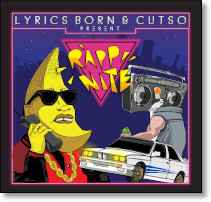
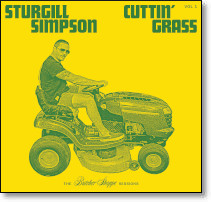
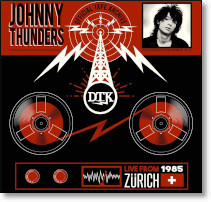
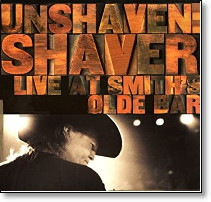
I didn't design this to support a case for voting for Biden-Harris to defeat Donald Trump, but my steadfast horror and opposition to Trump ultimately derives from these two points. Trump and his Republicans have decided that politics is the sole arbitrator of truth, and that they can impose their will on the world. This isn't some novelty that Trump invented. Karl Rove offered a clear statement back in the early "feel good" days of the Global War on Terror, when he insisted that as an Empire Americans were creating facts that others could only contemplate after the fact. The folly of their ego has become clear with their denial of climate change, which has become an article of faith with them despite overwhelming evidence to the contrary. But Trump's evasion and denial of the Covid-19 pandemic has an even more immediate impact: the latest (October 30) Map and Case Count shows cases up 42% (to 90,728 per day, over 9 million total) over 14 days. And while it's widely acknowledged that we've gotten better at treatment, deaths are up 16%, to 1,004 for the day and 229,239 total.[*] This is not just the consequence of bad policy based on contempt for science and, for that matter, the US Constitution's mandate that government should "provide for the comon defense, promote the general welfare, and secure the blessings of liberty." It's what you get when a ruling clique decide that they can get away with anything by lying about it and/or blaming others. More troubling still is the degradation of the view that the US government is just, fair, and inclusive. I hardly need to enumerate the myriad ways Trump has added to this perception, but should stress that even before 2016, the American economy had become more stratified than at any point in history. (Past peaks typically occurred just before major recessions, like 1893, 1929, and 2007, but the recovery from the latter -- rescuing banks and stocks while letting mortgages and wages dangle -- went almost exclusively to the already rich.) Moreover, thanks to lobbying and unlimited campaign funding and the political suppression of unions, power has flowed to business, and the most common source of injustice is the concentration of power. As Clinton and Obama did little (if anything) to stem this tide, Trump was able to take advantage of a widespread sense of decay, but being himself a creature wholly made by the privileges of wealth, he's done absolutely nothing to right past wrongs, and added more of his own devising. The most troublesome aspect of this has been the resurgence of racism under Trump -- early on, mostly coded against immigrants, but recently Republicans have found a target in Black Lives Matter, to the point where they actually seem to be celebrating police shooting unarmed blacks. Republicans may fantasize of repressing protests so violently they vanish from fear, but injustice eats away at the moral underpinnings of society, ultimately destroying the victors as well as the vanquished. I had a few more political points, but will hold them off until Weekend Roundup, which starts whenever I manage to close this. EOY lists were collected from the Year 2020 file, but I haven't gotten around to resorting them yet. One thing I noticed is that early albums ranked relatively high in the lists. That's probably an artifact of incremental list building. The current split is 54 jazz A/A-, 43 non-jazz. First pass on the lists usually splits like that, but evens out in January as I catch up with EOY lists. I was a bit worried that I was generating more A- records than is my custom, but if anything I'm a bit low. Last year's totals wound up with 77 jazz and 77 non-jazz. As February-October represents 75% of the rating year, a 12-month linear projection would expect the current list to expand to 72 jazz, 57 non-jazz. I don't have a way to compare rating rate to same time last year, but I have 982 records rated so far this year, vs. 1252 for all of 2019. The 2020 tracking file at present lists 3667 records, vs. 5178 for 2019. Using the same time projection, I'd expect 1309 records rated this year (up 4.5%). The total listed would scale up to 4889 (down 5.6%), but I expect the number will rise instead. (Most of the list growth occurs during the EOY list period. The file will contain every record mentioned.) Metacritic file (link above) is mostly updated through last week (based on AOTY, but not other sources), but doesn't yet include October 30 releases. Did a brief check for recent deaths, knowing that Billy Joe Shaver (81) had passed. I gave Unshaven: Live at Smith's Olde Bar (1995) an A- in October. Great songs, cranked up a bit by a band that included his guitarist son. One death I hadn't noticed was that of Jan Myrdal (93). Myrdal was Swedish, the son of Gunnar and Alva Myrdal, who wrote what in 1944 passed for the definitive study of racism in America: An American Dilemma: The Negro Problem and Modern Democracy. His parents were big believers in America's liberal tradition, but Jan Myrdal was decidedly more radical, with an early fascination with Asia and the Chinese revolution. I read two books by him: his early memoir Confessions of a Disloyal European (1968) and Angkor: An Essay on Art and Imperialism (1970, with his wife and illustrator Gun Kessle). The latter's critique of imperialism had a huge influence on me personally. I can't recommend it too highly. [*] As Donald Trump Jr argued: "I went through the CDC data, because I kept hearing about new infections, but I was like, 'Why aren't they talking about deaths?' Oh, because the number is almost nothing." The "nothing" number on that day: 1,004. New records reviewed this week: Benny the Butcher: Burden of Proof (2020, Griselda): Buffalo rapper Jeremie Pennick, has two cousins also in the game (Westside Gunn, Conway the Machine), second album. B+(**) Benjamin Boone: The Poets Are Gathering (2017-20 [2020], Origin): Saxophonist (soprano/alto), previously released two good albums with poet Philip Levine, entertains twelve more poets here (two each for Patricia Smith, Patrick Sylvain, T.R. Hummer, and Edward Hirsch). Mixed bag, some impressive, some righteously angry. Especially like the saxophone. B+(***) [cd] BTS: Map of the Soul: 7 (2020, Big Hit): Korean boy group, the biggest international phenomenon in K-pop with 20+ million albums sold. Seven singers, draw on hip-hop, discography complicated by mix of Korean and Japanese albums, drop in the occasional line in English. Seen live, their dance act can be captivating, but they're harder to follow aurally, and the rewards are less than conspicuous. B+(*) The Cadillac Three: Tabasco & Sweet Tea (2020, Big Machine): Southern rock/country group, from Nashville, fifth album since 2012, Jaren Johnston the singer-guitarist. Title song is about a girl. Got some funk licks. Remind me a bit of ZZ Top, minus the Texas shtick. B+(*) Clipping: Visions of Bodies Being Burned (2020, Sub Pop): Los Angeles hip-hop trio, rapper Daveed Diggs the best known -- has a solo career, but also for his roles in Hamilton. Genre listing is "horrocore," and there are references to horror films -- something I generally abhor, but am more simply puzzled by here. B+(***) Bootsy Collins: The Power of the One (2020, Sweetwater Sounds): Bassist, major contributor to James Brown and George Clinton, first solo albums credited to Bootsy's Rubber Band. Not much credit info, but name dropping for George Benson, Christian McBride, Branford Marsalis, and others. One foot in classic funk, the other dancing about. B+(***) Open Mike Eagle: Anime, Trauma and Divorce (2020, Auto Reverse): Underground rapper, gets catchier on the second spin before I start to lose track. B+(**) Kahil El'Zabar: Kahil El'Zabar's America the Beautiful (2018 [2020], Spiritmuse): Chicago percussionist, leads an impressive set of horns (including baritone saxophonist Hamiet Bluiett's last performance before his 2018 death) and strings (violin, cello, bass). I don't really care for either version of the title anthem, but the African-tinged "Jump and Shout" is terrific. B+(**) The Flaming Lips: American Head (2020, Warner/Bella Union): Long-running (since 1983) psychedelic rock band, from Oklahoma City. A group that I never expected to like, but the few records I've sampled have held a few pleasant surprises. B+(*) Fred Hersch: Songs From Home (2020, Palmetto): Pianist, prolific since 1984, cut this solo at home during pandemic, two originals, lots of standards. Nothing very splashy, just taking it easy. B+(***) [cd] [11-06] Homeboy Sandman: Don't Feed the Monster (2020, Mello Music Group): New York rapper Angel Del Villar II, steady stream of records since 2007, most close to the EP/LP divide, this one of his longest (15 songs, 53:21), produced by Quelle Chris. B+(***) The JCA Orchestra: Live at the BPC (2018 [2020], JCA): I've tended to associate this big band with Darrell Katz, but he is only represented by one (of six) pieces here, along with two each from Mimi Rabson and David Harris, and one by Bob Pilkington. Modernist big band plus strings (Rabson plays violin) and voice (Rebecca Shrimpton). Has some moments, but could do without the latter, or indeed most of it. B James Brandon Lewis Quartet: Molecular (2020, Intakt): Tenor saxophonist, perhaps the most impressive of his generation. I rather prefer his recent duo with drummer Chad Taylor (Live in Willisau for sheer power, but he's pretty deft in this larger group, with pianist Aruán Ortiz so clever and Brad Jones on bass, spinning their solos into gold. A- Low Cut Connie: Private Lives (2020, Contender): Adam Weiner, from Philadelphia, plays a mean piano, sixth album since 2011. I thought the first three were pretty good, then lost interest. B Lera Lynn: On My Own (2020, Ruby Range): Singer-songwriter, born in Houston, raised in Georgia, half-dozen albums since 2011, done some soundtrack work, with or without T-Bone Burnett. B+(*) Lyrics Born & Cutso: Lyrics Born & Cutso Present Rapp Nite (2019, self-released, EP): Rapper Tom Shimura with DJ Paolo Bello, 7 tracks, 20:50, slipped by unnoticed in 2019, although it's easy enough to find the video for "Hit Number One." A- Major Lazer: Music Is the Weapon (2020, Mad Decent): Dance music trio, originally billed as Jamaican-American but producer Diplo and MCs Walshy Fire and Ape Drums were all born in US. Still draws on dancehall (and maybe reggaeton), to distinctive effect. B+(**) The Mountain Goats: Getting Into Knives (2020, Merge): Singer/songwriter John Darnielle, 19th album, 2nd this year. He has a knack for tunes and memorable turns of phrase. B+(***) Pop Smoke: Meet the Woo 2 (2020, Victor Victor/Republic): Brooklyn rapper Bashar Barakah Jackson, second mixtape, commercial breakthrough (certified gold), released 12 days before he was shot dead, age 20. Plays much older than he was. B+(*) Pop Smoke: Shoot for the Stars, Aim for the Moon (2020, Victor Victor/Republic): Posthumous debut studio album, topped charts around the world. Opaque. B+(*) PUP: This Place Sucks Ass (2020, Rise, EP): Toronto punk band, acronym for Pathetic Use of Potential, three albums since 2013, this a 5-song, 17:19 EP. B+(*) Joel Ross: Who Are You (2020, Blue Note): Vibraphonist, second album, first widely picked as "debut of the year" but I'd chalk that up to being on a "major label." Has some rhythmic ingenuity, and credit labelmate Immanuel Wilkins for the alto sax. With Jeremy Corren (keyboards), Kanoa Mendenhall (bass), and Jeremy Dutton (drums). B+(**) Sa-Roc: The Sharecropper's Daughter (2020, Rhymesayers): Rapper Assata Perkins, originally from DC, studied biology at Howard, tenth album since 2010 (per Wikipedia; Discogs has 4 since 2014). B+(**) Darrell Scott: Jaroso (2020, Full Light): Second generation country singer-songwriter, more prolific but less impressive than his late father, Wayne Scott (1935-2011). B+(*) Sturgill Simpson: Cuttin' Grass Vol. 1 (The Butcher Shoppe Sessions) (2020, High Top Mountain): Metamodern country singer, seems like his progression through 2019's Sound and Fury was to make his work larger and grander than ever, but he had something extra that mere arena rockers (like Eric Church) didn't -- I was starting to think of him as the Wagner of Nashville. But when the pandemic threw him a curve ball, he choked up and slapped it down the left-field line. He scrounged some of these songs from his early albums, giving them a down-home bluegrass treatment. Presumably he's got more, and I could see the fascination fading, but for now this is the most likable he's every been. A- Songhoy Blues: Optimisme (2020, Transgressive/Fat Possum): Saharan rock group, from Timbuktu, Mali, third album. Guitar band, best when they ululate like other Saharan blues groups, but sometimes you get the sense they'd really rather be playing metal. B+(**) SPAZA: Uprize! (2016 [2020], Mushroom Hour Half Hour): South African group, second album, a live soundtrack improvised for a documentary on a 1976 uprising. Words, presumably, from the film. B+(*) The Soft Pink Truth: Shall We Go on Sinning So That Grace May Increase? (2020, Thrill Jockey): Alias for Drew Daniel, half of Matmos, fifth album since 2003, started in house but seems to have wandered widely (one subtitle is Electronic Profanations of Black Metal Classics). After an erratic start, eases into ambience. B+(*) Bruce Springsteen: Letter to You (2019 [2020], Columbia): Recorded last November with the E Street Band, features a couple of winning ballads, but most of the record is pumped up to classic proportions. If you're nostalgic for something like Darkness at the Edge of Town, you'll love this. I'm not, but I like it much more than Western Stars (or Darkness). B+(**) Josh Turner: Country State of Mind (2020, MCA Nashville): Neotrad country singer, eighth studio album since 2003. All covers here, most duets with guest stars: John Anderson stands out, possibly due to his contrast with Turner's deep voice, and Randy Travis delivered the single. B+(**) Loudon Wainwright III With Vince Giordano & the Nighthawks: I'd Rather Lead a Band (2019 [2020], Search Party): Sez here this album "travels back to Wainwright's big-band-era youth," but he's not that old. Randall Poster supervises, Giordano rounded up the 15-piece band (playing bass sax, tuba, and string bass), and Wainwright croons, mostly 1930s standards. B+(**) Recent reissues, compilations, and vault discoveries: Allman Brothers Band: The Final Note: Painters Mill Music Fair, Owings Mills, MD 10-17-71 (1971 [2020], Allman Brothers): Guitarist Duane Allman's last gig, 12 days before he was killed in a motorcycle accident. So-so sound. Adds nothing to the band's legacy. B- Wanda Jackson: The Capitol Singles 1971-1973 (1971-73 [2020], EMI Music Nashville): Rockabilly star from the mid-1950s, touted as "the queen of rockabilly," recorded for Capitol 1958-73, moving on to gospel label Myrrh -- most of her later records were religious, but she recorded I Remember Elvis in 2006, and The Party Ain't Over for Third Man in 2011. This is the tail end of her Capitol recordings, material that Rhino skipped when they ended Rockin' in the Country: Best of Wanda Jackson at 1970. After an over-the-top "Battle Hymn of the Republic" this settles into a ballad groove. B+(*) John Lennon: Gimme Some Truth: The Ultimate Mixes (1969-80 [2020], Universal, 2CD): Capitalizing on that would have been the ex-Beatle's 80th birthday, this 2-CD solo (plus Yoko Ono) survey recycle the title from their 70th birthday 4-CD box. This includes 3-7 songs each from six albums, one each from three more, plus a few singles. The miscellany isn't as brilliant as that collected for the soundtrack The U.S. Vs. John Lennon (2006), and three of the albums are worth owning whole. (Some argue for Double Fantasy, but I've never been a big fan, and the seven songs sound like the weak spot here -- snapped hard by Milk and Honey's "Nobody Told Me.") Still, a remarkable, tragically shortened career, nicely summed up. B+(***) Leyla McCalla: Vari-Colored Songs: A Tribute to Langston Hughes (2013 [2020], Smithsonian Folkways): Carolina Chocolate Drops cellist, also plays banjo and guitar and sings, first solo album, wrote music to frame the poet's words, mixing in some Haitian folk songs. B+(***) Edward Simon: 25 Years (1995-2018 [2020], Ridgeway, 2CD): Pianist, from Venezuela, studied in Philadelphia and New York, more than a dozen albums since 1995. Fine selection here, including a SFJazz piece. Most tracks have horns -- alto saxophonist Dave Binney most impressive -- and many have Luciana Souza scat, nothing much to complain about. B+(***) [cd] Johnny Thunders: Live From Zürich 1985 (1985 [2020], Johnny Thunders Archive): Second banana in the New York Dolls, name Gemzale, went on to form the Heartbreakers (L.A.M.F.) and record a couple solo albums -- So Alone (1978) is a favorite -- before succumbing to the inevitable drug overdose at 38 (or was it?). Live date, past his prime but looks as far back as the Dolls, band includes a saxophone as well as some primal guitar. A- Old music: Skip James: Blues From the Delta (1966-68 [1998], Vanguard): Mississippi bluesman, plays piano as well as guitar, high and lonesome voice, recorded 18 songs in 1931 -- many people revere those sides but I've never warmed to them, partly due to the poor sound quality -- then, like John Hurt, Son House, and others, vanished until the folk blues boomlet in the 1960s. This compiles most of two albums -- 9 (of 12) each from Today! and Devil Got My Woman plus two previously unreleased. Best cuts from the latter album. B+(***) Unpacking: Found in the mail last week:
Ask a question, or send a comment. Monday, October 26, 2020 Weekend RoundupOnce again, this week's news overwhelmed my ability to round it up by Sunday night. Music Week will also be pushed back a day. Table of contents:
Noticed in the Wichita Eagle today an obituary for Michael Hannon. I knew him when we were students at Hamilton Intermediate School in Wichita, KS. He was part of a gaggle or clique of students that I associated with in 8th and 9th grades -- most were old friends from Gardiner, but we walked south together after school until they turned east, and I jogged west and south. His father and uncle were big shots in the Wichita Police Dept., and I remember him as being fervently pro-Goldwater in 1964 (for a brief moment he steered me that way). I went to Wichita High School South for 10th grade, while everyone else I knew went to East. That left me with no friends, and after hassles from the administration, I dropped out midway that year, only to get locked up for my truancy. I returned to South for 11th grade, turned 16, and quit again. The only bright spot in that miserable years was when Michael transferred to South, and was dropped into my remedial English class. So for a couple of months, he was my only friend. Not enough to survive my exit, but I've always remembered him fondly. Looks like he graduated from South, went to college, got a master's degree, got married, had a couple of kids, worked as a "residential health director," moving to Colorado then back to Wichita. He was a week or so younger than me. Obituary says "he believed that if everyone was kind to each other the world would be a better place." He was kind to me. I was playing Leonard Cohen's extraordinary Live in London album recently. I've heard this song many times since it originally appeared in 1992, usually finding it it quaintly ironic, but ten days before the election, I finally heard it as prophetic, with nearly every line taking on new found significance (e.g., "the cradle of the best and the worst"). Covid in the US: Latest map and case count shows, as of October 25: 8.7 million+ cases (14-day change +32%), deaths 225,357 (14-day change +12%). The third wave now appears to be above the second wave peak back in July. EndorsementsThis is just a sampling. I could find hundreds more, hammering away at many of the same points. Needless to say, I endorse Biden-Harris, and have already voted for them. The Atlantic: The case against Donald Trump: "The president of the United States poses a threat to our collective existence. The choice voters face is spectacularly obvious." Reminds readers of their 2016 endorsement, then goes on:
National Nurses United: Nurses endorse Joe Biden for President!
New Hampshire Union Leader: Our choice is Joe Biden: Evidently, the first time the legendarily conservative newspaper has endorsed a Democrat (well, at least, in over 100 years). The New York Times: Elect Joe Biden, America.
The New York Times also published: R.I.P., G.O.P.: "The Party of Lincoln had a good run. Then came Mr. Trump." Actually, the whole enterprise went rotten long before Trump, who is unique only in not bothering to pretend that Republican rule seeks only to profit from graft and is actively hostile to anyone not in their select following. Trump may even have done us a favor in exhibiting his malign public policy as sociopathic personality. Most Republicans are careful to disguise their intentions and rationalize their effects. Even Trump lies incessantly about them, but so transparently only the most foolishly gullible believe him. The New Yorker: The New Yorker endorses a Biden presidency: "It would be a relief simply to have a President who doesn't abuse the office as a colossal grift. But a new President must also address the failures that have been festering in American life for decades."
The Philadelphia Inquirer: Pennsylvania needs Joe Biden.
Rolling Stone: Joe Biden for President.
Scientific American: Endorses Joe Biden: "We've never backed a presidential candidate in our 175-year history -- until now."
The Washington Post: Trump's America in 2024:
Oma Seddiq: Only 4 major US newspapers have endorsed Trump for reelection: The Las Vegas Review-Journal, New York Post, Colorado Springs Gazette, and the Spokesman Review. I suppose you could also count this squirrelly piece by Ross Douthat: The last temptation of NeverTrump. Pro-Trump arguments inevitably depend on massive misrepresentations of Trump's actual record, usually accompanied by outrageous, hysterical lies about Biden and the Democrats. Presumably the latter justify the former. Campaigns and ElectionsThere was a second debate between Trump and Biden last week. Reports generally agree that Trump embarrassed himself less this time, that he continues to support very unpopular policies, barely camouflaged with an armada of lies. Vox [Zack Beauchamp, German Lopez, Dylan Scott, Emily Stewart, Jane Coaston, Jen Kirby, Dylan Matthews]: 4 winners and 5 losers from the last Biden-Trump debate. Winners: Joe Biden; Kristen Welker; the mute button; New York. Losers: Donald Trump; Medicare-for-all; Senate Republicans; Social justice; China. 538: What went down during the final presidential debate of 2020. Typical take: "Biden was blah, Trump wasn't as bad as before." Fair and balanced? Sasha Abramsky: Trump sinks to new depths of deceit and depravity: "His mendacity level was through the roof, and his lack of empathy was even more on display." Tim Alberta: The unspectacular excellence of Joe Biden's slow and steady campaign. Shawn Boburg: Trump campaign flouted agreement to follow health guidelines at rally, documents show. David Corn: Yes, Trump was calmer in debate no. 2. He's still a narcissist with no sense of empathy. Chas Danner:
Mark Danner: The con he rode in on: "Why do people hardly even talk about all the car plants Donald Trump has brought to Michigan?" Huh? Danner produced a quote from a Trump book written in 1987:
Danner adds:
Jonathan Easley: GOP pollster Luntz blasts Trump campaign as worst he's ever seen. Matt Ford: Trump is giving America a grisly preview of a second term: "If reelected, he would likely take his exuberant penchant for corruption and vindictiveness to pornographic heights." This might be a good place to add a note. More often than not, presidents have been less effective in second terms than in first. Eisenhower and Reagan were much less vital in their second terms, partly due to health issues, partly because 6-year elections went very bad for them. GW Bush barely eked out a second term win, and was all thumbs after that, losing to Katrina and Iraq in his 5th year, losing Congress his 6th year, then blowing a hole in the economy, and winding up even more unpopular than Trump is now (or Wilson was by the end of his second term). Clinton and Obama lost Congress in their first mid-term elections, recovered enough to eek out a second term but stuck with a hostile Congress. Trump might be the exception here. For one thing, he set the bar pretty low in his first term, especially since he lost the House after 2 years. But also, he's learning how to use executive power to unilaterally implement his agenda, and as the courts are increasingly packed with Federalist Society flunkees, he's even more likely to get away with his plots and schemes. Congress will complain, and the House will probably impeach him again, but his vetoes will be sustained, and Democrats are unlikely to sabotage the economy just to spite him (as Republicans did to Obama). We'll wind up in a situation where the Constitution's vaunted "checks and balances" will have broken down, where vast executive powers that had been unwisely granted over the years will be construed to give Trump dictatorial powers, and where the courts will rubber-stamp his every wish. Given how malign Trump's agenda is, and how petty and vindictive he is himself, the results will be disastrous, and he will become even more unpopular than he already is. So while Ford paints a "grisly" future, if anything he underrates the potential for ruin. Susan B Glasser: Trump at the debate was like America in 2020: Not winning. Gabrielle Gurley: Florida's voter suppression obsession. Maggie Haberman/Michael Crowley: Trump calls on Barr to 'act' against Biden before election: "The president is increasingly fixated on seeing criminal action against his political opponents." Benjamin Hart/Olivia Nuzzi: The debate guardrails were a gift for Trump. Ben Jacobs: 'Grand slam': GOP insiders texted me their honest feelings about the final debate. Sarah Jones:
Dhruv Khullar: How Trump became the pro-infection candidate.
Ed Kilgore:
Jen Kirby/Rani Molla: Early voting in 2020 has already exceeded all of 2016's early votes: "More than 51 million people have already voted early in 2020, surpassing 2016's overall early vote total." Ezra Klein: The fight is for democracy: "The stakes of this election are so high because the system itself is at stake." Starts by quoting Melissa Schwartzberg:
Eric Lach: "Before the plague came, I had it made": Trump strikes a doubtful note in Pennsylvania. Nancy LeTourneau: Fox News may be heading towards an epic election-night showdown. Starts: "Donald Trump has made it clear that he plans to declare victory on election night. He'll do it when the returns are primarily based on in-person voting from that day." So it will be interesting to see whether early media coverage gives him any encouragement, especially Fox. My impression is that while Fox hosts and guests will say anything, Fox's polling operation is fairly honest. News organizations don't project state winners until they have data to back up their modeled expectations, and if the data doesn't confirm, or they're missing significant data, they hold back. The big one this year is how much advance voting there is, how quickly it's reported (some states count mail-in ballots that arrive several days after election day), and whether it skews differently from in-person voting. Nobody knows the answer to that now, and won't until late. Trump's big hope for an early lead comes from Indiana and Kentucky, where polls close early and counting is very fast. In 2016, I expected IN/KY to go to Trump, but was disturbed early in the evening by his margins there. Still, if his early returns there don't top 2016, he won't have much ground to claim a win on. (According to 538, Trump is +10.6 in IN, +19.2 in KY, and that's based on nationwide polling that shows Trump -9.1; if Trump can win the electoral college while finishing -4 in the popular vote, which is pretty close to the built-in bias, he'd need to win IN +16 and KY +24. The median state right now is Pennsylvania, which is Biden +5.5, suggesting that Trump actually needs to shift more voters. BTW, 538 has a video explaining some of this: Will we know the winner on election night? Pay attention to these states. This indicates that they at least have some idea of how quickly various states will report results, but their tool is fairly crude, and not equipped to, for instance, handicap the election based on actual vs. expected results in arbitrary states, like IN/KY.) Eric Levitz:
Harold Meyerson: How many self-deceptions can our President sustain? "Lincoln's successor? The environment's pal? Are there any swing voters who believe this stuff?" German Lopez: Trump on Covid-19: "I take full responsibility. It's not my fault." With Trump, the buck never stops. Erin Mansfield/Josh Salman/Dinah Voyles Pulver: Trump's campaign made stops nationwide. Coronavirus cases surged in his wake in at least five places. Joel Mathis: The Trump administration has surrendered to the pandemic. Nicole Narea: Trump showed no regret over family separations during the presidential debate. Tina Nguyen: The MAGAverse tries to summon another Clinton-FBI moment: "The ingredients are the same: a seized laptop, leaked emails. But this time MAGA adherents are sourcing the ingredients and hoping the FBI takes it up." Ella Nilsen: CNN's debate fact-check laid out a "bombardment of dishonesty" from Trump. Timothy Noah: Lesley Stahl blew her chance to eviscerate Trump: "The 60 Minutes interview may have outraged the president, but in truth he got off easy." JC Pan:
Martin Pengelly: Jared Kushner and Ivanka Trump threaten to sue Lincoln Project: "Anti-Trump Republicans' Times Square billboards accuse advisers of showing 'indifference' to Americans suffering amid pandemic." Lili Pike: Swing-state Pennsylvanians are divided on fracking. Here's why. Ed Pilkington/Martin Pengelly: As election day nears, what final dirty tricks could Trump turn to? Andrew Prokop:
Frank Rich: Biden makes the strongest case yet for his presidency. Corey Robin: The gonzo constitutionalism of the American right. Robin reduced his piece to three points in Crooked Timber:
Aaron Rupar:
Michael Scherer/Josh Dawsey: Trump bets on a 2016 replay, but faces a changed landscape. Dylan Scott: Trump on Supreme Court opportunity to overturn Obamacare: "I hope they end it". Walter Shapiro: The righteous anger of Joe Biden: "Next to a babbling, often incomprehensible president, Biden did what he needed to do in the final debate." Alex Shephard: In memoriam: The Trump pivot: "The president may win some points for shouting less than he did in the first debate. But don't act like he's changed." Katie Shepherd: A Colorado landlord allegedly threatened to double rents if Biden is elected: 'If Trump wins, we all win'. Translation: Republicans are bastards and bullies, and if you don't do as you're told, they're going to punish you. Reality: if this jerk could get away with doubling rents, he'd have done it already; then threaten you again. Matt Shuham: Trump's last hurrah was saturated with racist appeals. David Sirota: At the debate last night, Biden finally distanced himself from the GOP's austerity talking points. Isaac Stanley-Becker/Tony Romm: Fearful calls flood election offices as Trump attacks mail-in voting, threatening participation in GOP strongholds. Emily Stewart:
Daniel Strauss: The final Trump-Biden presidential debate: five key takeaways. Benjamin Wallace-Wells: A deftly moderated debate bottles Trump. Alex Ward: How the last Trump-Biden debate played on Fox News. Matthew Yglesias:
Tom Zoellner: Trumpism ate Martha McSally's brain: "Why Arizona may be sending two Democrats to the Senate for the first time in 70 years." Ooh, I know that answer: Henry Ashurst and Carl Hayden. Still More on Donald TrumpKate Aronoff: ExxonMobil's real quid pro quo with the government: "Trump suggested he could extort oil executives for campaign donations. The truth is more troubling."
Adam Cancryn/Dan Diamond: An angry Azar floats plans to oust FDA's Hahn: "Fights over vaccine standards have created an unbridgeable divide within HHS, officials said, but the White House is unlikely to approve any changes until after the election." Russ Choma:
TJ Coles: How Trump killed 220,000 Americans: the first three months of covid. Section heds:
Josh Dawsey/Rosaline S Helderman/David A Farenthold: How Trump abandoned his pledge to 'drain the swamp'. Subheds:
Matt Ford: Trump's scorched-earth war against federal employees. Martin Longman: The curse of the Trump moneymen. Dylan Matthews: Is Trump a fascist? 8 experts weigh in. "Call him a kleptocrat, an oligarch, a xenophobe, a racist, even an authoritarian. But he doesn't quite fit the definition of a fascist." Author surveyed Robert Paxton, Matthew Feldman, Stanley Payne, Roger Griffin, Sheri Berman, Ruth Ben-Ghiat, Jason Brownlee, and Jason Stanley. FWIW, I've read relevant books by Paxton and Stanley, and I'm in the middle of one by Berman. Historians tend to get very particular about fascism, so it's hard to get them to apply the label to situations that vary in significant ways. On the other hand, anyone who grew up with deeper left-wing political roots will be highly attuned to motifs, airs, and mores redolent of fascism, because those are the warnings signs of your most dangerous enemies. To my nose, Trump reeks of fascism. I have no doubt that if you could transport Trump and/or his followers to Germany or Italy in the 1920s and 1930s they'd be totally at home with Hitler and Mussolini. Still, in America today they have to adjust their course to the very different political and historical terrain. It is, for instance, not nearly as easy to promote racism and military expansion now than it was during the heyday of European imperialism. I used to think that one difference between classic fascists and Trump was how the former's war trauma made them crave violence, but increasing numbers of Trump's followers have done just that. I don't know whether it helps anyone who isn't familiar with the history of fascism to call Trump a fascist -- a epithet that ignorant right-wingers like Jonah Goldberg and Dinesh D'Souza have stripped of all meaning -- especially when, as all eight writers show here, there are many more damning labels that easily apply to Trump. Ed Pilkington: Parents of 545 children still not found three years after Trump separation policy. Eyal Press: Trump's Labor Secretary is a wrecking ball aimed at workers: On Eugene Scalia, "a cunning lawyer committed to dismantling regulation, is weakening one employee protection after another." Sean Rameswaram/Lauren Katz: A guide to the Trump administration's biggest scandals, accomplishments, and policies: A series of five podcasts looking back on the eon since Trump's inauguration. Lisa Rein/Josh Dawsey/Toluse Olorunnipa: Trump's historic assault on the civil service was four years in the making.
David Roberts: A second Trump term would mean severe and irreversible changes in the climate. Didn't the first term already do that? Don't you mean a second term would be even worse than the first one? Jamil Smith: How Donald rump talks about black people: "The president's patronizing, white-savior talk will likely stop if he loses, and that should motivate us all. Peter Wade: Trump official planned to give Santa Claus performers early access to Covid-19 vaccine. Mary L Trump: Psychiatrists know what's wrong with my uncle. Let them tell voters. Trump's niece, author of Too Much and Never Enough: How My Family Created the World's Most Dangerous Man, is a PhD psychologist. Page led me to a Sept. 22, 2017 link by Carlos Lozada: Is Trump mentally ill? Or is America? Psychiatrists weigh in. It's a review of three books: Brandy X Lee, ed: The Dangerous Case of Donald Trump, Allen Frances: Twilight of American Sanity, and Kurt Andersen: Fantasyland. Lozada has a recent book, What Were We Thinking: A Brief Intellectual History of the Trump Era, which no doubt has a chapter expanding on this book review. I've read Frances' book, where he argues that it's America that's insane. One famous definition of insanity is repeating some act in the expectation that it will turn out differently. Electing Trump to a second term would prove that case damn conclusively. Carl Zimmer: The Trump administration shut a vaccine safety office last year. What's the plan now? Supreme Court Hearings and Other InjusticesAmy Coney Barrett is now one step away from becoming a Supreme Court justice, as the Senate voted to end debate, with a vote on Monday, which looks like a foregone conclusion. Democracy may be coming to the USA, but the Federalist Society is well-positioned to stop it. Ronald Brownstein: What the Rush to confirm Amy Coney Barrett is really about: "The Republican Party wants to shield itself from the growing Democratic coalition." Masha Gessen: The ultimate "bullshit job": "It is difficult to find a better word than 'bullshit' to describe Lindsey Graham's closing statement on the third day of Amy Coney Barrett's Senate hearings." Essay expands to cover much more, citing Hannah Arendt (who "defined ideology as a single premise taken to its logical extreme and then used to explain the past and determine the future") and Ronald Reagan's "joke" about the horror of government help, before landing on the late David Graeber's rant about "bullshit jobs." Key paragraph:
Gessen eventually returned to the hearings:
Linda Greenhouse: The Supreme Court we need. Angus King Jr/Heather Cox Richardson: Amy Coney Barrett's judicial philosophy doesn't hold up to scrutiny. Stephanie Mencimer: Amy Coney Barrett is the least experienced Supreme Court nominee in 30 years. Alex Shephard: Joe Biden and the return of the dreaded bipartisan commission: "The Democrat's proposed commission on court reform is an elaborate way of dodging the court-packing question. It also bodes ill for his presidency." The last big "bipartisan commission" was Simpson-Bowles, under Obama, where even the Democrat was a deficit hawk, agreeing to austerity moves that hobbled Obama's response to the recession he inherited. And sure, Obama did make significant progress at reducing the deficit, only to have Trump blow it wide open again with his tax cut. Certainly it would be nice to get a bipartisan consensus on critical issues, but the only case where effectively there is one is on America's military posture around the world, and that consensus has been bad for Americans, and has helped cripple the Democratic Party (perhaps the reason Republicans are so gung ho). One can imagine that there may be some minor reforms that both parties could agree to, like term limits for Justices, but current Republican majorities make even that unlikely (even though term limits has been a talking point for Republicans since Newt Gingrich put them in his "contract on America." But the real problem isn't something Republicans have any reason to compromise on. "Court packing" is fact, something Republicans have been working diligently at since 1970, when Nixon started nominating racists to the Supreme Court to overturn the New Deal and Brown v Board of Education. Especially since 2000, Mitch McConnell has played the Senate rules game to keep Obama nominees from being confirmed, while stocking up on Bush and Trump picks. Big wins in November could help Democrats start to roll back the damage, but with normal attrition it will take 20-30 years to restore the balance in favor of constitutional rights that some of us grew up expecting. Republicans will fight this rebalancing tooth and nail, as can already be seen with their hysterical reaction to Democratic revival of the idea of expanding the Supreme Court -- something last proposed by FDR in the 1930s, and derided then as "court-packing." I don't see anything happening on this front until Democrats win more seats, and it becomes even more obvious how out of step the Courts are with the wishes of the voters. Many of us can clearly see this coming, but since Trump won in 2016 the Courts have often stopped his most outrageous acts. Not often enough, and the trendline isn't good, but I'd venture that most people aren't aware of the problem yet. And while it's possible that the Courts will follow public opinion -- as they started to do in the late-1930s -- in which case the problem may not be as grave as we fear. I doubt it, but we need to let it play out a bit more. As in the 1930s, the threat of restructuring might help (remember "the switch in time that saved nine"?). I could even imagine putting a couple of token Republicans on a commission that winds up defending justice in America. But one that is half-controlled by the Federalist Society won't help at all. Li Zhou: The Senate Judiciary Committee voted to advance Amy Coney Barrett's nomination -- with no Democrats present: "The committee vote on Barrett's nomination underscored Republicans' disregard for the rules." Around the WorldKate Aronoff: The socialist win in Bolivia and the new era of lithium extraction: "An apparent victory for Evol Morales's Movement Toward Socialism shows that tomorrow's green energy won't look much like the old oil empires." Michael Arria: Trump administration set to label human rights groups 'antisemitic' for criticizing Isarel. Specifically Amnesty International, Human Rights Watch, and Oxfam. Refers to Nahal Toosi: US weighs labeling leading human rights groups 'anti-Semitic'. Jakob Reimann: Arms, oil and Iran -- Israel's role in Nagorno-Karabakh. Alex Ward: The US just brokered another peace deal for Israel, this time with Sudan: "At its core, it looks like the deal is really a trade where the US gives Sudan financial help in exchange for recognizing Israel." Mark Weisbrot: Bolivians reclaim their democracy: "The overwhelming MAS election victory is a repudiation of the racist coup regime as well as of the Trump administration and the OAS, which helped install it." Philip Weiss: Oren warns US Jews to 'be aware' Biden will defy Israel on Palestine and Iran issues. Israel's former ambassador to the US tries to influence America's presidential election. "Israeli Jews support Trump overwhelmingly; but Oren's warning is likely falling on deaf ears in the US." Other MattersSam Adler-Bell: How police unions bully politicians. Bryce Covert:
Elisabeth Egan: Pete Buttigieg dropped out of the presidential race and wrote a best seller: The book is called Trust, which is a key concept, especially given how Trump has destroyed trust in American political institutions -- for that matter, his deregulation of industries will likely do immense harm to the perception that we can trust companies to act responsibly. Shirin Ghaffary/Rani Molla: Why the US government is suing Google: "The Department of Justice says the company's anti-competitive business practices harm Americans." Jenny Gross: Far-right groups are behind most US terrorist attacks, report finds. You mean the groups with racists and guns? David Harvey: Socialists must be the champions of freedom. Extract from Harvey's new book, The Anti-Capitalist Chronicles. Sean Illing: Trump exploited a broken press. Here's how to fix it. Interview with Jay Rosen, who says:
Umair Irfan: Colorado is fighting its largest wildfire in history. Other massive blazes are close behind. "three of the four largest fires in Colorado history have ignited since July." Roge Karma: The police shooting of Marcellis Stinnette and Tafara Williams, an unarmed black couple, explained. Christopher Ketcham: Has the Forest Service been making wildfires worse? "The logging industry has long promoted science suggesting logging suppresses fire. A lot of recent research disagrees." Nancy Kurshan: I was in the room where it happened: One woman's perspective on The Trial of the Chicago 7. More on the movie:
Nicholas Lemann: The Republican identity crisis after Trump. Long article, may be worth thinking about later rather than sooner, but for now not a topic I care much about. As far as I'm concerned, Republicans can shrivel up from shame and crawl into a dark hole never to be seen again, but as long as they don't, at least they'll be available as an enemy that can warm your hearts to even the most lacklustre Democrat. I think it's clear now that Democrats made a huge mistake in the 1980s when they decided that the way back to power was by appealing to business as the party of efficiency and growth. Sure, that pitch got Clinton and Obama elected president, but did little for the rest of the party. And sure, business prospered under Democrats -- much more, in fact, than it had during Republican terms -- but the Democrats failed to win over the cold hearts of the rich. After all, while Democrats helped the rich get richer, they also believed that others would also benefit. On the other hand, Republicans didn't care if their policies hurt the working poor. Since 2016, Democrats have had to rethink their assumptions, and many of the have decided that the way forward is to focus not on raising money but on inspiring votes. The better they do that, the better they deliver their promises, the more they'll control their future. Meanwhile, Republicans have given up on appealing to the majority, focusing instead on scamming the system. Maybe if they lose bad enough, they'll start to reconsider policies that people might actually vote for. But even if Trump loses, which seems very likely, don't expect Republicans to learn much soon. They'll feel cheated first, because they feel so entitled to their own cheating, and they can't even fathom the absurdity of their conceits. The bigger question is what happens to the Democrats after the election. If Biden loses, the establishment wing of the Democratic party will be discredited, and the Party will lurch hard left. If he wins, I expect Biden will restore the Clinton-Obama establishment, but with an eye to delivering enough progress leftward to keep the left from breaking into open revolt. If he can navigate the middle ground, he can be very successful, and the left will revert to being something we aspire to, rather than the core of resistance against the right. Biden can compromise with corporate interests, but one thing he cannot afford to do is to let the Trump Republicans off the hook for the many injuries and crimes they have committed. The unity and coherence of the Democratic Party is based not on shared beliefs -- other than a deep-seated belief in liberal democracy -- but on a common enemy. As Republicans are unlikely to change quickly following defeat, Biden needs to exploit memory of Trump to maintain a common front. Steven Levitsky/Daniel Ziblatt: End minority rule: "Either we become a truly multiracial democracy or we cease to be a democracy at all." German Lopez:
Peter Maass: When we talk about Fox News, we need to talk about the Murdoch family too: "The Murdochs own Fox News but rarely get the scrutiny they deserve for bankrolling racism and hatred." James A Morone: Nothing new: How US politics turned tribal, from George Washington to Donald Trump. Alex Pareene: Liberals are losing the journalism wars: "As major media outlets erect paywalls, conservative publishers are flooding the country with free right-wing propaganda paid for by Republicans." Kim Phillips-Fein: The metamorphosis: The making of the unequal city. Review of Lizabeth Cohen: Savings America's Cities: Ed Logue and the Struggle to Renew Urban America in the Suburban Age. John Quiggin: Too cheap to meter: "Ultra-low interest rates have fundamentally changed the arithmetic of renewable energy." Ingrid Robeyns: Why publish books open access? Something to consider. OBP's catalog is here. Alexander Sammon: The collapse of long-term care insurance: "Attempts to have the private market manage support and services for the elderly or people with disabilities have utterly failed." Gene Seymour: Baseball's race problem: I soured on baseball in the 1990s, and can't even tell you who won he World Series this year (if, indeed, it has been decided), so I don't share Seymour's concerns for the future of the sport/business. But baseball did mean a lot to me from 1957 at least through the 1964 pennant, and from 1976 into the 1990s. Following a cousin, I was a NY Yankees fan, and I moved to New York in 1976 as my team regained its winning ways. But as early as I can remember, I was hugely impressed with black baseball stars (even when the only black on my favorite team was 1962 MVP Elston Howard). Three stars from the 1964 World Series died in the last few weeks: Lou Brock, Bob Gibson, and Whitey Ford. The St. Louis Cardinals were the last team in the National League to integrate, but black stars led them back to a pennant they hadn't competed for since 1946: the picture shows Gibson, Brock, and Curt Flood (but not Bill White). For fans of my age, the best thing that ever happened to baseball was integration. Libby Watson: There are no good Republicans for a Biden White House: "If the best prospects he can dig up are reclamation projects like John Kasich and Meg Whitman, then just recruit Democrats." Laura Weiss: Confronting the deep roots of violence in El Salvador: "Robert Lovato's Unforgetting explores the traumatic history of a country torn apart by wars and gangs -- and the dangers of not facing the past." Lizzie Widdicombe: What can you do if Trump stages a coup? I doubt this will be a problem, but Trump has invited us to prepare for the worst. Li Zhou: Why a Senate vote on stimulus has failed, again. Ask a question, or send a comment. Tuesday, October 20, 2020 Music Week
October archive (in progress). Music: Current count 34222 [34179] rated (+43), 215 [213] unrated (+2). Nominally a day late, given the late finish of Weekend Roundup. The delay pushed the rated count over 40, and contributed most of the unpacking below. Before that I had felt little urgency to break into the promo queue. I've been scrounging for things to listen to, and making short work of most of what I've found. I've heard the top 83 records in my metacritic file. Top one I haven't bothered with is Deftones: Ohms, followed by albums by Flaming Lips, Killers, Lemon Twigs, and Sorry -- a high B+ from any of those would be a big surprise. Caught up with eight Sunnyside jazz releases instead, four at B+(**), four lower. Robert Christgau published his October 2020: Consumer Guide last week. I previously had albums by Public Enemy, Cornershop, and Dua Lipa at A-. He only concurred on PE. He rated Dramamrama, Ashley McBryde, and Dawn Oberg higher than I did. A recheck of the former suggests I wasn't paying much attention when I discarded it. His choice oldie was a compilation of early Skip James that I have at B (but Robert Santelli ranked as the 10th best blues album of all time). As I recall, the sound was atrocious. I should do some more research on him; e.g., Devil Got My Woman (1967), an A- for Christgau, number 45 for Santelli. I have a later compilation of James' 1966-68 Vanguard sides, Blues From the Delta, at A-. [PS: Got this messed up: Devil Got My Woman was an A- for me, ungraded by Christgau. Blues From the Delta was an A- for Christgau, graded B+(***) by me.] Meanwhile, the one I couldn't find was Hanging Tree Guitars. Well, also the Island rocksteady compilation. It's probably competitive with Trojan's Let's Do Rocksteady: The Story of Rocksteady 1966-68, an A- in my book.
One more week left in October. I'm going to cook a scaled down, socially distanced version of my annual birthday dinner this week. Did the shopping today, so I'm set to start cooking tomorrow, to serve on Wednesday. Moved it up a few days due to weather, so I'll wind up turning 70 in isolation, probably with leftovers. Nothing new this year. Turkish main dish (yogurtlu kebap), with Moroccan mezze -- struck me as a better fit than the Turkish ones -- and the traditional family birthday cake. Rated count should be down next week, as I'll spend a couple days playing golden oldies. Then it'll be time to knuckle down on Weekend Roundup. At this point, I'd just as soon cooked on the weekend and skipped the post, but weather broke the other way. Seems like a lot of deaths last week. Among musicians: Spencer Davis, Toshinori Kondo, Jose Padilla. More HOF baseball players: Joe Morgan, after Whitey Ford (previous week). I don't follow her, but I was pleased to see a tweet by Rep. Ilhan Omar (D-MN) detailing specs on a homebuilt composer (I added prices from Newegg, just for my curiosity):
Not specified here is a power supply, probably 850W or higher [$150+], and most importantly a motherboard ($200 or less). My latest build had considerably more RAM (128 GB), but I spent less on CPU and video card. I only bought the M.2 SSD storage device (1TB), and I've never spent on water cooling. Still, I'm impressed: you get at least twice as much bang for the buck by building your own, but most people find the task daunting. Better still if you put Linux on it, instead of wasting more $$$ on Microsoft, and more still on commercial applications software. New records reviewed this week: Courtney Marie Andrews: Old Flowers (2020, Fat Possum): Folkie singer-songwriter from Arizona, fifth album since 2010. B+(*) John Beasley: MONK'estra Plays John Beasley (2020, Mack Avenue): Pianist, put this big band together to play Thelonious Monk arrangements, turns it loose on his own compositions (plus Ellington and Parker). B+(**) Black Thought: Streams of Thought, Vol. 3: Cane and Abel (2020, Republic): Roots MC Tariq Luqmaan Trotter, nothing from his group since 2014, but he released two EPs in 2018, and this follow up edges into album territory, with 13 tracks, 34:19. Conscious and hard, the sample beats not as supple as the live band's, but more to the point. Not sure why it's "Cane" instead of "Cain" -- I'm often eluded by fine lyrical points (assuming there is an explanation, like slavery was built on sugar). A- Geof Bradfield/Ben Goldberg/Dana Hall Trio: General Semantics (2020, Delmark): Tenor/soprano sax & bass clarinet, soprano & contralto clarinet, drums. Nice combination, free, loose, never grating. B+(***) Sylvie Courvoisier Trio: Free Hoops (2019 [2020], Intakt): Swiss pianist, trio with Drew Gress (bass) and Kenny Wollesen (drums). B+(**) Brian Cullman: Winter Clothes (2020, Sunnyside): Singer-songwriter from New York, third album, recorded this with members of Ollabelle, about a mutual friend named Jimi Zhivago. B+(**) John Daversa Quintet: Cuarentena: With Family at Home (2020, Tiger Turn): Trumpet player, from California, eighth album since 2009. Quintet with Gonzalo Rubalcaba (piano), Dafnis Prieto (drums), Sammy Figueroa (percussion), and Carlo De Rosa (bass). B+(**) Josephine Davies: Satori: How Can We Wake? (2020, Whirlwind): British tenor saxophonist, first album 2006, named group for 2017 album, but looks here like group name slid back into title. Trio, with bass (Dave Whitford) and drums (James Madden), and a bit of soprano sax. B+(***) Sam Decker: Shrove (2020, Sunnyside): Tenor saxophonist, second album, postbop quintet with Michael Sachs (clarinet, bass clarinet), Dov Manski (piano), bass, and drums, drawing on "folk-inflected sounds of composers like Igor Stravinsky, Bela Bartok and Dmitri Shostakovich." B+(*) Doves: The Universal Want (2020, Heavenly): English alt rock band, from Manchester, released four albums 2000-09, split, regrouped for this one. Melodic sense, but strikes me as heavy. B Andy Fusco: Remembrance (2019 [2020], SteepleChase): Alto saxophonist, started in Buddy Rich's big band, continued with Steve Smith's alumni band, Buddy's Buddies; fifth album on this label since 2016, a quintet with trumpet (Joe Magnarelli), piano (Peter Zak), bass, and drums. B+(*) Joel Futterman: Intervals (2018 [2020], Fundacja Sluchaj): Avant pianist, originally from Chicago, Wikipedia credits him with 80+ albums since 1982. This one is solo, three improv pieces. B+(*) [bc] Osvaldo Golijov/The Silkroad Ensemble: Falling Out of Time (2020, In a Circle): Argentine composer of classical music, moved to Israel in 1983, wound up in Massachusetts; first album (1997) a collaboration with Kronos Quartet. Has roots in Jewish liturgical music, also Piazzolla tango; won a MacArthur Fellowship. Probably an interesting character, but when he turns toward opera I have a hard time hanging on. Calls this "a tone poem for voices based on the novel by David Grossman." Sounds like opera to me, but if you can set aside the voices, the music has some interesting twists. B [cd] Benny Green: Benny's Crib (2020, Sunnyside): Pianist, 20+ albums since 1988, 70+ side credits, mostly plays electric piano here: 5 solo, 6 with bass and percussion, 2 of those with flute (Anne Drummond), 1 vocal (Veronica Swift). B Clay Harper: Dirt Yard Street (2020, Casino Music): Singer-songwriter, started out in a band called the Coolies, has a few albums since 1997 but doesn't seem intent on making a career out of it. This one's a bit of a downer. B+(*) [bc] Conrad Herwig: The Latin Side of Horace Silver (2020, Savant): Trombonist, born in Oklahoma, studied at UNT, worked in big bands, moving into Latin jazz in the 1990s. Has several Latin Side albums: John Coltrane (1996), Miles Davis (2004), Wayne Shorter (2008), Herbie Hancock (2010), Joe Henderson (2014). Silver came closer than any of the others at showing his own Latin side, so Herwig doesn't have to add much. B+(*) Keleketla: Keleketla! (2020, Ahead of Our Time): Side project for British rock band Coldplay, with Jon Moore and Matt Black co-writers on all songs, joined by Nigerian drummer Tony Allen on most, with others from UK (Joe Armon-Jones, Shabaka Hutchings), South Africa (Yugen Blakrok, Gally Ngoveni, Thabang Tabane), many more. B+(**) [bc] Juliet Kurtzman/Pete Malinverni: Candlelight: Love in the Time of Cholera (2020, Saranac): Violin and piano duets, classical and jazz, two pieces by the pianist, no less than five by Beiderbecke. Pretty enough. B [cd] [11-13] Ron Miles: Rainbow Sign (2020, Blue Note): Trumpet player, leads an all-star quintet with Bill Frisell (guitar), Jason Moran (piano), Thomas Morgan (bass), and Brian Blade (drums). Solid support, which sometimes leaves you wondering about the leader. B+(**) OM [Urs Leimgruber/Christy Doran/Bobby Burri/Fredy Studer]: It's About Time (2020, Intakt): Group -- soprano sax, guitar, bass, and drums -- produced six albums 1975-80, returned for a live one in 2010, now this. Impressive when everyone connects and the sax fights its way to the top. B+(***) Ivo Perelman & Arcado String Trio: Deep Resonance (2018 [2020], Fundacja Sluchaj): Brazilian tenor saxophonist, avant, very prolific. String musicians are jazz stars in their own right -- Mark Feldman (violin), Hank Roberts (cello), and Mark Dresser (bass), resurrecting a group name they used 1989-96 -- and they control the flow here. B+(**) [bc] Pinegrove: Marigold (2020, Rough Trade): Alt/indie band from New Jersey, singer-songwriter Evan Stephens Hall and drummer Zack Levine. Voice promises Americana. B+(*) Dafnis Prieto Sextet: Transparency (2020, Dafnison Music): Cuban drummer, moved to US in 1999, eighth album since 2003. With trumpet (Alex Norris), two saxes (Roman Fiiu and Peter Apfelbaum), piano, and bass, playing originals and "Con Alma." Drummer can dazzle. B+(**) Terje Rypdal: Conspiracy (2019 [2020], ECM): Norwegian guitarist, long list of records since 1968 (on ECM since 1971). With keyboards (Ståle Storløkken), fretless/electric bass (Endre Hareide Hallre), drums (Pål Thowsen). He always had a hint of fusion, but it's pretty deeply buried in ambient here. B+(*) Angelica Sanchez & Marilyn Crispell: How to Turn the Moon (2019 [2020], Pyroclastic): Piano duets. Crispell is one of the few pianists who are really good at this, and the much younger Sanchez is an apt pupil. A- [cd] The Bobby Spellman Nonet: Revenge of the Cool (2020, Sunnyside): Trumpet player, from Boston, based in Brooklyn, several albums (including a group called Big Mean Sound Machine). Models this group on the Miles Davis Birth of the Cool band. Coolest bit is when they move beyond their models to briefly play free. B+(**) Tricky: Fall to Pieces (2020, False Idols): Trip-hop inventor Adrian Thaws, 14th album since 1995, a short one (11 tracks, 28:30), most featuring singer Marta. B+(*) Diego Urcola Quartet Featuring Paquito D'Rivera: El Duelo (2019 [2020], Sunnyside): Trumpet player, from Argentina, and clarinet player, from Cuba, backed by Hamish Smith (bass) and Eric Doob (drums). Both leaders share their differences, and both love Dizzy Gillespie. B+(**) Alexander von Schlippenbach: Slow Pieces for Aki (2019 [2020], Intakt): German pianist, a founder of the avant-garde from 1966 on, married to another very accomplished pianist, Aki Takase. Solo piano, slow as advertised, striving to make each note count. B+(***) Doug Webb: Apples & Oranges (2020, Posi-Tone): Tenor/soprano saxophonist, mainstream, nice tone, backed by Brian Carrette (organ) and Andy Sanesi (drums). Helps here that Charrette stays clear of organ clichés, not that he's quite able to push Webb out of his comfort zone. B+(***) Michael Wolff: Bounce (2020, Sunnyside): Pianist, close to 20 albums since 1993, this one a trio with Ben Allison (bass) and Allan Mednard (drums). Includes one vocal ("Cool Kids"). B+(*) Glenn Zaleski: The Question (2020, Sunnyside): Pianist, from Massachusetts, studied with Dave Brubeck, several records since 2010, this mostly a quintet with trumpet (Adam O'Farrill), tenor sax (Lucas Pino), bass, and drums. B+(*) Denny Zeitlin: Live at Mezzrow (2019 [2020], Sunnyside): Pianist, many albums since 1963, trio with Buster Williams (bass) and Matt Wilson (drums), a group he's worked with off-and-on since 2001. B+(**) Recent reissues, compilations, and vault discoveries: On the Road: A Tribute to John Hartford (2020, LoHi): Various artists resurrect 15 songs by the folksinger, best known for writing "Gentle on My Mind" but he was just as likely to toss off something like "Granny Woncha Smoke Some Marijuana" or "Tear Down the Grand Ole Opry." B+(***) Evan Parker/Agustí Fernandez: Tempranillo (1995 [2020], Fundacja Sluchaj): Sax (tenor and soprano) and piano duets, recorded in Barcelona, first meeting. B+(**) [bc] Ebo Taylor: Palaver (1980 [2019], BBE): From Ghana, sings, plays guitar, was a minor star in the 1970s, staged something of a comeback from 2008, with Strut compiling a CD of his early work in 2011. B+(***) TEST/Roy Campbell: TEST and Roy Campbell (1999 [2020], 577): TEST was a collective that made some noise in the late 1990s, with two saxophonists (Daniel Carter and Sabir Mateen, Carter also playing flute and trumpet, Mateen flute and clarinet), plus bass (Matthew Heyner) and drums (Tom Bruno). Campbell, a trumpet player who died in 2014, played with everyone (including with Carter in Other Dimensions in Music). One 47:08 free-for-all. B+(**) [bc] Old music: John Hartford: RCA Country Legends (1967-70 [2001], Buddha): Banjo-playing folksinger, I remember him on Flying Fish in the 1970s, but he started out with RCA in Nashville. This reduces seven albums to convenient form, including a song he wrote that Glen Campbell made famous: "Gentle on My Mind." B+(***) OM [Urs Leimgruber/Christy Doran/Bobby Burri/Fredy Studer]: A Retrospective (1976-80 [2006], ECM): Group -- saxes/flute, guitar, bass, drums -- recorded four albums for Japo, Manfred Scheffner's "Jazz by Post" mail-order label, eventually picked up by ECM. First two went on to have substantial careers as leaders, and I've run across Studer numerous times, with all four reuniting recently (see above). Given the dates, it's hard not to look at how this fits into fusion, but no matter how easily it flows, it doesn't even hint at the sickly aftertaste of the era's juggernauts. A- Toots and the Maytals: True Love (2004, V2): Greatest hits, recut with a long list of guest stars, the sort of project Ray Charles and John Lee Hooker did late in their careers. Opens with a Willie Nelson duet -- the only cut that reduces Toots to background singer. Most, like Eric Clapton on "Pressure Drop" and Jeff Beck on "54-46 Was My Number" are just happy to play along. B+(***) Grade (or other) changes: Dramarama: Color TV (2020, Pasadena): New wave band from New Jersey in the 1980s, recorded two good 1985-87 albums, a couple more before hanging it up in 1994. Regrouped for another in 2005, and now this one. Singer-songwriter John Easdale is constant, but happier than ever. [was: B+(*)] A- Unpacking: Found in the mail last week:
Ask a question, or send a comment. Monday, October 19, 2020 Weekend RoundupPosted this on Monday. It got too late to wrap it up on Sunday, and I hadn't finished looking for links in the usual places, let alone writing any sort of introduction. Got a late start on Saturday, after spending much of last week on two book posts: More Trump Books, and Book Roundup. Also upgraded my machine to Xubuntu 20.4, which has resulted in some breakage and emergency repairs (update removed some optional packages I rely on, and installed PHP 7.4, which broke some of my web pages -- if you notice more, please let me know). Music Week will also be delayed a day. Table of contents:
Before we get too deep in the weeds, here are a few links that are essentially endorsements. I could collect hundreds of mainstream Biden endorsements, but these are specifically addressed to the left: Endorsements
Laura and I filled out our ballots and mailed them in today. We both voted for Biden and Harris, for Barbara Bollier for Senate, Laura Lombard for the House (KS-4), Mary Ware (KS Senate), John Carmichael (KS House), and James Thompson (District 18 Judge), and other Democrats (in the races any ran for). Of course, I urge all of you to vote, for Democrats as much as possible. It has never been more obvious that the American people need to rise up and repudiate the Republican Party and all that it stands for. I won't try to sum that up succinctly here. The reasons should be obvious from the rest of this post, and from the four years of weekly posts I've compiled as Trump Days [.odt format -- see note below]. OK, I will try one sentence: Republicans are committed to maintaining and extending the power of business elites, where some people are privileged and protected while others are consigned to relative poverty and injustice, stripped of rights and subject to violence. Donald Trump is merely the most careless and shameless Republican leader, but the conceit and ethic permeates the party, driving it to snatch power and try to lock it in perpetually, which is why democracy itself -- as Lincoln put it, "government of the people, by the people, for the people" -- is at risk this election. I really hate anything that smacks of melodrama, but this time those stakes are real. If you want to preserve the option that people might someday redirect government to establish justice and serve the people, you must vote Trump and as many Republicans as possible out of office now. Whatever faults and inadequacies Democratic Party candidates may have can be dealt with later. Let me add that I think lots of people who vote Republican are decent and respectable people, and that I have a lot of respect for people who live their lives according to the conservative virtues of hard work and responsibility for their families and communities. I do think they've been cynically manipulated by the Party's vast propaganda network, especially to think that they're fundamentally distinct from and endangered by Democrats, liberals, and/or leftists, who differ mostly in their commitment to extending equal rights and privileges to everyone. Note: ODT is the file format used by OpenOffice Writer, which is free software you can download and run on almost any computer you might have. The file format is public, so other non-free software like Microsoft Word (since 2007) can also read, display, and edit the files. Supreme Court Hearings and Other InjusticesThe Senate Judiciary Committee held its rubber-stamp hearings on Trump's nomination of Amy Coney Barrett this week, exposing Republican Senators as the hypocrites and opportunists you surely by now recognized them to be. Kate Aronoff: This Supreme Court was designed to kill climate policies: "Polluters helped build the court's conservative majority. Would Democratic laws stand a chance against it?" Donald B Ayer/Alan Charles Raul: Naked Republican hypocrisy is destroying trust in Supreme Court: Reagan, Bush lawyers. Not just the Court. Pretty much every institution they touch. Jamelle Bouie: Which Constitution is Amy Coney Barrett talking about? "Her originalism ignores the significance of the second American Revolution." I've long thought that the charm of "originalism" for judges like Scalia is that it could mean whatever you wanted it to mean. John Cassidy: The Amy Coney Barrett Supreme Court hearings are an enlightening sham. Fabiola Cineas: The Breonna Taylor case proves that prosecutors have too much power: "Kentucky Attorney General Daniel Cameron didn't pursue murder charges for the cops who killed Breonna Taylor. Here's how that happened." Interview with Kami Chavis. Ryan D Doerfler/Samuel Moyn: Making the Supreme Court safe for democracy: "Beyond packing schemes, we need to diminish the high court's power." Jeannie Suk Gersen: How would Amy Coney Barrett rule as a Supreme Court justice? Melissa Gira Grant: Amy Coney Barrett's gentle deceptions: "The Supreme Court nominee would have us believe she's just a vessel for the law, but her rise to conservative power tells the real story." Rebecca Kirszner Katz: Dianne Feinstein made a mess of the Barrett hearings. There is a better way. Simon Lazarus: The dishonesty of Amy Coney Barrett's "textualist" pose. Christopher Leonard: Charles Koch's big bet on Barrett: "For almost 50 years, the multibillionaire has been pushing for a court unfriendly to regulation of the market. He may be on the brink of victory." Nancy LeTourneau: Dark money interests are buying the Supreme Court. People tend to think that the political struggle over the Supreme Court is bound up with culture war, but most law suits are about money, and if you look into the dark money being pumped into promoting nominees like Barrett, you'll wind up seeing a healthy return on investment for right-wing judges.
Susannah Luthi: Not just Obamacare: How Supreme Court's conservative majority could remake American health care. Or unmake, or maybe demolish is the better word. Still, there is a reason to be doubtful (or is it hopeful?): ACA was the last-ditch conservative attempt to salvage an industry which had priced itself out of reach from the vast majority of Americans. Shrinking it, ripping off bandaids like Medicaid, hurts the industry's revenues, and further reveals the system to be horribly unfair and unjust. Republicans opposed ACA not because they had a better idea, but because they realized that its inherently flawed design could be exploited for political gain. At present, Biden and the "moderate" wing of the Democratic Party are still committed to making ACA work. If the court kills it, or wrecks it to the point of ineffectiveness, Democrats will have no choice but to adopt a more viable strategy, like Medicare-for-all. And if the Court kills that too, it'll be time to get a better Supreme Court. Ruth Marcus: Republicans have no standing to complain about court-packing. Josh Marshall: It's not 'court packing.' Don't be a moron and call it that. Nick Martin: Mitch McConnell's election dreams are voters' waking nightmares. Ian Millhiser:
Anna North: Why Republicans keep talking about Amy Coney Barrett's 7 kids. "Republicans are talking about Barrett's kids to make her sound empathetic." "They're also trying to paint liberals as anti-feminist." Alex Pareene: Supreme Court justices are politicians, too: "And just like Republican politicians, the conservative justices are dedicated to preserving the right's minority rule." Kate Riga: The long con that culminated with the Amy Coney Barrett nomination. Aaron Rupar: Amy Coney Barrett refused to say if Trump can delay the election. The correct answer is he can't. David Sirota/Andrew Perez/Walker Bragman: Amy Coney Barrett is the Supreme Court justice big oil needs. Well, certainly wants. Her father was a long-time attorney for Shell Oil, which has litigation pending before the Court. Amy Davidson Sorkin: Amy Coney Barrett's silence is an expression of extremism. Jeffrey St Clair: Roaming charges: pray, grin and Barrett. "What I learned watching the Amy Coney Barrett hearings: Any Supreme Court precedent ACB won't discuss is one she's willing, if not eager, to overturn." Lots more here, including an item noting that insulin costs 10 times as much in the US as the OECD average, and that almost 5,000 people have died in prisons over the last 10 years while they were still awaiting trial. Also, this item I wasn't aware of:
Li Zhou:
Campaigns and ElectionsTrump pulled out of the second presidential debate, not because he was infected with coronavirus but because he refused to participate in a virtual town hall set up to prevent further infections. In place of the debate, both candidates held separate town halls, on different channels. The effect was widely commented on below. Trump has since been sinking in the polls, while scurrying around to "superspreader" events, his pace feverish, his dementia increasingly obvious. And as Trump has struggled, more Republicans down ballot have also slipped in the polls. Some of those races are touched on below, but I'm not all that interested into turning this column into a handicapping report. Vox [Ella Nilsen, Zack Beauchamp, Emily Stewart, German Lopez, Dylan Scott, Jane Coaston]: 5 winners and 3 losers from the dueling Trump-Biden town halls: Winners: Joe Biden; Substance; FOMO [fear of missing out]; Savannah Guthrie; QAnon. Losers: Donald Trump; The individual mandate; Trump's purported toughness. A very rare win for a moderator. Washington Monthly: Live blog: The Biden-Trump town halls. Jake Bittle: The media's obsession with the mythical Republican swing voter. Aaron Blake: Democrats' stunning fundraising. Aaron Calvin: A desperate Trump rallies in Iowa as he cancels ads, loses ground. I don't see the quote here, but remember reading somewhere that Trump said that if he lost in November, he's never coming back to Iowa. I have trouble seeing that threat as reason to vote for him.
Chas Danner: Trump is still targeting Governor Gretchen Whitmer after foiled kidnapping plot. Also:
David Edwards: Trump Jr says dad's 'next move' is to 'break up' the FBI: 'He has to get rid of these things'. Promises, promises. Dan Froomkin: A dueling town halls upside: Media finally focuses on the wide gulf between Biden and Trump. Amy Gardner: 'My people fought for the right to vote': With a surge of emotion, Black Americans rush to the polls. Stanley B Greenberg: How Trump is losing his base: "Focus groups with working-class and rural voters show the deep health care crisis in America, and trouble for Trump's re-election." In general, Trump has been really awful for those parts of his base, but it's pretty arbitrary how that damage has hit individuals, and even those who have suffered have to be able to imagine an alternative, amid all the Trump lies and scapegoating. Another piece: Jeff Greenfield: Dueling town halls revealed there's no substitute for tough questions. Makena Kelly: Oracle founder donated $250,000 to Graham PAC in final days of TikTok deal. Ezra Klein: Biden always understood what this election is about.
Natasha Korecki/Anita Kumar: 'He's getting a bit desperate': Trump tramples government boundaries as election nears. Andy Kroll: NBC's Trump town hall was pointless and shameful. Paul Krugman:
Lisa Lerer: 'Please like me,' Trump begged. For many women, it's way too late. And no, none of them said they wouldn't vote for a woman. More like:
Not clear to me that those are reasons for voting for Biden either, but they are reasons for not voting for Trump ever again. Lisa Lerer/Reid J Epstein: Why these voters rejected Hillary Clinton but are backing Joe Biden. Martin Longman: That Ukraine, New York Post story? It's a big nothingburger. More:
Dylan Matthews: Why the Trump campaign is complaining so much about NBC's Savannah Guthrie: "The Trump campaign and allies are now 'working the refs' after the president's brutal town hall." Rani Molla: The many ways we know 2020 will be a banner year for voting. Anna North: In 2017, women marched against Trump. Now they're marching to get rid of him. "This time the Women's March is about voting Trump out." Andrew Prokop: Trump team makes a suspicious effort to swing the election with purported Hunter Biden emails. Frank Rich: America is tired of the Trump show. I think that will prove to be the bottom line for a critical segment of the electorate, some of whom sat out 2016 and others who figured they had nothing to lose in taking a chance on Trump. EJ Dionne once wrote a book called Why Americans Hate Politics. It wasn't as enlightening as I had hoped, but does clearly describe an impulse that many people feel -- one, quite frankly, I wish I could share. Getting rid of Trump won't make politics boring again, but it will significantly reduce the agita. Aaron Rupar:
Greg Sargent: How Republicans will try to destroy a Biden presidency. This really just comes down to extortion: elect us or face the consequences, as we'd rather cripple America than let a Democrat succeed. Dylan Scott:
Walter Shapiro: The whiplash of watching two town halls from different planets: "I watched both Joe Biden and Donald Trump on Thursday night. It was like channel surfing between sanity and chaos." Alex Shephard: NBC did Joe Biden a big favor: "By scheduling a dueling town hall, the former vice president got the perfect contrast with a raving Donald Trump." Emily Stewart: Savannah Guthrie delivered the Trump interview we've been wanting for years. Matt Stieb: Trump's latest Biden insult: 'He'll listen to the scientists'. Matthew Yglesias: The delightful boringness of Joe Biden.
This section picks up stories that don't exactly dovetail into the campaign, but deal with Trump and/or his administration over time. Jonathan Chait:
Michelle Cottle: The self-dealing administration. Probably the most corrupt administration in American history. Certainly the most shameless about it.
Igor Derysh:
Spencer S Hsu: Federal judge strikes down Trump plan to slash food stamps for 700,000 unemployed Americans. For background, see:
Mara Hvistendahl/Lee Fang: China's man in Washington: "Move over, Hunter Biden. Meet Eric Branstad, the China Ambassador's son who got rich in Trump's swamp." Sonali Kolhatkar: In Trump's America, there is death before due process. Robert Mackey: Trump boasts about federal task force killing anti-fascist wanted for murder in Portland. Nicole Narea: Trump's obstruction of the 2020 census, explained. Cameron Peters: Why Trump flip-flopped on California disaster relief. Robert J Shapiro: Trump's tax wizardry is even more sophisticated than you thought. This is a fascinating explanation of how Trump does business.
Alex Shephard: What did Carlos Lozada learn from reading 150 Trump books? "Not much!" Review of Lozada's book, What Were We Thinking: A Brief Intellectual History of the Trump Era. I've been looking for, but haven't found, a list of those 150 books. I'm curious how they stack up against my Trump Books and More Trump Books surveys. More on Lozada: Sheryl Gay Stolberg: White House embraces a declaration from scientists that opposes lockdowns and relies on 'herd immunity.' Document came from a libertarian think tank (American Institute for Economic Research). Article doesn't mention Sweden, where something like this was tried, and failed badly. Philip Weiss: Trump stumps for Nobel Prize, saying US troops can come home if Israel has peace. Philip Weiss/James North: Adelsons got a lot from Trump for $75 million -- but media won't tell you what.
Around the WorldEnough world news pieces this week to merit their own section. Julia Belluz: The 4 simple reasons Germany is managing Covid-19 better than its neighbors. Glenn Greenwald: Bolivians return Evo Morales's party to power one year after a US-applauded coup. Election was held on Sunday. Some other links from earlier in the week:
William Hartung: How to stuff the Middle East with weaponry. Steve Hendrix/Ruth Eglash: Israel ordered a second lockdown in response to coronavirus resurgence. It is not going so well. Jen Kirby: The EU and the UK still haven't reached a post-Brexit agreement. What's next? Michael Klare: A game of nuclear chicken with Russia and China. Anna North: New Zealand Prime Minister Jacinda Ardern wins historic reelection. Cameron Peters: Thailand's protest movement gains momentum amid a government crackdown. Lili Pike: How the world's biggest emitter could be carbon neutral by 2050: "Xi Jinping wants China to get to net-zero emissions. These researchers have a plan for that." Alex Ward:
And then there's everything else. Patrick Blanchfield: The town that went feral: "When a group of libertarians set about scrapping their local government, chaos descended. And then the bears moved in." Town and bears are in New Hampshire. Matthew Hongoltz-Hetling wrote a book about it: A Libertarian Walks Into a Bear: The Utopian Plot to Liberate an American Town (and Some Bears). John Cassidy: The great coronavirus divide: Wall Street profits surge as poverty rises. David Daley: Inside the Republican plot for permanent minority rule: "How the GOP keeps cheating its way into power -- and may get away with it again in 2020." Daley is the author of the book on GOP gerrymandering: Ratf**ked: The True Story Behind the Secret Plan to Steal America's Democracy, and more recently, Unrigged: How Americans Are Battling Back to Save Democracy. Steve Fraser: Was American history a conspiracy? Somehow I missed Fraser's book, Mongrel Firebugs and Men of Property: Capitalism and Class Conflict in American History (paperback, 2019, Verso), although I did read Every Man a Speculator: A History of Wall Street in American Life (2006), The Age of Acquiescence: The Life and Death of American Resistance to Organized Wealth and Power (2015), and Class Matters: The Strange Career of an American Delusion (2018).
Gabrielle Gurley: Like Southwest Louisiana, FEMA is worn down. Bob Henson: Iowa derecho in August was ost costly thunderstorm disaster in US history. Zolan Kanno-Youngs: Refugees who assisted the US military find the door to America slammed shut: "President Trump has reduced the flow of refugees into the country to a trickle, and even Iraqis and Afghans who risked their lives for American service members have been cut off." As someone who opposed those wars from the git-go, this doesn't bother me much, nor am I surprised: I never thought America's commitment to liberating people abroad was sincere or even serious. On the other hand, the historical rule of thumb was that colonizers and imperialists would honor commitments made to people who helped them despite widespread resistance. That is, after all, why the UK and France have substantial minorities who emigrated from their former colonies. Even the US has substantial minorities of Cubans and Vietnamese. (Anti-communist refugees proved to be an advantage for the far right. Even now, see: Will flag-waving Latinos win Florida for Trump?) But the War on Terror was never anything more than a cynical effort to demonstrate America's supposedly awesome power and use it to cower the Muslim World. German Lopez: 2020's marijuana legalization ballot measures, explained. Full legalization is on ballots in Arizona, Montana, New Jersey, and South Dakota. South Dakota also has a medical marijuana referendum, as does Mississippi. Timothy Noah: The media's both-sides brigade is wrong about a Covid-19 stimulus deal. Zoë Richards: Man arrested in threat to kidnap and kill Wichita Mayor over mask mandate. Mayor Whipple has done a good job of listening to folks bitch about masks while guiding a series of mask mandates through the City Council (always in conflict with the Sedgwick County Commission, which has a 4-1 asshole majority). Evidently Gov. Ralph Northam (D-VA) has also received threats. Richards also wrote: Northam says white supremacists are taking 'marching orders' from Trump. Nathan J Robinson/Rob Larson: Big business and its bottomless bootlickers: Review of Tyler Cowen's new book, Big Business: A Love Letter to an American Anti-Hero. Dylan Scott: America's newest wave of Covid-19 cases, explained. "Covid-19 cases and hospitalizations are up across the country." Trend line is up since mid-September. Kansas as set records 3-4 weeks in a row. We have friends in Massachusetts who just tested positive. There are more famous names in the news. Brittany Shammas/Lena H Sun: How the Sturgis Motorcycle Rally may have spread coronavirus across the Upper Midwest. Jennifer Szalai: A undercover trip into the rageful worlds of incels and white supremacists: Review of Talia Lavin: Culture Warlords: My Journey Into the Dark Web of White Supremacy.
Libby Watson:
Matthew Yglesias: The quest to build the most diverse Cabinet in US history, explained. This is all very depressing to think about now, not least because making bad picks -- and let's face it, most of the touted candidates are pretty deeply wedged into the old status quo -- diminishes the idea of an open future. But also because Clinton tried the whole "Cabinet that looks like America" shtick, and while he met his quotas on race and sex (and whatever), he wound up with a lot of rich folk working to make the rich richer, with the "trickle down" mostly shunted off to his foundation and political machine. But even with all due skepticism, one shouldn't get too bent out of shape by these prospects. Even his most compromised picks are as much better than Trump's picks as Biden himself is better than Trump. Ask a question, or send a comment. Friday, October 16, 2020 Book RoundupHaving pushed all the Trump books out earlier this week, here's a batch of 40 more book blurbs, plus another 110 books briefly noted -- 48 in the following section, plus 62 tacked onto main section notes. [PS: Added some books after this count. Also note that I added more Trump-related books to the previous post.] I find this exercise useful to keep track of what the world knows -- at least, what knowledgeable people in America are saying about what concerns them. But there's also an element of nostalgia at work here. For most of my life, I visited book stores two or more times a week, spending innumerable hours poking through the shelves. I slacked off when Borders was driven out of business. Hasn't helped that Barnes & Noble has mostly turned into a toy store. Blame it on Amazon if you want, but they're my main source for these notes. Still, I keep feeling that I'm not getting as systematic a survey as I'd like. Amazon has replaced their related suggestions with "books you may like," which are so redundant from page to page that they smell like ads. Their browsing system is even lamer, leading me at times to search for other sources -- to little avail. I keep thinking this list is rather arbitrary. In fact, I have as many book titles jotted down in my draft file, but didn't feel like writing up at the moment of discovery, and haven't taken the time to backtrack. Meanwhile, I'm including Ted Cruz, because the moment I saw the book I knew what to say. I was figuring four times a year would be a reasonable pace, but then came up with the idea of briefly noting titles I didn't feel like writing about. That probably reduces the need to 2-3 times per year. This is the second this year (not counting the two Trump sets). Could do a third, but may not get to it. Books from the main section I've read so far: Danielle S Allen: Our Declaration; Thomas Frank: The People, No; Jacob S Hacker/Paul Pierson: Let Them Eat Tweets. Just started Sheri Berman: Democracy and Dicatorship in Europe, and have Kurt Andersen: Evil Geniuses on deck. I haven't updated the archive yet. It's too big to be useful for readers, but I use it to check whether I've written on a book before. As such, I need to get it updated before working on a new installment. I've jotted down enough book titles for another post, but don't plan on writing them up until after the election.
Danielle S Allen: Our Declaration: A Reading of the Declaration of Independence in Defense of Equality (2014; paperback, 2015, Liveright): A deep reading of all 1,337 words, often taking several chapters to work through a single sentence, disentangling multiple authors and printers who added their own distinct touches, the historical context, and the debates that were ultimately obscured in compromise. I've long been convinced that the only way to gain agreement is through equality, and Allen shows how this works in very specific ways. Kurt Andersen: Evil Geniuses: The Unmaking of America (2020, Random House): More of a novelist and humor writer (3 and 5 books respectively -- a 1980 humor title is Tools of Power: The Elitist's Guide to the Ruthless Exploitation of Everybody and Everything) until recently, when he tried to sum up the whole of American history as Fantasyland: How America Went Haywire (2017), offers a brief recap of the 1970s and before, then surveys the many things that have gone wrong since -- I assume properly assigning blame to right-wingers who fit the title, not that there haven't been plenty more who came up a bit short in the "genius" department. Anne Applebaum: Twilight of Democracy: The Seductive Lure of Authoritarianism (2020, Doubleday): Like Timothy Snyder, an historian who thinks her research on Eastern Europe -- e.g., Red Famine: Stalin's War on Ukraine (2018) -- gives her the authority to comment on the rise of illiberalism and the eclipse of democracy under Republicans in America. While it can be occasionally amusing to compare Republican Party discipline to Soviet apparatchiki, it misses much, like the fundamental Communist commitment to serve the working class -- nothing like that among America's anti-democrats. Isn't it much more likely to find anti-democratic roots in American history, with its legacy of colonial rule, slavery, capitalism, and empire? Sheri Berman: Democracy and Dictatorship in Europe: From the Ancien Régime to the Present Day (2019, Oxford University Press): A broad comparative history of political systems in Western Europe -- the table of contents doesn't offer anything east of Germany and Italy, or earlier than the late 18th century, but the introduction starts earlier and looks further. Lots of recent books on current threats to democracy from would-be dictators, but few go back further than the 1930s, obscuring two essential points: the promise of democracy was to expand and equalize power, in most cases achieved only through revolution against autocracy; would-be dictators almost always sought to defend or restore autocratic power. Of course, the earlier term was aristocracy, but conservatives have proven flexible enough to stand up for any class that enjoys the privileges of wealth. David Brooks: The Second Mountain: The Quest for a Moral Life (2019, Random House): Right-wing pundit/hack, likes to exult the moral superiority of conservatives, a profession of whitewashing that's been hard to sustain since Trump became his followers' leader. This seems to have nudged him into resistance, but here he mainly tunnels into his own personal conviction of moral superiority, thinking that will protect him from the evils of his former comrades, as well as from the masses he's always dedicated himself to keeping in their place. Lee Camp: Bullet Points and Punch Lines: The Most Important Commentary Ever Written on the Epic American Tragicomedy (paperback, 2020, PM Press). Left political commentator, has a rep as a comedian, but his chapter titles aren't very funny -- "The Pentagon Can't Account for 21 Trillion Dollars (That's Not a Typo)," "Nearly 100 Thousand Pentagon Whistleblower Complaints Have Been Silenced," "Everyone Has Fallen for Lies about Venezuela," "Trump's Miliary Drops a Bomb Every 12 Minutes, and No One Is Talking about It," etc.), and each piece comes with footnotes. Jimmy Dore (another "comedian") wrote the introduction, and Chris Hedges (a moralist with no discernible sense of humor) the foreword. They, too, have books:
Sarah Chayes: On Corruption in America: And What Is at Stake (2020, Knopf): Journalist, covered the fall of the Taliban in Afghanistan, made herself at home there, wrote a book about how corruption undermined whatever best intentions some of the American occupiers might have had -- The Punishment of Virtue: Inside Afghanistan After the Taliban (2006) -- winding up on the US payroll as "special advisor to the chairman of the Joint Chiefs of Staff" on corruption. She moved on to the Carnegie Endowment for International Peace, and wrote another big book on corruption: Thieves of State: Why Corruption Threatens Global Security. Here she finally reaches the major leagues, looking at corruption in America. Table of contents suggests her interests fade out past the 1990s, which is a shame considering that Trump's worth a long book all by himself. I guess it's hard to write history while it's still happening. Much as it's hard to rebuild a country while you're still blowing it to shit. Ellis Cose: The Short Life & Curious Death of Free Speech in America (2020, Amistad). Journalist, twelfth book though I hadn't noticed any of the earlier ones, many dealing with racism. Blurb here describes this as "about the stranglehold the rich and powerful have on free speech." This fits in with my definition of advertising as not free but very expensive speech, priced to form a barrier to entry against those who cannot afford it. I'm not sure this even gets around to advertising, as he starts with hate speech and incitement to violence, and moves on to consider how the right's "defense" of "free speech" on campus attempts to stifle it. Some other books by Cose:
Ted Cruz: One Vote Away: How a Single Supreme Court Seat Can Change History (2020, Regnery): Seems like uncanny timing, but what he's really arguing is that losing a seat from the 5-4 right-wing majority would give "the left the power to curtail or even abolish the freedoms that have made our country a beacon to the world." I'd ask "what the fuck?" but he kindly enumerates the threat: "One vote preserves your right to speak freely, to bear arms, and to exercise your faith." Given that two of those are much more carefully protected by liberals, it really just comes down to the guns, doesn't it? Well, and things Cruz doesn't publicize, because they protect and further empower privileged elites, like Cruz. David Dayen: Monopolized: Life in the Age of Corporate Power (2020, New Press): "Today, practically everything we buy, everywhere we shop, and every service we secure comes from a heavily concentrated market." This concentration generates most of the profits businesses enjoy, sucking money up to feed the ever-growing wealth of the very richest people on the planet. Focuses more on case studies than on statistical scale, but works even more inexorably there. Along with money, monopoly sucks up power, giving corporations and their masters ever more control over our lives. Dayen previously wrote Chain of Title: How Three Ordinary Americans Uncovered Wall Street's Great Foreclosure Fraud (paperback, 2017, New Press). Other recent books on monopoly:
By the way, searching for "monopoly" also brought up some older books (one might even say classics):
Robert Draper: To Start a War: How the Bush Administration Took America Into Iraq (2020, Penguin Press): Seems like this whole saga has been recounted many times before, but I doubt it hurts to be reminded of how arrogant and mendacious the Bush administration was to sell their plot to invade and occupy Iraq. It's all but universally agreed now that doing so was a very foolish thing -- many of us could have told you so at the time, yet the self-conception of the neocons demanded that the war be pursued and insisted that its success was inevitable (their only debates were if, or more likely when, they'd push on through Syria and Iran). Draper's previous books include Dead Certain: The Presidency of George W Bush (2007). Thomas Frank: The People, No: A Brief History of Anti-Populism (2020, Metropolitan Books): Like myself, a Kansas-bred author with a long interest in and sympathy for the Peoples Party, which swept into power in Kansas around 1890, and fizzled as a political party after aligning with William Jennings Bryan's Democrats in 1896. Frank covers the opposition to Bryan in 1896, and the less successful opposition to Franklin Roosevelt in 1936, in some detail, finding common threads of "anti-populism." He then jumps to the present day, finding anti-populism once more on the rise, but anomalously among the coastal liberal elites who have taken over the Democratic Party -- a group he skewered in his 2016 book Listen, Liberal: Or What Ever Happened to the Party of the People?. I'm less impressed by that part of the book. I don't doubt that liberal elites have their blind spots, but the right still embodies the anti-populism of 1896 and 1936 in near pristine form, and they're still the biggest problem. Beth Gardiner: Choked: Life and Breath in the Age of Air Pollution (2019, University of Chicago Press): Air quality decreased steadily in the US until laws were passed to regulate it in the 1970s -- laws which worked, although it's hard to say for how long given the Trump administration's resolve to limit enforcement of the regulations it isn't able to overturn directly. Elsewhere the situation is often worse -- in London, where the author lives, and even worse in places she visits like Poland and India. All told, "air pollution prematurely kills seven million people every year." Related:
Mary Grabar: Debunking Howard Zinn: Exposing the Fake History That Turned a Generation Against America (2019, Regnery). The book Grabar attacks is Howard Zinn's A People's History of the United States, which revisits American history with eyes open to the experiences and views of those people treated most harshly by American power -- people who have often been forgotten when respectable histories were written. Whether Zinn actually "turned a generation against America" is questionable. He certainly opened some eyes to past (and present) injustices, giving us a clearer idea of what needs to be changed in moving forward. He's also upset a lot of conservatives, who are happy with their myths. Steven Greenhouse: Beaten Down, Worked Up: The Past, Present, and Future of American Labor (2019, Knopf): Journalist, covered labor for New York Times 1983-2014, previously writing The Big Squeeze: Tough Times for the American Worker (2008, Knopf), so he has a long, detailed view of the dismantling of labor power in America, but he should also be able to point out cases of increased worker militancy over the last few years, as well as the revived interest of left Democrats in unions. I'd expect there to be more books on this, but I'm having trouble finding them.
Jacob S Hacker/Paul Pierson: Let Them Eat Tweets: How the Right Rules in an Age of Extreme Inequality (2020, Liveright): Authors have a long line of important books on the rise of the right since 2000 -- their The Great Risk Shift: The Assault on American Jobs, Families, Health Care, and Retirement and How You Can Fight Back (2007) -- is one of the most insightful. This adds a few Trump ruffles, but is most important for reminding us that Trump's worst policies are long-term Republican projects, the purpose of which is to make the rich not just richer but more powerful, aiming to lock their advantages in well into the future. Yuval Noah Harari: 21 Lessons for the 21st Century (2018, Spiegel & Grau): Israeli historian, wrote big picture books like Sapiens: A Brief History of Humankind (2014) and Homo Deus: A Brief History of Tomorrow (2017), takes a swing at a scattering of topics, like "Civilization" ("there is just one civilization in the world"), "Nationalism" ("global problems need global answers"), "War" ("never underestimate human stupidity"), "Ignorance" ("you know less than you think"), "Meaning" ("life is not a story"). Sarah Stewart Holland/Beth A Silvers: I Think You're Wrong (but I'm Listening): A Guide to Grace-Filled Political Conversations 2019, Thomas Nelson): "Sarah from the left and Beth from the right," share a podcast called Pantsuit Politics, fill a small niche for folks who don't live in any of our self-defined, self-affirmed ideological ghettoes, who run into people from warring political camps and don't want to shy away from the subject. I think that's a different concern from the so-called centrists, who are often as narrow-minded as the extremists but are sneakier, pretending to be reasonable while trying to covertly push self-serving agendas. Related:
Seth Masket: Learning From Loss: The Democrats 2016-2020 (2020, Cambridge University Press): Democratic Party strategist, sees Joe Biden's nomination as "a strategic choice by a party that had elevated electability above all other concerns." That's far from the only possible lesson that could be discerned from Hillary Clinton's loss in 2016, but it's certainly true that the Democratic left is much more united behind Biden than the right/center would have been behind Bernie Sanders or Elizabeth Warren. Whether Democrats can sell Biden to marginal voters (both ones tempted to vote for Trump or some other candidate and ones who prone to skipping the vote) remains to be seen. I'm no Biden fan, but I'm not unhappy with this resolution. But it's clear to me that another lesson from 2016 is that the Democrats have to learn to deliver results, and have to make a case and a stink when Republicans block them -- the sudden backtracking of Clinton in 1993 and Obama in 2009 led to catastrophic losses in Congress, and while both remained personally popular enough to win second terms, neither delivered on more than a tiny fraction of their campaign promises. Their loss of faith was a major factor in Hillary Clinton's loss in 2016. Stephanie Kelton: The Deficit Myth: Modern Monetary Theory and the Birth of the People's Economy (2020, Public Affairs): All about MMT, which would seem to rationalize much more extensive government deficit spending than is commonly regarded as prudent. If valid, it would provide an answer to the naysayers who always reject left proposals by declaring them too expensive. I can't say as I understand it, and will note that many Keynesian economists remain skeptical or worse (and these are people who generally believe that more deficit spending is a good thing). Related:
Ibram X Kendi: How to Be an Antiracist (2019, One World): Historian, wrote a major book Stamped From the Beginning: The Definitive History of Racist Ideas in America (2016), which explored five Amerian figures in depth: Cotton Mather, Thomas Jefferson, William Lloyd Garrison, WEB DuBois, and Angela Davis. This book recounts his family life, events which revealed racism in various guises, leading to a taxonomy he contrasts with "antiracism"; some examples: "assimilationist"/"segregationist," "biological," "ethnic"; also "internalized racism." This book became a belated bestseller after the George Floyd killing. Matthew C Klein/Michael Pettis: Trade Wars Are Class Wars: How Rising Inequality Distorts the Global Economy and Threatens International Peace (2020, Yale University Press): "A provocative look at how today's trade conflicts are caused by governments promoting the interests of elites at the expense of workers." That's certainly what happens when the US negotiates trade deals: businesses lobby for advantages (especially for the collection of rents on patents and copyrights), while opposition from unions concerned about jobs and wages is casually ignored. The US has run trade deficits ever since 1970, and that turns out to be an efficient way to transfer wealth from workers/consumers to the rich, as those deficits are recycled through the banks to help prop up the assets of the rich. Richard Kreitner: Break It Up: Secession, Division, and the Secret History of America's Imperfect Union (2020, Little Brown): A history going back to the colonial period of movements to unite and divide the American colonies/states. While the history is interesting, its utility to thinking about the recent Red/Blue State split is less clear. Every state has a substantial purple minority, at least partly protected by the federal government and economic and cultural union. Division would increase polarization, both within and between nascent states. One could instead have looked at secession and division around the world, where the results have most often been ominous. Aside from numerous border clashes and internal purges, the most common result is an increase in government plunder and oligarchy. One critique I've seen of this book [actually, of the David French book below] is that it's way too optimistic. This is precisely the sort of subject which inspires high hopes and bitter disappointment.
David Paul Kuhn: The Hardhat Riot: Nixon, New York City, and the Dawn of the White Working-Class Revolution (2020, Oxford University Press): About the New York City mob -- supposedly unionized construction workers -- that went berserk attacking anti-war protesters in the days after the Kent State massacre in 1970. Nixon had escalated the war in Vietnam, and was rationalizing his act by claiming support of a "silent majority" of Americans, so he was delighted to see some such group emerge from silence. Nowadays, this is seen as a pivotal event in the turn of the white working class toward Republican reaction. It did seem to have a class aspect to it, given that at this point the antiwar movement was mostly associated with middle-class (and wealthier) students at universities (although veterans were becoming increasingly prominent). Jill Lepore: If Then: How the Simulmatics Corporation Invented the Future (2020, Liveright): Historian, major early work was on King Philip's War in the colonial period, but she's jumped around a lot, landing here post-WWII when computers were first used for Cold War propaganda and plotting political campaigns. I read a precis of this in The New Yorker and figured it to be a stand-alone essay, so I have no idea how she expanded that to 452 pages. Except, I guess, that "the future" is one of those expansive subjects. Evan Osnos: Joe Biden: The Life, the Run, and What Matters Now (2020, Scribner): New Yorker writer, looks like a quickie (192 pp) but not available until a week before the election (which is to say a week before the most important fact becomes known). Even so, there is very little serious competition, despite the fact that Biden has been a shoe-in for the nomination since mid-March, after having been the front-runner for most of 2015, and was well known long before. If anything, this pathetic list suggests that who he is or what he stands for hardly matters next to the horrors of his opponent. [October 27] Other Biden books (including previous mentions*):
Dave Rubin: Don't Burn This Book: Thinking for Yourself in an Age of Unreason (2020, Sentinel): Author, who describes himself as "a former progressive turned classical liberal," claims to have "the most-watched show about free speech and big ideas on YouTube." But his "free thinking" is mostly borrowed from Jordan Peterson, and his received nonsense is anything but free. Rather, it supports a factless rant against an imaginary left, which is based on his failure to understand the first thing about the real left, which is that all people deserve respect and support, in a way that fairly balances individual desires with collective needs. Classical liberalism started to understand that, before falling into a hedonism that celebrated the greediest individuals as they trampled over everyone else. They flatter themselves as "free thinkers" when all they really are is self-indulgent. It's all very sad. Michael J Sandel: The Tyranny of Merit: What's Become of the Common Good? (2020, Farrar Straus and Giroux): Another look at the false promise and sordid reality of meritocracy -- the notion that people rise to their level of ability, which easily gets twisted around to rationalizing that inequality as it exists is a reflection of merit. Chris Hayes wrote a good book on this subject -- Twilight of the Elites: America After Meritocracy (2012), and there have been others, like Daniel Markovits: The Meritocracy Trap: How America's Foundational Myth Feeds Inequality, Dismantles the Middle Class, and Devours the Elite (2019). Sandel is more of a philosopher, with previous books like Justice: What's the Right Thing to Do? (2009), and What Money Can't Buy: The Moral Limits of Markets (2012). Jared Yates Sexton: American Rule: How a Nation Conquered the World but Failed Its People (2020, Dutton): I suppose you could say that the genius of the American political system is its ability to satisfy all special interests, as long as they aren't seen as impinging on one another (and by design they are rarely seen otherwise). This, rather than deep ideological beliefs, explains a lot of American foreign policy. Thus, the US happily does the bidding of companies in foreign countries. Conversely, interests that aren't strongly represented among Washington lobbyists have no clout, and their number includes almost everyone in the world. But sometimes, the indifference and casual cruelty of US foreign policy comes back to bite us, so maybe the system doesn't balance interests off so well after all? I think that's what the author is getting at here, but with Trump on the one hand and his neoliberal/neoconservative critics on the other, there's a lot of extra muck to wade through. But one has to conclude that the persistent practice of injustice abroad eventually leads to injustice at home. David Shimer: Rigged: America, Russia, and One Hundred Years of Covert Electoral Interference (2020, Knopf): Tries to put Russia's "interference" with the 2016 US election into historical context, finding that both the US and Russia have mucked each other about, and much of the rest of the world, for a long time. He gets to 100 years by citing Russia's attempt to lead Communist Parties around the world through Comintern. Not sure whether he mentions that the US (like Great Britain and a few others) sent troops to Russia in 1918 to fight against the Revolution. (He does allow that "Foreign democracies assumed the Comintern had powers it did not.") Of more concern here is the recent cyberwarfare, not least because it seems like a low-risk way to do under-handed things. Sensible leaders would negotiate agreements to reduce or end the problem. Trump and Putin aren't sensible. Bryant Simon: The Hamlet Fire: A Tragic Sory of Cheap Food, Cheap Government, and Cheap Lives (2017, New Press): The story of a fire in a chicken processing plant in Hamlet, NC (1991), killing 25 workers -- an omen that the days of the famous Triangle Shirtwaist Fire are returning. Neal Simon: Contract to Unite America: Ten Reforms to Reclaim Our Republic (2020, Real Clear Publishing): Author ran as an independent for Senate from Maryland, and lost, of course. He suffers from the typical myopia of centrists: thinking the two parties are mirror opposites, and insisting there is more common ground (and no crippling differences) between them than there is. Accordingly, his ten reforms are almost purely procedural: Open Primaries Act, Educated Electorate Act ("A nonpartisan Federal Debate Commission will be created to ensure the fairness and caliber of presidential and congressional election debates"), Term Limits Constitutional Amendment, Elections Transparency Act, Campaign Finance Constitutional Amendment ("Government may distinguish between corporations and people, and Congress and the states can apply reasonable limits on campaign spending"), Ballot Access Act, Fair Districts Act, Fair Representation Act, Congressional Rules, and Creating a Culture of Unity ("We call on our next president to form a bipartisan administration, for Congress to sign a civility pledge, for Americans to participate in national service, and for our schools to revive civics education"). The reality is that American politics has become polarized around the deepest divide of the modern era: between the rich and the masses. As self-appointed agents of the rich, the Republicans have come to view democracy as a trap, which is why they feel no qualms about lying, cheating, and stealing. And as they have become successful at exploiting loopholes and inequities in law and even in the Constitution, some Democrats are realizing that they, too, have to fight dirty, even if they can justify to themselves the need to restore and preserve democracy. Related:
Roberto Sirvent/Danny Haiphong: American Exceptionalism and American Innocence: A People's History of Fake News -- From the Revolutionary War to the War on Terror (2019, Skyhorse): By "fake news" they mean propaganda, more specifically stories that were spun by apologists of power, hoping to convince people that Americans are more exceptional and more innocent than is plainly the case. I've long thought that "American exceptionalism" was a self-flattering myth wrapped around a set of trivial truths, such that you could never really pick it apart, even as it was used to justify unconscionable deeds. "American innocence" is harder to explain, no matter how far you go back or afield, so that angle poses a fat target for these authors. Timothy Snyder: Our Malady: Lessons in Liberty From a Hospital Diary (paperback, 2020, Crown): The historian and author of On Liberty: Twenty Lessons From the Twentieth Century got sick, and (barely) lived to write about it. Doesn't reflect well on the American health care system . . . or on American democracy, which are not unrelated. Jim Tankersley: The Riches of This Land (2020, Public Affairs): The post-WWII economic boom built the most expansive middle class in American history, a novelty at the time, and today an increasingly distant memory. What happened? Good question, but I'm not so sure about his answer: "He begins by unraveling the real mystery of the American economy since the 1970s -- not where did the jobs go, but why haven't new and better ones been created to replace them." The secret of the middle class was never that everyone had all of the education and opportunity to get the best jobs they could. The secret was that all jobs, even menial ones, paid enough to live on. That didn't last because wages failed to keep up with inflation and productivity gains -- because workers got screwed coming and going. Of course, it's true that America was never as middle class as white folks thought, and that weakness started the slide. Alex S Vitale: The End of Policing (paperback, 2018, Verso): This book and author got a fair amount of attention after the "defund the police" meme spread following the George Floyd murder. Matthew Yglesias wrote a review, finding Vitale's arguments not quite convincing. That's probably right in some final analysis, but unless you start to question the principles behind policing, prosecution, incarceration, etc., it's impossible to straighten out the mess we're in. For instance, I think we need more policing of spam and hacking on the Internet, but don't necessarily see jail as the solution. I looked through my books file and found just 12 references to "police" and 10 to "policing," including: Paul Butler: Chokehold: Policing Black Men (2017); Angela Davis, ed: Policing the Black Man: Arrest, Prosecution, and Imprisonment (2017); Virginia Eubanks: Automating Inequality: How High-Tech Tools Profile, Police, and Punish the Poor (2018); Jordan T Camp/Christina Heatherton, eds: Policing the Planet: Why the Policing Crisis Led to Black Lives Matter (2016); James Forman Jr: Locking Up Our Own: Crime and Punishment in Black America (2017). A quick search uncovered some more (and no doubt still more will appear soon):
Isabel Wilkerson: Caste: The Origins of Our Discontents (2020, Random House): A book on how inequality gets preserved and locked in inherited systems passed on from generation to generation. Compares several such systems, starting with the now-banned caste system in India. Wilkerson's specialty is Afro-American history -- her major book was The Warmth of Other Suns: The Epic Story of America's Great Migration (2010) -- so it's easy enough to see how one might try to view racial inequality through the lens caste provides. The third system Wilkerson considers is the race hierarchy instituted by Nazi Germany, but the latter was short-lived and frankly genocidal, whereas the American system lasted for hundreds of years, and the Indian one for thousands. No doubt this is informative, not least when she gets personal, but doesn't it obscure at least one key point? Inequality persists even after formal caste systems are ended, at which point isn't class the more relevant concept? Meaghan Winter: All Politics Is Local: Why Progressives Must Fight for the States (2019, Bold Type Books): Title comes from former House Speaker Tip O'Neill's slogan, which in itself doesn't make it convincing or appealing. Still, the argument that the left needs to campaign everywhere is important. It's certainly something that the right understands, not least because in a multi-tiered political system any jurisdiction they can seize can be used to throttle opposition, to prohibit change, and to consolidate power. The right is always seeking to increase its power, thereby increasing inequality and injustice. Any success they have generates resistance, which makes for fertile ground for the left to organize. Or you could look at it from the wrong end of the telescope: we've actually had Democratic presidents with no interest or success at building local parties, and they've proven ineffective and sometimes downright dangerous. Matthew Yglesias: One Billion Americans: The Case for Thinking Bigger (2020, Portfolio): Possibly the most successful pundit of the blog era, parlayed that into co-founder of Vox, which is where I get a high percentage of my Weekend Roundup articles from. Won a poll as "neoliberal shill of the year" recently, which doesn't mean all the horrors we often associate with that label, but does still indicate a strong focus on market pricing mechanisms and unbounded growth. This book expands on his posts extolling the benefits of immigration, which is how he hopes to triple the population of the United States. Why that may even be a good thing is hard to say, but evidently he gins up old clichés about keeping or making American number one, faced as it is with competitors like China and India which already have their billion people. That's a really bad reason. By the way:
Daniel Ziblatt: Conservative Parties and the Birth of Democracy (paperback, 2017, Cambridge University Press): Co-author, with Steven Levitsky, of How Democracies Die (2018), a book much in vogue recently as Trump has eroded and further bespoiled the system of graft and manipulation that has long passed for democracy in America. In his comparative study of the growth of democracy in Europe from 1830 to 1933, Ziblatt argues that expansion of the vote has depended more on what conservative parties decided to allow than on collective action by the middle and/or working classes. Still, don't discount fear of revolution as motivation for conservatives -- Russia is the exception that proves the rule. Another formula for disaster: when conservative parties tried to claw back aristocratic privileges, as the fascists did in the 1920s and 1930s, and the Republicans have tried to do since 1980. Other recent books, briefly noted. Peter Baker/Susan Glasser: The Man Who Ran Washington: The Life and Times of James A Baker III (2020, Doubleday): 720 pp. Susan Berfeld: The Hour of Fate: Theodore Roosevelt, JP Morgan, and the Battle to Transform American Capitalism (2020, Bloomsbury). John O Brennan: Undaunted: My Fight Against America's Enemies, at Home and Abroad (2020, Caledon Books): Obama's CIA director. Pete Buttigieg: Trust: America's Best Chance (2020, Liveright). Irin Carmon/Shana Knizhnik: Notorious RBG: The Life and Times of Ruth Bader Ginsburg (2015, Dey Street Books). Alexis Cole: You Never Forget Your First: A Biography of George Washington (2020, Viking). Andrew Cuomo: American Crisis: Leadership Lessons From the Covid-19 Pandemic (2020, Crown): New York governor. Elizabeth Currid-Halkett: The Sum of Small Things: A Theory of the Aspirational Class (2017; paperback, 2018, Princeton University Press). Jeremy Dauber: Jewish Comedy: A Serious History (paperback, 2018, WW Norton). Alan Dershowitz: The Case for Liberalism in an Age of Extremism: Or, Why I Left the Left but Can't Join the Right (2020, Hot Books). Robin DiAngelo: White Fragility: Why It's So Hard for White People to Talk About Racism (paperback, 2018, Beacon Press). Leonard Downie Jr: All About the Story: News, Power, Politics, and the Washington Post (2020, Public Affairs). Rod Dreher: Live Not by Lies: A Manual for Christian Dissidents (2020, Sentinel): "Crunchy Con." Wolfram Ellenberger: Time of the Magicians: Wittgenstein, Benjamin, Cassirer, Heidegger, and the Decade That Reinvented Philosophy (2020, Penguin Press). Abdul El-Sayed: Healing Politics: A Doctor's Journey Into the Heart of Our Political Epidemic (2020, Abrams Press). Federico Finchelstein: A Brief History of Fascist Lies (2020, University of California Press). Stanley Fish: The First: How to Think About Hate Speech, Campus Speeh, Religious Speech, Fake News, Post-Truth, and Donald Trump (2019, Atria/One Signal). Raúl Gallegos: Crude Nation: How Oil Riches Ruined Venezuela (2016, Potomac Books). Barton Gellman: Dark Mirror: Edward Snowden and the American Surveillance State (2020, Penguin Press). Daniel Q Gillion: The Loud Minority: Why Protests Matter in American Democracy (2020, Princeton University Press). Ruth Bader Ginsburg: My Own Words (paperback, 2018, Simon & Schuster). Philip H Gordon: Losing the Long Game: The False Promise of Regime Change in the Middle East (2020, St Martin's Press). Trey Gowdy: Doesn't Hurt to Ask: Using the Power of Questions to Communicate, Connect, and Persuade (2020, Crown Forum). Ryan Grim: We've Got People: From Jesse Jackson to Alexandria Ocasio-Cortez, the End of Big Money and the Rise of a Movement (paperback, 2019, Strong Arm Press): Looks like several years of reporting, perhaps going back to the 1980s, but such early stories are constructed (or selected) with an eye to the present. Richard Haass: The World: A Brief Introduction (2020, Penguin Press). Bush administrations diplomat, Council on Foreign Relations. Malcolm Harris: Kids These Days: Human Capital and the Making of Millennials (2017, Little Brown; paperback, 2018, Back Bay Books). John Higgs: Stranger Than We Can Imagine: An Alternative History of the 20th Century (paperback, 2015, Soft Skull Press). Katie Hill: She Will Rise: Becoming a Warrior in the Battle for True Equality (2020, Grand Central): Elected to Congress, resigned at first hint of scandal, wrote a book. Harvey J Kaye: Take Hold of Our History: Make America Radical Again (paperback, 2019, Zero Books). James Kirchick: The End of Europe: Dictators, Demagogues, and the Coming Dark Age (2017, Yale University Press). Jane Kleeb: Harvest the Vote: How Democrats Can Win Again in Rural America (2020, Ecco). Anthony T Kronman: The Assault on American Excellence (2019, Free Press). Lawrence Lessig: They Don't Represent Us: Reclaiming Our Democracy (2019, Dey Street Books). Verlan Lewis: Ideas of Power: The Politics of American Party Ideology Development (paperback, 2019, Cambridge University Press). Robert Jay Lifton: Losing Reality: On Cults, Cultism, and the Mindset of Political and Religious Zealotry (2019, New Press). Fredrik Logevall: JFK: Coming of Age in the American Century, 1917-1956 (2020, Random House): 816 pp. Eric Lonergan/Mark Blyth: Angrynomics (paperback, 2020, Agenda). HR McMaster: Battlegrounds: The Fight to Defend the Free World (2020, Harper). Jon Meacham: His Truth Is Marching On: John Lewis and the Power of Hope (2020, Random House). Major biographer, with books on Jefferson, Jackson, Franklin and Winston. Russell Muirhead/Nancy L Rosenblum: A Lot of People Are Saying: The New Conspiracism and the Assault on Democracy (2019, Princeton University Press). Thomas E Patterson: How America Lost Its Mind: The Assault on Reason That's Crippling Our Democracy (2019, University of Oklahoma Press). Thomas E Patterson: Is the Republican Party Destroying Itself? And Why It Needs to Reclaim Its Conservative Ideals (paperback, 2020, independent). Joshua L Powell: Inside the NRA: A Tell-All Acount of Corruption, Greed, and Paranoia Within the Most Powerful Political Group in America (2020, Twelve): Author was a NRA senior strategist and chief of staff to NRA CEO Wayne LaPierre. Markus Prior: Hooked: How Politics Captures People's Interest (paperback, 2019, Cambridge University Press). Alex Ross: Wagnerism: Art and Politics in the Shadow of Music (2020, Farrar Straus and Giroux). 784 pp. Douglas Rushkoff: Team Human: Our Technologies, Markets, and Cultural Institutions -- Once Forces for Human Connection and Expression -- Now Isolate and Repress Us. It's Time to Remake Society Together, Not as Individual Players but as the Team We Actually Are (2019, WW Norton). Jeffrey D Sachs: The Ages of Globalization: Geography, Technology, and Institutions (2020, Columbia University Press). Mark Salter: The Luckiest Man: Life With John McCain (2020, Simon & Schuster): The late Senator's long-time ghostwriter. Antonin Scalia: The Essential Scalia: On the Constitution, the Courts, and the Rule of Law (2020, Crown Forum). Nathan Schneider: Everything for Everyone: The Radical Tradition That Is Shaping the Next Economy (2018, Bold Type Books). Al Sharpton: Rise Up: Confronting a Country at the Crossroads (2020, Hanover Square Press). Vandana Shiva: Who Really Feeds the World? The Failures of Agribusiness and the Promise of Agroecology (paperback, 2016, North Atlantic Books). Margaret Sullivan: Ghosting the News: Local Journalism and the Crisis of American Democracy (paperback, 2020, Columbia Global Reports): Washington Post media columnist, 105 pp. Jennifer Taub: Big Dirty Money: The Shocking Injustice and Unseen Cost of White Collar Crime (2020, Viking). George F Will: The Conservative Sensibility (2018; paperback, 2020, Hachette Books). Leandra Ruth Zarnow: Battling Bella: The Protest Politics of Bella Abzug (2019, Harvard University Press). Ask a question, or send a comment. Wednesday, October 14, 2020 More Trump BooksBack in May, I was working on a book roundup, my first since October 2019. I found I had so many books on Trump, his administration, and the 2020 presidential campaign that I thought it best to break them out into a separate post (see: Trump Books), before proceeding to a non-Trump Book Roundup a few days later. In an effort to be comprehensive, I did two things I don't normally do: I included a list of books I had previously noted (some with new or trimmed-down blurbs), and I looked ahead to identify forthcoming books up through the election. I thought I did a pretty thorough job, but it turns out I missed a bunch of books -- especially several bestsellers. I wrote a bit about them in the blog, including a general roundup note on September 7. I promised then to catch up with my next book roundup. Turns out that once again there's enough Trump material -- including a few forthcoming books -- to warrant a separate post. Again, this will be followed shortly with a regular book roundup. This next post will cover several significant critiques of the Trump era, albeit ones that don't obsess over Trump himself -- prime examples are: Jacob S Hacker/Paul Pierson: Let Them Eat Tweets: How the Right Rules in an Age of Extreme Inequality, and Thomas Frank: The People, No: A Brief History of Anti-Populism. I may look at the Democratic Party side of the election, but there doesn't seem to be much new there -- I wrote up a fairly long list in the Trump Books post, under Dan Pfeiffer: Un-Trumping America: A Plan to Make America a Democracy Again -- but I do have something written for Seth Masket: Learning From Loss: The Democrats 2016-2020. I'm thinking I might hang a list of Joe Biden books under Evan Osnos' still-forthcoming biography, but it won't be very long. * Book added since initial posting. Michael Anton: The Stakes: America at the Point of No Return (2020, Regnery): Publisher is all the signal you need, but here's some background: Anton wrote a famous essay calling 2016 "The Flight 93 Election," because he figured it was better to storm the cockpit and crash the plane than to let Hillary Clinton win. He explains "the stakes" here: "The Democratic Party has become the party of 'identity politics' -- and every one of those identities is defined against a unifying national heritage of patriotism, pride in America's past, and hope for a shared future. . . . Against them is a divided Republican Party. Gravely misunderstanding the opposition, old-style Republicans still seek bipartisanship and accommodation, wrongly assuming that Democrats care about playing by the tiresome old rules laid down in the Constitution and other fundamental charters of American liberty." Previous and related:
Devlin Barrett: October Surprise: How the FBI Tried to Save Itself and Crashed an Election (2020, Public Affairs): How FBI head James Comey threw the 2016 election to Donald Trump -- "a pulsating narrative of an agency seized with righteous certainty that waded into the most important political moment in the life of the nation, and has no idea how to back out with dignity." Maria Bartiromo/James Freeman: The Cost: Trump, China, and American Revival (2020, Threshold Editions). Fox Business face, name much larger on the cover of this propaganda tract, lashing out at Trump's enemies both within government and beyond, but especially "the Chinese communist government." Conclusion: "The destruction caused by the coronavirus is the latest and greatest test for the Trump prosperity agenda." [October 27] Bob Bauer/Jack Goldsmith: After Trump: Reconstructing the Presidency (paperback, 2020, Lawfare Institute): Fifty recommendations for reforming the Presidency, most likely sensible ones especially given the fears that electing a deranged sociopath like Trump elicits. Authors have worked in the White House under Bush II and Obama. Paul Begala: You're Fired: The Perfect Guide to Beating Donald Trump (2020, Simon & Schuster): Chief strategist for the 1992 Clinton-Gore campaign, ran a pro-Obama Super PAC in 2012, has co-authored two books with James Carville. Starts with a "Mea Culpa" for 2016, then a chapter on "Coronavirus," before he starts recycling his greatest hits (e.g., "It's Still the Economy, Stupid." Tom Burgis: Kleptopia: How Dirty Money Is Conquering the World (2020, Harper): "He follows the dirty money that is flooding the global economy, emboldening dictators, and poisoning democracies. From the Kremlin to Beijing, Harare to Riyadh, Paris to the White House," warning that "the thieves are uniting," and "the human cost will be great." Previously wrote The Looting Machine: Warlords, Oligarchs, Corporations, Smugglers, and the Theft of Africa's Wealth (2015). Michael Cohen: Disloyal: The True Story of the Former Personal Attorney to President Donald J Trump (2020, Skyhorse): Given how many sensible policy reasons one can enumerate for opposing Trump, no one needs to read (much less pay for) this book. But if you want dirt, the premise here is that nobody knows more about a scumbag than another one. Jerome R Corsi: Coup d'État: Exposing Deep State Treason and the Plan to Re-Elect President Trump (2020, Post Hill Press): Best-selling right-wing author and unindicted Roger Stone co-conspirator. Not sure how I missed this -- perhaps it seemed like a reprint of his 2018 book, Killing the Deep State: The Fight to Save President Trump. His conspiracy theories have the advantage of targeting unseen forces that are every bit as troubling to the left, if not to the sort of Democrats who get security clearances. On the other hand, I've missed Corsi books in the past. Here are some:
John W Dean/Bob Altemeyer: Authoritarian Nightmare: Trump and His Followers (2020, Melville House): The conservative conscience of Nixon's Watergate scandal, became an outspoken critic of GW Bush -- cf. Worse Than Watergate: The Secret Presidency of George W Bush (2004), Conservatives Without Conscience (2006), and Broken Government: How Republican Rule Destroyed the Legislative, Executive, and Judicial Branches (2007) -- was overdue for a broadside on Trump. Probably overwhelmed. Norman Eisen: A Case for the American People: The United States V. Donald J Trump (2020, Crown): Democrats' special impeachment counsel on the House Judiciary Committee. Greg Geisler: The Top 300 Reasons Why You Shouldn't Vote for Donald Trump (Even if You Are a Lifelong Republican) (paperback, 2020, independent). First one reads: "Trump is an existential threat to our republic. Trump derogates our long-standing, shared beliefs that have represented who we are as a nation:" -- then enumerates 20 such beliefs, and refers to "Appendix A" for quotes. Amazon's sample doesn't stops before number 3 ("Trump commits treason . . .") is done enumerating the many ways Trump appeases "our enemy, Russia." That's not even a point I would make. Masha Gessen: Surviving Autocracy (2020, Riverhead Books): Russian, fled to New York as her vitriol against Vladimir Putin increased, has written extensively on him and the stifling of reform politics in Russia. Attempts to draw lessons from there for dealing with Trump here, although a key early chapter is "Waiting for the Reichstag Fire" -- reminding us that autocracy (and for that matter evil) takes various forms which reinforce common assumptions. I don't think it's necessary to view Trump as a malignancy comparable to Hitler or even Putin, but it's also no accident (and really no shame) that some people do. Jeffrey Goldberg, ed: The American Crisis: What Went Wrong. How We Recover. (paperback, 2020, Simon & Schuster). Fairly substantial (576 pp) collection of essays from The Atlantic, including a 165 page section called "The Age of Trump." There's a lot here, like a 2018 article by Ed Yong called "When the Next Plague Hits" which predicts that Trump won't handle it well. John R Hibbing: The Securitarian Personality: What Really Motivates Trump's Base and Why It Matters for the Post-Trump Era (2020, Oxford University Press). Posits a slight but key difference between Trump supporters and the supporters of 1930s fascist parties Theodor Adorno characterized in The Authoritarian Personality. These Trumpists crave "protection for themselves, their families, and their dominant cultural group from these embodied outsider threats," while other threats "such as climate change, Covid-19, and economic inequality" hardly phase them at all. That doesn't sound so different to me. Both feel aggrieved, blame others, and seek to crush them and gain privileges thereby, with few qualms about violence -- indeed, many relish the prospect. Harold Holzer: The Presidents vs the Press: The Endless Battle Between the White House and the Media -- From the Founding Fathers to Fake News. By now there must be a whole shelf of books which pick a topic where Donald Trump is an extreme, unprecedented outlier, and show how the other 44 presidents had their own slightly checkered records. George Washington didn't like how the press treated him, but kept it to himself. John Adams had a much thinner skin. Theodor Roosevelt and John Kennedy were particularly adept at currying favor with reporters. Trump hasn't gone as far as Adams in banning unfavorable press, but he has weaponized the media in ways no one before imagined. Stephen F Knott: The Lost Soul of the American Presidency: The Decline Into Demagoguery and the Prospects for Renewal (paperback, 2020, University of Kansas Press). Cover pictures George Washington, Andrew Jackson, and Donald Trump. Jackson and Trump count among the demagogues, with Knott blaming Jefferson for "paving the way" toward Jackson. Knott, a professor at the US Naval War College, cites several presidents who "resisted pandering": Washington, John Quincy Adams, Abraham Lincoln, William Howard Taft -- note that two of those were unpopular single-term rejects. Carlos Lozada: What Were We Thinking: A Brief Intellectual History of the Trump Era (2020, Simon & Schuster): A Washington Post book critic surveys "some 150 volumes claiming to diagnose why Trump was elected and what his presidency reveals about our nation," and finds them "more defensive than incisive, more righteous than right." I'd like to see the reading list. (Publisher website mentions, without giving authors: Hillbilly Elegy [JD Vance]; On Tyranny [Timothy Snyder]; No Is Not Enough [Naomi Klein]; How to Be an Antiracist [Ibram X Kendi]; The Corrosion of Conservatism [Max Boot].) Suzanne Mettler/Robert C Lieberman: Four Threats: The Recurring Crises of American Democracy (2020, St Martin's Press): History, explores four threats ("political polarization, racism and nativism, economic inequality, and excessive executive power") through "five moments in history when democracy in the US was under siege: the 1790s, the Civil War [1850s], the Gilded Age [the 1890s], the Depression [1930s], and Watergate [1970s]." As they point out, the present is no less grave. James A Morone: Republic of Wrath: How American Politics Turned Tribal From George Washington to Donald Trump (2020, Basic Books): Historian, focuses on key elections including most of the ones in Suzanne Mettler/Robert C Lieberman: Four Threats: The Recurring Crises in American History. Polarization is symptomatic of those crises, although the causes are rooted more in injustices that cannot be easily resolved. Last chapter gloms 1968-2020 together as "We Win, They Lose" -- politics as a zero-sum game. Shouldn't be like that. Michael S Schmidt: Donald Trump V. the United States: Inside the Struggle to Stop a President (2020, Random House): A detailed history more of the steps leading up to the special counsel appointment of Robert S Mueller than of the subsequent investigation, or the later impeachment case. Allison Stanger: Whistleblowers: Honesty in America From Washington to Trump (2019, Yale University Press): Short book, the historical period ("From the Revolution to 9/11") a mere 106 pages but helps establish that the need to expose the secretive machinations of government isn't new with "The Internet Age" (the second, shorter part, with Edward Snowden getting his own chapter). Trump is mentioned in the title but slighted in the text: it was, after all, a "whistleblower complaint" that led to his impeachment charges, and that was just one of many, beyond the even more common leaks and efforts to halt them. Peter Strzok: Compromised: Counterintelligence and the Threat of Donald J Trump (2020, Houghton Mifflin): FBI Deputy Assistant Director of Counterintelligence, 22 years with the FBI focusing on Russian espionage threats, purged for his supposed hostility to Trump. Kevin Sullivan/Mary Jordan: Trump on Trial: The Investigation, Impeachment, Acquittal, and Aftermath (2020, Scribner): Front cover also lists Washington Post, and a "previous books" page leads with four of the newspaper's books, followed by books by Sullivan and/or Jordan. Title page adds "Steve Luxenberg, Editor." They say journalism is the first draft of history, and that's what you get here: yesterday's yellowed papers. Kristin B Tate: The Liberal Invasion of Red State America (2020, Regnery). Curiously, she tries to have it both ways: claiming there's an exodus from blue states because Democrats have made it too expensive to live there, but also blaming those same "refugees" for making red states purplish or even blue (Colorado and New Hampshire are examples of the latter). A serious scholar could try to refine this further, but wouldn't get her book published by Regnery. Mary L Trump: Too Much and Never Enough: How My Family Created the World's Most Dangerous Man (2020, Simon & Schuster): The President's niece, daughter of his older brother Fred Jr, also flaunts her PhD in psychology, which gives her a unique angle, and an insider advantage over the other shrinks who have merely imagined Trump on their couches. It's one thing to check off the boxes on mental maladies like narcissistic personality disorder, another to locate their causes in this peculiar family dynamic. Madeleine Westerhout: Off the Record: My Dream Job at the White House, How I Lost It, and What I Learned (2020, Center Street). Former executive assistant to Trump. Not clear what her faux pas was, but even after being fired she's still sucking up to Trump. Tim Weiner: The Folly and the Glory: America, Russia, and Political Warfare 1945-2020 (2020, Henry Holt): Author of major books on the CIA (Legacy of Ashes: The History of the CIA) and the FBI (Enemies: A History of the FBI). The Cold War chapters are probably old hat, succinctly told, but I have to wonder how deep he gets into the post-Soviet era, especially US efforts to rig elections in the Ukraine, and even in Russia itself (Yeltsin was not a US puppet, but various Clinton aides worked for his election). Andrew Weissmann: Where Law Ends: Inside the Mueller Investigation (2020, Random House): Lead prosecutor under Mueller, whose unredacted report still hasn't been made public. Stephanie Winston Wolkoff: Melania and Me: The Rise and Fall of My Friendship With the First Lady (2020, Gallery Books): Former aide to Mrs. Trump, "trusted adviser," and event planner, burns a friendship going back to 2003, revealing both author and subject to be as vain and tedious as you'd expect. Bob Woodward: Rage (2020, Simon & Schuster): The exalted court reporter's second Trump book, after 2018's Fear, burned some bridges this time, especially with his February recording of a semi-coherent understanding of the coronavirus pandemic threat even before he started minimizing the threat in public, paving the way for his incompetent management -- the only sense in which he can claim to have made America "number one." More Trump books are briefly noted below. I'm roughly dividing this into two lists: the first is by Trump/Republican partisans, which should give you an idea of how deceitful and/or deranged they can be; the other not just by opponents, but includes academics and other writers who strive to be fair, balanced, and objective. Of course, those who succeed, and retain a shred of concern for their fellows, wind up being opponents. The top section includes some of both, but they should be easy enough to sort out from the blurbs. (If you need help, I would have filed the following under propaganda: Anton, et al.; Bartiromo; Corsi; Tate; Westerhout. Several others started out in the Trump camp, or at least counted themselves as conservatives, before developing doubts.) Trump propaganda, briefly noted: TM Ballantyne Jr: Trump: The First 100 Days: The Assault Intensifies (paperback, 2017, Ballantyne Books). Allum Bokhari: #Deleted: Big Tech's Battle to Erase the Trump Movement and Steal the Election (2020, Center Street). Dan Bongino: Follow the Money: The Shocking Deep State Connections of the Anti-Trump Cabal (2020, Post Hill Press). [October 6] Brian Burch: A New Catholic Moment: Donald Trump and the Politics of the Common Good (paperback, 2020, independent). *Michael R Caputo: The Ukraine Hoax: How Decades of Corruption in the Former Soviet Republic Led to Trump's Phony Impeachment (2020, Bombardier Books). Steve Cioccolanti: President Trump's Pro-Christian Accomplishments (paperback, 2020, Discover Media). Dan Crenshaw: Fortitude: American Resilience in the Era of Outrage (2020, Twelve): A "rising star in Republican politics." Dinesh D'Souza: United States of Socialism: Who's Behind It. Why It's Evil. How to Stop It. (2020, All Points Books). *Tom Fitton: A Republic Under Assault: The Left's Ongoing Attack on American Freedom (2020, Threshold Editions). [October 20] Matt Gaetz: Firebrand: Dispatches From the Front Lines of the MAGA Revolution (2020, Bombardier Books). *Rick Gates: Wicked Game: An Insider's Story on How Trump Won, Mueller Failed, and America Lost (2020, Post Hill Press). Sean Hannity: Live Free or Die: American (and the World) on the Brink (2020, Threshold Editions). Mike Huckabee/Steve Feazel: The Three Cs That Made America Great: Christianity, Capitalism and the Constitution (2020, Trilogy Christian Publishing). Jerome Hudson: 50 Things They Don't Want You to Know About Trump (paperback, 2020, Harper Collins): Entertainment editor at Breitbart.com. [October 27] Michael Knight: President Trump and the New World Order: The Ramtha Trump Prophecy (paperback, 2017, North Star). *Fred V Lucas: Abuse of Power: Inside the Three-Year Campaign to Impeach Donald Trump (2020, Bombardier). *Theodore Roosevelt Malloch/Felipe J Cuello: Trump's World: Geo Deus (2020, Humanix Books). Matt Margolis: Airborne: How the Liberal Media Weaponized the Coronavirus Against Donald Trump (paperback, 2020, Bombardier Books). Florance McKoy: What Donald Trump Means to America: A Black Woman Shares What God Shows Her About This 45th President of the United States (paperback, 2020, Impact Communications). Devin Nunes: Countdown to Socialism (paperback, 2020, Encounter Books). Candace Owens: Blackout: How Black America Can Make Its Second Escape From the Democrat Plantation (2020, Threshold Editions). Carter Page: Abuse and Power: How an Innocent American Was Framed in an Attempted Coup Against the President (2020, Regnery). TJ Paine: Qanon Phenomenon: A Detailed Report on the "Storm" That Is About to Destroy the Deep State That Conspires Against the United States and on the "Great Awakening" That Will Make America Great Again! (paperback, 2020, independent). Rand Paul: The Case Against Socialism (2019, Broadside Books). Jeanine Pirro: Don't Lie to Me: And Stop Trying to Steal Our Freedom (2020, Center Street). Joel B Pollak: Red November: Will the Country Vote Red for Trump or Red for Socialism? (2020, Center Street). Phil Robertson: Jesus Politics: How to Win Back the Soul of America (2020, Thomas Nelson): Duck Dynasty dude. Darrell Scott: Nothing to Lose: Unlikely Allies in the Struggle for a Better Black America (2020, Post Hill Press). Robert Isaac Skidmore: Edge of the Abyss: The Usefulness of Antichrist Terminology in the Era of Donald Trump (2020, Chiron Publications). Lee Smith: The Permanent Coup: How Enemies Foreign and Domestic Targeted the American President (2020, Center Street). Franko Solar: The Sky Is Falling! Blame Trump: Why Democrats Want to Impeach Donald J Trump (paperback, 2020, La Maison). Neville Teller: Trump and the Holy Land 2016-2020: The Deal of the Century (paperback, 2020, Troubador). Cal Thomas: America's Expiration Date: The Fall of Empires and Superpowers . . . and the Future of the United States (paperback, 2020, Zondervan). Donald Trump Jr: Liberal Privilege: Joe Biden and the Democrats' Defense of the Indefensible (2020, Donald J Trump Jr). Harry Turtledove/James Morrow/Cat Rambo: And the Last Trump Shall Shound: A Future History of America (paperback, 2020, Caezik). Kendall L Walker: A Biblical Evaluation of the Morals and Ethics of Donald Trump (paperback, 2020, independent). Other Trump-related books, briefly noted. These are not necessarily useful or interesting, but aren't obviously right-wing propaganda. My earlier post included a whole section of humor/parody books, but I didn't find more of those worth noting. (Humor has been invaluable during the last 3.75 years, but I'm not feeling it at the moment.) Daniel Allott: On the Road in Trump's America: A Journey Into the Heart of a Divided Nation (2020, Republic). [October 20] *Christopher F Arndt: The Right's Road to Serfdom: The Danger of Conservatism Unbound: From Hayek to Trump (paperback, 2016, Bulkington Press). *Anthony Atamanuik/Neil Casey: American Tantrum: The Donald J Trump Presidential Archives (paperback, 2019, Harper Collins): Satire. Isaac J Bailey: Why Didn't We Riot? A Black Man in Trumpland (2020, Other Press). [October 6] Amanuel Biedemariam: The History of the USA in Eritrea: From Franklin D Roosevelt to Barack Obama and How Donald Trump Changed the Course of History (paperback, 2020, Lulu.com). Nina Burleigh: The Trump Women: Part of the Deal (paperback, 2020, Gallery Books). *Geraldo Cadava: The Hispanic Republican: The Shaping of an American Political Identity, From Nixon to Trump (2020, Ecco). Zachary Callen/Philip Rocco, eds: American Political Development and the Trump Presidency (2020, University of Pennsylvania Press). SV Dáte: The Useful Idiot: How Donald Trump Killed the Republican Party With Racism and the Rest of Us With Coronavirus (paperback, 2020, independent). *Bill Eddy: Why We Elect Narcissists and Sociopaths: And How We Can Stop! (2019, Berrett-Koehler). *Randolph M Feezell: The ABCs of Trump: Asshole, Bullshitter, Chauvinist, Essays on Life in Trumpworld (2020, Randolph M Feezell). Sally Frazer: Fire & Blood, Fire & Fury: Daenerys Targaryen, Donald Trump, and the American Public's Enduring Susceptibility to Authoritarian Figures (paperback, 2020, independent). *John Gartner: All I Ever Wanted to Know About Donald Trump I Learned From His Tweets: A Psychological Exploration of the President Via Twitter (paperback, 2017, Skyhorse). Mark Green/Ralph Nader: Wrecking America: How Trump's Lawbreaking and Lies Betray All (paperback, 2020, Skyhorse). *Lawrence Grossberg: Under the Cover of Chaos: Trump and the Battle for the American Right (paperback, 2018, Pluto Press). Michael B Harrington: The Forty Year Con Game: Everything You Need to Know About Donald Trump's Threat to Democracy (paperback, 2019, Author Solutions). Kelly Hyman: Top Ten Reasons to Dump Trump in 2020 (paperback, 2019, Strauss Consultants). *Charlie Laderman/Brendan Simms: Donald Trump: The Making of a World View (paperback, 2017, Bloomsbury Academic). *Yuval Levin: A Time to build: From Family and Community to Congress and the Campus, How Recommitting to Our Institutions Can Revive the American Dream (2020, Basic Books): AEI. *Matt K Lewis: Too Dumb to Fail: How the GOP Went From the Party of Reagan to the Party of Trump (paperback, 2016, Hachette). Janet McIntosh/Norma Mendoza-Denton, eds: Language in the Trump Era: Scandals and Emergencies (paperback, 2020, Cambridge University Press). Shannon Bow O'Brien: Donald Trump and the Kayfabe Presidency: Professional Wrestling Rhetoric in the White House PJ O'Rourke: A Cry From the Far Middle: Dispatches From a Divided Land (2020, Atlantic Monthly Press). Brian L Ott/Greg Dickinson: The Twitter Presidency: Donald J Trump and the Politics of White Rage (2020, Routledge). Rodney S Patterson: Trumping the Race Card: A National Agenda, Moving Beyond Race and Racism (paperback, 2019, Learner's Group). *Douglas E Schoen/Jessica Tarlov: America in the Age of Trump: A Bipartisan Guide (paperback, 2018, Encounter Books). *Jennifer M Silva: We're Still Here: Pain and Politics in the Heart of America (2019, Oxford University Press). Theda Skocpol/Caroline Tervo, eds: Upending American Politics: Polarizing Parties, Ideological Elites, and Citizen Activists From the Tea Party to the Anti-Trump Resistance (paperback, 2020, Oxford University Press). Terry Silverman: 1000 Dumbest Things Donald Trump Has Said and Done (paperback, 2020, independent). *Scott Stedman: Real News: An Investigative Reporter Uncovers the Foundations of the Trump-Russia Conspiracy (2019, Skyhorse). Strobe Talbott: Our Founders' Warning: The Age of Reason Meets the Age of Trump (2020, Brookings Institution Press). Tom Telcholz: The Worst President Ever: Prominent Republican and Former Trump Administration Officials Speak Out Against Trump (paperback, 2020, independent). Barney Warf, ed: Political Landscapes of Donald Trump (paperback, 2020, Routledge). [October 29] Tahmina Watson: Legal Heroes in the Trump Era (2020, Tahmina Watson). *Darrell M West: Divided Politics, Divided Nation: Hyperconflict in the Trump Era (2020, Brookings Institution Press). *Alexander Zaitchik: The Gilded Rage: A Wild Ride Through Donald Trump's America (2016, Hot Books). I might as well mention my own not-yet-book, tentatively titled The Last Days of American Empire IV: Extracts From a Notebook (.odt format, and large), which covers 2017 up to last week (more forthcoming). The title seemed more obvious as I was compiling Volume I, which covers the GW Bush years, 2001-08. It was clear from his initial overreach after 9/11/2001 that Bush was going to push the American Empire past its breaking point. Indeed, that was the one point Osama Bin Laden got right in provoking America into its Global War on Terror. Nothing since then has changed my mind, so I kept the title through Obama's presidency, covered in Volume II and Volume III, although by then the rot seemed more reflected at home, in ever increasing inequality and an increasing sense of injustice. But where Obama at least seemed to recognize problems and was intent on patching them up with as little inconvenience to the rich as possible, Trump has repeatedly blown things up, stripping away any semblance of normalcy or even rational planning. Indeed, the driving motivation in chronicling the last four years as been dumbfounded wonder at how destructive a politician could be. Ask a question, or send a comment. Monday, October 12, 2020 Music Week
October archive (in progress). Music: Current count 34182 [34142] rated (+40), 212 [217] unrated (-5). Let's get this over with quick. Seems like it's been a slow, annoying, frustrating week. I wanted to get a book piece done, but didn't. At the moment, I have about 20 tabs opened to possible books, and I want to get through them before I upgrade my computer software (Xubuntu 18 to 20), so I need to move on to that. I did manage to publish a batch of answers to reader questions last week. One of those questions was really just encouragement to follow through on a previous week's threat to mock up a 50-album all-time best ballot, which I sort of did. Phil Overeem did his own ballot exercise, which is the source for the "old music" listed below. A lot of Memphis psychobilly on his list, which I'm naturally inclined to like but not revere, so my (usually one-play) grades are muted. I didn't jot down a proper checklist, so I missed some things -- mostly old albums by groups I know well from compilations (e.g., The "5" Royales). Double checking, I found two more albums I once owned but hadn't listed in my database (Drifters, George Jones), but remember well enough I feel I can assign them grades (A and A-; a better Jones comp is the earlier Cup of Loneliness, although my first pick is the career-spanning 2-CD box, The Spirit of Country: The Essential George Jones; as for the Drifters, Rhino's 1993 The Very Best of the Drifters is perfect for the 1959-64 group; the 2-CD All-Time Greatest Hits and More: 1959-1965 doesn't fall off much; and while all of the above ignore the early Drifters, Let the Boogie Roll: The Greatest Hits 1953-1958 is also solid A-, as is Clyde McPhatter's post-Drifters Deep Sea Ball: The Best of Clyde McPhatter). I had more trouble with the various artist picks. It Came From Memphis, Volume 1 is probably the 1995 blues comp on Upstart -- Napster has a Volume 2 but not this one. I'm far less certain about Sweet Soul Music: as best I can tell, the choices are: a 1980 Atlantic (16 songs, with Arthur Conley's title hit); a 1987 J&B (17 songs, Conley again, Atlantics leaning heavy on Franklin-Redding-Pikett); a 1988 Stax (subtitle: The Stax Groups, 13 songs, most obscure); a 1992 Sire (subtitle: Voices From the Shadows, a tie-in with Peter Guralnick's book; and a 1995 K-Tel (26 songs, leads with Sam & Dave's cover, mostly great songs but scattered as far as "One Fine Day" and "Midnight at the Oasis"). My guess is that Overeem probably means the Sire, with its relatively obscure Memphis focus -- he seems to have a thing for Memphis (also for New Orleans). Could be that some of the B+ records might kick in after a few plays. I listened to Fairport Chronicles on YouTube, which is never ideal, but I've never been that big of a fan. I've never liked the Ramones as much as many friends do, so while It's Alive was pretty good, it didn't strike me as special. If memory serves, I saw them once live, as the opening act for Iggy Pop (or was it the Clash?); either way, they were good but not that great. I'll also note that I was in a particularly bad mood when I played Ella: The Lost Berlin Tapes, which didn't start to clear up until "Mack the Knife." For the record, I also have her 1960 Ella in Berlin at B+, which puts it behind a lot of superior records. Will get back to the book post after this. Should finish catching up the Trump book draft this week. Not sure what else, other than some cooking -- red cooked ham tonight, with stir-fried bok choy; will do twice-cooked pork sooner or later this week, and have a few more things in the refrigerator that need attending -- and some yard work, while it's still nice out. Applied for mail-in Kansas ballots, but haven't received them yet. Looks like they're being sent out later this week. It's important that all Americans vote for Joe Biden and Kamala Harris, and for all Kansans to vote for Barbara Bollier for Senate. I'm also looking forward to voting for Democrats down ballot, especially James Thompson for one of the judgeships. If you don't understand why, download the book link above start picking out random pages (there's 2,346 to choose from). New records reviewed this week: Ammar 808: Global Control/Invisible Invasion (2019 [2020], Glitterbeat): Sofyann Ben Youssef, electronica producer from Tunisia based in Brussels, alias comes from South India, and this was recorded in Chennai, with Indian vocalists and percussion. B+(**) Angel-Ho: Alla Prima (2020, Hyperdub, EP): South African singer-songwriter, "gypsy of the world," released Death Becomes Her in 2019, returns with a five track, 14:55 EP. Credits are her (vocals) and Bon (production), but most vocals sound male and hip-hop: "you can either be an angel or a ho/ the choice is yours." B [bc] Valentin Ceccaldi: Ossos (2017 [2020], Cipsela): French cellist, younger brother of violinist Théo Ceccaldi, solo album, occasionally harsh and/or abstract. B+(*) Jay Clayton/Jerry Granelli: Alone Together (2020, Sunnyside): Jazz vocalist, very skilled even if sometimes she just seems to be talking, accompanied by a drummer. Pretty spare, but not as limited as you'd expect. B+(*) Brent Cobb: Keep 'Em on They Toes (2020, Ol' Buddy): Country singer-songwriter from Georgia, released a couple albums on Elektra, self-released here. B+(**) Marie Davidson & L'OEil Nu: Renegade Breakdown (2020, Ninja Tune): Canadian electronica producer, formed a band (trio) here, and sings (or talks) throughout. Title cut notes: "there are no money makers on this record/ this time I'm exploring the losers' point of view." Most interesting songs, wander a bit. B+(***) [bc] Nir Felder: II (2020, Ropeadope): Guitarist, based in New York, debut album 2014, this is his second, with a dozen or more side credits. All originals, also plays banjo, mandolin, electric sitar, and keyboards, backed by Matt Penman (bass) and Jimmy Macbride (drums). B+(*) Noah Haidu: Doctone (2019 [2020], Sunnyside): Pianist, born in Virginia, based in New York, fourth album since 2011, tribute to Kenny Kirkland (1955-98), half trio with Todd Coolman and Billy Hart, half with added sax (Steve Wilson, Gary Thomas, and/or Jon Irabagon), one track with extra percussion. B+(**) [cd] Mary Halvorson's Code Girl: Artlessly Falling (2019 [2020], Firehouse 12): Guitarist, often brilliant, follows up her widely praised 2018 2-CD album with a sequel, the group slightly rejiggered -- Adam O'Farrill takes over trumpet, and Maria Grand is added on tenor sax; bass, drums and voice return (Michael Formanek, Tomas Fujiwara, Amirtha Kidambi), with Robert Wyatt on three tracks. As with Code Girl, I hate the way the vocals are tortured to wrap around unsingable lines. Without vocals the music is slippery and devious, which works for the trumpet. B [cd] [10-30] Loraine James: Nothing (2020, Hyperdub): Electronica artist, based in London, 2019 album (For You and I) was a breakthrough, follows that up with 4-track, 18:12 EP. Kind of murky. B Alicia Keys: Alicia (2020, RCA): Soul singer-songwriter, debut was a big hit in 2001; 2016 album Here was one of her best. B+(**) Adam Kolker: Lost (2019 [2020], Sunnyside): Tenor saxophonist (also soprano), sixth album since 1999, quartet with names on the cover: Bruce Barth (piano), Ugonna Okegwo (bass), and Billy Hart (drums). B+(**) Christian McBride Big Band: For Jimmy, Wes and Oliver (2020, Mack Avenue): Bassist, third Big Band album since 2011, a tribute to Smith and Montgomery, who dominated their instrumental niches in the 1960s and played together as "the dynamic duo," and Nelson, a saxophonist better known as a big band arranger (Blues and the Abstract Truth is his masterpiece). In addition to the usual suspects, Joey DeFrancesco plays organ and Mark Whitfield guitar. They certainly hit all the right notes, but we're barely removed from a world where practically everyone tried to sound like Smith and Montgomery. McBride's choice of Nelson as his arranger idol isn't any more far-fetched. B+(**) Johnny Nicholas: Mistaken Identity (2020, Valcour): Bluesman, from Rhode Island, recorded an album called Too Many Bad Habits in 1978, played in Asleep at the Wheel (1978-81), took a long hiatus (albums in 1988, 1994, 2001, 2005) before picking up the pace recently. B+(**) Michael Olatuja: Lagos Pepper Soup (2020, Whirlwind): Bassist, born in London, raised in Lagos, based in New York. Second album. Core band: Terreon Gully (drums), Aaron Parks (piano), Etienne Sladwijk (keyboards), plus numerous guest spots, including five singers, also spots for Lionel Loueke, Regina Carter, Brandee Younger, Gregoire Maret, and Joe Lovano (by far the best). B+(*) Potsa Lotsa XL: Silk Songs for Space Dogs (2019 [2020], Leo): German alto saxophonist Silke Eberhard's project, originally a wind quartet, augmented here to tentet, with two brass, three reeds, piano, cello, bass, vibes, and drums. All originals by Eberhard. A- Rempis/Rosaly Duo: Codes/Myths (2018 [2020], Aerophonic, 2CD): Sax-drums duo, Rempis playing his usual alto/tenor/baritone, Rosaly a frequent collaborator, especially as one of the two drummers in Rempis Percussion Quartet. Each disc is manageable, with one long and one shorter piece (totaling 40:05, 41:19). B+(***) [bc] The Ridiculous Trio: The Ridiculous Trio Plays the Stooges (2020, Modern Harmonic): Trombone-tuba-drums trio, no vocals -- not so ridiculous, given that the concept could be applied to all sorts of music. Bandcamp tags are: punk, jazz, stooges, Chicago. Not sure they've crossed into jazz -- most songs are done up pretty straight, although the tonality is novel. B+(**) Sault: Untitled (Rise) (2020, Forever Living Originals): British electronica group, little known about them, fourth album in two years, first two reminded me of Chic. Choice cut: "You Know It Ain't." B+(***) Ray Suhy & Lewis Porter Quartet: Transcendent (2020, Sunnyside): Guitar and piano, second album together, Porter is a well-known educator with a bunch of records since 2007. Backed by Brad Jones (bass) and Rudy Royston (drums). B+(**) Luís Vicente: Maré (2017 [2020], Cipsela): Portuguese trumpet player, quite a few projects since 2013. This one is solo, holds your interest longer than most. B+(**) [cd] Amber Weekes: The Gathering (2020, Amber Inn Productions): Jazz singer, has a couple of albums, this one planned for Christmas. Played it by accident, and found it tolerable enough, fairly secular aside from "Silent Night," which oddly enough I found most appealing. B What Happens in a Year: Cérémonie/Musique (2018 [2020], FiP): Josh Sinton (baritone sax/bass clarinet), Todd Neufeld (electric guitar), and Giacomo Merega (electric bass), group debut, ambles gently, leaning more toward chamber jazz than fusion. B+(*) [cd] [10-09] Walter White: BB XL (2020, Walter White Music): Trumpet player, has one of those names that make searching difficult, but has one previous record in my database, maybe more in the real world. Very splashy big band, some originals, also jazz standards like "Cantaloupe Island," "Blue Rondo a la Turk," "Nica's Dream," and a Latin bash ("Yo Conecto"). B [cd] Nate Wooley: Seven Storey Mountain VI (2019 [2020], Pyroclastic): Trumpet player, prolific since his 2005 debut, released his first piece based on Thomas Merton's famous meditation in 2011, a trio with C Spencer Yeh (violin) and Chris Corsano (drums). This is done with a much larger group,with guitars, keyboards, pedal steel (Susan Alcorn), and voices. Starts in a dense murk, clarifies as the voices rise. B+(*) [cd] [10-16] Yo La Tengo: We Have Amnesia Sometimes (2020, Matador): Short album (37:16), pandemic filler, with (per Pitchfork) "five formless, comforting drones, recorded with a single microphone placed in the middle of their Hoboken practice space." The exception is the rather likable "Thursday" piece. B Recent reissues, compilations, and vault discoveries: Ella Fitzgerald: Ella: The Lost Berlin Tapes (1962 [2002], Verve, 2CD): Recorded two years after Ella in Berlin. She turns in a superior "Mack the Knife" here, and I like her blues closer, but seemed pretty typical before those. B+(**) Old music: The Cramps: Songs the Lord Taught Us (1980, IRS): Garage punk/psychobilly band, seems like I must have seen them 5-6 times in the late 1970s, mostly an opening act at CBGB, never the one I looked to see. Christgau loathed them, and I never heard anything that convinced me he was wrong. First proper album, after an EP called Gravest Hits (1979), and they lasted a long time, finally breaking up in 2009 (last studio album 2003). Seems fairly tight to me. Closes with not-bad covers of "Tear It Up" and "Fever." B+(*) The Cramps: Bad Music for Bad People (1977-81 [1984], IRS): Compilation was a mop-up operation for the label once the band went elsewhere, combining their best-known songs ("TV Set," "Garbageman") with leftovers -- not really sure if anything here was recorded after their second/last IRS album in 1981. More covers, mostly rockabilly. B+(*) [yt] The Dirtbombs: Horndog Fest (1998, In the Red): Detroit garage punk band, first album, Mick Collins rushes through 12 originals in 29:31. The opener skitters on the edge of pure noise, but the second song ("I Can't Stop Thinking About It") has too good a bass line to ruin. Goes back and forth like that, a bit attenuated over time, or maybe just sloppier. B+(**) The Dirtbombs: Ultraglide in Black (2001, In the Red): Second album, soul and funk covers, from the 1960s and early 1970s. Good chance I'd like a compilation of the originals better, but some kind of thing in its own right. B+(***) The Dirtbombs: Dangerous Magical Noise (2003, In the Red): Less noise than their debut, no less loud, they've given themselves permission to write songs with melodies and hooks even, but not too nice. B+(**) Fairport Convention: Fairport Chronicles (1968-72 [1976], A&M, 2LP): Genre-defining English folk-rock group, originally Simon Nicol (guitar/vocal), Richard Thompson (guitar/vocal), Ashley Hutchings (bass guitar), and a drummer (first in a long series), with fiddler Dave Swarbrick and Sandy Dennis becoming the voice of the group in 1969). B+(**) [yt] Tav Falco/Panther Burns: 10th Anniversary Live LP: Midnight in Memphis (1989 [1990], New Rose): Rockabilly revivalist, or psychobilly pioneer, formed his band in 1979 and returned to the obvious spot for this anniversary. Gets sloppy toward the end, then wins me back with "Bourgeois Blues." B+(**) Lee Perry "The Upsetter" Presents: Roast Fish Collie Weed & Corn Bread (1978 [1992], VP): Reggae star, started with the Upsetters in 1969, found his niche in dub, remains active after 50 years. One of his first records to use his name, and one of the last not to feature the nickname "Scratch." Island had released his Super Ape, but rejected this one. Hard to hear why now, given how popular dub was to come. A- Ramones: It's Alive (1977 [1979], Sire): London show, three good albums in, bashing through 28 songs in 53:49. Approximately the same as the albums, which may make it redundant, or a reasonable substitute, or nothing much at all. [Pretty sure I had this as a 2-LP import, but didn't register a grade in my database. Christgau didn't review it until a 1995 reissue. In 2019 it was reissued in a 40th Anniversary Deluxe Edition: 4-CD comprising all 4 concerts, plus 2-LP reprising the original release, plus a hardcover book.] B+(***) Shaver: Unshaven: Live at Smith's Olde Bar (1995, Zoo Entertainment): Country singer-songwriter Billy Joe Shaver, debuted in 1973, was mostly distinguished by his wit until 1993, when he teamed up with his guitarist son Eddy Shaver and went with the common denominator band name. Band recorded six hard rocking albums up to Eddy's death in 2000. This is the live one, with many of his old songs revved up -- not as high and hard as this band could get, but this is fast becoming my favorite setting for his best-of. A- Link Wray: Rumble: The Best of Link Wray (1958-79 [1993], Rhino): Guitarist, cut instrumental rock singles after Duane Eddy and before surf guitar, but only the first two ("Rumble" and "Raw-Hide") were minor hits, with "Jack the Ripper" grazing the charts (64 in 1963). He got a second brush with fame in 1977 when Robert Gordon recruited him for a rockabilly revival project that didn't go very far, but got him a new record with the best track here ("Switchblade"). Five tracks have vocals. B+(**) [yt] Unpacking: Found in the mail last week:
|