|
An occasional blog about populist politics and popular music, not necessarily at the same time. LinksLocal Links Social Media My Other Websites Music Politics Others Networking Music DatabaseArtist Search: Website SearchGoogle: Recent Reading
Music DatabaseArtist Search: Website SearchGoogle: |
Blog Entries [680 - 689]Saturday, March 2, 2019 Weekend RoundupThree fairly major stories dominated the news this past week: Trump walking away from his summit with North Korea's Kim Jong Un without even making a serious proposal or showing any interest in long-range peace; Michael Cohen's congressional testimony, where he made a case that his own crimes were directed by Trump; and Trump's "free-form" speech at CPAC's annual convention. We'll take these in order, then conclude with the leftovers, including some stories that are actually bigger and more ominous than the headline grabbers: a dangerous border skirmish between nuclear powers India and Pakistan, US escalation against Venezuela, the impending indictment of Israeli PM Netanyahu, the usual gamut of Washington scandals, and some hopeful legislation that Democrats are introducing (and campaigning on). Some links on Korea and the summit failure:
Some links on Cohen and this week in the "witchhunt":
Ask a question, or send a comment. Monday, February 25, 2019 Music Week
Music: current count 31174 [31145] rated (+29), 252 [249] unrated (+3). So-so week, rated count actually a good deal more than I expected, given all the distractions. Since I went to weekly review dumps, I guess that means that the last Monday of the month is the closing date for the archive Streamnotes (February 2019) -- posted at the same time as this Music Week. February's record total of 123 (91 new) is quite a bit less than January's 201 (153 new). Still listening more to 2018 than 2019 records (15-4 below), even a couple hitherto unnoticed 2017 releases. Should probably write a longer intro, but not feeling it at the moment. New records reviewed this week: Jakob Anderskov: Mysteries (2017 [2018], ILK): Danish pianist, more than a dozen albums since 2006, this the first I've heard, a trio with Adam Pultz Melbye (bass) and Anders Vestergaard (drums), recorded live at The Loft in Köln. B+(**) Julian Argüelles: Tonadas (2017 [2018], Edition): English saxophonist (tenor/soprano), first album 1990, this a quartet -- Ivo Neame (piano), Sam Lasserson (bass), James Maddren (drums) -- draws on Spanish for its titles (starting with "Tunes"), and doesn't skimp on the Latin tinge. B+(**) Rafiq Bhatia: Breaking English (2018, Anti-): Guitarist, born in North Carolina, of Indian descent via East Africa, second album, also plays in the experimental rock band Son Lux, and has side credits with David Virelles and Heems. Instrumental album, classified experimental, has some interesting twists and turns. B+(**) Carsie Blanton: Buck Up (2019, So Ferocious): Singer-songwriter from Virginia, ran off at 16 to Oregon, then decided to turn pro and moved to Philadelphia but wound up in New Orleans. Never heard of her before, but sixth album since 2005 -- catchy, quotable, clever, sometimes cute, but bucks up when the going gets tough. A- Martin Blume/Wilbert De Joode/John Butcher: Low Yellow (2016 [2018], Jazzwerkstatt): Drums, bass, tenor sax, respectively, recorded live in Slovenia. B+(**) Dinosaur: Wonder Trail (2018, Edition): British quartet, second album, Laura Jurd (trumpet) the leader, with Elliot Gavin (synth), Conor Chaplin (electric bass), and Corrie Dick (drums). I like the trumpet but the vocal pieces have scant jazz interest. B Endangered Blood: Don't Freak Out (2018, Skirl): New York quartet, originally came together to play in a benefit for Andrew D'Angelo. Their eponymous first album listed the names in alphabetical order, so I filed it under drummer Jim Black -- followed by Trevor Dunn on bass, with two saxophonists -- Chris Speed on tenor and Oscar Noriega on alto. (D'Angelo recovered, and Speed and Black still play in a band with him called Human Feel.) A- Hot 8 Brass Band: On the Spot (2017, Tru Thoughts): New Orleans brass band, first album 2005, currently nine strong with three trumpets, three trombones, tuba (leader Bennie "Big Peter" Pete), sax, and bass drum. Probably shouldn't bother with only 4/11 tracks available but hot and funky out of the gate, with little evidence that they'll ever wear down. [4/11 cuts, 25:58.] B+(**) [bc] Hot 8 Brass Band: Take Cover (2019, Tru Thoughts, EP): Five cut, 21:04 EP, giving covers like "Love Will Tear Us Apart" and "Give Me the Night" the same overpowering, overwrought treatment. B+(*) [bc] Ohmme: Parts (2018, Joyful Noise): Chicago duo, Sima Cunningham and Macie Stewart, both started as pianists but have come to prefer guitar for its noise potential, and probably play everything else (aside from Matt Carroll on drums), as well as sing in and out of tight harmony. B+(**) On the Levee Jazz Band: Swinging New Orleans Jazz (2018, Big Al): New Orleans trad jazz outfit led by drummer Hal Smith, logo adds "A Tribute to Kid Ory," takes its name from a club owned by Ory. Clint Baker is front and center on trombone, Ben Polcer trumpet, Joe Goldberg clarinet, plus piano-guitar-bass. Fourteen songs, all "good ol' good 'uns" as Satch liked to say. I'm sure I've heard them all before, but not better, at least not lately. A- [bc] Pilgrims [John Wolf Brennan/Tony Majdalani/Marco Jencarelli]: Oriental Orbit (2017, Leo): Names on the spine, group name above them on the cover. Each is credited with many instruments, but the main categories are piano, percussion, and guitar, with vocals by Brennan (3 tracks) and Majdalani (6). Expansive jazz on a global scale. B+(*) Chris Potter: Circuits (2019, Edition): Postbop tenor saxophonist, possibly the most acclaimed of his generation, discography to my ear is hit and miss but at any time he's capable of ripping off a jaw-dropping solo. With James Francies (keyboards) and Eric Harland (drums), plus Linley Marthe (electric bass) on 4/9 tracks. Band does him no favors here. Sometimes he comes close to salvaging in spite of them, but they're hard to shake or ignore. B- RAM: RAM 7: August 1791 (2018, Willibelle): Haitian group, more or less, the date a reminder of the start of the revolution against French rule and slavery. Big groove record, doesn't sustain much interest. B Dave Rempis/Brandon Lopez/Ryan Packard: The Early Bird Gets (2018 [2019], Aerophonic): Avant sax-bass-drums trio, the latter also credited with electronics, the saxophones plural but not specified but I'd say mostly tenor. I'd also say tour de force. A- [cd] Valee: GOOD Job, You Found Me (2018, GOOD Music, EP): Chicago rapper Valee Taylor, had a half-dozen mixtapes before getting a label deal which has thus far only produced this 6-cut, 14:30 EP, just short verbal stabs riding on minimal beats. B+(**) Kate Vargas: For the Wolfish & Wandering (2018, self-released): Singer-songwriter based in New York, DIY but not particularly country/folk, interesting voice, possibly songs too. B+(*) Recent reissues, compilations, and vault discoveries: Gboyega Adelaja: Colourful Environment (1979 [2018], Odion Livingstone): Nigerian, I'm guessing, Afrobeat at least, with ties to Shina Williams and Tony Allen. Short album (7 cuts, 30:28). B+(**) African Scream Contest 2 (1970s [2018], Analog Africa): More crate digging in Benin by Samy Ben Redjeb, "a new treasure trove of Vodoun-inspired Afrobeat heavy funk crossover greatness," dates uncertain but more likely earlier than later, groups even less famous. B+(***) [bc] Dur Dur of Somalia: Volume 1, Volume 2, & Previously Unreleased Tracks (1986-87 [2018], Analog Africa, 2CD): From Mogadishu, capitol of one of the poorest countries in Africa, even before George Bush (take your pick, but HW was the first to send in troops), Osama Bin Laden, and a series of Ethiopian tyrants eviscerated much of the country. Organ-centric grooves, rocksteady guitar, several singers. B+(***) Orhestre Abass: De Bassari Togo (1972 [2018], Analog Africa, EP): Group from Togo, a sliver of a country between Ghana and Benin, although the tapes showed up in Accra, Ghana, and the band leader, one Malam Issa Abass, is long gone (killed with a grenade in 1993). Organ funk, primal soul jazz. Six tracks, 21:35. B+(***) Old music: African Scream Contest: Raw & Psychedelic Afro Sounds From Benin & Togo 70s (1970s [2008], Analog Africa): From West Africa, two slim contries sandwiched between Ghana and Nigeria. Mostly good groove groups, two I've heard of, but the scream winner here is Roger Damawuzan, who does a pretty fair JB. A- Carsie Blanton: Ain't So Green (2005, self-released): Debut at age 20, just a cute voice and a whisp of guitar, love songs because that's what most songs are, but asks some basic questions, like "what are we earning/what will it cost," elsewhere concluding "'cause if it don't cost nothing, it ain't for me." B+(***) Carsie Blanton: Idiot Heart (2012, self-released): Third album, opens with a band, but gets quieter after a bit and starts to fade into the background. B+(*) Carsie Blanton: Not Old, Not New (2014, So Ferocious): Jazz standards album, opens with Ellington then Porter, picks Julia Lee's "Don't Come Too Soon" for something a bit off-color. I'm not seeing any credits, but sounds like a standard piano trio with guest spots for sax and vibes. Only original is the 0:45 title sketch. B+(**) Carsie Blanton: So Ferocious (2016, So Ferocious): Seems like a mixed bag, but a couple songs stand out: "The Animal I Am," "Fat and Happy." B+(*) Andrew D'Angelo Trio: Skadra Degis (2007 [2008], Skirl): Alto saxophonist, raised in Seattle, moved to New York in 1986, also worked in Boston with Either/Orchestra, not much under his own name other than two Trio albums, this the first. With Jim Black (drums) and Trevor Dunn (bass). Strong group, sometimes a bit harsh but can't fault the energy. B+(***) [bc] Andrew D'Angelo Trio: Norman (2015, self-released): Same trio, the leader playing bass clarinte as well as alto sax. Incendiary but rough in spots, Jim Black's drumming continues to amaze. B+(***) [bc] Endangered Blood: Work Your Magic (2012 [2013], Skirl): Second of three albums for this quartet, the two saxophonists (Chris Speed and Oscar Noriega) switching to clarinet (bass for Noriega) on occasion. B+(***) Kitchen Orchestra/Alexander Von Schlippenbach: Kitchen Orchestra With Alexander Von Schlippenbach (2013, Whats Cooking): Large Norwegian group, dates back to 2005, I found them while looking up Dag Magnus Narvesen (drums) and don't especially recognize anyone else -- 16 credits here including the guest conductor/pianist (also composer and arranger of the closing pieces by Dolphy and Monk). This seems to be the group's sole album, although their website lists events with various guests (in 2018: Eve Risser, Marilyn Crispell, Per Zanussi). B+(*) Unpacking: Found in the mail last week:
Ask a question, or send a comment. Sunday, February 24, 2019 Weekend RoundupWhen I started this exercise, I reassured myself that I would just go through the motions, collecting a few notes that I may wish to refer back to after the 2020 election. While I've written very little on it, I've thought a lot more about my four-era synopsis of American history, and I'm more convinced than ever that the fourth -- the one that started in 1980 with Ronald Reagan -- ends definitively with Donald Trump in 2020. I doubt I'll ever manage to write that book, but it's coming together pretty clearly in my mind. I'll resist the temptation to explain how and why. But I will offer a couple of comments on how this affects the Democratic presidential field. For starters, it is very important that the Democrats nominate someone who is not closely tied to Reagan-era Democratic politics, which means the Clintons, Obama, and Joe Biden. Those politicians based their success on their ability to work with Reagan-era constraint and tropes, and those have become liabilities. It's time for a break, which could mean an older candidate with clear history of resisting Clinton-Obama compromises (like Bernie Sanders) or a younger candidate who's simply less compromised. Second point is that Republicans have become so monolithically tied to Trump, while Trump has become so polarizing, that no amount of "moderation" is likely to gain votes in the "middle" of the electorate. On the other hand, these days "moderation" is likely to be seen as lack of principles and/or character. In this primary season I don't see any reason not to go with whichever Democrat who comes up with the best platform. Still, there is one trait I might prefer over a better platform, which is dedication to advancing the whole party, and not just one candidate or faction. I don't intend to spend much time or space on candidates, but I did note Bernie Sanders' joining the race below, a piece on his foreign policy stance (which has more to do with the shortcomings of other Democrats), as well as a couple of policy initiatives from Elizabeth Warren -- who's been working hard to establish her edge there. I've been running into a lot of incoherent spite and resentment against Sanders, both before and since his announcement, often from otherwise principled leftists, especially directed against hypothetical "purists" who disdain other "progressives" as not good enough. I'm far enough to the left that no one's ever good enough, but you make do with what you can get. I sympathize with Steve M.'s tweet:
Of course, if Hillary throws her hat in, all bets are off. Some scattered links this week:
Ask a question, or send a comment. Monday, February 18, 2019 Music Week
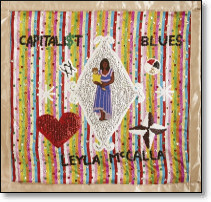
Music: current count 31145 [31103] rated (+42), 249 [251] unrated (-2). Still killing time fiddling with the Pazz & Jop ballots and my EOY Aggregate list. As I'm only selectively adding P&J voters' ballots to the count, I've been perturbing the standings a bit, nudging Cardi B (which I like more) into 4th over Pusha T and Low (which I don't like, although it's far from their worst) down to 10th, under Noname and Parquet Courts (which I do like). Reminds me of something I used to do in my late teens, when I could create my own book lists by mixing real bestseller with other books I was drawn to, including a lot of titles from Pantheon, Grove Press, and Monthly Review Books. The EOY Aggregate remains more rooted in reality, but factoring in my own grades and lists from favored critics and fellow travelers does add a (useful, I think) bias to the thing. Jazz and Non-Jazz EOY lists have evened out a bit, 63-58, with one late-discovered A- in each this week. Also found my first 2019 non-jazz A-, against 12 jazz A/A- records (although Leyla McCalla's Capitalist Blues could be called non-jazz, and two more of that dozen feature spoken-word poetry). I pulled a couple old unrated CDs off the shelf this week, now in "old music" below. I should note that French blues collection is part of a series. I also own The Prewar Vocal Jazz Story (1923-45, released 1996), which is in my database as a full A. I gave it a spin last week, and it would be hard to improve on. Had I spent more time with The Prewar Blues Story, I might have concluded it's every bit as authoritative. There are more volumes in the series, all long out of print, but likely to be worthwhile if you stumble upon one. Booklets are pretty good. After Christgau's Expert Witness, I spent some more time with Alex Chilton reissues -- although I was actually primed with last week's review of Big Star's Live at Lafayette's Music Room. I had reviewed Ocean Club '77 back when it came out, but gave it another shot, and a better grade. Last week I started replacing my rated albums lists with my review notes. Working methodology is to collect the list in a scratch file and retain it in the notebook, while only swapping the reviews in for the blog post. Still a bit awkward for me, but I trust more timely reviews in smaller than monthly chunks will be more useful. New records rated this week: Asleep at the Wheel: New Routes (2018, Bismeaux): Ray Benson's fiddle band from West Virginia, moved west to Austin back in the 1970s and discovered Western Swing -- my favorites of their records have been Bob Wills tributes (Ride With Bob in 1999, Still the King in 2015), although 2009's Willie and the Wheel (filed under Nelson) was even better. Trying to stand on their own here, with Katie Shore writing more songs than Benton (2.5-1.5), but they're still better off with Guy Clark and Johnny Cash ("Big River"). B+(*) Bad Bunny: X 100RPE (2018, Rimas Entertainment): Benito Antonio Martinez Ocasio, Latin trap singer from Puerto Rico, not far removed from reggaeton, all rhythm, choppy words included. B+(*) J Balvin: Vibras (2018, Universal Latin): Colombian, full name José Álvaro Osorio Balvin, tagged as reggaeton, a little more rockish beat than cumbia, fifth album, groove with some bounce. B+(**) Blueprint: Two-Headed Monster (2018, Weightless): Rapper/producer Albert Shepard, from Columbus, Ohio, got noticed for his Rhymesayers debut (1988 in 2005) but ignored for a steady stream of self-released albums since 2003. Guest shots here include Slug, Mr Lif, and Aceyalone. "Good Guys Get Ignored"? That's a shame. A- Moses Boyd Exodus: Displaced Diaspora (2018, Exodus): Drummer, born in London, straddles jazz and electronica, best known as half of Binker and Moses, first album on his own or in this group -- if that's what this is: I count 17 credits, including three vocalists, four bata drummers (who also sing some), Binker Golding on tenor sax, Nubya Garcia on bass clarinet, synth and guitar in the middle, and tuba in lieu of bass. Opens and closes with African chants, strong pieces. B+(***) BTS: Love Yourself: Tear (2018, Big Hit): South Korean boy band, one of the world's biggest K-pop bands, easily the best-selling one in the US. Big pop production, nothing very exotic other than the language, but nothing I've latched onto either. B Mariah Carey: Caution (2018, Epic): Big pop star, or r&b diva, at least in the 1990s following her nine-platinum debut, although the two records I sampled -- the debut and a 1998 compilation of her #1's -- never tempted me to dig deeper. This is her 15th studio album, and while sales are a tiny fraction of her peak, this reached 5 on the charts, and seems to have gotten more critical respect than ever. Don't know why, but not so bad.. B Hayes Carll: What It Is (2019, Dualtone): Country singer-songwriter from Texas, sixth album since 2002, Trouble in Mind (2008) his best, but this is pretty close, rocks a little harder, worries about "Times Like These," honors "Jesus and Elvis." A- Cypress Hill: Elephants on Acid (2018, BMG): Pioneering Latino American hip hop group, first album 1991, only their second since 2004. Throws you a curve at first, then settles into something solid, with an impact. B+(**) Michael Dease: Reaching Out (2017 [2018], Posi-Tone): Trombonist, eighth album since 2005, covers include Steve Turre and Conrad Herwig, "Live and Let Die" and Babyface. With Walt Weiskopf on alto/tenor sax, Ralph Bowen on tenor (8/11 tracks), piano, bass, drums, labelmate Behn Gillece on vibraphone (3 cuts). Trombone leads are fine, sax solos too, but the harmony gets mushy. B Michael Dease: Bonafide (2018, Posi-Tone): Trombone choir (leader, Marshall Gilkes, Conrad Herwig, plus Gina Benalcazar on bass trombone), plus tenor sax (Sam Dillon) and rhythm (David Hazeltine, Todd Coolman, EJ Srickland). B+(**) Michael Dessen Trio: Somewhere in the Upstream (2016 [2018], Clean Feed): Trombonist, fourth trio album, with Christopher Tordini on bass and Dan Weiss on drums. One title, split into eight parts. B+(***) [sp] Jose Dias: After Silence Vol. 1 (2017 [2019], Clean Feed): Portuguese guitarist, first album, solo, improvised aside from excerpts from Man Ray dating from the 1920s. B+(**) Erin Rae: Putting on Airs (2018, Single Lock): Folkie singer-songwriter, dropped last name McKaskle, first solo album, two previous albums as Erin Rae and the Meanwhiles. B+(*) Kinky Friedman: Circus of Life (2018, Echo Hill): Self-billed "Texas Jewboy," used all the irony he could muster to cut a good record in 1973, coasted a lot since then, but at 74 heard Willie Nelson whispering in his ear to write more songs, so he did. Bring up politics and you'll find he's turned into a crank, but he's pretty mellow here. B+(*) Joshua Hedley: Mr. Jukebox (2018, Third Man): Country singer-songwriter, from Florida, plays fiddle and guitar, first album, trad sound, often leading with the violin. Songs remind me of a number of better ones. B Muncie Girls: Fixed Ideals (2018, Buzz): British post-punk band, second album, group name a Sylvia Plath reference, vocalist-bassist Lande Hekt and two blokes. Upbeat, almost cheery. B+(**) Murs: A Strange Journey Into the Unimaginable (2018, Strange Music): Rapper Nicholas Carter, from Los Angeles, moniker stands for Making Underground Raw Shit, 25 albums since 1997. B+(***) Thiago Nassif: Três (2015 [2018], Foom): Brazilian, third album, sings, plays guitar, bass, synth, with scattered guests, notably Arto Lindsay, who produced here, while Nassif co-produced Lindsay's 2017 album Cuidado Madame. Picks up where Lindsay's badly bent postpunk tropicalia leaves off. A- Larry Ochs/Nels Cline/Gerald Cleaver: What Is to Be Done (2016 [2019], Clean Feed): Credit order from front cover, although label reverses the order. Sax-guitar-drums trio, more tenor than soprano, all joint improv, two 20-minute pieces, one 6:04. Starts with a strong sax lead. Ends with equally strong guitar. In between is murkier. B+(**) Carly Pearce: Every Little Thing (2017, Big Machine): Country singer from Kentucky, first album, shares 8 writing credits (out of 13 songs). Generic writing-by-committee is topped by overkill production. B- Rich Pellegrin: Down (2014 [2019], OA2): Pianist, third album on label, all original pieces, most quintet (trumpet, tenor sax, bass, drums), final piece uses the Mizzou New Music Ensemble (flute, clarinet, strings, percussion). B [cd] Scott Robinson: Tenormore (2018 [2019], Arbors Jazz): Saxophonist, plays every one ever invented, settles on tenor here but gets uncommon range, starting with soprano notes. Quartet with Helen Sung (piano/organ), Martin Wind (bass), and Dennis Mackrel (drums), guest flute on one track, half originals, half classics, exceptionally gorgeous. A- [cd] Shad: A Short Story About War (2018, Secret City): Canadian rapper Shadrach Kabango, born in Kenya, parents refugees from Rwanda, sixth album since 2005. Probably pretty smart, but the music got a little heavy for me. B+(*) [bc] Matthew Shipp Trio: Signature (2018 [2019], ESP-Disk): Piano trio with Michael Bisio (bass) and Taylor Baker (drums). B+(***) Jorja Smith: Lost & Found (2018, FAMM): British r&b singer, father Jamaican, first album, nice flow. B+(**) Ricardo Toscano: Quartet (2018, Clean Feed): Cover seems straightforward to parse although Discogs, following the label, adds an implicit "Feat." to the three names below the title line: João Pedro Coelho (piano), Romeu Tristão (double bass), João Lopes Pereira (drums). Leader plays alto sax, debut album. B+(**) Jeff Tweedy: Warm (2018, dBpm): Alt-country singer-songwriter, led Uncle Tuppelo 1987-94, Wilco through 2016, followed by a solo album of remakes and now this one of new songs. I doubt he's done with the band, but wanted something a bit more intimate and easy-going, and he's got that here. B+(**) Jack White: Boarding House Reach (2018, Third Man): Former White Stripes auteur/impressario, fronted the Raconteurs, then he Dead Weather. Started in bare bones rock and roll, created a label specializing in Americana, revived Loretta Lynn's career. Third solo album, sounds like he's trying his hand at hip-hop, except this isn't hip and doesn't hop. B- Kelly Willis: Back Being Blue (2018, Premium): Country singer-songwriter from Oklahoma, considered neotrad, first album in 1990, last two duets with husband Bruce Robison, so this is her first solo since 2007. Nice sound, but in one awkward moment she refers to Cassius Clay, who chose the name everyone uses even before she was born. B+(*) Luke Winslow-King: Blue Mesa (2018, Bloodshot): Singer-songwriter from Michigan, based in New Orleans, dropped his last name (Balzuweit), filed under blues which may be technically right but he's more wistful than downtrodden. But he makes something of that. B+(*) Recent reissues, compilations, and vault discoveries: Big Star: Live on WLIR (1974 [2018], Omnivore): Before the break up, a radio shot recorded in New York, reprising 9 of 12 songs from Radio City, 4 from #1 Record, 2 more. Two more cuts: "Motel Blues," and an awkward bit of interview wedged into the middle of the disc where it's uninteresting the first time and unwanted thereafter. This seems to be the same set released by Rukodisc in 1992 as Live. B+(**) Alex Chilton: From Memphis to New Orleans (1985-89 [2019], Bar/None): Pop anti-star from Memphis, had a number one hit as a teenager, led a legendary pop-rock band in the early 1970s, recorded erratically as a solo act from 1978 until his death in 2000. Mostly this draws from EPs just before and after his 1986 move from Memphis to New Orleans, about half covers. I don't think this makes as good a case for his genius as 19 Years, the Rhino compilation which leans a bit earlier (including 5 Big Star tracks, plus 5 tracks that reappear here). A- Fred Hersch Trio: Heartsongs (1989 [2018], Sunnyside): Early piano trio -- Hersch's first records appeared in 1984 -- with Michael Formanek on bass and Jeff Hirshfield on drums. Half originals (including one from the bassist), two by Wayne Shorter, one each Gershwin, Monk, and Ornette Coleman. B+(**) King of the Road: A Tribute to Roger Miller (2018, BMG, 2CD): An obscure but first-rate Nashville songwriter until 1964-65, when a string of novelty hits -- "Dang Me," "Chug-a-Lug," "Do-Wacka-Do," most importantly "King of the Road" -- made him a star, landed him a TV show, and ruined the rest of his career, leaving him dead at 56 in 1992. Could be some of these pieces are old ("Old Friends" is one), and they've cut in bits of banter from Miller himself. I recognize, even love, nearly all of the songs, but the performances are hodge-podge, all over the place. B+(**) Old music rated this week: 1930s Jazz: The Singers (1930-38 [1987], Columbia): Early 17-track CD era compilation of "Columbia Jazz Masterpieces," from the label's legacy catalogs, a time when only Louis Armstrong and Billie Holiday were treated with full CDs (7 for Armstrong and 9 Holliday -- others like Ethel Waters and Mildred Bailey had to wait, while Bing Crosby and Fats Waller (and others omitted here) did most of their work on other labels. B+(**) [cd] 1930s Jazz: The Small Combos (1930-39 [1987], Columbia): Remembered as the decade when big bands roamed the earth and dominated the dancehalls, most of these groups are still called Orchestra, and I don't think any are less than sextets. Also avoids big name groups, although Jones-Smith Inc. was early Basie, and Henry Allen, Sidney Bechet, Chu Berry, Roy Eldridge, Stuff Smith, Wingy Manone, John Kirby, and others are worth knowing more about. And they do swing. B+(***) 1940s Jazz: The Singers (1940-49 [1987], Columbia): Sixteen fairly classic tracks, starting with Maxine Sullivan easing up to "St. Louis Blues" and ending with Sarah Vaughan torching "Summertime," some cuts closer to r&b, and Slim Gaillard's aptly described by his band name, the Flat Foot Floogie Boys. With Billie Holiday before she left for Decca (where Armstrong and Crosby were recording, so they drop out here). B+(***) [cd] Best of Blues Records Presents: The Prewar Blues Story [La Grande Époque du Blues 1926-1943] (1926-43 [1994], Best of Blues, 2CD): Bought this used at least 15 years ago, and it's long languished on my unrated list. First disc is just less than half from the 1920s, while the second picks up in 1935 and isn't totally "prewar" even given America's delayed entry -- there's Doc Clayton's "Pearl Harbor Blues," Louis Jordan's "Ration Blues," and Josh White observing Jim Crow wasn't any different in the Army. Not essential as a primer -- I have a half-dozen comparable surveys in my database -- but nothing to complain about, and a few pleasant surprises. French title is on the jewel case, English on the slipcover. A- [cd] Alex Chilton: Bach's Bottom (1975 [1993], Razor & Tie, EP): Recorded in Memphis, appeared in 1981 in Germany, 10 songs, 29:42, reissue grew to 15 cuts, but the Napster version (credited Razor & Tie, but 1975) I'm working off is down to 8 songs plus 3 alternate takes, 34:02. Any way you slice it, bits of genius thrown out with the garbage, often hard to distinguish. B+(*) Alex Chilton: Like Flies on Sherbert (1979 [1996], Last Call): Originally 11 cuts released on Peabody, Napster's 15-cut selection corresponds to this French reissue, except they got the cover wrong. More crap, less genius, or maybe it just doesn't seem to repay sorting? B Grade (or other) changes: Alex Chilton: Ocean Club '77 (1977 [2015], Norton): Working solo, covering favored pop songs as well as "The Letter" and his non-hits from big Star. [was: B+(**)] A- Unpacking: Found in the mail last week:
Ask a question, or send a comment. Sunday, February 17, 2019 Weekend RoundupAnother weekly batch of links and comments. At some point I started shunting pieces on Trump's "state of emergency" declaration to the end, but a few are scattered in the main list. Also wound up adding more "related" links under first-found stories. More time might let me sort out a better pecking order. But at this point I'm mostly going through the motions, to establish a record for possible later review. Book idea is still germinating. Last couple weeks have been especially trying for me, and this coming one looks likely to be worse. Some scattered links this week:
Some more links on the "emergency" declaration:
Ask a question, or send a comment. Monday, February 11, 2019 Music Week
Music: current count 31103 [30062] rated (+41), 251 [253] unrated (-2). Last week I speculated about possibly changing the Music Week format to offer my reviews in weekly doses, so you get information sooner and in what should be more digestible doses (20-40 records per week instead of 100-200 records at the end of the month). As I thought about it, I realized that I could still archive the reviews in monthly chunks, and announce that file when it becomes public. So, I'm trying that approach this week. Actually, there is a bit of surplus here: a few records that appeared in last week's Music Week that I got to after posting January 2019 Streamnotes. I haven't really figured the workflow out yet. What I'm thinking is that I'll collect Music Week in the notebook as usual, then swap in the reviews when I create the blog post file. Still some room for sloppy errors here, even with all the redundancy. Rated count report this week is slightly higher than actual because I came up short and found a half-dozen unregistered grades -- probably over the last 3-4 weeks, as that's about when I last checked the ungraded list. The Village Voice Pazz & Jop poll came out last week. I didn't vote, as I wasn't invited (for the first time since when? 2002?). Relevant links:
They only listed the top 100 albums, and didn't include vote counts (just points). I scraped a copy of the ballot data but haven't yet done anything to clean up the data to make it more useful. I added the top-100 rank and a few dozen select voter ballots to my EOY Aggregate, but haven't done the one thing that would be most useful: make sure all of the records that got votes but didn't crack the top 100 get recognized in the EOY Aggregate. In recent years somewhere between 1400 and 2000 records got votes (from 400+ voters). This year should be pretty close to those numbers. My EOY Aggregate currently lists 3216 new records (plus 367 reissues/compilations/etc.). I'd guess that there are at least 100 records in the ballot fine print that I've missed. Whether it's worth pursuing this any further is hard to say. The P&J winner this year was Kacey Musgraves' Golden Hour, but my EOY Aggregate favors Janelle Monáe's Dirty Computer, by a pretty solid margin. Musgraves also won Uproxx's slapdash critics poll, although by a closer margin. I've had Monáe in the lead since the second week of counting, and for most of this time Musgraves was in 3rd, behind Mitski's Be the Cowboy. Musgraves did lead Metacritic's aggregate (98.5 to 97 points), but Monáe led at Album of the Year, with Mitski second and Musgraves a fairly distant third (364-353-295 points). Acclaimed Music Forums has had Monáe ahead from the start, with Musgraves down at 7th as of February 6 (including P&J), after Monáe, Low, Idles, Pusha T, Mitski, and Robyn). I'm not able to access the latter's spreadsheets, but they break lists down by US, UK, and other, and include a lot of the latter. I think it's fair to say that Musgraves benefits from US bias, not so much because American critics prefer her to Monáe as because non-Americans don't. Idles seems to be the band with the greatest UK bias (3 at AMF, 35 P&J, followed by Arctic Monkeys (11 at AMF, 43 P&J). I keep putting off trying to write up some commentary on the EOY lists, and will have to punt again this week. I will note that Wayne Shorter's Emanon, which won top album in our Jazz Critics Poll, finally appeared on Napster last week. I played it and while I suspected that it was overrated, I was really surprised at how painful it was to listen to. The orchestra side was one of the worst I've heard, but the live quartet sides were little better (despite momentary exceptions). By the way, I posted a new edition of Robert Christgau's Xgau Sez questions and answers. I was struck by this line:
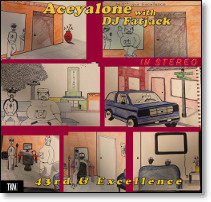
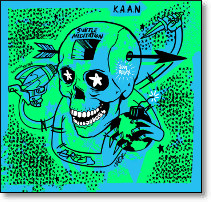
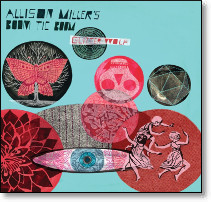
Actually, I do the exact opposite of this. Most of the notes below are based on a single play of an album, often while I was distracted trying to write something about a completely different topic. Worse still, sometimes I didn't even manage to jot down my thoughts: I found myself at the end of an album with a proximate grade impression but no details and no self-analysis as to why I felt the way I did -- and most importantly, no desire to correct my lapse by listening to the record again. At this point I don't even feel like trying to justify the way I work. On the other hand, I will note that it increasingly seems like I'm working under a cloud of doubts about my ability to express myself clearly -- even in matters of much greater import than which underground rapper might be worth your while. (There are several this week, and the odds that I got the pecking order right aren't especially good.) Maybe that's why I'm having so much trouble moving on from this EOY list nonsense? New records rated this week: Ace of Cups: Ace of Cups (2018, High Moon): San Francisco band founded in 1967, originally five women, started to fall apart in 1970, disbanding in 1972 when no records -- some demos and live cuts eventually appeared in 2003, but regrouped for Wavy Gravy's 75th birthday party, and again in 2016 with four of the original members for this belated debut album. Period sound, mostly blues-based, until they start bringing guests in and it starts to shift and wander. B Aceyalone & DJ Fatjack: 43rd & Excellence (2018, That Kind of Music): Underground rapper Eddie Hayes, started in 1995, attracted some attention for 2001's Accepted Eclectic but little notice lately, despite regular releases. Love the easy flow here, as well as the scratch-sample beats. Can't find anything on his producer-partner. A- Ralph Alessi: Imaginary Friends (2018 [2019], ECM): Trumpet player, from San Francisco, often impressive on other folks' albums, released This Against That in 2002 and has used that as a group name, eventually landing on ECM in 2013. Third album there, front cover also names Ravi Coltrane (tenor/soprano sax), Andy Milne (piano), Drew Gress (bass), and Mark Ferber (drums). Rather laid back, although Coltrane has a sweet spot. B+(*) Ehud Asherie Trio: Wild Man Blues (2018 [2019], Capri): Pianist, born in Israel, moved to Italy quite young, then to US at 9, taking lessons from Frank Hewitt at Smalls Jazz Club, sort of a bop-to-swing influence. Trio with Peter Washington and Rodney Green, playing eight standards, two from Charlie Parker, title tune from Louis Armstrong. B+(**) [cd] Dem Atlas: Bad Actress (2018, Rhymesayers): Rapper Joshua Evans Turner, stylized "deM atlaS," from Minneapolis, second album. Sings some, beats rockish, melodies too. B August Greene: August Greene (2018, Fat Beats): Billed as a hip-hop supergroup, basically an alias for Common, with Samora Pinderhughes and a few more guest vocals, backed by Robert Glasper (keyboards), Burniss Travis (bass), and Karriem Riggins (drums). B+(**) Layale Chaker & Sarafand: Inner Rhyme (2018 [2019], In a Circle): Violinist, in Brooklyn, backed by cello, bass, piano, and percussion -- I suspected oud, given the Middle Eastern improv, but none listed. B+(**) [cd] Jon Cleary: Dyna-Mite (2018, FHQ): Singer-songwriter, pianist, born in England but long-based in New Orleans, called his first album (1989) Alligator Lips and Dirty Rice. Rocks out on the title song, but wimps out later on, when "Best Ain't Good Enuff" proves inadvertent. B+(*) Marilyn Crispell/Tanya Kalmanovitch/Richard Teitelbaum: Dream Libretto (2018, Leo): Piano-violin-electronics, at least for the 5-part, 25:00 title piece, a memorial for various deaths, some old, some recent, not quite a dirge but not very lively. Teitelbaum, who wasn't very engaged in the first place, then drops out for seven improv duets, just piano and violin. B+(*) Stephan Crump's Rosetta Trio: Outliers (2017 [2019], Papillon): Bassist, trio adds two guitarists -- Liberty Ellman and Jamie Fox -- which makes this primarily a guitar record, intricate and not overly aggressive. B+(**) [cd] Chuck D as Mistachuck: Celebration of Ignorance (2018, SpitSLAM): Public Enemy leader, fourth solo album, one in 1996 (Autobiography of Mistachuck), third since 2014 (sandwiched around Public Enemy albums). Opens and closes with "LeBron building schools/45 building walls" then a lot of "tired of 45." He's angry, comes on hard, but also keeps it short (32:51), almost cryptic. B+(***) Double Dee & Steinski: Lesson 4: The Beat (2018, self-released): Doug DiFranco and Steven Stein, hip-hop producer duo, gained a measure of fame in 1983 when they pieced together a 12-inch single called "The Payoff Mix" -- Christgau graded A+ a 1985 EP that added "Lesson Two" and "Lesson 3," but lacking clearances it was hard to find (at least until it appeared on Steinski's 2008 compilation, What Does It All Mean?). Not sure when this dates from, but several others continued the "Lesson" series, with a "Lesson 4" from DJ Shadow in 1991 and another from Cut Chemist in 1993. This is billed as an EP, featuring ADA (turntables) with three takes of "Lesson 4: The Beat" (11:07-14:35) and two mixes of "This Music" (3:25-4:20). Remains sketchy at best. B+(**) [bc] Mats Eilertsen: And Then Comes the Night (2018 [2019], ECM): Norwegian bassist, many side credits, a dozen albums since 2004, second on ECM, a trio with Harmen Fraanje on piano and Thomas Strønen on drums. Lovely. B+(**) Sue Foley: The Ice Queen (2018, Stony Plain): Blues singer-guitarist, originally from Ottawa, Canada, moved to Austin at 21, becoming my favorite blues performer of the 1990s. First solo album since 2006 (discounting two duos with Peter Karp 2010-12). B+(***) Nick Grinder: Farallon (2018 [2019], self-released): Trombonist, from California, based in New York, second album, postbop quintet with Ethan Helm (sax) and Juanma Trujillo (guitar). B+(*) [cd] G Herbo: Humble Beast (2017, Machine): Chicago rapper, Herbert Wright III, started out as Lil Herb, first studio album after four mixtapes. Dense. B+(*) G Herbo & Southside: Swervo (2018, Machine/Epic/Cinematic/150 Dream Team/808 Mafia): Rapper and producer, the latter's name referencing his native Atlanta (not the rapper's Chicago). Maybe no denser, but definitely faster. B+(*) Charlotte Hug & Lucas Niggli: Fulguratio: Live at Ad Libitum 2016 (2016 [2018], Fundacja Sluchaj): Swiss duo, Hug's credit is "viola & voice," Niggli "drums & percussion." Hug's discography goes back to 1999, seems to be much more viola than voice; indeed, hard to call what she does here as singing, but in either mode she intensifies. B+(**) [bc] Mick Jenkins: Pieces of a Man (2018, Cinematic): Chicago rapper, born in Alabama but mother moved him north when he was 10. Second album, more mixtapes since 2012. B+(*) Cody Jinks: Lifers (2018, Rounder): Country singer-songwriter, born in Denton, TX, started in a thrash metal band, half-dozen albums since 2008. B+(*) Darren Johnston/Tim Daisy: Crossing Belmont (2017, Relay): Trumpet-drums duo, Johnston born in Canada and based in San Francisco since 1997, Daisy from Chicago. Cover picture looks to be early construction of the Golden Gate Bridge, very eerie. Two pieces, 35:17 total. B+(***) [bc] K.A.A.N.: Subtle Meditation (2018, Redefinition): Rapper Brandon Perry, from Maryland, acronym stands for Knowledge Above All Nonsense, Wikipedia lists this as his first album, after 17 mixtapes (since 2014). Underground like MF Doom. A- [bc] José Lencastre Nau Quartet: Eudaimonia (2018, FMR): Alto saxophonist, name looked familiar but I had confused him with drummer João Lencastre, present here, along with Rodrigo Pinheiro (piano) and Hernâni Faustino (bass), two-thirds of RED Trio. Slow to get going, impressive at speed, rhythm section is key there. B+(**) [bc] José Lencastre Nau Quartet: Fragments of Always (2016 [2017], FMR): Same group, first album together, stumbles on occasion but impressive power and speed. B+(***) [bc] Joe Lovano: Trio Tapestry (2018 [2019], ECM): Tenor saxophonist, one of the greats, also credited with tarogato and gong, in a trio with Marilyn Crispell on piano and Carmen Castaldi on drums. While the music is tricky as expected, everyone plays it so politely you're never challenged -- except perhaps on the closer, 'The Smiling Dog." B+(**) Ahmoudou Madassane: Zerzura (2018, Sahel Sounds): Tuareg guitarist, plays in Les Filles de Illighadad, posits his album as a soundtrack to the "first ever Saharan acid Western . . . a meditation on the mysteries of the Sahara." Evocative, preferring the background. B+(**) Marlowe: Marlowe (2018, Mello Music Group): Hip-hop duo, beatmaker L'Orange and rapper Solemn Brigham. Beats slip and slide, spoken dressing has a Doom-ish comix air. B+(***) Leyla McCalla: Capitalist Blues (2019, Jazz Village): Born in New York, parents Haitian, father "ran a New York based Haitian socialist newspaper," mother founded "an anti-domestic violence human rights organization," lived a couple years in Ghana, played cello in Carolina Chocolate Drops, also banjo and guitar, first solo album was a tribute to Langston Hughes. This is her third. Title song rings true, and the calypso "Money Is King" is even better. Got heavier, and the screechy guitar threw me for a loop until I looked up the song title, "Aleppo." She follows that with what sounds like a Haitian lullaby, then some Cajun woo-pitching. Not sure I'm ready for all this. A- Allison Miller's Boom Tic Boom: Glitter Wolf (2019, The Royal Potato Family): Drummer, group named for her 2010 debut album, retaining Jenny Scheinman (violin), Myra Melford (piano), and Todd Sickafoose (bass) from the debut, adding Ben Goldberg (clarinet) and Kirk Knuffke (cornet) for their second outing. That's a lot of talent, neatly balanced, the violin a bit up front. A- Ulysses Owens Jr.: Songs of Freedom (2018 [2019], Resilience Music): Drummer, originally from Florida, plays with Christian McBride (trio and big band), has a couple albums under his own name. A tribute to three singer-songwriters, women with some affinity for jazz and justice -- Nina Simone, Abbey Lincoln, and Joni Mitchell -- employing three singers: Theo Bleckmann, Alicia Olatuja, and Joanna Majoko. Other credits are scarce -- maybe because the CD doesn't drop until March, and streamers are not supposed to care. B+(*) Phonte: No News Is Good News (2018, Foreign Exchange): Rapper Phonte Lyshod Coleman, from North Carolina, second solo album after tours with Little Brother and The Foreign Exchange. B+(**) Jim Piela: Out of Orbit (2018 [2019], Orenda): Alto saxophonist, studied at NYU, based in New York, has a previous album (Non Fiction). Postbop, pianoless quartet with Joey Lamb on trumpet, plus bass and drums. B+(***) [cd] Verneri Pohjola/Maciej Garbowski/Krzysztof Gradziuk: Gemstones (2017 [2018], Fundacja Sluchaj): Trumpet-bass-drums trio, the leader Finnish, with close to ten albums. B+(**) [bc] Popcaan: Forever (2018, Mixpak): Jamaican dancehall shouter, second album. B+(**) Protoje: A Matter of Time (2018, Easy Star): Reggae singer, Oje Ken Ollivierre, fifth album (plus 4 mixtapes). B+(*) Javier Santiago: Phoenix (2016 [2018], Ropeadope): Pianist, from Minneapolis, first album, also plays keyboards, trumpet (one track), and is credited with vocals (as is J Hoard and Proper-T), a real blight on a tolerable funk/fusion album. Other musicians come and go. Nicholas Payton even leaves a memory. B Shannon Shaw: Shannon in Nashville (2018, Easy Eye Sound/Nonesuch): Solo debut for name singer in Oakland garage-punk band Shannon & the Clams, also involved with queercore band Hunx and His Punx. Cover looks retro, like she's been preserved in amber since the early 1960s. Nothing country about her pilgrimage -- I'm a bit reminded of Dusty in Memphis, but it's not about soul either. More big, tacky arrangements, which is Nashville's signature these days. B+(***) Wayne Shorter: Emanon (2015-16 [2018], Blue Note, 3CD): Came out September 14, 2018, but withheld from streaming services (and not getting anything from Blue Note these days) this wound up being the only album to finish top-40 in Jazz Critics Poll that I hadn't heard. Still, it won the poll, getting more points but fewer votes than two runners up. Two live sets from his Long-running (at least since 2001's Footprints Live!) quartet -- Danilo Perez (piano), John Patitucci (bass), and Brian Blade (drums) -- plus a string-drenched performance with Orpheus Chamber Orchestra. Nothing prepared me for now awful -- ponderous, hackneyed, convoluted, dispeptic -- the orchestral music is. The quartet sets hint at something better, but they're spotty. B- Zhenya Strigalev: Blues for Maggie (2017 [2018], Whirlwind): Alto saxophonist, from Russia, studied in London, based in New York, but recorded this (her fourth album) in Netherlands and Austria. Also credited with soprano sax, alto box, and electronics. Backed by Federico Dannemann (guitar), Linley Marthe (bass guitar, keyboards), and Eric Harland (drums). B+(*) [bc] Tony Tixier: Life of Sensitive Creatures (2016 [2017], Whirlwind): French pianist, twin brother Scott Tixier a notable violinist, fifth album, a trio with Karl McComas Reichl (double bass) and Tommy Crane (drums). B+(**) [bc] Vestbo Trio: Gentlemen . . . (2019, Dog Hound): Finnish trio -- Michael Vestbo (guitar), Jesper Smalbro (electric bass), Eddi Jarl (drums), plus organ on two cuts -- several albums since 2012. Strikes me as pretty easy going, but picks up a bit. B+(*) [bc] Nate Wooley & Torben Snekkestad: Of Echoing Bronze (2015 [2018], Fundacja Sluchaj): Avant trumpet duo, the latter also credited with soprano sax for this improv set live in Copenhagen. Hard to get much going in this format. B [bc] Recent reissues, compilations, and vault discoveries: Big Star: Live at Lafayette's Music Room (1973 [2018], Omnivore): Alex Chilton's breakthrough Memphis pop-rock band, three months after they named their debut #1 Record only to watch it flop. Not that I don't recognize nearly every song, but my memory says they should all be sharper and catchier than this. The covers pick up a bit. B+(*) Anthony Braxton: Sextet (Parker) 1993 (1993 [2018], New Braxton House, 11CD): A massive expansion of the sessions and live tour that produced the 2-CD Charlie Parker Project 1993. I was pretty down on Parker back then, so the first thing I noticed was that Braxton had alto sax chops Parker could only dream of (but then I often thought that Braxton was most brilliant playing other's music). I didn't recall the brilliant band Braxton assembled for the project: Ari Brown (tenor/soprano sax), Paul Smoker (trumpet/flugelhorn), Misha Mengelberg (piano), Joe Fonda (bass), and Han Bennink (drums, except for 6, of 68, cuts with Pheeroan akLaff). Too much to digest, especially on computer -- the physical package was limited to 500 copies and quickly sold out, presumably to the 1% -- and I doubt you actually need, for instance, six takes of "Klactoveedsedstene." Still, much of this is magnificent. A- [bc] A Certain Ratio: acr:set (1980-94 [2018], Mute): British post-punk/new wave group, recorded for Factory Records, found a dance groove in dank industrial grunge. Scattered singles, odd cuts, mixed bag. Atypical, but best rhythm track: "Si firmir o grida." B+(*) Asnake Gebreyes: Ahadu (1988 [2018], Buda Musique): Ethiopian singer, 25 when he released on cassette, more recently has worked in the French band UkanDanz. In some ways very typical, dry vocals and cheesy keyb, but finds a groove and breaks it in deep. B+(***) The Louvin Brothers: Love and Wealth: The Lost Recordings (1952-55 [2018], Modern Harmonic, 2CD): Early demos, I'm guessing on the dates ("first half of the 1950s" -- their first album appeared in 1956, first single in 1955, but I've heard other material as early as 1952). One of the great brother acts in country music, their harmonies unearthly, their souls tortured. Second half turns to their notoriously ill-tempered gospel music, starting with: "preach the gospel/regardless of who it hurts/pray that God will have His way." Not sure about Charlie, but Ira lived a life of drink and violence, running through four wives, the third marriage ending in a hail of bullets, the fourth drunk on a dark highway. B+(***) Make Mine Mondo! (1958-69 [2018], Ace): Compilation ("fuzzed out garage bands, manic instrumentals, wayward rockabillies") from Dore Records, founded in Hollywood, 1958 by Herb Newman and Louis Bideu. Earliest singles included Phil Spector (The Teddy Bears) and Jan & Dean, but they moved on before becoming famous, and I've only heard of one artist here (Bobby Troup). B Oneness of Juju: African Rhythms (1975 [2018], Strut): Afrocentric American group, based in Richmond, Virginia, led by James "Plunky" Branch, first album, after 1980 the billing changes to Plunky & the Oneness of Juju. Their African schtick isn't bad, but they have problems keeping it up. B+(*) Neil Young: Songs for Judy (1976 [2018], Reprise): Another trawl through the bootleg archives, selected from dates in November 1976 when he was touring with the reunited Crazy Horse and appearing solo as his own opening act. Some old hits, some current, more unreleased at the time although they've surfaced since -- two that stand out for me came out in his great albums of 1978-79. Title from a purely tangential story about meeting Judy Garland. B+(**) Old music rated this week: Jeb Bishop & Tim Daisy: Old Shoulders (2012, Relay): Trombone and drums duets, Chicago players, both in Vandermark 5 but would have to check to see if they overlapped (maybe, but not by much). Limits to the format, but they make the most of it. B+(**) [bc] Unpacking: Found in the mail last week:
Ask a question, or send a comment. Sunday, February 10, 2019 Weekend RoundupNothing much on Korea this week, other than Trump announces second Kim summit will be in Hanoi, Vietnam, a few weeks out (Feb. 27-28). The Wichita Peace Center was pleased to host a couple of events last week when Professor Nan Kim from University of Wisconsin-Milwaukee, author of Memory, Reconciliation, and Reunions in South Korea: Crossing the Divide (2016), an activist in Women Cross DMZ (here on Twitter). I expect we'll be seeing a lot of speculation and spin on Korea over the next few weeks, especially from neocons so enamored with perpetual war -- but also from Democrats hoping to score cheap points against Trump. I've written a fair amount about Korea over the years. I won't try to recapitulate here, but here's a bit from a letter I wrote last year, with links to various key writings:
I'll add one comment here. One thing I was struck by in Trump's State of the Union address was this:
My bold. Of course, the point everyone noticed was his plea that for the good of the country (i.e., Trump) Democrats must give up their efforts to investigate (e.g., Trump, for possible crimes or other embarrassments). Of course, he had no hope of getting his way there, even if his intent was truly threatening -- e.g., that if the Democrats investigated him, he might start a "wag the dog" war as a diversion, hoping the people would blame the Democrats. Still, I think the quote does show that when his personal financial interests aren't slanted otherwise, Trump is inclined to favor peace. The saber-rattling over Iran is clearly a case where the corrupt money (from Israel and the Saudis) is able to make Trump more belligerent. Venezuela is another case where Trump's corrupt influences may lead to war. But Korea is one case where the major influencers -- even if you discount Russia and China -- are pushing Trump toward war, so it offers a rare opportunity to claim success at achieving peace. Granted, the neocons and the defense industry don't like it, but they may be just as happy to pivot to higher budget, lower risk "threats" like Russia and China. That's one of several reason to be cautiously optimistic that Trump might be able to deliver a peaceful outcome. On the other hand, I think that Democrats need to be very cautious, lest Trump be able to make them out to be dangerous, war-thirsty provocateurs. I still believe that a major reason Trump beat Clinton in 2016 was that she came off as the more belligerent (e.g., her claims to superiority in "the commander-in-chief test"). Some scattered links this week:
Ask a question, or send a comment. Monday, February 4, 2019 Music Week
Music: current count 31062 [30033] rated (+29), 253 [251] unrated (+2). Rated count down from 40+ in recent weeks, mostly because I finally took the time to plow through Anthony Braxton's 11-CD Sextet (Parker) 1993 (on Bandcamp). Only gave it one pass (spread over three days), but loved nearly every minute of it. I pulled the original 1995 2-CD release out, Charlie Parker Project 1993, thinking it might be time to bump it up from A-, and played the live disc in the car today, but couldn't hear enough to make much difference. There is more super-long Braxton on his Bandcamp, if I ever find time to dig into it. January 2019 Streamnotes appeared last week, with 201 record reviews. That is up from 138 in December, 186 in August (the most of any 2018 month). I looked back through 2013 and didn't find a month/column with more records (185 in November 2013 was the highest 2013-17 total). As I noted back on August 30, 2018, my single column record was 206 records on November 8, 2009, but that was before I settled on monthly posts, so covered 41 days. I've thought a bit about going back to posting weekly, which would basically mean 20-40 records per post. I could still collect them in monthly files for archival purposes. Doing it weekly would be timelier, and involve more easily digested chunks. It's also been suggested that I should hold back reviews until release dates. Readers noted that of the 8 2019 A/A- releases I touted in January, only 3 had actually been released when my column came out. No commitment yet, but I'll think about that. I decided that for album tracking purposes, 2018 ended on January 31, 2019 -- the date of my frozen album list. I'll keep adding records to the working album list until January 31, 2020 (a month later than my usual deadline, as I noticed this year that I was finding out about late 2017 releases only when I saw 2018 EOY lists). These are marked in a distinct color, which helps me keep track of some stats. I'm still adding records to the 2018 Jazz and Non-Jazz best-of lists, and will probably do that well into next fall. I'm also still adding to the Music Tracking 2018 file, but the rate has slowed down as I've largely stopped adding to the 2018 EOY Aggregate (and its reissues/old music edition). The Music Tracking file is the easiest way I have of counting how many 2018 releases I've heard/graded: 1091. This also shows that the jazz share was 735 (67.3%). Some other genre totals: hip-hop (88), electronica (38), country (33), world (32), metal (3). Some other genres have switches, but I don't have data for them to use. I figured out a solution to the database update character set problem I mentioned last week. Importing an ISO-8859-1 mysqldump file using PhpMyAdmin somehow corrupts the file, even with explicit character set flags. But the command line interface read the file correctly, and once stored in the database the PHP code was able to handle it correctly. I was also able to fix a problem with the RSS feed, where the HTTP header and XML header were reporting different character sets. I'm still confused by Firefox, where the "Page Info" dialog still claims "text encoding: windows-1252." I hate it when diagnostic tools lie to you -- in part because you have to prove that no other explanation is possible, and that's a lot more work than finding a workaround -- but that seems to be the case here. I did finally manage to port the RSS code I wrote for Christgau back to my own website. Same basic problem in that I have to manually edit the description file. I've never used RSS, and was surprised to find that built-in support for it was recently dropped by Firefox. In principle, it should be very useful for me -- especially when compiling Weekend Roundup posts. If you can recommend a reader, let me know. Also let me know if you're having any problems with these RSS feeds. I still intend to port the Q&A system. Shouldn't be much work, especially now that I seem to be working my way past some of the technical problems I've been plagued with recently. Next priority issue for me is to be able to reboot my main machine cleanly. At the moment, I have a batch of software updates waiting reboot. Would be good to post this update before I risk that. New records rated this week:
Recent reissues, compilations, and vault discoveries rated this week:
Unpacking: Found in the mail last week:
Ask a question, or send a comment. Sunday, February 3, 2019 Weekend RoundupWe watched Michael Moore's Fahrenheit 11/9 last night. Here's a review by Owen Gleiberman, which hits most of the key points. Seems to me he should have cut it into two separate movies: one on Trump (with more coverage of what he did after taking office), the other on the Flint water crisis (rather than just using his home town as his pet way of contextualizing world events). The Flint story winds up turning Obama into the goat (if not the villain, still Rick Snyder), which would have been more effective without Trump all over the map. The Trump parts are more interesting. Moore treats Trump's presidential run as a publicity stunt -- as he's done before, but this time he went through with it only because NBC fired him for racist comments, only to find his fan's adoration in his early rallies. His decimation of his Republican opponents, then of Hillary Clinton, is a piece of story that Moore could open some eyes on, in large part because Moore doesn't flinch when Trump's absurdity and cruelty come simultaneously into focus. Indeed, his whole sequence of Trump and Ivanka is extremely creepy. However, after the election, instead of delving into the profound corruption and malign neglect that has been so evident, he settles for a long lament on the end of democracy and the rise of fascism. He can be creepy there, too, as with the Trump voiceover of stock Hitler/Third Reich newsreel footage, with side glances at Putin and Duterte and commentary by Timothy Snyder. I don't see that as necessarily unfair -- in fact, when I first noticed the Nazi rallies I expected a segue to Fred Trump in the 1930s at Madison Square Garden -- but it's far from the most important or enlightening thing a filmmaker like Moore could come up with. One story I don't delve into below is the flap over Virginia Governor Ralph Northam, something involving racist photos in his college yearbook, which has elicited howls of indignation and calls for his resignation from many Democrats and leftists -- Elizabeth Warren and Barbara Ehrenreich are two names that popped up in my twitter feed (full disclosure: I follow Ehrenreich but not Warren or any other office-holders). I suppose if I knew more details I might think differently, but my first reaction is that I find these calls deeply troubling, both on practical grounds and because they display an arrogant self-righteousness I find unbecoming. Sooner or later, Democrats need to learn to forgive themselves -- especially those who show some capacity to learn from their mistakes. I understand that Northam is no great shakes as a Democrat, but I'd rather see him become a better one (if that's possible). On the other hand, I don't want to turn this into a diatribe against "purism" -- if real leftists (like Ehrenreich) insist on holding folks to higher standards, God bless them. Some scattered links this week:
Lack of intelligence: "Trump's latest attacks on his own intelligence agencies are galling, even by his standards." Actually, I'd say this is a case where both parties are guilty of the same thing: selecting "facts" to fit their own political interests. Trump may do this less artfully, not least because he rarely bothers to even collect "facts," but the security heads have always pursued their own objectives. Paul Krugman:
John Nichols: Democrats need to make getting rid of the electoral college a top priority: No, they don't. Sure, it's unfair, but so are lots of things -- like the humongous deviation from "one person, one vote" that is the US Senate -- but it would take a constitutional amendment, and given that Republicans are 4-0 in cases where the electoral college differed from the popular vote (the two recent cases you remember, and two in the 19th century when voter suppression allowed Democrats to run up big "popular" margins in the South), and given that Republicans don't care much for democracy in the first place, they're not going to cooperate. In fact, what it would probably take is a constitutional convention, which would be more likely to make the situation worse than better. The priority for Democrats should be winning elections by such huge margins that structural iniquities don't matter. A good start there would be to make sure that everyone can vote, and that everyone has a party worth voting for. Nichols, by the way, writes about five articles like this every week, and while his heart is usually in the right place, most of them are as half-assed as this one. Daniel Politi: Ann Coulter on believing Trump's wall promises: "OK, I'm a very stupid girl". Andrew Prokop: Jerome Corsi's claims about Roger Stone, WikiLeaks, and the Access Hollywood tape, explained. For more on Corsi, see the deeper dive into his history that Jane Coaston and Prokop wrote last year. Brian Resnick: An expert on human blind spots gives advice on how to think: Interview with psychologist David Dunning. Jill Richardson: Another billionaire presidential candidate who doesn't get it: Howard Schultz, although this much is true about all of them:
David Roberts: These governors are showing what happens when you campaign on climate action and win: "There's a flurry of green political news at the state level." Corey Robin: The plight of the political convert: On Derek Black and Max Boot, who recently moved from right to left, and their antecedents. Daid Rohde: Geoffrey Skelley: Almost half of voters are dead set against voting for Trump. Jamil Smith: Mitch McConnell, enemy of the vote. Emily Stewart:
Matt Taibbi:
Alex Ward: The US is withdrawing from a nuclear arms treaty with Russia. An arms race might be next. Well, isn't that the point? As far back as the 1950s, Americans have believed they have an inherent advantage in arms races: deep pockets. One might even argue that Reagan's "Space Wars" missile defense initiative was the perfect arms race gambit: one so ridiculously expensive the Russians couldn't even compete in. That seems to be the idea behind the trillion dollar nuclear arms buildup proposed under Obama, and for that matter in Trump's "Space Force." Still, behind these schemes is the core neocon idea: that the US must maintain a posture of total military dominance over any conceivable rival. That such a state is unachievable is hidden behind a veil of sleazy, seductive rhetoric. More important is that it is not desirable, either for us or the rest of the world. Whatever flaws may exist in the now-discarded INF treaty should be resolved with greater arms limitations, not an accelerated arms race. Ask a question, or send a comment. Thursday, January 31, 2019 Streamnotes (January 2019)Running out of month, with no time left to write an introduction. Still, one of the longest Streamnotes compilations ever (200 albums plus regrades and corrections -- also no time left to look up whether that's a record, but it's way above my monthly average). I should note that eleven of the A/A- releases (8 new, 2 comps) are 2019 releases, all jazz. That's way above an average month, as my Best Jazz Albums of 2018 list only came up with 63 new and 22 old A/A- releases. Rated count for 2018 releases is currently 1085. This is about when I normally freeze the 2018 list, but I don't feel all that done with it yet. Most of these are short notes/reviews based on streaming records from Napster (formerly Rhapsody; other sources are noted in brackets). They are snap judgments, usually based on one or two plays, accumulated since my last post along these lines, back on December 30. Past reviews and more information are available here (12471 records). Recent Releases
6lack: East Atlanta Love Letter (2018, LoveRenaissance/Interscope): Atlanta rapper Ricardo Valdez Valentine, business name a typographic quirk, meant to be pronounced Black. Second album, all slack beats and soft sing-song, beguiling at first, not sure how much is really there. B+(***) 10^32K: The Law of Vibration (2018, self-released): Trombone-bass-drums trio -- Frany Lacy, Kevin Ray, Andrew Drury -- second album, joined by Roswell Rudd on one cut, his "Yankee No-How" (no recording dates, but Rudd died in December 2017). B+(**) [dl] The 14 Jazz Orchestra: The Future Ain't What It Used to Be (2018 [2019], self-released): Big band, or something close to such, especially once you factor in guests like Randy Brecker, arranged by Dan Bonsanti, featuring saxophonist Ed Calle. First jazz arrangement I can recall of "Sixteen Tons" -- doesn't really work, but "I'll Be Seeing You" winds up a little over-ripe, too. B [cd] The 1975: A Brief Inquiry Into Online Relationships (2018, Dirty Hit/Interscope): British pop-rock band, from Manchester, third album. Kinda sweet, but mopey. B Christopher Ali Solidarity Quartet: To Those Who Walked Before Us (2018, Jazz Och Solidaritet): Swedish group with a Middle Eastern twist (oud/fretless guitar player Filip Bagewitz), led by tenor/soprano saxophonist Christopher Ali Thorén, who has a previous album as Cats and Dinosaurs. B+(**) Amnesia Scanner: Another Life (2018, Pan): Finnish duo -- Martti Kalliala and Ville Haimala -- based in Berlin, guitar tilts this away from electronica toward avant-noise, with vocals split between Oracle (10 tracks) and Pan Daijing (2). Marginal for me, but I can see someone more turned on by the din getting off on it. B+(*) Aphex Twin: Collapse EP (2018, Warp, EP): Richard D. James, a major figure in electronica since 1992. Five tracks, 28:59. Some real nice examples of his art here, nice ambience with even better beats. B+(***) Archivist & Fugal: Undertow (2018, BleeD, EP): The former a Seattle-based DJ, the latter a Korean-American from Seattle but now based in Berlin, neither established enough that Discogs lists their actual names, neither with more than a few EPs to their name. This one has four cuts (three songs plus a remix), runs 27:29. B+(**) Armand Hammer: Paraffin (2018, Backwoodz Studioz): New York rap duo, Billy Woods and Euclid, third album. B+(**) Art Brut: Wham! Bang! Pow! Let's Rock Out! (2018, Alcopop!): British art punk band, vocalist Eddie Argos, fifth album, title recalls their 2005 debut (Bang Bang Rock & Roll), but not necessarily an improvement. Still, they haven't gotten anywhere near as godawful as Arctic Monkeys. B+(**) Atmosphere: Mi Vida Local (2018, Rhymesayers Entertainment): Familiar Minneapolis underground rapper, started around 1997, has more than a dozen albums, pretty much all this deft, most more riveting. B+(**) Daniel Avery: Song for Alpha (2018, Phantasy Sound/Mute): British DJ, second album, dozens of singles/EPs. Mildly annoyed at his starting gambit, but he stuck with it and turned it into something. B+(*) Baco Exu Do Blues: Bluesman (2018, self-released): Brazilian rapper/singer, Diogo Alvaro Ferreira Moncorvo, self-styled Bachus of the Blues, from Salvador, 22, second album, seems to be tied to a film, hard to say what either has to do with the blues, at least as we understand them. B+(**) Baloji: 137 Avenue Kaniama (2018, Bella Union): Born in Congo, father Belgian, moved to Belgium where he formed hip-hop group Starflam. Third solo album. Mostly in French, more rapped than sung, beats have a touch of Afrobeat. B+(***) Daniel Bennett Group: We Are the Orchestra (2018, Manhattan Daylight Media, EP): Not much of a group, let alone orchestra, with just two members: Bennett plays alto sax (other reeds, piano, percussion) and Mark Cocheo guitar (banjo, other guitars). Not much of an album either: 8 cuts, 28:29, amusingly upbeat but just goes around in circles. B Bhad Bhabie: 15 (2018, Bhad Music): Rapper Danielle Bregoli, mixtape title reflects her age, 6:28 "Outro" recapitulates her discovery and entry to the business. Letter 'h' is silent. Album not well regarded, but I found it agreeably tart. Does use the B-word ad nauseum, evidently spelled "Bich." B+(**) David Binney: Here & Now (2018, Mythology): Alto saxophonist, more than two dozen albums since 1990, generally in the postbop mainstream, tries for something else here: mostly overdubbed solo, where he's also credited with electronics, synths, vocals, bass, and guitar. Gets help on bass and/or drums on a few cuts. Music is a mixed bag, but saxophone is impeccable. B- Ran Blake/Clare Ritter: Eclipse Orange (2017 [2019], Zoning): Two pianists, mostly playing duets. Ritter was a student of Blake's (also of Mary Lou Williams'), and has produced some notable albums of late. What she achieves here is to crystalize and brighten up the miniaturism that has been his stock in trade for fifty-some years. A nice plus is that several cuts add Ken O'Doherty on saxophone. A- [cd] Blue Standard: A Good Thing (2018 [2019], Big Time): Duo: singer Raoul Bhaneja (also plays harmonica on one cut) and pianist Jesse Whiteley, sing standards like "When I Fall in Love" and "Teach Me Tonight," "What a Wonderful World" and "Crazy Rhythm." B [cd] Benjamin Boone/Philip Levine: The Poetry of Jazz: Volume Two (2012-18 [2019], Origin): More from the sessions that produced last year's volume, with the former (and now late) Poet Laureate of the United States reading his words, remembering his youth in "pre-burnt" Detroit, notably during WWII. He is always interesting, while the much younger saxophonist gives him a score and dramatically lifts the whole performance. A- [cd] Itamar Borochov: Blue Nights (2018 [2019], Laborie Jazz): Trumpet player, born in Israel, based in Brooklyn, quartet includes piano (Rob Clearfield), bass (Avri Borochov, oud one cut), and drums (Jay Sawyer), and one track features a Moroccan vocal group, Innov Gnawa, which could point to an interesting album in its own right. B+(**) [cd] Samantha Boshnack's Seismic Belt: Live in Santa Monica (2018 [2019], Orenda): Trumpet player, seems to be her first record, although she's appeared in other groups I'm familiar with, like Alchemy Sound Project. Group includes Ryan Parrish (tenor/baritone sax), Paul Cornish (piano), plus violin, viola, double bass, and drums. Titles reflect an interest in geology: "Subduction Zone," "Tectonic Plates," "Convection Current," some more specific: "Summer That Never Came" reflects on the Laki volcanic eruption in Iceland in 1783 -- I would have guessed the much more famous 1883 eruption of Krakatoa (the site of this year's tsunami), but 1783 had disastrous consequences across the Arctic, and effects as far away as India (most striking to me was: "ice floes in the Gulf of Mexico"). A- [cd] Brothers Osborne: Port Saint Joe (2018, EMI Nashville): Country music duo, brothers T.J. and John Osborne, name distinct from the 1960-70s Osborne Brothers bluegrass group. Sounds fine, but not all that notable. B Peter Brötzmann & Fred Lonberg-Holm: Ouroboros (2011 [2018], Astral Spirits): Duo, credits vague: reeds on the one hand, "strings & electronics" on the other (cello is his main instrument). No chance this will convert a non-believer, but the squawk is classic, and the setting distinctive. B+(***) [bc] Sheldon Brown Group: Blood of the Air (2015-16 [2018], Edgetone): Plays alto sax, clarinet, bass clarinet. Album is based on the poetry and "speech melodies" of Philip Lamantia (1927-2005). The words don't stand out all that impressively, but the music oftentimes makes up for it. B+(*) Bruce: Sonder Somatic (2018, Hessle Audio): British DJ Larry McCarthy, first album, singles/EPs go back to 2014 (Not Stochastic). B+(**) Dillon Carmichael: Hell on an Angel (2018, Riser House): Singer-songwriter from Burgin, KY, has a couple of uncles in the business (Eddie and John Henry Montgomery), first album. His country twang and ethos are impeccable, but he really likes those hard electric guitar chords, so tends toward ALL CAPS. B+(*) City Girls: Period (2018, Quality Control): Hip-hop duo from Miami, Caresha Brownlee (Yung Miami) and Jatavia Shakara Johnson (JT), first album. Beats sharp, attitude developed, should work on their raps. B City Girls: Girl Code (2018, Quality Control): Second album, out six months after the first, doesn't show much development, but by burying the vocals deeper, doesn't come off as dumb either. B Cloud Nothings: Last Building Burning (2018, Carpark): Indie rock band from Cleveland, founded 2009, half-dozen albums, still have some crunch and the occasional hook. B+(**) The Coathangers: Live (2017 [2018], Suicide Squeeze): After five albums since 2007, including a couple of real good ones, no doubt they're entitled to look back, even with the scrawny live sound that once was de rigeur for live rock albums. B+(**) Elvis Costello & the Imposters: Look Now (2018, Concord): Thirtieth studio album over forty-some years now, comes after a five-year gap -- something he calls an "uptown pop record with a little swagger." Three songs co-credited with Burt Bacharach, one with Carole King. He's worked steady, still has an instantly identifiable voice, but hasn't produced an A-list album since 1986. So I was surprised to see this show up on a coupe dozen EOY lists. Less surprised that this is as pompous and overwrought as any of his last dozen albums. Even his nostalgia appeal is limited; e.g., by lines like "I'm a man who loves the British Empire." B- CupcakKe: Eden (2018, self-released): Chicago rapper Elizabeth Eden Harris, first album since she turned 21, forth (or sixth if you count mixtapes, and I definitely count Cum Cake) overall. She's getting harder (except on "Garfield"), but hasn't forgotten what got her here. B+(***) Denzel Curry: TA13OO (2018, Loma Vista): Rapper from Florida, Bahamian descent, third album, half-dozen mixtapes. Napster shows this as 3-discs, but adds up to 43:20. Caught my attention with the Trump dis midway, on "Sirens. B+(***) Kris Davis/Matt Mitchell/Aruán Ortiz/Matthew Shipp: New American Songbooks: Volume 2 (2018, Sound American): No repeat musicians from Volume 1, so figure this as the label's project, or maybe we should credit common producer Nat Wooley? Four pianists here, each solo, two shorter pieces by Shipp and Mitchell, one longer one each by Davis and Ortiz. The shorter pieces are the more striking, while the longer ones linger more. B+(**) [bc] Chuck Deardorf: Perception (2017-18 [2019], Origin): Bassist, credit reads "acoustic bass, acoustic bass guitar, fretless bass; at least one previous album, scattered side credits. Mostly quartet with Hans Teuber (tenor sax/flute), Dawn Clement (piano and other keyboards), and Matt Wilson (drums), plus others on several cuts. B+(**) [cd] The Delines: The Imperial (2019, El Cortez): One of two retro-country groups led by novelist Willy Vlautin: the other is called Richmond Fontaine, but this one features singer Amy Boone. Second album, strikes me as a bit too sedated, but interesting and touching. B+(***) Christopher Dell/Johannes Brecht/Christian Lillinger/Jonas Westergaard: Boulez Materialism: Live in Concert (2017 [2018], Plaist): Vibes, electronics, drums, bass; short album (2 parts, 31:09). Fractured, interesting. B+(**) [bc] Julien Desprez/Luís Lopes: Boa Tarde (2016 [2018], Shhpuma): Two guitarists, one from France, the other Portugal. Basically a noise album, not really my cup of tea but manages to stay interesting throughout. B+(**) Dessa: Chime (2018, Doomtree): Singer-songwriter from Minnesota, degree in philosophy, started out in a hip-hop collective and mostly rapped on her debut, mostly sings on her fourth album here. One of the year's best pop albums, probably too mature to become a star in that idiom, but I don't know what more you could ask for. A- Dos Santos: Logos (2018, International Anthem): Chicago quintet, led by singer Alex Chavez (also guitar, keyboards, percussion), with electric guitar, electric bass, drums, and congas, plus many horns as guest cameos. B+(*) Dave Douglas Quintet: Brazen Heart: Live at Jazz Standard: Saturday (2015 [2018], Greenleaf Music, 2CD): First I've seen of multiple live sets supporting the 2015 Brazen Heart album -- website has an 8-CD box also broken down into four nightly albums. Leader on trumpet, plus Jon Irabagon (saxophones), Matt Mitchell (piano), Linda My Han Oh (bass), and Rudy Royston (drums). I wasn't all that impressed with the studio album, but outstanding chops here. Time: 128:39. B+(***) Kit Downes: Obsidian (2016 [2018], ECM): British piano player, mostly works in named groups, prolific since 2007, plays pipe organ here, mostly solo (tenor saxophonist Tom Challenger joins on one cut). Sounds churchy, inevitably, even if that's not the intent. B Yelena Eckemoff/Manu Katché: Colors (2017 [2019], L&H Production): Pianist, classically trained in Moscow before she left the Soviet Union in 1991, then drifted into jazz. All her original material, duets with the French percussionist, who seems to offer all the help she needs. B+(***) Moppa Elliott: Jazz Band/Rock Band/Dance Band (2017-18 [2019], Hot Cup, 2CD): Bassist, from Pennsylvania, has run the most important band in jazz for well over a decade but hardly anyone seems to recognize that -- I credit them with eight A/A- albums since 2006, but they've yet to show up on DownBeat's Best Group ballot. And lately they've started to lose members and churn a bit, so this could be seen as a desperate retrenchment, the first group album under the bassist's name since his 2004 debut. It's structured as three LPs on 2 CDs, the titles Advancing on a Wild Pitch, Unspeakable Garbage, and Acceleration Due to Gravity. The groups vary, and likely aliases dominate the middle (Rock?) band -- "Dr. Rocks" sounds a lot like Jon Irabagon to me. Regardless of the guise, this is loud and raucous, also catchy as hell. A- [cd] Extra Large Unit: More Fun Please (2017 [2018], PNL): Norwegian drummer Paal Nilssen-Love's not-quite big band (Large Unit, 8 pieces here), grossly expanded with 20 Intuitive People, for one 33:28 romp. Oddly, "more" doesn't even produce more volume, much less more fun. B [bc] Bryan Ferry and His Orchestra: Bitter-Sweet (2018, BMG): I suppose I heard most of them while watching Babylon Berlin, a Netflix series set in 1920s Berlin, although the only one that registered immediately was the title song, with its German verse: "Nein, das ist nicht das Ende der Welt/gestrandet an Leben und Kunst" -- a bit from 1974, recast as a classic. With other more/less familiar Ferry songs, recontextualized. When you're feeling old, perhaps there's solace in pushing one's history even further back. B+(**) Joe Fiedler: Open Sesame (2018 [2019], Multiphonics Music): Trombonist, first noticed with his tribute/exploration Plays the Music of Albert MAngelsdorff, goes for something a bit more popular here, with his arrangements of Sesame Street ditties. Trumpeter Steven Berstein is special guest, but saxophonist Jeff Lederer is the one taking a star turn. B+(***) [cd] Fire!: The Hands (2018, Rune Grammofon): Norwegian jazz/rock/noise band, six albums since 2009, core Mats Gustafsson (saxophones), Johan Berthling (bass), Andreas Werlin (drums); most albums have had guests, but this one is back to basics. Differs from the Thing in that bass riffs dominate here, including some that could be Black Sabbath rips. Of course, that is only possible if Gustafsson holds back a little. B+(**) First Aid Kit: Ruins (2018, Columbia): Swedish alt/indie group, sisters Johanna and Klara Söderberg. They sing in English, harmonize but eschew dance beats, have no particular knack for pop hooks. Gives them a folkie air that doesn't seem rooted anywhere. B George FitzGerald: All That Must Be (2018, Double Six): British DJ, based in Berlin, second album, beats lift off nicely but aren't that exceptional, Tracey Thorn vocal works well. B+(**) Nils Frahm: All Melody (2018, Erased Tapes): Modern classical composer, plays piano, other keyboards, electronics, fairly long list of albums since 2005, mixes in strings, percussion, guitar, a choir here, trumpet on two cuts. B+(**) Gaika: Basic Volume (2018, Warp): Gaika Tavares, from London, parents from Grenada and Jamaica, first album (after a couple mixtapes and some EPs), mix of danehall and grime, or maybe just trip hop -- sometimes hard to tell (or recall). B+(*) Iro Haarla, Ulf Krokfors & Barry Altschul: Around Again: The Music of Carla Bley (2015 [2019], TUM): Piano-bass-drums trio, nothing spectacular but Bley's compositions fascinate, and the careful renderings repay close attention. A- [cd] Scott Hamilton Trio: Live at Pyatt Hall (2017 [2018], Cellar Live): Retro swing tenor saxophonist, trio with Rossano Sportiello (piano) and J.J. Shakur (bass), playing standards at a gig in Vancouver, British Columbia. Nice, pretty much as expected. B+(**) Helena Hauff: Qualm (2018, Ninja Tune): German DJ/electronica producer, based in Hamburg, second album (half-dozen EPs). Strong on beats, little else on the near-perfect opener. B+(***) Alexander Hawkins: Iron Into Wind: Piano Solo (2018 [2019], Intakt): English pianist, varied discography including some organ since 2006, my favorite a duo with Evan Parker (Leaps in Leicester), has a number of interesting groups (e.g., Decoy, Convergence Quartet). Second solo album. B+(**) [cd] Miho Hazama: Dancer in Nowhere (2018 [2019], Sunnyside): Japanese pianist, based in New York, has a couple of previous albums (plus a big band album by Big Heart Machine), composes and conducts here, a 14-piece group including four saxes (reeds) and an embedded string quartet but not much brass, plus a couple guest slots -- vocalist Kavita Shah on two tracks, guitarist Lionel Loueke on one. B+(**) [cd] Tim Hecker: Konoyo (2018, Kranky): Canadian electronica producer, well-regarded, seems promising at first but nothing much sticks. B Carlos Henriquez: Dizzy Con Clave: Live From Dizzy's Club Coca Cola (2018, RodBros Music): Bassist, from the Bronx, a regular with the Jazz at Lincoln Center Orchestra, and their go-to guy when they want to put on Afro-Cuban airs. Second album, a substantial slice of Dizzy Gillespie's songbook. Credits are hard to find, but one source lists: Michael Rodriguez and Terrel Stafford (trumpets), Melissa Aldana (tenor sax), Marshall Gilkes (trombone), Manuel Valera (piano), Obed Calvaire (drums), and Anthony Almonte (congas). (Another source, which strikes me as further removed, replaces Stafford, Gilkes, and Calvaire, while adding vocals to Almonte's credit.) Whoever's playing knows this music well, and brings a lot of fire to it. B+(***) Here's to Us: Animals, Wild and Tame (2018, Hoob Jazz): Swedish trio -- Lisen Rylander Love (tenor sax), Nils Berg (bass clarinet, flute), and Josef Kallerdahl (acoustic bass) -- plus Portuguese trumpet player Susana Santos Silva, in a mild-mannered avant chamber setting. B+(**) Heroes Are Gang Leaders: The Amiri Baraka Sessions (2014-15 [2019], Flat Langston's Arkeyes): Subtitled "12 jazz/poetry hi-fi dig its!" Group founded by poet Thomas Sayers Ellis and tenor saxophonist James Brandon Lewis. One of their first gigs was opening for poet-critic Amiri Baraka shortly before his death in 2014. I knew Baraka as Leroi Jones: I read everything he wrote in the 1960s, even featured some of his poems in the Poetry Notebook that got my brother expelled from 9th grade. I didn't follow his name change and later work very closely, but always respected and admired him. The title implies participation by Baraka, but this was recorded over three sessions after his death. I'm not even sure the words are his, but if not the authors have read him closely. Vocals by Margaret Morris and Catalina Gonzalez offer a contrast to Ellis and whoever else reads. And the music, from the rhythm up to the towering sax, raises the rafters. A [cd] Will Hoge: My American Dream (2018, Thirty Tigers/EDLO, EP): Country-rocker from Tennessee, Wikipedia lists ten albums and three EPs since 1997 but hasn't caught up to this one yet (eight cuts, 25:20). "Still a Southern Man" but not without regrets or second thoughts. Still an American, too, but got over that dream. B+(**) Julia Holter: Aviary (2018, Domino): Singer-songwriter, based in Los Angeles, produces a kind of pop gothic I have trouble with. Does have a moderate critical following. B Human Feel [Chris Speed/Andrew D'Angelo/Kurt Rosenwinkel/Jim Black]: Gold (2017 [2019], Intakt): Tenor sax/clarinet, alto sax/bass clarinet, guitar, drums/ROLI (not sure what this is: company mostly makes synth keyboards, but they have a Beatmaker Kit for "finger drumming"). The clarinets soften the feel, but the horns often come through strong enough. Not getting so much out of the electronics. B+(*) [cd] Juan Ibarra Quinteto: NauMay (2017 [2018], self-released): Drummer, from Uruguay, first album (as far as I can tell), with Gonzalo Levin (tenor/soprano/alto sax), Ignacio Labrada (piano), Martin Ibarra (guitar), and Antonino Restuccia (double bass). Expansive postbop, long too (8 tracks, 73:50). B+(*) Nabihah Iqbal: Weighing of the Heart (2017, Ninja Tune): London-based DJ/producer, previously did business as Throwing Shade, first album under her own name. Guitar-tinged for an alt/indie aura, vocals too subdued for singer-songwriter, ambience satisfying. B+(*) Christoph Irniger Pilgrim: Crosswinds (2018 [2019], Intakt): Swiss tenor saxophonist, third group album with Stefan Aeby (piano), Dave Gisler (guitar), Raffaele Bossaro (bass), and Michi Stulz (drums). B+(**) [cd] Janczarski & McCraven Quintet: Liberator (2016 [2018], ForTune): When I noticed this album on the Polish label's Bandcamp, I thought of young phenom Makaya McCraven, but got his father, Stephen, instead. He studied at Berklee with Alan Dawson, cut his debut album in 1979, has a few more including ones that feature Archie Shepp and Arthur Blythe. This is his second with tenor saxophonist Borys Janczarski, Rasul Siddik on trumpet, Joanna Gajda on piano, and Adam Kowalewski on bass. Fairly lush mainstream sax. Siddik croons a ballad, rather successfully. B+(*) [bc] The Jayhawks: Back Roads and Abandoned Motels (2018, Legacy): Country-rock band, debut album in 1986, singer-guitarist Gary Louris and bassist Marc Perlman the only constant members. Tenth album. Karen Grotberg adds a second voice (also keyboards). B J.I.D: DiCaprio 2 (2018, Dreamville/Interscope): Atlanta rapper Destin Route, second album (after The Never Story; DiCaprio was a 2015 EP). B+(*) Thomas Johansson: Home Alone (2016 [2018], Tammtz): Norwegian trumpet player, in several groups I've run across lately (Cortex, Friends & Neighbors, Large Unit, Scheen Jazzorchester), solo here. Tough to do on trumpet, but he keeps it interesting. B+(**) Jones Jones [Larry Ochs/Mark Dresser/Vladimir Tarasov]: A Jones in Time Saves Nine (2016 [2018], NoBusiness): Sax-bass-drums trio, Ochs playing tenor and sopranino and dominating the show. B+(***) [cdr] Michael Kocour: East of the Sun (2018 [2019], OA2): Pianist, a couple of previous albums plus a credit in Unhinged Sextet. Plays solo here, engaging enough, Don Gibson's "I Can't Stop Loving You" an inspired closer. B+(*) [cd] Adam Kolker & Russ Lossing: Whispers and Secrets (2014 [2018], Fresh Sound): Tenor sax (also soprano sax and bass clarinet) and piano, but in a quartet with Masa Kamaguchi (bass) and Billy Mintz (drums). A slow ballad album, starts with a Wayne Shorter tune, the rest originals (three from Kolker, Lossing one, both one, plus two from Mintz) -- pretty but cautious. B+(*) Sarathy Korwar and Upaj Collective: My East Is Your West (2018, Gearbox): Percussionist (tabla/drums), born in US, raised in India, based in London. Group is fairly large, some horns and keyboards but mostly traditional Indian instruments, deployed in large waves, rather reminiscent of Ravi Shankar. B+(**) Joachim Kühn New Trio: Love & Peace (2017 [2018], ACT): German pianist, major figure, second album under this moniker, with Chris Jennings (bass) and Eric Schaefer (drums). Mostly originals, including one each by Jennings and Schaefer, with covers from Ornette Coleman, the Doors, and Modest Mussorksky. B+(**) Rolf Kühn: Yellow + Blue (2018, Edel/MPS): German clarinet player, older brother of pianist Joachim Kühn, not sure when this was recorded but seems to be recent, and he's 89 now, with a discography that dates back to 1957. Quartet with piano (Frank Chastenier), bass, and drums. Very solid work, especially on "Body and Soul." [6/11 tracks] B+(**) Kukuruz Quartet: Julius Eastman: Piano Interpretations (2017 [2018], Intakt): Swiss group, four pianists (Duri Collenberg, Lukas Rickli, Philip Bartels, Simone Keller), playing four pieces by minimalist composer Eastman (1940-1990). The extra pianos certainly belies the minimalist concept, except perhaps on the 16:44 "Buddha," which I found virtually inaudible -- not sure if that was a technical glitch or the plan, but it hurt the grade. B+(*) Kuzu: Hiljaisuus (2017 [2018], Astral Spirits): Chicago trio: Dave Rempis (alto/tenor/baritone sax), Tashi Dorji (guitar), and Tyler Damon (percussion). This is very harsh free jazz, similar to when the Thing hooks up with a rock guitarist who just wants to freak out, but better (if you can stand it). Title is Finnish for silence -- presumably some kind of joke. B+(***) Adrianne Lenker: Abysskiss (2018, Saddle Creek): Solo album by Big Thief singer-guitarist. Acoustic, seems slight, but holds your interest. B+(*) Let's Eat Grandma: I'm All Ears (2018, Transgressive): British pop-rock duo, Rosa Walton and Jenny Hollingsworth, from Norwich, second album. B+(*) Lil Baby: Harder Than Ever (2018, Quality Control): Atlanta rapper Dominique Jones, first studio album after a bunch of mixtapes. B+(**) Lil Baby & Gunna: Drip Harder (2018, Quality Control): Atlanta rappers, each has a solo studio album with "Hard" in the title, also several mixtapes (as is this one). Gunna seems to have the corner on "Drip" titles (including three volumes of Drip Season. Nice flow over that chunky trap beat. B+(***) Lil Wayne: Tha Carter V (2018, Young Money/Republic, 2CD): Announced in 2012 as the album Dwayne Carter would retire on, various delays most likely matters of money, which along with fame will haunt him all the rest of his days. Runs long, 87:43, could have been edited down into something more satisfying, but not sure that matters any more. B+(**) Brandon Lopez: Quoniam Facta Sum Vilis (2018, Astral Spirits): Double bass player, from New Jersey, more strange sounds one can coax from the big instrument. B+(*) [bc] Jon Lundbom Big Five Chord: Harder on the Outside (2018 [2019], Hot Cup): Guitarist, main group, quintet with two saxophonists -- Justin Wood on alto and soprano, Bryan Murray on tenor and balto -- with Moppa Elliott on bass and Dan Monaghan on drums. "Basic Bitches" is strong enough they close with an alt. take. B+(***) [cd] Loretta Lynn: Wouldn't It Be Great (2006-17 [2018], Legacy): Co-produced by John Carter Cash, midway through a series of albums planned to recap Lynn's career somewhat like Rich Rubin did for Cash's father. This one was delayed by a stroke and a fractured hip, but I gather at least some of the songs were recorded as far back as 2006. In any case, she sounds remarkably strong and vital. On the other hand, nearly half of the songs are remakes -- a couple of very familiar hits, and one called "God Makes No Mistakes" that gives me the creeps on several levels. B+(**) Doug MacDonald Trio: View of the City (2016 [2018], Blujazz): Guitarist, figured if he went to New York he could round up a trio and make a nice little record. He found Harvie S (bass) and Steve Williams (drums), and did just that. B+(*) [cd] Mad Crush: Mad Crush (2018, Upon This Rock, EP): Two vocalists, John Elderkin and Joanna Sattin, converse as much as sing through seven songs, 24:46, backed with a little violin as well as the usual alt/indie guitar-bass-drums. B+(**) Maribou State: Kingdoms in Colour (2018, Counter): British electronica duo, Chris Davids and Liam Ivory, third album, swishy, sparkly, leans in to electropop. B+(*) Bill McHenry Trio: Ben Entrada La Nit (2015 [2018], Fresh Sound New Talent): Tenor sax trio, with Eric Revis (bass) and RJ Miller (drums), not really "new talent" although McHenry was when he joined the label in 1998. Recorded live in Barcelona, a very solid session. B+(***) Dave Meder: Passage (2018 [2019], Outside In Music): Pianist, based in Dallas, teaches at UNT, debut album, trio cuts are solid impressive, "The Old Rugged Cross" a nice touch. For guests he recruited Miguel Zenón and Chris Potter, and they deliver as expected. B+(***) [cd] Meek Mill: Championships (2018, Maybach Music Group/Atlantic): Beats good enough this would rate higher were I not a bit wary of the words, which I haven't (and won't) take the time to fully parse. B+(***) Metric: Art of Doubt (2018, Metric/BMG): Canadian synthpop group, Emily Haines the voice, seventh album since 2003 -- a couple I like. This one has its moments, especially the closing "No Lights on the Horizon." B+(***) Mac Miller: Swimming (2018, REMember Music/Warner Bros.): Rapper Malcolm McCormick, dead of a drug overdose at 26, one month after this, his fifth album, dropped. By far his best received album, although I'm more struck by how understated it is. B+(*) Miss Red: K.O. (2018, Pressure): Israeli MC Sharon Stern, second album, beats are Jamaican dancehall with a bit of grime. B+(***) Joel Moore/Nick Mizock/Paul Scherer/Michael Barton/Paul Townsend: Magnetic EP (2018, Blujazz): Postbop quintet, although the slipcase cover (especially the back) is designed to evoke 1960s Blue Note hard bop. Moore plays tenor and soprano sax, Mizock guitar, Scherer piano and synth, the others bass and drums. Five pieces, 36:37. B+(*) [cd] Kelly Moran: Ultraviolet (2018, Warp): Electro-acoustic composer, plays piano although this sounds more like harpsichord, most strings plucked rather than hammered. Has a chamber quaintness to it, which seems gratifying, as far as it goes. B+(*) Whitey Morgan and the 78's: Hard Times and White Lines (2018, Whitey Morgan Music): Long-haired country rock band from Flint, Michigan; fourth album, still fighting those hard times, not so sure about the white lines. B+(*) Van Morrison: The Prophet Speaks (2018, Exile): Keeping busy, finding it easier to crank out albums when he doesn't have to write new tunes -- although he does claim six credits here (not sure if they're old or new songs; eight more come from blues and soul). Joey De Francesco (organ) returns, but not on the cover. B+(**) Møster!: States of Mind (2018, Hubro, 2CD): Norwegian group, mainly Kjetil Møster (sax, clarinet, electronics, percussion), plus guitar, synth/lap steel guitar, electric bass, and drums. [8/10 cuts, missing the two big ones: 20:11 + 22:22] B+(*) Jack Mouse Group: Intimate Adversary (2017 [2019], Tall Grass): Drummer, has several records, leads a postbop quintet with tenor sax (Scott Robinson), trumpet (Art Davis), guitar (John McLean), and bass (Bob Bowman). B+(*) Greg Murphy Trio: Bright Idea (2018 [2019], Whaling City Sound): Pianist, from Chicago, several previous albums including one credited to Rashied Ali Tribute Band. Trio, with Eric Wheeler (bass) and Jeff "Tain" Watts (drums). B+(**) [cd] Quinsin Nachoff's Flux: Path of Totality (2016-17 [2019], Whirlwind, 2CD): Tenor/soprano saxophonist, postbop but seems to have tapped into a deep vein lately. Six long pieces spread out over two discs, core group with David Binney on alto/C-melody sax, Matt Mitchell on piano/keyboards (synth, but also harpsichord and mellotron), and two drummers (overlapping on two pieces), but there's also a guest list with brass, organ, Tibetan singing bowls, tap dance, etc. A- [cd] Boy Azooga: (One) (Two) (Kung Fu!) (2018, Heavenly): Welsh alt/indie band, first album, cover uses Chinese titles, translated as above, but I've also seen the label list this as 1, 2, Kung Fu!. Actually, aside from the cover not a hint I can discern of East Asia, but pleasing nonetheless. B+(*) Judy Night Quintet: Sliding on Glass: Live at 210 (2018, Blujazz): Pianist, some synth, first album, basically a piano trio plus guitar and pedal steel guitar; title song is original, covers aren't common standards, like guitarist pieces by John Abercrombie and Robert Fripp. B+(*) [cd] Eva Novoa's Ditmas Quartet: Live at IBeam (2016 [2018], Fresh Sound New Talent): Pianist, from Barcelona, Spain; studied in Netherlands and New York, where she formed this group for her 2016 Butterflies and Zebras album. With Michaël Attias (alto/baritone sax), Max Johnson (bass), and Jeff Davis (drums). Very strong sax performance, but the fractured rhythm is even more of a marvel. A- Objekt: Cocoon Crush (2018, Pan): British techno producer, based in Berlin, has a previous album (Flatland) that I like, and a sizable stack of singles, EPs, and DJ mixes. B+(**) May Okita: Art of Life (2018 [2019], Origin): Standards singer, presumably from Japan, based in Los Angeles since 2013, studying clinical psychiatry at UCLA. First album, backed with piano (Josh Nelson) and guitar (Larry Koonse). Closes strong from "Smile" to "Every Time We Say Goodbye." B+(**) [cd] Orquesta Del Tiempo Perdido: Stille (2016-17 [2018], Shhpuma): Despite the Portuguese translation of Proust in the group name, mostly Dutch (or at least Amsterdam-based, like Michael Moore), composed and produced by Jeroen Kimman, whose credit reads "all other instruments." (Further research: guitars, pedal steel guitar, glockenspiel, harmonium, bass guitar, drums, keyboards, percussion, vibraphone, banjo, electronics, vocoder.) Amusing to start, turns overblown. B Kresten Osgood: Kresten Osgood Quintet Plays Jazz (2018, ILK, 2CD): Danish drummer, has a few albums under his own name, many more notable side-credits since 2000. Quintet is the classic hard bop lineup, with trumpet, sax, piano, and bass (print is awfully small so I'll skip the names). "Jazz" is the classics, mostly from 1950s and 1960s, like Dolphy, Davis, Ellington, Monk, and Mingus, with three apt originals included. Would be a fine primer, but still sounds fresh. A- [cd] Otherworld Ensemble: Live at Malmitalo (2017 [2018], Edgetone): Mostly Finnish quartet, led by Heikki Koskinen (tenor recorder, e-trumpet, flutes, piano, kantele) and "Finnish American" Rent Romus (alto sax, kantele, flutes, bells), with Mikko Innanen (alto/baritone/sopranino sax, flutes, percussion) and Tappo Hauta-aho (double bass), a live set recorded in Helsinki. B+(*) Grant Peeples & the Peeples Republik: Settling Scores Vol. II (2018, Gatorbone): Folkie singer-songwriter, can't find much about him, but has at least three previous albums (from 2008). B+(**) Proc Fiskal: Insula (2018, Hyperdub): Joe Powers, electronica (grime) producer from Edinburgh, Scotland, first album. B+(**) Joey Purp: Quarterthing (2018, self-released): Chicago rapper Joey Davis, associated with Chance the Rapper and lesser lights, second album. B+(**) Rae Sremmurd: SR3MM (2018, Ear Drummer/Interscope, 3CD): Hip-hop duo from Mississippi, two brothers, Swae Lee and Slim Jxmmi, wound up in Atlanta. Third album, 38:04 group disc is slight but upbeat and fun, followed by two shorter solo efforts (35:13 for Swaecation, 28:13 for Jxmtro). That way they get to showcase their respective weaknesses. B Tom Rainey Trio With Mary Halvorson and Ingrid Laubrock: Combobulated (2017 [2019], Intakt): Drummer-led trio with guitar and tenor sax, the credit carefully thought out although the three of them have been playing together for a while now, under all combinations of credit lines. This only takes off when all three are fired up. B+(***) [cd] Mette Rasmussen & Chris Corsano: A View of the Moon (From the Sun) (2015 [2018], Clean Feed): Danish alto saxophonist, in a duo with the American drummer. Runs hot and cold. Hot is better. B+(**) Mette Rasmussen/Tashi Dorji: Mette Rasmussen/Tashi Dorji (2016 [2018], Feeding Tube): Dorji is a guitarist, based in Asheville, NC, with 38 releases on Bandcamp -- nothing I've heard before. Very harsh free jazz here, mixed over the top by Lasse Marhaug. B- Rejoicer: Energy Dreams (2018, Stones Throw): Yuvi Havkin, from Israel, second album, "keyboard-driven future funk that fused billowy, wandering ambient-soul melodies and upfront clap-snare rhythms" -- unclear the relationship to hip-hop. Reminds me more of Krautrock, but when you're trying to describe something new you rarely think that far back. B+(**) Jay Rock: Redemption (2018, Top Dawg/Interscope): Rapper Johnny McKinzie, from Los Angeles, third album since 2011 (after a pile of mixtapes). B+(*) Caroline Rose: Loner (2018, New West): Singer-songwriter, third album since 2012, early records regarded as folk/country, this one more pop/rockabilly. Played it once, had some appeal, instantly forgotten. B Jeff Rosenstock: Post- (2018, Polyvinyl): Singer-songwriter, started in ska punk and sometimes retains a whiff of rockabilly. B+(*) Ross From friends: Family Portrait (2018, Brainfeeder): Felix Clary Weatherall, techno/house producer from South London. Jumpy beats are attractive enough. Voices aren't necessarily helpful. B+(**) Dave Rudolph Quintet: Resonance (2018 [2019], self-released): Drummer, based in Tampa, Florida. First album, I think, with tenor sax (Zach Bornheimer), guitar, piano, bass, a guest vocal. B+(*) [cd] Jamie Saft/Steve Swallow/Bobby Previte: You Don't Know the Life (2018 [2019], RareNoise): Organ (+ harpsichord)/electric bass/drums, sort of a funk/fusion combo that isn't especially sharp (let alone funky) despite all the high-level talent. B [cdr] Greg Saunier/Mary Halvorson/Ron Miles: New American Songbooks: Volume 1 (2017, Sound American): Drums-guitar-cornet, the latter sounding a little harsh to me, although the others no doubt pushed Miles in that direction. Saunier is best known as the drummer in Deerhoof. The standards come from all over the map, from John Williams and James P. Johnson, from Billy Strayhorn and Brian Wilson, from Elliott Smith and Gary Peacock and Fiona Apple. B+(**) Boz Scaggs: Out of the Blues (2018, Concord): Soft rocker/light soul man, started in 1965 and built up to hit records 1976-80 before tailing off into obscurity, only to make a comeback from 2013's Memphis as he drifted into blues. Released his best album ever in 2015 (A Fool to Care). Doubles down here, but comes up short. B+(*) Serengeti: Dennis 6e (2018, People): Chicago rapper David Cohn, invented his alter ego Kenny Dennis long ago, touts this as "Kenny's final chapter." B+(**) Troye Sivan: Bloom (2018, Capitol): Pop star, born in South Africa, family moved to Australia when he was two, second album, has done some acting. Three gold singles here and none of them caught my attention. B Sleaford Mods: Sleaford Mods (2018, Rough Trade, EP): English punk-rap duo, some terrific albums since 2007, settled for this 5-cut, 15:03 bit of 45rpm vinyl this year. They barely bothered. Didn't even think up a title. B Caitlyn Smith: Starfire (2018, Monument): Singer-songwriter from Minnesota, noted for writing songs for others (Meghan Trainor, Dolly Parton, Kenny Rogers), first album. Has some promising moments, but wears thin when the production gets overblown. B Wadada Leo Smith: Rosa Parks: Pure Love: An Oratorio of Seven Songs (2016-17 [2019], TUM): Trumpet player, has gotten a lot of grant work lately for high-falutin' compositions, which I rarely enjoy as much as his more intimate improvisation. This one is mostly classical strings and operatic voice, things I find hard to listen to. Features a text by Parks, more by Smith. Credits read: Diamond Voices, RedKoral Quartet, Blue Trumpet Quartet, Janus Duo. Includes musical excerpts from Anthony Braxton, Steve McCall, and Leroy Jenkins. Comes with a thick booklet in work-of-art packaging. Graded leniently: I don't expect to play it again, but imagine that if I did I'd start noticing some things I like. Already have trumpet on that list. B+(*) [cd] Walter Smith III: Twio (2017 [2018], Whirlwind): Tenor saxophonist, debut was Casually Introducing in 2006, so casual I hadn't bothered with five subsequent albums although I've noticed him with other mainstream stars, like Christian Scott, Terence Blanchard, Eric Harland, and Ambrose Akinmusire. Trio with Harland on drums and either Harish Raghavan or Christian McBride on bass, with Joshua Redman adding a second tenor sax on two cuts. A- [bc] Walter Smith III/Matthew Stevens/Joel Ross/Harish Raghavan/Marcus Gilmore: In Common (2017 [2018], Whirlwind): Tenor sax trio plus guitar (Stevens) and vibes (Ross), not the sort of support that lets the leader cut loose. B+(**) Alister Spence and Satoko Fujii Orchestra Kobe: Imagine Meeting You Here (2017 [2019], Alister Spence Music): Austalian keyboard player, trio albums date back to 2000, played on two of Fujii's 2018 albums (including Kira Kira's Bright Force, the pick of the litter). Here he conducts, with Fujii playing piano in one of her four big bands. B+(***) [cd] Spiritualized: And Nothing Hurt (2018, Fat Possum): British space rock band, formed in 1990, only continuous member is guitarist-singer Jason Pierce (aka J. Spaceman), although keyboardist John Coxon (Spring Heel Jack) has been in nearly as long. Not sure about spacey, but stretched out grooves alternately provoke and comfort -- among the former, "The Morning After" is the most stirring prog rock jam I've heard in a long time. A- Kristen Strom: Moving Day: The Music of John Shifflett (2018, OA2): Saxophonist (soprano, alto, tenor, plus flutes/clarinets), teaches at Stanford, two previous albums, couple dozen side credits. Shifflett was a bassist-composer (1953-2017), no records under his own name but I recall many of his side-credits, and he taught Strom at San Jose State. Core group includes guitar, bass, and drums, and most cuts have extras -- sometimes piano, often brass. B [cd] Teyana Taylor: K.T.S.E. (2018, GOOD Music/Def Jam, EP): R&B singer from New York, second album, a short one to fit in with Kanye West's batch of one-per-week releases last summer: 8 tracks, 22:53. Title acronym for "Keep That Same Energy." Starts ugly. Ends ridiculous. B Stephan Thelen: Fractal Guitar (2015-18 [2019], Moonjune): Guitarist, b. 1959 in California, based in Zürich, Switzerland, studied mathematics and got a PhD there in 1990, main vehicle is the group Sonar ("instrumental systemic jazz meets math-rock type band"), which has a half-dozen albums since 2012, including one with Markus Reuter in 2017 and another with David Torn last year. Torn, Reuter, Barry Cleveland, Hery Kaiser, and others add layers of guitar here to Thelen's fractal gadget ("a rhythmic delay with a very high feedback level that creates cascading delay patterns in odd time signatures such as 3/8, 5/8, or 7/8"). A- [cd] Assif Tsahar/William Parker/Hamid Drake: In Between the Tumbling a Stillness (2015 [2018], Hopscotch): Tenor sax trio, recorded at the saxophonist's club in Tel Aviv with the best rhythm section one could hope for. Opens long at 34:22, followed by shorter pieces (14:59, 4:29). A- [dl] The United States Air Force Band Airmen of Note: Best of the Jazz Heritage Series Volume 1 (2018, self-released): Clearly a compilation from multiple sessions, based on one big name guest per song, but no dates given, and hardly any personnel below the rank of Mst. Sgt., so should probably be treated as a new album. Mostly pretty ordinary, but for once I find myself enjoying New York Voices ("Sing Sing Sing"). B- [cd] The United States Air Force Band Airmen of Note: Global Reach (2018 [2019], self-released): From the liner notes: "Global Reach is the ability of the United States Air Force to project air power swiftly anywhere on Earth, and it is a powerful tenet embraced by every American Airman. To achieve this crucial capability, the Air Force utilizes not only cutting-edge technology and highly trained personnel but also soft power assets such as The United States Air Force Band, which are critical to develop, strengthen and maintain relationships with strategic allies around the world." Not as unpalatable as their mission, but nothing of what we listen to jazz for either. C [cd] Ken Vandermark/Nate Wooley: Deeply Discounted II/Sequences of Snow (2018, Pleasure of the Text/Audiographic, EP): Duets, reeds and trumpet, timed for vinyl, so one piece/side at 14:13, the other 15:16. Pitched into the warbly stratosphere. B [bc] Leon Vynehall: Nothing Is Still (2018, Ninja Tune): British DJ, Wikipedia treats this as his first studio album, Discogs as his 3rd, I was most impressed by Rojus (Designed to Dance) in 2016. Pieces designated "Chapter" and "Footnote," many with strings, one bit of sax, some ambient, most more intrusive. B+(**) Ernie Watts Quartet: Home Light (2018 [2019], Flying Dolphin): Mainstream tenor saxophonist, has some earlier credits but started getting noticed in the 1980s, especially in Charlie Haden's Quartet West. Quartet with Christof Saenger (piano), Rudi Engel (bass), and Heinrich Koebberling (drums). B+(**) [cd] Jamie Lin Wilson: Jumping Over Rocks (2018, self-released): Singer-songwriter from Texas, what she calls "Guy Clark territory," has a couple albums -- a voice, an eye for detail, an ear for truth. B+(**) Martin Wind: Light Blue (2017 [2018], Laika): German bassist, moved to New York in 1996, counts this as his 20th album. Mostly two groups, with Scott Robinson (saxophones and clarinet) tying them together: the first half with Ingrid Jensen (trumpet), Gary Versace (piano/organ), and Matt Wilson (drums) flirts with soul jazz; the second veers Brazilian with Anat Cohen (clarinet), Duduka Da Fonseca (drums), and Maucha Adnet (vocals). Excessive in both cases. B- Wing Walker Orchestra: Hazel (2017 [2019], Ears & Eyes): Twelve-piece group, Drew Williams (bass clarinet) composed the "Hazel Suite," the other piece by Tune-Yards; produced by Alan Ferber, other names I recognize are Marta Sanchez (piano) and Adam Hopkins (bass). B+(*) [cd] Peter Zak Quartet: One Mind (2017 [2018], Fresh Sound New Talent): Cover continues: "Featuring Marcos Varela." Not sure why the bassist would be singled out here, but he is the "new talent" -- one previous album, wrote one song here. Zak plays piano, and has ten or so albums for SteepleChase since 2007, while tenor saxophonist Seamus Blake goes back to 1994, and drummer Billy Drumond is eleven years older, with hundreds of credits. Blake is in fine form, but the pianist is clearly in charge. B+(**) Zeal & Ardor: Stranger Fruit (2018, MVKA): Classified as metal but vocals draw on slave hollers or, even more obliquely, on Billie Holiday's anti-lynching lament, which puts Manuel Gagneux vocally out of the norm, no matter how much guitar thrash and drums pile on. B+(*) Denny Zeitlin/Buster Williams/Matt Wilson: Wishing on the Moon (2009 [2018], Sunnyside): Piano trio, the pianist cut his first record in 1963, the others haven't been around that long but both must have well over 100 credits. B+(**) Recent Reissues, Compilations, Vault Discoveries
Gordon Beck Quartet: When Sunny Gets Blue: Spring '68 Sessions (1966-68 [2018], Another Planet): British pianist, group includes John McLaughlin (guitar), Jeff Clyne (bass), and Tony Oxley (drums), all on their best behavior with Joy Marshall trying to float between Aretha Franklin and Dionne Warwick. B+(*) Ran Blake/Jeanne Lee: The Newest Sound You Never Heard (1966-67 [2019], A-Side, 2CD): In 1962, singer Lee (1939-2000) and pianist Blake (b. 1935) debuted with The Newest Sound Around. Blake has gone on to make more than a dozen duo albums with singers, but his work with Lee always seemed special. This adds much to their association: a couple of sessions, some redundant songs, a mix of standards and recent pop tunes. A- James Brown & the Famous Flames: The Federal & King Singles As & BVs 1956-61 (1956-61 [2018], Acrobat, 2CD): Fifty-seven songs, so half as many singles, 4-5 per year, a dozen on the r&b charts, including his first ("Please Please Please") and one more ("Try Me") before 1960 ("Think"). Those hits justly stand out, but his voice and innate sense of rhythm are consistent -- not yet the star he would become, but well on his way. A- Eric Dolphy: Musical Prophet: The Expanded 1963 New York Studio Sessions (1963 [2019], Resonance, 3CD): Legendary alto saxophonist, also played flute and was largely responsible for establishing the bass clarinet as a jazz instrument. He died in 1964 at age 36, leaving a brief but often brilliant 5-year recording career, from his 1960 group with Booker Little (trumpet player who started with Max Roach and died even younger in 1961) and his 1961 work with John Coltrane up through his 1964 masterpiece, Out to Lunch. These previously unreleased recordings come from sessions in July 1963, mostly leftovers from the 1963 album Conversations (reissued in 1964 as The Eric Dolphy Memorial Album) and Iron Man (which appeared posthumously in 1968). I went back and played those albums, and found both of them slowed down by solo pieces -- something I didn't notice here. This does have a few weak spots: especially the operatic vocal on the second disc, which also concentrates most of the flute. On the other hand, this sounds much better on my stereo than the old releases do on my computer. And the 96-page booklet adds to this release's historical value. A- [cd] Feeling Kréyol: Las Palé (1988 [2018], Strut, EP): From Guadeloupe, back when zouk was king -- the Earthworks compilation Hurricane Zouk is one of my all-time favorites -- six tracks, 27:16. Rhythmic concept is right here, but something's a bit off. B+(*) Svein Finnerud Trio: Plastic Sun (1970 [2018], Odin): Norwegian pianist (1945-2000), second album, covers Ornette Coleman and Annette Peacock (twice), the originals split between Finnerud and bassist Bjørnar Andresen with one joint credit including drummer Espen Rud. Tricky, but sometimes hard to hear. B+(*) Girls Just Wanna Have Fun!! And Rights!! ([2018], FOLC): Madrid [Spain] label, never heard of them [HT: Phil Overeem] but they have an even hundred albums on Bandcamp, none by anyone I've ever heard of, nor do I know any of the 14 groups here, nor do I have any idea when any of this was recorded -- most of it could date back to the 1950s (rockabilly, doo wop, hot and heavy boogie) but probably doesn't, and not just due to the bits of punk (most but not all is in English). Title is another disconnect: sounds like more males than females, not that you can tell these days. Only doubt I don't have is the bit about fun. A- [bc] Gumba Fire: Bubblegum Soul & Synth-Boogie in 1980s South Africa (1980s [2018], Soundway): Selected by Miles Cleret and DJ Okapi, no artists I've heard of, not as cute as the title suggests but then you probably wouldn't take note of another disco collection -- basically what this is. B+(**) André Hodeir: Essais: Complete Paris & New York Sessions (1954-60 [2017], Fresh Sound, 2CD): French composer/arranger (1921-2011), trained as a classical violinist but fell in love with jazz and did much to popularize it in France in the 1950s -- I've always thought of him more as a critic, although I was aware of records by Kenny Clarke and Martial Solal playing his compositions. This collects four LPs, only one session recorded in New York (actually, Hackensack), with Donald Byrd, Idrees Suleiman, Hal McKusick, Bobby Jaspar, and others, with an Annie Ross vocal. Trumpeter Roger Guérin was a regular for the Paris sessions, with Clarke and Solal joining in 1960. The music has some interesting surprises, but the Christiane Legrand vocals are a bit hard to take. B+(*) Guy Lafitte: Quartet & Sextet Sessions 1956-1962 (1956-62 [2018], Fresh Sound): French tenor saxophonist (1927-98), relatively early recordings, combining two 7-inch EPs and three 10-inch LPs into a single 72:52 CD. Several cuts with unremarkable vocals. B+(**) Guy Lafitte: His Tenor Sax and His Orchestra 1954-1959 (1954-59 [2018], Fresh Sound): Combines a single with three 10-inch LPs, total 62:48, large orchestra at the end, not clear whether all of the credits are spelled out earlier, but the leader's saxophone is nicely focused throughout. B+(***) Dave McKenna: Dave McKenna in Madison (1991 [2018], Arbors): Basically a retro-swing pianist, died in 2008, no dates on the album cover but some digging suggests this was recorded in 1991 at Farley's House of Pianos, solo, on a Steinway Model C. Four medleys here, so he gets to touch on many standards. B+(**) The Paranoid Style: Rock & Roll Just Can't Recall + 3 (2015 [2018], Bar/None, EP): DC duo, Elizabeth Nelson and Timothy Bracy, five-cut EP which Christgau raved about when it came out in 2015, plus three (new?) songs that still don't quite flesh it out to album length, now on a bigger label -- the one that picked up their only full-length album so far (2016's Rolling Disclosure). Extra songs don't add much, but do rock a bit harder. "The Last Days of the Monoculture" evokes an interesting idea. B+(***) John Prine: Live in Asheville '86 (1986 [2016], Oh Boy): A bootlegged live set (24 songs) between the studio releases of Aimless Love and German Afternoons -- not exactly a prime period but not too shabby, and works in a few classics from the '70s. Mostly redundant, but closes with a terrificly rousing "Spanish Pipedream." B+(**) [bc] Sun Ra & His Arkestra: Sun Ra With Pharoah Sanders & Black Harold: Judson Hall, New York, Dec. 31, 1964 (1964 [2018], Enterplanetary Koncepts): That would be Harold Murray, credited here with flute and log drum. The tenor saxophonist was 24 at the time, coming off his first records for ESP-Disk, filling in for John Gilmore. B+(**) [bc] Sun Ra: Astro Black (1972 [2018], Modern Harmonic): After many years of self-released albums, Ra signed with Impulse! (owned by ABC at the time), and led off with this album, playing up his space-age kink. Title song includes a June Tyson vocal. Ra plays minimoog, space organ, and electro-vibraphone. B+(*) Sun Ra: The Cymbals/Symbols Sessions (New York City, 1973) (1973 [2018], Modern Harmonic, 2CD): Part of Ra's Impulse! deal, given a catalog number but not released at the time -- some of this appeared in 2000 on The Great Lost Sun Ra Albums. Eight musicians, but no more than six per cut. Meanwhile, the lost album has more than doubled in length, with lots of bubbly keyboard, ragged rhythm, and John Gilmore. B+(***) [bc] Sun Ra: Crystal Spears (1973 [2019], Modern Harmonic): Another album scheduled for Impulse! but ultimately rejected. Space chaos, built on keyboards and percussion, although Gilmore's sax is ultimately decisive, besting Marshall Allen's flutes and oboe. B+(**) [bc] Sun Ra & His Arkestra: Discipline 99 (Out Beyond the Kingdom Of) (1974 [2018], Enterplanetary Koncepts): Recorded at Hunter College, released multiple times with "different-colored labels," "total press run is unknown, but presumably it totals in the hundreds, not the thousands." Rather scattered, ending in a oddball 10:21 June Tyson vocal medley that goes to Saturn and Jupiter. B+(**) Sun Ra: Of Abstract Dreams (1974-75 [2018], Strut): Previously unreleased Philadelphia radio session, date approximate (because he did this pretty often), group a nonet including regulars John Gilmore and Marshall Allen. Four pieces, with lots of flute, bass clarinet, oboe, congas, and vocals: fairly typical for the period, but one where all of his idiosyncrasies pay dividends. A- Sun Ra and His Arkestra: Taking a Chance on Chances (1977 [2018], Enterplanetary Koncepts): Recorded in Chicago, made even more obscure than most by defects in the original pressing. Ra starts off on organ, rather playful until Gilmore unleashes a solo. Mostly standards here, bop from Tadd Dameron and Miles Davis, "Over the Rainbow," "St. Louis Blues," "Take the 'A' Train." Still, what you notice is usually Gilmore's sax. B+(***) Sun Ra: God Is More Than Love Can Ever Be (1979 [2018], Cosmic Myth): Piano trio, with Hayes Burnett (bass) and Samarai Celestial (drums), originally released on El Saturn in 1979. Evidently "the only complete piano-bass-drums studio session in the massive Sun Ra catalog," this reminds you how dynamic a pianist Ra could be. While his piano was always in evidence, he usually was satisfied just to stir up the universe. Here he overwhelms it. A- Sun Ra: Sun Ra Plays Gershwin (1951-89 [2018], Enterplanetary Koncepts): A posthumous concept album, pulling bits and pieces from very nearly the full span of his career, few clearly identified (as to time and credits, at least on the Bandcamp page). Which doesn't make this all that useful, not that nothing interesting happens. B Jesse Sharps Quintet & P.A.P.A.: Sharps and Flats (2004 [2018], Nimbus West/Outernational Sounds): Los Angeles musician, involved with Horace Tapscott (who plays piano on two cuts here), credit is "reeds" -- soprano sax seems to be his main instrument, but has been known to play a wide range of clarinets, flutes, and bassoon. Quintet includes Steve Smith (trumpet), Joel Ector (bass), Carl Burnett (drums), and Nate Morgan (piano if not Tapscott). Six tracks by quintet, then one 16:35 piece by the Pan-Afrikan Peoples Arkestra (which doesn't seem to include Sharps here, although he's played with them elsewhere): opens with unmistakable Tapscott piano, adds two saxes (Billie Harris and Sabir Mateen), two flutes, two basses. Really choice cut ("Mckowsky's First Fifth"). B+(***) Cecil Taylor: Conversations With Tony Oxley (2008 [2018], Jazzwerkstatt): Piano-drums duo. Oxley emerged as an important figure in English avant-jazz in the late 1960s. He played with Taylor in Berlin in 1988 -- a month which produced about 15 albums -- both as a duo and in the Feel Trio (with William Parker), which lasted several more years. The last Taylor record in my database was a duo with Oxley, recorded about six months after this set. Much of this is typically remarkable. Seems to give up at one point, then rebounds stronger than ever. A- Old Music
Curtis Amy & Paul Bryant: The Blues Message (1960, Pacific Jazz): Tenor saxophonist (1929-2002), originally from Houston, moved to Los Angeles, recorded six records (1960-63) for Pacific Jazz (the one I've long admired is called Katanga!), not much more after 1966. This was his first, with Bryant on organ, Roy Brewster on trombone (3/5 tracks), bass and drums. Prime soul jazz groove, gives the saxophonist license to wail. [Fresh Sound reissued this under Bryant's name, adding Bryant's own Burnin', with Jim Hall.] B+(***) Curtis Amy & Paul Bryant: Meetin' Here (1961, Pacific Jazz): Here they go for show tunes rather than straight up blues, which makes the grit and the grind a bit less compelling. B+(**) Curtis Amy & Paul Bryant: Meetin' Here (1961-62 [2013], Fresh Sound): Reissue adds seven (of ten) cuts from the only LP, Back in Town, by bluesman Bumble Bee Slim (Amos Easton, 1905-68; Document has compiled eight volumes of his singles, starting in 1934). The idea is that Amy plays on the album, although Bryant doesn't (replaced by Richard "Groove" Holmes). On the other hand, the three tracks missing here had Les McCann on organ, so got stuck on the reissue of his On Time. B+(**) Curtis Amy & Frank Butler: Groovin' Blue (1961, Pacific Jazz): This was his third, with Butler on drums, Carmell Jones (trumpet), Frank Strazzeri (piano), Jimmy Bond (bass), and Bobby Hutcherson (vibes) -- just 20 at the time, making a big impression. B+(**) Curtis Amy: Way Down (1962, Pacific Jazz): Cover adds "featuring Victor Feldman," but the pianist only plays on 4 (of 7) tracks, the others with John Houston. With Marcus Belgrave (trumpet), Roy Brewster (valve trombone), Ron Ayers (vibraphone), plus bass and drums. B+(**) Curtis Amy: Tippin' On Through (1962, Pacific Jazz): Down from seven to six, with John Houston on piano, Ron Ayres on vibes, Roy Brewster on valve trombone, and no trumpet. B+(*) Curtis Amy: Groovin' Blue/Way Down/Tippin' On Through (1961-62 [2013], Fresh Sound, 2CD): Nice compilation of half of Amy's Pacific Coast recordings, as above. West Coast cool, lighter than hard bop or soul jazz, with notable vibraphone on all three albums (mostly Ron Ayers, with a very young Bobby Hutcherson on the debut). B+(**) Curtis Amy Sextet: Peace for Love (1994, Fresh Sound): The tenor saxophonist's only album after 1969 (or maybe 1966), although he had a few side credits along the way. Sextet reunites him with pianists Frank Strazzeri and Don Wyatt (three tracks each), with Bob McChesney on trombone and Steve Huffsteter on trumpet (three tracks). Not much change from his 1960s work: no vibraphone, more Coltrane influence, poise, and a bit more gravitas. B+(***) Ran Blake & Jeanne Lee: Free Standards: Stockholm 1966 (1966 [2013], Fresh Sound): Piano-voice duets, a week or so before the first of the newly issued sessions, with more Beatles and less "Caravan." Originally released by Columbia [France] in 1995. B+(***) Paul Bryant: Burnin' (1960, Pacific Jazz): Fresh Sound's twofer reissue singled out guitarist Jim Hall among the second-banner names, but at the time he wasn't much more recognized than the leader (organ) or the others: Jimmy Bond (bass) and Jimmy Miller (drums). A deeply soulful organ player, surprising that he didn't record after 1964, but reports are he played regularly to 2007, two years before he died. B+(**) Paul Bryant Featuring Curtis Amy & Jim Hall: The Blues Message (1960 [2010], Fresh Sound): Two albums reissued on one CD. The title originally listed Amy's name first, while the latter (under Bryant's name) barely mentioned the now-famous guitarist. Good showcase for an underappreciated organ master. B+(**) Bumble Bee Slim: Back in Town! (1962, Pacific Jazz): Bluesman Amos Easton (1905-68), cut a lot of singles from 1934 on -- Document has compiled them into eight CDs -- but this is the only LP in his discography. Fresh Sound decided to split this up, using seven tracks on Curtis Amy & Paul Bryant: Meetin' Place (with Richard Holmes on organ); and three on Les McCann Ltd: On Time (with McCann on piano). B+(**) Chicago Farmer: Midwest Side Stories (2016, self-released): Folkie singer-songwriter Cody Diekhoff, cut his first album in 2005, not sure where this one falls but I decided to give it a try after failing to find the Christgau-recommended Quartet Past Tonight. Country twang, working class identified, shows promise, could use more wit. B+(**) Curtis Counce: You Get More Bounce With Curtis Counce! (1956-57 [1984], Contemporary/OJC): Bassist (1926-63), from Kansas City, moved to California in 1945. Standard quintet closer to cool than to hard bop: Jack Sheldon (trumpet), Harold Land (tenor sax), Carl Perkins (piano), Frank Butler (drums). Two Counce originals, standard from Irving Berlin to Charlie Parker. B+(**) The Curtis Counce Quintet: Exploring the Future (1958, Boplicity): A sign of the times, the bassist in a red space suit out among the stars, space looking surprisingly friendly. With Rolf Ericson on trumpet, Harold Land on tenor sax, Elmo Hope on piano, and Frank Butler on drums -- Hope wrote four originals, Land one, so all Counce had to do was to keep bouncing. B+(***) Eric Dolphy: In Europe Vol. 1 (1961 [1990], Prestige/OJC): From Copenhagen, Sept. 8, half quartet with piano-bass-drums, one flute-bass duet, one bass clarinet solo ("God Bless the Child" -- actually my favorite cut here). Some of this was originally released on Debut in 1962, then in this form by Prestige in 1964, setting the stage for more volumes. B+(**) Eric Dolphy: In Europe, Vol. 2 (1961 [2006], Prestige/OJC): Still in Copenhagen, released by Prestige in 1965 and OJC in 1990, with an extra track in 2006. Support is local (Bent Axen, Erik Moseholm, John Elniff), mostly plays alto sax but flute on 2 (of 5) tracks. Gets much better when he puts the flute down, which makes me wonder why they added 13:09 of it (a second take of "Don't Blame Me") in 2006. B+(*) Eric Dolphy: In Europe/Volume 3 (1961 [1990], Prestige/OJC): Same night in Copenhagen, three relatively long pieces (10:25, 12:11, 16:59 -- the latter combining three takes of the only original, 'In the Blues"), all quartet, no flute. B+(***) Eric Dolphy: Conversations (1963, FM/Vee Jay): Four songs, the first tracks released from the sessions released this year as Musical Prophet, this must have seemed odd when it first appeared. The "A" side had two joyful quintet pieces, Fats Waller's "Jitterbug Waltz" (with Dolphy on flute) and the African-sounding "Music Matador" (with Dolphy on bass clarinet), written by Prince Lasha (flute) and Huey Simmons (alto sax, you know him as Sonny). The "B" side was minimal, with a 3:25 alto sax solo by Dolphy and a 13:30 bass clarinet duet with bassist Richard Davis. B+(***) Eric Dolphy: Iron Man (1963 [1990], West Wind): More from the July 1963 New York sessions, three originals with an octet (including bassoon, flute, Clifford Jordan on soprano sax, Woody Shaw on trumpet, and Bobby Hutcherson on vibes), and two covers solo -- the Ellington on bass clarinet, Jaki Byard's "Ode to C.P." on flute. The latter are interesting, as usual, but only the group sides pack much punch. B+(***) Les McCann Ltd.: On Time (1962, Pacific Jazz): Pianist, has a lively trio with Leroy Vinnegar (bass) and Ron Jefferson (drums), started in 1959 and recorded a lot over the next few years. This one add "special guest" guitarist Joe Pass. [Fresh Sound reissue (2013) adds three tracks from Bumble Bee Slim's Back in Town!, with McCann on piano.] B+(*) Sun Ra and His Myth Science Arkestra: We Travel the Space Ways (1960 [2012], Enterplanetary Koncepts): Octets, first released in 1966 by El Saturn, paired with Bad and Beautiful for Evidence's 1992 twofer. B+(*) Stay Awake: Various Interpretations of Music From Vintage Disney Films (1988, A&M): I file this under producer Hal Willner, who brought a distinctive mix of jazz and pop stars to his tributes to Monk, Mingus, and (most remarkably) Kurt Weill. I was reminded of this by the Sun Ra credit, but bothered mostly because I vaguely recall once owning a copy but didn't note it in my database. B+(*) Revised GradesSometimes further listening leads me to change an initial grade, usually either because I move on to a real copy, or because someone else's review or list makes me want to check it again: The End [Sofia Jernberg/Mats Gustafsson/Kjetil Moster/Anders Hana/Greg Saunier]: Svårmod Och Vemod Är Värdesinnen (2018, RareNoise): No grade change, but turns out that in my disgust I missed the illegible album title, offering The End instead. Corrected above, with the artist credit extended to identify the guilty parties. D+ [cdr] Maria Muldaur: Don't You Feel My Leg: The Naughty Bawdy Blues of Blue Lu Barker (2018, The Last Music Company): [was A-] A Joshua Redman/Ron Miles/Scott Colley/Brian Blade: Still Dreaming (2017 [2018], Nonesuch): [was B+(**)] B+(***) Tierra Whack: Whack World (2018, self-released, EP): Fifteen song-bits in fifteen minutes, seemed too short and fragmented to be more than a curiosity, but the accompanying video made its point, and didn't seem rushed at all. Still, I promoted this on two further spins of just the audio. [was B+(***)] A- NotesEverything streamed from Napster (ex Rhapsody), except as noted in brackets following the grade:
|




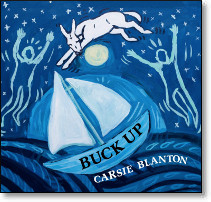
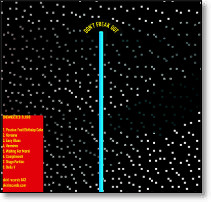
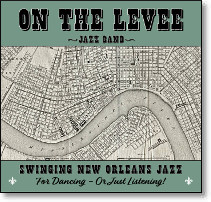
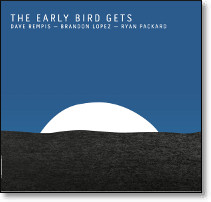
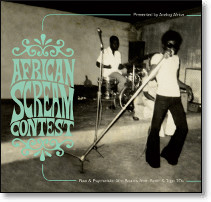
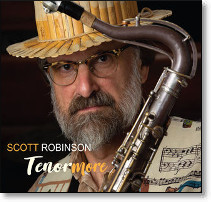
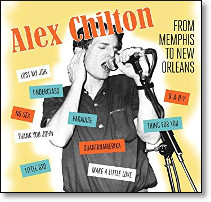
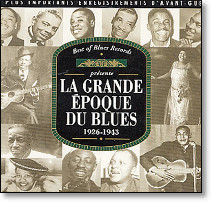
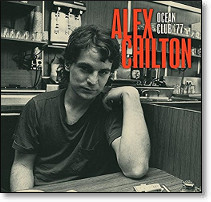
:format(webp):no_upscale()/cdn.vox-cdn.com/uploads/chorus_asset/file/13757408/mass_shootings_chart_01.png)