|
An occasional blog about populist politics and popular music, not necessarily at the same time. LinksLocal Links Social Media My Other Websites Music Politics Others Networking Music DatabaseArtist Search: Website SearchGoogle: Recent Reading
Music DatabaseArtist Search: Website SearchGoogle: |
Music Week [150 - 159]Monday, July 3, 2023 Music Week
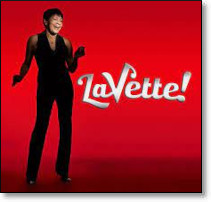
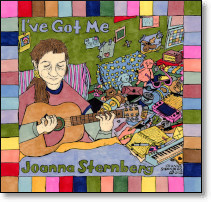
Music: Current count 40512 [40476] rated (+36), 14 [9] unrated (+5). I wrote another substantial Speaking of Which yesterday. Well, it didn't seem like such a big deal until I started to wrap up, and added another 1300 words in the form of an 11-point summary of the current state of the Ukraine War. Well, not exactly "current state," which implies a reckoning of the battle lines and various economic factors, which I regard as minor and possibly trivial. What does matter is the mental state of the protagonists, which on both sides remains locked in bizarre belief that the war should continue to play out. I'll resist the temptation to write another 1300 words here, but I do insist that while the decision to invade was solely Russia's fault, and the efforts to thwart the invasion were justifiable, the unwillingness to even start to negotiate a peace deserves blame on both sides. Laura Tillem cut out the Ukraine part and posted it to Facebook. It's already disappeared from my feed. In case you missed it, I also published a TV Midyear Report last week. Since then, Endeavour ended, more or less successfully, so B+. The second episode of Ridley brought its case to a close, but I gather there are two more episodes to go, with another closed case. It's pretty solidly in B+ territory. We're still waiting for the last episode of Deadloch, which is only getting better. And I've started season 3 of The Great, and I'm enjoying it immensely (though still impatiently waiting for Peter III's demise, and a bit bothered by rumors that Nicholas Hoult is coming back as another character). Favorite Facebook meme of the day: "People who wonder if the glass is half empty or half full, miss the point. The glass is refillable." Weekly rated count continues to drop, as I've been starting off most days with something classic from the cases, before trying to find something new to check out. This has taken some scratching, but I wound up with four A- records, all (I think) initially suggested by members of the Expert Witness Facebook group, many of whom have spawned Substack newsletters. (It could be that I found LaVette on my own, but her records has been much admired by group members in the last few days.) I should construct a list, or at least add them to my "Music" navigation menu, but don't feel up to it today. For a while, I toyed with the idea of setting up my own Substack, but it still doesn't feel right, and the more people who do it, the less inclined I feel. I thought of doing Madonna after news she was hospitalized. After a strong ending, I could have gone with an A-, but I noticed on Wikipedia that my grade for the previous one-CD sampler was B+(***), and finally decided that works here as well. Why make them extra work? It shouldn't be hard to compile an A- compilation of her post-1990 work, given that half of the albums are already there. Note that the Pet Shop Boys have a similar compilation, but I haven't been able to stream it yet. Also not getting done today is the indexing I put off for last month's Streamnotes. Maybe next week. Other projects are falling by the wayside. The one that bothers me most is that the Sony CD changer upstairs is broken, so I haven't had any bedtime music for several weeks now. Seems like it's probably just a broken belt, but I haven't even managed to take it apart to see -- at least beyond removing the top, which allowed me to rescue the CD. New records reviewed this week: JoVia Armstrong & Eunoia Society: Inception (2021 [2023], Black Earth Music): Percussionist, credited here with hybrid cajon, the group adding "5 Strings," bass, and guitar. Fusion of some sort, lots of riff without much rhyme. B [cd] Tor Einar Bekken/Inga-Mei Steinbru: Jungle One Jungle Two Jungle Blues (2023, self-released): Piano and drums duo, the former with records as Dr. Bekken back to 1995, the latter apparently not in Discogs. B+(**) [bc] Ice Cold Bishop: Generational Curse (2023, Epic): Los Angeles rapper, hasn't made it big enough for Wikipedia yet, debut album not yet in Discogs (which has 2022's single), credit jammed together in all-caps but Pitchfork review repeatedly refers to "Bishop." Tight loops, hard to follow, with high voices tracked cartoonishly but something deeper in the message. A- [sp] Samuel Blaser: Routes (2021-22 [2023], Enja): Trombonist, from Switzerland, couple dozen albums since 2008, mostly plays free jazz but pays tribute here to reggae great Don Drummond, with Alex Wilson (piano/organ/melodica), Alan Weekes (guitar), Ira Coleman (bass), Dion Parson (drums), Soweto Kinch (alto sax/vocals), Michael Blake (tenor sax), and Edwin Sanz (percussion), with Scratch Perry dubbing on two tracks, and extra trombones on another. B+(***) [sp] Pony Bradshaw: North Georgia Rounder (2023, Black Mountain Music): Country singer-songwriter from north Georgia, fourth album. B+(**) [sp] Dee Byrne: Outlines (2021 [2023], Whirlwind): British alto saxophonist, has a couple previous albums, leads a sextet, with trumpet, clarinet, piano, bass, and drums -- only name familiar to me is Olie Brice (bass). B+(**) [sp] Shirley Collins: Archangel Hill (2023, Domino): Venerable British folk singer, now 87, returned from a 38-year hiatus in 2016, with a second album in 2020, and now this third one. Voice continues to wither, as does the songs. B+(*) [sp] Chuck D as Mistachuck: We Wreck Stadiums: Homage to Rap & Baseball Heroes (2023, SpitSLAM): Public Enemy front man Carlton Ridenhour, feeling nostalgic about his baseball cards, ten years younger than me, which is close enough I recognize the players he namechecks. Interesting as that is, his beats are what I'm more nostalgic for. B+(***) [sp] McKinley Dixon: Beloved! Paradise! Jazz! (2023, City Slang): Rapper from Virginia, fourth album. B+(*) [sp] The Sofia Goodman Group: Secrets of the Shore (2023, Joyous): Jazz drummer, based in Nashville, second album, with saxophonists Joel Frahm and Dan Hitchcock, clarinet, guitar, keyboards, bass, and drums, performing Goodman originals (three with co-credits). Fairly luxe postbop. B+(*) [cd] [07-14] Daniel Hersog Jazz Orchestra: Open Spaces: Folk Songs Reimagined (2022 [2023], Cellar): Canadian trumpet player, second big band recording, big name soloists include Kurt Rosenwinkel (guitar), Scott Robinson (reeds), Noah Preminger (tenor sax), and Frank Carlberg (piano). Seems like I should have recognized most of the folk songs, but they tend to get lost in the arrangements. B+(*) [cd] Bettye LaVette: LaVette! (2023, Jay-Vee): Soul singer, raised in Detroit, was 16 when she recorded her first hit in 1962 but struggled after that, until the breakthrough of her 2003 album A Woman Like Me. All tracks here were written by Randall Bramblett, who I remember as a singer-songwriter in the mid-1970s, who dovetailed into soul but couldn't pull it off himself. LaVette can, and then some. A- [sp] Brennen Leigh: Ain't Through Honky-Tonkin' Yet (2023, Signature Sounds): Country singer-songwriter, based in Nashville, ten-plus albums since 2002 (and still doesn't have a Wikipedia page). Starts with a song about escaping Hope, Arkansas. B+(***) [sp] Mach-Hommy/Tha God Fahim: Notorious Dump Legends Vol. 2 (2023, self-released): New Jersey rapper Ramar Begon, Haitian parents, spent much of his childhood in Port-au-Prince. First EPs in 2011, many albums since 2017, this a short one (27:31). B+(*) [sp] Gabriela Martina: Homage to Grämilis (2023, self-released): Jazz singer-songwriter, from Switzerland, second album, backed with guitar (Jussi Reijonen), accordion (Ben Rosenblum), piano (Maxim Lubarsky), bass, and drums. B+(*) [cd] [07-14] Okwy Osadebe and Highlife Soundmakers International: Igbo Amaka (2023, Palenque): Nigerian, the son of Chief Stephen Osita Osadebe (1936-2007), an Igbo highlife star in Lagos from his first album in 1958. During the 1970s, highlife was eclipsed by juju and afrobeat, but I always found the early stuff especially charming, as is this slight update. A- [sp] Brandon Ross: Of Sight and Sound (2019 [2023], Sunnyside): Guitarist, short list of records since 2004, played in Harriet Tubman and other groups. Music here -- with Kevin Ross (bass guitar), Chris Eddleton (drums), and Hardedge (sound design) -- was presented to accompany paintings by Ford Crull. B+(*) [sp] Rome Streetz: Wasn't Built in a Day (2023, De Rap Winkel): Rapper Jerome Allen, busy since 2018, produced by Big Ghost LTD, who sometimes gets a co-credit here. B+(*) [sp] Marina Sena: Vicio Inerente (2023, Sony Music Brasil): Brazilian singer-songwriter, second album. B+(***) [sp] Isach Skeidsvoll: Dance to Summon (2021 [2023], Ultraääni): Norwegian pianist, has several albums, the one I've heard is a duo with his brother Lauritz, who plays soprano sax here. Also with Espen Songstad (tenor sax), Aksel Øvreas Reed (baritone sax), Peder Skeidsvoll (pocket trumpet), bass, and drums, with everyone also credited with percussion, some with voice. They make a very impressive noise, but I'm not quite up to it all. B+(***) [sp] Sam Smith: Gloria (2023, Capitol): British singer, first album (2014) was a big hit, others have followed suit, even this fourth one, after he (ok, they) went non-binary. Has a rich, but limited, soul crooner voice, increasingly turned into a choir here. B [sp] Emilio Solla/Antonio Lizana: El Siempre Mar (2023, Tiger Turn): Pianist, from Argentina, based in New York, started with the band Apertura (1983-89), most of his albums are steeped in tango. Joined here by the Spanish flamenco-rooted saxophonist, who also sings, with smaller front cover print for Jorge Roeder (bass) and Ferenc Nemeth (drums). B+(*) [cd] Sonar With David Torn and J. Peter Schwalm: Three Movements (2022 [2023], 7d): Swiss quartet, with two guitarists (Stephan Thelen and Bernhard Wagner), bass (Christian Kunther), and drums (Manuel Pasquinelli) -- tenth album since 2012, sometimes considered math rock (due to the intricate rhythms, or maybe because leader Thelen is a mathematician), but complex enough for jazz with no real hint of fusion. Joined here by guitarist Torn, who's appeared on several of their albums, and Schwalm (electronics). B+(**) [sp] Joanna Sternberg: I've Got Me (2023, Fat Possum): Singer-songwriter, visual artist, multi-instrumentalist, based in New York, second album. Holds your attention with just guitar or piano and voice. A- [sp] Sundy Best: Feel Good Country (2023, self-released): Country duo, Kristofer Bentley and Nicholas Jamerson, from Kentucky, five albums 2012-16, split up in 2018, announced a reunion in 2020, which finally led to this. B+(*) [sp] Pictoria Vark: The Parts I Dread (2022, Get Better): Singer-songwriter, bassist from Iowa City, actual name Victoria Park, has a previous double-EP called Self-Titled (2018). Rob Sheffield is enough of a fan that he brought this to a "Pazz and Jop" podcast with Robert Christgau, who hasn't weighed in yet. I don't have much to say, either. B+(*) [sp] The War and Treaty: Lover's Game (2023, Mercury Nashville): Michigan duo, Michael and Tanya Trotter, fourth album, first with a major label, which is pushing them as Americana, but their roots are in blues and gospel. B+(**) [sp] Wild Up: Julius Eastman Vol 3: If You're So Smart, Why Aren't You Rich? (2023, New Amsterdam): Large Los Angeles group, conducted by Christopher Rountree, their third foray into the composer's work. B+(***) [sp] Jess Williamson: Time Ain't Accidental (2023, Mexican Summer): Alt-country singer-songwriter, from Austin but based in Los Angeles, four previous albums, but is probably best known for her duo project Plains, with Katie Crutchfield. B+(***) [sp] Denny Zeitlin: Crazy Rhythm: Exploring George Gershwin (2018 [2023], Sunnyside): Pianist, has recorded extensively since 1963. Solo here, a bit of percussion, on eleven Gershwin compositions (no title tune, but "Fascinating Rhythm" appears). B [sp] Recent reissues, compilations, and vault discoveries: Joel Futterman: Inneraction (1984 [2023], Mahakala Music): Avant-jazz pianist, originally from Chicago, debut 1979, has co-led important groups with Kidd Jordan, Hal Russell, and Ike Levin. This reissues his third album, with Jimmy Lyons (alto sax), Richard Davis (bass), and Robert Adkins (drums), with Nat Hentoff's original liner notes. B+(***) [bc] Madonna: Finally Enough Love: 50 Number Ones (1982-2019 [2022], Warner, 3CD): I can only imagine what it was to grow up with Madonna, but I got a glimpse when walking in New York, when the young daughter of a friend saw an iconic photo of Marilyn Monroe in a store window, and exclaimed. But from the few times I got stuck listening to radio in the 1980s, I got the sense that she produced most of the decade's memorable pop music (seems I only got Prince via albums). Her albums were rarely as great as the singles, but 1990's The Immaculate Collection was just that. That ended with "Vogue," which is track 11 on the first disc here. She never got better than that, but I count nine A/A- albums since, vs. four before, so she's entitled to a career-spanning compilation. This has a couple of dubious covers from back when she was toying with becoming a crossover star, but then she settled back into her dance groove, and hired the best beats she could afford, for a final disc that is serviceable but rather short of immaculate. B+(***) [sp] Arthur Russell: Picture of Bunny Rabbit (1985-86 [2023], Audika): From Iowa (1951-92), moved to New York in 1973, studied electronic music, became music director of the Kitchen (a famous avant-garde spot), played cello, later moved into dance music, releasing an album as Dinosaur L. His legend has grown since his premature (AIDS) death, especially with the 2004 release of The World of Arthur Russell. This new discovery is a sketchy minimalist piece of solo voice, cello, keyboards, guitar, harmonica, and echoes. B+(**) [sp] Old music: Johnny Adams: There's Always One More Time (1983-97 [2000], Rounder): Rhythm and blues singer (1932-98), from New Orleans, ranged into gospel and jazz, had some minor hits in the 1960s, signed with folk-oriented Rounder in 1983, which is where this -- an entry in the label's "Rounder Heritage" series of compilations -- picks up. B+(**) [sp] Christer Bothén 3: Omen (2019 [2021], Bocian): Swedish bass/contrabass clarinetist, albums as far back as 1982, spent time in Mali learning donso n'goni (which he was introduced to by Don Cherry), also in Morocco. Trio with Vilhelm Bromander (bass) and Konrad Agnas (drums). B+(***) [bc] Bashful Brother Oswald: Dobro's Best (1976 [2008], Gusto): Beecher Ray Kirby (1911-2002), from Tennessee, played Dobro resonator guitar, notably in Roy Acuff's Smoky Mountain Boys. He recorded four albums for Rounder, as well as isolated albums for a few other labels. Most (11 of 12) of these songs appeared on his 1976 album for Gusto, 14 Songs, which is the only one on Spotify. B+(*) [sp] Unpacking: Found in the mail last week:
Ask a question, or send a comment. Monday, June 26, 2023 Music Week
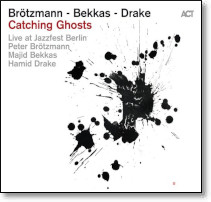
Tweet: Music Week: 40 albums, 4 A-list, Music: Current count 40476 [40436] rated (+40), 9 [12] unrated (-3). Another big Speaking of Which yesterday: 6163 words, 98 links. I started on Thursday, so the Prigozhin putsch drive caught me midstream. Upon reflection, the critical detail that's rarely reported is that Putin had moved to force Wagner back under Russian military command, so the revolt was a reaction to an existential threat. Anti-Russian pundits enjoyed themselves immensely this weekend by taunting Putin as weak, but at several critical junctures it was Prigozhin whose hand was forced. Also, it was rather clever of Putin to allow Prigozhin an exit ramp to Belarus. The big question now is how much of the Wagner army will join Prigozhin in Belarus. My guess is that it won't be much, so the net effect will be equivalent to house arrest. There Prigozhin will still remain as a potential political threat to Putin, but he's given up on being a military one. And while Putin is often regarded as a front man for the oligarchs, it's worth remembering that Prigozhin's not the first one Putin forced to heel. None of this strikes me weakness. Sure, the war is still a disastrous miscalculation, and Putin is likely to be judged for that mistake eventually. But not yet. Looking around this morning, one link worth adding is Heather Digby Parton: Trump's messianic appeal can't be replicated. One thing I've never understood about these "Revelations" scholars is why none of them recognize Trump (or, before him, GW Bush) as the Antichrist. As one who doesn't believe in that crap, this isn't a point I'm inclined to belabor, but given the assumptions, doesn't it seem pretty obvious? Parton also gets into a story I didn't bother with, which is how Moms for Liberty got caught quoting Hitler, then had to beat a retreat. Pro tip: you're much less likely to make this mistake if you don't believe in the same things Hitler believed in. Parton quotes "Ryan Helfenbein @ the Faith & Freedom Coalition Gala": "If you don't control education, you can't control the future. Stalin knew that. Mao knew it. Hitler knew it. We have to get that back for conservative values." The problem with this isn't that he aligned conservatism with bad examples. The problem is thinking that the future is purely a creation of will, and as such subject to thought control (or more precisely, by keeping people from thinking for themselves). One of the most important truths about the world today is that we need lots of people who are capable of thinking critically and creatively when faced with new problems, because they're coming all the time. That's way up there with we have to learn to accept and respect people different from ourselves, because we can't afford to fight all the time. It's not that conservatives have no good ideas -- some traditional values should be honored, and some change should be resisted -- but their inability to grasp such fundamental concepts, along with their defense and promotion of greater social and economic hierarchy, has made them not just wrong but dangerously so. I've been pretty bummed about lack of progress, even on previously simple home projects. But while writing on book projects has been hard to get into, cranking out the weekly Speaking of Which still comes easy, and almost seems therapeutic. Same could be said for Music Week, but I'm more anxious to get it out of the way, thinking that will open up a new week of opportunity. Those frustrations, along with trouble finding things to listen to, led me to start off the last couple days with something old from the cases (leading to a couple tweets). That threatened to suppress the ratings count, but turns out not by much. Peter Brötzmann died last week, at 82, ending a 56-year career that literally spans the entire German (and for that matter, European) avant-garde. I've often had trouble with his exuberant cacophony -- his Penguin Guide crown album, 1968's Machine Gun, is a mere B+(**) in my list -- but I've occasionally found items to A-list, including this year's set with Majid Bekkas and Hamid Drake, Catching Ghosts, and, to pick an example where the noise is transcendent, 2009's Hairy Bones. Chris Monsen got me going when he linked to Sprawl. Among new releases, I've never cared much for Jason Isbell, and had the new one wrapped up at B+(***), until I gave it a couple more plays. Also benefiting from extra attention was Mother Earth, a side trip after checking out the latest Tracy Nelson album. I remembered having at least one of their albums, but hadn't filed a grade. Jeffrey Callahan posted a request for mid-year lists on Expert Witness. Few returns as yet, but Clifford Ocheltree identified "only three items strike me as durable":
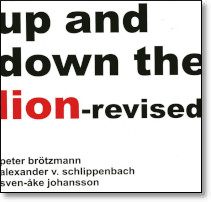
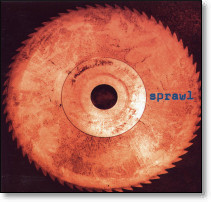
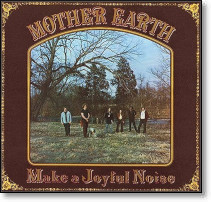
I suppose you can derive my list from here, but I wouldn't put much stock in the order, which reflects initial slotting but little sorting. Last Monday in the month, so I've opened a new monthly Streamnotes archive for July. But indexing for June will have to wait -- no need holding this post up for a bunch of busy work. I'll also do a post of notes on television shows, probably tomorrow. Diminishing returns have me given up on mid-year music lists, but similar lists exist for television (and probably movies, which I've lost all interest in). Not on any list so far is Deadloch, a mystery series set in Tasmania that still has a couple episodes to come. Body count is too high to really call it a comedy, but it often is very funny. New records reviewed this week: Charlie Apicella & Iron City Meet The Griots Speak: Destiny Calling (2022 [2023], OA2): Guitarist, eighth album, usually plays groove-oriented fusion/soul jazz (his 2019 album was called Groove Machine), surprises here by hooking up with "legends of the 1960s NYC loft scene": Daniel Carter (saxes, flute, clarinet, trumpet, piano), William Parker (bass, doson ngoni), and Juma Sultan (congas, percussion). He means 1970s (Sultan was born in 1942, Carter 1945, Parker 1952). B+(***) [cd] Asake: Work of Art (2023, YBNL Nation): Nigerian singer-songwriter Ahmed Ololade, stage name is his mother's, second album. B+(**) [sp] Atmosphere: So Many Other Realities Exist Simultaneously (2023, Rhymesayers Entertainment): Underground hip-hop duo from Minnesota, Sean Daley (Slug) and Anthony Davis (ANT), many albums since 1997. B+(***) [sp] Blue Cranes: My Only Secret (2022 [2023], Jealous Butcher/Beacon Sound): Quintet from Portland: two saxes, keyboards, bass, and drums. Eighth album supposedly moves in new directions, but fusion that only intermittently passes as jazz has trouble sustaining interest. B [cd] [08-11] Chris Byars Quartet: Look Ahead (2023, SteepleChase): Tenor saxophonist, largely invented what we might call "retro-bop," which he is likely to extend into a career comparable to what Scott Hamilton did with "retro-swing." Quartet with Pasquale Grasso (guitar), Ari Roland (bass), and Keith Balla (drums). Not as explicit as many of his albums, just comfortable in his secure worldview. B+(***) [sp] The Ekphrastics: Special Delivery (2023, Harriet): Indie band picks obscure name, writes pleasant songs I don't quite get. B+(*) [sp] Amanda Fields: What, When and Without (2023, Are and Be): Country singer-songwriter, first album, likes them slow and sweet, although it's not quite that simple. B+(**) [sp] Béla Fleck/Zakir Hussain/Edgar Meyer: As We Speak (2023, Thirty Tigers): Banjo player, born in New York, debut 1979, expanded beyond bluegrass to jazz and world music. Second album with Hussain (tabla) and Meyer (bass), joined by (featuring credit on cover) Rakesh Chaurasia (bansuri, an Indian bamboo flute). B+(*) [sp] Caesar Frazier: Tenacity (As We Speak) (2022, TrackMerchant): Organ player, from Indianapolis, recorded three albums 1972-78, then nothing until 2018. Gets a shot here with mainstreamers Eric Alexander (tenor sax), Peter Bernstein (guitar), and Vince Ector (drums). B+(*) [sp] Caesar Frazier: Live at Jazzcup (2023, Stunt): The organ player goes to Sweden, where his pickup group includes Johannes Wamberg (guitar), Kresten Osgood (drums), and Jonas Kullhammar (tenor sax), whose extra edge is critical. B+(**) [sp] Noah Haidu: Standards (2023, Sunnyside): Pianist, from New York, sixth album since 2011, last one was dedicated to Keith Jarrett, now this one is keyed to the 40th anniversary of Jarrett's Standards Trio. With bass (Buster Williams or Peter Washington) and drums (Lewis Nash), plus Steve Wilson (sax, but back cover says drums) on four tracks. B+(**) [cd] Ben Howard: Is It? (2023, Island): British singer-songwriter, branded folk but leaning into electronics, which is more electropop than techno. B+(*) [sp] Jason Isbell and the 400 Unit: Weathervanes (2023, Southeastern): Singer-songwriter, started in Drive-By Truckers, went solo in 2007 and started co-crediting his band in 2009. Reputation precedes him, but I've never had the patience to figure out whether it's deserved. But he's singing as passionately as ever, and for once the sound is ingratiating enough to invite further inspection. For instance, consider: "I thank God you weren't brought up like me, with all that shame and certainty." A- [sp] Christine Jensen: Day Moon (2023, Justin Time): Alto/soprano saxophonist, from Canada. Quartet with Steve Amirault (piano), Adrian Vedady (bass), Jim Doxas (drums). B+(**) [sp] Stephen Jones & Ben Haugland: Road to No-Where (2021 [2023], OA2): Saxophone (soprano/tenor) and piano duets, plus trumpet/flugelhorn (Kevin Whalen) on two tracks. Originals divided 2-3 in favor of the pianist, with four standards. Opens with a lovely "Without a Song." B+(**) [cd] Kaisa's Machine: Taking Shape (2022 [2023], Greenleaf Music): Finnish bassist Kaisa Mäensivu, second album, with new group members Tivon Pennicott (tenor sax on 5 tracks), Max Light (guitar), Sasha Berliner (vibes on 2), Eden Ladin (piano), and Joe Peri (drums). Postbop with spirit and edge. B+(**) [cd] [07-07] Ryan Keberle's Collectiv Do Brasil: Considerando (2023, Alternate Side): Trombone player, from Indiana, based in New York, albums since 2007, second Collectiv Do Brasil album, this one recorded in São Paulo with Felipe Silveira (piano), Felipe Brisola (bass), and Paulinho Vicente (drums). Brazilian tilt is subtle. B+(**) [cd] [07-14] Kill Bill: The Rapper: Fullmetal Kaiju (2023, Exociety): Rapper Dennis Nettles, half-dozen previous albums since 2014. Underground, with slack beats and sly jokes, and a bit of weirdness that hasn't fully registered yet. B+(**) [sp] Gordon Lee Quartet: How Can It Be? (2022 [2023], PJCE): Pianist, based in Portland, been around a bit, with a 1990 Quartet album and his 2004 GLeeful Big Band. With Renato Caranto (tenor sax), Dennis Caiazza (bass), and Gary Hobbs (drums). B+(**) [cd] Bill Lowe and the Signifyin' Natives Ensemble: Sweet Cane: Suites and Other Pedagogical Prompts (2021 [2023], Mandorla Music): Plays bass trombone and tuba, not much under his own name but side-credits back to 1975, played with Frank Foster early on, Henry Threadgill, Darrell Katz, has been a regular in the Aardvark Jazz Orchestra. Group here has vocalist Naledi Masilo and a fairly stellar lineup: Taylor Ho Bynum (cornet/flugelhorn), Hafez Modirzadeh (alto sax/hoof-seed rattle/b'kongofon), Kevin Harris (piano), Ken Filiano (bass), and Luther Gray (drums). B+(***) [bc] Greg Mendez: Greg Mendez (2023, Forged Artifacts, EP): Singer-songwriter from Philadelphia, third "album," I see him being compared to Alex G, which doesn't do much for me. Eight songs, 23:08. B- [sp] Tracy Nelson: Life Don't Miss Nobody (2023, BMG): Started in the rock group Mother Earth (1967-71), aside from the 1980-93 stretch has recorded regularly since, slotted variously as folk, country, and/or blues without evolving much. Credibly covers some obvious songs, along with a couple of her own. And for a guest spot, Willie Nelson takes her "Honky Tonkin'." B+(**) [sp] Linda May Han Oh: The Glass Hours (2023, Biophilia): Bassist, born in Malaysia, raised in Australia, based in New York, sings some but it's mostly Sara Serpa's scat here, crowding out Mark Turner's tenor sax, with Fabian Amalzan (piano + electronics) and Obed Calvaire (bass). B [sp] Jacques Schwarz-Bart: The Harlem Suite (2021 [2023], Ropeadope): Saxophonist from Guadeloupe, parents were writers and family traveled widely; he studied at Berklee, but always worked elements from the French Caribbean into his music. Debut 1999. B+(*) [sp] Dave Scott: Song for Alice (2022 [2023], SteepleChase): Trumpet player, debug 1996, sixth album on this label since 2007, a quintet with Rich Perry (tenor sax), Gary Versace (piano), Johannes Weidenmueller (bass), and Mark Ferber (drums). B+(**) [sp] Don Toliver: Love Sick (2023, Cactus Jack/Atlantic): Second-generation rapper-singer from Houston, third album. Falls off when he sings. B [sp] Ray Vega & Thomas Marriott: East West Trumpet Summit: Coast to Coast (2021 [2023], Origin): Trumpet players, long on the label but from opposite coasts, backed by Orrin Evans on piano, plus bass and drums. Three Marriott originals, the rest jazz standards, including Mingus and Cherry, although my favorite is their "Girl Talk." B+(***) [cd] Recent reissues, compilations, and vault discoveries: Dave Douglas and Elan Mehler: If There Are Mountains (2019 [2023], Greenleaf Music): Mehler's a pianist, based in New York, several albums back to 2007, split the compositions here with the trumpet player, many songs with lyrics sung by Dominique Eade. Group also includes John Gunther (sax, clarinet, bass clarinet), bass, and drums. Originally released on vinyl-only Newvelle in 2020. B+(*) [sp] Johnny Hodges Septet: In Concert: Falkoner Central, Copenhagen, March 17, 1961 (1961 [2023], SteepleChase): The alto sax great, leading a septet of Ellington veterans -- Ray Nance, Lawrence Brown, Harry Carney, Al Williams, Aaron Bell, Sam Woodyard -- through his usual songbook. One treat is Nance singing "Don't Get Around Much Anymore" and "Just Squeeze Me," and playing violin on the closer. B+(***) [sp] Muddy Waters Blue Band Featuring Otis Spann: Live Paris 1968 (1968 [2023], Lantower): Live set from La Salle Pleyel (39:38), originally released on France's Concert in 1988. Spann, of course, is the pianist. B+(**) [sp] Old music: Peter Brötzmann/Alexander von Schlippenbach/Sven-Åke Johansson: Up and Down the Lion-Revised (1979 [2010], Olof Bright): Avant-sax with piano and drums, Johansson also opening on accordion, five improv pieces (57:13). The pianist is a big help here, inspiring some of Brötzmann's most thoughtful playing. A- [bc] Peter Brötzmann/Maleem Mahmoud Gania/Hamid Drake: The Wels Concert (1996 [1997], Okka Disk): Recorded in Austria. Gania is a Moroccan guembri master, also sings, and Drake plays drums, tablas, and frame drum, with the alto/tenor saxophonist also playing tarogato and e-flat clarinet. B+(***) [bc] Peter Brötzmann: Sprawl (1996 [1997], Trost): Discogs has artist name as Sprawl, based on no other print on the cover, but it's a one-shot quintet, and the Bandcamp page credits the German saxophonist, over Alex Buess (reeds/electronics), Stephen Wittwer (guitar), William Parker (bass), and Michael Wertmüller (drums). Brötzmann just died at 82, leaving a huge body of work, and this one was singled out by fans. I've often had trouble when he simply blasted away, but this one conveys its power through subtler means. A- [bc] Peter Brötzmann/Peeter Uuskyla/Peter Friis Nielsen: Noise of Wings (1999-2001 [2009], Jazzwerkstatt): Tenor sax, drums, bass, the leader also playing tarogato and clarinet, which softens his screech just enough. B+(***) [sp] Peter Brötzmann/William Parker/Hamid Drake: Never Too Late but Always Too Early: Dedicated to Peter Kowald (2001 [2003], Eremite, 2CD): Dedicated to the late German bassist (1944-2002), but recorded a year earlier, so subtitle is most likely an afterthought (but Brötzmann had a long association with Kowald, and Parker seems to have also developed a close relationship). Two long multipart pieces, and two extras, total 114:48. Good example of what they do. B+(***) [sp] Peter Brötzmann/Michiyo Yagi/Paal Nilssen-Love: Head On (2007 [2008], Idiolect): Yagi plays koto, a Japanese string instrument, which moderates the alto/tenor sax, albeit only a little, and rarely when he charges ahead. The drummer helps out. B+(**) [bc] Rory Gallagher: Big Guns: The Very Best of Rory Gallagher (1970-90 [2005], Capo, 2CD): Irish rocker (1948-95), started in blues-rock power trio called Taste, went solo in 1971, recorded eleven studio albums, released three live albums during his life, many more since. I never paid him any heed, and sat on this set until I scratched my last old unrateds from the database, but decided to give it a spin when I found it shelved. Nice package, with an ample booklet, and more music than anyone needs. Not bad, but nothing I'd pull out ahead of Stevie Ray Vaughan, or Cream. B+(*) [cd] Mother Earth: Living With the Animals (1968, Mercury): Blues-rock band from California, first album, group name from the Memphis Slim song, title song (and a couple more) by R. Powell St. John, Jr., who sings some but is upstaged by Tracy Nelson. B+(*) [sp] Mother Earth: Make a Joyful Noise (1969, Mercury): Second album, prophetic title, divided into a "City Side" and a "Country Side," Tracy Nelson shares lead vocals with three guys, the backups divided between Earthmen and Earthettes, the band including pedal steel guitar and a horn section. In short, they want to have it every which way. But oddly enough, they all work, even if this seems a bit heavier and more dated than some of their contemporary roots-rockers. A- [sp] Mother Earth: Satisfied (1970, Mercury): Third album, Tracy Nelson fully in charge of the vocals, which I count as a plus. B+(***) [sp] Mother Earth: Bring Me Home (1971, Reprise): Fourth album, singer stronger than ever, songs not so much. B+(*) [yt] Unpacking: Found in the mail last week:
Ask a question, or send a comment. Monday, June 19, 2023 Music Week
Music: Current count 40436 [40392] rated (+44), 12 [16] unrated (-4). I published another fairly long (5592 words, 96 links) Speaking of Which last night. Lots of important points there. I noticed a few more mid-year album lists:
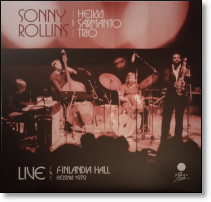
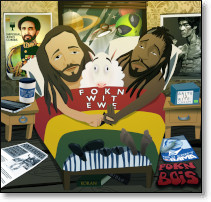
A few more, like Boston Globe and Times of London, were paywalled, and others no doubt missed Google's net. I doubt if they change the listings I presented last week very much. They drove much of my listening this week, as did Robert Christgau's June Consumer Guide -- although in the latter case it mostly got me to relisten to albums that I possibly had shortchanged previously. Two of them I bumped up a couple notches, although even now I'm wondering if one might have been more correct. The rest I left as is, with Wednesday's Rat Saw God headed for a lower grade before the last couple cuts showed some promise. It's one of the five or so best-regarded albums of the year, which leaves me feeling wildly out of synch with current music trends. Pretty out of synch with his Consumer Guide, too, although I will note that the África Negra compilation got an A- from me back in May 2022. I updated the Consumer Guide database at Robert Christgau's website. It had gotten considerably in arrears, although the practice of withholding reviews nine months to give his Substack subscribers some exclusivity makes it seem more like a bookkeeping exercise. Still, something I should be doing more regularly, if only to keep from having to rediscover how to do it. I've been playing the original Hairspray soundtrack a lot. While the dance songs are as great as I remembered, the real earworm is the slow dance number, Gene Pitney's Town Without Pity. The lyrics still resonate: "How can we keep love alive/ how can anything survive/ when these little minds tear you in two." Indeed, the "little minds" the film sends up in the early 1960s have returned to hector us, even more stunted and deformed than before. New records reviewed this week: Gracie Abrams: Good Riddance (2023, Interscope): Singer-songwriter from Los Angeles, first album, soft-spoken and very steady. Trails off a bit toward the end. B+(***) [sp] Amaarae: Fountain Baby (2023, Interscope): R&B singer, Ama Genfi, born in New York, raised in Atlanta and Ghana, where she is based now. Second album. Interesting in various subtle ways until the punk "Sex, Violence, Suicide" erupts, which makes one wonder about the rest. A- [sp] Roxana Amed/Frank Carlberg: Los Trabajos Y Las Noches (2022 [2023], Sony Music Latin): Argentinian singer, albums since 2004, has developed some jazz cred of late, which the pianist and a group that includes Adam Kolker (clarinets/tenor sax), Simon Willson (bass), and Michael Sarin (drums) adds to. Still goes slow, laden down with art song. B+(*) [cd] Kelsea Ballerini: Rolling Up the Welcome Mat (2023, Black River, EP): Singer-songwriter, slotted as country but doesn't quite have the sound (Lana Del Rey is more her archetype). Dropped this on Valentine's Day, thinking about her recent divorce, which helps add some gravitas. Six songs, 15:54. B+(**) [sp] Bar Italia: Tracey Denim (2023, Matador): British lo-fi group, third album, Italian-born Nina Cristante the main singer. Grows on me but no clear idea why. B+(***) [sp] Michael Bisio/Timothy Hill: Inside Voice/Outside Voice (2022 [2023], Origin): Bassist, mostly associated with avant-garde, here in a rather spare duo with the guitarist-singer. Centerpiece is "I Fall in Love Too Easily," which isn't easy at all. B+(*) [cd] Robert Sarazin Blake: One Summer Night: Live at the 2018 Subdued Stringband Jamboree (2023, Same Room): Folkie singer-songwriter, more than a dozen albums since 1996. B+(**) [sp] Blondshell: Blondshell (2023, Partisan): Singer-songwriter Sabrina Teitelbaum, father a hedge fund mogul, recorded an EP and some singles as BAUM, first album under this alias. Wikipedia has a long section on "Personal Life," which I read as read as "rich people are fucked up too, but can afford fancier labels." B+(*) [sp] Eddie Chacon: Sundown (2023, Stones Throw): Half of the 1990s neo-soul duo Charles & Eddie -- with Charles Pettigrew (1963-2001) -- returned to music with a 2020 album, now this one, an understated quiet storm. B+(*) [sp] Davido: Timeless (2023, DMW/Columbia): Nigerian afropop star, David Adeleke, actually born in Atlanta, grew up in Lagos, studied business in Alabama, returned to launch his career -- no doubt helps that his father is one of the richest people in Nigeria. Fourth album. B+(**) [sp] Indigo De Souza: All of This Will End (2023, Saddle Creek): Singer-songwriter, from North Carolina, father "a Brazilian guitarist who was absent during much of her childhood," third album. Half impressed me, scales up poorly. B+(*) [sp] Jeremy Dutton: Anyone Is Better Than Here (2023, self-released): Drummer-composer, first album, side credits back to 2018 with James Francies (piano here) and Joel Ross (vibes). Also draws on spot help from Ben Wendel (sax on 8/12 tracks), Mike Moreno (guitar on 7), and Ambrose Akinmusire (trumpet on 2), plus bass (Matt Brewer or Daryl Johns). B+(**) [cd] En Attendant Ana: Principia (2023, Trouble in Mind): French group, third album, songs in English, Margaux Bouchaudon the singer. Reminds me a bit of Belle & Sebastian, but doesn't connect as readily. B [sp] Alexander Hawkins Trio: Carnival Celestial (2022 [2023], Intakt): British pianist, cover notes "with" Neil Charles (bass) and Stephen Davis (drums). B+(*) [sp] Phil Haynes/Drew Gress/David Liebman: Coda(s): No Fast Food III (2022 [2023], Corner Store Jazz, 2CD): Drummer, from Oregon, album credits since 1984, often with the late Paul Smoker. Released the first No Fast Food album, with Gress (bass) and Liebman (sax, usually soprano), in 2014. Nice free jazz play, the discs short enough they could have been combined (31 and 35 minutes). B+(***) [cd] Keigo Hirakawa: Pixel (2022 [2023], Origin): Pianist, born in Japan, raised in Ohio, has at least one previous album. Postbop quintet with Rafael Statin (reeds), guitar, bass, and drums. Fast, with some particularly hot spots. B+(**) [cd] Javon Jackson: With Peter Bradley: Soundtrack and Original Score (2021-22 [2023], Solid Jackson): Tenor saxophonist, nominally a soundtrack for a documentary on the painter/sculptor (b. 1940), but sounds like a fairly tight group set, with Greg Glassman (trumpet) on most tracks, backed by plain (Jeremy Manasia), bass (David Williams), and drums (Charles Goold or McClenty Hunter). B+(***) [cd] JustVibez + Negro Justice: Art of the Craft (2023, self-released): Nashville hip-hop duo, Negro Justice the rapper, Justvibez the producer. B+(**) [bc] Killer Mike: Michael (2023, Loma Vista): Atlanta rapper Michael Render, five albums 2003-12, since then has focused on his duo with El-P, Run the Jewels. Looks back here, with gospel effects. B+(**) [sp] Larkin Poe: Blood Harmony (2022, Tricki-Woo): Southern roots-rock band, principally sisters Rebecca and Megan Lovell, originally from north Georgia but based in Nashville, regular albums since 2011. Guitars aplenty. B+(*) [sp] Model/Actriz: Dogsbody (2023, True Panther Sounds): New York band, first album after several singles (first in 2017), Cole Haden the singer/auteur, his angst rising from sonic depths -- I wouldn't call it noise, but it does remind me of where that rose from in the early 1980s. B+(***) [sp] Meshell Ndegeocello: The Omnichord Real Book (2023, Blue Note): Singer-songwriter, originally Michelle Lynn Johnson, adopted name (from Swahili) has been streamlined over the years. Thirteenth album since 1993, her credit "instrumentation, vocals, liner notes," with fifteen other musicians credited on one or two songs each. B+(*) [sp] Pony: Velveteen (2023, Take This to Heart): Jangle-pop band fronted by Sam Bielanski, songs co-written with Matty Morand; second album. B+(*) [sp] Smokey Robinson: Gasms (2023, TLR): Now 83, early Motown songwriter, fronted the Miracles, went solo in 1973, couple dozen albums since, this the first set of new material since 2009. Title refers to moments of pleasure, a concept that includes but extends beyond sex, not that he's lost interest in such things. B+(**) [sp] Rust Dust: Twere but It Were so Simple (2023, Omad): Singer-songwriter Jason Stutts, based in Brooklyn, plays guitar, second album, contemplating the cosmos. B+(**) [sp] Samia: Honey (2023, Grand Jury): Singer-songwriter from New York, last name Finnerty, second album. B+(*) [sp] Shalom: Sublimation (2023, Saddle Creek): Singer-songwriter, raised in South Africa, based in Brooklyn, exotic credentials at odds with the very straightforward (but far from boring) rock framework. That lifts the introspection up enough to be notable, even a bit fun. B+(***) [sp] Edward Simon: Femeninas: Songs of Latin American Women (2023, ArtistShare): Venezuelan pianist, moved to US when he was ten, studied in New York, based in San Francisco, couple dozen albums since 1994. Featuring credit for Mexican singer Magos Herrera, with the band also listed on the cover: Adam Cruz (drums), Reuben Rogers (bass), and Luis Quintero (percussion). Includes a three-part piece by Simon (lyrics by Herrera), plus eight songs as advertised (two from Brazil also feature guitar by Romero Lubambo). B+(*) [cdr] Son Volt: Day of the Doug: The Songs of Doug Sahm (2023, Transmit Sound): Country-rock band led by Jay Farrer, after Uncle Tupelo broke up. Eleventh album since 1995. B+(*) [sp] Marty Stuart and His Fabulous Superlatives: Altitude (2023, Snakefarm): Country singer, debut 1978, never a big star but had some success in the 1990s, as he started to build his reputation for bluegrass. Dubbed this band in 2003, this his ninth album under the name. Slow start, recovers toward the end. B [sp] Stuck: Freak Frequency (2023, Born Yesterday): Postpunk band from Chicago, second album, Greg Obis the lead singer. What marks it as "post" is that the instrumentals get more energetic. B+(**) [sp] Uncle Waffles: Asylum (2023, Kreativekornerr): South African amapiano dj, born in Eswatini (Swaziland for you old-timers), second album, reportedly a viral breakout. Beats. Lots of beats. B+(**) [sp] Rufus Wainwright: Folkocracy (2023, BMG): Famous parents (Kate McGarrigle, Loudin Wainwright III), immortalized as a baby in one of the latter's more memorable songs, debut album 1998, ten albums later, a collection of covers (five traditional folk songs, one of his own, one by Schubert, others eclectic), most joined by guest singers, produced by Mitchell Froom. Has a few moments. B [sp] Youth Lagoon: Heaven Is a Junkyard (2023, Fat Possum): Alias for Trevor Powers, three albums 2011-15, this is his fourth. [sp] Recent reissues, compilations, and vault discoveries: Roger Bekono: Roger Bekono (1989 [2023], Awesome Tapes From Africa): From Cameroon (1954-2016), played guitar and sang, Discogs only lists one more album beyond this minor four song, 30:15 gem. B+(**) [sp] Ernesto Djédjé: Roi Du Ziglibithy (1978-82 [2022], Analog Africa): Singer from Côte D'Ivoire (1947-83), recorded from 1970 up to his "mysterious" death (Discogs lists six albums). Dates not given, but the four songs (25:52) can be tracked back to four albums. B+(**) [sp] Sonny Rollins With Heikki Sarmanto Trio: Live at Finlandia Hall, Helsinki 1972 (1972 [2023], Svart): Live set with a pickup band, although the keyboardist (playing Fender Rhodes here) is a pretty big deal in Finland, with Pekka Sarmanto (bass) and Esko Rosnell (drums). After a spoken intro, they expand greatly on "Night and Day," "My One and Only Love," and "St. Thomas." It's impossible to hear the latter and not smile wide. A- [sp] Nkono Teles: Love Vibration (1982-84 [2023], Soundway): From Cameroon (d. 2011), based in Nigeria, "one of a small handful of pioneers of the Nigerian electronic music scene in the 1980s." Six tracks (33:02), three from 1982-84 albums, which seems to have been his peak period. Would slot nicely into one of those Nigerian disco compilations. B+(**) [sp] Ali Farka Touré: Voyageur (1991-2004 [2023], World Circuit): Legendary guitarist-singer from Mali (1939-2006), unveils nine previously unreleased jam tracks, as charming as ever. B+(***) [sp] Neil Young and the Santa Monica Flyers: Somewhere Under the Rainbow: Nov. 5, 1973 (1973 [2023], Reprise, 2CD): First disc features Tonight's the Night, recorded earlier that year but unreleased until 1975. But note there's another -- if memory serves, better sounding -- live version, from Sept. 20-22 with the same band (Nils Lofgren, Ben Keith, Billy Talbot, Ralph Molina), released in 2018 as Roxy: Tonight's the Night Live. I've liked many of Young's live albums, but this one seems especially unnecessary. B [r] Old music: Big Joanie: Sistahs (2018, Daydream Library Series): Afro-British g-b-d trio, Stephanie Phillips the singer, first album (a second came out in 2022), advertised as postpunk but I don't really hear it -- did help get them opening slots for Sleater-Kinney and Parquet Courts and a label co-owned by Thurston Moore. B+(***) [sp] Fokn Bois: Coz Ov Moni (2010, Pidgen Music): Hip-hop duo from Ghana, names given as M3NSA and Wanlov the Kubolor -- ok, Bondzie Mensa Ansah and Emmanuel Owusu Bonsu. First album, soundtrack to "the first pidgen musical film in the world." B+(**) Fokn Bois: Fokn Wit Ewe (2012, Pidgen Music): Second album, more accessible in English. They get on track with a chant thanking God they're not Nigerians, then admitting that Liberians are even worse. Later they beg Somalians to "Help America," and luxuriate in extraterrestial sex. I take these, and not just the skits, to be jokes, like the title. A- [sp] Fokn Bois: Coz Ov Moni 2 (Fokn Revenge) (2014, Pidgen Music): Another soundtrack, presumably a sequel to the original "pidgen musical" film. More jokes, no doubt, as they even permeate the music. B+(**) [sp] Fokn Bois: Fokn Ode to Ghana (2016, Hobo Truffels/Yoyo Tinz): Effectively a remix of a various artists instrumental album Ode to Ghana (2014, Hobo Truffels), with the raps added and the original artists billed as producers. A mixed bag. One sobering piece claims Obama for Kenya and goes: "Thank God we're not an African-American." B+(**) [sp] Grade (or other) changes: Taj Mahal: Savoy (2023, Stony Plain): Eclectic roots bluesman Henry Saint Clair Fredericks, started in 1965 in a group with Ry Cooder called Rising Sons, reunited last year in a Sonny Terry/Brownie McGhee tribute. Goes back even earlier here, reminiscing about Chick Webb in the Savoy Ballroom (some years before he was born in 1942). He sticks to top shelf songs here, risking comparison to Ray Charles, Louis Armstrong, Louis Jordan, Jimmy Rushing -- even the sureshot Maria Muldaur duet, "Baby, It's Cold Outside." Of course, he has his own take, but I wonder how useful this really is. [was: B+(**)] A- [sp] Water From Your Eyes: Everyone's Crushed (2023, Matador): New York duo, Nate Amos and Rachel Brown, specify pronouns but not instruments, several albums since 2017, although this is the first one to get any real notice. Disjointed, which seems to be the sound of the year -- one that makes me despair of ever being hip again, but much here that I do appreciate. [was: B+(**)] A- [sp] Unpacking: Found in the mail last week:
Ask a question, or send a comment. Monday, June 12, 2023 Music Week
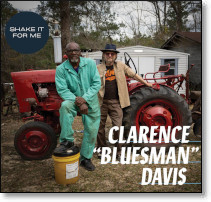
Tweet: Music Week: 54 albums, 2 A-list, Music: Current count 40392 [40338] rated (+54), 16 [16] unrated (-0). I wrote another long Speaking of Which (5822 words, 105 links). Started early to capture the tweets at the bottom, then had to restructure twice after Trump was indicted. Even pulling the Trump pieces out, I still had more pieces in the section on other Republicans. Anyone who fancies that DeSantis might be less bad than Trump should read the Ezra Klein piece. The environment section is a bit skimpy, especially in my comments, but the pieces (and even the titles) speak for themselves. The Ukraine stories drew me out more, but I still never got around to making the most obvious point, which is that this week's horrible stories are the natural consequence of not negotiating an end to the war a year ago, and not preventing it two-to-eight years ago. Further down, the Irin Carmon and Sarah Jones interviews remind us of the real world impacts of Republicans' obsession with controlling pregnancy. The Dean Baker and Ryan Cooper pieces remind us that Pharma profits are rigged by policy choices that can be changed. The James Galbraith piece works as a tombstone over the debt fiasco. As I recall, he wrote a similarly belated piece on the 2008-09 bank bailouts, which argued that we should have let the banks fail, and put the public money into helping those who got hurt, as opposed to those who were responsible for the recession. Given how little progress we've made on getting the banks to work for the general good, it's hard to say he's wrong. And the Zachary Carter piece points out current myths about inflation, and points to better solutions than the classic Volcker recession. (And yes, let's call it that, unless you can convince me that it's really Milton Friedman's fault -- not implausible, given his contribution to NAIRU.) Lots of good-but-not-great records below. Stereogram seems to have been first out of the gate with a "best of 2023 so far" list. At least, that's the first one I saw. By the time I counted, I had heard 33 (of 50) albums on the list (probably closer to 40 now, but I've lost track). Then I started looking for more, and found the following:
I did a partial tabulation (probably 10 of 13 lists, skipping the last three added -- if memory serves, Mixmag, Pitchfork, and Saving Country Music). This gives the following frequency of mentions (almost none of the lists were ranked, so no point trying to weight them). The following records appeared three or more times (numbered by count; my grades in brackets):
I have six A- records there. Christgau has just two so far, and his (JPEGMafia and Boygenius, both full A) aren't in my six. Two I haven't heard yet. I'll probably fix that, but given that the only Metallica album I've heard so far landed at C-, it's hard to see much point. This probably skews a bit more toward hip-hop than my recent EOY aggregates, but I count that as a plus. On the other hand, virtually no country (even "Americana") or jazz made the lists. I don't know of anyone who's done a "best jazz so far" list, but I can copy one out from my always-changing scratch list:
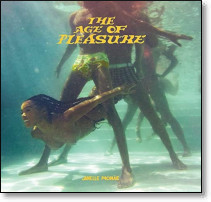
Don't put much stock in the order: this has been haphazardly assembled since January and I haven't done any editing, let alone rechecking. Not that it makes much difference these days, but ** indicates streamed or downloaded, with the rest on CD (pretty sure there's no vinyl here. Of this list, the only albums I'm more than 50:50 confident will end up in the top ten in year-end critics polls are McBride, Threadgill, and Lewis (on Anti-), although AEC, Benjamin, Moran, Smith, and/or Lowe could surprise; NIS is a real left field prospect. In most of these cases, the artists are sufficiently well-known, but the labels have little if any track record at getting the music out to critics. PS: Three more links: The Week; Subjective Sounds; i-D. New records reviewed this week: 6lack: Since I Have a Lover (2023, Interscope): Singer-rapper Ricardo Valentine, born in Baltimore but grew up in Atlanta. B+(**) [sp] Amber Arcades: Barefoot on Diamond Road (2023, Fire): Alias for Dutch singer-songwriter Annelotte de Graaf, third album since 2016, following EPs going back to 2013. B+(*) [sp] Vicente Archer: Short Stories (2022 [2023], Cellar): Bassist, first album as leader but has 70+ side credits, starting with Donald Harrison in 1999. He wrote three (of ten) pieces here, with pianist Gerald Clayton contributing one and drummer Bill Stewart two. B+(**) [cd] Nanny Assis: Rovanio: The Music of Nanny Assis (2023, In + Out): Brazilian singer-songwriter, percussionist, has some forty years experience but not much on Discogs. Lines up a notable array of jazz musicians for this career review. B+(**) [cd] [06-23] Baby Rose: Through and Through (2023, Secretly Canadian): Soul singer, born 1994 in Washington, DC; full name Jasmine Rose Wilson; second album after a mixtape and a couple EPs (one with J Dilla). Her default is a slow ballad, sometimes sultry, occasionally livened up by a guest rapper. B+(*) [sp] Beach Fossils: Bunny (2023, Bayonet): Indie band from Brooklyn, fourth album since 2010. Fairly mild with a little jangle. [sp] BigXthaPlug: Amar (2023, United Masters): Texas rapper, poppin' his "shit on a whole other level." B+(*) [sp] Black Country, New Road: Live at Bush Hall (2023, Ninja Tune): British group, from Cambridgeshire, their first two albums (2021-22) much hyped and highly regarded -- I liked them well enough, but can't say I was much of a fan. Then lead singer Isaac Wood up and quit before the second appeared. The other six members persevered, promoting May Karshaw and Tyler Hyde to lead vocalists, going on the road to sort out a new batch of songs. This is the result, decent enough, though I'm still not much of a fan. B+(*) [sp] Bully: Lucky for You (2023, Sub Pop): Band alias for singer-songwriter Alicia Bognanno, fourth album, looks back to 1990s grunge. B+(**) [sp] Gail Caesar: Guitar Woman Blues (2023, Music Maker): From Virginia, b. 1984, probably her first album, an acoustic set singing over guitar. B+(**) [bc] Conway the Machine: Won't He Do It (2023, Drumwork/Empire): Buffalo rapper, lots of mixtapes from 2014 on, third studio album. B+(**) [sp] Clarence "Bluesman" Davis: Shake It for Me (2023, Music Maker): Born 1945 in or near Eufala, Alabama, where he still lives. Seems to be his first album, but has a steady sound, with a little extra jangle to the guitar -- reminiscent of the label's 2020 compilation Hanging Tree Guitars. A- [bc] Ensemble 0: Jojoni [Made to Measure Vol. 49] (2023, Crammed Discs): Minimalist group from France, founded in 2004 and directed by Stéphane Garin and Sylvain Chauveau. Seven pieces here, built around drum machine and jangly percussion. B+(**) [sp] Feeble Little Horse: Girl With Fish (2023, Saddle Creek): Indie pop band from Pittsburgh, second album, lo-fi and off-kilter and occasionally glitchy, the vocals only approximately in tune, which is close enough. B+(***) [sp] Feist: Multitudes (2023, Polydor): Canadian singer-songwriter Leslie Feist, sixth studio album since 1999, two of which charted top-20. At her most solemn, sounds a bit like Joni Mitchell, but builds a bit more on top, and is more interesting when she does ("Borrow Trouble"). B+(*) [sp] Tomas Fujiwara's Triple Double: March On (2019 [2023], self-released): Drummer, assembled this group -- his usual trio with Taylor Ho Bynum (cornet) and Mary Halvorson (guitar), plus a second one with Ralph Alessi (trumpet), Brandon Seabrook (guitar), and Gerald Cleaver (drums) -- for his 2022 album March. This download-only "EP" is an outtake: three tiny slivers of sound, plus the 31:27 title piece. B+(***) [dl] Jack Harlow: Jackman (2023, Generation Now/Atlantic): Best-selling white rapper from Louisville, never heard of him until I saw him hosting Saturday Night Live, by which time he had two albums out: with this one, his AOTY scores are { 60(4), 48(10), 55(6) }, with tags: corny, overhated, white, mid, pop rap, bad. I'd say underwhelming, but pretty decent. B+(*) [sp] Heinali: Kyiv Eternal (2023, Injazero): Ukrainian electronica producer Oleg Shpudeiko, over a dozen albums since 2010. Ambient drone, thankfully not interrupted by cruise missiles. B+(*) [sp] Ian Hunter: Defiance Part 1 (2023, Sun): Some young dudes manage to get old, in this case 83. He hasn't been especially prolific, with this his first studio album since 2014. But he seems in good voice, and rounded up a famous dudes to help out, although not even Ringo Starr or Jeff Beck are older. B+(*) [sp] Illegal Crowns: Unclosing (2022 [2023], Out of Your Heads): Quartet, major talents, in given order: Tomas Fujiwara (drums), Taylor Ho Bynum (cornet/flugelhorn), Mary Halvorson (guitar), Benoit Delbecq (piano). Three tracks each except Bynum. Seems like it should be sharper but everyone fits tightly in their chamber jazz concept. B+(**) [cd] Império Pacifico: Clubs Hit (2023, Variz): Electronica duo from Portugal: Luan Bellussi and Pedro Tavares. Second album, neat beats and blips. Six tracks, 35:56. B+(**) [sp] Boldy James & Rich Gains: Indiana Jones (2023, self-released): Rapper from Atlanta via Detroit, eleventh album since 2013, co-credited with various producers, this the first with Gains. Low-key delivery, bleak aesthetic, tucked in tight. B+(**) [sp] Lil Yachty: Let's Start Here (2023, Quality Control Music/UMG): Atlanta rapper Miles McCollum, was barely still 19 when his debut, Teenage Emotions, dropped. Fifth album here, time for a reboot. The cover, with its mismatched face parts, is genuinely disturbing, suggesting AI run amok -- or psychedelic, which seems to be the default music tag, whatever that means (mostly clouds of guitar-and-keyboard wash). He's turned into a singer. Give him a beat and some edges and he might develop into a third-generation Prince. B+(*) [sp] Mandy, Indiana: I've Seen a Way (2023, Fire Talk): Group from Manchester, UK, with French vocalist Valentine Caulfield and Scott Fair (guitar), with Simon Catling (synth) and Alex MacDougall (drums). Group name a variant on Gary, Indiana, presumably chosen for their post-industrial klang, although the steel industry abandoned Gary long ago. B+(**) [sp] Gia Margaret: Romantic Piano (2021-22 [2023], Jagjaguwar): Pianist, from Chicago, two previous albums which generally slot as ambient. Twelve short pieces (26:42), most solo but occasionally picks up some help. B+(*) [sp] Ryan Meagher: AftEarth (2021 [2023], Atroefy): Guitarist, based in Portland, sixth album, quartet with Tim Willcox (sax), Andrew Jones (bass), and Charlie Doggett (drums). Most impressive when they risk a little noise, but they offer a nice mix in any case. Packaged with a 62-page booklet of pen-and-ink drawings by Tina Granzo, themed to the pieces, or vice versa. B+(***) [cd] Metro Boomin: Heroes & Villains (2022, Boominati/Republic): Hip-hop producer Leland Tyler Wayne, has co-credits with 21 Savage, and a previous album which exposed his superhero theme. This offers one side each way, but I'm more stuck by his steady hand. B+(**) [sp] Metro Boomin: Spider-Man: Across the Spider-Verse [Soundtrack From & Inspired by the Motion Picture] (2022, Boominati/Republic): Payoff for his superhero obsession, a Marvell soundtrack tie-in, with enough budget for a star-laden guest list. Still, the thirteen pieces are about what you'd expect in the hip-hop producer's third album: the music is a bit more varied, the lyrics every bit as forgettable. Meanwhile, a separate release credited to Daniel Pemberton collects 107 minutes of background score as Spider-Man: Across the Spider-Verse [Original Score]. I'll pass on that one. B+(*) [r] Janelle Monáe: The Age of Pleasure (2023, Bad Boy): Funk/pop star, from Kansas City (the one in Kansas), dropped last name Robinson, fourth album, a more modest effort than her last couple, clocking in at 31:49, but still a delight. A- [sp] MSPAINT: Post-American (2023, Convulse): Postpunk band from Hattiesburg, Mississippi; substitutes a synthesizer for the usual guitar, backed by bass and drums, with a singer going as Deedee. B+(**) [sp] Nakibembe Embaire Group: Nakibembe Embaire Group (2023, Nyege Nyege Tapes): Ugandan group, Nakibembe is their home town, embaire is large wooden xylophone. [sp] Kevin O'Connell Quartet Featuring Adam Brenner: Hot New York Minutes (2023, Ignoramus Music): Pianist, started with Clifford Jordan in the late 1980s, although he doesn't have much under his own name. Brenner plays sax, the quartet rounded out with bass (Paul Gill) and drums (Mark Taylor). B+(**) [cd] Oddisee: To What End (2023, Outer Note): DC rapper Amir Mohamed el Khalifa, father from Sudan, tenth album since 2008, underground beats, weaves a half-dozen mostly unknown guests into a tight tapestry. "What does it matter if it's less or more the same?" B+(***) [sp] Dave Okumu & the Seven Generations: I Come From Love (2023, Transgressive): Singer-songwriter, born in Vienna, moved to UK when he was ten, fronted The Invisible (2009-16), solo album in 2021, also part of London Brew, production credits include Jessie Ware. Rather hard for me to follow, although the spoken word reminds me of Gil Scott-Heron, and the few words I catch reinforce the link. Some (slim) chance I'm massively underrating this. B+(*) [sp] Panic Shack: Baby Shack (2022, Brace Yourself, EP): Postpunk group from Cardiff, Wales; Sarah Harvey the lead singer. Six songs, 18:20. B+(**) [sp] P!nk: Trustfall (2023, RCA): Pop singer-songwriter, Alecia Moore, ninth studio album since 2000. A bit more ballad-heavy than I'd prefer. B+(**) [sp] Shelton Powe: Shelton Powe (2022, Music Maker): Blues singer-guitarist, b. 1957, in the "Piedmont finger-style guitar tradition of his parents and elders." Also has a thing for religious songs, which he sings as casually as "Railroad Bill." B+(**) [bc] Caroline Rose: The Art of Forgetting (2023, New West): Singer-songwriter from Long Island, tried her hand at folk/country, moved on to more pop/rock, fifth album since 2012. "Only the rich get second chances." And: "come on babe, take all this pain, and learn to love yourself again." B+(*) [sp] Esther Rose: Safe to Run (2023, New West): Singer-songwriter, originally from Michigan, tried New Orleans before moving to New Mexico; first recorded (2013) with then-husband Luke Winslow-King, fourth solo album since. B+(**) [sp] Frankie Rose: Love as Projection (2023, Slumberland): Singer-songwriter, was in several bands -- Crystal Stilts, Dum Dum Girls, Vivian Girls -- before going with her name in Frankie Rose and the Outs in 2010. Sixth solo album since. B [sp] Jeffrey Scott: Going Down to Georgia on a Hog (2023, Music Maker): Nephew of John Jackson (1924-2002), a Piedmont bluesman who gave up playing in 1949, then got "discovered" in the late 1960s, a readymade classic. Many details about Scott are unclear, but he runs a farm, raises hogs and Texas longhorns, does side work as a mortician and long-haul truck driver, and picks and sings his way through a dozen folk blues, some well known. Voice reminds me of a different Jackson, an even older Memphis songster, Jim Jackson (1876-1933). B+(***) [bc] Screaming Females: Desire Pathway (2023, Don Giovanni): New Jersey band, eighth album since 2006, Marissa Paternoster the lead screamer and (presumably) only female. B [sp] Paul Simon: Seven Psalms (2023, Owl/Legacy): Past 80, wrote this "meditation on faith and death" in the middle of the night, flowing out of dream time, then jammed all seven pieces into one 33:02 cut that seems much longer. B [sp] Skech185 & Jeff Markey: He Left Nothing for the Swim Back (2023, Backwoodz Studioz): Rapper Willie McIntyre Jr. and producer Markey, vocals a harsh growl but the beats keep coming. B+(**) [sp] Sparks: The Girl Is Crying in Her Latte (2023, Island): Brothers Ron and Russell Mael, brilliantly lampooned their jangly falsetto shtick with their sophomore title (A Woofer in Tweeter's Clothing), tempted me with their next two albums, after which I grew annoyed and tuned out. But fifty years later, they're still at it, garnering more praise than ever, but still annoyiong. B- [sp] Squid: O Monolith (2023, Warp): British band, from Brighton, second album, Ollie Judge the singer and drummer. This is gnarly enough I wonder if they have the potential to be something like Pavement. But I doubt it, and I'm not even sure that would be a good idea. B+(**) [sp] Superviolet: Infinite Spring (2023, Lame-O): Columbus, Ohio group, first album, principally Steve Ciolek (vocals, guitar, keyboards). B+(*) [sp] Tinariwen: Amatssou (2023, Wedge): Tuareg (Saharan) group, originally from northern Mali with ties to Algeria and Libya, date back to 1979 but first album available elsewhere didn't appear until 2001. This is their ninth, and least exciting -- not sure if the weariness is theirs or ours. B+(*) [sp] U.S. Girls: Bless This Mess (2023, 4AD): Toronto-based band led by American expat Meghan Remy, eighth album since 2008. B+(**) [sp] Water From Your Eyes: Everyone's Crushed (2023, Matador): New York duo, Nate Amos and Rachel Brown, specify pronouns but not instruments, several albums since 2017. B+(**) [sp] Zulu: A New Tomorrow (2023, Flatspot): Hardcore band from Los Angeles, first album after a couple EPs, fifteen short tracks (28:45). Soul samples and spoken word pounded rough and ragged. B+(*) [sp] Recent reissues, compilations, and vault discoveries: Walter Bishop Jr.: Bish at the Bank: Live in Baltimore (1966-67 [2023], Reel to Real): Pianist (1927-98), father was a drummer of some note (played with Jabbo Smith in the 1920s; wrote several songs of note, including "Swing, Brother, Swing" and "Jack You're Dead"), started with Art Blakey in 1948, recorded with Charlie Parker, Miles Davis, Hank Mobley, and Gene Ammons, leading his own groups from 1961. Quartet here with Harold Vick (tenor/soprano sax, flute), Lou McIntosh (bass), and Dick Berk (drums). Two sets, separated by six months. Vick is especially solid here, at least on tenor. B+(***) [sp] Alan Braxe/Fred Falke: The Upper Cuts [2023 Edition] (2005 [2023], Smugglers Way): French house pioneers, the famed album originally credited to Alan Braxe & Friends, with Falke sharing most song credits. B+(***) [sp] Clifford Jordan: Drink Plenty Water (1974 [2023], Harvest Song): "Long-lost vocal jazz session," originally recorded for Strata-East, with Donna Jordan Harris and David Smyrl vocalists (plus three backup singers) and a nine-piece band including Bill Hardman (trumpet), Dick Griffin (trombone), Charlie Rose (tenor sax), and Stanley Cowell (piano), plus cello, drums, and two basses (Bill Lee credited for arrangements). I'm not wild about the more vocalese stuff, but Smyrl's "Talking Blues" is worth a listen, and the instrumental version holds up, too. B+(***) [cd] RP Boo: Legacy Volume 2 (2002-07 [2023], Planet Mu): Chicago-based footwork producer Kavain Space, follows up his 2013 Legacy (his first album) with a second collection of early rhythm tracks. B+(*) [sp] Tyler, the Creator: Call Me if You Get Lost: The Estate Sale (2021 [2023], Columbia): Los Angeles rapper Tyler Okonma, debut mixtape 2009, his sixth album Call Me if You Get Lost (2021) a big critical as well as commercial hit. I was surprised to see this pop up on a mid-year list; alternatively, I was surprised I hadn't heard of a new album before. But it turns out this is just a reissue, padded out with eight extra tracks from the same sessions, pushing the length to 77:02. I've never been much of a fan, but gave the original album a B+(***). The extra tracks aren't bad, but the main thing they add is length, so: B+(**) [sp] Old music: None. Unpacking: Found in the mail last week:
Ask a question, or send a comment. Monday, June 5, 2023 Music Week
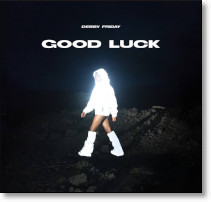
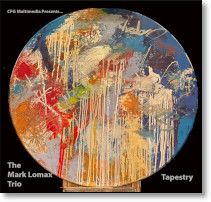
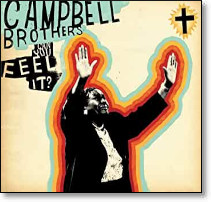
Music: Current count 40338 [40292] rated (+46), 16 [38] unrated (-22: 16 new, 0 old). I published a Speaking of Which Sunday evening. I collected a few links early, but didn't touch it for most of Friday and Saturday -- cooked a little dinner -- so it came up short (45 links, 2846 words, the shortest since Dec. 27 last year). Rated count should be down too, but I cheated, massively. It's a one-shot deal, and I'm happy it's done. Ever since I've been blogging reviews, I've started each post off with a slug line, noting how many records I've rated (week and total), plus how many I had sitting around unrated. In the early days, I bought a lot more than I could listen to quickly, and then I started getting promos, including some I had little interest in, so the number combined those. In March, 2003, I rated 13 albums, bringing me to a total of 8080, but also added 78 unrated albums, which put me at 899. The unrated count continued to grow over the next couple years, hitting an all-time high of 1157 in July, 2004, before I finally started whittling away at it. By the end of 2008 I got it down to 757, but it shot up as high as 886 in 2011 and 882 in 2012, before finally dropping below 600 (Dec. 2012), 500 (Dec. 2014), 400 (Mar. 2015), 300 (Aug. 2018), 200 (Oct. 2021), and 100 (June 2022). I finally got it down to 27 a couple months ago, and it's been stuck at that level since then. Aside from a couple boxes that I never found time for, the remaining albums were proving very hard to locate. Last week I dug through a neglected shelf of loose, unpackaged promos, and found four of them. On closer inspection, only one of the four was even worth cataloguing (a Campbell Bros. advance that turned out to be pretty good). The other three (two label samplers and a 14-minute live single that was probably never released as a product) I just commented out of the database. After that, and looking in some more desperate places to no avail, I decided to wipe the slate. Henceforth, unrated albums will only be items in the current demo queue (or new purchases). A few things from the list that I either found or could stream show up in Old Music below. Everything else is noted in the Unrated Closeout section below. In some cases I went ahead and ascribed grades (pretty conservatively, I think): some were based on memories, some from sampling similar material, and a couple were minimal estimates based on general familiarity. In other cases, I was too unsure to bother. If/when I do manage to find and play any of those items, I'll revisit the grades, or add them as ordinary old music discoveries. Probably meaningless to anyone else, but feels like a weight lifted. Been having trouble thinking of new things to play. The Music Tracking file has grown to 881 items, of which I've rated (or have unrated) 414. I'm pretty sure that's behind last year's pace -- if you figure four months (forget January, which is catchup for 2022), we're a third of the way through. I won't be surprised if I slack off as the year progresses. Depends on how the non-music writing comes along. I did manage to wrap up the May, 2023 Streamnotes file. Quite a bit of good music in it. New records reviewed this week: Christian Artmann: The Middle of Life (2021-22 [2023], Sunnyside): Flute player from Germany, studied at Berklee, Princeton, and Harvard Law, based near San Francisco, fourth album, backed with piano (Laszlo Gardony), bass, and drums, with vocals (Elena McEntire) on three tracks. B [cd] [06-02] BC Camplight: The Last Rotation of Earth (2023, Bella Union): Alias for Brian Christinzio, sixth album since 2006. B [sp] Buselli/Wallarab Jazz Orchestra: The Gennett Suite (2023, Patois, 2CD): Indiana-based big band, led by Mark Buselli (trumpet) and Brent Wallarab (trombone), with the latter handling most of the composer-arranger duties. Ninth album since 2002, starts with pieces from the Gennett early jazz label, punches them up, and builds some more. Comes with a hardcover booklet, which explains the history, including King Oliver, Jelly Roll Morton, Louis Armstrong, Bix Beiderbecke, Hoagy Carmichael, and the New Orleans Rhythm Kings. B+(***) [cd] André Carvalho: Lost in Translation Vol. II (2022 [2023], Clean Feed): Portuguese bassist, with André Matos (guitar) and José Soares (sax). Quiet, bordering on atmospheric. B+(*) [bc] Clark: Sus Dog (2023, Throttle): British electronica producer Chris Clark, thirteenth album since 2001. B [sp] Mario Costa/Cuong Vu/Benoît Delbecq/Bruno Chevillon: Chromosome (2022 [2023], Clean Feed): Portuguese drummer, leads a quartet with trumpet, piano, and bass. B+(*) [bc] Depeche Mode: Memento Mori (2023, Columbia/Mute): Big UK synthpop band in the 1980s, have released a new album every 3-4 years since (up to 2017, so this one comes after a six year break), all 15 albums charting top-ten in UK (as did 8 in US) -- although this is the first I've bothered with since 1993. This one got exceptional reviews, but it's hard to discern what the fuss is about, or to imagine what my inattention missed. B- [sp] Dropkick Murphys: Okemah Rising (2023, Dummy Luck Music): "Celtic punk" band from Boston, dozen albums since 1998, recorded this one in Tulsa. B+(*) [sp] Bob Dylan: Shadow Kingdom (2021 [2023], Legacy): Soundtrack to a film of Dylan and a coterie of masked musicians in a studio, playing mostly 1960s-vintage songs, few hits but most recognizable enough, ending in a sly instrumental. I was struck by the furious way Dylan ripped into his songs on the solo side of Before the Flood. Well, this is the opposite of that: fond, light-hearted, scarcely nostalgic. B+(***) [sp] Kari Faux: Real B*tches Don't Die! (2023, Drink Sum Wtr): Rapper Kari Rose Johnson, third studio album plus several mixtapes. B+(*) [sp] Debby Friday: Good Luck (2023, Sub Pop): From Nigeria, raised in Montreal, moved on to Vancouver, then Toronto. First album, no agreement on genre (electronic, hip-hop, industrial). Only one this reminds me of is Patti Smith, but digging for music roots, substitute Cabaret Voltaire for MC5. A- [sp] Ladytron: Time's Arrow (2023, Cooking Vinyl): English electropop group, seventh album since 2001. Helen Marnie the lead singer, backed by synthesizers and some guitar. B+(*) [sp] SG Lewis: AudioLust & HigherLove (2023, PMR/EMI): Initials for Samuel George, British electropop/disco producer, second album, with singles going back to 2015. Structured as two LPs, fits onto a single 62-minute CD. Not a lot of vocal presence, but I'm just as happy with the vamps. B+(***) [sp] The Mark Lomax Trio: Tapestry (2022 [2023], CFG Multimedia): Drummer, should be esteemed as one of the world's best but remains little known, offers "a four-movement tone poem inspired by four pieces in Johnson's Tapestry series." (Johnson?) The Trio includes the even more unjustly unknown Edwin Bayard (tenor sax) and an unidentified bassist (Tim Hullett?). A- [os] M83: Fantasy (2023, Mute/Virgin): French synthpop band, principally Anthony Gonzalez, ninth album since 2001. B [sp] Brian McCarthy Nonet: After|Life (2022 [2023], Truth Revolution): Alto/soprano saxophonist, has a couple previous albums. Group includes trumpet, trombone, three more saxophones, with piano, bass, drums. Some fine solo work, less distinctive ensemble. B+(**) [cd] Noshir Mody: A Love Song (2023, self-released): Indian guitarist, based in New York, half-dozen albums since 2000. Short album (32:42), nice flow, flugelhorn solo (Benjamin Hankle), ends with a vocal (Kate Victor). B+(*) [cd] Nourished by Time: Erotic Probiotic 2 (2023, Scenic Route): Marcus Brown, from Baltimore, debut album (after a 7-inch called Erotic Probiotic). Mixed bag of soul moves. B [sp] Orbital: Optical Delusion (2023, London): Electronic music duo, from England, brothers Phil and Paul Hartnoll, tenth album since 1991. B+(*) [sp] Overmono: Good Lies (2023, XL): British electronica duo, brothers Ed and Tom Russell (aka Tessela and Truss/MPIA3). First album, after a dozen or more EPs and DJ mixes since 2017, although each has work back to 2011 under their aliases. B+(*) [sp] Pere Ubu: Trouble on Big Beat Street (2023, Cherry Red): Punk progenitor from Cleveland, group named for Alfred Jarry's definitively pompous and callous pataphysician, first EP in 1975, David Thomas (now 70) the distinctive singer and weirdo. Sound and wit still sharp, but could be more tuneful. B+(**) [sp] Rozi Plain: Prize (2023, Memphis Industries): Actual surname Leyden, English singer-songwriter, half-dozen albums since 2008. B+(*) [sp] The Selva: Camarão-Girafa (2021 [2023], Clean Feed): Portuguese trio: Ricard Jacinto (cello, electronics, harmonium); Gonçalo Almeida (bass, electronics), and Nuno Morão (drums). Third album. B+(**) [bc] MF Tomlinson: We Are Still Wild Horses (2023, Prah): Initials for Michael Francis, singer-songwriter, second album, title track runs long (21:01, after a three-track, 19:47 first side). Vocals seem slight, but develops some muscle tone toward the end. B+(*) [sp] Juanma Trujillo: Contour (2021 [2023], Clean Feed): Guitarist from Venezuela, based in New York, fourth album, has some juice, backed here by Kenneth Jimenez (bass) and Gerald Cleaver (drums). B+(**) [bc] Dara Starr Tucker: Dara Starr Tucker (2023, Green Hill Productions): Jazz singer-songwriter, originally from Tulsa, fifth album since 2009. Covers are most striking ("September Song," "Just a Closer Walk With Thee"). B+(**) [cd] Tanya Tucker: Sweet Western Sound (2023, Fantasy): Country singer, seems like she's been around forever but she started very young, so she's barely 65. Western airs, ending with a song called "When the Rodeo Is Over (Where Does the Cowboy Go?)" -- not one of the three she co-wrote. B+(**) [sp] Yves Tumor: Praise a Lord Who Chews but Which Does Not Consume (Or Simply, Hot Between Worlds) (2023, Warp): Sean Lee Bowie, originally from Knoxville, moved to California at 20, fifth album (at least under this alias). I filed him under electronic, but that's not (or no longer) right. B+(**) [sp] Water From Your Eyes: Everyone's Crushed (2023, Matador): New York duo, Nate Amos and Rachel Brown, specify pronouns but not instruments, several albums since 2017. B+(**) [sp] Young Nudy: Gumbo (2023, RCA): Atlanta rapper Quantavious Tavario Thomas, fourth studio album after a mess of Slimeball mixtapes. B+(*) [sp] Recent reissues, compilations, and vault discoveries:
Old music: The Campbell Brothers: Can You Feel It? (2005, Ropeadope): Steel guitar-playing gospel group, early records titles on Arhoolie were often plays on Sacred Steel (1997-2001). Jazz-funk-fusion label Ropeadope picked them up for this one album, where they deliver not just what you'd hope for but a good deal more: instrumental covers of classics with a steel guitar twist, plus some raise-the-rafters vocals for timely breaks. A- [cdr] The Campbell Brothers Featuring Katie Jackson: Pass Me Not [Sacred Steel Guitars - Vol. 2] (1997, Arhoolie): First album for brothers Charles (pedal steel guitar; also primary arranger, and for that matter pastor of Rochester's House of God, Keith Dominion), Darick (lap steel guitar), Phillip (electric guitar/bass), and Carlton (drums), with Jackson singing, perhaps a bit much. B+(**) [sp] Cesaria Evora: Distino Di Belita (1990, Lusafrica): Cape Verde's most famous pop singer (1941-2011), nicknamed Barefoot Diva, also Cise and Queen of Morna. Early album, draws on fado and I'd add a light touch of Weill, with a more lilting rhythm. B+(**) [r] Cesaria Evora: Miss Perfumado (1992, Lusafrica): One of the Cape Verdean star's more famous albums, strikes me as steady, which is not an improvement. B+(*) [r] Forever, for Always, for Luther: Volume II (2006, Rendezvous): Sequel to a 2004 subtitled A Tribute to Luther Vandross (GRP), leads off again with Kirk Whalum, followed by a comparable (but different) roster of smooth jazz luminaries (e.g., Norman Brown for Paul Jackson Jr., Najee for Mindi Abair), including vocals from Maysa, Patti Austin, and Will Downing. [Have promo cdr.] B [sp] The Swimmers: Fighting Trees (2007, Mad Dragon): Indie rock group from Philadelphia, first of two albums, leans toward jangle pop, has some appeal. B [sp] Unrated CloseoutBack when I bought lots of CDs, I added them to the database with grade 'U' -- unrated, waiting my attention. At one point the Unrated list topped 1100 albums. I've gradually whittled it down over the years to less than 30, which roughly speaking divide into two categories: records I can't find, and records I can locate but don't feel like listening to (some of these are big box sets that would take up major time). For my own sanity, I've decided to clean out the category here. Some I found and reviewed above. Some I've gone ahead and assigned grades to (based on my memory, not especially trustworthy here, but sometimes supplemented by sampling). Some of these I may find later and review as makes sense. Unless noted otherwise, I just commented out my 'U' grade and added a note-to-myself. ("Dropped from database" means I decided I shouldn't even track it as an album.) Absolut Null Punkt: Absolut Null Punkt (2003 [2004], Important): Japanese band (1984-87), reformed in 2003. Album (almost certainly a CDR) not listed in Discogs, could possibly be Live in Japan. Dropped from database. Derek Bailey/Pat Metheny/Gregg Bendian/Paul Wertico: The Sign of 4 (1996 [1997], Knitting Factory, 3CD): Improv clash of two guitarists and two drummers. Had CD, and remember having trouble with it. Penguin Guide 4-star, but others hated it. Fair grade: B Berkeley Guitar 2006 (2006, Tompkins Square): Effectively a sampler; found CDR but dropped from database. Big Stick: Drag Racing Underground (1989, Albertine): As best I recall, a noise rock band with a drag racing fetish. Discogs doesn't list, but AMG has this as a 23-track CD. Later compilation Some of the Best of Big Stick has some overlap. I have it at B+(**), so this is probably some kind of: B+ Boston Horns: Shibuya Gumbo (2008, Boston Horns): Funk-jazz group, seven albums 2001-11. No recall. Brazil Today! Volume 2 ([1984], Polygram): Classic selection (16 tracks) of MPB, dates not provided. Label should be Philips. Not sure whether this or another album (not in database) was my introduction to Brazilian music. Césaria Evora: Nova Sintra (1990 [1998], West Wind Latina): Cape Verdean singer, have four other albums rated (two at A-). This appears to be a reissue of Distino Di Belita, reviewed above, making this redundant (but since I have a copy somewhere under the other title, I'll count it twice). Grade: B+(**) Funkatronic: Live at Discover Festival Burlington, VT (2002, self-released, EP): Three-song promo (length 14:28), found CDR, not in Discogs, band doesn't appear to have released anything else, so no harm dropping from database. Rory Gallagher: Big Guns: The Very Best of Rory Gallagher (1970-90 [2005], Capo, 2CD): Irish rocker (1948-95), probably deserves a best-of, but I've never played any of his 14 records. Iscathamiya: Zulu Worker Choirs in South Africa (1986, Heritage): Compilation recommended by Christgau, related to the mbube made famous by Ladysmith Black Mambazo, but tougher (or so I hear). Fairly safe guess: B+ Flaco Jimenez: El Sonido de San Antonio (1980, Arhoolie): Tex-Mex legend, tons of stuff in print but not this. Probably ex-LP: B+ JSL Records 20th Anniversary Sampler (1988-2006 [2008], JSL): Label sampler, found CDR but dropped from database. Hazard/Fennesz/Biosphere: Light (2001 [2004], Touch, EP): Turns out I had this listed twice, once under various artists (each has his own section) and once as listed. The latter was graded: B Mind Over Matter Music Over Mind: Matador (2004, Soundz Impossible): Not in Discogs, but aka MOM2, with Bobby Hill and Thomas Stanley. Probably got this because Stanley is a friend of a friend, and could kick myself for losing it. Bassist Luke Stewart played in a later iteration of group (Chris Downing was on this record). No idea. Astor Piazzolla: Themes Originaux (1982, Jonathan): Probably ex-LP. Some early albums sound uncomfortably classical. I think this is one, but cannot be sure, and I'm reluctant to guess. Astor Piazzolla: Tristezas de un Doble A (1987, Rounder): Could be LP or CD. Again, hard to guess. I have nine Piazzolla albums graded in database. Leslie Pintchik: Live in Concert (2010, Pintch Hard, DVD+CD): Jazz pianist, probably got waylaid (and for that matter ignored) due to DVD packaging. Six other albums in database are various levels of B+, so most likely this is also some kind of: B+ Richard Pryor: . . . And It's Deep, Too! The Complete Warner Brothers Recordings (1968-92 [2000], Rhino, 9CD): Christgau graded this A+. I don't doubt that he was a genius, but I rarely listen to comedy albums, and don't feel like spending 9-10 hours -- even if I could bag extra credit by breaking out the original albums. But I do know where it is, and figure this is a lazy, minimal grade: B+ Elba Ramalho: Personalidade ([1987], Verve): Brazilian star, many records, this a sampler, only one in my database. Hank Snow: The Singing Ranger, Vol. 4 (1969-84 [1994], Bear Family, 9CD): Country star from Canada. I was a big fan, and grabbed this big box when I could, but never got through it all. Maybe some day. The five Bear Family boxes (the first is called The Yodelling Ranger) total 39 CDs. This is the only one I have. Spire: Live in Geneva Cathedral/Saint Pierre (2004 [2005], Touch, 2CD): Ambient/minimalist concert, pieces by seven artists, the most famous being Henryk Górecki and Fennesz, the first disc heavy on the organ. Alan Stivell: Zoom 70/95 (1970-95, [1997], Dreyfus, 2CD): Legendary Celtic harpist from Breton in France. One other item in my database at B+. Almost certainly have CD somewhere. I don't have a lot of patience for this music, but minimal grade is: B Mel Tormé: The Mel Torme Collection (1944-85 [1996], Rhino, 4CD): Career-spanning box set of one of the more important jazz singers of the 1950s. I feel negligent for not getting to this. Little chance that this is not some kind of: B+ Neil Young: Archives Vol. 1 (1963-1972) (1963-72 [2009], Reprise, 10CD): Another big box I never made it through. (Bought it when Borders was going out of business, and not sure I even tried.) Safe guess: B+ Unpacking: Found in the mail last week:
Ask a question, or send a comment. Monday, May 29, 2023 Music Week
Music: Current count 40292 [40245] rated (+47), 38 [42] unrated (-4: 11 new, 27 old). I wrote another substantial (4963 words, 100 links) Speaking of Which yesterday. Two more pieces I would have included had I seen them:
I had a fairly productive week listening to new records, although I often struggled coming up with albums to play next. Only two clear A- records this week, and I apologize in advance for not even trying to write a serious note on Arlo Parks. I did play the record three times, and I liked her 2021 album Collapsed Into Sunbeams as much. About it, I wrote:
Of the high B+ albums, the ones that came closest were those by Avalon Emerson and Asher Gamedze. I've done the indexing on the May archive, but haven't added the introductions yet. The haul for May is 212 albums. New records reviewed this week: Bas Jan: Baby U Know (2022, Lost Map): British band, "experimental post-punk," four women, Serafina Steet the main lyricist, all four credited with vocals (which are often spoken, sometimes didactic). Second album plus a remix and a bunch of EPs. B+(***) [sp] Patrick Brennan Sonic Openings: Tilting Curvaceous (2021 [2023], Clean Feed): Alto saxophonist, from Detroit, debut 1999, has a couple albums as/with Sonic Openings Under Pressure. This iteration has Brian Groder (trumpet), Rod Williams (piano), Hilliard Greene (bass), and Michael T.A. Thompson (drums). B+(**) [bc] Brandy Clark: Brandy Clark (2023, Warner): Country singer-songwriter, made her reputation as a songwriter well before her 2013 debut. Fourth album, another solid bunch of songs, although the final ballad drags a bit much. B+(***) [sp] Luke Combs: Gettin' Old (2023, River House Artists): Country singer-songwriter, called his third album Growin' Up, so probably figured this title comes next, but at 33 he ain't seen nuthin' yet. What he does have is a classic country voice, and more songs than he knows what to do with. They're not all his, either, as evinced by Tracy Chapman's "Fast Car." B+(*) [sp] Rodney Crowell: The Chicago Sessions (2023, New West): Country singer, emerged as a thoughtful songwriter with his 1978 debut, seems like his albums have only gotten easier over the years. This was recorded in Jeff Tweedy's Chicago studio, and came so easy they didn't even bother thinking up a title for it. B+(**) [sp] Fatoumata Diawara: London Ko (2023, Wagram Music): Singer-songwriter, born in Côte D'Ivoire, parents from Mali, fifth album since 2011, also has an acting career. B+(*) [sp] Eluvium: (Whirring Marvels In) Consensus Reality (2023, Temporary Residence): Ambient electronica producer Matthew Cooper, originally from Tennessee, based in Portland, Oregon. More than a dozen records under this alias since 2003. Occasional frills suggest he'd like this to be taken seriously as classical music. I don't care about that, but they do give it a bit of character. B+(*) [sp] Avalon Emerson: & the Charm (2023, Another Dove): Electronica DJ/producer, from San Francisco, moved on to Berlin, has a DJ-Kicks and bunches of EPs and remixes -- nothing I've heard, but reportedly makes this LP debut a changeup. B+(***) [sp] Fred Again/Brian Eno: Secret Life (2023, Text): Fred Gibson, English DJ/electronica producer, has three volumes of Actual Life that are quite listenable, teams up with the godfather of ambient and dissolves into his black hole. Closes with a muffled but touching cover of "Come On Home." B [sp] Fruit Bats: A River Running to Your Heart (2023, Merge): Indie band from Chicago, principally Eric D. Johnson, debut 2001, have a couple albums I've liked -- The Ruminant Band (2009), Tripper (2011) -- carry on with yet another tuneful, pleasing album. B+(*) [sp] Asher Gamedze: Turbulence and Pulse (2020-21 [2023], International Anthem/Mushroom Hour): South African drummer, debut 2020. With Robin Fassie (trumpet), Buddy Wells (tenor sax, and Thembinoski Mavimbela (bass), plus some voice and guest spots -- enough to detract from an otherwise fine album. B+(***) [sp] Devin Gray: Most Definitely (2023, Rataplan): Drummer, has a couple dozen credits since 2005, half on the top line, but this is his first solo. Runs long (over 71 minutes). B+(**) [cdr] [06-09] Gordon Grdina/Mat Maneri/Christian Lillinger: Live at the Armoury (2023, Clean Feed): Guitar and oud player from Vancouver, where this trio with viola and drums was recorded. No recording date given, but trio first met in 2018. B+(*) [bc] Wolfgang Haffner: Silent World (2022 [2023], ACT): German drummer, dozens of albums since 1989, many more side-credits. Core group of trumpet, keyboards, and bass, plus a dozen guest spots, for a rich and varied but rather gentle and quite lovely texture. B+(***) [sp] Gerrit Hatcher: Solo Five (2021 [2023], Kettle Hole): Tenor saxophonist from Chicago, has produced quite a lot since 2017, but this is my first acquaintance. Solo, reportedly his fifth solo album. Comes out strong, playing up the struggle that the instrument embodies, then closes after 33:05. B+(***) [cd] James Holden: Imagine This Is a High Dimensional Space of All Possibilities (2023, Border Community): British electronica producer, fifth album since 2006. Lot of shimmer and space. B+(*) [sp] François Houle Genera Sextet: In Memoriam (2022 [2023], Clean Feed): Canadian clarinetist, from Quebec, several dozen albums since 1992, dedicates this one to his friend Ken Pickering (1952-2018), who organized concerts in Vancouver. Sextet with Marco von Orelli (cornet/trumpet), Samuel Blaser (trombone), Benoît Delbecq (piano), Michael Bates (bass), and Harris Eisenstadt (drums). B+(**) [bc] Wesley Joseph: Glow (2023, Secretly Canadian, EP): UK rapper/producer, released a short debut album in 2021 (26:06), goes even shorter here (8 songs, 23:36). B [sp] Kaytraminé [Aminé/Kaytranada]: Kaytraminé (2023, Venice Music): Two fairly well established solo artists mash their handles together, the former a rapper since 2015, the latter also known as a producer. Plenty of flow, plus some big name guests. B+(***) [sp] Kesha: Gag Order (2023, Kemosabe): Pop singer, last name Sebert, fifth studio album since 2010, first four charted top 10. Too early to tell with this one, which strikes me as a mixed bag, a bit too slow to take off. B+(*) [sp] Elle King: Come Get Your Wife (2023, RCA): Singer-songwriter from from Los Angeles or New York, daughter of comedian Rob Schneider, took her mother's name, started as an actress in 1999, recorded an EP in 2012, followed by an album in 2015, with this her third, and most country, right down to the trailer cliché. B+(**) [sp] Russ Lossing: Alternate Side Parking Music (2019 [2023], Aqua Piazza): Pianist, from Ohio, based in New York, close to thirty albums since 1990, gives a fair amount of space to electronic keyboards. Quartet with Adam Kolker (tenor/soprano sax, bass clarinet), Matt Pavolka (bass), and Dayeon Seok (drums). This was reportedly composed while sitting in his car, waiting for parking spaces to open up -- an experience which, improbably enough, seems to have put him into a whimsical mood. B+(***) [cd] [07-07] Sei Miguel Unit Core: Road Music (2016-21 [2023], Clean Feed): Pocket trumpet player, scattered pieces with Fala Mariam (alto trombone), Bruno Silva (electric guitar), and Pedro Castello Lopes (triangle, clave, pandeiro, kalengo -- one track each). B [bc] Sei Miguel: The Original Drum (2015-21 [2023], Clean Feed): Four more scattered tracks, with various lineups -- aside from the leader's pocket trumpet, the only other constant is Fala Mariam's alto trombone. Third track includes more horns, including Rodrigo Amado on tenor sax, but it's no more beguiling than the final piece, with minimal trumpet and trombone winding over a basic drum track. B+(*) [bc] Dominic Miller: Vagabond (2021 [2023], ECM): Guitarist, born in Argentina to Irish mother and American father, moved to London to study. Eighteen albums since 1984, numerous side-credits, especially with Sting. With piano/keyboards, bass, and drums. B+(*) [sp] Graham Nash: Now (2023, BMG): Singer-songwriter from England, now 81, with Allan Clarke founded the Hollies in 1962, had a bunch of hit singles like "Bus Stop" in 1966, left to join David Crosby (Byrds) and Steve Stills (Buffalo Springfield) in one of the first supergroups (one that got better when Neil Young joined, and got worse when he left). Seventh solo album since 1971 -- none reputable enough that I bothered checking them out (his 1971 debut peaked at 15 on the US charts, followed by a 34 in 1974, and a 93 in 2016). Pleased to note that there are passable echoes of the Hollies. Just not very many. B- [sp] Kassa Overall: Animals (2023, Warp): Drummer, has some jazz cred but his own records lean toward hip-hop, as this one does in scattered, sometimes interesting but rarely compelling ways. B+(*) [sp] Afonso Pais/Tomás Marques: The Inner Colours of Bogin's Outline (2022 [2023], Clean Feed): Guitar and alto sax duo, Portuguese, the guitarist released a debut album in 2004. Five improvised pieces. B [sp] Arlo Parks: My Soft Machine (2023, Transgressive): British neo-soul singer, parents Nigerian and French-Chadian, second album. A- [sp] Iggy Pop: Every Loser (2023, Gold Tooth/Atlantic): Punk progenitor, Last name Oserberg, first band the Stooges, did his best work 1976-77 for David Bowie, has only once gone more than four years between records (six years to 2009). Still can rock, and still has a distinctive voice. B+(*) [sp] Raye: My 21st Century Blues (2023, Human Re Sources): British pop singer-songwriter Rachel Keen, first album after several EPs and a mini, a substantial UK hit (2), less so in US (58). B+(**) [sp] Whitney Rose: Rosie (2023, MCG): Singer-songwriter, from Prince Edward Island up in Canada, country since she moved to Austin. Fifth studio album since 2012 (plus an EP Christgau praised while skipping the rest). Nice set of songs, both minding pain and escaping from it. B+(***) [sp] Brandon Seabrook: Brutalovechamp (2022 [2023], Pyroclastic): Guitarist, also plays mandolin and banjo, usually adds a little noise to the mix, but shows off as a composer here, with an eight-piece group, including cello, electronics, and a fair amount of arty voice. B+(**) [cd] Lauritz Skeidsvoll & Isach Skeidsvoll Duo: Chanting Moon, Dancing Sun: Live at Molde International Jazz Festival (2020 [2023], Clean Feed): Norwegian saxophone and piano duo, brothers, have some side-credits, but this could count as a debut. B+(**) [bc] Henry Threadgill Ensemble: The Other One (2022 [2023], Pi): Leader just composes and conducts here, directing a 12-piece group through three long movements (60:36) of a piece called "Of Valence." This setting fits into the jazz as advanced classical music model, a scaled up version of chamber jazz. The group includes three saxophones/clarinets, two bassoons, no brass (other than Jose Davila's tuba), piano (David Virelles), and strings (violin, viola, two cellos), but no bass or drums. Not a style I'm easily impressed with, nor one I'm every likely to get excited about, but within those limits, this is interesting all the way through, surprising even. A- [cd] Yonic South: Devo Challenge Cup (2023, Wild Honey, EP): Garage punk group, principally Damiano Negrisoli, fourth EP, covers one DEVO song, writes a couple more in a similar vein, basically a medley split into six songs, 12:59. B+(*) [sp] Brandee Younger: Brand New Life (2023, Impulse): Harp player, several previous albums, makes a crossover move here, with production by Makaya McCraven (plus 9th Wonder on one track), plus she sings a couple songs, in a soft r&b groove. Four songs co-written by Dorothy Ashby, who was the definitive jazz harpist before Younger came along. B+(*) [sp] Recent reissues, compilations, and vault discoveries: Galcher Lustwerk: 100% Galcher (2013 [2022], Ghostly International): DJ/producer Chris Sherron, first "promomix" -- all original pieces, basic beat tracks with scant adornment. B+(**) [sp] Tolerance: Anonym (1979 [2023], Mesh-Key): First of two albums by Japanese keyboardist Junko Tange, with guitar by Masami Yoshikawa adding a metallic klang. B+(**) [sp] Tolerance: Divin (1981 [2023], Mesh-Key): Second (and last) album. More focus on beats and groove, less extraneous noise, which strikes me as a good tradeoff. B+(***) [sp] Old music: Bas Jan: Yes I Jan (2018, Lost Map): First album, with original (and soon to be ex-) members Sarah Anderson and Jenny Moore backing Serafina Steer's songs, adding more vocal harmony, and often a lift to the music. At their best, they remind me of a short-lived, 1990s vocal group, the Shams. B+(***) [sp] Bas Jan: Yes We Jan (2018, Lost Map): Remix of Yes I Jan, originally offered as a bonus, then sold separately. Mostly useless, although Gameshow Outpatient's "Dream of You" remix finds a way to fit its subject. B [sp] Noah Howard: At Judson Hall (1966 [1968], ESP-Disk): Alto saxophonist (1943-2010), second of two early albums for this label, went on to record a couple dozen more but remained obscure. Sextet with Dave Burrell (piano), others less famous on trumpet, cello, bass, and percussion. B+(**) [sp] Tuli Kupferberg: No Deposit No Return (1967, ESP-Disk): Beat poet (1923-2010), not an important one but part of the New York pacifist-anarchist scene, best known as a founder of the Fugs (with Ed Sanders). I remember him fondly for two short Grove Press books: 1001 Ways to Beat the Draft, and 1001 Ways to Live Without Working. He recorded two albums under his own name, one in 1989 called Tuli and Friends that is MIA from my collection, and this "album of popular poetry." Well, not that popular. B+(*) [sp] Unpacking: Found in the mail last week:
Ask a question, or send a comment. Monday, May 22, 2023 Music Week
Expanded blog post, May archive (in progress). Music: Current count 40245 [40204] rated (+41), 42 [42] unrated (+0: 14 new, 28 old). Worn out after writing yesterday's Speaking of Which. Actually, worn out before I rushed that out, only to catch the last quarter of Heat-Celtics, with the B-teams nursing a 30-point blowout. Looking back, the no-comment Irfan (weather) piece could have been followed by pages. And the Burleigh piece reminds us that billionaires aren't just harmless eccentrics -- as does the whole section on Trump, I guess. It looks like the center-right won in Greece, after Syriza caved under pressure from the Eurozone masters. For background on Greece, see James Galbraith's The Poisoned Chalice: The Destruction of Greece and the Future of Europe (2016). One should note that the big difference between debt in Greece and in the US has nothing to do with quantity. It's simply that Greece's debt is tied to the Euro, a currency they can't control, making them vulnerable to the nasty whims of foreign bankers. Nothing much to add to the music below, which is short on jazz, especially up top -- but I have more catching up elsewhere. Ware was a late promotion, one I'm still a bit iffy about. Oladokun was brought forward from next week. Brubeck got a chance when I saw I was about to go another week with no Old Music. Skyzoo could have made the A-list on sound alone, but I was less satisfied with the story concept -- something I rarely notice, so perhaps that should have been a positive. I've started working on a website overhaul, but don't have much to show for it yet. The idea is to create a parallel structure I can copy old content into. Hopefully it will be better organized, less ramschackle. But mainly it's meant to give me a fresh start on the book projects (discarding the old attempts). I also have some small home projects to get to, before it gets too hot -- which is sometimes the case already. New records reviewed this week: Nia Archives: Sunrise Bang Ur Head Against Tha Wall (2023, Island, EP): British electropop (drum and bass?) producer, has several EPs. Six tracks, 17:04. B+(*) [sp] Artemis: In Real Time (2023, Blue Note): All female supergroup -- Alexa Tarentino (alto/soprano sax, flute), Nicole Glover (tenor sax), Renee Rosnes (piano/keyboards), Ingrid Jensen (trumpet), Noriko Ueda (bass), Allison Miller (drums) -- down one (Anat Cohen) plus guest vocals (Cécile McLorin Salvant) on their second album, with Rosnes the lead (but not only) arranger. Still lots of talent, but such fancy postbop is wasted on me. B+(*) [sp] Daniel Caesar: Never Enough (2023, Republic): Canadian soul singer-songwriter Ashton Simmonds, third album. Soft and slinky. B+(*) [sp] Lewis Capaldi: Broken by Desire to Be Heavenly Sent (2023, Captiol): Scottish pop phenom, second album, first was a big hit in UK and a minor one in US. Most likely this will do as well or better. I sort of get the appeal, but find it overblown, again. B+(*) [sp] Sylvie Courvoisier & Cory Smythe: The Rite of Spring/Spectre D'Un Songe (2021 [2023], Pyroclastic): Two pianists, playing two pieces from Stravinsky's "Le sacre du printemps" (34:29), plus Courvoisier's second title piece (29:16). B+(**) [cd] Defprez: It's Always a Time Like This (2023, Closed Sessions, EP): Chicago hip-hop crew -- Crashprez, Defcee, Knowsthetime -- has a 2021 album, return with this 10-track, 23:46 mini. B+(**) [sp] Orhan Demir: Solo Guitar: Freedom in Jazz (2019, Hittite): B. 1954 in Istanbul, Turkey; moved to Canada in 1977, where he picked up the guitar. This is solo, the first of three volumes (so far). It remains consistently interesting for more than an hour. B+(***) [cd] Orhan Demir: Solo Guitar: Freedom in Jazz Vol. 2 (2020, Hittite): Not exactly more of the same -- a bit more delicate -- but close. B+(**) [cd] Orhan Demir: Solo Guitar: Freedom in Jazz Vol. 3 (2022 [2023], Hittite): Wraps up this series in fine fashion. B+(***) [cd] Joe Farnsworth: In What Direction Are You Headed? (2022 [2023], Smoke Sessions): Much in demand mainstream drummer, dozen-plus albums since 1998, close to 200 side-credits since 1992, most often with Eric Alexander. Quintet with Immanuel Wilkins (alto sax), Kurt Rosenwinkel (guitar), Julius Rodriguez (piano), and Robert Hurst (bass). Wilkins continues to impress. B+(*) [sp] Satoko Fujii: Torrent: Piano Solo (2022 [2023], Libra): Japanese avant-pianist, many albums, this her ninth solo and fifth in the last six years. Starts out strong, as expected, then meanders a bit much, through six original pieces, a couple quite long. B+(**) [cd] [06-02] Alison Goldfrapp: The Love Invention (2023, Skint/BMG): English singer-songwriter, the vocal half of the synthpop duo Goldfrapp (with Will Gregory) since 2000, first solo album. B+(***) [sp] Kara Jackson: Why Does the Earth Give Us People to Love? (2023, September): Poet, singer-songwriter, plays guitar, keeps it folkishly simple. B+(*) [sp] Faten Kanaan: Afterpoem (2023, Fire): Brooklyn-based electronica producer, uses analog synthesizers, fifth album, draws on baroque as well as minimalism. B+(*) [sp] Yazmin Lacey: Voice Notes (2023, On Your Own/Believe): British soul singer, first album after a 2017 EP and several singles. Light touch, the opposite of gospel-inspired oversinging. B+(**) [sp] Lankum: False Lankum (2023, Rough Trade): Irish folk group with postmodernist overtones (like drone), originally recorded as Lynched (2014), third album since they changed their name. B+(**) [sp] Joëlle Léandre/Craig Taborn/Mat Maneri: hEARoes (2022 [2023], RogueArt): Bass, piano, and viola, a 39:15 improv piece in seven parts, the piano most impressive but picks its spots. B+(***) [cd] Max Light: Henceforth (2022 [2023], SteepleChase): American guitarist, studied in Boston and New York, second album (plus side credits with Jason Palmer, Noah Preminger, and Kevin Sun). This is a nice postbop quartet with Preminger (tenor sax), Kim Cass (bass), and Dan Weiss (drums). B+(**) [cd] [06-16] Logic: College Park (2023, Three Oh One/BMG): Rapper Sir Robert Bryson Hall II, eighth album since 2014, first six charted 1-4. Runs long (67:25), with a series of skits on the road to a gig in DC. B+(*) [sp] Alex LoRe & Weirdear: Evening Will Find Itself (2021 [2023], Whirlwind): Alto saxophonist, based in Brooklyn, looks like his fourth album (debut 2014), quartet with Glenn Zaleski (piano), Desmond White (bass), and Allan Mednard (drums). B+(**) [cdr] Joe Lovano Trio Tapestry [Marilyn Crispell/Carmen Castaldi]: Our Daily Bread (2022 [2023], ECM): Tenor saxophonist, also credited with tarogato and gongs, third group album with piano and drums. Fairly quiet, solemn even. B+(*) [sp] Matt Muntz: Phantom Islands (2023, Orenda): New York bassist, also plays bagpipes (primorski meh, "a traditional bagpipe from the Croatian coast"), debut album after a half-dozen side credits. Original pieces based on folk melodies. Group with tenor sax (Xavier Del Castillo), oboe, clarinets, guitar, and drums. Pretty tedious, even without the annoying bagpipes. B- [sp] Navy Blue: Ways of Knowing (2023, Def Jam): Rapper Sage Elsesser, ten EPs 2015-19, seventh studio album since 2020, this his major label debut, has also done production for MIKE and Mach-Hommy. Underground, beats ambling seductively, words knowing. Featured spot for Kelly Moonstone a highlight. A- [sp] Joy Oladokun: Proof of Life (2023, Amigo/Verve Forecast/Republic): Singer-songwriter, born in Arizona, parents from Nigeria, fourth album, follow up to the highly recommended In Defense of My Own Happiness. Another batch of superb songs, which fit comfortably between guests ranging from Chris Stapleton to Maxo Kream. A- [sp] Bill Orcutt: Jump on It (2023, Palilalia): Guitarist, started out in a hardcore band called Harry Pussy, as a solo artist settled into what's called American primitivism (looking back to John Fahey), idiosyncratic improvisations based on folk guitar. B+(*) [sp] Paramore: This Is Why (2023, Atlantic): Indie pop group from Tennessee, Hayley Williams the singer and only constant member since 2004, although founding drummer Zac Farro returned in 2017. Sixth studio album. B+(*) [sp] Princess Nokia: I Love You but This Is Goodbye (2023, Arista, EP): New York rapper Destiny Nicole Frasqueri, adds a short and sharp break up EP (seven song, 18:04) to her four albums catalog. B+(**) [sp] Rae Sremmurd: Sremm 4 Life (2023, Eardruma/Interscope): Two brothers from Tupelo, Mississippi, surname Brown, go as Slim Jxmmi and Swae Lee, 2015 debut a breakout hit, fourth album. B+(*) [sp] Rough Image: Rough Image (2023, WV Sorcerer): Instrumental rock group from northeast China (Changchun). Long pieces with tight grooves and industrial klang and exotica, occasionally a bit of chatter. B+(***) [bc] SBTRKT: The Rat Road (2023, Save Yourself): British electronica producer Aaron Jerome, third album under this alias after one under his own name. B [sp] Skyzoo & the Other Guys: The Mind of a Saint (2023, First Generation Rich): New York rapper, dozen-plus albums since 2006, ties this one to the FX series Snowfall, about the 1980s crack epidemic in Los Angeles -- the central character there was a young drug dealer named Franklin Saint, who is given center stage here. The Other Guys are a DC-based crew with a half dozen albums since 2014. B+(***) [sp] Sunny War: Anarchist Gospel (2023, New West): Nashville-based singer-songwriter, plays guitar drawing on country blues and punk (she started with a band called the Anus Kings). Seventh album since 2015. Don't know whether the gospel overtones are new or just part of her shtick. B+(***) [sp] Ramana Vieira: Tudo De Mim (All of Me) (2023, self-released): Traditional fado singer, plays piano, born in California of Portuguese parents, sixth album since 2000. B+(*) [cd] Jessie Ware: That! Feels Good! (2023, PMR/EMI): British singer-songwriter, several albums, goes hard disco for this one, proclaiming "pleasure is a right." A little glitzy, Sometimes I'm reminded of Chic, then find myself missing the signature bass lines. But most songs are pure pleasure. A- [sp] Wednesday: Rat Saw God (2023, Dead Oceans): Rock band from Asheville, North Carolina, with singer Karly Hartzman. Fifth album since 2018. Defaults to a fairly standard Velvets-style alt/indie base, but they can bring considerable noise on top, not always welcome. B+(*) [sp] Gaia Wilmer Large Ensemble: Folia: The Music of Egberto Gismonti (2023, Sunnyside): Brazilian alto saxophonist, has a previous octet album, raised an 18-piece big band for this project, plus three guests, including the 75-year-old composer on piano for two tracks. (My own experience with Gismonti doesn't extend much beyond his work with Charlie Haden and Jan Garbarek, where he mostly played guitar.) B+(**) [sp] Billy Woods & Kenny Segal: Maps (2023, Backwoodz Studioz): New York rapper, half of Armand Hammer, albums since 2003, father was a Marxist writer who moved the family to Zimbabwe for the revolution. Second album with LA-based producer Segal. I've been nibbling around his albums for a while without finding one compelling, but figure I might as well bite here. A- [sp] Jacob Young/Mats Eilertsen/Audun Kleive: Eventually (2021 [2023], ECM): Norwegian guitarist, dozen-plus albums since 1995, this his fourth on ECM, backed by bass and drums. B+(**) [sp] Recent reissues, compilations, and vault discoveries: Ruth Anderson/Annea Lockwood: Tête-À-Tête (1974-2020 [2023], Ergot): Electronic music pioneer (1928-2019), founder and director of Hunter College's Electronic Music Studio 1968-79. In 1973, Lockwood fell in love with Anderson, and lived and worked together for five decades. This memorial collects two previously unreleased Anderson pieces: one a subtle drone piece from 1983 (17:12), the other pasted together from intimate conversations from 1974 (18:36), then concludes with Lockwood's later elegy, "For Ruth." B+(*) [sp] Bill Evans: Treasures: Solo, Trio & Orchestral Recordings From Denmark (1965-1969) (1965-69 [2023], Elemental, 2CD): The trio recordings are typically brilliant, same for the slightly less compelling solo set, but then there's the "Orchestral Suite," played by the Royal Danish Symphony Orchestra and the Danish Radio Big Band, featuring Palle Mikkelborg, burying several Evans tunes in lush. B+(**) [sp] Old music: Dave Brubeck Quartet: Park Avenue South (2002 [2003], Telarc): Live album at a Starbucks in Manhattan, this edition of the pianist's Quartet with Bobby Militello (alto sax/flute), Michael Moore (bass), and Randy Jones (drums). Starts with a terrific piano intro to "On the Sunny Side of the Street," before Militello swings into action. And, of course, "Take Five" is as great as ever, but who expected the drum solo to nail it? A- [yt] Unpacking: Found in the mail last week:
Ask a question, or send a comment. Monday, May 15, 2023 Music Week
Music: Current count 40204 [40158] rated (+46), 42 [44] unrated (-2: 14 new, 28 old). Nice selection across the board this week. The three new albums all have recommended antecedents: Brötzmann-Drake is their second Moroccan album, following The Catch of a Ghost with Maâlem Moukhtar Gania (a more famous Ganaoua master than Bekkas); Buck 65 follows up on last year's King of Drums with a consistency that's defined its own take on old school; Dave Rempis and Elisabeth Harnik collaborated on an earlier album, Astragaloi (2022, with Michael Zerang). Same could be said for the reissue/vault finds: Thomas Anderson has a number of fine albums, the most comparable her being 2012's The Moon in Transit: Four-Track Demos, 1996-2009. Mahlathini and the Mahotella Queens have another live album from the same tour, 1988's Paris-Soweto. While I can't point to a comparable Pharoah Sanders live album, he has notable earlier albums (like 1967's Tauhid) and even better later albums (1988's Africa, 1990's Welcome to Love, and 1992's Crescent With Love). Of the high B+ albums, I should note two long (2-CD) sets that cut short, despite the sense that multiple plays might lift the grades a notch: Fire! Orchestra's Echoes, and Matt Mitchell's Oblong Aplomb. I suppose I could say the same thing about Withered Hand, which was impressive enough to grade higher, but didn't have enough personal appeal to make me want to. Robert Christgau gave the record a full A -- he's consistently much more taken with this artist than I am. Christgau also gave full A's to Mahlathini and the Mahotella Queens, and to Boygenius -- the latter's The Record I dismissed as a B first time through, although pretty much everyone else loves it. Noticed that I hadn't done the indexing for the April Streamnotes, so I knocked that out. I posted a fairly substantial Speaking of Which yesterday evening. The growing right-wing adulation of murderers is especially troubling. Just ten years ago conservatives would take pains to distance themselves from such acts, but no more. I'm into the last 50 pages of Kurt Andersen's Fantasyland: How America Went Haywire. The book was published in 2017, after Trump took office but before much of his term had played out. I just finished chapters on anti-vaxxers (including RFK Jr.) and "Gun Crazy": both could have been massive expanded to bring them up to the present. New records reviewed this week: William Bell: One Day Closer to Home (2023, Wilbe): Soul man, originally from Memphis, signed to Stax in 1961, moved to Atlanta in 1970, had his biggest hit in 1976 ("Tryin' to Love Two"). Should be 83 now, doesn't sound (or look) like it: he still goes to parties, and still sings a classic ballad. B+(**) [sp] Big Joanie: Back Home (2022, Kill Rock Stars): Postpunk trio, three second-generation British women, cite the Ronettes as their model, but "filtered through '80s DIY and Riot Grrrl with a sprinkling of dashikis" (and, notably, no Spector). Second album. Seems solid, then starts to catch you up. B+(***) [sp] Peter Brötzmann/Majid Bekkas/Hamid Drake: Catching Ghosts (2022 [2023], ACT): A founder of the German avant-garde, here 81, still strong on tenor sax and clarinet, but takes a back seat here to Moroccan Gnaoua adept Bekkas, who chant-sings and plays guembri, with Drake's drums offering perfect support. This live set recalls another superb 2019 album, The Catch of a Ghost, with Gnaouan master Maâlem Moukhtar Gania joining Brötzmann and Drake -- itself a reprisal of work they did as far back as 1996. A- [sp] Buck 65: 14 KT Gold (2023, self-released, EP): Halifax rapper, teasing us with 5 tracks (10:59) of extra scraps from his Super Dope album sessions. Among other lines: "where do you run when no one is chasing you?" B+(**) [bc] Buck 65: Super Dope (2023, self-released): This grabbed me from the first scratches -- having started way back in 1986, he's sounding pretty old school -- beyond which numerous clever lines shoot across the horizon. A- [bc] Mark Dresser: Times of Change (2019-22 [2023], Pyroclastic): Bassist, came to prominence in Anthony Braxton's Quartet (1986-97), has several dozen albums as leader and many more side-credits. This one is solo, using a number of gadgets and tricks that expand the instrument's sonic range. B+(***) [cd] EABS Meets Jaubi: In Search of a Better Tomorrow (2023, Astigmatic): Polish group, acronym for Electro-Acoustic Beat Sessions, six albums since 2016 including tributes to Krzysztof Komeda and Sun Ra, mash up here with a Lahore-based Pakistani group, although both have previous albums on this Polish label, and EABS keyboardist Latamik (Marek Pedziwiatr) appeared on Jaubi's excellent Nafs at Peace. B+(***) [sp] Fire! Orchestra: Echoes (2022 [2023], Rune Grammofon, 2CD): Scandinavian group started as a trio in 2009 (Mats Gustafsson, Johan Berthling, Andreas Werlin), expanded to orchestra size in 2013, and has continued to sprawl, reaching 43 members on this 2-hour epic. Four vocalists appear on one track each (of 14 total). B+(***) [sp] Champian Fulton: Meet Me at Birdland (2022 [2023], Champian): Standards singer, plays piano, from Oklahoma, based in New York, 16th album since 2007, a live set backed by Hide Tanaka (bass) and Fukushi Tainaka (drums). B+(**) [sp] Hamish Hawk: Angel Numbers (2023, Post Electric): Scottish singer-songwriter, fourth album since 2014, catchy enough but he does lay it on thick. B [sp] Durand Jones: Wait Til I Get Over (2023, Dead Oceans): Soul singer, has three albums as Durand Jones & the Indications, just his name on the cover here. Way over-orchestrated for my taste, but has moments that really promise something. B+(*) [sp] Tyler Keith & the Apostles: Hell to Pay (2023, Black & Wyatt): Memphis garage rock group, back in 2001 Keith called his group the Preachers Kids. B+(**) [sp] Kid Koala: Creatures of the Late Afternoon (2023, Envision): Canadian DJ/electronica producer Eric San, albums from 1996, including group projects Bullfrog and Deltron 3030. A bit jumbled, with an ongoing robot-hotel shtick. B+(**) [sp] Kiko El Crazy: Pila'e Teteo (2023, Rimas): Dominican toaster Jose Alberto Peralta, second album, style known as dembow, not far removed from reggaeton. B+(**) [sp] Toshinori Kondo/Massimo Pupillo/Tony Buck: Eternal Triangle (2019 [2022], I Dischi Di Angelica): Japanese electric trumpet player (1948-2019), probably best known from Peter Brötzmann's Die Like a Dog quartet, with electric bass/electronics and drums. B+(*) [bc] The Adam Larson Trio: With Love, From New York (2022 [2023], Outside In Music): Tenor saxophonist, eighth album, third in his series of With Love, From albums: this one with Obed Calvaire (bass) and Matt Clohesy (drums). Nice lively set. B+(**) [sp] The Adam Larson Trio: With Love, From Kansas City (2021 [2022], Outside In Music): Second of his traveling trio albums, after With Love, From Chicago. This one picks up locals Ben Leifer (bass) and John Kizilarmut (drums), performing six originals and Charlie Parker's "Chi Chi." B+(**) [sp] Jinx Lennon: Walk Lightly When the Jug Is Full (2023, Septic Tiger): Formally, an Irish folk singer-songwriter, but rough enough around the edges for punk. B+(**) [sp] Johan Lindström/Norrbotten Big Band: Johan Lindström & Norrbotten Big Band (2020 [2023], Moserobie): Swedish big band, has 25 albums since 1989, most featuring guest leaders, like the guitarist, who was "composer in residence" in 2020 -- the only date given, although this was conducted by Joakim Milder, who took over as artistic director in 2023. B+(**) [cd] Baaba Maal: Being (2023, Marathon Artists): Singer from Senegal, his 1989 US debut (Djam Leeli, with Mansour Seck) was one of the era's most fetching releases. This dials it up, then back down again. B+(**) [sp] Matt Mitchell: Oblong Aplomb (2022 [2023], Out of Your Head, 2CD): Pianist, two sets of percussion duos, "Oblong" with Kate Gentile (drums), "Aplomb" with Ches Smith (vibes and gongs as well as drums). Both make a strong case. B+(***) [cd] The National: First Two Pages of Frankenstein (2023, 4AD): Mild-mannered band from Cincinnati, singer-songwriter is Matt Berninger, 9th album, very pleasant. B+(**) [sp] Naya Bazz [Rez Abbasi/Josh Feinberg]: Charm (2021-22 [2023], Whirlwind): Artist names on cover, small print above group name and title. Abbasi is a Pakistani guitarist who grew up in California. Feinberg is a New Yorker who plays classical Hindustani sitar. They are backed by Jennifer Vincent (cello) and Satoshi Takeishi (drums). B+(**) [cd] Parannoul: After the Magic (2023, Top Shelf): South Korean, has also released albums as Laststar and Mydreamfever, considered shoegaze/emo, which is to say shrouded in a deep guitar haze. B [sp] Jeremy Pelt: The Art of Intimacy, Vol. 2: His Muse (2023, HighNote): Mainstream trumpet player, steady stream of albums since 2002, his Vol. 1 came out in 2020, a trio with bass and drums. Different players for this quintet -- Victor Gould (piano), Buster Williams (bass), Billy Hart (drums), Chico Pinheiro (guitar) -- plus occasional and unnecessary strings. B+(*) [sp] Dave Rempis/Elisabeth Harnik/Fred Lonberg-Holm/Tim Daisy: Earscratcher (2022 [2023], Aerophonic): Alto sax, piano, cello/electronics, and drums/percussion. Group was put together to focus on Harnik, who plays outstanding free jazz here, wrapped in complex layers of sound. A- [dl] Rudy Royston Flatbed Buggy: Day (2022 [2023], Greenleaf Music): Drummer, several albums as leader plus many more side-credits, released one in 2018 called Flatbed Buggy, and returns with that group here: John Ellis (bass clarinet), Hank Roberts (cello), Gary Versace (accordion), and Joe Martin (bass). Has a soft chamber jazz feel, centered on the cello. B+(*) [cd] Felipe Salles Interconnections Ensemble: Home Is Here (2022 [2023], Tapestry): Tenor saxophonist, from Brazil, teaches in Massachusetts, eighth album since 2007, two with "Suite" in title, this the third with his nineteen-piece big band, eight of whom are listed as "featured." Latin (Brazilian, at least) touches, sophisticated arranging, solo spots, even a bit of voice (but not too much). B+(**) [cd] Sexmob: The Hard Way (2023, Corbett vs. Dempsey): Quartet -- Steven Bernstein (slide trumpet), Briggan Krauss (alto/baritone sax, guitar), Tony Scherr (bass, guitar), and Kenny Wolleson (drums) -- goes way back (mostly 1998-2005, occasional records since), here with producer Scotty Hard (beats, synth bass) and scattered guests (John Medeski, Vijay Iyer, DJ Olive). B+(***) [sp] Alan Sondheim: Galut: Ballads of Wadi-Sabi (2023, ESP-Disk): Wikipedia page describes him as "a poet, critic, musician, artist, and theorist of cyberspace," then talks mostly about the latter: his online writing community, codework concept, aesthetics of virtual environments, his place among postmodernist philosophers. In music, he recorded a couple albums for ESP-Disk in 1967-68, resuming around 2005, especially with his partner Azure Carter (credited here with vocals and anything songlike). Runs long (76 minutes) given a lot of meandering, some with Edward Schneider (alto sax) and/or Rachel Rosenkrantz (bass). Sondheim's own credit is "various instruments." B+(**) [cd] Star Feminine Band: In Paris (2022, Born Bad): Group of seven girls from Natitingou, in Benin, ages 10-17 (at least when their 2020 debut appeared), sing in French and at least four native languages (Waama, Peul, Bariba, Ditamari). B+(**) [sp] Ken Vandermark & Hamid Drake: Eternal River (2021 [2023], Corbett vs. Dempsey): Tenor sax and drums duo, their first together although they've played in larger groups. Program consists of two medleys of Don Cherry pieces. B+(***) [bc] Withered Hand: How to Love (2023, Reveal): Dan Willson, singer-songwriter qua band from Edinburgh, two previous albums from 2009 and 2014. As I understand the back story, he's a recovering Jehovah's Witness, still seeking to find redemption in love, the subject of these deadly serious but strangely gorgeous songs. I'm impressed, but also doubt I'll want to hear this again. B+(***) [sp] Recent reissues, compilations, and vault discoveries: Thomas Anderson: The Debris Field: Lo-Fi Flotsam and Ragged Recriminations, 2000-2021 (2000-21 [2023], Out There): Singer-songwriter from Oklahoma, been throwing out his homemade records since 1989, the barrel scrapings often more compelling than his first-run albums. A- [sp] William Bell: Never Like This Before: The Complete 'Blue' Stax Singles 1961-1968 (1961-68 [2022], Kent Soul): Soul singer, from Memphis, last name Yarborough, recorded for Stax 1961-74 but hits were infrequent and modest -- his 1961 debut, "You Don't Miss Your Water," may be his best remembered song. Not great, but he was pretty consistent. B+(**) [sp] William Bell: The Man in the Street: The Complete 'Yellow' Stax Solo Singles 1968-1974 (1968-74 [2023], Kent Soul): A bit less consistent, following the times. B+(**) [sp] Ornette Coleman: Genius of Genius: The Contemporary Albums (1958-59 [2022], Craft, 2CD): Coleman's first two albums, Something Else!!!! and Tomorrow Is the Question!, repackaged deluxe vinyl but also on CD and digital. Approached after hearing the later Atlantics (The Shape of Jazz to Come, Change of the Century, etc.) they seemed less than earthshaking (despite the titles and all the exclamation marks), which is to say not quite what you'd instantly recognize as Ornette! Don Cherry is on both, but the former even has a piano (Walter Norris), with long-forgotten Don Payne on bass and Billy Higgins on drums. The second drops the piano, divided bass between Percy Heath (?) and Red Mitchell (??), and has Shelly Manne on drums. B+(***) [sp] Dredd Foole and the Din: Songs in Heat 1982 (1982 [2023], Corbett vs. Dempsey): Dan Ireton, guitar and vocals, leading a postpunk/noise group that included Roger Miller (Mission of Burma) on organ and guitar, plus a third guitarist (Clint Conley), prepared bass (Martin Swope), and drums (Peter Prescott). Looks like only two of these tracks were released at the time. They are joined by extra tracks from two sessions (one studio, one live), including covers of "Sister Ray" and "Final Solution." More volumes are coming. B+(*) [bc] Buddy Guy & Junior Wells: Live From Chicago Blues Festival 1964 (1964 [2022], Good Time): Chicago blues duo, guitar and harmonica, destined to become big stars but their debut albums were 1966-68, and their breakthrough was 1972. A bit on the murky side, which is almost an aesthetic. B+(***) [r] Mahlathini and the Mahotella Queens: Music Inferno: The Indestructible Beat Tour 1988-89 (1988-89 [2023], Umsakazo): Breakout stars from the 1986 compilation The Indestructible Beat of Soweto, followed by superb albums by each and together -- his groan gains most from the collaboration, and a justly revered live album from Paris. This was scraped together from several stops in Britain at the time, and is as catchy and moving as you'd expect. A- [sp] Evan Parker/X-Jazz Ensemble: A Schist Story (2012 [2022], JACC): A single 46:04 piece, recorded "as final result of a full week artistic residency at Schist Villages," in Portugal. Parker is credited with "conduction and saxophone," among 18 musicians, including Luis Vicente (trumpet), Rodrigo Amado (sax), and Luis Lopes (guitar), with cello, viola, and harp. B+(*) [bc] Oscar Peterson: On a Clear Day: The Oscar Peterson Trio - Live in Zurich, 1971 (1971 [2022], Mack Avenue): Pianist, plus Niels-Henning Ørsted Pedersen (bass) and Louis Hayes (drums), with a previously unreleased live set. Sparkling as ever, but didn't retain much on one quick play. B+(**) [sp] Abbey Rader/Davey Williams: In One Is All (1999 [2023], Abray): Drummer, part of the 1970s loft scene in New York, moved to Europe but returned in 1989. Williams (1952-2019) was a guitarist, released thirty-some albums from 1977 on, often with LaDonna Smith, Andrea Centazzo, and/or Gunter Christmann. One previous duo with Rader dates from this year. This is a single 52:32 track. B+(**) [bc] Pharoah Sanders Quartet: Live at Fabrik: Hamburg 1980 (1980 [2023], Jazzline): Tenor saxophonist, followed Coltrane into the avant-garde, establishing himself in a series of 1966-73 Impulse records. He struggled businesswise after that, with a half-dozen albums on Theresa disappearing from print, before returning with several masterpieces in the 1990s, remaining a revered figure up to his death in 2022. But he could still tour, and sounds terrific here on four originals (including "The Creator Has a Master Plan") and a standard, backed by John Hicks (piano), Curtis Lundy (bass), and Idris Muhammad (drums). A- [sp] Old music: Star Feminine Band: Star Feminine Band (2020, Born Bad): From Benin, seven girls age 10-17, first album, recorded at Musée Régional De Natitingou and marketed out of France. Both a bit cruder and a bit more charming than their later In Paris. B+(**) [sp] Unpacking: Found in the mail last week:
Ask a question, or send a comment. Monday, May 8, 2023 Music Week
Music: Current count 40158 [40117] rated (+41), 44 [48] unrated (-4: 16 new, 28 old). Two side projects are relevant here. Last week, I pointed out that Rick Mitchell had interviewed me and Geoffrey Himes for his JJA Buzz podcast. The topic was About Jazz Polls. I was pretty nervous about something I've never done before, but some kind souls have assured me it came out ok (a couple better than that). I figured the least I could do was collect my preliminary notes, which are here. In the meantime, I filled out my DownBeat Critics Poll ballot (all 49 sections), and collected my notes and ruminations here. DownBeat doesn't publish individual voter ballots, so without this cross reference you'll never know how little my single ballot counts for. I will note that I spent more time this year than I've done in a while, but still far less work than I put into the first polls I was invited for. One consequence of the DownBeat exercise is that I went on a blues kick this week. They had nominated 33 blues albums from April 2022 through March 2023, and I had heard 7 of them (21.2%, which without checking I'd guess is slightly more than usual). I checked out another 16 of them this week, which gets to 69.6%. I found two A- records there (which is two more than I had, so it wipes out my ballot), and two B+(***). Unclear whether I'll search out more, as returns have been diminishing. I also checked out the Shirley Scott Queen Talk album, which, figuring it belongs with her other queen-sized set, I scooped out of next week's stash to include here. On Allen Lowe, auteur of this week's two best albums (well, except for Queen Talk), see Phil Overeem's interview, I Will Not Stop Til They Bury Me. Phil also recommended Lowe's book Letter to Esperanza, so I ordered a copy. For what it's worth, I cobbled another Speaking of Which together over my abbreviated weekend. The week will mostly be remembered for two incidents of mass murder in Texas, only one of which involved guns, and proof that you don't need to gun to murder some one on a New York City subway. (Probably an eye-opener for Trump, who always assumed he'd need a gun when he fulfilled his destiny of shooting someone down on Fifth Avenue.) Of course, the insult added to this week's injuries is the insistence of Abbott and Cruz in Texas that guns aren't the problem, but mental illness is, and their resolve to budget more money to fix that problem. The one thing you can be sure of is that neither will lift a finger to spend a penny more on mental health. It's not just that they're cruel bastards who don't care a whit for crazy people (even the ones who they depend on for votes). Deep down, they probably understand that more crazy people with guns just helps sell more guns to people crazy enough to buy them. I no doubt could have written more, but took Saturday off to cook a nice dinner. New records reviewed this week: Alaska & Steel Tipped Dove: The Structural Dynamics of Flow (2023, Fused Arrow): Latter is Joseph Fusaro, a beats producer in New York. The former appears to be rapper Tim Baker, also of New York, connected through Atoms Family. Short album (11 tracks, 31:15), underground vibe. "You want to change the world/raise a kid that's not an asshole." B+(**) [sp] Richard X Bennett & Matt Parker: Parker Plays X (2021 [2023], BYNK): Pianist and saxophonist, names that are hard to search, but I'm still flummoxed that I can't find either on Discogs (in my database, this is my third Bennett album, while I have three more under Parker, so these guys shouldn't be obscure -- ok, he's Matt Parker (4), but only one album listed). Bennett compositions, some designed specifically for Parker, backed by bass and drums, not avant but a bit out there. B+(***) [cd] [05-13] Tim Berne/Hank Roberts/Aurora Nealand: Oceans And (2022 [2023], Intakt): Alto saxophonist, goes way back, here with cello and accordion/bass clarinet/voice. Chamber jazz? B [sp] Eric Bibb: Ridin' (2023, Stony Plain): Blues singer-songwriter, cut a couple albums 1972-83, picked up the pace from 1997 on. One of his stronger albums. B+(***) [sp] David Binney: Tomorrow's Journey (2022, Ghost Note): Alto saxophonist, early records from 1990, picked up the pace after 2001. Postbop guy, impressive chops, gets a little fancy for my taste. Group includes trumpet, trombone, two pianists (Luca Mendoza also on organ), two bassists, drums, and Kenny Wollesen (bowed vibes/percussion). B+(*) [sp] Rory Block: Ain't Nobody Worried: Celebrating Great Women of Song (2022, Stony Plain): Country blues singer, plays guitar, first album in 1967 was a duet with Stefan Grossman. Career picked up with signing to Rounder in 1981. Since joining Stony Plain in 2008, she's released a series of tributes -- six volumes in her "Mentor Series" (from Son House to Bukka White), and three now in "Power Women of the Blues" (first was Bessie Smith). This one picks eleven scattered pop hits from the 1960s into the early 1970s ("My Guy," "I'll Take You There," "You've Got a Friend"). B+(**) [sp] Blue Moon Marquee: Scream, Holler & Howl (2021 [2022], Ilda): Blues group, fourth album since 2014, principally A.W. Cardinal (vocals, guitar) and Jasmine Colette (vocals, bass), with a half-dozen guests including Duke Robillard. B+(*) [sp] Joe Bonamassa: Tales of Time (2023, J&R Adventures): Blues guitarist-singer, thirty-some albums since 2000, more live than studio. This is one of the live ones. Heavy handed, not a great voice, reminds me of why arena rock sucks. B- [sp] Theo Croker: Live in Paris (2021 [2022], Masterworks, EP): Trumpeter, from Florida, has some funk crossover angles but the best thing I've heard from him in a Miles Davis tribute. Three tracks, 18:56. B+(*) [sp] Cydnee With a C: Confessions of a Fangirl (2023, Bread & Butter, EP): From Los Angeles, light and bubbly pop though maybe more to the lyrics. Six songs, 13:42. B+(*) [sp] Kahil El'Zabar's Ethnic Heritage Ensemble: Spirit Gatherer: Tribute to Don Cherry (2022 [2023], Spiritmuse): Percussionist-led trio, goes way back but currently Corey Wilkes (trumpet) and Alex Harding (baritone sax), joined by featured guests here Dwight Trible (voice) and David Ornette Cherry (piano/melodica/douss'n gouni) -- the latter was Cherry's eldest son. Covers often evoking what came to be called "spiritual jazz," from Cherry, Coleman, Coltrane, Monk, and Sanders. I'd prefer fewer vocals. B+(*) [sp] Ruthie Foster: Healing Time (2022, Blue Corn Music): Blues/folk singer-songwriter from Texas, comes from a family of gospel singers, ninth album since 1997. Strong vocals and decent sentiments. B [sp] Ice Spice: Like . . ? (2023, 10K Projects/Capitol, EP): Bronx rapper Isis Gaston, six-song, 13:08 EP following a raft of singles, expanded to 16:01 with a second mix of "Princess Diana" (with Nicki Minaj). B+(*) [sp] Jeremiah Johnson: Hi-Fi Drive By (2022, Ruf): From St. Louis, plays guitar, sings, probably writes, eighth album since 2003, slotted as blues these days but drop the horns and backing singers and he could've passed for rockabilly. Starts with a vintage car some ("'68 Coupe Deville"). Unfortunately, that's the high point. B [sp] Sass Jordan: Bitches Blues (2022, Stony Plain): British-born (1962) blues/rock singer, name Sarah, moved to Montreal when she was three, tenth album since 1988. Has some depth and grit. B+(*) [sp] Aynsley Lister: Along for the Ride (2022, Straight Talkin'): British blues singer-songwriter, from Manchester, dozen-plus albums since 1996, doesn't strike me as all that bluesy. B [sp] London Brew: London Brew (2020 [2023], Concord, 2CD): British jazz group assembled by guitarist Martin Terefe many top London players, including Nubya Garcia and Shabaka Hutchings (saxes), Theon Cross (tuba), and Tom Skinner (drums), aiming for an update of Bitches Brew on its 50th anniversary. B+(***) [sp] Allen Lowe and the Constant Sorrow Orchestra: America: The Rough Cut (2014-22 [2023], ESP-Disk): Saxophonist, a trade he's plied erratically (but sometimes voluminously) since 1988, while writing some of the deepest and broadest surveys of American music. His erudition gives him plenty of references for sprinkling about ("gospel formulations," "pre-blues ruminations," "Hank Williams-directed honky tonk," "Heavy Metal," "anti-tribute to Earl Hines," "hail Jelly Roll Morton," "old-time hillbilly rag," "my own statement on the fallibility of free jazz"), while adding "a personal appeal for a MacArthur." No doubt he deserves one, not least because the reward is meant not just to honor past work but to subsidize further. Nonetheless, I enjoy this record much less than I admire it. Blame that, if you will, on too much metal in the too much guitar. Ends with a stray piece from 2014 which kicks up the horns (Roswell Rudd and Ray Anderson on trombone, Randy Sandke on trumpet, Darius Jones on alto sax) without feeling one bit out of place. A- [cd] Allen Lowe and the Constant Sorrow Orchestra: In the Dark (2022 [2023], ESP-Disk, 3CD): Lowe's been complaining a lot lately about the state of avant-jazz composition, and seems to think he's found the solution here. I don't begin to understand it technically. It just sounds like he's overcome the modernist impulse and just decided to mix it all together. To that end, he's recruited previously trad players like Ken Peplowski and Lisa Parott, as well as esteemed musicologist Lewis Porter, plus many others I've barely heard of if at all. Casual listening just washes over me, but he's bothered to break this up into 31 pieces, most with historical referents if not baggage. A- [cd] Taj Mahal: Savoy (2023, Stony Plain): Eclectic roots bluesman Henry Saint Clair Fredericks, started in 1965 in a group with Ry Cooder called Rising Sons, reunited last year in a Sonny Terry/Brownie McGhee tribute. Goes back even earlier here, reminiscing about Chick Webb in the Savoy Ballroom (some years before he was born in 1942). He sticks to top shelf songs here, risking comparison to Ray Charles, Louis Armstrong, Louis Jordan, Jimmy Rushing -- even on the sureshot Maria Muldaur duet, "Baby, It's Cold Outside." B+(**) [sp] Denman Maroney/Scott Walton/Denis Fournier: O KOΣMOΣ META (2021 [2022], RogueArt): Piano-bass-drums trio, recorded in France, which may explain the credit of "piano" instead of the "hyperpiano" Maroney invented way back when -- presumably it's not something easy to schlep around, although he still gets sounds beyond the expected. B+(***) [cd] Luiz Millan: Brazilian Match (2022 [2023], Jazz Station): Brazilian singer-songwriter, plays piano (though maybe not here; Michel Freidenson has most of the credits, as well as arranger and conductor), fifth album since 2011, many guest credits, especially for vocals. Mostly sambas, some very nice (the female voices), some a bit too lilting and/or swimmy for my taste. B+(**) [cd] Mud Morganfield: Portrait (2022, Delmark): Father McKinley Morganfield, legendary as Muddy Waters, grew up with his mother as Larry Williams, only took up the family trade in 2008, well after his father's death. (Same for his younger brother, now known as Big Bill Morganfield, who cut his first -- and probably best -- album in 1999.) Still, Mud's vocal likeness is uncanny. He also claims eight (of 14) writing credits (one for his father, and one for John Lee Williamson, aka Sonny Boy I). A- [sp] Van Morrison: Moving on Skiffle (2023, Exile/Virgin, 2CD): You know him, but you may have avoided as his libertarianism morphed into right-wing crankdom. You might note that he's the right age to have gotten turned on by the skiffle movement before he discovered rock and roll and invented Celtic soul. You might even recall that's recorded with skiffle icons like Lonnie Donegan. But while there's probably some intersection here, the 23 covers here are more often old country and blues standards, and few rise even to today's diminished expectations. B [sp] John Primer: Teardrops for Magic Slim: Live at Rosa's Lounge (2022 [2023], Blues House): Blues guitarist-singer, born in Mississippi, grew up in Chicago, has recorded steadily since 1991. Live set, all covers, most familiar (two from Elmore James), down pat. B+(***) [sp] Bruno Råberg: Solo Bass: Look Inside (2022 [2023], Orbis Music): Swedish bassist, debut 1976, about 15 albums and 25 side credits. Solo, relatively quiet and short (37:49), touches on pieces by Miles Davis, Duke Ellington, and the Gershwins. B+(*) [cd] [05-19] Angela Strehli: Ace of Blues (2022, Antone's/New West): Originally from Lubbock, moved to Austin and worked as stage manager at Antone's. There she released an album in 1987, and was part of the trio Dreams Come True in 1990. Since then she's recorded occasionally (including an album as The Blues Broads with Tracy Nelson and two others), while running a blues club in Marin County, California. Now 77, this is her first since 2005, twelve golden oldies united by guitar and voice that stands up to the originals, even when eclipsing them is impossible. A- [sp] Joanne Shaw Taylor: Nobody's Fool (2022, Keeping the Blues Alive): British singer-songwriter, identifies as blues, plays guitar, tenth album since 2009. [sp] Billy Valentine: Billy Valentine and the Universal Truth (2020-22 [2023], Acid Jazz/Flying Dutchman): Blues/jazz/soul singer, recorded as half of the Valentine Brothers 1977-87, made a comeback in 2017 with a collection called Brit Eyed Soul (Beatles to Clash). Relaunches Bob Thiele's Flying Dutchman label here, with a set of soul covers (Mayfield to Prince), with a couple nods to the label's old catalog (Gil Scott-Heron, Leon Thomas). B+(***) [sp] Ally Venable: Real Gone (2023, Ruf): Young blues-rock singer-songwriter from Texas, plays a mean guitar, will kick your ass. B+(*) [sp] Joe Louis Walker: Weight of the World (2023, Forty Below): Blues singer-songwriter, has recorded quite a bit since 1986's Cold Is the Night. B [sp] Doug Wamble: Blues in the Present Tense (2022, Halcyonic): Singer-songwriter, fourth album since 2003, this showed up on a blues list, but has a reputation as a jazz guitarist, and adds to that here, backed by Eric Revis (bass) and Jeff "Tain" Watts (drums), with Prometheus Jenkins on saxophone (which gets the band much more excited than Wamble's vocals do). B+(**) [sp] Recent reissues, compilations, and vault discoveries: Ray Charles: Live in Stockholm 1972 (1972 [2022], Tangerine): Credit continues in small print: "his Orchestra and The Raelettes." (Just eight songs, with intros and applause 38:37, half classic, if that's what you're looking for. B+(*) [sp] Eddie "Lockjaw" Davis With Shirley Scott: Cookin' With Jaws and the Queen: The Legendary Prestige Cookbook Albums (1958 [2023], Craft): Reissues label, main business is putting old sides onto shiny new vinyl, but they also show up on streaming sources. This boxes up four albums, all recorded in 1958 but they spaced out the releases. Jerome Richardson's flute is prominent early, present to the end. Scott's organ gains both groove and subtlety over time. The tenor saxophonist is bluesy and soulful, as fits the material. [Individual notes under Old Music] B+(**) [sp] Shirley Scott: Queen Talk: Live at the Left Bank (1972 [2023], Reel to Real): Organ player, probably best known for her work/marriage with Stanley Turrentine, leads a very hot trio here with George Coleman (tenor sax) and Bobby Durham (drums), recorded live at the Famous Ballroom in Baltimore. Trio covers three LP sides (73:13), then singer Ernie Andrews joins for the final side (24:58), and he's no less inspired. A- [sp] Old music: Eddie "Lockjaw" Davis: The Eddie "Lockjaw" Cookbook (1958, Prestige): With Shirley Scott (organ) and Jerome Richardson (flute), who take up a lot of space. B [sp] Eddie "Lockjaw" Davis: The Eddie "Lockjaw" Cookbook Vol. 2 (1958 [1959], Prestige): "Featuring Shirley Scott & Jerome Richardson." But the tenor sax leads, more like it. B+(**) [sp] Eddie "Lockjaw" Davis With Shirley Scott: The Eddie "Lockjaw" Cookbook, Volume 3 (1958 [1961], Prestige): Finally beginning to appreciate Jerome Richardson's flute, in doses limited enough they dropped him from cover credit. B+(**) [sp] Eddie "Lockjaw" Davis With Shirley Scott: Smokin' (1958 [1963], Prestige): Possibly the best of the bunch, or maybe just the bluesiest. B+(***) [sp] Unpacking: Found in the mail last week:
Ask a question, or send a comment. Monday, May 1, 2023 Music Week
Music: Current count 40117 [40078] rated (+39), 48 [49] unrated (-1: 20 new, 28 old). I wrote and posted two big pieces last week. One was the usual news roundup, Speaking of Which, on Sunday. Most of the links are on various demented Republicans (like "All of Ron DeSantis's Crimes Against Good Etiquette") and their nefarious schemes (like "Why Republicans Hate It When Poor People Have Food to Eat"), but I also added a section on Biden given his campaign announcement ("It's me or the abyss" is about right). The subject I wrote more about is foreign policy, where Biden leaves a lot to be desired. One piece I cited without comment was Ethan Iverson's The End of the Music Business. I figured it might be something I'd want to circle back around to, but for now: the music business hasn't ended; it's just changing, and like most businesses that's been bad for workers. However, even if it does end, music will survive, because it meets needs that don't have to be monetized. That may be hard to grasp in a world that tries to reduce everything to money, but it could also be an example for moving past such alienation. The other piece was my second Book Roundup in a year (last was October 22, 2022, and before that May 1, 2022. I spend a lot of time scrounging around virtual bookstores, looking for nonfiction titles of interest. I publish something when I come up with 40 blurbs, by which time I've accumulated a bunch of secondary and miscellaneous lists, which get flushed out at the same time. I count this as important work, because it gives me a fairly good sense of what people know and think. I also find it calming. For most of my life I used to regularly retreat into bookstores, studiously examining the shelves, especially for new books -- that's probably why libraries had less allure -- which I'd pick up, look over, poke my nose into, it being just as interesting to know what I was missing as what I was reading. I didn't break that habit until Borders was shut down, and Barnes & Noble turned into a toy store/café. Since posting, I've ordered two books from the list: Myth America, ed. by Kevin Kruse & Julian Zelizer; and A Climate Vocabulary for the Future, by Herg Simmens (buried in the long list of climate books under Greta Thunberg). The former complements my recent/current reading in American history. The latter seems like it might be useful for deciding how to write about the climate crisis. A few weeks ago, Rick Mitchell asked me to participate in a podcast for the Jazz Journalists Association. The topic was to be jazz polls. Of late, I've been running the Francis Davis Jazz Poll, and in vote in a couple others (DownBeat, El Intruso). The original idea was to pair me with Frank Alkyer (DownBeat editor). After a no-show, Geoffrey Himes agreed to join in. We talked last week, and they posted the Jazz Buzz podcast today. I've never done anything like that, and had little sense of how well it went. I'll revisit it later, and try to write some more: no doubt I'll want to clarify a few points. If you have any comments, questions, or just wish to express outrage, please write me through the usual channels. (Note that there is a "Contact" button in the navigation bar.) Last week, I also got my invite to vote in DownBeat's Critics Poll, so I'll take a look at that later in the week. I should also point out that the Jazz Journalists Association's 2023 Awards nominees have been announced, broken down to Performance & Recordings and Journalism & Media. I've never been a member of JJA, so I have no involvement there, and had to pass when their poll came up in the podcast. As I recall, they do an awards schmooze fest, which makes them more like the Grammys, minus the TV contract glitz. The nominee lists strike me as short (3-6 per category, just 4 for new albums) and pretty mainstream. I couldn't find any reference lists for who has won in the past, even in the "lifetime achievement" categories (this year's musicians are George Coleman, Keith Jarrett, Charles Lloyd, and Wadada Leo Smith, so presumably they hadn't won before). By the way, while poking around the JJA site, I was sad to see that Ken Franckling died on March 24. He's been a long-time contributor to our poll, and his Jazz Notes blog has always been a delight. Records this week are almost all jazz (Brit Taylor the exception). I tried to play down my queue, but other than that my prospecting system had a lot more jazz prioritized than anything else, and with all the writing, I just went for whatever was easiest to find. New records reviewed this week: Michael Blake: Dance of the Mystic Bliss (2020 [2023], P&M): Saxophonist (tenor/soprano, also flute), from Montreal, based in New York, albums since 1997, with guitar (Guilherme Monteiro), percussion/marimba (Mauro Refosco and Rogerio Boccato), bass (Michael Bates), and strings (violin and cello). Not his first Latin/Brazilian turn. B+(*) [cd] [05-26] George Coleman: Live at Smalls Jazz Club (2022 [2023], Cellar): Tenor saxophonist, best known as the younger guy Wayne Shorter replaced in the Miles Davis Quintet, although he's turned in a few masterpieces over the years -- the first (and most classic) Eastern Rebellion (1976), My Horns of Plenty (1991), and A Master Speaks (2016) -- and still retains one of the instrument's most recognizable voices. His set here includes an original blues and seven standards (starting with Davis, and including a Jobim), backed by Spike Wilner (piano), Peter Washington (bass), and Joe Farnsworth (drums). Few have ever made great sound easier. A- [cd] [05-19] Day & Taxi: Live in Baden (2021 [2023], Clean Feed): Saxophonist (soprano/alto/c-melody) Christoph Gallio, with Silvan Jeger (bass) and Gerry Hemingway (drums), group with a dozen albums going back to 1997 (various lineups, Gallio the only constant). B+(***) [sp] Rachel Eckroth: One (2022 [2023], Blackbird Sessions): Pianist, albums since 2014, sings elsewhere but this is solo piano, originals except for an Ellington and one by Joshua Redman. B+(*) [cd] Wayne Escoffery: Like Minds (2022 [2023], Smoke Sessions): Tenor saxophonist, born in London, moved to US at 11, studied under Jackie McLean, eleventh album since 2001. Mainstream quartet with David Kikoski (piano), Ugonna Okegwo (bass), and Mark Whitfield Jr (drums), plus guest slots for Gregory Porter (vocals on 2 tracks, "Rivers of Babylon" especially awful), Tom Harrell (trumpet on 2), and Mike Moreno (guitar on 4), and Daniel Sadownick (percussion on 1). An often impressive player who could be making better albums. B- [sp] Everything but the Girl: Fuse (2023, Buzzin' Fly/Virgin): British electropop duo, Tracey Thorn and Ben Watt, had a run 1984-00, went off to pursue solo careers (five albums for Thorn, four for Watt, none you'd call hits), back after 24 years with a reunion album. B+(*) [sp] Frank Gratkowski/Simon Nabatov: Tender Mercies (2022 [2023], Clean Feed): German saxophonist (alto, plus flute, clarinet, bass clarinet) and Russia pianist (based in Germany), a duo. The piano breaks up the ugliness, but doesn't quite overcome it. B+(*) [sp] Lauren Henderson: Conjuring (2023, Brontosaurus): Jazz singer, sometime songwriter (5 of 10 songs here), eighth album since 2011. The covers are most striking, especially "That Old Black Magic," and two takes of "It's Magic" (one in Spanish, as "Es Magia"). Band features Joel Ross on vibraphone. B+(***) [cd] Marc Jordan: Waiting for the Sun to Rise (2023, Linus Entertainment): Has a rep, with John Capek, as a songwriter, less so for his albums, fifteen since 1978. Plays guitar, but relies mostly on strings. B+(*) [cd] Jason Keiser: Shaw's Groove (2022 [2023], OA2): Guitarist, from San Jose, Bandcamp has a couple previous albums but Discogs hasn't noticed him yet. Woody Shaw pieces, with Erik Jekabson (trumpet), Aaron Lington (baritone sax), a second guitarist (John Stowell), bass, and drums. B+(*) [cd] Le Boeuf Brothers: Hush (2021 [2023], Soundspore): From California, Remy Le Boeuf (sax/clarinet) and Pascal Le Boeuf (piano), fifth (or sixth) album together, as well as several on their own. Quintet with Dayna Stephens (tenor sax), Linda May Han Oh (bass), and Christian Euman (drums). Tends to be quiet, almost meditative. B+(**) [cd] Asbjørn Lerheim/Roger Arntzen/Michiyo Yagi/Tamaya Honda: Chrome Hill Duo Meets Dojo: Live at Aketa No Mise (2020 [2023], Clean Feed): Chrome Hill is a Norwegian quartet led by Lerheim (guitar) with Arntzen (bass), with four records 2008-20. Dojo is a Japanese duo of Yagi (electric 21-string koto/electronics) and Honda (drums). B+(*) [bc] Luis Lopes Abyss Mirrors: Echoisms (2022 [2023], Clean Feed): Portuguese guitarist, has put together an impressive discography since 2007. Large group here (tentet), with a second guitarist (Flak), two saxophonists, two electronics credits, electric bass, and three strings (violin, viola, cello). B+(**) [bc] Brandon Lopez Trio: Matanzas (2023, Relative Pitch): Avant-bassist, very active since 2017, trio with Steve Baczkowski (sax) and Gerald Cleaver (drums). Bass lays down industrial-grade noise, which the sax eventually builds on. B+(**) [sp] Bill Mays: Autumn Serenade (2023, Sunnyside): Pianist, from Sacramento, twenty-some albums since 1976, more side credits (early on with Bud Shank). Trio with Dean Johnson (bass) and Ron Vincent (drums), playing nine autumn-themed songs (six with "autumn" in the title). Mays sings two, the second a duet with Judy Kirtley. B+(**) [sp] Steve Millhouse: The Unwinding (2022 [2023], SteepleChase): Bassist, possibly his first album (although he has side credits back to the 1990s), plays six-string contrabass guitar here, with Rich Perry (tenor sax) and Eric Halvorson (drums). B+(***) [sp] Move: The City (2022 [2023], Clean Feed): Intense Portuguese avant-jazz trio: Felipe Zenicola (electric bass), Yedo Gibson (saxophones), and João Valinho (drums). B+(**) [sp] Natural Information Society: Since Time Is Gravity (2021 [2023], Aguirre/Eremite): Chicago bassist Joshua Abrams, debut 2002, fifth album since 2015 with variants of this group, expanded here to eleven, including Ari Brown (tenor sax) and Hamid Drake (percussion). The key to the group has always been its ability to sustain a groove while doing interesting things with it. More horns here steers it back a bit toward a more conventional jazz sound, so that's what's interesting this time. A- [sp] Aruán Ortiz Trio: Serranias: Sketchbook for Piano Trio (2022 [2023], Intakt): Cuban pianist, in US for twenty years now, with Brad Jones (bass) and John Betsch (drums). Starts flashy, ends pensive. B+(**) [sp] Ed Partyka Jazz Orchestra: Hold Your Fire (2022 [2023], Neuklang): Trombonist, from Chicago, formed his big band in 2001 to support Bob Brookmeyer, fourth album since, this particular edition recorded in Zürich, mostly German musicians, including singer Julia Oschewsky (in English). B+(*) [sp] Ivo Perelman/Elliott Sharp: Artificial Intelligence (2022 [2023], Mahakala Music): Brazilian tenor saxophonist, has tons of albums, many duos, including a particularly good one last year with guitarist Joe Morris (Elliptic Time), follows that up with another guitarist duo, this time with stray electronics, which work just as well. A- [sp] Ivo Perelman/Dave Burrell/Bobby Kapp: Trichotomy (2021 [2023], Mahakala Music): Tenor sax trio, with piano and drums, veterans who go way back. Kapp is the least well known, but played on 1967-68 albums for Gato Barbieri, Marion Brown, and Noah Howard, and played on Burrell's most famous album in 1976. He appeared on two recent albums with Perelman, Matthew Shipp, and William Parker, so this lineup squares a circle. Two long blowouts, with details that matter. A- [sp] Ivo Perelman/Matthew Shipp/Jeff Cosgrove: Live in Carrboro (2017 [2023], Soul City Sounds): Live shot, tenor sax trio with his favorite pianist and a relatively unsung free drummer -- from the same year as the trio's Live in Baltimore appeared. B+(***) [bc] Ivo Perelman/Ray Anderson/Joe Morris/Reggie Nicholson: Molten Gold (2022 [2023], Fundacja Sluchaj): Tenor sax, trombone, bass, and drums. Anderson turns out to be a great accompanist here. A- [dl] John Pizzarelli: Stage & Screen (2021 [2023], Palmetto): Guitarist-turned-standards singer, many albums since 1992 (including some with his trad-minded guitarist father Bucky Pizzarelli), backed here by the impressive swing and boogie of Isaiah J. Thompson (piano) and Michael Karn (bass). Primo songs help, too. B+(***) [cd] Eric Reed: Black, Brown, and Blue (2022 [2023], Smoke Sessions): Mainstream pianist, dedicated his 1991 debut to Art Blakey, played with Wynton Marsalis through the 1990s. Trio with Luca Alemanno (bass) and Reggie Quinerly (drums), one song each, standards from Ellington to Monk to Silver to Tyner, and two vocal spots: Calvin B. Rhone for "Lean on Me" (Bill Withers), and David Daughtry for "Pastime Paradise" (Stevie Wonder). B+(**) [sp] Mike Richmond: Turn Out the Stars (2023, SteepleChase): Bassist, albums back to 1978, plays cello here, with Andy Laverne (piano), Jay Anderson (bass), and Anthony Pimciotti (drums), on what is mostly a set of Bill Evans songs. B+(**) [sp] Diego Rivera: Love & Peace (2023, Posi-Tone): Tenor/soprano saxophonist, born in Ann Arbor, teaches at Michigan State, half-dozen albums since 2013. Lively quartet here with Art Hirahara (piano), Boris Kozlov (bass), and Rudy Royston (drums), all up for more than a little Latin tinge. B+(**) [sp] Roots Magic Sextet: Long Old Road: Retold Pasts and Present Day Musings (2022 [2023], Clean Feed): Italian group, fourth album, started as a quintet with Alberto Popolla (clarinet), Errico de Fabritis (alto/baritone sax), Gianfranco Tedeschi (bass), and Fabrizio Spera (drums) continuing, plus Eugenio Colombo (soprano sax/flutes) and Francesco Lo Cascio (vibes/percussion) making six. Leads with a strong groove, riffs on top of that, tries some change of pace. B+(***) [sp] Dan Rosenboom: Polarity (2022 [2023], Orenda): Trumpet player, albums since 2005, this one a quintet with Gavin Templeton (alto/baritone sax), John Escreet (piano/keyboards), Billy Mohler (bass), and Damion Reid (drums). B+(***) [cd] Steve Smith and Vital Information: Time Flies (2022 [2023], Wounded Bird, 2CD): Drummer-led fusion group, named for their 1983 debut album, principally Manuel Valera (keyboards) and Janek Gwizdolo (electric bass), with guest spots for George Garzone (tenor sax) and Mike Mainieri (vibes). Garzone is always an imposing soloist, especially on the bonus disc, which features him throughout. B+(**) [cd] Bobo Stenson Trio: Sphere (2022 [2023], ECM): Swedish pianist (b. 1944). I was always a big fan of his 1973 album with Jan Garbarek, Witchi-Tai-To. This is a trio with Anders Jormin (bass) and Jon Fält (drums), with Jormin composing or arranging four (of 9) tracks, with others coming from Per Nørigärd, Sven-Erik Bäck, and Jean Sibelius (and nary a hint of my first thought, Monk). B+(*) [sp] Brit Taylor: Kentucky Blue (2023, Cut a Shine): Country singer-songwriter from Kentucky, second album, a fresh voice from the hills, with a lot of fiddle. B+(***) [sp] Erik Truffaz: Rollin' (2023, Blue Note): Swiss trumpet player, albums since 1997, accompanied here by Marcello Giuliani (electric & acoustic bass); don't see the credits, but also piano and drums, with a couple vocal spots. B+(**) [sp] Alex Weitz: Rule of Thirds (2022 [2023], Outside In Music): Saxophonist (mostly tenor), has a previous self-released album, quartet here with piano (Tal Cohen), bass (Ben Tiberio), and drums (Michael Piolet), eight original compositions plus "Love for Sale." Has a sound that's prepared to soar, or perhaps just swing. B+(***) [cd] Recent reissues, compilations, and vault discoveries: Les DeMerle Sound 67: Once in a Lifetime (1967 [2023], Origin): Drummer, backdates his debut a couple years to when he was 21, with a group that featured Randy Brecker (trumpet), a couple cuts with Genya Ravan singing, one more from the Mike Douglas show with Rosemary Clooney. B+(**) [cd] Old music: Joshua Abrams & Natural Information Society: Mandatory Reality (2017 [2019], Eremite, 2CD): Octet led by Joshua Abrams, who is credited not with his usual bass but with guimbri and flute (actually, everyone gets a flute credit on the last, and shortest, track). At this stage (their third album), the band is clearly into minimalism, with subtle variations on rmesmerizing rhythmic patterns, extended in four pieces to 81:39. B+(***) [sp] Day & Taxi: Less and More (1997 [1999], Unit): Group led by soprano/alto saxophonist Christoph Gallio, second album, with Dominique Girod (bass) and Dieter Ulrich (drums). B+(**) [sp] Khan Jamal Creative Arts Ensemble: Drum Dance to the Motherland (1972 [2017], Eremite): Born Warren Cheeseboro (1946-2022), played vibraphone and marimba, still appeared on DownBeat "rising star" ballots into his 70s, after his last album (2009). This was his first, released 1973 on Dogtown, with him and drummer Dwight James also playing scratchy clarinet, backed by guitar, bass, and a second drummer with African percussion. B+(***) [sp] Mike Lipskin: Spreadin' Rhythm Around (2002, Buskirk): Stride pianist, someone I hadn't noticed until Allen Lowe mentioned him, but I found a co-credit in my database, Stride Piano Summit (with Ralph Sutton, Jay McShann, and Sweets Edison). Perhaps better known as a producer, especially of RCA reissues. Mostly solo, with Leon Oakley (trumpet) on five tracks. B+(***) [sp] Unpacking: Found in the mail last week:
|