|
An occasional blog about populist politics and popular music, not necessarily at the same time. LinksLocal Links Social Media My Other Websites Music Politics Others Networking Music DatabaseArtist Search: Website SearchGoogle: Recent Reading
Music DatabaseArtist Search: Website SearchGoogle: |
Music Week [0 - 9]Thursday, July 9, 2026 Music Week
Music: Current count 46249 [46219] rated (+30), 15 [16] unrated (-1). An advance Notes on Everyday Life version of this Music Week was published on July 9 as Music Week (7:2), and is archived here. This two-step process has given me more flexibility in scheduling, as well as a bit more discipline in editing. The advance version typically has the pick hits (all five of this week's A− albums) and more substantial reviews (like Russell and Salvant). This post, on the other hand, gives you the full week's context. Often I get to the end of a record and don't feel like I have anything interesting to say, so I just jot down a grade and move on. The advance trims that sort of thing out, while focusing on good tips, and other interesting items. I finished counting ballots for the Francis Davis Jazz Critics Mid-Year Poll. We wound up with 127 ballots, which is +14 from last year — a margin provided by 14 first-time voters. It always seems to me that the hardest part of the job is vetting new voters and chasing down old ones, so that part is done. The other hardest part of the job is writing the essays, something I've spun my wheels on for a couple days now. The problem there is getting started: deciding what to explain, what to focus on, what to leave out. I've done this twice before, so one idea is to look at what I've written before. In 2024, I wrote Diversity Brings Riches, which started with my listmaking habits, then noted the lack of jazz albums appearing in that year's numerous mid-year best-of lists. I noted that "this is one problem with the world I could actually do something about," given that I had website tools, a mailing list, and a willing publisher. The rest of the essay flows out of the charts, and concludes with the voter list. All I had left to do was to stress how diverse and all-encompassing the lists were. In 2025, I shifted the focus slightly to the community of jazz critics who contributed to the poll. I called this piece Sharing What We Know at Mid-Year. One thing I might note here is that while Steve Lehman won the Mid-Year poll, the Annual Poll was won by Mid-Year runner-up Mary Halvorson. That suggests one of many possible avenues of research. Trying to keep on track while facing so many possible detours is going to be a challenge. I also needed to address the issue of Francis Davis dying in April, including the inevitable question of "who the hell am I to be running his poll?" I wound up writing this:
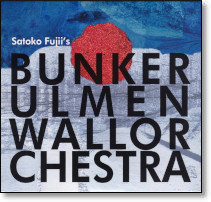
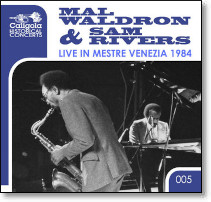
Again, personal motivations and the state of the world are weighing heavily on my mind. I ended last year's poll with serious doubts that I would ever do another. But after fraught months of winter and spring, when Bill Marx asked me if I was planning on doing a mid-year poll, I found myself saying yes. Again, I had the tools and skills. I also had the time, as some things had cleared up, while other projects hadn't yet been started. And after doing an increasingly despairing series of Loose Tabs reports, I felt like taking a break from a world gone mad (especially as it would see me through whatever Trump had in mind for July 4). So here we are. Even with my typical procrastination, it shouldn't take more than a week to wrap this up. After that, I have projects I'm itching to get to. We'll look into them later. New records reviewed this week: Josh Berman Trio: Everybody Else's Life Too (2025 [2026], Corbett vs. Dempsey): Chicago cornet player, credits start in 2002, include groups with Keefe Jackson, Ken Vandermark, Mike Reed, Jason Adasiewicz, many more. Trio with Jason Roebke (bass) and Chris Corsano (drums). B+(***) [bc] Seamus Blake: The Electrifying Seamus Blake Plays the Music of Eddie Harris: EH! (2025 [2026], Cellar): Tenor saxophonist, born in London, raised in Vancouver, has lived all over (Discogs says New York; Bandcamp page puts him in Cologne), has worked steadily since 1991 (Discogs credits him on 211 albums). This opens with Dawn Pemberton singing "Compared to What?" — backed by Sam Yahel (organ/keyboards), Tim Lefebvre (electric bass), and Corey Fonville (drums). This makes for agreeable funk, but the sax seems shortchanged. B+(*) [sp] Henriette Eilertsen Trio: Moder (2024 [2026], Motvind): Norwegian flute player, side credits since 2011 and several albums, trio with Joel Ring (cello/electronics) and drums (Øystein Aarnes Vik), with pianist Jon Balke on a couple of cuts. B+(***) [sp] Ingebrigt Håker Flaten (Exit) Knarr: Fly (2025 [2026], Sauajazz): Norwegian bassist, scores, probably hundreds of album since the early 1990s, several with this group since 2021: two saxophonists (Amalie Dahl and Karl Hjalmar Nyberg), piano (Marta Warelis), guitar (Jonathan F. Horne), and drums (Olaf Olsen). B+(***) [bc] Hayeminol: Ingen Vår I År (2026, Tarmkylling): Norwegian punk band, but that doesn't sound like the real label, so Discogs also offers psychedelic rock and art rock. Quartet, everyone sings, the two songwriters play 10 + 21 instruments. Reminds me of the Flaming Lips, only in a language I can't understand, for better or worse. B [sp] Colin Heshmat: Elastic Groove (2026, HMC): Pianist, first album, quartet with trumpet (Ryo Sasaki), bass (Yuma Takagi), and drums (Ben Cuness), eight originals plus three covers (includine Kenny Dorham and Herbie Hancock). Not especially a groove album. That's just one of many elements subsumed in their postbop. B+(*) [cd] [07-23] Jana Horn: Jana Horn (2026, No Quarter): Singer-songwriter, born in Texas, based in Austin, but has no discernible country airs; started with an interest in Christian screamo, but teaches and writes fiction, and over three albums has settled into a very spare confessional style, playing guitar and synth, with minimal bits of piano, clarinet, and flute. B+(**) [sp] It Was Her Idea: Daughter of War (2025 [2026], PNL): Quartet with singer (sometime cougher) Juliana Venter, backed by piano (Oscar Grönberg), bass (Ole Mortan Vågan), and drums (Paal Nilssen-Love), although I'm more impressed by the piano. B+(*) [sp] Kirk Knuffke: Brother (2026, SteepleChase): Cornet player, "one of modern jazz's most skilled navigators of the divide between freedom and swing," presents a trio with Charlie Burnham (violin) and Thommy Andersson (bass), mostly keyed to Yusef Lateef. B+(***) [sp] Nicolas Leirtrø's Action Now!: Entrance (2025 [2026], Sauajazz): Norwegian bassist, side credits since 2016, just emerging as a leader. Quartet with Mats Gustafsson (saxophones/flute), Kit Downes (organ), and Veslemøy Narvesen (drums), playing the leader's music, which mostly keeps Gustafsson safe from blowing our brains out, although it also saddles him with a flute section I didn't get into — not nearly as much as the loud section at the end. B+(***) [bc] Camila Nebbia & Chris Corsano: Six or Seven Ways Towards Becoming Undone (2025 [2026], Relative Pitch): Tenor sax and drums duo, the former from Argentina but has been tearing up Europe since 2020. B+(***) [sp] Bob Nell & Michael Bisio Trios: We Are Here (2025 [2026], Origin): Pianist, Discogs only lists 9 appearances, starting in 1979, and most with the bassist, who has logged 128 album credits, so while he's hardly a household name, he is much the more famous musician. Plural as they switch drummers, starting with Adam Greenberg, then Austin Belluscio. Originals by Nell. Nice as these things go. B+(**) [cd] [07-24] OM: Südpol (2024 [2026], Intakt): Avant-fusion group from Switzerland, active 1972-82 with Urs Leimbruber (sax), Christy Doran (guitar), Bobby Burri (bass), and Fredy Studer (drums), have regrouped on anniversary occasions since then, until Studer died in 2022, and is replaced here by two drummers, Gerry Hemingway and Tony Buck. B+(**) [sp] Rebecca Rafla: Fundamentally Unfinished (2024-25 [2026*], Rebecca Raffla Music): Jazz singer-songwriter, also plays flute, offers six originals, including the first five, with four standards, one a taste of Brazil to get the rhythm flowing. Steve Allee plays piano, along with horns and strings. The standards get better, especially with "What a Difference a Day Makes" the closer. [*] "first servicing to the press," after a 2025 self-release. B [cd] Catherine Russell: Live at Jazz at Lincoln Center (2024 [2026], Dot Time): Jazz singer, got a late start at 50 with her 2006 debut, but her famous father was older still when she was born (that's swing bandleader Luis Russell, 1902-63, who after 1930 ceded top billing to his star, Louis Armstrong), although her less famous mother, Carline Ray (1925-2013, a singer who played guitar and bass) must have had a more direct influence. She's impressed every time out, but rarely moved this far into the old songs, with a seven-piece swing band — including Jon-Erik Kellso (trumpet), John Allred (trombone), Evan Arntzen (tenor sax/clarinet), and Matt\ Munisteri (guitar), plus a tap dancer on four tracks. B+(***) [sp] Cécile McLorin Salvant: With Every Breath I Take (2025 [2026], Nonesuch): Jazz singer, born in Miami, father Haitian, mother French, moved to France at 18, studied classical voice (and Sarah Vaughan), eighth album since 2013, moving into the top echelon of jazz artists — with the MacArthur "genius grant" to prove it, as if winning the vocal section of our poll every year she had an album out wasn't testimony enough. Still, I've never been much of a fan. I admit that she has exceptional technical command (as did Vaughan), but I've never much enjoyed her albums (aside from the odd song or two). And this one, hyped as her first with an orchestra (Metropole Orkest, with big band master Darcy James Argue co-producing), seemed pretty unlikely to appeal. Then I found myself tempted, by "Send in the Clowns" (of all things), followed by "Barbara Song" (I'm always up for Weill, and she has impressed me there before). But after that, nothing really meshes — not even the French song, or her masterful navigation of the notoriously tricky "Lush Life." Why is hard to pin down, or maybe doing so just doesn't seem worth the effort. B+(*) [sp] Sweet Megg: Massive Negroni (2026, self-released): Retro standards singer Meaghan Farrell, has a dozen albums since 2017. Less swing and more slow ballads than I expected, but "Where or Win" sticks with you. B+(**) [sp] Kalia Vandever: Mana (2026, International Anthem): Trombonist, sings some, fifth album since 2019, second solo album, with "spare piano" and other electronic effects. Title Hawaiian. Vibe ambient. Short (7 songs, 27:06). B+(*) [sp] April Varner: Ella (2025 [2026], Cellar): Standards singer, based in New York, masters degree from Mahnattan School of Music, 2023 winner of "the International Ella Fitzgerald Jazz Vocal Competition," second album (or fourth if you count two volumes of Winter Songs). The notes insist on how original her approaches are to the material, how she "never imitates her long-time idol," instead striving to "capture the spirit of Ella" with "her own creative imagination." Still, her voice is dead on, and her professional help — notably pianist-arranger Emmet Cohen and drummer-producer Ulysses Owens Jr. — know how to work a sure-fire formula, which is great songs swung hard with a more than capable singer. [PS: Alternate parsing of title: Ella by April Varner.] B+(***) [sp] Karsten Vogel: Late Night Ballads (2026, Storyville): Danish alto saxophonist, b. 1943, credits since the 1960s, albums since 1976. Seven standards and an original, played slow, backed by piano-bass-drums.B+(*) [sp] Hein Westgaard & Matt Maneri: Chamber (2024 [2025], Gotta Let It Out): Guitar and viola duo. Guitarist has a few albums, including one from 2023 I liked. Maneri has many records since 1994, picking up his father Joe Maneri's microtonal practices. "Chamber jazz" is a loose term borrowed from classical, where the defining feature is an intimate and intricate group of soft instruments: mostly strings, almost never drums, wind instruments only on their best behavior. Maneri's viola fits the mold, but usually sounds too classical for me. But the guitarist plays around the edges, keeping it interesting, even adding a bit of rhythm. A- [cd] Jack Wright and Ben Bennett: Tourne (2026, self-released): Sax and drums duo, the former from Pittsburgh, with dozens of albums since 1983; the latter from Philadelphia, with several albums together since 2011. Three tracks (35:12). That's a good length for this sort of prickly free jazz, which I find instantly appealing as long as it doesn't run too long, or too loud. Reminds me that I've long appreciated Wright, even if I rarely remember his name. A- [bc] Your Brother's Keeper & Gary Bartz: Where Rivers Meet (2023 [2026], Brownswood): British group, first album under this name but most were members of Maisha, which backed the veteran alto saxophonist (b. 1940) on his 2020 Night Dreamer Direct-to-Disc Sessions. This has a nice spiritual dimension. B+(***) [sp] Recent reissues, compilations, and vault discoveries: Carla Bley: Joyful Noise (Live in Hamburg 1984) (1984 [2026], Moosicus): Pianist (1938-2023), exceptionally famous as a composer and arranger, was a founder of the Jazz Composers Orchestra Association, whose initial project was her ambitious opera, Escalator Over the Hill. Large (10-piece) group, with four brass, two saxes, piano (Ted Saunders), organ (Bley), electric bass and drums. Title is taken from a song, but is also a philosophy of life. A- [sp] Marion Brown: Awofofora (1976 [2026], Aguirre): Alto saxophonist (1931-2010), recorded his debut for ESP-Disk in 1965, followed by albums on Impulse! and ECM, but by this time he was consigned to obscure labels (this on Discomate, a Japanese label). B+(***) [bc] Satoko Fujii: Satoko Fujii's Bunker Ulmenwall Orchestra (2014 [2026], Libra, 2CD): Japanese avant-pianist, very prolific since 1996, went on a big band kick around 2007, organizing a series of orchestras wherever she traveled (first three were New York, Nagoya, and Tokyo). Many more since, with five new tapes of various vintages promised this year, starting with this one from Bielefeld, Germany (Bunker Ulmenwall was a WWII-vintage air raid shelter; to be followed later this year by the Orchestras Kobe, Nagoya, Berlin, and Tokyo). Detailed with many remarkable passages, demanding close scrutiny. A- [cd] [07-10] Wynton Marsalis & Vince Giordano: The Wonderful World of Louis Armstrong (2012 [2026], Blue Engine): They pulled this old tape off the shelf to celebrate the centennary of Armstrong's Hot Five and Hot Seven sessions, so the reference is to the cutting edge of 1920s jazz, not to the pop icon of later years. Giordano is a long-time trad jazz leader, playing bass sax and tuba here, while Marsalis shares trumpet duties with Jon-Erik Kellso. B+(**) [sp] Mal Waldron & Sam Rivers: Live in Mestre Venezia 1984 (1984 [2025], Caligola): Piano and tenor sax duets. Around this time, Waldron was playing in duos with Steve Lacy and Marion Brown, so he has a well-honed sense of how to engage here. It's hard to imagine a more astute accompanist, and his solos never leave you wanting. Probably helps that they stick to standards, including "Scrapple From the Apple" and "Blue Monk." A- [bc] The Wonderful World of Louis Armstrong All Stars: A Gift to Pops (2021 [2026], Verve): A discographical nuisance, opens with a genuine Armstrong from 1964 (Sparks, NV), but after that it's just another anonymous tribute band. I originally filed under Wynton Marsalis, but it turns out that Nicholas Payton plays most of the trumpet, and also does most of the arranging, with Wycliffe Gordon on trombone, soprano sax, and some vocals; also Reginald Veal (bass), Herlin Riley (drums), and scattered others, including vocalists who don't make the slightest effort at the original. Consequently, some songs stray, to mixed effect. B+(*) [sp] Old music: Northwest Improvisers: Fanfares (2022 [2023], Entropy Stereo): Free jazz ensemble, founded in upstate Michigan in 1976 by Mike Gilmore (vibes) and Mike Johnston (bass), added drummer Nick Ashton in 1986, first album was 1994, recorded several albums backing Faruq Z. Bey, one with Dennis González. Gilmore is absent here, but they've added two saxophonists (Dominic Bierenga and Donovan Boxey) and strings (Mike Khoury on violin, Jack O'Brien on cello). Opens with a Don Cherry piece to set up the groove, then builds around it. B+(***) [bc] April Varner: April (2023 [2024], Cellar): Jazz singer, first album, covers 11 songs with "April" in the title — wrote some, including improvised lyrics and some vocalese to Pat Metheny. Only "April in Paris" is well known, done simply here with just piano (Caelan Cardello) backing, after just bass (Reuben Rogers) on "April Blues." The other sources and treatments vary widely, but include nice spots for Russell Malone (guitar), Benny Benack (trumpet), and Dayna Stephens (tenor sax). [PS: Alternate parsing of title: April by April Varner.] B+(**) [sp] Unpacking: Found in the mail last week:
Ask a question, or send a comment. Friday, July 3, 2026 Music Week
Music: Current count 46219 [46191] rated (+28), 16 [14] unrated (+2). My advance was published on Notes on Everyday Life Music Week (7:1) (archived here). You can get it delivered to your inbox by subscribing. As I noted there, most of my time continues to get sucked up in running the Francis Davis Jazz Critics Mid-Year Poll. Deadline is July 5. I've set myself the goal of publishing a week after counting to write up and publish the results. I hope to keep it fairly simple, and let the data speak for itself. Otherwise I'll just find fault with everything, and wind up in a horrible state. I've already worried much too much about how many ballots we can get. (The past two mid-year polls produced 90 and 113, vs. 159 and 177 from the previous year-end polls. Last year we were down to 168, so a slight decline from 113 is probable. With 90 ballots counted so far, it's hard to tell whether we're on track or not.) One positive note is that I've sent out more invites than ever before. On the other hand, I have a longer list of people I'm aware of but don't have email addresses for. And there are many more unknowns who are most likely qualified enough. It's a big job to figure this out, and I never seem to have the time or energy to do it. The negative note is that a lot of regular voters have bowed out, mostly figuring they haven't listened to enough as yet. I've tried to stress that this is a cooperative project, improved by small incremental efforts by everyone. Still, it's a tough sell. In case you're interested, the ballots are already available online, as well as lists of all albums that have received votes. The totals will appear when we publish the poll results at ArtsFuse, in mid-July. However, other things have chew up large chunks of my time this week (hence, the much lower rated count). My brother-in-law, Mark Shepherd (73) died last week, and the funeral was on July 1. Mark has long been part of a community here that restores classic cars, and they effectively staged a show in the mortuary's parking lot, then a parade from there to the cemetery. Our niece and nephew from Washington drove down for the funeral, so I tried to entertain them, including a comfort food dinner. So scratch one day cooking, and two more visiting, during which I didn't listen to anything I had to write about. Guests are gone now, but things are only slowly getting back to normal. Although "normal" seems an odd word to use for anything these days. Some quick notes on records below:
My only plans for 4th of July is that some friends are coming over for leftovers. Plus whatever the poll reveals. I imagine we'll hear nonstop fireworks tomorrow evening. I've been hearing them on occasion most of today, but it seems to me that the volume is down considerably this year. Not sure whether folks are simply not in the mood to celebrate, or if incomes have become so precarious few people are willing to literally blow up their savings. New records reviewed this week: Julian Argüelles: Echo Fields (2026, Escapade): English saxophonist (tenor/soprano), albums since 1991, trio with Larry Grenadier (bass) and Jorge Rossy (drums). B+(**) [bc] Barcelona Art Orchestra & Miguel Zenón: Expressions: Concerto for Alto Saxophone and Orchestra (2025 [2026], Miel Music): Barcelona-based group, has at least one previous album, led by Néstor Giménez (piano), Lluc Casares (tenor sax), Joan Vidal (drums), and Lluis Vidal (piano), each composing a section here, featuring the alto saxophonist. B+(*) [sp] Patricia Brennan/Sylvie Courvoisier: Talamanti (2024 [2026], Antlia): Mallets player, from Mexico, based in New York, won our debut poll in 2018, finished 1st and 2nd overall with her last two albums, in a duo here with the Swiss pianist. Piano-vibes duos are rather common, partly due to similar tones, but also because the vibes focus the piano as a percussion instrument. You get a taste of that early here, but then the piano meanders into its own less-but-still-interesting space. B+(***) [sp] Ron Carter & Yotam Silberstein: Duets (2026, Jojo): Bass and guitar duo: the 89-year-old bassist almost certainly holds some kind of record for most albums appeared on; while he's still best known for his 1960s work with Miles Davis, one could probably construct a whole CG from his duo work, and delight in doing so. (Pick hit would be Chemistry, his 2016 duo with Houston Person.) The guitarist has appeared regularly since 2008, with a soft tone and delicacy that I find pleasant but rarely give a second thought. But this brief set (2 originals, 7 standards, 34:02) raises pleasant to pleasure. A- [cd] Maya De Vitry: All My Faith (2026, Mad Maker Studios): Folkie singer-songwriter based in Nashville, four previous albums since 2019. Sound reminded me first of Joy of Cooking, then Joni Mitchell (but warmer). That may be enough for now. I'll take the faith on faith. A- [cd] [07-24] Duchess: A Marvelous Party (2025 [2026], Anzic): Vocal trio, fourth album (including one live) since 2015, all three with notable solo careers: Amy Cervini, Hilary Gardner, Melissa Stylianou. Favors older songs with harmonies reminiscent of the Andrews Sisters, and swinging arrangements by Oded Lev-Ari. B+(**) [sp] Emperor X: Unified Field (2026, Bar/None): Singer-songwriter Chad Metheny, albums since 1998, first one I really noticed was Western Teleport (2011). Several strong song on the way out. B+(**) [sp] Nick Fraser: Areas (2026, Elastic): Canadian drummer, close to 100 credits since his 1997 debut album, has several albums with Tony Malaby (tenor sax) and Kris Davis (piano), who return here, along with John Kameel Farah (electronics). B+(*) [bc] Hannah Gill: I Like the Sunrise (2026, Turtle Bay): Standards singer, several albums since 2023, backed by guitar-bass-drums, with Ricky Alexander (sax). B+(**) [bc] Devin Gray/Andrea Parkins/Frank Gratkowski: Hz of Gold (2021 [2026], Rataplan): Drummer, fair number of albums and side-credits since 2006, in an improv trio with electronics/accordion/wurlitzer and saxes/flutes/clarinets. B+(*) [sp] Alden Hellmuth: Tether (2026, Leiter): Alto saxophonist from Connecticut ("she grew up surrounded by the legacy of the great saxophonist Jackie McLean"), based in New York, second album, seems to be a quartet with two basses (Logan Kane and Miller Wrenn) and drums (Justin Brown), but also "additional instrumentation" (trumpet, piano, voice, guitar, sound design, lots of effects). B+(***) [sp] The Joymakers: A Texas-Sized Band (2026, Turtle Bay): Austin-based ten-piece trad jazz outfit, named for a 1920s Texas band of the same name, led by arranger Colin Hancock, who also plays cornet, alto & baritone sax, mellophone, kazoo, and is one of several singers. B+(**) [sp] Goran Kajfeš Subtropic Arkestra: & Avin Omar (2026, We Jazz, EP): Swedish trumpet player, leading a group that includes two saxophonists (one is Jonas Kullhammar), keyboards, guitar, bass, and drums, featuring the Kurdish-Swedish vocalist, leads off with a trad Kurdish piece ("Suleymanieh") that is pretty captivating. Three songs (23:38), the first of three planned EPs with vocalists. B+(***) [bc] La La Lars: Lilla Lars (2026, Gothborgen, EP): Swedish drummer Lars Skoglund, has four albums as La La Lars since 2017, many side credits since 1998, trio here with Carl Bagge (piano) and Johan Berthling (bass), four songs (18:00). B+(*) [sp] James Brandon Lewis Quartet: Omni (2025 [2026], Intakt): Tenor saxophonist, possibly the best and certainly the most accomplished of any near his age (42), has won two of our jazz polls, often splitting his vote among multiple projects. Sixth quartet album on this Swiss label, with Aruán Ortiz (piano), Brad Jones (bass), and Chad Taylor (drums). Still keeps you on edge. A- [sp] Virginia MacDonald: In Search Of . . . (2024 [2026], Cellar): Canadian clarinetist, first album (although Discogs gives her a share of a Canadian Jazz Collective album), side credits especially with Michael Dease and Caity Gyorgy. Backed by piano (Geoffrey Keezer), bass, and drums, with voice on two tracks. B+(***) [cd] Nduduzo Makhathini: The Myth We Choose (2026, Blue Note): South African pianist, various local labels from 2009, picked up by Blue Note in 2020, fourth album there. He has some credentials as a "traditional sangoma header," which may be context I cannot begin to fathom. Sounds sedated to me, with many vocals I can make no sense of. But the piano has grown on me a bit. B+(*) [sp] Michael Marcus Quartet: Next Stop Down (2024 [2026], ESP-Disk'): Reeds player, albums since 1991 including the Cosmosamatics (with Sonny Simmons), plays tarogato, soprano and tenor sax here, with "featuring" credits for Rod Williams (piano), Ricky Rodriguez (bass), and Allan Mednard (drums). B+(***) [cd] Tal Mashiach: Who's Around? (2026, Anzic): Guitarist-bassist, has a previous album as well as appearance in Anat Cohen's Quartetinho. Original pieces, musicians come and go, with only the drummer on most cuts. First impression is rather scattered. Unclear whether multiple plays might elevate that to eclectic. B [cd] Chris Potter: Alive With Ghosts Today (2025 [2026], Edition): Tenor saxophonist, got an early start in 1994, impressive soloist, albums can be uneven. Original pieces here, inspired by John Brown's 1859 uprising, played by a septet featuring Bill Frisell (guitar), with clarinet, trombone, violin, bass, and drums. B+(*) [sp] Sad Daddy: Ozark Shine (2026, Catfish Music/Free Dirt): Arkansas group, Bandcamp page says Eureka Springs, fifth album since 2010, multiple singers, four songwriters: Brian Martin (guitar), Melissa Carper (bass), Joe Sundell (banjo), and Rebecca Patek (fiddle) — Carper also has a solo career with several notable albums. B+(**) [sp] Harry Skoler: Echoes (2026, Red Brick Hill): Clarinetist, debut 1995, not many albums since, this one a quartet featuring Bill Frisell (guitar), with bass (Dezron Douglas) and drums (Johnathan Blake). B+(**) [sp] SML: Spontaneous Music Live (2025 [2026], International Anthem): Los Angeles-based jazz quintet, third album, two pieces (23:46 + 24:34), selected and mixed from a three-night stand (credit Bryce Gonzales, who mixed Jeff Parker's live EVA IVtet albums). Close-knit group, most also known for their solo efforts: Anna Butterss, Jeremiah Chiu, Josh Johnson, Booker Stardrum, Gregory Uhlmann. Groove is somewhat minimalist, but the differences matter. A- [sp] Matthew Stevens: Matthew Stevens (2026, Candid): Canadian jazz guitarist, half-dozen albums since 2015, varying cast beyond bass and drums, with Josh Johnson (alto sax) on most tracks, including two vocals, and some Joel Ross vibes. Originals, with a Sonny Sharrock cover. B+(*) [sp] Soojin Suh: Prism of Existence (2026, Endectomorph Music): Korean drummer, has several previous albums, this a trio with piano (Jaehun Kang) and bass (Hoo Kim), recorded over four sessions (but dates not given). B+(**) [sp] Martin Wind: Stars (2025 [2026], Newvelle): German bassist, close to 30 albums since 1993, the title may well refer to the talent he lined up here: Kenny Barron (piano), Anat Cohen (clarinet), Matt Wilson (drums). A mix of originals and standards, with "The Stars Fell Down on Alabama" especially delectable. A- [sp] Recent reissues, compilations, and vault discoveries: Either/Orchestra & Ethiopian Guests: Nalbandian L'Ethiopien/The Ethiopian [Éthiopiques 32] (2011 [2025], Buda Musique): Large band from Boston, founded by saxophonist Russ Gershon, released albums 1986-2010, website touts their "40th anniversary season," but this live tape, following up their 2004 Live in Addis [Éthiopiques 20], seems to be the only new release. B+(***) [sp] Evan Parker/Paul Rogers/Louis Moholo: Tebugo (1992 [2025], Jazz in Britain): Live tape from the Vortex in London, tenor and soprano sax, bass, and drums. Takes a while to warm up, but delivers in the end. B+(***) [bc] Old music: None. Grade (or other) changes: The Messthetics and James Brandon Lewis: Deface the Currency (2026, Impulse!): Guitar-bass-drums trio had a couple albums (2018-19) before they joined up with the powerhouse tenor saxophonist. I filed the early albums under rock as the bassist (Joe Lally) and drummer (Brendan Canty) came from Fugazi, although guitarist Anthony Pirog had a fringe-jazz resume (two albums with Henry Kaiser, one a conduction of Terry Riley, a couple more I've heard but don't particularly recall). Time to move them into the jazz file, but I'm not all that pleased. The saxophonist makes a strong effort, but the guitarist rarely if ever matches him, nor is he very complementary. It's not quite accurate to say that the rhythm section rocks: they move freely, but their energy mostly expresses itself in speed and volume, which can come off as clunky. My disappointment was such that I probably overreacted at first. [was: B] B+(**) [sp] Unpacking: Found in the mail last week:
Ask a question, or send a comment. Saturday, June 27, 2026 Music Week
Music: Current count 46191 [46138] rated (+53), 14 [9] unrated (+5). I posted a preview of this Music Week to Notes on Everyday Life as Music Week (6:4) (also archived here). For this I selected nine reviews from below: 7 new releases (5 jazz) and 2 reissues. Actually, I made a couple of edits there but not here: I combined the two Immanuel Wilkins volumes below into a summary of the three-volume series (it isn't a set yet, but probably will be); I also added some of the Jan Klare (1000) old music album as a footnote to the KIND review. My hope is to make the Substack versions easier to read and deal with than full Music Week posts like this one, which contain (sometimes many) more albums, many with cryptic reviews. You can think of this (and the monthly Streamnotes as the reference copy, and the Substack posts as (slightly) more polished columns. Until this week, I've prepared the advance posts before running my cutoff (the point when I calculate how many records I've rated, and move the index from a scratch file to the notebook, marking the boundary between one week and the next). This week I did the cutoff first, on Wednesday evening. In the past, I was running so late I wanted to skip the extra cutoff work. This time, I was bogged down with other writing I wanted to post via Substack before I could get to Music Week. But with 50+ reviews piled up, I figured I should go ahead with the cutoff, and get to the post(s) whenever. This one was mostly written on Friday, but still needed work, so has slipped into Saturday. One thing having the cutoff done did was to make it easier to decide what to pick out. It also saved me from being tempted to slip in later finds (which, with a big June 26 release day, already include new albums by James Brandon Lewis and SML). I did manage to get two non-music pieces out on Substack this week:
While I'm fairly happy with the reception given my Music Week posts on Substack, these two pieces, which I think make important points you're unlikely to encounter elsewhere, got virtually no reaction. A big part of the reason I went to Substack was that I wanted to get some statistical feedback on readership. One thing I've learned is that the music posts are getting about 70% views, vs. 50% for the non-music posts. I'm reminded of the Preston Sturges (or was it Woody Allen?) movie where he tries to tackle the world's major problems, and all people have to say is "get funny again." While these posts have taken considerable time, much more has been sucked up in running the Francis Davis Jazz Critics Mid-Year Poll. With 8 days left to the July 5 deadline, I have 59 ballots counted, with a couple dozen more commitments to make the deadline, a similar number of declines — for reasons which range from no time or no interest, with a few stories of long illnesses (and I'm aware of one death: Mark Holston). I've tried to encourage some to send in whatever they can if they find as much as a stray thought, but I've let most of them go. I may do some more voter prospecting — I'm often surprised by the amount of quality of jazz writing when I find time to go searching — and I welcome further suggestions, but the response so far is generating a huge amount of album tips (366 so far, 153 not previously in my tracking files), with I'm sure much more to come. As I explained last week, the ballots are already available online), as well as lists of all albums that have received votes. The totals will only appear when we publish the poll results at ArtsFuse, in mid-July. My ballot, filled out when voting opened, is here. I've refrained from updating it, even as a couple of new albums have come very close, although I'm inclined to add James Brandon Lewis & Lutosławski Quartet: These Are Soulful Days to the 5th Rara Avis slot. (See below: I'm counting it as a reissue, although most voters see it as a new album.) I was surprised to hear that Mark Shepherd died last week. He grew up just around the corner from us, was in my brother's classes, so I've known him, and his family, going on 70 years. His sister married my brother, so he's been family for most of that time. Like his father, he worked at Boeing until he dropped, and like his father, he had better things to do with the rest of his life. For Art, it was fishing. For Mark, restoring classic cars. He's part of the reason Wichita has more of them than anywhere (except Havana). One more note: I seem to be off X/Twitter now. Last time I looked at it, they declared "Happening now." They offered to let me "Continue with phone," "Continue with Google," "Continue with Apple," or "Email or username." When I tried the latter, they rejected my password, and didn't offer me any way to reset or recover. I've only been using it to announce blog posts, which I also do on Bluesky (where I post more, but not a lot more). Its usefulness has really come into doubt recently, although I could say the same about Bluesky (although Bluesky tries harder to illustrate links). A recent stats sheet from Substack showed I got 4 views from Bluesky and 8 from Twitter. If you want to get notified, best to subscribe to Notes on Everyday Life and/or use the RSS feed. [PS: X allowed a reset option today, so I'm back in. Not that I really want to be.] New records reviewed this week: Ben Allison/Steve Cardenas/Ted Nash: Triological (2026, Sunnyside): Bass, guitar, and tenor sax/clarinet trio, stylized on cover as "Allison, Cardenas & Nash," all three long-established and familiar (with at least four previous albums together), song credits split 4-3-3. Model referred to is Jimmy Giuffre's drummer-less trio, but with guitar instead of piano. I'm not sure I ever got the model, but such distinctions are pretty subtle. B+(**) [sp] Thommy Andersson: Shimmering Blue (2026, SteepleChase): Swedish bassist, Discogs credits him with 14 releases since 2004, 98 total performance credits (many with Pierre Dørge). Drummerless trio with high and low brass: Kirk Knuffke (cornet and soprano trombone) and José Davila (trombone, tuba, euphonium, helicon, bass flute, didgeridoo). Nicely done, worth focusing on the bass. B+(***) [sp] Ballister + Luke Stewart: Clocking the Wheel (2025 [2026], Aerophonic): Trio of Dave Rempis (4 saxophones), Fred Longerg-Holm (cello), and Paal Nilssen-Love (drums), 7th album since 2019, adds the bassist for this go around. Two pieces, 72:46, exactly the sort of hard hitting free jazz one expects by now. A- [cd] [07-10] Sam Barsh/Mark Guiliana/Keyon Harold: Straight08 (2026, La Reserve): Keyboardist, from Chicago, based in Los Angeles, has a previous album from 2008, but 40+ side-credits, mostly jazz but the big names are in or near hip-hop (Kendrick Lamar, Kanye West, Macy Gray, Doja Cat, Logic, Anderson .Paak). With drums and trumpet, the latter often quite striking. B+(**) [sp] Luciano Biondini/Michel Godard/Lucas Niggli: Fables of Time (2025 [2026], Intakt): Italian accordion player, many albums since 2000, including a previous (2011) trio with Godard (tuba, serpent, E-bass) and Niggli (drums). B+(*) [sp] Nat Birchall Quartet: Path of Enlightenment (2025 [2026], Ancient Archive of Sound): British tenor saxophonist, first album 1999, bears the "spiritual jazz" label because few if any have worked longer or harder to sound like John Coltrane, but also to expand on his legacy. To that end, he's kept the classic quartet format, with piano (Adam Fairhall), bass (Michael Bardon), and drums (Paul Hession). B+(***) [bc] Nat Birchall: Liberated Sounds (2025, Na Bi): Aside from Coltrane, his great influence was from the Jamaican saxophonists of the ska and rocksteady periods. He gets them right, too. B+(***) [bc] Adam Brodsky: American Epitaph (2026, Permanent): Antifolk singer-songwriter, released four albums 1995-2002, came back from wherever he went to "throw sand in the gears of the fascist regime." Advises "don't break bread with your fascist former friends." ("Their brains are broken from the poison they're fed.") Like many of us, his ideals were set early, only to find a nation that has forsaken them. ("We were once the good guys but no more.") I'm more tolerant of, and probably more sympathetic to, lapses of political judgment that he is, but he's on the right side. A- [sp] Betty Bryant: Nothin' Better to Do (2026, Bry-Mar Music): Jazz singer, plays piano, originally from Kansas City, where Jay McShann was a mentor, moved to Los Angeles in 1955, played clubs but didn't record much — Discogs lists an album in 1987, two in 1999 — until she started releasing her own albums in 2013. Her Lotta Livin' (in 2023, at 93) was terrific, and this (at 96) is also quite satisfying. Three songs by her and/or producer Robert Lyle (soprano/tenor sax, flute). Some guest spots, good for trumpet, not so good for strings. B+(***) [sp] Chrome Hill & Dōjō: Free Rangers (2024 [2026], Clean Feed): Norwegian free jazz group, sixth album since 2008, down to three here — Asbjørn Lerheim (bass guitar, electric guitar), Roger Arntzen (double bass), and Atle Nymo (tenor sax, clarinet, bass clarinet), joined by a Japanese duo: Michiyo Yagi (electric 21-string koto) and Tamaya Honda (drums), with most also credited with electronics. B+(***) [bc] Emmet Cohen: Universal Truth (2025 [2026], Mack Avenue): Pianist, close to a dozen albums since 2011, many designed to showcase old-timers (including 5 volumes of his Masters Legacy Series). Trio here with Joe Farnsworth (drums) and Yasushi Nakamura (bass), the latter spelled on three cuts by Ron Carter, with ample guest spots for Jeremy Pelt (trumpet), George Coleman (tenor sax), and Tivon Pennicott (tenor sax). B+(***) [sp] Andrés Coll Cosmic Trio: Ride to Heaven (2026, XJAZZ Music): Mallets player from Ibiza, mostly marimba here, with Mateusz Smoczynski (violin) and Ramón López (drums/tabla). B+(**) [sp] ContraPunctus [Mike McGinnis/Carmen Staaf/Gui Duvignau/Hamir Atwal]: ContraPunctus (2025 [2026]. Adhyâropa): Surnames on the cover, but group name is more than implied. Respectively: clarinet/bass clarinet/soprano sax, piano/fender rhodes, bass, drums. B+(***) [sp] Lao Dan Chicago Quartet: Klotski (2024 [2026], Trost): Saxophonist from China (Dandong, near the border with North Korea), majored in bamboo flute, was featured in the Shenyang Conservatory of Music's youth orchestra, toured the US in 2018, has many albums since then, some trad Chinese, and some free jazz. He plays tenor sax, chinese flute, and suona here, with piano (Mabel Kwan) and a Chicago rhythm section of Joshua Abrams (bass) and Michael Zerang (drums). B+(***) [bc] Jesse Davis Quartet: Reflections (2025 [2026], Cellar): Alto saxophonist, from New Orleans, was a student of Ellis Marsalis, early albums (1991-2000) on Concord, regular side credits since then but not a lot of albums under his own name. Quartet with Spike Wilner (piano), John Webber (bass), and (cover says "featuring") Lewis Nash (drums). Mainstream, but exceptionally vibrant, which could very well be the superb drummer hard at work, but you mostly hear it in the horn. A- [sp] Thomas Dollbaum: Birds of Paradise (2023 [2026], Dear Life): Singer-songwriter from New Orleans with a rep as a poet, second album, a roots-rock affair aided sonically by MJ Lenderman, but Dollbaum probably needed no help with the story lines and words. I'm not much good at following such intricacies, but I hear echoes of John Prine and Neil Young, and that's pretty satisfying. A- [sp] Neale Eckstein: Build Our Dreams (2026, self-released): Folkie singer-songwriter from Massachusetts, has been "chasing music his entire life" while working as a dentist, but set up his own studio, has recorded others, and has at least two albums of his own. B+(*) [sp] Marty Ehrlich: Cartographies of Flight: Lines Set Afloat Towards Hope (2024 [2026], Corbett vs. Dempsey): Alto saxophonist, plays a lot of clarinet and some flute, grew up in St. Louis, where he started working with Julius Hemphill and Oliver Lake, moved to New York in 1978, albums from 1984. Sextet with Ron Horton (trumpet), Sara Schoenbeck (bassoon), Erik Friedlander (cello), Matt Pavolka (bass), and Satoshi Takeishi (drums), with poetry read by Erica Hunt. B+(***) [bc] Fire-Toolz: Lavender Networks (2026, Warp): Electronica producer Angel Marcloid, based in Chicago, Discogs lists a dozen albums since 2016, some big gestures with quasi industrial klang and the occasional odd glitch. B+(*) [sp] Vinny Golia Quintet: Angular Momentum (2025 [2026], Nine Winds): Plays all saxophones and clarinets, turns 80 this year. Quintet with Kris Tiner (trumpet), Cathlene Pineda (piano), Miller Wrenn (bass), and Clint Dodson (drums, vibes, waterphone). B+(***) [bc] Golomb: The Beat Goes On (2025, No Quarter): Indie rock band from Colombus, Ohio, 3rd album per Discogs, more on Bandcamp, but looks like a label advance (2nd was a cassette, 1st barely had artwork), although they're still pretty lo-fi. B [sp] Joy Harjo: Insomnia & Seven Steps to Grace (2026, Smithsonian Folkways): Singer-songwriter (b. 1951), from Muscogee Nation in Oklahoma, has over a dozen volumes of poetry, a play, several non-fiction volumes, eighth album since 1997 (including one as Poetic Justice). Some jazz touches, including a coda of "Goodbye Pork Pit Hat." B+(***) [sp] Alexander Hawkins: No Nation but Imagination (2025 [2026], Intakt): English pianist, prolific since 2006, mostly free but fairly eclectic, opens with a synth solo, then the quintet kicks in, light tones and frothy rhythm: Rhodri Davies (harp), Nicole Mitchell (flute), Hamid Drake (drums), and Matthew Wright (turntables/live sampling). B+(**) [sp] Jon Irabagon: Raw Dog (2025 [2026], Corbett vs. Dempsey): Always excited to find a new album by the MOPDTK saxophonist. Less excited to find out that it's solo, even more that it's bass saxophone, covering two compositions each from Anthony Braxton and Julius Hemphill. But it probably helps that the big horn handles slow, and is impervious to screeching (unlike, say, Braxton's For Alto, which some regard as a masterpiece but I couldn't stand). The results are neither "mind-blowing [nor] ear juddering," but the explorations of "Hemphill's deep blues feel and Braxton's erector set structures" are interesting. B+(**) [bc] KIND: Count (2025, Umland): Group led by German alto saxophonist Jan Klare, dozen-plus albums since 1998, also plays bassoon, all original compositions, group a sextet with clarinet (Shabnam Parvaresh), trombone (Shannon Barnett), cello (Emily Wittbrodt), bass (David Helm), and percussion (Bruna Cabral). Superb postbop, as the ever-shifting harmonics revolve eccentrically around an ever-changing rhythmic drive. A- [bc] March to August: Highway 75 (2026, Crisp): Husband-and-wife country duo from Fayetteville, Derrick (who sings) and Jodi Mears. Mostly drinking songs, especially if you count the not-drinking songs. B+(**) [sp] Simon Moullier: Ceiba (2025 [2026], Simon Moullier Music): Vibraphonist, based in New York, sixth album, a quartet with Lex Korten (piano), Rick Rosato (bass), and JK Kim (drums), with guest percussion (Keita Ogawa) on two tracks. Original pieces. Sails right along. B+(***) [cd] New England Jazz Collaborative: Tributaries (2025 [2026], ACP): An "artist-run nonprofit collective," ACP stands for Amherst College Press, which matches up featured composers with musicians for various programs. This first album features compositions from Jeremy Cohen, Matan Rubinstein, Darryl Harper, and Sam Spear, performed by a big band conducted by Ken Schaphorst, with some extra guitar from Eric Hofbauer, on their quite nice Latin turn. B+(**) [cd] [07-16] Pascal Niggenkemper Ensemble Tuvalu: D'Une Rive à L'Autre (2024 [2026], Subran Musiques Aventureuses): German-French bassist, living in Brooklyn, 20 albums since 2008. This piece is inspired by the Pacific archipelago of Tuvalu, a land especially endangered by climate change. "The stage plot consists of sixteen sounding curtains which surround the audience, 8 musicians and a poet circling nine sounding islands at the very center which symbolise the South Sea archipel Tuvalu." The group splits into two quartets, of cornet/trumpet, clarinet, accordion, bass/cello, with voice parts all around, in however many languages they can muster. B+(**) [bc] Nite Bjuti: Minwi (2023 [2026], Intakt): Trio of Candace Hoyes (vocals), Mimi Jones (bass, vocals), and Val Jeanty (drums, electronics), lyrics credited to Hoyes. Seems to be Hoyes' first album. Art song, deeply ensconced in dark atmospherics. B+(**) [sp] Outer Worlds Jazz Ensemble: The Kármán Line (2026, ATA): Leeds group, principally Chip Wickham (flutes) and Neil Innes (bass), with piano, bass, harp, drums/balafon, and percussion, plus some extra orchestra. Title refers to the hypothetical boundary between atmosphere and outer space. Some nice grooves at that distance. B+(***) [sp] Mariam Rezaei/Sakina Abdou/Kobe Van Cauwenberghe: 1984 [I IX VIII IV]: The Forward Process (2025 [2026], Dropa Disc): Turntables, saxophones, guitars: I filed it under the latter, as he is principal composer. Most sources give group name as 1984, but cover offers four Roman numerals, in a 2x2 matrix, with the artist names above and the album title below, both in small print. B+(**) [bc] Jeff Rupert Quartet: Sea Spell (2022 [2026], Rupe Media): Tenor saxophonist, mainstream, several albums back to 2009, including one as The Jazz Professors and another with Veronica Swift. Quartet with Richard Drexler (piano), Ben Kramer (bass), and Marty Morell (drums). Quite enjoyable easy listening. B+(**) [cd] [06-29] Olaf Rupp: Berlin Eiskeller (2025-26 [2026], Scatter Archive): German guitarist, many albums since 1998, mostly in free jazz contexts, although he's largely escaped my attention. This one is solo. B+(**) [bc] Serengeti: Symphony of Psalms (2026, CC King): Chicago rapper David Cohn, many albums since 2006, cover says "produced by Greg Saunier." B+(*) [sp] Skerik: Skerik 061725 (2026, Loosegroove): Seattle-based saxophonist Eric Walton, has worked in many groups since the 1990s, including Garage A Trois, Critters Buggin, the Dead Kenny G's, and his Syncopated Taint Septet. This one is full-on ambient, like Eno's first ambient albums. Seems like a waste of a good saxophone to me, but on its own terms, this is nicely done. B+(**) [sp] Colin Stetson/Greg Fox/Trevor Dunn: Nethering (2018 [2026], Envision): Saxophonist, plays a wide range of instruments but is best known for his bass saxophone, which he's employed in various projects, rock and classical as well as jazz. Improv here with drums and bass. B+(**) [sp] Pat Thomas & XT: Strata, Act (Joy Contemporary) (2022 [2026], We Jazz): British avant-pianist, also electronics, along with the duo (XT) of Paul Abbott ("real and imaginary drums") and Seymour Wright ("actual and potential sax"; you may know him from [Ahmed]). The duo has 7 other albums, one with Thomas (a rendition of Cecil Taylor's Akisakila). Three long (36:02, 43:24, 50:05) live sets on the 2-CD, plus two more digital tracks (20:31 + 16:43). Way too much, but pretty awesome when they all his peak intensity. B+(**) Udeigwe: Four Lemmas (2026, LU Factors): First name Lawrence, from Nigeria, moved to US in 2000, got a Ph.D. and is a professor of mathematics, also sings, several albums since 2007. B+(*) [sp] Joe Webb: Neath Beat (2025 [2026], Edition): Pianist, grew up in Wales, based in London, Discogs seems to have this album filed under the wrong Joe Webb (should be 5). Has a couple previous albums, including a Mercury nomination for Hamstrings & Hurricanes (2025). Trio with Will Sach (bass) and Sam Jesson (drums). Beat matters. B+(**) [sp] Immanuel Wilkins Quartet: Live at the Village Vanguard Vol. 2 (2025 [2026], Blue Note): Alto saxophonist, debut 2020 on a major label made him an instant star, big enough that his label decided to split up his live stand into three digital albums, rolling them out in monthly intervals. With Micah Thomas (piano), Ryoma Takenaga (bass), and Kweku Sumbry (drums), five tracks, 57:27. B+(**) [sp] Immanuel Wilkins Quartet: Live at the Village Vanguard Vol. 3 (2025 [2026], Blue Note): Four more songs, 61 minutes. This one seems a bit more consistently upbeat, which is where their strengths lie. But the distinctions are marginal, and patience is wearing thin. Needless to say, they could have edited the three volumes down to a more compelling hour, but the cost-benefit analysis seems to have favored more product. B+(**) [sp] Zen Zadravec: New Paradigm (2026, Marmite): Pianist, from Canada, has several albums, gets a big band feel from a smaller (but revolving) group here. B+(*) [cd] [06-26] Recent reissues, compilations, and vault discoveries: Johannes Bauer/Michael Griener/Olaf Rupp: Aufsturz (2007 [2026], Scatter Archive): German trombonist (1954-2016), younger brother of Conrad Bauer, an improv bash with drums and guitar. B+(***) [bc] Pierre Favre Trio: Bird Food (1968 [2026], Songs): French drummer, b. 1937, first albums 1964-65 were jazzed-up classical music, much notable work followed, especially his duos with Swiss pianist Irène Schweizer. This recently unearthed tape appears to have been their first collaboration, a trio with George Mraz on bass, playing Ornette Coleman's title piece plus three by Schweizer (total: 29:56). B+(**) [sp] James Brandon Lewis & Lutosławski Quartet: These Are Soulful Days (2021 [2026], TAO Forms): Tenor saxophonist, makes his entry into the sax-with-strings forum with a well-known Polish string quartet (dozen-plus albums since 2012, including jazz meets with Uri Caine and Kris Davis). This was originally released as a bonus CD with Lewis's poll-winning 2023 album, For Mahalia, With Love, so counts as a reissue here. A- [sp] Tom Raworth & Peter Brötzmann: No Hard Feelings: For Steve Lacy (2005 [2026], Corbett vs. Dempsey): British poet (1938-2017), only album in Discogs is a 1969 reading, plus this rara avis, where "John Corbett schemed to make a duo record" from a 2000 reading with accompaniment by Steve Lacy. However, Lacy died in 2004 before delivering, so Brötzmann filled in a year later, playing tarogato, clarinet, and alto sax, short fragments plus some longer solos. Includes bits of music box, credited to Raworth. To some extent, a simple shuffle of two separate things, but each helps with the other's limits. B+(***) [bc] Dick Spottswood & Tompkins Square Present . . . 1925 Songs: Blues, Country, Jazz & More (1925 [2026], Tompkins Square): Genre distinctions that meant far less then than now — black and white were the concepts back then, distinctions that have since become blurred, as Allen Lowe showed in his American Pop (his 1998 release of a book with 9 CDs ranging from 1893-1946). This is comparable, sticking close to the crossroads of the genres, and avoiding big hits (like "Sweet Georgia Brown" and the Bessie Smith version of "St. Louis Blues"; I don't keep many song dates in my mind, but one I do recall from 1925 is "Cake Walking Babies From Home"). B+(***) [sp] Louis Stewart: Joyce Notes (1982 [2026], Livia): Irish guitarist (1944-2016), recorded extensively from 1975 on, but I've only noticed him since this reissue series began. A six part suite composed for James Joyce's centenary, with narration and readings from Ulysses by Eamon Morrissey, and a fairly large group with two saxophones, flute, piano, bass, drums, and extra percussion. The music is delightful, and the words add a powerful dimension. A- [bc] Sun Ra: Hidden Fire (1988 [2025], Strut): Live album, originally released as two volumes ("in tiny quantities with minimal packaging and cryptic artwork"), combined here (6 songs, 77 minutes). Group has some extra violins (Billy Bang for one), and vocals (Art Jenkins?), and spends much time way out on the fringe. B+(**) [sp] Old music: Jan Klare/Wilbert de Joode/Michael Vatcher/Bart Maris [1000]: Played (2008 [2009], Leo): Discogs regards "1000" as a group name, although they also credit the artist names, at the top of the cover, and they list several other albums by the same group (5 total, 2007-22). Alto sax, bass, drums, trumpet. B+(***) [sp] Unpacking: Found in the mail last week:
Ask a question, or send a comment. Friday, June 19, 2026 Music Week
Music: Current count 46138 [46097] rated (+41), 9 [8] unrated (+1). This week's advance copy went out to Notes on Everyday Life subscriber list Wednesday evening: Music Week (6:3) (also here). To get these delivered straight to your mail box, please subscribe. I posted a very large Loose Tabs back on Saturday, June 14 (369 links, 26521 words). I've added a couple more items to the file, which are only appearing with this update. I haven't had time for any extensive revisions, let alone for starting work on next time around. More importantly, I haven't followed through on my intention to pull some excerpts out from the file, and rewrite them for posting on Notes on Everyday Life. I have a lot more to say, especially on the Iran/Lebanon war, but I'm having trouble keeping up, and wind up doing a lot of thrashing. The main thing I want to say about Trump's "deal" is that the details, which seem mostly to be about money, don't really matter. The only things that really do matter are whether Trump is sincere about abandoning the war path, and is in sufficient control of his administration to stop Israel from sabotaging the deal. That he has been hurt politically by his decision to start bombing is way beyond doubt. That resuming the bombing would only hurt him more is also pretty obvious, although there are many consultants in Netanyahu's pocket who are arguing otherwise. Thus far the really worst case scenarios, which involve major destruction and possible upheaval in the Persian Gulf states, haven't really happened. Of course, it will be really hard for Trump to control Israel. It will take discipline and clarity he has never yet demonstrated. For starters, Israel has developed a lot of deep-seated influence in Washington, including on his staff and in his cabinet — the very people he is powerless without. But also, Netanyahu is extremely persistent, as two-faced and under-handed as anyone in politics gets. He's shown, time and again, that he's willing to bend, but won't break, and will snap back first opportunity he gets. It's also quite possible the Democrats will play this so badly he feels the need to resume the war to reassert his "tough guy" self-conception. It's easy enough to come up with a list of points showing that his deal is more generous to Iran than Obama's JCPOA deal was. But I'm more inclined to argue that both of those deals weren't generous enough. Instead of trying to hamstring Iran with technicalities (and "snap back" sanctions), merely to appease Israel's much publicized but insincere fears, Obama should have sought to normalize relations with Iran: ending the sanctions, assuring Iran that neither Israel nor the Gulf States would attack it, and seeking Iran's cooperation in resolving disputes around the region (e.g., Lebanon, Syria, Yemen, even Hamas — although Iran's influence with them was almost purely propaganda spin by Israel). By not even trying to end the conflict, Obama paved the way for Trump to withdraw from JCPOA and start his own disastrous war. Of course, the blame for that war lies squarely with Trump, but that's no excuse for Obama's failures, both viz. Iran and in failing to do anything meaningful about Israel's increasing marginalization and dehumanization of the Palestinians. Sure, Obama's blind spot viz. Israel isn't much different from Biden's or Trump's. All three, like most American politicians, are totally in thrall to Israel's propaganda line — or at least were, until it started to become clear what kind of world Israel is building. The good and bad news here is that Israel doesn't need war with Iran to do what they really want to do, which is to drive the Palestinians away from their land claims. As I've noted many times, Israeli demonization of Iran has mostly served to manipulate the Americans (who still harbor grudges from 1979). Trump, on the other hand, doesn't need to see Iran as a threat, and he doesn't need to believe in "two-state" delusions. He's quite happy to support Israel's ethnic cleansing as long as it feeds into his graft. (Bribes are always much simpler/cleaner than ideology.) That may mean that Israel has to give up on their dreams of occupying and annexing Lebanon, but that's something Israel can save for later. (It was on Ben-Gurion's wish list from 1948, but you rarely heard much about it until 1982; after 2000, it faded again, until being revived last year following the "cease-fire" in Gaza. Give Israel a moment's peace, and they go looking for the next war.) PS: I wrote the previous paragraphs yesterday. I have some further thoughts this morning, but I'll save them for a future Substack post, when I feel a bit less under the gun. As I explained in my April 5 The Big Questions post, the problem has always been one of Trump finding an off-ramp that was palatable to him politically. This one isn't ideal, but nothing with Trump is, or can be, because, well, he's stupid, and egomaniacal, and that's far from being his worst quality. So forget "do the right thing" as a guideline. That isn't even a concept with him. What he wants is to claim victory, and to avoid further punishment (politically, of course, but also anything that might diminish his graft). His victory claim is that he has stopped Iran from ever getting a nuclear bomb, and that the Strait of Hormuz will be open and toll-free. His concessions are to drop the sanctions (which are bad for business, and only serve to make Iran more anti-American), to promise not to bomb Iran again (which he can deliver on, because it was always a stupid thing to do), and to restrain Israel (from doing the same, which it could only do with American support, and from Lebanon, which will be a sticking point for Netanyahu and his coalition). Israelis will scream bloody murder over having their wars curtailed, but that's a price they can well afford to pay — much as they did every time they removed their settlers from some untenable outpost (v. Sinai in 1979, Gaza in 2005). But what really matters to them is their "ethnic cleansing" in the occupied territories, and Trump has alrealdy proven to be their most reliable, and least squeamish, ally ever. Besides which, Netanyahu knows Israel can't afford to sustain those wars on their own, so Trump holds if not all the cards, the (pun inevitable) trump ones. Besides, while Ben-Gvir can exalt Israeli sovereignty and rail against American bullying, much of Netanyahu's political capital is based on the perception that he's a master manipulator of American politicians. So for him picking a fight with Trump is a lose-lose proposition. He has his own skin to save in elections that are fast approaching. Having failed to keep the Americans in the war, perhaps his best tactic is to claim his share of Trump's victory. The other thing to bear in mind about the "deal" is that aside from the "nuclear issue," most of what matters is the money flowing from the Gulf states into Iran. Trump cannot politically afford to rebuild Iran, but the Gulf states cannot afford not to. Iran could collect tribute in tolls, but major development investment, free from American sanctions, has the same effect, looks better, and builds long-term ties. The main reason I haven't had time to write up these thoughts, or much else on my mind, is the work it's taking to get the Francis Davis Jazz Critics Mid-Year 2026 Poll going. I sent the first round of ballots out last week. Voting so far is alarmingly light (19 ballots counted; less than a dozen more acks, many actually nacks). My worst fear is that the mail isn't getting delivered, and people who would vote aren't hearing about it, but there is very little I can do about that (beyond sending nag letters out, something I'm uncomfortable with, and likely to meet the same fate). I understand that most of the mid-year drop off is due to timing, uncertainty, doubt, and simply not having enough time to think about things this trivial. I've tried to emphasize that one shouldn't fret over getting this right: just take a couple minutes and jot down the titles of a few albums that you'd like your friends and readers to hear about. We'll table them up, and present them in a way that helps everyone get a better grasp on the year (so far) in recorded jazz. So far, we're averaging about 9 new albums per ballot (the maximum, if a voter provides a full list of 10 new jazz albums and 5 rara avis, is 15). I'm already up to my ears in tips of records that I hadn't heard before, and most turn out to be very good. This is a bit part of the reason I have so many A- and B+(***) records this week (12 each). I'm still suppressing the totals on the website, but I've made it possible to see the ballots as they come in, as well as lists of all of the albums that have received votes. One thing I'm hoping for is that people will post links to their online ballots — my own ballot is here — and that this will stimulate some interest in the poll. I should send out a second round of invitations soon, and maybe some reminders. I'm always worried about invitations and reminders getting caught up in spam traps, especially as there's virtually nothing I can do about it. It would help to stir up some chatter wherever potential voters hang out, but aside from mentioning it here and on my X/Bluesky feeds, I don't have many ideas. Last few years I worried about the poll falling apart under my stewartship. I did manage to push the vote total up in 2024, only to see it drop in 2025 (while DownBeat claimed their biggest poll ever, including dozens of names I had invited but didn't hear from; why anyone would slog through their 50 questions, which always takes me 6-8 hours, yet can't find time to write down a list of two of favorite albums, is beyond me — surely it's not just the T-shirt?). Still, I find album lists much more interesting than trying to sort out a pecking order for pianists (too many great ones) or flautists (too few?). For me at least, albums are the units we search out. Everything else is just name-dropping. But I'm trying not to worry about turnout. Even if we only hit what I currently imagine as a minimal response (50-60 ballots), we are certain to generate lots of interesting information (at least for the few of us who try to follow such things). At 19, we already have. One thing I haven't had time to do this year is to look at the other mid-year ("so far") polls that have been published (e.g.: Guardian; Hip-Hop Golden Age; NME; Rolling Stone; Saving Country Music; Shatter the Standards; Stereogum; Treble). For one thing, I'm not tracking them this year. (Whether I do an EOY aggregate remains to be seen, but I haven't started one, and it's a big piece of busy work I don't have time or energy to tackle.) While most of the jazz albums below come from poll tips (although some, like Champian Fulton, caught my gaze while looking for something else), much of the non-jazz comes from Robert Christgau's June Consumer Guide. I was surprised to find only one album I had previously heard (Pony, which I had forgotten, so seemed like zero; more will appear next week). New records reviewed this week: Ambrose Akinmusire/Mary Halvorson: Slo-Mo Neon Luminate Hoverings (2025 [2026], Nonesuch): Two of the biggest names in jazz, the trumpet player with five top-five poll finishes so far, the guitarist with two outright wins, in a duo here after landing after landing on the same major label. Minor details prove their talents, in an intimate, low-key encounter that discourages hype. B+(***) [sp] Lakecia Benjamin: We Dream (2026, Artwork): Alto saxophonist, half-dozen albums since 2012, has toured with r&b bands, has crossed over enough to get some Grammy attention, but sounds pretty solidly rooted in Coltrane here, with a side of hip-hop. B+(**) [sp] Circular Arcs: Conventicle (2020 [2025], Castor & Pollux Music): Trio of Esteban Flores (guitar), John Rieder (bass), and Nathan Hubbard (drums); Hubbard has a substantial discography going back to 2002, but the others are relatively new. Fairly heavy noise-fusion, impressive as far as it goes. B+(***) [bc] Cola: Cost of Living Adjustment (2026, Fire Talk): Post-punk guitar-bass-drums trio from Montreal, Tim Darcy the singer-songwriter, third album since 2022. Some fairly strong guitar. B+(*) [sp] Corima: Hunab Ku (2026, Soleil Zeuhl): Los Angeles band "playing rock-fusion in the Zeuhl vein" — a term I had to look up, one originally applied to the French prog rock band Magma (which I recall from the 1970s; realizing that French wouldn't work for rock, and unwilling to switch to English, they invented a new lanaugage to sing in, Kobaïan); fourth album. Only one I recognize is saxophonist Patrick Shiroishi, but others play violin, keys, bass, and drums/tabla/harmonium. Most are credited with vocals, but they're not very intrusive. B+(*) [bc] Florence Dore: Hold the Spark (2026, Propeller): Singer-songwriter from Nashville, teaches American/Comparative Lit in North Carolina, recorded an album in 2001, another two decades later, and now a third. Christgau describes her as "writerly," then makes his point in quotes. I wouldn't have noticed, but approve in theory, and look forward to accidentally stumbling on similar evidence. But sounds pretty solid as is. A- [sp] Dave Douglas: Transcend (2025 [2026], Greenleaf Music): Postbop trumpet player, emerged as a more adventurous rival to Wynton Marsalis in the 1990s, tremendous chops, has always recruited top young musicians for his groups, hasn't always pleased me with his compositions. Another quintet, with James Brandon Lewis on tenor sax, and an unconventional rhythm section: Rafiq Bhatia (guitar), Tomeka Reid (cello), and Ian Chang (drums). B+(***) [sp] Olof Dreijer: Loud Bloom (2026, Dh2): Electronic music producer from Sweden, formerly half of the Knife (5 albums, 2001-13) with slbing Karin Dreijer. Second solo studio album. Deep synths, heavy beats, some vocal fluff. I find it very appealing, although at volume it may disturb the neighbors. A- [sp] Champian Fulton: House Party (2025 [2026], Turtle Bay): Retro-standards singer, started with David Berger's big band in 2007, plays her own piano, with her "longtime trio" of Hide Tanaka (bass) and Fukushi Tainaka (drums), also saxophonists Klas Lindquist (alto) and Cory Weeds (tenor). She is superb, but the real treat here is the 10:58 sax joust on "Billie's Bounce," which for a moment had me wondering whether I was playing "The Chase." A- [sp] Goal Weight [Maggie Cox & Jennifer Gersten]: Keep Telling Yourself That (2025 [2026], Relative Pitch): New York City duo, bass and violin. B+(***) [sp] Phillip Golub: Partisan Ship (2025 [2026], Berthold): Pianist, from LA but based in NYC, several albums since 2020, plays various synths here (Flexichord, Behringer Neutron, Arturia Digital), with spots for Yuma Uesaka (clarinets, tenor sax, blass clariflute), Anna Webber (flute, tenor sax), David Leon (alto sax), Layale Chaker (violin), Elias Stemeseder (more synths), some bass and drums (or drum machine). B+(**) [bc] Gregory Hutchinson: Kind of Now: The Pulse of Miles Davis (2026, Warner Music Arts): One of many projects revisiting Davis on his centennary, led by the drummer, with Ambrose Akinmusire (trumpet) in the key role, accompanied by Ron Blake (tenor sax/bass clarinet), two guitarists (Emmanuel Michael and Jakob Bro), piano (Gerald Clayton), and bass (Joe Sanders), playing three originals and ten pieces from the songbook (4 by Davis, 4 by Wayne Shorter, one each for Tony Williams and Charlie Parker, with a Victor Feldman assist). B+(**) [sp] Ernesto Jodos/Rocio Giménez López: Una Casa Con Dos Pianos (2026, Blue Art): Two pianists from Argentina. Jodos has over a dozen albums since 1997. López a shorter discography, since 2017. Nice. B+(**) [sp] K.A.A.N.: Kaancepts (2025, D-Ace Beats): Rapper Brandon Perry, from Maryland, based in Los Angeles, acronym stands for Knowledge Above All Nonsense, Wikipedia lists 27 albums, 3 mixtapes, 13 EPs, and 61 singles since 2014, but Discogs only has 8 albums plus 13 other releases, and neither has this one, which evaded attention in part by dropping on December 25. I've heard one album, Subtle Meditation (an A- from 2018). Could be that this is a compilation tied into a video, but that too is unclear. What is obvious is that few have ever rapped faster, so he generates his own frenzied rhythm, leaving producer D-Ace Beats (who sometimes gets co-credit, but landed on my source as the label name) to steady the ship. A- [sp] Lime Garden: Maybe Not Tonight (2026, So Young): British "wonk pop" band, second album, Chloe Howard the singer, plays guitar (as does Leila Deeley, with Tippi Morgan on bass and Annabel Whittle on drums). First songs are very catchy, and while they're not all that striking, they never let up. A- [sp] Joe Lovano: Paramount Quartet (2025 [2026], ECM): Tenor saxophonist from Cleveland, emerged in the late 1980s working with Paul Motian and Bill Frisell in the 1980s, then John Scofield; dominated the 1990s with Blue Note albums like From the Soul. He has been steadily productive since then, but the albums have been hit and miss. New quartet here with Julian Lage (guitar), Asante Santi Debriano (bass), and Will Calhoun (drums). B+(***) [sp] Ashley McBryde: Wild (2026, Warner Nashville): Country singer-songwriter, sixth album since 2018, only has writing credits on 6 (of 11) songs, with the most striking song Randall Clay's "Rattlesnake Preacher." But McBryde owns it, establishing her rustic deep south roots, a firm foundation to rock out on. A- [sp] Aja Monet: The Color of Rain (2026, Drink Sum Wtr): Poet, performer, activist, from New York, based in Los Angeles, second album after four books. Promises "all rhythm and no algorithm." But she lays on some serious politics: "From Palisades to Palestine/ An actress compares the LA oceanfront to Gaza/ Never mentions the Rafah border/ The cutoff of two thousand aid trucks / Neglects to mention body bags, rubble, or the Israeli snipers aimed at children," and "nothing like disaster to shock a heart into beating" and "HEPA can't filter this coruption/ Maybe, maybe socialism is on its way." A- [sp] Jason Moran/BlankFor.ms/Marcus Gilmore: Shards (2024 [2026], Red Hook): Pianist, from Houston, early albums on Blue Note (1999-2006) established him as a major figure. (After two more Blue Notes, his self-released albums since 2016 have gotten little publicity, although 2023's From the Dancehall to the Battlefield was something of an exception; I haven't heard his new Plays Ellington.) Second album with this trio, Tyler Gilmore on electronics, and (presumably not related) Marcus Gilmore on drums. I can't say the electronics made much of an impression, but the piano did. B+(***) [sp] The New Pornographers: The Former Site Of (2026, Merge): Canadian indie rock band, 10th studio album since 2000, leader is Carl Newman, although other singer Neko Case is probably better known given her solo career (as A.C. Newman has three solo albums 2004-12; Dan Bejar, aka Destroyer, was a third singer-songwriter until recently). I liked Case before I heard them, but she's never been the point, and after a few disappointments, I decided they don't have any. Still, this is pleasant and occasionally catchy. B+(**) [sp] Miles Okazaki: Boomtown (2025 [2026] Pi): Guitarist, a dozen-plus albums since 2006, including a "Complete Compositions of Thelonious Monk." Large group here with three saxophonists (Caroline Davis, Anna Webber, Jon Irabagon), two trombonists (Jacob Garchik and Kalia Vandever), piano (Matt Mitchell), drums (Dan Weiss), and two bassists (Chris Tordini and Hannah Marks). Most impressive at full strength. A- [cd] [06-26] Ivo Perelman/Wadada Leo Smith: Duologues 5 (2026, Ibeji): Tenor sax and trumpet duo. Two masters, though not a lot of contrast or momentum. B+(***) [sp] The Phoenix Trio: Tomorrow Is Today (2025 [2026], Giant Step Arts): Mark Turner (tenor sax), Joe Martin (bass), and Marcus Gilmore (drums), order from back cover, with front cover going Gilmore-Martin-Turner. Martin wrote 4 (of 6) songs, with one each for the others. Turner was part of the 1990s mainstream resurgence, which coincided with the revival of major labels like Blue Note and Verve, and to my mind at least was led by a dozen or more major tenor saxophonists. He's had ups and downs since then, but seems ideally situated with these younger players. A- [cd] [06-19] Ragini Trio: 3 (2026, W.E.R.F.): Sax trio from Belgium, with Nathan Daems (tenor sax/effects), Marco Bordoscia (double bass/bass guitar), and Lander Gyselinck (drums). Fine print says the group name comes from "years of deep exploration into long-form ragas, South Indian Carnatic traditions, konnakkol, and Western jazz." And here I thought I was just a sucker for a well-formed, full-throated saxophone trio. A- [bc] David Sanchez: Tambó (2025 [2026], Ropeadope): Tenor saxophonist, from Puerto Rico, made a big impression in the 1990s (peaking in 1998 with Obsesión), first album since 2019, half soaring over Latin percussion like the good olde days, half slacks off a bit to show his ballad skills. B+(***) [sp] Omar Sosa/Joo Kraus/Diego Pinera: Vibe Factor (2026, Music Hub): Cuban pianist, left in the 1990s for Ecuador, eventually wound up in Spain. Many albums since 1996. Strangely very little info available on this album, but Kraus (from Germany) plays trumpet, and Pinera (from Uruguay) drums. Apt title. B+(**) [sp] This Is Lorelei: Holo Boy (2025, Double Double Whammy): Singer-songwriter Nate Amos, who defers to vocalist Rachel Brown in their band Water From Your Eyes, serves up a second album solo (short at 26:53 but with 10 songs), which dropped shortly before his "Super Deluxe" expansion of the first one. B+(***) [sp] Terry Waldo & the Gotham City Band: Treasury Volume 3 (2026, Turtle Bay): Ragtime pianist, b. 1944, mentored by Eubie Blake 1969-83, but also studied with Roland Hanna, Dick Wellstood, and Jaki Byard; called his first band The Fungus Five Plus Two ("our music grows on you"), but best known for Waldo's Gutbucket Syncopators (1969-81), and now for his Gotham City Band (since 1984). Old songs, recently recorded (I've been assured). The first two volumes are treasures indeed. This is, if anything, even more delightful. A- [sp] Work Money Death: A Portal to Here (2026, ATA): British jazz group, name from tenor saxophonist Tony Burkill's 2017 debut album, fourth album under the group name, only Sam Hobbs (drums) remains from the orginal group, which now has Johnny Richards (piano), Neil Innes (bass), and Sam Bell (percussion), plus extras here and there. "Aim to produce longform, improvised pieces inspired by the work of Pharoah Sanders and Alice Coltrane." A fairly surefire formula (cf. Nate Birchall), which they deliver on. A- [bc] Recent reissues, compilations, and vault discoveries: Muriel Grossmann: Quartet (2008 [2026], Modernistas): Alto saxophonist, from Austria, one of her first albums, recorded in Ibiza, where she lives. With Radomir Milojkovic (guitar), David Marroquin (bass), and Marko Jelača. B+(***) [bc] Intercommunal Free Dance Music Orchestra: Vol. 1: Concert À Prades-Le-Lez (1974 [2026], Souffle Continu): Jazz group led by French pianist François Tusques (b. 1938), followed up his 1971 album Intercommunal Music by organizing this group, which in various guises recorded a half-dozen albums up to 1983. This one has two saxophonists (Jo Maka and Michel Marre), trombone (Adolphe Winkler), and percussion (Guem). Draws on sources "from New Orleans to Brittany to North Africa," and perhaps points south. B+(***) [bc] Intercommunal Free Dance Music Orchestra: Vol. 2: Concert À Prades-Le-Lez (1974 [2026], Souffle Continu): Continues for another four tracks, 38:44. B+(**) [bc] Charlie Mariano/Sal Nistico: Barcelona Meeting (1989 [2026], Fresh Sound): Two saxophonists, alto and tenor, only together on three tracks, the rest quartet tracks, three led by Mariano, five by Nistico, all backed by Frank Strazzeri (piano), Isla Eckinger (bass), and Peer Wyboris (drums). B+(**) [sp] Red Norvo: The Secret Session (1942 [2026], Dot Time): Mallets player (1908-99), started recording in 1933, filling up eight volumes in the Classics Chronological Series through 1951. This session, where he plays xylophone, was recorded in secret in late 1942, in defiance of the recording ban, just before the war would break up his band. Best known musicians here are Shorty Rogers (trumpet), Eddie Bert (trombone), and Aaron Sachs (clarinet/alto sax), backed by piano, bass, and drums. B+(**) [bc] John Prine: Live at Old Town School of Folk (2010 [2026], Oh Boy): The new album I was looking for when I found his 1975 Other End set(s). Opens with "Spanish Pipedream," and the wear and tear on his voice — throat cancer did that, and could have done worse — is obvious. "The Oldest Baby in the World" suffers even worse, as the band that often picks him up lays back. The patter can be hard to pick up, although I recognized the "happy enchilada song" bit. B+(**) [bc] John Taylor With Stan Sulzmann: Quintessence (1987 [2026], Jazz in Britain): English pianist (1942-2015), a major figure in British jazz, who worked with John Surman, Kenny Wheeler, and (in Azymuth) with Norma Winstone. Sulzmann (b. 1948) plays soprano sax here, backed by Rundfunkorchester Hannover des NDR. B+(*) [bc] The Visitors [Earl & Carl Grubbs]: Motherland (1975 [2026], Craft): Saxophonist brothers, Earl Grubbs (d. 1989, tenor/soprano) and Carl Grubbs (1944-2024, alto), recorded four albums 1972-76; Carl had a few later albums on his own, plus work with Julius Hemphill and Odean Pope. Album cover lists their names right after the group name. Credit varied over time, with first album just The Visitors; the second (like this one) with names after group, the third with Earl & Carl Grubbs (The Visitors). With Jo Bonner (piano), John Lee (bass), and Victor Lewis (drums). Straddles free jazz and soul jazz. B+(**) [sp] Old music: Tony Burkill: Work Money Death (2017, ATA): British tenor saxophonist, first album, only one under his own name, but he has four more as Work Money Death. Quartet with Gerald Cooper (piano), Sam Hobbs (drums), and Pete Williams (percussion). He's got that Coltrane-Sanders thing going, which is pretty hard to screw up. B+(***) [sp] Florence Dore: Perfect City (2001 [2002], Slewfoot): First album, didn't get to her second until 2022, but she wrote a couple books in the meantime — Novel Sounds: Southern Fiction in the Age of Rock and Roll, and The Ink in the Grooves: Conversations on Literature and Rock 'n' Roll. B+(**) [sp] Florence Dore: Highways & Rocketships (2022, Propeller Sound): Second album, after a long break. Could be that the pandemic jolted her out of academia, or maybe marrying drummer Will Rigby (although the band credits are missing from Discogs, and merely hinted at on Bandcamp). B+(**) [sp] John Prine: Live at the Other End Dec. 1975 (1975 [2021], Rhino/Atlantic): I vaguely recall email from the late singer-songwriter's label that they've come up with a new old live album, but I can't find the mail, or any evidence of it. But I did find this item, which has two hour-long sets from the very end of his Atlantic years: four 1971-75 albums, all strongly recommended. So few songs here I don't know and love. Presentation is singing over solo guitar, with Steve Goodman joining in for two songs, and intermittent patter. Probably unnecessary at the time, but works perfectly right now. A- [sp] Unpacking: Found in the mail last week (incomplete):
Ask a question, or send a comment. Wednesday, June 10, 2026 Music Week
Music: Current count 46097 [46048] rated (+49), 11 [20] unrated (-9). A lot of stuff to cover this week. My preview, Music Week (6:2) came out on Tuesday, with 7 reviews, 4 of them A-, 6 new and 1 old music. It's also available on the website here. All of the Substack posts are there. After three weeks, I'm beginning to like this system. Among other things, it breaks the week's work up a bit, and moves it off Monday. I did the cutoff on Wednesday, so picked up a couple more albums below, but I did it before I took a serious look at Robert Christgau's June Consumer Guide. I was surprised not to recognize any of the albums there. Hard to remember when that last happened. Turns out I had heard but forgotten Pony [B+(**)]. Also forgotten was a 2018 K.A.A.N. album (Subtle Meditation) which I had given an A- to. I was vaguely aware of new albums by Ashley McBryde and The New Pornographers, and I had logged EOY Aggregate points for This Is Lorelei (while only listening to the "deluxe edition" reissue of their debut). More on those records next week. While the cutoff was on Wednesday, I didn't want to post this until I was in a better position to write about the Mid-Year Jazz Critics Poll. I had pretty much decided to do it in mid-May, but wasn't moved to commit until Bill Marx raised the question. It's a fairly straightforward proposition for me:
Each of those is a fairly substantial piece of work, but it's work I've done many times before. I expected it to wipe out June and early July, but I've been procrastinating on my memoir, while drowning in things to critique politically/philosophically. But at least there is some demand for and interest in what I have to say about music, and that keeps drawing me back. I don't really want to do another EOY poll, but the stakes are much lower for the Mid-Year; it's clearly something I can do, and it's unlikely to get done otherwise. (Maybe someone else wants the EOY?) I spent 5-6 days working on the website: more than was needed, but I did a pretty careful job of documenting each step, and then I did a pretty thorough rewrite of the Notes for Voters. It's unlikely anyone will read these pieces, but as an engineer, I use them to think through the various issues that will almost certainly crop up. I finally updated the website last night, and announced the plan to my jpadmin mail list. I still had a couple of programming changes I wanted to do, and I got to them today:
This turned out to be about as easy as I had expected: one new file, which mostly reused old code, and a half-dozen line edits. The totals tables are still locked up. It would have been easier to just unlock everything, but I didn't see much value in opening up the totals tables, and it could have been confusing if people saw someone only temporarily in the lead (as California's primary shows). But I think opening up the ballots will allow voters to check and publicize their own ballots, and will help voters find albums before it is too late. I'm also hopeful this will draw some more attention to the poll, which is usually a big deal for a few days after publication, then fades from attention. The second stage has usually been my big problem area. I have a mailing list for voters (jazzpoll), which is easy to send to, but in the past has had delivery problems. It should be better now, but it's hard to be sure. So in the past, I've often had to send an extra round of invites out on a different (sending them out one-by-one using my personal account), which takes a huge amount of work. I'm hoping to avoid that this time. But the bigger problem is identifying everyone we should be sending invites to. I've never had time to do this properly, and probably won't this time either. Best I can do is to ask for recommendations, as I do in the invite and elsewhere. Counting the ballots should be easier this year, as I've dropped the special categories that have added a lot of extra work and confusion to previous polls. Still, early on it can take as much as an hour per ballot, as I have to identify and verify each new album. In this, it helps that I keep a jazz tracking file (currently listing 311 jazz albums, but I expect it to more than double before the poll closes). I hope to keep the essay simple and straightforward, with a top-50 table for new jazz albums, a top-25 (or so) for rara avis (reissue/historical), a list of voters, and a few side comments. Nothing I need to worry about before the time comes. As for other matters, Loose Tabs is still pending. No chance I can really catch up with events, so the best thing is probably to just publish whatever I have this weekend, then start again. Any posts to Notes on Everyday Life are likely to be opportunistic. (I'm pleased to note an uptick in subscribers this week — a dividend from working on the poll.) As for this week's albums, Phil Overeem's May list has been a primary source. New records reviewed this week: Marisa Anderson: The Anthology of UnAmerican Folk Music (2026, Thrill Jockey): American primitive guitarist, based in Portland, 11th album since 2006, including duos with Jim White, Torji Dashi, and William Tyler. Also plays pedal steel, accordion, and electric piano here, with guest violin/viola on two cuts. B+(**) [sp] Chuck Bergeron: Bass & Face: Duets With Ten Premier Vocalists ([2026], Summit): Bassist, from New Orleans, Discogs credits him with three albums since 1995, 44 more side credits, including big bands and singers. The ten vocalists here are: Janis Siegel, Pete McGuinness, Roseanna Vitro, Kevin Mahogany, Sheila Jordan, George Rabbai, Lisanne Lyons, Deborah Silver, Kate Reid, and Nicole Yarling. Only recording date I can find is 2005 for Mahogany (d. 2017), but that is probably the only non-recent track. (Jordan died in 2025, but was 95 when her track was cut, so 2023-24.) A few cuts have extra guest musicians: Charles Pillow (sax), Phil Strange (piano), John Riley (drums). Some nice pieces here. B+(**) [cd] Boards of Canada: Inferno (2026, Music 70/Warp): Scottish electronic duo (brothers Mike Sandison and Marcus Eoin), lived in Canada 1979-80, recorded first EP in 1995 and album in 1998 (their best known, Music Has a Right to Children). This is only their fifth, a long break after 2013 and 2005. B+(**) [sp] Bop Alloy: Masters of the Artistry (2026, Bop Alloy): Hip-hop duo of Substantial (Virginia-based MC from Maryland) and Marcus D (producer/pianist from Seattle), third album since 2010, easy underground flow. Choice cut: "Last Song I'll Ever Write." A- [sp] Alan Braufman: Anthem for Peace (2025 [2026], The Control Group/Valley of Search): Alto saxophonist, plays some flute, joined the New York avant scene in the early 1970s, his only real album appearing in 1975, then a long hiatus before 2019, when he started dusting off old tapes and recording new ones. Quartet here with Patricia Brennan (vibes), Luke Stewart (bass), and Chad Taylor (drums), with Ken Filiano and Michael Wimberly on one track. B+(**) [sp] Columbia Icefield: A Silence Opens (2024-25 [2026], Out of Your Head): Trumpet player Nate Wooley, prolific since his 2005 debut, group named for his 2019 quartet album with Mary Halvorson (guitar), Susan Alcorn (pedal steel guitar), and Ryan Sawyer (drums). Second group album since then, with Ava Mendoza in Halvorson's place. Alcorn is credited on four tracks (the long ones, separated by five short bits, mostly Wooley but one assembles a choir), but the liner notes offer a hint that she may have finished her bits in spirit only. B+(**) [cd] Michael Dease Big Band: Return Trajectory (2025 [2026], Origin): Trombonist, from Georgia, studied at Juilliard, teaches at Michigan State (where's he's been influenced by Gregg Hill, recording several albums of his compositions), debut 2007, has considerable big band experience going back to Illinois Jacquet in 2002. Six songs here: two originals, two by Hill (listed as executive producer), one from J.J. Johnson, and a delightful "Cherokee," all in 33:26. B+(**) [cd] [06-19] Armen Donelian: Inquiry (2020-24 [2026], Sunnyside): Pianist, 15th album since 1981, started with solo piano then built it up over several years, adding Dominique Eade (voice), Ed Neumeister (trombone), Jay Anderson (bass), and Dennis Mackrel (drums). Originals plus "Somewhere," "Blue in Green," and something from Beethoven. My appreciation of art song remains pretty limited. B+(*) [cd] Eddy Current Suppression Ring: In Light of Recent Events (2025 [2026], Suppression): Australian indie rock outfit, first album 2006, some earlier singles were collected into the superb So Many Things (2003-04 [2011]). B+(***) [bc] Entropic Hop: The Quest for the Normal Is the Death of the Self (2025 [2026], ESP-Disk'): Group of Aron Namenwirth (guitar, voice, electronics), Ayumi Ishito (sax, electronics), and Kevin Shea (drums, voice, electronics), with special guest Sonic (voice, guiro), recorded in Brooklyn. Shea I recall from MOPDTK and Talibam!, and I've heard several of Ishito's albums on 577. Namenwirth has a couple albums I haven't heard [PS: below], but his guitar is key here, the foundation of their "post-human soundscape." Song titles start with "ChatGPT Grafted My Identity" and end with "Justice is no more than just ice," with scattered words, pondering much existential anguish along the way (a long one, 16 tracks, 76:47). B+(***) [cd] Joel Futterman/William Parker: Transcendent Universe (2025 [2026], Burning Ambulance): Piano and bass duo, although I was thrown at first with a piercing sound that reminded me of saxophone (no such credit, but Futterman has played sax in the past). But as similar sounds evolved, I figured they must have been emanating from Parker's bass. But after a few minutes, this settles into what you might expect: a rhythmically adventurous pianist and a relentlessly inventive bassist. A- [bc] Golems of the Red Planet: Surf Masada: The Compositions of John Zorn (2026, Heyday Again): Quartet from Akron — Harvey Gold (guitar/keyboards), Bob Ethington (drums/percussion), Mark Allender (bass/voices), and Matt Reese (cello); cover sticker identifies them as "members of Tin Huey, Pointless Orchestra, and Trial of Lucy" — play John Zorn compositions, with a bit of surf guitar overhang. B+(***) [bc] Brad Goode Quintet: Live Your Dream: Live at the North Street Cabaret (2025 [2026], Origin): Trumpet player, from Chicago, 1988 debut was titled Shock of the New, has an interesting career I've never quite figured out, roughly filed under post-bop. Strong live set, with a rhythm section of Adrean Farrugia (piano), Jay Anderson (bass), and Adam Nussbaum (drums), plus a "featuring" role for tenor saxophonist Ernie Watts, who often sounds terrific. B+(***) [cd] [06-19] Andy Haas: Messianic Time (2026, Resonant Music): Canadian saxophonist, based in New York, I first noticed him in a new wave rock band called Martha & the Muffins (1980), and later in the jazz trio Radio I-Ching. A new trio here with Brenda Rey (bass) and James Paul Nadien (drums), with effects, harmonica, and voice. This is fairly rough listening, demanding attention, as if trying to wake, or just remember, the dead (in this case, his late drummers Dee Pop and Michael Evans). [PS: Bandcamp version has 2 tracks not on CD (total 4 tracks, 50:01); CD had four tracks not on Bandcamp (6 tracks, 60:40). Title cut, curiously enough, is only on Bandcamp.] B+(**) [cd] Jon Hamar: Música Callada (2025 [2026], Origin Classical): Bassist, has several jazz albums since 2007, a couple dozen side credits (especially with Jeff Hamilton). Duo with pianist Adrienne Fontenot, opening with a rendition of Frederic Mompou's 9-part title piece (15:36), followed by six shorter pieces (two originals, one by Hamilton, one by Ned Rorem, two by David P. Jones). B+(*) [cd] [06-19] Aldous Harding: Train on the Island (2026, 4AD): Singer-songwriter from New Zealand, originally Hannah Topp, Harding was stepfather's name, plays piano and guitar, fifth album since 2014, John Parrish produced and mostly plays percussion, with H. Hawkline on guitar and keyboards. B+(**) [sp] Wendell Harrison & Tribe: Tribute to Pharoah Sanders: Live at the Concert of Colors Detroit 2025 (2025 [2026], Org Music): Tenor saxophonist from Detroit, a founder of Tribe with Phil Ranelin in the early 1970s, which exemplified what I think of as the fusion of avant-jazz and black power to construct a community activist fusion music. Sanders and Archie Shepp were senior figures in that movement, as they already had international reputations. (AEC was another; Bayard Lancaster in Philadelphia, and Horace Tapscott in Los Angeles, were to follow.) No credits here, but a large group with vocals, doing several Sanders "hits." B+(***) [sp] David Hillyard & the Rocksteady 7: Home for Dinner (2026, Org Music): Ska saxophonist based in New York, known for his work the the Slackers as well as this band, which has eight albums since 1999. Featuring percussionist Larry McDonald, with fairly prominent vibes. A mix of originals, standards, three Roland Alphonso tunes, with outliers from Kurt Weill and Jorge Ben. Two guest vocals. Pleasant enough, but Alphonso and Tommy McCook have nothing to fear. B [bc] Ital Tek: Mind Abandon (2026, Planet Mu): British electronica producer Alan Myson, ninth album since 2008. B+(**) [bc] JPEGMafia: Experimental Rap (2026, Peggy/AWAL): Rapper Barrington Hendricks, sixth studio album since 2016, more mixtapes 2009-15 (most as Devon Hendryx), 25 songs in 52:07, intense fast ones with jerky beats and post-metallic clang. I suppose I should be more impressed, but I'm not enjoying this much. B+(*) [sp] Whitney Johnson/Lia Kohl/Macie Stewart: Body Sound (2025 [2026], International Anthem): String trio (viola, cello, violin), with voice and tape effects. The tone suggests drone, although the improvisation is typically more complex. B+(**) [bc] Carolyn Lee Jones: Eklektika (2026, Catn'round Sound): Standards singer, sixth album (per notes; only one, a Christmas album from 2021, in Discogs). Cover also notes: "Jazz Retro Pop Bossa Nova," which I initially took to be a subtitle, but dropped that idea on finding this lacks even what I've come to call "the obligatory Jobim." Bio notes "she burst on to the jazz scene in 2008," and cites "her own groups": Fresh Vintage Jazz Ensemble, The Satin Dolls Band, and In Full Swing. Long list of redundant credits suggests this came from multiple sessions, which aren't dated. Some vintage standards, nicely done. [PS: She has one previous album in my database, The Performer from 2013, which I also liked.] B+(***) [cd] KJADE: The Sound That Trees Make (2024, self-released): Rapper-singer Kendall Jade, based in Phoenix, first album, ten fractured pieces (22:11), teases for more. B+(**) [bc] KJADE: On Everything I Love (2026, self-released): Second album, twelve pieces this time (20:52), not counting the 4:24 remix. B+(**) [bc] Ava Mendoza: Alive Alone, Alive Together (2026, Burning Ambulance): Guitarist, based in Brooklyn, can play heavy rock as well as avant-jazz, sings/shouts some, could make it as the next Kim Gordon, but holds her own on four solo tracks here, and gets some help from Hamid Drake (drums) on four more. B+(***) [bc] Mod Lang: Borrowed Time (2026, Just Add Water): Detroit power pop group, quartet with retro-sixties harmonies, hooks, and drums, but doesn't trigger any nostalgia for me, even for later bands in this vein like the Raspberries or the Pooh Sticks, let alone Big Star (a name-drop, but also a signature guitar quote). B+(**) [bc] Namasenda: Limbo (2026, Year0001): Swedish-born dance-pop singer-songwriter Naomi Namasenda, parents from Uganda, first album after a mixtape and a remix album. B+(***) [bc] Willie Nelson: Dream Chaser (2026, Legacy): Still cranking out new albums at 93, this his 79th studio effort, 10 songs in 30:50, 6 co-writes, most with producer Buddy Cannon, one with Bob Dylan. He still sounds terrific. B+(***) [sp] Shane Parish: Autechre Guitar (2025 [2026], Palilalia): Guitarist, based in Athens GA, has recorded a good deal since 2015, including with Bill Orcutt Guitar Quartet. The idea here is to play songs from the British electronica duo Autechre (15 studio albums 1993-2020) on solo acoustic guitar. I've heard three Autechre albums, which are neither for me, but I suspect I would find the electronics have more appeal than the guitar does. B [sp] Jeff Parker ETA IVtet: Happy Today (2025 [2026], International Anthem/Nonesuch): Guitarist, born in Connecticut, studied at Berklee, moved to Chicago in 1991 where he established himself (in post-rock groups Tortoise and Isotope 217, as well as jazz groups like Chicago Underground and many other collaborations), before moving to Los Angeles in 2013. There this quartet took its name from "a Monday night residency from 2016-2023 at ETA Highland Park." With Josh Johnson (alto sax), Anna Butterss (bass), and Jay Bellerose (drums). Two 20+ minute pieces, as basic patterns iterate, mutate, and develop. A- [bc] Ben Patterson: Stretch (2025 [2026], Origin): Trombonist, former Airmen of Note music director, fifth album since 2020, postbop with some groove and swing, backed by Shawn Purcell (guitar), Harry Appelman (keyboards), bass, and drums, with chops aplenty. B+(**) [cd] [06-19] Kemuel Roig: Both Sides Now (2026, Life in Music): Cuban pianist, studied in Miami, side credits since 2015 with Arturo Sandoval, Ed Calle, Brian Lynch, and Aymee Nuviola. First album, a solo, mostly standards with a bonus second take of Jimmy Rowles' "The Peacocks." Not splashy, but very nicely done. B+(***) [cd] Skullcap: Snakes of Albuquerque (2023 [2025], Cuneiform): "It might be easy to think of Skullcap as Janel & Anthony plus one": Leppin (cello) and Pirog (guitar), who have a previous record as such, plus Mike Kuhl (drums). B+(**) [dl] The Sleeveens: National Anthem (2026, Goner): Rock band formed in 2022 in Nashville by Stefan Murphy (from Ireland, originally Stef + the Sleeveens). Second album. Seems pretty conventional to me, but give them credit for keeping the energy level up. B+(*) [bc] Tyshawn Sorey: Members . . . Don't (2025 [2026], Pi, 2CD): Drummer, MacArthur genius, arranged four pieces by Stanley Cowell plus three more (Jymie Merritt, Gary Bartz, Max Roach/trad.), for a quintet that expands them masterfully to an average over 13 minutes, with Adam O'Farrill (trumpet), Mark Shim (tenor sax), Lex Korten (piano), and Tyrone Allen II (bass), with vocalist Fay Victor nailing the finale. A- [cd] Gary Versace Trio: Three Track Mind (2024 [2026], Sunnyside): Pianist, has a large number of appearances since 1997, many on organ or accordion. Trio here with François Moutin (bass) and Rudy Royston (drums). This is quite nice. B+(**) [bc] Victor Vieira-Branco's Bark Culture: The Giant Is Awkward (2025 [2026], Temperphantom): From Philadelphia, second group album, first claimed by the vibraphonist, who composed 4 (of 5) pieces, the other one by pianist Sam Yulsman, an addition here to John Moran (bass) and Joey Sullivan (drums). B+(**) [bc] Weird Nightmare: Hoopla (2026, Sub Pop): Indie power pop band from Toronto led by Alex Edkins, formerly of Metz, which released five studio albums 2012-24 (overlapping the Weird Nightmare debut in 2022). First album blurb said, "if you're looking for a raw, sugary blast of distorted pop, look no further." That remains true, but how about a hits or two? B+(*) [sp] White Denim: Wd13 (2026, Bella Union): Indie band from Austin, got some notice early on (2008-09), but they've kept at it, releasing another album most years since, the titles counted since 12 (most sources give this as 13, but I prefer to believe the cover). Slips and slides, with a bluesy feel that can escalate into funk (as in "adelicment"). "In the USA we are simple and free." Well, not so simple. B+(**) [sp] Recent reissues, compilations, and vault discoveries: Kaiso Power: Sound Revolution in Trinidad 1970-1980 (1970-80 [2026], Soundway): Some rare crate digging. B+(*) [bc] Les Rallizes Dénudés: Disque 4: '76 Studio Et Live (1976 [2026], Temporal Drift): Japanese experimental rock group, formed in 1967 but didn't release anything until 1991, when they dropped three albums (including some old music: '67-'69 Studio Et Live and '77 Live). The overall sound, especially the guitar, was influenced by Velvet Underground, nicely stretched out to emphasize the atmospherics. A- [bc] Old music: Bop Alloy: Substantial and Marcus D Are Bop Alloy (2010, Elevation): Debut album, rapper Stan Robinson and producer Marcus Marino. Underground, nice flow to start. B+(**) [sp] Bop Alloy: Another Day in the Life Of . . . (2014, Bop Alloy): Second proper album, aside from instrumental versions and remixes. B+(**) [sp] Namasenda: Unlimited Ammo (2021, PC Music): Swedish dance-pop singer-songwriter, parents from Uganda, studied in US, signed to A.G. Cook's British EDM label for this first mixtape. B+(**) [sp] Aron Namenwirth/Eric Plaks/Sean Conly/Jon Panikkar: Hurricane (2018 [2019], Culture of Waste): Brooklyn-based guitarist, first album, with piano, bass, and drums. Keeps you sharp. B+(***) [bc] Aron Namenwirth/Zach Swanson/Joe Hertenstein: Gettin'
Hot (2019 [2020], Culture of Waste): Guitar, bass, drums
trio, recorded live (3 tracks, 30:00).
Weird Nightmare: Weird Nightmare (2022, Sub Pop): First album from Alex Edkins' Metz sugary distorted pop spin off. Plus is that the first song has minor hit potential. But the rest of the album is more determined in its Copper Blue hype. B+(*) [bc] White Denim: Workout Holiday (2008, Full Time Hobby): Austin group, their new Wd13 testifies to aging gracefully, but reminded me that I had missed this first album, hard to find at the time (released in Europe after re-recording an EP with the same title plus some extras, then reissued for their American debut under a different title). The guitar/noise brinksmanship reminds me of a similar group from the time, No Age, whose title Weirdo Rippers would fit this as well. [Bandcamp page is for "(Deluxe Edition)" but its 5 extra tracks are listed but not available. This "first album" was released in EU, while there is a "first US album" called Exposion, which I hear is more or less the same or different — a distinction I find not cost-effective.] B+(***) [bc] Unpacking: Found in the mail last week:
Ask a question, or send a comment. Thursday, June 4, 2026 Music Week
Music: Current count 46048 [46001] rated (+47), 20 [32] unrated (-12). I think I'm going to give up on the regular Monday schedule for Music Week. It may still happen sometimes, but I haven't hit the mark very often of late, and I'm changing up my publication policy. Last week, I didn't publish Music Week until Friday, but I posted a Music Week in Advance on Wednesday in my Notes on Everyday Life (Substack) newsletter, with eight of the week's 40 reviews. I was slowed down by scheduling conflicts, and by extra end-of-month overhead, but I've also been feeling bad about not delivering much content through the newsletter. Over the last week or two, I've written over 16k words toward the next Loose Tabs, but they've been locked up in a draft file, which while technically public (as often as I update the website, which isn't very often) aren't very accessible, let alone effective. I've thought about writing some sort of "executive summary" and sending it out to the newsletter after publishing Loose Tabs, but have trouble finding the time to do that. A better idea might be to pull out some of the more important or urgent comments, and send them out right away, then use the occasional Loose Tabs blog posts just as reference. A big part of the reason I write them in the first place is that they give me a record when looking back. I haven't done anything like that with Loose Tabs yet, but I have decided to start (or continue) releasing Music Week in two steps: a first draft with a short list of reviews, selected for importance or just because I think they're relatively readable, will go out to Notes on Everyday Life subscribers. Then a day or two later I'll follow that up with a full Music Week post. For the former, I'm aiming at 6-8 reviews — this week's, dubbed Music Week (6:1) has 9 reviews, so that isn't set in stone. I've been doing 4 album cover pics, but could have less, or maybe more? That's all I've tried so far. While I tend to select my top picks, that too is no guarantee. This week I skipped two A- albums, in favor of five lesser grades. (I was less happy with the Kenny Barron review, and I didn't finish Charles Downs until after I posted.) The latter, of course, will have everything. Thus far, it's had a slightly later cutoff date, allowing a couple extra albums to get logged. I at least take an extra pass at editing the NOEL reviews, while the regular Music Week reviews rarely get a second look, much less an extra listen. A big part of the reason I do Music Week the way I do it is that I'm offering full disclosure. I may not write meaningfully about everything I listen to, but I do keep a record, which provides the context from which my reviews develop. So my plan going forward is to continue collecting my reviews in the monthly archive, with an index in my scratch file. Then once a week (no particular day), I'll pick out 6-8 reviews (or more or less, depending on the week's haul), and send that out to Notes on Everyday Life. The advantages are that subscribers will get the week's highlights delivered directly to their inbox, with some extra attention paid to the editing, and little or no extra fuss. I hope you'll subscribe. (There is no "paid tier," but the subscriptions make me feel like I'm writing for people, and not just for the search/AI bots.) You can, of course, like and/or comment, as well as forward the mail to anyone you think might be interested. I don't particularly like the world Substack is making, but it is nice to get some thoughtful commentary in my inbox, a distinct relief from the avalanches of PR/spam I receive every day. Then, a day or two later, I'll post Music Week on the blog, which will include the full week's haul of reviews (usually 30-40), with my slugline of how many albums I've rated over 50+ years (currently 46,048), a longer introduction, possibly including some personal notes, maybe some news. I always announce blog and Substack posts on X and Bluesky. I'm more likely to use Bluesky for other posts. I don't do many, but sometimes feature a piece of music that has stuck in my ear. lot of that. I also have a Substack Notes account, again little used at present (but if it doesn't try to strangle me at 280 characters, it might be a better way than Bluesky to forward links as I collect Loose Tabs). I also have Facebook set up so you can follow me without going through the protocol of becoming friends. My original intent there was to follow a few relatives who were difficult to track otherwise, then added old personal friends when I could (way too many of whom have since died). I've kept this circle pretty narrow since then, but I've allowed a few correspondents along the way. However, I now have twice as many followers as friends, so I may start making more use of Facebook for my writing. Otherwise, I mostly use it to post dinner pics and notes, like this little one I made tonight. I also have an RSS: it's compiled by hand, but at least covers the blog posts. One piece of news is that I do expect to run a mid-year jazz critics poll this year. More details next week, starting with letters to my admin list, then to voters and publicists. I'll update news here until it's done (I'm thinking July 4 as voting deadline, so perhaps a week after.) The first big job is always to update the invite list, and it's one I never find enough time to do properly. It starts with asking everyone I can think of to nominate new (or at least non-voting) writers, so let's start with whoever's reading this: send me any suggestions using the Q&A form or email. Aside from the weekly music posts, I'll try to send out 1-3 additional pieces during the week, mostly addressing specific topics (some gleaned from Loose Tabs comments, some reflecting reading, some from ongoing memoir work). I'll try to make them varied and interesting. One thing I'm unlikely to do this year is another EOY Aggregate, but I'm still adding a few things to the 2025 edition. I'm planning on doing a "Not the Dean's List" Substack post, where I talk about the aggregate and tracking, and offer a few overlooked albums from 2025. I doubt if I'm ever going to follow another year that closely, so it's nice to see the year wrapped up with some authority. New records reviewed this week: Sheldon Agwu: Kintsugi (2025, Sanctum): London-based producer/guitarist, slotted as ambient, first album. B+(*) [bc] Wayne Alpern: Varieties & Extravaganzas (2026, Henri Elkan Music): Composer, based in New York City, thirteenth album (only five on Discogs), mostly draws on classical composers and techniques (also cites Morton Feldman and Steve Reich), hype sheet includes extensive technical notes, both over my head and beyond my interest. The music is played by Times Square Brass Quintet (two trumpets, picarello horn, trombone, and tuba). B [cd] David Ambrosio/Donny McCaslin/Ingrid Jensen/Bruce Barth/Victor Lewis: Civil Disobedience: Blue Note in the Progressive Sixties (2026, Blue Frog): I moved the bassist to the front of the credits list (his name is bottom-center on the cover), as he seems to be the driving force here, amid more famous musicians on tenor sax, trumpet, piano, and drums. While Blue Note was the preeminent label of the early 1960s, after 1965 it quickly went to pot, shedding key artists while simply shelving others, dodging the more stridently political atmosphere as commerce drifted toward fusion and funk. The idea here is to authentically remake compositions from the shelved period, which means restoring them to the golden age of hard bop. No doubt the musicians have the chops for that task. As for the politics, it's a sign of the times that mainstream music of sixty years ago is once again challenging and undermining the fascist culture cops. B+(**) [sp] Richard Baratta: Another Kind of Bird (2026, Savant): Drummer, has several albums of film music, dives into Charlie Parker tunes here, with Bill O'Connell (piano) arranging, Vincent Herring (alto sax), Paul Bollenback (guitar), Michael Goetz (bass), Paul Rossman (percussion), and guest spots for saxophonists Eric Alexander, Eric Burton, and Craig Handy. B+(*) [sp] Big K.R.I.T.: Dedicated to Cadalee Biarritz Vol. 1 (2025, Multi Alumni/ONErpm): Rapper Justin Scott, from Mississippi, acronym for King Remembered in Time, broke out in 2005, peaked with Cadillactica in 2014, first album since 2022, reviving his glitzy Caddy dreams. The album appeared to little notice in December (17 tracks, 31:41), followed up by a more recent "Deluxe Edition" (25 songs, 48:07). The former pops on every track, but I rechecked it by listening to the latter, and remain convinced. A- [sp] Bomba Estéreo/Rawayana: Astropical (2025, Sony Music Latin): Two groups, from Colombia and Venezuela respectively, each with more than a decade's worth of albums, meet up. B+(***) [sp] Sofia Borges/Rieko Okuda/Peter Van Huffel: Lagrangian Points (2024 [2026], 4DaRecord): Drums, keyboards, alto/baritone sax, all with minors in electronics, recorded live in Berlin. Title refers to "positions in space where the gravitational forces of two large masses and the centrifugal force balance out." In this context, that suggests precise balance in improv interactions, and they've done that. B+(***) [dl] Bobby Bradford/Mark Dresser/Hafez Modirzadeh: Sonic House Reunion (2026, NoBusiness): Cornet player, started in 1970 in a group with John Carter (1929-91), has worked steady and lasted a long time, appearing here at 92, in a trio with bass and tenor saxophone. B+(**) [cd] Anthony Caceres: Let's Take a Trip (2026, Jig in G): Bassist, also sings, various family members were musicians, including a grandfather who played violin in big bands in the 1930s. Studied in San Antonio and at UNT, based in Houston, brother Dave Caceres (alto sax/vocals) has an album I've heard, he has at least one previous album. Joined here by Tamir Hendelman (piano), Jostein Gulbrandsen (guitar), and Joe Farnsworth (drums), playing three originals and six standards. B+(*) [cd] Daniel Carter/Steve Hirsh: Convocation (2023 [2026], Mahakala Music): Improv duo, Carter plays saxophones, flute, trumpet, and piano, while Hirsh drums. He's impressed with sax and trumpet for a long time, but his piano will turn a few heads. B+(***) [bc] Confucius MC/Bastien Keb: Songs for Lost Travellers (2025, Native Rebel): South London rapper William Carabine-Glean, third album; Seb Jones seems to be the producer, has a half-dozen albums, leans more toward folk and jazz here, so this is effectively a soft song set, atmosphere sans beats. B+(**) [sp] Conway the Machine: You Can't Kill God With Bullets (2025, Drumwork/Roc Nation): Buffalo rapper Demond Price, working hard since 2015, Discogs credits him with 32 albums. "Real shit," runs long, sounds serious. B+(***) [sp] Charles Downs Quartet: Inner (2024 [2026], ESP-Disk'): Drummer, this is billed as his "first album as sole leader, recorded shortly after he turned 81," which means if we keep the "Debut" slot in the Francis Davis Jazz Critics Poll, I'm going to wind up rejecting a bunch of votes for him (as I did last year with Marshall Allen; why is it that in a category expressly designed to recognize young players the temptation to vote for someone old but marginalized is so great?). Granted, Downs isn't anywhere near as famous as Allen, and not just because he's spent most of his career recording as Rashid Bakr, only recently returning to his given name. Quartet with Hery Paz (sax), Jamie Saft (piano), and Joe Morris (bass). Took several plays to win me over, with precision and grace pursuing what can never be taken for granted. A- [cd] Feeble Little Horse: Bitknot (2026, Saddle Creek): Indie rock band from Pittsburgh, third album, singer-bassist Lydia Slocum, two guitarists with some shoegaze fuzz. B+(**) [sp] Chad Fowler & Matt Lavelle Quartet: Whirlpool (2022 [2026], Mahakala Music): Fowler plays strich and alto flute; Lavelle pocket trumpet, alto clarinet, and e-flat piccolo clarinet. Both are switches from their usual instruments, tending to soften the tone, not that it always works that way. They are backed by Ken Filiano (bass) and Bobby Kapp (drums), listed as "featuring" on the cover. B+(***) [bc] Greg Freeman: Burnover (2025, Transgressive): Singer-songwriter based in Vermont, second album, sometimes deemed alt-country, sometimes slacker rock — the latter seems the better fit. B [sp] George: Looking for Consonance (2024 [2026], Out of Your Head): Drummer John Hollenbeck formed this group as a pandemic project, recorded an initial album in 2022, took it out touring in 2024, and came up with this second album. With Sarah Rossy and Chiquita Magic on voice and synthesizer (or vice versa), and Anna Webber on tenor sax/flute. Quirky as expected. Vocals not really my cup of tea, but something that has long fascinated Hollenbeck. B+(***) [cd] Rafael Greco: Versos Bajo Mi Sombra/Verses Under My Shadow (2025 [2026], Blue Canoe): Venezuelan, website identifies him as a saxophonist, but he plays nearly everything else here, notably keyboards, and sings. This strikes me as having a Brazilian feel, but it often strays from stereotype. B+(**) [cd] Gyrofield: Suspension of Belief (2025, Kapsela, EP): Chinese DJ/producer Kiana Li, from Hong Kong, more recently based in Bristol and Utrecht, three albums since 2020, several dozen EPs and singles since 2017. Four pieces, each satisfying, 23:32. B+(***) [sp] Gyrofield: Your Fight (2026, Field Research, EP): Three songs, 16:24, the compression focuses the beats and airs even tighter. B+(***) [sp] Anna von Hausswolff: Iconoclasts (2025, Year0001): Swedish singer-songwriter, sixth album since 2010, gothic art pop or darkwave; likes organ, strings and heavy percussion; tends toward high melodrama; employs Otis Sandsjö on sax/clarinet; has guest vocal spots for Iggy Pop and Ethel Cain. Too much for me, and not just because it runs long (72:49). B [sp] Homeboy Sandman: Turns Out I Can Sell a Few More of These (2025, Dirty Looks, EP): Brooklyn rapper Angel Del Villar II, six tracks, 16 minutes, counting a 1:17 intro that is mere advertisement. Several title variations on his 2022 album, I Can't Sell These, with this one no longer on his Bandcamp page, but still resident (but poorly indexed) on Spotify. B+(**) [sp] Larkin Poe: Bloom (2025, Tricki-Woo): Blues-rock band from Georgia, based in Nashville, led by sisters Rebecca and Megan Lovell (formerly of the Lovell Sisters, 2005-09), eighth studio album since 2014. B+(*) [sp] Janel Leppin: Slowly Melting (2026, Cuneiform): Cellist, several albums since 2011, including her Volcanic Ash Ensemble. This one is solo, where she also dubs in guitar, bass, synth, and piano. B+(*) [dl] Janel Leppin's Ensemble Volcanic Ash: Pluto in Aquarius (2026, Cuneiform): Third group album led by cellist (also plays synthesizer), with Brian Settles (tenor sax), Anthony Pirog (guitar), Luke Stewart (bass), and Larry Ferguson (drums). Develops some rock velocity toward the end. B+(**) [dl] Lip Critic: Theft World (2026, Partisan): Band from Brooklyn, two drummers, samplers for metallic clang and industrial noise (or "Dada-esque nonsense"), spoken vocals. Reminded me of Sleaford Mods, but, you know, American, and less political (or class-conscious), or less pointed about it. B+(***) [sp] Nas & DJ Premier: Light-Years (2025, Mass Appeal): Rapper Nasir Jones founded this label in 2014, with Run the Jewels their first release. In 2025, they came up with a series of seven Legend Has It . . . albums, bringing back "iconic" hip-hop acts from 20+ years ago: Slick Rick, Raekwon, Ghostface Killah, Mobb Deep, Big L, De La Soul. It's been a noble endeavor, the kind of thing that's possible when artists seize the means of production. Now we see that it's also let Nas dust off some old tracks he worked on with producer Christopher Martin back in 2006. It's not clear how much of this is old or new, but it sounds vintage, for sure. B+(***) [sp] John Pachnos: John Pachnos (2026, Avgonyma Music): Bassist, composer, seems to be his first album, also plays bouzouki on one track, with Carter Vames (sax/flute), Frankie Midnight (piano/keyboards), Caleb Heinze (guitar), and Justin Vedovelli (drums). Various looks, including groove to start, and organ funk to close. B+(**) [cd] Ivo Perelman: Trifecta (2022-24 [2026], Mahakala Music, 3CD): Avant-saxophonist from Brazil, moved to the US in the early 1980s, after a normal start in 1989, he went on a tear around 1996, and has kept it up, typically releasing 8-12 albums per year, sometimes in clusters, like this series of tenor sax and guitar duets, one disc each with Marc Ribot, Elliott Sharp, and Joe Morris. The Ribot session ends especially strong, but all the guitarists pick out interesting terrain, which the saxophonist navigates masterfully. A- [bc] Ivo Perelman/Damon Smith: Duologue: Core of Existence (2026, Squid Note): Tenor sax and bass duo, Bandcamp page lists title as Duologue 6, a series that only barely hints at the number of duos he's recorded — more than a dozen with Matthew Shipp (including seven volumes of The Art of Perelman-Shipp, his 12-CD Reed Rapture in Brooklyn box, his Trifecta of guitarists, plus numerous one-shot encounters. I've heard many (109 albums rated). He's always good, often great (I've A-listed 41 of those albums). I fear I've fallen behind of late, having lost track of many download links, and possibly just being overwhelmed. This strikes me as typical, but the bass is worth focusing on, as his own excellence is beyond doubt. B+(***) [bc] Rival Consoles: Landscape From Memory (2025, Erased Tapes): London-based electronica producer Ryan Lee West, ten or so albums since 2009. Some heavy bass. B+(**) [sp] Yvonne Rogers: The Button Jar (2025 [2026], Pyroclastic): Pianist, grew up "in rural Maine without the distraction of even a television," now based in Brooklyn, solo, second album. B+(**) [cd] Thom Rotella: Right Time Left (2025, HighNote): Guitarist, b. 1951 in Niagara Falls, more than a dozen albums since 1987, extensive pop and soul side credits, has featured spots here for Ernie Watts (tenor sax), Jeremy Pelt (trumpet), and Antonio Adolfo (piano), backed by "select L.A. session players" (including organ). B+(*) [sp] Scott Sadlon: Songs From Thin Air (2022 [2026], Buddha Boy): Drummer, although google is more likely to introduce you to a dentist in Scottsdale, AZ. One and the same. First album, with Rachel Eckroth (keyboards) and Tim Lefebvre (bass). Describes his approach as "a punk rock mentality," which isn't imediately obvious, but his fusion has a few sharp edges, and some funk. B+(***) [cd] Salin: Rammana (2025, Salin): Drummer/producer from Thailand, Salin Cheewapansri, based in Montreal, second album, titled after a Thai drum with references from Madagascar to New Guinea. Local instruments mix with funk bass, strings, and quite some blast of brass. B+(*) [sp] Schapiro 17: Best Laid Plans (2025 [2026], Summit): Big band, leader listed as conductor, composer, arranger. Discogs shows some producer credits for Schapiro in the 1990s (mostly Verve compilations), with three big band albums since 2020. He knows what he's doing, but my interest is fading. B+(*) [cd] KP Skywalka: I Tried to Tell You (2025, Beat the Odds): DC rapper, first album, topped Pitchfork's obscurantist 2025 hip-hop list (21/32 albums new to my EOY aggregate), note: "embellishing DMV drill with retro R&B, Southern-style storytelling, and striking moments of vulnerability." B+(*) [sp] Watchhouse: Rituals (2025, Tiptoe Tiger Music): Country/folk duo from North Carolina, Andrew Marlin and Emily Frantz, originally dba Mandolin Orange (2010), changed their name in 2019. B [sp] Weakened Friends: Feels Like Hell (2025, Don Giovanni): Indie trio from Portland, Maine, third album, Sonia Sturino (vocals/guitar) and Annie Hoffman (bass/vocals) write the songs, Adam Hand drums. Up and down, in and out of punk, could be major but hard for me to be sure. B+(***) [sp] Recent reissues, compilations, and vault discoveries: Kenny Barron/Ray Drummond/Ben Riley: So Many Lovely Things: Live in Brecon (1995 [2026], Elemental Music, 2CD): Piano-bass-drums trio, already well established then but legends now. I'm not much of a piano trio fan, especially when there's not a lot of rhythm/swing, so often this sort of thing slips past me as pleasant background. But when I do focus, I find it remarkable. Nice package, too. A- [06-12] Marion Brown: Live in Europe 1968 & 1972 (1968-72 [2026], NoBusiness): Alto saxophonist (1931-2010), produced several major avant-garde albums in the late 1960s. These sets — the first a quartet with Gunter Hampel (vibes), Barre Phillips (bass), and Steve McCall (drums); the second a duo with McCall — are interesting but relatively minor. B+(**) [cd] Daniel Carter/Sabir Mateen/William Parker/Lou Grassi: Keeping It in Context (1996 [2026], NoBusiness): Two saxophonists (alto/tenor/flute, one also on trumpet, the other on clarinet), backed by superb bass, and drums: a jam session spun off from Parker's 1990s Improviser's Collective. When the going gets rough, I used to complain that chaotic free jazz must have been more fun to play than to listen to. Now I hear more method in what formerly felt ramshackle. Or perhaps I'm just touched by nostalgia? A fine document of lost times. A- [cd] Sunny Murray/Sabu Toyozumi: Sun's Blessings (1999 [2026], NoBusiness): Two free jazz drummers, Murray (1936-2017) most famous as the guy who drove John Coltrane off the deep end, Toyozumi a bit younger (b. 1943) and still active, some notable encounters with western avants over the years (Peter Brötzmann, Derek Bailey, Han Bennink, Paul Rutherford, Wadada Leo Smith). Whether you need to listen to just drums for 61:27 is up to you, but these guys are masters, and the inspired rumble retained my interest throughout. A- [cd] Toshiyuki Sekine Trio: Strode Road (1978 [2025], Craftman): Japanese piano trio, with Takashi Narita (bass) and Takashi Kurosaki (drums), doesn't have a lot of releases, original release here described as "very rare. Lively performances, especially a delightful "Love for Sale." B+(***) [yt] Old music: George: Shorts (2022 [2023], Out of Your Head, EP): Four track (16:01) postscript to their first album, with Aurora Nealand in the vocalist slot — but as she also plays alto/soprano sax and keyboards, there is much less focus here on vocals than in the 2026 album (with Sarah Rossy). That's ok by me, but the short tracks tend to slip on by. B+(*) [bc] Lip Critic: Hex Dealer (2024, Partisan): First album from a Brooklyn group attempting some kind of electropunk hybrid with rap vocals and speed drums. Seems like a good idea, but sometimes gets out of hand. B+(**) [sp] Yvonne Rogers: Seeds (2022 [2023], Relative Pitch): American pianist, originally from Maine, recorded this debut album in Switzerland, with Emmanuelle Bonnet (vocals), Nadav Erlich (bass), and Iago Fernández (drums). I'm usually leery about vocals here, but they're not bad, and the piano is quite nice. B+(**) [bc] Unpacking: Found in the mail last week:
Ask a question, or send a comment. Friday, May 29, 2026 Music Week
Music: Current count 46001 [45961] rated (+40), 32 [12] unrated (+20). I normally try to do Music Week on Mondays, but this week I ran into a scheduling crunch, so I put it off. I had baked a couple of cakes for a friend's birthday party on Sunday, then had another cooking project for Tuesday. While normally I could have squeezed a fairly minimal post in, the last one of the month requires some extra work to wrap up a monthly archive and set up a new scratch file. I decided I didn't have the time. However, it occurred to me that I could pick out 6-8 reviews I had written, and send them out to my Notes on Everyday Life subscribers, giving them a sneak peek at the still-unfinished blog post, and making sure that I had at least a second Substack post for May. I titled this Music Week in Advance, and knocked out a perfunctory introduction, not to the music but to my rationalization for sending the post. As I explained there, this may or may not become a regular practice. As I see it, Substack offers several advantages of regular blog posts:
On the other hand, Substack has some size limits, and excessive linking can be a problem with email. And anything that spans multiple pages is better handled on the website. I also have more graphics and formatting flexibility on the website than with Substack (but there may be more options on Substack than I'm aware of — for instance, there seems to be a recipe widget I've never used, and I do have recipes I can share). While I am disappointed that the subscription list seems stuck on a low plateau, I am delighted that many of my closest personal and virtual friends were quick to sign up, and that should be sufficient motivation to keep going. My real problem at this point is deciding what to write when, and finding the time to get reasonably polished pieces together. The Music Week preview at least had the virtue of being easy to pull together from my draft files, and only going with eight reviews allowed me to leave out the poorly written and haphazardly constructed notes that plump this post up to 40 "reviews." Perhaps the way to do this is to focus on smaller, tightly focused mailings, while using the website (including the blog) as just a pile of reference materials, where I can indulge my neuroses for comprehensiveness without inflicting them on the necessarily limited attention spans of most people? It's easy enough to see how to do this with Music Week, but the morass of Loose Tabs is going to take some more thinking. Or maybe just some prompting from readers, as I generally welcome questions and suggestions. PS: I took my advice here and sent another NOEL post out tonight, as But Reality Is Unscripted. I woke up today thinking about a TV show we had seen last night (Silent Witness, S-29, E-7, the first half of "Grace of God") and a Substack post from Tom Carson (Chicken Little's Revenge), giving me another opportunity to try to figure out not just what's wrong with Trump, but why he seems so untouchable. I started by writing a couple paragraphs in my notebook, then decided to run with it a bit. Tuesday's dinner project was a partial reprise of a previous dinner I had made from Pyet DeSpain's Native American cookbook, Rooted in Fire. I had checked that book out from the library, figuring it offered dishes I not only had never made before, but hadn't even sampled in restaurants. (I've been to a couple restaurants in Arizona that served fry bread tacos, but that's about it.) I bought more stuff than I could use (notably a bison arm roast), and I didn't have time to put some of the salads together (which I lacked proper ingredients for anyway). And two guests backed out due to a medical emergency, so I had lots of reasons to give it another round. Here's a plate pic and notes on what I made Tuesday: bison braised in a chile pepper ("Colorado") sauce, grilled corn, roasted sweet potatoes, steamed fish in corn husks (trout and branzino), charred pineapple salsa, and three salads with jicama (one with tomatillos, one with pickled blueberries, and one with pecans and cotijo in a prickly pear dressing). I doubt any of this qualifies as authentic, as my impression is that DeSpain is inventing a new fusion cuisine with traditional elements, but the lime and cilantro work wonderfully, along with sweeteners like honey and maple syrup, and juniper berries. Also, I took the liberty of substituting butter for sunflower oil on the corn and fish. For dessert, we had leftovers from Sunday's cakes (there's a picture in the comments): one is three-layer dark chocolate cake with peanut butter frosting and covered in ganache; the other is a four-layer cannoli cake, filled and frosted with sweetened ricotta and mascarpone, and dotted with dark chocolate chips. We still had quite a bit of leftovers, but other friends came over Wednesday and helped out with that. Almost done now. I doubt I'll be cooking much in the near future. I didn't listen to any new music on Monday-Tuesday, and not much on Wednesday, so the extra days didn't add a lot of records. Sonny Rollins died, so I thought I'd look through my database and see if there was anything old I hadn't heard. The only two albums I had in the shopping list but unheard were out-of-print compilations from his RCA years (1962-64), but I had all of the albums from then, plus the complete box and a 2-CD selection, so nothing new there. I found two more items (below), but they are mostly redundant to other albums I've heard. I also gave Nucleus (1975) another spin, and bumped it up a bit from an unseemly B-. I didn't revisit A Night at the Village Vanguard, which also rated B- at first, but subsequent reissues finally hit B+(***), which is probably where my next pass will land. So I wound up with 84 albums rated, with 3 A+ (Saxophone Colossus, Plays G-Man, and Silver City), 10 A (+2 A under other names: Thelonious Monk and Dizzy Gillespie), and 33 A-. (The breakout is in this month's ACN.) I thought about pulling together a page with all of the Rollins reviews, but after rooting around a bit, I saw that would take more work than I could budget right now, and the result wouldn't really be worth it. A lot of the older records had grades but no reviews. And as usual when you're collecting bits from all over, there is likely to be a lot of redundancy, so whatever I scraped together would then need a fair amount of editing. Still might be a good project, but not right now. I did find one good quote, actually in a Coleman Hawkins review: "If you tried to simplify jazz sax to a model as simple as a tree, the trunk would be Coleman Hawkins, with Sonny Rollins standing on his shoulders. Everyone else is just a branch." The "standing on the shoulders of giants" line refers to something Isaac Newton said ("if I had seen further, it is by standing on the shoulders of giants"). I also have a quote from Rollins, one of my favorites ever, which adorns Affinity's Coleman Hawkins box, The Complete Recordings 1929-1941:
That could just as well be said of Rollins. Some further listening here came after Robert Christgau's May Consumer Guide. Aside from Taj Mahal, I haven't rechecked much that I had previously listened to, including the Messthetics album, which I graded B. But the Blanton album is terrific, and The Red Album Vol. 2 is worth exploring. I previously had The Red Album Vol. 1 at B+(***). I neglected my demo queue last week, while a lot of mail poured in, so the unrated count has soared. I had been up to and maybe past the release dates, so figured there was no rush. I need to do a resort now. I posted a picture on April 30 of my work area, lamenting that I had lost a couple demo CDs. The same picture wouldn't look much different today, but the desk on the right is pretty close to clear now, and the CDs stacked sideways in the bookshelf behind it have been moved to the basement (revealing another row of CDs filed vertically). The desk on the left side is still a mess, but the computer there is rarely used. Still, lot more work to do. But I did find the missing demo CDs. Curiously, that picture got more likes and more comments than anything I've posted on Facebook, like ever. Below there is an unusual number of 2025 releases for this late in 2026 (a quick count says 21). That's because for some reason I've started adding more lists to the 2025 EOY Aggregate. Part of that is because I've always included Robert Christgau's Dean's List, which appeared belatedly on May 7 — and I might add, somewhat peculiarly (see Xgau Sez). I also added the top half of the Jason Gross list (which is usually good for a few rare finds). But also, I've added a bunch of individual jazz critic lists (I had all the albums from the totals, but I hadn't gotten around to individual ballots, so jazz albums fell well short of their usual representation in the EOY Aggregate. But I've also added a few more odds and ends, and may continue to do so for another week or two, just for the hell of it. I haven't even looked at the compiled changes yet, so I have few comments here (although it looks like Mary Halvorson is up about 30 points, moving into a tie with Lady Gaga). Total number of albums is now up to 3683 (which is actually a bit more than the 2024 aggregate, although I've compiled far fewer lists). I'm also working on a new Loose Tabs (quite a bit there, but still rather spotty), and a Books post (just started, but it's been a whole year, so it may turn into multiples), with a few more ideas for possible Substack pieces. Would much appreciate more subscribers for the latter. Not sure when the next Music Week will come out, but I'm already +19 on next week. I crossed 46,000 albums rated this week. New records reviewed this week: Carsie Blanton & the Burning Hell: Everything Is Great! (2026, self-released): Political. Sure, "nobody wants to talk about it" is as ironical as "everything is great!" (what with starting world war three and all — "third time's the charm?"). But what can we do about it? After a disclaimer, political violence may not be the exclusive fantasy of the right. Sample quotes: "going to turn the one to the zero percent"; "fascists are best when they're under the ground"; "hoist the guillotine"; "them billionaires aren't worth a hill of beans"; "the American dream is a pyramid scheme"; "let the fire into our hearts." Sure, these suggestions are not exactly reasonable, but I have news for her: the day of "your car has a six-disc changer" is already gone. Then there's: "It took a lot of love to end the war to end all wars." A [sp] Carsie Blanton: The Red Album Vol. 2 (2026, self-released, EP): Eight-song, 19:54 sequel to 2024's six-song, 13:25 Vol. 1, which spawned the two-sided single "Ugly Nasty Commie Bitch"/"The Democrats" (will shoot you in the back). Contempt for Elon Musk, and sympathy for Luigi Mangione. A sign of the times. A- [sp] Sarah Elizabeth Charles: Dawn (2024-25 [2025], Stretch/Ropeadope): Singer-songwriter, mostly in jazz, based in New York, teaches, has at least six albums since 2004, this one played by Maya Keren (keyboards), Linda May Han Oh (bass), Savannath Harris (drums), with strings (Stkye Steele and Marika Hughes, plus Jarrett Cherner arrangements on four tracks). B+(**) [sp] Delivery: Force Majeure (2025, Heavenly): Garage rock and/or post-punk band from Australia, second album. Catchy until they start to wear thin. Sonically, they remind me of a group called the Rezillos, although I recall them as funnier. B+(**) [sp] E-Dancer: E-Dancer (2025, One House): Techno producer, originally an alias for Kevin Saunderson, now Danitiez Saunderson (middle son of Kevin and Ann Saunderson), family from Detroit but Danitiez now based in Chicago, with singles under his own name starting 2013. I'm not familiar with the father, but this is pretty classic Detroit techno. B+(***) [sp] Wendy Eisenberg: Wendy Eisenberg (2026, Joyful Noise): Singer-songwriter from Boston, but first established herself as a jazz guitarist, Wikipedia (which has a page on this album but not on the artist) dubs this "folk rock" and "country pop." High AOTY ratings (85/6), but the songs aren't hitting for me, and I don't care for the changes. B [sp] Ella Eyre: Everything, in Time (2025, Play It Again Sam): British singer-songwriter Ella McMahon, second album, has some soul influence (father Jamaican, mother Maltese). Voice is distinctive, and she's got some songs. B+(**) [sp] Kim Jung Jae: Shamanism (2023 [2025], Relative Pitch): Tenor saxophonist, from Korea, based in Berlin, has several previous albums on a Portuguese label as Jung-Jae Kim. Quartet with a second saxophonist (Sunjae Lee, alto/soprano) and two drummers (Junyoung Song and Sunki Kim). Hews close to the edge between irritable and exciting. B+(**) [sp] The Klezmatics: We Were Made for These Times (2025 [2026], Asphalt Tango): Klezmer group from New York City, principally Lorin Sklamberg (vocals/accordion), they consider this release their 40th anniversary (first album appeared in 1989; this is only their second album since 2011). B+(**) [sp] Chris Lake: Chemistry (2025, Black Book): English DJ/electronica producer, started 2002 making bootleg remixes, has lots of singles, three EPs from 2006, but this is only his second studio album (first in 2009). B+(***) [sp] Timo Lassy Trio: Live in Helsinki (2023 [2025], We Jazz): Finnish tenor saxophonist, a dozen or so albums since 2007, this a trio with Ville Herrala (bass) and Jaska Lukkarinen (drums). B+(***) [bc] The Gareth Lockrane Big Band: Box of Tricks (2025, Whirlwind): British flute player, everything from piccolo to bass flute, second album for his conventional big band (plus guitar, percussion, chromatic harmonica, and flute), his compositions. B+(*) [sp] Los Cenzontles/Taj Mahal/David Hidalgo/Gary Haleamau/Sonny Lim: Adios Ke Aloha: Waves of the Same Sea (2026, Los Cenzontles Mexican Arts Center): Mexican-American group, based in San Pablo, California, name is Nahuatl for mockingbirds, discography goes back to 1995, this particular project reminds us of "1832 when Mexican vaqueros brought cattle wrangling, and the guitar, to Hawai'i." Mahal and Hidalgo offer signature bits, while Haleamau and Lim authenticize the Hawaiian effects. B+(*) [sp] Taj Mahal & the Phantom Blues Band: Time (2026, Resonatin'/Thirty Tigers): Hard to read the Discogs scan, but for now that's all the credit info I have. Looks like he's cruising through his roots catalog, with a band that is jazzy and not just because it's loaded with horns. A- [sp] MC Yallah & Debmaster: Gaudencia (2025, Hakuna Kulala): Rapper from Kenya/Uganda Yallah Guadencia Mbidde, third album, second of those with Berlin-baased French producer Julien Deblois. Too fast to follow, and too rough to get comfy with. B+(*) [sp] Nicole McCabe: Color Theory (2026, Birdwatcher): Alto saxophonist, several albums since her impressive Introducing in 2020, this with Yvonne Rogers (piano/synth), Kanoa Mondenhall (bass), Eliza Salem (drums), plus spots for Adam O'Farrill (trumpet on 4 tracks), Christie Dashiell (vocals on 1), and more. Original pieces, some postbop, some farther out. B+(***) [sp] Nandipha808: Who Made Who (2026, Stena Academy): South African amapiano album, 9 songs running 56:22. Some sources also credit this album to CAAZA, with Givem Tyler Litch, Nation Deep, Shoes Meister, and possibly others appearing on song credits. Minimalist beats, with occasional sonic fillips, some vocal, some reminiscent of Kraftwerk. I've seen it suggested that this is nice to nap to, hypnotic even, but I find myself hanging on details, and in many ways prefer it to last year's more highly touted (but also recommended) No Vocal Album. A- [sp] Camila Nebbia/James Banner/Max Andrzejewski: Presencia (2024 [2025], Ears & Eyes): Tenor saxophonist from Argentina, albums since 2015, six in 2025, this one with bass and drums, recorded in Berlin. B+(***) [bc] Neurosis: An Undying Love for a Burning World (2026, Neurot): Atmospheric sludge metal group, from Oakland, released 13 studio albums 1987-2016, went on hiatus, back here a decade later, absent long-time front man Scott Kelly. Normally I wouldn't bother — it's not like I've heard any of their previous albums — but this is AOTY's top-rated album of 2026 (89/8; note that 5 of the top 7 albums there are metal, which seems suspicious, like metal critics mostly move in a tight pack; there are enough to impact the standings, but non-fans rarely bother). Power riffs and deep-growled vocals (saying what? I have no idea), pretty much par for the course, if you ask me. B [sp] The New Gypsies: The New Gypsies Featuring Vic Juris (2017 [2026], SteepleChase): Only album by a Reinhardt-inspired group led by Tony Miceli (vibes), with Chico Huff (bass guitar) and Dan Monaghan (drums), long shelved, reported due to poor sound, but revived by Nils Winther. The guest guitarist (1953-2019) fills the obvious hole. B+(*) [sp] Genesis Owusu: Redstar Wu & the Worldwide Scourge (2026, Ourness): Australian rapper, born Kofi Owusu-Ansah in Ghana, moved to Australia when he was 2, third album. B+(***) [sp] Jeremy Pelt: Our Community Will Not Be Erased (2025 [2026], HighNote): Trumpet player, close to 30 albums since 2002, mostly quartet with piano (Orrin Evans), bass (Buster Williams), and drums (Lenny White), plus extra keyboards on three tracks. B+(**) [sp] John Pizzarelli: Dear Mr. Bennett (2026, Green Hill Music): Guitarist, like his father, and standards singer, many albums since his 1983 debut, I'm Hip (Please Don't Tell My Father), including many tributes, especially to Nat King Cole. Bennett's just a prism into everyone else's songbook, which is fine, especially as I like Pizzarelli's "I Left My Heart in San Francisco" more than the original. Backed with piano (Isaiah J. Thompson) and bass (Mike Karn), also listed as co-producers. B+(***) [sp] The Rumjacks: Dead Anthems (2025, Four Four Music): Australian punk band, from Sydney, half-dozen albums since 2010. Emphasis on anthems here, Gives them a Pogues vibe, without those explicit merits. B+(*) [sp] Dabin Ryu: Trio! (2025, Endectomorph Music): Pianist, from South Korea, studied at Berklee, based in New York, second album, trio with Joe Martin (bass) and Johnathan Blake (drums). B+(**) [sp] SFJazz Collective: Collective Imagery (2025, SFJazz): Group assembled periodically by SFJAZZ, a San Francisco-based non-profit which presents an annual Jazz Festival, initially to play composer repertoire (first few, starting in 2004, were Ornette Coleman, John Coltrane, Herbie Hancock, Thelonious Monk, Wayne Shorter), although they've also been known to tour. Eight pieces, composed by members, two by Edward Simon (piano), one each by Chris Potter (reeds), David Sanchez (tenor sax), Michael Rodriguez (trumpet), Warren Wolf (vibes), Matthew Brewer (bass), and Kendrick Scott (drums). Wolf's piece has a spoken word vocal by Cava Menzies, about the FBI and the Black Panthers. B+(***) [sp] Dayna Stephens: Monk'D (2022 [2025], Contagious Music): Normally a tenor saxophonist, has a dozen-plus albums as leader since 2007, a lot of side credits, usually makes a strong impression, plays bass here for this "stripped down, deeply personal tribute to Thelonious Monk," although "stripped down" is the same quartet Monk favored, here with Stephen Riley (tenor sax), Ethan Iverson (piano), and Eric McPherson (drums). Riley is an especially good fit. B+(***) [sp] Earl Sweatshirt/MIKE/Surf Gang: Pompeii//Utility (2026, 10k): Rappers from Los Angeles and New York, respectively, each gets a disc (former, aka Thebe Kgositsile, gets 18 tracks, 35:06; latter, Michael Bonema, does 15 tracks, 29:28), both produced by the New York-based Surf Gang collective. B+(**) [sp] Talk Show: Miss America (2023 [2025], We Jazz): Duo of Steph Richards (trumpet) and Qasim Naqvi (drums/electronics). B+(**) [bc] Isaiah J. Thompson: The Book of Isaiah: Modern Jazz Ministry (2024 [2025], Mack Avenue): Mainstream jazz pianist, won a bunch of prizes early on, half-dozen albums since 2018, just 27 when he recorded this "8-song autobiographical statement exploring faith, musicianship, race and humanity," produced by Cyrus Chestnut, with more gospel (or maybe just more vocals) than I'd prefer. B+(**) [sp] Sammy Virji: Same Day Cleaning (2025, Capitol): English DJ/producer, started releasing singles in 2017, second album. First vocal wrongfooted me, as they vary widely thereafter, and the beats get better. B+(**) [sp] Marta Warelis/Ada Rave: Peel/Mondo (2024 [2025], Relative Pitch): Piano and soprano sax duo. Both do good work, but results are marginal. B+(*) [bc] Marta Warelis: Still Life With Lemons (2024 [2026], Relative Pitch): Polish pianist, based in Amsterdam since 2014, recordings since 2019 include work with Dave Douglas. Sextet here includes Ben LaMar Gay (trumpet/electronics), Ab Baars (clarinet/tenor sax), Karen Ng (clarinet/alto sax), Ingebrigt Håker Flaten (bass), and Frank Rosaly (drums). B+(**) [bc] Ben Williams: Between Church & State (2025, Safe Space): Bassist, originally from DC, studied at Michigan State and Juilliard, won a Monk Prize which got him a debut album in 2011, several albums and many side credits since then. B+(**) [sp] Anthony Wilson Nonet: House of the Singing Blossoms (2025, Sam First): Guitarist, son of bandleader Gerald Wilson, well established on his own with albums since 1997, and many side credits. Group with trumpet/french horn and trombone (CJ Camerieri and Alan Ferber), three saxophones (Nicole McCabe, Bob Reynolds, Henry Solomon), and piano-bass-drums (Gerald Clayton, Anna Butterss, Mark Ferber). B+(**) [sp] Winona Fighter: My Apologies to the Chief (2025, Rise): Pop-punk trio from Nashville, first album after singles back to 2022: singer-songwriter Coco Kinnon (Chloe Kinnon, also plays drums), Dan Fuson (guitar), and Austin Luther (bassist, co-writer and producer). B+(***) [sp] Recent reissues, compilations, and vault discoveries: Daunik Lazro/Joëlle Léandre/Paul Lovens: For Baritone Sax, Double Bass & Drumset (2013 [2026], Relative Pitch): French saxophonist, plays baritone here but primary instrument is probably alto, many albums since 1980, several previous encounters with the bassist and drummer. This is one improv piece, titled "Temps du Corps" for the venue in Paris. B+(**) [sp] Vardis: 100 M.P.H. '79 Revisited (1978-80 [2026], High Roller): British hard rock band, formed 1973 as Quo Vardis, shortened their name in 1977, frontman Steve Zodiac, early singles included covers of Chuck Berry and Status Quo, first album was live, reissued and supplemented with extra tracks here. As such, at least here they have more in common with pre-punk metal bands (I'm thinking Blue Öyster Cult, but also Rick Derringer) than with post-punk (post-hardcore) developments — which I've rarely listened to, beyond Hüsker Dü and Motörhead (and, grudgingly I insist, Deafheaven). B+(***) [sp] Old music: Gary Burton: New Vibe Man in Town (1962, RCA): Vibraphonist, first album, not yet 20 years old (b. 1943), trio with Gene Cherico (bass) and Joe Morello (drums). Nimble rhythm, standards, a pleasant surprise. B+(**) [sp] Gary Burton/Sonny Rollins/Clark Terry: 3 in Jazz (1963, RCA): Label sampler, three separate groups, each gets about 5-6 minutes a side, in credit order. The vibraphonist, who debuted on RCA in 1962 and recorded there through 1966, assists Jack Sheldon (trumpet), along with bass, and drums. Rollins landed on RCA after his 1960-62 break, and recorded major works from 1962-64. He has a quartet with Don Cherry (cornet), Henry Grimes (bass) and Billy Higgins (drums). Terry appears with a swinging rhythm section of Jones (piano), Milt Hinton (bass), and Osie Johnson (drums), plus Willie Rodriguez (bongos/congas) for two tracks. As far as I know, this is the only thing Terry recorded for RCA, so maybe they were just trying to salvage a short session? No real insights here, but the music is enjoyable. B [sp] Evan Parker/Derek Bailey/Han Bennink: The Topography of the Lungs (1970 [2023], Otoroku): Sax-guitar-percussion trio, Penguin Guide filed this under the guitarist, but label is pretty consistent in its ordering, and Discogs now lists this as the first album under Parker's name. This might have seemed abstract and scratchy at the time, but looking back could hardly have been the work of anyone else. A- [bc] Sonny Rollins: Sonny Boy (1956 [1961], Prestige): The preeminent tenor saxophonist of the late 1950s (1930-2026), a few years younger than Dexter Gordon (1923-90) and John Coltrane (1926-67), but already towering above them by decade-end, his signature title Saxophone Colussus seeming, if anything, too modest. After his death, I wondered what I had missed: my database script showed 82 albums rated (45 A- or above, where "above" included 3 A+ and 12 A; 10 albums and 5 compilations), with only two RCA from 1962-63 listed but unrated[*] — the music I've heard on The Complete RCA Victor Recordings, as I've previously heard the music on this, the first unlisted album I've found, as included in The Complete Prestige Recordings. For that matter, three tracks here were previously heard on Rollins' last proper album for Prestige, Tour De Force, and a fourth (the title tune) appeared on its OJC CD reissue, leaving just one extra track (an outtake from Rollins Plays for Bird). Prestige, grubbing for product, as they were wont to do, issued this in 1961, and it's been kicking around ever since, including an OJC reissue in 1989. So redundant/unnecessary, sure, but on first hearing it's pretty awesome. A- [sp] [*] My albums database was largely built in the early 2000s, at a time when I was buying lots of CDs, so while one purpose was to track what I had, another was to build up shopping lists. As such, I scoured through many record guides (including all of the Penguin Guide editions), and jotted down everything that seemed promising. While I've continued to add everything I've since listened to, I've less and less regularly added to the "shopping" lists, so I regard them as dated, unreliable, and/or inconsistent. (One common problem is that they include editions or compilations that have since been superseded by alternatives.) On the other hand, since I've been streaming, I've used them as guides for deep dives. For instance, I reviewed 20 Sonny Rollins albums in May, 2020, including many of the Milestone albums I had missed. The list of A/A+ Rollins albums is in the ACN below. I've included two albums filed under other artists (Dizzy Gillespie and Thelonious Monk) that list Rollins in the artist credit. The two still unheard Rollins database albums are On the Outside and All the Things You Are: both are compilations from the RCA period (1962-64), released in 1990, and long out of print. The music should all be in the 6-CD box, The Complete RCA Victor Recordings (rated A-). Sonny Rollins: Brass/Trio (1958 [1962], Verve): Originally released as Sonny Rollins and the Big Brass in 1958 by MetroJazz, the first side combines the brass of a big band with a single tenor saxophonist (with Nate Adderley's cornet for one of the trumpets, and Don Butterfield's tuba for bass trombone), and a rhythm section of Dick Katz (piano), René Thomas (guitar), Henry Grimes (bass), and Roy Haynes (drums), with Ernie Wilkins arranging and conducting. Verve later (1999) reissued this under its original title, but in 1962 (and later on CDs in Europe and Japan) they opted for this more accurate title. After all, the big brass is done after four songs, and the second side is a trio set, with Grimes and Charles Wright (drums), recorded the day before. Nothing particularly wrong with either half, but he doesn't quite rise above the brass, and his "Body & Soul" isn't the obvious breakthrough the precedents demand. B+(***) [sp] Grade (or other) changes: Black Nile: Indigo Garden (2026, Hen House Studios): Los Angeles jazz fusion group, principally Aaron Shaw (sax) and Lawrence Shaw (bass), with keys (Luca Mendoza) and drums (Myles Martin), seems to be their fourth album since 2019 (but none on Discogs). More conventional than my initial take, which may just mean the sax is growing on me. [was: B+(**)]: B+(***) [sp] Taj Mahal & Keb' Mo': Room on the Porch (2025, Concord Jazz): The former has been warming up blues and roots songs since 1967, has written plenty of his own but has a genius for covers that rivals and has probably caught up with Ray Charles. The latter got a lot of hype in the 1990s when he tried to fill those shoes but failed. They finally got together, hyped as two "blues giants," in 2017 for a nondescript album, but this one is better, perhaps because it's loose enough to just let that genius seep to the surface. I discounted that looseness at first, but I'm getting to where I treasure it. [was: B+(***)] A- [sp] Sonny Rollins: Nucleus (1975, Milestone): Possibly the first Sonny Rollins album I heard — Christgau wrote a rave review, although I also picked up More From the Vanguard around then — and I hated this album at the time. (For that matter, I've never been a fan of 1957's A Night at the Village Vanguard, which I have graded five packages of, although I've warmed a bit on it, giving the 2024 Complete Masters a high B+.) I can still hear why I disliked this so, with fusion-minded rhythm section (George Duke, Chuck Rainey, Blackbyrd McKnight, David Amaro, Mtume; Bob Cranshaw also plays electric bass, but his presence on a Rollins album is usually perfunctory), and Bennie Maupin flitting about. Still, it's not that bad, nothing that Rollins can't cut straight through, or simply blow up. [was: B-] B+(*) [sp] Unpacking: Found in the mail last week:
Ask a question, or send a comment. Monday, May 18, 2026 Music Week
Music: Current count 45961 [45922] rated (+39), 12 [18] unrated (-6). Good news is I'm back on a Monday Music Week schedule. Bad news is my brain is mush, and I have virtually nothing to say. I suppose I could reiterate a couple things from last week:
One thing I can note is that we have a substantial storm headed into Wichita soon. And I just had a premonition when the electricity clicked off. Back right now, so may be I'll just post this. New records reviewed this week: Steven Bernstein/Scotty Hard: ResoNation Trio/Ultra Resonance (2025 [2026], Royal Potato Family): Two LPs on one CD, the first a trio of Bernstein (trumpets), Scott Colley (bass), and Nasheet Waits (drums); the second where the same music was reprocessed by the producer ("all instruments replayed, rearranged, and redeployed by Scotty Hard"), with Jeremy Gustin credited for extra percussion. Both are interesting on their own, but a bit underwhelming run together. B+(***) [cd] [06-05] Jane Ira Bloom/Brian Shankar Adler: Once Like a Spark (2025, Adhyâropa): Soprano saxophonist, steady stream of albums since 1980. Adler plays "a hybrid drum set that includes North Indian tabla, Argentine bombo legüero and an array of found objects. Seems like a perfect match. B+(***) [sp] Dawn Clement: Dear Ms. Dearie (2025 [2026], Origin): Pianist, sings often, obviously the point on a tribute to Blossom Dearie (1924-2009, dropped her first name, also a pianist of some note, wrote four songs here). With Steve Kovalcheck (guitar), John Clayton (bass), and Jeff Hamilton (drums). B+(**) [cd] [05-22] Braxton Cook: Not Everyone Can Go (2025, Nettwerk): American saxophonist, several albums since 2015, sings some, also plays guitar and keyboards. B+(*) [sp] Chick Corea: Forever Yours: The Farewell Performance (2020 [2025], Candid): Pianist (1941-2021), debut 1966, early on played fusion with Gary Burton and Miles Davis, and continued with his popular Return to Forever and later with his Elektrik Band, but did much more, including the avant-garde Circle group (with Anthony Braxton), and a lot of conventional solo and trio work, which serves as a reminder that no matter what you think of his choices — and I've panned a lot of his records — he was unquestionably an extraordinary pianist. This collects two solo concerts from three months before his death. This offers a good summary, including a set of his "Children's Songs" and reflections on Monk and Powell (and Evans and Ellington and Mozart). B+(**) [sp] George Cotsirilos: In the Wee Hours (2017-25 [2026], OA2): Guitarist, half-dozen albums since 2003, mostly trio or quartet. This one is solo, two originals and various standards (two from Ellington), recorded on nylon string acoustic guitars. B+(*) [cd] [05-22] Sylvie Courvoisier Trio: Éclats - Live in Europe (2025 [2026], Intakt): Swiss pianist, debut 1997, mostly plays duos, this just her fourth Trio per Discogs. With Drew Gress (bass) and Kenny Wollesen (drums), picked from four sets in Germany and France. B+(***) [sp] Theo Croker/Sullivan Croker: Play (2023 [2025], ACT Music): Trumpet and piano duo, young American players, one piece composed by Croker, the rest improvised. B [sp] Amalie Dahl's Dafnie Extended: Live at Moldejazz (2025 [2026], Sonic Transmissions): Danish saxophonist, based in Oslo, group Dafnie comes from a 2022 quintet album with trumpet, trombone, bass, and drums, "extended" here to 12 pieces, adding baritone sax and flute, but mostly filling the middle with piano, accordion, and synths, and doubling down on bass and drums. B+(*) [bc] Daoud: Ok (2025, ACT Music): French trumpet player, Discogs lists him as a hip-hop producer, last name Anthony, and shows one previous album. Lots of synths and percussion. B+(*) [sp] Django Festival Allstars: Evolution (2026, Motéma): Group originally organized for the Django Reinhardt NY Festival in 2002, have released a couple previous albums, back for a 25th anniversary reunion, led by Dorado Schmitt (guitar), with Ludovic Beier (accordion), and Pierre Blanchard (violin), with a drumless rhythm section of Antonio Licusati (bass) and Francko Mehrstein (rhythm guitar). B+(*) [sp] Gabriel Espinosa: The Brazilian Project (2022-25 [2026], Origin): Mexican bassist, not listed as playing here but is the composer, with arrangements by Rafael Rocha (trombone) and Bruno Santos (flugelhorn). Recorded in Rio de Janeiro, "enhanced by the Tallinn Studio Orchestra." B+(*) [cd] [05-22] Christine Fawson: It Could Happen to You (2025 [2026], self-released): Standards singer, also plays trumpet. Has at least two previous albums, as well as a credit in Diva Jazz Orchestra. Great songs, done well. B+(***) [cd] [06-01] Michael Formanek: New Digs (2025 [2026], Intakt): Bassist, own albums started appearing in 1990, as well as many groups and side-credits. One of his most successful groups has been Thumbscrew, a trio with Mary Halvorson (guitar) and Tomas Fujiwara (drums). They're the core here, augmented by John O'Gallagher (alto sax), Chet Doxas (tenor sax/clarinet), João Almeida (trumpet), and Alexander Hawkins (organ). This starts to get real interesting seven cuts in, which has sent me back to the beginning several times. B+(***) [sp] David Friedman & Tony Miceli: Glow (2019 [2026], SteepleChase): Two vibraphonists, as was Samuels (1948-2019). Friedman's discography goes back to 1975, Miceli's nearly as far but picks up around 2005. Duets, a mix of standards and originals, including one song credited to Samuels and Friedman, another to Samuels alone. B [sp] Gordon Grdina: Martian Kitties (2025, 577): Canadian guitarist, also plays oud, prolific, duo here with the drummer also on electronics. B+(**) [sp] Gordon Grdina/Russ Lossing: Turnpike (2026, Attaboygirl): Oud and piano duets. The oud has a distinctive sound that dominates here. B+(**) [sp] Gordon Grdina's Nomad Trio: Ash (2026, Attaboygirl): Third group album since 2020, with Matt Mitchell (piano) and Jim Black (drums). B+(**) [bc] Sven-Åke Johansson With Pierre Borel/Seymour Wright/Joel Grip: Two Days at Café Oto (2025, Otoroku): Swedish drummer (1943-2025), recorded this April 8-9, shortly before his death on June 15. First album was 1972, Discogs credits him directly with 88 albums, 168 performance credits. Five pieces, one short and four in the 23:05-31.45 range. Grip (bass) and Johansson play on all five, Wright (alto sax) on four, Borel (alto sax) also on four (so three tracks have both). B+(***) [bc] Aubrey Johnson: The Lively Air (2025 [2026], Greenleaf Music): Jazz singer, from Wisconsin, niece of Lyle Mays, studied in Boston, based in New York, fourth album since 2020, Mays' bandmate Steve Rodby produces (both were in Pat Metheny Group). Group includes Tomoko Omura (violin), Alex LoRe (woodwinds), Chris McCarthy (keyboards), bass, and drums. I should note that sometimes I'm blown away by the amount of technical skill, and even the breadth of creativity, even in albums I don't especially like. One cut I do love is her Joni Mitchell cover ("Help Me"). B+(**) [sp] Audrey Johnson/Helen Sung/Dave Douglas: Lives of the Saints: Portraits in Song With Words by David Hadju (2025, Sunnyside): Voice, keyboards, and trumpet, also credited for the music along with Renee Rosnes. Hajdu has been music critic at The New Republic and The Nation, and has seven books, starting with a biography of Billy Strayhorn in 1996. His texts honor ten women: Ada Lovelace, Angelina Napoitano, Lena Hornse, Bessie Hall, Sophie Scholl, Hyapatia, Hedy Lamarr, Vivian Maier, Leonore Carrington, and his sister Barbara Ann Hajdu. The band I associate mostly with Douglas: Chet Doxas (clarinet/tenor sax), Marika Hughes (cello), Simón Willson (bass), Rudy Royston (drums), Samuel Torres (percussion). B+(*) [sp] David Lord: Way Over the Rainbow (2025, Cloud Ear): Guitarist, from Wichita, four previous album since 2018 all volumes of Forest Standards. Mostly trio with bass (Dale Black) and drums (Charles Rumback), with guest spots for Jeff Parker (guitar on three tracks) and Sam Hake (vibes one). B+(*) [sp] Andrew Moorhead: Mirage (2025 [2026], OA2): Pianist ("and mathematician"), has a previous album from 2023, this a trio with François Moutin (bass) and Ari Hoenig (drums). Original pieces, presented as "a suite of etudes," often rhythmic drills with considerable thought and appeal. B+(***) [cd] [05-22] Azuka Moweta and His Anioma Brothers Band of Africa: Kenechukwu (2026, Palenque): Nigerian singer and bandleader, from Asaba in the Delta State. Sounds like near classic highlife. A- [sp] Smithsonian Jazz Masterworks Orchestra: Ellington Masterworks (2024 [2026], MCG Jazz): Charlie Young is conductor and artistic direction, for "a live program of rare Duke Ellington compositions from 1940-68" — the only titles I recognize are "Jack the Bear" and "Ad Lib on Nippon," and few of the musicians ring a bell, but the Ellingtonia is unmistakable. B+(***) [cd] [06-12] Vaiano's Paisanos: Vaiano's Paisanos (2026, Jalopy): Rachel Meirs (violin) and Van Burchfield (guitar), who have a previous duo album, expanded their Louisville-based folk ensemble here, to play a set of tunes from the NYC melting pot of the 1920s and 1930s, some from Europe, others from the Caribbean. B+(***) [sp] Vaiano's Paisanos: Vaiano's Paisanos Presents Rachel Meirs & Van Burchfield (2025, Jalopy): Violin and guitar duo, their group name already conceived without the extra players of their eponymous group album. Same basic idea, a bit more minimal. B+(**) [bc] Don Was and the Pan-Detroit Ensemble: Groove in the Face of Adversity (2025, Mack Avenue): Don Fagenson, took the name Don Was when founding the Detroit duo Was (Not Was), which released four albums 1981-90 (a fifth appeared in 2008; David Weiss performed as David Was). By then, Was had developed a reputation for producing records, winning six Grammys, and working around the industry, including as president of Blue Note Records. Band here includes saxophonist Dave McMurray and vocalist Steffanie Christi'an. Includes a cover of Curtis Mayfield's "This Is My Country." Nothing else that obvious, but if these aren't all funk covers, they're pretty classic. (Documentation sucks. Seems to be live.) B+(***) [sp] Rich Willey: Laid Back Vol. 1 (2025 [2026], Boptism): Trumpet player, early credits go back to 1993 (with Mel Tormé, on trombone), has more recently released albums as Rich Willey's Boptimism Big Band and his Boptimism Funk Band. Splits the difference here, with a featuring credit for John Swana (EVI) and arrangements by Wally Minko. B+(*) [cd] [05-30] Recent reissues, compilations, and vault discoveries: Ray Charles: No One Does It Like . . . Ray Charles! (1962-65 [2025], Tangerine): A restored "lost album" from the mid-1960s, or alternatively a collection of "mid-1960s singles, B-sides, and non-LP tracks." I count six non-album singles here ("Hide Nor Hair," "No One," "Don't Set Me Free," "My Baby Don't Dig Me," "My Heart Cries for You," "Without Love"). None were really big hits, but several will be familiar from his comps, and they keynote a pretty consistent album, with touches of, yes, genius. A- [sp] Duke Ellington: Copenhagen 1964 (1964 [2026], Storyville): After a few bars of "Take the 'A' Train," opens with a medley of early tunes, followed by a 14:52 "Harlem Suite," and new material from the then-unrelesed Far East Suite. Lots of good stuff, especially "Kinda Dukish," an intro for the piano player that explodes into "Rockin' in Rhythm." A- [bc] Bill Evans: Portraits at the Penthouse: Live in Seattle (1966 [2025], Resonance): One of many recently unearthed live shots of the pianist and his trio, here with Eddie Gomez (bass) and Joe Hunt (drums). B+(**) [sp] Benny Golson: Gone With Golson (1959 [2025], Craft): Tenor saxophonist (1929-2024), fifth album since 1957, three original compositions plus two standards, quintet with trombone (Curtis Fuller), piano (Ray Bryant), bass, and drums. B+(***) [sp] Morphine: Bootleg Detroit [Deluxe Edition] (1994 [2025], Rykodisc/Rhino): Rock band formed 1989 in Massachusetts, principally Mark Standman (2-string bass) and Dana Coley (sax, mostly baritone, sometimes two at once), with one or two sets of drums. Five studio albums 1992-2000, the latter released after Standman died and the group disbanded. At that time, Rykodisc also released this live tape (2000), expanded here from 40 to 65 minutes. I like the sound. Not so sure about the songs. B+(**) [sp] Lester Young: Lester Leaps In: Live at Birdland 1951-1952 (1951-52 [2025], Liberation Hall): Eight previously unreleased tracks from four "Jumpin with Symphony Sid" radio shots, with various piano, bass, and drums, plus some trumpet (Jesse Drakes). B+(***) [bc] Old music: Azuka Moweta and His Anioma Brothers Band: Ekobe Global (2025, Palenque): Nigerian singer and bandleader from Asaba, on the delta of the Niger River, second (of three so far) albums on this Colombian label (ignoring singles and remixes). Ekobe refers to a style with traditional Igbo instruments, and global is where they're headed. Hard to choose between the albums without spending a lot more time. B+(***) [sp] Unpacking: Found in the mail last week:
Ask a question, or send a comment. Thursday, May 14, 2026 Music Week
Music: Current count 45922 [45881] rated (+41), 18 [14] unrated (+4). I blew through Monday working on Loose Tabs. By the time I was done, I had accumulated 331 links, with 23,402 words. It covers 28 days, so I continue to be almost monthly. I think it's getting better organized and edited, but it's still pretty scattered. I wish I had an AI genie that could read this and generate a plan to outline 6-8 more purposeful Substack essays. I don't even care that much about recycling the words, as that part comes easy enough. It's formulating the plan and sitting down to tackle it that's the hard work. While I was wrapping it up, I had the idea that my next Substack post would be some sort of "executive summary" of this Loose Tabs. I opened a draft file for that purpose, but didn't put anything into it (yet). I do think that my digressions on gerrymandering and bankruptcy are worth elaborating on as standalone essays. That could still happen, but I still have plenty more fish to fry. After posting Loose Tabs on Tuesday, I figured this Music Week would be next. I did the cutoff early Wednesday, the extra two days pushing the rated count up from an anemic under 30 to a robust over 40. Then, before I got into writing an introduction, I decided that I should knock out my DownBeat Critics Poll Ballot. I always get a laugh when I read the invite, which admits "this is a LONG ballot" then adds it "will probably take a little less than an hour to complete." The ballot has 51 questions, and each one asks you to allocate 10 points (usually 5-3-2) among a list of nominees that runs from 30-80 individual names (sometimes more for albums: this year's "Album of the Year" listed 158 titles). It took me 8 hours yesterday, plus six hours today, to get it all filled out. Of course, part of the problem was that I took notes. Still, I did very little writing along the way. Most of what I did was copy the nominee lists, then sort them into two tiers, then pick three votes from the upper tier. I wrote in votes very rarely:
One could save time by not taking notes, but then you would also not have reminders from the previous year. I often wind up voting for the same people this year as last year, trusting my previous judgment over having to rethink everything again. But to get down to one hour, you'd have to answer each and every question in just over one minute. I'm a slow reader, so I can't even read every line in the list in that time, let alone mull it over. Of course, you could save time by skipping questions, or by not using all of your votes. That's allowed, and they don't make the ballots public, so who will know? Or care? I started writing notes on the DownBeat polls in 2003, way before I got invited to vote, and wrote about them every year through 2009 (see index), so those pieces are all after-the-fact commentary. It's always interested me what other people are thinking, perhaps as a sanity check on my own thought (which is often quite different). I skipped 2010, which was in the late, declining days of Jazz Consumer Guide, although that may have just been a coincidence. I resumed in 2011, when I was invited to vote, so all the subsequent notes are structured differently. Even so, I wrote more commentary back then than I have in recent years, as the whole process has seemed more and more like a lot of work for little value. Still, it might be interesting to take a couple days and write an essay about what I've learned about jazz and polling over the last 23 years. That's on my mental list of things to think about writing. Another possible item is a comment/response to Robert Christgau's belated Dean's List: 2025, where his list of "the 61 best albums of last year (or so)" came up well short of his actual review log (Joe Yanosik figures 23 albums short) and rather skewed (6 of his top ten albums were originally graded A-, while one full A album wound up at 51, with others at 49, 43, 42, 39, 29, 28, and 27). It's possible that part of the reason is my own fault, in that I'm way behind updating the Consumer Guide database on Christgau's website. I started to work on correcting that before I got sidelined with Loose Tabs and so forth, and got caught up to September. I'll get back to work on that soon. Once I have the database up to date, I'll have a better idea what's going on, and then I can write something up. I'll save speculation on details here, but note that my first thought was simply to write up a feature on the albums in my The Best Non-Jazz Albums of 2025 that Christgau didn't review, for whatever reason. I do make a point of listening to everything I can find that he's reviewed, so I can offer second opinions within the limits of my taste and analysis, and I try to place that within the context of everything else I listen to. He listens as broadly as I do, but only writes about things he has something substantial to say about, so it's never clear what he knows about what he hasn't written about. I don't want to get into an argument about methodology, but as someone with historically similar tastes, I think his readers might find my takes on albums he hasn't written about to be of some use. That's all. Some of what I've listened to below comes from working on the Dean's List and his CG database. I reexamined four of his top six albums, but only bumped the grade of one up. I already had the other six of his top ten at A-, which was good enough for me. Only two of the next ten I have at less than A-: Jeff Evans Porkestra and Dingonek Street Band; same for two more from 21-30: Ale Hop & Titi Bakorta and Marshall Allen; the differences of opinion swell to four in 31-40, three in 41-50, seven in 51-61, including the bottom 5. Overall, 65.5% of his Dean's List albums rated A- or higher for me. On the other hand, where he came up with 84 albums (counting Yanosik's +23, I have 107 (counting 2 late 2024 finds): 54 of which he has yet to review, or maybe even to hear (half are by artists he's never reviewed); the other 11 are albums he reviewed with lower grades than I came up with. I should note that while I've been writing quite a bit recently, I'm also thinking more about doing some website work. I'll write this up when I get serious, but main thing I could use help on is to come up with some sort of design template that I can use for the Christgau website, and eventually for mine and possibly some other projects I have in mind. My problem is settling on a visual model. I can figure out how to implement whatever design appeals, but getting to the design has been an obstacle. In this vein, I'm also thinking about running another mid-year Jazz Critics Poll. It will just be up to 10 new albums and up to 5 reissue/vault jobs. I'm less certain about running an end-of-year poll. One key consideration may be how easy I can make it. The last few years have been a lot of work, leaving me drained and frazzled afterwards. New records reviewed this week: أحمد [Ahmed]: Play Monk (2025 [2026], Otoroku): British quartet of Pat Thomas (piano), Joel Grip (bass), Antonin Gerbal (drums) and Seymour Wright (alto sax), formed in 2017 as a tribute to Ahmed Abdul-Malik, seventh album, really came into their own with the 5-CD live box Giant Beauty (2024). Just six tunes, five running over 20 minutes, an extrapolation which can leave their models deeply buried. But they continue to impress, mightily. A- [sp] J. Cole: The Fall-Off (2026, Cole World/Dreamville/Interscope): Rapper Jermaine Cole, opened with a mixtape in 2009, seventh studio album since 2011, all charted at number one, billed as his final album (he's 41), supporting a world tour with 73 dates running from July to December. I've followed the studio albums, impressed by his flow and beats, put off the N-word intensity, but I paused when I saw the size (24 tracks, 101:17) of this effort. Turns out it wasn't much effort. B+(**) [sp] Mikaela Davis: Graceland Way (2026, Kill Rock Stars): Singer-songwriter from Rochester, third album since 2012. Cover shows her in western wear including a white hat, instructing us to "file under canyon country," and title makes a connection to Elvis Presley and Memphis, but neither is very clear in the grooves. Her main instrument is reportedly harp. B+(*) [sp] Alabaster DePlume: Dear Children of Our Children, I Knew: Epilogue (2026, International Anthem): British saxophonist, spoken word poet, actual name Angus Fairbairn, half-dozen albums since 2015, counts this as an EP (5 songs, 26:02), styled as an epilogue to his 2025 album A Blade Because a Blade Is Whole, and a bookend to his 2024 EP Cremisan: Prologue to a Blade. Also plays synths, sampler, and guitars, backed by bass (Shahzad Ismaily) and drums (Tcheser Holmes). B+(**) [sp] Friko: Something Worth Waiting For (2026, ATO): Indie rock band from Chicago, principally Niko Kapetan (vocals, guitar) and Bailey Minzenberger (drums), second album after a couple of EPs. Has the sound, not that I much care. B [sp] The Ghost Wolves: Consumer Waste (2024, Saustex): Austin Texas garage/punk band, principally Carley Wolf (guitar, vocals) and Jonny Wolf (drums, synth, vocals), seventh album since 2011, 12 songs in 26:16. B+(**) [sp] Hang on the Box: Spiritual War (2025, Beijing Modern Sky Cultural Development): All-female Chinese punk rock band, formed 1998, debut album 2001, Wikipedia lists seven albums through 2017, Discogs has four of them plus a 2020 live cassette and a 1998-2008 2-CD compilation. I was clued to this by a stray reader comment, but I haven't found anything about the album, other than that it is on streaming. Some punk edges, but mostly post, with new wavish vamps, and an interesting ballad/ambient break. B+(**) [sp] Jasper Høiby's 3 Elements: Conversations of Hope (2026, Edition): Danish bassist, based in London, third album with this trio with Xavi Torres (piano) and Naima Acuña (drums). B+(**) [bc] Peter Holsapple: The Face of 68 (2025, Label 51): Singer-songwriter, started in a 1970 band with Mitch Easter and Chris Stamey, founded the dB's with Stamey, and has several duo albums with Stamey (starting with Mavericks in 1991). Only has a couple albums under his own name, with this one produced by Don Dixon. Not much interesting here, until "That Kind of Guy" reveals his Rolling Stones collection. B [sp] David Janeway Trio: Live at Blue LLama (2024 [2026], SteepleChase): Pianist, debut album 1986, but not much more until 2021, when he landed on SteepleChase. Third album there, trio with Robert Hurst (bass) and Billy Hart (drums), playing two originals and a bunch of standards. B+(*) [cd] Ingrid Jensen: Landings (2025 [2026], Newvelle): Trumpet player from Canada, debut 1995, seems like her recent efforts have been lost in collaborations (including Artemis) and exotica, but this one focuses on her trumpet, backed by Gary Versace (organ), Marvin Sewell (guitar), and Jon Wikan (drums). B+(***) [dl] Kneecap: Fenian (2026, Heavenly): Hardcore hip-hop group from Belfast, "political" is an understatement, as they've been banned from touring in countries like Hungary, and one member was charged under UK's "Terrorism Act" for "expressing support" for a banned group. Title refers to reuniting divided Ireland. One song features Palestinian rapper Fawzi; another Kae Tempest. I'm not following the words very closely, but the beats and sounds hit the mark. A- [sp] Loveseat: Our Way (2025, Reckless Pedestrian): Married duo from Effingham, Illinois, Bill and JJ Passalacqua, only album, they tend to trade verses, Bill often opening up with his best John Prine impersonation, playing 12-string acoustic guitar. She finishes them off with aplomb. Ends with a Tex-Mex dance number, a real bonus. A- [sp] Brian Lynch: Torch Bearers (2024-25 [2026], Holistic MusicWorks): Trumpet player, started in a group with Charles McPherson (1980-81), moved on to Horace Silver, Toshiko Akiyoshi, Art Blakey, and especially Eddie Palmieri, with his own string of albums starting in 1986. He's reunited with McPherson (alto sax) here, along with Boris Kozlov (bass), various pianist and drummers, and singer Samara Joy (2 tracks). Has an old bebop feel, especially with McPherson. B+(***) [sp] Doug MacDonald: Tribute to South Central (2026, Dmac Music): Jazz guitarist, first record 1982, second a decade later, gradually picked up the place and has become quite prolific of late. Five originals, covers from Ellington, Jobim, and Wes Montgomery, comes with trumpet (Wayne Cobham), keyboards (Richard Turner Jr.), bass, and drums/percussion. B+(**) [cd] [06-01] Jennifer Madsen: Girl Talk (2026, SingBaby Productions): Jazz singer, Discogs lists one previous album from 1983, website suggests she has more since then. Has a large band (12 instrumentalists listed, plus 7 guest artists), with pianist Brent Edstrom arranging. Standards, the title song preceded by "Besame Mucho" and followed by "You Turn Me On Baby." Good singer, good band, more or less according to the songs. B+(**) [cd] [06-26] Media Puzzle: New Racehorse (2026, Impressed): Australian post-punk (or egg punk?) group, first album (if you credit 12 songs, 23:19), group named for a race horse (winner of the 2002 Melbourne Cup), led by Tom Peter (vocals, guitar, bass, synth, sax, percussion), includes other singers and bits of trumpet and violin. B+(*) [sp] Melanie C: Sweat (2026, Red Girl/Virgin): Former Spice Girls singer Melanie Chisholm (Sporty Spice, or Mel C), ninth solo studio since 1999. Pretty good. B+(***) [sp] Michaela Anne: These Are the Days (2026, Georgia June): Country singer-songwriter, surname Neller, sixth album since 2011. B+(**) [sp] Kacey Musgraves: Middle of Nowhere (2026, Lost Highway): Country singer-songwriter, seventh studio album since her breakthrough hit in 2013. B+(***) [sp] Octo Octa: Sigils for Survival (2026, T4T LUV NRG): American house producer Maya Bouldry-Morrison, several albums since 2011, beats steady here with minor frills. B+(***) [sp] Sergio Pereira: Colors of Time (2025 [2026], Sergio Pereira Music): Brazilian guitarist, sings some, moved to New York in the 1980s, fifth album, recorded in Spain, Norway, and the USA, with a large but seamless cast. B+(***) [cd] [05-15] Leigh Pilzer: Keep Holding On (2025 [2026], Strange Woman): Baritone saxophonist, DC native, teaches at University of Maryland, seems to be her first album, original compositions, trio with Paul Bratcher (organ) and Greg Holloway (drums), starts with a "hard bop tribute" and keeps swinging. B+(***) [cd] [06-19] Jefferson Ross: Low Country Wedding (2026, self-released): Folkie singer-songwriter, moved to Georgia after years in Nashville, Discogs lists four previous albums (since 2008), and I should check them out. (Spotify has nine.) I didn't like his voice at first, but "Livin' in a Red State Blues" got my attention — my main complaint there is that I'm not fast enough to quote it (and the internet isn't hip enough to recount the lyrics), so I'll quote the closer instead: "I won't dwell on the liars and the haters, and all the despicable things they do; I just thank God for peaches and tomatoes." A- [sp] Bobby Sanabria Multiverse Big Band: Arsenio and Beyond: Live at the Bronx Music Hall (2026, Jazzheads): Drummer, from the South Bronx, started with Mongo Santamaria in 1983, recorded an album in 1993, and many more since 2000, adopted Multiverse in 2012, has several big band tributes to prominent Afro-Cuban figures, including Arsenio Rodriguez here. A mind-boggling tsunami of vocals, horns, and percussion. B+(*) [cd] Christopher Sánchez: Latin Jazz Meets Opera (2026, Zoho): Dominican "baritone singer," you know he's serious when the range is specified, based in New York, seems to be his first album. Nothing I've received this year looked less appealing, but he hid the Bizet and Mozart arias behind a tango, and followed them with a deliciously torchy "Unforgettable." The Latin rhythms grease the skids, and I'm duly impressed by the voice, even though I normally put little weight on pure skill. Appeals to me as grand camp. Your mileage may vary. B+(***) [cd] Joe Syrian Motor City Jazz Octet: A Blue Time (2023-25 [2026], Circle 9): Drummer, third group album since 2015, personnel varies over sessions, but Adam Birnbaum (piano) and Doug Beavers (trombone) are constants, and help with arrangements (which also draw on outsiders, like John Fedchock and Rich DeRosa). All standards, including a Jobim and a Lennon-McCartney, with feature spots for Paul Bollenback (guitar) and Lucy Yeghiazaryan (vocals). B+(**) [cd] Adia Vanheerentals: Taking Place (2025, Relative Pitch): Belgian soprano saxophonist, solo here, limited appeal. B [sp] XG: The Core (2026, Xgalx): X-pop vocal group, identified as Japanese but based in South Korea and mostly rap and sing in English, first album after two EPs, 10 songs, 29:46. I'm not going to think about the lyrics beyond "if you don't like it, fuck you." As snappy as anything I've heard this year. Follows the most infectious song with a ballad, which works nearly as well. A- [sp] Recent reissues, compilations, and vault discoveries: Fight the Fire: Digital Reggae, Conscious Roots and Dub in Nigeria 1986-91 (1986-91 [2026], Soundway): Reggae has had a niche role in West Africa since the mid-1970s, with Alpha Blondy perhaps the best known exponent. No names I recognize here, but these 14 pieces are remarkably steady. B+(***) [bc] The Oscar Peterson Trio: At Baker's Keyboard Lounge: The Complete Recordings (1960 [2026], Verve): With Ray Brown (bass) and Ed Thigpen (drums), five full sets, in the order performed, from a single Friday in a two-week engagement, recorded for a live album that never got released. At best, this is what you expect from jazz piano c. 1960, fast and sparkling. B+(***) [sp] This Is Lorelei: Box for Buddy, Box for Star [Super Deluxe] (2022 [2026], Double Double Whammy): Nate Amos, the tunesmith behind singer Rachel Brown in Water From Your Eyes, released this solo album in 2024, followed by a "Deluxe" edition (+3 songs) in 2025, and now this "Super Deluxe" (+10 songs, all covers by others). Variety is nice, but doesn't make a lot of difference. B+(**) [sp] Mike Westbrook Orchestra: The Cortège: Live at the BBC (1980 [2025], Cadillac): One of the British composer's major works, with a later studio recording released in 1982 and reissued by Enja in 1993. The piece was commissioned in 1979, and recorded here in the BBC studios in London on Oct. 25, 1980, with a 17-piece orchestra, counting vocalists Kate Westbrook (who also played tenor horn and piccolo) and Phil Minton (who also played trumpet). I didn't care for the studio album — often the vocals are a personal peeve in albums like this, but while dramatized I don't particularly mind them here. The band, of course, is often terrific. B+(**) [bc] Old music: Barbara Carr: The Best of Barbara Carr (1997-2001 [2003], Ecko): Blues/soul singer from St. Louis (1941-2026), released some singles on Chess (1966-72), but didn't get to albums until 1989, with this compilation from five albums the core of her output. By the 1990s, neo-soul was floating off in the pop ether, while vintage soul singers were being revived on blues labels. This starts risqué, with "Bone Me Like You Own Me" and "If You Can't Cut the Mustard" ("don't go sniffin' around the jar"), then slips in a disco joint, before coming up with titles like "If the Lord Keeps the Thought of You out of My Head, I'll Keep Your Booty out of My Bed." B+(***) [sp] Justin Golden: Golden Country: Volume 1 (2024, Vocal Rest): Richmond-based singer-songwriter, plays guitar, claims roots in the Mississippi Delta and Chicago, nothing on Discogs but Bandcamp has a 2022 album, folowed by this set of 8 songs (25:16). Tags for blues and folk, mostly covers, some old-timey twang to the picking. B+(**) [bc] Justin Golden: Golden Country: Volume 2 (2024, Vocal Rest): Eight more songs (25:51), starting with "Sitting on Top of the World" and "Sixteen Tons," including a "St. James Infirmary" and a "Diving Duck Blues." B+(**) [bc] Hang on the Box: Yellow Banana (2001, JingWen/Scream): Chinese punk rock band, four women, first album, Scream seems to be the name of a club in Beijing. Most titles in English, like "No Sexy," "For Some Stupid Cunts at 'BBS,'" "Kill Your Belly," "and "Ass Hole, I'm Not Your Baby." Another scene I know nothing about, but they're clearly plugged into a familiar world. B+(**) [sp] Jefferson Ross: Azalea (2008, Deep Fried Discs): First album. Songwriting solid, including one about "Stillwater Oklahoma," one about "The Prophet Elijah," and one mentioning peaches and tomatoes." He's right about "Lucky Now & Then." B+(***) [sp] Jefferson Ross: Hymns to the Here and Now (2011, Deep Fried Discs): Second album. Starts with the assertion, "there's no such thing as ordinary people." Title track is the odd one out, a cappella where most of this veers between bluegrass and Western swing. The more it swings, the better. B+(***) [sp] Jefferson Ross: Isle of Hope (2013, Deep Fried Discs): Third album, runs 16 songs (53:48), recorded by Thomm Jutz. Seems like both the songwriting and the music have gotten subtler, which may well pan out in the end, but is less obvious at first blush. Or maybe this is just "easy listening"? B+(**) [sp] Jefferson Ross: Dogwood Cats (2015, Deep Fried Discs): Fourth album, thirteen more songs (52:22). B+(*) [sp] The Mike Westbrook Concert Band: Celebration (1967, Deram): British pianist (1936-2026), started with this debut album, leading a 12-piece group, where young saxophonists Mike Osborne and John Surman were soon to become famous. This is regarded as a classic of the British avant-garde. It could be. B+(***) [yt] Grade (or other) changes: S.G. Goodman: Planting by the Signs (2025, Slough Water/Thirty Tigers): Folk singer-songwriter, from Kentucky, third album. Surprised to find this soft, unassuming album ranked 5th on the 2025 Dean's List. Sounds plausible at first, slips a bit, two duets don't exactly help, but the 8:59 closer ("Heaven Song") is transcendent. [was: B+(**)] A- [sp] Rechecked with no grade change: Body Type: Expired Candy (2023, Poison City): Australian rock group, number 4 on 2025 Dean's List, half the songs hold together beyond reproach, so I'm not surprised that someone could latch onto them, but multiple plays leave me not quite caring. B+(***) [sp] Margaret Glaspy: The Golden Heart Protector (2025, ATO, EP): Idiosyncratic Dean's List top pick, hard for me to figure why let alone concur. Seven songs (25:23), all covers and most duets, the more familiar the more touching. B+(***) [sp] Rhett Miller: A Lifetime of Riding by Night (2025, ATO): Eighth solo album, many more in Old '97s, as noted before "easy to listen to, and not without merit." A couple of songs touched me, but not enough to upgrade. B+(**) [sp] Unpacking: Found in the mail last week:
Ask a question, or send a comment. Monday, May 4, 2026 Music Week
Music: Current count 45881 [45850] rated (+31), 14 [10] unrated (-4). Finally back to Monday for Music Week. I had other stuff in mind when I woke up today, but after realizing how worn down I felt, I figured the minimum I could still do was to bag this and get it off the checklist. Still, it will probably take all day before I finish the post and update the website. I'm so far behind I need to pace myself. Or so I thought. I ran the cutover on Monday, but then I went to work on a Substack post, and didn't get that up until Tuesday evening. I wanted to note all my recent writing here, so keeping this in sync made sense. Let me explain, from most recent first, working my way back:
I'm trying to write more, and quicker, on Substack. Some of this is just pushing ideas out that I've been developing all along in my journals and places like Loose Tabs. Would be nice to get more subscribers there, although I really treasure the ones I already have. Laura suggested today that instead of holding back all of my Loose Tabs drafts, I should dump them out as I go. (I've recently discovered that Jeffrey St. Clair's Roaming Charges columns are basically compilations of his Facebook posts, as I've started to follow him.) I've set up my Facebook account to allow Followers as well as Friends. Evidently, everyone who's sent me an unrequited Friend request has been dumped into the Followers list, which helps explain why the office mess photo got more circulation. (Maybe that it had a photo helped. Perhaps I need an art director?) My original interest in Facebook was because I wanted to stay in touch with certain friends and relatives, and knew they were more likely to post there than to, like, write or phone. So I've generally ignored requests from casual or virtual acquaintances, and I've done very little promotion of my writing there (for that, follow me on Bluesky (or, less reliably, on X), or just use the RSS. Whether knowing I have more followers makes me more likely to post on Facebook remains to be seen. Of course, there is also a batch of record reviews below. I will note that before I did this week's unpacking, I had hit the bottom of my demo queue. Or at least the tray was empty: I have two more titles in the pending list that I don't seem to have CDs for. Could be elsewhere on the desk, or in another bin. While I doubt I'll ever be classified as neat, I do intend to get a bit better organized in coming weeks. I've set up a couple of files in the "pile" for books and CDs I want to get rid of. That's the first step to moving them out. The first book to get the axe was called PostgreSQL Developer's Manual. The book dates from 2002, at which point PostgreSQL had several "advanced" features that MySQL lacked, and was favored for certain website development packages, but I never wound up using it. The first wave will mostly be tech books, as lots of them are clearly expendable. So they'll go into the file, then to the kiosk, then eventually out the door. As space opens on the shelves, I should at least be able to get stuff off the floor. I don't have the "out the door" part figured out yet, but one option is the recycle bin. I should report that we got the carport railing up last week. We took it down before the roof work, so it's been 4-5 months. I still need to get the mini-split hooked up. Supposedly that will happen this week. I may call the attic work done for the season. While it was pretty cool today, I spent the day on other errands, and writing. Crawling around the attic is getting pretty painful for me, and it's not like I ever do anything up there other than work, so it will be out of sight, out of mind, with only the extra lumber in the garage to remind me of unfinished work. Good chance I'll hold up next Music Week for a Loose Tabs. I have about 12,000 words in the draft file, which is more than enough to post, even if it's nowhere near complete. I'm not at all clear where the Iran war stands right now, which doesn't necessarily make me less informed than Trump. My idea of writing a piece on what should be a reasonable solution has fallen by the wayside, for lack of reasonable people, in Washington for sure, maybe also in Tehran and elsewhere. New records reviewed this week: Atmosphere: Jestures (2025, Rhymesayers Entertainment): Hip-hop duo from Minneapolis, rapper Slug (Sean Daley) and producer ANT (Anthony Davis), debut 1997, many albums, most very good. More consistently interesting than most, runs long (26 songs, 71 minutes) and gets stronger along the way. A- [sp] MC Paul Barman & Kenny Segal: Antinomian Pandemonium (2026, Fused Arrow): Rapper from New Jersey, debut an EP in 2000 (It's Very Stimulating), only his fifth album, producer has long worked in similar circles. Seems to have slowed down a bit. B+(**) [bc] Black Nile: Indigo Garden (2026, Hen House Studios): Los Angeles jazz fusion group, principally Aaron Shaw (sax) and Lawrence Shaw (bass), with keys (Luca Mendoza) and drums (Myles Martin), seems to be their fourth album since 2019 (but none on Discogs). B+(**) [bc] Ryan Blotnick: The Woods (2024 [2026], Fishkill): Guitarist, fourth album since 2007, quartet with Tyler G. Wood (piano/organ), Adam Chilenski (bass), and Otto Hauser (drums). Some nice stuff scattered about here, but more often when it breaks with the sweet guitar than when running with it. B+(**) [dl] Bobby Broom: Notes of Thanks (2025 [2026], Steele): Guitarist, originally from New York, based in Chicago, has at least 15 albums since 1981, 4 Deep Blue Organ Trio albums, many side credits, including with Dr. John and Sonny Rollins. Trio here, with Dennis Carroll (bass) and Kobie Watkins (drums), playing nine Rollins songs (plus one by Carroll). [Received CD, but unplayable.] B+(*) [sp] Garret T. Capps: I Still Love San Antone (2026, Nudie): Country singer-songwriter, has several previous albums, including 2021's I Love San Antone, turns up the Tex-Mex when Joe King Carrasco and Augie Meyers drop in, before swinging into Bob Wills. B+(***) [bc] Jessye DeSilva: Glitter Up the Dark (2024 [2026], Nine Athens): Singer-songwriter from Boston, plays keyboards, several previous albums (one on Discogs), writes songs "about religious alienation, mental health struggles, and societal injustice to create a uniquely queer and unholy ruckus." Some politics, some solid rock guitar. B+(**) [sp] Richard Gilman-Opalsky: A Fierce and Gentle Force (2025 [2026], Edgetone): Drummer, has a couple albums, following early groups like Jody Crutch, The Judas Iscariot, Countdown to Putsch, and End Times Trio. This one is solo. Caught me in an agreeable mood. B+(***) [cd] Ize Trio: Global Prayer (2023-25 [2026], self-released): Names, also on the cover: Chase Morrin (piano), Naseem Alatrash (cello), and George Lernis (percussion), plus a "featuring John Patitucci" (bass). Second group album. B+(**) [cd] [06-12] Paul Kahn: Willingness (2026, Carl Cat, EP): Singer-songwriter, unless I'm confused, has a previous album from 1999, various production credits as far back as 1977. Six rather breezy songs (24:05), produced with backing vocals by Catherine Russell (also pictured on cover), with some reputable jazz musicians helping out. B- [cd] [06-19] Kehlani: Kehlani (2026, Atlantic): R&B singer-songwriter, fifth studio album since 2017, first couple certified gold. B+(**) [sp] Ella Langley: Dandelion (2026, Sawgod/Columbia): Country singer-songwriter from Alabama, second album (after an EP), this one keynoted by a hit single, with a Miranda Lambert duet. B+(***) [sp] Los Thuthanaka: Wak'a (2026, self-released, EP): Bolivian-American electronica/collage duo, originally Elysia and Joshua Crampton, the former aka Chjuquimamani-Condori, had an eponymous album that placed high on some 2025 EOY lists, return here with a 3-track, 18:27 EP. Considerable noise quotient here, one I'm finding hard to take. B [bc] Myra Melford/Satoko Fujii: Katarahi (2024 [2026], RogueArt): Duets by two of the avant-garde's world class pianists, b. 1957-58, Melford got a start with a 1990 album that Francis Davis rated a pick hit for his brief Village Voice Consumer Guide, Fujii was a student at New England Conservatory in 1994 when she was introduced to Melford by Paul Bley. They have a previous duo album from 2007. I'm not a big fan of solo, let alone duo, piano, but they are astonishing, which by now is just what you expect. A- [cd] [05-15] Hedvig Mollestad Weejuns: Bitches Blues (2026, Rune Grammofon): Norwegian guitarist, trio with Ståle Storløkken (keyboards) and Ole Mofjell (drums), group name from a 2023 live album (evidently some slang term for Norwegians). Opens with tough fusion, then relaxes a bit. B+(***) [sp] The Monochrome Set: Lotus Bridge (2026, Tapete): British group, appeared in the post-punk new wave of 1980, took breaks 1985-90 and 1995-2012, singer Bid Seshadri the only constant member, although Andy Warren (bass) has been around nearly as long, with Athen Aryen (keyboards) and Steve Gilchrist (drums) recent additions. I recall the name but not the sound (I had an LP in my ungraded list). This lacks the edge I associate with the early 1980s, moving it more into Cure-Suede territory. B [sp] Maisy Owen: Dark on a Sunny Day (2026, Tompkins Square): Folkie singer-songwriter, a Nashville native, plays guitar, viola, bass, and piano, first album, 8 songs, 26:31. B+(*) [sp] Andreas Røysum Ensemble: With Marvin Tate (2025, Motvind): Norwegian clarinetist, large group (tentet here) has three previous albums, digital was rushed out a week after recording, but LP could qualify as a 2026 new release. Tate is a poet/artist from Chicago, has several albums since 1997, mostly with his D-Settlement group, as well as appearing on albums by Mike Reed and Jaimie Branch. Strong spoken word over delightful music, lost a bit at the end. B+(***) [bc] Maria Schneider Orchestra: American Crow (2025 [2026], ArtistShare, EP): Big band composer/arranger, a Gil Evans protégé, albums start with Evanescence in 1994, has swept the Jazz Critics Poll three times[*], every album since 2007's Sky Blue. Undoubtedly talented, but I've never warmed to her work — the only occasion where Francis Davis doubted not just my judgment but my sanity. Title piece here was commissioned in 2022 and recorded along with a second piece, totalling 18:37, but here is padded out with an alternate take and some crow vocal samples. [*Her 2015 album was tied for 1st on points, but had fewer votes, which at the time was the tie-breaker; but Davis declared a tie.] B [os] Serokolo 7: Maramfa Musick Pro (2026, Nyege Nyege Tapes): DJ/producer/sound system operator from Limpopo, in far northeastern South Africa. B+(*) [bc] Bria Skonberg: Brass (2025 [2026], Cellar Music Group): Trumpet player from Canada, also sings (just the last song), eighth album since 2009, backed by piano (Luther Allison), bass, and drums. B+(**) [sp] Harry Styles: Kiss All the Time. Disco, Occasionally. (2026, Erskine/Columbia): English singer-songwriter, started in boy band One Direction, has by far the biggest solo career of the quintet, fourth chart-topping album. I've never been a fan, but this is fairly agreeable. B+(*) [sp] Tokischa: Amor & Droga (2026, Warner Latina): Dominican rapper-singer, as a bunch of singles since 2018, seems to be her first album, with ties to rap and reggaeton and who knows what else. B+(***) [sp] Álvaro Torres Trio: Mairena (2025 [2026], Fresh Sound New Talent): Spanish pianist, based in New York, website has several previous albums, trio with Masa Kamaguchi (bass) and Kresten Osgood (drums), but recorded live in his old home town of Madrid. Five originals, plus a Cole Porter cover. B+(**) [cd] The Twilight Sad: It's the Long Goodbye (2026, Rock Action): Post-punk band from Scotland, some industrial slag combined with shoegaze guitar fuzz, sixth album since 2007, a 7 year break this time. B+(**) [sp] Steve Wilson: Enduring Sonance (2025 [2026], Smoke Sessions): Saxophonist (alto/soprano, also flute), has a couple dozen albums since 1992, many more side credits, including big bands (notably Maria Schneider). With Joe Locke (vibes), Renee Rosnes (piano/electric), Jay Anderson (bass), and Kendrick Scott (drums), plus french horn on two tracks. B+(*) [sp] Recent reissues, compilations, and vault discoveries: Terry Callier: At the Earl of Old Town (1967 [2025], Time Traveler, 2CD): Singer-songwriter from Chicago (1945-2012), ranges into soul and jazz but mostly figures as folk. Has something of a cult rep, but Christgau dismissed him as "the black Jim Webb, only warmer — and less talented." Live set here at a Chicago folk club, just singer and guitar, predates his 1968 debut album, and is all cover songs, with "Work Song," "The Seventh Son," "Gallows Pole," "and "My Girl Sloopy" the ones I most readily recognize. Seems like a nice night out with a fairly distinctive interpreter. B+(**) [cd] Antoine Dougbé: Antoine Dougbé Et L'Orchestre Poly-Rythmo De Cotonou (1977-82 [2026], Analog Africa): I was initially tempted to file this under the Benin band, which already has a substantial database entry (starting in 1973). Dougbé (1947-96), dubbed the Devil's Prime Minister, released three albums in this brief period. A- [bc] Roy Hargrove: Bern (2000 [2026], Time Traveler): Big-time trumpet player (1969-2002), has had a couple of stellar archival releases recently. Live set from Switzerland, a quintet with Sherman Irby (alto sax), Larry Willis (piano), Gerald Cannon (bass), and Willie Jones III (drums). B+(**) [cd] Old music: Ryan Blotnick: Kush (2016, Songlines): Guitarist, third album, mostly quartet with Michael Blake (tenor/soprano sax), Scott Colberg (bass), and RJ Miller (drums), plus guest pedal steel on one track. Blake is often impressive here, and the guitar fills in expertly. A- [sp] Terry Callier: The New Folk Sound of Terry Callier (1964 [1968], Prestige): Black singer from Chicago ("childhood friend of Curtis Mayfield, Major Lance and Jerry Butler"), learned piano before guitar, started in doo-wop groups, recorded a single for Chess in 1962, moved into folk clubs, had a brief duo with David Crosby. First album, folk/blues covers (mostly trad.), with guitar and bass. Good singer, but not especially interesting music. [The 2018 reissue added a bunch of bonus tracks, but the 2025 remaster dropped them.] B [sp] The Monochrome Set: Strange Boutique (1980, Dindisc): British group, made some noise in the early post-punk period, caught my attention but didn't sink in enough to make my early ratings database. Singer-songwriter went as Bid, with Lester Square (lead guitar), Andy Warren (bass guitar), and JD Haney (drums). Upbeat stuff has some snap and crunch, but not all that memorable. B+(*) [sp] Unpacking: Found in the mail last week:
Ask a question, or send a comment. -- next |