|
An occasional blog about populist politics and popular music, not necessarily at the same time. LinksLocal Links Social Media My Other Websites Music Politics Others Networking Music DatabaseArtist Search: Website SearchGoogle: Recent Reading
Music DatabaseArtist Search: Website SearchGoogle: |
Blog Entries [340 - 349]Monday, August 22, 2022 Music Week
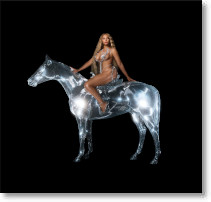
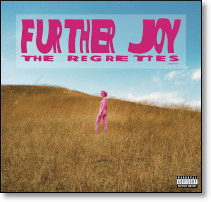
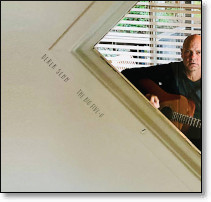
Music: Current count 38552 [38520] rated (+32), 51 [60] unrated (-9). Another lousy week, this one again cutting into my listening, as I struggled to find things as well as to write. Still managed to come up with two A- records early in the week (Dangermouse/Black Thought, Megan Thee Stallion). On Thursday, Robert Christgau posted his vacation-delayed Consumer Guide. I had previously recorded grades for 12 (of 14) albums, but mostly lower grades (exception was the Regrettes aptly-titled Further Joy, near the top of my 2022 list). Given that the week was already wasted, I decided to do some re-listening, and several of those albums got better. It helped that Dan had since my initial review sent me a CD. Also that I picked up a physical of Beyoncé: after the revised review below was written, but I noticed much more detail, which helped push it up the list. Senn was probably a just case of shifting weight to the good parts from the less inspired parts. And Lizzo? I went through five more passes, each starting with songs I loved and ending with me having lost attention somewhere in the second half. On a sixth play, I forced myself to pay attention all the way to the end. The second half does have some good stuff, but only if you work at it. That's not my definition of A-list pop. I also gave Kari Faux (a 2021 album I heard and quickly forgot) another spin, and left it at B+(*). Also the Regrettes, which I moved up a bit to the top slot on this year's list. (I didn't bother rewriting the review, which you can find back in June.) Of the two records I hadn't heard, The Paranoid Style was on my radar, but hadn't been available until this week. Folk and Great Tunes From Siberia and the Far East isn't on my streaming services. (The sample is worth its 2:38, but doesn't prove that 2-CD will be worth the trouble.) I will note that the Russian "republics" -- why the quotes? that's what they're called, while what we call "Russia" is officially a federation of republics -- Christgau has "never heard of" are confused with misspellings, which doesn't attest much to the documentation. I also wasted time writing a new review of África Negra's Antologia Vol. 1, only to find that I already had one (back in May), same grade but with group name misspelled. I was pretty sure I had heard that one, but couldn't find it until it was too late. I do have a fairly long Speaking of Which to show for last week. I've had to fiddle with it a few times since: adding the Marcotte example, tuning the Soros language, fixing typos (the 'c' key on this keyboard seems to be on strike) and mental lapses (Barry, not Bobby, Bonds). Still has some points I can see weaving into a book. I didn't get to this week's releases in my tracking and metacritic files (tracking file is up to 2638 albums, with 896 of my grades). Not much happening in August, anyway, and I'll catch up soon enough. More pressing for me is installing a new mesh wireless router. I'm bugged that it comes with zero documentation, other than "download the app and follow instructions." That's the same sort of "idiot proofing" that came with my printer, which still doesn't work properly, possibly because it's impossible to understand how it's supposed to work. Hopefully, the new wireless will end my wife's complaints about dead spots for her portable devices. I'm still wired for pretty much everything, so the impact on me is more likely to be breaking things. Speaking of breaking things, I need to install the new Ubuntu release this week. Also need to do some programming. No idea what I'll be listening to. New records reviewed this week: Richard Baratta: Music in Film: The Sequel (2022, Savant): Drummer, mostly involved in film production over the last 35 years, did an album of Music in Film in 2020 (subtitle The Reel Deal), returns with a sequel here, mostly familiar tunes, arranged by pianist Bill O'Connell, with Vincent Herring (alto sax), Paul Bollenback (guitar), bass, and percussion. B+(*) [cd] [08-26] Mike Clark/Leon Lee Dorsey Featuring Mike LeDonne: Blues on Top (2022, Jazz Avenue 1): Drums, bass, piano. LeDonne brought two songs (including the title), the 7 covers mostly jazz standards, with "Willow Weep for Me" and "Can't Buy Me Love" the outliers. B+(**) [cd] Jeff Coffin: Between Dreaming and Joy (2022, Ear Up): Saxophonist, from Massachusetts, based in Nashville, plays all of them, plus clarinets, flutes, melodica, percussion, coke bottles, and "bungee chair bass." Debut 1999, recorded a lot after that with Béla Fleck and Dave Matthews, his own discography picking up after 2015. Opens with a couple of appealing funk/groove pieces, diversifies later, which can mean Brazilian and Moroccan percussion, DJ Logic's turntablism, or his flute. B+(**) [cd] [08-26] Danger Mouse & Black Thought: Cheat Codes (2022, BMG): Producer Brian Burton, debut 1999, got more attention for his 2004 Grey Album mash-up of the Beatles' White Album and Jay-Z's Black Album, has a wide range of albums since then, most notably here duos with rappers Doom (Dangerdoom) and Cee-Lo (Gnarls Barkley), hooks up here with Roots rapper Tarik Trotter, who has a lot to say. A- Michael Dease: Best Next Thing (2022, Posi-Tone): Trombonist, a dozen albums since 2010, lines up a particuarly strong sextet here with Alex Sipiagin (trumpet), Rudresh Mahanthappa (alto sax), Renee Rosnes (piano), Boris Kozlov (bass), and Rudy Royston (drums). B+(*) [sp] DJ Premier: Hip Hop 50: Vol. 1 (2022, Mass Appeal, EP): Chris Martin, from Houston, half of Gang Starr, later PRhyme, has a lengthy production discography. Five-track (14:00) EP starts to recognize 50 years of hip-hop, each track with a guest star (or 2): Joey Bada$$, Rapsody/Remy Ma, Nas, Run the Jewels, Lil Wayne/Slick Rick. B+(**) Billy Drummond and Freedom of Ideas: Valse Sinistre (2022, Cellar): Drummer, not related to bassist Ray Drummond (although they played together in a trio called the Drummonds, with Renee Rosnes, who at the time was married to Billy). Wikipedia only credits him with four albums (plus four for the Drummonds), but his side credits run over 350. Impressive group here, with Dezron Douglas (bass), Micah Thomas (piano), and Dayna Stephens (sax). B+(***) [cd] Fade In: Live Fast, Die a Legend (2021 [2022], Clean Feed): Italian trio: Federico Calcagno (bass clarinet/clarinet), Pietro Ella Barcellona (contrabass), Marco Luparia (drums). First group album, Calcagno has a 2019 album and a few side credits. B+(**) [bc] Michael Hackett/Tim Coffman Sextet: Western Skies (2022, Summit): Leaders play trumpet/flugelhorn and trombone. Third album for Hackett, first for Coffman (although he has more side credits). Group includes alto sax (Sharel Cassity), piano, bass, and drums, with a couple more credits for extra percussion. B+(*) [cd] Art Hirahara: Ascent (2022, Posi-Tone, EP): Pianist, has been busy the last couple years as producer/label owner Marc Free kept him in the studio, anchoring a house band for all his other artists. Solo here, brief: 3 songs, 10:40. B+(*) [sp] Art Hirahara: Verdant Valley (2022, Posi-Tone): Pianist, plays some organ, leads the label's "house band" with Boris Kozlov (bass) and Rudy Royston (drums) here as everywhere, plus Donny McCaslin (tenor sax/alto flute) to brighten it all up, and spread joy. B+(***) [sp] Hudson Mohawke: Cry Sugar (2022, Warp): Scottish DJ/producer Ross Birchard, first alias was DJ Itchy, fourth album since 2009 (not counting his collaboration TNGHT). A bit heavy on the pedal. B+(*) [sp] Kiwi Jr.: Chopper (2022, Sub Pop): Indie band from Toronto, third album. Upbeat. Catchy. B+(***) Darren Litzie: My Horizon (2022, Summit): Pianist, first record, has two saxophonists (one doubling on flute) as well as bass and drums, wrote 5 (of 10) pieces, opening with Cole Porter and closing with Monk. B+(*) [cd] Russ Lossing: Folks (2017 [2022], Sunnyside): Pianist, a couple earlier albums but discography picks up around 2000. This is a trio with John Hébert (bass) and Michael Sarin (drums). B+(**) [sp] Russ Lossing: Metamorphism (2017 [2021], Sunnyside): Same piano trio, plus Loren Stillman on alto sax. Title split over two lines without hyphen, but most sources take it as a single word. B+(**) [sp] Brian Lynch and Spheres of Influence: Songbook Vol. 2: Dance the Way U Want To (2018 [2022], Holistic MusicWorks, 2CD): Trumpet player, one of Art Blakey's last Jazz Messengers, albums since 1988, postbop but also quite a bit of Latin jazz, especially with Eddie Palmieri. Decided to reclaim his legacy by re-recording it, which he started with Songbook Vol. 1: Bus Stop Serenade. Second disc reprises the same songs in radio or alternate versions. B+(***) [cd] Arlo McKinley: This Mess We're In (2021 [2022], Oh Boy): Country singer/songwriter from Cincinnati, released his debut (Arlo McKinley & the Lonesome Sound) in 2014. Second album since, both on the late John Prine's label. He grows on you, but he's a little short in the humor department. B+(*) [bc] Megan Thee Stallion: Traumazine (2022, 1501 Certified/300 Entertainment): Rapper Megan Pete, Wikipedia has this as her second studio album, Discogs as her third album, I'd also count the "archival" Something for Thee Hotties. I love everything I've heard by her, and I'm perplexed why others harbor doubts. This feels old style, a bit conservative or at least even-tempered by her standards. Also sports more name guests. Still plenty impressive. A- T.S. Monk: Live: Two Continents One Groove (2014-16 [2022], Storyville): Drummer, full name Thelonious Sphere Monk III, played in his famous father's group in the 1970s, other than his name is best known for a funk single in 1981 ("Bon Bon Vie"), Discogs divides his work between T.S. Monk (a funk group, 3 albums) and Thelonious Monk Jr. (6 albums), but he's identified as T.S. Monk on all nine. This is a sextet, his first album since 2003, selected from sets in New York and Bern, with Josh Evans (trumpet), Willie Williams (tenor sax), Patience Higgins (alto sax), Helen Sung (piano), Dave Stryker (guitar), and Kenny Davis (bass). B+(*) [sp] The Paranoid Style: For Executive Meeting (2022, Bar/None): Singer-songwriter and sometime rock critic Elizabeth Nelson, husband Timothy Bracy, and several others, third album, serviceable rock and roll, the speed lets her work more words in, and drop more names (like Barney Bubbles, P.G. Wodehouse, Steve Cropper, and Doug Yule). Ends with a straight cover of "Seven Year Ache," plucked from a list of possibles that probably runs into the hundreds. A- [sp] Ethan Philion: Meditations on Mingus (2021 [2022], Sunnyside): Chicago bassist, arranged ten Mingus compositions for 10-piece band, with Russ Johnson (trumpet) and Geof Bradfield (tenor sax/bass clarinet/flute) the most familiar names in the band. No real surprises: great music, with some juicy bass parts. B+(***) [cd] [08-26] Gonzalo Rubalcaba/Aymée Nuviola: Live in Marciac (2021 [2022], 5 Passion): Pianist and singer, both from Cuba, both based in Florida. I prefer their 2020 album together (Viento Y Tiempo: Live at the Blue Note Tokyo), probably because the extra rhythm steadies her vocals, whereas she's very much in the spotlight here. B+(**) [cd] Alex Sipiagin: Ascent to the Blues (2022, Posi-Tone): Russian trumpet/flugelhorn player, moved to US in 1990, played in big bands before his 1998 debut. Has recorded extensively ever since, mostly for mainstream labels Criss Cross and Posi-Tone. He's joined here by Diego Rivera (tenor sax) and the label's rhythm section (Art Hirahara, Boris Kozlov, Rudy Royston). B+(**) [sp] Sylvan Esso: No Rules Sandy (2022, Loma Vista): Electropop duo from North Carolina, Amelia Meath and Nick Sanborn, fourth studio album. B+(***) Alune Wade: Sultan (2022, Enja): Originally from Senegal, based in Paris, sings some but main instrument is bass guitar, so this is long on groove. Long on everything else, too. B [sp] Kelsey Waldon: No Regular Dog (2022, Oh Boy): Country singer-songwriter from Kentucky, fifth album since 2010, rings true as always. B+(***) [sp] Recent reissues, compilations, and vault discoveries: Miles Davis Quintet: Live Europe 1960 Revisited (1960 [2022], Ezz-Thetics): Part of a Norman Granz package tour, his last tour with John Coltrane, backed by Wynton Kelly, Paul Chambers, and Jimmy Cobb, with five long takes of four songs ("So What" opens and closes), total 75:23. Material has been reissued a number of times, most definitively in Miles Davis & John Coltrane: The Final Tour: The Bootleg Series Vol. 6 (4-CD), which like this is superb throughout. A- [bc] Frank Kimbrough: 2003-2006: Lullabluebye/Play (2003-06 [2022], Palmetto, 2CD): Pianist, originally from North Carolina, moved to New York and taught at NYU and Juilliard, died in 2020 (at 64), which has occasioned a reevaluation: I, for one, was never much of a fan, until his 2017 Monk's Dreams, and even more so the multi-artist Kimbrough in 2021. His first album appeared in 1998, but he's best known for his 2003-14 run on Palmetto. This reissues his first two albums there, a trio with Ben Allison and Matt Wilson, and another trio with Masa Kamaguchi and Paul Motian. I underrated both at the time, especially Lullabluebye. B+(***) [cd] Horace Silver Quintet: Live New York Revisited (1964-66 [2022], Ezz-Thetics): Pianist, original leader of the Jazz Messengers, which under Art Blakey invented hard bop. Silver continued with his own quintet, writing some of the most indelible melodies in jazz, especially during this period (this offers two takes of "Afrian Queen," one each of: "Song for My Father," "The Natives Are Restless Tonight," "Que Pasa," "The Tokyo Blues," and "Señor Blues"). With Joe Henderson a tour de force on tenor sax, Carmell Jones or Woody Shaw on trumpet, plus bass and drums. A [bc] Cecil Taylor: Mixed to Unit Structures Revisited (1966 [2021], Ezz-thetics): First three tracks come from a 1962 album credited to Gil Evans Orchestra (Into the Hot, the follow up to Out of the Cool), but they are distinct from the other three tracks: for starters, Cecil Taylor wrote and played piano on these three, while John Carisi wrote and Eddie Costa was the pianist on the other three. Taylor's cuts featured Archie Shepp, Jimmy Lyons, Henry Grimes, and Sunny Murray; the others went with Gene Quill, Phil Woods, Barry Galbraith, Osie Johnson, etc. When Impulse got around to reissues in 1998, they decided to pull the Taylor cuts out and combine them with a Roswell Rudd session from 1966 (Rudd and Ted Curson played on "Mixed" in the 1961 session; only Rudd returned for the later tracks, so the reissue felt short-changed). This replaces the Rudd tracks with one of Taylor's most famous 1960s albums, with Lyons, Eddie Gale (trumpet), Ken McIntyre (alto sax/bass clarinet), Grimes and Alan Silva (bass), and Andrew Cyrille (drums). B+(***) [bc] Cecil Taylor: With (Exit) to Student Studies Revisited (1966 [2022], Ezz-Thetics): Student Studies was a quartet set -- piano, Jimmy Lyons (alto sax), Alan Silva (bass), and Andrew Cyrille (drums) -- recorded in Paris (58:47), originally released as 2-LP in 1973 by BYG, with some later reissues as The Great Paris Concert. This opens with a 19:20 sextet piece -- same group plus Bill Dixon (trumpet) and Henry Grimes (bass) -- from the Blue Note album Conquistador!, bringing this to 78:13. Big finale. B+(***) [bc] Old music: Milton Nascimento: Yauarete (1987, Columbia): Brazilian singer-songwriter, guitarist, a major figure since his 1967 debut, albeit one I have next to no experience with. The fast ones have some interesting twists. B+(**) [sp] Grade (or other) changes: África Negra: Antologia Vol. 1 (1981-95 [2022], Bongo Joe): [See review.] A- Beyoncé: Renaissance (2022, Parkwood/Columbia): Last name Knowles, started out in Destiny's Child -- no need to note that any more. She is probably the biggest pop star in America, at least since her 2013 eponymous album, although she's less familiar to me than any contender I can think of. I thought her first 3-4 albums were crap, and even when she got better, I doubt I've played any of them more than 2-3 times. Consensus seems to be that this one is her best yet. I can't argue. I know I should be impressed by her encyclopedic mastery of disco and house beats, and on some level I am, but when I recognize one, I recall liking it better where it came from. [was: B+(***)] A- [cd] Dan Ex Machina: All Is Ours, Nothing Is Theirs (2022, self-released): New Jersey band and/or singer-songwriter Dan Weiss -- not the drummer, nor the other drummer, but known to me mostly as a rock critic. Several albums and EPs on Bandcamp, little noted elsewhere. This batch was written 2003-11, played live and eventually recorded over the last decade, with shifting lineups, but they get better as the record goes on (and as you play it more). One called "Drinking and Driving (Separately)" finally delivers everything that the pre-rock-and-roll scolds feared. [was: B+(***)]] A- [cd] Frank Kimbrough: Lullabluebye (2003 [2004], Palmetto): [was: B] B+(***) [cd] Frank Kimbrough: Play (2005 [2006], Palmetto): [was: B] B+(**) [cd] Lizzo: Special (2022, Atlantic/Nice Life): R&B singer Melissa Jefferson, fourth album, breakthrough was her third, so this seems more like a second. Starts with three or four possible hits, but fades toward the end -- maybe "fades" isn't the right word for the music, which is strong enough, but doesn't hold my attention like it should. [was: B+(**)] B+(***) The Regrettes: Further Joy (2022, Warner): [See review.] [was: A-]: A [sp] Derek Senn: The Big Five-O (2022, self-released): Singer-songwriter from San Luis Obispo, three previous albums, claims he's sold out a venue in Aberdeen ("where his Americana's more popular than with the Americans"). Some topical songs, some personal, at least one on the "Zeitgeist." Mostly mild-mannered, but "Texas Legislature" riles his blood. [was: B+(**)] A- [sp] Unpacking: Found in the mail last week:
Purchases:
Ask a question, or send a comment. Sunday, August 21, 2022 Speaking of WhichIn his book on Churchill: His Times, His Crimes, Tariq Ali offers this quote from George Kennan on "the political psychology of the West in relation to Russia in 1917" (where Churchill sent British troops to try to "nip Bolshevism in the bud"):
Churchill viewed all his enemies this way, but this is still a pretty good description of how Americans view the war in Ukraine -- or for that matter, how most protagonists in most wars have viewed their enemies, at least in the last century or so, as the traditional craving for loot and plunder came to be seen as uncouth. (Even in the 19th century, when loot and plunder was clearly the goal, politicians learned to speak of "civilizing missions" and such.) War has never worked like that. Even if one imagines moral differences at the start of a war, they soon disappear over its course. The US, for instance, entered WWII thinking that precision bombing would minimize civilian casualties, and ended the war levelling whole cities with atom bombs. As Louis Menand noted in his section on Kennan in The Free World, Kennan had a pretty low opinion of democracy. So did Churchill, although he allowed that all other systems are worse. (At least democracies allowed him to retire in disgrace, perhaps to return again.) Americans like to tout democracy to others, but have a pretty tawdry record of practicing it at home, with a long history of contempt for voters -- one that Republicans these days are especially keen on, but Demorats have a pretty spotty record as well, especially where it comes to limiting the inordinate influence of money. Andrew Atterbury: [08-21] DeSantis uses cash and clout to reshape Florida school races: The money helps build his personal political machine. The focus on school boards signals that he thinks his brainwashing agenda is a winner. Bruce Bartlett: [08-10] I Quit the GOP and Moved Left. Will Liz Cheney Do the Same? Not likely, but after writing the rest of this I have to allow a slight chance. I still don't trust Bartlett, but at least he built his career on trying to argue that Republicans were better people than Democrats. He wrote a whole book on how conservatives are more generous and care more about their families. He wrote another one on how the Party of Lincoln was still less racist than many Democrats. He was wrong, and eventually admitted as much, but in trying to pretend Republicans were something they weren't, he prefigured his move left. He at least had a shred of integrity. Maybe she does as well, but it's different. She grew up trading on her father's far right brand, deeply imbued in militarism and crony capitalism, so it's reasonable to think she holds the same beliefs, but maybe it was all an act: she's really the DC insider she grew up as, and was never that comfortable going back to Wyoming to validate her political cred. (She failed in her Senate campaign, then lucked out with a House seat, which she immediately turned into a slot in the Republican House leadership.) That she lost her primary suggests less that Trump has real pull in the state than that the locals never really trusted her, not least because she never really was one of them. (They may not have trusted her father either, who abandoned them as soon as he wrangled a posh job in Washington.) She may have initially gambled that she could lead the Republicans back to true conservatism, but soon discovered that the best she could do with her hand was enjoy the publicity, even as it demolished any prospects for a career in Republican politics. Better to be a martyr for principle than to slink back into obscurity like Adam Kinzinger or Jeff Flake. She reminds me of Hillary Clinton: both had to sit back and chafe while knowing they could do a better job as president than the amiable morons they served (GW Bush in her case; sure, Bill Clinton was less of a moron, but he did have his dumb spots). Whether she moves left or not will depend much on who she hangs out with in the next few years: her ambition is the given, where it takes her is secondary, even though that's what matters to other people. I can think of dozens of scenarios that will pay her much more than her House salary, but it's not worth my time to speculate, other than to note that if she runs for president in 2024 as a Republican, she will get crushed much worse than in Wyoming, and that if she runs a spoiler campaign as an independent, she's unlikely to get as many votes as Gary Johnson did in 2016 (3.27%). It's probably still good publicity to encourage such speculation now -- an embarrassing number of pundits can think of nothing better to write about -- but I doubt she will be willing to expose herself to such brutal numbers. Better to enjoy her present celebrity, and indulge in a little buckraking. Also on Cheney:
Zack Beauchamp:
Ben Burgis: [08-18] Salman Rushdie's Stabbing Should Remind Us That Free Speech Is a Nonnegotiable Progressive Value. Also on Rushdie:
Jonathan Chait: [08-19] Mitch McConnell's Terrible Candidates Are His Own Fault: Subhed ("This happened because the GOP decided not to confront Trump's election lies") is way off base. Republicans are nominating terrible candidates because Republicans, even ones who are not personally evil, are naturally attracted to really badass candidates. That's why their primaries are full of ads where candidates shoot their enemies. And while most of us are properly offended by both their behavior and by the stupidity that justifies it, this isn't something new: "I'd rather be right" was a 1964 Barry Goldwater bumper sticker. If McConnell, who was pretty emphatic in rejecting Trump's election lies, really feels that sorry for himself, he could switch his party affiliation. He'd probably be welcomed, and most Republicans think he's a RINO anyway. David Daley/David Faris: [06-29] Democratic Strategies That Don't Court Disaster: This is a couple months old, responding to the the Supreme Court's overturning of Roe v. Wade, but it's a subject I expect to return to. Principles matter, but so do tactics, and Democrats haven't been much good at either. I wasn't very impressed with Faris's "fighting dirty" tactics, but there's something to be said for fighting, especially over things that are important and practical. Here's a line that caught my eye: "Yes, the nation is in this dangerous position because the Republican Party has swerved decisively toward authoritarianism. But this lurch has not happened in a vacuum. Over and over again, the forfeit of democratic freedoms has come about via the right's wing's opportunistic exploitation of a pronounced pattern of Democratic toothlessness in the face of bared GOP fangs." Kelly Denton-Borhaug: [08-16] Is Moral Clarity Possible in Donald Trump's America? Tom Engelhardt starts his introduction with a story from a recent Trump book (The Divider: Trump in the White House, by Peter Baker and Susan Glasser), where Trump is complaining to John Kelly about US generals not showing him as much loyalty as German generals accorded Adolf Hitler. ("Why can't you be like the German generals?") Hitler's generals wound up trying to excuse themselves as "just following orders," which is exactly what Trump expects of his minions. Author has a book: And Then Your Soul Is Gone: Moral Injury and U.S. War Culture. She tries to come up with some exceptions, but Liz Cheney isn't very convincing. She cites two recent books that illustrate the lengths to which most Republicans are willing to go to stay in Trump's good graces: Mark Leibovich: Thank You for Your Servitude: Donald Trump's Washington and the Price of Submission, and Tim Miller: Why We Did It: Travelogue from the Republican Road to Ruin. This reminds me that when you're talking about an "authoritarian personality" you're not talking about would-be dictators like Hitler and Trump, but about the good folk who freely follow them, even to complete and utter ruin. Connor Echols: [08-19] Diplomacy Watch: Talks to end the war are back on the agenda: Not a lot of good news here, but after both sides accused the other of risking nuclear disaster, they've finally agreed to worry about it. Some more articles on Ukraine. I'm not much inclined to cite pieces bragging about or deploring long-distance attacks (Ukraine has started to hit deep in Crimea), or accounts that sanctions are crippling Russia or not -- staples of war propaganda. The first batch is from a recent (and possibly ongoing?) Washington Post series about who knew what when:
Melissa Gira Grant: [08-11] Why the Right Can't Quit Its Antisemitic Attacks Against George Soros. Even if it's pure coincidence that the Republicans's chosen billionaire boogieman ("puppet master") is Jewish, when they attack him, they almost inevitably fall back on classic anti-semitic tropes, which seem to be embedded in their genetic heritage. Reminds me that Fred Koch and Fred Trump were nazi-sympathizers back in the 1930s, but few dwell on that given the more recent crimes of their progeny offer plentiful targets. Jonathan Guyer: [08-15] No one has been held accountable for the catastrophic Afghanistan withdrawal: What do you expect? No one has been held accountable for the orders-of-magnitude more disastrous 20+ year war. No one is every really held accountable for America's foreign policy debacles, largely because they're never freely debated and critiqued before it's too late. At least the final withdrawal, regardless of how ugly it may have seemed, ended the war: the first positive turn in more than 20 years. Still, articles like this make me nervous. For one thing, they exaggerate and isolate the problem: the final withdrawal was far less catastrophic than any given year of the war. It doesn't compare poorly to comparable events, like the evacuation of Saigon. Although many Afghans sought to leave the country as the Taliban took over, the exodus looks to be far less than with Vietnam. The obvious explanation for poor planning is that Americans from Biden down felt they needed to demonstrate faith that the US-installed Afghan regime could stand on its own without US military support (which had, in any case, always been a mixed blessing). Both the US-backed regime in Vietnam and the Soviet-backed regime in Afghanistan had managed to survive for a couple years after foreign troop withdrawals. It's easy in retrospect to see how this situation was different, but no one in the administration could have argued that ahead of time -- had they done so, they would have been dismissed as defeatist. Second point is that Republicans are looking to hang Afghanistan on Biden, whose approval figures dropped below 50% at that very moment. Democrats can point to the Trump agreement on withdrawal, much as Obama pointed back to Bush's agreement to withdraw from Iraq, but that doesn't seem to be a very convincing argument. Critics will always argue that if we hadn't withdrawn we'd still be able to hold the government together and support our clients, ignoring the fact that doing so only protracted a tragic war. More on Afghanistan:
Margaret Hartmann:
Rebecca Heilweil: [08-17] Airlines are trying to resurrect the Concorde era. Partly they're desperate to take advantage of rising inequality by offering exclusive services for the rich. Let's face it, in a more equal world they wouldn't be so concerned with sorting us by class when we get on public transportation.
Sean Illing: [08-14] How capitalism ensnared some of its radical critics: Interview with Stuart Jeffries, author of Everything, All the Time, Everywhere: How We Became Postmodern. This reminded me that Gilles Deleuze invented the term "postmodernism" in 1979. It made no sense to me until I saw it used for architecture, and that reminded me that modernism always sought to push boundaries, but limits were hit at different times -- "modern" typefaces hit theirs with Giambattista Bodoni in the 18th century. The avant-garde in art and music pretty much did their thing in the 1960s, by which time the world didn't have much more that could be modernized. Jefferies (following Deleuze) thought that postmodernism, in letting us escape from the tyranny of the modernist vector, could be liberating, but he has a convenient scapegoat for its failure: neoliberalism. The term now is mostly used by its critics, but it was initially proclaimed by its adherents (much like "New Democrats" and "New Labor"). It would be more accurate to describe it as a degenerate tendency in liberalism, one whose plotline parallels Breaking Bad. Liberalism initially sought a set of freedoms for a set of people, both of which were rather limited by the imaginations of early liberals, but the initial idea spurred people to want more freedoms for more people, until the latter became universal. Neoliberalism limits that spread, not by arguing with the principle (as conservatives do) but by restricting the permissible methods (preserving or restoring the crude capitalism of earlier eras). Unclear to me how this restricts postmodern art, but it does create an ever-widening division of classes, ensuring that the liberal ideal of broad freedoms for all people can never be met. Ellen Ioanes: [08-14] After the latest clash with Israel, Gazans' struggle continues.
John E King: [08-17] Paul Sweezy Was One of the 20th Century's Great Economic Thinkers. Will Leitch: [08-17] The 'Real' Home-Run Record is 73, not Not 61. He does mention the Roger Maris asterisk, but not why it ever existed, with no mention of Babe Ruth let alone Ford Frick. I gather that Aaron Judge, who is one of the very few contemporary baseball players I've actually heard of, is on a pace to top 61 home runs this (Maris) season, but probably not 73 (Barry Bonds). Steve M: [08-19] Threatening Federal Agents: It's a Felony and a Campaign Stunt!: This is about Republican Florida State House candidate Luis Miguel, who wants to introduce a bill where "all Floridians will have permission to shoot FBI, IRS, ATF and all other feds ON SIGHT!" Whether he's a cynic, as the author believes, or simply insane, he's gotten some traction. "Much of the Republican electorate thinks the most batshit insane right-wing proposals sound perfectly reasonable, and the rest might not agree but don't think they're at all objectionable." Dana Milbank: [08-04] The GOP is sick. It didn't start with Trump -- and won't end with him. An excerpt from the Washington Post columnist's book: The Destructionists: The Twenty-Five-Year Crack-Up of the Republican Party. I'm a little suspicious that Milbank only goes back 25 years, basically to Newt Gingrich, because Gingrich (much like Trump today) was clearly a manifestation of a pre-existing malady, a deep sickness in the American soul that only seemed new because no one else had previously acted it out so flamboyantly. But we should be thankful whenever anyone draws attention to the continuity in the Republican program to screw us over so completely. Ian Millhiser: [08-19] The 4 major criminal probes into Donald Trump, explained.
Eve Ottenberg: [08-19] The Biden-Trump Persecution of Julian Assange: This is the clearest example since 9/11 of the US pursuing a political vendetta for no better reason than spite and arrogance. At least with 9/11, the hunting down of Al Qaeda's leader was tied to thousands of deaths at their hand. What did Assange do to merit so much vitriol? Exposing some secret documents that hardly mattered? More like thumbing his nose at American power, which when you get down to it, was Al Qaeda's core crime -- just writ much more dramatically. Author quotes one famous chicken hawk asking, "can't we just drone him?" This story has gone well beyond sick and embarrassing. Will Porter: [08-20] Biden Steps Up Somalia Strikes After Redeploying Troops. Follow up on [03-16] Over 1 Million Somali Children Near Starvation as Pentagon Plans New Troop Deployment. Also see:
Matt Stieb: [08-18] The Accountant Flips on Trump's Empire: Trump Organization CFO pled guilty to 15 charges, most dealing with tax evasion, and agreed to testify in a further trial of the Organization itself (how that is not a trial of its owner isn't clear to me). Margaret Sullivan: [08-21] My final column: 2024 and the dangers ahead. Ask a question, or send a comment. Monday, August 15, 2022 Music Week
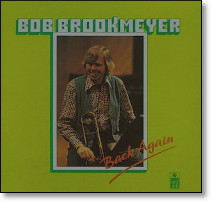
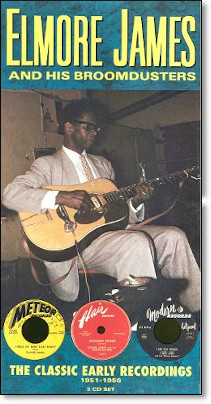
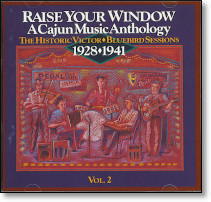
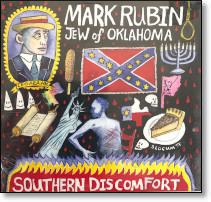
Music: Current count 38520 [38474] rated (+46), 60 [77] unrated (-17). I wrote a fairly substantial Speaking of Which last week, posting it on Sunday. I added another link and comment on China/Taiwan today, prompted by mail from Crocodile Chuck. War gaming is not my thing, but every scenario I've been able to imagine is bad to worse for everyone involved. Of course, that was also true for Russia's invasion of Ukraine, but the dangers of China invading Taiwan are probably an order of magnitude greater. Chuck is so worried by Biden's complicity-verging-on-taunting that he's feeling nostalgic for Trump, but he's in Australia, so would escape many of the horrors another Trump term would entail. I also think he underappreciates how unstable Trump is, especially if his hand-picked cronies decide to challenge his manhood. Made a sizable dent in the unrated albums list this week. The records I picked up here were mostly filed in the cases I originally set up when we moved here in 1999. 17 of the remaining 60 are new promos, so I know where they are, and I'll pick them up routinely over the next few weeks (11 are still advances). The others are going to prove harder to find, but a big chunk were 2006-08 promos I never bothered with, so they may be hiding out together. (In any case, I probably had good reason for ignoring them.) Then there are a couple large boxes. I graded the Sinatra this week based on past grades (plus streaming the one I missed). New records reviewed this week: Kyle Aho: Rituals (2021 [2022], OA2): Pianist, some electric keyboards, teaches at Missouri State, second album as leader plus some side credits, most songs have words from various literary sources, Christin Bohrisch sings, Randy Hamm plays sax and flute, band also includes trumpet, cello, bass, and drums. B [cd] [08-19] Quentin Baxter Quintet: Art Moves Jazz (2022, BME): Drummer, recorded this in South Carolina, has a couple albums plus a group called Ranky Tanky. Hard bop quintet with trumpet (Charlton Singleton), tenor sax (Mark Starbank, piano, and bass, plus a couple guest spots. Opens and closes with Monk, in between has an original suite, three Jimmy Heath pieces, one by Robert Watson. B+(*) [cd] [08-12] Bobby Bradford & Friends: Jackie Robinson: Stealing Home (2018 [2022], Cryptogramophone): Cornet player, born 1934, moved to Los Angeles in 1953, got a commission to write a piece honoring Robinson's centennial. Friends include saxophonists Vinny Golia and Chuck Manning, William Roper (tuba/euphonium and spoken vocals), plus piano, bass, and drums. B+(**) [bc] Raymond Byron: Bond Wire Cur (2021 [2022], ESP-Disk): Last name Raposa, died at 41 a month after this came out, born in Indiana, grew up in California, started in Castanets c. 2005, played on records with Sufjan Stevens and Chris Schlarb. Label calls this "weird rock," although I'd lean more toward "weird folk." Back cover lists 10 more names as "featuring," but this feels pretty solo. B+(***) [lp] Willi Carlisle: Peculiar, Missouri (2022, Free Dirt): Folksinger from the Ozarks, earned his credentials the new-fashioned way, with a BA in Writing and Performance Studies and a MFA in Poetry, plus two self-released albums before moving up to a named label. B+(***) [sp] Cheekface: Too Much to Ask (2022, self=released): Indie g-b-d band from Los Angeles, third album, singer Greg Katz is clear enough you get all the jokes, and they are legion -- isn't it about time for a Dead Milkmen revival? Single is presumably "We Need a Bigger Dumpster." A- [sp] Lindsay Clark: Carpe Noctem (2022, Audio Sport): Folkie singer-songwriter, based in Portland, fifth album since 2009, title translates as "seize the night." She doesn't. B [sp] Avishai Cohen Trio: Shifting Sands (2021 [2022], Naïve): Israeli bassist, based in New York, close to 20 albums since 1998. Trio with Elchin Shirinov (piano) and Roni Kaspi (drums), playing originals plus one trad piece. B+(**) [sp] King Princess: Hold On Baby (2022, Zelig/Columbia): Pop singer-songwriter Mikaela Mullaney Straus, identifies non-binary, second album. B+(**) Lauv: All 4 Nothing (2022, Virgin): American pop singer-songwriter Ari Leff, debut a middling hit (16), second album. Catchy in a rather unassuming way. B+(*) [sp] Lil Silva: Yesterday Is Heavy (2022, Nowhere): British dj/producer, first album after 12 years of singles and side credits. Mixes the pop up front, then goes on a long meander. B+(*) [sp] Meridian Brothers: Meridian Brothers & El Grupo Renacimento (2022, Ansonia): Colombian group, led by Elbis Alvarez since 2006, not sure whether you'd label them salsa or cumbia, but the reference here is to 1970s salsa dura, aided by hypothetical collaborators from the era. B+(**) [sp] Kyle Motl: Hydra Nightingale (2019-21 [2022], Infrequent Seams): Bassist, more than a dozen credits since 2015, takes this one solo, with one original piece, four more from composers I don't recognize, one of those augmented with spoken word snatches, mostly from Ronald Reagan not really explaining the economy. B+(***) [cd] Tami Neilson: Kingmaker (2022, Outside Music): Country singer-songwriter, born in Canada but based in Auckland, New Zealand; fifth album, has done rockabilly and Patsy Cline, spreads this out a bit more, but still snags a duet with Willie Nelson. Ends strong. B+(***) [sp] Ben Patterson: The Way of the Groove (2022, Origin): Trombone player, second album, background in USAF Airmen of Note, original pieces with guitar (Shawn Purcell), keyboards, bass, and drums, plus tenor sax (Luis Hernandez) on 4/10 tracks. B [cd] [08-19] Pussy Riot: Matriarchy Now (2022, Neon Gold, EP): Per Wikipedia, "a Russian feminist protest and performance art group," with "a membership of approximately 11 women," although I suspect that is variable and erratic. The long article identifies various download releases, but doesn't attempt a discography. Discogs lists three albums and six singles/EPs (but not this one, a "mixtape" of 7 songs, 19:11). No trademark punk here. Starts light pop, ends up with something like a march, most arresting song goes "I want to hear 'fuck you'." Whatever they are, they're certainly not part of Putin's war machine. B+(*) RedGreenBlue: The End and the Beginning (2018 [2022], Astral Spirits): Chicago trio -- Paul Giallorenzo (synthesizer, pump organ, electronics), Charlie Kirchen (bass), Ryan Packard (drums, electronics) -- plus Ben Lamar Gay (cornet, electronics) on the second side ("The End"). The cornet helps. B+(*) [bc] Mark Rubin (Jew of Oklahoma): The Triumph of Assimilation (2021, Rubinchik): Mostly hillbilly banjo tunes framing loose translations of Yiddish poems. This can get a bit heavy (e.g., the closer "Spin the Dreidel"). Remarkable, but I'd appreciate a bit more humor, as in "Down South Kosher." B+(**) [bc] Charlton Singleton: Crossroads (2022, BME): Trumpet player from South Carolina, second album a decade after his debut, plays in Ranky Tanky with most of Quentin Baxter's quintet, not only steps out front here but brought his own compositions. B+(**) [cd] [08-12] Josh Sinton: Steve Lacy's Book of Practitioners, Vol. 1 "H" (2021-22 [2022], FIP): Solo baritone sax, working his way through six Lacy compositions. Sinton's quartet Ideal Bread released three albums of Lacy compositions (2008-14, the latter 2-CD). Obvious appeal limits due to tricky music and instrument, but this is serious stuff. B+(**) [cd] [08-12] Trio Xolo: In Flower, in Song (2019 [2022], 577): Avant sax trio, no one I've ever heard of before: Zachary Swanson (bass, also the composer), Derrick Michaels (tenor sax), Dalius Naujo (drums). Seems like there are dozens of comparable records, but this one kept growing on me. A- [cd] [08-19] Chris Walden: Missa Iubileum Aureum (Golden Jubilee Jazz Mass) (2022, Origin): Composer, big band arranger, has done a lot of soundtracks, German-born, based in Los Angeles. Played by LMR Jazz Orchestra, with St. Dominic's Schola Cantorum and featured vocalists Tierney Sutton & Kurt Elling. C- [cd] [08-19] Neil Young + Promise of the Real: Noise & Flowers (2019 [2022], Reprise): Band formed by Willie Nelson's son Lucas in 2010, has recorded on its own through 2021, backed Young on two studio albums, a soundtrack, and a live album 2015-18, tagged along for this 2019 tour of Europe, playing Young's standard songbook. Rocks hard, sound so-so, nothing you haven't heard before. B+(**) Recent reissues, compilations, and vault discoveries: Albert Ayler Quintet: At Slugs' Salloon 1966 Revisited (1966 [2022], Ezz-Thetics): Tenor saxophonist, quintet set with brother Donald Ayler (trumpet), Michael Samson (violin), Lewis Worrell (bass), and Ronald Shannon Jackson (drums). This set has been kicking around a long time. It's always struck me as strained but not quite to the breaking point. B+(*) [bc] Old music: Bad Brains: Bad Brains (1982, ROIR): DC hardcore punk band, first album, gimmick was that they were rastafaris and peppered their thrash metal with reggae nods, but nothing you can skank to. B+(**) [sp] Bad Brains: Rock for Light (1983, PVC): Second album, a bit slicker I suppose, but is that a plus? B [sp] Bob Brookmeyer: Back Again (1978 [1990], Gazell): Valve trombonist (1929-2011), has a reputation as an arranger, so his records tend to be overly thought out. But this quintet didn't need much direction to satisfy him: Thad Jones (flugelhorn/cornet), Jimmy Rowles (piano), George Mraz (bass), Mel Lewis (drums). A- [cd] Desole: A Story to Tell (2006, Abacus): Indie band from Arizona, accents optional but not on cover. As best I recall, I got a promo at the time and never found time to play it. Doesn't look like they ever recorded anything else, so now it's just a checklist item. Not awful, but a bit fancy/artsy, aimed at arenas they never came close to. B Julie Dexter/Khari Simmons: Moon Bossa (2006 [2007], Brash Music): British soul/jazz singer, moved to Atlanta in 1999, four albums 2002-11, Simmons is an Atlanta-based producer, credits lacking but figure him for the easy groove, which only occasionally reminds one of Brazil. [ex-CD] B+(*) Disques Vogue: In Paris Highlights (1948-56 [1995], RCA): French jazz label, established 1947 by Léon Cabat and Charles Delaunay, appears to be unrelated to the American label Vogue Records, but a British offshoot was founded in 1951, initially named Vogue Records, later Vocalion. The labels were bought up by BMG, RCA Victor, and eventually Sony Music. RCA did a series of of ten CD reissues c. 1995, for which this is a sampler. The artists are famous Americans who passed through Paris, some live, others studio. This picks out 20 tracks, some nice ones, but the series is rather mixed. B+(**) [cd] Peggy Duquesnel: Summertime Lullaby (2009 [2010], Joyspring Music): Standards singer, plays piano, Discogs lists three albums (including a 2-CD Xmas), website links to a new album, Piano for My Soul (filed under "New Age/Meditation"; Amazon product description says it's her 16th self-released album). Very serviceable, especially her piano. [ex-CD] B Elmore James: The Classic Early Recordings 1951-1956 (1951-56 [1994], Virgin, 3CD): Major blues figure, born in Mississippi, eventually made his way to Chicago, hit on his signature guitar riff on his first single ("Dust My Broom"), returned to it often, died at 45 in 1963, leaving 12 years of records, nearly all superb, although Rhino's Robert Palmer-selected 1993 compilation (The Sky Is Falling: The History of Elmore James) is possibly all you need. These early cuts are also available in less redundant 1-CD packages -- Let's Cut It: The Very Best of Elmore James (1991) and Blues Kingpins (2003) are two I own and recommend highly -- but when the trick is this good redundancy isn't much of a complaint. His later compilations, like Shake Your Money Maker: The Best of the Fire Sessions (2001) and King of the Slide Guitar (1992) are even better, and The Complete Fire and Enjoy Recordings (3-CD, from 1995) doesn't suffer either. A- Rafael Karlen: The Sweetness of Things Half Remembered (2014, Pinnacles Music): Australian tenor saxophonist, first album, only a couple more since. Backed by piano (Steve Newcomb) and string quartet. It is gently paced and rather lovely, although the strings are still a bit arch for my taste. B+(***) [bc] Kent Kessler: Bull Fiddle (2001 [2002], Okka Disk): Chicago bassist, probably best known in the Vandermark 5 (1997-2010), but he's played in number of more/less related groups, including several with Rodrigo Amado. This is his only album as sole leader, but he's joined by Michael Zerang (drums) on 4/12 tracks. B+(**) [cd] Ken Peplowski/Howard Alden: Concord Duo Series: Volume Three (1992 [1993], Concord): Discogs decided the title was the Ken Peplowski & Howard Alden, but spine and elsewhere use the slash. My title is on the front over as a logo, but not on the spine. Back cover adds "Recorded Live at Maybeck Recital Hall." In the label's prime, Concord rounded up every notable mainstream pianist in the country to do a solo set there. Their 1992-96 Duo Series ran out at 10, mostly musicians whose careers were revived by the label. Peplowski plays clarinet and tenor sax, Alden guitar. Both lean toward swing era standards, but here they look back to Jelly Roll Morton and Bix Beiderbecke, and into the bop era with Charlie Parker and Lennie Tristano. B+(***) [cd] Maurice Peress: The Birth of Rhapsody in Blue: Paul Whiteman's Historic Aeolian Hall Concert of 1924 (1996, Musicmasters): His name seems like a joke on first acquaintance these days, but Paul Whiteman (1890-1967) was the biggest jazz band leader in 1920s, with sales of nearly two million for a 1920 release, and numerous other hits: he had much more to do with the 1920s being called "the jazz age" than Armstrong or Ellington. He employed some of the best-known white jazz musicians of the age (Bix Beiderbecke, Frankie Trumbauer, Joe Venuti, Eddie Lang, Jack Teagarden, Bunny Berrigan, many more), as well as singers like Bing Crosby and Mildred Bailey (also, crossing the color line, he backed Paul Robeson on his classic "Ol' Man River"). One of his biggest coups was staging the 1924 debut of George Gershwin's jazz-influenced "Rhapsody in Blue." Peress (1930-2017), who started in New York under Leonard Bernstein and went on to conduct many orhestras, as well as to write Dvorak to Duke Ellington: A Conductor Explores America's Music and Its African American Roots, reconstructed Whiteman's concert and conducted, featuring Ivan Davis and Dick Hyman on piano. I recall Gary Giddins praising this in his campaign to get more jazz played by classical repertory orchestras. B+(***) [cd] Bobby Previte: Empty Suits (1990, Gramavision): Drummer, albums since 1986, also guitar, keyboard, percussion, electronics, and vocals here. Group is a quintet with trombone (Robin Eubanks), guitar, keyboards, and bass, plus a half dozen guests, most famously Elliott Sharp (guitar) and Marty Ehrlich (alto sax). Music has elements of fusion but is otherwise hard to pin down. B+(**) [cd] Maddy Prior/June Tabor [Silly Sisters]: No More to the Dance (1988, Shanachie): English folk singers, not sisters, both born in 1947, Maddy the better known due to her fronting of Steeleye Span. June's first album was a 1976 duo with Maddy called Silly Sisters, reunited here, the cover with both credits. Both have many solo albums and collaborations since the late 1970s. Very trad, not my thing, but nice together. [ex-CD] B+(*) [sp] Raise Your Window: A Cajun Music Anthology Vol. 2: The Historic Victor/Bluebird Sessions 1928-1941 (1928-41 [1993], Country Music Foundation): Previous volume was called Le Gran Mamou, and covers the same years, with many of the same artists, but this is the one I happened to stumble on. Classic stuff, expertly selected and annotated. I'd be surprised if Vol. 1 isn't every bit as good. A- [cd] Mark Rubin (Jew of Oklahoma): Southern Discomfort (2015, Rubinchik): "Oklahoma-born, Texas-reared, and now living in New Orleans," spent some time in Austin where he founded the bands Killbilly and Bad Livers (better known, he played upright bass and tuba). First album under this moniker. A- [sp] Frank Sinatra: Capitol Records Concept Albums (1953-61 [2004], Capitol, 14CD): Growing up, I didn't care much for him as a singer, but always thought he was a terrific actor, and occasional songs from the 1960s charmed me. So I hardly knew anything before his founding of Reprise in 1961 until well after the fact. His early work divides into three neat eras: as a big band singer, especially with Tommy Dorsey (1940-42); a declining period with Columbia (1946-52); and his revival with Capitol (1953-61). A decade before Elvis, he was the nation's biggest teen dream. After Elvis, he was the very definition of adult music. Straddling those periods, he was the first major LP artist: while his "concept albums" fell short of the term as I knew it in the 1970s, each formed a coherent whole, while most other LPs dissoled into hits + filler. His voice was unique, smooth and precise, simply masterful. His bands ranged from perfunctory to bombastic, or often sunk into a morass of strings. I had merely sampled him when I picked this slim box up in a going-out-of-business sale, figuring it would be nice to own them all, but more often than not I went to streaming sources to plug the holes. When I finally got to this, I had heard all but the final album (Point of No Return), with its perfect vocals adorning a maudlin string backup. Individual album grades follow. B+(***) [cd]
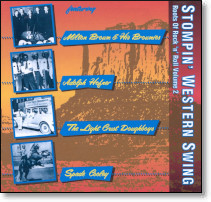
Hank Snow: 16 Top Tracks (1961-65 [1988], RCA): Part of RCA's "Diamond Series": at least 25 single-artist comps with 16 tracks each, all released in 1988 with stock artwork proclaiming "Digitally remastered from original recordings." I only count 6 country artists (Waylon Jennings, Willie Nelson, Dolly Parton, Charley Pride, Jim Reeves, and Snow), mixed in with 1930s jazz (Benny Goodman, Fats Waller), early rock (Elvis Presley, Duane Eddy) and soul (Sam Cooke, Eartha Kitt), plus some outliers (Mario Lanza, Jose Feliciano). I loved Snow's 1985 duo with Willie Nelson (Brand on My Heart, so this is probably the first collection of his I bought. Turns out it was assembled from early 1960s albums, two of which were covers of other people's hits, so the only Snow smash here is "I've Been Everywhere." The next Snow comp I bought picked up his early (1949-56) hits: I'm Movin' On and Other Great Country Hits, which came out in 1990. Highly recommended, but 1997's The Essential Hank Snow sweeps the field, from 1950-73. Best discovery here is "The Last Ride," but he also does pretty credible takes on others like Don Gibson and Dave Dudley and Johnny Horton. B+(***) [cd] Songs From Chippy (1994, Hollywood): Chippy was a musical theatrical play, written by Jo Harvey Allen and Terry Allen, set in West Texas in the 1930s. The Songs were recorded in Joe Ely's home studio, the various artists including the Allens, Ely, Butch Hancock, Robert Earl Keen, Wayne Hancock, and Jo Carol Pierce. These artists probably have a dozen A-list albums between them (more if you include Pierce's ex-husband, Jimmie Dale Gilmore, who came out of the same Lubbock plain). Lots of prime songs here, especially Ely's trademark groove. A couple I even recognize from elsewhere (like Wayne Hancock's "Thunderstorms & Neon Signs" and Pierce's "I Blame God"). A- [cd] Stompin' Western Swing: Roots of Rock 'n' Roll Vol. 2 (1936-41 [1996], President): British label, founded 1957, started in mainstream pop, had some success with disco imports in the 1970s. This Roots of Rock 'n' Roll series ran to 7 volumes, given a free hand by the EU's 50-year copyright limit to pick essential records. It started with Vol. 1: Big Band, Blues & Boogie, which just from reading the song list I'd be hard pressed to improve on (leads off with "Flyin' Home," "The Honeydripper," "Walk 'Em," "Minnie the Moocher," eventually hitting "Five Guys Named Moe," before ending with Big Bill Broonzy and Arthur "Big Boy" Crudup). This one has a bit less to pick from, but hits everyone you'd expect, from Milton Brown, Hank Penny, Bob Wills, and Cliff Bruner through the Modern Mountaineers and the Blue Ridge Playboys. There are comparable western swing sets, but few that end this strong. A- [cd] A Taste of Soca (1993-94 [1994], Ice): A contraction of "soul of calypso," first defined by Lord Shorty in 1975, seems like a parallel to the development of reggae to dancehall and ragga, the rhythm harder and the words cruder than with calypso. Eddy Grant founded the label to compile calypso classics, but went on to release a fair amount of contemporary soca, of which this is a sampler. I'm a sucker for the beats, but still prefer the wordsmiths, which here include Duke as well as Sparrow. B+(***) [cd] Abdul Wadud/Leroy Jenkins: Straight Ahead/Free at Last (1979, RED): Cellist (1947-2022), born Ronald DeVaughn, father of r&b singer Raheem DeVaughn, played in Black Unity Trio (1971), several albums each with Julius Hemphill and Arthur Blythe. Duo here with the violinist, with two side-long pieces written by Jenkins. B+(***) Unpacking: Found in the mail last week:
Ask a question, or send a comment. Sunday, August 14, 2022 Speaking of WhichPS: Added another China/Taiwan link [08-15].
Two local friends, distinguished for their writing, teaching, and political activism, died in the last few days: Steve Otto (66) and Dottie Billings (89, obit not yet available, pictures stage right). I knew them through the Peace Center, and they were also involved in DSA (which I've never been involved with). Steve has been a freelance writer, and has several books to his credit. I didn't know him well, but always wished he had turned his blog posts about local KS politicians (especially Rep. Todd Tiahrt) into the vicious little book they deserved. He lived out of town, in Maize, so I rarely saw him, and we never really clicked, though we had much in common. My wife knew him better, through the Peace Cener board. I knew Dottie better, and knew people who took anthropology courses from her at Wichita State. We had her and her husband Jim Phillips over for dinner several times. She would regale us with stories about growing up in Milwaukee when it still had a Socialist mayor, and challenge us to do more, but was always appreciative of what we did manage. Tweet of the week, from The Drunk and Learned Armadillo of Doom:
Context was an Elise Stefanik tweet about "Joe Biden's baby formula crisis," arguing that it "should NEVER have happened," with no mention of the Biden administration's good work to resolve the problem. Steve M. replied:
For another example, Zachary D. Carter noted:
Sarah Burris: [08-10] Trump pleads the 5th in NY probe after claiming only guilty people do that. Not one of his greater hypocrisies, but he should take this as a learning experience, and become less intemperate when others exercise their constitutional rights. But calling a deposition "a witch hunt" is more ignorance than hypocrisy. He's been handled with kid gloves compared to practically anyone else who's run up against the justice system, and not just because he has a phalanx of lawyers. Dave DeCamp: [08-11] Sweden Agrees to Extradite Man to Turkey After NATO Deal: Turkey has demanded the right to incarcerate and most likely torture Turks who left the country, mostly for political reasons, as the price of agreeing to NATO membership for Sweden and Finland. I've argued we need an international law securing the right to exile. That would seem to apply here. I rarely understand such an obsession with getting your "pound of flesh." Connor Echols: [08-12] Diplomacy Watch: Ukraine digs in as its Western support ebbs: "Despite the risk of a Russia-friendly government in Italy and reduced support from the US, Kyiv is showing no appetite for negotiations." I still haven't seen any evidence from Putin that he wants to negotiate, but Zelensky's repeated vows to take back every inch of Russian-occupied territory, including Crimea (annexed by Russia in 2014), show him to be hardly less intransigent. Even if Ukraine could retake the territory, the cost both to soldiers on both sides but also to civilians will be horrific. The obvious deal is to cease fire and run fair elections in the disputed areas. Russia would have to agree to withdraw from areas that voted it out. Once that is done, with reasonable guarantees that neither side will restart hostilities, the sanctions against Russia can be lifted. A sticky issue is whether people who left their homes will still be able to vote, but that is a problem that only gets worse as the war grinds on. I'd like to see a second referendum scheduled for 5-10 years ahead, which can act as a check on the winners of the first referendum delivering the recovery they no doubt will promise, but I can't dictate terms like that. Although I always liked the 1967 UN resolution phrasing about "the inadmissability of the acquisition of territory by war," that hasn't kept Israel from continuing its control of territories seized from Jordan, Syria, and Egypt 55 years ago. The prospects of forcibly ejecting Russia from Russian-majority regions of Ukraine are no better, but a referendum deal (even one that leads to a pro-Russian result) would both end the current bloodbath and offer some principled hope for resolving similar conflicts in the future. (It would, for instance, be better to have pro-Russian referendums in Abkhazia and South Ossetia and settle those disputes than let them fester indefinitely to preserve the pretense that they belong to Georgia. I can think of another half-dozen obvious candidates, including Taiwan.) Echols also wrote [08-10] US foreign arms sales spike to nearly $20B in the dog days of summer. Buyers include Germany, Saudi Arabia, UAE, Netherlands, Kuwait, Taiwan, and Norway. Some more on Ukraine:
Thomas Edsall: [08-10] How We Think About Politics Changes What We Think About Politics. Draws heavily on Poli Sci papers, but the conclusion fits experience. One thing we've noted is how Republicans became more likely to hold anti-abortion views as the party became increasingly identified with those views, while Democrats became more supportive of abortion rights. The study also shows that party elites are even more susceptible to partisan issue alignment (so the effect is not just due to the threat of purges, which happens in both parties, but much more aggressively in the Republican). Also see the note from Dean Baker: [08-10] Thomas Edsall Can't Even Consider That the Way We Structure Markets Creates Inequality. Tom Engelhardt: [08-11] The Decline and Fall of Everything (Including Me). Richard Falk: [08-12] Connecting Toxic Memories: Hiroshima and Nuremberg: It's been 77 years, but some people still remember. Also:
Chas Freeman: [08-09] How China and the US Threaten Each Other: "The Sino-American relationship is proof positive that, if you disregard a country's interests or treat it like an enemy, you can and will make it one." That's an important insight, one that you rarely hear in any facet of American life, especially in foreign policy (where its value should be most obvious). Russia is a good example: they humored the US through the 1990s, even after NATO started encroaching ever closer, through Bosnia and Kosovo, even after Putin came to power and watched the US move through the graveyards of Afghanistan. But still the US kept closing in, expanding NATO into the Baltic states, fomenting revolutions in Georgia and Ukraine, until Putin finally snapped -- hence the war in Ukraine. China, too, has been patient and understanding, but the US is snipping at its borders, trying to stir up its minorities (in Tibet and Xinjiang), carping over Hong Kong, arming Taiwan, levying tariffs, talking about a "pivot to Asia." It's almost as if the US wants war with China. I seriously doubt that, but there are business interests that would profit handsomely from the threat. If both sides were absolutely clear about the other's intentions, it might just be a bit of Kabuki for the home crowds, but the lack of understanding in the US is huge and getting worse, and that's dangerous -- all the more so because Xi Jinping doesn't seem to be coping with hostile signals much more intelligently than Putin has. I know people who see WWIII looming. They are not likely right, but they are not categorically wrong either. PS: Here's an interview with Freeman from [08-02], with the transcript. More on China:
Susan B Glasser/Peter Baker: [08-08] Inside the War Between Trump and His Generals: My impression was that when Trump entered the White House in 2017, he was inclined to be totally deferential to the military, to let them handle trouble spots any way they wanted, as long as it reinforced the other image Trump wanted to project: that he was one tough motherfucker. But by 2017, most generals had assumed a defensive crouch, trying to recover from the numerous self-inflicted injuries of the War on Terror. And when Trump did push one of his own ideas, it was usually bad -- one the authors point out here was the decision to send the military to patrol the Mexican border, to help with immigration enforcement. This is an excerpt from a new book, The Divider: Trump in the White House 2017-2021. The authors have previous books together on James Baker and Vladimir Putin. Dylan Gyauch-Lewis: [08-11] Why Is Larry Summers Engaged in Science Denial About Inflation? I had no interest in the title, until I read the subhed: "It could be his conflicts of interest." Oh yeah, that! The article is based on The Revolving Door Project, which sounds like something we need. Homma Hosseinmardi: [08-12] Why Cable News Still Has a More Polarizing Effect Than Social Media. That strikes me as true. There's a lot of bullshit on social media, but users have much more control over what I see (even ads, though I'd like to have more), so tend to stay in their neighborhood (mind is populated by relatively sane persons, with a couple relatives as exceptions). Jake Johnson: [07-26] Biden Told Not to Give Publicly Owned Covid-19 Vaccine Tech Over to Corporations. Johnson also wrote [06-17] WTO Deal on Vaccine Patents Decried as a 'Sham' Dictated by Rich Nations, Big Pharma. Thanks to this government generosity, Brett Wilkins: [08-03] Moderna Revenue Shows Pandemic Has Been 'Lucrative Smash-and-Grab' for Big Pharma. Bonnie Kristian: [08-13] Americans Are Too Pampered and Neurotic to Fight a Civil War: "Thank goodness for laziness." I considered linking to Richard E Rubenstein: [08-12] Talking Sense About "A New American Civil War", but this piece cuts to the point quicker. As someone who thinks that we face a lot of major problems, and that a dangerously large segment of the public are working to make them even worse, and that said segment isn't even approachable by reason, even by appeals to their own interest, I'm the sort of person who should be extra-sensitive to the prospects of civil war, but I still don't feel it. One test was Jan. 6, 2021, and I understand why many people were horrified by what happened then. But I never for a moment doubted that the cops would restore order, and after that law and some sense of normalcy. What we do have to worry about are anti-democratic legal maneuvers that the Republican-packed courts might uphold, and not-really-random acts of violence. Dylan Matthews: [08-08] How effective altruism went from a niche movement to a billion-dollar force. I'm pretty skeptical of charities, but note this for future reference -- not that I have an informed opinion on the subject. PS: Turns out a flurry of articles have come out on this, most tied to the release of William MacAskill's book, What We Owe the Future. His previous book was Doing Good Better: How Effective Altruism Can Help You Help Others, Do Work that Matters, and Make Smarter Choices about Giving Back (2015).
AJ McDougall: [08-07] MAGA Clothing Brand Busted Over Fake 'Made in USA' Tags. Ian Millhiser:
Aryeh Neier: [08-14] The Appalling Attack on Salman Rushdie Is an Attack on Free Speech: Back in the 1980s, Iran's Ayatollah Khomeini was in a protracted pissing contest with Saudi Arabia over the spiritual leadership of the Islamic world. The division between Sunni and Shiite was at the root of this, but each side staked out extremist ground within that division. This started in 1979, when Khomeini overthrew the Shah, when Saudi radicals seized control of the Grand Mosque, when Iranian students took hostage of US embassy personnel in Tehran, and continued through the 1981-89 war initiated by Iraq, with the backing of the Saudis and their allies (including, ultimately, the US). In 1989, shortly before his death, Ayatollah Khomeini issued a fatwa calling for the faithful to kill Salman Rushdie, whose novel (The Satanic Verses) was held to as blasphemous to Islam. The book had already elicited demonstrations, both in the UK and India/Pakistan, sometimes violent. In some sense the fatwa was a mere publicity stunt, but in the context it was taken as a deadly threat. Rushdie went into hiding, appearing in public only with extra security (although that seems to have lapsed in recent years). Iran has paid little attention to the fatwa since Khomeini died, but his successor never revoked it. At this point, no one seems to know how closely the assault was linked to the fatwa, or indeed whether it had anything to do with it. Many of us had hoped that the extreme polarization of the 1980s would give way to acceptance of Iran as a normal nation -- hopes that have been repeatedly strained by the Ayatollah's old enemies across the Persian Gulf, by the Iran's even more virulent later enemy, and by their allies in the US. (Trita Parsi's 2007 book, Treacherous Alliance: The Secret Dealings of Israel, Iran, and the United States, has a full accounting of how Israel, which had remained cozy with Iran through the 1980s, turned against them once Iraq ceased to be a serious threat -- it appears that Israel needs an existential enemy to keep its alliance with the US profitable.) Unfortunately, if Iran is responsible for this horrific crime, there's no real way to hole them accountable -- at least not one that doesn't further isolate and embitter Iran. PS: For the latest, see [08-14] Salman Rushdie taken off ventilator as 'road to recovery' begins, agent says. Also:
Jordan Michael Smith: [08-09] Focus on the Israel Lobby Gets U.S. Foreign Policy Wrong: Review of Walter Russell Mead: The Arc of Covenant: The United States, Israel, and the Fate of the Jewish People. Tries to argue that American "policymakers increased their support for Israel because they believed it was in the United States' strategic interest, rather than on principle." Supposedly, this disproves the notion that American politicians are simply being manipulated by AIPAC, but he winds up falling back on an ideological crutch: "The United States' bond with Israel is based on love for a strong, isolated country that embodies a macho Judeo-Christian heritage, is vengeful, and subdues its foes." That sentence embodies several fallacies. The success of AIPAC is largely based on their skill at manipulating such misunderstanding. Jeffrey St Clair: [08-12] Roaming Charges: Gaza by Bomblight. Intro, on Israel's latest bombing of Gaza and its long list of precedents, is worth reading, even if you know it already. "Israel exists; therefore Gaza must be bombed. As long as Israel exists, Gaza will be bombed. Israel defines itself by what it is not. Israel is not Gaza. The more Israel bombs Gaza, the more deeply it becomes its true self." Much more, including a curt summary of the FBI finally looking at Trump instead of their usual prey, and many climate items (e.g., a picture of the waterless Loire River, noting that it is "the source of cooling water for 12 of France's nuclear power plants." Emily Stewart/Li Zhou/Rebecca Leber: [08-07] The Inflation Reduction Act, explained: "The climate bill is also a health care bill (and it does a few things on taxes, too)."
Brynn Tannehill: [08-11] The Republican Plan to Devastate Public Education in America. More trouble with "thinking" about education:
Nick Turse: [08-10] Post-9/11 era one of the most militarily aggressive in US history: "Aeria has conducted nearly 400 interventions since its founding, with more than a quarter in the last 30 years." Peter Wade: [08-14] Like Their Cult Leader, Jan. 6 Rioters Try to Cash in on Attempts to Destroy Democracy. Jeanne Whalen: [08-09] A new era of industrial policy kicks off with signing of the Chips Act. Back when Trump was pulling tariffs out of his ass, I liked to note that tariffs make no sense unless you have a national industrial policy to take advantage of them. The US didn't have a policy, didn't even believe policies were a good thing. Republicans and neoliberal Democrats alike believed that businesses should be free to build or buy anything they want from anywhere they like, even if that means sending manufacturing jobs abroad in search of cheaper workers and more profits. So this bill is a big change, even if cloaked under a veneer of anti-Chinese "national security" rhetoric and larded in favor of the already rich. Whether it's a good thing will depend on myriad details, but the principle that manufacturing decisions can be influenced by the public interest is a major change. Other pieces:
Natasha Hakimi Zapata: [08-01] Boris Johnson's (Far From Final) Bill for Damages. I saw a Jasper ad on Facebook, touting "NEW AI WRITES CONTENT FOR YOU," claiming "Start writing articles 10X faster." This offers people who suspect the web is heading for oblivion, drowned in a sea of hack content, an obvious target for blame, but humans are pretty efficient creators of crap content even without AI. So this ad, like so many, is targeted mostly at folks who don't know any better. One thing I'd like to see is a program that could read any piece of content and spit out a percentage likelihood that the piece was written by a machine. This could be embedded in a browser with a little meter up in one of the info bars. Google could use such a program to weigh its search options (not that anything but advertising seems to matter to them these days). Of course, that would lead the SEO experts to tricks to rig the standings. Ever since Turing's test, there's been a thin line between Artificial Intelligence and Artificial Stupidity. The idea isn't new. Back in the 1980s, I imagined writing a program that could generate letters to my mother, who was more concerned with hearing from me than with what exactly I had to say. Ultimately, I didn't bother, but I'm not sure she wouldn't have been happier had I did. Back then the more interesting idea was developing tools to help writers write better. Researchers at Bell Labs developed something they called Writer's Workbench, but it got dropped from their UNIX releases, and I'm not aware of any efforts to reimplement it as free software. The commercial program Grammatik was available for a while, and ultimately incorporated into WordPerfect, but I'm not aware of similar tools these days, even though they should be much more sophisticated and useful. I routinely run my pieces through a wrapper program I wrote based on GNU spell, but it misses a lot of stuff that WWB could have caught in the 1980s. I can imagine much more useful tools, which could help people write better, but wonder whether their development isn't being inhibited by the business plans of big tech companies, which mean to keep AI embedded in products they can exploit commercially, often to our detriment. Also on Facebook, Gretchen Eick underlined a section from a Carl Sagan book (The Demon-Haunted World, 1995):
I commented:
Ask a question, or send a comment. Monday, August 8, 2022 Music Week
Music: Current count 38474 [38430] rated (+44), 77 [75] unrated (+2). Still pretty down and out, but I forced myself to compile a Speaking of Which, rushed out without any editing Sunday evening (with a couple minor edits today, and a bit more on Taiwan, where my natural predeliction for sanity may have been too optimistic -- after all, I didn't think Putin would invade Ukraine in March, and couldn't imagine continuing the war this long, despite having a pretty good understanding of US provocations). Nothing much to add to the music below. Pain and ennui may have contributed to the dearth of A-list albums. I had a tough time coming up with things to listen to, and didn't have a lot of patience with those I found. Toward the end of the week, I was desperate enough to start picking items off Chuck Eddy's 2008 list. Of the B+(***) albums, the one I came closest to picking was Calvin Harris: Funk Wav Bounces Vol. 2 (much better than the 65/6 at AOTY). Another one that might benefit from extra time is Moten/López/Cleaver. The Expert Witness group seems to really like Amanda Shires, but I didn't hear it. I'll review Trio Xolo next week, but with nothing else to show for this week, I'm putting the cover stage right. I played it three times before the cutoff without making up my mind, then three more times after. It doesn't drop until Aug. 19, so no need to rush it. Most of what's in the queue doesn't come out until later. I'll try to catch up on some neglected correspondence later this week. Wish I could say I'm feeling better, but at least I'm coping better. New records reviewed this week: 49 Winchester: Fortune Favors the Bold (2022, New West): Alt-country band from Virginia, fourth album since 2014. Got twang, will take it all the way to the county line. B [sp] Omar Apollo: Ivory (2022, Warner): Singer-songwriter from Indiana, parents Mexican, actual name Omar Apolonio Velasco, first album after a couple EPs. Draws on r&b, voice can edge into falsetto, drops in the occasional song in Spanish. B+(**) [sp] Lee Bains + the Glory Fires: Old-Time Folks (2022, Don Giovanni): Southern rock band, out of Birmingham, fourth album since 2012. Song titles include "Outlaws," "Gentleman," "Rednecks," "Caligula," and "God's A-Working, Man." B+(**) [sp] Axel Boman: Luz (2022, Studio Barnhus): Swedish electronica producer, singles from 2008, two albums before this year's pair of releases (with Quest for Fire). A couple vocals, valid enough. B+(**) [sp] Axel Boman: Quest for Fire (2022, Studio Barnhus): More, released same day, separate digital albums, but if you want vinyl, they come packaged as a 3-LP set. I'd give this one a slight edge, both on beats and reduced vocals. B+(***) [sp] Breath of Air: Breath of Air (2019-20 [2922], Burning Ambulance): Trio of Brandon Ross (guitar), Charles Burnham (violin), and Warren Benbow (drums). Ross only has three albums as a leader, but a lot of side credits going back to Archie Shepp in 1975, including the group Harriet Tubman. B+(***) [bc] Alan Broadbent Trio: Like Minds (2021 [2022], Savant): Pianist from New Zealand, many abums since 1978, Discogs credits 13 to his Trio, currently with Harvie S (bass) and Billy Mintz (drums). One original, a mix of standards and bop classics. [sp] Kevin Cerovich: Aging Millennial (2022, CVJ): Trombonist, from Overland Park, Kansas, seems to be his first album (after a stretch in the Airmen of Note). Credits also include drums, vocals, keyboard, bass, guitar, percussion, and programming, as he seems to do it all. I rather like the trombone, but not much else. B [cd] Dan Clucas/Kyle Motl/Nathan Hubbard: Daydream and Halting (2021 [2022], FMR): Clucas plays cornet, violin, and moxeño (a wind instrument from Bolivia, looks like a bamboo flute), and is backed by bass and drums. B+(***) [cd] Caleb Wheeler Curtis: Heat Map (2021 [2022], Imani): Alto/tenor saxophonist, from Michigan, fifth album since 2018, group gets front-cover recognition: Orrin Evans (piano), Eric Revis (bass), Gerald Cleaver (drums). Strong showing. B+(***) [cd] Lucky Daye: Candydrip (2022, Keep Cool/RCA): R&B singer-songwriter David Brown, from New Orleans, second album. Nice vibe. B+(***) [sp] Vladislav Delay: Isoviha (2022, Planet Mu): Finnish electronic musician Sasu Ripatti, who's used several other names (Luomo is one I recognize) going back at least to 1999. This one tripped and fell into some kind of industrial meatgrinder. B [sp] Duke Deuce: Crunkstar (2022, Quality Control/Motown): Memphis rapper Patavious Isom, third album, an early single called "Crunk Ain't Dead." B+(*) DJ Black Low: Monate WA Piano EP (2022, Black Low Music, EP): Young South African Amapiano DJ Sam Austin Radebe, album Uwami was picked up last year by Awesome Tapes From Africa. Then this "EP" (6 songs, 33:43) showed up on streaming services with no press, no explanation. Feels sketchy, unrushed. No piano that I can discern. B+(**) [sp] Doechii: She/Her/Black B*tch (2022, Top Dawg Entertainment/Capitol, EP): Rapper Jaylah Hickman, from Tampa, fourth EP (five tracks, 13:02). B+(**) [sp] Domi & JD Beck: Not Tight (2022, Apeshit/Blue Note): Self-described as "the internet's most hyped jazz duo": "DOMi" is French "saxophone prodigy" Domitille Degalle, Beck is a "sheep investigator" from Texas. No credits, but I'm hearing keyboards and percussion, fey vocals (more his than hers), and guest spots from Herbie Hancock, Kurt Rosenwinkel, Anderson Paak, Thundercat, Mac DeMarco, Busta Rhymes, and Snoop Dogg. Jazz quotient is about as irreal as their professed interest in quantum physics. B- [sp] Coco Em: Kilumi (2022, InFiné): Nairobi, Kenya DJ, mixes basic but catchy beats behind guest vocals. Short: 7 songs, 30:19. B+(*) [sp] Gas: Der Lange Marsch (2021, Kompakt): German ambient techno producer Wolfgang Voigt, released four albums under this alias 1996-2000, three more since 2017. "The Long March" -- mostly uphill. B+(*) [sp] Ghais Guevara: May Ur Melanin Shield U From Ragnarok (2020, self-released, EP): Philadelphia rapper, virtually no press available on him, but this seems to be the first of several releases. Short and fast (10 songs, 25:36). B+(**) [sp] Ghais Guevara: There Will Be No Super-Slave (2022, self-released): First full-length album (15 songs, 44:23). Politics a bit more obscure here, but I'm more bothered by the artier turn in the music. B+(*) [sp] Ghais Guevara: Black Bolshevik (2021, self-released, EP): Eight songs (22:39): "been a rough year, fuck everything else, just prep for the revolution." B+(**) [sp] Calvin Harris: Funk Wav Bounces Vol. 2 (2022, Columbia): Scottish DJ Adam Richard Wiles, called his 2007 debut I Created Disco, released Vol. 1 of this in 2017 -- all of his albums seem to be big hits, so he's rolling in money. He spent some of that on big name guests here (Dua Lipa/Young Thug, Charlie Puth/Shenseea, Justin Timberlake/Halsey/Pharrell Williams, Jorja Smith/Lil Durk, etc.). My choice cut is "New to You," with Normani/Tinashe/Offset riding a cheesy recycled disco riff. B+(***) [sp] Shawneci Icecold Quartet: Coldtrane (2021, Underground 45): Young pianist who does hip-hop on the side, fell in with some well-known avant-jazz folks: Daniel Carter (reeds), Michael Bisio (bass), and Whit Dickey (drums). Nobody's pushed too hard. Short (34:44). B+(**) [cd] José Lencastre: Inner Voices (2020-21 [2022], Burning Ambulance): Portuguese saxophonist (alto/tenor), albums since 2017, some very good. This is solo, but mostly tracking two horns (or electronics?), so tends to sound like a small sax choir. B+(*) [bc] Allison Miller/Carmen Staaf: Nearness (2021 [2022], Sunnyside): Drums and piano duo, second album together. B+(**) [sp] Moderat: More D4ta (2022, Monkeytown): German electronica supergroup, combining members from Modeselektor and Apparat. Fourth album, following II and III. B+(**) [sp] John Moreland: Birds in the Ceiling (2022, Thirty Tigers): Country singer-songwriter, bounced around as a child but grew up in Tulsa. Albums since 2008. This one seems rather laid back. B+(*) [sp] Fred Moten/Brandon Lopez/Gerald Cleaver: Moten/López/Cleaver (2020 [2022], Reading Group): Poet, cultural critic, author of books like In the Break: The Aesthetics of the Black Radical Tradition (2003) and The Undercommons: Fugitive Planning & Black Study, speaks here backed by bass and drums. Seems to be his first album. B+(***) [bc] Nancy Mounir: Nozhet El Nofous (2022, Simsara): Egyptian singer, plays violin and other instruments, first album, sounds rather antiquated. B [sp] Nakama: New World (2021 [2022], Nakama): Norwegian collective/label, half-dozen albums as a group since 2015, more for individuals (especially bassist-composer Christian Meaas Svendsen) and other side projects. Quintet: two sax/clarinet players (Klaus Ellerhusen Holm and Andreas Røysum), piano (Ayumi Tanaka), bass (Svendsen), and drums (Andreas Wildhagen). B+(**) [bc] Rico Nasty: Las Ruinas (2022, Sugar Trap/Atlantic): Rapper Maria-Cecilia Kelly, second album or eighth mixtape (sources differ). B+(**) [sp] Maggie Rogers: Surrender (2022, Capitol): Singer-songwriter from Maryland, graduate of Harvard Divinity School, second album, 2019 debut charted 2, so this is getting a lot of attention. Starts off solid enough. B+(*) The Sadies: Colder Streams (2022, Yep Roc): Canadian alt-country band, debut 1998, backed Neko Case and collaborated with Jon Langford, founder Dallas Good died in February (evidently after this was recorded). I don't hear much country in this one. B Serengeti: Kaleidoscope III (2022, Audio Recon): Chicago rapper David Cohn, very prolific since 2003. I've found three versions of this: a 5-track EP on Spotify, and both 9- and 12-track versions on Bandcamp, with similar but different titles (the latter seems to be available on CD or vinyl, which appeals to my sense that physical objects are the real thing). Stories interesting enough, but flows so easily it seems a bit slight. B+(**) [bc] Amanda Shires: Take It Like a Man (2022, ATO): Country singer-songwriter, fiddle player, seventh album since 2005. Some striking songs, some bogged down in strings. B+(**) [sp] Sinkane: Cartoons of the Night Vol. 1: Live 2019 (2019 [2022], City Slang): Ahmed Abdullahi Gallab, born in London, parents from Sudan, moved to US when he was 5, tenth album since 2007. B- [bc] Miró Henry Sobrer: Two of Swords (2022, Patois): Trombonist, first album, "a rhythmically harged homage to Catalonian artists," in two "acts," mostly narrated by Francesca Sobrer, with other vocals, but most appealing is the trombone. B+(**) [cd] Whatever the Weather: Whatever the Weather (2022, Ghostly International): British electronica producer Loraine James, three albums under her own name, tries her hand at ambient here: never an exciting move. B [sp] Jack White: Entering Heaven Alive (2022, Third Man): Former White Stripe, fifth solo album, second this year, no better than the previous. B- [sp] Recent reissues, compilations, and vault discoveries: Kabaka International Guitar Band: Kabaka International Guitar Band (1977 [2022], Palenque): Nigerian Igbo highlife group, led by G. Kabaka Opara, Discogs lists 13 albums 1977-89. Text says this was recorded in the mid 80s, but the four songs all appear on a 1977 album. B+(***) [bc] Old music: The Chap: Mega Breakfast (2008, Lo/Ghostly International): British experimental pop band, 7 albums 2001-12, two since then (2015, 2019). Has a jerky insouciance that might prove interesting if you're into that sort of thing. B+(**) [sp] New Bloods: The Secret Life (2008, Kill Rock Stars): Art-punk band from Portland, three women, violin-bass-drums, all sing some, none notably. Eleven songs count as an album, even if they only add up to 23:36. Comes close but slips a bit toward the end. B+(***) [bc] Ashlee Simpson: Bittersweet World (2008, Geffen): Short-lived pop star, younger sister of Jessica Simpson, released three albums 2004-08, first two platinum, got dropped when this one fell short, has done some acting since, and a 2018 EP with husband Evan Ross (Ashlee + Evan). B+(**) [sp] Joris Teepe Quintet: For Adults Only (1998 [2000], Postcards): Dutch bassist, debut 1995, recorded this in New York at Smalls Jazz Club, features two saxophonists he had been working with (Don Braden and Chris Potter), David Hazeltine (piano), and Bruce Cox (drums). B+(**) [sp] Unpacking: Found in the mail last week:
Ask a question, or send a comment. Sunday, August 7, 2022 Speaking of Which
After the Kansas referendum on abortion rights, I figured I should post something this week. I've felt all along that the amendment would be defeated in a fair election, while also recognizing that nothing in the wording or scheduling of this issue was meant to be fair. Some of my reasoning is explained below. Of course, even the margin won't alter the will of the anti-abortion forces to come up with some other way to strip Kansans of their rights. The next big battle will be in November, when Kansas elects a new governor: the Republican legislature will continue to pass outlandish bills, but if Democrat Laura Kelly wins they'll have to override her veto. (Republicans currently hold a "veto-proof" majority, but just barely, so we'll also be closely watching minor shifts there.) Underreported below is the Ukraine War, which continues to grind on, with Ukraine making minor progress in the South toward Kherson, and Russia trying to expand its Donbas enclaves. The war itself has mostly degenerated to long-distance shelling. (Most alarming: Rocket attacks at Zaporizhzhia power plant raise fears of 'nuclear catastrophe'.) Meanwhile, no reported interest on any side for cease fire and talks (other than allowing one ship of grain to leave Odesa). In late-breaking news, [08-07] Senate approves Inflation Reduction Act, clinching long-delayed health and climate bill, with concessions to Manchin and Sinema, including Republicans block cap on insulin costs for millions of patients (vote was 57-43 in favor of the cap, but in our great democracy that wasn't enough). Vox has an explainer. Also Rebecca Leber: The Senate just passed one of the biggest bills to fight climate change, ever. Spencer Ackerman: [08-01] First Impressions on the Execution of Ayman al-Zawahiri. Author calls his blog "Forever Wars," of which this is another mark in the forever timeline. Like many other markers, this could be used as a pivot point to exiting the process which generates future terrorists faster than it can wipe them out. Related:
David Badash: [08-06] Rick Scott tells CPAC Democrats' policies are 'evil,' the 'militant left' is the 'enemy' and the 'greatest danger we've ever faced': I've been reading Heather Cox Richardson's history of the Republican Party, To Make Men Free, which recounts Republican claims that Democrats were set on destroying the country going back to the 1870s. (Evidently, the red baiting started immediately after the 1871 Paris Commune, although the Federalists made similar complaints about the Jacobins in the 1790s.) With the New Deal in the 1930s, when it was the Democrats who saved America from the greatest economic collapse in American history, Republican hysteria only became more strident. That Republicans like Scott are dialing their madness up even more now just shows that even they recognize that they have no solutions for our increasingly perilous problems. Of course, Scott was just warming up the crowd for the main event. See Bob Brigham: [08-07] Trump at CPAC: 108 minutes in speech filled with 'unapologetic fascism'. Peter Baker: [08-04] U.S. Offer to Swap Russian Arms Dealer for Griner Highlights Uncomfortable Choices: The arms dealer is Viktor Bout, arrested in and extradited from Thailand on charges that could just as easily be levied against hundreds of American arms merchants, but the US is one of the very few nations with the means and will to pursue such cases. Brittany Griner, at least, was in Russia when she committed her "crime" -- one which, until recently, the US would have prosecuted her for, though she's enough of a celebrity she would likely have gotten off lightly in our vastly unequal system of justice. (Jeffrey St Clair, link below, notes that "Griner's 9.5-year sentence is actualy 6 months less than John Sinclair got for possession of 2 joints in Michigan in 1971.) In Russia, however, her celebrity may be working against her: while her incarceration isn't winning Putin any "hearts and minds," it does remind us he still wields considerable power. Still, I didn't flag this piece because I want to weigh the relative merits of injustice here and there, or the delicate balance of incentives involved in prisoner swaps. I just want to remind you that the world would be simpler and fairer if we had an international law and protocol that allowed political prisoners to go into exile if they find willing host countries. Both Bout and Griner would easily qualify, without all the messiness of negotiations. And the US wouldn't embarrass itself trying to extradite Julian Assange. PS: Some background history: Here are some prisoner swaps that freed Americans. Zack Beauchamp:
Nina Burleigh: [07-31] Right-Wing Extremists Are Making Fiction Come True: "Can Democrats craft a winning message off a smorgasbord of misogynist madness?" Kevin Carey: [08-03] Why Is America Fractured? Blame College, a New Book Argues. Review of Will Bunch: After the Ivory Tower Falls. I recall Bunch writing a good book about how bad Ronald Reagan was: Tear Down This Myth: How the Reagan Legacy Has Distorted Our Politics and Haunts Our Future (2009). Amy Cheng: [08-05] Indiana passes near-total abortion ban, the first state to do so post-Roe; Amber Phillips/Tom Hamburger: [08-06] Abortion law in Indiana leads to fallout for state, politics; Ellen Francis: [08-06] 'Not her body, not her choice': Indiana lawmakers on abortion ban: One thing the Kansas vote didn't do was to dissuade Indiana Republicans from passing the first post-Dobbs abortion ban law. For a summary, see Amanda Marcotte: [08-05] Republicans learn the lesson of Kansas: Indiana takes repulsive abortion debate behind closed doors. Fabiola Cineas: [08-05] Why the Justice Department made a move in the police killing of Breonna Taylor. It may not be possible to prosecute cops for going on a wanton killing spree, but that doesn't excuse them from filing false and misleading paperwork. Ryan Cooper:
Matt Ford:
David Gelles: [08-05] How Republicans Are 'Weaponizing' Public Office Against Climate Action: "A Times investigation revealed a coordinated effort by state treasurers to use government muscle and public funds to punish companies trying to reduce greenhouse gases." Sometimes "evil" is not hyperbole. Tareq S Hajjaj/Yumna Patel: [08-05] 10 Palestinians, one child, killed in Israeli attack on Gaza. Israel decided they could assassinate one of the leaders of Islamic Jihad. The rest were collateral damage. Islamic Jihad "retaliated" with some rockets (which didn't hit anyone), so expect Israel to escalate its slaughter. For updates: [08-06] Gaza's only power plant shuts down as Israeli airstrikes continue; and [08-07] Gaza death toll climbs to 43 amid ceasefire reports. Steph Herold: [08-03] Hollywood's Role in Stigmatizing Abortion. Good article as far as it goes, but it misses one key point, which is that abortions don't work as stories: typically, a woman has a few bad days fretting over the decision, then makes it, does it, and gets on with her life. A rare example where you saw exactly that was in Prime Suspect, where it took up no more than 5 minutes in a season about something else. However, had that happened in the movie Juno, that would have been the end of the story -- instead, it turned into this really ridiculous fairy tale of a young-but-actually-loving couple generously giving their baby away to a rich-but-likable older couple. It's easy to think of movies that helped people get past traditional bigotry, racism and homophobia, but that's because they could build relatable stories around them. Those stories are a big part of why the right so hates Hollywood. But abortion isn't that kind of story, so it's always been easiest just to ignore it. Fred Kaplan: [08-02] Nancy Pelosi Just Lit a Match at the Dynamite Factory. On the House Speaker's much publicized trip to Taiwan, occurring as it does as the Biden administration has been talking up China as a potential enemy while bankrolling a major war in Ukraine. Also:
Ezra Klein: [08-07] I Didn't Want It to Be True, but the Medium Really Is the Message: A dive into some media theorists (especially Marshall McLuhan and Neil Postman), finding they were onto something. Klein covers the same territory in his interview with Sean Illing [07-26] How We Communicate Will Decide Whether Democracy Lives or Dies. Illing interviews book authors for Vox, but having co-written a book (The Paradox of Democracy: Free Speech, Open Media, and Perilous Persuasion, with Zac Gershberg), he contrived for Margaret Sullivan to interview him: [07-31] Free speech is essential for democracy. Could it also be democracy's downfall?. Jonathan Martin: [08-07] Liz Cheney Is Ready to Lose. But She's Not Ready to Quit. I'm ready for her to lose, too, but I wouldn't be surprised if she survives: people in Wyoming don't like to be told what to do, even by morons like Trump. And while I don't mind giving her credit for her work on the January 6 Committee, we should be clear that if she managed to survive and recast the Republican Party in her image, it wouldn't be one iota better than the degenerate party she declaims. Also: Liz Cheney's Latest Fans: Democratic Donors: What a waste! Jane Mayer: [08-06] State Legislatures Are Torching Democracy: Ohio, for example. Casey Michel: [08-04] The Kleptocrat Who Bankrolled Rudy Giuliani's Dive for Dirt on Biden: Dmitro Firtash. Ian Millhiser: [08-02] The uncomfortable problem with Roe v. Wade. A fairly deep and useful background piece on Roe v. Wade and its recent overturn, touching on questions of due process and enumerated vs. unenumerated rights. Much of this will be familiar to readers of Millhiser's Injustices: The Supreme Court's History of Comforting the Comfortable and Afflicting the Afflicted. Viet Thanh Nguyen: [07-22] Asking "What About . . . ?" Is Essential to Achieving Justice: "Selective empathy prevents us from making connections." War in Ukraine is most obviously on his mind, but he offers examples going back to the 1864 Sand Creek massacre (which reminded me of a crusade in medieval Europe, where the order was to kill everyone, leaving it to God to sort the innocent from the guilty). From Vietnam, he notes that Lt. William Calley was convicted of murder at My Lai, but "a considerable portion of the American people sympathized more with the American murderer . . . than with the Vietnamese dead." With this in mind, feel free to read Masha Gessen: [08-01] The Prosecution of Russian War Crimes in Ukraine, where Ukrainians have identified 25,000 cases so far, but I'd wager none of them involve victims of Ukrainian firepower, even among their own people. Sure, one might argue that none of these crimes would have occurred had Russia not invaded, so Putin bears a unique responsibility there, but it also seems clear that Ukraine and its suppliers and cheerleaders haven't put a lot of effort into negotiating an end to this war. And once again, Americans are especially conspicuous among the self-sanctifiers. Alex Pareene: [07-11] The Never-Ending War on the Woke: "Or what the Democratic center has failed to learn over the past three decades." Or what it's learned all too well: that the more threatening Republicans seem, the better they can deliver on their own value-proposition, which is to keep the left down, so "centrist" Democrats can deliver greater profits to the rich donors they cultivate. Pareene starts with the example of 1994, where at least some of Clinton's strategists cheered on the Gingrich revolution as a way to neutralize the "dead wood" Democrats who had dominated Congress as far back as any of them could remember. Having demolished the Party (and especially its labor base), liberal Democrats had little choice but to rally behind Clinton in 1996, and a second term that sowed seeds for the disastrous Bush terms to follow. Obama's 2014 debacle followed suit, not least because he stocked his administration with Clintonian "centrists." And now Biden is widely expected to blow 2022 as badly. But I'd submit that things are different this time. The only constant is that the "centrist" hacks are still working to prevent change, but who's listening to them any more? How can anyone seriously believe that Democrats would do better if only they were more racist? (E.g., see Eric Alterman: [08-05] It's Not Wokeism That Threatens Our Democracy.) John J Pitney Jr: [08-05] Democrats Are Running as Opposition Party: "This year, the Supreme Court and Trump have made it possible for Democrats to run as a check on Republican extremism." Nathan J Robinson:
Kevin Roose: [08-06] Don't Expect Alex Jones's Comeuppance to Stop Lies: The trial went against Jones, ordering him to pay $45 million to parents of children murdered at Sandy Hook Elementary School in 2012. I'm not much in favor of defamation lawsuits, but Jones crossed a lot of lines, and did so knowingly and maliciously, so some kind of comeuppance is in order. "But, even if Mr. Jones's career is ruined, his legacy of brazen, unrepentant dishonesty will live on -- strengthened, in some ways, by the knowledge of exactly how far you can push a lie before consequences kick in." Richard Silverstein: [08-05] Aipac Pumps $30-Million into Democratic Primaries to Defeat Israel Critics. Israel not only interferes with US elections more than Russia, they don't even try to hide it. Sarah Smarsh: [08-03] Why the Defense of Abortion in Kansas Is So Powerful. Author grew up here, and wrote a powerful memoir that was especially conscious of the hardships and dim prospects endured by teenage mothers (Heartland: A Memoir of Working Hard and Being Broke in the Richest Country on Earth). More pieces on the Kansas vote:
Jeffrey St Clair: [08-05] Roaming Charges: The Mad-Eyed Lady of Pac Heights. I've been recommending his columns regularly, figuring his insights make up for his occasional lapses of taste and decorum. But his opening screed on Pelosi and Taiwan goes way beyond my own criticisms, and I never care for his regular potshots at Bernie Sanders (even if one also hits Rand Paul). So, fine, skip the first half, and read about Brianna Grier. Also the one about the Oklahoma Board of Education. Amy B Wang: [08-03] Sen. Johnson suggests ending Medicare, Social Security as mandatory spending programs: This tells us two things: one is that Johnson doesn't have the vaguest idea how Medicare and Social Security work, so he has no idea how hard it is to replace them with any other even remotely acceptable scheme; the other is that he wants to kill them, but for now he'll settle for being able to hold them ransom every year so they can extort concessions, like Republicans currently do with the debt limit. If people understood what he was asking for, public support would be less than 5% (although it could still be a majority of the people who donate to his campaign, especially if weighted by how much). Which raises another question: Michelle Cottle: [08-07] Why Is Ron Johnson Still Competitive Despite, You Know, Everything? Li Zhou/Natalie Jennings: [08-03] 4 winners and 1 loser from the Kansas, Missouri, Arizona, and Michigan primaries: I don't think I've commented on any primary elections before this week, and I don't have much to say here. The only races I'm seriously interested in are ones that pit D vs. R, and it doesn't much matter to me which D or which R. So while I would have preferred Andy Levin and Lucas Kunce to have won their primaries, I'll happily take the less promising Democrats who won, and mildly dissent from the notion of "Loser: Progressives." As for "Winner: Democratic meddling in GOP races," I think that's dubious tactically, but it matters little to me whether Peter Meijer or his Trump-backed challenger won. I'm also dubious about how big a trend that is, or whether cross-voting D's had much effect. I know Democratic-leaners here in KS who register R so they can vote in contested and more consequential primaries, but I've never heard of one voting for the more toxic candidate (e.g., Kris Kobach). In any case, the numbers are so vanishingly small it's hard to see them ever having any effect. Perhaps when it comes to donors, it's more of a thing, but no more likely to work. Amy Davidson Sorkin: [08-03] A Bad Democratic Bet in the GOP Primaries talks mostly about Peter Meijer's primary loss, but if he really wanted Democrats to support him, shouldn't he have switched parties? And short of that, why should we care? And if this really is a thing, is there any reason not to think that Republican donors aren't doing the same thing to Democrats? Ask a question, or send a comment. Monday, August 1, 2022 Music Week
Music: Current count 38430 [38383] rated (+47), 75 [77] unrated (-2). Nothing much to say this week, except I'm still here, and functional at a fairly minimal level. Recommended music links:
New records reviewed this week: Beabadoobee: Beatopia (2022, Dirty Hit): British pop singer-songwriter, Beatrice Laus, originally from the Philippines, second album. B+(***) [sp] Beyoncé: Renaissance (2022, Parkwood/Columbia): Last name Knowles, started out in the group Destiny's Child -- no need to note that any more. She is probably the biggest pop star in America, at least since her 2013 eponymous album, although she's less familiar to me than any contender I can think of (unless Mariah Carey or Katy Perry count?). I thought her first 3-4 albums were crap, and even when she got better, I doubt I've played any of them more than 3-4 times. I'm tempted to attribute the improvement to hiring better people. She employs a lot of them here, recycling riffs from disco and house, and burying herself deep in the mix. Much of it is remarkable, but elusive, and when I do recognize something, I remember it better. B+(***) Jane Ira Bloom/Mark Helias: Some Kind of Tomorrow (2020 [2021], Radio Legs): Pandemic lockdown project, soprano sax and bass duets. B+(**) [sp] Jane Ira Bloom: Picturing the Invisible: Focus 1 (2022, self-released): Soprano saxophonist, duets with Allison Miller (drums), Miya Misaoka (koto), and Mark Helias (bass), "inspired by the science photography of legendary NYC photographer Berenice Abbott," recorded by Ulrike Schwarz of Anderson Audio. Digital only, can't find any label claim. B+(***) [sp] Steve Cardenas/Ben Allison/Ted Nash: Healing Power: The Music of Carla Bley (2021 [2022], Sunnyside): Guitar, bass, reeds. Bley has been covered more extensively than any other composer of her generation, but I still can't pick her tunes out, and don't get what makes her stand out. Still, very nice pieces. B+(***) [sp] Do'a: Higher Grounds (2022, Outside In Music, EP): Jazz singer, plays guitar and piano, grew up in Albania, of "German/Italian/Iranian" ancestry, recorded this eclectic short album (7 songs, 26:11) with a mostly Latin band working remotely. "I Fall in Love Too Easily" is a touchstone. B+(*) [cd] Steven Feifke: The Role of the Rhythm Section (2022, La Reserve): Pianist, based in New York, has a previous big band album, this one an upbeat trio with Dan Chmielinski (bass) and Bryan Carter (drums). B+(*) [sp] William Flynn: Seaside (2019 [2022], OA2): Guitarist, apparently his first album, is Director of Jazz Studies at Wichita State University (no, I don't know him, pathetic as that seems), wrote this during a month-long winter retreat in Seaside, Florida, and recorded it in Kansas City with piano-bass-drums, voice on two tracks. B+(**) [cd] Ronnie Foster: Reboot (2022, Blue Note): Organ player, had a run of albums on Blue Note 1972-75, a couple more for Columbia (to 1979), side work with George Benson and Stevie Wonder, returns with his first album in 36 years. Covers include Wonder's "Isn't She Lovely," and a vocal on "Hey Good Lookin' Woman." B+(*) [sp] J-Hope: Jack in the Box (2022, HYBE): South Korean rapper Jung Ho-seok, first studio album after a 2018 mixtape, but much better known as a member of BTS. Part English, part Korean -- the latter means nothing to be, but the beats feel agreeably cartoonish. B+(*) Sheila Jordan: Live at Mezzrow (2021 [2022], Cellar Live): She makes it sound like she started as a groupie chasing after Charlie Parker, but she was singing in Detroit before the move to New York, and she studied with Lennie Tristano and Charles Mingus before she married Duke Jordan. But aside from a song for George Russell and a 1962 album for Blue Note, she didn't start recording regularly until she was 36, with Roswell Rudd's Flexible Flyer. After that, she didn't slow down until her 80s, and did this live set at 92, intimately backed by piano (Alan Broadbent) and bass (Harvie S) -- both have long been devoted to her. Her voice no longer stops you in your tracks, and her timing is no longer perfect, but she still scats and ad-libs, so you hang on every word. B+(***) [sp] Geoffrey Keezer & Friends: Playdate (2021-22 [2022], MarKeez): Pianist, albums since 1988, played in Art Blakey's final 1990 band (post-Marsalis, but with Brian Lynch, Steve Davis, Javon Jackson, and Essiet Essiet). Friends here include Ron Blake (tenor/soprano sax), Shedrick Mitchell (organ), Richie Goods (bass), and Kendrick Scott (drums), as well as guest spots, including too many strings. B+(*) [cd] [08-12] Stan Killian: Brooklyn Calling (2021 [2022], Sunnyside): Tenor saxophonist, from Texas, based in New York, third album, quartet with Paul Bollenback (guitar), bass, and drums. B+(**) [sp] Gerard Lebik/John Edwards/Paul Lovens: Lepomis Gibbosus (2015 [2021], Fundacja Sluchaj): Tenor saxophonist, from Poland, Discogs lists 10 albums since 2010, in a trio with bass and drums. Impressive together, but slips into too many doldrums. B+(*) [bc] Lizzo: Special (2022, Atlantic/Nice Life): R&B singer Melissa Jefferson, fourth album, breakthrough was her third, so this seems more like a second: starts strong, drags a bit. B+(**) Mabel: About Last Night . . . (2022, Polydor): Last name McVey, middle name Alabama-Pearl, father is English music producer Cameron McVey, mother is Neneh Cherry, 2019 debut album was called High Expectations. Second album, cover photo sports blonde hair and lighter skin, but I suppose it could be her. Beats similar to her mother's best albums, none of the songs hook like "Buffalo Stance." B+(**) [sp] Francisco Mela/Shinya Lin: Motions Vol. 1 (2021 [2022], 577): Cuban drummer, has been leaning toward free jazz in recent records, in a duo with the New York-based prepared pianist, who cites John Cage and Cecil Taylor as influences. B+(***) [bc] Meridian Odyssey: Earthshine (2021 [2022], Origin): Seattle sextet, second album, recorded this in Alaska (where guitarist Martin Budde hails from). Drummer Xavier Lecouturier produced, most of the group contribute songs, including Santosh Sharma (tenor sax), Noah Halpern (trumpet), Dylan Hayes (piano), and Noah Feldman (bass). Natty postbop. B+(*) [cd] Flo Milli: You Still Here, Ho? (2022, RCA): Rapper Tamia Monique Carter, from Mobile, first studio album after a 2020 mixtape (Ho, Why Is You Here?). B+(**) Tobin Mueller: Prestidigitation (2022, self-released): Keyboard player, several albums since 2005, also plays rock but this doesn't sound like fusion. More like big band, but the credits don't bear that out. Paul Nelson plays guitar, and Woody Mankowski sings "America," which I found touching at first, then cloying. B- [cd] Nina Nastasia: Riderless Horse (2022, Temporary Residence): Folkie singer-songwriter, from Los Angeles, seventh album since 2000, first since 2010. Just guitar and voice, but rings true enough. B+(*) [sp] Sinéad O'Brien: Time Bend and Break the Bower (2022, Chess Club): Irish spoken word poet, music has a dark, atmospheric allure. B+(***) [sp] Peaness: World Full of Worry (2022, Totally Snick): Three women, guitar-bass-drums indie pop band from Chester, England, second album (but billed as their debut). B+(**) [sp] Phelimuncasi: Ama Gogela (2022, Nyege Nyege Tapes): Gqom trio from Durban, South Africa. Beats are hard and dense, and vocals blend in (not that I could understand them anyway, although I gather there is a political dimension). A- [sp] Carol Sloane: Live at Birdland (2019 [2022], Club 44): Jazz singer, debut 1962, recorded regularly up to 2010, was 82 when she recorded this set of standards, backed by Mike Renzi (piano, d. 2021), Jay Leonhart (bass), and Scott Hamilton (tenor sax). B+(***) [sp] Spinifex: Beats the Plague (2021, Trytone): Sextet based in the Netherlands, with saxophonists Tobias Klein and John Dikeman, trumpet (Bart Maris), guitar (Jasper Stadhouders), bass (Gonçalo Almeida), and drums (Philipp Moser), with albums as far back as 2005. They claim an interest in fusion, more punk than funk, but it mostly manifests as noise. More interesting is when they cut loose and play free. B+(**) [cd] Jamie T: The Theory of Whatever (2022, Polydor): British singer-songwriter, last name Treays, fifth album since 2007, other albums have charted top-ten in UK and nowhere else. Has some talent, but nothing makes me want to figure out what or how. B [sp] Xiomara Torres: La Voz Del Mar (2022, Patois): Colombian singer, working with Bay Area vibraphonist Dan Neville and others, mostly exploring Afro-Colombian tunes from the Cali region. Odd song out is "Let It Be." B+(*) [cd] Chucho Valdés & Paquito D'Rivera Reunion Sextet: I Missed You Too! (2022, Sunnyside): Cuban jazz stars, piano and alto sax/clarinet, played together in Irakere up to 1980, when D'Rivera left for the U.S., while Valdés continued to lead the band until 2005, establishing an international reputation. This was recorded in Miami, with Cuban expats Diego Urcola (trumpet) and Dafnis Prieto (drums), plus bass and extra percussion. B+(**) [sp] Luis Vicente/Seppe Gebruers/Onno Govaert: Room With No Name (2019 [2022], Fundacja Sluchaj): Portuguese trumpet player, backed by piano ("unprepared") and drums. B+(*) [bc] Joshua Ray Walker: See You Next Time (2021, State Fair): Dallas-based country singer-songwriter, third album. B+(**) [sp] Water Damage: Repeater (2022, 12XU): Austin group, two bassists, three drummers, bowed guitar and synthesizer, no vocals, three pieces that grind on (7:13) and on (12:03) and on (22:18). A- [sp] Walt Weiskopf European Quartet: Diamonds and Other Jewels (2022, AMM): Big-toned tenor saxophonist, part of a generation of more/less mainstream players who emerged in the 1990s, has never sounded better than with this quartet, formed in 2016 with Carl Winther (piano) and Anders Mogensen (drums), adding Andreas Lang (bass) in 2019. A- [cd] [08-19] Working Men's Club: Fear Fear (2022, Heavenly): Electropop band from Sheffield, UK, metallic sound reminds one of new wave bands like New Order, but they never quite take off. Second album, much like the first. B+(**) [sp] Recent reissues, compilations, and vault discoveries: Phelimuncasi: 2013-2019 (2013-19 [2020], Nyege Nyege Tapes): Early gqom singles, variously produced by DJ Scoturn, DJ MP3, or Menzi, politically aligned left, not that I can tell you why. B+(***) [sp] Clark Terry Big Bad Band: Live in Holland 1979 (1979 [2022], Storyville): Trumpet player, apprenticed in big bands (Count Basie, Duke Ellington), appeared on some classic bebop albums, his occasional vocals earned him the nickname Mumbles, lived to be 94. Conventional 17-piece group, but few names I recognize. B+(*) [sp] Bo Van De Graaf: Eccentric Music for Audio Hunters (2002-16 [2021], Icdisc): Dutch saxophonist, plays in the big band I Compani, also responsible for Bo's Art Trio and Bo's Da Bomb. If I'm reading the notes correctly, this was collected from scattered live performances, with compositions for: 25 car horns; 25 wind instruments & piano; 2 hurdy-gurdies & accordion; violin & 15 female voices; "campfiresong"; "the freejazz karaoke." I rarely like odd concept pieces, and the car horns is no exception. But it does end on a nice note. B [cd] Old music: George Coleman/Tete Montoliu: Dynamic Duo (1977 [1992], Timeless): Tenor sax and piano duo. B+(*) [sp] George Coleman: Amsterdam After Dark (1978 [1989], Timeless): Tenor sax quartet with piano (Hilton Ruiz), bass (Sam Jones), and drums (Billy Higgins). B+(**) [sp] Ingrid Laubrock: Who Is It? (1998, Candid): German saxophonist, first album, based in London at the time. Quintet with Kim Burton (keyboards/accordion), Ife Tolentino (guitar), bass, and percussion. Closes with a vocal on a Brazilian tune. B+(**) [sp] Ingrid Laubrock: Some Times (2001, Candid): Second album, plays soprano/alto/tenor sax and sings (a song), with Julian Siegel (alto/tenor sax and bass clarinet), trumpet, trombone, piano, guitar, bass, and drums. B+(***) [sp] Ingrid Laubrock With Liam Noble & Tom Rainey: Sleepthief (2007 [2008], Intakt): Trio recorded in London -- sax, piano, drums -- a year before Laubrock moved to New York. B+(***) [sp] Lizzo: Lizzobangers (2009-13 [2014], Virgin): First album, released 2013, then picked up and reshuffled for a major label. Started out as a rapper here, which adds some snap. B+(**) Lizzo: Coconut Oil (2016, Nice Life/Atlantic, EP): Between albums 2 and 3, six songs, 19:28. B+(**) Slickaphonics: Wow Bag (1982, Enja): Jazz-funk group, first of five 1982-88 albums, I filed them under Ray Anderson's name (trombone, lead vocals) but most of the songs were written by Allan Jaffe (guitar) and/or Mark Helias (bass). With Steve Elson (tenor sax) and Jim Payne (drums). Rhythm is trickier than other funk bands, but vocals are weaker. Anderson's later Alligatory Band returned to this concept, while his relationship with Helias became BassDrumBone. B+(**) [sp] Slickaphonics: Modern Life (1984, Enja): Second album, writing credits pretty evenly spread out except for new saxophonist Daniel Wilensky. B+(*) [sp] Bob Stewart: Then & Now (1995-96 [1996], Postcards): Tuba player, started with Arthur Blythe in 1977, chances are if you heard a tuba in a non-trad jazz album between then and about 2010, it was either Stewart or Howard Johnson. Wide range of material here, three originals, covers of Jelly Roll Morton and Ornette Coleman, a standard ("You Don't Know What Love Is"), two songs each by guests Carlos Ward (alto sax) and Taj Mahal (guitar and vocals). Some bits seem a bit off, but the tuba ties it all together. B+(***) [sp] Limited Sampling: Records I played parts of, but not enough to grade: -- means no interest, - not bad but not a prospect, + some chance, ++ likely prospect.
Unpacking: Found in the mail last week:
Ask a question, or send a comment. Sunday, July 31, 2022 Speaking of WhichMostly just noting things this week, although I couldn't help but make the occasional comment. Louis Anslow: [07-31] Peter Thiel's Candidates Are More Unabomber Than Tech Bro. Emily Badger/Margot Sanger-Katz/Claire Cain Miller: [07-28] States With Abortion Bans Are Aong the Least Supportive for Mothers and Children. No surprises here. Dean Baker: [07-29] The Semi-Conductor Bill and the Moderna Billionaires. Unlike Republicans, Democrats at least try to do good things. But they seem incapable of doing them in ways that don't create windfalls for the already-rich. Baker doesn't draw this conclusion, but has examples that point that way (e.g., the "chips" bill). Ben Burgis:
Zachary D Carter: [07-29] On Economics and Democracy. A good, general lesson about the New Deal, Keynes, and now. He also suggests that Republicans today are no worse than Democrats were in 1931, so if they could just come up with their own FDR, they could conquer all. But he doesn't nominate any candidates. Rachel M Cohen: [07-27] The big upcoming vote on abortion rights in Kansas, explained. Also Peter Slevin: [07-30] The first post-Roe vote on abortion. David Dayen: [07-28] Cut Off Private Equity's Money Spigot. "It is genuinely hard to find a more destructive economic force in America today than the private equity industry." Andrew Desiderio: [07-28] Pelosi and China: The making of a progressive hawk. An oxymoron? Or just a moron? Related: [07-25] US Officials Grow More Concerned About Potential Action by China on Taiwan. These soto voce concerns are exactly what the Biden administration was doing with Russia prior to the invasion. They can be viewed as taunting or goading, daring China to verify their predictions. Seems especially foolish as long as the war with Russia is going on. Haven't the armchair generals learned that two-front wars are something to avoid? David Friedlander: [07-25] Why Republicans Stopped Talking to the Press. Lisa Friedman/Jonathan Wiseman: [07-27] Delay as the New Denial: The Latest Republican Tactic to Block Climate Action. Jonathan Guyer: [07-29] What think tank drama tells us about the US response to Russia's war: Also see Politico's report: Atlantic Council cuts ties to Koch-funded foreign policy initiative. Koch has his fingers in a number of foreign policy initiatives -- the only one I'm familiar with is the Quincy Institute, which is headed by conservative anti-war historian Andrew Bacevich, and has published many articles I have cited over the years -- including Stand Together, and the Stimson Center, which will take over the Koch-financed NAEI (New American Engagement Initiative). NAEI's previous home was the Atlantic Council, which is largely funded by European governments and "is pro-NATO by design." What seems to be happening is that the think tanks are under increasing pressure to line up behind Ukraine and against Russia. Two related notes: Matthew Rojansky ("director of the Kennan Institute at the Woodrow Wilson Center") was blackballed from possible appointment to Biden's NSC because he wasn't hawkish enough on Russia (see Biden won't bring on board controversial Russia expert); Joseph Cirincione, a leading expert on nuclear proliferation, charging the Quincy Institute with pro-Russian bias (see America's Top Anti-War Think Tank Is Fracturing Over Ukraine). Robert Wright has written a detailed review of Cirincione's charges: Anti-war think tank attacked. Michael Hudson: [07-29] American Diplomacy as a Tragic Drama. Dhruv Khullar: [07-25] Living Through India's Next-Level Heat Wave. Paul Krugman:
Robert Kuttner: [07-29] Another Airline Merger That Would Worsen Inflation: JetBlue buys Spirit Airlines. Sharon Lerner: [06-30] How Charles Koch purchased the Supreme Court's EPA decision. Ron Lieber: [07-26] The Case of the $5,000 Springsteen Tickets: Welcome to "dynamic pricing." Ian Millhiser: [07-25] Gavin Newsom's plan to save the Constitution by trolling the Supreme Court. Judith Newman: [07-26] The Power of Negative Thinking: Quotes Whitney Goodman: "Positivity lingo lacks nuance, compassion and curiosity." Rick Perlstein: [07-22] They Want Your Child: "How right-wing school panics seek to repeal modernity and progress." Or, more pointedly: "What they're after is crushing the power of their children -- and all of ours -- to choose their own life: to, in other words, acquire the ability to become free." As Perlstein explains, conservative panics over education are a perennial: he cites instances back to 1923, but could have noted the prohibitions against teaching slaves to read and write. The flip side of this fear that liberals are training students to think for themselves is the belief that good, conservative education can train students who will grow up to respect social hierarchies. (Michael B Katz's The Irony of Early School Reform explains how mid-19th century Massachusetts proponents of mandatory universal education sold their program as a way to "socialize" Irish immigrants.) I've personally found that coercive education is as likely to produce rebellion as obedience, but maybe that's just me. One thing it's not capable of doing is stopping the clock. Jeremy W Peters: [07-29] Fox News, Once Home to Trump, Now Often Ignores Him: It's been more than 100 days since Fox last interviewed Trump. Given that Fox is the real power in Republican politics, this may mean that Rupert Murdoch has decided to move on. However, Fox was cool on Trump early in the 2016 campaign, so I'm reluctant to read much into this. Jake Pitre: [07-29] The Internet Doesn't Have to Be This Bad. Review of Jonathan Crary: Scorched Earth: Beyond the Digital Age to a Post-Capitalist World. Mitchell Plitnick: [07-28] AIPAC declares war on any support of Palestinian human rights. Alexander Sammon: [07-25] It's Time for Public Pharma: Not the worst idea, but better still would be to end drug patents. Development and testing would be funded through public sources (which could be pooled across nations, as the benefits should be shared by all nations), with funding targeted to medical needs, and all information publicly shared. Approved drugs could then be manufactured competitively, with strict limits on marketing. Jeffrey St Clair: [07-29] Roaming Charges: Tell Tom Joad the News. Peter Wade: Trump Sides With Russia Over Brittney Griner. David Wallace-Wells:
Robert Wright: A couple pieces from his archive:
Note that Bill Russell (88) and Nichelle Nichols (89) died this week. Both made indelible impressions on this teenager growing up in 1960s Wichita. Ask a question, or send a comment. Monday, July 25, 2022 Music Week
Music: Current count 38383 [38330] rated (+53), 77 [78] unrated (-1). Missed last week, so this collects scraps from two weeks, mostly before the day I woke up with crippling hip pain. I'm a bit more functional now, but feel bad enough I'll make this brief. This is the last Monday of July, so I've opened up a scratch file for August Streamnotes. I haven't done the indexing on the July file (link above). No need delaying this a few hours (or a day or two) just for that. Robert Christgau's website experienced another resource crunch last week, followed by some kind of server failure. I'm still working on some code that will address one theory of why this has happened (twice now). When I install the "fixes" later this week, it's always possible I could break something, so please refer any problems you find to me. I've gotten some letters recently encouraging me to write the book, and also asking for help/collaboration on website projects. At present I don't feel up to either, but appreciate the interest and attention. Sometime during my downtime I played Operator's Manual, a compilation of Buzzcocks singles. Ever since I've been beset by ear worms, especially "Nostalgia for an Age Yet to Come." New records reviewed this week: Bedouin/DakhaBrakha: The Bedouin Reworks of DakhaBrakha (2022, Human by Default, EP): Brooklyn-based DJs Rami Abousabe and Tamer Malki, who have a bunch of singles/EPs since 2014, add synth beats to four songs (28:37) from a Ukrainian folk quartet. B+(**) [sp] Tony Bennett & Lady Gaga: Love for Sale (2021, Columbia/Interscope): Ancient crooner (95) and former pop phenom (35), did an album of standards in 2013, return to formula here, focusing on Cole Porter songs, because, well, they're the top. Usual string arrangements that swing a little but not a lot, two capable voices, no reason to complain, but not much to crow about either. B+(**) [sp] Cyrus Chestnut: My Father's Hands (2021 [2022], HighNote): Mainstream piano trio, with Peter Washington (bass) and Lewis Nash (drums), aside from a solo "I Must Tell Jesus." Four originals, six covers, "Yesterday" the least valuable. B+(*) [cd] Mark de Clive-Lowe & Friends: Freedom: Celebrating the Music of Pharoah Sanders (2022, Soul Bank): Keyboard player from New Zealand, albums since 1997. Pays due respect to the music, with Teodross Avery capturing the gravel in the sax, but Dwight Trible struggles with the vocals -- never a great idea. B+(**) [bc] Elucid: I Told Bessie (2022, Backwoodz Studioz): New York rapper Chaz Hall, probably best known as half of Armand Hammer, has a number of solo albums/mixtapes since 2007. Dedicates this one to his late grandmother. B+(**) [sp] Yuko Fujiyama/Graham Haynes/Ikue Mori: Quiet Passion (2019 [2022], Intakt): Japanese pianist, probably based in New York, has a short discography going back at least to 1996. With cornet and percussion, some voice. Delivers fair enough on the title. B+(**) [sp] Vinny Golia/Bernard Santacruz/Cristiano Calcagnile: To Live and Breathe (2017 [2022], Dark Tree): Soprano sax and piccolo -- I have my reservations about the latter, but they're easily forgotten as this masterful performance continues. With bass and drums that captivate even on their own. A- [cd] David Greenberger & the Waldameer Players: Today! (2022, Pel Pel): Spoken word artist (among other talents), born in Chicago (1954), grew up in Erie, PA, but seems more familiar with Massachusetts these days. Played bass in the band Men & Volts, which connected him with co-producers Sam Kulik, Michael Evans, and Jeff Arnal. Words come from stories told by residents in various senior care homes, and they're often fascinating, even when they wax philosophical ("how is it that we have so much knowledge, and so little wisdom?"; "whatever time is left to you, you have to enjoy it, enjoy every minute"). I've heard a few of these, and they're consistently interesting. If this one is exceptional, it's probably because the music is more than just background. A- [cd] Tom Harrell: Oak Tree (2020 [2022], HighNote): Postbop trumpet/flugelhorn player, long and steady career since his debut in 1976. Quartet with Luis Perdomo (piano), Ugonna Okegwo (bass), and Adam Cruz (drums). B+(**) [cd] Colin James: Open Road (2021, Stony Plain): Canadian blues singer-songwriter, guitarist, dropped last name Munn, debut 1988, I liked his second Little Big Band album (1998), but hadn't heard anything since (a gap of 10 albums). B+(*) [sp] EG Kight: The Trio Sessions (2021, Blue South): Blues singer-songwriter from Georgia (if you care, white and female, initials for Eugenia Gail), Wikipedia links her to Chicago but doesn't explain why. Debut 1997, I was floored by her third album (Southern Comfort) but rarely noticed later ones. Trio has Kight on acoustic guitar, Ken Wynn on guitar and dobro, Gary Porter on drums. I have mixed feelings about the closer, "Hallelujah." B+(**) [sp] Travis Laplante: Wild Tapestry (2021 [2022], Out of Your Head): Saxophonist, has a few albums since 2011, also in group Battle Trance. One 30:40 piece, for nine-piece group with flute, trumpet, trombone, guitar, harp, bass, and two percussionists. B+(**) [cd] Lisbeth Quartett: Release (2021 [2022], Intakt): German saxophonist Charlotte Greve, with Manuel Schmiedel (piano), Marc Muelbauer (bass), and Moritz Baumgärtner (drums). Sixth group album, going back to 2009, they fit very easily together. Greve wrote all but one piece, from the bassist. B+(***) [sp] Mammoth Penguins: There's No Fight We Can't Both Win (2019, Fika): British indie pop band, led by Emma Kupa (formerly of Standard Fare). Third album. B+(**) [sp] Tumi Mogorosi: Group Theory: Black Music (2021 [2022], Mushroom Hour Half Hour/New Soil): Drummer, from South Africa, plays in Shabaka & the Ancestors, second album as headliner. I'm often impressed by the music, but don't think the vocals add any value. B [bc] PJ Morton: Watch the Sun (2022, Morton/Empire): New Orleans-based soul singer, solo debut 2005, also plays keyboards in Maroon 5 (since 2012). Racks up some serious guest power here (Nas, Stevie Wonder, Wale, Jill Scott, El Debarge). Treats them well. B+(**) [sp] Gard Nilssen Acoustic Unity: Elastic Wave (2021 [2022], ECM): Norwegian drummer, runs a couple groups, fourth album with this one, with André Roligheten (reeds) and Petter Eldh (bass). All three contribute pieces. B+(***) [sp] Matt North: Bullies in the Backyard (2022, self-released): Nashville-based drummer, singer-songwriter, second album (first one, Above Ground Fools, was a good one). B+(***) [sp] Tyshawn Sorey Trio: Mesmerism (2021 [2022], Pi): Drummer-led trio, with Aaron Diehl (piano) and Matt Brewer (bass). Sorey first appeared in groups led by Vijay Iyer and Steve Lehman. His 2007 debut sprawled over two CDs, including a long stretch on piano, which helped cement his reputation as a composer: ten years later he won a MacArthur "genius" grant, and five years since have revealed a dizzying range of moves, including this mild-mannered, unassuming, yet lovely set of covers. B+(***) [bc] Elias Stemeseder: Piano Solo (2021 [2022], Intakt): Austrian pianist, based in New York, has appeared in groups with Jim Black, Christian Lillinger, Anna Webber, and others, a couple as leader. This is solo, originals except for a trad piece. B+(**) [sp] Laura Veirs: Found Light (2022, Bella Union): Folkie singer-songwriter from Colorado, majored in geology, based in Portland, debut 1999, married producer Tucker Martine (2000-19), did a vocal trio album with Neko Case and KD Lang. B+(**) [sp] Adrian Younge & Ali Shaheed Muhammad: Jazz Is Dead 13: Katalyst (2022, Jazz Is Dead): With 7 songs stretched to 37:55, we'll dispense with the EP designation. The series is usually good enough to make the title ironic, but never great. I've been trying to find a consistent credits parsing, and this is the one that makes the most sense, but looking back I've struggled. The order of the two producers flips back and forth. The number is formatted with or without leading '0's, and many are tempted to credit the featured artist (although JID 001 didn't have just one). Until this one, they all feature still-living artists who made their mark in the 1970s. Katalyst is different: they have one 2020 album, and have mostly worked as the studio band on the other Jazz Is Dead releases. Their specialty is funk-fusion, not far removed from what you might find in a 1970s time capsule. B+(*) [sp] Recent reissues, compilations, and vault discoveries: Orchestre Massako: Orchestre Massako (1979-86 [2022], Analog Africa, EP): Orchestra and band from Gabon, recorded a dozen or so albums 1979-87, founded a decade earlier by Jean-Christian Mboumba Mackaya (aka Mack-Joss), directed by the military. Scant info on when these four tracks (25:33) were recorded. B+(*) [bc] Horace Tapscott Quintet: Legacies of Our Grandchildren (1995 [2022], Dark Tree): French label named for Tapscott's greatest album, but nearly everything he does rises to that standard, as each new discovery of an old tape reaffirms. Saxophonist Michael Session is terrific here, trombonist Thurman Green holds up his end, and the piano is frequently miraculous. Only doubt arises with the vocals on two pieces, but why fault Dwight Trible for being too passionate? A- [cd] The Trypes: Music for Neighbors (1984 [2022], Pravda): New Jersey band, related to the Feelies, released a 4-track EP in 1984, recorded some other stuff collected here -- a somewhat nebulous concept, given that the Spotify stream has 12 tracks, while the CD reportedly has 16 (including two 2017 reunion tracks), and Bandcamp has more B+(**) [sp] Old music: Lotte Anker/Craig Taborn/Gerald Cleaver: Triptych (2003 [2005], Leo): Danish saxophonist (tenor/soprano), debut 1996, backed by piano and drums, recorded in Denmark, the first of at least three records they did together. B+(***) [sp] Lotte Anker/Sylvie Courvoisier/Ikue Mori: Alien Huddle (2006 [2009], Intakt): Anker plays soprano, alto, and tenor sax, backed by piano and electronics -- latter can get noisy. B+(**) [sp] Marion Brown: Duets (1970-73 [1975], Arista/Freedom): Alto saxophonist (1935-2010), from Atlanta, recorded a couple free jazz classics in the 1960s. Two sets of duets: the first with Leo Smith (trumpet), with both adding percussion; the other with Elliott Schwartz (piano/synth), where Brown also plays some clarinet and piano. B+(*) [lp] Eliane Elias: Cross Currents (1987 [1988], Blue Note): Brazilian pianist, studied in New York at Juilliard, debut 1985, has had two famous husbands (Randy Brecker, co-producer here, and later bassist Marc Johnson), in what's mostly a trio session with Eddie Gomez (bass) and Jack DeJohnette (drums). She wrote four originals here, but opens with Bud Powell, and closes with "When You Wish Upon a Star." B+(*) [lp] Pierre Favre: Window Steps (1995 [1996], ECM): Swiss drummer, debut 1964, as a leader 1970 but more often in duos and small groups. Composed the first four pieces here, the other three by band members: Kenny Wheeler (trumpet/flugelhorn), Roberto Ottaviano (soprano sax), David Darling (cello), and Steve Swallow (bass). B+(*) [sp] Pierre Favre: Saxophones (2003 [2004], Intakt): With ARTE Quartett (four saxophones) and Michel Godard (tuba/serpent). The horns form a choir, which can swell beyond their usual ambient backdrop. The percussion is more interesting when left alone. B+(*) [sp] Pierre Favre Ensemble: Le Voyage (2010, Intakt): Large group, ten members, includes a saxophone quartet, an extra clarinet, trombone, guitar, bass guitar, bass, and the leader on drums/percussion. Ends strong. B+(**) [sp] Pierre Favre: Drums and Dreams (1970-78 [2012], Intakt, 3CD): Reissues three early solo drum/percussion albums. B+(**) [sp] Gabriela Friedli Trio: Started (2010 [2012], Intakt): Swiss pianist, handful of albums since 2003, cover credit for Daniel Studer (bass) and Dieter Ulrich (drums). B+(**) [sp] David Greenberger/Glenn Jones/Chris Corsano: An Idea in Everything (2013 [2016], Okraïna/Pel Pel): Twenty-eight brief bits of his usual second-hand spoken word wisdom, which are no more or less remarkable than usual, but Jones' banjo renders them folkier than usual, as does Corsano's harmonica and drums. A- [bc] Barry Guy/Howard Riley/John Stevens/Trevor Watts: Endgame (1979, Japo): British bassist, founded London Jazz Composers Orchestra in 1970 and led them through dozens of albums. Quartet adds piano, drums (and cornet), and alto/soprano sax. B+(**) [sp] Barry Guy/Marilyn Crispell/Paul Lytton: Odyssey (1999 [2001], Intakt): Bassist-led piano trio, Guy wrote five pieces, the other four are jointly credited. B+(***) [sp] Barry Guy/Marilyn Crispell/Paul Lytton: Ithaca (2003 [2004], Intakt): Bassist-led piano trio, again, title from a George Vaughan painting. Perhaps too many bass solos, but at best they are mesmerizing. In any case, they spread out the piano explosions, some of Crispell's most dynamic work. A- [sp] Michael Jaeger Kerouac: Outdoors (2009 [2010], Intakt): Swiss saxophonist, don't know the story behind the group name but this is the second of three 2006-13 albums. Group was originally a quartet with piano (Vincent Membrez), bass (Luca Sisera), and drums (Norbert Pfammatter). This one adds Greg Osby (alto sax on 4/8 tracks), and Philipp Schaufelberger (guitar on 6). B+(**) [sp] Michael Jaeger Kerouac: Dance Around in Your Bones (2013, Intakt): Third group album, back to original quartet. B+(**) [sp] The Jazz Singers (1919-94 [1998], Smithsonian, 5CD): Free to choose almost anything over the whole history of recorded jazz (up to release date), this is certain to remind you of dozens of historically significant songs. But in toto, this reminds me of how peripheral vocals have become in jazz. And while one could complain that this slights the later evolution of jazz vocals -- we have, for instance, two songs by Betty Carter, one by Cassandra Wilson, one short one by Jeanne Lee, but no Sheila Jordan, and I could list dozens more -- their inclusion would only remind us that jazz singers have become even more marginal of late. Aside from the occasional jazz musician to have graduated to pop star (like Louis Armstrong and Louis Jordan), he only time vocalists were integral was during the swing era, which a few rare individuals (like Ella Fitzgerald) were able to extend beyond its sell-by date. They also count the blues singers (like Bessie Smith) who dominate the first disc, rounded out with some gospel. But adding Marvin Gaye and Al Green is wishful thinking. Organizing by topics is a mixed blessing, as is the final category of "Novelties and Take-Offs." B+(**) [cd] Hans Koch/Martin Schütz/Marco Käppeli: Accélération (1987 [1988], ECM): Swiss saxophoninst (tenor/soprano), also plays clarinet and bass clarinet; one of his first records, backed with bass/cello and drums. B+(***) Hans Koch: Uluru (1989, Intakt): Solo album, 18 pieces, opens on soprano sax, then tenor, then bass clarinet (3 pieces), the back to soprano and tenor. Solo albums always strike me as limited, but he keeps it interesting. B+(**) [sp] Hans Koch/Stephan Wittwer/Martin Schütz/Jacques Demierre/Andreas Marti/Fredy Studer: Chockshut (1991 [1992], Intakt): Sax and bass clarinet, guitar, cello, piano, trombone, drums. Koch wrote 6 (of 10) pieces, Schütz 3, Demierre 1. The guitar adds a rock component that lifts this up and sometimes lets it down. B+(**) [sp] Oliver Lake/Christian Weber/Dieter Ulrich: For a Little Dancin' (2009 [2010], Intakt): Alto sax, bass, and drums, the latter two the rhythm section visiting stars can look for in Zürich. (Lake returned to do another album with them in 2013, All Decks.) Seems a bit tentative at first, then Lake breaks out, and the other keep pace. B+(***) Urs Leimgruber/Christy Doran/Bobby Burri/Fredy Studer: OM Willisau (2008 [2010], Intakt): Swiss quartet, as OM cut four 1976-80 albums for Japo (belongs to ECM), then disbanded to regroup here, 30 years later, so it would be fair to attribute this to the group, but the top banner lists the individual artist names, with the group and title in the same small print at the bottom, under an illustration that superimposes letters 'O' and 'M'. Soprano/tenor sax, guitar, bass/electronics, drums. B+(***) [sp] Les Diaboliques [Irène Schweizer/Maggie Nicols/Joëlle Léandre]: Splitting Image (1994 [1997], Intakt): Second group album, I filed the first one under first-mentioned vocalist Nicols, still central here, backed by piano and bass. Difficult music, something I have less patience for from a vocalist. B [sp] Ernst-Ludwig Petrowsky/Michael Griener: The Salmon (2005 [2007], Intakt): Alto saxophonist, also plays clarinet, b. 1933, was one of the founders of avant-jazz in East Germany, although he was often hidden in groups, like BBQ, Globe Unity, and especially Zentralquartett. He does, however, stand out in this duo with drummer Griener. A- [sp] Barbara Thompson: Heavenly Bodies (1986, VeraBra): British saxophonist, in the late 1960s played in pioneering fusion band Colosseum (whose drummer, Jon Hiseman, she married, and who went on to produce and play on most of her albums). Her main group from 1972 to about 2000, when she was diagnosed with Parkinson's, was Barbara Thompson's Paraphernalia. This is a side project, with strings and trumpets on several quasi-classical cuts. B+(*) [sp] Barbara Thompson: Songs From the Center of the Earth (1991, Black Sun): Solo saxophone (soprano, alto, tenor), trad pieces (or based on trad themes?), starts and ends Irish, followed by two from 12th century Europe, others from Wales and Germany and Spain and Greece, and points further (Syria, Brazil, Uruguay, Jamaica, Bahamas). B+(*) [sp] Wildflowers: The New York Loft Jazz Sessions: Complete (1976 [1999], Knitting Factory, 3CD): The 1970s were a dark age for jazz. Key figures died (founders like Armstrong, Ellington, Hawkins, and Webster, and younger lions like Coltrane, Ayler, and Powell), with many more slipping into obscurity. Major labels floundered and in many cases shut down. Miles Davis was an exception, forging a path into jazz-rock fusion that many followed but few found. In the 1980s, a younger generation of jazz musicians seemed to pick up where the late-1960s tailed off, but had to go to Europe or Japan to find labels. That generation gestated in the lofts of New York, especially in Sam Rivers' Rivbea Studios, where these sessions were recorded over 10 days. The roster reads "all-stars" today, but few were widely remembered from the 1960s (Rivers, Marion Brown, Sunny Murray), plus a few who had made a mark in the early 1970s (Anthony Braxton, Roscoe Mitchell, Jimmy Lyons). A- [cd] Grade changes: Tommy Womack: I Thought I Was Fine (2021, Schoolkids): Singer-songwriter from Kentucky, based in Nashville, started in a band called Government Cheese, solo albums since 1998, surprises with a couple of covers here ("That Lucky Old Sun," "Miss Otis Regrets"). A straight rocker with some stories, including one about a minister buying ice cream, and another about Elvis. [was: B+(***)] A- [sp] Tom Zé: Língua Brasileira (2022, Sesc): Iconoclastic Brazilian singer-songwriter, started in the late 1960s with the Tropicália movement, slipped into obscurity but Americans discovered him through two 1990-04 Luaka Bop compilations. I've been up and down on him, and it's hard to explain what works and what doesn't. This one, with its slippery melodies and off-kilter beats, ends on an up. [was: B+(**)] A- [sp] Unpacking: Found in the mail last week:
Ask a question, or send a comment. Sunday, July 24, 2022 Speaking of WhichStarted to jot down a few links with even fewer comments more than a week ago, and added some more (with longer comments, but not always) over the weekend. PS: Added link and notes to Jeffrey St Clair piece below. Andrew Bacevich: [07-14] Imperial Detritus: After the American Century: Cites, and responds to, Daniel Bessner: Empire Burlesque: What comes after the American Century? Both start with Henry Luce's 1941 coinage of "the American Century," from shortly before the US entered WWII. Luce's essay, rooted in his own peculiar history as a child of missionaries growing up in China, has become emblematic of a major shift in American thinking about the world, as initial fretting over German and Japanese encroachments in Africa and Asia would limit American interests gave way to the realization that by winning WWII (and bankrupting the UK and France) the US could have it all (cf. Stephen Wertheim: Tomorrow the World: The Birth of U.S. Global Supremacy). That left the problem of Communist-led national liberation movements, which is what the Cold War was fought against. We can debate how successful it was, and why it wasn't, but 80 years later it's increasingly clear that the U.S. is a spent force, still ominous but incapable of deciding much less imposing its will. Bessner wants to revive the pre-Luce tradition of restraint, citing Washington and JQ Adams as founding "restrainers." (As Wertheim points out, the term "isolationist" was invented as a pejorative for those who still adhered to traditional American norms, which favored "open door" trade over the colonial prerogatives claimed by European imperial powers. "Isolationists" didn't want to hide from the world; they simply wanted to deal with the world on its own terms, not through the barrel of a gun.) Dean Baker:
Zack Beauchamp: [07-23] CPAC goes to Israel: Well, Ben Shapiro anyway. "Who is really learning from whom?" The far-right loves Israel's ethnocracy, its cruel repression of the Palestinians, and its quasi-random violence against its neighbors (e.g., [07-21] Israeli Airstrikes Kill Five Syrian Soldiers Near Damascus), and Israelis like American money with no strings attached and veto protection in the UN, but while Israel has picked up some of the artifacts of neoliberalism, no one's in a big hurry to dismantle their welfare state. So it's hard to see someone like Shapiro as doing anything more than stroking their egos. Speaking of which, J.D. Vance took his Ohio Senate campaign to Israel: [07-24] Inside the GOP Freakout Over JD Vance's Senate Campaign. Bonnie S Benwick: [07-24] Diana Kennedy, cookbook author who promoted Mexican cuisine, dies at 99. I'm not much for Mexican cuisine, but when I decided to buy a serious book on the subject, I picked out Kennedy's The Art of Mexican Cooking. Matthew Cappucci: [07-22] Why the Dust Bowl was hotter than this heat wave, despite global warming. I've long known that a lot of high temperature records here in Wichita were set in 1936. We've had a couple years in the last 20 that have come close. In 2011, we had 53 days of 100F+. In 2012, we had 36, and in 2000, we had 33. The median since 2000 is 9. We've had 11 through July 23, so we're above average, but not on a record-setting pace. (Forecast is for 100F+ the next 4 days, which will make it 15.) The big difference between now and the 1930s is that so far we've been spared the drought that's struck most points further west -- although most climate models point to a dryer Kansas, which combined with the depletion of the Ogalalla Aquifer could turn western Kansas back into a dust bowl. The article explains "why the Dust Bowl doesn't disprove climate change," lest you be tempted to draw that inference. David Dayen: [07-18] The Impossible, Inevitable Survival of the Trump Tax Cuts: "How Democrats went from unanimous opposition to an unpopular policy to doing nothing about it in the five years since it became law." Eleanor Eagan: [07-20] Democrats Need to Fight for a Government That Works: Given that Republicans are always out to cripple government (at least the part that actually works for people), the Democrats' future depends on two things: convincing people that the government can be a blessing, and that Democrats are the only ones who can run government for the benefit of the people. I wouldn't define this, as the author does, strictly on the basis of money appropriated, but that may suffice as a first approximation. Meanwhile, Ryan Cooper: [07-20] Republicans Have Created a Pro-Life Dystopia. Catie Edmondson: [07-14] Republicans Oppose Measure to Root Out White Supremacy in the Military. Henry Giroux: [07-22] The Nazification of American Education: Inflammatory title, but then you see the picture of Ron DeSantis and remember, oh yeah, him: indeed, the apple doesn't fall far from the tree. Then comes a Theodor Adorno quote from 1959: "I consider the survival of National Socialism within democracy to be potentially more menacing than the survival of fascist tendencies against democracy." Of course, DeSantis doesn't call his program "nazification." His term is "patriotic education." He views the schools first and foremost as "propaganda factories" (Giroux's apt term). Second half of the article reviews how Hitler changed education in Nazi Germany. See if you can spot the common threads. Mark Hannah: [07-18] It's time for a US push to end the war in Ukraine: Well, it's way past time, but the situation is bad and only going to get worse. Michael Holtz: [07-22] Harvesting Wheat in Drought-Parched Kansas. One caveat here is that Wichita, which is the center of the state's wheat belt, we're actually about +3 inches of rain above normal this year. Still, the U.S. Drought Monitor map shows us "D0 (Abnormally Dry)." There is more severe drought in western Kansas, but without irrigation not much wheat is grown there. Sarah Jones:
Fred Kaplan: [07-10] Boris Johnson Diminished Britain on the World Stage: "He promised to make the UK great again. Instead, he left it as just another US sidekick." One thing about former empires is how they preserve the conceit that they should still exercise sway over their former dominions, as if the countries they plundered still owe them deference. You see this in places like Iran and Turkey. You see this with France and Russia poking their noses into former colonies. You see this in Japan and Germany, even though they've explicitly renounced empire-building. You saw this in fascist Italy and Germany, even though the empires they aimed to revive were more than a thousand years removed. But no country exceeds Britain for self-delusion. Ever since Churchill, British leaders seem convinced that they haven't lost an empire, just conned the US into doing their heavy lifting. Ed Kilgore:
Meryl Kornfield: [07-22] Rio Grande runs dry in Albuquerque for the first time in 40 years. Kelly McClure: [07-24] Gaetz on ugly women and abortion rights: "The people are just disgusting." In a similar vein, [07-22] Ted Cruz says his pronoun is "kiss my ass". Ian Millhiser: [07-21] The Supreme Court just let a Trump judge seize control of ICE, at least for now: "Apparently President Biden isn't in charge of the executive branch anymore." This is very bad. Sara Morrison: [07-22] Amazon wants to be your doctor now, too: "The e-commerce giant is buying One Medical for $4 billion." Steven Mufson: [07-12] Republicans threaten Wall Street over climate positions. Olivia Nuzzi: [07-14] Donald Trump on 2024: 'I've Already Made That Decision': "The only question left in the former president's mind is when he'll announce." Evan Osnos: [07-18] The Haves and the Have-Yachts. Fintan O'Toole: [07-08] Boris Johnson has vandalised the political architecture of Britain, Ireland and Europe. Kasha Patel: [07-12] Second glacier avalanche in a week shows dangers of a warming climate. Meanwhile: [07-13] Temperatures soar to 115 in Europe as heat wave expands. Also: [07-14] Unforgiving heat wave in Texas and Southern Plains to worsen next week. Yumna Patel: [07-23] Israeli Supreme Court rules citizens can be stripped of status for 'breach of loyalty'. Dave Philipps: [07-14] With Few Able and Fewer Willing, US Military Can't Find Recruits: "Fighting headwinds from the pandemic, the tight labor market and demographic shifts, the armed forces may fall further short of enlistment quotas this year than they have in decades." Charles P Pierce: [07-22] The Secret of the Jan. 6 Hearings Is That None of It Changes What the GOP Is Now: "Or what it's been for a very long time now." The hearings often play like a lifeline to sane Republicans, but real Republicans know that everyone coöperating with the Committee and/or expressing reservations about Trump is traitorous RINO scum. John Quiggin:
Brian Resnick: [07-12] Why the new James Webb Space Telescope images are such a big deal. Also: Farhad Manjoo: [07-14] The Web Telescope Restored (Some of) My Faith in Humanity. Ingrid Robeyns: [07-04] How to write a good public philosophy book. Author is working on one provisionally titled Limitarianism: The Case Against Extreme Wealth. Bernie Sanders: [07-14] The Great Microchip Corporate Giveaway. Jonathan Schell: [07-24] A Niagara Falls of Post-9/11 Violence: Reprint, with new introduction by Tom Engelhardt, of a 2014 post, which itself was a posthumous reprint of a piece from Schell's 2003 book, The Unconquerable World. I read the book when it first came out, and found it somewhat wanting: a great (indeed, prophetic) title, but the book itself got lost in arcane discussions of sovereignty, and failed to detail the many reasons the world is unconquerable. Still, the analogy to 1914 is again worth pondering. That war officially started with Austria-Hungary invading Serbia, supposedly in response to the assassination of its Archduke, but the key decision that made the war possible, and that caused it to spread so rapidly across Europe, was the "blank check" Germany incited Austria-Hungary with. So far, Biden has stopped short of acceding to Zelensky's demand for his own "blank check," but he's coming close (see White House Approves 16th Weapons Transfer to Ukraine, Total Security Aid Now Over $8 Billion; meanwhile, the recipient of such largesse is more focused on keeping the arms coming than on ending the war: Zelensky Rejects Any Ceasefire With Russia). Robert J Shapiro: [07-21] The Case for Bill Clinton's Economic Record: "No, progressives, the former president wasn't some neoliberal corporatist helping the rich. Clinton delivered the strongest economy of the past half century and helped working families." Second bit is mostly true, but by weakening unions (remember NAFTA? Shapiro doesn't) and unraveling the safety net (remember "welfare reform"?) the gains that working families made in the late 1990s were easily wiped out in the Bush recessions. The first bit is bullshit. The whole New Democrat concept was the conceit that they could grow the economy more than Republicans, and in doing so they could make the rich even more so. And they were right: the rich never had it so good as under Clinton. He made them tons of money, and left a legacy -- Greenspan, ending Carter-Glass, tax-exempting internet commerce -- that continued to make them money (especially after the Bush tax cuts let them keep more of it). Neoliberalism may not be the ideal term to describe what Clinton did, but what he did was very much within the broader neoliberal game plan. And the epithet sticks because it reminds us that liberals like Clinton (and Obama) did as much to rig the economy for the rich as their Republican opponents ever did. Alex Shephard: [07-22] The Right-Wing Media Celebrated Biden's Covid Diagnosis. Also: Abdul El-Sayed: [07-21] Biden's Covid Diagnosis and the GOP's Endless Cynicism. By the way, Covid cases are up 19% over 14 days, (129,136), and deaths are up 38% (444). Katie Shepherd: [07-14] Texas sues Biden administration for requiring abortions in medical emergencies. I read an op-ed last week about how we should stop talking about the possibility that abortion bans could interfere with women getting treatment for ectopic pregnancies and miscarriages, assuring us that none of the bans would interfere with life-saving medical care. Biden tried to codify that reassurance in an executive order. So Texas is suing Biden, in a case that will ultimately be decided by the Federalist Society judges. Panic now? Jeffrey St Clair: [07-22] Roaming Charges: The Sky Is Frying: If you only follow one link here, make it this one. The introduction on global warming is superb (at least until he veers off with "this was the week Joe Manchin performed a late-term abortion on the fetal remains of Biden's already grossly inadequate climate plan"). After he gets to other subjects, note this: "In 2008, before the Citizens United ruling (another Alito opinion), billionaires contributed $31 million to federal political campaigns. In 2020, billionaires contributed $1.2 billion." Can we really claim to have "freedom of speech" when it's impossible to get a word heard over the megaphones of billionaires? PS: I missed this one from the previous week: Roaming Charges: The Screams of the Children Have Been Edited Out. Quite a bit there on the 10-year-old rape victim who had to go out of Ohio to get an abortion. Much more, of course. One item I was struck by was: "The state of Arizona spends only 6% of its welfare budget on helping poor families, and 61% of it on harassing and punishing poor families through Child Protective Services." Arizona also has a law that "requires 'civilian' oversight boards to be composed of 100% police or former police." Then there's this chart on "Life expectancy vs. health expenditure." Caption: "The Genius of the American Health Care System: Spending more to die younger." Michael Stavola: [09-21] Toddler grabs gun and shoots self in the leg in east Wichita. Also (from 2017): Boy, 5, shoots himself to death, the KC area's 11th such shooting since 2013. Isn't the NRA mantra "if guns were outlawed, only outlaws would have guns"? Wouldn't that be better? Matt Stieb: [07-12] John Bolton Admitted on National TV That He Helped Plan Coups. Just none that were even temporarily successful. Veronica Stracqualursi: [07-22] Newsom signs California gun bill modeled after Texas abortion law: I can't deny that the same idea occurred to me moments after I read about the Texas law, but after a bit of reflection I realized that's a dumb idea. Note that the ACLU is already on the case. Lena H Sun/Mark Johnson: [07-21] Unvaccinated man in Rockland County, NY, diagnosed with polio: "This is the first US case of polio in nearly a decade." Meanwhile: WHO declares monkeypox a global health emergency as infections soar. David Weigel: [07-23] On the campaign trail, many Republicans talk of violence. Shortly after adding this, I ran across an à propos meme which said: "Stay away from people who act like a victim in a problem they created." Philip Weiss:
Tweet from Barbara Res on the late Ivana Trump:
Daily LogGreg Magarian post on Facebook:
|