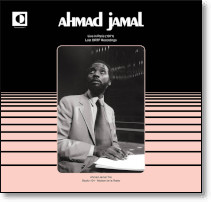
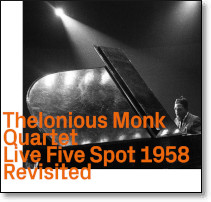
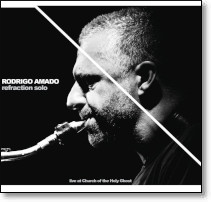
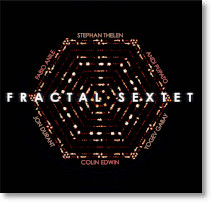
|
An occasional blog about populist politics and popular music, not necessarily at the same time. LinksLocal Links Social Media My Other Websites Music Politics Others Networking Music DatabaseArtist Search: Website SearchGoogle: Recent Reading
Music DatabaseArtist Search: Website SearchGoogle: |
Music Week [180 - 189]Monday, January 23, 2023 Music Week
January archive (in progress). Music: Current count 39462 [39414] rated (+48), 42 [36] unrated (+6: 14 new, 28 old). Very little to add about this week's music. I was struggling to think of things to look up early in the week, so I wound up searching down the EOY aggregate file for highest-rated unheard records, sometimes singling out genres (country probably got the most attention). The highest-ranked records I still haven't heard yet:
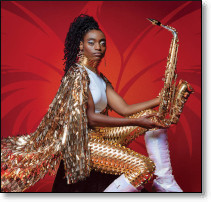
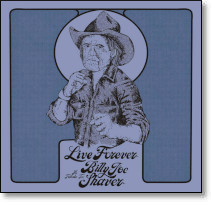
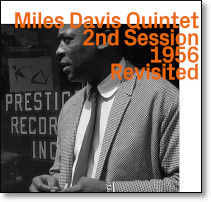
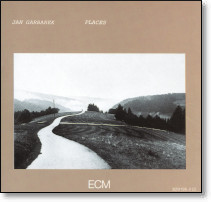
The frequency of unheard items picks up significantly after 300: The Callous Daoboys (303); Knucks (309); Obongjayar (315); Rammstein (317); Dawn Richard & Spencer Zahn (318); Undeath (320); Afghan Whigs (324); The Big Moon (327); Naima Bock (328); Demi Lovato (332); Paolo Nutini (335); Static Dress (340); Big Joanie (344); Porcupine Tree (357); Warmduscher (364); Willow (365); Utada Hikaru (380); Horse Lords (381); The Orielles (389); Slipknot (396); Tedeschi Trucks Band (398); Wild Pink (400); Anxious (403); Jessie Buckley & Bernard Butler (404); Goat (409); Ho99o9 (410); King Hannah (412); King Stingray (413); Natalia Lafourcade (414); Kali Malone (415); Rob Mazurek (417); Meshuggah (419); Muse (422); Caitlin Rose (426); Bruce Springsteen (430); And You Will Know Us by the Trail of Dead (434); Blackpink (436); Built to Spill (439); Coheed and Cambria (441); Grace Cummings (442); Brian Ennels & Infinity Knives (447); Aoife Nessa Frances (448); Marina Herlop (450); Ithaca (453); The Lounge Society (458); Angeline Morrison (460); Pillow Queens (462); Pixies (463); The Soft Pink Truth (467); Witch Fever (471); Wizkid (472); Backxwash (476); The Black Angels (481); Black Star (482); Broken Bells (484); Alex Cameron (485); Christine and the Queens (489); Jake Xerxes Fussell (492); Future (493); Robyn Hitchcock (496). I'll probably knock a few more of those off next week (so far: They Hate Change, Knucks). I expect to freeze the 2022 file after next week -- I may as well plan now on closing the week/month on January 31 instead of 30. After that, I'll cut back on the 2022 tracking files, although I'll continue to add late entries to the year 2022 lists, including the jazz and non-jazz best-of lists. Looking forward, I haven't started 2023 tracking and metacritic files. Hoping to focus more on other projects going forward, but I'm reluctant to make promises or resolutions. I posted a pretty substantial Speaking of Which yesterday. The deeper I get into the Ryan Cooper book, the more impressed I am. Before getting into it, I read most of Denise Low's slim Jigsaw Puzzling: Essays in a Time of Pestilence. We've been doing jigsaw puzzles much earlier than the pandemic. Laura usually wanted to do a puzzle when she had a few days off. I had a pair of Springbok puzzle caddies, so was well-prepared to indulge her. One special memory was from 1991: we were working on one while watching coverage of the Soviet coup against Gorbachev, while a hurricane was blowing outside (we were in Boston). Since she retired, we've had a puzzle going continuously. Low, by the way, was once poet laureate of Kansas, although she's since moved to northern California. New records reviewed this week: Courtney Marie Andrews: Loose Future (2022, Fat Possum): Country singer-songwriter from Phoenix, ninth album since 2013, has a light touch. B+(**) [sp] Kelsea Ballerini: Subject to Change (2022, Black River): Pop singer-songwriter, working out of Nashville, but almost all of her songs have multiple co-writers and kitchen sink production -- nothing distinctively country about that, even when you get a title like "Love Is a Cowboy" or "You're Drunk, Go Home." B+(*) [sp] Lakecia Benjamin: Phoenix (2022 [2023], Whirlwind): Alto saxophonist, from New York, fourth album since 2012, this one co-produced by Terri Lyne Carrington, who aims for crossover not by compromise but by turning up the heat. Opens and closes with sirens and Angela Davis. Guest vocals from Dianne Reeves and Georgia Anne Muldrow, and spoken word by Sonia Sanchez and Wayne Shorter, but the sax speaks loudest and clearest. A- [cd] [01-27] The Cactus Blossoms: One Day (2022, Walkie Talkie): Country band from Minnesota, fifth album since 2011. Principally singer-songwriters Jack Torey and Page Burkum. B [sp] Bill Callahan: YTILAER (2022, Drag City): Singer-songwriter from Maryland, recorded as Smog 1990-2007, tenth album under his own name, seems to be regarded as a big deal but I've never warmed to his deadpan vocals and minimal guitar. Title this time is a mirror image of REALITY -- I won't try to reproduce that affectation here, but much of the press has indulged him. First third of the album drags as usual, but he almost gets interesting after that. B+(*) [sp] Loyle Carner: Hugo (2022, EMI); British rapper, stage name a play on his last name (Coyle-Larner), third album. B+(**) [sp] Paul Cauthen: Country Coming Down (2022, Thirty Tigers/Velvet Rose): Country singer-songwriter from East Texas, started in group Sons of Fathers, third album (counting his debut My Gospel). Has a voice you'll be able to recognize again, with more grit and humor than his résumé suggests. B+(*) [sp] Chat Pile: God's Country (2022, The Flenser): Noise rock/sludge metal band from Oklahoma, named after the toxic waste left around lead-zinc mines. First album. Rates for chops and attitude, and is all the more amusing at the low volume that makes it tolerable to me. And yeah, in case you're wondering, God's country is indeed a toxic dump. B+(*) [sp] Brent Cobb: And Now, Let's Turn to Page . . . (2022, Ol' Buddy): Country singer, fifth album since 2006, turns to the hymn book here, opening with an easy-going "Just a Closer Walk With Thee," and continuing to pick out old chestnuts that remind me of the comforts of church without the histrionic crap that drove me away. B+(**) [sp] Luke Combs: Growin' Up (2022, Columbia Nashville): Country singer-songwriter from North Carolina, third album, all number ones, includes a duet with Miranda Lambert. B+(*) [sp] Rosalie Cunningham: Two Piece Puzzle (2022, Machine Elf): British singer-songwriter, second album after previous group Purson. B [sp] Lucrecia Dalt: ¡Ay! (2022, RVNG Intl): Colombian singer-songwriter, studied as a civil engineer, based in Berlin, albums since 2005 (initially as Lucrecia), previously unfamiliar to me, and hard to pigeonhole: the beats Latin but subtler, the electronics layered acoustically, the vocals foreign, the pacing and tension unique. A- [sp] Sarah Davachi: Two Sisters (2022, Late Music): Canadian electroacoustic musician, based in Los Angeles, couple dozen albums since 2013. Plays organ, synthesizer, bells here, with extra strings, voices, and (one cut near the end) trombone, mostly to ambient effect. B+(*) [sp] Richard Dawson: The Ruby Chord (2022, Domino): British singer-songwriter, from Newcastle Upon Tyne, albums since 2005, draws on (or deconstructs) folk music. Voice reminds me a bit of Robert Wyatt, and music is comparably off-kilter, but that's as far as the similarity goes. B- [sp] Drake: Honestly, Nevermind (2022, OVO Sound/Republic): Canadian rapper Aubrey Drake Graham, seventh album since 2011, all seven have topped both rap and pop charts, despite that aside from his debut, he albums get very little critical respect. Still, this one slides by painlessly enough. B+(*) [sp] Drake & 21 Savage: Her Loss (2022, OVO Sound/Republic): Duo with Atlanta rapper Shayaa Bin Abraham-Joseph. B [sp] Brent Faiyaz: Wasteland (2022, Lost Kids): R&B singer Christopher Wood, from Maryland, second album. B+(*) [sp] First Aid Kit: Palomino (2022, Columbia): Swedish folk-pop duo, sisters Johanna and Klara Söderberg, fifth album since 2010. More pop these days. B+(*) [sp] Gabriels: Angels & Queens Part 1 (2022, Atlas Artists/Parlophone): Soul group from California, featuring vocalist Jacob Lusk with producers Ryan Hope and Ari Balouzian, first album (or first half of one, Part 1 (7 songs) coming in at 27:29, with a Part 2 promised for March, 2023. B+(**) [sp] Ghost: Impera (2022, Loma Vista): Swedish rock band, fifth album since 2010, close enough to attract a metal following but I don't particularly feel it -- so this is relatively listenable, but loses interest midway (e.g., "Watcher in the Sky"). B- [sp] Gilla Band: Most Normal (2022, Rough Trade): Irish band, changed name from Girl Band for this third album. Scattered stabs at punk, hardcore, noise. B [sp] Keiji Haino: My Lord Music, I Most Humbly Beg Your Indulgence in the Hope That You Will Do Me the Honour of Permitting This Seed Called Keiji Haino to Be Planted Within You (2019 [2022], Purple Tap/Black Editions): Japanese experimental musician, b. 1952, has close to 100 albums, mostly plays guitar and sings, but choice of instrument here is hurdy gurdy, with a lot of drone resonance. B+(*) [sp] Fred Hersch & Esperanza Spalding: Alive at the Village Vanguard (2022 [2023], Palmetto): Piano and vocal duo, the latter perversely insisting on lower case, and not bothering with the bass she first made her name with. She scats a lot, but finds her voice on "Girl Talk." B+(***) [cd] Hot Chip: Freakout/Release (2022, Domino): British synthpop band, eighth album since 2004. B+(*) [sp] Jeremy Ivey: Invisible Pictures (2022, Anti-): Nashville singer-songwriter, plays guitar, started in Buffalo Clover, married the singer (Margo Price), third solo album (counting one co-credited to the Extraterrestrials). B [sp] Khruangbin & Leon Bridges: Texas Sun (2020, Dead Oceans, EP): Houston psych rock band, mostly instrumental, got a gig opening for retro-soul singer Bridges in 2018, leading to this EP (and another in 2022), which really should be filed under the singer's name. Four songs, 20:58. B+(**) [sp] Khruangbin & Leon Bridges: Texas Moon (2022, Dead Oceans, EP): A second EP, five songs (22:37). Focus shifts slightly to the band, who are chill. B+(*) [sp] Lambchop: The Bible (2022, Merge/City Slang): Nashville indie band, albums since 1990, Kurt Wagner sings. Slow and ponderous, as usual. B [sp] Live Forever: A Tribute to Billy Joe Shaver (2022, New West): Not taking any chances here: the twelve songs are famous, iconic even, and the various artists are not just stars but well practiced in tributes, with Willie Nelson getting a second helping ("Fast Train to Georgia") after sharing the title song with Lucinda Williams. One I didn't recall but I'm glad I heard it here: "Ain't No God in Mexico." Steve Earle picked that one. A- [sp] The Mars Volta: The Mars Volta (2022, Clouds Hill): Prog rock band from El Paso, seventh album since 2003, seems fairly normal. B [sp] Carson McHone: Still Life (2022, Merge): Austin-based singer-songwriter, third album, close to country but enough? B+(*) [sp] Tyler Mitchell Octet: Sun Ra's Journey (2021 [2022], Cellar): Young bassist, his credentials assured by giving a featuring spot to Marshall Allen. B+(***) [cd] Nas: King's Disease III (2022, Mass Appeal): Rapper Nasir Jones, dropped Illmatic 28 years ago and never let up, although he's return to his 2020 title for a third time. B+(***) [sp] Kim Petras: Slut Pop (2022, Republic, EP): German pop singer-songwriter, based in Los Angeles, trans, has a lot of singles, as far back as 2008 but especially since 2017, with a couple picked up before this super-trashy, super-smutty 7-track, 15:51 EDM teaser. I, too, "want to see how big it gets." A- [sp] Aaron Raitiere: Single Wide Dreamer (2022, Dinner Time): Country singer-songwriter from Kentucky, based in Nashville, first album, has written songs for a dozen name singers -- Anderson East, Miranda Lambert, Natalie Hemby, and Ashley Monroe return the favor with cameo and production credits here. B+(***) [sp] Jim Snidero: Far Far Away (2022 [2023], Savant): Alto saxophonist, from DC area, studied at UNT, moved to New York in 1981, more than two dozen albums since 1984 (more side credits). Very solid outing, with guitarist Kurt Rosenwinkel getting a "featuring" credit on the cover, and an impeccable rhythm section of Orrin Evans (piano), Peter Washington (bass), and Joe Farnsworth (drums). B+(***) [cd] [02-03] Stormzy: This Is What I Mean (2022, Def Jam): British rapper Michael Omari, third album, not much beat. B [sp] Vieux Farka Touré & Khruangbin: Ali (2022, Dead Oceans): Guitarist-singer-songwriter from Mali, following his famous father's footsteps, tenth (or 12th) album since 2007, joined here by a Houston psych rock trio that has been diversifying of late (e.g., two EPs with Leon Bridges). They are near invisible here, probably for the better. B+(***) [sp] Phil Venable: Bassworks, Vol. 1 (2022, Soul City Sounds): Solo bass, three pieces (38:35), captivating within those limits. B+(*) [bc] The Wonder Years: The Hum Goes On Forever (2022, Hopeless): Emo band from Pennsylvania, Dan Campbell the singer, seventh album since 2007. Probably has some merit, but I lose interest when they get pumped up. B [sp] Recent reissues, compilations, and vault discoveries: Miles Davis: Miles Davis With Tadd Dameron Revisited: Live 1949 at the Royal Roost NYC & in Paris at Festival Internationale De Jazz (1949 [2023], Ezz-Thetics): Six tracks from a tentet led by pianist Dameron at the Royal Roost, plus nine tracks by a co-led quintet a Paris festival, with James Moody (tenor sax), Barney Spieler (bass), and Kenny Clarke (drums). Sound reminds me of Bird's Royal Roost dates, although this group is less focused and more slippery. Davis gets some good runs in Paris, especially on "Rifftide." B+(***) [bc] Miles Davis Quintet: 2nd Session 1956 Revisited (1956 [2022], Ezz-Thetics): When Davis signed with Columbia, he still owed Prestige four albums, which the Quintet -- John Coltrane (tenor sax), Red Garland (piano), Paul Chambers (bass), and Philly Joe Jones (drums) -- knocked out in two sessions, one on May 11, the other on October 26, 1956. The albums were slowly released, up to mid-1961, to capitalize on Columbia's publicity. This singles out the latter session, most of which was released on the first two albums (Cookin' and Relaxin'), plus one track from the other two (Workin' and Steamin'), plus a take of "'Round Midnight" (the title of their Columbia debut). A- [bc] Old music: Dave Bartholomew: The Big Beat of Dave Bartholomew: 20 of His Milestone Productions 1949-1960 (1949-60 (2002), Capitol): Eight of them credited to Bartholomew, three more to Smiley Lewis, the others oddly misdirected. B+(**) [sp] Doc Cheatham: Hey Doc! [The Definitive Black & Blue Sessions] (1975 [1997], Black and Blue): Trumpet player, born in Nashville but remembered for New Orleans. I first noticed him on a 1993 album called The Eighty-Seven Years of Doc Cheatham, which is to say shamefully late, although so he still had another career highlight left: 1997's Doc Cheatham & Nicholas Payton. He spent most of his career tucked away in big bands (Wilbur De Paris, McKinney's Cotton Pickers, Cab Calloway, Claude Hopkins, Perez Prado, and Benny Goodman). He started headlining around 1973, shortly before this session with Sammy Price (piano), alto sax, trombone, bass, and drums (J.C. Heard). No credit on vocals. B+(**) [sp] Jan Garbarek Quartet: Afric Pepperbird (1970 [1971], ECM): Norwegian saxophonist, mostly tenor but also credited bass sax, clarinet, flute, and percussion. Not quite his first album, but this begins his long association with ECM. Quartet names on cover: Terje Rypdal (guitar, bugle), Arild Andersen (bass, thumb piano, xylophone), and Jon Christensen (percussion). The sax is rougher on these early recordings, especially here. That's not a complaint. B+(***) [sp] Jan Garbarek/Bobo Stenson/Terje Rypdal/Arild Andersen/Jon Christensen: Sart (1971, ECM): Norwegian group, all students of George Russell, near the start of major careers. Garbarek plays tenor sax, bass sax, and flute, and wrote four (of six) pieces. The others play piano, guitar, bass, and drums, with Andersen and Rypdal writing one piece each. B+(***) [sp] Jan Garbarek/Arild Andersen/Edward Vesala: Triptykon (1972 [1973], ECM): Soprano/tenor/bass saxophone-bass-drums trio. Still on edge. B+(***) [sp] Jan Garbarek: Places (1977 [1978], ECM): Saxophonist (tenor/soprano/alto), quartet with John Taylor (piano/organ), Bill Connors (guitar), and Jack DeJohnettte (drums). Four long-ish pieces, ranges from atmospheric to towering, a master of tone, the guitar filling in eloquently. A- [sp] Unpacking: Found in the mail last week:
Ask a question, or send a comment. Monday, January 16, 2023 Music Week
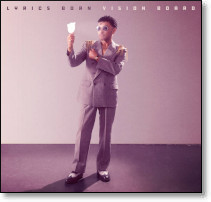
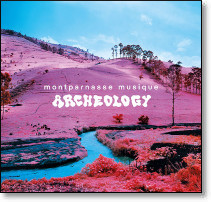
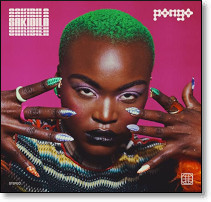
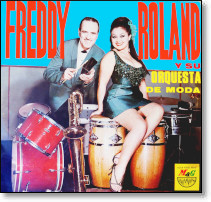
January archive (in progress). Music: Current count 39414 [39353] rated (+61), 36 [42] unrated (-6: 8 new, 28 old). Still decompressing from the pressures of releasing the Francis Davis Jazz Poll as well as numerous other stresses I've probably complained about too much already, so I don't have much to say this week. One way of destressing has been to do rote work: the biggest chunk of which was adding all of the jazz critics ballots into my EOY aggregate file (including ones we didn't receive from other sources like Free Jazz Collective). One result of this is that jazz albums have risen to an unnatural prominence in my overall standings (top 30, numbered by overall rank, points in braces, my grade in brackets):
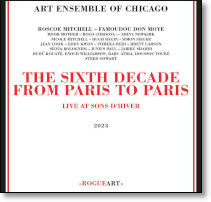
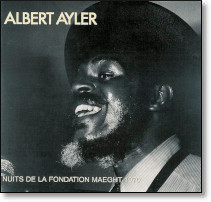
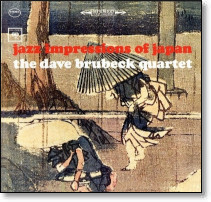
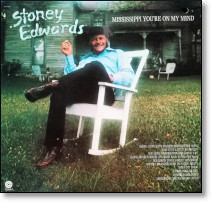
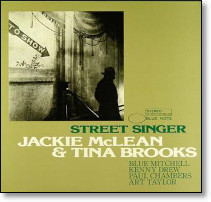
These rankings will probably sink back if/when I add more non-jazz lists (if memory serves, the top jazz album usually winds up somewhere 20-35), but the value of spending much more time on this is receding. I've always maintained that the purpose of the list is to scout out records of possible interest to me, hence there have always been genres that I have sought out (I have 1161 jazz albums listed, of 4062 total) and others that I have avoided -- nonetheless, I counted 219 metal albums, but I've only heard 4; the country and hip-hop lists are actually shorter, but I've heard much more (64 of 138 country, 97 of 212 hip-hop). Reviewing the ballots, I discovered three errors I had made in compiling, so I was glad to get them compiled. I've also heard from several critics who didn't get invited and (rightly) thought they should have: apologies to Karl Ackermann and Bill Milkowski. If/when we do this again -- and I'm pleased to report that Francis sounds more optimistic than I am -- we should make a serious effort to review and expand the voter rolls well in advance of the November crunch. One thing I belatedly realized from this chart is that I never received physical CDs of Halvorson's Nonesuch albums nor of Sorey's Mesmerism. I reviewed them from streams as soon as they dropped, but was perplexed at not being able to find them when I racked up all of my 2022 A/A-/B+(***) jazz CDs. I rechecked several top jazz albums during the Poll, but only Wilkins got a grade bump. Although I've heard all 30 albums above, only 12 came as CDs. One person I want to single out from the Jazz Poll's In Memoriam list is John Swenson. I remember him from when he was reviewing records for Rolling Stone in the mid-1970s. He went on to edit Stone's jazz and blues record guides, and moved on to New Orleans, where he wrote New Atlantis: Musicians Battle for the Survival of New Orleans (post-Katrina). I bumped into him once, and was surprised and flattered that he seemed to be as pleased to meet me as I was to find him. As I recall, we were both pub rock fans at the time, so our later independent paths into jazz may have common roots. He joins John Morthland and Ed Ward in my personal pantheon of recently departed colleagues. More old music this week, mostly from the Penguin Guide 4-star unheard list. Most get a single play and snap judgment, so I wouldn't be surprised if my grades wind up being low (even for Brubeck's Jazz Impressions of Japan). New records come from various sources, including Jazz Poll ballots, last week's Christgau Consumer Guide, and Jason Gross's Ye Wei Blog list. Plus I finally dipped into my 2023 promo queue. I finished Fred Kaplan's 1959: The Year Everything Changed. The chapter on Margaret Sanger and the birth control pill is worth the price of the book, but so are another half-dozen chapters, not least those on three revolutions in jazz that hit that year: Miles Davis's Kind of Blue (with due credit for George Russell), Dave Brubeck's Time Out, and Ornette Coleman's The Shape of Jazz to Come. (Charles Mingus and Cecil Taylor get mentioned in passing, but not the former's fabulous Mingus Ah Um.) I turned nine that year, and scarcely noticed anything highlighted (mostly political events, including the space race), but Kaplan shows how the 1960s were locked and loaded, ready to burst forth, as they did for me -- many established so quickly that they looked to me like the natural world yet were still so new and divergent they shocked my parents and their generation's cultural guardians. Some overlap with Louis Menand's The Free World, which is more careful in laying out early post-WWII changes than looking for a specific pivot point. Last, I wrote yet another Speaking of Which last night, and made a brief pass at touching it up today. The biggest change was that I looked up links for most of the statements I made in the introduction. I probably should do that sort of thing more often, but it's hard to keep up that much focus on something that gets forgotten so quickly. New records reviewed this week: Art Ensemble of Chicago: The Sixth Decade From Paris to Paris: Live at Sons D'Hiver (2020 [2023], RogueArt, 2CD): Quintet formed in 1966, the best known group to emerge from the AACM (Association for the Advancement of Creative Music), from their inception dedicated to transcending jazz and performing "great black music." The original group stuck together more than 30 years, until the deaths of Lester Bowie (1999), Malachi Favors (2004), and Joseph Jarman (2019). That left Roscoe Mitchell (sax) and Famoudou Don Moye (percussion), who keep the faith with a long list of guests: I count 18 here, where the vocalists (Moor Mother, Roco Córdova, Erina Newkirk) are most prominent, and the percussionists most numerous. I don't love all the vocals, but there's much to celebrate here. A- [cd] [01-20] Asake: Mr. Money With the Vibe (2022, 'YBNL Nation/Empire): Nigerian singer-songwriter Ahmed Ololade, first album (after an EP). Draws on hip-hop more than Afrobeat, but gets a nice flow either way. B+(***) [sp] John Bailey: Time Bandits (2022 [2023], Freedom Road): Trumpet/flugelhorn player, only has a couple albums but has been around a long time. Mainstream quartet here with George Cables (piano), Scott Colley (bass), and Victor Lewis (drums). B+(**) [01-23] Lucian Ban: Ways of Disappearing (2021 [2022], Sunnyside): Romanian pianist, moved to New York in 1999, dozen-plus albums since 2002, this one solo. Originals plus one piece each by Annette Peacock and Carla Bley. B+(**) [sp] Barcelona Art Orchestra: Ragtime Stories (2021 [2022], UnderPool): Large (17-piece) group, conducted by pianists Néstor Giménez and Llis Vidal, with Lluc Casares (clarinet/tenor sax) and Joan Vidal (drums) also composing and arranging. May have some swing or earlier references, but is slick and fully postmodern. B+(***) [sp] Bliss Quintet: Dramaqueen (2022, Jazzland): Norwegian quintet, first album, no credits on Bandcamp page, and I don't recognize any names on the cover, but figure trumpet, sax, piano, bass, drums. B+(*) [sp] Madison Cunningham: Revealer (2022, Verve Forecast): Singer-songwriter from California, fourth album. B+(**) [sp] Czarface: Czarmageddon (2022, Silver Age): Hip-hop group, with Inspectah Deck (of Wu-Tang) joining the duo 7L & Esoteric. Twelfth album since 2013. Trademark cartoon cover, lots of turntable squeaks, beats sometimes leaning toward punk. B+(***) [sp] Falkner Evans: Through the Lines (2022 [2023], CAP): Pianist, originally from Tulsa, moved to New York in 1985, seventh album since 2001, his second solo outing. Measured and thoughtful. B+(**) [cd] [01-20] Mimi Fox Organ Trio: One for Wes (2022 [2023], Origin): Guitarist, albums as far back as 1987, trio here with Brian Ho (organ) and Lorca Hart (drums). She comes from a generation of American guitarists who were almost all under Wes Montgomery's spell, so the dedication isn't a surprise, but the music -- no Montgomery tunes, six originals (only dedication there is the probable typo, "For Django, Avec Amor"), covers of Bobby Timmons and Lennon-McCartney -- points elsewhere. B+(*) [cd] [01-20] Fred Frith/Susana Santos Silva: Laying Demons to Rest (2021 [2023], RogueArt): Guitar and trumpet duo, one 41:57 piece, seems abstract at first but grows on you. B+(***) [cd] [01-20] Hard Rubber Orchestra: Iguana (2022, Redshift): Large Canadian group, founded in 1990 and directed by John Korsrud, based in Vancouver, only a handful of albums. This one credits 21 musicians (including five drummers plus a percussionist), includes' three Korsrud compositions but he's not among the credits. B+(*) [sp] Sly Johnson: 55.4 (2022, BBE): French singer, first name Sylvère, fourth album, "blends soul and hip-hop" (I'd say funk). Includes a slow, evocative "What's Going On." B+(**) [sp] Linqua Franqa: Bellringer (2022, Ernest Jennings): From Athens, Georgia, "linguist by day, lunatic lady rapper by night." A little unsteady, but gets political toward the end, asking the labor solidarity "which side are you on?." B+(**) [bc] Lyrics Born: Vision Board (2022, Mobile Home): Rapper Tom Shimura, boasts he's "The Best Rapper in the World," and while that song doesn't make the case, I can't think of anyone who can pump up a beat like him, then match the clever string of words he flows in and around. He secures guests for six (of nine) songs, yet they all join together. Short (29:34). A- [sp] Joanna Mattrey/Gabby Fluke-Mogul: Oracle (2022, Relative Pitch): Violin duo (Mattrey's credit: viola, stroh violin), a sound I find intrinsically treacherous. Still, if you can get past that reaction, you get a lot of tricky interaction, including a bit of joust, which is actually a bit less jarring than a free sax squawk. B+(**) [sp] Fergus McCreadie: Forest Floor (2022, Edition): Scottish pianist, second album, trio with bass (David Bowden) and drums (Stephen Henderson). Impressive speed, retains his touch when he slows down. B+(**) [sp] Joe McPhee & Tomeka Reid: Let Our Rejoicing Rise (2021 [2022], Corbett vs. Dempsey): Opens with a McPhee speech on Juneteenth and "Nation Time," leading into a tenor sax and cello duo, a bit on the solemn side. B+(**) [bc] Montparnasse Musique: Archeology (2022, Real World): Duo, Algerian-French producer Nadjib Ben Bella, and South African DJ Aero Manyelo, the latter's hip-hop (or kwaito or gqom) with a dash of mbube wrapped up in electronic glitz. A- [sp] Simon Moullier: Isla (2022 [2023], self-released): Vibraphone player, second album, quartet with piano (Lex Korten), bass, and drums. Nice easy flow. B+(**) [cd] [02-17] Native Sound System: Nativeworld (2022, Native): Not a group, evidently a British radio show (DJs Sholzstilltippin and Addy Edgal), tied to a Nigerian magazine, so this might be more of a various artists compilation. B+(*) [sp] Youssou N'Dour Et Le Super Etoile De Dakar: Special Fin D'Année 2022 (2022, self-released, EP): Four tracks, 20:41. Not essential, but the last track would fit nicely in one of his typically brilliant albums. B+(**) [sp] Maggie Nicols: Are You Ready? (2021 [2022], Otoroku): Scottish free jazz singer, plays piano, original name Margaret Nicolson, first albums 1982. This one is divided into two sets: "Songs" (39:46) and "Whatever Arises" (39:25). [r] Oort Smog: Smeared Pulse Transfers (2017 [2019], Sweatband, EP): Los Angeles duo, Patrick Shiroishi (sax) and Mark Kimbrell (drums). Billed as prog rock, or experimental, or brutal prog -- anything but jazz, but even they admit Coltrane-Ali is the source of the duo format. I'd venture no wave, but they're probably too young to have even heard of it. Ten punk-length pieces (19:46), not that they feel abbreviated, or distinct. B+(*) [sp] Oort Smog: Every Motherfucker Is Your Brother (2022, AKP): Slightly longer at 28:59, but only one song, so you can call it anything from a single to an album. Long form means they can take a while warming up before breaking out. B+(**) [sp] PinkPantheress: Take Me Home (2022, Warner Music, EP): Gemma Walker, British pop singer, got a lot of attention for her To Hell With It mini-album. Three more songs, 7:40, starting off with the previously released single "Boy's a Liar." Pretty good, but very slight. Not sure if she'll ever produce a real album -- her 10-track debut only ran 18:36 -- but it's hard to focus on these micro-doses. B+(*) [sp] Pongo: Sakidila (2022, Virgin): Angolan singer, Engrácia Domingues, based in Lisbon, first album after a single and an EP. The typical Portuguese lilt lurks in the background, but the beats are so insistent you barely notice it. A- [sp] Simona Premazzi: Wave in Gravity: Solo Piano (2021 [2023], PRE): Italian pianist, based in New York, fourth album since 2006. Solo, as advertised. Half originals, half standards, including a Monk. All engaging. B+(**) [cd] [02-17] Scrunchies: Feral Coast (2022, Dirtnap): Punk duo from Minneapois, Laura Larson (guitar) and Danielle Cusack (drums), second album after several previous group alignments (including Buzzcunts, a Buzzcocks cover band). B+(***) [bc] Elliott Sharp/Eric Mingus: Songs From a Rogue State (2022, Zoar): Guitarist, many albums since 1978, many straying from jazz. Mingus sings, plays some bass. Leans toward blues, or Beefheart, but both harsher and wilder. B+(*) [sp] Kalia Vandever: Regrowth (2022, New Amsterdam): Trombone player, based in Brooklyn, second album, original pieces, some guest alto sax (Immanuel Wilkins), but mostly built around piano and/or guitar. B+(***) [sp] Skip Walker: Tina's Contemplation: A Reflection on the Genius of Tina Brooks (2022, Skip Walker Music): Brooks was a short-lived tenor saxophonist (1932-74) who recorded four mostly brilliant albums for Blue Note 1958-61. Walker is a drummer, tackling and contemplating Brooks' songbook with piano (Travis Shook) and bass (Essiet Okon Essiet). Very nice record, but I'm missing the saxophone. B+(***) [sp] Yelawolf/Shooter Jennings: Sometimes Y (2022, Slumerican): Michael Atha, started out as a white rapper from Alabama, teams up with the son of Waylon Jennings to make a fairly slick but hard-hitting rock album. B [sp] Recent reissues, compilations, and vault discoveries: Ashbury Stabbins Duo: Fire Without Bricks (1976 [2021], Corbett vs. Dempsey): Duo, Larry Stabbins (tenor/soprano sax) and Roy Ashbury (drums), originally released in 1977. Struggles to be heard, interesting when it is. B+(*) [bc] Pedro Lima: Recordar É Viver: Antologia Vol. 1 (1981-87 [2022], Bongo Joe): Singer from São Tome, an island off the west coast of Equatorial Africa, controlled by Portugal until 1975. Lima (1944-2019) recorded regularly in the 1980s-1990s, the source of this compilation (which includes unreleased tracks). Strong influence here of Congolese rhumba and soukous, especially in the guitar. B+(***) [sp] Mainstream Funk: Funk, Soul, Spiritual Jazz 1971-75 (1971-75 [2022], WeWantSounds): A sampler from Bob Shad's 1964-76 label Mainstream Records, which started as a mostly jazz label -- their first releases were reissues from the Commodore and Time labels. Many of the musicians here were better known for jazz (Sarah Vaughan, who opens with a cover of "Inner City Blues"; Blue Mitchell, Johnny Coles, Buddy Terry), and most of the other cuts are longer on vamps than on vocals. B+(**) [bc] Freddy Roland Y Su Orquesta De Moda: Freddy Roland Y Su Orquesta De Moda (1968 [2022], Vampisoul): Saxophonist, Ángel Pablo Bagni Stella, from Argentina (1932-2004), played with Pérez Prado, wound up in Peru (home of his wife, a cumbia singer known as Veronikha). Bandcamp page has no credits or dates, but this matches a 1968 LP, which Discogs has as Vol. II. No doubt someone could assemble a quality retrospective (perhaps even one of those 4-CD Proper Boxes), but this slice of time is pretty wonderful. A- [bc] Old music: Abash [Tommy Skotte/Anders Ekholm/Nils Danell]: Abash (1993, Dragon): Swedish trio, first of three albums through 2000, my inclination in parsing the cover is to credit the names and leave Abash as the title, but later albums follow the group name, and that's how I initially filed them. Besides, Ekholm (tenor sax) is the central figure, having written six songs, vs. one each' for bassist Skotte and drummer Danell). B+(***) [r] Albert Ayler: Nuits De La Fondation Maeght 1970 (1970 [2002], Water): Tenor saxophonist, the defining force of the 1960s avant-garde, his death in November 1970 slamming the door on an era (especially coming after Coltrane's death in 1967). His last albums on Impulse were poorly regarded, but these final live sets have been widely bootlegged, and given the 4-CD box set treatment by Elemental Music in 2022 (Revelations: The Complete ORTF 1970 Fondation Maeght Recordings, which finished 3rd in the Jazz Critics Poll, but only fragments are available to stream). This edition is a good sampler, superseding the two Shandar LPs with a single 73:55 CD. Quartet, with Call Cobbs (piano), Steve Tintweiss (bass), and Allen Blairman (drums), with a Mary Maria vocal at the end. A- [sp] Jon Balke & Magnetic North Orchestra: Kyanos (2001 [2002], ECM): Norwegian pianist, albums since 1991, group a septet from his 1994 album Further, with trumpets (Per Jørgensen and Arve Henriksen), sax (Morten Halle), cello, bass, and drums. B+(**) [sp] Tony Bevan/Paul Rogers/Steve Noble: Bigshots (1991 [1992], Incus): British saxophonist (tenor/soprano), second album, a trio with bass and drums. B+(*) [bc] Tony Bevan/Alexander Frangenheim/Steve Noble: Twisters (1995 [1996], Scatter): A second trio, Bevan playing soprano and bass saxophone, with bass and percussion. B+(*) [bc] Michiel Borstlap: The Sextet Live! (1995, Challenge, 2CD): Dutch pianist, first album, has a fairly stellar front line with trumpet (Eric Vloeimans), alto/c-melody sax (Benjamin Herman), and tenor/soprano sax (Yuri Honing), plus bass and drums. Plenty of energy, especially on trumpet. B+(**) [r] Anthony Braxton: In the Tradition (1974 [1989], Steeplechase): Often identified as Volume 1 these days, but I don't see any edition in Discogs, starting with the original five-track LP release in 1974, that makes that explicit. One of the lowest-rated albums in all of the Penguin Guide, but one can only speculate over the pique. Maybe the stinky sound of the contrabass clarinet, which all but buries "Goodbye Pork Pie Hat," but on "Ornithology" it merely slows Braxton down to human speed. The Copenhagen rhythm section is pretty great, with pianist Tete Montoliu getting a lot of solo space, backed by NHØP (bass) and Tootie Heath (drums). B+(**) [sp] Anthony Braxton: In the Tradition: Volume 2 (1974 [1987], Steeplechase): A second set of tunes from the same session, this first appeared in 1976, and picked up a seventh piece for CD reissue. Similar mix of tunes, including more Marsh and Parker, plus a long "Body and Soul." B+(**) [sp] Anthony Braxton: Five Compositions (Quartet) 1986 (1986, Black Saint): Numbers 88, 101, 122, 124, and 131, recorded in Milan with David Rosenboom (piano), Mark Dresser (bass), and Gerry Hemingway (drums). B+(***) [sp] Anthony Braxton: Ninetet (Yoshi's) 1997 Vol. 1 (1997 [2002], Leo, 2CD): Two compositions, 207 and 208, one 73:09, the other 74:00, performed by a group with six saxophonists plus guitar (Kevin O'Neil), bass (Joe Fonda), and percussion (Kevin Norton). B+(***) [r] Bob Brookmeyer New Art Orchestra: New Works/Celebration (1997 [1999], Challenge): Valve trombonist (1929-2011), started playing piano in big bands, first album (1954) was a quartet, but he was always well-regarded as an arranger, and formed this big band here (eventually recording six albums through 2011). B+(**) [sp] Reuben Brown Trio: Ice Scape (1994 [1997], SteepleChase): Pianist, very little about him online, aside from a couple appearances in the 1970s, and two albums on SteepleChase. This one gets help from Rufus Reid (bass) and Billy Hart (drums). B+(***) [sp] Reuben Brown: Blue and Brown (1994 [1998], SteepleChase): A second album, this one solo. B+(**) [sp] Dave Brubeck: Octet (1948-49 [1991], Fantasy/OJC): Some of the pianist's earliest recordings, first appearing in 1950 as Old Sounds From San Francisco (two EPs, then a 10-inch LP, and finally as Octet on a 12-inch LP in 1956). Group included Dick Collins (trumpet), Bob Collins (trombone), David Van Kriedt (tenor sax), Paul Desmond (alto sax), William O. Smith (clarinet & baritone sax), Jack Weeks (bass), and Cal Tjader (drums). Some slick moves, not that all of them work. B+(**) [r] Dave Brubeck Quartet: Jazz at the College of the Pacific (1953 [1987], Fantasy/OJC): Early quartet featuring Paul Desmond (alto sax), with Ron Crotty (bass) and Joe Dodge (drums), shortly after the highly recommended Jazz at Oberlin, and shortly before the more famous Jazz Goes to College. B+(***) [r] The Dave Brubeck Quartet: Brubeck Time (1954 [1955], Columbia): Two originals plus six standards, from "Jeepers Creepers" to "Brother, Can You Spare a Dime?" The first of many Brubeck albums with "time" in the title, but this one doesn't seem to have anything to do with the unorthodox time signatures he made much of from 1959 (Time Out) forward. B+(***) [r] The Dave Brubeck Quartet: Jazz Impressions of the U.S.A. (1956-57 [1957], Columbia): The first of several Jazz Impressions albums, must have seemed like an easy take for a group that made its bread and butter touring college campuses. The cover is a map with the song titles, like "Ode to a Cowboy," along the borders and coasts. B+(***) [sp] The Dave Brubeck Quartet: Jazz Impressions of Eurasia (1958, Columbia): On one of those State Department "good will" tours, they crossed Northern Europe to Poland, then down to Turkey, Iran, Iraq, and on to India, Pakistan, Ceylon, and Afghanistan ("one of the most fascinating countries we visited," where they were "awakened by the weirdest sound I ever heard"). A bit more exotic, but hasn't found the handle yet. B+(**) [sp] The Dave Brubeck Quartet: Jazz Impressions of Japan (1964, Columbia): The pianist studied with Darius Milhaud, who advised him to travel the world and keep his ears open. Brubeck did, even if the Japanese affects here are somewhat stock (gongs and such). Upbeat songs like "Toki's Theme" really jump out, and Paul Desmond is even more sublime than usual. A- [sp] The Dave Brubeck Quartet: Jazz Impressions of New York (1964 [1965], Columbia): Four songs with "Broadway" in the title, others with "Washington Square" and "Central Park," but also a "Bossa Nova" and a "Rumba." B+(***) [sp] Gary Burton/Keith Jarrett: Gary Burton and Keith Jarrett (1969-70 [1971], Atlantic): The vibraphonist was two years older than Jarrett, but got a quick jump with New Vibe Man in Town at 18 in 1961, and had something of a fusion rep, although that was not his only spin. The pianist released his first two albums in 1968, after playing with Art Blakey and Charles Lloyd, and added a short stint with Miles Davis before this album came out. Jarrett plays electric piano and soprano sax here, the group filled out with guitar (Sam Brown), bass (Steve Swallow), and drums. B [sp] Stoney Edwards: Mississippi You're on My Mind (1975, Capitol): Black country singer, recorded six albums for Capitol 1971-76, newly reissued (at least digital) -- I've looked for this for ages, but until now only found the 20-track Razor & Tie The Best of Stoney Edwards: Poor Folks Stick Together, still the better deal. One song name-checks Hank Williams and Lefty Frizzell. He draws more on the latter. A- [sp] Jackie McLean & Tina Brooks: Street Singer (1960 [1980], Blue Note): Brooks is a tenor saxophonist, had a hot streak recording four albums 1959-61 for Blue Note, dropped from sight, and died at 42 in 1974. This session, recorded with McLean on alto sax, and a rhythm section of Kenny Drew, Paul Chambers, and Art Taylor, was shelved until it came out in Japan in 1980, and finally in the US in 2000. No idea why they sat on this, other than that McLean was in the midst of his own hot streak, from New Soil to Let Freedom Ring to One Step Beyond and Destination: Out -- maybe a classic joust didn't seem far out enough? Also note that only Brooks' True Blue was released at the time. A- [sp] Lucinda Williams: Little Honey (2008, Lost Highway): Only album in my database I hadn't heard, so I figured why not? Voice going but not yet gone. Songs substantial by any standards but maybe not hers. Identifies rock and roll, and has the guitars to prove it. B+(***) [sp] Grade (or other) changes: PinkPantheress: To Hell With It (2021, Parlophone, EP): British pop singer, barely 20, first short mixtape (10 songs, 18:36), vocals feathery light, enough so that this got tagged as "atmospheric drum & bass," but pay close attention and get to the point. Hint for me was a turn of phrase I hadn't heard since Lily Allen. [was: B+(**)] A- [sp] Unpacking: Found in the mail last week:
Ask a question, or send a comment. Monday, January 9, 2023 Music Week
January archive (in progress). Music: Current count 39353 [39330] rated (+23), 42 [39] unrated (+3: 14 new, 28 old). In early November, Francis Davis decided that he couldn't afford the time needed to run a 17th annual edition of his Jazz Critics Poll. He asked me to take over, as I had done most of the grunt work last year, and had helped out for many years before that. I agreed, figuring I'd spent a lot of time this year tracking music, even aggregating ratings, plus I had been procrastinating on other projects, so why not finish out the year doing a good turn? I organized a mailing list, and sent ballots out around November 13, with a December 12 deadline. I wound up collecting and compiling 151 ballots: down a bit from 2021's 156, but still a good showing. I worked out a deal with Arts Fuse to publish the results, and started to prepare them for publication. Then I got Covid. While I was never very sick, it created a lot of stress as we tried to keep my wife from getting infected. Also producing a lot of stress was the terminal spiral of our dog Sadie, nearly 15, inherited 8 years ago with Liz Fink died (and as such, sort of a sacred trust). I totally missed our original delivery date, and didn't make any serious progress until New Year's. I finally pulled most of it together on Wednesday, and sent the pieces in Thursday. They were published Friday afternoon, about the same time we had a vet visit to put the dog down. The archive index page is: The 17th Annual Francis Davis Jazz Poll: 2022. This includes links for the articles published at Arts Fuse:
The two pieces by me were originally conceived of as four, but Bill Marx wanted to combine the tables with the essays. Francis's essay came in after I had handed all of my pieces in. He had seen all of my stuff by then. The archive page also includes links for complete results (the Arts Fuse list stops at 50 new releases, and 20 reissues/historical), and for all of the individual voter ballots:
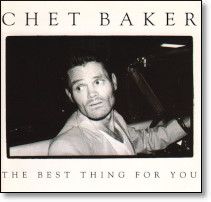
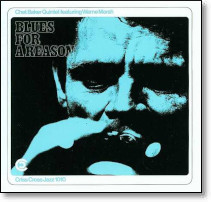
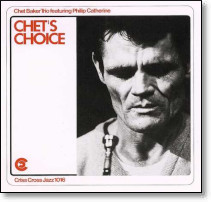
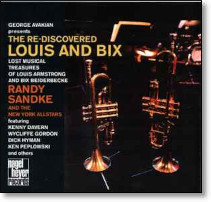
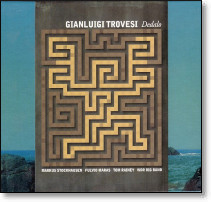
I suppose I'll have more to say about the Poll, its results, and the process behind it, but at this point the combination of exhaustion and frustration probably makes that unwise. As I point out in one (or both) of the essays, the most important point for the poll is the data it generates, so please dig into that. You're bound to learn some things. My listening of late has been very skewed. One thing that has frustrated me immensely, and is wholly my own fault, is that my system for filing CDs has completely broken down, to where I can't find anything. I should have spent the last several weeks rechecking the year's highest rated albums, but have failed in that almost completely. I wound up streaming the top three finishers, leaving Mary Halvorson's Amaryllis and Cécile McLorin Salvant's Ghost Song at my original B+(***) -- although Salvant's Kurt Weil cover is pretty great -- but I did bump up the grade for Immanuel Wilkins's The 7th Hand considerably. Below that, I could neither stream nor find my copy of Tyshawn Sorey's Mesmerism, another B+(***) first time around. I only had two of the top ten finishers made my A-list, and only three of the next ten (ok, four more from 21-30, three from 31-40, and two from 41-50). Still, I emerged from this experience with more respect than ever for my fellow voters. I suspect that Francis was a bit reluctant to hand his baby over, because he regarded me as some kind of fringe critic. I found myself caring very little about the standings, as long as the ballots showed considerable thought, which they did. So, instead of catching up with new jazz (as I did a lot of in November and especially December), I played old records, especially a lot of Coleman Hawkins, Ben Webster, and Lester Young. Then last week, I pulled up a list of unheard Penguin Guide 4-star albums, and thought I'd knock off a few. Hence, the reviews below are almost all modern but not recent jazz. No idea why I first landed on an Italian clarinetist, but I worked back from him, then returned to the top of the list. I should mention that despite being so out of it, I did manage a Speaking of Which news revue yesterday. I also added three books to the Recent Reading roll, after several weeks of neglect. Matt Taibbi did some brilliant work early in his career -- like his designation of presidential campaign coverage as "the stupid season," and his Wimblehack rankings of America's worst political journalists (note that Karen Tumulty has defended her title numerous times, not that I'm sure she's still the worst). But his Twitter feed has become little short of obnoxious, so I was thinking of dropping him -- but I figured the book looked like it had a sound premise, so maybe I should give him that chance. It is, indeed, a pretty good book, even if a little too both-sidesy. And sure, he goes a bit off the deep end on Russiagate, but that's more in his conclusions than in the reporting. And although Rachel Maddow (who I find seriously annoying) splits the cover, in the book she's relegated to an appendix. Lepore's The Name of War is more about how Prince Philip's War (1675-76) has been remembered than what actually happened, which borders on genocide. Kaplan's 1959 makes a case for that year as one of pivotal change in America. So far, it's pretty convincing. A big concern of my memoir is how much America has changed, especially in the first twenty years of my life (the 1950s and 1960s). By the way, Kaplan is a Jazz Critics Poll voter, and he has a very detailed chapter on Kind of Blue in the book. New records reviewed this week: 75 Dollar Bill: Social Music at Troost Vol. 3: (Other) People's Music (2015-17 [2022], self-released): Guitar and drums duo, Che Chen and Rick Brown, debut 2014, have added others especially to the live albums they've been releasing on Bandcamp since the lockdown, including sax, vocals, and bass to some of these pieces, as well as "bar patrons, friends, neighbors." This is a set of covers, ranging from Harry Partch and Pauline Oliveros to Yoko Ono to Bob Dylan and Dolly Parton. Phil Overeem's record of the year. A- [dl] Recent reissues, compilations, and vault discoveries: Chet Baker Trio: Live in Paris: The Radio France Recordings 1983-1984 (1983-84 [2022], Elemental Music, 2CD): Collects two sets of radio shots, with Baker playing trumpet and singing, backed by piano (Michel Graillier) and bass (Dominique Lemerle or Riccardo Del Fra). B+(*) [sp] Old music: Arcana: The Last Wave (1995 [1996], DIW): Avant-fusion trio, recorded two albums, this first one with Derek Bailey (guitar), Bill Laswell (bass), and Tony Williams (drums), with Laswell producing. B+(***) [sp] Derek Bailey: Drop Me Off at 96th (1986-87 [1994], Scatter): British avant-guitarist, revered by the Penguin Guide but barely sampled by me, solo from two live sessions. My favorite bit is one where Bailey talks about his record company catalog, as his scattered guitar licks take a back seat. B+(**) [bc] Chet Baker: The Best Thing for You (1977 [1989], A&M): Don Sebesky produced this session, which doesn't look to have been released until shortly after Baker's death in 1988. The first side is standards, with Paul Desmond (alto sax), Kenny Barron (piano), Ron Carter (bass), and Tony Williams (drums). Second side is a 17:03 Sebesky piece with a bunch of extras. Both sides impress, even Sebesky's kitchen sink treatment. A- [sp] Chet Baker Quartet Featuring Phil Markowitz: Live at Nick's (1978 [1989], Criss Cross): Trumpet and vocal (including some scat), from a live set in London, with Markowitz on piano, Scott Lee on bass, and Jeff Brillinger on drums. Reissue adds two pieces, expanding from 44:53 to 68:37. B+(***) [r] Chet Baker Quintet Featuring Warne Marsh: Blues for a Reason (1984 [1985], Criss Cross): No vocals, just trumpet and tenor sax, backed with piano (Hod O'Brien), bass (Cecil McBee), and drums (Eddie Gladden). Marsh makes a huge difference here, cutting corners and slashing around curves, but Baker, too, gets the idea. A- [r] Chet Baker Trio Featuring Philip Catherine: Chet's Choice (1985 [1989], Criss Cross): Trumpet/vocal with guitar and bass (mostly Jean-Louis Rassinfosse), the CD adding three tracks. Catherine provides a bit of groove, keeping it all running smoothly. A- [r] Bernt Rosengren: Notes From Underground (1973 [1992], EMI Svenska): Swedish tenor saxophonist, also plays flute and piano, played early on with George Russell, Krzysztof Komeda, and Don Cherry. The occasional vocal tracks have a Middle Eastern sound, and Okay Temiz helps the the percussion (and Bengt Berger plays tabla). The horns can get intense. B+(***) [sp] Bernt Rosengren: Stockholm Dues (1965 [1989], Columbia): The Swedish tenor saxophonist's first album, at least as a leader, reissued in a "Swedish Jazz Masters" series with three extra tracks. With trumpet (Lalle Svensson), piano, bass, and drums, plus vocals on a couple tracks. B+(**) [sp] Jimmy Rowles and George Mraz: Music's the Only Thing That's on My Mind (1976 [1981], Progressive): Piano and bass duets, with Rowles singing three songs. B+(**) [sp] Jimmy Rowles: Shade and Light [The Definitive Black & Blue Sessions] (1978 [2001], Black & Blue): Piano trio with George Duvivier (bass) and Oliver Jackson (drums), recorded in Paris. B+(***) [sp] Terje Rypdal: Lux Aeterna (2000 [2002], ECM): Norwegian guitarist, early on was one of many Norwegians influenced by George Russell, recorded with ECM since 1971. This is a large-scale suite in five movements, featuring Bergen Chamber Ensemble conducted by Kjell Seim, with organ and many strings, way too thick, also a vocal section. Only Palle Mikkelborg's trumpet stands out. B- [sp] Terje Rypdal: After the Rain (1976, ECM): Essentially a solo album, with the guitarist dubbing in keyboards, soprano sax, flute, and bells. Guitar tone cries and shimmers. B [sp] Randy Sandke and the New York Allstars: The Rediscovered Louis and Bix (1999 [2000], Nagel Heyer): Trumpet player (also cornet here), not exclusively a trad jazz guy but is such a Beiderbecke fan that he named his son Bix, and Armstrong is hardly an afterthought. One side for each, drawing on obscure compositions. George Avakian produced ("presents"), and the Allstars are aptly named (as well as a nod to Armstrong: featured on the cover are Kenny Davern, Wycliffe Gordon, Dick Hyman, and Ken Peplowski, with many more in the fine print. A- [sp] Louis Sclavis/Dominique Pifarély/Marc Ducret/Bruno Chevillon: Acoustic Quartet (1993 [1994], ECM): French clarinetist, many albums since 1981, Discogs co-credits with with the violinist, and indeed only their names are above the title, and Pifarély wrote three tracks to Sclavis' four, but the other names (on guitar and bass) are in the same oversized type as the leaders. B+(***) [sp] Louis Sclavis Sextet: Les Violences de Rameau (1995-96 [1996], ECM): Play soprano sax as well as his usual clarinets, in a group with trombone (Yves Robert), violin (Dominique Pifarély), keyboards, bass, and drums. B+(**) [sp] Louis Sclavis Sextet: Ellington on the Air (1991-92 [2016], Ouch!): An earlier Sextet album, originally issued on IDA, with the same group as above. This one is built around Ellington pieces (including Bubber Miley and Juan Tizol). B+(***) [sp] Louis Sclavis Quintet: L'Affrontement Des Prétendants (2000 [2001], ECM): Clarinet and soprano sax, joined up front by Jean-Luc Cappozzo on trumpet, backed by cello (Vincent Curtois), bass (Bruno Chevillon), and drums (François Merville). B+(***) [sp] Bud Shank: The Doctor Is In (1991 [1992], Candid): Alto saxophonist, originally from Ohio, studied in North Carolina, moved to California and played with Short Rogers, Charlie Barnet, and Stan Kenton. A cool jazz icon in the 1950s, recorded regularly but seems like he caught a second wind in the early 1990s. Quartet with Mike Wofford (piano), Bob Magnusson (bass), and Sherman Ferguson (drums). B+(***) [sp] Tommy Smith: Spartacus (2000 [2001], Spartacus): Scottish tenor saxophonist, had a run of flashy records on Blue Note (1989-94) and Linn (1995-2000) before settling into his own label here. Quartet, featuring credit for pianist Kenny Barron, with James Genus (bass) and Clarence Penn (drums). Leans toward ballads. B+(**) [sp] Gianluigi Trovesi: Around Small Fairy Tales (1998, Soul Note): Italian clarinet and alto saxophone player, albums since 1978, throw in the kitchen sink here, in the form of Orchestra Da Camera Di Nembro Enea Salmeggia, with oboe, harp, vibes, and at least a dozen string instruments. B+(**) [sp] Gianluigi Trovesi/Gianni Coscia: In Cerca Di Cibo (1999 [2000], ECM): Clarinet (piccolo/alto/bass) and accordion duets. B+(**) [sp] Gianluigi Trovesi: Dedalo (2001 [2002], Enja): Leads off with alto sax here, later switching to his clarinets, backed by the WDR Big Band, in an exceptionally festive mood. Also named on the cover: Markus Stockhausen (trumpet), Fulvio Maras (percussion, and Tom Rainey (drums). The opener "Hercab" is funky enough they reprise it live at the end. A- [sp] Gianluigi Trovesi Ottetto: Fugace (2002 [2003], ECM): The leader, composer of all but two fragments (from trad. and W.C. Handy), plays alto sax and clarinet, the octet rounded out with trumpet, trombone, cello, two bassists, drums, and percussion (Fluvio Maras), with several of those also credited with electronics. B+(***) [sp] Grade (or other) changes: Immanuel Wilkins: The 7th Hand (2022, Blue Note): Alto saxophonist, major debut in 2020, second album, quartet with Micah Thomas (piano), Daryl Johns (bass), and Kweku Sumbry (drums), plus guest spots. Even more ambitious: "hour-long suite comprised of seven movements that strive to bring the quartet closer to complete vesselhood." Impressive chops, but also structure and flow. Once again I underrated him. [was: B+(*)] A- [sp] Unpacking: Found in the mail last week:
Ask a question, or send a comment. Saturday, December 31, 2022 Music Week
Music: Current count 39330 [39275] rated (+55), 39 [36] unrated (+0: 11 new, 28 old). I've been known to extend the last Music Week of December to the end of the month, because the transition from year to year is such a natural breaking point, and I don't want to cheat 2022. Still, lots of things contributed to this delay, including an illness that didn't lay me up so much as it sapped my will to do anything, and a still persistent problem with internet connection that has made it hard to stream and to research. The main casualty in this has been the Jazz Critics Poll, which should have been published last week, but is now delayed . . . hopefully no later than next week. I still have much to write for it, so I won't dawdle further here. Note that other website updates are minimal: I haven't done anything to wrap up the monthly Streamnotes; I'm a couple entries behind in the Recent Reading; and who knows what else I've left broken. One thing I can leave you with is a PJRP ballot, which I basically scraped from my 2022 list without further thought:
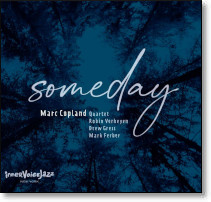
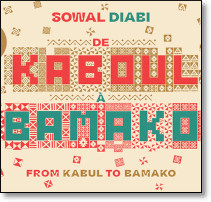
More details in the EOY lists for Jazz (73 A-list) and Non-Jazz (80 A-list). My tracking file shows 1524 records rated this year (out of 4619 listed). You might also find the EOY Aggregate interesting. New records reviewed this week: $ilkmoney: I Don't Give a Fuck About This Rap Shit, Imma Just Drop Until I Don't Feel Like It Anymore (2022, DB$B): Rapper from Virginia, fourth album, this title only slightly longer than the others. B+(**) [sp] Taru Alexander: Echoes of the Masters (2022, Sunnyside): Drummer, father a saxophonist, started early, playing with Reggie Workman at 13. First album, cover surrounds his picture with a name cloud of various sizes, of which I can make out Billy Higgins and Roland Alexander near the top, elsewhere Tony Williams, Mulgrew Miller, McCoy Tyner, John Coltrane, and largest of all, Freddie Hubbard. Actual group here has Antoine Roney (tenor sax), James Hurt (piano), and Rashaan Carter (bass), with Hanka G. singing one track. B+(***) [sp] Jake Blount: The New Faith (2022, Smithsonian Folkways): Black (ok, biracial) folk singer-sonwriter from DC, digs deep for his roots, then uses them to sing about the future, a bleak one, though perhaps not as bleak as it would be without a heritage that has survive plenty. B+(**) [sp] Zach Bryan: American Heartbreak (2022, Warner, 2CD): Country singer-songwriter, born in Okinawa to a Navy family, did eight years in the Navy himself, but was still just 26 when this third album was released, and it's a whopper, with 34 songs running 121:00. B+(**) [sp] Call Super: Swallow Me (2022, Can You Feel the Sun, EP): British electronica producer, Joseph Richmond-Seaton, three albums, more EPs and singles since 2011. This is basically a single: two tracks, 16:16. One of my favorite beat purveyors, but fairly minor. B+(**) [sp] Sabrina Carpenter: Emails I Can't Send (2022, Island): Singer-songwriter from Pennsylvania, started as an actor at age 12, fifth album by age 23. B+(***) [sp] Melissa Carper: Ramblin' Soul (2022, Mae Music): Country singer-songwriter, plays banjo and upright bass, started out with a family band, has two self-released albums on her own, plus two more with Rebecca Patek (one as Buffalo Gals Band). B+(**) [sp] The Casual Dots: Sanguine Truth (2022, Ixor Stix): Second album, after an eponymous 2004 debut on Kill Rock Stars. DC alt-rock trio, froonted by singer-guitarist Kathi Wilcox. B+(**) [sp] Marc Copland Quartet: Someday (2022, InnerVoice Jazz): Pianist, 40-plus albums since 1988, a quartet with Robin Verheyen (tenor/soprano sax; also wrote 2 songs to Copland's 3), Drew Gress (bass), and Mark Ferber (drums). Near-perfect balance. A- [sp] Jon Cowherd Trio: Pride and Joy (2022, Le Coq): Pianist, originally from Kentucky, has a couple albums under his own name, several dozen side credits. Trio here with John Patitucci (bass) and Brian Blade (drums). One oddity is the Vol. 2 in the lower right corner -- as best I can tell, Vol. 1 was a Patitucci album called Trio with Vinnie Colaiuta and Bill Cunliffe. Another oddity is that this opens with two of three tracks (of eight total) with Chris Potter (tenor sax) and Alex Acuña (percussion). B+(*) [sp] Dandy Dandie: Hypnos & Morphée (2019 [2022], Yolk Music): Side-project composed and arranged by French saxophonist Alban Darche (one track by trumpet player Geoffroy Tamisier), built around texts from Poe, Baudelaire, Verlaine, Roethke, and others, sung by Chloë Cailleton. With piano by Nathalie Darche, but no drums or anything else, has an art song feel, but I like the sax. B+(*) [sp] Harold Danko: Rite Notes (2021 [2022], SteepleChase): Pianist, thirty-plus albums since 1979, takes this one solo. B+(*) [sp] Daphni: Cherry (2022, Jiaolong): Canadian electronica producer Dan Snaith, recorded a couple albums as Manitoba (2001-03) before switching to Caribou (2005, 5 albums through 2020) and adding Daphni as an alias (2012, 4th album). B+(***) [sp] Eli Degibri: Henri and Rachel (2021 [2022], Degibri): Israeli saxophonist (tenor/soprano), studied in Boston and moved to New York before returning in 2011, eighth album since 2003, dedicated to his parents. B+(***) [sp] Hamid Drake: Dedications: Black Cross Solo Sessions 6 (2020 [2022], Corbett vs. Dempsey): Drummer, originally from Louisiana but moved to Chicago as a child, playing especially with Fred Anderson, and later with William Parker. Solo, nine pieces, each dedicated to free jazz notables, not least the drummers. B+(**) [bc] Dai Fujikura/Jan Bang: The Bow Maker (2022, Punkt): Japanese composer of "contemporary classical music," based in UK, teams here with the Norwegian composer-producer, who tends to straddle jazz and electronica. Atmospheric, a bit dark at times. B+(*) [sp] Runhild Gammelsæter & Lasse Marhaug: Higgs Boson (2022, Ideologic Organ): Norwegian voice/electronics duo, she has a PhD in cell physiology and is on the board of a biotech company, but has a background singing in metal bands. He has a rep as a noise artist: I first encountered him in Vandermark groups, but more often these days I see him credited with album art. Second album together, after 2014's Quantum Entanglement. B+(*) [sp] Julia Hülsmann Quartet: The Next Door (2022, ECM): German pianist, several albums since 2000, fourth Quartet album, with Uli Kempendorff (tenor sax), bass, and drums. Nice, even tone, with a lot of movement beneath the surface. B+(***) [sp] Shawneci Icecold/Fred Lonberg-Holm: Sepphoris (2022, Underground45): Pianist from Rhode Island, has a hip-hop sideline as well as several free jazz albums, mostly plays harmonium here, with Lonberg-Holm on cello and electronics. Runs 29:57. B+(**) [cd] Shawneci Icecold/Shuishan Yu: Flowing Water: Music for Guqin & Harpsichord (2022, Underground45): Another duet set, the guqin an ancient Chinese string instrument, plucked fits in nicely with the harpsichord. B+(**) [cd] Jazzanova: Strata Records: The Sound of Detroit (2022, BBE): German production collective, started in 1995, only a few proper albums but lots of remixes. This one honors a small Detroit label which released nine albums 1974-75, by artists little-remembered, a cocktail of jazzy pop that the producers are tempted to add some fizz to. Sean Haefeli claims most of the vocals, unfortunately. B [sp] Kassmasse: Bahil | Weg (2022, Meedo): Ethiopian, sings/raps in Amharic, with a catchy beat and agreeable musicality. B+(***) Lady Aicha & Pisco Crane's Original Fulu Miziki Band of Kinshasa: N'djila Wa Mudjimo (2022, Nyege Nyege Tapes): This seems to be the same group that released a highly recommended EP earlier this year (Ngbaka EP), but at greater length here, not least in the headline credit. Like Congotronics, they salvage and engineer instruments from junk, not just drums but that's what makes this work. A- [sp] Little Simz: No Thank You (2022, Age 101/Awal/Forever Living Originals): Late album drop from UK rapper Simbi Ajikawo, her fifth, after 2021's Sometimes I Might Be Introvert swept many of the year's best album lists. Major musical contribution here by Dean Josiah Cover (of Sault), with Cleo Sol (also of Sault) backing vocals, but still sharpest when the raps cut through to the front. A- [sp] Igor Lumpert's Innertextures: I Am the Spirit of the Earth (2021 [2022], Clean Feed): Slovene tenor saxophonist, based in New York since 2000, favored group name dates from a 2004 album title. B+(**) [sp] João Madeira/Wagner Ramos: Meristema (2022, 4darecord): Portuguese duo, bass and drums, fairly minimal but sustains my interest for 71:11. B+(***) [cd] Joe Magnarelli: New York Osaka Junction (2022, SteepleChase): Mainstream trumpet player, early albums (1998-2006) on Criss Cross, recent ones (since 2018) here. Osaka connection is organ player Akiko Tsuruga, joined with Gary Smulyan (baritone sax) and Rudy Royston (drums). As hopped up as a big band. B+(*) [sp] Majamisty Trio: Wind Rose (2021 [2022], Majamisty): Serbian piano-bass-drums trio (Maja Alvanovic, Ervin Malina, Lav Kovac), fourth album, cover notes two featured guests: Aneta George (vocals), and Ulrich Drechsler (clarinet). B+(*) [sp] Dado Moroni/Jesper Lundgaard/Lee Pearson: There Is No Greater Love (2016 [2022], Storyville): Italian pianist, many albums since 1980, this a trio with a Danish bassist and an American drummer. Flashy swing-oriented piano, gets down on "C Jam Blues." B+(***) [sp] Odesza: The Last Goodbye (2022, Foreign Family/Ninja Tune): Electropop duo from Washington state, Harrison Mills (Catacombkid) and Clayton Knight (BeachesBeaches), fourth album since 2012. Guest vocals include Juliana Barwick, Bettye LaVette, and Låpsley. B+(**) [sp] Sadistik x Kno: Bring Me Back When the World Is Cured (2022, self-released): Seattle rapper Cody Foster, half-dozen albums since 2008, helped here by Atlanta producer Ryan Wisler, a founder of CunninLynguists. B+(***) [sp] Sault: 11 (2022, Forever Living Originals): British collective, anonymous when they first appeared in 2019, their first albums striking me as the second coming of Chic, but we now know that's just one of various masks. We also have a couple identities: producer Inflo (Dean Josiah Cover, who's worked with Little Simz), and vocalist Cleo Sol (who has three of her own albums). This kicks off a batch of five new digital-only albums that dropped on November 1. Strikes me as trivial on its own. Most reviewers glommed them together, then threw up their hands. B+(*) [sp] Sault: AIIR (2022, Forever Living Originals): Title seems to refer back to their April, 2002 Air, which, as I noted at the time, with its strings and choral vocals "lost me." Same elements here, not worth making fine distinctions over, although this has five new titles, is shorter (25:27 vs. 45:06 for the seven-piece Air). B [sp] Sault: Earth (2022, Forever Living Originals): African drums, scattered raps, bits of tasty guitar, other effects which may or may not work. B+(*) [sp] Sault: Today & Tomorrow (2022, Forever Living Originals): A venture into retro rock, some say punk, but nowhere near that immediate, which is probably just as well. B+(*) [sp] Sault: Untitled (God) (2022, Forever Living Originals): One more, a long one (21 songs, 73:08), "God" appears in several titles and more lyrics, but "We Are Gods" strikes me as suspicious. I'm reminded here how often thinking of God turns the mind to mush, but the last two songs make me wonder whether mush is the point ("God in Disguise," "Life We Rent but Love Is Free"). Possibly the best album of the series, but more likely the worst. B [sp] Frank Paul Schubert/Kazuhisa Uchihashi/Klaus Kugel: Black Holes Are Hard to Find (2021 [2022], Nemu): German saxophonist (alto/soprano), albums since 2005, in a trio with guitar/electronics and drums. B+(***) [cd] Maya Shenfeld: In Free Fall (2022, Thrill Jockey): Israeli composer, originally studied classical guitar, but moved to Berlin and got into electronics. First album, stately pieces that drift between ambient and drone. B+(*) [sp] Sowal Diabi: De Kaboul à Bamako (2022, Accords Croisés): An international project, named for Persian and Bambara words for "question" and "answer," with two singers -- Mamani Keita of Mali and Sogol Mirzael of Kurdish Turkey -- plus Iranian violinist Aïda Nosrat and various French musicians. Both ends of the imaginary journey have been damaged by war and terror, but if Mali is the answer, the answer must be music. A- [sp] Special Interest: Endure (2022, Rough Trade): Third album from a New Orleans no-wave dance-punk group, a' contradiction they flaunt but don't necessarily resolve. B+(*) [sp] SZA: SOS (2022, Top Dawg/RCA): R&B singer Solána Rowe, second album, both critical and commercial successes, not that they do much for me. B+(**) [sp] Ricardo Toscano Trio: Chasing Contradictions (2021 [2022], Clean Feed): Portuguese alto saxophonist, several albums, this a basic trio with Romeu Tristão (bass) and João Pereira (drums). B+(**) [sp] Wako: Ut Av Det Nye (2022, Øra Fonogram): Norwegian quartet, led by pianist Kjetil Mulelid and saxophonist Martin Myhre Olsen, with Bárður Reinert Poulsen on bass and Simon Olderskog Albertsen on drums. Sixth album since 2015. B+(**) [sp] Weyes Blood: And in the Darkness, Hearts Aglow (2022, Sub Pop): Singer-songwriter Natalie Mering, fifth album, but only the second to see much chart presence. Much pomp and splendour, with a little more beat this time. B [sp] Jason Yeager: Unstuck in Time: The Kurt Vonnegut Suite (2022, Sunnyside): Pianist, several albums, starts from anecdotes showing the comic novelist, born 100 years ago, to have been a jazz fan, indeed a wannabe jazz pianist, and presents him with some music, which may or may not have tickled his funny bone. B+(**) [cd] Per Zanussi & Vestnorsk Jazzensemble: Li (and the Infinite Game) (2022, Clean Feed): Norwegian bassist, several albums since 2004, his Zanussi 5 Live in Coimbra (2014) impressed me. Working with a large (11 by my count) group here. B+(**) [sp] Recent reissues, compilations, and vault discoveries: The Pyramids: AOMAWA: The 1970s Recordings (1973-76 [2022], Strut, 4CD): Saxophonist Bruce Baker, originally from Chicago, better known since 2012 as Idris Ackamoor, founded this Afrocentric, Sun Ra-influenced group in Antioch, Ohio, in the early 1970s as part of Cecil Taylor's Black Music Ensemble. A- [bc] Buddy Tate & White Label: Tate's Delight (1982 [2022], Storyville): One of the famed Texas Tenors, came up in the Basie band, has a local Danish quintet for support, playing upbeat songs they all should know, including "Jumpin' at Woodside" and "Lester Leaps In." B+(***) [bc] Old music: Roland Alexander: Pleasure Bent (1961 [1962], New Jazz): Tenor saxophonist (1935-2006), from Boston, first album, Discogs only credits him with one more (a live quintet in 1978), came to my attention only when his drummer son released a good hard bop album (although now I recognize a few notable side credits, like Eddie Gale's Black Rhythm Happening (1969). This is remembered as a hard bop lineup, with Marcus Belgrave (trumpet) and Ronnie Mathews (piano), but is more mainstream, the sax tone softer, with a bit of swing. B+(**) [r] Willi Carlisle: Too Nice to Mean Much (2016, self-released, EP): Arkansas tunesmith, first album, or most of one (six songs, 25:56), got some clever words, banjo too. B+(***) [sp] Willi Carlisle: To Tell You the Truth (2018, self-released): Twelve songs this time, four credited to Traditional. Seems to be aiming for something darker, more primitivist. B+(**) [sp] Billy Harper Quintet: Destiny Is Yours (1989 [1990], SteepleChase): Tenor saxophonist, from Texas, 1975 album Black Saint inspired the name for one of the era's most important labels. With Eddie Henderson (trumpet), Francesca Tanksley (piano), Clarence Seay (bass), and Newman Baker (drums) -- with a new bass player, this group went on to record three volumes of Live on Tour in the Far East (Vol. 2 is especially spectacular). B+(**) [sp] Ronnie Mathews With Freddie Hubbard: Doin' the Thang! (1963 [1964], Prestige): Pianist (1935-2008), mostly shows up in side credits, starting in 1961 with albums led by Roland Alexander and Bill Hardman. This was his first album as leader, with four originals plus Ellington and Davis covers, with Hubbard on trumpet, Charles Davis on baritone sax, Eddie Kahn on bass, and Albert Heath on drums, shortly before Matthews appeared on Hubbard's Breaking Point. B+(**) Ronnie Mathews/Roland Alexander/Freddie Hubbard (1961-63 [2002], Prestige): CD reissue combines two LPs, both with Mathews on piano: one with Hubbard on trumpet (Hubbard gets the small cover print, although he's much the bigger name), and another led by tenor saxophonist Alexander, with Marcus Belgrave on trumpet. B+(**) [r] Grade (or other) changes: Willi Carlisle: Peculiar, Missouri (2022, Free Dirt): Folksinger from the Ozarks, earned his credentials the new-fashioned way, with a BA in Writing and Performance Studies and a MFA in Poetry, plus two self-released albums before moving up to a label with a name. [was B+(***)] A- [sp] Unpacking: Found in the mail last week:
Ask a question, or send a comment. Wednesday, December 14, 2022 Music Week
December archive (in progress). Music: Current count 39275 [39203] rated (+72), 36 [32] unrated (+4: 8 new, 28 old). The rated count, and the reviews below, cover 9-10 days, which partly explains the big numbers. But even at the normal 7-day mark I was close to 50, a total that pops up mostly when I go off into deep dives of mostly-familiar old music (often with short run times), like my recent specials on Jerry Lee Lewis (58) and Loretta Lynn (63). This week was nowhere near that easy, but I was locked into a zone counting jazz critics' ballots, and they were generating long lists of things to check out. The official deadline was end-of-business Monday, but on Tuesday I compiled a list of invited critics who hadn't voted and sent off last-ditch reminders. That produced another half-dozen ballots, bringing the total to 150. That leaves me four short of last year. I'm a bit disappointed, but it's still a respectable turnout, enough to maintain our boast of having the broadest, most comprehensive poll anywhere. I still have a ton of work to do, starting with adding notes to explain various artifacts of the poll. The biggest problem this year was how many voters wanted to combine votes for two albums in one line, especially where labels released two albums by one artist at the same time: Mary Halvorson, Amaryllis and Belladonna (May 13, on Nonesuch; complicating this, they were released as separate albums on CD and digital, but were packaged together on vinyl); and Ahmad Jamal, Emerald City Nights: Live at the Penthouse 1963-1964 and 1965-1966 (Dec. 2, on Jazz Detective/Elemental). This week's haul means that I've currently heard and rated 843 jazz albums this year (out of 1443 in my tracking file, a file which now includes 185 albums that got votes in the Jazz Critics Poll that I haven't yet heard, even as I'm shouldering the day-to-day work. Needless to say, work on my Non-Jazz EOY and my EOY aggregate files has largely stalled (although not before Beyoncé took a commanding lead in the latter). To answer a question I just got, the poll will again be published by Arts Fuse, some time between Christmas and New Years, and will be known as the 17th Annual Francis Davis Jazz Poll, in honor of its founder and guiding spirit, who I'm pleased to say is still keeping a keen eye on things. I did manage to kick out a belated Speaking of Which on Tuesday. Buried therein is the germ of an idea on how to solve a large share of America's political problems. I didn't get around to writing about the plan to shift the Democratic presidential primaries away from Iowa and New Hampshire and focus on South Carolina, but I recall floating an idea quite a while back to restructure primaries: run them in five Super Tuesday rounds, starting with the 10 smallest states (plus D.C.), then the next 10, etc. The bottom 10 states have too many Dakotas, but are still pretty diverse. You could even do more than 10 for the first round, so you can pick up traditional early states like Iowa, South Carolina, and Nevada. A couple new ideas could help here: the Democratic Party could run the primaries privately, mostly using mail votes (based on state registration records), so you wouldn't have to get a lot of state laws passed; the Party would be responsible for providing a neutral forum for debates, pamphlets, and get-out-the-vote efforts, in effect centralizing a lot of the fundraising tasks, and making campaigning much less prohibitively expensive; eligibility would be limited from round to round based on results. .New records reviewed this week: Alex Acuña: Gifts (2021 [2022], Le Coq): Drummer, originally from Peru, moved to Puerto Rico in 1967 and on to Las Vegas in 1974. Played in Weather Report 1975-78, many side-credits since along with a few albums he led. Peruvian saxophonist Lorenzo Ferrero stands out among a fine Latin jazz ensemble. B+(**) [sp] Adeem the Artist: White Trash Revelry (2022, self-released): Country singer-songwriter Adem Bingham, originally a "seventh-generation Carolinian," considered the ministry before a songwriting bug and other concerns led to a very good debut album called Cast-Iron Pansexual. Here a deep dive into his "white trash" roots generates an even better sequel. A- [sp] [Ahmed]: Ahad/Wahid (2022, A Cheeseboard Production, EP): Two songs, 11:04, a free jazz quartet with Pat Thomas (piano), Antonin Gerbal (drums), Joel Grip (bass), and Seymour Wright (alto sax). They had a good album out in 2021. This could fit into another. B+(*) [bc] Zoh Amba: O, Sun (2021 [2022], Tzadik): Young tenor saxophonist, from Tennessee, first album of many released in 2022 -- I count six in my tracking file -- making her enough of a big deal that she got an in-depth profile in the New York Times. Quartet with Micah Thomas (piano), Thomas Morgan (bass), and Joey Baron (drums), with producer John Zorn joining for one track (alto sax, on "Holy Din"). Some hot streaks, but mostly this is toned down nicely. A- [dl] JoVia Armstrong & Eunoia Society: The Antidote Suite (2022, Black Earth Music): First album, has a fair number of side-credits (percussion and vocals) going back to Nicole Mitchell's Black Earth Ensemble in 2002. Composes and plays "hybrid cajon kit" here. Group also features Leslie DeShazor (violin), plus various guests including Mitchell (flute), Jeff Parker (guitar), Yaw Agyeman (vocals), and Teh'Ray Hale (rapper). B+(**) [bc] Balance: Conjure (2020 [2022], Two Rooms): Saxophonist Marcus Elliot and pianist Michael Malis, with drums (Gerald Cleaver) on two tracks, and spoken vocals (Chace Morris) on two more. B+(**) [bc] Barcelona Clarinet Players: Fantasías Barcelónicas: A Tribute to Paquito D'Rivera (2021 [2022], Sunnyside): Spanish (or Catallan?) quartet: two clarinets, basset horn, and bass clarinet, with the Cuban object of their affection sitting in on four (of eleven) tracks. B+(*) [sp] Basher: Doubles (2021 [2022], Sinking City): New Orleans group led by tenor saxophonist Byron Asher, who has several group albums, with Aurora Nealand on alto sax, Daniel Meinecke (synthesizers), and two drummers. A potent mix of avant riffing with swarming rhythm, not that it always works. B+(*) [bc] Battle Trance: Green of Winter (2022, New Amsterdam): Saxophone quartet, third studio album, all tenors, led by composer Travis Laplante, with Patrick Breiner, Matthew Nelson, and Jeremy Viner. B+(*) [sp] The Baylor Project: The Evening: Live at Apparatus (2022, Be a Light): Singer Jean Baylor, husband-drummer Marcus Baylor, a band with Terry Brewer on keyboards, Yasuhi Nakamura on bass, and a horn section (trumpet, trombone, tenor/soprano sax). B+(**) [sp] Karl Berger/Kirk Knuffke: Heart Is a Melody (2022, Stunt): The cornet player could claim this, but much respect to the 87-year-old German who plays vibes, piano, Rhodes, and Melodica. Also to the smaller-print names on the cover: Jay Anderson (bass) and Matt Wilson (drums). B+(***) [sp] Ran Blake: Looking Glass (2015 [2021], A-Side): Pianist, about 80 when he recorded this, one of many solo albums. Thoughtful and unpredictable as ever. B+(***) [sp] Blue Lines Trio: Chance and Change (2022, Casco): Dutch group, debut album 2014, with compositions by Michiel Scheen (piano) and Raoul van der Weide (bass, crackle box, sound objects), plus George Hadow on drums. Most impressive when they pick up the pace and break free. B+(***) [bc] Blue Moods: Myth & Wisdom (2021 [2022], Posi-Tone): The label's house band -- Diego Rivera (tenor sax), Art Hirahara (piano), Boris Kozlov (bass), and Joe Strasser (drums), with Dave Kikoski on piano for 3 (of 10) tracks -- kick off the Mingus centenary year with ten favorites. B+(**) [sp] Surya Botofasina: Everyone's Children (2022, Spiritmuse): Keyboard player, based in New York, a follower of Alice Coltrane, bills this debut as "spiritual avant-garde music," though it ticks most of the boxes for ambient, then starts to build something more grandiose, which eventually turns into just long. B+(*) [bc] Staffan Bråsjö: Stratosfär (2020 [2022], self-released): Swedish pianist (also plays organ here, and conducts choir elsewhere), seems to be his first album, although he has side-credits, including the group Into the Wild. Trio with Josefin Runsteen (mostly violin) and Vilhelm Bromander (bass). With the notes citing Bach and Beethoven, this could pass as classical chamber music, but must be jazz because I find it very likable. B+(***) [bc] Anna Butterss: Activities (2022, Colorfield): Bassist, both electric and acoustic, originally from Australia but based in Los Angeles, appears on Jeff Parker's Mondays at the Enfield Tennis Academy, produces a similar, subtle, shifting groove album here, dubbing in guitar, keyboards, percussion, and flute, along with bits of vocal. Josh Johnson plays sax on two tracks, and there are spot drums/percussion credits. B+(***) [sp] Frank Carlberg Trio: Reflections 1952 (2021 [2022], 577): Finnish pianist, based in New York, couple dozen albums since 1992. Trio with John Hébert (bass) and Francisco Mela (drums), with a couple vocal spots. The date was a turning point for Thelonious Monk, with reflections on his music, but nothing as simple as a cover. B+(***) [bc] François Carrier/Alexander von Schlippenbach/John Edwards/Michel Lambert: Unwalled (2022, Fundacja Sluchaj): Alto sax, piano, bass, drums. It seems like Quebec natives Carrier and Lambert have spent much of the last two decades wandering around Europe in search of inspiring piano and bass partners. They finally hit the jackpot in Berlin. A- [dl] Chicago Soul Jazz Collective Meets Dee Alexander: On the Way to Be Free (2022, JMarq): First group album, so it's hard to picture them without the singer, who is a major asset. B+(*) [sp] Trish Clowes: A View With a Room (2021 [2022], Greenleaf Music): British saxophonist (tenor/soprano), six albums on Basho before this one, a quartet with Ross Stanley (keyboards), guitar, and drums. Nicely appointed postbop. B+(**) [sp] Theo Croker Quartet: Jazz at Berlin Philharmonic XII: Sketches of Miles (2021 [2022], ACT): American trumpet player, albums since 2007, quartet -- Danny Grissett (piano), Joshua Ginsburg (bass), and Gregory Hutchinson (drums) -- backed by Berliner Philharmonic conducted by Magnus Lindgren, in a long, surefire program that draws on Miles Davis. B+(**) [sp] Espen Eriksen Trio Featuring Andy Sheppard: In the Mountains (2022, Rune Grammofon): Norwegian pianist, Trio with Lars Tormod Jenset (bass) and Andreas Bye (drums) has eight albums, this the second joined by the saxophonist (3/7 tracks). Piano is solid on its own, but the sax is special. B+(***) [sp] Extended: Without Notice (2020 [2022], self-released): New Orleans-based piano trio -- Oscar Rossignoli, Matt Booth, Brad Webb -- all three write songs. Released an album, Harbinger in 2019, that I misread and took the title to be the group name. (Fixing that is going to be a pain.) Meanwhile, another smart set. B+(**) [bc] Ezra Collective: Where I'm Meant to Be (2022, Partisan): British jazz quintet, led by drummer Femi Koleoso, with Ife Ogunjobi (trumpet), James Mollison (tenor sax), Joe Armon-Jones (keyboards), and TJ Koleoso (bass). Second album, mostly a groove I find very attractive, various guest spots including vocal features (Sampa the Great, Kojey Radical, Emeli Sandé, Nao). B+(**) [sp] Fazer: Plex (2022, City Slang): German quintet, with trumpet (Matthias Lindermayr), guitar (Paul Brändle), bass, and two drummers. Some sort of post-rock fusion vibe, but the trumpet has some moves, and it's never overly pat. B+(**) [sp] Anthony Ferrara: Cold Faded (2022, SteepleChase): Young tenor saxophonist, based in New York, second album, gets a veteran rhythm section: Gary Versace (piano), Jay Andersen (bass), and Billy Drummond (drums). B+(**) [sp] Free Form Funky Freqs: Hymn of the 3rd Galaxy (2020-21 [2022], Ropeadope): Funk-fusion all-star jam: G. Calvin Weston (drums), Vernon Reid (guitar), and Jamaaladeen Tacuma (bass). Third album, after ones in 2008 and 2013. Could be freer (or for that matter, funkier), but lots of pyrotechnic guitar. B+(*) [bc] Charlie Gabriel: Eighty Nine (2022, Sub Pop): Longtime clarinet/tenor sax player with Preservation Hall Jazz Band, steps out front with an album named for his age, perhaps not a debut, but should be. A banner proclaims "Preservation Hall Presents," and with Ben Jaffe producing the band backs up his old songs, but nothing that screams "trad jazz." He sings a couple, but not as eloquent as his sax. B+(***) [sp] Marshall Gilkes: Cyclic Journey (2022, Alternate Side): Trombonist, sixth album since 2008, a nine-part suite with a fairly large (12-piece) group: a wide range of brass, but no reeds. This has a lovely sound, but triggers my anti-classical reflex. B+(*) [sp] Onno Govaert + Martina Verhoeven/Dirk Serries: Twofold (2021 [2022], A New Wave of Jazz, 2CD): Dutch drummer, albums since 2008, offers two substantial duo discs, one with piano (45:38), the other with guitar (42:10). B+(***) [bc] Pasquale Grasso: Be-Bop! (2022, Sony Masterworks): Italian guitarist, seventh album since 2015, most solo but this one adds bass (Ari Roland) and drums (Keith Balla), playing one original, one Monk, seven songs by Charlie Parker and/or Dizzy Gillespie, plus "I'm in a Mess," which Gillespie recorded in 1951, and Samara Joy sings. B+(**) [sp] Craig Harris: Managing the Mask (2021 [2022], Aquastra): Trombonist, also credited with didgeridoo and vocals (three tracks), started with Sun Ra (1976-80), recorded a couple of notable albums for Soul Note in the 1980s, hasn't released a lot more but his 2005 Souls Within the Veil was masterful. B+(**) [sp] Ulf Ivarsson/Bill Laswell: Nammu (2022, Ropeadope): Two bassists, one Swedish, the other American, have similar careers on the fringes of jazz and pop, leads a group here with Thomas Backman (baritone/alto sax, bass clarinet), organ, and drums. Better for its heavy grooves than ambient affectations. B+(**) [sp] Keefe Jackson/Jim Baker/Julian Kirshner: Routines (2019 [2022], Kettle Hole): Saxophonist from Arkansas, in Chicago since 2001, Discogs lists 12 albums and twice that many groups. Plays tenor and sopranino here, with piano/synthesizer and drums. Very hit and miss: great in spots, then hits a tone I can't stand. B [bc] Ant Law & Alex Hitchcock: Same Moon in the Same World (2020-21 [2022], Outside In Music): British, guitar and saxophone, both have previous albums, recorded this during lockdown with various guests -- exact credits are hard to come by. B+(**) [sp] Janel Leppin: Ensemble Volcanic Ash (2022, Cuneiform): Cellist, also plays keyboards, sixth album since 2011, married to guitarist Anthony Pirog (probably a subject for further research), who amps up the string contingent here (cello, harp, and Luke Stewart on bass). They're joined by two saxophonists (Sarah Hughes on alto, Brian Settles on tenor), with Larry Ferguson on drums. B+(***) [dl] Joyce Moreno: Brasileiras Canções (2022, Biscoito Fino): Brazilian singer, started in late 1960s, just used her first name until 2009. B+(**) [sp] Paal Nilssen-Love Circus: Pairs of Three (2021 [2022], PNL): Norwegian drummer, many projects including The Thing. New group here: a sextet with trumpet (Thomas Johansson), alto sax (Signe Emmelulth), accordion, guitar, and bass, plus South African singer Juliana Venter -- who may color background, or free associate (at one point sampling "Strawberry Fields Forever" then sliding into "we are the victims of the Deep State"), or just lay out. Much going on here. B+(***) [bc] Jeff Parker ETA IVtet: Mondays at the Enfield Tennis Academy (2019-21 [2022], Eremite): Guitarist, I still associate him with Chicago but he's moved on to Los Angeles, worked in avant-jazz and post-rock groups and produced a wide range of albums under his own name. Four tracks here from three dates, ranging 18:00-23:37, are ambient vibe pieces with some meat on their bones, from a quartet with Josh Johnson (alto sax & pedals), Anna Butterss (bass), and Jay Bellerose (drums). A- [dl] Pillbox Patti: Florida (2022, Monument): Florida native Nicolette Hayford, has been kicking around Nashville a decade or so, accumulating songs about the hard life, admitting youth is past and barely notice, leaving her cohort "a little fucked up, but we're still breathing." Debut album, a short one (8 songs, 29:15). B+(**) [sp] Ishmael Reed: The Hands of Grace (2022, Reading Group): Famous novelist and poet -- I read The Freelance Pallbearers shortly after it came out in 1967 but lost track after The Last Days of Louisiana Red (1974) -- crossed over to jazz when Kip Hanrahan produced his Conjure albums, then released a collection of his piano in 2003. More piano here, mostly solo but some accompanied by flute, guitar, violin, and/or voice (Tennessee Reed). Nothing great, but catches your interest. B+(**) [bc] Revelators Sound System: Revelators (2022, 37d03d): Jazz side project of MC Taylor (Hiss Golden Messenger) and Cameron Ralston (The Spacebomb House Band). B+(*) [sp] Stephen Riley: My Romance (2021 [2022], SteepleChase): Mainstream tenor saxophonist, steady run of albums since 2007, this one a trio with Brian Charette (organ) and Billy Drummond (drums). B+(***) [sp] Gonzalo Rubalcaba & Trio D'ÉTÉ: Turning Point (2018 [2022], 5Passion): Cuban pianist, long based in Florida, many albums since 1985. This is a trio with Matthew Brewer (bass) and Eric Harland (drums), playing seven original Rubalcaba pieces. B+(***) [sp] Rich Ruth: I Survived, It's Over (2022, Third Man): Given name Michael Ruth, based in Nashville, plays guitar, bass, keyboards, percussion. Second album, billed as ambient but a little loud for that, even before the saxophones (3 + flute) kick in. B [sp] James Singleton: Malabar (2022, Sinking City): Bassist, from New Orleans, has been around a while but doesn't have much as leader. This is boundary-pushing postbop, with' two saxophones (Rex Gregory and Brad Walker), guitar, drums, and vibes/percussion (Mike Dillon). B+(**) [sp] Gary Smulyan: Tadd's All, Folks (2021 [2022], SteepleChase): Baritone saxophonist, twenty-some albums since 1997, plays Tadd Dameron songs here, backed by piano (Pete Malinverni), bass (David Wong), and drums (Matt Wilson), sharing the spotlight with vocalist Anaïs Reno. B+(**) [sp] SWR Big Band/Magnus Lindgren/John Beasley: Bird Lives (2021, ACT): German big band, founded 1951 in Stuttgart attached to public radio station SWR, Discogs lists 50+ albums since 1998, nearly all vehicles for guest stars. Both Lindgren, a Swedish saxophonist, and Beasley, an American pianist, are into big band arranging, and they've lined up a long list of stars -- e.g., Chris Potter and Joe Lovano on tenor sax, Charles McPherson and Miguel Zenón on alto -- to plow through Charlie Parker's songbook. This has some big moments, but perhaps a bit too much formaldehyde? B+(*) [sp] Jamaaladeen Tacuma/Mary Halvorson: Strings & Things (2014 [2022], Jam-All Productions): Bass and guitar duo, plus some electronics, recorded on the sly during a tour in Japan. Typical of her guitar style in a friendly context. Seven tracks, 28:52. B+(**) [bc] Thollem: Obstacle Illusion (2021 [2022], Astral Spirits): Pianist, last name McDonas, three dozen albums since 2004, four pieces here, each between 18:13 and 18:45. No credits for other musicians, but second piece sounds like a mix of organ and electronics. B+(*) [bc] Micah Thomas: Piano Solo (2022, LP345): Young pianist, impressive in several recent side-credits, has chops and ideas. B+(**) [sp] Pat Thomas & XT [Seymour Wright/Paul Abbott]: Akisakila/Attitudes of Preparation (Mountains, Oceans, Trees) (2018 [2022], Edition Gamut): British pianist plays tribute to Cecil Taylor by arranging his 1973 piece, with drums and sax, like the original with Andrew Cyrille and Jimmy Lyons. As with the original, the thrash is pretty intense. Finishes with an interview with Cecil Taylor, which Thomas vamps around with. Discogs gives Will Holder a co-credit, for wrapping the album up in small type I can't read. B+(***) [bc] Tess Tyler: Fractals [Vol. 1] (2022, Manners McDade): Composer, from Bristol, first album (although there's a Vol. 2 out the same day -- the volume numbers aren't on the covers, but referred to on Bandcamp). No credits, but a video shows her playing piano with electronics and a drummer. A- [bc] Tess Tyler x Spindle Ensemble: Fractals [Vol. 2] (2022, Manners McDade): Five songs from Vol. 1 performed with the composer on piano, accompanied by a Bristol-based string quartet, intended to offer another view into the compositions. All aspects are reduced, including length (30:21). B+(*) [bc] Johannes Wallmann: Precarious Towers (2021 [2022], Shifting Paradigm): German pianist, fourth album, postbop quintet with Sharel Cassity (alto sax), Mitch Shiner (vibes), bass, and drums. B+(**) [sp] Yellowjackets: Parallel Motion (2022, Mack Avenue): Fairly popular jazz fusion group, debut 1981, keyboard player Russell Ferrante the only original member, but saxophonist Bob Mintzer joined in 1990, and keeps the group respectable, even when they offer little else of interest. B [sp] Recent reissues, compilations, and vault discoveries: Don Ayler: In Florence 1981 (1981 [2022], Railroad Town Music): Trumpet player, brother of saxophonist Albert Ayler, played in many of his brother's 1960s bands, quit after Albert died in 1970, and didn't play until the late 1970s. This live septet is the only thing recorded under his name: originally released on three LPs. It's basically six 15:41-17:27 pieces (107:02, including an extra spoken bit), performed by a mostly obscure septet -- only name I recognize is bassist Richard Willimams (he did a stretch with Sun Ra), but saxophonists Frank Doblekar and Abdul Rahim Mustafa (Donald Strickland) are honorary Aylers, and the guitar and piano can emerge from the cracks. Nice to hear them keep the faith. A- [sp] Donald Byrd: Live: Cookin' With Blue Note at Montreux (1973 [2022], Blue Note): Trumpet player (1932-2013), from Detroit, started in hard bop c. 1956, was a mainstay of the Blue Note label from 1959, when it entered a golden age, through its late-1960s decline, his experiments in fusion and funk, all the way to 1976. Group here represents his electric funk period, with Larry Mizell's synthesizers, electric piano (Kevin Toney), guitar (Barney Perry), and bass (Henry Franklin), drums and congas, two saxophones, and a second trumpeter (Fonce Mizell, who worked at Motown). B+(*) [sp] Jean-Charles Capon/Philippe Maté/Lawrence "Butch" Morris/Serge Rahoerson (1977, Souffle Continu -21): French cellist (1936-2011), swung both ways in groups like Bach Modern Quintet and Baroque Jazz Trio, in a quartet here with tenor sax, trumpet, and drums. B+(***) [bc] Ellery Eskelin/Gerry Hemingway: From the Archives: Live at the Stone in NYC, 2010 (2010 [2022], Auricle): Tenor sax and drums duo, a couple years after they recorded a similar duo called Inbetween Spaces. Three improv pieces totalling 59:53. A bit tentative, but impressive when they get going. B+(***) [bc] Ronnie Foster: Two Headed Freap (1972 [2022], Blue Note): Organ player, from Buffalo, first album of five released 1972-75 by Blue Note, had two 1978-79 Columbias, not much since until his Reboot (Blue Note) this year, which may have motivated a luxury vinyl reissue. Funk grooves with Gene Bertoncini (guitar), George Duvivier (bass), and Jimmy Johnson (drums), plus a little extra glitz on harp and vibes. B+(*) [sp] ICP Orchestra: 30 Yr Jubileum 1997: Day 1 (1997 [2022], ICP): From a "three-day festival/jubileum/party in 1997 to celebrate the 30 year anniversary of ICP." The lineup evolved over time, but this one is especially memorable: Misha Mengelberg (piano), Han Bennink (drums), Thomas Heberer (trumpet), Wolter Wierbos (trombone), Michael Moore (alto sax/clarinet), Ab Baars (clarinet/tenor sax), Ernst Reijseger and Tristan Honsinger (cello), and Ernst Glerum (bass). Add guests Steve Lacy (soprano sax) and Roswell Rudd (trombone), and of course they're playing Herbie Nichols and Thelonious Monk. Four tracks, 31:19. B+(***) [bc] ICP Orchestra: 30 Yr Jubileum 1997: Day 2 (1997 [2022], ICP): A much longer set (114:28), opening with three songs by guest Cor Fuhler (piano/organ/keyolin), with Louis Moholo (drums) and Roswell Rudd (trombone) also sitting in. After that, it's a kaleidoscope of Mengelberg pieces (with a Moholo co-credit). A- [bc] ICP Orchestra: 30 Yr Jubileum 1997: Day 3 (1997 [2022], ICP): A third set, runs 52:15, with Roswell Rudd guesting again, playing Mengelberg pieces plus a Herbie Nichols at the end. B+(***) [bc] Ahmad Jamal: Live in Paris (1971 [2022], Transversales Disques): Newly uncovered "lost tapes" from a live performance, three fairly long piano trio pieces (39:44), with Jamil Nasser (bass) and Frank Gant (drums). These are "excerpts from the full performance," but they are superb throughout. A- [bc] Jack McDuff: Live at Parnell's (1982 [2022], Soul Bank Music): Organ player Eugene McDuffy, recorded a ton 1960-65 for Prestige, several albums 1969-70 for Blue Note, and had a bit of a revival in the 1990s with Concord. This was from a period when he recorded little, selected from a week in Seattle, released on 3-LP (comes to 118:28). There is some dispute over who else is playing, but the sax and guitar are both rougher and more stronger than I'd expect. B+(**) [sp] Brother Jack McDuff: Moon Rappin' (1969 [2022], Blue Note): One of four albums the organ player released on Blue Note 1969-70, reissued this year in the label's Classic Vinyl Series. With uncredited guitar, bass, drums, and tenor sax/flute (somewhere). Still, the organ is what matters. B+(**) [sp] Thelonious Monk: Celebrating 75 Years of His First Recordings Revisited (1947-52 [2022], Ezz-Thetics): "23 Remastered Thelonious Monk Titles From The Blue Note Recordings." A selection from the recordings Blue Note has long hawked as The Genius of Modern Music, as well as in various compilations (The Very Best is a personal favorite, but this is half-again as long: 71:42). Revolutionary in its day, repertoire now. B+(***) [bc] Thelonious Monk Quartet: Live Five Spot 1958 Revisited (1958 [2022], Ezz-Thetics): More cherry-picking among the newly copyright-free classics. This is the same music Riverside picked for two LPs: Thelonious in Action and Misterioso, remastered with minor edits to fit a single CD. Johnny Griffin plays tenor sax, with Ahmed Abdul-Malik on bass and Roy Haynes on drums. Robert Christgau cites a Griffin solo on Misterioso as life-changing, but I'd be hard-pressed to tell you which, but note that the other album was the one where he got a "featuring" credit. [NB: Lonehill Jazz has its own competing Complete Live at the Five Spot 1958, including additional non-album material on 2-CD. This album is basically the first disc plus one cut from the second.] A- [bc] Old music: None. Unpacking: Found in the mail last week:
Ask a question, or send a comment. Monday, December 5, 2022 Music Week
December archive (in progress). Music: Current count 39203 [39159] rated (+44), 32 [33] unrated (-1: 4 new, 28 old). I sent a deadline reminder to Jazz Critics Poll invitees on Friday, and get a deluge of ballots back, bringing the total to 55. Took a long time to get them all counted, so yesterday's Speaking of Which was exceptionally short, mostly limited to links I might want to look back at later. Actual deadline is still a week away: December 12. We got 156 ballots last year, and I sent out more than 200 invites this year, so I expect a lot more work coming in. With all this, I had little time to review my own prospective ballot. However, I might as well practice what I preach and settle on a ballot now (with extra mentions for context:
Aside from Historical, this mostly corresponds to my highly volatile Best Jazz of 2022 list. My Historical votes have varied from the list for several years now, mostly because I value archival albums over reissues (especially the often-excellent Ezz-Thetics series), and because I value physical CDs over downloads and streaming. That worked against Cecil Taylor, and in favor of Sam Rivers (although I could just as well have picked Dave Brubeck, so there may be some mystery factor at work there). The Vocal category may also call for some explanation. The Hemingway album has vocals throughout, but isn't jazz in any broadly conventional sense -- you just hear little bits that suggest a jazz sensibility, which is to be expected from one of the great jazz drummers of the last 40 years. Camae Ayewa unconventional in other ways: a poet who first turned to rap then to jazz, her record is more explicitly jazz, but her vocals aren't. I found myself wanting to file several records last year on both lists, as I did Hemingway and Moor Mother this year. On the other hand, if you want a real, classic jazz singer, try Sheila Jordan. This week's haul is, once again, almost all jazz. A few weeks ago, when I first assembled the EOY Jazz and Non-Jazz files, I was surprised to find, for the first time since I've been splitting them, many more A-listed Non-Jazz albums. The gap has now closed to 68 to 75, and will probably close further next week. My secret tool is getting to see the Jazz Critics Poll ballots first. One thing that's slowed me in the counting is that I've been assembling a list of everything voted for that I haven't heard yet, which is currently 130 albums out of 443. That number has been increasing much faster than I can whittle it down. Most years we get votes for about 600 albums. There seems to be even less consensus than usual this year, so the final number may well exceed expectations.Meanwhile, other projects -- like the EOY Aggregate -- are languishing. I doubt that will change until the end of the year. If you're sitting on a Jazz Critics Poll invite, please fill it out and send it in. If you're not, but think you should be and want to fill one out, holler at me. I'm running out of time and energy to vet new voters, but we do have another week left. New records reviewed this week: Rodrigo Amado: Refraction Solo: Live at Church of the Holy Ghost (2021 [2022], Trost): Tenor saxophonist from Portugal, I've heard 25 of his albums since Lisbon Improvisation Players in 2002, and this is the 12th I've A-listed, including all but one of the last nine. What makes this one improbable is that it's solo -- as much as I love tenor sax, it's hard for any monophonic instrument to satisfy without some rhythm to nudge it along and/or bass for harmonics (or piano for both). Yet this one works: it opens with "Sweet Freedom," a profound (20:54) meditation on Coleman Hawkins and Sonny Rollins -- a quote from the latter always grabs me -- and two shorter pieces don't outstay their welcome (total: 33:41). A- [cd] Kate Baker & Vic Juris: Return to Shore: The Duo Sessions (2019 [2022], Strikezone): Jazz singer, has some side credits but this is the first album under her name, co-wrote three songs (out of 10). Date is "shortly before" her guitarist-husband's death, and much of the interest here will be in hearing him in such an intimate setting. But she's every bit as appealing. B+(***) [sp] Jeb Bishop/Pandelis Karayorgis/Damon Smith: Duals (2021-22 [2022], Driff/Balance Point Acoustics, 3CD): Trombone, piano, bass, three hour-long sets each duos of two of the three. Such duets are intrinsically limited, but each player brings real strengths to the match ups. B+(**) [dl] Michael Blake: Combobulate (2022, Newvelle): Canadian saxophonist, mostly tenor but credit here is plural, debut 1997, backed here by brass section -- Steven Bernstein on trumpet, Clark Gayton on trombone, Bob Stewart and Marcus Rojas on tuba -- plus drums. B+(***) [dl] Emmet Cohen: Uptown in Orbit (2022, Mack Avenue): Pianist, albums since 2011 include four Masters Legacy Series volumes -- sessions with Jimmy Cobb, Ron Carter, Benny Golson, and George Coleman -- a respect for tradition he continues here, framed by pieces from Willie "The Lion" Smith and Duke Ellington. Between, you'll find originals plus his arrangements of Neal Hefti, Cedar Walton, and Gerry Mulligan. Backed by bass and drums, half with a horn or two present (Sean Jones on trumpet, Patrick Bartley on alto sax). I have to admit, I'm partial to his stride. B+(**) [sp] Allen Dennard: Flashback (2022, Allen Dennard Music): Trumpet player from Detroit, seems to be his first album. Annoying lack of info on this album, but he's got some chops. B+(*) [sp] Dopolarians: Blues for Alvin Fielder: Live at Crosstown Arts, Memphis (2022, Mahakala Music): A tribute to the late drummer (1935-2019), who was born in Mississippi, headed to Chicago, played with Sun Ra, was a charter member of the AACM, eventually returned to the South, and plugged into the tiny free jazz scenes in New Orleans, Memphis, Dallas, and (joining this group in 2018) Little Rock. Billed here as a sextet, core members are Christopher Parker (piano), Chad Fowler (sax), Kelly Hurt (vocals), and Chad Anderson (drums, taking over Fielder's chair), joined here by Marc Franklin (trumpet), Douglas Ewart (sax), and William Parker (bass). Ends with a nice dedication. B+(**) [bc] Dopolarians: Sunday Morning Sermon (2022, Mahakala Music): No recording date, but obviously before drummer Alvin Fielder died in 2019. Core group is Christopher Parker (piano), Chad Fowler (alto/baritone sax), and Kelley Hurt (vocals), with Fielder on drums and Kidd Jordan on tenor sax. Bassist William Parker is listed on the cover, but not on the Bandcamp page. The piano solos cut down on the fire-breathing, which is probably just as well. B+(**) [bc] Dezron Douglas: Atalaya (2021 [2022], International Anthem): Bassist, many side credits but only a 2012 live album and a locked-down 2020 duo with wife-harpist Brandee Younger have his name up front. Quartet with sax (Emilio Modeste), keyboards (George Burton, and drums, plus one vocal (Melvis Santa). I like the way the bass leads into the sax, something he must have learned with Pharoah Sanders. I didn't like the vocal, and not just the singer. B+(***) [bc] Mats Eilertsen: Hymn for Hope (2021, Hemli): Norwegian bassist, more than a dozen albums since 2004 as well as a wide swathe of side-credits. This a quartet with Tore Brunborg (tenor sax), Thomas Dahl (guitar), and Hans Hulbaekmo (drums). Consistently nice vibe here. B+(***) [sp] Fractal Sextet: Fractal Sextet (2020-22 [2022], Alchemy): Guitarist Stephan Thelen, who has released a couple volumes of Fractal Guitar, got the ball rolling with four compositions, then sent the files around to be developed and detailed by this international coterie: Jon Durant added more guitar, along with Fabio Anile (keyboard), Colin Edwin (bass guitar), Yogev Gabay (drums), and Andi Pupato (percussion). A- [sp] Satoko Fujii: Hyaku: One Hundred Dreams (2022, Libra): Japanese pianist, very prolific since 1995, even went monthly a couple years back for her 60th birthday. Counts this as her 100th album, and I'm not about to check her math. She rounded up eight frequent collaborators for this, but unlike most nonets, this is light on horns (two trumpets, tenor sax, and bassoon), with double drums and Ikue Mori electronics. A single piece in five parts, but it doesn't feel arranged -- more like a series of do-you-thing solo spots. So it's not one of her more compelling statements, but offers a nice synopsis of a remarkable career (including some of the piano that caught our ears in the first place). A- [cd] [12-09] Forbes Graham/Jeb Bishop/Pandelis Karayorgis/Nate McBride/Kresten Osgood: Water Lilies (2022, Driff): Artist order as given on cover, but Graham (trumpet) and Bishop (trombone) only play on the fifth and last track (a 30:52 "Quintet Improvisation"). The others (piano, bass, drums) play rhythm there, and trio for the first four tracks (34:14). Both are substantial. B+(***) [dl] Mark Guiliana Jazz Quartet: The Sound of Listening (2022, Edition): Drummer, from New Jersey, started in the trio Heernt, has leaned toward fusion but this is more postbop, with Jason Rigby (tenor sax/clarinet/flute), Shai Maestro (piano), and Chris Morrissey (bass). B+(**) [sp] Mats Gustafsson & Nu Ensemble: Hidros 8: Heal (2016 [2022], Trost): Swedish saxophonist (all weights plus related instruments, but probably best known for baritone, which he plays here), main group in 1990s was AALY Trio, followed by The Thing since 2000, but he has many more records. First Hidros album in 2001. Group here is a conduction tentet, with Anna Högberg (alto and bari sax), Susana Santos Silva (trumpet), Per-Åke Holmlander (tuba), Hedvig Mollestad (guitar), Massimo Pupillo (bass), plus turntables, electronics, and two drummers, with an intriguing Christof Kurzmann vocal in the middle of the second side, which then sets up the massive ending we've all been waiting for. A- [bc] Jo Harrop: The Heart Wants (2021, Lateralize): British jazz singer, billed as her "first self-penned album," but Discogs lists a previous album. Has so-credits on eight (of 12 or 13) songs, with Duke Ellington and Tom Waits among the covers. B+(**) [sp] Gerry Hemingway: Afterlife (2020-22 [2022], Auricle): Drummer, was part of Anthony Braxton's extraordinary Quartet in the 1980s, also of the long-running BassDrumBone trio with Ray Anderson, and has dozens of significant albums on his own, over 250 in total. Still, none of the others are like this: songs with words, sung or just rapped, over widely varied beats with scattered instrumental colors. Bandcamp page cites 11 contributing musicians with no clue to what or where, since their contributions are just samples applied to the mix. First few second remind me of DJ Shadow. Rest isn't so obvious, but shades from pop to blues, with fanciful rhythm throughout. A- [bc] Ifsonever: Ifsonever (2022, Jazz & Milk): Daniel Helmer, first album, opens with voiceover presumably to clear his head, follows with ambient electronics with just enough beat to keep it enjoyable. B+(***) [bc] George V Johnson Jr: Walk Spirit Talk Spirit (2022, Your Majesty): DC-based jazz singer, Discogs lists one previous album, but offers no help parsing this one. Website suggests In Memory of McCoy Tyner as a subtitle, but he only does two Tyner songs, plus pieces by Lou Donaldson, Hank Mobley, Wes Montgomery, Herbie Hancock, Charlie Parker, and Nat Adderley, writing his own lyrics (aside from deferring to Mark Murphy for "Canteloupe Island"). So, vocalese? No credits for the hard-swinging band, either. B+(**) [sp] Max Johnson Trio: Orbit of Sound (2021 [2022], Unbroken Sounds): Bassist, handful of albums since 2012, composed all five pieces, joined by Anna Webber (tenor sax/flute) and Michael Sarin (drums). B+(***) [sp] Pandelis Karayorgis Trio: The Hasaan, Hope & Monk Project (2021-22 [2022], Driff): Greek pianist, moved to Boston in 1985, first album (1989) was a Monk set, trio with bassist Nate McBride goes back to 1999, drummer Luther Gray joined by 2012. This mixes six Monk tunes in with pieces by Elmo Hope (3) and Hasaan Ibn Ali (4). B+(**) [dl] Ruben Machtelinckx + Arve Henriksen: A Short Story (2022, Aspen Edities): Belgian guitarist, eighth album since 2012, a duo with the Norwegian trumpet player. Nice, ambient pairing, always attentive. B+(***) [bc] Hermon Mehari: Asmara (2022, Komos): Trumpet player, from Eritrea (although Discogs says Kansas City, where he got his degree), has a couple albums -- I was especially taken by his one with Florian Arbenz. Reflects on his war-torn nation here, backed by a band with piano/vibes (Peter Schlamb), bass, and drums, plus Eritrean vocalist Faytinga on two songs. Some terrific trumpet. A- [sp] Raul Midón: Eclectic Adventurist (2022, Artistry/Mack Avenue): Guitarist, from New Mexico, dozen albums since 1999. Mostly solo. B+(*) [sp] Per Møllehøj/Kirk Knuffke/Thommy Andersson: 'S Wonderful (2022, Stunt): Danish guitarist, has a couple albums, wrote three (of nine) songs here, with cornetist Knuffke writing two. Those pieces, with Andersson on bass, offer nice instrumental filler between the swing-era covers from Gershwin and Ellington, and two classics (with Knuffke vocals) from W.C. Handy. B+(**) [sp] Hedvig Mollestad & Trondheim Jazz Orchestra: Maternity Beat (2021 [2022], Rune Grammofon): Norwegian guitarist, sings some, mostly works in her Trio but her brings in the heavy guns: 12-piece avant-jazz group founded in 2015 with a couple dozen albums, each featuring some special guest. Some terrific passages, but bogs down in spots. B+(*) [sp] Ra Kalam Bob Moses/Damon Smith: Purecicle (2021 [2022], Balance Point Acoustics): Drums and bass duo, Moses goes back to 1975, Smith to 1999. Smith conjures up a lot of quasi-industrial grunge here. B+(**) [sp] Qasim Naqvi/Wadada Leo Smith/Andrew Cyrille: Two Centuries (2021 [2022], Red Hook): Pakistani drummer, best known in the piano trio Dawn of Midi, composed their pieces and plays modular and minimoog synthesizers, deferring to Cyrille on drums, with Smith on trumpet. One of many fine settings for Smith this year. B+(***) [sp] Oxbow & Peter Brötzmann: An Eternal Reminder of Not Today: Live at Moers (2018 [2022], Trost): Fringe hardcore rock group from San Francisco -- first three albums, starting in 1989, were titled: Fuckfest, King of the Jews, and Let Me Be a Woman -- pick up a saxophonist, who adds a new dimension to their g-b-d thrash plus words (Eugene Robinson), working hard to fit in and inevitably standing out. B+(***) [bc] Nicholas Payton: The Couch Sessions (2022, Smoke Sessions): Trumpet player from New Orleans, also keyboards, debut 1993, father played bass and sousaphone in trad jazz bands. Basically a hard bop player, but knows his tradition, and likes to dabble in electronics. Trio with Buster Williams (bass) and Lenny White (drums). Nothing special about his keyb groove, or his rapping, but his trumpet can still light up the room. B+(**) [sp] Dafnis Prieto Featuring Luciana Souza: Cantar (2021 [2022], Dafnison Music): Cuban drummer, hot shit when he hit New York, though I found his early albums more impressive than enjoyable. Group here -- Peter Apfelbaum (woodwinds), Martin Bejerano (piano), and Matt Brewer (bass) -- manage to keep up, redeeming the herky-jerk rhythms. Singer is probably a plus, too. At least there's no ballad risk. B+(***) [sp] Scenes: Variable Clouds: Live at the Earshot Jazz Festival (2021 [2022], Origin): Seattle quartet, seventh album since 2006, with Rick Mandyck (tenor sax), John Stowell (guitar), Jeff Johnson (bass), and John Bishop (drums). Closes very strong (with Jim Pepper's "Witchi Tai To"). B+(***) [cd] Patrick Shiroishi: Evergreen (2021 [2022], Touch): Los Angeles-based saxophonist, huge number of recordings since 2017: Discogs lists 46 albums, 2 singles/EPs, 6 miscellaneous -- which is where this 4-cut, 42:06 set is filed. Starts with cemetery field recordings, adding synths, clarinet, and tenor sax, with a spoken word memoir of the Japanese-American concentration camps. B+(*) [bc] Tom Skinner: Voices of Bishara (2022, Brownswood/International Anthem/Nonesuch): British drummer, debut album, but Discogs offers 100+ side-credits, including Sons of Kemet, Melt Yourself Down, Owiny Sigoma Band, and the Smile. Two star saxophonists (Nubya Garcia and Shabaka Hutchings), with cello and bass. A- [bc] Cory Smythe: Smoke Gets in Your Eyes (2021 [2022], Pyroclastic): Four original pieces with a large group -- eleven, including singer Sofia Jernberg -- that feels smaller because they pick things apart rather than build them up, followed by seven solo piano takes of the title piece, that sound different because, well, I don't know why. B [cd] Tyshawn Sorey + 1 [With Greg Osby]: The Off-Off Broadway Guide to Synergism (2022, Pi, 3CD): Drummer-led trio, with Aaron Diehl (piano) and Russell Hall (bass), plus alto saxophonist guest, who makes all the difference, not that the rhythm section doesn't keep him going. Osby was something of a star during his 1995-2005 run on Blue Note, but since then has only released one album as sole leader, so I was surprised that Discogs gives him a steady stream of co-leader credits, like this one. He even wrote two songs here, slipped in with 17 "standards and jazz classics," from Cole Porter and Fats Waller to Ornette Coleman, springboards running anywhere from 7:09 to 20:00. [Haven't played this enough, but pretty sure this is the right grade.] A [dl] Stephan Thelen: Fractal Guitar 3 (2021-22 [2022], Moonjune): American guitarist, based in Zürich, leads the band Sonar as well as pursuing various solo projects, often tied to mathematical concepts, like the third installment of this series. Each track has 3-5 guitars (Thelen plus Eivind Aarset and Markus Reuter, often Jon Durant) with drums (Manuel Pasquinelli), sometimes keybs, bass, and/or percussion. Patterns: deeply ingrained, finely tuned, just noisy enough. A- [bc] Rodney Whitaker: Oasis: The Music of Gregg Hill (2022, Origin): Bassist from Detroit, albums since 1996, this his third one featuring Hill's compositions -- Hill is a self-taught composer-pianist based in Lansing, who's still active feeding compositions to several followers, including Bruce Barth (piano here). Strong leads from Terell Stafford (trumpet) and Tim Warfield (tenor/soprano sax), plus four vocals by Rockelle Fortin. B+(**) [cd] Eri Yamamoto Trio: A Woman With a Purple Wig (2022, Mahakala Music): Japanese pianist, based in New York since 1995, more than a dozen albums since 2006, mostly trios, like this one with David Ambrosio (bass) and Ikuo Takeuchi (drums). She sings a couple songs here, but doesn't show much subtlety as a lyricist. B+(*) [bc] Jeong Lim Yang: Zodiac Suite: Reassured (2021 [2022], Fresh Sound New Talent): Korean bassist, based in Brooklyn, has a couple previous albums. This one offers a "free reinterpretation" of Mary Lou Williams' 1945 suite, with Santiago Leibson (piano) and Gerald Cleaver (drums). B+(***) [bc] The Zebra Street Band: Shirwku (2021 [2022], Trytone): Dutch group (well, Amsterdam, more or less): Alistair Payne (trumpet), Salvoandrea Lucifora (trombone/tuba), Andrius Dereviancenko (tenor sax), John Dikeman (baritone sax), plus two drummers (Fabio Galeazzi and Onno Govaert) keeping it bouncy, while the horns riff on brass bands. A- [cd] Recent reissues, compilations, and vault discoveries: Geri Allen/Charlie Haden/Paul Motian: Live at the Village Vanguard (Unissued Tracks) (1990 [2022], DIW): All-star piano-bass-drums trio, supplements the same-titled album released in 1991, which grabbed nine original pieces (Allen 2, Haden 3, Motian 4). The leftovers include some nice covers like "Cherokee" and "In Walked Bud." B+(**) [sp] Derek Bailey: Domestic Jungle (1990s [2022], Scatter): British avant guitarist (1932-2005), big Penguin Guide favorite but I've only lightly sampled his work. This is a private cassette recording (aside for two tracks released by David Toop in 1997), often guitar played along to the radio or some other unreliable rhythm/noise source -- surprisingly a plus here. B+(***) [bc] Joyce With Mauricio Maestro: Natureza (1977 [2022], Far Out): Brazilian pop/jazz singer-songwriter since 1969, last name Moreno but usually the first name suffices. Claus Ogerman produced this album in New York, but it didn't get released (until now). Maestro (original surname Figueiredo) wrote or co-wrote four (of 7) songs (Moreno wrote the other three, and shares one of Maestro's credits), plays guitar, and sings (two leads). Drags a bit when he leads, but a spot of Michael Brecker sax clears the fog. B+(**) [sp] Old music: Julieta Eugenio: Unaccompanied Saxophone Vol. 1 (2020, Greenleaf Music, EP): Tenor saxophonist, from Argentina, based in New York, released a superb full-length album in 2022, following this EP (4 tracks, 24:54). Four standards, takes them at a sensible pace. B+(**) [bc] Unpacking: Found in the mail last week:
Ask a question, or send a comment. Monday, November 28, 2022 Music Week
Music: Current count 39159 [39116] rated (+43), 33 [33] unrated (+0: 5 new, 28 old). First half last week I spent thinking about cooking a little something for Thanksgiving dinner. We wound up with five people. I bought a pound of ground turkey and two of hamburger. I mixed the former with chopped spinach and feta cheese, and added a little butter and garlic powder to both. The idea was to cook them on the little-used gas grill, but it didn't heat up, so my fallback was frying pans indoors. They both came out very well done, but with a lot of tasty brown. Topped them with smoked gouda and havarti, and had bacon, red onion, and pickles to add. Sides were baked beans (topped with bacon), Russian potato salad (with olives, red onion, smoked salmon, and dill), and Spanish slaw (with carrots, red bell pepper, and golden raisins). Had spice cake for dessert, with store-bought butter pecan ice cream. I'm learning to settle for relatively simple dishes that don't kill me. Not quite as good as the birthday dinner, but fit the bill, and didn't leave us with a lot of leftovers. Second half of the week felt like a void. I finally opened up a file for Speaking of Which, figuring I'd just copy down a few links for future reference -- sort of a placeholder, with few if any comments. But on Sunday I made the rounds, and often couldn't help but write something. Rarely as much as I could, but this sort of analysis is all but second nature these days. One nice thing about the meal was that I got a chance to talk shop with my nephew. He's been using some kind of AI software to generate images. I had a fairly serious interest in AI back in the 1980s, but haven't followed it much since then. Still, I have some ideas about what it might be good for and where it might cause more trouble than it's worth, so it was good to compare my thoughts with his actual experience. [PS: I added a link to yesterday's post, as part of Vox's "World to Come" series: AI experts are increasingly afraid of what they're creating. Just a thought, but if you got rid of patents and copyright for AI code, and required that all code be open source, that would slow down the pace of development, and make it harder to hide harmful applications. I also added a link to another No More Mister Nice Blog piece, about how Mike Pompeo rates the head of a teacher's union as "the most dangerous person on the planet."] A couple notes on the 17th Annual Jazz Critics Poll: Francis Davis asked to be kept informed of the voting, so I've been forwarding mail to him. I also broached the possibility of including his name on the masthead, and he said he'd be honored. I have 26 ballots counted so far, with two more weeks until deadline. I haven't had much time to go back over possible voter lists, but I'll try to do that over the next few days. The most striking thing so far is that the vote is exceptionally scattered: three albums appear on six ballots each, so 23% of the total. This compares to 2021, when James Brandon Lewis appeared on 34% of the ballots, and to 2020, when Maria Schneider scored 36%. Still early days. As I recall, there were six other leaders last year before Lewis finally broke from the pack. I've done the basic indexing for November Streamnotes, but still have the Music Weeks to compile. I've also fallen behind on the EOY Aggregate, but that's largely because the number of EOY lists doubled today. (Pro tip: I mostly use the lists collected by Album of the Year and Acclaimed Music Forums.) I want to settle on a jazz ballot by Friday. This is what my 2022 list currently looks like. No way will I have time to resample everything on it, so I'm stuck with my memory and spot checks. I did replay Omri Ziegele today, and dropped it a tiny bit -- probably the vocals, as almost everything else is marvelous. The EOY file has traditionally included a "2%" list of records I haven't heard but think might be worth looking for. This year I've significantly expanded that list to include everything that's gotten Jazz Critics Poll votes, even if I'd put their odds of hitting A- at much less than 2%. I may thin them out later, or just revise the explanation. A couple quick notes on the music. The Paul Smoker albums are actually remastered digital-only, so the label arguably should be to the reissue, if only there was one. In general, when I stream an album that matches an original release, I attribute it to the original label, instead of the reissue label. I have no qualms about that with streaming services, but it may be a bit unfair in this case. I've also resurrected "Limited Sampling" this week. I really wanted to hear the Dick Hyman album, but could only find fragments. I expect there will be more of these in the next few weeks. In most cases so far, they're possibly good albums that Bandcamp only has a couple tracks from. However, in the future, I may start including records that are fully available but I hit reject on. Similarly, limited sampling could mean something I've only heard a YouTube or Soundcloud single from. I don't count these as graded albums, but they do show up as heard in the EOY aggregate, with +/- notes. New records reviewed this week: Arctic Monkeys: The Car (2022, Domino): Britrock band, have grown increasingly baroque (and unpleasant) since their pretty good 2006 debut. Seventh album. I can't say this one is unlistenable, but the strings and stuff aren't very interesting. And I have no reason to think that Alex Turner is, either. B- [sp] Simon Belelty: Pee Wee (2020 [2022], Jojo): Guitarist, first album, although he seems to have been around a while, with a 2001 credit with pianist Kirk Lightsey, who appears here. Provides plenty room for leads from Josh Evans (trumpet) and Asaf Yuria (sax), as well as Lightsey. B+(**) [cd] Wolfert Brederode: Ruins and Remains (2021 [2022], ECM): Dutch pianist, albums since 1997, this one has credits below the title for Matangi Quartet (strings) and Joost Lijbaart (percussion). B+(**) [sp] Sarah Elizabeth Charles: Blank Canvas (2022, Stretch/Ropeadope): Jazz singer-songwriter, several albums since 2012, backed by piano, guitar, bass, and drums, with a couple guest spots. B+(*) [cd] The Chicago Plan [Gebhard Ullmann/Steve Swell/Fred Lonberg-Holm/Michael Zerang]: For New Zealand (2019 [2022], Not Two): Group name from the title of a 2016 album by the same quartet. Leaders play tenor sax/bass clarinet and trombone, credited with three songs each, backed by cello and drums -- the latter pair their Chicago connection. B+(***) [cd] The Clarinet Trio: Transformations and Further Passages (2021 [2022], Leo): Three clarinetists, nothing else, with Jürgen Kupke, Michael Thieke (alto clarinet), and Gebhard Ullmann (bass clarinet). They open with a collective improv, each takes a solo interlude at some point, the other pieces tend to be by German avant composers, with Albert Mangelsdorff the most frequent touchstone. B+(***) [cd] Louis Cole: Quality Over Opinion (2022, Brainfeeder): Singer-songwriter from Los Angeles, plays drums, keyboards, guitar, and bass, also sings. Fourth album since 2010. Seems to have a jazz background, going back to his parents, but straddles genres without getting stuck anywhere. Twenty mostly-short songs, but adds up to 69:59. B+(*) [sp] Hollie Cook: Happy Hour (2022, Merge): British singer-songwriter, father was Sex Pistols drummer Paul Cook, mother a backing singer for Culture Club, played keyboards in a late edition of the Slits, fourth solo album since 2011. Weaves a bit of reggae rhythm in. B+(**) [sp] Cooper-Moore & Stephen Gauci: Conversations Vol. 1 (2019 [2020], 577): Piano and tenor sax duo, collecting six improv pieces (41:47), with another volume kept back in reserve (released 2022). The first sax notes fly awkwardly, but once the piano kicks in, Gauci finds his track. A- [sp] Craig Davis: Tone Paintings: The Music of Dodo Marmarosa (2021 [2022], MCG Jazz): Pianist, studied at Indiana and Manhattan School of Music, seems to be his first album but claims "30 years of professional experience." Ten songs by bebop pianist Marmarosa, plus his own "A Ditty for Dodo," ably supported by John Clayton (bass) and Jeff Hamilton (drums). B+(***) [sp] Paul Dunmall Quintet: Yes Tomorrow (2021 [2022], Discus): British saxophonist (alto/tenor), has a long career on the free jazz scene. Group backs him here with guitar (Steven Saunders), trombone (Richard Foote), bass, and drums. B+(***) [sp] Chad Fowler/Ivo Perelman/Zoh Amba/Matthew Shipp/William Parker/Steve Hirsh: Alien Skin (2022, Mahakala Music): An impromptu session, with three saxophonists -- Fowler plays stritch and saxello, Amba and Perelman tenor, with Amba also on flute -- backed by piano, bass, and drums. Starts off cautiously with a bass solo. Still, impossible to keep this much firepower down. Invigorating when they bust out, intriguing when they hold back a bit. A- [sp] Laszlo Gardony: Close Connection (2022, Sunnyside): Hungarian pianist, albums since 1984, teaches at Berklee. Trio with John Lockwood and Yoron Israel, "embraces his Hungarian folk-music and prog-rock roots." B+(**) [cd] [12-02] Ben LaMar Gay: Certain Reveries (2022, International Anthem): From Chicago, credited with cornet, synthesizer, and vocals, in a duo with drummer Tommaso Moretti. Shifts between several modes: the free jazz improv the most immediately appealing, the more ambient stretches take some time to sink in, but can't be dismissed as merely ambient. B+(***) [sp] Milford Graves/Jason Moran: Live at Big Ears (2018-20 [2021], Yes): Legendary avant percussionist, died in 2021, in a duo with the once-famous pianist -- Moran's string of 1999-2010 Blue Notes dominated the decade, but aside from a 2014 Fats Waller tribute and a couple side-credits, hardly anyone managed to hear his self-released albums. B+(***) [bc] Here It Is: A Tribute to Leonard Cohen (2022, Blue Note): Covers twelve Leonard Cohen songs, the core band has some jazz cred -- Immanuel Wilkins (alto sax), Bill Frisell (guitar), Kevin Hays (piano), Larry Goldings (organ), Greg Leisz (pedal steel guitar), Scott Colley (bass), Nate Smith (drums) -- with ten guest vocalists, few doing justice to the songs (Sarah McLachlan's "Hallelujah" is an exception). B [sp] Conrad Herwig: The Latin Side of Mingus (2022, Savant): Trombonist, started as a mainstream player in the 1980s with Clark Terry, played in big bands (Toshiko Akiyoshi, Mingus Big Band), picked up some Latin moves with Eddie Palmieri. This is his seventh Latin Side Of album, following tributes to John Coltrane, Miles Davis, Wayne Shorter, Herbie Hancock, Joe Henderson, and Horace Silver. This one touts Randy Brecker and Ruben Blades as special guests, with a half-dozen more names on the cover. A lot of Mingus tributes on the 100th anniversary of his birth. B+(**) [sp] Aubrey Johnson & Randy Ingram: Play Favorites (2022, Sunnyside): Standards singer, second album, accompanied by just piano. Works several Brazilian songs in (two by Jobim), along with Joni Mitchell (whose voice she closely resembles) and Billie Eilish. B [cd] Angélique Kidjo/Ibrahim Maalouf: Queen of Sheba (2022, Mister Ibé): Afropop singer from Benin, albums since 1989, I've never been very taken with her work, so credit Maalouf -- from Lebanon, based in Paris, his parents and other family are notable musicians -- with raising the musical bar, as well as adding some nice trumpet. B+(**) [sp] Sam Kirmayer: In This Moment (2021 [2022], Cellar Live): Canadian guitarist, a couple previous albums, this one with tenor sax (Al McLean), piano (Sean Fyle), trombone, bass, and drums. B+(*) [sp] Lantana: Elemental (2020 [2022], Cipsela): Portuguese group, all women, with trumpet (Anna Piosik), two cellos, violin, electronics, and voice (mostly Maria Radich). I could do without the singing voices, but there's something to the dense string-laden din, even with voiceover. B+(**) [cd] Ramsey Lewis: The Beatles Songbook [The Saturday Salon Series: Volume One] (2020 [2022], Steele): Pianist, debut album was 1956, had a surprise hit in 1965 with his Trio's cover of "The In Crowd," followed that up with many more light covers of contemporary pop tunes, including several by Lennon-McCartney ("A Hard Day's Night," "Day Tripper," "Julia") -- enough to be collected as Plays the Beatles Songbook. That's what I expected when I first say this, but it turns out these are recent solo recordings (with "Imagine" slipped in). Given how hard it is to jazzify Beatles songs, I expected nothing here. But Lewis doesn't much try, settling for sober, stripped down melodies, and that seems to work. Title suggests there are more volumes like this to come, but Lewis died in September, at 87. B+(*) [cd] Kirk Lightsey: Live at Smalls Jazz Club (2021 [2022], Cellar): Pianist, long career including leadership of The Leaders, was 84 when this was recorded, and has rarely appeared more sprightly. With Mark Whitfield (guitar), Santi Debriano (bass), and Victor Lewis (drums), all of whom help him shine. A- [cd] Charles Lloyd: Trios: Sacred Thread (2020 [2022], Blue Note): The tenor saxophonist's third (and final) trio album this year, also plays alto flute and tarogato, joined this time by Julian Lage (guitar) and Zakir Hussain (percussion, vocals). The co-stars get ample opportunities here, often for better but not always. B+(**) [sp] Jasmine Myra: Horizons (2022, Gondwana): British alto saxophonist, alto plays flute, from Leeds, first album, neatly wrapped up in silky strings, including guitar and harp, plus Jasper Green on keyboards. B+(*) [sp] Flora Purim: If You Will (2022, Strut): Brazilian singer, started with bossa nova in 1964, moved to New York in 1967 and gravitated toward jazz fusion, singing in Chick Corea's Return to Forever. First studio album in 15 years, did this for her 80th birthday. Remarkably solid work all around. B+(***) [sp] Hal Smith's New Orleans Night Owls: Early Hours (2021-22 [2022], self-released): Drummer, plays trad jazz, has led a few groups like this one (e.g., Hal Smith's Rhythmakers, Creole Sunshine Orchestra, Swing Central), while being drummer of choice for groups like Silver Leaf Jazz Band, Yerba Buena Stompers, and outfits led by James Dapogny, Ted Des Plantes, Duke Heitger, Leon Oakley, and Butch Thompson. Group here has cornet, trombone, clarinet, piano, banjo, and string bass. B+(**) [bc] Hal Smith's Jazzologists: I Scream, You Scream, Everybody Wants Ice Cream (2021, self-released): Exceptionally jaunty trad jazz septet, with several members -- Katie Cavera (bass), Clint Baker (trumpet), and John Gill (trombone) -- stepping up for vocals. "Ice Cream" indeed is a screamer. B+(***) [bc] Hal Smith's Jazzologists: Black Cat on the Fence (2021, self-released): Same group, I'm working backwards, this coming out several months before Ice Cream. Only note is "remote recordings from six U.S. cities." B+(**) [bc] Wil Swindler's Elevenet: Space Bugs: Live in Denver (2022, OA2): Alto saxophonist (also soprano and flute), came out of UNT, has a previous Elevenet album from 2010. Group is large enough to provide big band complexity, but not risk breaking into swing. Original pieces, aside from one by Regina Spektor, and the never jazzable "Julia/Blackbird." B [cd] The Dave Wilson Quartet: Stretching Supreme (2017-18 [2021], Dave Wilson Music): Tenor/soprano saxophonist from Lancaster, Pennsylvania; fourth album, quartet with piano, bass, and drums. Starts out by biting off two parts of A Love Supreme (25:03), follows that up with four more stretched pieces (51:21), with two more Coltrane pieces, an original, and "Days of Wine and Roses." Strong player, has a lot to work with. B+(**) [bc] Neil Young & Crazy Horse: World Record (2022, Reprise): Per Wikipedia, this is studio album number 42, with Rick Rubin co-producing, and the relatively genteel "Love Earth" the lead single. Sounds better when the band gets the feedback going, but doesn't sound essential. B+(**) Recent reissues, compilations, and vault discoveries: Elton Dean Quartet: On Italian Roads: Live at Teatro Cristallo, Milan, 1979 (1979 [2022], British Progressive Jazz): British saxophonist, perhaps best known for his long tour with Soft Machine, but he had a parallel career in free jazz, as evidenced by the company he keeps here: Keith Tippett (piano), Harry Miller (bass), and Louis Moholo-Moholo (drums). That's one hell of a rhythm section. B+(***) [sp] Bill Evans: Morning Glory: The 1973 Concert at the Teatro Gran Rex, Buenos Aires (1973 [2022], Resonance): Piano trio, with Eddie Gomez (bass) and Marty Morell (drums). Typically superb, bass solos included. Package reportedly includes 2-CD, extensive booklet. A- [sp] Bill Evans: Inner Spirit: The 1979 Concert at the Teatro General San Martín, Buenos Aires (1979 [2022], Resonance): Another piano trio, same year, same city, but with a different bassist (Marc Johnson) and drummer (Joe LaBarbera). B+(***) [sp] Michel Petrucciani: Solo in Denmark (1990 [2022], Storyville): French pianist (1962-99), born with a genetic bone disease which "caused his bones to fracture over 100 times before he reached adolescence and kept him in pain throughout his entire life." Nonetheless, he was a remarkable pianist, as is more than established in this recording. B+(***) [sp] John Sinclair Presents: Detroit Artists Workshop: Community, Jazz and Art in the Motor City 1965-1981 (1965-81 [2022], Strut/Art Yard): I tend to think of Sinclair as a political figure, but aside from consorting with Yippies and co-founding the White Panthers and the Rainbow People Party, and spending way too much time in jail -- he was notorious enough that a "John Sinclair Freedom Rally" to protest his sentence was headlined by John Lennon and Stevie Wonder -- he's mostly viewed as a poet with a long connection to music (starting with the MC5). Unclear exactly what his role in these groups/tracks is, other than archivist and author of the booklet. Group leaders include Donald Byrd, Charles Moore, and Bennie Maupin. While I'm impressed by the horns, the rhythm is what finally won me over. A- [bc] Old music: Brian Charette: Music for Organ Sextette (2011, SteepleChase): Organ player, third album after a self-released debut, probably the farthest he got away from the soul jazz paradigm, with four reeds -- Mike DiRubbo (alto/soprano sax), John Ellis (bass clarinet), Jay Collins (flute, baritone sax), and Joel Fraham (tenor sax) -- plus drums (Jochen Rueckert). B+(*) [cdr] Jason Moran: Bangs (2016 [2017], Yes): The pianist's third self-released album, after a solo and a live Village Vanguard set with his long-running trio. This is a different kind of trio, with Mary Halvorson (guitar) and Ron Miles (cornet). (Not clear where the drums on some tracks come from.) B+(***) [bc] Paul Smoker Trio: QB (1984, Alvas): Trumpet player (1941-2016), first trio album with Ron Rohovit on bass and longtime collaborator Phil Haynes on drums, plus "special guest" Anthony Braxton (alto sax). Title cut is where they finally mesh. B+(***) [dl] Paul Smoker Trio: Mississippi River Rat (1984 [1985], Sound Aspects): Second trio album: trumpet, bass (Ron Rohobit), and drums (Phil Haynes). The upbeat opener is especially impressive, but the album holds up throughout. A- [dl] Paul Smoker Trio: Alone (1986 [1988], Sound Aspects): Trumpet-bass-drums trio with Ron Rohovit and Phil Haynes, third album together. Bandcamp edition drops the covers of "Cornet Chop Suey" and "Caravan," which offer some useful framework for the improv fury. A- [dl] Paul Smoker Trio: Come Rain or Come Shine (1988 [1989], Sound Aspects): Fourth trumpet-bass-drums trio album, again with Ron Rohovit and Phil Haynes. B+(***) [dl] Conway Twitty and Loretta Lynn: Lead Me On (1972, Decca): Second duet album, after 1971's We Only Make Believe. Problematic as usual, finding love easier to fall out of than to fall into -- perhaps why "Never Ending Song of Love" feels wrong. B+(**) [dl] Limited Sampling: Records I played parts of, but not enough to grade: -- means no interest, - not bad but not a prospect, + some chance, ++ likely prospect. Dick Hyman: One Step to Chicago: The Legacy of Frank Teschemacher and the Austin High Gang (1992, Rivermont): Title could start with George Avakian Presents, referring back to an album produced by Avakian 50 years prior, "transcribed and directed" by Hyman, featuring clarinetists Kenny Davern and Dan Levinson prominently on the cover, but the whole lineup is star-studded, from the cornets (Peter Ecklund and Dick Sudhalter) to the banjo-guitarists (Marty Grosz and Howard Alden). ++ [os] Unpacking: Found in the mail last week:
Ask a question, or send a comment. Monday, November 21, 2022 Music Week
November archive (in progress). Music: Current count 39116 [39065] rated (+51), 38 [46] unrated (-8: 10 new, 28 old). On Thursday, I sent almost 200 invitations out to cast votes in the 17th Annual Jazz Critics Poll. Last year I wound up sending the invites out manually. I've been trying to think of a better method, and came up with two. The initial ballots I would send out using Thunderbird's Mail Merge option. For later notices and reminders, I figured I could use a GNU Mailman mailing list, using "mass subscription" to enroll people, and set up restrictions so only I can send further mail to the list. It took most of the day to figure out how to set those up, and a couple people got confused by the mail list, but it seems to be working fine now. As I'm writing this, I've gotten 46 acks back, and 10 ballots. Deadline will be end-of-day December 12. Results will be published at The Arts Fuse, and on my master website. I'll possibly send out a few more invites this week. I haven't had much time to try to vet candidates this weekend, especially as I knocked out another Speaking of Which column. Some of this week's records are things I was pointed to by voters. I also found a Michaelangelo Matos ballot with eight records I hadn't heard, so I checked them out: liked all of the electronica, was less taken by two prog-ish pop groups (Au Suisse, Dungen). Other news for me is that I've recently bought new keyboard, mouse, and speakers for the computer I'm typing this on. In each case the old pieces were failing: the mouse button was unreliable; the cap to one of the keyboard keys ('d') wore a hole in the middle, keeping the switch from engaging, and more keys were dropping out (especially shift states); and the right speaker was cracking up, so I had been listening to only one speaker for months (and wondering why the sound was so crap compared to the cheaper speakers on the other computer). I went with a Logitech wireless (not Bluetooth) mouse, which is a huge improvement. I'm having more trouble adjusting to the keyboard, which is a bit disappointing give how much the Keychron Q3 cost: the brown switchers have more click than I'm used to, and the backlighting can be disorienting (presumably that and everything else is programmable, but I haven't looked up how to do that through Linux). But it's very sturdily built (weighs about 6 lbs), and the keys and mechanical switches are high quality, so I doubt they'll wear down like the Logitech keyboard did. I could wind up liking it once I get use to the feel. Speakers (Creative Labs Gigaworks T40) are pretty good, too, although I haven't used them much. (I use a second computer for streaming, but downloads land on this one, and I haven't been paying them much attention.) Bonus is that I had to do some massive tidying up before I could install it all, which gave me lots of time to worry. That gives me a spot where I can organize the 2022 CDs I have in case I want to recheck any. Although I think the current grade sort on my jazz and non-jazz lists is good enough, I doubt that the A-list ranking is anywhere near right. We have minimal plans for Thanksgiving, as it's always hard to round people up, and we have no particular place to go. I thought we might just grill some hamburgers and eggplant (topped with yogurt, a Turkish thing), and make baked beans, potato salad, slaw, and a spice cake. Should be warmer than last week was, and I can fob the grilling off on a guest, so that's always a treat for me. New records reviewed this week: A-Trak: 10 Seconds: Volume 1 (2022, Fool's Gold, EP): Canadian turntablist/electronica producer Alain Macklovitch, active since 1999, mostly singles and EPs, unearthed a broken drum machine during pandemic to "churn out the rawest house beats he's ever made." Four songs, 15:04. B+(***) [sp] A-Trak: 10 Seconds: Volume 2 (2022, Fool's Gold, EP): Four more songs, 15:30. Pulls it out on the final cut. B+(***) [sp] Adult.: Becoming Undone (2022, Dais): Detroit duo of Nicola Kuperus and Adam Lee Miller, 10th album since 2000, lots of funky industrial grind, at least until they slow it down. B+(***) [sp] Franco Ambrosetti: Nora (2022, Enja): Swiss trumpet player, just turned 80, father was a saxophonist, playing together in the George Gruntz Concert Jazz Band. This feels like a bucket list project, with an all-star combo -- John Scofield (guitar), Uri Caine (piano), Scott Colley (bassist), and Peter Erskine (drums) -- backed by a 22-piece string orchestra arranged and conducted by Alan Broadbent. The strings are indeed reminiscent of sessions with Charlie Parker and Clifford Brown, but that doesn't strike me as much of a plus. B+(*) [sp] Au Suisse: Au Suisse (2022, City Slang): Duo of Morgan Geist and Mike Kelley (aka Kelley Polar), both Americans with a decade-plus experience producing electronic dance music. This is more of a new wave throwback. B+(*) [sp] The Black Dog: Brutal Minimalism EP (2022, Dust Science, EP): British electronica group, founded 1989, Ken Downie the only original member left, joined by Richard and Martin Dust in 2001. Vast discography. "Brutal" refers to architecture, but the music is less so, even if that's what it's meant to convey. Four tracks, 17:47. B+(***) [sp] The Black Dog: Concrete Reasoning EP (2022, Dust Science, EP): Three tracks, 12:21, builds on the architectural themes of Brutal Minimalism. B+(*) [sp] Patricia Brennan: More Touch (2022, Pyroclastic): Vibraphone/marimba player, 2021 album won Jazz Critics Poll as the year's top debut. Second album, runs 70:47, backed with bass (Kim Cass), drums (Marcus Gilmore), and percussion (Mauricio Herrera). B+(***) [cd] Terri Lynne Carrington: New Standards Vol. 1 (2022, Candid): Drummer, ranges from avant to crossover, is founder and artistic director of the Berklee Institute of Jazz and Gener Justice. Her "new standards" are defined in a book of 101 lead sheets, the common denominator that all songs are by women. This offers 11 of them. Band on cover: Kris Davis (piano), Linda May Han Oh (bass), Nicholas Payton (trumpet), Matthew Stevens (guitar). Plus there is a long list of guests, including vocalists. Results are rather mixed, which may have been the plan. B+(**) [sp] Frank Catalano: Live at Birdland (2022, Ropeadope): Saxophonist from Chicago, mostly plays tenor, early albums on Delmark (1998-2001) include a joust with Von Freeman. Quartet with Randy Ingram (piano), Julian Smith (bass), and Mike Clark (drums). The result is an old-fashioned sax stomp, the sort of thing a Sonny Stitt, or maybe a George Coleman, might bust loose. A- [sp] Callista Clark: Real to Me: The Way I Feel (2022, Big Machine): Young country singer-songwriter from Georgia, signed a contract at 15 with the label that launched Taylor Swift. First album expands on 2021's 5-track EP. I'm not wild about the big money production, but don't doubt her talent. B+(*) [sp] Duduka Da Fonseca & Quarteto Universal: Yes!!! (2022, Sunnyside): Brazilian drummer, long based in New York, played in the group Trio da Paz (7 albums 1992-2011). Quartet with Vinicius Gomes (guitar), Helio Alves (piano), and Gill Lopes (bass). B+(**) [sp] Dungen: En Är För Mycket Och Tusen Aldrig Nog (2022, Mexican Summer): Swedish group, albums since 2001, often considered prog or psychedelic, titles in Swedish. B+(*) [sp] Joe Fahey: Baker's Cousin (2022, Rough Fish): Minnesota singer-songwriter, fifth album since 2006, too much rock reverb for country, but I suppose Americana might claim him. B+(**) [sp] Avram Fefer Quartet: Juba Lee (2022, Clean Feed): Alto/tenor saxophonist, also plays bass clarinet, reconvenes a trio that produced one of 2011's best records -- Eilyahu, with Eric Revis (bass) and Chad Taylor (drums) -- and adds Marc Ribot (guitar) for very good measure. A- [cdr] Bill Frisell: Four (2022, Blue Note): Guitarist, many records since 1982, this one a quartet with Gregory Tardy (clarinet, tenor sax), Gerald Clayton (piano), and Johnathan Blake (drums). Postbop, sometimes beguiling, sometimes not. B+(*) [sp] Kittin + the Hacker: Third Album (2022, Nobody's Bizzness): French electronica duo, Caroline Hervé (more often known as Miss Kittin) and Michel Amato, collaboration goes back to 1997, along with solo work from both. B+(***) [sp] Laufey: Everything I Know About Love (2022, AWAL): Singer-songwriter, first album after several singles/EPs, full name is Icelandic (Laufey Lin Jónsdóttir), her mother Chinese, a violinist like her grandfather Lin Yaoji. She studied at Berklee -- playing piano, guitar, and cello -- and is based in Los Angeles. B+(**) [sp] Bill Laurance: Affinity (2022, Flint Music): British keyboard player, original member of Snarky Puppy, with an album of solo piano. B+(*) [sp] Jeffrey Lewis: When That Really Old Cat Dies (2022, self-released, EP): Cover notes: "Asides & B-Sides" and "Previously Unstreamable Tracks," so the implication is that this compiles old tracks, but tracking them down isn't cost-effective. Seven occasionally interesting songs, 23:07 B+(*) [sp] Dana Lyn: A Point on a Slow Curve (2022, In a Circle): Violinist, only previous album I can find was in 2004. this is a fairly large group, with Mike McGinniss on clarinet/bass clarinet, Sara Schoenbeck on bassoon, Patricia Brennan on vibes, more strings and percussion, and several singers. B+(*) [sp] Jim McNeely/Frankfurt Radio Big Band Featuring Chris Potter: Rituals (2015 [2022], Double Moon): I don't often include the "featuring" credit, but after McNeely's 6-part title piece (33:03) the other four pieces were composed by Potter (35:25), and as the soloist Potter owns this record. B+(***) [sp] Abel Mireles: Amino (2021 [2022], Sunnyside): Mexican-American saxophonist (tenor/soprano), based in New York, first album as leader. B+(**) [sp] Judy Niemack: What's Love (2021 [2022], Sunnyside): Jazz singer, writes or adds lyrics to most of her songs, debut 1978, second album 1989, has recorded regularly since then. Distinctive stylist, has a first-rate mainstream band here with Peter Bernstein (guitar), Sumner Fortner (piano), Doug Weiss (bass), and Joe Farnsworth (drums), with Eric Alexander (tenor sax) on one track. B+(***) [sp] Lina Nyberg Band: Anniverse (2022, Hoob): Swedish singer, albums since 1990, backed by piano, guitar, bass, and drums, on a cycle of songs that move from month to month through one year. "September" stands out. B [sp] The Ostara Project: The Ostara Project (2022, Cellar): Canadian group, named for "the Germanic goddess of the spring equinox," led by Amanda Tosoff (piano) and Jodi Proznick (bass), with alto sax (Allison Au), trumpet (Rachel Therrien), guitar (Jocelyn Gould), drums (Sanah Kadoura), and vocals (Joanna Majoko) -- the latter dominate, unfortunately, not that I don't enjoy a nice "Bye Bye Blackbird." B+(*) [cd] Dierk Peters: Spring (2022, Sunnyside): German vibraphonist, second album, quintet with Adam O'Farrill (trumpet), Caleb Wheeler Curtis (alto sax), bass, and drums. B+(**) [sp] Zach Phillips: Goddaughters (2022, self-released): Singer-songwriter from San Diego, fourth album, shares a name with a more prolific keyboardist (has a UK website but was born in New Hampshire and is based in Brooklyn, and might be worth some research). This is billed as Americans, which means songs of real life from interesting angles, but I'm every bit as struck by the guitar, which reminds me of classic Who. A- [cd] Piri & Tommy: Froge.mp3 (2022, Polydor): Drum & bass duo, singer-songwriter Sophie McBurnie (Piri) and Tommy Villers, first album together, or mixtape, or whatever. Easily the catchiest trifle from Michaelangelo Matos's electronica-heavy EOY list. A- [sp] Plaid: Feorm Falorx (2022, Warp): British electronica duo, Ed Handley and Andy Turner, original members of the Black Dog (with Ken Downie), left in 1995 to focus on their duo, which started in 1991. Another good beats album that doesn't quite blow me away. B+(**) [sp] Jana Pochop: The Astronaut (2022, self-released): Folk singer-songwriter from New Mexico, base in Austin, first album after a decade-plus of singles and EPs. Has an appealing spaciness. B+(**) [sp] Pye Corner Audio: Let's Emerge! (2022, Sonic Cathedral): British electronica producer Martin Jenkins, more than a dozen albums since 2010. Shimmering surfaces reinforced with guitar. B+(**) [sp] Reverso: Harmonic Alchemy (2022, Outnote): Chamber jazz trio, names on the cover, hard to see let alone parse, but clockwise from top: Vince Courtois (cello), Ryan Keberle (trombone), and Frank Woeste (piano). Two previous albums together, The Melodic Line and Suite Ravel. B+(***) [cdr] Emiliano Sampaio Jazz Symphonic Orchestra: We Have a Dream (2022, Alessa): Brazilian guitarist and trombonist, based in Austria. I don't have a good sense of what his earlier work (e.g., Meretrio) was like, but he's been gravitating toward large ensembles, and goes whole hog here. With enough rhythm to keep it interesting. B+(**) [sp] Chad Taylor Trio: The Reel (2022, Astral Spirits): Chicago Underground drummer, not much as leader but a lot of superb co- and side credits. Trio here with Brian Settles (saxophones) and Neil Podgurski (piano). Within a free jazz framework, each member gets chances to show off, an aims to please. A- [bc] Thumbscrew: Multicolored Midnight (2021 [2022], Cuneiform): Trio of Mary Halvorson (guitar), Mark Dresser (bass, electronics), and Tomas Fujiwara (drums, vibes), seventh album since 2014. I'm not a fan of everything Halvorson does, but this group is one where she earns her reputation. A- [dl] Dan Weiss Trio: Dedication (2020 [2022], Cygnus): Drummer-led piano trio, with Jacob Sacks and Thomas Morgan playing Weiss compositions, each title a "For X," where "X" includes musical influences like Nancarrow and Elvin, cultural ones like Tarkovsky, personal ones like "Grandma May," also one "For George Floyd." B+(**) [cd] Lainey Wilson: Bell Bottom Country (2022, Broken Bow): Country singer-songwriter from Louisiana, fourth album, has all the tools, though I'm not so sure about the cover outfit. She co-wrote thirteen songs, then finished with a cover of "What's Up (What's Going On)" that blows them away. B+(***) [sp] Recent reissues, compilations, and vault discoveries: Roy Eldridge Quartet/Ella Fitzgerald Quintet: In Concert: Falkoner Centret, Copenhagen, Denmark, May 21, 1959 (1959 [2022], SteepleChase): The two headliners shared the same band: Herb Ellis (guitar), Lou Levy (piano), Wilfred Middlebrooks (bass), and Gus Johnson (drums). Opens with two trumpet leads, then Ella takes over with "Cheek to Cheek," tripping up a bit on a mambo piece, but recovering spectacularly with a full scat "How High the Moon." Would like to have heard more from Roy. B+(***) [sp] Ella Fitzgerald: Ella at the Hollywood Bowl: The Irving Berlin Songbook (1958 [2022], Verve): Previously unreleased 15-song concert, recorded a couple weeks after wrapping the Berlin section of her Songbooks series. B+(***) [sp] Hal Galper: Ivory Forest Redux (1979 [2022], Origin): Another archival find, this one from early in the pianist's career, in a quartet featuring a young but already distinctive guitarist named John Scofield, backed by bass (Wayne Dockery) and drums (Adam Nussbaum). B+(***) [cd] Ahmad Jamal: Emerald City Nights: Live at the Penthouse 1963-1964 (1963-64 [2022], Elemental, 2CD): Pianist, born 1930 in Pittsburgh as Frederick Jones, converted to Islam in 1950, shortly before his first records, which became popular and plentiful from 1958 on. This collects two trio sets, with either Richard Evans or Jamil Nasser on bass, and Chuck Lampkin on drums. I give this one a slight edge: it's a bit more sprightly, but he's always entertaining. A- [cd] [12-02] Ahmad Jamal: Emerald City Nights: Live at the Penthouse 1965-1966 (1965-66 [2022], Elemental, 2CD): Four more sets from the next couple years, with Jamal Nasser on bass, and various drummers (Chuck Lampkin, Vernel Fournier, Frank Grant). B+(***) [cd] [12-02] Elvin Jones: Revival: Live at Pookie's Pub (1967 [2022], Blue Note): Drummer, best known for John Coltrane Quartet, which he left a year before this set, recorded a couple weeks before Coltrane died. With Joe Farrell (tenor sax/flute), Billy Greene (piano), and Wilbur Little (bass). Runs long, and I might prefer fewer drum solos and less flute, but those are quibbles. B+(***) [sp] Dickie Landry/Lawrence Weiner: Having Been Built on Sand/With Another Base (Basis) in Fact (1978 [2022], Unseen Worlds): Saxophonist from Louisiana, also a painter, his scattered works often tied to art installations. This is billed as "a structure of Lawrence Weiner," with Weiner one of three spoken voices -- the one in English and German, along with Tina Girouard in English and Britta Le Va in German. B+(**) [sp] Alhaji Waziri Oshomah: World Spirituality Classics 3: The Muslim Highlife of Alhaji Waziri Oshomah (1978-84 [2022], Luaka Bop): Original name Osomegbe Ekperi, from Edo in Southern Nigeria, a region where Muslims and Christians reportedly live in relative harmony. Dates not specified, but three (of seven) tracks are also on a 1978-84 5-LP box set. Not the hottest highlife I've heard, but the laid-back groove has its own appeal. A- [sp] Esbjörn Svensson: Home.S. (2008 [2022], ACT): Swedish pianist, leader of the very popular piano trio, E.S.T., until his death in a scuba diving accident in 2008. This is a previously unreleased solo session, thoughtful with some spritely moments. B+(*) [cd] Mototeru Takagi/Kim Dae Hwan/Choi Sun Bae: Seishin-Seido (1995 [2022], NoBusiness): Tenor sax, percussion, and trumpet trio. Second album the label has released featuring Takagi (1941-2002), a bit more scattered than Live at Little John. B+(**) [cd] Gebhard Ullmann/Steve Swell/Hilliard Greene/Barry Altschul: We're Playing in Here? (2007 [2022], NoBusiness): Four pieces by Swell (trombone), one by Ullmann (tenor sax/bass clarinet), from a period when they played together frequently. Backed by bass and drums. B+(***) [cd] Old music: Homeboy Sandman: Actual Factual Pterodactyl (2008, Boy Sand Industries): Second album. Way too much here. B+(***) [sp] Homeboy Sandman: Chimera EP (2012, Stones Throw, EP): Not as manic as the early records, just six songs (23:35). B+(*) [sp] Unpacking: Found in the mail last week:
Ask a question, or send a comment. Monday, November 14, 2022 Music Week
November archive (in progress). Music: Current count 39065 [39002] rated (+63), 46 [43] unrated (+3: 18 new, 28 old). PS: As I've been doing most weeks, I started this introduction with a link to the previous day's Speaking of Which column. The political/news posts are a lot of work, and a lot of deadline pressure, so I think they deserve a friendly extra link, especially as I routinely link to Music Week on Facebook, but rarely to my other blog posts. Also, having depressurized after the post, I feel like I can get a bit more personal here -- especially given that the music reviews that make up the bulk of the content are already done and tucked away. But this week I went on at much more than expected length, and a reader -- one who often retweets and/or forwards me -- wrote in to ask if I couldn't break it up into two posts: one politics and one music. That's not unreasonable: I've long had a plan to split it up and maintain separate blogs for politics and music. But practical and personal problems have kept that from happening, and at this point I'm losing interest in both. So I've done two things: I've moved the political part to the bottom of this post, adding this mini-explanation. And I've also copied the political part to yesterday's post, as a postscript. But while the intro is important to me personally, I doubt that it warrants its own post. It's mostly more drivel on the eternal book question, but if you're curious, by all means scroll down and read. I doubt if this is a satisfactory solution, but it's all I'm prepared to do for now. I've made a small bit of progress toward organizing the Jazz Critics Poll, but not nearly enough. I was pleased to receive unsolicited mail from one of the voters today, reminding me that people are interested in this happening. I've thus far failed to line up a sponsor, but I want to make my website the focal point, so not lining up sponsorship won't stop it from happening. I would appreciate any suggestions on how to make the presentation more appealing, and/or how to better get the word out when we announce the results. I'm still planning on sending the voter invites out this week. Basic minimal qualifications for voting are that you need to have heard several hundred new jazz releases this year, and to have written about several dozen of them (broadcast journalists also count -- we have a number of them, although that's not a world I'm very familiar with; thus far I've heard 681 jazz releases, out of 1113 in my tracking file). Here's a list of voters from 2021. If you know someone else who should be voting, let me know. This week's records started with a long trawl through the late Loretta Lynn's back catalogue. I had looked for her albums a while back and found very little, so it's likely that their addition to streaming services is recent and ongoing (availability starts to get patchy after 1977, and I'm still missing one duet album with Ernest Tubb and several with Conway Twitty -- who, like many country stars of the period, I know almost exclusively from compilations). A couple of minor notes here: I complained last week about Jerry Lee Lewis albums failing to hit 30 minutes, but threw in the towel here: none of Lynn's 1960s and 1970s albums do (they mostly run 11 tracks). I only did the first (of three, I think) Greatest Hits LPs, partly because I used to own the LP, and partly because she was only beginning to find her unique voice when it came out, so it shows a different side of her compared to the later compilations. One thing I found interesting was that during breaks from this immersion in her work, I found myself recalling other country songs, mostly from George Jones and Merle Haggard. Must be some common bits of melody wafting through all three. The Mingus record was due to a user question. He asked whether my having skipped the record meant some sort of disapproval. You can rest assured that omissions simply reflect ignorance. Had I been aware of the album (at least during the last 20 years) I would have listed it. Now I am aware, and have listed it. The new stuff came late in the week, mostly promos that weren't due for release until early November, plus a couple of the August NoBusiness releases I just got this week. I've aded things to my jazz and non-jazz files, but haven't gotten around to rethinking the order (what's currently there is likely to change, possibly a lot). I see that AOTY is reporting the first 2022 Music Year End Lists (Decibel, Uncut). I haven't tracked them yet, but will soon begin to (the current Aggregate File has 80+ ratings (*) and mid-year lists (+), so is somewhat biased toward early-year releases, but the ranking there is: Wet Leg, Big Thief, Kendrick Lamar, The Weeknd, Rosalia, Beyoncé, Mitski, Black Country New Road, The Smile, Nilufer Yanya. I weigh the EOY lists more heavily (5 points for top picks, 4 for 2-5, 3 for 6-10, 2 for 11-20, 1 for all other mentions), so the current numbers will soon get swamped. I just realized that one of the reasons I've been avoiding playing downloads (e.g., the new Thumbscrew album) is that the Klipsch speakers on the machine I collect them on are flaky, with one side turned down to squelch noise. I've just ordered a new pair of (slightly cheaper) Creative Labs speakers, so hopefully that will fix the problem. I had to replace the mouse last week, and I'm delighted with the new one, not least for eliminating the wire. New records reviewed this week: The Attic [Rodrigo Amado/Gonçalo Almeida/Onno Govaert]: Love Ghosts (2020 [2022], NoBusiness): Portuguese tenor saxophonist, one of the best avant players over two decades, third group album (the first I filed under bassist Almeida's name; this one has a new drummer). A- [cd] Jakob Bro/Joe Lovano: Once Around the Room: A Tribute to Paul Motian (2021 [2022], ECM): Danish guitarist, albums since 2013, 6th album on ECM since 2015. Bro played on Motian's Garden of Eden (2006), while Lovano (tenor sax/tarogato) played in a long-running trio with Motian and Bill Frisell. Group here adds Anders Christensen (bass guitar), two double bassists (Larry Grenadier and Thomas Morgan), and two drummers (Joey Baron and Jorge Rossy). Only one Motian composition here (vs. two for Bro, three for Lovano). B+(***) [sp] Armani Caesar: The Liz 2 (2022, Griselda): Buffalo rapper, released a mixtape in 2020 called The Liz, gets dark, dense, and obscure. B+(*) [sp] Coco & Clair Clair: Sexy (2022, self-released): Atlanta-based pop/rap duo, Taylor Nave and Claire Toothill, first album after a 7-track 2017 EP. Hard to gauge sexy, but cute, clever, sometimes nasty, sure. B+(*) [sp] George Colligan: King's Dream (2022, P.Ice): Pianist, more than two dozen albums since 1995, solo, original compositions. Title reflects on Martin Luther King, promising "a balm for turmoil of recent days." B+(**) [cd] Olli Hirvonen: Kielo (2022, Ropeadope): Finnish guitarist, fourth album, has a solid rock-fusion vibe. B+(*) [cd] Homeboy Sandman: Still Champion (2022, self-released): New York rapper Angel Del Villar II, many albums/EPs -- he seems to prefer 20-30 minute chunks -- since 2007, with this his third album this year (10 tracks, 33:23). Produced sparingly by Deca. Takes a couple tracks before his words start to flow with the mix, but they never melt into oblivion -- just too fascinating. A- [sp] Dan Israel: Seriously (2022, self-released): Singer-songwriter from Minneapolis, started around 1998, Discogs lists 13 albums plus a compilation (Danthology). Bandcamp page includes a full lyric sheet, but this rocked past me so fast I never wondered about the words. B+(*) [bc] Song Yi Jeon/Vinicius Gomes: Home (2020 [2022], Greenleaf Music): Voice and guitar. She was born in South Korea; educated in Graz, Basel, and Boston; based in Switzerland; third album, backed by the Brazilian (NY-based) guitarist. Seems like a fairly limited concept, but grows on you. B+(***) [cd] [11-18] Kirk Knuffke/Michael Bisio: For You I Don't Want to Go (2020 [2022], NoBusiness): Cornet and bass duo. Knuffke has managed to slip easily between mainstream and avant contexts, so singularly it's never clear where this modest, bare bones project fits (not that it matters). A- [cd] Sarathy Korwar: Kalak (2022, The Leaf Label): Percussionist, born in US, raised in India, based in London. Fourth album. Describes this as "an Indo-futurist manifesto." Opens with a recipe that lost me with the 10 crushed chili peppers, then enters a vocal piece I can only find exotic. After that, the music gets more enticing, especially the drums, so when the vocals return they have something to build on. B+(***) [sp] Dave Liebman: Trust and Honesty (2022, Newvelle); Leader plays soprano and tenor sax, accompanied by Ben Monder on guitar and John Hébert on bass, with Monder taking most of the leads. Nothing rushed, so you need to let it seep in. B+(**) [sp] Mama's Broke: Narrow Line (2022, Free Dirt): Canadian folk duo from Nova Scotia, Amy Lou Keeler and Lisa Maria, play string instruments (mainly guitar and violin, plus banjo and a bit of cello). Second album. Rather dank. Perhaps you have to be a lyrics hound to care enough, but I can see the appeal. B+(**) [sp] Mama's Broke: Count the Wicked (2017, self-released): First album, following a 2014 EP. Music has a bit more snap. Can't speak to the lyrics. B+(***) [sp] Timothy Norton: Visions of Phaedrus (2021 [2022], Truth Revolution): Bassist, debut album, leads a smart postbop sextet with trumpet (Josh Evans), sax (Jerome Sabbagh), piano (Randy Ingram), guitar, and drums. B+(***) [cd] Houston Person: Reminiscing at Rudy's (2022, HighNote): Mainstream tenor saxophonist, started in the 1960s at Prestige, where he also did A&R, and has followed Joe Fields (the late, so now producer Barney Fields) from label to label. Easy-going live set, standards he's mostly done before, backed by guitar (Russell Malone), piano (Larry Fuller, bass (Matthew Parrish), and drums (Lewis Nash, also credited with a crooning vocal). Spottier than his best records, but some lovely parts. B+(***) [cd] [11-18] Smino: Luv 4 Rent (2022, Zero Fatigue/Motown): Rapper Christopher Smith Jr., from St. Louis, third album, pretty sneaky. B+(**) [sp] Sonido Solar: Eddie Palmieri Presents Sonido Solar (2022, Truth Revolution): Palmieri arranges and plays piano on just two tracks, but his imprimatur means something to the actual band leaders: Jonathan Powell (trumpet), Louis Fouché (alto sax), Luques Curtis (bass), and Zaccai Curtis (piano). They are joined by trombone, tenor sax, and three percussionists, playing Latin jazz classics. B+(**) [cd] They Might Be Giants: Book (2021, Idlewild): Billed as "two catchy weirdos," I loved their 1986 debut -- "of course you do" was Bob Christgau's reaction when I gushed about how much -- but they wore out their welcome pretty fast, even as Christgau maintained his more moderate level of interest, which turned out not to include six albums since 2013 (his last-reviewed Nanobots, until this one). I only noticed (or bothered with) one of those, Glean, a low B+ from 2015, although this one was in last year's tracking file. This is comparably idiosyncratic. Reportedly comes with a book, which I haven't seen. B+(*) [sp] Recent reissues, compilations, and vault discoveries: Yuji Takahashi/Sabu Toyozumi: The Quietly Clouds and a Wild Crane (1998 [2022], NoBusiness): Japanese piano and drums duo. Takahashi lived in Europe 1963-66, where he studied with Iannis Xenakis, and in the US 1966-72, with most of his early work classical (including Bach, Beethoven, Satie, Messiaen, and Cage; in 1979, he recorded Rzewski's The People United Will Never Be Defeated). B+(***) [cd] Old music: Homeboy Sandman: Nourishment (Second Helpings) (2007, Boy Sand Industries): New York rapper Angel del Villar II, first album, title recycled from a debut EP, long semi-popular career ahead of him. Fast and freaky. B+(**) [sp] Loretta Lynn: Loretta Lynn Sings (1963, Decca): First album, after a couple singles including a 1960 hit (14) with "I'm a Honky Tonk Girl." She went higher with "Success" (6) here, and with the album itself (2). Nothing here that wound up in her canon, but she sure does sing, and her covers are nearly always definitive -- including a superb "Act Naturally," months after Buck Owens and a couple years before Ringo. A- [sp]Loretta Lynn: Before I'm Over You (1964, Decca): She wrote a song here ("Where Were You"), but it's outshone by the covers, especially the sly "Wine, Women and Song," and how often she makes you forget well-known hits, like "Loose Talk" (Carl Smith) and "The End of the World" (Skeeter Davis). B+(***) [sp] Loretta Lynn: Songs From My Heart . . . (1965, Decca): Two original songs, still nothing notable, but she got a hit with "Happy Birthday," and "Oh, Lonesome Me" is as great as ever. B+(**) [sp] Loretta Lynn: Blue Kentucky Girl (1965, Decca): Johnny Mullins wrote the title song for her, not just a hit but a signature song. She wrote four songs, mostly slow spots. "The Race Is On" opens the second side. B+(**) [sp] Loretta Lynn: Hymns (1965, Decca): Too great a singer to make a really bad album, and this fills a niche that is all but expected in Nashville, but the songs about children praying got under my skin, and the old time religion just fills me with dread. B [sp] Loretta Lynn: I Like 'Em Country (1966, Decca): The one original in a sob story "Dear Uncle Sam," which could use more context and anger. Covers of Hank Williams and Johnny Cash don't disappoint. B+(*) [sp] Loretta Lynn: You Ain't Woman Enough (1966, Decca): Do you suppose "These Boots Are Made for Walkin'" (covered here with extra twang) got her thinking? The title cut was her first self-penned masterpiece -- the one that stuck with me last time I played her Definitive Collection. B+(**) [sp] Loretta Lynn: Don't Come Home a Drinkin' (With Lovin' on Your Mind) (1967, Decca): Another signature song, her first number one single. Two more Lynn originals add to her anger and frustration: "Get Whatcha Got and Go" and "I Got Caught." B+(***) [sp] Loretta Lynn: Loretta Lynn's Greatest Hits (1961-67 [1968], Decca): With just 11 songs (26:06), and nine of them 1965 or earlier (including the better-forgotten "Dear Uncle Sam"), you can do much better: I'd rank them: 20 Greatest Hits [1987], Country Music Hall of Fame [1991], then The Definitive Collection (2005), with the 3-CD Honky Tonk Girl (1994) nearly all first rate. A- Loretta Lynn: Who Says God Is Dead! (1968, Decca): Note punctuation, on one of four originals here, which (aside from "Mama, Why?") aren't as perverse as last time. Bluegrass helps, and standards like "The Old Rugged Cross" and "He's Got the Whole World in His Hands" are reliable. B+(*) [sp] Loretta Lynn: Fist City (1968, Decca): Title song was her second number one single, just one of five songs she wrote (or co-wrote). While she's willing to fight for her man there, she wastes no time dumping him in "You Didn't Like My Lovin'." A- [sp] Loretta Lynn: Your Squaw Is on the Warpath Tonight (1969, Decca): Title cut explains that "squaw" is nickname given by an abusive or at least damn annoying husband, but the album cover takes one aback these days, as does the choice of "Kaw-Liga" as a cover (although "Harper Valley P.T.A." isn't much better). Also comes up super short after a song (not one Lynn wrote) was pulled due to a copyright dispute. B+(*) [sp] Loretta Lynn: Here's Loretta Singing "Wings Upon Your Horns" (1969 [1970], Decca): Single wasn't that big (11) or for that matter that memorable: "loss of innocence" is a more common phrase for those not obsessed with demons and angels, a recurring theme here. Though not really on "Let's Get Back Down to Earth," the best song here. B+(*) [sp] Loretta Lynn: Loretta Lynn Writes 'Em and Sings 'Em (1965-69 [1970], Decca): She started writing songs a couple albums in, and gradually increased, but no more than five songs (including co-writes) to an album. She didn't have enough for a full album when she went into the studio in December 1969, but instead of adding cover filler, they dropped a few of her self-penned hits into the mix: "You Ain't Woman Enough," "Fist City," "Your Squaw Is on the Warpath," "Wings Upon Your Horns." Two great songs there, and two pretty good ones, which is about all I can say for the new ones. This was probably more useful at the time, but I had to assemble it as a playlist, checking out the missing "What Has the Bottle Done to My Baby" on YouTube. B+(***) Loretta Lynn: Coal Miner's Daughter (1970 [1971], Decca): Title song was an inspired piece of storytelling, another number one hit and her first song to graze the pop charts (83), and went on to serve as the title of her autobiography and of the movie made about it, as well as a 2010 tribute to Lynn. Only two more Lynn credits here. The rest reveal little, but show off her still remarkable voice. B+(***) [sp] Loretta Lynn: I Wanna Be Free (1971, Decca): Title song was a country hit (3), but little remembered. It's one of four Lynn credits here, along with covers she doesn't need but handles as well as you'd expect ("Rose Garden," "Me and Bobby McGee," "Help Me Make It Through the Night"). B+(*) [sp] Loretta Lynn: You're Lookin' at Country (1971, Decca): The title song is perfectly iconic, but they she throws a cover of the perfectly fake "Take Me Home, Country Roads." Beyond that, the usual batch. B+(**) [sp] Loretta Lynn: Alone With You (1961-64 [1972], Vocalion): Eleven tracks compiled from her first three albums, avoiding all five charting singles, including just two of her own writing credits. Makes you wonder why, other than to show off Owen Bradley's production skills. B+(**) [sp] Loretta Lynn: One's on the Way (1972, Decca): Shel Silverstein wrote the title song, but I can't imagine anyone else singing it. She only co-wrote one song, the trivial "L-O-V-E, Love," but the filler is uniformly solid, "It'll Feel Good When It Quits Hurtin'" fits her nicely, and you have to wonder why it took her so long to do "Blueberry Hill." B+(***) [sp] Loretta Lynn: Here I Am Again (1972, Decca): Shel Silverstein wrote the title song again, but not one he will be remembered for. Lynn's sole co-credit is for the so-so "I Miss You More Today." The rest is decent enough, except for a cover of "Delta Dawn" where the star gets submerged in the backup. B+(*) [sp] Loretta Lynn: Entertainer of the Year (1972, Decca): This breaks her usual habit of naming the album for the top single, but the label didn't care call the album "Rated X." The song wasn't about sex per se, but about the tainted past of divorcées -- a quaint relic of an earlier period which Lynn did as much as anyone to end. B+(*) [sp] Loretta Lynn: Love Is the Foundation (1973, MCA): Shel Silverstein came to the rescue again with "Hey Loretta" ("I love you more than my Irish setter," "this a-women's liberation, honey, is gonna start right now"). Would have been a good album title, too, but they went with the William Cody Hall title song first, and it sold well enough. B+(**) [sp] Loretta Lynn/Conway Twitty: Country Partners (1974, MCA): Second duet album together, note that the billing order flipped. This opens with a definitive break up song ("As Soon as I Hang Up the Phone"), and the few exceptions are at best nostalgic. B+(***) [sp] Loretta Lynn: They Don't Make 'Em Like My Daddy (1974, MCA): Jerry Chestnut wrote the title track, another perfect single attached to another beautifully sung but less than remarkable album. Note that this is one of her first albums to inch above 30 minutes. B+(*) [sp] Loretta Lynn: Back to the Country (1975, MCA): No self-penned songs (again), although the single couldn't have been written for anyone else, and was ultimately a milestone: "The Pill." B+(*) [sp] Loretta Lynn/Conway Twitty: Feelins' (1975, MCA): First I was confused by that apostrophe, then by the song it was attached to, then it got worse. Some of their best songs are marked by humor, but never this sophomoric. B- [sp] Loretta Lynn: When the Tingle Becomes a Chill (1976, MCA): Lola Jean Dillon wrote the moving title song. Lynn's only song is "Red, White and Blue," where her Cherokee identity resurfaces. B+(*) [sp] Loretta Lynn/Conway Twitty: United Talent (1976, MCA): Title is kinda creepy, as is the embrace on the cover, and for that matter the talkies "The Letter" and "God Bless America Again." On the other hand, the rest is more upbeat, but maybe because they rushed to get this over with in an exceptionally short 24:42. B [sp] Loretta Lynn: I Remember Patsy (1977, MCA): Patsy Cline had four top-two hits before her plane crash death in 1963: "Walkin' After Midnight" (1957), and from 1961-62 "I Fall to Pieces," "Crazy," and "She's Got You," plus a couple lesser hits -- a fairly thin discography for such a legend, but her voice elevated lesser fare, and that's all history required. Cline befriended Lynn when the latter arrived in Nashville, but only three years separated them (b. 1932 to 1935; first singles 1955 to 1960). This tribute remakes nine songs from Cline's songbook, and goes straight for the top shelf: the four I listed above, and "Sweet Dreams," "Faded Love," "Why Can't He Be You," "Back in Baby's Arms," "Leavin' on Your Mind," then ends with a 7:11 interview excerpt to establish Lynn's bona fide -- as if her voice wasn't ticket enough. B+(***) [sp] Loretta Lynn: Out of My Head and Back in My Bed (1978, MCA): Another number one single, but neither it nor the follow up stick for me. B [sp] Loretta Lynn: Making Love From Memory (1982, MCA): I Remember Patsy was her last top-10 country album until 2004's Van Lear Rose, and this was the first one that didn't chart at all. A couple odd things here, like the jazz steps on "When We Get Back Together," but I rather like Lynn's own song, "Then You'll Be Free." B [sp] Loretta Lynn: Lyin', Cheatin', Woman Chasin', Honky Tonkin', Whiskey Drinkin' You (1983, MCA): Title song injects a badly needed bit of energy, if not quite anger, but it fades, like her career trajectory. B+(*) [sp] Loretta Lynn: Just a Woman (1985, MCA): Three singles stiffed, and the album topped out at 63, but having put Owen Bradley in the rear view mirror, there is much evidence that she's trying harder, including two songs she wrote, and a closer about a wedding ring, called "One Man Band." B+(**) [sp] Loretta Lynn: Who Was That Stranger (1988, MCA): Two originals, neither of them singles, but the singles stiffed. All the fun here comes from the fast ones, which are more plentiful than in a long time. B+(**) [sp] Loretta Lynn: Still Country (2000, Audium): First studio album since 1988. Not much more to say about it. B+(*) [sp] Charles Mingus: Tonight at Noon (1957-61 [1964], Atlantic): Outtakes from The Clown (1957) and Oh Yeah (1961), compiled into a 38:08 LP in 1964 after the bassist had moved on to Impulse!, then basically forgotten about until digital reissues became trivial. In the meantime, the cuts were added as bonuses to CD reissues, and compiled into Rhino's 6-CD Passions of a Man: The Complete Atlantic Recordings. Of course, parts -- especially those with Booker Ervin and Roland Kirk -- sound brilliant. Pianist Wade Legge, who died at 29 after an impressive list of side-credits, may also be worth a deeper look. B+(***) [sp] Dolly Parton/Loretta Lynn/Tammy Wynette: Honky Tonk Angels (1993, Columbia): Credit per spine, which makes sense given that it had been several years since Lynn and Wynette had recorded (1988 and 1990). Starts with the Kitty Wells hit, which has never before been encased in such vocal splendor. Wells is credited as a special guest, as is Patsy Cline ("Lovesick Blues" 30 years after her death). Lynn and Wynette write their own showcases, and Parton amends the roster of "I Dreamed of a Hillbilly Heaven." B+(**) [sp] Ernest Tubb and Loretta Lynn: Mr. and Mrs. Used to Be (1965, Decca): Duets, the first of three albums together. Tubb was 51 and declining, Lynn 30 and on the rise, their voices an odd mix, and they spend more time breaking up than anything else. B [sp] Ernest Tubb and Loretta Lynn: Singin' Again (1967, Decca): Country music's odd couple, back for a second engagement. The voices still don't mix, but through mutual respect they mesh much better. And Loretta's getting better at faking romance, but "Beautiful Friendship" is more to the point. B+(**) [sp] Conway Twitty/Loretta Lynn: Louisiana Woman, Mississippi Man (1973, MCA): A better duet partner for Lynn than Ernest Tubb, whose flat Texas tone never quite meshed with Lynn. Twitty, two years older with a 1959 start in rockabilly, was a comparable star in Nashville: 10 number 1 singles through 1973, vs. 7 for Lynn, though Lynn was arguably more famous beyond country music. The obvious competition was George Jones and Tammy Wynette, who released during their 1969-75 marriage, and has real chemistry before they started developing their breakup material. Twitty and Lynn was just an act, which helps explain why they were doing covers of "Bye Bye Love" and "Release Me" on their first album. But the intercourse of their voices was something to marvel at. B+(***) [sp] Conway Twitty & Loretta Lynn: Two's a Party (1981, MCA): Their tenth (and last) duet album, laid on thick. B [sp] Conway Twitty/Loretta Lynn: The Best of Conway Twitty & Loretta Lynn [20th Century Masters: The Millennium Collection] (1971-88 [2000], MCA Nashville): They knocked out an album every year for a decade, then one more after a seven year break. This 12-track max series should be ideal for hit-and-miss artists, but picking one song per album overrepresents the bad ones, and misses their one stroke of genius: "You're the Reason Our Kids Are Ugly." Pick any of several alternative comps that have it, even the 24-track The Definitive Collection, which picks up everything here and still improves on it. B+(***) [sp] Unpacking: Found in the mail last week:
Former Introduction
Ask a question, or send a comment. Monday, November 7, 2022 Music Week
November archive (in progress). Music: Current count 39002 [38944] rated (+58), 43 [47] unrated (-4: 15 new, 28 old). Rating count shot through the roof this week because I spent several days listening to the late Jerry Lee Lewis, and his Mercury albums rarely cracked 30 minutes, so they went fast. Nothing below impressed me as much as his best compilations and live albums, but I enjoyed almost every minute. There must be a solid A- Smash/Mercury best-of somewhere. (Christgau lists 1970's The Best of Jerry Lee Lewis at A- and 1985's Milestones at A, but those weren't available, and I didn't bother reconstructing them.) Last time I looked, there was very little back catalog available from Loretta Lynn, but that seems to have changed recently, so she may be next week's focus. [PS: The first records are remarkable. I expected the country music norm of lots of filler around a famous single or two, but her voice is extraordinary, and the covers show it off.] I spent a lot of time compiling my 2022 best jazz and best non-jazz files. I hadn't run any numbers before, so the big surprise was that I'm starting out with 73 non-jazz A-list new albums (which is a bit more than I usually wind up with) but only 49 jazz (which usually starts higher than non-jazz, but the numbers tend to even out as I scour EOY lists. On the other hand, B+(***) albums favor jazz 147 to 92, while lower grades are fairly even at 388 jazz, 376 non-jazz. In 2021, jazz divided at 77 A-list, 163 B+(***), and 455 lower; while non-jazz had 83 A-list, 122 B+(***), and 368 lower. As best I recall, I used to get into November with a 2-to-1 jazz advantage overall, with somewhat reduced but still positive ratios in the upper grade tiers. The only thing I did differently this year was to track the metacritic file from early in the year, so I suppose that made me more aware of new non-jazz (especially hip-hop and country) records. The change in jazz grades suggests that I've shifted the line between B+(***) and A- down. I don't know about that. I could test this by going back to a few dozen B+(***) albums to get a sense of how many I had cut short. Probably a few, but I'd be surprised if they made up the deficit. The thing that bothers me most about the lists is the ordering of the A-lists, especially for jazz. I have less sense of a top album, a top-five, a top-ten, etc., than ever before (e.g., I haven't played the Omri Ziegele album since I reviewed it, which is likely given that I streamed it, but I haven't played the top-rated CDs (Marta Sanchez, Andrew Cyrille, Rob Brown, Manel Fortiá) either, or anything else on the A-list. I'm sure that if I played them again, I'd like them again, but have absolutely no sense of how to order them. In such circumstances, what tends to happen is I add new records near the bottom of the list (this week's A- records are at 45 and 46), so early records wind up toward the top of the list. The non-jazz list is in slightly better shape, but I expect both will see a lot of reordering in the coming weeks. Plus additions, of course. I arbitrarily nudged the Selo I Ludi grade up not due to any relistening but because I wanted to include it in the latecomer section of the EOY lists. Just seemed like the sort of record that belongs there. I'm not through reviewing the year's Streamnotes archives for possible additions. It's a slow, unpleasant process. I should note that yesterday's Speaking of Which includes a long note on a piece by Brad Luen that Robert Christgau reprinted as a guest post last week. One more thing I want to stress is that it doesn't take a very high percentage of deaths (or other calamities) to produce a huge psychic toll. I'd say there is zero chance of all human beings being exterminated, and given that there is virtually zero chance of eradicating civilization (by which I mean our accumulated knowledge about the world). But there are a lot of bad things that can happen, and they reverberate through the living, often mutating into further bad things. One question I've been wondering about for at least 30 years is how close we are to the limits of Earth's carrying capacity. This isn't simply a question of population and resources, but varies considerably by organizational efficiency. The closer we are to the edge, the more fragile our world becomes. And if bad things create bad people -- which is suggested by the rise of neo-fascist parties around the world -- the risks of real systemic breakdown explode. These thoughts are the foundation for much of what I wrote yesterday. I'm aiming to send out Jazz Critics Poll ballot requests by November 15. I've done some website setup, and should start assembling a mail list later this week. Sponsorship is still unsettled, but I'm not going to worry about that. After I started writing this, I noticed that I still had unpacking to do. Next week for that. New records reviewed this week: Konrad Agnas/Ingebrigt Håker Flaten/Mattias Ståhl/Per Texas Johansson: All Slow Dream Gone (2022, Moserobie): Texas -- cover/spine only offers one name each, and that's how he appears -- plays clarinets (including bass and contrabass), an impressive showing over a first-rate rhythm section (drums, bass, vibraphone). A- [cd] Daniel Avery: Ultra Truth (2022, Phantasy Sound): British electronica producer, 2013 debut called Drone Logic, this starts with a piano riff that expands into a reverb cloud. I prefer drums, and sometimes this delivers. B+(**) [sp] Brian Charette: Jackpot (2021 [2022], Cellar): Organ player, debut 2009, seemed at first like he wanted to set out a new path for his instrument, but hard to do that when the temptations of soul jazz are so obvious. Quartet with Cory Weeds (tenor sax), Ed Cherry (guitar), and Bill Stewart (drums). B+(*) [sp] Shemekia Copeland: Done Come Too Far (2022, Alligator): Blues singer, father was Johnny Copeland, 11th album since 1998. The high-minded opener should hit harder, but her formula for success isn't really "Dumb It Down"; it's catchier tunes, with a bit of humor. B+(**) [sp] Trevor Dunn Trio - Convulsant Avec Folie à Quatre: Seances (2022, Pyroclastic): Bassist, electric as well as double, started in a band called Mr. Bungle, has a dozen or so albums as leader, a much longer list of side credits (Discogs lists 249). This revives his 2004 group Trio-Convulsant, with Mary Halvorson and Ches Smith returning on guitar and drums, and adds a chamber jazz quartet, consisting of Carla Kihlstedt (violin), Mariel Roberts (cello), Oscar Noriega (clarinet), and Anna Webber (flute). B+(***) [cd] R.A.P. Ferreira: 5 to the Eye With Stars (2022, Ruby Yacht, EP): Chicago rapper, previously Milo, fell back on his own name, the initial standing for Rory Allen Philip. Starts brilliantly, doesn't fade so much as fracture. Short album: 9 tracks, 23:09. B+(***) [sp] Joe Fiedler: Solo: The Howland Sessions (2022, Multiphonics): Trombonist, debut 1998, did a tribute to Albert Mangelsdorff in 2005, marks the 50th anniversary of Mangelsdorff's first solo performance with his own solo album. Tough going, but interesting. B+(**) [cd] Fred Again: Actual Life (January 1-September 9 2022) (2022, Atlantic): British electronica producer Fred John Philip Gibson, third album, all stylized as time slices in everyday life. B+(*) [sp] Satoko Fujii: Hajimeru (2021, Libra, EP): Japanese avant-pianist, very prodigious, slipped this 4-track, 29:01 digital album out with no publicity last year. B+(*) [bc] Satoko Fujii: Bokyaku (2022, Libra): Concept here is to take found noises ("trains, airplane, helicopters, laundry machine, water drops, parked boats, constructers, etc.") and play a little music to go with them. Perhaps too little. B [bc] Steve Gadd/Eddie Gomez/Ronnie Cuber: Center Stage (2022, Leopard): Credit below the title is WDR Big Band, arranged & conducted by Michael Abene, with the guest stars on drums, bass, and baritone sax. I don't know when this was recorded, but it came out two weeks before Cuber died (at 80). He sounds pretty good here, buoyed not less by the heft of the big band than by his rhythm co-stars, ably aided on a selection of funk tunes by WDR's guitar (Bruno Müller) and organ players (Bobby Sparks II). B+(*) [sp] Gato Libre: Sleeping Cat (2022, Libra): Trumpet player Natsuki Tamura's group, ninth album since 2004, with trombone (Yasuko Kaneko), and wife Satoko Fujii backing on accordion (instead of her usual piano). Slow, a bit too sketchy. B+(*) [bc] Buddy Guy: The Blues Don't Lie (2022, RCA/Silvertone): Chicago blues legend, 86 now, born in Louisiana, moved to Chicago and got picked up by Chess, his first recordings -- I Was Walking Through the Woods, from 1960-64 -- made Robert Santelli's top 100 blues albums list. I was less impressed by him than by the giants's of the Chess blues stable, at least until he teamed up with Junior Wells (Hoodoo Man Blues was number 8 on Santelli's list, vs. 78 for Guy's album). He's long since outlived all of them, developed as a singer, never had to make any excuses for his guitar, and I now find he's had a half-dozen albums between the last one I noticed (2010) and this one. He gets a lot of help here, but is just as effective on the closing solo take of "King Bee" (but he's still not Muddy Waters). B+(***) [sp] Jupiter: The Wild East (2022, Moserobie): Originally (2004) a guitar-organ duo of Håvard Stubø and Steinar Sønk Nickelsen, soon joined by saxophonist Jonas Kullhammar, and eventually by drummer Johan Holmegard. Best when the sax breaks out. B+(*) [cd] Kanda Bongo Man: Yolele! Live in Concert (2016 [2021], No Wahala Sounds): Congolese soukous star, emerged in the 1980s, got some US recognition when Hannibal several albums 1987-93 (from Amour Fou to Soukous in Central Park). B+(**) [sp] Kanda Bongo Man: Kekete Bue (2022, No Wahala Sounds): First new album since 2010, although it includes "reinterpretations of some of his classic songs." B+(**) [sp] Mavi: Laughing So Hard, It Hurts (2022, United Masters): Rapper Omavi Minder, from North Carolina, has a 2019 album after a couple self-released efforts. B+(**) [sp] Bill Orcutt: Music for Four Guitars (2021 [2022], Palilalia): Guitarist, founded the noise-punk duo Harry Pussy (1993-98), released a solo album in 1996, a couple dozen fringe albums since. He plays all four guitars here, so a solo album with overdubbed overtones, more metallic klang around rough-hewn riffs. B+(**) [sp] Phoenix: Alpha Zulu (2022, Glassnote): French indie pop band, sing in English, seventh album since 2000, of which their fourth (Wolfgang Amadeus Phoenix) was an international breakout with solid critical support. They remain catchy, but I suspect a long popular slide is in order. B+(*) [sp] Plains: I Walked With You a Ways (2022, Anti-): Alt-country duo of Jess Williamson (who has four albums since 2014) and Katie Crutchfield (aka Waxahatchee, five albusm since 2012, after her debut with P.S. Eliot). Starts with harmonies as tight as the McGarrigles, and develops from there. A- [sp] Rufus Reid Trio and the Sirius Quartet: Celebration (2022, Sunnyside): Bassist, several dozen albums since 1979 plus hundreds of side credits. Trio with Steve Allee (piano) and drums (Duduka da Fonseca), plus string quartet on six (of 11) tracks. B- [sp] Antonio Sanchez: Shift (Bad Hombre Vol. II) (2022, Warner): Mexican drummer, based in New York since 1999, usually a jazz guy, but he seems to have gotten into this via soundtracks, and has lined up guest singers for nearly every track. B [sp] Josh Sinton's Predicate Quartet: Four Freedoms (2022, Form Is Possibility): Leader plays baritone sax, bass clarinet, and alto flute, played in the Steve Lacy tribute group Ideal Bread. Jonathan Finlayson (trumpet) is most impressive here, backed by Christopher Hoffman (cello) and Tom Rainey (drums). A- [cd] Recent reissues, compilations, and vault discoveries: Crossroads Kenya: East African Benga and Rumba, 1980-1985 (1980-85 [2022], No Wahala Sounds): Seven singles (48:31) by as many bands, none I recall, but I couldn't name most of the bands on the so-far definitive Guitar Paradise of East Africa compilation. This may be second- or even third-tier, but that guitar sound is pretty hard to resist. A- [sp] Jerry Lee Lewis: The Killer Keys of Jerry Lee Lewis (1956-60 [2022], Sun): Sun Records 70th anniversary series, remastered from original mono tapes, on vinyl, 14 "favorites, alternative versions & deep cuts." Seems like a fairly arbitrary collection, with two big hits but only a couple more obvious picks. B+(***) [sp] Old music: Jerry Lee Lewis: Jerry Lee Lewis (1958, Sun): After his two breakthrough hits in 1957 ("Whole Lot of Shakin' Going On," "Great Balls of Fire"), and one last top-ten single in early 1958 ("Breathless"), Sam Phillips figured he'd try an LP. They seem to be throwing a lot of shit at the wall, with covers of Elvis Presley and Carl Perkins not measuring up. But "Jambalaya" and "When the Saints Go Marching In" do get the blood pumping. B+(***) [sp] Jerry Lee Lewis: The Essential Jerry Lee Lewis: The Sun Years (1956-63 [2013], Legacy, 2CD): Sure, a top shelf single-CD compilation like Rhino's Original Sun Greatest Hits is more choice, but Rhino's supplementary single-CD Rare Tracks was nearly as good. This isn't as consistent as either, but runs 40 tracks without breaking down. A- [sp] Jerry Lee Lewis: The Golden Cream of Country (1956-63 [1969], Sun): Released by Shelby Singleton, who had produced Lewis at Smash, soon after he bought the Sun catalog. His earliest hits charted even higher on the country charts than on the pop charts, and by 1968 he had settled into a country music niche, so Singleton scoured the archives to construct a competitive album. No dates were offered, so I'm going with Lewis's Sun tenure, but most likely toward the end of that, and even so some pieces sound like they could be doctored (strings weren't big at Sun, and Linda Gail Lewis (who would have been 16 in 1963), joins for a duet). Eleven songs (none essential), 26:56. B [sp] Jerry Lee Lewis: A Taste of Country (1956-63 [1970], Sun): Even his biggest early singles placed higher on the country chart than on pop, so it shouldn't be surprising that even when he was recognized as a rock star, he recorded a lot of country filler. He reinvented himself as a full-fledged country artist when he moved to Smash in 1964. When Shelby Singleton (who had produced Lewis at Smash) bought Sun in 1969, he cashed in with this "new" album of oldies: mostly ballads but Lewis can't quite contain himself when Hank Williams is concerned ("Your Cheatin' Heart," and better still is "You Win Again," one of the few covers Lewis owns). Short: 11 tracks, 26:37. B+(***) [sp] Jerry Lee Lewis: Country Songs for City Folks (1965, Smash): I guess the concept is that "city folks" wouldn't already know these 12 hit songs, but half of them I recall as hits from a time when I wouldn't be caught dead listening to country music: the biggest was "King of the Road," but it was hard not to also recognize "Walk Right In," "Ring of Fire," "Detroit City," "Wolverton Mountain," and "North to Alaska" (where little sister Linda Gail Lewis made her debut). B+(**) [sp] Jerry Lee Lewis: Soul My Way (1967, Smash): Jerry Kennedy took over as producer, and toyed with the idea of flipping Ray Charles over, which works surprisingly well when he picks something upbeat (e.g., "Turn on Your Love Light") and turns on the Memphis horns. Not everything fit that mold, so this is remains a curiosity, a road not taken. Short: 26:56. B+(**) [sp] Jerry Lee Lewis: Another Place, Another Time (1968, Smash): This is where Lewis finally makes his commitment to contemporary country music, scoring two top-five singles (the title track and "What's Made Milwaukee Famous (Has Made a Loser Out of Me)"). Eleven songs, 27:33. B+(***) [sp] Jerry Lee Lewis & Linda Gail Lewis: Together (1969, Smash): His little sister was 12 years younger, with a brash but not very artful voice. She appeared as a duet partner on a couple previous songs, but gets a whole album here (and another on her own, but just one). For a guy who famously married an underaged cousin (along with seven other wives), they don't have much chemistry, but his leads are solid enough. She finally got another shot in a rockabilly revival in 1990, and hung on for a couple dozen mostly good albums. B+(*) [sp] Jerry Lee Lewis: She Still Comes Around (To Love What's Left of Me) (1969, Smash): Two more hit singles, the title track and "To Make Love Sweeter for You" (his first #1 since "Great Balls of Fire"). Eleven songs: 27:48. B+(**) [sp] Jerry Lee Lewis: Sings the Country Music Hall of Fame Hits, Vol. 1 (1969, Smash): With a couple country hit albums under his belt, this must have seemed like the easiest way to get a third, and indeed this was his highest charting country album ever. This doesn't have the crossover novelties of Country Songs for City Folks, but if you listened to country music from the late-1940s into the mid-1960s, you should recognize them all. (Granted, "Sweet Dreams" did cross over for Patsy Cline, #44 in 1963, and Tommy McLain, #15 in 1966, but the original country hits were by writer Don Gibson and coverer Faron Young in 1956.) Of course, he sings them credibly -- not that you'd pick these versions over Williams or Frizzell or even Gibson -- and he adds his signature piano. But Linda Gail heats up "Jackson" enough to give Cash & Carter a run for the money. B+(***) [sp] Jerry Lee Lewis: Sings the Country Music Hall of Fame Hits, Vol. 2 (1969, Smash): Same deal here, extending the session to a second day, with Linda Gail returning for a second closing duet ("Sweet Thang"). B+(**) [sp] Jerry Lee Lewis: She Even Woke Me Up to Say Goodbye (1970, Mercury): New label, same producer (Jerry Kennedy), eleven short songs (26:51), most well-known filler ("Working Man Blues," "Waiting for a Train," "Brown Eyed Handsome Man," "Since I Met You Baby"), a formula that can easily be milked for three albums a year. He's enough of a stylist that he doesn't have to eclipse Chuck Berry or Merle Haggard to be entertaining singing their songs. And give him a song like "When the Grass Grows Over Me" and he'll own it. B+(***) Jerry Lee Lewis: There Must Be More to Love Than This (1971, Mercury): The only Lewis to co-write a song here is Linda Gail. The rest (aside from "Sweet Georgia Brown") come from contemporary Nashville songsmiths, who have reams of songs for any situation, especially a crumbling marriage. B+(**) [sp] Jerry Lee Lewis: Touching Home (1971, Mercury): Another solid if unspectacular album, with the usual pair of modest hit singles. B+(**) [sp] Jerry Lee Lewis: Would You Take Another Chance on Me? (1971, Mercury): Feeling the gravity of the countrypolitan trend, but he doesn't let it sink him, partly because he can talk as well as sing through the murk. Or turn up the heat, as he does on "Me and Bobby McGee." B+(**) [sp] Jerry Lee Lewis: The "Killer" Rocks On (1972, Mercury): "Me and Bobbie McGee" was enough of a hit -- his first top-40 pop hit since "High School Confidential" in 1958 -- that they decided to recontextualize it in an album of rock covers (if you count two tracks by Joe South). "Chantilly Lace" is in his wheelhouse, and his Elvis impression is getting better. B+(**) [sp] Jerry Lee Lewis: Who's Gonna Play This Old Piano? (1972, Mercury): Back in his country groove, the title song custom built for him, several others of note. B+(**) [sp] Jerry Lee Lewis: Sometimes a Memory Ain't Enough (1973, Mercury): Producer Sam Kesler provides the title single, and revives an oldie he co-wrote for Elvis. Of the rest, "Falling to the Bottom" fits Lewis best. B+(*) [sp] Jerry Lee Lewis: The Session . . . Recorded in London With Great Artists (1973 [1984], Mercury): Originally released on 2-LP, trimmed down to 14 tracks (56:35) for CD (which matches my stream), later offered in a 2-CD "Complete" edition (2006, Hip-O Select, 25 tracks, 94:03). I'd be curious about some of the missing songs ("Be Bop a Lula," "Satisfaction") but chances are the editions even out. The "great artists" aren't so great: most famous are Albert Lee, Peter Frampton, Rory Gallagher, Gary Wright, Delaney Bramlett, and Klaus Voorman. Good enough for an oldies show, with a major in red hot piano. B+(***) [sp] Jerry Lee Lewis: Southern Roots: Back Home in Memphis (1973, Mercury): So he does a couple soul songs with the Stax crew including Memphis horns ("When a Man Loves a Woman," "Hold On! I'm Coming"), but he's also being pulled back to Louisiana, with Huey P. Meaux producing, feeding him both "Blueberry Hill" and a Doug Sahm song ("The Revolutionary Man"). But he tops them all with "Meat Man." B+(***) [sp] Jerry Lee Lewis: I-40 Country (1974, Mercury): I-40 crosses Tennesse, passing through Memphis, Nashville, and Knoxville, extending east across North Carolina to Wilmington, and west across Arkansas and Oklahoma on to Barstow, California (2,556 miles total). What the highway has to do with this record isn't evident: maybe the Memphis-to-Nashville path he followed, but he's usually more fun when he heads the other way. B+(*) [sp] Jerry Lee Lewis: Boogie Woogie Country Man (1975, Mercury): His 30th album, with two songs by a young songwriter named Tom T. Hall, he cuts back on the strings and powers through eleven songs in 28:55. Holds the title song back until the end. B+(*) [sp] Jerry Lee Lewis: Odd Man In (1975, Mercury): Picks up where the last album left off with another boogie woogie, then segues into "Shake, Rattle & Roll." Reprises "Goodnight Irene," and boogie woogies "Your Cheatin' Heart." B+(**) [sp] Jerry Lee Lewis: Country Class (1976, Mercury): Eleven more songs. I wouldn't say he's just going through the motions, but nothing especially notable here. Ends with a creepy one about making love to one woman while thinking of another. B+(*) [sp] Jerry Lee Lewis: Country Memories (1977, Mercury): Opens with "Middle Age Crazy," where the line "trying to prove he still can" suggests self-revelation, but he distances himself a bit by taking it easy when a little crazy might have helped. He follows this with a real nice Ernest Tubb song, and includes a lovely "Georgia on My Mind." B+(***) [sp] Jerry Lee Lewis: Jerry Lee Keeps Rockin' (1977 [1978], Mercury): His last album for Mercury, feels a bit like contract filler, although he acquits himself well on familiar hits ("Blue Suede Shoes," "Sweet Little Sixteen," "Lucille"). I assume the recording date is 1977, because that's the year Lewis's Mercury compilations end. B+(*) [sp] Jerry Lee Lewis: Jerry Lee Lewis (1979, Elektra): After a decade-plus in Nashville cranking out 2-3 solid mainstream country albums each year, he goes to Los Angeles, where producer Bones Howe wanted him to rock a little. He obliges. B+(**) [sp] Jerry Lee Lewis: When Two Worlds Collide (1980, Elektra): After his return to rock and roll stiffed (186 pop, 23 country), the label beat a retreat to Nashville. This one didn't do any better (32 country). Title song from Roger Miller. Fave is a dixieland throwback. B+(*) [sp] Jerry Lee Lewis: Killer Country (1980, Elektra): Leans back toward rock, but scores his biggest hit in a while with another middle-age crazy tale, "Thirty-Nine and Holding." Includes interesting takes on "Folsom Prison Blues" and "Over the Rainbow." B+(**) [sp] Jerry Lee Lewis: Young Blood (1995, Sire): After being dropped by Elektra, he released two albums on MCA and three more on off labels before this one-shot, recorded in five studios over a couple years. A mix of rockabillied country songs and countrified rock and roll. Voice isn't in great shape, but he can still boogie. B+(*) [sp] Jerry Lee Lewis: Last Man Standing (2006, Artists First): Somehow, Lewis managed to outlive all the other major Sun stars from the 1950s, so he claimed the title with an album of 21 old songs featuring that many duet partners, where the median name is probably more famous than Lewis (and only certain exception is Delaney Bramlett, although in a better world Toby Keith and Kid Rock would count, and maybe Robbie Robertson, Don Henley, and/or Eric Clapton). Still, I'm not sure the guests add (or detract) all that much. B+(**) [sp] Linda Gail Lewis: The Two Sides of Linda Gail Lewis (1969, Smash): Jerry Lee's little sister, appeared as a duet partner in 1967 (when she was 20, and he 32), raised her profile in 1969 with their Together and this solo album -- the only one she released until 1990. She sings with gusto, and wrote a couple songs, but not as good as the ones Hank Williams wrote. B+(*) [bc] Grade (or other) changes: Selo I Ludy Performance Band: Bunch One (2019, self-released): Ukrainian covers band, struck me as "pure corn," a favorite of Ukraine sympathizers in the first month of the Putin invasion. [was: B+(**)] B+(***) Unpacking: Found in the mail last week:
|