|
An occasional blog about populist politics and popular music, not necessarily at the same time. LinksLocal Links Social Media My Other Websites Music Politics Others Networking Music DatabaseArtist Search: Website SearchGoogle: Recent Reading
Music DatabaseArtist Search: Website SearchGoogle: |
Blog Entries [570 - 579]Monday, March 23, 2020 Music Week
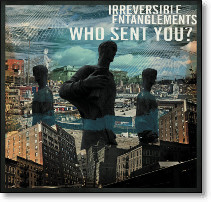
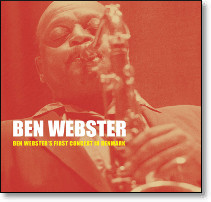
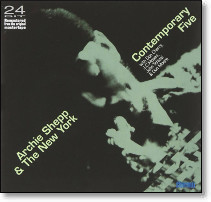
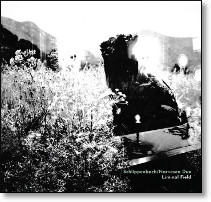
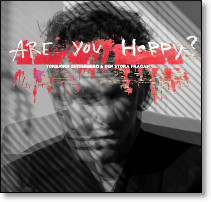
Music: Current count 32971 [32935] rated (+36), 212 [216] unrated (-4). I did a bit of website work last week. Robert Christgau told me that he's working on a piece on his wife Carola Dibbell's novel, The Only Ones, which is set in a post-pandemic dystopia, something more immediately imaginable this week than a month or two ago. Her website got wrecked when my server bit the dust last year, and I've been slow to rebuild it, so he wanted me to do some work on that: in particular, to restore the Notices page, with its collection of links to reviews and interviews. I did that, and fiddled with the menus a bit. He also sent me Carola's 1998 B-52s piece, and I scrounged up a previously missing 2003 Gaby Kerpel review. A bigger chunk of work was taking a twitter thread Carola wrote in September 2019 about her cancer treatment, and formatting it as a plain old web page. This still needs some work. I haven't yet figured out how to do the video links. The images are handled a bit better, but still not right. With one exception, I'm using the ones cached by Twitter, but they're in various sizes, given somewhat uniform treatment by transformations and windowing in the CSS code. The thing that would help the most would be to vertically center the clipping rectangle over the image, instead of positioning it from the top. That's more/less what Twitter is doing, but don't quite see how. I did set it up so you can click on an image and see the original, although that may not be obvious. I'll try to do some more work on this in the next week or two. One thing worth checking out is the Bibliography, particularly if you can find and submit any of the currently missing pieces. My plan is to move the archive from Christgau's website to Carola's, probably duplicating their joint pieces. Three 2019 releases in this week's A- haul: two (Jeb Bishop, Wojtek Mazolewski) didn't appear on any 2019 lists, so I'm including them on my 2020 list; the other (Ben Webster in Denmark) was one that I knew about and looked for, but it's only recently become accessible via Storyville Records' Bandcamp page. Also found the first volume to the Hank Jones set I reviewed last week, and a few more items of interest. Storyville is a Danish label which has specialized in picking up archival recordings of American stars, especially on tour in their environs. Also a fair number of releases by Scandinavian artists. I'm looking forward to exploring the label further. I will flag a slight caveat on Irreversible Entanglements: I'm not fully satisfied with my understanding of the record, but I usually limit Bandcamp releases to two plays, after which I go with my best guess. I also gave an A- to their eponymous first album, and a B+(**) to their EP. On the other hand, I've never given Moor Mother (vocalist Camae Ayewa) better than a B+(**) for her hip-hop albums. I like the jazz group quite a bit, but she's still something of a mystery to me. Still another week before I have to close out March Streamnotes. Assuming a normal week, the rated count should clear 33,000. PS: Just heard that pianist Mike Longo, 83, is a casualty of the Covid-19 pandemic -- see Nate Chinen's obituary. I have four of his albums in my database, notably [B+(***)] Step On It, a 2013 trio with Bob Cranshaw and Lewis Nash. New records reviewed this week: Daniel Bingert: Berit in Space (2019 [2020], Moserobie): Swedish bassist, father is saxophonist Hector Bingert (originally from Uruguay, where Daniel lived as a child), first album, composed, arranged, conducted, and produced but doesn't play: Torbjörn Zetterberg plays bass, with Per Texas Johansson and Jonas Kullhammar the saxophonists, Karl Olandersson on trumpet, Charlie Malmberg on piano, and Moussa Fadera on drums. Elegantly composed pieces, nothing too harsh. B+(***) Jeb Bishop Flex Quartet: Re-Collect (2015 [2019], Not Two): Trombonist, originally from North Carolina, made his mark in Chicago (especially in the early Vandermark Five), where this was recorded. Quartet with Russ Johnson (trumpet), Jason Roebke (bass), and Frank Rosaly (drums). What you look for in a pianoless quartet: two freewheeling horns, the main distinction here that the trombone gives as good as it gets. A- Jeb Bishop/Jaap Blonk/Weasel Walter/Damon Smith: JeJaWeDa: Pioneer Works Vol. 1 (2019, Balance Point Acoustics): Trombone, voice/electronics, drums, bass. Much noise, Blonk's appetite for chaos seems boundless, and the other have fun -- more than the listener, I'm sure. B+(*) [bc] CP Unit: One Foot on the Ground Smoking Mirror Shakedown (2018 [2020], Ramp Local): Led by alto saxophonist Chris Pitsiokos, who also contributes electronics, backed by electric guitar (Sam Lisabeth), electric bass (Henry Frazer), and drums/more electronics (Jason Nazary). Fourth group album, short at 4 tracks, 32:29, gets a bit overheated toward the end. B+(***) Aaron Diehl: The Vagabond (2020, Mack Avenue): Pianist, from Columbus, Ohio, fifth album, a solid, thoughtful trio with bass and drums. B+(*) Expansions: The Dave Liebman Group: Earth (2018 [2020], Whaling City Sound): Plays soprano sax and recorder here. Quintet dates from 2013, fourth album, with members contributing songs: Matt Vashlishan (wind synth), Bobby Avey (piano), Tony Marino (electric bass), Alex Ritz (drums/kanjira), while Liebman ties this to a series of previous albums with other groups: Water (1997), Air (2006), and Fire (2016). B+(*) Fire! Orchestra: Actions (2018 [2020], Rune Grammofon): Free jazz orchestra, grew from Mats Gustafsson's Fire! trio, picking up a wide swath of mostly Scandinavian avant-jazzers. This is a single 40:01 piece by Krzysztof Penderecki, recorded live at a festival in Krakow. B+(**) Elliot Galvin: Live in Paris at Fondation Louis Vuitton (2018 [2020], Edition): British pianist, a "young Django Bates" if you like, has appeared on albums recently with Laura Jurd and Binker Golding, goes solo for this one, a bit commandeering. B+(*) Naama Gheber: Dearly Beloved (2019 [2020], Cellar Music): Standards singer, born in Israel, based in New York, first album, backed by Ray Gallon's piano trio plus Steve Nelson, whose vibraphone gently washes over the nicely done classics. B+(**) [cd] [04-10] The Good Ones: Rwanda, You Should Be Loved (2019, Anti-): Group from Rwanda, led by singer-guitarist Adrien Kazigira, with Janvier Havugimana and Javan Mahoro adding background vocals and percussion. B+(*) Alex Goodman: Impressions in Blue and Red (2019 [2020], Outside In Music, 2CD): Guitarist, from Canada, based in New York City, sixth album since 2007. Two discs, two quartets with the same lineups (alto sax, bass, drums) but different musicians. B+(***) The Haden Triplets: The Family Songbook (2020, Trimeter): The late bassist Charlie Haden's daughters (Petra, Rachel, Tanya), second group album (Tanya has by far the most substantial solo career). Old songs, tight harmony, guitar. B+(**) Paul Heaton/Jacqui Abbott: Manchester Calling (2020, Virgin EMI): The singer-songwriter star behind my favorite 1990s group, the Beautiful South, and the group's alternate singer (1994-2000). Fourth duo album, occasional blasts of the old songcraft, nothing that's really sunk in given the short time I've allocated -- a far cry the the hundreds of spins I gave Welcome to the Beautiful South (1990) and 0898 Beautiful South (1992). Then comes "A Good Day Is Hard to Find" and I wonder if I've given it short shrift. B+(**) Lisa Hilton: Chalkboard Destiny (2019, Ruby Slippers): Pianist, from California, two dozen albums since 1997. Quartet with JD Allen (tenor sax), Luques Curtis (bass), and Rudy Royston (drums). Not her first album with Allen, who is an asset here, though not as strong as on his own albums. B+(**) Idle Hands: Solid Moments (2019 [2020], Posi-Tone): Label artists, assembled by producer Marc Free into a house supergroup: Will Bernard (guitar), Behn Gillece (vibes), Sam Dillon (tenor sax), Art Hirahara (piano), Boris Kozlov (bass), Donald Edwards (drums). Lively mainstream mix. B+(*) Irreversible Entanglements: Who Sent You? (2019 [2020], International Anthem): Voice and texts by Camae Ayewa, better known as Moor Mother, backed here by a free jazz quartet -- sax (Keir Neuringer) and trumpet (Aquilles Navarro), bass (Luke Stewart) and drums (Tcheser Holmes), with extra percussion from all. A- [bc] Landgren & Lundgren: Kristallen (2018 [2020], ACT Music): Swedish duo, Nils & Jan, trombone/vocals and piano, active since 1984 and 1993, respectively. Nils' vocals are nothing special, but occasionally touching (e.g., "The Nearness of You"), even though I'd rather hear his trombone. Jan is in both cases a sensitive accompanist. B+(**) Thomas Marriott: Trumpet Ship (2016 [2020], Origin): Trumpet player, from Seattle, twelfth album, quartet with Orrin Evans (piano), Luques Curtis (bass), and Mark Whitfield Jr. (drums). Title song from Sonny Simmons, most others originals. B+(*) [cd] Wojtek Mazolewski Quintet: When Angels Fall (2019, WMQ/Agora Muzyka): Polish bassist, at least ten albums since 2008, released an impressive Polka album in 2014, turns here to his country's premier jazz composer, Krzysztof Komeda (1931-69). Quintet with trumpet, tenor sax, piano, and drums. Some remarkable passages here, surprise shifts, maybe a bit much drama. A- Roscoe Mitchell With Ostravska Banda: Performing Distant Radio Transmission Also Nonaah Trio, Cutouts for Woodwind Quintet and 8.8.88 (2019 [2020], Wide Hive): As the Art Ensemble of Chicago founder and mainstay turns 80 this year, his work is being adapted for various classical ensembles, with his participation. I wish it worked better. B+(*) [03-27] Shunzo Ohno: Runner (2019 [2020], Pulsebeats): Japanese trumpet player, eighteenth album since 1975, first I've heard, although he has moved in circles I may have crossed, such as his work with Gil Evans. Not seeing any string credits, but his "symphonic vision" is much in evidence. Short (29:45). B [cd] [04-03] Charles Pillow Ensemble: Chamber Jazz (2019 [2020], Summit): Alto saxophonist, also plays flute and other woodwinds (including oboe and English horn here), often found leading or in big bands. This is billed as a nonet but I count a few extras, even before getting to the strings. Extravagantly lush, gets on my nerves. B Jure Pukl: Broken Circles (2019 [2020], Whirlwind): Slovenian saxophonist (soprano, tenor, bass clarinet), half-dozen albums since 2010. Quintet with guitar (Charles Altura), vibes (Joel Ross), bass (Matt Brewer) and drums/kalimba (Kweku Sumbry). B+(**) Tim Shaghoian: Gentle Beacons (2019 [2020], Origin): Tenor saxophonist from California, first album, all originals, nice, highly textural postbop with guitar, piano, bass, and drums. B+(*) [cd] Recent reissues, compilations, and vault discoveries: 16-17: Phantom Limb (1995-2018 [2020], Trost): Hardcore noise group, sax-bass-guitar-drums, recorded in Switzerland in 1995, vocals dubbed in recently in San Francisco, mixed and mastered by saxophonist Alex Buess (also credited with electronics), and palmed off as metal (on an avant-jazz label). B Duke Ellington: Uppsala 1971 (1971 [2019], Storyville): Vault tape, a concert in Sweden, with his great 1960s orchestra starting to give way (Johnny Hodges died in 1970, and the only name left from his legendary brass section is Cootie Williams, with Cat Anderson most irreplaceable). Paul Gonsalves gets a nice feature spot, there's a long (and rather messy) "Tone Parallel to Harlem," a "Medley" with vocalists, followed by Money Johnson growling his way through "Hello Dolly." B+(**) Hank Jones: In Copenhagen: Live at Jazzhus Sklukefter 1983 (1983 [2018], Storyville): Previously unreleased piano-bass-drums trio date from Copenhagen, with Mads Vinding on bass and Shelly Manne on drums. They stretch out on a nice set of standards, including one from Bud Powell and two from Charlie Parker. B+(***) [bc] Ben Webster: Ben Webster's First Concert in Denmark (1965 [2019], Storyville): Tenor sax great, visited Copenhagen in 1965 and liked it enough to move there. Opens with a bit of solo piano -- Webster's first instrument, and he still pounds out a respectable beat. Then quartet, with Kenny Drew (who had moved to Denmark some years earlier), Niels-Henning Ørsted Pederson (bass), and Alex Riel (drums). His standard fare, from "Pennies From Heaven" to "Cottontail," and as gorgeous as it gets. A- [bc] Old music: Jeb Bishop: 98 Duets (1998, Wobbly Rail): Trombonist, based in Chicago, a key member in Vandermark 5. No idea what the title signifies, as I count only 12 duets with 6 partners: Josh Abrams, Hamid Drake, Mats Gustafsson, Fred Lonberg-Holm, Wadada Leo Smith, and Ken Vandermark. No big surprise that this is all fairly marginal. B+(*) Jeb Bishop Trio: 2009 (2009, Better Animal): Trombone trio, with bass (Jason Roebke) and drums (Frank Rosaly). B+(***) Jeb Bishop: Three Valentines & Goodbye (2016 [2017], 1980): Solo trombone with "later processing." Gets a little harsh. B [bc] Dexter Gordon: Atlanta Georgia May 5, 1981 (1981 [2003], Storyville): Tenor sax great, emerged in the 1940s, moved to Europe in 1962, back to US in 1976, recordings thin out quickly after 1980, with his death in 1986, so this live set is rather late. Quartet with Kirk Lightsey (piano), Rufus Reid (bass), and Eddie Gladden (drums). B+(***) [bc] Archie Shepp/Don Cherry/J.C. Moses/John Tchicai/Don Moore: Archie Shepp & the New York Contemporary Five (1963 [2004], Storyville): Recorded live in Copenhagen four days after the set initially released on Sonet and later on Delmark (2010), with several of the same songs -- this one initially appearing in 1972. Two saxes (Shepp on tenor and Tchicai on alto), cornet, bass, and drums. A- Archie Shepp/Lars Gullin Quintet: The House I Live In (1963 [1980], SteepleChase): A radio shot from Jazz Club Montmartre in Copenhagen, with the tenor saxophonist early in his career, the baritonist late, Tete Montoliu on piano, Niels-Henning Ørsted Pedersen on bass, and Alex Riel on drums. Four tracks, 9:20 to 19:00, standards, Shepp blowing hard but harder to place the usually swinging Gullin. B+(***) Ben Webster: At Montmartre 1965-1966 (1965-66 [2003], Storyville): Two quartet sets, NHØP (who else?) on bass for both, Kenny Drew and Alex Riel on the longer (9 songs, 50:51) January 1965 set, Atli Bjørn and Rune Carlsson on 3-song, 22:52 appendix. Common songbook gems, nicely but unexceptionally done. B+(**) [bc] Ben Webster: In Norway (1970 [2013], Storyville): Live at PUB Trondheim, with a presumably local piano trio -- Tore Sandnaes, Bjørn Alterhaug, Kjell Johansen. Emphasis on ballads, as gorgeous as ever, plus tamer than usual takes on his Elliigton classics, "C Jam Blues" and "Cottontail." B+(**) [bc] Ben Webster: Live at Stampen Stockholm 1969-1973 (1969-73 [2004], Storyville): Tracks from three sets (2-3 each), all backed with piano-bass-drums (Red Mitchell from 1971, Teddy Wilson and Ed Thigpen in 1973), most with trumpet (Arne Ryskog or Roffe Ericson). Webster died six months after the last session. My impression has long been that he faded a few years before, but he gets quality help here, especially on a 12:43 "Satin Doll." Note that they shuffled the 1971 set to the end, so it ends with the sax up front. B+(***) [bc] Unpacking: Found in the mail last week:
Ask a question, or send a comment. Sunday, March 22, 2020 Weekend RoundupI usually start gathering links with Matthew Yglesias's page at Vox. For a while I was putting his links up front -- back when he was writing a regular "most important stories of the week" feature -- but later I moved him back into alphabetical order. This week he wrote quite a bit, and I commented there with a few things I might have saved for an introduction, so decided to list him first. One subject I didn't get to is business bailouts. Probably premature for that anyhow, although the option to postpone debt and rent payments, bankruptcy and foreclosure, is something that will be needed soon. Also, bridging loans, with various restrictions -- just enough to keep dormant businesses viable when/if the time comes to re-open them. I should also note that while I'm skeptical/hostile to short-term stimulus proposals, I do think it would be a good idea to start moving on longer-term efforts, like Green New Deal. One big problem with the 2009 stimulus package was the failure to include any infrastructure projects that weren't "shovel ready." (Reed Hundt's book, A Crisis Wasted: Barack Obama's Defining Decisions makes this point.) We need a lot of infrastructure work going forward, and that needs to be factored into any recovery plan. There's going to be an attempt to stampede Congress to pass all sorts of business bailouts, because that's the way the whole system is designed to work. You and I are lucky if we have representatives who even remotely care about us (given where I live, I'm especially unlucky in that regard), but business interests have scads of lobbyists looking for profit angles, and lots of politicians already in their pockets. As this plays out, we would do well to recall what happened in 2008-09: we heard a deafening cry for help from the big banks, which unquestioningly had to be bailed out to keep the economy from collapsing. They indeed got what they wanted -- a $700 billion slush fund and much more through the Fed's back door -- and survived, quickly returning to profitability, even as the rest of the economy continued collapsing. And once the banks were safe, only the most marginal efforts were made to help anyone else. (The auto industry bailout was a comparatively paltry effort, saddled with stringent requirements the banks never had to face.) I was sympathetic to the bank bailouts at the time, but dismayed by the failure to protect more of the economy, especially the workers who wound up bearing the brunt of the recession. Only later on did I see an alternative approach that should have been obvious: let the businesses fail, but protect the workers and other people at the bottom. Business would bounce back, and the change of ownership would ultimately be a healthy thing. That sort of turnover may be even more beneficial this time: when/if the economy recovers, it is almost certain to be changed significantly from the one before the crash, reflecting changed views of what matters and how we want to live. We may, for instance, find that we still need airlines, but not as many. The cruise ship industry is probably finished, and would that be such a bad thing? A much larger potential collapse is in fossil fuels: even before the crash, demand for coal was falling, as were oil prices, and both will fall further as recession lowers demand. Given how they contribute to climate change, I don't see any reason to encourage their rebound. (In fact, this would be a good time for a stiff carbon tax.) On the other hand, we may decide that we need to have health care systems for all, including some excess capacity even before the next crisis. The list, no doubt, goes on and on. While it's easy to jot down what you'd like to see happen, it's much harder to even guess about how this crisis will play out in the minds and attitudes of people around the world. Will we learn and adapt, or flail about, trying to force the new world into our old minds? I can't help but wonder whether the panic over Covid-19 hasn't been preconditioned by the (mostly denied) fear of global warming. A large political segment seemed determined to ignore or even denounce the science of climate change, only to find themselves desperate for scientific direction when faced with the pandemic: there is something immediate and personal about the latter that climate change never triggered. (I'm reminded of the adage about there being no atheists in foxholes. It seems there are no science-deniers in emergency rooms.) The 2008 financial collapse, like previous recessions, could be written off to bad business practices and even to periodic cycles, but this one is a direct assault on one's worldview. No one can predict where that kind of psychic shock may lead. Meanwhile, I've been plodding through Adam Gopnik's A Thousand Small Sanities: The Moral Adventure of Liberalism. I picked it up in the library, thought it might be interesting to read an unapologetic defense of liberalism. I grew up believing in what Louis Hartz called "the liberal tradition in America," only to find that self-proclaimed liberals in the 1960s had turned into pretty unsavory characters -- especially in their rabid anti-communism, most immediately evident in their support for near-genocidal war against the Vietnamese. At the time, there wasn't much of a conservative threat (Barry Goldwater won the Republican nomination in 1964 but lost in a landslide), so I came to view "cold war" liberalism as the main enemy of fairness, decency, and justice in American politics. I read books like Kenneth Minogue's The Liberal Mind and Robert Paul Wolff's The Poverty of Liberalism (but no longer remember the specific critiques), and I delved further into Marxist critiques (not really of liberalism, but of its handmaiden, capitalism), and came to identify with the New Left (which was openly contemptuous of the Sino-Soviet orbit of Communist regimes, but more focused on our own world, especially of America's world-straddling hegemony). But I stopped reading Marxist analyses after I left college, and while my practical political impulses never changed much, I've found myself growing sympathetic to liberal reformers over time, notably of Keynes in economics. Ever since I was a teenager, I've had a soft spot for utopian imagination, and I've often returned to that over the years, at least as teleology. But I lost whatever desire I might have had for revolution, and as I've aged have become increasingly willing to settle for liberal reformism, even in tiny. So I thought I might be open to Gopnik's formulation. Unfortunately, all he has to offer is a weird mixture of dashed hopes and anti-left vitriol. Regardless of whatever ideals liberals think they hold dear, their main function in politics today (and basically over the last 50-100 years) seems to be to castigate anyone who still believes that the liberty secured by a few in the great bourgeois revolutions of the past should be extended to everyone (i.e., the left). I probably should have read David Sessions' review, The emptiness of Adam Gopnik's liberalism, before I wasted my time. Especially:
The Democratic Party split in 1968 over the Vietnam War, with many of the hawks winding up as neoconservatives (a mostly Republican clan which still exerts powerful influence over today's Democratic hawks, especially the Clintons). Democrats are further split between middle class professionals and the working class base, with most successful Democrats (including Obama and the Clintons) gaining among the former while thanklessly banking the dwindling votes of the latter. In 2016 and 2020, those splits became clearer, with the left (dovish, mostly working class) rallying behind Bernie Sanders and the "moderates" (or merely cautious liberals, including hawks and/or professionals) ultimately flocking to Joe Biden. Gopnik is an atavism in this split world, railing against a left that no longer exists in favor of an idealized center that is unable to accomplish anything (not least because their anti-left instinct keeps it from building a broad base, and because they are always willing to sell their reforms short). The key chapter in Gopnik's book is "Why the Left Hates Liberalism," but it should really be called "Why Liberals Hate the Left," where you could just as easily substitute "Masses" or "People" for "Left." But then it's hard to explain that without giving the impression that liberals are simply self-satisfied snobs -- dilettantes who imagine liking the idea of more people enjoying their comforts, but who hardly ever lift a finger to help them. Some scattered links this week:
Ask a question, or send a comment. Monday, March 16, 2020 Music Week
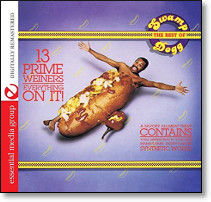
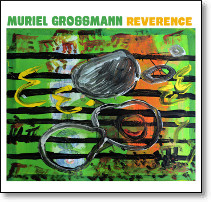
Music: Current count 32935 [32897] rated (+38), 216 [223] unrated (-7). Nothing much to say here. We're in a self-imposed lockdown, perhaps related to pandemic fears but with overtones of disappointment and maybe disgust at the world around us. Being "retired," and not uncomfortable, that's a luxury we can afford. One technical matter I should note is that I've decided to add to the 2020 tracking file and associated lists records released in 2019 that I never noted in the 2019 tracking file. This mostly affects the 2020 metacritic file, which I've been building up to reflect favorable reviews as compiled by various sources -- the first big chunk came from December 2019 releases that Dave Sumner mentioned in his The Best Jazz on Bandcamp: January 2020. I've always allowed for previous-year records to appear in current lists, especially for items that I received promos of after January 1, or sometimes for records that I simply had no cognizance of until after the calendar rolled over. The first example like that this year was François Carrier's Wide, released in Dec. 2019. I decided a fair test for this would be whether the record appeared in my music tracking list, since that incorporated everything that showed up in any tracked EOY list for 2019 (5170 records in the tracking file; 4912 in the EOY aggregate files). Since I only decided on this course last week, there may be a few records caught in the lurch. Most of the carryover records were released in late 2019, but technically I'm allowing any unlisted 2019 records to appear in the 2020 lists. That includes the Schlippenbach-Narvesen Duo record below, which I certainly knew existed (but couldn't previously find) but somehow escaped my 2019 lists. (Also Duke Ellington's Uppsala 1971, which we'll deal with next week.) On the other hand, Muriel Grossmann's Reverence, out Dec. 15, 2019, had appeared on a couple of minor 2019 lists, so remains there, despite my "discovery" of it among Sumner's picks. So it's all a bit arbitrary, but is at least a system. (Occurs to me that I could go back into the 2019 list and pull out release dates after Thanksgiving -- Francis Davis's Jazz Critics Poll cutoff -- and include them in both lists. Need to think on that, but that might be the right thing to do.) Under old music, I did take a flyer on some one Swamp Dogg records, since nearly all of them appear to have cropped up on Napster and/or the artist's Bandcamp. I didn't exactly get done, though I did get a bit exhausted. I'm still a big fan of his 1996 compilation, Best of 25 Years: F*** the Bomb, Stop the Drugs, as well as his 1970 debut, Total Destruction to Your Mind (which, if I recall correctly, didn't even figure in the comp). Looked for but didn't find the Vol. 1 to go with the Hank Jones vault issue. Was pleased to find a Bandcamp page for an earlier Schlippenbach-Nardesen Duo release, but it only had two "bonus" tracks on it, not enough for a review. They did sound pretty good. New records reviewed this week: Steve Beresford & John Butcher: Old Paradise Airs (2019 [2020], Iluso): Avant-jazz duo, Butcher plays soprano and tenor sax, Beresford is credited with piano, objects, electronics -- not his usual kit, but after 40+ years as a gadfly I'm still not sure what is. B+(*) [bc] Raoul Björkenheim: Solar Winds (2019 [2020], Long Song): Guitarist, born in Los Angeles but mother is Finnish and he grew up there, breaking in with drummer Edward Vesala before starting his fusion group, Krakatau, in 1988, and later, Scorch Trio. Quartet with violin (Emanuele Parrini), bass, and drums, playing six Coltrane tunes and two originals. Exciting to start, wears a bit toward the end. B+(***) Cornershop: England Is a Garden (2020, Ample Play): British group, Tjinder Singh and Ben Ayres, formed in 1991, fused Punjabi influences with electropop, released brilliant albums in 1997 and 2002, to which everything else more or less compares. This sounds much like them, reviving a sound we've been missing. A- Day Dream: Originals (2019 [2020], Corner Store Jazz): Piano-bass-drums trio: Steve Rudolph, Drew Gress, Phil Haynes. Rudolph wrote four pieces, the others (much better known musicians) three each. Thoughtful, nicely balanced. B+(**) [03-27] John DiMartino: Passion Flower: The Music of Billy Strayhorn (2019 [2020], Sunnyside): Pianist, tends to look back at the tradition, as he does here, re-examining the usual book of Strayhorn classics. Eric Alexander (tenor sax) is in good form, and the rhythm section -- Boris Kozlov (bass) and Lewis Nash (drums) -- are impeccable. Raul Midón sings "Lush Life." B+(**) [cd] [04-10] Liberty Ellman: Last Desert (2019 [2020], Pi): Guitar player, was a reputation as a producer, leads a sextet of label regulars -- Steve Lehman (alto sax), Jonathan Finlayson (trumpet), Jose Davila (tuba), Stephan Crump (bass), Damion Reid (drums). Clever postbop, surfaces slipping easily past one another. B+(***) [cd] [03-27] Fat Tony & Taydex: Wake Up (2020, Carpark, EP): Houston rapper Anthony Jude Obi, father an engineer from Nigeria, has a handful of albums, depending on where you divide the short ones -- e.g., this one has nine tracks, 22:03. Don't know anything about the beat guy, but he earns his keep. B+(***) Harrison²: Trout in Swimwear (2019 [2020], self-released): Toronto-based quartet, pronounced "Harrison Squared," the group name from Harrison Argatoff (tenor sax) and Harry Vetro (drums), with Mike Murley (tenor sax) and Steve Wallace (bass). Edgy postbop. B+(***) [cdr] Kirk Knuffke: Brightness: Live in Amsterdam (2020, Royal Potato Family): Trumpet player, straddles avant and mainstream, prolific since 2009, leads a trio with Mark Helias (bass) and Bill Goodwin (drums). B+(*) Urs Leimgruber/Andreas Willers/Alvin Curran/Fabrizio Spera: Rome-ing (2018 [2019], Leo): Swiss saxophonist (soprano and tenor), thirty-some albums since 1983, backed here with guitar, piano, and drums, from a live date in Rome. Four parts, 68:50, joint improv. B+(**) Hayoung Lyou: Metamorphosis (2019 [2020], Endectomorph Music): Pianist, born in Korea, studied in Boston, based in New York, first album, quintet with two saxophones (Jasper Dutz on alto and Jacob Shulman on tenor), bass, and drums. Wonni Jung sings one song, similar to but less appealing than the slippery saxes. B+(***) [04-17] Megan Thee Stallion: Suga (2020, 300 Entertainment, EP): Rapper Megan Pete, quickly follows last year's debug mixtape with a nine-cut, 24:33 EP. A- Stephen Riley: Oleo (2018 [2019], SteepleChase): Tenor saxophonist, from North Carolina, steady stream of albums since 2005. Quartet with Joe Magnarelli (trumpet), Jay Anderson (bass), and Adam Nussbaum (drums), mostly playing Sonny Rollins songs (4, with "On Green Dolphin Street" and 4 more from Ellington, Coltrane, Charlie Parker, and Gigi Gryce). B+(***) Caroline Rose: Superstar (2020, New West): Real name, singer-songwriter from Long Island, fourth album, first two country-ish (Napster lists her as "rockabilly revival"), since moved into pop, but title is a stretch. B Felipe Salles Interconnections Ensemble: The New Immigrant Experience: Music Inspired by Conversations With Dreamers (2019 [2020], Tapestry, 2CD): Brazilian saxophonist, teaches in Massachusetts, just listed as composer and conductor here, with a full big band at his disposal. He's taken on ambitious projects of late -- The Awakening Orchestra, The Reunion Project -- and this is one of the most sweeping. B+(*) [03-20] Carl Saunders: Jazz Trumpet (2019 [2020], Summit): Trumpet player, originally from Indianapolis, moved to Los Angeles, played with Stan Kenton, starting a long career of playing in big bands (Bill Holman, Bob Florence, Gerald Wilson, Clare Fischer), straddling a couple decades in Las Vegas. Quartet, backed by piano (Josh Nelson), bass (Chuck Berghofer), and drums (Joe Labarbera), about half originals, the rest bop-friendly standards. Good showcase for a fine trumpet voice. B+(***) [cd] Schapiro 17: New Shoes: Kind of Blue at 60 (2019 [2020], Summit, 2CD): Big band, Jon Schapiro arranged and conducted, and wrote six pieces to go with five from Miles Davis's Kind of Blue and one from pianist Roberta Piket. Doesn't much remind me of the album, but something mysteriously infectious about it. B+(***) [04-03] Alexander von Schlippenbach/Dag Magnus Narvesen Duo: Liminal Field (2018 [2019], Not Two): Piano-drums duo, second album together, the Norwegian drummer has impressed repeatedly since 2007. Still less remarkable than the pianist, who "morphs Monk" and more. A- [bc] Paul Shaw Quintet: Moment of Clarity (2019 [2020], Summit): Drummer, from New Jersey, played in Air Force bands, first albums as leader, wrote all seven pieces, somehow wrangled what I'd call an all-star band: Alex Sipiagin (trumpet), Brad Shepik (guitar), Gary Versace (piano), Drew Gress (bass). B+(***) [cd] [03-27] Shopping: All or Nothing (2020, FatCat): British post-punk trio, Rachel Aggs sings and plays guitar, fourth album, all good, this short (10 songs, 30:54) one especially reminding me of Gang of Four. A- Jay Som: Anak Ko (2020, Polyvinyl): Singer-songwriter Melina Mae Duterte, from California, parents Filipino. Fourth album since 2016. Has a quiet, subtle charm. B+(**) Moses Sumney: Grae: Part 1 (2020, Jagjaguwar): Singer-songwriter from San Bernardino, CA; parents from Ghana, where he moved at age 10, before returning to study at UCLA. Second album, or first half of it (a Part 2 is promised for May). Has opened for Dirty Projectors, and if you imagine them trying to do soul, you might find yourself in his vicinity. B Swamp Dogg: Sorry You Couldn't Make It (2020, Joyful Noise): Jerry Williams, started out as an Atlantic r&b producer, released a brilliant debut as Swamp Dogg in 1970, and has been fading in and out ever since, his best moments the ones farthest out. Plays it safe here with a round of soulful blues, but lured John Prine in to cameo on two nostalgic ones, which are daring enough. B+(**) Torres: Silver Tongue (2020, Merge): Singer-songwriter Mackenzie Scott, fourth album since 2013, also writes poetry and short stories, and has a fondness for Broadway theatre. That develops into a density I've never found easy to parse. Not without its appeal, though. B+(*) Oded Tzur: Here Be Dragons (2019 [2020], ECM): Israeli tenor saxophonist, based in New York, not his first album although this is touted as his "ECM debut." Backed by piano (Nitai Hershkovits), bass (Petros Klampanis), and drums (Johnathan Blake). Originals, ending with a cover ("Can't Help Falling in Love"). Nice balance, piano makes the strongest impression. B+(**) The United States Air Force Band Airmen of Note: Air Power! (2019 [2020], self-released): Big band, 18 musicians plus Technical Sgt. Paige Wroble singing a couple songs, opens with standards before they bury the originals in the middle. Especially fond of high brass notes and sharp blasts of massed horns, perhaps trying to add a bit of irony to the title. B- [cd] U.S. Girls: Heavy Light (2020, 4AD): Singer-songwriter Meghan Remy, from Chicago, married a Canadian musician and moved to Toronto in 2010. Seventh album. Read a review that refers to her as "a sound collagist and pop music obsessive," and I can hear more of that than I care to credit. Lots of scattered talk, and occasional heavy riffs. Not unimpressive, but I can't say as I like any of it. B- Recent reissues, compilations, and vault discoveries: Hank Jones Trio: Live at Jazzhus Slukefter Vol. 2 (1983 [2020], Storyville): The day after Vol. 1, released in 2019, with Jones on piano, Mads Vinding on bass, and Shelly Manne on drums. Standards, the pianist's touch as deft as ever. B+(***) Arthur Russell: Iowa Dream (1974-85 [2019], Audika): Born 1951 in Iowa, died 1992 in New York, age 40, AIDS, at the time little known, mostly as a disco producer and occasional cellist with a couple of obscure records. Soul Jazz Records tried to make a case for him with their 2003 comp, The World of Arthur Russell, and his archives have since yielded a few more albums. This starts off with demos for Paul Nelson at Mercury, trying on the singer-songwriter mode of the time. Undistinguished, until he starts throwing us some curves, like the talkie "Barefoot in New York" (not that they always come close to the plate). B+(*) Old music: Marc Benham: Fats Food: Autour De Fats Waller (2016, Frémeaux & Associés): French pianist, first album, solo, mostly Waller pieces, sneaking in four originals. B+(*) Martin Creed: Thoughts Lined Up (2016, Telephone): Scottish conceptual artist, won the Turner Prize in 2001, third albums since 2012, some more recent singles. Twenty-four short songs, all over the map, some interesting enough to justify Christgau's recent CG discovery, others . . . well, they'd take more work than I feel up to at the moment. B+(***) Swamp Dogg: 13 Prime Weiners, Everything on It: The Best of Swamp Dogg (1970-76 [2013], Essential Media Group): Originally compiled in 1982 (on War Bride). Six songs from his 1970 debut, Total Destruction to Your Mind, leaving six more good ones, plus seven slightly later songs from Gag a Maggot (1973) and/or Greatest Hits (1976, nothing from the debut). His 1995 Best of 25 Years is a broader overview, but this covers a period when he was erratic but could be intensely soulful (as well as funny). A- Swamp Dogg: You Ain't Never Too Old to Boogie (1976 [2013], Essential Music Group): Originally recorded by Vee-Jay and released on DJM in 1976. Sound is rather shoddy, but with organ and horns doesn't need much finesse. Songs are crude, too, from "It's a Bitch" to his epitaph-to-date, "I Had a Ball (I Did It All)." B+(**) Swamp Dogg: Don't Give Up on Me: The Lost Country Album (1976 [2013], Essential Music Group): No info on when this was recorded, why it was "lost," or who found it. The "digitally remastered" CD is available at retailers, and it's on most streaming platforms, but hasn't been entered into the discographies at Discogs, Musicbrainz, or AMG. I did find them on The Excellent Sides of Swamp Dogg Vol. 5 (2007), attributed to "unreleased country album 'The Mercury Record'," following You Ain't Never Too Old to Boogie (1976), but couldn't find a Vol. 6 to pin the date down. Nine songs, runs 31 minutes, the title from Solomon Burke, no obvious country covers or production, but one song (evidently an original) is "He Don't Like Country Music (And He Hates Little Kids)." B+(*) Swamp Dogg: Finally Caught Up With Myself (1977 [2013], Essential Music Group): Originally released by Musicor in the label's last days (only 4 more albums in the 2500 series, the last A Piece of the Rock by Disco Tex & the Sex-O-Lettes Starring Sir Monty Rock III. This one was attributed to Swamp Dogg & the Riders of the New Funk. Dabbles with funk and disco and winds up just a bit smoother than before. Among the puzzles: "Understanding California Women" (which he doesn't). B+(*) Swamp Dogg: An Opportunity . . . Not a Bargain!!! (1977 [2013], Essential Music Group): Originally on Wizzard Ltd., recycles eight (of nine) songs from You Ain't Never Too Old to Boogie (1976), adding two new ones: "Shafts Mama" (a funny spin-off) and "Let's Do It Again" (and again and again). B+(***) Swamp Dogg: Swamp Dogg (1981 [2013], Essential Music Group): Released on Wizard in 1981 and/or ALA in 1982. Five cuts, 34:39, most stretched out with disco grooves -- I keep expecting "Salty Dog" to morph into "YMCA." B Swamp Dogg: Resurrection (2007 [2013], Essential Music Group): Originally on SDEG Records. Jump forward and he gets political, starting with "In a Time of War Who Wins" and asking "What kind of fool were we to let them crown an idiot king?" More on race too, including the 12:05 title song, a rant I don't feel like enduring again, even if I can respect the anger. B Grade (or other) changes: Gerald Beckett: Mood (2019 [2020], Pear Orchard): [cd]: erroneously listed label as Summit: B Unpacking: Found in the mail last week:
Ask a question, or send a comment. Sunday, March 15, 2020 Weekend RoundupNews this week was totally dominated by the coronavirus pandemic. A good overview is Dylan Matthews: 9 charts that explain the coronavirus pandemic. (For more, see: A coronavirus reading guide for the perplexed, the anxious, and the obsessive.) This has produced a lot of political and economic turmoil, most obviously (or at least best reported) in the United States. The Trump administration, which has worked so hard over the last three years at proving how incompetent, corrupt, and politically blinded government can be, has come off as insensitive, uncaring, and bumbling -- especially the president and his inner tier of henchmen. The one concern they do seem to have is how the disease effects the economy -- especially as the economy has long seemed to be the silver lining in their own political fortunes. The most obvious effects have been the cancellation of nearly all public gatherings (including the NCAA "March Madness" tournaments and the NBA season) and major (mostly but not all self-imposed) reductions in travel. That, in itself, is a big chunk taken out of the economy, with ripple effects to follow. I expect this will extend to a psychology averse to spending, which will persist for months or years. Meanwhile, Joe Biden has continued to mop up Democratic primaries, winning Mississippi, Missouri, Michigan, Idaho, and probably even Washington last week. (Bernie Sanders did win in North Dakota.) More states will vote soon, but unless Biden stumbles catastrophically there is no chance Sanders can catch up. There is a debate between Sanders and Biden tonight. It should clearly favor Sanders, but I doubt it will have any effect. We seem to be primed for disaster, and willing to settle for just barely less. Some scattered links this week:
Ask a question, or send a comment. Monday, March 9, 2020 Music Week
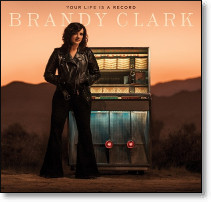
Music: Current count 32897 [32856] rated (+41), 223 [244] unrated (-21). Close to a year ago, an old friend approached me about creating a game that hopefully would help torpedo Joe Biden's presidential run, mostly by exposing and publicizing many of the dastardly deeds he has been party to. My friend offered to put some money up, and I got him in contact with a game designer and offered to help on tech questions, but I wasn't very enthusiastic about the project. Not sure what exactly my feelings were: on the one hand, I figured Biden would fall apart as a viable candidate without any push from me; on the other hand, I had a vague sense of wanting to stay aloof from the fray, so while I was pretty certain that Sanders was my favorite, I've tried not to judge any of the other candidates harshly, figuring the best thing was to let the campaign play out. That other hand seems to be playing out now, and I'm finding it rather depressing. Michigan votes tomorrow. In 2016 Clinton was heavily favored there, but Sanders pulled out an upset victory, which helped keep his campaign credible through the rest of the primaries. Sanders had taken over the polling lead there in early February, and has steadily built up his share ever since (from 23.8% to 31.6%), but in the last few days Biden has opened up a huge lead, currently polling 54.8% (from a low of 17.0% on Feb. 24, just 14 days ago). And that's just the average: one poll has him leading 65% to 24%. Nationwide polling, which had Sanders in first place from Feb. 11 (22.0% to 21.6% for Biden, 13.5% for Warren, 12.7% for Bloomberg, 9.0% for Buttigieg, 3.7% for Klobuchar) through March 3 (29.0% to 18.1%) has now flipped all the way to 51.6% for Biden to 33.5% for Sanders. That's pushed FiveThirtyEight's Democratic Primary odds for Biden up to 99 in 100, effectively declaring Biden the inevitable winner. But isn't this all very peculiar? It's remarkable that Sanders increased his polling share while he was on top, and has continued to increase them even as Biden shot past him. Biden hasn't gained any ground from Sanders. He's merely swept up everyone else. Still, you have to wonder, how much do people really know (or for that matter care) about Biden? As Vice President, he rarely (if ever) had an opportunity to voice his own opinion on anything. His Senate career is public record, but little publicized and mostly forgotten. His plagiarism scandal is ancient history. And while Republicans are going to make hay out of his family's efforts to make money off his career, his fellow Democrats did little to air the issue. Indeed, in the last two weeks the only Democrats who had to face much criticism were Sanders and Bloomberg. When he did face some scrutiny, back in Iowa and New Hampshire, he took a beating. I doubt my friend's game would have shifted public opinion, but you have to wonder about how uninformed his new supporters are, and whether knowing more would have made any difference. It feels like they were stampeded by their fear of Trump into making a decision they're likely to regret. I'm feeling the regret now, big time. For more personal reasons, I've been pretty bummed out for a while now, which has only gotten worse considering this wave. I started working on yesterday's Weekend Roundup post on Thursday, and it was a hard, cruel slog. All year I've been viewing this election through my "four eras" model, where the Reagan-to-Trump era is held to be ending, replaced by a dramatically new era. A defining characteristic of political eras is that opposition parties tend to think like the dominant ones. Clinton and Obama were remarkable politicians, but they inevitably danced to the Republicans' tune. I didn't require that the new era be ushered in by a leader as different as Sanders, but I did think that the one candidate least able to make the transition was Biden, as he was the most thoroughly ingrained with Reagan-era thinking. Biden's nomination means that my big idea has turned from hopeful to tragic. Here we had this tremendous opportunity to turn things around, and squandered it by nominating the one candidate least able to make the break -- even assuming he beats Trump to get the chance. If Biden continues to win like this, I'm tempted so say I'm done with politics. I'll vote for Biden against Trump in November, and I'll vote for local Democrats (unless Vern Miller runs again, which is pretty unlikely). But I don't see what else I have to offer. I may go back to the drawing board and write some long-term (which is to say utopian) political essays. But political analysis for the foreseeable future is going to turn on questions of mass delusion -- not just last week's Biden surge, but similarly irrational turns like the one that elected Trump in 2016. (Hint: in both cases, the surge occurs at the same time the candidate is largely hidden, the decisive negative focus pointed elsewhere, and the media unclear on how it's being played.) Quite a few records this week, with close to half of them coming from my promo queue, which I cut in half. Such attention was overdue, but I was also having trouble figuring out which records to look up on Napster and Bandcamp, so in some ways this was just easier. Not as many finds this week as last, but three A- records is a pretty average week. Was delighted to get some promos from the Polish label Fundacja Sluchaj, then disappointed that they turned out to be rather marginal. I also received a copy of Georg Graewe/Ernst Reijseger/Gerry Hemingway: Concertgebouw Brugge 2014, which I had previously graded B+(**) based on their Bandcamp stream. I reviewed 15 of their records in 2019 -- the only A- was Agustí Fernandez: One Night at the Joan Miró Foundation, with Awatair: Awatair Plays Coltrane, Brad Barrett: Cowboy Transfiguration, and François Carrier: Nirguna at B+(***). A- records from previous years: Barry Guy: Barry Guy @ 70 (2018), and Evan Parker/RGG: Live @ Alchemia (2017). Shouldn't be so hard to identify new records worth streaming now that I have my 2020 metacritic file up and running. I'm tracking all but the metal grade lists (80+) on AOTY and Metacritic (but looking less often at the latter, as it takes more work). I'm also factoring in a few other review sources (including All About Jazz, Downbeat, and Free Jazz Collective) and lists (like Phil Overeem's latest), and I've started to look at Bandcamp's guides. The latter got me to thinking about 2019 releases that only got noticed after January 1. In recent years I've been very hard-assed about filing them in their calendar years, but if I do that I lose track of them. Besides, EOY lists (including Jazz Critics Poll) are almost always slightly out of sync with the calendar. I finally decided the rule should be: any late 2019 record that didn't get any points in the 2019 EOY Aggregate will be counted as new in the 2020 list. Of course, that means I have to go back to a few reviews that I initially skipped, so things are a bit inconsistent at the moment. New records reviewed this week: Bad Bunny: YHLQMDLG (2020, Rimas): Puerto Rican reggaeton rapper Benito Antonio Martinez Ocasio, third album (counting last year's one with J Balvin), acronym stands for "Yo hago lo que me da la gana" ("I do what I want"). B+(**) Gerald Beckett: Mood (2019 [2020], Summit): Flute player, half-dozen albums since 2004, wrote four (of nine) pieces here, covers other postbop jazz musicians (Barron, Mabern, Marsalis, Chestnut, Ron Carter) to take out his own mainstream turf. B [cd] Boogat: El Gato Y Los Rumberos (2020, Ray-On, EP): Daniel Russo Garrido, born in Montreal, parents from Mexico (and Paraguay?), dozen albums since 2004, sings and raps in Spanish (and French?). Title cut jumps, but slips elsewhere. Five songs, 20:22. B Benjamin Boone With the Ghana Jazz Collective: Joy (2019 [2020], Origin): Saxophonist, teaches in Fresno, CA; has two very good records with poet Philip Levine. Got a Fulbright Scholar ticket to Ghana, where he put this ambitious group together. Strikes me as excessive on many counts, which makes it hard to hear the trad fusion concepts. B [cd] [03-20] Caribou: Suddenly (2020, Merge): Dan Snaith, from Canada, started in laptronica, more electropop now, fifth album as Caribou (other names he's used are Manitoba and Daphni). B+(**) François Carrier/Tomek Gadecki/Marcik Bozek/Michel Lambert: Wide (2018 [2019], FMR): Alto sax/drums duo, one of my favorites, goes to Poland, picks up a second saxophonist (Gadecki, on tenor) and a bassist (Bozek, who also plays French horn). The result is a freewheeling riot, a bit too much for me, although when I can pick Carrier out, he sounds as sharp as ever. B+(***) [cd] Brandy Clark: Your Life Is a Record (2020, Warner): Country singer-songwriter, third album, more or less as good as the first two. Picks up a surprise duet partner (Randy Newman) on her most political song ("Bigger Boat"). A- Jeremy Cunningham: The Weather Up There (2020, Northern Spy): Drummer, based in Chicago, originally from Cincinnati, second album, in a number of projects, ranging from a duo with Dave Rempis to crossover efforts. This starts with his quartet -- Josh Johnson (alto sax/bass clarinet), Jeff Parker (guitar), and Matt Ulery (bass, although Paul Bryan takes over for 4 songs here) -- then adds guests, including his Chicago Drum Choir (with Makaya McCraven and Mike Reed), Jamie Branch (trumpet), Ben LaMar Gay (vocals/electronics), Dustin Laurenzi (tenor sax), and Tomeka Reid (cello). B+(**) Denzel Curry & Kenny Beats: Unlocked (2020, Loma Vista, EP): Florida rapper, four albums since 2013, produced by Kenneth Blume III, tied into a 24-minute short film. Eight tracks, 17:52. B+(*) Davido: A Good Time (2019, RCA): David Adedeji Adeleke, born in Atlanta but parents are Nigerian, his father a prince and a billionaire business magnate (his company is called Pacific Holdings Limited). He grew up in Nigeria, attending elite schools in Lagos, college in the US, then after his interest turned to music he moved to London. Closer to neo-soul than to afrobeat, but his mix of beats and production glitz serves him well. B+(***) Sarah Elgeti Quartet With Friends: Dawn Comes Quietly (2019 [2020], Gateway Music): Danish tenor saxophonist, also plays flute and bass clarinet, several previous albums. Writes lyrics as well as music, sung here by Sidsel Storm. One title is "A Lot of People -- A Lot of Sad Stories." Most in Danish, I presume, but sad, sure. B [cd] Vincent Glanzmann/Gerry Hemingway: Composition O (2017 [2020], Fundacja Sluchaj): Two percussionists, some electronics, voice, harmonica; joint composition, runs 36:33 in 6 parts. Limited palette, but consistently interesting. B+(***) [cd] Joyce Grant: Surrounded by Blue (2019 [2020], Craftedair/Blujazz): Standards singer, but three (of eight) songs are by pianist Douglas McKeehan, and the others aren't all that standard ("My Baby Just Cares for Me," "Help"). B [cd] Wolfgang Haffner: Kind of Tango (2019 [2020], ACT Music): German drummer, several dozen albums since 1989, this billed as the third entry in a "Kind of . . ." trilogy. Three Astor Piazzolla tunes are more than kind of, but the band's originals are less. With guitar (Ulf Wakenius), accordion, piano, vibes, and bass/cello (Lars Danielson). B JC Hopkins Biggish Band: New York Moment (2019 [2020], Twee-Jazz): Pianist, third album with this group, has done some producing on the side. Band is big enough (about ten pieces), not counting five vocalists that lean toward cabaret. Odd song out here is the one cover (and one instrumental), a super-hot take of Mingus' "Better Git It in Your Soul." B+(**) [cd] [04-05] Christopher Icasiano: Provinces (2018 [2020], Origin): Filipino-American percussionist from Seattle suburbs, not sure if he was born in US or immigrated, but works some Filipino field recordings into this debut solo effort (after a couple records with/as Bad Luck), along with synthesizer and shells. Too ambient too much of the time, but has some moments. B [cd] Charles Lloyd: 8: Kindred Spirits (Live From the Lobero) (2018 [2020], Blue Note): Tenor saxophonist, quintet -- Julian Lage (guitar), Gerald Clayton (piano), Reuben Rogers (bass), Eric Harland (drums) -- celebrating his 80th birthday. Available in a deluxe box with 3-LP, 2-CD, DVD, and 96-page hardcover book, but all I've heard is a 4-track, 59:47 stream. Doesn't strike me as something special, although his sax is still a source of delight. B+(**) Paul Lytton/Nate Wooley: Known/Unknown (2018 [2020], Fundacja Sluchaj): Drums-trumpet duo, Lytton from the late 1960s a key figure in the European avant-garde, mostly in groups led by others (e.g., Evan Parker, Barry Guy, Alexander von Schlippenbach, later on Ken Vandermark). Wooley is 27 years younger, attracted to those same leaders, prolific since 2005. Three cuts, 77:09, both add some minor electronics, with not much obviously happening for long stretches. Ends with a nice stretch. B+(*) [cd] Denise Mangiardi: Brown Book (2019 [2020], Alice's Loft Music): Singer-songwriter, based in London although she started in New York and studied at Berklee, has composed classical works ("3 full-scale orchestral works as well as many chamber pieces"). Added words to a Monk piece, wrote the rest, employing well known jazz musicians (Mark Soskin on piano, saxophonists are Tony Dagradi, Dave O'Higgins, and Jerry Bergonzi), with strings by the Slovak National Symphony Orchestra. B+(**) [cd] Joe McPhee/John Edwards/Klaus Kugel: A Night in Alchemia (2018 [2020], Not Two): Leader credited with trumpet and saxophones, backed by bass and drums, a live set from Krakow, Poland. The sort of powerhouse performance he always seems capable of. A- Pat Metheny: From This Place (2020, Nonesuch): Jazz guitarist, gained a popular following with his fusion work (RIP Lyle Mays) although he's often ventured elsewhere. This is rather expansive, with groove and texture, even the Hollywood Studio Symphony. B+(*) Nutria: Meeting in Progress (2019 [2020], Ears & Eyes): Byron Asher, originally from Maryland, based in New Orleans, plays tenor sax, clarinet, and bass clarinet. With his large Scrontch Music group, released a well-regarded album last year. This group is a trio with bass (Trey Boudreaux) and drums (Shawn Myers). They keep it tighter, more intimate. B+(***) [cd] Agnes Obel: Myopia (2019 [2020], Blue Note): Danish singer-songwriter, fourth album, wouldn't put much weight on that it's on a jazz label, or that it's also distributed by Deutsche Grammophon. She plays keyboards, augmented by violin and cello. Has a haunting ambience to it. B+(**) Kassa Overall: I Think I'm Good (2020, Brownswood): Jazz drummer, from Seattle, based in Brooklyn, also plays hip-hop, which seems closer to the mark here until you notice that most of the "feat." entries are for jazz musicians (Joel Ross, Theo Croker, Sullivan Fortner, Aaron Parks, Vijay Iyer -- on a tribute to Geri Allen). B+(*) Keith Oxman: Two Cigarettes in the Dark (2018 [2020], Capri): Denver-based tenor saxophonist, sixth album since 1995, joined here by Houston Person (tenor sax) on six (of ten) cuts, backed by piano (Jeff Jenkins), bass, and drums. Three Oxman originals, one from Jenkins. Annette Murrell sings two songs. Mainstream with a lot of terrific-sounding sax. B+(***) [03-20] Jonah Parzen-Johnson: Imagine Giving Up (2020, We Jazz): Baritone saxophonist, based on Brooklyn, half-dozen albums since 2012. This one appears to be solo (and not for the first time), playing over electronic rhythm tracks. B+(**) Gloria Reuben & Marty Ashby: For All We Know (2018 [2020], MCG Jazz): Canadian standards singer, better known as an actress (mostly TV, but was in the movie Lincoln), also wrote a memoir. May be her first album. Ashby is a guitarist, and arranged these songs, mostly taking them slow and steady. B+(**) [cd] Reverso [Frank Woeste/Vincent Courtois/Ryan Keberle]: The Melodic Line (2019 [2020], Out Note): Chamber jazz: piano, cello, trombone. As with the group's 2018 debut (Suite Ravel), they draw inspiration from modern classical composers (in this case Les Six, a group including Darius Milhaud and Francis Poulenc). B+(*) [cd] Suzanna Ross: Is Bewitched* . . . *Not Bothered, Not Bewildered (2019 [2020], self-released): Standards singer, first album. Title song is the theme to the Elizabeth Montgomery TV show (1964-72), not the Rodgers & Hart classic, so you can't complain the title wasn't explicit enough. Other picks are less obscure, aside from two in French. Pianist Gregory Toroian produced and arranged, and is backed by bass and drums. B [cd] [03-20] Chanda Rule + Sweet Emma Band: Hold On (2018 [2020], Blujazz/PAO): Jazz singer, rooted in gospel and soul, added lyrics to several trad songs (7/9 credited to Trad, the other "I'll Fly Away" and "Come Sunday"). Has some blues spunk, and horns. B+(**) [cd] The Secret Sisters: Saturn Return (2020, New West): Sisters Laura and Lydia Rogers, from Muscle Shoals, Alabama, fourth album since 2010. Nice harmonies, inspirational closer. B+(*) Sestetto Internazionale: Live in Munich 2019 (2019 [2020], Fundacja Sluchaj): Italian group name, but only one Italian in line up: Gianni Mimmo (soprano sax). The others are Alison Blunt (violin, British, born in Kenya), Achim Kaufmann (piano, German), Veli Kujala (quartet tone accordion, Finnish), Ignaz Schick (turntables/sampler, German), and Harri Sjöström (soprano and sopranino sax, Finnish). Has its chamber jazz air, but broken up, especially with the electronics adding surprising percussion. B+(***) [cd] Sløtface: Sorry for the Late Reply (2020, Nettwerk): Norwegian punk/pop group, Haley Shea sings, co-writes with guitarist Tor-Arne Vikingstad, originally called Slutface (new spelling keeps old pronunciation). Second album. Could be prophetic. B+(***) Curt Sydnor: Deep End Shallow (2019 [2020], Out of Your Head): Keyboard player, based in Richmond [VA], Google lists him as "progressive rock," his own self-description as "a different kind of jazz" is more credible but hardly more inspiring. Come to think of it, I can imagine his rave-ups filling the dead space in a Yes album, but they'd disrupt the chill. B- [cdr] [03-20] The Third Mind: The Third Mind (2020, Yep Roc): Legend has it that Teo Macero's formula for producing Miles Davis albums was "gather great musicians in a studio, pick a key and a groove and then record everything live over several days." Then edit and shape those improvs into compositions. Dave Alvin decided to try working like that, with Victor Krummenacher (bass), David Immerglück (guitar/keybs), Michael Jerome (drums), and "special guest" Jesse Sykes (guitar). The latter provides a vocal, as do most of the others, on most of the songs, lest you think they've done a jazz record. Still, great to hear Alvin's distinctive guitar stretch out. And as songs go, those are pretty good, too. A- Waclaw Zimpel: Massive Oscillations (2020, Ongehoord): Polish clarinetist, varied catalog since 2008. Mostly electronics here, rendering the title literal, toned down for the last piece, which adds guest bass and voice. B+(**) Recent reissues, compilations, and vault discoveries: Brent Jensen: The Sound of a Dry Martini: Remembering Paul Desmond (2001 [2020], Origin): Alto saxophonist, reissue of his first album, recorded live at the Bakery in North Hollywood, quartet with guitar (Jamie Findlay), bass, and drums. Three Desmond songs (including a terrific "Take Five"), seven more standards. Nice way to start a career. B+(**) New Stories: Speakin' Out (1999 [2020], Origin): Seattle-based piano-bass-drums trio, with Marc Seales, Doug Miller, and John Bishop; recorded four albums 1994-2001 (counting one headlined by Lynn Bush). Bonus here is tenor saxophonist Ernie Watts, who guests on five (of nine) tracks, and blows everyone away. B+(***) [cd] Unpacking: Found in the mail last week:
Ask a question, or send a comment. Sunday, March 8, 2020 Weekend RoundupThe Democratic presidential primary took a dramatic turn over the last ten days. The relevant event sequence:
I imagine someone will eventually emerge claiming to be the genius behind Biden's transformation, but it's possible there's no conspiracy here. It's not that I can't identify actors or linkages -- you can be pretty certain that when David Brooks wrote his "never Bernie" column or when James Carville crawled out from under his rock to declare that nominating Bernie would be insanity that there were people (and money) behind the scenes pushing them forward. To my mind, the most suspicious sign was Harry Reid's endorsement of Biden only after the Nevada caucus, where he might have had an effect similar to Jim Clyburn's in South Carolina. Sanders' big Nevada win both drove his enemies together and set up expectations that made Biden's South Carolina win look even more impressive. One lesson from this is that Sanders' appeal is limited, mostly to people who understand his key issues -- a trait he shares with Warren, although until now, one could imagine him not being so limited by it. Also, that he is not immune from media attacks, which have accelerated to new heights recently, and that seems to have scared many people into looking for a safer choice. Why Biden should be that choice isn't very clear, other than that he's the only one unlikely to get shafted by the people who've run the Democratic Party into the ground since the 1970s. Even people who substantively agree with Sanders, and who respect and admire him, have non unreasonable fears that the money people behind the party will do anything to undermine him (a faction that Bloomberg gave an explicit face to), even if that results in Trump winning a second term. There are a lot of Democrats who only have one real concern in 2020: who can beat Trump? Biden has never seemed like a very solid answer to that question, but if you can't have someone progressive, at least he seems less limited than Bloomberg, Buttigieg, or Klobuchar. He has a long record of going along with whatever the party wanted -- be it wars, free trade deals, favors to the big banks -- without ever picking up the scent of ideology. He represents continuity with the Clintons and Obama, but wasn't necessarily culpable for their failures. He can still feign an emotional attachment to the working class, even though in the end he always winds up siding with the moneyed interests. He comes off as a cipher you can project your hopes onto. He is, for instance, the favorite candidate both of blacks and of culturally conservative whites (the kind most likely to be racists). The South has a lot of both, and that's where he cleaned up on Super Tuesday. The weak link in Biden's campaign is Biden himself. He's 77, looks fit for that age, but it's easy to find clips where his mind wanders and his mouth goes elsewhere. He failed miserably in the first two contests this year, where voters have a year or more to check the candidates out up close. On the other hand, he won several states on Super Tuesday where he never appeared, and didn't have much if any campaign presence. He has a long record with a lot of dubious votes and speeches, and he'll get a lot of flack over that record. It is far from certain that he can withstand the intense scrutiny that a presidential campaign will entail. Sanders is unlikely to go beyond Biden's political record, but expect the Republicans to be ruthless not just at picking apart Biden's weaknesses but on inventing things from whole cloth. His mental agility, such as it is, will be tested severely. Sanders will continue to contest the nomination. As Yglesias points out (see below), next month's primaries present some rough challenges for Sanders, and he is playing catch up now, in a process which is biased (if not necessarily rigged) against him. He has gained one big thing from Super Tuesday: he now has a single opponent to define himself against. He needs to do three things viz. Biden: he needs to emphasize the moderation of his views and ingratiate himself with the main current of the Democratic Party (which, issue-wise, is now well to the left of Biden's record, although it's important to make those positions less threatening and more intuitively reasonable); he needs to expose Biden's dangerous incompetency, and the risks the Party is taking in entrusting him with the nomination; and he needs to convince voters that he can be much more effective than Biden at standing up to Trump. That may be a tall order, but I for one am already convinced on all three counts. The challenge will be in making those points resonate with less informed voters, and in effectively dodging the flak that the media will hurl at him, based on prejudices that are already ingrained. When I started thinking about what to say this week, I came up with three possible scenarios for Elizabeth Warren. She's since taken one of those off the table, so I won't belabor it, but simply note that had she stayed in the race, she would have needed to do two things. The most obvious one is to attack Biden's personal competency (while respecting, if not necessarily agreeing with, "moderate" positions). The other is that she would need to catapult herself to the front of Bernie's movement, usurping his positions but arguing that she would be more effective at implementing them. The hope would be that after the near-death experience of Super Tuesday, Bernie's supporters may be more open to her taking charge, especially if she proves herself the more effective opponent to Biden. She could even wind up making Bernie her VP. Of course, this would have been difficult to pull off, and she wouldn't have much time, especially for the period when she is dividing the progressive vote. But she was pretty effective at knocking Bloomberg off his chariot, and she could go after Biden more directly than 78-year-old Bernie. Her other choices were to quite the race (as she's done) and pitch herself to be VP either under Bernie or Biden. She could conceivably be very effective in that role. The problem with going with Bernie is that it's an uphill fight. The question with the latter is whether Biden thinks he needs her that much (after all, many Biden backers hate her as much as they fear and loathe Sanders). The plus side is that it would end the primary process almost immediately, limiting the risk that Bernie might expose Biden's ineptitude. Besides, VPs are historically insignificant (but given Biden's age and problems and Warren's vigor, she could take advantage of the role). Note that Bernie Sanders says he will drop out if Biden gets plurality coming into Dem convention. He's argued that Biden should do much the same thing if Sanders is leading going into the convention, but with his reserve of unelected second-round delegates, Biden hasn't agreed. This anticipates a graceful exit if his campaign can't rebound in the couple months remaining. I can't blame Bernie if Democrats prefer to go with Biden and his long record of indifference and failure. Greg Magarian commented in Facebook on the article:
Elsewhere in my Facebook feed are a bunch of diatribes against Sanders, some complaining about his "arrogance" (for running in the first place?), many more explicitly aimed at his supporters, accusing us of all sorts of vile behavior. I try not to take this personally, but after repeated slanders it's hard not to feel some solidarity with the victims. Sure, maybe some people say some things that are ill-advised. I'll even admit that I can say some disrespectful and even hurtful things about politicians I seriously disagree with, but I usually try to focus on issues and rarely project my critiques onto ordinary people who merely happen to favor someone I don't. The most famous recent case of a campaign generalizing about its opponent's followers was Hillary Clinton's "basket of deplorables," and that proved to be bad politics as well as a gross generalization. She was, of course, talking about Trump supporters, who by definition are at least willing to tolerate one of the most hateful, corrupt, and dishonest campaigns in US history, but even so, calling people names just turns them off and estranges them further. I'm sick and tired of being called names by partisans of Democratic candidates who themselves have little to offer and not enough self-consciousness to recognize their own past failures. Of course, in addition to the name-calling every now and then you have to fend off some plain old faulty logic. For example:
Start with a faulty premise (money isn't everything in politics) and pile on other misleading and spurious claims. Biden started with name recognition, credibility, and long-standing political links -- things that even with incredible amounts of spending Bloomberg and Steyer were unable to buy in such a short time, things that even more legitimate politicians like Klobuchar and Buttigieg were unable to compete with. So when the election pivoted to becoming a race to stop Sanders, the choice who benefited most was the obvious one, Biden. On the other hand, do you really think that Biden, who can barely put together two coherent sentences in a row, was brilliant enough to pull this off? You don't have to be very conspiracy-oriented to suspect that there are "elites" and oligarchs lurking in the background, pulling on the various strings that orchestrated this turnaround. After all, we live in a world where these sorts of things happen all the time. And that doesn't necessarily mean they have Biden in their pocket, but he is the beneficiary of their machinations, and if he does get elected, he will very likely wind up paying for their favors. The Super Tuesday breakdown by state (delegates in parens, vote if 5% or more):
Some scattered links this week:
Ask a question, or send a comment. Monday, March 2, 2020 Music Week
Music: Current count 32856 [32823] rated (+33), 244 [245] unrated (-1). [PS: Made some changes below, fixing a bad typo, and noting that Buttigieg (as well as Klobuchar) has endorsed Biden. Beto O'Rourke has also endorsed Biden.] Might as well sweep up some loose ends missed from yesterday's Weekend Roundup, starting with Amy Klobuchar drops out of the 2020 presidential race. I didn't expect this until after Super Tuesday, where she still had a chance to win her home state, Minnesota. Instead, she's headed to Dallas to endorse Joe Biden. She may figure this "bold move" puts her in good stead to become Biden's VP pick, but I doubt there's a deal: the nomination is still pretty far off, so Biden needs to reserve his options, and she's really not that important. When I started writing about Dylan Matthews' If anti-Bernie Democrats were serious, they'd unite around Joe Biden right now, it was still just a piece of armchair quarterbacking. I figured all the candidates had already sunk so many resources into Super Tuesday -- just three days after South Carolina, and tomorrow as I write -- that the sensible thing for all to do would be to let that play out. That Steyer, who had focused hard on South Carolina, saw his third-place finish as the end there wasn't a big surprise, but Buttigieg and Klobuchar never had a prayer in South Carolina, and could easily have waved away their inevitable failures there. (Buttigieg finished a respectable fourth there, with 8.25%, ahead of Warren's 7.06%. Admittedly, Klobuchar's 6th place 3.15% was a pretty poor showing.) The main, and perhaps the only, reason candidates drop out of the presidential race is the money dries up. Steyer had his own money, so we can fairly assume he made his own decision. But Buttigieg and Klobuchar were dependent on donors, and big donors at that, so they were finished as soon as their donors' calculations drifted elsewhere. Indeed, both coupled their withdrawals with endorsements of Biden -- even though Buttigieg's donors seemed closer to Bloomberg, who having sunk a lot of money into Super Tuesday is still in the race. Still, part of the calculation here is recognition that Bloomberg has failed to establish himself as anywhere near as effective a candidate as Biden -- a pretty low bar. Assuming the polls are correct that Biden beats Bloomberg everywhere, you'll hear a lot next week about how Bloomberg split the "moderate" vote, putting pressure on him to drop out soon. After all, Bloomberg got into the race for fear that Biden would stumble. He was right that Biden did, but himself proved to be even more hapless. In some circles, you'll also hear complaints about Warren splitting the progressive vote. (E.g., Sarah Jones: The most progressive thing Warren can do is leave the race.) It's certainly the case that if she can't win Massachusetts (and/or her native state of Oklahoma) it's hard to imagine where else she could win. While in theory she could still be a compromise pick at a deadlocked convention, I doubt that having lost everywhere is going to persuade delegates whose prime concern is nominating a candidate who can beat Trump. Still, I have to respect that she's not caving in on the eve of the big election -- even if all that shows is that her donors aren't as fickle as the ones who decided that Biden's 49% in South Carolina -- a state he's polled over 60% in most of last year -- makes him a juggernaut. And, frankly, her spirited evisceration of Bloomberg earns respect, even from those of us who prefer Sanders. Bloomberg may be trying to buy votes from the "moderate lane" but he's really just a "Never Trump" Republican, and his nomination would be the end of the Democratic Party as a source of hope for the vast majority of Americans. We'll know more in a couple days. By the end of the week, the race may be down to just Sanders and Biden, to be decided over the next few months in large battleground states from New York to Illinois. Those split only slightly in favor of Clinton in 2016, with Clinton winning in party strongholds (like NYC and Chicago) and Sanders everywhere else. Sanders is better organized this year. Clinton and Biden have various tradeoffs, which don't necessarily favor one or the other. I didn't write much about coronavirus yesterday, but we should stress one key point: while many health issues are non-contagious, and therefore even systemic failure only has piecemeal effects, this sort of contagious pandemic affects not just the individuals who get sick, but also the public that interacts with them. Therefore, this puts exceptional emphasis on public health. The US, where illness is most often seen as little more than an opportunity for business to exploit, is especially ill-prepared for this -- and would be even if the people who in charge of the public response weren't ridiculously incompetent, especially at the Trump-Pence level. (Nonetheless, I did feel it was premature to point out pieces like this one: Ryu Spaeth: The coronavirus is Trump's worst nightmare. The virus has exposed another pretty major systemic weakness, starting with the stock market crash last week. For more on this, see Charlie Warzel: Coronavirus will test our new way of life. As Warzel explains, the search for extreme economic efficiency has left most businesses with fragile supply lines, so local disruptions quickly hit other locations, or even become global shortages. I expected to find more pieces on the prevalence of "irritable mental gestures" at this year's CPAC, but most must have already vanished in the blogroll scrolls. Here's one I missed, touching on themes I did notice: Osita Nwanevu: At CPAC, the socialists are coming to get you. Back to music, an exceptional number of A- records this week, all (but one) in the "new music" domain. Three came from my queue (Kenny Barron, Al Gold, TorbjÖrn Zetterberg). One was a leftover from December 2019 that only showed up in Dave Sumner's January edition of The best jazz on Bandcamp. There is quite a bit of back catalog by Muriel Grossmann, so I should probably search further, but it's also possible that Llorenç Barceló's organ is what made the difference this time. Guitarist Ross Hammond was known to me, but looks like he has a bunch of records I've also missed. Of the others, the late rapper Mac Miller's swansong is the biggest surprise, and the only record here that's been widely praised. (Well, further down the list there's Grimes, and further still Destroyer, 070 Shake, J Hus, and Beatrice Dillon.) The Evan Parker/Paul Lytton duo is the third straight A- from Intakt -- but the Tim Berne Snakeoil, despite the return of Marc Ducret from his best-ever period, didn't quite make it four straight. I suppose I should have resisted Waco Brothers' retreads, but couldn't. Stuck in my brain ever since: "$ Bill the Cowboy." [PS: Only after my initial draft did I figure out that these are reissues instead of remakes.] I did an update to Robert Christgau's website last week, then didn't get around to making a public announcement (beyond the one on the website itself), or even my promised update to the "tech" mailing list. Added to the website are all the pieces from And It Don't Stop subscription newsletter. We had always planned on adding them sooner or later, but it proved difficult to nail down just when (even after I went ahead and did it). As subscribers know, some content there is restricted to those who pay for it ($5 per month), and some is free. I believe you can subscribe to just get the free stuff, but haven't tested that. The restricted material is primarily the new Consumer Guides, as they demand by far the most work to research and write, so it was felt that they should be withheld for a fairly long period, so subscribers get a sense of exclusivity for their money. The number they came up with is eight months, so I locked that in to the Consumer Guide columns. It was also (eventually) decided to embargo the free material for one month, but that happened after my update, so what got through is already unlocked. In the future, I'll apply the one-month lock on free articles, but not on Xgau Sez, because it's easiest (for now) just to plug it into the pre-existing unlocked framework. A couple more technical details. I added an And It Don't Stop menu selection under "Writings," which leads you to a directory where most of the free articles reside (exceptions are Xgau Sez, 2019 Dean's List, and Consumer Guides (currently stubs, which will unlock when the time comes). I added a feature to the directory index code to pick up descriptions (copied from the article subheds) and add them to the listing, which should make it easier to identify articles. It also adds a HMTL "meta description" declaration, which may help Google (and others) with their indexing. The same format could be used for adding "meta keywords" declarations, but I'm not doing that yet. The changed code is commonly used throughout the site, so one could go back through the thousand-plus articles and use it to add descriptions and/or keywords -- a daunting but not impossible task. (One reason I did it here was that Christgau had already written text that I could use for the purpose.) I've also added And It Don't Stop entries to the Bibliography, which gives you a serial index by date. Long ago I had planned to eventually replace these flat files with database queries, which would be more flexible for searching by date, publication, maybe even subject or keywords. Never did that, and didn't even bother imposing the five-year chunk rule to what used to be "2010-2014" (but now is "2010-" and continuing to grow). We would be better off if we did all of the indexing from the database, but I keep dragging my feet on the project, so it remains conceptual. I haven't added the new consumer guide entries to the database yet. It appears as though they, too, have to be timelocked, so anything I did now wouldn't be visible to you for another 4-5 months. The obvious way to do this is to modify the SQL code to pull out the "ent_date" table entry, then write some PHP code to drop the review and grade on entries less than eight months old. I'd have to track down all of the places where this code exists (probably 10-20), standardize the tables, and pass them through a filter to enforce the timelock. Not hard, but I haven't yet finished converting all of the database code to work with PHP 7, so that needs to be done at the same time. One thing I'd like to do at the same time is to grab a list of newsletter subscribers and use it to validate users, so subscribers can see the latest reviews on the website as well as via And It Don't Stop. Substack doesn't seem to have any useful API for this, so I'd have to hack something less dynamic. Not impossible, but a fair bit of learning curve (e.g., it would require use of cookies, something I've avoided so far). It bothers me that I've made so little progress on this project. The last few weeks have been especially depressing, extending several months of lethargy. I keep thinking that once I finish the weekly posts, I'll get to doing some real work. Will see what happens tomorrow. New records reviewed this week: 070 Shake: Modus Vivendi (2020, GOOD Music/Def Jam): Hip-hop singer-songwriter Danielle Balbuena, from New Jersey, first album (after a mixtape and an EP). B+(**) Terry Allen and the Panhandle Mystery Band: Just Like Moby Dick (2020, Paradise of Bachelors): Singer-songwriter from the western fringe of country, born in Wichita, grew up in Lubbock (title of his 1979 album, probably his best), has a reputation as a visual artist as well as over a dozen albums. B+(***) Kenny Barron/Dave Holland Trio Featuring Johnathan Blake: Without Deception (2019 [2020], Dare2): Piano-bass-drums trio, on Holland's label, crediting him as producer. Credits favor Barron 4-2, with covers of Ellington, Monk, Mulgrew Miller, and Sumi Tonooka -- pianists all (Miller was Barron's partner for The Art of Piano Duo: Live, and Tonooka was one of his assistants at Rutgers, and a brilliant pianist in her own right). One of those rare piano trios where everything seems just right. A- [cd] [03-06] Antoine Berjeaut: Moving Cities (2017 [2019], I See Colors): French trumpet player, third album, cover proclaims "produced by Makaya McCraven." The drummer also share composition credits, and many sources give him top-line co-credit, merited far beyond his beats. B+(**) Tim Berne's Snakeoil: The Fantastic Mrs. 10 (2019 [2020], Intakt): Alto saxophonist, debut in 1979, released four albums on ECM with this group -- Oscar Noriega (clarinets), Matt Mitchell (piano), Ches Smith (drums), replacing Ryan Ferreira with Marc Ducret at guitar (Ducret played with Berne on many 1991-2007 albums). A bit too much clutter for my taste, but a lot of talent, with a few amazing stretches. B+(***) Calle Loiza Jazz Project: There Will Never Be Another You (2019 [2020], self-released): Latin jazz group, from Puerto Rico, reunites a quartet first formed in 1990 -- listed first is either pianist Mark Monts de Oca or drummer Jimmy Rivera -- with ample reinforcements. B+(**) [cd] Chicago Farmer: Flyover Country (2020, Chicago Farmer): Folksinger-songwriter Cody Dieckhoff, grew up in the small farming community of Delavan, Illinois, wound up unassimilated in Chicago, covers Hank Williams (an eery "Ramblin Man"), cites John Prine as his model. Seventh album, including a live one from 2018 that Christgau recommended and I was unable to find. Takes pride in dirty uniforms, disparages $13 beer, invokes the Mississippi Delta. A- Destroyer: Have We Met (2020, Merge): Vancouver BC band, principally singer-songwriter Dan Bejar, twelfth album since 1996, who also lurks in the background of New Pornographers. Some nice touches here and elsewhere, but ultimately never enough to make me care. B+(*) Beatrice Dillon: Workaround (2017-19 [2020], Pan): British electronica, mostly beats ("a hypnotic series of polymetric permutations at a fixed 1150bpm tempo"). B+(**) Yelena Eckemoff: Nocturnal Animals (2018 [2020], L&H Production, 2CD): Russian pianist, got a good education in classical music before moving to US in 1991, where her interests eventually turned to jazz (especially from 2009 forward). Recorded this one in Oslo with all-stars Arild Andersen on bass and Jon Christensen and Thomas Strønen on drums. B+(**) [cd] Nick Finzer: Cast of Characters (2019 [2020], Outside In Music): Trombonist, from Rochester, based in New York (although he seems to have a connection to UNT), several albums, this a sleek postbop sextet with Lucas Pino (reeds), guitar, piano, bass, and drums. B+(*) Al Gold: Al Gold's Paradise (2019 [2020], self-released): Bluesman from New Jersey, plays guitar and mandolin, sings, writes his own songs. Don't know much about him other than that he organizes block parties and jams. Sounds old and gritty enough for the blues, even with his light touch. Roped some jazz musicians into his project, including Dave Stryker and Jared Gold. A- [03-06] Grimes: Miss Anthropocene (2020, 4AD): Canadian pop singer-songwriter Claire Boucher, born in Vancouver, studied in Montreal, fifth studio album since 2010. Hard to get a firm handle on this, as it gets hard and even a bit noisy toward the end, but is likely to grow on you. B+(***) Muriel Grossmann: Reverence (2019, RR Gems): Saxophonist (soprano/alto/tenor), born in Paris, grew up in Austria, based in Ibiza (Spain), eleventh album since 2007. Quintet with guitar, organ, bass, and drums: long, sinewy groove pieces with cosmic dust, reminiscent of Coltrane at his (or her) most spiritual (do I detect a bit of uncredited harp?). A- [bc] Ross Hammond/Oliver Lake/Mike Pride: Our Place on the Wheel (2020, Prescott): Guitarist, more than two dozen albums since 2008 -- I've heard less than a third, my favorite 2013's Cathedrals. Credited with steel guitar here, he plays a low key, almost ambient, blues, with alto sax shading and harmonizing, and percussion accents. A- The Heliocentrics: Infinity of Now (2020, Madlib Invazion): London jazz-funk collective, core members Malcolm Catto (drums), Jake Ferguson (bass), and Jack Yglesias (keybs); original inspiration was Sun Ra, but they've adapted to key guests (Mulatu Astatke, Lloyd Miller, Orlando Julius, Melvin Van Peebles) and mostly recorded on world/funk labels (Madlib's sole credit here is executive producer). I have my doubts about the vocals, but the instrumental pieces are pretty impressive, especially the closer, "People Wake Up." B+(***) J Hus: Big Conspiracy (2020, Black Butter): British rapper Momodou Lamin Jallow, mother a Fula from Gambia, second album. B+(**) Jazz at Lincoln Center Orchestra With Wynton Marsalis: The Music of Wayne Shorter (2015 [2020], Blue Engine, 2CD): Big band, working their way through ten Shorter compositions, arranged by nine band members (Sherman Irby doubled up), with guest solos by Shorter himself. The latter stand out, but the band is uncharacteristically out of sorts. B- Dawda Jobarteh: I Met Her by the River (2018, Stern's Africa): Singer-songwriter from Gambia, based in Copenhagen, plays kora, opens with an instrumental. B Mike McGinniss/Elias Bailey/Vinnie Sperrazza: Time Is Thicker (2020, Open Stream Music): Clarinet/bass/drums, five joint originals, four covers, ending with a sprightly "Just One of Those Things." B+(**) [cd] Mac Miller: Circles (2018 [2020], Warner): Rapper Malcolm McCormick, from Pittsburgh, overdosed a month after his fifth album dropped, was working on this at the time, finished off by Jon Brion. Started out as some kind of redneck rapper, sung more later, dulling his image, but nothing prepared me for these relaxed, easy going grooves. He never made it as a soul man, but somehow turned into a pretty attractive ghost. A- John Moreland: LP5 (2020, Old Omens): Country singer-songwriter, born in Texas, based in Tulsa, fifth album with just his own name (after two with the Black Gold Band, one with the Dust Bowl Souls). I liked the last two a lot, but this seems a bit understated, or maybe (judging from the title) uninspired. B+(**) Tami Neilson: Chicka Boom! (2020, Outside): Born in Canada, moved to New Zealand in 2007, singer-songwriter on the rockabilly side of country, fifth album, third with a bang in the title. Ten short songs, 27:51. Half rock hard, half aim for deep. B+(**) Never Weather: Blissonance (2019 [2020], Ridgeway): Drummer Dillon Vado, grew up in San Jose, played in Rata-Tet and Electric Squeezebox Orchestra, first album for this quintet, maybe for Vado as leader. With sax (Aaron Wolf), trumpet (Josh D. Reed), bass (Tyler Harlow), and guitar (Justin Rock). Defines blissonance as "when an otherwise blissful experience in nature is disrupted by the recognition that one is having an adverse impact on that place they are ejoying by being there." In other words, postmodern irony. B+(*) Evan Parker/Paul Lytton: Collective Calls (Revisited) (Jubilee) (2019 [2020], Intakt): Duo, tenor sax and drums, title refers back to their 1972 duo, Collective Calls (Urban) (Two Microphones). Nothing jarring here, just remarkable interaction cultivated over half a century. A- Dan Rosenboom: Absurd in the Anthropocene (2020, Gearbox): California trumpet player, born in Berkeley, teaches in Pasadena, ranges from avant to fusion to soundtrack work, signed to a London label he tries his hand at their crossover funk and damn near nails it. B+(**) Torbjörn Zetterberg & Den Stora Fragan: Are You Happy (2019 [2020], Moserobie): Swedish bassist, lots of side credits since 2005, fourth album leading this group: originally a sextet -- trumpet (Susana Silva Santos), trombone (Mats Ålekint), sax (Jonas Kullhammar), clarinet (Alberto Pinton), drums (Jon Fält) -- plus organ and more drums on two cuts. A- [cd] Recent reissues, compilations, and vault discoveries: Terry Allen + Panhandle Mystery Band: Pedal Steel + Four Corners (1985-93 [2019], Paradise of Bachelors, 3CD): First piece fills a 35:32 side. The latter collects four slightly shorter works (25:46-28:57). Spoken word, interesting (albeit long-winded) stories, music ambient with the occasional Texas twist. B+(*) Mogadisco: Dancing Mogadishu (Somalia 1972-1991) (1972-91 [2019], Analog Africa): Even before war tore the country apart near the end of this period, one of Africa's poorer and more mistreated countries, which doesn't make for a particularly vibrant music scene. Twelve tracks, most similar to Ethiopian with a lot of organ and a bit of Arabic influence, three from what's probably the nation's most famous band (Dur-Dur Band), two each from Mukhtar Ramadan Iidi, Bakaka Band, and Ilfin Band. Still, a most agreeable dance groove. The John Tchicai Quartet: Live at the Stone (2007 [2020], Minus Zero): Danish tenor saxophonist, part of New York Art Quartet back in 1964, died in 2012. Returned to New York for this date, his pick up band: Garrison Fewell (guitar), Adam Lane (bass), Vijay Anderson (drums), with Steve Dalachinsky reading a poem. B+(*) Waco Brothers: Resist! (1995-2005 [2020], Bloodshot): Mekon Jon Langford's Chicago bar band, motto "hard times call for hard country," twenty-five years since their debut. You'd think the times would help write a new batch of songs, but they decided to pick some old ones, sounding harder than ever. Lots to resist these days, but not them. A- Old music: Evan Parker/Agustí Fernández: The Voice Is One (2009 [2012], Not Two): Tenor sax and piano, recorded in Barcelona, often dazzling. [4/6 tracks] B+(***) Evan Parker & Joe McPhee: What/If/They Both Could Fly (2012 [2013], Rune Grammofon): Duo set from Konsberg Jazzfestival, Parker on tenor sax, McPhee starts on pocket trumpet but also plays soprano sax (in what sounds like an homage to Parker). Title lists the three pieces, total 39:13. Two giants, cautiously circling each other. B+(***) Waco Brothers: Waco Express: Live and Kickin' at Schuba's Tavern Chicago (2008, Bloodshot): As befits a great bar band, a hot live sampler. B+(***) Waco Brothers & Paul Burch: The Great Chicago Fire (2012, Bloodshot): Burch is a Nashville-based singer-songwriter with more than a dozen albums since 1996. Title cut is hot enough, rest not their sharpest. Ends with a raved-up Dylan cover. B+(*) Unpacking: Found in the mail last week:
Ask a question, or send a comment. Sunday, March 1, 2020 Weekend RoundupJoe Biden gets his first primary win in South Carolina, winning by a larger margin than polls had indicated. With 99.91% reporting, Biden had 48.45%, Bernie Sanders 19.91%, Tom Steyer 11.34%, Pete Buttigieg 8.24%, Elizabeth Warren 7.06%, Amy Klobuchar 3.15%, and Tuli Gabbard 1.28%. He will have three days to enjoy the win before Super Tuesday next week. Before the election, Nate Silver posited three possible Super Tuesday projections estimates based on how well Biden does in South Carolina. According to the "Biden wins big" scenario, Biden is expected to win Texas, North Carolina, Virginia, Tennessee, Alabama, Oklahoma, and Arkansas next week, with Klobuchar favored in Minnesota, and Sanders ahead in California, Massachusetts, Colorado, Utah, Maine, and Vermont. Bloomberg will be on the ballot then, but Silver doesn't expect him to win any states. His best bets seem to be in Oklahoma, Arkansas, and Virginia (with 28-25% share of delegates). That would leave Sanders with 39% of committed delegates, Biden 29%, Bloomberg 13%, Warren 10%, Buttigieg 6%, Klobuchar 3%. Sanders best upset prospects are in Virginia, Minnesota, Oklahoma, and Texas (where he's led several polls; see NBC News polls: Sanders has the edge in Texas, is tied with Biden in North Carolina). Following his big win in Nevada, a bunch of Bernie Sanders pieces, including a lot of hysteria from Democratic Party elites and "Never Trumpers," and a little more on the race:
For whatever it's worth, my take on the presidential election is that as long as it remains a referendum on Trump and his Republican cohort, any at-all-reasonable Democratic candidate (which includes Sanders and Biden but maybe not Bloomberg) will beat Trump. He is, after all, very unpopular, both as a person and even more so for his issues and policies. The only way Trump wins is if he can make the campaign be about his opponent (as he did in 2016), and find in that opponent flaws that he can exploit to make "persuadable" swing-votes fear that opponent more than they are disgusted with him. This will be harder for him to do this time around, because he has his own track record to defend, and unless you're very rich and/or very bigoted, he hasn't done much for you. On the other hand, all Democratic candidates have tics and flaws that a savvy campaigner can exploit. We can debate endlessly on which "flaws" are most vulnerable and which are most easily defensible. My own theory is that "red baiting," which we've seen a huge burst of this past week (and not just at CPAC or on Fox, where the approach is so feverish it's likely to be extended against Bloomberg), is a spent force, but one Republicans won't be able to resist. On the other hand, Sanders is relatively secure against the charges of corruption and warmongering that were so effective against Hillary Clinton, and could easily be recycled against Biden. On the other hand, I do have some sympathy for "down ballot" candidates for Congress who worry that having a ticket led by a candidate with such sharply defined views as Sanders has will hurt their chances in swing districts. At some point, Sanders needs to pivot to acknowledge and affirm the diversity of opinions within the Democratic Party. A model here might be Ronald Reagan's "11th commandment" (never speak ill of a fellow Republican). That didn't stop Reagan from orchestrating a conservative takeover of the party, but it make it possible for the few surviving liberals in the party to continue, and it made it possible for Republicans to win seats that hard-line conservatives couldn't. A Sanders nomination would be the most radical shift in the Democratic Party since 1896, when populist William Jennings Bryan got the nod to succeed arch-conservative Grover Cleveland. Bryan lost that election badly, and lost two of the next three, partly as a result of Democratic Party sabotage, partly because Theodore Roosevelt outflanked him with a more modern progressivism. My generation is more likely to recall George McGovern's epic loss in 1972, also occasioned by deep splits within the Party bosses, but McGovern and 1968 nominee Hubert Humphrey had very similar backgrounds and programs -- their big divide was over the Vietnam War. Nixon did a very effective job of getting McGovern portrayed as a far-out radical, while covering up his own negatives (at least until after the election -- he wound up resigning in disgrace). Trump will certainly try to do the same to Sanders (or for that matter to any other Democrat), and Republicans have been remarkably successful at manipulating media and motivating their voters, so one has to much to worry about. Indeed, I've been fretting a lot this past week, and will continue to do so until the election is over. Some scattered links this week:
Ask a question, or send a comment. Monday, February 24, 2020 Music Week
Music: Current count 32823 [32778] rated (+45), 245 [242] unrated (+3). Moving into 2020, starting with my most mechanical tasks. The usual ones are the Year 2020 file, with rated records plus my physical CD queues, and Music Tracking 2020, with additional records I've heard of. The latter is longer than in previous years at this time, because I've created a Metacritic Aggregate file. The latter will eventually morph into an EOY Aggregate, much like 2019. Last year I started adding in points for 80+ reviews as collated by AOTY. I've made a couple of adjustments this year: the grades are marked by '*' (instead of '+'), and I've added A:i/j to most lines, where i = the average critic score, and j = the number of reviews. While this information is useful in itself, it also helps me locate new reviews/grade changes. AOTY tracks 50+ publications, although several don't have any entries thus far this year. I've included all except for several metal magazines (Metal Hammer, Metal Injection, Metal Sucks), basically because the odds of finding anything of interest to me there are approximately nil. (Nonetheless, 18 metal albums have crept into the list, as many other publications cover at least some metal. I haven't ventured beyond AOTY yet, other than to add my grades and those of Robert Christgau (counted as before: A = 5, A- = 4, down to * = 1). I had done something like this several years ago, but stopped as it got to be too much work, but resumed last year. Using AOTY helped simplify the work, compared to looking at each publication myself. But given that AOTY has a fairly narrow rock bias, I also factored in a few other sources, especially for jazz (Downbeat, All About Jazz, Free Jazz Collective). I expect I'll get around to doing that sooner or later. Even as it stands, I have a fairly coherent view of what's new in 2020. A few of those records appear in the list below, and I'll check out more in coming weeks. I'm not fully committed to keeping this up, but mechanical tasks like this have been my default fallback lately. Still, the two best new releases this week didn't clearly emerge from AOTY lists. Rather, they appeared in Robert Christgau's Consumer Guide (subscriber only). By the way, I have all of the free content from And It Don't Stop ready to post on Christgau's website, but have been hung up by indecision about whether we should force people to go to the subscription newsletter to find the pieces. We've decided that the Consumer Guides will be impounded for eight months, and that's demotivated me from adding the reviews to the CG database. I'd like to come up with some kind of scheme where subscribers get a cookie which would allow them to see embargoed entries in the database, but that will require some new code, and I don't have a scheme yet to validate the subscriber list. Maybe I'll do some work on this and other website projects this week. Finally opening some time up. This is the last Monday of February, so time to wrap up the Streamnotes: February 2020 archive. Review count is short compared to most months (106), because I extended January, and last Monday falls relatively early this month. More significant statistic is that I only got to 31 new releases (27 of new music), only 2 of which hit A-. That could be one of the lowest totals ever. On the other hand, a lot of old jazz this month, especially from Duke Ellington. I spread out from there, starting with artists who covered Ellington (and Billy Strayhorn) songs, band alumni (like Cat Anderson and Paul Gonsalves), and followed related links (like Fresh Sound reissues). Now that my rush to hear as many 2019 releases as possible is over, it's nice to spread out a bit. Following up from yesterday's Weekend Roudup, 100% reporting (see Vox's tallies) hasn't changed much. Amy Klobuchar clung onto her 5th place in both raw votes totals, but slipped to 6th in the top-line County Convention Delegates totals. Next stop is the South Carolina primary this Saturday (February 29). Biden has led all year -- 46.4% to 12.0% for Sanders back on May 29 -- but the race tightened a couple weeks ago (25.0% to 18.4%), with the most recent polls showing Biden winning by 1%, 4%, or 15%. The bigger contest will be on March 3 ("Super Tuesday") in Alabama, Arkansas, California, Colorado, Maine, Massachusetts, Minnesota, North Carolina, Oklahoma, Tennessee, Texas, Utah, Vermont, and Virginia. Bloomberg will be on the ballot then, and has been heavily advertising in those states. Here's an article that argues back against the electability assertions of "moderate" Democrats: Ibram X Kendi: When will moderates learn their lesson? New records reviewed this week: Carla Bley/Andy Sheppard/Steve Swallow: Life Goes On (2019 [2020], ECM): Piano/sax/electric bass trio, together 25 years, Bley the composer, past 80 now, her ear for melodies undiminished. Tasteful chamber jazz. B+(***) Moses Boyd: Dark Matter (2020, Exodus): British drummer, best known for his jazz duo Binker Moses (with saxophonist Binker Golding), taps into electronica and grime as well as jazz. First solo album (or second if you count Moses Boyd Exodus). Range of material here, often not pitched as jazz, but sometimes the drummer can't help himself. B+(**) Frank Colón: Latin Lounge (2019 [2020], Technoprimal Music): Percussionist, born in DC, grew up in Puerto Rico, moved back to DC for college, and wound up in New York. Has a couple albums, dozens of side credits. Pleasing groove music, more substantial than the title suggests. Vocal bits don't help, but are few and widely scattered. B+(**) Drive-By Truckers: The Unraveling (2020, ATO): Rock group out of Alabama and living in the real world, which they are none too happy about, but make a lot more sense than their blinkered and deranged forebears. A- John Ellis and Andy Bragen: The Ice Siren (2016 [2020], Parade Light): Commissioned piece, originally performed in 2009. Ellis plays tenor sax and clarinets. Bragen wrote the libretto -- yes, this is some kind of opera ("epic narrative song cycle"), sung by Miles Griffith and Gretchen Parlato, with guitar, tuba, percussion, and strings. Not so bad when you pay close attention, but . . . B [03-20] Eminem: Music to Be Murdered By (2020, Aftermath/Shady/Interscope/Goliath): Detroit rapper Marshall Mathers, eleventh studio album, realizes people are no longer interested in what he has to say, complains about that, but also writes his most striking original yarns in some time. Borrows his unifying concept from Alfred Hitchcock, who is sampled periodically, in a typically brilliant production with Dr. Dre. Runs 64:22 and seems longer, in no small part because it's so densely packed. A- Georgia: Seeking Thrills (2020, Domino): British, surname Barnes, father co-founded electropop group Leftfield, started as a drummer, added synthesizers, second album. Reminds me of Madonna, but the genius part hasn't kicked in yet. B+(***) Gilfema: Three (2019 [2020], Sounderscore): Guitarist from Benin Lionel Loueke, sings some, backed by Europeans on bass (Massimo Biolcati) and drums (Ferenc Nemeth). Third album together, idiosyncratic groove with a light touch. B+(*) [04-03] Holy Fuck: Deleter (2020, Last Gang): Electropop band from Toronto, fifth album since 2005. With a lot of guitar in the mix, they're sounding a lot like New Order these days (but the genius part hasn't kicked in yet). B+(***) Kesha: High Road (2020, Kemosabe): Pop singer-songwriter Kesha Sebert, fourth studio album, has some edge. B+(*) Les Amazones D'Afrique: Amazones Power (2020, RealWorld): West African all-female supergroup, second album, after some shuffling the featured singers: Mamani Keïta, Rokie Koné, and Niariu. B+(**) Valery Ponomarev Big Band: Live! Our Father Who Art Blakey: The Centennial (2019 [2020], Summit): Trumpet player, from Russia, moved to US in 1973, played with Art Blakey in the late 1970s. Big band, live tribute, songs from the Blakey (Silver, Shorter, Golson, "Caravan"). B RJ & the Assignment: Hybrid Harmony (2019 [2020], self-released): Reginald Johnson, from Chicago, based in Las Vegas, plays keyboards, fourth album, quotes Monk for inspiration: "I say, play your own way. Don't play what the public wants." But he's not pushing any boundaries with his groove and vocals (four singer credits here). B [cd] Gil Scott-Heron: We're New Again: A Reimagining by Makaya McCraven (2010-19 [2020], XL): Started in 1970 speaking over jazz/funk beats, a decade before rap was recognized as such, fading away after 1982, with a 1994 album, then 2010's I'm New Here, remixed in 2011 by Jamie XX as We're New Here. I found both of those albums overly cryptic, and haven't given him much thought since his 2011 death. Now comes another remix, with Chicago drummer McCraven sharpening up the funk and adding depth to the blues. B+(**) Mark Segger Sextet: Lift Off (2019 [2020], 18th Note): Toronto-based "avant-chamber-jazz group formed in 2008," not sure this isn't their first record, and short at that: 8 tracks, 28:54. The three horns (Jim Lewis on trumpet, Heather Saumer trombone, Peter Lutek reeds) trashes the chamber-jazz concept, as if the drummer wasn't enough. But his fractured time is free and fertile, and he has musicians who make good use of it. B+(***) Sergi Sirvent Octopussy Cats: Flax-Golden Tales (2017 [2019], Fresh Sound New Talent): Spanish pianist, impressed me early on but I lost track when the promos stopped coming. Octet, starts with a slow, lovely "Body and Soul," moves on to Shorter, Coltrane, Evans, Henderson, and Ellington, all richly textured. B+(**) Dave Soldier: Zajal (2019 [2020], Mulatta): Plays guitar and keyboards here, violin and electronics elsewhere, seems closer to classical than to jazz although perhaps better thought of as a cosmopolitan eclectic (one recent project involved an orchestra of elephants). He composed these pieces, adding lyrics in Arabic, Hebrew, Romance, and Farsi from Andalusia before the dark ages of the Spanish Inquisition. B+(*) [cd] Tame Impala: The Slow Rush (2020, Interscope): Australian group, Kevin Parker the main guy, often touted as psychedelic (no idea what that means), fourth studio album, has beat, texture, atmosphere. For a while I thought I could hear what others must be hearing. Then I found I didn't care. B+(*) The Westerlies: Wherein Lies the Good (2018 [2020], Westerlies): New York-based brass quartet, two each trumpets and trombones, all originally from Seattle, first appeared on an album with Wayne Horvitz, have another album I haven't heard. Beyond the 14:37 title piece (by Robin Holcomb), many short bits, some trad, some filtered through the Golden Gate Quartet or Charles Ives. B+(***) Recent reissues, compilations, and vault discoveries: Rashied Ali Quintet: First Time Out: Live at Slugs 1967 (1967 [2020], Survival): Drummer, from Philadelhpia, originally Robert Patterson, joined John Coltrane in 1965, becoming the driving force for Coltrane's final avant phase. Ali didn't start releasing his own records until 1973, so this early tape is something of a find. With Dewey Johnson (trumpet), Ramon Morris (tenor sax), Stanley Cowell (piano), and Reggie Johnson (bass). Two long pieces, second has a strong section. [The 2-LP edition has extra tracks, not heard. Label also has a 2-LP Duo Exchange: Complete Sessions, by Ali and Frank Lowe from 1972, but the digital only has two tracks, 29:26; I gave the 1999 Knitting Factory reissue of Duo Exchange an A-.] B+(*) Duke Ellington: The Washingtonians (1924-26 [2019], Squatty Roo): Ellington's first band name, used briefly after he moved to New York from DC, abandoned when they settled into the Cotton Club in 1927. Fourteen very early tracks, an early ragtime influence, some backing corny singers. Would rate higher but for the surface wear ("Parlour Social Stomp" is one where the music wins out). B Bryan Ferry: Live at the Royal Albert Hall 1974 (1974 [2020], BMG): Two albums in, the Roxy Music vocalist took a sidestep and released two albums of wry and ironic rock and roll covers (with one original, the Roxy-ish "Another Time, Another Place") that either one loathed or loved. I was in the latter camp, and counted one of his later shows among my all-time favorites. This concert was earlier, in between the two releases: 9 songs from his debut, 4 from the second, one more ("A Really Good Time" -- another Roxy Music song, unreleased at the time). Loses a bit of detail from the albums, and not enough presence to make up the deficit. B+(**) John Vanore: Primary Colors (1984-85 [2020], Acoustical Concepts): Trumpet/flugelhorn player, played with Woody Herman in the 1980s, recently released a tribute to Oliver Nelson. This material is old, from impromptu sessions scattered over a year or more, with Ron Thomas on keyboards, an elemental postbop palette. B+(**) [cd] Old music: Cat Anderson and His Orchestra: Cat's in the Alley (1958-59 [2011], Fresh Sound): Trumpet player, joined Ellington in 1944, a virtuoso especially reknown for his spectacular high notes. This combines his first two solo albums, Cat on a Hot Tin Horn (a big swing band with long stretches of altissimo trumpet) and Ellingtonia (a septet with Budd Johnson on tenor sax and clarinet, and Ray Nance on violin). B+(***) The "Cat" Anderson Orchestra: Cat on a Hot Tin Horn (1958, Mercury): In above. B+(***) Cat Anderson and the Ellington All Stars: Ellingtonia (1959, Wynne): In above, but not as much Ellington as the cover suggests. B+(**) Cat Anderson: Cat Speaks [The Definitive Black & Blue Sessions] (1977 [2003], Black & Blue): Quintet, recorded in Paris, with Sam Woodyard (drums) from Ellingtonia, and locals on tenor sax/clarinet (Gérard Badini), piano (Raymond Fol), and bass (Michel Gaudry), with two uncredited vocals (probably Anderson). When in doubt, safe bet to play some blues. B+(***) Cat Anderson: Plays WC Handy [The Defnitive Black & Blue Sessions] (1978 [1997], Black & Blue): More Ellington veterans here (Sam Woodyard, again, and lesser knowns: Harold Ashby, Aaron Bell, Norris Turney, Booty Wood) weaving a fine texture for these venerable blues stomps. A nice framework for Anderson to show off his chops, especially with the mute. A- Josephine Baker: Breezin' Along [Art Deco Series] (1926-27 [1995], Columbia/Legacy): Born in 1906 in St. Louis, she kept the name of her second husband, divorced shortly before these early recordings, by which time she had appeared in vaudeville, in Broadway chorus lines and revues, and had made her first appearances in France (sometimes barely clad in a short skirt of bananas). She she became a huge star in France, a citizen, a hero of the anti-Nazi Resistance, and a civil rights crusader. B+(***) Benny Bailey: In Sweden: 1957-1959 Sessions (1957-59 [2011], Fresh Sound): Trumpet player, from Cleveland, toured with Lionel Hampton and decided to stay in Europe, initially in Sweden where he recorded the four EPs and one LP collected here, later in the Netherlands, where he died in 2005. Mostly locals in the bands, listed on front cover: Arne Domnerus, Ake Person, Gösta Theselius, Joe Harris. B+(**) Benny Bailey: Grand Slam (1978 [1998], Storyville): Hard bop quintet, recorded back in New York with Charlie Rouse (tenor sax), Richard Wyands (piano), Sam Jones (bass), and Billy Hart (drums). Keeps hitting harder. B+(***) Chris Barber's Jazz & Blues Band: Echoes of Ellington (1976 [2008], Timeless, 2CD): British trad jazz trombonist, started in 1954, slowed down when he hit 80, released this in two volumes, then as a 3-LP set in 1978, before it eventually got consolidated on 2-CD. Some stock Ellingtonia, but banjo and guitar are evident, and the leader has a taste for jungle music. B+(**) Arne Domnérus: Dompan! (2000 [2001], Fresh Sound): Swedish alto saxophonist, also plays clarinet, a major figure since the 1940s. Title continues: recalls three major influences in his musical life . . . Ellington, Strayhorn, Hodges. Quartet, with Jan Lundgren (piano), Tom Warrington (bass), and Paul Kreibach (drums), playing twelve tunes, starting with "The Jeep Is Jumpin'." B+(***) Duke Ellington: Historically Speaking: The Duke (1956, Bethlehem): Ellington recorded two albums for Bethlehem in 1956. This is the first, twelve tracks (39:26), mostly fast takes on old classics. B+(*) Duke Ellington: Duke Ellington Presents . . . (1956, Bethlehem): More from the same session, less clear what the concept is, the dangling ellipses going nowhere I can discern. Two vocals: Jimmy Grissom on "Everything but You" and Ray Nance on "I Can't Get Started," also a fine spot for his violin. Takes a turn toward the exquisite with "Day Dream." B+(**) Duke Ellington: Duke Ellington's Concert of Sacred Music (1965 [1966], RCA): Ellington called this "the most important thing I have ever done." I never saw the point, but after the overwrought intro ("In the Beginning God" for 19:36), this has a few moments, not least the tap dance. B+(*) Duke Ellington and His Orchestra: 1950 (1950 [2001], Classics): Starts with Billy Strayhorn Trio -- Ellington on second piano with Wendell Marshall on bass, the cuts now known as Great Times!, with two bits from Wild Bill Davis and His Real Gone Organ (a trio with Johnny Collins on guitar and Jo Jones on drums, one song by Ellington but not clear they belong here). Orchestra appears on second half, with an Al Hibbler vocal on "Build That Railroad," and two longer pieces better sampled on Masterpieces by Ellington. B+(**) Paul Gonsalves/Harry Carney/Mitchell "Booty" Wood: Stanley Dance Presents the Music of the Great Ellingtonians (1960-61 [2008], Fresh Sound, 2CD): Combines three albums produced by Dance: Harry Carney: The Duke's Men; The Booty Wood Allstars: Hang In There; and Paul Gonsalves/Harold Ashby: Tenor Stuff. The leaders were moonlighting from Ellington's Orchestra (Wood, by far the least famous, played trombone). Only bassist Aaron Bell is on all three. Carney's nonet is the most Ellingtonian, with both Gonsalves and Wood, as well as Ray Nance and Sam Woodyard. Woods' album includes Johnny Hodges (listed as Cue Porter). B+(**) Al Haig/Jamil Nasser Combo: Expressly Ellington (1978 [1979], Spotlite): Piano/bass leaders, with Art Themen (tenor saxophone) and Tony Mann (drums), keeps it lovely and elegant. B+(***) Coleman Hawkins and His All-Stars: The Complete Jazztone Recordings 1954 (1954 [2010], Fresh Sound): Twelve pieces -- I have 11 of them on the 1987 Xanadu CD Jazz Tones -- half quartet tracks with Billy Taylor (piano), Milt Hinton (bass), and Jo Jones (drums), the other half add trumpet (Emmett Berry) and trombone (Eddie Bert). Nice set of standards, a bit light. A- Earl Hines/Jonah Jones/Buddy Tate/Cozy Cole: Back on the Street (1972, Chiaroscuro): Normally I only list the names above the title, and indeed Hines/Jones (piano/trumpet) look to be slightly more equal than the other cover names -- they co-wrote the two originals -- but the others (tenor sax/drums) are comparable stars, and take stellar turns. As do the lesser names left off the cover: John Brown (bass) and, especially, Jerome Darr (guitar) -- the latter's solo on "Pennies From Heaven" stands out, in part because the bass comping behind it is spot on. A- Jonah Jones: 1936-1945 (1936-45 [1997], Classics): Trumpet player, from Louisville, got his start on a riverboat, played in big bands from 1928 (Horace Henderson) through the 1940s (Stuff Smith, Jimmy Lunceford, Benny Carter, Cab Calloway). This starts with six tracks backing singer Ray Porter, and includes four tracks from Milt Hinton & His Orchestra as well as two sets of four from Jones-led groups. B+(**) Jonah Jones: Confessin' [The Definitive Black & Blue Sessions] (1978 [1999], Black & Blue): Recorded in Paris, with Andre Persiani (piano), Major Holley (bass), and JC Heard (drums). Some blues, some Ellington, a "Sheik of Araby." Presumably the vocals are Jones' -- good enough, his trumpet even better. B+(***) Don Redman and His Orchestra Featuring Coleman Hawkins: At the Swing Cats Ball (1957 [2005], Fresh Sound): Redman played clarinet and alto sax for Fletcher Henderson, left in 1927 to become music director of McKinney's Cotton Pickers, and led his own Orchestra from 1931-1940. He remained active until his death in 1964, but has little to show for his post-WWII years. This combines two big band sets that were distributed to broadcasters but not for sale. Melvin Moore sings a couple. Neither retro nor modern, a slick in-between. B+(*) The World's Greatest Jazz Band of Yank Lawson & Bob Haggart: Plays Duke Ellington (1973 [1999], Jazzology): Later album cover has been rejiggered to further confuse, but this is how the 1976 original and 1999 reissue appeared, and how the band was usually credited during its 1968-78 active period (occasionally resurrected until Lawson died in 1995). A long list of notable musicians passed through the band. At this point they were a nonet, but Billy Butterfield joining on trumpet, Phil Bodner on clarinet, Al Klink on sax, George Masso and Sonny Russo on trombone, John Bunch on piano, and Bobby Rosengarden on drums. Not as flashy as their boast suggests, but a graceful repertoire band, the extra trombone palpable. B+(***) Unpacking: Found in the mail last week:
Ask a question, or send a comment. Sunday, February 23, 2020 Weekend RoundupMike Bloomberg had his coming out party at the Nevada Democratic debate, and the response was harsh -- e.g. (including a few extra Bloomberg links):
The Nevada caucuses were held on Saturday. Results came in much faster than in Iowa, but 24 hours later we still only have 87.47% reporting (see Nevada Democratic caucuses: Live results. As with Iowa, there are three sets of results. The first-round votes are: Sanders 34.27%, Biden 17.86%, Buttigieg 15.18%, Warren 12.76%, Klobuchar 9.25%, Steyer 9.12%. Bloomberg wasn't on the ballot, and no write-in votes have been reported, so he's currently 123 votes behind Michael Bennet, and 12 behind John K Delaney. As in Iowa, there's also a "realigned vote", as most "unviable" candidates lose votes to "viable" ones (Bennet drops to 12 votes, but somehow Delaney got a boost to 16): The top six held place, but Sanders gained the most, to 40.73%, vs. Biden 19.69% and Buttigieg 17.14%. But the most commonly reported results were "County Convention Delegates: Sanders 47.08%, Biden 20.94%, Buttigieg 13.63%, Warren 9.71%, Steyer 4.65%, Klobuchar 3.89%. (This week's best humor article: Klobuchar congratulates herself for 'exceeding expectations' as early Nevada results show her in distant 5th.) Unlike Iowa, it was clear early on who the winner was. Dylan Scott came up with 3 winners and 2 losers from the Nevada caucuses, but the only candidate on the list was Sanders (winner), and two of the other items were clearly Sanders wins (winner: Medicare-for-all; loser: Culinary Union Local 226). Sanders' win was so complete that Vox republished Matthew Yglesias: Mainstream Democrats shouldn't fear Bernie Sanders. Also on Nevada (and Sanders):
The last few days have produced an avalanche of Sanders articles -- hysterical attacks on him, defenses (including some meant to reassure mainstream Democrats, like Yglesias above, and Paul Krugman here -- although not without lamenting that Sanders may have no use for "center-left" wonks like Krugman), promotions, and good old fashioned horse race handicapping, but little I cared to get into. Some scattered links this week:
|