|
An occasional blog about populist politics and popular music, not necessarily at the same time. LinksLocal Links Social Media My Other Websites Music Politics Others Networking Music DatabaseArtist Search: Website SearchGoogle: Recent Reading
Music DatabaseArtist Search: Website SearchGoogle: |
Music Week [280 - 289]Tuesday, December 15, 2020 Music Week
December archive (in progress). Music: Current count 34569 [34511] rated (+58), 215 [215] unrated (+0). Another monster week. I seriously doubt that 50 will be the new 30, but the last few weeks have gone that way. The main reason is that I've been shackled to the computer all week. Jazz Critics Poll deadline was Sunday, so I've had a steady stream of ballots to process. Aside from a quick pass at Weekend Roundup, I've spent most of the rest of my time adding EOY lists to my aggregate file. I've fallen pretty far behind this week, but the standings look like they've begun to stabilize. Top five have maintained stable margins since last week: Fiona Apple, Run the Jewels, Phoebe Bridges, Bob Dylan, Waxahatchee. Last week's three-way tie for 6th between Dua Lipa, Haim, and Taylor Swift has broken as Swift has the momentum, then Haim, then Lipa, with Perfume Genius and Sault (Black Is) rounding out the top ten. Biggest surprise on that list is Sault, whose second album, Untitled (Rise), is also rising, currently at 24. I gave both of the group's 2019 albums A-, but didn't find the new albums as impressive. On the other hand, the first came out as the Black Lives Matter protests broke out last summer, and many people took them as anthemic. Aside from RTJ4, there have been damn few hip-hop albums this year that pop critics have felt obligated to cover. After Run the Jewels, US black rappers are buried pretty far down the list: Freddie Gibbs (43), Megan Thee Stallion (46), Lil Uzi Vert (48), Clipping (66), Lil Baby (96), Open Mike Eagle (105), 21 Savage & Metro Boomin (119), Flo Milli (122), Public Enemy (124), Westside Gunn (125), Childish Gambino (127), Princess Nokia (133). I don't have any good theories why this should be so.[1] I also don't have many on my list (although I've heard all but 1 of the top 53 hip-hop albums): Run the Jewels (4), Enemy Radio (20), Megan Thee Stallion (22), Public Enemy (26), Aminé (31), Megan Thee Stallion EP (32), Black Thought (34), City Girls (38), Moor Jewelry (39), Kehlani (47), Bktherula (48). [1] OK, here's a theory, from Emily Nussbaum's essay on Jenji Kohan, starting midway in a Kohan quote:
I don't know about you, but I've heard the word "hunker" more times this year than in the past 70 combined. I might as well offer my own Jazz Critics Poll ballot here:
Attentive readers will notice discrepancies between this ballot and my EOY Jazz List. The main one is that I decided to skip over albums that I have only heard from streaming or downloads. I've done this in the past for the historical category, but don't recall doing so for new releases before -- or maybe I just never had so many before. I've long suspected that CDs I receive are slightly more likely to get better grades than records I stream or download, mostly because I'm more likely to play them more times, so they may have an edge rising up my lists. (It's also likely that I'm a bit more inclined to replay albums on Napster than on Bandcamp, which I've found starts nagging me for a purchase on a third play.) Still, as I receive ever fewer promos, and spend more time streaming, the split has grown. I doubt the decision this year will result in me getting more promos next year. Still, I'm pleased to have been able to vote for the records I did, even though my highly approximate sorting left a bunch of very good records higher up my list:
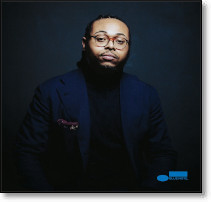
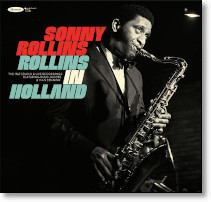
While it looks like these records got slighted, I should note that my slotting of them is less certain than where I ranked the CDs. Christgau makes a bit point about only rating records that he's played at least five times -- enough to be highly certain of his grades. I don't limit myself to records I am absolutely certain of -- no doubt partly because I don't have his gift of certainty about anything. I'd rather jot down as much as I know, when I know it, and revise when/if further experience so dictates. Consequently, every grade has an unstated extra dimension of uncertainty, which isn't clear from the ranked list. I've thought about ways to notate this (the simplest is to count plays, not that every spin occurs under equal or even fair circumstances), but decided it would be a bookkeeping nightmare. Besides, there are other dimensions, like time, that add to the fuzziness. I did make one exception to the CD-only rule, for Mark Lomax's top-rated 400 Years Suite, but only after I broke down and bought a copy. I haven't received it yet, and it's possible I'll change my mind when I do, but I figured I should at least own a copy of what seems most probably the record of the year. As I've noted, I've pretty much given up on buying new music, but I got dispensation from my wife to order a few non-jazz CDs recently: Fiona Apple, Run the Jewels, Lucinda Williams, Lori McKenna -- all albums I graded A-, which Christgau graded A or A+. (See my Non-Jazz EOY list.) Good chance I'll upgrade RTJ4 and move it to the top of my list. I'm less taken by Apple's album, not that it isn't a big deal. I've followed the same CD-only rule for Reissues/Historial in recent years, not just to favor publicists who service me but also because the category is usually swept by fine but minor additions to he works of major artists -- this year: Thelonious Monk, Sonny Rollins, Charles Mingus, Bill Evans, Art Blakey -- and I'd rather pick out some things that aren't automatically familiar. As I usually don't get these reminders of past glory -- Rollins in Holland is the only one this year -- the rule has been an easy excuse to stock my list with marginal but more interesting fare. That's what I did this year, going with a 3-CD box from NoBusiness that barely made my A- grade over the more obvious Rollins set. One belated exception to the CD-only rule is the vote for Wilkins as Debut of the Year. Not seeing any debuts in my A-list, I originally left that blank, but was moved to give Wilkins another shot not for sweeping the category (something much hyped Blue Note artists win way too often) but because he did surprisingly well on main lists. I hate leaving form lines blank, so once I came around, I slipped him in. I have a lot of little-known artists in my A-list, but they all have previous records, even if they are even more obscure than their latest. Next couple weeks should be much less frantic and stressful than the last two have been. I have a project for Christmas that should take me away from the computer, and I'll probably relax with favorite old music as the year winds down. Also thinking about resolutions for the new year. One thing that's pretty clear is that I'll be cutting back on the music tracking (the file has 5019 records so far) and reviewing (1256 records so far, which if not a record isn't far off the mark). Also have a couple of questions to answer this week. Recommended music links: Dropped this as a regular feature, then this popped up:
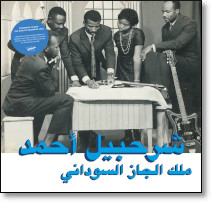
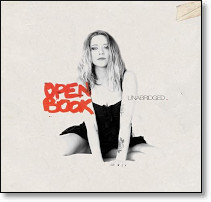
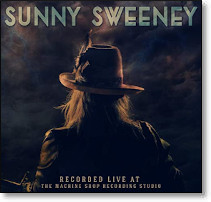
New records reviewed this week: Bruce Ackley/Fred Frith/Henry Kaiser/Aram Shelton: Unexpected Twins (2016 [2019], Relative Pitch): Cover a 2x2 diagram, so parsing left-to-right or top-to-bottom you get pairs of saxophonists -- Ackley plays soprano, Shelton alto -- and guitarists. B+(**) Amaarae: The Angels You Don't Know (2020, Golden Child Entertainment): Ama Serwah Genfi, born in New York, parents Ghanaian, grew up in Atlanta and Accra, first album. Distinctive voice and rhythm, often surprises you, not least with the occasional bit of noise. Auteur's own description: "non stop affirmations and incantations 4 bad bitches." A- The Avalanches: We Will Always Love You (2020, Modular): Australian electronica group, emerged in 2000 with an album pieced together from samples -- a novel technique at the time, making it seem like a one-shot, which it was until a second album appeared in 2016. This is a third, also built on sampling, "but it is less of a plunderphonics record than their previous material." Evidently having a name leads to touring, which favors live instruments and vocals. Feels cartoonish to me, which is to say only the catchiest, chintziest tracks click. B+(**) Matt Berninger: Serpentine Prison (2020, Book): Singer for The National, first solo album, stripped down relative to the band. B+(**) Bktherula: Nirvana (2020, Warner): Atlanta rapper Brooklyn Rodriguez, still in her teens, comes up with 11 short tracks (28:04). Christgau's rave got me to listen hard and long enough to warm to the album, but none of his points stick -- "environmental," "irresistible," "inexplicable," the Eno-Hassell "anthropological minimalism" and "ambient esoteric kitsch," even the more specific "haze of shrooms, lean, and percoset." Well, maybe inexplicable. Come to think of it, if you're unable to explicate, maybe all you do have left is atmosphere. Or maybe it doesn't matter. A- Boldy James/Sterling Toles: Manger on McNichols (2020, Sector 7-G): Detroit rapper James Clay Jones III, mixtape assembled by producer Toles based on rhymes from 2007-10. B+(***) Chouk Bwa and the Ångströmers: Vodou Alé (2017-18 [2020], Bongo Joe): Haitian group (Chouk Bwa Libète) and Belgian production duo (Frédéric Alstadt and Nicolas Esterie). B+(**) [bc] Chubby and the Gang: Speed Kills (2020, Static Shock): British punk group, led by "Chubby Charles" (surname Manning-Walker), first album, 12 songs, 25:37. B+(*) DJ Python: Mas Amable (2020, Incienso): Brian Piñeyro, based in New York but "of Ecuadorean and Argentine extraction," second album. Steady, fairly minimalist beats, talkover, has an appeal. B+(**) Dorian Electra: My Agenda (2020, self-released): Last name Gomberg (or Fridkin Gomberg), from Houston, second album, short (25:10, but 11 tracks) but densly packed with plastic shrapnel. B Dave Douglas: Marching Music (2019 [2020], Greenleaf Music): Famous trumpet player, presents "a new suite of compositions" for marching, "when you attend Climate Marches, Demonstrations for Equal Rights, Voting Rights Movements, and all other actions towards a just society" -- recorded before but released after the summer's George Floyd (et al.) protests, so prescient but a little slow on the draw. Backed by guitar (Rafiq Bhatia), bass, and drums. B+(***) Duma: Duma (2020, Nyege Nyege Tapes): Kenyan duo, Martin Khanja (vocals) and Sam Karugu (guitar), based in Kampala, name means "darkness" in Kikuyu, music itself is most often called industrial grindcore or noise, although I recognize the scratchy, hoarse vocals and intense mechanical beats as metal -- conceptual enough to elicit some interest, but wearing all the same. B Dutchavelli: Dutch From the 5th (2020, Parlophone): UK rapper Stephan Fabulous Allen, born in Birmingham, of Jamaican descent, first album. B+(**) Roger Eno and Brian Eno: Mixing Colours (2020, Deutsche Grammophon): Eleven years younger, Roger Eno followed his brother into ambient music, working together on Apollo in 1983 (along with Daniel Lanois), and has independently produced 30-some albums before this new collaboration. Pretty. Also pretty long (75:15). B+(*) Four Tet: Sixteen Oceans (2020, Text): British laptronica musician Kieran Hebden's principal alias. B+(*) David Friesen With Orchestra and Quartet: Testimony (2018-19 [2020], Origin): Leader plays hemage bass (a small electric) and piano. Quartet includes tenor sax, vibraphone, drums, but most cuts are with the National Academic Symphonic Band of Ukraine. B [cd] Gorillaz: Song Machine, Season One: Strange Timez (2020, Parlophone): Pop machine band -- Damon Albarn and Remi Kabaka Jr. -- tied to a cartoon franchise since 2001, although they feel less cartoonish than Avalanches. With guests on most songs, often pairs like Elton John and 6lack, or Tony Allen and Skepta. B+(*) Mickey Guyton: Bridges (2020, Capitol Nashville, EP): Nashville singer-songwriter Candace Mycale Guyton, several EPs since 2014 but nothing longer, got a big production for this one, but only for 6 songs, 18:58, all tightly clustered around 3:00. Got a Grammy nomination for the closer, where "it's a hard life on easy street," and "if you think we live in the land of the free/ you should try to be black like me." B+(**) Hemingway, Phillips & Moore: Slips (2019, Ramboy): Drummer Gerry, bassist Barre, saxophonist/clarinetist Michael, with four more/less long pieces alled "Slaps," "Slips," "Sniffs," and "Slides." Spots I focused on are brilliant as expected, but my mind wandered too often to rate it higher. B+(**) [bc] François Houle 4: RECODER (2019 [2020], Songlines): Canadian clarinet player, from Quebec, albums since 1992. All-star quartet with Gordon Grdina (guitar), Gerry Hemingway (drums), and Mark Helias (bass, also clarinet for duos on the six "Interlude" pieces). B+(***) JPEGMafia: EP! (2020, Universal Republic, EP): Rapper Barrington DeVaughn Hendricks, three albums, more mixtapes, evidently threw this 9 track, 27:09 EP together from "all singles released this year, mix of young and old." Defies convention, riding the CAPS LOCK except for "living single." B+(**) Kacy & Clayton and Marlon Williams: Plastic Bouquet (2020, New West): From the outer orbits of country music, two cousins from Saskatchewan -- Kacy Anderson (vocals) and Clayton Linthicum (guitar) -- hook up with a country singer-songwriter from New Zealand. B+(**) Kid Cudi: Man on the Moon III: The Chosen (2020, Republic): Rapper Scott Mescudi, returns to title of his first two albums (2009-10), although an intermediate album (2014) was subtitled The Journey to Mother Moon. B+(**) Kirk Knuffke: Tight Like This (2019 [2020], SteepleChase): Cornet player, trio with tuba (Bob Stewart) and drums (Kenny Wollesen), six originals vs. covers from Louis Armstrong (title cut), Teddy Wilson, Pee Wee Russell, Gene Ammons, Nat Adderley, Cannonball Adderley, and Matt Wilson. B+(**) Mário Laginha/Julian Argüelles/Helge Andreas Norbakken: Atlântico (2019 [2020], Edition): Piano, soprano/tenor sax, and percussion. Nice balance of forces, with the sax getting ever stronger. A- David Lord: Forest Standards Vol. 1 (2016 [2018], BIG EGO): Guitarist, "operating in the bubble of Wichita, Kansas," teaches at Friends University and runs a studio called Air House Music Academy, not someone I know. First album under his own name -- he claims 16 albums as Francis Moss and with various rock bands -- twelve songs mostly named for fungus, recorded in California with Devin Hoff (bass), Chad Taylor (drums), and Sam Hake (vibes), mixed by Chris Shlarb (who plays guitar on two songs). B+(**) David Lord: Forest Standards Vol. 2 (2018 [2020], BIG EGO): More songs about fungus and fruit, also recorded in Long Beach, with Billy Mohler taking over at bass and Jeff Parker adding a second guitar on 8 (of 14) pieces. B+(**) Terrace Martin/Robert Glasper/9th Wonder/Kamasi Washington: Dinner Party (2020, Sounds of Crenshaw, EP): Two hip-hop/r&b producers, two jazz friends, for a 7-track, 23:03 EP, with Phoelix featured on 4, so I figure him for the singer. The sax is pretty laid back, but still a treat. B+(*) Terrace Martin/Robert Glasper/9th Wonder/Kamasi Washington: Dinner Party: Dessert (2020, Sounds of Crenshaw, EP): Remixes, the 7 tracks trimmed to 20:34, with extra guests ranging from Herbie Hancock to Rapsody and Snoop Dogg -- best pickup is Cordae on "Freeze Tag." B+(*) Terrace Martin: Village Days (2020, Sounds of Crenshaw/Empire, EP): Artist credit actually reads "a Terrace Martin project," the title preceded by "Sounds of Crenshaw presents." Typically scattered, with a bit of free jazz sax (Martin's main instrument, though I can't be sure it's him), and a closing "The Christmas Song" that won't be instantly obsolete. Seven tracks, 27:25. B+(**) Gayelynn McKinney and McKinney Zone: Zoot Suit Funk (2020, Beatstix): Drummer, from Detroit. Father was a pianist, mother a singer. Debut album 2006. Leans into the funk here, but doesn't really connect until the title song closer. B+(*) [cd] Victoria Monét: Jaguar (2020, Tribe, EP): Soul singer, born in Georgia, father French, creole ancestry on her mother's side, recorded singles and EPs from 2014. This one runs 9 songs, 25:27. B+(**) Michael Moore Fragile Quartet: Cretan Dialogues (2019, Ramboy): Leader, an American long based in Amsterdam, plays alto sax, clarinet, bass clarinet, and melodica, backed with piano (Harmen Fraanje), bass (Clemens van der Feen), and drums (Gerry Hemingway). B+(***) [bc] The NDR Bigband With Michael Moore: Sanctuary (2019, Ramboy): German big band, based in Hamburg, conducted by Tim Hagans, rarely appears ahead of the featured guest, and indeed I'm filing this under Moore (alto sax/clarinet/bass clarinet). But what impresses me most is the rich texture studded with gemlike details. B+(***) [bc] PRAED Orchestra: Live in Sharjah (2018 [2020], Morphine): Inspired by Egypt, but recorded in the UAE, with a 13-piece band, including some avant surprises (Hans Koch, Martin Kuchen, Michael Zerang). Starts with some hideous vocals, which only become tenable when the groove pushes them into the background. Away from the vocals, this can be pretty impressive. B+(**) Katie Pruitt: Expectations (2020, Rounder): Nashville singer-songwriter, originally from suburban Atlanta, raised conservative only to find she's not "Normal" -- nonetheless frames the album cover in church glass. B+(*) Saint Jhn: While the World Was Burning (2020, Hitco): Rapper Carlos St. John Phillips, aka Ghetto Lenny, born in Brooklyn but parents from Guyana, spent considerable time there growing up. Third album. B+(**) Oumou Sangaré: Acoustic (2020, No Format): Wassoulou singer-songwriter from Mali, albums since 1990, some major. Concept here probably not. B+(**) Alvin Schwaar/Bänz Oester/Noé Franklé: Travellin' Light (2019 [2020], Leo): Swiss piano-bass-drums trio, plays eight standards from Ellington to Hancock. B+(*) Ray Scott: Nowhere Near Done (2020, Jethropolitan, EP): Country singer-songwriter from North Carolina, five albums 2005-17, returns with six-songs, a 23:06 EP. More trad than neo, voice reminds me of someone I can't quite peg (Dave Alvin comes to mind). B+(**) Squarepusher: Be Up a Hello (2020, Warp): English electronica musician Tom Jenkinson, fifteenth album since 1996. Racing beats, the chase sometimes amusing, a bit more ominous on "Vortrack." B+(*) Emma Swift: Blonde on the Tracks (2020, Tiny Ghost): Australian singer, moved to Nashville in 2013. First album, after an EP and a few singles, nothing more than a batch of Bob Dylan covers: two each from Blonde on Blonde and Blood on the Tracks, four more -- she spends even more time on "Sad Eyed Lady of the Lowlands" than Dylan did. I don't quite see the point. B Taylor Swift: Evermore (2020, Republic): A second "surprise" album this year, as with July's Folklore, eschews pop glitz for straightforward songcraft, although she continues to pay close attention to production details, and she's getting all the help she can use, including marquee features for Haim, National, and Bon Iver. All the pandemic has done has been to move her focus from arenas to your living room. Or sometimes bedroom. B+(***) Jorma Tapio & Kaski: Aliseen (2019 [2020], 577): Finnish saxophonist (alto, tenor, flutes), played in Krakatau and Edward Vesala's Sound & Fury, leads a trio here with Ville Rauhala (bass) and Janne Tuomi (drums). Title is a "Finnish word for a shaman's trip to the underworld" -- a "dark, mysterious" search that the spooky bass and wooden flutes signify. B+(***) Laura Toxvaerd: Tidens Strøm (2019, ILK Music, EP): Danish alto saxophonist, handful of records since 2002, composed and wrote lyrics for 6 songs (26:38), sung by Maria Laurette Friis, and backed by tuba, accordeon, and drums. I might object to the rather arch vocals, but the harsh sax cuts them effectively. B+(**) Laura Toxvaerd: Drapery (2019, ILK Music): Slightly longer album, came out same day, a quartet with Gustaf Ljunggren (various strings/guitars), Peter Friis Nielsen (electric bass), and Marilyn Mazur (percussion, drums). B+(**) Kelsey Waldon: They'll Never Keep Us Down (2020, Oh Boy, EP): Country singer-songwriter, from Kentucky, last three albums are aces, this one is dubbed an EP (7 songs, 31:29). The discount may be because these songs are covers, picked to raise some political hell. The ones from Dylan, Prine, and Neil Young are overly familiar, but the title track (from Hazel Dickens) is an anthem we need, and "Mississippi Goddamn" is still a howl they deserve. B+(***) Recent reissues, compilations, and vault discoveries: Sharhabil Ahmed: The King of Sudanese Jazz ([2020], Habibi Funk): Singer from Sudan, plays guitar, oud, other instruments. Not clear when these seven grooveful pieces were recorded, but they combine Middle Eastern and Congolese elements, and one picture shows congas as well as a drum set. A- Dave Brubeck Quartet: Time OutTakes (1959 [2020], Brubeck Editions): Released just ahead of what would have been the pianist's 100th birthday, the introductory product of a family label where there are many more musicians. Outtakes from Brubeck's most famous album, Time Out, a universally applauded masterpiece, famed for the use of unusual time signatures but really the title track is one of the catchiest tunes ever written. At best, this gives you the chance to hear the album slightly differently: repeating five songs, substituting for two more, then tacking on some studio banter that doesn't help. B+(***) Nat King Cole: Straighten Up and Fly Right: The Best of Hittin' the Ramp: The Early Years (1936-1943) (1938-43 [2020], Resonance): Single-disc sampler from 2019's 7-CD, 183-track box, which fared well in EOY polls (not that I got a chance to listen). Box is probably de trop, and even this selection feels redundant to other period compilations. B+(***) George Lewis: Rainbow Family (1984 [2020], Carrier): Avant-trombonist, more than dabbled in electronics, credit here reads "atelier" (workshop), prominently flagging ICRAM (Institut de Recherche et de Coordination Acoustique/Musique), also four musicians: Douglas Ewart (alto sax, flute, clarinet), Joëlle Léandre (bass), Derek Bailey (electric guitar), and Steve Lacy (soprano sax). Novel experiments in computer music. Still, the stars are computers, which everything else bounces off of. B+(**) [bc] Prince Buster: Roll on Charles Street ([2020], Rock A Shacka): Cecil Bustamente Campbell (1938-2016), a major producer during the ska and rocksteady eras -- his "Oh Carolina" leads off the fabulous Tougher Than Tough compilation. These are billed as "classic and previously unreleased Prince Buster productions," with no dates, 12 (of 20) credited to Prince Buster or Buster All Stars, with Roland Alphonso and Don Drummond the most famous other names. B+(**) [bc] Prince Buster: Let's Go to the Dance: Rock Steady Selection (1967-68 [2020], Rock A Shacka): "We select 20 rocksteady tunes which have never reissued until today after original release date in 1967-68." Mostly production efforts for other performers, leaving 6 songs released as Prince Buster and 1 as Buster All Stars. B+(**) [bc] Kalie Shorr: Open Book: Unabridged (2019 [2020], Tmwrk): Country singer-songwriter from Maine, self-released her debut Open Book in 2019, after several EPs, and turned a lot of ears. This is a reissue, expanded from 13 to 17 tracks. My initial reaction was that she was overly jacked up, but later plays persuaded me that the songs were solid. That's even clearer here. I doubt the extra songs are worth re-buying the rest, but this is a good one to start with. A- Yasanuki Takayanagi New Direction Unit: Axis/Another Revolvable Thing (1975 [2020], Blank Forms Editions, 2CD): Japanese guitarist (1932-91). Group includes reeds (Kenji Mori), bass/cello, and percussion. Rather abstract. B(*) [bc] Old music: Gene Russell: New Direction (1971, Black Jazz; [2020], Real Gone Music): Pianist (1932-81), often played electric, recorded four albums 1967-72, with a fifth released in 1981. Co-founder of Black Jazz Records. This is classic piano trio plus congas, a little fancier than soul jazz but funkier than mainstream. B+(***) Gene Russell: Talk to My Lady (1974, Black Jazz): The pianist mostly plays electric here, wrote three songs, adds some narration to the closer. With Calvin Keys on guitar, plus bass, drums, and congas. B+(*) Further Sampling: Records I played parts of, but not enough to grade: -- means no interest, - not bad but not a prospect, + some chance, ++ likely prospect. Peter Evans/Joel Ross/Nick Jozwiak/Savannah Harris: Being & Becoming (2019 [2020], More Is More): Trumpet player, quartet with vibes, bass, and drums. [bc: 1/5, 9:43/50:11]: ++ Peter Evans Ensemble: Horizons (2018 [2020], More Is More): Trumpet, violin, synth, percussion. [bc: 2/7, 10:29/42:10]: + Peter Evans: Standards (2020, More Is More): Trumpet and piano duets, 5 songs, sample is "Embraceable You." [bc: 1/5, 8:59/39:22]: + Grade (or other) changes: Serengeti: With Greg From Deerhoof (2020, Joyful Noise): Greg Saunier and David Cohn crossed paths several times, including a gig in Berlin that produced a 17:16 "I Got Your Password," leading to the long-distance collaborations added here: Saunier emailed music tracks, a bit fancier than the usual beat tracks, and Cohn added some of his more furious rhymes. [was: B+(*)] B+(***) Sunny Sweeney: Recorded Live at the Machine Shop Recording Studio (2020, Aunt Daddy): Country singer-songwriter, from Houston, four studio albums since 2006. I never stuck with her albums, so I have no idea how many of these songs are how old, but she's been a consistent songwriter, and this works nicely as a best-of. [Was: B+(***)] A- Immanuel Wilkins: Omega (2020, Blue Note): Alto saxophonist, grew up near Philadelphia, based in New York, first album, produced by Jason Moran, backed by piano (Micah Thomas), bass, and drums. Blue Note has a knack for picking up unknowns and hyping them into phenoms, so I was skeptical at first, but gave him another shot after he bum-rushed the polls, and was impressed: still more mainstream than avant, but pushing the window. [was B+(**)] A- Unpacking: Found in the mail last week:
Ask a question, or send a comment. Monday, December 7, 2020 Music Week
December archive (in progress). Music: Current count 34511 [34444] rated (+67), 215 [210] unrated (+5). I've been working very fast and very hard, as should be obvious from the ridiculously high rated total this week. I've been counting ballots for the Jazz Critics Poll (71 submitted so far, which is pretty good with six days to go). I've been toting up EOY lists. I've been playing things I'm seeing on these lists, though rarely giving them more than a single spin. (I should give those Schubert albums another shot; also seems likely that one or more of the hip-hop albums might click; on the other hand, Kimbrough got three spins today, thanks to having the CD, which I could play while making soup and coleslaw (separate projects, but both kitchen-based). All this listening is causing my EOY lists for jazz and non-jazz to churn, but is having surprisingly little effect on the upper reaches. I haven't formally submitted a Jazz Critics Poll ballot, but nothing new has come close to top-ten level. This is probably because I've managed to hear more of what I've heard about this year than in any previous year. For instance, if you look at the current EOY Aggregate file, the top-rated records I haven't heard are:
Most of these are metal or near-metal -- things I almost never like. The frequency of unheard records increases after that, but I have to scroll down toward 330 to get a screen with more black than green (or blue), and from 582-624 colors outnumber black 27-16 (at 5-6 points, my own votes are starting to have more influence). My coverage of jazz is even deeper. At present, there are 111 albums with 9(2) or higher scores. Of those, I've heard all but the following (11, so less than 10%; I've heard the top 34):
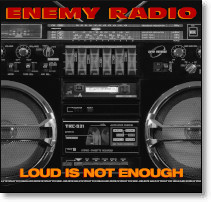
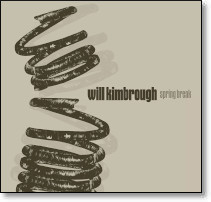
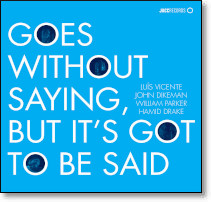
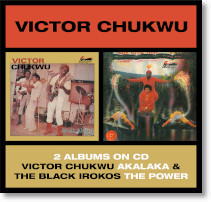
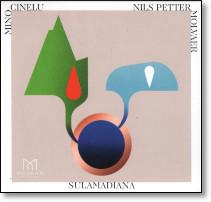
I recall looking the first three up on Bandcamp, and didn't find enough cuts to review. (I should recheck them for "Further Sampling," which I'm still doing -- just not very aggressively.) I already have a download of Douglas, so I'll get to that. I was surprised to find that I've only received one record from Pi this year. They usually do a very good job of servicing critics, but cut back when the lockdown hit, and started releasing digital-only home recordings. Besides, I've panned all of Dan Weiss's CDs, so maybe they're keeping track. As far as the EOY Aggregate is concerned, I continue to cheat in ways designed to make the list more interesting. I ignore exclusive metal magazines -- although enough leaks through that the metal subset of the big list has reached 160 albums (I've heard 2: kind of liked one, and didn't hate the other). I pick up jazz that the big aggregators ignore (including some JJA lists, but I haven't dipped into the JCP ballots yet), and I look out for country and hip-hop lists, and somewhat less aggressively for electronica and world lists. I've heard 42 of the top 50 country/folk/Americana albums (84%, 135 albums listed), 47 of the top 50 hip-hop/rap albums (94%, 214 albums listed), 22 of the top 50 electronica albums (44%, although 9/10 and 14/16, 197 albums listed), and 31 of the top 50 world albums (62%, 80 albums listed). I've also started to pick off some ballots from the Pazz & Jop Rip-Off Poll, although thus far my standard is to only pick names I've tracked in previous EOY Aggregates (many from Village Voice Pazz & Jop polls, or the Christgauvian Expert Witness Facebook group, so that warps the results toward Christgau's picks, as does the extra points for his grades). One such ballot came from Tom Lane, who followed up by sending me a much longer list via email (which I will count in due course; any reader who deigns to send me a ranked list via email is also likely to get counted). My EOY lists were up to date as of last Friday (at least based on what I've found on Acclaimed Music Forums), but I've slipped a bit over the weekend. I should also note that I've depended a lot on lists by Phil Overeem, Chris Monsen, and Tim Niland. One anomaly this week is that I threw in a cover scan for a mere B+(***) record. Just saw Gnod's record in the recommendations of a Bandcamp page, and my interest was piqued enough that I played it -- the only non-new record this week (not that 2017 is that old). Couldn't quite give it an A- (a bit too noise/metal for my taste within the limits of one spin), but wanted the cover anyway. My prerogative. Current jazz/non-jazz split for new A-list albums: 69/48. Most years eventually even out. Maybe Christgau's December Consumer Guide -- out Wednesday for paying subscribers -- will offer some non-jazz candidates? By the way, Michaelangelo Matos' new book, Can't Slow Down: How 1984 Became Pop's Blockbuster Year, is coming out this week. I'd still argue for 1964, but he's a good deal younger than me. For a review, check out Jack Hamilton: The Great New Book About the Year That Changed Pop. By the way, Matos passed along my favorite tweet of the week: "Pro-tip: Never say 2020 can't get any worse!" New records reviewed this week: Eivind Aarset & Jan Bang: Snow Catches on Her Eyelashes (2020, Jazzland): Norwegian duo, the former plays guitar and bass, the latter samples, mixes, and produces, with a few guest spots along the way (e.g., one track with Nils Petter Molvaer on trumpet). Ambient, washes over you gently. B+(*) [bc] Backxwash: God Has Nothing to Do With This Leave Him Out of It (2020, Grimalkin, EP): Rapper Ashanti Mutinta, born in Zambia, moved to Canada at 17 to study computer science, transgender, pronouns she/her, which is part of the subject matter. Second studio album, short (10 tracks, 22:05, as was the first, Deviancy), but dense and heavy. B+(**) [bc] Barrage: The Was and Is to Come (2020, Øra Fonogram): Bassist Alexander Riris composed these pieces, played by a Norwegian septet, with trumpet, three saxes, piano, and drums. Impressive at speed, loses a bit when they slow down. B+(***) Ran Blake/Andrew Rathbun: Northern Noir (2018 [2020], SteepleChase): Duets, piano and tenor sax. Opens and closes with "Strange Fruit," which seems about right for the somber, measured intimacy. B+(**) Urs Blöchlinger Revisited: Harry Doesn't Mind (2018 [2020], Leo): Tribute group for the late Swiss saxophonist (1954-95), a septet led by son Lino Blöchinger, also a saxophonist, playing the old compositions. B+(**) Peter Brötzmann/Fred Lonberg-Holm: Memories of a Tunicate (2020, Relative Pitch): Tenor sax and cello duo, a small but loud subset of their Chicago Tentet. The former sometimes takes the edge off by switching to clarinet or tarogato, while the latter adds electronics. As Mark Corroto put it, "entertaining and exhausting." B+(*) [bc] Paul Bryan: Cri$el Gems (2020, self-released): Los Angeles-based bassist, Discogs credits him with one previous album (from 2003), but he seems to do a lot of production work on the side, including Jeff Parker's Suite for Max Brown. Parker plays guitar here, Lee Pardini electric piano, plus three percussionists, in an album that puts groove first but isn't satisfied to leave it there. B+(*) BTS: BE (2020, Big Hit): Korean boy band, big stars worldwide. I've seen them dance through their revolving vocals a few times, and they're a lot of fun to watch. Less fun to just listen to, and the 3:00 "Skit" in the middle here is dead time, not that the closing single ("Dynamite") doesn't make up for it. Short (8 tracks, 28:30). B+(*) Conway the Machine: From a King to a GOD (2020, Griselda): Buffalo rapper Demond Price, brother of Westside Gunn, cousin of Benny the Butcher, mixtapes from 2015, first studio album. "It's all good crap." B+(***) Conway the Machine/The Alchemist: Lulu (2020, Griselda/ALC, EP): Seven tracks, 22:42. B+(**) Dezron Douglas & Brandee Younger: Force Majeure (2020, International Anthem): Bass and harp duets, recorded in their shared Harlem apartment between March and June, 2020. A unique item, the mesh and contrast of the instruments near perfect, but I doubt it's something I'll want to return to, except to recall what those months were like, and how to survive them. B+(***) Kurt Elling: Secrets Are the Best Stories (2020, Edition): Jazz singer, impressed a lot of people but I've always found him way too mannered, and have even started to question his chops of late. Big help here musically from Danilo Perez (pianist and co-producer). B- Enemy Radio: Loud Is Not Enough (2020, SplitSLAM): A Chuck D project, with DJ Lord Aswod and Jahi Torman, the sound as punched up as Public Enemy can bring it, the message even more deeply political. I missed this when it came out in April, but it belongs in the Spring/Summer soundtrack, and is not likely to lose relevance for quite some time. A- Fleet Foxes: Shore (2020, Anti-): Mild-mannered rock group (chamber or baroque pop), formed near Seattle c. 2006, principally Robin Pecknold. Fourth album, I've never understood the critical interest in this group, but this at least is pretty easy listening. B Satoko Fujii/Natsuki Tamura: Pentas: Tribute to Eric and Chris Stern (2019 [2020], Not Two): Piano and trumpet duo, four compositions each. No idea how the Sterns figure into this. B+(**) Future/Lil Uzi Vert: Pluto x Baby Pluto (2020, Atlantic): Two rappers, title refers back to the 2012 album by Future (Nayvadius Wilburn) and the lead song from the latter's 2020 album. This got pretty severely panned, but I'm finding the dense, beatwise banter about par for the course. B+(*) GoGo Penguin: Live From Studio 2 (2020, Decca): English piano trio -- Chris Illingworth, Nick Blacka, Rob Turner -- strong on rhythm, a crossover threat niche previously developed by EST and Bad Plus. Digital only, billed as an EP, really a short album (7 tracks, 35:18). B+(*) Devin Gray: Socialytics (2019 [2020], Rataplan, EP): Drummer, composer, leads trio with names below and right of title: Dave Ballou (trumpet) and Ryan Ferreira (guitar). Short (6 tracks, 24:17), but Ballou makes a big impression. B+(**) Devin Gray/Gerald Cleaver: 27 Licks (2019 [2020], Rataplan): Two drummers, duets, something of an acquired taste. B+(*) [bc] Connie Han: Iron Starlet (2020, Mack Avenue): Pianist, from Los Angeles, second album (or third, counting a Richard Rodgers Songbook she did as a teenager). Impressive speed, wrote 5 songs, to 3 by drummer-producer Bill Wysaske, and 2 covers. Gets significant help from Walter Smith III (tenor sax) and, especially, Jeremy Pelt (trumpet). B+(**) Elisabeth Harnik & Steve Swell: Tonotopic Organizations (2019 [2020], Fundacja Sluchaj): Piano and trombone duets, recorded in Vienna (the pianist's home turf). Limited, but notable streaks from both. B+(*) [bc] Honey Harper: Starmaker (2019 [2020], ATO): Born William Fussell, grew up with country music in Georgia, seems to be based in UK now, debut album after an EP and singles. Not conventionally country, but maybe a glittered up stage rendition. B Headie One: Edna (2020, Relentless): British rapper Irving Adjei, first album after several mixtapes. B+(**) Ian Hendrickson-Smith: The Lowdown (2019 [2020], Cellar Live): Alto saxophonist, mainstream, his debut a memorable early Jazz CG find, continues in that vein, with Cory Weeds (tenor sax), Rick Germanson (piano), John Webber (bass), and Joe Farnsworth (drums). B+(**) HHY & the Macumbas: Camouflage Vector: Edits From Live Actions 2017-19 (2017-19 [2020], Nyege Nyege): Jonathan Saldanha and/or his "cryptic collective" from Porto, Portugal, with a strategic intervention by dub producer Adrian Sherwood, working from Barcelos to Tenerife then editing the rhythm tracks under lockdown in Kampala. B+(**) Jon Irabagon: I Don't Hear Nothin' but the Blues: Volume 3: Anatomical Snuffbox (2019 [2020], Irabbagast): Tenor saxophonist, has done a fairly wide range of work since staring with Mostly Other People Do the Killing in 2006, but opts for avant-screech here ("46:54 of brutal, non-stop, cataclysmic end-of-the-world guitars, saxophone, and drums"). I mostly blame the guitars (Mick Barr and Ava Mendoza), although drummer Mike Pride is someone I associated with such din. B- [bc] Keefe Jackson/Jim Baker/Julian Kirshner: So Glossy and So Thin (2018-19 [2020], Astral Spirits): Chicago trio -- tenor/sopranino sax, piano/synthesizer, drums -- two track live at the Hungry Brain (21:38 and 23:45). B+(***) [bc] Jubileum Quartet [Joëlle Léandre/Evan Parker/Agustí Fernández/Zlatko Kaucic]: A Uis? (2018 [2020], Not Two): Bass, tenor sax, piano, drums; a single 45:02 improv piece, recorded at Cerkno Jazz Festival, "celebrating 40 years of Kaucic's professional career as a musician." B+(**) Junglepussy: JP4 (2020, Jagjaguwar): New York rapper Shayna McHayle, parents from Jamaica and Trinidad, several albums and mixtapes. Short album (10 tracks, 29:35). Murky early, snaps sharp toward the end. B+(*) Will Kimbrough: Spring Break (2020, Daphne): Singer-songwriter from Mobile, Alabama; based in Nashville, had a group called Will and the Bushmen (1985-91), half-dozen or so solo albums since 1999, side credits with Todd Snider and Amy Rigby (well, also Jimmy Buffett and Rodney Crowell, but first things first; two co-writes here with Snider). Notes on two of the more political songs: "Cape Henry" is not about a Civil War battle; and it's easier to have a "Right Wing Friend" if that friend also loves John Prine (as my own do). A- [cd] Mary Lattimore: Silver Ladders (2020, Ghostly International): Classically trained harpist from North Carolina, seventh album since 2013. Generally classified as experimental or ambient, a few notes convinced me to file her under new age -- that haven for acoustic music which neither swings nor rocks nor evokes trad or classical roots. B+(*) José Lencastre/Hernâni Faustino/Vasco Furtado: Vento (2018 [2020], Phonogram Unit): Portuguese avant-jazz trio: alto sax, bass, drums. Continues to impress. B+(***) [bc] Lil Baby: My Turn (2020, Quality Control): Atlanta rapper Dominique Jones, second album, half dozen mixtapes. Trap beats, clipped flow, still works. B+(**) Lil Uzi Vert: Eternal Atake (2020, Atlantic): Rapper Symere Woods, from Philadelphia, second studio album, after four mixtapes. B+(*) Brian Lisik: Güdbye Stoopid Whirled (2020, Cherokee Queen): Singer-songwriter from Akron, Ohio. Google identifies him as a journalist, but website is focused on music, including six previous albums. Some garage klang. Relatively short (10 songs, 32:37). B+(**) [cd] Tkay Maidza: Last Year Was Weird (Vol. 2) (2020, 4AD, EP): Rapper/singer, born in Zimbabwe, first name Takudzwa, moved to Australia when she was 5. Has a 2016 album (Tkay), two short mixtapes since (with a 3rd volume promised for 2021), this one 8 tracks, 26:54. Weirdest is "You Sad," which isn't sad at all. B+(**) Anna McClellan: I Saw First Light (2020, Father/Daughter): Singer-songwriter from Omaha, third album. Lo-fi, sounds like early Liz Phair -- real early. B+(*) Flo Milli: Ho, Why Is You Here? (2020, RCA): Rapper Tamia Carter, from Mobile, first album, rolls up a couple 2019 singles ("Beef FloMix," "In the Party"). Good beats, plenty sass, not what you'd call deep. B+(*) Keir Neuringer/Shayna Dulberger/Julius Masri: Dromedaries II (2020, Relative Pitch): Alto sax/bass/drums trio, leader has albums since 2010, including one from 2017 with this trio. B+(**) [bc] Keir Neuringer & Rafal Mazur: The Continuum (2018 [2020], Fundacja Sluchaj): Alto sax and acoustic bass guitar duo, recorded live in Krakow. Circular breathing for continuous engagement, B+(**) [bc] Guillaume Nouaux: Guillaume Nouaux & the Stride Piano Kings (2019 [2020], self-released): French drummer, debut was 1998 album Creole Pinasse Hot Jazz Band, not a lot since then but these piano-drums duets would seem to be a dream project. Two tracks each from seven retro-swing pianists: Bernd Lhotzky, Louis Mazetier, Luca Filastro, Chris Hopkins, Rossano Sportiello, Harry Kanters, and Alain Barrabes. A couple songs could have been better chosen, but most are bright and cheery. B+(***) [cd] Pigs Pigs Pigs Pigs Pigs Pigs Pigs: Viscerals (2020, Rocket): Brit rock group, fairly hard (Bandcamp tags range from psych and stoner rock to sludge and doom metal), from Newcastle Upon Tyne. Bass riffs feel strong, guitar shrill, voice hoarse. Not clear if they're full of shit, but no harder to listen to than vintage Black Sabbath. B Chris Potter: There Is a Tide (2020, Edition): Big time tenor saxophonist, plays more soprano than he should, evidently plays everything else in a pinch -- a polite way to describe the circumstances of this lockdown recording, a dubbed solo effort where his credits read: "piano, keyboards, electric and acoustic guitars, bass guitar, drums, clarinet, bass clarinet, flute, alto flute, percussion, samples, and saxophones." He does a nice job comping behind one monster sax solo, but not much else of interest. B- Abbey Rader/John McMinn: Duo From the Heart (2019 [2020], Abray): Drummer, "whose 'free' approach is heavily influenced by Buddhism." Records since 1979, including work with William Parker and Billy Bang. Duets, McMinn is an alto saxophonist who plays a lot of piano here. B+(**) [bc] Eric Reed: For a Time Such as This (2020, Smoke Sessions): Mainstream pianist, started out with Wynton Marsalis, dedicated his first album to Art Blakey, has many more since 1990. Trio here with Alex Boneham (bass) and Kevin Kanner (drums), plus Chris Lewis (tenor/soprano sax on 4 tracks), and Henry Jackson (one gospel vocal). B+(*) Matana Roberts & Pat Thomas: The Truth (2018 [2020], Otoroku): Alto sax and piano duets, recorded live in London. B+(**) [bc] Frank Paul Schubert/Dieter Manderscheid/Martin Blume: Spindrift (2019 [2020], Leo): German saxophonist (alto, soprano), twenty-some albums since 2005, trio with bass and drums. Two long pieces, impeccable free jazz sets. B+(***) Frank Paul Schubert/Alexander von Schlippenbach/Martin Blume: Forge (2020, Relative Pitch): Alto/soprano sax, piano, drums: one 47:30 improv piece, followed by a 6:47 encore. Another impressive outing, even more so. A- Nadine Shah: Kitchen Sink (2020, Infectious Music): British singer-songwriter, fourth album (plus 2 EPs) since 2012. Has a distinctive voice, and this record breaks out of the folkie rut. B+(**) Skurkar: Skjulte Motiver (2019 [2020], Øra Fonogram): Trondheim-based jazz band, two saxophones -- baritone (Jenny Frøysa) and alto (Amalie Dahl) -- bass (Oda Steinkopf), and drums (Emma Lönnestål). Starts free and punkish, settles into patterns. B+(***) Spillage Village: Spilligion (2020, Dreamville/SinceThe80s/Interscope): Hip-hop collective from Atlanta, includes members of EarthGang and rapper JID, first major label outing after three digital-onlys. Framed as a take on religion, ranges far and wide, lost me a bit on "Hapi" (the Nile River God), where the rap parted to let the choir spill over. B+(*) Bartees Strange: Live Forever (2020, Memory Music): Singer-songwriter from Oklahoma, actual surname Cox, debuted with an EP of National covers, then released this first album. Sharp-edged, kind of arty, rooted in garage rock, no interest in folkie confessionals. B+(*) Talibam! With Silke Eberhard and Nikolaus Neuser: This Week Is in Two Weeks (2020, ESP-Disk): Group is a duo -- Matt Mottel (keyboards, guitar) and Kevin Shea (drums, from MOPDTK) -- with 30+ albums since 2007, joined here by two German horn players (alto sax and trumpet). B+(**) Duval Timothy: Help (2020, Carrying Colour): Pianist, sings some, b. 1989, divides time between London and Freetown, Sierra Leone. I saw this pegged as jazz, but aside from the pure piano bits this is impossible to pigeonhole. B+(*) Kali Uchis: Sin Miedo (Del Amor Y Otros Demonios) (2020, Interscope): Pop star, Karly-Marina Loaiza, born in Virginia, father from Colombia, where she moved at some point. Breakthrough album Isolation was one of my favorites in 2018. Switches to Spanish here -- "Without Fear (Of Love and Other Demons)." Loses more than a little in transition: not just the words I don't grok, but also the hooks I don't feel. B+(*) Birgit Ulher/Franz Hautzinger: Kleine Trompetenmusik (2018 [2020], Relative Pitch): Two trumpet players, German and Austrian, more than a dozen records each since 1996/1998. B- [bc] Luís Vicente/John Dikeman/William Parker/Hamid Drake: Goes Without Saying, but It's Got to Be Said (2020, JACC): Trumpet, tenor sax, bass, drums. Note says "recorded live at ZDB by Kellzo on the 19th July 2020." No idea where that is, or how they managed to get musicians from Portugal, Netherlands, and US together. The horn players have been on the free jazz scene for a while, but nothing like the world's greatest bass-drums team for inspiration. A- Fay Victor's SoundNoiseFunk: We've Had Enough! (2019 [2020], ESP-Disk): Recorded last December, bet she's even more pissed off now. Adventurous group -- Sam Newsome (soprano sax), Joe Morris (guitar), Reggie Nicholson (drums) -- a little rough and unsteady, but she takes risks others cannot imagine. B+(**) Virtual Company: Virtual Company (2018 [2020], Confront): Bassist Simon H. Fell, who died in June at 61, organized this "live" set at Café OTO, with Mark Wastell (cello, percussion) and pre-recorded fragments from Derek Bailey (guitar) and Will Gaines (tapdance) -- an "in-concert, virtual Company performance" (reference to Bailey's old avant-improv group, which Fell and Wastell played in). I've probably heard (and certainly appreciated) less by Bailey/Company than any of the other Penguin Guide demigods, and for that matter I've barely scratched Fell, but 46:37 is fascinating in a low-key, off-kilter way. A- [bc] Working Men's Club: Working Men's Club (2020, Heavenly): Electropop group from Yorkshire, auteur Sydney Minsky-Sargeant. Seems like a throwback to 1980s new wave disco, a bit louder and shriller, which may turn into annoying should the initial thrill wear off. B+(**) Recent reissues, compilations, and vault discoveries: Victor Chukwu: Akalaka/The Power (1977-79 [2020], BBE): Combines two LPs of vintage Igbo highlife, the second title fully credited to Uncle Victor Chuks & the Black Irokos. One of my favorite African styles, not the slickest version but upbeat, a delight. A- Full Blast [Peter Brötzmann/Marino Pliakas/Michael Wertmüller]: Farewell Tonic (2007 [2020], Trost): Reeds, electric bass, drums, trio going under the name of their 2006 debut. Front cover just shows the last names. Live shot. Crowd is really into it. B+(**) [bc] Jimi Hendrix Experience: Live in Maui (1970 [2020], Experience Hendrix/Legacy, 2CD): "The trio's second-to-last performance in the U.S. during their final The Cry of Love Tour," on July 30, before his death (at 27) on September 18. Some parts have been plundered for previous posthumous product. This time, the presentation is as two complete sets (51:34, 48:44), no songs repeated. No surprises here, but a fair sampler from a major artist, enjoyable in its own right. B+(***) Wolfgang Lackerschmid and Chet Baker: Ballads for Two (1979 [2018], Dot Time): German vibraphone player, young (22) at the time, in a duo with the trumpet legend. Originally released with Baker's name first. Nice showcase for Baker at his most laconic. B+(**) Wolfgang Lackerschmid/Chet Baker: Quintet Sessions 1979 (1979 [2020], Dot Time): Second album together, also originally released with Baker's name first, with ample cover space for the stellar rhythm section: Larry Coryell, Buster Williams, and Tony Williams. Trumpet stars less here, but the rhythm makes up. B+(***) Strum & Thrum: The American Jangle Underground 1983-1987 (1983-87 [2020], Captured Tracks): Not a period when I paid much attention to pop music, but 28 tracks by as many artists, none I recall, but the guitar sound is distinctive, and everything is upbeat, so this coheres, about as much as Nuggets did for the late 1960s. The difference is that Nuggets mostly picked hits, so they jogged your memory, whereas this leaves you blank. B+(*) Old music: Gnod: Just Say No to the Psycho Right-Wing Capitalist Fascist Industrial Death Machine (2017, Rocket): British rock band from Manchester, formed 2006, Discogs lists 34 albums, this particular title jumped out at me. Psych and/or drone, I gather, eases off a bit toward the end. Let's post the cover anyway. B+(***) Further Sampling: Records I played parts of, but not enough to grade: -- means no interest, - not bad but not a prospect, + some chance, ++ likely prospect. Mark Helias/Tim Berne: Blood From a Stone (2020, Radiolegs): Bass/alto sax duo. [bc: 1/5, 9:07/51:04]: + The Human Hearts: Day of the Tiles (2020, self-released, EP): Franklin Bruno project. Christgau's a big fan, but I don't hear it. [bc: 3/6, 12:16/21:50]: - Unpacking: Found in the mail last week:
Ask a question, or send a comment. Monday, November 30, 2020 Music Week
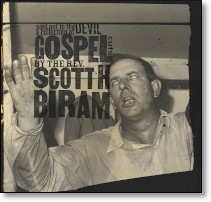
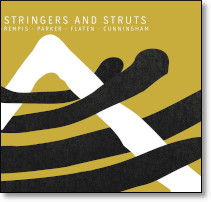
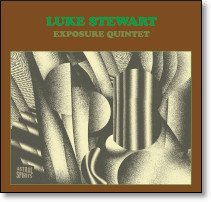
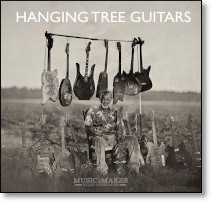
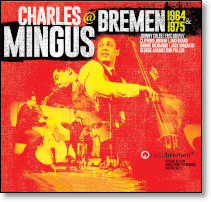
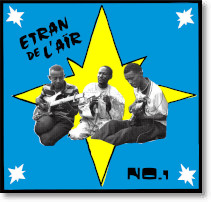
Music: Current count 34444 [34401] rated (+43), 210 [213] unrated (-3). Not really sure why I feel so frazzled at the moment. I've been doing a lot of high speed clerical work: counting Jazz Critics Poll ballots (32 so far), adding EOY early lists to my aggregate file, fiddling with my jazz and non-jazz EOY files, and trying to wrap up this post and the November Streamnotes archive, while listening to as much as I can recall, track down, and stomach. The hardest part is deciding what to check out. Sorry to hear of the death of Kali Z. Fasteau (aka Zusann Kali Fasteau). I wrote to her when I was researching my big William Parker/Matthew Shipp consumer guide. She generously sent me not just what I asked for but her whole catalog, starting with a 1975-77 collection of her work with her late husband, Donald Rafael Garrett, and she kept sending CDs up through her latest, in 2016. She played a wide range of instruments, none especially well, but she was a scene setter and often enough made her eclecticism work. I finally gave one of her records an A-: Piano Rapture (2014), where she finally impressed me with her piano, joined by various guests (notably Kidd Jordan and Mixashawn). I've continued to fiddle with the format of "records I played parts of, but not enough to grade," including adding them to Streamnotes archive, and adding them to the Year 2020 list (although they are not yet in the EOY lists). I'm not very happy with them yet. But this week I went through most of the unheard records at Tim Berne's Screwgun Records Bandcamp. Only records flagged as ++ continue to be listed in the 2% EOY list prospects. Again, I still haven't made a complete pass through the tracking file to identify most of the albums that meet the 2% standard (but I did drop three of Berne's albums from the list I had, leaving 2). New records reviewed this week: AVA Trio: Digging the Sand (2018 [2019], Marocco Music): Giuseppe Doronzo (baritone sax/mizmar), Esat Ekincioglu (bass), and Pino Basile (percussion). Mediterranean groove and flavoring, some edge. B+(***) Bad Bunny: El Último Tour Del Mundo (2020, Rimas): Puerto Rican rapper Benito Antonio Martínez Ocasio, draws on reggaeton to create a kind of Latin trap rap. B+(*) Alan Barnes: 60th Birthday Celebration: New Takes on Tunes From '59 (2019, Woodville): British clarinet/saxophone player, a swing guy, which partly explains why I expected him to be older, but also true that I've sampled him lightly (I've missed all 6 Penguin Guide recommendations in my database). Band is just horns on top of piano trio. Songs from his birth year, which nets him Jobim, Mancini, Quincy Jones, Quincy Jones, Ellington, Monk, and more modern figures (expected classics other than nothing from Kind of Blue). B+(**) Beabadoobee: Fake It Flowers (2020, Dirty Hit): Born in the Philippines in 2000, Beatrice Laus moved to London when she was 3, credits Kimya Dawson for inspiration to start making music. First album after four EPs. Her pop is more robust than Dawson's anti-folk, but not free from its inspirational idiosyncrasy. B+(**) Scott H. Biram: Fever Dreams (2020, Bloodshot): Singer-songwriter from Texas, drawl fated him for Americana but he started out in punk and still reminds me of "psychobilly." Twelfth album since 2000. Ends with a bizarre gospel remix. B+(**) Scott H. Biram: Sold Out to the Devil: A Collection of Gospel Cuts by the Rev. Scott H. Biram (2019, Bloodshot): Likely to remain an oddity in his discography, but in some ways this rough and profane clash with sin and grace was the album he was born to sing. A- Jeb Bishop: Centrifugal Trio (2019 [2020], Astral Spirits): Trombonist, early member of Vandermark 5, recorded this in Berlin with Antonio Borghini (bass) and Michael Griener (drums). B+(**) [bc] Bonny Light Horseman: Bonny Light Horseman (2020, 37d03d): American folk-rock "supergroup" -- Anaïs Mitchell, Eric D. Johnson (Fruit Bats, The Shins), Josh Kaufman (The National, Hiss Golden Messenger). B Cabaret Voltaire: Shadow of Fear (2020, Mute): Group from Sheffield, UK, formed in 1973, pioneered industrial electronica, I never went deep into their albums but like some compilations a lot. Last group album in 1994, but Richard H. Kirk has returned with a new album under the old name. Got the old groove back, too. B+(***) Chloe x Halle: Ungodly Hour (2020, Columbia): R&B duo, sisters, last name Bailey, second album, cover features angel wings over big booties. B+(*) Dan Clucas/Jeb Bishop/Damon Smith/Matt Crane: Universal or Directional (2018 [2020], Balance Point Acoustics): Cornet, trombone, bass, drums. Napster lists this under Bishop, and displays what seems to be the back cover, which does list Clucas first. Ends strong. B+(***) Shemekia Copeland: Uncivil War (2020, Alligator): Blues singer, daughter of Johnny Copeland, debut 1998, ninth album. Notable lyric: "money makes you ugly/you're the living proof." Also: "we all give God the blues." Less than notable cover: "Under My Thumb." Gun song (probably anti-, but sometimes it's hard to tell): "Apple Pie and a .45." B+(*) Miley Cyrus: Plastic Hearts (2020, RCA): Pop star, started as a Disney teen but is all grown now. Opens with a should-be hit ("WTF Do I Know"). Digital edition ends with three hard rocking tracks, including a harder take on "Heart of Glass." B+(**) Hermine Deurloo: Riverbeast (2019, Zennes): Dutch, plays chromatic harmonica, albums since 1998. With Steve Gadd, Tony Scherr, and Kevin Hays. Slick and a bit funky, with a couple vocals (probably Gadd). B The End: Allt Är Intet (2019 [2020], RareNoise): Norwegian saxophonist Kjetl Møster, has had many projects since 2004, even a solo album (title: Blow Job). Second with this group, which combines a remarkable number of things I can't stand, ranging from Mats Gustafsson at his squawkiest to church/opera vocals and death metal. Still not as bad as their eponymous 2018 effort. C [cdr] John Fogerty: Fogerty's Factory (2020, BMG): Started in lockdown as a 7-cut EP remaking songs from Cosmo's Factory, with the singer's family as his band, expanded now to 12 covers. Has anyone ever sounded more quintessentially American? Depends on what America means to you, I guess. B+(*) Funk Shui NYC: Shark NATO on a Plane (2020, Zoho): Fifteen-piece big band, short on brass (3 trumpets, 2 trombones) but doubles up on bass and percussion, i.e., funk quotient. B+(*) Dave Gisler Trio With Jaimie Branch: Zurich Concert (2019 [2020], Intakt): Swiss guitarist, fair number of albums since 2008, trio with Raffaele Bossard (bass) and Lionel Friedli (drums), plus guest trumpet. B+(*) Vinny Golia/John Hanrahan/Henry Kaiser/Wayne Peet/Mike Watt: A Love Supreme Electric: A Salvo Inspired by John Coltrane: A Love Supreme & Meditations (2019 [2020], Cuneiform, 2CD): I figure guitarist Kaiser is the catalyst here. He previously recorded several volumes of "electric Miles Davis" (Yo Miles!), and his guitar is the extra element here. Golia is as inspired a saxophone choice as Wadada Leo Smith was on trumpet, and Peet's organ adds to the electrification. B+(***) [dl] Jahari Massamba Unit: Pardon My French (2020, Madlib Invazion): Hip-hop producer Otis Jackson Jr., better known as Madlib, and drummer Kariem Riggins. B+(*) Benjamin Koppel/Kenny Werner/Scott Colley/Jack DeJohnette: The Art of the Quartet (2015 [2020], Cowbell Music/Unit, 2CD): Danish alto saxophonist, has been pretty prolific since 2002, joined by three relatively famous Americans. Unlikely they were ever a working band, much less one seasoned enough to justify the title, but they're such pros that they could have coalesced instantly. Runs long, and holds together. B+(***) Benjamin Koppel/Tine Rehling/Henrik Dam Thomsen: Les Mobiles (2019 [2020], Cowbell Music): Leader plays soprano and mezzo saxophones as well as his usual alto, in a chamber jazz trio with harp and cello. B+(*) Ingrid Laubrock: Dreamt Twice, Twice Dreamt (2019 [2020], Intakt, 2CD): German alto saxophonist, based in Brooklyn, subitles this "Music for Chamber Orchestra and Small Ensemble": the former is the EOS Chamber Orchestra (5 tracks), the latter (also 5 tracks) a trio with Cory Smythe (piano) and Sam Pluta (electronics), plus three guests (accordion, violin, electric harp). B+(*) Lionel Loueke: HH (2019 [2020], Edition): Guitarist, from Benin, title honors Herbie Hancock. Solo, with loops, plays up the funk angle, doesn't dull or sweeten it with vocals. B+(**) Tatsuya Nakatani/Shane Parish/Zach Rowden: Live at Static Age Records (2018 [2020], Astral Spirits): Percussion, nylon string guitar, double bass. B+(*) [bc] The Michael O'Neill Quartet: And Then It Rained (2020, Jazzmo): Bay Area saxophonist, started in 1980s doing soundtracks, fifth album since 2004, with Michael Bluestein on piano, plus bass and drums. Lovely, a bit on the lush side. B+(**) Bruno Parrinha/Abdul Moimeme/Carlos Santos: A Silent Play in the Shadow of Power (2020, Creative Sources): Artist order can be parsed multiple ways, but this is top-to-bottom, per Discogs. Recorded in Lisbon, live just before lockdown, credits in order: bass clarinet/alto sax, guitar, electronics, the latter two also "objects." Short with one 26:10 piece. Bigger problem is that while not quite silent it can be hard to hear. B- [bc] Vanessa Perica Orchestra: Love Is a Temporary Madness (2019 [2020], self-released): Australian composer/arranger/conductor, first album, leading a conventional 17-piece big band. B+(**) Ben Perowsky/John Medeski/Chris Speed: Upstream (2014 [2019], El Destructo): Drummer, studied with Alan Dawson at Berklee, many more side- than leader-credits (evidently this is the first in a decade). More famous trio mates, and this is almost a dream match up for them. B+(***) Noah Preminger: Contemptment (2020, SteepleChase): Tenor saxophonist, impressive debut in 2007, solid ever since. Quartet with guitar (Max Light), bass (Kim Cass), and drums (Dan Weiss). B+(**) Dave Rempis/Jeff Parker/Ingebrigt Håker Flaten/Jeremy Cunningham: Stringers and Struts (2019 [2020], Aerophonic): Sax, guitar, bass, drums. Starts measured, and for once never blows any fuses. The guitarist contributes some of his finest work, but it's still top shelf Chicago avant-sax. In a year when Rempis dumped a dozen old tapes out as download-only, he put this one on a CD. A- [cd] [12-04] Andrew Renfroe: Dark Grey EP (2019 [2020], self-released, EP): Guitarist, leads quintet with alto sax (Braxton Cook), piano, bass, and drums through five songs, 25:08, on his debut effort. Nice guitar texture. B+(*) [cd] Ray Russell: Fluid Architecture (2020, Cuneiform): British guitarist, many records since 1971, ranging from free to fusion. Various lineups, most with bass and drums, some keyboards, three cuts with sax (Chris Biscoe). B+(**) [dl] Luke Stewart: Exposure Quintet (2020, Astral Spirits): Bassist, has a previous solo album and some notable side-credits, lined up two saxophonists here (Ken Vandermark and Edward Wilkerson Jr., both credited with reeds), piano (Jim Baker), and drums (Avreeayl Ra). The saxophonists start out aggressive, but when they back off the piano remains central, and the bass solos justify their focus. A- The United States Air Force Band: Jazz Heritage Series: 2019 Highlights (2019 [2020], self-released): Useless big band, reminds us that military music is to music as military justice is to justice -- to flip Robert Sherrill's book title around -- but not the worst thing the USAF wastes taxpayer money on. Nor is this anywhere near their worst album -- indeed, I rather enjoy the punchiness of the horns, also the TSgt.'s vocal on "Honeysuckle Rose" (where John Fedchock guests). B [cd] Becky Warren: The Sick Season (2020, Becky Warren): Nashville singer-songwriter, two very impressive albums under her belt, more budget here, not sure that rocking harder doesn't blunt her songcraft (or maybe just tries to overcompensate). B+(***) Kate Westbrook & the Granite Band: Earth Felt the Wound (2018-19 [2020], Westbrook): Jazz singer, notable painter, married composer-pianist Mike Westbrook, who wrote or arranged the music here, most matched to her lyrics. Band refers back to her 2018 album, Granite, with two guitars, electric bass, keyboards, sax (Rox Harding), and drums. One song in German veers toward cabaret. B+(*) Recent reissues, compilations, and vault discoveries: Bill Evans: Live at Ronnie Scott's (1968 [2020], Resonance, 2CD): Piano trio, with Eddie Gomez (bass) and Jack DeJohnette (drums). The drummer only lasted a few months, but At the Montreux Jazz Festival revived Evans, and the recently discovered live shots have generally been impressive. This one collects 20 songs (99:31) from a month in London. B+(***) [dl] Frode Gjerstad/William Parker/Hamid Drake: Minneapolis Vol 1 (2000 [2020], Circulasione Totale): Norwegian avant alto saxophonist, started with Detail 1983-96, led Circulasione Totale Orchestra 1987-2011, has close to 100 small group records, including several more with this rhythm section -- including a 4-CD box on Not Two (2017, not clear when recorded). Looks like he's released a bunch of old tapes this year, including this 54:32 "Traffic Zone Centre" set. B+(*) [bc] Frode Gjerstad/William Parker/Hamid Drake: Minneapolis Vol 2 (2000, Circulasione Totale): Slightly longer at 62:25, but takes a long time to get going, and while it may peak stronger, this isn't top shelf work from any involved. B [bc] Hanging Tree Guitars (1991 [2020], Music Maker Relief Foundation): A dozen blues recordings, Timothy Duffy field recordings featuring guitar craftsman Freeman Vines and family. Unsure of the dates. A- Charles Mingus: @ Bremen 1964 & 1975 (1964-75, Sunnyside, 4CD): Two major groups on tour, the bassist and drummer Dannie Richmond common denominators. The stellar 1964 group had Johnny Coles (trumpet), Eric Dolphy, (alto sax/flute/bass clarinet), Clifford Jordan (tenor sax), and Jaki Byard (piano) -- their set had previously been bootlegged as The Complete Bremen Concert, with Dolphy co-headlining. The 1975 group was less famous at the time, but names you'll recognize today: Jack Walrath (trumpet), George Adams (tenor sax), Don Pullen (piano). Hard to tell from streaming, but I doubt the 1964 set adds much to the same group's Town Hall Concert, or for that matter the Paris and Cornell concerts from the same year. On the other hand, I'm not aware of any live material from the 1975 group -- the 1974 Mingus at Carnegie Hall is a different deal -- and it reminds me that few leaders were able to command their bands as authoritatively as Mingus. Also good to hear the new songs from Changes. A- Old music: Etran De L'Aïr: No. 1 (2014 [2018], Sahel Sounds): Tuareg group from Agadez, Niger, formed in 1995 but first album here: guitars, bass guitar, drums, singers named Ibrahim Mohamed and Hamidane Aboubacar Bouzou. As minimal as the desert. A- [bc] Records I played parts of, but not enough to grade: -- means no interest, - not bad but not a prospect, + some chance, ++ probable prospect.
Unpacking: Found in the mail last week:
Ask a question, or send a comment. Tuesday, November 24, 2020 Music Week
November archive (in progress). Music: Current count 34401 [34356] rated (+45), 213 [220] unrated (-7). A day later than usual. Got distracted on Monday, and was too tired to write an introduction. I did the cutover when I got up Monday, and resisted the temptation to sneak in anything extra during the day, so chalk the high rating count up to hard work. Invites went out for the Jazz Critics Poll on Wednesday, so I've had a few ballots to count (16 at present, typically about 12% of the total). They've given me some listening suggestions, as well as motivated me to get to some queue items (e.g., Sonny Rollins). The first EOY lists have started to appear. I've added Mojo and Uncut to my metacritic file (which at some point I should rename my "EOY Aggregate"). I compiled Mojo (including genre side-lists, except for soundtracks) from a scan of the glossy magazine, but for Uncut, I went to the more easily usable Acclaimed Music Forums (half-dozen more lists there already; while they frown on "single-critic" lists, like mine, they do an especially thorough job of collecting lists from European sources). Both Mojo and Uncut picked Bob Dylans' My Rough and Rowdy Ways as the year's best record. Dylan is pretty clearly among the top three contenders this year, along with Run the Jewels' RTJ4 and Fiona Apple's Fetch the Bolt Cutters. Mojo had Apple at 2 and RTJ at 8. Uncut had Apple at 22, and no mention of RTJ4. I don't see any rappers at all on their list (even Brits, although there are a dozen-plus Black artists, including some Americans -- Thundercat came in at 5, and I don't see any Brits until Jarvis at 8, Shirley Collins 9, and Laura Marling 10). Early lists tend to be disproportionately British, and short on hip-hop. My own working EOY lists are here, split into jazz and non-jazz. Usually they start with a strong jazz bias, which evens out over the season, as I scour over the vast array of pop and specialty lists. However, so far I've been looking mostly at jazz ballots, so the jazz list is the one that's seen a growth spurt this week (and probably for the next 2-3 weeks -- I've already added two more A- entries for next week's report: Luke Stewart: Exposure Quintet, and Dave Rempis: Stringers and Struts). Phil Overeem noted that every record in my non-jazz list is marked with **, which means that I streamed or downloaded it. (Actually, there are two exception: Al Gold's Paradise, a blues album from a jazz publicist, and Thank Your Lucky Stars: Girl in Her 29s, which the artist was kind and/or desperate enough to send me.) I still get a fair number of jazz promos -- down at least 50% from the days when I was writing Jazz Consumer Guide for the Village Voice, and all the way to zero this week -- but haven't bought more than a couple dozen CDs in any of the last 5-8 years, and zero so far this year. Admittedly, that changes the way I listen to music, and you can take that as a caveat if you want. It does reduce the chance of adding any new music to my all-time list. On the other hand, it presents a pretty level playing field. One new feature this week is that I finally added a section on "records I played parts of, but not enough to grade." I've thought about this before, but it always seemed like a bookkeeping headache. Still, last week I was going through the year's list promoted by a jazz publicist, seeking out items he hadn't sent me, and was left with two albums that were only partially available on Bandcamp. So I played what I could, and noted that for future reference. They are not counted as graded in my database, so won't inflate rated counts. I decided to go with four levels:
I don't know how many more of these I'll do, but I run across partial selections at Bandcamp several times each week, and many other records that aren't available on streaming sites at least make a song or two available, even if only on Soundcloud or YouTube. One thing I do in the EOY lists is try to compile a list of records which by reputation have a 2% or better chance of an A- grade, so they are the most obvious prospects. I could also see doing this for back catalog items, which are particularly hard to find. For now, the plan is to have a single section in Music Week each week, and two sections (new and historical) in the music year file. I'm not adding them to the EOY files, although they'll have some influence in the 2% sections. They won't show up in any of the database files, but I will be able to see comments in the source files. I might at some point figure out how to generate a collective list, but that will require some programming, so isn't in the cards for now. For now, I'm not adding them to the Record Guides, although I could see an argument for doing so. One thing I was aware of while writing Sunday's Weekend Roundup was that I had written various conflicting things on Trump's post-presidential prospects. There is much speculation but no answers. I have no real idea, and chances are neither does Trump. For one thing, there's a very real question as to whether he will be prosecuted (there is very little doubt but that he will be hit with civil lawsuits, some of which are already in progress). Trump's public profile will have some bearing on those cases. In some ways, I think the main benefit from keeping the option to prosecute "on the table" is that the threat may force him to moderate his behavior. And I may add that I don't want to muzzle him to stifle his political impact, but just because he's been such a painfully tiresome presence in our lives. The only reason I'm returning to this is that I wanted to pass on a link: Sean Illing: A historian on the perils of chaotic White House transitions. The historian is Eric Rauchway, and he recently wrote a book on the long stretch (November to March) from the 1932 election defeat of Herbert Hoover to the inauguration of Franklin Roosevelt. I've talked about my notion that you can divide US history into four long partisan eras, each initiated by a major president and ended by a one-term failure: Jefferson to Buchanan (1800-1860), Lincoln to Hoover (1860-1932), Roosevelt to Carter (1932-1980), and Reagan to Trump (1980-2020). One thing I hadn't really thought about was how painful the transitions were between those eras. One can also throw in the transition from Adams to Jefferson in 1800-01, which like Hoover-Roosevelt was so bad it led to a constitutional amendment (the former separated the elections of presidents and vice-presidents, the latter moved the inauguration date up from March to January to shorten the lame duck period). The Buchanan-Lincoln transition period was when the Civil War started (although Rauchway doesn't blame Buchanan for that -- nonetheless, many pre-Trump polls of historians ranked Buchanan as the worst president ever). The Carter-Reagan transition was benign only in comparison to the others: it was conspicuously marked by Reagan's back channel negotiations with Iran to release the American embassy hostages only after Carter left office. What makes Hoover so relevant is the degree of crisis the nation faced then and is facing now. One more week before we wrap up the November Streamnotes archive. I expect it will be a busy one. We have no plans for Thanksgiving. I may try to cook a nice dinner for two, but I don't even have plans at present, and I'm unlikely to go out shopping. No guests, not even virtual ones. We're pretty severely hunkered down, as Kansas pandemic numbers have kept shooting up. Lina Allemano's Ohrenschmaus: Rats and Mice (2019 [2020], Lumo): Canadian trumpet player, based in Toronto, first record a 1998 quintet that listed William Carn first, seems to have a Berlin connection -- appeared in Satoko Fujii's Orchestra Berlin, and recorded this trio there: Dan Peter Sundland (electric bass) and Michael Griener (drums), group name translates to "festival for the ears." B+(***) [bc] Lina Allemano: Glimmer Glammer (2019 [2020], Lumo): Solo trumpet, rarely done, rarely successful, but a game effort. B+(*) [bc] The Awakening Orchestra: Volume II: To Call Her to a Higher Plain (2019 [2020], Biophilia): Big band, directed by Kyle Saulnier, released a Volume I in 2014 and an Interlude in 2016. Cites George McGovern for inspirational "higher plain" quote, but I have to wonder whether the word intended wasn't "plane." Tracts on patriotism, divided into two parts: "The Pessimist's Dilemma" and "The Optimist's Folly," each embedding a short symphony. One vocal bit, but mostly lets the music talk, speaking volumes. B+(***) Baby Queen: Medicine (2020, Polydor, EP): Bella Latham, South Africa-born, London-based, don't know if she's done anything else. Six songs, 22:47, half sly talky grooves ("Buzz Kill"), half pop genius ("Internet Religion," "Want Me"). Title song synthesizes both. A- Angel Bat Dawid & Tha Brotherhood: Live (2019 [2020], International Anthem): From Chicago, credited with clarinet, keys, and vocals, band has tenor sax, electronics, bass, two drummers, "auxiliary instruments," and more vocals. Can get intense, probably for good reason. Her fan base is pretty intense, too. B+(**) [bc] Alabaster DePlume: To Cy & Lee: Instrumentals Vol. 1 (2020, International Anthem): British spoken word artist, from what I hear, plays tenor sax and guitar here, with voice (his and others) used for background color. Cy & Lee are only identified as "two men with learning difficulties" DePlume befriended in Manchester, who worked on music with him, finding it to have a calming effect. One can see why. B+(**) Fox Green: The Longest April (2020, self-released): Alt/indie band from Little Rock, Wade Derden singer-guitarist, with Cam Patterson (guitar), Steve Kapp (upright bass), and Dave Hoffpauir (drums), plus a true connoisseur's selection of guest spots (Peter Stampfel, John Kruth, Adam Weiner, Lisa Walker), plus various backup vocals on most tracks. Clear, easy-going country rock. Inspired concept: "The Day Marc Bolan Went to Nashville." B+(***) [bc] Sam Gendel: Satin Doll (2020, Nonesuch): Saxophonist, several albums but first on a major label, pitches this as "a futuristic homage to historical jazz." Standards, 1950s jazz tunes as well as older Ellington and "Stardust," tweaked with synths, which is itself an older vision of the future. B Sam Gendel: DRM (2020, Nonesuch): Solo experiments with vintage instruments -- antique synths and drum machines, a sixty-year-old nylon-string guitar -- with voice. Loose-limbed and out of kilter, reminds me a bit of Arto Lindsay, but not that good. B Julian Gerstin: Littoral Zone (2020, self-released): Subtitled (back cover but not front or spine) "Percussion for Mollusks." Implies that he's mostly working with shells, but details list four dozen percussion "instruments," including Fanta bottle, rice cooker, and espresso maker, as well as most of the Afro-Latin kit. Lovely within its limits, which expand a bit with guest marimba on three tracks, even more with clarinet on one. B+(***) [cd] Ben Goldberg/Kenny Wollesen: Music for an Avant-Garde Massage Parlour (2020, BAG Production): Clarinet player, spent the pandemic lockdown period from March 19 to August 27 recording 137 pieces for his Plague Diary, and has since kept adding to it, hitting 186 on November 16. That's mind-numbingly long for me -- I don't even have the stomach to add up the times (the pieces range from 1:26 up to 24:54, with the mean close to 7 minutes). This duo with percussionist Kenny Wollesen seemed more tractable (21 songs, 64:49). B+(**) Majamisty Trio: Organic (2019 [2020], Sokoj): Piano trio, from Serbia: Maja Alanovic (piano), Ervin Malina (bass), and Lav Kovac (drums). B+(**) Carla Marciano Quartet: Psychosis: Homage to Bernard Herrmann (2019 [2020], Challenge): Alto/sopranino saxophonist, Italian, several albums starting with Trane's Groove in 2002. Quartet adds Alessandro La Corte (keyboards), Aldo Vigorito (bass), and Gaetano Fasano (drums). Herrmann (1911-75) was an American composer, mostly wrote soundtracks, including themes here from Taxi Driver, Marnie, Twisted Nerve, Psycho, and Vertigo, plus a John Williams piece to close. Intense, nothing atmospheric here. B+(***) [cd] Rob Mazurek/Exploding Star Orchestra: Dimensional Stardust (2020, International Anthem): Large group -- my count is 13, but short on horns with just trumpet (Mazurek and Jaimie Branch) and flute (Nicole Mitchell) -- seventh album since 2007. Instead, he's rounded up a lot of electronics, strings, and rhythm, with occasional words by Damon Locks. Doesn't swing like Sun Ra did, but bops along with comparable cosmic flair. A- Charles McPherson: Jazz Dance Suites (2020, Chazz Mack Music): Two major pieces, titles on the cover -- "Song of Songs" and "Sweet Synergy Suite" -- as well as "Music and Motion." The second has more motion, and more impact from Terrel Stafford (trumpet). The alto saxophonist is lovely throughout. B+(**) [bc] Megan Thee Stallion: Good News (2020, 300 Entertainment): Rapper Megan Pete, from Texas, first studio album after a good mixtape and an even better EP. Big production, with one song ("Circles") listing 24 writers, and most of the rest featuring guests as prominent as Young Thug, SZA, and Beyoncé. Beats super sharp, hooks ascendant. Not sure that freeing your ass will liberate your mind, but so far, so good. A- Todd Mosby: Aerial Views (2020, MMG): Guitarist, first album, produced by Will Ackerman (guitarist, new age guru, founder of Windham Hill Records). Various lineups, violin the best match, some vocal bits. B [cd] Pa Salieu: Send Them to Coventry (2020, Warner Music UK): British rapper, last name Gaye, born in Slough, spent his early years with relatives in Gambia, moved back to UK at age 10, turned to music after a friend was killed. First album. Dense, not easy to follow. B+(**) Ivo Perelman/Matthew Shipp: Amalgam (2020, Mahakala Music): Tenor sax and piano duets. They've done a lot of them lately -- 10 albums with 17 CDs -- so it's hard to tell what this one adds. B+(**) Margo Price: Perfectly Imperfect at the Ryman (2018 [2020], Loma Vista): Country singer-songwriter, recorded this between her second and third studio albums. Snappier than Sunny Sweeney's new live album, but also less consistent. B+(**) Jason Robinson: Harmonic Constituent (2019 [2020], Playscape): Saxophonist (tenor/soprano, also alto flute), albums since 1998. Each piece "inspired by a technical, and sometimes impressionistic, aspect of the oceanography, tidal dynamics, and geography specific to the coastline" near Mendocino, CA. With Joshua White (piano), Dave Gress (bass), and Ches Smith (drums). A- Bree Runway: 2000and4Eva (2020, Virgin EMI, EP): British rapper/singer Brenda Wireko Mensah, first album (or mixtape), although length (21:45 including a bonus remix with Rico Nasty) looks more like an EP. B+(***) Lori Sims/Andrew Rathbun/Jeremy Siskind: Impressions of Debussy (2020, Centaur): Piano, soprano sax, piano. Sims teaches at Western Michigan, seems to be strictly classical, no other albums I could find. The others are established postboppers. B Chris Stapleton: Starting Over (2020, Mercury Nashville): Nashville singer-songwriter, fourth album, deep roots, solid voice, pretty fair songs (well, "Watch You Burn" is more than fair, at least until the climax). B+(**) Dayna Stephens: Right Now! Live at the Village Vanguard (2019 [2020], Contagious Music, 2CD): Mainstream tenor saxophonist, from Berkeley, studied at Berklee, impressed me first on side credits, but he's putting a solid resumé together as a leader. Quartet with Aaron Parks (piano), Ben Street (bass), and Greg Hutchinson (drums). B+(***) [cd] Kevin Sun: (Un)seaworthy (2019 [2020], Endectomorph Music): Tenor saxophonist, fourth album (counting his eponymous group Mute), all winners. Trio with Walter Stinson (bass) and Matt Honor (drums). Feels like he's master the whole tradition, and can pick his way through anything. A- [cd] [11-27] Sunny Sweeney: Recorded Live at the Machine Shop Recording Studio (2020, Aunt Daddy): Country singer-songwriter, from Houston, four studio albums since 2006. I never stuck with her albums, so I have no idea how many of these songs are how old, but this might work as a best-of, or at least as a sampler. B+(***) Tani Tabbal Trio: Now Then (2020, Tao Forms): Drummer, originally from Chicago, played in James Carter's peak period quartet, with Roscoe Mitchell, many others. Not much as leader -- website lists five previous albums on Tabbalia label, but links go to the now defunct CDBaby, and other sources don't recognize them. So probably not a debut at 66, but an impressive arrival: a trio with Adam Siegel (alto sax) and Michael Bisio (bass), with Bisio contributing four pieces to Tabbal's six. I love the balance between the two, and how Siegel builds on their rhythm. A- Natsuki Tamura/Satoko Fujii/Ramon Lopez: Mantle (2019 [2020], Libra): Japanese trumpet-piano duo, a marriage as well as a long-time partnership, his name first for a change. Plus a drummer -- always good to have one of those. B+(***) [cd] Thaba: Eyes Rest Their Feet (2020, Soundway): Duo from different continents, met online: South African singer/songwriter Khusi Seremane, who died at 41 before this was released, and American producer/musician Gabriel Cyr, drawing on musicians from Antibalas. Doesn't seem to belong either here or there. B+(*) Micah Thomas: Tide (2019 [2020], self-released): Pianist, from Columbus, OH, first album, a trio with bass and drums. B+(**) Peeter Uuskyla/Tellef Øgrim/Anders Berg/Per Anders Nilsson: Isn Hi Lagt Sae På Fjellvatna (2020, Simlas): Swedish drummer, I recognize him from one of Peter Brötzmann's best trios, has his own trio with Øgrim (guitar) and Berg (bass), adding Nilsson (sax) this time, a little extra shrill to go with the thrash. B+(***) [bc] The Warriors of the Wonderful Sound: Soundpath (Composed by Muhal Richard Abrams) (2018 [2020], Clean Feed): Big band, previous album listed alto saxophonist Bobby Zankel ahead of the group name, this one lists Marty Ehrlich (another alto saxophonist) as co-producer and conductor. One 41:34 composition by AACM founder Abrams. B+(***) WHO Trio: Strell: The Music of Billy Strayhorn and Duke Ellington (2018 [2020], Clean Feed): Group name from artist initials: Michael Wintsch (piano), Gerry Hemingway (drums), Bänz Oester (bass). Fifth group album, spaced every 4-6 years since 1999. Usual songs, rendered delicately. Hemingway sings "A Flower Is a Lovesome Thing." B+(***) Wood River: More Than I Can See (2020, Enja/Yellowbird): Charlotte Greve, plays sax and keyboards but mostly sings here, backed by guitar, bass, and drums. Long on texture, vocals nice enough, much prefer the sax. B Recent reissues, compilations, and vault discoveries: Dave Alvin: From an Old Guitar: Rare and Unreleased Recordings ([2020], New West): Former Blaster, went solo in 1987 and has produced some terrific albums since. No idea where or when these sixteen songs come from -- hype suggests many come from opportunistic studio dates, not part of regular album projects -- but most feature his signature melodic ease and deadpan delivery. B+(***) Don Cherry: Om Shanti Om (1976 [2020], Black Sweat): Recorded in Rome for a television broadcast, an example of Cherry's global eclecticism, where he plays pocket trumpet, flute, and kora, accompanied by Gian Piero Pramaggiore (guitar, flute), Nana Vasconcelos (percussion, berimbau), and Moki Cherry (tambura), with uncredited vocals as the grooves elicited sing-along. B+(*) [yt] Jay Clayton/Fritz Pauer/Ed Neumeister: 3 for the Road (2001-02 [2020], Meistero Music): Jazz singer, backed by piano and trombone. (Pauer died in 2012.) B+(**) Sonny Rollins: Rollins in Holland (1967 [2020], Resonance, 2CD): Three dates on two days in early May, with local musicians: Ruud Jacobs (bass, d. 2019, package dedicted to his memory) and a young (25) drummer, Han Bennink. This comes after his most avant records for Impulse, at the start of a hiatus (his second), which he broke in 1972. Not all first rate, but great to hear his unique sound, especially when he picks up the pace, and the CDs come with a substantial booklet, so gets extra credit for historical import. A- [cd] [12-04] Horace Tapscott/Michael Session: Live in Avignon, France 1989 (1989 [2020], The Village): Piano and tenor sax duo. Session only has one album under his own name, but played in Tapscott's Pan-Afrikan Peoples Orchestra and related groups. He makes a strrong impression here. B+(***) René Thomas: Remembering René Thomas: Rare and Unreleased (1955-62 [2020], Fresh Sound, 2CD): Belgian guitarist (1927-75), moved to Paris in early 1950s, recorded an album for Vogue, moved to Canada in 1956 then US, leaving a second album (Guitar Groove, then back to Europe in 1962. This starts with a sextet led by Jaccques Pelzer (alto sax), then some live trio tracks, some work with Bobby Jaspar (tenor sax/flute), quartets with piano-bass-drums, and one track with Jimmy Smith (organ). B+(***) Old music: Dave Alvin: Blue Blvd. (1991, Hightone): Second solo album. Solid. B+(***) Dickie Landry: Fifteen Saxophones (1977 [2011], Unseen Worlds): Saxophonist, from Louisiana, four albums 1973-78, a Solo released in 2006 (one track called "12 Saxophones"), did some work with Philip Glass, website has more on his photography and paintings. Title cut is probably just what he says: 15 saxophones overdubbed into thick, shimmering sheets of sound. Other self-descriptive titles: "Alto Flute Quad Delay," "Kitchen Solos." B+(**) Horace Tapscott: Songs of the Unseen (1978, Interplay): Pianist (1934-99), born in Houston but moved to Los Angeles as a child and became the focal point there for avant-jazz, not just through his Pan-Afrikan Peoples Arkestra. This is solo, a title he would reuse for his autobiography (published posthumously in 2001). I don't have the patience to decide just how brilliant this impressive but mixed set is, but I have no doubt he's one of the era's most important jazz pianists. B+(***) [yt] Horace Tapscott Sextet: Dial 'B' for Barbra (1980 [2006], Nimbus West): With trumpet (Reggie Bullen), two saxes (Gary Bias and Sabir Mateen), bass violin (Roberto Miguel Miranda), and drums (Everett Brown Jr). A- [yt] Horace Tapscott: The Tapscott Sessions Vol. 9 (1983 [2001], Nimbus West): The pianist released seven volumes of solo piano sessions 1982-84, on vinyl only and long out Vols. 8-11 came out much later, the first two from the same period, less clear about the others. B+(**) Records I played parts of, but not enough to grade: -- means no interest, - not bad but not a prospect, + some chance, ++ probable prospect.
Unpacking: Found in the mail last week:
Ask a question, or send a comment. Monday, November 16, 2020 Music Week
November archive (in progress). Music: Current count 34356 [34320] rated (+36), 220 [223] unrated (-3). I continued my post-election practice of starting each day with a couple of vintage jazz CDs, although I stopped tweeting about it at some point. I published the previous week's selection, so might as well follow it up with this week's (as best I recall):
Only a couple A- records on that list (very solid ones). The Mingus (A+) got an encore spin. Only one today, as I had to venture out early. The practice cut down on my listening, especially from the demo queue (which I'm working on now). Still got a fairly decent haul. Several records I was tipped to from Facebook posts (e.g., Aesop Rock, Harald Lassen, Big Mama Thornton). Several came from Robert Christgau's Consumer Guide: I already had Thelonious Monk and Elizabeth Cook (both of them) at A-, Margo Price at B+(*), and Low Cut Connie at B, so I checked out the rest (aside from Slim Gaillard, who I like enough to have given his 4-CD Properbox Laughin' in Rhythm an A-, but didn't expect the 2-CD Verve reviewed to improve on the 1-CD Verve from 1994, Laughin' in Rhythm). Pleasant surprise from the list was Rodney Rice, but where he was nice and comfy, I wound up preferring Tim Barry's anger (choice cut: "Prosser's Gabriel"). The Barry tip, by the way, came from Napster, explained thusly: "because you like Johnny Cash." They're often wrong (not least about what I like), but for someone I had never heard of that was a pretty good tip. One caveat: given its 2-hour-plus length, I only played the record once. Still left me feeling it's more likely to get better than worse. I noticed this Richard Scheinin tweet:
I've heard a few records White played on, but his name never stuck in my mind, and I don't have anything by him in my database. I searched for records online and came up empty. Wikipedia credits him with 42 albums, but they're self-released, and I'm not finding them anywhere. (I did find some YouTube videos -- one fairly long one I listened to was pretty impressive.) Seems like getting his music organized on Bandcamp would be a good project for his estate. I've done some work on the Christgau website (not updated yet). I have all of the And It Don't Stop Consumer Guides in my database, and have written a bit of code that drops the most recent reviews out (supposedly this is an incentive for people who pay for their subscription). The transition from PHP 5 to 7 broke the old database code (and other stuff), so I'm having to go through dozens of files and rewrite code. Started that project way back, got distracted, but now I'm finally intent on plugging through to the end, at which point it'll be possible to update the database. I can also tell you that Francis Davis and I will be doing another Jazz Critics Poll this year. Invites should be going out real soon now. (I heard "over the weekend" but haven't seen mine yet.) If you think you should be invited but haven't been in the past, or have been and haven't heard from us within the week, please send email and make your case. NPR will publish the headline results, and I'll publish all the gritty details, as usual. To help out, I've prepared a version of my music tracking file that omits my grades and only lists jazz albums. It covers everything I've noted since December 1, 2019, plus some earlier 2019 albums that were so obscure I hadn't noticed them in the 2019 music tracking file. Obviously, the list is far from complete. I still haven't done any fine tuning for my own EOY lists, but you can see them in their initial state here: Jazz and Non-Jazz. I did a bit of reshuffling, but I'm still not very happy with the ordering -- especially non-jazz, where I own virtually none of the records and haven't replayed any (other than Dua Lipa) since they came out. Also, I've barely started the 2% section on prospects I haven't heard (but would like to). EOY lists should start appearing around Thanksgiving, which is next week. (I've given zero thought to cooking for anyone, then or pretty much forever.) Meanwhile, my metacritic file offers a few hints as to how the year's shaping up. I'm sitting on a tough question about African music. Would be nice if you asked me more. New records reviewed this week: Aesop Rock: Spirit World Field Guide (2020, Rhymesayers Entertainment): Rapper Ian Bavitz, quick with his words, sharp with his beats. B+(***) Susan Alcorn Quintet: Pedernal (2019 [2020], Relative Pitch): Pedal steel guitarist, common in traditional country music but rarely used in jazz. Discogs credits Alcorn with 25 albums since 2000 -- many free jazz collaborations, but still more than I expected. Quintet here, mostly strings -- violin (Michael Feldman), double bass (Michael Formanek), guitar (Mary Halvorson) -- plus a drummer (Ryan Sawyer). All original compositions, although I think I hear bits from folk songs. B+(**) Tim Barry: Live 2018 (2018 [2020], Chunkasah): Country singer-songwriter, started in Virginia punk bands -- (Young) Pioneers, Avail -- solo albums since 2006. Never heard of him before, but Napster recommended him "because you like Johnny Cash." Collects two hour-long sets, no hits, no duplicate songs. Some striking songs. In one he gets 28 years for a moment, when he took credit after his sister shot a man who abused her. In another, he's the one getting shot, in Iraq. Most striking song is "Prosser's Gabriel," about a slave rebellion in 1800 and the city's crumbling monuments to slaverholders (a/k/a "rich white motherfuckers"). Presented as a time capsule, with "nothing glossed over." He adds, "it's a lot to absorb." And advises, "be fucking resilient." A- Noah Bless: New York Strong: Latin Jazz! (2020, Zoho): Trombonist, studied in Cincinnati, moved to New York in 1990, appeared on dozens of mainstream and Latin jazz albums, not much under his own name. Percussion as expected, nice trombone leads. B+(*) [cd] Will Butler: Generations (2020, Merge): Arcade Fire member, brother of frontman Win Butler, third solo album, has a couple of well-hooked songs, ends with one on George Washington which starts like Randy Newman. Turns out "Fine." B+(***) Carla Campopiano: Chicago/Buenos Aires Connections, Vol. II (2020, self-released): Flute player, from Argentina, moved to US in 2011 and teaches in Chicago. Second album, a short one (27:02), one original, seven covers, tango classics, two sung by Alba Guerra. U [cd] The Nels Cline Singers: Share the Wealth (2020, Blue Note): The guitarist's long-running project with Trevor Dunn (bass) and Scott Amendola (drums), augmented here by Skerik (sax), Brian Marsella (keyboards), and Cyro Baptista (percussion), none of whom sing. B+(*) Cortex: Legal Tender (2019 [2020], Clean Feed): Free jazz quartet from Norway -- Thomas Johansson (trumpet), Kristoffer Berre Alberts (sax), Ola Høyer (bass), Gard Nilssen (drums) -- fourth album. Neither horn dominates, but hits strong notes, while the rhythm stays fresh. A- André Fernandes: Kinetic (2020, Clean Feed): Portuguese guitarist, studied at Berklee, lived in New York for a while, returned to Lisbon. Ten (or more) albums since 2003. Quintet with alto sax (Perico Sambeat), keyboards (Xan Campos), bass, and drums. B+(**) Rich Halley/Matthew Shipp/Michael Bisio/Newman Taylor Baker: The Shape of Things (2019 [2020], Pine Eagle): Tenor saxophonist from Portland, had been playing for a while but got serious after he retired from his day job, and has been producing excellent records every year. Had been using locals, but picked up a world-class rhythm section last year, and they're even better this time out. A- [cd] Theo Hill: Reality Check (2020, Posi-Tone): Pianist, plays Rhodes and synthesizer here, fourth album, trio (Rashaan Carter and Mark Whitfield Jr.) plus vibes -- Blue Note star Joel Ross. B+(*) Jaga Jazzist: Pyramid (2020, Brainfeeder): Norwegian acid jazz group, 7th studio album since 1996, on an electronica label (new, but last three were on Ninja Tune). Horns down to two (trombone and tuba, with guitarist-keyboardist Lars Horntveth also playing a bit of clarinet and sax), guitar and synths up. Pretty good groove band, adept at avoiding the ruts. B+(**) Harald Lassen: Human Samling (2020, Jazzland): Norwegian saxophonist, also plays piano, couple previous albums. His sax takes a back seat to the guitar-keyboards-electric bass, shading to soften the fusion groove. B José Lencastre/Jorge Nuno/Felipe Zenícola/João Valinho: Anthropic Neglect (2019 [2020], Clean Feed): Brazilian guitarist Nuno, background in "psychedelic rock," joins Portuguese sax-bass-drum trio. Three pieces, 39:11, the fast one most immediately compelling, but the slow one also develops a fine burn. A- Nicole Mitchell/Moor Mother: Offering: Live at Le Guess Who (2018 [2020], Don Giovanni): Flutes and vocals, both also credited with electronics. Camae Ayewa's poetry is often worthy, but long stretches here are hard to take in. Probably more interesting to watch. B Ikue Mori/Satoko Fujii/Natsuki Tamura: Prickly Pear Cactus (2020, Libra): Japanese drummer, credited with electronics here, part of New York's No Wave noise-punk movement c. 1980, Discogs lists 40 albums since 1992, swaps quarantine files with the even more prolific piano-trumpet duo. B+(**) [cd] [12-04] Oneohtrix Point Never: Magic Oneohtrix Point Never (2020, Warp): Daniel Lopatin, electronica, albums since 2007. This one seems all over the place, but a few passages are so sublime there may be more to it. B+(*) Lee Ranaldo & Raül Refree: Names of North End Women (2020, Mute): Sonic Youth guitarist, has dabbled in experimental pursuits, ranging from avant-noise to jazz, on dozens of releases since 1987. Refree is a Spanish (Catallan) producer, Raül Fernandez Miró, with 16 releases since 2002. Songs here, oblique ones, eased into. B+(*) Rodney Rice: Same Shirt, Different Day (2020, Moody Spring Music): Country singer-songwriter, from West Virginia, based in Colorado, second album. Identifies working class. Voice has a bit of John Anderson and John Prine, but mellower. B+(***) Scott Routenberg: Inside (2020, Summit): Pianist, plays electric keyboards here, with occasional guests, most likely socially distanced. B [cd] Sad13: Haunted Painting (2020, Wax Nine): Sadie Dupuis, side project from her band Speedy Ortiz (which also started out as side project, though I know not to what), second album. I can't say as I get much from it, but doesn't seem like the concept is sad. B+(*) Alexa Tarantino: Clarity (2020, Posi-Tone): Alto saxophonist (also soprano, flute, alto flute), second album, backed by piano (Steven Feifke), bass (Joe Martin), and drums (Rudy Royston). B+(*) Trees Speak: Ohms (2020, Soul Jazz): Arizona group, synthesizers, draws on Krautrock but reminds me more of the equally vintage Mother Mallard. B+(*) Andreas Tschopp Bubaran: Tambuk (2019 [2020], Enja/Yellowbird): Swiss trombonist, first (2017) album Bubaran, kept that for his group name, both album names derived from Indonesian gamelan music. Both groups have trumpet, second trombone, guitar, and drums. B [bc] Savina Yannatou & Joana Sá: Ways of Notseeing (2020, Clean Feed): Voice and piano duo. I can't follow the words, if indeed that's what they are. The notes refer to John Berger's eye-opening book, Ways of Seeing. B Recent reissues, compilations, and vault discoveries: Blue Note Re:imagined 2020 (2020, Blue Note): Date in smaller print, but probably important as they could be recycling this formula for some time. Samples from the label's 1960s golden age (Herbie Hancock, Eddie Henderson, Joe Henderson, Andrew Hill, Bobby Hutcherson, McCoy Tyner, Donald Byrd, Dodo Greene, and especially Wayne Shorter) remixed by up-and-coming UK jazz stars. They (and other labels) have gone down this rathole before. At best, the records are amusing for a while. At worst, they aren't. B Brian Eno: Film Music 1976-2020 (1976-2020 [2020], Astralwerks): It was inevitable that his ambient electronica would find a home in films. As early as 1978, he had enough for his first Music for Films. No idea how much more followed, but 15 of 17 tracks here came later, including several previously unreleased and one new one to stretch the window. B+(*) Mort Garson: Music From Patch Cord Productions (1968-74 [2020], Sacred Bones): Canadian composer, electronic music pioneer, an early (1967) adopter of the Moog synthesizer. Some vocals, pop moves. B+(*) Mort Garson: Didn't You Hear? (1970 [2020], Sacred Bones): Soundtrack for an "experimental film." Title track (reprised at the end) is pretty awful. Moog filling not so bad. B The Heshoo Beshoo Group: Armitage Road (1970 [2020], We Are Busy Bodies): South African jazz group, only album, two sax players (Henry and Stanley Sithole), guitar (Cyril Magubane), bass, and drums. Guitarist the steady hand here, playing off the township jive groove like Wes Montgomery on the blues. B+(***) Space Funk: Afro Futurist Electro Funk in Space 1976-84 (1976-84 [2019], Soul Jazz): Fifteen obscure funk tracks with synths and space themes -- only group name I thought I recognized is Funk Machine, but that's only because it's so rote. Nothing here that Dr. Funkenstein couldn't bump into a higher orbit. B+(*) Peter Stampfel/The Dysfunctionells: Not in Our Wildest Dreams (1994-96 [2020], Don Giovanni): No "&" on the cover, and the group -- Rich Krueger plus four (or more) -- can stand on their own, and appear to have sought out the folk legend. Sloppy on all counts, especially when trashing pop hits, but also when covering Have Moicy! B+(**) Cecil Taylor/Tony Oxley: Being Astral and All Registers/Power of Two: Live at the Ulrichsberg Festival, May 10th 2002 (2002 [2020], Discus Music): Cover adds quote marks, dots, and a dash to the title, but it's really just two piece titles, totalling 59:41, and the sub at the bottom could just as well be the real title. The pianist's later recordings almost all feature drummer Oxley, most (like this one) duos. How many anyone needs is unclear, but since Taylor's death in 2018, it's been nice to get periodic reminders. B+(***) [bc] Neil Young/Crazy Horse: Return to Greendale (2003 [2020], Warner): From a live tour in support of a well-regarded but minor enough to be easily forgotten album. The original 10 songs ran 78:19. This one reprises all ten, in order, two shortened by less than a minute, the rest a bit longer (total 80:36), not stretched but just a bit relaxed. No need to own both, but for the moment relaxed works for me, not least on long yarns that are packed with tension. A- Old music: Rodney Rice: Empty Pockets and a Troubled Mind (2014, self-released): Country singer-songwriter, first album, has an easy way about him but doesn't slight hard subjects. B+(**) Sad13: Slugger (2016, Carpark): Singer-songwriter Sadie Dupuis, away from her band Speedy Ortiz (between their 2nd and 3rd albums). Has some moments, but in general I don't see the point. B+(*) Big Mama Thornton With the Muddy Waters Blues Band: 1966 (1966 [2004], Arhoolie): Famed for recording "Hound Dog" before Elvis, but worth exploring at greater length. I had two of her CDs in my database, both at A-: Hound Dog: The Peacock Recordings (1952-57 [1992], MCA), and Ball N' Chain (1965-68 [1989], Arhoolie), which mixes six tracks from this album with other live tracks (some with Buddy Guy). Here she borrows the band for a San Francisco gig, with Waters and Samuel Lawhorn on guitar, Otis Spann piano, Luther Johnson bass, Francis Clay drums, James Cotton harmonica, and Everett Minor tenor sax. Terrific band, maybe a bit fancy for Thornton. Padded with alternate takes. B+(***) Unpacking: Found in the mail last week:
Ask a question, or send a comment. Monday, November 9, 2020 Music Week
November archive (in progress). Music: Current count 34320 [34286] rated (+34), 223 [214] unrated (+9). Spent most of the week in a fairly deep funk, not just due to the mixed bag of election results. Part of this is uncertainty as to where to go next with my writing. I'm tired of politics, and tired of music, and not too optimistic about anything else. I've long vowed that when I give up on the world, I'll go back to reading fiction. I haven't done that yet, but could go that way. Meanwhile, I've continued to make half-efforts at the usual projects. Yesterday's Weekend Roundup came to 811 lines, down 28% from the previous week, and down 45% from two weeks back. Indeed, it was the shortest since July 7, although early in the year most columns (23 total) were shorter. As for music, I started off every day last week with vintage jazz albums. I noted the "breakfast music" in my Twitter feed, so I can report them here:
These are all grade A/A+ records. When I finally did return to my computer, I spent most of my time on my record lists: the tracking list, and the metacritic list. In particular, I caught up on some jazz sources: All About Jazz, Free Jazz Collective, Bandcamp (Dave Sumner), and Stereogum (Phil Freeman). That, plus time lingering on Aerophonic's Bandcamp site, led me to most of this week's records. Phil Overeem spotted most of the new compilations (at least, the better ones). I've only gotten one question in weeks, so tried to answer it today. Fell further behind on my demo queue, with more than the usual mail haul this week. I will get to them in due course, assuming some return to normalcy -- although I can tell you now that the Rich Halley CD is one of his best. Note that some albums don't officially release until 2021. That forced me to set up the scaffolding for tracking 2021 releases. Still lots of 2020 to process, but looking forward to January 20, even more so than in 2009. Thank God (and FDR) for the 20th Amendment. New records reviewed this week: Actress: Karma & Desire (2020, Ninja Tune): British ambient electronica composer Darren Cunningham, eighth album since 2008, singles back to 2004. Inconspicuous vocals, beats hopeful. B+(*) [bc] Aluna: Renaissance (2020, Mad Decent): Aluna Francis, born in London, mother from Belize, half of the AlunaGeorge electropop duo with George Reid, first album on her own. Various looks, but "Body Pump" is singles list material. Change-of-pace ballad "Whistle" sounded off at first, but won me over midway through. A- Jon Armstrong Sextet: Reabsorb (2020, Orenda): I Googled him and got "Heather Armstrong's ex-husband." I was also offered results about a "Film Actor" and a "Writer," and an entry for "one of the world's best magical entertainers," and some tweets (probably from the writer). This one plays tenor sax, started in Los Angeles, has a teaching job in Pocatello, two previous albums. This is a sextet with trumpet (Dan Rosenboom), trombone, piano, electric bass, and drums. Short, with two pieces, 29:38. First one jumps out at you. Second one lies back in wait, then pounces even harder. B+(**) [bc] David Binney/Kenny Wollesen: Basu (2020, Mythology): Alto sax and drums duo, with both adding considerable electronics, although the latter is the expert there, with his own "Wollesonics" tool kit. Some evidence of Binney's sax chops, much more electronics, interesting and less so. B+(*) Jamie Branch/Dave Rempis/Ingebrigt Håker Flaten/Tollef Østvang: Tripel/Dubbel (2018 [2020], Aerophonic): Trumpet, alto/tenor sax, bass, drums, a Chicago/Norway meet up in Belgium, for a very solid and occasionally exciting 40:49 live shot. B+(***) [bc] Johanna Burnheart: Burnheart (2020, Ropeadope): German violinist, also sings and plays synthesizer, classical training, has a few side credits including Maisha and Yazz Ahmed, debut album, backed with keyboards, bass, and drums. B+(*) Cosmic Vibrations: Pathways & Passages (2018 [2020], Spiritmuse): Singer Dwight Trible, also plays kalimba, backed by a Los Angeles group with Pablo Calogero (tenor sax/reeds), bass, and three percussionists. Deep spiritual roots in LA jazz, including Horace Tapscott and Build an Ark. B+(**) Dej Loaf: Sell Sole II (2020, BMG): Detroit rapper Deja Trimble, title refers back to her 2014 mixtape. Slack beats, gets her words in. B+(**) Demae: Life Works Out . . . Usually (2020, Touching Bass, EP): R&B singer, from London, full name Demae Chloma Wodu. Feature spots for Ego Elia May (vocal) and Joe Armon-Jones (keyb). 8 tracks, 24:07. B Tashi Dorji/Tyler Damon: To Catch a Bird in a Net of Wind (2018 [2020], Trost): Guitar-drums duo, the former from Bhutan, now based in North Carolina; the latter based in Chicago; both members of Kuzu, along with Dave Rempis. B+(***) [bc] Tashi Dorji: Stateless (2020, Drag City): Solo guitar, doesn't rock, doesn't swing, hard to be sure of his folk influences (even from his native Bhutan), sounds more like Fred Frith than Derek Bailey, but not much. B+(*) Silke Eberhard/Dave Rempis/Kent Kessler/Mike Reed: Exposure (2017 [2020], Aerophonic): German alto saxophonist -- leader of Potsa Lotsa -- visits Chicago, picks up local sax-bass-drums trio. First half (19:36) is one of the most successful pieces in the label's extended tape dump. Second half tails off a bit. B+(***) [bc] Michael Foster/Dave Rempis/Jason Roebke/Tyler Damon: The Eagle (2019 [2020], Aerophonic, 2CD): Saxophonist (soprano/tenor), from New York, visiting Chicago for two improv sets (49:40 + 48:36) with a local sax-bass-drums trio. B+(***) [bc] Ill Considered: Ill Considered 9: East/West (2019 [2020], Ill Considered Music): British group, core: Emre Ramazanoglu (drums), Idris Rahman (sax), Leon Brichard (bass). This one collects two London concerts, one from the East side of town (with Tamar Osborn on second sax), the other from the West (with extra percussion by Satin Singh). I've always been impressed by this group: they have a bit of world groove, and Rahman is a terrific saxophonist. 3 and 6 are the ones I most recommend, but this is in the ballpark. B+(***) [bc] Josh Johnson: Freedom Exercise (2020, Northern Spy): Multi-instrumentalist (sax, keyboards), from Chicago, based in Los Angeles, first album, has a fair number of side credits (e.g., Jeff Parker, Makaya McCraven). I get the feeling this label wants to find the future of jazz-rock fusion, but is stabbing blindly at it. B+(*) Les Sangliers: Miniscules (2018 [2020], Aerophonic): Free jazz quintet, dates back to 2012 but this, from a tour of France, seems to be it. Two saxophonists (Keefe Jackson and Dave Rempis), two percussionists (Peter Orins and Didier Lasserre), with pianist Christine Wodrascka in the middle. Runs hot and cold. B+(*) [bc] Kylie Minogue: Disco (2020, BMG): Australian dance pop star, debut 1988, 15th album, retro, upbeat, not what I'd call classic disco, but a fair, functional approximation. B+(**) Rachel Musson: I Went This Way (2019 [2020], 577): British tenor saxophonist, half-dozen albums since 2013, mostly small and free, goes big and arty here, with strings, extra sax and flute, and voice (Debbie Sanders, more spoken than sung, "grit in the mix"). I'm not much into the strings, but the sax trio parts are invigorating. B+(**) Rachel Musson: Shifa: Live in Oslo (2019 [2020], 577): Tenor sax trio, with Pat Thomas (piano) and Mark Sanders (drums), follows up a Live at Cafe Oto from last year. Club name is Blow Out, an apt description of the single 34:04 improv. B+(**) Aquiles Navarro & Tcheser Holmes: Heritage of the Invisible II (2020, International Anthem): Trumpet and drums duo, members of group Irreversible Entanglements, self-released a duo album in 2014 but I can't find any further reference to it, or other solo/duo work. Credit Navarro also with keyboards and voice, and there are a few other guest spots. Very scattered, impressive at times. B+(**) [bc] Optic Sink: Optic Sink (2020, Goner): "Synthetic minimal music for now!" From Natalie Hoffman, of the punk group Nots, and Ben Bauermeister. Texturally similar to Wire. B+(***) Paris: Safe Space Invader (2020, Guerrilla Funk): Rapper Oscar Jackson Jr., gained some fame with his politically pointed early 1990s albums, slowed down after his label-defining Guerrilla Funk, but got a musical jolt with his 2006 Public Enemy collaboration, and had a lot to say in 2015's Pistol Politics. Hard funk beats, more politics, most obviously "Baby Man Hands" on Trump. B+(***) Theo Parrish: Wuddaji (2020, Sound Signature): Detroit electronica DJ/producer, albums since 1998. Starts slow and runs long, but finds its groove in the middle. B+(**) Dave Rempis/Terrie Ex/Tim Daisy: Sugar Shack (2013 [2020], Aerophonic): Long-running sax-drums duo, Vandermark Five alums, plus Dutch guitarist, leader of the post-punk group Ex, who knows the drill here from his own Vandermark collaboration, Lean Left. B+(**) [bc] Dave Rempis/Jim Baker/Ingebright Håker Flaten/Avreeayl Ra: Millenniums (2019 [2020], Aerophonic): Live at Chicago Jazz Festival, one of a large stash of tapes the Chicago tenor saxophonist released digital only for pandemic summer. Three long improvs, backed by piano, bass, and drums. B+(*) [bc] Steph Richards: Supersense (2020, Northern Spy): Trumpet player, couple previous records, this a quartet with Jason Moran (piano), Stomu Takeishi (bass), and Kenny Wollesen (drums and his trademark Wollesonics). Avant instinct don't always pan out, but have their moments. B+(**) Tiwa Savage: Celia (2020, Universal): Nigerian pop star and actress, real name Isale Eko, studied in London before moving back. Third album. Pop globalization. B+(*) Cat Toren's Human Kind: Scintillating Beauty (2019 [2020], New Focus): Canadian pianist, based in Brooklyn, fourth album. Kept group name from her 2017 album. With sax (Xavier Del Castillo), oud (Yoshie Fruchter), bass, drums, and chimes/tuning forks/singing bowls. Most impressive on the soaring closer, especially the sax. B+(***) Recent reissues, compilations, and vault discoveries: Cool Cats Invasion (Highlife, Juju & Palm-Wine) (1950s-60s [2020], Moochin' About): Huge (102 tracks) collection of vintage pop music from Nigeria and Ghana, picks up a few names I recognize (like I.K. Dairo, Victor Olaiya, E.T. Mensah, Rex Lawson, Haruna Ishola, a very young Fela Kuti), many more I don't. Seems to only be available as a digital, and is pretty cheap as those things go. Not sure how the time adds up, or how many CDs it would take (5-6?). Only played it once, and haven't regretted a minute. Can't swear enough of it is brilliant, but I've always loved this music. Deserves some serious documentation. A- [bc] Etta Jones: A Soulful Sunday: Live at the Left Bank (1972 [2020], Cellar Live): Jazz singer (1928-2001), started with Buddy Johnson (recorded a tribute in 1998 called My Buddy), recorded for Prestige in 1960, and followed Houston Person to Muse and HighNote. Backed here by Cedar Walton Trio (with Sam Jones and Billy Higgins), who open with a 10:07 piece, before intrducing Jones. Walton is in fine form, but Jones sounds strangely off. B- Kaleidoscope: New Spirits Known & Unknown (2014-20 [2020], Soul Jazz, 2CD): Survey of recent British jazz, especially the semi-popular niche for avant/soul jazz/fusion. Missing some big names in that niche, but I'm familiar with at least half of the names, less so the short-lived groups. Most strong groove pieces, few of them rote, some positively inspiring. B+(***) La Locura De Machuca 1975-1980 (1975-80 [2002], Analog Africa): Colombian music from Baranquilla, recorded by Rafael Machuca for his Discos Machuca label. B+(**) [bc] Maghreb K7 Club: Synth Raï, Chaoui & Staifi (1985-1997) (1985-97 [2020], Bongo Joe): North African music, developed at clubs in Lyon in France. B+(**) Unpacking: Found in the mail last week:
Ask a question, or send a comment. Monday, November 2, 2020 Music Week
November archive (in progress). Music: Current count 34286 [34260] rated (+26), 214 [214] unrated (-0). Went to bed last night with chills. Finally found a thermometer after I got up, and still had a mild fever (100.7). Not much else in the way of symptoms. Seems unlikely to me that it is covid, but I expect to take it easy today, and monitor the situation. Will knock this out fast, then maybe read or watch some TV. Week was short, as far as rating new records, not starting until I locked down the previous week on Thursday. Still, ran through a lot of records over the weekened. Phil Freeman's Stereogum column helped, as did Dave Sumner's at Bandcamp, and Tim Niland's blog. (Sorry I don't feel like tracking down the links.) Made a mistake in yesterday's Weekend Roundup: It should be Laura Lombard, as the Democrat running for the House 4th Congressional District in Kansas (not "Carol"). When editing that, I resisted the temptation to add "creepy" to her opponent Ron Estes' name, although that's the adjective that always comes to mind. Robert Christgau tweeted about my Weekend Roundup:
Also in my Twitter feed was this from Admiral Mike Franken:
A reasonable lesson to draw from this is that we should never allow sitting presidents to run for second terms. Of course, like so many things, this was a less obvious abuse of power before Trump. Also in the Twitter feed is one from Trump ("The Depraved Swamp have been trying to stop me - because they know I don't answer to THEM - I answer only to YOU"). I suppose it's possible that by "swamp" Trump meant something other than the obvious point about how lobbyists have so much influence in Washington, but he never corrected the misperception. He simply made a mockery of it. As Public Citizen notes in quoting Trump's tweet:
Front page headline in the Wichita Eagle today: Guns and ammo fly off the shelves in Wichita. Page two headline: Wichita police: Suicide attempts involving guns up 150% in 2020. My first thought was that this sounds like a self-correcting problem, but the scales don't work out. I understand why people on both sides are terrified by the prospect of losing this election -- not that I think Trump supporters have anything serious to worry about -- but it escapes me how anyone could think the solution is stockpiling guns. If you haven't already voted, do so tomorrow. It is, quite literally, the least you can do. Next week we'll unpack some of the results, but quite frankly, I'm looking forward to not having to deal with so much insanity on a weekly basis. New records reviewed this week: Ainon: Drought (2020, We Jazz): Finnish cellist Aino Juutilainen, probably her first album as leader, quartet with Satu-Maija Aalto (violin/viola), Suvi Linnovaara (sax/clarinet/flute), and Joonas Leppänen (drums). B+(**) Autechre: Sign (2020, Warp): English electronica duo, Rob Brown and Sean Booth, 14 studio albums since 1993. Quasi-industrial push-pull, decorated with the occasional squiggle. B Autechre: Plus (2020, Warp): Released a couple weeks after Sign, feels like leftovers. Still, might have an edge for humor, or maybe I'm just in a better mood. B Ballrogg: Rolling Ball (2020, Clean Feed): Norwegian trio -- Klaus Ellerhusen Holm (clarinets), Roger Arntzen (bass), and David Stackenäs (guitars) -- second album. Drumless, the guitar well under control, offers a free chamber jazz effect. B+(*) Tim Berne's Snakeoil: The Deceptive 4 (2009-17 [2020], Intakt, 2CD): The alto saxophonist's main group for more than a decade now, originally appearing on his 2012 Snakeoil ECM debut. Oscar Noriega (clarinets) offers a contrasting horn, Matt Mitchell plays piano, and Ches Smith drums. First disc is a 2017 set at Firehouse 12. Second picks up tracks from two early shows (the 2nd and 4th played by the group). I struggled with Berne's early music, then it seemed like he really hit his stride in the 1990s, but I've never been a big fan of this particular group, and this is a bit much on edge. B+(**) Call Super: Every Mouth Teeth Missing (2020, Incienso): British electronica producer Joseph Richmond-Seato, third album, first two I liked a lot. A misstep to start, then this starts to find itself, just enough beats to keep you going, just enough embellishment to stave off monotony. B+(***) Chrome Hill: This Is Chrome Hill (2019 [2020], Clean Feed): Norwegian quartet, fourth album since 2008 (second on Clean Feed), led by guitarist Asbjørn Lerheim, with Atle Nymo (tenor sax), Roger Arntzen (bass), and Torstein Lofthus (drums). B+(*) Mino Cinelu/Nils Petter Molvaer: SulaMadiana (2020, Modern): Percussion and trumpet duo, French and Norwegian, the latter has a major career in jazztronica, Cinelu less famous but three years older -- I especially liked his Kenny Barron duo, Swamp Sally (1995). Four dedications: one to tribes of the Amazon, two Africans, Jimmy Cobb. No electronics, but exotic enough to set up the trumpet. A- Joachim Cooder: Over That Road I'm Bound: The Songs of Uncle Dave Macon (2020, Nonesuch): Ry Cooder's son, started playing drums as a child, also keyboards. Has a couple previous albums, side credits mostly on his father's albums. Clever misdirection, but not that good a fit. B Dagny: Strangers/Lovers (2020, Polydor, EP): Norwegian pop singer, full name Dagny Norvoll Sandvik, singles back to 2011 but this six song, 19:42 digital download is the closest she's come to an album. Pretty good songs, especially the closer ("Tension"). B+(**) Fat Tony: Exotica (2020, Carpark): Houston rapper Anthony Lawson Obi (or Obiawunaotu), early record called Smart Ass Black Boy, more to the point than this title, although this does include a title in French. Nine tracks, 26:52, flows and bounces and wigges a bit. B+(***) Ariana Grande: Positions (2020, Republic): Pop star, sixth album since 2013, typical pop production where all songs have 5+ writers and 3+ producers, where Tommy Brown and Steven Franks are ubiquitous but never sufficient. B+(*) Home Counties: Redevelopment (2020, Alcopop!, EP): UK alt/indie band, from Bristol, first record (five tracks, 15:46). Kinky enough they may be worth following. B+(*) Keith Jarrett: Budapest Concert (2016 [2020], ECM, 2CD): Solo piano, dozens of albums like this, but since a couple of strokes in 2018 sidelined him, the supply is looking more finite, therefore more precious. B+(**) Junk Magic: Compass Confusion (2020, Pyroclastic): Group named for a 2004 Craig Taborn album, part of Matthew Shipp's "Blue Series" of avant-jazztronica albums on Thirsty Ear (and not a particularly successful one in my opinion). Taborn was gaining recognition for his innovative use of electronic keyboards, before eventually establishing himself as one of his generation's finest pianists. This quintet -- Chris Speed (sax), Eric Fratzke (bass), Mat Maneri (viola), David King (drums) -- is both a throwback to his electronica, and a step forward comparable to Kris Davis' poll-topping Diatom Ribbons. I admire the dark and dirty sound more than I like it. B+(***) [cd] Takuya Kuroda: Fly Moon Die Soon (2020, First Word): Trumpet player, from Japan, studied at Berklee, settled in New York, half-dozen albums since 2010. Lively funk-fusion, don't have credits but two songs feature Corey King (trombonist and, evidently, singer, although someone else does "Sweet Sticky Things"). B+(***) Adrianne Lenker: Songs (2020, 4AD): Singer-songwriter, second solo album since she co-founded Big Thief (4 albums). Low-key, has some nice spots. B+(*) Malin Pettersen: Wildhorse (2020, Die With Your Boots On): Country singer-songwriter from Norway -- Bandcamp tags include "americana, country, nordicana, norwegicana, roots." Has the voice, plus some songs. B+(**) Mikkel Ploug: Balcony Lullabies (2020, Stunt): Danish guitarist, fifth album, second solo effort. Nice within its limits. B+(*) Serengeti: With Greg From Deerhoof (2020, Joyful Noise): Greg Saunier and David Cohn crossed paths several times, including a gig in Berlin that produced a 17:16 "I Got Your Password," leading to the long-distance collaborations added here: Saunier emailed music tracks, and Cohn added raps. B+(*) Sun Ra Arkestra: Swirling (2018 [2020], Strut): Ghost band, the former Herman Poole Blount having departed this dimension in 1993, leaving alto saxophonist Marshall Allen (now 96) in charge, a link going back to the 1950s. Billed as the group's first album since 1999, but no recording date given, so when? Presumably before two members passed: Danny Ray Thompson in March, 2020, and Stanley "Atakatune" Morgan in October, 2018. Long album (13 tracks, 92:58), has some rough spots, quite a few vocals (Tara Middleton), a generous helping of that old cosmic swing. A- [bc] Richard Thompson: Bloody Noses (2020, Beeswing, EP): All acoustic solo quarantine music, "some harmony vocals by Zara Phillips," six very solid songs, 24:41. B+(***) Jeff Tweedy: Love Is the King (2020, dBpm): Leader of Uncle Tupelo and Wilco, fourth solo album since 2020. Nice songs. B+(**) Ben Wendel: High Heart (2020, Edition): Tenor saxophonist, from Vancouver, BC; albums since 2008. Also plays piano/Wurlitzer on three tracks (although Gerald Clayton and Shai Maestro also have keyboard credits), bassoon on one. More trouble for me is Michael Mayo ("vocals/EFX"). B Miki Yamanaka: Human Dust Suite (2020, Inside Out Music): Pianist, also plays vibraphone, from Kobe, Japan, based in New York, at least two previous albums, this a quartet with Anthony Orji (alto sax), Orlando le Fleming (bass), and Jochen Rueckert (drums). One piece by Randy Weston, the rest originals. B+(**) Recent reissues, compilations, and vault discoveries: Sharon Jones & the Dap-Kings: Just Dopped In (To See What Condition My Rendition Was In) (2001-17 [2020], Daptone): Retro-soul outfit, first album 2002, ended with Jones' death in 2017. Covers compilation, most not on the group's seven albums. Right up their alley, but the best songs inevitably remind you of better ones. B+(*) [bc] Sun Ra & His Arkestra: Unity: Live at Storyville, New York, October 1977 (1977 [2020], Enterplanetary Koncepts): Leader plays organ and "rocksichord," band tops out at 20, including singer June Tyson, but mostly you get hard swinging soul jazz. B+(***) Unpacking: Found in the mail last week:
Ask a question, or send a comment. Friday, October 30, 2020 Music Week
Music: Current count 34260 [34222] rated (+38), 214 [215] unrated (-1). I haven't been in much of a hurry to get this week's post out. (Cutoff was Thursday, Oct. 29, but didn't get the post up until Oct. 30.) I was delayed a day by Weekend Roundup. I missed two or three days of listening mid-week as I was preoccupied cooking an abbreviated version of my annual birthday dinner, so I didn't have much to show for the week anyway. I hadn't updated my Music Tracking or Metacritic files for a while, so had quite a bit of catching up to do there. I also wanted to take a pass at assembling my EOY Jazz and Non-Jazz files -- if nothing else to get a sense of whether my own grading was still historically consistent in this very abnormal year. All those things took lots of time. Besides, after the weather turned bad, I turned 70, and my massive report on last week's news fell on (evidently) deaf ears, I convinced myself no one much will miss a few days here. Plus we have extra days in October, so taking a few extra days just helps round up the monthly compendium (link above). For the record, birthday dinner consisted of:
We tried eating in the backyard. (One reason for going with Turkish is that it always seemed like camping food. Indeed, I've cooked some over a wood fire at my late Idaho cousin's rustic cabin.) I reported on this dinner on Facebook (should be public -- for photos, here's one of the spread, and another of a plate). Laura finally finished the cake today, and I took the last four filo rolls and refried them in butter with an egg. (There may be some carrots left.) Another factor in the delay was that I wanted to follow Weekend Roundup with some more reflective comments. I posted on Monday a few minutes after the Senate confirmed Trump's appointment of Amy Coney Barrett to the Supreme Court, but before I had seen the news reports. The vote wasn't unexpected, but it feels like the country has taken a sudden turn for the worse. Of course, it won't until she starts ruling on cases, but the curse of consciousness is that you can rationally anticipate disasters. And while that runs the risk of exaggerating the peril, I've found through long experience that my fears are usually warranted, and most of my errors were on the low side. In particular, I tend to expect people in a position of power to react rationally to reduce the damage caused by their initial delusions. One can cite instances of this happening, like how the Fed struggled to save a banking industry which in 2008 seemed hell bent on self-destruction. On the other hand, we've seen numerous instances of dysfunctional ideology tightening its grip trying to save face, as with the surges in Iraq and Afghanistan. But there are few examples of mindless delusion taking charge as in Trump's recent campaign of defiance against the rising wave of pandemic. How disastrous Trump's course will prove depends a lot on Tuesday's election results. A very grave prospect would be lessened: if Trump loses decisively, and if Trump concedes with any measure of grace, and if Trump refrains from using his lame-duck months deliberately sabotaging the incoming administration. While I remain hopeful of the first point -- my prediction is that Trump will lose worse than any incumbent president since Herbert Hoover -- nothing in the past or current behavior of Trump and those deluded enough to follow him suggests that the transition will be peaceful, let alone smooth. I've been wanting to say something about what I've learned about politics over the 60 years I've been following closely. I've come to the conclusions that two points are of fundamental import:
I didn't design this to support a case for voting for Biden-Harris to defeat Donald Trump, but my steadfast horror and opposition to Trump ultimately derives from these two points. Trump and his Republicans have decided that politics is the sole arbitrator of truth, and that they can impose their will on the world. This isn't some novelty that Trump invented. Karl Rove offered a clear statement back in the early "feel good" days of the Global War on Terror, when he insisted that as an Empire Americans were creating facts that others could only contemplate after the fact. The folly of their ego has become clear with their denial of climate change, which has become an article of faith with them despite overwhelming evidence to the contrary. But Trump's evasion and denial of the Covid-19 pandemic has an even more immediate impact: the latest (October 30) Map and Case Count shows cases up 42% (to 90,728 per day, over 9 million total) over 14 days. And while it's widely acknowledged that we've gotten better at treatment, deaths are up 16%, to 1,004 for the day and 229,239 total.[*] This is not just the consequence of bad policy based on contempt for science and, for that matter, the US Constitution's mandate that government should "provide for the comon defense, promote the general welfare, and secure the blessings of liberty." It's what you get when a ruling clique decide that they can get away with anything by lying about it and/or blaming others. More troubling still is the degradation of the view that the US government is just, fair, and inclusive. I hardly need to enumerate the myriad ways Trump has added to this perception, but should stress that even before 2016, the American economy had become more stratified than at any point in history. (Past peaks typically occurred just before major recessions, like 1893, 1929, and 2007, but the recovery from the latter -- rescuing banks and stocks while letting mortgages and wages dangle -- went almost exclusively to the already rich.) Moreover, thanks to lobbying and unlimited campaign funding and the political suppression of unions, power has flowed to business, and the most common source of injustice is the concentration of power. As Clinton and Obama did little (if anything) to stem this tide, Trump was able to take advantage of a widespread sense of decay, but being himself a creature wholly made by the privileges of wealth, he's done absolutely nothing to right past wrongs, and added more of his own devising. The most troublesome aspect of this has been the resurgence of racism under Trump -- early on, mostly coded against immigrants, but recently Republicans have found a target in Black Lives Matter, to the point where they actually seem to be celebrating police shooting unarmed blacks. Republicans may fantasize of repressing protests so violently they vanish from fear, but injustice eats away at the moral underpinnings of society, ultimately destroying the victors as well as the vanquished. I had a few more political points, but will hold them off until Weekend Roundup, which starts whenever I manage to close this. EOY lists were collected from the Year 2020 file, but I haven't gotten around to resorting them yet. One thing I noticed is that early albums ranked relatively high in the lists. That's probably an artifact of incremental list building. The current split is 54 jazz A/A-, 43 non-jazz. First pass on the lists usually splits like that, but evens out in January as I catch up with EOY lists. I was a bit worried that I was generating more A- records than is my custom, but if anything I'm a bit low. Last year's totals wound up with 77 jazz and 77 non-jazz. As February-October represents 75% of the rating year, a 12-month linear projection would expect the current list to expand to 72 jazz, 57 non-jazz. I don't have a way to compare rating rate to same time last year, but I have 982 records rated so far this year, vs. 1252 for all of 2019. The 2020 tracking file at present lists 3667 records, vs. 5178 for 2019. Using the same time projection, I'd expect 1309 records rated this year (up 4.5%). The total listed would scale up to 4889 (down 5.6%), but I expect the number will rise instead. (Most of the list growth occurs during the EOY list period. The file will contain every record mentioned.) Metacritic file (link above) is mostly updated through last week (based on AOTY, but not other sources), but doesn't yet include October 30 releases. Did a brief check for recent deaths, knowing that Billy Joe Shaver (81) had passed. I gave Unshaven: Live at Smith's Olde Bar (1995) an A- in October. Great songs, cranked up a bit by a band that included his guitarist son. One death I hadn't noticed was that of Jan Myrdal (93). Myrdal was Swedish, the son of Gunnar and Alva Myrdal, who wrote what in 1944 passed for the definitive study of racism in America: An American Dilemma: The Negro Problem and Modern Democracy. His parents were big believers in America's liberal tradition, but Jan Myrdal was decidedly more radical, with an early fascination with Asia and the Chinese revolution. I read two books by him: his early memoir Confessions of a Disloyal European (1968) and Angkor: An Essay on Art and Imperialism (1970, with his wife and illustrator Gun Kessle). The latter's critique of imperialism had a huge influence on me personally. I can't recommend it too highly. [*] As Donald Trump Jr argued: "I went through the CDC data, because I kept hearing about new infections, but I was like, 'Why aren't they talking about deaths?' Oh, because the number is almost nothing." The "nothing" number on that day: 1,004. New records reviewed this week: Benny the Butcher: Burden of Proof (2020, Griselda): Buffalo rapper Jeremie Pennick, has two cousins also in the game (Westside Gunn, Conway the Machine), second album. B+(**) Benjamin Boone: The Poets Are Gathering (2017-20 [2020], Origin): Saxophonist (soprano/alto), previously released two good albums with poet Philip Levine, entertains twelve more poets here (two each for Patricia Smith, Patrick Sylvain, T.R. Hummer, and Edward Hirsch). Mixed bag, some impressive, some righteously angry. Especially like the saxophone. B+(***) [cd] BTS: Map of the Soul: 7 (2020, Big Hit): Korean boy group, the biggest international phenomenon in K-pop with 20+ million albums sold. Seven singers, draw on hip-hop, discography complicated by mix of Korean and Japanese albums, drop in the occasional line in English. Seen live, their dance act can be captivating, but they're harder to follow aurally, and the rewards are less than conspicuous. B+(*) The Cadillac Three: Tabasco & Sweet Tea (2020, Big Machine): Southern rock/country group, from Nashville, fifth album since 2012, Jaren Johnston the singer-guitarist. Title song is about a girl. Got some funk licks. Remind me a bit of ZZ Top, minus the Texas shtick. B+(*) Clipping: Visions of Bodies Being Burned (2020, Sub Pop): Los Angeles hip-hop trio, rapper Daveed Diggs the best known -- has a solo career, but also for his roles in Hamilton. Genre listing is "horrocore," and there are references to horror films -- something I generally abhor, but am more simply puzzled by here. B+(***) Bootsy Collins: The Power of the One (2020, Sweetwater Sounds): Bassist, major contributor to James Brown and George Clinton, first solo albums credited to Bootsy's Rubber Band. Not much credit info, but name dropping for George Benson, Christian McBride, Branford Marsalis, and others. One foot in classic funk, the other dancing about. B+(***) Open Mike Eagle: Anime, Trauma and Divorce (2020, Auto Reverse): Underground rapper, gets catchier on the second spin before I start to lose track. B+(**) Kahil El'Zabar: Kahil El'Zabar's America the Beautiful (2018 [2020], Spiritmuse): Chicago percussionist, leads an impressive set of horns (including baritone saxophonist Hamiet Bluiett's last performance before his 2018 death) and strings (violin, cello, bass). I don't really care for either version of the title anthem, but the African-tinged "Jump and Shout" is terrific. B+(**) The Flaming Lips: American Head (2020, Warner/Bella Union): Long-running (since 1983) psychedelic rock band, from Oklahoma City. A group that I never expected to like, but the few records I've sampled have held a few pleasant surprises. B+(*) Fred Hersch: Songs From Home (2020, Palmetto): Pianist, prolific since 1984, cut this solo at home during pandemic, two originals, lots of standards. Nothing very splashy, just taking it easy. B+(***) [cd] [11-06] Homeboy Sandman: Don't Feed the Monster (2020, Mello Music Group): New York rapper Angel Del Villar II, steady stream of records since 2007, most close to the EP/LP divide, this one of his longest (15 songs, 53:21), produced by Quelle Chris. B+(***) The JCA Orchestra: Live at the BPC (2018 [2020], JCA): I've tended to associate this big band with Darrell Katz, but he is only represented by one (of six) pieces here, along with two each from Mimi Rabson and David Harris, and one by Bob Pilkington. Modernist big band plus strings (Rabson plays violin) and voice (Rebecca Shrimpton). Has some moments, but could do without the latter, or indeed most of it. B James Brandon Lewis Quartet: Molecular (2020, Intakt): Tenor saxophonist, perhaps the most impressive of his generation. I rather prefer his recent duo with drummer Chad Taylor (Live in Willisau for sheer power, but he's pretty deft in this larger group, with pianist Aruán Ortiz so clever and Brad Jones on bass, spinning their solos into gold. A- Low Cut Connie: Private Lives (2020, Contender): Adam Weiner, from Philadelphia, plays a mean piano, sixth album since 2011. I thought the first three were pretty good, then lost interest. B Lera Lynn: On My Own (2020, Ruby Range): Singer-songwriter, born in Houston, raised in Georgia, half-dozen albums since 2011, done some soundtrack work, with or without T-Bone Burnett. B+(*) Lyrics Born & Cutso: Lyrics Born & Cutso Present Rapp Nite (2019, self-released, EP): Rapper Tom Shimura with DJ Paolo Bello, 7 tracks, 20:50, slipped by unnoticed in 2019, although it's easy enough to find the video for "Hit Number One." A- Major Lazer: Music Is the Weapon (2020, Mad Decent): Dance music trio, originally billed as Jamaican-American but producer Diplo and MCs Walshy Fire and Ape Drums were all born in US. Still draws on dancehall (and maybe reggaeton), to distinctive effect. B+(**) The Mountain Goats: Getting Into Knives (2020, Merge): Singer/songwriter John Darnielle, 19th album, 2nd this year. He has a knack for tunes and memorable turns of phrase. B+(***) Pop Smoke: Meet the Woo 2 (2020, Victor Victor/Republic): Brooklyn rapper Bashar Barakah Jackson, second mixtape, commercial breakthrough (certified gold), released 12 days before he was shot dead, age 20. Plays much older than he was. B+(*) Pop Smoke: Shoot for the Stars, Aim for the Moon (2020, Victor Victor/Republic): Posthumous debut studio album, topped charts around the world. Opaque. B+(*) PUP: This Place Sucks Ass (2020, Rise, EP): Toronto punk band, acronym for Pathetic Use of Potential, three albums since 2013, this a 5-song, 17:19 EP. B+(*) Joel Ross: Who Are You (2020, Blue Note): Vibraphonist, second album, first widely picked as "debut of the year" but I'd chalk that up to being on a "major label." Has some rhythmic ingenuity, and credit labelmate Immanuel Wilkins for the alto sax. With Jeremy Corren (keyboards), Kanoa Mendenhall (bass), and Jeremy Dutton (drums). B+(**) Sa-Roc: The Sharecropper's Daughter (2020, Rhymesayers): Rapper Assata Perkins, originally from DC, studied biology at Howard, tenth album since 2010 (per Wikipedia; Discogs has 4 since 2014). B+(**) Darrell Scott: Jaroso (2020, Full Light): Second generation country singer-songwriter, more prolific but less impressive than his late father, Wayne Scott (1935-2011). B+(*) Sturgill Simpson: Cuttin' Grass Vol. 1 (The Butcher Shoppe Sessions) (2020, High Top Mountain): Metamodern country singer, seems like his progression through 2019's Sound and Fury was to make his work larger and grander than ever, but he had something extra that mere arena rockers (like Eric Church) didn't -- I was starting to think of him as the Wagner of Nashville. But when the pandemic threw him a curve ball, he choked up and slapped it down the left-field line. He scrounged some of these songs from his early albums, giving them a down-home bluegrass treatment. Presumably he's got more, and I could see the fascination fading, but for now this is the most likable he's every been. A- Songhoy Blues: Optimisme (2020, Transgressive/Fat Possum): Saharan rock group, from Timbuktu, Mali, third album. Guitar band, best when they ululate like other Saharan blues groups, but sometimes you get the sense they'd really rather be playing metal. B+(**) SPAZA: Uprize! (2016 [2020], Mushroom Hour Half Hour): South African group, second album, a live soundtrack improvised for a documentary on a 1976 uprising. Words, presumably, from the film. B+(*) The Soft Pink Truth: Shall We Go on Sinning So That Grace May Increase? (2020, Thrill Jockey): Alias for Drew Daniel, half of Matmos, fifth album since 2003, started in house but seems to have wandered widely (one subtitle is Electronic Profanations of Black Metal Classics). After an erratic start, eases into ambience. B+(*) Bruce Springsteen: Letter to You (2019 [2020], Columbia): Recorded last November with the E Street Band, features a couple of winning ballads, but most of the record is pumped up to classic proportions. If you're nostalgic for something like Darkness at the Edge of Town, you'll love this. I'm not, but I like it much more than Western Stars (or Darkness). B+(**) Josh Turner: Country State of Mind (2020, MCA Nashville): Neotrad country singer, eighth studio album since 2003. All covers here, most duets with guest stars: John Anderson stands out, possibly due to his contrast with Turner's deep voice, and Randy Travis delivered the single. B+(**) Loudon Wainwright III With Vince Giordano & the Nighthawks: I'd Rather Lead a Band (2019 [2020], Search Party): Sez here this album "travels back to Wainwright's big-band-era youth," but he's not that old. Randall Poster supervises, Giordano rounded up the 15-piece band (playing bass sax, tuba, and string bass), and Wainwright croons, mostly 1930s standards. B+(**) Recent reissues, compilations, and vault discoveries: Allman Brothers Band: The Final Note: Painters Mill Music Fair, Owings Mills, MD 10-17-71 (1971 [2020], Allman Brothers): Guitarist Duane Allman's last gig, 12 days before he was killed in a motorcycle accident. So-so sound. Adds nothing to the band's legacy. B- Wanda Jackson: The Capitol Singles 1971-1973 (1971-73 [2020], EMI Music Nashville): Rockabilly star from the mid-1950s, touted as "the queen of rockabilly," recorded for Capitol 1958-73, moving on to gospel label Myrrh -- most of her later records were religious, but she recorded I Remember Elvis in 2006, and The Party Ain't Over for Third Man in 2011. This is the tail end of her Capitol recordings, material that Rhino skipped when they ended Rockin' in the Country: Best of Wanda Jackson at 1970. After an over-the-top "Battle Hymn of the Republic" this settles into a ballad groove. B+(*) John Lennon: Gimme Some Truth: The Ultimate Mixes (1969-80 [2020], Universal, 2CD): Capitalizing on that would have been the ex-Beatle's 80th birthday, this 2-CD solo (plus Yoko Ono) survey recycle the title from their 70th birthday 4-CD box. This includes 3-7 songs each from six albums, one each from three more, plus a few singles. The miscellany isn't as brilliant as that collected for the soundtrack The U.S. Vs. John Lennon (2006), and three of the albums are worth owning whole. (Some argue for Double Fantasy, but I've never been a big fan, and the seven songs sound like the weak spot here -- snapped hard by Milk and Honey's "Nobody Told Me.") Still, a remarkable, tragically shortened career, nicely summed up. B+(***) Leyla McCalla: Vari-Colored Songs: A Tribute to Langston Hughes (2013 [2020], Smithsonian Folkways): Carolina Chocolate Drops cellist, also plays banjo and guitar and sings, first solo album, wrote music to frame the poet's words, mixing in some Haitian folk songs. B+(***) Edward Simon: 25 Years (1995-2018 [2020], Ridgeway, 2CD): Pianist, from Venezuela, studied in Philadelphia and New York, more than a dozen albums since 1995. Fine selection here, including a SFJazz piece. Most tracks have horns -- alto saxophonist Dave Binney most impressive -- and many have Luciana Souza scat, nothing much to complain about. B+(***) [cd] Johnny Thunders: Live From Zürich 1985 (1985 [2020], Johnny Thunders Archive): Second banana in the New York Dolls, name Gemzale, went on to form the Heartbreakers (L.A.M.F.) and record a couple solo albums -- So Alone (1978) is a favorite -- before succumbing to the inevitable drug overdose at 38 (or was it?). Live date, past his prime but looks as far back as the Dolls, band includes a saxophone as well as some primal guitar. A- Old music: Skip James: Blues From the Delta (1966-68 [1998], Vanguard): Mississippi bluesman, plays piano as well as guitar, high and lonesome voice, recorded 18 songs in 1931 -- many people revere those sides but I've never warmed to them, partly due to the poor sound quality -- then, like John Hurt, Son House, and others, vanished until the folk blues boomlet in the 1960s. This compiles most of two albums -- 9 (of 12) each from Today! and Devil Got My Woman plus two previously unreleased. Best cuts from the latter album. B+(***) Unpacking: Found in the mail last week:
Ask a question, or send a comment. Tuesday, October 20, 2020 Music Week
October archive (in progress). Music: Current count 34222 [34179] rated (+43), 215 [213] unrated (+2). Nominally a day late, given the late finish of Weekend Roundup. The delay pushed the rated count over 40, and contributed most of the unpacking below. Before that I had felt little urgency to break into the promo queue. I've been scrounging for things to listen to, and making short work of most of what I've found. I've heard the top 83 records in my metacritic file. Top one I haven't bothered with is Deftones: Ohms, followed by albums by Flaming Lips, Killers, Lemon Twigs, and Sorry -- a high B+ from any of those would be a big surprise. Caught up with eight Sunnyside jazz releases instead, four at B+(**), four lower. Robert Christgau published his October 2020: Consumer Guide last week. I previously had albums by Public Enemy, Cornershop, and Dua Lipa at A-. He only concurred on PE. He rated Dramamrama, Ashley McBryde, and Dawn Oberg higher than I did. A recheck of the former suggests I wasn't paying much attention when I discarded it. His choice oldie was a compilation of early Skip James that I have at B (but Robert Santelli ranked as the 10th best blues album of all time). As I recall, the sound was atrocious. I should do some more research on him; e.g., Devil Got My Woman (1967), an A- for Christgau, number 45 for Santelli. I have a later compilation of James' 1966-68 Vanguard sides, Blues From the Delta, at A-. [PS: Got this messed up: Devil Got My Woman was an A- for me, ungraded by Christgau. Blues From the Delta was an A- for Christgau, graded B+(***) by me.] Meanwhile, the one I couldn't find was Hanging Tree Guitars. Well, also the Island rocksteady compilation. It's probably competitive with Trojan's Let's Do Rocksteady: The Story of Rocksteady 1966-68, an A- in my book.
One more week left in October. I'm going to cook a scaled down, socially distanced version of my annual birthday dinner this week. Did the shopping today, so I'm set to start cooking tomorrow, to serve on Wednesday. Moved it up a few days due to weather, so I'll wind up turning 70 in isolation, probably with leftovers. Nothing new this year. Turkish main dish (yogurtlu kebap), with Moroccan mezze -- struck me as a better fit than the Turkish ones -- and the traditional family birthday cake. Rated count should be down next week, as I'll spend a couple days playing golden oldies. Then it'll be time to knuckle down on Weekend Roundup. At this point, I'd just as soon cooked on the weekend and skipped the post, but weather broke the other way. Seems like a lot of deaths last week. Among musicians: Spencer Davis, Toshinori Kondo, Jose Padilla. More HOF baseball players: Joe Morgan, after Whitey Ford (previous week). I don't follow her, but I was pleased to see a tweet by Rep. Ilhan Omar (D-MN) detailing specs on a homebuilt composer (I added prices from Newegg, just for my curiosity):
Not specified here is a power supply, probably 850W or higher [$150+], and most importantly a motherboard ($200 or less). My latest build had considerably more RAM (128 GB), but I spent less on CPU and video card. I only bought the M.2 SSD storage device (1TB), and I've never spent on water cooling. Still, I'm impressed: you get at least twice as much bang for the buck by building your own, but most people find the task daunting. Better still if you put Linux on it, instead of wasting more $$$ on Microsoft, and more still on commercial applications software. New records reviewed this week: Courtney Marie Andrews: Old Flowers (2020, Fat Possum): Folkie singer-songwriter from Arizona, fifth album since 2010. B+(*) John Beasley: MONK'estra Plays John Beasley (2020, Mack Avenue): Pianist, put this big band together to play Thelonious Monk arrangements, turns it loose on his own compositions (plus Ellington and Parker). B+(**) Black Thought: Streams of Thought, Vol. 3: Cane and Abel (2020, Republic): Roots MC Tariq Luqmaan Trotter, nothing from his group since 2014, but he released two EPs in 2018, and this follow up edges into album territory, with 13 tracks, 34:19. Conscious and hard, the sample beats not as supple as the live band's, but more to the point. Not sure why it's "Cane" instead of "Cain" -- I'm often eluded by fine lyrical points (assuming there is an explanation, like slavery was built on sugar). A- Geof Bradfield/Ben Goldberg/Dana Hall Trio: General Semantics (2020, Delmark): Tenor/soprano sax & bass clarinet, soprano & contralto clarinet, drums. Nice combination, free, loose, never grating. B+(***) Sylvie Courvoisier Trio: Free Hoops (2019 [2020], Intakt): Swiss pianist, trio with Drew Gress (bass) and Kenny Wollesen (drums). B+(**) Brian Cullman: Winter Clothes (2020, Sunnyside): Singer-songwriter from New York, third album, recorded this with members of Ollabelle, about a mutual friend named Jimi Zhivago. B+(**) John Daversa Quintet: Cuarentena: With Family at Home (2020, Tiger Turn): Trumpet player, from California, eighth album since 2009. Quintet with Gonzalo Rubalcaba (piano), Dafnis Prieto (drums), Sammy Figueroa (percussion), and Carlo De Rosa (bass). B+(**) Josephine Davies: Satori: How Can We Wake? (2020, Whirlwind): British tenor saxophonist, first album 2006, named group for 2017 album, but looks here like group name slid back into title. Trio, with bass (Dave Whitford) and drums (James Madden), and a bit of soprano sax. B+(***) Sam Decker: Shrove (2020, Sunnyside): Tenor saxophonist, second album, postbop quintet with Michael Sachs (clarinet, bass clarinet), Dov Manski (piano), bass, and drums, drawing on "folk-inflected sounds of composers like Igor Stravinsky, Bela Bartok and Dmitri Shostakovich." B+(*) Doves: The Universal Want (2020, Heavenly): English alt rock band, from Manchester, released four albums 2000-09, split, regrouped for this one. Melodic sense, but strikes me as heavy. B Andy Fusco: Remembrance (2019 [2020], SteepleChase): Alto saxophonist, started in Buddy Rich's big band, continued with Steve Smith's alumni band, Buddy's Buddies; fifth album on this label since 2016, a quintet with trumpet (Joe Magnarelli), piano (Peter Zak), bass, and drums. B+(*) Joel Futterman: Intervals (2018 [2020], Fundacja Sluchaj): Avant pianist, originally from Chicago, Wikipedia credits him with 80+ albums since 1982. This one is solo, three improv pieces. B+(*) [bc] Osvaldo Golijov/The Silkroad Ensemble: Falling Out of Time (2020, In a Circle): Argentine composer of classical music, moved to Israel in 1983, wound up in Massachusetts; first album (1997) a collaboration with Kronos Quartet. Has roots in Jewish liturgical music, also Piazzolla tango; won a MacArthur Fellowship. Probably an interesting character, but when he turns toward opera I have a hard time hanging on. Calls this "a tone poem for voices based on the novel by David Grossman." Sounds like opera to me, but if you can set aside the voices, the music has some interesting twists. B [cd] Benny Green: Benny's Crib (2020, Sunnyside): Pianist, 20+ albums since 1988, 70+ side credits, mostly plays electric piano here: 5 solo, 6 with bass and percussion, 2 of those with flute (Anne Drummond), 1 vocal (Veronica Swift). B Clay Harper: Dirt Yard Street (2020, Casino Music): Singer-songwriter, started out in a band called the Coolies, has a few albums since 1997 but doesn't seem intent on making a career out of it. This one's a bit of a downer. B+(*) [bc] Conrad Herwig: The Latin Side of Horace Silver (2020, Savant): Trombonist, born in Oklahoma, studied at UNT, worked in big bands, moving into Latin jazz in the 1990s. Has several Latin Side albums: John Coltrane (1996), Miles Davis (2004), Wayne Shorter (2008), Herbie Hancock (2010), Joe Henderson (2014). Silver came closer than any of the others at showing his own Latin side, so Herwig doesn't have to add much. B+(*) Keleketla: Keleketla! (2020, Ahead of Our Time): Side project for British rock band Coldplay, with Jon Moore and Matt Black co-writers on all songs, joined by Nigerian drummer Tony Allen on most, with others from UK (Joe Armon-Jones, Shabaka Hutchings), South Africa (Yugen Blakrok, Gally Ngoveni, Thabang Tabane), many more. B+(**) [bc] Juliet Kurtzman/Pete Malinverni: Candlelight: Love in the Time of Cholera (2020, Saranac): Violin and piano duets, classical and jazz, two pieces by the pianist, no less than five by Beiderbecke. Pretty enough. B [cd] [11-13] Ron Miles: Rainbow Sign (2020, Blue Note): Trumpet player, leads an all-star quintet with Bill Frisell (guitar), Jason Moran (piano), Thomas Morgan (bass), and Brian Blade (drums). Solid support, which sometimes leaves you wondering about the leader. B+(**) OM [Urs Leimgruber/Christy Doran/Bobby Burri/Fredy Studer]: It's About Time (2020, Intakt): Group -- soprano sax, guitar, bass, and drums -- produced six albums 1975-80, returned for a live one in 2010, now this. Impressive when everyone connects and the sax fights its way to the top. B+(***) Ivo Perelman & Arcado String Trio: Deep Resonance (2018 [2020], Fundacja Sluchaj): Brazilian tenor saxophonist, avant, very prolific. String musicians are jazz stars in their own right -- Mark Feldman (violin), Hank Roberts (cello), and Mark Dresser (bass), resurrecting a group name they used 1989-96 -- and they control the flow here. B+(**) [bc] Pinegrove: Marigold (2020, Rough Trade): Alt/indie band from New Jersey, singer-songwriter Evan Stephens Hall and drummer Zack Levine. Voice promises Americana. B+(*) Dafnis Prieto Sextet: Transparency (2020, Dafnison Music): Cuban drummer, moved to US in 1999, eighth album since 2003. With trumpet (Alex Norris), two saxes (Roman Fiiu and Peter Apfelbaum), piano, and bass, playing originals and "Con Alma." Drummer can dazzle. B+(**) Terje Rypdal: Conspiracy (2019 [2020], ECM): Norwegian guitarist, long list of records since 1968 (on ECM since 1971). With keyboards (Ståle Storløkken), fretless/electric bass (Endre Hareide Hallre), drums (Pål Thowsen). He always had a hint of fusion, but it's pretty deeply buried in ambient here. B+(*) Angelica Sanchez & Marilyn Crispell: How to Turn the Moon (2019 [2020], Pyroclastic): Piano duets. Crispell is one of the few pianists who are really good at this, and the much younger Sanchez is an apt pupil. A- [cd] The Bobby Spellman Nonet: Revenge of the Cool (2020, Sunnyside): Trumpet player, from Boston, based in Brooklyn, several albums (including a group called Big Mean Sound Machine). Models this group on the Miles Davis Birth of the Cool band. Coolest bit is when they move beyond their models to briefly play free. B+(**) Tricky: Fall to Pieces (2020, False Idols): Trip-hop inventor Adrian Thaws, 14th album since 1995, a short one (11 tracks, 28:30), most featuring singer Marta. B+(*) Diego Urcola Quartet Featuring Paquito D'Rivera: El Duelo (2019 [2020], Sunnyside): Trumpet player, from Argentina, and clarinet player, from Cuba, backed by Hamish Smith (bass) and Eric Doob (drums). Both leaders share their differences, and both love Dizzy Gillespie. B+(**) Alexander von Schlippenbach: Slow Pieces for Aki (2019 [2020], Intakt): German pianist, a founder of the avant-garde from 1966 on, married to another very accomplished pianist, Aki Takase. Solo piano, slow as advertised, striving to make each note count. B+(***) Doug Webb: Apples & Oranges (2020, Posi-Tone): Tenor/soprano saxophonist, mainstream, nice tone, backed by Brian Carrette (organ) and Andy Sanesi (drums). Helps here that Charrette stays clear of organ clichés, not that he's quite able to push Webb out of his comfort zone. B+(***) Michael Wolff: Bounce (2020, Sunnyside): Pianist, close to 20 albums since 1993, this one a trio with Ben Allison (bass) and Allan Mednard (drums). Includes one vocal ("Cool Kids"). B+(*) Glenn Zaleski: The Question (2020, Sunnyside): Pianist, from Massachusetts, studied with Dave Brubeck, several records since 2010, this mostly a quintet with trumpet (Adam O'Farrill), tenor sax (Lucas Pino), bass, and drums. B+(*) Denny Zeitlin: Live at Mezzrow (2019 [2020], Sunnyside): Pianist, many albums since 1963, trio with Buster Williams (bass) and Matt Wilson (drums), a group he's worked with off-and-on since 2001. B+(**) Recent reissues, compilations, and vault discoveries: On the Road: A Tribute to John Hartford (2020, LoHi): Various artists resurrect 15 songs by the folksinger, best known for writing "Gentle on My Mind" but he was just as likely to toss off something like "Granny Woncha Smoke Some Marijuana" or "Tear Down the Grand Ole Opry." B+(***) Evan Parker/Agustí Fernandez: Tempranillo (1995 [2020], Fundacja Sluchaj): Sax (tenor and soprano) and piano duets, recorded in Barcelona, first meeting. B+(**) [bc] Ebo Taylor: Palaver (1980 [2019], BBE): From Ghana, sings, plays guitar, was a minor star in the 1970s, staged something of a comeback from 2008, with Strut compiling a CD of his early work in 2011. B+(***) TEST/Roy Campbell: TEST and Roy Campbell (1999 [2020], 577): TEST was a collective that made some noise in the late 1990s, with two saxophonists (Daniel Carter and Sabir Mateen, Carter also playing flute and trumpet, Mateen flute and clarinet), plus bass (Matthew Heyner) and drums (Tom Bruno). Campbell, a trumpet player who died in 2014, played with everyone (including with Carter in Other Dimensions in Music). One 47:08 free-for-all. B+(**) [bc] Old music: John Hartford: RCA Country Legends (1967-70 [2001], Buddha): Banjo-playing folksinger, I remember him on Flying Fish in the 1970s, but he started out with RCA in Nashville. This reduces seven albums to convenient form, including a song he wrote that Glen Campbell made famous: "Gentle on My Mind." B+(***) OM [Urs Leimgruber/Christy Doran/Bobby Burri/Fredy Studer]: A Retrospective (1976-80 [2006], ECM): Group -- saxes/flute, guitar, bass, drums -- recorded four albums for Japo, Manfred Scheffner's "Jazz by Post" mail-order label, eventually picked up by ECM. First two went on to have substantial careers as leaders, and I've run across Studer numerous times, with all four reuniting recently (see above). Given the dates, it's hard not to look at how this fits into fusion, but no matter how easily it flows, it doesn't even hint at the sickly aftertaste of the era's juggernauts. A- Toots and the Maytals: True Love (2004, V2): Greatest hits, recut with a long list of guest stars, the sort of project Ray Charles and John Lee Hooker did late in their careers. Opens with a Willie Nelson duet -- the only cut that reduces Toots to background singer. Most, like Eric Clapton on "Pressure Drop" and Jeff Beck on "54-46 Was My Number" are just happy to play along. B+(***) Grade (or other) changes: Dramarama: Color TV (2020, Pasadena): New wave band from New Jersey in the 1980s, recorded two good 1985-87 albums, a couple more before hanging it up in 1994. Regrouped for another in 2005, and now this one. Singer-songwriter John Easdale is constant, but happier than ever. [was: B+(*)] A- Unpacking: Found in the mail last week:
Ask a question, or send a comment. Monday, October 12, 2020 Music Week
October archive (in progress). Music: Current count 34182 [34142] rated (+40), 212 [217] unrated (-5). Let's get this over with quick. Seems like it's been a slow, annoying, frustrating week. I wanted to get a book piece done, but didn't. At the moment, I have about 20 tabs opened to possible books, and I want to get through them before I upgrade my computer software (Xubuntu 18 to 20), so I need to move on to that. I did manage to publish a batch of answers to reader questions last week. One of those questions was really just encouragement to follow through on a previous week's threat to mock up a 50-album all-time best ballot, which I sort of did. Phil Overeem did his own ballot exercise, which is the source for the "old music" listed below. A lot of Memphis psychobilly on his list, which I'm naturally inclined to like but not revere, so my (usually one-play) grades are muted. I didn't jot down a proper checklist, so I missed some things -- mostly old albums by groups I know well from compilations (e.g., The "5" Royales). Double checking, I found two more albums I once owned but hadn't listed in my database (Drifters, George Jones), but remember well enough I feel I can assign them grades (A and A-; a better Jones comp is the earlier Cup of Loneliness, although my first pick is the career-spanning 2-CD box, The Spirit of Country: The Essential George Jones; as for the Drifters, Rhino's 1993 The Very Best of the Drifters is perfect for the 1959-64 group; the 2-CD All-Time Greatest Hits and More: 1959-1965 doesn't fall off much; and while all of the above ignore the early Drifters, Let the Boogie Roll: The Greatest Hits 1953-1958 is also solid A-, as is Clyde McPhatter's post-Drifters Deep Sea Ball: The Best of Clyde McPhatter). I had more trouble with the various artist picks. It Came From Memphis, Volume 1 is probably the 1995 blues comp on Upstart -- Napster has a Volume 2 but not this one. I'm far less certain about Sweet Soul Music: as best I can tell, the choices are: a 1980 Atlantic (16 songs, with Arthur Conley's title hit); a 1987 J&B (17 songs, Conley again, Atlantics leaning heavy on Franklin-Redding-Pikett); a 1988 Stax (subtitle: The Stax Groups, 13 songs, most obscure); a 1992 Sire (subtitle: Voices From the Shadows, a tie-in with Peter Guralnick's book; and a 1995 K-Tel (26 songs, leads with Sam & Dave's cover, mostly great songs but scattered as far as "One Fine Day" and "Midnight at the Oasis"). My guess is that Overeem probably means the Sire, with its relatively obscure Memphis focus -- he seems to have a thing for Memphis (also for New Orleans). Could be that some of the B+ records might kick in after a few plays. I listened to Fairport Chronicles on YouTube, which is never ideal, but I've never been that big of a fan. I've never liked the Ramones as much as many friends do, so while It's Alive was pretty good, it didn't strike me as special. If memory serves, I saw them once live, as the opening act for Iggy Pop (or was it the Clash?); either way, they were good but not that great. I'll also note that I was in a particularly bad mood when I played Ella: The Lost Berlin Tapes, which didn't start to clear up until "Mack the Knife." For the record, I also have her 1960 Ella in Berlin at B+, which puts it behind a lot of superior records. Will get back to the book post after this. Should finish catching up the Trump book draft this week. Not sure what else, other than some cooking -- red cooked ham tonight, with stir-fried bok choy; will do twice-cooked pork sooner or later this week, and have a few more things in the refrigerator that need attending -- and some yard work, while it's still nice out. Applied for mail-in Kansas ballots, but haven't received them yet. Looks like they're being sent out later this week. It's important that all Americans vote for Joe Biden and Kamala Harris, and for all Kansans to vote for Barbara Bollier for Senate. I'm also looking forward to voting for Democrats down ballot, especially James Thompson for one of the judgeships. If you don't understand why, download the book link above start picking out random pages (there's 2,346 to choose from). New records reviewed this week: Ammar 808: Global Control/Invisible Invasion (2019 [2020], Glitterbeat): Sofyann Ben Youssef, electronica producer from Tunisia based in Brussels, alias comes from South India, and this was recorded in Chennai, with Indian vocalists and percussion. B+(**) Angel-Ho: Alla Prima (2020, Hyperdub, EP): South African singer-songwriter, "gypsy of the world," released Death Becomes Her in 2019, returns with a five track, 14:55 EP. Credits are her (vocals) and Bon (production), but most vocals sound male and hip-hop: "you can either be an angel or a ho/ the choice is yours." B [bc] Valentin Ceccaldi: Ossos (2017 [2020], Cipsela): French cellist, younger brother of violinist Théo Ceccaldi, solo album, occasionally harsh and/or abstract. B+(*) Jay Clayton/Jerry Granelli: Alone Together (2020, Sunnyside): Jazz vocalist, very skilled even if sometimes she just seems to be talking, accompanied by a drummer. Pretty spare, but not as limited as you'd expect. B+(*) Brent Cobb: Keep 'Em on They Toes (2020, Ol' Buddy): Country singer-songwriter from Georgia, released a couple albums on Elektra, self-released here. B+(**) Marie Davidson & L'OEil Nu: Renegade Breakdown (2020, Ninja Tune): Canadian electronica producer, formed a band (trio) here, and sings (or talks) throughout. Title cut notes: "there are no money makers on this record/ this time I'm exploring the losers' point of view." Most interesting songs, wander a bit. B+(***) [bc] Nir Felder: II (2020, Ropeadope): Guitarist, based in New York, debut album 2014, this is his second, with a dozen or more side credits. All originals, also plays banjo, mandolin, electric sitar, and keyboards, backed by Matt Penman (bass) and Jimmy Macbride (drums). B+(*) Noah Haidu: Doctone (2019 [2020], Sunnyside): Pianist, born in Virginia, based in New York, fourth album since 2011, tribute to Kenny Kirkland (1955-98), half trio with Todd Coolman and Billy Hart, half with added sax (Steve Wilson, Gary Thomas, and/or Jon Irabagon), one track with extra percussion. B+(**) [cd] Mary Halvorson's Code Girl: Artlessly Falling (2019 [2020], Firehouse 12): Guitarist, often brilliant, follows up her widely praised 2018 2-CD album with a sequel, the group slightly rejiggered -- Adam O'Farrill takes over trumpet, and Maria Grand is added on tenor sax; bass, drums and voice return (Michael Formanek, Tomas Fujiwara, Amirtha Kidambi), with Robert Wyatt on three tracks. As with Code Girl, I hate the way the vocals are tortured to wrap around unsingable lines. Without vocals the music is slippery and devious, which works for the trumpet. B [cd] [10-30] Loraine James: Nothing (2020, Hyperdub): Electronica artist, based in London, 2019 album (For You and I) was a breakthrough, follows that up with 4-track, 18:12 EP. Kind of murky. B Alicia Keys: Alicia (2020, RCA): Soul singer-songwriter, debut was a big hit in 2001; 2016 album Here was one of her best. B+(**) Adam Kolker: Lost (2019 [2020], Sunnyside): Tenor saxophonist (also soprano), sixth album since 1999, quartet with names on the cover: Bruce Barth (piano), Ugonna Okegwo (bass), and Billy Hart (drums). B+(**) Christian McBride Big Band: For Jimmy, Wes and Oliver (2020, Mack Avenue): Bassist, third Big Band album since 2011, a tribute to Smith and Montgomery, who dominated their instrumental niches in the 1960s and played together as "the dynamic duo," and Nelson, a saxophonist better known as a big band arranger (Blues and the Abstract Truth is his masterpiece). In addition to the usual suspects, Joey DeFrancesco plays organ and Mark Whitfield guitar. They certainly hit all the right notes, but we're barely removed from a world where practically everyone tried to sound like Smith and Montgomery. McBride's choice of Nelson as his arranger idol isn't any more far-fetched. B+(**) Johnny Nicholas: Mistaken Identity (2020, Valcour): Bluesman, from Rhode Island, recorded an album called Too Many Bad Habits in 1978, played in Asleep at the Wheel (1978-81), took a long hiatus (albums in 1988, 1994, 2001, 2005) before picking up the pace recently. B+(**) Michael Olatuja: Lagos Pepper Soup (2020, Whirlwind): Bassist, born in London, raised in Lagos, based in New York. Second album. Core band: Terreon Gully (drums), Aaron Parks (piano), Etienne Sladwijk (keyboards), plus numerous guest spots, including five singers, also spots for Lionel Loueke, Regina Carter, Brandee Younger, Gregoire Maret, and Joe Lovano (by far the best). B+(*) Potsa Lotsa XL: Silk Songs for Space Dogs (2019 [2020], Leo): German alto saxophonist Silke Eberhard's project, originally a wind quartet, augmented here to tentet, with two brass, three reeds, piano, cello, bass, vibes, and drums. All originals by Eberhard. A- Rempis/Rosaly Duo: Codes/Myths (2018 [2020], Aerophonic, 2CD): Sax-drums duo, Rempis playing his usual alto/tenor/baritone, Rosaly a frequent collaborator, especially as one of the two drummers in Rempis Percussion Quartet. Each disc is manageable, with one long and one shorter piece (totaling 40:05, 41:19). B+(***) [bc] The Ridiculous Trio: The Ridiculous Trio Plays the Stooges (2020, Modern Harmonic): Trombone-tuba-drums trio, no vocals -- not so ridiculous, given that the concept could be applied to all sorts of music. Bandcamp tags are: punk, jazz, stooges, Chicago. Not sure they've crossed into jazz -- most songs are done up pretty straight, although the tonality is novel. B+(**) Sault: Untitled (Rise) (2020, Forever Living Originals): British electronica group, little known about them, fourth album in two years, first two reminded me of Chic. Choice cut: "You Know It Ain't." B+(***) Ray Suhy & Lewis Porter Quartet: Transcendent (2020, Sunnyside): Guitar and piano, second album together, Porter is a well-known educator with a bunch of records since 2007. Backed by Brad Jones (bass) and Rudy Royston (drums). B+(**) Luís Vicente: Maré (2017 [2020], Cipsela): Portuguese trumpet player, quite a few projects since 2013. This one is solo, holds your interest longer than most. B+(**) [cd] Amber Weekes: The Gathering (2020, Amber Inn Productions): Jazz singer, has a couple of albums, this one planned for Christmas. Played it by accident, and found it tolerable enough, fairly secular aside from "Silent Night," which oddly enough I found most appealing. B What Happens in a Year: Cérémonie/Musique (2018 [2020], FiP): Josh Sinton (baritone sax/bass clarinet), Todd Neufeld (electric guitar), and Giacomo Merega (electric bass), group debut, ambles gently, leaning more toward chamber jazz than fusion. B+(*) [cd] [10-09] Walter White: BB XL (2020, Walter White Music): Trumpet player, has one of those names that make searching difficult, but has one previous record in my database, maybe more in the real world. Very splashy big band, some originals, also jazz standards like "Cantaloupe Island," "Blue Rondo a la Turk," "Nica's Dream," and a Latin bash ("Yo Conecto"). B [cd] Nate Wooley: Seven Storey Mountain VI (2019 [2020], Pyroclastic): Trumpet player, prolific since his 2005 debut, released his first piece based on Thomas Merton's famous meditation in 2011, a trio with C Spencer Yeh (violin) and Chris Corsano (drums). This is done with a much larger group,with guitars, keyboards, pedal steel (Susan Alcorn), and voices. Starts in a dense murk, clarifies as the voices rise. B+(*) [cd] [10-16] Yo La Tengo: We Have Amnesia Sometimes (2020, Matador): Short album (37:16), pandemic filler, with (per Pitchfork) "five formless, comforting drones, recorded with a single microphone placed in the middle of their Hoboken practice space." The exception is the rather likable "Thursday" piece. B Recent reissues, compilations, and vault discoveries: Ella Fitzgerald: Ella: The Lost Berlin Tapes (1962 [2002], Verve, 2CD): Recorded two years after Ella in Berlin. She turns in a superior "Mack the Knife" here, and I like her blues closer, but seemed pretty typical before those. B+(**) Old music: The Cramps: Songs the Lord Taught Us (1980, IRS): Garage punk/psychobilly band, seems like I must have seen them 5-6 times in the late 1970s, mostly an opening act at CBGB, never the one I looked to see. Christgau loathed them, and I never heard anything that convinced me he was wrong. First proper album, after an EP called Gravest Hits (1979), and they lasted a long time, finally breaking up in 2009 (last studio album 2003). Seems fairly tight to me. Closes with not-bad covers of "Tear It Up" and "Fever." B+(*) The Cramps: Bad Music for Bad People (1977-81 [1984], IRS): Compilation was a mop-up operation for the label once the band went elsewhere, combining their best-known songs ("TV Set," "Garbageman") with leftovers -- not really sure if anything here was recorded after their second/last IRS album in 1981. More covers, mostly rockabilly. B+(*) [yt] The Dirtbombs: Horndog Fest (1998, In the Red): Detroit garage punk band, first album, Mick Collins rushes through 12 originals in 29:31. The opener skitters on the edge of pure noise, but the second song ("I Can't Stop Thinking About It") has too good a bass line to ruin. Goes back and forth like that, a bit attenuated over time, or maybe just sloppier. B+(**) The Dirtbombs: Ultraglide in Black (2001, In the Red): Second album, soul and funk covers, from the 1960s and early 1970s. Good chance I'd like a compilation of the originals better, but some kind of thing in its own right. B+(***) The Dirtbombs: Dangerous Magical Noise (2003, In the Red): Less noise than their debut, no less loud, they've given themselves permission to write songs with melodies and hooks even, but not too nice. B+(**) Fairport Convention: Fairport Chronicles (1968-72 [1976], A&M, 2LP): Genre-defining English folk-rock group, originally Simon Nicol (guitar/vocal), Richard Thompson (guitar/vocal), Ashley Hutchings (bass guitar), and a drummer (first in a long series), with fiddler Dave Swarbrick and Sandy Dennis becoming the voice of the group in 1969). B+(**) [yt] Tav Falco/Panther Burns: 10th Anniversary Live LP: Midnight in Memphis (1989 [1990], New Rose): Rockabilly revivalist, or psychobilly pioneer, formed his band in 1979 and returned to the obvious spot for this anniversary. Gets sloppy toward the end, then wins me back with "Bourgeois Blues." B+(**) Lee Perry "The Upsetter" Presents: Roast Fish Collie Weed & Corn Bread (1978 [1992], VP): Reggae star, started with the Upsetters in 1969, found his niche in dub, remains active after 50 years. One of his first records to use his name, and one of the last not to feature the nickname "Scratch." Island had released his Super Ape, but rejected this one. Hard to hear why now, given how popular dub was to come. A- Ramones: It's Alive (1977 [1979], Sire): London show, three good albums in, bashing through 28 songs in 53:49. Approximately the same as the albums, which may make it redundant, or a reasonable substitute, or nothing much at all. [Pretty sure I had this as a 2-LP import, but didn't register a grade in my database. Christgau didn't review it until a 1995 reissue. In 2019 it was reissued in a 40th Anniversary Deluxe Edition: 4-CD comprising all 4 concerts, plus 2-LP reprising the original release, plus a hardcover book.] B+(***) Shaver: Unshaven: Live at Smith's Olde Bar (1995, Zoo Entertainment): Country singer-songwriter Billy Joe Shaver, debuted in 1973, was mostly distinguished by his wit until 1993, when he teamed up with his guitarist son Eddy Shaver and went with the common denominator band name. Band recorded six hard rocking albums up to Eddy's death in 2000. This is the live one, with many of his old songs revved up -- not as high and hard as this band could get, but this is fast becoming my favorite setting for his best-of. A- Link Wray: Rumble: The Best of Link Wray (1958-79 [1993], Rhino): Guitarist, cut instrumental rock singles after Duane Eddy and before surf guitar, but only the first two ("Rumble" and "Raw-Hide") were minor hits, with "Jack the Ripper" grazing the charts (64 in 1963). He got a second brush with fame in 1977 when Robert Gordon recruited him for a rockabilly revival project that didn't go very far, but got him a new record with the best track here ("Switchblade"). Five tracks have vocals. B+(**) [yt] Unpacking: Found in the mail last week:
|