|
An occasional blog about populist politics and popular music, not necessarily at the same time. LinksLocal Links Social Media My Other Websites Music Politics Others Networking Music DatabaseArtist Search: Website SearchGoogle: Recent Reading
Music DatabaseArtist Search: Website SearchGoogle: |
Music Week [290 - 299]Tuesday, October 6, 2020 Music Week
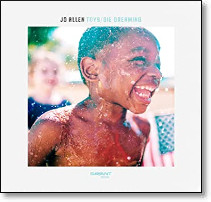
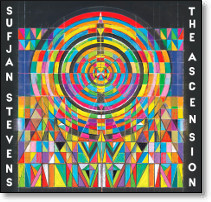
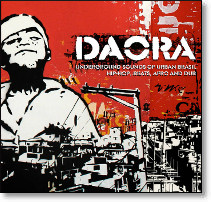
October archive (in progress). Music: Current count 34142 [34098] rated (+44), 217 [214] unrated (+3). Late start, after Weekend Roundup chewed up Monday. The delay there was due to the Trump White House's own pandemic-in-a-microcosm. Opened the Eagle today to find a Kathleen Parker column speculating on how his brush with Covid-19 might make Trump a bit humbler, but he had already scotched that idea with his fan club drive-by, then went on to tweet that Americans have nothing to fear from Covid-19, declaring that after three days in the hospital he feels better than he has in 20 years. It just goes to show that the worst case scenario wasn't that he would die. It's that he would recover and turn into an even bigger asshole. Indeed, his first piece of "work" since leaving the hospital was to pull the plug on a new stimulus deal: see Trump cuts off stimulus relief talks until after election, upending prospects for aid; and Trump abruptly ends stimulus talks after Fed Chair urges economic support. Jonathan Chait's view: Trump stimulus fail: Worst blunder in presidential history. Historians may debate that, but Wall Street's verdict was instantaneous: Dow drops 370, airlines hit hard. Meanwhile, add Stephen Miller to the list of White House aides who have tested positive for Covid-19. The toll of Kayleigh McEnany aides has risen to four. There is also an unnamed White House military aide, and the Joint Chiefs of Staff are all in quarantine. Dhruv Kullar, who wrote one of the most informative pieces I linked to in Weekend Roundup, wrote another piece on The recklessness of Trump's return to the White House. My impression is that doctors treated Trump so aggressively with anti-viral, steroid, and immunological treatments that they felt the need to monitor him in the hospital. If that unusual experimental treatment works, Trump may luck out and recover quickly with few of the side-effects that have plagued many survivors. On the other hand, if the disease can survive, Trump may be in for a much rougher ride. One thing that is clear is Most patients' Covid-19 care bears little resemblance to Trump's. In other news, Hurricane Delta is heading for Louisiana. It is currently a 145 mph Category 4 storm. It may weaken a bit when it crosses over Mexico's Yucatan Peninsula, then strengthen over the Gulf of Mexico. before landing in Louisiana Friday night/Saturday morning. Among recent musician deaths, Eddie Van Halen (65) has gotten the most publicity, but Johnny Nash (80) is remembered for the better song ("I Can See Clearly Now"). Others I recognize but haven't noted: Waldemar Bastos, Wayne Fontana, Trini Lopez, Helen Reddy. It's been a rough couple weeks for baseball players too, with Hall of Famers Lou Brock, Bob Gibson, and Tom Seaver; also Horace Clarke and Ron Perranoski. More I didn't recognize, like pitcher Charlie Haeger (37, played 2006-10, lifetime W-L record 2-7, ERA 6.40), of a self-inflicted gunshot wound, after being named as a suspect in the shooting death of his ex-girlfriend. That would have been a tragic story some other week. Record count includes most of Monday, so an extra day. I've been hard pressed to find things -- Phil Overeem's latest list was my most frequent guide. Still hope to do a book post and a batch of questions and answers later this week. Lots of things wearing me down, including some yardwork that's left me sore. I did finally finish Zachary D Carter's magnificent The Price of Peace: Money, Democracy, and the Lift of John Maynard Keynes. Moving on to something much lighter: Ruth Reichl Gourmet memoir. Most days all I can manage is to read a few pages early, and a few more late. New records reviewed this week: 21 Savage & Metro Boomin: Savage Mode II (2020, Slaughter Gang/Epic): Atlanta rapper Shéyaa Bin Abraham-Joseph and producer Leland Tyler Wayne, sequel to their 2016 EP. B+(**) Harry Allen: The Bloody Happy Song (2020, GAC): Tenor saxophonist, retro-swing guy, recorded this at home under lockdown, only credit his sax and midi keyboards. He somehow managed to sample a whole big band for the opener, but eventually drops down as far as solo, then overdubs a duet. His playing is exemplary throughout, but the non-existent others aren't so inspired. B+(**) JD Allen: Toys/Die Dreaming (2020, Savant): Tenor saxophonist, albums since 1999, trio with Ian Kenselaar (bass) and Nic Cacioppo (drums). Five originals, two standards ("You're My Thrill," "I Should Care"). Always a strong performer, this one impresses in the usual ways, then grows on you. A- Florian Arbenz/Greg Osby: Reflections of the Eternal Line (2020, Hammer): Swiss drummer, couple albums c. 2001, two more this year. This is a sax/drums duo, Osby playing soprano and alto. Stephan Spicher also get his name on the cover for "visuals." B+(***) [bc] Steve Arrington: Down to the Lowest Terms: The Soul Sessions (2019-20 [2020], Stones Throw): Joined the funk group Slave in 1975, left in 1981 to record as Steve Arrington's Hall of Fame, then solo through 1987. Recorded albums in 2009 and 2014, and now this new one, with "a new generation of talented producers." B+(*) Babe, Terror: Horizogon (2020, Glue Moon): Brazilian electronica producer Claudio Szynkier, at least nine albums since 2009. Ambient snooze with choral vocals. B- [bc] Victoria Bailey: Jesus, Red Wine & Patsy Cline (2020, Rock Ridge Music): Country singer-songwriter from California -- probably the source of her wine taste (aside from the title, there's another song called "Spent My Dime on White Wine"), but everything else is standard honky tonk, including a lot of pedal steel. B+(***) Biffy Clyro: A Celebration of Endings (2020, 14th Floor/Warner): Scottish rock band, eighth album since 2002, a big deal in Scotland since their debut, scaled the UK charts with 2007's Puzzle, sell well in Europe but not US. Mix it up toward the end, ranging from punk to prog, still makes me want to hear more. B Elvin Bishop & Charlie Musselwhite: 100 Years of Blues (2020, Alligator): Two geezers happy to play "front-porch, down-home music," "12 rootsy, spirited, humorous songs, mixing nine originals with three reimagined classics." Gets topical on "What the Hell?" with its big question, "I want to know how can four years seem so long." Charlie brings plenty of harmonica. B+(**) Bright Eyes: Down in the Weeds, Where the World Once Was (2020, Dead Oceans): Conor Oberst band since 1995, 10th studio album, not that it's kept him from pursuing a solo career and other projects. Still, this feels like a lot of work: 14 songs, 54:45, band members Mike Mogis and Nathaniel Walcott play 20 instruments (from Mellotron to Marxophone), and 50+ additional musicians are credited (most on strings or choir, but he's got half a big band's worth of horns, and two guys on bagpipes). I'm sure it's all very important, but not so sure I want to sort it out further. B+(**) Alan Broadbent Trio: Trio in Motion (2020, Savant): Pianist, from New Zealand, several dozen records since 1979. Trio with Harvie S (bass) and Billy Mintz (drums). B+(**) Apollo Brown & Che' Noir: As God Intended (2020, Mello Music Group): Detroit hip-hop producer Erik Stephens, two dozen albums since 2007, mostly collaborations with featured rappers -- this one a young woman from Buffalo. B+(**) Ceramic Dog: What I Did on My Long Vacation (2020, Northern Spy): Trio led by guitarist Marc Ribot, with Shahzad Ismaily (bass/keyboards) and Ches Smith (drums/electronics), everyone also credited with vocals. These are actually the leftovers from an album due in 2021, recorded over two weeks with the trio working in separate rooms, able to hear but not see each other. Six tracks, 31:04. B+(***) [bc] Convergence: Convergence (2020, Hammer): Swiss drummer Florian Arbenz, in an international group with two Cubans -- Jorge Vistel (trumpet) and Maikel Vistel (tenor sax) -- and others from UK, Australia, and Brazil. B+(**) [bc] Creeper: Sex, Death & the Infinite Void (2020, Roadrunner): British "goth-punk" group, second album, currently Metacritic's 4th highest rated album of 2020 (91/8) so seemed like something I should check out. May appeal to Nick Cave fans, but who am I to say that? B Drive-By Truckers: The New OK (2020, ATO): Second album this year, after The Unraveling in January -- currently my first-listed A- record in 2020, more because it got there early than anything else, as I don't recall it clear enough to compare it to later A- records. Even more uncertain here. I don't doubt their motives or their craft, but if three plays didn't do it, maybe it's not happening? Only half-impressed with their Ramones cover -- maybe their accent isn't distant enough from "The KKK Took My Baby Away"? B+(***) Ronnie Earl & the Broadcasters: Rise Up (2020, Stony Plain): Guitarist Ronald Horvath, from Queens, played with Roomful of Blues 1980-88, has a couple dozen albums leading this group. Diana Blue sings, band adds keyboards, bass, drums. Includes a "Blues for George Floyd." B+(*) Lafayette Gilchrist: Now (Lafayette Gilchrist Music, 2CD): Pianist, leads a trio with Herman Burnie (bass) and Eric Kennedy (drums). First disc impresses with non-stop rhythm (75:41). Second (73:36) has a bit less drive. B+(***) [cd] Luke Haines & Peter Buck: Beat Poetry for Survivalists (2020, Cherry Red): Postmodern bohemians: Haines sings and writes, best known for the Auteurs and Black Box Recorder; Buck plays guitar, mainly for R.E.M. but he's also dabbled elsewhere (e.g., Baseball Project, Filthy Friends). Both make their mark here, one might even say complementarily. B+(**) Hazar: Reincarnated (2020, IAN Productions): Acoustic guitarist Ulas Hazar, also plays saz, grew up in Germany, has at least one previous album. Al DiMeola joins here on guitar and cajon, with Piotr Torunski (bass clarinet), piano, and percussion. Package includes a DVD. B+(*) [cd] Idles: Ultra Mono (2020, Partisan): British band, from Bristol, third album, got a lot of early hype as the second coming of the Clash, which (of course) was ridiculous -- they lack both the early punk fury and the later pop knack, but somehow find a middle line, which supports today's fire and fury. B+(***) I.P.A.: Bashing Mushrooms (2018 [2020], Cuneiform): Norwegian-Swedish free jazz quintet, mostly well-known names -- Atle Nymo (tenor sax/bass clarinet), Magnus Broo (trumpet), Mattias Ståhl (vibes), Ingebrigt Håker Flaten (bass), Håkon Mjåset Johansen (drums) -- fifth album since 2009. B+(**) [dl] Jealous of the Birds: Peninsula (2020, Atlantic): Naomi Hamilton, from Northern Ireland, second album plus a couple EPs. B+(*) Fenne Lily: Breach (2020, Dead Oceans): British singer-songwriter, from Dorset, second album. Landed gigs opening for Lucy Dacus and Marika Hackman. Appealing in that vein. B+(**) Zara McFarlane: Songs of an Unknown Tongue (2020, Brownswood): British jazz/soul singer-songwriter, parents Jamaican, fourth album. B+(*) Thurston Moore: By the Fire (2020, Daydream Library): Sonic Youth honcho, sounds much like his old band but less commanding, still misses his better half. Express panned this as a "pale imitation," which isn't really true. B+(**) Tobin Mueller: What Survives: Radio Edits (2020, Artsforge): Pianist, discography (dating from 1980s) is split between jazz/funk and prog rock, with sections for solo piano, piano plus voice, and spoken word; biography includes a claim to have been one of the inventors of new age music. This is based on a 1995 Broadway show he wrote, played by nonet plus guests, the CD edited down from a much longer download-only release. Vocals are a weak spot. B+(*) [cd] Róisin Murphy: Róisin Machine (2020, Skint): Irish singer-songwriter, fifth album since 2005, electropop. B+(**) Douglas Olsen: 2 Cents (2018 [2020], self-released): Trumpet player, cites a 25-year history with a number of big bands, Latin jazz outfits, and r&b sidework, but I'm not finding any previous albums under his own name. Mostly a hard bop lineup, some tracks with extra congas. Six originals, a rumba, old bebop tunes from Dizzy Gillespie and Howard McGee/Fats Navarro. B+(**) [cd] [11-01] Kelly Lee Owens: Inner Song (2020, Smalltown Supersound): Electronica producer, from Wales, based in London, second album. Was prepared to dis the vocals, but sometimes they work. Beats discreet, but they work too. John Cale contributes a song, neither here nor there. B+(**) Bette Smith: The Good, the Bad and the Bette (2020, Ruf): R&B singer-songwriter, from Brooklyn, parents from Trinidad, second album, on a German blues label. Rocks. B+(**) Sufjan Stevens: The Ascension (2020, Asthmatic Kitty): "Singer-songwriter" seems too self-limiting. He is a pop composer of grand sweep and delicate bearing, an heir to Brian Wilson working on if anything a broader canvas. His is not a style I'm fond of, but half of these songs click for me, and the others seem to be lurking in the depths, awaiting their moment. A- Sylvan Esso: Free Love (2020, Loma Vista): Electropop duo from North Carolina, singer Amelia Meath and producer Nick Sanborn. Third studio album, a short one (10 songs, 29:14). Slight inside the grooves as well, but that's part of the charm. B+(*) Throwing Muses: Sun Racket (2020, Fire): Lo-fi indie pop band from Rhode Island, debut 1985 with step-sisters Kristin Hersh and Tanya Donnelly, latter left in 1991 (to found the Breeders), band broke up in 1997, reformed in 2003, third album since their return. Whispery vocals over off-kilter guitar/electronics. B+(*) Tessy Lou Williams: Tessy Lou Williams (2020, Tessy Lou Williams): Country singer-songwriter, from Montana, parents moved there from Nashville, where they were session musicians. First album, nice voice, impeccable neotrad sound. B+(**) Yelle: L'Ère Du Verseau (2020, Recreation Center): French electropop band, principally singer Julie Budet (Yelle) and Jean-François Perrier (GrandMarnier), recorded this fourth album (since 2007) in Montreal. B+(*) Recent reissues, compilations, and vault discoveries: Daora: Underground Sounds of Urban Brasil ([2020], Mais Um Discos, 2CD): "Hip-hop, leftfield beats, afrobeat and dub-influenced sounds from Brasil," 32 tracks, compiled by Rodrigo Brandao, vintage unknown but probably recent, only one artist I recognize (Baiana System), title slang "for something that's dope." Edges a little soft, as tends to be the case in Brazil, but that introduces a loopy, oblique humor that you rarely hear elsewhere. A- [bc] Dennis González: Forever the Falling of Stars (1995 [2020], Daagnim): Trumpet player from Texas, started recording in 1979 and has ever since released a steady stream of albums, except for a dry spell in the 1990s, when this "rare gem" was commissioned but only circulated within a "small circle." No credits, but mostly electronics, with voices ranging from rap to tone color, and some trumpet. B+(**) [bc] Old music: J.D. Allen: In Search of J.D. Allen (1998 [1999]. Red): Tenor saxophonist, from Detroit, first album, recorded in New York with Fabio Morgera (trumpet), Eric Revis (bass), Rodney Green (drums), and piano on three tracks (Shedrick Mitchell). Nine originals, closing with a cover of "Lonely Woman." B+(***) J.D. Allen: Pharoah's Children (2001 [2002], Criss Cross): Second album, quintet, with Jeremy Pelt (trumpet), Orrin Evans (piano), Eric Revis (bass), and Gene Jackson (drums). B+(**) JD Allen: Radio Flyer (2017, Savant): Expands on his usual trio -- Gregg August (bass) and Rudy Royston (drums) -- adding Liberty Ellman on guitar. B+(***) Tony Allen Plays With Afrika 70: No Accomodation for Lagos (1979, Polydor): Nigerian drummer, third album, leading what was essentially Fela Kuti's band. Two side-long tracks, 29:16; was squeezed with a second album into a 2002 CD, then split again for a 2011 vinyl reissue (by Kindred Spirits). B+(**) Tony Allen Plays With Afrika 70: No Accomodation for Lagos/No Discrimination (1979 [2002], Evolver): Combines two albums, although Napster omits one track ("Ariya"). B+(**) Dennis Gonzalez: Stars/Air/Stripes (1981 [1982], Daagnim): Trumpet player, from Dallas, early album (first was 1979), organized sixteen musicians for this, recorded in various combos in various locations, to scattered effect. B+(*) [bc] Dennis Gonzalez's Ataraxia: Ts'iibil Chaaltum (2017, Daagnim): "Eastern jazz trio," the leader playing trumpet/cornet, with Drew Phelps (bass) and Jagath Lakpriya (tabla), everyone adding to the percussion, but not breaking the calm. B+(*) Unpacking: Found in the mail last week:
Ask a question, or send a comment. Monday, September 28, 2020 Music Week
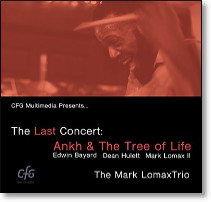
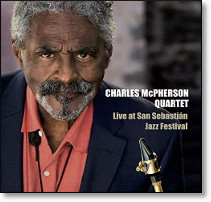
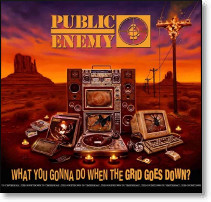
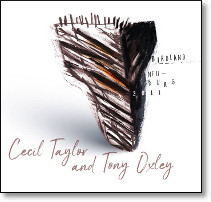
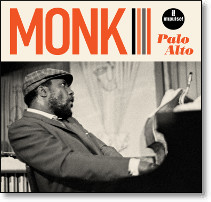
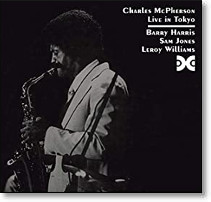
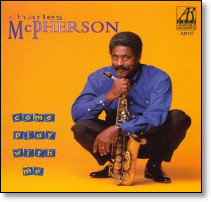
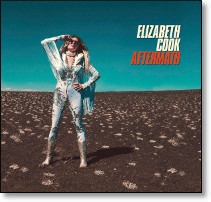
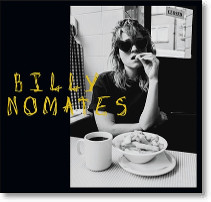
Music: Current count 34098 [34056] rated (+42), 214 [216] unrated (-2). Well, that's another month, not exactly wasted but not put to very good use either. I'm still reeling from recent deaths -- among friends, in my family, of semi-famous people I care about, and others I knew nothing of. I've never forgotten one of the late Diane Wahto's letters to the Wichita Eagle, probably right after the stolen 2000 election, where she bravely declared, "we survived one Bush; we can survive another." She did, but lots of people didn't, and she herself didn't survive Bush's partisan successor. Trump's death toll far exceeds the 204,888 Covid death count (as of today), and he's hurt millions more. Hurts my head just to think about it. Rolling Stone published a third iteration (after 2003 and 2012) of The 500 Greatest Albums of All Time. I started to transcribe it with my grades, but didn't get very far. Robert Christgau and Carola Dibbell published their ballots (unranked top-50 lists) here. Greil Marcus published a top 40 ballot. Other ballots I've found: Stephen Thomas Erlewine; well, that's it (RS did publish a list of voters, but not their ballots; only 28% were identified as journalists). Wikiwand has some statistics. I wasn't invited. Thought I might edit down a list from my 1,000 Albums for a Long and Happy Life, but haven't found the time. If I do pursue this further, I'll probably listen to some of the ranked records I had missed/passed up (as far as I've checked, 24 of the top 240, so 10%). Only anomaly in the list below worth mentioning is my dive into old Charles McPherson albums. Phil Overeem likes his newest album, Jazz Dance Suites. I wasn't able to find it, but did find a live album he released back in January, and that got me started. His 1975 album Beautiful! is a long-time favorite, and I also am a fan of his 2015 album The Journey, so I was primed to look for more. Two grade changes this time, nudging up albums I thought were pretty good to start with. Better to recheck them before the month ends than to complicate my paperwork later. Four week month, bumped the rated count up by 184 (so average 46/week, way above my long-term historic average) -- a bonus for not otherwise having much of a life, I guess. I haven't run the numbers yet, but I'm probably ahead on the year, even with more old music recently. New records reviewed this week: Artemis: Artemis (2020, Blue Note): Jazz supergroup founded 2017, seven women from six countries, first album, music director Renee Rosnes (piano), with Ingrid Jensen (trumpet), Melissa Aldana (alto sax), Anat Cohen (clarinet/bass clarinet), Noriko Ueda (bass), Allison Miller (drums), and Cécile McLorin Salvant (vocals on 2 tracks, the 2nd a highlight). B+(**) Daniel Carter/Brad Farberman/Billy Martin: Just Don't Die (2018 [2019], Ropeadope): Carter plays flute, trumpet, and tenor sax; the others guitar and drums. Credited as joint improv, but I imagine this as the guitarist's album, mostly because the others seem relucant to step on his toes, let alone show off. B+(*) [bc] Regina Carter Freedom Band: Swing States: Harmony in the Battleground (2020, Tiger Turn): Violinist, from Detroit, eleventh album since 1995. Cover notes as featuring: Jon Batiste (piano), John Daversa (trumpet), Alexis Cuadrado (bass), Kabir Sehgal (bass/percussion), Harvey Mason (drums). Mostly trad pieces, which the violin lends an old-timey feel to, with messages in the interludes: vote! B+(*) Tyler Childers: Long Violent History (2020, Hickman Holler/RCA): One of the best country singer-songwriters to emerge in recent years throws you a curve with no vocals (until the title song closer), just a batch of old-fashioned fiddle tunes. B+(***) Cliff Trio [Pandelis Karayorgis/Damon Smith/Eric Rosenthal]: Precipice (2019 [2020], Fundacja Sluchaj): Piano-bass-drums trio. Impressive pianist. B+(**) [bc] Conference Call: Prism (2020, Not Two): Free jazz quartet, seven albums 2002-13 with George Schuller on drums, replaced here by Dieter Ulrich, joining original members Gebhard Ullmann (tenor sax/bass clarinet), Michael Jefry Stevens (piano), and Joe Fonda (bass). Nice balance here. B+(***) Chick Corea: Plays (2018 [2020], Concord, 2CD): Solo piano, live, cover throws out some composer names, from 9 o'clock: Corea, Mozart, Gershwin, Monk, Scarlatti, Evans, Jobim, Chopin, Scriabin, Wonder. Play indeed he does. B+(*) The Croaks: One of the Best Bears! (2018 [2020], Fundacja Sluchaj): Avant-jazz trio: Martin Küchen (sopranino/soprano sax, metal objects), Martin Klapper (amplified objects, toys and small electronics), and Roger Turner (drums, metal and plastic). B+(*) [bc] Joe Farnsworth: Time to Swing (2020, Smoke Sessions): Mainstream drummer, not much under his own name but lots of side credits since 1991. Big-name quartet here, with Kenny Barron (piano), Peter Washington (bass), and Wynton Marsalis (trumpet, who checks out midway). B+(**) Chad Fowler/WC Anderson: Lacrimosa (2020, Mahakala Music): Saxophone and drums duo, seems to be the first album for either. Fowler mostly plays alto, but ranges up and down from there. Looks like he also has a big job at Microsoft, having started out with open source start ups before cashing in, and running this label on the side. This is rough, can get on my nerves. B+(**) [cd] Frode Gjerstad/Fred Lonberg-Holm/William Parker/Steve Swell: Tales From (2019 [2020], Fundacja Sluchaj): No credits, but typically sax (alto, I think), cello/electronics, bass, trombone -- the latter two fill ins for a plan that originally called for Matthew Shipp. Lonberg-Holm came best prepared, while the others do what they usually do. B+(**) [bc] Guillermo Gregorio/Joe Fonda/Ramón López: Intersecting Lives (2018 [2020], Fundacja Sluchaj): Clarinet player, from Argentina, lived in Europe for a while, but long based in Chicago. Backed by bass and drums. B+(**) [bc] Diana Krall: This Dream of You (2016-17 [2020], Verve): She pieced this together from older sessions that produced Turn Up the Quiet. I haven't figured out who plays what where, but whether playing in a duo, trio, quartet, or larger ensemble, she's steady, her voice nailing each thoughtful song. B+(***) The Mark Lomax Trio: The Last Concert: Ankh & the Tree of Life (2020, CFG Multimedia): Drummer, with the magnificent Edwin Bayard ever reliable on tenor sax and Dean Hullett on bass. Two long pieces, develop a bit slowly, peak out where they always do: strain, struggle, redemption. A- Charles McPherson Quartet: Live at San Sebastián Jazz Festival (2019 [2020], Quadrant): Alto saxophonist, broke in with Mingus in 1961, very influenced by Charlie Parker -- his first albums were Bebop Revisted! and Con Alma! -- developed into a unique voice. Hasn't recorded much since 2000, but his 2015 album The Journey was special. With Bruce Barth (piano), Mark Hodgson (drums), and Steven Keogh (drums), playing five extended pieces. Blues-based jams, form terrific. A- Joachim Mencel: Brooklyn Eye (2019 [2020], Origin): Pianist, from Poland, also plays hurdy-gurdy, recorded this in Brooklyn with guitar (Steve Cardenas), bass (Scott Colley), and drums (Rudy Royston). B+(*) [cd] Vic Mensa: V Tape (2020, Roc Nation, EP): Chicago rapper, father from Ghana, original name Mensah, fifth EP (7 tracks, 26:28), has a longer mixtape and a studio album. B+(**) Merzbow/Mats Gustafsson/Balász Pándi: Cuts Open (2018 [2020], RareNoise): Japanese noise artist Masami Akita, who if anything has a moderating effect on the Norwegian avant-saxophonist, plus a drummer. Not their first record together, but their longest one. Has its moments, but they can wear thin. B+(*) [cdr] Helen Money: Atomic (2020, Thrill Jockey): Cellist Alison Chesley, originally from Los Angeles, moved to Chicago for college and stayed there, had an acoustic duo called Verbow, did film work and other side projects, plus a half dozen albums as Helen Money. Also plays piano here, accompanied by harp, electronics, and drums. Tight, uncomplicated but rather prog instrumental rock. B+(***) Moor Mother: Circuit City (2020, Don Giovanni): Camae Ayewa, poet/musician/activist from Philadelphia. I originally filed her under hip-hop, but at this point hell if I know. Styled as a theatrial work in four acts, with spoken word over trumpet, sax, electronics, bass, and drums, with most contributing to perussion. Music veers into free jazz, or maybe just noise. B+(*) Public Enemy: what You Gonna Do When the Grid Goes Down? (2020, Def Jam): Time for a "Fight the Power" remix? That's the centerpiece here, and nothing else quite matches it. Still, this is hard and angry like few others can muster, which makes it timely, even if the time frame spans decades. A- Ben Rosenblum Nebula Project: Kites and Strings (2020, One Trick Dog): Pianist, also plays accordion, has a previous album. Originals, three covers ("Somewhere," Neil Young, a trad Bulgarian song). Postbop, with trumpet and tenor sax/bass clarinet, guitar, bass, drums, a few guests. B+(*) [cd] [10-16] Markus Rutz: Blueprints: Figure Two: New Designs (2018-19 [2020], OA2): Trumpet player, based in Chicago, has a previous Figure One. Six original compositions, covers of McCoy Tyner, Frank Foster, and Sam Rivers; postbop, with sax, piano, guitar, bass, drums, extra percussion. B+(*) [cd] Cecil Taylor and Tony Oxley: Birdland, Neuburg 2011 (2011 [2020], Fundacja Sluchaj): Piano and drums duo. Taylor died in 2018, but until this his most recent records were recorded in 2008, also duos with Oxley. Two (or three) improvs, 57:23, quieter than in their heyday, but can still startle you, remind you how damn near anything is possible. After all, that's what they do. A- [bc] Chip Wickham: Blue to Red (2020, Lovemonk): Flute player, sometimes goes as Roger Wickham (or Kid Costa), third album, with harp (Amanda Whiting), keyboards, bass/cello, drums, and percussion. B- Immanuel Wilkins: Omega (2020, Blue Note): Alto saxophonist, grew up near Philadelphia, based in New York, first album, produced by Jason Moran, backed by piano (Micah Thomas), bass, and drums. B+(**) WorldService Project: Hiding in Plain Sight (2020, RareNoise): British "punk-jazz" quartet -- Dave Morecroft (keyboards), Ben Powling (saxes), Arthur O'Hara (bass), Luke Reddin-Williams (drums), plus trombone on 4 (of 9) tracks, some vocals -- fifth album. I've found them to be very annoying in the past, so I reckon this one's marginal listenability an improvement. C+ [cdr] Recent reissues, compilations, and vault discoveries: Rich Krueger: The Troth Sessions (2002 [2020], Rockin'K Music): PhD in biochemistry, postdoc in neuroscience, day job as a clinical associate in pediatrics at the University of Chicago. Released two albums in 2018 that Christgau liked much more than I did -- second suggested that he had been writing songs for much longer. Turns out he had a folk-rock band in the 1980s, and cut these acoustic guitar and voice demos, enough for a short album (9 tracks, 29:07). B London Jazz Composers Orchestra: That Time (1972-80 [2020], Not Two): Avant big band, I think of it as being bassist Barry Guy's vehicle, but four composers are named on the cover: Kenny Wheeler, Guy, Paul Rutherford, and Howard Riley, each with a 14-18 minute piece, the first two from 1972, the latter 1980. B+(*) Thelonious Monk: Palo Alto (1968 [2020], Impulse!): Archival album, previously unreleased, so a big deal, recorded on a stage at Palo Alto High School, a side trip from a stand at the Jazz Workshop in San Francisco. Quartet, with Charlie Rouse (tenor sax), Larry Gales (bass), and Ben Riley (drums). This was near the tail end of one of Monk's best quartets, with seasoned experts reworking his old songs. A- Nublu Orchestra Conducted by Butch Morris: Live in Paris (2010 [2020], Nublu): "Conduction No. 190." At some point I should make a chart of who played on each of their live albums -- coming out now at a fairly rapid clip -- but aside from some regulars like Graham Haynes (cornet) and Doug Wieselman (guitar) the lineups seem pretty variable. B+(**) Old music: Charles McPherson: Con Alma! (1965 [1995], Prestige/OJC): Alto saxophonist, second album, quintet with Clifford Jordan (tenor sax), Barry Harris (piano), George Tucker (bass), and Alan Dawson (drums). Runs through six songs, mostly bebop standards like the title track, "Dexter Rides Again," and "Chasing the Bird." B+(*) Charles McPherson: Live at the Five Spot (1966 [1994], Prestige): Quintet with Lonnie Hillyer (trumpet), Barry Harris (piano), Ray McKinney (bass), and Billy Higgins (drums), originally released as The Quintet/Live! in 1967, reissue tacks on three extra tracks, bringing the CD to 74:26. Mostly bop repertoire. B+(*) Charles McPherson: From This Moment On (1968 [1997], Prestige/OJC): Quartet, with Cedar Walton on piano, Pat Martino on guitar, plus bass and drums. Walton and Martino tend to take over, but some find alto sax here and there. B+(**) Charles McPherson: Horizons (1968 [1998], Prestige/OJC): Sextet, Walton and Martino again, different bass and drums, with Nasir Hafiz's vibes prominent from the start. Four McPherson originals, two covers ("Lush Life" and "I Should Care"). Sax more prominent here, and he's clearly developing his tone and poise. B+(**) Charles McPherson: Siku Ya Bibi (Day of the Lady) (1972, Mainstream): He left Prestige after McPherson's Mood (1969), and recorded three 1971-73 albums for Mainstream. This is the second, dedicated to Billie Holiday. Good material for alto sax and quintet, but strings spoil half the tracks. B Charles McPherson: Live in Tokyo (1976, Xanadu): After Mainstream, the alto saxophonist recorded 5 records for Xanadu (1975-81). The first, Beautiful! (1975) is a special favorite. This one retains the bass-drums combo (Sam Jones and Leroy Williams), reverts to the leader's usual pianist (Barry Harris), and adds some guitar (Jimmy Raney). A- [yt] Charles McPherson: Come Play With Me (1995, Arabesque): Not much to show for the 1980s, but McPherson recorded three albums for Arabesque 1994-98. This middle one is a quartet with Mulgrew Miller (piano), Sati Debriano (bass), and Lewis Nash (drums) -- lovely effort all around. A- Charles McPherson: Manhattan Nocturne (1997 [1998], Arabesque): Another quartet, with Ray Drummond taking over on bass. [Glitch on first song.] B+(***) Charles McPherson: Live at the Cellar (2002, Cellar Live): Live shot from the Vancouver club, quartet with local piano trio (Ross Taggart, Jodi Proznick, Blaine Wikjord). Six songs, each topping 10:12 (up to 14:56). Closes strong. B+(***) Charles McPherson: What Is Love (2010, Arabesque): Released a decade after his 1994-98 records for the label, having trouble with dates and such, but could be new. Quartet with Randy Porter, Rufus Reid, and Carl Allen, plus strings: The Lark Quartet. I'm not a fan of the latter, but even they cannot ruin something as luscious as "My One and Only Love." B+(*) Charles McPherson Quartet: Love Walked In (2015, Quadrant): Quartet, with Bruce Barth (piano), Jeremy Brown (bass), and Stephen Keogh (drums). Scant discography, but mostly standards, leisurely but only two (of nine) reach 7 minutes. B+(***) Grade (or other) changes: Elizabeth Cook: Aftermath (2020, Agent Love): Country singer-songwriter, seventh album since 2000, had a breakthrough with 2007's Balls and the even better 2010 Welder. Rocking harder here, which is appealing enough but makes it harder to follow her songs. The exception is the closer, a reworking of John Prine's "Jesus: The Missing Years" to focus on Mary. [was: B+(***)] A- Billy Nomates: Billy Nomates (2020, Invada): British singer-songwriter Tor Maries, first album, some sources say "No Mates," produced by Geoff Barrow (Portishead), draws comparisons to Sleaford Mods for her talkie style and class consciousness (well, also Jason Williams' guest verse on "Supermarket Sweep," his voice barbed where hers fades away, too subtle for her material). Grows on you. [was: B+(***)] A- Unpacking: Found in the mail last week:
Ask a question, or send a comment. Monday, September 21, 2020 Music Week
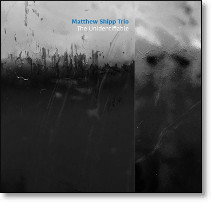
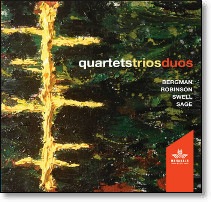
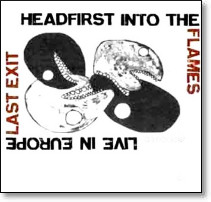
Expanded blog post, September archive (in progress). Music: Current count 34056 [34007] rated (+49), 216 [217] unrated (-1). I have very little to say here, so will keep it short. High rated counts continue, although some records below (Shipp, Pretenders) took 4-5 plays to settle down. Pretenders record is almost very good, but I shut it down on one song I lost interest in. That left me with some fairly obscure jazz titles for an A-list. Shipp and Bergman suggest it helps to actually send me the record. DMG sent me several records in the past, but I had no idea this Last Exit album existed. Stumbled on it by accident when I was following up on Piotr Orlov's Bandcamp piece, How South Africa's Blue Notes Helped Invent European Free Jazz. Otherwise, I just followed my nose. Especially looked through Music Tracking for priority picks. Jazz critic Stanley Crouch died last week. I have a question pending on him, so will write more once I collect my few thoughts. Meanwhile, Robert Christgau wrote Appreciation: Stanley Crouch, a towering critic, loved a good fight. Christgau previously reviewed Crouch's book on Charlie Parker, Kansas City Lightning. Crouch tried his hand at writing a Jazz Consumer Guide, although I think he only got one published. (Gary Giddins and Francis Davis also tried their hands at the format, well before mine from 2004-10.) One thing I will say about Crouch is that he was more persuasive writing about what he liked* than what he hated. (Asterisk there is that I haven't read the Parker book. Parker is worshipped by all reputable jazz critics, no doubt including Crouch, but I've never given up my doubts.) By the way, Phil Freeman writes about Crouch in his Ugly Beauty column, along with notes on the late Gary Peacock and a bunch of new records I need to check out. Haven't done this week's new releases in the metacritic file yet, but did catch up the previous week. That seems to be the new normal. New records reviewed this week: Fontaines D.C.: A Hero's Death (2020, Partisan): Rock group from Dublin, Ireland; first album was punkish enough to remind one of the Pogues, second is toned down in several ways. B+(*) Robert Gordon: Rockabilly for Life (2020, Cleopatra): Rockabilly revivalist from the late 1960s, when he teamed up with Link Wray and tried crashing the CBGB's scene. He recorded 7 records 1977-82, another burst 1994-97, another 2004-07, this one coming after a 6 year hiatus which spanned his 70th birthday. Nothing in my database since his grade B debut, so he's been pretty far out of mind. Fifteen songs here, each with a guest, unlikely any are originals but the only one I instantly recognized was "Hot Dog! That Made Her Mad" (with Rosie Flores). Digital adds as many "original reference mixes" -- sans guests is how I understand that, and often sharper. Not a major talent, but he's entitled to relish his life's work. B+(*) Frank Gratkowski/Simon Nabatov/Dominik Mahnig: Dance Hall Stories (2017 [2020], Leo): Free jazz, German reeds player who's recorded since 1991, picking up the pace in 2000, playing alto sax, clarinet, bass clarinet, and flute here, backed with piano and (on 4/8 tracks) drums). Not especially danceable. B+(**) Gordon Grdina's the Marrow: Safar-E-Daroon (2020, Songlines): Guitar and oud player, from Vancouver, BC, prolific since 2006, second album with this string and percussion group: Grdina on oud, Josh Zubot (violin), Hank Roberts (cello), Mark Helias (bass), and Hamin Honari (tombak, daf, frame-drum). B+(***) Gordon Grdina: Prior Street (2019 [2020], self-released): Guitarist from Vancouver, BC, also plays oud, has a long list of impressive albums. This one is solo, perhaps his first. B Charlotte Greve/Vinnie Sperrazza/Chris Tordini: The Choir Invisible (2018 [2020], Intakt): German alto saxophonist, based in New York, several albums since 2009 (four with Lisbeth Quartett). Trio with drums and bass. B+(*) Tee Grizzley: The Smartest (2020, 300 Entertainment): Detroit rapper Terry Wallace, active since 2016, mixtape. Love the beats. Words rather less so. B+(***) GuiltyBeatz: Different E.P (2020, Banku Music, EP): Ronald Banful, born in Italy (Palermo), moved to Ghana at age 6, learned to make beats on computer, had a hit single with Mr Eazi in 2018, did some production for Beyoncé. Few details available, but looks like six tracks, 16:00. B+(*) [yt] Haiku Hands: Haiku Hands (2020, Mad Decent): Australian dance-pop outfit, sisters Claire and Mie Nakazawa and Beatrice Lewis. First album. Bassist has a major in Chic riffs, and the oft-repeated lyrics are dumb enough to get smart. B+(*) Tigran Hamasyan: The Call Within (2020, Nonesuch): Armenian pianist, won prizes as a teenager, based in Los Angeles, tenth album at age 33, draws on folk influences and Middle Eastern scales, once dreamed of being a "thrash metal guitarist." Also sings and plays electronic keyboards and drums, only other regular musician is Evan Marien on bass, but guests come and go. Strong, dramatic, an impressive piece of work, just not one I'm wild about. B+(*) Ray Wylie Hubbard: Co-Starring (2020, Big Machine): Country singer-songwriter from Oklahoma, called his late-1970s band the Cowboy Twinkies, languished on folkie labels, started producing impressive albums in his 60s, and at 73 has a long list of people who want to appear with him: Ringo Starr, Don Was, Joe Walsh, Chris Robinson -- that's just the first song, but it clears most of the pop names away, leaving a mixed bag of country artists. Not his best batch of songs, but some notable passages. The label brought their big rock production, for better and worse. B+(**) I Think You're Awesome: Suite to Be You and Me (2019 [2020], Jaeger Community): Danish instrumental group, fifth album since 2014, electric bassist Jens Mikkel the composer/arranger, with two guitarists (one also on banjo), keyboards, drums, a second percussionist also on electronics, and this time Taiga String Quartet. More of a prog rock feel, but can click into place. B+(*) Jazz at Lincoln Center Orchestra With Wynton Marsalis: Sherman Irby's Inferno (2012 [2020], Blue Engine): Irby is an alto saxophonist, from Alabama, recorded a couple impressive mainstream albums for Blue Note 1997-98 (cf. Big Mama's Biscuits), not much since, but he's played in JLCO since 2005, and this is his Dante-themed "epic composition." Overture, six movements, big band. B+(*) Jazz at Lincoln Center Orchestra With Wynton Marsalis: Black Brown & Beige (2018 [2020], Blue Engine): Duke Ellington composed this suite for his 1943 Carnegie Hall Concert, underscoring the idea that jazz was becoming America's classical music. B Jazz at Lincoln Center Orchestra With Wynton Marsalis: Rock Chalk Suite (2019 [2020], Blue Engine): Basketball on the cover, tatooed with two icons, one for jazz, the other for KU. Liner notes by Derek Kwan, executive director, Lied Center of Kansas -- the big performing arts facility in Lawrence, KS. The songs were written by many JLCO members, each a basketball dedication, most (as far as I recall) for KU players -- head honcho Wynton Marsalis claimed Wilt Chamberlain and Lynette Woodward (who was sort of the Satchel Paige of women's basketball, joining the WNBA at 38 after spending her prime years in the Harlem Globetrotters). One vocal, Chris Crenshaw singing Sherman Irby's "The Truth" for Paul Pierce. A better-than-average outing, maybe because the lowbrow concept suits their middlebrow aesthetics. B+(**) Jazz at Lincoln Center Orchestra: Christopher Crenshaw's the Fifties: A Prism (2017 [2020], Blue Engine): A rare JLCO album cover that doesn't mention leader Wynton Marsalis by name, but the website does. Crenshaw plays trombone, has no albums under his own name but deserves full credit here, as composer, musical director and producer (elsewhere he is JLCO's first-call singer). B+(**) Jazz at Lincoln Center Orchestra With Wynton Marsalis: The Ever Fonky Lowdown (2019 [2020], Blue Engine, 2CD): A "funky jazz parable for 2020," ranging "from football to politics, from power to poverty, from love and romance to betrayal and corruption; it will make you dance and think." Wynton Marsallis wrote, "based on decades of conversations with my brother Ellis." Wendell Pierce narrates as Mr. Game, several others sing, and they brought in extra congas and persussion. As is often the case, Marsalis' penchant for sprawl overwhelms his limited stores of insight and utter lack of humor. B- Vic Juris: Let's Cool One (2019 [2020], SteepleChase): Cool-toned guitarist, 1953-2019, couple dozen albums since 1978, 50+ side credits (most often with Richie Cole or Dave Liebman). Cut this a few months before his death, with Gary Versace (piano), Jay Anderson (bass), and John Riley (drums). Nice and thoughtful. B+(*) Kaze & Ikue Mori: Sand Storm (2020, Libra): Free jazz quartet, one of pianist Satoko Fujii's many groups: two trumpets (Christian Pruvost and Natsuki Tamura) and drums (Peter Orins). Sixth group album I'm aware of, this one adding Mori's laptop electronica and some spurious voice (Tamura). Some terrific passages. B+(***) [cd] La Lucha: Everybody Wants to Rule the World (2019 [2020], Arbors): Translates as fight, or struggle. Florida trio -- John C O'Leary (piano/keyboards), Alejandro Arenas (bass), and Mark Feinman (drums) -- several albums since 2009, this one augmented with guests including producer Ken Peplowski (clarinet) and Houston Person (tenor sax). Latin rhythm when it doesn't get gummed up. Peplowski has an ace solo. B [bc] Jacám Manricks: Samadhi (2018 [2020], Manricks Music): Australian saxophonist ("of Sri Lankan & Portuguese origin"), plays alto, tenor, and soprano here, as well as clarinet, bass clarinet, flute, alto flute, and midi strings. Fifth record since 2009, ably backed by piano trio (Joe Gilman, Matt Penman, Clarence Penn). B+(**) [cd] Adam Niewood: Blue as a Whistle (2018 [2020], SteepleChase): Tenor saxophonist (also plays soprano), debut 2004 but second album didn't come until 2015, four more since. Mix of originals, two tracks by guitarist Gene Segal (plays on 4/9 cuts), covers of Coltrane and Mingus. B+(**) Adam Nussbaum: Lead Belly Reimagined (2019 [2020], Sunnyside): Drummer, mainstream, since the late 1980s, previously did The Lead Belly Project (2018), with this same quartet: Steve Cardenas (guitar), Nate Radley (guitar), Ohad Talmod (tenor sax). No doubt, Leadbelly is underappreciated as a standards source -- Clifford Jordan's These Are My Roots (1965) is an exception. Talmor isn't as imposing a saxophonist, but the guitarists help. B+(***) Pretenders: Hate for Sale (2020, BMG): Chrissie Hynde's London-based band, gold records 1979-1994, fifth since, spaced 3-6 years apart. First I've heard since 2002's Loose Screw, which come to think of it was a pretty good album. So is this, recapturing the old sound and adding contemporary ideas to it. Then it ends with a slow one called "Crying in Public," where the anguish is palpable. B+(***) The Psychedelic Furs: Made of Rain (2020, Cooking Vinyl): Big group in the early 1980s, started declining with 3rd or 4th album, broke up after 1991, regrouped in 2000 but this is their first album since. First song's an impressive return to form, but while their sound remains distinct, it's carrying some excess weight. Dan Reeder: Every Which Way (2020, Oh Boy): Folkie singer-songwriter, originally from Louisiana but he's been around (including a spell in Germany). Fifth album since 2004, all on John Prine's Oh Boy Records. Twenty songs, short, slow and simple, voice an acquired taste. B Rumer: Nashville Tears: The Songs of Hugh Prestwood (2020, Cooking Vinyl): British singer-songwriter, Sarah Joyce, born in Pakistan, where her father was chief engineer on a dam project, turned out her biological father was the family's cook. Grew up in England, moved to Los Angeles, then to Arkansas, where she married Burt Bacharach's former music director. Fifth album, the fourth subtitled A Bacharach and David Songbook. This one covers 15 songs by Prestwood. Leans toward countrypolitan, but the lush settings work for once. B+(**) Scenes: Trapeze (2020, Origin): Seattle group, seventh album since the 2001 title attributed to John Bishop (drums), Jeff Johnson (bass), Rick Mandyck (tenor sax), and John Stowell (guitar). Most of the series were trios I filed under Stowell, but Mandyck's return here shifts the focus, and adds a welcome dimension. B+(**) [cd] Matthew Shipp Trio: The Unidentifiable (2019 [2020], ESP-Disk): Piano trio with Michael Bisio (bass) and Newan Taylor Baker (drums). There's no shortage of these, and it took me a lot of plays to decide that this one stood out from the crowd -- those trademark hard chords for one, the ability to navigate the trickiest of rhythms for another. A- [cd] Greg Spero + Spirit Fingers: Peace (2020, Ropeadope): Pianist, Wikipedia lists eight albums 2002-14, including one called Radio Over Miles (2010), which is some kind of mashup of Miles Davis and Radiohead. Since 2014 he's been music director for Halsey, but also released an eponymous Spirit Fingers album in 2018.l Slightly off-kilter fusion band with guitar-bass-drums plus guests -- singer Judi Jackson (4 tracks), saxophonists Braxton Cook and Greg Ward (1 each). The latter are better, not least because they soar with the rhythm, whereas the vocals slow it down. B+(*) Henri Texier: Chance (2019 [2020], Label Bleu): French bassist, long list of albums and side credits since 1971. Quintet with Vincent Lê Quang (tenor/soprano sax), Sébastien Texier (alto sax/clarinet/alto clarinet), Manu Codjia (guitar), and Gautier Garrigue (drums). Guitar provides the muscle here. B+(**) Throttle Elevator Music: Emergency Exit (2020, Wide Hive): California "punk jazz" group, originally (2012) a trio -- Lumpy (drums/guitars), Matt Montgomery (piano/bass), and Kamasi Washington (tenor sax) -- five albums later an octet, adding texture to sound, but also smoothes off the rough edges. B+(*) Azu Tiwaline: Draw Me a Silence Part II (2020, IOT, EP): Electronica producer from Tunisia. Five tracks, 28:09. B+(*) Kali Uchis: To Feel Alive (Virgin EMI, EP): Pop singer from Virginia, actual name Karly-Marina Loaiza, father a refugee from Colombia. Four tracks, 10:03, follow up to her 2018 hit Isolation. Recorded during quarantine, feels skimpy. B Village of the Sun Feat. Binker & Moses: Village of the Sun/TED (2020, Gearbox, EP): Two songs, 11:01, where Simon Ratcliffe (of Basement Jaxx) meets Binker Golding (tenor sax) and Moses Boyd (drums). Starts to build something, but ends too soon. B Greg Ward/Jason Stein/Marcus Evans/Chad Taylor/Matt Lux: 85bears (2020, Ears & Eyes): Chicago group, title refers to Bears running back Walter Payton. Alto sax, bass clarinet, two drummers (Taylor overdubbed 3 tracks in post-production), and bass. Loose-jointed free jazz, highlighted by the contrast of the two horns. B+(***) [bc] Recent reissues, compilations, and vault discoveries: Borah Bergman/Perry Anderson/Steve Swell/Ray Sage: Quartets Trios Duos (2007 [2020], Mahakala Music): Piano (d. 2012), clarinet (d. 2018), trombone, drums -- when I looked up Sage, Discogs only listed 3 albums, all from 2007. Swell assembled this, with 2 duos and 5 trios in various configurations, and 2 quartets. He only plays on 6 (of 9) cuts, but they are the ones that jump out at you. A- [cd] The Claire Daly Band: Rah! Rah! (2008 [2020], Ride Symbol): Baritone saxophonist, half-dozen albums since 1999, this one had a very limited release in 2009. Title is a shout-out to Rahsaan Roland Kirk, covering four of his songs, along with a couple originals, covers of Charlie Parker and Frank Foster, some standards. Daly sings two: "Alfie" and "Everyday People." Quartet with Eli Yamin (piano), bass, drums, the sax shading everything. B+(**) [cd] [10-02] Dudk Pukwana: Dudu Phukwana and the "Spears" (1968-69 [2020], Matsuli Music): Alto saxophonist from South Africa, left the country in 1964 with Chris MacGregor and the Blue Notes. This combines his first album (1968) with a second unreleased album. Pukwana moved into avant-garde circles quickly enough, but he started out with a jazzed-up take on township jive, which is mostly what he presents here (and even better on 1973's In the Townships). B+(***) [bc] Old music: Frank Gratkowski Quartet: Spectral Reflections (2001 [2003], Leo): Second Quartet album, after Kollaps (a 4-star Penguin Guide pick). Leader plays alto sax, clarinet, and contrabass clarinet, with Wolter Wierbos (trombone), Dieter Manderscheid (bass), and Gerry Hemingway (drums). B+(***) Frank Gratkowsi Quartet: Facio (2003 [2004], Leo): Same group, the leader adding bass clarinet to his arsenal. Same ups and downs, too. B+(***) Last Exit: Headfirst Into the Flames: Live in Europe (1989 [2008], DMG/ARC): Short-lived avant-fusion quartet (1986-89), with Sonny Sharrock (guitar), Peter Brötzmann (reeds), Bill Laswell (bass), and Shannon Jackson (drums); two studio records plus some live tapes -- this one first appeared in 1993. You rarely think of Brötzmann as the guy who adds color and harmony, but that's the role Sharrock leaves him. A- [bc] Selwyn Lissack/Friendship Next of Kin: Facets of the Univers (1969 [2014], Downtown Music Gallery): Drummer from Cape Town, South Africa, moved to Britain in 1967, recorded this one album, released by Goody in France in 1971, and supplemented with a third long piece here. With Mongezi Feza (pocket trumpet), Mike Osborne (alto sax), Kenneth Terroade (tenor sax), and Earl Freeman (bass/piano/voice). An energetic free-for-all, doesn't strike me as exceptional but does appeal. B+(***) [bc] Gwigwi Mrwebi: Mbaqanga Songs (1967 [2006], Honest Jons): South African alto saxophonist, also known as Benjo or Benny, with the better known South African alto saxophonist Dudu Pukwana (who wrote 8 songs to Mrwebi's 6), with Ronnie Beer (tenor sax), Chris McGregor (piano), Coleridge Goode (bass), and Laurie Allan (drums). Original album title was Kwela, after another genre (which unlike here I associate with pennywhistle). Recording isn't spectacular, but I do love this music. B+(**) Pretenders: Break Up the Concrete (2008, Shangri-La Music): Six years after Loose Screw, the longest break to date. The songs may be coming slower, but there's little evidence of a drop in quality, and the slightly more leisurely pace can be a plus. B+(***) Pretenders: Live in London (2009 [2010], E1/Stroboscopic): Details are sketchy, but this is tied to a film by Pierre & François Lamoureux, some editions also providing a DVD. [Napster just provides 19 tracks, but other editions have more.] Some pretty great songs. B+(***) Pretenders: Alone (2016, BMG): Regular band went AWOL, so this is just Chrissie Hynde and studio musicians -- most famous is Dan Auerbach (unless Duane Eddy is more famous). Maybe the band mattered more than anyone thought. B+(*) Jim Waller and the Deltas: Surfin' Wild (1963 [1995], Sundazed): Waller plays piano and organ here, with Terry Christofsen on guitar, Ray Carlson on sax, plus bass and drums, through a set of surf instrumentals. Title cut may have been a minor hit. Guitar fits the surf paradigm, but organ and sax owe more to r&b models. B+(*) Unpacking: Found in the mail last week:
Ask a question, or send a comment. Monday, September 14, 2020 Music Week
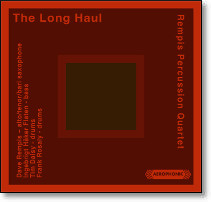
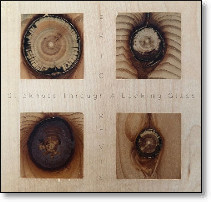
September archive (in progress). Music: Current count 34007 [33954] rated (+53), 217 [212] unrated (+5). Got a late start writing today. I had the idea yesterday that I'd finally try to make lasagna -- something I've never tried before, although I have been known to make a pretty awesome pastitsio. Back when I first had the idea -- well over a year ago -- most of the recipes I consulted called for oven-ready noodles, so that's what I bought and still had on hand. I started with Mark Bittman's classic lasagna recipe, and made the bolognese sauce yesterday, but ran out of time and saved it overnight. Bittman called for boiled noodles, but all I had was oven-ready, so I wound up mostly following the box recipe -- adding an extra cup of water to my reduced meat sauce to make sure the noodles had plenty of liquid. Made pretty much every mistake possible in assembling the loaf, and it looked pretty ugly when it came out of the oven. Not bad, but the noodles were the weak link. A bit surprised the rated count is so high, but my method for getting there was pretty conducive to quantity over writing. I searched through my tracking file for records I had given a medium/high priority to (basically 2 vs. 1, on what I had originally conceived of as a 3-to-0 scale, but haven't been using the ends). Currently I have 164 records at priority 2, mostly jazz. I started the week adding Saving Country Music picks to my metacritic file, so there's a fair number of alt-country albums in this week's crop. I also stumbled my way onto the Aerophonic Records Bandcamp, where Dave Rempis has been releasing a lot of his old tapes (a fairly common strategy for musicians sidelined by the pandemic). I also rummaged through my Downloads directory, sorted out what I had accumulated, and created a log to manage it better. My other splurge this week was from Robert Christgau's Consumer Guide, which aside from a few records I had previously given various B+ grades to (Chicks, No Age, No Joy, Taylor Swift -- I revisited No Age, see below), and Nat King Cole's Jumpin' at Capitol (released in 1990, an A- from way back, and not the only one), had a lot of things I hadn't heard. Only one I couldn't find was The Human Hearts, which back in 2012 released another Christgau A- I never managed to hear. Surprised I didn't like Billy Nomates more, especially given that I like Sleaford Mods a lot more than Bob does, but maybe that was the point? Christgau, by the way, published his guide to volunteering to work on the side of sanity and civilization in the 2020 election today: Vote! It Ain't Illegal Yet!. He's practiced what he preaches for many years now. I know a couple others who volunteer regularly to help with campaigns, but no one who's put more into it. All I can manage to do is to write up some obvious truths (as I've been doing weekly in my Weekend Roundups; for the Trump era, you can download this [odt format], which isn't totally up to date). I usually spend a fair amount of time updating the metacritic file on Mondays before posting this, but decided I'd rather get this out at a decent hour, and catch up later. Also thought I'd do a books post this week, but didn't make much progress on that, given the sheer length of yesterday's Weekend Roundup (1738 lines, 12816 words, making it the longest ever, eclipsing 1601/11281 from two weeks back).. New records reviewed this week: The 81's: 2 Things & 118 Others (2020, The 81's): Nashville rock group, principally Tom Siering and Tim Carroll. Group with the obvious website is different (as far as I can tell), making this a debut album. Comparisons to the Blasters are unwarranted, but they have some good lines and riffs. B+(**) 100 Gecs: 1000 Gecs and the Tree of Clues (2020, Dog Show): Dylan Brady and Laura Les, originally from St. Louis, but at last report split between Los Angeles and Chicago. Ten-track debut appeared in 2019. Dan Weiss recommended it, and replied to my review: "I can't believe you found 100 gecs more annoying than black midi." I found it so annoying I didn't check the length (didn't feel like I needed to) so didn't even flag it as a 23:07 EP. Christgau wound up grading both 100 Gecs and Black Midi at A-, but I didn't revisit either. Did check out this remix album, fleshed out to 51:10, mostly through redundancy (18 tracks). This time, I loved the "ringtone" remix (with Charli XCX, Rico Nasty, and Kero Kero Bonito); also "xXXi_wud_nvrstop_ÜXXx" (another baby song, with Tommy Cash & Hannah Diamond). Still found many things annoying, but fans somehow manage to laugh (or snicker?) at them. B+(**) Jessi Alexander: Decatur County Red (2020, Lost Creek Music): Country singer-songwriter, from Jackson, Tennessee, recorded an album for Columbia in 2005, but was dropped and this is only her second album since, a short one (8 songs, 28:58). Thoughtful songs, aside from the duet with Randy Houser which is plain fun. B+(*) Pedro Melo Alves: In Igma (2019 [2020], Clean Feed): Portuguese drummer, second album. Other musician names on the cover: Aubrey Johnson (voice), Beatriz Nunes (voice), Mariana Dionísio (voice), Eve Risser (piano), Mark Dresser (bass), Abdul Moimême (guitar). Way too much voice, a choral cloud, still not enough to obscure the creaky industrialism in the background. B- American Aquarium: Lamentations (2020, New West): Country-rock band from North Carolina, founded by singer-songwriter BJ Barham in 2005, eleventh album, no other members date back past 2017. B+(**) Antibalas: Fu Chronicles (2020, Daptone): Brooklyn-based Afrobeat band, founded 1998 by Martin Perna (baritone sax) -- the only original member remaining, although Duke Amayo (vocals/percussion) and Jordan McLean (trumpet) have been with the band nearly as long. B+(***)Mulatu Astatke & Black Jesus Experience: To Know Without Knowing (2020, Agogo): Ethiopian vibraphonist, also plays keyboards and percussion, invented a style he calls Ethio-jazz, studied engineering in UK and music in London and Boston. Responded to revived interest in his 1970s music by playing with groups like Heliocentrics and Either/Orchestra, and most recently with Black Jesus Experience -- an Ethio-jazz band based in Melbourne, Australia, which adds a bit of hip-hop to the flow. B+(***) Teodross Avery: Harlem Stories: The Music of Thelonious Monk (2020, WJ3): One of the impressive young tenor saxophonists of the 1990s, got distracted by fusion then dropped out for a long spell, returning with a Coltrane tribute in 2019. Plays 10 Monk tunes here, split between two rhythm sections (pianists Anthony Wonsey and DD Jackson). B+(***) Jon Balke: Discourses (2019 [2020], ECM): Norwegian pianist, albums since 1991. This one is solo, 16 mostly short pieces. B Ballister: Znachki Stilyag (2019 [2020], Aerophonic): Dave Rempis sax trio, with Fred Lonberg-Holm (cello/electronics) and Paal Nilssen-Love (drums), fifth album since 2010, this one recorded in Moscow, title Russian for "hipster icons." This has long been the most fevered of Rempis groups, and doesn't shirk here. The 38:37 "Fuck the Money Changers" is a tour de force. A- [bc] J Balvin: Colores (2020, Universal Latin): Colombian reggaeton star, short album (10 tracks, 28:52). Nice beat. B+(**) Black Thought: Streams of Thought Vol. 1 (2018, Human Re Sources, EP): Philadelphia rapper Tariq Trotter, lead MC of the Roots, first solo effort this 5-track, 17:15 download, produced by 9th Wonder. Sounds like half of a pretty good Roots album. B+(***) Black Thought: Streams of Thought Vol. 2 (2018, Human Re Sources, EP): Another 9 tracks, 23:25. Second half of that Roots album even stronger, with no reason to miss the live band. A- Afel Bocoum: Lindé (2020, World Circuit): Guitarist, singer-songwriter from Mali, several albums since 1999, a key player on the 2002 Damon Albarn-produced Mali Music. B+(**) Bonjintan: Dental Kafka (2018 [2020], Trost): Free jazz quartet, second album, led by Japanese saxophonist Akira Sakata (also clarinet/voice), with Jim O'Rourke (double bass), Giovanni Di Domenico (keyboards), and Tatsuhisa Yamamoto (drums). B+(**) Alan Braufman: The Fire Still Burns (2019 [2020], Valley of Search): Alto saxophonist, also plays flute, recently reissued his 1975 debut Valley of Search to much acclaim, returns with something new, with Cooper-Moore (piano) from his old group, and relative newcomers James Brandon Lewis (tenor sax), Ken Filiano (bass), Andrew Drury (drums). Always impressed by the pianist, but the horns come on rather heavy. B+(*) Steve Cardenas: Blue Has a Range (2019 [2020], Sunnyside): Guitarist, dozen-plus albums since 2000, quartet with Jon Cowherd (piano), Ben Allison (bass), and Brian Blade (drums). Mild. B Lynn Cassiers: Yun (2019 [2020], Clean Feed): Belgian vocalist, plays electronics, third album. With Bo Van der Werf (baritone sax), keyboards, bass, drums, with group improvs and reworked standards. B Ernesto Cervini: Tetrahedron (2019 [2020], Anzic): Canadian drummer, half-dozen albums since 2006, this a quartet with Luiz Deniz (alto sax), Nir Felder (guitar), and Rich Brown (bass). Cover has a "featuring" credit for Felder, but the saxophonist has most of the appeal. B+(**) Elizabeth Cook: Aftermath (2020, Agent Love): Country singer-songwriter, seventh album since 2000, had a breakthrough with 2007's Balls and the even better 2010 Welder. Rocking harder here, which is appealing enough but makes it harder to follow her songs. The exception is the closer, a reworking of John Prine's "Jesus: The Missing Years" to focus on Mary. B+(***) Vladislav Delay: Rakka (2020, Warp): Finnish electronica producer Sasu Ripatti, 15+ records since 1999. Industrial rumble, up and down. B+(*) Vladislav Delay/Sly Dunbar/Robbie Shakespeare: 500-Push-Up (2020, Sub Rosa): Second album pairing the Finnish electronica producer with Jamaica's legendary rhythm section, but 2018's Nordub was dominated by Norwegians Nils Petter Molvaer and Eivind Aarset, leaving Delay's electromurk in the background. Here it's foreground, and while the extra rhythm helps, it's not likely to be recognized as such. B+(**) Daniel Donato: A Young Man's Country (2020, Cosmic Country Music): Singer-songwriter, Nashville native, more rock and roll than country, has a distinctive guitar style (or maybe that's the bass?), and the guitar leads here. Produced by Robben Ford, who never struck me as that good, but he certainly inspired Donato to show off. B+(***) The Engines: Wooden Legs (2011 [2020], Aerophonic): Free jazz quartet from Chicago, recorded an eponymous album in 2006, two more through 2011, with a couple archive tapes appearing since. Jeb Bishop (trombone), Dave Rempis (saxes), Nate McBride (bass), and Tim Daisy (drums) -- three Vandermark 5 alums plus another frequent collaborator. B+(***) Frazey Ford: U Kin B the Sun (2020, Arts & Crafts): Canadian singer-songwriter, father was an American draft dodger, third album since 2020, before that was in a folkie group called the Be Good Tanyas. Has a nice, light touch. B+(**) Arna Georgia: Yes Girl (2020, Arna Georgia): Country singer, from Sydney, Australia, first album. Nice voice, songs have some promise. B+(*) Tom Guarna: Spirit Science (2019 [2020], Destiny): Guitarist, eighth album since 2005, quintet with Ben Wendel (tenor sax/bassoon), Aaron Parks (keyboards), bass, and drums. Nice groove for postbop. B+(*) [09-18] Russ Johnson/Dave Rempis/Joshua Abrams/Isaiah Spencer/Jeremy Cunningham: Harmattan (2019 [2020], Aerophonic): Trumpet, alto/tenor/bari sax, bass, two drummers, one 41:02 live jam. B+(***) [bc] Knxwledge: 1988 (2020, Stones Throw): Hip-hop producer Glen Boothe, lots of records since 2010, this one named for his birth year, 22 short tracks, 38:41 (longest 4:28, 3:19, 2:49, 2:09). B [bc] The Magnetic Fields: Quickies (2020, Nonesuch): Stephin Merritt runs through 28 songs, none over 2:35, 46:40 total, additional vocals by Claudia Gonson and Shirley Simms. Perverse fragments: "I've Got a Date With Jesus" was fetching, "You've Got a Friend in Beelzebub" less so. B+(**) Arlo McKinley: Die Midwestern (2020, Oh Boy): Singer-songwriter from Cincinnati, first album, landed on John Prine's label, which has usually been a pretty solid recommendation. Unclear why in this case. B Cahalen Morrison: Wealth of Sorrow (2020, self-released): Country singer-songwriter, from New Mexico, plays guitar and banjo, recorded this solo in "an old adobe chapel." Bare bones folk tunes. B+(**) [bc] Tatsuya Nakatani/Shane Parrish: Interactivity (2018 [2020], Cuneiform): Percussion and guitar duo, the former originally from Japan but now based in New Mexico, the latter in North Carolina, where this was recorded. B+(**) Nas: King's Disease (2020, Mass Appeal): Rapper Nasir Jones, went platinum with his 1994 debut (Illmatic), twelfth studio album, debuted at number 5. B+(**) Billy Nomates: Billy Nomates (2020, Invada): British singer-songwriter Tor Maries, first album, some sources say "No Mates," produced by Geoff Barrow (Portishead), draws comparisons to Sleaford Mods for her talkie style and class consciousness. B+(***) Oddisee: Odd Cure (2020, Outer Note): DC rapper, Amir Mohamed el Khalifa, father from Sudan, grew up in Prince George's County in Maryland, short album with six songs wrapped around five quarantine phone calls -- a sign of the times. B+(***) Gregory Porter: All Rise (2020, Blue Note): Singer, "the best-selling contemporary Jazz/soul artist with over 3 million album sales." Sixth album since 2010, a long CD which stretches to 2- or 3-LP length. Towering voice, couched in strings with fancy acoutrements. I've never cared for his art, but occasionally here I can fathom the appeal. But he doesn't deliver anything undeniable until the closer, "Revival," where his church roots meet the Four Tops. B+(*) Dave Rempis/Elisabeth Harnik/Michael Zerang: Triple Tube (2019 [2020], Not Two): Alto sax/piano/drums trio, recorded at Tube's in Graz, Austria, the pianist's home turf, the others from Chicago. B+(**) Rempis Percussion Quartet: The Long Haul (2011 [2020], Aerophonic): Chicago group, dates from 2006, led by saxophonist Dave Rempis (alto/tenor/baritone), with two drummers (Tim Daisy and Frank Rosaly) and Ingebrigt Håker Flaten on bass. Rempis is a terrific saxophonist, and he's frequently in top form here. A- [bc] Eric Revis: Slipknots Through a Looking Glass (2019 [2020], Pyroclastic): Bassist, probably best known for his work with Branford Marsalis since 1997, but before that started out with Betty Carter, and his own records have been adventurous. Uses two saxophonists here -- Bill McHenry (tenor) and Darius Jones (alto) -- with Kris Davis (piano) and Chad Taylor (drums). The rhythm breaks up nicely, especially with Davis. The saxes take a while to develop -- even Jones, who is usually a terror. A- [cd] Bobby Rush: Rawer Than Raw (2020, Deep Rush): Bluesman Emmett Ellis Jr., at 86 he's slowed down enough to sound like he crawled out of the 1930s Delta. B+(***) Christian Sands: Be Water (2020, Mack Avenue): Pianist, Pianist, was a prodigy releasing his first album at 13, mentored by Billy Taylor. Fourth album on this label, albums a mix of trio and extra guests: two tracks add horns, four guitar, one a string quartet. B+(*) Christian Scott aTunde Adjuah: Axiom (2020, Ropeadope): Trumpet player from New Orleans, nephew of Donald Harrison, more than a dozen albums since 2002, adopting this extended name in 2012. Live album, septet, with Elena Pinderhughes (flute), Alex Han (alto sax), keyboards, bass, percussion (djembe, congas, bata) and drums. Party friendly. B+(***) Archie Shepp/Raw Poetic/Damu the Fudgemunk: Ocean Bridges (2020, Redefinition): Order from album cover, but other sources list hip-hop drummer/producer Damu (Earl Davis) first -- he has 51 releases on his Bandcamp page, but while I recognize the name I've never indulged before. Raw Poetic (Jason Moore) is the rapper/lyricist, and Shepp is a tenor sax legend who c. 1970 broadened from avant-garde to black power funk -- hip-hop before the term. As hip-hop, seems a bit scattered, but great to hear the sax, especially when the beats free up. B+(***) Gary Smulyan: Our Contrafacts (2019 [2020], SteepleChase): Baritone saxophonist, more than a dozen albums since 1991 plus 80 or so side credits (starting with Woody Herman in 1981). Trio with bass (David Wong) and drums (Rodney Green), all originals (6 Smulyan, 2 each for the others). B+(***) Stillefelt: Stillefelt (2018 [2020], Stoney Lane): British bassist Chris Mapp, also electronics, has at least one previous release, leads a trio here with Percy Pursglove (trumpet) and Thomas Seminar Ford (guitar/electronics). Leans toward ambient. B+(*) Recent reissues, compilations, and vault discoveries: Peter Stampfel & the Bottle Caps: Demo '84 (1984 [2020], Don Giovanni): Nine tracks, 29:10, 8 of the 12 that appeared on the group's eponymous 1986 Rounder LP, plus a cover of "When It's Springtime in Alaska (It's Forty Below)," a 1959 Johnny Horton hit. Demos usually signify sketchy, but these pieces are fully fleshed out, the guitar rocking hard, Stampfel's unique voice inevitably standing out, but also integral to the flow. I don't remember being especially impressed by the album, and it's possible this impresses partly in stark contrast to the gradual decline of his recent years. A Triage: Live at the Velvet Lounge (2005 [2020], Aerophonic): Saxophonist Dave Rempis' first group outside of the Vandermark 5, released three 2001-04 albums, the third (American Mythology) one of my early Jazz CG Pick Hits. Trio with bass (Jason Ajemian) and drums (Tim Daisy). B+(**) [bc] Old music: Good Ol' Persons: Anywhere the Wind Blows (1989, Kaleidoscope): Bluegrass group, fifth and final album (not counting the 1995 "20th Anniversary" Good N' Live). No recollection why I downloaded this, but found it cleaning up, and recognize the two major singer-songwriters: Kathy Kallick (guitar) and John Reischman (mandolin). B+(**) Devin Gray/Ryan Ferreira/Jonathan Goldberger/Chris Tordini: Devin Gray's Fashionable Pop Music (2012 [2016], Rataplan): Drummer, composes and leads a group with two guitars and bass, through two sidelong pieces ("Antiplutocracy," "Sowieso"). B+(*) [bc] Grade (or other) changes: No Age: Goons Be Gone (2020, Drag City): Noise pop duo from Los Angeles, formed 2005, released a consistent stream of fine albums. This one seemed to get slammed hard. I gave it a play, concluded it had their sound down pat, but hedged. Several more plays and it's hard to see how anyone could have missed it. [was: B+(**)] A- Unpacking: Found in the mail last week:
Ask a question, or send a comment. Tuesday, September 8, 2020 Music Week
September archive (in progress). Music: Current count 33954 [33914] rated (+40), 212 [215] unrated (-3). Another week that started slow but hit 33 records Sunday evening, before I realized I was going to take an extra day. Spent that extra time listening to bassist Gary Peacock, who died last week (85). Wikipedia credits him with a dozen albums as a leader. Discogs expands that list to 69, picking up collaborations with his name further down the artist line. Including side credits, Wikipedia winds up at 98. He started 1958 with Bud Shank, with Bill Evans in 1963, and on two landmark 1964 albums: Tony Williams' Life Time and Albert Ayler's Spiritual Unity. He recorded 10 albums with Paul Bley (mostly after Bley married his wife, Annette), and 22 with Keith Jarrett's Standards Trio. His most impressive album as a leader was probably Tales of Another (1977), with Jarrett and Jack DeJohnette, well before Standards (1983). Ethan Iverson tweeted that he thought Mr. Joy was a masterpiece. I checked it out, under far from ideal circumstances, and concur. Running into technical problems with Napster, which may mean I need to consider a new streaming provider. I have two computers, and Napster is behaving badly on the new one: search and selection are very slow, actually streaming music virtually impossible. Rebooting offers a temporary workaround. On the other hand, the older computer plays it fine, but the speakers have some unexplained static. Haven't spent any serious time debugging this, but it's one reason I spent more time on Bandcamp this week. I don't have much more to say at this point. I do have a new batch of answers to reader questions. Ask more. New records reviewed this week: The Blam Blams: Opening Night (2020, LunaSea Media): Nashville group, bill themselves as a "theatrical glam rock band," drawing on "Bowie, Queen, and the Beatles." Front cover continues: A Tale of Sydney Fabel & the Galactic Theatre Company. I could care less for the dramaturgy, but pop hooks help. B Bully: Sugaregg (2020, Sub Pop): Nashville indie band, principally Alicia Bognanno, third album. Fast, trashy. B+(*) Burna Boy: Twice as Tall (2020, Atlantic): Nigerian singer-rapper, hip-hop with a little Afrobeat. B+(**) Hayes Carll: Alone Together Sessions (2020, Dualtone): Quarantine project: acoustic versions of old songs, many memorable, ranging from 2002-19, plus a Lefty Frizzell cover, with extra help phoned in (Darrell Scott "played just about all the instruments"; Allison Moorer and Ray Wylie Hubbard sang one each). Line I jotted down: "why doesn't anybody speak about truth any more/maybe that's what songs are for." That from Trouble in Mind, still his best. B+(**) Kathleen Edwards: Total Freedom (2020, Dualtone): Canadian singer-songwriter, folkie division, recorded four albums 2003-12, returns from a hiatus here. Seems quite nice, but nothing stands out. B Joe Fiedler's Big Sackbut: Live in Graz (2019 [2020], Multiphonics Music): Trombonist, organized this trombone-tuba choir for its eponymous first album in 2011. Ryan Keberle and Luis Bonilla are the other trombonists, and Jon Sass plays tuba. Dedicated to Roswell Rudd, reprising three of his songs. B+(**) John Finbury: American Nocturnes (2019 [2020], Green Flash Music): Composer, plays piano on one track but mostly defers to Tim Ray. With strings, harmonica, accordion, Peter Eldridge vocalese on one track. C+ [cd] Jason Foureman and Stephen Anderson: Duo (2020, Summit): Bass and piano duo; Foureman teaches in North Carolina, wrote two pieces (rest are covers, mostly by postbop jazz musicians), this looks like his first album. Anderson has a bit more exposure, also seems to have a NC connection. Runs 78 minutes, consistently engaging. B+(**) [cd] Jacob Garchik: Clear Line (2018 [2020], Yestereve): Trombonist, just listed as composer/conductor here. Group is a horn choir: four trumpets, four trombones, five saxophones, no rhythm section -- which, of course, is the rub. B+(*) Karen Jonas: The Southwest Sky & Other Dreams (2020, Yellow Brick): Country singer-songwriter from Virginia, namechecked Oklahoma in her 2014 debut, draws on open spaces here from West Texas to California deserts. B+(**) Sukyung Kim: Lilac Hill (2019 [2020], self-released, EP): Pianist, from Korea, based in New York, considers this short album (5 tracks, 30:17) an EP. Quintet, alto saxophonist Ethan Helm makes a good showing, backed by guitar, bass, and drums. B+(*) [cd] La Pingo's Orquesta & Todd Clouser: Midwest/Bajio (2020, Ropeadope Sur): Clouser is a guitarist from Kansas City and Minneapolis, based in Mexico City, writer of 7 (of 9) songs. The Orquesta is from Bajio, considered the Midwest of Mexico. B+(*) [bc] Bettye Lavette: Blackbirds (2020, Verve): Soul singer, had some singles in the 1960s, an album in 1982, a breakthrough in 2002. Voice ragged, songs slow and deliberate, verging on haunting. B+(***) Dua Lipa & the Blessed Madonna: Club Future Nostalgia (2020, Warner): Remixes from her second album, a critical and popular hit and well up on my A-list. Unnecessary, of course, but glittering with ear candy -- my favorite a Neneh Cherry rap, reminding me I should dig that CD (Raw Like Sushi) out. B+(***) Meridian Brothers: Cumbia Siglo XXI (2020, Bongo Joe): Colombian group, eighth album since 2006, figure they're updating cumbia for the 21st century -- Cumbia Siglo XX was a pioneering 1970s cumbia group. B+(***) Vee Mukarati: Vital Signs (2020, Primrose, EP): Singer from Zimbabwe, also plays sax, based in Geneva, short album (6 tracks, 26:33), billed as Afro-jazz but strikes me as mbira-driven groove pop. B+(*) No Joy: Motherhood (2020, Joyful Noise): Shoegaze group from Montreal, fourth album since 2010, Jasamine White-Gluz (vocals, guitar, keyboards) and Jorge Elbrecht (guitar, bass, vocals, additional instruments) the co-writers. B+(*) Zephaniah OHora: Listening to the Music (2020, Last Roundup): Brooklyn-based trad-friendly country tunesmith, second album, calls his band the 18 Wheelers. Finds his calling in recycling old Merle Haggard riffs. Liberal country anthem of the year: "All American Singer." A- Okuden Quartet [Mat Walerian/Matthew Shipp/William Parker/Hamid Drake]: Every Dog Has His Day but It Doesn't Matter Because Fat Cat Is Getting Fatter (2018 [2020], ESP-Disk): Alto saxophonist, also plays bass clarinet, soprano clarinet, and flute. Fourth album, all with Shipp on piano, second quartet with Parker (bass) and Drake (drums) -- really hit the jackpot of rhythm sections. Free jazz, nice balance spread over eight Walerian originals (ranging from 10:54 to 18:21), room for the stars as well as the leader.. A- [cd] Old 97's: Twelfth (2020, ATO): Rhett Miller's long-running band, alt-country or "loud folk" or just pop. Wikipedia lists 21 albums since 1994, but if you drop out the compilations, the live albums, and maybe the Xmas album, this may be close to its name. B+(***) Angel Olsen: Whole New Mess (2020, Jagjaguwar): Singer-songwriter from St. Louis, based in NC, fifth album, well regarded by critics, but more languid than ever. B Ryan Porter & the West Coast Get Down: Live in Paris at New Morning (2020, World Galaxy): Trombonist, from Los Angeles. Napster classified him as children's music, probably because his debut reworked classic children's nursery rhymes (Spangle-Lang Lane). Some confusion over artist credit and title, but I'm going with the front cover small print (ignoring a much larger "Ryan Porter"). Also hard to find credits, surprising given that Kamasi Washington is the tenor saxophonist, and also delivers the album's high points. B+(***) PVRIS: Use Me (2020, Warner): Electropop band from Massachusetts, pronounced "Paris" but styled for legal reasons, third album. Has some bounce to it. B Dan Rosenboom: Points on an Infinite Line (2020, Orenda): Trumpet player, several records, leads a quartet with Gavin Templeton (alto sax), Billy Mohler (bass), and Anthony Fung (drums). B+(**) Sara Schoenbeck/Wayne Horvitz: Cell Walk (2020, Songlines): Bassoon and piano duets. B Sneaks: Happy Birthday (2020, Merge): Eva Moolchan, from DC, started in a band called the Shitstains, tried some other aliases (Blood, Young Trynas) before settling on Sneaks. Fifth album, but the first I've heard where her electropop hits a fine balance. Or as she puts it: "I'm not overrated/I'm not underrated/I'm just slightly sophisticated." B+(***) [bc] South Florida Jazz Orchestra: Cheap Thrills: The Music of Rick Margitza (2020, Summit): Chuck Bergeron directs, and John Hart and Brian Lynch get featured credit on the cover, but the tenor saxophonist is pretty obviously Margitza, and it's great to hear him again at length. B+(**) [cd] Fumi Tomita Featuring David Detweiler: Celebrating Bird/A Tribute to Charlie Parker (2020, Next Level): Bassist, presumably from Japan but based in New York over fifteen years, with at least three previous records. Detweiler plays tenor sax, with Art Hirahara (piano) and Jimmy MacBride (drums). Eight originals, four each by Tomita and Detweiler, all close to bebop standards, lightly glossed over, the rhythm spot on as well. B+(***) [cd] [09-25] Toots & the Maytals: Got to Be Tough (2020, BMG): Reggae legends, originally The Maytals in 1962, led by Frederick "Toots" Hibbert, who turned 20 that year. Big stars in the 1970s, slowed down a bit in the 1990s, with their first new record since 2010. Nothing great here, but upbeat, voice I'd recognize anywhere. B+(*) Ulf Wakenius: Taste of Honey: A Tribute to Paul McCartney (2019 [2020], ACT Music): Swedish guitarist, couple dozen records since 1979, trio with Lars Danielsson (bass/cello) and Magnus öström (drums). Title cut was a Beatles cover in 1963, but is widely known in pop jazz versions by Martin Denny, Acker Bilk, and Herb Alpert. Two originals here, another odd cover choice ("Besame Mucho"), and eight McCartney songs (six co-credited to John Lennon). B Recent reissues, compilations, and vault discoveries: Modern Jazz Quintet Karlsruhe/Four Men Only: Complete Recordings (1968-73 [2020], NoBusiness -3CD): German group: Herbert Joos (trumpets) probably a best known, with Willfried Eichhorn (reeds), Helmuth Zimmer (piano), Klaus Bühler (double bass), and Rudi Theilmann (drums). Recorded two albums, on the first two CDs here, then when Bühler dropped out they changed their name to Four Men Only, which with the addition of trombonist Wolfang Czelusta became Four Men Only + 1 for the final album. First disc is most impressive, genuinely exciting. A- [cd] Old music: Paul Bley: Mr. Joy (1968, Limelight): Pianist, leads a trio here with Gary Peacock (bass) and Bill Elgart (drums). One Bley original, one Ornette Coleman cover, and six songs by Annette Peacock (Gary's ex-wife, by then married to Bley -- she was the Peacock in the Bley-Peacock Synthesizer Show). A lot of banging about here, even on the bass, which kicks around as energetically as a guitar. A- [yt] EABS: Repetitions (Letters to Krzysztof Komeda): Live at Jazz Club Hipnoza (Katowice) (2018, Astigmatic): Komeda songs, done up with a bit of hip-hop. B+(***) [bc] EABS: Slavic Spirits (2019, Astigmatic): Original material, at best an idea inspired by Komeda. Group remains mostly electric, but the turntablist and rapper are gone, and missed. B+(*) Gary Peacock: December Poems (1977 [1979], ECM): Six original compositions, four solo bass, two add Jan Garbarek on tenor/soprano saxophone. B+(*) Gary Peacock/Art Lande/Elliott Zigmund: Shift in the Wind (1980, ECM): Front cover suggests attributing this to pianist Lande, but back cover lists the bassist first, and the labels solely name Peacock. Compositions were split 3 Peacock, 2 Lande, 2 all including drummer Zigmund. B+(**) Gary Peacock: Voice From the Past - Paradigm (1981 [1982], ECM): Bassist composed all six pieces, leading a quartet with Tomasz Stanko (trupet), Jan Garbarek (tenor/soprano sax), and Jack DeJohnette (drums). B+(**) Gary Peacock: Guamba (1987, ECM): Another quartet, with Garbarek again, plus Palle Mikkelborg (trumpet/flugelhorn) and Peter Erskine (drums). B+(***) Gary Peacock/Ralph Towner: Oracle (1993 [1994], ECM): Bass and guitar duets, recorded in a studio in Norway, song credits split 6-2-1. B+(**) Wayne Shorter: The Best of Wayne Shorter (1964-69 [1988], Blue Note): One of a series of single-CD "best-ofs" at this time. Shorter recorded 11 albums for Blue Note 1964-70, while he was a key member of the Miles Davis Quintet. I only rate one of those at A-, but graded the 2-CD The Classic Blue Note Recordings a full A. Should be even easier to construct a one-CD best-of, but this one strikes me as decidedly mixed. B+(***) Grade (or other) changes: EABS: Puzzle Mixtape (2012-15 [2016], Astigmatic): Polish group, later albums appear to be Komeda tributes but this early mixtape features electric keyb-bass-guitar and turntables with guest rappers (Jeru the Damaja opens, Ben Lamar Gay plays trumpet, and another rapper is named Marek Pedziwiatr). [was: B+(*)] B+(**) [bc] Wayne Shorter: Adam's Apple (1966 [1987], Blue Note): One of his best-regarded albums, the title track belongs on best-ofs, and "Footprints" became a signature tune, but the ballads are less rewarding. With Herbie Hancock, Reggie Workman, and Joe Chambers. CD bonus track is a plus. [was: B] B+(***) Unpacking: Found in the mail last week:
Ask a question, or send a comment. Monday, August 31, 2020 Music Week
Music: Current count 33914 [33865] rated (+49), 215 [225] unrated (-10). Another big week, closing out a huge five-week month -- the August Streamnotes (link above) collected 216 records, which is close to the record (something I don't have time to research at the moment). Fairly significant dives into old jazz, triggered either by questions or deaths, really pumped up the total. This week the subjects are Wayne Shorter and the late Jimmy Heath (whose new album came out shortly after his death). That left 92 new music albums, plus 14 new compilations of older music. This week I finally took a crack at my demo queue, reducing it by half. Very few questions of late, but I did post some notes on Heath and Shorter. Don't have time to write much more. I did save an obituary link for Japanese trumpet player Itaru Oki (1941-2020). I have two of his records in my database. I've also factored Phil Overeem's latest list into my metacritic rankings. One of the new records there (number 2 on the old music list) is Allen Lowe's latest book, packaged with 30 CDs. Found out another cousin (well, -in-law) died, this one three years ago. Barbara Burns, wife of Jerold Dean Burns, known as Pete to his friends, and J.D. to his family. Been wondering about her. New records reviewed this week: Rez Abbasi: Django-shift (2019 [2020], Whirlwind): Guitarist, with Neil Alexander (organ/electronics) and Michael Sarin (drums), playing seven Django Reinhardt pieces and two others ("Anniversary Song" and "September Song"). Steers clear of the Hot Club formula, for better or worse. B+(**) [cd] Idris Ackamoor & the Pyramids: Shaman! (2020, Strut): Originally Bruce Baker, saxophonist from Chicago, played with Cecil Taylor's Black Music Ensemble in the 1970s, has led this group at least since 1998. Fifth album. Full-bodied sax over a rippling rhythm. Good enough for a party, and then some consciousness. A- Mandy Barnett: A Nashville Songbook (2020, BMG): Stage singer, built her career on portraying Patsy Cline, something she does remarkably well. Thirteen "iconic country and pop standards . . . that made Music Row famous," you know she's shooting for the rafters when she trots out Roy Orbison and Elvis Presley. B+(**) The Big Bad Bones Featuring Scott Whitfield: Emergency Vehicle Blues (2019 [2020], Summit): Four trombonists -- Whitfield, Brett Stamps, Pete Madsen, and Steve Wilson on bass trombone -- backed by a Big Bad Rhythm Section (keyboards, bass, drums), effectively a big band minus trumpet and reed sections. Stamps wrote all the pieces. B+(*) [cd] Endless Field: Alive in the Wilderness (2020, Biophilia): Guitar (Jesse Lewis) and bass (Ike Sturm) duo, Sturm listed first here but I filed their 2017 album under Lewis (lead name there). Nice, intimate interchange. [Package but no CD.] B+(**) Nubya Garcia: Source (2020, Concord): British tenor saxophonist, mother from Guyana, father from Trinidad, second album, also group efforts with Maisha and Nérija and side credits, including with Joe Armon-Jones -- piano here, in a quartet with bass and drums, plus extras, including trumpet (Ms. Maurice) on three cuts, vocals on too many. Strong sax over crossover beats. B+(**) Johnny Iguana: Johnny Iguana's Chicago Spectacular (2019 [2020], Delmark): Blues pianist, grew up in Philadelphia but always belonged in Chicago. This sports ten more names on the cover, and a substitle: A Grand and Upright Celebration of Chicago Blues Piano. B+(**) Jyoti: Mama, You Can Bet (2020, SomeOthaShip): Singer-songwriter Georgia Anne Muldrow, has quite a few albums since 2006, using Jyoti (a name given to her by Alice Coltrane) for her more jazz-oriented releases (this is her third). Obscurantist funk, hard to get a handle on it all. B+(**) Jon-Erik Kellso: Sweet Fruits Salty Roots (2020, Jazzology): Trad jazz cornet player, first record 1993, cover says "Recorded in New Orleans" and lists more names: Evan Christopher, Don Vappie, Peter Harris (that would be clarinet, banjo, and bass). A bit understated, but very nice old-time jazz. B+(***) Eva Kess: Sternschnuppen: Falling Stars (2019 [2020], Neuklang): Swiss/German bassist, real name seems to be Kesselring, has a couple previous albums. String quartet plus jazz piano trio, strings on edge, rhythm centers and propels. B+(***) Allegra Levy: Lose My Number (2020, SteepleChase): Jazz singer, fourth album, normally writes her own songs but this time started with music by John McNeil (who plays trumpet on three cuts) and added her lyrics. Backed by piano trio, with Pierre Dørge the featured guest on "Ukelele Tune." Shades of vocalese. B+(**) [cd] Roberto Magris: Suite! (2018 [2020], JMood, 2CD): Pianist from Italy, couple dozen albums since 1990. Quintet with trumpet (Eric Jacobson), tenor sax (Mark Colby), bass, and drums, with spoken vocals by PJ Aubree Collins -- little treatises that break up the flow, but just as well. Filled out with three pop covers. B+(**) [cdr] Raphaël Pannier Quartet: Faune (2020, French Paradox): French drummer, studied at Berklee, based in New York, several albums. This with Miguel Zenon (typically brilliant alto sax), Aaron Goldberg (piano), François Moutin (bass), with Giorgi Mikadze playing piano on pieces by Ravel and Messiaen. B+(**) Protoje: In Search of Lost Time (2020, RCA): Reggae singer, Oje Ken Ollivierre, sixth album since 2011. Light touch, nice beats. B+(**) Bruno Råberg/Jason Robinson/Bob Weiner: The Urgency of Now (2017-18 [2020], Creative Nation Music): Bass, reeds (tenor/soprano sax, alto flute), drums. Joint credits, except for one Råberg solo credit, and a closer from John Tchicai. Nothing very fancy here, but balance is key with free jazz, especially if you don't just blast through it. A- [cd] Maria Schneider Jazz Orchestra: Data Lords (2019 [2020], ArtistShare, 2CD): Composer/conductor, ninth album since 1994, runs an 18-piece big band including guitar and accordion, mostly famous names, almost universally praised, at least since 2004's Concert in the Garden. Two discs: "The Digital World" and "Our Natural World." Not much difference between them. Her instrument is orchestra, showing her mastery of moving the pieces around for dramatic effect and just to set moods. I've never found that very appealing, even when I've been momentarily impressed. B+(**) [cd] Radam Schwartz Organ Big Band: Message From Groove and GW (2020, Arabesque): Organ player, half-dozen records going back as far as 1988. The big band is short on trombones (but they do get a lot of solo space), with an organ-guitar-drums rhythm section -- cover gives drummer David F. Gibson a shout out, but doesn't mention guitarist Charlie Sigler. "GW" is a nod to the late Gerald Wilson, who once played with Richard Holmes, nicknamed Groove, pretty descriptive there and here. B+(***) [cd] Somi With Frankfurt Radio Big Band: Holy Room: Live at Alte Oper (2019 [2020], Salon Africana): Jazz singer-songwriter Laura Kabasomi Kakoma, born in Illinois, parents from Uganda and Rwanda, half-dozen albums since 2003, gets big band backing here, arranged by John Beasley, featuring Hervé Samb (guitar) and Toru Dodo (piano). Good singer, runs long. B+(*) [cd] Trio Linguale [Kevin Woods/John Stowell/Miles Black]: Signals (2019 [2020], Origin): Trumpet, guitar, piano, no rhythm section, so they offer a leisurely meander. The guitar, from a veteran master, is most distinctive. B+(*) [cd] Tropos: Axioms // 75 AB (2019 [2020], Biophilia): Quintet: Laila Smith (voice), Raef Sengupta (alto sax), Phillip Golub (piano), Zachary Lavine (bass), Mario Layne Fabrizio (drums). First album, celebrating Anthony Braxton's 75th birthday with a mix of his songs and original pieces. While the music is fascinating, Braxton doesn't have much of a future in karaoke. [Package but no CD.] B+(*) The Trevor Watts Quartet: The Real Intention (2019 [2020], Fundacja Sluchaj): British alto/soprano saxophonist, leader of Amalgam back in the 1970s, backed by Veryan Weston (piano), John Edwards (bass), and Mark Sanders (drums). Free jazz, testy early but builds up considerable energy by the end. B+(**) [bc] Recent reissues, compilations, and vault discoveries: Bob James: Once Upon a Time: The Lost 1965 New York Studio Sessions (1965 [2020], Resonance): Pianist, has long been a smooth jazz fixture, especially with his group Fourplay, but had a few misadventures as a youth, including a 1965 ESP-Disk album called Explosions, which was impressively avant. These two previously unreleased sessions, both trios, date from the same year, but are more mainstream, and fairly impressive as well. B+(**) [cd] Oneness of Juju 1970-1982 (1970-82 [2020], Black Fire, 2CD): African-inspired group based in Richmond, Virginia, led by saxophonist James "Plunky" Branch, simply called Juju early on (1970-74). Aside from the drums, they mostly come off as a funk group, with a bit of sax. B+(**) Old music: Bilal: Love for Sale (2001-03 [2006], bootleg): Neo-soul singer-songwriter Bilal Sayeed Oliver, from Philadelphia, first album 2001, three more 2010-15, this would-be second effort shelved as too avant but leaked in 2006. Seems like an extreme example of the slack and disjointed rhythm the genre the leaning into at the time, minus the usual slickness. "Hollywood" is a good example. B+(**) [yt] Jimmy Heath: The Quota (1961 [1995], Riverside/OJC): Tenor saxophonist, from Philadelphia, part of a very talented family, including two famous brothers here: Percy (bass) and Albert (drums, aka Tootie). Sextet, with Freddie Hubbard (trumpet), Julius Watkins (French horn), and Cedar Walton (piano). Shows a flair for arranging here. B+(**) Jimmy Heath: Triple Threat (1962 [1998], Riverside/OJC): "Featuring the compositions, arrangements and tenor sax of," with the same sextet. B+(**) Jimmy Heath and Brass: Swamp Seed (1963 [1997], Riverside/OJC): Continues to put great care into his arranging. The brass: trumpet (Donald Byrd), French horns (Jim Buffington and Julius Watkins), tuba (Don Butterfield). Recorded over two sessions, with Percy Heath on bass for both, piano/drums split (Herbie Hancock and Connie Kay, Harold Mabern and Albert Heath). B+(***) Jimmy Heath Quintet: On the Trail (1964 [1994], Riverside/OJC): Cover adds: Featuring Kenny Burrell and Wynton Kelly (guitar and piano), omitting mention of Paul Chambers (bass) and Albert "Tootie" Heath (drums). B+(***) Jimmy Heath: Nice People: The Riverside Collection (1959-64 [1988], Riverside/OJC): Eight songs from as many sessions, from six albums, mostly groups of 5 or 6, with 4 and 9 outliers. [CD adds two more tracks.] Not an especially flashy player, he put a lot of effort into arranging his group sound. The differences add a bit of variation while never breaking the flow. A- Jimmy Heath: Picture of Heath (1975, Xanadu): His records thin out after his 1959-64 Riversides, aside from a series on Columbia and Antilles from 1978-81 as the Heath Brothers. Don Schlitten's label picked up a lot of name artists quick in 1975, but few returned for more albums. This is a one-shot with Barry Harris (piano), Sam Jones (bass), and Billy Higgins (drums). One time he really gets to play. A- Jimmy Heath: Peer Pleasure (1987, Landmark): Last of three 1974-87 albums released on Landmark. Heath plays soprao and alto as well as his usual tenor sax. With Tony Purrone (guitar), Larry Willis (piano, 4/7 tracks), Stafford James (bass), and Akira Tana (drums), plus Tom Williams (trumpet/flugelhorn) on three tracks. B+(**) Jimmy Heath Quartet: You've Changed (1991 [1992], SteepleChase): First of two albums Heath recorded for the Danish label, with guitar (Tony Purrone), bass (Ben Brown), and drums (Albert Heath). Three originals, four standards. Guitar's a nice touch, very compatible with his tone. B+(***) Jimmy Heath Quartet: You or Me (1995, SteepleChase): Another straightforward quartet, same guitar and drums, new bassist (Kiyoshi Kitagawa). Slight shift toward ballads, with four originals, covers from Ellington, Dameron, Duke Pearson, and Blue Mitchell. A very nice one. A- The Jimmy Heath Big Band: Turn Up the Heath (2004-06 [2006], Planet Arts): He always fancied himself as an arranger, so big bands were a natural expansion -- starting with 1992's Little Man Big Band. Two sessions and guest slots, so there's a lot of churn in the credits: constants include lead horn players -- Frank Greene (trumpet), Mark Gross (alto sax), John Mosca (trombone) -- Jeb Patton (piano), Peter Washington (bass), and Lewis Nash (drums). B+(**) The Heath Brothers: Marchin' On! (1976, Strata-East): From Philadelpha, each famous in their own right: Jimmy Heath (flute, tenor/soprano sax), Percy Heath (bass), Albert "Tootie" Heath (drums), played together on Jimmy's early albums but inaugurated this group here, recording seven albums through 1981, three more later. Band is rounded out with Stanley Cowell (piano), who gets featuring credit on the cover. Starts out with Albert playing flute on an Ellington piece, but doesn't pick up until Percy's infections "The Watergate Blues." B+(**) [yt] Heath Brothers: Brotherly Love (1981 [1982], Antilles): After their Strata-East debut and four 1978-80 albums on Columbia, the brothers landed on Island's spinoff label for two records. Just Jimmy and Percy here -- Albert is missing (just Jimmy and Percy on the cover), replaced by Akira Tana on drums, with Tony Purrone on guitar and Stanley Cowell on keyboards. B+(*) Heath Brothers: As We Were Saying . . . (1997, Concord): Long break before they resurfaced, Tootie back on drums, with either Sir Roland Hanna or Stanley Cowell on piano, trumpet and trombone on three tracks (Jon Faddis and Slide Hampton), guitar (Mark Elf) on four, percussion (James Mtume) on one. Bouncy, vibrant, a bit slick. B+(**) Heath Brothers: Endurance (2008 [2009], Jazz Legacy): Percy Heath, the eldest brother, died at 81 in 2005, so here they're back down to two: Jimmy and Tootie. Joined by Jeb Patton (piano) and David Wong (bass). B+(**) Wayne Shorter: Introducing Wayne Shorter (1959 [1960], Vee-Jay): Tenor saxophonist, had graduated from NYU, served in the army, and played for Maynard Ferguson before joining Art Blakey in 1959. This was recorded the day before Blakey's Africaine, with Lee Morgan (trumpet) on both and a different but impressive rhythm section: Wynton Kelly (piano), Paul Chambers (bass), and Jimmy Cobb (drums). Original 37-minute album is an impressive hard bop debut. If I had to factor in the outtakes added to the CD, I might quibble more. A- Wayne Shorter: Second Genesis (1960 [1974], Vee-Jay): Second album, albeit one that didn't appear until well after the fact. Another quartet, with Cedar Walton (piano), Bob Cranshaw (bass), and Art Blakey (drums). Five originals, three standards. B+(*) Wayne Shorter: Etcetera (1965 [1980], Blue Note): Shorter left Art Blakey for Miles Davis in 1964, staying to 1970, during which time he also recorded 11 albums for Blue Note. I've heard most of them, giving Night Dreamer an A- and his 2-CD retrospective The Classic Blue Note Recordings an A, while having various reservations about the others. This is one I missed: a quartet with Herbie Hancock (piano), Cecil McBee (bass), and Joe Chambers (drums), not released until 1980. B+(***) Wayne Shorter: Schizophrenia (1967, Blue Note): Sextet, with James Spaulding (alto sax/flute), Curtis Fuller (trombone), and a rhythm section of Herbie Hancock, Ron Carter, and Joe Chambers. Mixed bag: hard bop, post-bop, maybe something further out, or just slicker. B+(**) Wayne Shorter: Moto Grosso Feio (1970 [1974], Blue Note): Recorded a month after Shorter's last appearance with Miles Davis, mostly with Davis alumni: John McLaughlin (guitar), Ron Carter and Dave Holland (bass), Chick Corea (percussion). Only cover is a Nascimento song -- title track is a Shorter original. Aims for a bit of exotica. B+(*) Wayne Shorter: Odyssey of Iskra (1970 [1971], Blue Note): As Miles Davis reinvented himself in fusion, Shorter jumped ship, and found his own path, recording this just before joining Weather Report. With guitar (Gene Bertoncini), double bass and drums, and more percussion, Shorter is pictured on the cover with his soprano sax. Still, he's not there yet, relying more on tension than groove. B+(**) Wayne Shorter: Atlantis (1985, Columbia): Shorter only recorded one album on the side during the 1970-85 span of Weather Report -- 1974's Native Dancer. Then he released this, with Jim Walker on flute, Michael Hoenig on synthesizer, electric bass and keybs, Latin percussion, and vocalists. It's hard to pick the leader out from this mess, especially when he plays soprano. C+ Wayne Shorter: Phantom Navigator (1986 [1987], Columbia): Even more credits here (15), although all but the leader fall into four buckets (keyboards, bass, percussion, vocals), so they were most likely slotted interchangeably. Big name is Chick Corea, but he's slumming like the rest. C Wayne Shorter: Joy Rider (1988, Columbia): Fewer and better musicians here -- Patrice Rushen, Geri Allen, and Herbie Hancock split the keyboard slot, and Dianne Reeves gets the only vocal track. Still doesn't help (but taking a sax solo does). C+ Wayne Shorter: Alegria (2002 [2003], Verve): After a long period of floundering, Shorter revived in 2001 when he put a brilliant new quartet together for his Footprints Live! album, with Danilo Perez (piano), John Patitucci (bass), and Brian Blade (drums). That quartet returns for three tracks here, with a couple dozen more joining in elsewhere, including Robert Sadin as conductor on 4 tracks. Sounds to me like he outsmarted himself. B Unpacking: Found in the mail last week:
Ask a question, or send a comment. Monday, August 24, 2020 Music Week
Music: Current count 33865 [33814] rated (+51), 225 [221] unrated (+4). Started off last week playing old albums by the late tenor saxophonist Steve Grossman. (I only had two in my database, fondly remembering 1991's In New York.) Turns out I had missed quite a bit. Consistently strong albums, especially in the 1990's, with the Quartet with Michel Petrucciani perhaps closest to the cusp. Then I went after a long list of British jazz albums suggested by a recent Q&A query: Don Rendell, Ian Carr, and Michael Garrick. I had noticed but didn't pursue recent box sets of the 1965-69 Rendell-Carr Quintet and the Carr's 1970-75 Nucleus group, but as I had listened to everything on separate albums, I figured I could summarize the boxes and assign them a grade. I haven't seen the packaging, so no extra credit there, nor for the convenience of keeping everything together. Garrick, who played a lot with Rendell and/or Carr, is the more significant talent, and also the one I've missed most by. One not below I can heartily recommend is his For Love of Duke . . . and Ronnie (1995-97 [1998], Jazz Academy). These old jazz albums went fast, but by Friday, when I turned my attention to Weekend Roundup, I hadn't listened to a single new album. I promised to sort my input queue by release date and start picking off the oldest releases, but didn't get to that, and when I did pick out the most promising release I had seen reviewed, Matt Wilson's Hug!, I discovered it's not out until next week. I'll try again next week. The only things in the Q&A queue are suggestions for artists to explore. One is Jimmy Heath (1926-2020). I only had two of his records in my database before adding his latest/final this week. I'm surprised I don't have his 1992 Little Man Big Band listed -- pretty sure I owned that, although I doubt I've played it since it was new. Heath didn't record as much as others I think of as his peers (Benny Golson, Johnny Griffin, Joe Henderson, Clifford Jordan, maybe Hank Mobley and/or Wayne Shorter), but my sampling -- even against my "shopping list" -- has been relatively sparse. Something to look into. Another suggestion is Bilal's Love for Sale, recorded 2001-03 and unreleased but leaked in 2006, and evidently pretty easy to find. The guy who wrote up my Wikipedia page has written up an extremely detailed one on this album. Looking through the week's deaths, I see several familiar musicians: Justin Townes Earle (38, singer-songwriter, son of Steve Earle), Peter King (80, English saxophonist), Charlie Persip (91, drummer), Hal Singer (100, saxophonist). I tracked down several of Singer's albums back in June. I belatedly played Earle's 2019 album, and it's pretty good (see below). On a more personal note, my cousin Devoe Brown (89) died today -- the third cousin I've lost this year. He was a builder in Twin Falls, Idaho. He married Colleen in 1950, and they had four daughters and a son. For many years he would buy, live in, fix up, and resell old houses. He started building new ones, eventually whole subdivisions of them. His father was a blacksmith and railroad worker, William Clagge Brown (1907-74), who moved his family from Arkansas to Missouri to Pocatello in the early 1940s. Clagge rode in rodeos, and was the most credible outdoorsman in a family chock full of hunters. Some griddles he crafted are among my most prized possessions. We visited both ways in the 1950s and 1960s. I became reacquainted with Devoe in the 1990s, and we've remained close. I don't think I've known anyone who so much enjoyed to laugh. One couldn't ask for better company. About six months ago, when he was diagnosed with liver illness, he took it in stride, describing his decline as "the grand finale" of his life. The last few months haven't been so grande, but it's always been a pleasure to hear his voice. New records reviewed this week: Abraham Inc.: Together We Stand (2019, Table Pounding): Second group album: Klezmer clarinetist David Krakauer, funk trombonist Fred Wesley, and master sampler Socalled, with friends filling in guitar-bass-drums, horns (Eddie Allen trumpet and Jay Rodriguez sax), and adding raps (Taron Benson, Fat Tony, Sarah MK). About what you'd expect from the concept. B+(***) [bc] Gregg August: Dialogues on Race: Volume One (2020, Iacuessa): Bassist, probably best known as part of JD Allen's trio, but fourth album as leader since 2003, a composition written in 2009, reflecting on the 1955 murder of Emmett Till after Barack Obama got elected president. Many murders later, he's revived the piece, with 10+ musicians (one track adds strings, a couple more have vocals and/or extra percussion. Really like most of the music (except the strings thing); don't care for the vocals, though the message matters here. B+(***)> David Berkman: Plays Music by John Coltrane and Pete Seeger: Solo Piano (2020, Without): Pianist, from Cleveland, early albums (1998-2000) most impressive. "Music by" isn't restricted to their own compositions: Seeger covered the folk tradition, so you get extras like "Goodnight Irene" and "We Shall Overcome," and you get a "Body and Soul" too. The Seeger parts are more evocative, probably because they're the ones I recognize. B+(**) [cd] Black Art Jazz Collective: Ascension (2020, HighNote): Sextet, third album, horns return -- Wayne Escoffery (tenor sax), Jeremy Pelt (trumpet), James Burton III (trombone) -- but with a new rhythm section: Victor Gould (piano), Rashaan Carter (bass), Mark Whitfield Jr. (drums). Title track is a Gould original. Could have stuck with hard bop, especially with Pelt's chops, but progressively leans into postbop, getting slicker and slicker. B+(*) Charley Crockett: Welcome to Hard Times (2020, Son of Davy): Americana singer-songwriter from San Benito, Texas; grew up in Dallas, busked in New Orleans and New York, wound up in Austin, eighth album since 2015. More Western than country. B+(*) Justin Townes Earle: The Saint of Lost Causes (2019, New West): Singer-songwriter, dead at 38, cause not disclosed. Father was Steve Earle, absent from 2 to 12, the age he got into drugs. Toured with his father, started writing his own songs, a mix of country and blues, although he never impressed me much. This his ninth and evidently last album -- one I skipped when it came out. Turns out it's pretty good. B+(***) Paul Flaherty/Randall Colbourne/James Chumley Hunt/Mike Roberson: Borrowed From Children (2020, 577): Avant saxophonist, b. 1948, plays alto and tenor, has over three dozen albums since 1990 but this (somehow) is the first I've picked up. The others play drums, trumpet/cornet, and electric guitar. B+(**) Bill Frisell: Valentine (2020, Blue Note): Guitarist, trio with Thomas Morgan (bass) and Rudy Royston (drums). Opens with a piece from Mali. Closes with "We Shall Overcome. Originals inside, aside from the pairing of "A Flower Is a Lovesome Thing" and "What the World Needs Now Is Love." B+(**) Jimmy Heath: Love Letter (2019 [2020], Verve): Tenor saxophonist from Philadelphia, died at 93 in January, recorded with Kenny Dorham and Clifford Brown in 1953, led his first album in 1959, stood a mere 5 foot, 3 inches but called one of his best albums Really Big! With piano (Kenny Barron), guitar (Russell Malone), vibes, bass, and drums, a guest spot for Wynton Marsalis, also singers Cécile McLorin Salvant and Gregory Porter -- names fitting a legend, but it comes off rather dreamy, and the singers don't help. B+(*) Eddie Henderson: Shuffle and Deal (2019 [2020], Smoke Sessions): Trumpet player, I think of him as a hard bop guy but he started in fusion around 1973, has a lot of side credits but as he approaches 80, has more than two dozens albums under his own name. In his groove here with Donald Harrison (alto sax), Kenny Barron (piano), bass, and drums. B+(**) Christoph Irniger Trio: Open City (2020, Intakt): Swiss tenor saxophonist, backed by Raffaele Bossard (bass) and Ziv Ravitz (drums), with guests Loren Stillman (alto sax) and Nils Wogram (trombone). B+(***) Ingrid Laubrock + Kris Davis: Blood Moon (2019 [2020], Intakt): Sax/piano duo, Laubrock playing tenor and soprano. Both well known, often in each other's company, at least since their Paradoxical Frog trio (2010). Feels a bit sketchy. B+(**) Matt Wilson Quartet: Hug! (2019 [2020], Palmetto): Drummer, many records, adventurous quartet with Jeff Lederer (saxes), Kirk Knuffke (cornet), and Chris Lightcap (bass). Interesting music, including covers from Abdullah Ibrahim and Roger Miller. One spoil moment samples Donald Trump announcing the Space Force, which segues into Sun Ra with the band singing "Interplanetary Music." B+(**) [cd] [08-28] Recent reissues, compilations, and vault discoveries: Horace Tapscott With the Pan Afrikan Peoples Arkestra: Ancestral Echoes: The Covina Sessions, 1976 (1976 [2020], Dark Tree): Pianist, a major figure in Los Angeles jazz, his large group here more a scene than a mere band. A- [cd] Old music: Ian Carr With Nucleus: Solar Plexus (1971, UMC): Scottish trumpet player (1933-2009), best known for his quintet co-led by Don Rendell (1964-69) and his fusion group Nucleus (1969-89). Fairly large group with either Harry Beckett or Kenny Wheeler joining on trumpet, three saxes (Karl Jenkins also played oboe and keyboard, as did Keith Winter), guitar (Chris Spedding), two basses, drums (John Marshall), although many other folks passed through the band at some point. Third group album (first with Carr's name singled out). B+(**) Nucleus: Elastic Rock (1970, Vertigo): Debut of Ian Carr's fusion band, a sextet, mostly players with long and distinguished careers in British jazz: leader played trumpet, Karl Jenkins (bari sax, oboe, keyboards), Brian Smith (tenor/soprano sax, flute), Chris Speeding (guitar), Jeff Clyne (electric bass), John Marshall (drums). Slightly exotic, nothing revolutionary. B+(*) Nucleus: We'll Talk About It Later (1970 [1971], Vertigo): Same group, Jenkins is the principal writer (4.5 songs), followed by Carr and Cline (2 co-credits) and Marshall (1 half). Both energy and chops advance. Last two songs have vocals. Don't see a credit, but both are Carr co-writes, and they're actually pretty good. B+(***) Ian Carr With Nucleus Plus: Labyrinth (1973, Vertigo): Artist list after Plus: Kenny Wheeler, Brian Smith, Tony Levin, Roy Babbington, Clive Thacker, Tony Coe, Gordon Beck, Norma Winstone, Dave MacRae, Trevor Tomkins -- only one not in that list is Carr. The guests pull the band in various ways -- especially Winstone, to the atmospherics her voice usually dwells in. B+(*) Ian Carr's Nucleus: Roots (1973, Vertigo): Band stripped back down to a sextet plus singer (Joy Yates), with only Carr and Brian Smith (reeds) returning from more than one album back. B+(*) Nucleus: Under the Sun (1974, Vertigo): Sixth album, considerable churn in the lineup, with Bob Bertles on sax, Gordon Beck and Geoff Castle on keyboards, two guitars, the bassist and drummer writing one song each. Still Carr's band, and best when he takes charge. Starting to lose interest otherwise. B Nucleus: Snakehips Etcetera (1975, Vertigo): Last of eight 1970-75 albums for Vertigo: band lasted a few more years, with various labels, and has regrouped for occasional live gigs. Playing out the string here, faithful to the core fusion verities of power and propulsion, with maybe a bit of outer space. B+(*) Nucleus: Alleycat (1975, Vertigo): Cover image looks like a leopard. Ian Carr's band is back down to six: saxes (Bob Bertles), guitar (Ken Shaw), keyboards (Geoff Castle), bass guitar (Roger Sutton), drums (Roger Sellers), with Carr playing synthesizer as well as trumpet and flugelhorn. B+(*) Nucleus & Ian Carr: Torrid Zone: The Vertigo Recordings 1970-1975 (1970-75 [2019], Esoteric, 6CD): Having listened to all of this piecemeal (9 albums), I can pretend to having listened to the box. The mainstream jazz market collapsed in the late 1960s, and fusion (cf. Miles Davis and/or John McLaughlin) seemed like a way out, although few other artists really distinguished themselves. The early albums were most vital, with several musicians moving on to take over Soft Machine, while leader Ian Carr plugged on, producing records that weren't all that inspired, but no worse than what Weather Report in the US. A lot of important musicians passed through this band, but few did their best work here. Wish I could claim more historical value, but fusion repeatedly turned into a dead-end genre, even though the impulse is eternal, and occasionally shakes us up. B+(*) Shirley Collins and the Albion Country Band: No Roses (1971, Pegasus): English folksinger, perhaps the most famed of the age, introduces a large band which later sported leader Ashley Hutchings' moniker, and continued to record with Collins through 1980, when she retired (until her 2016 return). Band lists 25 names, including some like Lol Coxhill I know from jazz. Indeed, my favorite thing here is the horns, but then I've never been much of an English folk fan. B+(***) Michael Garrick Trio: Moonscape (1964 [2007], Trunk, EP): British pianist (1933-2011), first recorded in 1958, played with Ian Carr and Don Rendell in their 1965-69 quintet, occasionally recorded under his own name up to 1978, took a break, returned in 1994. Early trio with Dave Green on bass (John Taylor 1 cut) and Colin Barnes on drums. Short, six tracks, 23:28. Fine pianist, makes quite an impression. B+(***) Michael Garrick Sextet With Don Rendell and Ian Carr: Prelude to Heart Is a Lotus (1968 [2014], Gearbox): The Heart Is a Lotus is a 1970 Garrick album, on Vocalion. This precursor was cut for BBC Jazz, with four members of the Rendell/Carr Quintet, Coleridge Goode taking over bass, and Jim Philip on flute. Long on texture. B+(**) [bc] Michael Garrick: The New Quartet (2001 [2002], Jazz Academy): Garrick returned from a 15-year hiatus in 1993 with a trio, then produced a few big band records during the 1990s. Small group here with Martin Hathaway (soprano/alto sax), Paul Moylan (bass), and Alan Jackson (drums). Four originals, four more from the band, covers of Benny Golson, Joe Harriott, Duke Ellington, and Jaco Pastorius. A lot going on here. Surprised the saxophonist hasn't had a more of a career. A- Garricks' Strings Quartet: Green and Pleasant Land (2003, Jazz Academy): The plural reflects two Garricks in the lineup, pianist Michael and his son Chris Garrick on violin, the group rounded out with guitar (Dominic Ashworth) and bass (Paul Moylan), so not your typical string quartet, but a right fair piece of chamber jazz. Closes with a nice Anita Wardell vocal. B+(*) The Michael Garrick Trio: Gigs: Introducing Mick Garrett . . . ([2008], Jazz Academy): No info on when this was recorded, but title and picture mark it as early. Trios with bass (Dave Green, Paul Moylan) and drums (Trevor Tomkins, Alan Jackson) -- Green and Tomkins played with him in the Don Rendell/Ian Carr Quintet (1965-69), and they continued in his groups through 1973 (Green goes back at least to 1962); Jackson was in a 1978 quartet, and returned in the 2001 New Quartet, which is where Moylan finally appears. B+(*) Johnny Griffin/Steve Grossman: Johnny Griffin & Steve Grossman Quintet (2000 [2001], Dreyfus): Two tenor saxophonists, the elder a seasoned brawler in such contexts, backed by piano (Michael Weiss), bass (Pierre Michelot), and drums (Alvin Queen), selected from three nights in Paris. Title cut is one of three Grossman songs, matched by three from Griffin, with one from Weiss, two standards. Spirited jousts, nice ballad turns. [Napster has this as Take the "D" Train, but no evidence of that on cover. It is the lead song title.] B+(***) Steve Grossman: Some Shapes to Come (1973 [1974], PM): Tenor saxophonist, played for Miles Davis in his early 1970s fusion bands, so plays some soprano as well. With electric piano (Jan Hammer), electric bass (Gene Perla), and percussion (Don Alias), this builds on a fusion groove, but the saxophonist takes charge and delivers on his ambitious title. A- Steve Grossman: Terra Firma (1975-76 [1977], PM): Same quartet, bassist Gene Perla produces and wrote two pieces, vs. one for percussionist Don Alias, four for the tenor saxophonist, wailing strong over fusion beats. B+(***) Steve Grossman: Way Out East, Volume 1 (1984, RED): Tenor sax trio with Juni Booth (bass) and Joe Chambers (drums). He's turned away from fusion and become a mainstream player, relying on his tone and dynamics, with one original, seven standards. B+(**) Steve Grossman: Way Out East, Volume 2 (1984, RED): Continues with the second of two days at Studio 7 in Milan. More standards ("Body and Soul," "Trane's Slow Blues," "Soultrane," etc.). B+(**) Steve Grossman: Love Is the Thing (1985 [1986], RED): Quartet with Cedar Walton (piano), David Williams (bass), and Billy Higgins (drums). B+(***) Steve Grossman Trio: Bouncing With Mr. A.T. (1989 [1996], Dreyfus): Refers to drummer Art Taylor (1929-95), who's led albums with Mr. A.T. in the title, and who's bounced with everyone from Bud Powell and Thelonious Monk through Jackie McLean, John Coltrane, Gene Ammons, up to the tenor saxophonist here. With Tyler Mitchell on bass, A.T. brings out the saxophonist's uproarious best. A- Steve Grossman: Live at Café Praga (1990 [1991], Timeless): Quartet, recorded live in Bologna with piano (Fred Henke), bass, and drums. Five extended pieces. B+(***) Steve Grossman: My Second Prime (1990 [1991], RED): Discogs shows a steady stream of albums from his 1974 debut up to 1994, when he begins to slow down. Recorded at Spezia Jazz Festival on Dec. 17, probably why they picked "The Christmas Song"), with piano (Fred Henke), bass, and drums. Two originals, one from Henke, and three covers, ranging fast and slow, averaging 10 minutes. B+(*) Steve Grossman: Do It (1991, Dreyfus): Tenor sax quartet with Barry Harris (piano), Reggie Johnson (bass), and Art Taylor (drums). Back to bebop roots (if not his, then A.T.'s), with three Powells, two Monks, one Dameron (a gorgeous "Soultrane"). Opens with "Cherokee," closes with Charlie Parker's "Chi Chi." B+(***) Steve Grossman Quintet Featuring Harold Land: I'm Confessin' (1992 [2007], Dreyfus): Two tenor saxophonists, each lay out one track. Backed by Fred Henke (piano), Reggie Johnson (bass), and Jimmy Cobb (drums). B+(**) Steve Grossman + Cedar Walton Trio: A Small Hotel (1993, Dreyfus): With Walton on piano, David Williams (bass) and Billy Higgins (drums). B+(***) Steve Grossman/Michel Petrucciani: Quartet (1998 [1999], Dreyfus): Tenor saxophonist in much larger type, followed by the French pianist, without listing Andy McKee (bass) and Joe Farnsworth (drums). One original each, rest standards, mostly ballads, often lovely. B+(***) Don Rendell: Meet Don Rendell (1954-55 (2001), Jasmine): British tenor saxophonist (1926-2015), started in Johnny Dankworth's band, early recordings as leader: the title comes from a 10-inch LP released on Tempo in 1955, sandwiched here between seven earlier sextet tracks (a bit more trad-oriented) and four later quintet tracks. Nice cool tone, with some swing. B+(***) [yt] Don Rendell/Bobby Jaspar: Rencontre A Paris (1955, Swing, EP): Two tenor saxophonists, from England and Belgium, in a septet, with French horn (Dave Amram), guitar, piano, bass, and drums, for a six track, 10-inch LP (27:12). [Reissued 2015 on Trunk as Don Rendell Meets Bobby Jasper.] B+(**) Don Rendell/Ian Carr Quintet: Shades of Blue (1965, Columbia): Co-led this group with the trumpet player, first of five albums through 1969. With Colin Purbrook (piano), Dave Green (bass), and Trevor Tomkins (drums). Mainstream, shaded blue. B+(*) Don Rendell/Ian Carr 5tet: Dusk Fire (1966, Columbia): Michael Garrick, a notable British jazz figure in his own right, takes over the piano slot, and writes three songs to Rendell's four (Carr has a co-credit with each). B Don Rendell/Ian Carr Quintet: Phase III (1967 [1968], Columbia): Garrick is settling in nicely here, adding energy and clarity, although as jazz goes this remains pretty atmospheric. B+(**) Don Rendell/Ian Carr Quintet: Live (1968 [1969], Columbia): Actually recorded in Lansdowne Recording Studios in London, presumably in "live" takes. Rendell plays a fair amount of flute and clarinet in addition to his tenor/soprano saxes, adding atmosphere to the persistent rhythm. B+(***) Don Rendell/Ian Carr Quintet: Change Is (1969, Columbia): A final studio album, same group except for Jeff Clyne playing bass on one (of six) tracks. I haven't had much to say about Carr, but the fact that he plays flugelhorn as well as trumpet puts him in a line between Art Farmer and Kenny Wheeler -- perhaps too subtle for his own good, but he comes through nicely here. B+(***) Don Rendell/Ian Carr Quintet: The Complete Lansdowne Recordings (1965-1969 [2018], Jazzman): This is also available in box form, at least in vinyl (5-LP), only CD I can confirm is a single-disc sampler promo. Group got steadily better, especially as pianist Michael Garrick developed, but were so understated it took me a while, suggesting I've underrated the early albums. Lansdowne, by the way, was the studio they recorded in. The albums were originally released on Columbia [UK]. B+(**) The Don Rendell Five Featuring Barbara Thompson: Just Music (1974 [1976], Spotlite): Thompson's first record -- like Rendell, she plays tenor sax, soprano, and flute (Rendell also plays clarinet and alto flute). Backed by Peter Lemer (keyboards), bass, and drums. B+(**) Don Rendell/Ian Carr/Michael Garrick: Reunion (2001 [2002], Spotlite): One of the last things in Rendell's discography, although he wound up living longer than his younger colleagues. With trombone, bass, and drums. Eases into the traffic, but speeds up and before long they're enjoying themselves, ending with old standbys "How Deep Is the Ocean" and "Struttin' With Some Barbecue." B+(***) Grade (or other) changes: Steve Grossman: Time to Smile (1993 [1994], Dreyfus): Quintet with Tom Harrell on trumpet, Willy Pickens on piano, Cecil McBee on bass, but drummer Elvin Jones gets the big print. Probably took exception to Harrell's harmonizing, but the sax is often great, and the rhythm swings. [was: B] B+(**) Unpacking: Found in the mail last week:
Ask a question, or send a comment. Monday, August 17, 2020 Music Week
Music: Current count 33814 [33774] rated (+40), 221 [218] unrated (+3). My wife announced that she's not going to watch any of the Democratic Convention speeches, figuring they'll just be depressing. Needless to say, I wasn't even considering the prospect. I can read up whatever it is I need (e.g., here's Vox's The 2020 Democratic National Convention's speaker lineup and how to watch). Looking at the lineup, the show will be sanctimonious, condescending, and more than a little nostalgic, reminding you of the opportunities past Democrats have squandered, and how little we have to show for it. I can see the value of inviting the occasional token Republican, and I'm glad Doug Jones gets a spotlight moment, but do we really need both Clintons to speak? And is the bench of Democratic prospects so weak Michelle Obama needs to be the keynote speaker? Barack Obama was nobody when he spoke in 2004, and it looks like the DNC is never going to let something like that happen again. While I'm sure Alexandria Ocasio-Cortez will make the most of her token minute, bracketing her between John Kerry and Chuck Shumer is pretty much guaranteed to spoil the night. Then Sally Yates? On the other hand, at least they passed over Adam Schiff and Jerry Nadler. In past successful Democratic presidential campaigns -- by which I mean Clinton in 1992 and Obama in 2008 -- the candidates ran to the left until election, then made their accommodations with the established powers after they won, leaving most of their platforms with their luggage. To some extent, Gore did that in 2000, although not very convincingly, and even less Hillary tried that tack even less credibly in 2016. Biden seems determined to run through the vast open ground to his right, reassuring business, the suburbs, the shattered remnants of the middle and working classes, that he will restore a measure of normalcy and sanity after the batshit craziness of the Trump (and, if you still have any memory cells, Bush) fiascoes. And the left (including me) seem willing to let him call the tactical campaign shots however he sees best. On the other hand, the "democratic wing of the Democratic Party" has gradually accumulated a real power base in Congress, one that Biden and Harris will have to deal with to move forward -- not least because the real answers to the real problems are the ones coming from the left, but also because there no longer is a neoliberal Republican block like the one Clinton (and much less successfully Obama) tried to triangulate through. That residual power base is why the left doesn't need to get its message out during the rest of this campaign. The other is that you can't build toward an egalitarian vision of peace and prosperity without first establishing a fundamental commitment to decency, honesty, and trust, and you won't have any of that if Donald Trump and the Republicans win in November. We may have differing ideas how to accomplish this, but the one that the Democrats have chosen was arrived at more or less democratically, and it is important to respect that process. Even if it means a week of boring, uninspiring TV. I really don't need any of these speakers to tell me who to vote for in November. But if you do need help, by all means tune in. You're the person they want to address. One reason I'm not too terribly disappointed with the way the ticket has turned out is that I've been reading Thomas Frank's new book, The People, No! Eighty pages in, most of what he's covered so far has been the 1896 presidential election -- the one between William McKinley (R-OH) and William Jennings Bryan (D-NE) -- and the slanders against Bryan were harrowing. This doesn't have much relevance to the actual 2020 election. Trump's credentials as a populist are totally bogus, and Biden's aren't much better. Indeed, Biden will probably wind up raising more money than Trump (as Hillary did in 2016, and as Obama previously did). But if Sanders had won the nomination, he would have represented the most radical break in Democratic Party nominees since Bryan in 1896, following the ultra-conservative Grover Cleveland in 1892. The shift from 1968-1972 was comparatively miniscule: both Hubert Humphrey and George McGovern were midwestern liberals who agreed on virtually everything -- the one sticking point, and it was a big one, was the Vietnam War. Still, that was enough for many Democrats to sabotage their ticket by voting for Nixon. It seems unlikely to me that establishment Democrats would have broken ranks as decisively as they had done in 1896 and 1972, if only because Trump is far too odious an alternative, but it is likely that the degree of vitriol directed at Sanders would have approached the levels aimed at Bryan. Of course, Republicans being the deranged scum they are, much the same will be aimed at Biden and Harris, but at least with them it's not something I have to take personally. (Not that I wouldn't be game to try, had Sanders won the nomination. At least the upside there justifies the risk.) One hopes that people will not only see through the slanders, but that they will reflect back properly on those who launched them. Also that they will be seen as evasions of responsibility for the tremendous harm caused by Trump and his party. (And, by all means, never attack Trump without also blaming his accomplices. He may be their nominal leader, but often as not he's the one being led around by the nose.) I thought this was going to be a lax week, but ran the numbers and came up with 40 again. Started off with more Polish jazz left over from last week, plus another ZAUM album. Then Robert Christgau published his August Consumer Guide. As I noted in a tweet, I had previously graded several albums: Car Seat Headrest (A-), Dream Wife (A-), Haim (**), Lori McKenna (A-), X (*). Picked up almost all of the rest below. That leaves Birds of Prey, Deap Vally, and the Boswell Sisters -- I have Sony's That's How Rhythm Was Born (1931-34) in my database (B+); Christgau's pick isn't on Napster, but there are several alternatives. Three of this week's A- records come from Christgau, although only John Chibadura was an easy call -- City Girls and Kehlani could have gone either way, and probably would have fallen short without the encouragement and extra time. Other suggestions came from all over. A couple were recommended in an Expert Witness Facebook post asking for items on Bandcamp. I can't say as they were particularly good, but they led indirectly to the new Mekons album, which is. I played a couple things I downloaded, and searched for a recent batch of Clean Feed releases. One I looked for but didn't find is a new WHO Trio album of Strayhorn/Ellington compositions. When I saw the Keith Ingham/Harry Allen records, I just had to check them out. When in doubt, I look at Napster's "featured" records, and decided to check out the live Stooges set. That reminded me of two albums I used to have but hadn't entered into the database. I probably should have looked and given them a fresh listen, but the memories were clear enough. A couple other albums were suggested by working on Christgau Consumer Guides from September last year. Christgau wants to impose an eight month delay on them to give subscribers a sense of exclusivity, so I haven't been in any hurry to tackle them. Anyhow, finally started entering them into my private copy of the website last week. Still not sure what to do about enforcing the delay. I've long had code for handling timelocks on regular pages, so those are working on the CG columns, but I've never imposed delays on database fetches, so that will require new code. It seems to me that the way it should work would be to set up an account management system synched to Christgau's subscription newsletter, so that paid subscribers could also see restricted content on the website, but that would take a lot of work, and it's not clear how to keep the two sites in synch. I should note that Steve Grossman died last week. I knew him mostly as one of a cluster of mainstream tenor saxophonists from the 1990s -- Bennie Wallace is the one I followed most closely, but I especially liked Grossman's 1991 In New York. Rather surprised to find that I only had one more of his albums in my database. I'll write up more next week. I'm especially glad that I started with his 1973 debut, Some Changes to Come. That dates from his tenure in Miles Davis's great fusion band, and builds thereupon. It's been a trying week for me, with my brother hospitalized for what at first looked like Covid-19, but turned out to just be pneumonia. Had another scare with a friend in Massachusetts, which again turned out to be something else (but still quite serious). We continue to do virtually no socializing, and only rarely make even the most rudimentary shopping efforts. With this isolation, it's been a rare pleasure to occasionally post on Facebook a picture of some little meal I've managed to whip up. Some recent ones: ribs; dosas; carbonade; shrimp boil; Szechuan chicken wings; beef stroganoff; shells; Chinese ribs. (Looks like if you click on one, you can cycle through the rest, as you won't find many pictures there not of food. I think all the links are public. My rule is to only seek and accept friends that I have personal relationships with, and I very rarely bother Facebook with my writings -- that's what Twitter is for.) Not as satisfying as cooking for others, but in times like these we make do. Still open for questions. New records reviewed this week: Aminé: Limbo (2020, Republic): Portland rapper Adam Daniel, goes by his middle name, parents from Ethiopia and Eritrea, second album, marking his adulthood from the death of Kobe Bryant, although I suspect the daughter had more to do with it. A- Arbor Labor Union: New Petal Instants (2020, Arrowhawk): Alt/indie band from Atlanta, influenced by "DIY punk" and classic rock and Walt Whitman and Woody Guthrie. B+(**) BROM: Dance With an Idiot (2019 [2020], Trost): Free jazz group, from Moscow, ninth album since 2008 -- Anton Ponomarev (alto sax), Dmitry Lapshin (bass guitar), and Yaroslav Kurilo (drums) appear to be long-time members, with Felix Mikensky (electronics, guitar) joining here, modulating the raw furor a bit, even making it a bit tuneful. B+(***) City Girls: City on Lock (2020, Quality Control/Motown): Hip-hop duo from Miami, Caresha Brownlee (Yung Miami) and Jatavia Johnson (JT), both with too much street cred/scars too soon. Second album after a mixtape. Most frequent word: pussy, probably followed by N* and bitch (especially when they host a male guest). Over the top, but so are the trap beats. A- Emily Duff: Born on the Ground (2020, Mr Mudshow Music): Singer-songwriter from Queens, couple albums but pretty low profile, has picked up a bit of drawl in her voice, giving her some appeal to country/Americans afficionados, picks up a roots-rock producer to sharpen her rockabilly edge. B+(***) Tyler Higgins: Broken Blues (2016 [2020], Shhpuma): Guitarist, also plays organ, describes this as "experimental music that draws on folk/blues/jazz traditions," third album, short one (29:47), trio with upright bass and drums. Gospel pieces like "Yes Jesus Loves Me" are the clearest cases, turned into dense walls of sound with nothing especially improvisational about them. B+(**) Kehlani: It Was Good Until It Wasn't (2020, Atlantic): Sometime around the turn of the century, r&b went slack, turning away from the dominant church-based wail to its opposite. While I'm not a big fan of the former (at least for lesser artists than Aretha), I've long had trouble getting into the latter. Three plays in, I'm barely with her, the bits of rap helping. Sex, too. A- Martin Küchen & Landaeus Trio: Mind the Gap of Silence (2019 [2020], Clean Feed): Pianist Mathias Landaeus's trio, plus the saxophonist (soprano, alto, tenor). Fourth album together (counting the compilation Vinyl), mostly Küchen's songs. Some very strong passages. B+(***) Makaya McCraven: Universal Beings E&F Sides (2017-18 [2020], International Anthem): Drummer, second generation, born in Paris, grew up in Massachusetts, 2018 album was a crossover hit, had four sides: one each recorded in New York, Chicago, London, and Los Angeles. These look and feel like outtakes from the same sessions. B+(**) Paulette McWilliams: A Woman's Story (2020, Blujazz): Standards singer, had an album and a couple singles c. 1977, a couple more since 2001. Closes with a strong "Both Sides Now." B+(*) [cd] Mekons: Exquisite (2020, self-released): Surprise release, pieced together following the formula of a surrealist game "cadavre exquis," with each remotely locked down member adding their bits remotely. Easily recaptures the sound and feel of Mekons albums everywhere. B+(***) [bc] Dawn Oberg: 2020 Revision (2020, self-released, EP): San Francisco-based Singer-songwriter, plays piano, flirted with jazz, turned political with her Nothing Rhymes With Orange EP, offers 3 more songs here (8:52), including a lame takedown of "Mitch McConnell." B- [bc] Larry Ochs/Aram Shelton Quartet: Continental Drift (2012-18 [2020], Clean Feed): Two saxophonists (tenor/sopranino and alto), plus bass (Mark Dresser on six cuts from 2012, Scott Walton on two from 2018) and drums (Kjell Nordeson). A- The Rails: Cancel the Sun (2019, Psychonaut): English group, principally James Walbourne and Kami Thompson -- daughter of Richard and Linda, sister of Teddy Thompson, so tempting to call this folk-rock, but tries hard to escape. One song goes: "save the planet/ kill yourself/ it's the least that you could do," then flips that around to "kill the planet/ save yourself." B+(*) Roots Magic: Take Root Among the Stars (2019 [2020], Clean Feed): Italian quartet, third album: Alberto Popolla (clarinets), Errico De Fabritiis (alto/baritone sax), bass, and drums, plus guest flute on two tracks, vibes on one. Starts off with an irresistible rhythm track, covers blues (Skip James, Charley Patton) and jazz (Sun Ra, Ornette Coleman, Kalaparusha, John Carter, Charles Tyler), with the occasional hot spot. B+(***) Thumbscrew: The Anthony Braxton Project (2019 [2020], Cuneiform): Trio, fifth album, the subject a natural given that Tomas Fujiwara (drums/vibraphone) and Mary Halvorson (guitar) studied under him, and Michael Formanek (bass) played in Braxton's legendary 1980s Quartet. Braxton's compositions have always been opaque to me, leaving me with the fascination of his playing around them. Halvorson has that same effect. A- [dl] Charles Tolliver: Connect (2019 [2020], Gearbox): Trumpet player, main period recording was 1968-88, though he returned with two 2007-09 records, and now this one. Started out on the left fringe of hard bop, and hasn't budged much. Recorded this in England with Jesse Davis (alto sax) and Keith Brown (piano), adding Binker Golding (tenor sax) for 2 (of 4) tracks. B+(***) Matt Ulery: Pollinator (2019 [2020], Woolgathering): Chicago bassist, tenth album since 2012, plays sousaphone here, in a sextet with trumpet, trombone, tenor sax, piano, and drums. Has an upbeat party vibe, before it gets too serious. B++(**) Otomo Yoshihide/Chris Pitsiokis: Live in Florence (2018 [2020], Astral Spirits): Prolific Japanese guitarist, also turntables here, Discogs lists 119 albums since 1989; duets with alto saxophonist, also credited with electronics. Experimental, rather ragged and harsh, but has some appeal. B+(*) [dl] Recent reissues, compilations, and vault discoveries: Harry Beckett: Joy Unlimited (1974 [2020], Cadillac): Trumpet player (1935-2010), originally from Barbados, moved to UK in 1954, played in a number of important British jazz bands. With Ray Russell (guitar), Brian Miller (piano), bass, and drums. Opens with tension and edge, eventually settling for groove. B+(**) Nublu Orchestra Conducted by Butch Morris: Live in Sao Paulo (2008 [2020], Nublu): Morris (1947-2013) came up with a system of conducted improvisations (conduction), and applied it extensively in his 1988-95 10-CD box Testament. He organized this group for a stand at Nublu, a club in Manhattan's Lower East Side, and they released an album in 2007, before going on tour. Plan now is to release a dozen live albums at monthly intervals. This is the second, looks like most of the 9 musicians and 4 vocalists were picked up in Brazil. Only two horns -- Graham Haynes on cornet and Ilhan Ersahin on tenor sax -- keyboards, and double guitar-bass-drums. B+(*) The Stooges: Live at Goose Lake: August 8th, 1970 (1970 [2020], Third Man): A month (and a day) after their second album, Fun House, dropped, reprising all seven songs, and nothing else. Awkward, sloppy, has some cathartic moments in "Fun House," then blows up. B Gillian Welch: Boots No. 2: The Lost Songs, Vol. 1 (2002 [2020], Acony): Folksinger, turned some heads with her 1996 album Revival (A- in my book), although Christgau was quick to pan her (B-). Boots seems to be her authorized bootleg series, begun in 2016 with outtakes from Revival. These songs were reportedly recorded to wrap up a record contract, but went lost along the way. B+(*) Zam Groove: Music From Zambia ([2020], SWP): "2 deep trance tracks by xylophone master Crispin Mutanuka, 3 shining examples of the Barotse Guitar style by the Lipa Band and Libala Band, and 2 sparkling tracks with the kalimba and golden voice of Mufrika Edward." Adds up to 7 tracks, 34:36, collected by Zambian-born field-recordist Michael Baird, and that's all I know. B+(*) [bc] Old music: John Chibadura: The Best of John Chibadura ([1986], ZMC): From Zimbabwe (1957-99), original surname Nyamukokoko, nickname refers to his guitar prowess (impressive, indeed), recorded an album with Sunguru Boys in 1985, more with Tembo Brothers. Discogs has nothing before 1983, and I can't place these ten titles. Fast and catchy, more like a single slice than a career retrospective -- this appears to have been released just as his short career was starting. A- Extra Ball: Birthday [Polish Jazz Vol. 48] (1976, Polskie Nagrania Muza): Polish fusion band, first of six albums 1976-83, led by guitarist Jaroslaw Smietana, with tenor sax, keyboards, bass, and drums. B Steve Harris/ZAUM: A Is for Ox (2006-07 [2008], Amazon): Live tracks, group has extra guitar and piano, meanders some, takes shape with Geoff Hearn's saxophones. B+(***) [bc] The Keith Ingham-Harry Allen Quintet: My Little Brown Book: A Celebration of Billy Strayhorn's Music, Volume One (1993 [1994], Progressive): English pianist, retro swing player from the late 1970s on, moved to New York in 1978, often starring on other folks' albums -- Marty Grosz's Unsaturated Fats (1990) is a favorite. Here with a fresh-faced tenor saxophonist, doing what they love most, with guitar (Chris Flory), bass (Denis Irwin), and drums (Chuck Riggs). A- The Harry Allen-Keith Ingham Quintet: The Intimacy of the Blues: A Celebration of Billy Strayhorn's Music, Volume Two (1993 [1994], Progressive): Swapped the credit around, but same band, same three-day session. Caveat here is that Napster only has 7/16 tracks, but I'd be surprised if I ever find a more drop-dead gorgeous take of "A Flower Is a Lovesome Thing," and I've heard plenty. Note: the focus on ballads here actually does bring Allen to the fore. B+(***) Keith Ingham: Rockin' in Rhythm (2010 [2011], Arbors): Piano trio with Frank Tate (bass) and Steve Little (drums), nice set of standards including some bop-era jazz pieces (Powell, Lewis, Shorter, Walton). B+(*) Krzysztof Komeda-Trzcinski: Komeda [Polish Radio Jazz Archives 04] (1957-62 [2013], Polskie Radio): Poland's most famous jazz composer, legendary long past his early death (at 37 in 1969), even known abroad for his film scores (mostly for Roman Polanski). Trzcinski was his last name, added to some credits here, mostly writing. He was also a MD, so originally used Komeda as a stage name to keep his careers distinct. These are radio shots: four sextet tracks from 1957, three live tracks with Swedish saxophonist Bernt Rosengren, four piano trio tracks from a 1962 concert. Each slice impresses. I haven't figured out why he seems so coherent, but he does. A- Krzysztof Komeda: Ballet Etudes (1963, Metronome): Title continues: The Music of Komeda: A Jazz Message From Poland Presented by an International Quintet. Recorded in Copenhagen, with Komeda on piano, Jan Wroblewski (tenor sax), Allan Botschinsky (trumpet), Roman Dylag (bass), and Rune Carlsson (drums). The title piece(s) run 21:56. Trumpet drops out on the second side, with long takes of "Crazy Girl" and "Alea" (12:58 + 7:06). A- Jerzy Milian Trio: Baazaar [Polish Jazz Vol. 17] (1969 [1970], Polskie Nagrania Muza): Vibraphone/marimba player (1935-2018), recorded a couple dozen albums. Trio presumably with bass and drums, but there are also some flute and vocals (Ewa Wanat). He sounds nothing like the swingers who popularized the instrument, or the tinklers who followed them, or even the later ones who edged into the avant-garde -- moody, I guess. B+(*) Zbigniew Namyslowski: Zbigniew Namyslowski (1977, Polskie Nagrania Muza): Alto sax quartet, plus extras all the way up to orchestra, nudging them into fusion or something. Scattered, redeemed by occasional sax solos. B Zbigniew Namyslowski: Standards (2003, Quartet): Quartet plus guest trumpet on one track, trombone on three, all standards starting with "After You've Gone." B+(***) Zbigniew Namyslowski: Assymetry (2006, Quartet): Quintet, the leader playing soprano as well as his usual alto sax, with trombone, piano, bass, and drums, on all original material. B+(**) Jan Ptaszyn Wróblewski Quartet: Flyin' Lady [Polish Jazz Vol. 55] (1978, Polskie Nagrania Muza): Tenor saxophonist, played in Polish Jazz Quartet (1964), remained important enough to be nicknamed "the godfather of Polish Jazz." Backed by guitar, bass, and drums, hard bop with the occasional funk riff. B+(***) Jan Ptaszyn Wróblewski Sextet: Komeda: Moja Slodka Europejska Ojczyzna [Polish Jazz Vol. 80] (2013 [2018], Warner Music Poland, 2CD): Live tribute, presumably songs from Krzyzstof Komeda, the patron saint of Polish jazz, led by his former tenor saxophonist (albeit 50 years earlier). With Robert Majewski (trumpet), Henryk Miskiewicz (alto sax), Wojciech Niedziela (piano), bass, and drums. Exhaustive, although it does have sweet spots, even majestic ones. B+(**) Added grades for remembered lps from way back when:
Unpacking: Found in the mail last week:
Ask a question, or send a comment. Monday, August 10, 2020 Music Week
Music: Current count 33774 [33729] rated (+45), 218 [223] unrated (-5). Most of this week's haul is tied to a question I tried to answer a couple days back. I've done a little editing on my answer since its initial post. Always good to get back and tune some more -- something I rarely manage these days. The big questions concerned British jazz from the 1960s-70s, and also Polish jazz. The question mentioned a list of British and South African musicians by name. My review counts for them are: Joe Harriott (6), Michael Garrick (2), Don Rendell (0), Ian Carr (0), Mike Osborne (2), Tony Coe (4), Harry Beckett (2), Tubby Hayes (6), Chris McGregor (4), Dudu Pukwana (5), Mongezi Feza (1), Johnny Dyani (3), Louis Moholo (6), Annie Whitehead (0), Lindsay Cooper (0). That illuminates some holes in my listening. I thought I might come up with a reference list of British jazz musicians, but both Google and Wikipedia failed badly -- e.g., neither mentioned Evan Parker, who would certainly top my list with 48 albums. After Parker, my most reviewed British jazz musicians are: Barry Guy (32), John McLaughlin (32), John Surman (27), Dave Holland (25), Tommy Smith (19), John Butcher (17), Paul Dunmall (16), Marian McPartland (15), Billy Jenkins (14), Andy Sheppard (11), Trevor Watts (11), Derek Bailey (10), Elton Dean (9), Alexander Hawkins (9), Stan Tracey (9), Chris Barber (8), Tony Oxley (8), John Taylor (8), Keith Tippett (8). Very likely I've forgotton a few. Further down, you get important musicians like Howard Riley (6), Gordon Beck (5), Paul Rutherford (5), Iain Ballamy (3), Humphrey Lyttleton (3), Ronnie Scott (3), Alan Skidmore (3), Mike Westbrook (3), Acker Bilk (2), Spike Hughes (2), Ken Colyer (1). I've probably slighted most of them. But rather than try to catch up with British jazz musicians I've missed, I spent much of the week with Polish ones. Mostly it was just easier: Polskie Nagrania Muza (now owned by Warner Music Poland) has a series of 80 volumes of "Polish Jazz," and that's most of what you get when you do a title search for "Polish jazz" on Napster. The immediate appeal was a couple albums I had missed by Tomasz Stanko, and a couple more by Zbigniew Namyslowski -- I've long been a fan of his 1973 album, Winobranie. Most of this week's haul comes from that series, with a few more to come next week (although my interest is finally starting to flag). I wasn't surprised to find a bunch of trad jazz titles, but was pleased to note how well done they were. Indeed, the bop groups were also pretty sophisticated. The only genre that fell short of contemporary standards was 1970s fusion -- which, you may recall, could be pretty bad everywhere. Two other clusters in the "old music": I started the week with English folksinger Shirley Collins' latest, and thought I'd sample some of her early records (especially one with Albion Dance Band which I used to own, but couldn't find). That didn't last long. The second cluster is from English drummer Steve Harris. I was reminded of him while looking at my list of Penguin Guide crown albums, and his was the only one I hadn't heard. Turns out that both it and a bunch more have recently (2018) been released on Bandcamp. I wound up liking the 2002 ZAUM album even more. For new music, I worked a few things off my queue -- some of which won't be released until the Fall (it's hard to pace myself with them). Also spent a fair amount of time on the fence over DeForrest Brown Jr.'s latest album, so I wound up listening to his other releases. Listening order below, not release order. I'll try to get around to some old British jazz this week. See if anything really clicks. Would be great if I could find my old Blue Notes for Monghezi LP, still unrated. Also been looking at the Bandcamp lists, which suggested Speaker Music (also Jenna Camille and Hideto Sasaki). Recommendation: Jason Bailey and Mike Hull (my nephew) have started to produce podcasts. Episode 1: 'Fight the Power' discusses Spike Lee's film, Do the Right Thing. Questions queue is empty now. Please use the form. New records reviewed this week: Max Bessesen: Trouble (2020, Ropeadope): Alto saxophonist, originally from Denver, based in Chicago, records in both places for his debut album, adding Colorado-based trumpet player Ron Miles for the Denver set. With Eric Krouse on piano, plus bass and drums. Nice postbop. B+(**) [09-04] Jenna Camille: The Time Is NOW (2020, self-released): Singer-songwriter, plays keyboards, born in Atlanta, based in DC, last name may be Henderson, self-released an album in 2014, sixth release per Bandcamp. Politics first, experimentation always, finally settling into ambient groove. B+(*) [bc] Shirley Collins: Heart's Ease (2020, Domino): English folk singer, 85, MBE, I remember her from Albion Dance Band in the 1970s but didn't get anything into the database. Her debut was actually 1959, and she retired in 1980, but came back with a very solid album in 2016 (Lodestar, high B+). Voice is worn, gravity helps. B+(**) Duotrio: In the Bright and Deep (2020, Blujazz): "A modular chamber music ensemble" led by trumpeter Daniel Nissenbaum, configured as two bands, neither trios: one based in Holland (quintet), the other in Philadelphia (quartet plus strings/orchestra, vocals on one piece, guitar on another). Sounds semi-classical to me, not to my taste. B- [cd] Gato Libre: Koneko (2019 [2020], Libra): Japanese trumpeter Natsuki Tamura's group, a trio with Yasuko Kaneko on trombone and wife Satoko Fujii on accordion. Eighth group album, with 2006's Nomad my favorite (by far). Interesting enough, but seems a bit slow. B+(**) [cd] John Hollenbeck: Songs You Like a Lot (2019 [2020], Flexatonic): Drummer, mastermind bnehind the Claudia Project, Large Ensemble impressario, presents his third album of likable songs, with Theo Bleckmann and Kate McGarry singing, Gary Versace on piano, and the Frankfurt Radio Big Band. Mostly songs I don't much like, but he also manages to spoil "God Only Knows" -- and not just by twisting it into "Only God Knows." B- [08-14] Camden Joy: American Love (2020, self-released): Tom Adelman, a novelist before singer-songwriter, follows up his EP with a full-length album, 14 songs, lots of historical figures from the suffragists and William Jennings Bryan to Johnny Paycheck: "A lot of famous dead Amerians collide with a lot of dying American musical styles." Musically, reminds me a bit of Thomas Anderson, with less twang. B+(**) Kenny Kotwitz & the LA Jazz Quintet: When Lights Are Low (2020, PMRecords): Leader plays accordion and celeste. Rest of the quintet adds guitar (John Chiodini), vibraphone, bass, and drums. All standards, the title cut from Benny Carter, reprised at the end. Not as schmaltzy as one might expect, but a little. B+(*) [cd] Simon Moullier: Spirit Song (2017-20 [2020], Outside In Music): Vibraphone player (also credited with "balafon, percussions, synths"), first record, recorded over four sessions, with bass (Luca Alemano) and drums (Jongkuk Kim), most tracks adding piano and/or sax (Dayna Stephens or Morgan Guerin). I particularly like the balafon closer. B+(***) [10-09] Jose Rizo's Mongorama: Mariposas Cantan (2018-19 [2020], Saungu): Rizo is a DJ, songwriter, and (here) bandleader, based in Los Angeles. This, obviously, is a tribute band to Mongo Santamaria, reprising his songbook, with typical flair. B+(**) [09-16] Lawrence Sieberth Quartet: An Evening in Paris (2020, Musik Blöc): Pianist, based in New Orleans, handful of albums going back to the 1980s. Recorded this one in Paris, with Stephane Guillaume (sax), Michel Benita (bass), and Jeff Boudreaux (drums). B+(**) [cd] [09-24] Speaker Music: Black Nationalist Sonic Weaponry (2020, Planet Mu): DeForrest Brown Jr., "a New York-based theorist, journalist, and curator . . . a representative of the Make Techno Black Again campaign." Maia Sanaa's opening testimony of powerful and touching. A second tract is more pragmatic and less inspired. The beats hold up on their own, at least until the final track rattles my nerves. It's called "It is the Negro Who Represents the Revolutionary Struggles for a Classless Society." Comes with a 45 page PDF, which I haven't seen. A- Speaker Music: Of Desire, Longing (2019, Planet Mu): DeForrest Brown Jr., raised in the deep South, moved to New York 7 years ago, first album, two 23-minute pieces, "With Empathy," and "Without Excess." B+(**) [bc] Speaker Music: Processing Intimacy (2019-20 [2020], Planet Mu): A "reassessment" of material from Of Desire, Longing, five parts squeezed into a single 45:51 track. Bits of industrial warble, scales up nicely. B+(***) [bc] Speaker Music: Percussive Therapy (2020, Planet Mu, EP): Four tracks, 17:50. Starts with more focus on the drums (or whatever they are), but ends up in the electronic ether. B+(**) [bc] Recent reissues, compilations, and vault discoveries: Hideto Sasaki-Toshiyuki Sekine Quartet Plus 1: Stop Over (1976 [2020], BBE): Japanese group, leaders play trumpet and piano, accompanied by alto sax (Noriyasu Watanabe), bass, and drums. Hard bop with a lush overgrowth, comparison given is to Kenny Dorham. B+(**) [bc] Old music: Ewa Bem With Swing Session: Be a Man [Polish Jazz Vol. 65] (1981 [1982], Polskie Nagrania Muza): Singer, backed by trumpeter Henryk Majewski's swing band. First side in English, starting with a six-song medley and adding four more standards from "Misty" to "Groovin' High." She's very good at this. Second side is in Polish, no less swinging. B+(**) Shirley Collins: Sweet England (1959, Argo): English folksinger, sings and plays banjo, first album, Alan Lomax produced. High, lonesome voice, pretty basic guitar and banjo, still comes back to haunt you. B+(**) Shirley Collins: False True Lovers (1959, Folkways): Cover text: "A collection of British love songs about love, adapted and sung by Shirley Elizabeth Collins of Sussex, England, with guitar and five-string banjo accompaniment by John Halsted, Ralph Rinzler, Guy Carawan and Miss Collins. With notes by Alan Lomax." B+(*) Shirley Collins/Davy Graham: Folk Roots, New Routes (1964, Decca): Graham plays guitar -- indeed, his first (1963) album was called The Guitar Player. More elegant, but I rather miss the banjo. B+(*) Ducks Deluxe: Side Tracks & Smokers (1973-2009 [2010], Jungle): Six "rough mixes" from the eponymous debut sessions, sound great not least because they're looser than the final takes; two b-sides; eight live tracks from the Sean Tyla-Martin Belmont reunion band -- two Dylans I'd drop, three more bar band covers, two basic Tylas, a 9:19 "Teenage Head." B+(**) Hagaw: Do You Love Hagaw? [Polish Jazz Vol. 12] (1967, Polskie Nagrania Muza): Polish trad jazz band led by banjo player Gregorz Brudko, with trumpet, trombone, sax, violin, bass, and drums, tilts the balance toward the strings. Asocjacja Hagaw recorded ten albums through 1986. B+(**) Steve Harris: ZAUM (2002, Slam): British drummer (1948-2008), played in a rock band in the late 1960s (Woody Kern), a jazz-funk outfit from 1987 on (Pinski Zoo), formed this group in 2001, named after a Russian Futurist concept. With Cathy Stevens (six string violectra, viola), Geoff Hearn (tenor, soprano sax), Karen Wimhurst (clarinet, bass clarinet), Udo Dzierzanowski (guitar). "Instant compositions" -- works in large part because the group is so intricately balanced. A- Steve Harris/ZAUM: Above Our Heads the Sky Splits Open (2004 [2007], Amazon): This record was awarded a Penguin Guide crown in their 8th edition, and may be the only crown album I never picked up. Sax, clarinet, two guitars, a sampler, a bunch of strings. The simplest rhythmic-focused tracks are terrific (e.g., "Trouble at house-for-one"), but the strings lack such immediate appeal -- at least until the 19:43 closer ("White pass ink black moon") puts it all together. A- [bc] Steve Harris/ZAUM: The Little Flash of Letting Go (2004-05 [2005], Spitz Live): Band is stripped down a bit here: one horn (Geoff Hearn on tenor sax), two guitars, the strings reduced to Cathy Stevens (viola, electric violin). Also sampler on two tracks. Again, best track comes last. B+(***) [bc] High Society: High Society [Polish Jazz Vol. 18] (1969 [1970], Polskie Nagrania Muza): Trad jazz group from Gliwice, septet, seems to be their only album, not much about the musicians, although Witold Wertel (soprano sax) and Leszek Furman (piano) are the only ones with writing/arranging credits, and the banjo (Jan Piecha) is strong throughout. B+(***) Jazz Band Ball Orchestra: Jazz Band Ball Orchestra [Polish Jazz Vol. 8] (1966, Polskie Nagrania Muza): Trad jazz septet led by pianist Jan Boba, who wrote nearly half of the pieces. The other main composer was Zbigniew Raj, not in the band, otherwise best known for soundtracks. Bright, strong group. B+(***) Mieczyslaw Kosz: Reminiscence [Polish Jazz Vol. 25] (1971 [1972], Polskie Nagrania Muza): Pianist, died young (age 29 in 1973), only recorded a couple more albums. Backed here by Bronislaw Suchanek (bass) and Janusz Stefanski (drums). Two originals, one from Suchanek, covers from Borodin, Chopin, Liszt, and Lennon/McCartney. Nice, thoughtful touch. Bet he loved Bill Evans. B+(*) Andrzej Kurylewicz Quintet: Go Right (1963, Polskie Nagrania Muza): Trumpet player (1932-2007), leading a quintet with Jan Ptaszyn Wróblewski (tenor sax/flute), Wojciech Karolak (piano), bass, and drums -- songs from the leader and first two. Contemporary bop, strong performances, especially the saxophonist. B+(***) Andrzej Kurylewicz: Polish Radio Big Band [Polish Jazz Vol. 2] (1964 [1965], Polskie Nagrania Muza): Plays valve trombone here, piano elsewhere, leading a 19-piece big band, mostly wrote "serious music" after 1970, shows some knack for arranging here, with nice charts and solos. B+(**) Adam Makowicz: Live Embers [Polish Jazz Vol. 43] (1975, Polskie Nagrania Muza): Pianist, born Andrzej Matyszkowicz, clasically trained but more impressed by Art Tatum. Moved to New York in 1978, and wound up in Toronto, so he's relatively well known here. Solo piano, two Scott Joplin tunes, two Coltrane, rest originals. B+(*) Mieczyslaw Mazur: Rag Swing Time [Polish Jazz Vol. 27] (1971, Polskie Nagrania Muza): Pianist, seems to be his only album, but he also appeared in Ragtime Jazz Band and Old Timers. Delivers on his title, especially with the solo rags to open and close. Adds banjo, guitar, bass, and drums for most cuts. B+(**) The Wlodzimierz Nahorny Trio: Heart [Polish Jazz Vol. 15] (1967 [1968], Polskie Nagrania Muza): Leader plays alto sax and piano, most distinctly the former, has had a pretty substantial career, which as far as I can tell starts here. Avant, backed by bass and drums, makes a strong impression. B+(***) Zbigniew Namyslowski: Zbigniew Namyslowski Quartet [Polish Jazz Vol. 6] (1966, Polskie Nagrania Muza): Alto saxophonist, in the 1965 group that recorded Krzysztof Komeda's masterpiece Astigmatic, a prominent Polish jazz figure ever since -- best known to me for his 1973 album Winobranie. Quartet with the future Adam Makowicz on piano, plus bass and drums. A- Zbigniew Namyslowski Quintet: Kujaviak Goes Funky [Polish Jazz Vol. 46] (1975, Polskie Nagrania Muza): Adds a second saxophonist, Tomasz Szukalski (soprano/tenor), and electric piano (Wojciech Karolak) and lots of bass to go funky. A- Zbigniew Namyslowski Quintet: Polish Jazz - Yes! [Polish Jazz Vol. 77] (2016, Warner Music Poland): Plays soprano as well as tenor sax, with piano, two guitars, and trombone. B+(**) NOVI: Bossa Nova [Polish Jazz Vol. 13] (1967, Polskie Nagrania Muza): Vocal group, three male and one female, acronym for New Original Vocal Instruments, also known as NOVI Singers. First of ten albums through 1981. Inspiration may be Brazilian, hinted at in the rhythm, but all original credits, mostly scat blending into choral, with piano-guitar-bass-drums, or sometimes strings. B Polish Jazz Quartet: Polish Jazz Quartet [Polish Jazz Vol. 3] (1964 [1965], Polskie Nagrania Muza): Polish names are notoriously difficult for English speakers, which has led some to shorten Polish names, or simply to punt, e.g., Polish Notation (PN) for the scheme worked out by Jan Lukasiewicz. Not sure if that's at play here, but here are the names: Jan "Ptaszyn" Wroblewski (tenor sax), Wojciech Karolak (piano), Juliusz Sandecki (bass), and Andrzej Dabrowski (drums). The bassist produced little after this, but the others went on to substantial careers, with Wroblewski touted as "the godfather of Polish jazz." Contemporary bop, well done. B+(**) The Ragtime Jazz Band: The Ragtime Jazz Band [Polish Jazz Vol. 7] (1966, Polskie Nagrania Muza): Closer to what I think of as trad jazz than to ragtime. Octet, led by cornet player Wladyslaw Dobrowolski, with trumpet, trombone, tuba, clarinet, banjo, piano, and drums. All titles in Polish, credited to band members. B+(**) Tomasz Stanko Quintet: Music for K (1970 [2004], Polskie Nagrania Muza): Polish trumpeter, had played in Krzysztof Komeda's group in the 1960s, and Globe Unity Orchestra in 1970. This was his first album as leader, a quintet with two saxes, bass, and drums. Free jazz, pretty sharp all around, especially trumpet. Presumably K was Komeda, who died the year before, at 38. A- Tomasz Stanko: Music 81 [Polish Jazz Vol. 69] (1982 [1984], Polskie Nazrania Muza): Trumpet player, leads an impressive quartet with piano-bass-drums. B+(***) Andrzej Trzaskowski: The Andrzej Trzaskowski Quintet [Polish Jazz Vol. 4] (1965, Polskie Nagrania Muza): Pianist (1933-98), backed by bass and drums, with Tomasz Stanko (trumpet) and Janusz Muniak (alto/soprano sax). Contemporary bop, starts strong, both on piano and trumpet. B+(**) Michal Urbaniak's Group: Live Recording [Polish Jazz Vol. 24] (1971, Polskie Nagrania Muza): Violinist, also plays soprano/tenor/baritone saxes. Started in a Dixieland band, played with Komeda and Namyslowski in the 1960s. Moved to New York in 1973, adopted the group name Fusion, but ranges widely. Quartet with Adam Makowicz on piano, starting with the riotous 21:12 "Suite - Jazz Jamboree 70," followed by covers of Komeda's "Crazy Girl" and "Body and Soul." B+(***) Warsaw Stompers: New Olreans Stompers [Polish Jazz Vol. 1] (1959-64 [1965], Polskie Nagrania Muza): Polish jazz was first noticed in the West through Krzysztof Komeda's soundtracks and Tomasz Stanko joining avant-jazz groups like Globe Unity Orchestra, but it always made sense that there would be some trad jazz bands in the background -- Europe's first introduction to jazz was when the Original Dixieland Jazz Band toured England, and trad jazz remained the dominant form there through the 1950s, spreading elsewhere in Europe wherever you looked. I took a blind chance on a later album by trumpeter Henryk Majewski, clearly out of this tradition, and one of the stars here. This was assembled from six sessions over five years with various lineups -- the only constants are Majewski and Bogdan Ignatowski (banjo). As bright as anything out of London (or New Orleans) at the time. A- Janusz Zabieglinski: Janusz Zabieglinski and His Swinget [Polish Jazz Vol. 9] (1967, Polskie Nagrania Muza): Leader plays clarinet and alto sax, only other album I can find of his is Tribute to Duke (1997), but he was part of the long-running Old Timers group. Sextet, with guitar, piano, bass, drums, and (most distinctively) vibraphone. B+(**) Unpacking: Found in the mail last week:
Ask a question, or send a comment. Tuesday, August 4, 2020 Music Week
Music: Current count 33729 [33697] rated (+32), 223 [220] unrated (+3). After a month-plus of regularly hitting 40+ records per week, my energy and/or patience flagged last week. I started most days with something from the travel cases, or Tougher Than Tough: The Story of Jamaican Music (long out of sight, found it on a top shelf up stairs, along with Fats Waller's If You Got to Ask, You Ain't Got It box. Didn't unpack until Monday, and spent the rest of the day muddling through metacritic lists. After that, didn't feel like writing anything, so put that off a day. Still don't, but will try to touch a few bases. As I noted in the intro to Weekend Roundup, my cousin Duan Stiner caught Covid-19 and died last week, three days shy of 93. He had been living in a VA facility northeast of Tulsa for two years. Although "locked down" in March, the disease got in and decimated the population. Last time I visited was shortly after he moved there. I can't say as I was particularly pleased with the place, but his daughters were upbeat, and visited him virtually every day (until March). It was a sad end to a long life of hard work and good humor. I've been missing him for a while already. Duan was just one of several older relatives who have faced a lot of hardship this year. Another cousin, Chloe McCandlis, died in February. Others are ill or struggling, and even those who are getting by are finding 2020 to be an especially difficult year to be old in. I haven't traveled since my trip to see Duan in Oklahoma, and I'm not likely to for the foreseeable future, so I'm feeling especially helpless and useless these days. A friend here in Wichita, Don Bass, also died, and we just heard that another is in the hospital. In music, I should mention that Sean Tyla (73) died. He was the leader of the seminal pub rock band Ducks Deluxe, which recorded two albums 1974-75. Both records were personal favorites, with the second (Taxi to the Terminal Zone) the namesake for the short-lived magazine Don Malcolm and I published in 1977. Worth noting that I much preferred the UK version of their eponymous debut: there were two jazzy pieces that made much more sense in context than moved to weaken the second side of RCA's US release. They exemplified everything I loved in rock & roll. For the moment, I harbored the idea that the past of rock & roll might be its future. Of course, a couple years later the future did arrive, and it was something else. When Ducks Deluxe broke up, Tyla carried on as the Tyla Gang, while other band members joined the Motors and the Rumour (Graham Parker's backup band, but they also recorded without Parker). I enjoyed his first title (Yachtless), but nothing else he did made much of an impression. Best source for new records this week has been Bandcamp Daily, but I also tried picking off some of the higher ranking metacritic titles (link above). Also scanned Phil Overeem's July list, slimmed down and slightly annotated. The grade change came after receiving a CD, which certainly helped. One question in the queue. Feel free to ask more. New records reviewed this week: The 1975: Notes on a Conditional Form (2020, Dirty Hit): British group, fourth album since 2013, eponymous debut opened at number one on UK charts, other three albums also cracked top five in US. Starts with soft electronics framing a Greta Thunberg message ("Either we prevent a 1.5 degree of warming, or we don't/ Either we avoid setting off that irreversible chain reaction beyond human control, or we don't/ Either we choose to go on as a civilization, or we don't"), then the band breaks out like the Clash ("Wake up! Wake up! Wake up!"). Of course, they aren't the Clash, so the remaining 73 minutes is filled with their usual postmodern pop, though not without occasional interest. B+(***) Arca: @@@@@ (2020, XL): I ignored this when it came, out, seeing it flagged as a "single." Indeed, a single track, but 62 minutes, as jumbled at a typical album. B+(*) Armand Hammer: Shrines (2020, Backwoodz Studioz): New York hip-hop duo, rapper Billy Woods and producer Elucid, fourth album. Pretty sharp. B+(***) [bc] The Beths: Jump Rope Gazers (2020, Carpark): Alt/indie band from New Zealand, second album, harmony voices led by Elizabeth Stokes, guitar-bass-drums. B+(*) Boldy James & the Alchemist: The Price of Tea in China (2020, ALC/Boldy James): Rapper James Jones III, born in Atlanta, grew up in Detroit, second album, both with Daniel Maman co-writing and producing. B+(***) Lisa Cameron/Tom Carter/Ingebrigt Håker Flaten: Tau Ceti (2019 [2020], Astral Spirits): Last names only on cover, no instrument credits, but figure drums-guitar-bass, split between an "acoustic side," which feels like treading water, and an "electric side," which raises the ante. B+(*) [bc] Crazy Doberman: Illusory Expansion (2019 [2020], Astral Spirits): Collective improv group, has recorded extensively since 2017 (or, as Doberman, 2014). This, which lists 16 musicians, is the first on a label I've heard of. Mix of industrial ambient and free jazz. B+(*) [bc] Falkner Evans: Marbles (2019 [2020], CAP): Pianist, based in New York, handful of albums since 2001, aims big here with a sextet -- Michael Blake and Ted Nash (saxes), Ron Horton (trumpet), bass, and drums -- plus vibes (Steve Nelson) on three cuts. All originals, elegant postbop. B+(**) [cd] John Fedchock NY Sextet: Into the Shadows (2019 [2020], Summit): Trombonist, probably best known for his big bands, scales down nicely, with Scott Wendholt (trumpet) and Walt Weiskopf (tenor sax), plus piano-bass-drums. B+(**) [cd] Sue Anne Gershenzon: You Must Believe in Spring (2020, self-released): Standards singer, seems to be her first album, support includes Joel Frahm (tenor sax) and Ryan Keberle (trombone), a pianist-arranger hard on my eyes (Glafkos Kontemeniotis?), and occasional strings. Nice take on title track. B [cd] Kate NV: Room for the Moon (2020, RVNG Intl): Russian singer-songwriter, Ekaterina Shilonosova, from Kazan, singer in the postpunk band Glintshake, third solo album. Electronics and voice, "conjured from unlived memories of 70s and 80s Russian and Japanese pop music and film." Pretty delightful combination. A- Keys & Screws [Thomas Borgmann/Jan Roder/Willi Kellers]: Some More Jazz (2017 [2020], NoBusiness): Sax-bass-drums trio, leader playing tenor and soprano, also "toy-melodica." Nice, edgy free jazz, backing smartly away from the abyss. A- [cdr] David Krakauer & Kathleeen Tagg: Breath & Hammer (2020, Table Pounding): Clarinet player (also bass clarinet), klezmer specialist (1995 debut was Klezmer Madness), duets with piano, although pieces are built up in layers to form a "piano orchestra." B+(**) [bc] Lianne La Havas: Lianne La Havas (2020, Nonesuch): British singer-songwriter, third album, Matthew Hales shares most writing credits, the only cover song from Radiohead. B+(*) Jessy Lanza: All the Time (2020, Hyperdub): Canadian electropop singer-songwriter, third album. B+(*) Mako Sica/Hamid Drake: Balancing Tear (2020, Astral Spirits): Chicago group, dates from 2008 with Przemyslaw Krys Drazek (trumpet, guitar), Brent Fuscaldo (voice, electric bass, classical guitar, harmonica, percussion), and Chaetan Newell (keyboards, cello, viola, drums, ukulele, upright bass), plus the guest drummer. Group has rock roots, but vocals are atrophied, and they more properly belong in some kind of post-rock orbit. B+(*) [bc] Protomartyr: Ultimate Success Today (2020, Domino): Detroit band, Joe Casey the singer, backed with guitar-bass-drums, plus the occasional guest -- two names that jump out at me are Jemeel Moondoc (alto sax) and Fred Lonberg-Holm (cello), avant-jazz guys. Fifth album, always solid. B+(**) Jason Robinson & Eric Hofbauer: Two Hours Early, Ten Minutes Late: Duo Music of Ken Aldcroft (2018 [2020], Accretions): Aldcroft was a Toronto guitarist, died at 46 in 2016, left a pretty scattered legacy, ranging from AIMToronto to his Hat & Beard duo. I don't see a direct connection to the two Americans playing these duets -- tenor sax and guitar -- but they have a disjointed, somewhat Monkian aspect. B+(**) [cd] Christian Rønn/Aram Shelton: Multiring (2018 [2020], Astral Spirits): Danish keyboard player, doesn't really seem to be a jazz guy -- 6 years studying church organ, with sides in electronic music, ambient drone, microtonal composition, and soundtracks -- provides an engaging counterpoint for the latter's alto sax. B+(**) [bc] Benny Rubin Jr. Quartet: Know Say or See (2019 [2020], Benny Jr. Music): Saxophonist (tenor/alto), from Flint, MI; second album, quartet with piano-bass-drums, hard bop with harder leads. B+(***) [cdr] Andy Shauf: The Neon Skyline (2020, Anti-): Canadian singer-songwriter, sixth album since 2006. B+(**) Sparks: A Steady Drip, Drip, Drip (2020, BMG): Brothers Ron and Russell Mael, new wave pop band from Los Angeles, released their debut as Halfnelson in 1971, their best title in 1973 (A Woofer in Tweeter's Clothing), then got picked up by Island for three albums. I was briefly infatuated with them, but quickly grew annoyed and held a long-term grudge as they've cranked out new albums every few years. This is their highest US chart since 1974's Propaganda. Still annoying. C+ Paul Weller: On Sunset (2020, Polydor): Singer-songwriter from England, led the Jam (1976-82) and the Style Council (1983-89), went solo with an eponymous album in 1992, 14 more studio albums since then -- all 15 charted in UK (debut peaked at 8, one 5, one 4, rest either 1 or 2), only one cracked the US charts (Sonik Kicks at 166 in 2012). B Kamaal Williams: Wu Hen (2020, Black Focus): British keyboardist, second studio album under his own name, also has a DJ-Kicks mixtape, and several records as Henry Wu, something this title plays on. Saxophonist Quinn Mason lifts this out of its pop jazz groove, but without him it keeps sliding back. B+(*) Recent reissues, compilations, and vault discoveries: Doug Hammond/David Durrah/Charles Burnham: Reflections in the Sea of Nurnen (1975 [2020], Tribe): Drummer, sings some, first album, original cover listed eight musicians, Hammond and Durrah (keyboards) first, Burnham (violin) well down the list. B Nkem Njoku & Ozzobia Brothers: Ozobia Special (1980s [2020], BBE): Igbo highlife, presumably from Nigeria, seems to be only album, leader sings, no one named Ozzobia (or Ozobia) in the credits. Draws on Ghanian highlife, touted as a classic album, not as slick as Lagos juju, but catchy as can be. A- [bc] Shirley Scott: One for Me (1974 [2020], Arc): Organ player (1934-2002), known as "Queen of the Organ," 45 LPs starting with Great Scott! in 1958, slowed down after leaving Impulse! in 1967 and divorced Stanley Turrentine in 1971, recording this for Strata East. With Harold Vick (tenor sax, in fine form) and Billy Higgins (drums). B+(***) [bc] Sleaford Mods: All That Glue (2013-20 [2020], Rough Trade): British duo, James Williamson and Andrew Fearn, spoken word over punkish strum and drums, got noticed for their working class rage, their biggest hit last year's Eton Alive. They cash in here with a compilation of odds and sods ("a collection of songs spanning the last seven years of the bands career"). Unsure of dates, but most that I can pin down were 2013-15 singles. Good to hear them angry again. B+(***) Luiz Carlos Vinhas: O Som Psicodélico De L.C.V. (1968 [2020], Mad About): Brazilian pianist, made his mark in bossa nova from 1963, takes a stab at psychedelica here. B+(*) [bc] Old music: Kate NV: Binasu (2017, Orange Milk): First album, shows considerable pop sense. B+(***) Kate NV: For (2018, RVNG Intl): Half of album title, which like all ten songs is two 3-letter words, the second all caps in English, the first presumably Russian. Symmetry is the concept. The pieces are all instrumental, pretty minimal, and work as such. B+(*) Annie Ross: Sings a Handful of Songs (1963, Everest): Singer was British, had joined Dave Lambert and Jon Hendricks for their vocalese trio 1956-62, was back in London when she recorded this splashy set of standards with Johnny Spence & His Orchestra. B Annie Ross & Pony Poindexter: Recorded at the Tenth German Jazz Festival in Frankfurt (1966, SABA): Credit (or title) continues: "With the Berlin All Stars Feat. Carmell Jones and Leo Wright." Poindexter plays alto/soprano sax and sings, Jones trumpet, Wright alto sax and flute, and the others (piano-guitar-bass-drums) are less stellar. Opens with Poindexter leading a Louis Jordan song, closes with Ross doing "Twisted." B+(*) Grade (or other) changes: Luís Lopes Humanization 4tet: Believe, Believe (2018 [2020], Clean Feed): Portuguese guitarist, group name from the title of a 2008 album, although the group is unchanged, and everyone writes: Rodrigo Amado (tenor sax), Aaron Gonzalez (bass), and Stefan Gonzalez (drums). Gets a little rough in spots, but the guitar is remarkable, and I always like Amado. [was: B+(***)] A- [cd] Unpacking: Found in the mail last week:
|