|
An occasional blog about populist politics and popular music, not necessarily at the same time. LinksLocal Links Social Media My Other Websites Music Politics Others Networking Music DatabaseArtist Search: Website SearchGoogle: Recent Reading
Music DatabaseArtist Search: Website SearchGoogle: |
Music Week [300 - 309]Monday, July 27, 2020 Music Week
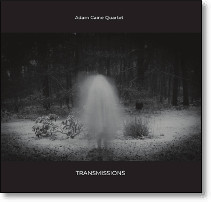
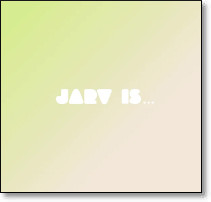
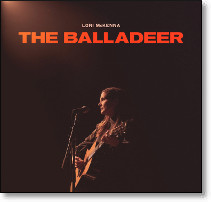
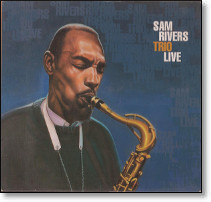
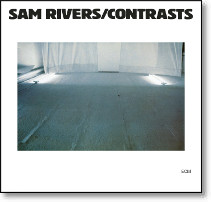
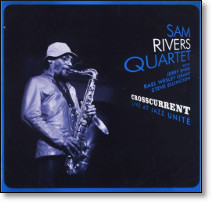
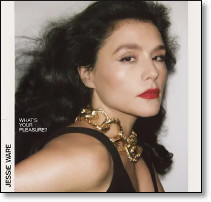
Music: Current count 33697 [33650] rated (+47), 220 [224] unrated (-4). I usually figure 30 records per week is a solid effort. This month I've averaged 40, which is largely attributable to streaming a lot of old jazz records: specifically, Freddy Cole (died this month), Hampton Hawes (got a question on him, Jackie McLean (ran across a complete album I hadn't heard on YouTube, and I always love listening to him), and Sam Rivers (took a look after his latest archival album just missed, and found a lot more than I expected). Of course, never leaving the house helped with the count. I think I made two grocery runs in July, and took my wife to the doctor once. Occasionally, especially after a grocery run, I try to cook something, but not often. Tried making gluten-free raisin bread today. Looks perfect, but I'm pretty sure it would taste better with wheat. This ends a 4-week month. The link above gets you to the roll up, with 169 records. I revisited the Jessie Ware album and bumped its grade up. It's always sounded like an A- two-thirds of the way through, but took me a while to overcome my reservations over the end. Appears as a re-grade here, but just an edit in the monthly file. Did play some records from the promo queue this week, including the last of the batch from NoBusiness. Looks like I still have 17 left in the queue, including 2 September releases and 1 October. (Also one more NoBusiness release. Really need to tidy up the mess on my desk.) Also made a late push to check off highly-rated albums in my metacritic file. Top ones I haven't heard yet are: Lianne Le Havas (22); 1975: Notes on a Conditional Form (34); Protomartyr: Ultimate Success Today (48); Paul Weller: On Sunset (51); and The Beths: Jump Rope Gazers (58); and lots more from 70 down (about half from 70-150, more after that). I spent a lot of time with Taylor Swift's Folklore (four spins, plus some videos, plus I read a half-dozen pieces, mostly in places like Vox which don't normally review records. I liked the record fine, but wasn't blown away by anything on it. Same for the Texas girl group who decided Chicks wasn't the more offensive half of their name. For what it's worth, I always found both parts at least partly ironic, and they've lost some of that with the name change. (On the other hand, Lady Antebellum was never not offensive.) I spent a lot less time with Gaslighter, probably because I didn't sense that it had much potential to get better (as Ware did, and Swift might do). Vocalese singer Annie Ross died last week, at 89. I'm not a big fan of her records, either with Dave Lambert and Jon Hendricks or not, but I've only sampled them lightly. I did think she was terrific in Robert Altman's The Player, basically playing herself. Another semi-famous musician who died last week was Peter Green (73), widely touted as the founder of Fleetwood Mac, despite the group being named for two other members (their first album was sometimes known as Peter Green's Fleetwood Mac). I have two Green albums in my database: In the Skies (1979), and a compilation, Man of the World: The Anthology 1968-1988, both B+. For an appreciation, see Milo Miles: The Terrifying and Lyrical Greatness of Peter Green. Greil Marcus also has some things to say about Green and Fleetwood Mac. I answered a couple of questions last week. Please ask more. New records reviewed this week: Blaer: Yellow (2019 [2020], Ronin Rhythm): Swiss quintet, pianist Maja Nydegger composed everything, with two saxophonists (Nils Fischer also on bass clarinet), bass, and drums, with Nik Bärtsch as co-producer. Third album. After a couple of atmospheric cuts, starts to tighten down the rhythm, and build on that. B+(**) Adam Caine Quartet: Transmissions (2018 [2020], NoBusiness): Guitarist, based in Brooklyn, several albums since 2005, including a duo with Robert Dick in 2019. Quartet adds a second guitar (Bob Lanzetti), acoustic bass (Adam Lane), and drums (Billy Mintz), with alto sax (Nick Lyons) on one track. Starts easy, turns into something intense, fades away. A- [cd] François Carrier/Masayo Koketsu/Daisuke Fuwa/Takashi Itani: Japan Suite (2019 [2020], NoBusiness): Alto saxophonist, from Montreal, picks up a local band in Japan: alto sax, bass, drums. Has its impressive moments, but runs long (78:14). B+(***) [cd] The Chicks: Gaslighter (2020, Columbia): Formerly the Dixie Chicks, changed their name in June just before their first album since 2006, when they were defying the backlash for disrespecting fellow Texan GW Bush. Leader Natalie Maines, multi-instrumentalist sisters Martie and Emily Erwin (now Maguire and Strayer). Co-produced by Jack Antonoff, who nudges them closer to pop than country. B+(***) Gerald Clayton: Happening: Live at the Village Vanguard (2020, Blue Note): Pianist, son of bassist John Clayton, nephew of saxophonist Jeff Clayton, has led several albums since 2009. This is a quintet with two saxes (Logan Richardson and Walter Smith III), bass (Joe Sanders), and drums (Marcus Gilmore). B+(**) Dena DeRose: Ode to the Road (2020, High Note): Jazz singer, plays piano, dozen albums since 1998. Ten tracks, six with scene-stealing guest stars -- two each for Sheila Jordan (vocals), Jeremy Pelt (trumpet), and Houston Person (tenor sax) -- the others with just piano trio (Martin Wind and Matt Wilson). B+(***) Robert Dick & Adam Caine: The Damn Think (2017 [2019], Chant): Flute and guitar duo. Dick impressed me back in the 1990s, in large part due to his fondness for bass flute, and Caine has a good new quartet album out. Intimate exchange, mixed results. B+(*) [bc] Gregory Dudzienski Quartet: Beautiful Moments (2019 [2020], OA2): Tenor saxophonist, based in Chicago, has a previous album. Mainstream, nice tone, some swing, backed by piano (Chris White), bass, and drums. All originals. B+(*) [cd] Extra Soul Perception: New Tangents in Kampala, London & Nairobi Vol. 1 (2019 [2020], Extra Soul Perception, EP): Ad hoc collective, five tracks (16:17), recorded in Nairobi, attributed to various artists. B+(*) Asher Gamedze: Dialectic Soul (2020, On the Corner): South African drummer, opens with strong sax (Buddy Wells) and trumpet (Robin Fassie-Kock), for the 18:55 "State of Emergence Suite." Slows down then, with Nono Nkoane singing. And don't forget the township jive thing. B+(**) Ricardo Grilli: 1962 (2020, Tone Rogue): Guitarist, based in New York, third album, previous one was 1954, not clear to me what the dates signify (Grilli was born in Sao Paulo, Brazil, in 1985). Postbop quintet with Mark Turner (tenor sax), Kevin Hays (piano), Joe Martin (bass), and Eric Harland (drums). B+(**) Bartosz Hadala Group: Three Short Stories (2020, Zecernia): Pianist, born in Poland, moved to New York in 2003, on to Toronto in 2010. Fourth album, group with two saxes, electric guitar and bass, accordion, and drums -- listed as "feat." on the cover are Michael Manring (bass guitar) and João Frade (accordion). B+(**) [cd] Jon Hassell: Seeing Through Sound (Pentimento Volume Two) (2020, Ndeya): "Fourth world" music pioneer, plays trumpet, keyboards, electronics, following up his previous Pentimento volume, Listening to Pictures. B+(***) Jarv Is: Beyond the Pale (2020, Rough Trade): Jarvis Cocker, former Pulp front man (1983-2001), fourth solo album, cover reads "JARV IS . . ." but title is somewhere else. Seven songs, co-written with Serafina Steer and (usually) others, all neatly hooked. A- KA: Descendants of Cain (2020, Iron Works): Rapper Kaseem Ryan, a firefighter from Brooklyn, fifth album at 47. B+(***) Quin Kirchner: The Shadows and the Light (2019 [2020], Astral Spirits): Chicago drummer, second album. Lineups vary: starts solo, then quartet (Greg Ward on alto sax), septet, trio (Nate Lepine on tenor sax and flute), five tracks expand to septet. Mixed bag, the fancy parts impressive but a bit too slippery. B+(***) [bc] Jeremy Levy Jazz Orchestra: The Planets: Reimagined (2019 [2020], OA2): Trobonist, has played in the Brian Setzer and Tim Davies big bands, co-led Budman/Levy Orchestra. Arranger and conductor here, running a big band through Gustav Holst's "Planets," a famous piece I never bothered with and have no more desire for. B- [cd] Lupe Fiasco/Kaelin Ellis: House (2020, 1st & 15, EP): Rapper Wasalu Muhammad Jaco, 7 albums 2006-18, returns with a 5 track, 22:28 EP, with Ellis co-writer and co-producer. Easy gait, with a grin. B+(*) Lori McKenna: The Balladeer (2020, CN): Singer-songwriter from Massachusetts, doesn't have the twang for country but does have the songs. Not sure this is an exceptional batch, but even her average fare has few rivals. A- Pink Siifu & Yungmorpheus: Bag Talk (2019, Field-Left): LA-based rapper Livingston Matthews, has a previous album, reportedly more underground. So is this, but more focused on the police ("proceeds go directly to the Anti Police-Terror Project in Oakland). B+(**) Pink Siifu: Negro (2020, Field-Left): Grim, bleeding into noise, effects, aural graffiti -- Discogs styles include "power violence," which doesn't seem to mean anything in particular, but promises a rough ride. B Corey Smythe: Accelerate Every Voice (2018 [2020], Pyroclastic): Pianist, has a growing reputation (including a Grammy), and a fondness for arch voices that is amplified more than accelerated here. He uses five voices here, the more the worse. Plays some decent piano when they finally shut up. B- [cd] Soft Machine: Live at the Baked Potato (2019 [2020], Moonjune): Guitarist John Etheridge remains from the original group, formed in 1966, which put Canterbury and prog onto the rock map. Kevin Ayers and Daevid Allen left very quickly, and Robert Wyatt followed in 1971. While Etheridge can claim continuity, during the 1970s Hugh Hopper, Karl Jenkins, and Elton Dean seemed more like leaders -- the latter's avant sax shifting the group into a jazz orbit (cf. the live Grides, from 1970-71, released after Dean died in 2006). From 1978, the band was succeeded by various soft-named iterations: Soft Heap, Soft Head, Soft Ware, Soft Mountain, Soft Works, Soft Bounds, finally Soft Machine Legacy. Etheridge reclaimed the name in 2015, brought back Roy Babbington (bass) and John Marshall (drums) from the 1970s, and added Theo Travis (sax, flute, keyboards), for a slightly better than average fusion band. B+(*) [cd] Leni Stern: 4 (2020, LSR): German guitarist, fusion mostly, born as Magdalena Thora, married Mike Stern, 20+ albums since 1986. Sings some, also plays n'goni here, backed by Leo Genovese (keybs), Mamadou Ba (bass), and Alloune Faye (percussion). The latter give this an African vibe, which Stern can play with or against. Vocals not a plus. B- Tim Stine Trio: Fresh Demons (2018 [2020], Astral Spirits): Chicago guitarist, several albums since 2015, this one with Anton Hatwich (bass) and Frank Rosaly (drums). B+(**) Taylor Swift: Folklore (2020, Republic): Eighth studio album, recorded simply with Aaron Dessner (The National) and/or Jack Antonoff co-writing and/or producing. Still, far from DIY: full credits include occasional strings and horns, and a Justin Vernon vocal, but you mostly just hear keyboards and drums -- little flash to an album with sixteen long, pleasant, intricate songs. Judging from download counts and reviews, she's caught the spirit of the times. B+(***) Marcin Wasilewski Trio/Joe Lovano: Arctic Riff (2019 [2020], ECM): Polish piano trio, with Slawomir Kurkiewicz and Micha Miskiewicz, got a measure of fame supporting Tomasz Stanko but has an impressive run of albums on their own. Joined by the tenor saxophonist, who wrote a song, shares credits on five, with two Carla Bley covers. Very chill. B+(**) Recent reissues, compilations, and vault discoveries: Art Blakey & the Jazz Messengers: Just Coolin' (1959 [2020], Blue Note): Previously unreleased, classic lineup with Lee Morgan (trumpet), Hank Mobley (tenor sax), Bobby Timmons (piano), and Jymie Merritt (bass). Terrific group, one one of their best days, always a delight to hear Morgan. B+(***) Abraham Burton: Live at Visiones, NYC 1993 (1993 [2020], self-released, EP): Alto saxophonist, shortly before he recorded two of the best albums of the 1990s -- still his only ones as a leader, although he contiues with side credits. One 23:52 track, released by pianist Marc Cary, with Billy Johnson on bass and Eric McPherson on drums. Outstanding lead, pretty good piano solo, wonder why there isn't more. B+(***) [bc] Bessie Jones and the Georgia Sea Island Singers: Get in Union (1959-66 [2020], Global Jukebox): Folk/gospel singer (1902-84), recorded by Alan Lomax. Expands on a 2014 compilation on Tompkins Square, which itself had 26 unreleased tracks. B+(**) Owl Xounds Exploding Galaxy: The Coalescence (2007 [2020], ESP-Disk): Brooklyn-based group, ran 2004-08, led by Adam Kinney (drums) and Gene Janas (electric upright bass), here also Shayna Dulberger (bass) ad Mario Rechtern (sax). Outtakes -- three cuts, 29:16, but plenty intense -- from session producing Splintered Visions, itself not releaed until 2011. B+(***) [cdr] Old music: Sam Rivers: A New Conception (1966 [1967], Blue Note): Tenor saxophonist (also soprano and flute), third album, quartet with Hal Galper (piano), bass and drums. Standards, sounds new even if not very avant. Plays a lot of remarkable flute. B+(***) Sam Rivers: Streams: Recorded in Performance at the Montreux Jazz Festival (1973, Impulse!): Trio, with Cecil McBee (bass) ad Norman Connors (drums). One long piece (arbitrarily split on the LP), divided into sections for tenor sax (18:42), flute (13:13), piano (7:31), and soprano sax (9:18). B+(**) Sam Rivers: Trio Live (1973 [1998], Impulse!): Originally released 1978 as The Live Trio Sessions, the first set ("Hues of Melanin") reordered, moving the piano part up front, then tenor sax, then the long soprano sax, flute, and vocal sections. With Cecil McBee and Barry Altschul. Ends with "Suite for Molde," from the Norwegian jazz festival, with Arild Andersen taking over at bass. It, too, is split between a flute section and the final tenor sax section. Listening to the former makes you wonder if he wasn't the greatest jazz flautist ever. Listening to the latter makes you wonder why he ever played anything else. A- Sam Rivers: Hues (1971-73 [1975], Impulse!): Scraps from four live performanes, including two tracks from Molde. Cover pictures him with a flute, but only two lute tracks here, plus two piano, two soprano sax, four tenor sax -- in other words, they pieced together a typical trio concert, using three bass-drums pairs. B+(**) Sam Rivers: Crystals (1974, Impulse!): Big band album, not conventional but 6 brass (including Joe Daley on tuba and euphonium), five reeds (with everyone doubling on flute), bass, drums, extra percussion, but no piano or guitar. Doesn't seem like it's going to work at first, but then it does. B+(**) Sam Rivers: The Quest (1976, RED): Trio with Dave Holland (bass) and Barry Altschul (drums). Rivers cycles through his instruments, impressive on each, but I can't help but think he'd get more from his rhythm sectio if he played more tenor sax. B+(**) Sam Rivers: Paragon (1977, Fluid): Trio with Dave Holland (bass/cello) and Barry Altschul (drums). Rotates through his four instruments on the first four tracks, then recapitulates them all on the 12:15 title cut. B+(***) Sam Rivers: Waves (1978 [1979], Tomato): Quartet with Joe Daley (tuba), Dave Holland (bass/cello), and Thurman Barker (drums). Starts on piano. Rivers cycles around his instruments, impressive on each. B+(***) Sam Rivers: Contrasts (1979 [1980], ECM): Plays flute, soprano and tenor sax, backed by trombone (George Lewis), bass (Dave Holland), and drums (Thurman Barker). Somewhat buttoned down, so it takes a while to sink in, and fully appreciate the trombone. A- Sam Rivers Quartet: Crosscurrent: Live at Jazz Unité (1981 [1982], Blue Marge): Recorded live in Paris, with Jerry Byrd (guitar), Rael Wesley Grant (electric bass), and Steve Ellington (drums). Rivers makes his usual round of instruments, with the soprano sax meshing especially well with the guitars. A- Sam Rivers/Noël Akchote/Tony Hymas/Paul Rogers/Jacques Thollot: Configuration (1996, Nato): Guitar, piano, bass, drums, with Rivers alternating between tenor sax, soprano sax, and flute. B+(**) Sam Rivers: Concept (1995-96 [1997], RivBea): Nine tracks recorded over five sessions, most with Doug Matthews (bass or bass clarinet) and Anthony Cole (drums, but also plays tenor sax). B+(**) Sam Rivers & Alexander von Schlippenbach: Tangens (1997 [1998], FMP): Duets, tenor/soprano sax/flute and piano. B+(***) Sam Rivers/Doug Matthews/Anthony Cole/Jonathan Powell/David Manson: Fluid Motion (2002, Isospin Labs): Soprano/tenor sax, bass, drums, trumpet, trombone: only Rivers well known, but feels like a band album, more mainstream with everyone pitching in. B+(***) Sam Rivers: Celebration (2003 [2004], Posi-Tone): Live shot from Jazz Bakery, trio with Doug Matthews and Anthony Cole, close in spirit to his 1970s albums, with the leader playing piano and flute as well as tenor and soprano sax -- and mixing things up, drummer Cole also plays tenor sax and piano, while bassist Matthews goes electric, also playing bass violin and bass clarinet. B+(**) Sam Rivers/Adam Rudolph/Harris Eisenstadt: Vista (2003 [2004], Meta): Starts off on flute, also plays tenor and soprano sax, with two percussionists, Rudolph using hand drums. B+(***) Sam Rivers/Ben Street/Kresten Osgood + Bryan Carrott: Purple Violets (2004 [2005], Stunt): Trio plus vibes. B+(**) Grade (or other) changes: Jessie Ware: What's Your Pleasure? (2020, Interscope): British dance-pop diva, fourth album, starts retro-disco, ends up more new wave, the cool taking a while to carry the day. [was: B+(***)] A- Unpacking: Found in the mail last week:
Ask a question, or send a comment. Monday, July 20, 2020 Music Week
Music: Current count 33650 [33607] rated (+43), 224 [225] unrated (-1). Seems like the summer is passing very fast. Probably a reflection of how little I get done most days. About all I can claim for this past week is:
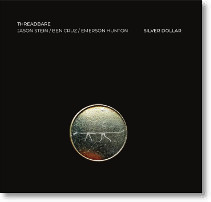
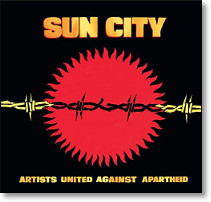
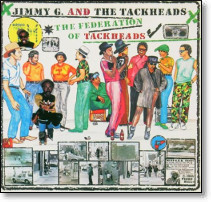
Did nothing whatsoever on my other writing projects. and nothing on website projects. Didn't shop, or cook much, or deal with any of the few house projects I'm still contemplating. Managed just one phone call. Have one question in the queue, a pretty general one about Europe. Ask more. When I was writing about Hawes, it occurred to me that the one album I hadn't been able to find on Napster might be on YouTube, and indeed it was. After playing it, I did a search for whole albums on YouTube. First one I found that caught my attention was Fat Jazz by Jackie McLean, and that turned me loose on a McLean dig. Every record sounded real good, but I shut them down after one play each, with just enough reservation to keep them off the A-list. Further listening would very likely promote one or more, but the full grade list suggests better places to start. Had some technical problems with the NoBusiness CDs, although the problem could be in my CD player. It had trouble recognizing several CDs, and got stuck on one. Wound up going to Bandcamp for a second spin of Carrier. Michael Tatum mentioned he's planning on writing something about records from Christgau's 1985 Dean's List. I was thinking that was a year when I paid relatively little attention to new music, but not much there I didn't have rated. One was Jimmy G. and the Tackheads: Federation of Tackheads, although I'm pretty sure I did have the LP at some point. Same for Harold Budd & Brian Eno's The Pearl, and Steven Van Zandt's Sun City. Maybe I wasn't as out of it as I thought. I moved from New Jersey to Massachusetts end of 1984, so it became easier to find better record stores. Also got a nice raise with the move. New records reviewed this week: Riz Ahmed: The Long Goodbye (2020, Mongrel): British rapper, Pakistani parents, also known as Riz MC, one half of Swet Shop Boys, even better known as an actor (e.g., HBO's The Night Of). Second album, short (14 cuts, 26:58), a Clash critic described it as "a tightly packed, lightning-quick swing at the racism of British society." B+(*) Conrad Bauer/Matthias Bauer/Dag Magnus Narvesen: The Gift (2018 [2020], NoBusiness): German trombonist, actual name Konrad, better known as Conny, a major figure in the German avant-garde since 1973 (especially in Zentralquartett). With bass and drums. B+(**) [cdr] Bombay Bicycle Club: Everything Else Has Gone Wrong (2020, Island): British indie band, fifth album since 2009. B Car Seat Headrest: Making a Door Less Open (2020, Matador): Will Toledo started with eight lo-fi download releases (2010-13) before being picked up by Matador and given a budget, at which point he became a semi-popular blip. I was less impressed, so when this didn't get much reaction, I didn't bother. Turns out it's pretty sharp. A- Dramarama: Color TV (2020, Pasadena): New wave band from New Jersey in the 1980s, recorded two good 1985-87 albums, a couple more before hanging it up in 1994. Regrouped for another in 2005, and now this one. Singer-songwriter John Easdale is constant. B+(*) Agustí Fernández/Liudas Mockunas: Improdimensions (2019 [2020], NoBusiness): Duo, piano and reeds (contrabass clarinet, tenor and soprano sax). B+(***) [cdr] David Guetta/Morten: New Rave (2020, Parlophone, EP): French DJ, seven albums since 2002, a series of compilations called Fuck Me I'm Famous, more than 100 singles, EPs, and production credits. Collaborator is Dieser Morten, but that's about all I know. Dense, catchy, 4 cuts, 12:20. B+(**) Horse Lords: The Common Task (2020, Northern Spy): Fusion group from Baltimore, sax-guitar-bass-drums with most also into electronics. Fourth album, draws on Appalachia and Africa, arcane tunings, polyrhythms. Can build riff pieces, and run them into the ground. B+(*) Jockstrap: Wicked City (2020, Warp, EP): London duo: Georgia Ellery and Taylor Skye. Second EP, five cuts, 20:45. Glitch pop, very scattershot, something I'd normally hate but too ridiculous for that. B Camden Joy: Updated Just Now (2020, self-released, EP): Singer-songwriter Tom Adelman, has written six books, mostly fictionalized rock crit -- I'm pretty sure I read his The Last Rock Star Book or Liz Phair: A Rant (1998), although I can't recall any details. First record (at least under this alias), seven songs, 24:50, rough and sloppy folk-rock. B+(**) Okkyung Lee: Yeo-Neun (2020, Shelter Press): Korean cellist, moved to US in 1993, based in New York, mostly plays in jazz contexts although this could be classical chamber music, with hints of Korean trad. With harp (Maeve Gilchrist), bass (Eivind Opsvik), and piano (Jacob Sacks). B+(**) Luka Productions & Kandiafa: Music From Saharan WhatsApp 06 (2020, Sahel Sounds, EP): Sixth installment in the label's fast-disappearing monthly EP series, a duo with Luka Guindo (vocals, synth, percussion) and Abdoulaye "Kandiafa" Kone (ngoni). Four songs, 17:51. Fairly minimal but quite pleasant. B+(**) [bc] Brad Mehldau: Suite: April 2020 (2020, Nonesuch): Solo piano, of the historical moment, "some experiences and feelings that are both new and common to many of us." Twelve parts follow his day from "Waking Up" through "The Day Moves By" to "Lullaby." Three covers follow, from Neil Young, Billy Joel, and Jerome Kern ("Look for the Silver Lining"). I'm rarely satisfied with solo piano, and when I am it's usually a pianist like James P. Johnson or Earl Hines who suffices as a whole rhythm section. But there's always a exception, and this one works especially well for right now. A- Quinsin Nachoff: Pivotal Arc (2018 [2020], Whirlwind): Saxophonist, last two albums especially impressive, wrote this long series for strings -- specifically Molinari String Quartet, and solo violinist Nathalie Bonin. Does get immeasurably better on the title track, when the saxophone finally enters. B+(*) [08-07] No Age: Goons Be Gone (2020, Drag City): Noise pop duo from Los Angeles, formed 2005, released a consistent stream of fine albums. Not sure why this one has fared so poorly with critics. Maybe a bit sludgy, but has their basic sound down pat. B+(**) Joshua Redman/Brad Mehldau/Christian McBride/Brian Blade: Round Again (2019 [2020], Nonesuch): Big name quartet -- tenor sax, piano, bass, drums -- joining the label's two main stars with two more prominent leaders, but also reuniting the quartet from Redman's third album, MoodSwing (1994). All contribute songs (Redman 3, Mehldau 2, 1 each for the others), Mehldau has some fine solos, Redman more. Ends a bit soft, but reminds us that the '90s can still hold their own. B+(***) Rose City Band: Summerlong (2020, Thrill Jockey): Portland group (of course), originally a side project for Ripley Johnson (Wooden Shjips, Moon Duo), evidently on his move from San Francisco. Second album, has a rep for psychedelia but this is pretty mellow, a bit like the Eagles but with less sunshine and ego. B+(*) The Streets: None of Us Are Getting Out of This Life Alive (2020, Island): UK rapper Mike Skinner, six albums 2002-11, various projects before returning to his calling. Starts slow, ends strong. B+(**) Threadbare [Jason Stein/Ben Cruz/Emerson Hunton]: Silver Dollar (2019 [2020], NoBusiness): Bass clarinte, guitar, drums. Cruz and Hunton did the composing (4-3, plus 1 joint), but Stein continues his impressive run of albums. A- [cd] Etuk Ubong: Africa Today (2019 [2020], Night Dreamer): Nigerian trumpet player, also sings, played with Femi Kuti, hailed by Seun Kuti, develops a strong Afrobeat groove. B+(**) Summer Walker: Life on Earth (2020, LVRN/Interscope, EP): R&B singer-songwriter, from Atlanta, well-regarded album last year, followed it up with this 5-track, 16:25 EP. B Larry Willis: I Fall in Love Too Easily (2019 [2020], High Note): Recording date not stated, but billed as "The Final Session at Rudy Van Gelder's." Van Gelder died in 2016, but several more records were recorded in his famous studio, at least through 2018. On the other hand, Willis died in 2019. Quintet with Jeremy Pelt (trumpet), Joe Ford (alto sax), Blake Meister (bass), and Victor Lewis (drums). The horns have some moments, but the most touching ones are when they drop out, leaving the piano. B+(**) Wire: 10:20 (2010-20 [2020], Pink Flag): Outtakes, four from the sessions that produced Red Barked Tree (2010), four from Mind Hive (2020). B+(*) Yaeji: What We Drew (2020, XL): Kathy Yaeji Lee, born in New York, parents Korean, lived in Atlanta, Japan, and Korea before returning to Brooklyn. Produces electronica, sings, first album after two EPs, title includes a string of Hangul I'm ignoring. B+(*) Recent reissues, compilations, and vault discoveries: Vincent Chancey/Wilber Morris/Warren Smith: The Spell: The Vincent Chancey Trio Live 1987 (1987 [2020], NoBusiness): French horn player, one of few, played for Sun Ra, shows up in a fair number of big bands and brass ensembles (e.g., Lester Bowie's Brass Fantasy, rarely as leader -- as exampled here, the instrument doesn't have much oomph. With bass and percussion. B+(*) [cdr] DUX Orchestra: Duck Walks Dog (With Mixed Results) (1994 [2020], NoBusiness): Septet led by two baritone saxophonists (Dave Sewelson and Mats Gustafsson), with Will Connell Jr. (alto clarinet), guitar, piano, bass, and drums. Kicks up a bit of a ruckus. B+(**) [cdr] Sam Rivers Trio: Ricochet [Sam Rivers Archive Project, Volume 3] (1978 [2020], NoBusiness): Tenor saxophonist (1923-2011), got a fairly late start, recording his brilliant debut Fuschia Swing Song at age 41, but worked into his mid-80s. His archives have been notable so far, with this, a trio with Dave Holland and Barry Altschul, no exception. Does include a fairly substantial amount of Rivers on piano and flute. B+(***) [cd] Old music: Artists United Against Apartheid: Sun City (1985, Manhattan): Organized by Little Steven (Van Zandt) around a single supporting the international boycott of South African resort Sun City -- lyrics don't go much beyond "I'm not going to play Sun City," but the mass of singers and musicians, especially the drums, carry it. Original album offered two versions, plus extra pieces by Peter Gabriel/Shankar, Keith LeBlanc, Gil Scott-Heron/Melle Mel/Duke Bootee, Miles Davis, and Bono, and eventually got expanded further in a "Deluxe Edition." The boycott did much to make people around the world aware of apartheid, leading to its end by 1994. A- Harold Budd/Brian Eno: The Pearl (1984, Editions EG): Budd was a minimalist composer from California, drifted toward ambient, recording one of Eno's first batch of ambient albums (1980). Measured and relaxed. Might have seemed like something more at the time. B+(**) Jimmy G. and the Tackheads: The Federation of Tackheads (1985, Capitol): One-shot Parliament-Funkadelic spinoff led by Jimmy Giles (George Clinton's younger brother), who plays bass, programs drums, and is the lead of many vocalists. Pedro Bell cover art. A- Hampton Hawes: The Green Leaves of Summer (1964, Contemporary): Trio, with Monk Montgomery (bass) and Steve Ellington (drums). One original blues, seven scattered standards, "St. Thomas" a hit. B+(**) [yt] Jackie McLean: Strange Blues (1957 [1967], Prestige): Alto saxophonist, scraps from two sessions, one a quartet with Mal Waldron (piano), the other with a rhythm section I don't recognize plus Webster Young (trumpet) and Ray Draper (tuba). B+(**) Jackie McLean: Fat Jazz (1957 [1958], Jubilee): Sextet, with Webster Young (trumpet), Ray Draper (tuba), Gil Coggins (piano), bass, and drums, with Young and Draper originals. B+(**) Jackie McLean: Vertigo (1959-63 [2000], Blue Note): Expands on a 1981 album which had picked up scraps, one a Walter Davis tune from 1959, five from 1963 session with Herbie Hancock and Donald Byrd, and adds five more tracks from a shelved album from 1962 with Sonny Clark and Kenny Dorham. The pieces fit together seamlessly, all respectable hard bop. B+(***) Jackie McLean Quartet: Tune Up (1966 [1993], SteepleChase): Live shot from Baltimore, with LaMont Johnson (piano), Scotty Holt (bass), and Billy Higgins (drums). Sound strikes me as a bit off, but when he unloads on "Jack's Tune" I see no point in quibbling. B+(**) Jackie McLean feat. Dexter Gordon: Vol. 2: The Source (1973 [1987], SteepleChase): Live at Jazzhus Montmartre in Copenhagen, two stellar saxophonists, alto and tenor, with Kenny Drew, NHØP, and Alex Riel. A 1976 US release, on Inner City, was just The Source, but is the same as the shorter 1974 LP release. The summit did produce two LPs, but the first was The Meeting: Vol. 1, so it makes more sense to bring Vol. to the front. Or better still, look for Montmartre Summit 1973, which gives you both on 2-CD. B+(***) Jackie McLean/Dexter Gordon: Montmartre Summit 1973 (1973 [1991], SteepleChase, 2CD): Combines Vol. 1: The Meeting with Vol. 2: The Source in a handy single package. B+(***) Jackie McLean: A Ghetto Lullaby (1973 [1991], SteepleChase): Live in Copenhagen, scene of 1972's exceptional Live at Montmartre, with Kenny Drew (piano) and Alex Riel (drums) returning, and taking over the bass slot: Niels-Henning Ørsted Pederson. B+(***) Jackie McLean & the Cosmic Brotherhood: New York Calling (1974 [1987], SteepleChase): Sextet, one of his son René McLean's first appearances (alto/soprano sax), with Billy Skinner (trumpet), Billy Gault (piano), bass, and drums. B+(***) Jackie McLean With The Great Jazz Trio: New Wine in Old Bottles (1978, East Wind): Hank Jones formed GJT in 1976 and recorded a lot with it (22 albums 1976-84, 17 more 1988-2010, with various lineups but originally and here with Ron Carter and Tony Williams. B+(***) [yt] Unpacking: Found in the mail last week:
Ask a question, or send a comment. Monday, July 13, 2020 Music Week
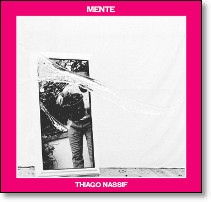
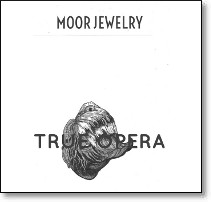
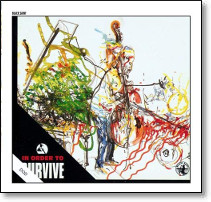
Music: Current count 33607 [33567] rated (+40), 225 [212] unrated (+13). Trumpet player Eddie Gale (78) died last week. He had a spotty recording career, but always came up with something interesting when he appeared. He achieved a measure of fame for his role on Cecil Taylor's 1966 album Unit Structures, then followed that with two excellent albums on Blue Note: Ghetto Music (1968) and Black Rhythm Happening (1969). He had a revival c. 2004 with reissue of his albums on Water and a new one, Afro Fire. I added a lengthy midyear list by Stephen Thomas Erlewine to my metacritic file (code SE). He added first mentions of 10 new albums (mostly country), plus a bunch of reissues and vault music. He shows some favor there for lavish box sets, and also seems to get good service from Ace, Bear Family, Cherry Red, and Omnivore. I'm so jealous. Robert Christgau published his July Consumer Guide mid-week. I was originally pleased to see that for four 2020 releases I had previously rated A- got the same grade from him (Chicago Farmer, Bob Dylan, Hinds, Waxahatchie), and that the other new records I had graded lower also got lower grades from him (Terry Allen, Jason Isbell). That also left some things I hadn't heard (or in some cases hadn't heard of), but further digging revealed that I had given the Daniele Luppi/Parquet Courts EP a B+(***) back in January 2018. I played most of the rest, still procrastinatig on the Sonic Youth bootleg (one of way too many for my purposes, although I may reconsider when I get around to formatting Joe Yanosik's Consumer Guide for his corner of my website) and Joe Levy's Uprising 2020 playlist (not my idea of a real thing, although so immediately relevant to the times I expect to listen to it). I got to the Thiago Nassif and Moor Jewelry A- records after my cut-off, but figured why make you wait, especially given that there are other ways to find my grade. Usually takes me 8-16 hours to catch everything up after my break, so I always listen to a few records during that time. (Four more in the scratch file at present, not counting these two.) Quite a bit of unpacking below, many from Lithuania. Also got a hard copy of Luis Lopes' Believe, Believe, which I had given a B+(***) to based on streaming. I looked for records by the late bassist Simon H. Fell. Found quite a few, but mostly Bandcamp with most tracks missing, so didn't manage to review much. Took a dive into pianist Hampton Hawes, thanks to a question. I will answer that (and whatever else comes in) later during the week. I've gotten into a rut where I start each day off by playing something classic, then when I settle down in front of the computer, find it easier to dial up something to stream. I'll make a conscious effort to catch up a bit next week. New records reviewed this week: Anteloper: Tour Beats Vol. 1 (2020, International Anthem, EP): Duo, Jaimie Branch (trumpet) and Jason Nazary (drums), did an album in 2018 (Kudu), add 4 cuts (22:38) here. Mostly electronics for both of them, although her riffing over the beats is pretty surefire. B+(*) Arca: Kick I (2020, XL): Venezuelan electronica producer Alejandra Ghersi, born in Caracas, lived in Connecticut for a few years before returning, wound up in Barcelona. Fourth album. Arch, arty, arcane. Doubt it's something I would ever grow to like much, but there's something pretty unique about it. B+(*) Bananagun: The True Story of Bananagun (2020, Full Time Hobby): Australian group, first album, elements of jangle pop. B+(*) Beauty Pill: Sorry You're Here (2020, Taffety Punk Theatre Company): Washington DC band, principally Chad Clark, released an EP in 2001 leading up to a 2004 album, then nothing until 2015, and LP/EP releases this year. Mostly electronics, some spoken word or other trip-hoppy vocal shadings, quietly impressive if not quite convincing. Does make me wonder if I underrated their 2015 album. [PS: Not much.] B+(***) Beauty Pill: Please Advise (2020, Northern Spy, EP): Five songs (22:31), all proper with vocals, electronics give way to guitar. B+(*) Clint Black: Out of Sane (2020, Blacktop/Thirty Tigers): Country singer-songwriter, 1989 debut a big hit, twelfth album (skipping two Xmas joints). I hadn't heard anything by him since a dreadful 2004 album (his eighth and last top-10 country chart). This one sounds good enough, not that better songs wouldn't help. B+(*) Clem Snide: Forever Just Beyond (2020, Ramseur): Vehicle for singer-songwriter Eef Barzelay since 1998, not the first band named from William S. Burroughs. Plain-spoken, not sure you can even call it Americana, leans on God (per the title), not sure that qualifies one way or the other, but leaves me out. B+(**) Jeff Cosgrove/John Medeski/Jeff Lederer: History Gets Ahead of the Story (2018 [2020], Grizzley Music): Drums, organ, and saxophones/flute. Ten songs, all by William Parker -- a bit surprising, given the lack of avant frills. Parker's long struck me as a composer who likes to keep it simple, which is why his tunes hold up in such a different context. B+(***) [cd] [07-17] Dream Wife: So When You Gonna . . . (2020, Lucky Number): London-based girl group, lead singer Rakel Mjöll originally hailing from Iceland, has a couple cute quirks to her voice, which give way to smart lyrics and occasional philosophical depth, like how uniquely woderful now is, and why her body is hers alone. A- Baxter Dury: The Night Chancers (2020, Heavenly): English singer-songwriter, son of the late new wave genius Ian Dury, sixth album since 2002, talks his way through most songs, against swank orchestra and chorus. Bears signs of inheritance, raised in an evolved culture, which makes what he does seem inevitable rather than extraordinary. B+(*) Field Music: Making a New World (2020, Memphis Industries): English band, first album 2005, seventh album, fond of keyboards. B+(*) Khruangbin: Mordechai (2020, Dead Oceans): Houston group, bass-guitar-drums, all sing but not very much, group name a Thai word for "flying thing" (e.g., airplane), suggested by Laura Lee, whose interest in Asian music led her to learn Thai. Third album, wouldn't call it exotica but they do amble in their own orbit. B+(*) King Krule: Man Alive! (2020, True Panther Sounds): English singer-songwriter Archy Marshall, fourth album, third as King Krule. Has a rep for drawing on punk and hip-hop, but mostly comes up with Nick Cave dark tones. B Stephen Malkmus: Groove Denied (2019, Matador): The genius behind Pavement (1992-99), followed that up with seven albums declining credited to Stephen Malkmus and the Jicks (2001-18), goes completely solo here, playing all instruments and singing (such as he does -- can't say practice makes perfect, but it does help). Can't say as this had any appeal to me when it came out, but has its own unique sloughed off charm. Also, a bit of groove. B+(**) Stephen T. Malkmus: Traditional Techniques (2020, Matador): Another solo joint, title no less ironic, middle initial a quirk I'd like to suppress in the filing, but probably can't. B+(*) Moor Jewelry: True Opera (2020, Don Giovanni): Collaboration between lapsed poet Moor Mother (Camae Ayewa) and noise producer Mental Jewelry (Steven Montenegro), who did a previous EP called Crime Waves. Ten cuts (25:59), could pass for punk but is much more expansive. A- Thiago Nassif: Mente (2020, Gearbox): Brazilian singer-songwriter, plays guitar, drums, trumpet, electronics; shares production duties with Arto Lindsay, who helps out as do a couple dozen others, for a mix of tropicalia, no wave, and ever so catchy skronk. A- Carlos Niño & Miguel Atwood-Ferguson: Chicago Waves (2018 [2020], International Anthem): Labels in Chicago, musicians from Los Angeles, DJs, play various instruments, have worked together at least since 2007. Improvised set, recorded live. B+(*) Pearl Jam: Gigaton (2020, Monkeywrench/Republic): Grunge band from Seattle, always figured they were Dave Clark 5 to Nirvana's Beatles, not that I ever liked Nirvana as much as I did DC5. Bought one album Christgau liked (Vitalogy), gave it a B+, never played it again, or anything else by this group. Didn't even list anything by them after 2000 (five albums, chart peaks 5 or better), and only played this after it became the top black line in my metacritic file (Baxter Dury is next, followed by Khruangbin and King Krule). Not bad, nor especially interesting, and by the end I was reminded of how tedious Eddie Vedder's voice is. B Margo Price: That's How Rumors Get Started (2020, Loma Vista): Country singer, grew up in Illinois, moved to Nashville at 20, waited tables and worked the ropes, releasing a pretty good album in 2016. This makes three, new label, fancier production, rocks harder, soars higher, says less. B+(*) Tenille Townes: The Lemonade Stand (2020, Columbia Nashville): Canadian country singer-songwriter, from Alberta, last name Nadkrynechny. Third album, first from Nashville. B+(**) The Weeknd: After Hours (2020, Republic): Canadian r&b singer Abel Tesfaye, had an early star-making mixtape in 2011 (House of Balloons), has developed into a best-selling falsetto crooner -- remarkably consistent, at least until the closer drags its butt. B Gillian Welch & David Rawlings: All the Good Times Are Past & Gone (2020, Acony): Title often truncated, but the cover bears me out. Folkies, her sixth album since 1996, he's been around the whole time but this seems to be the first with him named, and he does get more leads. Ten tracks, all acoustic covers, two Dylan, two trad., one Prine, "Jackson." B+(**) X: Alphabetland (2020, Fat Possum): Los Angeles punk band, a big deal in some quarters 1980-82, last charted in 1987, one more album in 1993, have reunited occasionally since 2004, this their first new album in 27 years. Memorable names: DJ Bonebrake (drums), Exene Cervenka (vocals), John Doe (bass, vocals), Billy Zoom (guitar, sax, piano). Eleven short songs, adds up to 27:00. They've done a remarkable job keeping their sound preserved. B+(*) Yonic South: Wild Cobs (2019, La Tempesta, EP): Postpunk band from "Stanzini, Shitaly" (or Brescia, Italy), first EP (4 songs, 16:27), crisp but they do like to riff. B+(**) Yonic South: Twix and Dive (2020, La Tempesta, EP): Four more songs (13:40), "from Oasis covers and Anfield soundtracks to psych noise ballads and Techno Viking dedications," ending with a bit of patter extolling "this beautiful arena" -- how can you get more anachronistic than that? B+(**) Recent reissues, compilations, and vault discoveries: Nublu Orchestra Conducted by Butch Morris: Live in Bergamo (2008 [2020], Nublu): Band named for a club on Avenue C in New York, goes back further but debuted with eponymous 2007 album, where various musicians would gather and improvise under the direction ("conduction") of Morris. This was the seventh to be released, "Conduction No. 175," in Italy, with ten musicians, out of 199 through June 20, 2011. (Morris died in 2013.) One 34:27 piece, plus three encores (16:18). Not a dull moment. B+(***) Old music: Simon H. Fell: The Exploding Flask of Muesli: Electroacoustic & Electronic Works 1994-2002 (1994-2002 [2013], Bruce's Fingers): Not sure how representative this is of the late bassist's work, as most of his work is hard to find. I'm not even sure how much there is -- a "selected discography" on his website lists 90 albums (1985-2015). Interesting moments, but feels like a sideline. B+(*) Simon H. Fell: Le Bruit De La Musique (2015 [2016], Confront): Solo bass, a single 37:19 piece. B+(*) Hampton Hawes: Everybody Likes Hampton Hawes: Vol. 3: The Trio (1956 [1990], Contemporary/OJC): Bebop pianist (1928-77) from Los Angeles, father a minister, mother a church pianist, made a big splash with his 1955 Trio album, adding two more in this series, with Red Mitchell (bass) and Chuck Thompson (drums). B+(**) Hampton Hawes Quartet: All Night Session! Volume 1 (1956 [1991], Contemporary/OJC): The first of three volumes from a November 12, 1956 session, with Jim Hall (guitar), Red Mitchell (bass), and Bruz Freeman (drums). Five pieces, stretches out a bit. B+(***) Hampton Hawes Quartet: All Night Session! Volume 2 (1956 [1992], Contemporary/OJC): Seven more songs. Lively piano and delicate guitar (Jim Hall). B+(**) Hampton Hawes Trio: The Séance (1966 [1990], Contemporary/OJC): With Red Mitchell (bass) and Donald Bailey (drums), another smart and lively session. B+(***) Hampton Hawes: Trio at Montreux (1971 [1976], Jas): With Henry Franklin (bass) and Mike Carvin (drums). B+(**) Hampton Hawes/Cecil McBee/Roy Haynes: Live at the Jazz Showcase in Chicago: Volume Two (1973 [1989], Enja): Piano, bass, drums. Six songs, three over ten minutes -- none of the entries at Discogs quite match the digital (dated 1998), nor do any credit the vocal (which is just as well forgotten). B+(**) Hampton Hawes: Something Special (1976 [1994], Contemporary): Less than a year before his untimely death, another quartet with guitar (Denny Diaz), bass (Leroy Vinnegar), and drums (Al Williams). Excellent piano, especially on tunes like "St. Thomas." B+(***) William Parker: In Order to Survive (1993 [1995], Black Saint): Bassist, used this album title for a group name later in the 1990s, and again for a 2019 live album, signifying a quintet with Lewis Barnes (trumpet), Rob Brown (alto sax), Cooper-Moore (piano), and a drummer (Denis Charles plays on 3 cuts here, Jackson Krall on the 4th). This particular album also has Grachan Moncur III on trombone. The dazzling opener runs 38:47, with three more pieces bringing the total to 72:03. A- William Parker/Giorgio Dini: Temporary (2009, Silta): Bass duo, with a short "Intermezzo" with Parker on shakuhachi. B+(*) Jessie Ware: Glasshouse (2017, Interscope): Third album, skipped it after having been unimpressed by her first two. Opener is overbearing, but "Selfish Love" is a choice cut. Maybe "Sam" too, but as a ballad to her baby it won't break through on the dance floor. B+(*) Grade (or other) changes: Beauty Pill: Beauty Pill Describes Things as They Are (2015, Butterscotch): Panned this, then Maura Johnston put it top-10 and Robert Christgau gave it an A. Sure, something more there, but one still has to dig deeper than I'm ever likely to do. [was: B] B+(*) Unpacking: Found in the mail last week:
Ask a question, or send a comment. Monday, July 6, 2020 Music Week
Music: Current count 33567 [33526] rated (+41), 212 [211] unrated (+1). I've been ambivalent about adding mid-year lists to the metacritic file. Last couple years I actually started with those lists, but this year I've been collecting ratings pretty extensively, so the current file should provide you with a fairly accurate account of critical consensus on records so far. More importantly, the method should continue to work week in, week out through the end of the year. Right now, the ratings (with points in braces, and, where available, my grades in brackets):
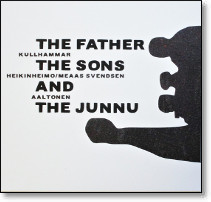
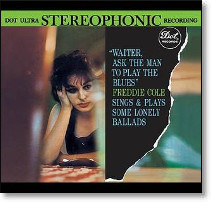
Well, it's skewed somewhat. Some of the lists I monitor are from friendly sources, and that moves the consensus a bit toward things that are more likely to interest me. Also, I don't skip sources that focus exclusively on metal or classical, though I occasionally pick up samples of each from elsewhere. The idea is less to sample public opinion than it is to sift through it to find things that might be interesting to review. And while this top-32 (despite the numbers, everything from 24-32 are tied). But I also feel entitled to add in some points myself (matching the points for Robert Christgau's grades; all other sources are treated as one point each mention as noted in the legend). I skewed the results further by adding in mid-year lists scraped from the Expert Witness Facebook group, comments to a July 2 post. I picked up lists from: Steve Alter, Kevin Bozelka, Jeffrey D. Callahan, Joey Daniewicz, Chris Gray, Paul Hayden, Eric Johnson, Tom Lane, Brad Luen, Eric Marcus, Greg Morton, Stan Piccirilli, Harden Smith, John Speranza, Thomas Walker, plus a few bits from others I had already been following (especially Chris Monsen). In compiling these lists, I've omitted records that didn't qualify by my relaxed 2020 standards (which include all December 2019 releases and any other 2019 releases that didn't appear in my 2019 EOY aggregate). Also note that the lists almost always identify records by artist name only, so I had to guess here and there. (Old releases I didn't tally were: Constantinople & Ablaye Cissoko, Kefaya + Elaha Soroor, Jeffrey Lewis & the Voltage, Post Malone, Red Velvet, Matana Roberts, Kalie Shorr.) All this skewing probably contributed to me grading 10 (of 32) records A-, 6 more B+(***). If you subtract my points, Christgau's, the Expert Witness lists, Monsen, Phil Overeem, and Tim Niland, the list would run: Phoebe Bridgers {33}, Run the Jewels {32}, Fiona Apple/Haim {31}, Perfume Genius/Waxahatchie {30}, Caribou {28}, Bob Dylan/Tame Impala {27}, Thundercat {25}, Dua Lipa {24}, Yves Tumor/Charli XCX {22}, Moses Sumney {21}, Pearl Jam/Soccer Mommy {20}, US Girls/Jessie Ware {19}. The new records below mostly came from the Expert Witness lists -- expecially from Monsen (6). The other big block is a bunch of records by the late Freddy Cole. I've long recommended two later records -- The Dreamer in Me (2009) and Freddy Cole Sings Mr. B (2010) -- so I was especially surprised to find my favorite among the rest was his 1964 debut. Milt Hinton and Osie Johnson are names I know well, but this also made me want to explore saxophonist Sam "The Man" Taylor. He recorded quite a bit, but only has one compilation on Napster, and I passed on it due to lack of discography. Ennio Morricone (91) has died. He was possibly the most famous soundtrack composer of the last 50-60 years. I've always harbored an active dislike for soundtrack albums, which is probably why I've never delved into his, despite much enjoying his music in the context of the movies. I can recommend his 1987 compilation on Virgin, Film Music, Volume 1. Another recent death was English bassist Simon H. Fell (61), another musician I've heard very little from. I dutifully listed 12 of his titles, all highly touted by Penguin Guide, in my shopping list/database, but never found a one of them, so I've only heard one more recent album -- SFE (2011, Clean Feed) [B+(***)]. That's not likely to change much. I see that selections from most of his albums are available on Bandcamp, but none complete enough for me to review. I am toying with the idea of taking notes on fractional albums, since that would seem to offer a way to glimpse much of the work that I find currently inaccessible. I currently use U to designate records that I possess a copy of but haven't graded yet. I'm tempted to add a new U+ for records I've only heard part of but would like to hear more, and U- for records I've heard enough of to doubt any further interest. One reason I haven't done this is that I'm not sure how the programs would deal with the introduction of a new grade. I wouldn't want to count U+ or U- albums as graded, or as ungraded (a number I've been trying to whittle down, without much success lately). One question in the queue, which I'll probably get to this week. By all means, please ask more. New records reviewed this week: 6lack: 6pc Hot Ep (2020, Interscope, EP): Atlanta rapper Ricardo Valentine, two albums, came up with this 6 song, 18:48 EP. Starts impressive, drags at the end. B+(*) Juhani Aaltonen/Jonas Kullhammar/Christian Meaas Svendsen/Ilmari Heikinheimo: The Father, the Sons & the Junnu (2019 [2020], Moserobie): Two tenor saxophonists, the former also playing flute, the latter baritone sax, with bass and drums. Order from spine. Cover interleaves names with title, tagging Kullhammar as father and the much older Aaltonen as Junnu. Two masters. And while I prefer his sax, Aaltonen's flute remains impressive as ever. A- [cd] Aardvark Jazz Orchestra: Faces of Souls (2015-19 [2020], Leo): Long-running Boston group, first two records (1993-95) under leader Mark Harvey's name, but group seems to date back to 1972 ("48 years"). Harvey started out on trumpet, but plays piano here, and composed everything. This was cobbled together from four sets, so the personnel shifts a bit, but you usually get around 15 musicians, playing dirge-like suites. A group I should explore. B+(*) Aksak Maboul: Figures (2020, Crammed Discs): Belgian experimental pop group, principally Marc Hollander and Vincent Kenis, recorded two 1977-80 albums, released an earlier shelved one in 2014, recently revived for a new album. In the meantime, Hollander runs Crammed Discs, and Kenis produced their Congotronics albums. Long, complex, more Euro than African, may grow on you, but hard for me to pass a snap judgment. B+(**) James Carney Sextet: Pure Heart (2020, Sunnyside): Pianist, from Syracuse, New York, based in New York City, eighth album since 1993. With Stephanie Richards (trumpet), Oscar Noriega (bass clarinet/alto sax), Ravi Coltrane (tenor/soprano/sopranino saxes), Dezron Douglas (bass), and Tom Rainey (drums). Sophisticated postbop, the rhythm section never finding the beat nor losing it completely, the horns swooping in and out of the chaos. B+(***) Drakeo the Ruler: Thank You for Using GTL (2020, Stinc Team): Rapper Darrell Caldwell, from Los Angeles, resume starts with "first arrested at the age of 12." Has been in and out of jail ever since, recording several mixtapes when he got out. He was acquitted of murder in 2019, but the charges were refiled as "criminal gang conspiracy," and he was still in jail when he recorded this, using GTL (Global Tel Link)'s ICS (Inmate Calling Service), with JoogSZN producing. Feels claustrophobic, lots of pressure, little hope. B+(**) Hegge: Feeling (2020, Particular): Norwegian bassist Bjørn Marius Hegge, who wrote all but two songs -- Jonas Kullhammar (tenor sax) and Vigleik Storaas (piano) wrote those; also in the band: Martin Myhre Olsen (alto/soprano sax) and Håkon Mjåset Johansen (drums). Upbeat, playful even. B+(***) Derrick Hodge: Color of Noize (2020, Blue Note): Bass guitarist, third album (fourth counting R+R=Now), side credits with Terence Blanchard, Robert Glasper, and a few more. B John Pål Inderberg Trio: Radio Inderberg (2019 [2020], AMP Music): Norwegian baritone saxophonist, albums date from 1995, including a couple with Lee Konitz. Trio with bass (Trygve Waldemar Fiske) and drums (Håkon Mjåset Johansen). Mostly trad pieces, some by group, covers of Konitz, Monk, and Lars Gullin. B+(***) Edward "Kidd" Jordan/Joel Futterman/William Parker/Hamid Drake: A Tribute to Alvin Fielder: Live at Vision Festival XXIV (2019 [2020], Mahakala Music): Fielder (1935-2019) was a drummer, born in Mississippi, a charter member of AACM, only one record as leader but a fair number, especially with Jordan (tenor sax) and/or Futterman (piano), who are the stars in this 45:03 blow out. Kidd's closing comments are every bit as good. B+(***) Machine Girl: U-Void Synthesizer (2020, 1818199 DK2): Real name: Matt Stepheson. Seventh album since 2014. Tags: electronic, breakcore, death metal, drum and bass, footwork, hardcore, juke, jungle, punk, thrash metal. More annoying than not, although "Scroll of Sorrow" has some redeeming merit. B- Nicole Mitchell/Lisa E. Harris: EarthSeed (2017 [2020], FPE): Flute player from Chicago, has recorded a lot since 2011, often overcoming my wariness of her instrument. Lyrics are drawn from Octavia E. Butler's dystopian novels, sung by Harris, an operatic soprano I often find unbearable, and Julian Otis. Not without the occasional patch of musical interest. C- Noshir Mody: An Idealist's Handbook: Identity, Love and Hope in America 2020 (2020, self-released): Guitarist, originally from Mumbai, based in New York since 1995. Several previous albums, one in the group EthniFusion. Kate Victor sings. B [cd] Hedvig Mollestad: Ekhidna (2020, Rune Grammofon): Norwegian guitarist, full name adds Thomassen, six Trio albums since 2011, this just under her name, with new bass and drums, keyboards (not very noticeable), and Susana Santos Silva on trumpet (fiery). The fast ones are as fierce as ever. Two change-of-pace stretches threw me at first. A- Willie Nelson: First Rose of Spring (2020, Legacy): "Seventhieth solo album" (per Wikipedia), two new originals (co-written with producer Buddy Cannon). All good, nothing great, seems like he's hit a plateau he can sustain until he drops. B+(***) Pere Ubu: By Order of Mayor Pawlicki: Live in Jarocin (2017 [2020], Cherry Red): Last year's The Long Goodbye was supposedly the end of the road for this band, which started out in 1975 in Ohio, and produced one of my all-time favorite albums -- The Modern Dance (1978). Singer David Thomas keeps the sound together as others have come and gone. One feature here is that they went back to the 1970s for the song list. Great songs, but it's all rather messy. B+(**) Francis Quinlan: Likewise (2020, Saddle Creek): Singer/songwriter, from New Jersey/Pennsylvania, first solo album, formerly fronted Hop Along. B+(*) Jorge Roeder: El Suelo Mio (2020, T-Town): Peruvian bassist, based in New York, has side credits with Brad Shepik, Julian Lage, Shai Maestro, and others. First album as leader, solo, 13 pieces in the 2:20-5:05 range. B+(*) Randy Rogers & Wade Bowen: Hold My Beer, Vol. 2 (2020, Lil' Buddy Toons): Two Texans play trad country, lots of fiddle and pedal steel, name dropping Jones and Haggard. Five years after Vol. 1. Typical line: "I got a warm beer and a cold woman/ wish it was the other way around." B+(*) Claire Rousay: A Heavenly Touch (2020, Already Dead): Based in San Antonio, "a person who performs and records," exploring "queerness, human relationships, and self-perception through the use of physical objects and their potential sounds." Discogs lists 8 albums since 2019, some with jazz connections. Mostly found sounds, road noise, dog barks, booms, a bit of "Tenderly" wafting through the breeze. B Sault: Untitled (Black Is) (2020, Forever Living Originals): UK group, oft described as "elusive," released two albums in 2019 that reminded me of prime Chic. No such comparisons possible here, although the political moment does occasionally come to the fore. "Don't shoot/ guns down." B+(***) [bc] Øyvind Skarbø/Fredrik Ljungkvist/Kris Davis/Ole Morten Vågan: Inland Empire (2016 [2020], Clean Feed): Drums, tenor sax/clarinet, piano, bass. Recorded in Norway, everyone contributed pieces and shared credit on the title track. B+(**) Stephane Spira/Giovanni Mirabassi: Improkofiev (2020, Jazzmax): Soprano sax and piano, quartet with bass (Steve Wood) and drums (Donald Konyomanou), plus flugelhorn on one track. Title is a suite with "excerpts from violin concerto no. 1." Other pieces cover Erik Satie and Carla Bley. B+(**) Grant Stewart Quartet: Rise and Shine (2019 [2020], Cellar Live): Mainstream tenor saxophonist, young enough his oldies are more likely post-bop than pre-bop. Backed by Tardo Hammer (piano), Peter Washington (bass), and Phil Stewart (drums). Includes a vocal (Lucy Yeghiazaryan) for the radio programmers. B+(**) Jessie Ware: What's Your Pleasure? (2020, Interscope): British dance-pop diva, fourth album, starts retro-disco, ending up more new wave. B+(***) Bobby Watson: Keepin' It Real (2020, Smoke Sessions): Alto saxophonist, from Kansas City, broke in with Art Blakey in the late 1970s, widely acclaimed in the 1980s including a Penguin Guide crown for Love Remains (1986), recorded for Blue Note and Columbia in the 1990s, flirting with fusion (Post-Motown Bop was a good title, but not much of an album). Floundered before landing here, a label which encouraged him to revert to his inner Bird. With Josh Evans or Giveton Gelin (trumpet), Victor Gould (piano), Curtis Lundy (bass), Victor Jones (drums). Calls the group New Horizon, probably because his head's still stuck in the 1990s. B Westside Gunn: Flygod Is an Awesome God II (2020, Griselda): Buffalo rapper Alvin Worthy, used FLYGOD as an alias, also title of his 2016 album, also appears on several mixtapes including this one's 2019 predecessor. B+(*) Hailey Whitters: The Dream (2020, Pigasus): Country singer-songwriter from Iowa, second album, Wikipedia pegs her sales at 300. Started off just guitar and voice, which seemed to be her metier, so I was surprised when the drums kicked in. Plain-spoken, common touch, could amount to something. B+(**) Recent reissues, compilations, and vault discoveries: The Mark Harvey Group: A Rite for All Souls (1971 [2020], Americas Musicworks, 2CD): Trumpet player, based in Boston, best known as the founder of Aardvark Jazz Orchestra ("now in its 48th season"). This group was founded in 1969, ran for a few years, left one 1972 live album before this "long lost recording" came to light. Started "playing hard-bop and jazz-rock," but this is mostly free, with scratchy sax (Peter Bloom), lots of percussion, some spoken word. B+(***) [cd] [07-17] Old music: Freddy Cole: "Waiter, Ask the Man to Play the Blues": Freddy Cole Plays & Sings Some Lonely Ballads (1964, Dot): Twelve years younger than his famous brother, Nat "King" Cole, also plays piano, cut his first single in 1952 but no LP until this set, the only one to appear before his brother's death. Close to the mark, a small jazz combo playing cocktail blues, but a path his brother never quite took. With Sam Taylor on tenor sax, Milt Hinton and Osie Johnson in the rhythm section. A- Freddy Cole: The Cole Nobody Knows (1973, First Shot): Third album (second was On Second Thought), third label, backed with guitar/bass/drums, recycled the title cut from his first album in a closing medley. B Freddy Cole: One More Love Song (1978, Poker): Backed by an anonymous big band, arranged by Jerry Van Rooyen and Tony Nolte. Nice voice. B Freddy Cole: I'm Not My Brother, I'm Me (1990 [2004], High Note): But he keeps the distinctions subtle, mostly that he was approaching 60 here, whereas brother Nat died at 45. The voice is damn close, he plays similar piano, in a guitar-bass trio (Ed Zad and Eddie Edwards). His best original ("Fried Potatoes") echoes "Frim Fram Sauce" (but with a little more meat). He works in a short medley and offers a touching tribute, setting up the title song, which he aces. B+(***) Freddy Cole: This Is the Life (1993 [2003], Savoy Jazz): Originally released on Muse, beginning a long, career-defining relationship that continued on High Note. One plus here is the supporting cast: six musicians plus Cole on piano, most notably Houston Person on tenor sax. Mostly ballads, tends toward smooth, clearly enjoys the title song. B+(**) Freddy Cole: To the Ends of the Earth (1997, Fantasy): Between the demise of Muse and the founding of High Note, Cole recorded five 1995-98 albums for Fantasy. Produced by Todd Barkan, who employed big band numbers (including help from Cyrus Chestnut on piano) while still making it sound intimate. B+(**) Freddy Cole: Love Makes the Changes (1998, Fantasy): Todd Barkan produced again, with Cedar Walton helping with piano and arranging, with Eric Alexander and Grover Washington on sax. Four originals, Among the covers, Billy Joel's "Just the Way You Are" is likely to enter the standards canon. B+(***) Freddy Cole: Le Grand Freddy: Freddy Cole Sings the Music of Michel Legrand (1994-99 [1999], Fantasy): Eleven songs from the French composer, nine with lyrics by Alan Bergman. Many of the same musicians from earlier Todd Barkan albums, including Cedar Walton and Cyrus Chestnut on piano, and Grover Washington Jr. on tenor sax. B+(**) Freddy Cole: This Love of Mine (2005, High Note): First album with Joe Fields' new label, which served him well for the rest of his career. Typical songs, strong voice, lets John DiMartino handle the piano and most of the arranging. Eric Alexander and Fathead Newman play tenor sax. B+(***) Freddy Cole: He Was the King (2016, High Note): Finally, enough distance to record an explicit treat to his brother. Most I recall clearly as Nat "King" Cole hits, but the only Cole credit is to Freddy's title song, previously recorded in 1990, where it leads into "I'm Not My Brother, I'm Me." Harry Allen and Houston Person play tenor sax. B+(*) Unpacking: Found in the mail last week:
Ask a question, or send a comment. Monday, June 29, 2020 Music Week
Music: Current count 33526 [33485] rated (+41), 211 [216] unrated (-5). Last Monday of the month, so spent most of the day doing bookkeeping for the monthly roll-up (link above). Five weeks this month, so the total is up -- 193 records, or 194 if you count the Hal Singer regrade, which I slipped into "old music" instead of "grade changes" for context. About half old music, with dives into records I had missed when a new one (or a death or a reader question) tempted me to look further or some other reference). Speaking of questions, I field ones about David Murray and James Carter, and duck one on jazz books, in my latest batch. Use the form to ask me more. Recommended music links: No systematic search, but these are a few things I had open:
Songwriter Johnny Mandel (94) also died this week. New records reviewed this week: Al Bilali Soudan: Tombouctou (2020, Clermont Music): Group, from northern Mali, their isolated town more commonly (these days) spelled Timbuktu. Second album (at least from this NY label, which specializes in music from the Sahara Desert), vocals shouted over a swell of harsh strings and drums, a combo that feels so right it overcomes my instinct to dismiss it as unbearable. A- Jehnny Beth: To Love Is to Live (2010, Caroline): Stage name for French singer-songwriter Camille Bethomier, moved to England in 2006, first solo album after recording as John & Jehn (2007-10) and Savages (2013-16). A flair for the dramatic -- perhaps prefigured as her first solo project covered David Bowie songs, and her first solo tour opened for PJ Harvey. B+(*) Don Braden/Joris Teepe Quartet: In the Spirit of Herbie Hancock: Live at De Witte (2019 [2020], O.A.P.): Mainstream tenor saxophonist, made something of a splash in 1995. Second album with the Dutch bassist, who arranged 4 (of 6) Hancock songs, the leaders adding one song each, plus a cover of "Yesterdays." With Rob Van Bavel on piano and Owen Hart Jr. on drums. B+(***) Phoebe Bridgers: Punisher (2020, Dead Oceans): Singer-songwriter, from Los Angeles, second album, also a principal in (so far) one-album groups Boygenius (with Julien Baker and Lucy Dacus) and Better Oblivion Community Center (with Conor Oberst). Mostly ballads, surprised I noticed as many lines as I did, even wrote down "it's amazing to me how much you can say when you don't know what you're talking about." My pleasure spots were mostly in the drums, and there aren't enough of them, but the acclaim may well be deserved. "I Know the End" winds up most impressively. B+(**) Daniel Carter/Matthew Shipp/William Parker/Gerald Cleaver: Welcome Adventure! Vol. 1 (2019 [2020], 577): Leader plays tenor sax, trumpet, and flute, backed by a rhythm section that's great on paper and bound to Carter by decades of friendship. Big splash up front, tails off a bit toward the end. B+(***) Caterpillar Quartet: Threads (2019 [2020], ESP-Disk): Brooklyn group, unknowns to me: Ken Kobayashi (drums), Henry Raker (alto sax), Steve Holtje (piano, synthesizer), Jochem van Dijk (bass guitar, effects). Postbop with some edge, blunted a bit by the soft landing. B+(**) [cdr] [06-26] Whit Dickey Trio: Expanding Light (2019 [2020], Tao Forms): Drummer, long associated with Matthew Shipp, played in David S. Ware's Quartet for a while. Trio here with Rob Brown (alto sax) and Brandon Lopez (bass). Brown is consistently terrific here. A- Beth Duncan: I'm All Yours (2020, Saccat): Subtitled (back cover) "Duncan sings Tabilio" -- all songs by Martine Tabilio. Third album for the singer. No idea about the "Dutch-born, Oakland-based" songwriter. Jackam Manricks arranged. B [cd] [07-24] Bob Dylan: Rough and Rowdy Ways (2020, Columbia): Old man, not much voice left, his songcraft ever more dependent on slow blues shuffles. I never put much faith in his Nobel-certified rhymes, and my ears aren't sharp enough to catch many lines here. But every time I play this, "Crossing the Rubicon" mesmerizes for 7:22, and my interest remains piqued through the relaxed 9:34 of "Key West (Philosopher Pirate)," and well into the even longer "Murder Most Foul" (16:54). Probably just a mid-B+ before, but I'll take it. A- John Finbury: Quatro (2020, Green Flash Music): Composer, based in Massachusetts, website shows four previous albums. This is mostly a vehicle for singer Magos Herrera, backed by piano (Chano Domínguez), bass (John Patitucci), and drums (Antonio Sanchez). Group suggests a Latin tilt, as do 4 (of 7) song titles in Spanish. Can't say as I noticed that from playing. B [cd] Jean-Marc Foussat/Daunik Lazro/Evan Parker: Café Oto 2020 (2020, Fou, 2CD): French guitarist, plays synths and electronics here, solo on the first disc, with two saxophonists on the second: Lazro on tenor and baritone, Parker on soprano. Both are interesting, but more is better. B+(**) [cd] Wendy Gondeln/Mats Gustafsson/Wolfgang Voigt: The Shithole Country & Boogie Band (2016-18 [2020], Corbett vs. Dempsey): Artists listed as "featuring" under the title, which could be the band name if this really was a band, which doesn't seem to be the case. Saxophonist Gustafsson seems to have laid down the initial tracks (including piano mate and live electronics), then handed them off to Gondeln, who added her bits (violin, electronic treatments and more) and passed them on to Voigt (editing and mix), with some guitar and lap top guitar provided by "special guest" Martin Siewert. B+(***) [bc] CeeLo Green: CeeLo Green Is Thomas Callaway (2020, Easy Eye Sound): Seems to be an unwritten law that hip-hop aliases will eventually revert to using given names, at least in a title. Callaway started in Goodie Mob in 1991, went solo in 2002, sixth album here, not counting his detour as Gnarls Barkley. First two were pretty great, but he slipped from there, raps never, and his soul ballads tend toward the grandiose and melodramatic. B Haim: Women in Music Pt. III (2020, Columbia): Three sisters -- Alana, Danielle, and Este Haim -- from Los Angeles. Third album, the others named differently. Producers Rostam Batmanglij and Ariel Rechtshaid share most writing credits, and Paul Thomas Anderson does their videos. Makes for a consistent well-oiled MOR pop machine. B+(**) Hinds: The Prettiest Curse (2020, Mom + Pop): Girl band from Madrid, Spain, originally the Deers. Third album, sounds like a crowd cheering section adding to their wall of sound. Messy good fun. A- Jason Kao Hwang: Human Rites Trio (2019 [2020], True Sound): Violinist, born in America but studied Chinese classical music and added it to his jazz mix. With Ken Filiano (bass) and Andrew Drury (drums). Sample title: "Battle for the Indelible Truth." A- [cd] [07-01] Jumpstarted Plowhards: Round One (2019, Recess, EP): Postpunk "group" -- joint effort between Tod Cofelliere (F.Y.P, Toys That Kill, Underground Railroad to Candyland) and Mike Watt (bassist, has a long and checkered career that started with the Minutemen). Eight songs, eight different drummers, 18:49. B+(*) Corb Lund: Agricultural Tragic (2020, New West): Country singer-songwriter from Alberta, topics range from grizzly bears to Oklahomans including whiskey and lots of horses. Jaida Dreyer joins in a duet, arguing for gin instead. B+(**) Benjamin Moussay: Promontoire (2019 [2020], ECM): French pianist, three trio albums since 2002, this one a solo. B+(**) Bobby Previte/Jamie Saft/Nels Cline: Music From the Early 21st Century (2019 [2020], RareNoise): Drums, keyboards, guitar, all pieces jointly credited. All three have checkered histories dabbling in fusion as well as more avant pursuits, so this foray into jazzed-up noise makes sense. Of its time, if not quite the Zeitgeist. B+(*) Sonar With David Torn: Tranceportation (Volume 2) (2019 [2020], RareNoise): Swiss ensemble, Stephen Thelen and two others play tritone guitar/bass, plus there's a drummer. Ninth album since 2012, third with guitarist Torn, also credited with loops. Disciplined and understated, not a note out of place. May, given more time, be as good as (Volume 1). B+(***) [bc] Alister Spence: Whirlpool: Solo Piano (2019 [2020], Alister Spence Music, 2CD): Australian pianist, eighth album since 2012, has a couple recent albums with Satoko Fujii, is a less commanding figure solo, but remains interesting. B+(*) [cd] [07-24] Dan Willis and Velvet Gentlemen: The Monk Project (2018-19 [2020], Belle Avenue): Saxophonist (tenor, soprano, baritone, EWI, duduk, zurna), several albums including Velvet Gentlemen (2006), tackles eight Monk tunes. Band mostly electric instruments, most notably Pete McCann on guitar and Ron Oswanski on Fender Rhodes. Sounds a bit off, and not in a particularly Monkian way. B [cd] [07-17] Adrian Younge & Ali Shaheed Muhammad: Jazz Is Dead 001 (2020, Jazz Is Dead, EP): Hip-hop producers, Younge's discography exploded from 2009, his trademark recycling 1970s beats for old style feel, sometimes claiming artist co-credit (as with two Ghostface Killah releases). The duo have several records together, starting with a 2016 soundtrack. Idea here is to tap into "the masters," each gets one track: Roy Ayers, Gary Bartz, Brian Jackson, João Donato, Doug Carn, Marcos Valle, Azymuth, The Midnight Hour. Eight tracks, 29:51, the only one over 3:05 is with Azymuth (9:27). B+(*) Adrian Younge & Ali Shaheed Muhammad: Jazz Is Dead 002: Roy Ayers (2020, Jazz Is Dead, EP): Just Ayers this time, resulting in much confusion as to how this is credited/titled. I've heard a fair amount of Ayers but this funk mix is too contemporary for me to recognize him here. Eight tracks, 26:01. Choice cut is "African Sounds," which despite the label brings forth some jazz. B+(**) Recent reissues, compilations, and vault discoveries: Willem Breuker/Han Bennink: New Acoustic Swing Duo (1967-68 [2019], Corbett vs. Dempsey, 2CD): First album released by the Instant Composers Pool (ICP label), a scratchy, tetchy duo, sax (and other reed instruments) and drums (and other percussive objects). Reissue adds a previously unreleased Live in Essen tape, equally worthy, ends better. B+(***) Grayson Capps: South Front Street: A Retrospective 1997-2019 (1997-2019 [2020], The Royal Potato Family): Singer-songwriter from Opelika, Alabama; got a degree in theatre from Tulane, living in New Orleans until Katrina blew him back to Alabama. Ten albums 2005-17. B+(*) Neil Young: Homegrown (1974-75 [2020], Reprise): Vault album, recorded between On the Beach and Zuma, country-ish, no especially strong songs (although the title one is catchy enough), feels like it never got past the demo stage. Still, interesting that it's getting reviewed more enthusiastically than any recent new Young release, or even his other archive projects. Twelve songs, 35:08. B+(**) Old music: Al Bilali Soudan: Al Bilali Soudan (2012, Clermont Music): First album, group from Timbuktu, Mali, four members on the cover. Fairly crude thrash and ululation, ultimately proving more agreeable than you'd first suspect. B+(**) Don Braden Quintet: The Time Is Now (1991, Criss Cross): Tenor saxophonist, first album, with Tom Harrell (trumpet/flugelhorn), Benny Green (piano), Christian McBride (bass), and Carl Allen (drums). Three originals, three standards, jazz tunes from Herbie Hancock and Jackie McLean. B+(**) Don Braden: Organic (1994 [1995], Epicure): Two dates, one with Jack McDuff on organ and Winard Harper on drums, the other with Larry Goldings and Cecil Brooks III, plus Russell Malone (guitar) on most tracks, with scattered spots for Tom Harrell (trumpet/flugelhorn on 3), Fathead Newman (tenor sax on 2), Leon Parker (percussion on 1). B+(**) Don Braden: Brighter Days (2001, High Note): Quartet, with Xavier Davis (piano), Dwayne Burno (bass), and Cecil Brooks III (drums). Tone seems a bit off. B+(*) Milt Buckner & Hal Singer: Milt & Hal [The Definitive Black & Blue Sessions] (1966 [2004], Black & Blue): Organ player (1915-77), in a relaxed, bluesy set with tenor saxophone (more on Singer below), with Johnny Letman (trumpet), Tiny Grimes (guitar), and Wallace Bishop (drums). Singer had moved to Paris in 1965 B+(**) Hyphy Hitz (2004-07 [2007], TVT): Bay Area hip-hop compilation, no names I recognize although several have substantial careers with dozens of records (Messy Marv, Keak Da Sneak, Mac Dre, Twisted Black, Balance, Mistah F.A.B.). Fast-paced, overstated, self-consciously ridiculous (or stupid seems to be the preferred term). [PS: I see that Tommy Burns, aka Twisted Black, "was sentenced to life in prison after found guilty of conspiracy to sell crack cocaine." He was 30 at the time. His sentence was appealed and reduced to 30 years.] B+(***) [dl]Pharoah Sanders: Izipho Zam (My Gifts) (1969 [1973], Strata-East): Three-cut blowout, a more avant group than the one that cut Karma a month later, with Sonny Sharrock (guitar) the main addition. Leon Thomas sings the opener, adds to the percussion section (with Chief Bey on African drums and Billy Hart conventional). Title cut runs 28:50. B+(***) [yt] Hal Singer: Rent Party (1948-56 [1994], Savoy Jazz): Tenor saxophonist from Tulsa, survived the 1921 Massacre as a 2-year-old, still kicking at 100. Had a big r&b hit with "Corn Bread," leading off here. Recorded into the 1980s, and occasionally since. I was reminded of him when he showed up on a recent list of 15 Essential Black Liberation Jazz Tracks, but I had to hear these oldies first. Jukebox singles, the vocals pure rock and roll, the sax always honking. A- Hal Singer With Charlie Shavers: Blue Stompin' (1959 [1994], Prestige/OJC): After sax r&b faded, Singer landed this mainstream date with the trumper near-great and a rhythm section that could swing hard -- Ray Bryant (piano), Wendell Marshall (bass), and Osie Johnson (drums) -- blowing away them blues. [Was: B+] B+(***) Hal Singer: Blues and News (1971, Futura): Small French label, cover notes "featuring Art Taylor [drums] and Siegfried Kessler [piano/flute]," omitting Jacques Bolognesi (trombone), Jean-Claude Andre (guitar), and Patrice Caratini (bass). One piece by Kessler ("Blues for Hal"), five by Singer, including "Malcolm X" -- the piece cited in the link above. B+(**) Hal Singer/Jef Gilson: Soul of Africa (1974, Le Chant Du Monde): Another French album for the tenor saxophonist, sharing the credit line with the French pianist (1926-2012, actual name Jean-François Quiévreux). Group includes Jacky Samson on bass and a lot of percussion, including vibes and a group called Malagasy Rhythm. "The High Life" is a highlight, comparable to Dudu Pukwana's In the Townships. A- Hal Singer: Senior Blues (1991, Carrere): Recorded in France, backed by piano trio (Bernard Maury, Eric Vinceno, Eddie Allen), title cut a Horace Silver tune. Another very solid album. B+(**) Hal Singer & Massimo Faraò Trio: We're Still Buddies (2001 [2005], Azzurra Music): Faraò is an Italian pianist, couple dozen albums since 1995, with Paolo Benedettini (bass) and Bobby Durham (drums). Singer was 82 at this point, relaxed and lucid. Durham sings two songs, not very well. B+(*) Hal Singer: Challenge (2010, Marge): Ninety years old, seems likely to be his last album, recorded in Paris, but his pick up band for once is American, young, and pretty famous: Lafayette Gilchrist (piano), Jaribu Shahid (bass), Hamid Drake (drums), plus Rasul Siddik (trumpet) on two tracks, and David Murray (tenor sax) everywhere. The latter more than earns his "featuring" credit, but the two-sax work early on is pretty thrilling. A- Grade (or other) changes: Hal Singer With Charlie Shavers: Blue Stompin' (1959 [1994], Prestige/OJC): See above. [was: B+] B+(***) Unpacking: Found in the mail last week:
Ask a question, or send a comment. Monday, June 22, 2020 Music Week
Music: Current count 33485 [33449] rated (+36), 216 [215] unrated (+1). Don't feel like writing much here. Started the week thinking I'd track down some records by the late Keith Tippett, but quickly got sidetracked by Stan Tracey, an older British pianist who did some duet records with Tippett c. 1977. I then picked up some old World Saxophone Quartet records, adding them to my David Murray Guide. I probably should have done this anyway, but someone on Facebook commented on my missing Revue, which he teased was some kind of consensus pick as the greatest jazz album of the decade. The old Gary Bartz records came after reviewing his new one. I should note that Harlem Bush Music, which combines the two albums before Juju Street Songs, was previously A-. Didn't do much on new records this week. Started most days with golden oldies, then when I sat down at the computer, switched over to old jazz rather than going through my new queue. Best reviewed new records this week were by Bob Dylan and Phoebe Bridgers -- who got more favorable reviews than Dylan this week (32 to 22 in my metacritic file.) I'll check out both soon, but was more curious about Black Eyed Peas (AOTY critic score 50/1, user score 83/30). Not great, but much better than that, with a choice cut called News Today. New records reviewed this week: Ambrose Akinmusire: On the Tender Spot of Every Calloused Moment (2020, Blue Note): Trumpet player, from Oakland, sixth album since 2008 (30+ side credits), quartet with Sam Harris (piano), Harish Raghavan (bass), and Justin Brown (drums). Good player, wide range, still he's never blown me away. B+(**) Gary Bartz and Maisha: Night Dreamer Direct-to-Disc Sessions (2019 [2020], Night Dreamer): Alto/soprano saxophonist, long career starts in early 1960s, led albums since 1967. Backed by drummer Jake Long's British band (minus saxophonist Nubya Garcia), on five songs (35:20), vamping freely over an appealing rhythm. B+(***) Black Eyed Peas: Translation (2020, Epic): Seems like they had a perfectly functional hip-hop/funk album on tap for summer release, then wound up adding a most atypical and remarkable topical song, "News Today." B+(***) Chromeo: Quarantine Casanova (2020, Chromeo, EP): Canadian electropop duo, six albums since 2004, threw this together quick, donating proceeds to Know Your Rights Camp's COVID-19 Relief Fund. Five topical songs -- "Chlorox Wipe," "6 Feet Away," "Stay in Bed (And Do Nothing)," "'Roni Got Me Stressed Out," and "Cabin Fever" -- 18:01, padded out with instrumentals of same (another 16:41). B+(**) Orrin Evans and the Captain Black Big Band: The Intangible Between (2020, Smoke Sessions): Pianist, raised in Philadelphia, couple dozen albums since 1995, including at least four with his big band, twenty strong. Didn't really mesh for me until "Tough Love," where the narration gave the musicians something to get worked up about. B+(**) Fra Fra: Funeral Songs (2020, Glitterbeat): Group from North Ghana, voices and percussion, billed as "field recordings" so hard to say how old these are. Pretty raw. B Mike: Weight of the World (2020, 10k): New York rapper Michael Bonema, remains nearly impossible to google despite at least six albums and more singles and EPs since 2015. Partly, I suppose, because his beats and rhymes are so far underground one rarely notices them. B+(*) [bc] Aaron Parks: Little Big II: Dreams of a Mechanical Man (2019 [2020], Ropeadope): Pianist, from Seattle, half-dozen albums since 2008 (plus a couple as a teenage prodigy). Quartet with guitar (Greg Tuohey), bass, and drums, plays some electric keyboards, strong focus on beat and flow. B+(**) Perfume Genius: Set My Heart on Fire Immediately (2020, Matador): Singer-songwriter Mike Hadreas, fifth album since 2020. I've never gotten anything from his records, but he has a story, and if you're young and male you might appreciate someone who's had it even rougher than you and tried to make something beautiful out of it. Which, in a way, he has. B+(*) Rolling Blackouts Coastal Fever: Sideways to New Italy (2020, Sub Pop): Australian jangle pop group, second or third album, when they turn wistful they sound a bit like the Go-Betweens, but it's hard to figure out why (beyond Australian, obviously). B+(**) Recent reissues, compilations, and vault discoveries: Misha Mengelberg/Peter Brötzmann/Evan Parker/Peter Bennink/Paul Rutherford/Derek Bailey/Han Bennink: Groupcomposing (1970 [2018], Corbett vs. Dempsey): Piano, three saxes, trombone, guitar, drums. One 42:38 piece split for LP. Feels improvised. B+(*) [bc] Old music: Gary Bartz Ntu Troop: Juju Street Songs (1972-73 [1997], Prestige): Alto saxophonist, a powerful bebop player with a taste for funk rhythms, formed this group in 1969, recording seven LPs through 1974. This combines the 4th (Juju Street Songs) with the fifth (Follow, the Medicine Man) on one long CD. Quartet on the first, with Stafford James (bass), Howard King (drums), and Andy Bey (electric piano/vocals). Second adds guitar and replaces Bey on 2 (of 7) tracks. The vocals don't help the jazz, but the jazz adds to the funk. From a time when the world seemed big enough for both. B+(**) Gary Bartz Ntu Troop: I've Known Rivers and Other Bodies (1973, Prestige): Double album, from a live performance at Montreux, quartet with Hubert Eaves (keyboards), Stafford James (electric and acoustic bass), and Howard King (drums), with Bartz vocals -- well enough that the title cut could find a home on an obscure funk best-of. Still more impressive when he blows. B+(***) Gary Bartz: Shadows (1991 [1992], Timeless): Cover lists Willie Williams (tenor sax), Benny Green (piano), Christian McBride (bass), and Victor Lewis (drums). B+(**) Gary Bartz: The Red and Orange Poems (1994, Atlantic): Quintet, with Eddie Henderson (trumpet), Mulgrew Miller (piano), Dave Holland (bass), and Greg Bandy (drums), plus extra percussion on two tracks. B+(**) Joe Harriott Quintet: Swings High (1967 [2004], Cadillac): LP released by Melodisc in 1970, reissued by Cadillac on LP in 1989, CD in 2004, and "glorious downloadasound" in 2020. I'm crediting the CD here, but listening to the digital, and will list it as a 2020 reissue in the list(s). Recent covers add featuring credits for Phil Seaman (drums) and Pat Smythe (piano) -- not all that famous, but sure, more so than Stu Hammer (trumpet) and Coleridge Goode (bass). Vibrant hard bop, even if it sounds a bit old-fashioned compared to his other 1960s work. B+(**) [bc] Dudu Pukwana & Bob Stuckey: Night Time Is the Right Time: 60s Soho Sounds (1967-68 [2010], Cadillac): Alto saxophonist from South Africa, left for Europe in 1964, settling down in London, ranged from kwela to avant-garde. Stuckey plays organ throughout: 9 tracks with Pukwana, guitar, and drums, plus 4 tracks with different guitar and drums. B [bc] Keith Tippett Tapestry Orchestra: Live at Le Mans (1998 [2009], Edition, 2CD): Big band effort, for better (parts really swing hard) and worse (gets messy and loses direction. I count 18 pieces (including tuba, two drummers, and Paul Dunmall's bagpipes), plus 3 singers. B Stan Tracey: Showcase (1958, Vogue): British pianist, toured with Cab Calloway and Ronnie Scott in the 1950s. First album. The leader plays vibraphone on three tracks, piano on nine, backed by bass/drums, plus guitar on three tracks. Standards, few out of the ordinary. B+(*) The Stan Tracey Quartet: Jazz Suite: Inspired by Dylan Thomas's Under Milk Wood (1965, Columbia): He composed this album based on a 1953 BBC broadcast of the play. Quartet with Bobby Wellins (tenor sax), Jeff Clyne (bass), and Jack Dougan (drums). A 1976 recording added narration, but you don't miss the story line here. Widely regarded as a classic of British jazz -- beautiful at first, then gets even better. A Stan Tracey/Keith Tippett: Supernova (1977 [2008], Resteamed): Piano duo. Tracey (1926-2013) was a generation older, more conventional (cited Ellington and Monk as his main influences) but worked with a number of avant-garde musicians (e.g., Evan Parker). Tracey and Tippett intersected several times in the late 1970s. This live tape from ICA in London is a good example. B+(**) The New Stan Tracey Quartet: For Heaven's Sake (1995 [1996], Cadillac): As the pianist gets older, the band gets younger: Gerard Presencer (trumpet/flugelhorn), Andrew Cleyndent (bass), and Clark Tracey (drums). Tracey and Presencer each wrote one song, the rest standards, three sharp ones by Monk. B+(***) Stan Tracey: Solo : Trio (1997 [1998], Cadillac): Five solo piano tracks, six trio with Andrew Cleyndert (bass) and Clark Tracey (drums). Ellington and Monk are touchstones. B+(***) Stan Tracey & Danny Moss: Just You, Just Me (2003 [2004], Avid): Moss (1927-2008) was a tenor saxophonist, played other reeds, recorded with Ted Heath 1952-56, probably ran into Tracey there. He liked standards, so that's what they play here -- most from Ellington and his crew. B+(***) Stan Tracey Quartet: Senior Moment (2008 [2009], Resteamed): Pretty lively album for 82, the pianist is joined by Simon Allen (saxes), bass, and drums. B+(**) Stan Tracey Quintet: The Flying Pig (2013 [2014], Resteamed): Seems to be his final record, released shortly after his death at 86 in December 2013. With Mark Armstrong (trumpet), Simon Allen (saxes), Andy Cleyndert (bass), and Clark Tracey (drums). B+(***) Ben Webster/Stan Tracey: Soho Nights Vol. 1 (1968 [2008], Resteamed): Live shot from Ronnie Scott's, tenor saxophonist backed by a local piano trio: Tracey, Dave Green (bass), Tony Crombie (drums). Tracey was already pretty well known by then, and given his Ellington love an inspired choice. B+(***) Ben Webster/Stan Tracey: Soho Nights Vol. 2 (1964 [2012], Resteamed): An earlier quartet, with Rick Laird (bass) and Jackie Dougan (drums), also at Ronnie Scott's in London. Webster sounds especially debonair here, and the pianist is an ideal accompanist. A- World Saxophone Quartet: Steppin' With the World Saxophone Quartet (1978 [1979], Black Saint): If this was their only album I'd use the names on the cover as the artist credit: Hamiet Bluiett (baritone sax/flute), Julius Hemphill (alto/soprano sax), Oliver Lake (alto/soprano sax), David Murray (tenor sax/bass clarinet). But they recorded 20+ albums, starting with a 1977 debut on Moers, then five albums on Black Saint, a major label move to Nonesuch, then from 1996 on Justin Time (like Murray). Hemphill dominates, writing 4 tracks vs. 1 each for Lake and Murray, but the whole approach to harmony was his -- something he pursued on his other records, but kept especially pure here. I've always found their limited monophonic range unpleasant, but this is more dynamic than most. B World Saxophone Quartet: W.S.Q. (1980 [1981], Black Saint): Hamiet Bluiett steps up here, with two short pieces (or five, as his "Suite Music" is broken into five parts), vs. 3-2-1 for Hemphill, Lake, and Murray. B+(*) World Saxophone Quartet: Revue (1980 [1982], Black Saint): Hemphill wrote four pieces, the whole first side. The others split the second, with Murray offering "Ming" and "David's Tune," and Lake and Bluiett offering hymns. Hemphill's side is the more cohesive, which doesn't necessarily make it better. B+(*) World Saxophone Quartet: Live in Zürich (1981 [1984], Black Saint): Bluiett riff pieces open and close, brief at 1:40 and 1:30. In between it's all Hemphill, six substantial pieces, played slow and soft enough to focus on complex harmony rather than indulging in the thrash that gladiators are prone to. B+(*) World Saxophone Quartet: Live at Brooklyn Academy of Music (1985 [1986], Black Saint): More of a group effort, with Murray's "Great Peace" longest at 14:58, but Hemphill gets the last word. B World Saxophone Quartet: Four Now (1995 [1996], Justin Time): Julius Hemphill became ill, stopped playing, left the group in 1990 (between Rhythm & Blues and Metamorphosis), and died in 1995 (age 57). (He continued composing. His 1993 Five Chord Stud, played by six other saxophonists, perhaps the best of his sax choir records, and a sextet in his name recorded a good Live in Lisbon in 2003. He had a profound influence on many saxophonists, notably Tim Berne and Allen Lowe.) The other three sax giants kept WSQ going through 2006, running through a series of alto replacements (Arthur Blythe was the first, but it's John Purcell here) and adding other musicians as opportunity arose. The cover notes: "With African Drums" (Chief Bey, Mor Thiam, and Mar Gueye). They make a difference, inspiring a vocal on the Thiam's closer, "Sangara." B+(**) World Saxophone Quartet: Takin' It 2 the Next Level (1996, Justin Time): The four saxophonists (Hamiet Bluiett, Oliver Lake, David Murray, and John Purcell) get a full rhythm section for backup this time: Donald Blackman (keyboards), Calvin X Jones (bass), and Ronnie Burrage (drums). All but Jones contribute pieces, and they're all over the place. B World Saxophone Quartet: 25th Anniversary: The New Chapter (2000 [2001], Justin Time): After a decade of trying new things, back to the well -- just four saxophonists harmonizing, no bells or whistles (or African drums). Before this came their look back, Requiem for Julius, their tribute to founder and visionary Hemphill. Here they look forward, dressed on the cover in white tuxes, John Purcell way out front, pictured with saxello but credited with alto. Once again, I get it, but don't especially enjoy it. B Unpacking: Found in the mail last week:
Ask a question, or send a comment. Monday, June 15, 2020 Music Week
Music: Current count 33449 [33418] rated (+31), 215 [214] unrated (+1). British avant-pianist Keith Tippett died last week, at 72. He was a major figure, although having never sorted out his scattered discography, I can't say how major. I can say that on occasion he rivaled Cecil Taylor for explosive invention. One issue is that while he recorded several albums with Mujician as a title, he also led a group (with Paul Dunmall, Paul Rogers, and Tony Levin) by that name through seven 1990-2006 albums. Another is that he dabbled in a wide range of music, especially along the prog rock fringe. He married pop singer/actress Julie Driscoll in 1970, and she changed her name to Julie Tippetts (meanwhile, her husband dropped the 's'), continuing a long career that veered far from the pop charts. She survives him. Also on Tippett:
I'll look into Tibbett a bit more next week, but as I'm writing this I've headed off on a Stan Tracey (1926-2013) detour. One other death last week I should note somewhere is Carl Brewer, a former two-term mayor of Wichita. He was a moderate black Democrat, always seemed to be in tune with local business leaders but always seemed like a decent guy, never had a whiff of scandal, and never embarrassed us. (I'd like to say never did anything blatantly stupid, but I have to question his support for Lyndy Wells in the latest mayoral election.) People I know who knew him liked him a lot. None of those traits were common among the recent run of Wichita mayors. Robert Christgau published his Consumer Guide: June, 2020, with an A+ for Run the Jewels RTJ4 (an A- here last week); an A for the Wussy album below; A- for Princess Nokia's Everything Is Beautiful, Serengeti's Ajai, and a Fats Domino live album I previously gave good but somewhat lower grades to; an A- for a Malian record I haven't found; a B+ for the Hamell on Trial album below; and a few more things -- I tried Westside Gunn, and even went back two previous releases, but nothing really stuck with me. I'm not conceding that I screwed up, but I've often had trouble catching rap lyrics (especially given limited plays), and that may be at work here. Christgau asked me for some info on David Murray (occasioned by an Xgau Sez question), so I pasted a chunk of my Jazz Guides into an email. It occurred to me that I could add that to my Village Voice David Murray Guide (2006). The file turned out to be a mess, so I cleaned it up from "unpublished draft" and notes to incorporating the published edits. But rather than appending the more extensive reviews, I created a separate file. I also used the occasion to pick up a few records I had missed, as well as Kahil El'Zabar's new one, just out. Started a list of "other records" as a self-check, but haven't gotten very far with it. After all my pleading, I only have one question answered this week. More, please. I did get one more piece of mail via the form: Piotr wrote in to inform me that he's created a Wikipedia page for Tom Hull (critic). It's a very substantial page, with a lot of biographical detail, all properly footnoted (most based on my RockCritics.com interview). I've written him with a few corrections and clarifications, so no need to itemize them here. Besides, most make for slightly better myth than reality. Two of the three new jazz A-list records this week were reviewed the old-fashioned way, from CDs. Probably helped get them the attention they deserve. I missed the A- Murray album because it was a mere Penguin Guide ***, but turns out it features El'Zabar as the magic beans. Found the old Joe Harriott records after noting the new vault release. Been wanting to hear them for a long time, but none match Free Form (1960). By the way, I've been keeping the metacritic file reasonably up to date. Run the Jewels' RTJ4 made a strong run for the top spot, but is still one point behind Fiona Apple's Fetch the Bolt Cutters. At AOTY and Metacritic, the latter has slightly higher scores, but fewer reviews. Waxahatchie's Saint Cloud is third, then there's a substantial point gap before you get to Caribou, Dua Lipa, Perfume Genius, Tame Impala, Thundercat, Yves Tumor, Lucinda Williams, Charlie XCX, Shabaka and the Ancestors, and Soccer Mommy. New records reviewed this week: AuB: AuB (2020, Edition): British quartet, "pronounced ORB," tenor saxophonists Tom Barford and Alex Hitchcock, backed with bass and drums, most also credited with synthesizers. B+(*) César Cardoso: Dice of Tenors (2020, self-released): Portuguese tenor saxophonist, third album, a tribute with such sax standards as "Giant Steps" and "St. Thomas." Octet, with Jason Palmer (trumpet), Miguel Zenón (alto sax), trombone, vibes, piano, bass, and drums. B+(*) Elysia Crampton: Orcorara 2010 (2020, Pan): Electronica producer, originally from California, has some interesting records. This is an ambitious piece that comes off way too heavy for my taste. B Whit Dickey: Morph (2019 [2020], ESP-Disk, 2CD): Second of four drummers in David S. Ware Quartet (1993-96), cut his first record with Matthew Shipp in 1992 and remains his most regular trio partner. Dozen albums as leader since 1998, with this his second straight 2-CD affair, although it could just as easily be split into two releases, each disc even having its own title. The first, Reckoning, is a duo with Shipp, the piano so dense I didn't notice that there was no bassist. The second, Pacific Noir, adds Nate Wooley (trumpet), with one of the more impressive outings of his career. A- [cd] Dion: Blues With Friends (2020, Keeping the Blues Alive): Last name DiMucci, lead singer in white doo-wop band the Belmonts, put his (first) name out front around 1960, scored big hits for a few years, had some success with a folkie phase up to 1965, has tried other things to avoid just being an oldies act, most recently blues (e.g., 2007's Son of Skip James). Eighty now, looks and sounds younger (not necessarily a compliment for blues musicians), lists 17 friends on the cover four 14 songs, ceding lead vocals twice (Van Morrison and Paul Simon, but Billy Gibbons and Bruce Springsteen just play guitar). B+(*) Kahil El'Zabar Ft. David Murray: Kahil El'Zabar's Spirit Groove (2019 [2020], Spiritmuse): Chicago percussionist, leads a quartet with Murray on tenor sax, Justin Dillard on keyboards, and Emma Dayhuff on bass. The leaders have history, but it's been a while since their 1997-2000 albums. Both have slowed down, gotten sentimental, which is why I forgive El'Zabar's singing, and treasure what's left of the saxophonist's chops -- not awesome, but still inspiring. A- Hamell on Trial: The Pandemic Songs (2020, self-released): R-rated folksinger, decided to fight pandemic boredom by writing 15 songs in 15 days, cut this down "the best 9 I think," about disease and masks and social distancing and murder and mayhem and MAGA hat fans getting what's coming to them ("got no problem with that"). Runs 30:11. A- [bc] Daniel Hersog: Night Devoid of Stars (2019 [2020], Cellar Live): Trumpet player from Vancouver, doesn't play here, composed all but one piece and leads a multifaceted big band, with Frank Carlberg (piano) and Noah Preminger (tenor sax) the ringers. Didn't really catch my attention until "Smoke Gets in Your Eyes" came wafting through, after which a lot of intricate details began to emerge. B+(**) [cd] Norah Jones: Pick Me Up Off the Floor (2020, Blue Note): Singer-songwriter, plays piano, famous father Ravi Shankar, grew up in Texas with mother Ann Jones after age 7, eighth album since 2002 (the mega-selling Come Away With Me). I'm reminded how appealing her voice is. B+(*) Ute Lemper: Rendezvous With Marlene (2020, Jazzhaus): German singer-actress, first recorded appearance was on the original Vienna production of Cats, quickly found her niche with Ute Lemper Singt Kurt Weill and Life Is a Cabaret, so of course she has a Marlene Dietrich songbook -- she's lived it for decades, but specifically cites "a 3-hour phone call and exchange between Marelene and Ute in 1988 in Paris" as the basis for this production. I found the theatricality a turn off at first, but ultimately was won over. Mostly in German, bits of French and English, often sliding from one to another line by line -- the German bits of "Blowing in the Wind" are genius, as is the intro to "Falling in Love Again." B+(***) Madre Vaca: Winterreise (2020, Madre Vaca): "Dynamic collective of artists, three "founders" among the eight musicians here: Jarrett Carter (guitar), Jonah Pierre (piano), and Benjamin Shorstein (drums). Music is by Franz Schubert, words by Wilhelm Müller (not a big deal), arrangements by Shorstein. Starts semi-classical and moves toward Latin. B [cd] Rudresh Mahanthappa: Hero Trio (2020, Whirlwind): Alto saxophonist, major, decided to do an album of covers here, not clear whether it's the band or the subjects (Charlie Parker, Stevie Wonder, John Coltrane, Keith Jarrett, Johnny Cash, Ornette Coleman, Charlie Parker again, and again) who are the heroes. Trio with François Moutin (bass) and Rudy Royston (drums), the rhythm section from his quintet Bird Calls -- probably the most popular and my least favorite of his albums. This one is more fun, probably because his Parker is so upbeat. Recorded avant le deluge, but couldn't be timelier. A- [06-19] Stephen Riley: Friday the 13th (2018 [2020], SteepleChase): Mainstream tenor saxophonist, from North Carolina, roughly one album per year since 2005. Quartet with Kirk Knuffke (trumpet), Jay Anderson (bass), and Billy Drummond (drums): all standards, most from 1950s/60s jazz musicians. Horns do a nice job of shading each other. B+(***) Dua Saleh: Rosetta (2020, Against Giants, EP): Minneapolis Rapper, born in Sudan, came to US as a child. Second EP (6 tracks, 17:36). Rejoined by Psymun, scoring the music, which slips by without quite registering. B+(*) John Scofield: Swallow Tales (2019 [2020], ECM): Guitarist, playing songs by Steve Swallow, who joins on electric bass, along with Bill Stewart on drums. Tricky songs, nice tone. B+(***) Sara Serpa: Recognition (2019 (2020), Biophilia): Vocalist, eighth album including three duos with Ran Blake, this mostly music composed for a film, originally appearing silent with live music. With Zeena Parkins (harp), Mark Turner (tenor sax), and David Virelles (piano). High, lonesome soprano, tends to be arty and/or arch, but the variety helps. Choice cut: "Queen Nzinga." B+(**) [cd] Walter Smith III/Matthew Stevens/Micah Thomas/Linda May Han Oh/Nate Smith: In Common 2 (2020, Whirlwind): Tenor saxophonist, debuted in 2006, Bandcamp page co-credits this (and 2018's In Common) to guitarist Stevens, but the others (new on this volume) follow in same type, on piano, bass, and drums. B+(*) Westside Gunn: Hitler Wears Hermes VII (2019, Griselda): Alvin Worthy, from Buffalo, seventh mixtape in this name series (plus several more, albums, bunch of EPs). B+(*) Westside Gunn: Flygod Is an Awesome God (2019, Griselda): Third album, title a sequel to his debut Flygod. B+(*) Westside Gunn: Pray for Paris (2020, Griselda): Rapper Fourth album. Sounded promising, but lost me about half way through -- probably in a skit. B+(*) Recent reissues, compilations, and vault discoveries: Joe Harriott Quintet: Jazz for Moderns (1962 [2020], Gearbox, EP): Jamaican alto saxophonist (1928-73), moved to UK in 1951, short but innovative career, developed what he called "free-form" but also played vigorous bebop. This is a previously unreleased BBC set, 4 tracks (13:17), with Shake Keane on trumpet, Pat Smythe on piano, plus bass and drums. B+(**) Wussy: Ghosts (2006-19 [2020], self-released): Odds and sods mixtape, two tracks previously unreleased, the others from EPs, singles, and side-projects, available as a free download, "created to thank Wussy fans." Fans who love everything the band does seem to be delighted with this. I was most impressed by the live "Shunt," a song from one of their better albums. B+(***) [bc] Old music: The Channels Featuring Earl Lewis: Golden Oldies (1956-59 [2014], Essential Music Group): New York doo-wop group, sometimes lead singer Lewis got top billing, not sure how long they lasted, but Discogs' singles listing gets iffy after 1959. No big hits, sound varies, padded out with covers. B+(*) Joe Harriott & Co. Feat John Dankworth & Tubby Hayes: Helter Skelter: Live, Rare and Previously Unreleased Recordings 1955-1963 (1955-63 [2017], Acrobat): Alto saxophonist, 44 when he died in 1973, enough of a legend that there's still interest in rediscovering and repackaging his work -- e.g., the 2-CD Killer Joe (Giant Step) and the 4-CD The Joe Harriott Story (Proper). This combines four sets, starting with a lively 1955 EP, ending with some unreleased live shots (Dankforth and Hayes appear on 4 tracks from Paris 1963, as does Humphrey Lyttelton and Kenny Ball). The big band cuts aren't that interesting, although they rise to the occasion in "A Night in Tunisia." B+(**) The Joe Harriott Quintet: Abstract (1961-62 [2015], J. Joes J. Edizioni Musicali): The alto saxophonist's breakthrough album was Free Form in 1961, followed by this adventurous venture. Recorded in two sessions, "Oleo" the only non-original. Quintet with Shake Keane (trumpet), Pat Smythe (piano), bass and drums, plus bongos on two cuts. B+(***) The Joe Harriott Double Quintet: Indo-Jazz Suite (1966, Atlantic): Cover credit continues: "under the direction of John Mayer." Mayer (1929-2004), was an Anglo-Tamil composer, born in Calcutta, wrote all four pieces (35:38), played violin and harpsichord, directing the Indian musicians including sitar player Diwan Motihar (whose 1967 Jazz Meets India was another pioneering world jazz fusion work). Seems a bit tame now, but was pathbreaking then. B+(***) Ranee Lee: Seasons of Love (1997, Justin Time): Jazz singer, born in Brooklyn but based in Montreal since 1970, recording a dozen albums 1980-2009. Tenor saxophonist David Murray gets a "with special guest" credit on the cover, but only plays on 4 (of 12) songs. Otherwise backed by piano, guitar, bass, and drums, all very deliberate. B+(*) David Murray: Let the Music Take You (1978, Marge): Tenor saxophonist, early quartet, with Lawrence "Butch" Morris (cornet), Johnny Dyani (bass), and George Brown (drums), live shot from Rouen, France. Strong performance, wobbles a bit. B+(***) David Murray: Intergoogieology (1978, Black Saint): The tenor sax great's first album on the Italian label that first established him as a star (and, more than any other label, rescued the American avant-garde by providing an outlet for their work). Quartet with Morris, Dyani, and Oliver Johnson (drums), plus Marta Contreras vocals on two (of four) tracks. "Blues for David" is the only cut that really catches fire. B+(**) David Murray: The London Concert (1978 [1999], Cadillac, 2CD): Quintet in August, Morris again, plus locals on piano-bass-drums. Album appeared as 2-LP in 1979, reissue adding two long songs (46:27). B+(***) David Murray Quartet: A Sanctuary Within (1991 [1992], Black Saint): With Tony Overwater (bass), Sunny Murray (drums), and Kahil El'Zabar (percussion, voice, thumb piano) -- names featured on the cover, each bringing a song (Sunny 2, leaving 5 for Murray). His sax runs are often brilliant, and El'Zabar can chant "song for the new South Africa" as long as he keeps the beat. A- Unpacking: Found in the mail last week:
Ask a question, or send a comment. Tuesday, June 9, 2020 Music Week
Music: Current count 33418 [33378] rated (+40), 214 [209] unrated (+5). Cutoff was Monday evening, after I wrapped up Weekend Roundup, so that has a bit to do with the above-average count. Shifted back to new music last week, starting with some Phil Overeem recommendations, and ended with rummaging through my tracking file (jazz subset), with a few asides along the way. (One of Cliff Ocheltree's Facebook posts mentioned If Deejay Was Your Trade and Hyphy Hitz. Couldn't find the latter, but the Blood & Fire compilation was so good I wanted to hear more from Big Joe.) Still, didn't bother with my promo queue at all. It had been near-empty, but has recovered to the extent I need to pay it some attention. I reviewed Thank Your Lucky Stars' Girl in Her 29s last week, noting that I couldn't find anything via Google on the CD. I'm told that this website will help. I also received a hand-written letter from Ben Barnes, which reads in part (or I think it does, as my eyes and his handlettering don't always mesh; I also spared you the all-caps, and added a link I'm almost 100% sure of and italics for the album title):
Looking back at last week's "review," I realize I didn't finish it -- by, like, saying something about the record. Meant to, but ran out of time and decided to run what I had anyway, and still haven't gotten back to it, so sorry. I will re-run the album cover. On June 3, Robert Christgau tweeted:
I had the same reaction to RTJ4, although I didn't explain it very coherently below -- written after two plays before I saw the tweet -- no doubt because I always have trouble following rap lyrics. But even I caught enough to realize that this was the time. (Link above is to the whole feed. Even now the tweet in question is well down, but it won't hurt you to scroll for it.) The Ogún Meji Duo album was reviewed by Karl Ackermann as a new release at All About Jazz. Ackerman wrote: "The album makes a powerful statement that could have been a response to Emmett Till in 1955 or George Floyd in 2020." True enough, but it actually dates from the Michael Brown era. I might have graded it higher, but tired of the lecture, and got annoyed by the Soundcloud-like website streaming. But drummer Mark Lomax and saxophonist Edwin Bayard are awesome as usual. I should note that Lomax's 400 Years Suite is currently number one on my 2020 list, and his 12-CD 400: An Afrikan Epic was number three on the 2019 list. In non-musical matters, Crocodile Chuck suggested a Weekend Roudup link: Jack Rasmus: Confronting Institutional Racism. Rasmus is an economist in California, subtitles his blog "Predicting the Global Eonomic Crisis," has a bunch of books on economics (keyword: neoliberalism), as well as some stage plays and DVDs. I noticed one of his books in 2010 -- Epic Recession: Prelude to Global Depression -- but missed six since then. Most evocative title was Obama's Economy: Recovery for the Few (paperback, 2012, Pluto Press). First book was a big one: The War at Home: The Corporate Offensive From Ronald Reagan to George W Bush (2006, Kyklos)./p> I got one question following last week's Questions and Answers post. I'll take a stab at answering it later this week. Meanwhile, ask me more. New records reviewed this week: 79rs Gang: Expected the Unexpected (2020, Sinking City): New Orleans Indians: Big Chief Romeo from the 9th Ward, and Big Chief Jermaine from the 7th. Doesn't break form, which is ok with me, but also doesn't swing as hard as the ancients did, especially when the Meters were in the studio. B+(***) Sebastien Ammann: Resilience (2018 [2020], Skirl): Swiss pianist, based in New York since 2008, third album, quintet with Michaël Attias (alto sax), Samuel Blaser (trombone), bass, and drums. B+(**) [bc] Lucian Ban/John Surman/Mat Maneri: Transylvanian Folk Songs: The Bela Bartók Field Recordings (2020, Sunnyside): Romanian (or perhaps I should say Transylvanian) pianist, studied in Bucharest, moved to New York in 1999, ninth album since 2002. With reeds (bass clarinet, baritone/soprano sax) and viola. Based on field recordings Bartók made when Austria-Hungary still controlled Transylvania. B+(**) Will Bernard: Freelance Subversives (2020, Ropeadope): Guitarist, originally from Berkeley, based in New York, records since 1998, likes a nice groove, often with organ (three players here, with John Medeski on two cuts). B Body Count: Carnivore (2020, Century Media): Rapper Ice-T (Tracy Marrow) launched this heavy metal group in 1992. He alternated albums through 1999, then leaned this way, with only one more rap album (2006). Seventh Body Count album. Second song, recorded in 2019, is about police violence. First is about meat, and fourth is a Motorhead cover. Normally I can't stand metal, but turned this down and moved away and still found things to admire. B+(**) Daniel Carter/Patrick Holmes/Matthew Putman: Whoadie (2018-19 [2020], 577): Two clarinet players (Carter also credited with saxes, trumpet, flute) and piano, three members of the Telepathic Band -- shows you how much they need that rhythm section. C+ Emmet Cohen Featuring Benny Golson & Albert "Tootie" Heath: Masters Legacy Series Volume 3 (2019, self-released): Pianist, had a couple albums before he hit on the idea of showcasing old-timers. First two albums spotlighted Jimmy Cobb and Ron Carter. Annoying lack of information on this session, like who is the fourth person on the cover (presumably a bassist)? The headliners are legends, Golson (now 91) a major songwriter as well as a leading tenor saxophonist, Heath a widely traveled drummer, including a stretch in Golson's most famous groups. Some reminiscences, lovely music. B+(**) Emmet Cohen Featuring George Coleman: Masters Legacy Series Volume 4 (2019, self-released): Tenor saxophonist, started in the 1950s, played for Miles Davis before Wayne Shorter took over, has a few good-to-great albums under his own name. With bass and drums (Russell Hall and Bryan Carter). Monk tunes, blues, "On Green Dolphin Street" -- strong stuff. B+(***) Dinosaur: To the Earth (2019 [2020], Edition): British jazz "supergroup" -- Laura Jurd (trumpet) and Elliot Galvin (piano) are the ones I recognize elsewhere, bass and drums not so much (Conor Chaplin and Corrie Dick are the names). Third album, a very respectable postbop effort. B+(**) Dave Douglas: Dizzy Atmosphere: Dizzy Gillespie at Zero Gravity (2019 [2020], Greenleaf Music): Nominally a tribute to bebop trumpet legend Dizzy Gillespie, not that I hear it much on the originals that sandwich the two covers in the middle ("Manteca" and "Pickin' the Cabbage"), the difference mostly in the rhythm, although the same guitar-piano-bass-drums play throughout. No extra horns other than a second trumpet (Dave Adewumi), less for chops than to polish up the brass. B+(**) Lajos Dudas: The Lake and the Music (2020, JazzSick): Hungarian clarinet player, long based in Germany, in Überlingen, on the north shore of Lake Constance, opposite Switzerland. Ten standards, backed by guitar, bass, and drums, with appearances from Karl Berger (vibes) and Gerd Dudek (soprano sax). B+(***) Freddie Gibbs/The Alchemist: Alfredo (2020, ESGN/ALC/Empire): Rapper, from Indiana, last name Tipton, eighth albums, half collaborations, half of those with Alchemist (Daniel Maman). Has a little gangsta in the sauce. B+(*) GoGo Penguin: GoGo Penguin (2020, Blue Note): British piano trio -- Chris Illingworth (piano), Nick Blacka (bass), Rob Turner (drums) -- fifth album since 2012. Strong groove pieces, more like EST than Bad Plus. B+(***) Human Feel: The Tower Tapes #5 (2019 [2020], Jazz Club Ferrara): Two sax quartet, with Andrew D'Angelo (alto + bass clarinet), Chris Speed (tenor + clarinet), Kurt Rosenwinkel (guitar/electronics), and Jim Black (drums/electronics), released a good album in 2019 (Gold). As with all of these tapes, consists of two sets, no song breakdown, something the Club is doing to tide itself over. B+(**) [bc] Anne Mette Iversen Quartet + 1: Racing a Butterfly (2020, Bjurecords): Danish bassist, lived in New York 1998-2012, was co-founder of Brooklyn Jazz Underground, dozen albums since 2004, always struck me as a composer first, but has been working with this group so long they've achieved a lovely balance. Group includes John Ellis (tenor sax), Danny Grissett (piano), Otis Brown III (drums), with Peter Dahlgren (trombone) the "+ 1." A- KeiyaA: Forever, Ya Girl (2020, Keiya): Chicago-based neo-soul singer, production murky, but seems to have something to it. B+(**) Lady Gaga: Chromatica (2020, Interscope): Pop star, started off as a gay icon, later moved into acting, not sure where her duet album with Tony Bennett belongs. Reverts to hard dance pop form here: hard beats, strong words, arena acoustics. Reminds me of Madonna, a bit too much. B+(***) John Law's Congregation: Configuration (2018 [2020], Ubuntu Music): British pianist, regarded as an avant-garde figure in the 1990s (e.g., Extremely Quartet), has largely escaped my attention ever since. Emerges here with a quartet -- James Mainwaring (saxes, guitar, electronics), Ashley John Long (bass), and Billy Weir (drums) -- with strong beats and powerful riffing. B+(***) Little Simz: Drop 6 (2020, AWAL, EP): London rapper, Simbi Ajikawo, had a major album last year in Grey Area, returns with a 5-cut, 12:49 quickie lockdown EP, lost me at the end. B+(*) Sabir Mateen/Patrick Holmes/Federico Ughi: Survival Situation (2018 [2020], 577): Holmes plays clarinet, as does Mateen (credited first with saxophones, also with flute, farfisa matador, and voice), with Ughi on drums. Rather hit and miss. B+(**) Medhane: Cold Water (2020, TBHG): Brooklyn rapper. A little murky. B+(*) [bc] Medhane: Full Circle (2020, TBHG, EP): Came out a bit earlier. Same concept. Might be something here. B [bc] Mike and the Moonpies: Touch of You: The Lost Songs of Gary Stewart (2020, Prairie Rose): Austin band, Mike Harmeier sings and usually writes, called their first record The Real Country (2010), their second one Hard Way. The guys at Saving Country Music are big fans, but I've never been that impressed. It helps here that they've got their hands on a batch of Stewart's songs. Would help more if they were all as good as "Smooth Shot of Whiskey." B+(**) Eva Novoa: Satellite Quartet (2017 [2020], Fresh Sound New Talent): Pianist, born in Barcelona, based in Brooklyn, handful of albums since 2010. Quartet with guitar, bass, and drums -- nothing challenging the pianist. B+(*) Kurt Rosenwinkel Trio: Angels Around (2020, Heartcore): Guitarist, originally from Philadelphia, based in Switzerland, over a dozen albums since 1996, many more side credits. Trio with Dario Deidda (bass) and Gregory Hutchinson (drums). B+(**) Run the Jewels: RTJ4 (2020, Jewel Runners/RBC/BMG): Rap duo, El-P and Killer Mike, fourth album, released a few days early, because "fuck it, why wait." Hard thrash, can't say as I'm following it very well, but complaints about police violence don't appear to be tacked on. Likely to remain one of the signature albums of 2020. A- Matthew Shipp: The Piano Equation (2020, Tao Forms): Pianist, turning 60, decided to celebrate with a solo album -- not my favorite party treat, but a major pianist with a lot on his mind. B+(**) Sunwatchers: Oh Yeah? (2020, Trouble in Mind): New York quartet, more instrumental rock (psychecelic?) than jazz, Jeff Tobias on alto sax/keyboards/whistling, others on guitar, bass guitar, and drums. Six pieces, the last running 19:53. B Chad Taylor Trio: The Daily Biological (2019 [2020], Cuneiform): Drummer, trio mates Brian Settles (tenor sax) and Neil Podgurski (piano) get a "featuring" credit on the cover and wrote most of the pieces (2 and 4 vs. 3 for Taylor). First group album, although all three were friends at New School in the 1990s. Feels balances with strong leads all around, and a lot of momentum. A- [dl] Recent reissues, compilations, and vault discoveries: Bobby Shew/Bill Mays: Telepathy (1978 [2019], Fresh Sound): Trumpet/piano duets. West Coast players, intersected a lot, each producing a couple dozen albums without me noticing. This was one of their first, two joint credits here, the rest standards, easy going and elegant. B+(**) Old music: Big Joe: Keep Rocking and Swinging (1977, Live and Love): Joe Spalding, from Trenchtown, recorded a couple dozen singles 1972-79, this his first album, produed by Striker Lee. Influeced by roots reggae and dub, hints at a classic without quite being memorable enough. B+(***) Dave Burrell: Black Spring (1977, Marge): Solo piano. Title cut features a still poem, written and read by Hart Leroy Bibbs. B+(**) Emmet Cohen Featuring Jimmy Cobb: Masters Legacy Series Volume 1 (2017, Cellar Live): The first of four (so far) volumes, reminds me that when Branford Marsalis started his own series of Honors albums the first musicians on his list was also Cobb. The veteran drummer died in 2020, his career spanning hundreds of albums, a few (mostly recent ones) under his own name, but most in groups -- the one invariably mentioned is Miles Davis' Kind of Blue. With Yasushi Nakamura on bass, Cobb does what he always does: makes everyone else sound better. Godwin Louis (alto sax) adds to two tracks. B+(***) Emmet Cohen Featuring Ron Carter: Masters Legacy Series Volume 2 (2017 [2018], Cellar Live): Bassist, joined Miles Davis in 1963, part of his "second great quintet," Wikipedia credits him with 45 albums (some co-headlined, including three recent ones with Houston Person), but he's also garnered more side-credits than anyone ("2,221 recording sessions," per Wikipedia). With Evan Sherman on drums. B+(**) Emmet Cohen Trio: Dirty in Detroit (2017 [2018], self-released): Piano trio, with Russell Hall (bass) and Kyle Poole (drums). Mostly standards, with Monk and Waller multiple sources, ending with a rousing "Handful of Keys." B+(**) Lajos Dudas: Radio Days: Birthday Edition 75 (2016, JazzSick): Hungarian-German clarinet player, celebrating his 75th birthday, several dozen albums but many are missing from Discogs, so no credits or discographical details here, other than one tune from Attila Zoller, the rest originals. He sent me records over several years, so I was surprised to find out how far I had fallen behind. Some bright ensembles and remarkable leads here. Wish I knew more. B+(***) Lajos Dudas: Some Great Songs Vol. 2 (2017, JazzSick): Sequel to his 1998 album, quartet with Philipp van Endert (guitar) and two percussionists. So many great songs I have no idea why he chose these, though occasionally he hits on one I would have picked ("Smile," "Goodbye Pork Pie Hat"). B+(**) If Deejay Was Your Trade: The Dreads at King Tubby's 1974-1977 (1974-77 [1994], Blood & Fire): Minor reggae stars from the heyday, only ones I don't recognize are Big Joe and Little Joe, and the former's "In the Ghetto" leads off and steals the show here. A- Mister Charlie's Blues (1926-1938) (1926-38 [1970], Yazoo): Old-time compilation, label did a lot of these but this one doesn't look like it ever made it to CD. Front cover shows two white guitarists, one in blackface, the other painted even whiter. Main artist I recognize is Sam McGee, but Dick Justice, Buster & Jack, and South Georgia Highballers also get two cuts. Fine picking. B+(**) Ogún Meji Duo: #BlackLivesMatter (2014, CFG Multimedia): Duo -- Edwin Bayard (tenor sax) and Mark Lomax II (drums) -- based in Columbus, Ohio, the essential core of Lomax's larger groups. Narration means to give you an education in black history, the speeches errupting in sax fury and drums, starting with a severely distorted "America, the Beautiful." Comes with a supplemental reading list. B+(***) [os] Unpacking: Found in the mail last week:
Ask a question, or send a comment. Tuesday, June 2, 2020 Music Week
Music: Current count 33378 [33333] rated (+45), 209 [209] unrated (+0). Post delayed a day because, well, a lot of things kept me from working on it on Monday. Frozen Sunday night, aside from adding Monday's unpacking. A few weeks ago, I set up a form for asking questions. I finally decided I had enough to do the extra work of setting up an answer page, so Q&A is now a going concern. I've added a couple fields beyond what I did for Robert Christgau, but I'm not really using them yet. At some point, it should be possible to get selective lists based on keywords, or possibly other search methods. One question I didn't answer was actually a tip, Jeopardy-style phrased as a question. Mongo asked if I had heard Whitney Rose's We Still Go to Rodeos ("the best country album I've heard so far this year"). No, I hadn't, but the obvious response was to listen to it, so it's in this week's list. I disagree, but my initial reaction was pretty similar to my initial underrating of Kalie Shorr's Open Book in 2019. Still, have major doubts it will ever catch up with the Lucinda Williams and Brandy Clark records (or Chicago Farmer, if he qualifies). I went on and sampled a few more recent alt-country albums, but didn't find anything really better. Until those, most of what I listened to last week were old jazz albums. The first few were unheard items from the JazzTimes ballots I mentioned recently, at least until I got carried away with Paul Motian. Then I got into Max Roach, partly in response to one of the questions. Got a rare rock record in the mail recently, with a hand-printed note explaining that Robert Christgau reviewed Thank Your Lucky Stars' debut album, Spinning Out of Orbit, in my one shot 2013 Black Friday Special, and hoping I might like the new one. I do. The CD is actually very nicely packaged, but has no presence on the web, and the note didn't even include an email address, so I have no idea how you'd go about buying a copy. (The old CD, which I haven't heard, is listed on Amazon, at $30.08, 1 copy left, with other vendor offers from $29.09.) Without an album cover available, I thought I'd try my old scanner -- an "all-in-one" Epson Stylus Photo RX580 -- only to find it doesn't work. (I replaced the 6 ink cartridges a while back, and now it's stuck in a mode where it insists on me first installing new ink cartridges before it does anything else. Two Ubuntu scanner programs fail to recognize it.) What I wound up doing was taking a picture with my cell phone, then running it through a bunch of rotate/shear/crop commands in Gimp. Very little margin on top to work with, but I managed to keep it even though I chopped off the other three edges. I'm real surprised it looks as good as it does. I should mention that Joe Yanosik has written up Sonic Youth: A Consumer Guide to their live albums. They've released a bunch of them on Bandcamp. I had seen mention of a couple of them recently, but didn't realize there were this many, and after last year's release of Battery Park NYC, July 4th 2008 -- which Joe also includes, as an A+ -- I wasn't in a big hurry to go there. Nice that Joe has illuminated the way. Alto saxophonist Lennie Niehaus (90) died last week. He's probably best known as the director of many Clint Eastwood soundtracks, but he was an important "West Coast cool jazz" musician, played for Stan Kenton 1952-59 (minus a stretch in the Army), and recorded a number of well-regarded (albeit a bit fancy for my taste) albums, especially in the 1950s, before focusing on soundtracks. I've heard a couple of his albums, and need to check out more. English tenor saxophonist Don Weller (79) also died. I can't say that I know his work. I also heard that Sun Ra bassist Bill Davis died, but haven't found an obituary yet. Other recent musician deaths: Majek Fashek (57, Nigerian reggae singer), John Nzenze (80, Kenyan guitarist), Evaldo Gouveia (91, MPB singer-songwriter). Horrors enough on Monday and Tuesday to get me to open Weekend Roundup as soon as I post this. New records reviewed this week: Caitlin Cannon: The TrashCannon Album (2020, Caitlin Cannon): Country singer-songwriter from Alabama "with a hairdresser mom and a brother in prison," first album, trashes education in the opener ("your BA is BS"), flirts with rockabilly, eventually settles down. B+(**) Jason Isbell and the 400 Unit: Reunions (2020, Southeastern): Singer-songwriter, in Drive-By Truckers 2001-07, seventh solo album since. Some people I respect consider him major, but I can't say as I ever hear much in his sober, tasteful, well-structured songs. B+(*) Carly Rae Jepsen: Dedicated Side B (2020, School Boy): Canadian singer-songwriter/pop star, pairs this album with her 2019 Dedicated, much as she released a Side B sequel to her 2015 album E-MO-TION. Album came out with no publicity or reviews, and I'm not quick enough to sort it out. B+(**) Rent Romus/Heikki Koskinen/Life's Blood Ensemble: Manala (2019 [2020], Edgetone): Alto saxophonist, plays other instruments, with Finnish e-trumpet player, and nine others, present "a musical adventures inspired by Finnish mythopoetics and Uralic oral traditions." Starts shaky, but finds its groove, Gaby Fluke-Mogul's violin stands out among the instruments, occasional vocals don't hurt. B+(***) [cd] Whitney Rose: We Still Go to Rodeos (2020, MCG): Country singer-songwriter from Prince Edward Island in Canada, third album (plus an well-regarded EP). Good songs, not wild about the big production. B+(**) Thank Your Lucky Stars: Girl in Her 29s (2020, Sounds Deevine): Searching for the artist name returns a 1943 movie starring Eddie Cantor, about a musical revue/charity extravaganza, with many cameos ranging from Humphey Bogart and Olivia de Havilland to Dinah Shore and Spike Jones. Adding "band" got me Beach House's 2015 album, and a "disambiguation" page that added a 1990 album by Whitehouse and a 1961-66 British TV variety show, which showcased the Beatles as early as December 1962. Adding the album title got gar nichts (well, more of the same, but nothing new). Searching for their/his 2016 record Spinning Out of Orbit got me product on Amazon and reviews by Robert Christgau and AMG, and a hint that the album may have been on CdBaby. A- [cd] Pam Tillis: Looking for a Feeling (2020, Stellar Cat): Country singer-songwriter, daughter of Mel Tillis, 14 albums since 1983 (including two recent duet albums with Lorrie Morgan). B+(*) Bill Warfield and the Hell's Kitchen Funk Orchestra: Smile (2020, Planet Arts/43 Street): Trumpet player, cut his first records with the Towson State College Jazz Ensemble, has led a big band since 1990. Fanciful choice of songs here, including "Ode to Billy Joe" (Jane Stuart sings) and "Theme From Law and Order." Ends with a big, broad "Smile." B Jaime Wyatt: Neon Cross (2020, New West): Country singer-songwriter from Los Angeles, first album after an EP (Felony Blues). Finds her voice midway through. B+(*) Old music: Paul Bley/Paul Motian: Notes (1987 [1988], Soul Note): Piano-drums duo, cover omits first names, the only duo of eight 1964-98 Bley albums Motian played on (plus two led by Charlie Haden). Mostly improv, not that it's ever easy to pin these two down. B+(***) Paul Bley: Reality Check (1994 [1996], SteepleChase): Piano trio with Jay Anderson (bass) and Victor Lewis (drums). Six originals plus a cover of "I Surrender Dear." B+(**) Paul Bley: Notes on Ornette (1996 [1997], SteepleChase): Piano trio, with Jay Anderson (bass) and Jeff Hirshfield (drums). Six Ornette Coleman pieces, closing with one original. B+(***) Paul Bley/Evan Parker/Barre Phillips: Sankt Gerold (1996 [2000], ECM): Piano, soprano/tenor sax, bass, recorded at the Monastery of Sankt Gerold, twelve pieces, named "Variation 1" to "Variation 12": 5 joint credits, otherwise split 2-3-2, with their signature solos scattered like gems in a less distinctive base. B+(***) Paul Bley: Play Blue: Oslo Concert (2008 [2014], ECM): Pianist, died in 2016, leaving this solo piano as his last recording. Four originals plus a Sonny Rollins piece, averaging 10 minutes. Can't say as it particularly moves me, but gives you a glimpse of his range and dynamics. B+(*) Clifford Brown/Max Roach: Clifford Brown and Max Roach at Basin Street (1956 [2002], Verve): Actually recorded at Capitol Studios in New York, quintet with Sonny Rollins (tenor sax), Richie Powell (Bud's brother, piano), and George Morrow (bass) -- second to last session before Brown and Powell were killed in a car crash, the later one with the same quintet released as Sonny Rollins Plus 4. Three Powell songs, a Tadd Dameron piece, and three standards. May have been the best jazz group in the world at this juncture, but still not as inspired as you'd hope. CD reissue adds 35:31 of outtakes. A- Miles Davis: Big Fun (1969-72 [2000], Columbia/Legacy, 2CD): Pieced together from scattered sessions, each with 10-13 musicians, originally released on 2-LP with four side-long tracks (98:45), the 2-CD reissue adding four shorter tracks (43:29). Hard to say whether the extras dilute the experience given that it's all pretty diffuse anyway. Does remind you of the great albums that got released before this one. B+(***) Booker Little: Booker Little 4 & Max Roach (1958 [1959], United Artists): Trumpet player, died in 1961 at age 23, so only recorded three years. Joined Roach's group in 1958, and got the spotlight in this debut, with George Coleman (tenor sax), Tommy Flanagan (piano), and Art Davis (bass). CD reissue adds two tracks (18:53) with only Little and Coleman returning, and a second trumpet in Louis Smith. B+(**) Paul Motian: Conception Vessel (1972 [1973], ECM): Drummer, joined Bill Evans in 1959, playing on his breakthrough early albums, the first of many exceptional piano trios he anchored. This was his first album as a leader. Six original pieces, mixes up the lineups for each: bass (Charlie Haden) and guitar (Sam Brown); drum solo; bass and guitar; piano (Keith Jarrett); flute (Jarrett); bass, flute (Becky Friend), and violin (Leroy Jenkins). B+(**) Paul Motian: Tribute (1974 [1975], ECM): Second album, quintet with Carlos Ward (alto sax), two guitars (Sam Brown and Paul Metzke), and Charlie Haden (bass). Three origials, Haden's "Song for Che" (done stripped down to guitar and bass) and an Ornette Coleman piece. B+(***) Paul Motian Trio: Le Voyage (1979, ECM): Playing in so many major piano trios, Motian decided to do something different for his own trios, using a saxophonist (Charles Brackeen) instead of piano. This is their second, with J.F. Jenny-Clark joining on bass. B+(**) Paul Motian: Pslam (1981 [1982], ECM): Quintet with two tenor saxophonists (Joe Lovano and Billy Drewes, the latter also playing alto), guitar (Bill Frisell), and bass (Ed Schuller). Frisell is the major find here. B+(***) Paul Motian: It Should've Happened a Long Time Ago (1984 [1985], ECM): After several quintet albums, drops back to a trio, keeping Joe Lovano (tenor sax) and Bill Frisell (guitar) -- evidently expecting them to slip around the melody as deftly as the drummer evades rhythm. They don't, quite. B+(*) Paul Motian Trio: Sound of Love: At the Village Vanguard (1995 [1997], Winter & Winter): Live, with Lovano and Frisell, opens with Monk ("Misterioso") and Mingus ("Duke Ellington's Sound of Love"), before easing into Motian's more abstract pieces (and another Monk). Frisell and (especially) Lovano have developed into masters. A- Paul Motian and the Electric Bebop Band: Flight of the Blue Jay (1996 [1997], Winter & Winter): Group debuted in 1993, defined more by lineup than personnel -- two guitars (Kurt Rosenwinkel and Brad Schoeppach), electric bass (Steve Swallow), and tenor sax (originally one, but two here: Chris Potter and Chris Cheek) -- but also with more bop era covers (Parker, Powell, Davis, three Monk; only one piece by the drummer, plus two by Rosenwinkel). B+(**) Paul Motian: Trio 2000 + One (1997 [1999], Winter & Winter): First of several "Trio 2000" albums, some "+ One," others "+ Two": common denominator seems to be Masabumi Kikuchi (piano) and Larry Grenadier (bass), with the extras on horns (here tenor saxophonist Chris Potter), but this particular record also has Steve Swallow on electric bass. B+(**) Paul Motian and the E.B.B.B.: Europe (2000 [2001], Winter & Winter): Initials stand for Electric Be-Bop Band, fifth group album since 1992. Two saxophonists (Chris Cheek and Pietro Tonolo), two guitarists (Ben Monder and Steve Cardenas), and electric bass (Anders Christensen). B+(*) Paul Motian and the E.B.B.B.: Holiday for Strings (2001 [2002], Winter & Winter): Same group, no extra strings. B+(**) Paul Motian Trio 2000 + Two: Live at the Village Vanguard Volume III (2006 [2010], Winter & Winter): Original Trio 2000 with Masabumi Kikuchi (drums) and Larry Grenadier (bass), joined by Chris Potter (tenor sax) and Mat Maneri (viola), with leftovers after the first two volumes were releaed in 2007 and 2008. B+(***) Paul Motian Trio 2000 + Two: On Broadway Volume 5 (2008 [2009], Winter & Winter): Thomas Morgan takes over at bass, joining pianist Masabumi Kikuchi, the "+ Two" saxophonists Loren Stillman and Michaël Attias (doesn't specify, but both are primarily altos). Starts with an original, followed by six tunes that I must know but still aren't overly familiar to me, played gracefully and a bit on the pretty side. A- The Odean Pope Saxophone Choir: The Saxophone Shop (1985 [1986], Soul Note): Tenor saxophonist, born in South Carolina but raised in Philadelphia, one previous album in 1982, but is best known for his Saxophone Choir, which starts here: 4 tenors, 3 altos, 1 baritone, with piano (Eddie Green), bass, and drums. Even with all that help, Pope's own solo lines really stand out, making it unclear why he needs them. B+(***) Buddy Rich/Max Roach: Rich Versus Roach (1959 [1990], Mercury): Two famous drummers play battle of the bands, each armed with a quintet: Rich with alto sax (Phil Woods), trombone (Willie Dennis), piano (John Bunch), bass; Roach with tenor sax (Stanley Turrentine), trumpet (Tommy Turrentine), trombone (Julian Priester), and bass. CD reissue adds 4 alternate takes to the original 8 pieces. B+(**) Max Roach/Clifford Brown: The Best of Max Roach and Clifford Brown in Concert (1954 [1956], GNP): Short-lived hard bop group, formed in 1954, ended in 1956 when Brown and two others were killed in a car crash, but Brown recorded enough for a 10-CD box (Brownie). Brown got top billing for most of those records, but in 1955 GNP released two 4-cut live EPs, combined here. B+(***) Max Roach: Max Roach + 4 (1956-57 [1990], Emarcy): After Clifford Brown and Ronnie Powell died in that car crash, Roach found replacements in Kenny Dorham (trumpet) and Ray Bryant (piano), carrying on with Sonny Rollis (tenor sax) and George Morrow (bass). Leads off with George Russell's "Ezz-Thetic," includes two Roach originals, winds up with "Body and Soul" and "Woody 'N' You." CD adds three extra tracks (with Billy Wallace on piano). A- Max Roach: Jazz in 3/4 Time (1956-57 [1957], Emarcy): Waltz time, vows that it's possible to swing in something other than 4/4 time, a case I'm not sure is made. Impressive horns -- Kenny Dorham on trumpet and Sonny Rollins (author of "Valse Hot") on tenor sax -- with George Morrow on bass and Bill Wallace on piano (Ray Bryant for the final track). B+(*) Max Roach: The Max Roach 4 Plays Charlie Parker (1957-58 [1995], Verve): In the early days, only three drummers appear on memorable bebop albums: Kenny Clarke, Art Blakey, and Roach. From 1950 on you get more, a new generation that grew up with the music, plus some older guys who figured it out (like Shelly Manne). But Roach was the main guy, not least because he was the one who usually played with Parker. Six Parker tunes here, with Kenny Dorham on trumpet, either Hank Mobley or George Coleman on tenor sax, and George Morrow or Nelson Boyd on bass. The sax players aren't quite up to snuff -- no tenor can match Parker for speed and glitz, although Sonny Rollins Plays for Bird held its own. CD reissue adds four more tracks. B+(***) Max Roach: Award-Winning Drummer (1958 [1960], Time): Quintet with Booker Little (trumpet), George Coleman (tenor sax), Ray Draper (tuba), and Arthur Davis (bass). Not the drummer's best showcase, but Little and Coleman have their moments. B+(**) Max Roach: Percussion Bitter Sweet (1961, Impulse!): Drummer-led septet plus congas and cowbell on three cuts and vocalist Abbey Lincoln on two, doing six Roach compositions. One of trumpeter Booker Little's last sessions, backed by a young band we'd recognize as all-stars today: Julian Priester (trombone), Eric Dolphy (reeds), Clifford Jordan (tenor sax), Mal Waldron (piano), Art Davis (bass). Some thrilling moments here, but feels a bit overmuch. Lincoln's song ("Mendacity") is especially striking, but I didn't like her scree on the opener at all. B+(***) Max Roach: It's Time: His Chorus and Orchestra (1962, Impulse!): Roach's career took a dramatic turn in 1961 toward politics with his We Insist! Freedom Now Suite. This album is every bit as ambitious, with Coleridge Perkinson conducting the chorus, and Roach arranging to make his "orchestra" seem much bigger than the six stellar credits: Richard Williams (trumpet), Clifford Jordan (tenor sax), Julian Priester (trombone), Mal Waldron (piano), Art Davis (bass). I'm not a fan of the chorus, but the music is bold and sweeping. B+(***) Max Roach Quartet: Speak, Brother, Speak! (1962 (1963], Fantasy): Live, from The Jazz Workshop in San Francisco, Quartet with Cliff Jordan (tenor sax), Mal Waldron (piano), and Eddie Khan (bass). Two long pieces, the title (25:00) and "A Variation" (23:30), each with a round of flashy solos -- Jordan's are especially terrific. A- Max Roach: The Max Roach Trio Featuring the Legendary Hasaan (1964 [1965], Atlantic): The "legendary Hasaan" was a pianist (1931-80) from Philadelphia, birth name William Henry Langford, Jr. This seems to be his only recording, a trio with Art Davis (bass) and Roach (drums), playing seven original songs. Has a strong rhythmic undertow. B+(***) Max Roach: Drums Unlimited (1965-66 [1966], Atlantic): Drummer's record, three (of six) tracks are drum solos, but that's only 11:01 of 41:27. The other three tracks are quintet, with Freddie Hubbard (trumpet), James Spaulding (alto sax), Ronnie Matthews (piano), and Jymie Merritt (bass). B+(**) Max Roach: Members, Don't Git Weary (1968, Atlantic): Short album (6 tracks, 32:12). Like Art Blakey, Roach was always looking for new people to play with, but had much less interest in taming them. The new generation here: Gary Bartz (alto sax), Charles Tolliver (trumpet), Stanley Cowell (piano), Jymie Merritt (bass). Cowell brought three songs, Bartz and Merritt one each, leaving only the title song, with an Andy Bey vocal, by Roach. B+(***) Max Roach Quartet: Pictures in a Frame (1979, Soul Note): First generation bebop drummer, co-led important 1952-54 group with Clifford Brown, yet by 1979 was consigned to European labels and mostly playing with younger avant-gardists (his big records that year were duos with Anthony Braxton and Cecil Taylor). This one splits the distance, with Cecil Bridgewater (trumpet), Odean Pope (flute, oboe, tenor sax), and Calvin Hill (bass). Styles shift several times, with an awkward vocal at the end. B+(**) Max Roach: M'Boom (1979 [1980], Columbia): Percussion ensemble, most pieces have eight members on various mallet instruments, drums, chimes, etc. B+(***) Max Roach: Live in Berlin (1984 [2009], Jazzwerkstatt): Quartet with Cecil Bridgewater (trumpet), Odean Pope (tenor sax), and Tyrone Brown (electric bass) -- vocalist on "Six Bits" not credited, but it's Roach's only original. Ends with a hot take of "Perdido." [Previously issued as Jazzbuhne Berlin '84, on Repertoire.] B+(***) Max Roach: M'Boom (1979 [1980], Columbia): Percussion ensemble, most pieces have eight members on various mallet instruments, drums, chimes, etc. B+(***) Unpacking: Found in the mail last week:
Ask a question, or send a comment. Monday, May 25, 2020 Music Week
Music: Current count 33333 [33277] rated (+56), 209 [214] unrated (-5). Played a lot of old jazz last week. I mostly started with albums that were nominated by JazzTimes in reader polls to select the best albums of the 1970s and 1980s, but once I got into an artist's oeuvre I let myself wander. A couple of these albums were singled out by Chris Monsen as among the ten best of the 1980s, and they fared considerably better than average. I was particularly on the lookout for ECM releases, as they've only recently become available on Napster. Dozens more records on the list, so I may stick with this for a while. I'm not giving up on new records -- more like pacing myself. I am still maintaining my tracking and metacritic files. They're just not inspiring me to check out a lot of albums at the moment. Rated count includes a few records I missed counting in previous weeks, but mostly reflects that I rarely gave records a second play (especially old jazz). More exposure could lift a few of them -- especially among the Sonny Rollins releases, given that I have The Complete RCA Victor Recordings (1962-64, 6CD) at A-, and Gary Giddins' expert selection from the Milestones (1972-2000), with one song per album, Silver City, at A+. This is the last Monday of May, so Streamnotes (May, 2020) is wrapped up. I noticed that I had missed doing the indexing for April, so fixed that. I still haven't done the indexing for the last two Book Roundups, so need to work on that. I also have enough Questions to start trying to write up some answers. Should have some of them by the end of the week. PS: Thought I had got through a week with no major jazz or pop deaths to report, but found out about Jimmy Cobb (91) just after I posted. Also missed Mory Kanté (70). New records reviewed this week: The Dream Syndicate: The Uiverse Inside (2020, Down There): From Los Angeles, 1980s band, regarded as neo-psychedelia, broke up in 1989 with Steve Wynn going on to a moderately successful singer-songwriter career. Regrouped in 2012, third album since. Especially fond of soaring vamps, which can run as log as the 20:27 opener. B+(*) Steve Earle: Ghosts of West Virginia (2020, New West): Coal mining songs for a Coal Country documentary, 10 of them but only runs 29:46. Several are memorable, not least the one Eleanor Whitmore sings. B+(***) Joe Harrison +18: America at War (2019 [2020], Sunnyside): Noting that the US has been engaged in war "nearly every year" since his birth in 1957 (I would have said 1941), he offers this "musical meditation on a lifetime of ruinous armed conflicts conducted by the United States." Big band, conducted by Matt Holman. Some remarkable passages here: big, bold, more than a little discomfiting. B+(***) Alain Mallet: Mutt Slang II: A Wake of Sorrows Engulfed in Rage (2018 [2020], Origin): Pianist, from France, studied at Berklee and now teaches there, Google describes him as "Jonatha Brooke's ex-husband" (on the other hand, Brooke has a substantial Wikipedia page that doesn't mention him). Has a previous album, Mutt Slang. Long album, leans Brazilian. B+(*) Ted Moore Trio: The Natural Order of Things (2019 [2020], Origin): Drummer, director of Jazz Department at UC Berkeley, graduated from Eastman 1973, not sure if he has anything else under his own name, but he was part of Paul Winter's groups, and led a group called Brasilia. Wrote 7 (of 8) tracks here, arranged the other. With Phil Markowitz on piano and Kai Eckhardt on bass. B+(**) Shelly Rudolph: The Way We Love (2010-17 [2020], OA2): Singer-songwriter from Portland, OR; website shows five albums. Nine songs, short at 30:40, credits scattered aside from David Darling on cello, with four pianists. My first impression was overwrought, but a closer listen reveals a distinctive voice. Nice cover of "Stand by Me." B [cd] Recent reissues, compilations, and vault discoveries: Apala: Apala Groups in Nigeria 1967-70 (1967-70 [2020], Soul Jazz): A Yoruba music style, originated in the 1930s, based on talking drums, thumb piano, percussion, originally rooted in religion -- strikes me as a parallel to nyahbinghi in Jamaica, but harder to understand. Haruna Ishola is the biggest star, responsible for 5 (of 18) tracks here. B+(*) Eddie Russ: Fresh Out (1974 [2019], Soul Jazz): Keyboard player from Pittsburgh (1940-96), recorded three albums 1974-78, this his first. Mostly groove, with Larry Nozero (flute, soprano sax), guitar, bass, drums, extra percussion, mixing in anonymous strings and horns. Three originals, covers from Les McCann, Chuck Mangione, and Stevie Wonder. B Old music: Muhal Richard Abrams: Young at Heart/Wise in Time (1969 [1996], Delmark): Pianist from Chicago, AACM founder, second album, two long pieces: a 29:20 piano solo, and a 21:52 quintet track, with Leo Smith (trumpet), Henry Threadgill (alto sax), bass, and drums -- by far the more exciting piece. Not sure if the original LP runs that long. B+(**) Muhal Richard Abrams: Think All, Focus One (1994 [1995], Black Saint): Plays synthesizer as well as piano, leads a septet with most of the options of a big band: trumpet, trombone, tenor sax/bass clarinet, guitar, bass, drums -- not big names but each has a role. B+(***) Muhal Richard Abrams: Song for All (1995 [1997], Black Saint): Piano/synthesizer, leading a septet -- trumpet (Eddie Allen), trombone (Craig Harris), saxes (Aaron Stewart), vibes, bass, drums, with voice (Richards Abrams) to start. B+(***) George Adams: Sound Suggestions (1979, ECM): Tenor saxophonist, joined Charles Mingus in 1973 and played on his last great albums (along with Don Pullen and Dannie Richmond -- from 1979 members of the Adams/Pullen Quartet). With Kenny Wheeler (trumpet), Heinz Sauer (tenor sax), Richie Beirach (piano), Dave Holland (bass), and Jack DeJohnette (drums). Wheeler wrote 2 (of 5) songs, vs. 2 by Adams, 1 by Sauer. Only true Adams moment is "Got Someethin' Good for You," a huge blues with his growling vocal and hottest sax. B+(*) George Adams/Don Pullen Quartet: Live at Montmartre (1985 [1986], Timeless): Live shot from Copenhagen, with Cameron Brown (bass) and Dannie Richmond (drums) filling out the Quartet, and John Scofield (guitar) along for the ride (starts with one of his pieces). [Later reissued under Adams' name only. Some good moments here.] B+(**) The Art Ensemble of Chicago: Bap-Tizum (1972 [1973], Atlantic): Cover proclaims "Great Black Music" and "Recorded in performance at the Ann Arbor Blues & Jazz Festival 1972." Long-running group, founded by AACM members in 1968, with Lester Bowie (trumpet), Roscoe Mitchell/Joseph Jarman (reeds), Malachi Favors (bass), and Don Moye (drums), everyone also on percussion, which is what ultimately matters. Other stuff harder to take. B Art Ensemble of Chicago: Nice Guys (1978 [1979], ECM): Group recorded inensely 1969-70, a few more to 1974, then a break until they landed here on ECM. Starts with Lester Bowie's bent reggae "Ja," and ends with a flair. B+(***) Art Ensemble of Chicago: Full Force (1980, ECM): Four pieces, one each by all but Moye, one by everyone. Lives up to title. B+(***) Art Ensemble of Chicago: The Third Decade (1984 [1985], ECM): The number of credited instruments has hit a likely record here. According to Discogs: Lester Bowie (4), Joseph Jarman (19), Roscoe Mitchell (16), Malachi Favors (8), Don Moye (20). B+(**) Tim Berne Sextet: The Ancestors (1983, Soul Note): Alto saxophonist, first album on a label that got any notice. With Mack Goldsbury (soprano/tenor sax), Herb Robertson (trumpets), Ray Anderson (trombone/tuba), Ed Shuller (bass), Paul Motian (drums). Three longish pieces. B+(*) Tim Berne: Mutant Variations (1983 [1984], Soul Note): Quartet with Herb Robertson (trumpet), Ed Schuller (bass), and Paul Motian (drums). Five songs, each with a different concept as he sets and defies expectations. Most impressive for me is "Clear," where the horns run free. B+(***) Arthur Blythe: Blythe Spirit (1981, Columbia): Alto saxophonist, from Los Angeles, part of Horace Tapscott's scene before he landed a major label contract and responded with Lennox Avenue Breakdown, his masterpiece. This is his fourth album for Columbia, midway through a decade tenure. Most tracks have guitar, cello, tuba, and drums. The other two: a resplendent "Misty" with piano-bass-drums (John Hicks, Fred Hopkins, Steve McCall), and a trad gospel with organ-tuba (Amina Claudine Myers, Bob Stewart). B+(***) Lester Bowie's Brass Fantasy: I Only Have Eyes for You (1985, ECM): Trumpet player from St. Louis, member of Art Ensemble of Chicago, first album (of nine) with this group, a nonet with four trumpets, two trombones, French horn (Vincent Chancey) and tuba (Bob Stewart), plus drums. Most impressive at the bookends: the title standard, and a Bowie credit that draws heavily on old gospel. B+(***) Lester Bowie's Brass Fantasy: Avant Pop (1986, ECM): Alternates originals, including one dedicated by Steve Turre to Machito, with pop tunes ("Saving All My Love for You," "Blueberry Hill," "Crazy," "Oh, What a Night"). The covers are fun, but a Bowie credit with its "No Shit" chorus is even more so -- I hesitate to call it an original because it sure sounds like it was cribbed from somewhere. A- Tommy Flanagan: Thelonica (1982 [1983], Enja): Pianist, plays nine Thelonious Monk tunes, with George Mraz (bass) and Art Taylor (drums). B+(**) Charlie Haden/Paul Motian Feat. Geri Allen: Etudes (1987 [1988], Soul Note): Bass-drums-piano trio, the pianist much the junior partner here with one original song ("Dolphy's Dance") vs. three each (although two of Motians were short "Etude" titles), plus covers from Ornette Coleman and Herbie Nichols. Remarkable balance and poise, and when the piano drops out you still get something remarkable. A- [yt] Jimmy Lyons: Other Afternoons (1969 [1979], Affinity): Alto saxophonist, best known for his work with Cecil Taylor from 1961 up to his death in 1986. This, recorded in Paris for BYG, is his first album as a leader -- only one until 1979. Quartet with Lester Bowie (trumpet), Alan Silva (bass), and Andrew Cyrille (drums). B+(**) Jimmy Lyons Quintet: Wee Sneezawee (1983 [1984], Black Saint): Alto saxophonist, best known for his work with Cecil Taylor, in a quintet with Raphe Malik (trumpet), Karen Borca (bassoon), William Parker (bass), and Paul Murphy (drums). Exciting runs from all three horns, but especially Lyons, and you do notice how great the bassist is. A- Jimmy Lyons Quintet: Give It Up (1985, Black Saint): Karen Borca (bassoon) and Paul Murphy (drums) return, this time with Enrico Rava (trumpet) and Jay Oliver (bass). B+(***) Oregon: Oregon (1983, ECM): Jazz/world fusion group formed in Eugene, Oregon in 1971, recorded their early albums for Vanguard (most notably 1973's Music of Another Present Era). Ralph Towner (guitar, but mostly synthesizer here), Paul McCandless (reeds), Glen Moore (bass), Colin Walcott (percussion). B Oregon: Crossing (1984 [1985], ECM): More guitar, a little more upbeat. B+(*) Sonny Rollins: With the Modern Jazz Quartet (1951-53 [1982], Prestige/OJC): Originally on 10-inch albums, compiled into Rollins' first LP in 1956: four tracks as billed from 1953, eight Quartet tracks from 1951 (Kenny Drew, Percy Heath, and Art Blakey), and one earlier track with Miles Davis, Heath, and Roy Haynes. B+(**) Sonny Rollins: Sonny Rollins [Volume 1] (1956 [1957], Blue Note): Not sure when this officially became Volume 1 -- the only thing other than the artist name on the original LP was "blue note 1542," and I've never seen any "Volume 1" artwork, although a 1988 reissue says Volume One on the CD, and most sources even for earlier reissues are explicit. Vol. 2 came out in 1958, and they were reissued together many times. Quintet with Donald Byrd (trumpet), Wynton Kelly (piano), Gene Ramey (bass), and Max Roach (drums) on five songs, a relaxed 40:41. B+(**) Sonny Rollins: Sonny Rollins Volume 2 (1957, Blue Note): With JJ Johnson (trombone), Paul Chambers (bass), Art Blakey (drums), and two pianists listed (Horace Silver and Thelonious Monk, nothing on who plays what but it shouldn't be hard to figure out). Two Rollins originals, two Monk songs, two standards. Feels like three scattered singles, and I'm not sure any of them really belong to Rollins. B+(**) Sonny Rollins: Sonny Rollins Plays (1956-57 [2010], Essential Music Group): LP originally released by Period (probably in 1958), as a "Leonard Feather Presents," only one side (three songs, 19:37) by Rollins (Quintet with Jimmy Cleveland on trombone, Gil Coggins on piano, plus bass and drums), the other by Thad Jones and His Ensemble (with Frank Foster or Frank Wess on tenor sax). Strong period for both artists, though caveat emptor is in order. B+(***) Sonny Rollins Featuring Jim Hall: The Quartets (1962 [1986], RCA Bluebird): Reissue of The Bridge -- Rollins' first record for RCA -- plus two tracks from What's New? All tracks have Hall on guitar, Bob Cranshaw on bass, and most have Ben Riley on drums. B+(***) Sonny Rollins & Don Cherry: Live at the Olympia '63 (1963 [2010], Master Classics): Tenor sax and trumpet, quartet with Henry Grimes (bass) and Billy Higgins (drums), one of several recordings made during a two-month tour of Europe, has appeared on several labels under various titles (e.g., The Complete 1963 Paris Concert, on Gambit). B+(***) Sonny Rollins/Don Cherry Quartet: The Complete 1963 Copenhagen Concert (1963 [2014], Doxy, 2CD): Same group, live set, four days before the Olympia radio shot, five pieces stretched out even more. Sound is a bit dodgy, but the excitement is palpable. B+(**) Sonny Rollins: Live in Tokyo, Japan '63 (1963 [2010], Master Classics): Long takes of "Mack the Knife" and "Oleo" (22:06 and 23:12) with a quintet: Reshid Kmal Ali (trumpet), Paul Bley (piano), Henry Grimes (bass), Ron McCurdy (drums), two short tracks with Betty Carter vocals, and a final "On a Slow Boat to China" with a Japanese pick-up rhythm section. B+(**) Sonny Rollins: Sonny Rollins & Co. 1964 (1964 [1995], RCA Bluebird): Six tracks from The Standard Sonny Rollins (1965), one from Now's the Time (1964), six more not issued at the time. Some trio with bass and drums, three tracks add Jim Hall (guitar), five others Herbie Hancock (piano). That's a formula for a messy collection, but Rollins in one of those grooves he barely needs anyone else. A- Sonny Rollins: Horn Culture (1973, Milestone): Second album for Milestone, his regular label from returning from his hiatus in 1972 up to his definitive This Is What I Do in 2000. With piano (Walter Davis Jr.), guitar (Yoshiaki Masuo), electric bass (Bob Cranshaw), drums (David Lee), and percussion (Mtume). A- Sonny Rollins: The Cutting Edge (1974, Milestone): Live, from Montreux Jazz Festival, with same band except for Stanley Cowell on piano, plus bagpipes on the long "Swing Low, Sweet Chariot" closer. Mostly seems to be in a laid-back mood, although occasionally you get a glimpse of what he can do. B+(*) Sonny Rollins: The Way I Feel (1976, Milestone): George Duke wrote two songs, but Patrice Rushen is the keyboard player here (and wrote the other non-original). With Lee Ritenour (guitar), Billy Cobham (drums), Bill Summers (conga), bass or tuba, and much more on 4 (of 7) tracks. All meant to make him feel happy, which is contagious. B+(***) Sonny Rollins: Easy Living (1977, Milestone): Fifth Milestone album, six tracks: three originals, "Isn't She Lovely?," "My One and Only Love," "Easy Living." Band mostly electric -- guitar, bass, keyboards (George Duke) -- with Tony Williams. Takes two songs on soprano, not what you generally pay your money for, but we're still talking Sonny Rollins here. B+(***) Sonny Rollins: Don't Stop the Carnival (1978, Milestone): Live double from Great American Music Hall in San Francisco, runs 9 songs, 70:56. Electric guitar, bass, keyboards, plus Tony Williams, with Donald Byrd (trumpet) joining midway. Critics have been harsh, but Rollins can be awesome, especially on his solo intro. B+(**) Sonny Rollins: Don't Ask (1979, Milestone): Electric band, with Larry Coryell (guitar), Jerome Harris (bass), Mark Soskin (keyboards), Al Foster (drums), and Bill Summers (congas). Flirts with disco (although I can't see "Disco Monk" breaking on the dance floor) and orientalism ("Tai-Chi," where he plays lyricon?). Title anticipates the reviews. B Sonny Rollins: Love at First Sight (1980, Milestone): Two trio cuts, with George Duke (keyboards) and Stanley Clarke (electric bass), four more add drums (Al Foster), two of them also add congas. Pretty solid album. B+(***) Sonny Rollins: No Problem (1981, Milestone): First thing I noticed here was the vibraphone (Bobby Hutcherson), which adds a little sparkle to his basic groove band: Bobby Broom (guitar), Bob Cranshaw (bass), Tony Williams (drums). Still, the only reason to listen is the saxophone, which he kicks up a notch (e.g., "Coconut Bread"). B+(**) Sonny Rollins: Reel Life (1982, Milestone): Two guitars here, with Bobby Broom from recent albums and Yoshiaki Masuo from Rollins' mid-1970s group, plus Jack DeJohnette joins on drums. None of which really matter, as the best thing here is the 2:12 "Solo Reprise" at the end. B+(*) Sonny Rollins: The Solo Album (1985, Milestone): One piece, 56:10, split into two parts. I've seen this panned viciously, but solo sax is hard to do, every little bit exposed, and when you get down to it, the sonic palette isn't very broad. I find it often remarkable, but even I have trouble sitting still for the entire run. B+(**) Sonny Rollins: Old Flames (1993, Milestone): Mostly stadards, like his 1989 Falling in Love With Jazz, all the better to wax eloquent. [5/7 tracks] B+(**) Kenny Wheeler: Gnu High (1975, ECM): Canadian trumpet player, studied at Royal Conservatory of Music in 1950, moved to UK in 1952, played in many free jazz groups but always seemed like more of a postbop player, especially on his many ECM albums. This was his first, playing flugelhorn (really his main instrument), in a quartet with Keith Jarrett (piano), Dave Holland (drums), and Jack DeJohnette (drums). B+(***) Kenny Wheeler: Around 6 (1979 [1980], ECM): Sextet: Evan Parker (soprano/tenor sax), Eje Thelin (trombone), J.F. Jenny-Clark (bass), Edward Vesala (drums), Tom van der Geld (vibraharp). Parker has some strong runs. B+(**) Kenny Wheeler: Double, Double You (1983 [1984], ECM): Quintet: Mike Brecker (tenor sax) is the surprise name on the cover; John Taylor (piano) a close long-time collaborator, plus Holland and DeJohnette. Stellar cast, but I doubt Wheeler has ever been more on top of a record. A- Unpacking: Found in the mail last week:
|