|
An occasional blog about populist politics and popular music, not necessarily at the same time. LinksLocal Links Social Media My Other Websites Music Politics Others Networking Music DatabaseArtist Search: Website SearchGoogle: Recent Reading
Music DatabaseArtist Search: Website SearchGoogle: |
Music Week [310 - 319]Saturday, April 18, 2020 Music Week
Expanded blog post, May archive (in progress). Music: Current count 33277 [33244] rated (+33), 214 [212] unrated (+2). First a reminder that you can use this form to ask me a question, or just make a comment. I'll start answering when they've piled up to a presently undetermined critical mass. The form is similar to the one I created for Robert Christgau. Both use a free software captcha package to cut down on spam. I've heard it cuts down on legit submissions as well, although Christgau has received close to 1,000, so it seems to work well enough. I hadn't noticed any prominent musician deaths in the past week. Well, Phil May, 75, singer for The Pretty Things, a Brit Invasion group that had a cult following among my Terminal Zone comrades. I did find out about a couple of older deaths last week, when I received a PDF booklet with biographical sketches of a few dozen people who participated in antiwar protests at Washington University in St. Louis in 1970. I moved to St. Louis a couple years later, so wasn't directly involved at that stage, but wound up knowing close to a third of the people in the booklet, as well as others unlisted. Two had died a few years back: Larry Kogan, who I knew as the owner of Left Bank Books but had been one of the main figures prosecuted for burning down the ROTC building in 1970; and Fred Faust, who had edited the student newspaper and been the main technical guy for every radical publication of the period. Fred started a typesetting business called Just Your Type, and one day he came up to me in Larry's book shop and offered me a job. That was the first job I ever had, and it changed my life: taught me I could make a living and survive on my own. Incidentally, when I left academia, I got into reading rock crit, and started my own checkered career as a record reviewer. I noticed that JazzTimes is running a readers' poll to pick the 10 best jazz albums of the 1980s. I've jotted down their ballot for future reference (162 albums). First thing I'm struck by is that I missed a majority of the albums (100, 61.7%). I bought some jazz in the late 1970s, and lots from 1995 on (increasingly shifting to promos and streaming), so what I know of jazz in the 1980s has mostly been backfill, and almost all from purchases, so I've been pretty selective. Still, I can't complain that the ballot has a lot of obviously mediocre pop jazz (some: one Kenny G, one Bob James, two George Benson, one Yellowjackets, two Bobby McFerrin). Still, a lot of stuff on that list I would like to hear sooner or later (including 12 from ECM, 6 from Soul Note/Black Saint, 3 from Enja). Still, I've only graded 17 records on the list A- or above (4 by Don Pullen, 3 by Ornette Coleman), so a lot of fairly typical B+ material. I'm not prepared to offer a list, but here's one that Chris Monsen posted on Facebook (with my grades in brackets -- checked out the last three while writing this):
I looked for their 1970s poll, but the page has been taken down. I did manage to scrounge up a results page from Google's cache, so added it to my notebook. The results page only listed 82 albums. With a shorter list of more famous records, the share I've listened to rose to 63.4% (up from 38.3% for the 1980s). The number of A- or better albums remained close to constant (16 vs. 17, 30.7% of graded albums vs. 27.4% for the 1980s). More really low grades, too (8 B- or lower in the 1970s vs. 3 in the 1980s). Several points on this week's haul:
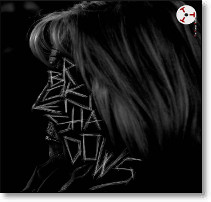
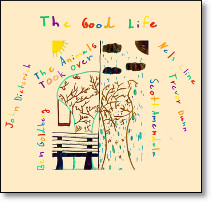
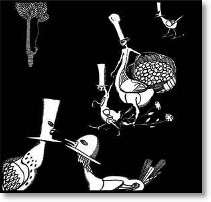
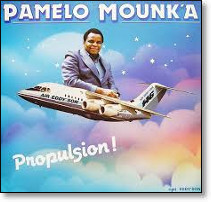
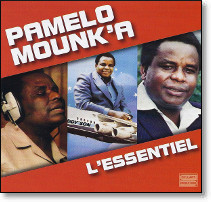
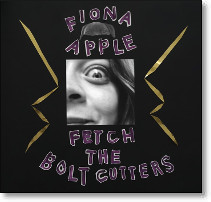
After no unpacking last week, this week bounced back to something more normal, maybe even a bit above normal. New records reviewed this week: The Bad Plus: The Tower Tapes #4 (2019 [2020], Jazz Club Ferrara): Trio, formed in 2000 with Reid Anderson (bass) and David King (drums), Orrin Evans taking over the piano slot in 2018. Two sets (42:48 and 57:59). B+(**) [bc] Danny Barnes: Man on Fire (2020, ATO): Singer-songwriter from Texas, plays banjo, best known for his 1991-2000 group Bad Livers, less so for his 2014-18 group Test Apes, more than a dozen solo albums, can sound old-timey country with a hint of bluegrass, or postmodern. B+(***) Majid Bekkas: Magic Spirit Quartet (2018 [2020], ACT Music): Moroccan singer, plays various instruments (guimbri, oud, guitar), in a Scandinavian quartet with Goran Kajes (trumpet), Jesper Nordenström (keyboards), and Stefan Pasborg (drums), with Chaouki Family adding karkabas and backing vocals on two tracks. B+(*) Josh Berman/Paul Lytton/Jason Roebke: Trio Discrepancies (2018 [2019], Astral Spirits): Cornet, percussion, bass, second of two records for this trio. [PS: Side B didn't play cleanly.] B+(**) [lp] Tim Berne's Snakeoil: The Tower Tapes #1 (2017 [2020], Jazz Club Ferrara): Part of a large stash of live recordings from Ferrara, Italy -- sixteen volumes at the moment, wide range of jazz groups, quickly dumped for your quarantine listening pleasure. Leader on alto sax, with his main group since 2011: Oscar Noriega (clarinet, bass clarinet), Matt Mitchell (piano), Ches Smith (percussion). Two long sets (51:41 and 51:59), no attempt to identify pieces within. B+(**) [bc] Broken Shadows: The Tower Tapes #2 (2020, Jazz Club Ferrara): More quarantine tapes. Quartet name comes from an Ornette Coleman piece, with Tim Berne (alto sax), Chris Speed (tenor sax), Reid Anderson (bass), and Dave King (drums). Two sets (47:16 and 57:35), no songs let alone song credits. Reminds me how terrific Berne's 1990s group with Speed was, and this rhythm section may be even more of a powerhouse. A- [bc] Wayne Escoffery: The Humble Warrior (2019 [2020], Smoke Sessions): Tenor saxophonist (some soprano), born in London, based in New York, albums since 2001. Mostly quartet with piano (Dave Kikoski), bass (Ugonna Okegwo), and drums (Ralph Peterson), adding trumpet (Randy Brecker) and/or guitar (David Gilmore) to four tracks in the middle, one with a vocal (Vaughn Escoffery). B+(*) Bob Gluck: Early Morning Star (2019 [2020], FMR): Pianist, rabbi, professor, has written books on Miles Davis, Herbie Hancock, and Paul Winter; composed electronic music before moving into jazz; fifth album since 2011, group has clarinet, bass, drums, and voice (Andrea Wolper). I find the voice uncomfortably operatic, but the music is engaging. B+(*) [cd] [06-15] The Howling Hex: Knuckleball Express (2020, Fat Possum): Rock group, principally Neil Hagerty, who co-led Royal Trux 1987-2001, closer to grunge than to punk, but similarly straightforward and sharp. More than a dozen albums since 2003. This one is on the short side (ten songs, 28:48, but two of them top 4:45). B+(**) Sam Hunt: Southside (2020, MCA Nashville): Country singer-songwriter, second album (plus a "mixtape"), both hits, has a big sound which occasionally puts a single over. B+(*) KVL: Volume 1 (2019, Astral Spirits): Trio, initials for Quin Kirchner (drums), Daniel Van Duerm (keyboards), and Matthew Lux (bass), each with a side of electronics. Jaimie Branch (trumpet) has a stellar turn on one cut. [PS: Vinyl was warped so bad I couldn't play Side B.] B+(*) [lp] Rob Luft: Life Is the Dancer (2019 [2020], Edition): British guitarist, second album, quintet with Joe Wright (tenor sax), Joe Webb (organ/piano), bass, and drums. Two tracks add trumpet and voice -- latter is a problem. Some adventurous sax spots, but not much else. B Chad Matheny: United Earth League of Quarantine Aerobics (2020, Dreams of Field, EP): Singer-songwriter, better known as Emperor X, American but based in Berlin, offers a quickie quarantine special. Seven songs (four versions of "Stay Where You Are"), 26:06, the others every bit as topical, including an inspirational labor anthem. A- [bc] Mdou Moctar: Mixtape Vol. 1 (2020, self-released): Singer-songwriter from Niger, plays guitar, half-dozen albums, some among his region's finest. This one's a single 44:37 rack, mixed together from demos and live scraps -- the latter especially intense. B+(***) [bc] Lido Pimienta: Miss Colombia (2020, Anti-): Singer-songwriter, born in Colombia, raised in Canada, based in Toronto, second album. In Spanish, beats a little choppy, then gets even choppier. B+(**) Charles Rumback: June Holiday (2018 [2020], Astral Spirits): Chicago drummer, eight album since 2009, leads a trio here with Jim Baker (piano) and John Tate (bass). [NB: Couldn't play second side of LP, which slipped due to warpage. I did play an MP3 dowloads of the entire album.] B+(**) [lp] Shabazz Palaces: The Don of Diamond Dreams (2020, Sub Pop): Hip-hop duo from Seattle, fifth album, an anomaly on their indie rock label, where they tend toward dark atmospherics and obscure iconography. B+(**) Snotty Nose Rez Kids: Born Deadly (2020, Fontana North, EP): Canadian "First Nations" rap duo, Yung Trybez and Young D, three albums, the most recent (Trapline) recommended. Five tracks, 15:48. B+(**) Craig Taborn/Dave King: The Tower Tapes #3 (2019 [2020], Jazz Club Ferrara): Piano-drums duo, both also credited with electronics. Two parts (57:04 and 18:22). Taborn is one of the top pianists today, but he first started winning polls in the less competitive electric keyboard category, which he returns to impressively here. B+(***) [bc] Azu Tiwaline: Draw Me a Silence Part I (2020, IOT, EP): Electronica producer from Tunisia, Nice beat and ambience. Six songs, 27:04. A Part II is due late May, as is a 2-LP that combines the two. B+(**) Rod Wave: Pray 4 Love (2020, Alamo): Young rapper from Florida, Rodarius Green (how young? "grew up listening to E-40"). Second album, a hip-hop lovers rock. B+(**) Hayley Williams: Petals for Armor (2020, Atlantic): Singer-songwriter, first solo album after five fronting Paramore. Organized as three discs, but at five songs each, totals 55:47. B+(*) Charli XCX: How I'm Feeling Now (2020, Asylum): English pop star, Charlotte Aitchison, fourth album, a quickie recorded under quarantine in her home studio in Los Angeles. Doesn't allow her the usual kitchen sink pop production, but she cranks the synths up loud enough it doesn't matter. B+(***) Recent reissues, compilations, and vault discoveries: Derek Bailey/Greg Goodman: Extracting Fish-Bones From the Back of the Despoiler (1992 [2017], The Beak Doctor): Duo, guitar and "objets d'intérieur" (mostly percussion). Goodman has played on a dozen-plus albums 1978-2017, mostly improv settings with everyone's name on the top line. B+(**) [lp] Emperor X: Nineteen Live Recordings (2005-13 [2020], Dreams of Field): Singer-songwriter Chad Matheny, debuted under his alias in 1998, got some notice for his 2011 album Western Teleport, released this in 2013, the date still on Bandcamp despite adding a "2020 Preface" to the page (sounds like a reissue to me, especially as the label has changed). Interesting guy, but expect rough spots. B+(*) [bc] The Good Life: The Animals Took Over (2009 [2020], self-released): Drummer Scott Amendola put this together, taking the name from a piece on the Pat Matheny/Ornette Coleman album Song X, recorded it live in Oakland, and finally decided to donate it to Food Bank NYC. With two guitarists (John Dieterich and Nels Cline), clarinet (Ben Goldberg), and electric bass (Trevor Dunn) -- a slightly augmented Nels Cline Singers. Two Coleman tunes, an opener by Jimmy Giuffre, three originals from the band. Could be tighter, but nearly ever song peaks. A- [bc] John Gruntfest/Greg Goodman: In This Land All the Birds Wore Hats and Spurs (1984-2008 [2017], The Beak Doctor): American alto saxophonist, only other album Discogs lists is from 1977, plus a couple of side credits. Goodman, a British gadfly who shows up on widely scattered platters with various avant-gardists, is credited with "Every Thing Else." That seems to be about right. A- [lp] Fela Anikulapo Kuti and Egypt 80: Perambulator (1983 [2020], Knitting Factory): Two tracks, "Perambulator" (14:36) and "Frustration" (13:42). Title track appears to date from a 1978 release of Shuffering and Shmiling, but when MCA did their 1978 reissues it was replaced by "No Agreement" (the title of a 1977 album that didn't get reissued). Fairly classic groove pieces, dubious discography. B+(***) Nina Simone: Fodder on My Wings (1982 [2020], Verve): Originally released as Fodder in Her Wings on Carrere in France, reissued in France by CY in 1988, and by Sunnyside in 2015. A mixed bag of pieces, including some Latin rhythm, an upbeat gospel, and the aptly titled "Liberian Calypso." B+(**) Stone Crush: Memphis Modern Soul 1977-1987 (1977-87 [2020], Light in the Attic): Crate digging, 19 songs from 15 artists I've never heard of. Title cut was by O.T. Sykes, a dentist, and has a bit of Commodores funk to it. Nothing brilliant here, but the soft ballads are fetching, the nods toward disco and funk functional. B+(**) Old music: Luís Lopes: Noise Solo at ZBD Lisbon (2011-12 [2013], LPZ): Portuguese guitarist, has impressed me, especially with his Humanization 4tet, plays solo, focus on noise but not for its own sake. B+(*) [lp] Pamelo Mounk'a: No. 1 Africain: Ça Ne Se Prete Pas (1982, Star Musique): Congolese singer-songwriter (1945-96), from Brazzaville, had a hit "L'Argent Appelle L'Argent" (1981), later recorded with Rochereau and M'Bilia Bel. Christgau recommended his 1983 album Propulsion!, but this was the only LP I managed to track down. Soukous groove music, but first side sounds off to me, like the speed is wobbling. Nice ballad on the flipside, and better groove. B+(*) [lp] Pamelo Mounk'a: Propulsion! (1983, Disques Sonics): Four-track LP (30:05), found them on a compilation (L'Essentiel, on Syllart), but thought I'd review them separately as I've long looked for this particular album. Relatively light touch for soukous, but the groove wins out. A- Pamelo Mounk'a: L'Essentiel (1981-84 [1993], Syllart): Minor soukous star from Brazzaville, on the other side of the Congo River. Ten-track compilation, the first four tracks (including hit "L'Argent Appelle L'Argent") from his eponymous 1981 album, next four from 1983's Propulsion!, plus two more I haven't found any other home for ("Le Travail, Toujours Le Travail," "Adjoussou D'Abidjan"). High point is the album Propulsion!, which you're most likely to find here. A- Pamelo Mounk'a: L'Indispensable (1982-85 [1993], Syllart): As far as I can tell, Syllart's three compilation all appeared at the same time, and don't have clear chronology or pecking order. This starts off with the 1982 album Samantha, then adds five tracks from I know not where. At least two tracks here belong on his best-of: "Samantha" and "Camitina." B+(***) Pamelo Mounk'a: L'Incontournable (1982-85 [1993], Syllart): Starts with Africain No. 1: Ça Ne Prete Pas (1982), adds five more songs of unknown providence. As with the other volumes, gets stronger as it goes. B+(***) William Elliott Whitmore: Kilonova (2018, Bloodshot): Folk/country singer-songwriter from Iowa, ninth album since 1999, went with covers this time, "punk rock without the breakneck tempos." The best are the most obscure. B+(**) Hal Willner: Whoops, I'm an Indian (1998, Pussyfoot): Record producer, best known for a series of tribute albums where various artists rehash the works of some notable composer -- my favorite has long been Lost in the Stars: The Music of Kurt Weill, but he's also honored Nino Rota, Thelonious Monk, Charles Mingus, Harold Arlen, Leonard Cohen, and several genres, like Walt Disney songs, or pirate ballads, sea songs, and chanteys. But while I've filed several albums under his name, this is the only one he put his own name on, crediting Martin Brumbach and Adam Dorn (Mocean Worker) and himself as co-authors and producers. Audio collage with occasional references to trad tunes, and Ralph Carney adding some reeds. B+(***) [bc] Grade (or other) changes: Fiona Apple: Fetch the Bolt Cutters (2020, Epic): Best regarded/most hyped album of the year so far. I played it two or three times when it came out, was impressed by the drums, less convinced by the songs, so I hedged. Played it more, impressed by how effortlessly it flows together without ever seeming formulaic, so hedging it the other way. [Was: B+(***)] A- Unpacking: Found in the mail last week:
Ask a question, or send a comment. Monday, May 11, 2020 Music Week
Music: Current count 33244 [33207] rated (+37), 212 [218] unrated (-6). Probably the longest list of musician deaths of any week so far this year:
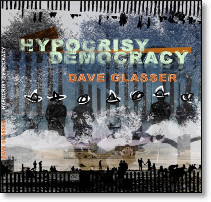
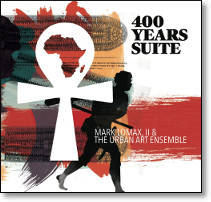
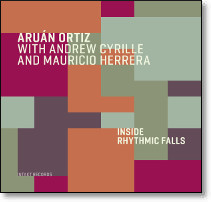
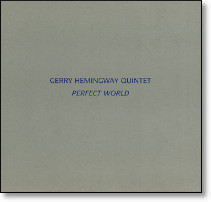
At least those were the ones I jotted down. Wikipedia lists another dozen-plus musicians I didn't recognize -- mostly classical and world, but also three rappers: Benedict Chijioke [Ty], William Daniels [King Shooter], and Andre Harrell, the latter better known as a producer. No new names so far Monday, but comedian Jerry Stiller (92) died today. As you may know, his "better half" (Anne Meara) passed in 2015. I haven't tracked down much writing on these musicians, but can point to Robert Christgau's Little Richard: Sexual Shaman and Embodiment of Rock 'n' Roll at Its Most Incendiary. Billboard has been keeping their own list, which adds names like: Nick Blixky, Cady Groves, Brian Howe, Troy Sneed, Scott Taylor, and many more from earlier in the year. Speaking of obituaries, the Wichita Eagle runs a couple pages of them on Sundays, a bit less on Wednesdays. I didn't do an exact count, and I didn't dig back into the archives, but there's a good chance that Sunday's list was the first time in my life when more people younger than me died than people older than me. The list above split 6 older, 2 younger, but 5 of the 6 were +5 years or less, so for my wife, the break would be 1 older (Little Richard), 7 younger. That's, well, disturbing. Records listed below lean toward old music. I started the week listening to items I hadn't previously heard from drummer Gerry Hemingway's Bandcamp page (Auricle Records). One of the first records I tried there was Perfect World, a Penguin Guide **** and an A- last week. Nothing this week that good, but that's often the case given how I snatch up the better-regarded records first, and am usually content to give the rest a single spin. Some other Hemingway records I especially recommend (* on Bandcamp page): Songs (2002), The Whimbler (2005)*, Riptide (2011)*; BassDrumBone's Hence the Reason (1997); Saturn Cycle (1994, with Georg Gräwe and Ernst Reijseger); En Adir (1997, with Ivo Perelman, Marilyn Crispell and William Parker); Inbetween Spaces (2010, with Ellery Eskelin)*; Below the Surface Of (2010, with Terence McManus)*; The Apple in the Dark (2010, with Ivo Perelman); Code Re(a)d (2014, with Assif Tsahar and Mark Dresser); Table of Changes (2015, with Marilyn Crispell); Luminous (2018, with Simon Nabatov and Barry Guy); many more side credits, including most of what he did in Anthony Braxton's legendary 1983-93 Quartet -- Willisau (Quartet) 1991 is especially monumental; also two Lisa Sokolov records Presence (2004) and A Quiet Thing (2009). Hemingway's site offered two BassDrumBone albums I hadn't heard, so that got me looking at trombonist Ray Anderson. The two Dutch albums on Kemo are fun, and there's a good chance that one (or both) could eventually earn an A- grade. The Henry Threadgill album is one I had ungraded on vinyl, and then I noticed the Air albums. Having run out of Astral Spirits CDs, I felt the need to dust off the turntable and play the three LPs they sent me -- but I had pulled the Threadgill album out a while back, so went with it first -- then moved on to other ungraded LPs (they'll show up in next week's report). Meanwhile, I wiped out nearly all of my demo queue, and even delved into some downloads I had lying around. Plus I got guidance from two list compilers: Lucas Fagen (a short, belated 2019 list) and Phil Overeem (a long one on 2020 so far). Thanks to the latter for noticing Mark Lomax's The 400 Years Suite -- though he would probably return the nod for me writing up Lomax's 2019 12-CD 400: An Afrikan Epic. The new one can be viewed as a footnote to last year's edition, but I doubt anyone else will produce a more powerful jazz album this year. The Aruán Ortiz album is a re-grade from one I streamed back in March. Maybe it does help to send me physical product (although this one is pure promo). A persistent publicist got me to listen to a download of the Dave Glasser album after the physical got lost in the mail. I should also mention the MakroQuarktet set. Good chance I would have given an A- to a straight reissue of their 2008 album Each Part a Whole, but the extra material didn't quite merit it. However, if you consider the extra material a mere bonus, and understand that after sampling it you can stick the the first disc, you might value it higher. Not much to report on various projects. I did announce a Q&A feature last week, but so far have only received one question (and not one I'm chomping at the bit to answer -- something about a low grade for a record I don't recall in any detail, beyond the obvious point that I didn't much like it). I won't guarantee that I'll answer every question, but I'll get to that one in due course. Meanwhile, any questions? Please use this form. Thanks. New records reviewed this week: Anáhuac: Y_y (2017 [2018], Astral Spirits): Trio, initially met in Austin: Ignaz Schick (turntable/electronics), Chris Cogburn (percussion/electronics), Juan Garcia (double bass). Filed under Cogburn when the first album I noticed listed his name first on the front cover (this earlier one starts with Schick, but not on the cover). Some voice, some noise. B Anáhuac: Ascua (2018 [2020], Astral Spirits): Another one, slightly more impressive. B+(*) [dl] Brian Andres Trio Latino: Mayan Suite (2019 [2020], Bacalao): Bay Area Drummer, has a larger group called The Afro-Cuban Jazz Cartel. Drops back to a piano trio here with Christian Tumalan (piano) and Aaron Germain (bass), who offer original pieces as well as covers from Chick Corea and standards like "Someday My Prince Will Come" and "On Green Dolphin Street." B+(*) [cd] [05-15] Blueface: Dirt Bag (2019, Cash Money, EP): Rapper Johnathan Porter, from Los Angeles, debuted with a 2018 mixtape, then two EPs -- this the second, 8 tracks, 21:33, most featuring rappers I've heard of but haven't heard much by. B+(***) Blueface: Find the Beat (2020, Cash Money): First studio album, compared to last year's EP twice as many songs, bigger name featuring spots, still only 41:29, with FBeats and Scum Beatz keeping the beats choppy. B+(**) Dave Glasser: Hypocrisy Democracy (2019 [2020], Here Tiz): Mainstream alto saxophonist, from New York, handful of records since 2000 plus side credits with the Count Basie and Dizzy Gillespie ghost bands, Illinois Jacquet, Clark Terry, and so forth. Quartet, also plays soprano sax and flute, backed by Andy Milne (piano), Ben Allison (bass), and Matt Wilson (drums). Gets in some surprisingly strong runs, and the rhythm section kicks ass. A- [dl] Jinx Lennon: Border Schizzo Fffolk Songs for the Fuc**d (2020, Septic Tiger): Irish folk singer-songwriter with punk airs, has twenty years of self-released albums. An interesting character, although I'm not finding him aligning much with my mood these days. B+(**) Mark Lomax, II & the Urban Art Ensemble: 400 Years Suite (2019 [2020], CFG Multimedia): Single-disc live presentation of music from the Columbus, Ohio drummer's monumental 12-CD 400: An Afrikan Epic, performed by his superb regular quartet -- Dean Hulett on bass, William Menefield on piano, and most importantly Edwin Bayard on soprano and tenor saxophone -- plus a string quartet. Bayard blows you away every time, but the gospel piano solo is nearly as impressive. Wish I had a CD, and the time to see if even the strings say masterpiece. A Josh Nelson Trio: The Discovery Project: Live in Japan (2019 [2020], Steel Bird): Pianist, tenth album since 1998, trio with Alex Boneham (bass) and Don Schnelle (drums). The Discovery Project started with his 2011 album Discoveries, combining visuals and scenography with his music. CD, of course, just has the music. B+(**) [cd] Arturo O'Farrill/The Afro Latin Jazz Orchestra: Four Questions (2020, Zoho): Pianist, son of Cuban bandleader Chico O'Farrill, a master of his craft and leader of New York's most famous Latin jazz big band. Title piece runs 16:13, with Cornell West's long harangue its focal point. I was impressed enough to note some of the more intricate scoring in the next piece, before vocals I'd rather tune out appeared. B [cd] Adam Rudolph/Ralph M. Jones/Hamid Drake [Karuna Trio]: Imaginary Archipelago (2020, Meta): Back cover and spine use group name, front cover just lists the musicians, percussionists by trade, each credited with instruments I don't recognize: membranophones, idiophones, chordophones, aerophones, as well as voice and electronic processing. Exotica fading into esoterica. B+(***) [cd] Brandon Seabrook With Cooper-Moore & Gerald Cleaver: Exultation (2019 [2020], Astral Spirits): Guitarist, with diddley bow and drums, no problem making a little noise, especially with this rhythm section keeping him on the rails. B+(***) [dl] [06-19] TeeJayx6: The Swipe Sessions (2019, The Family Entertainment): Detroit rapper, first mixtape, invents a new genre: cybergangsta. I never got the point behind Bitcoin, so some of this goes over my head. Can't say as I approve of the rest either, but beats and flow are still valid currencies. B+(***) Recent reissues, compilations, and vault discoveries: The MacroQuarktet: The Complete Night: Live at the Stone NYC (2007 [2020, Out of Your Head, 2CD): Quartet, two trumpet players (Dave Ballou and Herb Robertson), bass (Drew Gress) and drums (Tom Rainey). Released one album in 2008, Each Part a Whole, a live set from The Stone in NYC reissued on the first disc here, along with a second disc of additional material. B+(***) [cd] Old music: Air: Montreux Suisse Air: Live at Montreux 1978 (1978, Arista Novus): Saxophonist Henry Threadgill's 1975-82 trio with Fred Hopkins (bass) and Steve McCall (drums), best known for their 1979 album Air Lore, which brought Scott Joplin and Jelly Roll Morton into the avant-jazz canon. Live set offers three originals, 39:02. B+(*) Air: Live Air (1976-77 [1980], Black Saint): Two sets (39:53 total), one in New York, the other Michigan. Starts meandering, with way too much flute, but ends real strong. B+(*) Air: Air Mail (1980 [1981], Black Saint): Three pieces, titles just initials, just 35:41. Again, flute opens weak, but sax ends strong. B+(**) Ray Anderson/Mark Helias/Gerry Hemingway: Oahspe (1978 [1979], Auricle): BassDrumBone trio, a decade before they started recording under that name, the first record (of dozens) the trombonist and bassist put their name on, second for drummer Hemingway (whose debut featured the others). B+(***) [bc] Ray Anderson/Han Bennink/Frank Möbus/Ernst Glerum/Paul Van Kemenade: Who Is in Charge? (2010 [2011], Kemo): American trombonist, likes to play funk as well as avant-garde, visits the Netherlands, where avant has always had a comic edge. The others play drums, guitar, bass, and alto sax -- the latter is someone I've overlooked, although his discography goes back to 2000 and includes several pairings with Wolter Wierbos. He also wrote three pieces here, vs. 1 each for the others (except Bennink; maybe he picked the "Song for Ché" cover?). B+(***) Ray Anderson/Han Bennink/Ernst Glerum/Paul Van Kemenade: Checking Out (2016, Kemo): Same group minus guitar, which doesn't cost them much. B+(***) BassDrumBone [Ray Anderson/Mark Helias/Gerry Hemingway]: Cooked to Perfection (1986-96 [1999], Auricle): Trombone-bass-drums trio, nominally their sixth group album but culled from various European tours, with five tracks from 1986, one 1987, two 1996. B+(**) [bc] John Butcher/Gerry Hemingway: Buffalo Pearl (2005 [2008], Auricle): Duo, tenor/soprano sax and drums, joint improv, recorded live in Buffalo. B+(***) [bc] Gerry Hemingway: Kwambe (1978, Auricle): Drummer, from New Haven, Connecticut; first album, probably 22 at the time, opens with the 20:41 title piece, quintet with African instruments (Ghanian flute and Tanzanian xylophone), piano (Anthony Davis) and bass (Mark Helias). Other pieces include a trio with Davis and George Lewis (trombone/euphonium), a solo, and an early assembly of BassDrumBone (Hemingway's long-running trio with Helias and Ray Anderson). B+(*) [bc] Gerry Hemingway: Solo Works (1981, Auricle): Solo percussion, four pieces ranging from 6:00 to 9:58, doesn't connect much, but not without interest. B [bc] Gerry Hemingway Quintet: Outerbridge Crossing (1985 [1987], Sound Aspects): First Quintet album, recorded in New Haven, with David Mott (baritone sax), Ray Anderson (trombone/tuba), Ernst Reijseger (cello), and Mark Dresser (bass). Snappy title cut shows promise, but things drag later on. B+(*) [bc] Gerry Hemingway: Tubworks (1985 [1988], Sound Aspects): Another solo percussion record, opens with the 17:54 "Four Studies for Single Instruments." Similar issues with all of his solo albums, but "Dance of the Sphygmoids" picks up the pace. B+(*) [bc] Gerry Hemingway Quintet: Slamadam (1991-94 [1995], Random Acoustics): Nine Quintet albums 1985-2011, this one midway, with his most common lineup: Michael Moore (alto sax/clarinet/bass clarinet), Wolter Wierbos (trombone), Ernst Reijseger (cello), and Mark Dresser (bass). Nice mix, especially the horns. B+(***) [bc] Gerry Hemingway: Acoustic Solo Works 1983-94 (1983-94 [1996], Random Acoustics): More solo, appeared with Electro-Acoustic Solo Works 1984-95, but I don't recall thinking much of his use of electronics. Percussion, of course. B+(*) [bc] Gerry Hemingway Quintet: Waltzes, Two-Steps & Other Matters of the Heart (1996 [1999], GM): Same quintet, released after they closed their 1990-98 run, but looking back at their 27 gig/28 day 1996 tour of Europe. Scattered treats, but the waltzes are fun when they kick in. B+(***) [bc] Gerry Hemingway Quartet: Johnny's Corner Song (1997 [1998], Auricle): The second of four Quartet albums, lineups vary but all have two horns and bass -- here Ellery Eskelin (tenor sax), Robin Eubanks (trombone), and Mark Dresser (bass). B+(**) [bc] Gerry Hemingway/Thomas Lehn [Tom & Gerry]: Kinetics (2003-06 [2008], Auricle): Duo, Lehn plays analog synthesizer, could be listed first (per "Tom & Gerry"), but I'm following left-to-right artist names further down, because that files better. Also because it's the drums that justify the title. B+(*) [bc] Gerry Hemingway: Kernelings: Solo Works 1995-2012 (1995-2012 [2014], Auricle): More scattered solo pieces, some straight drumming I like quite a bit. Originally came with a DVD, which I haven't seen. B+(**) [bc] New Air: Live at Montreal International Jazz Festival (1983 [1984], Black Saint): After Air split up in 1982, Henry Threadgill (alto/baritone sax, flute) and Fred Hopkins (bass) regrouped for the occasional gig, with Pheeroan Aklaff (percussion) justifying the "New" sobriquet. This is the first of two live albums. B+(***) Henry Threadgill Sextett: Subject to Change (1984 [1985], About Time): Saxophonist (alto/tenor, also flute and clarinet), third album (of five 1982-89) with this group, the extra 't' signifying a second drummer (and seventh musician). With trumpet (Rasul Sadik) and trombone (Ray Anderson), cello (Diedre Murray) and bass (Fred Hopkins). Richly layered. Ends with a vocal by Amina Claudine Myers. B+(**) [lp] WHO [Michel Wintsch/Gerry Hemingway/Bänz Oester]: Identity (1999, Leo): Piano-drums-bass trio, first album to spotlight their initials on the cover, although Wintsch and Hemingway shared a 1994 album, and the trio went on to record several more through 2014. B+(***) WHO Trio: WHO Zoo (Acoustic) (2011-13 [2014], Auricle): Initials: Michel Wintsch (piano), Gerry Hemingway (drums), Bänz Oester (double bass). B+(***) WHO Trio: WHO Zoo (Electric) (2011-13 [2014], Auricle): Originally a second disc to WHO Zoo, the "electric" refers mostly to Wintsch's use of synthesizer, but piano is still common. Three longish pieces. B+(***) Grade (or other) changes: Aruán Ortiz With Andrew Cyrille and Mauricio Herrera: Inside Rhythmic Falls (2019 [2020], Intakt): Cuban pianist, based in New York, the others drums and percussion (the latter is also Cuban, the drummer a Haitian born in Brooklyn), all three also credited with voice, their occasional chants another layer of rhythm. [was: B+(**)] A- [cd] Unpacking: Nothing new in the mail last week. Ask a question, or send a comment. Monday, May 4, 2020 Music Week
Expanded blog post, May archive (in progress). Music: Current count 33207 [33179] rated (+28), 218 [221] unrated (-3). Some leftover Weekend Roundup business:
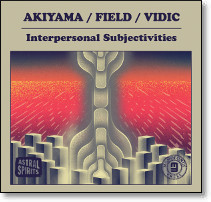
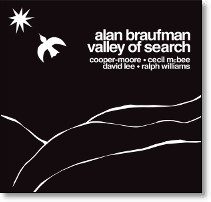
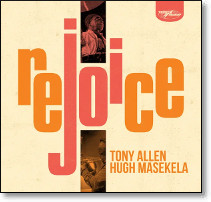
Another famous musician died last week: Tony Allen, the Nigerian drummer who created Afrobeat (although his bandleader, Fela Anikulapo Kuti, took most of the credit). He released a few dozen post-Fela albums under his own name. Perhaps the best came out early this year, Rejoice, a 2010 vault tape co-headlined by the late South African trumpet master, Hugh Masekela. Looking at lists of recent deaths, one name that jumped out at me was Maj Sjowall (84), co-author of the Martin Beck detective books, a name I recall from early days when I took seriously every book published by Pantheon Books. One of many names I was unfamiliar with, but belatedly thankful for, was Henry Geller, who was resposible for getting cigarette advertising banned from TV. Also noticed the "overlooked" obituary of Kate Worley (1958-2004), who wrote the Omaha the Cat Dancer comics (with illustrator Reed Waller). I probably read more of them than of any of the recent authors to show up in these lists. Count a bit light this time. That happens from time to time, and may reflect nothing more than that I played old music for breakfast most of the week. Also worked on my queue, which is under ten deep, and some of that on vinyl. (I guess I should at least make sure my turntable still works, but I've been going through a lazy spell.) I've done a bit of website work for Robert Christgau and for Carol Cooper, but neither are quite ready for prime time. The latter is an experiment trying to convert her archive to use WordPress. I'm a bit more than half way through, and think it doesn't look too bad. I have a potentially bigger WordPress project for Notes on Everyday Life, but haven't begun to get it off the ground. Learning a few things, though. I've also ported some of my Xgau Sez to my website, so you can fill in a form to ask me a question (or comment or just vent). I've added an extra entry for keywords, thinking that it might be nice eventually to be able to bring up all the answers on a given subject. No guarantee I'll use what you provide, but a good suggestion will save me some thought (on the other hand, a bad one will cost me more). I haven't ported the answer code yet. Figure I don't have to do that until I have a question to answer. One more item back on the agenda: I'd like to do some significant weeding out of the paper and plastic hoard here. Started by pitching a couple stacks of magazines into the recycle tonight. Last time I looked into donating stuff to libraries, there seemed to be zero interest in magazines, so that seemed like a safe place to start. A few years back, I had a plan to start donating CDs to Wichita State University, but my interest waned with every building they named after a Koch, and more so after my sister died. Not sure they're even interested any more -- at any rate lost my contact there. I've been assuming that trying to sell things would be too much hassle for too little return (pretty much the lesson I drew from selling lots of vinyl before moving from NJ to KS -- got something like 25 cents per LP). If you have any thoughts on this, let me know. New records reviewed this week: Tetuzi Akiyama/Nicolas Field/Gregor Vidic: Interpersonal Subjectivities (2017 [2019], Astral Spirits): Electric guitar, percussion, and tenor sax, no names I've run across before, although the Japanese guitarist has a long list of records since 2001 (69 Discogs entries). Nicely paced, no thrash, endlessly inventive. A- [cd] Chris Byars: On the Shoulders of Giants (2019 [2020], SteepleChase): Retro-bebop tenor saxophonist, after having established himself as the most impressive of Luke Kaven's Smalls circle, lately has indulged in tributes (to Lucky Thompson, Gigi Gryce, Duke Jordan, Frank Strozier). Still, wrote 8 (of 9) songs here, the opening cover from Tommy Turentine. Sextet, with Zaid Nasser (alto sax), Stefano Doglioni (bass clarinte), John Mosca (trombone), Ari Roland (bass), and Phil Stewart (drums). B+(**) Chris Cogburn/Juan García/Ignaz Schick: Anáhuac (2016 [2020], Astral Spirits): Percussion/electronics, double bass, and turntables/electronics. Three longish pieces, "composed in real time with no overdubs," which sounds like hit and miss, but better than expected. B+(**) [cd] Ronnie Cuber: Four (2019, SteepleChase): Baritone saxophonist, eighteenth album since 1976, assembled what for all intents and purposes is a soul jazz group -- guitar (Ed Cherry), organ (Brian Charette), and drums (Adam Nussbaum) -- and honks his way through a set of standard jazz tunes ("Sidewinder," "Bluesette," "How High the Moon"). B+(***) Joe Ely: Love in the Midst of Mayhem (2020, Rack 'Em): Singer-songwriter, based in Austin but bred in Lubbock, presents ten previously unreleased songs from various points in his career, one each going back as far as 1973-74. None of them click for me, but I do hear faint echoes of albums I still love. B+(*) Dylan Hayes Electric Band: Songs for Rooms and People (2020, Blujazz): Keyboard player, some piano but mostly electric, with electric bass, guitar, drums, tenor sax/EWI (Santosh Sharma), spots for trumpet (Jay Thomas). Fast and fusiony. B [cd] Art Hirahara: Balance Point (2020, Posi-Tone): Pianist, American, fifth album since 2011, trio with Joe Martin and Rudy Royston, plus Melissa Aldana on tenor sax. B+(*) Anna Högberg Attack: Lena (2019 [2020], Omlott): Swedish sextet, leader plays alto sax, with tenor sax (Elin Forkelid), trumpet (Niklas Barnö), piano (Lisa Ullén), bass, and drums -- all but Barnö women. Second group album (Barnö's first), rough and tumble free jazz. B+(***) [bc] Brian Landrus/Fred Hersch/Drew Gress/Billy Hart: For Now (2019 [2020], BlueLand): Baritone saxophonist, also plays bass clarinet, alto and regular flute. Tenth album, has more help than the big names on the cover: Michael Rodriguez (trumpet), strings enough for a string quartet. B+(*) [05-15] Lil Wayne: Funeral (2020, Young Money): Rapper from New Orleans, thirteenth studio album since 1999, not counting dozens of mixtapes. This seems like a big deal at 24 cuts, 76:04. Christgau thinks this is his best since No Ceilings (2010). Perhaps, but I'm not caring much. B+(**) LP and the Vinyl: Heard and Sceen (2019 [2020], OA2): Pretty awful band name. "LP" is singer Leonard Patton, from San Diego, has several records under his own name, backed here by piano (Danny Green), bass and drums. Green wrote two songs (one with Patton), the rest are covers, some surprise picks ("Life on Mars," "The Fool on the Hill," "Wonderwall"). Voice has its soulful moments. B [cd] Nduduzo Makhathini: Modes of Communication: Letters From the Underworld (2020, Blue Note): South African pianist, half-dozen local albums, this his first big international exposure (aside from appearing in Shabaka and the Ancestors). McCoy Tyner fan, especially for A Love Supreme, some fine saxophone here, don't care much for the vocals. B+(**) Joe McPhee/Dave Rempis/Tomeka Reid/Brandon Lopez/Paal Nilssen-Love: Of Things Beyond Thule Vol. 2 (2018 [2020], Aerophonic): Same quintet, focus on the cello makes this less grating, until it isn't. B+(**) [bc] Tom Misch & Yussef Dayes: What Kinda Music (2020, Beyond the Groove): English singer-songwriter, established himself with two Beat Tape mixes before his 2018 debut album. Dayes is a jazz drummer, but leans toward r&b here, with guitar shimmer. B+(**) Darrell Scott: Sings the Blues of Hank Williams (2020, Full Light): Country singer, more than a dozen albums since 1997, usually writes his own songs but gives a nod to the honky tonk founder here. Williams' songs are rarely identified as blues, but he managed to moan more miserably than the bleakest bluesman imaginable, so I could see Scott taking him that way. Can't hear it, though. B Martial Solal & Dave Liebman: Masters in Paris (2016 [2020], Sunnyside): Piano and saxophone (tenor/soprano) duo, recorded a few months after their Masters in Bordeaux, so the pianist would have turned 89. Familiar standards, the opening "A Night in Tunisia" is especially striking. B+(***) Dayna Stephens Trio: Liberty (2019 [2020], Contagious Music): Tenor saxophonist, 10+ albums since 2007, mainstream/postbop, seems like I first noticed him on other people's albums. Trio with Ben Street (bass) and Eric Harland (drums). Good framework to hear him play. B+(***) Michael Thomas: Event Horizon (2019 [2020], Giant Step Arts, 2CD): Alto saxophonist, not the same name trumpet player, co-leader of Terraza Big Band, only album I've found under his own name, a live quartet with more established players: Jason Palmer (trumpet), Hans Glawischnig (bass), and Johnathan Blake (drums). B+(***) [cd] [05-08] Gary Versace: All for Now (2019 [2020], SteepleChase): Piano trio, with Jay Anderson (bass) and Obed Calvaire (drums). Not sure I've seen him play piano before --usual instruments are organ and accordion, so not unrelated. Mostly originals, including one from Bud Powell. B+(**) Webber/Morris Big Band: Both Are True (2018 [2020], Greenleaf Music): Two tenor saxophonists, Anna Webber and Angela Morris, both conduct, both also play flute, co-lead a conventional big band plus guitar and vibes. Too fancy for me to figure out. B+(**) Recent reissues, compilations, and vault discoveries: Alan Braufman: Valley of Search (1975 [2018], Valley of Search): Alto saxophonist, first album, for that matter the first album released on India Navigation, an important avant-jazz label of the late 1970s. With Cooper-Moore (piano), Cecil McBee (bass), David Lee (drums), and Ralph Williams (percussion). One piece is based on a Baha'i prayer, recited by Cooper-Moore -- comes off gloomy. But elsewhere the rhythm kicks up, and joy develops. A- Alan Braufman & Cooper-Moore: Live at WKCR May 22, 1972 (1972 [2019], Valley of Search, EP): Sax-piano duo, earliest work I've run across from either, just three tracks (17:40), "Suite I," etc. Avant intensity, the pianist already a unique talent. B+(**) Old music: Don Cherry/Dewey Redman/Charlie Haden/Ed Blackwell: Old and New Dreams (1979, ECM): Ornette Coleman's legendary 1958-61 Quartet, minus Coleman, plus Redman, who played tenor sax in Coleman's 1960s groups. Group did an eponymous album for Black Saint (1976), two for ECM, regrouped on the drummer's birthday in 1987 for A Tribute to Blackwell, their final concert (he died in 1992). Two Coleman songs, one each from Redman, Cherry (trumpet, piano), Haden (bass), and Blackwell (drums). B+(**) Don Cherry/Dewey Redman/Charlie Haden/Ed Blackwell [Old and New Dreams]: Playing (1980 [1981], ECM): Redman (tenor sax) opens up strong, and eclipses Don Cherry (trumpet) as the main force here. Three Coleman songs, one each for Cherry, Redman, and Haden. B+(***) Gerry Hemingway Quintet: Perfect World (1995 [1996], Random Acoustics): Drummer, played in Anthony Braxton's legendary quartet, also BassDrumBone, long list of albums as leader since 1978. Quintet recorded five tracks in three locations, with Michael Moore (alto sax/clarinet/bass clarinet), Wolter Wierbos (trombone), Ernst Reijseger (cello), and Mark Dresser (bass). Starts scratchy/abstract, turns remarkable when everyone comes together. A- [bc] Old and New Dreams: Live in Saalfelden 1986 (1986 [2017], Condition West): Live shot, Paul Motian filling in for regular drummer Ed Blackwell. Sound not great, but some of their best playing -- even on the 17:20 "Bass Feature." B+(***) [bc] Unpacking: Found in the mail last week:
Ask a question, or send a comment. Tuesday, April 28, 2020 Music Week
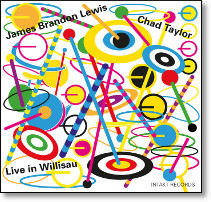
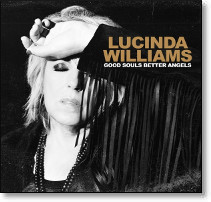
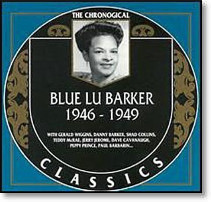
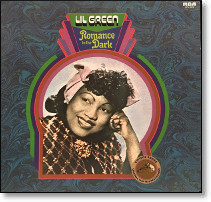
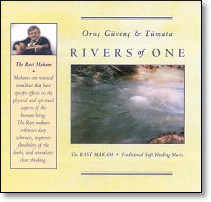
Music: Current count 33179 [33137] rated (+42), 221 [226] unrated (-5). Trying desperately to wrap up the month today, and don't feel like writing much anyway. I will say that the concentration of A- records in the Old Music is mostly due to opening up a stash of downloads, shared by friends and stashed away for months or maybe years. I found them while looking for some more recent jazz records. Also found a few non-product offerings that I won't bother reviewing but someday may find time to listen to. (They exist because Robert Christgau deemed them worth reviewing; e.g., Gary Giddins' post-WWII roadmap, and an Adam Schlesinger playlist. There's also something called "The Sound of the City Pt. 1" -- probably a Charlie Gillett compilation, but I don't know which one: looks chronological, 1946-1951, and I recognize most, maybe all, of the songs, from "I Wonder" to "Cry.") In new music, Fiona Apple's Fetch the Bolt Cutters appears to be the best-reviewed new record of 2020 (so far), rating 94 (23 reviews) at AOTY, 100 (24 reviews) at Metacritic, topping both lists. It's in 2nd place in my metacritic file, behind Waxahatchee: Saint Cloud. I played it twice last week, and wasn't blown away, but I suppose I'm still open to persuasion (if I bother playing it again). At least I hear something there, which I can't say for Rina Sawayama's well-regarded Rina (far and away the second highest ranked 4/17 release). Fewer musician deaths this week. The one I know best was disco artist Hamilton Bohannon (1942-2020). I only have one of his LPs in my database (1976's Dance Your Ass Off), but I could swear I had 4-5 at the time, so I have to wonder how much more got lost to my shabby 20th century bookkeeping. I didn't consider any of the albums great, but I did love their minimalist dance grooves. When I moved on to CDs, I picked up Deep Beats: Essential Dancefloor Artists Vol. 4 (1973-75 [1994], Castle/Deep Beats), a very solid A-. I'm much less familiar with Detroit DJ Mike Huckaby (1966-2020), but for an expert appreciation, see Michaelangelo Matos: Remembering Mike Huckaby, a towering figure in Detroit house music. I can add that the Record Time store in Roseville, MI that Huckaby worked at was a favorite haunt of mine on my trips to Detroit, and the collection of electronic dance music there regularly boggled my mind (although I spent more time in their slightly more modest store in Ferndale, much closer to where I was staying). Also on the list was Ian Whitcomb (1941-2020), a one-hit wonder from 1965 ("You Turn Me On!"), who wrote the first popular history of rock and roll that I read, After the Ball (1972 -- the second was Charlie Gillett's The Sound of the City). I do have Whitcomb's 1965 LP in my database at B+ (I managed to track it down in the 1970s, but it's long gone now). PS: Haven't yet done the normal monthly accounting for the April Streamnotes file. I'll wrap that up later in the week. I should also note that I've decided to add all December 2019 releases to the 2020 Music Tracking file, and also to the Metacritic file. I had previously decided to include 2019 releases that hadn't picked up any votes in the 2019 EOY Aggregate. Since EOY lists tend to appear before the year is done, most publications are already skewed by at least a month, so I thought I should reflect that. The Jazz Critics Poll's official year-end definition is Thanksgiving, so I'm getting close to that. I use the Music Tracking file to help count JCP ballots, so this change will have some practical value. New records reviewed this week: Against All Logic: 2017-2019 (2017-19 [2020], Other People): Nicolas Jaar, electronica producer in New York, records under aliases as well as his own name, this the second compilation of his work as AAL. B+(***) Robby Ameen: Diluvio (2019 [2020], Origin): Drummer, from Connecticut, plays Afro-Cuban jazz, third album as leader, broke in with Dizzy Gillespie in 1984, many side credits (e.g., with Ruben Blades, Dave Valentin, Conrad Herwig, Kip Hanrahan). High octane. B+(*) [cd] Fiona Apple: Fetch the Bolt Cutters (2020, Epic): Singer-songwriter, fifth album since 1996, increasing elapsed times between albums: 3, 6, 7, 8 years. Previous albums built around her piano, but this one is drums, practically all drums, even the vocals arranged as chants. Probably the best-received album so far this year, but while I have to credit its distinctiveness, I don't particularly get it (or expect to). B+(***) #Bloomerangs: Moments and Fragments (2020, Instru Dash Mental): Piano trio (Clay Wulbrecht, Stefan Lenthe, Chris Parker) plus guitar/banjo (Rodrigo Cotelo), the latter providing most of the writing credits and listed as producer, with everyone else claiming a song or two. B+(*) The Ian Carey Quintet + 1: Fire in My Head: The Anxiety Suite (2019 [2020], Slow & Steady): Trumpet player, Bay Area, seventh album, lively postbop sextet with alto sax, bass clarinet, keyboards, bass, and drums. B+(**) Chicago Underground Quartet: Good Days (2018-19 [2020], Astral Spirits): Long running duo, Rob Mazurek (trumpet, electronics) and Chad Taylor (drums), with 7 albums 1998-2014, sometimes Trio (4 albums 1999-2007), one previous Quartet album (2001) -- guitarist Jeff Parker returns here, with along with newcomer Josh Johnson (synth bass, organ, piano). Played this a lot, and keep bouncing up and down on it. B+(***) [cd] Alex Cunningham & Claire Rousay: Specifically the Water (2020, Astral Spirits): Violin and drums duo, free jazz at its most elemental, abstract and rather scratchy. B+(*) [cd] Kaja Draksler Octet: Out for Stars (2019 [2020], Clean Feed): Slovenian pianist, half-dozen albums since 2008, second Octet effort, again with two singers, two reeds (Ab Baars, Ada Rave), viola, bass, and drums. Strikes me as scattered and aimless, which I blame the vocals for (gets better when they shut up, but still leans operatic). B- Colin Fisher Quartet: Living Midnight (2019, Astral Spirits): Bio describes him as North American multi-instrumentalist, probably Canadian, plays saxophone (tenor/alto) here, guitar elsewhere, has a couple previous albums and a dozen-plus side credits. Quartet, with Daniel Carter on sax (clarinet/flute), Brandon Lopez (bass), and Marc Edwards (drums). Avant, three long pieces (71:37). B+(***) [cd] Nick Fraser/Kris Davis/Tony Malaby: Zoning (2019, Astral Spirits): Canadian drummer and pianist, the saxophonist a long-time associate of Davis; two more names in smaller type and half of the pieces: Ingrid Laubrock (tenor sax) and Lina Allemano (trumpet). Rather abstract. B+(**) Gordon Grdina Septet: Resist (2017 [2020], Irabbagast): Canadian guitar/oud player, builds this group around East Van Strings -- well-known jazz musicians Jesse Zubot (violin), Eyvind Kang (viola), Peggy Lee (cello), and Tommy Babin (drums) -- adding saxophonist Jon Irabagon and drummer Kenton Loewen. B+(*) Alexander Hawkins/Tomeka Reid: Shards and Constellations (2019 [2020], Intakt): Piano-cello duo, from London and Chicago. B+(**) James Brandon Lewis/Chad Taylor: Live in Willisau (2019 [2020], Intakt): Terrific tenor saxophonist, although the raw tone wears thin on me here and there. Pretty good drummer, too, in some ways even more impressive here. Note that every time he switches to mbira something special happens. A- Luís Lopes Humanization 4tet: Believe, Believe (2018 [2020], Clean Feed): Portuguese guitarist, group name from the title of a 2008 album, although the group is unchanged, and everyone writes: Rodrigo Amado (tenor sax), Aaron Gonzalez (bass), and Stefan Gonzalez (drums). B+(***) Laura Marling: Song for Our Daughter (2020, Chrysalis/Partisan): British singer-songwriter, seventh album since 2008. "Features more sparse and minimal arrangements to create an intimate sound." Never sounded more like Joni Mitchell, although my favorite Mitchell albums have a bit more spunk. B+(**) Brian Marsella: Gatos Do Sul (2020, Tzadik): Pianist, American (I think) but closely linked to Brazilian percussionist Cyro Baptista, who sets the groove here, fluffed up by acoustic guitar, accordion, violin, voice, and flutes. B [dl] Joe McPhee/Dave Rempis/Tomeka Reid/Brandon Lopez/Paal Nilssen-Love: Of Things Beyond Thule Vol. 1 (2018 [2020], Aerophonic): Two saxophonist (McPhee also plays pocket trumpet), cello, bass, and drums, limited edition vinyl from a show at the Hungry Brain in Chicago. B+(**) [dl] The Mountain Goats: Songs for Pierre Chuvin (2020, Merge): Front cover continues: "10 new songs. March 2020." John Darneile's alias, operating solo here, 18th album since 1994, a short one (27:17). B+(**) Simon Nabatov: Time Labyrinth (2019 [2020], Leo): Russian pianist, moved to America, long based in Cologne, Germany; many records since 1988. Septet here, four horns, no drums, so it fractures and meanders a lot. B Simon Nabatov: Plain (2019 [2020], Clean Feed): Cover continues: "with Chris Speed [tenor sax, clarinet], Herb Robertson [trumpet, cornet, voice], John Hébert [bass], Tom Rainey [drums]." B+(*) Chris Poland: Resistance (2020, Ropeadope): Guitarist, started out in thrash metal band Megadeth, more recently led fusion bands OHM and OHMphrey, occasional solo albums since 1990. Lead song starts with some vocal then a Rhymefest rap, but nothing else follows in that vein. Finds its groove with a nice, spacey "Maiden Voyage" (Herbie Hancock). B+(*) [cd] Quelle Chris & Chris Keys: Innocent Country 2 (2020, Mello Music Group): Detroit rapper Gavin Tennille, eighth album since 2012, offers a sequel to his 2015 album, also with SF producer Keys. B+(***) Tom Rainey/Ingrid Laubrock: Stir Crazy (2020, self-released): Drum and sax duo, based in Brooklyn, started recording and releasing weekly improv pieces at home during the lockdown, this rolling up the the first four (57:18), with a fifth installment also on their Bandcamp, and most likely more to come. Nice rapport. B+(**) [bc] Rina Sawayama: Sawayama (2020, Dirty Hit): Pop singer, born in Japan, family moved to London when she was five, has done some modeling and acting, first album after the EP Rina. Music aims for arena rock, sometimes with a bit of dissonance, but that doesn't help either. B- Serengeti: Ajai (2020, Cohn): Chicago rapper David Cohn, many albums since 2002, this one produced by Kenny Segal. B+(**) Viktor Skokic Sextett: Basement Music (2020, Jazzland): Swedish bassist, born in Gothenburg, father Croatian, first album as leader, wrote all the music. Group has trumpet, two reed players (bass clarinet), piano, and drums. Fractured postbop, sly, sneaks up on you. B+(***) [cd] Emilio Solla Tango Jazz Orchestra: Puertos: Music From International Waters (2019, Avantango): Pianist, from Argentina, based in New York, debut was a quartet album in 2010, not sure how much more he has. Large ensemble here, mostly NY names although Pablo Aslan (bass) and Julien Labro (bandoneon, accordion) are experts. Leans toward lush. B+(**) STRFKR: Future Past Life (2020, Polyvinyl): Portland, Oregon group, released 2008 eponymous debut as Starfucker, shortened name for fourth album (2013, the only one that charted). Light vocals, a lot of shimmer to the guitar(s), can enjoy riding out a riff. B+(**) The Strokes: The New Abnormal (2020, Cult/RCA): A big deal c. 2000, especially in New York, diminishing returns after their debut, with Julian Casablancas' solo career dead-on-arrival. First album since a 2013 effort I didn't bother with after giving their 2011 album a C-. New one has a great title for the moment, and an opener that reëstablishes their groove cred. On the other hand, the singer can still get on my nerves. B+(*) Dave Stryker With Bob Mintzer and the WDR Big Band: Blue Soul (2019 [2020], Strikezone): Guitarist, long resume, in front of a standard big band with Mintzer arranging and conducting as well as featured on tenor sax. One song each from the leaders, the cover standards including Marvin Gaye, Prince, and "Wichita Lineman." B+(*) [06-05] Thundercat: It Is What It Is (2020, Brainfeeder): Singer-songwriter Stephen Bruner, has dabbled in punk and funk and settled in whatever this is, some obscure but surprisingly popular postmodern strain of pop. B Anne Waldman: Sciamachy (2020, Fast Speaking Music): Poet, 40-some books, recorded an album with John Giorno in 1977, has several more since 2011 with nephew Devin Brahja Waldman producing and playing sax, with spots here for Ambrose Bye (synth), William Parker (n'goni), Laurie Anderson (violin), and others. B+(**) [sc] Lucinda Williams: Good Souls Better Angels (2020, Highway 20): Singer-songwriter from Louisiana, father a poet and literature professor so she grew up with words, although at this point she probably likes her guitars more. After a long string of brilliant albums, I couldn't find her post-2011 albums, so I was initially shocked at how worn her voice had become, and how much fury she expressed. Several plays later she's still fraying my nerves, but this feels pretty damn substantial. A- Recent reissues, compilations, and vault discoveries: African Head Charge: Churchical Chant of the Iyabinghi (1991-94 [2020], On-U Sound): Adrain Sherwood's dub group, outtakes from the period's albums (Songs of Praise, In Pursuit of Shashamane Land), 10-13 years after their debut. Beats and echo, as if that's all you need in this world. B+(**) [bc] Old music: Blue Lu Barker: 1946-1949 (1946-49 [2000], Classics): Jazz/blues singer from New Orleans, married to guitarist Danny Barker (whose Sextet is credited with the first eight songs here), recorded for Decca 1938-39 (on Classics 704), for Apollo in 1946 and Capitol 1948-49 -- the later ones are collected here, including her best-known song, "Don't You Feel My Leg." A- [dl] Lil Green: Romance in the Dark: 1940-1946 (1940-46 [1971], RCA): Blues singer, born in Mississippi, moved to Chicago, where she started recording in 1940, and died young (34?) in 1954. Wrote her two most famous songs here ("Romance in the Dark," "Knockin' Myself Out"), most of the others by Joe McCoy or Big Bill Bronzy (who plays on most of them, along with piano and bass; the final "Blowtop Blues" uses a big band). A- Orüj Güvenç & Tümata: Rivers of One (1997, Interworld): Turkish clinical psychologist, musicologist, and Sufi sheik, group possibly an acronym for "Group for the Research and Promotion of Turkish Music." His 1995 Ocean of Remembrance was my sister's favorite album ever, much praised for calming the spirits -- something I'm naturally skeptical of, but can attest to nonetheless. Played ney, oud, and rebab, and sung a little. Three more pieces here, nothing hurried, not a problem. A- The Lee Konitz Quartet: Tranquility (1957, Verve): With Billy Bauer on guitar, Henry Grimes on bass, and Dave Bailey on drums, playing one original each by Konitz and Bauer, "Lennie Bird" by Tristano, and some typically subtle standards. B+(***) Myra Melford/Zeena Parkins/Miya Masaoka: MZM (2014-16 [2017], Infrequent Seams): Piano (some prepared), harp/electronics, 21-string koto. Saw a review of this as a new record and sought it out, but looks to be several years old. Deeply fractured sound earns its obscurity, as well as your attention. B+(*) Sarah Riedel/Carl Svensson/Viktor Skokic: Perfectly Still (2012, Footprint): Swedish jazz singer, wrote two songs here, three from bassist Skokic, one from guitarist Svensson, guest spots for reeds and percussion, other covers (notably "Surabaya Johnny," "All or Nothing at All"), all but one in English. [4/12 tracks on Napster, others on label website] B+(*) Lucinda Williams: The Ghosts of Highway 20 (2016, Highway 20, 2CD): Fourteen leisurely songs, runs 86:13, including long side-closers at 9:05 and 12:44, for a rather low-key, easy-going album. Starts with words from her father, Miller Williams, then from Woody Guthrie, includes two songs invoking heaven (the more insistent one goes "open up the doors of heaven/let me in"), and ends trad. ("Faith & Grace"). B+(***) Unpacking: Found in the mail last week:
Ask a question, or send a comment. Tuesday, April 21, 2020 Music Week
Music: Current count 33137 [33094] rated (+43), 226 [216] unrated (+10). Late getting this out, mostly because I got caught up in updating the Metacritic file, or maybe I was just putting off the task of writing about dead musicians. I did find that several lines had gotten dropped from the file, so I've started to patch them up again, but I may have lost information along the way (the most prominent contenders I'm aware of were Grimes and US Girls). Aside from consulting AOTY and Metacritic, I brought most of the jazz sources up to date. When I wrote up a list with 12 musicians last week, I forgot to mention Hal Willner. Some obituaries emphasize his association with Saturday Night Live, but I credit him with a series of brilliantly eclectic tribute albums, the best being his 1985 Lost in the Stars: The Music of Kurt Weill. Some more recent deaths of note here:
Tidal has an April 20 survey of Remembering the musicians felled by Covid-19, including Grimes, Logan, Konitz, and Willner, others I reported on last week, plus a few I had missed, like avant-disco chanteuse Cristina Monet (went by first name, I have her down for 3 A-list albums 1980-84, so I was a pretty big fan). Two more I'm less familiar with are: Marcelo Peralta and Moraes Moreira. I wound up spending much of the week playing to Lee Konitz records I had missed. The collected grade list is here. The new finds didn't match the previous peaks, but some are quite remarkable, and some high B+ records below could grow on me if given the chance -- one thing you can count on with Konitz is that he's thinking ahead of you. Aside from the records reviewed below, his list includes the following (all A- except as noted):
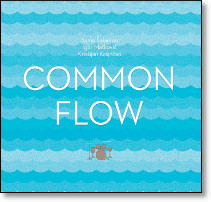
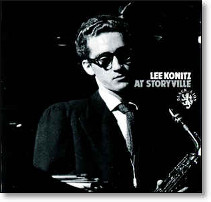
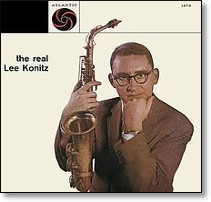
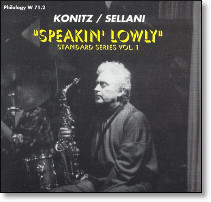
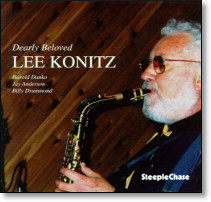
Konitz continued producing excellent records well into his 80s, even past his 90th birthday: the last four I have under his name I have at B+(***), including last year's Nonet album Old Songs New (as good as any of his 1970s Nonets). Another B+(***) not on the grade list is Dan Tepfer's Duos With Lee (2008). Another is Grace Kelly's GraceFulLee (2007). Yet another is Ethan Iverson's Costumers Are Mandatory (2013). Looks like Napster has another 75-80 Konitz albums I haven't heard, but they are getting hard to place, and I could use a break. In fact, I'm thinking I'll slow down this week, and do some house cleaning. I started pitching old music magazines, which no one seems to have any interest in. I thought about donating CDs to a library somewhere, but dropped the ball on that. Laura's nagging me about books, too. I don't see that as much of a problem, but in general it would be good to lighten the load and open up some space. Maybe clear my head a bit, then figure out what to really work on next. I'm at wit's end now. New records reviewed this week: Omer Avital Qantar: New York Experience (2019 [2020], Jazz & People): Israeli bassist, long based in New York, group named for his 2016 album, with two tenor saxophonists (Asaf Yuria and Alexander Levin), piano (Eden Ladin), and drums. Big, sweeping sound, strikes me as overly splashy but has its moments. B+(*) The Chats: High Risk Behaviour (2020, Bargain Bin): Australian punk group, founded 2016, bassist Eamon Sandwith sings, closest they've come to an album (14 songs, 28:08). Got form, clear too, so you can understand when they get muddled. B+(*) Chris Dingman: Embrace (2020, Inner Arts Initiative): Vibraphone player, third album, quite a few side credits (including Steve Lehman). Trio with Linda May Han Oh (bass) and Tim Keiper (drums). B+(*) [bc] Jimmy Greene: While Looking Up (2020, Mack Avenue): Saxophonist, from and based in Connecticut (teaches at Wesleyan), was a bit younger than the "tough young tenors" lionized in the 1990s but fits in nicely -- first album was a SteepleChase Jam Session with Mark Turner and Don Braden. Got unwanted fame when his daughter was killed in the Sandy Hook massacre in 2012, and he responded with a well-received album Beautiful Life -- I much preferred his 2017 album, Flowers: Beautiful Life Volume 2. Plays soprano on three cuts here, tenor on seven, flute, clarinet, and bass clarinet. Backed by Aaron Goldberg (piano), Lage Lund (guitar), Reuben Rogers (bass), Kendrick Scott (drums), with marimba/vibes on two tracks (Stefon Harris). The soprano may be closer to heaven, but the tenor is more soulful, which is what matters here. B+(***) Jeff Hamilton Trio: Catch Me If You Can (2019 [2020], Capri): Drummer, co-leader of the Clayton-Hamilton big band, half-dozen albums as a leader, most (or all?) piano trios like this one. You have to open the gatefold to find out who he's playing with: Tamir Hendelman and Jon Hamar. Eight standards, two from Hamar. B+(*) [07-17] Hailu Mergia: Yene Mircha (2020, Awesome Tapes From Africa): Ethiopian keyboard player, part of the Walias Band in the 1970s, toured the US in 1981 and stayed, spending many years driving a DC taxi cab. Rebooted his career after this label released some of his old tapes. Trio with bass guitar and drums, playing candy-colored groove pieces. B+(**) Ras Michael: Live by the Spirit (2020, Hen House Studios): Michael George Henry, from Jamaica, Rastafarian, learned nyabinghi drumming, alled his 1970s-80s band Sons of Negus. He's always projected a remarkable calmness, and at 76 has slowed down even more -- most obvious on his remake of a classic, "By the Rivers of Babylon." B+(**) Mono: Before the Past: Live From Electrical Audio (2019, Temporary Residence): Instrumental rock group from Japan, founded 1999, three pieces here, LP-length (29:27) but not in any hurry, slowly building, gently fading away. B+(*) [bc] Farnell Newton: Rippin' & Rumblin' (2020, Posi-Tone): Trumpet player, originally from Miami, moved on through Philadelphia and Denver to Portland, where he got his degree. Fourth album since 2011. Earns its title, with Brandon Wright even hotter at tenor sax, Brian Charette on organ, and Rudy Royston on drums. B+(**) Porridge Radio: Every Bad (2020, Secretly Canadian): British indie band, singer-songwriter-guitarist Dana Margolin, fifth album since 2015 (although this is the first on a label anyone might notice). Can get a bit dense, but "Long" is a song where they make that work. B+(*) Samo Salamon/Igor Matkovic/Kristijan Krajncan: Common Flow (2019 [2020], Sazas): Slovenian guitarist, wrote all the songs here, is joined by trumpet and drums. Keeps a moderate pace going, letting the trumpet shine, clear and lucid. A- [cd] Samo Salamon/Igor Matkovic/Kristijan Krajncan: Rare Ebb (2019 [2020], Sazas): Same group, recorded same day, saving the more atmospheric pieces. B+(**) [cd] Diane Schuur: Running on Faith (2020, Jazzheads): Standards singer, 25 or so albums since 1982, starts with two Percy Mayfield songs, mostly goes with rock-era songs (Carole King, Paul Simon, "Let It Be"), the lesser knowns more striking, and stronger as it ends with "Swing Low Sweet Chariot." With Ernie Watts on tenor sax, as co-producer. B+(***) [05-08] Yves Tumor: Heaven to a Tortured Mind (2020, Warp): Sean Bowie, born in Miami, raised in Knoxville, now based in Turin, Italy. Fourth album. I have him filed under electronica, but he's far outgrown that niche, projecting like an arena rock star, like Bowie in the 1970s but, fitting our changing times, at once grander and more ephemeral. That, at least, is my impression on one hearing. If I were serious about covering pop/rock trends these days, I'd have to give him many more. B+(**) Recent reissues, compilations, and vault discoveries: Noah Howard: Live in Europe Vol. 1 (1975 [2020], Sconsolato): Alto saxophonist, originally from New Orleans, released two fiery avant records on ESP-Disk in 1966, moved to Europe, died in France in 2010. Quintet with Takashi Kako on piano, Kent Carter on bass, and two drummers, playing less avant fare, like "Lift Every Voice and Sing" and a 12:04 take of Coltrane's "Olé." B+(**) [bc] Old music: Miles Davis/Stan Getz/Gerry Mulligan/Lee Konitz/Sonny Rollins/Zoot Sims: Conception (1949-51 [1956], Prestige): Various artists compilation, starts with a 6-song 10-inch Lee Konitz LP (New Sounds), followed by two-sided singles from Davis, Getz, and Mulligan, with Davis appearing on four of the Konitz sides (along with Sal Mosca, Billy Bauer, Arnold Fishkin, and Max Roach; the other two are duets with the guitarist), with Rollins on the Davis tracks, and Sims on one of the Mulligan tracks (along with JJ Johnson and Kai Winding, so go figure). The Konitz tracks are intriguingly off kilter, the others more conventionally boppish/cool. B+(**) Bill Evans Trio With Lee Konitz & Warne Marsh: Crosscurrents (1977 [1992], Fantasy/OJC): With Eddie Gomez on bass and Eliot Zigmund on drums plus the two saxophonists, on six standards (the CD reissue expanded with three alternate takes). B+(***) Jasper Høiby: Fellow Creatures (2016, Edition): UK-based Danish bassist, cites Naomi Klein for title. Quintet with Mark Lockheart (sax), Laura Jurd (trumpet), piano, and drums. Slippery postbop with intriguing horn figures. B+(***) [bc] Illinois Jacquet Quartet: Live at Schaffhausen, Switzerland March 18, 1978 (1978 [2015], Storyville): Texas tenor, always a jazz swinger but back in the 1940s spawned a wave of honking saxes that broke into r&b jukeboxes. Quartet with Hank Jones (piano), George Duvivier (bass), and J.C. Heard (drums), with Jacquet singing several songs. Runs 77 minutes, with breaks for piano and bass solos, and some patter. B+(***) [bc] Lee Konitz: At Storyville (1954 [1988], Black Lion): Alto saxophonist, early in a career that only ended at 92 this year, a disciple of Lennie Tristano and one of the inventors of cool jazz. Live shot from Storyville Club in Boston, a quartet with Ronnie Ball (piano), Percy Heath (bass), and Alan Levitt (drums). Some stock patter, but Ball impresses, and Konitz is light as a feather. A- Lee Konitz: Konitz (1954 [1989], Black Lion): In the label's Storyville series, but actually a studio session in New York, with Ronnie Ball (piano) plus bass and drums. Padded out with alternate takes -- the last six first appearing on CD. B+(**) Lee Konitz: Body and Soul (1954 [2003], Black Lion): Same group as on Konitz, more New York City sessions, started as a 10-inch LP, eventually padded to 48:13 with alternate takes, including three of "Bop Goes the Leesel," where the play on the title matches the twists in the music, and four equally twisted takes on "Nursery Rhyme." B+(***) Lee Konitz: In Harvard Square (1954-55 [1996], Black Lion): More from Storyville in Boston, seven short (max 4:01) tracks with the quartet from Konitz, three longer live ones (22:37) with the At Storyville quartet. B+(**) Lee Konitz: Inside Hi-Fi (1956, Atlantic): Quartet, one side with Billy Bauer (guitar) ad Arnold Fishkind (bass), the other with Sal Mosca (piano) and Peter Ind (bass), both with Dick Scott on drums. B+(***) Lee Konitz: The Real Lee Konitz (1957, Atlantic): Quartet with Billy Bauer on guitar, plus bass (Peter Ind) and drums (Dick Scott), with trumpet added for two songs. Three originals, the rest covers including "You Go to My Head," "My Melancholy Baby," "Sweet and Lovely," and "Easy Livin'." A- Lee Konitz: The Real Lee Konitz (1957, Atlantic): Quartet with Billy Bauer on guitar, plus bass (Peter Ind) and drums (Dick Scott), with trumpet added for two songs. Three originals, the rest covers including "You Go to My Head," "My Melancholy Baby," "Sweet and Lovely," and "Easy Livin'." A- Lee Konitz: Very Cool (1957, Verve): With Don Ferrara on trumpet, who also wrote two (of six) songs (vs. one for Konitz), and Sal Mosca on piano. Ends with an upbeat but not especially interesting "Billie's Bounce." B+(*) Lee Konitz: An Image: Lee Konitz With Strings (1958, Verve): Arrangements and orchestra conducted by William Russo, with the alto saxophonist featured throughout. Working with strings seems to have been on every saxophonist's bucket list. Strings here are slightly above average, but Konitz is less consistent in topping them. B Lee Konitz: You and Lee (1959 [1960], Verve): Large ensemble, arranged by Jimmy Giuffre, with 5-6 brass but Konitz's alto sax is the only reed, Bill Evans (piano) plays on half, Jim Hall (guitar) on the other, plus bass (Sonny Dallas) and drums (Roy Haynes). B Lee Konitz Quintet: Peacemeal (1969 [1970], Milestone): Label founder Dick Katz produces, plays keyboards, contributed three songs -- matching Konitz himself and Bela Bartok, with "Lester Leaps In" and "Body and Soul" the covers. With Marshall Brown (valve trombone), Eddie Gomez, and Jack DeJohnette. I don't get much of anything from Bartok, but the covers and "Subconscious-Lee," sure. B+(*) Lee Konitz: Spirits (1971 [1972], Milestone): Discogs gets the credits backwards here: they read the (*) cuts as adding Sal Mosca (piano), but in fact they are the ones that were recorded in a second sessions, adding bass and drums. The three other tracks are alto sax/piano duos, all Lennie Tristano pieces. Tristano dominates the album, with five of his pieces, one by Warne Marsh, plus three by Konitz. The duos are sharp line drawings, but only fleshed out with the full band. B+(***) Lee Konitz: Lone-Lee (1974 [1987], SteepleChase): Solo alto sax, two songs, "The Song Is You" and "Cherokee," the former 19:25 on the 1976 LP but stretched to 38:41 for the CD, the latter 17:47. B+(**) Lee Konitz: Lee Konitz Nonet (1977, Chiaroscuro): Inconsistent packaging, the front cover centering a smaller "Nonet" under the artist name, like that alone is the title, but the back cover offers an eponymous The Lee Konitz Nonet. This is the second of four 1976-79 Nonet albums: two trumpets, two trombones, two saxes, piano-bass-drums. The large group swallows him while building on group effort. B+(***) Lee Konitz: Tenorlee (1977 [1978], Candid): Plays tenor sax for a change, backed by Jimmy Rowles (piano) and Michael Moore (bass) -- the title song a short Konitz original, the rest standards. Rowles excels, but Konitz could just as well be someone else. B+(*) Lee Konitz Nonet: Yes, Yes, Nonet (1979 [1986], SteepleChase): Trombonist Jimmy Knepper is the workhorse here, contributing four (of seven) songs. B+(**) Lee Konitz Quartet: New York Album (1987 [1988], Soul Note): Napster misfiles this under pianist Harold Danko -- for no reason I can see, but most of their albums wind up in the wrong bins. Also with Marc Johnson (bass) and Adam Nussbaum (drums). B+(***) Lee Konitz: Zounds (1990 [1992], Soul Note): Quartet with Kenny Werner (piano/synth), Ron McClure (bass), and Bill Stewart (drums). Seems typically idiosyncratic, the sweet spots coming toward the end when they're least concerned with breaking ground ("Taking a Chance on Love," "Piece for My Dad," "Soft Lee"). B+(**) Lee Konitz Trio: Free With Lee (1993, Philology): Alto sax with two guitarists (Augusto Mancinelli and Donovan Mixon), playing standards (most from jazz figures like Brubeck, Davis, Ellington, Evans, and Shorter), plus the joint improv title track (two takes). B+(**) Lee Konitz/Renato Sellani: Speakin' Lowly (1993 [1994], Philology): Duets, alto sax and piano, all standards, mostly ballads, starting with "Laura" and "Speak Low," ending with "My Funny Valentine" and "Yesterdays." Nicely paced, quite lovely. A- Lee Konitz: It's You (1996, SteepleChase): Trio with Ron McClure (bass) and Billy Hart (drums), four Konitz originals, one from McClure, "Angel Eyes" the only cover. B+(***) Lee Konitz: Dearly Beloved (1996 [1997], SteepleChase): Quartet, with Harold Danko (piano), Jay Anderson (bass), and Billy Drummond (drums) -- probably his most standard group for the decade, playing six standards, all stretched out between 7:45 and 14:24. A- Lee Konitz: Pride (1999 [2000], SteepleChase): Quartet, with George Colligan (piano/organ), Doug Weiss (bass), and Darren Beckett (drums). Two Jobim songs, oblique originals, sentimental standards. B+(***) Lee Konitz: Parallels (2001, Chesky): Quintet, with Mark Turner (tenor sax), Peter Bernstein (guitar), bass and drums. B+(**) Giuseppi Logan: More (1965 [1966], ESP-Disk): Alto saxophonist, from Philadelphia, recorded two avant-jazz albums for ESP-Disk in 1964-65, nothing much for a long time, then surfaced for a couple more in the 2010's. This is his second, also playing flute and bass clarinet, with Don Pullen on piano, Milford Graves on drums, and either Eddie Gomez or Reggie Johnson on bass. Pullen is pretty young here (21), but turns some heads. B+(***) Unpacking: Found in the mail last week:
Ask a question, or send a comment. Monday, April 13, 2020 Music Week
Music: Current count 33094 [33056] rated (+38, 216 [216] unrated (-0). Bernie Sanders endorsed Joe Biden today. I don't think he needed to do so this early, but he seems to be building a personal relationship which will make him more influential as the campaign progresses, and hopefully after Biden wins. Those of us who don't know Biden personally still have some distance to go to embrace the idea. But one thing that's long been clear to me is that even the worst Democrats are open to discussion of progressive ideas, while Republicans are not, locked into their right-wing echo chamber. I'd also add that Biden, unlike ideological centrists like Schumer and the Clintons, is a guy who is happy to roll with the waves. He's never been a principled defender of working people, of civil rights, of peace and justice, and that's left him with a very shoddy record to run on. But he's not a steady opponent either, and when reality shifts he tries to stick with it. That may not be what we want, but it could be what we need. Worth reading here (and I'm sure there'll be more by the weekend):
I filled out my DownBeat Critics Poll ballot last week, the evening before the deadline. I started quite late, and quickly grew exhausted, so I wound up racing through the 20-odd pages of the ballot. Normally I take notes as I go along (this year's are here), but I wound up referring to them more than revising them. To rush things along, I wound up simply repeating last year's picks in most categories. I haven't even sorted out the jazz albums lists, and didn't bother even copying the blues and "beyond" album lists -- safe to say I've heard virtually none of the blues albums (I wound up writing in Al Gold's Paradise, the only A-list blues album I've heard all year long). Maybe I'll return to the file and clean it up a bit later -- or just try to forget this year. I've noticed that my votes rarely register in the published totals anyway, and I've never been very keen on ranking musicians, so maybe it's best not to put much effort in. More old records this week than new ones. Not my intent, but Storyville Records keeps adding to their Bandcamp page (207 records at the moment), and I found a Buddy Tate record that tempted me. That led me into a deeper dive into Tate and his fellow Texas Tenor Arnett Cobb. Nothing I found this week quite matches their Very Saxy (with Coleman Hawkins and Lockjaw Davis), Cobb's Part Time, or Tate's two Buck & Buddy albums (with Buck Clayton), but Cobb's lesser Prestiges are pretty consistent, and Tate is often terrific (even when his bands aren't). I didn't exhaust their later European live dates, but did look out for records on France's Black & Blue label -- most were reissued c. 2000 in their Definitive series, and I've found a lot of great records there. Some of the records below were recommended in Robert Christgau's Consumer Guide: April, 2020 (subscribers only). He also reviewed a non-album, attributed as Adam Schlesinger: The End of the Movie (Carl Wilson Spotify playlist), collecting scattered works by the late Fountains of Wayne singer-songwriter. If you're interested, you can find it in the Carl Wilson article linked below. [PS: OK, tried it, doesn't work. The playlist widget in the Consumer Guide file only gives you short fragments of each song, so it's worse than useless. Maybe if you subscribe to Spotify, you'll have better luck] I don't see any point in reviewing non-product. I saw FOW once and was bored out of my skull, although I eventually heard a couple of albums that I rather liked (in the comfort of my home): Welcome Interstate Managers (2003), and Out-of-State Plates (2005). Of more concern, to me at least, is Christgau's dive into John Coltrane's recorded work. This is what he came up with (including a related extra; I'm adding recording dates and, in brackets, my own grades, and footnote numbers):
Footnotes, before going further:
Christgau mentions favorably Giant Steps and My Favorite Things -- two 1959-61 Atlantic albums which were eventually boxed as The Heavyweight Champion: The Complete Atlantic Recordings (1995, 7-CD once you pack all the extra takes in). Coltrane was a good saxophonist at Prestige (1956-58), during which time he played in important groups with Miles Davis and Thelonious Monk, but he didn't become special until he figured out how to exploit modes and turn them into expansive sheets of sound. The classic formulation of that was on Davis's Kind of Blue (1959), one of the most beloved of all jazz records. Coltrane's Atlantics expanded on that discovery -- my favorite album there is the last, Olé. He put his Quartet together when he moved on to Impulse! (which later issued a box called The House That Trane Built: The Best of Impulse Records), and from 1961-64 it's hard to think of anything he did wrong (well, aside from the Johnny Hartman album, though even it has fans) -- Crescent is a good example, like one of the second tier Himalayan peaks, overshadowed by Everest and K2 but still massive and 25,000 feet high. From 1965-67 he kind of freaked out, inventing (or maybe just radicalizing) the squawkiest strain of the avant-garde. I hated Ascension (1965) for the longest time before I kind of got into it, and still have Sun Ship graded C+, but his Rashied Ali duo on Interstellar Space (1967) is marvelous. Since his death, Coltrane has become the most influential tenor saxophonist since Hawkins and Young, or saxophonist period since Parker. By the 1990s, it seemed like everyone was trying to play like him (at bit less so now). Pharoah Sanders had the most direct claim -- in his trinity, he was the son, Coltrane the father, and Albert Ayler the holy ghost -- and it's tempting to say that the very best posthumous Coltrane records are Welcome to Love (1990) and Crescent With Love (1992). More recently, Nat Birchall has the sound down cold. You can find my Coltrane grade list here. I've written much of this before, now collected in Recorded Jazz in the 20th Century, which you'd have to download all of to pick out the Coltrane pages. Looking forward, I have some downloads that look promising, especially from Astral Spirits, but I haven't listened to them yet because they're a pain in the ass. Also got some vinyl I've been too lazy to check out, again a bunch of extra work (assuming the gear still works). People have been dying recently, including musicians. Without looking hard, here are a few of the obituaries and tributes I've noticed:
Some of these pieces came from a longer list published by the New York Times. I noticed today that legendary Formula One driver Stirling Moss has died, age 90, evidently of something else. I was a big F1 fan as a teenager, and he was already long retired. I remember him as a very astute writer, covering the circuit for Road & Track (which I thought at the time was the best edited magazine in the world). Another prominent figure of my youth died, at 85: Al Kaline. I don't recall being conscious of baseball before 1957, but can still recite the 1957 all-star teams (that was the year Cincinnati stuffed the ballot boxes -- the NL ordered that several Reds be dropped in favor of players they beat, like Willie Mays and Hank Aaron; it was also a year when the AL picked a bunch of Tigers, including starting pitcher Jim Bunning; no one doubted that Kaline belonged in right-field, next to Mickey Mantle in center and Ted Williams in left -- nor did the NL have a problem with Frank Robinson joining Mays and Aaron). New records reviewed this week: John Anderson: Years (2020, Easy Eye Sound): Country singer, looks pretty weathered on the cover although he's still five years younger than me. His voice is still in good shape, and he has Dan Auerbach producing, a solid album. B+(**) Thomas Anderson: Analog Summer (Four-Tracks and Then Some) (2020, Out There): Singer-songwriter from Oklahoma, has been releasing quality albums since 1988 (or '89 or '90, sources vary; Discogs counts 5, Wikipedia 7, I have 10 in my database). Subtitle suggests this is a continuation of his Four-Track Demos from 2012 and Four-Track Love Songs from 2013. Seems sloughed off until he finds a band for "You Should Be With Me" and "Johnny Wah-Wah." B+(**) Erlend Apneseth: Fragmentarium (2019 [2020], Hubro): Norwegian, plays Hardanger fiddle, a folk instrument and not the only one here (Ida Løvli Hidle plays accordion, Stein Urheim plays fretless bouzouki as well as guitar). But they don't fall into customary grooves, their jazz touches keeping the tension palpable. B+(***) The Exbats: Kicks, Hits and Fits (2020, Burger): Twelve punk anthems, not sure what the breakdown is between new and old songs ("I Got the Hots for Charlie Watts" was a 2018 album title but not a song thereon). B+(***) Grrrl Gang: Here to Stay (2017-18 [2020], Damnably, EP): Indonesian group, from Yogyakarta, in English, three members, one female, short compilation of previously released singles and 5-cut "mini-album": still only adds up to eight songs (two takes of "Dream Grrrl"), 25:52. Less punk than the alt-side of pop. B+(**) Kirby Heard: Mama's Biscuits (2019, self-released): Folk singer-songwriter, formerly from "a big city in the Midwest," now settled into "a sleepy southern town," first album aside from a bluegrass duo with "Bob." Seems a little vague, but I'll hang onto "I guess you don't have to know Jesus to write a gospel song." B+(**) Heroes Are Gang Leaders: Artificial Happiness Button (2020, Ropeadope): Jazz-poetry group, the latter mostly Thomas Sayers Ellis, although other voices predominate (most female). Saxophonist James Brandon Lewis is the other principal here, with four more names on the second line, and various guests (including William Parker and Jaimie Branch). Reminds me of Funkadelic as a community, but the funk is much bent and twisted, the messages mixed and sometimes oblique, but the interludes are transcendent. A- Jasper Høiby: Planet B (2019 [2020], Edition): Danish bassist, based in UK, best known for group Phronesis. Trio with Josh Arcoleo (sax) and Marc Michel (drums). Spoken word intro is politically astute -- one of his groups, Fellow Creatures, derives from a Naomi Klein book -- and the music follows, impressively. A- [bc] Large Unit/Fendika: EthioBraz (2018 [2019], PNL): Norwegian drummer Paal Nilssen-Love's avant big band plus elements from Ethiopia and Brazil, notably the Ethiopian group Fendika, its singers and dancers, Brazilian percussionists, and guitarist Terrie Ex. Closer to world music than to jazz, but the edginess is quite remarkable. A- [bc] Ashley McBryde: Never Will (2020, Warner Nashville): Country singer-songwriter from Arkansas, based in Nashville, second album (or fourth counting two self-released efforts). Strong voice, big production. B+(**) Grant Peeples: Bad Wife (2020, Rootball): Another folkish singer-songwriter from Florida, claims to have learned the words to every Roger Miller song by the time he turned twelve (that would be 1969), Discogs lists three albums but his store has close to a dozen. Eleven songs "written by women I've worked with in one way or another," though it wasn't easy to find the credits. B+(*) Matthew Shipp/Mark Helias/Gordon Grdina: Skin and Bones (2018 [2019], Not Two): Piano/bass/guitar (or oud) trio. Piano and bass lock together tightly, much as I'd expect, the guitar another dimension. B+(***) Lou Volpe: Before & After (2020, Jazz Guitar): Guitarist, from New York, recorded an album in 1973, another in 2006, not much more. No explanation of title, but front cover has pictures now and as a child with a toy guitar, back cover as a young man. Two covers, rest originals, various bass and drum combos suggest this has been recorded over some time, but no details. Nice, sweet sound. B+(**) Recent reissues, compilations, and vault discoveries: Future/Zaytoven: Beast Mode (2015 [2020], Epic/Freebandz): Short mixtape by rapper Nayvadius Wilburn, working with producer Xavier Dotson. B+(**) Lennie Tristano: The Duo Sessions (1968 [2020], Dot Time): Pianist, went his own way in the 1940s when everyone else was chasing Bird, Diz, Bud, and Monk, snaring a few acolytes like Warne Marsh and Lee Konitz. Previously unreleased, not sure when recorded but after he stopped performing in 1968, before he died in 1978. Six duets with tenor saxophonist Lenny Popkin (much like Marsh), two with pianist Connie Crothers (who often played with Popkin), and eight with drummer Roger Mancuso. B+(**) Old music: Arnett Cobb and His Orchestra: 1946-1947 (1946-47 [1999], Classics): The Texas Tenor's first recordings as a leader, prefaced by four credited to various leaders with "the Hamptone All Stars" -- Cobb started playing in Lionel Hampton's band in 1942. Mostly jump blues, a few with vocals, already a powerhouse. B+(***) Arnett Cobb: Smooth Sailing (1959, Prestige): Tenor saxophonist from Texas, came up in big bands in the 1930s, succeeding Illinois Jacquet in Lionel Hampton's band (1942), nicknamed "the wild man of the tenor sax." He cut eight LPs for Prestige 1959-62 -- best known his Party Time and the four-sax jam Very Saxy. This seems to be his first with Prestige, a quintet with trombone, organ, bass, and drums. Soul jazz with some muscle. A- Arnett Cobb: Movin' Right Along (1960, Prestige): Backed by piano trio -- mostly Bobby Timmons, but one cut with Tommy Flanagan -- plus congas. Less "wild man," more ballads, but "Exactly Like You" has never been done so jaunty. A- Arnett Cobb With the Red Garland Trio: Blue and Sentimental (1960 [1993], Prestige): Reissue combines two albums, Sizzlin' and Ballads by Cobb, both with Garland on piano and J.C. Heard on drums, bass split between George Tucker and George Duvivier. The former sizzles less than Cobb's norm. His ballads are gorgeous, but the pianist could have been anyone. B+(***) Arnett Cobb: Deep Purple [The Definitive Black & Blue Sessions] (1973 [1995], Black & Blue): Recorded in Toulouse, with Milt Buckner (organ), Clarence "Gatemouth" Brown (guitar), and Michael Silva (drums), originally released as Again With Milt Buckner, reissue moves the title song up front and adds one extra. Not great organ, but the saxophonist easily transcends such limits. B+(***) Arnett Cobb: Jumpin' at the Woodside [The Definitive Black & Blue Sessions] (1974 [2001], Black & Blue): Live shot in Paris, with Lloyd Glenn (piano), Tiny Grimes (guitar/vocal), Roland Lobligeois (bass), and Panama Francis (drums). Originally a 6-cut LP, expanded here to 11. Cobb sounds terrific here, his blues jumping, his ballads soaring. A- Arnett Cobb: The Wild Man From Texas [The Definitive Black & Blue Sessions] (1976 [1997], Black & Blue): Cobb has several compilations with this title, mostly early work from his post-Basie juke box days. He was less wild as he aged, but developed his knack for ballads. From Paris and Toulouse, nine musicians, including a second tenor sax (Eddie Chamblee), Earl Warren (alto sax), Milt Buckner (organ), and Panama Francis (drums). B+(***) Arnett Cobb/Jimmy Heath/Joe Henderson: Tenor Tribute Vol. 2 (1988 [1993], Soul Note): Five more songs from the same 1988 session that produced Tenor Tribute (released 1990), including three every tenor saxophonist must know but few dare: "Cotton Tail," "Tenor Madness," "Flying Home" (on the other hand, everyone's played "'Round About Midnight"). Three tenor saxes (nearly as impressive as the quartet, including Cobb, on Very Saxy), backed by piano trio (Benny Green). B+(***) Duke Ellington: At the Hollywood Empire (1949 [2004], Storyville): I haven't listened to much live ELlington from the late 1940s, although between The Treasury Shows and the Carnegie Hall Concerts there is quite a lot to choose from. This is a live radio shot, 17 songs, 71 minutes, an announcer introducing songs and identifying soloists -- especially triple threat Ray Nance (trumpet, violin, vocal, much bluesier than Al Hibbler's croon). B+(***) Dexter Gordon: Jazz at Highschool (1967 [2002], Storyville): A "jazz clinic" for music students at Magleaas High School, picked up and broadcast by Danish National Radio. Gordon had moved to Denmark, found American expats Kenny Drew and Al Heath available, and was joined by Denmark's most famous bassist, Niels-Henning Ørsted Pedersen. B+(***) Al Grey/Arnett Cobb: Ain't That Funk for You (1977 [2002], Black & Blue): Trombone and tenor sax, backed by Ray Bryant (piano), John Duke (bass), and JC Heard (drums). Closer to blues and swing than funk, but who's complaining? B+(***) Sun Ra: Celestial Love (1984 [2015], Enterplanetary Koncepts): Originally released 1984, I count 11 musicians plus singer June Tyson on two cuts -- pretty straightforward standards ("Sometimes I'm Happy," "Smile"). They also do two Ellington pieces. [CD reissue 2020, Modern Harmonic] B+(*) Buddy Tate: Celebrity Club Orchestra (1954 [2016], Black & Blue): Tenor saxophonist from Texas, played with Andy Kirk in the 1930s, and Count Basie 1939-48. Same title as a 1968 album, causing much confusion: both were recorded in Paris, this one with a septet plus occasional singer Inez Washington, a swing throwback where the saxophonist sounds exceptionally poised. A- Buddy Tate/Claude Hopkins: Buddy and Claude (1960 [1999], Prestige): Hopkins was a stride pianist, spent a couple years in Paris with Josephine Baker and Sidney Bechet, returned to the US and led bands in the 1930s, and continued playing well into the 1970s. He led a 1960 album with Tate (tenor sax) and Emmett Berry (trumpet), Yes Indeed!, which is combined here with another 1960 album, headlined by Tate and featuring Clark Terry (trumpet), but no piano. B+(**) Buddy Tate/Milton Buckner: When I'm Blue [The Definitive Black & Blue Sessions] (1967 [1995], Black & Blue): Buckner plays organ and vocalizes (a lot) -- neither very inspired, even if he does seem awfully pleased with himself. With Wallace Bishop on drums, and some tasty tenor sax. B+(*) Buddy Tate: Buddy Tate & His Celebrity Club Orchestra [The Definitive Black & Blue Sessions] (1968 [2002], Black & Blue): Live shot from Paris, not the 1954 Celebrity Club Orchestra which Black & Blue also released. With Bud Bascomb (trumpet), Ben Richardson (flute, alto/baritone sax), Dicky Wells (trombone), Skip Hall (piano/organ), John Williams (bass), Billy Stewart (drums). Well steeped in the blues. B+(***) Buddy Tate: Buddy Tate and His Buddies (1973, Chiaroscuro): All-star session, joining Tate is fellow Texas Tenor Illinois Jacquet, with Roy Eldridge (trumpet), Mary Lou Williams (piano), Steve Jordan (guitar), Milt Hinton (bass), and Gus Johnson (drums). B+(***) Buddy Tate: The Texas Twister (1975 [1987], New World): A studio session in February of a year when he ultimately produced a lot of live records while touring Europe. Paul Quinichette offers a second tenor sax, allowing Tate to also play clarinet and sing (he's a pretty good blues belter). With Cliff Smalls (piano), Major Holley (bass), and Jackie Williams (drums). B+(***) Buddy Tate: The Texas Tenor (1975 [2014], Storyville, 2CD): Two sets, one Live at La Fontaine with a European band (with Tete Montoliu on piano), the other from Antibes with a group that billed itself as All Stars Jive at Five: Doc Cheatham (trumpet), Vic Dickenson (trombone/vocal), Johnny Guarnieri (piano), George Duvivier (bass), and Oliver Jackson (drums). The Stars do shine, but Tate is often better without the competition. [NB: These sets were previously released as Tate A Tete at La Fontaine and Jive at Five.] B+(**) Buddy Tate: Body and Soul: Live in Dublin 1976 (1976, [2008], Nagel Heyer): Live set, backed with what looks like a local piano trio (Tony Drennan, Jimmy McKay, Jack Daly), sounds as distinctive as ever on the slow ones, but still enjoys hard swing. B+(**) Buddy Tate/Abdullah Ibrahim: Buddy Tate Meets Abdullah Ibrahim: The Legendary 1977 Encounter (1977 [1996], Chiaroscuro): Five quartet tracks, with Cecil McBee (bass) and Roy Brooks (drums), tenor sax and piano. No piano on the first tracks, no sax on the last two. B+(**) Unpacking: Found in the mail last week:
Ask a question, or send a comment. Monday, April 6, 2020 Music Week
Music: Current count 33056 [33307] rated (+49), 216 [219] unrated (-3). Surprised by the high rated count, but I guess I haven't been doing much else. Lists by Chris Monsen (although I also should have looked here) and Phil Overeem gave me some ideas to check out. Last week I noted that I had been working on my Jazz Guide files, bringing them up to date, and I published links to the ODT files. Now I've updated an additional series of files, where I've scraped up my non-review political, music, and miscellaneous writings (most easily from the Notebook. I've written up an Index page that provides links to the ODT files. You are welcome to download those files and read them (although not to copy, modify, or redistribute them without my permission. The ODT file format is used by the free software suite LibreOffice. The format is publicly available, so it's possible that other programs can import and display the files (e.g., Microsoft Word since 2010). I need to look into possibly exporting the files into other formats (certainly, PDF is possible). I imagine E-book format(s) would be more useful, but I'm not a user let alone expert, so that's something I'll need to learn more about. The writing in these "books" is almost identical to things I've published elsewhere on the website. (I've corrected errors where I noticed them, but have done very little editing, even though I understand that a lot of editing is called for.) Most of this was done by cut-and-paste from web browser or from my trusty emacs text editor (which preserves a bit less markup). The main thing about these files is that the Jazz Guides are sorted by era then artist name, while everything else is presented oldest-to-newest (FIFO, as opposed to the LIFO you get reading a blog). It remains to be seen how much editing I will eventually manage to do, but the collection phase completion makes it much easier to do something with the writing. I've always wanted to write books, and I sense that time is running out for that. My wife has taken a stab at sifting through the 2000-09 political blogs, but hasn't come up with as much as a plan there. I have a few rough ideas, and I'll try to develop them as I find time. One thing I wonder about now is how easy it would be to organize the music reviews into a reference website (possibly using Mediawiki). I doubt they are adequate as is, but wonder if other people might find them a useful framework to build on. Would be nice to have some kind of comment framework here, as I could use some feedback. By the way, I got one letter last week which raised my spirits. Also noted how hard it is to find vaguely remembered things on the website, so I cobbled together a Google-based Website Search function, which appears on many (but far from all) pages (bottom of the left nav section on blog pages). This is based on code I had written for Robert Christgau, and does nothing more than add "site:tomhull.com" to a Google search string, redirecting the output to a new tab/window. Still, I've already found it faster than my relatively knowledgeable guesses as to where things are. A while back I realized that the ancient Sitemap needs a major revision. I did a tiny bit of work on it, then dropped the ball. Someone pointed out that Wikipedia's page for John Coltrane's A Love Supreme cites my A+ grade under "Professional ratings." As a side effect, whoever did that created a stub redirect page for Tom Hull (critic), which is currently empty (aside from the useless redirect). Got an invite to participate in DownBeat's critics poll, but they're on a tight deadline this year, which I'll be up against soon. They claim one can fill the ballot out in 45 minutes, but it usually takes me 6-8 hours (and not just because I find so much to gripe about along the way). Got Democratic Primary ballots from the state party today -- due back early May. That one was easy: ticked the box for Bernie Sanders, signed the ballot, and sealed the envelope. The state has refused to pay for presidential primaries in the past, so the parties have been left to organize caucuses. The last two caucuses I attended (2008 and 2016) involved hours of waiting in line, after which they just counted votes and sent us on the way, so this one will be much more efficient. They're even allowing for ranked choice voting, but in what is now a two-person race I didn't see any value in that. This system was figured out before Covid-19 wrecked everything. We also filled out the census online, so no anxiety there either. New records reviewed this week: Harrison Argatoff: Toronto Streets Tour (2019 [2020], self-released): Tenor saxophonist, based in Toronto, second album this year after a quartet with Harry Vetro called Harrison²: Trout in Swimwear. This one is solo, with a couple bits of voice neither helping nor hurting. Fairly long at 70:45. B+(*) Jeich Ould Badou: Music From Saharan WhatsApp 03 (2020, Sahel Sounds, EP): From Mauritania, plays tidnit (a form of lute), accompanied by drum machine, recorded at home on an iPhone 7. Part of a monthly series of EPs that seems to be vanishing as fast as they appear. B+(*) [bc] Kelsea Ballerini: Kelsea (2020, Black River): Pop-country singer-songwriter, from Knoxville, TN, third album. B+(*) Marshall Chapman: Songs I Can't Live Without (2020, Tall Girl): Country singer-songwriter, alt before that was a thing, did three albums on Epic, one on Rounder, then found herself on her own label. Past 70 now, with a bucket list set of nine covers. Opens with Leonard Cohen's "Tower of Song," spends time from Nashville to Memphis, closes with "He's Got the Whole World in His Hands" -- tailored for today. B+(**) Childish Gambino: 3.15.20 (2020, RCA): Rapper/TV star Donald Glover, fourth album since 2011, has twice as many mixtapes. No titles, just time markers in what coceptually is a single track. Music feels like a spoof on the Beach Boys, but doesn't work as such, and I'm not getting much of anything else out of it. B Gerald Cleaver: Signs (2017-19 [2020], 577): Drummer, from Detroit, tries his hand at electronics. His strong suit is rhythm, and the album flags when he forgets that. B Avishai Cohen Big Vicious: Big Vicious (2020, ECM): Trumpet player, from Israel, based in New York, formed band -- with guitar, electric bass, two drummers -- six years ago, first album. Shiny but not so splashy, long on texture, with a bit of funk bass moving it along. Vicious? Big? B+(**) Jennifer Curtis & Tyshawn Sorey: Invisible Ritual (2020, New Focus): Violin and drums duo. B+(**) [bc] Jay Electronica: A Written Testimony (2020, Roc Nation): From New Orleans, age 43, Wikipedia gives his name as Elpadaro F Electronica Allah, but likely some of that came with conversion to Islam. Released a mixtape in 2007, has various guest appearances but this is his first album. B+(*) Lily Hiatt: Walking Proof (2020, New West): Singer-songwriter, father John Hiatt, grew up in Nashville, fourth album. B+(**) Sigurd Hole: Lys/Mørke (2019 [2020], Eivesang, 2CD): Norwegian bassist, tenth record, second solo, divided into "Light" and "Dark" sides. B+(*) Gabe Lee: Farmland (2019, Torrez Music Group): Nashville singer-songwriter, first album, DIY folkie production, can do a pretty good John Prine voice, throwing in the occasional Dylan inflection. B+(**) Gabe Lee: Honky Tonk Hell (2020, Torrez Music Group): He's got a band this time, and blasts out of the gate, sounding more like rockabilly than honky tonk. Eventually reverts to form, just louder. B+(**) Grégoire Maret/Romain Collin/Bill Frisell: Americana (2020, ACT Music): First two names (harmonica and keyboards) above the title, guitarist below, drummer Clarence Penn in the fine print on the back. The European leaders (from Switzerland and France) don't dig very deep for their "Americana": covering Mark Knopfler and Jimmy Webb, borrowing two from Frisell, and writing the rest in a similar vein, which they breathe extra life into. B+(**) [cd] [04-24] Mr. Wrong: Create a Place (2020, Water Wing, EP): Portland punk trio, three women, first "album" called Babes in Boyland, this another short one at nine songs, 15:33, fun as it goes. B+(***) [bc] Mythic Sunship: Changing Shapes: Live at Roadburn (2019 [2020], El Paraiso): Danish "space rock" band, eighth record since 2010, previous titles include Another Shape of Psychedelic Music. No vocals, four 7-12 minute tracks, could pass for fusion but they'd rather go for dense and heavy than anything transcendent. B+(**) The Necks: Three (2020, Northern Spy): Long-running Australian piano trio, formed 1987, with Chris Abrahams (piano), Tony Buck (bass), and Lloyd Swanton (drums). Three long pieces (21:00-22:46), the first especially strong on rhythm. B+(**) Gard Nilssen's Supersonic Orchestra: If You Listen Carefully the Music Is Yours (2019 [2020], Odin): Norwegian drummer, mostly in his Acoustic Unity project although I probably noticed him first in Cortex. Goes big here with ten horns (seven saxophones and three brass), three bassists, and three drummers. Lives up to their name. A- Onipa: We No Be Machine (2020, Strut): London group, name connects to Ghana as does vocalist KOG (Kweku of Ghana), paired with guitarist Tom Excell (Nubiyan Twist), plus synth bass, drums, and electronics. Title song is ironically mechanical, but most songs pick up the slack, with South African idioms bleeding into West. B+(***) Tineke Postma: Freya (2018 [2020], Edition): Dutch saxophonist (alto/soprano here), seventh album, quintet recorded in New York with Ralph Alessi (trumpet), Kris Davis (piano), Matthew Brewer (bass), and Dan Weiss (drums). B+(**) Princess Nokia: Everything Is Beautiful (2020, Platoon): New York rapper Destiny Frasqueri, her 1992 Deluxe much praised ("the most complete New Yorker to hit hip-hop since Heems if not Nas"), splits her follow-up into two, divided by good/bad and/or nice/naughty tropes. Leans toward the former, but so offhanded it's hard to tell. 12 tracks, 31:07. B+(***) Princess Nokia: Everything Sucks (2020, Platoon): Slightly shorter (10 tracks, 24:41), more mischievous early on, although by midway she's just doing her thing. Either/both could grow on me if I made the effort. B+(**) Jessie Reyez: Before Love Came to Kill Us (2020, Island): Canadian singer-songwriter (lyrics anyway), parents Colombian, first album after two EPs, pop with some hip-hop, including a couple of featured big name rappers (Eminem, 6lack). B+(**) Andreas Røysum Ensemble: Andreas Røysum Ensemble (2020, Motvind): Norwegian clarinet player, composer, individually credited with middle name Hoem. Most pieces run 8-9 pieces, one short one dropping down to reed quartet. Opens with a swirling dervish of sound, compelling until it breaks down in cacophony near the end. B+(**) Skepta, Chip and Young Adz: Insomnia (2020, SKC M29): British MC Joseph Junior Adenuga, sixth album, joined by two more rappers, keeping it sharp and pithy. B+(**) Torben Snekkestad/Agustí Fernández/Barry Guy: The Swiftest Traveler (2018 [2020], Trost): Norwegian, plays tenor and soprano sax, trumpet, and clarinet, backed by piano and bass. Joint improv, except for a bit at the end credited to Paul Hindemith. B+(**) Soccer Mommy: Color Theory (2020, Loma Vista): Sophie Allison, born in Switzerland, grew up in Nashville, singer-songwriter, has some solid songs. B+(***) Sufjan Stevens & Lowell Brams: Aporia (2020, Asthmatic Kitty): Stevens is a vastly talented singer-songwriter who once planned on making an album for every state in the union, but never got past his Illinois masterpiece. Brams is his stepfather and business partner, whose 2009 album was called Library Catalog Music Series: Music for Insomnia. This was sorted from jam sessions, is all instrumental, billed as "new age." I'd say resplendent background music, won't put you to sleep, wake you up either. B+(*) Nora Jane Struthers: Bright Lights, Long Drives, First Words (2020, Blue Pig Music): Nashville singer-songwriter, born in Virginia but grew up in New Jersey. Fifth album since 2010, plus two in a duo with her father, Alan Struthers. Superposition: Superposition (2018-19 [2020], We Jazz): Finnish group, led by drummer Olavi Louhivuori, with two saxophoists -- Adele Sauros (tenor) and Linda Fredriksson (alto/baritone) -- and Mikael Saastamoinen (bass). First album. They sound great out of the gate, then inexplicably slow things down. Eventually they make something of that, too. B+(***) Tamikrest: Tamotaït (2020, Glitterbeat): Tuareg group, from deep in the Algerian Sahara, got some notice at the Festival au Désert in 2008, toured Europe in 2010 and started recording, this their sixth album -- even one piece in English, but mostly notable for their take on the Saharan guitar grind. B+(**) Sophie Tassignon: Mysteries Unfold (2020, RareNoise): Singer, born in Belgium, based in Berlin, backed by her own electronics and overtracked voice for a classical choral effect. Eclectic song choice. The one I'm most familiar with is "Jolene" -- deep and gloomy. B+(*) [cdr] [04-24] The Tender Things: How to Make a Fool (2020, Spaceflight): Austin-based country group, Jessie Esbaugh the singer-songwriter, originally from Kentucky, aiming at Gram Parsons. B The TNEK Jazz Quintet: Plays the Music of Sam Jones (2020, TNEK Jazz): Jones (1924-81) was an important hard bop bassist, led a dozen albums, played on hundreds, especially with Cannonball Adderley. This group covers six of his songs, plus one from Kenny Barron. The front cover lists bassist Kent Miller first, followed by drums, piano, two saxophonists. B+(*) Stein Urheim: Downhill Uplift (2018 [2020], Hubro): Norwegian guitarist, plays many other instruments and sings some, tenth or so album since 2009. B Wako: Wako (2019 [2020], Øra Fonogram): Norwegian quartet: Martin Myhre Olsen (sax), Kjetil André Mulelid (piano), Bárður Reinert Poulsen (bass), and Simon Olderskog Albertsen (drums). Fourth album since 2015. Feel varies considerably, especially with the guests -- including some lush strings. B+(*) Recent reissues, compilations, and vault discoveries: Tony Allen/Hugh Masekela: Rejoice (2010 [2020], World Circuit): Nigerian drummer (started with Fela Anikulapo Kuti) and the late (d. 2018) South African trumpet player, a worldwide jazz star. About what you'd hope for: a strong afrobeat ensemble with extra brass lustre and stellar solos. A- Cadence Revolution: Disques Debs International Vol. 2 (1970s [2020], Disques Debs/Strut): Zouk from the French Caribbean islands of Guadeloupe and Martinique, selected from the archives of Henri Debs' label, which was founded in the 1950s and released over 100 records in the 1970s. One of my favorite records is the Earthworks 1988 compilation Hurricane Zouk, and this reminds me enough (as it happens, I just replayed it yesterday) to recommend it. A- [bc] Jamaica All Stars [Studio One] (1970-74 [2020], Studio One): Reissues two label samplers, Vol. 1 from 1972, Vol. 2 from 1974. Not sure how far they look back, but those I've managed to track down are fairly recent. And while I recognize most of the names, the songs aren't classics (ok, "Happy Go Lucky Girl" is pretty classic). B+(*) Léve Léve: Sao Tomé and Principe Sounds 70s-80s (1970s-80s [2020], Bongo Joe): Two small islands in the Gulf of Guinea, uninhabited until colonized by Portugal from 1493, turning them into slave depots and sugar plantations. They gained independence in 1975, their music African but with pan-Portuguese (especially Brazilian) airs. Sixteen songs from ten groups (Africa Negra tops with three), 5 minutes the median. B+(***) Ana Mazzotti: Ninguem Vai Me Segurar (1974 [2019], Far Out): Brazilian singer, recorded two jazz-inflected samba albums 1974-77, this the first, produced by José Roberto Bertrami. Starts nice and bouncy, with a change of pace for a cover of "Feel Like Making Love." B+(**) Ana Mazzotti: Ana Mazzotti (1977 [2019], Far Out): A second album, short and sweet. B+(***) Ranil Y Su Conjunto Tropical: (Limited Dance Edition) ([2020], Analog Africa): Cumbia group from Iquitos on the Amazonian side of Peru, led by singer Raúl Llerena Vásquez, aka Ranil. No dates on these songs -- indeed, Discogs has no dates for 13 albums, only one date for his singles (1977), and one previous compilation (2010). Wish I knew more about this, but unclear to me even whether Vásquez is still alive. But the music is, seductive too. A- [bc] Ranil Y Su Conjunto Tropical: Stay Safe and Sound Ranil Selection!! ([2020], Analog Africa): This one is even less clear, running 10 songs, 28:10 (vs. 14, 40:01 above), evidently available as a free sampler (but no dupes from other volume). B+(***) [bc] Yabby You: King Tubby's Prophecies of Dub (1976 [2020], Pressure Sound): Little agreement on who did this or what the title is: cover looks like The Prophets, elsewhere I've seen The Aggrovators -- both group names Vivian Jackson (aka Yabby You) has used. Bandcamp page drops King Tubby's from the title (clear on the cover), pointing out that Pat Kelly was the enginer, and that "Tubby had partly stepped back from mixing work, but was still credited with most of the music coming out of his studio." Still, sounds like vintage King Tubby. B+(***) [bc] Old music: Disques Debs International Volume 1: An Island Story: Biguine, Afro Latin & Musique Antillaise 1960-1972 (1960-72 [2018], Disques Debs/Strut): Hugo Mendez (Sofrito) and Emile Omar (Radio Nova) compiled this selection from Henri Debs' label, following the evolution of music in the French Caribbean from folk and neighboring influences into its own distinctive style, marked chiefly by infectious rhythm, chanting voices, and splashy horns. B+(***) [bc] Mr. Wrong: Babes in Boyland (2017, Water Wing, EP): First short album, not counting their 2016 Distraction Demo (only 2 of 7 songs on Bandcamp). This one has nine songs, 17:57. Ends strong. B+(**) [bc] Papa Bue's Viking Jazzband: Greatest Hits (1958-70 [1989], Storyville): Danish trombonist Arne Bue Jensen founded this trad jazz band in 1956, died in 2011, recorded a couple dozen albums (some with visiting heroes like George Lewis, Wingy Manone, Edmond Hall, Wild Bill Davison). There's a story that Shel Silverstein gave them their name (he called them "Danish Vikings") in a review where he noted that they play New Orleans and Chicago jazz better than any American band. Not sure I'd go that far, but they're pretty impressive. Even sold a million copies of one of their hits here ("Schlafe Mein Prinzchen"). B+(***) [bc] Unpacking: Found in the mail last week:
Ask a question, or send a comment. Monday, March 30, 2020 Music Week
Music: Current count 33007 [32971] rated (+36), 219 [212] unrated (+7). Not an exceptional week, but as expected, rated count topped 33000. Unless things change, that's more a measure of time than anything else. I'd reckon my average haul per week is about 30, so I chalk up another thousand every 30-35 weeks, roughly 7-8 months. Looking back, I crossed 32000 the week of September 2, 2019, so I must be averaging a bit more. This week got off to a slow start, but picked up speed when I delved into Pharoah Sanders' back catalog. Didn't find anything there I had missed as good as Tauhid (1966), Village of the Pharoahs (1973), Africa (1987), Welcome to Love (A+ in 1990), or Crescent With Love (1992). Spent some time last week adding recent reviews to my Jazz Guide draft files. Got up to December, so I should finish that task this week. Page counts up to 835 (20th Century, 335k words) and 1855 (21st, 857k words). I'm also collecting non-jazz capsules (827k words, but works out to 1928 pages with a less dense font). The guides are sorted by artist, so that can get tedious. The non-jazz capsules are just collected in order published, so that's easier. You can download the guides here and here. They are in LibreWriter ODT format. LibreOffice is free software, with a word processor, spreadsheet, database, presentation editor, and other programs -- presumably everything that's in Microsoft Office. You can download and install it on Linux, Microsoft, and Apple computers, at no charge. You can import most file formats (including Microsoft Word), and can use it to generate PDF and HTML files. You can probably open an ODT file in Microsoft Word (post-2010 releases). I doubt if these are very useful, other than that they consolidate widely scattered reviews by artist, in some kind of order (by recording date for 20th, release date by 21st). It would be an insane amount of work to turn these into a useful guides: the most obvious step would be to move the biographies to the artist heads, even though that may reduce most record "reviews" to mere grades. I'm thinking now that it may be best to copy them to a website (perhaps using Mediawiki?). Presumably, the current editing is a necessary step in that direction (although it also feels like a time sink). March had five Mondays, so more records than usual this month: 186. The monthly archive is here. New records reviewed this week: Lakecia Benjamin: Pursuance: The Coltranes (2020, Ropeadope): Alto saxophonist, from New York, third album, bassist Reggie Workman co-produces. No credit details for the "over 40 jazz heavyweights" employed here, but Jazzmeia Horn, Brandee Younger, Georgia Anne Muldrow, and Dee Dee Bridgewater sing (or scat), and the Last Poets narrate, with mentor Gary Bartz opening and Greg Osby closing. De trop, but pans out here and there. B+(*) Jerry Bergonzi: Nearly Blue (2019 [2020], Savant): Tenor saxophonist, many records since 1984, recorded this in Italy with Renato Chicco (organ) and Andrea Michelutti (drums). Three originals, seven standards. His best records have been his most straightforward, and this is no exception. A- Andy Bianco: NYC Stories (2020, Next Level): Guitarist, based in New York, couple previous albums, cover singles out Wayne Escoffery (tenor sax) and George Burton (piano) for "featuring." B+(*) Vito Dieterle: Anemone (2018 [2020], Ride Symbol): Tenor saxophonist, based in New York, first album (shares release date with a second, recorded later, mainstream affair with organ (Ben Paterson), guitar (Kris Kaiser), and drums (Aaron Seeber). One original (the title song), with two Billy Strayhorn songs always catching my ear. B+(***) Vito Dieterle/Joel Forrester: Status Sphere (2019 [2020], Ride Symbol): Duets, tenor sax and piano, five songs by the pianist, seven by Thelonious Monk. B+(**) [cd] Amina Figarova Edition 113: Persistence (2018 [2020], AmFi): Azerbaijani pianist, clasically trained in Baku, based in New York. More than a dozen albums, this one distinguished by Rez Abbasi on guitar, but also dotted with flute, EWI, and guest vocals. B [cd] [04-10] Monika Herzig: Eternal Dance (2019 [2020], Savant): German pianist, previous album called Sheroes, credits "Monika Herzig's Sheroes" on the cover, including Jamie Baum (flute), Reut Regev (trombone), Lakecia Benjamin (alto sax), Leni Stern (guitar), and Akua Dixon (cello), others on bass, drums, and percussion. Five originals, one each from Regev and Stern, covers of Queen, Bowie/Eno, and "Motherless Child." B+(*) [cd] Dua Lipa: Future Nostalgia (2020, Warner): English pop star, parents Albanians from Kosovo, second album, multiple co-writers and producers everywhere, eleven tight songs (only one over 3:41), mixes the hardest dance grooves up front, peaking with "Physical" (as in "let's get"). A- Harold Mabern: Mabern Plays Mabern (2018 [2020], Smoke Sessions): Pianist from Memphis, moved to New York in 1959 and landed a gig with "Sweets" Edison. He cut his first album in 1968, and this looks to be his last, from a three day stand that previously yielded Iron Man: Live at Smoke, before dying in September 2019. The latter was a quartet, with Eric Alexander (tenor sax), John Webber (bass), and Joe Farnsworth (drums). This set, with two covers, five Mabern originals, and one by Alexander, adds Vincent Herring (alto sax) and Steve Davis (vibes), making it a little busy. B+(**) Christian McBride: The Movement Revisited: A Musical Portrait of Four Icons (2013 [2020], Mack Avenue): Mainstream bassist, has been working on this since 1998, when he first performed it, his icons Rosa Parks, Malcolm X, Muhammad Ali, and Martin Luther King Jr., a decade later adding Barack Obama with "Apotheosis: November 4th, 2008." With big band, choir, narrators reciting inspirational words -- although Obama's conciliatory inaugural address elicits more sadness than anything else today. Several monologues break into song. By far the best is least political, most cultural victory, "Rumble in the Jungle." B+(**) Thollem McDonas/William Parker/Nels Cline: Gowanus Sessions II (2012 [2020], ESP-Disk): Piano/bass/guitar, the cover listing only the former's first name (as usual), the others' surnames. Leftovers from their 2012 album, two LP-sized jams (18:42/18:49). Cline doesn't do much other than add color here. B+(**) Arúan Ortiz With Andrew Cyrille and Mauricio Herrera: Inside Rhythmic Falls (2019 [2020], Intakt): Cuban pianist, based in New York, the others drums and percussion (the latter is also Cuban), all three also credited with voice -- mostly on the opener. B+(**) Painted Faces: Tales From the Skinny Apartment (2017 [2019], ESP-Disk): Florida "weirdo" David Drucker, moved to New York in 2011, has more than a dozen albums starting in 2009, announces his intentions here with "Chicks That Are Into Beefheart (and Jandek)." I checked this out because it's on a label that's into adventurous avant-jazz releases, but with their "only the artist decides" aesthetic, they're susceptible to weirdos of all stripes, and have trouble sorting them out. Guitar and reverb, lo-fi noise, aleatory vocals, not devoid of interest but more work than I care to exert. B- Vanderlei Pereira and Blindfold Test: Vision for Rhythm (2020, Jazzheads): Brazilian drummer, long based in New York, Discogs lists 15 albums since 1986 he's played on, but this may be his first as a leader. Shifting rhythms and textures. B+(*) [cd] [05-22] Radical Empathy Trio: Reality and Other Imaginary Places (2017 [2019], ESP-Disk): Thollem McDonas (keyboards), Nels Cline (guitars), and Michael Wimberly (drums). Two tracks conceived as LP sides (18:30 and 18:31). B+(*) [bc] Dave Sewelson: More Music for a Free World (2018 [2020], Mahakala Music): Baritone saxophonist, first album the precursor this is more of, but I've been aware of him for a while, in groups like Microscopic Septet, Fast 'N' Bulbous, and William Parker's big bands. Quartet with Steve Swell (trombone), Parker (bass), and Marvin Bugalu Smith (drums). Two long improv pieces, a shorter one to close. A- SFJazz Collective: Live: SFJazz Center 2019: 50th Anniversary: Miles Davis In a Silent Way and Sly & the Family Stone Stand! (2019 [2020], SFJazz): Group started in 2004 with Joshua Redman as artistic director, Gil Goldstein arranging and composing, and Bobby Hutcherson eminent, but they were gone by 2007, as the evolving group has turned into a premier repertory jazz ensemble -- as evidence by this program, the two 1969 albums intercut. Martin Luther McCoy sings Sly's parts. Ensemble is down to a septet, all recognized names, with Warren Wolf keeping the vibes prominent, and guitarist Adam Rogers visiting from New York. Nice concept for a concert. B+(**) Shabaka and the Ancestors: We Are Sent Here by History (2015 [2020], Impulse!): British saxophonist Shabaka Hutchings, born in London, grew up in his parents' native Barbados, a prominent member of two of England's most successful jazz outfits (Sons of Kemet, The Comet Is Coming), second album with this group, recorded in Johannesburg with South African musicians. Expands on pan-African roots with spirit of Coltrane and Sanders. A- Kandace Springs: The Women Who Raised Me (2020, Blue Note): Standards singer, jazz/soul crossover, third album, has an intriguing voice, styles this as a tribute to a dozen iconic women singers ranging from Billie Holiday to Norah Jones (the one who shows for a duet). Backed by Steve Cardenas, Scott Colley, and Clarence Penn, with various featured guests (notably two Chris Potter cuts). Has some moments, but turned me off toward the end. B Ohad Talmor: Long Form (2015 [2020], Intakt): French saxophonist, grew up in Geneva, based in New York, not much under his own name but he met Lee Konitz in 1989, and has frequently toured and recorded with him. Sextet, with Shane Endsley (trumpet), Miles Okazaki (guitar), Jacob Sacks (piano), bass, and drums. B+(***) Waxahatchee: Saint Cloud (2020, Merge): Katie Crutchfield, from Alabama, fifth album since 2012, doesn't rock much, and I'm too slow on the uptake to figure out the rest. Still, after several plays, gets me in the end. A- Recent reissues, compilations, and vault discoveries: Antoinette Konan: Antoinette Konan (1986 [2019], Awesome Tapes From Africa): Singer-songwriter from Côte D'Ivoire, first album, arranged by Bamba Moussa Yang. B+(*) [bc] New Improvised Music From Buenos Aires (2012-17 [2019], ESP-Disk): Various artists, only a few I've heard of (Pablo Ledesma, Paula Shocron), fourteen tracks, compiled by Jason Weiss. Interesting stuff, my favorite a piece by avant-sax trio Cinética, "Improvisation 0681." B+(***) [bc] Charlie Parker: The Savoy 10-Inch LP Collection (1944-48 [2020], Craft, 4LP): I don't have the slightest interest in the packaging: four 10-inch LPs (6-8 songs each), packed in a box with a booklet I haven't seen. The music is essentially the same as I first head on 1976's 2-LP Bird/The Savoy Recordings (Master Takes) (later on a single 1985 CD, which unlike this is organized chronologically by session), and has been repackaged numerous times since. I must have a half-dozen copies of everything here, and at various times have graded it anywhere from B to A-, varying by how crummy the sound was, whether any vocal tracks were included, and how bad a mood I was in. I'm not going back to systematize those grades, but figured a quick streaming pass would give me a temperature check. The music originally appeared on 78s. The 10-inch LPs this is modeled on appeared as New Sounds in Modern Music (1950-52), followed by 12-inch LPs like Charlie Parker Memorial (1955). I recognize almost everything, noting that Parker (like Monk) tends to reuse his pet ideas, also that the singles format compresses many pieces to the point of claustrophobia, the hour-plus wearing me thin and sore. I'd never buy this packaging, but shouldn't dock it: perhaps it helps to break it up into 15-20 minute chunks. B+(**) Pharoah Sanders: Live in Paris 1975 (1975 [2020], Transversales Disque): Tenor saxophonist, a decade into his career, he has plenty of material to work with. Quartet with Danny Mixon (piano/organ), Calvin Hill (bass), and Greg Bandy (drums) -- the sung finale a cosmic hoedown. B+(**) Old music: John Coltrane Featuring Pharoah Sanders: Live in Seattle (1964 [1994], Impulse!, 2CD): His famous Quartet plus a second tenor sax (Sanders) and Donald Garrett (bass clarinet), often muddying the waters. First released in 1971 as a 2-LP (72:36), expanded here (same six tracks, but now 132:44). B+(*) Harold Mabern: Iron Man: Live at Smoke (2018, Smoke Sessions, 2CD): Pianist, pretty good shape for 81, quartet with Eric Alexander (tenor sax), John Webber (bass), and Joe Farnsworth (drums). One to remember him by, even if he's frequently upstaged by Alexander, who hasn't sounded this vigorous in ages. A- Charlie Parker: In Sweden 1950: The Complete Recordings (1950 [2002], Storyville): Live shot, based on three shows, with a pick up band, notably Rolf Ericson on trumpet. LP (10 tracks) originally appeared on Sonet in 1959. Storyville reissued it in 1973, and Spotlite came up with a more complete 2-LP in 1973, matching these 14 tracks. Storyville's 14-track version bears the label's 50th Anniversary sticker, suggesting 2002, but the Bandcamp date is 2020. (Definitive also reissued all 14 tracks in 2002.) Sound is so-so, but give Parker some breathing room, and he eventually he'll do something with it. B+(**) [bc] Pharoah Sanders: Deaf Dumb Blind (Summun Bukmun Umyun) 1970, Impulse!): Two sidelong pieces, draws on Arabic for the title, Africa for the rhythms, and the cosmos for shimmering aura. With Woody Shaw (trumpet), Gary Bartz (alto sax), Lonnie Liston Smith (piano), and pretty much everyone adding to the percussion. B+(***) Pharoah Sanders: Thembi (1970-71 [1971], Impulse!): A mixed bag, with with some sax close to and some beyond the pain threshold, exotic flutes and fifes, and various other diversions. Title cut is wonderful, but nothing else works out nearly as well. B+(*) Pharoah Sanders: Black Unity (1971, Impulse!): One 37:21 piece, originally split over 2 LP sides, mostly groove and jive, with a few rough spots. B+(**) Pharoah Sanders: Live at the East (1971 [1972], Impulse!): Starts strong with a 21:43 "Healing Song," ends in typical fashion, drags in the middle. B+(*) Pharoah Sanders: Love in Us All (1972-73 [1974], Impulse!): Two extended pieces, "Love Is Everywhere" and "To John" (which no doubt means Coltrane). With James Branch adding to the flute, Joe Bonner on piano, Cecil McBee on bass, lots of percussion. B+(**) Pharoah Sanders: Love Will Find a Way (1978, Arista): First of two albums he did with Norman Connors on Arista. It's not a very fruitful pairing, with chintzy strings and Phyllis Hyman vocals. Occasionally the saxophone peeks through. B Pharoah Sanders: Save Our Children (1998, Verve): Second Verve album, last chance he had to show off on a major label, and he does indeed offer a neat encapsulation of his worldview -- exotic percussion from Trilok Gurtu and Zakir Hussain, funk keyboard by Bernie Worrell, electronic mix by Bill Laswell. Doesn't short change the saxophone but keeps it bound up. B+(*) Pharoah Sanders/Graham Haynes: With a Heartbeat (2003, Evolver): His discography thins out after 2000, with this the last (or latest?) album listing his name first, although he's popped up in guest slots at least through 2014. Not especially strong here, but Haynes (cornet/electronics) and Bill Laswell (producer, bass, keyboards, flute, arrangements) have turned out a fitting extended treatment of Sanders' long-established cosmic vibe. B+(***) Unpacking: Found in the mail last week:
Ask a question, or send a comment. Monday, March 23, 2020 Music Week
Music: Current count 32971 [32935] rated (+36), 212 [216] unrated (-4). I did a bit of website work last week. Robert Christgau told me that he's working on a piece on his wife Carola Dibbell's novel, The Only Ones, which is set in a post-pandemic dystopia, something more immediately imaginable this week than a month or two ago. Her website got wrecked when my server bit the dust last year, and I've been slow to rebuild it, so he wanted me to do some work on that: in particular, to restore the Notices page, with its collection of links to reviews and interviews. I did that, and fiddled with the menus a bit. He also sent me Carola's 1998 B-52s piece, and I scrounged up a previously missing 2003 Gaby Kerpel review. A bigger chunk of work was taking a twitter thread Carola wrote in September 2019 about her cancer treatment, and formatting it as a plain old web page. This still needs some work. I haven't yet figured out how to do the video links. The images are handled a bit better, but still not right. With one exception, I'm using the ones cached by Twitter, but they're in various sizes, given somewhat uniform treatment by transformations and windowing in the CSS code. The thing that would help the most would be to vertically center the clipping rectangle over the image, instead of positioning it from the top. That's more/less what Twitter is doing, but don't quite see how. I did set it up so you can click on an image and see the original, although that may not be obvious. I'll try to do some more work on this in the next week or two. One thing worth checking out is the Bibliography, particularly if you can find and submit any of the currently missing pieces. My plan is to move the archive from Christgau's website to Carola's, probably duplicating their joint pieces. Three 2019 releases in this week's A- haul: two (Jeb Bishop, Wojtek Mazolewski) didn't appear on any 2019 lists, so I'm including them on my 2020 list; the other (Ben Webster in Denmark) was one that I knew about and looked for, but it's only recently become accessible via Storyville Records' Bandcamp page. Also found the first volume to the Hank Jones set I reviewed last week, and a few more items of interest. Storyville is a Danish label which has specialized in picking up archival recordings of American stars, especially on tour in their environs. Also a fair number of releases by Scandinavian artists. I'm looking forward to exploring the label further. I will flag a slight caveat on Irreversible Entanglements: I'm not fully satisfied with my understanding of the record, but I usually limit Bandcamp releases to two plays, after which I go with my best guess. I also gave an A- to their eponymous first album, and a B+(**) to their EP. On the other hand, I've never given Moor Mother (vocalist Camae Ayewa) better than a B+(**) for her hip-hop albums. I like the jazz group quite a bit, but she's still something of a mystery to me. Still another week before I have to close out March Streamnotes. Assuming a normal week, the rated count should clear 33,000. PS: Just heard that pianist Mike Longo, 83, is a casualty of the Covid-19 pandemic -- see Nate Chinen's obituary. I have four of his albums in my database, notably [B+(***)] Step On It, a 2013 trio with Bob Cranshaw and Lewis Nash. New records reviewed this week: Daniel Bingert: Berit in Space (2019 [2020], Moserobie): Swedish bassist, father is saxophonist Hector Bingert (originally from Uruguay, where Daniel lived as a child), first album, composed, arranged, conducted, and produced but doesn't play: Torbjörn Zetterberg plays bass, with Per Texas Johansson and Jonas Kullhammar the saxophonists, Karl Olandersson on trumpet, Charlie Malmberg on piano, and Moussa Fadera on drums. Elegantly composed pieces, nothing too harsh. B+(***) Jeb Bishop Flex Quartet: Re-Collect (2015 [2019], Not Two): Trombonist, originally from North Carolina, made his mark in Chicago (especially in the early Vandermark Five), where this was recorded. Quartet with Russ Johnson (trumpet), Jason Roebke (bass), and Frank Rosaly (drums). What you look for in a pianoless quartet: two freewheeling horns, the main distinction here that the trombone gives as good as it gets. A- Jeb Bishop/Jaap Blonk/Weasel Walter/Damon Smith: JeJaWeDa: Pioneer Works Vol. 1 (2019, Balance Point Acoustics): Trombone, voice/electronics, drums, bass. Much noise, Blonk's appetite for chaos seems boundless, and the other have fun -- more than the listener, I'm sure. B+(*) [bc] CP Unit: One Foot on the Ground Smoking Mirror Shakedown (2018 [2020], Ramp Local): Led by alto saxophonist Chris Pitsiokos, who also contributes electronics, backed by electric guitar (Sam Lisabeth), electric bass (Henry Frazer), and drums/more electronics (Jason Nazary). Fourth group album, short at 4 tracks, 32:29, gets a bit overheated toward the end. B+(***) Aaron Diehl: The Vagabond (2020, Mack Avenue): Pianist, from Columbus, Ohio, fifth album, a solid, thoughtful trio with bass and drums. B+(*) Expansions: The Dave Liebman Group: Earth (2018 [2020], Whaling City Sound): Plays soprano sax and recorder here. Quintet dates from 2013, fourth album, with members contributing songs: Matt Vashlishan (wind synth), Bobby Avey (piano), Tony Marino (electric bass), Alex Ritz (drums/kanjira), while Liebman ties this to a series of previous albums with other groups: Water (1997), Air (2006), and Fire (2016). B+(*) Fire! Orchestra: Actions (2018 [2020], Rune Grammofon): Free jazz orchestra, grew from Mats Gustafsson's Fire! trio, picking up a wide swath of mostly Scandinavian avant-jazzers. This is a single 40:01 piece by Krzysztof Penderecki, recorded live at a festival in Krakow. B+(**) Elliot Galvin: Live in Paris at Fondation Louis Vuitton (2018 [2020], Edition): British pianist, a "young Django Bates" if you like, has appeared on albums recently with Laura Jurd and Binker Golding, goes solo for this one, a bit commandeering. B+(*) Naama Gheber: Dearly Beloved (2019 [2020], Cellar Music): Standards singer, born in Israel, based in New York, first album, backed by Ray Gallon's piano trio plus Steve Nelson, whose vibraphone gently washes over the nicely done classics. B+(**) [cd] [04-10] The Good Ones: Rwanda, You Should Be Loved (2019, Anti-): Group from Rwanda, led by singer-guitarist Adrien Kazigira, with Janvier Havugimana and Javan Mahoro adding background vocals and percussion. B+(*) Alex Goodman: Impressions in Blue and Red (2019 [2020], Outside In Music, 2CD): Guitarist, from Canada, based in New York City, sixth album since 2007. Two discs, two quartets with the same lineups (alto sax, bass, drums) but different musicians. B+(***) The Haden Triplets: The Family Songbook (2020, Trimeter): The late bassist Charlie Haden's daughters (Petra, Rachel, Tanya), second group album (Tanya has by far the most substantial solo career). Old songs, tight harmony, guitar. B+(**) Paul Heaton/Jacqui Abbott: Manchester Calling (2020, Virgin EMI): The singer-songwriter star behind my favorite 1990s group, the Beautiful South, and the group's alternate singer (1994-2000). Fourth duo album, occasional blasts of the old songcraft, nothing that's really sunk in given the short time I've allocated -- a far cry the the hundreds of spins I gave Welcome to the Beautiful South (1990) and 0898 Beautiful South (1992). Then comes "A Good Day Is Hard to Find" and I wonder if I've given it short shrift. B+(**) Lisa Hilton: Chalkboard Destiny (2019, Ruby Slippers): Pianist, from California, two dozen albums since 1997. Quartet with JD Allen (tenor sax), Luques Curtis (bass), and Rudy Royston (drums). Not her first album with Allen, who is an asset here, though not as strong as on his own albums. B+(**) Idle Hands: Solid Moments (2019 [2020], Posi-Tone): Label artists, assembled by producer Marc Free into a house supergroup: Will Bernard (guitar), Behn Gillece (vibes), Sam Dillon (tenor sax), Art Hirahara (piano), Boris Kozlov (bass), Donald Edwards (drums). Lively mainstream mix. B+(*) Irreversible Entanglements: Who Sent You? (2019 [2020], International Anthem): Voice and texts by Camae Ayewa, better known as Moor Mother, backed here by a free jazz quartet -- sax (Keir Neuringer) and trumpet (Aquilles Navarro), bass (Luke Stewart) and drums (Tcheser Holmes), with extra percussion from all. A- [bc] Landgren & Lundgren: Kristallen (2018 [2020], ACT Music): Swedish duo, Nils & Jan, trombone/vocals and piano, active since 1984 and 1993, respectively. Nils' vocals are nothing special, but occasionally touching (e.g., "The Nearness of You"), even though I'd rather hear his trombone. Jan is in both cases a sensitive accompanist. B+(**) Thomas Marriott: Trumpet Ship (2016 [2020], Origin): Trumpet player, from Seattle, twelfth album, quartet with Orrin Evans (piano), Luques Curtis (bass), and Mark Whitfield Jr. (drums). Title song from Sonny Simmons, most others originals. B+(*) [cd] Wojtek Mazolewski Quintet: When Angels Fall (2019, WMQ/Agora Muzyka): Polish bassist, at least ten albums since 2008, released an impressive Polka album in 2014, turns here to his country's premier jazz composer, Krzysztof Komeda (1931-69). Quintet with trumpet, tenor sax, piano, and drums. Some remarkable passages here, surprise shifts, maybe a bit much drama. A- Roscoe Mitchell With Ostravska Banda: Performing Distant Radio Transmission Also Nonaah Trio, Cutouts for Woodwind Quintet and 8.8.88 (2019 [2020], Wide Hive): As the Art Ensemble of Chicago founder and mainstay turns 80 this year, his work is being adapted for various classical ensembles, with his participation. I wish it worked better. B+(*) [03-27] Shunzo Ohno: Runner (2019 [2020], Pulsebeats): Japanese trumpet player, eighteenth album since 1975, first I've heard, although he has moved in circles I may have crossed, such as his work with Gil Evans. Not seeing any string credits, but his "symphonic vision" is much in evidence. Short (29:45). B [cd] [04-03] Charles Pillow Ensemble: Chamber Jazz (2019 [2020], Summit): Alto saxophonist, also plays flute and other woodwinds (including oboe and English horn here), often found leading or in big bands. This is billed as a nonet but I count a few extras, even before getting to the strings. Extravagantly lush, gets on my nerves. B Jure Pukl: Broken Circles (2019 [2020], Whirlwind): Slovenian saxophonist (soprano, tenor, bass clarinet), half-dozen albums since 2010. Quintet with guitar (Charles Altura), vibes (Joel Ross), bass (Matt Brewer) and drums/kalimba (Kweku Sumbry). B+(**) Tim Shaghoian: Gentle Beacons (2019 [2020], Origin): Tenor saxophonist from California, first album, all originals, nice, highly textural postbop with guitar, piano, bass, and drums. B+(*) [cd] Recent reissues, compilations, and vault discoveries: 16-17: Phantom Limb (1995-2018 [2020], Trost): Hardcore noise group, sax-bass-guitar-drums, recorded in Switzerland in 1995, vocals dubbed in recently in San Francisco, mixed and mastered by saxophonist Alex Buess (also credited with electronics), and palmed off as metal (on an avant-jazz label). B Duke Ellington: Uppsala 1971 (1971 [2019], Storyville): Vault tape, a concert in Sweden, with his great 1960s orchestra starting to give way (Johnny Hodges died in 1970, and the only name left from his legendary brass section is Cootie Williams, with Cat Anderson most irreplaceable). Paul Gonsalves gets a nice feature spot, there's a long (and rather messy) "Tone Parallel to Harlem," a "Medley" with vocalists, followed by Money Johnson growling his way through "Hello Dolly." B+(**) Hank Jones: In Copenhagen: Live at Jazzhus Sklukefter 1983 (1983 [2018], Storyville): Previously unreleased piano-bass-drums trio date from Copenhagen, with Mads Vinding on bass and Shelly Manne on drums. They stretch out on a nice set of standards, including one from Bud Powell and two from Charlie Parker. B+(***) [bc] Ben Webster: Ben Webster's First Concert in Denmark (1965 [2019], Storyville): Tenor sax great, visited Copenhagen in 1965 and liked it enough to move there. Opens with a bit of solo piano -- Webster's first instrument, and he still pounds out a respectable beat. Then quartet, with Kenny Drew (who had moved to Denmark some years earlier), Niels-Henning Ørsted Pederson (bass), and Alex Riel (drums). His standard fare, from "Pennies From Heaven" to "Cottontail," and as gorgeous as it gets. A- [bc] Old music: Jeb Bishop: 98 Duets (1998, Wobbly Rail): Trombonist, based in Chicago, a key member in Vandermark 5. No idea what the title signifies, as I count only 12 duets with 6 partners: Josh Abrams, Hamid Drake, Mats Gustafsson, Fred Lonberg-Holm, Wadada Leo Smith, and Ken Vandermark. No big surprise that this is all fairly marginal. B+(*) Jeb Bishop Trio: 2009 (2009, Better Animal): Trombone trio, with bass (Jason Roebke) and drums (Frank Rosaly). B+(***) Jeb Bishop: Three Valentines & Goodbye (2016 [2017], 1980): Solo trombone with "later processing." Gets a little harsh. B [bc] Dexter Gordon: Atlanta Georgia May 5, 1981 (1981 [2003], Storyville): Tenor sax great, emerged in the 1940s, moved to Europe in 1962, back to US in 1976, recordings thin out quickly after 1980, with his death in 1986, so this live set is rather late. Quartet with Kirk Lightsey (piano), Rufus Reid (bass), and Eddie Gladden (drums). B+(***) [bc] Archie Shepp/Don Cherry/J.C. Moses/John Tchicai/Don Moore: Archie Shepp & the New York Contemporary Five (1963 [2004], Storyville): Recorded live in Copenhagen four days after the set initially released on Sonet and later on Delmark (2010), with several of the same songs -- this one initially appearing in 1972. Two saxes (Shepp on tenor and Tchicai on alto), cornet, bass, and drums. A- Archie Shepp/Lars Gullin Quintet: The House I Live In (1963 [1980], SteepleChase): A radio shot from Jazz Club Montmartre in Copenhagen, with the tenor saxophonist early in his career, the baritonist late, Tete Montoliu on piano, Niels-Henning Ørsted Pedersen on bass, and Alex Riel on drums. Four tracks, 9:20 to 19:00, standards, Shepp blowing hard but harder to place the usually swinging Gullin. B+(***) Ben Webster: At Montmartre 1965-1966 (1965-66 [2003], Storyville): Two quartet sets, NHØP (who else?) on bass for both, Kenny Drew and Alex Riel on the longer (9 songs, 50:51) January 1965 set, Atli Bjørn and Rune Carlsson on 3-song, 22:52 appendix. Common songbook gems, nicely but unexceptionally done. B+(**) [bc] Ben Webster: In Norway (1970 [2013], Storyville): Live at PUB Trondheim, with a presumably local piano trio -- Tore Sandnaes, Bjørn Alterhaug, Kjell Johansen. Emphasis on ballads, as gorgeous as ever, plus tamer than usual takes on his Elliigton classics, "C Jam Blues" and "Cottontail." B+(**) [bc] Ben Webster: Live at Stampen Stockholm 1969-1973 (1969-73 [2004], Storyville): Tracks from three sets (2-3 each), all backed with piano-bass-drums (Red Mitchell from 1971, Teddy Wilson and Ed Thigpen in 1973), most with trumpet (Arne Ryskog or Roffe Ericson). Webster died six months after the last session. My impression has long been that he faded a few years before, but he gets quality help here, especially on a 12:43 "Satin Doll." Note that they shuffled the 1971 set to the end, so it ends with the sax up front. B+(***) [bc] Unpacking: Found in the mail last week:
Ask a question, or send a comment. Monday, March 16, 2020 Music Week
Music: Current count 32935 [32897] rated (+38), 216 [223] unrated (-7). Nothing much to say here. We're in a self-imposed lockdown, perhaps related to pandemic fears but with overtones of disappointment and maybe disgust at the world around us. Being "retired," and not uncomfortable, that's a luxury we can afford. One technical matter I should note is that I've decided to add to the 2020 tracking file and associated lists records released in 2019 that I never noted in the 2019 tracking file. This mostly affects the 2020 metacritic file, which I've been building up to reflect favorable reviews as compiled by various sources -- the first big chunk came from December 2019 releases that Dave Sumner mentioned in his The Best Jazz on Bandcamp: January 2020. I've always allowed for previous-year records to appear in current lists, especially for items that I received promos of after January 1, or sometimes for records that I simply had no cognizance of until after the calendar rolled over. The first example like that this year was François Carrier's Wide, released in Dec. 2019. I decided a fair test for this would be whether the record appeared in my music tracking list, since that incorporated everything that showed up in any tracked EOY list for 2019 (5170 records in the tracking file; 4912 in the EOY aggregate files). Since I only decided on this course last week, there may be a few records caught in the lurch. Most of the carryover records were released in late 2019, but technically I'm allowing any unlisted 2019 records to appear in the 2020 lists. That includes the Schlippenbach-Narvesen Duo record below, which I certainly knew existed (but couldn't previously find) but somehow escaped my 2019 lists. (Also Duke Ellington's Uppsala 1971, which we'll deal with next week.) On the other hand, Muriel Grossmann's Reverence, out Dec. 15, 2019, had appeared on a couple of minor 2019 lists, so remains there, despite my "discovery" of it among Sumner's picks. So it's all a bit arbitrary, but is at least a system. (Occurs to me that I could go back into the 2019 list and pull out release dates after Thanksgiving -- Francis Davis's Jazz Critics Poll cutoff -- and include them in both lists. Need to think on that, but that might be the right thing to do.) Under old music, I did take a flyer on some one Swamp Dogg records, since nearly all of them appear to have cropped up on Napster and/or the artist's Bandcamp. I didn't exactly get done, though I did get a bit exhausted. I'm still a big fan of his 1996 compilation, Best of 25 Years: F*** the Bomb, Stop the Drugs, as well as his 1970 debut, Total Destruction to Your Mind (which, if I recall correctly, didn't even figure in the comp). Looked for but didn't find the Vol. 1 to go with the Hank Jones vault issue. Was pleased to find a Bandcamp page for an earlier Schlippenbach-Nardesen Duo release, but it only had two "bonus" tracks on it, not enough for a review. They did sound pretty good. New records reviewed this week: Steve Beresford & John Butcher: Old Paradise Airs (2019 [2020], Iluso): Avant-jazz duo, Butcher plays soprano and tenor sax, Beresford is credited with piano, objects, electronics -- not his usual kit, but after 40+ years as a gadfly I'm still not sure what is. B+(*) [bc] Raoul Björkenheim: Solar Winds (2019 [2020], Long Song): Guitarist, born in Los Angeles but mother is Finnish and he grew up there, breaking in with drummer Edward Vesala before starting his fusion group, Krakatau, in 1988, and later, Scorch Trio. Quartet with violin (Emanuele Parrini), bass, and drums, playing six Coltrane tunes and two originals. Exciting to start, wears a bit toward the end. B+(***) Cornershop: England Is a Garden (2020, Ample Play): British group, Tjinder Singh and Ben Ayres, formed in 1991, fused Punjabi influences with electropop, released brilliant albums in 1997 and 2002, to which everything else more or less compares. This sounds much like them, reviving a sound we've been missing. A- Day Dream: Originals (2019 [2020], Corner Store Jazz): Piano-bass-drums trio: Steve Rudolph, Drew Gress, Phil Haynes. Rudolph wrote four pieces, the others (much better known musicians) three each. Thoughtful, nicely balanced. B+(**) [03-27] John DiMartino: Passion Flower: The Music of Billy Strayhorn (2019 [2020], Sunnyside): Pianist, tends to look back at the tradition, as he does here, re-examining the usual book of Strayhorn classics. Eric Alexander (tenor sax) is in good form, and the rhythm section -- Boris Kozlov (bass) and Lewis Nash (drums) -- are impeccable. Raul Midón sings "Lush Life." B+(**) [cd] [04-10] Liberty Ellman: Last Desert (2019 [2020], Pi): Guitar player, was a reputation as a producer, leads a sextet of label regulars -- Steve Lehman (alto sax), Jonathan Finlayson (trumpet), Jose Davila (tuba), Stephan Crump (bass), Damion Reid (drums). Clever postbop, surfaces slipping easily past one another. B+(***) [cd] [03-27] Fat Tony & Taydex: Wake Up (2020, Carpark, EP): Houston rapper Anthony Jude Obi, father an engineer from Nigeria, has a handful of albums, depending on where you divide the short ones -- e.g., this one has nine tracks, 22:03. Don't know anything about the beat guy, but he earns his keep. B+(***) Harrison²: Trout in Swimwear (2019 [2020], self-released): Toronto-based quartet, pronounced "Harrison Squared," the group name from Harrison Argatoff (tenor sax) and Harry Vetro (drums), with Mike Murley (tenor sax) and Steve Wallace (bass). Edgy postbop. B+(***) [cdr] Kirk Knuffke: Brightness: Live in Amsterdam (2020, Royal Potato Family): Trumpet player, straddles avant and mainstream, prolific since 2009, leads a trio with Mark Helias (bass) and Bill Goodwin (drums). B+(*) Urs Leimgruber/Andreas Willers/Alvin Curran/Fabrizio Spera: Rome-ing (2018 [2019], Leo): Swiss saxophonist (soprano and tenor), thirty-some albums since 1983, backed here with guitar, piano, and drums, from a live date in Rome. Four parts, 68:50, joint improv. B+(**) Hayoung Lyou: Metamorphosis (2019 [2020], Endectomorph Music): Pianist, born in Korea, studied in Boston, based in New York, first album, quintet with two saxophones (Jasper Dutz on alto and Jacob Shulman on tenor), bass, and drums. Wonni Jung sings one song, similar to but less appealing than the slippery saxes. B+(***) [04-17] Megan Thee Stallion: Suga (2020, 300 Entertainment, EP): Rapper Megan Pete, quickly follows last year's debug mixtape with a nine-cut, 24:33 EP. A- Stephen Riley: Oleo (2018 [2019], SteepleChase): Tenor saxophonist, from North Carolina, steady stream of albums since 2005. Quartet with Joe Magnarelli (trumpet), Jay Anderson (bass), and Adam Nussbaum (drums), mostly playing Sonny Rollins songs (4, with "On Green Dolphin Street" and 4 more from Ellington, Coltrane, Charlie Parker, and Gigi Gryce). B+(***) Caroline Rose: Superstar (2020, New West): Real name, singer-songwriter from Long Island, fourth album, first two country-ish (Napster lists her as "rockabilly revival"), since moved into pop, but title is a stretch. B Felipe Salles Interconnections Ensemble: The New Immigrant Experience: Music Inspired by Conversations With Dreamers (2019 [2020], Tapestry, 2CD): Brazilian saxophonist, teaches in Massachusetts, just listed as composer and conductor here, with a full big band at his disposal. He's taken on ambitious projects of late -- The Awakening Orchestra, The Reunion Project -- and this is one of the most sweeping. B+(*) [03-20] Carl Saunders: Jazz Trumpet (2019 [2020], Summit): Trumpet player, originally from Indianapolis, moved to Los Angeles, played with Stan Kenton, starting a long career of playing in big bands (Bill Holman, Bob Florence, Gerald Wilson, Clare Fischer), straddling a couple decades in Las Vegas. Quartet, backed by piano (Josh Nelson), bass (Chuck Berghofer), and drums (Joe Labarbera), about half originals, the rest bop-friendly standards. Good showcase for a fine trumpet voice. B+(***) [cd] Schapiro 17: New Shoes: Kind of Blue at 60 (2019 [2020], Summit, 2CD): Big band, Jon Schapiro arranged and conducted, and wrote six pieces to go with five from Miles Davis's Kind of Blue and one from pianist Roberta Piket. Doesn't much remind me of the album, but something mysteriously infectious about it. B+(***) [04-03] Alexander von Schlippenbach/Dag Magnus Narvesen Duo: Liminal Field (2018 [2019], Not Two): Piano-drums duo, second album together, the Norwegian drummer has impressed repeatedly since 2007. Still less remarkable than the pianist, who "morphs Monk" and more. A- [bc] Paul Shaw Quintet: Moment of Clarity (2019 [2020], Summit): Drummer, from New Jersey, played in Air Force bands, first albums as leader, wrote all seven pieces, somehow wrangled what I'd call an all-star band: Alex Sipiagin (trumpet), Brad Shepik (guitar), Gary Versace (piano), Drew Gress (bass). B+(***) [cd] [03-27] Shopping: All or Nothing (2020, FatCat): British post-punk trio, Rachel Aggs sings and plays guitar, fourth album, all good, this short (10 songs, 30:54) one especially reminding me of Gang of Four. A- Jay Som: Anak Ko (2020, Polyvinyl): Singer-songwriter Melina Mae Duterte, from California, parents Filipino. Fourth album since 2016. Has a quiet, subtle charm. B+(**) Moses Sumney: Grae: Part 1 (2020, Jagjaguwar): Singer-songwriter from San Bernardino, CA; parents from Ghana, where he moved at age 10, before returning to study at UCLA. Second album, or first half of it (a Part 2 is promised for May). Has opened for Dirty Projectors, and if you imagine them trying to do soul, you might find yourself in his vicinity. B Swamp Dogg: Sorry You Couldn't Make It (2020, Joyful Noise): Jerry Williams, started out as an Atlantic r&b producer, released a brilliant debut as Swamp Dogg in 1970, and has been fading in and out ever since, his best moments the ones farthest out. Plays it safe here with a round of soulful blues, but lured John Prine in to cameo on two nostalgic ones, which are daring enough. B+(**) Torres: Silver Tongue (2020, Merge): Singer-songwriter Mackenzie Scott, fourth album since 2013, also writes poetry and short stories, and has a fondness for Broadway theatre. That develops into a density I've never found easy to parse. Not without its appeal, though. B+(*) Oded Tzur: Here Be Dragons (2019 [2020], ECM): Israeli tenor saxophonist, based in New York, not his first album although this is touted as his "ECM debut." Backed by piano (Nitai Hershkovits), bass (Petros Klampanis), and drums (Johnathan Blake). Originals, ending with a cover ("Can't Help Falling in Love"). Nice balance, piano makes the strongest impression. B+(**) The United States Air Force Band Airmen of Note: Air Power! (2019 [2020], self-released): Big band, 18 musicians plus Technical Sgt. Paige Wroble singing a couple songs, opens with standards before they bury the originals in the middle. Especially fond of high brass notes and sharp blasts of massed horns, perhaps trying to add a bit of irony to the title. B- [cd] U.S. Girls: Heavy Light (2020, 4AD): Singer-songwriter Meghan Remy, from Chicago, married a Canadian musician and moved to Toronto in 2010. Seventh album. Read a review that refers to her as "a sound collagist and pop music obsessive," and I can hear more of that than I care to credit. Lots of scattered talk, and occasional heavy riffs. Not unimpressive, but I can't say as I like any of it. B- Recent reissues, compilations, and vault discoveries: Hank Jones Trio: Live at Jazzhus Slukefter Vol. 2 (1983 [2020], Storyville): The day after Vol. 1, released in 2019, with Jones on piano, Mads Vinding on bass, and Shelly Manne on drums. Standards, the pianist's touch as deft as ever. B+(***) Arthur Russell: Iowa Dream (1974-85 [2019], Audika): Born 1951 in Iowa, died 1992 in New York, age 40, AIDS, at the time little known, mostly as a disco producer and occasional cellist with a couple of obscure records. Soul Jazz Records tried to make a case for him with their 2003 comp, The World of Arthur Russell, and his archives have since yielded a few more albums. This starts off with demos for Paul Nelson at Mercury, trying on the singer-songwriter mode of the time. Undistinguished, until he starts throwing us some curves, like the talkie "Barefoot in New York" (not that they always come close to the plate). B+(*) Old music: Marc Benham: Fats Food: Autour De Fats Waller (2016, Frémeaux & Associés): French pianist, first album, solo, mostly Waller pieces, sneaking in four originals. B+(*) Martin Creed: Thoughts Lined Up (2016, Telephone): Scottish conceptual artist, won the Turner Prize in 2001, third albums since 2012, some more recent singles. Twenty-four short songs, all over the map, some interesting enough to justify Christgau's recent CG discovery, others . . . well, they'd take more work than I feel up to at the moment. B+(***) Swamp Dogg: 13 Prime Weiners, Everything on It: The Best of Swamp Dogg (1970-76 [2013], Essential Media Group): Originally compiled in 1982 (on War Bride). Six songs from his 1970 debut, Total Destruction to Your Mind, leaving six more good ones, plus seven slightly later songs from Gag a Maggot (1973) and/or Greatest Hits (1976, nothing from the debut). His 1995 Best of 25 Years is a broader overview, but this covers a period when he was erratic but could be intensely soulful (as well as funny). A- Swamp Dogg: You Ain't Never Too Old to Boogie (1976 [2013], Essential Music Group): Originally recorded by Vee-Jay and released on DJM in 1976. Sound is rather shoddy, but with organ and horns doesn't need much finesse. Songs are crude, too, from "It's a Bitch" to his epitaph-to-date, "I Had a Ball (I Did It All)." B+(**) Swamp Dogg: Don't Give Up on Me: The Lost Country Album (1976 [2013], Essential Music Group): No info on when this was recorded, why it was "lost," or who found it. The "digitally remastered" CD is available at retailers, and it's on most streaming platforms, but hasn't been entered into the discographies at Discogs, Musicbrainz, or AMG. I did find them on The Excellent Sides of Swamp Dogg Vol. 5 (2007), attributed to "unreleased country album 'The Mercury Record'," following You Ain't Never Too Old to Boogie (1976), but couldn't find a Vol. 6 to pin the date down. Nine songs, runs 31 minutes, the title from Solomon Burke, no obvious country covers or production, but one song (evidently an original) is "He Don't Like Country Music (And He Hates Little Kids)." B+(*) Swamp Dogg: Finally Caught Up With Myself (1977 [2013], Essential Music Group): Originally released by Musicor in the label's last days (only 4 more albums in the 2500 series, the last A Piece of the Rock by Disco Tex & the Sex-O-Lettes Starring Sir Monty Rock III. This one was attributed to Swamp Dogg & the Riders of the New Funk. Dabbles with funk and disco and winds up just a bit smoother than before. Among the puzzles: "Understanding California Women" (which he doesn't). B+(*) Swamp Dogg: An Opportunity . . . Not a Bargain!!! (1977 [2013], Essential Music Group): Originally on Wizzard Ltd., recycles eight (of nine) songs from You Ain't Never Too Old to Boogie (1976), adding two new ones: "Shafts Mama" (a funny spin-off) and "Let's Do It Again" (and again and again). B+(***) Swamp Dogg: Swamp Dogg (1981 [2013], Essential Music Group): Released on Wizard in 1981 and/or ALA in 1982. Five cuts, 34:39, most stretched out with disco grooves -- I keep expecting "Salty Dog" to morph into "YMCA." B Swamp Dogg: Resurrection (2007 [2013], Essential Music Group): Originally on SDEG Records. Jump forward and he gets political, starting with "In a Time of War Who Wins" and asking "What kind of fool were we to let them crown an idiot king?" More on race too, including the 12:05 title song, a rant I don't feel like enduring again, even if I can respect the anger. B Grade (or other) changes: Gerald Beckett: Mood (2019 [2020], Pear Orchard): [cd]: erroneously listed label as Summit: B Unpacking: Found in the mail last week:
|