|
An occasional blog about populist politics and popular music, not necessarily at the same time. LinksLocal Links Social Media My Other Websites Music Politics Others Networking Music DatabaseArtist Search: Website SearchGoogle: Recent Reading
Music DatabaseArtist Search: Website SearchGoogle: |
Music Week [340 - 349]Monday, October 7, 2019 Music Week
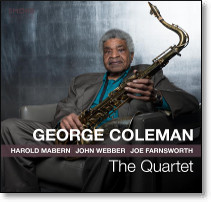
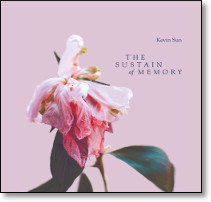
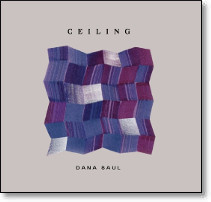
Music: current count 32183 [32156] rated (+27), 229 [219] unrated (+10). Slow start on the week, partly because I flushed Monday's listening out in September Streamnotes, and ended this Sunday night. Partly because the Kevin Sun 2-CD album sat in the changer four days while I slowly made up my mind. Sun's album never quite matched his Trio debut, nor is the George Coleman album quite as terrific as his The Master Speaks, but in the end both came close enough. Among the also-rans, Laurie Anderson's spoken word over Tibetan ghost music came closest, and might deserve further attention. Turns out Phil Overeem likes the album a lot (number 9 on his latest list. Also found my two good vault albums there. More to follow next week. I added those and a few others to my metacritic file. In turn I checked out several of the better-rated albums I hadn't bothered with, but didn't find I enjoyed it much. Most I'm pretty sure of, but artists like Angel Olsen, Bon Iver, and Jessica Pratt just make me wonder if I'm getting too old for this shit. Also in the "don't do it for me" category are fairly ordinary rockers like Cherry Glazerr, Sleater-Kinney, and Girl Band. Got a lot of mail last week (today's take is listed below but not counted above). I'm noting future release dates as I get them, also when I do reviews. The queue is usually sorted FIFO, as I suspect keeping it sorted by release date would be a big hassle. Upcoming week may be less than usual, as I have some house projects, plus a bit of cooking coming up. Then some medical shit, before Trump takes that away, too. New records reviewed this week: Laurie Anderson/Tenzin Choegyal/Jesse Paris Smith: Songs From the Bardo (2019, Smithsonian Folkways): Spoken word and violin, an exploration of impending death, or maybe just The Tibetan Book of the Dead: "bardo" in Tibetan Buddhism is the state of existence between death and rebirth. Choegyal chants, plays various Tibetan instruments, Smith mostly piano, with extras adding cello and percussion. Proceeds too slowly for my taste, but makes me wonder. B+(***) Ben Bennett/Zach Darrup/Jack Wright: Never (2018, Palliative): Percussion, guitar, and sax, unnamed improv pieces, inventive but pretty harsh. Wright, from Pittsburgh, has been around a while, first album in 1982, Discogs lists 52 albums, I've heard one. Darrup, from Philadelphia, has one previous, a duo with Wright, and Bennett, also from Philadelphia, has several, including at least three with Wright. [3/5 tracks, 37:44/63:25] B+(*) [bc] Bon Iver: I, I (2019, Jagjaguwar): Justin Vernon, from Wisconsin, discography dates back to 1998 but his platinum breakthrough came with this group name in 2008. Fourth Bon Iver album, title stylized lc, as in math, but harder to figure. Rather quirky music, opaque to me, but possible to imagine there's more to it somewhere. B Danny Brown: Uknowhatimsayin¿ (2019, Warp): Detroit rapper, underground, fifth album, slung a load of sex rhymes on XXX, but no, I don't really follow what he's saying now. Do dig the beats, and the squeaky voice, and wonder whether a few more spins might make the difference. B+(***) Cherry Glazerr: Stuffed & Ready (2019, Secretly Canadian): Alt/indie band from Los Angeles, pricipally singer-guitarist Clementine Creevy, with bass and drums. Third album. B George Coleman: The Quartet (2019, Smoke Sessions): Tenor saxophonist, probably best known as the guy who kept the tenor sax slot warm for Miles Davis between Coltrane and Shorter, but he's recorded a dozen-plus albums under his own name, some really great -- like My Horns of Plenty (1991), and (after a long break) A Master Speaks (2016). Not sure exactly when this one was recorded: most likely shortly before or after his 84th birthday, well before pianist Harold Mabern (83) died in September. The octogenarians are delights, ably supported by John Webber and Joe Farnsworth. A- The Comet Is Coming: Afterlife (2019, Impulse!): British fusion trio, sax/keybs/drums credited to aliases (King Shabaka, Danalogue, Betamax). Short album (6 tracks, 32:19). B+(*) Kris Davis: Diatom Ribbons (2018 [2019], Pyroclastic): Avant-pianist, from Canada, debuted in 2003 and quickly established herself as a major figure, especially in groups with tenor saxophonist Tony Malaby. Here she makes some kind of breakout bid, doubling down at tenor sax (Malaby + JD Allen), spotting two top guitarists (Nels Cline and Marc Ribot), mixing in turntables, electronics, and vocal bits, without making it too easy. B+(***) Girl Band: The Talkies (2019, Rough Trade): Irish alt/indie post-punk band, no evident females, Dara Kiely the singer, backed with guitar-bass-drums. Second album, four years after their first, bleak and claustrophobic, what passes for their comfort zone. B+(*) Robert Glasper: Fuck Yo Feelings (2019, Loma Vista): Once and future jazz pianist, promised to bring a shot of hip-hop into the jazz milieu, never impressed me much, but this jam session qua mixtape proves his knack for networking. Long guest list, long album (19 tracks, 71+ minutes), moments come and go. B+(*) Mika: My Name Is Michael Holbrook (2019, Republic/Virgin EMI): Parents American (Israeli and Lebanese roots), born in Beirut, moved to Paris at 1, then to London at 9, so counts as a British pop star. Title is true, but omits last name Penniman. Fifth album. B+(**) Simon Nabatov: Readings: Red Cavalry (2018 [2019], Leo): Russian avant-pianist, long based in Germany, based this on Isaac Babel texts, read dramatically by Phil Minton. The music -- with Frank Gratkowski (reeds), Marcus Schmickler (electronics), and Gerry Hemingway (drums) -- is most interesting when it breaks free. B+(*) Simon Nabatov: Readings: Gileya Revisited (2018 [2019], Leo): Gileya is the Russian Futurist group from the 1920s, better known today for their art (e.g., El Lissitzy) than for their writings, which provide the texts here. Same group as on Red Cavalry, except that Jaap Blonk is the voice here. Tough going, with occasional flashes of brilliance. B+(*) Angel Olson: All Mirrors (2019, Jagjaguwar): Singer-songwriter from St. Louis, based in Asheville, NC; fourth album since 2012, the previous one (My Woman) finishing high in critics polls. Music here built up from strings, some songs strong enough to suggest what all the fuss is about. B+(*) Jessica Pratt: Quiet Signs (2019, Mexican Summer): Singer-songwriter, from San Francisco, plays guitar (although this opens with a piano solo), sometimes slotted as folk, probably for its bare DIY-ness. Short (9 tracks, 27:48), and yes, quiet. B- Carmen Sandim: Play Doh (2019, Ropeadope): Pianist, from Brazil, based in Colorado, second album, all originals, septet gives her lots of options with three horns, guitar, bass, and drums. B+(*) [cd] [10-25] Sleater-Kinney: The Center Won't Hold (2019, Mom + Pop): Second album after their 2005-15 hiatus, with two singer-guitarists I've never cared much for, and a terrific drummer (Janet Weiss) who's on this album but has since quit the band. Good news here is by midway I lost track of whatever it was used to irritate me so much (Carrie Brownstein's screech?). Not so good news is by the end I was scarcely paying attention at all. B Tyshawn Sorey and Marilyn Crispell: The Adornment of Time (2018 [2019], Pi): Drums and piano, more of the former, a single 64:57 piece recorded live. Seems more cut up than that, with a complete stop in the middle making you wonder whether the record is over, and a lot of stretches where nothing much happens, but does close strong. B+(**) [cd] Kevin Sun: The Sustain of Memory (2019, Endectomorph Music): Tenor saxophonist, b. 1991, based in New York, has degrees from Harvard and New England Conservatory, a blog which serious jazz students will find worth perusing, and a previous Trio album which was by far the most impressive debut of 2018. Expands every which way here, except in song count, where the limit is three long ones (36:27, 29:23, 48:22). Adds Adam O'Farrill on trumpet, pianist Dana Saul -- whose Ceiling in in the running for this year's finest debut -- on tracks one and three, and swaps his Trio bassist and drummer for others on the long finale. I'm slightly less impressed by the sprawl, but he's still on track as a major talent. A- [cd] [11-15] Tegan and Sara: Hey, I'm Just Like You (2019, Warner Brothers): Twin sisters, last name Quin, from Canada, ninth album since 1999. I thought they found their calling when they went electropop last time, so I'm a bit disappointed they're leading with the guitars this time. Not real disappointed, mind you. B+(**) Andrés Vial/Dezron Douglas/Eric McPherson: Gang of Three (2019, Chromatic Audio): Piano-bass-drums trio, the pianist from Montreal, did a find Monk album last year, this one even more impressive with all original pieces. B+(***) [cd] Recent reissues, compilations, and vault discoveries: Fania Goes Psychedelic (1967-71 [2019], Fania): Not clear what (if anything) distinguishes this from boogaloo, but then "psychedelic" never had a substantive definition -- close enough for Ray Barretto to call the lead song "Acid." B+(***) World Spirituality Classics 2: The Time for Peace Is Now (1970s [2019], Luaka Bop): Cover explains: "These undeniably soulful, passionate, and urgent songs from obscure 45's, dug up from a long dormancy in attics, sheds and crates across the American south, are a subset of seventies-era gospel, focusing not on Jesus or God, but instead on ourselves, and how we exist with each other." B+(***) Old music: Bertrand Denzler Cluster: Y? (1998 [2000], Leo Lab): French tenor saxophonist, couple dozen albums since 1992. Quartet, with Benoît Delbecq on prepared piano, Hélène Labarrière on bass, Norbert Pfammatter on drums. B+(***) Bertrand Denzler/Norbert Pfammatter: NanoCluster 02/2000 (2000, Leo Lab): Half of the saxophonist's Cluster group, retaining just tenor sax and drums. Ten numbered free improvs, impressive rigor, but sometimes less is less. B+(**) Unpacking: Found in the mail last week:
Ask a question, or send a comment. Monday, September 30, 2019 Music Week
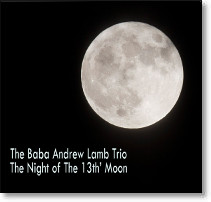
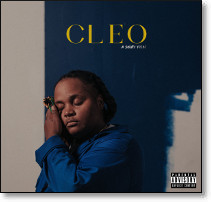
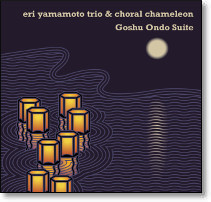
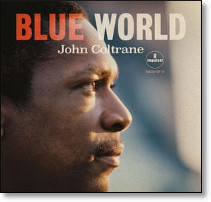
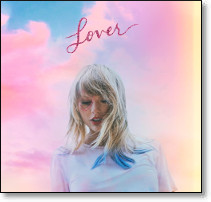
Music: current count 32156 [32117] rated (+39), 219 [229] unrated (-10). When I ran the numbers, they came up a bit short of the list, so I rechecked and found 5-6 I had failed to register grades on. At least one of those should definitely have shown up in this week's list, so I added it, but that makes me suspect I may have slipped up elsewhere. So a reminder: The monthly compilation (link above) is more authoritative than the weekly ones (which are extracted from it). Also, note that some reviews now have a date after the grade. These are records that have future release dates. I've changed my mind several times on how to handle those cases. Noticed the links in my Music index page needed some updating to reference 2019 files, of which Music Tracking turned out to require the most work: there were literally dozens of dumb typos keeping it from displaying, as well as a bunch of missing grades. I wanted to make sure there was a link to my EOY [Mid-Year] List Aggregate, where I started collecting mid-year best-of list info but have more recently supplemented that with review grades (usually 80+ at AOTY, but I'm tracking other sources as well, especially jazz). I added several fan lists from an Expert Witness Facebook post, and that (well, plus adding in Michael Tatum's latest grades) was enough to tilt first place from Sharon Van Etten to Billie Eilish. There's still a structural problem that favors records released before July -- Lana Del Rey ranks highest among later releases at 28, and the highest June release is at 21 (Freddie Gibbs & Madlib; highest September release is Charli XCX at 68, followed by Brittany Howard at 73). By the way, one of those fan lists led me to Oompa, another to Octo Octa, and others to most of the African comps below, so they've earned their keep. Revisited several albums while trying to wrap this up, and wound up promoting Oompa, Andrew Lamb, and Taylor Swift. Possible that Kwi Bamba and Alefa Madasgascar could have benefited from more attention. New records reviewed this week: Karl Berger/Jason Kao Hwang: Conjure (2014 [2019], True Sound): Duets, Berger playing piano and vibraphone, Hwang violin and viola. Both are major figures, Berger from as far back as 1967, but these improvs don't generate excitement. B [10-01] Randy Brecker/Ada Rovatti: Brecker Plays Rovatti: Sacred Bond (2019, Piloo): Rovatti is an Italian saxophonist, four records since 2003, her compositions here, married the trumpet-playing Brecker in 2001, their daughter Stella brightening up the cover and contributing a vocal cameo. Core quintet with the leaders, David Kikoski on keyboards, plus bass and drums, and a few guests (I'm noticing Adam Rogers' guitar), mostly upbeat, running long. B+(**) [cd] [10-25] Zack Clarke Trio: Vertical Shores (2017 [2019], Clean Feed): Pianist, based in New York, third album, trio with Kim Cass (bass) and Dre Hocevar (drums). B+(*) DaBaby: Kirk (2019, Interscope): Rapper Jonathan Kirk, second album after a series of mixtapes, much bigger label. Beatwise, streetwise, on the make, bounces off several guests, a snappy 35:08. B+(***) Sam Dillon: Out in the Open (2018, Cellar Live): Tenor saxophonist, studied with Eric Alexander and seems like a chip of the old block. First album, quartet with Peter Zak (piano), Yoshi Waki (bass), and Billy Drummond (drums). Two originals, covers from Porter to Silver to Jobim to Hendrix. Mainstream, strong impression, piano especially sharp. B+(**) Sam Dillon: Force Field (2018 [2019], Posi-Tone): Another strong outing, four tracks with extra horns (trumpet, alto sax, two of those with trombone), pianist Theo Hill switches to electric for three. Four originals, covers include Chick Corea and Charlie Parker. Not sure the extra flash helps. B+(*) Harris Eisenstadt: Canada Day Quartet Live (2018 [2019], Clean Feed): Canadian drummer, released first Canada Day album in 2009, three more through 2015. Groups have varied, but all start with Nate Wooley (trumpet), here joined by Alexander Hawkins (piano) and Pascal Niggenkemper (bass). B+(**) Gabriel Ferrandini: Volúpias (2017 [2019], Clean Feed): Portuguese drummer, Discogs credits him with 15 albums (since 2009), but this is only the second to list his name first, and he's best known in RED Trio. Another trio here, with Pedro Sousa (tenor sax) and Hernani Faustino (bass, also from RED Trio). B+(**) Vyacheslav Ganelin/Deniss Pashkevich/Arkady Gotesman: Variations (2018 [2019], Jersika): Piano/tenor sax/drums trio, a lineup familiar from the pianist's famous Soviet Era avant-jazz trio. After the break up, Ganelin moved to Israel. Don't know anything about the others, or even where these four LP-length pieces were recorded, but the label is Latvian. Scattered stretches impress as before, but they don't jump out at you. B+(*) The Garifuna Collective: Aban (2019, Stonetree): Group from Belize, the former British colony in Central America (northeast of Guatemala), backup for Andy Palacio until his death in 2008. Short album (8 cuts, 27:28), nice groove, relaxed. B+(**) Kano: Hoodies All Summer (2019, Parlophone): Jamaican-British rapper Kane Brett Robinson, sixth album since 2019. Grime beats, plays them down. B+(*) Petros Klampanis: Irrationalities (2017 [2019], Enja): Greek bassist, based in New York, several albums since 2011, leads a trio here with Kristjan Randalu on piano and Bodek Janke on drums. Even before checking the credits, I noticed the clarity of the bass, and the delicacy of the piano. B+(**) [cd] [10-18] The Baba Andrew Lamb Trio: The Night of the 13th' Moon (2018 [2019], LFDS): Alto saxophonist, born in North Carolina, grew up in Chicago and New York, cut his first record in 1995, has a few more, this (I think) the first to adopt the honorific Baba, maybe because it was recorded at Bab Ilo (in Paris). With Yoram Rosilio (bass) and Rafael Koerner (drums). Free improv, bracing, challenging. B+(***) Landline: Landline (2019, Loyal Label): Brooklyn postbop group -- Chet Doxas (tenor sax), Jacob Sacks (piano), Zack Lober (bass), Vinnie Sperrazza (drums) -- have a novel way of group composing based on a game called telephone. B+(**) [cd] [11-01] Guillaume Muller: Sketches of Sound (2019, self-released): French guitarist, based in New York, first album, quintet with alto sax (Nino Wenger), piano (Jim Funnell), bass, and drums. Maintains a nice groove, with a little spark from the sax. B+(*) Laura Noejovich: Laura Has New Standards (2018 [2019], Enchanted Meadow): Older standards too, like "Misty" and "Summertime" and "When You Wish Upon a Star," inadvertently proving that the old ones are still the best, although with her arch soprano and Takeshi Asai's skeletal piano not by much. C+ [cd] [11-02] Octo Octa: Resonant Body (2019, T4T LUV NRG): Maya Bouldry-Morrison, Brooklyn-based DJ, fifth album since 2011. Strong dance moves, occasional bits of subversion. B+(***) [bc] Oompa: Cleo (2019, OompOutLoud): Boston rapper, second album, "forever representing the queer, black, orphaned, hood kids and them." Underground, breaking out. A- Miles Perkin Quartet: The Point in Question (2018 [2019], Clean Feed): Canadian bassist, from Manitoba, has a couple previous albums. This one with trumpet (Tom Arthurs), piano (Benoît Delbecq), and drums (Jim Black). B+(*) Cene Resnik Trio 'Watch for Dogs': Shades of Colors (2016 [2019], Not Two): Tenor saxophonist, from Slovenia, several other albums. Trio with Giovanni Maier (bass) and Zlatko Kaucic (drums). Starts lost in color, but picks up (or should I say bursts out?) after a few. B+(**) Kendrick Scott Oracle: A Wall Becomes a Bridge (2019, Blue Note): Drummer, fifth album, fourth under this group name, with John Ellis (reeds), Mike Moreno (guitar), Taylor Eigsti (piano), Joe Sanders (bass), and DJ Jahi Sundance (turntables), plus a Derrick Hodge vocal. B+(*) Matthew Snow: Iridescence (2018 [2019], self-released): New York bassist, first album, composed six (of eight) pieces, employs a sextet -- no one I've heard of, but alto saxophonist Clay Lyons and trombonist David Gibson impress, guitar and vibes add to the options, and the drummer plays with the band. B+(***) [11-29] Something Blue [Alexa Tarantino/Nick Finzer/Sam Dillon/Art Hirahara/Boris Kozlov/Rudy Royston]: Maximum Enjoyment (2018 [2019], Posi-Tone): Auteur here is probably producer Marc Free, who created a retro-bop framework for the first three "new" musicians (alto sax, trombone, tenor sax), backed by his standby rhythm section (piano, bass, drums). B+(*) The Souljazz Orchestra: Chaos Theories (2019, Strut): Canadian acid jazz group, from Ottawa, ninth album since 2005. Some strong sax breaks. B+(*) STL GLD: The New Normal (2019, AR Classic): Boston hip-hop band, don't know much about them, but hype speaks of "multifaceted and complex," and there's lots of that. B+(**) Alexa Tarantino: Winds of Change (2019, Posi-Tone): Alto saxophonist (credit here says "woodwinds"), first album (though I filed Something Blue's Maximum Enjoyment under her name, as first-listed artist). Quintet, with Nick Finzer (trombone), Christian Sands (piano), Joe Martin (bass), and Rudy Royston (drums). B+(**) Ben Van Gelder/Tony Tixier/Tom Berkmann/Mathias Ruppnig: Scopes (2019, Whirlwind): Eponymous band debut, my parsing not unreasonable given the cover. Europeans: sax (Dutch), piano (French), bass (German), drums (Austria), the latter two pegged as the leaders. Fairly comfortable, mildly adventurous postbop. B+(**) Mareike Wiening: Metropolist Paradise (2018 [2019], Greenleaf Music): German drummer, based in New York, first album, quintet with Rich Perry (tenor sax), Dan Tepfer (piano), Alex Goodman (guitar), and Johannes Felscher (bass). Postbop, goes with the flow. B+(*) [11-01] Eri Yamamoto Trio & Choral Chameleon: Goshu Ondo Suite (2018 [2019], AUM Fidelity): Japanese pianist, moved to New York 1995, tenth album since 2002, mostly trios. This adds a huge choir (47 names), to the 7-part, 49:06 title suite, swarming and marching over a tense and dynamic sonic landscape. Then one more piece, a chill down without the choir, which reminds you how fine the piano has been throughout. A- [cd] [11-15] Recent reissues, compilations, and vault discoveries: Alefa Madagascar (1970s-80s [2019], Strut): Sampler into "the unique culture of salegy, soukous and soul on the island in the '70s and '80s." B+(***) [bc] Louis Armstrong: Live in Europe (1948-52 [2019], Dot Time): Radio shots from two nights in France with his original All-Stars lineup, followed by a set in Berlin four years later, with only Arvell Shaw left from the 1948 group. Latter probably has a slight edge on sound, plus Velma Middleton trading vocals. Classic stuff, but better on any number of live period albums, most impressively The California Concerts. B+(**) Kwi Bamba: Kwi Bamba & L'Orchestre De Gama Berema (1997 [2018], Ouch!): From Guinea, former leader of 1960s band Nimba Jazz, a precursor of the better known Bembeya Jazz National. Billed as his/their first international release, drawing on Guerzé and Kpellé traditions, happy to have the recording date but know nothing more. Does fit the mold. B+(***) [bc] John Coltrane: Blue World (1964 [2019], Impulse!): Previously unreleased recordings from a session between Crescent and A Love Supreme, soundtrack tracks recorded for Gilles Groulx, director of Le chat dans le sac. Classic quartet, five songs, extended to 36:33 with three takes of "Village Blues" and a second of "Naima." Nestled in the valley between masterpieces, nothing remotely new here, but remarkable on any other count. A- Nâ Hawa Doumbia: La Grande Cantatrice Malienne Vol. 1: Decouverte 81 a Dakar (1981 [2019], Awesome Tapes From Africa): From the Wassalou region in southern Mali, first album, about 22 at the time, strong vocals over a stringed instrument (kora?). B+(***) Old music: Nâ Hawa Doumbia: La Grande Cantatrice Malienne Vol. 3: Korodia (1982 [2011], Awesome Tapes From Africa): Malian singer, recorded in Côte d'Ivoire, seems to be the original title, although I have yet to see a Vol. 2 (and Napster shows an album cover with first song name added). Music is fairly basic, voice grows on you. Rather short: 4 cuts, 29:39. B+(**) [bc] Grade (or other) changes: Taylor Swift: Lover (2019, Republic): Pop megastar, seventh album, the first six multi-platinum, Wikipedia notes her age (29) and net worth ($360 million). With that kind of money, she can hire good help -- chiefly Jack Antonoff and Joel Little -- while stretching her product out to 18 songs, a bit over an hour. Album has some lulls: no doubt it could be edited down and sharpened up. But two songs I always notice -- "Paper Rings" and "You Need to Calm Down" -- and most others eventually clicked. [was: B+(***)] A- Unpacking: Found in the mail last week:
Ask a question, or send a comment. Monday, September 23, 2019 Music Week
September archive (in progress). Music: current count 32117 [32080] rated (+37), 229 [227] unrated (+2). Didn't get my unpacking done until late Monday afternoon, so that became the cutoff -- adding 2 rated albums from Sunday night, and flipping the unrated count from -9 to +2. Before unpacking, I had managed to empty the new jazz queue, but it's up to 12 now. And it turns out that most of the new records don't drop until November, so I probably shouldn't rush on them. Robert Christgau's first post-Noisey Consumer Guide was mailed out last week. As he promised in his introduction (It's a Start), "the first one is free," so here it is. Follow one of the "Subscribe now" buttons to make get the second and subsequent consumer guides, plus any additional missives, delivered straight to your mailbox. Probably because he was working off a backlog, but I had heard all but two albums from this month's offering (both various artists comps): The Daisy Age (Ace) and Lost in China (Riverboat). And I only found one of those streamable, so it's in this week's haul. This won't be a regular feature, but I thought I'd table up our grades (his first):
Presumably some of these differences can be chalked up to reports that he plays these records at least twice as many times as I do, plus has the benefit of working from physical copies. (I own none of them, although on his word I've ordered The Daisy Age, which Amazon informs me should arrive by Xmas.) The one I most likely shortchanged was probably the National, which I recall only gaving one spin. The only non-trivial differences are on Paranoid Style (I'm not nearly as impressed by Elizabeth Nelson as he is) and Springsteen (perhaps there is some redeeming social merit there, but I doubt it's worth digging out). Nelson, by the way, has a much-praised recent essay on The Mekons Rock 'N' Roll. I could do the same thing with Michael Tatum's latest A Downloader's Diary (51), which doesn't have much more I hadn't heard. Again, his grades first, mine after, '*' for ones I got to after the fact:
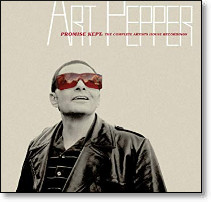
So not much there I didn't know about and went on to find brilliant (and sure, I still have some listening to do), but the reviews themselves were way beyond anything I could have written (one reason, I'm afraid, I rarely bother anymore). Took a dive into Teddy Edwards this week. Idea came up when I saw Out of This World as a new reissue, but given that it's digital only, I used the hard-copy dates. His best record remains Together Again!, with Howard McGhee (1961). I might also note that the Art Pepper box isn't quite up to many of his period recordings, including most of The Complete Galaxy Recordings, or a lot of the live bootlegs Laurie Pepper has been reissuing. Still remarkable. September has five Mondays, one more after today, so I can wait until then to index September Streamnotes. New records reviewed this week: Reid Anderson/Dave King/Craig Taborn: Golden Valley Is Now (2018 [2019], Intakt): Bad Plus bassist and drummer split writing credits 7-3, with a different keyboard player, but where a big point of Bad Plus was playing acoustic instruments, this is nearly all electronic -- mostly minor groove pieces, occasionally congealing into ambience. Not unattractive, but hard to see the point. B- AP6C [Alberto Pinton Sestetto Contemporaneo]: Layers (2017 [2019], Clear Now): Pinton, an Italian based in Stockholm, plays baritone sax, clarinet, bass clarinet, piccolo and bass flute. Thirteen albums since 2001, first title adopted for his label name. Mixed bag, with Mats Åleklint's trombone a consistent delight, the leader in fine form, Mattias Ståhl adding vibes, Selma Pinton's vocals a needless complication. B+(**) [cd] Terrence Brewer & Pamela Rose: Don't Worry 'Bout Me: Remembering Ella & Joe (2019, Strong Brew Music, EP): Jazz guitarist, half dozen albums since 2007, second one titled Groovin' Wes, and standards singer, three albums on her own (first in 1993). "Joe" is Pass, who did a duo album with Fitzgerald in 1970. Six songs, 27:17, not as striking as their inspirations, but a game effort. B+(*) [cd] Taylor Ho Bynum 9-tette: The Ambiguity Manifesto (2019, Firehouse 12): Cornet player, an Anthony Braxton protégé, often works with a sextet -- Jim Hobbs (alto sax), Bill Lowe (bass trombone/tuba), Mary Halvorson (guitar), Ken Filiano (bass), and Tomas Fujiwara (drums) -- expanded here with Ingrid Laubrock (tenor and soprano sax), Tomeka Reid (cello) and Stomu Takeishi (elecrric bass guitar). B+(**) Jimmy Cobb: This I Dig of You (2019, Smoke Sessions): Veteran drummer, played with Miles Davis circa Kind of Blue, with Coltrane in 1958-59, and into the 1960s: the Adderleys, Wynton Kelly, Wes Montgomery. no albums under his own name until 1994, but more than a dozen since. Recorded this one a month after turning 90, with Peter Bernstein (guitar), Harold Mabern (piano), and John Webber (bass). Pretty easy going, with the guitar taking most of the leads, and Mabern (who has since died) a delight. B+(**) Jimmy Cobb: Remembering U (2016 [2019], Jimmy Cobb World): Cover adds "featuring Roy Hargrove" (actually, just two tracks, with Napster adding "& Javon Jackson," for one of them). Other than that, a trio with Tadataka Unno (piano) and Paolo Benedettini (bass). Hargrove died in 2018, so earlier than that, the best clue being that this was credited as Rudy Van Gelder's last recording session, and he died in 2016. B+(*) The Raymond De Felitta Trio: Pre-War Charm (2019, Blujazz): Pianist, better known for directing and writing films, but has a previous album, a solo tribute to Earl Hines. Two trios here, a conventional one with Mike Alvidrez on bass and Paul Kreibich on drums, and another which swaps bass for clarinet (Alex Budman), adding nice colors to the ballads, a plus you don't miss much on the upbeat ones. B+(***) [cd] Laszlo Gardony: La Marseillaise (2019, Sunnyside): Hungarian pianist, based in Boston, more than a dozen albums since 1988, this one solo. Originals, one based on the title anthem, plus "O Sole Mio," "Misty," and one from Denny Zeitlin. B+(**) [cd] [10-24] Ghostface Killah: Ghostface Killahs (2019, Now Generation): Wu-Tang rapper, 13th album on his own. Short one (33:15). Tells a fine tale, beats resolutely old school. B+(***) Gordon Grdina Quartet: Cooper's Park (2019, Songlines): Canadian, plays guitar and oud, long list of albums since 2006. This is a strong quartet, with Russ Lossing (piano, rhodes, clavinet), Oscar Noriega (alto sax, bass clarinet), and Satoshi Takeishi (drums). Five pieces, each developing slowly before finally sinking teeth. B+(***) Keiji Haino/Merzbow/Balasz Pandi: Become the Discovered, Not the Discoverer (2019, RareNoise): Guitar, electronics, and drums, not that those first two are very distinct. The first two are Japanese, are pioneers in noise with many dozens of albums, things I have only rarely sampled, partly because their appeal to me is pretty limited. B+(*) [cdr] [09-27] Chrissie Hynde With the Valve Bone Woe Ensemble: Valve Bone Woe (2019, BMG): Rocker, long-time leader of Pretenders, only the second album released under her own name, this doing covers with a large orchestra. Not a bad singer for this material, but lushness tends to overwhelm. B Indoor Pets: Be Content (2019, Wichita): British rock band, first album after an EP, catchy enough to be pop but more crunch than usual. Could turn out to be significant, or not. B+(*) Ethan Iverson Quartet With Tom Harrell: Common Practice (2017 [2019], ECM): A live set from the Village Vanguard, with the ex-Bad Plus pianist's new trio -- Ben Street on bass and Eric McPherson on drums -- plus trumpet. Two Iverson originals, the rest standards, mostly slow ones suiting Harrell, not giving the pianist a lot of space. B+(*) Jpegmafia: All My Heroes Are Cornballs (2019, EQT): Rapper Barrington DeVaughn Hendricks, also known as Devon Hendryx, third album after a number of mixtapes. Beats chill verging on abstract, music has a cut-up quality that's off-putting at first. I'm not there yet, but appreciate the cornball effort. B+(**) Led Bib: It's Morning (2018 [2019], RareNoise): British quasi-fusion jazz group, ninth album since 2005, led by drummer Mark Holub with two saxophonists (Pete Grogan and Chris Williams), newcomer Elliot Galvin on keybs, but the big change here is vocalist-lyricist Sharon Fortnam, moving them toward art song -- not that the band never sneaks in some trouble. B [cd] Ben Markley Quartet Featuring Joel Frahm: Slow Play (2019, OA2): Pianist, fourth album, wrote everything, recruited a top-notch tenor saxophonist, and pace title let him run with a full head of steam. B+(**) [cd] Monoswezi: A Je (2017, Riverboat): African-Nordic group, the Africans hailing from Mozambique and Zimbabwe (and Mali?), the others from Norway and Sweden with jazz sides. Third album, low keyed groove and chant. B+(*) Tish Oney With the John Chiodini Trio: The Best Part (2019, Blujazz): Jazz singer, bio refers to her as "Dr. Oney," fifth album, writes some, draws on other originals including guitarist Chiodini, who composed three songs for Peggy Lee lyrics. B- [cd] Ivo Perelman/Matthew Shipp: Efflorescence: Volume 1 (2018 [2019], Leo, 4CD): Tenor sax and piano, long relationship (at least since 1996), lots of recent records, too many to distinguish but their basics are solid as ever. Still, not immune to fatigue, more likely mine than theirs. B+(***) [cd] Peterson Kohler Collective: Winter Colors (2018 [2019], Origin): Core group is guitarist Dave Peterson, Lee Kohler (piano), and Rob Kohler (bass), all from Montana, cousins even. Group rounds out with label owner John Bishop on drums and Brent Jensen on sax. Multiple flavors of postbop, depending on where the focus flows. B+(**) [cd] Alberto Pinton Trio: Röd (2018, Clear Now): Italian reed player, based in Stockholm, plays baritone and alto sax, clarinet, and bass clarinet, backed by bass (Vilhelm Bromander) and drums (Konrad Agnas). B+(***) [bc] Noah Preminger Group: Zigsaw: Music of Steve Lampert (2018 [2019], self-released): Tenor saxophonist, first album 2007, this a septet, mostly name players: Jason Palmer (trumpet), John O'Gallagher (alto sax), Kris Davis (piano), Rob Schwimmer (haken continuum/clavinet), Kim Cass (bass), Rudy Royston (drums). Lampert, a trumpet player with five records since 2004, doesn't play here, but recently composed the single wide-ranging 48:49 title piece. I can't discern a unifying theme, but the many-faceted band shines. A- [cd] [10-04] Preservation Hall Jazz Band: A Tuba to Cuba (2019, SWub Pop): Ben Jaffe's venerable New Orleans trad jazz outfit made a pilgrimage to Cuba in 2015, filmed for a documentary with this inevitable soundtrack. I'm not seeing any credits, but figure some pieces to be by other groups, with the Cuban tinge predominant. B+(*) Kojey Radical: Cashmere Tears (2019, Asylum/Atlantic): British rapper Kwadwo Adu Genfi Amponsah, London-born, parents from Ghana, fourth EP, but at 10 cuts, 29:30 I'll count it as an album. B+(*) Markus Rutz: Blueprints Figure One: Frameworks (2018 [2019], OA2): Trumpet player, based in Chicago, has a deep band with saxophonist Brice Winston a strong contrast up front, backed by piano, guiar, bass, drums, and congas. B+(**) [cd] Rachid Taha: Je Suis Africain ([2019], Naive): Algeria's most famous raï star, based in Paris, died last year at 59, not sure exactly when this was recorded but it sounds like an evolutionary step from his later work, including his "first song in English." The fast ones don't rank with his best, but he's aged gracefully, a most pleasant surprise. A- Recent reissues, compilations, and vault discoveries: Lost in China: Off the Beaten Track From Beijing to Xinjiang ([2017], Riverboat): Very little info on the artists here, although World Music Network decided to put this on their new music label as opposed to their Rough Guide series. My impression -- more of a wild guess -- is that it favors the isolated north and west rather than the populous south and east. B+(**) Art Pepper: Promise Kept: The Complete Artists House Recordings (1979 [2019], Omnivore, 5CD): In his last years (d. 1982), the alto saxophonist recorded furiously, piling up so many masterpieces that his 16-CD The Complete Galaxy Recordings seems like an infinite trove of wonders. Still, he managed to sneak aside, recording the 6-CD series of West Coast Sessions for the Japanese Atlas label that Omnivore reissued in 2017, and four more records for Artists House, collected here with extra cuts. The albums were So in Love, Artworks, New York Album, and Stardust, recorded over several dates with two piano-bass-drums trios: Hank Jones/Ron Carter/Al Foster, and George Cables/Charlie Haden/Billy Higgins -- mostly the latter. A lot more than I can readily sort out, but most sounds much like everything else he was doing at the time, which is to say marvelous. A- Old music: Teddy Edwards Quartet: Good Gravy! (1961, Contemporary): Tenor saxophonist, from Mississippi via Detroit, a young bebopper in the 1940s, settled into mainstream with Contemporary and Prestige in the early 1960s, spent some time in Europe during the dark years, but came back strong in the 1990s up to his death in 2003. This is a fairly typical quartet, with Danny Horton or Phineas Newborn in piano, Leroy Vinnegar on bass, and Milt Turner on drums. B+(**) Teddy Edwards: Heart & Soul (1962, Contemporary): Continuity with Vinnegar (bass) and Turner (drums) again, but Gerry Wiggins' organ opens up a nod to soul jazz. B+(*) Teddy Edwards: Nothin' but the Truth (1966 [1967], Prestige): With Walter Davis Jr. a bluesy piano player, plus guitar and extra percussion to add a whiff of Brazil. Still, his best sax run is the straightest, "On the Street Where You Live." B+(*) Teddy Edwards Quartet: Out of This World (1980 [1981], SteepleChase): Recorded in Copenhagen with Kenny Drew (piano), Jesper Lundgaard (bass), and Billy Hart (drums): the tenor saxophonist's only album for Nils Winther, although had he stuck around he would have fit nicely with their stable of American expats. B+(**) Teddy Edwards/Houston Person: Close Encounters (1996 [1999], High Note): Two gracious tenor saxophonists, did a 1994 album together, take seven standards even easier here, backed by piano trio (Stan Hope, Ray Drummond, Kenny Washington). B+(**) Teddy Edwards: Smooth Sailing (2001 [2003], High Note): The tenor saxophonist's final album, another quartet playing standards, with Richard Wyands (piano), Ray Drummond (bass), and Chip White (drums), released a month before he died. Nice. B+(**) Steve Lampert: Venus Perplexed (2000 [2004], SteepleChase): First album, unclear how old he was/is but his CV includes touring with big bands led by Buddy Rich, Lionel Hampton, and Gerry Mulligan. Composer only here, but septet includes a credit for Rich Lampert (piano, sequencing, synthesizer, trumpet), as well as Rich Perry (tenor sax), Joe Locke (vibes), Charles Blenzig (piano), plus electric bass, drums, and congas. Postbop, smart and heady, nice tinkle to go with the horns. B+(***) Steve Lampert: Music From There (2006 [2007], Bridge): A 12-piece suite, electronics plus various jazz musicians, the composer playing trumpet, Rich Perry tenor sax, others scattered about, with words on one piece. B+(**) Alberto Pinton: Nascent (2012 [2013], Redhorn): Quartet, Pinton playing his usual range of reeds (plus melodica), backed with guitar (Peter Nylander), double bass, and drums. B+(**) Unpacking: Found in the mail last week:
Ask a question, or send a comment. Tuesday, September 17, 2019 Music Week
September archive (in progress). Music: current count 32080 [32047] rated (+33), 227 [229] unrated (-2). Held this back an extra day, as I couldn't quite get it together on time. Cutoff was late Sunday evening, after posting Weekend Roundup, so I've already got a jump on next week. My listening was even more scattered than usual last week. My A-list finds all came so early that by weekend I forgot that I had any. I hoped Michael Tatum's new A Downloader's Diary -- his third this year after a prolonged lean patch, and his first since moving to Seattle -- would offer some major discoveries, but started with Blarf's Cease & Desist and found it really wasn't for me. Several other records impressed but didn't wow me. Two I had dismissed earlier got new spins, and minor grade upticks. Tatum's review of Purple Mountains is especially insightful, but describing the album as a "suicide note" doesn't do much to draw me in. Tatum started writing his column in August, 2010, intent on filling in the void left by the second sacking of Robert Christgau's Consumer Guide (by MSN Music). Christgau rebooted at MSN in November 2010 with his Expert Witness blog, while Tatum continued his monthly columns into 2014 (skipping a couple along the way). I tried to help out by publishing (and archiving) his columns. In April 2014, he moved to Odyshape, ending later that year with a piece called The Pause Button. Since then, he's self-published (most recently at Medium), while I've intermittently updated the archive. After a couple thin years, he's made a strong return to form this year, with three columns so far. He's one of the sharpest and most lucid critics around, and deserves your readership and support. Meanwhile, Christgau has been publishing his Expert Witness blog at Noisey, but that ended in June. With no new publisher forthcoming, Tatum might have had another hole to fill. But Christgau has come up with a new scheme to keep publishing new Consumer Guide capsule reviews. He's launching a subscriber newsletter, based on Substack, called And It Don't Stop. It will cost you $5/month to get a once-monthly batch of new reviews sent to your e-mailbox, plus there will be various extras -- he explains his plans here, in It's a Start. Subscribers will get their first batch of reviews delivered on Wednesday, September 18. As you probably know, I built and maintain Christgau's website, with its database of 17,271 albums and 1,372 articles (or more, as that easy-to-find number is actually a subset). At some point (undecided at present) I'll add those new reviews and pieces to the website. This isn't fundamentally different from the various timelocks we've been using for years, where publishers insist that their payments merit a period of exclusivity. I don't have any real solutions here, but I do believe that we're all fortunate to have Christgau continuing to write for us. Subscribing helps. Back to my list this week, aside from Tatum's picks, most of this week's records are things I became aware of feeding data into my metacritic list. I started this year's list by collecting mid-year lists, but then I made two discoveries/decisions: rank info in the lists wasn't very useful (most lists were unranked, and many were shorter than EOY lists so the scales didn't quite fit), so I just started counting references without any weighting; also, I found that I could rather easily supplement the lists with AOTY's ratings lists organized by publication, so I started adding those in (first for publications that didn't offer mid-year lists, eventually for nearly all non-metal sources), usually using 80+ as my standard (90+ for AMG and Exclaim!, where 80s are ultra-common). Thus, I've been able to pick up new records as they're released. The sampling is not as good for post-July records, but it gives newer records some recognition. Thus far, the top-rated August/September releases (points in front, my grades in brackets at end, just before that is the AOTY score and review count):
I'm most surprised that Saadiq has gotten so few reviews. I'm less bothered that Lana Del Rey's point total only places her album at 31. That's a structural problem due to the fact that more mid-year lists were counted than ratings. AOTY's 85 score for the album rates it at 17, with 28 reviews topped only in the top 100 by Sharon Van Etten's Remind Me Tomorrow (84/35), Thom Yorke's Anima (82/29), Bon Iver's i,i (80/31). I'll note that two 1970s rockers died last week: Eddie Money and Rick Ocasek. The former never interested me much, but I had one of his compilations on my unrated list, so figured I should check it off. Tried looking on Napster before going to my shelves, and found a later 2-CD 35-song edition in place of my 1-CD 15-cut item, so I wound up reviewing both. Ocasek, of the Cars, was more important, but I didn't have any unfinished business with them, so didn't bother. Last one of their records I played was the Cars' 1985 Greatest Hits, giving it B+(**), which is about where I pegged their first two albums (both B+ in my database). I did some work on the Jazz Guides last week. I still have some group albums to fold in -- I left them out of the first pass because they involve more cross-referencing -- but otherwise am up to date (through August). Current page counts: 1791 + 829. One thing that slowed me down in getting this out was that I started writing up a postscript to Sunday's Weekend Roundup. Despite vowing not to slip down any rabbit holes, I had trouble doing that. Spent much of today figuring I would polish this up a bit, but didn't manage that either. For what it's worth, I wrote these further notes on Monday:
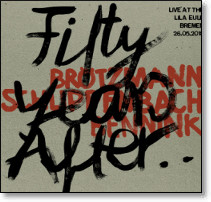
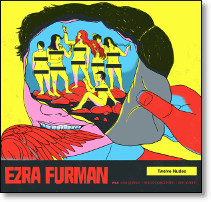
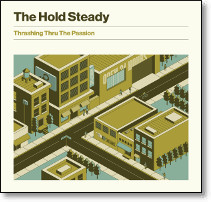
Also thought I'd note why I didn't link to anything on Tuesday's election in Israel: I basically didn't find anything very interesting on the subject. Still, if you're curious, you might read Zack Beauchamp's pre-election piece: Israel's election, and how Benjamin Netanyahu might lose, explained. Nearly everything I read predicted a Netanyahu win -- as did everything before the previous election, even though it ended with Netanyahu unable to form a government. Latest results I've seen are "too close to call," with Netanyahu/Likud trailing Blue and White by a very slim margin (25.7% to 26.3%), which probably means another hung election. New records reviewed this week: Franco Ambrosetti Quintet: Long Waves (2019, Unit): Swiss trumpet player, father Flavio Ambrosetti was a saxophonist of some note, played in his father's quintet 1963-70, starting a long relationship with pianist George Gruntz. Close to three dozen albums, only one I've previously heard, but his supporting group here would have been hard to miss: John Scofield (guitar), Uri Caine (piano), Scott Colley (bass), and Jack DeJohnette (drums). B+(***) Blarf: Cease & Desist (2019, Stones Throw): Someone named Eric Andre, from Florida, mixed Haitian-Jewish, studied at Dreyfoos School of the Arts and Berklee but seems to be best known for low-budget TV comedy. First album. Has a long stretch of noise, which isn't totally awful, surrounded by all sorts of pastiche -- some bits are funny, sure, but not something I feel up to working through. B- [bc] Peter Brötzmann/Alexander von Schlippenbach/Han Bennink: Fifty Years After: Live at the Lila Eule 2018 (2018 [2019], Trost): Three founders of the European avant-garde reunite at the venue of the saxphonist's fifty-year-old Machine Gun, but not to look back. The pianist missed that album, but he was as seminal a figure, his initial albums dating from the same period (Globe Unity from 1966). He is remarkable here, adding more dimensions to the saxophonist's primeval roar. A- Bill Callahan: Shepherd in a Sheepskin Vest (2019, Drag City): American singer-songwriter, recorded thirteen albums as Smog 1990-2005, followed by six under his name. Not much more than voice and guitar, reminds me a bit of Dave Alvin but falls short. The extras on "Lonesome Valley" make a difference. B+(*) Car Seat Headrest: Commit Yourself Completely (2019, Matador): Will Toledo, self-recorded a bunch of albums before signing his label deal, scored his breakthrough with Teens of Denial (2016), but since then his new product has been old: a remake of his 2011 Twin Fantasy, and now this live tour comp, recycling those same songs once more. I'm not unimpressed, but I've never been much invested. B+(**) Frankie Cosmos: Close It Quietly (2019, Sub Pop): Greta Kline, fourth studio album after dozens of "Bandcamp exclusives," many attributed to Ingrid Superstar. Short songs, 21 of them. B+(**) Deerhunter: Why Hasn't Everything Already Disappeared? (2019, 4AD): Atlanta-based band, eighth studio album since 2004, only Brad Cox (vocals) and Moses Archuleta (drums) on all of them. Has a certain artiness to it, some nice stretches, some that drag a bit. B DSC [Leon Lee Dorsey/Greg Skaff/Mike Clark]: Monktime (2019, Jazz Avenue 1): Bass, guitar, drums, playing eight Monk tunes. Press package makes it clear that Dorsey, a bassist from Pittsburgh with two records 1995-99, is the leader here, although Skaff is more prominent, co-produced, and is marginally more famous (5 records since 1996). B+(*) [cd] Dump Him: Dykes to Watch Out For (2019, Musical Fanzine/Get Better): Northampton MA punk group, guitar/vocals Mattie Hamer, others list their pronouns as "they/them." Short album (10 songs, 23:21), following a couple of shorter cassettes, but still long enough to evolve from thrash to something approaching songs. B+(*) Avram Fefer Quartet: Testament (2018 [2019], Clean Feed): Alto/tenor saxophonist, backed by guitar (Marc Ribot), bass (Eric Revis), and drums (Chad Taylor) -- although "backed" isn't quite right word: Ribot dominates so thoroughly I have to strain my ears even to discern the leader's presence. I've played this a lot, and there are stretches near the end that make me want to hear it again, but it takes too long to get there, and I was never hoping for this kind of fancy fusion drive. (Note that without Ribot, this trio's Eliyahu was a ballot pick in 2011.) [Nov. 8] B+(***) [cd] Ezra Furman: Twelve Nudes (2019, Bella Union): Singer-songwriter, started leading Ezra and the Harpoons, still thinks in band terms (I've seen this credited to "Ezra Furman & the band with no name"). Describes this as "our punk record," by which he seems to mean short songs: 11 in 27:27, some crunch to the music, some grit in the lyrics. E.g.: "I refuse to call this living life and I refuse to die . . . The ache inside reminds my mind my body's really there . . . I'm not sure I can bite the hand that feeds me anymore." A- Jayda G: Significant Changes (2019, Ninja Tune): Canadian DJ Jada Guy, based in Berlin, various singles/EPs since 2015, "has risen steadily and steathily through the dance music underground," this first album with a few vocals a modest step. B+(*) Tim Hecker: Anoyo (2019, Kranky): Canadian electronica musician, ambient division, close to a dozen albums albums since 2001, previous one with the similar title Konoyo. String sounds give it a bit of fuzz to sharpen the edges, such as they are. B The Hold Steady: Thrashing Thru the Passion (2019, Frenchkiss): Craig Finn's steady band, seventh studio album since 2004, second since Finn started releasing albums under his own name (four since 2012, including I Need a New War earlier this year). Difference, I reckon, is that he gives the band more head, and they swing as well as rock. Still, Finn's voice uniquely catches the ear, and he's usually reeling off a line you want to hear. A- Cate Le Bon: Reward (2019, Mexican Summer): Welsh singer-songwriter, Cate Timothy, based in Los Angeles, fifth album since 2009. B Derel Monteith: Connemara: Solo Piano Improvisations (2017 [2019], self-released): Pianist, based in Illinois (Peoria, I think), grew up and studied in North Carolina, day job attorney. Has two new records, this solo plus a trio, seem to be his debut. Improv pieces have some bounce, leading to a favorable roll. B+(**) [cd] [10-18] Derel Monteith Trio: Quantity of Life (2019, self-released): Piano trio, with Andy Crawford (bass) and Jason Brannon (drums), playing the leader's sensible, sensitive pieces. B+(*) [cd] [10-18] Muna: Saves the World (2019, RCA): From Los Angeles, three women, Katie Gavin the singer, the others started on guitar but evolved toward electropop -- not sure who the drummer is, but there is one, and that matters. Second album, plenty of ambition, even if they'd would rather save the world than conquer it. B+(**) Bruce Robison & Kelly Willis: Beautiful Lie (2019, Next Waltz): Country singer-songwriters, he from Texas, she from Virginia, married 1996, by which time she was better established, recorded a holiday album together in 2006, three more duo albums since 2013. B+(**) Sheer Mag: A Distant Call (2019, Wilsuns): Postpunk group from Philadelphia, Christina Halladay the singer, Kyle Seely lead guitar. Got attention with three 7-inch EPs and their 2017 LP. B+(**) Elza Soares: Planeta Fome (2019, Deck): Brazilian singer, started in 1960 with samba, adding some jazz touches including scat. Thirty-seventh album, most recorded before 1980 and unknown to me, but her two latest blew me away. At 82, her voice is well aged but far from shot. B+(***) Colin Stranahan/Glenn Zaleski/Rick Rosato: Live at Jazz Standard (2018 [2019], Capri): Piano trio, together since 2010, not a lot of reason to list the drummer first, as Zaleski wrote all but two of the songs (one by Rosato, one by Jerome Kern). Zaleski does the credits toward the end, too. But the names line up with the cover photo, and he looks best in the middle. B+(*) [cd] Taylor Swift: Lover (2019, Republic): Pop megastar, seventh album, the first six multi-platinum, Wikipedia notes her age (29) and net worth ($360 million). With that kind of money, she can hire good help -- chiefly Jack Antonoff and Joel Little -- while stretching her product out to 18 songs, a bit over an hour. Album has some lulls, but I have no doubt it could be edited down and sharpened up. Two songs I always notice: "Paper Rings" and "You Need to Calm Down." B+(***) Emi Takada: Why Did I Choose You? (2018 [2019], self-released): Standards singer, born in Sapporo, Japan, based in Houston, has a couple albums. Backed by piano (Michael Kanan), guitar, bass, and drums, with Marion Cowings singing some. Swings some, can get a bit corny. B+(*) [cd] Wilma Vritra: Burd (2019, Bad Taste): Collaboration between London-based "artist" Wilma Archer and LA-based rapper Pyramid Vritra. Even-tempered rhymes riding not-quite ambient waves. B+(*) Charli XCX: Charli (2019, Asylum): British pop singer, Charlotte Aitchison, third album plus several mixtapes. Some grime around the edges. B+(**) Thom Yorke: Anima (2019, XL): Vocalist for Radiohead, probably the most exalted of the 1990s wave of Britpop bands -- can't say as I was ever a fan, but I listened dutifully and rather liked In Rainbows (2007). Third solo album, slotted as electronic, although the London Contemporary Orchestra and Choir are also credited. Not awful, but feels pretty empty. B- Recent reissues, compilations, and vault discoveries: Creedence Clearwater Revival: Live at Woodstock (1969 [2019], Craft): Standard live set from a period when the band could do no wrong, hit singles, the odd cover, winding up with two 10+ minute grinds ("Keep On Chooglin'" and "Suzie Q"). Strikes me as redundant, but nothing particularly wrong with it. B+(***) Jambú E Os Míticos Sons Da Amazônia (1974-86 [2019], Analog Africa): Dance rhythms from Belém, near the mouth of the Amazon River, a large city these days but not one that figures prominently in popular Brazilian music. Indeed, sounds closer to Colombia, Cuba, Mexico even. B+(***) Old music: Eddie Money: The Essential Eddie Money (1977-95 [2003], Columbia/Legacy): Shortened his surname from Mahoney, probably thought that was appropriate when his 1977 debut went double-platinum. Released three more platinum albums up to 1986 (highest peak was 17), two more top-200 to 1991 (as far as this comp goes), four more with one just before his 2019 death. Had some singles too, but only 10 cracked the top-40, their peaks almost randomly distributed (4, 9, 11, 11, 14, 16, 21, . . . ). Usually a 2-CD series, but he was so slight this 15-cut single seemed more than adequate, and sat unplayed on my shelves until now. He took a path we came to call "arena rock" -- big sound, sweeping gestures, clichés as hooks, and he played a little sax for occasional flourishes. He was uninteresting at the time. In retrospect, tolerable until he wasn't. B- [cd] Eddie Money: The Essential Eddie Money (1977-91 [2014], Columbia/Legacy, 2CD): Expanded to 35 cuts for the bits-are-cheap digital era, dropping the one cut from his 1995 album Love and Money (not on Columbia, so the cross-licensing would have hit their budget), filling up with odds and sods -- a single version, acoustic demos, some live cuts. Rounds him out, not that it helps. C+ Grade (or other) changes: Stef Chura: Midnight (2019, Saddle Creek): Singer-songwriter from Michigan, second album, strong on guitar, especially early on. [was B+(*)] B+(**) Purple Mountains: Purple Mountains (2019, Drag City): One-shot album by singer-songwriter David Berman, who recorded as Silver Jews 1994-2008, released less than a month before he killed himself at 52. Seems like a very solid effort, open and accessible, could grow on you, although I doubt I want to explore his suicide. [was B+(**)] B+(***) Unpacking: Found in the mail last week:
Ask a question, or send a comment. Monday, September 9, 2019 Music Week
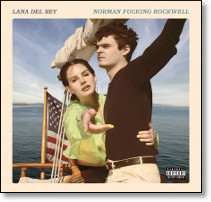
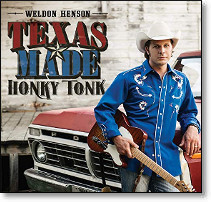
September archive (in progress). Music: current count 32047 [32020] rated (+27), 229 [227] unrated (+2). I've had a couple weeks of nagging technology problems. Got up and found both computers dead, resembling an overnight power shutdown but no indications of that anywhere else in the house. Both are on UPS's. One definitely has a bad battery, so turns out to be very interruptible. The other (my main computer) remains a mystery, and repeated a few days later, but second time was easier to power cycle. No data loss, but a bit unnerving. Main computer developed a speaker glitch after that, introducing a lot of static into music I was streaming. Haven't figured that out either, but switched to secondary computer for streaming (but speakers are inferior). It's old and I'm finding it extremely slow. The thing that bothers me most is how slow it is to wake up: closer to a minute than the 2-3 seconds of the main computer. Monitor has something to do with that, but slow as it is, it still displays connect status 5-10 seconds before getting a screen image. Tempts me to build a new one, especially as some newer and faster technology has become affordable. Synology backup server appears to be working, although I've only set up two machines to backup so far, and I haven't checked them for updates carefully. More things I need to learn about it. One source of frustration is that I'm using an appliance router/firewall that I don't totally understand. In particular, I have it providing DHCP addresses, but it doesn't seem to provide DNS, so my computers have no way (other than fixed /etc/hosts addresses, not necessarily right with DHCP) to find my other computers. Looking at the router manual now, and don't see anything about DNS (although it does have stuff on DHCP and DDNS). Most disconcerting glitch of the week was not being able to log into my dedicated server last night to post my Weekend Roundup. I've been informed that CPanel (the web server management gui interface software) has been bought up by the same vulture capitalists who own Plesk (their competitor). CPanel's management is celebrating their newfound monopoly by raising their prices, and enforcing this by requiring new licenses, breaking my server. Took several hours to get the hosting company to fix it, and will cost me more bucks in the future (CPanel is already almost a third of my monthly charge). Things like this make me wonder if the server's worth the cost and trouble -- or perhaps remind me that it isn't. Lots of other things made life difficult. I could begin to enumerate them, but may not come out the other end. Some of the just boil down to being old and decrepit, which no one wants to hear about. Much pain the day I tried to cook dinner for friends, ending with two planned dishes abandoned, my kitchen stool crashed to the ground, and the front door handle falling off. On the other hand, the dishes I did manage to finish were magnificent: duck à l'orange; a salad with grilled asparagus, zucchini, and bread cheese, over arugula with roasted tomatoes and basil pesto; a sweet potato gratin, and spiced carrots; with triple chocolate mousse cake for dessert (Laura has a pic on Instagram, but I can't find it). Some of these things cut into my listening time, which was pretty scattered anyway. Two records I had held back from last week managed to slip over the A- cusp. After making a dent in my new jazz queue, I got stuck on Avram Fefer's Testament, which I've played at least five times without writing up a grade. Release date isn't until November 8, so I'm tempted to put it aside until then. At some point I started looking for country music, and was struck at how the first four albums I sampled -- Tanya Tucker, Molly Tuttle, Dee White, Matt Carson -- wound up at the same B+(**) with different virtues and flaws. Four more records were easier to spread out (Mercury Rev, Highwomen, Ian Noe, Weldon Henson). Checked out a couple of old Bobbie Gentry albums after listening to Mercury Rev, and was surprised to find that the "classic" was a much bigger mess than the revival. Thought I'd work on a Book Roundup mid-week, then got confused by some sloppy bookkeeping. I managed to clean that up, and will try to have a post ready mid-week (but the way things are going, could be months). I'm slowly trudging my way through Tim Alberta's American Carnage: On the Front Lines of the Republican Civil War and the Rise of President Trump, which is a useful map of the various schisms on the Republican side since 2008, although it falls short of exploring the deeper roots of their cravenness and corruption. That's kept me from reading a couple of promising books I picked up at the library: Joseph Stiglitz's People, Power, and Profits: Progressive Capitalism for an Age of Discontent, and Astra Taylor's Democracy May Not Exist, but We'll Miss It When It's Gone. Also got a third book at the library, which I'm definitely not going to read but should at least crib some notes from: Mining the Social Web: Data Mining Facebook, Twitter, LinkedIn, Instagram, Github, and More (3rd edition). The one thing I want to do with it is to copy down a list of on-line resources, especially the APIs. On the other hand, I'm not finding many things I want to do in the examples. Maybe I should build a tech resources link page, if only for my own use. (I had several long ago, didn't update it, and finally disconnected them to stop getting mail from wannabe adds.) New records reviewed this week: Matt Carson: No Regrets (2019, Bunba): Country singer-songwriter from South Carolina, first album, a short one -- 9 songs, 29:22, six originals, three context-setting covers). A serious young man with hurt in his voice. B+(**) James Carter Organ Trio: Live From Newport Jazz (2018 [2019], Blue Note): From Detroit, the most impressive of the "tough young tenors" to emerge in the 1990s, unclear why he's been so rarely heard since 2011 (unless he's been holding out for another major label). He formed his Organ Trio for a live album in 2005, revived it for another in 2011, then nothing until this festival date. With Gerald Gibbs on organ and newcomer Alexander White on drums. Some extraordinary saxophone. Organ doesn't strike me as anything special. B+(***) Avishai Cohen/Yonathan Avishai: Playing the Room (2018 [2019], ECM): Two Israelis, trumpet and piano, very intimate. B+(*) Marco Colonna/Agustí Fernandez/Zlatko Kaucic: Agrakal (2017 [2018], Not Two): Clarinet/baritone sax, backed by piano and drums. Tends toward harsh, but the rhythm can get energetic enough to overcome that problem. B+(**) Lana Del Rey: Norman Fucking Rockwell (2019, Polydor/Interscope): Sixth album, starts with a dollop of strings and proceeds so slyly, so ethereally, I never really notice the title in the title song. Still, nearly every song seduces me in the end, maybe with a riff on "Summertime," or a choice expletive I happened to notice. Ends with: "Hope is a dangerous thing for a woman like me to have." Claims it anyway. A- Jeff Denson/Romain Pilon/Brian Blade: Between Two Worlds (2019, Ridgeway): Bass-guitar-drums trio, Denson and Pilon splitting the writing credits. Nothing very splashy, but intricate, nicely done. B+(*) [cd] Eliane Elias: Love Stories (2019, Concord): Jazz pianist from Brazil, pretty well established before she started playing (1990) or singing (1994) Jobim, but vocals and Brazilian rhythms have increasingly dominated her work, as is evident here. That's not necessarily a problem, but sometimes the strings are. B+(*) Frode Gjerstad/Fred Lonberg-Holm/Matthew Shipp: Season of Sadness (2018 [2019], Iluso): Alto sax/clarinet, cello, and piano. "We are living in a sad moment in time." Avant music that demands thinking, that doesn't lull you into a comfort zone, but also doesn't offer many answers. B [bc] Weldon Henson: Texas Made Honky Tonk (2018, Hillbilly Renegade): Country singer-songwriter, grew up in Humble, Texas, sounds a lot like vintage Joe Ely. The voice, anyway -- doesn't have the piano, but gets by with his guitar (and some pedal steel), especially when he doesn't dawdle. (Not that I have any complaints about "Not the Kind to Hang Around.") A- [os] The Highwomen: The Highwomen (2019, Elektra): Patterned on the Highwaymen -- the 1984 supergroup of Johnny Cash, Willie Nelson, Waylon Jennings, and Kris Kristofferson -- starting with Jimmy Webb's title melody, keeping the syllable count from "waymen" to "women." Not so super voices, but accomplished writers -- Brandi Carlile, Natalie Hemby, Maren Morris, and Amanda Shires -- with guest slots (Yola, Sheryl Crow, Miranda Lambert). Lot of talent. Not much to show for it. B Florian Hoefner Trio: First Spring (2018 [2019], ALMA): German pianist, based in St. John's, Newfoundland (not a town I've ever associated with jazz before). Fifth album I've heard, trio with Andrew Downing (bass) and Nick Fraser (drums). Always strikes me as a sharp, thoughtful player, roughly comparable to Fred Hersch. B+(***) [cd] Urs Leimgruber/Jacques Demierre/Barre Phillips/Thomas Lehn: Willisau (2017 [2019], Jazzwerkstatt): Cover lists the saxophonist (tenor/soprano) above the title, the others (piano, bass, analogue synthesizer) below, Lehn standing out in red (like the title). Joint improv, has some moments but widely scattered. B Mercury Rev: Bobbie Gentry's The Delta Sweete Revisited (2019, Partisan): Indie rock band from Buffalo, debut album 1991, Christgau described their fifth (first gold) album as "soundtrack-rock." This is their tenth, something different: a remake of most of the one-hit country wonder's 1968 second album with an "Old to Billie Joe" thrown in for good measure. Each song has a guest singer, starting with Norah Jones and finishing with Lucinda Williams, but most could be anonymous. B Ian Noe: Between the Country (2019, National Treasury): Country singer-songwriter, from Kentucky, first album, after an EP. B+(***) Purple Mountains: Purple Mountains (2019, Drag City): One-shot album by singer-songwriter David Berman, who recorded as Silver Jews 1994-2008, released less than a month before his suicide at 52. Seems like a very solid effort, open and accessible, perhaps something that grow on you. B+(**) Michele Rabbia/Gianluca Petrella/Eivind Aarset: Lost River (2018 [2019], ECM): Italian percussionist, albums start in 1996 but he rarely gets top billing. Here with trombone and guitar, everyone also credited with electronics or "sounds." Fades into ambient, and doesn't do much there. B Rapsody: Eve (2019, Roc Nation): Rapper Mariana Evans, from North Carolina, old enough to cite MC Lyte as a model. She had a commercial breakthrough last time out, netting more guests and samples here, 16 songs that run long, that will no doubt pay dividends if given more attention than I can muster. B+(***) Enrico Rava/Joe Lovano: Roma (2018 [2019], ECM): With Giovanni Guidi (piano), Dezron Douglas (bass), and Gerald Cleaver (drums), listed on cover below the title. Leaders play trumpet and tenor sax (plus tarogato), and are justly famous. Live meeting, must have seemed like a big deal, but only occasionally seems to connect. B+(*) Raphael Saadiq: Jimmy Lee (2019, Columbia): Soul singer-songwriter, started in the group Tony! Toni! Toné! (1988-96), went solo in 2002, only his fifth album, eight years after Stone Rollin' took the critics' polls by storm. Ghetto drama, lament for a dead brother, but the music is strong enough to persevere. Highlight is a rap, Change of pace is a gospel in lieu of a funeral. A- Leo Sherman: Tonewheel (2019, Outside In Music): Bassist, seems to be his first album, originals plus one cover of a Victor Jara song. Quintet, with tenor sax (Paul Jones), guitar (Alex Goodman, piano (Ben Winkelman), and drums (Dan Pugach). Tries to do a lot of different things: Jones' more avant stretches always catch my ear before moving on to something else. [10-25] B+(*) [cd] Tanya Tucker: While I'm Livin' (2019, Fantasy): Country singer, been around so long I'm surprised she's only 60, but she was 13 when she broke her first hit. Twenty-fifth album, her first since 2009's My Turn, which without much research I ventured was her best ever. (I did listen to The Upper 48 Hits: 1972-1997, and gave it a B.) Brandi Carlile and Shooter Jennings produced this one, with Carlile co-writing 7 (of 10) songs (only one co-credited to Tucker). Still, the covers are more striking. B+(**) Molly Tuttle: When You're Ready (2019, Compass): Bluegrass singer-songwriter from Santa Clara County, California, plays banjo and guitar. Played in family group the Tuttles, at 13 recording an album of duets with her father Jack Tuttle. First solo album, fortified by her fingerpicking. B+(**) [bc] Dee White: Southern Gentleman (2018, Easy Eye Sound/Warner Music Nashville): Country singer-songwriter from Alabama, long-haired male barely 20, first album. Oddly enough, song that most impressed me was his drippiest ballad ("Oh No"). Brings out something in his voice. B+(**) Young Thug: So Much Fun (2019, 300/Atlantic/YSL): Atlanta rapper Jeffery Williams, officially his debut studio album (although I have a dozen others in my database). B+(***) Recent reissues, compilations, and vault discoveries: The Vaughn Nark Quintet: Back in the Day (1982-83 [2019], Summit): Trumpet player, based in DC, spent twenty years with the USAF Airmen of Note, spanning the period when this was recorded. Three originals, repertoire from Gillespie through Walrath with a few standards like "Caravan" and "Over the Rainbow." Has some chops. B [cd] Old music: Bobbie Gentry: Ode to Billie Joe (1967, Capitol): Roberta Lee Streeter, born in Chickasaw County, Mississippi, recorded seven albums 1967-71, first album named for his crossover pop single. Second best song: "Bugs." B Bobby Gentry: The Delta Sweete (1968, Capitol): Second album, reissued in 1971 as Tobacco Road and 1972 as Way Down South. No hits, a very scattered mix ranging from delta blues to Cajun hoedown to baroque pop (very baroque). C+ Weldon Henson: Weldon Henson's Honky Tonk Frontier (2015, Hillbilly Renegade): Fourth album, does a nice job of working up his light, breezy honky tonk sound, closer to Lubbock than his home town of Humble (near Houston, in 1903 an oil boomtown, later the name of one of the Standard Oil companies). B+(***) Weldon Henson: One Heart's Gone (2011, self-released): Working backwards, seems closer to his honky tonk roots, but keeps his head down. B+(**) Unpacking: Found in the mail last week:
Ask a question, or send a comment. Monday, September 2, 2019 Music Week
September archive (in progress). Music: current count 32020 [31984] rated (+36), 227 [236] unrated (-9). Rated count topped 32,000 this week. I'd count that as a milestone, if not exactly news, as the accumulation has been as steady as time since I posted my first rated count of 8,080 in January 2003. That was about the time I started writing Recycled Goods plus the occasional Village Voice review, leading up to Jazz Consumer Guide, and a bit of work for Rolling Stone, Seattle Weekly, and F5. Those outlets opened up a stream of promo copies that continues (somewhat abated, often just a trickle) to this day. But as the mail thinned out, I resorted increasingly to streaming to make up the difference and expand my horizons. Since 2003, I've averaged a bit less than 30 per week (28.75), a bit less than 1,500 per year (1495). If I made a chart of that, I imagine it would show an upward slant from 2003-11 (when Jazz CG ended, then a plateau, tailing off a bit the last couple years). Before 2003, that 8,080 came from close to 30 years of record buying (with a few promos in the late-1970s). That averages out to about 5 records per week, 270 per year, but a graph wouldn't be flat: you'd find an initial bulge peaking around 1977-78, a long trough, and a marked increase from 1995 on. I listened to music in my teens, but never bought much until I got my first steady job around 1973. My early music writings start in 1974, including a few reviews for the Village Voice in 1975-79. I gave them up around 1980, when I landed an engineering job and moved to New Jersey. I cut way back on my record buying there, and it's possible that some years I bought less than 100, maybe as few as 50. I moved to Boston in 1985, and found myself spending more time in record stores. I started buying CDs relatively late, and my pace picked up around 1995 when I got into a big jazz/roots kick. That continued when I returned to Kansas in 1999, as I built up the level of expertise that allowed me to write Recycled Goods and Jazz Consumer Guide. But what really got me back into writing, aside from losing my software engineering job and finding few suitable opportunities, was encouragement from Michael Tatum, Bob Christgau, and (decisively) Laura Tillem. Still, I never planned on making music my central (let alone exclusive) writing focus, and I've sometimes wondered whether it hasn't just been a zero-sum game. I could have spent the last 20 years writing free software (as I had started in the 1990s with Ftwalk. I put a fair amount of effort into an open source business plan for home automation, and could have returned to that, or developed any number of tangential ideas. I also had a scheme for writer-oriented websites, of which Robert Christgau's was intended as a prototype. (One more I built was for Carol Cooper.) Several things distracted me from those paths (although I still maintain those two websites). The other path I considered was writing political philosophy, which had been my main interest before getting sidetracked into music critique in the mid-1970s. I had soured on politics by 1975, and as I turned away from music around 1980 I wound up reading mostly science (making up for turning away from my early interest), engineering, and business. Laura reminded me that I still knew quite a bit about politics and history, and I toyed with the idea of writing a political book in the late 1990s. September 11, 2001 got me to reading history, politics, and economics again. (You can peruse my reading list -- the data file for my "Recent Reading" blog widget, newly formatted -- here.) I wound up writing several tons of political commentary -- not quite what I envisioned, but scattered with a fair number of serious ideas (some much more distinctive than the grunt work I've cranked out on music). Seems like I've always been a notoriously slow reader and a poky, easily distracted writer, so for a good while I just took some comfort in getting any writing done at all. The on-line notebook has about 6.5 million words since 2000, and I've compiled much of that into nine ODT files averaging 1500 pages each (4 on music, 4 on politics, 1 personal). I can't claim they're very good, but when I dip into them I often find things worth remembering and even repeating. Still, these days I'm more likely to think of them as opportunity costs: if only I had focused on one thing or the other, maybe I'd have something much better to show for all the effort. Rating (and more/less reviewing) 32,000 records has been a pretty ridiculous thing to do -- as proven by the fact that no one else has been so foolish to do something that required nothing more than a lot of disposable hours. The only thing that would have been a bigger waste of time was not bothering to take notes. As I wrote the above, I listened to three more albums, including a rather nice one by Florian Hoefner that is certain to remain below damn near everyone's interest threshold. I have little more to add on the records listed below. One thing is that there's only one non-jazz album among the new releases (but three in the recent compilations). Partly, I played quite a few new albums from the promo queue. I also added the 4.5/5.0 star reviewed records from The Free Jazz Collective to my 2019 metacritic file, and that pointed me to more new jazz (including several 2018 releases I had missed). But partly it was just one of those weeks when I felt much more certain about the jazz I heard than the non-jazz. The non-jazz exceptions this week came from Phil Overeem's latest list update (ok, Two Niles was on his 2018 list, but I found it on the Bandcamp page for Star Band De Dakar). I listened to two other non-jazz records from this list, but couldn't make up my mind and held them back: Lana Del Rey's Norman Fucking Rockwell (number 5) and Raphael Saadiq's Jimmy Lee (18). I'm attracted to and resistant to both, which means they'll probably wind up high B+, but I'm not certain enough to say. Thanks to working on the metacritic file, I'm probably more aware of new non-jazz right now than any time this year, but less sure of my ears. On the other hand, this is definitely a good year for jazz. New records reviewed this week: Sophie Agnel/John Edwards/Steve Noble: Aqisseq (2016 [2018], ONJazz): French pianist, close to a dozen albums since 2000, backed by bass and drums. Piano sounds prepared, never quite where you expect it. B+(**) Kenyatta Beasley Septet: The Frank Foster Songbook (2019, Art Vs Transit, 2CD): Trumpet player, from New Orleans, regards Foster (alto saxophonist, a major arranger for Count Basie, died 2011) as a mentor. Beasley's septet is effectively a big band, especially with a batch of special guests. Unabashed swing, runs long. B+(**) Ray Blue: Work (2019, Jazzheads): Tenor saxophonist, several records since 2001, wrote a couple songs here but mostly sticks with standards. Backed by guitar, piano, bass, drums, and occasional guests (some trombone, plus piano spots for Kirk Lightsey and Benito Gonzalez). Easy listening as it should be. B+(**) [cd] Cat in a Bag: Cat in a Bag (2019, Clean Feed): Quartet, recorded in Berlin but Portuguese musicians: Bruno Figueira (sax), João Clemente (guitar), João Lucas (bass), Duarte Fonseca (drums). Rockish in spots, although too avant to fit easily into the fusion bag. B+(***) Corey Christiansen: La Proxima (2019, Origin): Guitarist, sixth album since 2008, backed by bass, drums, and more percussion. Long on groove, with a touch of Abercrombie. B+(*) [cd] Peter Eldridge/Kenny Werner: Somewhere (2019, Rosebud Music): Jazz singer, member of New York Voices and Moss, has several previous albums on his own. Werner, of course, is the well-known pianist, so you might hope for something like the Tony Bennett/Bill Evans duets, but the music starts off with thick (hype sheet says "lush") strings. Better on the rare occasions when they let up, but not much. C- [cd] Haruna Fukazawa: Departure (2019, Summit): Flute player, from Japan, based in New York, has a previous record as Jazz Triangle. Quintet with Steve Wilson (soprano sax/flute), piano, bass, and drums. Four originals, four covers, nice arrangements of Strayhorn and Silver. B+(*) [cd] Olli Hirvonen: Displace (2019, Ropeadope): Finnish guitarist, based in New York, third album, quartet with piano (Luke Marantz), bass, and drums. Got some high-flying groove. B+(**) [cd] I Jahbar and Friends: Inna Duppy SKRS Soundclash (2019, Bokeh Versions): Jabari Miller, aka Jahbar I, album cover (and Bandcamp page) suggests this parse. Dancehall evolves, picking up all sorts of cosmic crud. B- [bc] Michael Gregory Jackson Clarity Quartet: Whenufindituwillknow (2019, Golden): Guitarist, recorded the album Clarity in 1976 with future stars Oliver Lake, David Murray, and Leo Smith, plus a few more into the 1980s when he turned more to pop and started using the name Michael Gregory. Reclaimed his full name, and his avant-jazz rep, recently. Quartet with alto/soprano sax (Sion Spang-Hanssen), bass, and drums. B+(**) [bc] Roberto Magris Sextet: Sun Stone (2019, JMood): Pianist, from Italy, mainstream player fond of cool jazz icons -- has featured Herb Geller, and here sets the tables for Ira Sullivan (flute, alto/soprano saxes). Sextet adds trumpet (Shareef Clayton), tenor sax (Mark Colby), bass, and drums. Lush isn't the right word, but does seem like some kind of luxury. B+(***) [cd] Todd Marcus: Trio+ (2019, Stricker Street): Bass clarinet player, based in Baltimore, fifth album, the trio is with Aleem Saleem or Jeff Reed on bass and Ralph Peterson or Eric Kennedy on drums, the plus is Sean Jones (trumpet) on four cuts. B+(**) [cd] Joe McPhee/John Edwards/Klaus Kugel: Journey to Parazzar (2017 [2018], Not Two): McPhee plays tenor sax and pocket trumpet, free and hard, backed by bass and drums. B+(***) Dave Miller Trio: Just Imagine (2019, Summit): Need to sort this out some time. Initially file this under guitarist Dave Miller, but this one plays piano, somewhere in Northern California, "for quite a few years," with a previous album identified as his fifth. Backed by bass and drums, this is a romp through the George Shearing songbook, which is to say standards (including Charlie Parker) done bright and frothy. B+(**) [cd] Nérija: Blume (2019, Domino): London jazz collective, mostly female septet, best-known is Nubya Garcia (tenor sax), also includes alto sax (Cassie Kinoshi), trumpet (Sheila Maurice-Grey), trombone (Rosie Turton), guitar (Shirley Tetteh), bass (Rio Kai), and drums (Lizy Exell). Some groove with their slick post-bop. B+(*) Bill O'Connell and the Afro Caribbean Ensemble: Wind Off the Hudson (2019, Savant): Pianist, New Yorker, first album 1978, since then moved into Latin jazz, mostly with the Latin Jazz All-Stars. The Latinos here are mostly in the rhythm section (Robby Ameen, Roman Diaz), while the horn section is chocked full of stars (Craig Handy, Ralph Bowen, Gary Smulyan, Alex Sipiagin, Conrad Herwig). B+(**) [cd] The Ogún Meji Duo: Spirits of the Egungun (2019, CFG Multimedia): Duo, drums (Mark Lomax) and tenor saxophone (Edwin Bayard), looks like the seventh duo album since #BlackLivesMatter in 2014, although I'm finding very few details on this particular one. They've worked together at least since 1999, powerful in small groups, intense as a duo. The main thing I worry about is that when I go back their trademark sound is so imposing I'll be unable to differentiate and get bowled over by all of them. A- Mike Pachelli: High Standards (2019, Fullblast): Guitarist, several previous albums. Trio with Tony Levin (bass) and Danny Gottlieb (drums), playing standards. B+(*) [cd] Jason Palmer: Rhyme and Reason (2018 [2019], Giant Step Arts, 2CD): Trumpet player, half-dozen albums since 2014. Pianoless quartet, second horn is Mark Turner's tenor sax, backed by Matt Brewer (bass) and Kendrick Scott (drums). Four longish pieces on each disc, very solid work. B+(***) Jeff Parker/Jeb Bishop/Pandelis Karayorgis/Nate McBride/Luther Gray: The Diagonal Filter (2018, Not Two): "The Diagonal" seems to be a group name, but even the label parses the album this way. Boston-based piano trio with two Chicagoans: Parker on guitar and Bishop on trombone. Each impressive on his own, they don't quite fit together seamlessly. B+(**) Pearring Sound: Nothing but Time (2018 [2019], self-released): Alto saxophonist Jeff Pearring, from Colorado, based in New York since 2002, has a previous album under this moniker. Trio with Adam Lane (bass) and Tim Ford (drums), with a bit of edge and a steady hand. B+(***) [cd] David Sanchez: Carib (2018 [2019], Ropeadope): Tenor saxophonist from Puerto Rico, had a strong run of albums for Columbia 1994-2004 (pick hit: Obsesion), haven't heard much from him since Ninety Miles in 2011. Lots of percussion here, featuring the barril de bomba as well as Obed Calvaire's drums. With Luis Perdomo on keyboards, Lage Lund on guitar, Ricky Rodriguez on bass. Of course, the sax sounds terrific. B+(***) Dana Saul: Ceiling (2018 [2019], Endectomorph): Pianist, first album, all original pieces, sextet with Kevin Sun (tenor sax), Adam O'Farrill (trumpet), Patrick Brennan (vibes), bass, and drums. Early on the music builds tension while featuring the vibraphone to introduce tiny fissures. Then the horns fill in and finally build the whole thing up. A candidate for debut album of the year (as was Sun's 2018 debut, Trio). A- [cd] Rob Scheps: Comencio (2019, SteepleChase): Saxophonist (pictured with a tenor, but plays the whole gamut), originally from Oregon, studied at New England Conservatory, may be first album as leader. With Jamie Reynolds (piano), Cameron Brown (bass), and Jesse Simpson (drums). B+(**) Harvey Sorgen/Joe Fonda/Marilyn Crispell: Dreamstruck (2018, Not Two): Drums-bass-piano trio, no obvious reason why they are listed in this order, as most pieces are joint improvs (two covers, one from Crispell's long-time drummer Paul Motian). Starts with a soft one, then adds more strength here and there, drawing you in. A- Lyn Stanley: London With a Twist: Live at Bernie's (2019, A.T. Music): Standards singer, from Tacuma, half-dozen albums, did a Julie London tribute last year. Reprises three songs here, adds nine more. "You Never Can Tell" jumps out at me, but I'm also taken by her "Body and Soul." B+(**) [cd] The Clifford Thornton Memorial Quartet: Sweet Oranges (2017 [2018], Not Two): Thornton was an avant trumpet player (1936-89), did most of his work 1966-78, including a couple of big years with Archie Shepp, other notable side work from Sun Ra to Joe McPhee to Anthony Braxton. Group here: Daunik Lazro (baritone/tenor sax), Joe McPhee (valve trombone/tenor sax), Jean-Marc Foussat (synthesizer), and Makoto Sato (drums). Title piece runs 43:58, followed by an 8:25 "Encore." B+(*) Tucker Brothers: Two Parts (2019, self-released): Nick (bass) and Joel (guitar) Tucker, first album, with Sam Imboden (sax) and Brian Yarde (drums), plus scattered guests (best known is tenor saxophonist Walter Smith III). B [cd] Ken Vandermark/Klaus Kugel/Mark Tokar: No-Exit Corner (2016 [2018], Not Two): Tenor sax and clarinet, a set recorded live at Alchemia Club Krakow, with local bass (Tokar) and drums (Kugel). I should hedge this a bit, but this is the full-throated way you like to hear him play. [3/5 tracks] B+(***) Luís Vicente/Vasco Trilla: A Brighter Side of Darkness (2018 [2019], Clean Feed): Trumpet and percussion duo, from Portugal and Spain respectively. Three extended pieces, rather difficult going, but they do surprise now and then. B+(*) John Yao's Triceratops: How We Do (2018 [2019], See Tao): Trombonist, based in New York, has several previous albums including a big band affair. Quintet with two saxophonists (Billy Drewes and Jon Irabagon), bass and drums. Like its namesake, slow and dull at first, but formidable when they finally get moving. B+(**) [cd] Jason Yeager: New Songs of Resistance (2018 [2019], Outside In Music): Pianist, based in New York, fifth album, mostly originals (Chico Buarque gets a cover), most with words (sung by Erini, Farayi Malek, or Mirella Costa), piano trio with guest spots for horns and cello. Much to resist these days, but I doubt these will prove at catchy as the folkies of yore or various hip-hoppers. B+(*) [cd] Miguel Zenón: Sonero: The Music of Ismael Rivera (2019, Miel Music): Tribute to the Puerto Rican singer-songwriter (1931-87), known as El Sonero Mayor. Starts disconcertingly with vocals, what sounds like a sample, but soon the alto saxophonist's superb quartet takes over: Luis Perdomo (piano), Hans Glawischnig (bass), and Henry Cole (drums). Dazzling at speed, soulful on the ballads. A- [cd] Recent reissues, compilations, and vault discoveries: Prince: Originals (1981-91 [2019], NPG/Warner Brothers): Previously unreleased demos for songs Prince wrote (or co-wrote) for other artists. As demos go, these are far from minimal, although the backup is fairly generic. Not sure why I find them so tedious. Not his better songs, although the exception ("The Glamorous Life") was simply better in other hands (nod to Sheila E.). B- Sounds of Liberation: Unreleased (Columbia University 1973) (1973 [2018], Dogtown): Avant-jazz group from Philadelphia led by Byard Lancaster (reeds) and Khan Jamal (vibes), with Monnette Sudler (guitar), Billy Mills (bass), Dwight James (drums), and William Brister (percussion). Group recorded one studio album, which I know from its 2010 reissue as Sounds of Liberation, but was originally (and most recently) titled New Horizons. Lancaster's sax is the strong voice here, but he defers early to the vibes, and B+(*) Star Band De Dakar: Psicodelia Afro-Cubana De Senegal (1960s-70s [2019], Ostinato): Formed a year after the Cuban Revolution -- this is billed as a 60th anniversary tribute -- Ibrahim Kassé's band, a forerunner of Etoile de Dakar and Orchestra Baobab -- was one of the first to bring Cuban music back to its African roots. Not clear when these particular tracks were recorded. [The band's works have been collected in 12 volumes, but no dates on them either. The songs on this compilation are from volumes 3, 4, 8, 9, 10, and 12.] B+(***) Two Niles to Sing a Melody: The Violins & Synths of Sudan (1970s-80s [2019], Ostinato): Mostly recorded in Khartoum before the 1989 coup turned the nation toward Salafi Islam and against pop music, although it's possible some tracks were recorded later, in exile -- this label doesn't offer discographical details. Closer to Ethiopia than to Egypt, more emphasis on groove, also on cheese. A- [bc] Old music: Louis Moholo-Moholo: Duets With Marilyn Crispell: Sibanye (We Are One) (2007 [2008], Intakt): South African drummer, duets with the pianist, in her usual good form here. B+(***) Unpacking: Found in the mail last week:
Ask a question, or send a comment. Monday, August 26, 2019 Music Week
Music: current count 31984 [31944] rated (+40), 236 [243] unrated (-7). Spent most of last week listening to old records from my "unrated" list. Most, I think, are used CDs I bought between 1999, when we moved back to Wichita, and 2003-04, when I started getting a lot of promos for Recycled Goods and Jazz Consumer Guide. During that period I used to make regular trips to Oklahoma City (sometimes Tulsa, once even to Kansas City) where I'd pile up 30-50 CDs at a time. Also made a few cross-country trips in those years, where I would spend whole days traipsing around cities like Denver and Phoenix, scrounging around. In several cases I cleaned up on store closeouts. Actually, I did that for a few more years, but stopped buying locally after Yesterdays and Wherehouse went out of business, and that did much to break the pattern. (Wichita still has a number of CD Tradepost stores, but I've never liked them. Google also lists a Spektrum Muzik, which I should probably look into -- although at this point I'd be more tempted to sell than to buy.) Of course, the other thing that broke my shopping habit was Rhapsody. I started doing Streamnotes in late 2007, and my purchases plummeted after that. Some unrated records are older LPs. Not sure when I started keeping a ratings list. I've had personal computers since about 1980 (an Ithaca Intersystems DPS-1 with a Z-80, 64K RAM, S-100 bus, two 8-inch floppy discs, ran CP/M, ran me close to $5,000, not counting the Heathkit terminal I soldered together; I actually had an Apple II before that, but decided it was crap and never bought from Apple again), so I could have started any time after that, but I certainly had one by the mid-1990s. That list didn't always have grades -- I assigned them mostly from memory, which had already begun to fail on many older/less played LPs. I sold off most of my LPs in 1999 before moving to Wichita, so may no longer have some items logged as unrated. (On the other hand, I recall dozens of early albums not on the records list, so it was never perfectly accurate.) I started counting up unrated records in March 2003, when my rated count was 8,067 and the unrateds totalled 821. The unrated count jumped to 899 the next week after a bout of shopping. It went down for a few weeks, then shot up again, finally peaking at 1,157 in July 2004. I've gradually whittled it down since then, dropping under 1,000 in December 2004, under 800 in July 2007 (although it climbed back to 888 in April 2011), under 600 in December 2012, under 400 in April 2015, and under 300 in September 2018, and 243 last week. I thought I'd try to knock it down further this week. I gathered up a bunch of CDs from the list, and streamed a few I didn't bother hunting down. That explains both why I have so much "old music" this week, and why it seems so abritrarily selected. Still, my efforts were undone by a sudden burst of incoming mail (bringing the recent queue up to 26 albums, although most of their release dates are well into Fall). Working off my unrated list results in some curious choices below. For instance, the Lenny Breau/Brad Terry album is only about a third of the one you'd probably buy these days, 2003's The Complete Living Room Tapes, but I cut that down to match the one I owned (didn't find it, but I remember the cover). Similarly, you'd buy the Michael Mantler twofer, where I only had the Silence half (probably on vinyl, but in this case I did bother to stream the other half. I listened to extra albums where they struck my fancy: by Arrow, Hackberry Ramblers, Jasper Van't Hof, Papa Wemba, and Jack DeJohnette (and threw in an average grade for the latter's box, since I've heard all the pieces and that's how they're available on Napster). But I didn't bother with the first Songhai album, or the earlier and later volumes by the Bluegrass Album Band, to mention a couple of obvious series. I imagine I'll keep nibbling away at the unrated list, but already I'm seeing diminishing returns. Expect a new edition of XgauSez by the time you read this. I should also have an update to the Consumer Guide database real soon now. I've added the last batch of Expert Witness reviews to my local copy so I should be able to do an update any time. I'll send mail to the tech email list when I do, and go into more detail about redesign plans. I reckon I can pass on a link that Joe Yanosik sent me: a piece by Geoff Edgers called The summer of 1969, when Elvis made his true comeback, which includes some bits of interview with Christgau. Tried to get my new Synology backup server running last week, and ultimately failed. I'll take another shot at it this week. The machine also has potential as a media server -- something I have a clear need for, but never put enough time into to really figure out. Also made another Friday dinner for Max Stewart. Thought I'd do something easy/lazy this time, so made pastisio, a green bean ragout, and horiatiki salad: basic Greek country cooking. I felt good enough about it I might try something a bit more challenging next time. New records reviewed this week: Clairo: Immunity (2019, Fader): Singer-songwriter Claire Cottrill, self-released songs on Bandcamp since she was 15, scoring a viral video his with "Pretty Girl" in 2017. First proper album, a modest improvement over lo-fi, some catchy tunes (Rostam Batmanglij co-produced), but I'm still having trouble tuning into the lyrics. B+(***) CP Unit: Riding Photon Time (2018 [2019], Eleatic): Initials stand for Chris Pitsiokos (alto sax/electronics), third album with this group, personnel changes but formula remains electric guitar, electric bass, and drums (Sam Lisabeth, Henry Fraser, Jason Nazary). Live album from two sets in Germany and Austria, covering some pieces from their studio albums. The bent township jive of "A Knob on the Face of a Man" is my choice cut, but everything connects, on occasion hitting a raw nerve. A- G-Eazy: The Beautiful & Damned (2017, BPG/RVG/RCA): White rapper from Oakland, hit the charts with his 2014 album, this his fourth, got some brutal reviews (59 at Metacritic), not obvious to me why. Like Eminem, he builds on sung choruses and sampled hooks. Also makes extensive use of featured guests (most notably Cardi B), making it hard to locate him either in the ghetto or the suburbs. Runs long (74:22). Closer nails Trump: called "Easy," it's about what isn't. B+(***) Steve Lehman Trio/Craig Taborn: The People I Love (2018-19 [2019[, Pi): Alto saxophonist, an Anthony Braxton protégé, a very smart composer with outstanding chops, is in near-perfect form here. A very tight quartet, the banner "trio" accounting for Matt Brewer on bass and Damion Reid on drums, while allowing the more famous pianist's name to grace the front cover. A [cd] Nils Lofgren: Blue With Lou (2019, Cattle Track Road): Singer-songwriter, probably better known as a guitarist-for-hire used by Neil Young and Bruce Springsteen, although he has a pretty long list of solo albums (Wikipedia lists 27; I'm surprised to only find one in my database: his eponymous debut, which I gave an A-; I do have several listings for his 1971-74 group Grin). "Lou" is Reed. Lofgren co-wrote three songs on Reed's 1979 album, The Bells -- one ("City Lights") reprised here. B+(*) Paal Nilssen-Love/Ken Vandermark: Screen Off (2019, PNL): Long-running avant drums and reeds duo, sometimes credited the other way around. Twenty-one bits here, audio skimmed from unofficial YouTube videos and pasted together like a mixtape into a 42:00 track. Does bounce around a bit. B+(**) [bc] Recent reissues, compilations, and vault discoveries: Cannonball Adderley: Swingin' in Seattle: Live at the Penthouse 1966-1967 (1966-67 [2019], Reel to Reel): Alto saxophonist, ran one of the top hard bop jazz groups from 1958, although they faded in the late 1960s as mainstream labels collapsed and musicians gravitated toward fusion. This is a quintet with brother Nat Adderley on cornet, Joe Zawinul on piano, Victor Gaskin on bass, and Roy McCurdy on drums. A previously unreleased live tape. B+(***) Big Stick: Some of the Best of Big Stick (1985-91 [2019], Drag Racing Underground): John Gill and Yanna Trance met in art school, formed this very underground punk-industrial band, cut a few short records, including a 10-inch EP Christgau liked, and a 23-track CD I bought and shelved somewhere. They resurfaced in 2019 with a possibly new LP and a 15-track Most of the Best of Big Stick, but all I found was this cut-down 10-cut, 25:01 sampler. Move into Sonic Youth territory on "California Dreamin'." B+(**) Marvin Gaye: You're the Man (1972 [2019], Motown): "Lost" album, intended to follow What's Going On, but was cancelled after the title cut was released as a single. Most of it was released in dribs and drabs over the years. His sound is intact, the songs a mixed bag but the title one scores points. B+(**) Old music: Arrow: Soca Savage (1984, Arrow): Soca star from Montserrat, Alphonsus Cassell (1949-2010), thirty albums 1972-2002, this the only one I picked up, distributed worldwide by London. Big beat, lots of enthusiasm, recorded a little harshly. B+(*) Arrow: Knock Dem Dead (1987 [1988], Mango): First album picked up by Island, hoping soca might be the next thing after interest in reggae wanes. Leads off with "Groove Master," and winds up with two remixes of same. B+(**) The Bluegrass Album Band: The Bluegrass Album, Vol. 3: California Connection (1983, Rounder): Tony Rice sings and plays guitar, backed by other semi-famous bluegrass players -- J.D. Crowe (banjo), Jerry Douglas (dobro), Bobby Hicks (fiddle), Doyle Lawson (mandolin), Todd Phillips (bass), with Crowe and Lawson also singing. Starts with a Gram Parsons song ("Devil in Disguise") but that seems to be it for California. After that it's back to Kentucky, with no less than five Lester Flatt tunes. B+(**) Lenny Breau & Brad Terry: The Living Room Tapes (1978 [1995], Dos): Guitar and clarinet duo. Breau (1941-84) was born in Maine, grew up in Canada, and wound up in Los Angeles, with two 1969 records on RCA, a few other scattered about, often with country musicians like Chet Atkins and Buddy Emmons. These were taped in a farmhouse in Maine, first appearing in 1986. More sessions followed up to 1982, ultimately compiled into in a 2-CD Complete set (2003). B+(*) Jack DeJohnette: Sorcery (1974, Prestige): The drummer was mostly thought of as a fusion player at this point, acknowledged here by playing keyboards as well as drums, with Dave Holland on bass, either John Abercrombie or Mick Goodrick on guitar, and Bennie Maupin on bass clarinet for the first side, Michael Fellerman on trombone for both. Still, never bogs down in fusion clichés, not that it commands close attention. B+(*) Jack DeJohnette's Special Edition: Tin Can Alley (1980 [1981], ECM): Drummer, group named for his 1980 album, although the personnel is a bit less special here: Chico Freeman and John Purcell replacing Arthur Blythe and David Murray, with Peter Warren remaining on bass and cello. DeJohnette vocal on "I Know," over a blues riff. B+(**) Jack DeJohnette's Special Edition: Inflation Blues (1982 [1983], ECM): Continues with sax/reed players Freeman and Purcell, adds Baikida Carroll on trumpet (4/5 tracks), with Rufus Reid taking over at bass. DeJohnette's rant on the title track doesn't impress me, but I don't mind his muted play on reggae. The horns are strong throughout, and no one can complain about the drumming. B+(*) Jack DeJohnette: Special Edition (1979-84 [2012], ECM, 4CD): Boxes up the original Special Edition album, with David Murray and Arthur Blythe (but not at their best), the two albums above, and the final Album Album. Figure the grade for an average, with the first half a shade better. B+(*) Jack DeJohnette: Parallel Realities (1990, MCA): Surprised we don't see more names on the cover, as the drummer's cohort are if anything more famous: Pat Metheny (guitar and synths) and Herbie Hancock (piano, mostly acoustic). Metheny co-produced and wrote half of the pieces, so no surprise this is right up his alley. B+(*) Manu Dibango: Wakafrika (1994, Giant): From Cameroon, plays sax and vibes, some keyboards, sings, has 50+ albums from 1968 until he turned 80 in 2013. This is one of his better-distributed ones, incorporating touches from the far corners of Africa (and electronica beyond), which only seems fitting given the central location of his home. B+(**) Luderin Darbone's Hackberry Ramblers: Early Recordings: 1935-1950 (1935-50 [2003, Arhoolie): Classic cajun group, formed in 1933 Darbone (fiddle) and Edwin Duhon (accordion), with Glen Croker entering at some point, taking over lead guitar and most of the vocals. These are mostly Bluebird singles, most in French but occasionally they venture into blues or Western Swing. B+(***) Luderin Darbone's Hackberry Ramblers: Jolie Blonde (1963-65 [1993], Arhoolie): Chris Strachwitz's label took a brief interest in the Ramblers, rounding up this mix of studio, home, and live recordings, skewed toward the Cajun classics. B+(**) The Hackberry Ramblers: Cajun Boogie (1992, Flying Fish): Founded in 1933, the legendary cajun group didn't record much after 1948, but the founders kept the group going until their deaths (Edwin Duhon in 2006, Luderin Darbone in 2008, and Glen Croker in 2011). This live set was their first LP, old tunes but a lot of fun. A- The Johnson Mountain Boys: At the Old Schoolhouse (1988 [1989], Rounder): DC-based bluegrass group, active 1978-88 with occasional reunions, this live double capping their initial run. B+(***) Ketama/Toumani Diabate/José Soto: Songhai 2 (1994, Hannibal): Spanish group, formed 1985, combines flamenco and salsa, joined here by the Malian kora master and a Spanish guitarist-singer (replacing English bassist Danny Thompson, from the previous Songhai album). B+(*) Shoukichi Kina: Peppermint Tea House: The Best of Shoukichi Kina (1980-91 [1994], Luaka Bop): Rock singer-songwriter from Okinawa, David Byrne's second (and last) pick for his Asia Classics series. Slight countryish air to go with funkier-than-usual J-pop bubblegum. B+(**) Tony Lakatos/Rick Margitza/Gábor Bolla: Gypsy Tenors (2017, Skip): Margitza is a mainstream tenor saxophonist -- one of my favorites in the 1990s but I've rarely run across him since 2001. He was born in Michigan, but claims a Hungarian Gypsy grandfather. The other two are Hungarian (not sure about Gypsy), also playing tenor sax, and they're backed by piano-bass-drums. B+(**) Yo-Ya Ma: The Soul of the Tango: The Music of Astor Piazzolla (1998, Sony Classical): Cellist, born in Paris, grew up in New York, child prodigy, graduated from Juilliard and Harvard, very famous and not just in classical circles, as he's dabbled far and wide, notably with his Silk Road Ensemble. I haven't followed him, but did hear his 2-CD Sony sampler (The Essential Yo-Yo Ma) and liked it enough for a B+. Moreover, I love Piazzolla's tangos so much I picked this up (then forgot about it). Starts with a remarkably poised "Libertango." Bandoneon and violin, guitar and piano keep it flowing. B+(**) Michael Mantler: No Answer (1973 [1974], Watt): Carla Bley's second husband (after Paul Bley, before Steve Swallow), they named their label after one of Samuel Beckett's novels. Mantler honors Beckett further by composing an opera for his text, sung by bassist Jack Bruce, featuring Bley (piano) and Don Cherry (trumpet). B- Michael Mantler: Silence (1976 [1977], Watt): More compositions for words, this time from Harold Pinter, sung by Kevin Coyne and Robert Wyatt, played by Carla Bley (piano/organ), Chris Spedding (guitar), Ron McClure (bass), Wyatt (percussion), and Clare Maher (cello, the only name missing from the cover). Not without interest, but takes a lot of work. B Michael Mantler: No Answer/Silence (1973-76 [2000], Watt, 2CD): Reissue, combining the two albums without trying to cram them into one overlog disc. B Oujda-Casablanca Introspections, Vol. 1 (1988-93 [1994], Barbarity): With Algeria torn by civil war, rai producer Ben Omar Rachid crosses the border into Morocco in search of grooves and ululations. A- [cd] Romeo Must Die: The Album (2000, Virgin): Soundtrack to Andrzej Bartkowiak's movie, roughly Romeo and Juliet set in Oakland with rival African-American and Chinese gang families, starring Jet Li, Delroy Lindo, and at least two musicians who appear on the soundtrack (Aaliyah and DMX). Aaliyah, Timbaland, and Barry Hankerson produced the soundtrack. B+(***) [cd] Wallace Roney: The Wallace Roney Quintet (1995 [1996], Warner Bros.): Trumpet player, throwback to the hard bop 1960s, second Warners album after an earlier run on Muse. With brother Antoine Roney on tenor sax, Carlos McKinney on piano, plus bass and drums. Album runs over 78 minutes. B [cd] Archie Shepp/Jasper Van't Hof: Live in Concert: Mama Rose (1982, SteepleChase): Tenor/soprano saxophonist, from the SWF Festival in Germany, backed by the Dutch keyboardist (mostly electronics), who provides what passes for rhythm and shading. Shepp recites a poem on the title track, which Van't Hof supports niftily. B+(*) Third World Cop [Original Motion Picture Soundtrack] (1999 [2000], Palm Pictures): Soundtrack to Chris Browne's movie, produced by Island impressario Chris Blackwell. Sly & Robbie claim four of the first six songs, and probably play on the rest -- all in the contemporary dancehall style -- most notably, the Marley Brothers on "Call the Police," Lady G on "Man a Bad Man," and Luciano on the inevitable "Police & Thieves." A- McCoy Tyner Big Band: Journey (1993, Birdology): Pianist, broke out of John Coltrane's Quartet for a distinguished solo career, including three albums in his big band phase (1989-93). This is the third, many star players, the trumpet solos (Jerry Gonzalez and Eddie Henderson) especially stand out. B+(**) [cd] Jasper Van't Hof/Ernie Watts/Bo Stieff Face to Face: Canossa (1998, Canossa): Keyboards, tenor sax, bass -- trio also using the name of their 1995 album -- with Nippie Noya on percussion. Gets stronger as it progresses, which doesn't necessarily mean better. B+(*) [cd] Viva La Musica & Papa Wemba: Pôle Position (1995, Sonodisc): Wemba is a singer-bandleader from Congo, nearly as prolific and monumental as Franco and Rochereau. I went looking for an unrated, but found more than I can manage to sort out. (Sounds like a job for Joe Yanosik.) Here he puts the band name first, and their soukous groove is nearly flawless. A- Papa Wemba: Papa Wemba [Destin Ya Moto] (1988, Disques Espérance): One of two eponymous (or untitled?) albums to appear at/near this time, one of which is in my database but missing physically -- I recall this album cover, but noted the label and catalog number of the other. Took me some time finding this, as Napster lists it as Destin Ya Moto, for the first (of four) songs. Subtle groove, sweet guitar, B+(**) Papa Wemba: Papa Wemba [M'Fono Yami] (1988 [1989], Stern's Africa): The other one, produced by Martin Meissonnier with more keyboards, also released by Celluloid (as M'Fono Yami?) and EMI France. [4/7 tracks, 20:48] B+(**) Papa Wemba: M'zée Fula-Ngenge (1999, Sonodisc): Starts a bit odd, and has a couple of odd spots (including a tiny bit of English), but soon enough finds its groove, and quite a groove it is. B+(***) Steve Williamson: A Waltz for Grace (1990, Verve): Alto saxophonist, born in London, parents Jamaican, played in Jazz Warriors before this auspicious debut album. Only recorded one more for Verve (in 1992), only a couple more after that. Abbey Lincoln's guest vocal is supposed to be a high point, but slipped by me twice with scant notice. The rest, cobbled together from multiple sessions in US and UK, is engaging. B+(**) [cd] Yosuke Yamashita/Bill Laswell/Ryuichi Sakamoto: Asian Games (1988 [1993], Verve Forecast): Japanese pianist, started 1974, output has tailed off since 2004. I think of him as a strong postbop player, although in this context -- Laswell is an electric bassist who leans toward fusion albeit in underground tones, and Sakamoto is a well known electronica producer -- he sticks to the groove. B [cd] Grade (or other) changes: Viva La Musica/Papa Wemba: Nouvelle Écriture: Dans L' (1998, Sonodisc): For a while I thought this CD wasn't in my database, but I was confused by the cover, which literally (top-to-bottom) reads: "Viva La Musica / nouvelle écriture / dans L' / avec PAPA WEMBA." Discogs reduced this to L'. Strong soukous groove. No recall why I initially graded it so low. [was: B] B+(***) [cd] Unpacking: Found in the mail last week:
Ask a question, or send a comment. Monday, August 19, 2019 Music Week
Music: current count 31944 [31902] rated (+42), 243 [259] unrated (-16). Rated count needs some explanation. There are only 28 records listed below, so everything else comes from finding bookkeeping errors from previous weeks (or possibly longer). I refer to my "ratings database," but it's nowhere close to normalized. When I rate a record, I usually have to note that fact in 4-5 different places, which makes it pretty easy to miss one (or two). On the other hand, that gives me something better than my memory for checking errors. The process is tedious, so I don't do it often, but once I noticed a couple of errors, I made a pretty thorough effort this time. The actual week count should be even lower. By the time I finished my bookkeeping exercise, I had added 4-5 more records since my usual Sunday evening cutoff. Normally, I would have saved those grades for next week, but under the circumstances, I figured I might as well get all the anomalies out at once. Two things cut into last week's count: I spent a day cooking and playing oldies; and I spent the better part of four days streaming through a single title: Mark Lomax's 400. The latter is actually 12 albums rolled into one. Parts of it are on Napster, so I started there, but after thrashing over how to grade the various parts, I decided to just stream the whole thing, broken up over 5-6 sessions over 4 days. The cumulative experience was so overpowering I wound up giving it an A, an exception to my usual rule of giving that grade only after repeated play over time. (Five plays is usually minimal; I've only played all of 400 once, although some parts did get two or three listens; on the other hand, my cumulative time is 12-15 hours, so I wouldn't call this grade casual.) Afterwards, I went back and streamed several of Lomax's earlier albums, but had trouble grading them: even his earliest work is close in power and depth to his latest, but I tended to hedge the grades down rather than turn myself into a rubber stamp. I should note that I've heard two of his albums before: The State of Black America was a Jazz CG pick hit at the time (2010, grade: A), and Isis and Osiris was an A- in 2014. I hadn't noticed anything else he did until I stumbled across the new one (it showed up when I added all of this year's 4.5+ star All About Jazz reviews into my in-progress EOY Aggregate). There's more I haven't explored yet on his website. Aside from Lomax, more old music this week. I checked out several old SABA/MPS albums after I found Cosmic Forest on Napster. Finally, when I was doing my bookkeeping it occurred to me that this might be a good time to cut down on my "unrated" count by streaming records I own(ed) but never graded. That list was once up in the 700-range (from back when I was buying used CDs by the ton), but it's been bouncing around 250 for quite a while now. I started with the Milton Babbitt record last night, and I built a checklist today, so I'm likely to do more of that in the next few weeks. Meanwhile, I'll note that this week's unpacking are all October/November releases, and indeed most of what I have in the physical queue doesn't drop until the Fall. So I'm not feeling a lot of urgency there. I mentioned that dinner, so might as well file a note on it here. I didn't have time to plan much, but thought salmon teriyaki would be easy. I make it fairly often, but usually just serve it with a couple of Chinese sides, as I've only rarely dabbled in Japanese cuisine. I thought I would try some things this time, but had only the vaguest plan, bought groceries as options, and wound up swapping in Chinese and Korean recipes when they seemed likely to be tastier. Final menu was something like this:
I originally planned on stir-frying the cooked noodles with cabbage and other vegetables, but I overcooked them and figured the best way to salvage them would be to sauce them quickly, and recalled the Tropp recipe. It called for the carrot and daikon I was planning on using anyway, plus cucumber (so I scratched my planned cucumber salad; I had enough carrot and daikon to use them in the noodles and separately as a salad). I had a Japanese recipe for the mushrooms, but decided the similar Korean version would be tastier (adds onion and garlic to the braising liquid, which uses dark instead of regular soy, and maple syrup instead of sugar). Max Stewart was a big help in pulling this off. Various technical projects up in the air at present. I got stuck in trying to update the Christgau database, so will have to get back to that. He does have a new piece on Jimi Hendrix, and I've added a lecture on music and politics he gave shortly after Trump took over. I've also bought a new Synology box for backups, but don't have it configured yet. Everything's a struggle these days. New records reviewed this week: Don Aliquo/Michael Jefry Stevens: Live at Hinton Hall: The Innocence of Spring (2019, self-released): Sax and piano duo, the former a Pittsburgh native who teaches in Nashville, the latter long Memphis-based, now seems to have moved to North Carolina. No info on album, but nice sound in an intimate space. B+(**) [bc] Arashi [Akira Sakata/Johan Berthling/Paal Nilssen-Love]: Jikan (2017 [2019], PNL): Alto sax/bass/drums trio, group named for their 2014 album together. Various malign looks and feels, including scarifying vocals, but Sakata is a terrific full blast saxophonist, and the drummer keeps up. B+(**) [bc] Mark Doyle: Watching the Detectives: Guitar Noir III (2019, Free Will): Guitarist, "seemed destined for a career in jazz piano until The Beatles appeared on Ed Sullivan," switched to rock and joined a band called Jukin' Bone that released two albums in 1972. Jumping forward, formed Mark Doyle and the Maniacs in 2009, still a going concern, so chalk this up as a side project. Starts with a bit of Elvis Costello's title song merged into "Detectives Medley." I thought I heard some "Peter Gunn" but don't see it in the credits, so maybe that's just a common riff? B+(*) [cd] Moy Eng/Wayne Wallace: The Blue Hour (2018 [2019], Patois): Chinese-American poet-vocalist, born in New Jersey, based in San Francisco where she's executive director of something called the Community Arts Stabilization Trust (CAST). First album, with lots of musician credits as the trombonist brings his Latin tinge. B [cd] Binker Golding & Elliot Galvin: Ex Nihilo (2018 [2019], Byrd Out): English tenor saxophonist, best known as half of Binker & Moses, in a nominal duo with keyboardist Galvin (no credit for drums, but they vanish after first track, as everything thins out). B+(*) Joel Harrison: Angel Band: Free Country Volume 3 (2018, HighNote): Guitarist, subtitle links this back to his 2003 album Free Country, "a collection of old Country and Appalachian tunes arranged in unusual, even radical, ways." (Volume 2 appears to be So Long 2nd Street, from 2004, "with David Binney" on the cover.) The 15-year break makes me wonder about his commitment, but then so does the music, with "America the Beautiful" and "Wichita Lineman" especially poor picks. Several vocals (Alecia Chakour, Everett Bradley, Theo Bleckmann, Harrison himself). Binney is often superb. B David Kikoski: Phoenix Rising (2019, HighNote): Pianist, from New Jersey, twenty-some albums since 1989, mostly quartet with Eric Alexander (tenor sax), Peter Washington (bass), and Joe Farnsworth (drums). Very mainstream, but it's been quite a while since the saxophonist sounded this good. B+(***) Dr. Mark Lomax, II: 400: An Afrikan Epic (2019, CFG Multimedia, 12-CD): Drummer, had a Jazz CG Pick Hit in 2010 but only one more album came to my attention, until I got wind of this massive undertaking. Turns out he's been busy, teaching at Ohio State, giving TED Talks, adding to his academic credentials, and recording albums I want a shot at sooner of later. This here is his encyclopedia of African and Afro-American history and lore, organized as 12 parts or albums -- hard to tell with digital these days. The first chunk, which Napster has as The First Ankhcestor, is all drums, primal but also deeply felt and highly developed. He moves on to his extraordinary quartet -- Edwin Bayard (tenor/soprano sax), Dr. William Menefield (piano), and Dean Hulett (bass) -- with some pointed spoken word on the opening of the transatlantic slave trade. They carry most of what follows, especially Bayard (imagine Coltrane, Sanders, and Ayler -- as Sanders put it, "the father, the son, and the holy ghost" -- raised to a higher level. Less sonically appealing are sections done up in strings, but even violins and cellos can't bury the rhythm. Toward the end the drums take over again. Took me a half-dozen sittings over four days just to stream the whole thing, which makes this hugely impractical to review and nearly unfathomable, but it is chock full of magnificent music. [PS: Initially wrote this last line while listening to "Afro-Futurism 09-8: Transcendence," but many pieces are comparable. Edited it a bit while finishing up. I initially wrote up reviews of Parts 1, 3, and 4. Not wanting to flood the A-list, I hedged the grades, and ultimately dropped the reviews. I decided not to sort out the twelve parts, but only the string-heavy section might drop below A-, and that's not a lock. I usually reserve the A grade for albums I've played numerous times, and that's not the case here. Still, 10+ hours is quite a bit of experience to draw on, and the effect is cumulative. A lesser grade would imply caveats and hedges I no longer have.] A [dl] New York Voices: Reminiscing in Tempo (2017-18 [2019], Origin): Vocal group, five voices in 1987 including Peter Eldridge, Darmon Meader, and Kim Nazarian, with two women dropping out, Lauren Kinhan joining in 1992. Similar to Manhattan Transfer, but influenced more by vocalese. I've never been a fan, but this is exceptionally chipper, and their shtick fits nicely with a song like "In My Life." B [cd] Paal Nilssen-Love: New Brazilian Funk (2018 [2019], PNL): Avant-drummer from Norway, recorded this at Roskilde with Frode Gjerstad on alto sax and three presumed Brazilians: Felipe Zenicola (electric bass), Kiko Dinucci (electric guitar), and Paulinho Bicolor (cuica). The latter thrash more than funk, which gives the Norwegians something they can build on. B+(**) Paal Nilssen-Love: New Japanese Noise (2018 [2019], PNL): Norwegian drummer teams up with presumed Japanese this time, also at Roskilde Festival: Kiko Dinucci (electric guitar), Kohei Gomi (electronics), Toshiji Mikawa (electronics), Akira Sakata (alto sax, Bb clarinet, voice) -- latter has been a major avant-jazz figure in Japan since 1975. First cut is as chaotic as you'd expect. Third starts to turn into something, but soon enough gets noisy again -- so much so the vocal even helps. B+(*) Houston Person: I'm Just a Lucky So and So (2018 [2019], HighNote): Mainstream tenor saxophonist, started in the 1960s when his label (Prestige) was home to greats like Coleman Hawkins and Gene Ammons, and followed Joe Fields from there through a series of labels, eventually emerging as a great himself -- the last of that particular line. A fine quartet (Lafayette Gilchrist, Matthew Parrish, Kenny Washington) augmented on most tracks with trumpet (Eddie Allen) and guitar (Rodney Jones). Fairly typical effort, but at this point that's all he needs. A- [cd] Pom Poko: Birthday (2019, Bella Union): Norwegian noise-pop group, although when I looked them up I got a Japanese film instead. By then I was thinking Shonen Knife, but never could stand bubblegum-punk (or however you want to characterize it). Can't really stand this either, but any given moment is as likely as not to hit a pleasure center. B+(*) Michael Jefry Stevens Quartet: Red's Blues (2017 [2018], ARC): Pianist, has dozens of albums filed under other names because co-led groups usually listed his partner first. Wrote all these pieces, setting aside his avant chops for something "more traditional, swinging." With Todd Wright (saxes), Zack Page (bass), and Rick Dilling (drums). B+(**) [bc] Anders Svanoe: 747 Queen of the Skies: State of the Baritone Volume 3 (2018, Irrabagast): Saxophonist, based in Wisconsin, plays them all but specializes in the baritone, has a book on Sonny Red, a duo album with Jon Irabagon, and has helped fill out large bands led by Evan Parker and Roscoe Mitchell. This is styled as a double trio, with two bassists, two drummers, and a second horn -- Jim Doherty, on trumpet. B+(**) [bc] Ezra Weiss Big Band: We Limit Not the Truth of God (2019, OA2): Conventional big band, extra percussion but no guitar, the leader listed as conductor but he also interjects some spoken word, a long and rather touching yarn of contemporary liberal angst. The music can weep along, or rise up. B+(**) [cd] Saul Williams: Encrypted & Vulnerable (2019, Pirates Blend): Nominally a spoken word artist, but he's been recording since 2001, and picked up enough skills to occasionally lose himself in the music. Probably worth the effort to figure out what he's saying. B+(*) Gabriel Zucker: Weighting (2016 [2018], ESP-Disk): Pianist, from New York, has a previous record as The Delegation. You could call this a bass-less quartet: two horns (Adam O'Farrill on trumpet and Eric Trudel on sax), piano, drums (Tyshawn Sorey), no bass. Despite the small group size, this comes off rather heavy, with crescendos and such. Dramatic, I guess B [bc] Recent reissues, compilations, and vault discoveries: Nicola Conte Presents: Cosmic Forest: The Spiritual Sound of MPS (1965-75 [2018], MPS): German label, founded in 1968 by the owner of the earlier SABA label, the "S" standing for the Black Forest (Schwarzwald). The label was active up to 1983, when the catalog was sold to Philips, then Polydor, winding up in Universal. Conte is a DJ turned producer, with several "presents" albums. "Spiritual jazz" has come back into vogue recently, but hard for me to define, picking here mostly from cross-cultural hybrids (Indian, African, Latin, some chants or soul vocals, but we also have Dexter Gordon playing straight bop). Not sure of all of the dates, but a couple tracks come from SABA (pre-1968) albums. B+(**) Old music: George Gruntz: Noon in Tunisia (1967, SABA): Swiss pianist, early work included several Jazz Goes Baroque albums, later ran a well-regarded big band. Recorded in Germany with a bunch of musicians from the Mahgreb playing trad instruments -- Jelloul Osman's mezoued (bagpipes) most prominent, although the percussion is most numerous. The jazz contingent includes Jean-Luc Ponty (violin), Eberhard Weber (bass), Daniel Humair (drums), and Sahib Shihab (soprano sax/flute -- an American born 1925 as Edmund Gregory, changed his name when he converted to Islam, played in a long list of eminent big bands). The pianist doesn't play a lot, but is notable when he does. B+(***) George Gruntz: St. Peter Power (1968, MPS): Credit says organ, but we're talking pipes, not Hammond, so this collection of standard pieces ("Summertime," "My Funny Valentine," "Lonely Woman," "Nobody Knows the Trouble I've Seen," etc.) is very churchy ("recorded at Kloster- und Pfarrkirche St. Peter/Schwarzwald"). With Eberhard Weber (bass) and Daniel Humair (drums). Not intolerable but pretty tedious. C+ The Mark Lomax Sektet: Tales of the Black Experience (1999 [2001], Blacklisted Music): The drummer's first record, incorporating poems by Scott Woods and Vernell Bristow. Group is a sextet with two saxes (Stephen Lomax and Edwin Bayard), trumpet (Arisyn Banks), bass, and extra percussion. Same musical strengths as in his later work -- not least, the drums. B+(***) The Mark Lomax Trio: Lift Every Voice! (2004, Blacklisted Music): Drummer-led trio with William Menefield (piano) and Dean Hulett (bass), subtitled The Spirituals & the Blues Vol. I, a set of "popular negro spirituals" arranged by Lomax. B+(**) The Mark Lomax Quartet: We Shall Overcome: Spirituals & the Blues Vol. 2 (2013 [2014], CFG Multimedia): Adds the powerhouse saxophonist Edwin Bayard to the Vol. 1 piano trio for five more spirituals, three in the 8-12 minute range, "Oh, Freedom!" at 20:37, and "Sometimes I Feel Like a Motherless Child" stretched way out to 29:56. Such length can lose track of the themes, although not for lack of inspiration. B+(***) The Mark Lomax Quartet: Requiem for a Fallen King: A Tribute to Elvin Jones (2013 [2016], CFG Multimedia): Four-part suite (50:42), written in 2004 when Jones died and performed for only the third time in almost ten years. Same quartet Lomax has worked with since the beginning (Edwin Bayard, William Menefield, Dean Hulett): one capable of great power, B+(***) [os] Jas. Mathus and His Knock-Down Society: Play Songs for Rosetta (1997, Mammoth): Founder of Squirrel Nut Zippers, a folkie group that favored trad jazz and blues songsters, this was his first solo effort, the first of four albums with variants of this group credit, later trading James in for Jimbo. I'm a sucker for that old-timey jazz, but I'm less convinced by his blues. B+(*) Dewan Motihar Trio/Irene Schweizer Trio/Manfred Schoof/Barney Wilen: Jazz Meets India (1967, SABA): Indian sitar player (with Keshay Sathe on tabla and Kusum Thakur on tambura) plus Swiss pianist (with Uli Trepte on bass and Mani Neumeier on drums) plus German cornet/trumpet layer and French saxophonist (soprano/tenor). Three pieces: two from Motihar, one from Schoof. Same time as Ravi Shankar was wowing western audiences and the Beatles were dabbling with sitar comes this pioneering avant-jazz fusion. Don't know much about Motihar but the jazz musicians aquit themselves well here, especially the 26-year-old pianist in one of her first records, already very distinctive. B+(**) Robert Taub: Milton Babbitt: Piano Works (1985 [1986], Harmonia Mundi): Old LP, which I've long filed under the composer's name, but lately I'm more inclined to file under the performer. The pieces range from 1947 to 1985, feel more like improv than classical to me, which may just mean that I like them. B+(***) Waiting to Exhale [Original Soundtrack ALbum] (1995, Arista): Babyface's soft-soul Soundtrack to Forrest Whitaker's romance film starring Whitney Houston and Angela Bassett. Houston gets three songs, the others scattered among the era's lesser or greater lights -- Toni Braxton, Mary J. Blige, Brandy, Chanté Moore, Faith Evans, TLC, SWV, plus a few legends of yore (Aretha Franklin, Chaka Khan, Patti LaBelle). Nothing stands out, but the lush ambience flows nicely. B+(**) Unpacking: Found in the mail last week:
Ask a question, or send a comment. Monday, August 12, 2019 Music Week
Music: current count 31902 [31860] rated (+42), 259 [259] unrated (+0). Running late again, mostly because I've been fiddling with the 2019 Metacritic file, adding extra points for high grades (not just midyear list picks) for most of the publications tracked by Album of the Year. The specific lists are noted here: in most cases one point for grades scored 80+, although for some relatively generous publications I've used 90+ (e.g., for AllMusic Guide, I'm counting 4.5 star records, but not 4.0 star ones). My latest project there has been to add points for All About Jazz grades of 4.5+ stars (4 stars is probably their median grade; at any rate it's very common). I've worked my way back to March 26, and the work has slowed down as I've had to check more release dates to separate 2019 releases out from the earlier ones (mostly late 2018's, but sometimes they review older releases). AOTY doesn't track AAJ (or any other jazz sources), so this has started to generate some jazz coverage. I should probably do Downbeat next. Many of this week's picks are things I stumbled onto from various lists, and they're a pretty patchy group. I've finally started adding the final/latest Christgau EW reviews to his database, so a couple records (like the Diana Gordon EP) were suggested there -- which, by the way, led me to find Taana Gardner's disco classic (one of very few Christgau-rated A records I missed). Phil Overeem's latest list (link last week) led me to several things, including the George Jones United Artists Rarities, which sent me on a minor dive with a side of Little Jimmy Dickens. The bigger dive this week was into the works of Jon Lundbom and Bryan Murray. This started with Balto Beats and swept up pretty much everything I had missed. (I had heard their often excellent records on Moppa Elliott's Hot Cup label, but missed almost everything else.) The other smaller dive was into country singer-songwriter Tyler Childers. I initially graded his new one B+(***), but wondered if I shouldn't revisit 2017's Purgatory -- graded B+(**) by me at the time, but later a Christgau A-. Both of my initial reviews admitted that more spins may be called for, and it didn't take many. Also found two relatively crude earlier releases, which really brought his songwriting into focus. A couple more spins of the live EPs will raise could that grade as well, but the best songs are repeats from the debut -- probably still the best place to hear them. One minor note: I've taken the time lock off the August Streamnotes draft file, which is where the monthly archive winds up. I won't do any indexing of the file until the end of the month, nor am I likely to be citing the URL in my weekly posts (although it's appeared in the notebook since I went weekly). But the naming convention is likely to be consistent moving forward, and you might spy something for the next Music Week there (e.g., the records I'm listening to as I'm writing this). New records reviewed this week: Leila Bordreuil/Michael Foster: The Caustic Ballads (2016, Relative Pitch): Cello and saxophone duo. Abstract, scratchy. B+(*) [bc] Tyler Childers: Country Squire (2019, Hickman Holler/RCA): Alt-country singer-songwriter from Kentucky, impressed a lot of folks (including me belatedly) with his 2017 Purgatory and should get similar attention for this one. Another batch of strong songs, with a lot of fiddle in the band. A- The Cinematic Orchestra: To Believe (2019, Domino): British group, founded by Jason Swinscoe in 1999, only their fourth studio album (first since 2007, not counting two soundtracks). My first sources filed this under jazz, but while there may be some improv in the mix, this strikes me more as prog rock, with bits of electronica, turntablism, and soundtrack pastiche. Nonetheless, pretty appealing. B+(**) Mark De Clive-Lowe: Heritage (2018 [2019], Ropeadope): Keyboardist, from New Zealand, spent time in Japan, Boston (Berklee), and London before settling in Los Angeles. Recorded live over three nights at Blue Whale in Los Angeles, a fairly nice groove record that doesn't demand much. B+(*) Mark De Clive-Lowe: Heritage II (2018 [2019], Ropeadope): More from the same sets, titles nearly all in Japanese. More of the same, with interest on the decline. B Elephant9: Psychedelic Backfire I (2019, Rune Grammofon): Norwegian fusion band founded in 2006, a bass-drums-keyboards trio, I'm sure I've run across the names elsewhere but they've never stuck in my mind (Nikolai Haengsle Eilertsen, Ståle Storløkken, Torstein Lofthus). Pretty upbeat. B+(*) Elephant9 With Reine Fiske: Psychedelic Backfire I (2019, Rune Grammofon): Fiske plays guitar, has joined the fusion group before. That guitar makes a difference here. B+(**) Diana Gordon: Pure (2019, self-released, EP): Previously known as Wynter Gordon, r&b singer-songwriter, has a 2012 album plus a half-dozen EPs. Five cuts. Has a single here, some promising filler. B+(*) [yt] Harbinger: Extended (2018 [2019], OA2): Piano trio, met in New Orleans: Oscar Rossignoli (from Honduras), Matt Booth (from Pittsburgh), and Brad Webb (home turf). All three write, especially the drummer (5/10 pieces). B+(**) [cd] Mike Holober/The Gotham Jazz Orchestra: Hiding Out (2017 [2019], Zoho, 2CD): Pianist, based in or around New York, works almost exclusively with big bands like the Westchester Big Band and this one -- recorded in Mt. Vernon, but stocked with some of the city's finest. Two long, multi-part pieces, plus two takes of "Caminhos Cruzados." Some delightful stretches. B+(***) [cd] Anne Mette Iversen's Ternion Quartet: Invincible Nimbus (2018 [2019], Bju'ecords): Danish bassist, in New York 1998-2012, where she was a founder of Brooklyn Jazz Underground, now based in Berlin. Second Ternion Quartet album, with Silke Eberhard (alto sax), Geoffroy De Masure (trombone), and Roland Schneider (drums). Eberhard impresses when they speed up. They lose something on the slower ones, although that's where the trombone especially shines. B+(***) Mark Kavuma: The Banger Factory (2019, Ubuntu Music): Trumpet player, based in London, second album. With a saxophone or two, guitar, vibes, piano and/or organ, bass, drums, sometimes sounding like yesteryear's hard bop, occasionally with a postbop twist. B+(*) LSD: Labrinth/Sia/Diplo Present . . . LSD (2019, Columbia): British producer Timothy McKenzie, released an album in 2012, joins here with the Australian pop singer and American DJ. Nu soul vibe, but works so erratically it's hard to be sure, or care. B- Lage Lund: Terrible Animals (2018 [2019], Criss Cross): Norwegian guitarist, studied at Berklee and Juilliard, won a Monk Prize, based in New York, eleventh album since 2007, quartet with piano (Sullivan Fortner), bass (Larry Grenadier), and drums (Tyshawn Sorey). B+(*) Jon Lundbom/Bryan Murray: Beats by Balto! Vol. 1 (2018 [2019], Chant): Some dispute on artist credit, with Bandcamp page favoring Balto Exclamationpoint (Murray, responsible for the beats, also plays various saxophones), while others list the guitarist first. Also in the group is Jon Irabagon (alto/mezzosoprano/slide saxophones), giving them three free-wheeling leads. The beats provide a platform, setting the leads free without letting them fly off the rails. A- Moutin Factory Quintet: Mythical River (2019, Laborie Jazz): Brothers François and Louis Moutin, bass and drums, in a postbop quintet, with alto/soprano sax, guitar, and piano. Something wrong with my copy, but nothing I've heard makes me want to figure out what -- certainly not the promise of vocal credits. B- [cd] Simon Nabatov Quintet: Last Minute Theory (2018 [2019], Clean Feed): Russian pianist, moved to New York in 1979, studied at Juilliard, close to four dozen albums since 1989, mostly avant duos and trios on Leo. Lots of fire power here, with Tony Malaby (tenor/soprano sax), Brandon Seabrook (guitar), Michael Formanek (bass), and Gerald Cleaver (drums). B+(**) Ola Onabulé: Point Less (2019, Rugged Ram): Born in London, spent ten years of childhood in Nigeria before returning home. Eight or more albums since 1994. Bits of soul and jazz here, nothing that makes me want to sort it all out. B [cd] Mario Pavone Dialect Trio: Philosophy (2018 [2019], Clean Feed): Bassist-led piano trio, with Matt Mitchell and Tyshawn Sorey. Live set from Firehouse 12. Pavone originals, one joint credit, two Annette Peacock covers. B+(***) Alberto Pibiri & the Al Peppers: The Nacho Blues (2019, Alberto Pibiri Music): Italian pianist, based in New York, has at least one previous album. This one is a tribute to Herb Alpert, with Dan Blankinship on trumpet, Daniel Foose (double bass), and Brian Floody (drums). Mix of originals and standards, none of which remind me of Alpert -- except, perhaps, for a bit of jauntiness. B+(*) [cd] The John Pizzarelli Trio: For Centennial Reasons: 100 Year Salute to Nat King Cole (2019, Ghostlight): Son of retro-swing guitarist Bucky Pizzarelli, plays guitar himself and sings, lately fluffing up his catalog with various tributes. This is his third round with Cole, the others in 1994 and 1999. Trio with Konrad Paszkudzki on piano and Mike Karn on double bass. Fourteen well-worn songs, nicely swung, voice close enough to Cole's sweet spot. B+(**) Noah Preminger: After Life (2018 [2019], Criss Cross): Tenor saxophonist, made a strong impression when he first appeared (c. 2008), built on that, then coasted. Postbop quintet with Jason Palmer (trumpet), Max Light (guitar), Kim Cass (bass), and Rudy Royston (drums), playing originals plus a bit of Händel. B+(**) Jenny Scheinman/Allison Miller: Jenny Scheinman & Allison Miller's Parlour Game (2019, Royal Potato Family): Violin and drums, have several fine albums together in Miller's Boom Tic Boom. Quartet with Carmen Staaf (piano) and Tony Scherr (bass). Has some moments, but fewer than expected. B+(***) Fabrizio Sciacca Quartet: Gettin' It There (2019, self-released): Bassist from Italy, studied at Berklee, based in New York, seems to be his first album, with Donald Vega (pianist, from Nicaragua), Billy Drummond (drums), and Jed Levy (alto sax). Satisfying just as a piano trio, the sax unnoticed until it is. B+(**) [cd] Paul Silbergleit: January (2018 [2019], Blujazz): Guitarist, based in Milwaukee, has at least two previous albums (his debut was Silberglicity, from 1996). Mainstream quartet with bass, drums, and tenor sax (Eric Schoor). No spectacle, but grows on you. B+(**) [cd] Paul Zauner's Blue Brass feat. David Murray: Roots n' Wings (2019, PAO/Blujazz): Austrian trombonist, handful of albums with variants of this group, an octet here including his guest star. Zauner played some with Murray in the late 1980s. Good to hear him here, but two other saxes and trumpet vie for attention. B+(***) [cd] Recent reissues, compilations, and vault discoveries: Tyler Childers: Live on Red Barn Radio I & II (2013-14 [2018], Hickman Holler, EP): Country singer-songwriter from Kentucky, self-released his debut (Bottles and Bibles) in 2011, also these two live EPs, compiled following his 2017 breakthrough Purgatory. Eight tracks, 29:28. B+(***) George Jones: United Artists Rarities (1962-64 [2019], EMI Nashville): Twelve songs, three listed as alternate takes, no idea how they got picked or how they fit within (or beyond) the 13 Jones LPs United Artists released 1962-65. Part of my confusion is that the title is recycled from a 6-cut EP released on Record Store Day 2012. Songs aren't very memorable, but the voice is. B+(***) Masayuki Takayanagi New Directions Unit: April Is the Cruelest Month (1975 [2019], Black Forms Editions): Pioneering Japanese avant guitarist, cut his first record in 1961, died 1991. Quartet with Kengi Mori (alto sax/flute/bass clarinet), bass/cello, and percussion. Three cuts, 37:04. I've grown more tolerant of noise squalls over the years, but this is still a bit much. B- Old music: Balto!: Balto! (2016, self-released): Google isn't any help here, as the word/name has multiple referrents, including a roots Americana band, but this here is Bryan Murray, credited with tenor, alto and balto! saxophones, pipeapone, trumpet, drums, keyboard, programming and sampling. Fond of noise, given to vamps. B+(**) [bc] Balto!: Two Cans of Soup (2017, self-released, EP): Solo balto! sax ("alto sax fitted with a bari mouthpiece and plastic reed") and looper. Website description: "I made this shit" (5 tracks, 19:51). B- [bc] Balto!: Taco Cat Poops (2018, self-released, EP): Free download, five cuts, 24:12, title in emojis. Presumably solo, with electronics and percussion as well as noisy saxophone. B+(**) [bc] Balto Exclamationpoint/Plaidworthy: If the Big Hurt (2015, self-released): Canonical artist name on Bandcamp, but this is the only album cover I've seen it spelled out on. Sax and drums duo, relatively straightforward, which is a plus. B+(***) [bc] Baltbom!: ¡!Baltbom!¡ (2015, self-released): Duo: Jon Lundbom (guitar) and Bryan Murray (aka Balto!, playing his personally modified Balto! saxophone). Seventeen short pieces, a mixed bag, but the 1:12 closer ("Boys") has a fun country twist. B+(*) [bc] Baltsticks!!: Play You, Play Me (2016, self-released): Bryan Murray again (saxophones, vocals, talzmer, pipeaphone, irish whistle, recorder, mandolin), in a trio with Plaidworthy (drums and vocals) and Magbooch Spooner (synths). More rhythm here, almost works as jive. B+(*) [bc] Bryan and the Haggards/Eugene Chadbourne: Merles Just Wanna Have Fun (2012 [2013], Northern Spy): Third album by saxophonist Bryan Murray's Merle Haggard tribute band, the first with guest vocalist (also on banjo and dobro). Chadbourne doesn't have the expected voice, but at least he articulates the songs the band seems intent on murdering. The band, with Jon Irabagon (saxes), Jon Lundbom (guitar), Moppa Elliott (bass), and Danny Fischer (drums) -- think bebop-terrorists Mostly Other People Do the Killing gone to seed -- give you even less of what you expect. Still, comes together midway, and likely to get even better with more plays. A- [bc] Tyler Childers: Bottles and Bibles (2011, Hickman Holler): First album, eight songs (30:29), minimal production, but the songs are so bleak they don't want to cheering up. Message: "that coal is gonna bury you." On love: "I feel like a Hank song, since she went away." And when the bibles and bottles start fighting, the whiskey wins. A- Little Jimmy Dickens: 16 Biggest Hits (1949-65 [2006], Columbia/Legacy): Just short of five feet tall, I knew him from his 1965 crossover novelty hit "May the Bird of Paradise (Fly Up Your Nose)," but also as the only musician I ever heard my father mention. He was thinking of Dickens' first hit, "Take an Old Cold Tater (And Wait)," probably to make a point about what a poor country boy he was. Dickens recorded a lot of singles between those two, but few charted (10 from 1949-65, 8 here, only 1 from 1951-61). While he liked a crude joke, and rarely missed an opportunity to make fun of himself, the filler here mostly consists of shitkickers like "Hillbilly Fever" and "Salty Boogie," and the odd ballad can be poignant. B+(***) Taana Gardner: Heartbeat (1981, West End, EP): Disco singer, cut an album in 1979, but is better known for this later single, the two versions adding up to 16:17 (hence, an EP in my book). Probably wouldn't have bothered but this is one of the very few Christgau full-A records I hadn't found. Stumbled on this by accident, so figured I had to give it an ear. And while I'm not so blown away, I can imagine putting it on repeat for hours on end. A- George Jones: Sings the Hits of His Country Cousins (1962, United Artists): Second of thirteen quickie albums Jones cut during his 3-year stint at United Artists. A dozen covers, some usual suspects from Roy Acuff and Eddy Arnold to Hank Williams and Bob Wills with some less orthodox picks: "Peace in the Valley" gets bogged down in the choir, but Burl Ives' "A Little Bitty Tear" is the sort of fluff Jones imbues with depth. B+(***) George Jones: My Favorites of Hank Williams (1962, United Artists): Fourth UA album, an obvious choice, a subject he previously visited for Mercury. Twelve songs, all short (28:14 total), played and sung so straightforwardly it winds up feeling a bit hollow. B+(*) George Jones: Sings Like the Dickens! (1964, United Artists): Near the end of his UA contract, a tribute to Little Jimmy Dickens -- not an obvious choice fifteen years after Dickens' breakout, and a year shy of his one crossover moment. Odd choice of songs too: only four from 16 Biggest Hits, none trademarks. Pappy Daily's production is as corny as ever, but the voice is magnificent. B+(**) Jon Lundbom: Big Five Chord (2003 [2004], self-released): Guitarist, first album, took this title as his group name for most later albums (at least through 2019's Harder on the Outside). With Jon Irabagon (alto sax), Dominic Lalli (tenor sax), Moppa Elliott (bass), and Justin Wake (drums). Five originals, plus covers from Syd Barrett and Dr. Seuss. This drops some hints of where the band is headed. B+(*) John Lundbom & Big Five Chord: All the Pretty Ponies (A Live Recording) (2004 [2005], self-released): Two personnel changes: Bryan Murray joins on tenor sax, starting a long association, and Andrew Bain takes over on drums. They come out loud, making up in attitude what they sacrifice in coherence. B Bryan Murray: What You Don't Forget (2007, Jazz Excursion): Saxophonist, first album, a fairly impressive free jazz outing with guitarist Jon Lundbom plus bass (Michael Bates) and drums (Chris Carroll). B+(***) John Pizzarelli: P.S. Mr. Cole (1996-97 [1999], RCA): The guitarist-singer's second Nat King Cole tribute, after 1994's lukewarm Dear Mr. Cole. With Ray Kennedy on piano, brother Martin Pizzarelli on double bass, and a couple of spots for Harry Allen (tenor sax). Less famous songs than on the first and latest tributes (e.g., "I Like Jersey Best"). B+(***) Grade (or other) changes: Tyler Childers: Purgatory (2017, Hickman Holler): Saving Country Music's favorite record of 2017. Gave it a spin, loved the trad sound, complaind that "the songs don't manage to stick." Obvious now it just needed another listen. [Was B+(**)] A- Unpacking: Found in the mail last week:
Ask a question, or send a comment. Monday, August 5, 2019 Music Week
Music: current count 31860 [31831] rated (+29), 259 [257] unrated (+2). I continue to be surprised at the pro-gun memes showing up in my Facebook feed. Consider this screed (from kin in Arkansas, if that matters):
This starts off with an anecdote which may have been true in the author's personal experience but is far from the general rule. Then it offers up a list of suspect people, blaming them and exculpating the guns they use to commit crimes. We watch a lot of crime stories on TV, and they invariably come down to motive and opportunity. Lots of people have motives that some people have killed for, but they don't do so because they never had the opportunity (or they had some scruples that inhibited them from striking out). Guns may do nothing on their own (there's a Steve Earle song called "The Devil's Right Hand" that argues otherwise), but when someone picks one up, they offer the opportunity of killing someone else, even at a distance. The basic idea behind gun control is to keep guns out of the hands of people who might use them criminally. One might argue that the government isn't smart or fair enough to make those decisions, but reasonable people could surely agree in minimal lists of guns that no one should have and people who should not have guns. The problem there is finding reasonable people, especially among those on the right who have been propagating these stupid gun memes. Admittedly, there are people who would like to outlaw all guns, but they aren't numerous, and aren't in any position to reject reasonable compromises. My own position is that I dislike guns, and don't see any good reason for the vast majority of Americans (including myself) to own any, but I'm pretty resistant to the idea of outlawing things just because lots of people dislike them -- alcohol, drugs, and sex are cases we should have learned better than. On the other hand, I can occasionally see a case for prohibiting or strictly regulating some things that are especially dangerous, and I could understand wanting to include guns in that category. Of course, there are some things that government is even more inept at dealing with than guns, and oddly enough they show up on the list of things pro-gun people like to blame gun violence on. Foremost is mental illness, which heads up Trump's list of scapegoats (along with ubiquitous things like violent video games). The fact is we don't do a very good job of treating (or even identifying) mental illness in this country, partly because we don't try (and conservatives are even more lax in this regard), but also because nobody's really very good at it. A rigorous system that tried to quarantine crazy people to keep them away from guns would be orders of magnitude more expensive and more hurtful than one that prohibited guns from all but the certifiably sane. Yeterday's meme blaming gun violence on drugs diagnosis without a solution. I didn't mean to go down this rathole, but it just opened up -- as is so often the case. What I did want to do is quote a Barbara Ehrenreich tweet:
I'll also add this one from Adam Serwer, on Trump's Monday morning backpedal:
Moving on, we have a week's worth of new music for you below. I added some grade data to my mid-year list aggregate, checking sites that hadn't produced lists and (usually) according one point for each record rated 80+ (based on AOTY lists. This had the surprise effect of boosting Sharon Van Etten's Remind Me Tomorrow to first place, 48-47 over Billie Eilish (gain from last week was 10-4). The only other notable shift was Weyes Blood, up from 15 to 10. Biggest drop was probably James Blake, 10-14. Much of what I listened to last week came from looking at these lists. My other major source was Phil Overeem's July honor roll -- most impressively the MexStep record that came out mid-December, with no one noticing it in 2018 lists. New batch of q&a from Robert Christgau up tonight: XgauSez. New records reviewed this week: Iggy Azalea: In My Defense (2019, Bad Dreams/Empire): Australian rapper, scored a crossover pop hit in 2014, doubles down on her hard edge here. B+(***) John Bacon/Michael McNeill/Danny Ziemann: Refractions (2017 [2019], Jazz Dimensions): Drums, piano, bass, alphabetical order but consistently applied, playing seven Thelonious Monk pieces. Not as distinctive as the originals, but refracted in subtle and interesting ways. B+(***) [cd] J. Balvin & Bad Bunny: Oasis (2019, Universal Music Latino): Colombian singer José Balvin and Puerto Rican rapper Benito Martinez, common denominator reggaeton. B+(**) B.J. the Chicago Kid: 1123 (2019, Motown): Bryan James Sledge, from Chicago but now 34, third album, raps some, sings more, opens with exceptional groove and flow but piles up when he slows down. B+(*) Chance the Rapper: The Big Day (2019, self-released): Chicago rapper, surname Bennett, reissued his debut mixtape 10 Day a while back and it was the freshest, most stimulating thing I've heard all year. He's older now (26), married, has a new child, has doubled down on his Christianity, and has chops enough to run this out to 77 minutes without interest flagging. A- Chuck Cleaver: Send Aid (2019, Shake It): First album at age 60, a short one at that (10 tracks, 26:51), but hardly a newbie, as leader of Ass Ponys in the 1990s and, more famously, Wussy ever since. More Americana twang than I expected. Also more clang. B+(***) Chick Corea/The Spanish Heart Band: Antidote (2019, Concord): Pianist, born in Massachusetts, Italian/Spanish descent, started in the late 1960s playing both avant, then fusion, then in 1976 discovered flamenco among his roots in one of his better known albums, My Spanish Heart. Here he returs to that diversion, with a similarly large band (8 pieces, fewer strings, plus vocals and tap dance). He repeats two songs, adds similar fare, lathers the rhythms with extra lushness. It might have sounded enticingly exotic way back when, but more like corn and shlock now. B- Default Genders: Main Pop Girl 2019 (2019, self-released): Jaime Brooks, given name James, self-described as "a careless man's careful daughter," previously half of duo Elite Gymnastics, second album under this moniker. Mostly electronics, love the beats, like the fuzz, hardly caught any lyrics (some processed, else buried). B+(**) [bc] Pablo Embon: Reminscent Mood (2018-19 [2019], self-released): Guitarist, originally from Argentina, now based in Israel, where he picked up some Middle Eastern airs to go with his Latin lilt. B- [cd] Empath: Active Listening: Night on Earth (2019, Get Better): Philadelphia group, noisy pop, drummer from a similar (if less successful) group called Perfect Pussy. Short but not as deliberately elemental as punk: 9 songs, 27:12. B+(*) Filthy Friends: Emerald Valley (2019, Kill Rock Stars): Side project of semi-famous musicians still working in more-or-less famous bands -- currently Corin Tucker (Sleater-Kinney), Peter Buck (REM), Scott McCaughey and Kurt Bloch (both Young Fresh Fellows), Linda Pitmon (The Baseball Project, along with Buck and McCaughey). Second album since they first recorded on an anti-Trump comp (30 Days, 30 Songs). B+(**) Fred Frith: All Is Always Now: Fred Frith Live at the Stone (2007-16 [2019], Intakt, 3CD): English guitarist, started c. 1974 on the avant fringe of rock playing prepared guitar solos, but labels and company eventually slotted him under jazz (again, the avant fringe). Massive, wide-ranging trove of live performances from John Zorn's New York club, various duos and trio (one cut with a guest making four), most (16/23 tracks) from 2013-14. B+(***) From Wolves to Whales: Strandwal (2017 [2019], Aerophonic, 2CD): Quartet formed in 2014, second album, last names also listed on cover: Nate Wooley (trumpet), Dave Rempis (alto sax), Pascal Niggenkemper (bass), Chris Corsano (drums). Remarkable spots embedded in leisurely table-setting, not that the latter stretches out too long. Both discs are relatively short (39:07, 41:33), and could easily have been edited down to one (perhaps too long). B+(***) [cd] Rhiannon Giddens With Francesco Turrisi: There Is No Other (2019, Nonesuch): Folksinger/banjo player from Carolina Chocolate Drops, third solo album. Turrisi is from Italy, based in Dublin (where this was recorded), plays piano, accordion, frame drum, tamburello, lute, cello banjo, daf, and colascione. Shows how worldly Americana can be. B+(***) Charles Wesley Godwin: Seneca (2019, self-released): Singer-songwriter from West Virginia, first album. Coal country stories, shrinks and pills. B+(*) Maxo Kream: Brandon Banks (2019, Big Persona/RCA): Houston rapper, Emekwanem Ogogua Biosah, Jr., father Nigerian. Second album, solid, could catch on. B+(**) MexStep: Resistir (2018, Third Root): Rapper from San Antonio, don't know any personal details, nor have I dug deep enough to say much about Third Root (perhaps a collective and/or a label). Produced by Marco Cervantes and Adrian Quesada, with various feat. guests. Scratches are old school, tejano flashes add color, and the politics is up front. A- The Paranoid Style: A Goddamn Impossible Way of Life (2019, Bar/None): Singer-polemicist Elizabeth Nelson plus band, drops interesting words that make me want to get more out of the lyrics, but I struggle and flail. Maybe I'd try harder if I liked the music more, but I find it rushed, not that the album (11 tracks, 29:49) seems too short. B+(***) Pink: Hurts 2B Human (2019, RCA): Eighth album, almost 20 years in. Played this right after Betty Who, and was immediately blown away by how huge the opener ("Hustle") sounded. More varied, less consistent, peaks midway with the title cut (feat. Khalid), ends with a ballad that shouldn't work but does ("The Last Song of Your Life"). B+(***) Dave Rempis/Joshua Abrams/Avreeayl Ra + Jim Baker: Apsis (2018 [2019], Aerophonic): Leader plays alto, tenor, and baritone saxes, backed by bass, drums, and piano/electronics. Baker adds a lot here, even if the net result is just another saxophone tour de force. The soft landing cinches it. A- [cd] Herlin Riley: Perpetual Optimism (2017 [2019], Mack Avenue): Drummer, fourth album as leader, long tenure with Wynton Marsalis. Mostly quintet with trumpet (Bruce Harris), alto sax (Godwin Louis), piano (Emmet Cohen), and bass (Russell Hall). Lively beat. Two vocals, presumably Riley, one a pretty jazzy "Wang Dang Doodle." B+(*) Sasami: Sasami (2019, Domino): Surname Ashworth, singer-songwriter from Los Angeles, played keybs in Cherry Glazerr, first album. Dream pop, atmospheric, not quite as chilly as the cover. B+(*) Betty Who: Betty (2019, AWAL): Australian pop singer, Jessica Anne Newham, third album. Maturing, which is part of her appeal, as long as she doesn't lose the beat. B+(**) Mark Wingfield & Gary Husband: Tor & Vale (2018 [2019], Moonjune): Guitar and piano duo, Wingfield the writer, also credited with "soundscapes." Runs long, occasionally passing something of interest. B [cd] Recent reissues, compilations, and vault discoveries: The Tubby Hayes Quartet: Grits, Beans and Greens: The Lost Fontana Studio Session 1969 (1969 [2019], Decca): British tenor saxophonist, a star there from 1957, although his discography fades after 1967 and he died in 1973 at 38. Replete with multiple takes, the rhythm section is nothing special, but the saxophonist is in fine form. B+(**) Old music: Bob Moses: When Elephants Dream of Music (1982 [1983], Gramavision): Drummer, later adopted the preface Ra-Kalam (several variants), second or third album, a big band/kitchen sink production, with scattered vocals (including bit parts for Jeanne Lee and Sheila Jordan). Echoes of Ellington and/or Africa. [Reissued 2019 on Ra-Kalam with +4 tracks.] B Pink: Funhouse (2008, LaFace): Fifth album, first one I was warned off of, still sold seven million copies. Big pop production, hook-filled songs, was probably more fun at the time. B+(**) Pink: Greatest Hits . . . So Far!!! (2000-10 [2010], LaFace/Jive): A pretty solid rule of thumb is that insisting on a "so far" on a "greatest hits" album is career death. Whether that counts here depends on what you think about her next album, 2012's The Truth About Love (sold 7 million copies, a Christgau A, a middle B+ from me). Even within the five albums distilled here, this is front-loaded, probably the better place to start, and gets heavier over the decade. Still, she didn't fold as hard as other victims of the "so far" curse. While her later albums never touched the early ones, she still has her moments -- at least three songs on the new album would fit "Fuckin' Perfect" here. A- Olaf Polziehn Trio Featuring Harry Allen: American Songbook Vol. 2 (2003, Satin Doll): German piano trio with Ingmar Heller (bass) and Oliver Mewes (drums), plus the ideal tenor saxophonist for such a retro-swing outfit. B+(**) Olaf Polziehn/Ingmar Heller/Troy Davis/Harry Allen: American Songbook Vol. 3 (2006, Satin Doll): Same deal, different drummer, the saxophonist listed as "special guest" on the cover but same sized type. Also includes some cello from the pianist's wife, Julia. B+(*) Unpacking: Found in the mail last week:
|