|
An occasional blog about populist politics and popular music, not necessarily at the same time. LinksLocal Links Social Media My Other Websites Music Politics Others Networking Music DatabaseArtist Search: Website SearchGoogle: Recent Reading
Music DatabaseArtist Search: Website SearchGoogle: |
Blog Entries [360 - 369]Monday, June 6, 2022 Music Week
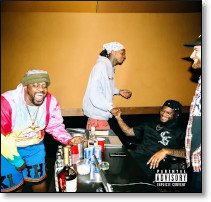
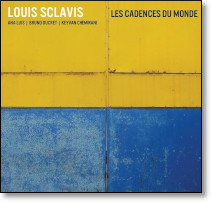
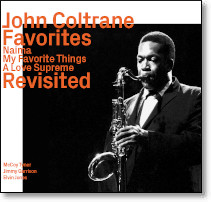
Music: Current count 38065 [38015] rated (+50), 107 [107] unrated (-0). Added a link to yesterday's Speaking of Which moments after posting. It's to an Alex Pareene post, What Do Cops Do?, which referred back to an Alexander Sammon piece I had already commented on (Why Are Police So Bad at Their Jobs?). I had to slip the PS inline because at the end of the paragraph I segued to another Sammon piece, then to three more pieces by Charles P Pierce. This last part should have been broken out into a separate entry, as the subject changed to the relentless scheming that Republicans practice to steal elections. I didn't break it out because I came to the pieces late, but also because also because this is stuff I've been following and commenting on for decades. Pierce's "Ratf*cking" pretty explicitly invokes David Daley's 2016 gerrymandering book, Ratf**ked: The True Story Behind the Secret Plan to Steal America's Democracy. But in its cynically anti-democratic soul, it goes back at least as far as Nixon's plumbers, which I got an early glimpse into back in 1969, when I read Joe McGinniss: The Selling of the President 1968. But back to the Pareene piece. He argues that most failures in policing can be explained by a simple rule of thumb: "They do what's easy, and avoid what is difficult." He gives various examples. He cites a study showing that when we hire more police, they arrest more people for misdemeanors ("that is, the unimportant shit"). He concludes: "It's easier to arrest a fifth grader than it is to save one's life. It is far easier to do 'crowd control' -- to restrain a panicking parent, perhaps -- than it is to enter a room currently occupied by a psycho with a semiautomatic rifle." I don't cite Pierce often enough, but that's mostly because he posts lots of short pieces that can be redundant to the longer ones I tend to cite. However, if you don't have time to shop around, and are especially interested in the pathological (i.e., Republican) side of electoral politics, he covers a lot of ground, and offers a good summary of what's recent. Another blog I recommend for much the same reason is No More Mister Nice Blog. The main guy there signs his pieces Steve M., which I'm a bit subconscious about citing, but he has a keen eye for Republican pathology, and a healthy scepticism about how well Democrats deal with such problems. If all you follow is those two blogs, you'll be pretty well informed. Not much on Ukraine yesterday, but I want to add one thought. It's not terribly surprising that Russia botched their invasion, and it's been gratifying to see how effective Ukrainians have been at countering the offensive. But that shouldn't blind you to the critically important truth, which is that Russia has a huge margin of strategic depth: it has a much bigger economy, has a lot more soldiers it can deploy, and has a base which is safe and secure from reprisals or subversion. While it's possible that Putin et al. will decide the war isn't worth it, it's more likely that they will keep trying different things until they come up with something that works. I'm reminded here of the US Civil War, which was little short of a disaster for the North at first, but Lincoln kept shuffling his generals until he came up with ones who were effective, ones who could leverage the Union's huge strategic advantages, and turn the war in their favor. Russia seems to be doing that recently, picking up small patches of ground, expensively but inexorably. Earlier, this prospect made me think that it was important to negotiate a fair end sooner rather than later. Now, I see it as more urgent than ever. A piece I recommended yesterday stands out: Ross Barkan: The War in Ukraine Can Be Over If the U.S. Wants It. But the title reminds me that a good many other wars could also be over if the U.S. was so inclined. Fifth straight Speaking of Which. I still don't want to make a weekly practice of it, but hit a mental dead spot last week when I couldn't think of anything better to do. Had an urgent home repair to do today, and it wound up taking three hours instead of the 15-20 minutes it should have. Moreover, I'm beginning to think I should redo it before long. Much else is proving frustrating. Got some medical anxiety this week, so I don't really see clear sailing ahead. Another fairly big ratings week. Pulled a lot of records off the upper reaches of the metacritic list, but they are often ones that I wouldn't have bothered with otherwise, and they seem to be falling into perhaps-too-easy piles: the better ones at B+(**) (12 this week), the not-so-great ones at B+(*) (16), with the also-rans at B (5), and nothing lower (not that further exposure wouldn't have turned me vicious; I just didn't bother trying to figure out where). I continue to have mixed feelings about the Ezz-Thetics reissues: Don Cherry's Where Is Brooklyn? and John Coltrane's live A Love Supreme were previous A- albums, and that hasn't hanged. The extras neither help nor hurt, which makes them redundant, but should I grade down for that? I was struck by how much I preferred the Antibes concert to the much-hyped Seattle one that appeared (and swept the Jazz Critics Poll) last year. Christian Iszchak has been writing annotated monthly listening reports since January, but his entry for May switched to a Consumer Guide format, the best new example of such I've seen since Michael Tatum's Downloader's Diary. I discovered the Wiz Khalifa album there. New records reviewed this week: Bad Bad Hats: Walkman (2021, Don Giovanni): Indie rock band from Minneapolis, debut EP in 2012, third album, Kerry Alexander the singer. B+(*) Band of Horses: Things Are Great (2022, BMG): Rock band, led by singer-songwriter Ben Bridwell, started in Seattle with an EP in 2005 and an LP in 2006, wound up in South Carolina -- same vector as Boeing's 787, but Boeing probably got a better tax deal from the move, as well as cheaper labor and quality control nightmares. Sixth studio album. Nice band. B+(*) Nat Birchall: Afro Trane (2022, Ancient Archive of Sound): British saxophonist (tenor/soprano), first album 1999 but his real string starts around 2009, has embraced Coltrane as thoroughly as anyone in his generation, picking up (to cite two titles) the Cosmic Language and Sacred Dimension, lacking only the intense desire to see how far he can extend the logic. Still, this is hit first title to explicitly cite Trane, appearing after one called Ancient Africa. Third solo album, where he also plays keyboards, bass, and percussion, on three originals (all with "Trane" in the title) and three covers ("Acknowledgement," "India," "Dahomey Dance"). My guess is that he loses a bit of edge in forgoing the band, but the poise and balance pays off big. A- Kaitlin Butts: What Else Can She Do (2022, self-released): Country singer-songwriter from Oklahoma City, released a single in 2013 ("Tornadoes and Whiskey") and an album in 2014 (Same Hell, Different Devil), then went quiet until more singles in 2019. Second album, barely (7 songs, 31:47). Strong sound and character, gets a bit heavy. B+(*) Daniel Carter/Evan Strauss/5-Track/Sheridan Riley: The Uproar in Bursts of Sound and Silence (2018-21 [2022], 577): Carter is credited with voice on two tracks, on the third: flute, clarinet, soprano and tenor sax; Strauss plays keyboards, electric and acoustic bass, bass clarinet, and tenor sax; the others guitar and drums. Seems to have been Strauss who put the final tracks together, possibly over several years. B+(***) [cd] [08-25] Cypress Hill: Back in Black (2022, MNRK): Latino hip-hop group from South Gate, near Los Angeles; a big deal when they appeared in 1991, only their third album since 2004. Haven't they heard that weed is legal, at least in California? B+(**) Destroyer: Labyrinthitis (2022, Merge): Canadian band, from Vancouver, fronted by Dan Bejar, 13th album since 1996. Seems like they came up with a new rhythmic fascination here, but I never paid them any heed until Kaputt (2011) got so much attention, and noticed little beyond a knack for hooks. Ends with an off-kilter ballad that is pretty nice too. B+(**) Dubstar: Two (2022, Northern Writes): English electropop group, released three albums 1995-2000, returned with One in 2018. Steve Hillier left in 2014, leaving founder Chris Wilkie and longtime vocalist Sarah Blackwood. B+(*) Steve Earle & the Dukes: Jerry Jeff (2022, New West): His third tribute over the last decade to the (slightly) older generation of Texas singer-songwriters, outlaws only in the sense that they stayed outside Nashville's commercial norms: Townes (Van Zandt, 2009), Guy (Clark, 2019), and now Walker. None are as satisfying as last year's tribute to his son, J.T., probably because his son was a better writer and a weaker singer. B+(**) Ebi Soda: Honk If You're Sad (2022, Tru Thoughts): Jazz-funk group from Brighton, UK, nominally a quintet but drummer Sa Schlich-Davies seems to be the only one on all tracks. Free enough to keep you on your toes. Yazz Ahmed (trumpet) is featured guest on one track. B+(*) [sp] Tord Gustavsen Trio: Opening (2021 [2022], ECM): Norwegian pianist, albums since 1999, fifth trio album, this one with new bassist Steinar Raknes (also electronics) and long-time drummer Jarle Vespestad. Seems to be slowing down here, and when that happens one tends to lose interest. B+(*) Hatchie: Giving the World Away (2022, Secretly Canadian): Australian singer-songwriter Harriette Pilbeam, second album, some say dream pop, but her bass lines reverberate somewhere between shoegaze and New Order, and she doesn't shy away from the drum machines. B+(**) Horsegirl: Versions of Modern Performance (2022, Matador): Indie rock band, guitar-bass-drums (Nora Cheng, Penelope Lowenstein, Gigi Reece) from Chicago, first album, got the sound. B+(*) Christopher Jacob: New Jazz Standards Vol. 5: The Music of Carl Saunders (2021 [2022], Summit): Saunders is a trumpet player, 79, mostly played in big bands (Stan Kenton, Buddy Rich, Bill Holman, Clare Fischer) and in support of singers (list headed by Ella Fitzgerald and Frank Sinatra). This seems to be Jacob's first album -- New Jazz Standards is a label series, with previous volumes by Sam Most, Scott Whitfield, Roger Kellaway, and Larry Koonse -- a trio with Darek Oles (bass) and Joe Labarbera (drums). Nicely done. B+(**) [cd] Just Mustard: Heart Under (2022, Partisan): Irish band, mild-mannered shoegaze I guess (or metallic trip hop), Katie Ball is the singer, backed by two guitars, bass, and drums. Second album. B+(*) [sp] Wiz Khalifa/Big K.R.I.T./Smoke DZA/Girl Talk: Full Court Press (2022, Asylum/Taylor Gang): Not exactly a tour de force for the rappers, so the secret ingredient seems to be Gregg Gillis (aka Girl Talk), even though his mix is much more inscrutable than the ones he served up for three superb 2006-10 mash-up albums. A- Azar Lawrence: New Sky (2021 [2022], Trazar): Tenor saxophonist, recorded three albums for Prestige 1974-76, not much else until 2008, quite a bit since then. B+(*) Lyle Lovett: 12th of June (2022, Verve): Country singer-songwriter, 12th album since 1986, although this one arrives a full decade after number 11, on a jazz label, with an instrumental written by Horace Silver ("Cookin' at the Continental"). Vocals follow: an offbeat original ("Pants Are Overrated"); three more standards ("Straighten Up and Fly Right"; "Gee, Baby, Ain't I Good to You"; "Peel Me a Grape"); then six more varied originals. B+(**) Nduduzo Makhathini: In the Spirit of Ntu (2022, Blue Note): South African pianist, ten albums since 2014, this his second for Blue Note. Mostly septet with sax (Linda Sikhakhane), trumpet (Robin Fassie Kock), vibes, bass, drums, and percussion. Guests are a couple of vocalists, and alto saxophonist Jaleel Shaw, whose big solo is the album's highlight. B+(**) Todd Marcus Jazz Orchestra: In the Valley (2019 [2022], Stricker Street): Bass clarinetist, fifth album since 2012, leads a 9-piece group: 4 reeds, 2 brass, piano, bass, drums. Big band arranging without the extra bombast. B+(*) [cd] [07-01] Angel Olsen: Big Time (2022, Jagjaguwar): Singer-songwriter based in Asheville, NC; sixth album since 2012. Slow songs, driven home by repetition, like waves seeping into your consciousness. B+(*) Kelly Lee Owens: LP.8 (2022, Smalltown Supersound): Welsh electronic musicians, sings some, based in London, despite title this seems to be her third album. Interesting mix, but mostly downers. B Tess Parks: And Those Who Were Seen Dancing (2022, Fuzz Club): Singer-songwriter from Toronto, based in London, fourth album since 2013. Has depth and resonance, with a dark overcast. B+(***) Sean Paul: Scorcha (2022, Island): Jamaican rapper, dancehall beats, eighth album since 2000. Upbeat toaster, surprised I hadn't played him before. B+(**) Pkew Pkew Pkew: Open Bar (2022, Dine Alone): Punk band from Toronto, EP in 2013, debut album in 2016. B+(*) PUP: The Unraveling of PUPTheBand (2022, Rise/BMG): Canadian post-punk band, acronym for Pathetic Use of Potential, same quartet since 2010 (Stefan Babcock singer), fourth album since 2013. Feels more like they're bulking up, but at some point I suppose it's natural to forget whether you're coming or going. B+(**) Dave Rempis/Joshua Abrams/Avreeayl Ra + Jim Baker: Scylla (2021 [2022], Aerophonic): Chicago saxophonist (alto/tenor/baritone), trio with bass and drums, plus piano/electronics. Starts with gentle mbira, takes its sweet time to develop, ends with the raw power you expect. A- [cd] [07-08] Alma Russ: Fool's Gold (2022, self-released): Country singer-songwriter, based in western North Carolina, second album. B+(**) Scalping: Void (2022, Houndstooth): "Bristol techno, noise and hardcore supremos," first album, has vocals ("abstract doom saying") and industrial clatter. B+(**) Louis Sclavis: Les Cadence Du Monde (2021 [2022], JMS Productions): French clarinetist, several dozen albums since 1981. Quartet with two cellists (Annabelle Luis and Bruno Ducret) plus percussion (Keyvan Chemirani, on zarb and daf). Upbeat, with a fresh Mediterrean air. A- [sp] Shabaka: Afrikan Culture (2022, Impulse, EP): Last name Hutchings, born in London, parents from Barbados, best known for starring in the groups Sons of Kemet, Shabaka and the Ancestors, and The Comet Is Coming. Short album (8 tracks, 28:22), seems to be solo with percussion (kora, mbira, bells) added to his shakuhachi, clarinet, and bass clarinet. B [sp] Shamir: Heterosexuality (2022, AntiFragile): Last name Bailey, grew up near Las Vegas, eighth album since 2015. First three songs have something to do with sexual identity. Not my problem B+(*) Elza Soares: Elza Ao Vivo No Municipal (2022, Deck): Brazilian samba star, many albums since 1960, died in January at 91 (earlier sources gave her birth as 1937, but now we see 1930). This was recorded live, a few days before her death. The songs include one from 1960, another from 1968, but also four from the last decade, which seems to have been one of her strongest. A- Sonic Liberation Front and the Sonic Liberation Singers: Justice: The Vocal Works of Oliver Lake (2021 [2022], High Two): Deummer Kevin Diehl's group, had a run of extraordinary albums starting in 2000, including a 2016 meeting with saxophonist Lake (Bombogenic). Down to five members here, plus four singers, with Lake credited as "Composer, Arranger Poet." His spoken poetry is striking enough, the multi-part vocals less so, and a sax solo (presumably Elliot Levin) reminds me where his real genius lies. B+(***) [cd] [06-10] Caroline Spence: True North (2022, Rounder): Folkie singer-songwriter from Charlottesville, Virginia; fifth album since 2015. B+(**) Carl Stone: Wat Dong Moon Lek (2022, Unseen Worlds): Not-so-minimalist composer, studied with Morton Subotnick, had a rock band called Z'EV, divides his time between Los Angeles and Japan. Strikes me as messy, a pastiche of vocal samples. B Oded Tzur: Isabela (2021 [2022], ECM): Tenor saxophonist, born in Israel, studied Indian classical music under Hariprasad Chaurasia, based in New York, fourth album, since 2015, second on ECM, quartet with piano (Nital Hershkovits), bass, and drums. An brief "Invocation" and four longer pieces, the sax nicely centered and defined. B+(***) Eddie Vedder: Earthling (2022, Seattle Surf/Republic): Former Pearl Jam honcho, third or fourth solo album (depending on whether you count a 2021 soundtrack, if not his first in more than a decade). I knew the name, but didn't make the link: Pearl Jam is a band I've never had the sightest interest in, but the sound comes back whole, and this is probably better than their average album. Not that I found any reason to care. B Anna Von Hausswolff: Live at Montreux Jazz Festival (2018 [2022], Southern Lord): Swedish darkwave singer-songwriter, plays keyboards (especially pipe organ). Albums since 2010. B Dallas Wayne: Coldwater, Tennessee (2022, Audium/BFD): Country singer-songwriter, from Missouri, albums since 1990, this one produced by Buddy Cannon. Title song is a retread from a 2000 album. Feels like getting old. B+(*) John Yao's Triceratops: Off-Kilter (2018 [2022], See Tao): Trombonist, mostly based in New York but teaches at Berklee, has some big band experience, fourth album, a freebop quintet with two saxophonists (Billy Drewes and Jon Irabagon), bass, and drums. B+(***) [cd] [06-10] Recent reissues, compilations, and vault discoveries: Albert Ayler Quartet With Don Cherry: European Recordings Autumn 1964 Revisited (1964 [2022], Ezz-Thetics): Leaders play tenor sax and cornet, backed by bass (Gary Peacock) and drums (Sunny Murray), drawing on two sets in Copenhagen, one in Hilversum. B+(***) [bc] Don Cherry: Where Is Brooklyn? & Eternal Rhythm Revisited (1966-68 [2022], Ezz-Thetics): Two albums that originally appeared in 1969, but were recorded two years apart: the first a blistering American quartet with Pharoah Sanders (tenor sax), Henry Grimes (bass), and Ed Blackwell (drums), a synthesis of the Coleman and Coltrane strands in avant-jazz; the second a mostly European nonet following his move to Sweden -- the only other American present was guitarist Sonny Sharrock, with vibes, gamelan, and bells among the extra percussion. Both have been trimmed slightly to fit on a single CD (79:51). A- [bc] John Coltrane: Favorites [Naima/My Favorite Things/A Love Supreme] Revisited (1963-65 [2022], Ezz-Thetics): Live Quartet tracks (with McCoy Tyner, Jimmy Garrison, Elvin Jones): his most famous composition, his most signature standard, and his most inspired album, adding up to 76:24. The latter is the same Antibes performance that has been reissued many times, including as the 2nd disc in the 2002 Deluxe Edition of A Love Supreme. This all strikes me as terribly redundant, but it's hard to complain while listening -- especially the latter, which strikes me as both more faithful and more adventurous than last year's archive find (A Love Supreme: Live in Seattle). A- [bc] Los Golden Boys: Cumbia De Juventud (1964-69 [2022], Mississippi): Colombian cumbia group, founded 1960, a collection of "12 of the heaviest songs from their golden era," which evidently ends with the 1972 death of guitarist Pedro Jairo. Dates from the nine titles I was able to trace, so could be earlier and/or later. B+(***) [bc] Old music: Eddie Bo: Check Mr. Popeye (1959-62 [1988], Rounder): New Orleans pianist-singer, last name Bocage (1930-2009), Wikipedia says he "released more single records than anyone else in New Orleans other than Fats Domino," and he recorded for over 40 labels. But he sure sold a lot less than Domino. While these 14 cut from Ric are enjoyable, they're pretty easy to forget. B+(**) Maggie Brown: Maggie Brown (2004, Riverwide): Country singer-songwriter, seems to be her only album -- Discogs also lists a 1970 single, but that seems unlikely; other sources get swamped by Oscar Brown Jr.'s daughter, but her discography is also spotty. That leaves me with Thom Jurek's rave review at AMG, where he begs comparison to Lucinda Williams. Seems like there should be more. B+(***) Alma Russ: Next Town (2020, self-released): First album, started on fiddle and banjo before picking up guitar, has a small voice, takes a little getting used to. B+(*) Unpacking: Found in the mail last week:
Ask a question, or send a comment. Sunday, June 5, 2022 Speaking of WhichI started today reading this tweet by John Cardillo:
The happiest edit would just be to just swap in "Republicans" for "Democrats" and "fascists" for "leftists," but that's not quite right. If you got rid of all of the Republicans in Congress, you'd still pitched debates over most important issues. You'd still have a long list of legacy problems, which Democrats would approach with different plans and urgencies, but at least most Democrats are able to admit when a problem exists, and to entertain the possibility of different solutions. Still, few Democrats would make that edit. All democracies have legitimate opposition parties. Wanting to purge one is an attack not just on that party but on democracy itself. Still, it's hard to see how this Republican omnipotence could work. First, how could you arrive at it other than by excluding most of the people Republicans hate? Then wouldn't you have to convince the people you've excluded to not resist, either by resigning themselves to be ruled over by people who hate them, or by incarcerating or killing them. Then there's the matter of whether Republican policies, given a free hand to implement them, actually do the things the tweet claims. For instance, if more guns made us safer, wouldn't the US already be the safest country in the world by now? Republicans are opposed to pretty much any reform of the private health care system, which is unique in the world and a long ways from making us the healthiest nation. And we've seen repeatedly that economic growth increases when Democrats have more power, not less. Maybe there's some wiggle room Republicans can claim definitions of "freest" and "strongest," but I can think of lots of ways we are neither. Conservatives tend to view life as a zero-sum game, so they expect their freedom, wealth, etc., to come at someone else's expense. And while you may expect that the superlatives touted in the first line should apply to everyone, conservatives only care for peak values, as their primary concern is social hierarchy. I also don't get the cancer analogy. Despite my quip above, I don't see fascism as a cancer either. Cancer is a disease that eats you out from the inside. Racism is more like a cancer. Inequality too. Capitalism can be like a cancer if you don't keep it in check. One could say the same thing of bureaucratic government. But isn't fascism an external attack on the body, like bedbugs or bubonic plague? Sure, the left has on occasion tried to lead revolutions against entrenched orders that ruled through violent repression, but self-identified socialists have mostly been mild reformers -- and these days there is hardly other kind. The term simply means that we value an equitable society above the individual pursuit of wealth and power. (Republicans like to condemn the much broader class of all Democrats as socialists, by which time the term has lost all meaning. The term seems to have some cachet given their past success with red-baiting.) But I suppose there is one reason conservatives may view socialism as cancerous rather than simply an external threat: socialists insist that it is possible to change social and economic relations, and that idea is corrosive to the principle that social hierarchy is natural and necessary to good order. As with religious dogmas, the first instinct is not to reason with them but to stamp them out. Further proof of this is how right-wingers have increasingly attacked reason and science to keep their followers from doubting their orders. Maggie Astor: [05-31] Trump Policies Sent US Tumbling in a Climate Ranking: As you may recall, The Trump Administration Rolled Back More Than 100 Environmental Rules. The full impact of those changes accrues over much longer timespans, and in many cases may be irreversible. This includes some (but not all) of what amounted to a war against the very idea of climate change, and the science behind it. Trump also sent a powerful message to the rest of the world not to take climate change seriously, so although the US fell more than most nations in this ranking, the effect extended far beyond US boundaries (as should be expected, given that air flow is global). Economics recognizes what are called opportunity costs: losses that are incurred indirectly, when comparing how resources could have been used better than they were. Especially in the climate domain, it is likely that opportunity costs will swamp the actual damage Trump caused (which is itself a huge burden). For a primer on opportunity costs, see John Quiggin's book Economics in Two Lessons: Why Markets Work So Well, and Why They Can Fail So Badly -- the title refers to Henry Hazlitt's famous Economics in One Lesson, the second lesson that Hazlitt missed being the impact of opportunity costs. Speaking of Quiggin, relevant here is his post on Climate change after the pandemic. Also on climate change:
Ross Barkan: [06-01] The War in Ukraine Can Be Over If the US Wants It: It must have seemed deliciously ironic to start this piece with two nonogenarians from opposite ends of the political spectrum agreeing on the most eminently practical path to ending the war: in particular, the need to give Putin a face-saving exit path, by ceding Ukrainian claims to Donbas and Crimea (preferably with some sort of referendum that makes the concessions look like self-determination -- Zelensky and Biden also need a face-saving exit path). Many observers, including Anatol Lieven and Fred Kaplan, have settled on this basic compromise, as I have myself. Barkan's additional point here is also right: US arms and economic support for Ukraine should be tied to a desire and willingness to negotiate an end to the war. "Diplomacy is not appeasement. It is the only way out."
Philip Bump: [05-31] What if -- and bear with me here -- John Durham doesn't have the goods? Bump also wrote [06-01] A brief history of failed efforts to make Trump the Russia probe's victim. The special counsel has been investigating the tip that led the FBI to look at possible collusion between the 2016 Trump campaign and Russia about twice as long as Robert Mueller took to investigate Russia's electioneering, the various actual contacts made between Trump's people and various Russians, and the sundry attempts to cover up what did or did not happen, during which time he not only wrote a report but also obtained dozens of indictments and a fair number of convictions (many subsequently pardoned by Trump). Durham has brought one charge against a former Clinton lawyer, Michael Sussmann, who was acquitted last week. Bump may be giving Durham more credit than he deserves, but does a good job of summing up I'd be more tempted to describe as Bill Barr's parting effort to piss on the incoming Biden administration. (One thing Republicans understand is how much fun you can have investigating the opposition, which is also why they've fought efforts to investigate them, from Mueller to the Jan. 6 committee, so doggedly.) Of course, the story doesn't end with Durham's failures. He did what he was supposed to do, which is to generate some flak that will be taken as gospel by whoever still has an axe to grind over "the Russiagate hoax" -- Trump-lovers, sure, but especially Hillary-haters. For example, see Peter Van Buren: [05-30] Hillary Was In on Russiagate. Matt Taibbi probably has a whole file on this theme. I've been pretty critical of Hillary, but don't have the interest or inclination to be a hater. I don't doubt the fact of Russian interference in the 2016 election. I think it was a dumb move on Putin's part, but he was probably right that Hillary would be more aggressive in sanctioning and marginalizing Russia. (She was, after all, Secretary of State under Obama when US Russia policy started to change.) He was also right that Trump's vanity, bigotry, and corruption could be played, but didn't get much out of it, given that Trump never cared enough to wrestle foreign policy from the neocons who've dominated it the last 20-30 years. (He might have had a better chance had he managed to keep Bannon and Flynn, who were among the Blob's first victims in his advisers.) But he was wrong in thinking nobody would notice or care. When Trump won, Clinton's fan club rushed to distribute blame elsewhere, and Putin was the easiest possible villain. Too easy. I've resisted the "Russiagate" tide since its inception, not because I thought it was a hoax, but because it fed into two degenerate trends. First, it distracted from looking at other reasons Clinton lost, most importantly the piss-poor record New Democrats -- including Obama, who stocked his administration with so many he might as well have been a charter member -- had accumulated. And second, because it made conflict and possibly war with Russia much more likely (QED Ukraine). Also:
Kate Kelly/David D Kirkpatrick: House Panel Examining Jared Kushner Over Saudi Investment in New Firm: This kind of corruption was what I expected them to start investigating after the 2018 wins, and step up as new stories of payback and payouts emerge. We're talking $2 billion here, you know. John E King: [05-28] Joan Robinson Changed the Way We Think About Capitalism. Profile of the path-breaking economist (1903-83), who collaborated with Keynes while keeping alive a connection to Marx, argues her "creative and heterodox thinking has much to offer us." Sarah Jones: [06-04] White Christian Nationalism 'Is a Fundamental Threat to Democracy': Interview with Philip S Gorski and Samuel L Perry, authors of The Flag and the Cross: White Christian Nationalism and the Threat to American Democracy. Chris Hedges covered much of this same ground in his 2007 book, American Fascists: The Christian Right and the War on America, although as a minister Hedges is more insistent on separating religion from fascism. I'm sympathetic to his position, but not committed: it seems to me that "white Christian nationalists" are fascists first and foremost, their religion not so much telling them what to do as reassuring them that their prejudices are right and just, that they are impervious to critics, who are by definition not just wrong but evil. Jones also wrote: [06-03] Little Martyrs: A nihilistic religion worships the gun. Júlia Ledur/Kate Rabinowitz: [06-02] There have been over 200 mass shootings so far in 2022. The actual number in the article is 232, which is actually down a bit from 240 at this point in 2021, but way above any previous year (155 in 2020). The killing of four people in Tulsa was the 20th since the much more publicized killing of 19 children an two teachers in Uvalde, Texas. I get the problem, and would like to see something done about it, but I don't see how Biden urges Congress to act on guns in rare prime-time address helps politically. It just reinforces the Democrats want to take your guns away and leave you defenseless as they take over the country and brainwash everyone to adopt their wokeness -- never mind that that's not even remotely in the cards, let alone that it doesn't make any fucking sense. Guns and crime (and make no mistake: guns are a big part of the crime problem) are a problem, but not a top-five, maybe not a top-ten problem (just off the top of my head: inequality, war, climate, political corruption, pollution, racism, personal debt, bad health care, bad education, crumbling infrastructure, rampant fraud and deceit, disinformation (maybe move that one up), worker powerlessness (maybe move that one up, too), the imminent loss of the right to birth control, whatever the term is for the fact that one political party has totally lost its grip on reality. Of course, these problems all intersect, and guns makes many of them worse: the Buffalo shooting was white supremacy, the Tulsa one was about health care, I don't know what Uvalde was about (beyond blood lust; you could say mental illness, but it would be easier to get rid of the guns). More on guns, shootings, etc.:
Alexander Sammon: [06-02] Why Are Police So Bad at Their Jobs? "It's not just Uvalde. Cops nationwide can't stop crimes from happening or solve them once they've occurred." Seems like a good question, although the answer is unlikely to be obvious or simple -- and once that touches on many interests and prejudices. I'm less bothered by "can't stop crimes from happening" -- not a job anyone can reliably do -- than "solve them once they've occurred" (maybe we're too hooked on the brilliant sleuths of tv?). But just for an example, following a near-dozen shootings here in Wichita over Memorial Day weekend, the police chief was arguing for more money to pay more overtime to put more police on the streets. How can that possibly result in less gunplay? Back when a few people started talking about "defund the police," they actually had some serious ideas about employing other people to address a broader number of social problems, instead of dumping all those cases on police to sort out. But few people heard those ideas. The more common reaction was to superfund the police, giving them more tools of war. Uvalde is likely to wind up as a case example of how that kind of thinking fails. [PS: See Alex Pareene: [06-02] What Do Cops Do?] Sammon also wrote: The RNC's Ground Game of Inches: "Inside the secretive, dubious, and extremely offline attempt to convert minorities into Republicans." Once you've decided the key to successful campaigns is trickery, never miss one." Also on the Republican ground game, Charles P Pierce: [06-01] They're Ratf*cking at Every Level. They're Ratf*cking in Every Direction. Also [06-02] Republicans Have Secured Their Gerryanders Through a War of Institutioal Attrition. Also, a reminder of what happens when they cheat their way into power: [06-02] You'll Be Shocked to Learn Trump's Social Security Bigwigs Immiserated Poor and Disabled People. Jeffrey St Clair: [06-03] Roaming Charges: Tears of Rage, Tears of Grief. Quotes a David Axelrod tweet on how "The inexplicable, heart-wrenching delay in Uvalde underscores the indispensable role of police." St Clair adds: "Every police atrocity -- either by actions (Floyd, Taylor, Brown), negligence or incompetence -- will inevitably be used as a justification for more police power." He also quotes Brendan Behan: "I have never seen a situation so dismal that a policeman couldn't make it worse." Emily Stewart: [06-02] Might I suggest not listening to famous people about money? Why, indeed, listen to celebrities about anything they're obviously being paid to endorse? David Wight: [05-31] How the Nixon Doctrine blew up the Persian Gulf, undermined US security: He's specifically referring to the bit where Nixon and Kissinger decided to recruit regional powers with the latest US weapons, thinking they might provide a proxy barrier against the Soviet Union after the American fiasco in Vietnam. Two main recruits were Iran (still under the once-pliant but then megalomaniacal Shah) and Saudi Arabia (just starting its campaign to spread Wahhabism to would-be Jihadis). What could go wrong? What didn't? Both undertook their own agendas, which after the revolution in 1979 clashed. Iran has ever since been regarded as a hopeless enemy, although the Saudis and their followers have actually done more material damage to the US. The obvious lesson is that the US always thinks it can control its proxies, but never can. The most wayward offender is Israel, which not only enjoys carte blanche from America, but actively undermines the American political sphere. Ask a question, or send a comment. Monday, May 30, 2022 Music Week
Music: Current count 38015 [37953] rated (+62), 107 [114] unrated (-7). After finishing last week with a mere 28 newly rated records, I ventured that "it is possible, but not quite probable, that I will pass 38,000 next week." It turns out I did so easily, with the highest new rating count in recent memory. I spent a fair amount of time last week bringing my metacritic file up to date, so the easiest thing to do was to pick off unheard albums from the upper reaches of the list. I don't have a cached copy of last week's list, but working from this week's reviews I picked up (sorted by current rank; i.e., at the moment of writing): Kurt Vile (40), Sunflower Bean (50), Warpaint (51), Anaïs Mitchell (57), Kevin Morby (59), Porridge Radio (60), Sasami (62), Sea Power (63), Aurora (66), Ethel Cain (67), Tomerlin (73), Gang of Youths (80), Johnny Marr (84), Daniel Rossen (87), Bastille (105), Metronomy (119), Soul Glo (126), Che Noir (160), Max Cooper (194). Needless to say, I didn't spend a lot of time on these (although Vile and Cooper were pleasant surprises; the lower grades would probably sink even lower with more exposure). Ranked (top 200) late-May releases omitted above: Harry Styles (39), Craig Finn (114), Wilco (155), Mxmtoon (180). Tate McRae is (211), and Van Morrison is unranked (my 1 point will put him on the list, but thus far I've only added my points to albums on the list for other reasons). That leave as my top-ranked unheard releases: Just Mustard (54: 05-27, playing now), Band of Horses (92), Destroyer (97), Boris (108), Eels (112), Everything Everything (113), Pup (121), Shamir (124), Eddie Vedder (129), Blossoms (132), Buzzard Buzzard Buzzard (133), Grace Cummings (136), Empath (138), Hatchie (141), Melt Yourself Down (142), Midlake (143), The Mysterines (145), Pillow Queens (148), The Regrettes (149), Voivod (153), Orlando Weeks (154), Bloc Party (157), Camp Cope (158), Cave In (159), Crows (162), Liam Gallagher (170), Ghost (171) Kathryn Joseph (176) Lykke Li (178), and most records from (181: Rammstein) on down. Scanning that list, the only ones (besides Just Mustard, which is sounding like a low B+) I'm likely to hit next week are Pup and Shamir (well, maybe Hatchie and/or Everything Everything). I'm rather pleased with the range of this week's A- records. Also that I took a bite out of the unrated list, and that three of them turned out to be so good (if in totally different ways). I'd really like to cut the list way down, but it's proving difficult to even find the remaining albums. Daunting boxes are a lesser problem, as they'll take a big chunk of time: Richard Pryor (9CD), Frank Sinatra (14CD, but mostly albums I've already graded), Neil Young (10CD), plus another half-dozen in the 3-4CD range. On the other hand, about half of what's left I'd just as soon forget I have. Highly recommended music history link: Phil Overeem's "Groundbreaking Women in U.S. Music: A History in 150 [or so] Albums": Greatest Hits From Two Essay Assignments. With five weeks in May, I've added 241 records to the ratings database. See link up top for the monthly archive. I've done the indexing, but haven't yet added the Music Week introductions. I published a rather rushed Speaking of Which yesterday. Some extra links I would have included had I known of them:
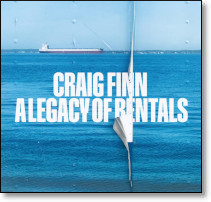
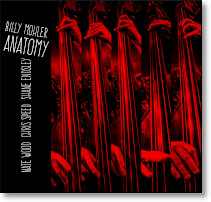
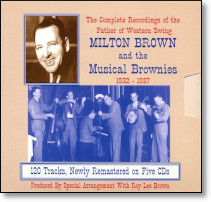
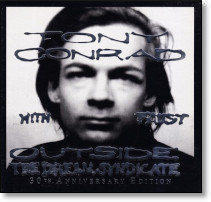
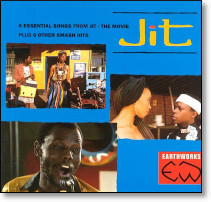
I also wanted to beat Bill Scher: [05-16] The Deeply Flawed Narrative That Joe Biden Bought with a heavy stick. The notion that Obama was a master of practical politics is little short of risible, but using that flimsiest of arguments as a cudgeon against Biden for having attempted (and, thus far, mostly failed) something more ambitious is sinister. Many of the people who think that Obama's star has dimmed (even ones who personally admire him) do so because we realize that his legacy of failure left us with a nation that was willing to give Donald Trump a try. I wish Biden was better able to overcome the damage that Trump (and others, of both parties) did, but it's hard to see how slamming Biden for being too ambitious helps. I also wanted to take a look at another piece of less-than-friendly advice for Democrats, from Matthew Yglesias: [04-14] Moderate Democrats should be popularists. Also saying something similar is Ezra Klein: [05-29] What America Needs Is a Liberalism That Builds. Often these days one gets the impression that the only thing "moderate" Democrats want to do is to chastise us for wanting government to actually do things that help the people who they depend on for votes. New records reviewed this week: Oren Ambarchi/Johan Berthling/Andreas Werliin: Ghosted (2018 [2022], Drag City): Australian experimental musician, mostly plays guitar and drums, many albums since 2008 (Discogs lists 83). The others are Swedish, play bass and drums, also play in jazz groups Angles and Fire! Orchestra (Berthling has much the longer resumé, with over 100 album credits). Four pieces, compelling bass lines with improvised guitar flares, very attractive. A- Aurora: The Gods We Can Touch (2022, Glassnote): Norwegian singer-songwriter, last name Aksnes, third album, has an ethereal vibe that floats away from nominal electropop. B Bastille: Give Me the Future (2022, Virgin/EMI): British indie band, fourth album. Blah blah blah. B Bright Dog Red: Under the Porch (2022, Ropeadope): Improvising collective from Albany, founded and led by drummer Joe Pignato, fifth album since 2018, personnel varies but Eric Person (sax/flute) and Tyreek Jackson (guitar) have been on last three, plus this time Matt Coonan (rapper), a second saxophonist (Mike LaBombard), Cody Davies ("sounds"), and various bassists. B+(*) Bruch: The Fool (2020, Cut Surface/Trost): Austrian singer-songwriter Philipp Hanich, fourth album, plays his own guitar, synthesizer, sampler, and drums, has additional vocals on two tracks. Songs in English, voice and demeanor about midway between Craig Finn and Stephin Merritt. Thus far I'm less taken by his songwriting, but that hardly matters when he cranks the guitar up. B+(***) [bc] Chris Byars: Rhythm and Blues of the 20s (2022, SteepleChase): Tenor saxophonist, a retro-bop guy much as Scott Hamilton is retro-swing, but for once looks a bit farther back, but it's sometimes hard to tell with original compositions. Sextet with Zaid Nasser (alto sax), Stefano Doglioni (bass clarinet), John Mosca (trombone), bass, and drums. B+(**) Ethel Cain: Preacher's Daughter (2022, Daughters of Cain): Singer-songwriter from Tallahassee, Florida; original name Hayden Silas Anhedönia, father was a Southern Baptist deacon, she sang in choir, came out first as gay then as transgender, left the church but carries lots of baggage, and churns up a lot of drama. B+(*) Che Noir: Food for Thought (2022, TCF Music Group): Buffalo-based rapper, several albums since 2016, including a duo with Apollo Brown. B+(***) [sp] Rachel Chinouriri: Better Off Without (2022, Parlophone/Atlas, EP): Pop singer-songwriter, born in London, parents from Zimbabwe, young enough she lists Lily Allen as an influence. Third EP, 4 songs plotting a break-up over 13:00. B+(*) Max Cooper: Unspoken Words (2022, Mesh): From Belfast in Northern Island, got a PhD in computational biology while working as a DJ in a local techno club. Pursued the latter as a career, producing seven albums since 2014. Uses some word samples, but mostly beats -- which are superb when not complicated by avalanches of sound. B+(***) Bryan Ferry: Love Letters (2022, BMG, EP): Four covers, 14:19: "Love Letters," "I Just Don't Know What to Do," "Fooled Around and Fellin Love," "The Very Thought of You." Not as daring as his early covers, but as poignant as age demands. B+(*) Craig Finn: A Legacy of Rentals (2022, Positive Jams): Singer-songwriter, leads the Hold Steady and has run five solo albums on the side. A peerless storyteller, an ear for characters, pays a lot of attention to women. A fine voice, as musical talking as singing. A- David Friend & Jerome Begin: Post- (2022, New Amsterdam): Begin composed, Friend plays piano, Begin processed through live electronics ("breaking the bounds of traditional solo piano music"). B+(*) Gang of Youths: Angel in Realtime (2022, Warner): Australian rock group, from Sydney, fourth album, fairly diverse, with singer David Le'aupepe "of Samoan and Austrian-Jewish descent," lead guitarist Korean-American, and others from Britain, New Zealand, and Poland. Still strike me as a rather mainstream group, albeit a rather adept one. B+(*) Keith Hall: Made in Kalamazoo: Trios and Duos (2019 [2022], Zoom Out): Drummer, opens with a tribute to Billy Hart, then seven trio pieces -- with Andrew Rathbun (tenor/soprano sax, bass clarinet, electroniccs) and Robert Hurst III (bass), an interlude, a set of duos with Rathbun, and a final piece for Max Roach. B+(***) [cd] [06-24] Amanda Irarrázabal/Miriam van Boer Salmón: Fauces (2019 [2022], 577): Chilean bassist, several albums since 2012, duo with violin, a bit hard to get into. B [cd] [07-15] Milen Kirov: Spatium (2019 [2022], Independent Creative Sound and Music): Pianist, from Bulgaria, came to US to study at University of Nevada, currently based in Los Angeles. Seems to be his first album, solo, runs over 77 minutes. B+(*) [cd] [06-05] MJ Lenderman: Boat Songs (2022, Dear Life): Singer-songwriter from Asheville, North Carolina; second album. Aside from a little twang, I don't hear the country, but I do hear some Pavement. B+(**) Johnny Marr: Fever Dreams Pts 1-4 (2021-22 [2022], BMG): Former member of the Smiths (1984-87), the The (1989-92), Electronic (1991-99), Modest Mouse (2007-09), the Cribs (2009), 7 Worlds Collide (2001-09), fifth album as leader. Or maybe it should be treated as a compilation, as it picks up three recent 4-song EPs, adding a fourth. Lots of solid, catchy rockers. B+(*) Tate McRae: I Used to Think I Could Fly (2022, RCA): Canadian pop singer-songwriter, 18, first album after two EPs and who knows how much else -- Wikipedia credits her "years active" a starting in 2011, and divides her "Life and career" into five periods. I'm not quite blown away, but "You're So [Fucking] Cool" comes close. B+(***) Metronomy: Small World (2022, Because Music): English electropop group, principally Joseph Mount, seventh album since 2006. B+(**) Anaïs Mitchell: Anaïs Mitchell (2022, BMG): Folkie singer-songwriter, eighth album since 2002, not counting the folk supergroup Bonny Light Horseman (2020). Nice album. B+(**) Billy Mohler: Anatomy (2021 [2022], Contagious Music): Bassist, second album, freewheeling quartet with two horns -- trumpet (Shane Endsley) and tenor sax (Chris Speed) -- plus drums (Nate Wood). A- [cd] [06-10] Kevin Morby: This Is a Photograph (2022, Dead Oceans): American singer-songwriter, born in Lubbock but not particularly attuned to the Flatlanders (or anything country). Still has some song sense, citing Lou Reed as well as Bob Dylan among inspirations. B+(*) Van Morrison: What's It Gonna Take? (2022, Exile): More prolific longer than any of his generational cohort, this is his 43rd studio album (vs. 41 for Neil Young, way ahead if you count live albums). He still has his voice, and a band that can play his trademark skiffle/swing. But it's got to be a bad sign when the first review offered by Google is from National Review. I wasn't curious enough to look there, but the first review I did look at summed it up: "the Belfast Blowhard continues to rant like your drunk redneck uncle." Actually, he's a lot more coherent than my late Uncle James ever was. Many isolated lines make sense to me, and a few I find amusing. Samples: "government keeps on lying/ everyone is just sad"; or "sometimes you can't have any pleasure/ sometimes it's just so ridiculous"; or "watching morons on TV"; or "this is just my opinion." And if you can tune out the rest, the music is warm and affirming, if not exceptionally so. B+(*) Ali Shaheed Muhammad & Adrian Younge: Jazz Is Dead 011 (2022, Jazz Is Dead): Hip-hop producers, started this series a couple years ago, with most volumes featuring a notable (still living, but rarely still famous) 1970s figure. This one runs the gamut, with 8 tracks (36:26): Henry Franklin, Lonnie Liston Smith/Loren Oden, Phil Ranelin/Wendell Harrison, Katalyst, Jean Carne, Tony Allen, Garnett Saracho, The Midnight Hour. B+(*) [sp] Ali Shaheed Muhammad & Adrian Younge: Jazz Is Dead 012: Jean Carne (2022, Jazz Is Dead, EP): Originally Sarah Jean Perkins, married 1970s jazz pianist Doug Carn, sang on his records then went solo, moving on to disco. Not sure when she picked up the 'e' (maybe when she dropped the husband). She plays along with the producers' slick grooves. Back to EP length (7 tracks, 24:36). B+(*) [bc] Mxmtoon: Rising (2022, AWAL): Singer-songwriter from Oakland, based in New York, second album after a much-streamed 2018 EP. A very chipper pop album, with more than a little capacity for reflection. My favorite song here is about growing up: "Everything's gonna get better/ everything's gonna get worse/ when it gets hard, remember that's the way it always works." But that's hardly the only one. A- Jason Palmer: Con Alma (2022, SteepleChase): Trumpet player, over a dozen albums since 2014. Quartet with Leo Genovese (keyboards), Joe Martin (bass), and Kendrick Scott (drums). B+(**) Porridge Radio: Waterslide, Diving Board, Ladder to the Sky (2022, Secretly Canadian): British indie band, led by Dana Margolin (vocals/guitar), with keyboard (Georgie Scott) prominent in the mix. Albums since 2012, second one on a label I recognize. B+(*) Potsa Lotsa XL & Youjin Sung: Gaya (2021 [2022], Trouble in the East): German alto saxophonist Silke Eberhard's band in its 10-piece ("XL") configuration, with gayageum (a plucked Korean zither) player Sung. B+(*) [bc] Daniel Rossen: You Belong There (2022, Warp): Singer-songwriter, guitarist from Grizzly Bear, first solo album. B- Sasami: Squeeze (2022, Domino): Singer-songwriter Sasami Ashworth, from Los Angeles, formerly played in Cherry Glazerr, second album, riding on hard beats and a bit of noise. B+(**) J. Peter Schwalm & Stephan Thelen: Transneptunian Planets (2020-21 [2022], RareNoise): Synthesizers and guitars, lineup also includes Eivind Aarset (guitars), bass guitar, drums, and voice samples. Well equipped for their extraterrestrial ventures. B+(**) [cdr] [06-03] Sea Power: Everything Was Forever (2022, Golden Chariot): British group, long known as British Sea Power -- not without a bit of irony, as their 2003 debut was The Decline of British Sea Power -- but this time decided to distance further from "a rise in a certain kind of nationalism in this world -- an isolationist, antagonistic nationalism." B Soul Glo: Diaspora Problems (2022, Epitaph): Hardcore band from Philadelphia, or "post-hardcore," or (more descriptively) "screamo." Mostly black, including screamer Pierce Jordan (exception is the white drummer), which I only mention because I'm confused by the group name. Otherwise, the only thing "post-" about them is that they've doubled down on the intensity. B+(*) Harry Styles: Harry's House (2022, Columbia): English pop star, started on X Factor, joined boy band One Direction, has done some acting and hosted Saturday Night Live, third solo album, all bestsellers. Not bad, but only "Love of My Life" stuck with me. B Sunflower Bean: Headful of Sugar (2022, Mom + Pop): New York indie band, fronted by singer-bassist Julia Cumming, with Nick Kivlen (guitar) and Olive Faber (drums). B+(**) Tomberlin: I Don't Know Who Needs to Hear This . . . (2022, Saddle Creek): Singer-songwriter, goes by last name, dropping Sarah Beth. Father was a Baptist preacher. Second album. Delicate songs, helped by occasional shows of strength. B+(*) Kurt Vile: (Watch My Moves) (2022, Verve Forecast): Singer-songwriter from Pennsylvania, actual name, ninth album since 2008's Constant Hitmaker, which is something he's never been (although he started enjoying modest success with 2013's Wakin on a Pretty Daze). Recorded this leisurely at home but with a band, eventually accumulating 15 songs (73:44). B+(***) Warpaint: Radiate Like This (2022, Virgin): Indie band from Los Angeles, four women, three lead vocalists, fourth album since 2010. Dream pop, fades fast. B+(*) Wilco: Cruel Country (2022, dBpm): A likable group led by likable Jeff Tweedy, churning out albums since 1995, this 12th one extra long at 77:04. Not as country-ish as the title suggests, but you can also read it as political: "I love my country like a little boy/ I love my country cruel and stupid/ All you have to do is sing in the choir." In another song, he adds "we'd rather kill than compromise" -- not specifically about Ukraine, but the shoe fits. B+(***) Recent reissues, compilations, and vault discoveries: Jim Black: My Choice (2000-13 [2021], Winter & Winter): Drummer, originally from Seattle, studied at Berklee, based in Brooklyn and/or Berlin, many notable side credits since 1993 (when he appeared on Robert Dick's Third Stone From the Sun), most notably with Tim Berne and Ellery Eskelin. Led the quartet AlasNoAxis -- Chris Speed (tenor sax/clarinet), Hilmar Jensson (guitar), Skúli Sverrisson (bass guitar) -- through the six albums selected from here. Fusion instrumentation, but much more slippery. B+(**) Peter Brötzmann/Fred Van Hove/Han Bennink: Jazz in Der Kammer Nr. 71: Deutsches Theater/Berlin/GDR/04/11/1974 (1974 [2022], Trost): Classic free jazz trio: tenor sax/clarinet, piano, and percussion. Piano is often dazzling, but the sax can rub you raw. B+(***) [bc] Koichi Matsukaze Trio Featuring Ryojiro Furusawa: At the Room 427 (1975 [2022], BBE): Japanese saxophonist, plays alto and tenor, leads a trio with Koichi Yamazaki (bass) and Furusawa (drums), the 9th album in the label's J Jazz Masterclass Series, originally released in 1976 on ALM. Exceptional freebop. A- [bc] Ephat Mujuru & the Spirit of the People: Mbavaira (1983 [2021], Awesome Tapes From Africa, EP): Mbira master from Zimbabwe (1950-2001), a Shona, left a handful of recordings, of which this short one (4 tracks, 22:57 is relatively early). B+(*) [bc] Papé Nziengui: Kadi Yombo (1989 [2022], Awesome Tapes From Africa): From Gabon, sings and plays ngombi (harp) and nkendo (bells), with others on guitar, keyboards, ngomo (drum), and backing vocals. B+(***) [bc] Sonic Youth: In/Out/In (2000-10 [2022], Three Lobed): Five previously unreleased recordings, mostly instrumental, totalling 44:45. Nothing special, but does a good job of presenting their sound, which is what they've always been most about. B+(**) Norma Tanega: I'm the Sky: Studio and Demo Recordings 1964-1971 (1964-71 [2022], Anthology): Singer-songwriter, had a minor hit in 1966 ("Walkin' My Cat Named Dog"), turned that into an album, released another in 1971, turned to art later but was involved in several more music projects from the 1990s, died in 2019 (80). This collects the two albums and miscellaneous tracks. I find it grows tedious, but I do like the single. B- They Shall Not Pass/No Pasaran! [Trost Live Series] (2007-22 [2022], Trost): Austrian free jazz label, decided they wanted to do a Ukraine benefit album, so they solicited live tracks from their roster: the ones I'm most familiar with are Schlippenbach, Full Blast [Brötzmann], Leandre, Amado, Vandermark, The Thing, Jim O'Rourke, with others (Bruch is the most surprising, possibly because it's rock) adding up to 18 tracks (126:31). Title refers to a Spanish Civil War slogan. Proceeds go to a Ukrainian artist collective Vandermark vouched for. Mixed bag, but interesting. B+(*) [bc] Old music: Amandla! A Revolution in Four-Part Harmony (1955-2001 [2003], ATO): Soundtrack to a documentary, which doubles as a sweeping musical history of the South African struggle against Apartheid, with 29 short tracks. Miriam Makeba highlights, Abdullah Ibrahim provides the connecting background, and various choirs form the backbone. The latter isn't my favorite bit, but provides critical mass for the film. B+(**) [cd] Milton Brown and the Musical Brownies: The Complete Recordings of the Father of Western Swing 1932-1937 (1932-37 [1995], Texas Rose, 5CD): Early Western Swing bandleader and vocalist, started in 1930 when he joined Bob Wills and Herman Arnsparger in the Wills Fiddle Band. In 1931 he joined W. Lee O'Daniel's Light Crust Doughboys, which had a regular radio gig, but Brown wanted to play dances, and to be paid, so he left to form his own band. He died in 1936 after a car accident, leaving a bunch of recordings that were released through 1937. Best known musicians in the group were Bob Dunn (steel guitar) and Cliff Bruner (fiddle), who went on to form the Texas Wanderers (with Moon Mullican). Wills soon followed with his Texas Playboys in 1934, and is best remembered today, but Brown was the real deal. A single-disc selection would be welcome, but owning it all lets you play random discs, with equal pleasure. Nice booklet. A- [cd] Chris Byars: Jasmine Flower (2013, SteepleChase): Perhaps the most impressive of the young bop-oriented musicians featured on Luke Kaven's short-lived Smalls label, the saxophonist (here playing alto) found a later home on this Danish label, not that it's made him better known. Fifth album here (only the 2nd I've managed to find, after his Lucky Thompson tribute from 2011), mostly quintet with Stefano Doglioni (bass clarinet), John Mosca (trombone), Ari Roland (bass), and Phil Stewart (drums), plus James Bryars (English horn) on five cuts, piano on one. B+(**) [sp] Chris Byars: The Music of Duke Jordan (2014, SteepleChase): Jordan was a bebop pianist from New York, played in Charlie Parker's 1947-48 quintet (with Miles Davis), married one of the great jazz singers of all time (Sheila took his name, but didn't have much of a career until after they divorced in 1962), recorded a couple dozen albums for the Danish label SteepleChase from 1973. Includes one vocal track with Yaala Ballin, and one piano solo by Mine Sadrazam. B+(***) [sp] Chris Byars: A Hundred Years From Today (2017 [2019], SteepleChase): Sextet album I missed from a couple years back, same group as the new one, similar formula even though the titles are a couple centuries apart. Original pieces, written to honor old (but unnamed, as far as I can tell) masters. B+(***) [sp] John Clark: I Will (1996 [1997], Postcards): French horn player, mostly played in big bands (Gil Evans, Carla Bley, Mike Gibbs, McCoy Tyner, George Russell, Bob Mintzer), led four albums 1980-97. Various front lines here, mostly anchored by Pete Levin (keyboards), Mike Richmond (bass), and Bruce Ditmas (drums). Deep into his horn, even while constructing elaborate framing. B+(**) [bc] Tony Conrad With Faust: Outside the Dream Syndicate [30th Anniversary Edition] (1972 [2002], Table of the Elements, 2CD): Dabbled in lots of things, what we'd call multimedia now, including minimalist composition and/or drone music. In the 1960s he was part of the Theatre of Eternal Music (aka The Dream Syndicate), where he played violin along with La Monte Young and John Cale (whose viola bled into the Velvet Underground). The original LP had two side-long pieces (53:36 total), which fit on the first CD here. The 1993 CD added a third piece (edited down to 20:04), The second CD here offers a complete version (31:09) plus a couple of short pieces (6:54). The music is basically staunch beat and Velvet Underground drone, toned down to dark ambient. Comes in a small box with a nice booklet, plus a larger catalog of the label's other products: a useful overview of the whole scene. Conrad plays violin, with the krautrock group adding guitar/keybs, bass, and drums. A- [cd] Jars of Clay: The Essential Jars of Clay (1995-2006 [2007], Essential/Legacy, 2CD): Christian rock group from Nashville, 12 studio albums to present, 7 up to when this compilation appeared. There is probably no genre I've avoided more assiduously (classical, metal, and new age included), so this could have spent more than 15 years on my unplayed shelf but for a housekeeping urge. Not that I'm inclined to reject professions of Christianity in country, blues, soul, or hip-hop, but making it your identity suggests a lack of worldly inspiration, or perhaps a cynical marketing tactic. Still, fairly innocuous. C+ [cd] Jit -- The Movie (1991, Earthworks): Six songs from the movie, and six more for good measure, an exemplary compilation from Zimbabwe bypassing Thomas Mapfumo: Oliver Mutukudzi gets four (of 12) songs, John Chibadura and Robson Banda are also included. No song dates I can see, but the last song is by Tobias Areketa, who died in 1990. A- [cd] The Mercenaries: Locks, Looks and Hooks (2006, Melted Vinyl): American rock band, first of nine by this name listed in Discogs (plus at least 12 article-less Mercenaries). This one released 5 albums 2001-09, of which this is number four. Actually, fairly good, not that anyone cares anymore. B+(*) [cd] Mxmtoon: The Masquerade (2019, House Arrest): She identifies as "a young bisexual woman of color from a family of immigrants," the "color" coming from her Chinese-American mother (as opposed to her German-Scottish father). She started making YouTube videos at 17, self-released this debut album at 19, a batch of clever lo-fi tunes. [PS: Didn't bother with the acoustic versions, which on the digital are presented as CD2.] B+(*) Mxmtoon: Dawn & Dusk (2020, AWAL): Combines two EPs (7 songs each, 20:40 + 22:44), so not technically her second album, but marks a transition to better production. Sample lyric: "everybody needs a different point of view." B+(**) [sp] Unpacking: Found in the mail last week:
Ask a question, or send a comment. Sunday, May 29, 2022 Speaking of WhichPS: Added section at end [05-30], originally part of Music Week. I had a notion to write another 5-6 paragraphs to update my 23 Theses on Ukraine, but that remains a pretty accurate account of how and why Putin invaded Ukraine, and what it means. But all I really want to add at this point is a brief (and certainly incomplete) list of reasons the war in Ukraine is a colossal disaster for all concerned -- and, indeed, for many who initially felt uninvolved and disinterested.
One could, of course, say much more about each of these, and add more points. The gist is that the sooner this war is resolved, and preferably on principles that benefit ordinary people and not just the armed powers, the better. Links to some recent Ukraine War pieces:
By the way, police in Wichita killed someone named Gregario Banuelos, who was reportedly walking "aggressively" toward police. There is little doubt that this will be ruled "justifiable homicide": he had a gun, which was technically illegal given that he had been convicted of a felony, and he had outstanding warrants for other felony charges, and most of all that he had fired shots earlier in the altercation. But police were responding to a domestic violence complaint. It only escalated because everyone was armed. It seems like every day I read something in the local paper about an arrest or conviction, and nearly all of them involve felons possessing guns illegally. Sure, once caught for something else, they get charged, and that adds a bit of time to prison sentences, but they've made it so easy to buy guns in Kansas that you can count on every criminal being armed. Certainly, the police count on that, which is one reason they're so trigger-happy. This particular case may not bother anyone, but they add up, and poison the entire atmosphere. PS: In another incident in Kansas, a deputy shot and killed a suspect, wanted on a felony warrant, who had a holstered handgun and didn't obey orders to the officer's satisfaction. The deputy fired wildly enough to also shoot a bystander. [Story here.] I also ran across this story: Bystander Who Intervened in Shooting of Officer Was Fatally Shot by Police. Now who, exactly, is the "good guy with a gun"? Ben Armbruster: [05-26] Senior Israeli military official: Iran deal exit was a mistake: Easy to forget that after many years of Israel whining hysterically about the prospects of Iran developing nuclear weapons, Obama took their concerns seriously enough to actually negotiate an arrangement that would protect Israel from their worse fears, only to find that Netanyahu didn't want that. Most likely all he really wanted was to string the US along for aid at levels the US offers to no one else. Then Trump did what Netanyahu said he wanted, and tore up the deal, leaving Israel once again exposed. Of course, the retired General quoted here -- it is not unusual for Israeli security officials to change their tune after retiring -- holds a minority position in Israel. A more characteristic story comes from Trita Parsi: [05-23] Was the assassination in Iran another Israeli effort to sabotage JCPOA? Ross Barkan: [05-25] President Mike Pence Would Be Worse Than Trump: "Beware any attempt to rehabilitate him." Strictly in policy terms, that's an argument I'm sympathetic to, but Trump really showed no interest in policy once he became president. For him, the job was a publicity platform, and that's all he really cared about. So here's the counterargument: Pence ran the transition team, selected the personnel, and had a major say in whatever policy proposals got pushed (mostly through executive orders that Trump dutifully signed), so we've already seen what a Pence presidency would be like, at least in substantive terms. Trump's value-added was how he dominated the news and cultivated his increasingly deranged followers. Surely, in that regard, he did more damage than Pence ever could have, so it's hard to say that Pence along would be worse than Trump. On the other hand, he would be very bad. We know that because he's already shown us. Ed Kilgore: [05-24] Perdue Ends Flailing Campaign With Racist Remarks About Stacey Abrams: Specifically, "Perdue accused Abrams, who is Black, of 'demeaning her own race.' He also suggested she is not a true Georgian, though she's lived in the state since 1989: 'Hey, she ain't from here. Let her go back to where she came from. She doesn't like it here.'" Abrams moved to Georgia from Mississippi when she was still in high school, which is to say her parents moved her. I'd advise caution against overreacting to innuendo, but there's no nuance here: Perdue is simply being grossly racist. PS: Here's Charles P Pierce's take: [05-24 There's No Democrat Alive Who Makes Republicans More Nervous Than Stacey Abrams Does. Nicholas Lemann: [05-23] Would the World Be Better Off Without Philanthropists? Reviews several books, most notably Emma Saunders-Hastings: Private Virtues, Public Vices: Philanthropology and Democratic Equality. Nicole Narea: [05-25] What we know about the Uvalde elementary school massacre: "An 18-year-old gunman killed 19 students and at least two adults at Robb Elementary School in Uvalde, Texas, on Tuesday, just 10 days after another mass shooting at a supermarket in Buffalo, New York, that claimed the lives of 10 people." Those were just the two most newsworthy mass shootings of recent weeks, not just due to the number of killed but the way they were targeted. I'm afraid I didn't have much of a reaction, but if you still care, try the video in Jimmy Kimmel becomes emotional after Texas shooting. Even if you don't care, forward to about 6:15 for the video clip they assembled out of massacre headlines and Republican campaign advertisements. Some time ago, I decided that prohibiting people from owning small guns and rifles (and I really don't include AR-15s in that category, any more than I'd include other weapons of mass destruction, like automatic machine guns, bazookas, flame-throwers, RPGs, mortars, howitzers, and tanks -- which are effectively banned, to little or no public complaint) wasn't worth the trouble, for much the same reason I opposed prohibition of liquor, tobacco, drugs, gambling, or other "vices" (none of which I approve of). I can see where some people may think they need a gun for self-defense, and I've known many people who used rifles (but not hand guns, let alone machine guns) for hunting. In most cases those people don't present a real threat to other people. But guns are not just a personal vice, their whole purpose is to intimidate, injure, and often kill other people, and the more people who have them, the more likely they are to be used to harm others. I personally doubt that the legitimate uses of guns outweigh their risks and liabilities, but too many people disagree to make prohibition painless, and many of those are so single-mindedly devoted to gun proliferation that gun control has become a sure political loser in much of the country (especially where I live). So I have no desire to press the issue, except to note that most pro-gun arguments are incredibly stupid, often tinged with sociopathic malice. The culture around guns has become so toxic that the only surprise is that many more people aren't killed every day. (And yes, I know the numbers -- if you don't, see the pieces below -- but divide them by 390 million guns and even shocking numbers become vanishingly small.)
After the Uvalde shooting, Ted Cruz argued that the solution is to post an armed guard at the entrance to all schools, and lock all the other doors. Tweet from Alexandria Ocasio-Cortez: "40% of Uvalde's city budget goes to police. The school district had its own police force. This is what happened. After decades of mass shootings, there is 0 evidence that police have the ability to stop them from happening. Gun safety and other policies can." Also on Twitter is this graph of Mass shootings in the US. Within a week of the massacre, Repubican politicians trekked to the NRA Convention in Houston to reaffirm their allegiance to the gun culture:
Aja Romano: [05-20] Why the Depp-Heard trial is so much worse than you realize: "Amber Heard is just the first target of a new extremist playbook." Not the sort of thing I care about, so I've ignored it to date, other than libel suits are a tool the rich use to insulate themselves not just from criticism but from scrutiny. When Trump was running for president in 2016, he seriously proposed changing the laws to make it easier for people like him to sue people like you -- it was one of the few policy proposals he seemed to be really into. I'm not aware of him trying to get that done, perhaps because someone pointed out that he'd be playing defense as much as offense -- even as it is, few people in American history have been more litigious (cf. James D Zirin's book, Plaintiff in Chief: A Portrait of Donald Trump in 3,500 Lawsuits). Besides, he was able to use the presidency (and a shockingly pliant press) as a unique platform both for libeling others and for deflecting criticism as "fake news." Compared to him, the Depp-Heard trials are small potatoes. The main point of this piece is how social media has been used to vilify Heard, and presumably to intimidate other women standing up to powerful men. Still, short on background, for which see Constance Grady: [05-04] Johnny Depp, Amber Heard, and their $50 million defamation suit, explained. Also, Romano has another background piece that ties in somehow: [2021-01-07] What we still haven't learned from Gamergate. Jonathan Shorman: [05-27] How far will Kansas go to fight Biden? If elected AG, Kobach promises a dedicated unit: Forget about crime in Kansas. If Kobach wins his race to become Attorney General, he'll dedicated his office to filing ridiculous nuisance suits against the Biden Administration. This isn't new -- Texas and Oklahoma have broken ground here, and other Republican states have pitched in, including Kansas under Derek Schmidt (running for governor this year). Kobach's background is with ALEC, the right-wing think tank dedicated to formulating model legislation for Republican states (most famously the "stand your ground" laws; ALEC guarantees that bad ideas will propagate everywhere). With the courts increasingly stacked in favor of Republicans, lawsuits have become the cutting edge of extremism. And no one has a longer track record for getting his laws thrown out as unconstitutional as Kobach. You'd think his incompetency would mitigate the threat, but it's getting hard to believe that with this Supreme Court sanity and/or decency will win out. Jeffrey St Clair: [05-27] Roaming Charges: The End of the Innocents. Among other insights, notes that the Assault Weapons Ban ended in 2004, just as the Iraq War was blowing up. "Violence abroad breeds violence at home." Also notes that "90% of all firearm deaths for children 0-14 years of age in high-income countries occur in the US." Republican Sen. Ron Johnson blamed "liberal indoctrination" for school shootings. "We stopped teaching values. Now we're teaching wokeness. We're indoctrinating our children with things like CRT." In Texas? Matt Taibbi: [05-27] Shouldn't Hillary Clinton Be Banned From Twitter Now? This could have been edited down to a largely valid critique of Clinton playing up "Russiagate" as a shield for her own malfeasance and belligerence, and could even have looked further into how all the Russia-baiting that Clinton Democrats engaged in before and after the 2016 election helped poison the atmosphere that led by Putin's gamble in Ukraine. But Taibbi's chronic both-sides-ism, or maybe just his penchant for a grandiose headline, led him to equate Clinton with Trump. An even worse example of this is his recent (mostly paywalled) Bush is Biden is Bush, where Bush's recent Iraq War gaffe is turned into "his recent honesty malfunction," while he actually goes way beyond the identity of his title, adding: "Biden is just a less likable, more deranged version of Dubya, a political potted plant behind which authoritarians rule by witch hunt and moral mania, with Joe floating on a somehow even fatter cloud of media protection than Bush enjoyed after 9/11. Today's Biden is Bush, a helpless, terrified passenger dragged on a political journey beyond his comprehension, signing his name whenever told to appalling policies, like a child emperor or King George in the porphyria years. It's obvious, but no one will bring it up, but the usual reason, i.e. because Trump." Neither Bush nor Biden are what you'd call eloquent speakers or elegant thinkers, but there's little evidence that their policies are unwitting (even if occasionally ill-informed), and while some things like Bush's torture policy can be considered appalling, the president who most often crossed that line was Trump (e.g., in his child separation policy). It's fine with me to criticize Biden for lots of things, but Taibbi is making a fundamental error in not recognizing that Democrats and Republicans are fundamentally different and opposed, that the former still operate in a moral and reasonable world that the latter have totally abandoned. Nick Turse: [05-23] Decades of US military aid has been a disaster for Nigerians. Turse has been covering AFRICOM since its inception, and seems to be just about the only one. He also wrote: [03-30] The military isn't tracking US-trained officers in Africa. Perhaps because tracking US-trained officers in South America was so embarrassing? Also on Africa: Vijay Prasad: [05-27] The Rise of NATO in Africa. Once again, I find myself rushing to get this posted, allowing me a brief break before compiling Music Week and moving on with my life. Anyhow, as Professor Zanghi used to put it, basta per ora! PS: Added this [05-30]:
I also wanted to beat Bill Scher: [05-16] The Deeply Flawed Narrative That Joe Biden Bought with a heavy stick. The notion that Obama was a master of practical politics is little short of risible, but using that flimsiest of arguments as a cudgeon against Biden for having attempted (and, thus far, mostly failed) something more ambitious is sinister. Many of the people who think that Obama's star has dimmed (even ones who personally admire him) do so because we realize that his legacy of failure left us with a nation that was willing to give Donald Trump a try. I wish Biden was better able to overcome the damage that Trump (and others, of both parties) did, but it's hard to see how slamming Biden for being too ambitious helps. I also wanted to take a look at another piece of less-than-friendly advice for Democrats, from Matthew Yglesias: [04-14] Moderate Democrats should be popularists. Also saying something similar is Ezra Klein: [05-29] What America Needs Is a Liberalism That Builds. Often these days one gets the impression that the only thing "moderate" Democrats want to do is to chastise us for wanting government to actually do things that help the people who they depend on for votes. Ask a question, or send a comment. Monday, May 23, 2022 Music Week
Music: Current count 37953 [37925] rated (+28), 114 [120] unrated (-6). Count is down significantly from recent weeks (which would suggest that it is possible, but not quite probable, that I will pass 38,000 next week). Main reason for the slowdown is that my niece Rachel visited for a couple days last week, and I got very little listening in while she was here. Also lost a good chunk of a previous day shopping, and another chunk of a day with a medical thing. Also had a bit of trouble deciding what to listen to -- which led me to a number of less-than-promising albums that ranked relatively high in the metacritic file. (By the way, just discovered that a lot of records had been dropped. Many of the references can be fixed up easily enough, but very likely I'm still missing some. Results are at best approximate, but they give me some sense of what's out there, of what other people think, and whether I should care.) Spent a fair chunk of time with my niece talking about death and what to do with the detritus we'll leave behind. We wrote up wills and filled out notebooks. She will be the executor. My basic attitude is that after death none of this is my problem anymore, but thinking about it brought some order to my current state assessment, as well as a challenge to my engineering skill. I can draw on what little I learned from my first wife's death, my parents, my father-in-law, Laura's sister, and my sister, as well as numerous other deaths of family and dear friends. Helps, I think, that my mind is uncluttered by religion. (We've been watching Under the Banner of Heaven, which presents the Mormon afterlife framed as a pretty picture but feeling more like an eternal burden.) The money, assuming there still is some, is the easy part. The stuff is harder to deal with, and I was hoping for help there: who wants what, and what to do with the rest, especially stuff nobody wants. (I'm the sort reluctant to throw away anything that could be useful to someone else, but figuring out ways to distribute it is never easy.) The part we didn't spend much time on is what for lack of a better term we'll call "intellectual property": my writings, most of which are on my websites. I'm sure the estate will want to cut the financial bleed (to say nothing of the admin headaches) of my dedicated server, so I'll need to come up with a plan to roll back and consolidate, folding everything into a single website which could be kept publicly available. I guess that's my legacy, so something I'll need to work on. I did manage to make one nice meal while my niece was here. She gave me little direction as to what to fix, so I went to the grocery store with only vague ideas. I picked up a chicken -- I've generally been oblivious to rising food prices, but was rather taken aback to pay $20 for a chicken -- and a scattering of vegetables, including an eggplant, zucchini, green beans, brussels sprouts, a bag of small potatoes, tomatoes, onions, asparagus, romaine lettuce. When I got home, I looked at the pile, and the most straightforward menu seemed to be: roasted chicken with samfaina, and salade niçoise. (I had the latter in mind when I stopped at World Market, and picked up some nice canned tuna.) Samfaina is a Catallan ragout with onion, red bell pepper, eggplant, zucchini, and tomato. You cook it down to marmalade consistency, then add the roasted chicken pieces: a very simple but magnificent recipe, with an easy parallel workflow, which only had to be reheated at the end. I boiled the whole bag of potatoes, keeping four for the salad. The rest I flattened, painted with duck fat, and roasted as a side, along with the brussels sprouts. I boiled the asparagus, then sauteed them with bacon and onion. I also made a batch of gougères to kick things off. I mixed the salad with the vinaigrette, then scooped it out onto a bed of romaine. So I wound up with only one dish on the stovetop, plus the gougères in one oven, the potatoes and brussels sprouts in the other. Should have been easy, but the pain caught up to me, and I was a mess at the end. Had a lot of food left over -- aside from the potatoes, which went fast. For dessert, I made tiramisu (based on a sponge cake and a can of "double espresso") and chocolate mousse. For former was a bit runny (something wrong with the mascarpone), and the latter too stiff (but remedied nicely by folding in a large dollop of whipped cream). I got tired of trying to shave chocolate to garnish the tiramisu, so threw some chips into the mini-chopper -- an effective hack. We spent some time going through some family memorabilia. Rachel has the idea of hiring a private investigator to try to figure out my mother's movements before she met my father in 1948-49. I dug up a batch of old postcards, which were mostly blank but some offered various addresses. Rachel looked up some census records, and found out something I didn't know: the 1930 census listed Mom, two of her older siblings, and her parents in Oklahoma. I had always assumed that Ben and Mary Brown stayed on their farm in Arkansas until he died in 1936, and that Mom (but no other siblings) was still with them. Then, after Ben's death, Mom and her mother (Mary) moved to Oklahoma, where they stayed with two older sisters (Lola and Edith). I suppose I thought this because Ben and Mary were buried in Flutey Cemetery in Arkansas, along with a number of other relatives (including two of my uncles, Allen and Ted). But them moving to Oklahoma before 1930 makes sense of some other things I had heard, like that Edith, who was 20 when she married, had met her husband in Oklahoma. Lola (and Melvin Stiner) had moved to Oklahoma around 1926 (their first son had been born in Arkansas in 1925, but their second was born in Oklahoma in 1927). This also gave Mom a longer period in Oklahoma, including some teen years -- she was 17 in 1930. She had some trauma there, which would make more sense if she was younger. They were living in Creek County, which is where Lola and Melvin originally settled. (They later had a farm east of Stroud, close to the county line.) It's possible that Ben and Mary moved back to Arkansas before he died in 1936, but by then Edith was married, and Allen had moved to Kansas (he got married to a Kansas girl in 1939). Mom remained single until 1948, when she married Dad (she was 35; he was a month shy of 26). What Mom did between 1930 and 1940, when the census showed her living in Augusta, KS, with her sister Ruby, is mostly unknown to us. We also have questions about the 1940s -- one of the postcards I found was dated 1943 and addressed to her in Atlantic City. Rachel recalls Edith bringing up a story about Mom in Chicago, which Mom shut down immediately, and refused to talk about when Rachel tried interviewing her shortly before Mom died. It seems likely now that Mom reinvented herself around 1941, when she started going by Bea (instead of Bessie, which her family never tired of calling her), and again after she got married, and turned into a classic 1950s housewife (and domineering mother -- that, at least, is something I know much about, but hadn't thought about it as a transformation until much later). This new information means I'll have to do some editing on my memoir manuscript. I got stuck a year ago in trying to make the transition from my family background to my own memories (which should have been easier, but nevermind). A week or two ago, I started to try to make an end run around that block by jotting down annotated lists of things (like all the cars we've owned, or all the games we played), with people and events to follow. These discoveries convinced me I need to go back into the archives and transcribe what's there, sorting out all the people and places. (I know who Evelyn was, but who's Jack?). I've been putting off a lot of things. Need to start again this coming week. Seems like I'm running into more B records lately: things that I don't mind, may even enjoy for a while, but don't pique my interest, or seem worth pursuing further. Yet they rarely sink below that level. My current EOY list has a mere 9 B- records (2 this week), and nothing lower (well, one C+ among the archival releases). I'm sure I could find more if I went looking for them, but life's too short for that kind of waste. Not many new jazz records from my demo queue this week. Everything I have left is scheduled for June or July release, so hasn't seemed like a priority. Did a last-minute Speaking of Which yesterday, then updated it last night. Left a broken tag that messed up the format, but that's fixed now. New records reviewed this week: The Black Keys: Dropout Boogie (2022, Nonesuch/Easy Eye Sound): Blues rock duo, Dan Auerbach (guitar/vocals) and Patrick Carney (drums), 11th album since 2002, about as straight as rock gets these days. Gives them a niche, and makes sure they're stuck in it. B Bladee/Ecco2k: Crest (2022, Year0001): Swedish rappers Benjamin Reichwald and Zak Arogundade Gaterud (latter was born in London, Nigerian father, moved to Stockholm at age 2), members of Drain Gang, third album together, others apart. B+(*) Bonobo: Fragments (2022, Ninja Tune): Simon Green, British DJ/producer based in Los Angeles, 7th album since 2000. B+(*) Cat Power: Covers (2022, Domino): Chan Marshall, 11th album since 1995, usually writes her own songs but this is her third album of other folks' songs (after The Covers Record in 2000 and Jukebox in 2008). Most intriguing song here is "It Wasn't God Who Made Honky Tonk Angels," but it's also one of the most disappointing. She does better with Nick Cave. B Digga D: Noughty by Nature (2022, CGM/EGA): British rapper Rhys Herbert, "one of the pioneers of the UK drill scene," third mixtape at 21, has been in and out of jail, and subject to a CBO (Criminal Behavior Order) which among other restrictions allows police to ban his videos. B+(*) Sture Ericson/Pat Thomas/Raymond Strid: Bagman Live at Cafe Oto (2019, 577): Tenor/soprano sax, piano/electronics, and drums. Slow start, but Thomas continues to impress. B+(**) [cd] [07-22] Esthesis Quartet: Esthesis Quartet (2021 [2022], Orenda): Zoom-connected quartet -- Dawn Clement (piano), Elsa Nilsson (flute), Emma Dayhuff (bass), Tina Raymond (drums) -- one from each US timezone, finally met up in Los Angeles to record this. I don't see a vocal credit, but Clement has sung on previous albums. B [cd] [05-27] Florence + the Machine: Dance Fever (2022, Polydor): English singer Florence Welch and backing band, fifth album since 2009, all bestsellers in UK and US. Jack Antonoff and Dave Bayley split the co-writing and production roles. Mechanical, but not much for dance. B Girlpool: Forgiveness (2022, Anti-): Indie band from Los Angeles, dream pop (I suppose), Avery Tucker and Harmony Tividad plus hired help, fourth album, goes nowhere. B Jessy Lanza: DJ-Kicks (2021, !K7): Canadian electronica producer, studied jazz (clarinet and piano), sings, three albums since 2013, plus her contribution to this remix series. B+(*) Ingrid Laubrock + Andy Milne: Fragile (2021 [2022], Intakt): German saxophonist (tenor/soprano), based in New York, third recent duo album she's done with a pianist (the others were with Aki Takase and Kris Davis). B+(***) Brennen Leigh: Obsessed With the West (2022, Signature Sounds): Country singer-songwriter from North Dakota, based in Austin, tenth album since 2002, gets a lift here from Asleep at the Wheel. B+(***) Lyrics Born: Lyrics Born Presents: Mobile Homies Season 1 (2022, Mobile Home): California rapper Tom Shimura, lists 15 collaborators on the cover (starting with Dan the Automator and Blackalicious -- the late Gift of Gab is a huge presence here), seems to be a pandemic project, maybe some kind of touching-base podcast. Big beats and soaring riffs are plentiful, his signature. A- Leyla McCalla: Breaking the Thermometer (2022, Anti-): Folkie singer-songwriter, born in New York, parents from Haiti, played cello in Carolina Chocolate Drops and Our Native Daughters, fourth solo album. Leans toward Haitian creole songs. B+(***) David Murray/Brad Jones/Hamid Drake Brand New World Trio: Seriana Promethea (2021 [2022], Intakt): Cover a mass of big type where the small title gets lost, and the "with" used on the Bandcamp page to separate off the bassist and drummer is nowhere to be seen. Opens with bass clarinet before switching to tenor sax. Murray was very prolific, especially with DIW 1985-98, slowed down to about a record/year the following decade (mostly with Justin Time to 2009), then less frequently with Motéma (to 2018). This is his third album on Intakt -- after a duo with Aki Takase and a rather rough one with Dave Gisler and Jaimie Branch -- but his first where he belongs, leading a superb trio. A- Michael Orenstein: Aperture (2021 [2022], Origin): Pianist, from Berkley, based in Los Angeles, first album, trio with extras on 5 (of 10) songs, using three saxophonists, vibes, and guitar. B+(**) [cd] Redveil: Learn 2 Swim (2022, self-released): Young (b. 2004) rapper Marcus Morton, from Prince Georges County, Maryland, has a couple previous albums. Fairly slippery, but I lost patience. B [sp] Eli "Paperboy" Reed: Down Every Road (2022, Yep Roc): Original name Husock, moved from Massachusetts to Mississippi in 2002, in a blues authenticity move which on his seventh album takes a detour here through the Merle Haggard song book. B- The Smile: A Light for Attracting Attention (2022, XL): English rock band, described as Radiohead (Thom Yorke and Jonny Greenwood) with a better drummer (Tom Skinner, from Sons of Kemet). B+(*) The United States Air Force Band Airmen of Note: The 2022 Jazz Heritage Series (2022, self-released): Opens with "Alright, Okay, You Win" (vocal MSgt Paige Wroble), which after the arty shit I had just listened to sounded real fine. I guess they're not awful, no matter how much I loathe the concept. After that, you get guest spots for Sean Jones (trumpet), Ted Nash (sax), and Diane Schuur (vocals), and a bonus "Besame Mucho" with Jones and Nash. None inspired, none awful. It's a waste, but they've been known to spend your tax dollars on much worse. B- [cd] Sharon Van Etten: We've Been Going About This All Wrong (2022, Jagjaguwar): American singer-songwriter, sixth album since 2009. Too many songs fade into background, but not all of them. B+(*) Daniel Villarreal: Panamá 77 (2022, International Anthem): Chicago-based drummer, originally from Panama, makes a nice groove record. B+(**) [sp] David Virelles: Nuna (2020 [2022], Pi): Pianist, from Cuba, moved to Canada, from there to New York. Appeared on Jane Bunnett's Cuban albums of 2001-02, on his own albums since 2008. Solo here, or duo with percussionist Julio Barretto (three songs). B+(**) [cd] [05-27] Recent reissues, compilations, and vault discoveries: Mavis Staples & Levon Helm: Carry Me Home (2011 [2022], Anti-): Helm was drummer and sometime singer for the Band, recorded some solo albums 1977-82, lost his voice to throat cancer in 1998, recovered for two 2007-09 albums, and died at 71 in 2012. Staples started in her family vocal group, went solo in 1969, and had in 2007 released her best album: the Ry Cooder-produced civil rights anthems, We'll Never Turn Back. Both brought full bands, Helm's including a Steven Bernstein-led horn section, to this session in Helm's studio, broadcast live, but unaccountably unreleased until now. They find common ground in twelve songs, starting with "This Is My Country" and ending with "The Weight." Only wonder here is that this isn't as great as it should be. B+(**) Old music: Brennen Leigh: Too Thin to Plow (2004, Down Time): Nice twang for North Dakota, mandolin too, mostly covers demonstrating good taste and smarts. Smartest of all is "Single Girl." Title, of course, refers to the Mississippi ("too thick to navigate"). B+(**) Brennen Leigh: The Box (2010, self-released): Unfamiliar songs, don't know whether she wrote them, but they ease along, with a dark vibe. Best is the closer, "Unbroken Line." B+(**) Brennen Leigh: Brennen Leigh Sings Lefty Frizell (2015, self-released): No one ever sung them better, but the band is superb, she acquits herself well on the half that are indelibly etched in my mind, and the other half are obscure enough she just has to handle them adroitly, which she does. B+(***) Brennen Leigh: Prairie Love Letter (2020, self-released): Includes a couple songs about her early homes in North Dakota and Minnesota, and gets some help from Robbie Fulks. B+(**) Guillermo Portabales: El Creador De La Guajira De Salon 1937-1943: Al Vaivén de Mi Carreta (1937-43 [1996], Tumbao): Cuban singer-songwriter, popularized the guajira style in these early recordings, some just with his own guitar, picks up a bit when he gets some backup, both vocal and percussion. Still, it is his voice which transcends the language barrier. A- [sp] Guillermo Portabales: El Carretero (1962-70 [1996], World Circuit): Late recordings, some from 1962-63 in Miami, more from 1967-68 in New York, one song from a month before his death in 1970 (at 59). B+(**) [sp] Unpacking: Found in the mail last week:
Ask a question, or send a comment. Sunday, May 22, 2022 Speaking of WhichNo desire, or even special reason, for doing this again this week, but Sunday afternoon I decided to jot down a somewhat humorous link (I think it was the Nia Prater, below), and it just snowballed from there. I may have been predisposed to work on this, because I work up with the thought that if Zelensky is Churchill, would there be a Clement Attlee coming around to put Ukraine back together again -- assuming there's ever an end to the war, which doesn't seem to be on Zelensky's agenda (or Biden's, or Putin's). Actually, Attlee was part of Churchill's coalition government during WWII, and probably had more to do with holding the country together than Churchill's big speeches. When forced to choose between leaders in 1945, they overwhelmingly picked Attlee, and that's how they got the welfare state that Thatcher worked so hard to destroy. I also woke up with some thoughts on inflation, but didn't find a framework to elaborate them. (I considered Robert Shapiro's The Truth About Inflation, and wanted to work in something Paul Krugman said dismissing the impact of monopolies -- I think the point went something like: if companies really had monopoly pricing power, they would have already used it, so that can't be causing new inflation; but isn't exploiting your pricing power to its limit inherently risky, given that customers will push back even if they don't have good alternatives? On the other hand, if everyone else is raising prices, monopolies get some camouflage, and therefore less blame. [PS: Added a couple items after initially posting. In particular, I wanted to respond to Mitt Romney's apocalyptic op-ed piece.] Chas Danner: [05-22] Welcome to the Next COVID Wave. For more stats, look here. New case counts have risen steadily since dropping under 30,000 on March 21. Two months later, they're up to 108,610 (+54% 14-day). The hospitalized count is +34% (to 24,681). Deaths are still down (-15% to 312), but the total US death count topped 1,000,000 a couple days ago (and as they note, "many cases go uncounted in official reports, the true toll is likely even higher than these figures suggest"). Danner also notes: "But this wave of new infections is also significantly larger than official case counts suggest, since many cases are either being detected using at-home tests that are never reported, or are asymptomatic and not being detected at all." Also on COVID-19:
Liza Featherstone: [05-21] There Was a Lot of Good News in This Week's Primaries. No mention of the Republican primaries that totally dominated national news. Chip Gibbons: [05-21] It's Always the Right Time to Call George W Bush a War Criminal. Well, even he's doing it. Paul Glastris: [05-13] Memo to Democrats: Bust the Credit Card Cartel. Visa and Mastercard control over 80% of the market. Limiting their "spiraling fees" is presented as a win for small merchants, and that's who the big winners would be, but the effects could trickle down. Democrats might also take a look at usury laws (if they can find any). It's easy to figure out that payment systems (and for that matter all forms of retail banking) can be made a lot less expensive than they currently are. The only loser would be the big bank monopolies, which sounds to me like a plus. As I recall, the most intensely lobbied bill in ages was one between banks and retailers over ATM purchase fees. Billions of dollars rode on that law, and none of it was offered to customers. Ed Kilgore: [05-19] Oklahoma Outdoes Itself in Race to Wipe Out Abortion Rights: You can check the article for the details. The one point I want to add is that this shows what can and will happen if/when Republicans are allowed to govern/rule without checks and balances. I used to think that the only thing that kept Reagan popular was that when he said popular-but-stupid things (which he did all the time) was that they had no immediate impact, so seemed harmless at the time. (We are still paying for many things the Reagan administration did, from undermining labor unions to ending the "fairness doctrine" to subsidizing jihadis in Afghanistan. The seeds of today's inflation crisis were planted by Reagan and the early-1980s Fed.) Republicans are very adept at telling [some] people what they want to hear, but are clueless about the disastrous consequences of turning their rants and cant into policy. (At least one assumes ignorance, since the only alternative explanation is misanthropy.) Anne Kim: [05-20] Don't Laugh Off Rick Scott's Nutty Plan for America. The Florida Senator is in charge of the GOP's Senate campaign slush fund, so he wrote up a manifesto on what a Republican majority would like to do to America -- he called it his "11 point plan to rescue America." I wrote about this at some length here, a piece worth reviewing, especially if you still think that Donald Trump (or Ron DeSantis or Matt Gaetz) is the most deranged Republican in Florida. The point most folk have seized on is Scott's proposal to raise income taxes on everyone below the current income threshold, to make sure they "have some skin in the game." Of course, nearly all of those people already pay payroll taxes (a form of income tax the rich are exempt from), but even those who don't, who merely live here, have plenty of bare skin exposed to the malfeasances of the state. Ian Millhiser: [05-19] A wild new court decision would blow up much of the government's ability to operate: "The US Court of Appeals for the Fifth Circuit's decision in Jarkesy v. SEC would dismantle much of the system the federal government uses to enforce longstanding laws." As it happens, I spent a lot of time last week complaining about government not doing more to confront the rising tide of fraud[*] in America -- ranging from the constant harassment of unsolicited phone calls to friends who got scammed out of most of their retirement savings and virtually everything involving cryptocurrency. This ruling basically says the government can't do anything pro-active to stop fraud. Robert Kuttner also wrote about this ruling [05-20]: Another Sweeping Far-Right Court Ruling. [*] I've been complaining about this since the Reagan 1980s, when I identified fraud as America's only boom industry. Alex Pareene: [05-16] The Disastrous Legacy of the New Democrats: "Clintonites taught their party how to talk about helping people without actually doing it." Review of Lily Geismer's Left Behind: The Democrats' Failed Attempt to Solve Inequality. This is more up-to-date, but Thomas Frank hit most of the points in his 2016 book, Listen, Liberal: Or, What Ever Happened to the Party of the People. Unfortunately, Frank's timing was off: appearing when it did, the book helped paint Hillary as crooked without considering the alternative. Frank's 2004 book (What's the Matter With Kansas? How Conservatives Won the Heart of America) also backfired: he made a big deal about how Republicans talked up culture war issues but in the end only passed tax cuts and deregulation bills; the effect was that the culture war hawks started holding Republicans responsible for delivering, and they have (e.g., on abortion and guns). We can now see that the New Democrats were intellectual captives of the Reagan right. They echoed the same free market/small government, which helped make them seem more sensible than they were. What Clinton, Gore, et al. thought they could do was run government in such a way that it would be more profitable for business, raising donations from the rich while making it seem benign enough they wouldn't lose too many of the people they depended on for votes. In many ways, what they did worked out exactly as planned. Economic growth was much stronger in the Clinton and Obama years than under any Republican president, and somewhat more widely distributed, but the rich did so well that inequality continued to spread. And Clinton and Obama managed to lose Congress after two years (while getting re-elected to a second term without regaining Congress), so they had excuses not to pass much-needed programs. And Republicans kept moving ever further right, not just economically but more ominously adopting culture war reaction, which helped to scare the Democratic base into staying loyal. Biden won the 2020 nomination on a tsunami of anti-Trump fear, but also because he was rooted in the Old Democrats, his flexibility made him acceptable beyond the still-powerful New Democrat elites. Catherine Porter/Constant Méheut/Matt Apuzzo/Salam Gebrekidan: [05-21] The Ransom: The Roots of Haiti's Misery: Reparations to Enslavers: This goes some way to explaining why Haiti has remained one of the world's poorest countries. Nia Prater: [05-18] Trump Wants Dr. Oz to Copy Him and Declare Victory Before the Race Is Called. Oz hasn't, at least so far, because he hasn't lost yet, and nothing says "loser" louder than emulating Trump's loss rant. David Remnick: [05-20] Remembering Roger Angell, Hall of Famer: Author of many a New Yorker essay on opening baseball seasons, died at 101 on Friday. I read a couple of his books (long ago). Article includes select links. Claudia Sahm: [05-22] Unemployment affects everybody too: "Inflation is high, and unemployment is low. What does that mean for Americans? If you listen to the talking heads, you'd think it's all about inflation. But that's wrong." Alex Shephard: [05-20] Madison Cawthorn's Defeat Isn't Going to Change the GOP: Some people would like to think that even Republicans have enough sense of decency to turn on "an embarrassing extremist." Cawthorn easily qualified, but what did him in was that he ran up against other established power interests in the party. This reminds me of how Kansas Republicans turned on Tim Huelskamp. They didn't care when he emerged as a Tea Party firebrand, but he did cross a line when his libertarianism led him to vote against the subsidies that the farmers he represented. They replaced him with "moderate" Roger Marshall, who has since gone on to become one of the Trumpiest members of the US Senate. [PS: Charles P Pierce also understands this point [05-18]: Republicans in Disarray? Well, They Certainly Aren't Trying to Root Out the Crazy.] Jeffrey St Clair: [05-20] Roaming Charges: Search, Destroy and Replace. Usual wealth of nuggets here, including a slam on Bernie Sanders for career-long support of the military-industrial complex. (Still, calling him a hawk is a bit unfair. Also unfair: "Biden was a pre-Clinton Clintonite without any of Bubba's political skills.") But this one is quote no one else seems to have noticed:
So, he's trying to use his judicial power to create a more viable market for babies? And that's constitutional? Sounds more like trafficking. Simon Tisdall: [05-21] Apocalypse now? The alarming effects of the global food crisis. Supply and demand for food is delicately balanced in the best of times. War in Ukraine has disrupted this balance. Those with enough money can adjust by paying higher prices. All those without enough money can do is to do without (although historically war is another common response). Climate change is another vector of disruption -- potentially much more severe, intractable even. George Monbiot [05-19] wrote essentially the same article: The banks collapsed in 2008 -- and our food system is about to do the same. Mary L Trump: ]05-20] Mark Esper's Fascinating Revelations Would Have Been Far More So in Real Time: Also notes similarly belated testimony by John Bolton and Bill Barr ("had [they] spoken up when it mattered, history could be different"). But their decision not to speak up then was strategic: each entered the Trump administration with personal agendas, which they were free to pursue only as long as they obsequiously catered to Trump's vanity. Crossing that line would have risked aborting their agenda -- easy to come up with another dozen names who got nixed for sharing instances of or comments about Trump's gross incompetence. What's lost in all this is how truly horrible the private agendas of Esper, Bolton, and Barr really were. Zeynep Tufecki: [05-19] We Need to Take Back Our Privacy: If/when the Republican-packed Supreme Court takes away the individual right to terminate pregnancy, where does that leave the constitutional right to privacy that Roe v. Wade was based on? Ukraine: I'm still pleased with every report of Russia getting knocked back, but in real terms, Russia has gained significant ground in the south (including Kherson and Mariupol, important seaports, leaving only Odesa under Ukrainian control), and they haven't lost any ground in Donetsk or Luhansk -- if anything they've picked up a bit -- while over 20% of the people have fled abroad, and the rest of the country has been bombed. It's hard to see how this will ever end except through some kind of negotiated treaty. While the war is certainly costing Putin, Russia can afford to continue much longer than Ukraine or even the US can.
Ask a question, or send a comment. Monday, May 16, 2022 Music Week
Music: Current count 37925 [37881] rated (+44), 120 [126] unrated (-6). Only "new" A- record below came from Robert Christgau's May Consumer Guide, the quotes because it actually came out in 2019. Aside from Bobby Digital vs. RZA (see below), Scorpion Kings was the only new record reviewed this month I hadn't already weighed in on. (You might quibble about Ann Peebles' Greatest Hits: I have the 12-song 1988 MCA version at A, vs. Christgau's A- for the 16-song 2015 on Hi.) I had four (of six) Christgau A/A- picks at A- (Mary J. Blige, Kady Diarra, Miranda Lambert, Willie Nelson), with slightly lower B+(***) grades for Oumou Sangaré and Wet Leg. I also had his B+/HM picks at similar grades (Linda Lindas, Taj Mahal/Ry Cooder, Muslims, Dolly Parton, the live Ann Peebles). It's rare that I'm out front on so many releases, and that our grades are so similar. I wound up with six B+(***) new music grades this week (plus two new compilations of old music) -- probably not an exceptional number, but they loom large with the shortest A-list so far this year. Three of them got 2-3 plays: Heroes Are Gang Leaders (their Amiri Baraka Sessions was my top album of 2019); Kendrick Lamar (with a 98/10 rating at AOTY); and Arcade Fire, which probably came closest before I reflected that I had probably overrated their last two, given my lack of subsequent interest. (Actually, the closest was Scorpion Kings Live, which I hedged down for redundancy.) In Old Music, the Akiyoshi-Tabackin and Armstrong records were recommended on a Facebook group, so I thought I'd check them out. I stumbled across the Crosby comp while looking for something more appetizing from Armstrong. I should have gone on to check out A Centennial Anthology of His Decca Recordings (a Christgau A). I've just recently seen this bit of interview with Brian Eno on Russia and Ukraine [from 04-09]. I'm skeptical of the usefulness of the book he recommends -- Sebastian Haffner's Defying Hitler: A Memoir, but also a history of how the Nazis took power -- although I'm tempted to order a copy. PS: Added Ann Peebles: Greatest Hits after deadline, because I mentioned it above. Same for the Crosby Centennial Anthology. Adjusted the rated counts, including some unpacking I had initially missed. New records reviewed this week: Arcade Fire: We (2022, Columbia): Canadian indie juggernaut, sixth album since 2004. I was surprised to find that I rated their last four albums A- (after a B+ for their 2004 debut, Funeral), given that I've had zero interest in playing any of them again, and zero anticipation of this album. Also surprised it sounds as good as it does, but not by my inability to decipher the lyrics, or wind up caring. But the structure makes me wonder: four multi-part sets with important-sounding titles ("Age of Anxiety," "End of the Empire," "The Lightning," "Unconditional"), followed by the title song. So could be their greatest ever, but I'll never know. B+(***) Jonathan Barber & Vision Ahead: Poetic (2022, Vision Ahead): Drummer, released the album Vision Ahead in 2018, kept the title as his group name for next two albums. With alto sax (Godwin Louis), guitar (Andrew Renfroe), electric piano (Taber Gable), and bass (Matt Dwonszyk). B+(*) [cd] [05-13] Belle and Sebastian: A Bit of Previous (2022, Matador): Scottish group, formed 1996, five (of 7) current members date from then. This seems livelier than the last few, but runs pretty long. B+(**) Erich Cawalla: The Great American Songbook (2022, BluJazz): Standards singer, plays alto sax, first album, but has been in The Uptown Band since 2005. I can't read the fine print, but one original, big band, a couple guest spots (like Randy Brecker), maybe some strings. B [cd] Gerald Clayton: Bells on Sand (2022, Blue Note): Pianist, son of John Clayton and nephew of Jeff Clayton, sixth album since 2009, wrote 5 (of 10) pieces. Feature spots for MORO (vocals, 2 tracks), John Clayton (bass, 3), Charles Lloyd (tenor sax, 1, by far the best thing here). B [sp] Cool Sweetness Sextet: Shoehorn Shuffle (2022, Storyville): Danish retro-swing group, leader seems to be Anders Jacobsen (trombone), who did most of the writing, joined by Mårten Lundgren (trumpet), Jens Søndergaard (tenor sax), Pelle von Bülow (guitar), bass, and drums. B+(*) [bc] DJ Maphorisa X Kabza De Small: Scorpion Kings (2019, Blaqboy): South African record producers, associated with amapiano but neither on the Amapiano Now compilation that introduced the genre to me last year (although Teno Afrika was). The former is Themba Sonnyboy Sekowe. Unclear on discography, as there seems to be much more on streaming services than in Discogs (usually pretty quick to catalog house music). Christgau singled this one out, presumably after due diligence. Seems like a good start. Covers says "ep," but Spotify stream offers 12 tracks (one marked as a bonus), 76:40. A- [sp] DJ Maphorisa/Kabza De Small: Scorpion Kings Live (2020, New Money Gang): Little here to suggest that live is any different from the studio, or indeed whatever computer they're splicing on. Aside from the remixes that bump the length to 93:24, they stick to the same 5:56-6:47 length for studio cuts. B+(***) DJ Maphorisa X Kabza De Small: Scorpion Kings Live 2: Once Upon a Time in Lockdown (2020, Sound African): Cover isn't clear about Live 2, and this is the duo's third album (at least), but the individual names are still on the cover, each a growing brand name, at least in their part of the world. Much like the others, and if it seems a bit less, that's how repetition plays out. B+(**) Ella Mai: Heart on My Sleeve (2022, 10 Summers/Interscope): Last name Howell, British r&b singer-songwriter, second album. B Becky G: Esquemas (2022, Kemosabe/RCA): Rebecca Marie Gomez, from California, second album, after singles going back to when she was 15. In Spanish, sounds like reggaeton. B+(***) Mary Halvorson: Amaryllis (2022, Nonesuch): Guitarist, Anthony Braxton protégé, wide range of albums since 2004 (some I like a lot, some very little at all), won a MacArthur Foundation "genius grant," now gets a double-album major label debut. This one is a six-song suite (37:52) for sextet -- Adam O'Farrill (trumpet), Jacob Garchik (trombone), Patricia Brennan (vibes), Nick Dunston (bass), and Tomas Fujiwara (drums), adding the Mivos String Quartet on three songs. The horns help, the rhythm typically quirky, the strings unnecessary. B+(***) Mary Halvorson: Belladonna (2022, Nonesuch): Five songs (37:18), just guitar plus string quartet (Mivos). Halvorson started on violin before switching to guitar (credit Jimi Hendrix), but she's retained a fondness for strings -- one I rarely appreciate. I find they drag here, although the writing is clever enough to pique one's interest, and they have a strong moment toward the end. I expect EOY list compilers will want to combine the two. B+(*) Stephen Philip Harvey Jazz Orchestra: Smash! (2021 [2022], Next Level): Conventional big band, leader a saxophonist but doesn't play here, offers an "homage to comic book adventures," with plenty of "boom" and "pow" as well as "smash." B [cd] [06-17] Heroes Are Gang Leaders: LeAutoRoiOgraphy (2019 [2022], 577): Spoken word poet Thomas Sayres Ellis, with James Brandon Lewis (tenor sax) co-credited on the music, and ten more credited musicians and poets. Live set recorded in Paris, in support of their release that year of The Amiri Baraka Sessions, the source of 4 (of 5) tracks here. The studio album was partly recorded with Baraka before he died in 2014, a direct link turned tribute here. The studio album was my favorite that year, but this harder to follow. B+(***) [cd] [06-17] Kendrick Lamar: Mr. Morale & the Big Steppers (2022, Top Dawg/Aftermath/Interscope, 2CD): Los Angeles rapper, fifth album since 2011, first album went gold but second was the breakthroughs, as he followed Kanye West as the one rapper every critic had to take seriously. I tried, playing these 18 tracks (73:05) twice, and I'm more than normally perplexed, just doubtful that some of this stuff ever belongs on an A-list album. Then it ends with a song so good ("Mirror") you wonder what else you missed. B+(***) Leikeli47: Shape Up (2022, Hardcover/RCA): Brooklyn rapper, wore a mask for her first two albums, reveals a bit of jaw line on the cover here (assuming that's her). Compelling as long as she keeps it hard. B+(**) Randy Napoleon: Puppets: The Music of Gregg Hill (2022, OA2): Guitarist, grew up in Michigan, teaches at Michigan State, which gives him a connection to composer Hill and bassist Rodney Whitaker (who has his own Hill tribute, which Napoleon plays on). Aubrey Johnson sings, which I don't particularly enjoy. B [cd] [05-20] Elsa Nilsson: Atlas of Sound: Coast Redwoods: 41°32'09.8"N 124°04'35.5"W (2022, Ears & Eyes): Flute player, not the classical violinist nor the Swedish pop singer (aka Tove Lo), although she is Swedish, based in New York, but draws inspiration here from a very specific location in the Trinity Alps of Northern California. Seems to be her first album, backed by piano (Jon Cowherd) and Chris Morrissey (bass). B [cd] [04-22] Miles Okazaki: Thisness (2021 [2022], Pi): Guitarist, 10th album since 2006. Quartet with Matt Mitchell (keyboards), Anthony Tidd (electric bass), and Sean Rickman (drums). Four pieces average 10 minutes. B+(***) [cd] Enrico Pieranunzi: Something Tomorrow (2022, Storyville): Italian pianist, many albums since 1975, leading his Eurostars Trio with Thomas Fonnesbaek (bass) and André Ceccarelli (drums). B+(**) Quelle Chris: Deathframe (2022, Mello Music Group): Rapper Gavin Tenille, albums since 2011. Underground, lazy beats and sly rhymes. B+(*) Rolling Blackouts Coastal Fever: Endless Rooms (2022, Sub Pop): Australian jangle pop band, third album, needs more jangle. B RZA Vs. Bobby Digital: Saturday Afternoon Kung Fu Theater (2022, MNRK, EP): Wu-Tang rapper Robert Diggs, appeared as "Bobby Digital" on a 1998 album. Seven tracks, 26:19, cover notes "Produced by DJ Scratch" (co-credited by Discogs). B+(**) John Scofield: John Scofield (2021 [2022], ECM): Guitarist, many albums since 1978, but this is his first solo album. Five original pieces, eight standards, ending with "You Win Again." B+(*) Sigrid: How to Let Go (2022, Island): Norwegian pop singer-songwriter, last name Rabbe, second album after a couple EPs. Catchy enough, a bit overpowering. B+(*) Harry Skoler: Living in Sound: The Music of Charles Mingus (2021 [2022], Sunnyside): Clarinet player, first album 1995, most recent one (which I panned severely) 2009. No more direct relationship to Mingus than seeing him perform, but resolved to make this record after surviving a ruptured artery in 2018. He got some help arranging pieces for string quartet, and rounded up an all-star group: Kenny Barron (piano), Christian McBride (bass), Johnathan Blake (drums), Nicholas Payton (trumpet), and Jazzmeia Horn (vocals). The clarinet and strings play up how lovely the melodies could be, but losing the energy and anger that drove Mingus (and that he often used to terrorize his bands, which often played much bigger than they were). B+(**) Sofi Tukker: Wet Tennis (2022, Ultra Music): Electropop duo, Sophie Hawley-Weld and Tucker Halpern, second album. Choice cuts: "Larry Byrd," "Freak." B+(**) Tierney Sutton: Paris Sessions 2 (2022, BFM Jazz): Standards singer, albums since 1998, this a return to the format of her 2014 Paris Sessions, recorded with French guitarist (and since 2019 husband) Serge Merlaud and bassist Kevin Axt. This adds a bit of flute from Hubert Laws ("recorded remotely from his home studio"). Slow and intimate, turns on the song selection, unfortunate to open ("Triste," a medley of "April in Paris" and "Free Man in Paris," "Zingaro") although "You'd Be So Nice to Come Home To" works better. B Recent reissues, compilations, and vault discoveries: The Rolling Stones: Live at the El Mocambo (1977 [2022], Polydor, 2CD): Rare live sets from a "tiny" (300-seat) club in Toronto, where they were billed as the Cockroaches, playing 23 songs (most of which anyone could identify, although I had forgotten a few, like "Melody" and "Luxury"). B+(***) Cathy Segal-Garcia & Phillip Strange: Live in Japan (1992 [2022], Origin, 2CD): Standards singer, backed by piano. Discogs credits her with five albums from 2002, but this goes back a decade further. Not an especially distinctive singer, and the song selection (including three Xmas songs) leaves a lot to be desired. C+ [cd] [05-20] Spontaneous Music Ensemble: Question and Answer 1966 (1966 [2021], Rhythm & Blues, 2CD): Early British avant-jazz group, principally John Stevens (drums) and Trevor Watts (tenor sax), also Bruce Cale (bass), with Paul Rutherford (trombone) on the longer (June 22) session. Title derives from a 31:59 intermission at the end of the first disc where the band field rather technical questions from the audience. They resume with their most inspired playing to open the second disc. B+(**) [yt] Neil Young: Royce Hall 1971 (1971 [2022], Reprise): Solo performance on January 30, in Los Angeles. B+(**) Neil Young: Dorothy Chandler Pavilion 1971 (1971 [2022], Reprise): Another solo performance, two days later, also in Los Angeles. This one seems to be much bootlegged (Discogs lists 32 releases through 1975; the cover reproduces artwork from one, with the title "I'm Happy That Y'all Came Down"). I give this one a slight edge, mostly built on the edifice of "Sugar Mountain." B+(***) Neil Young: Citizen Kane Jr. Blues (1974 [2022], Reprise): Another solo performance, this one at the Bottom Line in New York, also much bootlegged under various titles (Discogs lists 11). Songbook has moved on, including a fair slice of On the Beach. B+(**) Old music: Toshiko Akiyoshi-Lew Tabackin Big Band: Tales of a Courtesan (Oirantan) (1976, RCA): Japanese pianist, the first to study at Berklee, formed this 16-piece big band after she married sax/flute player Tabackin and moved to Los Angeles (dozen-plus albums 1974-82). This is one of the better known albums, exceptionally punchy, but seems like a lot of flute. B+(***) [yt] Louis Armstrong: 'Country & Western' (1970, Avco Embassy): Last released album before he died in 1971, most sources include the artist name in the title like the quote was a nickname, and Discogs credits it that way. I often drop quote marks from titles, but let's keep the equivocation here. Armstrong was as much a genius as Ray Charles, but this one came too late. The pre-recorded tracks offer him little to work with (although "You Can Have Her" gets some brass swing going). Armstrong doesn't play, and his singing can get strained. You still get glimpses of his charm and humor, but on songs like "Running Bear" and "Wolverton Mountain" the yucks are inadvertent. B- [yt] Bing Crosby: Bing Crosby and Some Jazz Friends (1934-51 [1991], GRP/Decca): He started singing in jazz orchestras in 1927, scoring hits with Paul Whiteman, Frankie Trumbauer, the Dorsey Brothers, even Duke Ellington (in 1930). His first movie appearace was in 1930, as a singer in King of Jazz, but by the time he moved to Decca in 1934 he had become a mainstream movie star. Still, he occasionally tapped his jazz roots. I remember being especially touched by a movie scene, where he heartily welcomes a line of black jazz musicians entering his palatial mansion -- here the biggest star in white America was paying homage to real talent. Not to deny his talent, which adds a smooth contrast to Louis Jordan, Louis Armstrong, and Connie Boswell here, but his timing and phrasing works equally well on his own, especially backed by Eddie Condon (four tracks here, vs. two max for anyone else) or Lionel Hampton (whose two tracks are highlights here). A- Bing Crosby: A Centennial Anthology of His Decca Recordings (1931-57 [2003], MCA/Decca, 2CD): Fifth songs, most you know from other people, but during this quarter-century most Americans learned them from Crosby, with his incomparable talent for making us feel better about ourselves. One intersection with his Jazz Friends comp ("Yes, Indeed"). Four Christmas songs. He owns all four. A- Jens Lekman: Oh You're So Silent Jens (2002-03 [2005], Secretly Canadian): Swedish singer-songwriter, often compared to Jonathan Richman, Stephin Merritt and/or Scott Walker. Early material, collected from self-released EPs after his 2004 debut album. I think I can hear why people like him, but I'm not comfortable with him yet. B+(**) Jens Lekman: The Cherry Trees Are Still in Blossom (2002-03 [2022], Secretly Canadian): Reissue of Oh You're So Silent Jens, with a different title, same art work, some extras. B+(**) Ann Peebles: Greatest Hits (1966-77 [2015], Hi/Fat Possum): Memphis soul great, a tier below Aretha Franklin (as her covers prove, not that she missed by much). I'm quite happy with her 12-track 1988 Ann Peebles' Greatest Hits, but no complaints about getting four extra songs here. A- András Schiff: Ludwig von Beethoven: The Piano Sonatas: Volume III: Sonatas opp. 14, 22 and 49 (2006, ECM New Series): Pianist, from Hungary, based in Britain, has a large discography of classical music from 1973 on. As you probably know, I hate classical music, and even when I don't hate it, I don't appreciate it. Got this as a promo, and played it because it's been sitting around too long. Played it twice, and only got annoyed when I forced myself to write this interview. Otherwise, it's pleasant, disengaging background, aside from the occasional moments when it hits a point where you can imagine the maestro standing up to bask in the applause. Thankfully, there is none of that. B+(*) [cd] Sufis at the Cinema: 50 Years of Bollywood Qawwali and Sufi Song 1958-2007 (1958-2007 [2011], Times Square, 2CD): One tends to think of Bollywood as Hindi cinema -- indeed, that's the redirection in Wikipedia -- centered in Mumbai, but this makes a case for music drawn from Urdu traditions, including the most famous Qawwali artist of all, Nusrat Fateh Ali Khan. Hard to tell just how typical this is. B+(**) [cd] Unpacking: Found in the mail last week:
Ask a question, or send a comment. Sunday, May 15, 2022 Speaking of WhichI started yesterday with two pieces that I thought I'd like to file for future reference, then suddenly found myself with enough of a mass to want to push it out immediately. Nothing systematic below, just a few things that grabbed my eye. Abortion: [05-14] With fear and fury, thousands across US rally for abortion rights.
Karin Brulliard: [05-14] The Colorado River Is in Crisis, and It's Getting Worse Every Day. Chas Danner: [05-15] Ten Dead After White-Supremacist Gunman Attacks Buffalo Supermarket. Also note: [05-15] The Slight Difference Between Payton Gendron's Radicalization and the Radicalization of the Average Fox Viewer. Of course, Gendron was not the only shooter in the news: [05-15] Shooter kills one and injures five at California church. Jonathan Guyer: [05-13] The killing of Palestinian-American journalist Shireen Abu Akleh, explained. She was reporting for Al Jazeera, and wearing a vest that clearly marked her as "PRESS." There is little chance that she was killed by anyone other than an Israeli sniper, just as there is little chance that Israel will officially admit it, even less that the killer will be punished. Adding insult to injury, Israeli police attacked the funeral procession with batons and stun grenades. Oh, by the way, White House says it "regrets the intrusion" into Shireen Abu Akleh's funeral, but it doesn't condemn Israeli police actions. Also, Richard Silverstein wrote about this [05-11] here and [05-13] here and [05-13] here: "If you are Palestinian, you can't even die in peace." As Silverstein notes, "55 Palestinian journalists [Israel] murdered since 2000." Margaret Hartmann: [05-09] The Drama-Lover's Guide to the New Trump Books: Useful compendium of some of the dumber and more outrageous revelations of the latest spate of insider Trump books, although one still suspects they're leaving most of the really bad shit out. Indeed, the really bad shit was rarely the embarrassing bloopers the Clown-in-Chief blurted out. The real problem was the behavior from underlings that Trump enabled, but which often went unseen because all journalists' eyes were glued on Trump.
Ian Millhiser: [05-12] Two GOP judges just stripped social media companies of basic First Amendment rights. The Supreme Court will ultimately decide which crackpot theories they think they can get away with, but Republican judges in lower courts will test them. Charles P Pierce: [05-13] I'm Not Convinced We'll Ever Get Back to Normal, Regulated Capitalism in This Country: Mostly about how the meatpacking industry defied lockdowns despite extremely high Covid rates early in the pandemic. What caught my attention was the subhed: "That disappeared into the depth of a business-school syllabus sometime in the 1980s." It's long been clear to me that the main purpose of BS education (especially MBA programs) is disabuse students of the notion that ethics has any role in business. Pierce's conclusion: "The intellectual rot afflicting our business communities and the economics professions in general is deep and well-established. Something has gone bad in a very big way." Nathan J Robinson: [05-13] Why This Computer Scientist Says All Cryptocurrency Should "Die in a Fire": Interview with Nicholas Weaver. Alex Shephard: [05-09] Donald Trump's Brazen Bid to Control MAGA Minds: Mostly about TRUTH Social ("a mess . . . but it still could work out to be a killer grift"). "There has never been an ex-presidency quite like this, in which a former president simultaneously lays the groundwork for another campaign while also attempting to make as much money as possible. The result is an ethical minefield." Jeffrey St. Clair: [05-13] Roaming Charges: Caught in a Classic Trap. Ukraine: Nothing very significant has changed in Ukraine since I wrote my 23 Theses on Ukraine, so I don't have a lot more to add. What has happened has been a lot more of the same: devastation and tragedy. The US and its "allies" have continued to pump more arms into Ukraine, and the Ukrainians appear to be using them effectively, not that much has changed along the battle lines. Both sides keep digging in, not least to their prejudices. The sanctions that were supposed to punish Russia have had little if any effect on Putin's will. Meanwhile, no progress has been made at negotiating an end to the conflict, or at least none is evident. And there is a very real risk that hawks both in the US and Ukraine think they can win something, so they have no interest in realistic negotiations. Thus far, Biden has been able to draw a fine line between firm resistance and reckless escalation. If his latest $33 billion (now $40 billion) aid package leads to talks that achieve something, it will be worthwhile. Of course, it could just as well adds fuel to a neverending conflagration. What I am sure of is that this whole war could have been avoided with a more sensible foreign policy, built around the need for cooperation and peace, and not on the now-discredited doctrine that "might makes right."
Ask a question, or send a comment. Monday, May 9, 2022 Music Week
Music: Current count 37881 [37831] rated (+50), 126 [127] unrated (-1). Been feeling very down, but managed to pull myself together enough to write a Speaking of Which yesterday. I don't know whether it's a cop out to point out that the writing's been on the wall for quite some time. Who knew that resurrecting Cold War totems could lead to the sort of increasingly fevered confrontation we're seeing now between Russia and the US? Who knew that Republican politicization of the courts could lead to stripping away such fundamental rights as deciding for oneself whether to bear children? Who knew that a combination of tax cuts, financial voodoo, and attacks on labor unions might lead to the political distortions caused by the most extreme inequality in American history? Who knew that real progress on civil rights would be reversed by all that inequality? Well, anyone who was paying any attention, that's who. One thing I didn't manage to mention yesterday is that there is going to be an actual referendum on abortion rights in Kansas on August 2. The Kansas State Supreme Court ruled a while back that abortion rights are guaranteed by the state constitution. Kansas Republicans want to get around that by changing the constitution. That requires a two-thirds vote in the legislature, which they could do thanks to advanced gerrymandering skills, and a majority vote in a statewide plebiscite. They chose to schedule that vote not in November when all the big state offices are to be decided, but on primary day -- traditionally one where only Republicans come out to vote, because it's rare to have competitive races in Democratic primaries, while Republican primaries are frequently and expensively contested. So this may seem like a hopeless cause, but it's worth remembering that abortion was legal in Kansas before Roe v. Wade. Even though Democrats are pretty hopeless here, and the Republican Party has increasingly been taken over by religious fanatics, there used to be a very popular line of moderate Republicans who could break with the party on this issue. Winning on this issue would be big. While we're at it, I noticed a headline in the paper today: "Biden taps Democrats' abortion fury with midterm wipeout looming." It's on an article by Jordan Fabian, attributed to Bloomberg News. Who says the billionaire press has lost its knack for slanting headlines? I don't doubt that it's possible for Democrats to lose their majority in Congress in 2022, but we're mostly looking at gerrymanders, voter suppression, and the anti-Democratic bias of the Senate. It hardly seems fair to call a slight slip a "wipeout." Indeed, I'm skeptical that we'll even see a real slip. But large segments of the media expect Democrats to be punished whenever something goes wrong, while instantly forgetting all the bad things Republicans do. The logical basis for this (assuming there is one) is that the Republicans have cornered the punisher brand: if you really hate someone, send the Republicans in. But the net effect, in every election Republicans have won since 1980 (and why should we not include 1968 and 1972) is that you only wind up punishing yourself. I have very little to say about this week's batch of records. The way things have been going, I was surprised to find two A- records in my jazz demo pile. I'll also note that I enjoyed some of the B+(***) records a lot, only to decide not to give them the extra play that might have put them over. New records reviewed this week: Poppy Ajudha: The Power in Us (2022, Virgin): British pop singer-songwriter, has some edge in the music, politics too. B+(*) Deborah Allen: The Art of Dreaming (2022, BFD): Country singer-songwriter, had a couple minor hits in the 1980s (although none that I recall). Eleven years since her last (unless you count Rockin' Little Christmas, from 2013). Overblown, takes a song like "Lyin' Lips" to cut through that. B Anitta: Versions of Me (2022, Warner): Brazilian pop singer Larissa de Macedo Machado, fifth album since 2013. Starts with two hot rhythm tracks (in Portuguese, presumably, although the rhythm is more reggaeton, then switches to English for a slim funk track that should be a hit ("I'd Rather Have Sex"), then throws out more looks and vibes, including a fair amount of hip-hop. B+(***) Jon Balke/Siwan: Hafla (2021 [2022], ECM): Norwegian pianist, albums since 1991, one called Siwan in 2009 with texts from Al-Andalus with Arabic vocals, strings, and percussion. Second album since then to adopt the group name, this time with Algerian singer Mona Boutchebak. B Martin Bejerano: #Cubanamerican (2021 [2022], Figgland): Pianist, born in Florida, father Cuban, fourth album since 2007, backed by bass, drums, and extra percussion (Samuel Torres), with Roxana Amed singing "Mi Cafetad." B+(**) [cd] [05-27] Will Bernard: Pond Life (2022, Dreck to Disk): Guitarist, started in a group led by Peter Apfelbaum, was part of a band called T.J. Kirk (name-checks James Brown, Thelonious Monk, and Rahsaan Roland Kirk), dozen albums since 1998. I think of him as a mild-mannered fusion guy, but here he's hanging out in a much rougher neighborhood, with Chris Lightcap (bass) and Ches Smith (drums), plus Tim Berne (alto sax) and/or John Medeski (piano/organ, 4 tracks each, 2 in common, so just 2 tracks are trio, which he aces). A- [cd] [05-27] Steven Bernstein & the Hot 9: Manifesto of Henryisms (Community Music Vol. 3) (2020 [2022], Royal Potato Family): "Henryisms" derive from New Orleans pianist Henry Butler (1949-2018), who played in Bernstein's Kansas City band, and was the leader of a 2014 album Bernstein arranged, Viper's Drag. The arrangements here distribute the "Henryisms" to the band, built around old pieces from Morton and Armstrong to Ellington. Oddly, the Hot 9 left doesn't include a pianist, but guests John Medeski and Arturo O'Farrill fill in. B+(***) Camila Cabello: Familia (2022, Epic): Cuban-born pop singer-songwriter, came to US when she was six, started in girl group Fifth Harmony (3 albums 2015-17), third solo album. This is about half Spanish, half English, the former up front to establish the rhythm, but once you're in the mood, it's nice to be able to follow the lyrics. A- Calexico: El Mirador (2022, Anti-): Band from Tucson, twelfth album since 1996 (although Discogs lists twice as many), Joey Burns (vocals/guitar) and John Convertino (drums) founders and constant members, with some Mexican influence, including the occasional song in Spanish. B+(*) Isaiah Collier & the Chosen Few: Lift Every Voice (2020 [2022], Division 81, EP): Saxophonist, plays soprano here, first appeared in Ernest Dawkins' Young Masters Quartet. Backed by piano, bass, and drums here, two songs (21:15). B+(*) [bc] Congotronics International: Where's the One (2022, Crammed Discs, 2CD): Supergroup, combining members of Konono No. 1 and Kasai All Stars. Still love the junk instruments, but a little de trop. B+(**) [sp] George Cotsirilos Quartet: Refuge (2021 [2022], OA2): Bay Area guitarist, handful of albums since 2003, this a quartet with piano, bass, and drums, doing original pieces. B+(*) [cd] Ronnie Earl and the Broadcasters: Mercy Me (2022, Stony Plain): Blues guitarist, doesn't sing much (Diane Blue takes the occasional vocal), albums go back to 1983. Organ prominent, with some sax I don't see a credit for. The guitar intro to "Please Send Me Someone to Love" is tasty, and Blue nails the vocal. She also aces "The Sun Shines Brightly," which I take to be an answer record to "The Sky Is Crying," then ends with "Higher and Higher" (which is what happened to my grade). B+(***) Yelena Eckemoff: I Am a Stranger in This World (2016-20 [2022], L&H Production, 2CD): Pianist, switched from classical to jazz when she moved to US in 1991. Pieces inspired by Biblical Psalms (this is identified as the "instrumental version"). Mostly with Ralph Alessi (trumpet), Adam Rogers (guitar), Drew Gress (bass), and Nasheet Waits (drums), with the occasional sub. B+(*) [cd] [05-20] Fontaines D.C.: Skinty Fia (2022, Partisan): Irish band, slotted as post-punk for reasons unclear, third album, kind of a big deal. They do have a sound. B+(*) Manel Fortiá: Despertar (2022, Segell Microscopi): Bassist, from Barcelona, based in New York, second album, wrote all the pieces for a trio with Marco Mezquida (piano) and Raphaël Pannier (drums). Pieces long on rhythm, the piano dazzling, even through the exceptional bits (where the others shine). A- [cd] [05-12] Erik Friedlander: A Queen's Firefly (2021 [2022], Skipstone): Cellist, many albums since 1995, as well as quite a few with John Zorn. Quartet here, with Uri Caine (piano), Mark Helias (bass), and Ches Smith (drums). B+(***) [cd] Anthony Fung: What Does It Mean to Be Free? (2022, self-released): Drummer, from Canada, based in Los Angeles, has a couple previous albums, wrote all but the Wayne Shorter tune here. Quartet with David Binney (alto sax), Luca Mendoza (piano), and Luca Alemanno (bass), plus guest spots. Especially good use of Binney here. B+(***) [cd] Tee Grizzley: Half Tee Half Beast (2022, Grizzley Gang/300 Entertainment): Detroit rapper Terry Wallace, three albums, fourth mixtape. Hard beats, fast words, more cynical than I'd like: "It's too late to make a smart decision." B+(***) Japanese Television: Space Fruit Vineyard (2022, Tip Top): British instrumental rock group, surf-to-space guitar (Tim Jones), second album. Not much to it, and what there is gets rather tedious. B- Kehlani: Blue Water Road (2022, Atlantic): Last name Parrish, r&b singer-songwriter, third album after mixtapes and lots of singles. B+(***) Koffee: Gifted (2022, RCA): Jamaican singer-songwriter, Mikayla Simpson, first album after a Grammy-winning EP and more than a dozen singles, short (10 songs, 29:06). B+(**) Jinx Lennon: Pet Rent (2022, Septic Tiger): Irish punk poet, many albums since 2000, voice and words remind me of Craig Finn, except that Finn writes real tunes, while Lennon makes do with volume, beats, noise, and vitriol. He's super upset here, coming up with 25 rants -- even for punk, that runs long. B+(***) Let's Eat Grandma: Two Ribbons (2022, Transgressive): British "experimental sludge pop" group led by Rosa Walton and Jenny Hollingworth, third album since 2016. B+(*) Corb Lund: Songs My Friends Wrote (2022, New West): Country singer from Alberta, eleventh album since 1995. A pretty fair songwriter in his own right, some of his friends are even better, most famously Hayes Carll and Todd Snider, but he picks out gems from half a dozen more. A- Yu Nishiyama: A Lotus in the Mud (2020 [2022], Next Level): Japanese composer/arranger, studied at UNT, teaches in New Jersey, not sure where he rounded up this crackling band. B+(*) [cd] [05-20] Old Crow Medicine Show: Paint This Town (2022, ATO): Folk band based in Nashville, 12th album since 2000. They lay it on thick, tromping through their clichés, although I rather like the scuffed up "Hillboy Boy." B Orville Peck: Bronco (2022, Columbia): Masked gay country singer-songwriter, from Johannesburg via Canada, second album. Deep, flexible voice ("a stunningly low baritone with a penchant for a pretty falsetto"), stretches it around dramatic arrangements, which work better than I'd expect (until it doesn't). B+(*) Jeremy Pelt: Soundtrack (2021 [2022], HighNote): Trumpet player, immediately impressed with his chops, couple dozen albums since 2002. Less flash here, the title camouflage hiding a cornucopia of groove and mood pieces. B+(**) Placebo: Never Let Me Go (2022, So/Elevator Lady): British rock band, principally singer-guitarist Brian Molko, debut 1996, nine year gap before this eighth album. B+(*) Oumou Sangaré: Timbuktu (2022, World Circuit): Wassoulou singer from Bamako, the capital of Mali. Her parents were musicians, and she's been a big star since her debut in 1990. B+(***) Secret People: Secret People (2019 [2022], Out of Your Head): Trio of Nathaniel Morgan (alto sax), Dustin Carlson (guitar/bass VI), and Kate Gentile (drums/vibes). Free rhythm, rather choppy, gets more interesting if you give it a chance. B+(**) [bc] Aaron Seeber: First Move (2021 [2022], Cellar): Drummer, based in New York, first album, a live set at Ornithology Jazz Club in Brooklyn, the title track the only original, but he rounded up a name band: Warren Wolf (vibes), Tim Green (alto sax), Sullivan Fortner (piano), and Aaron Seeger (drums). B+(**) [cd] Syd: Broken Hearts Club (2022, Columbia): Sydney Bennett, initially Syd Tha Kid, uncle a reggae producer, joined Odd Future collective, second album. Thin voice, stripped down beats. I liked her debut, then forgot about it. Probably same here. B+(***) Tears for Fears: The Tipping Point (2022, Concord): British band, debut 1983, Roland Orzabal and Curt Smith the regulars (although Smith checked out for most of the 1990s), seventh album returns them to the top-5 of the UK charts, which they hadn't done since 1993 (first US top-10 since 1989). Overblown but cushy, feels like there must be a story being told but nothing interesting enough to demand the effort. B- Kae Tempest: The Line Is a Curve (2022, Republic): Formerly Kate, fifth album, has published a novel, three plays, and six poetry collections. The lit cred shifts this from rap to spoken word, the minimal beats neither hip nor hop, but the effect remains subtle and sonorous. Smart, too. A- Molly Tuttle & Golden Highway: Crooked Tree (2022, Nonesuch): Second-generation bluegrass singer-songwriter, from California, at 13 recorded an album of duets with her father (AJ Tuttle), soon joined the family band (The Tuttles). Third solo album. B+(***) Cory Weeds Quartet: Just Coolin' (2021 [2022], Cellar Live): Tenor sax, with piano (Tilden Webb), bass, and drums. Nice mainstream effort. B+(**) Recent reissues, compilations, and vault discoveries: Áfrika Negra: Antologia Vol. 1 (1981-95 [2022], Bongo Joe): Band from Sao Tome & Principe, on or off the coast between Nigeria and Congo, dates not totally clear but they recorded at least 10 albums 1981-95, broke up, reformed 2012. My first guess was geographical, a fusion of highlife with soukous highlights, but that's close enough the King Sunny Adé's juju. I doubt they'd hold up head-to-head, but at the moment they're sounding pretty great. A- Chet Baker: Tune Up: Live in Paris (1980 [2022], Circle): Live set, originally released in 1981, group includes guitar (Karl Ratzer), flute (Nicola Stillo), bass, and drums. Three long pieces, stretches of rhythm with occasional patches of poignant trumpet. Baker doesn't sing, but scats aimlessly on the opener. B+(*) Dexter Gordon: Soul Sister (1962-63 [2022], SteepleChase): Tenor saxophonist, early work (1943-47) on Savoy and Dial marked him as a major figure, but he struggled (drugs and jail) until he signed with Blue Note (1961-65) and produced some of his greatest work. He moved to Europe during that period, first to Paris then Copenhagen. He continued to record for Prestige (1966-73), then (like many American expats) for the Danish label SteepleChase, which picked up a bunch of his older tapes. This picks up (I think for the first time) two sessions with different piano-bass-drums, one a radio shot from Oslo, the other a live set from Copenhagen. B+(***) Pat Matshikiza/Kippie Moketsi: Tshona! (1975 [2022], As-Shams): South African jazz, leaders play piano and alto sax, backed by bass (Alec Khaoli) and drums (Sipho Mabuse), with Basil Coetzee (tenor sax) on the side. The longer pieces are classics of township jive, especially "Umgababa." A- [bc] Pat Matshikiza Featuring Kippie Moketsi: Sikiza Matshikiza (1976 [2022], As-Shams): Septet, first two cuts are near-perfect township jazz, with the alto sax gliding over the piano rhythm. Second side strays a bit, ending with a blues. B+(***) [bc] Kippie Moeketsi/Hal Singer: Blue Stompin' (1977 [2021], As-Shams): South African alto saxophonist (1925-83), started with Abdullah Ibrahim, featured with Pat Matshikiza (who plays piano on one track here). Singer (tenor sax) only appears on the title track here -- the title of his 1959 album. The other three tracks have Duku Makasi on tenor sax, the last two with Jabu Nkosi (piano) and Enock Mthaleni (guitar). B+(**) [bc] Ann Peebles & the Hi Rhythm Section: Live in Memphis (1992 [2022], Memphis International): Soul singer, from St. Louis, started with Hi Records in Memphis in 1969, had some hits like "Part Time Love" and "I Can't Stand the Rain." Her Greatest Hits, spanning 1969-77, is essential, but some of the earlier LPs are also superb. Most of her hits are here, but not a sharp as the originals. B+(**) Lionel Pillay: Shrimp Boats (1979-80 [2022], As-Shams): South African pianist, cover adds "Featuring Basil 'Mannenberg' Coetzee," the tenor saxophonist who only plays on the title cut (25:07). The other side (3 tracks, 22:27) were recorded later, a quintet with Barney Rachabane (alto sax) and Duku Makasi (tenor sax). B+(**) [bc] Old music: Ann Peebles: This Is Ann Peebles (1969, Hi): First album, produced a couple low-charting singles, plus another song that made Greatest Hits. Seems odd today that both sides end with Aretha Franklin classics, which were only a year or two old at the time. Promising that they don't miss by much. B+(***) Placebo: Meds (2006, Virgin): Fifth album, probably should be in my list of unheard Christgau A-list albums, but he never assigned a grade to it (wrote an ungraded essay, included it in his 2006 Dean's List, but only 78 of 81). B+(***) Unpacking: Found in the mail last week:
Ask a question, or send a comment. Sunday, May 8, 2022 Speaking of WhichI had little desire to open this up, and don't expect anything thorough, but there were a couple things I wanted to take note of. I finally finished Louis Menand's The Free World: Art and Thought in the Cold War, with mixed feelings about what was included and what got skipped or skimmed over, but it did bring back a lot of memories of the world I was born into. Appropriate that it ended with Vietnam. He notes:
Unfortunately, he doesn't end there. He ends with two paragraphs about an English journalist named James Fenton, bemoaning how after the Americans left the Communists took over in 1975 they turned the country into a Stalinist hellhole. I couldn't help but think that maybe if they hadn't had to fight for 30+ years against Japan, France, and the United States, they wouldn't have turned out so hard. That chapter starts out with the 1960s student movement, with Tom Hayden and Mario Savio even before the war became a galvanizing issue. That led to the revelations that the CIA had been funding student groups for propaganda purposes. Many people involved didn't know or care. Diversity of opinion even worked to advantage, as an illustration of freedom vs. the thought control practiced on the other side of the Iron Curtain. (The walls helped make the West look free, which is part of the reason Eastern Europe, and later Ukraine, turned so hard against Russia.) But how free are you when on critical matters the things you believe are on the approved list? Menand picks out an interesting quote from Christopher Lasch:
I came along at a time when we were starting to see through the haze of ideology and the deceit of power. The workings of the CIA, and how they led to the disaster in Vietnam, were partly exposed, and efforts were made to reform, but the old culture returned, more devious and deluded than ever. It's impossible to dismiss US schemes to influence Ukraine, because that's exactly what the US has always done, or tried to do, at least since WWII. And when you hear people parrot US talking points, you can't tell whether they're paid to shill or just conditioned to go along with them. This leads to the massive irony that democracy is permitted to exist in countries where people can be trusted not to use it, and denied in countries where the leaders actually fear public opinion. America is becoming like the world in that respect. We are divided between Democratic and Anti-Democratic parties. The latter is the one preoccupied with repression and thought-control, the one obsessed with purging schools of any hint of free thinking, the one that still hopes to cling onto power by training pious, obedient cadres. The former, or at least the nostalgic Cold War faction which still controls the levers of power, knows they don't have to be that controlling. They understand that diverse people can be trusted with a little freedom, because in the end most of them will agree on the right things anyway. And if, say, some strange idea takes root and becomes popular, they're flexible enough to absorb it and carry on. The war in Ukraine has largely deadlocked, but there's still enough to note to give them their own section: Edward Alvarez: [05-07] Why We Should Not Admire Zelensky: I suspect someone could write a critique which takes the Ukrainian leader to task on at least two points: his intransigence in the runup to the war, and his reticence to negotiate a cease fire leading to an agreement to partition Ukraine (preferably through plebiscites). This doesn't dig deep enough to be that article. Moreover, you'd have to raise the question of what (if any) options Putin offered. Even now, while it's possible to imagine a deal that both sides should be willing to accept, it's not obvious which side is dragging this out. It could be that Zelensky's success at begging for arms will swell his head, leading to demands that only prolong the war, I worry more about the donors, with much less risk, seeing continued war as a bonanza. George Beebe: [04-29] Tell us how this war in Ukraine ends. Stephen Kinzer: [05-02] These countries are willing to risk US ire over Russia-Ukraine: "The Global South is not intimidated and has increasingly refused to ally with the West on sanctions and condemnations." Jen Kirby: [05-04] Are sanctions against Russia working? Hard to tell. Clearly, the sanctions put in place after Russia annexed Crimea didn't deter this war. If anything, they promoted it. Will more sanctions bring Russia to sue for peace? Litte evidence of that so far. Otherwise, it's mostly an exercise in arrogance (the belief that we are entitled to judge and punish malefactors) and gratuitous sadism (the actual effect of sanctions on most people). Paul Krugman: [04-28] America, Again the Arsenal of Democracy: I like FDR more than most Americans, both because and in spite of knowing a good deal about him. Still, this is wrong on more levels than I can count, word for word in any permutation. Maybe not as wrong as Wilson's "war to make the world safe for democracy," when the US went to war to support the Tsar of Russia and the world's two largest colonial empires. But the bigger problem is that supplying arms to Britain and the Soviet Union didn't help end the war. Rather, it sucked the US in, by giving reason to Japan to attack Pearl Harbor, and to Hitler to declare war on the US. It may be that Germany and Japan were so hell-bent on empire that we would have had to fight them sooner or later regardless, but sooner was what we got for feigning peace while feeding war. Given the way WWII turned out, many people applauded FDR for his vision and bold leadership. Krugman ends his piece wondering whether Biden will get due credit for his staunch defense of democracy in Ukraine. Depends a lot on how much escalation he provokes from Putin, who under no conceivable scenario is going to capitulate as gracefully as Hitler. Also depends on whether Biden manages to save democracy in America, which at the moment seems like the taller order. [Also see Tooze, below.] Anatol Lieven: [05-03] Reckless and ruthless? Yes. But is Putin insane? No. A distinction that doesn't offer much comfort. Putin's decision to start the war was based on several severe misconceptions: about what Russia could do, what the US couldn't, how welcoming Ukrainians would be, and why small bits of land and people mattered. And even if he admits he was wrong on those counts, his decision to double down rather than suing for peace is yet another hint he's not fully grounded. Dave Lindorff: [05-03] War Secretary Austin Wants a Long War in Ukraine, Not a Quick Peace. Paul McLeary/Lara Seligman: [05-05] 'There is no going back': How the war in Ukraine has pushed Biden to rearm Europe. Loose lips at NATO and the Pentagon. We have to ask, is this really something we want to be doing? St. Clair [see below] cites this bit:
How is it possible to install a "deterrence by denial" force in such a way that it won't be interpreted by Russia as a first strike force? For that matter, isn't is stupid now to talk about deterrence of any stripe so soon after such theories failed to deter Russia from invading Ukraine? Here's another quote from a Pentagon "International Security Affairs" head: "The U.S. government's objective in this crisis relative to Russia . . . is that Russia ends this crisis as a strategic failure." But massive strategic failures on both sides hasn't ended the war yet. And if the US can't admit as much, why are they waiting for Russia to throw in the towel. Rajan Menon: [05-05] Human catastrophe, flowing from Ukraine and across the globe. Most obviously, 12.8 million Ukrainians have been displaced, with 5.4 million leaving the country. Economic damages fans out from there: the displaced need to be fed and sheltered, even those who stayed are unable to go about their normal business; one-third of Ukraine's infrastructure has been damaged or demolished; sanctions against Russia affect costs elsewhere, and inflation spreads the pain even farther. Adam Tooze: [04-18] Azovstal - Mariupol's final battlefield. History of the big steel plant in the news. Tooze also wrote a pretty detailed history of the conflict before it blew up: [01-12] Putin's Challenge to Western hegemony - the 2022 edition. More recently: [05-04] Is escalation in Ukraine part of the US strategy? Subhed: "The aim of the billions committed through the Lend-Lease plan could tip the geopolitical balance. History may be about to repeat itself." More pointed is this line: "It is a calculation so cold-blooded that it is little wonder that we want to dress it up in half-remembered histories of the second world war, in which the happy ending is assumed without the necessary sacrifices ever being spelled out." Some other links and comments. Again, I'm not making any attempt to be thorough or systematic: Rachael Bedard: [05-07] The Radical Life of Kathy Boudin: "She became infamous for her involvement in acts of political violence. Then she found her way out of the abyss." Fabiola Cineas: [05-03] Florida's new election police unit is the scariest voter suppression effort yet. David Dayen: [04-26] Will Inflation Break the News? "The greatest threat to democracy from media isn't disinformation, it's the paywall." I'm sorry for all you "content providers" out there who want to make a living off your earnest thinking and writing, but the marginal value of information is very thin, unless you're in a position to profit from it. But who makes a living from good citizenship? Dayen imagines people will cut back on their subscriptions as inflation eats into their income, and it's hard to argue otherwise. That's already true of entertainment (like Netflix), and most people get a lot more there than they will ever get from subscribing to Matt Taibbi or Matthew Yglesias or many others. I can imagine a day coming when I feel the crunch and give up most or all of my subscriptions (with the side bonus of never writing this column again). But is this any way to run a democracy? By the way, Dayen also wrote (no paywall, but you have to beat down a pop-up): [05-05] Means-Testing Student Debt Relief: Big Hassle, No Results. Sean Illing: [04-24] Michael Lewis on why Americans don't trust experts. More reason to plug his book, The Fifth Risk. Who knew that the government employs competent people looking out for you? Sarah Jones: [05-04] Why Are Conservative Men So Scared of Cat Ladies? Jones also weighs in on the Supreme Court: [05-04] The Supreme Court Is a Tool for Tyrants. Robert Kuttner: [05-04] The Fed's Dilemma: They hiked short-term interest rates half a point, because that's the only hammer they have to attack inflation, even when it's not caused by low interest rates, when the main effect of an interest rate is to slow business down and put people out of work (at a time when the economy is already shrinking due to war and supply chain issues). Oh, and this is Jay Powell (Trump's Fed Chair) doing this. You know, the guy Biden was talked into renominating because he finally understood that the Fed's job wasn't limited to fighting inflation: growing the economy and increasing employment also matters. Until, evidently, you get that second term. Jamie Martin: [04-28] The US Wants to Tackle Inflation. Here's Why That Should Worry the Rest of the World. Ian Millhiser: [05-03] 4 things we know, and one big thing we don't, on the draft opinion overruling Roe v. Wade. Millhiser covers the Supreme Court as comprehensively as anyone, so he's the obvious reporter/critic to look to. The "big thing" is whether a majority will continue to stand behind Alito's "maximalist" opinion. One option might be to concur with Alito's judgment but with a less sweeping opinion. One thing I've gotten from reading Millhiser is how sloppy and contorted the reasoning of right-wing judges has become lately as they try to invent legal theories to support their agenda. Another is that right-wingers seem to have unlimited resources to file ridiculous suits to harass others. Indeed, the recent avalanche of laws that depend on right-wing vigilantes for enforcement show their confidence in this tactic. Millhiser followed this piece up with:
A few more links on Alito v. Roe v. Wade:
Jason Samenow: [05-08] Texas toast: Heat crushed records Saturday and will swell northward: Wichita hit 90F today for the first day this year, and forecast calls for 4-5 more 90+ days, so this is too close for comfort. Jeffrey St Clair: [05-06] Roaming Charges: Playing for Keeps: Opens with a sizable section on abortion politics, so I could have filed it there, but also includes significant points on Ukraine, and more. Includes this Trump quote (per Mark Esper): "We could just shoot some Patriot missiles [into Mexico) and take out the [drug] labs, quietly. No one would know it was us." Come on, no one would even suspect it was anyone else. Charles Pierce [05-02] has more from the Esper book: Mark Esper Didn't Think Voters Deserved to Know That Trump Wanted to Turn DC Streets Into My Lai? ("The Secretary of Defense thought this information would better serve his bank account two years later.") |