|
An occasional blog about populist politics and popular music, not necessarily at the same time. LinksLocal Links Social Media My Other Websites Music Politics Others Networking Music DatabaseArtist Search: Website SearchGoogle: Recent Reading
Music DatabaseArtist Search: Website SearchGoogle: |
Blog Entries [370 - 379]Monday, May 2, 2022 Music Week
Tweet: Music Week: 54 albums, 8 A-list, Music: Current count 37831 [37777] rated (+54), 127 [127] unrated (-0). It's been a very frustrating week for reading the news, with one story after another provoking rage and a sense of doom. I hit some sort of breaking point on Saturday, when I felt the last iota of hope drain from my body. Previously, I might try to document these feelings in a blog post, but I don't feel like indulging in that much self-abuse. I will note that the story that pushed me over the edge was one about Kansas Republicans on the verge of passing a bill legalizing sports betting, taxing the bets at 10%, and dedicating 80% of the revenues to luring professional sports teams to Kansas. I hate betting in all forms, but recognize it's better legal and regulated than left as a cash cow for organized crime, and there's always public needs that could be addressed with additional tax revenues. (Same can be said for drugs, but that seems to be a bigger cognitive problem with local Republicans. When I was growing up, gambling was every bit the sin, but Republicans have come around, probably due to the way it fetishizes money.) The problem is the italicized bit: sports teams are invariably owned by some of the most ridiculously wealthy people in the world -- the KC major league teams are owned by the Hunt and Walton heirs -- so it's especially insane to dedicate a major tax revenue stream to their benefit. Evidently Democratic Governor Kelly is on board with this disgusting scheme. (I'll spare you the rant on the graft involved in Wichita's recent minor league ballpark disaster, which should be cautionary lesson enough.) At the same time, both parties are interested in cutting sales taxes on food, but no one is suggesting making up the difference with the sports-gambling revenues (let alone legalizing marijuana, which would be much more popular). I'm already starting to forget many of the other outrages in the newspaper lately. An article finally popped up on how Elon Musk plans to recover his sunken investment in Twitter by firing employees and making other service cuts. (As an aside, I saw a graph Musk evidently put out placing himself on a left-right continuum over time. He stays in the same position, but extends the "woke left" line enormously, as if the left is getting more extreme, and is pulling the center past him, moving him from left-of-center to right-of-center. It doesn't take much genius to realize that what's really happening is that he's moving right, reflecting his increasing wealth, but can't see beyond his own ego.) There's a whole bunch of economic news. Amazon is slipping because they overbuilt warehouses and shipping during the pandemic, and Apple is slipping due to supply chain issues, and Netflix stock collapsed when they lost a few subscribers (which they hope to remedy by kicking freeloaders off). All three companies were hugely overvalued, but we assume markets price stock correctly, so normal corrections look like catastrophes. Speaking of which, Twitter is even more overvalued, but having found a greater fool in Musk, but now, having locked in a price, the only thing they can do is squeeze and devalue. What we need to be doing is figuring out how to stand up free services that compete with big tech but don't do the data mining and brokering they do to make money off your attention. But nobody's talking about that (except Kim Stanley Robinson, but that's science fiction). There's a story about crypto getting "the regulator they want," which probably means worse than no regulation at all. Then there's the bizarre stuff about GDP shrinking while the Fed is contemplating a half-point interest rate increase, which will lead to disastrous losses abroad as well -- at the same time global supply is being crippled by the Ukraine war and attendant sanctions. Meanwhile, those involved in Ukraine are doubling down, getting even more bloody-minded, which is great for the arms and oil industries, and ominous for everyone else. (Meanwhile, there was another paean to Madeline Albright today.) And of course there are the usual run of political stories, most involving Trump's involvement in Republican primaries, because the news industry would much prefer talking about Trump than Biden, and have no interest whatsoever in issues other than the culture war flashpoints. (I think only once have I read something about Florida's infamous "don't say gay" bill that pointed out what I take to be the real problem: that the law incentivizes "parents" to file frivolous lawsuits against teachers and school boards. The right seems to feel that, having packed the courts, the best way to advance their claims is to flood them with suits.) OK, that's too many words for explaining why I decided not to write about this shit anymore. But at least I didn't burn up two days digging up links you're unlikely to follow anyway (not least because so many of them are behind fucking paywalls). How can we have a democracy when information is so exclusively partitioned? A quick look around suggests maybe we don't. Big piece of news since I wrote the previous section was the tornado that hit Andover, a suburb east of Wichita. It's now considered to be an EF3, on the ground for 21 minutes, during which time it moved 12.5 miles. No official deaths, but something 1,000 structures were damaged. Severe weather had been forecast, but our area (about one mile northwest of downtown) was clear enough that we were out walking the dog when the sirens went off. Storms typically track northeast in Kansas, so I wasn't personally worried: all the storm clouds were north and east of us, and the tornadoes (a second one appeared in Greenwood County) headed away from us. We got some rain and small hail a couple hours later, when the cold front that had triggered the tornado cells finally passed through. I filled out my ballot for DownBeat's annual critics poll (notes here). I've been voting in it for at least 10 years now, but this was the first year where I was invited in the Veterans Committee. Voters there can pick up to 10 out of 25 nominees, where the winners are anyone who gets picked on 75% or more of the ballots. The winners join DownBeat's Hall of Fame, which is set up to add just 2 new members per year: one each from the Critics Poll and the Readers Poll. That creates a huge bottleneck, which the Veterans Committee doesn't alleviate so much as create another set of idiosyncratic criteria. (Most candidates have to wait 100 years past their birth, but some can get in 50 years after their death, which biases the VC to picking musicians who died young, like Booker Little and Scott LaFaro.) See the notes file for details, but my top choice was Jimmy Rushing. I've been known to spend a couple days on the ballot -- there are 50 categories to vote for, some extremely competitive, others with hardly anyone of note, and some categories are just hard to judge (e.g., composer, arranger, producer -- but lately have tried to cut corners, especially later on. What slows me down is note taking and checking, so I can save a bunch of time if I simply vote for the same people year after year. Not the way I'd like to do it, but I'm not all that keen on ranking musicians at instrument positions anyway. I take the album categories more seriously, collecting all of their nominees and using them as a checklist to measure how much I've heard. A lot of this week's records are best jazz album nominees that I hadn't heard. They nominated 128 records this year. With this week's haul, I've managed to hear all but three:
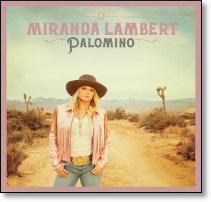
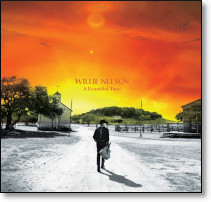
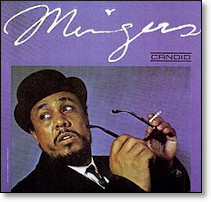
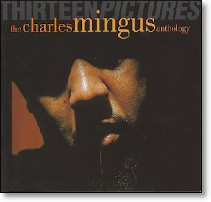
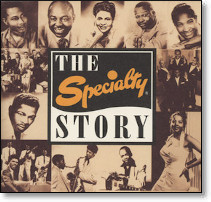
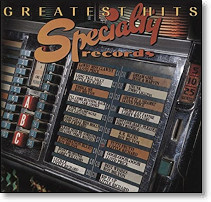
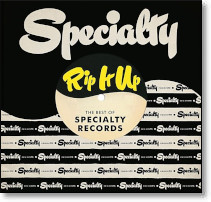
I can't say I picked up any outstanding records in this exercise. I also have lists of nominees for jazz reissues, blues, and "beyond." Each has its own problems: jazz reissues are hard to find, at least from streaming sources (big boxes of audiophile vinyl seem to be the norm these days); I almost never hear more than 10-20% of the blues records; and while I hear much more of their "beyond," it's never a very coherent category. I started last week listening to Specialty compilations (after Art Rupe died). After listening to the big box, I looked for a smaller compilation, and found two (almost identical). I went a bit further, but didn't get into the gospel that was an important part of the catalog. I also dug up some extra Mingus albums, after finding the new "lost album" somewhat wanting. A couple other "old music" items were related to recent product, but two more exceptions: Vi Redd was an unfamiliar name on DownBeat's Hall of Fame ballot, so I thought I should look her up. Ricky Ford released a B+(***) album I reviewed a couple weeks ago. I had a couple ungraded LPs by him, but couldn't play them at the time. My wife's ancient Technics turntable seems to have died, so I had to wait until I could buy a new one. I play so little vinyl these days I convinced myself the bottom-of-the-line Audio Technica would suffice. It's no great shakes, but does the job. In coming weeks, I need to see what else in the unrated list I can find on LP. I screwed up my numbering when I posted my Book Roundup Sunday evening instead of tomorrow, as I had originally planned. That leaves a gap at 3018, but I doubt anyone will notice. New records reviewed this week: The Kevin Brady Electric Quartet: Plan B (2020 [2021], Ubuntu Music): Drummer from Dublin, has a couple previous albums (back to 2007), group here with Seamus Blake (sax), Bill Carrothers (electric piano), and Dave Redmond (electric bass), with five pieces by Brady, three by Carrothers. B+(***) Tomasz Dabrowski: Tomasz Dabrowski & the Individual Beings (2021 [2022], April): Polish trumpet player, also credited with electronics, albums since 2012, septet with two saxophonists, piano/keyboards (Grzegorz Tarwid), bass, and two drummers. Group name, and much else, inspired to Tomasz Stanko. B+(***) Chris Dingman: Journeys Vol. 1 (2022, self-released): Vibraphonist, albums since 2011, solo album seems to have been a pandemic project, with some overtones above the tinkle. B+(*) [sp] Nick Finzer: Out of Focus (2021, Outside In Music): Trombonist, albums since 2012, mostly New York but teaches now at UNT. Much unclear about credits here: some solo or duo, two tracks with a quartet (Xavier Davis on piano), a 15-trombone finale -- the fourth Ellington piece. B+(*) Bruce Forman With John Clayton and Jeff Hamilton: Reunion! (2021, B4Man Music): Guitarist, records (for Muse and Concord) start in 1981. This was advertised as The Poll Winners Revisited, a reference to the 1950s guitar-bass-drums trios of Barney Kessel, Ray Brown, and Shelly Manne, which "established the guitar trio as a viable jazz ensemble." B+(**) Larry Goldings/Peter Bernstein/Bill Stewart: Perpetual Pendulum (2021 [2022], Smoke Sessions): Organ-guitar-drums trio, a soul jazz staple, trio goes back to Goldings' first album (1991, a trio plus Fathead Newman on two tracks). B+(**) Russell Gunn & the Royal Krunk Jazz Orchestra: The Sirius Mystery Opus 4 No. 1 (2020 [2021], Ropeadope): Trumpet player, started in 1990s incorporating electronics with a nod to hip-hop. Refers back to a 2016 album. Big band plus extras, spoken word as far out as Sun Ra. Four tracks, 33:55. B+(**) Tigran Hamasyan: Stand Art (2022, Nonesuch): Pianist, from Armenia, moved to California at 16, eventually returned to Yerevan. Eleventh album since 2006, a collection of standards, with trio (Matt Brewer on bass and Justin Brown on drums), plus guest spots (Ambrose Akinmusire, Joshua Redman, Mark Turner). Most sources elide the title, but words are separate on cover. B+(*) Oscar Hernández & Alma Libre: Visión (2022, Ovation): Pianist, born in New York, third group album since 2016, with Justo Almario (sax/flute), bass, drums, congas, and some guests (notably Joe Locke on vibes). B+(*) Bob James Trio: Feel Like Making Live! (2022, Evolution): Pianist, released a debut called Bold Conceptions in 1963, followed it up with an avant-sounding ESP-Disk (Explosions), then settled into a long and undistinguished pop jazz career, in and out of the group Fourplay. B [sp] Willie Jones III: Fallen Heroes (2020 [2021], WJ3): Drummer, seventh album since 2000, fair number of mainstream side credits. Opens with a solo piece here. Occasional spots for George Cables (piano), Sherman Irby (alto sax), and others. Renee Neufville sings. B+(*) Anders Koppel: Mulberry Street Symphony (2021 [2022], Cowbell Music, 2CD): Danish composer, father a classical composer, started in 1967 in a rock group (Savage Rose), has gone on to compose for ballets, films, plays, and this at least counts as jazz, with its soloists -- son Benjamin Koppel (sax), Scott Colley (bass), and Brian Blade (drums) -- on top of the Odense Symphony Orchestra. The sax is the star, but he's got a lot to work with. B+(***) [sp] Miranda Lambert: Palomino (2022, Vanner, RCA Nashville): Country singer-songwriter, ninth album, not sure there's a merely good album in the sequence. Covers a Mick Jagger song, three songs recycled from The Marfa Tapes, co-wrote the rest, most with Luke Dick and Natalie Hemby. Special treat: the B-52s backing up "Music City Queen." A- The Jeffrey Lewis & Peter Stampfel Band: Both Ways (2017 [2021], self-released): Fringe-folk supergroup, both leaders have multiple albums I love, so their collaboration should delight, but their eponymous 2013 album fell flat for me (though Christgau and others celebrated it). No idea why they shelved this sequel, but as "lost albums" go it hasn't sat long. But with only 3 (of 26) cuts on Bandcamp, and unavailable via streaming, all I did was a "limited sampling" note (++). It wound up the only album on Christgau's Dean's List I didn't hear, until a reader kindly sent me a copy. Lots of minor annoyances here, especially in the first half. But it does pick up with "The New Old Georgia Stomp" (song 17, a public Bandcamp cut), and it's ok-to-good from there out, including covers of the Beachnuts, Hawkwind, and Television, "Heroin" rewritten as "Internet," and a pair of anti-Trump songs (one on tax forms, another that with a "the cat grabbed back" refrain). Lewis's 2020 Tapes and 2021 Tapes ("shelter-at-home recordings & pandemos") are also locked down, so he seems to be the marketing genius preserving their obscurity. B+(**) [dl] Taj Mahal & Ry Cooder: Get on Board: The Songs of Sonny Terry and Brownie McGhee (2022, Nonesuch): Traditionalists even in their youth, in the 1970s each found fame providing a gentle slant on old songs and new ones that sounded old. Still, it was a bit of a surprise to find out they had recorded together in 1965-66 in a group called Rising Sons, but the records disappointed. First glance at this album cover looks like an archival find, except the faces are old and grizzled, as we soon find also are the voices. B+(**) Charnett Moffett Trio: Live (2021, Motéma, EP): Bassist, played electric as much as acoustic, died in April at 54. This was recorded last July, at Yoshi's, five songs (20:13), the cover continuing: "featuring Jana Herzen [guitar/vocals] with Corey Garcia [drums]." Opens with a smoky "Summertime," but when the striking vocals end, the set slides into background. B+(**) Willie Nelson: A Beautiful Time (2022, Legacy): Seventy-second studio album, released on his 89th birthday. Five original songs, co-authored by Buddy Cannon, including two memorable ones that reflect his seniority ("I Don't Go to Funerals," "Live Every Day" -- "like it may be your last, because some day it will be"). Two covers seem like mis-steps but grow on you: "Tower of Song" (Leonard Cohen, the "golden voice" line less of a joke) and "With a Little Help From My Friends" (Beatles). The rest fits in nicely. A- Nikara: Nikara Presents Black Wall Street (2021, Railroad Hart): Last name Warren, which may or may not belong in the credit. From Brooklyn, plays vibes, sings (or someone does), Bandcamp tags: hip hop, jazz, r&b, soul. Has elements of each without settling anywhere. No band credits, but Kenny Barron is featured on two tracks. B+(*) [bc] Mark O'Connor: Markology II (2017-20 [2021], OMAC): Started off as a champion bluegrass fiddler (first album was titled: National Junior Fiddling Champion), also plays mandolin and guitar (his instrument here, title referring back to a 1978 album). B+(*) Ulysses Owens Jr. Big Band: Soul Conversations (2021, Outside In Music): Drummer, from Florida, half-dozen albums since 2012, experience in several big bands, comes out swinging here, conventional big band with vibes (Stefon Harris) but no guitar (Takeishi Ohbayashi on piano), with vocals by Charles Turner III. B+(*) Samora Pinderhughes: Grief (2022, Ropeadope): Singer-songwriter from Bay Area, based in New York, plays piano, arranges strings, first album, sister Elena Pinderhughes plays flute, saxes help (Lucas Pino, Immanuel Wilkins). I suppose there might be something subtle here I'm not recognizing. B Bonnie Raitt: Just Like That . . . (2022, Redwing): Bluesy singer-songwriter, developed a strong following in the early 1970s but didn't really sell well until 1989's Nick of Time. Releases slowed down to every 3-4 years after 1991, the last three appearing after 7-4-6 year gaps. The extra time goes into the songs, and the production looks back to her youth. B+(***) Scary Goldings: Scary Goldings IV (2021, Pockets): Fourth collaboration between LA-based jazz-funk group Scary Pockets -- unclear who's in them, but they've released a lot since 2017 -- and organ player Larry Goldings, presumably their fourth. Notable guest here is John Scofield (guitar, ft. on 6/10 songs). B+(*) [sp] SFJazz Collective: New Works Reflecting the Moment (2021 [2022], SFJazz): Founded 2004, Discogs lists 21 albums, personnel has varied over the years, currently nine (including two singers: Martin Luther McCoy and Gretchen Parlato), who either wrote (8 pieces) or arranged (3, including "Lift Every Voice & Sing" and "What's Going On"). Chris Potter plays large, but I weary of the vocals, even when they're good for me. B+(*) Becca Stevens: Becca Stevens & the Secret Trio (2021, GroundUp Music): Jazz/folk singer-songwriter, half-dozen albums since 2008, fair number of side-credits. The trio is Middle Eastern: Ara Dinkjian (oud), Ismail Lumanovski (clarinet), Tamer Pinarbasi (kanun). There is an odd delicacy to this, one I'm not very comfortable with. B Trombone Shorty: Lifted (2022, Blue Note): New Orleans trombonist Troy Andrews, debut 2002, moved to Verve 2010, on to Blue Note 2017. His records have always disappointed as jazz. Ups the funk quotient here, bringing more voices to the fore, brass to the back. B UMO Helsinki Jazz Orchestra: Last Dance: New Music for Jazz Orchestra by Ed Partyka (2020 [2022], Neuklang): Finnish big band, founded 1975 by Heikki Sarmanto and Esko Linnavalli, initials translate to New Music Orchestra, "Helsinki" inserted in 2018. Partyka is a trombonist from Chicago, has worked in big bands and led large groups. Four pieces, 47:58. B+(*) Sachal Vasandani/Romain Collin: Midnight Shelter (2021, Edition): American jazz singer, several records back to 2007 released under first name only. Backed here by piano only, not much for such a plain voice. B- Cory Weeds: O Sole Mio! Music From the Motherland (2019 [2021], Cellar Music): Canadian alto saxophonist, owns the Cellar Jazz Club in Vancouver, the source of most of the records on his Cellar Live label, as well as a dozen of his own since 2010. Not sure what his claims to Sicily are, as the songs here mostly come from Americans (with names like Mancini, Marmarosa, Martino, Corea, and Chambers). But it's bright and bouncy, with organist Mike LeDonne's Groover Quartet -- Eric Alexander (tenor sax), Peter Bernstein (guitar), Joe Farnsworth (drums). B+(**) Corey Weeds With Strings: What Is There to Say? (2021, Cellar Music): Tenor sax this time, with piano (Phil Dwyer), bass, drums, and a phalanx of strings. B+(*) Lucy Yeghiazaryan/Vanisha Gould: In Her Words (2021, La Reserve): Two vocalists, one from Armenia, the other California, alternating songs, backed by fractured guitar and wispy strings. Recent reissues, compilations, and vault discoveries: Doug Carn: Adam's Apple (1974 [2021], Black Jazz/Real Gone Music): Pianist, fourth album since 1971, last for this label, turns toward gospel, or social relevancs -- lots of voices (notably Jean Carn). B+(*) John McLaughlin: The Montreux Years (1978-2016 [2022], BMG): Fifth installment in a series that started in 2021, 8 tracks from 5 festivals (82:00; CD drops the one from 1978), with various lineups: 1978 with L. Shankar; 1984 Mahavishnu; 1987 with Paco de Lucia; 1998 with Gary Thomas; 2016 4th Dimension Band. B+(**) [sp] Charles Mingus: The Lost Album: From Ronnie Scott's (1972 [2022], Resonance, 3CD): Two sets, 2.5 hours of music, recorded for possible release by Columbia, but shelved in 1973 when they killed off their jazz division (keeping only Miles Davis). Mingus struggled after a big year 1964, and there is little from him until live sets pick up in 1970. His studio album for Columbia in 1972 (Let My Children Hear Music) is possibly his worst ever. In 1974, he put a new band together and released a couple of masterpieces, before ALS started to disable him, leading to his death in 1979. This is rather a mess, but not the sort of thing that careful editing could fix: indeed, on his centenary this reminds us that much of his genius was outrageous spontaneity. Not one of his great bands -- a septet with 19-year-old Jon Faddis on trumpet, saxophonists Charles McPherson and Bobby Jones, John Foster on piano (also sings a couple), Roy Brooks on drums (a rare set without Dannie Richmond) -- but few bandleaders could whip up more frenzy. Big booklet. B+(***) [cd] George Russell: Ezz-thetics & The Stratus Seekers (1961-62 [2022], Ezz-Thetics): Two important albums by one of the most important figures in jazz history. The former, the namesake for this Swiss reissue label, is a sextet with Eric Dolphy (alto sax/bass clarinet) and Don Ellis (trumpet), David Baker (trombone), Steve Swallow (bass), and Joe Hunt (drums). The latter acknowledges that it takes two saxophonists to replace Dolphy. The albums are hard to peg, easy to underestimate, rich and varied and always a step ahead of you. A- [bc] Irma Thomas: Full Time Woman: The Lost Cotillion Album (1972 [2022], Real Gone Music): Aka Soul Queen of New Orleans, first singles 1959, Wikipedia doesn't show much chart action but any comp of her 1961-66 Minit and Imperial sides is prime. She struggled in the 1970s, finally staged a "living legend" comeback in the 1990s, and is still ticking. This was recorded for Atlantic, but unreleased until 2014. Great singer, but not a very good album. B Irma Thomas: Live! New Orleans Jazz & Heritage Festival 1976 (1976 [2022], Good Time): Originally released in 1977 by Island, reissued several times since. Starts with the memorably titled "You Can Have My Husband (But Please Don't Mess With My Man)." Runs through several of her big 1960s hits ("Ruler of My Heart," "It's Raining"), followed by some 1970s hits by others ("Shame, Shame, Shame," "Lady Marmalade"). Highlight is the closer, "Wish Someone Would Care," where she really works the crowd. B+(***) Eberhard Weber: Once Upon a Time: Live in Avignon (1994 [2021], ECM): German bassist, a signature artist for the label since his 1974 debut, hasn't recorded since a 2007 stroke. Since then ECM released a couple albums of reprocessed bass solos, but this is the first live album they've pulled off the shelf. It's a solo performance, but has a light touch and melodic flair that is exceptional. B+(***) Barney Wilen: La Note Bleue (1987 [2021], Elemental): French tenor saxophonist, established himself in the late 1950s and 1960s, stopped recording after 1972, then started again in 1987 with a remarkable series of albums, including this one. Kicks off with a marvelous "Besame Mucho. [PS: Slightly confused about the editions. Mine has the original album plus three alternate takes not in Discogs, but not the 1989 live album tacked onto the box.] B+(***) [sp] Old music: Dopplereffekt: Gesamtkunstwerk (1995-97 [1999], International Deejay Gigolo): Despite German alias/title, this is Detroit techno producer Gerald Donald's post-Drexciya project, collecting a series of EPs plus a couple stray tracks. Vocals presumably his partner, To-Nhan. Lyrics not a strong suit. B+(**) Ricky Ford: Looking Ahead (1987, Muse): Tenor saxophonist, I probably noticed him first with Abdullah Ibrahim, recorded 10 albums (1979-89) for Muse, this is number eight, with James Spaulding (alto sax/flute) and John Sass (tuba) on 4 tracks, Kirk Lightsey (piano), Cecil McBee (bass), and Freddie Watts (drums) on all eight. B+(**) [lp] Ricky Ford: Saxotic Stomp (1988, Muse): Another sextet, with Spaulding and Lightsey returning, plus Charles Davis (baritone sax), Ray Drummond (bass), and Jimmy Cobb (drums). Strong sax leads, as usual. B+(**) [lp] Miranda Lambert: Kerosene (2005, Epic Nashville): Second album, follows a self-released eponymous joint when she was 18, but 3.5 years later she's on a major label, going platinum, and she's never had reason to look back. Does't quite have control of her production, but no shortage of voice or grit. B+(**) Charles Mingus: Mingus (1960 [1961], Candid): Second album for Candid, recorded a month after Charles Mingus Presents Charles Mingus. This expands on the quartet -- Ted Curson (trumpet), Eric Dolphy (alto sax/bass clarinet), and Dannie Richmond (drums) -- with a second trumpet, two trombones, two more saxes (Charles McPherson and Booker Ervin), and piano (Nico Bunink or Paul Bley). Opens with a 19:49 "M.D.M. (Monk, Duke and Me)." Second side starts with 13:23 of "Stormy Weather," then reflects on his psychiatric experience in "Lock 'Em Up (Hellview of Bellevue)." A- [sp] Charles Mingus: Charles Mingus and Friends in Concert (1972 [1996], Columbia/Legacy, 2CD): Recorded at Philharmonic Hall on February 4, six months before the "lost" Ronnie Scott's session reviewed above, and released on 2-LP (87:49) later that fall, expanded to 130:36 for 2-CD. Same core group, except Joe Chambers on drums, plus lots of extras, including: trumpets (Eddie Preston, Lloyd Michaels, Lonnie Hilyer), trombone (Eddie Bert), French horns (Dick Berg, Sharon Moe), tuba (Bob Stewart), saxophones (Gene Ammons, Gerry Mulligan, George Dorsey, Richie Perri, Howard Johnson), even a second bassist (Milt Hinton), and vocals (Honey Gordon on three tracks; announcer Bill Cosby and writer Dizzy Gillespie on "Ool-Ya-Koo"). I also see solos for James Moody, and Randy Weston. Some great pieces, but doesn't feel like Mingus is really in charge. B+(**) [sp] Charles Mingus: Three or Four Shades of Blues (1977, Atlantic): Late album, opens up with new takes of "Better Get Hit in Your Soul" and "Goodbye Porkpie Hat," plus three lesser pieces. Group with Jack Walrath (trumpet), Ricky Ford (tenor sax), and Dannie Richmond (drums), plus various piano and guitar, bass help although the solos are all credited to Mingus. B+(*) [sp] Charles Mingus: Thirteen Pictures: The Charles Mingus Anthology (1952-77 [1993], Rhino, 2CD): Part of a series of 2-CD jazz comps, each a handsome book in a hard box, a clever move back when we thought of CD boxes as prestige items. Jazz has rarely seemed right for the "greatest hits" treatment: even at best, think of them as introductory samplers. I had to build a playlist here, but first surprise here is that this ranges way beyond the Atlantic sides the label owns, picking up such obvious peaks as "Haitian Fight Song" and "Goodbye Pork Pie Hat" but atypical pieces like a Jackie Paris vocal and a Duke Ellington piano trio. It also packs two long pieces: "Meditations on Integration" (24:50), and "Cumbia & Jazz Fusion" (27:52, one of his last records, one that I panned, although it sounds pretty good here). A- Vi Redd: Bird Call (1962, United Artists): Sings and plays alto sax, recorded two albums 1962-63, another with Marian McPartland in 1977, and has since picked up some awards, but I hadn't heard of her until she popped up on DownBeat's HOF ballot, at age 93. Mix of standards (including "Summertime") and bebop. Her vocals are fine, but her sax is more persuasive. The vibes (Roy Ayers) are often a plus. B+(***) Vi Redd: Lady Soul (1963, Atco): Second album, organ (mostly Dick Hyman) and guitar (Bucky Pizzarelli or Barney Kessel) marks a move toward soul jazz. Shows more poise as a singer, but plays her saxophone less (Bill Perkins helps out). B+(**) Rock 'n' Roll Fever! The Wildest From Specialty (1956-59 [1993], Specialty): The wildest was Little Richard, but this opts for obscurities -- Jerry Byrne's "Lights Out" is the one I'm most familiar with, followed by pieces from the bottom tier of artists with single-CD compilations (Don & Dewey, Larry Williams, Floyd Dixon), and a cover of Huey Smith's "Don't You Just Know It." B+(**) Specialty Legends of Boogie Woogie (1947-51 [1992], Specialty): Song selection here is easy: look for songs with "boogie" in the title (18 of 19 here, not counting two "unidentified" pieces, leaving as the sole exception "Rock That Voot"), then make sure you hear the tinkle in the piano, even on what would otherwise be a plain jump blues. "Woogie" optional (3 titles). The star here is Camille Howard (8 pieces), followed by Willard McDaniel (4). B+(***) The Specialty Story (1944-64 [1994], Specialty, 5CD): Art Rupe (né Goldberg) died on April 15, age 104. Among rock and roll's founding entrepreneurs, he's less famous than Sam Phillips, Leonard Chess, or Ahmet Ertegun, but starting in Los Angeles in 1944, with a later pipeline to New Orleans (thanks to Johnny Vincent), he released as many great records as anyone else in the business. His catalog got picked up by Fantasy, which in the early 1990s repackaged it into several dozen critically important CDs. I bought so many that I skipped this flagship box set as redundant, but on his death it looks perfect for a wake. You might fault it for focusing too much on stars you already know (e.g., 19 Little Richard tracks), or you might deem that a feature. A- Specialty Records Greatest Hits (1946-58 [2001], Specialty): Single-CD selection, all hits, 20 songs from 10 artists, nicely balanced between early jump blues and later rockers, although the latter is dominated by Little Richard (5 songs). Essential music, but note that eight of those 10 artists also own an A/A- single-CD compilation (Jimmy Liggins has two). A Rip It Up: The Best of Specialty Records (1946-58 [2021], Craft): Repeats 18 songs from Specialty Records Greatest Hits, but let's dock it for dropping two great ones: "Thrill Me" (Roy Milton and Camille Howard), and "Good Golly Miss Molly" (Little Richard). So you can also fault them for lack of imagination, but the label exists to restore indelible classics to vinyl, and that's what they do here. A- Unpacking: Found in the mail last week:
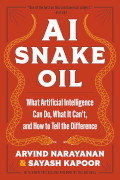
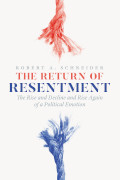
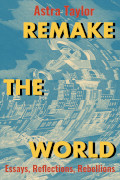
Ask a question, or send a comment. Sunday, May 1, 2022 Book RoundupThese are basically leftovers from my April 3 Book Roundup. That one was the first in nearly a year (since April 18, 2021), so I made an effort to pick out the most important books, and I was able to pad the usual 40 entries out with a lot of related books. I even had, from my own reading, seven book cover pics I could share. On the other hand, I haven't read any of the books below. Some interest me. Some repulse me. I think it's worth knowing that the others exist. Randall Balmer: Bad Faith: Race and the Rise of the Religious Right (2021, Eerdmans): Short (141 pp), but makes a simple point: that the political engagement of right-wing evangelicals was a response not to Roe v. Wade (abortion), but to Green v. Connally, a ruling that threatened the tax-exempt status of racially discriminatory institutions (such as Bob Jones University, in 1976). Nor is this the first time someone has looked beneath ostensible arguments on the right to find racism underneath. Glenn Beck/Justin Haskins: The Great Reset: Joe Biden and the Rise of Twenty-First-Century Fascism (2022, Forefront Books). Ridiculous paranoia from the TV/radio mogul, aided by Justin Haskins, identified as director of the Stopping Socialism Center at The Heartland Institute. Three chapters lay out the rationale for the "fascist" takeover of America: the pandemic, climate change, and modern monetary theory. The amusing twist is that the forces of fascism aren't the unwashed masses, but a conspiracy of "woke" globalized corporations and their coordinating groups like the World Economic Forum. Rest assured that Beck has a plan for "Derailing the Great Reset." I haven't read that far, but it probably involves buying a lot of T-shirts and mugs. Gal Beckerman: The Quiet Before: On the Unexpected Origins of Radical Ideas (2022, Crown): Argues that "radical ideas" -- could be novel ideas or innovations, but author is explicitly thinking about social and political movements -- are best (or only) developed in "quiet, closed networks that allow a small group to incubate their ideas before broadcasting them widely." That makes for a backhanded critique of social media, where everything is exposed and damned little of it matters. Leslie MM Blume: Fallout: The Hiroshima Cover-up and the Reporter Who Revealed It to the World (2020; paperback, 2021, Simon & Schuster): The journalist was John Hersey, who managed to visit Hiroshima before the US Army locked it down, and famously reported on it in The New Yorker, the essay that became the book Hiroshima. Hersey went on to become a bestselling novelist, but he wrote another classic piece of quick journalism, The Algiers Motel Incident, in 1967 on the Detroit Riot. Ray Dalio: The Changing World Order: Why Nations Succeed and Fail (2021, Simon & Schuster): Founder and cochairman of Bridgewater Associates ("the largest and best performing hedge fund in the world"), offers a sweeping history of everything, not so much to enlighten, especially not critique, but more as a betting guide for the excessively rich. Blurb list includes: Bill Gates, Henry Paulson, Mark Cuban, Jamie Dimon, as well as useful idiots like Larry Summers, Tim Geithner, and Henry Kissinger. Makes you wonder who he's conning now, to what purpose. David M Drucker: In Trump's Shadow: The Battle for 2024 and the Future of the GOP (2021, Twelve): Instantly disposable fodder for political junkies only, trying to sort out what options Republicans have for a future when they're still stuck in their own past. Some other books assaying the Republican future:
Caroline Elkins: Legacy of Violence: A History of the British Empire (2022, Knopf): Big book (896 pp), but lots of blood to cover. Even before there was a British Empire, England was littered with kings and aristocrats that met violent ends, struggles between clans, and efforts by the crown to put down popular revolts. The British Empire was one long pageant of violence, against the natives they marauded and/or enslaved, against rival empires, even against their own settlers. From before the 1763 war with France through the 1964 independence of Kenya, it's unlikely there was a single year when the British weren't fighting someone somewhere. So this book seems about right. Indeed, it seems like the logical progression for a writers who started out with Imperial Reckoning: The Untold Story of Britain's Gulag in Kenya. More on British history:
Steve Forbes/Nathan Lewis/Elizabeth Ames: Inflation: What It Is, Why It's Bad, and How to Fix It (2022, Encounter Books): File this short (168 pp) under "opposition research": a compendium of what rich Republicans are saying whenever wage workers start to get a leg up. Forbes inherited a business media empire before running for president, Lewis is a hardcore gold bug, and Ames probably wrote the book to order. One suspects the hyperbole is going to be off the charts when they start talking about "1970s's-style 'Great Inflation'" (a line coined by Robert Samuelson and rarely used by anyone else), but then they disclose that "some observers even fear a descent into the kind of Weimar-style hyperinflation that has torn apart so many nations." I'm not saying that inflation is good: it hurts some people and helps others (e.g., it allows people to pay off debts with inflated dollars, which reduces the return to the lenders. Since the former tend to be poorer than the latter, the rich scream bloody murder every time it ticks up, and plot to exact their revenge on everyone else. Amy Fried/Douglas B Harris: At War With Government: How Conservatives Weaponized Distrust From Goldwater to Trump (2021, Columbia University Press): It's hard to live if you can't trust the people around you to behave predictably, to follow laws and rules, and show you some respect and maybe even kindness. For better or worse, most of us grew up learning to trust government to act in the public interest, but conservative Republicans have repeatedly attacked the very foundations of public trust, and it turns out much harder to restore trust than to degrade it. This matters because many of the problems we face can only be addressed as public works. Matthew Gabriele/David M Perry: The Bright Ages: A New History of Medieval Europe (2021, Harper): Title implies a radical departure from the traditional characterization of Europe's "Dark Ages" -- one that has partly fallen out of favor as historians have tried to blur the traditional demarcation between Medieval and Renaissance, but still, this book starts around 430 CE, with the Roman Empire crumbling but not quite fallen, and they allow the Middle Ages to end around 1321. Some more recent books on medieval European history:
David Gelles: The Man Who Broke Capitalism: How Jack Welch Gutted the Heartland and Crushed the Soul of Corporate America -- and How to Undo His Legacy (2022, Simon & Schuster): During his tenure as CEO of General Electric, Welch was touted as a great business leader, an innovator even. But much of what he did was to bring back the lean-and-mean mentality of an earlier (pre-union) stage of capitalism, combined with cold analysis. I wouldn't say he "broke capitalism," but he did much to restore its bad name, and as such it's nice to see his name drug through the mud again. Gary Gerstle: The Rise and Fall of the Neoliberal Order: America and the World in the Free Market (2022, Oxford University Press): Big picture historian -- has previous books on American Crucible: Race and Nation in the Twentieth Century and Liberty and Coercion: The Paradox of American Government From the Founding to the Present -- tries to construct a "rise and fall" scenario for neoliberalism after a couple chapters on the New Deal and the managerial capitalism it produced (or allowed). It's not clear to me that neoliberalism has fallen, as the business interests that benefited from it are still very much in power, but its intellectual cachet for everyone else is in tatters. Garrett M Graff: Watergate: A New History (2022, Avid Reader Press/Simon & Schuster): Big new book (832 pp) on a scandal which I suppose seems relevant again with the impeachment of Trump (twice), perhaps less so because it continues to shock than because we're starting to feel nostalgic for an era when a disgraced president resigned, in large part because his own party refused to follow lock step in the coverup. Other recent books on Nixon/Watergate:
Karen J Greenberg: Subtle Tools: The Dismantling of American Democracy From the War on Terror to Donald Trump (2021, Princeton University Press): Edited Torture Papers: The Road to Abu Ghraib, wrote The Least Worst Place (2009) on the Guantanamo gulag, summed up her worries on lawlessness in Rogue Justice (2016), so the main thing that this also incorporates is the contempt for democracy showed repeatedly by Trump and his administration. Linda Greenhouse: Justice on the Brink: The Death of Ruth Bader Ginsburg, the Rise of Amy Coney Barrett, and Twelve Months That Transformed the Supreme Court (2021, Random House): Sure, there are a lot of books about the hypothetical demise of American democracy, but this is a case study of what seems very likely be a significant turning point. With the Supreme Court effectively packed by Republican presidents -- in two critical cases elected by the Electoral College after losing the popular vote -- and a Senate where power is seriously skewed, conservative strategists are increasingly turning toward the courts to dictate policies that lack popular support and to disrupt ones that are popular. Related:
Jane Harman: Insanity Defense: Why Our Failure to Confront Hard National Security Problems Makes Us Less Safe (2021, St Martin's Press): Former US Representative (D-CA), ranking member of House Intelligence Commitee, supported Bush's Iraq war, "served on advisory boards for the CIA, Director of National Intelligence, and the departments of Defense, Homeland Security, and State." Kyle Harper: Plagues Upon the Earth: Disease and the Course of Human History (2021, Princeton University Press): "A sweeping germ's eye view of history from human origins to global pandemics." Big subject, even for 704 pp., with the development of agriculture, the increasing population density of cities, and the migration of people and their animals (and their germs) to new territories playing major roles. Katja Hoyer: Blood and Iron: The Rise and Fall of the German Empire, 1871-1918 (2021, Pegasus): Surprisingly short (272 pp) for a story that comprises so many wars (albeit brief ones until the big loss of 1914-18), a madcap stab at colonial empire building in Africa and the Pacific, and the legal and bureaucratic innovations of perhaps the most famous political figure of the 19th century, Otto von Bismarck. Ian Ona Johnson: Faustian Bargain: The Soviet-German Partnership and the Origins of the Second World War (2021, Oxford University Press): My first thought was that this was about the 1939 "pact" between Nazi Germany and the Soviet Union which defined a partition of Poland, allowing Germany to grab most of Poland without risking a deeper war with Russia (which got German permission to do some grabbing itself, which turned out badly for Stalin both coming and going). But the book focuses more on an earlier "bargain" between Imperial Germany and the Bolsheviks, which led to the Russian Revolution, and subsequent armistice which ceded much Russian territory to Germany, as well as ending the two-front war Germany was fighting. Evidently, German-Soviet cooperation didn't end there, although I'm a little sketchy on the details. Jonathan M Katz: Gangsters of Capitalism: Smedley Butler, the Marines, and the Making and Breaking of America's Empire (2021, St Martin's Press): Butler was "the most celebrated warfighter of his time" -- from the Spanish War of 1898, the Philippines, the "gunboat diplomacy" occupations of Nicaragua and Haiti, up to the eve of WWII -- but he's better known for book he wrote about his experiences, called War Is a Racket. Chuck Klosterman: The Nineties: A Book (2022, Penguin Press): Born in 1972, so I imagine he relates to the 1990s rather like I did to the 1970s, when everything seemed new and full of opportunity. The two decades are similar (yet distinct from earlier and later decades) in a couple respects: they offered relatively liberal interludes between wars (Vietnam into the 1970s, the Cold War into the 1990s) and later reaction/remilitarization (Reagan in the 1980s, Bush in the 2000s). While I was young enough to enjoy parts of the 1990s, it rather seems like a wasted decade now, and one I feel no nostalgia for. (Seth Myers, does a bit I find incongruous called "In My Time," where he waxes nostalgic for artifacts of his youth, which turn out to be from the 1990s. He was born in 1973.) Klosterman wrote his first book on glam metal (which suggests that at root he's a fellow rock critic; even if we don't like the same shit, it's a style thang), and followed that up with a couple novels and several essay collections, so this may be his bed for a magnum opus. Or it may just be a scrapbook, a bunch of things he lived through and thought were neat at the time. Some other Klosterman books:
Elizabeth Kolbert: Under a White Sky: The Nature of the Future (2021, Crown): New Yorker writer, wrote Field Notes From a Catastrophe (about climate change) and The Sixth Extinction (about how humans, not just through climate change, have decimated the biosphere). When I was young, the last 10,000 years of geological history was called the Recent, but the more common terms these days is the Anthropocene, where nature reflects the many changes wrought by human beings. Three essays: "Down the River," "Into the Wild," "Up in the Air." Robert Kuttner: Going Big: FDR's Legacy, Biden's New Deal, and the Struggle to Save Democracy (2022, New Press). Short (192 pp), meant to flatter Biden, to lift him to the stature needs demand, or at least to suggest the possibility. Kuttner has written a number of big books on politics and the economy -- the one I was most impressed with was The Squandering of America: How the Failure of Our Politics Undermines Our Prosperity (2007) -- but this is more reminiscent of his quickie, Obama's Challenge: America's Economic Crisis and the Power of a Transformative Presidency. Stripped of hope, today we're left with his 7th chapter, "Obama's Missed Moment." That leaves "America's Last Chance" as chapter 8. Here's hoping that optimism is contagious. Christopher Leonard: The Lords of Easy Money: How the Federal Reserve Broke the American Economy (2022, Simon & Schuster): Business reporter, previously wrote The Meat Racket: The Secret Takeover of America's Food Business (2014), and Kochland: The Secret History of Koch Industries and Corporate Power in America (2019). His critique of the Fed echoes points more commonly aired on the right (Republicans have always railed against quantitative easing), but a core problem with depending on the Fed to regulate the economy is that their only real tool to simulate the economy is their ability to push money out to banks, who are then more likely to bid up assets than to make productive investments. Conversely, the Fed's only tool for fighting inflation is to raise interest rates (i.e., to inflate the cost of borrowing), in the hope that the resulting constriction will put people out of work, depress consumer demand, and eventually affect prices. Still, I've always assumed that a growing economy is better than a strangled one (as was the case 1979-82), so I figured quantitative easing must have been a good thing. But unwinding it may pose new problems. Also on the Fed:
Mark R Levin: American Marxism (2021, Threshold Editions): Fox News star, has a bunch of bestselling, crowd-pleasing books. I'd be interested in a book on this subject, but not from this clown. Tell me more about Paul Sweezy, Eugene Genovese, Paul Piccone. But these titles are just exercises in confusion: "Hate America, Inc."; "Racism, Genderism, and Marxism"; "'Climate Change' Fanaticism." Jonathan Levy: Ages of American Capitalism: A History of the United States (2021, Random House): Big (944 pp) single-volume history of America, its division into "ages" of: commerce (1660-1860), capital (1860-1932), control (1932-80), and chaos (1980-). The terms are somewhat arbitrary -- "control" and "chaos" refers to the role of the state in the economy, with increasing regulation stailizing a broader affluence, and decreasing regulation fracturing into greater inequality. "Commerce" and "capital" are covers for mercantilism and industrialization, with the shift from bonded- to wage-slavery, with capital accumulating as machines scaled up surplus value. But the periods precisely line up with my political era scheme, aside from combining the Jefferson-to-Buchanan era with its mostly colonial prehistory, because Jefferson's "second revolution" did little to alter the economy -- other than opening up the western frontier for expansion, a distinctive aspect of American capitalism, but not a new direction (after all, gobbling up native land was central from the start). One question the periodization raises is whether the political shifts were consequences of economic changes, or vice versa. Eugene Linden: Fire and Flood: A People's History of Climate Change, From 1979 to the Present (2022, Penguin Press): This covers a fairly short period of time (not much more than 40 years), yet people today are more likely to be surprised by how much was known that far back, given how little we tried to do about it. Sections run decade by decade, examining each on its own scale: the reality of climate change; the scientific consensus about it; public opinion and political will; and business and finance. Linden previously wrote:
Nesrine Malik: We Need New Stories: The Myths That Subvert Freedom (2021, WW Norton): Chapter titles enumerate six myths: the Reliable Narrator, a Political Correctness Crisis, the Free Speech Crisis, Harmful Identify Politics, National Exceptionalism, Gender Equality. These are myths that have taken up residence in the minds of the right, filling them with fear and loathing. Alfred W McCoy: To Govern the Globe: World Orders and Catastrophic Change (2021, Haymarket Books): Longtime critic of America's empire, with pathbreaking coverage of The Politics of Heroin in Southeast Asia and a major book on the Philippines (Policing America's Empire), among much more. Goes deep into history here, starting around 1300 and looking forward to 2300 (two chapters after "Pax Americana" are on China and climate change). For someone supposedly critical of American power, he seems oddly stuck in the notion that someone has to order the world. Heather McGhee: The Sum of Us: What Racism Costs Everyone and How We Can Prosper Together (2021, One World): An "expert in economic and social policy," "former president of the inequality-focused think tank Demos," "now chairs the board of Color of Change, the nation's largest online racial justice organization." The obvious subject here is to try to quantify the social and economic costs of racism, including "for white people, too." That seems intuitively obvious, but clearly some people need it spelled out. One step is to explain "that life can be more than a zero-sum game." I wonder whether she goes further and explains that racism is a negative-sum game: one where one person's losses don't accrue to any other person; they're just wasted. Sean McMeekin: Stalin's War: A New History of World War II (2021, Basic Books): Long (864 pp.), claims "Stalin -- not Hitler -- was the animating force of World War II." Which is totally wrong, as he seems to be reconstructing through Cold War prejudices. He even goes so far as to credit Stalin with nudging Japan into bombing Pearl Harbor, "unleashing a devastating war of attrition between Japan and the 'Anglo-Saxon' capitalist powers he viewed as his ultimate adversary." The result is one of the most distorted and deranged readings of history since, well, McMeekin's own The Ottoman Endgame: War, Revolution, and the Making of the Modern Middle East (2015). J David McSwane: Pandemic, Inc.: Chasing the Capitalists and Thieves Who Got Rich While We Got Sick (2022, Atria/One Signal): ProPublica writer, follows the money (over $10 billion). "I have resisted the notion that capitalism itself is to blame for all of this." But isn't capitalism the system that ensures that whatever customers (in this case the government) are willing to spend will be sucked up by one firm or another, fraudulent or not? Good regulation, including transparency, may make the market more efficient and/or effective, but the isn't the drive to corrupt deep in the genes? And isn't it obvious that a political system built on, by, and for private money, is going to be easy pickings? Neel Mehta/Adi Agashe/Parth Detroja: Bubble or Revolution? The Present and Future of Blockchain and Cryptocurrencies (paperback, 2019, Paravane Ventures): My attitude toward cryptocurrency is fundamentally hostile: on the one hand, I'm annoyed that such a thing (or whatever it is?) even exists (or is even imagined to?); on the other, I suspect that everyone associated with it is up to no good. Of course, on a conceptual level, the same things can be said about money -- and one need hardly look beyond Wall Street to find copious examples it it being used for no good. But conventional money has proven to be very useful, even essential: without it, everything would have to be continuously revalued according to everything else, and little else would get done. But if conventional money works find, why invent crypto? One possibility is that it provides a means for criminals to transfer funds without alerting the government. Another is that it gives rich people something more they can speculate on. Maybe there are other uses, and other angles to be considered. Kim Stanley Robinson, in The Ministry for the Future, seems to regard blockchain as useful for limiting the ills of finance. I don't understand how he thinks that, and have little interest in figuring it out, but there's enough crap going around about cryptocurrency I figured I could collect a book list (looking for general books, and ignoring virtually everything that seems to be pitched toward investors).
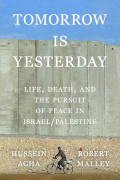
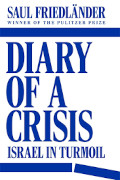
Ethan Michaeli: Twelve Tribes: Promise and Peril in the New Israel (2021, Custom House): I read another book some time ago (possibly Richard Ben Cramer's How Israel Lost: The Four Questions) that broke Israeli Jews down into six or so groups, suggesting that one reason they never seriously tried to defuse the conflict with Palestinians was that a common enemy was the only thing that held them together. Further division echoing the biblical twelve shouldn't be too hard. I often look at Amazon reviews to get a sense of a book. Here I found a rare case where a 1-star review made the book seem more interesting (usually they just reveal the reviewer to be a moron): "Stay away from this book unless you like reading about falafel and Israeli salad under the disguise of a pseudo existential interpretation of contemporary Israeli society." But isn't breaking bread together a good way to get to know others? And that reminds me that Cramer had a whole section on Israeli "white meat" (pork, from pigs who spend their lives on platforms so their feet never touch Israeli soil). More on Israel/Palestine:
Moisés Naím: The Revenge of Power: How Autocrats Are Reinventing Politics for the 21st Century (2022, St Martin's Press): Wrote The End of Power: From Boardrooms to Battlefields and Churches to States, Why Being in Charge Isn't What It Used to Be (2013), which argued that power has intrinsic limits, especially a dependence on competent followers. Here he seems to be backtracking (not that he approves). The interrim has seen a number of autocrats rise to greater power, but how stable are they really? Evan Osnos: Wildland: The Making of America's Fury (2021, Farrar Straus and Giroux): Former China correspondent, subject of his first book, wrote a big biography of Joe Biden for his second (one of a mere handful of 2020 campaign books on Biden, compared to many hundreds on Trump). This is more like a memoir, an attempt to make some sense of what happened to America between Sept. 11, 2001 and Jan. 6, 2021 ("two assults on the country's sense of itself"). Richard Overy: Blood and Ruins: The Last Imperial War, 1931-1945 (2022, Viking): British military historian, dates WWII from the Japanese invasion of Manchuria in 1931, rather than waiting for Germany to invade Poland (1939) or for Japan to bomb Pearl Harbor (1941). Big subject, big book (1040 pp). One thing that is poorly remembered today is that the World Wars were fought (initially, anyway) by nations that believed empire was a supreme good, one they sought to expand. (The US and the Soviet Union were less interested in territory, and more into the slightly nebulous notion of hegemony.) Gideon Rachman: The Age of the Strongman: How the Cult of the Leader Threatens Democracy Around the World (2022, Other Press): The list seems ominous enough: Putin, Trump, Bolsonaro, Erdogan, Orban, Xi. But aside from Xi, how successful have they been? We seem to be riding a stronger authoritarian wave than we've seen since the 1930s (and how did that turn out?). But aside from Xi, everyone on the list got elected in something like a fair democratic election -- not that they haven't tried to use their power to lock themselves in and their opponents out. Their skill seems to have been the ability to sell bigotry to the masses while garnering support from the rich -- which is basically the definition Robert Paxton came up with in The Anatomy of Fascism. But fascists in the 1930s used their charisma to strengthen state power, whereas today's "strongmen" tend to weaken the state (except for repressive political purposes), shifting real power to a private sector that is primarily motivated by greed. It's hard to see them remaining viable enough to last, but like a vermin infestation they may be hard to clear out. Rachman previously wrote:
Matthew Rose: A World After Liberalism: Philosophers of the Radical Right (2021, Yale University Press): Short (208 pp) survey of five "thinkers": Oswald Spengler ("The Prophet"), Julius Evola ("The Fantasist"); Francis Parker Yockey ("The Anti-Semite"); Alain de Benoist ("The Pagan"); Samuel Francis ("The Nationalist"); with a final chapter on "The Christian Question." Might seem more important if there was more evidence of thinking on the right, at least among the supposedly literate talking heads. Gordon S Wood: Power and Liberty: Constitutionalism in the American Revolution (2021, Oxford University Press): Author of The Creation of the American Republic, 1776-1787 (1969), which I've long regarded as the standard book on the politics of the American Revolution. This is a set of lectures on the idea of constitutionalism during the Revolution, a subject no one knows better. Jia Lynn Yang: One Mighty and Irresistible Tide: The Epic Struggle Over American Immigration, 1924-1965 (2020; paperback, 2021, WW Norton): Covers a period cleanly defined by two immigration laws: the 1924 law extended racial exclusions and established a quota system which discriminated against countries that had provided most immigrants over the previous 30 years (notably Italy, Poland, and Russia, effectively ending Jewish immigration); and the 1965 law which ended the quota system and other racial and religions bans. The 1924 law was probably the peak moment of post-Civil War racism, while 1965 coincided with major civil rights legislation: the same forces coalesced behind both, drawing on a new understanding of what the nation had fought against in WWII. Other recent books of interest, barely noted (I may write more on some of these later). Matthew Algeo: All This Marvelous Potential: Robert Kennedy's 1968 Tour of Appalachia (2020, Chicago Review Press). William M Arkin: The Generals Have No Clothes: The Untold Story of Our Endless Wars (2021, Simon & Schuster). Jung Chang: Big Sister, Little Sister, Red Sister: Three Women at the Heart of Twentieth-Century China (2019, Knopf). Erwin Chemerinsky: Presumed Guilty: How the Supreme Court Empowered the Police and Subverted Civil Rights (2021, Liveright). Joshua L Cherniss: Liberalism in Dark Times: The Liberal Ethos in the Twentieth Century (2021, Princeton University Press). Jennet Conant: The Great Secret: The Classified World War II Disaster That Launched the War on Cancer (2020, WW Norton). Geoff Dyer: The Last Days of Roger Federer: And Other Endings (2022, Farrar Straus and Giroux). Erika Fatland: The Border: A Journey Around Russia Through North Korea, China, Mongolia, Kazakhstan, Azerbaijan, Georgia, Ukraine, Belarus, Lithuania, Poland, Latvia, Estonia, Finland, Norway, and the Northeast Passage (2021, Pegasus Books). Marie Favereau: The Horde: How the Mongols Changed the World (2021, Belknap Press). Jeffrey Frank: The Trials of Harry S Truman: The Extraordinary Presidency of an Ordinary Man, 1945-1953 (2022, Simon & Schuster). John Ghazvinian: America and Iran: A History, 1720 to the Present (2021, Knopf). Marie Gottschalk: Caught: The Prison State and the Lockdown of American Politics (paperback, 2016, Princeton University Press). Jon Grinspan: The Age of Acrimony: How Americans Fought to Fix Their Democracy, 1865-1915 (2021, Bloomsbury). Sergei Guriev/Daniel Treisman: Spin Dictators: The Changing Face of Tyranny in the 21st Century (2022, Princeton University Press). Colin Jerolmack: Up to Heaven and Down to Hell: Fracking, Freedom, and Community in an American Town (2021, Princeton University Press). John B Judis: The Politics of Our Time: Populism, Nationalism, Socialism (2021, Columbia Global Reports). Robert D Kaplan: Adriatic: A Concert of Civilizations at the End of the Modern Age (2022, Random House): Amazon review: "Lazy, superficial travelogue posing as historical insight." Michael G Laramie: King William's War: The First Contest for North America, 1689-1697 (2017, Westholme). Roger Lowenstein: Ways and Means: Lincoln and His Cabinet and the Financing of the Civil War (2022, Penguin Press). Bruno Maçães: History Has Begun: The Birth of a New America (2020, Oxford University Press): Portuguese geopolitics guru, based in Istanbul, previous books The Dawn of Eurasia: On the Trail of the New World Order and Belt and Road: A Chinese World Order. David Mamet: Recessional: The Death of Free Speech and the Cost of a Free Lunch (2022, Broadside Books): Wide-ranging essay collection from a famous playwright and right-wing crank. Mark Mazower: The Greek Revolution: 1821 and the Making of Modern Europe (2021, Penguin Press). Douglas Murray: The War on the West (2022, Broadside). Thin-skinned, xenophobic right-winger claiming victimhood 500+ years after Columbus. Previously wrote:
Kathryn Olivarius: Necropolis: Disease, Power, and Capitalism in the Cotton Kingdom (2022, Belknap Press): On New Orleans, "where yellow fever epidemics killed as many as 150,000 people during the nineteenth century." Reece Peck: Fox Populism: Branding Conservatism as Working Class (paperback, 2019, Cambridge University Press). Nathaniel Philbrick: Travels With George: In Search of Washington and His Legacy (2021, Viking; paperback, 2022, Penguin Books). Ari Rabin-Havt: The Fighting Soul: On the Road With Bernie Sanders (2022, Liveright): Deputy campaign manager for Sanders in 2020. Martin Sandbu: The Economics of Belonging: A Radical Plan to Win Back the Left Behind and Achieve Prosperity for All (2020, Princeton University Press). Vaclav Smil: Numbers Don't Lie: 71 Stories to Help Us Understand the Modern World (paperback, 2021, Penguin Books). Ray Takeyh: The Last Shah: America, Iran, and the Fall of the Pahlavi Dynasty (2021, Yale University Press). Nicholas Wapshott: Samuelson/Friedman: The Battle Over the Free Market (2021, WW Norton): Author previously wrote Keynes/Hayek: The Clash That Defined Modern Economics (2011). Olivier Zunz: The Man Who Understood Democracy: The Life of Alexis de Tocqueville (2022, Princeton University Press). Ask a question, or send a comment. Monday, April 25, 2022 Music Week
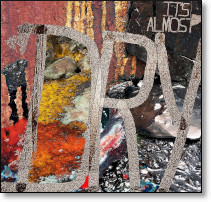
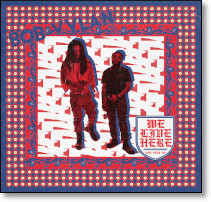
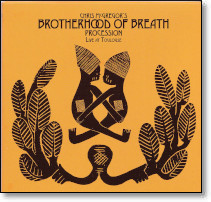
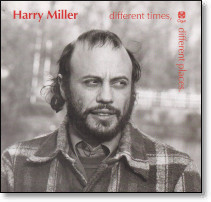
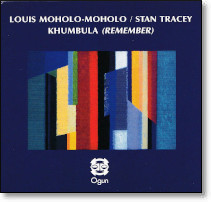
Music: Current count 37777 [37739] rated (+38), 127 [128] unrated (-1). Rated count down this week, although pretty solid by historical standards. Had a lot of trouble all week long deciding what to play next. Left a fair amount of dead air (like the moment of typing this line). A-list is even shorter this time: three, including an EP built around a 2020 single, "We Live Here" (see video). Having spent the week writing about Ukraine here and here and here, I admit that Bob Vylan's anger was cathartic. [Note: I've edited and added some material to those posts.] Still, this wraps up a 4-week month where I found 16 A-list albums among 125 new releases, plus a fair amount of old music, where most of the major finds came from the Ogun Records Bandcamp. Ogun was founded by South African expat bassist Harry Miller and his wife Hazel Miller, who revived the label in 1986 after Harry's death. The label was home to fellow South African expats like Chris McGregor and Louis Moholo, as well as a tight circle of English avant-gardists they often played with (e.g., Keith Tippett, Mike Osborne, Elton Dean, Lol Coxhill). Seems like I should have some more music items to mention. I don't like noting recent deaths, but Art Rupe (at 104) is important enough to make an exception. It finally occurred to me that filling up five hours streaming The Specialty Story would be a suitable wake, and more fun then I normally have. Also lets me put off trying to figure out the Lewis-Stampfel Both Ways album, which a curious reader sent me a zip of. (It was the only album on Robert Christgau's 2021 list I couldn't find to listen to.) Speaking of Christgau, I've run across a number of links relating to his 80th birthday, but didn't manage to keep track of them. (One I still have in a tab is a reminiscence by Wayne Robbins.) We missed the first half of the Zoom session RJ Smith and Tricia Romano set up. I didn't come up with anything to contribute, but thinking of Robins, one story comes to mind. I had been writing for Bob for a year-plus, and talked to him for edits, but hadn't met actually met him. At the time, I was angling to get into Creem, and had a letter back from Lester Bangs was kind of iffy. I drove to Ann Arbor to see some friends, and on a lark decided to drop into the Creem office uninvited. I did, and couldn't get anyone to talk to me (not that I tried awful hard). When I mentioned this to Bob, he confidently told me that Wayne Robins (who was editor at the time) and Georgia Christgau (Bob's sister, who wrote Creem's film reviews) would like to meet me. A couple days later, they came to me in Ann Arbor. I still didn't get anything published there. New records reviewed this week: Dan Bruce's :Beta Collective: Time to Mind the Mystics (2022, Shifting Paradigm): Guitarist, Chicago-based Collective adds two saxophonists, trombone, vibes, keyboards, bass, and drums; looks like they have a previous album, although aside from Bruce the personnel then was completely different. B+(**) [cd] [04-29] Charming Hostess: The Ginzburg Geography (2021 [2022], Tzadik): Klezmer-influenced vocal group from Oakland, principally Jewlia Eisenberg (who died at 50 in 2021), Cynthia Taylor, and Marika Hughes, released a cassette in 1996, four more albums through 2010, and finally this tribute to "Italian antifascist writers, activists and intellectuals Natalia and Leone Ginzburg." Plus a bunch of guests. Eisenberg wrote the songs, a range of songs that could fit light opera, aside from "All You Fascists Are Bound to Lose," which reminds me at least of Woody Guthrie. B+(**) [cd] [05-20] Charley Crockett: Lil G.L. Presents: Jukebox Charley (2022, Son of Davy): Country singer-songwriter, based in Austin, 11th album since 2015. Fourteen covers, tweaked variously -- Roger Miller's "Where Have All the Average People Gone?" becomes "honest people." B+(**) Alabaster DePlume: Gold: Go Forward in the Courage of Your Love (2022, International Anthem): Second album, plays tenor sax, guitar, and synths, also spoken word, while crediting another 21 musicians and singers. It's a lot to follow, and I can't claim to, but some stretches are sublime. B+(**) Dopplereffekt: Neurotelepathy (2022, Leisure System): Detroit techno duo, active since 1995, principles seem to be Gerald Donald (formerly of Drexciya, identified here as Rudolf Klorzeiger) and his wife To-Nhan (I've seen various full names). This does remind me of Drexciya's "deep-sea diving," with swirls of color emanating from basic beats. B+(***) [bc] Fly Anakin: Frank (2022, Lex): Virginia rapper Frank Walton, touted as his "proper debut album," but Discogs lists eight more since 2018, mostly shared credits. B+(**) Chad Fowler/Matthew Shipp: Old Stories (2021 [2022], Mahakala Music, 2CD): Saxophonist from Arkansas, owner of his label, plays stritch and saxello here, in a duo with the pianist, the 14 pieces numbered chapters. B+(***) Chad Fowler/Christopher Parker: Park Hill Saudade (2021 [2022], Mahakala Music): Another sax/piano duo, both growing up a block from each other in North Little Rock. B+(**) Arun Ghosh: Seclused in Light (2022, Camoci, 2CD): Clarinet player, describes himself as British-Asian, several albums working toward a fusion of Indian and jazz, but this rarely rises beyond pleasantly atmospheric. B+(*) Marquis Hill: New Gospel Revisited (2019 [2022], Edition): Trumpet player, more than a dozen albums since 2011's New Gospel, with six songs repeated here, in a live set that adds more connective material. Different group, an all-star sextet with Walter Smith III (tenor sax), Joel Ross (vibes, a major factor), James Francies (piano), bass, and drums. B+(**) [bc] Lisa Hilton: Life Is Beautiful (2022, Ruby Slippers): Pianist, 25 albums since 1998, possibly all trios, this one with Luques Curtis (bass) and Rudy Royston (drums). B+(*) Mike Holober & Balancing Act: Don't Let Go (2022, Sunnyside, 2CD): Pianist, mostly composes and arranges for big bands, went with an octet for his 2015 album Balancing Act, returns with a similar group here -- same brass (Marvin Stamm and Mark Patterson) and reeds (Dick Oatts and Jason Rigby), changes at bass, drums, and voice (Jamile). B+(**) Toshinori Kondo x DJ Motive: Zen (2018 [2022], Mohawks): Japanese trumpet player (1948-2020), probably best known (at least in these parts) for his worn with Peter Brötzmann (especially Die Like a Dog, which became the name of their quartet with William Parker and Hamid Drake). DJ Motive is a Japanese hip-hop producer, several albums and more singles since 2005. So this is mostly his work, with the trumpet adding a little color to the atmosphere. B+(*) [bc] Pusha T: It's Almost Dry (2022, G.O.O.D. Music/Def Jam): Rapper Terrence Thornton, formerly of Clipse, fourth studio album. Lots of hooks in the samples, most produced by Pharrell, and second most produced by Ye, who still know how to build on a sample. A- Diego Rivera: Mestizo (2021 [2022], Posi-Tone): Tenor saxophonist, working with what's effectively become the label's house band: Art Hirahara (piano), Boris Kozlov (bass), Rudy Royston (drums), with labelmate Alex Sipiagin (trumpet/flugelhorn) sitting in on two (of 10) tracks. Flashy, boppish, Latin tinge, the works. B+(***) Seabrook Trio: In the Swarm (2021 [2022], Astral Spirits): Guitarist Brandon Seabrook, trio with Cooper-Moore (diddley bow) and Gerald Cleaver (drums), their second together. Swings a little. Doesn't get lost carried away Seabrook's usual noise factor. B+(***) [dl] [05-20] Ches Smith: Interpret It Well (2020 [2022], Pyroclastic): Drummer, expands a trio with Craig Taborn (piano) and Mat Maneri (viola) to include Bill Frisell (guitar). Interesting players, all, but they strike me as distant and disjointed. B+(**) [cd] [05-06] Spiritualized: Everything Was Beautiful (2022, Double Six/Fat Possum): British prog/synthpop band, debut 1992 when Jason Pierce (aka J. Spaceman) split from the group Spacemen 3 (hence their "space rock" rep, reinforced by their best-known release, Ladies and Gentlemen We Are Floating in Space, from 1997). B+(*) Vince Staples: Ramona Park Broke My Heart (2022, Blacksmith/Motown): Los Angeles rapper, debut 2015, fifth album, seems to be settling into a nice groove and vibe, less downside than in the past, but not much upside either. B+(**) Swedish House Mafia: Paradise Again (2022, Republic): Surprised to see this described as a supergroup, but principals Axwell (Ael Christofer Hedfors), Sebastian Ingrosso, and Steve Angello (Steven Fragogiannis) have individual discographies going back to 1998-2004. Group formed 2010, released a bunch of singles and a live album (2014), then nothing until resurfacing in 2021. Some guest spots or samples for variety and a bit of cheese. B+(**) Bob Vylan: We Live Here (Deluxe) (2019 [2021], Venn, EP): British grime duo, individuals go by Bobby Vylan (vocals) and Bobbie (or Bobb13) Vylan (drums), single appeared in 2020, a fitting answer to you fascist scum out there, but I couldn't find their 2020 EP, until this expanded edition showed up (adds 2 cuts for 10, 23:26, including the 1:10 "Moment of Silence"). I'm tempted to call it the grimest record out of the UK since the Sex Pistols, but they have more self-respect than that. A- [sp] Bob Vylan: Bob Vylan Presents the Price of Life (2022, Ghost Theatre): First full album, 15 songs, 34:17, a newfound clarity as they've decided the words matter as much as the attitude, so you should hear them. Still, lots of attitude. I may not agree with the politics of "no liberal cunt is going to tell me punching Nazis is not the way," but this is art, and sometimes expression needs to be felt. A- [sp] The Weather Station: How Is It That I Should Look at the Stars (2022, Fat Possum): Canadian singer-songwriter Tamara Lindeman, sixth album since 2009, could be a band but doesn't feel like it here, in a quiet volume of introspective songs. Her previous one, 2021's Ignorance, got a lot of critical support. This one much less so. B+(*) Billy Woods: Aethiopes (2022, Backwoodz Studioz): DC rapper, mother an English lit professor, father a Marxist writer from Zimbabwe, lived in Africa 1980-89, 14 albums since 2003, not counting his better known work in Armand Hammer. B+(***) Recent reissues, compilations, and vault discoveries: Pepper Adams With the Tommy Banks Trio: Live at Room at the Top (1972 [2022], Reel to Real, 2CD): Baritone saxophonist (1930-86), made the swing-to-bop transition, an early (1957) album was called The Cool Sound of Pepper Adams, wound up with 18 albums as leader, many more side credits (especially with the Thad Jones/Mel Lewis Orchestra). Nice live set here, stretching out at the University of Alberta, with what I take to be a local group. B+(***) [cd] Tony Oxley: Unreleased 1974-2016 (1974-2016 [2022], Discus Music): British avant drummer, started in the late 1960s. First three pieces were are from 1973, a quintet with Dave Holdsworth (trumpet), Paul Rutherford (trombone), Howard Riley (piano), and Barry Guy (bass). The fourth piece is another quintet, from 1981, and the last one is a percussion duo with Stefan Hoelker. B+(*) [bc] Old music: Ricky Ford: Manhattan Plaza (1979, Muse): Tenor saxophonist, second album, first (of 10) for Muse. Quintet with Oliver Beener (trumpet), Jaki Byard (piano), David Friesen (bass), and Dannie Richmond (drums). B+(*) [yt] Freddie Hubbard: Keep Your Soul Together (1973, CTI): Oddly enough, nothing in my database for Hubbard between 1971-85, other than a live shot released much later. He recorded 8 albums for CTI -- the first two, Straight Life and (especially) Red Clay are justly famous -- then recorded for Columbia 1974-80. This seems to continue the formula, near-fusion with electric bass/piano/guitar, Junior Cook on tenor sax. B+(**) [yt] Imagination: Body Talk (1981, MCA): British disco/funk group, first album, title song a minor hit. Hooks are subtle, as are the songs without them. B+(**) [sp] Imagination: In the Heat of the Night (1982, MCA): Second album, two more hits, only tails off toward the end. "Just an Illusion" made Christgau's 41-song lifetime playlist. B+(***) [sp] Cecil McBee: Mutima (1974, Strata East): Early album, starts with a piece played on two basses, has a dozen credits scattered about but not totally clear who plays where. Dee Dee Bridgewater offers some vocals. B [yt] Cecil McBee: Alternate Spaces (1979, India Navigation): Bassist, from Tulsa, doesn't have a lot under his own name (mostly 1975-86), but has played with everyone (both mainstream and avant), and left his mark on dozens of A-list albums. Opens with a bass solo, before the group enters: Joe Gardner (trumpet), Chico Freeman (saxes, flute), Don Pullen (piano), Famodou Don Moye (percussion). B+(**) [yt] Cecil McBee Sextet: Music From the Source (1977 [1979], Inner City): With Chico Freeman (flute/tenor sax), Joe Gardner (trumpet), Dennis Moorman (piano), Steve McCall (drums), and Don Moye (percussion). Three tracks, recorded live at Sweet Basil's. B+(***) [yt] Cecil McBee Sextet With Chico Freeman: Compassion (1977 [1979], Inner City): Recorded a day later, same lineup, except Freeman ditched the flute in favor of soprano sax, but his tenor dominates the proceedings. B+(***) [yt] Cecil McBee: Flying Out (1982, India Navigation): With Olu Dara (cornet), John Blake (violin), David Eyges (cello), and Billy Hart (drums), a pronounced string bias, helps that he also plays some pretty impressive piano. B+(**) [yt] Nina Simone: Remixed & Reimagined (2006, RCA/Legacy): Vocals probably date from 1967-72, although the larger RCA compilations run 1957-93. Remixes are new, some name I recognize, most I don't. The gravitas of her vocals sometimes benefits from recontextualization, and sometimes doesn't. B Unpacking: Found in the mail last week:
Ask a question, or send a comment. Sunday, April 24, 2022 Speaking of WhichHaving eschewed links for my 23 Theses on Ukraine piece Tuesday, I figured I should acknowledge a few other pieces sooner rather than later. I also received several questions on the article, so published my answers here. Of course, we start off with Ukraine: Andrew Bacevich: [04-16] Robert Kagan: American passivity led to the Russia-Ukraine crisis: "Always nimble, the pro-war raconteur is again making arguments for preventative war, just more obliquely." I wrote more about Kagan (and his wife, Victoria Nuland, a major player in the American weaponization of Ukraine) in the Q&A (link above). What Bacevich calls Kagan's "flexibility" is something far more sinister. Kagan is arguing that Putin wouldn't have attacked Ukraine if only the US had intimidated Russia sufficiently beforehand. How we could have done that short of nuclear war isn't explained, nor is why any lesser intimidation would have worked. Kagan is so wedded to the use of force, the only world he can imagine is one of masters and slaves. Hannah Beech/Abdi Latif Dahir/Oscar Lopez: [04-24] With Us or With Them? In a New Cold War, How About Neither. It turns out that a lot of countries, especially in "the global south," want nothing to do with a pissing match between the US and Russia. I doubt this means specific approval of Russia's attack, but they recognize that the US has committed similar crimes, and that they can do little if anything about either. One thing I do give Biden some credit for is that he hasn't pulled out the either-you're-with-us-or-against-us ultimatum (which GW Bush asserted in the War on Terror). I suspect he hasn't done it because his people know it wouldn't work and could backfire. Paul Elie: [04-21] The Long Holy War Behind Putin's Political War in Ukraine: I can't claim to understand this, but evidently since the Russian Orthodox Church was rehabilitated with the end of communism in 1991 the Russians have been plotting to control Ukraine, which gives them some kind of common cause with Putin. In 2018, a Ukrainian Orthodox Church broke off, as an alternative to Russian control. Nicholas Grossman: [04-24]: Arming Ukraine Is the Path to Peace: Article blocked, so I'm just going from the excerpt, which mostly is an attack on Noam Chomsky, and a seriously stupid one at that. I can see an argument for arming Ukraine because you want to cripple the Russian invasion, to turn it back or simply to make it so painful Russia thinks twice before trying anything like that again, but that's no path to peace. The only way you get to peace is through negotiation, and the only viable basis for negotiation is justice, which is not determined by the relative balance of arms and terror. Luke Harding: [04-16] How Zelenskiy's team of TV writers helps his victory message hit home. William D Hartung/Julia Gledhill: [04-17] The New Gold Rush: How Pentagon Contractors Are Cashing in on the Ukraine Crisis. "Even before hostilities broke out, the CEOs of major weapons firms were talking about how tensions in Europe could pad their profits." Mike Lofgren: [04-11] No, Russia's Ukraine Invasion Isn't "Our Fault": Identifying with America there, but I can accept the title. He does push his luck with the subhed: "Russia's aggression stems from its history and political culture, not NATO expansion or the post-Cold War settlement." The worthwhile part of the article is the one that explores Russia's history and political culture:
This isn't quite right. "Socialism in one country" wasn't a theory that won out so much as a tactical retrenchment after revolutions in more advanced capitalist countries failed, leaving Russia isolated in a hostile world. One unfortunate side-effect was that Communist Parties in the West were reduced to acting as Soviet agents, which undermined any possibility of local success. Also, I'm not aware of any "complete rehabilitation" of Stalin, not that there is no nostalgia for the Soviet Union -- where, unlike modern Russia, the state was (in principle, if not always in fact) for the betterment of the masses -- and Stalin has some credibility for winning WWII. Dugin, by the way, is featured in Masha Gessen's The Future Is History: How Totalitarianism Reclaimed Russia. As I tried to explain in my "23 Theses" piece, I think psychology has a lot to do with why Putin invaded. Someone else, for instance, with no designs beyond his borders, could have decided that NATO was a purely defensive alignment, and simply ignored expansion. But Putin was too prideful and/or paranoid to ignore NATO expansion and other measures that impacted Russia (like sanctions, and support for Ukraine vs. Russian separatist regions). No doubt the war wouldn't have happened had Putin approached his disputes with the West more constructively. On the other hand, shouldn't the US and its allies deserve some kind of reproach for not anticipating how serious the conflict might get? And for not attempting to defuse the conflict? Once Putin started amassing troops near the Ukraine border, Biden went all stick, no carrot, and since the war started, Biden has escalated repeatedly, while ignoring the obvious need for talks around a cease fire. The early part of Lofgren's article is mostly a counter to John Mearsheimer (presumably his Economist piece John Mearsheimer on why the West is principally responsible for the Ukrainian crisis, tucked safely behind a paywall). Mearsheimer stipulates up front: "There is no question that Vladimir Putin started the war and is responsible for how it is being waged." But then he goes into why Putin did so. I haven't read what he says, but have my own theories. I will say that although Mearsheimer is often sharp on critiquing American policy, his "realist" prescriptions don't offer much improvement. The goal of US foreign policy shouldn't be a narrow focus on national interests, but a broad effort to build cooperation between nations, because there's no safe way to enforce the New World Orders stategists are so enamored with. PS: Another headline I noticed from Economist: [04-23] Poland's prime minister says the West's appeasement of Vladimir Putin must stop. First paragraph leads off with Neville Chamberlain at Munich in 1938, adding "the analogies with the present situation are striking." One might argue that Putin needs NATO to keep hawks like Mateusz Morawiecki reigned in, although it's also possible that the security offered by NATO is what allows the hawks to shoot off their mouths. Josh Marshall: [04-21] Failing at the Basics: Cites a poll that says 54% of Americans think Biden hasn't been tough enough on Russia over Ukraine. I'd draw three inferences from this number: they don't understand what Biden has done, which has been pretty aggressive within some finely calculated restraints; they don't understand how dangerous going beyond those constraints could be; and they're hung up on a totally bullshit idea of toughness. Marshall sees this (like dozens of other things) as a failure of messaging, but the message he wants Democrats to pound home is how friendly Trump and many other Republicans have been to Putin over recent years (e.g., "why just three years ago they were helping Presidents Trump and Putin conspire against Ukraine and the United States"). Kevin Martin: [04-22] With Humanity on the Brink, Should We Trust Deterrence Theory, or Disarmament? Above all else, the lesson we need to draw from Ukraine is that the shibboleths of post-WWII defense theory simply don't work. You know the clichés: peace is guaranteed by strength, we cannot negotiate with enemies so the only way we can stop them is through deterrence. I suspect the list of things that Ukraine has proven wrong is quite long -- not least, almost everything we thought about sanctions. A rethink is in order, which would lead us back to the common sense notion that the way to prevent future wars is to forego the arms races that lead to them, and understand the value of mutual respect. Alfred McCoy: [04-19] How to End the War in Ukraine: "A Solution Beyond Sanctions." McCoy's scheme is to use the European Court to order Russia to pay reparations for damage to Ukraine, and to collect those reparations by garnishing oil and gas revenues. It's hard to see how this would work, but the 20% rate he proposes would presumably leave Russia enough profit to not just shut delivery down. Still, it feels like a tariff, which is effectively a tax on European consumers. Hard to see where anyone comes out of that deal feeling whole. Bill Scher: [04-12] Don't Let Putin's War Break the UN: Starts with Zelensky questioning why Russia hasn't been stripped of its permanent Security Council seat (with its veto power). Doesn't mention that Russia has already been suspended from the UN Human Rights Council (by the UN General Assembly, which isn't subject to vetoes, but carries much less weight than the Security Council). Explains the history of how that arrangement came about. The more basic point is that without Russia (or for that matter China and the US) there is no United Nations. The UN would cease to be a forum for resolving international conflicts (inefficient as it is), and instead be one for advancing them. Jeffrey St Clair: [04-22] Roaming Charges: Runaway Sons of the Nuclear A-Bomb: Bullet points, but more intuitive insight than most: "Winning wars is no longer the point, prolonging them is -- that's where the money's made and what the fog of war is meant to obscure." Way down he quotes Walter Benjamin: "Fascism sees its salvation in giving these masses not their right [to material improvement], but instead a chance to express themselves." Sounds like a lot of Republicans these days, with the proviso that now (as then) only some people are entitled to express themselves, and only in certain ways. Evidently, St Clair also wrote [04-10] The Politics of Lesser-Imperialism [behind some kind of paywall], which takes to task the segment of the "anti-imperialist left" that is rallying behind Russian war propaganda because they think it counters the "greater imperialism" of the US.
Matt Taibbi: [04-19] America's Intellectual No-Fly Zone: This starts off citing an interview, Noam Chomsky on How to Prevent World War III. Chomsky points out that the US has two options: either negotiate a settlement with Putin, which would mean unpleasant concessions to give Putin a self-respecting way out, or keep fighting until Putin submits (while hoping, presumably, he won't respond to existential threats with nuclear weapons). Biden's lack of interest in negotiation, as well as his charges of war crimes and his escalations at every turn, suggest the US has settled on the second approach, regardless of risk. It certainly is the one that plays best in the madhouse of US foreign policy rhetoric (which is full of praise for the braveness of Ukrainians, with much less concern for their lives). Taibbi enters to monitor the reaction to Chomsky, which is to judge him "a genocide-enabling, America-hating Kremlin stooge." [Would like to read more, but Substack subscription required.] Anton Troianovski: [04-17] Atrocities in Ukraine War Have Deep Roots in Russian Military. Of course, it's not just Russians with deep roots. Robert Wright: [04-11] The Blob has won the Ukraine framing war: I don't particularly like the term "Blob." It was coined by Obama adviser Ben Rhodes to deride other security/foreign policy mandarins he disagreed with, but it's not like he or Obama made much of a break with the main stream of thought that came out of American preëminence after WWII, navigated the Cold War, and took a turn toward increased militarism after the demise of the Soviet Union. Conservatives and liberals both took that turn, their different rationales converging on the steadfast belief that American might makes/reflects right, with so little concern for the possibility that something might go wrong that their skeptics could call themselves "realists." Not that there was never disagreement on tactics, but at critical junctures, like the invasion of Iraq, the Blob could be distinguished from everyone else. When Biden pulled out as Afghanistan fell to the Taliban, we saw the Blob attempt to rise up to smite him, but all they had to work with was hindsight -- it's not like anyone could imagine invading again would work better this time. Besides, having gotten in a few blows, there would be more crises in the future, and now Ukraine has come along, fitting neatly into a story line they've been spinning ever since they got bored with the Middle East and started looking for more lucrative prey. Wright focuses on one particular framing of Ukraine: "this idea that America is fighting a global war on behalf of democracy and freedom." He points out "six big problems":
One point that I will add is that Biden may be more inclined than the average Blobster to focus on democracy vs. autocracy, because that is a struggle that is being waged domestically as Republicans (the would-be autocrats) try to undermine and rig elections, much as they have managed to rig the economy in favor of owners against workers, of companies against customers, and corporations against mere citizens. Of course, stopping Russia in Ukraine won't help most Americans at all. As a letter put it: "Democrats are anxious to seize on an issue where they are not playing defense, as they are on inflation, gas prices, identity politics in elementary school, and crime." Wright also wrote: [04-20] The Ukraine War Speech Code. The "code" is a prohibition against considering the possibility that NATO expansion had something to do with Putin's decision to invade Ukraine. As Wright puts it: "The party line being that if your assessment of the causes of this war is much more nuanced than 'Putin is a bad man,' you're dangerously misguided." Wright argues that if you want to blame Putin solely for invading Ukraine, you should phrase it in terms of international law, where no US provocation excuses what he did. (Nor does the incontrovertible fact that the US violated the same international law in invading Iraq in 2003. But haven't we reach the point where very few of us still think that was a good idea? Maybe more respect for international law would save us future embarrassments like that.) On the other hand, we should still talk about how the US prodded and provoked Putin to the point where he made his criminal decision, and how we didn't make a serious effort to defuse the situation through diplomacy before the war was launched, because that reflects back on US decision making: specifically, on why the Blob's core beliefs keep getting us into conflicts we can't figure our way out of. The latest installment of Wright's Nonzero Newsletter [04-22] Earthling also makes some interesting points. There's a chart based on January polling of how people in Donbas might vote between various stay-in-Ukraine vs. align-with-Russia options, which indicates that a slight majority would vote to stay, but most of those were in formerly Kyiv-controlled areas. In Russian-controlled areas, a vote would tip the other way (and the present offensive is designed to increase Russian-controlled area, while driving others away). There's also a chart on who is to blame for the war. In the US about 60% blame Russia, and 20% blame the US. That's closer than I would have expected, especially given how one-sided the news coverage is. But my guess is that at least half of those are Trumpists. The only nation polled where more people blame the US than Russia is China. For what it's worth, while looking for some insight into the Blob concept, I ran across these historical links:
Cathy Young: [04-13] What Really Happened in Ukraine in 2014 -- and Since Then: "A close look at the lies and distortions from Russia apologists and propagandists about the roots of the Ukraine War." Fairly deep review from 2014 forward, although the subhed pretty much admits that the "no tribal prejudices" motto isn't quite right. And here are some other timely stories: Karen Attiah: [04-20] Why Britain's deal with Rwanda on migrants is so repulsive: Boris Johnson's solution to immigrants seeking asylum is to round them up and dump them in an already-overpopulated, land-locked country in central Africa, one with a "well-documented history of human rights abuses." Still, I wonder how many white Ukrainians he'll deport there. Attiah also wrote [03-24] William and Kate's colonial Caribbean tour was cringeworthy. Bloomberg: [04-21] Eight-hour blackouts hit India after hottest March since 1901: Article blames a shortage of coal, but isn't the real problem too much coal? Paul Blumenthal: [04-15] What Jared Kushner's $2 Billion Saudi Payout Says About the Post-Presidential Hustle. In the long history of presidential graft, there's never been anything remotely like this. Kyle Chayka: [04-21] Why Would Elon Musk Want to Buy Twitter? How about: "as a means for himself and others to continue influencing vast audiences without interference"? Related: Kevin T Dugan: [04-21] Elon Musk Enters His Rupert Murdoch Phase. Leilah Danielson: [04-17] AJ Muste Was a Prophet of the 20th-Century US Left: I've often reminded that our late friend Diane Wahto used to sign her email with a quote from Muste: "There is no way to peace. Peace is the way." Jason Ditz: [04-22] Turkey Seeks to Bar PKK From North Iraq Border: While you've been so bothered with Russia trying to intimidate Ukraine to stop them from disrespecting Russia (or whatever it is Putin thinks his principled stand is), Turkey has been doing the same thing in Iraq: crossing the border to attack Iraqi Kurds he regards as some kind of threat. You're not so bothered there, probably because it's been so lightly reported, but it's the same principle: big country using force to intimidate small neighboring country. It should be every bit as illegal, but when you're a big country, you figure you're above all that. Molly Fischer: [03-28] Galay Brain: On Adam Tooze. Shane Goldmacher: [04-17] Mar-a-Lago Machine: Trump as a Modern-Day Party Boss: "Hoarding cash, doling out favors and seeking to crush rivals, the former president is dominating the GOP, preparing for another race and helping loyalists oust officials who thwarted his attempted subversion of the 2020 election." Sean Illing: [04-24] Michael Lewis on why Americans don't trust experts: "How a society that is so good at creating knowledge can be so bad at applying it." If you've read Lewis's book The Fifth Risk, you'll have a pretty good idea what he's on about, but you'll still want to read this for more examples. But if you're one of those Republicans who believes Reagan's joke about government is gospel truth, you won't have any fucking idea. Michael Kruse: [04-16] The One Way History Shows Trump's Personality Cult Will End: "An expert on autocracy assesses how far America as slipped away from democracy." Interview with Ruth Ben-Ghiat. Jane Mayer: [04-16] The Slime Machine Targeting Dozens of Biden Nominees: Spelunking another dark money right-wing organization, which goes by the initials AAF. Bill McKibben: [04-22] This Earth Day, We Could Be Helping the Environment -- and Ukraine: A hedgehog, his one big idea about climate change lets him turn every topic back into his topic. So, he figures, Russia's war on Ukraine is financed by oil. Stop using oil (especially Russian oil, but why stop there?) and the war it funds will no longer be possible. If only we had thought of this before getting into such a mess. Dana Milbank: [04-19] DeSantis saves Florida kids from being indoctrinated with math: In a supposedly transparent but otherwise mysterious process, Florida has rejected 54 math textbooks, most for allegedly including "critical race theory" or other "prohibited topics." Ian Millihser: [04-19] The Trump judge's opinion striking down the airplane mask mandate is a legal disaster. We're fortunate so far that the Supreme Court conservative majority (except for Alito and often Thomas) still make an effort to cast their political decisions in terms that recognize legal understanding, but this is a prime example of a lower Trump judge just inventing stuff for political reasons. Millhiser also wrote [04-23] Ron DeSantis's attack on Disney obviously violates the First Amendment. Rick Noack/Michael Birnbaum/Elie Petit: [04-24] France's Macron wins presidency, holding off Le Pen's far-right threat to upend Europe and relations with Russia. Breaking news as I'm trying to wrap this post up. Split is 59-41 percent, which is less than 5 years ago. Charles P Pierce: [04-18] The Republican Undead Walk Among Us. Just Look at Scott Pruitt: "The ethically challenged former EPA administrator wants to join the Senate." Replacing Jim Inhofe. Who says you can't do worse? Pierce writes a lot of short pieces worth reading. Another that stands out [04-22] Marjorie Taylor Greene Was the Most Non-Credible Person I've Seen on a Witness Stand in Decades. Also [04-20] Mallory McMorrow Had Two Options After She Was Called a 'Groomer.' She Chose to Swing Back. Seth Myers could features her speech in his segment, "The Kind of Story We Need Right Now." Nathaniel Rakich: [04-21] The Extreme Bias of Florida's New Congressional Map. The map in question produces 18 seats that are R+5 or more, vs. 8 seats that are D+5, and 2 competitive seats between. Matt Shuham: [04-22] Bannon's GoFundMe Border Wall Buddies Plead Guilty While He Lives Free With Trump Pardon. Richard Silverstein: [04-18] Ramadan and the Road to War . . . and Perdition, and [04-19] Biden Sends US Diplomats to Israel on Fool's Errand: Looks like Israel is gearing up for one of their periodic "mowing the grass" onslaughts in Gaza. The parallels to Ukraine are strong. Putin only wishes he could bottle up Ukraine like Israel has done to Gaza. But perhaps Israel wouldn't be so callous and overbearing if the US and its allies applied sanctions against Israeli aggression like they're doing to Russia. I'm less certain that sending defensive weapons to Gaza, like NATO is doing for Ukraine, would help, but that's mostly because Israel is a nuclear power (like Russia). Adam Weinstein: [04-18] Deadly Pakistan strikes in Afghanistan reflect growing cross-border tensions: Like Turkey/Iraq, another case of cross-border aggression, supposedly rationalized by Afghanistan providing a sanctuary for TPP fighters against Pakistan. Daily LogFragment on Blob cut from above: On the downside, it blurs the (rather narrow) range of differences among the "American foreign policy establishment" (a more generous term which still conveys some sort of self-selected clique able to exert a consistent direction in administrations of both political parties). I tend towards a finer-grained taxonomy, chiefly: neocons (idealists in love with military power and little if any concern for how that impacts others), neoliberals (same, except they do claim to care, hence they're also known as "humanitarian interventionists"), and realists (non-idealists, who try to tie policies to material interests, not caring how they impact others except as that affects the possible success of the policies). This implies a 2x2 matrix, one dimension for ideologist vs. pragmatist, the other self-centered vs. respectful of others, but the Blob excludes the fourth corner (pragmatic but respectful of others). A proper taxonomy would find more variants: e.g., is Henry Kissinger a "realist," as neocons often charge, or something different, some kind of monarchist throwback, but for all practical purposes, he always winds up well within the Blob; or Ben Rhodes, who coined the term Blob to denigrate other people, but who winds up Blob-adjacent more often than not; or Peter Navarro, who we can use as a proxy for a Trumpist "America First" mindset that for Trump himself never developed beyond the stage of "irritable mental gestures." Still, the Blob coalesces at critical intervals, especially in the decision to invade Iraq. Ask a question, or send a comment. Tuesday, April 19, 2022 Speaking of Which: 23 Theses on UkraineI started working on this last week, hoping to sum up much of what we know about the Russia-Ukraine War: the context, including a look back at history; what the conflict tells us about military thinking and international institutions; and how I imagine the crisis can be resolved, and further crises averted. I originally thought of doing a set of numbered theses, but the paragraphs are probably too long to be so considered. Still, they feel rather schematic to me, as I touch on a lot of points.
Apologies for not even trying to provide links. The Robert Wright post is here, and it includes a link to the actual tweet. It's in the free part of the post -- I haven't read the rest because it's subscriber-only (my wife pays him but I don't seem to have the password; there must be a better way than keeping useful reporting and analysis exclusive to the few people who can manage to pay for it -- especially given how ubiquitous misleading propaganda is). Many other sources were consulted in writing this (at one point I had more than 50 Wikipedia tabs open). Recent Speaking of Which posts include numerous links on Ukraine. I imagine I'll do another in the next week or two to follow up on themes here. But there's something nice about keeping this uncluttered. Ask a question, or send a comment. Monday, April 18, 2022 Music Week
Music: Current count 37739 [37689] rated (+50), 128 [130] unrated (-2). I've been trying to write a piece on Ukraine. Yesterday I got so frustrated with it, I decided I'd post it that night regardless of what state it was in. It's not as if I expect anyone to read it or care. But I wrote another couple points last night, getting as far as this:
That seemed to require at least one more paragraph, on what such an agreement should (really, must) look like. So instead of rushing the post out last night, I decided to give myself another day, and post it tomorrow. But first Music Week. Robert Christgau interrupted his 80th birthday holiday to post a Consumer Guide. Fourteen albums, seven I had already reviewed:
The rest are caught up below (the Lenny Kaye comp assembled into a nearly complete songlist, the other two songs sampled from YouTube). I have no recollection at all of TV Baby. Christgau also published a 41-song playlist to mark 80 years. I can't describe how awful I felt when I got up this morning, but the piece came with a Spotify playlist (thanks to Joe Levy), and I figured that might pick me up a bit. First 11 songs were all classics from the 1950s, then after Ray Charles, he threw a curve and picked up bits by Charlie Parker and Thelonious Monk before trying to cover the 1960s in 8 tracks, and skipping through the 1970s way too fast (4 songs), followed by a break for 2 African pieces. After that there's nothing I would have come close to picking (although "That's the Joint" and "It Takes Two" sounded great, and it would be hard to improve on the James McMurtry and Robyn songs). The only WTF pick was the Brad Paisley. I'm lukewarm on the Selo i Ludy album below, but "It's My Life" ended this list, and sounded pretty good after 38-40. New records reviewed this week: Teno Afrika: Where You Are (2022, Awesome Tapes From Africa): Young (22) South African DJ/producer, second album, works in a style called amapiano, which seems to draw as much or more from deep house as South African hip-hop variants like kwaito or gqom. Eight beatwise pieces, five with shared or featured credits, not that any of them seems much different. B+(***) Priscilla Block: Welcome to the Block Party (2022, InDent/Mercury Nashville): Country singer-songwriter, from North Carolina, first album after a couple EPs. Good voice, fairly generic songs, not without interest but not worth much thought. B+(*) Sergio Carolino: Below 0 (2021 [2022], Clean Feed): Portuguese tuba player, invented something called the Lusophone "Lucifer" (a picture looks like an overgrown tuba bell at the end of an oversized saxophone with a couple of trombones up top), played solo here. B+(*) Hugo Carvalhais: Ascetica (2021 [2022], Clean Feed): Portuguese bassist, fourth album since 2010, original pieces with three co-credited to pianist Gabriel Pinto. Sextet also includes Liudas Mockunas (tenor sax/clarinet), Fabio Almeida (alto sax/flute), Emile Parisien (soprano sax), and Mário Costa (drums). B+(**) Pastor Champion: I Just Want to Be a Good Man (2018 [2022], Luaka Bop): Outsider gospel artist Wylie Champion (1946-2021), brother of soul singer Bettye Swann, left Louisiana for Oakland, recorded this one album, a homey affair with his electric guitar, basic band, sing-alongs and handclaps, then delayed release by refusing to talk about it. No raising the rafters, no sublimated ecstasy, but down to earth faith to see you through hard times. Got to respect that. A- Chicago Farmer & the Fieldnotes: Fore!!!! (2022, Chicago Farmer, EP): Folkie singer-songwriter Cody Diekhoff, "from a small town in Illinois," albums since 2005. Last couple were pretty impressive. Goes for slow and soulful here, which rarely beats fast and/or funny. Four songs, 19:09. B+(*) [sp] Jeremiah Chiu & Marta Sofia Honer: Recordings From the Åland Islands (2022, International Anthem): Chiu, from Los Angeles, plays keyboards, although that's only fourth on his list of occupations, after "community organizer, graphic designer, artist." Bandcamp page shows six other recordings, at least one LP. Honer plays viola, synthesizer, and hand chimes. There is also a bit of guest flute. The Åland Islands are in the Baltic, south of Finland. Although there are bits of field recordings (e.g., birds), this is minimalist ambient music, the sort of thing you might be delighted to find from Jon Hassell. A- [sp] Confidence Man: Tilt (2022, Heavenly): Australian electropop band, second album, I thought the first one was pretty great, starting with its title (Confident Music for Confident People). Two singers that go by Janet Planet and Sugar Bones, backed by a masked band. B+(***) Natalie Cressman & Ian Faquini: Auburn Whisper (2022, Cressman Music): Faquini is Brazilian, moved to Berkeley at age 8, plays guitar, wrote or co-wrote all of these songs, and sings most of them. Cressman shares three writing credits, sings some, but mostly plays trombone, which adds some gravity to the froth. Turns out to be surprisingly beguiling. B+(***) [cd] Dedicated Men of Zion: The Devil Don't Like It (2022, Bible & Tire): Gospel vocal group from North Carolina -- the lead group on 2021's Sacred Soul of North Carolina -- backed by the Sacred Soul Sound Section. Second album. B+(***) Stro Elliot: Black & Loud: James Brown Reimagined by Stro Elliot (2022, Republic): Remix album, I've seen Brown on the artist credit line, as the music (especially the vocals) is uniquely his, but he's dead, and this particular mix is new. Elliot released a hip-hop instrumental album in 2016, joined the Roots in 2017, playing keyboards and beat machines. The shifts seem trivial at first, then subtle, then eventually they sweep the entire edifice into somewhere new. A- Ensemble 0: Music Nuvolosa (2022, Sub Rosa): French group, nominally avant-classical but open to whatever. I noticed them last year with a version of Julius Eastman's Femenine, then got their name wrong in my review. Two compositions here: Pauline Oliveros: "Horse Sings From Cloud" (19:12); and György Ligeti: "Musica Ricercata" (27:39). B+(**) [bc] Ilhan Ersahin/Dave Harrington/Kenny Wollesen: Invite Your Eye (2022, Nublu): Ersahin plays sax and keyboards, was born in Sweden to a Turkish father, moved to New York in 1990, owns the bar Nublu and its label, has a dozen or so albums since 1996. Harrington plays guitar, electronics, bass, and percussion, and Wollesen is a well-known drummer. B+(*) Mané Fernandes: Enter the Squigg (2021 [2022], Clean Feed): Portuguese guitarist/bassist, third album. Group with alto sax (José Soares), flute, synth/piano, synth/accordion, and drums. B+(**) [bc] Ricky Ford: The Wailing Sounds of Ricky Ford: Paul's Scene (2022, Whaling City Sound): Tenor saxophonist, from Boston, debut 1977, recorded for Muse and Candid up to 1991, intermittently since, strong sides with Abdullah Ibrahim and Mal Waldron. Quartet with Mark Soskin (piano), Jerome Harris (bass), and Barry Altschul (drums). Mostly standards, some pointed to South Africa. B+(***) Freakons: Freakons (2022, Fluff & Gravy): Joint venture by countryish bands Freakwater and Mekons. Freakwater, from Kentucky, recorded 8 albums 1989-99, but only two since. Mekons started as a punk-political band Leeds, UK, in 1979, made a country move in 1985 (Fear and Whiskey), and continued to reconvene periodically even after Jon Langford moved to Chicago and created the Waco Brothers. They find common cause here in "songs about heroic union organizers, deadly mine disasters, wailing orphans, or mining's grim history of economic and ecological devastation." A- Clay Harper: They'll Never Miss a Five (2022, Clay Harper Music): Singer-songwriter from Atlanta, started in the 1980s in a band call the Coolies, has several solo albums since 1997, also has written a children's book, and opened a number of restaurants (including a barbecue chain called The Greater Good). Seven songs (35:37), opening with an instrumental. B+(*) Ibibio Sound Machine: Electricity (2022, Merge): London-based Afrofunk band, led by UK-born singer Eno Williams, fourth album since 2014. Groove takes off midway, which makes all the difference. B+(**) Terry Klein: Good Luck Take Care (2022, self-released): Folkie singer-songwriter based in Austin, third album, recorded this one in Nashville, opener rocks so hard I filed it there, but he mostly goes mid-tempo, so you can follow words that mean something. A- Lavender Country: Blackberry Rose and Other Songs & Sorrows From Lavender Country (2019 [2022], Don Giovanni): Led by Patrick Haggerty, claims their 1973 debut as "the first openly gay country album." Second album 49 years later. Nothing as explicit this time as "Cryin' These Cocksucking Tears," or maybe I'm just a bit slow on the uptake. I did notice that he sounds like he's been taking voice lessons from label mate Peter Stampfel. Also some politics, like "she loves Karl Marx more than she loves me." Last song is called "Eat the Rich." B+(**) Lights: PEP (2022, Fueled by Ramen): Canadian pop singer-songwriter Valerie Bokan (née Poxleitner), eighth album since 2009. B+(***) The Linda Lindas: Growing Up (2022, Epitaph): Four teen girls from Los Angeles (well, three: drummer Mila de la Garza is 11; Bela Salazar is oldest, at 17), play punk, released a 4-song EP in 2020, got a bigger push when their video of "Racist, Sexist Boy" went viral. First LP (10 songs, 25:30), cartoon cover suggests a nod to bubblegum. Wish they were as consistently great as they sometimes are. B+(***) Mazam: Pilgrimage (2020 [2022], Clean Feed): Portuguese quartet: João Mortágua (alto/soprano sax), Carlos Azevedo (piano), Miguel Ângelo (bass), Mário Costa (drums). B+(**) [bc] Brad Mehldau: Jacob's Ladder (2022, Nonesuch): Pianist, specialized in trios for his first decade, before starting to branch out with larger-scale works and even a splash of fusion. This is a sprawling tableau of prog rock with biblical motifs and allusions, covering Gentle Giant and Rush, and ending in 10:07 of "Heaven." I got turned off by the opening vocal, and nothing that came later changed my mind, but the rare bits of piano impress, and the broad swathes of synths remind me that I once fancied prog rock. But even then I had no use for liturgy, and all the less so here. Still, could be a wondrous piece of work, were one so inclined. B Gurf Morlix: The Tightening of the Screws (2021, Rootball): Singer-songwriter, from Buffalo, moved to Texas, where he performed with Blaze Foley and Lucinda Williams. Thirteenth album since 2000. B+(*) Keith Oxman: This One's for Joey (2021 [2022], Capri): Tenor saxophonist, mainstream, based in Denver, dozen albums since 1995. Quartet with Jeff Jenkins (piano), bass, and drums; mostly Oxman originals, with Jenkins contributing two songs, plus a couple standards. Joey is Pearlman, the late bassist who appears on the final cut. B+(***) [cd] Rich Pellegrin: Passage: Solo Improvisations II (2019 [2022], OA2): Pianist, lives in Seattle when he's not teaching in Florida, fifth album, solo, minor bits and bobs. B+(*) [cd] Marek Pospieszalski: Polish Composers of the 20th Century (2021 [2022], Clean Feed, 2CD): Polish saxophonist, has a previous album tribute to Frank Sinatra, not sure how much else. Octet here, with a second saxophone, trumpet, viola, guitar, piano, bass, and drums, only two names there I recognize (Tomasz Dabrowski and Grzegorz Tarwid), playing 12 pieces by as many composers (Andrzej Panufnik is the only one I sort of recognize; total time 110:08). Strikes me as a little heavy. B+(*) [bc] Joel Ross: The Parable of the Poet (2022, Blue Note): Vibraphone player, third album, his appearance on Blue Note gave him visibility that his peers will be unlikely to match. Still, ambitious album, styled as a 7-part suite played by an 8-piece ensemble, led by Immanuel Wilkins (alto sax), Maria Grand (tenor sax), and Marquis Hill (trumpet), with trombone, piano, bass, and drums. B+(**) Sault: Air (2022, Forever Living Originals): British group, sixth album since 2019, line-up still something of a mystery (one name seems to be Dean Josiah Cover, aka Inflo). Change of pace here, lots of spacey orchestration and choral singing, not much beat. They lost me. B [sp] Selo I Ludy Performance Band: Bunch One (2019, self-released): Ukrainian band, from Kharkiv, offers a bunch of covers of western pop songs, some in English, some in German, the accordion and balalaika offering just the right amount of exoticism, along with the rhythmic drive of the bass and drums, to what is otherwise pure corn. B+(**) André B. Silva: Mt. Meru (2021 [2022], Clean Feed): Portuguese guitarist, has a previous album as The Rite of Trio. Group includes alto sax, bassoon, bass clarinet, cello, bass, and drums, but feels like less. B+(*) [bc] Jon Spencer & the HITmakers: Spencer Gets It Lit (2022, In the Red): Garage rocker, recorded a dozen-plus albums with Jon Spencer Blues Explosion (1991-2015), went solo for the 2018 Spencer Sings the Hits. Harsh and erratic, nothing remotely hitbound (even the James Brown). I never bothered with him before, and probably won't again. B- Survival Unit III: The Art of Flight: For Alvin Fielder (2018 [2022], Astral Spirits): File under Joe McPhee (tenor sax), the link to previous Survival Unit iterations (although not to the metal band of that name, which had 15 albums 1999-2007): Survival Unit II was active in 1971, and this trio -- with Fred Lonberg-Holm (cello & electronics) and Michael Zerang (drums) -- has seven albums since 2006. Fielder (1935-2019) was a drummer with Sun Ra, and a charter member of the AACM. His last appearance was on the same three-act bill as this set. A little rough for my taste. B+(*) [bc] Vasco Trilla/Liba Villavecchia: Asebeia (2020 [2021], FMR): Spanish duo, drums and alto sax, Trilla has been prolific since 2013. Title defined as "criminal charge for desecration and disrespecting of divine objects." B+(*) [bc] Jordan VanHemert: Nomad (2021 [2022], Origin): Korean-American tenor saxophonist, second album, teaches at Schwob School of Music. Mainstream, trio with Rodney Whitaker (bass) and David Alvarez III (drums), with extra guest spots, including two Sharon Cho vocals. B+(*) [cd] Liba Villavecchia Trio: Zaidan (2021 [2022], Clean Feed): Spanish saxophonist, from Barcelona, records go back to 1999, trio with Alex Reviriego (bass) and Vasco Trilla (drums). B+(***) [bc] Fabian Willmann Trio: Balance (2021 [2022], CYH): German tenor saxophonist, has credits back to 2014 but this appears to be the first album under his own name. New Swiss label stands for Clap Your Hands. With Arne Huber (bass) and Jeff Ballard (drums), plus alto sax (Asger Nissen) on two tracks. Mainstream, nice tone, closes with a "No Moon at All" that lingers long past the record. B+(***) [cd] Recent reissues, compilations, and vault discoveries: Dave Brubeck Trio: Live From Vienna 1967 (1967 [2022], Brubeck Editions): As one who usually listens to Brubeck records for Paul Desmond's gorgeous alto sax, it's easy to forget how brilliant a pianist the leader could be, so this is a wake up call. Brubeck rarely made trio records, and this one was an accident: Desmond missed the flight to the last stop of a tour, so the rest -- Eugene Wright (drums) and Joe Morello (drums) -- went on as a trio, their set shifted to mostly standards. Opens with a rousing "St. Louis Blues" followed by Brubeck's "One Moment Worth Years." Second side gets even hotter with Brubeck extemporizing on "Swanee River," and wrapping up with "Take the A Train." A- [cd] Lenny Kaye Presents Lightning Striking (1934-2013 [2022], Ace, 2CD): Compilation of 48 songs, mostly from 1955-1979 with a few outliers (mostly metal later), tied to Kaye's new book, Lightning Striking: Ten Transformative Moments in Rock and Roll: the ten chapters are: Memphis 1954; New Orleans 1957; Philadelphia 1959; Liverpool 1962; San Francisco 1967; Detroit 1969; New York 1975; London 1977; Los Angeles 1984/Norway 1993; Seattle 1991. The last two are represented by 8 tracks I have no idea how to evaluate (LA hardcore/Norwegian metal is highlighted by a later Japanese cut; Seattle grunge is barely represented by Mudhoney and Mark Lanegan). Up through Kaye's own minor fame in New York 1975 (he was Patti Smith's guitarist, before that mostly known as the compiler of Nuggets: Original Artyfacts From the First Psychedelic Era), there's no doubting his expertise or his knack for picking out obscurities that help illuminate the better known hits (not easy for me to figure out the ratio, but 1:1 to 1:2 is ballpark). I have doubts about how useful this is: a better solution might be to program a whole CD for each chapter, adding depth while keeping the periods/styles separate. No doubt Kaye could have found the songs, if only the economics were viable. [From Napster playlist, so some versions may differ; 2 missing songs found on YouTube.] B+(***) Old music: Amyl and the Sniffers: Amyl and the Sniffers (2019, ATO): Australian punk rock band, fronted by Amy Taylor, first album after a couple of EPs. I put their second album (Comfort to Me) on my 2021 A-list, but didn't bother looking back to see what else they had done. Maybe the album cover looked crude, or the length (11 songs in 29:00) insubstantial? Christgau marked it down ("sound a little thin in the end"), but that strikes me as a formal choice, and few bands have followed it more rigorously. As for statement: "Some Mutts (Can't Be Muzzled)." A- [sp] Horace Andy: In the Light (1977, Hungry Town): Fifth album, regarded as one of his best, and I can't quarrel with that. Has an even flow, nothing really great, but plainly enjoyable. B+(***) Mark Charig With Keith Tippett/Ann Winter: Pipedream (1977 [2010], Ogun): Cornet player (also tenor horn), started with Long John Baldry's Bluesology along with Elton Dean, went on to play in Soft Machine, King Krimson, and various projects with Dean, Barry Guy, Chris McGregor, and/or Tippett (organ/piano here; Winter sings; both also play bell). B- [bc] Stro Elliot: Stro Elliot (2016, Street Corner Music): LA-based hip-hop producer, not sure how he balances that with membership in Philadelphia-based Roots, which he joined in 2017 after releasing this set of beats with occasional vocal samples. B+(*) Terry Klein: Great Northern (2017, self-released): First album, short (8 songs, 29:43), deep thinking about life, from "they say life is wasted on the living" to "there is joy in this life if you're willing to make a mess." B+(***) Terry Klein: Tex (2019, self-released): Second album, got himself a band, still I don't find myself hanging on every word, and the often slack music has something to do with that. B+(*) Lavender Country: Lavender Country (1973 [2014], Paradise of Bachelors): Originally released by Gay Community Social Services of Seattle, Inc., which was leader Patrick Haggerty's day job. Music is fairly stock, but the lyrics aren't. B+(**) Louis Moholo-Moholo Septet/Octet: Bra Louis - Bra Tebs/Spirits Rejoice! (1978-95 [2006], Ogun, 2CD): First disc is a previously unreleased 1995 set, with Evan Parker and Tobius Delius (tenor sax), Jason Yarde (alto/soprano sax), Claude Deppa (trumpet), Radu Malfatti (trombone), Pule Pheto (piano), Roberto Bellatalla (bass), and Francine Luce (vocals). I'm no more happy with the vocals here than elsewhere. However, the reissue of Moholo's 1978 album Spirits Rejoice! is something to savor. B+(***) [bc] Soft Head [Hugh Hopper/Elton Dean/Alan Gowen/Dave Sheen]: Rogue Element (1978, Ogun): Ex-Soft Machine bassist, used "Soft" for several later group names, with Dean (another Soft Machine alumnus) on alto sax, plus keyboards and drums. Packaging poses a number of problems: group name not on cover, misspelled on spine (Soft Heap is a real Hopper group, just not this one, and the elephant picture caused me to mistype the title). The rhythm section isn't extraordinary on its own, but they really turn Dean loose. A- [bc] Keith Tippett's Ark: Frames: Music for an Imaginary Film (1978, Ogun, 2CD): Orchestra 22 strong: 8 horns, 6 strings, double up on piano (Tippett and Stan Tracey), bass (Peter Kowald and Harry Miller), and percussion (Louis Moholo and Frank Perry), with two vocalists (Maggie Nicols and Julie Tippetts). Originally 2-LP, but totals 83:58, so needs 2-CD. Massive, generates a lot of motion with some cacophony. B+(*) [bc] Unpacking: Found in the mail last week:
Ask a question, or send a comment. Monday, April 11, 2022 Music Week
Music: Current count 37689 [37641] rated (+48), 130 [137] unrated (-7). Continued with the Ogun Bandcamp. Several readers singled out Chris McGregor's first two Brotherhood of Breath albums for praise, so I started there. Aside from new jazz from my queue (topped by Whit Dickey and Kalí Rodríguez-Peña), plus some of the links I had downloaded and neglected, almost everything else came from sifting through lists, collected in my metacritic file. Exception: Old records by Bob Andy, Chic, and Soft Machine showed up in research on other records, and seemed like holes in the database ratings. The Soft Machine albums were ones I actually owned, but hadn't remembered well enough to include in my first cut of the ratings list. I probably never owned any Chic before Believer, but C'Est Chic was the only one still unrated. Thought about writing a theses-type piece on Ukraine, but got lost trying to sort out the ancient history: the arrival of various Slavic groups, Byzantine influences, the Khazars and other Turkic groups, the Varangians (Vikings), the Mongols, the encroachments from the north (Poland, Lithuania, Russia) and the south (Ottomans), the Cossack revolts and mercenaries, more Russians (with its Pale of Settlement), the Germans in the World Wars. Russia clearly dates back through the Tsars to the Grand Duchy of Moscow (1263-1480), or perhaps to Kievan Rus (879-1240), given that both were ruled by the Rurik dynasty, but it's not clear how or when Ukrainians became distinct from Russians (or vice versa) -- only that they did by the late 18th century, when Catherine the Great extended Russian control over most of Ukraine, and started a campaign of Russification (going so far as to refer to Ukraine as Novorussiya -- a term recently credited to Putin), and the breaks from Russian rule in 1917-20 and after 1991 have only added to the separation. That Putin thinks Russia knows best can be credited to the myopia that shields the progeny of former empires from seeing the harm those empires caused. Even Russian leaders who knew better have tended to revert to the mindset of Tsars. The big question at this point is why do none of the principals (and I think we have to include the US and UK on that list) seem concerned with getting a cease fire? More war means more destruction, but also deeper scars that will take longer to heal. Meanwhile, I think it's clear that many of the assumptions of post-WWII defense strategy have proven to be wrong -- something which NATO powers have missed, given their recent pledges to spend even more money on arms, and place them even more aggressively to threaten Russia. Few seem to recognize that the famous "madman theory" depends on the other side reacting sanely, an assumption Putin has shown to be no longer operative. Some serious rethinking is called for. New records reviewed this week: Mike Allemana: Vonology (2018-21 [2022], Ears & Eyes): Guitarist, grew up near Chicago, moved there and found a mentor in Von Freeman, the subject of and inspiration for these compositions. Octet. Greg Ward and Geof Bradfield are the saxophonists, Victor Garcia (trumpet), Kendall Moore (trombone), Tomeka Reid (cello), bass, and drums, plus a choir, which I don't regard as a plus. B+(*) [cd] [04-15] Horace Andy: Midnight Rocker (2022, On-U Sound): Reggae singer Horace Hinds, recorded regularly since his 1972 Studio One breakthrough (Skylarking), at least up to 2010. Still not all that old (71). B+(*) Chief Keef: 4Nem (2021, Glo Gang/RBC): Chicago rapper Keith Cozart, fourth studio album, lots of mixtapes back to 2011 (when he was 15). Gangsta-ish, doesn't seem worth the risk. B Rob Clearfield & Quin Kirchner: Concentric Orbits (2019 [2022], Astral Spirits): Piano and percussion duo, from Chicago (although Clearfield has since been described as "France-based"). Two pieces, 30:25 (the digital adds a few more minutes of excerpts). Each build into a strong statement. B+(***) [dl] Denzel Curry: Melt My Eyez, See Your Future (2022, PH/Loma Vista): Florida rapper, fifth album since 2013. B+(**) Kady Diarra: Burkina Hakili (2021, Lamastrock): Singer from Burkina Faso, a wedge of former French colony tucked below Mali and Niger, and above Ghana, formerly known as Upper Volta. Third album, title translates as "Spirit of Burkina," songs in four languages, including Bwaba ("her native") and Bambara (more common in Mali), as well as French. I can't speak to the "political elements," but clearly a strong force with a solid groove, propped up by rock guitar toward the end. A- [bc] Whit Dickey Quartet: Astral Long Form/Staircase in Space (2021 [2022], Tao Forms): Drummer, more than a dozen albums since 1998, long association with Matthew Shipp, including a spell in the David S. Ware Quartet. With Rob Brown (alto sax), Mat Maneri (viola), and Brandon Lopez (bass), offers adventurous improvs with superb mix and balance. A- [cd] [05-06] Jean Fineberg: Jean Fineberg & JAZZphoria (2022, Pivotal): Bay Area tenor saxophonist, first album as leader, website credits her with side credits on 50 albums, including some that date her: We Are Family (1979, Sister Sledge), C'est Chic (1978, Chic) and Young Americans (1975, David Bowie), and the 1974-77 all-female band ISIS. Octet, mostly women, leans toward swing. B+(**) [cd] [04-08] Asher Gamedze With Xristian Espinoza and Alan Bishop: Out Side Work: Two Duets (2019-20 [2022], Astral Spirits): South African drummer, debut album 2020. Two duo sides, each with a fierce saxophonist: Espinoza (tenor) in London, Bishop (alto and voice) in Cairo. B+(**) [dl] Josean Jacobo Trio: Herencia Criolla (2022, self-released): Dominican pianist, leads a trio with Daroll Méndez (bass) and Otoniel Nicholás (drums), plus guests on 4 (of 8) songs, including Miguel Zenón (alto sax). B+(**) [cd] Mike Kuhl/Dave Ballou/John Dierker/Luke Stewart: Kraft (2021 [2022], Out of Your Head): Part of the label's digital-only "Untamed" series, a word (plus ellipsis) prominent enough on the cover to tempt one to include it in the title. Drums, trumpet, reeds, bass. Sharp, impressive freewheeling quartet. B+(***) [dl] Ben Markley Big Band With Ari Hoenig: Ari's Fun House (2021 [2022], OA2): Pianist, teaches at University of Wyoming, plays in Denver area, Discogs credits him with a couple albums in the 1970s which clearly belong to someone else. Hoenig wrote the pieces here, also plays drums, to Markley's arrangements. Very energetic, splashy even. B [cd] [04-15] The Muslims: Fuck These Fuckin Fascists (2021, Epitaph): Second line to the title song is "they can kiss our asses." Punk band from North Carolina, "black + brown queer muzzies," name calculated to offend, but they're serious enough they enunciate clearly, so you can tell how political they are, and they're jokey enough (cf. the Rezillos) you wonder how serious they really are. B+(***) [bc] Ivo Perelman/Tim Berne/Tony Malaby/James Carter: (D)IVO (2022, Mahakala Music): All-star saxophone quartet, playing tenor, alto, soprano, and baritone, respectively, all improv pieces, but safe to say that Perelman is the prime mover here. I've never been a big fan of the format -- something about the sound of the horns all by themselves -- and nothing here overcomes my reservations. B+(**) [sp] Raw Poetic & Damu the Fudgemunk: Laminated Skies (2022, Def Pressé): Rapper Jason Moore, from Virginia, half dozen albums, most (as here) with DC DJ Earl Davis. B+(**) Kalí Rodríguez-Peña: Mélange (2019 [2022], Truth Revolution): Trumpet player, from Cuba, moved to New York in 2014, a lot of print in the package that I'm having trouble reading, but seems to be his first album. Impressive trumpet, crackling rhythm, scattered vocals. I doubt I'll hear a better Latin jazz album this year. B+(***) [cd] Shenseea: Alpha (2022, Rich Immigrants/Interscope): Jamaican dancehall singer, 40 singles since 2016, 4 of them on this debut album. Her networking offers lots of guest spots, which can make the difference, or not. B+(***) Somi: Zenzile: The Reimagination of Miriam Makeba (2022, Salon Africana): American-born jazz singer Somi Kakoma, of Rwandan-Ugandan descent, also an actor and writer, albums since 2007, pays tribute to the legendary South African singer. B(*) [cd] Luke Stewart's Silt Trio: The Bottom (2021 [2022], Cuneiform): Bassist, from DC, active in a number of groups including Heroes Are Gang Leaders and Irreversible Entanglements. Group debut with Brian Settles (tenor sax) and Chad Taylor (percussion). Taylor's opening rhythm on mbira sets up an enchanting groove, which the sax colors delicately, although later on Settles gets to strut his stuff. A- [dl] Luke Stewart: Works for Upright Bass and Amplifier Vol. 1 (2021, Astral Spirits): Not a promising title, especially for a single song title (58:12), divided for vinyl purposes into four parts. B+(*) [bc] Luke Stewart: Works for Upright Bass and Amplifier Vol. 2 (2022, Astral Spirits): Presumably the bass is the sound source, but the amplifiers are where the action is (if you can call it action). B+(*) [bc] Wet Leg: Wet Leg (2022, Domino): British indie rock duo from Isle of Wight, Rhian Teasdale and Hester Chambers, first album, but hugely anticipated after six singles/videos (33 AOTY reviews first week out). Doesn't quite do it for me, but the second half gets sharper, or at least more distinctive. B+(***) Jack White: Fear of the Dawn (2022, Third Man): Roots rocker, started in White Stripes. Some solid licks, but more annoying than not here. B- Recent reissues, compilations, and vault discoveries: Blue Notes: Blue Notes in Concert (1977 [2022], Ogun): Original South African group minus trumpet player Mongezi Feza, who died at 30 in 1975, leaving Chris McGregor (piano), Dudu Pukwana (alto sax), Johnny Dyani (bass), and Louis Moholo (drums). Recorded live at 100 Club, originally released in 1978, this expanded version finally appearing in The Ogun Collection in 2008, finally appearing as a digital in 2021, with a CD coming 2022-04-22. B+(***) [bc] Son House: Forever on My Mind (1964 [2022], Easy Eye Sound): Delta blues legend, b. 1902, recorded a handful of sides in 1930, got a more extended hearing from Alan Lomax in 1941-42, then got on with his life, working as a railroad porter and chef, until he got rediscovered in 1960s folk-blues revival. Robert Santelli, in The Best of the Blues: 101 Essential Blues Albums, ranked his 1941-42 sessions at 17, and a 1965 session at 41. This previously unreleased set was recorded just before his "rediscovery," and is as strikingly authoritative as anything he ever did. A- Lèspri Ka: New Directions in Gwoka Music From Guadeloupe 1981-2010 (1981-2010 [2022], Séance Centre): No names I recognize. Takes a couple cuts for the groove to kick in. B+(**) [sp] Sal Mosca: For Lennie Tristano: Solo Piano 1970 & 1997 (1970-97 [2022], Fresh Sound): Pianist (1927-2007), from upstate New York, student and disciple of Tristano, fairly thin discography which includes albums with Lee Konitz and Warne Marsh. All standards, six cuts from 1970, including two medleys, plus two short ones (7:54) from 1997. B+(**) Bernardo Sassetti Trio: Culturgest 2007 (2007 [2022], Clean Feed): Portuguese pianist, died 2012 at 41 (fell off a cliff). With Carlos Barretto (bass) and Alexandre Frazão (drums). B+(***) [sp] Soft Machine: Facelift: France & Holland (1970 [2022], Cuneiform, 2CD): Canterbury rock group, originally with singer-songwriter Kevin Ayers, who left after their debut album, leaving a prog-oriented trio (Mike Ratledge, Hugh Hopper, Robert Wyatt), adding saxophonist Elton Dean for their Third album. Dean has joined for these January (Amsterdam) and March (Paris), along with a second saxophonist, Lyn Dobson. Dean puts on a bravura performance on the second disc, before it goes south again. B [dl] Summer of Soul ( . . . Or, When the Revolution Could Not Be Televised): A Questlove Jam [Original Motion Picture Soundtrack] (1969 [2022], Legacy): Soundtrack to Questlove's documentary about the 1969 Harlem Cultural Festival, a series of six free concerts held on Sundays from June 29 to August 24. The Festivals ran yearly from 1967 to 1974, and this particular one was filmed by Hal Tulchin, leaving Questlove 40 hours of video to choose from. The soundtrack offers 17 performances by 14 artists (The 5th Dimension, Sly & the Family Stone, and Nine Simone get two shots each; Mavis Staples appears in a piece with her family, then returns to join Mahalia Jackson in a gospel sequence). Sound is a bit rough in spots, but feels real and immediate. Film won an Oscar, but the soundtrack stands on its own. A- [sp] Old music: Horace Andy: Skylarking (1972, Studio One): First album, backed by Coxsone Dodd's studio band, led by Leroy Sibbles. shows up in several top/greatest reggae lists. Somehow he never strikes me as all that great. B+(**) Chic: C'Est Chic (1978, Atlantic): Funk/disco band, second (and highest charting) of seven 1977-83 albums, the singles (especially their big hit, "Le Freak," but also "I Want Your Love" and "At Last I Am Free") familiar from best-ofs, the filler readily forgotten. B+(**) Alexander Hawkins & Louis Moholo-Moholo: Keep Your Heart Straight (2011 [2012], Ogun): Piano-drums duo, one of the prolific pianist's first albums. B+(**) [bc] The Chris McGregor Group: Very Urgent (1968 [2008], Fledg'ling): Reissue of album released by Polydor in 1968, with the original five Blue Notes plus Ronnie Beer (tenor sax). Outsiders finding their footing in the rapidly evolving British avant scene. B+(**) [sp] Chris McGregor Septet: Up to Earth (1969 [2008], Fledg'ling): Previously unreleased, four pieces, 38:01, transitional step between McGregor's South African Blue Notes and the much larger Brotherhood of Breath he formed in 1970. Built around his piano and Blue Notes Mongezi Feza (trumpet), Dudu Pukwana (alto sax), and Louis Moholo (drums), plus two young British saxophonists (Evan Parker and John Surman), with bass split between Barre Phillips and Danny Thompson. More avant than expected, with a bit of circus-like delirium, and the piano: well, in a blindfold test I would have said Keith Tippett, who ran in the same circle and was sometimes this brilliant. A- [sp] The Chris McGregor Trio: Our Prayer (1969 [2008], Fledg'ling): Piano-bass-drums trio, common among pianists but the only one I'm aware of with McGregor. Group includes Barre Phillips (bass, contributes one song) and Louis Moholo (drums). B+(***) [sp] Chris McGregor: Chris McGregor's Brotherhood of Breath (1970, RCA): South African pianist, came to England with his group Blue Notes. Before that group dissipated -- bassist Johnny Dyani moved to Denmark, trumpeter Mongezi Feza died in 1975, McGregor and alto saxophonist Dudu Pukwana died in 1990 -- McGregor formed this larger group, with Harry Miller taking over bass and Louis Moholo on drums, plus a lot of breath: two trumpets (Feza and Harry Beckett), corner (Marc Charig), two trombones (Malcolm Griffiths and Nick Evans), five saxophones (Pukwana, Alan Skidmore, John Surman, Mike Osborne, Ronnie Beer), with Feza and Osborne also on flute. Township jive with avant drive and distortions, a marvelous formula McGregor sustained for two decades. A- [sp] Chris McGregor's Brotherhood of Breath: Brotherhood (1972, RCA): Second album, sax section down to four (Pukwana, Osborne, Skidmore, and Gary Windo). Opener is one of their more rambunctious South African romps, followed by a dicey piano solo, then more chaos. B+(***) [sp] Chris McGregor: Sea Breezes: Solo Piano - Live in Durban 1987 (1987 [2012], Fledg'ling): First time back in South Africa since leaving with the Blue Notes in 1964. B+(**) [sp] Chris McGregor's Brotherhood of Breath/Archie Shepp: En Concert A Banlieues Bleues (1989, 52e Rue Est): Closing in on 20 years since the group's debut, only the pianist and Harry Beckett (trumpet) remain, although at 14 musicians plus singer Sonti Mndébélé, the group is larger than ever. McGregor's South African themes get them going, and Shepp solos mightily and shouts some blues. B+(***) Chris McGregor's Brotherhood of Breath: The Memorial Concert (1994, ITM): No date or venue given, but McGregor died in 1990, and it's likely this was recorded soon thereafter, with Roland Perrin taking over the piano spot. Even so, only 7 (of 16) musicians returned from their 1989 live album -- the 9 adds having no previous association I'm aware of with McGregor. Not as spirited as I would have liked, but they do have choice picks from the songbook, including two Dudu Pukwana tunes. B+(**) Louis Moholo-Moholo's Five Blokes: Uplift the People (2017 [2018], Ogun): Drummer, live at Cafe Oto in London, with two saxophonists -- Jason Yarde from the old days, and newcomer Shabaka Hutchings -- plus Alexander Hawkins (piano) and John Edwards (bass). B+(*) [bc] The Soft Machine: Volume Two (1969, Probe): English prog rock group, from Canterbury, founders included Daevid Allen, who left in 1967 and went on to found Gong, and Kevin Ayers, who wrote most of Odd Ditties (a later compilation title) on their first album but left in 1968 for a solo career. That left Mike Ratledge (keyboards), Hugh Hopper (bass), and Robert Wyatt (drums and vocals), plus a bit of sax from Brian Hopper, for an album of amusing and/or pretentious fragments (at one point jumping from Schoenberg to Hendrix without properly crediting either). B Soft Machine: 5 (1972, Columbia): Saxophonist Elton Dean joined in 1970, for Third. Drummer Robert Wyatt left in 1971, after Four, and was replaced by Phil Howard, who plays on the first half here, replaced by John Marshall for the second half (which also includes a double bassist, Roy Babbington, in addition to bass guitarist Hugh Hopper). After Wyatt's departure, no one much wanted to sing, and Dean remade them as a credible jazz band. [UK title: Fifth.] B+(*) Soft Machine: Six (1973, Columbia): Karl Jenkins takes over on sax (also oboe, keyboards, celeste), with Ratledge, Hopper, and Marshall settled in. Double album, split between live and studio. B Soft Machine: Seven (1973, Columbia): Hugh Hopper left to pursue a solo career, leaving Roy Babbington as the bassist. The last of the numbered albums, although the band kept plugging away, with further albums in 1975 and 1976, and occasional revivals later. B+(*) Keith Tippett Septet: "A Loose Kite in a Gentle Wind Floating With Only My Will for an Anchor" (1984 [2009], Ogun): Four-part suite, brimming with ideas, followed by "Dedication to Mingus," which captures the tone if not quite the excitement. Timings vary between the original 1986 LP release (77:38) and the CD reissue (77:00). With Marc Charig (cornet), Elton Dean (alto sax/saxello), Larry Stabbins (tenor sax), Nick Evans (trombone), Paul Rogers (bass), Tony Levin (drums). B+(***) [bc] Keith Tippett Octet: From Granite to Wind (2011, Ogun): British pianist, major, accompanied here by wife Julie Tippetts (voice, often not my thing), four saxophonists (Mujician-mate Paul Dunhall by far the best known), bass, and drums, for one 47:00 suite. B+(*) [bc] Limited Sampling: Records I played parts of, but not enough to grade: -- means no interest, - not bad but not a prospect, + some chance, ++ likely prospect. Chris McGregor's Brotherhood of Breath: Country Cooking (1988, Venture): Ex-LP, at least some kind of B+; title song is one of McGregor's classics, and the band has impressive saxophone power in Julian Argueles and Steve Williamson, as well as the ever-dependable Harry Beckett. ++ [yt] Unpacking: Found in the mail last week:
Ask a question, or send a comment. Monday, April 4, 2022 Music Week
Music: Current count 37641 [37597] rated (+44), 137 [128] unrated (+9). Another week. Surprised that the rated count held up, given that I took a day off to cook, and that it feels like I often got stuck looking for new things to play. Also spent a lot of time (4 plays) with Bouvier before I decided it didn't quite click -- easily the most tempting of an admirable bunch of B+(***) albums below. But I guess I got a solid start with the Ogun Bandcamp, which I still haven't exhausted. Woke up this morning realizing it was already April and we hadn't done anything about income taxes. Tried calling the person who has done them for 20+ years, only to find out that she died last May, so we need to find someone else. Taxes are always a great psychic strain for me, although the relief once it's done is considerable. I haven't had the slightest inclination to do Wordle, although my wife has a winning streak since her second game (and only loss), and has sought out variants, including the daily Quordle, which appears at midnight, interrupting our television time, so I occasionally consult. Sometimes I think of words, but mostly draw on letter frequencies, which somehow I know a bit about. The game I have gotten into the habit of is Worldle, which also appears daily, giving you a Rorschach blob claiming to be the borders of a country or territory, which you get six guesses at. Each false guess gives you a distance and direction to the answer. Geography was my subject as a child: by age 10 or so I could rattle off not just all the states and their capitals, but the provinces of Canada and Australia, the SSRs in the Soviet Union, and virtually every nation-state on a continent. I've retained most of that, and have found most of these puzzles instantly recognizable. Today's Latvia took two guesses but less than 5 seconds (my first was Turkmenistan, off by 3224km NW, and while I don't think in metric, that seemed about right for the Baltic area, and the shape excluded every other nation in the area). Monaco took three, and much more time. Only problem has been with islands. Anguila eluded me, although it would have been easy with a map of the Lesser Antilles (I did narrow it down between Antigua and the Virgin Islands). I recognized Kerguelen (after an initial guess of Svalbard), but the name wasn't accepted, so I had to look up French Southern and Antarctic Lands. I can't say as I've ever heard of Heard and McDonald Islands (though consulting maps using directions and distances got me there in three). Christmas Island also took an open book approach, though I sort of recognized it once I got there. I view the game as sort of a two-tiered test: first of what you recognize and recall; second, if I didn't get the answer within a minute, of what you can figure out. My 8th Grade US History teacher was a big believer in open book tests, and I learned more there than I did in practically all the rest of grades 7-9 combined. No Speaking of Which last week, as I put most of my effort into yesterday's big Book Roundup. I have zero interest or concern in the Will Smith slap that dominated our fickle media's limited attention span. Meanwhile, Republicans have been so puerile it's getting hard to dignify them with scorn. (Madison Cawthorn seemed to top them all last week, but not without stiff competition from Cruz, DeSantis, and Graham.) And Ukraine slogs on, rerunning tragedy inside the country and farce everywhere else. I'm sure I'll have more to say about that at some point. I suppose I could at least link to Jeffrey St. Clair's Roaming Charges, but it's a pretty mixed bag, more reliably on point about WWI than Ukraine. I particularly like a line in a longer Bertrand Russell quote: "The English and French say they are fighting in defense of democracy, but don't want their words to be heard in Petrograd or Calcutta." What I wanted to mention in the Book Roundup but ran out of time for was how stimulating I've been finding Louis Menand's The Free World. The book, at least as far as I've read, consists of a series of portraits of seminal figures, starting with George Kennan, whose prescription for containment of the Soviet Union was always more nuanced than the policies of his followers. An important nuance was his insight that Stalin's efforts to secure the perimeter around Russia had nothing to do with communist ideology and everything to do with Tsarist Russia's fear and pride. We see this same attitude today with Putin asserting Russia's right to save Ukraine from itself -- as we also see Americans ignoring this crude conceit in favor of ideological and/or psychological explanations. The book follows with pieces on George Orwell, James Burnham (and C. Wright Mills), Jean-Paul Sartre (and Simone de Beauvoir), Hannah Arendt, and David Riesman. I thought that Riesman's critique of Arendt was particularly timely: "Might Arendt be mistaking the ideology of totalitarianism for the lived reality? Might she be imagining that totalitarian systems are more coherent and all-powerful than they really are? . . . Riesman's suggestion that underneath the ideological swagger, the Soviet Union was a klutzy bureaucracy run by thugs was just the kind of inability to take totalitarianism seriously that she had written her book to warn against." Riesman also has a critique of democracy, where polling is mudied by people insisting on having opinions even when they know nothing, but ignorance itself is some kind of virtue. Still makes for messy politics -- which corresponds rather well to history. Next up was Clement Greenberg and Jackson Pollock, so finally we get into art. I barely recognized Greenberg's name, but found I could unpack a lot of my own experience from his "Avant-Garde and Kitsch" essay. This was, after all, the world I was born into, even if it took a while for their ideas to sink down to the lower-class Wichita I was desperate to escape. But isn't the avant-garde a vector you can trace back to bourgeois revolution (even as the bourgeoisie themselves elected for kitsch)? And isn't part of the motivation the feeling of superiority you get from mastering the rare and esoteric in a world that is otherwise leveling? I got into avant-garde art and left-wing politics more/less simultaneously, and reconciled the two by insisting that nothing prevents leftists (or anyone) from also enjoying the avant-garde, but experience suggests it's not often that easy. Quite a bit of unpacking this week. Most pleasant surprise was a package of 577 Records that don't appear to be out yet (although they look like product. On the other hand, it seems like it's gotten much harder to stream their records, so my coverage has gotten spottier. New records reviewed this week: Nia Archives: Forbidden Feelingz (2022, Hijinxx, EP): British jungle producer-singer, from Manchester, 6 songs, 16:53, impressive start, runs a bit thin. B+(**) [sp] Lynne Arriale Trio: The Lights Are Always On (2021 [2022], Challenge): Pianist, from Milwaukee, 15+ albums since 1994, all originals here, backed with bass (Jasper Somsen) and drums (EJ Strickland). B+(**) [cd] [04-08] Aaron Bazzell: Aesthetic (2022, self-released): Alto saxophonist, born in Boston, grew up in Atlanta, studied at Michigan State, based in Brooklyn. Debut album, all originals, backed by piano-bass-drums. Nice tone, impressive flow. Rachel Robinson sings one track, for radio programmers who are into that sort of thing. B+(**) [cd] [04-22] David Binney Quartet: A Glimpse of the Eternal (2021 [2022], Criss Cross): Alto saxophonist, mainstream, started c. 1990, quartet with Craig Taborn (piano), Eivind Opsvik (bass), and Dan Weiss (drums). Mostly originals, covers not obvious standards (Vince Mendoza, Jan Garbarek, Michael Cain) aside from Harry Warren ("I Had the Craziest Dream"). B+(*) Bouvier: Blachant (2022, Renewell): Singer Dr. Jackie Copeland, "social finance and justice innovator," taps into her South Carolina Gullah-Geechee heritage, touches on Yoruba and other points in the African diaspora, for a debut album. Striking voice, erudite, not sure why it doesn't quite grab me. B+(***) [cd] [04-13] Club D'Elf: You Never Know (2022, Face Pelt): Boston group, since 1998, core group includes Mike Rivard (bass), Dean Johnston (drums), and Brahim Fribgane (oud/vocals), with others rotating in and out, most of their records live to capture whatever the combination of the moment is (this is an exception, but the cast is still varied). Half Rivard originals ("following a near death experience in the remote jungle of the Peruvian Amazon"), the rest covers of Miles Davis, Joe Zawinul, Frank Zappa, Nass el-Ghiwane, and traditional Gnawa. B+(**) Avishai Cohen: Naked Truth (2021 [2022], ECM): Israeli trumpet player, not the same-named bassist, brother of Anat Cohen, records since 2002. Backed by piano (Yonathan Avishai), bass (Barak Mori), and drums (Ziv Ravitz). B+(**) Armen Donelian: Fresh Start (2020-21 [2022], Sunnyside): Pianist, born in New York City, "reinvents himself at age 71," in a trio with Jay Anderson (bass) and Dennis Mackrel (drums). Sings one song. B+(**) [cd] Jacob Garchik: Assembly (2021 [2022], Yestereve): Trombonist, from San Francisco, albums since 2005, this a quintet with Sam Newsome (soprano sax) and Thomas Morgan (bass) joining his long-running trio with Jacob Sacks (piano) and Dan Weiss (drums). B+(***) [cd] [05-13] Giacomo Gates: You (2022, Savant): Jazz singer, 8th album since 1995, 18 songs with "You" in the title ("Exactly Like You," "I Can't Give You Anything but Love," "You're Blasé," "You've Changed," "You Never Miss Your Water 'Till the Well Runs Dry") backed by Tim Ray's piano trio. B+(***) Aldous Harding: Warm Chris (2022, 4AD): Hannah Sian Topp, singer-songwriter originally from New Zealand, based in Wales, fourth album, produced by John Parish. B+(**) Walker Hayes: Country Stuff: The Album (2022, Monument): Country singer-songwriter, from Alabama, got a music degree with "an emphasis on piano," moved to Nashville 2005, released his first EP in 2010, followed by an LP in 2011. Third album, recycled all six songs from 2021's EP. I rather liked the EP [B+(**)], with guest spots by Carly Pearce and Lori McKenna, so was surprised to find this is one of the most widely loathed albums of 2022 (not many critical reviews, but 28 user score on 93 ratings at AOTY, while 174 at RYM give it 1.51 of 5 stars). Country fans may object to the production, which eschews conventional Nashville styles (neotrad, countrypolitan, or arena rock): the rhythm and choruses remind me more of pop rap like Nelly, only, you know, dumbed down for white folk. Lyrics can get dumber still (except, you know, when McKenna wrote them). B Benji Kaplan: Something Here Inside (2021 [2022], Wise Cat): Nylon-string guitarist, Brazilian, fourth album, moves into American Songbook standards, done with rare delicacy. B+(*) [cd] [05-06] Kyle: It's Not So Bad (2022, self): Last name Harvey, from California (Ventura), started as a soft-edged rapper but mostly sings here (softer than ever). B+(*) Loop: Sonancy (2022, Cooking Vinyl): English new wave band formed in 1986 by Robert Hampson in Croydon, recorded three albums through 1990, broke up, reformed in 2013, released an EP, and finally this year their first album in 31 years. With its drone and grind, this reminds me of some other 1980s English band I'm having trouble placing -- not the Fall (which had a singer), nor New Order (which had a more compelling groove), or the Three Johns (which had songs); maybe Red Lorry Yellow Lorry? B+(***) Yuko Mabuchi: Caribbean Canvas (2022, Vista): Pianist, from Japan, studied in Los Angeles, looks to be her sixth album, a venture into easy-going Latin jazz, although most of the pieces are originals. Ends with "Of Freedom," following Coltrane. B+(**) [cd] Paul Messina: Blue Fire (2021, GVAP Music): Saxophonist, also plays flute and keyboards, grew up in Miami, Discogs shows a previous album from 2014, website lists seven more. Scott Yanow notes his "warm melodies, catchy rhythms, and excellent playing." Can't say that adds up to much. B- [cd] Maren Morris: Humble Quest (2022, Columbia Nashville): Country singer-songwriter, three early albums on a label called Mozzi Bozzi (2005-11), then caught a break with a major and went platinum. I didn't care for her last two albums, but this one sounds sweet and rings solid all the way through. B+(***) Josh Nelson/Bob Bowman Collective: Tomorrow Is Not Promised (2021 [2022], Steel Bird Music): Leaders play piano and bass, backed by Larry Koonse (guitar) and Steve Houghton (drums), with guest spots (4 of 11 songs) for trumpet (Clay Jenkins) and sax (Bob Sheppard). B+(**) [cd] The Nu Band: In Memory of Mark Whitecage: The Nu Band Live at the Bop Shop (2018 [2022], Not Two): The alto saxophonist died last year at 83. He founded this quartet in 2001 with Joe Fonda (bass), Lou Grassi (drums), and Roy Campbell (trumpet). After Campbell's death in 2014, they brought in Thomas Heberer and carried on, but this looks to be their swan song. There's a nice symmetry to it, given that their debut album was live at this same Rochester, NY venue. B+(***) Danily Peréz: Crisálida (2022, Mack Avenue): Pianist, from Panama, studied at Berklee, joined Dizzy Gillespie's United Nation Orchestra. A dozen-plus albums since 1993, this one featuring The Global Messengers, with musicians and singers from around the world. Not the sort of project I can easily follow, but some fine piano. B Dave Rempis/Elisabeth Harnik/Michael Zerang: Astragaloi (2020 [2022], Aerophonic): Alto/tenor saxophonist, in a trio with piano and drums. Harnik is Austrian, has appeared several times with Rempis and Zerang (both from Chicago). A- [cd] Huerco S.: Plonk (2022, Incienso): Electronica producer and DJ Brian Leeds, originally from Kansas, based in Germany, fourth album. Odd song out is "Plonk IX" thanks to a SIR E.U. vocal. B+(*) Mark Turner: Return From the Stars (2019 [2022], ECM): Tenor saxophonist, one of the "tough young tenors" who broke through in the 1990s. Quartet with Jason Palmer (trumpet), Joe Martin (bass), and Jonathan Pinson (drums). B+(***) Years & Years: Night Call (2022, Polydor): British singer-songwriter Olly Alexander, seems to have a reputation as an actor, third album with his pop group, catchy enough. [Standard edition; at least two more longer ones exist.] B+(**) Recent reissues, compilations, and vault discoveries: John Coltrane Quartet: Song of Praise: New York 1965 Revisited (1965 [2022], Ezz-Thetics): Two live set, belatedly released as One Up, One Down: Live at the Half Note on 2-CD in 2005, reordered and trimmed a bit to fit onto one 79:52 CD. Coltrane plays four long pieces with great intensity, but the Quartet (most especially Tyner) sounds like it's on the verge of breaking. B+(***) [bc] Sun Ra Arkestra: Nothing Is . . . Completed & Revisited (1966 [2022], Ezz-Thetics): Revisits the 11-piece group's 1966 ESP-Disk album, reordered and expanded from 39:15 to 64:46. Peak period of their space race. B+(***) [bc] Old music: Elton Dean Quintet: Welcomet: Live in Brazil, 1986 (1986 [2017], Ogun): Alto saxophonist, also plays saxello, leads a quintet with trumpet (Harry Beckett), trombone (Paul Rutherford), bass (Marcio Mattos), and drums (Liam Genockey). Album appeared on Impetus in 1987 with just the 43:41 title track cut up. Reissue adds a second track, "Rio Rules" (33:53). Rutherford is most impressive. B+(***) The Dedication Orchestra: Spirits Rejoice (1992, Ogun): Large orchestra organized to pay tribute to the Blue Notes shortly after pianist Chris McGregor's passing (1990), with only one original member (drummer Louis Moholo-Moholo) but practially everyone else who crossed paths with McGregor, which is to say a "who's who" of the British avant-garde: 21 musicians + 3 vocalists (Phil Minton, Maggie Nichols, Julie Tippetts). As advertised: "a mighty recording, in every way." Gets weird at the end. B+(***) [bc] The Dedication Orchestra: Ixesha (Time) (1994, Ogun, 2CD): Credits list up to 27 names, haven't checked to see who's come and gone, but Steve Beresford signed on as arranger and musical director. I'm more impressed by the flow, at least until the singers take over and slow down "Lost Opportunities." Runs 90:06. Vocals return at the end. B+(***) [bc] Radu Malfatti/Harry Miller: Bracknell Breakdown (1977 [1978], Ogun): Trombone player from Austria, duo with South African bassist. Two pieces, 38:21, fairly austere pleasures. B+(*) [bc] Chris McGregor's Brotherhood of Breath: Live at Willisau (1973 [1994], Ogun): South African pianist's post-Blue Notes band, recorded from 1970 up to his death in 1990. The South African rhythm section (McGregor, Harry Miller, and Louis Moholo) backed three saxes (Dudu Pukwana, Evan Parker, Gary Window), three trumpets (Mongezi Feza, Harry Beckett, Marc Charig), and two trombones (Nick Evans, Radu Malfatti). They can get pretty far out, but South African roots run deep, and when they get the jive working (e.g., "Andromeda") it's quite some party. A- [bc] Chris McGregor: In His Good Time (1977 [2012], Ogun): Solo piano, recorded in Paris, CD greatly expands upon the 1979 album. The African themes sound especially good here. B+(**) [bc] Chris McGregor's Brotherhood of Breath: Procession: Live at Toulouse (1978 [2013], Ogun): Another hot set, not least because it hews closer to the South African melodies that all the horns (4 saxes, 2 trumpets, 1 trombone) brighten up. Maybe also with Johnny Dyani joining Harry Miller on bass. A- [bc] Harry Miller: Children at Play (1974, Ogun): Bassist, from South Africa, came to England young and played in Manfred Mann (originally a group led by South African keyboardist Manfred Lubowitz, who assumed the group name as his own). Moved into free jazz circles, taking over bass in Chris McGregor's Brotherhood of Breath, and leading his own group, Harry Miller's Isipingo, with many of the same musicians. He founded Ogun Records with his wife, but died in a car crash in 1983. First album under his name, solo but multi-tracked, with percussion, flute, and effects dubbed in. B+(*) [bc] Harry Miller: Different Times, Different Places (1973-76 [2013], Ogun): Starts with a short set (23:33) from London with Mike Osborne (sax), Nick Evans (trombone), McGregor (piano), and Louis Moholo (drums), then adds a longer one from Chateauvillon (53:53) with Osborne and Moholo, plus Mark Charig (trumpet), Malcolm Griffiths (trombone), and Keith Tippett (piano). A- [bc] Harry Miller's Isipingo: Family Affair (1977, Ogun): Bassist-led sextet, only album they released at the time, although a couple more have appeared since. Familiar names: Mike Osborne (alto sax), Mark Charig (trumpet), Malcolm Griffiths (trombone), Keith Tippett (piano), Louis Moholo (drums). B+(***) [bc] Harry Miller: In Conference (1978, Ogun): Features two saxophonists -- Willem Breuker (soprano/tenor, bass clarinet) and Trevor Watts (alto/soprano) -- with Keith Tippett (piano), Julie Tippetts (voice), and Louis Moholo (drums). Terrific version of the South African "Orange Grove." I'm less delighted by the vocals, which enter on the third track. B+(**) [bc] Harry Miller: Different Times, Different Places: Volume Two (1977-82 [2016], Ogun): Seven tracks from three sessions. The opening delight takes off on Bernie Holland's guitar, with Alan Wakeman chasing on sax. Wakeman returns with Keith Tippett (piano) on three dicier 1978 tracks. The final three tracks feature Trevor Watts (alto sax), with extra brass. More than a few rough edges. B+(***) Louis Moholo/Evan Parker/Pule Pheto/Gibo Pheto/Barry Guy Quintet: Bush Fire (1995 [1997], Ogun): Three South Africans -- the Phetos play piano and bass -- with two giants of the English avant-garde on sax (tenor/soprano) and bass. B+(**) [bc] Louis Moholo-Moholo Meets Mervyn Africa/Pule Pheto/Keith Tippett: Mpumi (1995 [2002], Ogun): Piano-drums duos, one each with two fellow South Africans (13:47, 17:32), the last in three "chapters" totalling 45:28. Mpumi was Moholo's wife. [Nompumelelo Ebronah Moholo, 1947-2001; they met in South Africa in 1973; lived in England until they returned to South Africa in 2005. Moholo adopted the double name around 2002, when the death of a grandmother elevated his tribal status. Some earlier albums have picked up the later name.] B+ [bc] Louis Moholo-Moholo/Stan Tracey: Khumbula (Remember) (2004 [2005], Ogun): Drums and piano duo. Tracey (1926-2013) has a huge discography I've barely scratched the surface of, and probably slighted (aside from his justly celebrated 1965 Jazz Suite: Inspired by Dylan Thomas's Under Milk Wood, a full A). He is quite remarkable here, and in good company. A- [bc] Louis Moholo-Moholo Unit: An Open Letter to My Wife Mpumi (2008 [2009], Ogun): Sextet, the usual mix of South Africans and English avant-gardists -- Jason Yarde and Mtshuka Bonga on saxophones, Pule Pheeto (piano), Orphy Robinson (vibes), and John Edwards (bass) -- plus vocals by Francine Luce. The drummer seems to thrive on chaos, of which there is a bit much. B+(*) [bc] Louis Moholo-Moholo Unit: For the Blue Notes (2012 [2014], Ogun): Last surviving member of the legendary South African jazz band, although saxophonists Jason Yarde and Ntshuka Bonga played with the band after arriving in England in 1964. Octet, including younger UK stars like Alexander Hawkins (piano) and John Edwards (bass), also Francine Luce (voice). B+(*) [bc] Unpacking: Found in the mail last week:
Ask a question, or send a comment. Sunday, April 3, 2022 Book Roundup
It's been a year since my last round of Book Roundups -- I posted two sets in 2021, one on April 4, the other on April 18. The format is to provide 40 one-paragraph review/blurbs, followed by an arbitrary number of one-or-zero line notices: books I felt like noting the existence of but didn't feel like writing up anything more substantial (although I may return to them later). The main section has also grown of late, ever since I started listing "related" books in a bullet list under the main reviews. These are books that might otherwise have dropped to the second section, but are more usefully grouped in the first. I used to do a section on paperback reprints of previously mentioned books, but haven't kept those listings up to date. The Book Roundups are useful for me inasmuch as they give me a broad survey of what's recently available, and what we know about the world. I mostly follow politics, economics, and history here, because that's almost always my current reading. (It's less that that's what I'm interested in than that's what little I have time for.) The reviews eventually get stuffed into a big file. I had a reader once inquire about setting up a database for reviews like that, I expressed some interest, but he never got back to me, so it's still just an idea. Needless to say, I've hardly read any of these books -- a more or less accurate list of what I have read is here. I mostly find these books by browsing through Amazon, reading the blurbs there, sometimes the reviews, and sometimes bits of the books ("look inside"). That, along with whatever previous information I've accumulated, gives me a rough sense of what the book is about, and what sort of angle it takes. As with last year, I wouldn't be surprised to follow this with a second post. I have a couple dozen more reviews written, but also have accumulated a list of about 200 books in my scratch file (before adding the second section here), so I have plenty of material to work with. I'm struck by how many of the entries below provoke thoughts about how to understand the Putin invasion of Ukraine. The big one, to which I've hung another 24 books, is ME Sarotte's book on NATO expansion, Not One Inch, where most of the books now read as obsolete, and many as totally unhinged. The following bit on Peter Schweizer's Red-Handed shows you that American misunderstanding of China is if anything even more dangerous and deranged. Still, it's pretty easy to predict that once the shooting stops in Ukraine, the result is going to look a lot like the status quo ante (aside from thousands of people killed, millions displaced, and many billions of dollars of physical damage, none of which had to happen) -- although the only prediction more certain is that none of the participants will learn the right lessons from the ordeal, mostly because they didn't ask the right questions before. Yasmeen Abutaleb/Damian Paletta: Nightmare Scenario: Inside the Trump Administration's Response to the Pandemic That Changed History (2021, Harper). Washington Post reporters, evidently had a fair degree of inside access to the White House and its "toxic environment of blame, sycophancy, and political pressure" -- very characteristic of the president himself, whose concerns never went beyond appearances, and whose instincts were almost always wrong. The result was that the US response to the pandemic was the worst, at least in terms of outcomes, of any large/wealthy nation anywhere, but he left the entire issue so politically polarized that his idiocy continued to plague the nation a year later. We're starting to see books on various aspects of the pandemic, like these:
Spencer Ackerman: Reign of Terror: How the 9/11 Era Destabilized America and Produced Trump (2021, Viking). I don't doubt that the War on Terror has taken a tragic toll on the nation's psyche, both in its leaders' blind faith in the efficacy of force and the sense of superiority possession of such terrible firepower has engendered. On the other hand, that the author could see Trump as the endpoint of such rot and degradation suggests a lack of imagination. Or perhaps it only reflects what a disaster Trump's election and administration was. Kai Bird: The Outlier: The Unfinished Presidency of Jimmy Carter (2021, Crown): Big book (784 pp), a major attempt to provide a fresh reading on an often-maligned one-term president -- in my division of US history into eras I group him with Buchanan, Hoover, and Trump among the dead-ends opposite Jefferson, Lincoln, Roosevelt, and Reagan -- by a skilled writer who's never stooped to routine political biography before. With one exception, his books have dealt with security cases: Robert Oppenheimer, McGeorge and William Bundy, John J McCloy, Robert Ames. The exception is Crossing Mandelbaum Gate: Coming of Age Between the Arabs and Israelis, 1956-1978, a memoir from growing up there -- his father was a US Foreign Service Officer, so he also has Beirut, Dhahran, Cairo, and Mumbai experiences -- expanded into a sharp history, but that may have drawn him to Carter. It's often said that the New Deal/Great Society model had run its course by 1980, and Americans were hungry for some kind of change. In retrospect, it looks like Carter paved the way for Reagan, hurting him with old Democrats while unable to find a new coalition. But Carter was much smarter and much less glib than Reagan, and he had real empathy with people, who Reagan and the Repubicans treated like suckers. Whatever complaints one has about Carter as president, it's clear that he's been a remarkable ex-president -- a credit to a country that has too few of them left. Mark Bowden/Matthew Teague: The Steal: The Attempt to Overturn the 2020 Election and the People Who Stopped It (2022, Atlantic Monthly Press): Bowden is a bestselling author of nonfiction thrillers like Black Hawk Down (on Somalia), Killing Pablo (drug kingpin Escobar), and The Finish (on killing Osama Bin Laden). So he wasn't an obvious journalist to expose Trump's efforts to deny and steal victory after losing the 2020 election, but he can be counted on to bring breathless energy to the subject. Trump's scheming to overturn the 2021 election, including his call to Washington on January 6 to storm the Capitol, has produced yet another wave of Trump books, along with a few more latecomers:
Andrew Cockburn: The Spoils of War: Power, Profit and the American War Machine (2021, Verso): Back in (and slightly before) WWII, the US military directed private companies to build weapons, and paid them handsomely (with a guarantee of costs +10% profit). Still, capitalism has a genius for exploiting margins, so over time the arms industries went from taking orders to dreaming up and selling products to an ever-eager defense bureaucracy, the result being Eisenhower's "military-industrial complex." Since then, it's only gotten worse, especially as the hybrid war machine scours the world for conflicts to sell into, with extra profits whenever the shooting and bombing starts. Donald Cohen/Allen Mikaelian: The Privatization of Everything: How the Plunder of Public Goods Transformed America and How We Can Fight Back (2021, New Press). It's long been argued that government-owned firms are inefficient, incompetent, and/or simply political, and that many such functions could be taken over by private firms, which were touted as so much more efficient they could save taxpayers money as well as earning a profit. This has been done hundreds, maybe thousands of times, and the track record has been abysmal, yet the onslaught of lobbyists and profiteers is relentless, and the political system is so prone to corruption that ordinary people wind up spending a lot of time fighting their scams. But rather than having to deal with them on a case-by-case basis, we need to wise up to the fundamental flaw at the root of all these plots. Jack E Davis: The Gulf: The Making of an American Sea (paperback, 2018, Liveright): Environmental historian takes a broad and deep look at the Gulf of Mexico, starting 150 million years ago, but mostly since 1513, and most of that since 1945. Won a Pulitzer Prize. Mike Davis/Jon Wiener: Set the Night on Fire: LA in the Sixties (2020, Verso): Big book (800 pp). Davis has written many, wide-ranging books, including a previous one on Los Angeles, City of Quartz (1990), and Planet of Slums (2006). Wiener has written a number of books, including Gimme Some Truth: The John Lennon FBI Files (2000), and How We Forgot the Cold War: A Historical Journey Across America (2012). The new book focuses on social and political movements in the 1960s. Both authors are in their upper 70s, and have slowed down. Chances are they see this book as where their careers have been heading. Alan Dershowitz: Cancel Culture: The Latest Attack on Free Speech and Due Process (2020, Hot Books): Famously liberal Democrat, but always willing to lend a helping hand to rapists and murderers, as long as they're filthy rich. Consequently, the blurbs here skew a bit to the right: Steve Forbes: "Alan Dershowitz is a living profile in courage." Benjamin Netanyahu: "The truth has no greater defender than Alan Dershowitz." Ted Cruz: "Courage and principle are rare today. Professor Dershowitz has them both." But "cancel culture" isn't about free speech. It's about power, and how much the powerful whine when someone questions their judgment. First time I heard the phrase was from Ivanka Trump, who somehow wangled an invite to speak at a Wichita State University commencement, then got disinvited when nearly everyone who heard about it said, "what the fuck?" Let's face it, no one gets "canceled" unless they got scheduled in the first place. Also (later):
Joseph Fishkin/William E Forbath: The Anti-Oligarchy Constitution: Reconstructing the Economic Foundations of American Democracy (2022, Harvard University Press): A substantial effort (640 pp) not just to re-examine the US Constitution as an effort to limit oligarchy, but also reviewing the major progressive moments in American history (including Reconstruction, the Progressive Era, the New Deal, the Great Society, and a final chapter on "Building a Democracy of Opportunity Today." The founders have taken a beating recently, both from the mythmaking "originalists" and from critics of their repeated failures to challenge racism, but within limits at key junctures the best (and best-remembered) of them opposed conservative impulses to harden the stratas of inequality. Also by the authors:
Catherine Coleman Flowers: Waste: One Woman's Fight Against America's Dirty Secret (2020; paperback, 2022, New Press): The single most effective public health measure US government has taken, by far, has been the construction of modern sewage systems, but evidently they haven't been built everywhere, and you won't need many guesses as to which people and places got left out. The author grew up in Lowndes County, Alabama, and this is the story of her fight to get help there, and elsewhere. Lily Geismer: Left Behind: The Democrats' Failed Attempt to Solve Inequality (2022, Public Affairs): "The 40-year history of how Democrats chose political opportunity over addressing inequality -- and how the poor have paid the price." Actually, not just the poor: the so-called middle class has gotten hit pretty hard as well (debt for college has been a major factor there, as has the loss of unions and the consequent loss of jobs). Geismer is correct that Democrats have been complicit in this -- especially the New Democrats who supported Clinton and Gore, but also politicians who went with their flow like Obama, Cuomo, and Rahm Emmanuel. So while Republicans wholeheartedly plotted to pump up the rich, they could also point to Democrats as corrupt elitists, out of touch with the downtrodden working class (at least the white part). Those Democrats can point to higher rates of growth under their administrations, but by overlooking equity, they've weakened their own political base -- perhaps fatally, had Republicans not been working so hard to represent themselves a public menaces, a threat so dire that Democrats could count on votes from people they almost never paid any attention to. I suspect that the worst of this wasn't what Democrats actually did but how they tacitly legitimized concerns and approaches that Republicans claimed for purely tactical reasons (e.g., market-oriented carbon trading credits, or the sloppy patchwork reform that came to be known as Obamacare). Amitav Ghosh: The Nutmeg's Curse: Parables for a Planet in Crisis (2021, University of Chicago Press): Indian novelist and essayist, originally from Kolkata, Ph.D from Oxford, lives in New York. His novels are historical, exploring stories related to colonialism, with several set around Britain's Opium War with China. He has a recent essay collection called The Great Derangement: Climate Change and the Unthinkable (2017), and ties many of his interests together here, starting with the Dutch slaughter of natives to corner the nutmeg trade, extending to today's climate crisis, with much emphasis on wisdom native peoples have despite (or because of) being trampled in the mad rush to empire. Peter S Goodman: Davos Man: How the Billionaires Devoured the World (2022, Custom House): New York Times global economics correspondent, previously wrote Past Due: The End of Easy Money and the Renewal of the American Economy (2009), which was about more than the "masters of the universe" as the economy collapsed. This time he singles out five "Davos men" (defined as "a member of the global billionaire class," named for the ritzy resort "where the species is known to gather annually to cleanse its reputation"), but realizes you can't understand their significance without looking at the devastation they leave behind. I suppose one could complain that the anointed five are famous Americans (Jeff Bezos, Stephen Schwarzman, Larry Fink, Jamie Dimon, Marc Benioff) but the species is truly global, as are their victims. David Graeber/David Wengrow: The Dawn of Everything: A New History of Humanity (2021, Farrar Straus and Giroux): Major project, posthumous for Graeber, a famous anthropologist and political activist -- Debt: The First 5,000 Years is his major work -- co-written with the British archaeologist, reviews much of the factual record around the early development of agriculture, cities, states, and classes, finding many bones to pick with previous popularizers of the age, but mostly concluding that anything is possible, and nothing is inevitable. I've cited most of Graeber's books, at least since Debt (2011), but here are ones I missed:
Nikole Hannah-Jones: The 1619 Project: A New Origin Story (2021, One World): Eighteen essays exploring the not just the history of slavery but its lasting legacy, combined with 36 poems and works of fiction "illuminating key moments of oppression, struggle, and resistance," and an archive of photographs. As history it may go a bit overboard into alternative mythmaking, but the right had already seized on this book as the one they most wanted to make sure young people in America won't get exposed to. And it's not because they don't want young people to be made to feel bad for being Americans. It's because they recognize how little they have done to overcome slavery's legacy, and fear that young people will blame them for their inaction. I'm reminded of how older Germans never talked about Nazism and the Holocaust after 1945, but in the 1960s a new generation of postwar babies grew up and learned to face the past, largely because they were never part of it. That could happen here, but not if the vested political interests of the right have any say. Jason Hickel: Less Is More: How Degrowth Will Save the World (2021, paperback, Windmill Books): Capitalism demands infinite growth, but nothing can continue infinitely, so the real question is when and how those expectations break down. Add this to the growing literature on ecological limits and post-capitalism. Other books:
Elizabeth Hinton: America on Fire: The Untold History of Police Violence and Black Rebellion Since the 1960s (2021, Liveright): The "race riots" of the 1960s are remembered much more than the acts of police violence that triggered many of them (and that conditioned the rest). Hinton not only surveys root causes, she shows how the "riots" can be reframed as rebellions, as acts determind to affect change. Looks like an important book, as does her previous From the War on Poverty to the War on Crime: The Making of Mass Incarceration in America (2016). Bradley Hope/Justin Scheck: Blood and Oil: Mohammed bin Salman's Ruthless Quest for Global Power (2020, John Murray; paperback, 2021, Hachette): In recent decades, the Saudi crown has been passed through a line of elderly brothers, who took a cautious role, dishing out money to buy stability, anything to not rock the boat. That changed in 2017 when King Salman promoted his 32-year-old seventh son to Crown Prince, and gave him effective control over the government. Initially touted as a reformer, MBS is now best known for his cruel war in Yemen and for ordering the murder of critical journalist Jamal Khashoggi -- acts which have started to erode US support (although nothing Trump wasn't comfortable with). Lately, MBS has conspired with Russia to prop up oil prices, which got to be a problem with the Ukraine War. With its vase oil reserves, the Saudi dictatorship has long been a potential threat to world peace, but with MBS in control, that threat is becoming real. Martin Indyk: Master of the Game: Henry Kissinger and the Art of Middle East Diplomacy (2021, Knopf): Hard to think of a less appealing pairing of author and subject. Kissinger did a bit of what was called "shuttle diplomacy" between Israel and various Arab states, but had nothing to show for it, which was exactly the way Israel liked it. It was not until Jimmy Carter before Israel was willing to take a deal with Egypt that basically took the risk of a future war with Arab states off the table. Kissinger's own interest rarely strayed from his Great Game with the Soviet Union -- the main effect in the Middle East was his scheme to line up Saudi Arabia and Iran as proxy partners. The former took the alliance as license to proselytize their fundamentalist brand of Islam, leading to jihadists volunteering first to fight the Soviet Union, then America. Meanwhile, close association with the Shah in Iran turned the revolution against America. Indyk is small potatoes compared to Kissinger, which may be why he's so deferential, but he was one of the Clinton people who helped wreck the Oslo Accords. Edward-Isaac Dovere: Battle for the Soul: Inside the Democrats' Campaigns to Defeat Trump (2021, Viking): Atlantic staff writer, got stuck with covering the Democratic side of the 2020 election, and seems to be taking his bad luck out on us. You'd think that every election would produce at least one major chronicle, something following the line of tomes Theodore H White wrote for 1960, 1964, and 1968. Yet while there were tons of books published on Trump in and after 2020, including several major ones on his post-defeat shenanigans, the only other one I've noticed so far was the Jonathan Allen/Amie Parnes quickie, Lucky: How Joe Biden Barely Won the Presidency -- the title suggesting not just that their hearts weren't into the book, but their brains weren't engaged either. This is ironic, because virtually all of the substantive policy arguments that surfaced during 2019-20 occurred within the diverse Democratic Party field. But then, after the hotly contest Iowa/New Hampshire contests were settled, making Bernie Sanders the front-runner, with Michael Bloomberg the "great white hope" of the oligarchy. When it became clear that Bloomberg had no more appeal to Democrats than Trump did, Democrats panicked and threw their personal and policy preferences aside, making Joe Biden the compromise no one wanted. Someone who cared could have mined those stories for meaning, especially compared to the superficiality of the mainstream media, but no one did. Rather, we spent the last six months of the campaign whether a majority of voters were insane enough to give Trump four more years, and hoping Biden didn't further embarrass himself. Still, with billions of dollars in play, against the unprecedented pandemic backdrop, there's a big story to be sorted out. It deserves something deeper than a cliché like "battle for the soul." Aside from Lucky (previously reported), this is all I could find (not explicitly focusing on Trump):
Fred Kaplan: The Bomb: Presidents, Generals, and the Secret History of Nuclear War (paperback, 2021, Simon & Schuster): Military affairs columnist for Slate, not as hostile to the world of arms as I am, but clear-headed enough to useful -- e.g., his 2008 book Daydream Believers: How a Few Grand Ideas Wrecked American Power, which picked apart the neocon conceits (RMA, for "revolution in military affairs") led to the catastrophe in Iraq. He starts this with mention of Trump's "fire and fury" threat, then goes back to show that such thinking has been common since 1945, even if rarely exposed from a figure with so little grasp of reason and consequences. The chapter on "Madman Theories" brings to mind Nixon, who coined the term, but also Putin putting Russia's nuclear forces "on alert," in the latest gambit to fight a conventional war shielded by intimations of apocalypse. At least between Nixon and Brezhnev (or Kennedy and Krushchev) the underlying assumption was that both sides could be depended on to act rationally. It's hard to be so confident now: Putin's invasion of Ukraine is at least a species of madness; on the other hand, while Biden is much saner than Trump, what passes for sanity when "thinking about the unthinkable" is pretty shady, especially since the 1990s, when the neocons reformulated American policy to justify "preventive war" against any potential challenge to American "hyperpower." Some other books on nuclear weapons:
Michael E Mann: The New Climate War: The Fight to Take Back Our Planet (2021, PublicAffairs): Must it be a war? Everyone loses in war, initially by being foolish enough to think winning is possible. Mann has several books on the dangers of climate change. This one reviews how vested interests have deflected reform by an intense campaign of denial and/or deflection ("misinformation and misdirection"). You probably know that, although some sections (e.g., "It's YOUR Fault," "Put a Price on It. Or Not.") have yet to become commonplaces. Of course, he offers hope at the end. And of course, his next book will be even more dire. Many more books on climate change have appeared since my last roundup:
Louis Menand: The Free World: Art and Thought in the Cold War (2021, Farrar Straus and Giroux; paperback, 2022, Picador): Author won a Pulitzer for his major intellectual history of America in the late 19th century, The Metaphysical Club (2001), here tackles an even larger subject: the period from WWII to Vietnam he grew up in, one of extraordinary vigor for American industry, one which finally shrugged off the feelings of being second to Europe, yet one that was circumscribed by censorious politics. Sample line: "If you asked me when I was growing up what the most important good in life was, I would have said 'freedom.' Now I can see that freedom was the slogan of the times. The word was invoked to justify everything." I'm not sure how he winds up squaring that off, but the period is rich in material. And he does devote much of the first chapter to George Kennan, who we rarely think of as an intellectual figure but who more than anyone else set the course of the Cold War. That chapter ends with a John Adams quote: "Power always thinks it has a great Soul." Edward S Miller: Bankrupting the Enemy: The US Financial Siege of Japan Before Pearl Harbor (2007, Naval Institute Press): I normally don't note books this old, but I hadn't noticed this one before, and it turns out to be timely. This is the story of sanctions the US imposed on Japan before the attack on Pearl Harbor -- some that I was aware of, but with more details that I didn't know. Japan had invaded and conquered Manchuria in 1929, and was fighting in eastern China from 1937 on. The US wasn't formally allied with China, but Chiang Kai-Shek (or at least his wife and her family) had important ties in the US, and that's where Roosevelt's sympathies lied. Japan had no domestic oil, and under sanctions could no longer buy oil or arms from the US, so they could either back down on the war effort, or double down on it, which for oil meant capturing Dutch Indonesia. And that's what they did, in a clear example of sanctions leading to much broader war. Nicholas Mulder: The Economic Weapon: The Rise of Sanctions as a Tool of Modern War (2022, Yale University Press): History of early efforts (1914-45) to formulate economic weapons both as implements and as alternatives to war. The first iteration, of course, was Winston Churchill's blockade of Germany, by which he hoped to inflict mass starvation, thinking that might lead the German people to revolt against their leaders and sue for peace. Blockades returned with a vengeance during WWII, war so total that economic forces were decisive. In between, it was hoped that the mere threat of economic deprivation could influence the behavior of nations. It rarely, if ever, did. Another much larger book could be written to cover the post-WWII period, again redolent of folly and spitefulness, but the critical chapter on Ukraine is still unclear. Biden has promised not to engage troops, but vowed to impose he most costly sanctions ever as punishment for Russia's rogue behavior. That's certainly a saner course than escalating toward Armageddon, but will it be effective, or just another exercise in callous disregard for the people at the bottom of the political pyramid? William Neuman: Things Are Never So Bad That They Can't Get Worse: Inside the Collapse of Venezuela (2022, St Martin's Press). I'm skeptical of anything Americans write about Venezuela, but it's also clear to me that the Chavez-Maduro regimes have made some mistakes, especially in their handling of oil resources -- e.g., they've "shared the wealth" by selling gasoline locally cheap, rather than investing the profits in things that would actually raise living standards. Neuman's bias is evident in his framework, "tragic journey from petro-riches to poverty." It's not like there was no poverty before Chavez, when the "petro-riches" belonged to foreign capital and their local lackeys. All along, Chavez and Maduro have had to struggle with those economic elites and their increasingly vicious support from the US (especially under Trump, but Biden hasn't done much different). George Packer: Last Best Hope: America in Crisis and Renewal (2021, Farrar Straus and Giroux): Journalist, still bitterly remembered for his non-trivial role in promoting war in Iraq, has usually written more thoughtfully about American society, although I have to wonder about his conceptual skills when he tries to divide America up into four tranches: Free America ("individuals serving the interests of corporations and the wealthy"), Smart America ("the professional elite"), Real America ("the white Christian nationalism of the heartland"), and Just America ("members of identity groups that inflict or suffer oppression") -- not, of course, that he approves of such division and polarization. But if America is so afflicted, what on earth justifies the title cliché? Jeremy W Peters: Insurgency: How Republicans Lost Their Party and Got Everything They Ever Wanted (2022, Crown): Reporting on "how did the party of Lincoln become the party of Trump?" but as he only starts with Sarah Palin, the real subject is the rise of extreme crazy in the GOP, and cutting the story off with the 2020 election leaves him a few chapters short. Previous histories of the Republican far right move tend to focus on dark money forces, and they still deserve credit and blame. But there seems to be a psychological force driving Republicans inexorably to the right, even as they prove more and more inept at solving problems. Some more recent books on the right-wing fringe (for more, especially pointing toward violence, see Barbara F Walter below):
Adrian Phillips: Fighting Churchill, Appeasing Hitler: Neville Chamberlain, Sir Horace Wilson, & Britain's Plight of Appeasement: 1937-1939 (2019, Pegasus Books): Poor Neville Chamberlain, savaged again for being a silly peacenik despite being the Prime Minister who ultimately plunged the UK into a world war it was unprepared for, which ultimately broke the bank and the empire that built it. His rival Churchill revived his career on second-guessing Chamberlain, who has remained the butt of pro-war fantasists ever since. This book is clearly partisan, faulting Chamberlain from every conceivable angle. Related:
Serhii Plokhy: Nuclear Folly: A History of the Cuban Missile Crisis (2021, WW Norton): Ukrainian historian, teaches at Harvard, previous books include The Gates of Europe: A History of Ukraine (2015), and Chernobyl: The History of a Nuclear Catastrophe. I've recently read several writers try to draw constructive precedents from the Cuban Missile Crisis (1962), but I'm more struck by this: "more often than not, the Americans and Soviets misread each other, operated under false information, and came perilously close to nuclear catastrophe." When he writes his inevitable history of Russia's attack on Ukraine in 2022, he will likely be able to recycle that line. Elizabeth D Samet: Looking for the Good War: American Amnesia and the Violent Pursuit of Happiness (2021, Farrar Straus and Giroux): Professor of English at West Point, has written books about teaching soldiers to read literature, like Soldier's Heart (2007), and No Man's Land (2014). I find this bizarre, but Tom Engelhardt (as steadfast a war critic as we have) praised her, and reading a few pages exploding myths about WWII (Studs Terkel's subject in The Good War) is interesting, even if she's more ambivalent than I would be. ME Sarotte: Not One Inch: America, Russia, and the Making of Post-Cold War Stalemate (2021, Yale University Press): Putin's invasion of Ukraine will soon be written about by many people, but those writers will have to start with the enlargement of NATO, which is the subject here. Except we now know that what it led to wasn't a stalemate, and that those who figured that Putin wouldn't do anything crazy as he was boxed in calculated badly. The backlash NATO and other attempts to flip Ukraine provoked has already caused an enormous amount of pain and suffering, and risks much greater disaster. This is as good a place as any to hang a list of other recent books on NATO, Ukraine, and Putin (including a couple books I've mentioned earlier, but have more to say about now):
Peter Schweizer: Red-Handed: How American Elites Get Rich Helping China Win (2022, Harper): Right-wing hack, started with hagiographies of Reagan and the Bush Family, has a remarkable ability to see virtue in conservatives (who "work harder, feel happier, have closer families, take fewer drugs, give more generously, value honesty more . . . and even hug their children more") and evil in liberals (one subtitle is Profiles in Liberal Hypocrisy). Still, his hatred for the latter occasionally leads him to do some actual reporting -- e.g., Clinton Cash (2015), even if (as Clinton described his own welfare bill) it's "wrapped up in a sack of shit." This is another such sack, but sure, a lot of Americans have cozied up to China over the years, and some of them may well be liberals, still it's more likely that they did so not to "help China win" (whatever that means) but simply to make money -- not an exclusively liberal trait. The bigger problem is how this sort of red-baiting fits in with the arms-funded great power games that have been trying to increase tensions between the US and China (as they have between the US and Russia). Some samples (not all from the right, but you can probably figure out who's in the business of stoking this conflict):
Brendan Simms/Charlie Laderman: Hitler's American Gamble: Pearl Harbor and Germany's March to Global War (2021, Basic Books): As I understand it, Franklin Roosevelt was more desirous of entering war with Germany than with Japan, although the Japanese attack on Pearl Harbor on Dec. 7, 1941, gave Roosevelt the opening he had been waiting for. Still, it was Germany that declared war first, on Dec. 11, saving Roosevelt the trouble. This book focuses on Hitler's thinking in that five-day window. Hitler and WWII remain a popular book subject. Some recent titles:
Astra Taylor: Remake the World: Essays, Reflections, Rebellions (paperback, 2021, Haymarket Books): Author of two fairly major books I read recently -- The People's Platform: Taking Back Power and Culture in the Digital Age (2014), and Democracy May Not Exist: But We'll Miss It When It's Gone (2019) -- with a couple of documentary movies to her credit, collects 15 substantial essays on matters that interest her, especially debt ("Wipe the Slate Clean" -- a project, the Debt Collective, that grew out of her involvement in Occupy Wall Street), but also "activism" vs. organizing, education, democracy, listening, capitalism as "The Insecurity Machine," social media ("The Dads of Tech"), automation, "Who Speaks for the Trees?" I'm often blown away by the depth of her reading, the breadth of her travels, the quality of her thinking, and her commitment to making this a better world. [PS: Looking at her Wikipedia page, I see that she was "unschooled" until entering 9th grade at 13, then "abandoned high school" at 16 to attend college classes, and did a year at Brown. Much I can relate to there, especially dropping out of high school at 16, although it took me much longer to move on, and I'll never have as much to show for my troubles.] Some other books she's involved with:
Adam Tooze: Shutdown: How Covid Shook the World's Economy (2021, Viking): Economic historian, made his reputation with The Wages of Destruction: The Making and Breaking of the Nazi Economy (2007), and since then has only gotten more ambitious -- The Deluge: The Great War, America and the Remaking of the Global Order, 1916-1931 (2014) -- and more timely -- Crashed: How a Decade of Financial Crises Changed the World (2018). This time he's first out of the gate, his book rushed out a mere year after the first virus lockdowns, so he has nothing like the decade accorded to Crashed. Still, the events were unprecedented, and revealed several cracks in prevailing neoliberal theory that had managed to withstand the 2008 collapse, so he has plenty to write about, and is likely to be as comprehensive, measured, and insightful as always. Barbara F Walter: How Civil Wars Start: And How to Stop Them (2022, Crown): An attempt to develop a typology of civil war genesis from dozens of recent conflicts (but not really including our own familiar Civil War, except as a data point on one of her scales). She certainly shows that the chances of civil war are higher now then they've been since the late 1960s, when we went through the upheavals and reactions over civil rights, race relations, war, and other issues. Whether that makes civil war likely now is hard to say, but a high point of the book is Walters' prescise description of the January 6 riot/insurrection. Related, including several items on white supremacists, since they seem to be the most keen on triggering violence:
Isabella M Weber: How China Escaped Shock Therapy: The Market Reform Debate (2021, Routledge): The 1980s saw much debate in both Russia and China, at least in elite circles, about economic reform, market development, and political freedom. In Russia, Gorbachev tended to look toward liberal European models, imagining a transition to a more democratic socialism. The debate in China is less known, partly due to the opaque cloaking of the ruling circles, but it's easy to imagine them looking more at Russia, but more in fear than envy. When Russia finally broke for "shock therapy," China recoiled and tightened central control, allowing markets and entrepreneurialism to develop but without political power. The results were a disastrous economic collapse in Russia, followed by a slow recovery owned by oligarchs, versus exceptionally long and strong growth in China. One suspects that a big part of recent American antipathy toward China is rooted is the fear that China may gain influence abroad by exporting their development model. Craig Whitlock: The Afghanistan Papers: A Secret History of the War (2021, Simon & Schuster): Washington Post reporter put his name to this, but my impression is that the raw sources were compiled by the Pentagon in a fit of introspection much like their history of the Vietnam War, better known as The Pentagon Papers. The book was reported on before the US withdrew and the Taliban took over, but didn't appear until days later. It shows what some of us knew all along: that the war was destined for failure, and that the military and the politicians lied systematically to mask their failures. Some more (but not many) recent Afghanistan books:
Vladislav M Zubok: Collapse: The Fall of the Soviet Union (2021, Yale University Press). Supposedly a "major reinterpretation" of the Gorbachev years, starting with the death of Brezhnev and the elevation of KGB chief Yuri Andropov, who supposedly wanted to reform the Soviet system but (unlike his protege Gorbachev) would brook no dissent along the way. Describing Gorbachev's reforms as "misguided" tells us little. More telling is the charge that he "deprived the government of resources and empowered separatism." One can imagine Andropov plotting a course similar to what the Chinese actually did: economic reforms while not allowing any independent political voice. It's worth remembering that Gorbachev survived a major coup effort from prominent elements in the military and party apparatus, but fell to a second coup, this one launched from the SSR level, after Yeltsin got the leaders of Belarus and Ukraine to join him in breaking up the Soviet Union -- a coup which looked like further reform in the direction Gorbachev had already established by allowing dissolution of the Warsaw Pact, but which was actually a conservative power grab by officials in the old hierarchy. (The Baltic states, Armenia, and Georgia were already agitating for independence, and would likely break away, but in all other cases local party leaders discovered the spoils of privatizing their local fiefdoms.) This matters because nominal independence didn't threaten Russia's sense of superiority, until with Ukraine it finally did. Zubok, who teaches at the London School of Economics, previously wrote:
Other recent books of interest, barely noted (I may write more on some of these later): Theodor W Adorno: Aspects of the New Right-Wing Extremism (paperback, 2020, Polity): Lectures, from 1967. Anne Applebaum: Twilight of Democracy: The Seductive Lure of Authoritarianism (2020; paperback, 2021, Anchor). Joshua Bloom: Black Against Empire: The History and Politics of the Black Panther Party (2013; paperback, 2016, University of California Press). Anthony Bourdain/Laurie Woolever: World Travel: An Irreverent Guide (2021, Ecco). Ron Chernow: Grant (2017; paperback, 2018, Penguin Books): 1104 pp. Noam Chomsky: The Precipice: Neoliberalism, the Pandemic and the Urgent Need for Radical Change (paperback, 2021, Haymarket Books): Interviews by CJ Polychroniou. Ron Formisano: American Oligarchy: The Permanent Political Class (paperback, 2017, University of Illinois Press). Hannah Gadsby: Ten Steps to Nanette: A Memoir (2022, Ballantine Books): Australian comedian. Janet M Hartley: The Volga: A History of Russia's Greatest River (2021, Yale University Press). Heather Havrilesky: Foreverland: On the Divine Tedium of Marriage (2022, Ecco). Martin Jay: Splinters in Your Eye: Essays on the Frankfurt School (paperback, 2020, Verso). Walter Johnson: The Broken Heart of America: St Louis and the Violent History of the United States (2020, Basic Books). Zachary Karabell: Inside Money: Brown Brothers Harriman and the Amerian Way of Power (2021, Penguin). Amy Klobuchar: Antitrust: Taking on Monopoly Power From the Gilded Age to the Digital Age (2021, Knopf). Elie Mystal: Allow Me to Retort: A Black Guy's Guide to the Constitution (2022, New Press). Nick Offerman: Where the Deer and the Antelope Play: The Pastoral Observations of One Ignorant American Who Loves to Walk Outside (2021, Dutton). Thomas Piketty: Time for Socialism: Dispatches From a World on Fire, 2016-2021 (2021, Yale University Press): Compilation of short (op-ed?) pieces. Thomas Piketty: A Brief History of Equality (2022, Belknap Press). [04/19] Ben Rhodes: After the Fall: Being American in the World We've Made (2021, Random House). Donald A Ritchie: The Columnist: Leaks, Lies, and Libel in Drew Pearson's Washington (2021, Oxford University Press). Sarah Smarsh: She Come by It Natural: Dolly Parton and the Women Who Lived Her Songs (2020, Scribner). Rebecca Solnit: Orwell's Roses (2021, Viking). Elizabeth Warren: Persist (2021, Metropolitan Books): US Senator (D-MA). Joby Warrick: Red Line: The Unraveling of Syria and America's Race to Destroy the Most Dangerous Arsenal in the World (2021, Doubleday): Syria's chemical weapons? Alexander Zevin: Liberalism at Large: The World According to the Economist (2019, Verso Books). Ask a question, or send a comment. Monday, March 28, 2022 Music Week
Music: Current count 37597 [37555] rated (+42), 128 [125] unrated (+3). Failed to get my Book Roundup post done last week, or even to make any significant headway on it. Instead, I wrote a fitful Speaking of Which, which left me in a very bad mood. I'm not sure I can explain why, or whether I even want to, so let's leave it at that. Meanwhile, I listened to some records last week, as you can see. For much of the week, I had little trouble deciding what to listen to next. I have a rather limited but functional metacritic file, which urged me to waste time on the likes of Alt-J and Animal Collective (neither as bad as I feared, but with different redeeming merits). I noticed that Best of Jazz has started a New Jazz Releases 2022 page (they cite me in their intro), which led me to identify several prospects. Among the things they pointed me to were Bandcamp reissues from Enja/Yellowbird -- misidentified as new releases. I've also spent a good deal of time on the Ogun Records Bandcamp, which I discovered last week, when I went looking for Blue Notes for Mongezi (and found the even better Blue Notes for Johnny). I expect to continue with Ogun next week. (A quandary there on reissue dates: many are new enough by Bandcamp dates to qualify for this or last year's lists, but I've generally gone with either the original LP date or the most appropriate CD reissue -- hence they're showing up under "Old Music" here.) Other records came from various Facebook EW lists, including Gonora Sounds and Hailey Whitters. The odd record out in many ways is Nova Twins, a 2020 release (too new for old? too old for new?). I probably noticed it at the time -- barely, it got 10 points in my 2020 EOY Aggregate -- but what brought it to my attention was that the daughter of a friend of a friend of my wife's was in it, a good old word-of-mouth grapevine. Not something I expect to go back to often, but exemplary in a fairly unique way, enough so I gave it the benefit of the grade. The March, 2022 Streamnotes file (link above) is wrapped up (except for the Music Week excerpts), with 169 records (123 new music, 109 of them 2022 releases). New records reviewed this week: Alt-J: The Dream (2022, Infectious Music): English band, won a Mercury Prize for their 2012 debut, fourth album, flows comfortably, kind of like Pink Floyd but has yet to interest me. B Animal Collective: Time Skiffs (2022, Sub Pop): Experimental pop band, founded 2000, seemed likely to be a big thing with 2009's Merriweather Post Pavilion (at least with critics, as it won the Pazz & Jop poll, leading a long list of albums I more/less hated: Phoenix, Neko Case, Dirty Projectors, Grizzly Bear, Flaming Lips, Avett Brothers; however, the album peaked at 13, not even gold, the follow-up sold a quarter as many copies, and later albums have come out at increasing intervals -- this 6 years after its predecessor). Usual complaints here: loose sense of time, excess pseudo-psychedelic shimmer. B Steven Bernstein's MTO: Good Time Music (Community Music Vol. 2) (2022, Royal Potato Family): Trumpet player, formed his Millennial Territory Orchestra in 2005 after working on Robert Altman's Kansas City, recreating the blues-based "territory bands" of the 1930s. Ten-piece band plus featured singer Catherine Russell. B+(***) [bc] Black Flower: Magma (2022, Sdban Ultra): Belgian quintet, led by Nathan Daems (sax/flute), half-dozen albums since 2013, "mixing Ethio-jazz and oriental with afrobeat and dub." One spoken vocal by Meskerem Mees. Enticing grooves with rich textures. B+(***) [sp] Black Lives: From Generation to Generation (2021 [2022], Jammin' Colors, 2CD): Produced by Stefany Calembert, with bassist Reggie Washington prominent, "new work on the subject of racism and Black realities," out on a Belgian label. Some pieces are explicitly political (e.g., "Existing Conditions"), others content to explore grooves and tones. Mostly names I recognize come from jazz, but too eclectic to really follow. B+(**) [cd] [03-25] Stephan Crump: Rocket Love (2020-21 [2022], Papillon Sounds): Bassist, impressive list of albums since 2001, mostly in trios with guitar or piano. This one is solo, curated from a year-long subscriber-supported series, not planned as a pandemic project but it worked out that way. B+(**) James Gaiters Soul Revival: Understanding Reimagined (2021 [2022], self-released): Drummer, from Columbus, Ohio, leads a soul jazz quartet with Robert Mason (organ), Kevin Turner (guitar), and the magnificent Eddie Bayard (tenor sax, I recognize him as Edwin from many Mark Lomax albums). Six covers, ranging from Sonny Rollins to Isaac Hayes. B+(***) [cd] Dave Gisler Trio With Jaimie Branch and David Murray: See You Out There (2021 [2022], Intakt): Swiss guitarist, third Trio album with Raffaele Bossard (bass) and Lionel Friedli (drums), the second adding Branch on trumpet, this one also joined by the tenor sax legend. They get messy fast. B+(**) [sp] Gonora Sounds: Hard Times Never Kill (2022, The Vital Record): Led by singer Daniel Gonora, a "family band that has been busking on the streets of Zimbabwe since 2004," present their debut album. I don't buy the title for a minute, but they're so vital and so compelling you can excuse, perhaps even delight in, their sense of indestructibility. A Joy Guidry: Radical Acceptance (2022, Whited Sepulchre): Plays bassoon and electronics. Starts with a spoken word piece called "Just Because I Have a Dick Doesn't Mean I'm a Man." Then wanders off into dark ambience and strings, sax, and drums, with a brief dip into "Down in the Valley." B+(**) Michael Leonhart Orchestra: The Normyn Suites (2019-21 [2022], Sunnyside): Trumpet player (credits here include many instruments), son of bassist Jay Leonhart, won a Grammy while still in high school, tenth album since 1995, side credits have mostly been in rock and soul. Several different things here. Normyn was a dachshund and the two suites were written during her last days, They're lovely. In between there is a spoken word piece, "Radio Is Everything," read by Elvis Costello, with Bill Frisell and Nels Cline. Costello sings a couple more songs. Ends with two quartet tracks, featuring Donny McCaslin, dedicated to Kenny Dorham and Wayne Shorter. B+(***) [cd] Rudresh Mahanthappa: Animal Crossing EP (2022, Whirlwind, EP): Alto saxophonist, reconvenes his 2020 Hero Trio, with François Moutin (bass) and Rudy Royston (drums), for four songs, 22:39. B+(**) [bc] Vic Mensa: Vino Valentino (2022, Roc Nation, EP): Chicago rapper, sings here, father from Ghana (where the famous name is Mensah). Mostly EPs, this one 4 tracks, 11:31. B+(*) Tony Monaco: Four Brothers (2022, Chicken Coup/Summit): Columbus, Ohio organ player, has a dozen albums going back to 2001, wrote the title piece here and a reprise with little thought to the Jimmy Giuffre standard, but to celebrate his exceptional quartet, sharing Kevin Turner (guitar) and Edwin Bayard (tenor/soprano sax) with James Gaiters' group. Bayard, again, is superb, his surprise turn on "Lush Life" a revelation. B+(***) [cd] Sean Nelson's New London Big Band: Social Hour! (2022, MAMA): Trombonist, New London is a town in Connecticut (but this was recorded in Waterford), big band, plus some extra flutes and harp in spots, the trombone section swelling to nine on one tracks. Nelson wrote 6 (of 12) tracks, with other band members contributing pieces, so the only standard is "When You Wish Upon a Star." B [cd] Nova Twins: Who Are the Girls (2020, 333 Wreckords Crew): British post-punk duo, Amy Love (guitar/vocals) and Georgia South (bass/keyboards), debut EP 2016, first album, short (10 songs, 30:22). Hard, in your face, full of spit and fire, not exactly metal, but look out for flying shrapnel. A- Ocean Child: Songs of Yoko Ono (2022, Canvasback): Unlike many, I didn't hate her when she broke up the Beatles, but I've never gotten into her own records, respecting a couple HMs -- Season of Glass (1981), and Take Me to the Land of Hell (2013) -- while disliking other, most of all the Walking on Thin Ice "best-of" (1971-85, graded A by Christgau but C+ by me). So I didn't expect to recognize any of the 14 songs here, or many of the artists: familiar names all, but mostly David Byrne, Yo La Tengo, and Stephin Merritt, with Deerhoof and Faming Lips typical of the second tier (and having more fun). B+(*) Punkt. Vrt. Plastik: Zurich Concert (2021 [2022], Intakt): Piano-bass-drums trio, names on the cover -- Kaja Draksler, Petter Eldh, Christian Lillinger -- third album since 2016. Rhythm jumps around a lot, a perpetual motion machine. B+(***) Cécile McLorin Salvant: Ghost Song (2022, Nonesuch): Jazz singer, from Florida, father Haitian, mother French, debut 2010, wins polls plus a Macarthur Genius Grant, sixth album, first time she wrote most of her songs. Still, the covers are where her skills are most evident: a Kate Bush opener, an a cappella "Unquiet Grave" to close, best of all a Brecht/Weill song, "The World Is Mean." B+(**) Lisa Ullén/Elsa Bergman/Anna Lund: Space (2021 [2022], Relative Pitch): Born in South Korea, studied classical music in Stockholm, switching to free jazz in the 1990s. Trio with bass and drums. B+(***) Hailey Whitters: Raised (2022, Big Loud/Pigasus): Country singer-songwriter, originally from Iowa, moved to Nashville, fourth album. Songs reflect back to her native corn fields, but she finds country everywhere, even where "The Grass Is Legal." A- Yung Kayo: DFTK (2022, Sevensevenseven/YSL): Rapper Kai Green, from DC, based in LA, first album after an EP and a bunch of singles. B+(**) Recent reissues, compilations, and vault discoveries: Rabih Abou-Khalil: The Flood and the Fate of the Fish (2017-18 [2019], Enja): Oud player, from Beirut, based in France (Cannes), has two dozen albums since 1982, building jazz from Arabic traditions and finding common threads around the Mediterranean. Group includes ney, soprano sax, violin, accordion, and drums, with Portuguese Fado singer Ricardo Ribeiro on three tracks with old texts. B+(**) [bc] Old music: The Blue Notes: Legacy: Live in South Afrika 1964 (1964 [1995], Ogun): South African jazz group, gained some fame at the 1963 National Jazz Festival in Johannesburg, but ran afoul of the Apartheid order -- pianist Chris McGregor was white, the others black -- so went into exile in 1964, joining the burgeoning avant-garde scene in England. This is what they sounded like originally, with two saxophones (Dudu Pukwana on alto and Nikele Moyake on tenor), trumpet (Mongezi Feza), bass (Johnny Dyani), and drums (Louis Moholo-Moholo). B+(***) [bc] Lol Coxhill: Coxhill on Ogun (1977-78 [1998], Ogun): British soprano saxophonist (1932-2012), also credited with "loose floorboard" here, on the 16:24 solo "Diver." This combines two albums, The Joy of Paranoia (1978, with multiple guitars on the first side, Veryan Weston's piano on the second), and Diverse (1977, one side solo, the other adding cello, bass, and percussion). B+(***) [bc] EDQ [Elton Dean Quartet]: They All Be on This Old Road (1977, Ogun): Saxophonist (alto/saxello), got his start in Bluesology (1966-67), led by Long John Baldry, remembered mostly as the sources for their piano player Reginald Dwight's stage name. Dean went on to play with Michael Tippett from 1968, and Soft Machine 1969-72. Quartet here with Tippett (piano), Chris Laurence (bass), and Louis Moholo (drums). Finishes very strong. A- [bc] Elton Dean's Ninesense: Happy Daze + Oh! For the Edge (1976-77 [2009], Ogun): Nine-piece band, doubling up on sax (Dean and Alan Skidmore), trumpet (Harry Beckett and Mark Charig), and trombone (Nick Evans and Radu Malfatti), with Keith Tippett (piano), Harry Miller (bass), and Louis Moholo (drums). Reissue combines their first two albums. B+(***) [bc] Elton Dean: Elton Dean's Unlimited Saxophone Company (1989 [1990], Ogun): Three saxophonists -- Dean (alto/saxello), Paul Dunmall (tenor/baritone), and Trevor Watts (alto) -- backec by bass (Paul Rogers) and drums (Tony Levin). B+(***) [bc] Dusan Goykovich: Swinging Macedonia (1966 [1983], Enja): Serbian trumpet player (b. 1931), from a session in Germany which basically kicked off a long and illustrious career (latest album 2014). Sextet includes two saxophonists (Nathan Davis and Eddie Busnello), Mal Waldron (piano), bass, and drums. B+(**) [bc] Louis Moholo Octet: Spirits Rejoice! (1978, Ogun): Five tunes, all by South Africans (including three former Blue Notes: Moholo, Mongezi Feza, and Johnny Dyani), but the drummer (with two bassists and two trombonists) fell in with the cream of the British avant-garde: Evan Parker (tenor sax), Kenny Wheeler (trumpet), and Keith Tippett (piano). After the roughness, closes with a solemn piece that translates to "Times of Sorrow." B+(***) Louis Moholo-Moholo/Dudu Pukwana/Johnny Dyani with Rev. Frank Wright: Spiritual Knowledge and Grace (1979 [2004], Ogun): Live set from Eindhoven, Netherlands, a trio of South African Blue Notes (drums, alto sax, bass), joined by a tenor saxophonist from America -- never seen him referred to as Rev. before, but he's always been a disciple of Albert Ayler -- with Pukwana and Dyani also playing some piano (which seems to pick the other up). B+(**) [bc] Louis Moholo's Viva-La-Black: Exile (1990-91 [1991], Ogun): South African drummer, following up his 1988 Viva La Black album, group a septet, starts off with two pieces by tenor saxophonist Sean Bergin and one by guitarist Frank Douglas, followed by four Moholo originals. B+(**) [bc] Louis Moholo's Viva-La-Black: Freedom Tour: Live in South Afrika 1993 (1993 [1994], Ogun): For the South African exiles here, a triumphant return tour, including English saxophonists Sean Bergin and Toby Delius. B+(***) [bc]Louis Moholo-Moholo Quartet: 4 Blokes (2013 [2014], Ogun): With Jason Yarde (sax), Alexander Hawkins (piano), and John Edwards (bass). B+(***) Mike Osborne Trio: All Night Long: The Willisau Concert (1975 [2012], Ogun): British alto saxophonist (1941-2007), major figure in the British avant-garde (though he tends to get overlooked -- I see 4 Penguin Guide 4-star albums in my database). Backed by South Africans Harry Miller (bass) and Louis Moholo (drums). Sax is intense, a little rough, but quite a performance from the drummer. Reissue adds two previously unreleased traks (26:36). A- [bc] Mike Osborne Trio/Quintet: Border Crossing/Marcel's Muse (1974-77 [2004], Ogun): Combines two albums on one CD (79:31), the first a trio with Harry Miller and Louis Moholo, the second adding Mark Charig (trumpet) and Jeff Green (guitar), replacing the drummer with Peter Nykyruj. A- [bc] Alan Skidmore/Mike Osborne/John Surman: S.O.S. (1975, Ogun): Three British saxophonists (tenor, alto, baritone/soprano and bass clarinet), Surman also plays synth and the others add some percussion, so it's not purely sax choir. B+(**) [bc] John Stevens/Evan Parker: Corner to Corner + The Longest Night (1977-93 [2007], Ogun, 2CD): Drums and soprano sax duo, Stevens also playing cornet. The 1976 session was originally released as two volumes of The Longest Night, edging over into the second disc here. The balance of the second disc is the 1993 album. Remarkable, but at length the limited sonic range wears thin. B+(**) [bc] Aki Takase: St. Louis Blues (2001 [2020], Enja): Japanese pianist, moved to Berlin 1988, joined Berlin Contemporary Jazz Orchestra, married German avant-garde founder Alexander von Schlippenbach, has a substantial discography of her own, including several looks back at the jazz tradition, like this one. Reprises six W.C. Handy classics, with two of her pieces, plus contributions by band members Rudi Mahal (bass clarinet) and Nils Wogram (trombone). Also with Fred Frith (guitar) and Paul Lovens (drums). Too erratic, although "Memphis Blues" makes the chaos work. B+(**) Keith Tippett/Julie Tippetts/Harry Miller/Frank Perry: Ovary Lodge (1975 [1976], Ogun): All improv, group played together for three years but only recorded this one album. All but Miller (bass) credited with voice, although that's mostly Tippetts' domain (she was married to the pianist, who was born with the 's' but dropped it early in his recording career. Aside from percussion (Perry), other instruments: harmonium, recorder, er-hu, sopranino recorder, hsiao, sheng. B [bc] Unpacking: Found in the mail last week:
|