|
An occasional blog about populist politics and popular music, not necessarily at the same time. LinksLocal Links Social Media My Other Websites Music Politics Others Networking Music DatabaseArtist Search: Website SearchGoogle: Recent Reading
Music DatabaseArtist Search: Website SearchGoogle: |
Blog Entries [380 - 389]Sunday, March 27, 2022 Speaking of WhichI started this a couple days ago, with a few piece I wanted to point out, and (as usual) it grew and grew, without ever feeling like I was getting the whole story straight. Rather, a lot of things that have been bugging me. Gradually, I grew disgusted with the whole project, and decided to arbitrarily cut it off, post what I had, and forget about it. Then I found more shit to include, but the cutoff is still pretty arbitrary. Memorable tweets:
The week's top story remains the war in Ukraine: [03-18] Zack Beauchamp: Is Russia losing? The maps have been relatively stable for a couple weeks, even as the amount of rubble (and dead bodies) around the stalled lines has grown steadily. Beauchamp talks to Olga Oliker about morale, which seems to be very low on the Russian side, and impressive on the Ukrainian. [03-20] Eric Levitz: The Left Has Half-Baked Answers on Ukraine: This occurred the same day as a Jonathan Chait rant about the Left's views on education, so I wonder what was in the coffee that morning. As I've pointed out many times, the left-right divide is over the question of equality, which mostly means politics but isn't far removed from economics, and doesn't include any number of other issues, which don't cleanly divide along left-right lines. So I'm a little chafed at arbitrarily singling out "the Left" for views that are more blurred. Then there's the added innuendo of "Many on the American left were ideologically unprepared for Putin's invasion," and "When reality turned against left-wing orthodoxy, some leftists turned against reality." I would grant that leftists have certain precepts that help frame our understanding of events, but "ideology" is a straitjacket, and "orthodoxy" is quite explicitly a right-wing concept, while "many" and "some" are weasel words. Same could be said about the right, or any other segment you might are to carve out. (Try replacing "Left" in those subheds with "Trump" or "Tucker Carlson.") On the other hand, anti-war people (both on the left and on the libertarian right) have been quick to identify how US indifference to Russia during the "shock treatment" phase, NATO expansion, the proliferation of sanctions, and the new arms race have contributed to conditions where Putin has acted out so badly. The real test has never been whether you're up to fight when someone gives you no choice, but whether you could have found a way to avoid that fight ever coming. PS: For a response to Levitz, see Branko Marcetic: What the Left's Critics Ignore About Military Solutions to Ukraine. [03-20] Masha Gessen: The Russians fleeing Putin's wartime crackdown. I'm not sure they count as refugees, but most wars are fought on two fronts: one abroad against supposed enemies, and one at home against dissenters. Putin is struggling in Ukraine, but he still seems to have the upper hand against his own people. Fleeing is one form of resistance, especially where there are few alternatives. [03-21] William J Astore: Russia invasion is a boon for the post-GWOT war machine. One of those stories that's so obvious it hardly needs mentioning, but so important it cannot be ignored. Donald Trump only understood one thing about NATO: it's basically an arms buying club, where the prime arms merchant is the US. (He didn't buy into the ostensible excuse, that it provides collective defense against Russia, because he regarded Russia not as a threat but as a handful of rich suckers willing to buy into his real estate scam.) So he tried to do the arms industry a solid and shake down Europe to buy more fear, and he did a really lousy job of it (not unlike he does a really lousy job of everything). However, Putin's invasion is driving the rest of Europe into buying American -- even Germany is promising 2% of GDP for "defense." This may seem to make sense given the fear and outrage most of us feel over Putin's attack on Ukraine, but in the long run it is likely to do more harm than good. Weapons and armies legitimize themselves, leading to arms races, and eventually to use. One of the founding lies of the post-WWII era is the notion that strength is necessary to preserve peace. What we need after the war is the realization that war was horrible for all sides, and that the only future lies in incremental disarmament, normalization of relations, and respect for other nations' wishes. Eventually that means no NATO, and no sanctions. Because after this war no one can honestly say that they kept us safe. [03-24] Day 5, Day 9, Day 16: Responses to the Invasion of Ukraine: Various comments by London Review of Books writers. Pankaj Mishra isn't one to mince words:
[03-24] Sean Illing: How Putin became the victim of his own lies: Interview with Brian Klaas, a University College London professor and author of Corruptible: Who Gets Power and How It Changes Us. I wasn't going to bother with this standard critique of the tendency of autocrats to surround themselves with "yes men" (he calls it "the dictator trap," but the same affliction is common regardless of how one rose to power, or whatever checks and balances constrain it). But the pull quotes are worth noting: "The longer people are in positions of power, the more they start to believe that they can control outcomes that they can't actually control." I think it's more like they lose their fear of things they poorly understand. The other one: "When a significant chunk of people in your society no longer inhabit reality, you're in trouble." Not sure why he switched to "society" here, but it rings all the more true about America. [03-24] Sophie Pinkham/Nick Mulder: Why Did Putin Decide to Invade Ukraine? Fairly long and wide-ranging interview -- Pinkham wrote Black Square: Adventures in Post-Soviet Ukraine, and Mulder wrote The Economic Weapon: The Rise of Sanctions as a Tool of Modern War -- not that it answers the title question definitively. [03-25] Patrick Cockburn: Ukraine Could Turn Into Another Endless War, Especially if NATO Decides More Than Just Peace Is Needed. I think most people assume that the war must end soon, because the consequences and risks are already so severe it's hard to contemplate what more might happen. On the other hand, it's not unusual for recent wars to slog on, especially where decisions are being made far from the conflict. Moscow and Washington may well decide that suffering in Ukraine is a tolerable price compared to backing away from their symbolic game (the biggest beneficiary so far is NATO and its arms cartel). Before the war, Zelensky was becoming more ambitious at recovering Donbas and even Crimea, and is likely feeling an adrenaline rush over inflicting surprising losses on Russia, which could encourage him to hold out. Meanwhile the country is being destroyed, and millions of refugees have fled. At some point, one would expect concern over the long-term business losses, which are likely to be huge on both sides, would overcome the interests of the short-term winners (mostly arms merchants and oil companies thus far), and start to pressure both sides to compromise -- but the short-termers have the inside political track. On negotiation considerations, consider [03-25] Matthew Stevenson: Putin Is Not Dealin', which also offers some insight into why Biden and Zelinsky aren't dealin' either. [03-25] Benjamin Wallace-Wells: The Biden official who pierced Putin's "sanction-proof" economy: The maps and damage surveys make it relatively easy to assess Russia's invasion, although the human suffering is hard to quantify, and what few stats are available are far from reliable. But the effect of the economic war is even harder to get a handle on. (Sure, there are lots of press releases, but what do they really mean?) This article helps a bit in explaining how the sanctions are designed, and what their intended targets are. Still, they're likely to play out slowly, and the lack of good metrics means they could miss their target entirely. We're running an experiment here, one that has almost never worked in the past, hoping once more that louder will make the difference. [03-26] Michael D Shear/Zolan Kanno-Youngs: Biden denounces Russian invasion, casting it as part of a decades-long attempt to crush democracies: On Biden's big speech in Warsaw, an ideal stage for political posturing and a little sabre-rattling. One thing we cannot credit Biden with is a historically nuanced understanding of the complexities of international relations. His slip-up assertion that Putin cannot remain in power got walked back quick enough: one should understand that it's only Russia's business who their leaders are, and that it's wholly improper for Biden (or any prominent American leader) to interject an opinion (which could easily be misconstrued as a threat, or even an ultimatum -- as Obama did regarding Assad in Syria, one of his biggest blunders as president). I even think that the whole portrayal of Putin as the nemesis of democracy is overwrought. He clearly isn't a big believer, least of all for his own people, but it's hard to see his foreign policy as directed at opposing an idea (or ideal) -- as Bush, for instance, took aim at "terror." On the other hand, as Democrats have been backed into a corner where they're our only hope of defending democracy at home, maybe they're entitled to pose as defenders of democracy abroad. [03-27] Greg Jaffe/Dan Lamothe: Russia's failures in Ukraine imbue Pentagon with newfound confidence: More evidence that we're unlikely to learn anything from Russia's debacle in Ukraine. "One month into Russia's invasion of Ukraine, senior Pentagon officials are brimming with newfound confidence in American power, spurred by the surprising effectiveness of US-backed Ukrainian forces, Russia's heavy battlefield losses and the cautionary lessons they believe China is taking from the war." So they think US backing makes the difference? Have they already forgotten that the US, with all of its advantages in tech and logistics and morale (at least compared to Russia), wasn't able to hold Afghanistan (or Vietnam). Maybe, as Jonathan Schell put it, the world has become unconquerable? One hopes Russia will learn that lesson. One doubts the US, with its narcissistic doctrine of exceptionalism, ever will. Other stories of note: [03-14] Jill Lepore: Why the school wars still rage: "From evolution to anti-racism, parents and progressives have clashed for a century over who gets to tell our origin stories." Starts with the Scopes Trial, which I most likely learned about in Robert Wine's 8th Grade American History class: seems like I learned everything there, as he was one of the very few teachers I had who made learning fun, and was so successful at it (his secret was open-book tests where 3-4 students could share resources) that nearly everyone got an A. His kind of teaching was rare in Wichita (or anywhere else) in the 1960s (or any other time), but then was a time when the Scopes Trial was remembered as a case where reason triumphed over dogma, one small step toward becoming a more enlightened and progressive nation. We seem to have lost ground since then, although there have always been people who saw schooling as useful for indoctrinating children in conservative virtues, and they've often had the upper hand. Much of the Republican campaign agenda is devoted to thought control, of all ages but especially of children, while even many Democrats take a narrowly instrumentalist view of education as a pat. [03-18] Dean Baker: We Don't Need a Cold War With China: Unlike Bush when he launched his War on Terror, Biden hasn't tried to crack down on neutral countries by insisting that "either you're with us or you're against us." China is the obvious case in point, although there is a fair list of abstainers from the UN condemnation of Russia, including India and Israel (our closest ally, some would sometimes have you believe). Baker explains some of the problems with trying to push China around. [03-20] Natasha Ishak: State-level Republicans are going all in on extreme anti-trans, anti-abortion laws. [03-21] Jonathan Chait: Democrats Must Defeat the Left's War on Educational Achievement: "School closing are over, but the fight over learning loss isn't." I don't begin to understand why Chait has a bug up his ass on this issue, if indeed it really is one. He includes a link in his line: "The progressive attack on academic achievement is a small but potent movement that has gained a foothold on the left and poses a serious threat to both American public education and the Democratic Party." The link is to his own piece from March 2021, "Just Reopen the Schools Now," but the article doesn't mention "the left" at all. Rather, he asserts: "It is entirely possible that when we look back at the coronavirus pandemic decades from now, we may see the gravest catastrophe as a generation of schoolchildren whose formative years were irrevocably stunted." Looking at his pieces and cited sources, I think he's confusing a number of issues, and don't have time or patience to try to unravel them. One thing I will say is that I think people on the left need to try to generate questions and ideas that need not be constrained to what is politically possible, so I see diverging ideas as being healthy. I don't, for example, think Democrats (even progressives) need to accept something like "defund the police" or "end borders," although proposals like that suggest concerns we should entertain. I personally had a horrific experience with public school, so I have some very idiosyncratic views about education, but at least I'm not under the assumption that my experiences are typical. (The only stunting I'm aware of was from the time I attended school, but fortunately for me that time was brief enough I could recover -- not without scars, but enough to become a functional member of society.) [03-22] Ian Millhiser: The GOP's attacks on Ketanji Brown Jackson are nasty even by Republican standards: "Republicans turned the hearing into a blizzard of misleading attacks, many of which seem designed to appeal to QAnon supporters." Public hearings encourages politicians to "play to the crowds," which for Republicans means feeding "red meat" to Fox News in hopes of getting air time. And given that crowd, the nastier you appear, the more "authentic" you'll seem. And for good measure, they're still playing up the victimhood of Brett Kavanaugh for having to face serious questions about his character. As hearings continue, more on this:
[03-22] Jacob S Hacker/Amy Kapczynski: The Great Disconnect: "Why are Americans so unhappy about the economy?" Best advice here is: "Democrats should continue to say that the status quo is unacceptable and that effective responses exist." Obama's big mistake was buying into the idea that projecting confidence in the economy would help fix it. It was not just a bad idea, it was one that let Republicans blame him for an economy that had collapsed on their own watch, largely as result of their promotion of banking fraud and credit instead of real gains in income. It's tempting for Democrats to point to a few key figures and brag about how well we're doing, but inequality is baked so deeply into the mix that few people actually benefit from those numbers. [03-23] David Atkins: Refusing to Prosecute Trump Is a Political Act: It certainly is. And if Trump didn't have the political standing he has, prosecution would have been likely. But it's less clear to me that the politics of not prosecuting Trump is bad politics. It's not clear that he's likely to be convicted, while it's a given that vast numbers of his fans will him as a victim for purely political purposes, and the nature of his crimes isn't likely to move many people from their preconceptions. Nor does letting him off the hook add much to the general sense that justice in America is seriously flawed. [03-24] Aviva Chomsky: The United States Is Exceptional: "Just Not in the Way Any of Us Should Want." [03-24] Daniel Larison: How Albright's 'Munich mindset' turned into uninhibited interventionism: Madeline Albright, Bill Clinton's first-term UN Ambassador and second-term Secretary of State, died on Wednesday, at 84. She was born in Prague (Jana Marie Korbelova), the daughter of a high-ranking Czech diplomat, who continued to work for "the government in exile" after Germany invaded in 1938. The family returned after WWII, only to flee again after the Communist coup in 1948, this time to the US. She married "media scion" Joseph Albright, and they moved to DC in 1962, where she got graduate degrees in Political Science and Russian, and studied under Zbigniew Brzezinski, who later hired her for Jimmy Carter's National Security Council. She was, by birth and grooming, an inveterate Cold Warrior, and she never lost her taste for violence, or her callousness. I don't know whether she was involved in Brzezinski's campaign to bankroll a jihadist uprising against the Soviet Union in Afghanistan, but that was perfectly in keeping with her projects from 1993 on. She famously defended sanctions against Iraq as worth the price of starving Iraqi children. She taunted the military to act more aggressively, asking "what's the point of having this superb military you're always talking about if we can't use it?" Thus urged on, Clinton used it to bomb Iraq, Afghanistan, Sudan, and most of all in the former Yugoslavia. She went on to lay the foundation for future wars, especially in her expansion of NATO beyond the old borders of the Soviet Union, all the way to an increasingly marginalized and ostracized Russia. Her warmongering was coincident with the single-superpower theories of PNAC (the ad hoc, mostly Republican "defense intelligentsia" group, stands for Project for a New American Century), including most of the neocons who rose to power in the GW Bush Administration, where they "took the gloves off" and launched their "Global War on Terror," while plotting further salvos against Iran and North Korea, and ultimately Russia and China. After leaving office, she combined academia with a consulting business, continuing to advise belligerent Democrats, most prominently Hillary Clinton in 2016. Her death comes at the best and worst of times, with Russia finally boxed in so severely Putin chose to lash out with a risky invasion of Ukraine -- in essence, the showdown Albright has spent her entire life plotting. Perhaps it ends in further disgrace for Russia, or perhaps in WWIII. Either way, we no longer have her around to reassure us that it's worth the cost. Larison brings up another famous Albright quote (from 1998, by way of rationalizing yet another bombing of Iraq): "But if we have to use force, it is because we are America; we are the indispensable nation. We stand tall and we see further than other countries into the future, and we see the danger here to all of us." Yet Americans have proved incapable of seeing the future, because such hubris keeps us from seeing ourselves as we really are. So we wind up bumbling from one crisis to another, understanding little and learning nothing. [03-25] Jeffrey St Clair: Roaming Charges: Both Ends Burning: Leads off with Madeline Albright and, well, he's not a fan. "But her policy of 'hands-off' killing through sanctions continues to function as the most lethal weapon in the US arsenal. Look no further than Afghanistan, where upwards of 175 newborns are dying every day as a consequence of crippling sanctions." He also acknowledged her pathbreaking role as the first female US Secretary of State: "In our identity-obsessed political culture, Madeline Albright finally proved that American woman (the Israelis and Brits had demonstrated this quality decades earlier) are fully capable of supervising mass death without flinching or showing the tiniest twinge of regret or remose." Much more, of course, including the collapse of the entire Conger Ice Shelf in Antarctica, and 175 wildfires in Texas burning more than 100,000 acres, Arctic land loss, gas leaks, oil spills, micro-plastics, famines, drought, deforestation. Also a link to a video of "Both Sides Burning." [03-25] Nick Cleveland-Stout/Taylor Giorno/Hayden Schmidt: Saudi bombs drop on Yemen, DC lobbyists whitewash the damage: "The Kingdom has spent $100 million dollars over the course of the 7-year war to make you think they are all about 'peace.'" When Putin invaded Ukraine, I saw a number of "what about" complaints about ignoring Saudi Arabia's relentless bombing of Yemen. I've been aware of the war in Yemen since its inception, and while I have no particular fondness for any local faction(s), it's been clear all along that Saudi Arabia and UAE have been engaged in a campaign of random punishment with no constructive aims. Perhaps there is something to the notion that Yemen is some kind of proxy war between Iran and Saudi Arabia, but even if that is the conflict, why is it so hard to negotiate some form of peaceful coexistence? Even knowing about this, the opening paragraph is sobering: "March 26 marks the seventh anniversary of the disastrous war in Yemen, which has resulted in almost half a million dead." While we're already weary of three weeks of war in Ukraine, which has been marked by an unprecedented worldwide effort to counter Putin's aggression with small arms and massive economic sanctions, the world response on Yemen has been moot -- mostly, one suspects, because the war there has been profitable for the US arms cartel, and that seems to be all Americans care about (as long as the right palms are greased). [03-25] Jane Mayer: Legal scholars are shocked by Ginni Thomas's "stop the steal" texts: Asks whether Clarence Thomas will recuse himself in Jan. 6 cases. More:
[03-26] Andrew Cockburn: 'The worst' defense program of all. And it's not the F-35: It's the KC-46 tanker program, which just from a political standpoint is called "the dirtiest deal ever." I've been following the "tanker deal" since its inception, when it was originally planned not to meet any Air Force need (the KC-135 tankers were old on paper, but had been refurbished regularly -- my father spent much of his 38 years at Boeing working on them and the similarly refurbished B-52s the Air Force still uses when they want to deliver bombs indiscriminately over long distances), but to extend the life of the 767 production line, and was originally packaged with a very shady private-public financing scheme. Todd Tiahrt, a Kansas congressman wholly owned by Boeing, was so obsessed with the deal that GW Bush nicknamed him Tanker Todd. We were repeated promised thousands of jobs, then a thousand, then Boeing shut down their Wichita plant because it became too unionized. There's lots more on the graft side of the equation (including a Boeing VP who went to jail), but there's also good reason to ask what tankers are actually good for. The short answer is global reach: the fighters and bombers that lead the assault on distant targets can't make it on their own gas tanks, so need periodic refueling. On the other hand, tankers can't be used in a contested air space, where they'd be sitting ducks (and bright, shiny new ones make no difference whatsoever). Tankers were necessary to implement the "no-fly" zones over Iraq and Libya, but the US doesn't have (and realistically cannot create) that kind of dominance over Ukraine, so the idea of a "no-fly" zone there is pure fantasy (even if there were no risk of trying to establish one escalating the war, which of course it would). [03-26] David Owen: A Freelancer's Forty-Three Years in the American Health Care System: A long-time New Yorker staff writer, which is a plum job for a freelancer but not exactly real employment, Owen's written several books I've enjoyed (mostly on old houses), and others I probably would could I ever find the time. He finally made it to Medicare age, but not without a few tough spots along the way. [03-26] Nick Cleveland-Stout/Taylor Giorno/William Hartung: Washington should think twice before launching a new cold war: I would have used past tense in the headline, because the New Cold War can actually be seen to have been started in the late 1990s, with the expansion of NATO and its first-ever action in Yugoslavia, especially in the bombing campaign against Serbia over Kosovo. It's true that it took Russia a few years to recognize the American threat, but they finally got the point, especially after the effort to flip Ukraine out of the Russian orbit succeeded in 2014. The article, however, focuses on the Old Cold War: lots there everyone should know, even if it's not immediately relevant -- except to raise questions about the geniuses in Washington who dictate American foreign policy. Ask a question, or send a comment. Monday, March 21, 2022 Music Week
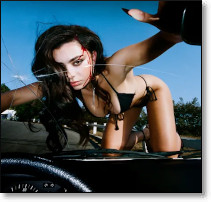
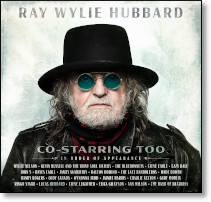
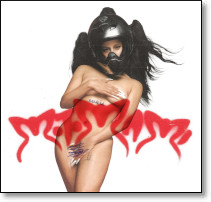
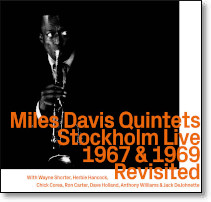
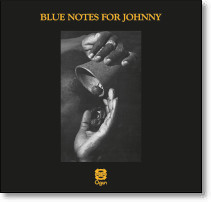
Music: Current count 37555 [37510] rated (+45), 125 [146] unrated (-21). Was expecting to have to make excuses for another rated count drop, but I wound up same as last week, with just one fewer A- grade. I had a lot of trouble thinking up records to look up. Then I hit on the idea of picking off records from the unrated list by looking for streaming copies instead of digging the physical discs from wherever they may be. Aside from 19 still pending new releases, the rest are things I once had physical copies of, including some old vinyl, but never got around to playing them. Over the years, I knocked that number down from a high of 975 to a low of 125, but it had crept up in recent weeks as the Spring promos came in. Unfortunately, there is very little else I can do that with. I also wound up slowing down for Charli XCX and Rosalía: neither was a slam dunk A- first (or second) time through, but not knowing where to go next, I gave them extra chances, and eventually decided they made the grade. Neither are in the upper half of my 2022 A-list, but even the top half feel rather tentative at the moment, but with 25 A- records at the moment, and B+ records divided 36-45-38, the new year list is shaping up nicely. Back when I was struggling with what to play next, it occurred to me that it would be easy to open up a metadata list, since I was already doing a tracking file. It's very sketchy at present, and I doubt I'll spend the time to bring it (let alone keep it) up to date. The main source so far is AOTY, working down their "highest rated" list and then branching off into various publication "highest rated" lists. Basically, albums get a point for each publication that gives it an 80+ rating, marked with an abbreviation:* (see legend). Thus far I'm accepting everything except for some metal specialists (Blabbermouth.net, Distorted Sound, Metal Hammer, Metal Injection, Metal Sucks; although some metal sneaks through, mostly covered by pubs that lean that way but aren't so exclusive, like Kerrang and Sputnik). To this I will add specialists in areas that don't get compiled by AOTY (I've already scrounged through Saving Country Music's reviews, looking for 1.75+ "guns up"; relatively high priorities include AAJ, FJC, and DownBeat). I've noted my grades (scored 0-5, from B to A/A+), but haven't fully loaded them. I'll add various personal lists as I see them (Phil Overeem, for sure), so I'm guilty of trying to skew this a bit towards what interests me. I expect to do a Book Roundup later this week. I have enough material now (40 blurbs + related lists + briefly noted), and close to enough to follow up before long. Hoping to avoid a Speaking of Which, although the world can be cruel and aggravating. For example, I listened to a Democracy Now interview with Alfred McCoy, who's one of the writers appearing regularly at TomDispatch, where he was droning on about how China and Russia are forming "a new world order" -- a common panic theme popular with the mandarins who dominate American foreign policy thinking (something he's supposed to be a critic of). Then I looked at Intelligencer, only to find two attacks directed at "the left," one by Jonathan Chait on education, the other by Eric Levitz on Ukraine. I agree with very little of what they're attacking, but can't help taking such slanders personally. But perhaps my time would be better spent working on the book outline? Or finally fixing my XSS problems? Or just figuring out the jigsaw puzzle? New records reviewed this week: Central Cee: 23 (2022, self-released): London rapper Oakley Caesar-Su, second mixtape, something called "UK drill" for its fast, staccato delivery. B+(***) Charli XCX: Crash (2022, Asylum): British pop star Charlotte Aitchison, fifth album, four singles, two with guest stars. Big production, in some ways the top of her game, but didn't quite click for me, until the delirious "You Don't Know Me" broke through. A- Curren$y & the Alchemist: Continuance (2022, Jet Life): Rapper Shante Franklin, many albums since 2009, some with producer Daniel Maman. B+(*) DJ 809: EightOh! (2022, self-released, EP): From New Jersey, seven short pieces, beats stripped down and popped up, with talkover (14:45). B+(*) [bc] DJ 809: Unexpected (2022, self-released, EP): Same cover art, three more tracks (8:25), all with "Club" in the title, two with "Beat," the other with "Remix." Runs a bit down. B [bc] Dave Douglas: Secular Psalms (2020-21 [2022], Greenleaf Music): Great trumpet player, hit-and-miss composer, was commissioned to write ten pieces "inspired by Jan van Eyck's Ghent Altarpiece, as well as music by 15-Century Flemish composer Guillaume Dufay." Libretto sung by Berlinde Deman in Ghent -- each musician was recorded separately; with Marta Warelis (piano), Frederik Leroux (guitar), Tomeka Reid (cello), and Lander Gyselinck (drums). Some great trumpet stuck into the mass. B+(*) [cd] [04-01] Bill Easley: Diversitonic (2022, Sunnyside): Tenor saxophonist, celebrating a 60-year career but doesn't have a lot of albums to show for it -- half-dozen albums under his own name, side credits with Jimmy McGriff, maybe twenty more. B+(**) Kelly Eisenhour: I Just Found Out About Love (2022, BluJazz): Standards singer, released a previous album in 2007, so not as prolific as her bio says. Recorded this at Capitol Records, which she found inspirational, but also give credit to the rhythm section (Jeff Hamilton, Tamir Hendelman, Christoph Luty), and to the songs. B+(**) [cd] Etran de L'Aïr: Agadez (2022, Sahel Sounds): Tuareg group from Agadez, in Niger, in the Saharan Dessert near the Aïr Mountains, a town of 100,000 which has launched a number of world renowned bands with fiery guitars and chanting choruses. Second album, not unlike the others, and every bit as exciting. A- [bc] Eubanks Evans Experience: EEE (2022, Imani): Duo, guitarist Kevin Eubanks and pianist Orrin Evans, both first appeared in the mid-1990s. Fairly quiet affair. B+(*) [cd] The Grace Fox Big Band: Eleven O Seven (2022, Next Level/Blue Collar): Young trumpet player, still a student at Manhattan School of Music, organized the all-female big band, wrote a couple pieces, arranged others. Sounds fairly conventional at first, but grows on you -- particularly the closer, a Janis Ian song, striking with vocals by Alexis Fox and a smashing sax solo by Sarah Hanahan. B+(**) [cd] Matt Hall: I Hope to My Never (2022, Summit): Trombonist, toured the country in the USMC Jazz Orchestra, studied with Jon Faddis, got a Masters degree at San Diego State, debut album, with Charlie Arbelaez on alto sax (wrote one song, to seven by Hall plus one standard). B+(*) [cd] Hippo Campus: LP3 (2022, Grand Jury): Indie band from St. Paul, third album since 2016 (plus two volumes of Demos). B+(**) Ray Wylie Hubbard: Co-Starring Too (2022, Big Machine): Alt-country singer-songwriter from Oklahoma, called his 1970s band the Cowboy Twinkies, didn't get my attention until 2010-17, with a string of four top-notch records (e.g., The Grifter's Hymnal). Slacked off with his 2020 Co-Starring, leaning on old friends and hangers on, a formula reprised here. But while he gets help, this isn't a duets showcase, and his songs are as tough and onery as any of late. A- Jenny Hval: Classic Objects (2022, 4AD): Norwegian singer-songwriter, started in a gothic metal band, recorded two albums as Rockettothesky, five now under her own name, one more as Lost Girls, plus has published three novels. Occurs to me she doesn't have an identifiable style or sound: she's a master of disguise, not that I know what these elaborate artifacts are meant to signify. B+(**) Eugenie Jones: Players (2021 [2022], Open Mic, 2CD): Jazz/r&b singer, writes most of her songs (10 of 15 here), the rest standards, with Nina Simone an outlier. Long list of notable musicians here, rotated in small groups. Would have fit on a single CD (69 minutes), but that's not how they do things these days. B+(**) Junglepussy: JP5000 (2022, No Label, EP): New York rapper Shayna McHayle, has a couple albums with titles like JP3 and JP4, framed this five track, 11:42 release as an offshoot. Nice flow, until it trickles out. B+(*) [sp] Xose Miguélez: Contradictio (2021 [2022], Origin): Tenor saxophonist, from Galicia in Spain, debut album in 2019, leads a quartet with piano (Jean-Michel Pilc), bass, and drums. Four originals, one by Pilc, one trad folk song, some standards, one called "Someday My Monk Will Come." B+(***) [cd] [03-18] Noah Preminger/Max Light: Songs We Love (2022, SteepleChase): Tenor saxophonist, mainstream, bunches of records since 2007. Light is a guitarist, has a trio album from 2018, appeared on several albums with Preminger, also with Jason Palmer and Kevin Sun. Sounds nice, but perhaps they love these songs too much (or maybe I just don't love them enough). B+(*) Rosalía: Motomami (2022, Columbia): Spanish pop star, third album, the previous one (El Mal Querer) topped the US Latin Pop chart and got a lot of good press here, but I wasn't taken with it. This one wasn't easy, and I still have a dozen or more spots that rub me the wrong way, plus the more general issue that I don't understand a word (not something that necessarily bothers me), but the odd beats and surrounding murk won me over. Enough surprises that this will show up on EOY lists (but probably not mine). A- Marta Sanchez: SAAM (Spanish American Art Museum) (2021 [2022], Whirlwind): Spanish pianist, based in New York, half dozen albums since 2008. Quintet with two saxophonists (Alex LoRe and Roman Filiu), bass, and drums, aside from one cut in the middle that adds Camila Meza (voice and guitar), Ambrose Akinmusire (trumpet), and Charlotte Greve (synths). I'm reminded of Monk, except where Monk would throw the odd note in to unbalance you, Sanchez keeps changing, twirling off-balance without falling down. A- [cd] Idit Shner & Mhondoro: Heat Wave (2021 [2022], OA2): Alto saxophonist, studied in Oklahoma City and at UNT, based in Oregon, sixth album since 2008. Mhondoro is "the lion spirit in Shona (Zimbabwe)." Group a sextet with piano, bass, drums, percussion, and mbira, with occasional vocals. B+(***) [cd] John Stowell/Dave Glenn & the Hawcaptak Quartet: Violin Memory (2018-20 [2022], Origin): Guitarist, many albums since 1977. Glenn is a trombonist, teaches in Walla Walla, has an album from 2009, presents a nice contract to the guitar and the string quartet. B+(*) [cd] Charlie Sutton: Trout Takes (2022, Chuckwagon, EP): Country singer-songwriter, learned his trout in northern Idaho, has a previous album with a fish on the cover, Primitive Songs for Modern Times. Eight songs, 25:14. B+(*) Recent reissues, compilations, and vault discoveries: Miles Davis Quintets: Stockholm Live 1967 & 1969 Revisited (1967-69 [2022], Ezz-Thetics): Two live sets on one 79:41 CD, the first with the legendary 1960s quintet (Wayne Shorter, Herbie Hancock, Ron Carter, Tony Williams) in top form, the second retaining Shorter but swapping in a younger and ultimately even more famous rhythm section (Chick Corea, Dave Holland, Jack DeJohnette) -- the latter a brief and somewhat uncomfortable feint toward the avant-garde, before Shorter left and Davis invented fusion. The Stockholm concerts were part of longer European tours, which Legacy compiled into terrific 3-CD boxes as the first two volumes of their Bootleg Series. So this is either redundant, or a perfectly fine introduction. A- [bc] The Detroit Escalator Co.: Soundtrack [313] + 6 (1996, Mental Groove/Musique Pour La Danse): Detroit techno producer Neil Ollivierra, started around 1988-89, seems to be his first album, reissued with six extra tracks. B+(***) [bc] Hal Galper Trio: Invitation to Openness: Live at Big Twio (2008 [2022], Origin): Piano-bass-drums trio, one more of many Galper has led since 1976. He's a terrific player, but it takes a bit more to make one of his albums stand out -- cf. Art-Work, another performance from the same year, but with Reggie Workman and Rashied Ali. B+(**) [cd] Vis-a-Vis: The Best of Vis-a-Vis in Congo Style (1976 [2021], We Are Busy Bodies): Group from Ghana, Discogs lists a fair number of records 1975-82. Despite title (could have been recorded earlier), this was the second, six pretty decent highlife tracks. B+(***) [bc] Old music: Blue Notes: Blue Notes for Mongezi (1975 [1976], Ogun): A tribute to the late trumpeter Mongezi Feza by his former bandmates -- Chris McGregor (piano), Dudu Pukwana (alto sax), Johnny Dyani (bass), Louis Moholo (drums) -- the group that brought township jive-based jazz to Europe as South Africa became impossible for an integrated group. I first noticed Feza in a Robert Wyatt album, a lovely feature, and soon fell in love with the irresistible groove of Pukwana's In the Townships. One long jam session cut into four LP sides (later expanded to fill 2-CD), with bit of source music wafting in and out. B+(***) [yt] Blue Notes: Blue Notes for Johnny (1987, Ogun): And then they were three, with the death of bassist Johnny Mbizo Dyani, leaving Dudu Pukwana (soprano/alto sax), Chris McGregor (piano), and Louis Moholo (drums). Not that a bassist woldn't help, but Dyani's pieces capture the South African groove, with plenty to build on. [PS: Digital adds three alternate takes.] A- [bc] Boston Camerta/Joel Cohen: Nueva España: Close Encounters in the New World 1590-1690 (1993, Erato): Boston-based early music ensemble, long directed by Cohen (1969-2008). Mostly a vocal group, not my thing, although it picks up a bit toward the end. B Betty Davis: Nasty Gal (1975, Island): Née Mabry, changed her name when she married Miles Davis (1968-69). Recorded some tracks for Columbia then, but they were shelved until 2016. She did finally get an album released in 1973. This was her third, and last -- at least until a 1976 album appeared in 2009. Funk, gritty enough to hope for a great album, but too inconsistent to achieve one. B+(**) Betty Davis: The Columbia Years 1968-1969 (1968-69 [2016], Columbia/Legacy): Unreleased demos, three from 1968 arranged by Hugh Masekela, the other six (total 31:04) produced by Miles Davis and Teo Macero, with credits that will raise some eyebrows (Herbie Hancock, Wayne Shorter, John McLaughlin, Larry Young, Mitch Mitchell) although they could be anyone here. B+(*) Carlos Franzetti/Allison Brewster Franzetti: Alborada (2011, Amapola): Argentine pianist, composer, has done Latin jazz and classical, and (especially) soundtracks. Shares headline here with his wife, another pianist, their work backed by bass (Robert Balzar), drums (Jiri Slavicek), and the City of Prague Philharmonic, adding lushness to the drama.. B Waylon Jennings: A Man Called Hoss (1987, MCA): Country singer, lots of albums 1964-2012, so this autobiographical concept came in midway. Roger Murrah co-wrote the songs, which mostly do him proud. The annotation isn't a plus. B+(*) Jacob Merlin: Alchemy of Soul (2009, Backline): Keyboard player, from Portland, not sure how much more he's done, or what the credits on this one are: are the vocals his? All originals, funk rhythm, horn section. Loud and brassy, but not very memorable. B- Angela Strehli: Deja Blue (1998, House of Blues): Lubbock, Texas blues guitarist-singer, debut 1987, part of the trio that cut Dreams Come True in 1993, moved to California after that, recording a couple more albums, widely spaced after this one. B+(**) [yt] Okay Temiz: Drummer of Two Worlds (1980, Finnadar): Turkish percussionist, back cover has a picture of his instrument array, including some things he invented. In the 1970s, he moved to Sweden, where he played with Don Cherry, and in a trio with South Africans Johnny Dyani and Mongezi Feza. B+(***) Tronzo Trio: Roots (1994, Knitting Factory Works): Guitarist David Tronzo, from Rochester, developed a reputation in the mid-1990s playing jazz on slide guitar, took a job at Berklee in 2002, has recorded only occasionally since. Plays dobro as well as guitar, for a bit of bluegrass tone. Trio with Stomu Takeishi (bass) and Jeff Hirschfeld (drums) mostly, with Billy Martin (percussion) on two tracks, and producer Jimi Zhivago (dobro and guitar) on three. Mix of originals and eclectic covers. B+(**) [bc] Papa Wemba/Modogo Gian Franco Ferre Et L'Orchestra Viva La Musica: Le Jour J: Nouvelle Generation a Paris (1988, Sonodisc): Congolese star, a founder of Zaiko Langa Langa, went solo in 1974 and recorded dozens of albums, this short album (4 tracks, 27:29) one introducing singer Ferre, grooves like you'd expect. B+(**) [sp] Putte Wickman & Red Mitchell: The Very Thought of You (1987-88 [1988], Dragon): Swedish clarinet player (1924-2006), has a 10-inch album from 1949 but didn't really get going until 1966. Duets with the American bassist, who plays piano on three tracks. Standards. B+(**) Putte Wickman: Putte Wickman in Trombones (1992, Phontastic): The clarinetist is backed by four trombones and a rhythm section. B+(**) [sp] Putte Wickman & Ernie Wilkins Almost Big Band: Kinda Dukish (2004 [2005], Gazell): Recorded in Copenhagen, the clarinetist plus 12 others (4 saxes, 3 trumpets, 2 trombones) playing Wilkins' arrangements of Ellington tunes. B+(**) Christine Wodrascka/Ramon Lopez: Aux Portes Du Matin: Live at Instants Chavirés (2000 [2001], Leo): French pianist, 18 albums since 1994, this a duo with the drummer (also French, 25 albums since 1992). B+(**) Unpacking: Found in the mail last week:
Ask a question, or send a comment. Thursday, March 17, 2022 Speaking of WhichIn started to do a "Speaking of Which" back on March 6 (or a bit earlier), so that provides the first pieces below. I picked it up again on Tuesday, March 15. As I was trying to wrap it up on Thursday, March 17, I noticed a new piece by Eric Levitz: The Emerging Path to Peace in Ukraine. Levitz has provided some of the most useful reporting on the conflict, so I've cited him below, and in previous pieces. His comments on a possible security agreement are closely aligned with what Phyllis Bennis has discussed (also see Fred Kaplan, below). Disappointing to me is the seeming Ukraine intransigence on parting with Donbas and even Crimea. I'm convinced that Ukraine would be better off disowning them. (A more proper decision would be to allow them to vote, which would almost certainly give Crimea to Russia, but it's harder to be sure about Donbas -- which certainly leaned Russian up to 2014, but haven't fared so well since.) The following are some pieces that I read on Ukraine and care to note and/or comment on. I'm providing the dates because events are changing fast, although my selection of the piece implies continuing relevance. [02-28] Ted Galen Carpenter: Many Predicted NATO Expansion Would Lead to War. Those Warnings Were Ignored: Collects the more famous quotes, like Strobe Talbott ("Many Russians see Nato as a vestige of the cold war, inherently directed against their country") and George Kennan ("it is the beginning of a new cold war . . . Russians will gradually react quite adversely and it will affect their policies. I think it is a tragic mistake"). Carpenter concludes: "History will show that Washington's treatment of Russia in the decades following the demise of the Soviet Union was a policy blunder of epic proportions." [02-28] Fred Kaplan: No, You're Not Imagining It: Russia's Army Is Inept. I'm not seeing much detailed reporting on the actual fighting, and don't really have the perverse interest anyway, but links to and sums up a fair amount. What is clear from looking at the maps almost daily over three weeks is that the Russian offensive stalled at the big cities of Kharkiv and Kyiv (and even bypassed the much smaller Chernihiv), which probably reflects a fear of getting stuck in an urban guerrilla trap. You may recall that the US sent heavily armored convoys into Baghdad to gauge the resistance before they claimed the city. Russia hasn't got that close yet. Kaplan also speculates that as its ineptitude sinks in, Russia will try to compensate by increased bombing "for destruction's sake," as Russia did in Chechnya "when its officers feel frustrated." That we've seen. Kaplan has continued to report and offer thoughtful comments:
[03-02] Moustafa Bayoumi: They are 'civilised' and 'look like us': the racist coverage of Ukraine: I can't deny that racial prejudice has an effect on how Europeans and Americans respond to the atrocities of war, but the main reason the US and EU are responding so attentively to Ukraine is that Russian aggression fits our preferred political narrative, one that is readily and happily repeated by our political and military figures. The US invasion of Iraq in 2003 was very similar to Russia in Ukraine now, yet there was little outpouring of support for Iraqi refugees, let alone efforts to financially cripple the US war machine. The one place where race may be having a big impact is that far-right parties haven't yet rallied to exclude Ukrainian refugees, despite directing a great deal of bigotry against East Europeans in the past. [03-02] John Feffer: No Pasaran: Ukraine 2022: I've resisted linking to Feffer, less because I disagree than because he seems so predictable. Still, I found this analogy amusing: "Vladimir Putin is the Franco of today, and Ukraine must become the graveyard of Putinism." Sure, it's cliché, but he makes a fairly good case for Putin as "the contemporary face of fascism," and for you "antifa" types Ukraine offers a venue to get your feet wet and your hands bloody, without much more than the usual risk. And while I don't regard Putin as anywhere near the threat that Hitler was -- if you want an apples-to-apples comparison, compare the two invasions of Ukraine -- no doubt Putin's a bad dude who deserves to be taken down a notch or two. Still, I don't see his call for a "new internationalism" working elsewhere. Feffer also wrote [03-09]: Why Ukraine Matters. [03-02] Eric Levitz: The War in Ukraine Looks Unwinnable (for Everyone). I didn't ever think it looked winnable. Russia can wreak a lot of destruction, but doing so only drives most Ukrainians more implacably against them. At most they can conquer a wasteland, at immeasurable cost not just to Ukraine but to their own souls. Why Putin ever thought otherwise is hard to grasp. It may just be that he had been lucky in war before (in Chechnya, in Georgia, in Syria) so he figured his run will last. As Napoleon and Hitler can attest, luck lasts only until it runs out. And surely Putin knows enough Russian history to realize that those defeats weren't because Russian were inherently superior fighters, but because they were defending their home turf. Putin's not doing that in Ukraine (even if he's trying to convince himself otherwise). The bigger problem is likely to be that once Russia withdraws and Putin is humiliated, the assholes in and around NATO that did so much to pave the way for this war will start taking victory laps, claiming credit for the people who suffered and resisted this madness -- the very people they so callously put in harm's way. And as they do so, they'll make sure we forget the true lessons of this war -- as they have done in all the other wars (Korea, Vietnam, Afghanistan, Iraq) they've botched and left as open sores. Levitz returned to this in [03-04]: Putin's War Looks Increasingly Insane. I wouldn't put much stock in the armchair psychiatry, but the piece recaps the list of Putin's previous military "successes" and how they fall short here. [03-02] Ezra Klein: Biden Has the Right Idea, but the Wrong Words: On the State of the Union speech, with his resolution to fight (up to a point) for Ukraine. [03-03] Eric Levitz: Is America to Blame for Russia's War in Ukraine? Yes, in three ways. The first is that after 1945 the US developed an arrogant conceit that this was "our century" and that as the biggest economy and richest nation in the world were were entitled to set the rules by which everyone else would have to live. This conceit was relatively tolerable back when we were a progressive, relatively equitable and generous country, but that image became increasingly tarnished over the years. Still, with the collapse of communism in the Soviet Union, America's ego got a shot of adrenaline that made us increasingly insufferable (for examples, see Global War on Terrorism). Second, we made no effort to ameliorate the immense suffering caused by economic collapse as Russia and its former clients attempted to transition to capitalist economies. This was largely because we had forgotten the great truth learned so hard from the Great Depression: that capitalism only works within regulation by a state that has the public welfare in mind. Third, instead of developing international institutions that could be used to build broad consensus on problems like arms and climate, the US only went with organizations that it could run to its own taste, like NATO -- organizations that were design to divide and exclude parts of the world beyond our control. Still, it took about 20 years before NATO and Russia were irreconciliably at loggerheads, and the US made scant effort to repair the damage. None of this excuses Putin from the specific decision to send troops into Ukraine. While it's not clear how Putin could have changed the historical context, he certainly could have opted for some other diplomatic approach, and claimed some measure of moral high ground in doing so. So, yeah, he is the culpable party. But we shouldn't allow his guilt to distract from the deeper critique. [03-03] Sarah Jones: Russia Tests the American Left. "What's so hard about condemning Vladimir Putin?" Nothing, really. Even leftists who still feel a strong sense of international solidarity (which certainly isn't as prevalent as it used to be) will, if they know anything but US propaganda attacks on Putin, recognize him as a nationalist, right-wing foe, not just of America but of the working class in Russia and around the world. What is hard is backing down from a principled critique of US foreign policy which has only been proven more prescient by recent events. Expansion of NATO and the increasing sanction of Russia, both of the state and of its prominent (and presumably influential) oligarchs, must be regarded as proximate causes of the crisis that led to the invasion. Same for the propaganda war and the often clandestine efforts by any number of western parties to realign Ukraine against Russia's economic interests. On the other hand, Russia did make its own clandestine moves to foment civil war in Ukraine, leading to the annexation of Crimea and the "illegal" but de facto separation of the Donbas region -- which have done as much or more than western entreaties to drive a wedge between Russia and Ukraine. And most importantly, Russia did invade, a decision that is impossible to defend, or even rationalize. And in invading, Putin has done something that US propaganda has never been able to do, which is to grant NATO a justification, one that we will be stuck with well into the future. Still, the left's anti-NATO stance was never predicated on allowing Russia to build up arms and threaten and subvert others. It was always tied to multilateral disarmament and the development of international institutions and laws that would peaceably resolve conflicts. Once this crisis abates, that we'll need to recognize that left critique as the path forward. [03-03] Ben Jacobs: Was Ted Cruz Right About Russia? "He spent years fighting Putin's prized pipeline." Let's face it, Ted Cruz is never right about anything. He's been a loyal servant of the Texas oil industry, which is all you need to know about his efforts to exclude Russian gas from European markets, securing more profits for his sponsors. I doing so, all he has done is increase Russia's paranoia about American intentions, while preventing an economic trade bond that might have helped integrate Russia more peaceably into the world trade system. [03-04] Jeffrey St. Clair: Roaming Charges: Hate and War, It's the Currency: Cue Clash video for the title. Usual set of ramblings, some memorable:
[03-04] Jack Watling: Russia's callousness towards its own soldiers is undermining its combat power. I'm not sure this is right. Stalin's callousness was off the charts, yet Russians fought bravely and tenaciously against Nazi Germany, even though they suffered immensely. On the other hand, they had reason to fight, whereas Russian soldiers in Afghanistan and Chechnya (at least in the First Chechen War) found little reason to risk their lives. The US gave up on trying to field a conscript army after Vietnam, but Russia still has a lot of conscripts in Ukraine. [03-04] Masha Gessen: The War That Russians Do Not See: As is usually the case, Putin is fighting his war on two fronts: in Ukraine, as you know, and at home, for the support of his own people. State-controlled media is key to that effort. [03-04] Glenn S Gerstell: I've Dealt With Foreign Cyberattacks. America Isn't Ready for What's Coming. I'm not sure I'm right on this, but two weeks later we don't seem to have seen much cyberwarfare, on either side, so maybe there is a sense of deterrence, or maybe the stakes just aren't all that promising. For an update, see [03-14] Matt Stieb: Why Have Russian Hackers Been So Quiet? [03-05] Ellen Ioanes: Russia is deploying brutal siege tactics in Ukraine: I'm not sure the narrow definition of siege applies here: back in the Middle Ages and before, cities were often fortified, and sieges aimed at breaking down those fortifications, so the attacking army could invade cities and take over. At least that's what I think of when I hear the word, and Russia isn't doing that. I suspect that the reason is that the psychological plus of capturing a city isn't worth the risk of getting stuck in a hostile confinement. On the other hand, I've used a broader definition of siege myself; e.g., to describe Israel's wanton shelling and bombing of Gaza. I suppose the fact that Gaza is surrounded by walls legitimizes the word, but the walls of Gaza weren't meant to defend against invasion. They were built by Israel to keep the Gazans penned in. The only real historical precedent for this is the Warsaw Ghetto, constructed by Nazi Germany in 1939 to detain Jews until the Nazis got around to slaughtering them later. What Russia is doing is different, but not much: they're camping outside of cities, then shelling and bombing them. Unclear whether they mean to kill them all, drive most away, or just see it as sport. Any way you slice it, the "brutal" is an understatement. [03-07] Branko Marcetic: The Orwellian Attacks on Critics of NATO Policy Must Stop. Every time someone gins up a war, their first target isn't the other party; it's dissenters at home. Many people would like to think that war is above politics, but there's very little about war that isn't political -- perhaps the distribution of pain and tragedy. Marcetic recalls the days after 9/11, as do I. If I'm less bothered now, it's probably because the history of NATO provocation seems to be better understood than the "chickens come home to roost" critique of US's Cold War sponsorship of Al-Qaeda and other mujaheddin. But also, we all take heart in Russia's fledgling antiwar movement. Moreover, if you look at serious proposals for a negotiated end to the war -- and given Russia's nuclear depth that's the only thinkable option (note word choice) -- they all start with an understanding of how this all started with NATO expansion (e.g., see Kaplan, below, and Lieven, op. cit.). So while the kneejerk option is to double down on NATO, we need to resist that temptation. A good start would be to tamper down on the crazy talk. Putin is way too crazy already. [03-09] Phyllis Bennis: Diplomacy, not war, is the way to help. [03-09] Ben Walsh: The unprecedented American sanctions on Russia, explained: One estimate here is that "Russia's economy will shrink 35 percent in the second quarter of 2022 and 7 percent for the entire year." You can view that as a lot, or as not so much. My takeaway from this is that sanctions, even if imposed urgently, work slowly and gradually, which gives target countries time and reason to adjust. The track record of sanctions in past conflicts is decidedly mixed, and only rarely effective. (Perhaps the worst case example so far is the US ban on oil and metal sales to Japan, which the Japanese responded to at Pearl Harbor.) Also see: [03-07] Robin Wright: Why Sanctions Too Often Fail. [03-11] Keith Gessen: Was it inevitable? A Short history of Russia's war on Ukraine. Pretty good background piece on the conflict. [03-11] Alec MacGillis: How Putin's Invasion of Ukraine Upended Germany: "In the wake of Russia's attack, Germany has reoriented its energy policy and committed to dramatic military expansion for the first time since the Cold War." I'm old enough that any hint of German re-armament brings a twinge, but I suspect their pledge to spend an extra 100 billion Euros is mostly their way of saluting the Americans and NATO, in a way that doesn't really hurt all that much. And if they spend much of that, as promised, on the F-35 albatross, they will have made friends with Lockheed without really threatening anyone. The bigger issue is what to do about losing access to Russian gas. It probably means they will stick with nuclear longer than they wanted to. [03-13] Ellen Ioanes: Why the US scrapped Polish plans to give Ukraine fighter jets. [03-13] Zack Beauchamp: Could Putin actually fall? A lot of poorly grounded speculation here, largely based on mere wishes, like this from David Rothkopf: "Vladimir Putin's attack on Ukraine will result in the downfall of him and his friends." If history is just, of course, but how can you count on that? Worse still is when the wish turns into a threat, as when Sen. Lindsey Graham (R-SC) says: "The only way this ends is for somebody in Russia to take this guy out." Almost makes you think he doesn't want it to end. The problem with this kind of thinking is that it's about a million times easier to get Putin to agree to a deal that leaves Putin in power without further disgrace than it is to insist that Russia also give us his head on a platter. That's why I worry when Americans try to paint him as a fount of evil. It's not because it might hurt his feelings (for all I know, he might take it as a compliment). It's because those terms lock us into a mindset that makes it harder to find compromises and seal the deal. As for speculating about odds, Graham's plea to the military to act is almost certain not to work. Much more likely is that Kremlin insiders will quietly usher him into retirement, as he did Yeltsin. They may even let him serve out his term, and thank him for his service. One thing we should know by now is that totalitarianism is never as total as it's cracked up to be. A "strong man" like Putin needs a lot of hench men and cronies, and when he fucks up, as Putin has done, he starts to lose that aura of invincibility. But that's longer term. Right now, you need to cut a deal with him. [03-13] Stephen Kinzer: Assassinating Putin Won't Work. It Never Has for America. Includes the line before the Lindsey Graham line I made fund of above, and it's even more insane: "Is there a Brutus in Russia? Is there a more successful Colonel Stauffenberg in the Russian military?" Kinzer has written about these plots in the past, and includes a few here I was unfamiliar with, as well as many I've heard about. Some (not many) hit their target. None accomplished their erstwhile goal. [03-14] Kevin T Dugan: Goldman Sachs CEO Says Ostracizing Russia Isn't the Finance Industry's Job: There's a guy who puts his mouth where his money is. Dana Milbank has a list of companies that are dragging their feet on disengaging from Russia: Zelensky says 'peace is more important than profit.' Koch Industries disagrees. [03-15] Ariel Petrovics: NATO's restraint has made things worse for Russia in Ukraine: "The absence of US and allied forces in the conflict has highlighted that Putin is his own worst enemy." [03-15] Patrick Cockburn: Demonizing Russia Risks Making Compromise Impossible, and Prolonging the War: Same thing can be said for demonizing Putin, which is the more prominent focus at the moment. "The problem is that the hatreds generated by war gain momentum during the conflict and do not have a reverse emotional gear." Cockburn also wrote [03-14]: Putin Has Grossly Overplayed His HAnd, but NATO Could Be Making the Same Mistake as It Senses It's Winning. [03-15] David Ignatius: The best peace plan for Ukraine is military support: Link above is to Paul Woodward's Attention to the Unseen, which includes links to a couple more pieces. Besides, Ignatius is one of the geniuses who brought you the War on Terror. I don't know why anyone invites him to write in public anymore, but here he is, eager as ever to defend freedom by fighting to the last dead Ukrainian (or Iraqi or Afghan or fill in the blank). AJ Muste is still right that the way to peace is peace. The notion that peace comes from strength, that we have to always stand our gound and never show compassion or anything that could be interpreted as weakness, that mindset is a big part of why we find ourselves in this predicament. That said, if Americans want to send anti-tank, anti-aircraft, and small arms to Ukraine -- weapons that can be used to make Putin's troops feel some of the pain they're inflicting -- that's far from the worst thing they could do. Maybe it even nudges Putin a bit toward a settlement, but the only viable ending will come not from who holds the upper hand on the battlefield, but when both sides give up their fantasies and try to agree on the right thing. There's scant evidence of that realization in Ignatius or the others here. Their preferred scenario is to fuel a long-term guerrilla war against Russian occupation. They'd be quite happy to turn Ukraine into a multi-generational wasteland, like they did to Afghanistan. By the way, Ignatius's [03-17] piece suggests that he's beginning to get cold feet: Watching Russia's military failures is exhilarating. But a cornered Putin is dangerous. One thing he finally realizes is that no matter how much he enjoys kicking Putin when he's down, "Zelensky's allies should also be thinking about how to put the pieces back together when this war ends." I'll add that while the US did a half way decent job of rehabilitating Germany and Japan after WWII, the US has an absolutely dismal record of addressing postwar reconciliation ever since. (Two more recent examples: the US claimed most Afghan foreign reserves for possible payout to 9/11 victims; Afghanistan is being forced to close its US embassy and consulates, for lack of expense money. Nobody's saying we have to like the Taliban, but we do owe the Afghan people a certain measure of respect, and to do that you have to go through their de facto leaders.) [03-15] Anatol Lieven: What Zelensky will say to Congress and how the US should respond: The Ukraine president is schedule to address Congress on Wednesday. Presumably he'll say much of what he's been saying in public over the last 2-3 weeks, ranging from "give us more arms" to "impose a no-fly zone." Congress, as usual, will be sympathetically hawkish, so he'll get a lot of applause. Or maybe he'll trim his message back a bit to stay within Biden's guildelines (yes on some weapons, but no on others, including that no-fly zone). Just because Netanyahu can speak to Congress over and against the President doesn't mean it's a good idea. The article makes a reference to "a shameful history going back to Georgia in 2008 of Americans making quasi-promises of military aid that they had no real intention of ever fulfilling," which feels tacked on but was scooped up for the subhed. It really needs to be qualified carefully, because the implication here is to turn it into a Munich appeasement lesson. The underlying dynamic is similar -- Russia encouraging former SSRs to break up into smaller ethnic enclaves, some of which would turn to Russia for help -- but the conflicts themselves are vastly different. In 2008, Russia intervened in Georgia to stop a Georgian military operation to take back two breakaway provinces. Russia stopped the advance, then withdrew, leaving Abkhazia and South Ossetia quasi-independent. The Russian invasion of Ukraine also involves breakaway provinces (Donetsk and Luhansk, and one might add Crimea), but the focus of the Russian invasion is the rest of Ukraine. Lieven has generally been a good, level-headed reporter, but I'm confused here. Some other recent pieces:
[03-16] Benjamin Hart: Zelenskyy Invokes Pearl Harbor and 9/11 in Impassioned Speech to Congress. Much as he parrotted Churchill in his address to the UK Parliament, you gotta admit he knows how to read a room, and play into its prejudices. He repeated his plea for a "no-fly zone," which he knew Biden and the rest of NATO had pointedly ruled out, but how better to fish for other concessions? The US response was: Pentagon dials up size, scope of Ukrainian military aid. Now, the Washington Post is marveling: Outmatched in military might, Ukraine has excelled in the information war. [03-16] Barbara Garson: Volodymyr Zelensky Is Not a Comedian -- and That's No Joke: A "belated review" of his TV show, Servant of the People. Life may imitate art, but it was funnier when it was just art. Some other pieces of interest, way short of a systematic survey: [01-31] John McPhee: Tabula Rasa: Volume Three: working toward a book on the books he never got around to writing. [02-24] Jane Mayer: Why Does New York's Criminal Investigation of Donald Trump Appear All but Over? Two prosecutors resigned when not allowed to proceed further. On the other hand, others are more convinced than ever that a case should go forward: [03-16] Laurence H Tribe/Dennis Aftergut: The evidence is clear: it's time to prosecute Donald Trump. [02-28] David Dayen: Larry Summers Shares the Blame for Inflation: And not for "warning that government spending could increase inflation" (which is a standard bugaboo against all spending you don't like; funny how stuff you want, like a war or a Wall Street bailout, never raises any red flags). [03-08] James North: What the New Democrats' Mistakes Taught Us About Fighting Inequality: Review of Lily Geismer's book Left Behind: The Democrats' Failed Attempt to Solve Inequality. I noticed this book in my recent trawling, and thought: "what attempt?" So now I know a bit more, especially about the Clintons' fascination with "microfinance" -- you may recall that Muhammad Yunus won a Nobel Prize for his work on this in Bangladesh. Not so much that it was a bad idea, but it never raised enough money to work, and the pilot projects got wiped out in the recession that followed Clinton's repeal of Carter-Glass. Some other stories here were also attempt to use market dynamics for the public good: charter schools, public/private partnerships, welfare "reform." On the other hand, Clinton's schemes to help make the rich worked fabulously. The result was a huge inequality. [03-09] Zach Montellaro: GOP pushes for an 'earthquake in American electoral power': "Conservatives are promoting the "independent legislature" theory, which would hand vast election powers to GOP legislators in battleground states." [03-09] Jessica J Lee: Hawkish Yoon wins in Seoul, posing challenges for Taiwan, North Korea policy. Always bad news when a country shifts politically to the right, although this piece doesn't bother explaining why. We had an opportunity to finally end the Korean War with Moon Jae-in in office, but it was wasted by saboteurs John Bolton and Mike Pompeo, while a befuddled Donald Trump looked on. [03-10] Peter Beinart: The US supports illegal annexations by Israel and Morocco. Why the hypocrisy? Pace the subhed, America has long felt free to "pick and choose when to follow international law." The recent resolution calling on the ICC -- an organization the US has pointed refused to join and has repeatedly condemned for investigating Israel -- to investigate Russian war crimes couldn't be clearer on that point. Double standards are the prerogative of the self-anointed "essential nation" (you know, "the last best hope"). Beinart also notes: Russia dehumanizes Ukrainians in strikingly similar ways that Israel dehumanizes Palestinians. [03-10] Eli Clifton: Mike Pence flies to Israel on Miriam Adelson's private jet. Sheldon Adelson's widow continues her late husband's role as a major financial kingpin in the Republican and Likud parties, a game Pence is only too willing to play. [03-12] Nathan J Robinson: The Great American World War II Story: One of the great tragedies of American history is that, after struggling through the Great Depression, most Americans came out of WWII feeling really good about the war and themselves. Sure, mostly those were Americans who never got close to the front lines (which was true of most Americans), but it left the country with an overweening sense of its own superiority. And thanks to the gift of selective memory, that sense only grew over the next half-century, peaking with Tom Brokaw's The Greatest Generation in 1998. When Bush was plotting the invasion of Iraq in 2003, pundits fell all over themselves to make analogies not to Vietnam (a people who fought to free itself from the empires of France and Japan, then America) but to the war we won, WWII. (John Dower's dissent from back then is still worth reading: Occupations and Empires: Why Iraq Is Not Japan.) Robinson's piece offers a tour of the US National WWII Museum, but speaks more about how our selective memory of past wars condemns us to repeat them. [03-13] Teresa Ghilarducci: Inflation Stings Most If You Earn Less Than $300K. Here's How to Deal. Today's prize for the most gallingly obvious headline. Goes on: "Coping with inflation could mean drastic actions or small ones." Points out that those making $19K or less spend 15% of their income on food, a share which drops significantly with increasing income. [03-13] Eric Levitz: Here's How Biden Can Lower Gas Prices. Fairly good explanation of how the Ukraine war is driving oil prices up (although I wouldn't be surprised to find that financial speculation is playing a much larger role). Ideas to bring prices down seem reasonable, although they don't include the obvious one of allowing Iranian and Venezuelan oil back on the world market -- something I approve of not so much because I'm all that keen on lowering prices as because doing so would correct some major problems with US foreign policy. By the way, explaining gas prices, here's Paul Krugman: Lies, Damned Lies and Gasoline Prices. [PS: Also see the chart accompanying this tweet, which shows gas prices rising with the price of crude oil, then staying high as crude oil prices have since dropped. With the war in the news every day, people think gas is in short supply, and the oil companies are taking advantage of that.] [03-13] Ed Kilgore: Tom Cotton's Idea of Law and Order: Andrew Jackson Massacring Fugitive Slaves. A prime example of how Republicans abuse history to reinforce their own myths, rather than trying to understand what actually happened. By the way, I also don't care for how some people, concerned with the need to oppose racism, try to dishonor and reject Jackson and Jefferson, while lionizing elitists like the Adamses and a martinet like Hamilton, just because they held less embarrassing views of slavery. I've found that looking for saints in history is a fool's mission. But there's no reason you can't acknowledge a good idea or a noble sentiment when you find one, even in an unexpected place. [03-14] Stephanie McCrummen: 'Gutted': What happened when a Georgia elections office was targeted for takeover by those who claim the 2020 election was a fraud. [03-14] Jason Ditz: 49 Republican Senators Will Oppose Iran Nuclear Deal: This came shortly after Russia blocked the JCPOA, which had been reported as close to settled, by insisting on exemptions from sanctions. (See [03-11] Trita Parsi: Already fragile JCPOA talks 'paused' over Russian demands.) More recent news reports are unclear on the prospects. Israel, of course, is opposed to the any, which is good enough for Republicans (who don't dare criticize their "ally" for abstaining from condemning the Russian invasion at the UN). You may recall that the deal was negotiated by Obama after years of Israel hysterically complaining about the threat of Iran developing nuclear weapons (complete with 20 years of 5-to-1 year schedule predictions). Obama realized that the only way to actually keep Iran from developing nuclear weapons (assuming they wanted to) was to get an agreement that would put inspectors on site, which is what he did. Israel, in turn, opposed the deal: not clear what they did want, but they certainly weren't worried about Iranian nuclear weapons. [03-15] Nitish Pahwa: Why Absolutely Nothing Republicans Are Saying About Gas Prices Makes Sense: That's a section head, catchier than the "Joe Biden Didn't Do This" title. Next section: "Oil Companies Are Actually Just Trying to Pad Their Profits." At this point I'm more suspicious of financial speculators, who jumped out ahead of whatever shortages may be coming. [03-15] David Dayen: A Windfall Profits Tax Would Be an Inflation Rebate: When the global price of oil increases, those people already pumping and selling oil get the extra profit of the price rise, with no additional work or value added. We recognized this in the oil crunch of 1973, and passed a windfall tax. Why not now? [03-15] Ian Millhiser: The constitutional problem with Florida's "Don't Say Gay" bill. Looks to me like there are several. One has to do with vagueness, which forces teachers to guess what wording is and is not allowed. Another has to do with allowing parents to enforce it through civil suits (an approach pioneered by the recent Texas anti-abortion bill). This deputizes the "most prudish parents" (also the craziest), virtually guaranteeing a tsunami of frivolous lawsuits teachers and school boards will have to defend against. This law is typical of the thought control planks in Rick Scott's campaign platform, showing how they are meant to terrify teachers. A Supreme Court that respected basic constitutional rights would never let this law stand, but a 6-3 majority of Federalist Society hacks just might. [03-15] Jane Mayer: Sarah Bloom Raskin Withdraws Her Nomination to the Federal Reserve Board: Score one for the oil, gas, and coal industries, with their magic bullet, Joe Manchin. I don't know that she's any good (she "had wide support from the banking industry"), or what she might have been able to do at the Fed, but this does show you who has power. Mayer previously wrote: [03-02] How Fossil-Fuel Companies Are Stonewalling Sarah Bloom Raskin's Nomination to the Fed. Also see: Kate Aronoff: Why Joe Manchin Sank Sarah Bloom Raskin's Nomination. [03-15] Bess Levin: Idaho's Uniquely Evil Abortion Bill Gives Rapists Families a Say. [03-15] Third Way: The Red State Murder Problem: What do you suppose could account for "Trump-voting states account for 8 out of the 10 highest murder rates in 2020"? Guns? Poverty? Kulturkampf assholes? [03-15] Eric Levitz: Modern Capitalism Is Weirder Than You Think: "Three asset managers [BlackRock, Vanguard Group, and State Street] now collectively own a big chunk of nearly every corporation. As a result, capitalism no longer works as advertised." This leads to several points:
Ask a question, or send a comment. Monday, March 14, 2022 Music Week
Music: Current count 37510 [37465] rated (+45), 146 [149] unrated (-3). I wanted to close this off Sunday evening to get it out of the way, but yesterday's political post ran well into the evening, and I had had unpacking to do. I also had a programming task to do, and that (plus other errands) wiped out Monday afternoon, and into the evening. Don Malcolm requested the change: that I add A- albums to the A/A+ breakouts in the ratings database. He noted how rarely I used A/A+ in recent years, and argued that expanding the selection would be more useful. That made sense to me, and I figured it would be an easy change, but hadn't reckoned with the re-learning curve on a set of programs I originally hacked together 20+ years ago (mostly make and shell scripts, using awk and sed, but the biggest one is in C++, which I'm especially rusty in). And while the change turned out to be as simple as I expected (changing 14 to 13 in two places), I found other issues that needed attention:
One thing I noticed but didn't do anything about was the granularity of the files. I haven't, for instance, generated new files for rock or jazz after 2020. I've spent enough time today looking at the code that I have a pretty good idea how to do that, but still don't see the need. A better solution would be to move all of the data into a real database, which could then be sliced and diced as thin as one might desire. Big job, though. Moving on, another fairly large batch of new records this week, with the majority (34 of 41, so 83%) 2022 releases. A-list items are both numerous and diverse. One source was Robert Christgau's Consumer Guide. (Pleased to see Fimber Bravo and A Gift to Pops there -- records I stuck my neck out in touting. Also Big Thief, but everybody knew about that. I also gave an A- to Playboi Carti, over a year ago.) Other tips came from all over the place, or from nowhere at all. No time for a 2021 summary. I've done some minor maintenance on the usual lists, but I've gotten over spending any significant time on them. I'm thinking now I'll turn from this to do a fairly quick Speaking of Which (most, but not all, on Ukraine), then get back to working on a Book Roundup. Draft file for the latter has 32 books at the moment, plus 212 books in the scratch file (mostly unwritten), so I have enough for a post (maybe two: standard is 40 blurb notes + another 30-60 listings). Just finished Astra Taylor's first book, The People' Platform. I bought it several years ago on a friend's recommendation, but didn't pick it up until recently, after I read her second book, on democracy. One thing I'm impressed by is the breadth of her reading, and her ability to make connections between a wide range of sources. (My Book Roundups help me fake it, but give me a ballpark idea of what she's drawing on.) Like David Graeber, her politics developed out of Occupy Wall Street, but she strikes me as both more flexible and more innovative. I have a new collection by her, Remake the World: Essays, Reflections, Rebellions, so that's the obvious thing to pick up next. Still, the books exercise is suggesting a lot more I'd like to read. New records reviewed this week: 75 Dollar Bill: Live Ateliers Claus (2016-19 [2021], self-released): Saharan-influenced instrumental rock duo -- Rick Brown (percussion) and Che Chen (guitar) -- started around 2013, one of those artists who released a lot of live tapes during the pandemic, leaving us with too much material available, and no easy job of sorting out which albums are more valuable than others. This combines two sets, one a duo from 2016 (22:34), the other from 2019 (50:21, with Andrew Lafkas on bass). B+(**) [bc] Charlotte Adigéry & Bolis Pupul: Topical Dancer (2022, Deewee/Because Music): Born in France, grew up in Belgium, traces her ancestry back to Nigeria (Yoruba) via Martinique and Guadeloupe. First album, after a couple EPs and a "self-meditation" cassette. I know less about Pupul, other than that he's collaborated with her on singles, and has a couple of his own. Spare but danceable beats, words mostly in English, like: "Don't say 'we need to build a wall'/ Say, I'm a world citizen, I don't believe in borders" A- [sp] Melissa Aldana: 12 Stars (2021 [2022], Blue Note): Tenor saxophonist, from Chile, father a jazz saxophonist (Marcos Aldana), sixth album since 2010. Quintet with Lage Lund (guitar), Sullivan Fortner (piano), bass, and drums. Postbop, nice tone and flow. B+(***) Brandon Allen: The Stanley Turrentine Project (2022, Ubuntu Music): Tenor saxophonist, originally from Australia, based in London since 2000, has a previous Gene Ammons Project, also a Monk-oriented Mysterioso Quartet. Backed here by piano (Will Barry), bass (Conor Chaplin), and drums (Dave Ingamells). Song selection is a little corny ("Can't Buy Me Love," "Little Green Apples," "The Fool on the Hill"), but he powers through them, like T would do. B+(**) Benji.: Smile, You're Alive! (2021, SinceThe80s): Atlanta rapper, toured with EarthGang, joined Spillage Village in 2020, appearing on several tracks on their Spilligion album. Some sources co-credit Spillage Village here, but I only see Benji.'s name on the cover. B+(**) [sp] Tim Berne/Gregg Belisle-Chi: Mars (2021 [2022], Intakt): Alto sax and guitar duo, the latter having released a set of solo takes on Berne songs last year. B+(**) [sp] Mary J. Blige: Good Morning Gorgeous (2022, 300/Mary Jane Productions): Big star, thirty years past "What's the 411?"; five years since her last (13th) studio album. She's settling in nicely here, perhaps stronger than ever, less urgent, the few high points lifting an impeccable consistency. I doubt I've ever fully appreciated her before, as my only previous A- grade was for Herstory, Vol. 1, so this may not be her best ever, but it's the one that got me. A- Broken Hearts & Dirty Windows: Songs of John Prine (2021, Oh Boy): A year after Prine's Covid death brought forth a flood of eulogies that approached what he deserved, his label limps on with a small stable of good-but-not-Prine songwriters. So with another product shortfall, why not invite a second volume of tribute covers? Eleven years after Vol. 1, it's not like they're going to the well too often (though they probably won't stop until they do). And they did draw bigger and better names this time, without coming close to running out of songs. A- [sp] James Brown: Song Within the Story (2021 [2022[, NGP): Guitarist, from Toronto, fourth album, the last one Sevendaze in 2009 -- or so the hype sheet says. Searching for him is well nigh impossible, like trying to identify a small asteroid backlit by the sun. (Discogs has at least 83 James Browns and no Sevendaze. Google produced some results after adding "guitar" and "toronto" to the name.) Original material, with bass and drums, plus tenor sax (Mike Murley) on 3 (of 10) tracks. Respectable postbop, solid support, Murley's always a plus. B+(**) [cd] Caroline: Caroline (2022, Rough Trade): British post-rock group, first album, Casper Hughes plays guitar and sings. B [sp] CMAT: If My Wife New I'd Be Dead (2022, AWAL): Irish singer-songwriter Ciara Mary-Alice Thompson, first album. Strong singer, thinking about "Nashville" and cowboys. B+(***) [sp] Elvis Costello & the Imposters: The Boy Named If (2022, Capitol): Band name he's used since 2002, long-taken to mean "not the Attractions." Here, the opener ("Farewell, OK") sounds like a throwback to his youth, but soon enough he's orating again, albeit with a harder guitar edge ("Magnificent Hurt" is another example). So, yeah, better than he's been in quite some while (aside from Spanish Model, which recycled some of his best old songs en españnol, hot enough he called that group The Attractions). B+(*) Kit Downes/Petter Eldh/James Maddren: Vermillion (2021 [2022], ECM): Piano/bass/drums trio. British pianist has more than a dozen albums since 2009. Swedish bassist, based in Berlin, has a comparable discography, and wrote five originals here, as did Downes. Album closes with a Jimi Hendrix tune, "Castles Made of Sand." B+(*) Erin Rae: Lighten Up (2022, Good Memory): Last name McKaskie, singer-songwriter, third album, easy on the ears. B+(*) [sp] Julieta Eugenio: Jump (2021 [2022], Greenleaf Music): Tenor saxophonist, from Argentina, based in New York, first album, backed by bass (Matt Dwonszyk) and drums (Jonathan Barber). Eight originals, two standards, tone and phrasing remind me of Coleman Hawkins. A- [cd] Fanfare Ciocarlia: It Wasn't Hard to Love You (2021, Asphalt Tango): Romanian brass band, which probably means Romani [confirmed], formed in the late 1990s with albums in 1998 and 1999 (World Wide Wedding). Starts with a Bill Withers cover, strange enough to make you hungry for more, then lapses into more traditional fare: upbeat party music. A- Wolfgang Flür: Magazine 1 (2002, Cherry Red): Percussionist from classic German "krautrock" group Kraftwerk (1973-87), not a lot since then, but after Florian Schneider's 2020 death, he looks to reclaim the franchise sound. He does so, and rather humorously, helped by a series of guests like U96, Midge Ure, Carl Cox, and Juan Atkins. B+(***) Keeley Forsyth: Limbs (2022, The Leaf Label): British singer-songwriter, better known as an actor before her 2019 debut album. Slow, overdramatic, again. B [sp] Foxes: The Kick (2022, PIAS): British dance pop singer-songwriter Louisa Rose Allen, third album. Sounds a bit like Madonna, except for a shortfall of hit songs. B+(*) Satoko Fujii & Joe Fonda: Thread of Light (2021 [2022], FSR): Piano and bass duo, latter also plays cello and flute. They've played together before (I'd be hard pressed to count the times, but at least 5 times), and each has well over 50 albums with others (many notable). B+(***) [cd] Tomas Fujiwara's Triple Double: March (2019 [2022], Firehouse 12): Drummer, an Anthony Braxton student, runs the Firehouse 12 club and label in New Haven. Second album for his Triple Double group: two each trumpets (Ralph Alessi and Taylor Ho Bynum, latter on cornet), guitars (Mary Halvorson and Brandon Seabrook), and drums (Fujiwara and Gerald Cleaver). Some tremendous talent here, a little rough to start out, with both the horn and guitar jousts fast and furious. Ends with a long and remarkable drum duo, dedicated to Alan Dawson, the patron saint of New England drummers. A- [cd] Gordon Grdina's Haram With Marc Ribot: Night's Quietest Hour (2022, Attaboygirl): Guitarist from Vancouver, also plays oud (exclusively here, with Ribot on guitar). He's often incorporated Arabic elements into his music, but dives deep here, with a large group of mostly Canadian luminaries playing a mix of Arabic (ney, riq, darbuka) and jazz instruments (sax, clarinet, trumpet, two violins). Extended jams on five more/less trad Arabic songs, with vocals by Emad Armoush. B+(***) [cd] Gordon Grdina: The Music of Tim Berne: Oddly Enough (2022, Attaboygirl): Compositions by Berne, played solo by Grdina on his range of instruments: electric/midi guitar, classical, acoustic, oud, and dobro. Interesting pieces and effects, although I'm not sure I'll ever be able to recognize Berne's compositions. B+(***) [cd] Imarhan: Aboogi (2022, City Slang): Saharan guitar band, Tuareg, from the Algerian side of the border with Mali and Niger, a groove that has repeatedly been embraced by westerners with no clue to the language. Third album. Strikes me as a bit muted, which may mean they're hoping you'll understand what they're saying, not just how they say it. B+(**) Calvin Johnson Jr.: Notes of a Native Son (2022, self-released): Saxophonist from New Orleans, plays soprano and tenor, opens with "I'm Walkin'" and "Summertime," some originals in the middle, closing with "Lift Every Voice and Sing." B+(*) [cd] Ryan Keberle Collectiv Do Brasil: Sonhos Da Esquina (2021 [2022], Alternate Side): Trombonist, this music grew out of 2017 and 2018 trips to Brazil (not clear when this was recorded). Quartet with Felipe Silveira (piano), Thiago Alves (bass), and Paulinho Vicente (drums). B+(**) [cd] [03-18] Rokia Koné & Jacknife Lee: Bamanan (2022, Real World): Singer-songwriter from Mali, nicknamed "the rose of Bamako," has appeared in Les Amazones d'Afrique, releases her debut album with co-credit to Irish producer Garret Lee. B+(***) [sp] Cate Le Bon: Pompeii (2022, Mexican Summer): Cate Timothy, singer-songwriter from Wales, sixth album since 2009, has recorded in Welsh as well as English. B+(*) [sp] Mark Lomax, II: Prismatic Reflections No. 1 (2021 [2022], CFG Multimedia): Drummer, based in Columbus, Ohio, impressed me on numerous occasions though I've always given much of the credit to saxophonist Edwin Bayard. But here he's alone, a whole album of drum solos. B+(***) [sp] Brandon Lopez/Ingrid Laubrock/Tom Rainey: No Es La Playa (2021 [2022], Intakt): Bass/sax/drums, reading cover clockwise from top. B+(***) [sp] Lump: Animal (2021, Chrysalis): British electropop duo, singer Laura Marling (who has 7 albums since 2008) and producer Mike Lindsay (of Tunng and Throws), second album, clever and comfortably appealing. B+(**) Myra Melford's Fire and Water Quintet: For the Love of Fire and Water (2021 [2022], RogueArt): Pianist, her 1990 debut was a Francis Davis Jazz Consumer Guide Pick Hit in 1990 (along with an Allen Lowe album, both unknown to me at the time but major figures ever since). Quintet brings together several recent alliances: Ingrid Laubrock (tenor/soprano sax), Mary Halvorson (guitar), Tomeka Reid (cello), Susie Ibarra (drums). B+(***) [cd] [04-01] Dolly Parton: Run, Rose, Run (2022, Butterfly): Title ties in to what's described as her first novel, for which she shares credit with James Patterson, who has written at least 200 since 1976 -- most, it appears, with co-authors, the most famous (and notorious) Bill Clinton. She did write all the songs this time (no Patterson credits there), a solid batch with prim neo-trad arrangements (lots of credits there). B+(**) Eric Person Featuring Houston Person: Blue Vision (2018 [2022], Distinction): Alto/soprano saxophonist, debut 1993, mainstream player, inevitably ran into the elder tenor saxophonist and hit it off (no relation). They play together on 4 (of 7) tracks here, in a quintet with Pete McCann (guitar), organ (Adam Klipple), and drums (Tony Jefferson). The other three tracks cut back to trio. B+(**) RXK Nephew: Slitherman Activated (2021, Towhead): Rapper from Rochester, aka RX Nephew, possibly Kristopher Kevon Williams, popped up around 2019 but exploded in 2021, reportedly releasing some 400 songs, yet still barely recognized (this album didn't make my EOY Aggregate, but another one did, barely: Crack Dreams, not in Discogs but several volumes of Crack Therapy are). Fast and feverish, hard to keep up. Not on the album is his 9:44 "American Tterroristt," which takes a rebelious instinct so far as to praise Trump -- a bit too far, I'd say. B+(**) Sevdaliza: Raving Dahlia (2022, Twisted Elegance, EP): Iranian singer-songwriter, based in Rotterdam, two previous albums, usually sings in English, backed with electronics. Six songs (one a remix), 26:08. B+(*) [sp] Sarah Shook & the Disarmers: Nightroamer (2022, Abeyance): Country-rock singer-songwriter with a working band, third album, I liked her debut on Bloodshot, but expected more. B+(**) Slum of Legs: Slum of Legs (2020, Spurge): From Brighton, UK, a "queer, feminist noise-pop DIY band," first album after a couple singles, made my 2020 tracking list, so not totally unheralded. Sextet, everyone credited with lots of things, but the basics: Tamsin (vocals), Mich (drums), Maria (violin), Kate (guitar), Emily (synths), Alex (bass guitar). The violin raises the texture, if not the spirit, above punk. A- Walter Smith III/Matthew Stevens/Kris Davis/Dave Holland/Terri Lyne Carrington: In Common III (2021 [2022], Whirlwind): Tenor saxophonist, third album in this series, all quintets, all with guitarist Stevens, the other spots shifting each time -- this piano/bass/drums combo easily the most famous. B+(**) Stromae: Multitude (2022, Mosaert): Belgian singer, rapper, and songwriter Paul van Haver, father Rwandan (Tutsi), third album, first two were bestsellers in Europe and Canada. Sings mostly in French. B+(**) Omri Ziegele Where's Africa: That Hat (2021 [2022], Intakt): Swiss saxophonist (alto, also plays nai), group named for a 2005 album with Irène Schweizer, since then he's used the name for several groups, including this trio with Yves Theiler (piano) and Dario Sisera (drums). The African interest shows in the rhythms, but also in the social feel, not least when Ziegele puts down his horn and sings. A- [sp] Old music: Brandon Allen: The Gene Ammons Project (2016, RT Jazz): Tenor saxophonist, has a new album called The Stanley Turrentine Project, the second in a likely series that starts here, with one of my favorites. B+(**) Broken Hearts & Dirty Windows: Songs of John Prine (2010, Oh Boy): Probably looked like stopgap product at the time: Prine was five years past Fair and Square, and six years shy of For Better, or Worse, with only a singalong with Mac Wiseman and In Person & on Stage in between. Maybe they figured he could use some reassurance of what a great songwriter he was. Still, the artist line up was so-so: starts with Justin Vernon, Conor Oberst, My Morning Jacket, Josh Ritter, Lambchop. More promising are Drive-By Truckers and Those Darlins, but I wouldn't say they deliver more. B+(**) Lump: Lump (2018, Dead Oceans): Short (7 tracks, 31:56, including audio credits) debut album from the duo of Laura Marling and Mike Lindsay. Ambient electronics, shaped around Marling's lyrics and voice. B+(*) Unpacking: Found in the mail last week:
Ask a question, or send a comment. Sunday, March 13, 2022 Speaking of Rick ScottFlorida Senator Rick Scott is chairman of the National Republican Senatorial Committee. A couple weeks ago he released a manifesto -- a policy agenda and an ideological justification -- defining what Republicans want to accomplish if they can win control of the Senate in 2022. Of perhaps I should say what they'd do if they had the power to do it, which will take more than a mere Senate majority. You can read about it here. (The full plan is here, hyperbolically titled An 11 Point Plan to Rescue America: What Americans Must Do to Save This Country.) I'm especially struck by the deep paranoia in the preamble:
Let's start by returning to basics. The political terms Left and Right came from the early days of the French Revolution. In the assembly, supporters of the monarchy and aristocracy sat on the right, while opponents -- the people who coined the slogan "liberty, equality, fraternity" -- sat on the left. Those labels stuck with us, because while titled aristocracy is pretty much a relic of the past, the right has adapted to defend hierarchy in whatever form (usually wealth), while the left, having liberated us from many forms of hierarchy (aristocracy, slavery, and to a large extent discrimination based on sex and/or race) continues to champion greater equality. Left and right is one of many axes that can be used to plot political tendencies, but it is especially important in times of great inequality, like ours. Politics is, after all, the practice of power, and power tends to follow (and in the hands of the right reinforce) inequities in wealth. There is some disagreement as to what equality means to the left: most agree on equal rights and treatment under laws that are decided in a democracy where every person has an equal vote, but not everyone would extend democracy to the workplace (aside from certain rights, like a minimum wage, and a right to join unions). And while most on the left support progressive taxation, only a few think it's possible to level incomes and savings. However, those differences rarely matter to those on the right, who see any limits on wealth or the prerogatives of the rich as an attack on all they hold dear (i.e., their perch in the hierarchy). And when you're as far to the right as Scott is, that puts most of America on the left. And while Scott is an outlier by historical standards, it should be recognized that he speaks for the majority of Senate Republicans, and as such for the majority of the Party. Sure, Scott makes a further qualification when he charges "the militant left," but that's an oxymoron -- in America at least, the left is profoundly anti-violence, action limited to dissenting speech, the occasional demonstration, and campaigning for votes -- using a term that is most often used posthumously to describe people killed by occupying forces (e.g., in Israel/Palestine, or by the US in Iraq and Afghanistan; I expect the Russians to follow suite in Ukraine). Scott's trying to add an air of menace to "the left," but his examples only show how far out he's perched on the right. Most corporations are well to the right of center -- they do, after all, control most of the nation's wealth. Sure, some marketers try to present themselves as anti-racist, which drives far-right culture warriors (like Scott) crazy -- cf. Vivek Ramaswamy's recent book, Woke, Inc., or Glenn Beck's hysterical The Great Reset: Joe Biden and the Rise of Twenty-First Century Fascism (sure, pun intended). And news media and Hollywood are companies too, their owners well up the wealth hierarchy. Academia is nominally non-profit, but easily swayed by rich donors, as is a government which reports more to donors and lobbyists than to the public. Also note that those supposedly left-controlled institutions all have pockets that are totally aligned with the far right, like Fox News, the Koch Network academies and "think tanks," the Federalist Society-selected 6-3 Supreme Court majority. But it's never enough, because the more they get, the more extreme they become. How extreme is indicated by the list of things they claim the left wants to "change or destroy" -- the implication is always destroy, as they dogmatically insist that any change is intent on destruction. As someone who's pretty far out on the left -- for a crude estimate of how far, I voted for Nader in 2000, so if the left is all D+G voters, I am at least in the leftmost 4.7%; I voted for Kerry over Nader (and several other leftist candidates) in 2004, so I'm not in the leftmost 1.0%; I explained that decision here -- I thought I'd go down this laundry list and see how menacing my own views are:
It bears repeating that Scott's list consists of a bunch of buzz phrases that have been tuned to elicit emotional responses from their followers, and possibly befuddlement from anyone not in on their jargon. Most are so anodyne you might think we have more common ground than is commonly supposed. On the other hand, Scott omits a long list of things we do want to change (or even, rarely, destroy -- one I can think of is the patent system, but most Democrats haven't figured that out yet, as they look for band-aid solutions to exorbitant drug prices). I wouldn't trust him to list them anyway, as he clearly has no grasp of who we are or what we believe. The introduction is followed by a page of bullet points meant to illustrate the dire threats facing America. They're short enough I can quote them (in bold, followed by my notes -- if missing, just assume I'm laughing, or aghast):
Remember, this is a list of what Republicans regard as the worst problems facing America: nothing about inequality, climate disasters, a globe-straddling military that constantly sucks us into wars and other conflicts, environmental degradation, predatory and monopolistic businesses, loss of labor rights, loss of privacy (including the right to make reproductive decisions), mass incarceration, racism (except as affects white people), inadequate health care, rising personal debt (mostly due to shortchanging education and health care), the growing assault on public health laws and workers, declining life expectancy. But if it sounds like all Scott is doing is complaining, read on to the "11 Points": Republicans have bad ideas too (some staggeringly so). In the following, the bold is quoted from the top-line summary, followed by brief comments, usually referring to the following details.
The preamble to the U.S. Constitution starts with a number of good reasons why the Founders felt that we needed a strong and honest federal government:
Given the vagaries of politics, that promise hasn't always been realized, but we have never before seen as systematic an assault on the founding principles of this nation as we see in Scott's 11 Steps. They're seeking to impose a thought control regime, from pre-school on, including the explicit banning of anything socialist or "woke." This will be enforced by police, who will not be held to account for any abuses of power or even lapses of judgment. They will undermine the ability of the government to regulate business and markets, destabilizing an economy that will shrink substantially as they eviscerate government, which will be hampered by shrinking trade, and which will likely collapse completely when the government is forced to default on its debts. The foreign policy planks are likely to plunge the US into further wars abroad, and while having a nation of morons armed to the gills may deter anyone else from invading here, it's likely to deteriorate into an even more gruesome civil war. And in all this "doom and gloom" I'm sure I'm skipping over other calamities (e.g., natural and manmade disasters caused by neglect to critical infrastructure and the hubristic ignorance over climate change). And somehow Scott thinks his plan is what it takes to "rescue America." More like finish it off. I used to joke that Newt Gingrich's famous 1994 publicist stunt should have been called "The Contract on America." But what Gingrich aimed for was pretty placid compared to the wrath and fury Scott seeks to unleash. And it's not that the Republican Party is all that much crazier now than it was back then. It's sobering to read how deranged its leading "thinkers" were in 1994, or even in 1980 when Reagan ran, or even in 1964 when Goldwater was nominated. What's changed isn't so much the Republicans as the ability of the nation to keep chugging along as they did their worst. That's harder to do now because the wounds and scars are mounting up. Yet somehow, Republicans seem to be able to escape scrutiny, let alone blame, for their many mistakes over the last 40+ years, and having gotten away with their act so far, they see no reason to change. They claim to have exclusive claim to patriotism and religion, even though there is no lack of Democrats with equal claims. They claim to represent business, even though business invariably grows more under Democrats. They claim to represent aggrieved workers, even though most of the problems workers have were brought on by Republicans. They talk about things like deficits and energy independence, even though the numbers are strictly opposed. They claim to be "color blind," but where's the evidence for that? They lie, they cheat, and they steal, yet the monied media never holds them accountable. So what's to stop them from doubling down and doing even worse? At least back when GW Bush was president (and Karl Rove was his "brain"), they tried to disguise their sinister plots (remember Healthy Forests?). Yet during the 40-year era from Reagan to Trump, they managed to change America a lot, in ways almost always for the worse, but in ways they wanted. Inequality is greater now than ever before. In the world, America is more loathed but also more feared than ever before. And even when they crashed the economy, it bounced back more profitable than ever for the very rich. And even when they blew trillions on wars that accomplished nothing, they kept building back their arsenal. So why are soldiers like Scott so miserable? Why do they sound so desperate? Won't they ever be satisfied? It seems: no. They're in it for the fight, so they're going to keep kicking no matter how badly they got you down. Like the scorpion, it's their nature. Reminds me of an old Mort Sahl joke. He explained that Charlton Heston once said he hopes that his children will some day live in a fascist America. Sahl added: "if he were more perceptive, he'd be a happy man." Ask a question, or send a comment. Monday, March 7, 2022 Music Week
Music: Current count 37465 [37418] rated (+47), 149 [144] unrated (+5). It normally takes most of a day from when I take a snapshot of the rated count the week's record list to when I've finished writing my piece and am ready to post it. During that day, I keep listening to new records, normally saving them for the next week, but seeing as how last week was the end of the month and for my purposes 2021, I was sorely tempted to fold any 2021 records into my frozen file. That convinced me to move on to 2022 releases, and I've pretty much kept that up all week (I wound up with 5 2021 releases below, several from December, plus one 2020 release in the new section, and a 2002 in the old). I was aided in this search by several Expert Witness posts, and I wound up taking a look at AOTY's top-rated 2022 albums. The result was a rare bonanza of exceptional records: in addition to the 10 A- albums, there's 12 more stuck at B+(***). Good chance a couple of those could benefit from more attention (also a fair chance that a couple might slide down a notch). I'm posting this Music Week earlier than usual because I want to get it done and out of the way. I expect to be indisposed for a few days, and hope that's it. My earlier thoughts about doing some sort of statistical survey of 2021 will have to wait. I can say that my 2021 release rated count comes to 1451. Not a record, but a pretty respectable number, and a good deal more than I expected early in 2021. I started to write a "Speaking of Which," mostly (but not all) on Ukraine, but didn't come close to getting it done. If you're curious, the draft is in the notebook. Perhaps I'll pick it up again later this week. One thing that kept me from working on it was that I finally started researching for a new Book Roundup. I wrote two of them back in April 2021. Needless to say, a lot of interesting books have come out in the meantime. I probably have enough to post now, but I'm still digging. Good chance I'll wind up with two posts again, but hard to predict when. New records reviewed this week: Andy Bell: Flicker (2022, Sonic Cathedral): British singer-songwriter, guitarist, solo albums start in 2020, as he was turning 50. He is best known for the group Ride (1988-96). In between he did production work and played in various bands, including a brief stint with Oasis, and with Noel Gallagher's post-Oasis group Beady Eye. Long record, lots of graceful pop songs and easy listening. B+(***) Big K.R.I.T.: Digital Roses Don't Die (2022, BMG): Rapper Justin Scott, from Mississippi, acronym for "King Remembered in Time," fifth studio album, twice as many mixtapes back to 2005. B+(**) Big Thief: Dragon New Warm Mountain I Believe in You (2022, 4AD): Indie band from Brooklyn, singer-songwriter is Adrienne Lenker (who also has a couple solo albums), fifth group album since 2016, a big one (20 songs, 80:13). Impressive album, one that will be on many mainstream EOY lists, but I probably won't stick with long enough. A- Binker & Moses: Feeding the Machine (2021 [2022], Gearbox): British duo, saxophonist Binker Golding and drummer Moses Boyd, fifth album together. Not exactly a duo here, as Max Luthert is credited with electronics, but he hasn't earned marquee credit yet. B+(**) Michael Bisio Quartet: MBefore (2020 [2022], Tao Forms): Bassist, albums since 1987, many side credits, especially with Matthew Shipp and Joe McPhee. Unconventional, almost chamber-ish quartet, with vibes (Karl Berger), viola (Mat Maneri, and drums (Whit Dickey). B+(***) [cd] [03-25] Black Country, New Road: Ants From Up There (2022, Ninja Tune): English art rock band, second album, first was one of the more critically acclaimed debuts of 2021, and this one currently sets as the top-rated 2022 release at AOTY (89 on 29 reviews, with Metacritic giving it a 92). I can't hear it, probably because the texture and flow seems so variable, but like the debut I'll admit that it has something going for it. Singer Isaac Wood quit the band after this was recorded. No idea what that portends. B+(*) Sarah Borges: Together Alone (2022, Blue Corn Music): Singer-songwriter from Boston area, eighth album since 2005, had a couple of those on bluegrass-oriented Sugar Hill, returns to her first label here. B+(*) George Cartwright/Dave King/Josh Granowski: Stick Insect (2021, Mahakala Music): Sax/drums/bass trio, Cartwright best known for the 1980-2003 group Curlew, King more famous as the Bad Plus drummer. I'd never heard of Granowski, but he's got an "upright metal bass" that could pass for a nasty guitar. This runs long (110:20) and far, with moments that will turn your head, and others that just make you wonder. B+(**) [bc] Conway the Machine: God Don't Make Mistakes (2022, Griselda/Interscope): Buffalo rapper Demond Price, mixtapes going back to 2014, second studio album. B+(***) EarthGang: Ghetto Gods (2022, Dreamville/Interscope): Atlanta hip-hop duo, Olu (aka Johnny Venus) and WowGr8 (aka Doctur Dot), involved in Spillage Village, fourth album. B+(**) Equiknoxx: Basic Tools (2021, Equiknoxx Music): Jamaican hip-hop collective, fourth mixtape, recorded in New York and UK (Birmingham/Manchester) as well as Kingston. B+(**) [bc] Fulu Miziki: Ngbaka EP (2022, Moshi Moshi, EP): Group from Kinshasa, based in Kampala, one source says they were founded in 2003 by Piscko Crane as an "eco-friendly, Afro-futuristic" punk band, but that source also has this as their "debut EP" (6 songs, 20:27). Name translates as "music from the garbage," which is also the source of their instruments and costumes. Electronics leads the way. A- Joel Futterman/Chad Fowler: Timeless Moments (2022, Mahakala Music): Piano and stritch duets, the latter reed instrument long associated with Roland Kirk, and later David S. Ware. Futterman is from Chicago, although I associate him more with Memphis. He plays a little like Cecil Taylor, often with saxophonists who can get a bit out of hand: Jimmy Lyons, Hal Russell, Kidd Jordan, Ike Levin, and now Fowler, who runs his label out of Hot Springs, Arkansas. B+(**) [bc] Robert Glasper: Black Radio III (2022, Loma Vista): Pianist, from Houston, signed by Blue Note in 2005 and touted for his hip-hop influence, supposedly the leading edge of a new generation of jazz stars. Despite undeniable chops, I don't think he ever lived up to the hype. The jazz content here is negligible, with all but the last song offering featured spots for rappers (including Killer Mike, Big KRIT, Common, and Q-Tip) and/or singers (like Ledisi, Jennifer Hudson, Gregory Porter, Lalah Hathaway, Musiq Soulchild). B+(*) Alexander Hawkins/Mirror Canon: Break a Vase (2021 [2022], Intakt): British pianist, group a sextet with Shabaka Hutchings (tenor/soprano sax, flute), guitar (Otto Fischer), bass, drums, and percussion. B+(**) Homeboy Sandman: There in Spirit (2022, Mello Music Group, EP): New York rapper Angel Del Villar, underground, favors EPs, this one 7 songs, 21:54. B+(**) Hurray for the Riff Raff: Life on Earth (2022, Nonesuch): Folkie singer-songwriter Alynda Segarra, moved from the Bronx to New Orleans, eighth album since 2008. B+(***) Tony Karapetyan Trio: Point of View (2020 [2022], Jazzist): Bassist-led trio with piano (Yuri Barsukov) and drums (Peter Ivshin), first album, featuring German trumpet player Sebastian Studnitzky on several cuts. B+(*) Delvon Lamarr Organ Trio: Cold as Weiss (2022, Colemine): Soul jazz trio, fourth album, the leader on organ, Jimmy James on guitar, and newcomer Dan Weiss -- evidently not the Dan Weiss (famous NYC drummer) nor even the other Dan Weiss (beloved critic with the Dan Ex Machina sideline), but he does share most of the writing credits here. Bright and funky. B+(*) Los Bitchos: Let the Festivities Begin! (2022, City Slang): Globe-trotting instrumental surf rock group, four women who met in London, one British, the others from Australia (Serra Petale, the main writer), Sweden, and Uruguay. B+(***) Maisha: Open the Gates (2019 [2020], Brownswood): London-based jazz group led by drummer Jake Long. I was aware of their 2018 debut and a 2020 Night Dreamer set backing Gary Bartz, but didn't notice that what Discogs calls EPs are more like albums: their 2016 Welcome to a New Welcome ran 29:33, and this one 33:21. Credits unclear, but Binker Golding joined for the title cut, and it sounds like it. B+(***) [bc] Tyler Mitchell Featuring Marshall Allen: Dancing Shadows (2022, Mahakala Music): Bassist, joined Sun Ra Arkestra in 1985, which continues under the direction of the 97-year-old saxophonist, featured here, though helped out by two more saxophonists in the sextet: Chris Hemingway (tenor) and Nicoletta Manzini (alto). B+(***) Mitski: Laurel Hell (2022, Dead Oceans): Mitskui Miyawaki, born in Japan, father a US State Department official who toted her around the world before settling in New York. Sixth album since 2012. B+(*) Mostly Other People Do the Killing: Disasters Vol. 1 (2020 [2022], Hot Cup): Pennsylvania-born bassist first recorded under this group name in 2004, and for many years the pianoless quartet, with its irreverent and often fanciful survey of the jazz tradition, was one of the decade's most consistently exciting groups. Over time, the imposing horn players dropped out -- first Peter Evans (trumpet), then Jon Irabagon (tenor sax) -- as pianist Ron Stabinsky joined. It doesn't seem like the same group as a piano trio, but this batch of Pennsylvania disaster-inspired tunes (most famously from Jonestown to Three Mile Island) is pretty lively. The closing take of "Wilkes-Barre" leaves me with Monk rattling around my head. A- [cd] Kojey Radical: Reason to Smile (2022, Atlantic): British rapper Kwadwo Adu Genfi Amponsah, parents from Ghana, has a couple albums but this is a step up. Sings more, especially towards the end, and smiles a lot. B+(***) Saba: Few Good Things (2022, Saba Pivot): Chicago rapper Tahj Malik Chandler, co-founder of Pivot Gang, associated with Smino, Noname, and Chance the Rapper. Third album. Underground, inches along with purpose and feeling. A- Dave Sewelson: Smooth Free Jazz (2021, Mahakala Music): Baritone saxophonist, pushing 70, longtime member of the Microscopic Septet, also William Parker's big bands, aside from a 1979 album only recently started releasing albums under his own name -- I recommend both Music for a Free World and More Music for a Free World. Quartet, with lap steel guitar (Mike Neer), bass, and drums. Nothing slick or conventionally smooth here: he loves the grit of the low notes, and when he sings "Nature Boy" over an extended vamp, he exhibits a voice to match. The record ends with a 3:12 "radio version," versus the original 19:30. A- [bc] Kenny Shanker: Vortex (2019 [2022], Wise Cat): Alto saxophonist, soprano on one cut, has a couple previous albums including a 2011 debut on mainstream Posi-Tone. Backed by guitar, piano, bass, drums, with trumpet (Bill Mobley) on three tracks. Nice postbop sound. B+(**) Spoon: Lucifer on the Sofa (2022, Matador): Indie band from Austin, Brit Daniel singer-songwriter, 10th studio album since 1996. Like all their records, this had a tight, pleasing guitar grind, and a humane exterior. Not a style of music I've much cared for of late, but a fine example. B+(***) Superchunk: Wild Loneliness (2022, Merge): Indie rock band from Chapel Hill, North Carolina, led by singer-guitarist Mac McCaughan (also in Portastatic, has a couple solo albums), 12th album since 1990. I've never paid them much heed, even when Christgau declared What a Time to Be Alive "the most affecting political album of our brutally politicized era." Impeccable, as solid as I can imagine a mainstream rock record this year. And while I'm not picking up much politics, "Endless Summer" has a point hard to miss. A- Tanya Tagaq: Tongues (2022, Six Shooter): Inuk singer-songwriter from Canada, fifth studio album, tied to her novel Split Tooth, dark and arty with real dramatic flair. Unique, though distantly related to Björk. B+(**) The Weeknd: Dawn FM (2022, XO/Republic): Canadian alt-r&b singer-songwriter Abel Tesfaye, something of a sensation in 2011 with his debut mixtape, has regularly topped charts with his studio albums. I've found his albums increasingly sluggish, but he found a beat here, and even his voice has brightened up. B+(***) Babes Wodumo: Crown (2021, West Ink): South African singer, Bongekile Simelane, first album was called Gqom Queen, after the genre, after the beats sound ("minimal, raw, repetitive, with heavy bass sound"). Beats captivating, range narrow, probably a good show. B+(***) Lady Wray: Piece of Me (2022, Big Crown): R&B singer Nicole Wray, released her debut album Make It Hot in 1998, but didn't follow it up until 2016. In between, she joined a duo in England called Lady, so adopted the new name. Third album, perhaps more retro than nu. Her voice has an intriguing grin, and she turns experience into a plus. A- [sp] Nilüfer Yanya: Painless (2022, ATO): Singer-songwriter, born in London, father Turkish, mother of Irish-Barbadian descent, second album, likes her guitar more than most pop stars. A- Recent reissues, compilations, and vault discoveries: Peter Brötzmann/Milford Graves/William Parker: Historic Music Past Tense Future (2002 [2022], Black Editions): German tenor saxophonist, a founding father of the European avant-garde, taped at CBGB's in New York with local drummer and bassist. B+(***) Pere Ubu: The Lost Band: Live at Metro Cabaret, Chicago (1993 [2022], Ubu Projex): Avant-punk band from Cleveland, formed 1975, David Thomas the singer and only continuous member (except for 1982-88 band hiatus). This particular band consisted of Jim Jones (guitar), Garo Yellin (cello), Tony Maimone (bass), and Scott Krauss (drums). As Thomas says: "It was a brilliant version of Pere Ubu, doomed by uncertainty in the business end of things." Maimone (who joined the band in 1976) left, then Krauss (an original member) and Yellin (a brief tenure, the only one with cello, and without keyboards, making him the secret sauce here). Especially striking is "The Story of My Life" (the title of their 1993 album). A- [bc] Owiny Sigoma Band: The Lost Tapes (2015-19 [2021], Brownswood): Luo band rooted in Kenya but based in London, released their first album in 2011. This picks up some tracks recorded with singer Charles Owoko before his death in 2015, adding later tracks. B+(**) Cecil Taylor: The Complete, Legendary, Live Return Concert: The Town Hall, NYC November 4, 1973 (1973 [2022], Oblivion): At the time, the definitive avant-garde pianist, leading a strong quartet with Andrew Cyrille (drums), Jimmy Lyons (alto sax), and Sirone (bass). Three pieces: "Autumn/Parade" weighing in at 88:00, and two versions of "Spring of Two Blue-J's," first part done solo, second quartet. [PS: Napster has a version edited down to 30:51; Spotify has the whole thing.] A- [sp] Old music: Jim Black Alasnoaxis: Splay (2001 [2002], Winter & Winter): Drummer, originally from Seattle, group named for his 2000 album, group with Chris Speed (tenor sax/clarinet/keyboards), Hilmar Jensson (guitar), and Skuli Sverrisson (bass). B+(**) Unpacking: Found in the mail last week:
Ask a question, or send a comment. Monday, February 28, 2022 Music Week
Tweet: Music Week: 43 albums, 4 A-list, Music: Current count 37418 [37375] rated (+43), 144 [139] unrated (+5). Rated count is down a bit (although still high by historic standards). Feels like I've been working as hard as ever, but I've been having more trouble deciding what to listen to next, so I guess I've had more dead air. [PS: The actual list below is sightly larger than the count, as I moved records I reviewed while working on this post up, so that the frozen 2021 list aligns with this post and the February Streamnotes archive. Yes, my freeze date is later than usual this year, but the deed has been done.] The A-list was down even more, but I promoted two reissues at the last minute. The only problem with the Cuba compilation(s) is that I wasn't able to listen to the whole thing(s), so I'm extrapolating from Spotify playlists that are about 1/3 short. Also, I assume the booklets are up to snuff, as they usually are with this label, but haven't seen them, leaving me more ignorant than I should be. The Tony Williams disc combines two Blue Note albums I previously rated A- and B+. I came out of this not sure why I didn't have the grades flipped, but the piano/vibes pieces on the former probably get better, and Sam Rivers delivers instant pleasure. Speaking of Rivers, Rick Lopez has converted and expanded his extraordinary Sam Rivers Sessionography into a gorgeous 720-page book. To order a copy ($55 postpaid in US, inquire for foreign shipping) or otherwise make a donation go to the PreSale Page. Back in 2014, Lopez published The William Parker Sessionography, which (in HTML form) I had found invaluable in researching my Consumer Guide to William Parker, Matthew Shipp, et al.. I raved about his work there, and was delighted to see myself quoted for a blurb ("treasure trove of information, some of the finest scholarship available on the internet today"). It's not often I say something quotably laudatory, but I'm proud to be associated with his work. Late posting of this (Tuesday afternoon, but official date is still in February) is mostly because I finally took the time to update my indexing. I had fallen four months behind, and a side effect is that I caught myself re-reviewing several records. I've always known that my slapdash system is prone to errors, and the ones I've dealt with run the gamut. Worse, as I fix them, they leave discrepancies in other (usually more temporary) sources. At some point, a monumental re-engineering of the website would seem to be in order. But I doubt I'll ever get to that (although I did receive an intriguing letter expressing interest in working on such a thing). I expect to wrap up the EOY aggregates and associated lists this week. It would have been nice to tie it all together by now, but I still have a few odds and ends to attend to. Maybe next week I'll be able to provide some sort of statistical summary for 2021. On Saturday I posted a rather long Speaking of Ukraine, which is still largely relevant to understanding the conflict, even if there isn't much you can do about it. I later tried to rewrite a bit on sanctions, but didn't achieve the desired clarity. Let's see if I can do better here:
I basically wasted Sunday on Facebook, writing comments on Ukraine and plugging my piece. As far as I know, these had no effect whatsoever, and none of the posts appeared again in my Facebook feed. I don't know where where Facebook comments go to die -- probably just into the AI grinder to figure out new and even more inept ways of getting under your skin with targeted advertising -- but mine often wind up in my notebook: I was pleased that I came up with a little story and point each time, rather than just linking to my piece. Of course, I have thousands of pages of these gems archived now -- so much so that even my wife's eyes glaze over when asked to pick a few out. Like a fish, struggling just sets the hook deeper. One comment I can find again, because I copied it into a post of my own, so it shows up in my (mostly public) timeline. I wrote it in response to a right-wing relative's meme echo, which read: "Those of you that voted for Biden, here's your chance to brag! What has he done so far that you're most excited about." The half-dozen comments preceding mine didn't offer a single word of support, so I figured someone should step up. I've never not been critical of a Democratic President -- my first was JFK and LBJ (Vietnam!), although retrospectively I blame Truman for the Cold War and Korea, as well as for facilitating the right's first efforts to smash unions and deregulate banking -- and I wound up writing twice as much (not all but mostly critical) in my notebooks on Obama as I had on the more obviously reprehensible Bush. (My critiques of the Carter and Clinton presidencies are less well documented, but rest assured that they were often scathing. I now believe I was especially prescient about Clinton and Iraq, which paved the way for Bush.) But Biden is so maliciously assaulted by so many people who clearly know nothing and care nothing about the world we live in that I felt the need to speak back. And given the terms of the question, it was easy to construct an answer, and necessary to share it. (By the way, special thanks to Art Protin for the "1 share.") Sure, I may come to regret the "I still love Joe Biden," but that was something I felt the people I was responding needed to hear. And I did care enough about them to go with "all them nay-sayers" instead of the first word that popped into my mind: assholes. Fat lot of good it did me. The only written reply read "you're definitely in the wrong place. I didn't even waste my time reading bc I can tell you are a spoon." (Spoon?) The rest were stock memes, like a picture of a crack pipe captioned "moments before this comment was made." So much for reasoned dialogue with the right. I don't like shilling for a party that's only half-right half the time, but the Republicans are so far off the deep end they're giving us no other option. I don't have much enthusiasm for another Speaking of Which later this week, but getting "mugged by reality" is becoming a regular occurrence. By the way, I should note that I'm not soliciting "followers" on Facebook. I only joined up because my less-than-sociable niblings were there, as well as a smattering of other relatives, and I wanted to check up on them. I added a few old friends, and eventually agreed to a few music-interested acquaintances, the minimal requirement being people I had personal correspondence with. (Of course, if you do think you qualify, by all means send me a "friend request.") I rarely post on Facebook, and when I do it's usually just food pics (which seem to be more popular than anything I have to say about politics or music). I do, on occasion, post and/or comment in the Expert Witness Facebook group, which can be (but rarely is) used as a discussion forum for my Music Week posts. A better way to follow my writing is through Twitter. I also run a generally quiescent email list about websites (mostly the Robert Christgau site, and my own), so if you want in on that, mail me. Or you can always ask a question. New records reviewed this week: 75 Dollar Bill Featuring Barry Weisblat: Social Music at Troost Vol. 1 (2017 [2021], self-released): Guitar-percussion duo Che Chen and Rick Brown, started out around 2014, instrumental music with a Saharan flair, have been self-releasing a lot of live tapes since the pandemic hit. This one has Weisblat sitting in, on electronics including violin processing. Three tracks, 38:33. B+(***) [bc] 75 Dollar Bill Featuring David Watson: Social Music at Troost Vol. 2 (2027 [2021], self-released): Guest this time plays bagpipes (both large and small), for one 36:15 piece. The bagpipes aren't that alien to the group's guitar sound, but they are still bagpipes. B+(*) [bc] Beauty Pill: Instant Night (2021, Northern Spy, EP): DC band, led by Chad Clark, two albums (2004 and 2015), title song was written in 2015 while watching Ann Coulter predict that Donald Trump would become president, but not released until October 2020, in fear that he might be re-elected. Four songs, 14:05. B+(*) Dahveed Behroozi: Echos (2021, Sunnyside): Pianist, from California, grew up in San José, first album, a trio with Thomas Morgan (bass) and Billy Mintz (drums). Original pieces (including one by Morgan). B+(*) John Blum/Jackson Krall: Duplexity (2018 [2020], Relative Pitch): Piano and drums duo. Both musicians have fairly long but not very prolific careers -- e.g., both have records that share credit lines with William Parker (Krall from 1997, Blum from 2009). Two LP-timed pieces. A bassist might have rounded the performances out, but they're quite striking as is. B+(***) Bruiser Wolf: Dope Game Stupid (2021, Bruiser Brigade): Rapper, first album, don't know much about him but label was founded by Danny Brown. Comic voice, cosmic humor. B+(*) [bc] Glenn Close/Ted Nash: Transformation (2021, Tiger Turn): Actress, tied with Peter O'Toole for the dubious distinction of most Oscar nominations without a win (8). Discogs credits her with 6 albums since 1984, but none solo. Here she gives dramatic readings, as do several others, all variously tied the title, notably Eli Nash's transgender reveal. They are backed by a big band led by the alto saxophonist but intersecting with the Jazz at Lincoln Center Orchestra (including Wynton Marsalis on trumpet), a group Nash has long played in. The music is striking, deep, and elegant. B+(***) [sp] Conway the Machine: La Maquina (2021, De Rap Winkel): Buffalo rapper Demond Price, related to Westside Gunn (half-brother) and Benny the Butcher (cousin), prolific since 2015. B+(**) Cryptic One & Jestoneart: Pirata (2021, Centrifugal Phorce): Bandcamp page lists artist as "PIRATA," but I say why waste artist credits on the cover for an eponymous group? Words by Cryptic, sounds by Jestoneart. Dramatically and sonically, shades of MF Doom. B+(***) [bc] Daggerboard: Daggerboard & the Skipper (2020-21 [2022], Wide Hive): Daggerboard is group with a previous album, led by Erik Jekabson (trumpet) and Gregory Howe (keyboards, from Throttle Elevator Music), with Ross Howe (guitar), Mike Hughes (drums), some vibes, and a string section. The Skipper is veteran bassist Henry Franklin. B+(*) [cd] Deafheaven: Infinite Granite (2021, Sargent House): Started as a metal band in San Francisco in 2011, second album Sunbather was widely acclaimed, with their fifth album they seem to have become "post-metal" or even "shoegaze." Gets heavy enough I have little interest in listening, but no doubt they have skills, and the songs have sonic details of interest. B+(*) The Delines: The Sea Drift (2022, Jealous Butcher): Portland band, fourth album, singer is Amy Boone, songwriter is Willy Vlautin, who plays guitar and has a reputation as a novelist. Slow, immersive, comfy. B+(**) Dialect: Under~Between (2021, RVNG Intl): Electroacoustic producer Andrew PM Hunt from Liverpool, Dialect(19) at Discogs, previously recorded as Outfit. B+(*) [bc] Jon Durant & Stephan Thelen: Crossings (2020 [2021], Alchemy): Two guitarists, one based in Portland, the other in Zürich, reaching out over the pandemic lockdown. Functions as ambient, but on more levels than the genre is used to. B+(**) [bc] Gabby Fluke-Mogul: Threshold (2020 [2021], Relative Pitch): Violinist, based in New York, one of three debut albums that appeared in 2021. Solo improv, on the cutting edge of what can be an unpleasant instrument. B+(*) Colleen Green: Cool (2021, Hardly Art): Indie pop singer-songwriter from Los Angeles, fifth album since 2011. Mostly catchy, sometimes cool. B+(**) Daniel Herskedal: Harbour (2021, Edition): Norwegian tuba player (also bass trumpet), 10+ records since 2010, backed by Eyolf Dale (piano/celesta) and Helge Norbakken (drums/marimba). B Hinda Hoffman Meets Soul Message: People (2021 [2022], Know You Know): Standards singer, fourth album since 1995 (3rd appeared in 2017). Group is led by Chris Foreman on organ, with guitar, drums, and alto sax (Greg Ward). Songs range from "All of You" to "Angel Eyes," with nods to "People" and "Please Send Me Someone to Love." Mostly upbeat, with some salsa. B+(*) [cd] Ethan Iverson: Every Note Is True (2022, Blue Note): Pianist, was establishing himself as a major player when he got sidelined with the semipop Bad Plus trio, which he left in 2017. Back with a new trio here, with Larry Grenadier (bassist for Brad Mehldau all those years) and Jack DeJohnette (drummer for Keith Jarrett even longer). Should be a big deal, but hard for me to focus on it. B+(**) Durand Jones & the Indications: Private Space (2021, Dead Oceans): Retro-soul group, from Indiana, third album, not sure how this will hold up over time, let alone in direct comparison with similar 1970s groups (like the Stylistics and the Chi-Lites), but for 2021 it's exceptionally lovely without being overly lush, and I'm really enjoying that. A- Topaz Jones: Don't Go Tellin' Your Momma (2021, New Funk Academy/Black Canopy): New Jersey rapper, previous album from 2016, this one accompanied by a 35-minute film I haven't seen, but it seems to be well regarded. Nice flow here, has a lot to say. B+(**) Menahan Street Band: The Exciting Sounds of Menahan Street Band (2021, Daptone): Instrumental r&b band, has three albums backing Charles Bradley, three more on their own. Way short of "exciting." B- Mimz & Dunn: Infinite Lawn (2021, self-released): New York rappers, former sometimes billed as Mimz the Magnificent, but I can't find Discogs or much else on either. Underground vibe but messed up. B [bc] Mother Nature and BoatHouse: SZNZ (2021, Closed Sessions): Mother Nature is a Chicago hip-hop duo (Klevah Knox and TRUTH -- that's about all I know), and BoatHouse is the label's in-house producer. They make a well-meaning racket. B+(***) [bc] Kim Nalley Band With Houston Person: I Want a Little Boy (2022, Kim Nalley Productions): Standards singer, leans toward blues, fifth album after the last two assayed Nina Simone and Billie Holiday. The saxophonist is spectacular. Maria Muldaur helps on the first of two title song takes, as if Nalley wasn't sexy enough. B+(***) [cd] New Age Doom: Lee "Scratch" Perry's Guide to the Universe (2021, We Are Busy Bodies): Vancouver-based "experimental drone metal band," duo of drummer Eric J. Breitenbach and multi-instrumentalist Greg Valou. Third album. Some sources co-credit album to The Upsetters, or to Perry himself (credited with vocals). Other musicians listed include Dan Rosenbloom (trumpet) and Donny McCaslin (sax). Not quite metal, nor dub nor dancehall, but a gloomy fog obscuring all. B+(**) Sergio Pereira: Finesse (2022, Sedajazz): Brazilian guitarist, moved to New York in the 1980s, third album (I'm aware of, after Swingando and Nu Brasil). Various lineups, with vocals by Pereira and Paula Santoro. B+(*) [cd] Raxon: Sound of Mind (2021, Kompakt): Egyptian DJ based in Barcelona, Ahmed Dawoud, "long awaited debut album" after many singles/EPs since 2009. Strong beats. B+(***) [bc] Ståhls Trio: Källtorp Sessions Volume Two (2017-18 [2021], Moserobie): Swedish vibraphonist, albums since 2001 (as Ståhls Blå), side credits include Angles and Trondheim Jazz Orchestra. Also plays soprano sax in this trio with bass and drums, significantly adding guest Mats Åleklint (trombone). B+(***) [cd] Natsuki Tamura: Summer Tree (2021 [2022], Libra): Japanese trumpet player, married to pianist Satoko Fujii, credited with voice here on one (of four) tracks -- the few small bits of piano turn out to be Tamura, who is also credited with wok. Rough start, better when the trumpet takes over. B+(*) Stephan Thelen: Fractal Guitar 2 (2019-20 [2021], Moonjune): Guitarist, composer, mathematician, born in California, based in Zürich, has recorded since 2002, often as Sonar. This follows a remarkable 2019 album, six pieces with 3-6 guitarists each, percussion, sometimes keyboards. Groove helps, but doesn't just sweep you along. Every detail is fascinating. A- [bc] The Underflow: Instant Opaque Evening (2020 [2021], Blue Chopsticks): Avant-jazz trio: David Grubbs (guitar), Mats Gustafsson (baritone sax, flute, electronics), and Rob Mazurek (piccolo trumpet, electronics, percussion, voice). Long, never quite coheres. B Martin Wind/New York Bass Quartet: Air (2021 [2022], Laika): Four bassists, Wind credited as lead on all cuts save one, the others: Gregg August, Jordan Frazer, Sam Suggs. With some guests to move things along (drummers Matt Wilson and Lenny White) or brighten a bit (Gary Versace on piano, organ, and accordion). Title tune from J.S. Bach, other classics include a "Beatles Medley," with pieces by Charlie Haden, Pat Metheny, Joe Zawinul, and a couple Wind originals. B+(*) [cd] Yeule: Glitch Princess (2022, Bayonet): Natasha Yelin Chang, from Singapore, aka Nat Cmiel (non-binary), glitch pop auteur, second album (after 3 EPs), strikes me as obscure but not uninteresting. Skipped the 284-minute ambient track closing the digital edition. B+(**) Denny Zeitlin/George Marsh: Telepathy (2019 [2021], Sunnyside): Pianist, in his 80s now, has recorded regularly since 1964. Marsh is a percussionist, side credits with David Grisman, has recorded a number of albums with Zeitlin going as far back as 1973. Duo, but Zeitlin's synthesizers broaden the sound spectrum. B+(**) Recent reissues, compilations, and vault discoveries: Cuba: Music and Revolution: Culture Clash in Havana Cuba: Experiments in Latin Music 1975-85 Vol. 1 (1975-85 [2021], Soul Jazz, 2CD): Compiled by Gilles Peterson & Stuart Baker, reportedly with extensive liner notes, tied to a large format book release. Several bands are famous even here (Irakere, Los Van Van), failure to recognize more is probably my bad. Good, sometimes great, music, possibly classic, but not enough to really go on. [playlist: 15/23 tracks] B+(***) [sp] Cuba: Music and Revolution: Culture Clash in Havana Cuba: Experiments in Latin Music 1973-85 Vol. 2 (1973-85 [2021], Soul Jazz, 2CD): More of the same, same caveats, but so far I'd give this one a slight edge. [playlist: 15/22 tracks] A- [sp] Anthony Williams: Life Time & Spring Revisited (1964-65 [2022], Ezz-Thetics): Drummer, died young at 51 but started young too, playing professionally with Sam Rivers at 13, Jackie McLean at 16, joining Miles Davis's second legendary quintet when he was 17, and recording these two Blue Note albums (total 77:21) before he turned 20. They're a bit mixed, but tenor saxophonist Rivers stellar on most (7/10) tracks, with Wayne Shorter joining in on three. Two other tracks feature Herbie Hancock, one of those with Bobby Hutcherson. The other one is a 5:00 drum exercise. A- [bc] Old music: Cleveland Eaton: Plenty Good Eaton (1974 [2020], Black Jazz/Real Gone Music): Bassist, played many other instruments, and sings some here, led a half-dozen albums 1973-1980, side credits mainly with Ramsey Lewis and later with Count Basie Orchestra (1980-92). Fairly large group, including violin, electric piano, guitar, horn section, at times seem swept up in disco groove or funk thang. B+(*) Sheila Jordan & Arild Andersen: Sheila (1977 [1978], SteepleChase): Voice and bass duo, a format she used very effectively later. Her debut Portrait of Sheila appeared 1962, but she only started recording regularly with Roswell Rudd's fabulous Flexible Flyer in 1975. Some remarkable bits here, but could use a little more swing in the bass. B+(***) [sp] Sheila Jordan & E.S.P. Trio: Sheila's Back in Town (1998 [1999], Splasc(H)): Twelve songs from seven dates in a tour of Italy, backed by Roberto Cipelli (piano), Attilo Zanchi (bass), and Gianni Cazzola (drums), with extra strings on three tracks. B+(**) [sp] Unpacking: Found in the mail last week:
Ask a question, or send a comment. Saturday, February 26, 2022 Speaking of Ukraine[PS: Added some further thoughts on sanctions to the Bennis comment.] A couple days ago I thought I had figured a way out of the Ukraine crisis that should satisfy all but a handful of inveterate hawks and neo-nazis. The solution was so obvious I was wondering how I could get a prestige op-ed slot to change the course of history. Of course, it's practically impossible for someone with no credentials and barely 500 Twitter followers to get an airing. But without the benefit of my idea, history shifted the opposite direction, as Russia attacked Ukraine, transforming a threat of war into a cold fact. Or did it? All sides are so preoccupied with propagating their political stances that it's hard to find credible reports of what's actually happening. Nonetheless, while even limited war leaves wounds that are more anguishing and scars that linger longer than mere threats, short of total annihilation the only way this ends is in some sort of agreement. And while war may alter "facts on the ground," the only possible viable solutions are ones that are rooted in justice, and that hasn't changed. For what it's worth, I didn't see Putin's recognition of the breakaway Ukraine oblasts of Donetsk and Lughansk as much of a problem. All that move did was signal that revival of the 2015 Minsk II Agreement, which neither side had implemented to the other's satisfaction, was not going to work. The idea behind Minsk was troublesome in the first place: the Donbas would in theory remain part of Ukraine but "autonomous," giving Russia a potentially subversive base inside Ukraine. A much simpler and cleaner solution would be to cut Donbas and Crimea free of Ukraine, and accept their annexation by Russia. That would leave Ukraine free both of Russian claims and of a substantial Russophile political base, allowing the rest of the country to align itself with Europe -- presumably what the rest of the country wants. Of course, one shouldn't simply hand over territory because an aggressive neighboring regime demands it. That would justify charges of appeasement, and encourage further encroachments. However, the principle should be respect for self-determination: the people in a contested area should have the right to decide which nation to align with, or independence, by a fair and internationally supervised election. Moreover, people on the losing side of any such ballot should be able to move, on relatively favorable terms. Such disputes happen often enough that this mechanism should be established as a basic principle of international law, where nations which respect these procedures are recognized as law-abiding, and those who do not should be subject to sanctions. Russia's motivation for acceding to such procedures would include the expectation that US-imposed sanctions would be lifted. It seems very likely that such a vote in Crimea and Donbass would favor annexation by Russia, while similar votes in other parts of Ukraine would not. It should be hard for anyone to argue against such an expression of popular will. Beyond that, the US, Russia, NATO, and Ukraine need to meet and work toward reducing threats, including nuclear and cyber. The US, as by far the world's most exorbitantly armed nation, has a lot to offer in terms of threat reduction, and all people and nations would benefit from such diplomacy. Of course, such talks should extend to other sectors, including US-China, India-Pakistan, Israel-Iran, Korea, etc., but substantial progress can be made in regional agreements. One can, for example, imagine NATO freezing its membership, unwinding deployments, and reducing exercises in tandem with Russia reducing its threats. The principle of self-determination can be applied elsewhere: Georgia also has Russian-backed breakaway provinces; the former Yugoslavia still has issues over Kosovo and the Bosnian Serb enclave; Northern Ireland might wish to join Ireland to undo the effects of Brexit. The most dangerous territorial dispute is probably China's claim to Taiwan. This would give China a non-violent way of pursuing reunification, encouraging it to make itself more appealing, rather than more threatening. Admittedly, all along I assumed that Putin was a rational leader pursuing limited goals in the face of increasingly virulent hostility from the US, whose foreign policy is largely driven by a huge arms industry and monstrous ideological conceits -- most conspicuously a desire to indulge Israel's settler-colonial project, with its roots resonating with America's own 19th century project. While I still reject blanket statements that Putin is evil, that he's engaged in a crusade to destroy democracy, and that he has designs on restoring and extending Russia's empire of yore, I must admit that he has some glaring flaws and blind spots, which have led him to overestimate the value of force and fail to appreciate how badly his use of force makes him look. I've been critical of the Biden administration in the run up here: their unwillingness to consider limiting NATO and pressing Ukraine on Minsk II implementation, their use of scare tactics to rally public opinion (in Ukraine, Europe, and US), especially their "intelligence" leaks predicting imminent invasion that sounded more like taunts, their use of character assassination making eventual settlement even harder to achieve. Smart negotiators leave one with an honorable exit path, but they've boxed Putin into a corner where he had no choice but to strike back or admit defeat, so they've effectively provoked his bad behavior. On the other hand, the fault is ultimately his, and I suspect it will eventually topple him from power. I don't see that as a plus -- "the devil you know" and all that -- but I also don't see it as tragic either. Putin has done terrible things as leader of Russia, which is a big part of why he's gotten into this mess. The real question is whether the US can come out of this with a generous, constructive approach to world order -- something far removed from the arrogance that developed after the Cold War, that drove us into the manifest failures of the Global War on Terror. Looking around Washington it's hard to identify anyone with the good sense to change direction. [Note that the area held by separatists is only about half of the Donetsk and Luhansk oblasts, although it does contain the main cities. Delineating areas for such elections is bound to remain controversial.] The following are some Ukraine links (note dates, as events move fast and people have a hard time separating fact from fiction from pure fantasy). [2/14] David K Shipler: How America's Broken Promises May Lead to a New Cold War: What's with the future tense? It now appears that the US never stopped its scheming around the old Cold War: it only briefly shifted tactics to appear less threatening around 1990 when Gorbachev was desperately trying to reform the Soviet Union. The US didn't orchestrate everything that followed, but did repeatedly take advantage of disconnects and mishaps to isolate and impoverish Russia, not least by promoting anti-Russian sentiment in territories that been subservient and still had reason to be friendly. Expansion of NATO was a big part of the schema, not because NATO wanted to take advantage and finish Russia off but because NATO needed an enemy to justify itself (and all those purchases of American arms), and Russia was the easiest enemy to paint. It helps here to realize that NATO is basically a scheme for the US to assume control of Europe's armies (somewhat less than formally). The only way Russia can escape the NATO vise would be to give up its army, which means its independence -- a humiliation no Russian leader could survive. On [2/25], Shipler followed up with: A Russian Tragedy, noting that "Vladimir Putin's invasion of Ukraine is also an assault on his own people." Shipler notes how a "sense of persecution echoes into Putin's current remarks." It may be impossible to imagine the world as seen through someone else's eyes, but it might help to try. [2/15] Masha Gessen: How the Kosovo Air War Foreshadowed the Crisis in Ukraine: Sees 1999 as a turning point in post-Cold War US-Russia relations, one still remembered in Moscow as an affront, as well as a model for how one nation (or coalition, as the bombing was nominally the work of NATO) can terrorize another into submission. As the war started in earnest, Gessen followed up with: The Crushing Loss of Hope in Ukraine [2/23], and also: Russia's Last Independent TV Channel Covers the Invasion of Ukraine. [2/21] David Remnick: Putin's Preparations for Ukraine: "The autocrat has been trying for decades to end what he sees as a prolonged period of Russian humiliation." Follows up Gessen's note on Belgrade, 1999, with a broader historical accounting. Putin's original motive may indeed have been the humiliation Russia faced following the breakup of the Soviet Union, but note how US politicians and media have striven to humiliate Putin personally, under Obama since 2009, and both for and against Trump since 2016. On [2/26] Remnick also published the more polemical Putin's Bloody Folly in Ukraine. [2/21] Nonzero Newsletter: Why Biden didn't negotiate seriously with Putin. This is a good idea for an article, and his two major points are reasonable, but I think he messes up on some details. First is the Munich "appeasement" charge. It's been used hundreds of times since 1938 to derail negotiations, without examining what actually happened then and why, let alone what else could have been done about it. The author offers two differences between 1938 and now, which may be true but aren't the ones that matter (that Hitler was crazy but Putin is not, and that Hitler's demand was territorial, but Putin was more concerned with Ukraine's possible NATO membership). The more important difference is that in 1938 the world was dominated by global empires (which the UK, France, and effectively the US, had, with Japan gaining ground, and Germany shut out), whereas today such empires are politically and economically untenable. The consequence of that was that Hitler didn't just want the Sudetenland, he wanted a whole domino chain of additional territories. Sure, maybe Putin wants more than just the Donbas, but his appetite is necessarily limited in ways that Hitler's wasn't. Just because "appeasing" Hitler didn't work doesn't mean that a similar concession to Putin would only make him more voracious. It might not only have avoided this week's war, it would have given the world time to work on reducing the humiliation Russia has been subjected to since the end of the Soviet Union (a defeat in some minds as serious as Germany's war-and-empire loss). The counterfactual also fails: had Chamberlain held firm, would Hitler not have invaded Czechoslovakia? Or Poland? Or Russia? The UK had no troops that could defend Eastern Europe from Hitler. All they could have done was threatened to declare war, which in fact Chamberlain did after Poland. The only effect that declaration had was to move France up Hitler's checklist, force the evacuation of British forces at Dunkirk, and open Britain up to bombing. Yet, somehow the myth of Munich persists: that all it takes to stop an aggressor is a resolute show of strength. Thus the US showed its mettle by refusing to concede anything in negotiations, daring Putin to put his own strength on display. The second reason for not negotiating seriously is the "Putin can't be reasoned with" meme. Some people have psychological theories to support this, while others just rely on facile analogies (like Putin = Hitler, or Putin = Evil). But more likely is the arrogant notion that the US holds all the trump cards, so the only thing Russia can do is back down. After all, they've backed down at each NATO expansion. They've demurred at not implementing the Minsk II agreement. They've watched as the US has wooed Zelensky into becoming a puppet. And if ever they do object, just slap more sanctions on them, and they'll come begging for mercy. Diplomacy may be a lost art, but who needs it when you can get away with extortionate demands? Besides, isn't it comforting to know that when appeasement or its opposite doesn't work, it will be someone else suffering the costs? [2/22] Patrick Cockburn: Russia-Ukraine is an Information War, So Government Intelligence Needs More Scrutiny Than Ever: More lessons from Iraq than current reporting on Ukraine, but lessons are advised -- and the full extent of deceits from all sides over Ukraine will take some time to work out. Another lesson from Iraq: Putin's Advance Into Ukraine Compares with Saddam Hussein's Invasion of Kuwait . . . a Disaster for Russia. This is a point I sympathize with, but needs to be taken with a couple caveats. First, Saddam was able to put down both popular uprisings and internal division to keep control over Iraq, and there is no reason to think that Putin is less skilled or ruthless in his exercise of power. Second, Saddam ultimately succumbed to a much greater foreign threat, but not even the US is at all ready to invade and occupy (or just blow to kingdom come) Russia. One more Cockburn piece: Russophobia Leads Us to Assume the Worst of Russians -- and Assuming They're Demonic Could be Dangerous. [2/22] John Judis: A Dissenting View on US Policy toward Russia: He was right to worry that Ukraine "could signal the beginning of a Cold War II," but it would be more accurate to say that Cold War II brought us to the war in Ukraine, a pretty vivid reminder of why such Cold Wars should be avoided as assiduously as hot wars. Even during Cold War I, the Soviet Union sent troops into Hungary and Czechoslovakia to quash rebellion and shore up their control over their frontier provinces. What's different here is that it took Putin eight years to conclude that he had to act, making the final decision more unexpected. But after decades of painting him as an unreformed KGB agent, as a ruthless political dictator who kills his opponents, is it really so surprising that he would rise to the part? [2/23] Ken Klippenstein: Saudi-Russia Collusion is driving up gas prices -- and worsening Ukraine crisis. Russia and Saudi Arabia are two of the world's three largest oil and gas producers, and unlike the US (the other one), their finances are strictly dependent on keeping prices high. So while the US has been cranking up anti-Russian propaganda, Russia has been ingratiating itself to the oil barons of the Persian Gulf. While Europe as fallen in line behind the US on Ukraine, support has been less forthcoming from supposed allies in the Middle East: see, [2/25] Matthew Petti: US-backed Middle East states cozy up to Russia during Ukraine invasion. Nor is it just the Saudis looking for a windfall. See Kate Aronoff: Vultures Are Circling the Ukraine Crisis. [2/23] Eric Levitz: Which Russia-Ukraine Take Is Right for You?:] Useful primariy as a compendium of many of the dumb things people are saying as they try to fit events into their preconceived agendas. Note that none of these positions match mine, although I'm not so far from the "anti-war realist" position represented by Anatol Lieven (see articles below). He also refers to what he calls a "far left yet objectively pro-imperial oligarchy" position, and links to a 2014 piece on something called World Socialist Web Site which, well, I don't know who the hell they are, but it should be possible to be very critical of US/NATO foreign policy without supporting or defending Russia. For example, see [2/25] David Broder: Stop Pretending the Left Is on Putin's Side. Also [2/23] Branko Mercetic: With Putin's Ukraine Incursion, Hawks in Washington Got Exactly What They Wanted. Levitz has more on Trumpy-Right posturing, but also see Alex Shephard: Trump and His Putin Apologists Blame "Woke" Democrats for Invasion of Ukraine. It wouldn't actually be hard for the right to construct a critique of how Biden's handling of Ukraine and Russia has cornered Russia into lashing out irrationally -- especially to link the conflict back to Obama's (and Hillary Clinton's) pivot against Russia, especially to the Democrats' anti-Russia scapegoating for the 2016 election and their subsequent impeachment of Trump. They could even try to argue that Trump tried to restore an element of respect and balance to the relationship, but that he was heckled at every turn by warmongering Democrats and their media allies. But that would require a modicum of critical thought, but their brain rot (and their reflexive demonology) prevents them from even approximating coherence. [2/24] Zack Beauchamp: Putin's "Nazi" rhetoric reveals his terrifying war aims in Ukraine: As you know, Nazis are pure evil, so we can't have any of that. -- even though of late the term gets bandied about so often, over such trivial concerns as mask mandates, that it's on the verge of losing all meaning. But students of Ukraine recall that there were once real Nazis there -- at least, Ukrainian who hated Russians (and Jews) enough to collaborate with German invaders. One can't say how many Ukrainian nationalists are neo-Nazis these days, but it's an easy charge to hurl, and one invading Russians are likely to apply indiscriminately. Worse, it implies that they have designs not just on the rulers of Ukraine but on the people. Beauchamp also wrote [2/25]: Why the US won't send troops to Ukraine. Something about nuclear weapons, but one could also argue that US troops are incapable of not making any situation worse, even without resorting to WMD. [2/24] Jen Kirby/Jonathan Guyer: Putin's invasion of Ukraine, explained. Not every point I would make, but a good general backgrounder, noting the confusion sowed by breakup of the Soviet Union, the renascent Cold War driven largely by the expansion of NATO, and the eight years of tensions following the anti-Russian coup in Ukraine and the subsequent pro-Russian revolt. Kirby also wrote [2/25]: US sanctions will squeeze Russia -- but they're unlikely to stop war in Ukraine. As many people have pointed out, Russia has considerable experience with US sanctions by now, and the new sanctions have been widely broadcast as threats, so they've had time to prepare and plan. Also, while sanctions have a "trickle down" effect hurting everyday lives, states that have largely insulated themselves from democratic control just tend to hunker down and redouble their convictions. In the great wave of anti-communist reform from 1989-91, the only regimes that didn't fall were the ones the the US had fought hot wars with and/or subjected to crippling sanctions and blockades -- something also true of non-communist states that had run afoul of US grudges, like Iraq and Iran. On the other hand, the mere threat of sanctions can unnerve countries with a large, globally-connected private sector, such as Apartheid South Africa. That's also why Israel is so agitated over the BDS movement, even though it has virtually no state support in the US and Europe, and even though it's a much more civil way to oppose the injustices of Israel's Apartheid regime than any others. Sanctions against Russia right now are certainly preferable to more military options, but the US has a bad track record of understanding both what they are useful for and what their limitations are. One can only hope to achieve limited reforms -- which certainly do not include regime change -- with them, and they only have a chance of working if they can be repealed and lifted. But Americans tend to view them more as a way of expressing disapproval without risking military reprisal, and as such as a safe form of aggression (hence the threat rhetoric well in advance of Russia's "special operations"). And since disapproval is usually located in leaders (like Putin) and political systems, it's hard for Americans to rewind them. Hence they remain irritants, leading to future hostilities. [2/24] Robin Wright: Putin's Historic Miscalculation May Make Him a War Criminal: Sure, as far as I'm concerned it does. I'd say pretty much every time any national leader starts shooting or bombing across borders they're committing war crimes or some sort. However, wouldn't that also apply to Saudi Arabia (bombing Yemen), the US (Somalia), and Israel (Syria), just to pick examples from the last few days I saw in a meme? But in the real world, nobody gets prosecuted for war crimes, unless they've been totally defeated, in which case the trials are regarded as mere "victor's justice." Even then, it's often more constructive to have some kind of "truth and reconciliation process" than something that simply looks like revenge. And in the case of Putin, it's possible that his own people might sack him, but until then the only way to bring this war to a close is to negotiate with him, and that is hardly helped by calling him names. This article has a bunch of examples, including the inevitable "others compared him to Hitler" -- lead example there is professional anti-Russia agitator Michael McFaul -- and an even more fanciful comparison to Stalin and Mao ("ruthless megalomaniac with a giant imperialist agenda" -- that from Nina Krushcheva, who really should know better). [2/25] Anatol Lieven: Ukraine: What Russia wants, what the West can do: "For those who understand Moscow's establishment and view of their country's vital interests, none of this should be a surprise." Lieven has written numerous pieces on Russian/Ukraine over the last weeks and months: you can reach many of them through this link (and the "Load More" buttons). As he points out, Putin's appetite only grows with apparent victories on the ground, but prospects for occupying Ukraine beyond the Russian-speaking regions are fraught with danger, and there is little way to maintain a pliant government without enforcing troops. Hence, Ukraine is a trap for Russia, much like Afghanistan and Iraq were traps for the US, so the only way to secure gains is to negotiate for them. I've linked to this before, but Lieven's long paper from Jan. 4 remains immensely useful: Ending the Threat of War in Ukraine: A Negotiated Solution to the Donbass Conflict and the Crimean Dispute. Also see American Prospect's interview with Lieven: Worse Than a Crime; It's a Blunder. [2/25] Phyllis Bennis: Respond to Putin's Illegal Invasion of Ukraine with Diplomacy, Not War. And remember that sanctions may be war by other means, but are acts of war nonetheless. Still, this is one instance where I don't mind them, and am even a bit hopeful that they might work. They give the US and other concerned nations a means of responding without adding to the conflagration, making matters even worse. I'm also curious to see effective they might be, given the extraordinary globalization of finance in the world. It may even be the case that Russia is especially vulnerable to sanctions on individual oligarchs, precisely because they've exported so much of their wealth. Also note [2/25] Marcus Stanley: Why sanctions on Russia are necessary. [2/25] Ilya Matveev: The Putin Regime Is Straining Under Its Own Contradictions: Interview by Rafael Khachaturian with the editor of Openleft.ru. Not much on the war per sé, but quite a bit on the economic stagnation that has afflicted Russia since 2010 (after a decade of strong growth under Putin, following the disastrous Yeltsin 1990s). Matveev and Ilya Budraitskis also wrote: Ordinary Russians Don't Want This War. [2/25] Jeffrey St. Clair: Roaming Charges: Insane in the Ukraine. Usual batch of scattered bullet points, many worth reading, as well as unrelenting scorn for American hypocrisy over other nations bombing and pillaging. He also cautions against reading too much into Putin's vow to "de-Nazify" Ukraine ("after all, he hasn't done much to de-Nazify Russia"). [2/26] Jason Horowitz: Putin's Aggression Leaves His Right-Wing Fan Club Squirming: A quick survey of world luminaries on the far right, folk like Nigel Farage, Marine Le Pen, Jair Bolsonaro, and Silvio Berlusconi, although Donald Trump only appears in a picture with Putin. Reminds you that despite the infantile red-baiting Americans habitually lapse into, Putin's international appeal has always been on the right, both for his "strong man" persona and for his knee-jerk conservatism. Also that when push comes to shove, nationalists tend to drift apart, as they discover that being from different nations matters. This is, by the way, one place where comparisons to Hitler are apt. People forget how widely the right admired Hitler in the first years after seizing power, before he launched the genocidal wars that he's now remembered for. The New York Times has a piece Maps: Tracking the Russian Invasion of Ukraine. As of 11:55 pm ET, 2/26, Russian forces are shows as pushing close to Kyiv and Kharkiv and not quite in either. Unclear whether this is due to restraint or resistance. Russia appears to have moved faster in their breakout from Crimea, but the largest city they appeared to have captured is Kherson, an Oblast capital with less than 300,000 people. (At least that's the only one I recognized. Melitopol has a population of about 150,000.) There doesn't appear to have been any advance from the breakaway areas of Luhansk and Donetsk, although Russian troops have entered north of Luhansk. I don't have much to report on antiwar protests within Russia, but there is a Wikipedia page on the subject, with extensive footnotes, and a box there with links to other pages on the conflict and war. Normally, I'd follow this up with scattered links of interest, but the above has taken quite enough of my time, and the other stories can wait. Needless to say, events here are changing very rapidly. For instance, initial sanctions did not include barring Russia from the SWIFT financial system, but there are now reports of this happening. Ask a question, or send a comment. Tuesday, February 22, 2022 Music Week
February archive (in progress). Tweet: Music Week: 53 albums, 8 A-list, Music: Current count 37375 [37322] rated (+53), 139 [141] unrated (-2). Music Week delayed a day this week, as I spent much of Sunday and Monday cooking birthday dinner for my wife (Laura) and nephew (Ram). I thought I had some scallops in the freezer, and I've been wanting to make coquille saint-jacques, so crafted a French-ish menu around that. I also noticed a brandade recipe, and had some salt cod in the refrigerator, and just enough lead time to soak it. I also had some chicken liver I needed to use, so decided I'd start the meal with spreads on crostini: the brandade (salt cod and potatoes), chopped liver, sardine rillettes, and eggplant-olive tapenade. For sides, I thought I'd go with simple for brightly-colored dishes: glazed carrots, baby spinach sauteed in butter, slow roasted cherry tomatoes, and mashed celery root. Plate looks like this. For dessert, a very intense flourless chocolate cake with vanilla ice cream. Each dish was exquisite in its own way. I didn't have much time (or, frankly, desire) to follow political matters last week, so missed Putin's speech where he announced Russian recognition of independent republics of Donetsk and Luhansk. But as I understand it, this still doesn't come close to the threat of invasion the Biden administration has been breathlessly hyping. Anatol Lieven reports: Putin's move on Donetsk, Lugansk is illegal but falls short of new 'invasion'. Given many precedents I can think of, I'm not sure that complaints about illegality are meaningful or helpful. This did lead me to a useful historical paper Lieven dated Jan. 4, 2022: Ending the Threat of War in Ukraine: A Negotiated Solution to the Donbass Conflict and the Crimean Dispute. I have two further comments on this: 1) I would personally be happy to resolve Donbass and Crimea by allowing either or both to be annexed by Russia, subject to a fair election (based on current population, which most probably tilts pro-Russian). 2) I regard Biden's aggressive and self-righteous rhetoric as reckless and dangerous, but I will allow that it may have made it harder for Russia to invade or to pressure Ukraine (while scaring the hell out of Ukrainians, in the hope of bullying them into being more pro-west and anti-Russian); one problem is that it risks exposing US "intelligence" as totally dishonest and incompetent; another is that it leaves Putin very few options to step back without being humiliated. One political thing I'm more inclined to write about later this week is the manifesto Sen. Rick Scott is circulating about what to expect if Republicans win Congress in 2022. For a rundown, see If McConnell Disapproved of Rick Scott's Neo-Bircher Agenda, It Would Never Have Been Released. Consider how disconnected from reality one has to be to write something like this:
I've considered myself a (not-very-militant) member of the left since about 1967, when I found a book called The New Radicals (edited by Paul Jacobs and Saul Landau), and with it a label and context for much of what I believed. And for my whole life since then, I've never had reason to think that my fellow leftists had any power whatsoever in any of the forums Scott lists. Never once. Nor is redefining and silencing our style. The only way Scott's sentence makes any sense is if you read it as a complaint that the views of Scott and his cohort have become so completely unhinged that they've lost so much support in the halls of power that they now fear persecution. probably because in their bones they know that if they had that same power, that's what they would be doing. The document continues with a list of things that the left wants "to change or destroy," so it would be easy (and possibly clarifying, or maybe just funny) to write up a point-by-point rebuttal. Of course, it would be a pointless exercise if Scott were really as marginal a figure as his rants suggest, but he is a US Senator from the 3rd most populous state in the US, and chairman of the US Senate Republican Campaign Committee, so it seems he should be taken seriously. Despite losing a day from my usual week, we have a substantial list of records below, again mostly 2021 releases, many of which showed up on lately perused EOY lists. The blues albums came from AMG's genre lists (I previously had about half of them). I made a special search for hip-hop lists, which pushed Tyler the Creator into 3rd, displacing Olivia Rodrigo, and bumped Lil Nas X to 15th. I was surprised to find a lot of those lists touting Kanye West (up to 48) and Drake (up to 119) -- respectively, C+ and B for me. A set of lists at Wicked Sound helped, although none were labeled hip-hop or rap (closest was "beats"). The A- item in the "Old Music" section was offered up as a download by a reader, as a tangent to another discussion. Takes me back to my childhood, although it's actually better than I remembered. I guess that's one way to get me to write about something hard to find. (I'm still mostly using Napster, but also finding some things on Spotify that I can't find on Napster -- just not much.) New records reviewed this week: 42 Dugg: Free Dem Boyz (2021, 4PF/CMG): Detroit rapper Dion Marquise Hayes, fourth mixtape. Like his voice, and the beats got some bounce. B+(*) The Allergies: Promised Land (2021, Jalapeno): British electronic/remixing duo (DJ Moneyshot, Rackabeat) from Bristol, fifth album since 2016, by this evidence hip-hop, more vintage/funk than UK norms. Guest spots for rappers include Dynamite MC, Andy Cooper, Marietta Smith, and Lyrics Born. B+(***) Wayne Alpern: Secular Rituals (2022, Henri Elkan): Composer, originally from Detroit, based in New York, "his musical scholarship and theoretical expertise focuses on Schenkerian analysis and 20th-century music." Music here is "digitally created," patterns somewhere between minimalism, new age, and Krautrock. B+(**) [cd] Aminé: TwoPointFive (2021, Republic/CLBN): Rapper Adam Aminé Daniel, from Portland, parents from Ethiopia, several albums since 2017, title here reflects on OnePointFive (2018). Short album (12 tracks, 27:20), nice and tight. B+(***) Pat Bianchi: Something to Say: The Music of Stevie Wonder (2021, Savant): Organ player, albums since 2006, leads a quartet with Paul Bollenback (guitar), Byron Landham (drums), and (sometimes) tenor saxophonist Wayne Escoffery. You'd think Wonder's songs would work out better, but they rarely do. B Selwyn Birchwood: Living in a Burning House (2021, Alligator): Blues singer-songwriter, from Tampa, plays guitar and lap steel, fifth album (third on Alligator). B+(*) Pi'erre Bourne: The Life of Pi'erre 5 (2021, SossHouse/Interscope): Rapper Jordan Jenks, born in Kansas but grew up in South Carolina, second studio album after a pile of mixtapes (including the first three in the Life of Pi'erre series). B+(***) Leon Bridges: Gold-Diggers Sound (2021, Columbia): Retro-soul singer, third album since 2015. B+(*) The Buttshakers: Arcadia (2021, Underdog): French retro soul group, led by American singer Ciara Thompson, fifth album since 2010, extra gritty. B+(**) [bc] Daniel Carter/Avi Granite: Together Song: The Improvisations of Daniel Carter and Avi Granite Vol. 1 (2018 [2021], Pet Mantis): Duets, three improv pieces (35:59), Granite plays guitar, Carter various wind instruments (flute, clarinet, tenor/soprano sax, trumpet). B+(*) Curly Castro: Little Robert Hutton (2021, Backwoodz Studioz): Philadelphia rapper, several albums since 2013, part of groups ShrapKnel and Wrecking Crew, tapped for featuring spots here. Looks back to the Black Panthers, and finds a long tradition of radicalism. B+(***) Steve Cropper: Fire It Up (2021, Provogue): Famous r&b guitarist, backed Stax stars from the late 1960s, playing in their "house band," famous in their own right as Booker T. & the M.G.'s. His career as a leader has been spotty, although his 2011 Dedicated: A Salute to the 5 Royales is a high point. Solid original blues set here, where he shares most writing credits with Jon Tiven (bass/sax/keyboards) and Roger C. Reale (vocals). B+(**) [sp] Damu the Fudgemunk: Conversation Peace (2021, Def Pressé): DC rapper Earl Davis, better known as a hip-hop producer, Discogs credits him with 23 albums since 2008, including one from 2020 that featured Archie Shepp. This is the first volume in the label's KPM Crate Diggers series, where various hip-hop producers are invited to rumage through the KPM Music library. Good choice, spinning the beats into a perfectly inconspicuous flow, adding thoughtful raps from Raw Poetic, Insight, Nitty Scott, Blu, and Damu himself. A- Richard Dawson & Circle: Henki (2021, Weird World): English progressive/freak folk singer-songwriter, albums since 2005, plus long-running Finnish band Circle (for which Discogs lists 54 albums since 1992). I was more impressed before I realized the band they remind me of is Jethro Tull. B Dijon: Absolutely (2021, R&R Digital/Warner): Singer-songwriter, last name Duenas, born in Germany, grew up in Maryland, first album after a couple EPs. Stressful. B Drake: Certified Lover Boy (2021, OVO/Republic, 2CD): Canadian rapper Aubrey Graham, goes by his middle name, hit platinum with his debut and remains profitable, although seems like he gets little respect. Sure, this shows up in the middle-third of several hip-hop EOY lists, perhaps a nod to his sales, or to his liberal use of guests (12 of 21 songs here). Typical example: "Way 2 Sexy," built on the Right Said Fred sample handed over to Future and Young Thug. I like it, but it's not close to great. Same can be said often enough that one could imagine editing this down to a perfectly acceptable mid-B+ album. Still, one wonders what Drake's personal contribution is, other than signing the checks. B Kahil El'Zabar Quartet: A Time for Healing (2021 [2022], Spiritmuse): "Chicago's legendary jazz shaman," a percussionist who sometimes sings too much, leads a group with Cory Wilkes (trumpet), Isaiah Collier (reeds), and Justin Dillard (keyboards), everyone also adding to the percussion. Some lovely music, but so subdued his "We'll Get Through This" doesn't come close to convincing me. B+(**) [bc] EST Gee: Bigger Than Life or Death (2021, CMG/Warlike/Interscope): Rapper from Louisville, George Stone, has a couple mixtapes but this is his first big label shot. Whiff of gangsta, but steadying himself. B+(**) Flying Lotus: Yasuke (2021, Warp): Steven Ellison, LA-based electronica producer, has had some crossover success, but this is soundtrack work, "music from the Netflix original anime series." Which means scattered, with dark and/or dramatic swells, not that the sounds aren't often remarkable. B+(**) [bc] Sue Foley: Pinky's Blues (2021, Stony Plain): Blues singer-songwriter, originally from Canada, based in Austin when she released Young Girl Blues in 1992. Sixteenth album, leads with a pretty mean guitar instrumental, and keeps the heat up, especially on her "Hoochie Coochie Man" rewrite, "Hurricane Girl." Closes with another guitar romp: "When the Cat's Gone the Mice Play." A- Four Tet: Parallel (2020, Text): Electronica producer Kieran Hebden, many albums since 1999, most under this name but he's also used his own name, particularly for collaborations with the late jazz drummer Steve Reid. Ten numbered pieces, one 26:46, two under 1 minute, adding up to something significant. B+(***) GA-20: GA-20 Does Hound Dog Taylor: Try It . . . You Might Like It! (2021, Karma Chief/Alligator): Boston blues band, second album, guitarist Matthew Stubbs, singer-guitarist Pat Flaherty, and drummer Tim Carman, play 7 songs penned by Taylor plus 3 more. First impression is that they add not much. Second is that's fine. B+(**) Micah Graves: Pawns (2021 [2022], self-released): Pianist from Philadelphia, also plays electric and synths, third album. Energetic fusion, not especially interesting, and the vocals don't help, but the saxophonists do: most likely Yesseh Furaha-Ali, or maybe Dick Oatts (the only name I recognize, but only one cut). B- [cd] Curtis Harding: If Words Were Flowers (2021, Anti-): Soul singer-songwriter from Saginaw, Michigan, third album. B+(***) H.E.R.: Back of My Mind (2021, RCA): Initial for Having Everything Revealed, real name Gabriella Wilson, first studio album after EPs and certified gold compilations of same. Major sprawl: 21 songs, 79:18. B+(**) Heritage Orchestra/Jules Buckley/Ghost-Note: The Breaks (2021, Decca): British classical orchestra ("40 or so of the brightest and best young classical musicians in London"), with Buckley conducting, sometimes composing, and leading forays into "heavy jazz and funk." Ghost-Note is an American funk band, sharing several musicians with Snarky Puppy. Program includes pieces like "Get on the Good Foot" and "Dance to the Drummer's Beat," with various feature spots. The breaks themselves are sharp as ever, the orchestral background enthusiastic but a bit thick. B+(**) [sp] Javon Jackson: The Gospel According to Nikki Giovanni (2021 [2022], Solid Jackson): Tenor saxophonist, emerged in the 1990s, recording for mainstream Criss Cross, then Blue Note. The poet curated this collection of old gospel tunes, singing one, reading some poetry on another. B+(***) Jazz Spastiks: Camera of Sound (2021, Jazz Plastic): Underground hip-hop beatmakers, based in Scotland, dozen-plus albums since 2010. Focus is on the beats and scratches, rather old school, but nearly half the pieces have guest rappers (most quite good, like Wee Bee Foolish), with skits sprinkled about like DJ Shadow fragments. Group name in appropriate on all counts. A- [bc] Karkhana: Al Azraqayn (2021, Karlrecords): Jazz group with members from Beirut, Cairo, Istanbul, and Chicago (Michael Zerang), sixth album since 2015, includes some oud but more electric guitar and bass, with organ/synthesizer (Maurice Louca) signaling fusion which they then rip apart -- yes, they can break free and get noisy. Credits include Umut Caglar (reeds/flute) and Mazen Kerbaj (trumpet/electronics). A- The Adam Larson Trio: With Love, From Chicago (2021 [2022], Outside In Music): Chicago tenor saxophonist, with bass (Clark Sommers) and drums (Dana Hall), with Sommers writing 4 songs, to 3 for Larson and 3 covers (including a Monk). B+(***) [cd] Rick Margitza: Sacred Hearts (2021, Le Coq): Tenor saxophonist, a fairly major figure from his 1989 Blue Note debut to his last Palmetto album in 2001, rarely heard from after he moved to Paris in 2003. French group, with Manuel Rocheman (piano), guitar, bass, drums, percussion, some vocals and handclaps. Still has a lovely tone. B+(**) Mas Aya: Mascaras (2021, Telephone Explosion): Solo project by Toronto percussionist-producer Brandon Miguel Valdivia, mostly electronics with vocal samples from Nicaragua, and one song written and sung by Lido Pimienta. B+(**) Otis McDonald: Beats Vol. 3 (2021, Track Tribe): Name adopted, Elton John-style, from Shuggie Otis and Michael McDonald, which doesn't inspire me with confidence -- but neither does Joe Bagale. In 2015 he released 30 tracks copyright-free via YouTube, which have since been downloaded over 5 million times. Not sure if this is that or just more: his only album in Discogs is People Music from 2019, but he has more stuff on Spotify. Functional, and varied enough. B+(*) Mathias Modica: Sonic Rohstoff (2021, Kryptox): German DJ/producer, seems to have a long list of groups and aliases (especially as Munk, from 2000-14). Plain keyb at first, changes gear around "Le Sud" with the entry of a saxophone and background vocals (but also a better beat). Too bad nothing else comes close. B+(*) Gary Numan: The Intruder (2021, BMG): British synthpop pioneer, I remember his 1978-79 albums as a big deal, although I stopped paying attention after 1980's Telekon. But he kept releasing records, making this one his 21st. A bit overblown, but as catchy as ever. B+(**) Joy Oladokun: In Defense of My Own Happiness (2021, Amigo/Verve Forecast/Republic): Singer-songwriter, grew up in Arizona, parents Nigerian immigrants, moved to Los Angeles, then Nashville. Not country, but her straightforward songwriting is at home there. Especially catchy: "I See America." A- Rev. Peyton's Big Damn Band: Dance Songs for Hard Times (2021, Family Owned): Country/blues band from Brown County, Indiana; 11th album since 2004, the "big" band a trio with Breezy Peyton on washboard and Max Senteney on drums and bucket, the Reverend playing antique guitars and singing. Rough and rambunctious, with "Too Cool to Dance" so perfect the Blasters could sue, and "Come Down Angels" a hymn that seeks not just to raise the rafters but rip them asunder. A- Zilla Rocca: Vegas Vic (2021, Three Dollar Pistol Music): Philadelphia rapper, associated with Wrecking Crew, albums since 2008, called his 2019 album Future Former Rapper then went on a tear. Sounds a bit like Atmosphere, but more political. B+(***) Jacob Sacks/David Ambrosio/Vinnie Sperrazza: Trio Trio Meets Sheila Jordan (2021 [2022], SteepleChase): Label founded in 1972 in Denmark by Nils Winther, drawing mainly on American bebop expats and tourists, and remains a major outlet for mainstream players, especially Americans. But they have virtually no web presence, so it's often hard to get discographical details. The singer is 92, and hasn't recorded much lately, so one wonders when this was recorded [March 2021]. One also wonders about the artist attribution, but Trio or "trioTrio" is so generic I decided to go with the musician names, also on the cover. Jordan is not in her best voice, and the songs are old ones, not that I mind her hearing her memoir of "The Bird" again, and I still get a kick out of "all God's children got bebop." The clincher is a brave and touching reading of her 1984 title song, "The Crossing." A- Jared Sims: Against All Odds (2021 [2022], Origin): Tenor saxophonist, big sound, has several albums, this one a quartet with guitar (Steve Fell), bass (Keala Kaumeheiwa), and drums (Luther Gray). One cut features his wife, Amy M. Alvarez, with poetry. B+(**) [cd] Steve Slagle: Ballads: Into the Heart of It (2021 [2022], Panorama): Alto saxophonist, albums since 1982, many in a group co-led by guitarist Dave Stryker. This one with Bruce Barth (piano), Ugonna Okegwo (bass), and Jason Tiemann (drums), with orchestrations by Richard Sussman and Randy Brecker guest spots. I'm iffy on the strings, and the fiery closer suggests that ballads might not be their forté. B+(*) Sv1: Health (2021, Curiosity Shop, EP): Electronica producer Samuel Vaille, from Texas, singles since 2019, seems to be his longest effort to date (8 tracks, 24:13). Ambient tableaux with glitches, so not so ambient. B+(**) [yt] Deanna Witkowski: Force of Nature (2021 [2022], MCG Jazz): Pianist, has several albums back to 1999, doesn't sing here but has been known to. She also wrote a book last year, about Mary Lou Williams, and this record is a tribute, offering a nice slice of her songbook (including parts of Zodiac Suite) as well as Witkowski's title piece. Mostly trio, with Clay Jenkins' trumpet a plus on 4 (of 12) tracks. Closes with "Stompin' at the Savoy" and "My Blue Heaven." B+(***) [cd] Carolyn Wonderland: Tempting Fate (2021, Alligator): Blues singer-songwriter, originally from Houston, now in Austin, albums back to 2001, labels obscure, plays lots of instruments but her guitar really rips. She wrote six songs, including the political "Fragile Peace and Certain War." Covers from John Mayall, Billy Joe Shaver, Bob Dylan (featuring Jimmie Dale Gilmore), and Garcia/Hunter (which finally proved too much). Dave Alvin produced. B+(**) W.R.D. [Robert Walter/Eddie Roberts/Adam Deitch]: The Hit (2021, Color Red): The name partners play organ, guitar, and drums, with side credits for sax (Nick Gerlach) and bass (Josh Fairman), but they aren't immediately obvious. B+(*) [bc] Recent reissues, compilations, and vault discoveries: Emmanuel Abdul-Rahim: Harlem (1988 [2021], Acid Jazz): American percussionist, born in New York, original name Juan Amalbert, living in Denmark since 1977, where this was recorded. With saxophonist Ed Epstein, piano (Karsten Sørensen), guitar, bass, more percussionists, so the Latin is more than a tinge. B+(**) [bc] Doug Carn: Infant Eyes (1971 [2021], Black Jazz/Real Gone Music): Pianist, first album, resurfaced recently with a volume in the Jazz Is Dead series. Leads a sextet here, also playing organ. Draws on major jazz figures of the 1960s, writing one original plus lyrics to four more, sung by wife Jean Carn. After three albums together, she went on to a successful soul/disco career. Striking voice, though I find I'd rather listen to George Harper's saxophone. B+(**) Rudolph Johnson: Spring Rain (1971 [2021], Black Jazz/Real Gone Music): Tenor saxophonist from Ohio, played with Jimmy McGriff, first album, nothing in his discography after 1976 (d. 2007). Backed by piano-bass-drums. After a wobbly start, finds a nice soul jazz groove. B+(*) Roots: Roots (1975 [2021], Frederiksberg): South African jazz group, first of two albums released in 1975, with alto saxophonist Barney Rachabane, with Duke Makhasa (tenor sax), Dennis Mphale (trumpet), piano/organ (Jabu Nkosi), bass (Sipho Gumede), and drums (Peter Morake), with Gumede writing 3 (of 6) songs. B+(***) [bc] Old music: Charles Mingus: Mingus Plays Piano: Spontaneous Compositions and Improvisations (1963 [1997], Impulse): Deserves his rep as the leading bassist of his generation on chops alone, but he's possibly even more famous as a composer and bandleader. He's also, evidently, a fine pianist, not that his solo doodling is going to rank high in his discography. B+(*) Charles Mingus: Mingus at the Bohemia (1955 [1990], Debut/OJC): I think of 1956 as being his watershed year, but he had accomplished a lot before then. He had played with Kid Ory, Red Norvo, Duke Ellington, and Charlie Parker. He founded Debut Records with Max Roach, and recorded enough material there to eventually fill up a 12-CD box. This is a live set, a quintet with George Barrow (tenor sax), Eddie Bert (trombone), piano (Mal Waldron), and drums (Roach or Willie Jones). His compositional style is already clear. CD adds two alternate takes. B+(***) Roy Rogers: Roll On Texas Moon (1945-52 [1986], Bear Family): Leonard Slye (1911-98), from Cincinnati, gained fame as a singing cowboy in the 1930s, most notably in Sons of the Pioneers, and moved on to films and TV -- I remember his 1951-57 The Roy Rogers Show better than the dates suggests, and I saw him and Dale Evans performing at the Seattle World's Fair, in what was probably my first concert. So I've always had a soft spot for him, but the records I've found were spotty at best. Clifford Ocheltree recommended this one. The one place where he slows to a ballad reveals him as a fairly ordinary crooner, but as long as he keeps the pace up, he's very pleasing. A- [dl] Unpacking: Found in the mail last week:
Ask a question, or send a comment. Monday, February 14, 2022 Music Week
February archive (in progress). Music: Current count 37322 [37256] rated (+66), 141 [142] unrated (-1). Rating total probably reflects fixing some bookkeeping errors, but still list 62 records below, so I kept busy. Spent some time adding to the EOY Aggregate, picking up a pretty good country list from The Boot, and a bunch of lists from Bandcamp, where links to music were especially handy. Also got some fresh suggestions from Robert Christgau's February Consumer Guide (although the Yard Act EP was in Jason Gross's Ye Wei Blog list). Still confused whether it's Iamdoechii or just Doechii, and what the labels are (if any). Then there's another album I didn't get from anyone: Bean on Toast. But he's put out a record every year for quite some time, so I wondered whether he had another one -- and lo, he did. Note that Saturday's Speaking of Which has an extra PS I wrote Sunday and posted today. I responded to a reader letter, and thought it made most sense to share what I wrote there rather than saving it up for a Questions & Answers. I actually wrote a bit more at the time, but was satisfied with my ending as presented. Still, here's another useful iteration:
It should be noted that the Quincy Institute for Responsible Statecraft is one of the few media outlets doing consistently good work on Ukraine, and not just their area specialist, Anatol Lieven (though I'll point out that he's not nearly as critical of NATO as I am). His latest pieces are: Russia sanctions bill is a 'single barrel sawed-off shotgun', and Why are we evacuating diplomats from Ukraine? You might also scan through Branko Marcetic's interview with Volodymyr Ishchenko: A Ukrainian Sociologist Explains Why Everything You Know About Ukraine Is Probably Wrong. They also have an important article on Biden's $7 billion Afghan heist. In the years right after WWII, America developed a reputation as a generous victor, investing money and (more importantly) allowing political freedom to its vanquished enemies in Germany and Japan (while turning on US allies in the Soviet Union, and leaving a mixed legacy in colonized Asia and Africa). In the years since, the US has rarely prevailed in wars, and has often held long and bitter grudges against those who had defied us and the people we once claimed to support. The US debacle in Afghanistan was so total that the only decent thing left to do would be to provide the new government of Afghanistan the means to help its people, but once again we see bitterness getting the upper hand. Like many people, I wish American foreign policy could be a force for good in the world, but all we ever see is the bullying, cajoling, arrogance, and petty-mindedness. This calls for a time out. (Still, story after story rolls in showing the US military trying to flex its muscles: e.g., Israeli jets escort US bomber to Gulf in fresh show of force to Iran; also: Israeli offiials rushing to evacuate citizens from Ukraine by Tuesday, where by "citizens" they mean an estimated 10-15K Ukrainian Jews they're hoping the Russians will drive into their arms.) One last thing I should note is that this marks my 3000th blog post, going back to when I initially set up Serendipity (aka s9y) -- was it 2003? I haven't used Serendipity for quite some while, but kept the numbering scheme when I started hand-crafting blog posts (at the time, I called it my "faux blog"). That would work out to 3/week, a rate I have rarely hit over the last 5-10 years, but there was a patch early on where I tried to post something new every day. Not all of those posts are available in the current archive (which starts at 2156), but the redundant copies in the notebook have survived, and I've compiled most of them into a number of book files. There's a lot of writing: a quick wc on the notebook shows 14,820,257 words. Too bad my sloppy organization makes them so hard to find. New records reviewed this week: Adeem the Artist: Cast Iron Pansexual (2021, self-released): "Seventh-generation Carolinian, a makeshift poet, singer-songwriter, storyteller, and blue-collar Artist." Was born Adem Bingham, songs signed Adeem Maria, uses they/them pronouns, has a wife named Hannah, picks and sings country, minus any of the conventional tropes. Mostly songs about gender, but more firmly rooted in humanity. Notable lyric: "everyone's looking for Jesus/ or anyone else they can hang." A- [bc] Adia Victoria: A Southern Gothic (2021, Atlantic): Singer-songwriter from South Carolina, last name Paul, third album, T-Bone Burnett listed as executive producer, more atmospheric than rootsy. B+(**) Arca: Kick II (2021, XL): Alejandra Ghersi, born in Venezuela, studied in NYU, based in Barcelona, albums since 2013, Kick I appeared in 2020, this is the first of four additional volumes that appeared in late 2021. Has a flair for the dramatic. B+(*) Arca: Kick III (2021, XL): Second of four albums released in quick succession, after an initial album in 2020. Not without interest, but on the cusp of becoming really irritating. B Arca: Kick IIII (2021, XL): Artwork progresses from a big surrounded by mechanical interventions to a machine shaped like a body with bits of skin suggesting sex. The music is less irritating, but coud be that Ghersi is working too fast to notice. B Arca: Kick IIIII (2021, XL): Starts with a slow one, a bit of ambient music neither here nor there. It's not that a change of pace isn't welcome -- it could even lead to something substantial, as the artwork has shifted from mechanistic to monumental -- but it's hard to start caring once you don't. B Angela Autumn: Frontiers Woman (2021, self-released, EP): Country singer-songwriter, from Pennsylvania, based in Nashville, Bandcamp page shows 2 singles and 2 EPs, although this one is getting close to album length (7 songs, 28:08). Plays banjo as well as guitar. B+(*) [bc] Beans on Toast: Survival of the Friendliest (2021, Beans on Toast Music): British folksinger-songwriter Jay McAllister, has released an album every December 1 since 2009, except for 2020, when he figured we needed two. He loves "This Beautiful Place" and the "Humans" that inhabit it. His rues the loss of "The Commons" (wasn't that 19th century?), but insists "Not Everybody Thinks We're Doomed," and prescribes: "if you want to be happy/ you're going to have to learn to be kind." B+(**) [sp] Leah Blevins: First Time Feeling (2021, Crabtree): Country singer-songwriter, first album after an EP. Boot review says: "voice reminiscent of Dolly, the eye for storytelling of Prine, and the caustic wit of fellow Kentuckian Kelsey Waldon." Doesn't quite live up to any of those plaudits, except maybe the voice. B+(*) Andrew Boudreau: Neon (2021 [2022], Fresh Sound New Talent): Pianist, originally from Nova Scotia, grew up in Montreal, studied in Boston, based in New York. Debut, leads a quartet of his Boston chums, with Neta Raanan (tenor sax), bass, and drums. Nicely paced postbop. B+(***) [02-28] Big Chief Monk Boudreux: Bloodstains & Teardrops (2021, Whiskey Bayou): From New Orleans, joined the Wild Magnolias in 1970, parted company in 2001, first album in a decade, fairly straight blues. B+(*) Bo Burnham: Inside (The Songs) (2021, Imperial Distribution): Comedian, started in stand-up, expresses himself through songs. Fourth album, first three released through Comedy Central. This was a lockdown project, solo, with video if you care (I don't). Tackles some burning subjects, as well as some silly ones, but isn't that funny, nor all that musical. One line I jotted down: "I am a special kind of white guy." Not really. B- Chapel Hart: The Girls Are Back in Town (2021, self-released): Two sisters, Danica and Devynn Hart, and cousin Trea Swindle, from Poplarville, Mississippi, a country vocal group who happen to be black, but have so much fiddle, twang, and yee-haw they couldn't be anything else. Second album, imbued enough in the culture to write a credible answer song ("You Can Have Him Jolene"). I doubt they'll enjoy singing "Grown Ass Woman" forever, but they can turn a phrase: "so stand up for what you believe on/ just don't stand up on me." B+(*) Circuit Des Yeux: Io (2021, Matador): Alias for singer-songwriter Haley Fohr, born Indiana, based in Chicago, seventh album since 2008. Heavy, arty, operatic. C+ Crazy Doberman: "Everyone Is Rolling Down a Hill" or "The Journey to the Center of Some Arcane Mystery and the Entanglements of the Vines and Veins of the Cosmic and Unwieldy Millieu Encountered in the Midst of That Endeavor" (2020 [2021], Astral Spirits): Collaborative improv group, started as a quartet in Indiana but metastatized around 2017, with Discogs listing 38 albums since then. B [bc] Dinosaur Jr.: Sweep It Into Space (2021, Jagjaguwar): Venerable indie band, not one I've ever found interesting (although I did like a solo album by leader J. Mascis), debut 1985, 15th studio album. B+(*) Doss: 4 New Hit Songs (2021, LuckyMe, EP): Aimee Bowen, debut EP 2014, this is her second, nothing in between. Tiny, whispery vocals, big electopop beats. I don't quite hear hits, but "Puppy" comes close, and the rest could float an album. B+(***) [sp] Rory Feek: Gentle Man (2021, Gaither Music Group): Country singer-songwriter from Atchison, KS. Formed a duo with his second wife, Joey + Rory, which ended when she died of cancer in 2016. First solo album, several touching songs about his late wife, a Dylan cover that sounds richer and more nuanced than the original, and a bit more, just trying to move on. B+(***) Fiddlehead: Between the Richness (2021, Run for Cover): Indie garage band from Boston, Pat Flynn the singer, teaches high school history as his day job. Second album, dense, 1980s emo feel, short (10 songs, 25:06). B+(*) [sp] Fred Again: Actual Life (April 14-December 17 2020) (2021, Atlantic): British singer-songwriter, multi-instrumentalist, electronica producer. First album after singles and an EP. B+(**) Fred Again: Actual Life (February 2-October 15 2021) (2021, Atlantic): Presumably the dates are when these pieces were recorded, so they act as some kind of journal. Probably progress too, but not quite to next level. B+(**) Mark Fredson: Nothing but Night (2021, self-released): Singer-songwriter, originally from Washington, based in Nashville, sings high and lonesome, drawing more on soul than on country. B+(*) Dori Freeman: Ten Thousand Roses (2021, Blue Hens Music): Folkie singer-songwriter from Virginia, fourth album. Seems like she's lost some roots. B+(*) Amos Gillespie: Unstructured Time for Jazz Septet (2021 [2022], self-released): Alto saxophonist, based in Chicago, website claims six other albums since 2012, but some of the credits are unclear. Fair to say he's a composer first, and not afraid to try some unusual twists and turns. Way too fancy for me, though I'm impressed by several stretches, including most of the sax solos. Alexandra Olavsky's occasional vocals are another mixed bag. B+(*) [cd] [02-22] Corey Harris: Insurrection Blues (2021, M.C.): Blues singer-songwriter, emerged 1995 in a Taj Mahal groove, probably peaked two years later with Fish Ain't Bitin'. I lost track of him after disliking his 2002 album, so I've missed out on a steady stream of albums as he got older and grizzlier. B+(**) [sp] Iamdoechii: Oh the Places You'll Go (2020, Doechii, EP): Discogs identifies her as Jaylah Hickmon, from Tampa, but hasn't gotten to this 7-track 21:37 album, let alone a 4-track successor I'm having trouble locating. Not interested in Instagram much less Tik Tok, I have to make do with press like: "She is finest identified for her hottest monitor 'Yucky Blucky Fruitcake.'" And: "Iamdoechii's estimated internet price is $10 million." Dubious spot is a lecture on "God" that starts conceited and turns egalitarian. Real reservation is that it isn't real yet, but I wish it were. A- Iamdoechii: Bra-Less (2021, Doechi, EP): Turns out Spotify filed this under Doechii, which probably makes more sense as artist name, but cover reads as above. Four tracks, 14:25. The harder raps are less distinctive, but remain credible. Wouldn't be a bad idea for some capitalist to combine these two (and possibly some more singles?) into a tangible product. B+(***) [sp] IKOQWE: The Beginning, the Medium, the End and the Infinite (2021, Crammed Discs): Side project by Angola-born, Lisbon-based producer Pedro Coquenão (aka Batida), with Angolan rapper Luaty Beirão. B+(***) Jaguar: Madremonte (2021, El Palmas Music): Duo, two Colombians based in Switzerland, Raúl Parra and Paulo Olarte, foundation is probably cumbia but they also "imbibe" salsa, rock, zouk, and champeta in their dance floor fusion. B+(*) [bc] Darren Johnston: Life in Time (2021 [2022], Origin): Canadian trumpet player, based in San Francisco, albums since 2007, most previous ones on avant-labels. Quartet with Geof Bradfield (sax/bass clarinet), who wrote 4 (of 10) songs to Johnston's 6, plus bass and drums. The interaction of the horns is always fresh and spirited. A- [cd] [02-18] Kalabrese: Let Love Rumpel: Part 1 (2021, Rumpelmusig): Swiss musician Sacha Winkler, credited with "drums, vox, synth" in touring group Rumpelorchestra but group is only credited on one cut here (video available). Touted as "unconventional dance music," which gets it misfiled as electronica. Beyond category, so they invented their own. B+(**) [bc] Kondi Band: We Famous (2021, Strut): Sorie Kondi, singer and thumb piano player from Sierra Leone, with producers Chief Boima (also from Sierra Leone but based in US) and Will LV (UK-born). B+(**) [bc] Howie Lee: Birdy Island (2021, Mais Um Discos): Chinese DJ, "future music from downtown Beijing," Discogs lists 5 albums and 7 singles/EPs since 2010. Draws widely, beats better than ambiance. B+(*) [bc] LNS & DJ Sotofett: Sputters (2017-20 [2021], Tresor): Techno producers Laura Sparrow (from Vancouver, first album after some singles) and Stefan Mitterer (from Norway, prolific since 2011), with a guest shot by E-GZR. Described as "a hybrid of warped electro and psychedelic hypnosis," this reminds me of what I first liked about techno: dance beats, stretched and fucked with without ever losing step or sparkle. A- [bc] L'Orange: The World Is Still Chaos, but I Feel Better (2021, Mello Music Group): Hip-hop producer Austin Hart, from and based in North Carolina, many albums since 2011, most co-credited with guest MCs. This uses narration by Andreea Dinag & Sora the Troll, and credits nine more for "additional vocals." Scattershot. B+(**) [bc] Doug MacDonald and the L.A. All-Star Octet: Overtones (2021 [2022], DMAC Music): Guitarist, started in 1981, has been very active of late. Composed all eight pieces. I don't recognize most of the all-stars, but the saxophonists are notable (Kim Richmond, Ricky Woodard), as is pianist Bill Cunliffe. And they do get a big enseble sound with deceptively easy flow. B+(***) [cd] [02-15] Ava Mendoza: New Spells (2021, Relative Pitch/Astral Spirits): Guitarist, based in Brooklyn, first appeared in 2008, got a lot of attention last year for her work on William Parker's Mayan Space Station. Solo here, metallic, rather brittle. B [bc] Meridian Brothers/Conjunto Media Luna: Paz En La Tierra (2021, Bongo Joe): Expecting a meeting of cumbia groups, surprised to see this described as a duo of Eblis Alvarez (percussion, bass, vocals) and Iván Medellin (accordion, choir). B+(**) [bc] Mesh: Mesh (2020 [2021], Born Yesterday, EP): Philadelphia post-punk group, EP has five tracks (12:04), songs like "CIA Mind Control" and "UR Dead." B+(*) [bc] Mike.: The Highs. (2021, 4TheHomies): As far as I can figure, this is not the rapper Michael Bonema, who has at least six albums since 2016 as MIKE. According to AllMusic, this is Michael Francis Seander Jr., from Providence, RI, formerly known as Mike Stud (or Mike the Stud). At least it's not listed by Wikipedia or Discogs under "Mike(408)," and doesn't appear on Mike's Bandcamp. I suppose the periods (and lower case) are meant as differentiation enough, but since I first ran into him, I've found MIKE the most Google-unfriendly artist ever -- a complaint this only adds to. Still, a substantial (23-track) effort, flows nice, sings more than he raps. B+(**) The Notwist: Vertigo Days (2021, Morr Music): German rock group, debut album 1991, ninth studio album, probably influenced by classic Krautrock bands but I also hear traces of New Order. B+(**) Bill O'Connell: A Change Is Gonna Come (2021 [2022], Savant): Pianist, albums since 1978, some Latin-oriented, this one more hard bop, with saxophonist Craig Handy leading the way, backed with bass, drums, and (4 of 10 tracks) extra percussion. Seven originals, plus Coltrane, Cooke, and "My Foolish Heart." B+(**) [cd] Mathis Picard: Live at the Museum (2019 [2021], Outside In Music): Pianist, French-Malagasy, based in New York, seems to be his first album, venue is the National Jazz Museum in Harlem, likes to mix up classical and stride. Five originals, two pieces by Willie "The Lion" Smith, one by John Lewis, bits by John Williams and Maurice Ravel. B+(**) [cd] Queen Esther: Gild the Black Lily (2021, EL): Usual sources don't offer a birth name or date or location, but do note that she grew up with gospel, showtunes, countrypolitan, and opera, and has been working since 1996: not just singing but also writing for and acting on stage (including the libretto for The Billie Holiday Project). This is her fourth album since 2004, not counting sidework with James Blood Ulmer, JC Hopkins, Elliott Sharp. I filed her under blues because her first album was called Talkin' Fishbowl Blues, but this album starts with a banjo-driven cowgirl song, followed by an a cappella "John the Revelator," then came close to losing me with an Eagles cover, but won me back with songs like "Lonesome Road" and "She Thinks I Still Care." A- R2Bees: Back 2 Basics (2021, Ziiki Media): Hip-hop duo from Ghana, where rapping over highlife beats is called hiplife. Fifth album since 2009. B+(*) Scotch Rolex: Tewari (2021, Hakuna Kulala): Japanese electronica producer Shigeru Ishihara, based in Berlin, has used various aliases including DJ Scotch Bonnet and DJ Scotch Egg, hooks up with an Ugandan label not but similar to Nyege Nyege. Most cuts feature various MCs, meaning hip-hop with metal thrash, or metal tightly bolted to a beat. B [bc] Shanique Marie: Gigi's House (2021, Equinoxx Musiq): Jamaican singer-songwriter, surname Sinclair, aka Shanz, first album after several singles and an EP, short one (8 songs, 30:18). B+(*) [bc] Hayley Williams: Flowers for Vases/Descansos (2021, Atlantic): Pop singer, fronted the band Paramore, which released five albums 2005-2017. Second album on her own, solo, produced by Daniel Jammes. Spanish translates as "breaks." Introspective, comforting, seems like it might grow on you. B+(***) Mars Williams: Mars Williams Presents an Ayler Xmas Vol. 5 (2020-21 [2021], Astral Spirits): Saxophonist, also credited with suona and toy instruments, leads a septet through three pieces (37:10) pieced together from Albert Ayler compositions sprinkled with more/less recognizable Christmas tunes. He's been doing one of these each year. Works because Ayler had a knack for turning free jazz into hymns. B+(**) Yasmin Williams: Urban Driftwood (2021, Spinster): From Virginia, a "finger-style composer and guitarist," also playing harp-guitar, kalimba, and other instruments, "often with the guitar on her lap." Third album, written during lockdown and "influenced by the Black Lives Matter protests." B+(**) Yard Act: The Overload (2022, Island): British indie band, from Leeds, first album, vocals declaimed, sometimes reading like a manifesto (not unlike Art Brut), but they're on the right side of politics and, one hopes, history. A- Yard Act: Dark Days (2021, ZEN FC, EP): Initial 4-song, 13:14 EP, came out almost a year before their debut album, no songs repeated. Expect the title song to lead off a future greatest hits album, while the rest fill up a decent "odds and sods." B+(***) Recent reissues, compilations, and vault discoveries: Bush Tetras: Rhythm and Paranoia: The Best of Bush Tetras (1980-2019 [2021], Wharf Cat, 2CD): Repeats 11 (of 14) 1980-83 songs, adds 17-20 (depending on configuration) extra tracks, mostly from reunion bands, with their more conventional crunch. Package comes with a 40-page booklet, but hard to find the dates online. B+(**) J Dilla: Welcome 2 Detroit [The 20th Anniversary Edition] (2001 [2021], BBE, 2CD): Hip-hop producer James Yancey (1974-2006), from Detroit. Starts with the original album's 16 tracks (40:56), padded out with extra beats, instrumentals, demos, mixes (30 tracks, 77:07). De trop, of course, the beats fading into background and the rappers rarely standing out, but it holds up well enough. B+(***) [bc] Willie Dunn: Creation Never Sleeps, Creation Never Dies: The Willie Dunn Anthology (1968-84 [2021], Light in the Attic): Canadian singer-songwriter (1941-2013), mother was Mi'kmaq, and much of his work identifies with Canada's First Nations. He released three albums 1971-84, the latter two on the German Trikont label, which also released a live compilation in 2004. Few dates provided here, but 19 (of 22) songs appeared on those three albums, although later versions are possible. Seems like a subject for further research, and better documentation. B+(***) Ron Everett: The Glitter of the City (1977 [2021], Jazzman): Trumpet player from Philadelphia, also credited with vocals (3 tracks) and piano (2 of the piano tracks). Ultra rare, part of the label's "Holy Grail" series, a mixed bag with Tahira singing the title song over a bossa beat, other pieces freer (or just rougher). Reissue adds three previously unreleased jams (34:58). B [bc] The Notwist: The Notwist (1991 [2021], Subway): German group, first album, reissue remastered but no extras beyond the original 13-song album (32:57). Songs in English, written by guitarist-vocalist Markus Acher, with brother Micha on bass and Martin Messerschmid on drums. No Krautrock influence I can detect: post-punk, maybe proto-metal, but ultimately headed elsewhere. B+(*) Bunny Scott: To Love Somebody (1975 [2021], Freestile): Jamaican singer William Clarke, better known as Bunny Rugs (although he's used other aliases), lead singer-songwriter for Third World -- one of the first wave of reggae groups to get US distribution, but also one of the least impressive. He released this one album as Scott, others after 1995 up to his death in 2014. At this point, reminds me of how fertile that period was, but leans heavily on covers, and I could really do without this "Sweet Caroline." Lee Perry produced, which especially helps with the dub-oriented bonus tracks. B+(*) [bc] Spitboy: Body of Work (1990-1995): All the Songs (1990-95 [2021], Don Giovanni): All-female anarcho-punk band from (or near) San Francisco, released an LP in 1993, split another in 1995 with Los Crudos, scattered EPs and singles. This gathers up 26 tracks, full of anger and spirit, few if any great, but attitude counts. B+(*) [bc] Sun Ra: Lanquidity [Definitive Edition] (1978 [2021], Strut, 2CD): Originally released 1978 on Philly Jazz, reissued 2000 on Evidence with the same 5 tracks (43:16). Not much new here, as the original "1978 Philly Jazz Commercial Pressing" is on the first disc, followed by "1978 Philly Jazz Alternate Version" -- main difference there is that "That's How I Feel" runs an extra 4:05. Arkestra with 15 musicians focused more on texture than showing off. B+(***) [bc] Old music: Bush Tetras: Boom in the Night: Original Studio Recordings 1980-1983 (1980-83 [1995], ROIR): New York post-punk/no wave band formed 1979 in New York, with Adele Bertei vocalist (soon replaced by Cynthia Sley), debut single "Too Many Creeps," band broke up without an album but reunited in 1995, again in 2005 and 2021. ROIR issued 14 early cuts in 1989 as Better Late Than Never, those same cuts appearing in different order here (coincident with the 1995 reunion). I recall owning at least one of their singles, but never saw them. Not a great band, but I'm finding this holds up quite well. B+(***) Joey + Rory: The Singer and the Song: The Best of Joey + Rory (2008-16 [2018], Gaither Music Group): Married country duo, last name Feek, Rory had a background as a songwriter, and has a hand on 8 (of 20) songs here. They recorded four albums (one Xmas) on Vanguard/Sugar Hill, four more on Farmhouse/Gaither -- the latter include Country Classics and Hymns That Are Important to Us as time was running out. This compilation favors the latter, perhaps exclusively (a couple early songs are rendered live, leaving only one that appears to derive from their debut). Both have appealing voices, but could use better songs. E.g., "Jesus Lovees Me" shouldn't be sung by anyone over eight, and "The Bible and the Belt" deserves its own place in Hell. B The Rough Guide to Blues Women: Reborn and Remastered (1920-35 [2016], World Music Network): Twenty-five songs, one each from all the major "classic female blues" stars of the 1920s, starting with Mamie Smith's "Crazy Blues" (1920), plus another dozen or so I've barely heard of. After 1930 their numbers thinned -- I count 4 1931-35 releases here -- as jazz and blues went their separate ways. No view of the booklet, which despite expert selection probably leaves a lot to be desired. A- Grade (or other) changes: Al Dexter: Pistol Packin' Mama (1942-49 [1999], ASV): Most people only ever hear his title hit (if that), but you really should hear more. I must have initially knicked this for filler or running out of gas, but it's one I've often returned to, so the grade should reflect that. [was: B+] A- Unpacking: Found in the mail last week:
|