|
An occasional blog about populist politics and popular music, not necessarily at the same time. LinksLocal Links Social Media My Other Websites Music Politics Others Networking Music DatabaseArtist Search: Website SearchGoogle: Recent Reading
Music DatabaseArtist Search: Website SearchGoogle: |
Blog Entries [390 - 399]Saturday, February 12, 2022 Speaking of WhichPS: Added a further note on Ukraine, in response to a reader comment. It was written on Sunday, 2/13, and posted on Monday, to continued US hysterical warnings about imminent invasion, Ukrainian please to not panic, and Russian denials that it has any such plans. I had no desire whatsoever to post anything today, even though my morning perusal of the Wichita Eagle has been a growing source of consternation. I started to write a Notes on Everyday Life piece yesterday on an extremely offensive op-ed from the Heritage Foundation, but stalled after two paragraphs. Today brought several more outrageous pieces, including a strong prediction that this will be the week Russia finally invades Ukraine. Reason and sanity says they won't, but the time framework -- which you may remember simply repeats what they said a week ago -- but it's clearly meant less as prophecy than as a taunt. But what finally provoked me to start writing was a tweet: possibly the most dishonest and provocative I've ever seen, made worse (and brought to my attention) by being retweeted by a friend who should know better. It is by Michael McFaul, whose credentials I will get to in a minute. Here's what he said:
McFaul is an academic, a professor at Stanford and a fellow at the Hoover Institution, the Cold War think tank that gave us George Schultz and Condoleezza Rice. He spent 2012-14 as Obama's Ambassador to Russia, and is widely credited as "the architect of the Russia Reset." Which, regardless of intentions, left the relationship much more antagonistic than ever since the Soviet Union ended. In short, no one should know better than to claim that Putin is "completely unprovoked" and "with no justification" behind his threats -- not that he's ever actually said he intends to invade Ukraine. I'm not saying I agree with Putin's complaints or think he's in any significant way justified, but it's foolish to deny that he has his reasons. It's also disingenuous to pretend that the US and its NATO/EU allies haven't done anything provocative. Admission of that much, and a willingness to acknowledge interests one can compromise on, are key to negotiating a solution, which is the only way this ever ends (with or without bloodletting, which would be far worse). As a diplomat, McFaul must realize that, but here he's clearly decided to be no more than a cheerleader and propagandist. The "largest invasion in Europe since 1939" line is hyperbole, probably meant to pattern Putin on Hitler, while skipping over the later German invasions of Benelux, France, Norway, and the really big one in 1941, when the Germans marched through Ukraine and deep into Russia. It also skips over details like D-Day, and pertinently the Soviet interventions in Hungary and Czechoslovakia, as well as NATO's various forays into Yugoslavia. But it's also meant to imply that any Russian move into Ukraine will be massive. That's possible, but isn't necessarily true, and hasn't happened. I'm not one to minimize threats, but it would be smarter not to precipitate them. The rest is psych warfare over Twitter, which should be beneath him. He's already dismissing disagreements as "snide and snarky," and his "may not age well" is a rather strange curse for something as perishable as tweets. As for "parlor games," he's the one trying to play it out on Twitter. What else could he mean? I'm also disturbed by the stat line: 33.6K likes, 6,833 retreats, 1,177 responses. Those are large numbers I almost never see. Of course, the replies include some people pointing out his arrogance and recklessness and deceit, but they also include many further variations, like: "It's quite terrifying, especially when one considers that the aggressor has vast nuclear powers" (presumably Russia, but you can read it otherwise); and "We need to have the US military use brutal force if the Russian army crosses the border. No appeasement." (Probably means "no mercy," but stuck on one of the propaganda words.) One story that has been underreported is here: Ben Freeman: Army of Ukraine lobbyists behind unprecedented Washington blitz. Ukrainian agents, some paid by oligarch Victor Pinchuk, have been flooding Washington with money to grease the skids for various deals, mostly involving sending arms to Ukraine. And this doesn't even touch on the money being spent in Europe and in Kyiv, where Zelensky was elected on a reconciliation platform but has since turned into some kind of anti-Russia hard-liner. Of course, no Washington politician is more committed to lobbyist aims than Sen. Bob Menendez (D-NJ), who says: I want all Russians to feel the pain. Perhaps it's deterrence to promise sanctions after a Russian invasion, but Menendez wants to do it now, in a peculiar mixture of provocation and sadism. Some other Ukraine pieces that are helpful:
Since I'm here, a few more brief links: Jacqueline Alemany: Some Trump records taken to Mar-a-Lago clearly marked as classified, including documents at 'top secret' level. Zach Beauchamp: The Canadian trucker convoy is an unpopular uprising. In Canada, anyway, where the obvious involvement of right-wing Americans isn't winning any friends. On the other hand, it's very popular with the American right: Eric Levitz: Why conservatives celebrate the Canadian truckers. Side burn on Fox: "Few willing to recognize the network's bad faith remain unaware of it." Also: Alex Shephard: Fox News Can't Get Enough of Canada's Freedom-Loving Truckers. And then there's: Timothy Bella: Rand Paul urges truckers to disrupt Super Bowl and come to D.C.: 'I hope they clog up cities'. And dozens of them get shot in "road rage" incidents? Garrett Epps: Donald Trump Promised He Wouldn't Nominate a Black Woman to the Supreme Court: I initially misread the title, as I wanted to note that I thought Biden's campaign promise to nominate a black woman was an unforced tactical mistake. I have no problem with him doing so, and there are clearly some much more qualified than the Federalist Society hacks Trump nominated. But why give Republicans a talking point, as opposed to their usual practice of inventing them from scratch? I'd also note that Republicans are every bit as inclined toward quota systems as Democrats, as was shown by their eagerness to appoint a black man to replace Thurgood Marshall, and a white (but not Jewish) woman to replace Ruth Bader Ginsburg. But evidently the title was right: Trump made his own unforced tactical mistake. But as is so often the case, wasn't called for it. Michael Hudson: America's Real Adversaries are Its European and Other Allies: "The US aim is to keep them from trading with China and Russia." I could have filed this under Ukraine, as it has a lot to do with the confrontation there. I suspect that China is already a lost cause: if forced to choose between trading with China and the US, a lot of countries would opt for China, and that number is likely to increase. Trade with Russia is much less diverse, but its concentration in oil and arms suggests why the US is agitated. Turkey is considering Russian arms. Germany wants a gas pipeline. Ukraine is a wedge for disrupting deal like that. But the more there are, the harder the bonds will be to break. As readers of Gabriel Kolko will recall, a big driver of the post-1945 Cold War was American desire to supplant British and French colonial regimes. We called them allies, but the main point was that they were under our thumb. Along these lines, see: Eve Ottenberg: Bigotry Unbound: The US Media's Anti-China Propaganda Blitz. Fred Kaplan: Why Every President Is Terrible at Foreign Policy Now: Explains that foreign affairs have "become too chaotic for any White House to master," but I think the crux of the problem is that the US doesn't have any sense of the need to balance other people's interests, that the US is saddled with a military that is spread all around the world but isn't competent to do anything but blow shit up, and its heads are still stuck in the mindset that says they're "the indispensable nation" -- the one that should be able to tell everyone else what to do. This has produced all sorts of contradictions: e.g., the US is for democracy and human rights, but not when the violators are "allies" like Israel or Saudi Arabia; the US wants to limit climate change, but not at the expense of any profits; the list can go on practically forever. Eric Levitz: The Democratic Party's "Mask Off" Moment. "The American people are sick of the pandemic and the public-health mandates. Unable to end the former, Democrats are now moving to roll back the latter." I'm not applauding this, but I'm not terribly bothered either. Personally, I'm one of the worst people in the world when it comes to following orders, so I generally hate mandates (though not on masks, and even less so on vaccines, which I've never had a problem with, going all the way back to Salk and Sabine). I suspect one problem with mandates is that they seem to push responsibility for a public crisis back on individuals, which is rarely effective let alone fair. The backlash against mandates is taking aim not just at coercion but at the whole concept of public health, and that's a collateral casualty I don't want to risk. One good thing about this piece is that it mentions a number of public policy changes that could help instead of taking it all out on recalcitrant people. Another problem is political vibes: Democrats are easily associated with an overweening "nanny state" -- a vast generalization on the trope of scolding you for not eating your broccoli. I don't think that's as bad as incarcerating, beating, and/or reducing people to penury, which are approaches Republicans seem inordinately fond of, but I generally don't like it either, and don't expect others to. Liam Stack: A Jewish Teacher Criticized Israel. She Was Fired. And here's the Heritage Foundation op-ed I was going to write about: Kevin Roberts: It's Time to Win the War Against Big Tech: It may seem strange to see America's premier right-wing think tank, that bastion of capitalist cant, attacking America's most profitable business sector, but never underestimate right-winger's ability to get peeved over slights to their political omniscience. They liken the big tech companies to the Chinese Communist Party, repeatedly call them totalitarian, and even offer that antitrust laws should be enforced against them. But when you get down to details, the real rub seems to be:
Those suspensions almost all have to do with disinformation about Covid and vaccines, a form of mental illness that indeed seems to afflict Republicans much more than Democrats. They go on to complain about Amazon banning a book and a video, and add that Spotify and others "have now joined their trillion-dollar industry leaders in discriminating against customers and entrepreneurs who insist on thinking for themselves. Just ask Joe Rogan." I'm not sure which is worst, the suggestion that Rogan "thinks for himself," or the ignorance of not knowing that Spotify is still paying Rogan millions to air his stupidity. Even more priceless is their characterization of their true enemies, the ones who have hoodwinked these companies through their "bullying abuses or totalitarian impulses": "the bigoted, bellicose progressivism now ascendant on the elite left." That's so wrong on so many levels you could emblazon it on a tee-shirt and wear it for a joke. I haven't heard anything so fatuous since Spiro Agnew slunk off in disgrace. Heritage's solutions start with some reasonable antitrust planks, but don't go far enough, and wander off on tangents. Stripping the Section 230 liability protection would do nothing but allow rich people with political grudges to sue the companies, possibly creating enough of an annoyance to curtail reasonable free speech. What they don't suggest is the obvious real solution, which is to create free software and services for social media, which are prohibited from collecting and profiting from user data, and as such actually serve their users instead of nefarious entrepreneurs. For a while I thought I was the only person thinking along those lines, but such a scheme features in Kim Stanley Robinson's novel, The Ministry for the Future. Another important idea there is the shift to employee-owned companies. It seems like conservatives were right about one thing, anyway: the only solution to the world's major problems is a sharp political move to the left. Of course, they're against that. Much as they're against public health services protecting us from pandemics. When they exclaim "give me liberty or death," they aren't kidding. PS: Regarding the McFaul tweet in the intro and my following digression, a reader wrote:
Perhaps my examples of post-1939 invasions were "silly," but we should understand that the only reason McFaul mentioned 1939 was to make Putin look like Hitler, implying that Putin has designs beyond Ukraine, as Hitler did beyond Poland -- and therefore, with Chamberlain's "appeasement" at Munich as the ever-present cautionary lesson, we had better stop him sooner than have no choice later. The "completely unprovoked and with no justification" line dismisses any other possible interpretation: for instance, that Ukraine's pivot to Europe might hurt Russia's economy (Ukraine has long been a major trading partner, on terms that have tended to favor Russia), or that the increasing imposition of sanctions and trading limits aren't an even greater threat to Russia's security and welfare. The line also absolves the US, its NATO allies, and various private sector entities engaged in Ukraine from any consideration let alone responsibility. I don't blame Ukrainians for looking to Europe for a more prosperous future, and I don't have a problem with businesses trying to exploit opportunities -- aside from arms industries with their political ties -- but one should consider how this looks to Russia, especially given past antipathy (which has proven remarkably easy for US propagandists to exploit). I don't disagree with your assessment of Putin, although I have a more nuanced view of how to deal with him. Stalin was one of the worst actors in the 20th century, but Roosevelt managed to keep him happy enough to do most of the heavy lifting in defeating Germany. There's a Henry Stimson quote I'd have to look up about the importance of extending trust, which distinguished him as the wisest of Washington's famous "wise men." Later Americans consistently misunderstood and misjudged Russia, which led to wrecking the careers of reformers (Krushchev and Gorbachev) while, when they finally got the chance, installing a grossly incompetent (Yeltsin), resulting in a horrific decade (among other measures, life expectancy declined 10 years). Putin's main claim to fame was to have stabilized Russia after that debacle, which has included keeping even more reactionary politicians out of power. There are people in Russia who want to restore the borders of the Empire, but Putin is not one. And as right-wing authoritarians go, Putin has managed to keep a formal democracy intact, even though he has jealously guarded his power base, using tactics that I in no way condone much less approve. What makes Putin dangerous is not his contempt for democracy, or his association with oligarchs, or his alliances with America's outcasts. It's that his rather limited indulgences in military power have thus far been relatively successful, making him all the more likely to bite off more conflict than he can handle. The most despicable thing he did was re-igniting the Chechen War, which was his ticket to power. I suspect that the charges that he was responsible for terrorist attacks on Moscow apartment buildings are credible. He certainly used those attacks as a pretext for going to war, much as McKinley, Wilson, LBJ, and GW Bush seized upon similar events as pretexts for wars they were already leaning into. (The difference being there was no reason to think the Americans had plotted the pretexts, although they often misrepresented them -- the "sinking of the Maine" was a self-inflicted accident, and the Tonkin Gulf "attacks" were nothing such.) After a year, Chechnya was demolished, with 20-0 thousand killed, but reintegrated into Russia. Putin's interventions in Georgia and Crimea could also be counted as wins. Russia repelled Georgian efforts to re-capture the breakaway provinces of Abkhazia and South Osetia, but made no further efforts to occupy Georgia, leaving the status quo ante. They did annex Crimea after a local revolt seceded from Ukraine, but they didn't move to annex the breakaway Donbass region. It's not clear whether they simply took advantage of local disruptions or had a hand in orchestrating them, but their efforts in Ukraine have thus far been limited to territories with Russian ethnic majorities. One may question both their motives and scruples in these situations, but Putin's ambitions are limited and circumspect (unlike, say, Stalin's efforts to subdue Finland following the 1939 Pact with Hitler). As Hitler, Saddam Hussein and GW Bush have shown, nothing predicts future war disasters more than believing that past wars have been successful. Meanwhile, the US and its agents and allies have been relentless with their anti-Putin propaganda, including sanctions mean to incur economic harm, both on select oligarchs and on the Russian people as a whole. This, in turn, has been helpful in expanding the US arms cartel, aka NATO. Perhaps most disturbing to me has been the explosion of cyberwarfare, which both Russia and the US (and China and Iran and North Korea and Israel and others) seem to regard as carte blanche to fuck with each other -- the only risk seems to be more of the same, which they're already doing anyway. I don't much credit Putin for the US election of Donald Trump, which can be blamed on any number of factors (the dark money of the Koch network and the brazen lies of Fox are the most obvious, although I'm still most critical of the Democratic Party and their poor choice of candidate; what I am disgusted by is the latter's incessant whining, less because it's dishonest and evasive than because it helps the hawks drum up sentiment for more hostilities). As usual, consequences rarely match expectations. Putin got few favors from Trump, and much ill will from across the US political spectrum, which is one reason Democrats (like McFaul and Menendez) are leading the charge. Whether Putin's been chastised by the experience isn't clear, which is one reason he's so dangerous. On the other hand, he doesn't become less dangerous by repeatedly kicking him and Russia while they're down. The US needs to fundamentally rethink how we do foreign policy. We need to find ways to work constructively with other nations -- in particular on problems like climate change, which we can't solve by partitioning the world -- which means we need to become less confrontational and more respectful. I don't know of anyone with a soft spot for Putin. I do know people who consider him less of a threat to world peace than the leaders of the country that spends more than 50% of the world's total military expenditures, the country that has troops and 800+ bases scattered around the world, the country that has (or works for people who have) business interests everywhere, a country that does a piss poor job of taking care of its own people and has no conception of the welfare of others, a leadership that so stuck in its own head that it can't tell real threats from imaginary ones, that projects its own most rabid fears onto others and insists on its sole right to dictate terms to the world. Ask a question, or send a comment. Tuesday, February 8, 2022 Music Week
February archive (in progress). Tweet: Music Week: 55 albums, 5 A-list, Music: Current count 37256 [37201] rated (+55), 142 [132] unrated (+10). I wrote a little over 6,000 words last week for a Speaking of Which post. Several motivations behind it, other than the obvious political points (most of which should be obvious to you all, but often aren't). These pieces provide a catalog of links I might want to go back to. They provide markers in time for when events took place. And they're sort of a laboratory for breeding bits of prose for future use. Note that in terms of the later, I've never felt proprietary about my language. If you see something you wish to repeat, or feel you can improve on, by all means go ahead and do so. Ran a day late posting this, mostly because I got distracted with the idea that I might make one last pass on the EOY Aggregate: I was about half through my straggler pass of Metacritic's Top Ten Lists, and I did manage to get to the bottom of it, as well as Acclaimed Music Forums: EOY 2021 (at least through Feb. 1), but I didn't get through my last bit of due diligence: a Google search for "best|favorite albums of 2021." (I'm down to page 8. In past years I usually go 20-30 deep before giving up.) I haven't been taking notes beyond my list index, but I can reconstruct a couple based on still-open tabs:
Aside from a bit of new jazz, this week's records fell out of various EOY lists, although they started to dry up toward the weekend. Most of this week's A-list are revisits. All three are records I gave B+(***) to first time around. A couple records that started lower got a boost, but not to A-. Several more (not noted) stuck where they were. One of the new records I belatedly got around to was by Caetano Veloso, a Brazilian star I've long admired but rarely understood. My sampling so far has been light, so I'm especially delighted to see this new consumer guide to Veloso by ace Brazil Beat critic Rod Taylor. [PS: New Yorker also has a long piece on Veloso: Jonathan Blitzer: How Caetano Veloso Revolutionized Brazil's Sound and Spirit.] Still too early to summarize the EOY lists, but I can note: The 2021 music tracking file currently shows 1317 rated albums, combining 2021 releases with a few earlier ones from December 2020 (or earlier for records that missed the 2020 music tracking file). That seems like a lot, but is down from my 2020 count of 1627. I entered 2021 thinking I was bound to slow down, so I'm only surprised that the 2021 count isn't lower. Next year's will surely be less. The EOY A-lists are currently at 74 for jazz and 68 for non-jazz (that adds up to 138, as 4 records are counted in both splits. I'd normally freeze the latter file by now, and call 2021 done, but haven't brought myself to do it. Only 10 (19% of 52) new records this week are 2021 releases. I will do the freeze by the end of February, but I'm not feeling any urgency to get into 2022. As the rated totals show, I'm in no danger of running up my 2021 stats. New records reviewed this week: Arca: Kick II (2021, XL): Alejandra Ghersi, born in Venezuela, studied in NYU, based in Barcelona, albums since 2013, Kick I appeared in 2020, this is the first of four additional volumes that appeared in late 2021. Has a flair for the dramatic. B+(*) AZ: Doe or Die II (2021, Quiet Money): Rapper Anthony Cruz, from New York, at 50 returns with a sequel to his 1995 debut, his first album since 2009. B+(**) Baby Keem: The Melodic Blue (2021, PgLang/Columbia): California rapper Hykeem Carter, first album after a couple mixtapes and EPs (mostly under his given name). B+(*) [sp] James Blake: Friends That Break Your Heart (2021, Republic): British singer-songwriter, seemed like electronica when he broke in in 2010, fifth album plus a bunch of EPs. I've never quite felt the appeal. B Nathan Borton: Each Step (2021 [2022], OA2): Guitarist, originally from Wichita, based in Michigan, studied under Randy Napoleon and Rodney Whitaker, who plays here, along with Xavier Davis (piano), and Keith Hall (drums). Four Borton originals, the last called "Grant's Groove," following Grant Green's "Grantstand." B+(**) [cd] Fimber Bravo: Lunar Tredd (2021, Moshi Moshi): From Trinidad, based in London, plays steel pan, released a soca album back in 1990, most recent album Con-Fusion in 2013. Opens with "Can't Control We," placing steel pan in a tradition of defiance rooted in Africa and stoked by slavery and repression. But the steel pans don't star here: they're embedded in the very fabric of life. A- Burial: Antidawn EP (2022, Hyperdub): William Bevan, British ambient producer since 2005, mostly produces EPs but with five songs stretched out to 43:27 this is EP in title only. Always the risk with ambient, but this one seems deliberate: "Antidawn reduces Burial's music to just the vapours." Maybe, but they don't waft away quickly enough. B- Burial + Blackdown: Shock Power of Love EP (2021, Keysound, EP): William Bevan and Martin Clark, two pieces each, one a Blackdown remix of a Joseph Whittle (Heatmap) piece), total 27:33. Why am I not surprised that the Blackdown pieces have a lot more energy? Still, the Burial's closer has a bit of the old magic. B+(**) Tré Burt: You, Yeah, You (2021, Oh Boy): Folkie singer-songwriter from Sacramento, second album, on John Prine's label, but his voice reminds me more of Dylan. B+(**) Combo Lulo: Neotropic Dream (2021, Names You Can Trust): Brooklyn group, thirteen musicians plus singers on three tracks, play "Caribbean music," mixing cumbia instrumentals with dancehall reggae, or maybe they're just fucking with you. B+(***) Common: A Beautiful Revolution Pt. 2 (2021, Loma Vista): Rapper Lonnie Rashied Lynn, 14th album since 1992, relegates his 2020 album to Pt. 1, although both are short enough (34:18 + 38:23) they've already been reissued together. B+(**) Ifé: 0000+0000 (2021, Discos Ifá): Yoruba priest Otura Mun (originally Mark Alan Underwood, from Indiana), based in Puerto Rico (after moving there from Texas). B+(**) Femi Kuti & Made Kuti: Legacy + (2021, Partisan, 2CD): Fela Kuti's Afrobeat lives on, with son Femi and grandson Made each leading a disc's worth of songs. Femi's songs are as political as ever: not just "Stop the Hate" and "Privatisation" but "Na Bigmanism Spoil Government" and "You Can't Fight Corruption With Corruption." Made is more into "Free Your Mind" and "We Are Strong," and takes the music in that direction. B+(***) [sp] SG Lewis: Times (2021, PMR): British singer-songwriter, electropop producer, initials for Samuel George, singles/EPs since 2015, first full album. Nicely rooted in the disco era. B+(**) Amber Mark: Three Dimensions Deep (2022, PMR): Singer-songwriter born in Tennessee, father Jamaican, mother German, lived in Miami, India, Germany, New York. First album after a mini and a well-regarded EP. This will probably get slotted as r&b, but it's both straighter and stranger than that. Complicated world we live in. B+(***) Stephen Martin: High Plains (2021 [2022], OA2): Tenor saxophonist, based in Kansas City, appears to be his first album, quartet with Peter Schlamb (vibes/piano), bass (Ben Leifer), and drums (David Hawkins). Leads off with a piece by Leifer, with two originals by Martin, covers from other saxophone touchstones Benny Golson, Joe Henderson, and Frank Foster. B+(*) [cd] Maxo Kream: Weight of the World (2021, Big Persona/RCA): Houston rapper, name Emekwane Ogugua Biosah Jr., father Nigerian, third album after several mixtapes. Easy rolling trap beats. B+(**) Nas: Magic (2021, Mass Appeal, EP): Longtime rapper Nasir Jones, mine-tracks, 29:16, dropped on Xmas Eve as a stopgap or throwaway between King's Disease II and a promised "KD3." Old school: "we don't want money in a bag/we want it in a bank." B+(**) Sebastian Noelle/Matt Mitchell/Chris Tordini/Dan Weiss: System One (2021, Fresh Sound New Talent): German guitarist, based in New York, fourth album since 2016, backed by well-known New York musicians on piano, bass, and drums. B+(**) Okuté: Okuté (2021, Chulo): Afro-Cuban rumba group, drums and voices darting every which way, "raw and unfiltered." B+(***) Dave Rempis/Avreeayl Ra Duo: Bennu (2021 [2022], Aerophonic): Alto/tenor sax and percussion, 21 minutes per side (21:04 for first two pieces, 20:58 for last one). First time either had played in person in several months, so they sort of ease into it, relishing the circumstances. There is a point where they turn it on, as you know they can, but they mostly take it easy, which make clear how consistently inventive they are. A- [dl] Rüfüs Du Sol: Surrender (2021, Rose Avenue/Reprise): Australian electropop group -- Tyroe Lindqvist (guitar/vocals), Jon George (keyboards), James Hunt (drums) -- fourth studio album since 2013. Swelling sheets of sound, wraps you up. B+(**) Samo Salamon: Dolphyology: Complete Eric Dolphy for Solo Guitar (2021 [2022], Samo, 2CD): Slovenian guitarist, has recorded a lot since 2004. Eric Dolphy, on the other hand, had his brilliant career limited to 1960-64. Same concept as several others have done with Monk, but his songs are nowhere near as distinctive, which in some ways just reduces this to a virtuosic solo ehxibition. B+(***) [cd] The Smudges: Song and Call (2021 [2022], Cryptogramophone): String duo, Jeff Gauthier (violin) and Maggie Parkins (cello), a bit on the bracing side, which helps. B+(*) [cd] [02-18] Martial Solal: Coming Yesterday: Live at Salle Gaveau 2019 (2019 [2021], Challenge): French pianist, b. 1927, one of the major players to put France on the jazz map in the 1950s, still interesting at 92, even solo. B+(***) Omar Sosa/Seckou Keita: Suba (2021, Bendigedig): Cuban pianist, moved to Ecuador in 1990s, spent some time around San Francisco, wound up in Barcelona. Second duo album with the Senegalese singer and kora player. B+(**) [sp] Earl Sweatshirt: Sick! (2022, Tan Cressida/Warner, EP): Rapper Thebe Neruda Kgositsile, born in Chicago, father a noted South African poet, mother a law professor ("critical race theorist"). Fourth studio album (but short: 10 tracks, 24:05). B+(*) C. Tangana: El Madrileño (2021, Sony Music): Spanish rapper, real name Altón Álvarez Allaro, previously dba Crema, fifth album since 2011. B+(*) Ben Thomas Tango Project: Eternal Aporia (2021 [2022], Origin): Vibraphone player, also plays bandoneon here, with clarinet, bass, cello on five tracks, piano and violin on two of those. All original compositions. Tango, of course. B+(*) [cd] Torres: Thirstier (2021, Merge): Singer-songwriter Mackenzie Scott, fifth album since 2013. Latest gripe: "Everybody wants to go to heaven but nobody wants to die to get there." B Caetano Veloso: Meu Coco (2021, Sony Music Brasil): Brazilian singer-songwriter, started the tropicalismo movement in the late 1960s, politically charged and rhythmically daring, Discogs lists 64 albums since 1967. I've only heard a few, and usually need a strong shot of rhythm to get interested -- something a reknowned wordsmith doesn't always offer. But there is at least a scattershot of it here. B+(***) Immanuel Wilkins: The 7th Hand (2022, Blue Note): Alto saxophonist, major debut in 2020, second album, quartet with Micah Thomas (piano), Daryl Johns (bass), and Kweku Sumbry (drums), plus guest spots. Even more ambitious: "hour-long suite comprised of seven movements that strive to bring the quartet closer to complete vesselhood." I'm underwhelmed, although he remains an impressive player. I also recall that I underrated his debut. B+(*) [sp] Recent reissues, compilations, and vault discoveries: Arv Garrison: Wizard of the Six String: Classic and Rare Recordings 1945-1948 (1945-48 [2021], Fresh Sound, 3CD): Jazz guitarist (1922-1960), recorded very little under his own name -- 6 tracks here, closing out the third disc, but several more tracks appeared under his wife's name, bassist-singer Vivien Garry. So this is mostly side credits, some famous ("Moose the Mooche," "Yardbird Suite," "Ornithology," and "A Night in Tunisia" from Charlie Parker Septet; other spots with Dizzy Gillespie, Howard McGhee, Lionel Hampton, Les Paul, Frankie Laine, and Leo Watson/Vic Dickenson -- my favorite), some air shots with iffy sound. Also available as separate volumes, where the second is probably the best, but together they offer a more compelling portrait of a young musician navigating an era of tumultuous change. B+(**) Jimmy Gourley: The Cool Guitar of Jimmy Gourley: Quartet & Trio Sessions 1953-1961 (1953-61 [2021], Fresh Sound): Guitarist, born in St. Louis, played with Lee Konitz in a high school band in Chicago, moved to France in 1951 and stayed there. Early tracks here with Henri Renaud and Buddy Banks (a bassist, leading a quartet with Bob Dorough and Roy Haynes), ending with two quartets he led, the last two cuts recorded in Poland with Kryzstof Komeda on piano. B+(**) It's a Good, Good Thing: The Latin Soul of Fania Records: The Singles (1967-75 [2021], Craft, 4CD): New York-based salsa label founded by Johnny Pacheco and Jerry Masucci in 1964 (Masucci bought Pacheco out in 1967, and died in 1997, the catalog eventually owned by Concord). Even in its 87-track, 4-CD version, this has got to be a small slice of Fania's singles: "soul" is the distinction sought here. Early on that refers to a sort of salsafied Motown sound. Later on they dig into r&b covers: I first noticed this with Ralph Robles doing "Maybe," which was pretty authentic, but they quickly got ridiculous with "Spinning Wheel" and "Stand." Still, the point seems to be the culture crash: if you want salsa, Fania can easily top this, and if you want soul, look elsewhere. Title also available as a 27-track, 2-LP set: a more sensible length, but maybe not the point. B+(**) [sp] Michael Gregory Jackson: Frequency Equilibrium Koan (1977 [2021], self-released): Guitarist, best known for a 1976 album called Clarity (with David Murray, Oliver Lake, and Leo Smith, but not nearly as good as the names imply), which he used as a later trio name. Here he leads a quartet with Julius Hemphill (alto sax), Abdul Wadud (cello), and Pheeroan aKLaff (drums), which is as edgy but more together. B+(***) [bc] Noertker's Moxie: Walking on Blue Eggshells in Billville (2001-20 [2021], Edgetone): Bassist Bill Noertker, has 13 previous albums under this group name, celebrating their 20th anniversary with three CDs selected from bi-monthly live performances at the Musicians' Union Hall in San Francisco. Specific dates aren't provided, but the lineups vary considerably: most common band member is Annelise Zamula (flute/tenor sax) at six (of 9) tracks; drummer Jason Levis appears on five, with three drummers dividing the rest. No other instrument appears on more than five tracks (piano and flute, two musicians each). B+(**) [cd] Noertker's Moxie: More Fun in Billville (2001-20 [2021], Edgetone): Eight more pieces, similar lineups, similar results. B+(**) [cd] Noertker's Moxie: Pantomime in Billville (2001-20 [2921], Edgetone): Eight more pieces, again widely scattered, not sure if the selection flags a bit, or I'm just losing a bit of interest. B+(*) [cd] Peter Stampfel & the Dysfunctionells: Not in Our Wildest Dreams (1994-96 [2020], Don Giovanni): The band is a Chicago group led by Rich Krueger long before he became semi-famous. Evidently some of this was released in 1995, but this reissue has more, two sets each in Chicago and New York. Several songs from Have Moicy!, one "massacred," and a bunch of standards, massacred worse. B+(*) [sp] Neil Young: Carnegie Hall 1970 (1970 [2021], Reprise): Seems like a long time ago, but coming off his third solo album, he already had lots of still-familiar songs. Solo, acoustic, folksinger mode. Struck me as tedious at first, but I softened up. In particular, I found "Ohio" very touching, and resonant at the moment. B+(**) Old music: The Al Cohn-Zoot Sims Quintet: You 'N Me (1960 [2002], Verve): Tenor saxophonists, half of Woody Herman's famous "Four Brothers" sax section, played together often in the late 1950s, occasionally later on. With Mose Allison (piano), Major Holley (bass), and Osie Johnson (drums), playing three Cohn tunes, one from Sims, and various standards. The saxophonists are typically fine, but on "Angel Eyes" they (or someone) tries to vocalize the horn parts, to not-even-comic effect. B+(*) Al Cohn: Rifftide (1987 [1988], Timeless): Recorded in Holland, backed by a local piano-bass-drums trio (Rein de Graaff, Koos Serierse, and Eric Ineke). Six standards, including the title piece from Coleman Hawkins, ending up with two originals. B+(***) Dennis Gonzalez/Yusef Komunyakaa: Herido: Live at St. James Cathedral, Chicago (1999 [2001], 8th Harmonic Breakdown): Avant trumpet player from Dallas, responsible for the music here, backing and complementing the Pulitzer-winning poets' meditations. Backed by Mark Deutsch (baantar/electric bass/sitar), Susie Ibarra (percussion), and Sugar Blue (harmonica). [Reissue 2021, details uncertain.] B+(***) [bc] Grade (or other) changes: Doja Cat: Planet Her (2021, Kemosabe/RCA): Amala Dlamini, rapper/singer from Los Angeles, third album, big, flashy pop production, first half (plus closer "Kiss Me More") as strong as any 2020 pop album. Sags a bit in the middle, and I'm not wild about the song delicately titled "Ain't Shit." [was: B+(*)] A- Silk Sonic [Bruno Mars/Anderson .Paak]: An Evening With Silk Sonic (2021, Aftermath/Atlantic): A pop star in decline since his 2010 debut, and a rapper with a pop streak, a combination that must have seemed natural when they were hanging on the road. Not sure why it seemed so off when I first played it, but it showed up on a lot of otherwise solid EOY lists, and I found myself enjoying a video. Not as consistent as I'd like. Secret weapon: MC Bootsy Collins. [was: B-] B+(**) Spillage Village: Spilligion (2020, Dreamville/SinceThe 80s/Inerscope): Atlanta-based hip-hop collective, several names I recognize from solo projects (EarthGang, JID, Mereba, 6lack), others I probably should. Christgau pick as the 3rd best album of the year after the one this was released in (September 25). I've replayed this several times, but doubt I'll ever get it, whatever it may be. [was: B+(*)] B+(***) Morgan Wade: Reckless (2021, Ladylike): Country singer-songwriter from Virginia, second album. Great voice, solid (and then some) songs. I played this during a stretch with a lot of more idiosyncratic country albums, so its virtues stood out less. But it only gets better. [was: B+(***)] A- Wild Up: Julius Eastman Vol. 1: Femenine (2021, New Amsterdam): Eastman was a commposer, pianist, vocalist, and dancer, who grew up in upstate New York, lived 1940-90, anticipated elements of minimalism but didn't dare make it boring. This major work first appeared in 1974, and was revived by two groups in 2021 (the other is by Ensemble O/Aum Grand Ensemble). Led by cellist Seth Parker Woods, handful of albums since 2014, I count 17 musicians plus voice, with less electronics and more horns (including sax solos), making it more dramatic, more fun. [was: B+(***)] A- Unpacking: Found in the mail last week:
Ask a question, or send a comment. Sunday, February 6, 2022 Speaking of WhichOnce again, I had kept a few articles in tabs that I felt like commenting on, then made a round of my usual sources and found a few more. I'm about half way through Barbara Walter's How Civil Wars Start, and How to Stop Them. Too early to say much, other than that her structure make sense, and her evidence of how other civil wars developed is persuasive. That even includes characterizing social media (Facebook in particular) as "the accelerant" -- a position I've been reluctant to endorse. It's easy enough to see that there are forces on the right that want to spark a civil war. And it's certain that said forces will resort to terrorism if they don't get their way. On the other hand, like most of the left, I trust the system to be resilient enough to curtail their offenses. I never for a moment thought that the Jan. 6 mob would succeed. But then I also wasn't shocked that they would try. Their character has been clear for years now -- certainly going back to the "Tea Party" reaction to Obama in 2009. The people most deeply offended by the mob are the ones who were most naive about them, and more generally about Trump and the Republicans, in the first place. The question as to whether the left will fight back should the right seize power is moot at present, but should be considered by establishment powers as a risk should they be tempted to throw in with the Trump mob (as some have already done). The Weimar German ruling class thought they could control Hitler, but he eventually brought them to destruction. (The German people survived, albeit at great loss, but the aristocratic class of the Reichs didn't.) The basic fact is that it's very hard to sustain dictatorial rule indefinitely, and not very difficult to disrupt it. While in some ways the tools of repression have advanced, they still depend on popular acquiescence, which is hard to maintain when it violates people's innate sense of justice. In the long run this limits what either right or left can do politically -- not that I worry about the left, as we are motivated primarily by out sense of justice. As I was trying to wrap this up, I ran across this tweet thread from Steve M. @nomoremister:
I ran across a piece (or two or three) on this and decided not to bother, as jerks will be jerks, and that's about all I have to say about vaccine and mask mandates and the jerks who whine about them. I happen to be related to a Trumpy trucker who was very psyched by this, but a commenter dampened his enthusiasm by pointing out that states have laws designed to prevent truck convoys -- otherwise they'd basically turn into rolling traffic jams -- so it couldn't happen here. But yeah, as a piece of political theater, this is right up the Republicans' alley, and harder for Democrats to laugh at than their yacht parades. And now Steve M. has a longer piece on this: The Canadian Truck Blockade Is Coming to America in Less Than a Month. Coronavirus in the US: Latest Map and Case Count: Case counts are down 57% over 14 days, which still puts them higher than they ever were before Dec. 31, 2021. Hospitalized is down 228%, but deaths are up 21%, to 2,597 (pushing the total to 901,009), which is more than there ever were except for the January 2021 peak. The regional map shows most improvement from northeast Ohio and Maryland to Maine, except for middle Pennsylvania. Meanwhile, the worst spots (aside from Alaska) are the belt from Oklahoma to the Carolinas, extending NE to West Virginia and SE to Florida. Unvaccinated remain 20X more likely to die than vaccinated. Also note: US Has Far Higher Covid Death Rate Than Other Wealthy Countries. The charts also show that the margin is widening, and that this can be attributed to lower vaccination rates. For more on this, see David Wallace-Wells: Why Are So Many Americans Still Dying of COVID?. Barbara Caress: The Dark History of Medicare Privatization: This is mostly about "Medicare Advantage" ("a costly, unaccountable cash cow for private insurance companies that is swallowing traditional Medicare"), but it remind me that one problem with selling Medicare-for-All is that Medicare as currently constituted still leaves a lot to be desired. This is less of a problem for Bernie Sanders, as his bill seeks not just to extend Medicare but to fix most of its limitations, but it does make it harder to sell to people who don't know any better. As for the privatization schemes, I would have thought that their utter failure to deliver cost savings would have discredited them by now, but evidently they've become powerful profit centers: largely as government has increased their subsidies, even as they profit from shifting liabilities, both by cherry-picking patients and by denying more of their claims. David Dayen/Rakeen Mabud: How We Broke the Supply Chain: "Ramp[ant outsourcing, financialization, monopolization, deregulation, and just-in-time logistics are the culprits." Or, more plainly, short term profits. Moreover, the people who broke it all profit both when their system works and when it doesn't. "Corporate profit margins are at their highest level in 70 years," "a little bit of inflation is always good in our business," and "inflation is being enhanced by exploitation, with companies seeing a 'once-in-a-generation opportunity' to raise prices." You might also take a look at Dayen's December, 2021 article: The Inflation-Fighting Bill You Don't Know About: "An overwhelmingly bipartisan effort would finally crack down on the ocean shipping cartel." Also Robert Kuttner: The Supply Chain Mess, which points out how "Biden is finding creative ways to get things unstuck." These are much more sensible reforms, much better targeted to the real problems, than the Fed's classic solution for inflation, which is to lay people off to reduce demand (while giving loaners a windfall, further suppressing demand by increasing debt). Neel Dhanesha: Paleontologists study the past. This one has a warning for the future. Interview with Thomas Halliday, author of Otherlands: A Journey Through Earth's Extinct Worlds. I went through a period where most of what I read was books on paleontology and geology: John McPhee and Stephen Jay Gould were the "gateway drugs" but I got to the point where I could read pretty technical textbooks. After my first wife died, I found the idea of deep time comforting. But I moved on to other sciences in the 1990, and returned to politics and economics after 2001, so I haven't kept up -- other than the occasional paleoclimatology take on climate change. This book looks like an effort to systematize what scientists know about earth history for a readership accustomed to crisis and catastrophe. What's hard to tell at this distance is whether this record will calm or alarm current readers. But one thing you can bet on is that uniformitarianism, a doctrine that was just beginning to crack back when I was reading, is giving way to a new catastrophism, just right for the times. I may have to check this out. Sean Illing: Why good messaging won't save Democrats: "Dan Pfeiffer on the Democratic brand and how to revive it." Another frustrating klatch on "why we suck so bad." For instance, Pfeiffer says: "I think we've spent too much time demonizing Fox News for its propaganda. There's this visceral reaction from a lot of people in our donor community. They don't want to be labeled propagandists in that way." Fox News is the single most important cog in the Republican machine, making sure that all the faithful have the right spin on all that matters. You don't have to demonize it to expose what they're doing, but you can't just ignore it because criticizing it makes "Democratic billionaires" uncomfortable. He goes on to complain that "the biggest problem with the [Terry] McAuliffe campaign was that it treated voters like idiots." I don't know where he got that analysis from, but sounds like Fox News. One of the main things they do is pounce on any blip to present it as a deep, unforgivable insult to their viewers (who often are idiots, and proud of it). Murtaza Hussain: Killing of ISIS Leader Shows That US Forever Wars Will Never End: Biden probably sees this as his "Bin Laden killing" moment, still stuck in the mindset that trophy murders are a viable war metric, except that with US troops gone from Afghanistan and Iraq, all this really does is remind people that the US military is still engaged in dark, unreported corners, and hasn't learned much of anything from two decades of failures. We should remember that wars only end with armistice agreements. The US refusal to admit defeat and learn to work with de facto regimes in Syria and Afghanistan is pure spite, resolving nothing, continuing a long series of grudges, going back to North Korea, Cuba, Vietnam, Iran, and Iraq. Also see Fred Kaplan: Are We Winning Yet? "The big, often unaddressed question is how effective these operations are . . . The answer, it turns out, is that, most of the time, they're not very effective after all." Umair Irfan: Will climate change melt the Winter Olympics? "It will be hard to host the Winter Games when winter isn't cold." It's been pretty cold here the last couple days, but it was over 50F less than a week ago, and will be again less than a week hence, so Wichita isn't much of a place for winter sports. (Of course, it never was a candidate, not so much because it didn't get cold as for lack of mountains.) Even now, Beijing looks like a pretty iffy proposition, with all skiing events dependent on artificial snow. There's a chart here that projects that only 5 (of 15) possible sites will be reliably cold in the 2080s (with Beijing and Vancouver, among recent sites, not even making the chart). Of course, they could consider more reliably colder spots, like Thule, Fairbanks, or Murmansk, but the main determinants of late seem to have been money and vanity. Ed Kilgore: Trump's Long Campaign to Steal the Presidency: A Timeline: "The insurrection was a complex, yearslong plot, not a one-day event. And it isn't over." Starts in 2016 with Trump's complaints about counting votes, asserting his claim that he would have won the popular vote but for the crooked system, then the Presidential Advisory Commission on Election Integrity, which Kris Kobach led into oblivion. One could go back even further, and add a great many details. I'm not sure when Republicans first realized they could game the system, working it to advantage, but it certainly goes back as far as when Trump prankster Roger Stone apprenticed under Nixon. But they've become increasingly brazen about it of late, mostly because they've proven it works, and they haven't been held accountable. Republicans routinely win more House and Senate seats than their voting share, and that's sometimes been enough to tilt control of Congress. Four presidential elections went to losers of the popular vote, and all have been Republicans: two back in the 19th century as black people were being disenfranchised, and two in recent history (Bush in 2000 and Trump in 2016, the latter losing by three million votes). Those "wins" enabled the aggressive implementation of an unpopular right-wing political agenda, leading to endless war, greater inequality, and two major recessions. This was happening before Trump started his 2016 campaign, but Trump's unique contribution was his utterly shameless attack on the already hollow institutions of democracy. And the assault continues, as every Republican-controlled state has moved to make it harder to vote, and in several cases to exert greater political control over how votes are to be counted. Democrats have tried to respond by waxing eloquent over defending the traditional institutions of American democracy, but in looking only at the latest offenses, they've tended to overlook the real rot at the heart of politics: money. Their myopia over money can be explained by that fact that several successful Democrats (e.g., Obama and the Clintons) have excelled at raising money -- but fatally compromised their administrations in its pursuit, leaving theadbare legacies. This allows Republicans to attack Democrats for corruption and ineffectiveness, while offering more of the same, more shamelessly craven. As Republicans have normalized anti-democratic beliefs, they've freed themselves from having to pretend that they care about voters, leaving themselves exhilaratingly free to indulge their fantasies and prejudices. We should be clear that unless they are stopped, their victory will not merely spell the end of quaint institutions Americans have long taken pride in, but the very notion of "government of, by, and for the people." Caroline Kitchener: Republican-led states rush to pass antiabortion bills before Supreme Court rules on Roe: "Lawmakers in at least 29 states, anticipating a new legal landscape, have filed measures to restrict abortion." Eric Levitz: No, Democrats and Republicans Aren't Equally Anti-Democratic: This is framed as a response to a Ross Douthat column, which sought to muddy the waters by contending that "the modern Republican Party is also the heir to a strong pro-democracy impulse" and that "contemporary liberalism is fundamentally miscast as a defender of popular self-rule." This is at best shallow contrarianism rooted in rather dated sleight of hand. Sure, Nixon imagined a "silent majority," but he didn't exactly trust them to run the country. Rather, he connived to trick them into backing his own presidency, in the most blatant model of mass manipulation of the time, a practice all subsequent Republican leaders have followed. And sure, the idea of "liberal elites" has a long pedigree, at least to FDR's "brain trust" and JFK's "best and brightest." But even at their most paternalistic and condescending, the latter have always embraced the notion of a public interest, and sought to make government work more effectively for virtually everyone. Republicans disposed of such notions no later than the 1980s, substituting the creed that only self-interested individuals exist, that they are in competition, and that politics is a means for advancing the interests of some people (supporters of the Republican Party) against the rest. If playing on popular prejudices helps the GOP gain power, so much the better, Same for lying, cheating, stealing -- their manifesto reduced to three plain words. But parties are not fixed ideologies. They represent shifting alliances, and the period of elite domination of the Democratic Party seems to be if not ending at least opening up, mostly because the "New Democrat" faction failed on two major counts: to deliver programs much needed to help the party base, and to effectively counter Republican schemes. (It's possible that elite domination of the GOP is also waning as the Party sinks ever deeper into Trumpian incoherency, but thus far that has had little practical effect.) Despite Douthat's best efforts, the increasing dispute over the very essence of democracy is helping to divide the parties and clarify their differences, as Democrats realize they need to reform themselves to become more credible and effective defenders of democracy. Also:
Anatol Lieven: Leaked drafts of NATO, US responses to Russia are surprisingly revealing: I said most of what I have to say on Ukraine and NATO in my January 27 piece, NATO Pushes Its Logic (and Luck). The main thing I would like to add is more detail on how the current threat was almost totally orchestrated by the US and UK through a series of "intelligence" leaks meant to embarrass and corner Putin. (I can hear Robert Sherrill from his grave intoning "military intelligence is to intelligence as military music is to music.") Since I wrote my review, nothing on the Russian side has escalated other than rhetoric at the UN, although on the US end we've seen a steady series of reports on arms and/or troops moving closer to the conflict zone, while Ukrainian citizens have been training in the latest tactics for fighting guerrilla warfare. Presumably that's being advertised as a deterrent, but the appearance of an armed (most likely right-wing) militia in Eastern Europe is never a good sign. Lieven's uncovered a few leaks of his own, which help separate the posturing from the real concerns. Not least, they show how the US is orchestrating NATO ("you should talk to the organ grinder, not his monkey"). But they also show an easily solvable problem, as long as cooler heads don't allow themselves to be painted into a corner. Also on Ukraine:
Carlos Lozada: How Trump's political style smothered the last substance left in the GOP: A review of this week's big Trump book, Jeremy W Peters' Insurgency: How Republicans Lost Their Party and Got Everything They Ever Wanted. Of course, the rot predates Trump, which is why the party was ready to embrace him. It occurred to me in reading this that the real architect of Trumpism was Roger Ailes, and Trump was just the actor picked to fill the part. One interesting point here is the update to the Republican three-legged party model: social conservatives, economic conservatives, and national defense, to which is added "stylistic conservatives": "voters cared just as much, if not more, about the way a candidate talked as they did about what specific issues the candidate supported. The more aggressive, unfiltered, and politically incorrect, the better." They saw transgressive speech as a sign of commitment, candor, and integrity, and Trump delivered. I got a sense of déjà vu here, recalling other conservatives that put style -- latent and in some cases actual violence -- above all else. They called themselves Fascists, and would have been disappointed in Trump (the epitome of "all hat and no cattle"), but proto-fascists these days delighted in Trump, and thanks to Fox News they lived in their own bubble world. Viet Thanh Nguyen: My Young Mind Was Disturbed by a Book. It Changed My Life. A personal response to the recent spate of book banning (e.g., Maus in Tennessee). I'm old enough to recall a time when lots of books were banned. I know that as a teenager I often refused "required" readings (Huckleberry Finn was one -- I especially hated the misspellings meant to be colloquial), and sought out "banned" ones (mostly because I grew up with a severe deficit of info on sex and drugs). Maybe banning works for some people, but it's mostly about parents and self-important guardians feeling morally superior -- which they rarely are. Ashley Parker, et al: 'He never stopped ripping things up': Inside Trump's relentless document destruction habits: "Trup's shredding of paper in the White House was far more widespread and indiscriminate than previously known and -- despite multiple admonishments -- extended throughout his presidency." I doubt this qualifies as a shocking revelation or as one of the grosser malfeasances of Trump's presidency, but in its extreme pettiness it reveals most clearly Trump's imperious conceit of being above and beyond the law. Might as well hang more Trump outrage here:
Trita Parsi: Washington ignores Amnesty Israel 'apartheid' report at its peril: "Not holding partners to account for human rights abuses makes them burdens rather than assets to the US." This is, of course, standard operating procedure: cite the reports of Amnesty International and other human rights organizations that criticize countries you hold grudges against, while ignoring the same sources on "allies" -- the simplest definition of which is nations which buy US military arms. (By the way, it's increasingly obvious that the US military-industrial complex has become, as Tom Engelhart put it, "a scam operation." See William Hartung: Mission (Im)possible -- and You're Paying for It.) Heather Cox Richardson: January 27, 2022: Seems like this should have a better title, like "The Best Economic Growth Since 1984." Of course, like 1984, the upsurge in 2021 has more than a little to do with the depression of the previous year (years for 1984). But while the 1984 growth, fueled by tax cuts and deficit spending, petered out as wages fell flat and the newly-deregulated savings and loans went bust, Biden's focus on infrastructure and labor development augurs well for the future (and would even more so if more of the program got passed). Joshua Rothman: Can science fiction wake us up to our climate reality? A profile of Kim Stanley Robinson, author of many books, recently The Ministry for the Future on how responsible citizens (and a few eco-terrorists) solved the climate change crisis, with a new book (The High Sierra: A Love Story) coming out this summer. David Siders/Natalie Allison: Trump's 'circular firing squad' threatens GOP midterm gains: Well, one hopes, but censoring Liz Cheney and Adam Kinzinger doesn't really rise to the metaphor here. As purges go, they're a mere drop in the bucket, and you don't have to be Joe Stalin to understand that their example will help keep many more others in line. The days of Reagan's "11th commandment" ("never speak ill of a fellow Republican") are long gone, as the powers in the party, perhaps just in fear of mass ferment at the party base, have decided the most important thing is to maintain message discipline, driving the Party ever farther to the right. Sure, that could, in theory, turn into a suicide pact, but they've already managed to push it so far without feeling major repercussions it's hard to see why this one little step should make any difference. Also see:
Margaret Sullivan: Jeff Zucker's legacy is defined by his promotion of Donald Trump. The disgraced CNN President resigned last week, though not for the sensationalist idolatry that promoted Trump as a ratings bonanza even before Fox started sucking up to him. Also: Alex Shephard: Jeff Zucker Was the Most Craven TV Executive of the Trump Era. Adriana Usero: How an out-of-context Jen Psaki clip led to days of Fox coverage. The point here isn't just that Fox distorts and lies. It also defends itself relentlessly by portraying any attempt to point out its lies and distortions as a scurrilous attack on Fox and their viewers. The first order result is that Fox viewers are trained to never believe anything they hear from mainstream media. The second order result is that no one should ever trust anything that Fox broadcasts. This credibility gap is the purest driver of polarization today. David Von Drehle: George Packer's opus on Afghanistan is a scorching indictment of Biden: Review of Packer's essay in The Atlantic (which, behind a paywall, I haven't read). Packer was an early promoter of Bush's war in Iraq (which he later regretted), and now seems to have been even fonder of Obama's "the right war" in Afghanistan. Packer's opening line line was more balanced: "It took four presidencies for America to finish abandoning Afghanistan." (Actually, it took eight, starting with Jimmy Carter's decision to bankroll a "holy war" there.) Biden was the only one who got us out, and this is the thanks he gets? Sure, it wasn't pretty, and some part of that was because Biden tried to keep up the pretense that US intervention in Afghanistan had some redeeming virtue, but in the end he knew what he had to do, and did it. I'd call that courage. And I'd add that Packer has squandered whatever good will he earned from second-guessing himself on Iraq. He remains a soppy, fair-weather imperialist to the end. Laura Vozzella: Youngkin campaign attacks high school student on Twitter. Big man, the governor. Jenny Gross/Neil Vigdor: ABC Suspends Whoopi Goldberg Over Holocaust Comments: File this under "much ado about nothing." As usual, one has to wade through a lot of posturing to find the actual "wrong and hurtful comments." The first here was that Goldberg "said the Holocaust was about 'man's inhumanity to man' and 'not about race.'" Her first point was a little wishy-washy but plainly correct, so what's the problem? The second was technically wrong, but it turns on how one understands race. It is unlikely that any Nazis in the 1930s doubted that Jews belonged a different and inferior race. But is it really fair to fault an American black woman for race is about white-over-black instead? She made that clear when she added, "This is white people doing it to white people, so y'all going to fight among yourselves." OK, that wasn't helpful, but does her "wrong and hurtful comments" really just turn on identifying Jews as white? While Jews have been significantly more likely than Christian whites have been to recognize racism as a wrong and to support equal rights for all -- and have thereby become targets of white supremacists -- they've never had the same "skin in the game" as black people. But nowhere here is Goldberg denying or belittling the Holocaust. So why jump all over her? It's hard not to see this as a power grab, an effort to control language for political gain. That Goldberg was suspended, even after a full apology, suggests that the power is working. I could add that the reason it works is because the argument is structured in such a way that if you question it in any way, all you're doing is exposing yourself as an anti-semite. The article quotes an ADL spokesman as scolding Goldberg: "the Holocaust was about the Nazi's systematic annihilation of the Jewish people -- who they deemed to be an inferior race. They dehumanized them and used this racist propaganda to justify slaughtering 6 million Jews. Holocaust distortion is dangerous." The problem here is that what's presented as a correction is itself a distortion. Sure, nothing stated is wrong, but this omits mention of millions of non-Jews killed by the Nazis. When I was growing up and first learning about Nazi Germany in the 1960s, the figure commonly cited was 10 million killed in Nazi concentration camps (out of about 50 million killed in the entirety of WWII). Over the next decade or two, the non-Jews were stripped from memory and everyone started using the six million figure. This shift in focus suited Israel, which used it (and its exclusive claim to represent the Jews of Europe) to claim reparations from a repentant Germany. It also suited US Cold War aims in that it minimized the leading role the left (including communists) had played in opposing and resisting the Nazi war machine. (On the other hand, not all Americans were pleased with the ploy. By rewriting German war aims as racist instead of imperialist -- the overarching ideology that promoted and was promoted by racism -- white supremacy in the US was cast into doubt.) None of which should deflect one from understanding that the Nazi obsession with slaughtering every Jew possible was anything but one of the world's most spectacularly evil instances of "man's inhumanity to man." Nor does the fact that Germany accelerated the extermination in the waning days of the war lessen the extreme cruelty and viciousness the Nazi regime inflicted on Jews (and all other political opponents) in the early days of the regime -- a time when conservatives in the US, UK, and elsewhere were still much enamored with Herr Hitler. (That era's conservatives were, with few if any exceptions, much given to race theories, at least those that flattered their own sense of superiority. Their racism only gradually faded well after their champion had been disgraced, and in some cases still seems to linger.) I'd also like to add that when I started reading into the history of WWII and Nazi Germany -- one particularly eye-opening book was Simon Wiesenthal's The Murderers Among Us, but also the concentration camp plays by Peter Weiss and Rolf Hochhuth -- I was instantly struck by the parallels between Nazi racism and the racist treatment of black and native people in America (although it took me a few more years to put them into the context of European imperialism). Only much later did I discover that Hitler based his racial theories on American models -- James Q Whitman's Hitler's American Model details this -- and that he viewed his drive for "Lebensraum" in the east as inspired by America's genocidal conquest of the old west. I should also note while Israel's dominant political faction has sought to capitalize on the Holocaust -- the book here is Norman Finkelstein's The Holocaust Industry: Reflections on the Exploitation of Jewish Suffering -- no one should use that to generalize against all Jews (or even all Israelis). The threat of anti-semitism in today's world is indeed dire, and not lessened by co-existence with numerous other hateful, demeaning, and destructive beliefs. When I first though of writing on this, I was thinking I'd use Tim Wise: Whoopi Goldberg's Suspension Is Ridiculous as a jumping off point, but while he has a number of valid points, I searched in vain for the offending quote. It also turned out that I disagreed with his main point, summed up in the subhed: "meanwhile, Ron DeSantis is out here refusing to condemn Nazis in his own state." I'm not really offended when a head of state refuses to take a podium and condemn any citizen group, and I'd be tempted to give them more credit when the media tries to goad them into it. Of course, the problem with De Santis (and Trump, who has also refused to disparage his own Nazi supporters) is that this isn't a principle of decency with them. They're more than eager to condemn people they dislike, and they've made it clear that they can't stand vast swathes of the public, so the real question is why they seem to think that Nazis should be the exception. I also read Aja Romano: Can Whoopi Goldberg's public history lesson actually do some good?, which makes some interesting points, and adds context, both on the long history of anti-semitism and on Goldberg's generally constructive handling of past gaffes. Still much to nitpick here. Romano frames Goldberg's comments as "indicative of a growing cultural ignorance of the Holocaust," and notes sensibly this is "in part because of the passage of time and cultural memory loss," but continues "also in part due to the blatant manipulation of World War II history by the modern white supremacist movement and other bad actors who practice Holocaust revisionism and denial." Really? I understand that some such texts exist, but does any other historian take them at all seriously? No doubt there is a lot of ignorance on the subject, given time, geography, and political blinders, but no one who actually reads up on the history doubts the scale, intention, or methods of the Holocaust. What is up for debate is how the Holocaust fits in the broader context of history. Ironically, the ones most insistent that we never forget either the Holocaust or the long and disgraceful history of anti-semitism and racism that led up to it seem to have little interest in remembering the broader context of that legacy: and not just the millions of non-Jews the Nazis also killed, but the deep history of imperialism, of war, and of conservative repression of the left -- or as Goldberg put it, "man's inhumanity to man." PS: I thought I was done with this, but have since found more insightful commentary worth citing:
Ask a question, or send a comment. Sunday, January 31, 2021 Music Week
Music: Current count 37201 [37117] rated (+44), 132 [140] unrated (-8). As I tweeted early last week, I got a big boost in my search for 2021 albums from Jason Gross's long Ye Wei Blog EOY lists. I also noticed a Brazilian artist/title I was previously unaware of that broke into the top 50 of the Expert Witnesses Poll (the Facebook post is here, but I've compiled a more succinct albums list (with my grades, also Christgau's, as they are most influential in this poll). I later found that Rod Taylor's Brazil Beat includes detailed reviews of several dozen recent Brazilian albums, including many he prefers to my pick. I've checked out a half-dozen or so, and nothing else struck me as favorably as Delta Estácio Blues, but what do I know? (For starters, one thing I don't know is Portuguese.) Robert Christgau published his 2021 Dean's List last week. Most years he tips his hand by listing 3-5 unreviewed albums, but this year the only one was Doja Cat's Planet Her -- I had it at B+(*), so should give it another chance (same for his number 3 pick, Spilligion from 2020). I held off on posting his list and essay to his website, and still have a little more work to do before I can. January 2022 Streamnotes is closed (link up top), but once again I haven't gotten my indexing done. I also haven't frozen my 2021 file, as I usually do around this time. Still, I might as well go ahead and post this much. Looks like this is going to be a difficult week. Observed my late mother's birthday today by cooking one of her signature comfort food dishes: fried round steak in mushroom gravy. Small pleasures. New records reviewed this week: Black Pistol Fire: Look Alive (2021, Black Hill): Garage rock duo from Austin, Eric Owen and Kevin McKeown, half-dozen albums since 2011. Strike me as minor, but functional, the sort of band you can always enjoy but never remember. B+(*) [sp] Solemn Brigham: South Sinner Street (2021, Mello Music Group): North Carolina rapper, has a couple good albums as Marlowe -- with L'Orange, a producer here. Rapid fire volleys most striking. B+(*) [bc] The Brother Moves On: Tolika Mtoliki (2021, Matsuli Music): South African group, uses initials TBMO, opens with a politically charged rap ("You Think You Know Me") over a light township jive riff. Shades of Mzwakhe Mbuli, without the zing. B+(**) [bc] Cheekface: Emphatically No (2021, New Professor Music): Indie rock trio from Los Angeles, with Greg Katz singing (also guitar), Amanda Tannen (bass), and Mark Edwards (drums). Second album. Fair mix of political ("it turns out the whole world will collapse/ but that's just a mistake"), personal ("I'm feeling good/ but I'm sure it will pass"), and a nod toward others ("there's always some reason to talk about yourself"). B+(***) [bc] Chris Conde: Engulfed in the Marvelous Decay (2021, Fake Four): San Antonio-based rapper, previous album Growing Up Gay, "combines the classically detached spheres of hip hop, indie rock and avant-garde art punk of the drag variety." Has a metal edge not unlike Backxwash, but I'm not sure it helps. B+(*) [bc] Andrew Cyrille/William Parker/Enrico Rava: 2 Blues for Cecil (2021 [2022], TUM): Drums, bass, flugelhorn. "Cecil," of course, is Taylor, the late pianist. The title tracks are jointly credited, as are two improvisations, with each contributing additional pieces, ending with a cover of "My Funny Valentine." None of which is especially reminiscent of Taylor. A- [cd] Danger Dan: Das Ist Alles Von Der Kunstfreiheit Gedeckt (2021, Altilopen Geldwäsche): German rapper Daniel Pongratz, from Aachen, part of the Antilopen collective, third album. Title refers to artistic freedom, the suggestion that covering songs with alternate lyrics is what we call "fair use." Most are speak-singing over piano. The first sounds like Randy Newman, the title "Lauf Davon" close enough to "Sail Away." I can't place the others, and don't follow German well enough to get any subtle points. B+(*) Jamael Dean: Primordial Waters (2021, Stones Throw): Pianist, third album. Sharada Shashidhar sings, effectively taking over. Bandcamp includes an extra 10-track hip-hop album, which has some plusses, but at that length it's kind of a wash. B+(*) Kari Faux: Lowkey Superstar (2020 [2021], Don Giovanni): Rapper from Little Rock, second album, originally an 8-track EP, grows to 12 tracks here (still short: 29:03). B+(*) FKA Twigs: Caprisongs (2022, Young/Atlantic): British pop star, Tahliah Debrett Barnett, two previous albums, well-regarded but left me unimpressed. This one is considered a mixtape, something to do with the long list of featured artists and possibly the array of writers and producers. Slips up in a couple spots, but at least has a beat, and the singer seems to be onto something. B+(**) Ghost of Vroom: 1 (2021, Mod Y Vi): Collaboration by Mike Doughty (ex-Soul Coughing, vocals/sampler/guitar) and Andrew Livingston (cello/piano/organ). Talkie vocals over garage beats, some as singular as "More Bacon than the Pan Can Handle," some as timeless as "Revelator." A- Lande Hekt: Going to Hell (2021, Get Better): Singer for British punk band Muncie Girls, first or second solo album (after a 2019 7-track mini). Starts with but doesn't sustain punk anger, reflecting: "You're doing fine and you're doing well/ but the Catholics think you're going to hell." B+(***) Lande Hekt: Gigantic Disappointment (2019, self-released, EP): Solo debut, 7 songs, 18:23. Starts near-solo for its most striking song, falls back on a fairly average band. B+(*) [bc] Kiefer: When There's Love Around (2021, Stones Throw): Last name Shackelford, plays piano/keyboards, fourth album, filed it under "pop jazz" because I don't quite buy it as instrumental hip-hop, and it got a couple Jazz Critics Poll votes. Pleasant enough, but who cares? B [bc] Boris Kozlov: First Things First (2020 [2022], Posi-Tone): Bassist, from Russia, moved to New York in the 1990s, has a couple albums as leader, many side credits. With Donnie McCaslin (tenor sax/alto flute), Art Hirahara (piano), Behn Gillece (vibes), and Rudy Royston (drums). B+(**) Alessandra Leão: Acesa (2021, self-released): Brazilian, several albums since 2006, don't know much more, can't even find a label for this one. Rhythm appeals here, fractured and complex. B+(***) [sp] Carol Liebowitz/Adam Lane/Andrew Drury: Blue Shift (2019 [2022], Line Art): Piano-bass-drums trio. Pianist has albums back to 1994. B+(**) [cd] [03-04] Roberto Magris: Match Point (2018 [2021], JMood): Italian pianist, many records, quartet Alfredo Chacon (vibes/congas), bass (Dion Kerr), and Rodolfo Zuniga (drums). Four originals, covers include Monk, Randy Weston, and McCoy Tyner. Nice and bright. B+(**) [bc] Pete Malinverni: On the Town: Pete Malinverni Plays Leonard Bernstein (2021 [2022], Planet Arts): Pianist, mostly trio albums since 1988, this one with Ugonna Okegwo and Jeff Hamilton, doing Bernstein songs, as Nate Chinen put it, "forthright and elegant." B+(***) [cd] Aimee Mann: Queens of the Summer Hotel (2021, SuperEgo): Singer-songwriter, 10th studio album since 1993, not counting band projects (like Til Tuesday). Part of a stage adaptation of Susan Kaysen's 1993 memoir, Girl, Interrupted. That introduces an element of distance that leaves one uncertain how to gauge the songs. B+(*) [sp] Juçara Marçal: Delta Estácio Blues (2021, QTV Selo/Mais Um): Brazilian singer, appeared in Vésper and Metá Metá before going solo in 2014. Second solo album. Combines a soft touch with sharp angles and unexpected rhythms. A- Oz Noy/Ugonna Okegwo/Ray Marchica: Riverside (2020 [2022], Outside In Music): Guitarist, from Israel, based in New York since 1996, trio with Ugonna Okegwo (bass) and Ray Marchica (drums), usually tends toward fusion and funk but sticks with bebop standards here: not his fanciest, but pretty enjoyable. B+(***) [cd] The OGJB Quartet: Ode to O (2019 [2022], TUM): Second album: Oliver Lake (alto sax), Graham Haynes (cornet/electronics), Joe Fonda (double bass), Barry Altschul (drums). Filed it under Lake, who dominated the previous Bamako, but Altschul wrote the title piece (where "O" stands for Ornette) and two more ("Da Bang" for Billy, and "Caring"). Those are high points, and Lake's free blowing impresses as ever, but nicked a bit for electronics that don't go anywhere. B+(***) [cd] Emile Parisien: Louise (2021 [2022], ACT): French soprano saxophonist, tenth album since 2006, more postbop textures, a sextet with Theo Croker on trumpet, both piano and guitar, bass and drums. B+(**) [cd] Pony: TV Baby (2021, Take This to Heart): Canadian pop group, Sam Bielanski singer-songwriter, first album after an EP. B Masha Qrella: Woanders (2021, Staatsakt): German indie pop singer, originally Mariana (or Masha) Kurella, father Russian, started in bands before going solo in 2004, released an album of Loewe and Weill in Exile in 2009. In German, mine not good enough to follow but I catch words here and there, and find that comforting. One can hear bits of vintage krautrock in the electro, but they blend into something more . . . human? B+(***) [sp] Raw Poetic Featuring Damu the Fudgemunk: Big Tiny Planet (2021, Redefinition, EP): DC rapper Jason Moore, albums since 2014, many with producer Earl Davis. Five tracks, 25:34. B+(*) [bc] Samo Salamon/Cene Resnik/Jaka Berger: Takt Ars Sessions: Vol. 1 (2021, Samo): Guitar/tenor sax/drums trio, recorded on Oct. 29 and offered on Bandcamp on Oct. 31. Five pieces are jointly credited, all numbered "Free." Renik wrote one piece, Salamon four, and Paul Motian got covered. B+(***) [bc] Samo Salamon/Cene Resnik/Jaka Berger: Takt Ars Sessions: Vol. 2 (2021, Samo): Four more "Free" pieces from the same session, long ones (76:38). B+(**) [bc] Doug Scarborough: The Color of Angels (2021 [2022], Origin): Trombonist, has a couple previous albums (one from 2000), teaches in Walla Walla, WA. Original pieces, with piano (Jeremy Siskind) and violin (Akram Abdulfattah) prominent, also bass, drums, and darbuka (Mustafa Boztüy). B+(**) [cd] Maria Sena: De Primeira (2021, Alá Comunicação E Cultura): Brazilian singer, first album. Dance beats with typical Brazilian sway, in other words pop. B+(***) Piet Verbist: Secret Exit to Another Dimension (2020 [2022], Origin): Belgian bassist, several albums, leads a trio with Hendrik Braeckman (guitar) and Lionel Beuvens (drums), both of whom contribute songs, with covers of Monk and Charlie Parker tying this to the bop tradition. B+(*) [cd] Viagra Boys: Welfare Jazz (2021, Year0001): Swedish post-punk group, second album, Sebastian Murphy the singer, original guitarist died after this album, sax is a nice touch. Ends with an estranged cover of John Prine's "In Spite of Ourselves," with Amy Taylor (Amyl and the Sniffers) reprising Iris DeMent. B+(***) Ghalia Volt: One Woman Band (2021, Ruf): Last name Vauthier, singer-songwriter from Belgium, plays blues, looking to Tampa Red and Ike Turner for the two covers. Has a couple guest spots, but plays her own drums. B+(**) Kanye West: Donda (2021, GOOD Music/Def Jam, 2CD): No rush to get into this 108:48 sprawl, with its 53 Metacritic score coming off the B- Jesus Is King, not to mention his dalliance with Trump and his feint at the 2020 presidential election. I figured I could wait for a sign, but none came. Still big enough to finish 19 on Billboard's Top R&:B/Hip-Hop Albums list, and 23 in the Hip-Hop breakout from my EOY Aggregate (highest unheard album until now). His minimalist raps over beats aren't all tedious, but his attempts at church music (see "24") are beyond awful. No, I didn't get to the 130:52 Deluxe Edition. C+ Joyce Wrice: Overgrown (2021, Joyce Wrice Music): R&B singer from Los Angeles, first album after an EP and singles, "grew up with the silky tones of R&B's golden era," by which she means the early '00s. B+(**) Recent reissues, compilations, and vault discoveries: J Jazz: Deep Modern Jazz From Japan: Volume 3 (1970-85 [2021], BBE, 2CD): As with previous volumes, this shows that there's a lot more depth in Japanese jazz than we've known from the occasional musician who gets away to Europe or America. (Aki Takase, long resident in Berlin, is the most recognizable name here.) The most striking pieces are not just proficient postbop or free jazz but go places we're not used to: Hiroshi Murakami's party music, or Tatsuya Nakamura's samba, or Koichi Yamazaki's sax closer. B+(***) [bc] Modern Love (2021, BBE): New covers of David Bowie songs, commissioned by the British label, initials standing for Barely Breaking Even. Not their usual fare, which focuses on 1970s funk and Japanese jazz, so they don't have a house roster of artists to draw on. They managed to round up many artists I've heard of, with Meshell Ndegeocello and Jeff Parker the longest-established, L'Rain the most au courrant (and least interesting). The most successful tactic is to slow it down a bit and let the melody sneak up on you (e.g., Léa Sen on "Golden Years"). B+(**) [bc] George Otsuka Quintet: Loving You George (1975 [2021], Wewantsounds): Japanese drummer, Discogs has last name Ohtsuka. He joined Sadao Watanabe's quartet in the late 1950s, released albums on his own from 1967, mostly quintets. This one features Shozo Sasaki on soprano and tenor sax, with fusion keyboards: Fumio Karashima, who wrote the first piece, followed by covers from Steve Kuhn, John Coltrane, and Minnie Riperton. B+(**) [bc] Pink Floyd: Live at Knebworth 1990 (1990 [2021], Pink Floyd): I saw them once, at Madison Square Garden, and thought they put on a fine show, but all they did was literally play their last two albums (Animals and Wish You Were Here), with a couple cuts from Dark Side of the Moon for the encore, all with then-state-of-the-art videos. Here, 12-13 years later, they're picking and choosing songs, the band beefed up with Michael Kamen (keyboards) and Candy Dulfer (sax), and backup singer Clare Torry taking over "The Great Gig in the Sky," and Roger Waters nowhere in the credits. It's all music I love, but not until "Run Like Hell" did I start to consider I might prefer it here. B+(***) [sp] Shintaro Quintet: Evolution (1984 [2021], BBE): Japanese bassist Shintaro Nakamura, quintet recorded in New York with Jeff Jenkins (piano), Bob Kenmotsu on tenor sax, Shunzo Ohnn on trumpet, and Fukushi Tainaka (drums). B+(**) [bc] The Thing [Mats Gustafsson/Joe McPhee/Ingebrigt Håker Flaten/Paal Nilseen-Love]: She Knows . . . (2001 [2021], Ezz-Thetics): Norwegian free jazz trio, started with eponymous group album in 2000, adds American free jazz legend McPhee (pocket trumpet/tenor sax) to pump up the volume. Previously released on Crazy Wisdom, and included in their Now and Forever box. B+(***) [bc] Old music: Orchestre Poly-Rythmo de Cotonou Dahomey: The 1st Album (1973 [2011], Analog Africa): Long-running band from Cotonou in Benin (formerly Dahomey). Album originally credited to vocalist Ahehehinou Vincent as well as the and. Reissue adds two previously unreleased tracks, adding up to 4 tracks, 33:22. Keyboard pomp, horns, rhythms every which way. A- Orchestre Poly-Rythmo de Cotonou: The Vodoun Effect: Funk & Sato From Benin's Obscure Labels 1972-1975 (1972-75 [2008], Analog Africa): In my database as Vol. 4, which now appears to be the label's release number. The German label started excavating the music of the former German "protectorate" of Togo and the adjacent French Dahomey (Benin since 1990), with albums like African Scream Contest: Raw & Psychedelic Afro Sounds From Benin & Togo 70s. It was only a matter of time before they got to the signature band of Benin's largest city. B+(**) [bc] Orchestre Poly Rythmo de Cotonou: Volume Two: Echos Hypnotiques: From the Vaults of Albarika Store 1969-1979 (1969-79 [2009], Analog Africa): Mostly produced by Adissa Seidou, for Benin's leading label, Albarika Store. B+(***) [bc] Orchetre Poly-Rythmo de Cotonou: The Skeletal Essences of Afro Funk 1969-1980 (1969-80 [2013], Analog Africa): Another substantial compilation of their work. B+(***) Unpacking: Found in the mail last week:
Ask a question, or send a comment. Monday, January 24, 2022 Music Week
January archive (in progress). Music: Current count 37154 [37117] rated (+37), 140 [137] unrated (+3). I wrote quite a bit about political matters in yesterday's Speaking of Which. One point I want to emphasize because this isn't a commonly stated point: NATO was never about defending Europe from Russian aggressiveness. It was a tool for imposing American control over Western Europe without the risk and expense of maintaining an occupation force. The main effect was to force Europe to turn its colonies over to local oligarchs, opening them up for American (and ultimately other globalized) business interests. The "spectre of communism" was more worrisome in the "third world," but was necessary to sell NATO, and it helped conservative business interests control their labor problems and left-leaning publics. The current demonization of Russia and China is every bit as manufactured as the Cold War was, and predictably falls into the same rhetoric and logic. Why it's happening is rather harder to understand, given that China and (especially) Russia are governed by the same sort of repressive oligarchs that the US has been happy to do business with all along. It's possible that it's no more than a scam by the politically influential arms industry to sell more arms. That was pretty clearly the point of NATO expansion into Eastern Europe, where nations were led to believe that if they joined NATO (and bought new weapons systems) they'd get a chance to join the EU. And that, in turn, has created a cycle of aggressive pettiness that seems to be coming to a head. Another point that I didn't get into is that Putin (and Xi) are far from political geniuses. The US (and not just Trump) is leaving them a lot of moral high ground they aren't showing much consideration for. Part of this is that they misjudged Trump as someone they could deal with, oligarch to oligarch. Worse was Putin's election meddling, which served mostly to make Democrats more irrationally anti-Russian. The obvious thing would be to offer serious arms limitation talks, while trying to shift international conflict resolution back to the UN (which Russia and China would have to buy into, and which the US could still veto, but responsibility for failures there would be clearer). I could go on and on, especially if we allowed for some positive attitude adjustment on both sides. China doesn't need to treat the Uighurs as brutally as it does, and doesn't need to keep pressure on Taiwan. Russia doesn't need to help its clients repress democracy movements, or to annex bits of neighboring territory. The US doesn't need Ukraine in NATO or the EU. All sides need to cut back on the cyberwarfare. Russia did a good thing last week in arresting the REvil hacker group, but they're not getting any credit because the US propaganda machine only ratchets toward war. All three could benefit from a change of heart that prioritizes peace, openness, and mutual support over zero-sum antagonism. Nothing much to say about this week's music. I've slowed down on the EOY list aggregate, but I'll probably continue a bit until the end of the month. I'm having a hard time finding things to play, which led to two strategies this week: I spent a bunch of time on the Ezz-Thetics Bandcamp page, including playing some things I had heard in earlier editions (like the Don Cherry and Ornette Coleman Blue Notes); and I went back to my list of unheard Christgau-graded albums, particularly as some I hadn't been able to find on Napster show up on Spotify (or sometimes YouTube). Calendar shows one more Monday in January, so we'll wrap up the month, then -- effectively the year as well. Maybe I'll have some numbers to talk about then. Note that I've added a couple of old Carola Dibbell pieces to her website, on Jeanne Moreau and Moe Tucker. Robert Christgau's latest Xgau Sez is also publicly available. New records reviewed this week: Alice Phoebe Lou: Glow (2021, self-released): Singer-songwriter from South Africa, surname Matthew, has lived in Paris and seems to be based in Berlin, third album (fourth later in 2021). B+(*) Alice Phoebe Lou: Child's Play (2021, self-released): Fourth album. More ambient, which in a pop star should be a downer, but in this case isn't. B+(*) Scott Burns/John Wojciechowski/Geof Bradfield: Tenor Time (2021 [2022], Afar Music): Three tenor saxophonists, backed by piano (Richard D. Johnson), bass (Clark Sommers), and drums (Greg Arby). Eight pieces, two each for the saxophonists and Johnson. B+(*) [cd] [01-21] Chris Castino & Chicken Wire Empire: Fresh Pickles (2022, self-released): Singer-songwriter for a Minnesota jam band called the Big Wu, tries his hand as a leader, drawing on bluegrass guests like Jerry Douglas and Peter Rowan, but dropping a little Tex-Mex into the mix. B+(***) [cd] [02-04] Jazz at Lincoln Center Orchestra Septet With Wynton Marsalis: The Democracy! Suite (2020 [2021], Blue Engine): "Jazz music is the perfect metaphor for democracy," sez Marsalis, who taps into vintage brass band traditions and adds considerable swing and swagger. B+(***) The Killers: Pressure Machine (2021, Island): Rock band from Las Vegas, principally Brandon Flowers (vocals), early albums sold millions, and they sound more arena than indie to me. Seventh album since 2003. Not unappealing once it settled down. There's also an "abridged version," which knocks out 5 minutes of spoken introductions. B+(*) Man on Man: Man on Man (2021, Polyvinyl): Pandemic lockdown recording by 58-year-old Imperial Teen Roddy Bottum, with boyfriend Joey Holman. B+(**) [sp] Joe McPhee: Route 84 Quarantine Blues (2020 [2021], Corbett vs. Dempsey): Numbered 2 following Ken Vandermark's solo album, another pandemic solo outing, for tenor sax and found sounds. Odds and ends, most touching his Mingus-on-Lester-Young, "Goodbye Porky Pig Hat." B+(**) Matt Olson: Open Spaces (2021 [2022], OA2): Tenor saxophonist, leads a sprightly postbop quintet with alto sax, guitar, bass, and drums. B+(**) [cd] Hank Roberts Sextet: Science of Love (2021, Sunnyside): Cellist, one of the few in jazz following his 1987 debut, ten or so albums as a leader, three with Arcado String Trio, regular side credits with Tim Berne and Bill Frisell. Nicely balanced sextet with Mike McGinniss (clarinet/soprano sax), Brian Drye (trombone), Dara Lyn (violin), Jacob Sacks (piano), and Vinnie Sperrazza (drums). B+(**) Rostam: Changeophobia (2021, Matsor Projects): Last name Batmanglij, US-born, parents Iranian, founding member of Vampire Weekend, second solo album. Has a good command of popcraft. B+(*) Anna B Savage: A Commmon Turn (2021, City Slang): English singer-songwriter, first album. Remarkable voice, just one I don't particularly enjoy. B Elvie Shane: Backslider (2021, Wheelhouse): Country singer from Kentucky, got the drawl, the testosterone, a "public education in the back of the bus," blind props to God and Country, an anthem that could be hateful or maybe just dumb: "Amazing Grace/how sweet the sound/of Sundays in the South." B+(*) Ayanda Sikade: Umakhulu (2021, Afrosynth): South African drummer, second album, credit info hard to come by, but looks like: Nduduzo Makhathini (piano), Simon Manana (alto sax), Nhlanhla Radebe (bass). Early on barely hints at township jazz heritage, but as the album develops, first the piano then the sax come into focus. Manana is described as "young," but he impresses like Dudu Pukwana. A- [bc] Ken Vandermark: The Field Within a Line (2020 [2021], Corbett vs. Dempsey): Pandemic project: "a new book of works for solo reed instruments." B+(***) [bc] Vario 34-3: Free Improvised Music (2018 [2021], Corbett Vs. Dempsey): German free jazz musician Günter Christmann, plays cello and trombone, played in Globe Unity Orchestra, has organized fifty-some iterations of "Vario" since 1979. Vario 34 originally recorded in 1993, returns here with 5 (of 6) original members: Christmann, Mats Gustafsson (soprano sax), Thomas Lehn (electronics), Alexander Frangenheim (double bass), and Paul Lovens (percussion). B+(*) [bc] Villagers: Fever Dreams (2021, Domino): Irish band, principally Conor J O'Brien, sixth album since 2010. B Recent reissues, compilations, and vault discoveries: Albert Ayler: La Cave Live Cleveland 1966 Revisited (1966 [2022], Ezz-Thetics, 2CD): Previously unreleased (at least with any official imprimatur), three sets over two days in Ayler's home town, one a quintet with trumpet (Donald Ayler), violin (Michel Samson), bass, and drums; the other adds Frank Wright (tenor sax). B+(***) [bc] Paul Bley Trios: Touching & Blood Revisited (1965-66 [2021], Ezz-Thetics): Canadian pianist, a decade into his career, had already played in Jimmy Giuffre's famous trio, led the quintet that first recorded Ornette Coleman, and had at least one dazzling trio album (his 1953 debut). This reissues the album Touching, recorded live in Copenhagen with Kent Carter (bass) and Barry Altschul (drums), plus the 18:45 title piece from the follow-up album Blood, with Mark Levinson taking over bass. Three of his own songs, one from first wife Carla, four from second wife Annette Peacock. Black Lion's 1994 CD of Touching includes the same bonus. B+(**) [bc] Marion Brown: Why Not? Porto Novo! Revisited (1966-67 [2021], Ezz-thetics): Alto saxophonist, reissues two major albums: a quartet with Stanley Cowell, Sirone, and Rashied Ali, that originally appeared on ESP-Disk; and a trio recorded in the Netherlands with Maarten Van Regerten Altena and Han Bennink, that appeared on Polydor in 1969, and later on Freedom and Black Lion (the latter added two later cuts, not included here). A- [bc] Don Cherry: Complete Communion & Symphony for Improvisers Revisited (1965-66 [2021], Ezz-Thetics): Cornet player, in with Ornette Coleman's legendary quartet, early appearances with Albert Ayler, Steve Lacy, George Russell, and John Coltrane. These were his first albums as leader, released on Blue Note, and squeezed down to 79:24 for this compilation. The quartet with Gato Barbieri (tenor sax), Henry Grimes, and Ed Blackwell is epic. The larger group, adding Pharoah Sanders (tenor sax), Karl Berger (vibes & piano), and a second bassist -- is more unruly. B+(***) [bc] Ornette Coleman: New York Is Now & Love Call Revisited (1968 [2021], Ezz-Thetics): Two 1968 albums, the end of Coleman's brief 1960s fling with Blue Note, still best remember for his live trio sets, At the "Golden Circle" Stockholm: Volume One and Two. This was a quartet, with Dewey Redman (tenor sax) plus Coltrane's former bass-drums duo, Jimmy Garrison and Elvin Jones. Not always top drawer material, but often amazing anyway. A- [bc] Instant Composers Pool: Incipient ICP (1966-71 [2021], Corbett Vs. Dempsey): First tremors of the Dutch avant-garde, with Misha Mengelberg (piano), Willem Breuker (reeds), and Han Bennink (drums) in on the ground floor. The group eventually settled on ICP Orchestra, and recently released a 53-CD box set collecting their work -- the group continues today, although Breuker and Mengelberg have passed. A- [bc] The New York Contemporary Five: Copenhagen 1963 Revisited (1963 [2021], Ezz-Thetics): Before Archie Shepp emerged as a leader, he spent some time in Copenhagen, with local alto saxophonist John Tchicai and a few fellow New Yorkers (notably cornetist Don Cherry). They went on to record two volumes in 1964, and reunited for a 1966 album. This early live set eventually appeared on Storyville in 1972, reissued on CD in 1992. This has same songs, but finally reordered in set sequence, with enough applause and chatter removed to squeeze it down to 79:30. Exciting music. A- [bc] New York Contemporary Five: Consequences Revisited (1963-64 [2020], Ezz-Thetics): Reissue of their 1966 album, originally recorded in August 1963 in New York except for one cut from Copenhagen (October 1963), plus three more cuts (total 68:15) from a 1964 session in Newark, with Ronnie Boykins (bass) and Sunny Murray (drums) replacing Don Moore and J.C. Moses, and Ted Curson instead of Don Cherry on two tracks. B+(***) Akira Sakata/Takeo Moriyama: Mitochondria (1986 [2022], Trost): Japanese duo, alto sax and drums, fairly intense free jazz, not least because the drummer is not just engaged but commands attention even on his solos. B+(***) [bc] Old music: The Robert Cray Band: Shame + a Sin (1993, Mercury): Blues singer-guitarist, touted as the next great hope but came up as the genre was going down. Still, got a lot of ridiculous hype for 1986's Strong Persuader, and sold impressively. I eventually decided I really disliked the album, and followed him long enough to note that he got worse. I gave up before this one, the last of five Christgau A-listed (not counting his Heavy Picks comp). This is less obnoxious, but still a few cringe-inducing moments, and not enough chops, let alone inspiration, to make me care. B The Robert Cray Band: Heavy Picks: The Robert Cray Collection (1980-97 [1999], Mercury): Spans much of his career, including albums before he had his breakthrough on Mercury. Several I recognized, but even title songs don't stand out much. Not as annoying as I feared, but not close to great either. B Shannon Jackson & the Decoding Society: Nasty (1981, Moers Music): Drummer from Texas (1940-2013), most of his records include his first name (Ronald), first recordings in late 1960s with Albert Ayler and Charles Tyler, worked with Ornette Coleman in mid-1970s, formed his own "free funk" group in 1980. This version has three saxes (Byard Lancaster, Charles Brackeen, Lee Rozie), electric guitar (Vernon Reid), electric bass (Melvin Gibbs and Bruce Johnson), and vibes (Khan Jamal). A- [yt] Jaojoby: Malagasy (2004, Discorama): From Madagascar, proximate to Africa but geologically far removed, and populated initially by people from Indonesia, a unique terrain, overlaid with various waves of imperialism. The most celebrated music there is Salegy, and Eusèbe Jaojoby is their star, although interest from elsewhere has been spotty. B+(***) Ladysmith Black Mambazo: Inala (1985 [1986], Shanachie): South African male choral group, founded by Joseph Shabalala in 1960 but unknown in America until Shanachie started reissuing their Gallo albums with 1984's Induku Zethu. So while this is well into their discography, it's only number three for Americans (or number one if you started with Paul Simon's Graceland, which featured them). Only problem is they're pretty much interchangeable, although I think Classic Tracks is especially well selected. B+(***) [sp] Lifter Puller [LFTR PLLR]: Soft Rock (1996-2000 [2002], The Self Starter Foundation, 2CD): Minnesota rock group, immediately recognizable as singer-songwriter Craig Finn, before Hold Steady. Collects much of what they recorded, sprawling out to 2:19:39. And no, there's nothing soft to it. A- [yt] Los Guanches: The Corpse Went Dancing Rumba (1996, Corason): Cuban ensemble, a son band from Santiago de Cuba, released three albums in the late 1990s, the third also under Armando Garzón's name. This was the second, a fine balance between folkie and fancy. A- [sp] Orchestra Baobab: La Belle Époque: Volume 2 (1973-76 [2011], Syllart, 2CD): Senegalese band, established 1970 as house band of the Baobab Club in Dakar, drawing on Star Band of Dakar. During the mid-1970s, they were the nation's most popular band, but the Club closed in 1979, and they broke up in 1987 -- only to reunite in 2001, and go on to release new albums to international acclaim. This adds to a 2-CD first volume, somewhat haphazardly, although you edit it down to one landmark disc, or credit its historical import. [Digital splits this into Volume 2 and Volume 3.] B+(***) [sp] Frederic Rzewski: Coming Together/Attica/Les Moutins de Panurge (1973 [1974], Opus One): Composer-pianist, died last year, made his mark early with this remarkable LP. Three pieces, the first two with Steve Ben Israel speaking texts by Sam Melville and Richard X. Clark over jazzy minimalist patterns. Third piece is for percussion group. A- [yt] Frederic Rzewski: The People United Will Never Be Defeated! (1986 [1990], Hat Art): His most famous composition, "36 Variations on a Chilean Song," for solo piano, often recorded. The version I first encountered was played by Ursula Oppens and released by Vanguard in 1978, but there are others: by Stephen Drury on New Albion (1994); by Marc André Hamelin on Hyperion (1998); by Ralph van Raat on Naxos (2008), by Corey Hamm on Redshift (2014); by Lee Sangwook on Audioguy (2014; by Omri Shimron on New Focus (2014); by Igor Levit on Sony (2015); by Daan Vandewalle on Etcetera (2017); and a "four hands" version by Oppens and Jerome Lowenthal (2015). Rzewski has recorded it himself at least twice: for Edizioni di Cultura Popolare in 1977, and here. B+(***) Frederic Rzewski: North American Ballads & Squares (1991, Hat Art): Piano pieces, the four ballads -- extended improvs on trad pieces like "Which Side Are You On" and "Down by the Riverside" -- run long (38:40). The four "Squares" are briefer (19:05). B+(***) Frederic Rzewski: De Profundis (1993 [1994], Hat Art): Two compositions (36:32 + 31:38), performed solo by Rzewski, his 1991 "Sonata for Piano" and 1992 "De Profundis for a Speaking Pianist." B+(**) Limited Sampling: Records I played parts of, but not enough to grade: -- means no interest, - not bad but not a prospect, + some chance, ++ likely prospect. Darius Jones: Raw Demoon Alchemy (A Lone Operation) (2019 [2021], Northern Spy): Alto saxophonist, tends to run hot and rough, solo here, settles for plug ugly. [2/5 tracks] - [bc] Unpacking: Found in the mail last week:
Ask a question, or send a comment. Sunday, January 23, 2022 Speaking of WhichI thought maybe I should do one of these columns last week. I had several pieces piled up in open tabs, but couldn't get started. Back when I started doing this things, I aimed for Fridays, but didn't get started this week until Friday afternoon, and then it just started sprawling. I will say that one incentive has been the cascade of reports on how Biden and the Congressional Democrats are losing the faith of the American people, and how Republicans are poised to make major gains in 2022. (I won't bother looking up the link, as I haven't actually read the piece, but Henry Olsen has something on how Republicans are gaining "majority party" status.) I think this is all bullshit, but it wouldn't hurt Democrats to be a bit paranoid, as the consequences of failure in 2022 and (especially) 2024 are dire. Meanwhile, here's what I did come up with. One open tab I didn't write about below, but don't want to lose, is William Horne's Twitter thread on the Jan. 6 anniversary. Here's the latest coronavirus map: looks like new cases have peaked, although the 14-day change is still up 11%, and hospitalized and deaths (which lag new cases) are up 30% and 44% respectively, the latter to 2,162 per day (864,182) total, which is higher than the September 2021 peak, a bit less than April 2020. The map is pretty uniform everywhere (except Maine). The unvaccinated death rate is back up to 20x the vaccinated rate. Jedediah Britton-Purdy: The Republican Party Is Succeeding Because We Are Not a True Democracy: I came to this piece after writing most of the below, and could have filed it under any of several entries, but the point is worth underlining (and alphabetic order by author helps, too). For one example: "Trump could have tied Biden and forced the election into the House of Representatives by flipping just 43,000 votes in three states," which would have disqualified 7 million Biden voters for living in the wrong states. That's just one of many undemocratic advantages the party of wealth and privilege enjoys, so it shouldn't be surprising how harshly they've turned against democracy: their very success depends on upending or preventing it. Conclusion: "The way to save democracy is to make it more real." Article includes links to a number of articles collectively titled The Uncomfortable Lessons of Jan. 6. In particular, see Rebecca Solnit: Why Republicans Keep Falling for Trump's Lies. Neel Dhanesha: Texas went big on oil. Earthquakes followed. "Thousands of earthquakes are shaking Texas. What the frack is going on?" Well, it's wastewater injection. The wastewater is pumped up with oil, especially from mature wells where much of the oil has already been pumped out. This isn't exactly caused by fracking, but fracking is used to increase yields in old wells, so they tend to go hand in hand. (Fracking is also used to break up shale to extract gas, and that's more problematical, in large part because the fracking compounds are more toxic, and more likely to leak into the water supply.) I wasn't aware of Texas having this problem, but it's no surprise. Oklahoma has experienced thousands of earthquakes, up to around 5.5, in the last decade, and we've had a few dozens in south-central Kansas (or maybe hundreds, depends on where you draw the line -- I get USGS reports on everything over 4.0, but there are many more closer to 3.0). Jacob S Hacker: What does Jan. 6 say about American democracy -- and the prospects for war? Reviews two books: Mark Bowden/Matthew Teague: The Steal: The Attempt to Overturn the 2020 Election and the People Who Stopped It (Atlantic Monthly Press), and Barbara P. Walter: How Civil Wars Start: And How to Stop Them (Viking). The former is detailed reporting which provides the broader (and critical) context behind the January 6 riot/insurrection. In focusing on the storming of the Capitol, we run the risk of turning that singular, inept, bumbling event into camouflage for the far more ominous Trump team schemes to steal the election via "legal" means, through the courts (which have been systematically packed with Republican loyalists) and ultimately by simply rejecting the certified electors from selected states (e.g., ones with gerrymandered Republican control of state offices). Trump's attempt to steal the election was always a multi-pronged effort, of which the mob was just one tool, a rather desperately employed one. (I've seen Peter Diamond grouching that the mob was counterproductive, disrupting the "real plan" of getting Pence and the Senate Republican majority to reject the electoral votes.) But one should bear in mind that the Republican assault on democracy has always been a multi-pronged affair, and has mostly been achieved through legally-sanctified means -- gerrymanders and voting restrictions get the most press, but the initial and paramount affront to democracy has been the overwhelming of politics by money (which Democrats of means, like Obama and the Clintons, even more blatantly Bloomberg, have contributed to). Another danger of overly focusing on the riot/insurrection is that it suggests the Trump mob will turn increasingly violent if they don't get their way, plunging the nation into some kind of civil war. The Walter book provides a survey of civil wars around the world, like Steven Levitsky and Daniel Ziblatt in their much-touted How Democracies Die. I'm more tempted to order Walters' book, because I'm more interested in general patterns than in the details of which Trump flunkies came up with which harebrained excuses to rationalize a 7-million-vote deficit, but I also have reservations (which is why I didn't bother with Levitsky/Ziblatt or several similar tomes -- I did read Timothy Snyder's The Road to Unfreedom: Russia, Europe, America, which was time wasted enough). It's not that I don't see value in comparative histories, but they slight the differences unique in our situation, while often falling back on prejudices. No surprise that most of these examples are steeped in German and East European examples, allowing the authors to be uncritical of what passes for democracy in America. We flatter ourselves as the world's oldest democracy, which leads one to think of decrepitude, but it's more accurate to say that democracy was an ideal that was embraced early but never fulfilled -- in large part because real democracy has always had domestic enemies. Looking afar for ominous examples abroad tends to overlook obvious ones at home. It also misses how often new threats to democracy focus on past fractures. One chapter in Waters' book that seems especially relevant is "The Dark Consequences of Losing Status." That seems to describe the Trump mob, even if there is little objective support for their fears. The fears, of course, exist because they're drummed into people by the Fox propaganda machine, which is the only way to motivate people to follow such a counterproductive agenda. A few more civil war/eclipse of democracy links:
Jeff Hauser/Max Moran: What Biden's Message Should Be. I flagged this because I'm interested in messaging for the upcoming elections. I don't necessarily agree with everything here -- e.g., I doubt that political prosecutions against Facebook and Boeing would help much -- but I do think it's important to impress on people how much they have to lose if Republicans win. By the way, this is a little wonky, but is good messaging: Nathan Newman: How Dems Saved the Economy. Michael Hudson: When Debts Become Unpayable, They Should Be Forgiven. Interview with the economist, pointing out that debt jubilees have been common throughout history. "Every economy that has interest-bearing debt has to restructure at some point, or else all of the economy will end up being owned by just a teeny group of people at the top, like you had in Rome." Or here and now. There's always been an element of pretense to debt. The rich get to pretend their money is working, protected by the promise of repayment which leaves them richer than ever, enjoying power over their debtors. Debtors, in turn, get to actually do something with money they don't own, but have to sacrifice to pay it back, and grovel along the way. As debt is a power relation, bankruptcy exacts a political as well as a financial reckoning. Fred Kaplan: The End of the Afghanistan War Was Even Worse Than Anyone Realized: This summarizes a longer piece by Steve Coll/Adam Entous: The Secret History of the US Diplomatic Failure in Afghanistan, which I imagine will shortly turn into a book, following Coll's Directorate 5: The CIA and America's Secret Wars in Afghanistan and Pakistan (2018), and, much earlier but essential background, Ghost Wars: The Secret History of the CIA, Afghanistan, and Bin Laden (2004). I don't feel like writing about this in any depth, but the following quote from Kaplan sums up the war fairly well:
The line "pretended to think" belies a persistent problem which Obama suffered from even more than Biden: the belief that projecting confidence influences reality toward desired ends. Ron Suskind's book on Obama's handling of the recession was called Confidence Men, based on their belief that the recession could simply be wished away. Such magical thinking is even more prevalent among America's defense and foreign policy mandarins. For all his blunders, Biden at least deserves credit for breaking the cycle of self-delusion. It is sad and pathetic that his approval ratings started to crumble when the US departed Afghanistan. Leaving was the best thing he's done, and we should all applaud his resolution in doing that. Ed Kilgore: Biden Didn't Have the power or Luck to Become FDR or LBJ: True on both counts. The Congressional margins in 1933 and 1965 are in the article (as are notes about recalcitrant Southern Democrats, but also Progressive Republicans who supported FDR and LBJ programs. In order for any significant legislative program to pass, the opposition party has to collapse, and that hasn't happened (yet). A big part of the problem is the persistence of Republicans in voting their party line regardless of how severely disgraced its candidates are. Kilgore also wrote a piece which tries to explain this: Never Mind the Facts. Trump Fans Feel Like a Majority. I get the sensation, but can't help but feel it's illusory. You're not seeing Democrats out marching in the streets or tearing their hair out on Facebook, because those aren't arenas where we need to be fighting right now. Ezra Klein: Steve Bannon Is Onto Something: Better title, provided by Paul Woodward, is: To protect democracy, Democrats have to win more elections. Klein's mostly talking about the need to recruit Democrats to run for small, unglamorous offices, because that's where the roots of political movements lie. At least that's what Republicans got real good at back in the 1990s, leading Jim Hightower to publish a book called If the Gods Had Meant Us to Vote, They'd Have Given Us Candidates. While they may still have an advantage, the gap's closed some in recent years, and the quality of Republican candidates is often ridiculous. This led me to another Klein article on political strategy: David Shor Is Telling Democrats What They Don't Want to Hear. I don't see Shor as much of an oracle, but he's pointing out things like: "Senate Democrats could win 51 percent of the two-party vote in the next two elections and end up with only 43 seats in the Senate." The obvious conclusion there is that Democrats have to win big, and they especially have to learn to win in Red States. Given where Republicans stand, it shouldn't be hard to craft a winning program. Selling it is another story. Shor's opinion is that trimming the left would help, and that's an opinion widely shared among Democratic Party functionaries, even among some nominally left-leaning, but the left also offer things that former New Democrats fail miserably at, like ideas and integrity. Chris Lehman: How the Fed Supercharged Inequality: Review of Christopher Leonard's book, The Lords of Easy Money: How the Federal Reserve Broke the American Economy, which "follows the unintended consequences of quantitative easing." I'm not following this perfectly, but I'm not surprised that trying to pump up the economy by pushing vast sums of money out through the banks would result in numerous asset bubbles, since that's what you get when people with too much money try to park it in investments bought from other people with too much money. One might contrast this with offering to replace consumer debt, including school and home, with long-term 0% loans, which would significantly reduce debt overhang, increased spending, and (probably) reduce asset bubbles. Just an idea, and one that could be further tuned. Eric Levitz: Give Manchin What He Wants Already: Sure, why the hell not? He's proven he can block anything he doesn't want. I think it's good to have passed the "bipartisan" infrastructure bill (which wasn't very bipartisan at all in the House). Unless you have some runaround to get Murkowski or Collins to cross the line, Manchin is the only game in town, so take what you can get. And run for more in 2022. And if, heaven forbid, you lose in 2022, at least you'll have however much this is in the bank. Manchin's wrong about a lot of things here, starting with inflation and the deficit. But you're not going to convince him of that. And before long he's not going to matter. Anatol Lieven: Did this week's US-NATO-Russia meetings push us closer to war? Also recently wrote: Don't kick the can: two key US proposals for upcoming Russia talks, and: Ukrainian neutrality: a 'golden bridge' out of the current geopolitical trap. All three articles point out that the seemingly escalating tensions between Russia and the US over Ukraine could be negotiated away simply enough: by agreeing that Ukraine should remain neutral, with no prospect of membership in NATO (similar to the 1955 agreement where Austria was recognized as neutral in the Cold War division of Europe), and by implementing a 2015 agreement to provide some degree of autonomy for the Russian-aided separatist Donbass region. Both of these seem like painless deals for the US, and offer Putin with a degree of face-saving political cover. That matters mostly because Russia overreacted to the 2014 "Orange Revolution" in Ukraine by supporting separatist groups, and got away with it in Crimea, much less successfully in Donbass. I don't quite understand why this is a big deal for Putin, but backing down is never easy. On the other hand, the US is the one that's seriously overstretched and deluded in this conflict. NATO should have been phased out after the fall of the Soviet Union, but instead sought to perpetuate itself through expansion, eventually provoking the hostility it was meant to defend against. The key question is whether Ukraine (or any other state) is safer in or independent of NATO. During the 1950s, Austria and Finland chose to stay out of NATO, and their neutrality was respected by the Soviet Union. Most Eastern European countries signed up for NATO not because they feared Russia but because NATO was presented to them as a stepping stone to entry in the European Union. The problem is that as NATO expanded, the US became more negative and more militant toward Russia -- especially in the use of sanctions targeting not just the state but prominent individuals. Why is harder to explain as anything other than self-delusion: we lie to ourselves about our foreign policy aims and desires. It's worth remembering why NATO was created in the first place. The "Allies" (principally the US and the Soviet Union) had defeated Nazi Germany in WWII, with American and Russian armies meeting in and dividing Germany, both intent on pacifying Europe and favoring their own interests. But occupation of Europe was expensive and potentially alienating. Under NATO, the US effectively took command of all of the military resources of western Europe, assuring that as they were rebuilt they would remain subservient to US foreign policy. But to make NATO attractive, the US had to posit an external threat. The "spectre of communism" sufficed, what with Russian armies still occupying central and eastern Europe, and labor movements in the west (especially in Italy and France) still feeling solidarity with the Soviets. The Soviet Union responded by organizing the Warsaw Pact and locking down the "Iron Curtain," although Yugoslavia and Albania, ruled by indigenous anti-Nazi resistance movements, resisted control from Moscow. The resulting "Cold War" served US business interests in several important ways. First, "red scares" in the US and elsewhere helped suppress and in some cases break labor movements. Second, it became clear after WWII that Britain and France could no longer afford their colonial empires -- especially with their militaries circumscribed by NATO -- plus there was the risk that continued colonial rule would fuel independence movements led by communists, much as communists had led anti-fascist resistance movements during (and even before) WWII. The result was that by 1960 nearly all European colonies had been handed over to pliable local oligarchies, bound to the US through business interests and arms deals. (There were, of course, variations along the way: the US encouraged Britain and France to fight against independence movements led by communists, especially in Malaya and Vietnam.) One can debate whether NATO in 1949 was a good or bad idea -- I'd argue that it was profoundly bad, both for Americans and for everyone else -- but the more pertinent question is why NATO didn't close up shop when the Warsaw Pact disbanded and the Soviet Union split up. Aside from losing their pet enemy, by then decolonialism was complete, the whole world (except for a handful of "rogue states" -- ones that the US bore long-standing grudges against but that, unlike China, were small enough to ignore) was integrated into the neoliberal order, and Europe itself had lost all interest in militarism and empire, its many nation states melting into the EU. Nothing NATO did after 1991 had to be done by NATO -- the US-led coalition against Iraq in 1990 had been organized under the UN, with broad support, and that could just as well have been the model for subsequent NATO interventions in Yugoslavia, Afghanistan, and/or Libya (if supportable cases had been made; with NATO the US was the only decider, so could get away with flimsier excuses and callous acts that ultimately made matters worse; NATO managed to stay out of Iraq, as Germany, France, and Turkey refused to cooperate, but that didn't stop Bush from proclaiming his "Coalition of the Willing"). And, in due course, NATO has managed to push Russia around enough to create the enemy it needs to justify itself. That's a consequence that was totally unnecessary, yet today threatens the world, as anti-Putin propaganda merges with Cold War propaganda into a kind of brain freeze that affects many Democrats as much as it does Republicans (who at least profit from selling arms, fomenting hate, and smashing the working class). For an example of that "brain freeze," see Alexander Vindman/Dominic Cruz Bustillos: The Day After Russia Attacks: What War in Ukraine Would Look Like -- and How America Should Respond. The most telling line here is the summary dismissal of Lieven's arguments: "Presuming that diplomacy fails, there are three scenarios that could play out." All of the imagined scenarios start with more-or-less-limited Russian advances into Ukrainian territory (much of which isn't currently controlled by the Kiev regime). Some other references in the piece: "Kremlin's network of malign influence"; "marshal a unified response to Russian aggression"; "if Russian military action is a given"; "impose additional costs on Russian invaders and contribute to deterrence when paired with other actions"; "avoiding a one-on-one military confrontation with Russia while punishing Russia for creating this harsh new reality." By the latter, they mean that Ukrainians should bear the pain of America's demonization and isolation of Russia, which the US can continue at no risk to its own interests. Isn't is rather late to still believe that American intentions are always benign? Let alone that events always break favorably for the US? Americans have been feeding off their own propaganda since the early days of the Cold War (or maybe since the Monroe Doctrine, but the quantity and quality took a huge leap in the 1950s, and became increasingly deranged through Nixon and Reagan and Clinton and Bush, to the point where US foreign policy gyrates between schizophrenia and dementia. (Obama was a believer who still tried to rationalize fringe cases, leading to half-hearted openings to Cuba and Iran, but never questioning something as sacrosanct as NATO, so he wound up promoting conflict with Russia and China. Trump was a cynic, but his only real interest was in graft, so he effectively changed nothing, other than to make "US interests" look even more selfish and cynical.) This needs to change, but Biden's team is reflexively locked into the mythology, and the left has deprioritized foreign affairs given the need to advance domestic goals and oppose Republicans. But also note that the ability of the US to dictate craziness to its "allies" has long been diminishing, and could collapse. It's one thing to blackball inconsequential countries like North Korea and Cuba; quite another to bite off one as large and connected as China, where sanctions may push nations to isolate the US instead. Russia is dangerous because no one knows the limits of possible US bullying, least of all Washington. By the way, Lieven also wrote: America must stay away from Kazakhstan's troubles. He probably has the same article somewhere on Belarus, and I wouldn't be surprised to find one forthcoming on Turkmenistan, maybe even Moldova -- countries that Americans have no understanding of and negligible interests in, but plenty of conceited opinions about -- a conceit peculiar to people who think they rule the world, but who don't. Some other pieces on Russia/Ukraine (including one more by Lieven that appeared after I wrote the section above):
Jane Mayer: Is Ginni Thomas a threat to the Supreme Court? That's Justice Clarence Thomas's wife, who has long worked for right-wing think tanks and lobbying firms (currently one called Liberty Consulting). That not only provides her with untoward influence on the Court, it is an obvious vector for bribery and influence peddling. I've long thought that Thomas could and should be impeached for this relationship, but there's never been a political consensus behind doing so. (As I recall, Antonin Scalia had a similarly compromising spouse, and his son became a prominent member of the Bush and Trump administrations.) Ian Millhiser: The Supreme Court can't get its story straight on vaccines: "The Court is barely even pretending to be engaged in legal reasoning." The Supreme Court overturned the Biden administration's OSHA rule requiring vaccination or testing for workers in covered businesses, but allowed another rule on health care workers. As a subhed put it: "The Court is fabricating legal doctrines that appear in neither statute nor Constitution." In other words, they're making this shit up as they go along, responding to a political agenda that that is rooted in nothing but their own presumed powers. When Trump packed the court, I thought it was premature to talk about rebalancing schemes. In order to be politically possible, people first have to be convinced that the current Court is out of control. That's what these rulings provide evidence of. Millhiser also wrote: It was a great day in the Supreme Court for anyone who wants to bribe a lawmaker. Rani Molla: A new era for the American worker: "American workers have power. That won't last forever." But it could last longer if Democrats got behind it. To some extent, they did: the first Covid-19 stimulus bill, which Trump was so desperate for he largely let Democrats craft it, was probably the most pro-worker legislation in this century (or well back into the last). The disease itself gave some workers leverage. Partial enactment of the $15 minimum wage also helped. But most important was the reluctance of workers to settle for the lowest paying jobs offered. That left many businesses moaning about labor shortages, but it also incentivized them to do what markets are supposed to do: adjust prices so supply can meet demand. David Sirota: Voting Rights Alone Will Not Save the Democrats: One thing that Republicans and Democrats seem to agree on is that Democrats do better when the American voting public expands, while Republicans gain when the voting public contracts. That much is clearly expressed in myriad state bills Republicans have passed since 2020, and in the federal bill Democrats failed to pass last week. I doubt that's true. For one thing, increasing the voting share means that you get more ill-informed and even marginally interested voters, who are more likely to vote based on style than substance. We had an exceptionally high turnout in 2020, yet Democrats lost ground from 2018, and won the presidency by about half the expected margin, despite running against the most embarrassing fuckup imaginable. The key for Democratic wins is the same as it ever was: getting your people to come out en masse, which takes a combination of two fundamentals: making them fear the consequences of loss, and giving them some positive hope to vote for. Saving democracy offers something on both sides of that equation, but it would mean more if you can show that democracy is good for most people. Republicans are doing their part by showing that their corruption of democracy is pretty awful. Michael Wines: Census Memo Cites 'Unprecedented' Meddling by Trump Administration: A fairly minor story, but another example of how obsessively thorough Republicans are when it comes to tilting the political playing field.
I mention it mostly because I want to quote/preserve a comment by Peter Feldstein:
I've largely concluded that all sorts of countercultural interests -- like animal rights, dietary regimes like veganism, psychedelics, and various "spiritual" leanings -- have no bearing on the left-right axis, and trying to throw them into the mix just muddies the matter. There is no reason why people who believe in peace, justice, and equality should give up meat, just as there is no reason that people who relish hamburgers should fear the left. Right-wing propagandists, of course, try to have it both ways. I could add vaccination-phobia to the list: a lot of anti-vaxxers lean left politically, but it is the right that has sought to politicize the issue, further endangering public health. Ask a question, or send a comment. Monday, January 17, 2022 Music Week
January archive (in progress). Music: Current count 37117 [37068] rated (+49), 137 [133] unrated (+4). First thing I should note here is the passing of Elsie Lee Pyeatt. At 88, she was my oldest living cousin -- a status she was fifth to hold, so perhaps one should stop keeping track -- the second child of Ted Brown (1902-81), who was in turn the second child (eldest son) of my mother's parents (Ben Brown, 1868-1936, and Mary Lou Lakey, 1877-1946, who both died before I was born; Elsie Lee was the last person with any direct memory of Ben Brown). My mother's family grew up on a farm near the long-defunct town of Vidette, Arkansas (east of Henderson, east of Mountain Home). After Ben died, Ted bought out his siblings and took over the family farm. The rest of the family scattered, some to Oklahoma and Kansas, some as far as Washington and California. Ted's other children left for Washington, with Max coming back to Kansas in 1956, but Elsie Lee stayed close to home. When I was young, we visited Ted (and Hester) and Elsie Lee (and Pete Pyeatt) about once a year. Ted lived on a farm, in a stone house he had built, with a wood stove that Hester cooked masterfully on. Elsie Lee and Pete lived on a farm about 4 miles west (although the backroads route my father invariably took made it seem much farther), in a log cabin which had been encased in concrete -- the original interior walls were about 2 feet thick -- with extra rooms slapped on most sides. We would usually spend a week, split between the two houses. Elsie Lee and Pete were married in 1956, so I always remember them together in that house, with three little girls, and eventually a son. They were the people I felt closest to there. I spent several decades running away from my family, then gradually started reacquainting myself. After moving back to Kansas in 1999, I started visiting Arkansas regularly, usually once a year. Pete had died, and Elsie Lee was living alone back in her old farmhouse -- she had spent much of the intervening years living in Mountain Home, close to her work, but kept her farm, and Ted's until its upkeep became too much. The farm remains in the family, but she left it over a decade ago: she lived with daughter Brenda in the Fayetteville area for a while, then moved back to Mountain Home, and spent her last years in a small house next to Rhonda, another daughter, with her other children also in or near Mountain Home. Last time I saw her was a stop off on a drive back from the East Coast, 3-4 years ago. I haven't been anywhere since. Elsie Lee has been in poor health for some time, and suffered from a bit of dimentia, so talking to her became increasingly difficult. But the family did a good job of keeping touch, and I greatly appreciate their efforts. Since getting the news, I've been in some kind of depressed daze -- not unlike after Devoe Brown's death 18 months ago. At least I got a chance to talk to Devoe regularly in his waning days, when he worked harder to cheer me up than I did for him. More to this I don't want to talk about. Unless something changes for the better (and the other direction seems much more likely), I can see myself pulling back and fading away. One special source of aggravation this week is Hewlett-Packard. Sometimes I think I should put a boycott page up to identify companies that I consider to be especially egregious. I bought a HP 9015 OfficeJet printer a few months back, largely based on the widespread view that the HP had particularly good Linux support. It doesn't. I'm unable to scan using Xsane (which recognizes the scanner and does test scans, but craps out during data transfer; SimpleScan works, barely). Then there's the proprietary ink problem. Their whole engineering operation seems to be built around locking you into their proprietary ink scam. I signed up for their subscription program (6 months free), and they sent me replacement ink, then also bumped the monthly price up 33%, while limiting the carryover allowance to 3 months. However, I ran out of initial cyan and magenta ink (despite printing approx. zero pages in color), and that locked the machine (despite having quite a bit of black left). For the last two weeks, I've been too upset to figure out how to change the cartridges (no obvious hints either on the machine or the cartridges). I bought my first HP printer c. 1981. I'll never buy anything else from them. (Myriad minor annoyances not noted above. Some of this is probably due to me not being hip to the new ap-based wireless world, but when I can't figure something techy out, I doubt it's all my fault.) Meanwhile, I did manage to slog through a fair number of records this week. I got some tips from Robert Christgau's Consumer Guide. (I previously had Carly Pearce at A-; Kasai Allstars, Morgan Wade, Baiana System, McKinley Dixon, and Ka at ***.) I also spent a lot of time going through Saving Country Music's 2021 Essential Albums list, which yielded most of this week's A- records. By the way, previously reviewed A- records listed there: James McMurtry: The Horses and the Hounds; Hayes Carll: You Get It All; Carly Pearce: 29: Written in Stone; Sierra Ferrell: A Long Time Coming; John R. Miller: Depreciated; Margo Cilker: Pohorylle; Loretta Lynn: Still Woman Enough. Added some EOY lists. I added a bunch of individual ballots from Jazz Critics Poll, which increased the pro-jazz skew of my EOY Aggregate: Floating Points bumped Little Simz from the number one spot; James Brandon Lewis rose to number nine; Sons of Kemet (15), Vijay Iyer (23), Henry Threadgill (34), Ches Smith (36), Charles Lloyd (38), William Parker's Mayan Space Station (44), and Wadada Leo Smith's Chicago Symphonies (47) cracked the top 50 (with Anna Webber next at 51). I expect most of those to settle down a bit if/as I keep adding non-jazz lists, but Floating Points seems to be pulling away. I'm not a big fan, but it seems to have hit a chord for the times, and I don't disapprove. (I do disapprove of Low's Hey What, in 6th place with grade C.) Also note that a jazz record is currently the highest ranked among those I haven't heard yet: William Parker's 10-CD box, Migration of Silence Into and Out of the Tone World. (I got a sampler but wasn't blown away by it, not that I don't love almost everything Parker does; by the way, see Britt Robson's A Guide to William Parker, also my own dated but still useful William Parker, Matthew Shipp & Friends: A Consumer Guide.) Alternatively, I've tended to ignore metal-only lists this year (even more than usual), so suspect an anti-metal skew. (The only other unheard albums down to 160 are: Every Time I Die; Gojira; Deafheaven; Mastodon; Converge. After that you get into perennial disappointments like James Blake and the Killers.) Among other lists, the long one at Aquarium Drunkard sent me off on some interesting searches. New records reviewed this week: Aeon Station: Observatory (2021, Sub Pop): Kevin Whelan, formerly of the Wrens -- three albums 1994-2003, the last got some critical acclaim, but a 2014 album was never released -- not sure if this is a new group or just a solo project. B+(**) [sp] Alfa Mist: Bring Backs (2021, Anti-): British producer, real name (probably) Alfa Sekitoleko, part of "creative quartet" Are We Live, third album. I've seen it grouped as jazz, and it does have a bit of saxophone on it. B+(*) Riddy Arman: Riddy Arman (2021, La Honda): Country singer-songwriter, from Ohio but went to Montana for a video, and Portland to record this short debut album. B+(***) Blackberry Smoke: You Hear Georgia (2021, 3 Legged): Southern rock band, from Atlanta, 2003 debut called Bad Luck Ain't No Crime. True to form, but I jotted down two lines from the opener: "it's a helluva thing to break your back just to make another man rich" and the refrain, "let's live it up until we can't live it down." B+(*) Garrett T. Capps: I Love San Antone (2021, Vinyl Ranch): Likes Austin but loves San Antonio, proclaimed in the first song then underscored with Tex-Mex accordion in the second. Seems almost too easy. B+(***) Melissa Carper: Daddy's Country Gold (2021, self-released): Country singer-songwriter, also plays upright bass, second or third album, plus one as The Carper Family. B+(***) Sharel Cassity/Rajiv Halim/Greg Ward: Altoizm (2021, Afar Music): Three alto saxophonists, from Chicago, I've seen them ordered every which way, with alphabetical making as much sense as any. Rhythm section: Richard D. Johnson (piano), Jeremiah Hunt (bass), Michael Piolet (drums). Seven tracks (2-3-2). Bebop throwback, like a Charlie Parker tag team. B+(***) Anansy Cissé: Anoura (2021, Riverboat): Saharan blues groove from Mali, second album, nothing spectacular but true to form. B+(***) Kiely Connell: Camulet Queen (2021, self-released): Singer-songwriter from Indiana, based in Nashville, first album. Strong voice, some grit to her songs. B+(**) Jesse Daniel: Beyond These Walls (2021, Die True): Country singer-songwriter, third album. Fine trad sound picking and singing. One in Spanish is high-octane Tex-Mex. B+(***) Bobby Dove: Hopeless Romantic (2021, self-released): Country singer-songwriter from Canada (Montreal), third album. Reviews display a curious lack of pronouns, but are right as to the classic form and depth of the songs (aside from the one in Spanish, which I still have doubts about). A- Hope Dunbar: Sweetheartland (2021, self-released): Singer-songwriter from Utica, Nebraska (pop. 800), with a husband and three kids and enough housework to keep her down, but sometimes she'll write a few words and pick up her guitar and sing. Sometimes she oversings, coming off like Bruce Springsteen. B+(***) Hope Dunbar: You Let the Light In (2021, self-released): Third album, recorded in Nashville. Powerful singer, songs strike me as a bit more generic. B+(**) Vincent Neil Emerson: Vincent Neil Emerson (2021, La Honda): Singer-songwriter from Texas, third album after East Texas Blues and Fried Chicken and Evil Women, evidently had second thoughts about calling this one "High on Gettin' By" or "Saddled Up and Tamed." Flashes a bit of John Prine early, more Rodney Crowell (producer here) later. Part Choctaw-Apache, good for the deepest ballad here. A- John Escreet/Pera Krstajic/Anthony Fung: Cresta (2022, self-released): Keyboards, electric bass, drums, eighth album for the leader since 2008. B+(*) [bc] Flatland Cavalry: Welcome to Countryland (2021, self-released): Lubbock, Texas country group, singer-songwriter Cleto Cordero, fiddle hinting at western swing, third album. B+(*) Béla Fleck: My Bluegrass Heart (2021, Renew, 2CD): Banjo player, born in New York, has long straddled jazz and bluegrass, with occasional forays elsewhere (one of his best albums is Throw Down Your Heart, recorded in Africa, and another features Zakir Hussain). Instrumental, aside from the occasional giggle, with a few recognizable bluegrass stars dropping in to jam. B+(*) Linda Fredriksson: Juniper (2021, We Jazz): Finnish saxophonist (alto, baritone, bass clarinet, guitar, piano, synthesizer, voice), first album. With keyboards-bass-drums, soft edges, a bit of space ambiance. B+(**) Charles Wesley Godwin: How the Mighty Fall (2021, self-released): Country singer-songwriter from West Virginia, second album. Saving Country Music's album of the year. Can't fault it for craft, but a bit too mighty for my taste. B+(*) John Hébert: Sounds of LoveChanges-era Mingus, with Taylor Ho Bynum (cornet), Tim Berne (alto sax), Fred Hersch (piano), and Ches Smith (drums). B+(***) Tom Jones: Surrounded by Time (2021, S-Curve): Welsh crooner, seemed like part of an earlier/obsolete tradition when he had his first hit in 1965, but 40 albums later it's fair to say he's proven resourceful and resilient. Past 80 he's found his blues voice, and backed it with a harsh mechanical grind. All covers, of which "Pop Star" (Cat Stevens) and "Talking Reality Television Blues (Todd Snider) are most striking. B+(*) Koreless: Agor (2021, Young): Welsh electronica producer Lewis Roberts, first album after a couple EPs. B Mac Leaphart: Music City Joke (2021, self-released): Nashville singer-songwriter auditioning for the next generation John Prine, aiming high and failing amiably. Aesthetes may seek originals, but many of the rest of us will settle for compatriots. And when you think about it, that's the rule for folksingers. Bob Dylan imitated all sorts of people before he became himself. A- Rob Leines: Blood Sweat and Beers (2021, self-released): Country singer-songwriter, born in Georgia, bounced back and forth to California, second (or third) album. B+(**) John McLaughlin: Liberation Time (2021, Abstract Logix): British fusion guitarist, pretty much invented the genre, returned to form after a sabbatical delving into Indian music. B+(*) Mike and the Moonpies: One to Grow On (2021, Prairie Rose): Austin-based country band, albums since 2010 -- the first two announced their intentions: The Real Country and The Hard Way. B+(*) Nation of Language: A Way Forward (2021, PIAS): Electropop trio from Brooklyn, second album. B+(**) NTsKI: Orca (2021, Orange Milk/EM): Kyoto-based J-pop artist, debut album (although her website lists other albums, as well as EPs). B+(**) [bc] Poppy: Flux (2021, Sumerian): Pop singer Moriah Rose Pereira, fourth album, started closer to bubblegum but moved on to flirt with metal, but the extra heft hasn't harmed her pop sense. B+(***) Connie Smith: The Cry of the Heart (2021, Fat Possum): Popular country singer for RCA 1965-72, although I can't recommend a compilation from the period (The Essential Connie Smith is part of a generally exemplary series of single-CD compilations, but a B- for me). She moved on to Columbia through 1976 and Monument to 1978, and has recorded a few things since -- produced by Marty Stuart since they married in 1997. One I like a lot is 2011's Long Line of Heartaches, on Sugar Hill. At 80, she still has quite a voice, and more faith in Jesus than seems warranted. B+(**) The Steel Woods: All of Your Stones (2021, Thirty Tigers): Southern rock group, founded by singer Wes Bayliss and guitarist Jason "Rowdy" Cope (d. 2021), based in Nashville, third album since 2017. Best line was about not being able to feel a broken heart, but that's a pretty low ceiling. B Billy Strings: Renewal (2021, Rounder): Bluegrass picker William Apostol, main instrument is guitar but also plays banjo and mandolin, and sings. Third album. Classic sound. B+(**) Aaron Lee Tasjan: Tasjan! Tasjan! Tasjan! (2021, New West): Singer-songwriter, filed under country but latest album listed as "power pop." Indeed, sounds a bit like Marshall Crenshaw, except, you know, not as good. Sample lyric: "cartoon music for plastic people, who don't know how to feel." B Recent reissues, compilations, and vault discoveries: The Beaters: Harari (1975 [2021], Matsuli Music): South African "Soweto soul" group, first album, changed their name to Harari thereafter, going on to record another dozen albums up to 1986. Not sure who plays sax on the closer. B+(**) [bc] Chuck Berry: Live From Blueberry Hill (2005-06 [2021], Dualtone): I lived a couple years in St. Louis: one on Eastgate, across from a bagel bakery, at the east end of what was even then known as the Delmar Loop. Blueberry Hill was the local pub, and I spent a fair amount of time in there -- only Left Bank Books and Streetside Records saw more of me. I don't recall any music there, but Joe Edwards built his empire around it. His biggest coup was getting Chuck Berry to play monthly from 1996 to 2014. This picks 10 tracks from the middle of his run. His voice is shot, and the lean elegance of songs you certainly know has thickened, and the band/sound is far from spectacular, but his excitement is still palpable, and he throws in some ad libs you'll want to hear. After all, "if you love it, you ain't never too old." A- [sp] Chuck Berry: Toronto Rock 'N' Roll Revival 1969 (1969 [2021], Sunset Blvd.): Remastered complete set of a live concert that's been variously available at least since 1978. The 9:41 "My Ding-A-Ling" is either a high- or a low-point. No debate over the 6:32 "Reelin' and Rockin'." B+(***) Essiebons Special 1973-1984: Ghana Music Power House (1973-84 [2021], Analog Africa): A compilation of from Ghana's Essiebons label, long headed by producer Dick Essilfie-Bondzie, leans more toward Afrobeat than the earlier highlife style. I usually prefer the light grace of highlife, but this overwhelming deluge of rhythm works too. A- [bc] Harari: Rufaro/Happiness (1976 [2021], Matsuli Music): Formerly the Beaters, second group album, kept the name of their debut album. B+(**) [bc] I'll Be Your Mirror: A Tribute to the Velvet Underground & Nico (2021, Verve): A project of the late Hal Willner, evidently his last, recreating the Velvet Underground's first album cut-by-cut, with different artists tackling each song, with widely varying degrees of inspiration. I got to the album late. I remember going to at least two people's homes, playing their copies, and having them come into the room and ask me "what is this shit?" The record soon enough became my kind of comfort food, so it's a bit unsettling to hear other people fuck around with it. B+(***) Khan Jamal: Infinity (1982-84 [2021], Jazz Room): Vibraphone player, born in Florida but raised in Philadelphia, a founder of Sounds of Liberation in 1970. Died January 2022, at 75. Group includes Byard Lancaster (alto sax/flute), plus piano, bass, drums, extra percussion. B+(***) Leo Nocentelli: Another Side (1971 [2021], Light in the Attic): Guitarist from New Orleans, played for the Meters back in their heyday, side credits include Labelle, Wild Tchoupitoulas, Albert King, Etta James, Taj Mahal, Trombone Shorty. Recorded this one solo album, unreleased until now. B+(*) Tom Prehn Kvartet: Centrifuga (1964 [2021], Centrifuga): Danish pianist, recorded some remarkable free jazz as early as 1963 but I'm not sure he continued after 1970. John Corbett was a fan, reissuing some of his work in Atavistic's Unheard Music Series, and later on his Corbett Vs. Dempsey label. This is half of a 2021 reissue, but I've only been able to find the original self-released album so far. Quartet with tenor sax Fritz Krogh), bass (Poul Ehlers), and drums (Finn Slumstrup). One 44:09 piece. B+(***) [bc] Ritmo Fantasía: Balearic Spanish Synth-Pop, Boogie & House (1982-1992) (1982-92 [2021], Soundway): From Spanish islands in the Mediterranean, most famously Ibiza, collected by Berlin-based DJ Trujillo. B+(**) Star Lovers: Boafo Ne Nyame (1987 [2021], Hot Casa): High life group from Ghana, cover proclaims "Highlife Is Back with Star Lovers," and notes: "Frimpong Manso Production." B+(***) [bc] The Velvet Underground: A Documentary Film by Todd Haynes (1954-70 [2021], Polydor, 2CD): Soundtrack, 11 group songs not all tied to the four studio albums, one from Nico's solo album, four more including a pre-VU Reed group (The Primitives), pieces from the Diablos, Bo Diddley, and La Monte Young -- the latter a 6:21 minimalist sax solo. The VU songs are mostly live, and often magnificent (especially the 19:04 "Sister Ray"), but they're available in other packages, so I wonder how useful this particular one has. I haven't seen the movie. [PS: Napster credits most of these songs to Amon Tobin, but other sources, including a scan of the booklet, cite the group. My ears concur.] B+(***) Old music: Precious Bryant: Feel Me Good (2002, Terminus): Blues singer from the Georgia side of the Alabama line, learned her guitar from an uncle, George Henry Bussey. Got recorded as early as 1967, but didn't release this debut until she turned 60. Live set, solo, just acoustic guitar and voice. B+(**) Precious Bryant: The Truth (2004, Terminus): Second album, same sensibility but gets a lift from the extra depth of a band, not that you notice it much. Not sure of the provenance of the songs: some I thought I recognized, but not the titles. A- Precious Bryant: My Name Is Precious (2005, Music Maker Relief Foundation): Label is a non-profit, got some recognition a couple years back with the compilation Hanging Guitar Doors, but it dates back to 1994, and started working with Bryant a decade before this album appeared. She runs through 26 songs here, nice and simple. B+(***) Anansy Cissé: Mali Overdrive (2014, Riverboat): Guitarist-vocalist from Timbuktu in Mali, first album (at least known to the outside world), finds an undulating groove that many others have pioneered. B+(**) Hope Dunbar: Three Black Crows (2017, self-released): First album, a dozen homespun songs, but she got some production (from Emily White), strings and percussion and backing vocals. B+(***) Vincent Neil Emerson: Fried Chicken & Evil Women (2019, La Honda): Title song continues, "will be the death of me," and is followed by "The Bad Side of Luck." His songs flow as easy and natural as anyone's since Billy Joe Shaver. A- Booker Ervin: Structurally Sound (1966 [2001], Blue Note): Tenor saxophonist from Texas, rarely included in the list of "Texas Tenors" but should be. Emerged as a dominant player with Prestige in the early 1960s, but less known for his late 1960s work, before his death in 1970 at 39. Standard quintet here, but Charles Tolliver (trumpet) and John Hicks (piano) were barely known at the time. Really kicked in for me on Ervin's one original, "Boo's Blues." Reissue adds four tracks. [PS: Allen Lowe included this in a list of life-changing records he first heard at 14. It was the only one I didn't know.] A- Booker Ervin: The In Between (1968, Blue Note): Last release before Ervin's 1970 death, first actually on Blue Note (which later reissued his two Pacific Jazz albums; also this one in 2004 with no extra material). Richard Williams plays trumpet on 5 (of 6) tracks, with Bobby Few (piano), Cevera Jeffries Jr. (bass), and Lenny McBrowne (drums). Sounds very strong. B+(***) Limited Sampling: Records I played parts of, but not enough to grade: -- means no interest, - not bad but not a prospect, + some chance, ++ likely prospect. The Jeffrey Lewis & Peter Stampfel Band: Both Ways (2017 [2021], self-released): Holy Modal Rounders redux, download only and very skint on the samples. Bandcamp page touts this as "The Great Lost 2017 Double-Album." Christgau likes it. Maybe. [3/26 tracks] ++ Unpacking: Found in the mail last week:
Ask a question, or send a comment. Monday, January 10, 2022 Music Week
January archive (in progress). Music: Current count 37068 [37032] rated (+36), 133 [128] unrated (+5). I published a batch of questions and answers on Sunday: on keeping track of grades, on playing vinyl, and political tactics. The latter is something I've been thinking about, but have less and less confidence of convincing anyone. Nonetheless, I've started to think about a Speaking of Which later in the week. I'd also like to do a Book Roundup post before long. I still have a long ways to go with The Dawn of Everything, but quite a bit of new stuff has come out since my latest (April 18, 2021). Over the weekend, I tweeted a link to a Dessa single I found about Janet Yellen. Probably the best song about a major economist since Loudon Wainwright's Paul Krugman. I continue to be perplexed as to why all this searching through EOY lists isn't generating more 2021 A- records. Thus far I've found one, vs. 14 new 2020 A- records in January 2021. This week's only new A- is the first 2022 release. Late in the week, I was having so much trouble deciding on which recent release to listen to next I reverted to my old idea of listening to unheard Christgau A-list records. I knew of a couple that I hadn't been able to find on Napster but were on Spotify -- that number is small, but it was one reason for signing up. The other main reason is that Spotify has an application that runs on Linux, whereas I've had to use Napster's web interface. The latter is both a terrible resource hog and is prone to hangs -- problems I haven't encountered on Spotify. On the other hand, I'm finding it harder to browse for things on Spotify, and I haven't tried to put any playlists together. I assembled the Platters compilation playlist rather easily on Napster. I have a couple of other (shorter and earlier) Platters compilations I'm quite happy with -- The Very Best of the Platters (1955-60 [1991], Mercury), and The Best of the Platters [20th Century Masters: The Millennium Collection] (1955-61 [1999], Mercury) -- but this particular one was the one that Christgau eventually settled on. The remaining question is whether the 2-CD The Magic Touch: An Anthology might be the better pick. I considered doing the same thing with ChangesOneBowie, but didn't take it on until I saw a bunch of tributes on Bowie's birthday. I eventually found the extra single, then noticed that Spotify had the whole album (albeit with later remasters). So I gave it a whirl, knew everything, and appreciated the context. As I noted in the review, I had all the original vinyl LPs (but no longer), and bought the extended CD ChangesBowie early when it came out. It seems a little odd to go to the trouble of reviewing obsolete configurations, but in this case, with resurgent interest in vinyl, the original best-of got reissued (in 2016). The Charles Brackeen record was suggested by Chris Monsen on news of the saxophonist's death. I'm not a big fan of his other Silkheart albums -- the one time he got a real chance as a leader, although he's been more impressive as a sideman. El Intruso published their 14th Annual International Critics Poll results. I was one of 71 critics who voted in the poll. My ballot, which was pretty much off the top of my head (with occasional glances at my 2021 list), is second down here. A little less than half of the voters also participated in our Jazz Critics Poll. The El Intruso poll skews more avant than JCP, which is obvious with the results (especially for the instrument slots). More interesting to me is that it draws a lot more on non-American critics. Still dragging my feet on indexing recent Streamnotes monthlies -- I think I'm down two at present. It's been hard keeping up. New records reviewed this week: Gregg Belisle-Chi: Koi: Performing the Music of Tim Berne (2020 [2021], Relative Pitch): Guitarist, based in New York, plays solo on ten pieces composed by Berne, with Berne and David Torn producing. I imagine I could recognize Berne's alto sax anywhere, but the songs themselves are another story. B+(*) Chris Brokaw: Puritan (2021, 12XU): Singer-songwriter, graduated from Oberlin, played drums in Codeine, co-founded Come, has worked with another dozen groups, went solo around 2001, 25+ albums since then. B+(**) Sharel Cassity/Rajiv Halim/Greg Ward: Altoizm (2021, Afar Music): Three alto saxophonists, from Chicago, I've seen them ordered every which way, with alphabetical making as much sense as any. Rhythm section: Richard D. Johnson (piano), Jeremiah Hunt (bass), Michael Piolet (drums). Seven tracks (2-3-2). Bebop throwback, like a Charlie Parker tag team. B+(***) The Coral: Coral Island (2021, Run On, 2CD): English rock band, tenth album since 2002, indie guitars and folk/psychedelic mix. I was intimidated by the 2-CD packaging, but songs are short and the 24 split over two discs only add up to 54:04. B Dessa: Ides (2021, Doomtree, EP): Minnesota rapper Margret Wander, also writes fiction and poetry, joined Doomtree collective in 2005, 2010 debut (A Badly Broken Code) is about as brilliantly literate as hip-hop gets, four albums and more EPs, sung more after the debut, does both here. Seven songs plus a remix, 25:55. [Bonus choice cut: check out her earlier single, Who's Yellen Now?] B+(***) [bc] Dltzk: Frailty (2021, Deadair): First album after an EP and a couple singles, slotted under electronica or "digicore," more precisely described as "guitar music created by a Skrillex and Porter Robinson obsessive." That's pretty close to the mark. B Derrick Gardner and the Big Dig! Band: Still I Rise (2020, Impact Jazz): Trumpet player, as was his father (Burgess Gardner; brother Vincent Gardner plays trombone), from Chicago, has a previous album from 2005 (actually a couple more that didn't show up at first), and a fair amount of big band experience. B+(**) [sp] Myriam Gendron: Ma Délire: Songs of Love, Lost & Found (2021, Feeding Tube): Folk singer from Ottawa, second album, songs split between French and English, five originals, most of the rest are traditional. B+(**) Pasquale Grasso: Pasquale Plays Duke (2021, Sony Masterworks): Italian guitarist, based in New York, has released a bunch of solo EPs/albums recently, all covers showing off his virtuosic technique. Here he takes on Ellington, adding bass (Ari Roland) and drums (Keith Balla), with vocal spots for Samara Joy and Sheila Jordan ("Mood Indigo," not her best voice but remarkable nonetheless). B+(*) Fred Hersch: Breath by Breath (2021 [2022], Palmetto): Piano trio, with Drew Gress and Jochen Rueckert, plus the Crosby Street String Quartet. The writing for strings caught me by surprise, lovely at first with added layers of complexity, which the piano only adds to. A- [cd] Sven-Åke Johansson/Niklas Fite/Joel Grip: Swinging at Topsi's (2020 [2021], Astral Spirits): Drums, acoustic guitar, double bass. Swedish drummer has been around a long time, mostly playing with German avant-garde groups. Two 25-minute sets are keep interest levels up. Ends with two short songs, sung by Johansson, not well, but that's part of the charm. B+(***) [bc] Christof Kurzmann/Sofia Jernberg/Joe Williamson/Mats Brandlmayr: Disquiet (2018 [2021], Trost): Title generally taken as group name, but artist names are in smaller print on cover, so we'll parse it that way. Credits: lloopp/vocals, voice, double bass, drums. One 47:14 piece. Not as disquieting as expected, unless you listen closely to the words. B+(*) [bc] Joëlle Léandre/Pauline Oliveros/George Lewis: Play as You Go (2014 [2021], Trost): Radio shot from Prague, one 43:59 piece, credits: contrabass/voice, Roland Button V-Accordion, laptop electronics/trombone. B+(**) [bc] João Lencastre's Communion: Unlimited Dreams (2021, Clean Feed): Portuguese drummer, sixth Communion album since 2007, roster highly variable, one a trio, this one an octet, with two saxes (Albert Cirera and Ricardo Toscano), piano/electronics (Benny Lackner), two electric guitars, two basses (one electric, the other acoustic). B+(**) [bc] L.U.M.E. [Lisbon Underground Music Ensemble]: Las Californias (2021, Clean Feed): Pianist Marco Barroso also credited with composition and direction, leading a 15-piece group in their third album. Expansive, almost circus-like atmosphere, huge swells of sound, stretches that are almost catchy, bits of random dialogue. B+(***) [bc] Tony Malaby's Sabino: The Cave of Winds (2021 [2022], Pyroclastic): Tenor saxophonist, from Arizona, a dominating player who not infrequently steals others' albums. Group name refers back to a 2000 album, another quartet with Michael Formanek (bass) and Tom Rainey (drums) returning, with Ben Monder taking over guitar. B+(***) [cd] Michael Mayo: Bones (2021, Artistry Music/Mack Avenue): Singer, from Los Angeles but based in New York, father played saxophone for Earth, Wind & Fire; first album, on a jazz label but at least as close to soft-edged neo-soul. B+(*) Charnett Moffett: New Love (2019 [2021], Motéma): Bassist, father is drummer Charles Moffet, dozens more side credits. Quartet with Irwin Hall (sax/flute), Jana Herzen (guitar), and drums. Don't care much for the vocals, but one has to admire how he keeps the bass in focus. B Perila: How Much Time It Is Between You and Me? (2021, Smalltown Soupersound): Alexandra Zakharenko, DJ/producer, based in Berlin, has produced quite a bit since 2019. Ambient, broken up by occasional clunkiness. B John Pizzarelli: Better Days Ahead: Solo Guitar Takes on Pat Metheny (2021, Ghostlight): Second-generation guitarist, has done a lot of tributes but mostly to singers. This is nice, not that I know Metheny well enough to get the point. B Mike Pride: I Hate Work (2021, RareNoise): Drummer, moved to New York in 2000, led a group called From Bacteria to Boys, Napster lists him as "smooth jazz," but that's some kind of sick joke: he mostly plays in free jazz groups, but is also into hardcore noise, and sometimes combines them, or in this case flips them over. Ten songs "loosely based" on Millions of Dead Cops' 1982 debut -- a connection from when Pride toured as their drummer -- done with piano trio (Jamie Saft and Brad Jones), but lest you get completely lost three cuts have guest vocals, two have Mick Barr on electric guitar or banjo, and both Pride and Saft play some electric keyboards. B+(*) The Reds, Pinks & Purples: Uncommon Weather (2021, Tough Love): San Francisco band, principally Glenn Donaldson, who's appeared in a lot of bands since 2001, this one from 2019 and in its third album. Sound much like the Go-Betweens. B+(*) Alex Riel/Bo Stief/Carsten Dahl: Our Songs (2021, Storyville): Danish drummer, started out in trad jazz bands before 1960, many side credits, bassist and pianist also Danish. Half standards from "My Funny Valentine" to "Giant Steps," half Danish titles. B+(**) The Rite of Trio: Free Development of Delirium (2021, Clean Feed): Portuguese trio: André B. Sivla (guitar), Filipe Louro (bass), Pedro Melo Alves (drums), all three electric as well as acoustic. Second group album. B+(*) Ritual Habitual: Pagan Chant (2021, Clean Feed): Portuguese/Dutch sax-bass-drums trio, with Riccardo Margona (tenor, bass clarinet, synthesizers), Gonçalo Almeida, and Philipp Ernsting. Joint improv, nods to Coltrane and Ayler, great strength in the opening and closing sax runs. B+(***) [bc] Diego Rivera: Indigenous (2019 [2021], Posi-Tone): Tenor saxophonist (soprano on 3 tracks), born in Michigan, family Mexican-American, teaches at Michigan State, couple previous albums, this one backed by an exceptional piano-bass-drums trio (Helen Sung, Boris Kozlov, Donald Edwards) with Etienne Charles (trumpet) joining on 3 cuts. Not Latin Jazz, but lots of joyous tinge. B+(**) Charles Rumback: Seven Bridges (2021, Astral Spirits): Drummer, tenth album since 2009, mixed bag, vocal songs unimpressive, spots for violin (Macie Stewart) and horns more interesting, the best Ron Miles on cornet. B+(*) Dave Stryker: As We Are (2021 [2022], Strikezone): Guitarist, many albums since 1988, backed by piano-bass-drums trio (Julian Shore, John Patitucci, Brian Blade), with Shore arranging for string quartet, which is the rub. B+(*) The Tiptons Sax Quartet & Drums: Wabi Sabi (2021, Sowie Sound): Saxophone quartet from Seattle, has operated under several variations of the name since 1993 (originally as the Billy Tipton Memorial Saxophone Quartet), with a drummer since 2005, and under this name for three albums since 2014. Current saxophonists are Amy Denio (alto), Tina Richerson (baritone), Jessica Lurie (soprano/alto/tenor), and Sue Orfield (tenor), with Robert Kainar on drums. Very upbeat, some vocals. B+(**) Carlos "Zingaro"/Pedro Carneiro: Elogio Das Sombras (2012 [2021], Clean Feed): Violin and marimba duo. Fairly limited concept, but "Zingaro" has at this for a long time now, and he keeps it interesting. B+(**) [bc] Recent reissues, compilations, and vault discoveries: Duke Ellington & His Orchestra: Berlin 1959 (1959 [2021], Storyville, 2CD): There's gotten to be a lot of live Ellington from this period: the orchestra was magnificent, and the songbook was so deep he resorted to medleys. B+(***) Old music: The Allman Brothers Band: One Way Out: Live at the Beacon Theatre (2003 [2004], Sanctuary/Peach, 2CD): With founders Duane Allman and Berry Oakley dead, and Dickey Betts departed, the remaining originals are singer-songwriter-keyboardist Gregg Allman and the two drummers. The vocals hold the songbook together, and new guitarists Warren Haynes and Derek Trucks provide the spark. Also helps that they pull three pieces out of the blues archive (Blind Willie McTell, Muddy Waters, Sonny Boy Williamson). I've never been a big fan, but enjoyed their early work, and enjoyed this one all the way through. B+(***) [sp] David Bowie: ChangesOneBowie (1969-76 [1976], RCA): First draft for a greatest hits package, 10 obvious songs from 7 albums plus the much-noted but little-heard non-album single "John I'm Only Dancing." Seemed superfluous back when I owned the albums, but nice to recover the high points from the weaker albums, and put them into a a context that looks like a progression. Superseded by the 1990 CD ChangesBowie. A [sp] David Bowie: ChangesNowBowie (1996 [2020], Parlophone): Packaged like a variant of his greatest hits series, this is a live set of mostly old songs recorded by BBC, starting with unplugged versions of "The Man Who Sold the World," "Aladdin Sane," and "White Light/White Heat." B [sp] Charles Brackeen Quartet: Attainment (1987 [1988], Silkheart): Tenor saxophonist from Oklahoma City, didn't record much: a Strata-East album in 1968, three albums for Silkheart in 1987, ten or so side-credits, but he often stole the show with his hyper-aggressive playing. Group with Olu Dara (cornet), Fred Hopkins (bass), and Andrew Cyrille (drums), plus voices and extra percussion on the title piece. B+(**) [bc] Chicago Farmer: Quarter Past Tonight (2018, Chicago Farmer, 2CD): Cody Dieckhoff, moved to Chicago and started self-releasing his talkie folk/country albums in 2005. After six of them, he figured he had enough songs built up to try this live-double, located in Peoria, perhaps looking for a venue he could fill. A- [sp] The Platters: Enchanted: The Best of the Planters (1956-67 [1998], Rhino): Major, best-selling vocal group of the late 1950s, more pop than doo-wop, not least because they were focused on a single lead singer, Tony Williams. Out-of-print, like all the other great cross-licensed Rhino compilations of the 1990s, I easily picked out all but the last three (inessential) songs from Mercury's 2-CD The Magic Touch: An Anthology -- probably the better deal, although every compilation has quality/quantity trade-offs. A- Unpacking: Found in the mail last week:
Ask a question, or send a comment. Monday, January 3, 2022 Music Week
January archive (in progress). Music: Current count 37032 [37011] rated (+21), 128 [126] unrated (+2). Update (January 4): Thought this could use another edit pass. Mostly wanted to make plain the line in bold below. I kept last week's Music Week open until Friday, December 31, so today's report covers a mere three days. The rated count for the two weeks combined is a prodigious 89 -- nothing to sniff at. However, I am surprised that two weeks at this stage in the year would result in only three A- new music releases (well, also three A- new releases of old music, all 1960s British jazz from last week. I've been doing some mop up: I've chopped an initial list of records that I hadn't heard from the upper ranks of Jazz Critics Poll in half (leaving 16 of the top 187 unheard, mostly items I looked for but haven't found complete copies of); I've also knocked off a few of the higher-rated previously-unheards from my EOY aggregate (I've heard the top 91, balking at Deafheaven, Every Time I Die, Gojira, and Mastodon -- they smell of metal); I checked out a bunch of EPs from Dan Weiss's list (on Facebook, but it usually takes me more than EP-length to get into something); I also checked out a couple late adds to Phil Overeem's latest list. Some good stuff there, but the only new record that really stood out for me was one I hadn't heard of until I spotted it on Dave Everall's PJPRP top-ten. I've added a few PJPRP lists to my EOY aggregate, limiting myself to names I recognize for some reason. The EOY Aggregate has been pretty stable this year, with: Little Simz, Floating Points, Olivia Rodrigo, Tyler the Creator, Dry Cleaning, Japanese Breakfast, Billie Eilish, Low, Turnstile, Arlo Parks, Lucy Dacus, Jazmine Sullivan, Weather Station, Mdou Moctar, Adele, Sons of Kemet, Wolf Alice, Lil Nas X, Nick Cave, Snail Mail (down to 20). (Well, at the top: over the course, Low, Sons of Kemet, and Nick Cave have settled down while Tyler, Billie Eilish, Jazmine Sullivan, and Adele have risen. The top jazz record is James Brandon Lewis at 22: at least that's the one that gives you a barometer of the jazz bias in my lists (he does have a few crossover votes, more than usual, but he's still very strongly identified as jazz; on the other hand, Floating Points and Sons of Kemet are about equally likely to show up on jazz and non-jazz lists). I'm not done fiddling with the EOY Aggregate, but I suspect I've already learned most of what I will. The Old Music Aggregate has been taken over by jazz reissues, with this year's John Coltrane opening up a 2-to-1 margin over Hasaan Ibn Ali's Lost Atlantic Album. Structurally, there is little chance of anything else happening, although the effect seems greater this year, probably because I haven't been looking for reissue/compilation/archival lists. I've also moved a couple of newly-recorded various artists records into new releases (Sacred Soul of North Carolina, Kimbrough -- the former would actually be leading the Old Music list, which wouldn't be right). Various other things I was tempted to write about but don't have in me at the moment:
I woke up today in more pain than in weeks or months, and struggled all through this. I'm spent (but, with only a bit less pain, bounced back to edit this, mosty because I felt the need to add the bold line). Sorry I don't have more good new music to share, but perhaps there's something you missed here and/or here. Lots of good new music in 2021. Despite the last week or two, I'm sure we haven't run out. New records reviewed this week: Charlie Ballantine: Reflections/Introspection: The Music of Thelonious Monk (2021, Green Mind): Guitarist, several albums including a collection of Bob Dylan songs, does Monk tunes here, half trio with Jesse Whitman and Chris Parker, half quartet with Amanda Gardner on sax and Cassius M. Goens III taking over on drums. I prefer the latter, especially the lovely "Ask Me Now." B+(***) Bitchin Bajas: Switched on Ra (2021, Drag City): Side project by Cave keyboardist Cooper Crain, with close to one album per year since 2010. Eight Sun Ra tunes, played on synths with Dan Quinlivan, Rob Frye, and (sometimes) Jayve Montgomery joining in. B+(***) Lindsey Buckingham: Lindsey Buckingham (2021, Buckingham): American singer-songwriter, erratic solo career (mostly since 2006), but formed a duo with Stevie Nicks in 1973, and together they merged with (took over?) British blues-rock band Fleetwood Mac, leading to some of the best-selling albums of the late 1970s. So, strikes me he's a little old (71) to be introducing himself with an eponymous album. Still has some songwriting and arranging skills. Still not much of a singer. B+(*) [sp] Eris Drew: Quivering in Time (2021, T4T LUV NRG): Chicago house DJ/producer, second album. Fun beats, not much more. B+(**) Ducks Ltd.: Modern Fiction (2021, Carpark, EP): Jangle pop duo from Toronto, with some sort of connection to Australia. First album, short (7 songs, 21:48), following an EP as Ducks Unlimited. B+(**) Kurt Elling: Superblue (2021, Edition): Jazz singer, from Chicago, has dominated the category since joining Blue Note in 1995. I've never liked his hip swagger and undeniable chops, and see no reason to start now -- other than that Charlie Hunter's grooves are sinuous indeed, and Elling's one of the few who can follow them. B Ezra Furman: Sex Education: Songs From Season 3 (2021, Bella Union, EP): American singer-songwriter, has some good albums, got tapped for this British comedy-drama series streaming on Netflix. Five songs, 16:12, "Don't Turn Your Back on Love" the best. B+(**) Ezra Furman: Sex Education Original Soundtrack (2020, Bella Union): Nineteen songs, no soundtrack dross. Seems odd to pick a quintessentially American rocker for a tie in to a British TV series -- one I haven't seen, so I have no idea how or whether these songs fit. B+(**) Slava Ganelin/Alexey Kruglov/Oleg Yudanov: Access Point (2017 [2021], Losen): Avant trio -- piano, alto/soprano sax, drums -- recorded live in Moscow. B+(***) John Glacier: Shiloh: Lost for Words (2021, PLZ Make It Ruins): British hip-hop, or glitch hop, the beat broken and scattered but still more of a focus than the words. Short: 12 songs, 25:16. B+(**) Charlotte Greve: Sediments We Move (2021, New Amsterdam): German-born, Brooklyn-based composer, singer, and saxophonist. Credit muddled here, as one interpretation is that she is the composer, but the performers are Wood River (a quartet she leads, with guitar, bass, and drums) and Cantus Domus (a Berlin choir conducted by Ralf Sochaczewsky). Way more vocals than I can usually handle, but not so bad here. B+(**) Kaytranada: Intimidated (2021, RCA, EP): Electronica producer Louis Celestin, born in Haiti, grew up in Montreal, acclaimed debut album in 2016. Three tracks, 9:13. B+(*) [sp] Lily Konigsberg: Lily We Need to Talk Now (2021, Wharf Cat): New York "polymath," has a couple EPs, some side projects (e.g., Palberta), a compilation Best Of, and has been sneaking up on an album. Not sure whether this one counts (11 tracks, 23:52). But it does earn her self-assurance: "you've got a lot of fucking things to be proud of." B+(**) Kate McGarry + Keith Ganz Ensemble: What to Wear in the Dark (2021, Resilience): Jazz singer, 8th album since 2003, Ganz plays guitar and is her husband, band includes Ron Miles (cornet), Gary Versace (piano), bass, and drums. Standards, but she prefers late 1960s/early 1970s soft rock (Beatles, Eagles, Steely Dan, Joni Mitchell, Paul Simon). B+(**) Youssou N'Dour Et Le Super Étoile De Dakar: Mbalax (2021, Universal Music Africa): Very little information on this, but he's brought back his original band name, and styled a tribute to the style they made famous. Sounds very much of a piece with what he's been doing forty years now. A- [sp] Helado Negro: Far In (2021, 4AD): Roberto Carlos Lange, born in Florida, parents from Ecuador, based in New York, eighth album since 2009. Has a soft lilt appeal. B+(*) Orquestra Afro-Brasileira: 80 Anos (2021, Day Dreamer): Brazilian group founded 1942 by Abigail Moura, continued until 1970, although recordings are scarce. Revived here under the direction of Caio Cesar Sitorio. Not sure who the singer is. B+(***) [sp] Rainbow Girls: Rolling Dumpster Fire (2021, self-released, EP): Folkie group, female harmonies remind me of the Shams, enough to get me wondering whether there's a genius therein. Seven cuts, two of them mere fragments, so total 16:30. B+(*) Isaiah Rashad: The House Is Burning (2021, Top Dawg Entertainment/Warner): Rapper, last name McClain, from Tennessee, has a easy delivery. B+(*) Sufjan Stevens & Angelo De Augustine: A Beginner's Mind (2021, Asthmatic Kitty): Singer-songwriter from Detroit, prolific since 2000, recorded this collaboration locked down in a cabin in upstate New York. Fourteen songs, each inspired by a film they watched. B+(***) Recent reissues, compilations, and vault discoveries: Black Unity Trio: Al-Fatihah (1968 [2021], Salaam/Gotta Groove): One-shot avant-garde trio, credits: Joseph Phillips (Yusuf Mumin): alto sax; Ron DeVaughn (Abdul Wadud): cello and bass; Hasan Abdur Shahid (Hassan-Al-Hut, AKA Hasan Al-Hut): percussion -- the latter was originally Amos Franklin Gordon Jr. By far the best known is Wadud, for his work with Julius Hemphill, Arthur Blythe, and others. B+(**) [bc] Lily Konigsberg: The Best of Lily Konigsberg Right Now (2017-21 [2021], Wharf Cat): Seventeen DIY cuts posted on the sly while working on her main band, Palberta, released before her short 2021 album. Small songs, neatly done. B+(*) [bc] Unpacking: Found in the mail last week:
Ask a question, or send a comment. Tuesday, December 28, 2021 Music Week
December archive (in progress). Music: Current count 37011 [36943] rated (+68), 126 [125] unrated (+1). Final Update: December 31: Earlier versions below. The initial post (Dec. 28) was just a placeholder, a day after the expected Music Week date. I was still very busy working on Jazz Critics Poll, but I also recalled holding past end-December Music Weeks open to make a clean break of the year. I added an update on Dec. 29 with links to Jazz Critics Poll, so scroll down to get to those. In the two days since, I've been monitoring Poll reaction (although not very obsessively or assiduously), while adding a few stragglers to the reviews below, and generally decompressing. I should do a debriefing on the poll at some point, but fear that if I start now I won't get anything out tonight. I would like to refer you to this post by Amir ElSaffar on Facebook. Also, this one by publicist Matt Merewitz, who notes his role in hooking us up with Arts Fuse. I was fully prepared to run the poll on my own, with no outside sponsorship, so Arts Fuse wasn't a make or break deal. But they were more helpful than I expected, and I've enjoyed working with them. I also have to admit that they've gotten us more eyes and clicks than would have been the case had we only had my website. I reckon it's safe here to point out that I dropped a few lines from my essay that some readers considered "sour grapes" over our previous sponsor, NPR:
The actual line I was bouncing off of was their less-than-official explanation for dropping Jazz Critics Poll:
I suspect that the real reason for dropping us was simply that they wanted to cover jazz like they cover other genres, and we represented this external data-driven appendage doing something very different, an approach they weren't using anywhere else. I can see the logic of that, and I don't doubt their right to direct their coverage. But I did find it interesting that as soon as they turned up their noses out poll, they committed a number of gaffes that would have been obvious to anyone on first glance at the data. Data analysis isn't easy. It's certainly not something that comes naturally to most people. Even in my piece, I tended to just point out isolated bits that struck me as significant, rather than digging through it all systematically. That's partly because I don't have the tools set up, and partly because we're not collecting nearly as much data as I'd like to see. I offered myself up as an example, as someone who listened to 700 new jazz albums this year -- a fairly basic figure that I don't have for any other jazz critic, although I'd guess that the range is something like 200-1000 (I've come close to the upper bound in previous years). I should note that I've made one significant change to my Jazz and Non-Jazz EOY lists: five A-list records now appear in both, so 73 + 58 = 126. The records were ones I had originally put in Non-Jazz (Anthony Joseph, Maria Muldaur, Jaubi, Theon Cross, Ruth Weiss; four of those were non-jazz artists in front of jazz bands, the fifth is a jazz artist playing electronica). I did this because I was writing about the increasingly blurry line between jazz and non-jazz, and realized that those five were examples I wanted to buttress my case with. That's helped to shift the Jazz/Non-Jazz spit in the former's favor. I'm surprised I didn't find more A-list Non-Jazz this week, but new Jazz fell off as well -- and frankly, the EOY list aggregate isn't kicking up a lot of interesting candidates. I've heard everything down to 90-92 (Coral, Deafheaven, Gojira). I've looked for but haven't found jazz albums that finished {19, 35, 50, 54, 79} in the poll; the highest-rated one I haven't looked for yet is Kate McGarry at 84. While that search was frustrating, I took a fairly deep dive into the Jazz in Britain Bandamp stash, so for a while I had many more new reissues/historical than new releases. We're also seeing vinyl/digital reissues of 1960s British jazz classics from Decca. As a Penguin Guide devotee, I've heard of most of these names, so exploring their lost albums has been interesting. Should get back on schedule with a short Music Week on Monday. I haven't done the December Streamnotes indexing, so need to work on that as well. Also need to think about some New Years changes. This has been a tough year for me, and not much future bodes better. Update: December 29: The 16th Annual Jazz Critics Poll results are now public. The poll was started by Francis Davis at the Village Voice in 2006, with 30 critics polled. Davis has kept the poll going ever since, through moves to Rhapsody (2 years) then NPR (for 8 years) and The Arts Fuse this year. At the time, I was writing a Jazz Consumer Guide column for the Voice, so got an invite to vote. I got further involved a couple years later, when Voice editor Rob Harvilla asked me to host the ballots. For a number of years, Davis would collect and tabulate everything, then dump it on me after the poll closed, requiring a lot of error-checking. Eventually I developed a few programs to simplify data entry and automate formatting of the web pages. From that point, errors were reduced to a few of my typos, easily fixed. This year we were able to tabulate results as each ballot came in, and return formatted ballots to voters so they could flag mistakes way before the results were announced. This system is also nicely scalable: this year we're up to a record 156 voters. At some point I would expect adding voters would start averaging out the results, but thus far we just keep adding diversity, making the poll more useful and valuable than ever. We wrote two essays to accompany the results. Those essays were initially published at Arts Fuse, along with the top results. (At some point, I'll add them to the JCP website. Eventually, I hope to have all of the poll materials archived there.) Francis Davis did his usual fine job of summarizing the results, reflecting on the year in jazz, and expanding on his own ballot, in The 2021 Jazz Critics Poll: Only the Best. I wrote a second essay, focusing more on the mechanics of the poll, on what gets measured and what doesn't, and what the more marginal data in the poll reveals, in Behind the 2021 Jazz Critics Poll: A Tool for the Times. We also revived an early JCP tradition and published a R.I.P. 2021's Jazz Notables. I still have a bit more work to do on the website. I need to add some footnotes to the results, and to add the essays to the pulldown menus. Not sure what else. I keep thinking I should be able to generate voter lists for each album, so I may still fiddle with that. I also want to make it easier to compare results over years, but that will have to be a longer-term project. I'm still not ready to wrap up this Music Week, though it wouldn't hurt to drop another album cover. I spent a lot of time last week listening to the Ron Mathewson archival tapes, which led me to more early modernist British jazz. Initial Post: December 28: Music Week will be delayed for a day or two (or three) this week. I'm still working on an essay to go with the 16th Annual Jazz Critics Poll, and I'm having a horrible time trying to wrap it up. The Poll results and a Francis Davis essay will be published by The Arts Fuse real soon now, at which point my Jazz Critics Poll website will go live, with complete results, and complete ballots from our 156 distinguished critics. When I know more, I'll kick out a tweet, then update this page. By the way, this isn't the first time I've extended the last Music Week of the year. It just seems tidier to wrap up the year on the last day. Although circumstances have made this year a good deal more stressful than in the past. Gloomy, even. New records reviewed this week: The Baylor Project: Generations (2021, Be a Light): Husband-and-wife duo Marcus and Jean Baylor, based in New York, she a former Zhané singer, he a former Yellowjackets drummer, slotted as jazz -- with steady help from Keith Loftus (tenor sax) and Freddie Hendrix (trumpet), and guest spots including Kenny Garrett and Jamison Ross -- but effectively a vintage soul throwback. B+(***) Melanie Charles: Y'all Don't (Really) Care About Black Women (2021, Verve): Brooklyn-born jazz singer, Haitian roots, also plays flute, has a couple previous albums but this is a big step up in terms of label. One original credit, rest standards, but most titles have an appended "(Reimagined)." This strikes me as a bold conceptual tour de force, marred by glitches in execution (though they're hard to pin down.) B+(***) The Chisel: Retaliation (2021, La Vida Es Un Mus): Punk band, or maybe post-punk (but not by much). Short (27:55), but counts as an album (14 songs). B+(*) Theon Cross: Intra-I (2021, New Soil): British tuba player, also trombone, plays in Sons of Kemet and other jazz projects, second album, more electronica with Emre Ramazanoglu co-producing, featured guests on 5 (of 10) tracks, adding rap and beats, but the real lesson is: everything goes better with tuba. A- Steven Feifke Big Band: Kinetic (2019 [2021], Outside In Music): Pianist, from Boston, debug 2015, composed 7 (of 10) pieces here, conventional big band plus guitar (Alex Wintz), with Veronica Swift vocals on 2 standards ("Until the Real Thing Comes Along," "On the Street Where You Live"). B+(*) The Generations Quartet [Dave Liebman/Billy Test/Evan Gregor/Ian Froman]: Invitation (2021, Albert Murray/John Aveni): Group name, minus definite article, was used in 2016 by a different group (three old guys, including Oliver Lake, and a young drummer). Here it's one old guy, two youngsters, and drummer Froman in between. Favors standards, with a nice, relaxed feel, even when they kick it up a notch and Liebman really shines. Label named for the producers. A- Hutch Harris: Suck Up All the Oxygen (2021, self-released, EP): Singer-songwriter from Portland, led the Thermals with bassist Kathy Foster 2002-18. Second solo album, a short one at 17:00 but has 10 songs, only two over 2:00. Brash, sharp strummed, cynical and pessimistic. "People say a lot of things, and most of them are lies" B+(**) [bc] Abdullah Ibrahim: Solotude: My Journey, My Vision (2021, Gearbox): South African pianist, evidently he does a solo concert every year on his birthday. For his 87th, they rushed this gentle, pensive one into print. B+(**) Il Sogno: Graduation (2021, Auand/Gotta Let It Out): Trio -- Emanuele Maniscalco (electric piano/synthesizer), Tomo Jacobson (bass), Oliver Louis Brostrøm Lauman (drums) -- second album. Has a playful air. B+(**) [sp] Jlin: Embryo (2021, Planet Mu, EP): Footwork producer Jerrilyn Patton, three albums, offers a 4-cut 14:18 EP. Fairly sharp beats. B+(*) Jungle: Loving in Stereo (2021, Awal): British dance-pop group with producers Josh Lloyd-Watson and Tom McFarland, third album. B+(*) Masabumi Kikuchi: Hanamichi: The Final Studio Recording (2013 [2021], Red Hook): Japanese pianist (1939-2015), moved to US to study at Berklee, wound up in New York. Perhaps best known here for his trio with Paul Motian and Gary Peacock, Tethered Moon (7 albums, 1990-2004). Last studio recording, piano solo. B+(*) [sp] Katy Kirby: Cool Dry Place (2021, Keeled Scales): Singer-songwriter from Texas, based in Nashville, first album after an EP,a short one (9 songs, 28:17. Filed her under Country, but she doesn't much sound the part. B+(*) Mon Laferte: 1940 Carmen (2021, Universal Music Mexico): After spending some time in Los Angeles, the Chilean-Mexican singer-songwriter works some English lyrics into her songs, implying gravitas, although the bit I heard most clearly was "couche avec moi." B+(***) Jihye Lee Orchestra: Daring Mind (2020 [2021], Motéma): Korean composer-arranger, based in New York, second album, at 16 pieces, slightly less than a conventional big band (3 reeds). B+(**) Lingua Ignota: Sinner Get Ready (2021, Sargent House): Alias for Kristin Hayter, whose biography includes bouts of catholocism and anorexia, fascination with serial killers and Hildegard von Bingen (source of her alias), practice in metal bands and an MFA thesis titled Burn Everything Trust No One Kill Yourself, "linking real-world examples of misogyny in music with her own personal life using a Markov chain." Fourth album, following Let the Evil of His Own Lips Cover Him, All Bitches Die, and Caligula, an EP called Epistolary Grieving for Jimmy Swaggart, and cover singles of "Jolene" and "Kim." I find this all very creepy. I've long felt that exposing children to Christianity was cruel, but have rarely seen so much evidence compacted so assiduously. B- Mach-Hommy: Balens Cho (2021, Griselda, EP): Rapper Ramon Begon, from New Jersey but not far removed from Haiti, title Kreyol for "Hot Candles." Short: 24:07. B+(**) Rachel Musson: Dreamsing (2020 [2021], 577): Tenor saxophonist, based in London, debut 2013, regularly works in groups with Pat Thomas, Mark Sanders, Alex Ward, and/or Olie Brice. Solo album, doesn't shy away from the rough edges. B+(**) [bc] Oz Noy: Snapdragon (2020, Abstract Logix): Israeli fusion guitarist, based in New York since 1996, dozen albums since 2005. Unclear on credits, but certainly has some guitar chops. B+(*) Jeff Parker: Forfolks (2021, International Anthem): Guitarist, established himself in Chicago, but now based in Los Angeles, I think of him as a jazz guy but more people probably know him from the post-rock group Tortoise. Had some kind of crossover coup in 2020 with Suite for Max Brown, but I can't say as I got it. B+(*) [bc] Chris Pierce: American Silence (2021, Pierce): Folksinger from California, 10th album since 2002, just guitar, harmonica, and pointed political lyrics. B+(*) Portico Quartet: Monument (2021, Gondwana): British instrumental group, originally (from 2007) built around a Chinese instrument called the hang, switched to samples after Nick Mulvey left in 2011. B+(*) Enrico Rava: Edizione Speciale (2019 [2021], ECM): Italian trumpet player, major figure for 50+ years, leads a sextet including long-time pianist Giovanni Guidi. B+(***) Stephen Riley: I Remember You (2019 [2021], SteepleChase): Tenor saxophonist, 16th album on this label going back to 2005. Quartet with guitarist Vic Juris in his last performance; also Jay Anderson (bass) and Jason Tiemann. Light, lovely tone. B+(***) Jana Rush: Painful Enlightenment (2021, Planet Mu): Chicago DJ/producer, gets her slotted as footwork (perhaps unfairly), second album, with two cuts featuring DJ PayPal, one with Nancy Fortune. Variously unappealing but not uninteresting sounds. B Elori Saxl: The Blue of Distance (2021, Western Vinyl): Last name Kramer, from Minneapolis, based in New York, first album, deeply hued ambient clouds. B+(*) Serengeti: Have a Summer (2021, self-released): Prolific Chicago rapper tries his hand at pop anthems. Maybe to show anyone can do it? I'm perplexed, and annoyed. Short album (9 songs, 27:38). B [sp] Shame: Drunk Tank Pink (2021, Dead Oceans): English post-punk group, second album, big advance over their debut (if sounding more like the Fall does the trick, which I'd say it does). B+(***) Skerebotte Fatta: Appaz (2020 [2021], ForTune): Polish sax & drums duo, Jan Malkowski and Dominik Mokrzewski. B+(***) [bc] Rejjie Snow: Baw Baw Black Sheep (2021, Honeymoon/+1): Irish rapper Alexander Anyaegbunam, from Dublin, father Nigerian, mother Irish-Jamaican, moved to US in 2011 to play soccer, returned to Ireland to focus on music. Second album. Nice flow, light, catchy. B+(**) Sonic Liberation Front: Moon Rust Red Streets (2020 [2021], High Two): Baltimore jazz group, goes back to 2000, bata drummer Kevin Diehl (aka Kevobatala) the main guy. B+(**) [sp] Tyshawn Sorey/Alarm Will Sound: For George Lewis/Autoschediasms (2019-20 [2021], Cantaloupe, 2CD): Alarm Will Sound is a large (20 piece) post-classical ensemble, originally formed at Eastman School of Music in Rochester, NY, debut album 2005. Sorey is an important jazz drummer, but here is composer and (2nd disc) conductor. Two long pieces, the first more ambient, the second more disruptive. B+(*) Spellling: The Turning Wheel (2021, Sacred Bones): Singer-songwriter Tia Cabral, from Sacramento, third album. Arty pop, hard to tell. B+(*) Throttle Elevator Music: Final Floor (2021, Wide Hive): I'm at a loss to describe this group, which seems to be calling it quits after six albums (plus a Retrospective since 2012. Breakout name is tenor saxophonist Kamasi Washington, joined by Kasey Knudsen (sax) and Erik Jekabson (trumpet). Main figure is producer Gregory Howe (guitar/keyboards). Perhaps the idea was to start with bland background ("elevator") music, then give it some muscle tone. They've done that much pretty regularly. But it always seemed like they should have done more. B+(**) Valerie June: The Moon and Stars: Prescription for Dreamers (2021, Fantasy): Singer-songwriter from Tennesse, last name Hockett, grew up singing gospel in church, fifth album since 2006. Doesn't register as any genre, which wouldn't matter if the songs stuck with you, but they haven't . . . yet. B+(*) Morgan Wade: Reckless (2021, Ladylike): Country singer-songwriter from Virginia, second album. Great voice, solid songs. B+(***) Tierra Whack: Rap? (2021, Interscope, EP): First of three-in-three-weeks EPs, three cuts, 8:39. B+(**) [sp] Tierra Whack: Pop? (2021, Interscope, EP): Second part, 3 more songs, 8:23. More guitar jangle. B+(**) [sp] Tierra Whack: R&b? (2021, Interscope, EP): Third try, 3 more songs, 9:20. Sings more in that neo-soul vein, which she doesn't have the voice for the usual exaggeration. B+(*) [sp] Jamire Williams: But Only After You Have Suffered (2021, International Anthem): Drummer, second album, stradles jazz and hip-hop. Interesting sound, more underground hip-hop than jazz, but I'm finding this rather impenetrable. B+(*) [sp] Willow: Lately I Feel Everything (2021, MSFTS Music/Roc Nation): Last name Smith, singles since 2010 and albums since 2015, seems to have started as a rapper but this is mostly indie rock, with three songs featuring Travis Barker, one more Cherry Glazerr (but also one with Tierra Whack). Brutal but short (11 songs, 26:05). B+(*) Young Thug: Punk (2021, YSL/300 Entertainment/Atlantic): Atlanta rapper Jeffrey Williams, prolific since 2011 although this is only his second studio album. B+(***) [sp] Brandee Younger: Somewhere Different (2021, Impulse!): Harp player, fifth album since 2011, her duo with bassist-husband Dezron Douglas was one of the best things to come out of the lockdown. B+(**) [sp] Recent reissues, compilations, and vault discoveries: Hasaan Ibn Ali: Retrospect in Retirement of Delay: The Solo Recordings (1962-65 [2021], Omnivore, 2CD): Pianist William Henry Langford Jr. (or Lankford, 1931-80), from Philadelphia, cut one album in 1964, released as The Max Roach Trio Featuring the Legendary Hasaan, testimony both to the pianist's local reputation and general obscurity. A 1965 album shelved by Atlantic was released to great acclaim in April, 2021, and here we have some previously unknown solo tapes from the period. B+(**) Neil Ardley & the New Jazz Orchestra: Jazz Calendar: Olympic Studios '66 (1966 [2020], Jazz in Britain, EP): English pianist (1937-2004), was director of NJO 1964-70. This collects five tracks (21:03) from two 10-11 piece lineups. B+(*) [bc] Neil Ardley: Kaleidoscope of Rainbows: QEH, 20th Oct 75 (1975 [2021], Jazz in Britain, 2CD): Title per front cover, means Queen Elizabeth Hall. Extended piece, a studio version released in 1976 with Ardley playing synthesizer. This live one, performed mostly with New Jazz Orchestra alumni including all of Ian Carr's Nucleus, is significantly longer, but the keyboard/guitar structures extend nicely, and the reeds section is top notch. A- [bc] Ian Carr Double Quintet: Solar Session (1970 [2021], Jazz in Britain): Trumpet/flugelhorn player, his doppelganger here Harry Beckett, the paired saxophonists Tony Roberts and Brian Smith, the other slots a bit skewed: the drummer paired with congas, bass both acoustic and electric, the chordal instruments electric piano (Karl Jenkins) and guitar (Chris Spedding). Spacey but short (5 cuts, 26:38). B+(**) [bc] The Allen Cohen Big Band: The Oracle [The Ron Mathewson Tapes Vol. 4] (1968 [2020], Jazz in Britain, EP): Cohen doesn't seem to have any more discography, but is director/arranger for this 11-piece outfit, with many names that since became famous (e.g., Kenny Wheeler, Mike Osborne, Alan skidmore, John Surman). Three tracks, 18:40. B+(*) Mike Gibbs: Revisiting Tanglewood 63: The Early Tapes (1970 [2021], Jazz in Britain): Rhodesia-born British composer and bandleader, studied at Berklee and was involved with Tanglewood Music Center, also in Massachusetts, whence the title of his second (1971) album, Tanglewood 63. All five pieces that wound up on the album are here: three from late May, and two from November 1, shortly before the album sessions started (November 10). The groups here are smaller (13-16 pieces, no strings). B+(**) [bc] Group Sounds Four & Five: Black and White Raga (1965-66 [2020], Jazz in Britain): Two rare sessions for groups led by Henry Lowther (trumpet) and Lyn Dobson (tenor sax), recorded by drummer John Hiseman: a quartet with Jack Bruce (bass), and a quintet with Ken McCarthy (piano) and Ron Rubin (bass). B+(**) [bc] Joe Harriott: Chronology: Live 1968-69 (1968-69 [2020], Jazz In Britain): Alto saxophonist, five quintet tracks (25:54) with Kenny Wheeler (trumpet/flugelhorn), Pat Smythe (piano), bass (Ron Mathewson), and drums (Bill Eyden), followed by two tracks featuring Harriott in the Harry South Big Band (13:10). B+(**) [bc] Joe Harriott Quintet: Formation: Live '61 (1961 [2021], Jazz in Britain, EP): Previously unreleased, four songs plus a 4:04 drum solo, total 21:11. Alto sax, with Les Condon (trumpet/flugelhorn), Pat Smythe (piano), bass, and drums. B+(*) [bc] Emmylou Harris and the Nash Ramblers: Ramble in Music City: The Lost Concert (1990 [2021], Nonesuch): Hype refers to the "Nashville debut of the acoustic all-star group," but the names barely register -- not that I'm up on legendary Nashville studio musicians. Wide range of songs: "Sweet Dreams" and "Save the Last Dance for Me" is a nice sequence. B+(**) The Tubby Hayes Quartet: Free Flight [The Ron Mathewson Tapes Vol. 3] (1972 [2020], Jazz in Britain, 2CD): Britain's major tenor saxophonist of the bop era, died young (38 in 1973), recording this during his brief recovery after major heart surgery in 1971. With Mike Pyne (piano), Mathewson (bass), and Tony Levin (drums). B+(**) [bc] Tubby Hayes Quartet: The Complete Hopbine '69 [The Ron Mathewson Tapes Vol. 7] (1969 [2021], Jazz in Britain, 2CD): Live date, a month before his on-stage collapse, "signaling the beginning of the final phase of his tragically foreshortened career." With Mick Pyne (piano), Ron Mathewson (bass), and Spike Wells (drums). B+(***) [bc] Allan Holdsworth/Ray Warleigh/Ron Mathewson/Bryan Spring: Warleigh Manor: The Ron Mathewson Tapes Vol. 1 (1979 [2020], Jazz in Britain): Mathewson was a British bassist (1944-2020), started with Tubby Hayes in 1966, with many side credits over the years, ranging from the Earl Hines Trio to the Charlie Watts Orchestra. His private stash of tapes kicked off this label/project, with this breezy early recording of fusion guitarist Holdsworth and sax/flute player Warleigh. B+(**) [bc] Journeys in Modern Jazz: Britain (1965-1972) (1965-72 [2021], Decca): Up through the 1950s, jazz in Britain was dominated by trad bands, with occasional modernists (like Tubby Hayes and Joe Harriott) emerging toward 1960. After 1970, the British emerged as innovators in prog/fusion and avant. The missing links are found in the ferment of young modernists of the late 1960s. Jazz in Britain has picked up some marginal tapes from this period, but labels like Decca and Columbia hold most of the era's major works. The former is sampled liberally here: Kenny Wheeler, Don Rendell, John Surman, Mike Westbrook, Stan Tracey, Neil Ardley, Alan Skidmore, Michael Gibbs, Michael Garrick, Harry Beckett, and more. A- Ron Mathewson: Memorial (1968-76 [2020], Jazz in Britain): English bassist (1944-2020), didn't lead any albums but Discogs co-credits him with 9, Wikipedia lists 24 credits, and his numbers are growing at his private tapes have formed the backbone of this label's archives. This grabs six primo pieces from various groups -- highlights include Amalgam and Harry Beckett's S & R Powerhouse Section -- then ends with a solo piece. B+(***) [bc] Mathewson & Mathewson: Blow (1976 [2020], Jazz in Britain): Bassist Ron and his brother Mat on electric piano, from Ron's tapes. Pretty minor, and short (27:43). B Lee Morgan: The Complete Live at the Lighthouse (1970 [2021], Blue Note, 8CD): Brilliant trumpet player, lived fast and died young (33, shot by his common-law wife), played with John Coltrane while still a teenager, starred in Art Blakey's Jazz Messengers, recorded a number of masterpieces under his own name. This is from a 3-day, 12-set stand, with Bennie Maupin (sax), Harold Mabern (piano), Jymie Merritt (bass), and Mickey Roker (drums), initially appearing on a 1971 2-LP set (73:08), expanded to 3-CD (183:47) in 1996, and finally complete here (with a 12-LP option). At best, an exhaustive live box lets you get lost in the music -- examples include Miles Davis: The Complete Live at the Plugged Nickel (1965, 7CD), and Art Pepper: The Complete Village Vanguard Sessions (1977, 9CD). This isn't quite that, and never was, but it sure has its share of bright moments. B+(***) The New Jazz Orchestra: Le Déjuener Sur L'Herbe (1968 [2021], Decca): Directed by Neil Ardley, who wrote the title track and arranged a Miles Davis tune, produced by Tony Reeves, a piano-less big band with most of the usual suspects contributing, including Jack Bruce on bass. B+(***) Mike Osborne & Friends: Live at the Peanuts Club (1975-76 [2020], Jazz in Britain): British alto saxophonist, friends are all notable in their own right: Alan Skidmore (tenor sax), Harry Beckett and Marc Charig (trumpets), Harry Miller (bass), Louis Moholo-Moholo (drums), and Elton Dean (alto sax) joins in on the two standards ("Well You Needn't" and "Cherokee") -- the latter closes with a tremendous flourish. B+(***) [bc] PAZ/The Singing Bowls of Tibet/Allan Holdsworth: Live in London '81: The Ron Mathewson Tapes Vol. 2 (1981 [2020], Jazz in Britain, EP): Dick Crouch is composer/director (presumably of PAZ), Alain Presencer is credited with the singing bowls that provide the calming center the other musicians are reluctant to disrupt: Ray Warleigh (alto sax and flutes), Holdsworth (guitar), Geoff Castle (keyboards), and Mathewson (bass). Short (4 tracks, 24:52). B [bc] Plastic People of the Universe: Magicke Noci 1997 (1997 [2021], Guerilla): Czech rock group, founded by Milan Hlavsa in 1968, drew on Frank Zappa and the Velvet Underground (a mix that never made sense to me), strugged under Soviet repression but got an album released in France in 1978. Disbanded 1988, but revived after Communist regime fell, and carried on after Hlavsa's death in 2001. This seems to have been a high-point of their post-Communist period -- I'd recommend their previous 1997 over this one, but they find their groove midway here, and finish strong. B+(***) [sp] Elvis Presley: Elvis: Back in Nashville (1971 [2021], RCA/Legacy, 4CD): Deep dive into Presley's May-June 1971 Nashville sessions, intended as some sort of progression from his box of 1970 sessions From Elvis in Nashville, beyond his much-heralded 1969 From Elvis in Nashville. Promise here is that returning to the tapes strips away the goop added for his album releases. Unfortunately, his big hit this time was Elvis Sings the Wonderful World of Christmas, which was so awful I skipped over most of it (it's largely buried on disc 3). That leads us with two unoriginal insights: he was (still) a very great singer, and his capacity for camp was hinted at but rarely developed (for such a hint, refer to his "Don't Think Twice, It's All Right"). There's a famous bootleg called Elvis' Greatest Shit. Given the laws of capitalism, it's only a matter of time before RCA legitimizes it with an official release (possibly a staggeringly huge box set). When they do so,they can draw liberally from this. And the "greatest" isn't hyperbole. Elvis is great. But he's also full of shit. B- Don Rendell/Ian Carr Quintet: Blue Beginnings (1964 [2021], Jazz in Britain): Soprano/tenor sax and trumpet/flugelhorn, backed with piano-bass-drums, an important in the more conventional decade before fusion and the avant-garde became defining forces in British jazz. Title may alude to the group's 1965 album Shades of Blue. B+(**) [bc] The Ray Russell Sextet: Spontaneous Event: Live Vol. 1: 1967-69 (1967-69 [2020], Jazz in Britain): English guitarist, started about here, most recent record was 2020. From several dates and groups, all backed with piano-bass-drums, 4 tracks with Dave Holland. B+(***) [bc] The Ray Russell Sextet: Forget to Remember: Live Vol. 2: 1970 (1970 [2021], Jazz in Britain): Cover adds: Featuring Harry Beckett (trumpet/flugelhorn). Also Tony Roberts (saxes), Nick Evans (trombone), bass, and drums. The horns, and not just Beckett, are outstanding, but the guitar holds them together and drives them on. A- [bc] Splinters: Inclusivity (1972 [2021], Jazz in Britain, 3CD): Short-lived group, didn't produce any albums, although a 77:30 live shot appeared in 2009 as Split the Difference. This builds on the same 100 Club performance in May (first two discs here), and adds a later set from September, two weeks before drummer Phil Seamen died. The band includes Trevor Watts (alto sax), Tubby Hayes (tenor sax), Kenny Wheeler (trumpet/flugelhorn), Stan Tracey (piano), Jeff Clyne (bass), and two drummers (Seamen and John Stevens). B+(***) [bc] Mike Taylor Quartet: Mandala (1965 [2021], Jazz in Britain): British pianist, released two jazz albums on Columbia (UK), one with Jack Bruce on bass, and is perhaps better known as co-writer of three Cream songs (from Wheels of Fire, with Ginger Baker lyrics). Nonetheless, he was homeless when he drowned at age 30. He's gotten a it of attention recently: Ezz-Thetics released a compilation of selected works, some performed by Cream, but this is more impressive. With Dave Tomlin (soprano sax), Tony Reeves (bass), and Jon Hiseman (drums). Four Taylor compositions plus "Night in Tunisia." Tomlin didn't have much of a career, but he's impressive here. B+(***) [bc] Old music: Mike Gibbs: Directs the Only Chrome-Waterfall Orchestra (1975, Bronze): Evocative group name, Gibbs' compositions have a shimmering flow. Group is large and star-studded, although the list of featured soloists is much shorter, especially Philip Catherine (guitar, who wrote the only non-Gibbs piece), Tony Coe, and Charlie Mariano. A- Limited Sampling: Records I played parts of, but not enough to grade: -- means no interest, - not bad but not a prospect, + some chance, ++ likely prospect. Ikizukuri + Susans Santos Silva: Suicide Underground Orchid (2021, Multikulti Project): Portuguese trio -- Julius Gabriel (soprano sax), Gonçalo Almeida (bass), Gustavo Costa (drums/electronics) -- plus trumpet. ++ [bc] Grade (or other) changes: Allen Lowe: Turn Me Loose White Man (1900-60 [2021], Constant Sorrow, 30CD): Due to a bookkeeping error, it didn't occur to me to pick this as the year's top reissue/archival, in jazz or anything else. That's because I got the CDs in 2020, but the second volume of the book didn't come out until February, which merits a revised release date. Hard to overstate what an accomplishment this is. Lowe fancies himself as a renegade, unorthodox thinker, and he's entitled to that view, but in the coming decades whole generations will study it, because no one has, or probably ever will have, done a more thorough or exacting job of integrating American recorded music into a more coherent whole. [was: A-] A [cd] Unpacking: Found in the mail last week:
|







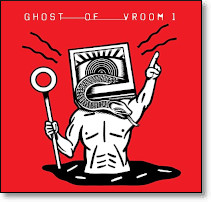

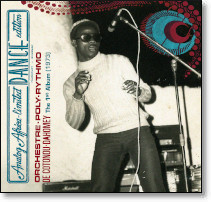

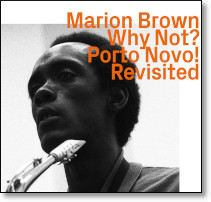
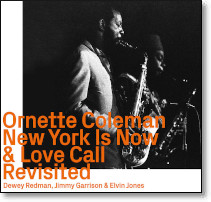
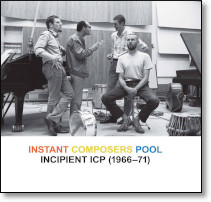
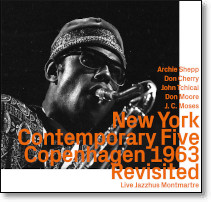
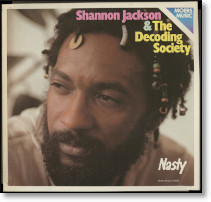
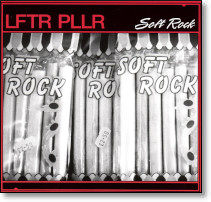


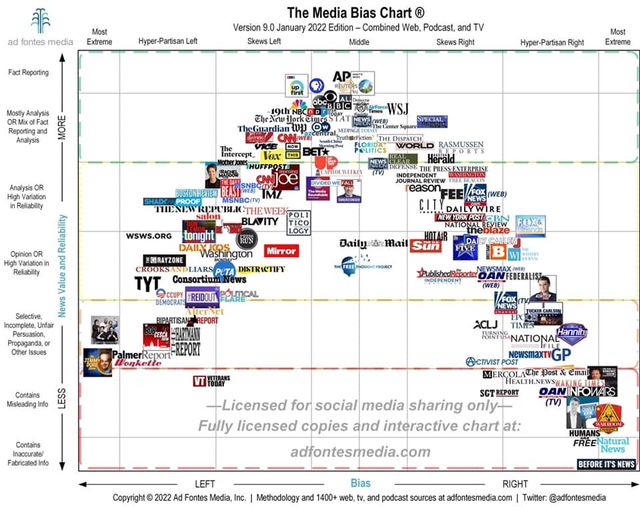 I saw this "Media Bias Chart" in a Facebook post. I don't know anything
about its provenance, but it seems roughly plausible as far as it goes.
(One common objection is that their center is farther to the right than
they represent. Another is that what's blithely grouped together as
"opinion pieces" divides between based on a deeper factual understanding
of the world, common on the left, and opinions based on rank fallacies,
so often found on the right. Even with so much effort at balancing, note
that the right dips much further on the "News Value and Reliability"
axis.)
I saw this "Media Bias Chart" in a Facebook post. I don't know anything
about its provenance, but it seems roughly plausible as far as it goes.
(One common objection is that their center is farther to the right than
they represent. Another is that what's blithely grouped together as
"opinion pieces" divides between based on a deeper factual understanding
of the world, common on the left, and opinions based on rank fallacies,
so often found on the right. Even with so much effort at balancing, note
that the right dips much further on the "News Value and Reliability"
axis.)