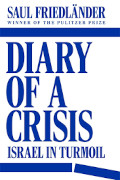
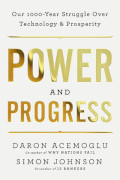
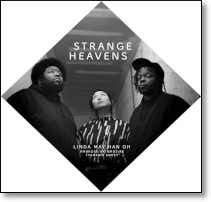
|
An occasional blog about populist politics and popular music, not necessarily at the same time. LinksLocal Links Social Media My Other Websites Music Politics Others Networking Music DatabaseArtist Search: Website SearchGoogle: Recent Reading
Music DatabaseArtist Search: Website SearchGoogle: |
Blog Entries [40 - 49]Monday, October 20, 2025 Music Week
October archive (in progress). Music: Current count 45041 [45001] rated (+40), 16 [29] unrated (-13). My 75th birthday is coming up this week. It's been a long, strange trip, one I'm increasingly reflecting on. I'm not big on milestones, but close to 30 years ago I decided to celebrate by cooking up a big dinner for a few close friends, and that's become an annual tradition almost ever since. Back in the 1980s I started seriously exploring the great world cuisines, so each annual dinner has turned into some kind of challenge to discover something new. At some point, I should gather my notes and document these (and similar) events, so I can have something to link to here. The best I can offer right now is a sketch of a recent but relatively modest Chinese (with a few extra notes here). I've been thinking about this year's event for a while now, and it's just about the only thinking that gives me any pleasure. While I've never gotten to the obvious choice of Italian — which I have cooked on many occasions — or such less obvious ones as Persian, German, Scandinavian, or most of Africa and Latin America, I've long contemplated trying my hand at Indonesian/Malaysian, so that is this year's theme (possibly with a switch to French for dessert, as birthday in my family always means cake). In good years, I would have thought this through well by now. In bad years, I found myself throwing something quick together at the last minute. (We've even done American food, twice: soul food featuring fried chicken, once just a lot of hamburgers.) I hoped this would be one of the good years, but I guess I'm slowing down, because time sure seems to be accelerating. I've complained all year about how little I've gotten done, and even this most happy of tasks seems to be slipping away from my grasp. So all I've managed so far has been to flip through some cookbooks — one I've long had but never used, Cradle of Flavor, and a couple more I picked up from the library after the No Kings demo — and order some daun pandan and kecap manis, which seem to be mandatory. I've built up a list of possible ingredients, and figure I'll make two shopping trips: one today to look for the more esoteric staples, and one on Wednesday to pick up the meats and vegetables and whatever else I've missed. Whereas most years, I'd start from a well defined list of recipes, what I'm thinking of doing this time is just buying a lot of possible ingredients then looking through the cookbooks to find things to do with them. It's an overkill strategy, but my small experience with Rijsttafel suggests many small dishes brimming with flavor to mix into big piles of festive rice. And scanning through the cookbooks offers a lot of sambals that can be used as building blocks or just served on the side. That way I can start soon, and escape from the world. Today, however, I need to post a lot of stuff. This Music Week, of course, but also I have the follow up to my Gaza War Peace Plan post, tentatively titled Making Peace. It's something of a joke to say that all I've done in the last week has been to figure out the solution to peace in the Middle East, because there is zero chance that anyone who can do anything about matters will read me and put such obvious solutions into practice. But pretty much everything you need to know is in those two posts. Of course, you could make it even simpler and say: try to do the right thing for everyone involved, be honest and open about it, and adjust when necessary. The first one got 104 views, which is not a lot but up from my previous posts. I'm not begging for money, but more free subscribers would be nice. The second post should go out tonight, possibly by the time I post this. I should also go ahead and publish whatever I've managed to save up for Loose Tabs. I haven't come close to making my rounds, let alone making even a cursory edit, but the draft file wc word count is 14235 (so about 12k actual words), and some of the sections are beginning to smell funny. What I'm hoping to do now is to post it when this goes up, but dating it ahead to Tuesday (or, given that I rarely post before midnight, dating this back to Monday). I can always add change bars as I find other things that fit in (many, no doubt, already in open tabs I want to close). I can also write another More Thoughts on Loose Tabs, like I did last time. Indeed, I'm already having more thoughts on the Gaza posts, with new ones sure to come as I read Ilan Pappé new book, Israel on the Brink and the Eight Revolutions That Could Lead to Decolonization and Coexistence. Say what you will about the Nazis, the British, and even the Mongol Hordes, but there are no historical precedents for what Israel has done in and around Gaza, and we have even less historical guidance for anticipating the aftermath. (And yes, I've read Pankaj Mishra's ambitious The World After Gaza, where he, like Pappé, tries to look ahead after looking back. Another book along these lines that looks promising is Omar El Akkad's One Day, Everyone Will Have Always Been Against This, although it is also billed as a memoir, as it's hard to find solid ground here.) I'm sure I'll have more to say after Pappé book. Indeed, I should do another books post, as more relevant books are appearing all the time — and many more are in the works: Amazon already has pages for 2026 books by Omer Bartov (Israel: What Went Wrong) and Norman G Finkelstein (Gaza's Gravediggers: An Inquiry Into Corruption in High Places). Meanwhile, I'm overwhelmed with domestic tasks. I talked to more roofers last week, and hope to get some concrete bids this week, and be able to make some decisions next week. I don't know how I'll find the time. Each discussion generates new questions, ideas, and worklists, requiring more thought. Meanwhile, stuff breaks, and has to be repaired (or lived with), and repairs drag on. I feel like I should be able to fix most things, but my own skills are clearly diminishing, and it's hard to find other folks to pick up the slack. After all, we live in a world where fraud is so prevalent it's hard to ever trust anyone. One thing I should work on but will postpone at least another week is the Francis Davis Jazz Critics Poll. I still expect to send out ballots in mid-November, but at this point my ambitions don't extend much beyond trying to keep it barely afloat. I do have the website set up, but the ballot invites and other documentation needs a close edit. If anyone who reads this wants to help, please take a look at what's available, suggest edits and/or ask questions. I may be short on initiative, but I still try to respond to requests. I've mostly suppressed the FAQ because there haven't been any, but how could there possibly be no questions? Maybe there's some AI that can scan the website, rephrase it as questions, and make me wonder what it missed and/or what needs to be answered better? One thing I won't be doing this week is listening to new music, or for that matter working much on the computer. Fortunate that we have a pretty large (and varied) list of finds this week to tide you over. And that I have a lot of treasured old music to enjoy. PS: I held this post back until I published my second Gaza piece: Making Peace in Gaza and Beyond. This is also archived here. Also now available is Loose Tabs. Given that the latter collects 36 days of notes, it can't properly be called a rush job, but everything there (250 links, 13861 words) feels incredibly rushed and slapdash. Some day I expect to look back at it and pick out a dozen or so bits that I still think make good points, but right now I just have this desperate urge to clean house. I may well add a few changes later, but this opens up a new scratch file. New records reviewed this week: Affinity Trio [Eric Jacobson/Pamela York/Clay Schaub]: New Outlook (2024-25 [2025], Origin): Trumpet-piano-bass trio, second group album, each contributes an original, along with six covers, starting with "On the Sunny Side of the Street." B+(***) [cd] Ammar 808: Club Tounsi (2025, Glitterbeat): Denmark-based Tunisian DJ/product Sofyann Ben Youssef, third album under this alias, also works with the Tuareg rock group Kel Assouf (based in Belgium). B+(**) [sp] Bar Italia: Some Like It Hot (2025, Matador): British new wave band, fifth album since 2020, lead vocalist is Nina Christante, but guitarists Sam Fenton and Jezmi Tarik Fehmi also sing, and separately released a pretty good album earlier this year as Double Virgo. Still, she's a plus, and the more they sound like New Order, the more I like them. A- [sp] Bobby Conn: Bobby's Place (2025, Tapete, EP): Singer-songwriter from Chicago, a "long time musical mischief maker and cultural provocateur," albums back to 1997, this one appears on Spotify as two EPs -- the 6-track (19:10) "Side One" and the 3-track (21:20) "Side A" -- distinct enough they should be kept separate, but interesting that he's into both approaches. B+(*) [sp] Hollie Cook: Shy Girl (2025, Mr Bongo): English reggae singer-songwriter, daughter of Sex Pistols' drummer Paul Cook, tenor so albums since 2011. B+(**) [sp] Madi Diaz: Fatal Optimist (2025, Anti-): Singer-songwriter, half-dozen albums since 2007, plays guitar, piano (her original instrument) on one track. Minimally folkie, something I'm rarely attracted to, but this one feels right. Title song is especially strong. A- [sp] El Michaels Affair: 24 Hr Sports (2025, Big Crown): Hip-hop group led by producer Leon Michels, who produced albums in 2002 by Sharon Jones and Lee Fields, has group albums since 2005, including one with Black Thought in 2023. B- [sp] Esthesis Quartet: Sound & Fury (2025, Sunnyside): Quartet of Elsa Nilsson (flute), Dawn Clement (piano, vocals), Emma Dayhuff (bass), and Tina Raymond (drums), all pictured on cover, third album, plus Bill Frisell (guitar). B+(**) [bc] Carter Faith: Cherry Valley (2025, MCA Nashville): Country singer-songwriter, from North Carolina, dropped her surname Jones, but Wikipedia just refers to her as Faith. First album after a couple EPs. First song that caught my attention, midway through, was "Grudge." B+(**) [sp] Robert Finley: Hallelujah! Don't Let the Devil Fool You (2025, Easy Eye): Blues/soul singer-songwriter, b. 1954 in Louisiana, has played music since he was 11 but didn't record until 2016. Fifth album, with daughter Christy Johnson on backing vocals, on eight songs that at least allude to gospel ("Praise Him," "His Love," "Helping Hand," "On the Battlefield," "I Am a Witness," etc.). The religion doesn't bother me, especially when the guitar transcends it. A- [sp] Tomas Fujiwara: Dream Up (2023 [2025], Out of Your Head): Drummer, a Braxton student, fair number of albums since 2007, lots of side credits. Quartet with Patricia Brennan (vibes), plus Tim Keiper and Kaoru Watanabe on a long list of African- and Asian-sounding instruments, mostly percussion but some flute-like. A- [sp] Todd Herbert: Captain Hubs (2024 [2025], TH Productions): Strong tenor saxophonist, several albums since 2007, mainstream group here with David Hazeltine (piano), John Webber (bass), and Louis Hayes (drums), playing five Herbert originals, two pieces by band members, and covers of Coltrane, Shorter, and "You Go to My Head." B+(***) [cd] Maja Jaku: Blessed & Bewitched (2025, Origin): Jazz singer-songwriter, last name shortened from Jakupović, from Serbia, based in Austria, some songs co-written by Adrian Varady (drums, co-producer) or Saša Mutić, with two standards. Recorded in Brooklyn with Michael Rodriguez (trumpet), Alan Bartus (piano), Dezron Douglas (bass), and Johnathan Blake (drums). This is nice, especially on standards like "Never Let Me Go." B+(***) [cd] Zara Larsson: Midnight Sun (2025, Summer House/Epic): Swedish electropop singer-songwriter, fifth album since 2014. B+(*) [sp] Jens Lekman: Songs for Other People's Weddings (2025, Secretly Canadian): Singer-songwriter from Sweden, works in English, seventh album since 2004, fancy flights, but long (17 songs, 79:37). B+(***) [sp] Lizzy & the Triggermen: Live at Joe's Pub (2024 [2025], self-released): Los Angeles-based swing band, Lizzy Shaps (Elizabeth Shapiro) the singer, nine musicians, some I've actually heard of -- Ricky Alexander (tenor/baritone sax, clarinet), Gordon Au (trumpet), John Allred (trombone), Luca Pino (guitar) -- playing standards with a few originals and some patter. B+(**) [cd] Russ Lossing Trio: Moon Inhabitants (2020 [2025], Sunnyside): Pianist, has a couple dozen albums since 2000, this a trio with Masa Kamaguchi (bass) and Billy Mintz (drums), opens with five covers: Tchaikovsky between two Ornette Coleman tunes, Harold Arlen, Sonny Rollins, closing with three originals. B+(*) [bc] Kelsey Mines: Everything Sacred, Nothing Serious (2024 [2025], OA2): Bassist, from Seattle, has a couple of albums on Relative Pitch, composed all of this, with flute (Elsa Nilsson), trombone, piano, guitar, drums, and percussion, and some additional recording in São Paulo, co-produced by Steve Rodby, with liner notes by Jovino Santos Neto. B+(*) [cd] Andy Nevala: El Rumbón (The Party) (2023-24 [2025], Zoho): Pianist, based in Atlanta, self-released a 2000 album, has a few more credits, teaching experience, some big band work. Lively Latin jazz album, ten pieces from all over turned into a seamless party experience. B+(***) [cd] Nicholas Payton: Triune (2025, Smoke Sessions): Trumpet player from New Orleans, albums since 1994, also plays keyboards, with Esperanza Spalding (bass and vocals) and Karriem Riggins (drums), with some guests (mostly vocals). I'm not much impressed here until the last two cuts: the first is the funk anthem "#bamisforthechildren" — "BAM" (Black American Music) is his preferred term for jazz; the second is an extended keyboard vamp called "Feed the Fire," which ends with some fairly impressive trumpet. B+(*) [sp] Princess Nokia: Girls (2025, Artist House): New York rapper Destiny Nicole Frasqueri, fifth album. "I know what I'm doing. I trust my process." B+(***) [sp] Reneé Rapp: Bite Me (2025, Interscope): Pop singer-songwriter, kicks off. B+(**) [sp] Jussi Reijonen: Sayr: Salt/Thirst (2025, Unmusic): Finnish guitarist, has at least one previous album, has another Sayr: Live in Helsinki schedule to release on same date but this is the only one I was sent. "Sayr" is a concept from Arabic music, used here to denote a series of (thus far) solo albums. B+(*) [cd] [10-24] Jussi Reijonen: Sayr: Kaiho - Live in Helsinki (2025, Unmusic): Finnish guitarist, also plays oud, which adds to the Arabic tones of his thoughtful solo work. B+(*) [os] [10-24] Rubén Reinaldo: Fusión Olívica (2024 [2025], Free Code Jazz): Spanish guitarist, Bandcamp page has "Reinaldo" in quotes and shows last name as Baña, I'm not finding anything on Discogs but he has a previous duo album on Bandcamp. Backed by organ (Antonio López "Monano"), bass (Gustavo Hernán), and drums (David Failde). He bravely defied Trump and sent me vinyl, was buried under some pile until it came to the top of my unplayed list. Fits in the soul jazz idiom, but a bit fancier, with the bass adding a resonance organ never quite delivered. A- [lp] Gonzalo Rubalcaba/Yainer Horta/Joey Calveiro: A Tribute to Benny Moré and Nat King Cole (2025, Calveiro Entertainment): Cuban pianist, flanked by two saxophonists (tenor and alto), and backed by others, playing four songs that Cole covered in his Havana albums, plus four from Cuban star Moré. B+(***) [sp] Rich Siegel: It's Always Been You (2025, self-released): Singer, also plays piano, wrote several songs here but mostly far-ranging covers, ranging from Berlin to Tom Waits, with a mix of French, Spanish, and Brazilian, backed by bass (Cameron Brown) and drums (Tony Jefferson). B [cd] Tom Skinner: Kaleidoscopic Visions (2025, International Anthem): British drummer, mostly has jazz credits like Sons of Kemet but has some other ventures, like Owiny Sigoma Band and, more commercially, the Smile (a trio with two blokes from Radiohead). Second studio album under his own name, has him also playing vibes, guitar, piano, and all sorts of electronics, with two saxophonists (Robert Stillman and Chelsea Carmichael), guitar, bass, cello, and vocals (Meshell Ndegeocello, Contour, Yaffra). B+(**) [sp] Sudan Archives: The BPM (2025, Stones Throw): Brittney Parks, from Cincinnati, learned violin early, studied ethnomusicology later, works both into her varied dance-pop, third album after a couple of EPs. I'm having trouble coming up with specifics here, which suggests something is lacking, but that too eludes me. A- [sp] Suede: Antidepressants (2025, BMG): English group, first album in 1993 was part of the Britpop wave, had a break between 2002-13, known in the US as London Suede, but they dropped the qualifier for their last couple albums. Lots of guitar, an impressive din of sound. B+(*) [sp] Taylor Swift: The Life of a Showgirl (2025, Republic): Big star, you know that, 12th album (not counting remakes) since 2007, a Google search offers more info on psychological disorders and political polarization than info on the music itself, which has received such mixed reviews you sometimes wonder who is listening to what. I'm not enough of a fan to be able to recall any of her songs by name, but I've heard them all, and mostly enjoyed them. This one has a 59/23 score at AOTY, which means that Pitchfork's 5.9 rating is precisely average. On the other hand, from the very first play I found nearly all of this delightful. A- [sp] Patrisha Thomson: Your Love (2025, PT Designs Productions): Standards singer, third album, songs cover a wide range, including one original (dated 2005). B [cd] Henry Threadgill: Listen Ship (2025, Pi): Saxophonist, founded Air in 1971, especially notable for its free jazz developments on early jazz models, has had a very notable solo career since 1979. Just composer and conductor here, leading a group of six guitarists and two pianists through a maze of sixteen fractured "roadmaps." B+(***) [cd] Mark Turner: Reflections On: The Autobiography of an Ex-Colored Man (2025, Giant Step Arts): Tenor saxophonist, one of many to emerge in the 1990s, has been especially busy of late. Extended piece, with ten movements built around spoken word excerpts from James Weldon Johnson's 1912 novel about race in America. Quintet with Jason Palmer (trumpet), David Virelles (piano/profit/organ), Matt Brewer (basses), and Nasheet Waits (drums). Strong group, and the narration is interesting. B+(***) [cd] Recent reissues, compilations, and vault discoveries: Kenny Barron: Sunset to Dawn (1973 [2025], Muse/Time Traveler): Muse Records was a label founded by Prestige Records producer Joe Fields in 1972, which ran up to 1996 when it was sold to 32 Jazz (run by Joel Dorn; Fields moved on to found the HighNote and Savant labels). The latter reissued much of the catalog on CD, before being sold to Savoy Jazz (a venerable label name by then part of Nippon Columbia), which reissued some samplers, but let the label's many releases go out of print. Muse was a very important (mostly mainstream) label during its time: I count 112 titles in my database, most unrated because the music hasn't been readily available on streaming. So the announcement that this new label (or new label name, as it seems to be associated with Craft, which itself is tied to Concord) will be reissuing from its catalog is terrific news. This is the first of the reissues, the pianist's first recording, mostly electric piano with bass (Bob Cranshaw), drums (Freddie Waits), and percussion (Richard Landrum and Warren Smith). The product push is focused on luxury vinyl, but my promo copy is a CD (better for me, although Gary Giddins' original back cover notes require a microfiche reader). Nice record, but wouldn't have been my leadoff hitter. (I have 32 Jazz's reissue of Barron's second album, Peruvian Blue, rated A-.) B+(**) [cd] Roy Brooks: The Free Slave (1970 [2025], Muse/Time Traveler): Hard bop drummer (1938-2005), from Detroit, started with Blue Mitchell in 1960, rarely appeared as leader (first in 1964, then this in 1972). Crackling live quintet with Woody Shaw (trumpet), George Coleman (tenor sax), Hugh Lawson (piano), and Cecil McBee (bass). A- [cd] Ivan Farmakovskiy: Epic Power (2010 [2025], SteepleChase): Russian pianist, one article says "renowned" and mentions prizes he won in 1994 and 1997, I didn't find him in Discogs until I backed into an entry with his name in Cyrillic, which yielded two 2009-10 titles. I wonder if the "iy" in his name here is meant to pawn him off as Ukrainian? This was from the same period, a trio with bass (Christian McBride) and drums (Jack DeJohnette), mosty playing his originals. Very impressive work. Hard to see why anyone would sit on this. B+(***) [sp] Carlos Garnett: Cosmos Nucleus (1976 [2025], Muse/Time Traveler): Alto saxophonist (1938-2023), from Panama, moved to New York in 1962, released his first five albums on Muse (1974-78), with this the fourth, a large group playing his original pieces, in a Coltrane-ish spiritual jazz vein, with some vocals by Cheryl P. Alexander. B+(*) [cd] John Lennon/Yoko Ono/Plastic Ono Band: Power to the People: Live at the One to One Concert (1972 [2025], Universal, 2CD): Two full concerts at Madison Square Garden, spun off from a "Deluxe Edition" that includes much more (9-CD, 3-DVD, book, stickers, who knows what else?). This runs 31 songs, 141 minutes. Lennon's own songs from his two now-classic albums, plus a few songs originating in his previous group, are well known, sharply performed. More songs, especially those sung by Ono, are new to me or long forgotten, but not without merit (although often, as remembered, "shrill"). Most tracks previously unreleased. The exceptions are probably from Some Time in New York City, although I suspect that the sound is much improved here. I haven't seen the "Deluxe Edition" box, but hear that it has some tie-in to the film Betrayal at Attica B+(**) [sp] Pharoah Sanders: Love Is Here: The Complete Paris 1975 ORTF Recordings (1975 [2025], Transcendence Sounds, 2CD): Tenor saxophonist (1940-2022), a Coltrane protégé in the 1960s, coming off a series of expansive albums on Impulse! that helped define what we've since come to call "spiritual jazz" (in the trinity, he was "son" to Coltrane's "father" and Ayler's "holy ghost"). Quartet with Danny Mixon (piano/organ), Calvin Hill (bass), and Greg Bandy (drums). Some of this has been out before, but not at this length (11 tracks, 113 minutes). Starts with an "Improvisation with Pipe Organ" that I find very murky, but ends with a resounding "Love Is Everywhere." New label seems to be a spinoff of Barcelona's Elemental Music. B+(**) [sp] Old music: Roy Brooks: Beat (1964, Workshop Jazz): Hard bop drummer from Detroit, first album as leader, with Blue Mitchell (trumpet), Junior Cook (tenor sax), George Bohanon (trombone), Hugh Lawson (piano), and Eugene Taylor (bass). B+(**) [sp] Unpacking: Found in the mail last week:
Ask a question, or send a comment. Monday, October 13, 2025 Music Week
October archive (in progress). Music: Current count 45001 [44977] rated (+24), 29 [29] unrated (+0). Week is a day short, but the rated drop is mostly because I haven't been paying much attention. Indeed, I'm surprise the drop isn't worse, but I've lost track of time. Last Monday we had insurance out to look at the roof, and they decided that he had enough hail damage to replace the whole roof, but that the most visible wounds were our own fault, so didn't merit them putting a tarp up to stop the leaking. Since then, I've been talking to roofing contractors, who curry favor by admitting that insurance companies are really criminal enterprises, then lose with sales pitches that make me as wary of them. The only things are are clear right now is that this is going to cost us a lot of money, and I'm not really going to trust whoever I wind up picking. The whole experience has me reeling so severely that I took time out today to work up my solution to a much simpler problem: peace in the Middle East. This will be the subject of two Notes on Everyday Life pieces: one on the actual plan, and another on what I think would be a better, albeit far from ideal, plan (links to local drafts, the former nearly done, the latter just barely outlined). Events are moving fast, with the hostage exchanges today, the ceasefire and very partial withdrawal presumably started, and Trump off to Egypt to wax eloquent on the art of the deal. I'm hoping to post those on Tuesday and Friday, with the latter shortly followed by an updated Loose Tabs. The draft file is close to ready now, with nearly 10,000 words so far (193 links), but I figure I should keep it open until the second post is ready, as the Israel section (27 links so far, plus whatever I find during the week) will help document. Aside from this writing, I need to concentrate on house matters next week. It's going to be rough. New records reviewed this week: Agnas Bros.: Sista Försöket (2025, Moserobie): Swedish group: Kasper Agnas (guitar), Max Agnas (piano), Mauritz Agnas (bass), and Konrad Agnas (drums). They have several albums going back to 2012, as well as solo credits, especially Konrad (the eldest, b. 1990; there was also a previous generation of Agnas Bros., with their father, Urban, and his brothers, Tomas and Joakim; Urban's wife Sabrina, niece Maja, and nephew Nils also have Discogs credits). Live, moves along nicely (32:54). B+(***) [cd] Eric Alexander: Like Sugar (2024 [2025], Cellar Live): Mainstream tenor saxophonist, has a lot of records since 1995, especially quartets like this one, with David Hazeltine (piano), Dennis Carroll (bass), and George Fludas (drums). Title is a nod to Stanley Turrentine, but not quite a tribute. This suits him very nicely. B+(***) [sp] Bright Eyes: Kids Table (2025, Dead Oceans, EP): Conor Oberst, has been releasing albums under this group/alias since 1998, has some songcraft but that's never sufficed for me. Not sure this should be called an EP (8 songs, 29:06). B+(*) [sp] Lucrecia Dalt: A Danger to Ourselves (2025, RVNG Intl): Sound artist from Colombia, María Lucrecia Pérez López, based in Berlin, has a dozen albums since 2011. B+(***) [sp] Maya Delilah: The Long Way Round (2025, Blue Note): English singer-songwriter, plays guitar, first album after two EPs and some singles. Nice batch of songs, with an easy flow. On a jazz label, but not really. B+(**) [sp] Earscratcher: Otoliths (2024 [2025], Aerophonic): Free jazz quartet with Dave Rempis (soprano/alto/tenor sax), Elisabeth Harnik (piano), Fred Lonberg-Holm (cello), and Tim Daisy (drums), second album, first I've heard all week that's just pure delight to listen to. A- [cd] Margaret Glaspy: The Golden Heart Protector (2025, ATO, EP): A singer-songwriter of considerable interest, although these 7 songs (25:23) seem to be covers, all but one duet features. The most familiar song is also the most distinctive ("Have You Ever Seen the Rain"). B+(***) [sp] Phil Haynes & Free Country: Liberty Now! (1996-2025 [2025], Corner Store Jazz, 2CD): Drummer, wide range of releases since working with Paul Smoker in the 1980s. This appears to be two albums in one package, a nightmare configuration for anyone trying to run a poll that distinguishes between new and old archival music. First disc is a recent set with Hank Roberts (cello), Jim Yanda (guitar/vocals), and Drew Gress (bass), each contributing new songs. The second is probably the same group, but playing old Americana, including "Revolution," "What's Going On," and "Respect" -- a 71:16 sampler from their previous albums, or possibly stray tracks from those sessions. The scattered vocals aren't much good, but the melodies take you back. The new material (61:15) is a bit harder to connect with, but the vibe is the same. B+(**) [cd] [10-17] Hunx and His Punx: Walk Out on This World (2025, Get Better): Punk band from California, principally Seth Bogart, three albums 2011-14, regrouped here for a fourth. B- [sp] Charles Lloyd: Figure in Blue (2025, Blue Note): Tenor saxophonist, also plays some flute, he's been a big name since the 1960s, recorded this on his 87th birthday, in a trio with Jason Moran (piano) and Marvin Sewell (guitar), with 14 tracks stretching out to 98 minutes. He takes it easy for the most part, with most of the muscle (and sinew) from the guitar. B+(*) [sp] Jim McNeely: Primal Colors (2025, Challenge): Pianist, composer and big band director, working here with Frankfurt Radio Symphony and Frankfurt Radio Bigband, for a major production. B+(*) [sp] John Michel/Anthony James: Egotrip (2025, Loudmouth): Underground rapper and producer, first album I can find by either. Pretty splashy. B+(**) [sp] Rhett Miller: A Lifetime of Riding by Night (2025, ATO): Singer-songwriter from Texas, leader of the alt-country-rock band Old 97's (20+ albums 1994-2024), has also released 8 studio solo albums since 2002 (one previous one from 1989). Easy to listen to, and not without merit. B+(**) [sp] Neal Miner: Invisibility (2025, Cellar Music): Bassist, a name I thought I recognized from Lou Kaven's Smalls labeld, but I find I hadn't made any note of his 2006 album there -- I do have several side-credits from then and since. This is a trio with Chris Byars (tenor sax, also on his Smalls album) and Jason Tiemann (drums), playing his compositions ("mostly contrafacts over classic American standard songs"). Bryars is the leading talent who came out of that scene, a retro player jumping off from bebop, much like Scott Hamilton did with swing. B+(***) [sp] The Prize: In the Red (2025, Anti Fade): Australian power pop band, "equal parts brains and bravado." B+(**) [sp] Jason Rigby: Mayhem (2024 [2025], Endectomorph Music): Tenor saxophonist, first noticed as one of Fresh Sound's new talents (2006, or for side credits 2002), several albums since, 40 credits total. Also plays bass clarinet, flute, piano and other keyboards, percussion, electronics, along with Mark Guiliana (drums, electronics). Fast stuff up front is most appealing. B+(***) [sp] Bill Scorzari: Sidereal Days (Day 1) (2025, self-released): Singer-songwriter, originally from Kansas, moved to New York City, seems to have gotten a late start after years of practicing law, his 2014 debut was interesting, and three (now four) subsequent albums have only gotten better. Not much of a voice, but orks for him, probably because the songs justify the lyric sheet but wind up sounding even better. A (Day 2) sequel is promised, but not until Sept. 2026. He has more confidence than I that we'll still be here. A- [cd] [10-17] Grant Stewart: Next Spring (2024 [2025], Cellar Music): Tenor saxophonist, from Toronto, mainstream ("steady swinging, muscular hard bop"), couple dozen albums since 1992, a couple co-led with Eric Alexander, this a quartet with Tardo Hammer (piano), Paul Sikivie (bass), and Phil Stewart (drums), playing standards including Monk, Shorter, Barry Harris, and Bob Mover. B+(**) [sp] Recent reissues, compilations, and vault discoveries: Ray Charles: Best of Country & Western (1962-85 [2024], Tangerine): Thirteen songs, including three each from the two 1962 volumes of Modern Sounds in Country & Western Music, where his customary application of strings and chorus to country standards just added to his genius reputation. This picks up some later hits like "Crying Time" (1964), but only includes two songs after 1967: a Johnny Cash cover from 1970, and a Willie Nelson duet from the latter's 1985 Half Nelson. Some classics here, but this can slip into formula. B+(**) [bc] Old music: Agnas Bros.: Lycka Till Med Musiken (2017 [2018], Agnas Musikproduktioner): Third group album (first was 2012) for Urban Agnas' sons Konrad (drums, b. 1990), Kasper (guitar, b. 1992), Mauritz (bass, b. 1995), and Max (piano, b. 1997). B+(**) [bc] Agnas Bros.: Frya (2022, Haphazard Music): Fourth album. B+(**) [bc] Ray Charles: The Complete Swing Time and Down Beat Recordings (1949-1952) (1949-52 [2004], Night Train, 2CD): First recordings for the blind pianist-singer, before he moved on to Atlantic and stardom. He had a few minor r&b hits during this period ("Confession Blues," "Baby Let Me Hold Your Hand," "Kissa Me Baby"). I've always heard that he was a Charles Brown wannabe early on, and there's a fair amount of that here, but other undeveloped styles as well. B+(*) [sp] Ronald Shannon Jackson and the Decoding Society: Eye on You (1980 [1981], About Time): Drummer (1940-2013), from Fort Worth, part of Ornette Coleman's mid-1970s Prime Time group. This is a similar-sounding group, with two saxophonists (Byard Lancaster and Charles Brackeen), two guitarists (Vernon Reid and Bern Nix), electric bass (Melvin Gibbs), violin (Billy Bang), and percussion (Erasto Vasconcelos). Still, none of them (even Bang) can quite pull off the sort of miracles Coleman so often delivered. B+(***) [bc] Jim McNeely Quintet: Rain's Dance (1976 [1978], SteepleChase): Pianist (1949-2025), owns one of the few solo piano albums I've rated A- (his Vol. 20 entry in Maybeck Recital Hall Series), but is best known for extensive work in big bands, starting with Thad Jones/Mel Lewis in 1978, including its later Vanguard Jazz Orchestra edition, and work with several European big bands. Quintet with Larry Schneider (tenor/soprano sax), Mike Richmond (bass), Bob Merigliano (drums), and Sam Jacobs (percussion). B+(***) [sp] Grade (or other) changes: Margo Price: Hard Headed Woman (2025, Loma Vista): Country singer-songwriter, fifth studio album since 2016 (plus a live Perfectly Imperfect at the Ryman). Strong upbeat pieces, doesn't lose much on the ballads. [was: B+(***)] A- [sp] Unpacking: Found in the mail last week:
Ask a question, or send a comment. Tuesday, October 7, 2025 Music Week
October archive (in progress). Music: Current count 44977 [44927] rated (+50), 29 [20] unrated (+9). Bernie Sanders is wrong, It's not okto be angry about capitalism. It's a curse, a chore, a dead weight that saps your energy and spirit and leaves you empty and bitter. That's probably why most people are resigned to its inevitability. And those who can afford it, which probably includes us, will wind up just paying them off to make the problems go away. Most capitalists, after all, are satisfied just taking your money. Political ideologues aren't so easily paid off. No point going into details about what's driving these statements. They're my problems, not yours. But they're coming for you, just as surely as they came for me. I posted a piece on Cooking Chinese last week. It was on my Substack newsletter, which for various historical and philosophical reasons I call Notes on Everyday Life. After several political posts (and one on Sheila Jordan), I wanted to do something closer to my own everyday life. Your mileage may vary, but cooking, eating, and socializing are pretty universal. Of course, when I was done, I still had further thoughts, so I spent a couple days writing them up, in Friday's (updated yesterday) blog post, Cooking Chinese (Again). That, plus capitalism, pushed this Music Week post out a day. I was surprised to find the rated count so high (50; 30 is my idea of a good week), as it seems like I spent much of the week desperately searching for things to listen to next. I did the cutoff late Monday, so got most of an extra day in, but I wasn't able to listen to much that day. (My initial cutoff count was 49. I added the Carrier album late Monday, before I finished opening the day's mail, so that made 50, and bumped the A-list from 2 to 3. Tuesday morning I added Wednesday, figuring it would be nice to have at least one new A- album, and that I was overdue in getting to it anyway. But it will be in next week's count.) Three things helped with the rated count: Phil Overeem's October 1 list suggested some titles (including Wednesday, and a Patricia Brennan album that I expected would show up in the mail later); the About Time Records Bandcamp page, where I listened to everything (checks; missed one, so next week for Ronald Shannon Jackson); and a look into Mark O'Leary's early work: three newly issued tapes that date from 1998-2001, on Bandcamp, plus many of his 2000-08 Leo releases, on Spotify. He wrote me via my Q&A form, adding "even a modest mention of . . . would be very appreciated." Modest mentions is about all I seem to be good for these days, but I wrote up two of those last week, spending most of my listening time trying to figure out how old they were. I got the recording dates from him later (1998-2001), so that's why they're in the "changes" section below. I gather he went off in a different direction after 2008, but I didn't venture there: too many albums, no idea where to start. Maybe later. It seems like most of what I get through the Q&A form are plugs for reviewing albums. I follow up on them more often than not, but still find it disappointing when my opinion is only sought for commerce. More anger about capitalism, I'm afraid. If you haven't already, a subscription to Notes on Everyday Life would be appreciated. They do one thing well that I've never been able to do on my own, which is to track readership. It's good to get some evidence back that I'm not just shouting into the void. I'm thinking that my next piece there is going to be a "modest mention" of a sensible peace plan for Israel/Gaza. I've thought about that for 25 years, basically ever since Ehud Barak, Ariel Sharon, and Shaul Moffaz blew up the Oslo Accords (with non-trivial assists from Shimon Peres, Benjamin Netanyahu, and Bill Clinton), although most of the ideas I've come up with over the years no longer work, mostly because I've always assumed that sanity can prevail. The question now is more along the lines of can insanity be constrained? I'm pretty skeptical, especially where Trump is concerned, but if it could be constrained, some ways are more realistic and/or more viable than others. Don't expect such a piece real soon. While I have a pretty good idea where to go, I need first to collect some Loose Tabs, especially to pick up details on the "Trump Peace Plan" (which is probably one of those compound oxymorons like "Holy Roman Empire"). Not much in the draft file so far, so I have a fair amount of work to do there. New records reviewed this week: $ilkMoney: Who Waters the Wilting Giving Tree Once the Leaves Dry Up and Fruits No Longer Bear? (2025, Lex/DB$B): Rapper from Virginia, Murphy Graves, fourth album since 2018, all long, run-on titles. B+(***) [sp] Marja Ahti: Touch This Fragrant Surface of Earth (2025, Fönstret): Born in Sweden, based in Finland, combines field recordings with electronics and sundry instruments for speculative ambient arts, including a couple others on clarinet and cello. B+(*) [bc] Pheeroan akLaff/Scott Robinson/Julian Thayer: aRT: Live at Kampo Bahal Gallery (2025, ScienSonic, EP): Drums, reeds, bass trio, the drummer originally named Paul Maddox, from Detroit, has a long and distinguished career starting with Oliver Lake in 1975, including work with Henry Threadgill and Wadada Leo Smith. I think of Robinson as being more retro, but not here. The bassist has few side-credits, mostly with Robinson or Klaus Suonsaari. The three recorded a trio album in 2024 which has proven elusive, but this shorter (23:34) improv piece is probably indicative, but also seems tentative. B+(*) [bc] Gary Bartz & NTU: The Eternal Tenure of Sound: Damage Control (2022-23 [2025], OYO): Alto saxophonist, in his 80s now, best known for his Afro-centric NTU Troop albums (1970-74), but has a long catalog up through 2011, less recently (although he was featured on one of the Jazz Is Dead albums). I like the sax here, but can't get into the vocals, although they work well enough for slow soul jams. B+(*) [sp] Chrome Hill: En Route (2024 [2025], Clean Feed): Norwegian jazz group, fifth album since 2008, main name I recognize is Atle Nymo (tenor sax, bass clarinet), but composer is Asbjørn Lerheim (Fender Bass VI, electric guitar, electronics), backed by Roger Arntzen (bass, electronics) and Torstein Lofthus (drums). B+(**) [sp] Mike Clark: Itai Doshin (2024 [2025], Wide Hive): Drummer, generic name is easy to forget but he's been active since the the early 1970s (with Herbie Hancock) and Discogs credits him with 21 albums since 1992. Quintet of veterans here -- Eddie Henderson (trumpet), Craig Handy (sax), Patrice Rushen (piano/rhodes), Henry Franklin (bass) -- so mainstream you know what to expect, but can't help but be pleased. B+(***) [cd] Tom Cohen: Embraceable Brazil (2025, Versa): Drummer, from Philadelphia, has several previous albums back to 1997, plays a wide range of Brazilian standards here, some with Chico Pinheiro on guitar and/or Barbara Mendes for vocals. B+(**) [cd] Jorge Espinal: Bombos Y Cencerros (2023 [2025], Buh): Guitarist from Peru, has a previous trio album from 2015, not sure how much else. This is solo, improv, but the credit reads: "all at once, prepared electric guitar, bass drum, cowbell, pedals, and laptop." Nine pieces, 29:07. For a while I could imagine Captain Beefheart singing to it, but it wound up too fragmented even for Tom Zé. B+(**) [sp] Debby Friday: The Starrr of the Queen of Life (2025, Sub Pop): Electropop singer-songwriter, born in Nigeria, raised in Montreal, second album. First, which won the Polaris Prize, I liked a lot, this is a bit more inscrutable. B+(***) [sp] Miho Hazama: Live Life This Day: Celebrating Thad Jones (2025, Edition): Japanese pianist, based in New York, debut 2012, her 2023 m_unit album caught me by surprise, but she's also been involved with European big bands: a 2018 album with Metropole Orkest, and since 2019 she's been "chief conductor" of the Danish Radio Big Band, a post that had previously been given to several notable Americans: Jim McNeely, Bob Brookmeyer, and Thad Jones. They're bolstered here with strings from the Danish National Symphony Orchestra, for this live program of Jones compositions plus a couple Hazama additions. B+(*) [sp] Conrad Herwig: Reflections - Facing South (2020 [2025], Savant): Trombonist, started with Clark Terry in the 1980s, played with Joe Henderson, Joe Lovano, and Mingus Big Band, but has shifted into Latin jazz, especially with his series of The Latin Side Of recordings. Trio here with Eddie Palmieri (piano) and Luques Curtis (bass). The Latin quotient seems subdued without percussion, but they enjoy space to breathe, without just being hurried along. B+(***) [sp] Hot 8 Brass Band: Big Tuba (2025, Tru Thoughts): New Orleans brass band, founded 1995, long led by Bennie Pate, who died in 2021, carries on. B+(**) [bc] JID: God Does Like Ugly (2025, Dreamville/Interscope): Atlanta rapper Destin Route, started with mixtapes in 2009, fourth studio album since 2017, sprawling with 15 tracks, 57:06, many guests, a fairly generous view of God. B+(***) [sp] Rick Keller: Heroes (2024-25 [2025], Vegas): Saxophonist (tenor, soprano, alto, some flute), started career in 1983 in Europe, based in Los Angeles since 2001 (and now Las Vegas?), has a couple records as far back as 1988, many more side credits, styles this as tributes to "musicians who shaped my development" -- mostly with fusion connections (Davis, Shorter, Zawinul, Hancock, Marcus Miller) or groups (Weather Report, Brecker Brothers). Some vocals don't help. B- [cd] Zack Lober: So We Could Live (2025, Zennez): Canadian bassist, previuos album from 2021, couple dozen side credits going back to 2003. Nice quartet with trumpet (Suzan Veneman), tenor sax (Jasper Blom), and drums (Sun-Mi Hong). B+(***) [cd] Donny McCaslin: Lullaby for the Lost (2024 [2025], Edition): Tenor saxophonist, started early 1990s, has released regular albums, especially since 2000, has always impressed me with his chops if not necessarily judgment. Opts for a fusion-heavy mix here, employing various combinations of guitars (notably Ben Monder), keyboards (Jason Lindner), bass, and drums. B [sp] Mexstep & Principe Q: Tráfico (2025, Puro Unity, EP): San Antonio rapper Marco Cervantes, has a couple previous albums, with "genre-defying" DJ/producer Svani Quintanilla, the grooves a mix of Tex-Mex and turntablism. Six songs, 16:51. B+(***) [bc] Joe Morris/Brad Barrett/Beth Ann Jones: Abstract Forest (2025, Relative Pitch): Avant-guitarist, many albums since 1990, here with cello and bass. B+(***) [sp] Elizabeth Nichols: Tough Love (2025, Pulse, EP): Country singer-songwriter, from Kentucky, seems to be her first record, not much info available but has some appeal, could stick around; 7 songs, 20:08. B+(**) [sp] Bill Orcutt/Steve Shelley/Ethan Miller: Orcutt Shelley Miller (2024 [2025], Silver Current): Guitar, bass, drums trio, considered "experimental rock," because all three have rock band backgrounds (Shelley on Sonic Youth; Orcutt's first group was called Harry Pussy -- I still file his records under rock, but list them with jazz). B+(***) [sp] Juan Pastor's Chinchano: Memorias (2024 [2025], Calligram): Drummer-led Latin jazz group, seems to be "(2)" in Discogs (which doesn't have this or other albums on the artist's website, but gives him a side credit for James Davis' Beveled). Cover adds names for Stu Mindeman (piano), Matt Ulery (bass), Dustin Laurenzi (tenor sax), and "featuring" Gian Luiggi Cortez Mejia (congas/cajón/bell/cajita). B+(***) [cd] Patrick Shiroishi: Forgetting Is Violent (2025, American Dream): Alto saxophonist, based in Los Angeles, very prolific since 2014. "Supporting cast," including some notable rock figures, is mentioned in the write-up but not properly credited. Mostly voices, not very distinct. Some fine sax runs over a noise backdrop. B+(*) [bc] Kalie Shorr: My Type (2025, Pound It Out Loud, EP): Singer-songwriter from Maine, based in Nashville, which gets her no-twang pop anthems a bit of a country audience. Has a good album from 2019, plus several EPs. This one has 6 songs, 18:19. B+(***) [sp] Wadada Leo Smith/Sylvie Courvoisier: Angel Falls (2024 [2025], Intakt): Trumpet and piano duo, the former in his 80s, an early AACM member, his discography going back to 1971, but it seems like he only rose to a much higher level after 2010, as he started getting grant money for expansive compositions. Swiss pianist, very productive since 1997. Her name is first on the front cover, but his comes first on the back, and on the spine. Similar to last year's duet with Amina Claudine Myers (or this year's with Vijay Iyer). A bit slow for my taste, but rewards a close listen. B+(***) [cd] Sprints: All That Is Over (2025, City Slang/Sub Pop): Irish garage punk band, Karla Chubb the singer, second studio album after some EPs. Another strong album. B+(***) [sp] Laura Taylor: Think I'm in Love (2025, Vegas): Las Vegas-based standards singer, recorded a pretty fair disco album in 1979, Discogs goes straight from it to this one, but I have four intermediate albums in my database, including a tribute to Julie London and Chet Baker and a Johnny Mercer songbook. B+(*) [cd] The Third Mind: Right Now! (2025, Yep Roc): Americana "supergroup" -- best known are Dave Alvin, Victor Krummenacher (Camper van Beethoven), and Jesse Sykes (who takes most of the vocals) -- take some improv ideas from jazz, which include some heavy guitar, and a closing 7:51 "The Creator Has a Master Plan." B+(***) [sp] Pat Thomas: ود ود (Wadud/Most Loving) (2023 [2025], Nyahh): British avant-pianist, often drops Arabic into his titles -- best known is his group, Ahmed -- solo here, one 30:35 piece, piano sounds prepared. B+(***) [bc] UNLV Jazz Ensemble 1: Double or Nothing (2025, Vegas): College-level 21-piece big band, directed by Dave Loeb and Nathan Tanouye, mixed a couple of original pieces along with standards, notably Ellington/Strayhorn and Gillespie. B [cd] Kamasi Washington: Lazarus [Adult Swim Original Series Soundtrack] (2025, Milan): Tenor saxophonist, major chops but also has crossover appeal, one of three soundtracks for Shinichiro Watanabe's anime series (the others are by Bonobo and Floating Points). Soundtracky, with some boss sax. B [sp] Recent reissues, compilations, and vault discoveries: Armen Donelian: Stargazer (1980 [2025], Sunnyside): Pianist, had played with Mongo Santamaria and Billy Harper before recording this first album, a trio with Eddie Gomez and Billy Hart, originally released in Japan in 1981. B+(**) [cd] Hot Chip: Joy in Repetition (2005-22 [2025], Domino): British electropop group, 8 albums 2004-22, this compilation appears to be selected from singles (including a bait track included here, but of uncertain age). Looking back at my individual album grades, I'd say that selection helps, but doesn't clear them as a singles band. B+(**) [sp] Mark O'Leary Group: I See Further Than You (2001 [2025], TIBProd.): Irish guitarist, released a series of albums on Leo in the early 2000s that were well regarded in Penguin Guide, but moved away from jazz (or toward something else?) after 2008. This is one of several old tapes recently released, this one with Michael Formanek (bass) and Joey Baron (drums). (Two others I reviewed last month but spent most of my time puzzling over the missing dates.) B+(**) [bc] Eli "Paperboy" Reed: Sings "Walkin' and Talkin'" and Other Smash Hits [20th Anniversary Edition] (2005 [2025], Yep Roc): Blues-smitten singer-guitarist from the Boston suburbs, made a pilgrimage to Clarksdale, Mississippi after graduating high school, but went to Chicago for college, then returned to Boston to record his first album: 12 tracks here, with the reissue adding 15 more (4 bonus tracks + 11 radio sessions). B+(**) [sp] Atef Swaitat: Palestinian Bedouin Psychedelic Dabka Archive (1970s [2025], Majazz Project/Palestinian Sound Archive): Two sides (46:31) compiled from "immersive field recordings from weddings across the Galilee in the 1970s." B+(***) [sp] John Taylor: Tramanto(2002 [2025], ECM): English pianist (1942-2015), many side credits starting in 1970 with John Surman, Graham Collier, Harry Beckett, Alan Skidmore, and Kenny Wheeler. This is a trio with Marc Johnson (bass) and Joey Baron (drums). This was a live recording in January, befor the April studio session the trio released as Rosslyn. B+(**) Wednesday: Bleeds (2025, Dead Oceans): Country-ish rock band from North Carolina, although they also venture into Sonic Youth territory, principally Karly Hartzman (vocals, guitar), although guitarist MJ Lenderman has the bigger profile, and most of the songs (aside from a Lefty Frizzell cover) are jointly credited. Lots of people love this album, and they're not wrong. A- [sp] Old music: Abdullah: Life's Force (1979, About Time): Trumpet player Leroy Bland, better known as Ahmed Abdullah, Discogs (which notes that he kept the Arabic name even after converting to Buddhism) treats this as a group name. Played with Sun Ra, Arthur Blythe, a few others -- his 1974 group, Melodic Art-Tet, is especially notable. Group here with Vincent Chancey (French horn), Muneer Abdul Fatah (cello), Jerome Hunter (bass), Jay Hoggard (vibes), and Rashied Sinan (drums). B+(***) [bc] Pheeroan ak Laff: House of Spirit: "Mirth" (1979 [1980], Passin' Thru): Drummer, first album on his own, solo, produced by Oliver Lake. B+(***) [yt] Willem Breuker Kollektief: William Breuker Collective (1983 [1984], About Time): Dutch saxophonist (1944-2010), a co-founder of ICP, ran his group from 1974 on, a not-quite big band which played free jazz while liberally quoting from Kurt Weill, classical, and circus music. Most of their records are on the BV Haast label. I've sampled them occasionally where I could, but my grades are all over the place, as is their music. This was snagged from a rare New York performance, much like European labels latch onto concerts by visiting Americans. This one is more wonderful than not, but still trips up more than I would like. B+(***) [bc] François Carrier Trio With Uri Caine: All' Aba (2001 [2002], Justin Time): Canadian alto saxophonist, debut 1994, impressed me early and has long been a favorite. The pianist was in peak form during this period. A- [bc] Mike Clark: Plays Herbie Hancock (2022 [2023], Sunnyside): Veteran drummer, joined Hancock's band in 1974, and remained in the Headhunters long after Hancock left. Acoustic trio here with Jon Davis (piano) and Leon Lee Dorsey (bass), playing eight Hancock standards. B+(**) [sp] Jerome Cooper: The Unpredictability of Predictability (1979, About Time): Drummer (1946-2015), best known for Revolutionary Ensemble, also injects flute, whistle, balafon, percussion, and voice into this early solo album. It's a remarkable tour de force, especially as the balafon adds a melodic overtone to the basic thud of the drums. A- [bc] Jerome Cooper Quintet: Outer and Interactions (1987 [1988], About Time): Drummer-led quintet, his compositions, he also plays chiramia, balaphone, and flutes, joined by Joseph Jarman (tenor sax/flute), William Parker (bass), Thurman Barker (drums), and Jason Hwang (violin). Best parts here focus on the percussion. B+(***) [bc] Fred Hopkins/Diedre Murray Quartet: Prophecy (1990 [1998], About Time): Bassist (1947-99), not much as a leader (two more albums with the cellist around this time list her first, but he started out with Air in 1975, was a regular with David Murray, and appeared with others like Don Pullen, Oliver Lake, and Henry Threadgill. Quartet with cello (Murray), guitar (Brandon Ross), and drums (Newman Baker). B+(***) [bc] Sam Jones Plus 10: The Chant (1961, Riverside): Bassist (1924-81), a dozen-plus albums starting in 1960, huge number of side credits (especially with Cannonball Adderley and Cedar Walton). Second album, three brass, three saxes, drums, piano/guitar (Victor Feldman/Les Spann) or piano/vibes (Wynton Kelly/Feldman), three tracks where Jones plays cello and Keter Betts picks up the bass. B+(***) [sp] Joe Morris: Racket Club (1993 [1998], About Time): Avant-guitarist, long list of records starts in 1990, this one with two saxophonists (Jim Hobbs on alto and Steve Norton on baritone), electric bass (Nate McBride), and two drummers (Jerome Deupree and Curt Newton). B+(***) [bc] Mark O'Leary/Cuong Vu/Tom Rainey: Waiting (2004 [2006], Leo): Freewheeling guitar-trumpet-drums trio. B+(***) [sp] Mark O'Leary/Ståle Storløkken/Stein Inge Braekhus: St. Fin Barre's (2002 [2008], Leo): Guitar-organ-drums trio, recorded on the guitarist's home turf in Cork City. B+(*) [sp] Mark O'Leary/Eyvind Kang/Dylan Van Der Schyff: Zemlya (2004 [2008], Leo): Another trio, recorded in Seattle, with viola and drums (and electronics credits for all). I'm rarely getting a good sense of how the guitar fits into these records, but the viola is exceptional here, and the timbre is close enough that the two instruments co-extend. A- [sp] Mark O'Leary/Kenny Wollesen/Jamie Saft: The Synth Show (2005 [2008], Leo): The guitarist adds E-Bow and Soundscapes to his repertoire, with Saft on synthesizer and Wollensen on drums. At the time, there was a boomlet for "jazztronica," extending from Matthew Shipp's Blue Series to postmodernists like Dave Douglas and even to retro-oriented Nicholas Payton. My favorites, like Nils Petter Molvær and Nik Bärtsch, focused on rhythm. This one is more into texture. B+(*) [sp] The Henry Threadgill Sextet: When Was That? (1981 [1982], About Time): Saxophonist (alto/tenor, clarinet, flutes), started with Air in 1975, effectively kicked off his solo career here (after a best-forgotten 1979 album on Arista/Novus), a group with Olu Dara (cornet), Craig Harris ( trombone), Fred Hopkins (bass), Brian Smith (piccolo bass), and drums (Pheeroan Aklaff or John Betsch). B+(*) [bc] The Henry Threadgill Sexett: Just the Facts and Pass the Bucket (1983, About Time): Seven figures (back facing) on the cover, so the group appears to be misnumbered, with both drummers returning, the only change being replacing the piccolo bass with a proper cello (Diedre Murray). B+(**) [bc] Grade (or other) changes: Mark O'Leary Quartet: White Album (1998 [2025], TIBProd.): Early New York set with Paul Motian (drums), Kenny Werner (piano), and John Patitucci (bass). B+(*) [bc] Mark O'Leary Group: A Simple Question (1999 [2025], TIBProd.): Early trio with Marc Johnson (bass) and Bill Stewart (drums). B+(**) [bc] Unpacking: Found in the mail last week:
Ask a question, or send a comment. Monday, October 6, 2025 Cooking Chinese (Again)I took a break last week to cook some food for friends before they went off on tour of Europe. I was feeling nostalgic for some Chinese, and I had some scallops and crabs in the freezer I wanted to use up, having long ago bought them in anticipation of such an occasion. I can't claim the food was really remarkable, but it hit the spot. And the process is fascinating enough I thought it might be useful to write something about it. I also thought it was well nigh time to write something in Notes on Everyday Life that wasn't just about politics and the woes of capitalism. And what's more quotidian than cooking? (Even if this particular meal isn't just everyday fare.) You can read the piece here: Cooking Chinese: "Let's take a break and cook up something tasty." Or you can also read it in my archive, but if you go read it at Substack, you'll show up in the statistics they send me, and that will make me feel a bit better. Even more gratifying would be a subscription. You might even pass links or copies on to your friends, and encourage them to subscribe. It's all free, and I expect to keep it that way. But it's not something I'm highly motivated to do while remaining totally oblivious to whether anyone reads it or not. Writing, like cooking, is something I do to share. And while I may do that for vain, selfish, and/or egotistical reasons, I do care how it is received. On the other hand, since I have the plate picture handy, let's go ahead and include it here (cw from top: eggplant nuggets, soft shell crabs, baby bok-choy, peanut sauce noodles, scallops in not-so-spicy orange sauce, with some curried fried rice in the middle:
Like everything else these days, this piece took me much longer to write than I expected, or thought it should. So when I got it into what seemed like reasonable shape, I clicked on "publish" (or whatever it's called) before realizing that I had links in the file to several recipes that I hadn't uploaded yet. Then I figured I should also include a link in the notebook. Then it occurred to me to file this blog entry. It doesn't fit any of my regular series, but that's just as well. In order to publish a blog entry, I have to do a full website update, and that inhibits me from posting trivial blog entries. But since I have to do an update anyway, it's kind of liberating just to jot down a few afterthoughts. It's possible that my favorite form of writing is meta-commentary. I always struggle to keep from going off on tangents, each an interesting story in its own right, but obstacles to getting to any sort of point. I imagine that when I get my memoir directory set up, I can just dedicate a file to each and every thread, and explore them ad nauseum. For instance, I mention five (or six, if you count Claiborne, which I don't) cookbooks. I'd like to list all of my cookbooks, thumb through them, and note recipes I recall making, with whatever memories they evoke. This will include close to a dozen Chinese cookbooks, and a bit more than a dozen Indian, as well as 3-5 each from Japan, Korea, Thailand, Indonesia/Malaysia, Myanmar, and Iran, as well as a few regional surveys (my sources for dishes from the Philippines, Afghanistan, and Indochina -- I've been remiss on Vietnam, especially given that I regularly shop in Vietnamese grocers, but I've never been very happy with local Vietnamese restaurants, which we have quite a few of). Similarly, I'd like to build a fairly detailed log of birthday (and other major) dinners. The memoir will explain how these came about, and evolved over the years. For now, let's just say that they started around 1995, after I left Contex -- although they probably overlap time I did consulting for Xyvision -- and they arose from socializing with friends who worked there. The first two were Chinese. If memory serves, one had 18 dishes, the other 22. The third was Indian. In 1998, we moved to New Jersey, and I did Indian again, this time inviting friends out from New York City. That one I remember as the most spectacular one ever. Or maybe I just felt challenged by the guests, who had a lot of experience with the cuisine. Or maybe there was a Turkish menu in that series, perhaps between the two Indians. There was a Turkish restaurant in Brookline we loved, and I made a lot of Turkish food before NJ. In 1999, we moved to Wichita. I don't recall making birthday dinner that year: seems like I prepped a "beer butt chicken" for my brother's grill one year, but that hardly counted. I do recall skipping one other year later. A friend had moved to Salina, so we drove up there and went to Brookville Hotel for fried chicken. But we've generally done something every year. One of the most modest was a single Brazilian feijoada. Spanish, Thai, Moroccan, Cuban, Russian, Greek, Korean, and French were major productions. I've made a lot of Italian, Japanese, Ashkenazi, and Middle Eastern (in which I include Israel, even an "Eretz Israel" cake attributed to Ariel Sharon's wife), as well as substantial menus from Mexico, Iran, and Hungary, but I don't think they landed on my birthday. One year when I was down in the dumps, a friend talked me into just grilling hamburgers. (We had several meats, homemade buns, potato salad, baked beans, slaw, and my mother's legendary coconut cake.) Another year I just dug into the "soul food" cookbooks. For 2020, with the pandemic in full swing, we ate in the backyard: Turkish yogurtlu kebap, Tunisian bisteeya, and various salads from Iran to Morocco, with two cakes: coconut again, and flourless chocolate. This may sound like bragging, but I'm really just a rank amateur. I have no training, no restaurant experience, and I'm really quite inept at lots of things (especially bread). I have no sense of food as art, and never serve plated meals. Everything is "family style": pass it around and pick out what you want. That may go back to my childhood, when restaurants were road stops, never destinations. I was moderately picky then, but I always was interested in trying something exotic. I remember jumping at my first opportunity to order veal (in Pocatello). I don't remember what it tasted like (which was probably nothing). Much of what I remember about going out into the world was tied to food. I allude to various food stories in the piece, but always had to steer the piece back on course. The first "Chinese" food I ate was actually a bit earlier. My aunt found a "chop suey" kit and wanted to serve us Chinese. It wasn't very good. (Mostly the kit's fault, I'm sure, but she almost never cooked for us, and was the only female in my mother's family who wasn't famed as a cook.) It was another decade before my parents finally went to a proper Chinese restaurant. My father's cousin, from Dodge City, came to town and wanted to try the Chinese. We went to Albert's, and spent an hour in line waiting for a table. My father was miserable, but my mother was delighted not to have to cook, and by then I had a fair idea what to look for. After my mother died, the first thing we did was to drive out to Dodge City, where I made my mother's last birthday dinner for the cousin, who hadn't been able to join us for the funeral. After that, we drove on to Phoenix, where my mother's last sister lived. I don't think I cooked for her then, but we did hit up a Chinese restaurant at some point. (I also remember Mexican.) Aside from my fellow Boy Scout, there was another Chinese family in our neighborhood -- they also owned a Chinese restaurant, although I wasn't aware of it at the time -- and they had a daughter who was in my grades 1-6. She was the smartest person I knew back then, which may help explain why I never bought in to the notion of white male superiority. She had the advantage of having been held back a year, because English was her second language, but I still remember an embarrassing incident in 2nd grade where she clearly understood the language a lot better than I did. Good chance she was taller than me, too. I did finally mention my mother's last birthday dinner, but there are many other stories I can recall about cooking for her. She may not have had any clue how to cook Chinese, or even what she was eating -- she was a seafood-phobe, but other than that was pretty much game for anything -- but her taste buds were primed for Chinese. Indeed, everyone's equipped to discern sweet, sour, salty, hot, and various aromatics. It's just that no other cuisine attacks your taste buds as systematically as Chinese. (Indian, with its wider array of spices, aims more for the nose.) She regularly declared things that I had cooked the best she's ever had. She even learned to cook a particularly easy but delicious dish: 1-2-3-4-5 Ribs. Many more stories could be worked in. I recall making the scallops dish for my cousin-mentor at her home. I often took cookbooks (and sometimes supplies and knives) on long car trips, on the off chance that someone might ask me to cook something. (Last time I was in Buffalo, we chased down some veal scallopine and sauteed it with cream, wine and capers. One time in Idaho, we went to a remote mountain cabin, and cooked Turkish food on a campfire. Another cousin in Arkansas took a meal I cooked there and included it in a family cookbook.) My sister lived with us in New Jersey for several months when she was pregnant. That overlapped soft-shell crab season, which we made several times a week. I don't recall whether we used the Kuo recipe then, or I got into it later, but we did cook a lot of Chinese during those months. I remember a Szechuan duck that was even more work than the more famous Peking duck I made later. I had the plate photo for the recent meal. I've been taking those fairly regularly, so I scanned through the archives looking for something else I could use. The "mise" photo is similar in scale to this particular meal, and give you a good idea of the level of complexity involved. It took me a while to figure out what the white-and-gold plate was between the eggplant and peas: salted duck egg, peeled and coarsely chopped, which went into the rice along with the peas, tofu, sausage, egg, zucchini, bacon, and shallots. (This time I omitted several of those, while adding a sauteed red bell pepper.) Since those pictures came roughly at the end, I thought I should include another picture near the top, which would be picked up in the PR. The 2020 plate was by far the most similar to this latest meal. The big difference is that it involves a fair amount of deep frying, which I probably haven't done since. (I had to look closely to find bits of spinach in the scallops. This time I just used a small saucepan with a half-inch of oil, but wound up with a lot more spinach, as is obvious.) What I have seems patchy, but there are many more images of interest. Again, something for the memoir pile. I also wound up adding several files to the Recipes (new) directory. I figured the curious should be able to follow the links, without me having to clutter up the narrative too much. I set up the Recipes (old) directory in 2000, when I first transplanted my ocston website, but I've always been pretty erratic at updating it. (I don't know whether anyone else refers to it, but it's useful to me when I travel.) I redesigned it in 2007, but I've never been happy with it, and again have been pretty erratic at updating it. Like much else, it needs a redesign. I have more indexing information than I've wound up using. I should be able to search by ingredient, as well as source and cuisine. There is a dinner log feature, but I've rarely updated it: some meals are fully broken out (and include recipes I've never made again), but many more meals are missing. A couple items have pictures, but much more could be done there, just using the current photo archive. One possible book project is to compile my mother's recipes, and augment them with a few of my own, woven together in some kind of memoir. Would be a good opportunity to collect family lore, although at this point most of that will be second-hand. While I have my mother's recipe files, the problem there is that very little of what she actually cooked ever got written down. (I have her chicken & dumplings because I asked for it long ago, but I only much later tried re-inventing her meatloaf, which has since evolved into my own distinct version.) On the other hand, much of what is in the files are recipes she cadged from others, as much from etiquette as genuine curiosity, as there are many she never made again, and look to be best forgotten. My next bout of serious cooking is likely to be my birthday dinner in late October. I'm thinking about Indonesian this time. I've cooked a half-dozen recipes from the Indonesian section of The Complete Asian Cookbook, including the local variant of a fried rice pilaf, a chicken fried then simmered in brazil nuts and coconut milk, and the world's greatest peanut sauce. I also remember a tiny restaurant in Somerville (north of Boston, back in the 1990s) that served a huge rijsttafel for two, that consisted of 8-12 dishes: curries, salads, rice, fried bananas. That always seemed like something to explore in some depth. I cooked Burmese last year. As part of my research, I picked up a cookbook by James Oseland, Cradle of Flavor: Home Cooking From the Spice Islands of Indonesia, Malaysia, and Singapore, but I never made anything from it. So just as last year's dinner was determined by the desire to open a previously unused cookbook, I took this as an omen that Indonesian should be next. Given the alternatives, this is the one thing I'm actually looking forward to thinking about. One last thing to note here is that my Substack newsletter, Notes on Everyday Life, has been a pretty modest success so far. The day after posting, I got a statistics report showing 80 views, 4 likes, 0 comments, 0 new subscribers (66 total). September's stats were down from August, mostly because posts were down from 3 to 2 (but also the "30d open rate," whatever that means, is down 7.02%). I never set a schedule to work to, but I expected to get more out than I've been able to. But I am reasonably happy with the posts so far, especially as the extra time and care seems to read better. And I have lots of ideas in the pipeline -- although it's possible that Loose Tabs and Music Week are suffering as a result. But I'm more inclined to blame my shortcomings on a world that is failing us worse than even I could have imagined. Music Week will be delayed a day, so Tuesday (and probably not early). Monday has been wiped out by home maintenance issues, which at the moment are too upsetting even to go into. I expect Tuesday will be unpleasant too, but I should have time for what is essentially a bookkeeping task. Ask a question, or send a comment. Monday, September 29, 2025 Music Week
Music: Current count 44927 [44894] rated (+33), 20 [17] unrated (+3). Making slow progress through a depressing series of everyday life challenges, where even accomplishments sometimes feel like losing ground. Certainly losing time, as this is the last Music Week of September. I've been writing daily notebook entries to get myself going each day, so many of the gory details are in there. No need to rehash them here. I do have fairly modest hopes of getting two things done this week:
Future posts will include one on building computers, and one on recycling. I'm also thinking about doing one on three books on jazz in the 21st century, which might just turn into a list of things I think they've missed. I also have a couple books handy on fascism in America, and some thoughts about what does and does not work in the analogy. I'm thinking we should distinguish between first- and second-wave fascism. What they have in common is a desire to seize power and to use it violently against their enemies, allowing for no dissent. Both are authoritarian, but that word seems to intend some kind of static equilibrium, whereas the actual movements are not just dynamic but insatiable. On the other hand, the cultural framework is different: first-wave fascism was distinctly modernist, whereas second-wave is postmodernist (atavistic in its desires, but can't really pull that off. I actually have very little in the Loose Tabs draft file at the moment, and even less desire to flesh it out. Still, I should, of only to keep an eye out. We're at once powerless to resist but complicit if we do not. In between it often seems that all one can do is tsk-tsk, which I suppose is the point of the column: to show that we witnessed this and knew better but couldn't do anything about it. I got a few things out of the Slobodian book on Hayek's Bastards, where the "new fusion" is characterized by "hard currency, hard borders, and hard-wired culture." All three of those are very much at odds with a real world they hope to subdue with arbitrary force. It's easy to predict that they will fail, not least because flex is key to survival of the capitalism they adore in theory but can't stand in practice. The unknowns are how many people, especially among the rich, they can con along the way, and how much damage they can do before their failures wipe them out. As we learned from the first wave of fascism, those variables are large and deadly. I noted this quote (p. 168), which is not quite the point I wanted to make, but still worth sharing:
It's easy to dismiss this as "paranoid style," but it feeds on real problems, just blaming the wrong people and offering the wrong remedies. The sad thing is that it works, mostly because the people they hate -- the "progressives" who have deluded themselves into thinking growth and profit are all that elites need to keep ahead of their problems -- don't have answers to these problems (at least ones that respect, much less address, their complaints). I'm moving on to David A Graham's The Project: How Project 2025 Is Reshaping America: a thin but important book, as it appears now that the plan was not just a bunch of bad ideas, but a very methodical approach to seizing power and installing loyal (and self-starting) cadres deep enough in government to have significant impact. Before the election, someone said that the key was that Harris voters believed that she would do things like ending wars that she said she wouldn't do, while Trump voters didn't believe he would do what he plainly said he would do. We've only been able to test one of those hypotheticals: Trump has not only delivered on his promises, he's done so in spectacularly brutal fashion, far exceeding the fears of most of his opponents (even me). Graham's book helps explain this, although I suspect that a fuller explanation requires that we look not just at Trump but to the ideological convictions of his followers, and the power bases they had wormed their way into, in preparation for their leader's permission to go crazy. With September over, the September archive is complete, and added to the 2025 index. While I don't feel like I got much else done during the month, I do count 187 albums rated (+1 one grade change). Although this week is relatively thin, a lot of terrific albums appeared came to my attention during the month. New records reviewed this week: JD Allen: Love Letters (The Ballad Sessions) (2025, Savant): Tenor saxophonist, many albums since 1999, mostly trios which show how imposing he can be, this one lightens up, adding a piano (Brandon McCune) to his usual bass (Ian Kenselaar) and drums (Nic Cacioppo). B+(**) [sp] Mulatu Astatke: Mulatu Plays Mulatu (2025, Strut): Ethiopian musician, plays vibes, keyboards, percussion, emerged as "the father of Ethio-Jazz" in the 1970s, a compilation of his early material was released as Vol. 4 of Éthiopiques in 1998, which led to his reemergence on the world stage. Now 81, this is billed as his "first major studio album in over 10 years," although I've heard a couple of live collaborations in that period. Old pieces, mostly new big band arrangements, credits unclear, horns a plus. B+(***) [sp] Decius: Decius Vol. II (Splendour & Obedience) (2025, The Leaf Label): British electronica group, brothers Liam and Luke May, with Quinn Whalley (Paranoid London/Warmduscher) and Lias Saoudi (Fat White Family). Presumably named for the short-lived Roman emperor (249-251) -- at least their album art is Roman. B+(***) [sp] Doja Cat: Vie (2025, Kemosabe/RCA): Singer-rapper Amala Diamini, from Los Angeles, fifth album since 2018, rather hit and miss. B+(**) [sp] Dave Douglas: Alloy (2025, Greenleaf Music): Trumpet player, major figure since 1993, joined by two younger trumpet players here (Alexandra Ridout and Dave Adewumi, the idea being to forge a stronger trumpet bond), plus vibes (Patricia Brennan), bass (Kate Pass), and drums (Rudy Royston). B+(**) [sp] Baxter Dury: Allbarone (2025, Heavenly): Sometimes comes off as a chip off the old blockhead -- spoken vocals, choppy beats -- but that's rarely sufficed with regular albums since 2002. This is touted as his "best yet," and sometimes is. B+(*) [sp] Robbie Fulks: Now Then (2025, Compass): Folkie singer-songwriter, steady stream of albums since 1996, ranging from bluegrass to Michael Jackson covers to a session with some of the Mekons. Another mixed bag of songs. B [sp] Geese: Getting Killed (2025, Partisan): Brooklyn band, fourth album since 2018, Cameron Winter the singer, plays keyboards and guitar, backed by guitar-bass-drums. Irritating singer aside, there is something interesting in the mix here, mostly rhythmic. But "irritating" is an understatement. B [sp] Gao Hong/Baluji Shrivastav: Neelam (2025, ARC Music): Chinese pipa and Indian sitar duo, both with substantial discographies on their own since their moves, the former from China to US in 1994, the latter from India to UK in 1982. The latter's ragas, aided by Yousef Ali Khan on tabla, seem to be the base for improvisations. B+(*) [os] Jade: That's Showbiz Baby! (2025, RCA): British dance-pop singer-songwriter, surname Thirwall, formerly in the group Little Mix (6 albums, 2012-20, all BPI platinum), first solo album, grew on me a bit, then made me regret it. B+(**) [sp] Sofia Kourtesis: Volver (2025, Ninja Tune, EP): DJ/producer from Peru, based in Berlin, has one album and five EPs since 2014, presumably does her own lead vocals (not credited). Six songs (28:01). B+(**) [sp] Harold López-Nussa: Nueva Timba (2025, Blue Note): Cuban pianist, many notable musicians in his family, half-dozen albums since 2007, second on Blue Note (a deal that seems to have required him to relocate from Havana, so he wound up in Toulouse, France). B+(**) [sp] Maruja: Pain to Power (2025, Music for Nations): English avant-rock band, half-dozen EPs since 2016, first studio album, has some jazz rep probably due to the prominence of Joe Carroll's saxophone, vocalist Harry Wilkinson is more rapper than singer. B [sp] Mark O'Leary Group: A Simple Question (2025, TIBProd.): Guitarist, from Ireland, Discogs lists several dozen albums from 2005-18, early records on Leo were well-regarded in Penguin Guide, seems to have moved to "rock/ambient/post-rock" around 2008, but has a bunch of recent releases, this a nice trio ("a new paradigm") with Marc Johnson (bass) and Bill Stewart (drums). B+(**) [bc] Linda May Han Oh: Strange Heavens (2025, Biophilia): Bassist, born in Malaysia, grew up in Australia, lives in New York, has a dozen or so albums since 2012, as well as such notable side credits as Dave Douglas, Joe Lovano, and Vijay Iyer. This trio with Ambrose Akinmusire (trumpet) and Tyshawn Sorey (drums) got mid-year poll votes two months before its release date. I was pleased when my copy arrived, until I opened up the "origami-inspired" packaging and didn't find any music inside. This is supposedly a feature: "This innovative design caters to the environmentally-conscious listener, who is aware of the harmful effects of plastic in the environment, yet feels that a digital download is just not enough." I'll grant that digital downloads aren't enough, as I'm often left scrambling to collect bits of information that accompany physical CDs, but the music itself is essential to the value proposition. So I ignored this until I could conveniently stream it. (Downloading is a pain I avoid if possible. I did wind up consulting the packaging to determine that the recording dates were Jan. 10-11, 2025, at Bunker Studios -- information not (yet) available at Discogs or Bandcamp. As for the music, simple pleasures: focusing on the bass leads, neat fit for the trumpet (who I like more here than on any of his own albums), outstanding drummer. A- [sp] Kassa Overall: Cream (2025, Warp): Drummer from Seattle, bounces between jazz (played with Geri Allen in 2009) and hip-hop (Das Racist in 2010), in 2013 did albums with Peter Evans, Vijay Iyer, and Kool A.D., and released a mixtape Christgau and I liked but not on his discographies at Discogs or Wikipedia (Stargate Mixtape). Joined Jon Batiste's Tonight Show band, and started crossing over in every which direction, from Marisa Monte to Carmen Lundy, Arto Lindsay to Cass McCombs, Yoko Ono to Danny Brown. This one, where the title is an acronym for "cash rules everything around me" (caps some places, but u&lc on the cover), offers "eight interpretations of hip-hop classics," but no vocals, so they sound like extended samples. No credits given either, but the saxophonist deserves a shout out. B+(***) [sp] Sam Prekop: Open Close (2025, Thrill Jockey): Started in rock bands Shrimp Boat and the Sea and Cake, seems to have moved fully into electronic music these days (although I do hear some probable guitar). B+(*) [sp] Rent Romus/Tatsuya Nakatani: Uplift (2023 [2025], Edgetone): Saxophonist, plays everything and then some, Discogs has a picture of playing two simultaneously, many albums since 1995. Live duo with drums here. B+(**) [sp] Cécile McLorin Salvant: Oh Snap (2025, Nonesuch): Jazz singer-songwriter, widely acclaimed, has three Grammys, even a MacArthur, eighth album since 2010, most easily winning the vocal jazz category in the Francis Davis Jazz Critics Poll. While I don't doubt her technical skill, I've never gotten much out of her albums, and this one delivers less than usual. B [sp] Shame: Cutthroat (2025, Dead Oceans): British post-punk band, fourth studio album since 2014. Agreeably trashy, until it isn't. B [sp] Martina Verhoeven/Luis Lopes/Dirk Serries: Invincible Time (2023 [2025], Raw Tonk): Pianist (electric), with two guitarists, one long take (50:16). B+(**) [bc] Vlure: Escalate (2025, Music for Nations): Scottish rave-punk band, first album, although NME thinks they've "spent years honing their sound." They do have one. B+(**) [sp] Webber/Morris Big Band: Unseparate (2024 [2025], Out of Your Head): Tenor saxophonists Anna Webber and Angela Morris, also flute, lead a conventional big band (plus vibes and guitar), which leans free but doesn't poke its head out too far. B+(***) [cd] Recent reissues, compilations, and vault discoveries: Mark O'Leary Quartet: White Album ([2025], TIBProd.): No date given, but featured drummer Paul Motian died in 2011, so that's an outer bound. The guitarist started up c. 2000, so that narrows the window down a bit. The others -- Kenny Werner (piano) and John Patitucci (bass) -- started in the early 1990s. B+(*) [bc] Old music: Decius: Decius Vol. I (2022, The Leaf Label): British electronica group, Roman statuary on the cover. B+(**) [sp] High on Fire: Cometh the Storm (2024, MNRK Heavy): Metal group, 9th studio album since 2000, first I've tried -- only because Dan Weiss included it in his 2020-2024 top 50, and it was the last unheard album there (of 2), but note that I did (for no discernible reason) have their first album in my database. First album after a 6-year break, with a new drummer and some "Turkish folk music and Middle Eastern music" mixed into "the band's previous sludge metal and stoner metal genres." The mix isn't very integrated, more like an interlude. The metal strikes me as generic, though not especially offensive. B [sp] Mark O'Leary/Mat Maneri/Matthew Shipp: Chamber Trio (2002 [2005], Leo): Guitar-viola-piano trio, recorded in New York, where the latter two already had several records together. Takes a while to kick in. B+(**) [sp] Mark O'Leary/Tomasz Stanko/Billy Hart: Levitation (2000 [2005], Leo): Guitar-trumpet-drums trio. Guitar gets more traction, and the trumpet is superb, as expected. B+(***) [sp] Mark O'Leary/Mat Maneri/Randy Peterson: Self-Luminous (2002 [2005], Leo): Guitar-viola-drums trio. The viola dominates once more, but less decisively. B+(**) [sp] Mark O'Leary/Uri Caine/Ben Perowsky: Closure (2003 [2005], Leo): Guitar-piano-drums trio. The piano adds a jolt of energy. B+(**) [sp] Mark O'Leary/Steve Swallow/Pierre Favre: Awakening (2000 [2006], Leo): Guitar-bass guitar-drums trio. B+(*) [sp] Sam Prekop/John McEntire: Sons Of (2022, Thrill Jockey): Two-thirds (or sometimes half) of Chicago indie rock band the Sea and Cake (11 studio albums 1994-2018), guitar/vocals and drums. Prekop was previously in Shrimp Boat (1987-93), which I recall from a 3-CD retrospective box issued by avant-jazz label AUM Fidelity in 2004 (Something Grand). McEntire has little else under his own name (Discogs lists a 1998 soundtrack and three singles/EPs, two with Prekop, and a compilation of Cluster), but played in Tortoise and Bastro/Gastr Del Sol, with Stereolab and Red Krayola, and has an even larger production discography. This slots as electronica, four pieces ranging 7:51 to 23:41, each flowing into the next, simple and beguiling. A- [sp] Unpacking: Found in the mail last week:
Ask a question, or send a comment. Monday, September 22, 2025 Music Week
September archive (in progress). Music: Current count 44894 [44857] rated (+37), 17 [21] unrated (-4). I got a late start on this, well into Monday evening, so this will have to be perfunctory. One week's worth of records. I'm more or less current in a diminishing promo queue, although there are a couple of promising items I still haven't gotten to. Beyond that, I've been struggling to figure out what to play next, and that's led to a pretty scattered set of albums. Complicating things is that I was responsible for a disturbing number of mistakes in my bookkeeping. Only one (of six) A- records had its cover scanned, and a couple hadn't been accounted for at all. I doubt that I've caught them all, so there may well be records in the monthly archive that never made it into Music Week. I don't know why I've been so scatterbrained this week, but a lot of things are happening very fast now, and I'm not coping well. I did manage to get my recycling kiosk built today. It will stand next to the front door, and collect items to give away, go into recycling, or the trash. Lots of room for CDs and books, since that's most of what we have. Next step will be to set up an accounting system to track what we're getting rid of. I can see the argument that there's no need, but I want to keep some sort of audit trail, at least of things no longer needed but still useful as memories. I've started work on my next Substack post. It's going to be further thoughts on the latest Loose Tabs, but will be space-limited, so will focus on only a few key points. That piece is nearly done, so shouldn't take more than another day or two. Beyond that, I have a few more ideas. Some will be closer to the "everyday life" theme. I'm thinking about writing one on the advantages of building your own computers, and how one goes about doing that. New records reviewed this week: Adult Mom: Natural Causes (2025, Epitaph): Singer-songwriter Stevie Knapp, fourth album since 2015, may be considered a band now. Songs include one about cancer. B+(**) [sp] Apathy: Mom & Dad (2025, Dirty Version/Coalmine): Underground rapper Chad Bromley, from Connecticut, 20 albums since 2004, Nancy & Ronald Reagan on the cover, looking sunny and care free, which is not how he remembers their era. "Grew up in the '80s with a welfare budget." Old style turntablism, dazzling wordplay, political smarts, bearing the full weight of history. A- [sp] Lucian Ban/John Surman/Mat Maneri: Cantica Profana (2022-23 [2025], Sunnyside): Pianist from Romania, moved to New York 1999, has frequently looked back to his native music, as in his 2011 Transylvanian Concert with Maneri (viola) and his 2020 recording of Transylvanian Folk Songs with Maneri and Surman (baritone/soprano sax, bass clarinet). The latter was dubbed The Bela Bartók Field Recordings, although the recordings were new, based on his research. Subsequent tours generated two more live albums, this and The Athenaeum Concert (below). This one was taken from three earlier concerts. Surman is an inspired addition here. A- [sp] Lucian Ban/John Surman/Mat Maneri: The Athenaeum Concert (2024 [2025], Sunnyside): Notes quote Bartók: "A future generation might conceivably discover and embody in their art music properties of the peasant music which have altogether escaped us." B+(***) [sp] Jon Batiste: Big Money (2025, Verve/Interscope): Pianist, singer-songwriter, bandleader, has done some acting, is basically a big deal, born into "a New Orleans musical dynasty," cut his first album at 17, organized his band Stay Human before it became Stephen Colbert's Tonight Show house band (2015-22). I'm surprised at how little detail info is available on this -- big name, major label, but nearly a month after release, AOTY has 0 critic reviews, a 65/57 user score. Two featured guests: Andra Day and Randy Newman, but several other songs (e.g., "Maybe") channel Newman. Title song is big bunk, and cover shows Batiste playing guitar. Half of this is really good, in as many different ways. The other half tails off, but again through divergence. Few albums are so scattered, but few artists have so many options, and the authority to pursue them. A- [sp] Big Thief: Double Infinity (2025, 4AD): Not my idea of a folk-rock band, just a very talented singer-songwriter (Adrianne Lenker) with enough of a band to deserve group billing (minus their bassist this time, but additional musicians make up for that. First play strikes me as near-perfect. I don't know how much more time I'll put in, but quite possibly one of the year's best. A- [sp] Johnathan Blake: My Life Matters (2025, Blue Note): Drummer, from Philadelphia, several albums as leader since 2012, many side credits. With Dayna Stephens (sax), Jalen Baker (vibes), Fabian Almazan (piano), Dezron Douglas (bass), "plus special guests including Bilal and DJ Jahi Sundance," playing "a suite of songs that serves as a dual treatise on the importance of family values and the social imperative to stand up in the face of injustice." Does that. B+(**) [sp] David Byrne & Ghost Train Orchestra: Who Is the Sky? (2025, Matador): Talking Heads majordomo, their 2-4-6 albums topped my annual lists, but his solo career has been very erratic, with interesting side projects early, a fine 1994 eponymous album, and more misses than not. He's slowed down considerably over the years, this coming 7 years after American Utopia, which itself was 6 years after Love This Giant. He seems at least to have recovered much of his chunky rhythm here, and Brian Carpenter's band helps (although they don't much sound like themselves), as he seems to aim at some bigger stage. B+(**) [sp] Ethel Cain: Willoughby Tucker, I'll Always Love You (2025, Daughters of Cain): Singer-songwriter, aka Hayden Anhedönia, shades of darkwave or gothic or whatever, identities and aesthetics unfathomable (by me at least), but somewhere way back was an evident overdose of Baptist religion. Second studio album, ignoring whatever this year's Perverts was (a drone exercise, but it still got 77/27 at AOTY, with this one currently at 83/28). Seems thoughtfully composed at first, slips into some not-bad ambient drone, then tries to square the circle. B+(*) [sp] Cardi B: Am I the Drama? (2025, Atlantic): New York rapper Belcalis Almánzar, got a lot of interest with her mixtapes and singles in 2016-17, followed that with a triumphant studio album in 2018, second album here, makes up for lost time by running 23 songs, 70:49, including old singles back to 2020's "WAP." B+(**) [sp] Loyle Carner: Hopefully! (2025, EMI/Universal): British rapper-singer, fourth album, pretty successful over there, not so much here. B+(**) [sp] Double Virgo: Shakedown (2025, Year0001): British duo/group, principally Jezmi Tarik Fehmi and Sam Fenton, first album after singles going back to 2020, so seems to be a parallel project to Bar Italia, where they defer to singer Nina Cristante. Hints of Pavement and Wire, not that I feel like pursuing them. B+(***) [sp] Kathleen Edwards: Billionaire (2025, Dualtone): Canadian singer-songwriter, sixth album since 2002. Jason Isbell co-produced, and provided the backing band. B+(**) [sp] Anat Fort: The Dreamworld of Paul Motian (2024 [2025], Sunnyside): Pianist from Israel, moved to New York in 1996, gained some attention with her ECM debut in 2007. Motian's started out as Bill Evans' drummer, went on to play with dozens of other famous pianists, rather oddly as he always seemed to be following his own drift, nudging the pianist to sharpen the contrast. His own groups almost never included piano, often guitar (especially Bill Frisell). Fort picked out 11 of his songs, with Steve Cardenas (guitar), Gary Wang (bass), and Matt Wilson (drums). B+(***) [sp] Luigi Grasso: La Dimora Dell'atrove (2024 [2025], LP345): Italian saxophonist (soprano, alto, baritone, bass clarinet), albums since 1999, supported here by NDR Bigband, which he is a regular in. Bills this as "two themes and variations." B+(*) [cd] [09-26] Michael Hurley: Broken Homes and Gardens (2025, No Quartet): Folk singer-songwriter (1941-2025), recorded an album for Folkways in 1964, a couple more 1971-72, then appeared as the lead artist on the 1976 album Have Moicy! Recorded steadily after that, but less notably, finishing this a month before he died on the road. B+(***) [sp] Josiah the Gift & Machacha: The Happening (2025, BarsOverBs): New Jersey rapper, member of Umbrella Collective, several albums since 2020, here with producer Mattæus Overgaard Jensen. B+(**) [sp] Kirk Knuffke/Stomu Takeishi/Bill Goodwin: Window (2025, Royal Potato Family): Cornet player, many albums since 2009, superb both in free and mainstream contexts, trio here with bass and drums. Also sings a couple songs here (not a plus, but not a minus either). B+(***) [sp] Lizzo: My Face Hurts From Smiling (2025, Nice Life/Atlantic): Rapper Melissa Jefferson, four albums since 2013, Cuz I Love You (2019) a big hit, has a fifth one planned for later this year, calls this poorly-received interim effort a mixtape (AOTY: 50/3). Distinction seems to be hard, fast, rude, and repetitive. B+(*) [sp] The Oxys: Casting Pearls Before Swine (2025, Cleopatra): Punkish band from Austin, third album since 2020, some past credits for various members, including two from Sylvain Sylvain and the Sylvains. Ten songs (28:14). B+(**) [sp] Vinnie Paz: God Sent Vengeance (2025, Iron Tusk Music): Underground rapper from Philadelphia, Vincenzo Luvineri, started in 2006 with Jedi Mind Tricks, with 17 albums, most with metal-sounding titles, like Fires of the Judas Blood, The Priest of Bloodshed, The Pain Collector, Savor the Kill, Burn Everything That Bears Your Name, Lower the Blade, Tortured in the Name of God's Unconditional Love. I'm not into the pain, let alone the violence, that fills these tales, but I noted lines like "my life is darker than Charlie Parker" and "beware the wrath of a patient man," and the gloomy music lays bare the harsh reality. No reason we need to live in dystopia, but there's something to be said for not flinching when you do. A- [sp] Carmen Staaf: Sounding Line (2024 [2025], Sunnyside): Pianist, from Seattle, based in New York, debut 2004 but mostly side credits (most often with Allison Miller or Jenny Scheinman). Explores Monk and Mary Lou Williams here, with various accompanists: Ambrose Akinmusire (trumpet duo) to open and close, Darren Johnston (trumpet plus others) for two tracks in the middle, Ben Goldberg (clarinets, three tracks, two with Johnston), one Monk tune just adds bongos (John Santos). B+(***) [sp] Peter Stampfel, Friends & Daughters: Song Shards: Soul Jingles, Stoic Jingles, Vintage Jingles, Prayers and Rounds (2025, Jalopy): 46 songs of sorts, as noted in the subtitle, in less than 43 minutes, done up in his own inimitable style by one of our leading semi-pop folklorists, although for once I find the style grating, possibly because the humor is all but unfathomable. I briefly glanced at the notes when I first heard of this, and they seem likely to be interesting, but since I've played it I've lost all interest. B- [sp] Craig Taborn/Nels Cline/Marcus Gilmore: Trio of Bloom (2024 [2025], Pyroclastic): Keyboards (mostly electric), guitars (too, including lap steel), drums. Billed as a self-titled debut, but the names are big enough they couldn't keep them off the cover. Long (70:18). A- [cd] [09-26] Natsuki Tamura/Satoko Fujii: Ki (2025, Libra): Japanese trumpet and piano duo, their 10th, a relatively quiet affair that breaks up a bit toward the end. B+(**) [cd] Tyler, the Creator: Don't Tap the Glass (2025, Columbia): Los Angeles rapper Tyler Okonma, started in Odd Future, solid gold since 2011, cashes in with a short one (10 tracks, 28:50), after 2024's 52:54 Chromakopia. B+(*) [sp] Us3: Soundtrack (2025, Us3): British group, bill themselves as jazz-rap, debut 1993, I filed them under rap at the time, and haven't heard anything since until this, which I found a DownBeat review for. No rap here, as the title implies. B [sp] Milan Verbist Trio: Time Change (2025, Origin): Belgian pianist, first album, trio with Toon Rumen (bass) and Jens Meijer (drums), mostly originals (covers from Ornette, Stanko, Bach, and Peacock). Has some impressive moments, but who doesn't? B+(*) [cd] Wild Iris Brass Band: Way Up (2025, Ear Up): New Orleans band founded by Jeff Coffin (tenor sax) and Ray Mason (trombone), with trumpet (Emmanuel Echem), alto sax (Jovan Quallo), sousaphone (Neil Konouchi), drums (Justin Amaral), and tambourine (Ryoko Suziki). Coffin, who does a lot of side work in Nashville, has albums back to 1999 and close to 200 side credits back to 1989. B+(*) [sp] Saul Williams: Saul Williams Meets Carlos Niño & Friends at TreePeople (2024 [2025], International Anthem): Spoken word artist, started doing open mic, won a poetry slam title in 1996, which led to roles in a documentary (SlamNation) and a feature film (Slam), and from 2000 on to albums, including one with saxophonist David Murray. Niño is a percussionist, who has regularly recorded with "& Friends" (since 2009). Music didn't quite grab me, but the insights/good messages of the farewell message did, like "we are all bearing witness to the horrendous acts of our government" and "we have a special responsibility because we're in the belly of the beast." B+(**) [sp] Simón Willson: Feel Love (2024 [2025], Endectomorph Music): Bassist-composer, from Chile, based in New York, third album, quartet with Neta Raanan (tenor sax), Evan Main (piano), and Kayvon Gordon (drums). Interesting postbop, saxophonist continues to impress. B+(**) [cd] Gaia Wilmer & Ra Kalam Bob Moses: Dancing With Elephants (2023 [2025], Sunnyside): Brazilian alto/baritone saxophonist, studied in Boston (where she met the percussionist), has worked in New York and Sao Paulo, producing several albums since 2017, mostly large groups (sextet and up). Her she takes Moses' solo tracks and builds on them, with various combinations of five more saxophonists, piano, guitar, and/or voice (Song Yi Jeon). Mixed results here, and Moses gets overwhelmed, but George Garzone remains unmistakable. B+(*) [sp] Yoko Yates: Eternal Moments (2024 [2025], Banka): Pianist, originally from Japan, studied at Berklee and in Cambridge (UK), second album, original pieces, quintet with Jamie Baum (flute), Sam Sadigursky (clarinet/bass clarinet/alto sax), bass, and drums. B [cd] Recent reissues, compilations, and vault discoveries: Charlie Rouse: Cinnamon Flower: The Expanded Edition (1977 [2025], Resonance): Tenor saxophonist (1924-88), played in big bands early, ranging from Bull Moose Jackson to Dizzy Gillespie (and including brief stops with Basie and Ellington), but best known for his work with Thelonious Monk (1959-70, the band continuing after Monk died as Sphere). His own work is rather mixed, including Brazilian themes: Bossa Nova Bachanal (1962) and this in 1977, expanded here past 80 minutes. B+(*) [cd] Old music: Chris Cacavas: Chris Cacavas and Junk Yard Love (1989, Heyday): Singer-songwriter from Tucson, played keyboards and lap steel for a 1980s band of some note, Green on Red (Dan Stuart was the leader; Steve Wynn and Chuck Prophet also played at various points), started his solo career here, which appears to be up to 18 albums now, but still lacks a Wikipedia page. I looked into him after noticing a single (***) Christgau review for a 1992 album, identified as this but more likely Good Times. Solidly within their genre. B+(*) [yt] Chris Cacavas & Junkyard Love: Good Times (1992, Heyday): Second album, the group name firmed up, easy to see from the cover how Christgau might have confused the title. One extraordinary song. I couldn't find the lyrics online, so tried to transcribe them: "I'm a saint/ I can do no wrong/ if you see me walking down the street/ just throw flowers at my feet/ and if you got something to say /well you best get on your knees and pray/ because I'm a saint/ I can't believe this crazy life I'm living/ where I can do what I want and all is forgiven/ can you see the trouble I'm in/ I'm evil but just can't sin/ if you don't believe a word I say well alright/ I'll ride on your dash one day/ because I'm a saint." Another verse, then ends with a chorus answering "he can do no wrong" to each assertion of "I'm a saint." Several more good ones. Could be a SFFR (subject for future research). B+(***) [yt] Mary Halvorson/Kirk Knuffke/Matt Wilson: Sifter (2011 [2012], Relative Pitch): Guitar/cornet/drums trio, presented this as a group eponymous album but the names, all fairly well known by then, were prominent on the front cover, and this turned out to be a one-shot grouping. B+(***) [sp] Unpacking: Found in the mail last week:
Ask a question, or send a comment. Monday, September 15, 2025 Music Week
September archive (in progress). Music: Current count 44857 [44818] rated (+39), 21 [21] unrated (-0). A few weeks back, before starting my long, slow read of John Cassidy's Capitalism and Its Critics: A History: From the Industrial Revolution to AI, I quickly thumbed through Bernie Sanders' post-2020 campaign memoir, It's OK to Be Angry About Capitalism, and got enough out of it to write up a review, which I sent out to subscribers of my Notes on Everyday Life newsletter, and posted as Bernie Sanders Finds It's OK to Talk Like an Old Lefty (also archived). I quickly realized I had more to say, but dragged my feet until I finally posted More Thoughts on Bernie Sanders and Capitalism last week (also archived). I put a lot of thought into those pieces, not that they shouldn't be crafted to make sharper points. But they do raise an important question that hardly anyone has raised: if Americans really want a revolution, and there is some evidence for this, why were they only offered a chance to vote for Trump but not for Sanders? There's a lot to unpack there, and I can imagine it taking book-length, but the key ideas can be found in these two pieces. In the meantime, I collected notes for Loose Tabs. As soon as I mailed the Sanders piece out, I decided to finish Loose Tabs off before posting this Music Week. I started with a PS to last week's Music Week, with an update on my everyday life, a plug for the Sanders piece, a note on Robert Christgau's latest Consumer Guide (my reviews below, with Young a late upgrade), and a bit on my not-yet-ready Loose Tabs. I worked on it well into Sunday evening, then decided to post what I had, so I can get on with my life. All I've done on it so far today was to fix the ellapsed days counter (28), and add a couple tweets. Even so, I didn't get around to doing the cutoff until 6PM, and it's close to 9PM as I'm writing this. What I am considering is going back over the Loose Tabs and writing up some sort of executive summary/further reflections I can send out as the next newsletter. But I also have a couple more ideas in the works, ones that come closer to everyday life. And really I could use some detox from politics. Big push this week will be house stuff. It's time to finally build that recycling kiosk. The scrap wood is pretty much organized. Main problem is likely to be rain, but it should be cooler in a day or two, and only Wednesday seems likely to rain much. Also need to work on the Jazz Critics Poll website, but I'm running out of things in the way, and the actual setup is pretty simple. (Designing a new website would be harder, and may not happen any time soon.) Setting up my own writing framework is also on the todo list. Lot of records this week from the HHGA list. There's probably another dozen I haven't heard yet. I also picked up tips from Phil Overeem's September list. Not a lot of jazz this week. Fair number of things in the new jazz queue, but very few have been released yet. I also have a folder of download offers that I haven't touched. On first play, Big Thief's Double Infinity is already an A-, and not a low one. I'm thoroughly enjoying Cassidy's Capitalism and Its Critics, and should wrap it up this week. I'm up to Joseph Stiglitz, which I think only leaves Thomas Piketty. (Stiglitz is not listed on the book cover, but is in the chapter on Samir Amin, along with Dani Rodrik. I have another half-dozen recently purchased books in the wings (and more older ones), but suddenly I'm tempted to look for Quinn Slobodian's Hayek's Bastards: Race, Gold, IQ, and the Capitalism of the Far Right, which complements the critics of capitalism with critics of the capitalist world whose preferred cure is even more extreme capitalism. The individuals listed, like Murray Rothbard and Charles Murray, don't especially interest me, but the pseudo-revolutionary ardor of the far right is very much among us. I've also just learned that the title is a play on Joan Robinson's characterization of Keynes' Bastards (Samuelson, Solow, and the other neo-Keynesians who dominated American economics until they lost ground to Friedman and his "school"). New records reviewed this week: Africa Express: Africa Express Presents . . . Bahidorá (2025, World Circuit): British nonprofit founded in 2006 by Damon Albarn and Ian Birrell to promote African musicians, although their roster through five albums includes many others. Rather scattered, with some nice stuff, especially near the end. B+(*) [sp] Amaarae: Black Star (2025, Interscope): Ama Serwah Genfi, born in the Bronx, parents from Ghana, third album. Nice beats, dense, generously sprinkled with sex. A- [sp] Fly Anakin: (The) Forever Dream (2025, Lex): Rapper Frank Walton, close to a dozen albums since 2016. B+(*) [sp] Blood Orange: Essex Honey (2025, RCA/Domino): British singer-songwriter Devonté Hynes, previously recorded as Lightspeed Champion (2008-10), fifth album since 2011. B+(*) [sp] Blueprint: Vessel (2025, Weightless): Underground rapper Albert Shepard, from Columbus, Ohio, a dozen-plus albums since 2003, some very good, most real steady. This is both. A- [sp] Chance the Rapper: Star Line (2025, self-released): Chicago rapper Chancelor Bennett, has mixtapes since 2012, but this is only counted as his second (or third) studio album (some dispute whether the title is one word or two). Much of interest here, some amusing, some making me uncomfortable, impressing on me that the impact of racism is still very palpable (e.g., the 4th of 4 "black commandments": "if they wanna we go to war"), not that the solution isn't clear ("my problem is your problem; your problem is my problem"). A- [sp] Charley Crockett: Dollar a Day (2025, Lone Star Rider/Island): Country singer-songwriter, has been kicking out 2-3 albums per year since 2015, making this his 16th. All are good. None are great (although I gave his Live From the Ryman Auditorium an A-). B+(***) [sp] Orhan Demir/Neil Swainson: Wicked Demon (2024-25 [2025], Hittite): Turkish guitarist, acoustic, based in Canada since 1977, has a 1990 album and several more recent, nice duo with bass. B+(**) [cd] Mark Ernestus' Ndagga Rhythm Force: Khadim (2025, Ndagga): German DJ, side credits back to 1993, released his first Afro-centric ndagga albums in 2013. This particular group is fairly minimal: Bada Seck (bougarabou, thiol, mbeung mbeung bal, tungune), Serigne Manoune Seck (bougarabou, khine, mbeung mbeung, tungune), and Mbene Diatta Seck (vocals). B+(**) [sp] Evidence: Unlearning Vol. 2 (2025, Rhymesayers Entertainment): Rapper/producer Michael Perretta, former member of the jazz-inflected Dilated Peoples (5 albums, 2000-14), has a half-dozen solo albums since 2007, including Unlearning Vol. 1 (2021). B+(*) [sp] Fatboi Sharif & Driveby: Let Me Out (2025, Deathbomb Arc): Rapper from New Jersey, several albums since 2021, with various producers (Steel Tipped Dove twice), first with fellow NJ producer. Somewhat ghoulish. B+(*) [sp] Ingebrigt Häker Flaten/(Exit) Knarr: Live at Artfacts '22 (2022 [2025], Sonic Transmissions): Norwegian bassist, Discogs credits him with 58 albums since 2000, performance credits go back to 1994 and number 274, he's anchored such major groups as Atomic and the Thing, as well as numerous Ken Vandermark projects. Septet here named for a 2021 album, here with Mette Rasmussen (alto sax), Atle Nymo (tenor sax/clarinets), Erik Kimestad (trumpet), guitar, piano, and drums. B+(*) [sp] Ingebrigt Håker Flaten/(Exit) Knarr: Drops (2024 [2025], Sonic Transmissions): Same band concept, although the cast has shifted, with Amalie Dahl on alto sax (except for one track with Mette Rasmussen), Karl Hjalmar Nyberg on tenor, no trumpet, Marta Warelis taking over at piano (with electronics), Jonathan F. Horne on guitar, and an extra drummer for one track ("a bold, extended lineup"). B+(**) [sp] From the Dirt: Colored Edge of Memory (2025, self-released): Americana band from Frederick, Maryland, with Dan Kenny as singer-songwriter, filed them under folk although there is also a bluegrass influence. Seems nice enough, but I doubt that much will stick. B+(***) [sp] Freddie Gibbs & the Alchemist: Alfredo 2 (2025, ESGN/ALC): Rapper Fredrick Tipton, many albums since 2004, several with producer Alan Maman since 2018, including their previous Alfredo (2020). B+(*) [sp] The High & Mighty: Sound of Market (2025, Eastern Conference): Hip-hop duo, Eric Meltzer (Mr. Eon) and Milo Berger (DJ Mighty Mi), recorded an album in 1999 on Rawkus that got some notice, three more through 2005, now one more. B+(***) [sp] Kaytranada: Ain't No Damn Way! (2025, RCA): Haitian DJ/producer based in Canada, fourth album since 2016, not counting many mixtapes, a few collaborations, and lots of production work. Fairly basic beat-centric album, exactly what I expect. B+(***) [sp] Knowledge the Pirate: The Round Table (2025, Pimpire/Trouble Chest Entertainment): Rapper Richard Iverson, half-dozen albums since 2018, this one sometimes co-credited to executive producer Roc Marciano, who also gets a featuring listing on one song. B+(**) [sp] Lex Korten: Canopy (2024 [2025], Sounderscore): Pianist, also plays Rhodes, couple previous albums, scattered side credits (recently: Simon Moullier, Alfredo Colón, Sasha Berliner, Zoh Amba). Most tracks here feature voice (Claire Dickson), alto sax (David Léon), guitar (Tal Yahalom), drums (Stephen Boegeheld). I'm not much into the vocals. B [cd] [09-19] Rocío Giménez López/Franco Di Renzo/Luciano Ruggieri: La Palabra Repetida (2025, Blue Art): Argentinian pianist, has a couple albums since 2017, trio with bass and drums, their second together, standards, mostly from jazz (Davis, Ellington, Parker, Shorter, Coltrane). B+(**) [bc] Mahotella Queens: Buya Buya: Come Back (2025, Umsakazo): South African vocal trio, best known for backing Mahlathini (1937-99), but they have a fair number of albums on their own, starting in 1966, with this new album their first since 2007. Classic township jive, can't miss. A- [sp] Lili Maljic: The Nearness of You: In Loving Memory of Jim Rotondi (2024 [2025], Pacific Coast Jazz): Standards singer, sticks to A-list songs, handles them well enough, the dedication to the trumpet player, who died two months after helping out here, is a nice touch. B+(**) [cd] MindsOne: Stages (2025, Fort Lowell): Hip-hop group (Kon Sci, Tronic, various DJs but mostly DJ Noumenon), fifth album since 2007. Old school scratches, and (per HHGA) "precision, moving between introspection and sharp observations about life, ambition, and purpose." A- [sp] Nils Petter Molvær: Khmer Live in Bergen (2023 [2025], Edition): Norwegian trumpet player, developed a distinctive strain of jazztronica in the 1990s -- which, by the way, started with Masqualero with Arild Andersen, which once again brings us back to George Russell and his Electronic Sonata -- especially on the ECM albums Khmer (1998) and Solid Ether (2000). This draws songs from both albums, bringing back the original band from the latter, plus long-time collaborator Jan Bang (live sampling). A- [sp] Nourished by Time: The Passionate Ones (2025, XL): Alt-r&b singer-songwriter Marcus Brown, second album. B [sp] Nova Twins: Parasites & Butterflies (2025, Marshall): British duo, Amy Love (vocals/guitar) and Georgia South (bass/vocals), third album, funk beats, metallic clang hilights, can rap some. I've been a fan so far, and some of this is really extraordinary, but it's rather hit-and-miss, taking four songs to get to "Soprano," and more to get to what sounds like supercharged Queen. B+(**) [sp] Panic Shack: Panic Shack (2025, Brace Yourself): Welsh post-punk band, Sarah Harvey the singer, first album after a couple EPs, 11 songs, 34:16. Some of the themes I'm not into, but they have so much fun with them I can't complain. Reminds me of some '70s new wave, only not male. A- [sp] Preservation & Gabe 'Nandez: Sortilège (2025, Backwoodz Studioz): Former has a 25-year history as an underground DJ without revealing so much as a name (unless it's Jean Daval? "half-French," from New York); 'Nandez (or Nadez) is younger, "half-Malian," both with some connection to Billy Woods. B+(***) [sp] Margo Price: Hard Headed Woman (2025, Loma Vista): Country singer-songwriter, fifth studio album since 2016 (plus a live Perfectly Imperfect at the Ryman). Strong upbeat pieces, loses a bit on the ballads. B+(***) [sp] ShrapKnel & Mike Ladd: Saisir Le Feu (2025, Fused Arrow): Hip-hop duo, Curly Castro and PremRock (Mark Debuque), from Philadelphia's Wrecking Crew, fourth album since 2020, couple more since, this one produced by Ladd, who has a rep as a spoken word artist including collaborations with jazz musicians, especially Vijay Iyer. B+(**) [sp] Earl Sweatshirt: Live Laugh Love (2025, Tan Cressida/Warner): Rapper originally from Chicago, father a South African poet and political activist, mother a law professor noted as a "critical race theorist," started with Odd Future in Los Angeles, 6th studio album since 2013 (counting an Alchemist collab), but short at 24:08 (11 tracks). B+(*) [sp] Zach Top: Ain't in It for My Health (2025, Leo33): Country singer-songwriter, grew up on a rance in Washington, second album. B+(**) [sp] UFO Fev & Body Bag Ben: Thousand Yard Stare (2025, 1332): Rapper and beats, I've seen cover scans with the credits flipped but will go with Discogs (especially since they have a scan to prove it). B+(**) [sp] Jubal Lee Young: Squirrels (2025, Reconstruction): Countryish singer-songwriter, never heard of him through 6-7 albums since 2004, son of Steve Young (1942-2016), another one I've barely heard of (just enough to have him redundantly listed in my country and folk files, neither of which actually graded an album). Christgau recommended this one, and it's interesting enough, and more than a little amusing. Not yet enough to send me back to the catalogs, but I wouldn't rule that out. I sat on the fence here a while, but finally decided not to give a fuck. A- [sp] Recent reissues, compilations, and vault discoveries: Bar-B-Q Killers: Part 1: The Last Shit (1986 [2025], Chunklet Industries, EP): Athens, GA garage band, three songs, 8:24. Title per cover, but Discogs lists as Chester Drawers, after the first song on what is basically a single. Group went on to release an album, Comely, in 1987. B [bc] Marshall Crenshaw: From "The Hellhole" (2012-16 [2025], Yep Roc): Retro rocker in the early 1980s, seemed major for several striking albums, still sounds much the same, although this collection of remastered stray tracks stikes me as pretty useless. B- [sp] Woody Guthrie: Woody at Home: Vol 1 + 2 (1951-52 [2025], Shamus): Famous folksinger (1912-67), from Oklahoma, wrote hundreds of songs, with most of his recordings in 1944-49. These previously unreleased tapes -- 22, with 13 songs that hadn't been previously released -- were recorded shortly before he was diagnosed with Huntington's Disease, which ended his career early. This is fairly minor, but interesting. B+(*) [sp] Old music: Body Type: Expired Candy (2023, Poison City): Australian garage rock group, four women, second album after two EPs. Pretty good, but ran on well past my peak interest. B+(***) [sp] The High & Mighty: Home Field Advantage (1999, Rawkus): Philadelphia hip-hop duo, rapper Mr. Eon (Erik Meltzer) and producer DJ Mighty Mi (Milo Berger), first album, draws some notable guest spot artists, like Eminem. B+(***) [sp] Unpacking: Found in the mail last week:
Ask a question, or send a comment. Sunday, September 14, 2025 Loose TabsI moved an already long draft file into the blog queue on Friday, after posting my Notes on Everyday Life piece, More Thoughts on Bernie Sanders and Capitalism. In doing so, I set an implicit deadline for posting this before Monday, when I normally expect to post a Music Week. I could spend an infinite amount of time wrapping this up, trying to make sense of it all, so the budget was hopeful self-discipline. But at 3AM Sunday night/Monday morning, I'm sick and tired of working on this, with no good answer, so I'm opting for the short one, which is to post what I have. If I look at it Monday, I may add a few more similar things, edits some of what I have, write extra notes, or maybe just shrug and move on. There is certainly no shortage of material here. Whether it does any good is another question I can't begin to contemplate, much less answer. This is an occasional collection of newsworthy links and comments, much less systematic than what I attempted in my late Speaking of Which posts. The new name comes from my extensive use of browser tabs. When I get around to cleaning up, I often find tabs opened to old articles I might want to comment on and/or refer back to. So these posts are mostly housecleaning, but may also serve as a very limited but persistent record of what 20+ years ago I started calling "the end of the American empire" and nowadays feels more like "the end of civilization." I collect these bits in a draft file, and flush them out when periodically. My previous one appeared 28 days ago, on August 17. I'm trying a new experiment here with select bits of text highlighted with a background color, for emphasis a bit more subtle than bold or ALL CAPS. (I saw this on Medium. I started with their greenish color [#bbdbba] and lightened it a bit [#dbfbda].) I'll try to use it sparingly. Index to sections:
The first section here are major categories, where I didn't wait for a keynote article. These are not necessarily regular features. Epsteinmania: I'm ready to retire this one, but Trump keeps squirming, so his most opportunistic opponents still hope to reel him in. Since last time: the appearance of Ghislaine Maxwell as Trump's character witness ("a perfect gentleman"); the leak of Trump's contribution to Epstein's "birthday book."
Israel: This is just a small sampling on what remains the single gravest issue in American politics -- even though, by looking at both parties in Congress, it barely seems to register. That's not just because the slaughter and devastation has grown to immense proportions, not because Israel has discredited itself to most people around the world, nor because in providing so much economic and military support the US is now widely viewed as complicit and discredited. It's because Israel is the example Trump is following to secure his own domination domestically. (I explain some of this in my latest Notes on Everyday Life post, but if you know what to look for, you can spot numerous examples throughout this and other Loose Tabs posts. Israel has become a veritable laboratory for fascism. America is not only following their model, but has been bankrolling them for decades. The neocon right understood this at least as far back as their 1996 paper A Clean Break: A New Strategy for Securing the Realm. The religious right got an even earlier jump with their apocalypse mongering. Democrats, on the other hand, have cut their own throats by pledging eternal loyalty to a regime that is completely inimical to their own stated beliefs and values. It's no wonder why so many Americans find them undeserving of trust.)
Russia/Ukraine: Last time I posted was just after the Alaska summit, but before Zelensky and his European allies descended on Washington to derail whatever impression Putin had made and return Trump to his usual path of fickle incompetence. As I've since noted, "all sides seem to have lost sight of the ball and are just kicking air." What I mean is that we need to focus more on the people involved than on the land that both sides feel so entitled to. The war started in 2014 when three divisions of Ukraine rejected election results and attempted to split from Ukraine. Russia aided their division, especially in Crimea, but it still seems likely that most of the people there supported realignment with Russia then, and still do now. They should be given the right to decide on their own, free of military coercion, where they want to belong. Of course, the war, both before and after the 2022 invasion, has brought changes, mostly in turning large numbers of people into refugees, but it probably means that the people on both sides of the front line are on the side they want to be. If so, neither side should fear a referendum, as it would very likely legitimize lines that are basically stalemated. One should also be talking about refugees, their rights to return and/or compensation, minority rights in the postwar settlements, and the options of people who find themselves stranded to move wherever they want. Unfortunately, leaders like Putin and Trump have little concern for people. They're much more into symbolic bragging rights. But both sides have done nothing but lose since war broke out. They both need to stop. Refocusing on people is one way out.
Trump regime exploits: Practically every day I run across disturbing, often shocking stories of various misdeeds proposed and quite often implemented by the Trump Administration -- which in its bare embrace of executive authority we might start referring to as the Regime. Collecting them together declutters everything else, and emphasizes the pattern of intense and possibly insane politicization of everything. Pieces on the administration.
Donald Trump (himself): As for the Duce, we need a separate bin for stories on his personal quirks -- which often seem like mere diversions, although as with true madness, it can still be difficult sorting serious threats from fanciful ones.
Democrats:
The following articles are more/less in order published, although some authors have collected pieces, and some entries have related articles underneath. Current Affairs:
Ezra Klein [01-17] Democrats are losing the war for attention. Badly. Actually, just an interview with Chris Hayes, relating to his book, The Siren's Call: How Attention Became the World's Most Endangered Resource, with a title cleverly chosen to grab your attention. Why was Trump able to win with lies while Democrats struggle to make anyone aware of their accomplishments? Attention is one obvious metric which is skewed ridiculously in favor of Republicans and especially Trump. I've read Hayes' book, and he makes a lot of interesting points. But he also engages in hyperbole, because he knows the surest way to get attention is to stick your neck out, become conspicuous, and flaunt it as far as you can get away with it. And he wants attention as much as his subjects do. It is, as he admits, his business. So it's not surprising that he overrates it, especially its fungibility -- which in his business may translate directly into advertising revenues, but for most people the profit motive is less obvious. Still, it's useful as a prism, not least because it renders part of the scheme opaque.
George Salis [06-30] Borne back ceasefully: a rare interview with Tom Carson: He was one of the rock critics Christgau cultivated in the late 1970s. I first heard about him when he wrote a review of Brian Eno's Another Green World that was good enough it almost bumped my assigned piece. I met him once in New York, uneventfully, and read him as regularly as I could, though not as often as my wife read his Esquire reviews (usually on the newsstand). He was one of two critics Christgau tapped to fill in while he was off doing the CG-70s book -- the other one I remember better, probably because he didn't do as good a job. So I had something of a bond with him, with mixed feelings, but he wrote a brilliant piece on 1945, especially the observation that winning WWII was the worst thing that happened to America. Shortly after that, he published a novel called Gilligan's Wake, and I felt like he could have written it just for me. (I knew the TV show intimately, and most of the literary and historical references -- not that I ever made any headway through Joyce, but that seemed unnecessary. The only choice he made that I strongly differed with was saying nice things about Bob Dole.) I still frequently refer back to a couple of key concepts from the novel: the notion of America's perpetual innocence illustrated by Mary-Ann's self-healing virginity; the argument that America exists only for a certain group of people: the true Americans. I became reacquainted with him when he edited my essay in the Christgau Festschrift Don't Stop 'til You Get Enough: A Rock & Roll Critic Is Something to Be. Robert Kuttner [07-30] Tom Lehrer and Mort Mintz, RIP: "Both challenged American smugness, one with satire and the other with great journalism." Daniel Felsenthal [08-01] A book called Fascism or Genocide that's reluctant to discuss either: A review of Ross Barkan's "engrossing, literary analysis of the 2024 election disappoints with its blinkered vision of US politics." The book is Fascism or Genocide: How a Decade of Political Disorder Broke American Politics. The title comes from a Palestinian activist's view of the Trump or Harris choice, although the review tells us Barkan was reluctant to go deeper into either topic (but especially Gaza). This sounds like a version of the book I've been contemplating on the 2024 election, perhaps one where the focus is on the cognitive dissonance that allowed voters for both candidates to ignore much of what each stood for (which in the case of Harris included democracy, at least as we knew it, and some semblance of justice under law and economic opportunity for many, if not really all). Instead, people voted on phantom fixations and whims, which tilted to the macabre, bequeathing us a suddenly real dystopia. Nick Turse: National security fellow for The Intercept, has been covering the Trump military everywhere, with a unique specialty in Africa. I've touched on many of these stories above, and could have distributed them accordingly, but for now, let's keep them together to see the pattern:
David Dayen:
Sarah Jones [08-20] The manifest destiny of J.D. Vance. I can't say as the analogy occurred to me, but not since McKinley has there been an American president so ebullient about expanding American territory, from Greenland down into Mexico (or perhaps Venezuela is next?). One snag may be that land comes with people already on it, but Israel has some ideas about that (updating Hitler's use of America's own Manifest Destiny idea).
Harold Meyerson [08-25] A federal appellate court finds the NLRB to be unconstitutional: "And just like that, it frees Elon Musk -- and any fellow employers -- to violate whatever rights their workers thought they enjoyed." This reverses 88 years of rulings upholding the act's constitutionality. It's like they're daring us to revolution. The New Republic: David W. Blight edited a special issue on Trump Against History, asking "how is Trump changing our sense of who we are?" Probably a lot more to talk about here than I had time for. Titles:
Trevor Jackson [08-25] The myth of clean energy: "Is all the hope placed in renewables an illusion?" Review of Jean-Baptiste Fressoz: More and More and More: An All-Consuming History of Energy. Part of the argument here is that new energy technologies don't directly replace old ones, and often require more use of the old ones, at least in the short term (e.g., a lot of oil and gas, and still some coal, goes into making the turbines that generate electricity from wind). That isn't news, and certainly doesn't discredit the shift from fossil to renewable energy sources. Fressoz is co-author of an earlier book, The Shock of the Anthropocene: The Earth, History, and Us, which I've ordered. Henry Giroux [08-29] Domestic terrorism and spectacularized violence in Trump's warfare state: I don't often read, much less cite, his pieces, because the language and hyperbole don't strike me as all that useful (e.g., Resisting the deadly language of American fascism; Against the erasure machine; Trump's reign of cruelty; Trump's theater of cruelty; Childicide in the age of fascist theocracies; Neoliberal fascism, cruel violence, and the politics of disposability; The nazification of American society and the source of violence). But we've entered a stage where reality is rising to meet its most fevered denunciation, so maybe we need to invoke the specter of nazi/fascism not to scare the naive but to grasp the full enormity of what is happening.
Besides, this piece led me to others, like:
Jeffrey St Clair:
Harold Meyerson [09-01] Trump celebrates Labor Day as the most anti-union president ever: "His unbound union busting is one front of his war on democracy." More on labor:
Doug Muir [09-09] Five technological achievements! (That we won't see any time soon.) Crooked Timber's "resident moderate techno-optimist" presents "five things we're not going to see between now and 2050."
Matthew Duss [09-09] Encased in amber: "Biden's wars and the unmaking of liberal foreign policy." The subtitle suggests a ringing and much deserved indictment, but the article itself is just a review of Bob Woodward's latest insider blabfest, succinctly titled War. While Woodward has no opinions of whatever he writes about -- or perhaps I should say, conveys from his insider sources -- Duss is fairly admiring of Biden's "restraint" regarding Ukraine. While as I'm sure I've made clear by now, I mostly blame Putin, we still haven't seen a clear history on what Biden did or did not do between taking power and Putin's invasion. After all, it took Putin 8 years between the 2014 coup and secession and the 2022 invasion, so what spooked him? Where the record is clearer is how little Biden did after the invasion, and especially after the war stalemated, to negotiate a peace. That's been bad for Ukraine, bad for Russia, and bad for the world, including the US. But if Ukraine suggests that Biden and his crew didn't feel like peace was worth their effort, Gaza not only proved it, it showed that they had no regard for human rights, they had no clue how to talk about war, and they had no willpower to back up what few humanitarian sentiments they could muster. As Duss notes, not only did Biden's wars cost them the election, they still have no comprehension of their failures. Jill Lepore [09-10] How Originalism killed the Constitution: "A radical legal philosophy has undermined the process of constitutional evolution." Another Atlantic article I can't read (and you probably can't either), on a subject various people have written entire books on (just from my roundup files: Erwin Chemerinsky, Madiba K Dennie, Jonathan Gienapp, Eric J Segall, Cass R Sunstein, Ilan Wurman), but none as long as Lepore's own new We the People: A History of the U.S. Constitution, which this is most likely tied to. The short definition is that "originalism" is whatever Antonin Scalia thinks at any given moment. While the article and book are no doubt interesting, you might start with a review:
David Dayen [09-10] Political violence and the reality distortion field: "Sadly, we've always had violence in America; what's different today is the aftermath, and the battle to define political opposition amid violence." The occasion for this article was the fatal shooting of right-wing activist Charlie Kirk was shot and killed today. Dayen starts by decrying and condemning all political violence, and offers very little information about Kirk -- probably for the best, given that it's hard to say anything about Kirk that couldn't be misconstrued, especially by trigger-happy right-wingers, as suggesting that he had it coming. Dayen does place the shooting among the "47 episodes of mass violence on school campuses this year" (by the time of writing, Kirk's wasn't even the most recent). But his bigger point was how the right sought to exploit this shooting not just for political advantage but to direct violence against the left:
I'm not interested in collecting opinions about Charlie Kirk, but for an example for the first quoted paragraph, consider this from Barack Obama:
As a non-believer, "praying" always triggers my bullshit detector, but then I start wondering what Obama's selection algorithm is for who he prays for -- I doubt that he has time to qualify thousands of Gazans (or Africans, or hundreds of ordinary American citizens) for personal attention (like knowing spouse names and counting children). And if he's so selective, why single Kirk out, except perhaps that he's semi-famous? Surely he's not a fan? I also don't care for the motivation clause, which suggests that condemning some murders turns on motivations. But then, as someone who's ordered and rationalized murders, that may be the way his brain works. Along these same lines, Eric Levitz tweeted:
The casual "both sides do it" tone is completely baseless, as is claiming Kirk as a free speech proponent. And scoring shooters by incidental ideological attachments is just a pointless game, unless you can show that the ideology promotes violence (which, come to think of it, right-wingers often do, including implicitly in their opposition to regulating guns). In his usual too-little, too-late mode, Levitz qualified his "both sides" assertion with statistics, a chart show 444 total deaths from "Domestic Extremist-Related Killings in the U.S. by Perpetrator Affiliation," where right-wingers were responsible for 75%, Islamists for 20%, and "left-wing extremism (including anarchists & Black nationalists)" 4%, with 1% unaccounted for. As for the second quoted paragraph, the first example I ran across was a tweet from someone named Matt Forney:
I don't know who this guy is -- but his X handle is @realmattforney, so he must think he's somebody special, and the image showed 687K views by 3:09PM, so less than 3 hours after the shooting -- but you have to not just reel in disgust but actually marvel at some pundit whose first thought after a news event was "what would Hitler do?" Similar, minus only the explicit Nazi appeal, reaction from Laura Loomer (who I have heard of):
Trump himself took up this same line of argument, here:
And while right-wingers are lambasting Bluesky for "cheering the assassin," the closest thing to an off-color comment I've seen there was from "Kim," who wrote:
Calling Kirk a Nazi may be rude, and may even be technically inaccurate (not something I'm expert enough, or interested enough, to argue one way or the other), but its relationship to terrorism isn't real, not even in some hazy stochastic correlation. Trump just fixates on it because it hits close to home. But the use of violent hate speech is hundreds or maybe thousands of times more prevalent on the right than on the left. It's so common it rarely gets noticed. But the incredible whining on the rare occasion the tables get turned is pretty disgusting. By the way, everyone dies in vain. That may not be right, but it's just the way the world works. That's just a rhetorical device that sounds sensible until you give it any thought. Someone should write up a full guidebook to how to make bogus right-wing arguments, not because the right needs one, but to simplify deciphering -- much like Gramsci argued that Machiavelli wrote The Prince not for actual princes, who grew up learning those tricks, but for the rest of us, to understand what they were doing. More background on Kirk and/or reaction to his shooting:
Tweets: I've usually used this section for highlighting clever responses and/or interesting ideas, but maybe I should just use it to bookmark some of our leading horribles.
Current count: 321 links, 19901 words (25023 total) Ask a question, or send a comment. Tuesday, September 9, 2025 Music Week
September archive (in progress). Music: Current count 44818 [44780] rated (+38), 21 [22] unrated (-1). After another week of massive thrashing, I finally decided to delay this until after I finished my next Substack Notes on Everyday Life piece. It is called More Thoughts on Bernie Sanders and Capitalism. As it goes out in email, I want to give it a night to rest, then reread and edit it tomorrow. (The link above will get you to my first rough draft, in what I regard as the definitive archive for such pieces. I made an edit to the previous column, Bernie Sanders Finds It's OK to Talk Like an Old Lefty, which was so minor I didn't bother with updating the copy on Substack.) I wrote the section on Sanders' political program on Monday, while it was raining all day. I wrote the preceding "thumbnail history" today. The extra day (or may be two, since I only did the cutover around 9 PM on Tuesday) let me push the rated count over 30. I was surprised to see the A-list grow to 10. Not a record, and not much more than last week's 8, but I figured I'd resist my temptation to downgrade the non-jazz releases I rarely spend much time with, especially as Haim, CMAT, and Sabrina Carpenter held up for 3-5 plays each. Still didn't get anything serious written about the latter, but it's not like I haven't been writing about anything. I should also mention that I have a fair amount of Loose Tabs drafted. Pretty good chance I'll post one of those before next Music Week. It's pretty ugly so far, but I also opened up a book file for the latest political concept. Mostly just gross outline cribbed from a letter which goes back to June 1. As my plan going way back before that has always been to spend a month writing off the top of my head, the fact that I've already procrastinated more than three months bodes ill, but it's a step. A big chunk of tomorrow's post fits in with the thinking. So it's not like I'm getting nothing done, but the pace remains extremely slow. I did manage to finally get Laura's new computer up and running. Only thing left is to configure the mailer. I had a long-running problem with a light upstairs, which I finally got working (at least with the original halogen bulb; the replacement dimmable LED bulbs come on but never dim, and worse still never turn off -- wonder what could explain that?). I have some padding ready to put up in the carport, to keep from banging the new car doors on the brick. I started to put it up on Sunday, but ran out of light; they it rained, then I wrote, and tomorrow I have a gruesome dentist thing, but it shouldn't take long once I get it started. I got far enough on the woodpile project to take some pictures. Then I noticed that the first round of pictures on it were dated June 19. I spent some time today shopping for hooks to hang moulding on. I don't urgently need to add it, but I have lots of pieces in the basement. Next step will be to build the recycling kiosk. The idea there is to cobble it together using up some of the most useless pieces of scrap wood. It will sit in the foyer, and collect stuff to give away. I'm looking forward to doing some decluttering after that. Also need to do some plumbing: upstairs sink is probably something I can do, but I'll need some help for the basement floor drain. That should be enough for the week -- especially Loose Tabs can chew up endless time. Also need to do some work getting Francis Davis Jazz Critics Poll set up. We don't need to send invites out until November, but I don't want to put things off to the last minute, per usual. I'm slowly working my way through John Cassidy's Capitalism and Its Critics, and finding it very useful. I've ordered a bunch more books in the last week, with no idea when/how I'll get to them. The way things are going, it's doubtful I will. PS [Sept. 13]: Thought I'd do a brief update on how the week is going. Dentist was no worse than expected (real pain was paying for it). I picked up my new glasses. The computer ones help. The distance ones not enough to get much use (so far), although the short focus bifocals will probably be an improvement. Still haven't dealt with the mailer on Laura's computer. I did get the carport bumper guards up, and still need to caulk around them. Putting off the plumbing work until next week. I also hope to get the kiosk built next week. I finally sent out my 4th Notes on Everyday Life newsletter, More Thoughts on Bernie Sanders and Capitalism Friday night. If you are one of 62 subscribers, you should have it by now. If not, follow the link, or you can read it onsite here. Not much feedback so far: 2 likes, 0 comments, 0 new subscribers. I'm pretty much resigned to this never being much of a thing -- same for Bluesky, where I have 193 posts but followers seem stuck at 124. Much of the Sanders posts can be cut-and-pasted into my new book file (still too cryptic to bother linking to), at which point I can add footnotes and other elaborations. Robert Christgau published his September Consumer Guide a day after I posted this Music Week. In the interim I had graded Amaarae's Blackstar first at B+(***), then upgraded to A- (he gave it *). I already liked the Haim album, and Mahotella Queens was an automatic A-, but the rest of his A- albums fell short for me (Stampfel and the Oxys don't seem to be available yet), while two lesser-graded albums hit my A-list (Chance the Rapper, Panic Shack). The Whitmore album was a 2018 released, previously reviewed (* by him, ** by me). I gave the Crenshaw album, which is actually remixed odds and sods from 2012-16, a B-. I had S.G. Goodman at B+(**), and haven't revisited yet. Main reason for doing a mid-week update is to update the NOEL post file, before moving my Loose Tabs draft into a blog post file (3344) to wrap it up: hopefully Sunday, otherwise I'll postpone Music Week until I do. If you're curious, you can get a head start with the draft file. Some good stuff already there. I just added a couple paragraphs to my initial Charlie Kirk take, which is based on a David Dayen piece. No doubt I'll be adding more links today, including some on what an ogre Kirk was, and more on how the right seeks to exploit his killing to increase the level of political violence in America. Maybe I'll even find someone wondering cui bono? New records reviewed this week: Baths: Gut (2025, Basement's Basement): American electropop producer Will Wiesenfeld, fourth studio album since 2010 (also has two "B-Sides" compilations), has scattered moments but doesn't sustain them. B [sp] Marilina Bertoldi: Para Quien Trabajas Vol. 1 (2025, Sony Music Argentina): Argentinian singer-songwriter, considered rock, has a couple previous albums, sort of a new wave sound, in Spanish, impressive until it slips a bit toward the end (10 songs, 29:27). B+(**) [sp] The Beths: Straight Line Was a Lie (2025, Anti-): Indie rock band from New Zealand, singer-songwriter Elizabeth Stokes the singer-songwriter, Jonathan Pearce is lead guitarist/producer, fourth studio album since 2018. B+(***) [sp] Sabrina Carpenter: Man's Best Friend (2025, Island): Pop singer-songwriter, started with Disney as a teen, so this is counted as her 7th album, but just 3rd in my book. This follows up on her breakthrough hit. A- [sp] Chicago Jazz Orchestra: More Amor: A Tribute to Wes Montgomery (2024 [2025], Chicago Jazz Orchestra): Trombonist Jeff Lindberg is artistic director, with several group albums starting with a Porgy & Bess in 2004. Bobby Broom is featured here on guitar, playing both Montgomery's classics and the chintzier fare of his later years, with no shortage of strings. B+(*) [sp] Chicago Underground Duo: Hyperglyph (2024 [2025], International Anthem): Rob Mazurek (trumpets, electronics, voice, flutes, bells) and Chad Taylor (percussion, including mbira and kalimba). B+(***) [sp] CMAT: Euro-Country (2025, CMATBaby/AWAL): Irish singer-songwriter Ciara Mary-Alice Thompson, third album, all effusively admired, and not without reason, although the big production can be as much work to listen to as they were to concoct. "Ready" is way over the top, enough so that the more modest fare comes as a relief. I'm not very good at parsing her texts, but accept on faith that she's very smart, means well, and is having a remarkably good time with her newfound fame. A- [sp] George Coleman: George Coleman With Strings (2022 [2025], Savant): Tenor saxophonist, now 90, perhaps best known for his brief term in the Miles Davis Quintet, but he's recorded some outstanding albums on his own: My Horns of Plenty (1991) is a favorite, Eastern Rebellion (1975) is another classic, and A Master Speaks (2016) kicked off one of history's finest octogenarian revivals. Seems like everyone wants to do a strings album sooner or later, even though very few have panned out. Stan Getz, in Focus, is perhaps the only one where the strings are as interesting as the sax; Art Pepper's Winter Moon is one where the strings are as gorgeous as one might hope for, and the sax even more splendid. But early efforts, like Charlie Parker, Coleman Hawkins, and Ben Webster, were nothing more than signature saxophone over mediocre backdrops, and that's been par for the course. Bill Dobbins handles the strings here, and gives them a tolerable air of 1940s soundtrack melodrama. Also helping is a fine mainstream rhythm section: David Hazeltine (piano), John Webber (bass), Joe Farnsworth (drums), and Café Da Silva (percussion). A- [sp] Hannah Delynn: Trust Fall (2025, self-released): Nashville-based folkie singer-songwriter, first album after a couple of EPs, very slow, rather an accident that I gave this sufficient play to warm to some of its details. B+(**) [cd] [09-09] Dijon: Baby (2025, R&R/Warner): R&B singer-songwriter Dijon Duenas, American but born in Germany to a military family stationed there. Second album, got some rave reviews but I have trouble getting past the glitchiness. B+(*) [sp] Joe Ely: Love & Freedom (2025, Rack 'Em): Legendary Lubbock singer-songwriter, started in the Flatlanders, his 1978 Honky Tonk Masquerade is an all-time favorite, and he's had lots of good ones since then, most recently 2024's Driven to Drive -- but that one was reconstructed from older demos. This was also based on home studio demos, but no info on how old they are. (One song talks about being 30 but feeling 45. Ely's 78 now.) Still sounds pretty good. B+(***) [sp] Fieldwork: Thereupon (2024 [2025], Pi): Fourth album under this name, the first in 2002 with pianist Vijay Iyer and sax (Aaron Stewart) and drums (Elliot Humberto Kavee). The second substituted Steve Lehman on sax (2005), and the third brought in Tyshawn Sorey on drums (2008) -- a supergroup, even then, with Sorey contributing 6 songs to 3 for Iyer and 2 for Lehman. All three are superb, as is this new one, from the free rhythmic extravaganza to open to the soft landing to close. Song credits split 5-4-0, but "all tracks collectively developed." A- [cd] Folk Bitch Trio: Now Would Be a Good Time (2025, Jagjaguwar): Indie folk-rock trio from Melbourne, Australia; first album, after singles going back to 2020. B [sp] Ghostface Killah: Supreme Clientele 2 (2025, Mass Appeal): Wu-Tang rapper Dennis Coles, went solo in 1996, followed by Supreme Clientele in 2000. Regarded at the time as the most gangsta of the Clan, I wasn't a fan at the time, although later albums like Fishscale impressed me. B+(*) [sp] GoGo Penguin: Necessary Fictions (2025, XXIM): English fusion band, 7th album since 2012, a piano-bass-drums trio but with synths and extra strings. B+(**) [sp] Omer Govreen Quartet: All Things Equal (2024 [2025], J.M.I.): Israeli-born, Amsterdam-based bassist, has side-credits with Michael Moore and Ziv Taubenfeld, probably his first album as leader, original compositions, played with Aleksander Sever (vibes), Floris Kappeyne (piano), and Wouter Kühne (drums). B+(***) [sp] Haim: I Quit (2025, Columbia): Three sisters, all sing, play guitar-bass-drums-plus, with producer Rostam Batmanglij (mostly keyboards but also guitar, mandolin, and sitar) co-credited on all songs. I was reluctant at first, but this is pretty catchy. A- [sp] Ill Considered: Balm (2025, New Soil): London-based group, ten numbered albums plus a few more starting with their eponymous debut in 2017, specialize in free improv built on top of deep grooves, although this one short-changes the groove in favor of solemn ambience. Group is reduced to: Idris Rahman (tenor sax/bass clarinet/flute), Liran Donin (bass/taishogoto), and Emre Ramazanoglu (percussion). Unusual business plan calls for an LP run limited to 300, each with "a unique hand-painted cover by Vincent De Boer [where] each one forms part of a larger 300-piece canvas" (on Bandcamp for £50, limit 1 per customer). B+(**) [sp] Ill Considered: Live at Eye Film Museum (2024, New Soil): A full live show in Amsterdam, in one 89:28 chunk (although there are obvious gaps between pieces). B+(**) [bc] Ill Considered & Rob Lewis: Emergence (2024, New Soil): I've tried to follow this group fairly closely, but several recent albums escaped my attention. As best I can figure out, Lewis is a London-based cellist-composer who mostly does soundtrack work. Some of that comes through, only sometimes as overwrought drama. B+(**) [bc] Ill Considered: UnEvensong (2024, New Soil): Fourth album in as many months, rushed out in early December as a Christmas album, but while titles like "Come All Ye Faithful" and "Frosty the Snowman" are familiar, they don't weigh heavy on the music, which soars (ah, there's a wee bit of "Auld Lang Syne"). B+(***) [sp] Larry Keel/Jon Stickley: Larry Keel & Jon Stickley (2025, self-released, EP): Two flat-picking guitarist singer-songwriters, filed this under bluegrass, which seems to be where they've been working since 2004 or so. Five songs, 17:09. B [cd] KRS-One: Temple of Hip Hop Global Awareness (2025, R.A.M.P. Ent Agency): Another old-timer, just turned 60, still able to summon up the anger and the sound ("boom bap back to the basics") of his prime, which like Public Enemy and Wu-Tang sounds especially great right now. Of course, he's even more self-conscious and ever more didactic than his peers, but that's always been his thing. A- [sp] Laufey: A Matter of Time (2025, AWAL): Icelandic singer-songwriter, last name Jónsdóttir, mother a Chinese classical violinist, has studied in Scotland and at Berklee, lived in DC and Los Angeles, has a twin sister who's a violinist and has a degree in international relations. Third album since 2022, gets some attention from jazz critics, but also hits the pop charts. Whatever this is, it is pretty accomplished. B+(**) [sp] Billy Lester Trio: High Standards (2017 [2025], Ultra Sound): Pianist, described by Howard Mandel in 1998 as "a late-bloomer on that reticent branch of the jazz tree, the school of Lennie Trisano." His Discogs credits start in 2002 (aside from a composition credit for a song Anthony Braxton recorded first in 1997 as part of his Tristano Project). Trio here with Marcello Testa (bass) and Nicola Stranieri (drums), same as his Italy 2016 album, playing standards plus a closing 9:29 "Free Improvisation." B+(**) [cd] [09-12] Christian McBride Big Band: Without Further Ado, Vol. 1 (2025, Mack Avenue): Mainstream bassist, emerged as a band leader in the 1990s and has retained his standing as a poll winner. He's had many ventures, with this his fourth big band album. Key here is that he's lined up a long list of big name singers, starting least conventionally with Sting and Andy Summers. B+(**) [sp] Ashley Monroe: Tennessee Lightning (2025, Mountainrose Sparrow): Pistol Annies singer-songwriter decided to go big on her 7th album (since 2009): 17 songs, 61 minutes. So far hardly anyone has noticed (80/1 at AOTY after nearly a month). I can't say as I noticed much either, at least until the closing "Jesus Hold My Hand." B+(*) [sp] Ned Rothenberg: Looms & Legends (2024-25 [2025], Pyroclastic): Alto sax/clarinet player, tends to work the gentler side of free jazz, and has since 1981. Solo here, includes some shakuhachi, a very attractive album, one that doesn't sound like practice, as most solo reeds albums do. Holds up to multiple replays. A- [cd] Superchunk: Songs in the Key of Yikes (2025, Merge): Indie rock band from North Carolina, 13th studio album since 1990 (with a 2001-10 gap), Mac McCaughan the singer-songwriter. Got a reputation for political songs recently, but I'm mostly just hearing soaring guitars. B+(**) [sp] Sunny Sweeney: Rhinestone Requiem (2025, Aunt Daddy): Country singer-songwriter, sixth studio album since 2006. Terrific sound, songs include anthems, as timeless as the clichés they're built on. A- [sp] Teyana Taylor: Escape Room (2025, Taylormade/Def Jam): R&B singer-songwriter, fourth album since 2014, two gold records so far, also has a fairly substantial acting career. Talks through a lot of this. B [sp] Recent reissues, compilations, and vault discoveries: Larry Stabbins/Keith Tippett/Louis Moholo-Moholo: Live in Foggia (1985 [2025], Ogun): British saxophonist, b. 1949, not a lot under his own name but side credits start up in 1971, joining the pianist in 1978, and the drummer by 1982, while also working in groups led by Chris McGregor, John Stevens, Tony Oxley, and Barry Guy. This same trio recorded Tern in 1982. Two long pieces here (45:34 and 27:11). In fast company here, he rises to the occasion. A- [sp] Old music: Hannah Delynn: The Naked Room Demos (2021, self-released, EP): "Stripped down and straight forward," 5 songs, 18:57. B [bc] Hannah Delynn: Making Friends (2023, self-released, EP): Five well-crafted, nicely produced songs, 16:58. Leans toward pop, but doesn't deliver much. B [bc] Evan Parker/Ned Rothenberg: The Monkey Puzzle (1997, Leo): Duo, another one followed in 2007, former plays soprano and tenor sax, latter bass clarinet and alto sax. Parker has a lot of this sort of thing, both solo and duo. Rothenberg adds a nice balance. B+(***) [bc] Ned Rothenberg Double Band: Overlays (1991, Moers): Two alto saxophonists (with Thomas Chapin), two electric bassists (Jerome Harris, also on guitar, and Kermit Driscoll), two drummers (Adam Rudolph, credited percussion, and Billy Martin). The basses set up a funk current that the saxes tease at and play with like Ornette Coleman. A- [bc] Ned Rothenberg: The Crux: Selected Solo Wind Works (1989-1992) (1989-92 [1993], Leo): Seven pieces (54:45), on alto sax (4), bass clarinet (2), and shakuhachi (1). He fills his space with wonder and fascination. B+(***) [bc] Ned Rothenberg Double Band: Parting (1996 [2004], Moers Music): The last of three Double Band albums, released after second saxophonist Thomas Chapin's death, with Jerome Harris back on electric guitar and bass, Tony Scherr on electric and acoustic bass, and drummers Michael Sarin and Samm Bennett. Wile some of this is impressive, it can also be overwrought. B+(*) [sp] Ned Rothenberg: Ghost Stories (1999-2000 [2000], Tzadik): Four tracks recorded in three sessions, a 6:30 shakuhachi solo, and three longer: duos with Riley Lee (shakuhachi) and Satoshi Takeishi (percussion), and the 19:41 title piece with cello (Erik Friedlander), pipa (Min Xiao-Fen), and percussion (Takeishi again). B+(*) [sp] Ned Rothenberg Sync: Harbinger (2001-03 [2004], Animul): Plays clarinet, bass clarinet, alto sax, and shakuhachi, backed by Jerome Harris (acoustic bass, string guitar, acoustic bass guitar) and Samir Chatterjee (tabla). This is very nice. B+(***) [bc] Ned Rothenberg/Satoh Masahiko: Decisive Action (2003-04 [2004], BAJ): Duo with piano, two sessions, Rothenberg playing clarinet, bass clarinet, alto/soprano sax, shakuhachi. B+(**) [bc] Unpacking: Found in the mail last week:
Ask a question, or send a comment. Monday, September 1, 2025 Music Week
September archive (in progress). Music: Current count 44780 [44745] rated (+35), 22 [24] unrated (-2). August is done and dusted. Having learned as a child that summer is the school break from June through August (or Memorial Day through Labor Day), I'd say summer is done too. Were I to look back at my notebooks and planning documents from May, I'm sure I'd be deeply depressed at how little I have to show for this summer -- especially as I recall looking forward to post-operation eyesight, some fairly ambitious home projects, a new car which could make travel possible again, and a newly restructured view of my writing projects. Truth is, I've made some progress on all of those fronts, but they're all unsettled, while time is marching on, or maybe even running out. I've offered lists of things to do the last couple weeks. Little point in repeating them here. Perhaps I'll have more to show next week. I will note that while I predicted the rated count would fall this week, it's held up pretty well (35 albums), but more notable is the quantity and quality of the A-list albums (8, with 2 at full A grades), and mostly surprises (only 2-3 I had expectations for: Zenón is always good; Cat & the Hounds was Joe Bebco's mid-year top pick and right up my alley; I expected Hooker to be good, but more like 2024's high-B+ The Charcot Sessions). Two albums came from Saving Country Music's mid-year list, two more from Hip-Hop Golden Age's evolving list, and several HM from both sources. I had seen a fair amount of hype for the Jaleel Shaw album, but was in no rush to seek it out, until a copy showed up in the mail (along with the Hancock album I had requested, and the nearly as good Rubalcaba). One thing is that many of the reviews offer very little beyond a slugline and a grade. Nothing more on Jazz Critics Poll to report. I'm still planning on running it this year, but it's unlikely I'm going to find time to do much more than that. I also made no progress on writing my next Notes on Everyday Life post, after outlining it last week. I did think about a new intro, on why the donor class is willing to indulge Trump's revolutionary fantasies but is terrified of Sanders and other democratic leftists. My guess is that once I start, the piece will come together quickly. But getting to it is a problem. I'm also thinking about using Substack's Notes outlet, less to promote my longer pieces than because much of what I'm thinking about can be written up in a single paragraph, although fitting the character count limits in X and Bluesky can be a pain. Beyond that, I'm thinking about doing a couple of actual "everyday life" posts: one on the computer I've been building -- which is ready for its smoke test, although I'd still like to tidy up some of the strangling wires (which are too many and often too long); another is a post on the recycling kiosk, which I expect to cobble together as soon as the woodpile project is completed (again, just some tidying up to do before working on the kiosk). Both have been humbling experiences, although I'm sure they'll be remembered more kindly once they're working. Meanwhile, I'm taking the Cassidy book at a leisurely pace, just finishing the chapter on John Hobson's critique of imperialism, which still hasn't sunk in very deep in Washington. I do have a few Loose Tabs, but they're very hit-and-miss, the longest section the one on Trump administration corruption. I recommended an article, In Trump's D.C., the swamp runneth over, on Bluesky. I got a question today, from Canada, which reads in part:
I'm not a good person to be asking this to, partly because I see much more of what's going on than most people do, and partly because I tend to err on the side of optimism (which was much more fashionable when I was a child than it's since become). But since you asked, I think this comes down to a few key questions:
The US is a pretty complex political system, with lots of independent power distributed among many institutions. Since inauguration, Trump has made an unprecedented attempt to grab more power than any previous president. And I think he's been more successful than anyone would have predicted, in large part because many institutions -- including big law firms, universities, newly anti-woke businesses, and much of the media -- have knuckled over without a fight. Businesses and financiers are still pretty confident they can buy what they need. And the Republican-packed courts have repeatedly bowed to their "unitary executive." So right now, we don't have a good sense of where everyone's red lines lie. The big player here is the media, which while nowhere near as formidable as in the past can still emerge as as a public conscience to save democracy. Democrats had little success in 2024 painting Trump as a threat to democracy, because most people, led by most of the media, didn't buy the menace. Canceling elections, stealing them, and/or staging a coup could tip the balance, and turn resistance from a seemingly irrational obsession of "premature antifascists" to something mainstream patriots can get behind. On the other hand, note that even if Democrats win big in 2026, Trump will still be president for two more years, and can still do a lot more damage -- especially if the Supreme Court effectively blesses his dictatorial impulses. And it's going to take decades and/or unprecedented radical democratic majorities to undo the consequences of a monumentally foolish electorate in 2024. As for the Democrats, that's another can of worms. PS: I should perhaps revise this to note that not everyone is rolling over for Trump. There has been a lot of resistance (and much more grumbling), and I expect that to continue and to grow. Many of the early rollovers came from organizations that wanted to roll over, and they've mostly just embarrassed themselves. (The Washington Post comes to mind, but I've hardly even looked at it since January.) I haven't paid a lot of attention to this growing opposition, as it's had very little effect so far, other than to make people more aware of the problems. But no matter how loudly activists exhort you to march and petition and agitate, the next chance the public will have to make their views felt will be the 2026 elections, still long off. So it's not a bad idea to pace yourself. As for the Democrats, I've said all along that the old leadership is discredited -- there may be lots of explanations for losing to Trump, but there really are no excuses -- and that whatever new leadership emerges will be measured by how effectively they oppose Trump. Sanders' anti-oligarchy tour was a start, and the response has been heatening. Otherwise, I haven't been much impressed by any Democrats, but they're cautiously testing the waters, pacing themselves. As for the congressional leadership, I figure they're basically playing a "rope-a-dope" game, and I can see where that makes sense at the moment: they don't have the votes, and it does them little good to come off as martyrs. I'm skeptical about this as a strategy, but the longer Trump thinks he can get away with his power grab legally, the less time he'll have to engineer a coup. When we bought the car, I considered the possibility of driving to Arkansas for the annual Brown Family Reunion. I did see a post today from a distant relative I could have met there, referring back to his "8th great-grandfather, Jeremiah Brown Sr. (1687-1767)," and providing a link to Jeremiah Brown House and Mill Site," a National Register Historic Place in Maryland originally built in 1757 by Brown. I've never seriously looked into my genealogy, but figure it might be an interesting sideline to the memoir project. I do know a bit about my ancestors back to the Civil War, after which Abraham Hull moved from Pennsylvania to western Kansas, and Matthew Brown moved from Ohio to northern Arkansas. I know that Abraham had a grandfather who immigrated in 1798, a refugee from the failed revolution in Ireland. So it looks like the Browns go back even further, but still count as refugees. Good chance John Brown is another distant relative (or so I've been told). None of this has any obvious bearing on how I turned out. New records reviewed this week: Gino Amato: Latin Crossroads 2 (2025, Ovation): Pianist, sequel to his 2024 album, arranged a set of standards for latin big band and singers, like "Moonlight in Vermont" and "I Love Paris" and "Windmills of Your Mind" and "Me and Julio Down by the Schoolyard." B+(*) [cd] Oren Ambarchi & Eric Thielemans: Kind Regards (2023 [2025], AD 93): Australian guitarist, lots of records since 1998, duo here with a Belgian drummer, ducking and weaving through two sides, 47:12. B+(**) [sp] Oren Ambarchi/Johan Berthling/Andreas Werlin: Ghosted III (2024 [2025], Drag City): Guitar/bass/drums trio, the latter two Swedish, third album together. B+(***) [sp] Apollo Brown & Bronze Nazareth: Funeral for a Dream (2025, Escapism): Detroit hip-hop producer Erik Stephens, many albums since 2009, with rapper Justin Cross, less famous but has a lot of credits since 2002. A- [sp] Rodney Crowell: Airline Highway (2025, New West): Quality country singer-songwriter since 1978, another fine batch of songs. B+(***) [sp] Jesse Daniel: Son of the San Lorenzo (2025, Lightning Rod): Country singer-songwriter, fifth (or 6th?) album since 2018. B+(**) [sp] Matt Daniel: The Poet (2025, self-released): Country singer-songwriter from Texas, seems to have a previous album. Don't know from poet, but he's a pretty classic-sounding songster. B+(***) [sp] Joe Ely: Love & Freedom (2025, Rack 'Em): Legendary Lubbock singer-songwriter, started in the Flatlanders, his 1978 Honky Tonk Masquerade is an all-time favorite, and he's had lots of good ones since then, most recently 2024's Driven to Drive -- but that one was reconstructed from older demos. This was also based on home studio demos, but no info on how old they are. (One song talks about being 30 but feeling 45. Ely's 78 now.) Still sounds pretty good. B+(***) [sp] Colin Hancock's Jazz Hounds Featuring Catherine Russell: Cat & the Hounds (2024 [2025], Turtle Bay): "A 1920s Jazz and Blues Centennial," arranged and produced by Hancock, who plays cornet and C-melody sax. Seems to be his first album, but he scored a coup in getting the singer. Only band member I recognize is Evan Christopher (clarinet/alto sax), but Vince Giordano (bass sax) guests. Terrific songs from the real jazz era. A- [cd] The Hives: The Hives Forever Forever the Hives (2025, PIAS): Swedish post-punk group, five albums 1997-2012, a hiatus from the departure of their bassist ("Dr. Matt Destruction") and ended in 2023 with The Death of Randy Fitzsimmons (an alias credited with their songwriting). Title song suggests they've found the secret to endurance, which is keeping it simple, but also fast and loud. B+(***) [sp] Cody Jinks: In My Blood (2025, Late August): Country singer-songwriter, from Texas, styled outlaw, started in a thrash metal band, 11th album since 2006, has got the voice and knows a few licks. B+(*) [sp] Olivia Ellen Lloyd: Do It Myself (2025, self-released): Country singer-songwriter, originally from West Virginia, now based in Brooklyn, has a previous album from 2021 (Loose Cannon). B+(***) [sp] Tony Logue: Dark Horse (2025, Jenny Ridge Productions): Country singer-songwriter, has a couple previous albums. Hard worker, Lynyrd Skynyrd fan. "The road I'm on is dark and dirty/ It's that crazy that keeps me sane." B+(***) [sp] Roberto Magris: Lovely Day(s) (2024 [2025], JMood): Italian pianist, couple dozen albums since 1990. This one is solo, starts with an original, then hits the usual bases (doubling up on Monk and Andrew Hill), in fine fashion. B+(***) [cd] Juliet McConkey: Southern Front (2025, Soggy Anvil): Country singer-songwriter, out of Austin, second album. B+(*) [sp] Brad Mehldau: Ride Into the Sun (2025, Nonesuch): Pianist, got his start on Fresh Sound in 1993 before landing on a major label in 1995 and soon moving through his remarkable The Art of the Trio series. Since then he's diversified, with everything from Bach to Beatles and solos to big bands. This is about half orchestra, with some vocals and flutes and such, most playing Elliot Smith songs. Some nice piano spots, but not much else I find interesting. B [sp] Nerves Baddington: Driving Off Cliffs (2025, Apt. B Productions): Birmingham, AL duo, Inkline the rapper and Kilgore Doubt the producer, have a couple previous albums I've liked. B+(**) [sp] Cam Pierce: A Thousand Lonely Horses (2025, self-released): Country singer-songwriter from Oregon, based in Nashville, leans toward the western end of c&w, seems to have a couple previous albums but I'm finding almost nothing on the internet: just one SCM review, and a streaming widget. Songs are solid-plus, voice good, pace assured. A- [os] Ken Pomeroy: Cruel Joke (2025, Rounder): Country singer-songwriter, a Cherokee from Oklahoma, third album. B+(***) [sp] Queen Herawin: Awaken the Sleeping Giant (2025, Matic): New York rapper, sophomore album. Dense and powerful. Done prematurely at 32:22, but no regrets. A- [sp] Ravita Jazz: Alice Blue (2025, Ravita Music): Bassist Phil Ravita, from Baltimore, has a previous album co-led by Skip Grasso, wrote most of the originals, plus a couple from pianist Greg Small, while covering "I Can't Stand the Rain" and a medley of Led Zeppelin and "Sunny Side of the Street." Features saxophonist Paul Carr. B [cd] Steve Rosenbloom Big Band: San Francisco 1948 (2024 [2025], Glory): Alto saxophonist, has a side-credit from 1983 and a quintet album from 1997, but not a lot more, as his main gig seems to have been in psychiatry. Original pieces, conventional big band. It's possible my CD is defective, as it sounds awfully murky, but crystal clarity wouldn't help much either. [PS: If it was meant to sound like this, drop the grade to D.] C [cd] Gonzalo Rubalcaba/Chris Potter/Eric Harland/Larry Grenadier: First Meeting: Live at Dizzy's Club (2022 [2025], 5Passion, 2CD): Cover just lists their first names, which is sufficiently unique for the pianist, probably first guess for the saxophonist, and probably surmisable for the others (at least if you assume drums and bass). This is about as good as you'd expect: Potter steals the show, as he often does, and hearing him expound at length is always a pleasure, as is the pianist when he inserts one of his distinctive solos. B+(***) [cd] Jaleel Shaw: Painter of the Invisible (2022 [2025], Changu): Alto saxophonist, originally from Philadelphia, half-dozen albums since 2005, Discogs lists 57 performance credits, has some range and isn't real consistent but finds a nice post-Coltrane vibe here and expands on it at length (11 tracks, 71:13). Mostly quartet with Lawrence Fields (fender rhodes), Ben Street (bass), and Joe Dyson (drums), with spots for Lage Lund (guitar) and Sasha Berliner (vibes), one track on piano. A- [cd] Sam Stoane: Tales of the Dark West (2025, Cloverdale): Cowgirl from rural California, first album, originals plus covers of Gene Autry ("Back in the Saddle Again") and Rodney Crowell ("Even Cowgirls Get the Blues"). A- [sp] Turnpike Troubadours: The Price of Admission (2025, Bossier City): Honky tonk band from Oklahoma, 7th album since 2007, a favorite of Saving Country Music, I've never been much impressed. B+(*) [sp] Molly Tuttle: So Long Little Miss Sunshine (2025, Nonesuch): Singer-songwriter, fifth album since 2019, last two topped the bluegrass charts, but Saving Country Music reviewed but refused to grade this "sad development that the Millennial Queen of Bluegrass has gone pop" and adds that producer Jay Joyce "deserves to get chlamydia from the Tyler Childers koala." I'd have to look that one up, but offhand seems dumb and mean. I had to look Joyce up too: produced albums since 1998, mostly starting with Nashville artists like Eric Church and Patty Griffin (and more recently Ashley McBryde and Lainey Wilson) and making them slightly more pop, although it doesn't seem like he's made anyone into something alien (at least not Brandy Clark or Miranda Lambert). Here she wrote the songs here (most with fiddler Ketch Secor; two more leaned on Kevin Griffin; then there's the Charli XCX cover). They're fine (a couple better than that). B+(**) [sp] Vega7 the Ronin/Machacha: The Ghost Orchid (2025, Copenhagen Crates): Rapper from Queens, eighth album since 2022, with Danish producer Mattæus Overgaard Jensen, prolific since 2016, second album together. B+(***) [sp] Hayley Williams: Ego Death at a Bachelorette Party (2025, Post Atlantic): Singer-songwriter, started 2005 fronting the group Paramore (6 albums through 2023; she's the only continuous member) before releasing a solo album in 2020, this her third. So well hooked only indifference holds me back. B+(**) [sp] Miguel Zenón Quartet: Vanguardia Subterranea: Live at the Village Vanguard (2024 [2025], Miel Music): Alto saxophonist, from Puerto Rico, long-running quartet with Luis Perdomo (piano), Hans Glawischnig (bass), and Henry Cole (drums), celebrates their 20th anniversary with their first-ever live album, drawn from a six-day stand. They've been producing superb studio albums all along, taking Latin idioms and distilling them (and Coleman and Coltrane) into conventional quartet form all along, so it's no surprise that this is also superb. Some day I expect the whole series to get boxed up, as with Art Pepper. A [cd] Recent reissues, compilations, and vault discoveries: John Lee Hooker: The Standard School Broadcast Recordings (1973 [2025], BMG): Major bluesman, born (1912?) to sharecroppers in Mississippi, left home for Memphis, wound up in Detroit in the 1940s, recording his first hits in 1948-49, and plying his trade up to his death in 2001, recording duets and guest spots with anyone who would have him, which by then was pretty much everyone (cf. The Best of Friends). While fans came and went, he managed to sound ancient and primeval in the 1950s, and even more so in the 1990s. This is a previously unreleased studio session, recorded in San Francisco, with piano-bass-drums backup (notable is his 20-year-old son, Robert Hooker, on piano), playing long, relaxed versions of 8 songs (58:17), some reworked classics and some jams. It was commissioned for "a groundbreaking educational program sponsored by Standard Oil (later Exxon)," only three of which were broadcast. Less intense, but as satisfying as anything he ever recorded. A [sp] Steve Tintweiss and the Purple Why: Live in Tompkins Square Park 1967 (1967 [2025], Inky Dot Media): Cover also notes: "NYC Free Jazz," and lists names across the top banner: Jacques Coursil (trumpet), Perry Robinson (clarinet), Joel Peskin (tenor sax/bass clarinet), Randy Kaye (drums./piano), Laurence Cook (drums), Steve Tintweiss (bass/vocals/percussion/composer/leader), James DuBoise (guest trumpet). Tintweiss played on some ESP-Disk and related albums (1966-70), and appeared on some Amy Sheffer albums in the 1980s, but had nothing under his own name until he started rifling through old tapes in 2019. Not extraordinary nor outrageous, but I take a little nostalgic joy in this primitive squelchiness. B+(**) [cd] Zulu Guitar Blues: Cowboys, Troubadours and Jilted Lovers 1950-1965 (1950-65 [2025], Matsuli Music): Early, almost primeval roots of township jive. B+(**) [sp] Old music: Brad Mehldau: Après Fauré (2023 [2024], Nonesuch): Established himself in the late 1990s as a major jazz pianist, so I've followed him pretty regularly, balking only when he seemed to stray too far into classical and/or soundtrack music, so I skipped this (and several other albums; working backwards here as long as I can stand it). Solo piano exercise, with five pieces by Gabriel Fauré (four nocturnes and an excerpt from "Piano Quartet No. 2") along with "Fauré-like" originals. Nice enough. B [sp] Brad Mehldau: After Bach II (2017-23 [2024], Nonesuch): Solo, picks up some scraps from the session that produced his 2018 After Bach, and adds some extra material, again mixing in a few originals modeled on. I don't hate much of it, but my patience is wearing thin. B- [sp] Brad Mehldau/Ian Bostridge: The Folly of Desire (2022 [2023], Pentatone): Piano and voice duo, the former composing in his archest classical mode, the latter a British tenor with a long list of recordings (since 1995), and evidently some reputation among lieder aficionados. I expected to hate this, and often I do, but Bostridge does have a remarkable voice, and after he's slogged through the 11 title songs, he finally puts it to good use, with an exceptional version of "These Foolish Things." Four more songs, including two by Cole Porter (and one by Schubert) are less striking, but they could make a decent standards album. B- [sp] Perico Sambeat: Ademuz (1995 [1998], Fresh Sound New Talent): Spanish alto saxophonist, also plays flute, albums since 1990, appeared on Brad Mehldau's New York-Barcelona Crossing albums, takes the lead here, with Mehldau (piano) and Mark Turner (tenor sax) prominent on the cover, along with trumpet (Michael Leonhart), guitar (Kurt Rosenwikel), bass, drums, percussion, and voice (Enrique Morente). B+(**) [sp] Unpacking: Found in the mail last week:
|