|
An occasional blog about populist politics and popular music, not necessarily at the same time. LinksLocal Links Social Media My Other Websites Music Politics Others Networking Music DatabaseArtist Search: Website SearchGoogle: Recent Reading
Music DatabaseArtist Search: Website SearchGoogle: |
Blog Entries [960 - 969]Monday, August 15, 2016 Music Week
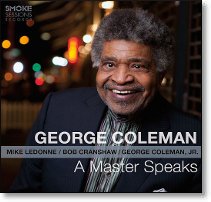
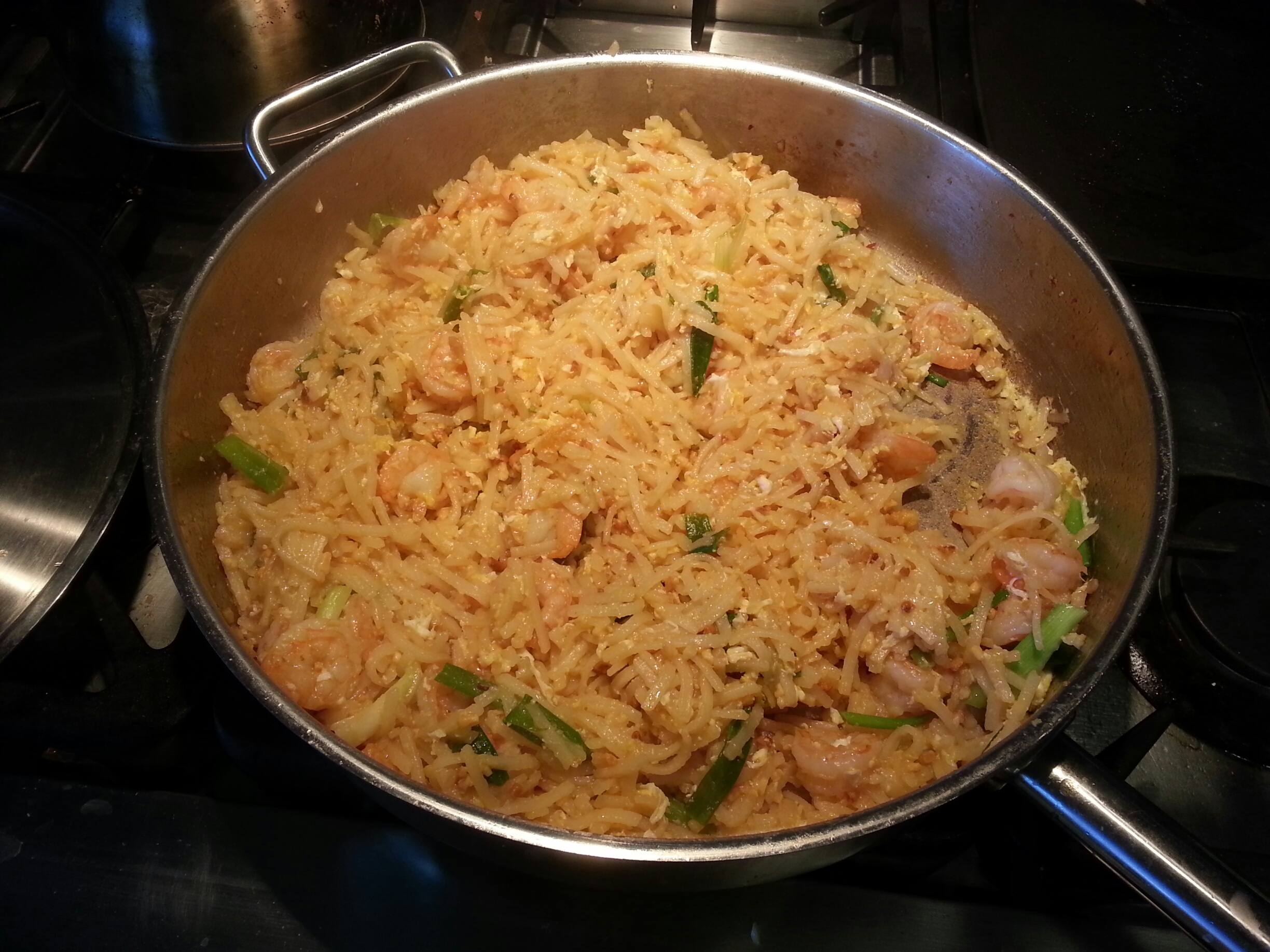
Music: Current count 26996 [26901] rated (+95), 357 [420] unrated (-63). Early last week I got up and found my new jazz queue was practically empty -- at least didn't have anything I particularly wanted to listen to. I wound up playing something from the travel case for breakfast, then took a look at the Downbeat ballot albums list I had saved and started looking things up on Rhapsody. By the end of the day, I had two very solid A-list albums: new works by George Coleman and David Murray I wasn't aware existed. I kept looking up ballot albums for the rest of the week, but didn't find any more A-list. The tally so far: [A-] 2, [***] 4, [**] 4, [*] 7, [B] 2. That brings the percentage of the 186 ballot albums I've heard up from 60.21% to 70.43%. That also skews the grade curve down a bit, although it still centers on mid-B+ (was 26-35-20, now 30-39-27). That leaves 58 albums, the majority most likely not on Rhapsody. At some point I started wondering why, if the queue was empty, the unrated count was stuck around 440 even though it had been down around 400 before I took my June trip and fell behind. So I took a close look at the ratings database and found nearly sixty albums that I had done but hadn't written down the grade for. The actual newly rated count this week is close to the 36 albums listed below -- a pretty healthy weekly count, but way short of the humanly impossible 96 reported above. As I've explained before, the unrateds shot up over a decade ago when Wichita's local record stores went out of business and I bought boxloads of stuff I still haven't gotten to. The list also includes some LPs I didn't remember well enough to jot down when I first constructed the ratings list in the late 1990s -- of course, I wonder now how many of those I still have, since I sold off most of my vinyl in 1999. There are also a few promos from the mid-'00s that I didn't get to but didn't dispose of, but probably no more than a dozen promos from this decade -- I've been doing a pretty good job of getting through the new stuff even if I haven't made much progress with the old. At some point I should make a serious effort to knock down that backlog, even if it just means reclassifying things I no longer have (or cannot find). That would be one of those decluttering projects we talk about doing but I never seem to be able to find time for. Besides, even if the promo stream is drying up -- this month's dearth is partly seasonal but last week's haul is one of the lamest ever. (Two more records arrived today, but I'm pretty sure if I hadn't held last Monday's mail back I'd be empty below. As it is, I won't be empty next week, but might not see a rebound either.) I made phat thai last week, and finally jotted down the recipe I use -- been meaning to do that for some time, especially as I take various liberties with the cookbook (which, by the way, Michael Tatum recommended to me). Laura doesn't like bean sprouts, and I don't like cayenne, so I leave those things out (but I've found that a couple dried Chinese chili peppers don't hurt, as long as I pitch them before serving). Nice thing about the dish is that I can do all the prep, including soaking, and cook the thing in less than an hour. And with shrimp in the freezer, the only thing I have to worry about having fresh is the scallions. I've had a few recipes online for many years, but I've been pretty erratic about adding to them. In fact, I have two sets, one "old" (which dates to 2000) and "new" (which starts in 2007, using a newer look and feel). At one point I meant to convert all the "old" to "new" format, and develop the code to where everything is cross-indexed by ingredients, cuisine, and even dinner party (so one can tell which dishes went together, even how often I make them -- if I bothered to keep track). But I never finished that code, never converted all the "old" to "new," and have only sporadically added things, mostly when I wanted to pass a recipe on. This is actually one of those, and this time I added some new code to display a picture of the finished dish. Looks pretty good, I think. New records rated this week:
Recent reissues, compilations, and vault discoveries rated this week:
Unpacking: Found in the mail last week:
Ask a question, or send a comment. Sunday, August 14, 2016 Weekend RoundupFirst a few loose ends left over from yesterday's Trump post:
Some scattered links this week:
Finally, a few links for further study (ran out of time to comment): Ask a question, or send a comment. Saturday, August 13, 2016 TrumpOne of the more annoying themes pundits like to spin about Donald Trump is how he represents some sort of populist backlash against the elites who run the country. To do so coherently you have to construct strawmen both of the elites and of the people. Coming up with a definition of elites that does not include Trump is an especially daunting challenge: he is, after all, extremely rich, very famous, a guy who flies around in private planes and helicopters, who lives in a postmodern castle in the heart of Manhattan. Sure, elite could mean many other things that Trump decidedly is not: brilliant scientists, stellar athletes, remarkable chefs and fashion designers, actors who can play someone other than themselves. But rich and famous counts for a lot in America: it gets you invited to hobnob with politicians and gives you free access to the media, privileges that, having been born rich, Trump has enjoyed nearly all his life. Then there are the people. You can't have populism without people, but Trump's people aren't exactly a random cross-section of America -- what Bill Clinton referred to when he said he wanted a cabinet that looks like America (not that the one he picked wasn't a good deal richer and fancier dressed). Trump's cross-section is skewed white, older, and male (in almost exclusively to mostly order). But doesn't populism also have to signify some kind of economic revolt? It did in the 1990s when the Populist Party emerged in response to the worst recession American capitalism suffered (only exceeded by the Great Depression of the 1930s, and maybe the Bush meltdown of 2008). And it's certainly true that there is an economic revolt brewing all across America today, where poverty is increasing and most Americans above the poverty line are mired in stagnant wages, rising prices, and often crushing debt, while business (especially the financial sector) has recovered from 2008 and is posting record profits, with virtually all of the gains accruing to the billionaire class. But it's not Trump's people who are behind this revolt -- those who really are down and out (or just struggling to get ahead) voted for Sanders or Clinton (if they voted at all). As Nate Silver shows (see The Mythology of Trump's 'Working Class' Support), Trump voters are significantly better off than median (average household income is $72K, about even with Cruz with but less than the $90K of Kasich and Rubio voters). They are, in short, comfortable enough they can afford to indulge their prejudices in false solutions and a candidate who won't help them in the least. If anyone had any illusions that Trump's economic program would be a boon for billionaires and disaster for everyone else, the candidate dispelled them in two quick moves last week. First, he announced his team of economic advisers. For a quick rundown, see Andrew Ross Sorkin: Donald Trump's Economic Team Is Far From Typical, Patricia Cohen: Trump's Economic Team: Bankers and Billionaires (and All Men) and Evan Popp/Josh Israel: Donald Trump Announces Economic Policy Team: 13 Men -- not sure why these authors chose to focus on sex when the team is homogeneous in more extraordinary ways, such as their finance portfolios, and their PAC experience. Most are billionaires, and most built their fortunes on predatory financial shenanigans -- most notoriously John Paulson, who rigged up the Abacus Fund to bet against the mortgage bubble. A few may dabble in manufacturing ventures -- Steve Feinberg's company makes AR-15 assault rifles -- but only one has a manufacturing company at the base of his resume (Dan DiMicco, formerly of Nucor). None are economists, unless you count Stephen Moore (whose peerless record of bad predictions qualified him to be employed as Chief Economist at the Heritage Foundation). Two of the advisers do have books that might be seen as signposts of a Trumpian economic nationalism, but they point in different directions, underscoring the incoherence of Trump's own blather: DiMicco's American Made: Why Making Things Will Return Us to Greatness (2015), and Peter Navarro's Crouching Tiger: What China's Militarism Means for the World (2015), but like so much of Trump's thinking they don't exactly fit together. Navarro, for instance, is more concerned with protecting business interests in East Asia against Chinese domination than bringing jobs back to America. I have no idea how DiMicco intends to rebuild America's manufacturing base, but most of Trump's advisers do have proven records of bankrupting companies and sending jobs elsewhere. The absence of any credible economists is especially striking. Sorkin's article explains that even long-term Republican partisans like Glenn Hubbard and Greg Mankiw are keeping their distance from Trump. Sorkin also lists some major Republican donors who have been staying away -- the people Trump picked mostly paid plenty for the proximity, and are all in position to more than make their investment back if Trump wins. Trump got a lot of credit during the primaries by not being beholden to the billionaires who backed his candidates, but as you can see from this list, that's all over now. Of course, if you're smart you should have realized that being your own billionaire backer doesn't convey one iota of independence from the billionaire class -- it merely harmonizes the corruption. Perhaps Trump could have clarified all this in his "major economic speech" in Detroit (transcript here), but when it comes down to brass tacks, Trump has little to offer other than tax breaks and deregulation for the already rich, who will then magically take their gains and invest them in American jobs -- just like they did with the tax breaks and deregulation of the Reagan and Bush eras? (Amusing quote from Trump's China-bashing section: "Just enforcing intellectual property rules alone could save millions of American jobs. According to the U.S. International Trade Commission, improved protection of America's intellectual property in China would produce more than 2 million more jobs right here in the United States." Collecting more intellectual property tariffs is the major purpose of TPP, which Trump claims he opposes.) As Isaac Chotiner noted, the speech "was meant for Republican bigwigs as much as for passionate Trump voters" -- actually, I'd say much more for the bigwigs, as he pulled his punches on doing anything meaningful about balancing the trade deficit -- he just expects miraculous effects there from giving businesses free money. (By the way, the trade deficit actually is a boon to the finance industry, and a major driver of inequality. Some of that money shipped abroad goes to workers abroad, but a large slice of it goes to businesses, many of whom reinvest their profits in American banks which help drive up the prices of assets, benefitting the rich, not least the sticky-fingered bankers.) The speech offers an avalanche of numbers abstracted from dubious sources, so it helps to follow with the fact checkers, like Fact-checking Donald Trump's speech to the Detroit Economic Club, to get a rough idea how selective Trump's writers were with facts and how outrageously they could spin them. I particularly appreciate this for the full context to Hillary's quote about putting "a lot of coal companies and coal miners out of business" -- actually very thoughtful on how we need to help workers and regions impacted by technology and trade, touching even. But still, you only get a rough idea -- there's much more in the speech that could have been critiqued (like, e.g., the intellectual property crap I cited above), plus it would help to provide more context for Trump's sources (e.g., when he cites the Institute for Energy Research, are you aware that it's a Koch front group?). Some critical links in response to the speech follow. I'm again struck by how hard it is for some pundits to let go of the notion that Trump is some sort of populist. As should be glaringly obvious by now, there is no economic dimension to Trump's so-called populism. He is too much a part of the rich in America to find any fault with them. Sure, he finds fault in some trade deals, but not because he opposes trade or wants to restore tariffs -- it's just that those agreements were badly negotiated, something a more skilled dealmaker like himself wouldn't have done and could easily fix. How, however, is mysterious, presumably magic, because he doesn't have any coherent program other than his boundless faith in himself. So what makes Trump a populist? Well, it's all in the eyes of the beholder, isn't it? Deep down, Trump's campaign is based on little more than demagogic appeals to racism and xenophobia. It celebrates a subset of the nation that is white, native-born, and Christian, and flatters them as the true Americans, the people this country used to belong to, people who feel entitled to take the country back from the traitorous scum that let those foreigners and deviants and gave them jobs and power, and that cultivates their votes. Trump's pitch is the classic right-wing scam, first pioneered by the fascists of the 1920s and 1930s. So why dignify Trump as a populist, a movement from the 1890s which sought to elevate common people (mostly farmers at the time) by reining in the predatory practices of the rich, instead of deriding him as a fascist? I think it's because a certain class of pundit always viewed fascism and populism as two faces of the same thing: an expression of the ignorant prejudices of the lower orders. This betrays a good deal of ignorance both about the history of fascism and the current composition of Trump's movement: both have more to do with middle class fears of the masses but ultimately depend most of all on their real masters, the rich. Robert O. Paxton, in The Anatomy of Fascism, argues that fascist movements developed in countries where aristocratic classes had been unable to repackage their political interests to have any real appeal in democratic elections. In essence, the fascists were able to broaden the appeal of conservatives by agitating the middle classes, playing to their fears of communist revolution and their various prejudices and hatreds and offering redemption through a renewed, often violent, cult of nationalism. To my mind, Paxton's focus on democratic appeal is overly narrow, as he uses it to deny that various murderous conservatives like Francisco Franco were really fascists. Curiously, his definition doesn't exclude Trump or, for that matter, much of the Republican Party at least since Newt Gingrich became party leader in the House. For twenty years (at least) Republicans have shamelessly campaigned to increase the power and wealth of the already rich, to vastly increase the degree of inequality among Americans, and they have done this by rallying a large slice -- middle-class and up, white, Christian, patriotic in the sense of being pro-military -- to their cause. Of course, Republicans haven't advertised themselves as fascists -- Americans fought a World War to rid the world of fascism, and sought afterwards to characterize communism as an allied disorder (coming up with "totalitarianism" to group the two as opposed to our system of democracy and free enterprise). In particular, ever since Nixon launched his "southern strategy" and claimed "the silent majority" as his base, Republicans have been careful to "dog whistle" their appeals to racism. The only thing that makes Trump exceptional is that his anti-immigrant stance has been overtly racist -- certainly it doesn't extend to his Slovenian wife or his Scottish mother or his German grandparents -- and that he has refused to dissociate himself with the hard-core racists who have flocked to his campaign. (Has any presidential nominee ever had fewer American-born ancestors?) I suppose you can see from this why pundits who can't tell you the difference between fascism and populism might get confused, but is there anything more to it? Well, Mussolini got his start leading a gang that smashed the heads of strikers. Trump hasn't done that, but he has encouraged his supporters to acts of violence against demonstrators, and most recently asked his "second amendment people" to stop his opponent, Hillary Clinton (after his convention chanted "lock her up"). Again, Republicans since Nixon have occasionally "dog whistled" their support for violence against their perceived enemies -- in particular, recall Nixon's embrace of "hard hats" who cracked the heads of peace protesters. And the threats made against Obama and Clinton by lesser Republicans and their fans are beyond counting. I suppose you could add two more technical issues, but I suspect they're beyond the radar of most pundits. Trump's opposition to trade deals -- what you might call economic nationalism, although to be fair he doesn't -- recalls the fascist concern for autarky. And Trump's more explicit "America First" foreign policy stance threatens to fight wars with no concern for the casualties inflicted elsewhere -- hence his insistence on keeping the option of nuclear weapons "on the table" -- although there is little reason to think he would start wars for foreign conquest (as Mussolini and Hitler did). These aspects have created a huge schism within the Republican establishment, not because they point toward fascism but because they threaten to undermine the profits of global-minded businesses. Republican-leaning capitalists have been remarkably obtuse in not understanding that they've made much more money under Clinton and Obama than under Bush, but many are finally, belatedly realizing that Trump would be even worse for them than Bush was. Just because Trump is a demagogue preying on the worst instincts of a once-powerful segment of the American people does not make him a populist, even if it makes him somewhat popular. After Detroit, that at least is one term that should never be associated with him. As for fascist, I won't argue no -- as a leftist I've long been hypersensitive to even the slightest whiff of fascism -- but I don't regard Trump as exceptionally fascist (e.g., as compared to Cruz and Kasich). I don't see him doing fascist things, but I don't see him undoing the present security state, and he may make things somewhat worse, especially for people who don't pass muster as white. That's because what he really is isn't any sort of ideologue. He's simply a dog -- a guy who's been hearing all those Republican "dog whistles" for so long he assumes everyone can hear them, that they define reality. And as such, he campaigned on the basis of what he and all the other Republican dogs heard, oblivious to the tact and decorum the whistlers have worked so hard at cultivating. Trump should be a hugely popular figure in this world, because he's practically the only public person who speaks their understanding of the truth. On the other hand, the true conservatives who have been manipulating this electorate, especially the ones who bought wholesale into economic orthodoxy and the ones who are most obsessed with preserving America's worldwide hegemony are aghast, as well they should be. Just as I won't deny that Trump is a fascist, I won't deny that his election would be catastrophic. It's not so much what he would do as what him winning would say about the American people: that we're so jaded we'd fall for a crude and ignorant media celebrity who understands nothing and has nothing to offer but discredited clichés, with a side of hate to pin our self-loathing on. Above all, his election would encourage the worst sort of racist revanchists, people who until Trump's rise were consigned to the farthest margins of political discourse. But it would also repopulate government with run-of-the-mill conservative spearchuckers, who would multiply the corrupt rot of the Bush administration, and that may do more damage in the long run. Trump has been sinking in the polls, even since I started writing this. He seems to have learned that the only way to shift one horrid gaffe from the news cycle is to commit another one -- like his "2nd amendment people" threat, or his claim that Obama and Clinton "founded ISIS." Still, no matter how far Trump sinks, Clinton has been unable to push her share above 50%. If Trump wins it will say more about her than about him. Still, Trump only has one real chance: he needs all his dogs to vote, and he needs much of the rest of America to not bother. For that to happen, Clinton will have to prove remarkably uninspiring and/or a dangerous warmonger (her obsession with the "commander-in-chief test" worries me). But also Trump will have to stop pissing off most of the country, and at this point that seems pretty unlikely. A few more links on the speech:
Pierce, by the way, started his article with a somewhat unrelated reference to "a popular Republican strategist named Rick Wilson," who wrote an op-ed hoping that Trump be defeated so utterly his memory is forever purged from conservative consciousness. Pierce goes on to note:
When conservatives set out to take over the country, they set themselves up with a tough task: to somehow convince a majority of Americans to enrich the 1% at their own expense. They did it by assembling as many single-issue constituencies as they could stand under their umbrella, and even then the few victories they scored were often marked by subterfuge -- remember Bush's "compassionate conservatism"? What about his promise to never engage in "nation building"? When Bush cratered the economy, they didn't readjust to the changed reality. They invented their own, in an echo chamber that was totally disconnected from reality (take another look at that fact checking linked to above), and within this world they found their champion in Donald Trump. That puts them in quite a bind: if, having rounded up all the hate groups, and all the fools, they still lose, and lose badly, the only option left for reaching new voters is to abandon their pursuit of inequality, but how can they do that given the way a handful of billionaires dominate the party? Ask a question, or send a comment. Wednesday, August 10, 2016 Downbeat Readers Poll
Voted today in Downbeat's Readers Poll: link here, go ahead and vote. Didn't intend on posting this, but took notes and finally decided my ballot might be of some small interest. In the Reader's Poll you only get one vote in each category. They conduct the poll using Survey Monkey, offering you a ballot of many suggestions for each category (usually two to five dozen, but up to 186 for Best Album) and the option to write something in. I almost always vote from the ballot, especially for albums even though my own lists prefer many things they left out. I list the categories below, my pick in bold (or bold italic for write-ins), followed by a few ballot items that I jotted down as possibilities on the first pass. Rarely I add a comment. This is much quicker than filling out their Critics Poll ballot. My notes on that experience are here.
I copied the full album ballots into the notebook as a check on how much I've heard (and still have to dig up). Of 186 new jazz albums, I've heard 112 (60.21%), grades breaking: [A-] 15, [***] 26, [**] 35, [*] 20, [B] 10, [B-] 4, [C+] 1, [C] 1, [C-] 1. I could do the same thing for Historical and Blues but my cut is extremely low. I have nothing to say about Beyond other than that records so labeled aren't what we used to call "far out." Ask a question, or send a comment. Monday, August 8, 2016 Music Week
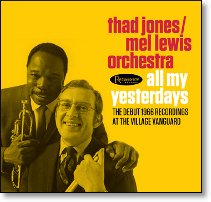
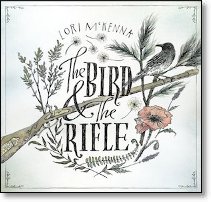
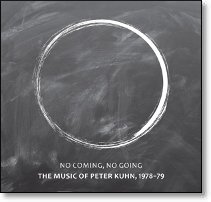
Music: Current count 26901 [26875] rated (+26), 420 [423] unrated (-3). Another week that's liable to make people think I'm an easy grader, or at least one that has a few soft spots that make him an easy mark: six A- records, eleven (or twelve counting the grade change) high B+, that's something like 65%. In my defense, several things came into alignment this past week. Main one was that I did a major update of Robert Christgau's website, which got me rumaging through recent EW lists for things I hadn't gotten to yet, which yielded two solid A- records (Konono No. 1, Lori McKenna) and a bunch of just-unders (Leland Sundries, Dawn Oberg, Walter Salas-Humara, older Lori McKenna). I also caught up with a purple patch in the new jazz queue: a batch of Clean Feeds, plus new albums by old favorites Stephan Crump and Steve Lehman. Also stumbled upon some old records I had been looking for (Peter Kuhn, Ellery Eskelin, Audio One), looked up some big-name recent jazz I didn't get in the mail (Kenny Garrett, Charlie Hunter, Joe Lovano, Markus Stockhausen). Didn't leave much time for bottom trawling. In this company, the dud of the week was Garrett's Do Your Dance -- something I might of suspected given that he snagged the cover of Downbeat (nearly all of my old JCG duds had been on Downbeat's cover). I don't usually make a point of linking to music, but the search for Crump's cover led me to his Bandcamp page. Note that to start with the first cut, you have to scroll down to the song listing and pick it from there. More records there, including some early ones I should check out, but I don't see my favorite one, 2010's Reclamation. I reviewed this from CD, but Bandcamp is one of the best things that's happened for someone who wants to review a broad swathe of records like I do. Also, I think, good for customers, who among other things get to sanity check reviewers like me. While I'm at it, here's a YouTube link for the song of the week, Dawn Oberg's "Republican Jesus", from her short 2015 LP Bring. Probably the most pointed political song since Todd Snider's "Conservative Christian, Right Wing, Republican, Straight White White American Male" -- actually more pointed since the analysis is deeper and more detailed, but the subject is pretty much the same. A couple things I could use some feedback on:
Follow the Contact link for an email address, or comment on Facebook of something like that. New records rated this week:
Recent reissues, compilations, and vault discoveries rated this week:
Old music rated this week:
Grade changes:
Unpacking: Found in the mail last week:
Ask a question, or send a comment. Sunday, August 7, 2016 Weekend RoundupI want to start with a paragraph from John Lanchester: Brexit Blues:
Not sure of the numbers, but offhand this sounds like a pretty fair description of immigrant America as well -- maybe there is a slightly larger slice of unskilled immigrant workers because the US has much more agribusiness, but a lot of the immigrants I know are doctors and engineers, and I suspect that immigrants own a disproportionate share of small businesses. One widely reported figure is that Muslims in America have a higher than average per capita income, so it's hard to see them as an economic threat to the middle class -- they're part of it. One thing we do have in common with Britain is that anti-immigrant fervor seems to be greatest in places with damn few immigrants. (Trump's third strongest state -- see below -- is the formerly Democratic stronghold of West Virginia, which is practically hermetically sealed from the rest of the US.) Whether that's due to ignorance and unfamiliarity or because those areas are the ones most left behind by economic trends -- including the ones most tied to immigration -- isn't clear (most observers read into this picture what they want to see). Lanchester makes another important point, which is that the Brexit referendum succeeded because the single question cut against the grain of the political party system: "To simplify, the Torries are a coalition of nationalists, who voted out, and business interests, who voted in; Labour is a coalition of urban liberals, who voted in, and the working class, who voted out." I suspect that if we had a national referendum on TPP you'd see a similar alignment against it (and it would get voted down, although the stakes would be far less). On the other hand, Trump vs. Clinton is going to wind up being a vote along party lines, not an alignment of outsiders against insiders or populists against elitists or any such thing. Some scattered links this week:
Ask a question, or send a comment. Monday, August 1, 2016 Music Week
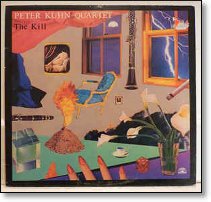
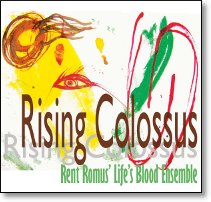
Music: Current count 26875 [26851] rated (+24), 423 [431] unrated (-8). Not a particularly strong rated count -- especially given that I wrapped up a Streamnotes column, but still finding exceptional numbers of A- records, and they take more time than B or low B+ records. Also, almost everything below is jazz, and most of it (aside from the Hersch oldies) came from my mail queue (down lower now than it's been in about three months). One mistake from Streamnotes is that I omitted the Rent Romus album cover. I'll rectify that in the faux blog, but probably not in the Serendipity version. (Not sure how the relative performance of those is holding up. I have managed to keep adding new entries to Serendipity, but rarely see them, and find it more work to edit.) Surprise star this week is Peter Kuhn, who plays clarinet, bass clarinet, and some sax, and recorded a bit 1979-81, dropped out for a long stretch, and re-surfaced last year. I didn't recall the name, but thanks to Rick Lopez' dilligence I did list his albums in the discography to my mammoth William Parker-Matthew Shipp Consumer Guide (from 2003, I think). I tried to find Kuhn's other albums for Hat and Soul Note on Rhapsody (err, ugh, Napster), but only tracked down The Kill (misfiled under Denis Charles -- seems to have been his real name, although I notice now that I used the Americanized "Dennis" last week, something else to fix). Getting pretty close to doing a major update to Robert Christgau's website: not many new articles -- latest is his review of Jon Savage's 1966: The Year the Decade Exploded -- and no new-old pieces (maybe someone should organize a scavenger hunt), but I finally managed to bring the Consumer Guide database up to the moment (July 29). Now if only I can remember that bug (revision incompatibility) I had to work around to import the new database. I'll tweet when I get it done. New records rated this week:
Recent reissues, compilations, and vault discoveries rated this week:
Old music rated this week:
Ask a question, or send a comment. Sunday, July 31, 2016 Weekend LinksAfter the big post on the Democratic National Convention and the mad scramble to wrap up July's Streamnotes, I figured I'd skip attempting a Weekend Roundup today. I started this in the Notebook, then decided what the hell, might as well share it. Tried to avoid adding comments. Read the links at your leisure and the comments will probably be obvious. Some links:
One quote from these pieces I want to single out: from the Frum article, a quote from an anonymous Trump supporter:
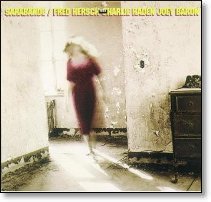
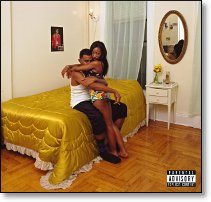
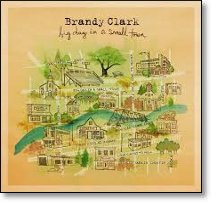
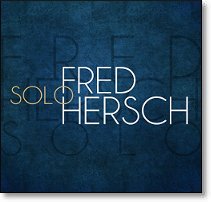
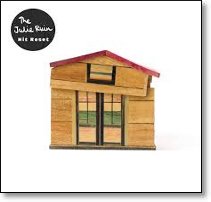
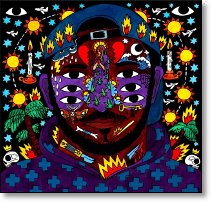
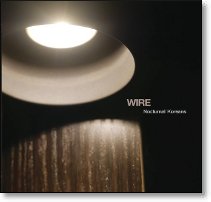
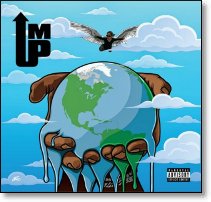
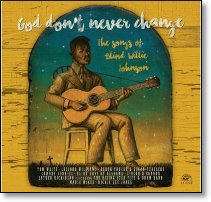
My emphasis. Funny thing is that the first time I heard "New World Order" in the last decade -- I think the phrase goes back to people in the first Bush administration, circa the first Iraq War -- was in the house of a Trump supporter. He attributed it to Obama, and was greatly bothered by the whole idea. Democrats are vulnerable to this because they grew up in the internationalist tradition from Wilson to Roosevelt to Johnson, and the Carters and Clintons and Obamas have just sheepishly followed in line. It started just helping US companies do business abroad, evolved into a protection racket for global capitalism, and eventually became a self-serving monster, starting wars just to punish countries for disrespecting our omnipotence. This never meant anything to most Americans aside from the fears they were dictated, but after Eisenhower beat Taft in 1952 the Republicans were always in on the deal, so nobody had a chance to hear otherwise -- until Trump. This is a big risk for Hillary: her political education has taught her to always spout the Washington establishment's clichés and, if pressed, always to hedge on the side of being more hawkish. Against Trump, especially viz. Russia, she could easily convince people that she's the dangerous maniac (as well as that she's weak -- not willing to do "whatever it takes" because she's hung up on sensitivities to foreigners and international law). I also might have noted that on Saturday 538's Who will win the presidency? showed Clinton and Trump dead even at 50.0%, with Trump enjoying a slight edge in electoral votes (269.4 to 268.2) but Clinton still leading the popular vote (46.3 to 45.5%, with Gary Johnson at 6.9% and Jill Stein off the chart). Clinton's decline nudged Florida, Iowa, Nevada, Ohio, and New Hampshire into the Trump column. On Sunday new polls bumped Clinton up to 51.0%, 270.2-267.4 in the electoral college, 46.3-45.4% popular vote, but didn't tip any states. Right now, the closest state is Pennsylvania, only D+0.8, followed by Nevada R+0.9, Florida R+1.2, and Virginia D+1.2. Clinton has been sinking since FBI Director James Comey's press conference put the private email server issue to rest (at least the threat of a possible indictment), so the RNC bounce had some prior momentum. We're not seeing much of a DNC bounce yet -- at least it's not coming as fast as what was taken as a RNC bounce did. (Silver footnote from the article cited above: "Although interestingly, if you chart the numbers, it's not easy to distinguish Trump's convention bounce from a continuation of the previous trend toward him.") Don't know if this has been factored in, but RABA Research's post-DNC poll has Clinton ahead of Trump 46-31% (7% for Johnson, 2% for Stein), a big bump from their post-RNC/pre-DNC poll, which Clinton led 39-34%. (Still, aren't the undecided remains awfully large here? Seems like a lot of people don't want to face the choice they've been given.) Ask a question, or send a comment. Saturday, July 30, 2016 Streamnotes (July 2016)First order of business: I've dropped "Rhapsody" from the column name because the streaming service changed their name to Napster. I started writing these notes in 2007 when Rhapsody kindly gave me a free subscription (I had done some work for them converting Robert Christgau's Consumer Guide reviews so they could use them). That ran out a year later and there's a break in coverage until the following August when I broke down and paid for the service. One of the better investments I've made, the most obvious ROI being that it broke me of the habit of buying CDs just to check them out, only to discover they weren't things I would want to return to. The second effect was that I wound up checking out a lot of stuff I never would have paid for -- some did pan out, and many didn't. I later decided to cut back on my column writing, bringing to a close Recycled Goods and Jazz Prospecting as separate entities by folding the records I would have reviewed there into here. These days, the default below (the case not otherwise marked) is something streamed on Rhapsody/Napster. Other records are marked with a note in brackets -- [cd] for CDs (mostly promos), [cdr] for advance/bootleg CDs (all promos), [bc] for Bandcamp, [dl] for some other download (or streaming) source. Needless to say, these sources are not all created equal, either in terms of sound quality or personal convenience. Each column has a legend explaining this. As you may recall, I missed a big chunk of June travelling, so that month's haul was much shorter than usual (66). This month's is probably longer than usual (135). The "new releases" generally came out in the last 2-3 years, with most being 2016 releases. The "recent reissues, compilations, vault discoveries" were also released in the last 2-3 years, but usually are older music (recorded more than ten years ago), but I sometimes slip in more recent "various artist" compilations (like the Blind Willie Johnson tribute this month). The "old music" section contains older releases that I'm late getting to -- mostly catch-ups on artists or labels I've been thinking about and found on Rhapsody (er, Napster, hate that name), plus the occasional stray that I just happened to notice. This section was very slim this month until at the last moment I decided to dive into old Fred Hersch records. Most of these are short notes/reviews based on streaming records from Rhapsody (other sources are noted in brackets). They are snap judgments based on one or two plays, accumulated since my last post along these lines, back on June 30. Past reviews and more information are available here (8364 records). Recent Releases
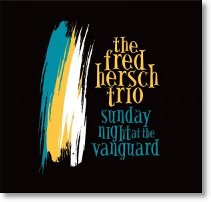
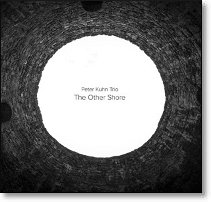
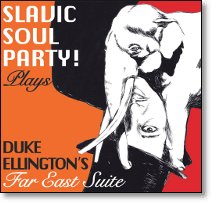
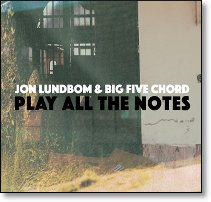
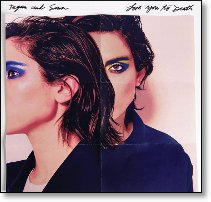
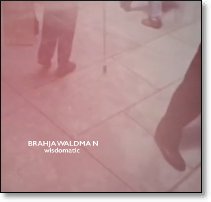
The 1975: I Like It When You Sleep, for You Are So Beautiful Yet So Unaware of It (2016, Dirty Hit/Interscope): British guitar band, second album. No denying that some of this is catchy, bouncy, sharp, smart, but it's also extremely long at 73:55 (17 songs). B+(*) Anohni: Hopelessness (2016, Secretly Canadian): Antony Hegarty, formerly of Antony and the Johnsons, name change seems to be related to a gender change. Produced by Hudson Mohawke, with input from Oneohtrix Point Never, so the protest music is devoid of folky cliché. He/she oversings -- some things are beyond change. B+(*) The Avalanches: Wildflower (2016, Astralwerks): Australian group, built their first album wholly from samples (2000's Since I Left You) -- about the time when they reportedly started working on this second album, finally released 16 years later. Ridiculously mixed bag here, the calypso-oom-pah mashup "Frankie Sinatra" is amusing enough, but other jokes wear thin, if indeed they are funny at all. B Ricardo Bacelar: Concerto Para Moviola: Ao Vivo (2015 [2016], Bacelar): Brazilian pianist, a live recording from the Guaramiranga Jazz and Blues Festival in Ceara, Brazil; draws on 1970s pop/fusion like Weather Report and Yellowjackets and throws in some Jobim, of course. Flows, lilts, even rocks out a bit. B+(*) [cd] Jon Balke: Warp (2014 [2016], ECM): Norwegian pianist, more than a dozen albums since 1991. Solo piano, slow and thoughtful enough for Manfred Eicher, also credits for field recordings and vocals but nothing I much noticed. B+(*) [dl] Aaron Bennett/Darren Johnston/Lisa Mezzacappa/Tim Rosaly: Shipwreck 4 (2015 [2016], NoBusiness): Tenor sax, trumpet, bass, drums -- your basic two-horn avant quartet, no chordal instrument to harmonize the horns. Should be freewheeling, but isn't quite. B+(*) [cd] James Blake: The Colour in Anything (2016, Polydor): British electronica artist, gained a lot of attention for a series of dubstep-influenced EPs c. 2010, which he's followed up with a pair of much hyped (but to my ears underwhelming) albums. Blake picked up help here from Justin Vernon (Bon Iver) and Rick Rubin, stretching the album out to a monumental 76:13. I can see why some people are impressed, but I find it dreary and depressing -- not something I look for in pop music. B- Carla Bley/Andy Sheppard/Steve Swallow: Andando el Tiempo (2015 [2016], ECM): Piano, tenor/soprano sax, bass, playing five Bley compositions. Swallow is Bley's third famous husband (after Paul Bley and Michael Mantler). Sheppard is a Brit who produced some exciting albums from the late 1980s, and has been close to Bley for well over a decade now. Like their previous Trios, a lovely piece of chamber jazz. B+(***) [dl] Blood Orange: Freetown Sound (2016, Domino): Dev Hynes, previously recorded as Lightspeed Champion, now has his third album as Blood Orange. R&B, slick beats and soft croon but it all comes out twisted in various ways. A- The Michael Blum Quartet: Chasin' Oscar: A Tribute to Oscar Peterson (2015 [2016], self-released): Guitarist, won Downbeat's Rising Star a year ago in something of a scandal (he didn't finish in the top 21 this year). Quartet includes piano (Brad Smith), bass (Jim Stinnett), and drums (Dom Moio). The Oscar Peterson theme offers easy standards (plus two originals by Stinnett), and Blum sings a couple -- not very well, but not without charm. B+(*) [cd] Bobby Bradford/Hafez Modirzadeh: Live at the Open Gate (2013 [2016], NoBusiness): Trumpet and alto sax, respectively, with Mark Dresser on bass and Alex Cline on drums, a perfectly enjoyable but unspectacular avant set. B+(**) [cdr] Brazzamerica: Brazzamerica (2016, self-released): Brazilian (or Brazilian-American? -- this album, presumably their debut, was recorded in New York) piano trio: Leco Reis (bass), Cidinho Teixeira (piano), Edson Ferreira (percussion). Engagingly upbeat, very pleasant. B+(**) [cd] Brothers Osborne: Pawn Shop (2016, EMI Nashville): John and T.J., country-rockers transplanted to Nashville from Maryland, not to be confused with Kentucky bluegrassers Sonny and Bobby, aka the Osborne Brothers. First album, country rock with emphasis on the latter, but country for their clearly articulated down home themes -- almost a little too clear, nothing you'd think twice about. B+(*) Toronzo Cannon: The Chicago Way (2016, Alligator): Chicago bluesman, fourth album since 2007 getting a late start -- he's now 48, basically a journeyman working in a long tradition. B+(*) Car Seat Headrest: Teens of Denial (2016, Matador): Singer-songwriter Will Toledo, wrote eleven homemade albums worth of songs in four years before landing an indie label contract. His debut featured re-recorded old songs, but this sophomore effort is newer and bigger, his twelve songs running 69:16, nearly everyone with substantial crunch and hook -- so much meatier than anything from his lo-fi days. Can't say as I care yet, but I am impressed. B+(***) Cavanaugh: Time and Materials (2015 [2016], Mello Music): Underground rap duo, Open Mike Eagle and Serengeti, beats are subtle, raps representing characters -- as usual I have trouble following, but what I do hear is interesting. Eight tracks, 25:56. B+(**) Corey Christensen: Factory Girl (2015 [2016], Origin): Guitarist, has a handful of grooveful albums, group includes Zach Lapidus on keyboards, plus bass, drums, and extra percussion. B+(**) [cd] Brandy Clark: Big Day in a Small Town (2016, Warner Brothers): Quite some songwriter, storyteller too, but she turns so many clever phrases with heaven and hell (e.g., "since you've gone to heaven the whole world's gone to hell") and love lost and scorned ("if you want the girl next door, go next door . . . and don't look back"). A- Frankie Cosmos: Next Thing (2016, Bayonnet): Greta Kline's second album, at 28:28 still considered an EP by Rhapsody but anything with fifteen songs deserves more respect. (Her previous Zentropy finished ten songs in 17:16.) Better than lo-fi sound, better than DIY songs too. B+(***) Sylvie Courvoisier/Mark Feldman/Ikue Mori/Evan Parker: Miller's Tale (2015 [2016], Intakt): Piano, violin, electronics, soprano and tenor sax, respectively. Feldman is the most classical-sounding of jazz violinists and seems to dominate at first, but the more you listen the more interesting the fractured piano and sax become. Still not sure about the electronics. B+(***) [cd] Dan Cray: Outside In (2015 [2016], Origin): Pianist, sixth album since 2002, a quartet with Dayna Stephens (tenor sax), Clark Sommers (bass), and Mark Ferber (drums). Four originals, three covers (Bud Powell, "A Flower Is a Lovesome Thing," "Where Are You"), nothing too settled or pat. B+(**) [cd] Theo Croker: Escape Velocity (2015 [2016], Okeh): Trumpet player, grandson of Doc Cheatham -- would have been 11 when the New Orleans trumpet legend died at 91, but Donald Byrd is the more explicit reference. Like Byrd, Croker aims for jazz-funk as if he's on the verge of a commercial breakthrough. Drawing on a wider range of funk, he gets a bit closer aesthetically, but in today's marketplace still remains marginal, even with the Dee Dee Bridgewater vocal. B+(*) Orbert Davis' Chicago Jazz Philharmonic Chamber Ensemble: Havana Blue (2013 [2016], 3Sixteen): Big band plus some strings, the bulk of the record taken up by "Havana Blue Suite" followed by a few standards (including "Manteca"). The suite has a delicate air. B+(**) [cd] Suzanne Dean: Come to Paradise (2016, Ship's Bell Music): More songwriter than singer -- credit here is "background vocals and ukulele"; lead vocals are by Nicole Zuraitis -- with the songs in a folk-rock vein (paradise and dreams and such), starting with guitar then gradually adding in keyboards (Rich Ruttenberg) and horns (John Daversa and Bob Sheppard). B [cd] Debo Band: Ere Gobez (2016, FPE): Boston band led by Ethiopian singer Bruck Tesfaye and saxophonist Danny Mekonnen, doing a fair approximation of Ethiopian pop/Ethio-jazz. B+(*) The Diva Jazz Orchestra: Special Kay! (2013 [2016], self-released): Drummer Sherrie Maricle's all-female big band "celebrates the life and music of Stanley Kay" -- last name Kaufman, also a drummer, died in 2010 at 86 after a "70+ year career" which included a stint as Entertainment Director for the New York Yankees, but he's also credited as founder (in 1992) and "creative force behind" the Orchestra. He also composed the ten pieces, which swing ferociously. Done live, with lots of shout-outs to the soloists. B+(**) [cd] Drake: Views (2016, Cash Money): Canadian rapper, took a fairly modest underground style and blew it up into a big hit, and keeps spitting it out although I've never found much reason to care. Runs 79:45. B+(*) The Evenfall Quartet: Evenfall (2015 [2016], Blue Duchess): Boston group, first album, very mainstream tenor sax (Mark Earley), piano (Joe "Sonny" Barbato), bass (Brad Hallen), drums (Jerzy "Jurek" Glod) outfit. All standards, leading with "That Old Black Magic," passing through "Time After Time" and "Old Devil Moon" and "After You're Gone" to wrap up with "Stardust." Earley's background is playing in blues bands (Duke Robillard, Roomful of Blues) and he doesn't have the rich vibrato of a Bob Rockwell much less Ben Webster, nor does the band aspire to anything retro (like a Scott Hamilton). In short, as a critic I should insist on them working harder, doing something more ambitious, but in fact my idea of a perfectly lovely album. A- [cd] Fail Better!: Owt (2014 [2016], NoBusiness): Avant-jazz quintet from Portugal -- Marco dos Reis (guitar), Luis Vicente (trumpet), João Guimarães (alto sax), José Miguel Pereira (double bass), João Pais Filipe (drums) -- recorded live at Coimbra. The guitar generally leads here. B+(**) [cdr] Alan Ferber: Roots & Transitions (2016, Sunnyside): Postbop trombonist, assembled a nonet here to fill out his compositions, thick and more than a little turgid. B Cheryl Fisher: Quietly There (2015 [2016], OA2): Standards singer (wrote one song here), from Canada, eighth album since 2004, quietly sneaks up on you, in large part because the band -- Seattle musicians from John Bishop's crew -- provides subtle support in all the right places. B+(**) [cd] Anat Fort Trio/Gianluigi Trovesi: Birdwatching (2013 [2016], ECM): Pianist, born in Israel, based in New York, fourth album since 1999, trio means Gary Wang (bass) and Roland Schneider (drums), together at least since 2009. Trovesi plays alto clarinet, returning to the lineup of her 2007 ECM debut. B+(***) [dl] Dori Freeman: Dori Freeman (2015 [2016], Free Dirt): Folky singer-songwriter from Appalachia doesn't make a show of her roots or authenticity but lets them quietly seep through her songs, produced by Teddy Thompson, most effectively when he slips in a rock band, or lets her take a work song with nothing but finger snaps. A- Fresh Cut Orchestra: Mind Behind Closed Eyes (2016, Ropeadope): Ten-piece group from Philadelphia led by Josh Lawrence (trumpet), Jason Fraticelli (bass & cuatro), and Anwar Marshall (drums), who share writing credits pretty evenly. Latin tinge, much emphasis on rhythm, especially irresistible on the closer "Gallo y Gallina." B+(***) [cd] Fresh Cut Orchestra: From the Vine (2015, self-released): First album, mostly consists of the seven-part "Mother's Suite," starting off with irritating bird sounds then gets symphonic. Mixed bag after that, including passages that show a lot of promise (and not just the fast ones). B+(*) [bc] Fred Frith Trio: Another Day in Fucking Paradise (2015 [2016], Intakt): Guitarist, many albums since his early Guitar Solos (1974) when he staked his avant-garde claims by working with prepared guitar. This is still fairly far out, scratchy avant guitar backed by Jason Hoopes (electric and double bass) and Jordan Glenn (drums, percussion). Some slavic-sounding voice, but it doesn't stick around. B+(***) [cdr] Fruit Bats: Absolute Loser (2016, Easy Sound): Chicago alt/indie band, starts with the Velvets' guitar sound and adds some pop sparkle, with Eric D. Johnson writing neat little songs. B+(**) Gaudi: EP (2016, RareNoise, EP): Daniele Gaudi Cenacchi, b. 1963 in Italy, based in London, has a dozen albums since 1991 and many more shorter forms. Plays minimoog and other keyboards here, also credited with programming, for two cuts, 15:39, backed by 5-6 musicians (no intersection, the better known ones like Bill Laswell and Merzbow are on "Electronic impromptu in E-flat Minor." Groove spins off easily enough you wouldn't mind him running longer. B+(**) [cdr] Sara Gazarek/Josh Nelson: Dream in the Blue (2015 [2016], Steel Bird): Nelson plays piano -- has a couple albums on his own. Gazarek sings, mostly standards but Nelson wrote three songs, two with Gazarek. A fairly intimate affair, never really takes off. B [cd] Domo Genesis: Genesis (2016, Odd Future): LA rapper, Dominique Marquis Cole, debut album after several mixtapes. Good chance this could grow on me, given how many times the first pass reminded me of Stevie Wonder. B+(***) Robert Glasper: Everything's Beautiful (2016, Legacy): Co-credited to Miles Davis, who is extensively sampled (or reproduced) for a tie-in with Don Cheadle's movie, Miles Ahead. Still, Davis died 25 years ago, and while it's amusing to imagine what he might have made of hip-hop, the result is clearly the work of someone who grew up straddling both worlds. More polished than previous efforts, with some imagination but also a tendency to let the soundtrack unwound. B+(**) André Gonçalves: Currents & Riptides (2016, Shhpuma): From Portugal, plays keyboards, guitar and computer, but they mostly boil down to electronics. Two long tracks, one with Pedro Boavida joining in on Fender Rhodes, the other with bass (Rodrigo Dias) and guitar (Gonçalo Silva). The quirky first piece is especially enticing. The second is more ambient drone, but that goes down easy too. B+(***) The Goon Sax: Up to Anything (2016, Chapter Music): Australian alt/indie trio, basically lo-fi guitar jangle and voice, with occasional echoes of the Go-Betweens, perhaps expected in a band led by Robert Forster's son Louis. B+(***) Ariana Grande: Dangerous Woman (2016, Republic): Pop star, got her start as a teenage TV star, third album -- another pile of glitz with a vast array of writers and producers and featured guests (Nicki Minaj, Lil Wayne, Macy Gray, Future), which should be good for some ear candy but rarely rises to that level, let alone portends the promised danger. B+(*) David Greenberger, Keith Spring, and Dinty Child: Take Me Where I Don't Know I Am (2016, Pel Pel): More spoken word texts from conversations at a nursing home in Jamaica Plain, MA 1979-83 -- back far enough you get a good story about Joe Louis. The others (and Keiji Hashimoto) provide the music, which is jazzy for the opener on "Three Spaniels" and moodier toward the end, not least for the nonogenarian who hopes to die soon. A- [cd] Tord Gustavsen: What Was Said (2015 [2016], ECM): Norwegian pianist, working with vocalist Simin Tander and pianist-drummer Jarle Vespestad. The voice is arresting, and without the voice the piano grows even grander. B+(**) [dl] Rich Halley 5: The Outlier (2015 [2016], Pine Eagle): Tenor saxophonist, has an impressive run of albums since he retired from his day job, mostly quartet affairs with Michael Vlatkovich on trombone, Clyde Reed on bass, and son Carson Haley on drums. The fifth here is Vinny Golia (baritone sax, bass clarinet) -- one of Halley's early albums was recorded on Golia's Nine Winds label. This is something of a mess, but frequently turns magnificent, as if rising up from chaos is a good thing. Guess it is. A- [cd] Hard Working Americans: Rest in Chaos (2016, Melvin): Todd Snider and several guys with long resumes in bands I never bothered with -- sort of Nashville's answer to the Waco Brothers, but they rarely live up to the concept. B+(**) Tim Hecker: Love Streams (2016, 4AD/Paper Bag): Ambient electronica artist, his electronics finding a fair amount of what sounds like radio static and given a sacred music aura by the Icelandic Choir Ensemble -- none of which I find especially appealing, even when it's oddly moving. B Fred Hersch: Solo (2014 [2015], Palmetto): Didn't get this last year when it polled well -- guess the publicist knew that I rarely fell for solo piano albums, even by pianists I've long admired. Starts with a Jobim, then "Caravan," two originals, "The Song Is You," "In Walked Bud," "Both Sides Now" -- each taken at a leisurely stroll for no less than 7:30, where it just envelops you with warmth and feeling. Good chance that if it wasn't so difficult to deal with downloads I'd like it even more. A- [dl] The Fred Hersch Trio: Sunday Night at the Vanguard (2016, Palmetto): The pianist's fourth Vanguard title, although when I saw this title I flashed not on his own previous efforts but on Bill Evans' justly legendary Sunday at the Village Vanguard -- Hersch has always had a thing for Evans, but in the liner notes he only mentions the first time he sat foot in the Village Vanguard, in 1976 for Dexter Gordon's homecoming (the only time I ever went there). Trio with John Hébert and Eric McPherson mostly staying out of the way -- not my recipe for for a great piano trio but the pianist is on such a roll he's fascinating anyway. A- [cd] Marquis Hill: The Way We Play (2016, Concord Jazz): Trumpeter, won a Monk prize in 2014 which carries with it Concord's commitment to release an album. This revisits the hard bop tradition (Gryce, Silver, Monk, Hancock, Byrd, some standards), in a group with Christopher McBride on sax and Justin Thomas on vibes in lieu of piano, with Makaya McCraven's drums lighter and fleeter than any hard bop drummer. Meagan McNeal introduces the band, and Hill drops a couple rhymes. B+(***) Hinds: Leave Me Alone (2016, Mom + Pop): All-female garage rock band from Spain, a little too grungy to pass for pop -- or maybe I just mean out of tune. B Mike Jones Trio: Roaring (2015 [2016], Capri): Mainstream pianist, cites Dave McKenna as his main inspiration, his early albums on Chiaroscuro (longtime home of Ralph Sutton). Trio with Katie Thiroux (bass) and Matt Witek (drums), a bunch of swing-ready standards. B+(**) [cd] Joonsam: A Door (2014 [2016], Origin): Bassist, last name Lee, from South Korea, first album, all originals, key player is pianist Aaron Parks, although you also get guest spots by Ralph Alessi (trumpet, 5 cuts), Ben Monder (guitar, 2), and Yeahwon Shin (vocal, 1). B+(*) [cd] The Julie Ruin: Hit Reset (2016, Hardly Art): Third album by Kathleen Hanna under this name: after a one-shot in 1998 and a second thought in 2013. Hanna's previous bands were Bikini Kill and Le Tigre, and this continues their grrrl punk legacy even while it sounds more pop than ever -- punk is just the backbone. A- Kaytranada: 99.9% (2016, XL): Louis Kevin Celestin, born in Haiti in 1992, grew up in Montreal, his current base. First album after more than a dozen remixes. Strikes me as a less gloomy though not quite happy take on trip-hop, a pleasant beat-album one can repeatedly fall back on. In 2016, I guess that's something. A- The Corey Kendrick Trio: Rootless (2016, self-released): Piano trio, with Joe Vasquez on bass and Nick Bracewell on drums, from Michigan, a mix of standards and Kendrick originals. Postbop, has some zip to it. B+(*) [cd] King: We Are King (2016, King Creative): Vocal trio, twins Amber and Paris Strother and Anita Bias -- first album. Soft soul, rather dreamy. B+(*) Ron King: Triumph (2016, self-released): Los Angeles trumpet/flugelhorn/keyboard player, first album as far as I can tell but he has a lot of movie/tv/soundtrack work including a Grammy nomination. Not quite pop jazz, but upbeat with little empty space, and his horn does stand out. B [cd] Lefteris Kordis: Mediterrana (Goddess of Light) (2013-15 [2016], Inner Circle Music): Greek pianist, has several albums, this a relatively nice one with richly evocative piano and lush support. B+(*) [cd] Peter Kuhn Trio: The Other Shore (2015 [2016], NoBusiness): Kuhn plays b-sharp and bass clarinet, tenor and alto sax, backed here by Kyle Motl on bass and Nathan Hubbard on drums. He came out of the late '70s loft scene, recorded obscure albums with Arthur Williams and/or Denis Charles (recently reissued by NoBusiness), and mostly vanished after 1982, until recently. This picks up where the old records left off, and while it won't shock or startle, this is the sort of inside creativity one listens to free jazz for. A- [cd] Peter Kuhn/Dave Sewelson/Gerald Cleaver/Larry Roland: Our Earth/Our World (2015 [2016], pfMentum): Kuhn plays more sax (alto, tenor) than clarinet here, with Sewelson weaving below (baritone sax) and above (sopranino). Three long pieces, rougher than Kuhn's trio, more given to squeals and growls, but also more propulsive (note drummer). A- [bc] Elektra Kurtis & Ensemble Elektra: Bridges From the East (2016, Elektra Sound Works/Milo): Violinist, "of Greek origin," raised in Poland, studied in Finland, wound up in New York. Most resumes are inflated but I'm struck by the mix of names in hers, including Edward Vesala, Max Roach, Simon Shaheen, Gerry Mulligan, Israel "Cachao" Lopez, Nona Hendrix, Butch Morris, Billy Bang, Steve Coleman, and Nas. Not sure how old she is but many names on that list are dead, and her Ensemble Elektra has an album dated 2000. Group includes a second violin, clarinet, bass, and drums. Music comes from all over her map, with Greek and Polish folk themes merging into tango and a little M-Base does Bartok. B+(***) [cd] Mathias Landaeus: From the Piano (2016, Moserobie): Swedish painist, has ten or so albums since 1996. Claims he's "using only sounds from his 1919 Steinway Moderno Grand Piano," but many don't sound like piano at all -- various plucked string resonances and percussion, gives it an avant-electronica feel but not evidently synthetic. And the piano bits are lovely. B+(***) [cd] Jessy Lanza: Oh No (2016, Hyperdub): Singer/electronica producer from Canada, started singing backup for Junior Boys and gets production help from Jeremy Greenspan on her second album here. One bass riff reminds me of Chic, but more often she works over elemental synth beats, a winning combination. A- Låpsley: Long Way Home (2016, XL): Singer-songwriter from Britain, dropped a gratuitous accent onto her middle name for a Scandinavian effect; still in her teens but well beyond teen pop on her first album after two EPs. Mid-tempo electro-beats, arty voice, most striking song is called "Hurt Me" to show you she's tough enough to take it. B+(*) Alison Lewis: Seven (2016, self-released): Standards singer. Second in a row to start off with "Blackbird" (cf. Sara Gazarek), which she paws at more mischievously yet ultimately makes it even more annoying. She follows that up with comparably tortured versions of "Cheek to Cheek" and "Like a Rolling Stone." Somewhat better are two originals. B- [cd] Jon Lundbom & Big Five Chord: Play All the Notes (2016, Hot Cup, EP): The third of four promised EPs this year, to be rolled up into a box later this year. Group has two formidable saxophonists -- Jon Irabagon (alto) and Bryan Murray (tenor, prepared tenor, and balto, here dba Balto Exclamationpoint) -- with MOPDTK leader Moppa Elliott on bass and Dan Monaghan on drums. Probably the best of the series thus far, not least for the leader's strong solos, but I still have qualms about the marketing concept, and it's short (three tracks, 26:44). A- [cdr] Macklemore & Ryan Lewis: This Unruly Mess I've Made (2016, Macklemore): Second album by Seattle hip-hop duo, the first a surprise hit when its fourth single went viral. This, as advertised, an unruly mess with several songs kneejerk reactions to a success he's none too comfortable with, mixed in with speed raps, light opera, inadvertent comedy, and other oddities I can't get too worked up about. B+(*) Magnet Animals: Butterfly Killer (2016, Rare Noise): Guitarist Todd Clouser project, he wrote all the pieces, sings (or speaks), more alt-rock than jazz but has jazzy touches, not really fusion. With Eyal Maoz (guitar), Shanir Ezra Blumenkranz (bass), and Jorge Servin (drums). B+(**) [cdr] René Marie: Sound of Red (2015 [2016], Motéma Music): Jazz singer, started late, in her 40s, but quickly established herself, showing great range. Not sure about credits, but she wrote all these songs, with "This Is (Not) a Protest Song" touching and unsatisfying. B+(*) Tina Marx: Shades of Love (2007 [2016], self-released): Standards singer, seems to be her first album, group is billed online as Tina Marx & the Millionaires. This builds on basics: good songs, a nicely unaffected voice, and a band that understand how to swing. B+(**) [cd] Vic Mensa: There's Alot Going On (2016, Roc Nation): Chicago rapper, original name Vic Mensah. This is billed as a prelude to his first studio album, and at seven cuts, 32:53 sometimes gets slagged as an EP. Doesn't feel short. Standout track is "16 Shots" on the police killing of Laquan McDonald. B+(***) Michete: Cool Tricks (2015, self-released, EP): Foul mouthed trans rapper from Spokane, key cuts are "#Fuckboy" and "Me & My Bitches," pretty amazing for four, maybe five, cuts ("Closet Case Fags"), but could use some remix to flesh out the back half. Nine cuts, 24:07. B+(***) Michete: Cool Tricks 2 (2016, self-released, EP): The torrent of obscenities abates as he/she/whatever works harder at being cleverer, maybe even approaching the realm of storytelling -- and needless to say, that stretches the nine tracks out to something (29:33) I wouldn't call an EP except that it's a sequel to one. I should be impressed by the newfound maturity (if fantasizing about sucking FDR's dick qualifies) but I got more of a kick from the debut's puerile enthusiasm. B+(**) Joel Miller With Sienna Dahlen: Dream Cassette (2014 [2016], Origin): Dahlen sings, but so does Miller, who also plays sax, piano, acoustic guitar, tanpura and percussion, plus he composed all the songs (except one he added lyrics to, but Dahlen is credited with lyrics elsewhere). Jazz label, but I'm hearing echoes of Smile-era Beach Boys, other harder to pin down art rock, and some pretty decent sax wails. B+(***) [cd] Russ Miller and the Jazz Orchestra: You and the Night and the Music (2015 [2016], Doctheory): Big band, leader plays alto sax and flute, standard horns and rhythm section plus extra percussion when they want to do that Latin tinge thing. Jeannine Course-Miller sings appealingly, though the standards which sound so luscious at first wear a bit thin by the end. B+(*) [cd] Bob Mintzer: All L.A. Band (2016, Fuzzy Music): Tenor saxophonist, longtime member of the Yellowjackets, a group I'm not terribly fond of but the bright spot in their records is invariably his sax. He also has a couple dozen albums under his own name, many big band efforts. This one revisits his big band writing, produced by drummer Peter Erskine. Band includes the usual suspects, which in LA means Bob Sheppard on sax and Larry Koonse on guitar. B+(*) [cd] Mitski: Puberty 2 (2016, Dead Oceans): First-name artist, last name Miyawaki, born in Japan; lived in Congo, Malaysia, China, and Turkey before settling in New York. Indulges in harsh effects but doesn't need them -- can just as well inhabit a cushy ballad. Reminds me a bit of PJ Harvey (but beware I'm not much of a fan). One shouldn't underestimate her. B+(*) Modern Baseball: The Nameless Ranger (2011, Lame-O, EP): Faked out by Rhapsody's 2015 date, turns out this five song, 14:54 EP is the Philadelphia alt/indie group's debut. Ragged sound, but that's a good start. B+(*) Modern Baseball: Holy Ghost (2016, Run for Cover): Rhapsody flags this one as an EP at 27:20, but eleven songs generally makes for an album. Punkish thrash, short songs, probably not about baseball. B+(**) Maren Morris: Hero (2016, Columbia Nashville): Texas country singer-songwriter with a big voice gets the big Nashville production treatment, which overwhelms whatever redeeming social value she has to offer. B Anthony E. Nelson Jr.: Swift to Hear, Slow to Speak (2016, Music Stand): Saxophonist (soprano/tenor), fourth album, a sextet with trumpet, alto sax, piano, bass, and drums. Slick postbop, easy on the ears. B+(*) [cd] Bryan Nichols: Looking North (2016, Shifting Paradigm): Pianist, based in Minneapolis, first album (I think), a solo affair, thoughtful and rigorous. B+(**) [cd] Os Clavelitos: Arriving (2016, self-released): New York-based samba band, mixed sextet of American, Brazilian, and Japanese musicians (singer Sheiko Honda and percussionist Arei Sekiguchi). B- [cd] The Paranoid Style: Rolling Disclosure (2016, Bar/None): Guitarist from the Mendoza Line, a clever reference for a band that barely got by, and singer-songwriter Elizabeth Nelson, first LP (if nine songs, 28:56 counts) after three EPs. Not sure I get the political analysis ("a society seized with crushing economic inequality, a smug, feckless and entrenches political class, and an emotionally suicidal relationship to total immersion in divertissement," sure, but the lyrics are more like "I am not a pacifist . . . I will never stop fighting the last war" and "you know that I'll suck anything that doesn't fuck me first" and "it can't all be that bad because it's also entertaining"), but the vigorous thrash lifts me up -- not bad for divertissement. A- Jeff Parker: The New Breed (2015 [2016], International Anthem): Chicago guitarist, probably best known as a member of post-rock Tortoise although I know him better as an avant-leaning jazz guitarist. Splits the distance here, playing a lot of keyboards and samplers with electric bass (Paul Bryan), drums (Jamire Williams), a slippery sax solo by Josh Johnson, and daughter Ruby singing one. B William Parker: Stan's Hat Flapping in the Wind (2015 [2016], Centering/AUM Fidelity): Actually just Parker's compositions, performed by Lisa Sokolov (voice) and Cooper-Moore (piano), with a bit of cello on a piece dedicated to the late David S. Ware (other dedications for Miguel Piñero, Ornette Coleman, and Butch Morris). Remarkable singer, although Parker's songs may be too straightforward for her. Helluva pianist, too. B+(**) Joey Purp: iiiDrops (2016, self-released): Another Chicago rapper, like Vic Mensa a founder of Savemoney, also one half of the Leather Corduroys. His second mixtape, a mixed bag, where the raps are sharp and the pounding blare on some songs annoying -- I like a couple more stripped down beat tracks much better. B+(***) [dl] Marc Ribot/The Young Philadelphians: Live in Tokyo (2014 [2016], Yellowbird): In theory, a fusion of two divergent strains from the mid/late 1970s, disco and Ornette Coleman's harmolodic funk. For authenticity, Ribot recruited bassist Jamaaladeen Tacuma and drummer G. Calvin Weston from Coleman's old Prime Time outfit, Mary Halvorson for a second guitarist, and a Japanese string section, to play a set of disco hits -- like "Love Epidemic," "Fly Robin Fly," "TSOP," "Love Rollercoaster," "The Hustle." In practice, the hits triumph, and the harmolodics just seem messy. No one takes credit for the vocals, nor should they: they sound like something you'd shout out yourself on the dance floor, confident not even your partner could hear you. B+(**) [cd] Rent Romus' Life's Blood Ensemble: Rising Colossus (2015 [2016], Edgetone): Alto saxophonist, I've become a big fan of his work in recent years. Here he goes big, with a septet that sounds larger still, doing pieces "he's commissioned from younger Bay Area artists," fellow altoists John Tchicai and Anthony Braxton, plus one original. Hits a couple nubs that gave me pause, but ultimately they power through everything. A- [cd] Daniel Schmitz/Johannes Schmitz/Jörg Fischer: Botanic Mob (2016, Sporeprint): Trumpet, electric guitar, drums, respectively, scratchy and choppy as is often the case when avant-jazzers tangle. B+(**) [cd] Sheer Mag: II 7" (2015, Wilsuns RC/Katorga Works, EP): Philadelphia punk group, releases four-song digital albums they suggest are 7-inchers -- this one runs 14:13, which is fair EP length before hyperinflation. Sound's a little harsh, particularly when whoever is singing. B [bc] Sheer Mag: III 7" (2016, Wilsuns RC/Static Shock, EP): Four more songs, 13:37, sound a bit cleaner and guitar plenty sharp, but the singer still escapes me -- although "Nobody's Baby" doesn't. B+(*) [bc] Skepta: Konnichiwa (2016, Boy Better Know): Joseph Junior Adenuga, English grime rapper, Nigerian descent, brother is JME, called his first album Greatest Hits, has four plus some mixtapes now. B+(***) Slavic Soul Party: Plays Duke Ellington's Far East Suite (2014 [2016], Ropeadope): New York jazz guys started this Slavic dance band on a lark, have six albums now, but as I said, despite various lineup changes they're still New York jazz guys. This lineup is a nonet with accordion, tuba, and Matt Moran playing percussion instruments I'm unfamiliar with. Still, they stay pretty close to the text -- one of my all-time favorite suites of music. I miss Johnny Hodges, of course, but still find this irresistible. The original, of course, is greater still. A- [cd] Tommy Smith: Modern Jacobite (2015 [2016], Spartacus): Tenor saxophonist, playing with the BBC Scottish Symphony Orchestra, opening with something awful by Rachmaninoff (5:57), followed by Smith's multi-part title suite (29:57) and a quick skewering of Chick Corea's "Children's Songs" (11:15, co-credit to Smith). The Orchestra is fully geared for classical music, and for once the sax isn't quite able to overcome the ballast. B- [cd] Jim Snidero: MD66 (2016, Savant): Mainstream/postbop alto saxophonist, has at least 17 albums since 1987, some I like a lot. This one is a classic quintet, with Alex Sipiagin on trumpet, Andy LaVerne on bass, Ugonna Okegwo on bass, and Rudy Royston on drums. Comes in a bit below average unless you're a huge fan of the trumpeter, who hogs the spotlight. B+(**) [cdr] Sound Underground: Quiet Spaces (2016, Tiny Music): Tempting to call this no-drums, no-bass trio a chamber jazz group, especially when the horns wax harmonically. Consists of alto sax (David Leon), trumpet (Alex Aldred), and guitar (Jonah Udall). B+(*) [cd] Peggy Stern: Z Octet (2015 [2016], Estrella Productions): Pianist, a dozen albums since 1985. Septet actually, oriented for gentle flow (clarinet, flute, trombone, cello, bass, drums) plus singer Suzi Stern on a couple tracks that slouch toward choral music. B+(*) [cd] Tegan and Sara: Love You to Death (2016, Vapor): Sister act, started folkie (low budget) in the late 1990s but has gradually drifted into electropop. This suits them well, adding sparkle and drive to their usual insightful relationship songs. A- Todd Terje/The Olsens: The Big Cover-Up (2016, Olsen): Synth orchestrator, born Terje Olsen, with drummer Olaf Olsen leading the band assembled for Terje's live concerts. I've seen this billed as an EP, and you can make that case for the first slab of vinyl (4 songs, 25:48), but it also comes with a second disc of remixes, adding another 4 cuts, 26:09, and Discogs shows two more cuts (both "Untitled"). First cut seems ham-fisted, but everything else is pretty danceable. B+(**) Thumbscrew: Convallaria (2015 [2016], Cuneiform): All-star trio -- Mary Halvorson (guitar), Michael Formanek (bass), Tomas Fujiwara (drums) -- adopting the title of their 2014 album as group name. Dicey guitar, reflecting the unpinnedness of the rhythm, impressive as such things go, but never quite transcends the basic concept, something extra the debut had. B+(***) [dl] Tweet: Charlene (2016, eOne): Born Charlene Keys, had two albums 2002-05, the former with a modest hit single featuring Missy Elliott -- who gets another feature here, a break from the soft soul dreaminess Timbaland massaged. B+(**) Two Fresh: Torch (2015, self-released, EP): Hip-hop production duo, twin brothers, reportedly "a nationally-ranked tennis doubles team before beginning their career in music. Six pieces, 19:22, some seriously deranged beats featuring Joey Purp, Vic Mensa, and a few others I know even less about. B+(*) Carrie Underwood: Storyteller (2015, 19/Arista Nashville): Hints of songcraft here as several pieces start basic before the volume swells and the kitchen sink production becomes oppressive. B- Leon Vynehall: Rojus (Designed to Dance) (2016, Running Back): British "deep house" producer, second album plus the usual smattering of shorter forms. Dance music, starts pretty hard and cranks it up even further, the last cuts irresistible (to my ears at least). A- Brahja Waldman: Wisdomatic (2016, Fast Speaking Music): Alto saxophonist, also plays synth here, has several albums, this a quintet with Adam Kinner on tenor sax, D Shadrach Hankoff on piano, Martin Heslop on bass, and Daniel Gelinas on drums. Most songs build off a mechanical up-down, push-pull rhythm, just enough framework to elaborate something enticing on. A- [cdr] Wet: Don't You (2016, Columbia): Brooklyn trio behind singer Kelly Zutrau, considered "indie pop" or "indie electronic" but not sounding like much of either ("indie," sure) -- a little mopey, thin, pale, deprived of sunshine. B Wire: Nocturnal Koreans (2016, Pink Flag, EP): Leftovers from the recording sessions that produced last year's eponymous Wire, comes to eight songs, 25:55, all sounding almost perfectly like you'd expect the original post-punk band to sound nearly forty years after they first emerged -- almost as if they've recycled and found lost outtakes from, well, not Pink Flag, but maybe Chairs Missing. A- Nate Wooley/Hugo Antunes/Jorge Queijo/Mario Costa/Chris Corsano: Purple Patio (2012 [2016], NoBusiness): Prolific avant trumpet player goes to Portugal, picks up a band with bass (Antunes) and three drummers. Still, everyone seems to be waiting for the star to do something, and all he does is his usual scratchy shtick, leaving holes the drummers don't know how to fill. B [cdr] Young Thug: I'm Up (2016, 300 Entertainment/Atlantic): Considered a mixtape, available as download product, yet is short enough -- 9 songs, 38:03 -- they could released it on vinyl. Most songs feature someone I haven't heard of, but they flow and are tight and catchy. A- Young Thug: Slime Season 3 (2016, 300 Entertainment/Atlantic, EP): Yet another mixtape, three weeks after I'm Up, but this one seems to be grabbing all the attention -- I didn't know about I'm Up until I looked this one up -- despite being shorter (8 cuts, 28:20) and, well, not as good. Actually, the beats are comparable, so maybe it's the rapper -- presumably YT as the "featuring" count is way down. B+(**) Recent Reissues, Compilations, Vault Discoveries
Angry Angles: Angry Angles (2005 [2016], Goner): Memphis punk band, formed by James Lee Lindsey (aka Jay Reatard) and Alix Brown, released a handful of singles before breaking up, with Lindsey going on to cut a smattering of albums before his early death in 2010 (age 29). This sweeps up everything the group recorded: 16 songs plus an unreleased take of the single "Things Are Moving." Band had real promise, but is stretched thin here. B+(**) The Cucumbers: The Fake Doom Years (1983-1986) (1983-86 [2016], Lifeforce): Two EPs and a 10-cut album that came out before the New Jersey group's eponymous coming out, one of my favorite albums of 1987. The EPs offer glimpses of the their masterpiece, and brighten up the not-quite ready debut album, and it's nice to have them all together. A- [dl] God Don't Ever Change: The Songs of Blind Willie Johnson (2016, Alligator): Tom Waits at his grizzliest is the only singer here who comes close to Johnson's raw, gruff force, but everyone steps up to the challenge, with Lucinda Williams (like Waits) earning an encore. A- Peter Kuhn: No Coming, No Going: The Music of Peter Kuhn, 1978-1979 (1978-79 [2016], NoBusiness, 2CD): Plays clarinet, bass clarinet, and tenor sax. Another reissue from the New York "loft scene" years, when avant-jazz went underground, that period after most US jazz labels folded or slunk into fusion and before European labels like Hat and Soul Note picked up the slack (Kuhn, by the way, has 1981-82 albums on both, but little after that). First disc is from same group that recorded Arthur Williams' Forgiveness Suite -- Williams and Toshinori Kondo on trumpet, William Parker on bass, and Denis Charles on drums -- is often bracing, a solid effort. Second disc is just Kuhn with Charles, a better showcase for each. Comes with a substantial booklet helping us recover valuable history. A- [cd] Hailu Mergia: Wede Harer Guzo (1978 [2016], Awesome Tapes From Africa): Ethiopian keyboard player, organ here, with a group called Dahlak Band that some sources co-credit. Third reissue from this label, all quite delightful in their loping flow, just enough edge to stay out of the background. A- Putumayo Presents: Blues Party (1968-2013 [2016], Putumayo World Music): Modern blues compilation, oldest cut seems to be Magic Sam's, newest Lurrie Bell's, a distance of damn few Chicago blocks, with nearly everything upbeat (first song "I Feel So Good," last "Have a Good Time"), and most cuts coming from the 1990s "chitlin circuit" down south. B+(**) [cdr] The Rough Guide to South African Jazz [Second Edition] ([2016], World Music Network): The original 2000 edition spanned the years 1958-98. As usual, it's difficult-to-impossible to track down these thirteen tracks (e.g., the opener by African Jazz Pioneers, a group dating from the late 1950s, was on a 1989 album on Kaz which I suspect was a compilation of older material; on the other hand, the second track is by a pianist born in 1986). South African jazz builds on local pop traditions much like swing built on American pop songs, and many of those roots are irresistibly catchy. Still, this reboot sounds less classic than the first edition -- probably because it is newer and glitzier. A- Carrie Underwood: Greatest Hits: Decade #1 (2005-14 [2015], Arista Nashville, 2CD): American Idol winner, with voice enough to hold her own against the most overblown arena productions Nashville has to offer. Her decade spans four albums, eighteen top-ten singles (twelve number ones), rounded up to 25 cuts, 100:10 here with a Brad Paisley lead and six previously unreleased (three worktapes where she finally lets down her guard). C- Arthur Williams: Forgiveness Suite (1979 [2016], NoBusiness): One from the vaults of New York's "loft era," a trumpet player who shows up in various groups with William Parker, Jemeel Moondoc, and Frank Lowe, but this may be the only item under his name. Quintet with a second trumpet (Toshinori Kondo), sax (Peter Kuhn), bass (Parker), and drums (Denis Charles). A little somber, but a welcome find. B+(**) [cdr] Jürgen Wuchner/Rudi Mahall/Jörg Fischer: In Memoriam: Buschi Niebergall (1997 [2016], Sporeprint): Niebergall was a German avant-bassist, 1938-90, played in Globe Unity Orchestra and many key groups of the early German avant-garde (Brötzmann, Hampel, Rolf Kühn, Mangelsdorff, Schlippenbach, Schoof, other household names), although I don't think he ever quite qualified as a leader. The leader is a bassist in the same vein, helped out here by Mahall on bass clarinet and Fischer on drums. B+(***) [cd] Old MusicClay Harper: Old Airport Road (2013, Terminus): Owner of an Atlanta pizza chain and sometime musician, started in the 1980s with the Coolies, then moved on to Lester Square, Ottoman Empire, most recently Plus Sized Dan, with a solo album in 1997 and this follow-up 16 years later. Still, for a "solo" album he doesn't establish any reliable presence here, yielding the stage to various guests ranging from "an Arabic-singing massage therapist" to a female rapper praising Red Lobster, or just vamping indeterminately. In a more innocent time, this would be called "eclectic." A- Fred Hersch/Charlie Haden/Joey Baron: Sarabande (1986 [1987], Sunnyside): Mainstream pianist, not afraid to show his sensitive side, which his famous bandmates were suckers for. Of course, they're also able to keep up when he threatens to run away. A- Fred Hersch/Steve LaSpina/Jeff Hirshfield: ETC (1988, RED): Piano trio, all covers including two Cole Porters, jazz pieces from Miles Davis, Wayne Shorter, Frank Foster, and Sam Jones. Sharp, lively. B+(***) The Fred Hersch Trio: Dancing in the Dark (1992 [1993], Chesky): Piano trio with Drew Gress (bass) and Tom Rainey (drums). All standards, common fare but stretched out in unfamiliar ways. B+(**) Fred Hersch: The Fred Hersch Trio Plays . . . (1994, Chesky): Cover order: Coleman, Coltrane, Davis, Ellington, Gillespie, Hancock, Hersch, Monk, Rollins, Shorter, Strayhorn, and adds "with Drew Gress & Tom Rainey." Hersch's own piece is "Evanessence," the title of his 1990 Bill Evans tribute. B+(**) Fred Hersch: Point in Time (1995, Enja): Five trio cuts with Drew Gress and Tom Rainey, plus five more with horns -- Rich Perry on tenor sax and Dave Douglas on trumpet. Still, the latter don't carry much weight, almost as if Hersch is trying to make the point that they're unnecessary. B+(*) The Fred Hersch Trio: Live at the Village Vanguard (2002 [2003], Palmetto): The pianist's first live album from New York's famous jazz club -- at least the first with Vanguard in the title -- a trio with Drew Gress and Nasheet Waits. Starts with a rousing "Bemsha Swing" showing you how sharp the group can be at full tilt. B+(***) Fred Hersch/Norma Winstone: Songs & Lullabies (2002 [2003], Sunnyside): British singer, started in the 1960s and wound up with a MBE, has a clear voice not given to idiosyncrasy, given substantial support by the pianist, plus vibraphonist Gary Burton on three cuts. B+(**) Fred Hersch Trio: Everybody's Song but My Own (2011, Venus): With John Hébert (misspelled on cover) and Eric McPherson, recorded in New York, standards as advertised including two Porters and the title tune from Kenny Wheeler. Takes nearly everything fast, which they can do. B+(***) Michael Moore/Fred Hersch: This We Know (2008, Palmetto): Moore, who plays clarinet and alto sax, is an American based in Amsterdam, a longtime member of ICP Orchestra with a couple dozen albums on his own Ramboy label. He rarely shows up on American labels, but here you get a duo with the pianist, lovely chamber stuff. B+(**) Red Fox Chasers: I'm Going Down to North Carolina: The Complete Recordings of the Red Fox Chasers (1928-31) (1928-31 [2009], Tompkins Square, 2CD): String band from North Carolina, a quartet of Guy Brooks (fiddle), Bob Cranford (harmonica), Paul Miles (banjo), and A.P. Thompson (guitar), some (or all) singing. The tunes are twangy folk ballads, some traditional, few exceptional, the remastering scratchy. B+(**) Revised GradesSometimes further listening leads me to change an initial grade, usually either because I move on to a real copy, or because someone else's review or list makes me want to check it again: Todd Snider: Live: The Storyteller (2010 [2011], Aimless, 2CD): Live double, a staple in my traveling case, so I think one can say it's stood the test of time. A Additional Consumer News:Previous grades on artists in the old music section.
NotesEverything streamed from Rhapsody, except as noted in brackets following the grade:
Ask a question, or send a comment. Friday, July 29, 2016 DNC UpdateThe first day of the Democratic National Convention put the party's best face forward. It featured Michelle Obama, a couple of prominent senators who could have mounted credible campaigns for what Howard Dean once called "the democratic wing of the Democratic Party" -- Al Franken and Elizabeth Warren -- but didn't dare run up against the the Clinton machine, and one guy who did have the guts to try, and who damn near won, because he had the issues and integrity to pose a real alternative to the party's comfort with the status quo: Bernie Sanders. It offered a glimpse of what might have been, and more than hinted that Hillary Clinton might have learned something from Sanders' "political revolution." I didn't see Michelle's speech, which was by all accounts monumental. I did catch bits of Raul Grijalva and Keith Ellison, and all of the speeches by Warren and Sanders -- both superb, and in the former's slam on Trump and the latter's mapping of his agenda to her platform more than she could have hoped for. Could be that if the occasion presents itself she's opportunistic enough to slide to the left. At least in presenting this night she showed some recognition that she understands what the Democratic base wants. Not that she didn't keep three more days open to pander to the donors. One retrospectively nice thing about the first night was that I didn't hear a single mention of foreign policy, war, America's vast military-security-industrial complex, and all the mayhem that they have caused. This is odd inasmuch as those issues weigh heavily in any comparison between Sanders and Clinton, but expected in that they still loom as major differences. It's not so much that Sanders has promised much change from fifteen years of "war on terror" -- the self-perpetuating struggle to shore up American hegemony over a part of the world which has suffered much from it -- as that Clinton's instinctive hawkishness promises even more turmoil as far out as anyone can imagine. Of course, the jingoism would come back in subsequent nights, but for Monday at least one could hope for a world where such things would no longer be worth fretting over. I skipped the second night completely, including Madeleine Albright's neocon horror show and Bill Clinton's soggy valentine ("not quite first-spouse speech"). Also missed the third night when Tim Kaine, Joe Biden and Barack Obama spoke. I gather that Obama spoke in his usual mode, as a pious Americanist, a super-patriot proud of his country's deep liberal roots, validated by his own elevation to the presidency. He may not have reconciled Republicans and Democrats in the real world, but he's unified us all in his own mind, and that's such a pretty picture only those with their heads implanted in their asses can fail to take some measure of pride. Even if he hasn't fully convinced the talking heads of the right, hasn't he at least made it ludicrous for people like Trump and Cruz and Ryan to argue that they can "bring us together" in anything short of a concentration camp? I paid even less attention to Hillary Clinton's speech, which I gather was superbly crafted and broadly targeted. John Judis faulted her for not weasel-wording enough on immigration -- after all, Trump already set the bar on that issue awfully low, so why not split the difference and still look relatively sane? Paul Krugman tweeted: "I keep talking to people asserting that she'll 'say anything,' but last night she clearly only said things she really believes. Socially (very) liberal, wonkish with center-left tilt on economic and domestic policy, comfortable with judicious use of military power. So, do we people realize that HRC's speech didn't involve any pandering at all? It was who she is." Either that, or Krugman's fooled himself into thinking he's looking at her when he's looking in the mirror. But rather than ruminating more on this -- at some point I do have to just post what I have and catch up with what I missed sometime later -- let me point you to a long piece on the many complaints people have had lodged against her since she came to prominence in 1992: Michelle Goldberg: The Hillary Haters. Goldberg comes up with a long list illustrated by real people: "She strikes me as so programmed and almost robotic"; "She is disingenuous and she lies blatantly"; "I think she's more of a Republican than a Democrat"; "If I could make her a profit she'd be my best friend"; "She is a sociopath"; "She feels like she's above the law, and she's above us peasants." Reading this list (and the article that expands on them) I'm not sure which I'd rather argue: for one thing, none of these strike me as particularly true, but even if they were true they don't strike me as good reasons not to vote for her (at least given the Republicans she's run against). On the other hand, the Goldberg line that the editors pulled out as a large-type blurb -- "Americans tend not to like ambitious women with loud voices" -- does strike me as being at the root of much opposition to her (and also helps explain why some people, and not just women, like her so much even when they disagree with much of her policy record). I had rather high hopes for Bill Clinton after his 1992 campaign, which were quickly diminished after he cozied up to Alan Greenspan and capitulated to Colin Powell and sunk ever lower pretty much month by month over eight years. By 1998 I would have voted to impeach him, not because I cared about the Republicans' charges but because I was so alarmed by his bombings of Iraq and elsewhere, acts I considered war crimes (even if I didn't fully comprehend how completely they set the table for the Bush wars that followed). Even so, I thought he might redeem himself after leaving office, much as Jimmy Carter had done. However, it's been hard to see his Foundation as anything other than the vehicle for a political machine, one intent on returning him to power through proximity to his wife. My view was influenced by the fact that through the 1980s most of the women who had become governors in the South were nothing more than proxies for their term-limited husbands. Nor had I ever been a fan of political dynasties, a view that became all the more bitter after the Bore-Gush debacle. Of course, Hillary was different from all those other Southern governors' wives, and I recognized that -- even admired her at first, a view that diminished as her husband got worse and worse but never quite sunk so low. Still, her own record of policy and posturing in the Senate, as Secretary of State, and campaigning for president, never impressed me as especially admirable -- and sometimes turned out to be completely wrong, as with her Iraq War vote. Given a credible alternative in 2008 -- one that would break the tide of nepotism and dynasty building, and one that offered what seemed at the time like credible hope -- I supported Obama against her. Of course, I was later disappointed by many things that I thought Obama handled badly -- all too often noticing folks previously associated with Clinton in critical proximity -- but I also appreciated how much worse things might have been had a wacko warmonger like McCain or an economic royalist like Romney had won instead. Again this year I found and supported an alternative to Hillary -- one I felt could be trusted to stand up to the Republicans without degrading into what I suppose we could call Clintonism. In the end, she wound up beating Sanders, something I don't ever expect to be happy about. But we're stuck with her, and all I can say is that we owe it to her to treat her honestly and fairly. Which means rejecting all the mean, vicious, repugnant, and false things people and pundits say about her, while recognizing her limits and foibles, and resolving to continue saying and doing the right things, even if doing so challenges her. After all, what really matters isn't whether we're with her. It's whether she's with us. That's something she's actually made some progress towards this week -- not that she doesn't still have a long ways to go. Some links:
Plus a few shorts:
|