|
An occasional blog about populist politics and popular music, not necessarily at the same time. LinksLocal Links Social Media My Other Websites Music Politics Others Networking Music DatabaseArtist Search: Website SearchGoogle: Recent Reading
Music DatabaseArtist Search: Website SearchGoogle: |
Blog Entries [240 - 249]Monday, August 7, 2023 Music Week
Music: Current count 40662 [40636] rated (+26), 12 [14] unrated (-2). I published another Speaking of Which yesterday (5691 words, 93 links). Could have written much more, but couldn't find the time, and by Sunday evening the will was flagging as well. I have even less to say about this week's music, or for that matter this past week. I'm making minor progress on my technical projects, but still have a lot more to do. Posting this early will open up some time on Monday. One thing I did get done last week was a trip to Thai Binh, as I was running low on hoisin sauce. While there, I picked up some pork and eggplants, so I need to cook dinner on Tuesday, and make time for all that entails. At last, a project with a reasonable expectation of completion. Christian Iszchak wrote a longer review of Flang Dang. I heard the mid-1970s albums when they came out, but haven't played them in ages, and probably only have them on vinyl (if that). I had the record in my tracking file, but hadn't pursued it. But I had checked out a couple of his more recent albums. I also remember his earlier group, Amen Corner, but didn't register anything by it in my database. I didn't get July's indexing done (or at least I don't remember doing it), so maybe next week. New records reviewed this week: Aline's Etoile Magique: Eclipse (2023, Elastic): Violinist Aline Homzy, from Montreal, based in New York. Quintet with vibes, guitar, bass, and percussion, plus some guest spots. B+(**) [cd] [08-25] Bdrmm: I Don't Know (2023, Rock Action): British shoegaze band, Ryan Smith the vocalist, second album. Influences "drawn from a wider range of sounds," blended together nice but indecisively. B+(*) [sp] Gordon Beeferman/Michael Evans/Michael Foster/Shelley Hirsch: Glow (2021 [2023], Tripticks Tapes): Keyboard player, half-dozen albums back to 2001, with drums and tenor/soprano sax, with Hirsch's improvised vocals. B+(*) [bc] Will Bernard & Beth Custer: Sky (2023, Dreck to Disk): Guitar and clarinet duo, with Custer singing a couple (like "John Brown's Body"). Low key and down home. B+(*) [cd] [09-05] Geof Bradfield Quintet: Quaver (2021 [2023], Calligram): Tenor saxophonist, born in Houston, based in Chicago, albums since 2008 plus a fair number of side credits. Quintet with Russ Johnson (trumpet), Scott Hesse (guitar), Clark Sommers (bass), and Dana Hall (drums). B+(***) [cd] The Clientele: I Am Not There Anymore (2023, Merge): British indie rock band, founded 1991 but first album not until 2000, this only their second since 2010. B+(*) [sp] Bethany Cosentino: Natural Disaster (2023, Concord): Singer for Best Coast, four albums 2010-20, first solo album, amps up the pop riffs, finding excitement in topical events that would bum most people out. B+(***) [sp] Ember: August in March (2023, Imani): Brooklyn trio, fronted by Caleb Wheeler Curtis (strich, trumpet, reed trumpet -- never heard of the latter, but his native instrument is alto sax), with bass (Noah Garabedian) and drums (Vincent Sperrazza), group has a 2021 album with Orrin Evans. One of many terrific free sax trios this year, with a neat twist. A- [cd] [08-11] Foo Fighters: But Here We Are (2023, Roswell/RCA): Grunge band from Seattle, formed 1994 by ex-Nirvana drummer Dave Grohl, who switched over to guitar and vocals. Eleventh studio album, fifth I've heard, having skipped the last three. No rush on this one either, but it showed up on three mid-year lists, and is probably the highest-rated non-metal album that I hadn't bothered with (86/31 at AOTY). Starts off tolerable enough, but the anguish is communicable. B- [sp] Michael Foster: The Industrious Tongue of Michael Foster (2022, Relative Pitch): Saxophonist (tenor/soprano), produces his inevitable solo album, aided by sampler and oscillators, featuring more tongue effects than outright blowing. B+(*) [sp] Leo Genovese/Demian Cabaud/Marcos Cavaleiro: Estrellero (2023, Sunnyside): Piano-bass-drums trio, the first two Argentines who studied at Berklee, with Cabaud moving on to Portugal, where he met the drummer. B+(**) [sp] Georgia: Euphoric (2023, Domino): British pop singer Georgia Barnes, third album. B+(***) [sp] The Ghost: Vanished Pleasures (2023, Relative Pitch): Tenor/soprano saxophonist Michael Foster, leading a free jazz trio with bass (Jared Radichel) and drums (Joey Sullivan). Quite a few albums since 2013, a couple under this name (but with different players). B+(***) [sp] Cory Hanson: Western Cum (2023, Drag City): Los Angeles-based singer-songwriter, third album, previous titles The Unborn Capitalist From Limbo and Pale Horse Rider. Leads with guitar, which remains dominant even when buried in the band sound. B+(*) [sp] J Hus: Beautiful and Brutal Yard (2023, Black Butter): British rapper Momodou Jallow, parents Gambian, third album. B+(**) [sp] Mike Jones Trio: Are You Sure You Three Guys Know What You're Doing? (2022 [2023], Capri): Pianist, goes back to the 1990s, with Penn Jillette (bass) and Jeff Hamilton (drums). Standards, everything from "Perdido" to Jobim, closing with an original. B+(**) [cd] [08-18] Andy Fairweather Low: Flang Dang (2023, Last Music): Welsh singer-songwriter, recorded three low-key but remarkably catchy albums 1974-76, but virtually nothing after 1980 up to 2006 (exception is the 1983 Moments of Madness, credited to Local Boys). Since then he's turned out several live albums, coasting on his reputation, such as it is. But it appears the lockdown got him to concentrate, to write some new songs and play everything but the drums. The label calls this "a remarkable return to form," but it's also a disarmingly engaging return to basics. A- [sp] Lowcountry: Lowcountry (2023, Ropeadope): A group of Gullah singers and storytellers from South Carolina, led by trumpeter/composer Matt White and percussionist Quentin E. Baxter, talk and sing some, rooted in one of the few American communities that retains much of its African past, framed by a a string quartet and a jazz combo, including ringer Chris Potter on tenor sax. B+(***) [cd] Chad McCullough: The Charm of Impossibilities (2022 [2023], Calligram): Seattle-based trumpet player, albums since 2009 including several groups. Cut this one in Chicago, with Jon Irabagon (tenor/soprano sax), Larry Kohut (bass), and Jon Deitemyer (drums), with Tim Hagans co-producing. Credits Olivier Messiaen's "Techniques of My Musical Language," while finding his own. A- [cd] Jesper Nordberg: Trio (2023, Gotta Let It Out): Danish bassist, first album, trio with violin (Stefan Pōntinen) and Ruhi Erdogan (trumpet). Good use of these pairings. B+(***) [bc] Kresten Osgood/Bob Moses/Tisziji Muñoz: Spiritual Drum Kingship (2022 [2023], Gotta Let It Out): Two drummers plus electric guitar. The latter is an American, born in Brooklyn, released an album on India Navigation in 1978, but didn't really produce much until the late 1990s, when he recorded albums with Moses, Pharoah Sanders, Dave Liebman, Marilyn Crispellm, and Rashied Ali. Moses is of similar age, not just a drummer but a student of percussion everywhere. Osgood is younger, from Denmark, started around 2002, starting with Sam Rivers, Oliver Lake, and other notables. Such a tour de force by the guitarist that it takes two very fast drummers to keep up, and these two make the album. A- [bc] Chuck Owen and the WDR Big Band: Renderings (2019-21 [2023], MAMA): Arranger/conductor, composer of three (of eight) tracks here, teaches at University of South Florida, has seven previous albums since 1995 with his group, the Jazz Surge. German big band here, with a featured spot for Sara Caswell (violin). B+(***) [cd] Susanne Sundfør: Blómi (2023, Bella Union): Norwegian singer-songwriter, sixth studio album since 2007. Dedicated to her theologian grandfather and to her daughter, title from Old Norse (to bloom), only partly in English. B+(*) [sp] Tainy: Data (2023, Neon16): Puerto Rican reggaeton producer Marcos Efrain Masis Fernández, first album (other than a co-credit from 2006), nineteen tracks have co-credits including some fairly major ones (Bad Bunny, Julieta Venegas, Myke Towers, Skrillex). B+(*) [sp] Recent reissues, compilations, and vault discoveries: Abdul Wadud: By Myself: Solo Cello (1977 [2023], Gotta Groove): Cellist, originally Ronald DeVaughn (1947-2022), very little under his own name, but his duos with Julius Hemphill are well remembered. B+(**) [bc] Old music: Ember With Orrin Evans: No One Is Any One (2020 [2021], Sunnyside): Alto saxophonist Caleb Wheeler Curtis, formed this trio with Noah Garabedian (bass) and Vinnie Sperrazza (drums), and caught the ear of the pianist, who joins in on the back stretch (four tracks, of ten), slowing things down. B+(**) [bc] Unpacking: Found in the mail last week:
Ask a question, or send a comment. Sunday, August 6, 2023 Speaking of WhichTrump's third indictment led off the week, so naturally he hogged the news. He complains about being singled out, as if he's the only president ever to get caught running a byzantine scam to reverse election results. If anything, he's the one getting special favors. Anyone else trying to incite violence against witnesses would at least get a gag order, or more likely be remanded to jail for the duration. Top story threads:Trump: He gets his own section again this week, because he got indicted again, and this time it's the big one, the case we've been waiting for. Well, not all of it, but stripped down to the most basic and unassailable points.
DeSantis, and other Republicans:
Biden and/or the Democrats:
Law, order, and the courts:
Climate and Environment:
Ukraine War: Regarding the counteroffensive, Robert Wright writes in [08-04] Biden's Ukraine quagmire:
Emphasis in original. This last line is followed by reasons such a collapse may not be good for anyone. Another source points out that Russia has actually gained ground in the north, while the counteroffensive has been grinding away in the south. He also cites a series of tweets by a Tatarigami_UA. Of course, much of this argument depends not just on the amount of land gained but on the resources spent and other damages, and on how much depth both sides have for reinforcements. While the US and its allies can provide Ukraine with enough war matériel to fight indefinitely, Russia has a big long-term advantage in manpower it can commit to the fight. Russia also has two more big advantages: it can hit virtually all of Ukraine, where Ukraine can barely nick territory within prewar Russia (e.g., through recent drone attacks on Moscow, or most recently [08-04] Ukraine strikes Russian commercial port with drones for first time). And Russia has nuclear weapons, which aren't terribly useful in the war but should give one pause when hoping for any kind of militarily dictated victory. Also, I haven't seen anyone really put this info together, but it looks to me like Ukraine is becoming much more cavalier at hitting Russian targets behind various "red lines": in Crimea, the Black Sea, and in Russia itself. Russia is responding with more purely punitive attacks (i.e., nowhere near the front, such as on Black Sea ports). Until recently, US aid was conditioned on Ukraine restraint, but that seems to be going by the wayside.
Israel, again:
Around the world:
Other stories:Clay Risen: [08-05] Charles J. Ogletree Jr, 70, dies; at Harvard Law, a voice for equal justice. Nathan J Robinson:
Kelley Beaucar Vlahos: [08-01] Americans' trust in military hits 'malaise era' territory. This sounds like good news to me, although the numbers still have quite a ways to fall. So does the recruitment crisis. Now if only some politicians could see the wisdom of cutting back on war spending. The pressure for more remains intense:
Alissa Wilkinson: [08-04] Lessons from a Barbenheimer summer: The fad of releasing serious, thought-provoking movies appears to be over. (This week's most-hyped releases are Teenage Mutant Ninja Turtles: Mutant Mayhem, and The Meg 2: The Trench. Beware the colons.) The two movies are still generating commentary, especially Oppenheimer.
I can't call it a tweet, and certainly won't call it a truth, but after Trump deemed "really quite vicious" Nancy Pelosi's quip about him in court ("I saw a scared puppy"), he wasn't satisfied with just being the victim. He added: "She is a Wicked Witch whose husbands journey from hell starts and finishes with her. She is a sick & demented psycho who will someday live in HELL!" True gentleman he is. Salon, which never misses a tweet, covers this story here and here. Another tweet, from Younis Tirawi, in Jenin: "Israeli occupation forces fired 300 bullets on a car with 3 Palestinian fighters inside. After they all were killed, they kept their bodies inside the car, pulled it and paraded with their bodies home to the occupation military camp near Dotan." Also from Noga Tarnopolsky: "Israeli National Security Minister Itamar Ben Gvir, convicted eight (8!) times of terrorism & hate crimes, says a medal of valor ought to be awarded to his Jewish Power activist Elisha Yered, a suspect in the murder of 19-year-old Palestinian Qosai Mi'tan."Ask a question, or send a comment. Monday, July 31, 2023 Music Week
Music: Current count 40636 [40606] rated (+30), 14 [14] unrated (-0). Seemed unlikely I would hit 30 albums this week, as I've started every day with something old (Fats Waller today), and often found myself uncertain what to play next. The two A- records this week were recommended by Brad Luen and Chris Monsen, having largely exhausted Phil Overeem's July 2 list. Only things that nudged me up to 30 were writing an extra-long Speaking of Which and, when my initial count was 29, an EP recommended by Harbinger Entity. The reviews will have to speak for themselves. What follows is mostly rant, meant mostly just to clear my head, so no real reason for you not to jump to to the review section. End of the month, so the July archive is final (link above), but I'll post this before I wrap up the indexing. I've been plagued by technical problems lately. My top problem today was getting a Fujitsu ScanSnap ix1300 scanner to work with my computer (a home-built running Xubuntu 22.04). The SANE supported devices list says it's supported (except for wi-fi, which I neither need nor want), but I've spent many hours trying to get it to work, wrote several letters, eventually called up Fujitsu. Bottom line seems to be: no way. Fortunately, I should be able to return it (assuming I can get the label printed and/or the QR code scanned, both of which are proving difficult). This appears to be a case not just of getting a proprietary driver in place but of much basic functionality embedded in applications programs. The printer problem is due to the HP OfficeJet Pro 9010 I bought a year back, which is now refusing jobs sent from my computer. This is the worst purchase I ever made in my life, for lots of reasons, but in theory should work. I need to contact HP, and try to hold back my anger. I still don't have the email problem fixed. I have a server, which my regular ISP (Cox) refuses to accept email from. I'm thinking about implementing a short-term workaround, but it's quite possible that the underlying problem is keeping other mail from being delivered. One effect of this is that I'm not getting any questions through my form. Also the mail lists are at least partly broken (at least I'm not seeing them). Another problem with the form is that the captcha package (securimage) is no longer supported, so I should probably find a replacement (or just punt). Another distracting project here is that my Sony 5-CD changer is broken (and Sony is no longer making them). Most likely a bad belt, but getting to it has been arduous, and I'm still not there. (I've looked for professional repairs, but been turned off by the sticker shock, so I've been thrashing.) Given how little I use the upstairs system for, I'm wondering whether it might be better to just replace it with an iPod equivalent, assuming I can load up such a thing from my Linux computers. (If we ever get a new car, I may have to switch to something like that, replacing my well-stocked CD travel cases.) Any suggestions? Longer range, I'd still like to set up a network jukebox. Also had a very annoying mouse problem (erratic response). I bought a replacement, but it had the same problem. Turns out the fix was to plug the wireless connector into the front USB port instead of the back one. I also have the usual scads of house projects. Anything outside will have to wait until hell freezes over (minus a month or two, if we're lucky and have a decent autumn). Forecast is 107°F tomorrow, which would be the hottest so far this year (although no record). End rant. My friend Max Stewart is presenting a show of his photography (August 4, here in Wichita). New records reviewed this week: Aila Trio: Shaped by Sea Waves (2022 [2023], Edgetone): Swedish bassist Georgia Wartel Collins is the writer here, Aila an extra first name. She is based in Norway, second group album, with tenor saxophonist Karl-Hjalmar Nyberg and drummer Andreas Winther. B+(***) [sp] Akmee: Sacrum Profanum (2022, Nakama): Norwegian quartet, second album: Erik Kimestad Pederson (trumpet), Kjetil Jerve (piano), Erlend Olderskog Albertsen (bass), and Andreas Wildhagen (drums), 3-2-2-1 pieces respectively. B+(**) [bc] Aphex Twin: Blackbox Life Recorder 21f/In a Room7 F760 (2023, Warp, EP): Electronics producer Richard D James, born in Ireland, grew up in Cornwall, has been recording since 1985, has slowed down of late, with an album in 2014 and several EPs since. Four songs, 14:31. Nice beats, but not much more to it. B+(*) [sp] Ingebrigt Haker Flaten & Paal Nilssen-Love: Guts & Skins (2022 [2023], PNL): Norwegian bassist and drummer, the rhythm section for Atomic, the Thing, School Days, Scorch Trio, and countless other groups over the last 20-30 years, headline for an explosive octet. Ragged at first, then they slow it down and regroup more impressively. B+(**) [sp] Aldo Fosko Collective: This One Time (2023, Hitchtone): From Croatia, plays Rhodes piano and bass clarinet, sems to be his/their first album. Fairly large group, generates impressive swing, but Alba Nacinovich's vocals disrupt and/or confound. B+(**) [cd] Gabriels: Angels & Queens (2023, Atlas Artists/Parlophone): Gospel-inspired soul trio from Los Angeles, Jacob Lusk the lead singer, with Ryan Hope and Ari Balouzian, follows up 2022's short Angels & Queens: Part I (7 tracks, 27:29), with a second part (6 more songs, 21:31), but folds the two parts together. (Adding to the confusion, Spotify has a Deluxe Edition, with a second disc's worth of live and other extras, which I've heard but I'm not factoring in.) B+(**) [sp] Allan Harris: Live at Blue Llama Jazz Club (2023, Love Productions/Live at Blue Llama): Jazz singer, plays guitar, more than a dozen albums since 1994, writes some: four songs here, out of ten, the covers from "Sunny" to "Nature Boy." With piano, bass, drums, and spots for Irwin Hall (alto sax, flute). B+(**) [cd] High Pulp: Days in the Desert (2023, Anti-): Los Angeles-based jazz collective, self-released album in 2018, this their second with Anti-. Core group is a sextet, no names I recognize, with guest spots, including one track each for James Brandon Lewis (tenor sax), Brandee Younger (harp), Jeff Parker and Kurt Rosenwinkel (guitar), Daedelus and Telemakus (electronics). B+(**) [sp] Carly Rae Jepsen: The Loveliest Time (2023, Silent): Canadian pop star, seventh album, but this is the second of those compiled from extra scraps -- there are also remix albums of two others -- these from the sessions that gave us The Loneliest Time. B+(***) [sp] Russ Johnson Quartet: Reveal (2022 [2023], Calligram): Trumpet player, based in Chicago after a couple decades in New York, albums since 2004, moving from left of mainstream to farther out. Quartet with Mark Feldman (violin), Ethan Phillon (bass), and Tim Daisy (drums). Starts off with a romp, but less striking when they slow down, by which I mostly mean the violin. B+(**) [cd] [08-04] Sarathy Korwar: KAL (Real World) (2023, The Leaf Label): London-based drummer, born in US but grew up in India, where he learned tabla. Three studio albums, plus this live one, offered as a companion to his 2022 album Kalak. Mostly stripped down to rhythm here, some reminding me of DJ Shadow. B+(**) [sp] Jessy Lanza: Love Hallucination (2023, Hyperdub): Electropop singer-songwriter, from Ontario, fourth album (or fifth if you include her DJ-Kicks). B+(*) [sp] Large Unit: New Map (2021 [2022], PNL): Norwegian drummer Paal Nilssen-Love's avant big band, several albums since 2014, this particular iteration lists 15 musicians, with 3 brass (trumpet/trombone/tuba), 3 reeds, 2 basses, 3 drums/percussion, and scattered others (guitar, harp, accordion, electronics). Two long pieces, one shorter, tend to hold back their firepower for interesting ambiance. B+(**) [sp] Large Unit: Clusterfuck (2021 [2022], PNL): A second album released the same day, same group, recorded during the same three-day stretch, with more three pieces (48:52). A little more thrash, perhaps to justify the title. B+(**) [sp] The Lemon Twigs: Everything Harmony (2023, Captured Tracks): Soft rock band from Long Island -- seems more accurate than Wikipedia's other genres (indie pop, or various rocks: indie, pop, power, glam, art, baroque). So soft it is. Also rather glum: "every day is the worst day of my life." C+ [sp] Mahalia: IRL (2023, Atlantic): British neo-soul singer, last name Burkmar, second album after a compilation of earlier singles and EPs. B+(***) [sp] Rita Ora: You & I (2023, BMG): Pop singer, born in Kosovo, moved to England when she was a baby, parents added Ora to their original surname (Sahatçiu). Third album since 2012. B+(**) [sp] Mehmet Ali Sanlikol & Whatsnext?: Turkish Hipster (2023, Dunya): Turkish composer, born in Istanbul of parents from Cyprus, studied at Berklee and remains in Boston. Fourth album, his group named after his 2013 debut. Title is apt enough, but the widely scattered styles, ranging from trad to hip-hop to symphonic (I'll have to take his word for "psychedelic") cancel each other out. B [cd] Skrillex: Quest for Fire (2023, OWSLA/Atlantic): Electronica producer Sonny Moore, debut was a 2009 EP, and that's been his main vehicle, with only one studio album (2014) before two this year. B+(*) [sp] Skrillex: Don't Get Too Close (2023, OWSLA/Atlantic): Third album, released a day after his second. Tools are the same, but this seems more substantial as song -- not that I'm quick enough to be sure of what they're worth. B+(**) [sp] Dudu Tassa/Jonny Greenwood: Jarak Qaribak (2023, World Circuit): Israeli (Mizrahi) musician, leads the group Dudu Tassa & the Kuwaitis, which play songs based on Iraqi classics, including songs by Tassa's grandfather and great-uncle Daoud and Salih Al-Kuwaity. The group opened for Radiohead in 2017, leading to this collaboration. Sounds Arabic to my ears. B+(*) [sp] Felo Le Tee/Mellow & Sleazy: The III Wise Men (2023, New Money Gang): South African amapiano trio, affiliated somehow with DJ Maphorisa (Themba Sonnyboy Sekowe), although the producer names that appear here areTshelofelo Mokhine, Phemelo Sefanyetse, and Olebogeng Kwanaite (plus Mlotlasi Phoshoko on one track). Beats are inscrutable enough they take quite a while to settle in, and will be hard to distinguish from future efforts. But pretty good for now. A- [sp] Sam Weinberg Trio With Chris Lightcap & Tom Rainey: Implicatures (2022 [2023], Astral Spirits): Tenor saxophonist, has appeared on a number of albums since 2016, not someone I've recognized so far, but his bassist and drummer are prominent enough they got their names on the cover. They help a lot, but Weinberg himself gives a clinic on what free jazz sax needs to sound like to keep your attention throughout. A- [bc] YMA & Jadsa: Zelena (2023, self-released, EP): Brazilian artists, very little info I can find on either (Jadsa's surname is Castro, and comes from Salvador). Six songs, 18:38. B+(*) [sp] Recent reissues, compilations, and vault discoveries: Nina Simone: You've Got to Learn (1966 [2023], Verve): Piano-playing jazz singer-songwriter, with a previously unreleased seven track, 32:56 live set from Newport Jazz Festival. Backed by guitar (Rudy Stevenson), bass ( Lisle Atkinson), and drums (Bobby Hamilton). B+(*) [sp] Old music: Aila Trio: Aila Trio (2018, Hoo-Ha): Trio led by Swedish bassist-composer Georgia Wartel Collins, with Karl Hjalmar Nyberg (tenor sax/clarinet) and Andreas Skår Winther (drums). Nice sax tone. Nice bass solos, too. B+(**) [sp] High Pulp: Pursuit of Ends (2022, Anti-): Jazz collective, came together in Seattle, self-released an album in 2018, then sold this one to a rock label. Simplifying the credits a bit: Bobby Granfelt (drums), Rob Homan (keyboards), Antoine Martel (guitars), Andrew Morrill (alto sax), Victory Nguyen (tenor/soprano sax, flute, trumpet), and Scott Rixon (bass & guitar), with a couple guests (Theo Croker, Jacob Mann, Jaleel Shaw, Brandee Younger) featured on one track each, and a few spare parts. B+(*) [sp] Roots of Rock (1927-37 [1979], Yazoo): Actually just a country blues sampler, from a label which did yeoman work rescuing classic recordings, cleaning up the sound, organizing them into LPs, and later reissuing them on CD without trying to cram more into them (this one came out in 1991). These songs run early -- only Blind Blake came later than 1931. The title/cover concept is ridiculous: rock mostly came out of later jump blues, thematically shifted for the emerging teen market. But many (all?) of these songs got revisited in the 1960s, and recognizing their sources opened a few eyes. B+(***) [sp] Co Streiff-Russ Johnson Quartet: In Circles (2011, Intakt): Dutch saxophonist (alto/soprano), wrote four pieces to the three by the American trumpet player, the Quartet rounded out with Christian Weber (bass) and Julian Sartorius (drums). B+(*) [r] Unpacking: Found in the mail last week:
Ask a question, or send a comment. Sunday, July 30, 2023 Speaking of WhichStarted early enough, but once again this is chewing up Sunday evening. While I'm having a lot of trouble getting my own projects organized, it's almost therapeutic to stumble across a piece and write a few off-the-cuff comments. Here's a Patriotic Millionaires meme, picturing Ronald Reagan, saying: "In 1984 I lowered the top income tax rate from 70% to 28%. Then I imposed the first ever income tax on social security benefits to make up for it." Top story threads:Trump, DeSantis, and other Republicans: I've generally ignored the horserace articles, even the snippy ones about DeSantis's faltering (or rebooting, take your pick) campaign. Trump got back into the news cycle, provoked with additional indictments, which elicited the usual vicious incoherence. Elsewhere, Republicans have been very busy in their endless quest to hurt people and screw up the future.
Biden and/or the Democrats: Note separate pieces on Hunter Biden and Robert F Kennedy Jr much farther down. There are also pieces under various topics, including Ukraine, Israel, and the military. Democrats have enough excess baggage without having to pile it all on here.
The Supreme Court:
Climate and Environment:
Ukraine War:
Israel:
Around the world:
Other stories:Dean Baker:
Ben Burgis: [07-28] The Pentagon budget is obscene, even without the right-wing culture-war amendments. It's also untouchable politically, especially as Democrats have, for various reasons, become its biggest supporters.
John Ehrenreich: [07-30] The making of Robert F Kennedy Jr: A long, critical, but not totally unsympathetic review of the fringe presidential candidate's public life. (I went with the subtitle above; the actual published title suggests that someone at Slate is eager to throw both author and subject under the bus.) Jonathan Guyer: [07-24] The dark -- and often misunderstood -- nuclear history behind Oppenheimer, explained by an expert: Christopher Nolan's new Oppenheimer movie, serendipitously paired with Barbie, produced a bunch of links last week. This interview with Alex Wellerstein, author of Restricted Data: The History of Nuclear Secrecy in the United States, adds substantially to the discussion. Turning to the present, he says: "If you disengage, then the only people who are really making decisions on this issue are going to be the people who have a lot to gain from it. And that's how you end up in a situation with arms races, when the military, Congress, and contractors are making a lot of the decisions."
Sarah Jones: [07-27] Walking out of the Dream Factory: Writers and actors are still on strike, as are many others. Elias Khoury: [07-28] Anti-imperialism is both morally correct and absolutely necessary for the left. Eric Levitz: [07-25] Why elite colleges do affirmative action for the rich. He means why elite colleges perpetuate the elite class system by favoring the rich -- especially through legacy admissions -- but the affirmative action programs that were just outlawed also existed to benefit the rich, because that's what elite colleges are all about. Related:
Carlos Lozada: [07-18] A look back at our future war with China: Lozada was book review editor at the Washington Post, since graduated to opinion writer at the New York Times, but he's still just digesting books. There are a lot of books on developing conflicts between the US and China, many assuming that superpower conflicts are inevitable and likely to blow up in war. The books he touches on here have titles like Destined for War, Danger Zone, 2034: A Novel of the Next World War, and The Avoidable War. Also Party of One, whose loose cannon author argues that "Xi's China is brash but brittle, intrepid but insecure, . . . a would-be superpower in a hurry, eager to take on the world while wary of what may come." Dylan Matthews: [07-28] How "windfall profits" from AI companies could fund a universal basic income: "Companies like OpenAI and Google could make unthinkable profits from successful AI. Will they share the wealth?" Silly question. Given his hypothetical, he probably means: "will we tax it from them?" Although the question too obvious to ask is: "why should we give it to them in the first place?" Such profits depend on monopoly pricing, and that is a grant the government gives to companies, for reasons that are increasingly difficult to explain let alone justify. The other point hardly anyone is making is that nearly all of the misuses we can envision for AI are tied to its commercial exploitation. There are lots of good reasons for slowing AI down, which is why lots of people are talking about regulations. But regulating AI monopolies is going to be incredibly difficult, both technically and politically. It would be much simpler to limit the money flow, which would allow us to make more judicious decisions on how we use it. Note that I'm not arguing against the author's "global UBI" proposals. They have some merits, but aren't dependent on this particular tax stream.
Rani Molla: [07-25] A UPS strike would have been worse than you think. I'm pleased to see this strike not happening. Of course, my sympathies would have been with the union members had they struck, as I am with all unions, almost all of the time. But I'm a bit worried that a rash of strikes could provoke a backlash, as happened in 1946, leading to a Republican Congress passing Taft-Hartley (with enough racist Democratic support to override Truman's veto; unfortunately, Truman spent a lot of his time leading up to 1946 badmouthing strikers, who had spent WWII under wage controls while defense contractors were guaranteed cost-plus-10% profits). Sara Morrison: [07-24] Welcome to X, the wannabe "super app" formerly known as Twitter. It's not only hard to imagine Musk's "super app" taking off, it's hard to comprehend what kind of ego could think it has a chance. One of the core problems of capitalism is that people don't have enough money to satisfy all the people who want to take it away. Back when Microsoft was top dog, they spoke of a "vig," which is a piece of all the commerce on the internet, much like what you'd pay your local mafiosi for protection. That didn't go over well, then other companies came along, each with its own angle to take a cut. Musk faces two big problems. One is "first mover advantage," which is the tendency of first entrants to dominate the markets they open up. This is especially true where network effects are critically important: Google, Facebook, Twitter, and many others became unstoppable once they gained enough users that their networks became their strongest selling points. (And mostly they did this by offering services for free, a point Musk doesn't seem to understand.) The other is coming up with a new angle that's so incredibly attractive that people will sell their souls and worldly possessions to get in on it. After 25 years of fevered competition, how many great, and exploitable, ideas are left? Facebook thought they had one in VR, but how's that worked out? And everybody's hot for AI, but that's many different things to various people -- many of them mere productivity enhancements, to be bundled into other products and services. Also:
Nicole Narea: [07-26] What the new Fed interest rate hike might mean for the economy: For starters, it shows that Powell's still willing to give recession a chance? Related:
Claire Potter: [06-28] The right's campus culture war machine: "How conservatives built a formidable network for ginning up scandal in higher education." Review of Amy J Binder/Jeffrey L Kidder: The Channels of Student Activism: How the Left and Right Are Winning (and Losing) in Campus Politics Today, and Bradford Vivian: Campus Misinformation: The Real Threat to Free Speech in American Higher Education. One difference is that left student politics is spontaneous and local, whereas right organizes students for broader political purposes. As the pull quote puts it: "Conservatives are playing a long game that treats youth as junior partners in a larger political enterprise. They pay students more and invest heavily." A couple more quotes:
Nia Prater: [07-24] Can last-ditch lawsuits kill congestion pricing in New York? I really hope so. I don't feel up to the full rant now, but I really hate the whole idea. (And to the extent that it is championed by liberals I fear it will be a political disaster, not unlike the 55 mph speed limit. On the other hand, I wouldn't be terribly opposed to the idea that Paul Goodman proposed in 1949: banning all cars from Manhattan.) For what it's worth:
It's no accident that the vogue for solving policy problems with economic cost-benefit solutions began when inequality started kicking off. Any time you make something depend on the ability to pay, you drive inequality upward. There may be cases where that's easier than other solutions, but as a general rule, it not only favors the rich, it drives people to become rich, by penalizing people who aren't. It also undermines the idea that government should provide free services. And if services for some reason have to be rationed for some reason, it makes their distribution unfair. Andrew Prokop: {07-26] The drama over Hunter Biden's plea deal, explained. The judge threw Republicans in Congress a lifeline to continue their harping on the president's troubled son. Jonathan Chait [07-28] argues that The Democrats can't wave away their Hunter Biden problem, but why not? It's just noise coming from Republicans who have nothing better to rant about. It's not part of the value proposition to be decided in the 2024 elections. Hunter Biden is hardly the only presidential scion to trade on his family name while getting into drugs and other sleaziness. Consider George W Bush, who is arguably worse because he got into politics after he supposedly cleaned up. (You might say his past related to his character, and there's something to that, but it was really Dick Cheney's character that should have bothered us.) What's unique about Hunter Biden is that he's being prosecuted for infractions that would barely have warranted a wrist slap for anyone else (ok, at least for any wealthy, competently-lawyered white male). Of course, by all means, feel free to tackle such sleaze in general (which includes certain Supreme Court justices). Jeffrey St Clair: [07-28] Roaming Charges: Fighting our real enemies. Starts with stories about the late Sinéad O'Connor. I don't have any, and barely remember her music, but they make for better reading than her obituary (or this one). He also reprinted her 2013 piece: It is no measure of health to be well adjusted to a profoundly sick society. PS: I took a break from the above to read Phillip Maciak: [07-28] Behind the rage of Raylan Givens, on the TV series Justified: City Primeval (we've watched three episodes so far). The essay touches on race privilege, the sketchy relationship between policing and justice, and the deep anger of machismo, but it's also fiction, and entertainment (a lot of both). Ask a question, or send a comment. Monday, July 24, 2023 Music Week
Music: Current count 40606 [40575] rated (+31), 10 [17] unrated (-7). I published another Speaking of Which last night. With a couple edits today, it comes to 5,264 words (85 links). Big news since then is that Israel, under Netanyahu's far-right government, has passed its bill to curtail Israel's Supreme Court from overruling anything the government does. Presumably this will help keep Netanyahu, who has been fighting corruption charges, out of jail, and will further protect his allies, some of whom have long criminal records. Many Israelis, and many long-time American supporters of Israel, regard this law as an assault on what's long passed for democracy in Israel. Here are some New York Times reports:
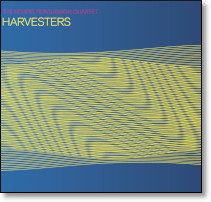
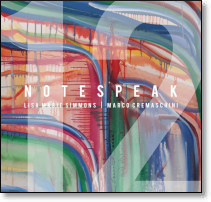
I'll probably have more to say about this next week. Meanwhile, for a more critical view -- which compared to the New York Times, also means a more balanced view -- Mondoweiss is a good source. The first article out there is: New Israeli law is shock to U.S. Zionists, who fear break with American Jews. While looking at the Times, I noticed an obituary for Reeves Callaway (75). I'm not sure whether I ever heard of him, but he led pretty much the life I imagined for myself when I was a teenager (my actual models were Colin Chapman, Carroll Shelby, and Carlo Abarth -- I liked to imagine shutting down my neighbor's GTO with one of Abarth's souped-up Fiat 850s). I don't have much to add about this week's record reviews, except that it's gotten hard for me to think of things I really want to listen to next. Not only am I playing more non-work CDs when I get up, I'm finding myself stuck in extended patches of silence (or tinnitus). Very little in my demo queue has been released, and I inadvertently jumped the gun on a couple items. In the Old Music section, Allen Lowe has been rhapsodizing about Tony Fruscella. I previously gave his 1955 eponymous album -- the only one released under his name in his brief lifetime (1927-69) -- a B+(***), which on replay seems about right. I only found two more albums, and didn't bother with the one I couldn't date. Jazz Factory has boxes of everything, but I haven't heard them. As you probably know, Tony Bennett died last week, at 96. I liked his big hit when it came out, and I've always thought he was a good singer and a generally cool guy, but stuck in a niche that was neither jazz nor rock. So I thought I'd try a few of his early albums, focusing on things that seemed closer to jazz, but that didn't last long. (Another Lowe favorite, Dave Schildkraut, showed up in the Bennett credits, but I can't say as I noticed him in the music.) I considered a 1987 compilation called Jazz, but didn't have the time to track down where it all came from, so passed for now. My grade list for Bennett is here. Nothing A-listed, or even close, I'm sorry to say. Looks like the heat has finally arrived here in Wichita, with 100F forecast every day through Friday. Still not the worst we've ever seen. I still have a long list of domestic projects, which have been frustrating me no end. Despite service calls, I'm still not receiving server email. I did get the server admin messages rerouted, so that's manageable. I have a new scanner to set up. Also a broken CD player: if I can't fix it (and thus far I haven't even managed to take it apart), I'll need to find service. I did manage to get the car oil changed (a typically bad experience with this dealer). I still need to line up a new doctor, as mine quit. Probably much more I'm blotting out of my increasingly feeble mind. At least July has one more Monday, so I don't have to face wrapping up the monthly archive yet. Got a couple packages in the mail today, to be unpacked next week. New records reviewed this week: Blur: The Ballad of Darren (2023, Parlophone): One of the big britpop bands of the 1990s, with six albums from that decade, but this is only their third since (2003, 2015). Maintains an air of grandeur. B+(*) [sp] The Cucumbers: Old Shoes (self-released, EP): New Jersey group founded in 1983 with Deena Shoshkes and Jon Fried, released a delightful EP then, and an eponymous album in 1987 that remains a favorite. Since then, Deena has released several solo albums while occasionally reviving the group, as she does here, for a brief seven songs (23:11), as delightful as ever. Like old shoes, "I'm the one that fits you." A- [cd] Sammy Figueroa: Something for a Memory (Busco Tu Recuerdo) (2022 [2023], Ashé): Percussionist (especially congas), from the Bronx, has led His Latin Jazz Explosion since 2006, before that had many side-credits, notably with pop bands like Chic. Thinking about his father here, a bolero singer named Charlie Figueroa, who died young, leaving no direct memories on his son. Featuring Gonzalo Rubalcaba (piano) and Aymée Nuviola (vocals), with Figueroa also singing, plus a sample from the father. B+(**) [cd] Paulo Fresu/Omar Sosa: Food (2023, Tuk Music): Italian trumpet/flugelhorn player, in a duo with the Cuban pianist, playing a variety of keyboards, samplers, and effects, also credited with voice. Guest slots provide additional vocals, cello, and steel pan. The trumpet is very nice. B+(**) [sp] Max Gerl: Max Gerl (2023, JMI): Bassist, electric and acoustic, with a nice solo album, ten originals plus a Monk. B+(*) [cd] Jenny Lewis: Joy'all (2023, Blue Note): Singer for Rilo Kiley (2001-07), released a solo album in 2006, four more since. Nice enough. B+(**) [sp] Doug MacDonald: Big Band Extravaganza (2022 [2023], DMAC Music): Touted as "the great straight ahead jazz guitarist," which means he probably wouldn't mind if I thought of Wes Montgomery (when I thought of anyone at all). B+(**) [cd] Donny McCaslin: I Want More (2023, Edition): Tenor saxophonist, plays some flute, regular albums since 1998, as well as session work, notably for Dave Douglas, David Bowie, and Maria Schneider (for which he won a couple Grammys). Always impressive chops, but his slick postbop can be a turn off, especially when he goes with the synths as here. B [sp] Lori McKenna: 1988 (2023, CN): Singer-songwriter from Massachusetts, 12th album since 2000, title refers to the year she got married, at 19, a union that endures, for better or worse, for richer or poorer, in sickness and in health, and increasingly in well-observed song. A- [sp] Near Miss: The Natural Regimen (2022 [2023], Kettle Hole): Chicago trio, with two tenor saxophonists (Rob Magill, also on soprano and bass clarinet, and Gerrit Hatcher) plus drums (Bill Harris). A bit rocky, but they may prefer it that way, at least to hitting some hypothetical bulls eye. B+(***) [cd] Palehound: Eye on the Bat (2023, Polyvinyl): Indie band, fourth album since 2015, singer-songwriter El Kempner, trans pronouns but sounds female. B+(**) [sp] Nate Radley & Gary Versace: Snapshots (2023, SteepleChase): Guitar and piano duo. B+(**) [sp] The Rempis Percussion Quartet: Harvesters (2023, Aerophonic, 2CD): Saxophonist Dave Rempis, from Chicago, plays alto and tenor, assembled this two-drummer quartet (Tim Daisy and Frank Rosaly), with bass (Ingebrigt Håker Flaten), in 2006, and returns with their ninth album. I hit the second disc first, and thought it was nicely balanced, as cogent or more as anything they've done. The first was more typically aggressive, although it settled down after a nice bass solo. Next piece added Jean-Luc Cappozzo on flugelhorn. A- [cd] Marc Ribot/Ceramic Dog: Connection (2023, Knockwurst): Jazz guitarist, although this group, with Shahzad Ismaily (bass) and Ches Smith (drums), dating back to 2008, is more rock-oriented (or maybe "post-rock"), with vocals. Also some fairly major guest spots, including James Brandon Lewis (sax) on two tracks, Anthony Coleman (farfisa) on three, and Oscar Noriega (clarinet) on one. Includes a noise blast I could do without, and ends on an instrumental romp I'd' like to hear more like. B+(**) [sp] Arman Sangalang: Quartet (2022-23 [2023], Calligram): Tenor saxophonist, from Chicago, studied at Indiana and Northern Illinois, first album, with David Miller (guitar), Matt Ulery (bass), and Devin Drobka (drums). B+(**) [cd] [08-04] Lisa Marie Simmons/Marco Cremaschini: NoteSpeak 12 (2023, Ropeadope): Poet, born in Colorado, "survived several troubled adoptions and foster homes," sang in church choir, moved to New York, wound up in Italy, with keyboardist Cremaschini providing music for her words. Has a previous NoteSpeak album from 2020. This one is supposedly captivated by the number 12 (as in the 12-tone scale). The music is full-bodied without drawing attention away from the words, and the speaker can sing as easily as speak, but holds your interest either way. A- [sp] Tyshawn Sorey Trio: Continuing (2022 [2023], Pi): Drummer-led piano trio, with Aaron Diehl (piano) and Matt Brewer (bass). Four covers, none I immediately recognized as standards -- ok, I should have noted "Angel Eyes," but the others are composed by Wayne Shorter, Ahmad Jamal, and Harold Mabern -- ranging from 10:25 to 15:43. Sounds more together than your average piano trio, but I can't really tell you why. A- [cd] Molly Tuttle & Golden Highway: City of Gold (2023, Nonesuch): Bluegrass singer-songwriter, plays banjo and guitar, from California, fourth album after a 2017 EP. B+(***) [sp] Paul Tynan & Aaron Lington: Bicoastal Collective: Chapter Six (2022 [2023], OA2): Trumpet/flugelhorn and baritone sax, respectively, backed by electric bass (Trifon Dimitrov) and drums (Joe Abba). B [cd] Colter Wall: Little Songs (2023, Black Hole/La Ronda): Canadian country singer-songwriter, more western than most. Fourth album, songs advertised as "little" but carefully nuanced. B+(***) [sp] Adrian Younge: Jazz Is Dead 18: Tony Allen (2018 [2023], Jazz Is Dead): Bandcamp page credits, Allen, Younge, and Ali Shaheed Muhammad, but cover omits Muhammad, and 18 releases in I see no need to mess with the what's become canonical order. Nigerian drummer Allen is unusual in two respects: he's relatively famous, and he's dead (in 2020, at 78), so for once we get a date on the sessions. He also gives you more than the usual beat, along with organ vamps and section horns. On the other hand, the title has never been more à propos. Eight songs, 27:58. B+(*) [sp] Nicole Zuraitis: How Love Begins (2022 [2023], Outside In Music): Jazz singer-songwriter, plays piano, at least four previous albums, starting in 2008. This is divided into "oil" and "water" sides. Co-produced by bassist Christian McBride, with Gilad Hekselman (guitar), Maya Kronfeld (organ/keyboards), and Dan Pugach (drums), plus guests. B+(*) [cd] Recent reissues, compilations, and vault discoveries: Pan Afrikan Peoples Arkestra: 60 Years (1961-2019 [2023], The Village): Six previously unreleased pieces (83:35) from Los Angeles pianist Horace Tapscott's community organizing project, dates not missing (at least from what I've found, which alludes to the group's founding in 1961, and continuation twenty years after Tapscott's death in 1999. I think of this as social music from the brief period when the avant-garde sought a deeper audience in black power, but in retrospect the vocals didn't always help. B+(***) [bc] Old music: Count Basie/Tony Bennett: Basie/Bennett: Count Basie and His Orchestra Swings/Tony Bennett Sings (1958 [1959], Roulette): Basie's "New Testament" band got very busy during this period, not just cranking out their own bombastic swing albums but appearing with others who wanted to sing or play along. Bennett recorded several albums with them, and the uplift helps on the fast ones, which makes me wonder why the singer decided to slow it down. B+(*) [r] Tony Bennett: Cloud 7 (1954 [1955], Columbia): The late singer's first LP -- preceded by the 10-inch Because of You in 1952 -- offering ten standards, 33:05, with small jazz combos: two tracks with Al Cohn (tenor sax) and Gene DiNovi (piano), others with Dave Schildkraut (alto sax), Charles Panely (trumpet), and Chuck Wayne (guitar), among others. Good voice and nice band(s), but doesn't sound major. B+(*) [sp] Tony Bennett: The Beat of My Heart (1957 [1996], Columbia/Legacy): One of the early albums treated to an expanded CD reissue, with six songs added (but one dropped). Mitch Miller remained the producer at Columbia, but British pianist Ralph Sharon, who would serve as Bennett's music director at least through 2001 (he died at 91 in 2015), took over the arranging, and was presumably responsible for the scattershot lineup of jazz notables, including six drummers (ranging from Art Blakey to Jo Jones to Candido), three each flutes and trombones, Nat Adderley on trumpet, and Al Cohn on tenor sax. One of his jazziest records, both by song selection and arrangement, but also a rather weird one. B+(**) [sp] Tony Fruscella: Tony's Blues: The Unique Tony Fruscella (1948-55 [1992], Cool & Blue): Trumpet player (1927-69), from New York, recorded an eponymous album for Atlantic in 1955, another session that wasn't released at the time, and a few live sets, like this one: one 1955 track with Hank Jones, eight short tracks from 1948 (23:00) with Chick Maures (alto sax) and Bill Triglia (piano), and three long tracks (39:23) from 1955 with Phil Woods (alto sax) and Triglia. Fruscella has a reputation as a forgotten hero. He makes a fine showing here -- as does Woods -- but this doesn't feel all that unique. B+(**) [sp] Shuckin' Stuff: Rare Blues From Ace Records (MS) (1955-81 [2002], Westside, 2CD): A r&b label run by Johnny Vincent in Jackson, Mississippi, from 1955-62, with a revival in 1971 (a few of these tracks are dated 1977-81, and more are listed as previously unreleased), before it was sold to Demon Music Group in the UK. A couple songs, including the title track, I know from elsewhere -- The Best of Ace Records, Vol. 2: The R&B Hits is one I play a lot -- but most cuts are fairly generic blues, and I like them just fine. B+(***) [sp] Unpacking: Found in the mail last week:
Ask a question, or send a comment. Sunday, July 23, 2023 Speaking of WhichI saw a headline in the Wichita Eagle on Friday -- the article was unsigned but attributed to Las Vegas Review-Journal -- that puzzled me: "Bidenomics is just tired liberalism on steroids." So what is it they're trying to say? It's rejuvenated liberalism? Maybe they want it banned for doping? The phrase "on steroids" has largely lost its literal meaning, in favor of "much larger, stronger, or more extreme than is normal or expected." So at the very least it should cancel out "tired," leaving us with "Bidenomics is just liberalism." That may be the author's complaint, but why is that such a bad thing? Trump waxes nostalgically about "make America great again," but the closest America ever came to something resembling conventional notions of greatness was the period during and after WWII, when liberalism was most pervasive and hegemonic. In many ways, the original MAGA movement was Lyndon Johnson's Great Society, but unlike Trump, Johnson had no desire for nostalgia. His signature program meant to extend New Deal progressivism to all Americans. Johnson isn't remembered especially well today because he blew so much political capital on the Vietnam War. One lesson we should draw is that it's always a mistake to assume military might is some kind of measure of greatness. Liberals made that mistake in WWII, partly because the enemies were so abhorrent, and partly because the war effort was led by one of their own (brilliantly, I might add). Vietnam started to divide liberals, but I'm old enough to remember when most were staunchly on board, and I've never really forgiven them for that war -- or for allowing themselves to be duped into thinking that communism was such a threat to freedom that they should kill or punish anyone tempted to think otherwise, or for becoming the unwitting victims of their own witch hunts. Since the 1970s "liberal" has become little more than an epithet, thanks mostly to the relentless slanders of the right -- "tired" is just one of the milder ones, leaving us with this puzzle: if liberalism is so tired, how can it be such a threat? Top story threads:Trump, DeSantis, and other Republicans:
Biden and/or the Democrats:
The Supreme Court:
Climate and Environment:
Ukraine War: The great "counteroffensive" has been going for more than a month now, but the New York Times hasn't changed its maps page since July 9.
Around the world:
Other stories:David Byler: [07-17] 5 myths about politics, busted by data: Or proven, depending on how you read the data:
I see lessons here for Democrats, in that they need to hold onto and expand their substantial share of mainstream voters, especially ones free enough of Republican prejudice as to still have options. Of course, it's also important to keep the groups Republicans offer no joy to, which means offering tangible benefits, and not just taking them for granted. (Failure there may not translate to Republican votes, but to non-voting.) But I also don't put much stock in multisectoral statistical breakdowns and their attendant identity politics As for Republicans, they're already performing way above where they should be if voters were rational and voted their best interests. How they improve on that is hard to imagine. They're certainly not going to change course, at least as long as the current one seems to give them a chance to squeeze through on some technicality. Their only real hope is that Democrats discredit themselves -- a card they've been playing, with diminishing returns, since the check kiting scandal of 1993. Robert Crawford: [07-20] How media makes impact of U S forever wars invisible: Review of Norman Solomon: War Made Invisible: How America Hides the Human Toll of its Military Machine. An excerpt from this book is here: The convenient myth of "humane" wars. There's also an interview with Solomon: [06-23] How America's wars become 'invisible'. Tyler Austin Harper: [07-19] 'Barbie' and 'Oppenheimer' tell the same terrifying story: Author ties them both to the search for the Anthropocene boundary stratigraphy. Nuclear fallout is one obvious marker, as it was non-existent before the Trinity test in 1945 and the subsequent annihilation of Hiroshima and Nagasaki, only to be followed by hundreds of further atmospheric tests (528, according to Arms Control Association, with 215 by US and 219 by USSR, 50 by France, 23 China, and 21 UK). But another marker would be to look for buried plastics, which are if anything more ubiquitous. The coincident release of two movies exploring such geologically important shifts is unlikely enough that some people have turned it into a thing. And many are writing on one, the other, or both. I should note that I haven't seen either movie, and I'm not likely to soon -- we just don't do that anymore, but I also gather that the formerly pretty good Warren Theatres we once had here have turned into rat traps under soon-to-be-bankrupt Regal.
Idrees Kahloon: [06-05] Economists love immigration. Why do so many Americans hate it? Well, economists think growth can be infinite. More practical souls ask: where are you going to put it all? Dylan Matthews: [07-17] The $1 billion gamble to ensure AI doesn't destroy humanity: "The founders of Anthropic quit Open AI to make a safe AI company. It's easier said than done." Matt McManus/Nathan J Robinson: [07-21] Are we in the grip of an 'American cultural revolution'? Christopher Rufo thinks it's already happened, but he's belatedly fighting back in his book: America's Cultural Revolution: How the Radical Left Conquered Everything. Sounds like good news, at least until I read the fine print:
Since "the radical left conquered everything," you might wonder if Rufo is smuggling his missives from jail or some cave, but he's actually been appointed by Ron DeSantis to the board of trustees of New College. I know Robinson's made it his life's worth to debunk the so-called thinkers of the right, but why bother with one this hallucinatory? Jeffrey St Clair: [07-21] Roaming Charges: Political crying games. He starts with the Congressional smackdown of Pramila Jayapal (D-WA) for identifying Israel as "a racist state" -- a reaction so shrill Jayapal wound up voting for a Resolution proclaiming that Israel is "not racist or an apartheid state" and that "the United States will always be a staunch partner and supporter of Israel." No doubt such eternal fealty will be tried repeatedly as Israel's state lurches farther and farther to the right. St Clair offers two quotes, one from Prime Minister Netanyahu ("Israel is not a state of all its citizens but rather, the nation state of the Jewish people and only them") and former PM Ehud Barak ("who says that the current government is 'determined to degrade Israel into a corrupt and racist dictatorship that will crumble society'"). When it does, bank on Congress to pass another near-unanimous Resolution reassuring Israel of America's eternal submission. Israel is no longer an ally. America has become its vassal. The only argument I can imagine against Israel being a racist state is to question whether Jews are a race. While that has been a common claim in the past, it makes no sense to regard Jews as a race in America or Europe. However, in Europe, government-issued identity cards specify who is a Jew, and who is not, with the latter group subject to further distinctions. And those cards determine the rights you have, and how you are treated by the state, and probably how you are treated by many other organizations. Maybe there's a fancier word for that system, like ethnocracy, but if you're an American, that system sure sounds like racism. And if you know anything about South Africa, you'll probably see affinities to their since-abandoned system of Apartheid. St Clair also mentions on RFK Jr's attack on Biden for "threatening Israel with ending of the special relationship between our two nations," and his pledge, "As President, my support of Israel will be unconditional." And he quotes Nikki Haley: "The U.S.-Israel alliance is unbreakable because Israel's values are American values." I've long felt that American neocons were jealous of Israel's freedom to bomb their neighbors (and their own people; I'd say "citizens" but they aren't recognized as such) with no fear of repercussions, but I'm not sure most Americans actually share those values. Which ones they do share are hard to pin down, especially given that the most vehemently pro-Israeli Americans are hoping for a rapture which will, or so they believe, consign all Jews to hell. But if you're pro-Israel enough, you never have to worry about being tagged as anti-semitic. (Just consider RFK Jr.) St Clair also includes more than you want to know about Jason Aldean's "Try That in a Small Town," including a contrast to the late Tony Bennett, whose experiences in small town America included the 1965 Selma-to-Montgomery civil rights march. More links related to the above:
PS: While American politicians are tripping all over themselves to swear allegiance to Israel, note that American elites are starting to have second thoughts:
Tweet from No Lie with Brian Tyler Cohen:
The White House responded:
This may prove to be the silver lining in the right-wing bubble: that they can no longer hear themselves when they say things that are incredibly unpopular. Biden also responded by using Greene as narrator for a 30-second political ad. I've been reading Peter Turchin's End Times: Elites, Counter-Elites, and the Path of Political Disintegration, which is a comparative history of several millenia of revolution and civil wars, attempting to glean some quasi-scientific insight into the evident disintegration all around us. Thumbnail histories going back as far as Nero's Rome are always interesting, but his conceptual framework is rather oddly framed if not plainly wrong. He sees two forces that drive societies to the brink of disintegration. Mass immiseration is widely recognized as one. But his main one is what he calls "elite-overproduction," by which he a fractious rivalry between multiple aspirants ("elites," if you must, but limiting that term to the political arena). Whether this is caused by too many elites or simply by weak governing structures is less clear. If sheer numbers of princes were the problem, you'd expect Saudi Arabia to be the most fractious country in the world today, which it plainly isn't. Given the key concern of immiseration, and his identification of a "wealth pump" driving it, much of Turchin's current political analysis is quite reasonable. But then I ran across this (pp. 219-220):
Two fairly staggering problems here: if the Democrats are the party of the 1%, how come most known one-percenters are big Republican donors? And how come Republicans campaign for them -- especially with tax cuts, deregulation, and anti-labor measures -- so shamelessly? Given this, it's especially bizarre to paint the Republicans as opposed to plutocracy. Sure, they pander to prejudices and exploit the fears of some people who have not fared well under plutocracy, but where are their programs to shut down the "wealth pump" and offer help to reduce immiseration? It is true that some of the very rich hobnob with Democrats, that many Democrats are very solicitous of their support, and that Democrats like Clinton and Obama have rewarded such benefactors handsomely -- including doing very little to slow down the wealth pump. Some rich Democrats may see the need for sensible reforms -- Franklin Roosevelt was called "a traitor to his class," but his New Deal did much more than just rescue the poor from the Great Depression: it also saved the banking system, rebuilt industry, and built a large amount of infrastructure, which led to the post-WWII boom. Some may simply be thinking about how much damage dysfunctional Republican ideas could do. And some may simply regard the Democrats as offering better service for their interests. Turchin's fascination with Tucker Carlson may be excused as he wrote this book before Fox fired him. Still, I have to think that part of Turchin's confusion lies in his overly broad notion of elites, which at various times he divides into economic and credentialed classes. The Democrats have made gains among the latter, mostly because the Republicans have turned savagely against education and expertise, especially science. Still, characterizing this latter-day know-nothingism as "counterelite" conflict ignores who's really in charge, functioning mainly to deflect blame where it is due. Ask a question, or send a comment. Monday, July 17, 2023 Music Week
Music: Current count 40575 [40543] rated (+32), 17 [17] unrated (-0). First up is a new Speaking of Which yesterday, with 75 links (2550 words). I do this every week, but like to provide the link here, partly because it takes a lot of work (even relatively short ones like this), and partly because my Twitter announcements for Music Week typically get more than twice as many views as my Speaking of Which announcements. And yeah, I'm still on Twitter, and not on Mastodon or Blue Sky or (heaven forbid!) Threads (nor for that matter Instagram, or many other things I may not even be aware of; while I am on Facebook, my use is minimal, more to follow family and old friends, and not to promote my writings or even opinions; hence I rarely accept friend requests unless I know you personally). And (checking now) I see that my Twitter followers have dropped back under 600 (a pinnacle I thought I reached last week), and last week's Music Week announcement was viewed by half as many people used to be the case, so maybe it is true that Elon Musk has set fire to his $44 billion, or maybe he just wants me to take a hint. I started yesterday's column with a pitch to ask me questions, or at least offer some feedback, only to discover that the form isn't working. That may explain why I haven't heard anything since February. The first obvious problem has to do with the captcha software, which has stopped serving images. (I just checked and the same software is till generating images on the Christgau website, so that may have just been a red herring.) I disabled it, then tried testing again, and while it seemed to work, I didn't get the forwarded mail, so there is an as-yet-undiagnosed server problem as well. So stand by, but know you don't have to use the form: regular email works. I wrote a fairly long comment reply to one of Allen Lowe's Facebook screeds. I thought maybe I would expand it here, but don't feel up to it at the moment. A slightly better formatted version is in my notebook under "Daily Log." One point I do want to take exception to is Lowe's claim: "THERE IS NO LONGER ANY EXCUSE for critic/voters to be unaware of anyone, to just pull the lever for the same person year after year" (for which he then gives a fictional example). But there is a big excuse, which is the finite amount of listening time in each day, far short of what's available let alone of the still vast amount that isn't available (at least free, and who knows how much there is that isn't even that?). Lowe's had a bug up his ass about jazz polls recently. I've been pretty explicit about the limits and biases built into even the best critics polls -- I also talk a bit about this in my JJA Podcast -- but please, we're doing the best we can, with limited hours and lots of other pressures (not least of which is money). (And let me add that the better I get to know my fellow critics, the more impressed I am with how much they know, and how hard they work to share their knowledge and understanding.) Jazz polls will never give you a perfect accounting of genius (or whatever they're imagined to be measuring). What they do offer is a chance to learn something you don't already know. And that's a good thing, because the odds that you know it all are nil. As an example, at least 25% of the records that get votes in the Francis Davis Jazz Poll every year were previously unknown to me. Also, for future reference, Phil Overeem reposted another Allen Lowe piece in response to Robert Christgau's A- review of Lowe's America: The Rough Cut. I think what he's trying to say is that roots are dirty, which is practically the definition everywhere but music. Aside from Hwang, which I got in the mail, and who is one of those guys I've voted for "year after year" (at least since Billy Bang died), all of my picks below are someone else's recommendation. Most of the misses, too. That's just how it always works. New records reviewed this week: African Head Charge: A Trip to Bolgatanga (2023, On-U Sound): Dub group started in 1981, with percussionist Bonjo Iyabinghi Noah and producer Adrian Sherwood. B+(**) [sp] The Harry Allen Orchestra: With Roses (2023, Triangle7): Tenor saxophonist, retro swing, many albums since 1994, this a fairly large band -- eight pieces, not counting guests and singer Lucy Yeghiazaryan, who I'm not especially impressed with. B [sp] Jeff Babko/David Piltch: The Libretto Show (2022 [2023], Tudor Tones): Piano-bass duo, four Babko originals, plus covers of pianists Mac Rebennack and Denny Zeitlin, and a Jobim with a bit of guest violin. B+(*) [cd] Caterina Barbieri: Myuthafoo (2023, Light-Years): Italian electronica composer, sixth album since 2017, mostly works with minimalist synths. B+(**) [sp] Selwyn Birchwood: Exorcist (2023, Alligator): Blues singer-songwriter from Florida ("down where rebel flags meet Mickey Mouse""), parents from Tobago and UK, plays electric guitar and electric lap steel guitar, sixth album since 2011. Guitar most impressive. Songwriting a little iffy, but I jotted down one line: "I love you baby, like the church loves money." B+(*) [sp] Julie Byrne: The Greater Wings (2023, Ghostly International): Singer-songwriter from Buffalo, based in New York, third album (or second if you discount the cassette-only debut). Ballads singer, something I rarely tune in for, but I did notice the ghostly calm shift toward mesmerizing. B+(**) [sp] Carook: Best of Carook (So Far) (2021-22 [2023], Atlantic): Nashville-based singer-songwriter Corinne Savage, several singles and EPs, has a substantial Wikipedia page, where I note 839.6K TikTok followers, but the only Discogs entry is one track on a label Record Store Day sampler. Signs of a cult figure, trendily trans, which I'm little inclined to indulge, so forgive the pronoun infractions, but "they" sound her to me, so let's go with that. Eleven songs, 34:07, the first couple and at least one more too slight to consider, but she learns some tricks along the way, after which the music more than suffices. And while I rarely catch words, I did jot down a couple lines: "hey, hey it's ok/everybody feels kinda weird some days"; and "lately the weight of the world is a lot." [PS: I've seen this described as "old music," but the singles start up in 2021, though they may have been recorded earlier. Everybody releases singles ahead of the albums they belong to, so despite its name this strikes me as more of a new release. I've seen a Nov. 2022 release date, but the label release is May 12, 2023, not that I know what, beyond digital, was actually released. I've noticed that whoever insists on "(So Far)" as part of their best-of title has been cursed to never have any more hits. I doubt that applies here.] B+(***) [sp] Carook: Serious Person (Part 1) (2023, Atlantic, EP): Seven songs, 21:12, should be more consistent but isn't. Opens with two pretty good songs that could be more musical, then reverses the formula. Only one that makes me want to hear more is the closer, which isn't like any of the others. B+(***) [sp] Alex Coke & Carl Michel Sextet: Emergence (2022 [2023], PlayOn): Tenor saxophonist, also plays flute, from Texas, played in Willem Breuker Kollektief in 1990s. Michel is a guitarist, who wrote four songs (to 3 from Coke, out of 12). Group also includes concert harp, pedal steel, bass, and vibes. B+(*) [cd] Maria Da Rocha/Ernesto Rodrigues/Daniel Levin/João Madeira: Hoya (2022 [2023], Creative Sources): Portuguese string quartet: violin, viola, cello, and double bass. Starts off with a solo piece each (average 4:07), then six shorter duo pieces (2:15), then two quartet pieces (22:54 total). B+(**) [cd] Oivia Dean: Messy (2023, EMI): British pop singer-songwriter, first album after several EPs. B+(*) [sp] Deer Tick: Emotional Contracts (2023, ATO): Singer-songwriter John McCauley and band, a couple members going back to 2007, another to 2009. Eighth album, basic Americana. B+(*) [sp] Gabriel Espinosa: Bossas and Boleros (2022 [2023], Zoho): From Mexico, based in New York, plays bass and sings, shares both roles with others, "with Kim Nazarian" noted on the cover. Five originals among ten songs. Touted guest spots include Anat Cohen, Fred Hersch, and New York Voices, none of which help much. B- [cd] Orrin Evans: The Red Door (2020-22 [2023], Smoke Sessions): Pianist, from Philadelphia, has recorded quite a bit since 1995. Several lineups, half with horns added (mostly Nicholas Payton and Gary Thomas), three with vocals (Jazzmeia Horn, Sy Smith, and Alita Moses). B [sp] Drayton Farley: Twenty on High (2023, Hargrove): Country singer-songwriter from Alabama, second album. B [sp] Gel: Only Constant (2023, Convulse): Hardcore band from New Jersey, Sami Kaiser the singer, who previously fronted a band called Sick Shit. Calling them "punk" helped to get me curious, but the only resemblance is in their minimal song structures and times. First album, after a couple EPs, but at 16:29 this could be counted as another, despite ten "songs." B [sp] Kevin Harris & the Solution: Jazz Gumbo (2023, Blujazz): Singer, no idea which of 33 of his name at Discogs might he be, but he's recovered impressively from throat cancer, and leads a band including Donald Harrison (alto sax), Will Lee (bass), and Jerry Z (organ/piano) through a list of r&b-to-jazz standards like "Yes We Can Can," "I Get Lifted," and "Freedom Jazz Dance." I'm not wild about any of them. B- [cd] PJ Harvey: I Inside the Old Year Dying (2023, Partisan): English singer-songwriter, initials for Polly Jean, was a big deal in the 1990s -- I really disliked her first two albums, but was won over by To Bring You My Love, even though I've only intermittently enjoyed her since, liking but not being wowed by her 2011 album-of-the-year contender Let England Shake. Only her second album since, shows a lot of work, yet remains exceedingly difficult to get into. B+(*) [sp] Jason Kao Hwang Critical Response: Book of Stories (2023, True Sound): Violinist, b. 1957 in Illinois, parents immigrated from Hunan after WWII, has spent considerable time mastering classical Chinese music but he's mostly recorded cutting-edge jazz, making him the heir apparent after the deaths of Leroy Jenkins and Billy Bang. Trio here with guitarist Anders Nilsson, who blends in beautifully, and drummer Michael T.A. Thompson. A- [cd] The Japanese House: In the End It Always Does (2023, Dirty Hit): British singer-songwriter Amber Mary Bain, second album, after several EPs. B+(*) [sp] The Malpass Brothers: Lonely Street (2023, Billy Jam): Country duo, Christopher and Taylor Malpass, from North Carolina, fourth album. Trad, with an easy-going manner. B+(***) [sp] Gretchen Parlato/Lionel Loueke: Lean In (2022 [2023], Edition): Jazz singer from Los Angeles, father and grandfather were musicians, sixth album since 2005, paired here with the guitarist and occasional vocalist from Benin, usually backed by drums (Mark Guilliana), sometimes bass (Burniss Travis). Not sure if this is intended to sound Brazilian, or that's just their natural fusion. B+(*) [sp] Bruno Parrinha: Da Erosão (2023, 4DaRecord): Alto saxophone, solo, even with such a talented player always a difficult proposition, one that at 43:24 outlasted my patience. B+(*) [cd] Kim Petras: Feed the Beast (2023, Island): German pop singer-songwriter, moved to Los Angeles at 19, by which point she was a celebrity as the "world's youngest transsexual." First album, after a couple mixtapes and the 2022 EP Slut Pop. I thought the latter was pretty great, but didn't care for her Grammy-winning duet with Sam Smith (which closes out this 15-song, 40:36 album). This has gotten savaged by critics (59 on Metacritic). Hard to tell whether that's prejudice -- or what kind, given that many pop albums get savaged when they fail to overwhelm. Especially given that this one does feel rote as often as not. B+(*) [sp] Ernesto Rodrigues/Florian Stoffner/Bruno Parrinha/João Madeira: Altered Egos (2023, Creative Sources): Portuguese group: viola/crackle box; electric guitar; clarinet/alto sax; double bass. B+(***) [cd] Ernesto Rodrigues/Fred Lonberg-Holm/Flak/João Madeira/José Oliveira: The Giving Tree Moving On (2023, Creative Sources): Viola/crackle box, cello, electric guitar, double bass, percussion. An extended piece in eight parts. B+(**) [cd] Bill Scorzari: The Crosswinds of Kansas (2022, self-released): New York-based singer-songwriter, fourth album since 2014, before which he was some kind of hot shot attorney. Thirteen songs, stretched out to 71 minutes, has a long list of supporting musicians with a few tracks each, suggesting this was recorded over multiple sessions, perhaps going back to 2012. Christgau suggests reading along with the lyric sheet, but he has one, and would do that. Still mostly guitar and words, the latter almost talky. Seems like the surest way to a high grade around here is to remind me of John Prine, which happens when his usual Dylan gets off on a story. A- [sp] Tiny Ruins: Ceremony (2023, Ba Da Bing): New Zealand singer-songwriter Hollie Fullbrook started this as an alias in 2011, grew it into a band. Fourth album, rather nice. B+(*) [sp] Josie Toney: Extra (2023, Like You Mean It): Country singer-songwriter, plays violin, notably for Sierra Ferrell, first album. B+(**) [sp] Young Thug: Business Is Business (2023, Atlantic): Atlanta rapper Jeffrey Williams, third studio album after a lot of mixtapes. [PS: Also available is (Metro's Version), where Metro Boomin' produced more tracks, but still not all of them.] B+(**) [sp] Recent reissues, compilations, and vault discoveries: John Coltrane With Eric Dolphy: Evenings at the Village Gate (1961 [2023], Impulse!): Recently discovered at the New York Public Library, "eighty minutes of never-before-heard music," and who isn't psyched to listen to more vintage Coltrane, especially his 1961 group with Dolphy? After all, the same group (give or take a bassist) recorded Live at the Village Vanguard in November, a career highlight which loses nothing even in its 4-CD Complete version. This goes back to August, and while the group isn't quite as together, the sound isn't nearly as great either. Granted, by the time they get into "Greensleeves" they've hit great, but you've heard that how many times before? B+(***) [sp] L'Orchestre National Mauritanien: Ahl Nana (1971 [2023], Radio Martiko): Music from the northwest Sahara, recorded in Casablanca, Discogs and Bandcamp have group name and album title swapped, probably the label's mixup, but across multiple editions this way makes the most sense. I can't say much either for its "revolutionary" nature (unlikely) or its supposed influence on later "desert rock" (probably not directly, but similar bands of this vintage undoubtedly existed). Still, it is rather unique, as befits a discovery from a relatively unknown corner of Africa. B+(***) [sp] Piconema: East African Hits on the Colombian Coast (1978-84 [2023], Rocafort): Various artists compilation, no idea when these nine tracks were recorded, or indeed whether the artists hail from Palenque in Colombia or from Kenya, the home of Benga with its sweet guitar and incessant rhythm. [PS: All groups appear to be from Kenya or Tanzania, active in 1978-84, plus or minus a couple years, with all songs available as singles or in some cases on albums, although Discogs provides few dates. But the compilers first heard these songs on Colombian sound systems.] A- [bc] Old music: The Ultimate College Party: 50s & 60s Party Anthems (1953-62 [2014], Jasmine, 2CD): London-based, Czech-manufactured reissue label, in business since 1982, cherry-picking through the past unencumbered by America's ridiculously extended copyright regulations. Clifford Ocheltree often showcases their wares in his daily featured recordings. He reckons this one has "48 A+ songs, 7 A and 4 more A-." That's a bit high, but it looked too good not to order (and that's something I almost never do these days). Half are hits I have in other often-played anthologies and never tire of, and the other half are items I remember from my misspent youth (except maybe for "To the Aisle," a real find). I sampled the dates, so I might be off a bit, but not by much: the few 1960s cuts are early, even "Surfin' Safari." Ignore the concept: the pivotal age here is 16, even when "Tequila" is served. Also, the print is damn near impossible to read. But those hardly qualify as quibbles. A [cd] Grade (or other) changes: Elle King: Come Get Your Wife (2023, RCA): Singer-songwriter from from Los Angeles or New York, daughter of comedian Rob Schneider, took her mother's name, started as an actress in 1999, recorded an EP in 2012, followed by an album in 2015, with this her third, and most country, right down to the trailer cliché, which she treats as a badge of honor. [was: B+(**)] A- [sp] Unpacking: Found in the mail last week:
Ask a question, or send a comment. Sunday, July 16, 2023 Speaking of WhichToo late for an introduction. Top story threads:Trump, DeSantis, and other Republicans: Seems like a relatively tame week for evil, but there are always examples.
Biden and/or the Democrats: Necessarily a grab bag, but we're probably stuck with it.
Climate and Environment:
Ukraine War: Conspicuous by absence is any news on how well Ukraine's "counteroffensive" is going, which suggests it isn't. On the other hand, NATO met, and continues to rack up milestones, which as usual mostly involve arms sales. Wake me when we see some diplomacy, because once again nothing else matters. The Gessen piece is historical, stuff you should know. It doesn't mean that Putin's invasion was in any way justifiable, or that sending arms to help Ukraine fend off that invasion is bad policy, but understanding America's deep culpability for the conflict would go a long way toward negotiating a way out of it. Conversely, not recognizing how this all went wrong prevents us from understanding the chief lessons of this war: that deterrence and sanctions are more likely to provoke war than to prevent it; and that not just the combatants but the world cannot afford for wars like this to go on and on.
Around the world: But mostly Israel, again.
Other stories:Kai Bird: [07-07] Oppenheimer, nullified and vindicated: Co-author of the biography, American Prometheus: The Triumph and Tragedy of J. Robert Oppenheimer, Bird explains the campaign to get the federal government to admit that they erred in 1954 in revoking Oppenheimer's security clearance, thus excluding the director of the Manhattan Project from any further role in atomic weapons planning. The vindication didn't come until December 18, 2022, and serves as another example of something Biden's administration has done that Obama's was too chickenshit to venture. I will quibble with the assertion that Oppenheimer was "the chief celebrity victim of the national trauma known as McCarthyism." Sure, he was the bigger celebrity, but the execution of the Rosenbergs was a graver miscarriage of justice. But Oppenheimer is a clearer example of how McCarthyism worked: it meant that anyone with a vaguely leftist past could be crucified as a traitor, and hardly anyone would dare come to their defense -- especially liberals who could themselves be tarred as "fellow travelers." Jonathan Chait: [07-11] In defense of independent opinion journalism: "The 'hack gap' between right and left has been closing." I'm not convinced. I won't deny that there are hacks on the left, but they differ significantly from hacks on the right. For one thing, they're not all aligned against their partisan enemies. Take Chait, for instance, who only seems truly happy when he's attacking people to his left -- a considerable number, given his support for the Iraq war, his pimping for charter schools, and his "Why Liberals Should Support a Trump Republican Nomination." But even when leftists slip into hackdom, they still start with commitments to truth and justice that are utterly alien to the right. Then, by the way, there is the deeper problem of objectivity, which is impossible, making it a claim one should always be suspicious of. Bob Harris/Jon Schwarz: [07-04] Carl Reiner's life should remind us: If you like laughing, thank FDR and the New Deal: "Their comedy descends directly from the Works Progress Administration." The WPA did a world of good for America, but much of what they did, especially in the arts, would be considered too frivolous, and in many cases too controversial, for "taxpayer" funding these days. Until that attitude changes, we're stuck with a government distinguished mostly by misery: how miserable its workers feel, and how miserable they make the rest of us. Noasm Hassenfeld: [07-16] Even the scientists who build AI can't tell you how it works: Interview with Sam Bowman. Oshan Jarow: [07-14] Poverty is a major public health crisis. Let's treat it like one. You'd think that such an argument would make people more inclined to support anti-poverty measures, but Republicans have aligned themselves pretty firmly against public health (or at least doing anything about it). Jess Lander: [07-13] What led to Anchor Brewing's downfall? Sapporo, some workers say. America's oldest craft brewer is going out of business, supposedly a victim of Covid or maybe bad marketing, but I'm suspicious of two ownership changes: in 2010, owner Fritz Maytag, who had rescued the brewery after prohibition, sold to Griffin Group ("a local beverage consulting company," which smells a lot like private equity even if they're not a big name), and in 2017 Griffin pawned the carcass on to giant Japanese brewer Sapporo. It's easy enough to say that the latter didn't understand American craft brewers, and to illustrate this with various marketing blunders, but the deeper truth is that they simply didn't care, especially after the workforce unionized in 2019. After all, it's not unusual for big companies to buy up small ones only to shutter them, leaving the larger company with one fewer competitor (even if, as in this case, one that barely mattered). Back when I worked for a high-tech startup, where most employees owned a small sliver of stock, I concluded that the world would be much better if employees owned a controlling share of stock, thus resolving conflict with management. (Unions, valuable as they are as a balance against management power, usually increase conflict, especially when they lack legal rights, as is often the case in the US; on the other hand, in Germany, where "co-determination" gives workers a stake in management, unions align more closely with management.) I'd like to see many policies that help facilitate employee ownership. One of the most obvious ones would be to allow employees to claim defunct businesses, wiping out the company's previous debt obligations, and providing funding for a fresh start. I have no doubt that a company like Anchor could be revived, if handed over to workers who care about the product and the customers, and about their own jobs. Shira Ovide: [07-14] We must end the tyranny of printers in American life: "Printers cannot be reformed. They must be destroyed, once and for all." I had to include this because my latest printer purchase, a HP OfficeJet Pro 9010, is the biggest purchasing mistake I've ever made. They insisted that I use a wireless connection, and while it is recognized by my Linux computers, I'm not able to send any jobs from them to be printed. (At one point, this worked, but even then scans couldn't be uploaded, at least not using sane.) One main reason for the wireless connection is the need to reorder ink as part of a subscription program that was originally offered for $2.99/month, then immediately raised to $4.99/month. Of course, they haven't sent me any ink, because I haven't been able to print. I've owned several HP printers going back to their LaserJet II in the 1980s, but they've never pulled anything like this before. At last, as Ovide will be happy to hear, I'm learning to live without printing. Now I need to figure out how to stop paying for nothing. Kelsey Piper: [07-12] Stop looking to Mother Nature for answers to resource questions: "The silly way we think about resource scarcity." Followed, sad to say, by an equally silly answer. While it's true that we haven't discovered every earthly resource we might eventually manage to exploit, that's mostly because people keep assuming that only very short terms matter: a "50 year" phosphorus find may be a big deal for 50 years, but 50 years is a pretty short time frame. Sigal Samuel: [07-11] Scientists unveil the key site that shows we're in a new climate epoch: Title has it backwards: some scientists decided we are in a new climate epoch, then looked for a geologic site that could be used as a marker between the old Holocene epoch and the new Anthropocene. They found one, but it's not based on climate change. Rather, what it marks is the appearance of fallout from nuclear bombs testing, which increased significantly around 1950. On the other hand, human impact on the geostratigraphic record goes back hundreds, perhaps thousands of years, eventually becoming dramatic enough to justify the term Anthropocene (much like the Cambrian is sometimes called the age of trilobites). Jeffrey St Clair: [07-14] Roaming Charges: Clusterfuck in Vilnius. He's in a bad mood, starting with cluster bombs for Ukraine. Two subjects I didn't want to say anything about are No Labels and RFK Jr. -- among other things, do I file them under Republicans, who they effectively work for, or Democrats? -- but if you want some well-reasoned analysis, turn to No More Mister Nice Blog:
An old piece I ran across, still worth mentioning:
Ask a question, or send a comment. Monday, July 10, 2023 Music Week
Music: Current count 40543 [40512] rated (+31), 17 [14] unrated (+3). Another hefty Speaking of Which yesterday (80 links, 5441 words). I was panicking about my inability to get anything done, but once I settled into this piece, a calm settled over me, and I felt my thinking and (hopefully) my writing become clear. Perhaps I should stop worrying about whether anyone else reads and/or cares about these exercises, and just consider them therapy. Picks last week were non-jazz, but this week they're all jazz -- the band behind Aja Monet is practically all-star, while the others are more avant. Gerry Hemingway wrote a while back and asked if I'd be interested in him sending me something. I said sure, not expecting side credits, but they made my week. His own songs-with-vocals album Afterlife was perhaps the biggest, most pleasant surprise of 2022. Spent most of today catching up with the indexing on June's Streamnotes, which entails the annual list and the artist index. Beware that the latter is 21,814 records long. New records reviewed this week: Jason Adasiewicz: Roy's World (2017 [2023], Corbett vs. Dempsey): From Chicago, plays vibraphone and balafon, couple dozen albums since 2000, many more side credits. Project here was music for a film. Group a nicely balanced quintet, with Josh Berman (cornet), Jonathan Doyle (saxes), Joshua Abrams (bass), and Hamid Drake (drums). A- [bc] Susan Alcorn/José Lencastre/Hernâni Faustino: Manifesto (2022 [2023], Clean Feed): Pedal/lap steel guitar, alto/tenor sax, acoustic/electric bass. B+(*) [sp] Jalen Baker: Be Still (2022 [2023], Cellar): Vibraphonist, second album, with piano (Paul Cornish), bass (Gabriel Godoy), and drums (Gavin Moolchan). B+(*) [cd] João Barradas: Solo II: Live at Festival D'Aix-En-Provence (2022 [2023], Clean Feed): Portuguese accordion player, several albums since 2013, this a six-part improv, where he is also credited with MIDI controller and voice. B+(*) [bc] Carlos Bica: Playing With Beethoven (2022 [2023], Clean Feed): Portuguese bassist, albums since 1995, was commissioned by Cineteatro Louletano "to respond creatively to the musical legacy of Ludwig von Beethoven," so starts with eleven classical themes and plays with them. With Daniel Erdmann (tenor/soprano sax), João Barradas (accordion), and DJ Illvibe (turntables). Mixed results. I'm hard pressed to identify the Beethoven here, although he makes a ready scapegoat when it goes wrong. B [sp] Big Freedia: Central City (2023, Queen Diva): New Orleans bounce rapper Freddie Ross, second album (plus mixtapes, EPs, and a bunch of singles). At best, this reminds me of George Clinton's funk foundry, but at worst the banging gets out of hand, turning into pure headache. B- [sp] Valentin Ceccaldi: Bonbon Flamme (2023, Clean Feed): French cello player, brother of violinist Théo Ceccaldi, has at least one previous album. Joined here by Luis Lopes (guitar), Fulco Ottervanger (piano, keyboards), and Étienne Ziemniak (drums), bits of spoken word. Dense, with rock energy that might explode but doesn't quite. B+(***) [bc] Entoto Band: Entoto Band (2023, Guitar Globetrotter): Songs from "the golden era of Ethiojazz," with singer Helen Mengestu and saxophonist Amanyal Tewelde, along with Dutch guitarist Joep Pelt. B+(**) [sp] Gloss Up: Before the Gloss Up (2023, Quality Control): Memphis rapper, first mixtape after a flurry of singles appearances (4 in Discogs), 12 tracks, 29:53. B+(***) [sp] HIIT: For Beauty Is Nothing but the Beginning of Terror (2022 [2023], Clean Feed): Italian pianist Simone Quatrana, in a trio with Andrea Grossi (bass) and Pedro Melo Alves (drums). B+(**) [sp] Jelly Roll: Whitsitt Chapel (2023, BBR Music Group): Singer-songwriter Jason Bradley DeFord, from Tennessee, started out hip-hop but goes country here, which among other things means he gets to stretch out his drawl and crank the guitars up. But he's as dissolute as anyone around, and religion can't save him (neither "Dancing with the Devil" nor "Hungover in a Church Pew." B+(**) [sp] Kala Jula & Gangbé Brass Band: Asro (2019 [2023], Buda Musique): Band with roots in Mali and Benin, feat. credit on cover for Fama Diabaté (voice, balafon), with three guitarists (one also on kora, and everyone adding to the percussion), with added sax and brass from the Gangbé Brass Band. B+(**) [sp] Izumi Kimura/Gerry Hemingway: Kairos (2022 [2023], Fundacja Sluchaj): Japanese pianist, based in Ireland, has a 2010 album and several more since 2016, including a 2019 trio with the drummer and Barry Guy. Sharper here as a duo, the focus shifting from piano to drums (or marimba or vibraphone), and back again. Then out of nowhere comes something totally different: a trad piece with Hemingway's bluesy, otherworldly vocal. A- [cd] John Carroll Kirby: Blowout (2023, Stones Throw): Los Angeles-based keyboard player, tenth album since 2015, also lots of pop session work. Dance grooves, but closer to smooth jazz than to techno. B- [sp] Kool Keith: Black Elvis 2 (2023, Mello Music Group): Veteran rapper Keith Thornton, started with Ultramagnetic MCs (1984-93), also worked as Dr. Octagon and Dr. Dooom (not to be confused with MF Doom, the late Daniel Dumile), used this name for his 1999 release of Black Elvis/Lost in Space, released much more before cycling around for this sequel. (The Return of Dr. Octagon came out in 2006, 10 years after Dr. Octagonecologyst.) Has some of that old school bite. B+(**) [sp] Lil Uzi Vert: Pink Tape (2023, Generation Now/Atlantic): Rapper Symere Woods, from Philadelphia, third album, a big one at 87:03 (26 songs, 3 billed as bonuses). Mostly stuff I have trouble distinguishing from dozens of other young rappers, although the beats and production are above average. Then there are the metal mash ups with Bring Me the Horizon and Babymetal. Not awful, but wtf? B+(**) [sp] Aja Monet: When the Poems Do What They Do (2023, Drink Sum Wtr): Poet, from Brooklyn, last name Bacquie, four books since 2012, first album, songs co-credited to the musicians: Chief Xian aTunde Adjuah (trumpet), Weedie Braimah (percussion), Luques Curtis (bass guitar), Marcus Gilmore (drums), Elena Pinderhughes (flute), and Samora Pinderhughes (piano). Much remarkable here, but it does go on awfully long (83:00), and demands a lot of attention. A- [sp] Margaux Oswald/Jesper Zeuthen: Magnetite (2022 [2023], Clean Feed): Swiss pianist, based in Copenhagen, has a couple previous albums. Duo with Zeuthen, who is Danish, older (b. 1949), plays alto sax, played in Pierre Dørge's New Jungle Orchestra. B+(***) [sp] Bruno Parrinha/Vine Leaf: Tales of Senses (2022 [2023], Clean Feed): Just the group name on the cover, which is an English translation of the Portuguese alto saxophonist's name. With Luis Lopes (guitar) and João Valinho (drums). Strong, steady. B+(***) [sp] Emanuele Parrini/Samo Salamon/Vasco Trilla: Eating Poetry (2022 [2023], Clean Feed): Italian violinist, debut a duo album in 1998, joined here by guitar (from Slovenia) and drums (from Portugal). B+(**) [sp] Phiik & Lungs: Another Planet 4 (2023, Tase Grip/Break All): Two rappers from New York, otherwise I know very little about them. B+(*) [sp] Peso Pluma: Génesis (2023, Double P): Mexican rapper, sings more, actual name Hassan Emilio Kabande Laija, father traces roots back to Lebanon, third album. B+(**) [sp] Marek Pospieszalski: No Other End of the World Will There Be: Based on the Works of Polish Female Composers of the 20th Century (2022 [2023], Clean Feed): Polish saxophonist, leads an octet here. Listing the composers, or even the musicians, would be an obscure exercise (not that I don't recognize trumpet player Tomasz Dabrowski). I rarely like records that lean this much toward classical, but this keeps me interested. B+(**) [sp] Sexyy Red: Hood Hottest Princess (2023, Heavy on It): Rapper Janae Wherry, from St. Louis, second mixtape. No doubt she puts out, but B+(*) [sp] Liba Villavecchia Trio: Birchwood (2022 [2023], Clean Feed): Alto saxophonist from Barcelona, Discogs lists two items 1999-2002 but kicked off from 2020 on. Second Trio album with Alex Reviriego (bass) and Vasco Trilla (drums). Sounds great at first, then pretty good as the riffs roll on. B+(***) [sp] WiFiGawd & Soudiere: 36 Chambers of Pressure Vol. 2 (2023, Purple Posse, EP): DC rapper, has a lot of work out since 2016, as does French DJ Soudiere, their first volume (9 songs, 23:47) out in October 2022. This one offers 9 more songs (22:03). Tight in the groove, or buried in the mix. B [sp] Recent reissues, compilations, and vault discoveries: Brew: Heat/Between Reflections (1998-2019 [2023], Clean Feed, 2CD): Trio of Miya Masaoka (koto), Reggie Workman (bass), and Gerry Hemingway (drums). Masaoka was born in Washington DC, lived in Paris, studied in San Francisco, is based in New York, is a master of many traditional Japanese instruments, has appeared on 50+ albums, mostly with free jazz figures. First disc, with two 1998-99 sessions, is deeply compelling. The latter disc is a recent session, considerably lighter. A- [cd] Luther Thomas: 11th Street Fire Suite (1978 [2023], Corbett vs. Dempsey): Alto saxophonist (1950-2009), from St. Louis, was involved in the Black Artists Group, Human Arts Ensemble, and Saint Louis Creative Ensemble, with just a handful of albums under his own name. Mostly solo -- Luther C. Petty gets a flute credit -- including voice and "little instruments." Starts out of tune, and never really gets on track. C+ [bc] Old music: Izumi Kimura: Asymmetry: Piano Music From Japan and Ireland (2009 [2010], Diatribe): Japanese pianist, born in Yokohama but based in Ireland. First album. Label ran a "Solo Series" with four releases each in 2010 and 2014, with no one else I've heard of. Composed pieces, alternating as advertised, still not easy to dive in randomly and discern which is which, but I'm hardly one to know. B+(**) [sp] Izumi Kimura/Cora Venus Lunny: Invisible Resistances (2022, Farpoint): Lunny is an Irish violinist, daughter of a noted Irish folk musician, has a few albums since 2011. Duet with pianist Kimura. B+(*) [sp] Unpacking: Found in the mail last week:
Ask a question, or send a comment. Sunday, July 9, 2023 Speaking of WhichI could write about Israel every week, as every week some new outrage occurs there. I don't, because I tire of making the same points over and over, and because what happens there is mostly out of sight and therefore out of mind. But since the current Netanyahu government took power, built as it is on ultra-religious parties tied to settler aggression and violence, a direction has clearly emerged, which if unchecked will lead to the end of Jewish Democracy -- let's face it, there's never been universal democracy in Israel -- and eventually to genocide against Palestinians. The ruling junta's plot to break the judicial system, which sometimes acts as a brake on the government's violence, has been widely reported, because it's been widely protested by Israeli Jews and their sympathizers in the US. The violence directed against Palestinians has received much less attention, mostly in the form of pieces like: [07-04] Israel targets West Bank militant stronghold in major operation. Of course, it helps to know that all Palestinians are considered "militants," and any place they're in the majority is a "stronghold." For a brief introduction to what happened there, see Jeffrey St Clair: [07-07] The meaning of Jenin. I'll follow up with some more links, but first I want to be clear on several points:
In 1967, Israel faced three threats -- Arab attack, Palestinian uprising, and world opinion turning against Israel -- beyond the obvious demographic trap, but could have navigated their way around them. The threat of Arab armies (mostly Egypt and Syria) was largely ended by Israel's 1967 blitz, which gave them territories that could be returned for peace -- as finally happened with Egypt in 1979, and almost happened with Syria in 2000 (before Barak got cold feet and/or greedy). Israel could have organized Gaza and the West Bank into an indepdendent Palestinian state, which could have repatriated refugees, thus degrading the PLO and its offshoots. And world opinion -- which would later tip the balance against South Africa -- was most sensitive to injustice, which Israel had started to address by ending military rule within the 1967 borders. But Israelis weren't satisfied, and given the belief system they had painstakingly constructed, probably couldn't be. They had built a military juggernaut, and doubled down on it, becoming one of the most thoroughly militaristic societies the world has ever known. Meanwhile, the state supported the ultra-orthodox, who moved from apolitical to nationalist and beyond. The stratification of society and economy inflated Jewish pride, while grinding Palestinians into resistance, which could be met with half-hearted accommodation (like Oslo), or simply with violence. Such violence risks international support, but as long as the US blindly follows, Israel can manage the rest. I'm not insensitive to the plight of Palestinians under Israel's yoke. Nor do I see this oppression as steady state. Under the current political regime, Israelis will continue to take land and livelihood from Palestinians. Moreover, they don't fear violent uprising. They welcome it as an opportunity for even more violent reprisals. No one can doubt that Israel has the firepower to commit genocide. And more than a few Israelis already have the mindset. With more violence, more will join them, until some tipping point, which is becoming increasingly likely -- especially if the US swings back to some Christian Zionist fanatic or fool. Donald Trump is certainly the latter, if not necessarily the former. But I'm also bothered by what Israel's cult of dominance is doing to them. They have ordered a society which is racist at its core, which is profoundly unequal and unjust, which is maintained both by psychological manipulation and brutality. That's no way to live. (Late in his life, Ariel Sharon admitted as much, not that he did anything about it.) As a result, Israelis are doomed to struggle and suffer, finding themselves increasingly out of step from the rest of the world -- not least from Jews in the diaspora, who are finding it increasingly difficult to even recognize their brethren. Injustices everywhere increase the odds of revolutionary violence spilling into further war, which is a big reason -- even if sympathy and solidarity doesn't move you -- to worry and warn against them. However you measure such things, Israel is one of the most unjust nations in the world today. It's also one of the most heavily armed, so it's not like world opinion can do much if they snap. But the threat I worry even more about is that the US will see Israel as a model, and seek to replicate its injustices at 50 times the scale. If you don't know who I'm talking about, start with the Republicans section below. Top story threads:Trump, DeSantis, and other Republicans:
Democrats: Like a shaggy old coat, the only thing protecting us from the life-sapping chill of Republican sociopathy. The latter should be so obvious by now that a Democratic rout in 2024 should be a lock, but still we worry.
Courts and Law:
Climate and Environment: I can add that in Wichita, at least, we've been in a lucky bubble of nice weather, with major storm fronts bypassing us to the north or to the south. We did have three days over 100°F when the heat dome that's so impacted Texas spread north, but no record temps were threatened. We did have an exceptionally warm and early Spring, associated with a drought that really hurt the winter wheat crop (so farmers may dispute my use of "nice"). And while this week has brought a lot of rain -- still not enough to bring the year back to normal, but the farmers raising corn are optimistic -- we've been spared the severe weather that's repeated hit points to the east.
Ukraine War:
Israel, and elsewhere around the world: See the introduction above.
Other stories:Dean Baker: [07-09] Mixed progress in the fight against inequality and for democracy. David Broder: [06-12] Silvio Berlusconi was the iconic political figure of our times: Trump, and maybe Putin, will be disappointed to have been overlooked, but if you've ever had trouble imagining what Trump might have been like if he had been twice as rich and not a fucking idiot, Berlusconi would fill the bill. Sean T Byrnes: [07-06] The myth of Reagan's Cold War toughness haunts American foreign policy: I was just reminded of this in the Lindsey Graham articles above, where Graham's Reagan would be shooting Russian planes down. This is a review of William Inboden's book, The Peacemarker: Ronald Reagan, the Cold War, and the World on the Brink. The book tries to pass Reagan off as a great diplomat. The reviewer is critical, and I'm more so, but sure, Reagan deserves some credit for overcoming his jingoism and letting the dissolution of the Soviet empire play out. But it's not like he learned any meaningful lessons from the experience. American hubris only grew after the Cold War, to no small extent out of the demented notion that Reagan's rhetoric and his military buildup had succeeded. Sam Fraser: [07-06] Biden's disgraceful nomination of Elliott Abrams: It's not much of a reward: a seat on the United States Advisory Commission on Public Diplomacy, which can issue reports and make recommendations but has no policy role. The USACPD is variously described as non-partisan or bi-partisan (with four vacancies, is Biden obligated to appoint a Republican?). [PS: As the update to Corn, below, explains, Abrams was recommended by Republican congressional leaders to fill a Republican slot on the Commission. Still seems like Biden could have vetoed their recommendation, especially considering the embarrassment it caused.] In any case, on paper Abrams looks like a perfect choice. He's had many titles involving "public diplomacy," and no one has more experience lying about human rights abuses by the US and its allies. Fraser mentions some of these, starting with the 1981 massacre in El Salvador that was the first of many things Abrams lied to Congress about. Fraser also reminds us that Abrams was finally convicted of lying to Congress in 1991, but avoided jail thanks to a pardon from GWH Bush. He also mentions Abrams' work for Trump to undo diplomatic relations with Venezuela and Iran. But for some reason he skips over Abrams' tenure under GW Bush, especially his role in dismantling the Oslo Accords and ending any prospect for a "two-state solution" in Israel. More on Abrams:
I'm seriously baffled by the lack of reference to Abrams' role under GW Bush regarding Israel/Palestine. At the time, it was well known that he was in direct contact with Ariel Sharon, providing advice as well as cover for carving up the PA, especially the decision to dismantle settlements in Gaza and wall it up into a Hamas-run prison enclave. Afterwards, Abrams wrote a book about his role. I haven't read it, but I wrote up this Book Roundup entry at the time:
Steve Fraser: [07-06] The return of child labor is the latest sign of American decline. Eric Levitz: [07-06] It makes sense that Bidenomics is unpopular (so far): For one thing, I hate the term. New Deal, Fair Deal, New Frontier, even Great Society were better. The only other president to get his own "omics" was Reagan, and hardly anyone ever understood what that was about. (Had they done so, they would have hated it.) Clement Attlee liked to speak of "leveling up" as a path to greater equality that didn't involve hardship. Biden's preferred term seems to be "middle out," which is less easily diagrammable, but at least graphic. The problem, of course, is that Biden's reforms, while more substantial than anything Obama or Clinton attempted, are still piecemeal, and depend a lot on companies to grow before the benefits trickle down to workers and the public. If that's a hard sell, it might help to offer greater rewards with more Democrats elected to Congress. And/or it might help to scare people about how much worse off Republicans would make us. Annie Lowrey: [2019-10-21] $350,000 a year, and just getting by. We've heard variants of this many times before. They're always based on mistaking elite private services (e.g., education) for essentials and/or high savings rates based on the assumption that public programs like Social Security won't suffice. Mark Oppenheimer: [07-07] In Tabula Rasa, John McPhee looks back at books not written. Since he turned 80, McPhee seems to have given up on writing about new travels and acquaintances, and settled for writing about writing, in this case "a charming, breezy collection of reminiscences about projects that didn't make it." Adam Ozimek: [07-05] The simple mistake that almost triggered a recession: The "idea" is that the way to reduce inflation is to lay people off. I don't doubt that it works, but it's the worst of all possible solutions. Nathan Robinson:
Lily Sánchez: [07-08] Cornel West's presidential campaign deserves the left's solidarity: I wouldn't go that far, but it deserves some respect. West is going to be saying a lot of things that Biden won't say, and that deserve a respectful hearing. One hopes that if his arguments are persuasive, Biden (or whoever the Democratic nominee is) will adopt some of them. In any case, we should at least respect his freedom of speech, and see his campaign as an exercise thereof. Especially tiresome and disrespectful is the argument that he could act as a spoiler. If that happens, the only thing that proves is that the Biden/whoever failed to make the pretty obvious argument that a majority of voters would be better off with the Democrat than with the Republican. I know that no matter how much I might prefer West, it's extremely unlikely that I won't vote for the Democrat in 2024. But I'm not going to waste my breath denouncing West when there are Republicans that actually deserve taking down. An alternative view comes from Ben Burgis: [06-13] Cornel West should challenge Biden in the Democratic primaries. This makes sense because we live in a two-party system, and the right has chosen one of those parties, which gives the rest of us only one realistic option. One result is that most of the left have aligned with the Democrats, as have most of the people the left needs to convince to achieve even the most obvious reforms. And sure, there are a lot of retrograde elements in the Democratic Party, but it's not beyond hope, or reason. One of my mantras is that the solutions are all on the left. Republicans are only interested in power, but Democrats are also interested in results, and that's what's moving them to the left. Well, along with Bernie Sanders, who by running with the Democrats has gotten a lot more open ears and doors than he ever could in a third party. On the other hand, West may have his own reasons for running on the fringe. I can think of several, but no point speculating here. Norman Solomon: [07-04] Patriotism and war: Can America break that deadly connection? I'd be happy just for a respite from the fireworks, which on the evening of the 4th were audible 50-100 times per minute for hours on end, well into the night. I always figured if you loved the land and the people you were good, but the never-before-permanent military became some kind of fetish after WWII. By the time I was a teenager, I was being told to "love it or leave it," where "it" was every stupid and senseless thing done in the name of "national defense." In that environment, the usual icons and tchotchkes like flags and anthems lost all their allure. Still, to the cultists who worship such things, our reluctance only proves that we should be chucked out (if not simply wiped out). On the other hand, we can still read the Declaration of Independence, which was what the day was originally about, as an aspiration we still need to work on. Meanwhile:
Too late for me tonight, but do take a look at the blog for No More Mister Nice Blog, especially First they came for the pro-LGBTQ retailers. |