|
An occasional blog about populist politics and popular music, not necessarily at the same time. LinksLocal Links Social Media My Other Websites Music Politics Others Networking Music DatabaseArtist Search: Website SearchGoogle: Recent Reading
Music DatabaseArtist Search: Website SearchGoogle: |
Blog Entries [410 - 419]Monday, October 18, 2021 Music Week
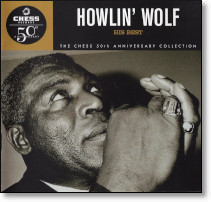
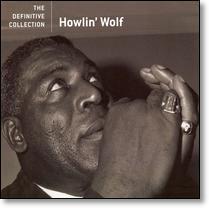
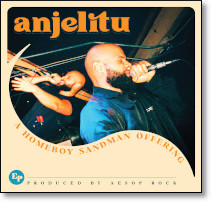
October archive (in progress). Music: Current count 36480 [36433] rated (+47), 159 [188] unrated (-29). Picked up a couple new (and one old) music tips from Robert Christgau's Consumer Guide: October 2021. I can note that I previously reviewed both Dave albums, Homeboy Sandman's Anjelitu, and Kalie Shorr's I got Here by Accident, all four at A-. Also Baloji at B+(***). While I had missed this particular Howlin' Wolf edition, the same 20 songs are also available in the same order on The Definitive Collection (released 2007), previously graded A+. It's depressing to compare the pitiful one below to the one I wrote back then:
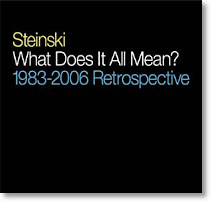
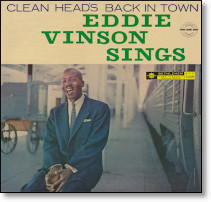
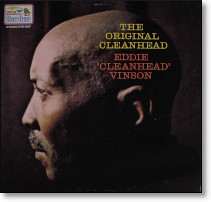
Otherwise, last week was like the week before, except even more depressing. Going through a sad, miserable patch, but at least I do take a little pleasure in crossing previously unplayed CDs off my "unrated" list -- at least as I cross them off my list, especially ones I didn't much enjoy listening to. Still, two of those records made the A-list this time (Ian Dury, Bert Williams). The other "old music" records -- most of the ones not marked [cd] -- continued my scan through the unheard Christgau-graded albums list, starting with Eddie "Cleanhead" Vinson, up to Dwight Yoakam this week. Deep down in the alphabet there, but still only 73% through (lot of various artist compilations to follow). Also, I'm aware of a few records I skipped that I can find on Napster or YouTube (shit I've really been avoiding -- Robert Cray is the name I'm most conscious of, probably because there's like three albums by him). By the way, I don't seriously believe that anyone needs all three Cleanhead A- albums this week. I think he's terrific, but damn little difference between them, and any one will give you a good sample. (I probably prefer Clean Head's Back in Town.) By the way, he's also on two somewhat more varied records I'm also a fan of: Cleanhead and Cannonball, as in Adderley, and Blues in the Night Volume 2: The Late Show, filed under Etta James, and marginally better than Volume 1: The Early Show. I wound up showing covers of two albums not reviewed below. The alternate Howlin' Wolf is really the same record, and when I looked up the review (above), I found I already had the cover scan handy. The Double Dee & Steinski EP didn't actually have a cover: it was just a sleeve with the label showing through, not that you'd ever find a copy anyway. The pictured Steinski comp starts off with those three pieces, then adds two more hours of brilliance. It's a desert island disc (well, two). Reviewing old compilations always presents maddening, perhaps even impossible, trade-off questions between multiple editions. When I pointed out the Howlin' Wolf equivalence, Robert Christgau left his review unchanged, but tweeted:
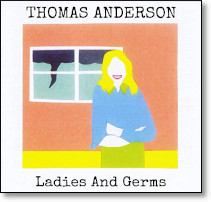
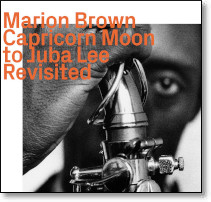
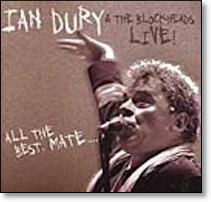
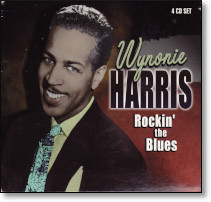
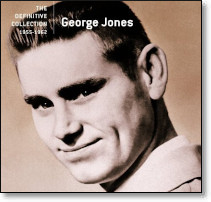
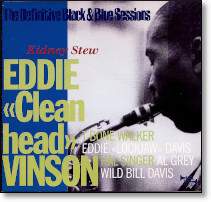
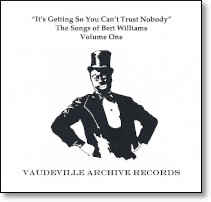
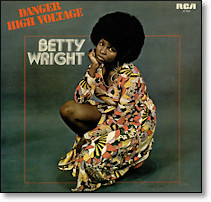
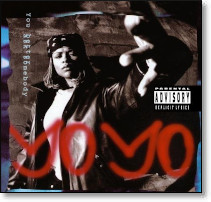
Punctilious as I am, I also work mostly from my own shelves, plus a few things that are readily streamable. So sometimes I pull obsolete (out-of-print) compilations off my shelf. Since I've been checking up on old Christgau grades, I look for the releases he reviewed, even if they are long out-of-print, superseded by more recent editions -- even if that requires assembling an approximate playlist. That doesn't seem like ideal consumer guidance, but some kind of compromise is necessary. One odd artifact this week is that I've ignored the 2004 release dates on my Jethro Tull reissues in favor of their original dates, since that seems like a better baseline. I own a copy of A + Slipstream, but since the latter is just a live DVD, I limited the review to A. On the other hand, it's possible that on occasion I devalue an old LP compilation in favor of later CDs. That's likely with Don Williams below, as I at least partly explain in the review. The Ezz-Thetics reissues continue to bug me. After I reviewed four a couple weeks ago, a reader pointed out that the series is curated with great care, with detailed liner notes from reputable critics. I review two more below, and find them slightly more useful than the original releases. I will get to more later. I had to make my own scan of the Bert Williams, a release that seems to have escaped notice on the Internet. Archeophone's three volumes are probably the preferred source, not least for sound quality, but my single disc fills the bill nicely. I didn't write it as such, but that final trio of A-list albums (Williams, Betty Wright, Yo Yo) says much about the trajectory of race in America (and you can fill in a few gaps with Wynonie Harris, Howlin' Wolf, Cleanhead Vinson, and Marion Brown. Bought a new HP all-in-one printer in hopes of doing some scanning with it, but hadn't tried it, and it turned out xsane couldn't work with it. Very unhappy about that, and I blame HP -- for business tactics I hitherto mostly associated with Apple. Started reading Kim Stanley Robinson's The Ministry for the Future -- the first novel I've tackled in close to 20 years. I've long said that when I finally get so disgusted with the world I give up, I'm going to give up and switch to fiction. I'm not sure if that's what this signals. For one thing, it's been touted as a superb wonk book. I've been writing a bit on annotation for a KSR article in Financial Times (paywalled, but I secured a samizdat copy). I'm despairing of getting it into publishable shape, but we're not so very far apart: he's both more pessimistic (maybe I mean panicky) and more optimistic (a faith in geoengineering I'm not convinced of), but we share common ground in believing that survival depends on fundamental changes in attitudes and beliefs, especially toward each other. That would be difficult in any case, but the degree of stupidity and vileness exhibited lately on the US right is mind boggling. I haven't written a Speaking of Which in nearly a month in large part because words seem so insufficient. Another problem, by the way, is that my sources have been drying up, increasingly blockaded by paywalls. Latest seems to be Politico. I've never put much stock in them, but occasionally issues are so obvious they break through their studied bipartisanship. I don't see how an informed electorate is possible when everything's pay-to-play. This week is countdown to my 71st birthday. I usually make a big dinner, and a month ago was looking forward to this one. As of today, I have no fucking idea what I'm going to do. (Well, the minimum is probably cake.) Have some other projects around the house to work on, so might be a good time to take a break from the usual grind. New records reviewed this week: Thomas Anderson: Ladies and Germs (2021, Out There): Singer-songwriter, debut 1988, ten albums since, nice unfancy melodies, clever words that mature into stories. Christgau considers this his best since that debut. I'm not so sure, but this is another good one, getting better as I try to write. A- Mickey Guyton: Remember Her Name (2021, Capitol Nashville): Country singer-songwriter, first album after four EPs and a Grammy nomination for "Black Like Me." More than a bit overproduced, sometimes over the top, although she has her points, and make some so convincingly, I wish I could leave it there. B+(***) Recent reissues, compilations, and vault discoveries: Albert Ayler Quintet: 1966: Berlin, Lörrach, Paris & Stockholm. Revisited (1966 [2021], Ezz-Thetics): Scattered live tracks from a November, 1966 tour of Europe, tenor saxophone backed by trumpet (Don Ayler), violin (Michel Samson), bass, and drums. This repackages material previously on two Hatology CDs, returning to the same pieces each concert: "Truth Is Marching In," "Omega (Is the Alpha)," "Our Prayer," "Ghosts," and variations on same. Ayler was "far out," but rooted in a spiritual primitivism. B+(***) [bc] Marion Brown: Capricorn Moon to Juba Lee Revisited (1965-66 [2019], Ezz-Thetics): Alto saxophonist (1931-2010), born in Atlanta, wound up in New York with the avant-garde. This recycles some of his ESP-Disk records, with two tracks from Marion Brown Quartet sessions (with Alan Shorter and Rashied Ali), plus two (of 4) tracks from his Septet Juba Lee. A- [bc] Old music: Keola Beamer: Wooden Boat (1994, Dancing Cat): Hawaiian slack key guitarist, first record was called Hawaiian Slack Key Guitar in the Real Old Style (1972), has a couple dozen more up to 2012-13, this the only one I bothered to pick up. Sings some here. Very slack. B+(*) Bingo: Songs for Children in English With Brazilian and Caribbean Rhythms (2005, Soundbrush): No artist credit, but not a "various artists" compilation: one band, one sound, throughout. Christy Baron is the singer, and pianist Roger Davidson is the critical factor, a master of the Latin groove that conveys these nursery rhymes (and a couple pop songs simplistic enough to pass), and organizes the percussion and the horns. B+(*) [cd] The Contemporary Piano Ensemble: The Key Players (1993, DIW/Columbia): James Williams produced, is one of five pianists here, along with Geoff Keezer, Harold Mabern, Mulgrew Miller, and Donald Brown (on 4 tracks), backed with bass (Christian McBride) and drums (Tony Reedus). They (minus Brown, with different bass/drums) recorded a second album called Four Pianos for Phineas (Newborn, 1996). This is a mix of original and trad pieces, ending with an Ellington medley. B+(**) Don Dixon: Chi-Town Budget Show (1988, Restless): Singer-songwriter, debut in 1985, did production for R.E.M., Marshall Crenshaw, and others. Wife Marti Jones recorded a good album in 1985 (Unsophisticated Time), and she appears here, introduced at the start. B+(*) [cd] Double Dee & Steinski: The Payoff Mix/Lesson Two/Lesson 3 (1985, Tommy Boy, EP): DJs Doug DiFranco and Steven Stein, cut and pasted these three "lessons" (14:43), landmarks in dance music history, but rarely precedents rarely followed, probably due to legal complications, but one might think because no one did it better. I searched for this for 20+ years before the three tracks appeared to lead off Steinski's 2-CD What Does It All Mean? [cover right], which gets even better, and is the one to search for. A Ian Dury & the Blockheads: Live! All the Best, Mate (1990 [2000], Music Club): Past his prime, but his oldies haven't aged, and while he skipped a few great ones, he worked in a couple pleasant surprises. Originally issued in 1991 on Demon as Warts 'N' Audience (Live: 22 December 1990), reissue with two extra tracks and a nicer title came out the year he died. Twenty years later he's even more missed. A- [cd] Shirley Eikhard: The Last Hurrah (2000, Shirley Eikhard Music): Canadian singer-songwriter, debuted as a teen in 1972, I filed her under country -- she won Juno Awards for Best Country Female Artist 1972-73 -- but at this point her phrasing draws more on jazz, as does her band, including horns: Kevin Turcotte (trumpet) and Mike Murley (tenor sax). B+(**) [cd] Shirley Eikhard: End of the Day (2001, Shirley Eikhard Music): All songs written by Eikhard, all vocals, all instruments too, recorded in her home studio. I'm most impressed by the bit of tenor sax, but the vibes are nice too. Mostly instrumental pieces. B+(*) [cd] Shirley Eikhard: Stay Open (2002-03 [2003], Shirley Eikhard Music): Definitely a jazz singer, and back with a band she can focus on her vocals. One choice song philosophizes: "Aren't we clever? But not very wise." B+(***) [cd] Dan Fogelberg: The Essential Dan Fogelberg (1973-90 [2003], Epic/Legacy): Singer-songwriter, first six albums through 1981 went platinum, singles did best on the Adult Contemporary list. Early cuts were fairly upbeat, but aren't very interesting. One early album got help from Don Henley and Graham Nash -- seems about right. C+ Forgetting Sarah Marshall [Original Motion Picture Soundtrack] ([2008], Verve Forecast): Nicholas Stoller film, written by Jason Segel and produced by Judd Apatow, starring Kristen Bell. I've never had any interest in soundtracks, especially random (or eclectic) ones, so I certainly didn't buy this one. Still, I can report a few oddities: "Fucking Boyfriend" (The Bird and the Bee), Desmond Dekker, Os Mutantes, and three Coconutz songs in Hawaiian, including "These Boots Are Made for Walkin'." B [cd] Gimme Indie Rock V. 1 (1984-99 [2000], K-Tel, 2CD): As a genre, "indie rock" always struck me as vague, more a business plan than an aesthetic not that either has held much interest for me. Three pairs of groups I do know stake out the domain: The Fall/The Mekons, The Minutemen/Hüsker Dü, The Feelies/Yo La Tengo. Maybe a fourth: The Meat Puppets/Black Flag. I recognize most of the other groups, although I doubt I could pick them out in a blindfold test. B+(*) [cd] The Golden Gate Quartet: Travelin' Shoes (1937-39 [1992], RCA/Bluebird): Gospel group, formed in 1934 in Virginia, appeared in John Hammond's famous 1938 Spirituals to Swing Carnegie Hall concert. This is the original group: William Langford left in 1939, replaced by Clyde Riddick, who retired in 1995, as the group carried on with new members. B+(***) [cd] Barry Harris: Live at Maybeck Recital Hall Volume Twelve (1990 [1991], Concord): Pianist, from Detroit, started around 1960, has about 30 albums, more side credits. This is solo, part of a series that just about defined who's who in mainstream jazz piano. Still living at 91, but nothing since 2009. B+(**) [cd] Wynonie Harris: Rockin' the Blues (1944-50 [2001], Proper, 4CD): Rhythm and blues singer, started in big bands (Lucky Millinder, Illinois Jacquet, Johnnie Alston), had a dozen or so R&B chart hits 1945-52, the latter missing here due to the arbitrary cutoff date -- for a superb one-CD overview, seek out Bloodshot Eyes: The Best of Wynonie Harris (Rhino, long out of print so good luck). This goes for quantity (81 tracks), which given his limits should be monotonous, but isn't. A- [cd] Tish Hinojosa: Dreaming of the Labyrinth/Soñar del Laberinto (1996, Warner Brothers): Folk singer-songwriter from San Antonio, sings in Spanish as well as English. B+(***) [cd] Robin Holcomb: Robin Holcomb (1990, Elektra): Singer-songwriter, plays piano, interests include Civil War songs and Charles Ives, married jazz pianist Wayne Horvitz, and they've recorded piano music together. Second album (not counting one where Horvitz, Butch Morris, Bill Frisell, and Doug Wieselman Play Robin Holcomb). Those (save Morris) also appear here. B+(*) [cd] Howlin' Wolf: His Best (1951-64 [1997], MCA/Chess): Part of The Chess 50th Anniversary Collection, a series you can pretty safely buy on sight (but now mostly out-of-print). Somehow I missed this one. Still, nothing here I didn't already have in The Chess Box (3-CD), or later in The Definitive Collection, a 2007 compilation that recycles these 20 classic songs in order, which I previously graded: A+ Ella Jenkins: Little Johnny Brown (1971 [2001], Smithsonian/Folkways): Folksinger, born in St. Louis in 1924, her specialty was songs for children, her first collection recorded by Moses Asch in 1957 as Call-and-Response: Rhythmic Group Singing. This album was originally co-credited to Girls and Boys From "Uptown" (Chicago). Some message songs that would upset the Trumpist thought police: "Freedom Train," "Be Ready When Your Freedom Comes." Most likely, "He's Got the Whole World in His Hands" too (not to mention "Mexican Hand Clapping Song"). B+(***) [cd] Jethro Tull: Live: Bursting Out (1978 [2004], Chrysalis, 2CD): British prog rock band with some folk-rock airs, debut 1968, led by Ian Anderson, who sung and played flute. Big deal through the 1970s, less reliably in the 1980s. I never was much of a fan, but heard a few albums and liked the occasional track, so parts of this have a pleasant familiarity later albums lack. Patter helps too, but nothing helps much. B- [cd] Jethro Tull: Stormwatch (1979, Chrysalis): Twelfth album. Losing interest. C+ [cd] Jethro Tull: A (1980, Chrysalis): Thirteenth album, chart peak 25 in UK, 30 in US. Nothing much here. [I have 2004 reissue called A + Slipstream, which adds a DVD I have from Slipstream tour.] C+ [cd] George Jones: The Definitive Collection 1955-1962 (1955-62 [2004], Mercury): One of the all-time great country voices, his early records for Mercury contain many honky tonk classics -- Cup of Loneliness: The Classic Mercury Years fills two CDs and only gets to 1959. This condensation hits many of those, then adds a few United Artists hits that remained signatures ("The Window Up Above," "Tender Years," "Achin' Breakin' Heart," "She Thinks I Still Care"). So great not even Billy Sherrill could ruin him. A Kartet: The Bay Window (2006 [2007], Songlines): French quartet -- Benoît Delbecq (piano), Guilaume Orti (alto sax), Hubert Dupont (bass), Chandler Sardjoe (drums) -- recorded five albums 1991-2001, this their sixth, one more in 2014. Tricky postbop, the pianist most impressive. B+(***) [cd] Alan Morse: Four O'Clock and Hysteria (2007, Inside Out Music): Guitarist, only album under his own name but he recorded quite a few in Spock's Beard ("American symphonic progressive rock band" active from 1995 at least to 2018). Brother Neal Morse plays keyboards, co-wrote and co-produced. B [cdr] Genesis P-Orridge & Astrid Monroe: When I Was Young (2001 [2004], Important): Former was born 1950 in Manchester, UK as Neil Andrew Megson, died 2020. Best known as lead singer in Throbbing Gristle and Psychic TV, but also has 24 solo projects/joint credits (Discogs). In 1993 met Jacqueline Breyer (aka Lady Jaye) in a BDSM dungeon in New York, and underwent multiple surgeries to make both look alike, merging into one pandrogenous being. All I know about Monroe is that's her real name, and she's "a real artist." Music is much less weird than the artists, with nice beats and spoken word (evidently male). CD has no booklet or print. B+(**) Mike Rizzo: Webster Hall's New York Dance CD v.6 (2003, Webster Hall NYC): Dance mix, high-powered techno, a dozen artists I've never heard of, but they keep it going. Commes with a DVD I haven't seen. B+(**) Daryl Stuermer: Go (2007, Inside Out Music): Guitarist, played with Jean-Luc Ponty in 1975, also a fairly long term with Genesis, so figure fusion and/or prog rock with emphasis on rave ups. B- [cdr] Swans: Soundtracks for the Blind (1996, Young God/Atavistic, 2CD): Experimental/noise rock band led by Michael Gira, had a run to 1997 as a prolific fringe band, broke up, then restarted with other musicians in 2010 (some early members returned in the 2019 lineup), finally gaining a critical following. This is long (72:06 + 69:31), sometimes loud, mostly plodding, with occasional words and/or groans. B [cd] UTD [Urban Thermo Dynamics: DCQ/Ces/Mos Def]: Manifest Destiny (2004, Illson Media): Hip-hop trio, front cover stresses UTD under the artist names, back cover spells out the acronym. B+(***) [yt] Eddie "Cleanhead" Vinson: Clean Head's Back in Town (1957, Bethlehem): Debut album, cover proclaims "Eddie Vinson Sings" but the smaller-print seems to be the title. From Texas, came up playing alto sax in swing bands -- with Milton Larkin (along with Arnett Cobb and Illinois Jacquet) and Cootie Williams -- but only sings here, a dozen songs, including a couple he later built whole albums around ("Kidney Stew," "Cherry Red"). Lots of horns here, but not his: Joe Newman (trumpet), Henry Coker (trombone), various saxophonists -- Bill Graham on alto with Charlie Rouse on tenor (4 tracks), or Frank Foster or Paul Quinchette. A- Eddie 'Cleanhead' Vinson: The Original Cleanhead (1970, BluesTime): Sings blues and plays alto sax, backed by a swing band with Plas Johnson (tenor sax), Joe Pass (guitar), and Earl Palmer (drums). [Ace's 2014 reissue adds three live tracks, including an "I Had a Dream" where he meets "President Nixon."] A- Eddie "Cleanhead" Vinson: Kidney Stew [The Definitive Black & Blue Sessions] (1969-78 [1996], Black & Blue): From France, the first 10 cuts were recorded and released as Wee Baby Blues (by Black & Blue) and as Kidney Stew Is Fine (by Delmark) in 1969, with Hal Singer on tenor sax, Jay McShann on piano, and T-Bone Walker on guitar (plus bass and drums). CD adds 2 cuts each from 1972 and 1978 -- both sets are backed by organ (Wild Bill Davis and Bill Doggett) with Lockjaw Davis (tenor sax) on the latter. A- Bert Williams: "It's Getting So You Can't Trust Nobody": The Songs of Bert Williams Volume One (1901-22 [199X], Vaudeville Archive Records): Comedian and singer (1874-1922), born in Antigua, moved to New York, easily the most famous black entertainer of the period. Archeophone reissued all of his recordings on 3-CD in 2002-04, and that's probably the way to go, but this 1-CD selection (total time 71:55) is the one I found. What I haven't found is a release date, or any evidence on the Internet of the label's existence, but the cover sheet has the dates for all 25 songs, and a brief but informative bio. W.C. Fields described Williams as "the funniest man I ever saw -- and the saddest man I ever knew." A- [cd] Don Williams: The Best of Don Williams, Volume II (1975-78 [1979], MCA): Mild-mannered country singer (1939-2017), started with Pozo Seco Singers (but forget that), started cranking out solo hits in 1973. The implied Volume I was actually titled Greatest Hits, although there are many more comps muddying the waters. Not sure how good his early singles were, but he hits his stride here: 11 songs, 6 topped the country chart, most of the rest came close. No complaints here, but later compilations offer more worthy songs over a slightly longer period -- e.g., 20 Greatest Hits (1987) and The Definitive Collection (2004; both start in 1973 and end in 1986), or for that matter the short 20th Century Masters best-of (2000). B+(***) Bobby Womack: Greatest Hits (1972-89 [1999], Capitol): Soul singer, name stuck in my mind as the author of "It's All Over Now" (the Rolling Stones hit in 1964, originally released by Womack's group, The Valentinos), but his solo records didn't start until 1969, when he caught the tail end of Minit. While he had some hits in the 1970s, they were pretty minor (biggest was a re-recording of another Valentinos song, "Lookin' for a Love"). B+(*) Stevie Wonder: Original Musiquarium I (1971-82 [1982], Motown, 2CD): Singles from his 1972-80 era, centered on 4 albums worth owning whole -- albums which everyone who cared at the time actually did own -- providing cover for 4 new ("previously unreleased") songs, of which "Do I Do" -- 10:30 upbeat funk with Dizzy Gillespie guesting -- is the most interesting. B+(***) Stevie Wonder: In Square Circle (1985, Tamla): "Part-Time Lover" strikes first. The other songs take longer to sink in. B+(***) Stevie Wonder: Jungle Fever (1991, Motown): Billed as "Music from the movie," the movie "a Spike Lee joint," the marketing angle boosting a relatively unspectacular album. B+(**) Betty Wright: Danger High Voltage (1974, Alston): Debut album (My First Time Around) when she was 14, big hit ("Clean Up Woman") at 17, died last year at 66. This was her fourth, produced by T.K. in Miami. A- Betty Wright: Live (1978, Alston): Extends her hit into a medley, closing with some burners. B+(***) Yo Yo: You Better Ask Somebody (1993, EastWest): Rapper Yolanda Whitaker, four albums 1991-1996, a fifth album (1998) unreleased (although some promo copies were sent out). After first two (both, like this, Christgau A-) disappointed me, I skipped this third album. Not sure that was a mistake, as there's little chance this twist on old school/gangsta would have sounded as good then as it does now. Especially waking up in a bad mood. A- [yt] Dwight Yoakam: Just Lookin' for a Hit (1986-89 [1989], Reprise): Country singer, best-of after three albums that could use a bit of trimming, plus two new songs -- covers, actually, "Sin City" and "Long Black Cadillac," which raids country-rock canon for depth. B+(***) Limited Sampling: Records I played parts of, but not enough to grade: -- means no interest, - not bad but not a prospect, + some chance, ++ likely prospect. Henry Threadgill Zooid: Poof (2021, Pi): Also sax and flute player, has had a brilliant run on this label (which used to be the best in the world at servicing critics, but no longer is). Quintet with Liberty Ellman (guitar), Jose Davila (tuba/trombone), bass and drums. [2/5]: + Unpacking: Found in the mail last week:
Ask a question, or send a comment. Monday, October 11, 2021 Music Week
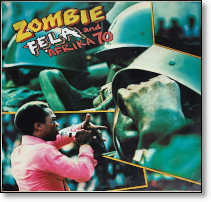
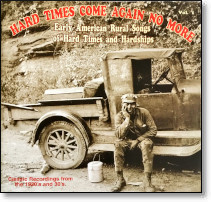
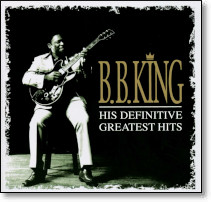
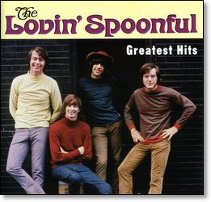
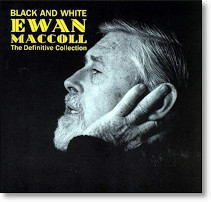
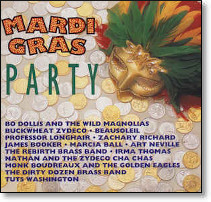
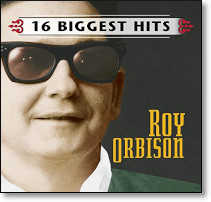
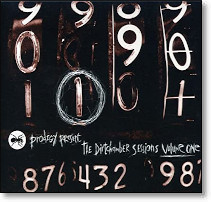
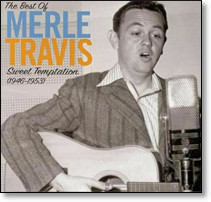
October archive (in progress). Music: Current count 36433 [36370] rated (+63), 188 [203] unrated (-15). Almost no new jazz (or new anything else) this week. I continued with the Christgau unheard list, moving from B.B. King to Merle Travis, although I couldn't find most of the A-list records in the bottom half of that list. (This is my second pass, and while I skipped a lot of A-N albums in the first pass, I had made a more diligent effort further down.) Note that 4 of this week's A-list items are albums I didn't buy because I had previously heard/rated most of the music from other editions (Fela, Lovin' Spoonful, Roy Orbison, Merle Travis). I've noted some of those other editions below. The other thing I did last week was to rifle through a shelf unit which (at least originally) had old CDs from my unheard list, and played what looks like a random selection. I had bought a ton of CDs early in the 2000s, especially in "going out of business" sales, and many of them languished. I've been keeping track of "unheard albums" since 2003, when the total was over 900. Eventually I got it down to the low 200s, but as I've streamed more, I've scrounged less, and I was getting frustrated at my inability to drop the unrated number below 200. Well, I made a dent in that list this week. To my surprise, three of those albums made this week's A-list, in very different ways (folksinger Ewan MacColl, Mardi Gras Party, and a hip-hop mix). The remaining unrated albums are listed here. Where they are in the house is anyone's guess, but I figure this is at least in part a housekeeping task. One excuse I have is that the new promo queue has shrunk to the point where I only have one album past its release date (and that was one I received last week, by a group I had never heard of). That doesn't count downloads, which I don't keep very good track of. Actually got a fair amount of unpacking last week, mostly into November. I'll do them when I get around to it. Things are pretty messy right now. Wichita suffered a catastrophe last week: the city water system broke down, leading to a "boil water alert." The pumps were shut down by an electrical failure. Then when they started up again, the restored pressure broke a 42-inch main a couple miles east of us, flooding streets and dropping pressure again. We spent a few days working around the various restrictions and warnings, thinking about how critical it is to have a safe, reliable source of water. And contemplating how callous and stupid Republicans (and a couple Democrats) are in their opposition to sorely needed infrastructure investments. Wichita (and most of Kansas) set a record high temperature on Saturday. I've set up a fairly fancy weather station here, so we're keeping a close watch. Got 1.55 inches of rain yesterday. We've generally been pretty lucky this year: hot but not exceptionally so, a bit drier than usual but not quite enough to call it a drought, and the jet stream has been well to the north, so we haven't seen much smoke from the fires out west. New records reviewed this week: Jü: III (2021, RareNoise): Avant-rock trio from Budapest, guitar-bass-drums with some vocals, sound like they might be onto something but tend to wear out their welcome. B+(*) [cdr] Jo Berger Myhre: Unheimlich Manoeuvre (2021, RareNoise): Norwegian bassist, also does electronics, third album since 2017 (or fourth if you count the one headlined by Nils Petter Molvaer). Three solo tracks, the others have 1-3 guests -- acoustic guitar, keyboards, percussion, narration (Vivian Wang). B+(**) [cdr] Recent reissues, compilations, and vault discoveries: Nick Lowe and Los Straitjackets: Walkabout (2013-19 [2020], Yep Roc): Originally a promo for an Australian tour of Lowe backed by the Nashville-based band: first half credited to Lowe (from two recent EPs), second credited to the band (Latin-tinged instrumentals of Lowe songs from 2017's What's So Funny About Peace, Love and Los Straitjackets plus an earlier "Friday on My Mind"), plus "Heart of the City" from both. B Old music: Fela and Afrika 70: Zombie (1976 [1977], M.I.L. Multimedia): Christgau's first Fela Kuti review, a 1977 release not in Discogs, which lists alternatives on Coconut (Nigeria), Polydor (Ghana), and Creole (UK). Later reissues add two 1978 tracks to the original 2-cut, 25:24 LP -- I own and recommend the MCA from 2001, but Wrasse (2001) and Knitting Factory (2010) follow suit. All have the same cover, depicting the musician standing out against military oppression. The groove pieces are immensely satisfying, and if you get the extra cuts, they don't wear down. A- Hard Times Come Again No More Vol. 1: Early American Rural Songs of Hard Times and Hardships (1924-37 [1998], Yazoo): As a fan of Vol. 2, I had to check this one out. Title comes from an old Stephen Foster song, sung here by the Graham Brothers, up last as the fourth song with "Hard Time" in the title, outnumbered by eight "Blues." About half of the songs pre-date the Depression. More whites than blacks, but that just underscores how poverty cut across the other social fissures. A- B.B. King: The Best of B.B. King (1969-71 [1973], ABC): Bluesman, first singles date from 1949, so this offers a narrow slice, even at the time -- he recorded for another 35 years, before dying in 2015. I can recommend his 1952-62 Flair compilations (Do the Boogie: Early 50s Classics to 1956, or The Best of B.B. King, Volume One, or Blues Kingpins). He moved on to ABC in 1963 (Mr. Blues, their catalog later picked up by MCA), but this skips their early albums, starting out shortly before his Live at Cook County Jail. B+(***) [yt] B.B. King: The Best of B.B. King [20th Century Masters: The Millennium Collection] (1967-85 [1999], MCA): Guessing at some of the dates as many of these songs appear multiple times, but safe to say they all come from ABC/MCA masters. The key period there is 1967-74, with an outlier from 1985 ("Into the Night"). Searching for dates suggests it shouldn't be hard to construct a better best-of, with more songs like "I Got Some Help I Don't Need." B+(***) B.B. King: Blues Summit (1993, MCA): Eleven duets, each with one from the cover menu: Ruth Brown, Robert Cray, Albert Collins, Lowell Fulson, Buddy Guy, John Lee Hooker, Etta James, Koko Taylor, Irma Thomas, Joe Louis Walker, Katie Webster. The twelfth song is a 8:57 mash of two King originals. "And more" includes Ben Cauley (trumpet) and Lee Allen (sax), and some featured names hang around to play elsewhere (especially Robert Cray). B+(***) B.B. King: His Definitive Greatest Hits (1963-93 [1999], Polygram, 2CD): With so much ABC/MCA material to choose from, it shouldn't be hard to pick out a first-rate compilation. This hits about 80% of the time. A- B.B. King: Deuces Wild (1997, MCA): Another album of duets, but instead of pairing off with his blues peers, he entertains a wide swath of the pop universe, from Van Morrison to Willie Nelson. I particularly like the Dr. John piece. B+(***) B.B. King: Let the Good Times Roll: The Music of Louis Jordan (1999, Geffen): He's game to sing this songbook, but the original's voice is funnier, and I find myself noticing that on 16/18 songs. King does take command on blues fare (or non-hits?) like "I'm Gonna Move to the Outskirts of Town." The band is also game to swing, with Dr. John (piano), Russell Malone (guitar), and an all-star horn section (Marcus Belgrave, Hank Crawford, Fathead Newman). B+(**) Ali Hassan Kuban: From Nubia to Cairo (1980 [1989], Piranha): Born 1929 in a Nubian village near Aswan, moved to Cairo but continued to identify as Nubian. Several records up to his death in 2001, followed by a fine Rough Guide summary. B+(***) Fela Ransome Kuti and His Koola Lobitos: Highlife Jazz and Afro-Soul (1963-1969) (1963-69 [2016], Knitting Factory, 3CD): First disc collects the singles, second their 1968 Parlophone (Nigeria) album, third some live tracks. The only Fela this early I had heard before was the six Koola Lobitos tracks included in the 2001 reissue of The '69 L.A. Sessions. The highlife connection is clear from the early tracks -- being a saxophonist, he styled his take as "highlife jazz" -- with the James Brown impact still in his future. While much of this is unformed, there are patches of wonder and brilliance, including an exuberant "Highlife Time" and some real jazz. [Knitting Factory originally released this in 2005, with a different cover. VampiSoul reissued this on 2-CD in 2008 as Lagos Baby 1963-1969.] B+(***) Lady Saw: Passion (1997, VP): Jamaican "Queen of Dancehall" Marion Hall, fourth album. B+(*) Ladysmith Black Mambazo: The Best of Ladysmith Black Mambazo (1975-85 [1992], Shanachie): South African male choral group -- a style known as iscathimiya or mbube -- led by Joseph Shabalala, many records since 1973, with a US breakthrough in 1984 (Induku Zethu) on Shanachie, which followed up with several other albums (both earlier and later) and 1990's Classic Tracks. I was quite taken by the latter, but my interest in the others soon flagged. Surprised to see a second compilation just two years later, especially one with three repeats. B+(***) Ladysmith Black Mambazo: The Gift of the Tortoise (1994, Music for Little People): After Paul Simon featured them on Graceland (1986), the world opened up a bit to them, leading to projects like this one: narrated in English and pitched as music for children. The animal-themed songs are mostly in Zulu, which passes as the language of the animals. B+(*) [cd] Tony Lakatos/Al Foster/Kirk Lightsey/George Mraz: News (1994 [1995], Jazzline): Hungarian saxophonist (tenor/soprano), albums since 1982, this quartet was recorded in Brooklyn, about 8 albums in. Four Lakatos originals, one each from Lightsey and Foster, one from Dave Brubeck, the last one a Jerome Kern song ("The Way You Look Tonight"). Nice mainstream tone, rhythm section makes it look easy. B+(**) [cd] Jim Lauderdale: Pretty Close to the Truth (1994, Atlantic): Alt-country singer-songwriter, second album, has stuck with it with a new album every year or two since. Songs and voice are somewhere between not bad and pretty respectable. B+(*) [cd] Linx: Intuition (1981, Chrysalis): British soul/funk duo, first of two albums before splitting in 1983. B+(**) Living Things: Ahead of the Lions (2004 [2005], Jive/Zomba): St. Louis band, Discogs tags them as "Glam" -- probably reminds someone of Iggy Pop, or maybe because the Rothman brothers renamed themselves Lillian, Eve, and Bosh Berlin. US label had qualms about their Black Skies in Broad Daylight debut, so held it up, reshuffled, and finally released this title, keeping 7 songs, replacing the other 6 with 5 new ones. I replayed the new ones, and two are worthy additions ("Bom Bom Bom" and "Monsters of Man"). So I give the edge to the original, but "Bombs Away" is on both. B+(***) Love: Da Capo (1967, Elektra): Famous rock band from Los Angeles, second album, led by Arthur Lee with Johnny Echols on lead guitar. Six first-side songs offer scattered looks that impress without convincing. Second side perks up with the 18:57 "Revelation," with highly charged guitar, harmonica, and sax against a commanding beat. B+(***) Love: Four Sail (1969, Elektra): Fourth album, only Arthur Lee remaining from the original group, or for that matter from their third (and possibly best) album, Forever Changes. Still sounds like a band. Just less like a great one. B+(**) Love: Out Here (1969, Blue Thumb): Two LPs (69:23) of what were basically outtakes from Four Sail. A couple good things here, like "Stand Out" and the 11:20 guitar bash "Love Is More Than Words or Better Than Never." But some things are truly awful ("Discharged"). B- Love: False Start (1970, Blue Thumb): Jimi Hendrix, whose career intersected with Arthur Lee's before, leads off, which you kinda forget by an end that's more confusing than not. B+(**) The Lovin' Spoonful: Greatest Hits (1965-68 [2000], Buddha): Pioneering folk-rock band, principally John B. Sebastian, had a two-year stretch with 7 top-ten singles, two more years where they charted lower and lower, then they were done (although Sebastian had a mediocre solo career to 1978, and has occasionally resurfaced). This covers them generously, as did 1990's Anthology -- both run 26 tracks, 23 in common. A- Nick Lowe and His Cowboy Outfit: The Rose of England (1985, Columbia): Missed this one after a couple disappointments from the middle of his Nashville period -- he was married to Carlene Carter 1979-90 -- so I felt I should rectify the omission and was pleasantly surprised. Granted, it's only half new originals, and that's counting the instrumental featuring Duck Deluxe Martin Belmont, and it tails off a bit toward the end. B+(***) Nick Lowe: Untouched Takeaway (1995-2001 [2004], Yep Roc): Live album, billed as his first ever, divided into two parts: from his 2001 European tour after The Convincer, and a 1995 set at Gino's Stockholm after The Impossible Birds. Mostly songs (I've heard but don't know) from those recent albums, but a few old ones (usually slowed down) and a couple country covers ("Tombstone Every Mile," "I'll Be There"). B Luna: Slide (1993, Elektra, EP): Dream pop band, led by singer-songwriter Dean Wareham, first album the excellent Lunapark (1992), followed by this 6-track, 27:00 EP. Repeats two songs from the debut (including the title, one of their best), adds three covers and one original. Seems like the very definition of redundant, but sounds pretty impressive. B+(***) Lynyrd Skynyrd: Nuthin' Fancy (1975, MCA): Jacksonville natives, the most legendary of the Southern rock bands that followed the Allmans, also marked by tragedy when leader Ronnie Van Zant perished in a 1977 plane crash. I thought their first album was pretty great -- I particularly related to the cowardice (or prudence) of "Gimme Three Steps" -- but their Second Helping filled me up, and I didn't bother with their following albums (especially the post-1977 revival, which continues to this day). Christgau was even more attached, going so far as to follow them on tour for a feature -- a personal connection he rarely indulged in, and one I've never touched -- so their albums loom large on my unheard-but-Christgau-rated list. This was their third, pretty much as advertised. B+(**) Lynyrd Skynyrd: Gimme Back My Bullets (1976, MCA): Perhaps a bit funkier, also meaner. "You won't hear me crying, because I do not sing the blues." B+(*) Lynyrd Skynyrd: One More From the Road (1976, MCA): Double-LP live set from Fox Theatre in Atlanta, 14 songs, 81:30, including an 11:30 wind up of "Freebird" and most of their obvious hits. [Initial reissue in 1986 dropped two tracks to fit onto a single CD. In 2001, reissued on 2-CD as Deluxe Edition, with restored cuts and edits -- e.g., "Freebird" grows to 14:48 -- and other extras.] B+(**) Lynyrd Skynyrd: Street Survivors (1977, MCA): Released three days before the plane crash that killed Ronnie Van Zant and others -- the emergency landing killed 7, while 7 more survived, enough to keep the band going despite the immeasurable loss. Leads off with one of their best songs ("What's Your Name"). B+(***) Lynyrd Skynyrd: Gold & Platinum (1972-77 [1979], MCA, 2CD): Serviceable best-of the Ronnie Van Zant period, pulls two tracks from their first album (1972, unreleased until parts appeared in 1978's Skynyrd's First and . . . Last), slips in three cuts from their live double (including a 14:10 "Freebird"), because that's the kind of band they were. Probably should grade it higher, but I'm running out of patience with them. B+(***) Yo-Yo Ma: Classic Yo-Yo (1992-2001 [2001], Sony Classical): Classical cellist, parents Chinese, born in Paris, studied at Juilliard and Harvard, "has recorded more than 90 albums and received 18 Grammy Awards" (14 through 2001, so the pace has slackened). Side interests include tango (Astor Piazzolla) and bluegrass (Mark O'Connor). Despite my deep-seated aversion, he's often pretty tolerable. [I previously reviewed a 2-CD 2005 compilation: The Essential Yo-Yo Ma: B+] B+(*) Ewan MacColl: Black and White: The Definitive Collection (1972-86 [1990], Green Linnet): Folksinger, born 1915 in Lancashire of Scottish parents, died 1989. A "lifetime communist," political themes abound: "I may be a wage slave on Monday, but I'm a free man on Sunday." Not a style I'm fond of, but remarkable in its way -- not least when he sings unaccompanied. A- [cd] Mardi Gras Party (1971-90 [1991], Rounder): Mardi Gras Indians, Professor Longhair on "Big Chief," James Booker on Professor Longhair (and yet another "Tipitina"), "Mardi Gras Mambo" and "Mardi Gras Zydeco," "Hey Pocky Way" twice (by Art Neville and as part of Irma Thomas' "Second Line Medley"). I was on the fence until midway, when Rebirth Brass Band blasted out "Do Whatcha Wanna, Pt. 3," followed by the Thomas medley. Ends with Tuts Washington playing "Saints" as a brief coda. A niche record, but earns it. A- [cd] The Master Musicians of Jajouka Featuring Bachir Attar: Apocalypse Across the Sky (1992, Axiom): Jbala sufi trance musicians from the Rif Mountains of northern Morocco. Group (loosely speaking) dates back to the 1950s, with a bit of international fame coming with Brian Jones Presents the Pipes of Pan at Jajouka, recorded in 1968, but various splits and permutations followed. This is one, led by Attar (born in 1964; his father was on the 1968 album), and produced by Bill Laswell, again providing a conduit to the west. B+(***) Johnny Mathis: The Ultimate Hits Collection (1956-86 [1998], Columbia): Possibly the squarest crooner of the 1950s, doesn't even have the excuse of having started before rock and roll exploded in 1956. Perhaps we can blame Mitch Miller and Ray Coniff (producer and orchestrator, respectively, of his early hits), but his clear and supple voice practically begged for their lush adoration. He recorded over 70 albums with more than 110 singles (up through 2017, when he was 82), and has been compiled dozens of times. I've sampled several of those, always impressed early on -- "Chances Are" was his biggest early hit, and deservedly so -- before my patience wore thin, even if I refrained from gagging. Christgau recommended this one, but even so concluded: "Give him his due -- and then use your programming buttons." B+(**) Moby Grape: Moby Grape (1967, Columbia): Debut album from one of those San Francisco bands that demonstrated the promise and perils of psychedelia -- per Jeff Tamarkin: "The Grape's saga is one of squandered potential, absurdly misguided decisions, bad luck, blunders and excruciating heartbreak." He went on about "great music," something that previously escaped me. (I've heard two comps: Vintage: The Very Best of Moby Grape, which starts with this album complete, and Listen My Friends: The Best of Moby Grape, and left both at B.) I can note a slight country streak, a loose sense of time, and a bit of thrash that could be extended live. Also one song that's kinda catchy. B+(*) [yt] Moby Grape: Wow (1968, Columbia): Second album. Easier to accept that this is godawful -- Christgau: "one of the worst cases of Pepper-itis on record" -- than that the debut was brilliant. [Looks like this was originally released with a 2nd LP called Grape Jam. The initial CD reissue combined the two LPs into one CD, but later reissues treat the two as separate albums.] C+ [yt] Moby Grape: Moby Grape '69 (1969, Columbia): Third (or fourth) album, intended as a return to "normal" after the over-produced Wow and the departure of resident genius/psycho Skip Spence. Some regard this as early country-rock ("predating the more popular first country rock releases by Poco and The Eagles"), but country is rarely this plain or uninteresting. B- [yt] M.O.P.: Handle Ur Bizness (1998, Relativity, EP): Hip-hop duo, Billy Danze and Lil' Fame, acronym for Mash Out Posse, gangsta shit, best known for their 2000 album Warriorz. Raw and hard. Nominally an EP: eight tracks, 31:12. Reminds me why I soured on so much 1990s hip-hop, though from today's vantage point, I'm more embittered by the era's attention-grabbing critics Bill Clinton and Tipper Gore, with their censorious overreach. In such times, "You think your bullshit bothers me?" is reasoned defiance. B+(*) [cd] Bill Morrissey: North (1986, Philo): Singer-songwriter from Connecticut, folkie division, died 2011 at 59, debut in 1984. This was his second album, just voice and guitar. Rather low-key. B+(*) Bill Morrissey: Bill Morrissey (1991, Philo): New recordings of the songs from his 1984 debut album, plus three more. Basic guitar and vocals, songs have some weight. Probably no reason to prefer one version or the other. B+(*) Bill Morrissey & Greg Brown: Friend of Mine (1993, Philo): Similar folk singers, Brown a couple years older, still alive, and somewhat more prolific. Only one original, the rest scattered blues and country and rock, with "You Can't Always Get What You Want" especially true. B+(**) [cd] Pablo Moses: I Love I Bring (1975 [1978], United Artists): Reggae singer-songwriter Pablo Henry, first album, produced by Geoffrey Chung, originally released as Revolutionary Dream. Simple, well-meaning songs, the appeal is obvious. Sound seems a bit off, especially the rattle of percussion. B+(**) [yt] Motörhead: No Remorse (1979-84 [1984], Bronze): English heavy metal band, nonsensical umlaut, led by Lemmy Kilmister (1945-2015), debut 1979, this initial 2-LP compilation celebrates 5 years and adds 4 new songs, a closer for each side. I have no use, let alone desire, for metal, but this is one of the few such groups I can listen to, and took this 83:34 in one sitting (as background for writing about the decline and fall of Western Civilization, but that's not why I selected it). One saving grace is that it's squarely rooted in classic rock. Another is that Lemmy himself isn't full of shit. I won't try to figure out just how good this particular set is, but I'll note that Christgau gave the group's next four albums all A- grades, and I concurred on the latter two, demurring only slightly on the others. [Initial CD reissue omitted 2 songs to fit on 1 CD; later (1996, 2005) reissues restored the cuts and added 5 bonus tracks, 3 from the 1982 EP Stand by Your Man.] B+(***) The Walter Norris Quartet: Sunburst (1991, Concord): Pianist (1931-2011), originally from Arkansas, played on Ornette Coleman's first album, moved to New York in 1960, recorded a dozen or more postbop albums, mostly trios although this one adds tenor saxophonist Joe Henderson -- a definite plus. B+(***) [cd] Roy Orbison: 16 Biggest Hits (1960-64 [1999], Monument/Legacy): Remarkable voice, so extraordinary he's often compared to opera -- but while divas may compare for range and phrasing, I've never heard one with his sense of rhythm. His songs soar and swell and dance in your head. He started earlier with Sun, and he held on a long time, but his signature output was concentrated in five years with Monument. I have two other compilations -- Rhino's For the Lonely: 18 Greatest Hits (1988), and The Monument Singles: A Sides (1960-1964) -- which are slightly longer but effectively equivalent to this budget item. No real reason to favor one over the others. A Annette Peacock: I Have No Feelings (1986, Ironic): Original name Coleman, wrote songs from an early age, married bassist Gary Peacock in 1960, developed a Synthesizer Show with second husband Paul Bley, recorded vocal albums in 1972 and 1978 (X-Dreams, a personal favorite). Her compositions were later featured in tributes by Bley and Peacock (with Marilyn Crispell and Paul Motian). But this vocal album is rather plodding, arch, scattered. B- [yt] Annette Peacock: An Acrobat's Heart (2000, ECM): Piano and vocal, all original pieces, backed by the Cikada String Quartet. Another slow one. B Ken Peplowski: The Other Portrait (1996, Concord): Clarinet player, mainstream, goes semi-classical here, with his quartet backed by the Bulgarian National Symphony. They do short bits of jazz standards, from "Anthropology" to "Lonely Woman," but the features here are classical: Witold Lutoslawski ("Dance Preludes"), Darius Milhaud ("Concerto for Clarinet & Orchestra"), Plamen Djurov ("Cadenza"). B [cd] Ralph Peterson Quintet: Art (1992 [1994], Blue Note): Drummer (1962-2021), apprenticed to Art Blakey in 1983, led his own bands from 1988 on (most often his Fo'tet), did more than anyone to keep Blakey's memory alive, including this tribute two years after the master's death. Quintet with Graham Haynes (cornet), Steve Wilson (soprano/alto sax), Michele Rosewoman (piano), and Phil Bowler (bass), plus trombone and tenor sax on the opener ("Free for All"). B+(*) [cd] Prodigy Present: The Dirtchamber Sessions: Volume One (1998 [1999], XL): DJ mix by Liam Howlett of the British techno group The Prodigy. Wikipedia has a long list of samples, mostly from hip-hop records -- first track hits up Run D.M.C., Mantronix, Sugarhill Gang, Double Dee & Steinski, Chemical Brothers, Ultramagnetic MCs, Afrika Bambaataa, among others -- with a little Sex Pistols, James Brown, Barry White, and Wild Magnolias. This sort of mash up that briefly looked like the future of music, before the copyright tyrants quashed it. [Volume Two never appeared, but they must have cleared the samples, as this is still in print.] A- [cd] Dr. Krishna Raghavendra: RARE Pulse (2001, GEMA): Founding member of USA-based Ragha School of Music and a senior member of the Karnataka College of Percussion (KCP), acronym for Raga and Rhythm Ensemble. First of at least 14 albums, plays veena, a plucked string instrument from South India, not far removed from sitar. May have some spiritual/healing claims. B+(*) [cd] Remember Shakti [John McLaughlin/Zakir Hussain/U. Shrinivas/V. Selvaganesh]: The Believer (1999 [2000], Verve): Shakti was guitarist McLaughlin's Indian fusion group, formed in 1975 with Hussain (tabla) and three others, recording three albums, and revived for three more albums from their millennial tour. B+(**) [cd] Remember Shakti: Saturday Night in Bombay (2000 [2001], Verve): The quartet is expanded for this big show, including vocals by Shankar Mahadevan. B+(**) [cd] Jimmy Rogers: The Complete Chess Recordings (1950-59 [1997], MCA, 2CD): Bluesman (1924-97), born in Mississippi, raised in Atlanta and Memphis, moved to Chicago in the mid-1940s, played with Little Walter early on, had a minor hit with "That's All Right" in 1950. Journeyman blues player with some soul moves, intriguing here but not very developed. B+(**) [cd] Nate Ruth: Whatever It Meant (2002, Soundless): Shoegaze, lots of fuzzy noise, throws in one off-speed track that's clearer but still marked by fuzz. Seems to be a one-shot. B [cd] Jeremy Steig/Eddie Gomez: Outlaws (1976 [1977], Enja): Flute and bass duo. Steig (1942-2016) was one of the few jazz flute players of the 1970s not established on other instruments (Frank Wess and Yusef Lateef were poll-winners, and primarily saxophonists; James Newton debuted in 1977; Sam Most and Herbie Mann preceded Steig). He plays alto flute here, lower-pitched and airier. Gomez is best known for his Bill Evans Trio work -- Steig joined the trio for a 1969 album, What's New. B+(***) [cd] Swayzak: Himawari (2000, Medicine): British tech house duo, James S. Taylor and David Brown, name adapted from a Polish word for union. Third album, good beats, bits of spoken word -- I like the one in German. B+(***) [cd] Swayzak: Dirty Dancing (2002, !K7): Beats broken up in interesting ways, but could be more danceable, or for that matter dirtier. B+(**) [cd] Train Don't Leave Me: Recorded Live at the 1st Annual Sacred Steel Convention (2000 [2001], Arhoolie): Fourteen songs from ten artists, each led by pedal or lap steel guitar, not all with vocals, a mix of originals and gospel standards. Gets increasingly heated. B+(**) [cd] Merle Travis: Sweet Temptation: The Best of Merle Travis 1946-1953 (1946-53 [2000], Razor & Tie): Country singer from Kentucky, especially renown as a guitarist, had a string of big hits in the late 1940s, leading off with "Cincinnati Lou," "No Vacancy," and "Divorce Me C.O.D." (all from 1946). I know him most from Rhino's The Best of Merle Travis, but can also recommend Hot Pickin' (2-CD on Proper), and individual albums like Songs of the Coalmines -- his original "Sixteen Tons" is much different from the Tennessee Ernie Ford cover I first loved. A- Unpacking: Found in the mail last week:
Ask a question, or send a comment. Monday, October 4, 2021 Music Week
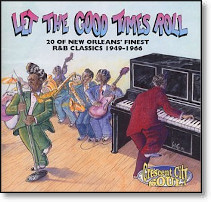
October archive (in progress). Music: Current count 36370 [36323] rated (+47), 203 [207] unrated (-4). Spent much of the week whittling down the unheard Christgau list, this week starting at Grateful Dead and working my way to Jaojoby (B.B. King next, playing now). Took a couple side trips along the way. I was excited to hear that Hat Hut's Ezz-Thetics reissue label has a Bandcamp page, then chagrined to find that many of their "Revisited" sets were purloined from other labels (probably aided by Europe's 50-year copyright limit). Hat was an important label for new jazz from the early 1970s on, so they have a lot of important music in their vaults, but they've always had certain business quirks. Another diversion was Michaelangelo Matos publishing a 2021 top-ten ballot on Facebook, so I checked out the half I hadn't heard (or for that matter heard of). The Matos list also led me to find a couple Burnt Sugar albums I had missed. My other big diversion (a/k/a waste of time) this week was to play around with singles lists. What I have so far is tucked away in the notebook, but I'll probably move it into a standalone file if I ever get it close to presentable. (Temporary link here, but this is very short of ready, and also the numbers are for counting, not rank -- each list is alphabetical by artist.) My methodology was to start by looking at the Rolling Stone list (via Rock NYC and the ballots by Robert Christgau and Carola Dibbell and Chuck Eddy, and pick out what seemed most indubitable. Then I started looking through my database to find various artists compilations I liked. I would then pull them up on Discogs or Wikipedia for song lists, and pick a few more titles from them. Once I decided I wanted something from an artists, I would go on to Wikipedia to look at artist discographies (especially singles, which are usually presented with chart numbers). Two insights occurred after I got started: (1) I decided to break up the list by decades, otherwise comparisons became difficult (too many apples-to-oranges) and would ultimately just prove my period prejudice: as someone born in 1950, the 1960s and 1970s were my peak exploration period, where everything was new and much of it exciting. I've continued to follow (and enjoy) new music since then, but after I stopped writing rockcrit in 1980 (and listening to radio a few years earlier, and stopped buying singles) I thought about it differently. If I tried to balance out a life-spanning singles list, it would wind up being about 80% pre-1980 (and 60% pre-1970), which says something about singles vs. albums -- the latter really came into their own around 1967-70 -- but mostly that I'm just an old fart. (2) is that after starting to pick one song per artist (per decade), I decided it would be worthwhile to add a few alternatives -- in case I wanted to refine my choices later on, or simply because some songs were too good to omit, and I started to get greedy. I initially decided to leave jazz out completely -- no disrespect, but they became different things, with different aims, about the time LPs split off from singles in the 1950s. I may revise this to make vocals the dividing line. That would leave some rock instrumentals out, but not many were ever likely to be considered ("Rebel Rouser"? "Pipeline"? "Honky Tonk"?) And post-1970 I've picked the occasional album-only track (I think the first one I jotted down was Mott the Hoople's "I Wish I Was Your Mother"). I'm doing this almost exclusively from a memory that since the late 1970s has almost exclusively been formed from listening to albums, so it's no surprise that many of the songs that stuck in my cerebellum like singles used to were never marketed as such. (Note that not every critic has experienced this the way I have: in the late 1970s 12-inch singles became favored by DJs; in the 1980s MTV started the flood of video singles; and from the late 1990s the Internet has done much more to break singles than radio, which for all I know is nothing but senseless blather these days. Younger critics started with these media, much as I started with AM radio.) So far I mostly have records from 1955-70, not just because that's my prime period, but also because that's where I've looked most intensively. I'm starting to think the 1960s and 1970s need to be broken into two halves, both due to quantity but also due to the rapid rate of change in those two decades, with 1964 and 1976 especially pivotal dates. As I recall, the first halves of both decades were much disparaged, although looking back I find them to be especially fertile (albeit as extensions of the previous half-decade). One side effect was noticing one of Capitol's 2002 "Crescent City Soul" compilations that I had missed. I had to construct a playlist to review it, but it was worth it. (Still, not as good as the Minit-based Finger Poppin' and Stompin' Feet.) Tried to do the same with David Toop's Sugar and Poison, but couldn't find all the songs. I also depleted enough of my promo queue that I inadvertently reviewed records as far out as November 12. (I've been sitting on the Fiedler and Balto albums for longer than I could stand.) Haven't done anything yet with the latest Phil Overeem list, but nice to see William Parker's Painter's Winter high on the list (higher than Mayan Space Station, which got first notice). I finally bought a copy of a novel: Kim Stanley Robinson's The Ministry for the Future, based on Robert Christgau's review, although I had previously linked to the New Yorker essay Christgau cites. (Has it really been that far back? First piece linked to there is titled, "As death toll passes 60,000, Trump's team searches for an exit strategy." As you probably know, the US death toll passed 700,000 last week.) I quoted Robinson there:
I'm beginning to wonder whether the only forum for serious discussions of viable solutions to ongoing crises isn't science fiction. I've long wanted to collect my more harebrained ideas under a recycling of Paul Goodman's 1962 title, Utopian Essays and Practical Proposals, but it's getting hard to tell where one ends and the other begins. Indeed, in the minds of certain "centrist" Dems all variants are equally impossible, precisely because they are held to be inconceivable. I also ordered William T. Vollman's Carbon Strategies for reference. I've thumbed through the two volumes at the library, and can't imagine reading them through, but thought they might be useful as references (although I have to wonder whether the deep discounts at Amazon don't imply that they're already obsolete). I've added a link at the bottom of every blog post to "Ask a question, or send a comment." This links to my old Ask a Question form, which I've hacked a bit on. You can now choose "Question" or "Comment." The former gives me input for my Questions & Answers page. The latter sends me a comment without expectation of answer. I'm not going to be a stickler on that point. There's also a new form field for "URL Context." Eventually I'll figure out how to set this form from the referer context, but I don't have that working yet. In the future, I could add this link to many more pages, and could even develop some kind of comment system. But for now, these changes haven't been given much of a test. I appreciate your feedback, and would like to see more. Thanks. New records reviewed this week: Burnt Sugar/The Arkestra Chamber: Angels Over Oakanda (2018-21 [2021], Avantgroidd): Ace critic Greg Tate's jazz project, co-led by bassist Jared Michael Nickerson, 20 years and about that many records into their own long, strange trip. Conducted improv, but rarely strays far from its seductive groove. B+(***) [bc] Whit Dickey/William Parker/Matthew Shipp: Village Mothership (2020 [2021], Tao Forms): Drums-bass-piano trio, joint song credits so auteurs listed alphabetically, though it may help that the drummer has raised his profile significantly over the last couple years (also that this is his label). Shipp honors him with some of his most percussive playing. A- [cd] [10-15] DMX Krew: Loose Gears (2021, Hypercolour): One of several alias used by British electronica producer Edward Upton, many records since 1996. Nice beats, not supercharged, but don't fade away. B+(***) Hernâni Faustino: Twelve Bass Tunes (2020 [2021], Phonogram Unit): Portuguese double bass player, probably best known for RED Trio, but has a fair number of side credits, including work with Rodrigo Amado and José Lencastre. Solo bass, as advertised, the format limited as usual, but his execution thoughtful as ever. B+(***) [cd] Thomas Fehlmann: Böser Herbst (2021, Kompakt): Swiss electronica producer, based in Berlin, been doing it since the 1980s, not a huge number of albums (Discogs lists 13). Title translates as: bad (or evil) autumn. Written as soundtrack for a documentary, related to Babylon Berlin (previous alsum was 1929: Das Jahr Babylon). Ambient in tone, but never fades into background. A- Joe Fiedler's "Open Sesame": Fuzzy and Blue (2021, Multiphonics): Trombonist, debut album 1998 but more recent, with one called Open Sesame in 2019. Quintet with trumpet (Steven Bernstein), soprano/tenor sax (Jeff Lederer), bass, and drums, plus a couple vocals by Miles Griffith (hated them at first, still not a fan but they do sorta fit in). Not far removed from Bernstein's postmodern take on swing (although he could have backed into it). B+(***) [cd] [11-12] Kazemde George: I Insist (2019 [2021], Greenleaf Music): Tenor saxophonist, from California, studied in Boston, wound up in New York. Debut album. Bio talks about African diaspora music, including hip-hop. My guess is that he's aiming at the kind of crossover that's popular in London recently, but has rarely worked in the US. Backed by piano/keyboard, bass, and drums, his groove is engaging and solo flights majestic. Also features vocalist Sami Stevens, who I am less taken with. B+(***) [cd] [10-22] Julia Govor: Winter Mute (2021, Jujuka, EP): Russian techno producer, based in New York, has more than a dozen singles/EPs since 2014. This one has 4 tracks, 20:14. Nice beats. B+(**) Eunhye Jeong: Nolda (2021, ESP-Disk): Korean pianist, fourth album, solo, impressive strength and daring. B+(**) [cd] [09-24] Rochelle Jordan: Play With the Changes (2021, Young Art): R&B singer-songwriter, born in UK, grew up in Toronto, based in Los Angeles, fourth album since 2011, atmospheric electronica with some gravitas, not sure how danceable (if that's the point). B+(***) Kuzu: All Your Ghosts in One Corner (2020 [2021], Aerophonic): Free jazz trio -- Dave Rempis (saxophones), Tashi Dorji (guitar), Tyler Damon (drums) -- played for noise, at the limits of what I can stand, but sounded pretty great when I got to it. Hedged because I didn't feel like repeating the experience right away. B+(***) [cd] [10-05] José Lencastre Nau Quartet + Pedro Carneiro: Thoughts Are Things (2021, Phonogram Unit): Portuguese saxophonist (tenor and alto), fourth album with this group -- two-thirds of RED Trio (Rodrigo Pinheiro on piano and Hernâni Faustino on bass) plus his brother João (drums). Guest Carneiro plays marimba, neither here nor there, but the saxophone is superb, even when he slows it down. A- [cd] Bryan Murray & Jon Lundbom: Beats by Balto! Vol. 2 (2021, Chant): Saxophonist Murray (aka Balto Exclamationpoint) provides the beats. Lundbom plays guitar, was credited first on Vol. 1, and claims all of the compositions here. Joined by Jon Irabagon (more saxophones), Matt Kanelos (keyboards), Moppa Elliott (bass), and others. A little more erratic than their previous effort, but the concept of free jazz over fractured beats is sound. B+(***) [cd] [11-07] Q'd Up: Going Places (2021, Tantara): Long-running group of faculty at Brigham Young University School of Music, founded in 1983 by Ray Smith (as Faculty Jazz Quintet), adopting its current name in 1998. Discogs lists two albums, one from 2009, another from 2018. Percussionist Jay Lawrence composed 6 (of 11) tracks. Pleasant, easy-listening jazz. B [cd] [10-08] Rebellum: The Darknuss (2021, Avantgroidd): "Burnt Sugar Arkestra's Avant Funk & Roll Splinter Cell": down to five musician credits, but with guests and four vocalists, they make for a postmodern Funkadelic. B+(***) [bc] Matthew Stevens: Pittsburgh (2021, Whirlwind): Guitarist, originally from Toronto, based in New York, third album, solo, on a 1956 Mahogany Martin 00-17 with "warm, brilliant steel-string tone." B [cd] Trondheim Jazz Orchestra & The MaXx: Live (2018 [2021], MNJ): Norwegian big band, more than two dozen albums since 2005, each co-credited with a guest, in this case a "power pop/indie/fusion trio" -- Petter Kraft (guitar/tenor sax/vocals), Oscar Grönberg (keybs), Tomas Järmyr (drums) -- with one EP on their resume, and credit for these pieces. Finds a compelling groove when the vocalist (Mia Marlen Berg?) enters on the second track ("Orgelbla"). Next cut rocks harder, which brings out the noise in the free jazz contingent, but that's not all they do. B+(**) Trondheim Jazz Orchestra & Ole Morten Vågan: Plastic Wave (2020 [2021], Odin, 2CD): Bassist-composer Vågan was previously featured guest on 2018's Happy Endings. Lots of interesting looks here, starting with Ola Kvernberg's violin, but the piece that really takes off is "Pickaboogaloo" on disc 2, so much so everything else gets sharper. A- [bc] Recent reissues, compilations, and vault discoveries: Albert Ayler: New York Eye and Ear Control Revisited (1964 [2021], Ezz-Thetics): Straight reissue of the 1966 ESP-Disk album (3 tracks, 43:27), previously jointly credited with Don Cherry (cornet/trumpet), John Tchicai (alto sax), Roswell Rudd (trombone), Gary Peacock (double bass), and Sunny Murray (drums). B+(*) [bc] John Coltrane Quartet: Newport, New York, Alabama, 1963 Revisited (1963 [2021], Ezz-Thetics): Live recordings from a year when Coltrane and his Quartet (even with Roy Haynes sitting in, as he did at Newport) could do nothing wrong. First three tracks were previously on Newport '63 (released 1993 with a fourth piece). The other five tracks (including two actually recorded at Van Gelder Studios) were released in 1964 as Live at Birdland, one of Coltrane's masterpieces. "Alabama," by the way, is just a song title, although you probably knew that. Total 79:56. My big question is how and why they wound up on this legendary Swiss label offshoot (Hat Records by another name). Docked a bit for the confusion. B+(***) [bc] John Coltrane: Chasin' the Trane Revisited (1961 [2021], Ezz-Thetics): Another retitling of a Coltrane live classic, the master takes from Live at the Village Vanguard, plus an alternate take of "Spiritual" to bring the time up to 79:29. Eric Dolphy (bass clarinet) joins for 3/6 tracks. Grade docked, but this is some of his greatest music ever. A- [bc] Mike Taylor: Trio, Quartet & Composer (1965-68 [2021], Ezz-Thetics): British pianist, drowned in 1969 at 30, released a trio album in 1967 (Jon Hiseman on drums, bass split between Ron Rubin and Jack Bruce, all here), and a quartet in 1966 (with Dave Tomlin on soprano sax, one cut here, "A Night in Tunisia"). Last three tracks here were pieces he composed for Cream's Wheels on Fire (with Ginger Baker lyrics), which is an odd way to stretch a rare and historic jazz CD to 71:17. B+(*) Old music: Burnt Sugar/The Arkestra Chamber: Live From Minnegiggle Falls (2004 [2007], Avant Groidd): A Greg Tate conduction of a nine-piece group (plus vocals) recorded in Minneapolis. B+(**) Burnt Sugar/The Arkestra Chamber: All Ya Needs That Negrocity (2008-11 [2011], Avant Groidd): Looks like the group generated a lot of music from 2000-07, slowed down through this 2011 release, then started a comeback in 2017. Conduction with 27 musicians (total, probably not all at once), starts with a riff on "Cold Sweat," moves on to "Libertango," then mixes it up further. A- [bc] Thomas Fehlmann: 1929: Das Jahr Babylon (2018, Kompakt): "Original Filmmusik" for Volker Hesse's documentary meant to provide historical background his series Berlin Babylon. Watching the latter offers the odd sensation of knowing that no matter how things work out at the time (and like most drama they like to cut it close) it would all go to shit in the near future. Listening to this gives you an ambient background of carefree industrial hum, which also could get worse. B+(*) Grateful Dead: Dozin' at the Knick (1990 [1996], Grateful Dead, 3CD): I liked some of their early stuff, especially their most tuneful Workingman's Dead, but never saw them and never understood the fascination some people have for them. I got the impression they stopped caring about studio albums in the mid-1970s, but they kept touring, and from about 1992, some business type decided to make up their losses by dumping dozens of live tapes onto the market. I bought Two From the Vault, which was of Live/Dead vintage and not bad, but not enough to keep me interested. This is the other one that Christgau -- who saw them early and connected enough he's often rhapsodized about them -- has recommended, and it's much later. First disc is quite good, especially the Dylan cover ("When I Paint My Masterpiece"). Second disc wanes, and third wanders, but I liked the drums bit, and enjoyed much of the rest. B+(**) Grateful Dead: Crimson White & Indigo (1989 [2010], Grateful Dead/Rhino, 3CD): From Philadelphia, July 7, starts promising, but they do go on and on and on. B The Guess Who: The Greatest of the Guess Who (1969-75 [1977], RCA Victor): Canadian rock group, founded 1962 as Chad Allan and the Reflections, with Randy Bachman on guitar. Keyboardist Burton Cumming joined in 1966, taking over vocals when Allan left. They broke into the US charts in 1969-70 with "These Eyes," "Laughing," "Undun," "No Time," "American Woman," "Hand Me Down World -- the first side here. Second side picks up after Bachman departed for Bachman-Turner Overdrive, as Cummings held on, through 1975, turning out catchy tunes that didn't quite chart as high, perhaps because they felt a tad light. B+(*) Jimi Hendrix Experience: Radio One (1967 [1988], Rykodisc): BBC radio shots, scattered from February to December around the May release of Are You Experienced (5 songs repeated here, plus 2 from Axis: Bold as Love, 10 others, 6 of them covers. The covers shade this a bit toward blues, although they also have fun with "Day Tripper," and write a "jingle" for "Radio One" that's miles above what you're used to. B+(***) Jimi Hendrix: Woodstock (1969 [1994], MCA): The rare rock musician who's live performances transcended the redundant (and whose innovation, fame and early death left hope of finding more gems among his detritus), Hendrix's posthumous discography soon dwarfed the three studio albums released during his lifetime -- the only comparable figure was John Coltrane, whose heirs still struggle to compete. The early phase was spent scouring live tapes and studio outtakes for said gems. A second phase started more/less here, as the focus shifted to whole concerts. This CD was edited down to 63:46, only to be replaced in 1999 with the 2-CD (96:38) Live at Woodstock -- the latter adds five songs, plus patter that stretches most of the rest of the recording times. I couldn't find the former, so constructed a playlist from the latter, getting all the songs in the edited order (but missing the 1:54 "Farewell"), but with the introductions still wasting time. I'm not enough of an aficionado to compare versions, but the "Jam Back at the House"-"Voodoo Child"-"Star-Spangled Banner" sequence is pretty amazing. I'm not a big fan of the latter, but will note that he neither shreds the anthem nor flinches from its ugliness. Rather, he makes something not beautiful but powerful out of it. I could see MAGA enthusiasts embracing it, but I doubt they will. "Purple Haze" comes next, continuing the high level streak. A- Jimi Hendrix: Hendrix in the West (1968-70 [2011], Experience Hendrix/Legacy): Live album, originally stitched together with performances from Royal Albert Hall, Isle of Wight, San Diego Sports Arena, and Berkeley Community Theatre and released relatively early (1971) in the posthumous sweepstakes. I can't find/reconstruct the original album, as legal disputes forced the reissue to replace the Royal Albert Hall tracks ("Little Wing" and "Voodoo Child") with other versions, while adding extra tracks to expand the album from 40:21 to 65:16. I've never been a huge fan, but this "Voodoo Child" is pretty amazing. B+(***) Jimi Hendrix: Valleys of Neptune (1969-70 [2010], Experience Hendrix/Legacy): Studio tracks, post-Electric Ladyland, may or may not have been intended for a fourth album (but no dupes from First Rays of the New Rising Sun, which appeared in that niche in 1997). This one needs work (even after it got some posthumous help), but if you can listen to Hendrix for background music -- and I'm finding I can -- this fills the bill, without too many distractions. B+(**) Jimi Hendrix: Blue Wild Angel: Jimi Hendrix Live at the Isle of Wight (1970 [2002], Experience Hendrix/MCA, 2CD): Expanded edition of a concert previously released in 1971 (Isle of Wight) and 1991 (Live Isle of Wight '70), opening with the "God Save the Queen"/"Sgt. Pepper's Lonely Hearts Club Band" sequence that led off Hendrix in the West. Recorded three weeks before his death, runs long, sounds typical enough. B+(**) Jimi Hendrix: Voodoo Child: The Jimi Hendrix Collection (1967-70 [2001], Experience Hendrix/Universal, 2CD): Useful, I suspect, for young 'uns -- and 50 years after his death that's 'most everyone -- who are looking for a starting point or an expertly balanced overview. First disc draws on three good-to-great studio albums, with some extras or alternates mixed in. Second draws on his now-numerous live albums, repeating three songs ("Fire," "Hey Joe," and "Purple Haze"), with a couple legendary pieces ("Star Spangled Banner" from Woodstock, "Wild Thing" from Monterey). Of course, you might find yourself wanting more. But if this doesn't do it for you, he's really not for you. A Jimi Hendrix: Fire: The Jimi Hendrix Collection (1967-70 [2010], Experience Hendrix/Legacy): Generous single-disc compilation, 14 songs from his three studio albums, 6 more from posthumous sources, including 2 from the simultaneously released Valleys of Neptune. First half could hardly be better. After that, just go with the flow. A His Name Is Alive: Stars on E.S.P. (1996, 4AD): Fringe rock band from Michigan, principally Warren Defever, first release 1988 (I Had Sex With God), still active (at least through 2020). Not clear who else is doing what. Karin Oliver sang on earlier albums, but Lovetta Pippen appears here. Not that it matters much. B+(*) The Hollies: In the Hollies Style (1964, Parlophone): Manchester's answer to the Beatles, second album, released in UK and Canada but not US. Three songwriters (Allan Clarke, Tony Hicks, Graham Nash, jointly credited as L. Ransford), but nearly half covers (e.g., "Something's Got a Hold on Me," "It's in Her Kiss," and "Too Much Monkey Business"). Not the Beatles, of course, but no other band distilled the sound more completely. B+(*) The Hollies: The Hollies' Greatest Hits (1965-72 [1973], Epic): But they did come up with some hits that established their own sound (perhaps more Byrds than Beatles). The breakthrough came from non-member songwriter Graham Gouldman (later the cleverer half of 10cc), with "Look Through Any Window" and "Bus Stop," but most of the rest came from their core (but dwindling) trio, with Graham Nash leaving in 1968 and Allan Clarke in 1971 (returned in 1973). Only one of the three post-1967 songs earns its keep ("Long Cool Woman in a Black Dress," where they started listening to CCR). B+(***) Hüsker Dü: Everything Falls Apart (1982 [1983], Reflex, EP): Minnesota hardcore group, a big deal while they lasted (1982-87), with guitarist Bob Mould going on to a long solo career along the same lines, drummer Grant Hart occasionally writing a song with a surprising hook (his solo career was much less substantial, 4 albums before he died in 2017, and bassist Greg Norton (co-wrote 2 songs here). First album (aside from the live Land Speed Record, a 19:22 EP (despite 12 songs, including 1:51 of "Sunshine Superman"). [1993 Rhino reissue expanded to 42:07.] B+(**) Irakere: Irakere (1978 [1979], Columbia): Stellar Afro-Cuban jazz band, founded and led by pianist Chucho Valdès in 1973, at this time including Arturo Sandoval (trumpet) and Paquito D'Rivera (sax), who later left Cuba for fame and fortune in the US. Third album, first of two picked up by Columbia. Recorded live, intense, possibly brilliant. [4/5 cuts also on The Best of Irakere, along with 6/8 from Irakere 2.] B+(***) Ronald Shannon Jackson: Pulse (1984, Celluloid): Drummer, from Texas, joined Ornette Coleman in 1975's electric free funk Prime Time, led his own group (Ronald Shannon Jackson & the Decoding Society) from 1979. This is one of the few albums from the 1980s solely under his own name, as it's almost all drums and spoken word. B+(*) Ronald Shannon Jackson and the Decoding Society: Decode Yourself (1984, Island): Sixth group album since 1980, septet follows in Ornette Coleman's Prime Time footsteps, with added violin and trombone, saxophonist Eric Person doesn't come close to Coleman's magic. Bill Laswell produced. B+(*) Ronald Shannon Jackson: Red Warrior (1990, Axiom): Post-Decoding Society, straight fusion with three guitarists here and there spinning up to tornado force, two bassists, impressive drumming. Laswell co-produced. B+(**) The Jacksons: The Jacksons (1976, Epic): First album after leaving Motown (for which the Jackson 5 recorded 10), the name change partly reflecting a lineup change, with Jermaine leaving and younger brother Randy joining, and Gamble and Huff producing, with MFSB the Philadelphia house band. Seems pretty generic, with Michael nearly undetectable. B The Jacksons: Destiny (1978, Epic): Opens with a template for Michael's solo career, identifiable even if it's not particularly deep ("Blame It on the Boogie"; better still: "Shake Your Body"). B+(***) The Jacksons: Triumph (1980, Epic): First group album after Michael's blockbuster Epic debut (Off the Wall -- he had four previous and inconsequential solo albums on Motown), doesn't seem very satisfying to merge him back into the group, even if it's a family thang. B+(**) The Jacksons: Victory (1984, Epic): With Jermaine back, the only album with all six Jackson brothers -- although Michael and Marlon left afterwards, only appearing on the title track of the 1989 album that would mark the group's terminus. Easily their best group album, at least for the second side -- "We Can Change the World" convinced me, as did "The Hurt." B+(***) Jaojoby: Aza Arianao (2001, Label Bleu): First name Eusèbe, from northwestern Malagasy, plies a local style called salegy, not unlike many other local African styles. B+(**) Let the Good Times Roll: 20 of New Orleans' Finest R&B Classics 1949-1966 (1949-66 [2002], Capitol): Part of their Crescent City Soul series. I was surprised I didn't have it listed, as two other albums in the series are among my favorites (The Fats Domino Jukebox and Finger Poppin' and Stompin' Feet -- a Minit Records compilation). This draws on (mostly) earlier Aladdin and Specialty releases, most recorded by Cosimo Matassa. Easy enough to construct a playlist, but may not have all the right versions. Two Shirley & Lee hits, the others more obscure than not, but they live up to the party cover. A- Shirley and Lee: Let the Good Times Roll (1952-59 [2000], Ace): New Orleans duo, Shirley Goodman and Leonard Lee. The title song was their big hit, of five they charted through 1957. They split up in 1963, he died at 40 in 1976, she had a freak hit in 1975 as Shirley & Company ("Shame, Shame, Shame"), retired, and passed in 2005. Goes through a dull stretch, then picks up with "Feels So Good," and finishes strong (e.g., "Marry Me"). B+(***) Unpacking: Found in the mail last week:
Ask a question, or send a comment. Sunday, September 26, 2021 Music Week
Music: Current count 36323 [36271] rated (+52), 207 [220] unrated (-13). Only four Mondays in September, so the monthly archive (link above) is closed with 188 albums. Breakdown is 77 new music releases, 15 new archival releases, 90 old albums, 5 limited sampling, 1 grade change. This week's albums were split 23-3-26, as I finally took a bite out of my demo queue. Most surprising stat of the month is only 4 new music A-list records (none this week). I have 63 in my 2021 Music Year list, so average so far is close to 8 per month (discounting January, which usually is mop up for the previous year, so first 8 months this year; at that rate, I'll wind up with a bit less than 100 A-list new music albums for the year. That's way down from 156 (+6 post-freeze) in 2020. This year's Tracking File shows 701 new albums (including archival) graded, vs. 1637 in 2020. So my pace for rated records this year is down 35.8% from last year, and my pace for A-list new music is down 39.5%. I expected my listening to tail off when I decided not to compile a metacritic file this year, so that part is no surprise. I'm a bit surprised that A-list has dropped more than total, as I'm still listening to nearly every well-publicized, well-regarded new album out, but the variance may not count for much. But I'm still listening to a lot of records. I'm just cribbing more from old lists than new ones. The main one I've been using lately is of albums Christgau graded but I haven't. The list is longer, but I've been picking out the A* records -- a big part of the reason so many of these albums hit the spot. This week I scanned from Devo to Go-Betweens -- but wasn't able to find or construct items from Dramarama, Stoney Edwards, Fat Boys, The Fever, Franco, and Go-Betweens (2-CD Spring Hill Fair and The Peel Sessions). I had scanned through this section of the list before, so this time I was checking out things that hadn't appealed to me before. I started off surprised by how much I liked The Dismemberment Plan Is Terrified and War on 45 -- two groups I'd never cared for before. (Ferron was another pleasant surprise.) As I noted below, I've never bought comedy albums, but lately I have wondered whether I might enjoy streaming a few. Christgau reviewed them with some regularity in the early 1970s (but rarely since), so I didn't flinch when Firesign Theatre popped up. Made for a couple unpleasant days -- I do think I got better at hearing them over time, but mostly that just increased my certainty that I don't enjoy them. The few comedy albums I have heard (and some merely heard of) are in my Unclassified file, along with spoken word/poetry, children's music, and a few more things I never managed to classify. I wrote about Lenny Bruce here. Re-reading it, it occurs to me that if I had focused more on politics, I might have wound up more generous to Firesign Theatre (also Credibility Gap, maybe even Month Python). I will note that while I played everything I could find in this week's section of the file, I did skip Bill Cosby last week. I can compartmentalize with the best of you, but that's one I didn't care to try. Next in my (not Christgau's) file was Redd Foxx, who might still be fun. But I figured I'd had enough for now, and wanted to move on to some music. Go-Betweens. Grateful Dead next. I've neglected Robert Christgau's website this week. He has two pieces I haven't announced yet: Xgau Sez, and Favorite vs. Best vs. Whatever, on the Rolling Stone song poll. I'll get to that when I'm done here. Maybe I'll add write up my own take on the songs list -- not that I'm sure I can construct a ballot. My idea of singles is still rooted in the era when that's what I listened to on radio (something I rarely did in the 1970s, almost never since -- one time I recall was driving a rental car for hours around Boston in 1984; during that time, only 4 songs I liked came on, Sheila E's "The Glamorous Life" and three by Madonna). Finished Ed Ward's deeply enjoyable two-volume History of Rock & Roll, only to be disappointed not to be able to turn the page to 1977. Reportedly there is a third volume written, but never published. Finished it late one night and was looking for something to take to bed, when I saw Read This Next shouting off from the shelf. I've often been tempted by meta-books (which is how it got on the shelf in the first place). Not sure whether it's good or bad that I haven't even heard of at least half of the 500 recommended books here. I've only read a few dozen, with a similar number I've seen movies or TV series based on. Probably worth a list. Jimmy Kimmel runs a bit fairly often with clips of a dozen-plus TV heads declaring "I can't believe that it's already [insert month/season]." Well, I'm having trouble recognizing the end of September, mostly because it hit 94°F again today. I expect the first two weeks to be miserably hot here, but this year it's going down to the wire. I haven't gotten a God damn thing done this month. (Well, other than to have written up 188 records.) New records reviewed this week: Air Craft: Divergent Path (2021, Craftedair/Blujazz): Pianist Doug McKeehan wrote and produced, a fairly slick suite with occasional vocals. B [cd] Arab Strap: As Days Get Dark (2021, Rock Action): Scottish indie rock band (vocalist Aidan Moffat and Malcolm Middleton), six albums 1996-2005 (haven't heard any of them), reunion album after 16 years. Slow and talky, more interesting than expected. B+(**) Baby Queen: The Yearbook (2021, Polydor): South African pop star Bella Latham, first album (or mixtape, as it's presented -- a distinction I don't begin to understand) after my favorite EP of 2020. Her moniker was bound to be ironic, but she's outgrown it pretty fast. B+(***) Lena Bloch & Feathery: Rose of Lifta (2019 [2021], Fresh Sound New Talent): Israeli tenor saxophonist, moved to Europe in 1991, on to Brooklyn in 2008, recorded the album Feathery in 2012, kept that as a band name, replacing the guitarist with pianist Russ Lossing (Cameron Brown and Billy Mintz remain). B+(*) [cd] [10-08] Butcher Brown: #KingButch (2020, Concord Jazz): Jazz-funk group from Richmond, VA; half-dozen albums since 2013. Keyboardist Devone Harris (aka DJ Harrison) seems to be the main writer/arranger, with Marcus Tenney (aka Tennishu) rapping on several pieces, playing trumpet, tenor sax, or drums on others. B+(*) Butcher Brown: Encore (2021, Concord Jazz): Not a great idea for a jazz-funk band to slow it down, especially when your vocalist is a rapper, who makes only a token appearance. Five tracks, 15:26. B George Cables: Too Close for Comfort (2021, HighNote): Pianist, 76 now, cut his first album in 1975, caught my ear playing on some of the best Art Pepper albums of his last couple years. Trio with Essiet Essiet and Victor Lewis, with a couple solo cuts. B+(*) Mike Cohen: Winter Sun (2021, Blujazz): Saxophonist (alto/soprano), based in New York, has a couple albums, including one recorded in Uganda, another in a klezmer group called Kletraphobix. Mainstream quintet with trumpet (Ron Horton), piano, bass, drums. Bright and cheery. B+(**) Graham Dechter: Major Influence (2018 [2021], Capri): Guitarist, based in Los Angeles, fourth album, quartet with piano (Tamir Hendelman), bass (John Clayton), and drums (Jeff Hamilton) -- Dechter started out with the Clayton-Hamilton Jazz Orchestra. Nice postbop lines, first-rate rhythm section. B+(**) [cd] Satoko Fujii: Piano Music (2021, Libra): Solo piano, but focus is more on coaxing unusual sounds from the instrument than more traditional pursuits. B+(*) [cd] Jon Gordon: Stranger Than Fiction (2021, ArtistShare): Alto saxophonist, albums since 1989, offers a nonet (or two) here, rich in horn interplay and harmony. B+(**) [cd] India Jordan: Watch Out! (2021, Ninja Tune, EP): British DJ/electronica producer, pronoun "they," house (I guess; optional adjectives: ecstatic, euphoric). Five songs, 25:24. B+(**) Timo Lassy: Trio (2021, We Jazz): Finnish tenor saxophonist, debut 2007, trio with bass and drums, but also strings (Budapest Art Orchestra) on most cuts, extra keyboards and percussion. B+(***) Adam Nolan Trio: Prim and Primal (2021, self-released): Alto saxophonist, from Ireland, backed by bass (Derek Whyte) and drums (Dominic Mullan). Impressive free jazz, with glances back at tradition. B+(***) [cd] Alexis Parsons: Alexis (2021, New Artists): Standards singer, has a couple previous albums. Backed by two piano trios, one led by David Berkman, the other by Arturo O'Farrill. Striking vocalist, faded a bit toward the end. B+(**) [cd] [10-01] Lukasz Pawlik: Long-Distance Connections (2017-19 [2021], Summit): Polish composer, second album, plays piano/keyboards and cello. Prominent among the musicians are Randy Brecker (trumpet), Mike Stern (electric guitar), and Dave Weckl (drums, co-producer), so the temptation to slot this as fusion is strong. Bright and shiny, for sure. B+(**) [cd] Houston Person: Live in Paris (2019 [2021], HighNote): Tenor saxophonist, one of the great mainstream players of his generation, started playing soul jazz in the 1960s, backed by organ trios much like this one: Ben Patterson (organ), Peter Bernstein (guitar), Willie Jones III (drums). B+(***) Mauricio J. Rodriguez: Luz (2021, self-released): Bassist, from Cuba, moved to Venezuela in 1994 and on to the US in 2001, teaching at University of South Florida and Miami Symphony Orchestra Composer-in-Residence. Latin jazz, originals and pieces by Vicente Vioria and Chucho Valdes, plus "My Funny Valentine" -- sung by Adriana Foster. B Adonis Rose and the New Orleans Jazz Orchestra: Petite Fleur (2019-20 [2021], Storyville): Drummer, debut 2007, took over as Artistic Director of NOJO in 2017, following founder Irvin Mayfield -- the big band goes back at least to 2005. Second group album with Rose in charge, featuring singer Cyrille Aimée, who wrote the closer. Two French titles, some interesting standards, most inspired "It Don't Hurt Anymore." B+(***) [cd] Renee Rosnes: Kinds of Love (2021, Smoke Sessions): Canadian pianist, still a big deal there with 5 Juno best albums, 20 albums plus 2-3 times that many side credits (most recently the septet Artemis). Third Smoke Sessions album, quintet with Chris Potter (sax), Christian McBride (bass), Carl Allen (drums), and Rogerio Boccato (percussion). Impressive solos for Rosnes and Potter -- no surprise there. B+(*) Saint Etienne: I've Been Trying to Tell You (2021, Heavenly): English "indie dance" group (mostly electronic but I've never thought of them as especially danceable; I'd hazard something more like "esoteric pop"), two rock critics backing singer (often songwriter) Sarah Cracknell, 10th album since 1991, based on samples and field recordings from 1997-2001 ("the optimistic years twisted into half-remembered afterimages of a dream"), tied to a film project. B+(**) David Sanford Big Band Featuring Hugh Ragin: A Prayer for Lester Bowie (2016 [2021], Greenleaf Music): Doesn't play, but composed six pieces and arranged "Dizzy Atmosphere," while Ragin (trumpet) offered the title piece. Twenty-piece big band, brash and eager. B+(***) [cd] Pauline Anna Strom: Angel Tears in Sunlight (2020 [2021], RVNG Intl.): Electronic music composer, started in the 1970s with synthesizers and a 4-track recorder, recording six albums 1983-88 as Trans-Millenia Consort, before she quit and sold off her equipment. A reissue in 2017 got her interested again, and she prepared this new album shortly before her death in 2020. Mix of rhythm and atmospheric pieces, the former especially appealing. B+(***) Recent reissues, compilations, and vault discoveries: Marianne Faithfull: The Montreux Years (1995-2009 [2021], BMG): Fourteen selections from five appearances at Montreux Jazz Festival, four songs from Broken English, other highlights include the Van Morrison opener, Leonard Cohen's "Tower of Song," and an expert take on "Solitude." B+(***) Jim Snidero: Strings (2001 [2021], Savant): Alto saxophonist, albums regularly since 1985, rehearsed this quartet plus 10-piece string orchestra on 9/10/2001, then had to postpone recording, the record finally released in 2013 on Milestone. The basic formula for strings + sax is to lay down a lush backdrop, then let the saxophone soar majestically -- something the alto's tone is superbly suited for. In that respect, this one is utterly conventional, just exceptionally gorgeous. A- [cd] Pauline Anna Strom: Trans-Millenia Music (1982-88 [2017], RVNG Intl.): Compilation from six 1982-88 albums Strom released as Trans-Millenia Consort. Synth pieces, not much beat but color and flow aplenty. B+(***) Old music: 50 Cent: The Massacre (2005, Shady/Aftermath/Interscope): Rapper Curtis Jackson, got rich with his debut (12 million sales worldwide), so decided to double down on the dying, and got richer still. Eminem produced six songs, Dr. Dre two more, with Needlz, Scott Storch, and Hi-Tek picking up the slack. So it's decent enough, sure, but who cares? B+(**) The Credibility Gap: A Great Gift Idea (1974 [1974], Reprise): Comedy group, organized by a Los Angeles radio station in 1968, originally led by Lew Irwin, dropped from KRLA in 1970, but kept going through 1979, recruiting Harry Shearer, and recording four more albums. Skits, much easier to follow than Firesign Theatre, helped by one song ("You Can't Judge a Book by Its Hair"), impressions of Johnny Carson and Don Rickles. Some of the jokes are rather dated, but some at least are recognizably funny. B+(*) Devo: Greatest Hits (1977-84 [1990], Warner Bros.): New wave band from Akron, cartoonish, robotic electropop. I loved their first album (three songs here, but the first taste only shows up mid-way through this, with "Jocko Homo" saved for last), after which I fairly quickly lost interest. B+(***) Devo: Greatest Misses (1976-82 [1990], Warner Bros.): Redundancies include the original demo of "Jocko Homo" and a "Booji Boy" remix of "Satisfaction." Otherwise, there's not much difference between their "Hits" and "Misses," probably because the "Hits" don't sound much like hits (marginal exception: "Whip It"). B+(*) The Dismemberment Plan: The Dismemberment Plan Is Terrified (1997, DeSoto): DC-based post-punk band, although on this second album they don't sound punk at all -- more like a slightly harder and cruder Pavement. I've never been a fan, so my piqued interest this time is a big surprise to me. It may be I've misjudged them elsewhere (including a compilation that draws from this album), or it may just be a miracle that all the junk they juggle doesn't crash all over them. A- The Dismemberment Plan: Change (2001, DeSoto): Last of four albums from their initial 1995-2001 period -- they regrouped in 2011 and released one more album in 2013, Uncanney Valley. Smoothed out their delivery, making it less weird, and less exciting. B+(**) D.O.A.: War on 45 (1982, Alternative Tentacles, EP): Vancouver, BC hardcore punk band, founded 1978, still kicking around, 8-song, 20:32 mini-album after two slightly longer albums. Cover exclaims: "8 Great Tunes!" "8 Songs to March By!" "March Into the 80s." Five originals by "Joey Shithead," plus covers of "Class War," "War," and "Let's Dance" (retooled as "Let's Fuck). Sounds crisp and punchy, with crystal clear lyrics -- not exactly the way I remember 1980s hardcore going. [Haven't heard the 2005 CD reissue, expanded to 18 songs.] A- [yt] The Doors: Morrison Hotel (1970, Elektra): Fifth album, a back-to-basics effort after the horns and strings of The Soft Parade, and after Jim Morrison was arrested for indecency, among other public embarrassments. Starts promising "Hard Rock Café," ends in "Morrison Hotel." B The Doors: 13 (1967-70 [1970], Elektra): Slightly premature best-of -- Morrison died the following July, after L.A. Woman appeared in April -- with three cuts from their debut, four from Strange Days, and two each from the other three albums. It's been superseded by other compilations, like The Very Best of the Doors (2001). B+(***) Marianne Faithfull: Come and Stay With Me: The UK 45s 1964-1969 (1964-69 [2018], Ace): A singer and actress who looked the part of mod London in the 1960s, as famous for her relationship with Mick Jagger as for any of her own accomplishments, which included 4 UK albums (two top-20) and 4 top-10 singles in the UK. Her first hit was a cover of "As Tears Go By," and her last B-side was "Sister Morphine," between which you get unremarkable covers of songs that never needed them, like "Blowin' in the Wind," "House of the Rising Sun," and "Yesterday." Her career ended after breaking up with Jagger in 1970, but she returned with a little-noticed album in 1976, then reinvented herself in 1979 with Broken English, with a new voice that would never again be tethered to anyone else. B Marianne Faithfull: Marianne Faithfull's Greatest Hits (1964-69 [1987], Abkco): Cover recycled from her 11-track 1969 Greatest Hits, to which this CD reissue drops one song ("Scarborough Fair") and adds six (including "Sister Morphine"). Shorter should concentrate the high points, but only if you actually have some. B Marianne Faithfull: Faithfull: A Collection of Her Best Recordings (1964-94 [1994], Island): Leads off with five songs from her first Island album, Broken English, then fills out with one song each from four later albums, a previously unreleased Patti Smith cover ("Ghost Dance"), and her one keeper from the 1960s. A- Marianne Faithfull: Vagabond Ways (1999, IT/Virgin): A new batch of old songs -- "Tower of Song" sounds like it was made for her -- into which she's slipped four originals, coarse and hardened, as usual. B+(**) Marianne Faithfull: Before the Poison (2005, Anti-): Five tracks written and produced by PJ Harvey, three collaborations with Nick Cave (who produced with Hal Willner), one piece each written by Damon Albarn and Jon Brion. I'm not especially impressed by any of these alignments, although she continues to add gravitas. B Freddy Fender: Canciones De Mi Barrio [The Roots of Tejano Rock] (1959-64 [1993], Arhoolie): Born 1937 in San Benito, Texas, real name Baldemar Huerta, bounced out of the Marines and all around, changed his name in 1958 and started recording (also a 1961 album attributed to Eddie Con Los Shades). This collects 24 songs, almost all in Spanish, from Ideal Records, and as far as I can tell doesn't mention Huey P. Meaux, who Fender also recorded for (but when?). B+(**) Freddy Fender: The Best of Freddy Fender (1974-77 [1977], Dot): I count 8 albums during his 4-year stint on Dot, but for practical purposes you can skip the live one, the Xmas, and Canta En Español. Although that's only one sliver of his career, it's the only one that registered on the charts, and he was so hit-and-miss you might as well look for a compilation. This was the first, and remains the best -- although you get 10 (of 12) of these songs on the CD-available The Millennium Collection (the extras here are marginally preferable to the extras there, particularly "The Wild Side of Life"). [PS: Wikipedia erroneously footnotes my review of the Millennium Collection CD under this album. All the more reason to grade this one.] A- Freddy Fender: Swamp Gold (1978, ABC): Newly recorded, produced by Huey P. Meaux, who had been reissuing his earlier work with Fender on his Crazy Cajun label. Fifteen songs, sweet spot toward the middle when he tackles ones you know (e.g, "It's Raining," "These Arms of Mine"). B+(**) Ferron: Testimony (1981, Philo): Canadian folk singer-songwriter Deborah Foisy, third album, publicly lesbian at a time that got her segregated into a "women's music" section in the few record stores that carried her (alongside Holly Near; as I recall, there also was an even thinner "men's music" section). First half didn't blow me away, but second won me over anyway. A- The Firesign Theatre: How Can You Be in Two Places at Once When You're Not Anywhere at All (1969, Columbia): I never bought comedy records, figuring that I'd never want to listen to them more than once (even pretty great ones). But I also never listened to comedy (or drama) on radio -- the "golden age" was before my time -- so I never developed the discipline to hang on every word. On the other hand, I have enjoyed my share of stand-up and sketch comedy on TV and films, so I should be able to stream comedy albums and attach fair and reasonable grades, but until I've surveyed a few dozen one can't be sure. With two Christgau-certified A+ albums, this quartet seemed like a good place to start (but I did buy their Shoes for Industry! 2-CD best-of, graded A, and shelved it after one play, grade B). Album cover parodies a Communist parade review, with a poster hailing Marx and Lennon (Groucho and John), but the cover's relevance to the content isn't evident. Fractured, hard to follow, bits of wit you can recognize but don't have to enjoy. Second side is a 1941 radio play, "The Further Adventures of Nick Danger," where Roosevelt surrenders after Pearl Harbor. B- The Firesign Theatre: Don't Crush That Dwarf, Hand Me the Pliers (1970, Columbia): Divided between "This Side" and "That Side." Most of the fun comes from slight-of-word gags, and I suppose they deserve some credit for lampooning advertising so savagely, but the cut-up is way too extreme for my brain to piece it back together into something sensible. B- The Firesign Theatre: I Think We're All Bozos on This Bus (1971, Columbia): Christgau: "everything you would expect from the Firesign Theatre except funny." I could say the same about the earlier albums. C+ The Firesign Theatre: Everything You Know Is Wrong (1974, Columbia): Skipping forward four albums, you get this epic dive into egg-shaped flying saucers and nudist aliens. Helps a bit to watch the video -- at least there it's clear when they've switched scene, or simply cut to a parody commercial -- also to crank up the sound to it's a bit less garbled. Neither of which make it very funny. B [yt] The Firesign Theatre: Give Me Immortality or Give Me Death (1998, Rhino): Group split up in 1985 (David Ossman left a couple years earlier), but reunited in 1993 for a 25th anniversary tour. Their optimism over Clinton's 1992 election ("when we kicked the fascists out of office it was time for the Firesign Theatre to come back") doesn't seem to have lasted much longer for them, as this album kicks off their We're Doomed trilogy. Presents a broadcast for Dec. 31, 1999, obsessed with the Y2K bug, or more ominously the megacorp that owns "the idea of America." B The Firesign Theatre: Boom Dot Bust (1999, Rhino): In a truth-is-stranger-than-fiction moment, the Y2K bug caused very few computers any inconvenience, but crashed the dot-com bubble and the high-tech industry that fed it. But this middle installment in their We're Doomed trilogy remains mired in fiction, its strangeness reeking of frenetic desperation. They're looking old on the cover. I'm feeling older listening to them. B- The Firesign Theatre: The Bride of Firesign (2001, Rhino): Supposedly the climax of their We're Doomed trilogy, but the Y2K/millennium having passed, they return to floundering. The opening dick joke bit is amusing enough (still early enough the VP fits right in). Then they revive Nick Danger and Rocky Rococo. Typical interchange: "Don't spend all day on your cell phone." "You can have a phone in your cell?" Or: "Maybe take out her heart?" "That's a little Aztec, Danny." Or: "These insightful interior monologues really need writers." B- The Go-Betweens: Metal and Shells (1983-84 [1985], PVC): Australian band, two major singer-songwriters (Robert Forster and Grant McLennan), founded 1978 but didn't get a US release until this best-of compiled from two albums, Before Hollywood and Spring Hill Fair, which didn't get US releases until 1990 and 2002 (the latter as a 2-CD I still haven't heard). I bought and lost this LP (and the next few -- 1987's Tallulah was the one I finally fell for), but know most of these songs from their superb 1978-1990 compilation. A- Grade (or other) changes: New Millennium Doo Wop Party (1954-61 [2000], Rhino): Twenty-two songs, a little more eclectic/unconventional than Rhino's earlier, much revered The Best of Doo Wop Uptempo, but this is the CD I'm most likely to grab on my way to the car (perhaps because I initially undervalued it, so omitted it from the less convenient "A shelves" or the travel cases -- which are overkill for a mere errand). So I've wound up playing it hundreds of times, loving every moment. [was: A-] A+ Unpacking: Found in the mail last week:
Ask a question, or send a comment. Friday, September 24, 2021 Speaking of WhichI wasn't planning on posting anything this week, but I tweeted after reading the Dougherty article below, and felt like I should expand on that a bit more. I don't want to get into the weeds over Biden's approval poll dip, or into its associated (all too predictable) politics, but I was rather taken aback by a piece of email I got from something calling itself National Democratic Training Committee. Omitting the poll solicitation and the garish background colors, it looked rather like this:
I realize all they're really doing is phishing for donations for their organization (National Democratic Training Committee), which may (or may not) be worthy, but this level of hysteria is totally uncalled for, and counterproductive. Impeachment is a press release, not a practical threat. (Marjorie Taylor Greene filed impeachment articles the day after Biden was inaugurated. Four more Republicans filed articles last week, trying to make political hay out of Afghanistan. Two Texas Republicans added their articles over border policy. Also: Greene's impeachment rant goes off the rails.) Impeachment cannot possibly proceed, let alone succeed, without significant Democratic defections. Even if the House acted, the Senate would fail to convict, the process would be viewed as purely political, and consequences would be few and far between. Assuming Biden's health holds up, his presidency is secure through 2024, and the only real threat is if Democrats lose Congress in 2022 (which is something that happened to the last two Democratic presidents). But that's still more than a year away, and unless you're running for office then, there's very little you can do about it now, so please chill, and save your energy for when it's needed. Above all, don't panic and back down. Republicans are unhinged, and their devotion to fringe insanity will ultimately undermine them. Don't help them by going insane yourself. On my Facebook feed, a right-wing relative forwarded this meme:
My first thought was to respond, "so you're working for the KGB now?" Her personal posts are harmless enough, but in spurts as much as 10-20 times a day she forwards right-wing troll memes, many designed to inculcate fear, others aimed to flatter totems of the right, and all massively mendacious and mean. I've replied to a few, like the one that tried to illustrate the evils of socialism by offering Facebook as an example (as I pointed out, "I think the word you're looking for is capitalism"). But I may have learned something from this one: namely, that the reason Russia's trolls favor the Republicans has less to do with currying favor with their fellow oligarchs than because they've both embraced the same model of psychological manipulation. Further down, my relative forwarded another meme, which shows a donkey in a chemical protection suit, carrying a tank marked "Center for Democrat Control" and spraying "FEAR" all over. I didn't recognize the donkey at first, so my initial reading was that "FEAR" was being used to control Democrats. No Democrat would label it that; not that they would use "Center for Democratic Control" either, as democracies are opposed to control, but using "Democrat" as an adjective breaks the association of the Party with democracy -- something at least until recently that Republicans had to give lip service to. The donkey spoils the malaproprism, but it underscores how Republicans' worst fears are that Democrats will act just like they do. It seems like Republicans are flipping on a lot of rhetoric these days, whatever it takes to make their side sound plausible. The big recent one is how vaccine refusal rests simply on "free choice" -- something they deny in their efforts to criminalize abortion. Another meme: "Right now, TODAY . . . We have the very government our Founding Fathers warned us about." Only thing I can think of there -- at least it's one that was widely discussed at the time -- is the peril of having a standing army. Carter Dougherty: Senate Democrats Have a Big New Corporate Tax Idea: Democrats want to pass a fairly major public works bill -- top line is advertised as $3.5 trillion over 10 years, which works out to a measly $350 billion/year, well less than half of what the Defense Department costs, but for things that are actually useful and valuable. (For more context, see: Peter Coy: It's Not Really a '$3.5 Trillion' Bill; also: Eric Levitz: $3.5 Trillion Is Not a Lot of Money; and Michael Tomasky: How the Media's Framing of the Budget Debate Favor the Right.) But to get it through the Senate reconciliation process (i.e., around the filibuster), they have to offset that cost with revenue increases. Reversing Trump's corporate income tax giveaway is an obvious candidate, but swing voter Joe Manchin has been balking at anything over 25% (up from 21%, or down from 35%, depending on your perspective). So Bernie Sanders has proposed a compromise, which "would impose a surcharge on corporate income tax if the company paid its CEO 50 times more than what its median employee earns." Dougherty applauds this as "a wildly popular idea just waiting for them." Sounds like a real dumb idea to me. Sure, CEO compensation is ridiculous, but there are more straightforward ways to deal with it: income tax, and you can also limit the deductibility of the corporate expense (since executive bonuses are basically profit-sharing, why not tax them twice, first as profits, then as income?). To raise any significant revenues, the surtax would have to be steep, which puts a lot of emphasis on the pivot point: why 50 times? Doesn't that suggest that CEO pay 40-49 times is OK? You don't have to go back very far to find years when that ratio was not just exceptional but unheard of. This also raises questions about what is CEO compensation (base salary, obviously, but CEOs also routinely get "performance" bonus, stock options, and all sorts of non-salary perks, treated variously). And why just CEOs? Aren't their also issues with COOs, CFOs, CTOs, board members, and others? The whole proposal is simply perverse. All the more so because there is a simple alternative, one so obvious I'm shocked no one seems to be discussing it: make corporate income tax progressive. It should be easy to pick out brackets and a range of tax rates -- say, from 21% (or less) to 35% (or more). Given the concentration of profits in large companies, one could even lower the tax rate for a majority of corporations while increasing total revenue. Seems like that would be good political messaging. One might object that a progressive profits tax would discriminate against companies that are simply large and/or successful (have high profit margins). That sounds to me like a feature. High profit margins are almost always due to monopoly effects. It's very difficult to break up or even regulate monopolies, especially in marginal cases. Taxing them will make them more tolerable. And if the prospect of higher taxes leads some corporations to spin off parts to tax them separately, that too sounds like a benefit. There are cases where flat taxes are appropriate, but income/profit taxes aren't one. It's OK to have flat taxes on consumption (sales and excise taxes), because that saves having to identify and qualify the spenders. But income/profit taxes are always identified, and the level is an intrinsic part of what's being taxed. Elsewhere I've proposed a scheme where unearned income (interest, dividends, capital gains, gifts, inheritance, prizes) should be taxed at a rate which is progressive over the lifetime sum (see: here and here and here and here). Admittedly, it's fun to tinker with tax schemes, but the real questions are harder, as they turn on what income and what can be deducted. The big problem with corporate income/profit taxes is that many corporations are able to avoid/evade them -- in which case the marginal rate may be moot. On the other hand, it's just those questions that are least transparent and most subject to interest group lobbying. It's very hard to develop a fair tax system when every political office is up for auction, as is the case now. [PS: A related story: House Bill Would Blow Up the Massive IRAs of the Superwealthy: The rationale behind IRAs is to allow people to postpone paying tax on retirement savings until they need them, at which point their incomes will probably come down, so they'll save a bit when they have to pay tax on their withdrawals. However, Peter Thiel (to take just one example) has used this loophole to shelter $5 billion. The proposal is to limit tax-sheltered savings to $20 million, which is still pretty generous.] Anne Kim: A Case for a Smaller Reconciliation Bill: Of all the sources I read regularly, Washington Monthly has been consistently defending the more conservative Democrats in their efforts to go slow and small (if they have to go at all). I don't particularly agree with them, but I'm not especially bothered as well. I'd like to pocket a few real (even if ultimately inadequate) gains as soon as possible, like the "bipartisan" infrastructure bill and the whittled-down Manchin-approved fragment of the $3.5 trillion reconstruction package. Pass those and you can go into 2022 with a message that you've already produced important, tangible gains -- things that were never even attempted when Trump was president -- and all you need to do more is get more Democrats elected. As this piece advises: "Take a longer view, with a strategy and tactics geared toward building a sustainable governing majority." On the other hand, while I can see the centrists' impulse to take things gradually, they need to decide which side they're on, and act accordingly. As Benjamin Franklin put it, "we must, indeed, all hang together or, most assuredly, we shall all hang separately." PS: Seth Myers recently pointed out that Democrats in Congress are divided into three groups: progressives, moderates, and "Republicans" -- cue picture of Manchin (Follow the Money Into Joe Manchin's Pockets) and Sinema (Kyrsten Sinema Is Corporate Lobbies' Million-Dollar Woman). By the way, Steve M. has a theory about conservative/corrupt Democrats like Manchin and Sinema: No, Mr. Bond, They Expect the Democratic Party to Die:
By the way, I noticed that the former right-wing of the Democratic Senate, Claire McCaskill and Heidi Heitkamp, have been in the news recently, appearing as paid corporate lobbyists against the Biden bill, so the notion that Manchin and Sinema will, in cue course, dutifully lose their seats and wind up making more money lobbying, isn't at all far-fetched. For more on this, see Krugman, below. Ezra Klein: The Economic Mistake the Left Is Finally Confronting: Interesting article, although the title doesn't do it any favors. The "Left" is Biden's economic team, and the "Economic Mistake" is, well, what? Arthur Laffer-style "supply side" gimmickry? Opposition to same? Does it matter? The point is that they're looking not only at increasing demand (by government spending, plus putting more money into the hands of workers and the poor) but also at supply-side bottlenecks, hoping to limit friction that could produce inflation. Of course, one big item there (infrastructure) works both ways, which is why investments in infrastructure and education have such big returns. Klein cites two papers, one on the problem: Cost Disease Socialism (an even worse title) from the "center-right" Niskanen Center; and one on the solution: An Antidote for Inflationary Pressure by Biden advisers Jared Bernstein and Ernie Tedeschi. I'd add a few more points. Antitrust enforcement would help eliminate supply bottlenecks, by encouraging more companies to exist and add capacity. Eliminating patents and limiting other forms of "intellectual property" would prevent many monopolies from forming. And while government can encourage private companies to form and invest by guaranteeing future purchases, it could be more efficient to directly fund new ventures. Paul Krugman: Are Centrists in the Thrall of Right-Wing Propaganda? Republicans are predictably acting out as nihilists, but:
Well, right-wing propaganda for sure, which includes the occasional nod to economists like Hayek and Friedman, although these days they rarely bother with rationalizations for their political preferences when shouting them louder will do. Keynes, who like Krugman held his occupation in exceptionally high regard, famously derided political opponents as "slaves of some defunct economist," but the less-quoted continuation is more true today: "Madmen in authority, who hear voices in the air, are distilling their frenzy from some academic scribbler of a few years back." Or for every stupid idea in circulation today, you can find some past "thinker" who articulated it first. (Sure, this is just a variation on one of my old aperçus: that every bad idea in Western thought can be traced back to some Greek.) It's mind-boggling to recall this now, but back in the 1990s Reagan Republicans were widely regarded not just as crafty politicians but as serious thinkers. Not that the "Laffer curve" survived much more than the few months when it was useful for selling the Reagan tax cuts, but the idea was propagated so widely that some Democrats started buying into it, which is how we got Clinton and Obama -- Democrats who raked in huge donations on the promise that they could do more for the wealthy than even the Republicans could. That idea lost its lustre during the Obama years, and especially with Hillary Clinton's loss to Trump. But it's recent enough that it's no surprise that there are still Democrats trying to make the "Reagan Era" Clinton-Obama model working -- the one they've been fairly successful at for their own political careers. Besides, nothing has been done to reform the system that allows the rich to dominate elections and smother elected officials with lobby interests. Indeed, the real surprise is that Biden, who followed the Reagan Era's zeitgeist as uncritically as anyone, and who was the overwhelming choice of the Clinton-Obama legacy minders in 2020 (at least once every other right-center candidate had been eliminated), should have broken the mold as definitively as he has. I attribute that to two things: one is that politics has ceased to be simply a vehicle for office-seekers to advance their careers on -- voters have started to demand services and representation, which means that Democrats have to consider more than their donors; and the other is that most serious thinking about practical solutions to increasingly dire real problems is concentrated on the left these days. Ask a question, or send a comment. Monday, September 20, 2021 Music Week
September archive (in progress). Music: Current count 36271 [36230] rated (+41), 220 [231] unrated (-11). I have nothing much to say about music (or anything else) this week. Lots of things been getting me down, although I had a respite over the weekend when niece Rachel came for a visit. I managed to come up with one decent Chinese, then totally blew my attempt at maqluba (rice never cooked; I've made it successfully before, but can't find the picture). Only things I did manage to write during the week were a few Facebook rants, which I collected in the notebook. New records reviewed this week: Eivind Aarset 4tet: Phantasmagoria, or a Different Kind of Journey (2021, Jazzland): Norwegian guitarist, stradles jazz and electronica, ninth album since 1998, long association with Nils Petter Molvaer. Quartet with bass and two drummers, plus guests like Jan Bang (samples) and Arve Henriksen (trumpet). B+(***) [cd] [09-24] Adult Mom: Driver (2020 [2021], Epitaph): Originally a Stevie Knipe solo project, since added a guitarist and a drummer, third album. B+(**) Lauren Alaina: Sitting Pretty on Top of the World (2021, Mercury Nashville): Country singer-songwriter from Georgia, spent much of her childhood pursuing talent contests, leading up to a runner-up placing on American Idol and her first album in 2011. This is her third, more than a bit overproduced and overvoiced (especially her male duettists: the Lukas Graham duet is a spoiler), and the songs aren't so interesting, either. B- Bomba Estéreo: Deja (2021, Sony Music Latin): Colombian band, sixth album since 2006. B+(**) The Bug: Fire (2021, Ninja Tune): British electronica producer Kevin Martin, has a number of aliases but most often appears as The Bug (8 albums since 1997), drawing on dancehall, dubstep, and grime. He's rarely been denser or more oblique. B+(*) Marc Cary: Life Lessons (2020 [2021], Sessionheads United): Pianist, grew up in DC, worked early on with Betty Carter and Abby Lincoln, debut album 1995, plays a fair amount of electric keyboard as well as acoustic piano in this trio. B+(***) [cd] Charley Crockett: Music City USA (2021, Son of Davy): From Texas, but he's been around -- New Orleans, New York, Paris, Spain, Morocco, Northern California (got busted "working the harvest in clandestine marijuana field in the northwest"). Ninth album since 2015, including ventures into blues and honky tonk. Cultivates an old-fashioned style, but doesn't have an outstanding sound, so songs make or break him, and several here are near-classic. B+(***) Sasha Dobson: Girl Talk (2021, self-released): Napster filed this under country, but she's a jazz singer -- the scat is a hint, but Peter Bernstein's featured guitar cinches the deal -- one I didn't immediately recognize because I hadn't heard anything by her since her 2004 debut. (Among the items I missed was a trio with Norah Jones and Catherine Popper called Puss n Boots.) The band also includes Ian Hendrickson-Smith (alto sax), Steven Bernstein (trumpet), bass, drums, vibes and percussion. B+(**) Chet Doxas: You Can't Take It With You (2019 [2021], Whirlwind): Canadian tenor saxophonist, from Montreal, has played with Dave Douglas. Original pieces reflecting on jazz tradition, with spare backup by Ethan Iverson (piano) and Thomas Morgan (bass). B+(**) [cd] [09-24] Gerry Eastman Trio: Trust Me (2021, self-released): Guitarist, debut 1986, just a few albums. Organ trio dominated by Greg Lewis, with Turu Alexander on drums. B+(*) [cd] [10-01] Amir ElSaffar/Rivers of Sound Orchestra: The Other Shore (2020 [2021], Outnote): Trumpet player, also credited with santur and voice, born in Chicago, parents Iraqi (father a physicist), incorporates Middle Eastern tonalities and rhythms, albums since 2006. Got some notice for his 2007 album Two Rivers and has used Two Rivers Ensemble as his group name since then, scaled up here (17 pieces). B+(***) [cd] Family Plan: Family Plan (2020 [2021],Endectomorph Music): Piano trio: Andrew Boudreau, Simón Wilson, and Vicente Hansen. Postbop, strong and dramatic. One piece adds tenor saxophonist Kevin Sun, who also produced. B+(***) [cd] [09-24] Alon Farber: Hagiga: Reflecting on Freedom (2020 [2021], Origin): Israeli saxophonist (alto/soprano), with a second sax, piano, bass, and drums, extra percussion on 5 tracks, vocals on 3, steering the vibe toward Brazil. Don't care for the extras, although the saxophonist is fine without them. B [cd] The Felice Brothers: From Dreams to Dust (2021, Yep Roc): Country rock band, albums nearly every year since 2005, Ian and James Felice remain from the original trio. B+(**) Gordon Grdina/Jim Black: Martian Kitties (2021, Astral Spirits): Guitar/oud and drums/electronics, two exceptional talents. B+(**) [dl] Lyle Mays: Eberhard (2020 [2021], self-released, EP): Keyboard player, died last year at 66, member of Pat Metheny Group from 1978-2005. Single track, 13:03. B [cd] Aakash Mittal: Nocturne (2018 [2021], self-released): Alto saxophonist, born in Texas, debut album, trio with Miles Okazaki (guitar) and Rajna Swaminathan (mrudangam & kanjira). B+(***) [cd] Kacey Musgraves: Star-Crossed (2021, MCA Nashville): Singer-songwriter, started out in country, fourth album, even more pop-flavored than her platinum crossover (2018's Golden Hour), but I like it more -- has a nice, comfy feel. Ends with one in Spanish. B+(**) Chuck Owen and the Jazz Surge: Within Us: Celebrating 25 Years of the Jazz Surge (2021, MAMA/Summit): Composer, arranger, big band leader, teaches at University of South Florida, debut 1995, recorded this seventh album in May, 2021. Six originals plus pieces by Chick Corea and Miles Davis. Usual horn sections, but adds some unusual touches: Warren Wolf (vibes/marimba) is guest soloist, Sara Caswell (violin) and Corey Christiansen (dobro/nylon-string guitar) are prominent, and Owen himself plays accordion and hammered dulcimer. B+(*) Carly Pearce: 29: Written in Stone (2021, Big Machine): Singer-songwriter from Kentucky, moved to Nashville at 19 to seek her fortune, and got a (not very good) album released at 27. At 31, this is her third album, a 15-song expansion on a 7-song February EP. Title song reflects back: "29 is the year that I got married and divorced/ . . . the year I was going to live it up, now I'm never gonna let it down." All songs have co-writers, with Brandy Clark contributing to the first one that stands out ("Dear Miss Loretta"), but after two plays they're all fitting in. A- The Scenic Route Trio: Flight of Life (2021, self-released): Bay Area piano trio, led by bassist Ollie Dudek, with Genius Wesley on drums and Javier Santiago on piano. Seems to be Brice's first album, but Santiago hails from Minneapolis, splits his time in the Bay Area, and has several previous albums. B+(*) Tropical Fuck Storm: Deep States (2021, Joyful Noise): Australian group, third album. Lead singer Gareth Liddiard, plus three women in the band. Don't know what you'd call it, but has some psych and some politics but isn't really folk-punk (or vice versa). Until they do something that makes me care (which doesn't seem inconceivable): B+(*) Yuma Uesaka and Marilyn Crispell: Streams (2018 [2021], Not Two): Young (b. 1991) saxophone/clarinet player, debut album with his Ocelot trio earlier this year, but this duo with the piano great was recorded earlier. His compositions. B+(***) [cd] [10-15] Recent reissues, compilations, and vault discoveries: Sheila Jordan: Comes Love: Lost Session 1960 (1960 [2021], Capri): Original name Dawson, born 1928 in Detroit, grew up in Pennsylvania but returned to Detroit in 1940. Hung around jazz clubs ("chasing Bird"), married pianist Duke Jordan (1952-62), made an impression as a singer in 1962 with a striking rendition of "You Are My Sunshine" for George Russell, then her debut album, Portrait of Sheila, but didn't record again until 1974, when she sang on Roswell Rudd's utterly marvelous Flexible Flyer. So this 1960 session (34:19) is a find, although it doesn't deliver as much as one might hope. Backed by literally forgotten musicians on piano, bass, and drums, a mixed bag of eleven standards, with some hints at the phrasing that made her legendary (e.g., "They Can't Take That Away From Me"), but not quite there yet. B+(***) [cd] [09-27] What Goes On: The Songs of Lou Reed (1967-2019 [2021], Ace): I know all of these songs intimately, but I've rarely heard anyone but Reed play them. The selection ranges widely, yet familiarity binds them together, one pleasant surprise after another. Makes me finally recognize that Reed's songs aren't just for him. They're for all of us. A- [dl] Old music: Eivind Aarset: Électronique Noire (1998, Jazzland): Norwegian guitarist, first album, although he had already carved out a niche as the first-call guitarist for jazztronica experiments -- he appeared on Bugge Wesseltoft's New Conception of Jazz and Nils Petter Molvaer's Khmer in 1997, and they both return the favor here. Lineups vary, occasionally dabbling in dance or industrial, turning up the heat or chilling out. A- Eivind Aarset's Électronique Noire: Light Extracts (2001, Jazzland): Like the previous album, the guest spots are mix and match. A little softer in some spots, harder in others. B+(***) Eivind Aarset: Connected (2004, Jazzland): Wires on the cover, guitar and electronics inside, with some bass grooves. Tones it down a bit, gets atmospheric, then tones it down a bit more. B+(**) Eivind Aarset: Sonic Codex (2007, Jazzland): Diversifying, not least by rocking harder, impressive here and there, but I'm still partial to the early jazztronica drums. B+(**) Eivind Aarset & the Sonic Codex Orchestra: Live Extracts (2010, Jazzland): Undated tracks, album the band name is based on released in 2007, so probably from a tour following the album. Probably wrong to describe this as his arena rock move, but it's definitely bigger and louder. B+(**) Autosalvage: Autosalvage (1968, RCA Victor): One-shot rock band, founded in New York with a couple of Boston folkies and the brother of the Lovin Spoonful's drummer. They cut one album, scored no hits, disbanded and were quickly forgotten -- except by Ed Ward, who designated this a "lost masterpiece." The time shifts and guitar flash mark it as psychedelic, although I'm more impressed when they feel their roots. B+(***) Gene Chandler: The Duke of Earl (1962, Vee-Jay): Soul singer from Chicago, more than a one-hit wonder -- he released eight albums through 1971, and posted 5 top-40 pop singles, and 8 top-10 r&b singles, one as late as 1978 -- but his number one in 1962 defined and haunted his career. Nothing else comes close here, but he does credible versions of other people's hits ("Stand by Me," "Turn on Your Love Light"). B+(**) Gene Chandler: The Girl Don't Care (1967, Brunswick): The first of three 1967-69 albums for Brunswick. Shows some Motown influence. Title cut was a minor r&b hit (16). B+(*) The Chi-Lites: (For God's Sake) Give More Power to the People (1971, Brunswick): R&B vocal group from Chicago, started in high school in 1959, first as The Hi-lites, then as Marshall [Thompson] & the Chi-Lites, demoting Thompson when Eugene Record took over. Third album, first hit (12 pop, 3 r&b), the title song (an anthem of the era) rising to 26 and 4, "Have You Seen Her" to 3 and 1. A- [yt] Carly Pearce: Carly Pearce (2018-19 [2020], Big Machine): Second album, played this after the new one, so I'll note the big changes here: she only co-wrote 4 songs here, vs. all 15 on the new one, and while she has 2 duets on both albums, they're with guys here (Lee Brice, Michael Ray), vs. Patty Loveless and Ashley McBryde there. I saw something recently about how "artists have to suffer for their art." While she was 29 when this appeared, her pivotal year hadn't sunk in yet. Or maybe she was in denial: why else could one pick out a long as clichéd as "Love Has No Heart." B Carly Pearce: 29 (2020, Big Machine, EP): Seven song EP, 22:14, released in February, superceded by her 15-song September album, 29: Written in Stone, but after two slabs of bland Nashville pap, maybe she felt the need to market-test this turn to real person songs. Co-produced by Shane McAnally, Josh Osborne, and Jimmy Robbins, who helped with the songs without taking them over. B+(***) Puss N Boots: No Fools, No Fun (2013-14 [2014], Blue Note): Alt-country vocal trio on a jazz label: Norah Jones (guitar/fiddle), Sasha Dobson (guitar/bass/drums), Catherine Popper (bass/guitar). Each contributes a song (or two for Popper), and they cover Johnny Cash, George Jones, Neil Young, The Band, Wilco, and others. B+(*) Puss N Boots: Sister (2020, Blue Note): A second trio album, with more original material: 3 group songs, 2 each by Catherine Popper and Sasha Dobson (plus one by Dobson and Don Was), the 3 covers less country (Tom Petty, Paul Westerberg, "Same Old Bullshit"). B+(*) Unpacking: Found in the mail last week:
Ask a question, or send a comment. Monday, September 13, 2021 Music Week
September archive (in progress). Music: Current count 36230 [36194] rated (+36), 231 [230] unrated (+1). Today is the 50th anniversary of the massacre at Attica Prison in western upstate New York, ordered by Governor Nelson Rockefeller, who managed to have almost twice as many people killed as his grandfather John D. Rockefeller did in Ludlow. This is all documented in the HBO Max film Betrayal at Attica. Amy Goodman did a feature on Attica today, drawing most of her visuals from the film (with a lot of blurring and bleeping): see here and here. Also, here's a 2:14 clip just of Michael Hull's summation at the end of the show. I wrote a fair bit about Attica in Friday's Speaking of Which. Also on the journey from 9/11 to the end of the road in Afghanistan -- or what should be the end, unless they decide to further indulge their neuroses and keep fucking with the country long after the troops left and their delusions were shattered. As you can still see in Korea, nobody holds a grudge as long or as obsessively as the U.S. of A. I wrote more on this in a bonus Sunday Speaking of Which. I think it's fair to say that America is on "suicide watch" now. Unless people definitively reject this Republican talking point bullshit, the country is doomed.[1] Here's one example from today's news: Blinken pledges $64 million in aid to Afghanistan, vows to circumvent Taliban. This is a pittance compared to the billions of Afghan funds the US froze when the Taliban came to power, reminding us that the US would always put political considerations above the welfare of the Afghan people. This may feel like an end-run around the Taliban, but NGOs will only be tolerated in Afghanistan as long as they help stabilize the Taliban government. Blinken appears before Congress today to get savaged by Republicans for surrendering to the Taliban, so he'll be pushed to act tough and resolute, at a time when the US really needs to show some remorse, and some modesty. [1]: Virtually everything that Biden gets slammed for these days is the culmination of problems that festered during the Trump reign. Which isn't to say that previous administrations, including Obama's, weren't also culpable, but things really go to hell when you put a Republican in charge. Covid-19, the pandemic-cratered economy, the disaster climate, and Afghanistan are prime examples. Deregulation, pollution, inequality, monopolies, racism are slower burn disasters, but all advanced significantly under Trump (as they did under Reagan and the Bushes, not that Clinton or Obama made any heroic efforts otherwise). But as costly as its direct acts were, the biggest charge against the Trump administration may turn out to be the squandering of four years. Economists call this opportunity costs, and they may wind up being staggering. That climate has moved from a long-term to an everyday concern shows how seemingly inconsequential delays can add up until they turn catastrophic. Although I harbor an optimistic streak that leads me to repeatedly suggest ways the US could learn from its failures, I suspect that Nesrin Malik is right in Why the west will learn no lessons from the fall of Kabul:
Rated count is down this week, although if you count the Braxton box as 13 and the Futterman as 5, the rated total would hit 52. Took me most of the week to work through Braxton, but it was great fun, and I was pretty clear what I wanted to say about it midway. The Futterman box was a closer call, and it almost certainly helped to have the actual CDs and box on hand. For many years I considered 30 records to be a banner week, but this year I've been streaming to a lot of old music, which building on prior knowledge takes fewer replays and less attention. Last week I noticed that Napster had Vol. 2 and 3 of Roy Milton in the "Legends of Specialty" series, so this week I decided to check out everything else in the series I had missed. Again, I heartily recommend the first volumes of Milton, Joe Liggins, Jimmy Liggins, Percy Mayfield, Art Neville, Lloyd Price, and Little Richard. I especially love Specialty's Creole Kings of New Orleans, so I jumped at the opportunity to listen to its Volume Two. It's not as good, but makes me wonder why they never put out a Professor Longhair comp. Christgau reviewed More Girl Group Greats in his September Consumer Guide (a B+). It's not on Napster, but I had no trouble constructing a playlist with everything, and decided not to be so picky. Very little in this CG I hadn't heard before: the Leroy Carr is one of three I know (all A-). I dismissed recent records by Lucy Dacus, Front Bottoms, Dylan Hicks, and Tune-Yards with various B/B+ grades, but agree with the A- for James McMurtry. I remember checking out the 2011 Front Bottoms album after Jason Gross EOY-listed it, and thought it was pretty good, though maybe a little slick. I haven't had much interest in even the catchier alt/indie bands since Christgau took me to a Sloan/Fountains of Wayne show I found totally boring, so the group is much more up his alley than mine (even if it took him longer to get to it). But I suppose I should replay the new one, and maybe some of the in-betweeners. But I'm really sick of Tune-Yards by now. The other new stuff this week mostly comes out of a Facebook list from Sidney Carpenter-Wilson, plus some related discussion. Dan Weiss seems to really like the Turnstile album, but I have no idea why. The one I probably should have given a second spin to is YSL -- some very catchy stuff toward the end. Alto saxophonist Jemeel Moondoc died last week. Most sources have him born in 1951, but the first obituary says he was 76 when he died (then gives Aug. 5, 1946 as his birth date, which works out to 75). I had two of his records listed as A-: New World Pygmies (2000) and Live at Glenn Miller Café Vol. 1 (2002), so I felt like checking out some more things. Much to my chagrin, the records on Eremite Bandcamp are only available as fragments, but I felt like checking out what I could, under "limited sampling" below. I should note that jazz impressario George Wein has died, at 95. I don't have anything personal to add about Wein (or for that matter broadcaster Phil Schaap, who died a couple days ago), but I was touched by Matt Merewitz's exclamation, "What a life!" Actually, I do have one thing on Schaap: Liz Fink, who generally didn't do that sort of thing, used to do a hilarious impression of Schaap. One more housekeeping item. When I wanted to make a generic reference to Music Week above, I wished I had some way to just pull out the Music Week blog entries. I thought about writing a new program, then it occurred to me that I could just add a little argument hack to my regular script. I did, and added the link to the nav menu under Blog, upper left, as well as a couple other titles I've used repeatedly. Moved into the second volume of Ed Ward's History of Rock & Roll. New records reviewed this week: Benny the Butcher: Pyrex Picasso (2018 [2021], Rare Scrilla/BSF, EP): Buffalo rapper, pulled this short session (7 tracks, 19:01) from the vault. B+(*) Eric Bibb: Dear America (2021, Provogue): Mild-mannered blues songster, just hit 70, surprised to see that he's approaching his 50th album. Many of them are collaborations, and half of these songs have "featuring" artists -- two with bassist Ron Carter. B+(**) Anthony Braxton: Quartet (Standards) 2020 (2020 [2021], New Braxton House, 13CD): European tour, the alto saxophonist picked up a rhythm section in Britain: Alexander Hawkins (piano), Neil Charles (bass), and Stephen Davis (drums). With 67 tracks, median close to 10 minutes, way too much for anyone to work through, especially streaming, but Braxton's previous forays into standards -- especially the 2003 Quartet, which filled up two 4-CD boxes -- have often been brilliant. I've been sampling this between other records, rarely for more than an hour at a time. It's not brilliant, at least not in the sense that his Parker, Monk, and Tristano sets were, but it's engaging and often quite delightful. A- [bc] Chubby and the Gang: The Mutt's Nuts (2021, Partisan): British hardcore/punk band, Charlie Manning-Walker singer, a couple guitars, bass, and drums. Guitar is a bit fancy for punk, and they drop a slow, acoustic one in the middle ("Take Me Home to London"). B+(**) Homeboy Sandman: Anjelitu (2021, Mello Music Group, EP): New York rapper Angel Del Villar II, debut 2007, prefers EPs to albums but often blurs the line. This one's 6 tracks, 18:44, produced by Aesop Rock, who joins in on the closer, "Lice Team, Baby" (after the duo's Lice albums). Leads off with "Go Hard," and keeps with it. All six songs are powerful, prickly, even if I'm not even considering swearing off beef, or drinking cow's milk. A- Mushroom: Songs of Dissent: Live at the Make Out Room 8/9/19 (2019 [2021], Alchemikal Art): Bay Area psych band founded in 1996, fairly active through 2007, reunion here with three original members, including drummer Pat Thomas (not to be confused with the British pianist or the Nigerian juju star), extra guitars and synths and percussion and a bit of sax. B+(**) [cd] Polo G: Hall of Fame (2021, Columbia/Only Dreamers Achieve): Rapper Taurus Bartlett, from Chicago, third album at 22, titles show an advancing concern with fame. B+(*) Sturgill Simpson: The Ballad of Dood & Juanita (2021, High Top Mountain, EP): Country singer-songwriter, pre-pandemic seemed aimed at high-concept fusion, took a turn last year with two excellent volumes of bluegrass, veers again here with a short album (10 tracks but more like 6-7 songs, 27:46), a concept "about love among the legends of the Kentucky frontier." B+(**) Cleo Sol: Mother (2021, Forever Living Originals): British r&b singer, Cleopatra Nikolic, second album. Soft voice, stripped down groove, grows on you. B+(***) Turnstile: Glow On (2021, Roadrunner): Baltimore band, started hardcore, third album is merely hard, and not a little catchy. B+(*) We Are the Union: Ordinary Life (2021, Bad Time): Ska-punk band from Ann Arbor, the horns are the giveaway, fifth album since 2007. B+(*) Young Stoner Life/Young Thug/Gunna: Slime Language 2 (2021, YSL/300 Entertainment): Atlanta label, founded 2016 by Young Thug, could be a label various artists compilation but most of the roster seems to also be organized as a group, with Young Thug and Gunna getting extra billing because, well, maybe you know them. B+(***) Recent reissues, compilations, and vault discoveries: Marshall Crenshaw: The Wild, Exciting Sounds of Marshall Crenshaw: Live in the 20th and 21st Century (1983-2018 [2021], Sunset Blvd., 2CD): Singer-songwriter with power-pop hooks, debut 1982, thought he was major in the 1980s, haven't heard much I've liked since (although his latest, 2009's Jaggedland, was pretty good). First disc here is a live set from 1983, when he released his second album, Field Day. Second disc is 10 live songs collated "from the last 25 years" -- could be better specified. Could be wilder, more exciting too. B+(*) Joel Futterman: Creation Series (2008 [2021], NoBusiness, 5CD): Free jazz pianist, originally from Chicago, debut 1979, several records with Jimmy Lyons from the 1980s, then mostly with Kidd Jordan or Ike Levin. Solo here, spread out over five dates, also plays some soprano sax. Five disc-long sessions (71:57, 76:15, 59:24, 57:13, 68:25), stretches rivaling Cecil Taylor, with the occasional change of pace. I'm rather overwhelmed, but certainly impressed. Helps to have the box. A- Frode Gjerstad/Kent Carter/John Stevens: Detail-90 (1990 [2021], NoBusiness): Successor to Detail group formed in 1982 by Gjerstad (alto sax), Stevens (drums), and South African bassist Johnny Dyani (1945-86). B+(***) Total Music Association: Walpurgisnacht (1971-88 [2021], NoBusiness): German free jazz septet, two tracks from 1971 (30:37) plus one 21:20 "Improvisation" when the group reunited later. Three horns, viola, rhythm, none I recognized but I gather Andreas Boje (trombone) has a reputation, and I should have known Helmut Zimmer (impressive on piano) played in Modern Jazz Quartet Karlsruhe (subject of a previous NoBusiness box). Starts rough, but bursting with energy. A- [cd] Old music: Childish Gambino: Because the Internet (2013, Glassnote): Second studio album (after a bunch of mixtapes). Spreads out with a lot of new moves and looks, few of which connect. B- Creole Kings of New Orleans: Volume Two (1950-58 [1993], Specialty): Art Rupe's label started in Los Angeles in 1945, signing local gospel and jump blues groups, and started picking up some New Orleans groups in 1950 -- only a few who wound up big enough for CD compilations (Percy Mayfield, Lloyd Price, Art Neville, Larry Williams), but the first volume sampler is one of my all-time favorite New Orleans compilations: chock full of classic songs, even from more obscure artists. As with all of Specialty's compilations, this second volume dials it back, dipping into obscurities (although somehow they found more Professor Longhair, who gets a 4-song stretch). Still good for the general vibe. A- Floyd Dixon: Marshall Texas Is My Home (1953-57 [1991], Specialty): Piano-playing bluesman from Texas, moved to California in 1942, succeeded Charles Brown in Johnny Moore's Three Blazers, recording for Aladdin 1949-52. Title song is a conventional blues, but when the sax enters this starts to jump. B+(***) Paul Gayten & Annie Laurie/Dave Bartholomew/Roy Brown: Regal Records in New Orleans (1949-51 [1991], Specialty): Two cuts with both Gayten and Laurie, 15 just Gayten, 6 just Laurie, plus two cuts each headlined by the others, although Gayten's band backs Brown, and Bartholomew's band backs Laurie. Dates for those given, about half of the total. B+(**) Guitar Slim: Sufferin' Mind (1953-55 [1991], Specialty): Guitarist-singer Eddie Jones, from Mississippi, moved to New Orleans after WWII, had a brief career and died at 32 in 1959. Opens with a great blues, "The Things That I Used to Do," and there are more solid tunes, but resorts to alternate takes and false starts to fill up 26 songs. B+(***) Camille Howard: Vol. 1: Rock Me Daddy (1947-52 [1993], Specialty): Pianist and sometime singer in Roy Milton's Solid Senders, recorded some on her own. Unusual in "The Legends of Specialty Series" to have a Vol. 1 explicit, but by the time they got to her they had added a Vol. 2 to their bigger stars. Born Deasy Browning in Galveston, Texas (1914), changed her name when she moved to California in the early 1940s. By this evidence, she could hold her own against the boogie-woogie greats (several cuts here are instrumentals). As a singer, she reminds me a lot of Dinah Washington, though not as risqué. That's quite some combination. A- Camille Howard: Vol. 2: X-Temporaneous Boogie (1947-52 [1996], Specialty): Similar mix, a bit less consistent, a bit more boogie (8 songs with "Boogie" in the title, vs. 1 "Blues"). B+(***) Tommy James: The Very Best of Tommy James & the Shondells (1964-71 [1993], Rhino): Ohio rocker Tom Jackson, called his first band the Echoes, then Tom and the Tornadoes, then the Shondells in 1964 (when they first recorded "Hanky Panky"), finally breaking in 1966. They recorded six top-ten songs before James went solo in 1970. The hits are pretty striking, but the other singles fell short for good reason. This wraps up with a solo single. B+(**) Jimmy Liggins & His Drops of Joy: Vol. 2: Rough Weather Blues (1947-53 [1992], Specialty): Guitarist, singer, younger brother of Joe Liggins. Band has the usual complement of horns and rhythm, but sticks pretty closely to blues material, which may be why it comes off so consistent, even through this second album. One song I recognize here is "Drunk." A- Joe Liggins & the Honeydrippers: Vol. 2: Dripper's Blues (1950-54 [1992], Specialty): Piano player, singer, born in Oklahoma, moved to California when he was 16, eventually Los Angeles, band named for his 1945 hit, which often shows up toward the beginning of "roots of rock & roll" compilations (also Rhino's The Soul Box). B+(***) Percy Mayfield: Vol. 2: Memory Pain (1950-57 [1992], Specialty): A sly, self-effacing singer, nowhere more clearly than on his first big hit, "Please Send Me Someone to Love," which opens here in an alternate take. I haven't cross-checked to see if there are any more duplicates from the superb Poet of the Blues, but the middle third ranks with his best work. B+(***) Jemeel Moondoc: Muntu Recordings (1975-79 [2009], NoBusiness, 3CD): Alto saxophonist, originally from Chicago, studied under Cecil Taylor in Wisconsin, moved to New York where he joined the flourishing "loft scene." This collects his two Muntu albums -- with William Parker (bass), Rashid Bakr (drums), Arthur Williams or Roy Campbell (trumpet), and Mark Hennen (piano, first album only) -- and adds an earlier live trio piece (called "Muntu": runs 36:35). Some fine work here, deep and expressive. Box comes with a 115 pp. booklet, which I haven't seen. B+(***) [bc] Jemeel Moondoc Trio: Judy's Bounce (1981 [1982], Soul Note): Live set in New York, with Fred Hopkins (bass) and Ed Blackwell (drums). Four pieces, the "One for Ornette" is especially sharp. B+(***) Jemeel Moondoc Sextet: Konstanze's Delight (1981 [1983], Soul Note): With Roy Campbell (trumpet), Khan Jamal (vibes), William Parker (bass), Dennis Charles (drums), and Ellen Christi (voice). The voice blends in with the instruments, but I always find that an iffy proposition. B+(**) Jemeel Moondoc: The Zookeeper's House (2013 [2014], Relative Pitch): Five tracks, trio with Hilliard Greene (bass) and Newman Taylor Baker (drums), two of them with Matthew Shipp (piano), the other two with Roy Campbell (trumpet) and Steve Swell (trombone). A- [bc] Jemeel Moondoc & Hilliard Greene: Cosmic Nickelodeon (2015 [2016], Relative Pitch): Alto sax-bass duo, one of Moondoc's last albums. B+(**) [bc] More Girl Group Greats (1958-66 [2001], Rhino): I miss the old, pre-Warners Rhino. Back in the 1980s/early 1990s they seemed to be able to license from everyone, allowing them to put out dozens of seemingly definitive compilations. Of course, they never quite had free reign. Their two 18-cut CDs of The Best of the Girl Groups (1990) couldn't dip into Phil Spector's catalog, which was kinda like trying to do the British Invasion without the Beatles or Stones. But there was still a lot of great material available. They made another attempt in 2001 with Girl Group Greats and this second volume. The former, even with no Spector, is near perfect. It's in my travel cases, and gets replayed here every few weeks. This set isn't nearly as perfect, with its over-reliance on Motown (5 cuts) plus 2 each by the Shirelles, Chiffons, and Lesley Gore limiting the chances for discovery, but for each of those there's another forgotten gem -- who knows how many more are yet to be found? A- Lloyd Price: Vol. 2: Heavy Dreams (1952-56 [1993], Specialty): New Orleans great, the first volume starts with his hit "Lawdy Miss Clawdy," and picks up the big ones plus a lot of atmosphere. This one's just atmosphere. Opening song sequence: "Chee Koo Baby," "Oo-ee Baby," "Oooh-Oooh-Oooh." B+(**) Joe Turner/Smilin' Smokey Lynn/Big Maceo/H-Bomb Ferguson: Shouting the Blues (1949-53 [1992], Specialty): By-product of the label's exceptional reissue series, sweeping up scattered artists who's tenure with the label wasn't long enough for their own collections. Turner (8 tracks) was between Aladdin/Imperial and Atlantic, sounding exactly like he always did. Big Maceo Merriweather (4 tracks) ended at RCA/Bluebird in 1947, and only had a few years left (d. 1953). The others are less famous: Lynn, a big band shouter much like Turner, appears on 8 tracks (3 with Don Johnson's Orchestra), and Ferguson has 2 tracks, the only ones post-1950. B+(**) T-Bone Walker/Guitar Slim/Lawyer Houston/Al King/Ray Agee/R.S. Rankin: Texas Guitar: From Dallas to L.A. (1950-64 [1972], Atlantic): Volume 3 of the label's "Blues Originals" series, with its colorful, ornate logo centered on a flat black background. Eight tracks from a 1950 session by William Lawyer Houston (aka Soldier Boy Houston), fleshed out with six more tracks by Texas-to-California blues guitarists (two by Walker, one each by the others). B+(*) Further Sampling: Records I played parts of, but not enough to grade: -- means no interest, - not bad but not a prospect, + some chance, ++ likely prospect. Jemeel Moondoc With Dennis Charles: We Don't (1981 [2003], Eremite): Alto sax-drums duo, links to Cecil Taylor. [1/4] + [bc] Jemeel Moondoc Quintet: Nostalgia in Times Square (1985 [1986], Soul Note): With Bern Nix (guitar), Rahn Burton (piano), William Parker, and Dennis Charles. Only heard the Mingus tune, but three Moondoc originals suggest he's thinking through tradition. [1/4] ++ Jemeel Moondoc & the Jus Grew Orchestra: Spirit House (2000, Eremite): Ten-piece group, with two trumpets (Lewis Barnes and Roy Campbell), two trombones (Steve Swell and Tyrone Hill), two more saxes (Michael Marcus and Zane Massey), guitar (Bern Nix), bass, and drums. [2/6] ++ [bc] Jemeel Moondoc Vtet: Revolt of the Negro Lawn Jockeys (2000 [2001], Eremite): Quintet with trumpet (Nathan Breedlove), vibes (Khan Jamal), bass, and drums. [1/4] + [bc] Jemeel Moondoc Quartet: The Astral Revelations (2016, RogueArt): Quartet with piano (Matthew Shipp), bass, and drums. Last recording? [1/4] + [sc] Unpacking: Found in the mail last week:
Ask a question, or send a comment. Sunday, September 12, 2021 Speaking of WhichThe real deluge of 9/11 anniversary/memorabilia articles didn't hit until Saturday, a day after I published my Speaking of Which roundup, so I missed a few that were worthy of reference and/or argument. Plus, I always have second thoughts the day or two after a post. A comment forum might be a good place for them, but that hasn't been practical. Sometimes I add a "PS" section, or a bit more often I might sneak a few extra comments into the next Monday's Music Week, but the former is rarely noticed, and the latter often missed. But this seems worthy of its own post. I have one key point to make here, so let's make it bold: We've gotten used to living in a world where rhetoric routinely wins over facts and logic. If that's still true, Joe Biden has just walked into a trap which will destroy his presidency and his party. Unless, that is, people accord the Republicans no credibility and see through the trap. One hint that they might comes from Jennifer Rubin's column: Biden delivers straight talk -- and wins kudos. Republicans are up in arms over vaccine mandates everywhere, and Biden has just taken ownership of that political issue, which only makes them more furious and frenzied. Why exactly Republicans have chosen to get so worked up over this issue -- defending the "right" of individuals to infect and possibly kill their fellow citizens -- strains credulity, especially given their relentless attack on so many other fundamental rights (like the right to decide when and if to become parents). Maybe they've become risk junkies? (That would be consistent with their guns fetish.) Or maybe it's just that having crafted so much of their political rhetoric to appeal to the dumbest and most gullible citizens, they are not being led by their patsies. (No one illustrates this better than Donald Trump.) Rubin also praises Biden for fighting back against the Texas SB 8 law, which attempts to ban abortion by deputizing vigilantes to sue "offenders" for bounties. (By the way, that law got me wondering, why don't blue states pass a law which lays the basis for people who got Covid-19 to sue any unvaccinated people they came in contact with during the incubation period. That would be a bad law, for many of the same reasons SB 8 is, but at least those who got sick have a valid case for standing. The change is that instead of having to prove transmission and intent, you'd be able to base the suit on simple negligence.) But I had a second "trap" in mind. This is the bald assertion that in withdrawing US troops, Biden "surrendered to the Taliban," and is usually accompanied by intimations of treason. I first ran across this in a column by the odious Marc Thiessen: Biden has no business setting foot at Ground Zero on the anniversary of 9/11, and I've seen it a bunch of times since. Thiessen's political agenda is obvious from his recent run of columns: Greenlighting the Taliban's takeover of Kabul is a national disgrace; Our military's sacrifice in Afghanistan was not in vain; and Biden's Afghan retreat has done irreparable damage to our alliances. The middle one of this series is the most repugnant, not least because it's the most dishonest. It is a line that every apologist for every war utters sooner or later as the toll mounts while the fantasies of glory fade. Even if the only things you ever read about the war are by shameless propagandists like Thiessen, all a sane person can deduce is that the cause is lost, if indeed there ever was a cause at all. Of course, it's a bare-faced lie to say that Biden "surrendered" to the Taliban, or even that he passively "greenlighted the Taliban takeover." The negotiations spared the US from fighting the Taliban for over a year (during which US casualties in Afghanistan dropped to zero), while the Kabul government and military appeared to be holding its own. I always hated those "training wheels" metaphors, but at some point the US had to let go and see if the Kabul army could stand on its own. We now know that it couldn't, and that the collapse came from within, as most of a mercenary army hired by the US had no principled will to fight against the Taliban. If Biden made a mistake, it was in not withdrawing sooner. The Kabul government was supposed to negotiate some kind of power-sharing framework with the Taliban, but cynically figured the Americans would be stuck as long as they held out, but they didn't really any other angle: just steal as much as they could, then clear out. Meanwhile, the Taliban did negotiate, with everyone else, allowing them to isolate and ignore Ghani, who wound up fleeing even before the last Americans left. Even if Biden was willing to side with the hawks and send troops back in, it's inconceivable the US could recover from this setback. More likely, the US would eventually have to fight its way back out, like the British in 1842. The US war effort in Afghanistan has long survived on the fumes of denialism and magical thinking. It was the height of arrogance and vanity to think that a mission conceived as revenge and meant to be so horrifying it would deter further terrorist acts would ultimately be embraced by the Afghan people as a great venture in humanitarianism. Those fumes continue to intoxicate the hawks, whose last refuge is to blame their systemic failures on politicians like Biden, who finally found the courage to stand up to their delusions. What remain to be seen is whether Biden and the hawkish elements of his own party -- forget the Republicans, who are proving themselves to be terminably stupid on this count -- can learn the lesson of failure in Afghanistan and back out of the entire "forever war" posture. The first indications are not promising, as Biden seems to have embraced an "over-the-horizon" strategy for killing "terror suspects" without having local bases. The problem here is not simply that bombing remote locations recruits more "terrorists" than it kills (partly because most of the people killed aren't terrorists by any sane definition). (How many of you remember that Clinton ordered cruise missile attacks on Afghanistan and Sudan three years before 9/11?) The other problem is that by disrespecting the sovereignty of the Taliban, the US will preclude any possibility of enjoying a normal relationship with Afghanistan, or of the Afghan people interacting constructively with the world. If the great fear is that Afghanistan may someday harbor a group that tries to attack the US -- as it did with Al-Qaeda -- the dumbest thing we could do is to use sanctions and subversion to turn them into more desperate enemies. Yet this is exactly what we are seeing the foundation being laid for. For instance, the Washington Post editorial (i.e., not just the rantings of its token right-wingers like Thiessen and George Will): The Taliban shows what it means by 'inclusive.' The time for American wishful thinking is over. It's frightfully easy for Americans of all political stripes to malign the Taliban -- after all, that's been the official US propaganda line for close to 25 years. The Post also published Hamid Mir's I met Osama bin Laden three times. I'm sorry to say his story isn't over. The concrete recommendations in these pieces are actually pretty lame, which makes me wonder why try to be hostile just to make yourself feel better about losing? The Post also published 6 former secretaries of defense: We must memorialize the fallen in the global war on terrorism. The only thing I want to hear from this sextet is their guilty pleas before a war crimes tribunal. This doesn't quite qualify as something more to charge them with, but it does say something about their character. In particular, their term "sacred war dead" strips humanity from the unfortunate souls whose lives were so cynically squandered by political opportunists and turns them into war fetishes -- really just a gilting of Thiessen's "not in vain" con. But also, it attempts to merge and sanctify the whole Global War on Terror schemata. I might be more sympathetic if I thought said war was over and done with, but it was designed to run forever, and so its monument is something that we'd bound to feed indefinitely. I've long been stuck by the wisdom of a quote from Henry Stimson (FDR's Secretary of War during WWII, a period when the US depended on a strategic alliance with the Soviet Union): "The chief lesson I have learned in a long life is that the only way you can make a man trustworthy is to trust him; and the surest way to make him untrustworthy is to distrust him." We might argue about whether the Taliban deserves our trust (or whether they should trust us), but the only way this situation ever gets better is if we bury the hatchet. We don't need to flatter them, nor them us. But we do need to recognize that it isn't our right or duty to pick their leaders or dictate their policies. And we also need to admit that we've believed in and tried to enforce that sort of interference for way too long. The US doesn't need to disengage from the world, but Americans do need to give up thinking they have a right to tell everyone else how to live. As recent history has shown, we don't even have the good sense to direct our own affairs. I've digressed, but just to underscore how profoundly malignant this week's Republican talking points have become. The question, again, is will people fall for them. No doubt the Republican base will, as they've proven they'll fall for anything. But why should anyone else believe anything Republicans say? As one who doesn't, I can't answer that. But our future depends on the answer. Notes on a few more scattered pieces. I don't have much to say about vaccine mandates, other than that the extreme communicability and relative peril of Covid-19 means that those who refuse to get vaccinated are recklessly endangering more lives than their own, and are showing utter disregard for the lives and well-being of others (as well as doubtful intelligence). I see no reason to credit such people with an ounce of the patriotism many see as their natural claim (nor is that the only political stance I see discredited by their refusal). I'm not in favor of forcing people to do things they find abhorrent, and I'm inclined to go light on enforcement, but I have no respect or sympathy for them. Andrew J Bacevich: A modest proposal: Fire all of the post 9/11 generals; also Don't let the generals dictate the war's legacy, make them answer for it [July 23]. If you think he may be being harsh, consider this interview with Petraeus: "Q: How do you think the situation in Afghanistan ended up where it is today? A: It started with the Trump Administration . . . I just think it was premature to leave." Jason Bailey: '25th Hour': The Best 9/11 Movie Was Always About New York. I mention this because I know Bailey (and felt like giving him a link) -- he moved to New York from my home town, Wichita -- and I listened to his podcast on 9/11 and the film (where Mike Hull, who also moved from Wichita to New York, has a good disquisition on what New York was like immediately after 9/11). But I barely recall seeing the Spike Lee movie. Dartagnan: Republicans vow to prolong the COVID-19 pandemic as long as possible: A Daily Kos contributor, sums up the Republican reaction to Biden's mask mandate without mincing words. Much like Mitch McConnell strove to extend the recession Obama inherited in hopes voters would blame Obama, it isn't too far fetched that Republicans see Covid-19 as something they can ultimately get away blaming Biden for. (As I recall, a big part of the rationale for recalling Gavin Newsom in California was his handling of the pandemic.) Indeed, Biden's approval polls have fallen as Covid-19 has surged back and dampened the economic recovery, but will people really give the Republicans a free pass when they're working so hard to be spoilers? Here's a related story: Alabama Man has Heart Attack, 43 Full Hospitals Turn Him Down, Finds One 200 Miles Away, Dies There. Ezra Klein: Gavin Newsom Is Much More Than the Lesser of Two Evils: The California recall election is Tuesday, September 14. I'm sick of hearing about it, but here you go. Jim Lobe: How 9/11 enabled a preconceived vision of an imperial US foreign policy: Starts with the blueprint, a Defense Planning Guidance draft document written in 1992 ("literally a 'Pax Americana'") written by a couple of Defense Departments underlings who later became architects of the Global War on Terror: Paul Wolfowitz and Scooter Libby. This document has been pretty well known for a long time, even if little discussed. I see Lobe also has a [04-30] piece that is news to me: Hawks seek revival with new group: they're calling it the Vandenberg Coalition, after the Republican Senator who advised Harry Truman that if he wanted to raise funds to counter Soviet influence he'd have to "scare the hell out of the American people" -- in other words, the driving force behind the Red Scare and the Cold War. Julian Mark: Marine vet 'tortured' 11-year-old after killing her family, sheriff says. The girl 'played dead' and 'prayed.' This sort of thing never enters into those "cost of war" calculations. I don't know how to valuate it, but I am certain that the cost is real. Dylan Matthews: 20 years, $6 trillion, 900,000 lives: "The enormous costs and elusive benefits of the war on terror." The value, but also the limits, of this piece is its relentless effort to quantify everything. I'm increasingly convinced that the real cost is much more psychic, and that takes its toll often far away from the obvious points. Also note that "elusive benefits" was just there to suggest balance. I wasn't able to find any benefits in the text, even elusive ones. Kathleen Parker: 9/11 broke us. And we are far from healed. This is what happens when someone with no discernible principles or insight is assigned to write something to commemorate an arbitrary event date: she writes the same column she always writes, about how partisan division has torn us apart, so "division became an end in itself, a self-righteous vision that culminated in the Jan. 6 siege of the U.S. Capitol." I'm glad she was bothered by Jan. 6, but that was the work of one faction on one side of the partisan divide. Sure, it's tempting to bookend the two dates, as Spencer Ackerman does in his Reign of Terror: How the 9/11 Era Destabilized America and Produced Trump (links in previous post, but add this dissenting view: Blame the Kochs, the Murdochs, and The Turner Diaries for January 6, Not 9/11). Pace Parker, there is something real and substantial that has divided Americans: economic (and political) inequality. From 1945 (or 1933) to 1980, America became more equal, with a dominant middle class and serious efforts to improve the lot of the marginal poor. During this time, for instance, wages rose in lockstep with productivity. But then business revolted, and used their money to buy political favors, like tax breaks, deregulation, union busting, undermining the safety net, neglecting infrastructure, promoting monopoly, and routinizing war. The result was that wages have stagnated, and all productivity gains have been captured by the owners. Division was part of the sales pitch for this vicious political agenda. Many pundits like to cite 9/11 as a brief, glorious moment of unity in this polarized 40-year stretch. Parker laments its briefness, but the real lesson is the collective damage is even graver in the rare periods when both parties and most of the media agree. People like to say that "9/11 changed everything," but what really changed America was the Bush decision to go to war, which went unexplained, unexamined, and unquestioned because the opposition party failed to check assumptions built into the war mentality. Robin Wright: The anguish over what America left behind -- and Afghanistan's future: It pains me how bad she's gotten. Consider this: "For the U.S., the forever war is over, but American military missions are not." Ergo, the "forever war" is not over. It's still very much on track to last forever, because it doesn't have any defined terminal goals. Or as she quotes Biden, "To those who wish us harm, know this: the United States will never rest. We will track you down to the ends of the earth, and we will make you pay the ultimate price." What ended in Afghanistan was the pretense that we could enter a country, occupy it, and get the people to love us because we set them free. No more "speaking softly" for America. From now on it's all "big stick." The thing is, the US is fighting "over-the-horizon" wars in another dozen countries, like Somalia (which we withdrew from in 1993) and Libya (since 2011, although we first bombed them in 1986), so there's not a shred of evidence of that being anything other than forever war. Nor is that the only howler here: "The reality of America's exit -- its mission unaccomplished in multiple ways -- would have been unimaginable when Bush spoke two decades ago." The real question is how could anyone not have imagined such an exit? Ask a question, or send a comment. Friday, September 10, 2021 Speaking of WhichAs you probably know, this week is the 20th anniversary of the 9/11 attacks, and hence of the US invasion and occupation of Afghanistan (although more like the 42nd anniversary if you count the "covert" action initiated by the CIA in 1979). There's been a fair amount of press on that, some noted below. And while the number of people who realize what a bad idea that war was has significantly increased in recent years, there are still a lot of important people who want to crank the war up again. I was in Brooklyn that morning, with Laura Tillem for a visit with Liz Fink. From her apartment, we could see the streak of black smoke drifting east from the burning towers, against a bright blue sky, and we could look down on Grand Army Plaza and watch people trudging home from jobs in Manhattan. That's about three miles in from the bridges, so one of the first things I was struck by is that the adrenaline of pedestrians fleeing the scene had worn off. New Yorkers are used to difficulties, and this was worse than usual, but no need to panic -- unlike the politicians and media who quickly whipped up their "America under attack" chyrons. Liz and Laura were glued to the TV, which I could hear from the other room, where I was thumbing through a book called Century, with often gory pictures covering the whole of the 20th century, from the Boxer Rebellion and Boer War to the bombing of the USS Cole. Liz predicted the TV would become unbearable in a couple days, but the bad ideas had yet to harden into even worse policies. Even before the second plane hit, Liz intuited who was doing it, and why. My reaction was that this was a moment for introspection: a wake-up call for Americans to reflect on and get right with God. Alas, there was little evidence of that. Even friends who were trusty leftists with long histories opposed to American militarism lost their minds. Early afternoon we walked into Park Slope and ate in a Middle Eastern restaurant, doing brisk business -- probably the last day it was possible to do so without encountering American flags. We came back, and watched more TV. I remember John Major and Shimon Peres cackling about how at last Americans will understand what terrorism means, and will appreciate how much they can learn from British and Israeli expertise in such matters. Then there was Senator Hillary Clinton, on the Capitol steps, complaining about closing the session and daring the terrorists to take her out. It was already getting weirder. That evening, the media got some grainy video of a missile attack in Kabul, so they started celebrating "America strikes back." We were locked down for most of a week. When the subways were clear, we rode into Grand Central Station to eat in the Oyster Bar. No sooner had we entered the Station than we saw a phalanx of firefighters marching to busses for the trip downtown. When the planes started flying again, Laura left for Wichita, and my sister-in-law flew into New York, having been stuck in Las Vegas. She brought horrible news: her daughter-in-law, my niece, was working in WTC and was one of those killed. I rushed down to my nephew's house, where everyone was stunned. A few days later Liz took a planned trip to California, leaving me alone in the apartment for another week or two (with the television never on, so I was sort of cocooned from the madness developing across the nation. In fact, I had never heard of "9/11" until a friend picked me up and drove me to where I had parked my car in New Jersey. But I can say that I attended an antiwar demonstration in Union Square Park, much like many I had been to (and many more to come). I had a project to do in New York -- that's when I built Robert Christgau's website -- and spent spare time prowling around bookstores looking for something to read to help me make sense of the world. I didn't find much at the time, and wound up reading a book on British "hill stations" in India. Intuitively, I knew this had something to do with colonialism. This week is also the 50th anniversary of the Attica Prison massacre. I don't recall any discussion of its 30th anniversary 20 years ago, most likely because the civil case still hadn't been settled. Liz Fink joined the Attica Brothers defense team straight out of law school, shortly after the event, and stayed with the case until it was finally settled in 2005. There was some sort of a 40th anniversary, and this year there are more remembrances organized around the 50th anniversary. I watched the first two panels of Attica Is All of Us on the 9th, with two more coming up on the 13th. But what I really recommend you watch is the HBO Max documentary Betrayal at Attica, which draws a line from the lynchings and labor wars of the 19th century to recent killings by police, and finds Attica in the center, featuring narration by Liz Fink. I had a rather troubled adolescence, but in 1971 I started to take control of my life. I got a GED, and entered college at Wichita State. I took a philosophy class, and when Attica happened my professor was so disturbed by the events that he put aside his plan and spent a whole session delving into what happened. That stuck with me, and various things caused it to reverberate over time. I have a cousin who taught political science at SUNY Buffalo, and she and her friends got involved in the Attica Brothers defense, so I followed the case more closely than I otherwise would have. Later I met and fell in love with Laura, and it turned out that her closest friend from college was Liz Fink. I got to know Liz fairly well over the years, and met several of her clients and fellow lawyers. When my nephew (Mike Hull) moved to New York in 2000, I introduced him to Liz. It took a while for them to click, but he's done several films and a lot of video editing, and offered to take Liz's Attica files and digitize and archive them. The film is derived from the archive, but the archive is public and will be a resource for anyone else who wants to find out what happened 50 years ago. But others will be hard-pressed to match the narrative power of Mike's film (or the economy and insight of Liz Fink). I should also mention that Mike has continued to interview participants, which will add to amount of information on Attica. Robert Christgau wrote a terrific review of Mike's film, Out of the Box. I'm not finding many more reviews, but there are several reviews of Stanley Nelson's new Attica documentary (here and here and here). The latter is scheduled for the Toronto Film Festival, then later on Showtime (don't know when). Nelson is a famous documentarian (26 previous films, MacArthur Fellow, three Primetime Emmy Awards, etc.). Afghanistan: Matthieu Aikins, et al.: Times Investigation: In US Drone Strike, Evidence Suggests No ISIS Bomb: "It was the last known missile fired by the United States in its 20-year war in Afghanistan, and the military called it a 'righteous strike'" -- it killed 10, including "a longtime worker for a US aid group" and seven children. A little something for the Afghans to remember us by. Also see Ben Armbruster: New report: Post-9/11 US airstrikes killed upwards of 48,000 civilians: so the last airstrike wasn't exactly an exception to the rule. Emran Feroz: The Enemies We Made: "Haunted by Predator drones in the sky and death squads on the ground." This is a big part of the US legacy in Afghanistan and elsewhere, and despite all the democracy propaganda, this is the part the imperial mandarins want to keep going with their "over-the-horizon" plans. Feroz also wrote: The Whitewashing of the Afghan War. Anand Gopal: The Other Afghan Women: "In the countryside, the endless killing of civilians turned women against the occupiers who claimed to be helping them." Gopal's 2014 book No Good Men Among the Living: America, the Taliban, and the War Through Afghan Eyes was one of the few I was tempted by, as it was one of the few to try to represent how a variety of Afghans saw the US occupation. He focused on three figures: a Taliban commander, a member of the US-backed government, and a village housewife. This article focuses on the latter. While he's critical of the Taliban, it's hard to read this and see anything the US was able to do right. Meredith McGraw: Trump wanted out of Afghanistan. Now he wants to bomb it. This long and rather confusing article tries to round up what Trump and his people are saying these days on Afghanistan. As for Trump himself, all you need to know is that he viewed troops-on-the-ground as separate and independent of bombing. He saw that keeping troops in war zones was a liability, but had no qualms about bombing, even after the troops were gone. He liked blowing things up, and was happy to go along with anything the Pentagon offered. He wasn't what you'd call a deep thinker, and he was easily steered by subordinates who had their own agendas (like McMaster, Bolton, and Pompeo). Paul R Pillar: The biggest problems in how the Afghanistan story has been told: "Not considering the alternative, or whether there was one"; "believing an exact scenario can be predicted"; "focusing more on the dramatic than on the important." Storer H Rowley: An "Over-the-Horizon" Strategy for Afghanistan: There are no words to express how bad this idea is. The overwhelming evidence is that drone strikes are counter-productive: they almost inevitably kill bystanders, generating more anti-American sentiment than any conceivable practical value; they alienate the host country, not least by mocking sovereignty; they tempt target groups to embrace their own "far enemy" strategy (as Al-Qaeda did in 2001). The US actually has considerable experience with "over-the-horizon" targeting, especially in Pakistan, as well as Yemen, Libya, and Somalia. The result in the latter cases has been to further destabilize their political systems, increasing the jihadist tendency. As for Pakistan, resentment against US drone strikes have been routinely dismissed, but ISI support for the Taliban has proven decisive. Syria is another case, showing how the US predilection for bombing has drawn the US into internal political strife, making peace even harder to find. The only other nation which behaves so arrogantly toward other nations is Israel, especially in Syria, which Israel bombs periodically, with seeming impunity. America's neocons have always suffered from a severe case of Israel-envy. At this point they would like nothing better than to treat Afghanistan like Israel treats Gaza: as an arbitrary punching bag. This is bullying on a national (or for the US global) scale. It is an assault on humanity, even our own. Adela Suliman: Lindsey Graham says United States 'will be going back' into Afghanistan: "The Republican senator predicts a clash between the Taliban and Islamic State will force Washington to re-engage." Shows how little he knows: ISIS was able to take over a quarter of Iraq because Sunnis were excluded from the Shiite-Kurdish ruling alliance the US left in power, a crisis which led the latter to invite the US back, temporarily; ISIS-K, on the other hand, is a minor faction competing for the Taliban's own ethnic and religious turf, which should be easy enough to control as long as the Taliban doesn't ally with the US. In the unlikely event that the Taliban needs foreign assistance, their obvious ally is Pakistan, which has its own reasons for suppressing the "Pakistani Taliban." The bigger question is why Graham would entertain, much less fantasize about, such a request. Is he really that hard up for countries to invade? Everything Else: Brian Alexander: The GOP's War on Public Health Officials: Not among the examples here -- suggesting there are too many to enumerate -- Republicans in Kansas passed a law which strips our Democratic governor from being able to declare health emergencies, and another which allows counties to overrule state mandates. The former was quickly ruled unconstitutional, but the intent is that governments will never in the future be anywhere near as effective as they were in 2020. That's a gross error on the wrong side of history -- most of us who lived through it weren't all that impressed, but it takes a special kind of myopia to think that if only we hadn't had those lockdowns the economy would have boomed and we'd be so much better off now. As I recall, one country did try that strategy (Sweden), and had to admit it was a complete failure. It's bad enough that Republicans insist on doing stupid things here and now. It's even more insidious when they use their temporary power to future governments from ever correcting their errors. Nor is this a new strategy on their part. It's the key idea behind their obsession with packing the Supreme Court. David Atkins: Donald Trump May Still Destroy the GOP, After All: You would think that the unique combination of toxicity and incompetence Republicans have embraced, especially given how vividly Trump exemplifies both, would have already sunk the GOP to levels beneath what Republicans suffered in the 1930s, but it hasn't happened. Atkins may be right that the longer Trump pushes his luck, but harder the party will eventually fall. But Trump's continued popularity within the party rests on two foundations: blind faith that he is a winner (even when he isn't), and dumb belief that it was Trump who finally saved the party from the insipidity of the Romneys, McCains, Ryans, and Bushes who have repeatedly failed the faithful, and who proved their treason by doubting their fearless leader. Matthew Cooper: Democrats Are Better at Running FEMA. They Just Are. That's probably true of all branches of government, even ones that Republicans supposedly approve of (like the Defense Department), even ones that do nothing useful at all (like, uh, the Defense Department). After all, Republicans start with the assumption that government is bad, so it's easy for them to fall for self-fulfilling prophecies. In many cases, they even see that as a plus: if people see that government doesn't work well for them, they'll become doubters, which inclines them to fall for Republican propaganda. That's pretty obvious, but if government is really worthless, why do Republicans connive so to control it? Two answers: one is that it's a huge and potentially corrupt patronage machine, and that can be used to reward donors and even some followers, and that can be used to grip power ever more tightly; the other is that it keeps the Democrats from power, and using the patronage machine for their own purposes (or worse still, for public good). Still, FEMA is a special case, because its failures are so glaringly public -- partly because the media loves a good disaster, so this is a rare case where they are paying attention, and partly because the transition from planning to action is so abrupt (generously assuming that when you aren't in crisis you're preparing for future crisis, which doesn't seem to be the case when Republicans have been in charge). Cooper's data here could hardly be more clearcut, so why don't more people realize this? It's a point that's always been true, but as we're coming to recognize the link between global warming and increasingly intense disasters, it needs to be reiterated at every opportunity. Sure, we need to do something long term to limit and even reverse climate change, but even the most optimistic scenario (which I don't have any faith in, but still) is way out, ensuring that we'll have a lot of disasters in the meantime. And in those disasters, competent, honest government matters. To have any chance of that, we need to keep Republicans far from the levers of power. Liz Featherstone: The Severe Weather Event We Routinely Ignore: Poor Air Quality: "Air pollution is just as fatal as hurricanes, and it profoundly affects our well-being. Yet we no longer treat it as a crisis." Also: How to Live in a Burning World Without Losing Your Mind. Garrett M Graff: After 9/11, the US Got Almost Everything Wrong: "The nation's failures began in the first hours of the attacks and continue to the present day. Seeing how and when we went wrong is easy in hindsight. What's much harder to understand is how -- if at all -- we can make things right." Isn't the first step toward "making it right" to stop making it worse? I could write a whole book on this. While I would shade things a bit differently, Graff's article could work as my outline. Section heads:
Some more 9/11 anniversary comments:
Harvey J Graff: There Is No Debate About Critical Race Theory: Sen. Tom Cotton managed to pass an ammendment to the $3.5 billion infrastructure bill which "bans federal funds from going to K-12 schools that teach critical race theory. It passed 50-49." So while there may be no substantive debate about the theory itself, there is the matter of "bad-faith arguments from Republicans to sow dissension and fear." Joanna L Grossman: The Texas Abortion Law Is a Nightmare for Pregnant Teens. I could link to a lot of articles on why SB 8 is a nightmare, but this does a particularly good job of describing the practical impact. Adam Tooze: What if the Coronavirus Crisis Is Just a Trial Run? Economic historian, adapted this piece from his forthcoming book, Shutdown: How Covid Shook the World's Economy. He cautions us: "The challenges won't go away, and they won't get smaller. The coronavirus was a shock, but a pandemic was long predicted. Thee is every reason to think this one will not be a one-off." But he also points out (and Republicans will gag on this): "We can afford anything we can actually do. The problem is agreeing on what to do and how to do it. In giving us a glimpse of financial freedom, 2020 also robbed us of pretenses and excuses. . . . Now if you hear someone arguing that we cannot afford to bring billions of people out of poverty or we cannot afford to transition the energy system away from fossil fuels, we know how to respond: Either you are invoking technological obstacles, in which case we need a suitably scaled, Warp Speed-style program to overcome them, or it is simply a matter of priorities." Also see Zack Beauchamp's interview with Tooze, "Neoliberalism has really ruptured": Adam Tooze on the legacy of 2020. Ask a question, or send a comment. Monday, September 6, 2021 Music Week
September archive (in progress). Music: Current count 36194 [36142] rated (+56), 230 [226] unrated (+4). Fell further behind the promo queue. Haven't paid much attention to it given that nearly everything there isn't scheduled for release until later in the Fall, but I did start to get into the recent NoBusiness package. Good stuff there if you're into free jazz, although I might have given the archival material the benefit of doubt. I guess I'm not as much of a flute hater as I thought. Judging from Facebook discussions, lots of people love the Kenny Garrett album. I like it quite a bit when the sax is up front and running away from the pack. Wish there was more of that (as there is on most of this week's saxophone records). Old music (and there's quite a bit of that this week) is mostly from the unheard Christgau A-list, basically Dave Bern to Childish Gambino. The latter's impressive Culdesac mixtape grade is hedged, because I had to switch streaming sources midway and I'm not sure I heard it all, but also because it's so rich and varied it should take several plays to get it sorted. I moved on to one of his later albums after the cutoff. It's all over the place, too, but nothing I ever want to hear again. The other old music clusters are for the late Larry Harlow and Lee Perry -- neither comes anywhere near qualifying as a deep dive, although I wasn't starting from scratch with Perry. Finally, I noticed Specialty's Vol. 3 Roy Milton compilation, but had to hear Vol. 2 first. I highly recommend the initial Roy Milton & His Solid Senders, and found the others damn enjoyable as well -- I toyed with the idea of bumping them all up a notch, but got lazy and figured that was just me (jump blues ranks high among my favorite music). This reminds me I should track down all the rest of those early-1990s Specialty CD compilations. I'm aware of A/A- sets by Jimmy Liggins, Joe Liggins, Little Richard, Percy Mayfield, Roy Milton, Art Neville, and Lloyd Price. Also one of the all-time great New Orleans compilations: Creole Kings of New Orleans. By the way, skipped one cover scan to the right: Chuck Berry's Gold is identical but for the cover to The Anthology. I figured I'd list them both, given that they have different titles, but I just preferred the earlier cover -- even though you're more likely to find that later reissue. I'm not going to look up examples, but UME has done this before in their Gold series. Probably no worse a practice than swapping an arbitrary title to make a token change. Lead article in the Wichita Eagle this morning was about how Gov. Laura Kelly and leading Republican legislators had agreed on a bill to increase the pay of nurses increasingly stressed by Covid work. However, other Republicans are threatening to hold up the bill unless it includes a proviso that none of the money can be channeled through hospitals that require their staff to be vaccinated against Covid. This crosses some kind of line, of sanity for instance. I've generally held to the belief that most Republicans are decent people who happen to have some mistaken opinions -- indeed, I recognize that many have similar views of Democrats, but that's just one of the many things they are wrong about. But I think we have to recognize that a small but growing segment has turned malignant and sociopathic. Nor is their promotion of the pandemic the only example. Take guns, where they've moved way past defending the rights of honest, law-abiding citizens to guaranteeing that criminals will have unimpeded access. New records reviewed this week: Rodrigo Amado Motion Trio & Alexander von Schlippenbach: The Field (2019 [2021], NoBusiness): Portuguese tenor saxophonist, one of the most adventurous anywhere, trio with cello (Miguel Mira) and drums (Gabriel Ferrandini), live in Vilnius, with the avant-pianist sitting in. One 56:10 improv, wanders a bit, but the piano is especially impressive. A- [cd] Dmitry Baevsky: Soundtrack (2019 [2021], Fresh Sound New Talent): Russian alto saxophonist, based in New York, first album in 2004 (with Cedar Walton and Jimmy Cobb). Two originals, mostly picks with jazz standards from the 1950s-60s. With Jeb Patton (piano), bass, and drums. B+(**) Nat Birchall: Ancient Africa (2021, Ancient Archive of Sound): British saxophonist (tenor/soprano), debut 1999, sounds an awful lot like John Coltrane -- reminds me of that time when someone was accused of copying Charlie Parker, and replied: here, let's see you copy. I don't see any credits, but last time he appeared on this label, he dubbed in his own bass, keyboards, and percussion, so that may be happening here (or maybe he's just sampled Jimmy Garrison's bass lines). B+(***) [bc] Chvrches: Screen Violence (2021, Glassnote): Scottish electropop group, Lauren Mayberry the singer, fourth album. Big pop sound. B+(***) Lao Dan/Deng Boyu: TUTU Duo (2019 [2021], NoBusiness): Recorded in Guangzhou, free jazz from China, at last. Alto sax and drums duo, the former also playing Chinese (bamboo) flute. First I've heard of them, but Dan Lao has a substantial Discogs entry, with albums back to 2016. B+(***) [cd] Caroline Davis: Portals, Volume 1: Mourning (2020 [2021], Sunnyside): Original name Anson, parents British and Swedish, born in Singapore, moved to Atlanta when she was six, PhD from Northwestern. Albums since 2011. Alto saxophonist. Group is a quintet -- trumpet (Marquis Hill), piano (Julian Shore), bass, and drums, plus a string quartet. Both halves have their moments. B+(**) Kenny Garrett: Sounds From the Ancestors (2021, Mack Avenue): Alto saxophonist, major postbop figure since he signed with Atlantic in 1989. Groove-oriented band with piano, bass, drums, and percussion, plus a roster of guests, including too many vocals. I don't mind the groove, but the payoff is when the sax outraces it. B+(**) Georg Graewe & Sonic Fiction Orchestra: Fortschritt Und Vergnügen (2020, Random Acoustics): German avant-pianist, recorded for FMP 1976-77, several dozen albums since then -- one a piano trio called Sonic Fiction from 1989, but hard to see a connection between it and this group, with clarinet, bassoon, guitar, harp, strings, vibes, and drums. Title translates as Progress and Pleasure. B+(**) [bc] The Halluci Nation: One More Saturday Night (2021, Radicalized): Electronic duo, Tim Hill and Ehren Thomas, Canadian (I think), Native American (for sure), recorded three albums as A Tribe Called Red (2012-16), the third titled We Are the Halluci Nation, which they've decided makes a better group name. I've seen this described as a fusion of dubstep, pow wow, and hip-hop, but the electronics are more flexible, as with the guest spot for Tanya Tagaq. B+(***) Walker Hayes: Country Stuff (2021, Monument, EP): Country singer-songwriter, moved to Nashville in 2005, debut EP 2010, two albums, back with another EP (six songs, 18:26). Engaging songs, not much depth, but note featuring spots for Carly Pearce and Lori McKenna. B+(**) Marc Johnson: Overpass (2018 [2021], ECM): Bassist, originally from Nebraska, played in Bill Evans' last trio (1978-80), lots of side credits, tenth album since 1986. Solo bass, pretty interesting for that sort of thing. B+(**) Little Simz: Sometimes I Might Be Introvert (2021, Age 101): British rapper Simbiatu Ajikawo, Nigerian heritage, fourth album, follow up to 2019's breakthrough Grey Area. This is mostly as sharp, although several cuts keep kicking me out. B+(***) Szilard Mezei Tubass Quintet: Rested Turquoise (2018 [2021], NoBusiness): Most often plays viola, born in Serbia but Discogs identifies him as "Hungarian free violinist." He plays double bass here, along with three others, plus Kornél Pápista on tuba. Doesn't plod as much as you'd expect, but does take its own sweet time. B+(***) Liudas Mockunas/Christian Windfeld: Pacemaker (2018 [2021], NoBusiness): Lithuanian saxophonist (tenor/soprano, contrabass and prepared clarinets) and Danish drummer, duo. Slow start, a bit abstract. B+(*) [cd] Nils Petter Molvaer: Stitches (2021, Modern): Norwegian trumpet player, started in the 1980s in Masqualero (a group with Arild Andersen that picked up an interest in electronics from George Russell), developed as the star of jazztronica, much like Miles Davis in fusion. The electronics, mostly by producer Jo Berger Myhre (who also has most of the writing credits), are more subdued here, making for interesting atmospherics. B+(***) Pink Siifu: Gumbo'! (2021, Field-Left): Rapper Livingston Matthews, from Alabama, handful of records since 2019, plays around in ways that often aren't recognizable, with fractured rhymes and beats. B+(**) [bc] Penelope Scott: Hazards (2021, Many Hats, EP): Young singer-songwriter, 2020 debut Public Void blew me away, back with 6 short tracks, 14:48, nothing smashing but she's still plenty clever. B+(*) Recent reissues, compilations, and vault discoveries: John Coltrane: Another Side of John Coltrane (1956-61 [2021], Craft): Before Coltrane latched onto the concept of modal improvisation and rode it through the avant-garde and into the cosmos, he was a much-in-demand sideman -- here with Miles Davis, Thelonious Monk, Art Taylor, Red Garland, Tadd Dameron, and Sonny Rollins (as sparring partner in Tenor Madness). Most of these cuts come from A-list albums, but I don't really see the point. B+(***) John Hiatt: The Confidence Man in Canada (1989 [2021], Hobo): Hardly any info available on this, but front cover adds "Classic FM Radio Recording" (note singular) and his intro to "Drive South" notes it was recorded "last year." B+(*) Itaru Oki Quartet: Live at Jazz Spot Combo 1975 (1975 [2021], NoBusiness): Japanese trumpet player (1941-2020), also plays flute, moved to France in 1975 shortly after his first album, but recorded this in Fukuoka, with alto sax/flute (Yoshiaki Fujikawa), bass (Keiki Midorikawa), and drums (Hozumi Tanaka). Free improv, has some strong stretches, especially toward the end. B+(***) [cd] Lee Scratch Perry: The Specialist: The Pama Years (1969-71 [2021], Pama): British reggae label, active 1967-73, revived in 1978 as Jet Star (although the Pama name has been restored for recent reissues). Discogs shows they released one Upsetters album (Clint Eastwood, in 1970) and a few singles, but eventually offered two volumes of The Best of Lee Perry and 'The Upsetters', which is roughly what's collected here. [PS: Part of a series that includes volumes on Laurel Aitken, Alton Ellis, Winston Groovy, Pat Kelly, Derrick Morgan, and Rico Rodriguez.] B+(***) Sam Rivers Quartet: Undulation [Sam Rivers Archive Project, Volume 5] (1981 [2021], NoBusiness): Quartet with Jerry Byrd (guitar), Rael-Wesley Grant (electric bass), and Steve Ellington (drums). Starts with one of those "what is this shit" moments, but rights itself fairly quickly in a torrent of inspired tenor sax blowing. But that only covers the first 21:20, then you realize the tracks are organized by instrument: Drum solo, piano solo/section, guitar solo, flute solo/section, with a 5:21 bass solo tucked in the middle. Rivers also plays the piano (dense and impressive) and flute (veers toward funky), and scats a bit. A- [cd] Mototeru Takagi/Susumu Kongo/Nao Takeuchi/Shola Koyama: Live at Little John, Yokohama 1999 (1999 [2021], NoBusiness): Tenor saxophonist from Japan, albums from 1971 up to his death in 2002, in a group with two more saxophonists (alto and tenor, doubling on flute and bass clarinet) and a drummer. Free jazz, considerable poise and balance. A- [cd] Old music: Dan Bern: The Swastika E.P. (2002, Messenger, EP): Singer-songwriter, bunch of albums since 1997, can't say I was much impressed by his debut, and I didn't bother with this one because, well, I don't think EPs are worth my time, nor do I care much for swastikas (even in jest). Still, it's on the list, and on the last weekend of America's occupation of Afghanistan, his Dylanesque "Talkin' Al Kida Blues" has proven not just smart but prophetic. Five songs, 27:24, including his 11:05 sage of "Lithuania, which proclaims the end of Kristallnacht." SFFR. A- Chuck Berry: The Anthology (1955-73 [2000], MCA/Chess, 2CD): Everyone should own a single-CD compilation like The Great Twenty-Eight (1984) or The Definitive Chuck Berry (2006, with 31 tracks, adding his late novelty, "My Ding-a-Ling"). The Chess Box expands to 3-CD, 71 tracks, arguably a stretch toward the end, but remains interesting when it isn't flat out genius. This splits the difference, 50 songs on 2-CD. A Chuck Berry: Gold (1955-73 [2005], Chess): Reissue of The Anthology, repackaged to fit Universal's 2-CD compilation series. One could complain that sells Berry short, especially with the generic cover art, but nothing else is changed. A Big Brother and the Holding Company: Be a Brother (1970, Columbia): San Francisco acid/blues group, Janis Joplin stole their second album (Cheap Thrills) then took off for her brief solo career, leaving Nick Gravenities et al. to lick their masculine egos ("feel like a man/ act like a man"). Still, as a change of pace, they offer "I'll Change Your Flat Tire, Merle." B+(*) Black Flag: Damaged (1981, SST): Hardcore punk band from California, Greg Ginn plays guitar, Henry Rollins sings. Several songs I know from elsewhere. B+(**) Mary J. Blige: Herstory, Vol. 1 (1992-97 [2019], Geffen): Major R&B singer, made pioneering use of hip-hop beats, 1992 debut was a big hit, a dozen more albums followed, plus lots of remixes (8 of 16 tracks here are flagged as such), many with featured rappers, two tracks her own features with Method Man and Jay-Z. No subsequent volumes so far, but the Vol. 1 is earned by sticking to the mid-1990s. I've never been a huge fan, but this makes a good case. A- Mary J. Blige: Love & Life (2003, Geffen): Big album, runs 70:41, tries my patience, but much of it makes me suspect she deserves more attention. B+(***) Kurtis Blow: The Best of Kurtis Blow [20th Century Masters/The Millennium Collection] (1979-86 [2003], Mercury/Chronicles): Old school rapper Kurtis Walker, had a hit in 1980 called "The Breaks," preceded by his "Christmas Rappin'." He cut eight albums for Mercury, sampled here, very scattered releases since. One cut that rises above his norm is "Throughout Your Years"; another "Party Time." But he was pretty hit and miss. B+(***) Burning Spear: Creation Rebel: The Original Classic Recordings From Studio One (1969-72 [2004], Heartbeat): Winston Rodney's earliest recordings, for Coxsone Dodd at Studio One, a little more subdued than the norm, but then he was never going to be a source of fun. A- Burning Spear: Reggae Greats (1975-78 [1984], Island): Winston Rodney's deep rasta roots group, was picked up early by Island for a series of more/less classic albums -- Marcus Garvey and Social Living are the best, with the 1979 compilation Harder Than the Best an alternative. This comes from a later label-wide compilation series. It's redundant in that it repeats 8 (of 10) songs from Harder, but adds 4 more (most notably "Lion"). A- Burning Spear: People of the World (1986, Slash): He seems settled here, into a nice groove, with nice songs. B+(**) Burning Spear: The Best of Burning Spear [20th Century Masters: The Millennium Collection] (1975-91 [2002], Island/Chronicles): Sticks to the series' 12-cut max, but includes a couple extended mixes, plus two title songs from 1990-91 albums. As satisfying as any of the single-CD compilations -- I doubt that it's possible to rank them, but you could punt and splurge on the 2-CD Chant Down Babylon, which covers the same extended time period. A- Butthole Surfers: Butthole Surfers (1983, Alternative Tentacles, EP): Hardcore band, formed in San Antonio but soon departed for California. Given their name, lyrics, and slasher noise, clearly had no commercial ambitions, but stuck with it long enough their 7th album (Electriclarryland) cracked the charts (31) and went gold. This EP (7 tracks, 18:39) introduced them. Christgau reviewed it as "nihilist grossout . . . crests and roils like a river of shit," and that was from a favorable review. They weren't that bad, but that didn't make them very good either. Note how "Hey" goes downhill when they add vocabulary to the title. B+(**) Butthole Surfers: Butthole Surfers/Live PCPPEP (1982-84 [2003], Latino Buggerveil): Combines the initial EP with the live album that preceded their first studio album by a month, plus four bonus tracks, for a historical document of no major import. B+(*) Butthole Surfers: Electriclarryland (1996, Capitol): I suppose it says something about America that a major label was willing to pick them up in 1993 without insisting on changing their name. That album (Independent Worm Saloon) grazed the charts (154), and this one rode the single "Pepper" to 31. I didn't get much out of it, but I do rather like the country-ish "TV Star," and I'm impressed by the creeping professionalism of "Ah Ha." I wouldn't say they've sold out, but it's hard to be an asshole all the time. B+(*) Childish Gambino: Culdesac (2010, Glassnote): Atlanta rapper Donald Glover, mixtapes and EPs from 2005, writer for 30 Rock, acted in Community, and did it all in Atlanta, so his 4 albums since 2011 have been big sellers. This was his 5th free mixtape, dropped shortly before EP and his first album, Camp. Some stuff here that I love, which is something I can't say for his later albums (at least the ones I've heard), but I'm hedging because I don't trust my stream source(s). B+(***) [os] Orchestra Harlow: El Exigente (1967, Fania): Led by pianist Larry Harlow (1939-2021), last name Kahn, from Brooklyn, father was a bandleader who performed as Buddy Harlowe, mother was an opera singer, he got into Latin music and studied in Cuba in the 1950s. His band was one of the first signed by New York salsa label Fania, and he wound up producing 260 records for Fania. This is one of his better-regarded early albums, "a blend of salsa dura and bugalu music," with punchy horns and lots of percussion. B+(***) Orchestra Harlow: Hommy: A Latin Opera (1973, Fania): Inspired by The Who's Tommy, "the story of a deaf and blind boy who could play the drum." Doesn't sound like opera, or The Who. Does include a feature for Celia Cruz. B Orchestra Harlow: Salsa (1973 [1974], Fania): Vocals by Junior Gonzalez. Izzy Sanabria claimed to be the first (in 1973) to use the word "salsa" as a generic term for Latin or Cuban music. This may have been Fania's first album with "salsa" in the title, but by the end of the 1970s the term had proliferated. B+(***) Larry Harlow: Greatest Hits (1971-79 [2008], Fania): Described as "the perfect introduction" in an article on "5 Essential Albums by Larry Harlow" -- along with three albums above and one for Ismael Miranda below -- and indeed it is very consistent, the horns strong, the rhythm furious, the singers, well, a tad operatic at the end. If you find salsa too slick and too thick, as I often do, this won't convert you. But it's pretty impressive for what it is. A- Roy Milton & His Solid Senders: Vol. 2: Groovy Blues (1945-53 [1992], Specialty): Drummer-led jump blues band out of Los Angeles, first volume highly recommended, not sure of all the dates here but mostly 1947-51. Sings most of the songs, with a couple turned over to pianist Camille Howard. Leans on standards, and really makes them swing. B+(***) Roy Milton & His Solid Senders: Vol. 3: Blowin' With Roy (1945-53 [1994], Specialty): A third helping, from roughly the same years, falls of a bit but not much. B+(**) Ismael Miranda Con Orchestra Harlow: Oportunidad (1972, Fania): Salsa singer, from Puerto Rico, grew up in New York, was just 17 when he joined Orchestra Harlow (El Exigente), his second album there called Presenta A Ismael Miranda, got top billing on 1971's Abran Paso!. B+(**) Lee Perry: Upsetters 14 Dub Blackboard Jungle (1973 [2004], Auralux): Artist credit reads: "Produced and directed by Upsetter Lee Perry." Album was originally titled Black Board Jungle, a pressing of 300 copies, then reissued in 1981 as Blackboard Jungle Dub, but this edition is credited with restoring original order. Almost universally considered part of the Perry canon, deservedly so. A- [yt] Lee Scratch Perry: Upsetter in Dub: Upsetter Shop Volume One (1970s [1997], Heartbeat): Compilation of dub singles (mostly B sides), with some unreleased cuts, unclear on dates. My first guess was that this must precede the 1969-73 Upsetter Shop Volume Two, but then I heard snips of "War Ina Babylon" and "Police & Thieves" (1976-77), and the one B-side I was able to locate was 1976. Also, the Black Art logo suggests 1975-79. The search wound up fatiguing me more than the musical murk, about what I expect from early dub. B+(**) Lee "Scratch" Perry: Soundzs From the Hot Line (1970s [1992], Heartbeat): Undated "incantations from the vaults," a "missing link in the Lee Perry legacy," "recorded during the heyday of the Black Ark in the Seventies." B+(***) Lee "Scratch" Perry: Meets Bullwackie in Satan's Dub (1990, ROIR): Bullwackie is Lloyd Barnes, a protégé of Prince Buster's, ran the label Wackies. B+(*) Lee "Scratch" Perry: From the Secret Laboratory (1990, Mango): Doesn't seem to be a compilation. Also doesn't seem to have been recorded in the now-famous "secret laboratory" in Switzerland that burned down in 2015. Main clue is that Adrian Sherwood is a co-producer, and Skip McDonald plays guitar and sings harmony. B+(***) Lee "Scratch" Perry + Subatomic Sound System: Super Ape Returns to Conquer (2017, Subatomic Sound): Refers back to the 1976 Upsetters album Super Ape, and its 1978 sequel Return of the Super Ape. Partly recorded live, which may explain such old songs as "Chase the Devil," "War ina Babylon," and "Super Ape" itself, but the remix is new, going well beyond dub. Maybe not the "dubstrumental mixes" at the, but after the main show, they're a bonus. A- The Upsetters: Clint Eastwood (1970, Pama): Lee Perry's studio group's first batch of records played off Eastwood's spaghetti westerns, with titles like Return of Django and The Good, the Bad, and the Upsetters. B+(***) The Upsetters: Blackboard Jungle Dub (1971-73 [1981], Clocktower): The more common, reordered Black Board Jungle reissue, found by me later due to the artist credit on the cover and the Various Artists linkage at Napster. Should grade the same, but slipped by a bit too easily. B+(***) Unpacking: Found in the mail last week:
|