|
An occasional blog about populist politics and popular music, not necessarily at the same time. LinksLocal Links Social Media My Other Websites Music Politics Others Networking Music DatabaseArtist Search: Website SearchGoogle: Recent Reading
Music DatabaseArtist Search: Website SearchGoogle: |
Blog Entries [400 - 409]Monday, December 20, 2021 Music Week
December archive (in progress). Music: Current count 36943 [36898] rated (+45), 125 [123] unrated (+2). I should wrap this up as quickly as possible, as I have a lot more work to get into. In particular, I need to write an essay introducing the 16th Annual Jazz Critics Poll, results of which will be published by Arts Fuse the week of December 27. All the ballots have been counted. Francis Davis and I know the winners (and losers), and are each supposed to write a little something on that. I'm pretty lost at the moment, but for me the key thing isn't critical consensus but the wide spread of data. We have a record 156 voters this year. They voted for 510 releases of new music, and 96 reissues/archival. I've been drawing inspiration from scattered ballots for a couple of weeks now: this week that includes Bugpowder, Kimbrough, and Sing a Song of Bird (this week's other jazz pick, Henry Threadgill's Poof, was one I was always going to listen to as soon as I got the chance). I've also been spending time monitoring other EOY lists, compiling my EOY aggregate list (and its poorer reissues/comps sibling). It's not as deep as in past years, but currently sources 147 lists, totalling 2826 new music albums and 254 old. For comparison, that's down from 5557 new music albums in the 2020 EOY Aggregate, with the leader dropping from 814 points (Fiona Apple) to 154 (Little Simz). I suspect that the leader drop isn't just due to fewer list inputs. There's just less consensus this year. This list-scrounging has helped me flesh out my Jazz and Non-Jazz EOY lists. The Jazz A-list is up to 67 (still down a bit from recent years, but the 26 old music is off the charts). Non-Jazz is up to 57 new, plus a measly 6 old music. I've played about twice as much jazz as non-jazz this year, but the top numbers were close to even when I first compiled this list. Jazz has pulled ahead mostly because I've been getting better intelligence via JCP. Most years the lists even out in January, after I see more trustworthy non-jazz lists. I've been monitoring, but haven't actually contributed anything to Glen Boothe's Pazz + Jop Rip-Off Poll in recent years. (I wasn't invited to Uproxx's post-P&J Critics Poll, so didn't have to formulate a list earlier.) If I get to it, this is what I'll likely post:
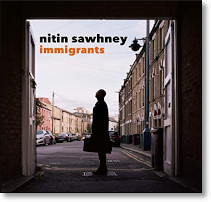
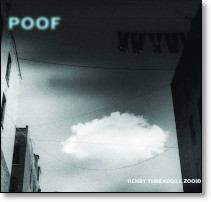
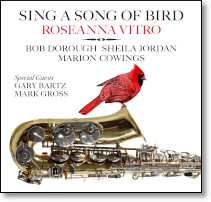
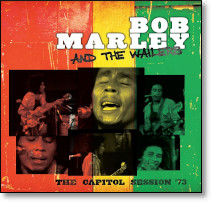
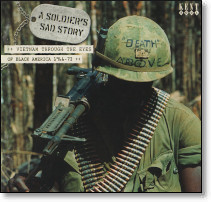
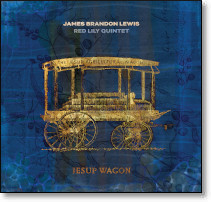
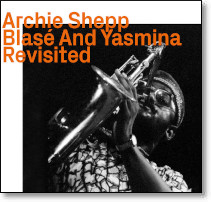
I was feeling pretty glum a month ago, when I decided to go ahead and compile the EOY Aggregates. I've been frustrated by lack of progress on both writing and technical projects, so figured I might as well submerge myself into something rote-mechanical, at least for the duration. When JCP came around, I was already in that mode, so the processing work came easy. (After all, I have a system: a set of programs that convert raw data into a website.) Still, at this point I'm feeling exhausted. What I'd normally have to look forward to this week is cooking up a Christmas Eve dinner. Last year, I cooked more than usual, but since we couldn't have guests, I bought a lot of containers and packed up dinners-to-go for a dozen friends, who either came by and picked them up, or arranged for delivery. I spent a lot of time last year planning how to do that. (Details should be in last year's notebook. Not on the list, but I think I also made eggplant parmesan.) Probably too late to do anything like that this year. It's looking like the emptiest holiday ever. New records reviewed this week: Teno Afrika: Amapiano Selections (2019-20 [2021], Awesome Tapes From Africa): South African DJ/producer, his work included in Amapiano Now (below), co-credited on 6 (of 8) tracks here, suggesting to me that these "selections" were picked up from scattered singles. Steady on the beats. B+(***) Damon Albarn: The Nearer the Fountain, More Pure the Stream Flows (2021, Transgressive): Major British music figure since the 1990s, when he led the Britpop band Blur. In recent years he's mostly toiled as the main singer-songwriter in Gorillaz, while doing various side projects, mostly with African musicians (e.g., Mali Music in 2002, and three records with Tony Allen). He also has four soundtracks, and this is his second solo album. The album was originally planned as "an orchestral piece inspired by the landscapes of Iceland," taking its title from a poem by John Clare, but with nothing better to do during the Covid lockdown metamorphosed into a full album. Still sounds scattered to me. B+(*) Ben Allison: Moments Inside (2021, Sonic Camera): Bassist, co-founder in New York of Jazz Composers Collective, has impressed me so much as a composer that I've voted for him in DownBeat's Critics Poll, albums since 1996. Quartet with two guitarists (Chico Pinheiro and Steve Cardenas) and drums. B+(*) [sp] Pedro Melo Alves' Omniae Large Ensemble: Lumina (2020 [2021], Clean Feed): Portuguese drummer, group name comes from his debut Omniae Ensemble in 2017. Large (23 person) ensemble, light on brass but adds bassoon, tuba, strings, voices, and electronics. Three pieces, total 74:56. B+(*) [sp] Roxana Amed: Ontology (2021, Sony Music Latin): Singer-songwriter from Argentina, sixth album, got JCP votes in Vocal and Latin, but sails over my head. Maybe wafts is the more apt verb? B [sp] Patricia Barber: Clique! (2021, Impex): Jazz singer, 16 albums since 1989, writes some (one song here) but mostly does standards, also plays piano, backed by guitar-bass-drums, with saxophonist Jim Gailloreto. Every time I play this, I tune in on "I Could Have Danced All Night" and "The In Crowd," but nothing else quite hits that spot -- least of all the Brazilian option, "One Note Samba." B+(***) Bugpowder: Cage Tennis (2020 [2021], Trytone): Amsterdam-based quartet -- Tobias Klein (alto sax/bass clarinet), Jeroen Kimman (electric/bass guitar), Jasper Stadhouders (bass/acoustic guitar), Tristan Renfrow (drums) -- plays Ornette Coleman compositions, preferring the harmolodic '70s over the now-classic '50s. Repertory from another dimension of funk. A- Chick Corea Akoustik Band: Live (2018 [2021], Stretch, 2CD): Piano-bass-drums trio, with John Pattitucci and Dave Weckl, a lineup that dates back to their eponymous debut in 1989. I've had a lot of trouble with Corea's fusion bands over the years, but lately his trios have been very respectable. B+(**) Joy Crookes: Skin (2021, Insanity): Singer-songwriter from London, mother from Dhaka, father from Dublin, first album after three EPs. Unusual voice reminds me of Phoebe Snow, although Crookes is framed more as a pop singer. B+(**) Erika De Casier: Sensational (2021, 4AD): Pop singer-songwriter, both in Portugal, mother Belgian, father Cape Verdean, moved as a child to Denmark, second album. Light touch, almost raps. B+(**) Joey DeFrancesco: More Music (2021, Mack Avenue): Organ player, so was his father Papa John DeFrancesco, lots of album since 1989, also plays keyboard, piano, trumpet, and tenor sax, this one with Lucas Brown (guitar) and Michael Ode (drums), as full of swing as ever. B+(***) Hamid Drake/Elaine Mitchener/William Parker/Orphy Robinson/Pat Thomas: Black Top Presents: Some Good News (2019 [2021], Otoroku, 2CD): Some convoluted parsing here: Black Top is a duo of Robinson (marimba) and Thomas (piano), both also electronics, but since they're listed separately on the credit line, their place here seemed to be in the title. (They have two previous albums, each with a special guest.) Drake and Parker you know. Mitchener is a vocalist. How you react to her chatterbox scat will make or break the album. Everyone else is predictably brilliant, and when she finds a groove, she's pretty delightful too. B+(**) John Ellis/Adam Levy/Glenn Patscha: Say It Quiet (2021, Sunnyside): Reeds (mostly tenor sax), guitars, keyboards for the headliners, also bass, drums, and vibes on 4 cuts. B+(**) [sp] Joe Farnsworth: City of Sounds (2021, Smoke Sessions): Mainstream drummer, lots of side credits, only a handful since 2003 with his name up front. This is a piano-bass-drums trio with Kenny Barron and Peter Washington. He wrote 3 songs, Barron 2, and they do 3 standards. B+(*) Fred Frith/Ikue Mori: A Mountain Doesn't Know It's Tall (2015 [2021], Intakt): Guitarist, also credited with various toys and other objects, duo with laptop electronics. B+(**) [sp] Goat Girl: On All Fours (2021, Rough Trade): English band, Wikipedia says "post-punk" and another source I jotted down has them as "neo-psychedelia," but they sound to me like a fairly generic alt/indie g-g-b-d band, with appeal from lead singer/guitarist Lottie Pendlebury, calling herself Clottie Cream. Second album. aB+(**) Cameron Graves: Seven (2021, Mack Avenue): Pianist, composer, founding member of West Coast Get Down Collective, plays with Kamasi Washington (who appears on two songs here), second album, sort of '70s fusion with a side of metal. B- Grouper: Shade (2021, Kranky): Liz Harris solo project, albums since 2005, plays slow, ethereal electronic music, barely there, but appealing as far as it goes. B+(*) Alexander Hawkins: Togetherness Music: For Sixteen Musicians (2020 [2021], Intakt): English pianist, debut 2008, picked up momentum around 2016. Cover continues "Feat. Evan Parker + Riot Ensemble." Latter group has a couple albums, personnel seems to be fluid, but they're large enough to fill out the roster. Horns a plus, strings less so. B+(***) [sp] Jazzmeia Horn and Her Noble Force: Dear Love (2021, Empress Legacy): Jazz singer from Dallas, backed by a 15-piece big band. The more conventional swing standards seem to work best, or when she has something political to say. B+(*) [sp] Michael Hurley: Time of the Foxgloves (2021, No Quartet): Folksinger, just turned 80, best remembered as the lead credit on 1976's Have Moicy!, where he provided the steady good humor while Peter Stampfel added manic excitement. On his own, he's always been steady, and that's rarely been quite enough. B+(**) Boldy James & the Alchemist: Bo Jackson (2021, ALC): Detroit rapper James Clay Jones III, working again with L.A. producer Alan Mamam (ex-Cypress Hill). B+(*) Kimbrough (2021, Newvelle): Quite a tribute to the late pianist Frank Kimbrough, 61 songs he wrote played by 67 musicians who had some direct relation, some famous, many not, recorded over four days, perhaps the most productive wake ever. It's a lot to take in. Seems likely I long underrated him (although I totally enjoyed his Monk's Dreams). A- Martin Küchen & Michaela Antalová: Thunder Before Lightning (2019 [2021], Clean Feed): Swedish saxophonist, main group Angles but has a lot of projects, duo with Czech drummer. Neither is clear in some kind of industrial drone. B- [sp] Mike LeDonne's Groover Quartet + Big Band: It's All Your Fault (2020 [2021], Savant): Organ player, respected pianist elsewhere but "Groover" spells organ, Quartet with Eric Alexander (tenor sax), Peter Bernstein (guitar), and Joe Farnsworth (drums). They play throughout, with 4 (of 8) tracks expanded to big band swagger, mostly names you'll recognize (e.g., the sax section picks up Scott Robinson, Jim Snidero, Steve Wilson, and Jason Marshall). Overkill a bit, but must have been fun. B+(*) Dave Liebman Expansions: Selflessness: The Music of John Coltrane (2021, Dot Time): Saxophonist, huge discography since 1973, including a number of Coltrane tributes. Plays soprano sax and wood flute here, backed by keyboards (Bobby Avey), bass, and drums. B+(**) Miko Marks & the Resurrectors: Our Country (2021, Redtone): Singer (songwriter I assume, but credits are scarce, and I recognize some covers) from Flint, Michigan; won a "best new country artist" award in 2006, back with her first album since 2007. Sounds like Bonnie Bramlett at first, then morphs into Mavis Staples. One for this year's political mixtape: "Goodnight America." A- Miko Marks & the Resurrectors: Race Records (2021, Redtone, EP): Six songs, 22:49, countrified blues and soul-tinged country standards, reminding us that race is only in the mind of the beholder, like a fever or a fit of epilepsy. B+(**) Terrace Martin: Drones (2021, BMG): From Los Angeles, best known as a hip-hop producer, but plays alto sax (also keyboards, drums, guitar) and sings/raps, his own albums often jazz-oriented, this one less so -- probably because most cuts have featured guests. Choice cut: "Sick of Sayin'" (thanks for the saxophone). B+(**) Lori McKenna: Christmas Is Right Here (2021, CN, EP): Folksinger-songwriter from Massachusetts, doesn't have that country drawl but writes with detail and eloquence that puts her Nashville competitors to shame. Last thing we need from her is a Christmas album. To her credit, these six songs (19:53) don't sound like Christmas music at all, but they're not quite an album either. B+(***) Mustafa: When Smoke Rises (2021, Regent Park Songs, EP): Canadian soul singer, parents from Sudan, last name Ahmed, first album, short (8 songs, 23:42). B+(*) Grethen Parlato: Flor (2021, Edition): Jazz singer from Los Angeles, father was a bassist for Frank Zappa, moved to New York in 2003, sixth album since 2005. She wrote 2 songs, added some vocals. Music as a light Brazilian vibe. B+(**) Greentea Peng: Man Made (2021, AMF): British neo-soul singer Aria Wells, Arab father, African mother, first album after two EPs and three years of singles. Soft beats, loopy, but no sooner than I wrote that down she mixed it up. B+(***) Mariá Portugal: Erosão (2021, Fun in the Church): Brazilian drummer, from São Paulo, builds these pieces up from "song material, acoustic improvisation and electronic manipulation." The sort of disjointed experimental funk that shows up on the fringes of Brazilian music, and sometimes proves catchy. B+(**) Jordan Rakei: What We Call Life (2021, Ninja Tune): Born in New Zealand, father Maori, grew up in Australia, wound up in London. Fourth album. Plays piano/keyboards, programs drums, voice glides toward falsetto. B+(*) Phil Ranelin: Ininite Expressions (2020 [2021], ORG Music): Trombonist, moved to Detroit in the 1960s and co-founded the Tribe, one of the few key regional groups that kept going during the lean days of the avant-garde. Still working past his 80th, he decided to record a solo album during the lockdown, but wound up here with a little help -- especially Andre Beasley on drums. B+(**) Porter Robinson: Nurture (2021, Mom + Pop): DJ, electronica producer from Chapel Hill, NC, second album. Synth swells and lots of vocals. I feel like he's trying to cheer me up, but it isn't working. B Sten Sandell/Lisa Ullén: Double Music (2021, Clean Feed): Piano duo, two Swedes, Ullén established since 2009, Sandell since the late 1980s. Billed for "piano lovers," but not so delicate. B+(**) [bc] Nitin Sawhney: Immigrants (2021, Sony Masterworks): Born in London, parents from India, albums from 1993, produces electronica, draws on Indian classical music and various other sources. Nominally a sequel to his 1999 album Beyond Skin. Interludes with topical texts, songs built from strings and beats, a little rap, a lot to say. A- Henry Threadgill Zooid: Poof (2019 [2021], Pi): Alto saxophonist, also plays flute (more than I'd like), founded the group Air in the late 1970s, has produced a steady stream of albums since, including some of the best of the last decade. Group is an exquisitely balanced quintet, with Jose Davila (tuba/trombone), Liberty Ellman (guitar), Christopher Hoffman (cello), and Elliot Humberto Kavee (drums). I sampled a cut of two when this came out, and wasn't blown away, but it all seems to work out in the end. A- [cd] Roseanna Vitro: Sing a Song of Bird (2017-21 [2021], Skyline): Jazz singer, from Arkansas, moved to New York in 1978, 15 albums, the best are tributes but this is unique. She only sings on 6 (of 12) songs, but is key to the networking that makes the record work. Three more singers share cover credit: Bob Dorough, Sheila Jordan, and Marion Cowings. Dorough's songs were recorded in 2017, shortly before his death (at 94). Not clear when Jordan's 4 songs were done, but she's in a band picture with Dorough. The cover also credits Special Guests Gary Bartz and Mark Gross, alto saxophonists who cut their teeth learning Bird licks. Aside from "These Foolish Things" at the end, all of the tunes are from Parker, with various lyrics. I'm not a huge fan of Parker or vocalese, but the whole album is done with such good cheer I can't help but smile (or laugh). A- [sp] Anna Webber: Idiom (2019 [2021], Pi, 2CD): Tenor saxophonist, also plays flute. First disc is her Simple Trio, with piano (Matt Mitchell) and drums (John Hollenbeck). Second is Large Ensemble, a group of 13 (including conductor Eric Wubbels). Both sides start out basic then build and build, the large ensemble more impressively, no surprise given the wealth of options. B+(***) Michael Wollny/Emile Parisien/Tim Lefebvre/Christian Lillinger: XXXX (2019 [2021], ACT Music): German pianist, mostly plays electronic keyboards here, with soprano sax, more electronics, and drums. Basically, Weather Report instrumentation, but finds much more interesting shapes and crevices. B+(***) Yola: Stand for Myself (2021, Easy Eye Sound): Yolanda Quartey, from Bristol, UK, black, 38, improbable for an Americana icon, but she's recorded her two albums in Nashville, and that's how the marketing folk frame her. I don't really buy it, but don't have any other ideas. B Recent reissues, compilations, and vault discoveries: Amapiano Now ([2021], NTS): South African dance music du jour, "the fledgling post-kwaito genre is the sound of joy in the midst of struggle . . . sweeping the globe." Sixteen tracks selected by Shannen SP and Joe Cotch. This didn't grabe me as fast as Earthworks' kwaito comp (way back in 2000), or recent South African albums by DJ Black Low or Sho Madjozi or Malcolm Jiyane, probably because it's less remarkably close to globalized electronica than township jive, but it keeps coming. B+(***) Bob Marley & the Wailers: The Capitol Session '73 (1973 [2021], Mercury/Tuff Gong): Stranded in California after being dropped from a tour opening for Sly & the Family Stone, the Wailers headed to Hollywood to tape a live-in-studio set, only now released on DVD. I haven't seen, and probably wouldn't bother watching, the video, but here's the audio. The set's a bit pat, but half the songs I know well from their first two American albums -- Catch a Fire and Burnin', both masterpieces -- and the others fit in nicely. Ends with a rousing "Get Up, Stand Up." A- Archie Shepp: Live in Paris (1974) (1974 [2021], Transversales Disques): Tenor saxophonist, major avant-garde figure following Ayler and Coltrane, had to scramble in the 1970s, which took him frequently to Europe. Backed by piano trio plus percussion here, no one I recognize. B+(***) [bc] Old music: A Soldier's Sad Story: Vietnam Through the Eyes of Black America 1966-1973 [1966-73 [2003], Kent): The first of three volumes in this series, although the third didn't appear until 2021, 16 years after the second. The latter is probably why Christgau unearthed this after 20 years, but it's legacy worth recovering. In the late 1960s I reevaluated everything I believed through the prism of how much I hated the American War in Vietnam. Not that I remember, or even ever heard, much here, but the care and resilience was notable then, invaluable still. A- Grade (or other) changes: James Brandon Lewis Red Lily Quintet: Jesup Wagon (2020 [2021], Tao Forms): Sitting on top of my A- list for most of the year, all this needed was another play to nudge it over the top. [was: A-] A [cd] Magdalena Bay: Mercurial World (2021, Luminelle): Synth-pop duo from Miami, singer-songwriter Mica Tennenbaum and producer Matthew Lewin, first album after 3 EPs and 2 mixtapes. Dance beats initially reminded me of Chic. While they increasingly became distinct, they didn't lose anything. Turned out even better. [was: A-] A [cd] Unpacking: Found in the mail last week:
Ask a question, or send a comment. Monday, December 13, 2021 Music Week
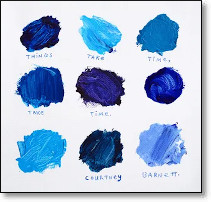
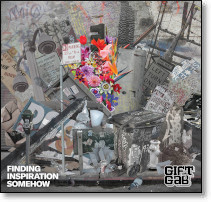
December archive (in progress). Music: Current count 36898 [36843] rated (+55), 123 [119] unrated (+4). Spent most of last week transcribing Jazz Critics Poll ballots. Deadline was Sunday night, so in theory that's done, but we'll accept stragglers at least until tomorrow. We currently have 150 ballots, one more than last year's record. Of course, I can't talk about results now -- you should be able to see the critics list, but when you lick on the links the choices should remain blank, until we unleash them last week of December. Still, a lot of the records in this week's haul came from picks on those ballots. The total number of records receiving votes is 673, which is about 4.5 times the number of ballots (full ballots list 16 albums). That's the third highest number of albums, behind 2020 (683) and 2019 (674), but could edge up a bit. Second significant source for records this week was Robert Christgau's Consumer Guide. I had previously looked for Courtney Barnett and Neil Young, but only found them this week. Among other picks, good to see the Gift of Gab album I gave an A to recently, less so a Jason Isbell album that struck me as a B, in between a Parquet Courts I deemed a B+(***). That was also my initial grade for the Burnt Sugar album I revisited. I didn't get to it until after the news that Greg Tate had died, so can't meet Bob's claims to an unaffected grade, but I'm happy to have enjoyed the record more than when I rushed it before. Something else to note this week is that I signed up for one of those three-month free trials of Spotify. I've been increasingly frustrated by hangs listening to Napster, and coverage of some labels has been spotty. I've suspected that Spotify has a small but significant number of albums not on Napster (or impossible to find on Napster), so I waited until the next offer came around, and took it. I almost immediately got pissed off at it, as the browser ap defaulted to autoplay -- the whole point of streaming for me is that I know what I'm listening to, and when it ends. However, I did some research and discovered that their Linux ap (something Napster doesn't have) has a settings switch, so I downloaded that, and plunged into Limpopo Champions League (a desired album not on Napster that I had found on Spotify). So there's a few "[sp]" records on this week's list, and more to come. One especially pleasant surprise was finding an already constructed playlist for one of the Vietnam War anthologies Christgau reviewed in the latest Consumer Guide. Unfortunately, the other two volumes don't seem to exist. I don't have a lot to say about the late Greg Tate. He, like me, gained his first prominence as one of Robert Christgau's stable of freelancers at the Village Voice, but he was 7 years younger, and entered that orbit after I had checked out (so I never actually met him). We had one thing in common: we were both huge P-Funk fans before we hooked up with Bob. I remember Carola wondering whether Bob's late conversion might have been influenced by my arrival in New York, but Bob dismissed the idea, instead citing Parliament's Live album, appearing shortly before we saw them at Madison Square Garden (coincidentally, a first date with my future wife) -- we were all in a cluster of freeloaders on the floor, a white hole in the middle of a chocolate donut. Tate, of course, was more credible and more memorable in his enthusiasm. He was one of the few Voice critics I read regularly once I left New York. He had eye-opening insights had an astonishing gift for language. I'm not surprised as I read young critics cite him as their inspiration, but being 7 years older, I can't say that. All I can allow is that after he came around, it's just as well I had retired. After Tate died, I jotted down some tweets:
I can also cite a few articles, although the collection here is haphazard:
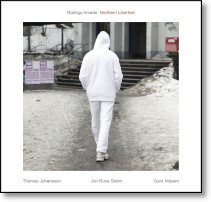
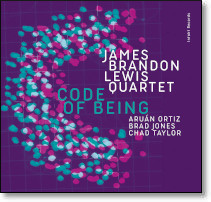
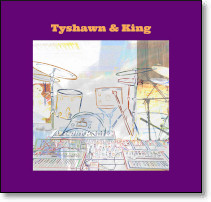
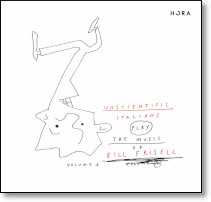
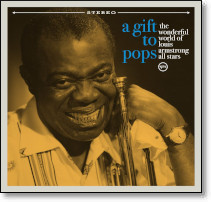
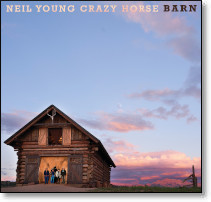
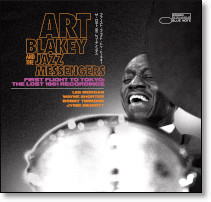
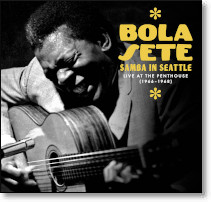
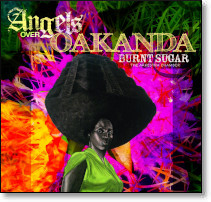
I'm a bit surprised that there's less out on his music. I've listened to (and liked) most of it, but don't have my scraps of writing readily available, nor have I seen much else. Burnt Sugar/The Arkestra Chamber has rarely been reviewed by jazz critics (Angels Over Oakanda has 4 JCP votes this year, probably his first ever), let alone others (only a partial exception is Robert Christgau -- page doesn't yet include his A review of Angels). I've been toying with the idea of jazz as "social music" lately, by which I mean music that organizes social movement, often with a political goal, but always as an assertion of cultural worth. I see this in the crossover jazz that's become popular in London recently. It seems to me that Tate was trying to do something like that here, even though hardly anyone's been paying attention. Meanwhile, I seem to have misplaced my copy of Flyboy in the Buttermilk, just when I could use something new to read. Ordered a copy of Flyboy 2, but the delivery schedule on that stretches out another week. I have the Graeber/Wengrow The Dawn of Everything: A New History of Humanity in the wings, but that seems like a big chunk to chew off. I've found Amitav Ghosh's The Nutmeg's Curse very stimulating, although not without problems (as I cling to my stubborn faith in reason). New records reviewed this week: Rodrigo Amado Northern Liberties: We Are Electric (2017 [2021], Not Two): I'd hazard a guess that per capita the top two jazz countries in Europe are Norway and Portugal. Small size is part of the equation, but wealth isn't: Portugal is the poorest country in western Europe, while Norway is one of the richest. But cross-pollination has helped, especially as Portugal's Clean Feed label regularly hooked Portuguese jazz masters up with peers from Scandinavia and Eastern Europe. This particular meeting from the two countries -- Amado (tenor sax), Thomas Johansson (trumpet), Jon Rune Strøm (bass), and Gard Nilssen (drums) -- took place in a London club and is being released on a Polish label. Nothing particularly electric in the lineup, but they do keep you turned on. A- [cd] Courtney Barnett: Things Take Time, Take Time (2021, Mom + Pop): Singer-songwriter from Australia, breakthrough in 2015 was driven by her guitar, which remains a strong suit here. Innovation here is her phrasing, which reminds me ever so much of Lou Reed, which sometimes rises to the level of a tic -- one I adore. A- Rubén Blades y Roberto Delgado & Orquesta: Salswing! (2021, Rubén Blades Productions): From Panama, back in the 1980s was a pop star and actor, had a law degree, was touted as a future president of Panama, but never got further than Minister of Tourism. Theo Bleckmann & the Westerlies: This Land (2019 [2021], Westerlies Music): Jazz singer from Germany, based in New York since 1989, albums since 1993, teaches at Manhattan School of Music. Remarkable skills, but I find his penchant for difficult music very hit and miss. The Westerlies are a brass quartet (two trumpets, two trombones). Sort of a folk Americana thing, with bits of "Wade in the Water" and "In the Sweet By and By," but also "Look for the Union Label" and "Tear the Fascists Down." B+(***) [sp] Dean Blunt: Black Metal 2 (2021, Rough Trade): Actual name Roy Nnawuchi, London-born, bunch of mixtapes and albums since 2011 including his previous Black Metal in 2014. Hard to describe, but not that. Short: 11 songs, 25:31. B+(**) Anthony Braxton: 12 Comp (ZIM) 2017 (2017 [2021], Firehouse 12, 12CD): Twelve compositions, numbered between 402 and 420, diagrams on cover, averaging a bit less than an hour each (6 in 40-50 minute range, 4 in 50-60, 2 a bit over 70). Unlikely that all 12 performers play on all 12 pieces, given that 4 credits are for harp, but there's generally a lot going on: notably Dan Peck on tuba, Adam Matlock on accordion and aerophones, cello (Tomeka Reid) violin, brass (Tyler Ho Bynum and Steph Richards), and reeds (Ingrid Laubrock and Braxton). Writing this a bit more than half way through, and contemplating a break. Much more than I have any desire to digest, but lots of fun, interesting things whenever I tune in. B+(***) [bc] Patricia Brennan: Maquishti (2018 [2021], Valley of Search): Vibraphone/marimba player, born in Mexico, based in New York, first album, various side credits. Solo pieces, using "extended techniques and electronic effects." B+(*) Bill Charlap Trio: Street of Dreams (2021, Blue Note): Mainstream pianist, albums since 1993, most (11 since 1997) with Peter Washington (bass) and Kenny Washington (drums). Standards, typically light touch. B+(**) Boubacar "Badian" Diabaté: Mande Guitar (2021, Lion Songs): Guitarist from Mali, mostly solo acoustic. Nice. B+(**) Mathias Eick: When We Leave (2020 [2021], ECM): Norwegian trumpet player, on ECM since 2008. Only the one horn, over an atmospheric backdrop including piano, violin,, pedal steel guitar, and percussion. B+(**) Sam Fender: Seveneen Going Under (2021, Polydor): English singer-songwriter, second album, fairly big star in UK, not much beyond. Has a good sense of traditional rock form, including the occasional hook, and sometimes has something to say. Promising, except when the arena beckons. B Friends & Neighbors: The Earth Is # (2021, Clean Feed): Norwegian group, fifth album since 2011, quintet with trumpet (Thomas Johansson) and tenor sax (André Roligheten, also plays flute, bass clarinet, and bass sax) up front, plus piano-bass-drums. Four composers here, all but one piece coming from the names I skipped. Helps explain why I find this rather mixed, but the saxophonist is a tower of strength throughout. B+(***) [sp] Godspeed You! Black Emperor: G_d's Pee at State's End (2021, Constellation): Canadian "post-rock" band, had a run 1994-2003, broke up, regrouped in 2011, with 3 albums early, 4 later. Instrumental, thickly layered with intimations of magnificence. B+(*) Muriel Grossmann: Union (2021, Dreamland): Saxophonist (alto, soprano, tenor), born in Paris, grew up in Vienna, based in Ibiza since 2004, 13th album since 2007, quartet with guitar (Radomir Milojkovic), organ (Llorenç Barceló), and drums (Uros Stamenkovic). Appealing soul jazz groove with cosmic Coltrane overtones, a combo beyond reproach. B+(***) Thomas Heberer: The Day That Is (2021, Sunnyside): German trumpet player, based in New York, composed this during lockdown, not clear when he recorded it. Another German in New York, saxophonist Ingrid Laubrock, provides a second horn, backed by John Hébert (bass) and Michael Sarin (drums). B+(***) [bc] William Hooker: Big Moon (2020 [2021], Org Music): Drummer, entered the New York loft scene in mid-1970s, debut album 1976, has been productive and remained obscure ever since. Nine musicians, including two saxes (Stephen Gauci and Sarah Manning), flute, three keyboardists, bass, and extra percussion. Runs long at 83 minutes, and can get noisy. B+(***) [bc] François Houle/Samo Salamon: Unobservable Mysteries (2020, Samo): Canadian clarinetist, Slovenian guitarist, improvising long distance. B+(**) [bc] Susie Ibarra: Talking Gong (2020 [2021], New Focus): Percussionist, albums since 1997, credit here is "gong, percussion, drums." Most tracks add Claire Chase (flutes) and/or Alex Peh (piano). B+(*) [bc] Susie Ibarra: Walking on Water (2018-19 [2021], Innova): Eleven "spirituals" composed to accompany paintings for the victims of the March 11, 2011 Tohoku Great Earthquake and Tsunami, based on field recordings from underwater microphones. Various voices (most prominently Claudia Acuña), strings (Jennifer Choi), and electronics, strangely affecting. B+(**) [bc] Frank Kimbrough: Ancestors (2017 [2021], Sunnyside): Pianist, died in late 2020 at 64, was one of the postbop musicians who made Matt Baltisaris' Palmetto an important label in the 2000s. Trio with Kirk Knuffke (cornet) and Masa Kamaguchi (bass), a rather subdued but touching session. B+(***) Craig Klein: Talkative Horns: Musical Conversations on Lucien Barbarin (2021, Tromboklein Music): New Orleans-based trombonist, one previous album, sings some, as does Kevin Louis (long cornet). Backed with piano, guitar, bass, and drums -- the latter by Barbarin's nephew, Gerry Barbarin Anderson. Lucien Barbarin (1956-2020) was a trad jazz trombonist, and his grand-uncle was drummer Paul Barbarin, who played with King Oliver in Chicago and Luis Russell in New York, as well as leading his own bands. B+(**) La La Lars: La La Lars III (2021, <1000): Swedish group, third album, principally drummer Lars Skogland, who wrote the songs, produced, also plays some guitar and keyboards. With Goran Kajfes (trumpet), Jonah Kullhammar (tenor sax/flute/bassoon), Carl Bagge (keyboards), and Johan Berthling (bass). B+(***) [bc] Mary LaRose: Out Here (2021, Little (i) Music): Jazz singer, based in Brooklyn, sixth album since 1995. Title comes from Eric Dolphy, with LaRose writing lyrics to Dolphy's sinewy compositions. Band members are listed on the cover, because they're something to brag about: Jeff Lederer, Tomeka Reid, Patricia Brennan, Nick Dunston, Matt Wilson. B+(***) James Brandon Lewis Quartet: Code of Being (2021, Intakt): Tenor saxophonist, one of the giants of his generation, backed by Aruán Ortiz (piano), Brad Jones (bass), and Chad Taylor (drums). Something less than his usual tour de force, but softer touches are appealing as well, heightened perhaps by the always present tension. A- Harold Mabern: Mabern Plays Coltrane (2018 [2021], Smoke Sessions): Pianist, from Memphis, recorded for Prestige 1969-70, didn't find another dependable label until DIW in the 1990s, finally finding a home here from 2014 past his death in 2019. This is the 3rd release (4th CD) they've culled from Mabern's January stand. I was most impressed by the first, The Iron Man: Live at Smoke. That was quartet with Eric Alexander (tenor sax), John Webber (bass), and Joe Farnsworth (drums). This adds a couple extra horns: alto sax (Vincent Herring) and trombone (Steve Davis). Not ideal picks for a Coltrane tribute, but energetic. B+(*) Nick Mazzarella/Ingebrigt Håker Flaten/Avreeayl Ra: What You Seek Is Seeking You (2019 [2021], Astral Spirits): Alto sax/bass/drums trio, recorded in Chicago. If I hadn't heard a dozen more records like this, I'd be blown away. B+(***) Makaya McCraven: Deciphering the Message (2021, Blue Note): Drummer, born in Paris, father an American drummer, mother a Hungarian singer, moved to Chicago in 2007, albums and mixtapes since 2008. This is a remix project, starting with Blue Note tapes from the 1960s, retooling the beats and adding contemporary players like Joel Ross (vibes), Jeff Parker (guitar), Marquis Hill (trumpet), and Greg Ward (alto sax), plus a bit of rap and chant. Not entirely successful. B+(**) Pat Metheny: Side-Eye NYC (V1.IV) (2019 [2021], Modern): Jazz guitarist, has floundered somewhat since his 1977-2010 Group with Lyle Mays expired, comes up with an effective successor here, with James Francies (keyboards, mostly organ) and Marcus Gilmore (drums). Live set, touring shortly before the pandemic shut them down. Seven originals, plus a cover from old standby Ornette Coleman. B+(*) Ming Bau Set: Yakut's Gallop (2020 [2021], Fundacja Sluchaj): Gerry Hemingway (drums), Vera Baumann (vocal), and Florestan Berset (guitar). Improv, although the liner notes include lyrics from Paul Eluard, Patti Smith, and Levin Westermann. B+(***) [dl] Mogwai: As the Love Continues (2021, Temporary Residence): Scottish "post-rock" band, tenth album since 1997, three of four original members still active. Huge waves of instrumentals, only occasional vocals. B Angelika Niescier/Alexander Hawkins: Soul in Plain Sight (2020 [2021], Intakt): Alto sax and piano duo, both on the adventurous side, impressive but doesn't always sit right. B+(***) Stephanie Nilles: I Pledge Allegiance to the Flag: The White Flag (2019 [2021], Sunnyside): Title, and music, from Charles Mingus, focusing on his more political titles, from "Fables of Faubus" to "Remember Rockefeller at Attica." Nilles sings some, and plays a lot of solo piano. B+(**) [bc] Joy Orbison: Still Slipping Vol. 1 (2021, XL): Real name Peter O'Grady, electronica producer, nephew of drum & bass DJ Ray Keith. Numerous singles since 2009, but this is his first album. Nice vibe to it. B+(**) Hannah Peel: Fir Wave (2021, My Own Pleasure): Irish singer-songwriter and soundtrack producer, based in London, 7th album since 2011. B+(**) Punkt. Vrt. Plastik [Kaja Draksler/Petter Eldh/Christian Lillinger]: Somit (2020 [2021], Intakt): Piano-bass-drums trio, group name from their 2018 release. B+(***) Emily Scott Robinson: American Siren (2021, Oh Boy): Folk/country singer-songwriter from North Carolina, signed to John Prine's label, which isn't a lock but they do have a track record. Couple excellent songs, voice way up there. B+(***) Andreas Røysum Ensemble: Fredsfanatisme (2021, Motvind): Norwegian clarinetist, second album leading this nonet, with flute, two saxophones (Signe Emmeluth and Marthe Lea), a low twist on a string quartet (violin, cello, two basses), and drums. Freedom can get rough. B+(**) Paula Shocron/William Parker/Pablo Díaz: El Templo (2019 [2021], Astral Spirits): Pianist from Argentina, opens with deft runs before bringing out the strong chords that drive these four pieces. Disappointing when she back off, but then you remember who the bassist is. A- [bc] Tyshawn Sorey/King Britt: Tyshawn & King (2021, The Buddy System): Latter's full name is King James Britt, probably best known as the DJ in the 1990s jazzy hip-hop band Digable Planets, although he has quite a bit under his own name (or aliases like Fhloston Paradigm) since 1998. He knows his way around beats, but I doubt he's ever worked with a drummer with Sorey's chops before. Loses a bit when the drummer checks out, but by they you're hooked. A- Rossano Sportiello: That's It (2021, Arbors): Retro swing pianist from Italy, dozen-plus albums since 2003, many with Harry Allen, Scott Hamilton, or Nicki Parrott. This one is solo, mostly standards with a few originals in the mix. B+(**) Strictly Missionary: Heisse Scheisse (2021, Astral Spirits): Brooklyn group, big names are Chris Pitsiokos (alto sax, voice, electronics, etc.), Wendy Eisenberg (guitar), and Kevin Murray (drums), plus electric bass and extra percussion. Hot indeed. B+(***) [bc] Ohad Talmor Trio: Mise En Place (2020 [2021], Intakt): Tenor saxophonist, based in New York, albums since 1999, worked often with Lee Konitz. Trio with Miles Okazaki (guitar) and Dan Weiss (drums). Smart, tricky postbop. B+(***) Unscientific Italians: Play the Music of Bill Frisell Vol. 1 (2019 [2021], Hora): Large (11 piece) Italian band led by pianist Alfonso Santimone, who arranged seven Frisell compositions for a band with four brass, four reeds, piano, bass, and drums. Without guitar, to my ears this doesn't sound anything like Frisell, but it's bright, energetic, amusing, and thought-provoking. A- [bc] Butch Warren & Freddie Redd: Baltimore Jazz Loft (2013 [2021], Bleebop): Bassist, played on A-list albums 1959-65 (Sonny Clark, Leapin' and Lopin'; Herbie Hancock, Takin' Off; Jackie McLean, Tippin' the Scales; Hank Mobley, No Room for Squares; Thelonious Monk, It's Monk's Time; Horace Parlan, Happy Frame of Mind), before he suffered a mental breakdown and quit. He did start playing a bit in his 70s, a "French Quartet" album in 2011, and finally this one with Redd on piano, Matt Wilson on drums, and Brad Linde on tenor sax, just before his death. B+(**) [bc] Martin Wind Quartet: My Astorian Queen (2021, Laika): Austrian bassist, recorded this under Matt Baltisaris at Maggie's Farm, Pennsylvania,with Scott Robinson, Bill Mays, and Matt Wilson. B+(**) [cd] The Wonderful World of Louis Armstrong All Stars: A Gift to Pops (2021, Verve): No surprise this opens with "When It's Sleepy Time Down South," but the unique voice took me aback, unquestionably Armstrong himself, plundered from a 1964 live shot. In the tribute that follows, Nicholas Payton (or is it Wynton Marsalis? or one of the not-yet-all-stars who staff this band?) offers a fair approximation of the trumpet, but no one dares the voice, and not for lack of vocals. I wish I had a track-by-track credits list, but only Common's rap on "Black and Blue" is certain. Ends with Armstrong's voice again, on "Philosophy of Life." He was a blessing, who changed the world, and people who don't know that need to listen up. Even if this tribute's a bit half-assed, it still brings me joy. A- Neil Young/Crazy Horse: Barn (2021, Reprise): Another very solid album, mostly laid back, more comfortable in the country than in Nashville, but they can still bring some heat when they feel it's needed. A- Recent reissues, compilations, and vault discoveries: Art Blakey & the Jazz Messengers: First Flight to Tokyo: The Lost 1961 Recordings (1961 [2021], Blue Note): Previously unreleased set from January 14, refuting the title of Solar's 2014 compilation Tokyo 1961: The Complete Concerts (which has sets from January 2 & 11). One of Blakey's greatest lineups -- Wayne Shorter, Lee Morgan, Bobby Timmons, Jymie Merritt -- kicking off what was probably Blakey's greatest year (Roots & Herbs, The Freedom Rider, The Witch Doctor, Mosaic, Buhaina's Delight). So, by now familiar repertoire, but what you want from live: everything cranked up a notch. A- [sp] Jeanne Lee: Conspiracy (1975 [2021], Moved-by-Sound): Jazz singer, first recordings were backed by Ran Blake's solo piano and dubbed The Newest Sound Around (1962), and was also striking in Carla Bley's 1971 opera Escalator Over the Hill. Most of her recordings in the 1970s were in groups led by Gunter Hampel, who plays flute, piano, vibes, and clarinet here, along with other avant figures like Sam Rivers and Steve McCall. B+(*) Bheki Mseleku: Beyond the Stars (2003 [2021], Tapestry Works): Pianist from South Africa, self-taught, also played sax and guitar, moved to Botswana and then to London in late 1970s, half-dozen records 1991-2003, died at 53 in 2008. This is a solo piano set. B+(**) New Life: Visions of the Third Eye (1979 [2021], Early Future): Guitar-bass-drums trio: Brandon Ross, David Wertman, and Steve Reid, drummer listed first (and he's especially inventive). B+(***) [bc] Bola Sete: Samba in Seattle: Live at the Penthouse 1966-1968 1966-68 [2021], Tompkins Square, 3CD): Brazilian guitarist Djalma de Andrade (1923-87), stage name means "Seven Ball" (a snooker reference), discography starts in 1957 but he began to pick up a US audience with 1962's Bossa Nova. Backed here with bass and drums, which help but are totally overshadowed by the guitar -- I doubt there's a single non-guitar solo here. Way too much to listen to at once, but pretty amazing when you do. A- [bc] Ken Wheeler and the John Dankworth Orchestra: Windmill Tilter: The Story of Don Quixote (1969 [2021], Decca): Canadian trumpet player, better known as Kenny, moved to UK in 1952, and became a major artist for ECM, with a sideline of playing in many of Europe's top free jazz orchestras. Dankworth is a saxophonist, led a big band and smaller groups from the early 1950s. This was really his group, with the trumpet featured, but winds up being counted as Wheeler's debut album. B+(***) [yt] Old music: Sho Madjozi: Limpopo Champions League (2018, Flourish and Multiply): South African rapper Maya Wegerif, main language Tsonga but she's been around, and you'll recognize some English. Terrific beats, very impressive album. A- [sp] Grade (or other) changes: Burnt Sugar/The Arkestra Chamber: Angels Over Oakanda (2018-21 [2021], Avantgroidd): Ace critic Greg Tate's jazz project, co-led by bassist Jared Michael Nickerson, 20 years and about that many records into their own long, strange trip. Conducted improv, starts evoking 1970s Miles, adds a bit of mythopoetic vocal chorus, then settles into seductive groove. [was: B+(***)] A- [bc] Unpacking: Found in the mail last week:
Ask a question, or send a comment. Monday, December 6, 2021 Music Week
December archive (in progress). Music: Current count 36843 [36797] rated (+46), 119 [125] unrated (-6). Former Kansas politician and Republican majordomo Robert J. Dole has died at 98, after a long and eventful life that caused immeasurable damage to American society and politics. I remember him mostly for running one of the most scurrilous political campaigns in Kansas history, when he narrowly defeated Bill Roy for his second Senate term in 1972. Dole was the first Republican in Kansas to find a way to politicize abortion and exploit the bigotry and confusion around the issue. That was the first year I voted, and not a single person I voted for -- not even the Republican who was certainly the lesser evil running against Democratic Sheriff/Attorney General Vern Miller -- won. It was also the last time I voted until 1996, and I found myself with another chance to vote against Dole. That time, at least, I was more successful, not that Bill Clinton was much of a prize. They say that when one dies, if you can't say something nice don't say anything at all. I rarely follow that advice, but in Dole's case I actually can say a few nice things (even if I have trouble limiting myself). Here goes:
But that's all I have. I've never understood why people credit him with anything more. (The biggest critical lapse was by Tom Carson, who treats him as a humble folk hero in his otherwise brilliant novel, Gilligan's Wake.) He pulled Kansas hard to the right, and for a long time remained an outlier, at least compared to decent Republican senators James Pearson and Nancy Kassebaum. It was only with the rise of Sam Brownback and Todd Tiahrt in the 1990s that Dole started to look moderate, but their demagoguery on abortion starts with Dole's 1972 campaign. After his loss in 1996, he settled into the comfortable life of a Washington shill, never using what little political stature he had achieved to try to stem the Republican slide into and beyond Trumpism. He served his party, and was rewarded with wealth and fame and flattery and forbearance. Now he's being showered with flowery eulogies, a symptom of the same mental collapse as we witnessed with Colin Powell and John McCain -- rivals in the sweepstakes to see who could make the most mileage (and moolah) out of unfortunate military careers. And what did you get for all his success? Fucked. Very busy week looking at EOY lists and playing new music. Magdalena Bay topped the list at Gorilla vs Bear, and is near the top of my A- bracket, a good chance to go full A. Everything else is toward the bottom of the A- bracket, but that mostly reflects the limited time I've been able to give each release. They are all distinctive, interesting albums, very good ones. I probably left a few more short at B+(***) -- Mexstep? Navy Blue? R.A.P. Ferreira? I don't have a good ear for lyrics, and not enough patience to properly process rap albums, so I guess a lot. Amyl & the Sniffers topped Louder Than War's list (not a source I look to, but still). Little Simz and Floating Points have topped the most lists so far. I gave the former *** and the latter **, and should revisit both. Number three on my EOY Aggregate is Dry Cleaning, which I bumped to A- after an initial lower grade. Tyler, the Creator (another ***) has moved into 4th, displacing Low, which I'll never return to. Tyler is the only US hip-hop contender: Mach-Hommy is at 30, Vince 33, Lil Nas X 38, Doja Cat 71, Armand Hammer 96, J Cole 104. Jazz Critics Poll ballots are due Sunday, December 12.
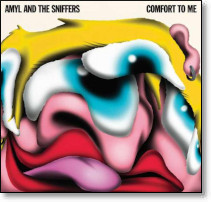
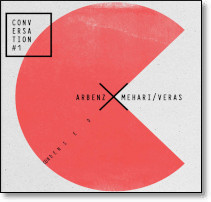
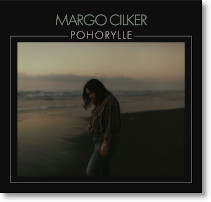
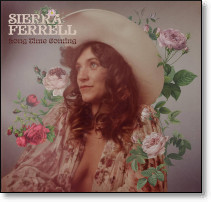
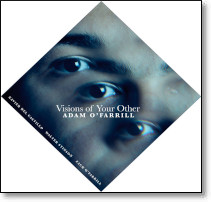
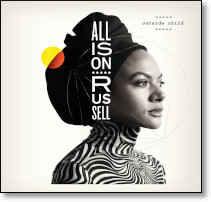
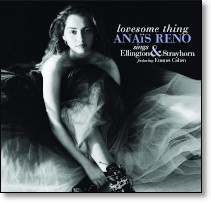
Some brief notes. I jiggled New Music around to get something I found aesthetically pleasing and well-suited to the year. This list (at least at the moment) matches my Jazz EOY List. I favored albums I had physical copies of, but included two I had only streamed (Braxton and Altschul). I did enforce a CD-only policy for the old music section, so my ballot is very different from the EOY list, where the top album was Charles Mingus, Mingus at Carnegie Hall [Deluxe Edition]. The Joseph album is an irregular choice for Vocal, in that I parked it on top of the Non-Jazz EOY List, but I find myself enjoying very few jazz vocalists -- the only ones to make my A-list were Sarah Buechi and Anaïs Reno -- while Joseph's is one of the year's very best albums. I went with somewhat arbitrary choices for Debut and Latin as well. I actually have a group, Body Meπa, higher on my list than Jiyane, but we tend to frown on group debuts. I like classic Latin jazz, but I'm rarely impressed enough by recent efforts to have any of it show up on my A-list, so I usually wind up picking something tangential. This year that's Zenón's not-all-that-Latinized Ornette Coleman tribute, which I prefer over his explicitly Latin El Arte del Bolero. One curious fact from counting the JCP votes is that thus far all but one of Zenón's New Album votes are for Law Years, but all of his Latin votes are for El Arte del Bolero. It's possible to change ballots up to Dec. 12. (Hopefully, that's incentive to send them in earlier.) I may wind up changing my ballot a bit, but I'm pretty happy with it now. I will certainly wind up changing my EOY files as I find new things, and sometimes as I further review initial grades. I'm finally streaming James Brandon Lewis' Code of Being as I write this. Supposedly, Henry Threadgill's Poof is in the mail. There are at least three Blue Note albums that I haven't been able to stream, as I have their other records for many years now. (I don't even know why does publicity there anymore, but I assume the reason they do so well in polls is the breadth of their PR operation -- I can't say much for their quality in recent years.) Much more could be said, but I'm pressed for time, and this is enough for now. Still haven't done the indexing on the November Streamnotes file. I thought I might note that I was pleased with the small-committee selections to the National Baseball Hall of Fame. Especially Minnie Minoso, who clearly would have topped 3,000 hits had he not been excluded from the Major Leagues for the first half of his career. I'll also note that while Jim Kaat's 283 career wins were an obvious qualification, the article doesn't note how many Gold Glove awards he won (16) -- Randy Robbins throws some shade on his fielding reputation, but one thing I remember from watching him is how he always looked ready to field a ball hit back to him, unlike most pitchers, who come off their pitch off-balance and are lucky to get out of the way. Gil Hodges and Tony Oliva were slightly lesser stars I have no complaints about. I don't know the Negro League numbers, which have only recently been systematically compiled and accepted as official, like I do the old majors, so I only know Buck O'Neil by reputation (including as the inspiration for Darby Conley's Get Fuzzy cat name), and Bud Fowler less than that. The latter offers us a teachable moment, reminding us that segregation was the cardinal sin of baseball not just when O'Neil played (1937-48) but from the very beginning. New records reviewed this week: Adele: 30 (2021, Columbia): British singer-songwriter, last name Adkins, became a huge international star with her age-named albums 19 and 21, only her fourth album, with 25 in between. Marriage and divorce themes. I find it all overblown. B- Amyl and the Sniffers: Comfort to Me (2021, Rough Trade): Australian post-punk band, Amy Taylor the singer. Reminded me a bit of X-Ray Spex, more of L7. Can't say I didn't get a bit tired by the end of the second play, but as solid as any such band I've heard in more than a few years, and considerable pleasure at first. A- Florian Arbenz/Hermon Mehari/Nelson Veras: Conversation #1: Condensed (2021, Hammer): Swiss drummer, first of what promises to be a dozen albums conversing with guest musicians: in this case, a trumpeter from America and a guitarist from Brazil. Terrific mix. A- [bc] Florian Arbenz: Conversation #2 & #3 (2020 [2021], Hammer): Swiss drummer, duo with Jim Hart (vibes/marimba), or trio adding Heiri Känzig (bass). B+(***) [bc] Florian Arbenz/Maikel Vistel/François Moutin: Conversation #4: Vulcanized (2021, Hammer): drums, tenor/soprano sax, bass. Starts with a swinging "Bemsha Swing," one of two Monk covers, along with pieces by Bill Evans, Joe Zawinul, and Eddie Harris, as well as originals by Vistel (2) and Moutin (1). B+(***) [bc] Blue Reality [Michael Marcus/Joe McPhee/Jay Rosen/Warren Smith]: Quartet! (2020 [2021], Mahakala Music): Cover can be parsed various ways, but different type colors lean my way. Two reeds players, two drummers, group name from Marcus' 2002 trio album (with Rosen and Taurus Mateen). B+(***) Weedie Braimah: The Hands of Time (2021, Stretch Music/Ropeadope): Djembe master, born in Ghana, comes from a long line of notable percussionists, raised in East St. Louis, based in New Orleans, bunch of side credits (especially with Christian Scott aTunde Adjuah, who plays here) but this seems to be his first album. B+(**) Chamber 4: Dawn to Dusk (2020 [2021], JACC): Trumpet (Luís Vicente) and strings: violin (Théo Ceccaldi), cello (Valentim Ceccaldi), and acoustic guitar (Marcelo dos Rios). Most impressive when the trumpet opens up. B+(***) [cd] Margo Cilker: Pohorylle (2021, Loose): Country singer-sonwriter from Oregon, first album. Sounds just about perfect for country. Songs take a bit longer to settle in, but she's got something there too. A- Theo Croker: BLK2LIFE // A Future Past (2021, Sony Masterworks): Trumpet player, from Florida, eighth album since 2006, sort of a funk/fusion thing, with vocals on most tracks, including Ani Lennox, Kassa Overall, and Wyclef Jean. Mixed feelings about this, even within a piece like "Hero Stomp," boldly over the top. B Angel Bat Dawid: Hush Harbor Mixtape Vol. 1 Doxology (2021, International Anthem): Angel Elmore, from Chicago, third album plays clarinet and, well, everything here, "vocalz" included. Cover illustration goes back to slavery, and is disturbing. Same for the songs, as disquieting as they are striking. B+(**) Indigo De Souza: Any Shape You Take (2021, Saddle Creek): Alt/indie band from Asheville, NC, and/or the lead singer, also plays guitar and keyboards and wrote the songs (10, with 2 co-credits). B+(*) Dwayne Dopsie and the Zydeco Hellraisers: Set Me Free (2021, Louisiana Red Hot): Accordion player Dwayne Rubin, carrying on the family trade of his father Alton Rubin, better known as Rockin' Dopsie. Band has been rolling since 1999, with 10 or so albums. No idea how this one stacks up against them, but it'd be hard to top as a party record. B+(***) Wendy Eisenberg: Bloodletting (2019 [2021], Out of Your Head): Guitarist, from Boston, dozen albums since 2017. This one is solo, a suite played through twice, once on banjo, again on guitar. B+(*) [dl] R.A.P. Ferreira: The Light Emitting Diamond Cutter Scriptures (2021, Ruby Yacht): Initials stand for Rory Allen Philip, rapper from Wisconsin, formerly did business as Milo, third album under this (real) name. (Short one, 11 songs, 28:37.) B+(***) Sierra Ferrell: Long Time Coming (2021, Rounder): Country singer-songwriter from West Virginia, based in Nashville, third album, big step up in labels. A bit of jazz in the bluegrass. A- Ben LaMar Gay: Open Arms to Open Us (2021, International Anthem): From Chicago, sings, plays cornet, many other instruments. B+(*) Ghost Rhythms: Spectral Music (2021, Cuneiform): French group, experimental rock-qua-jazz, half-dozen albums since 2007. Rhythm is relentless but wears thin. Noise helps, but too little, too late. B- [dl] Gordon Grdina's Square Peg: Klotski (2021, Attaboygirl): Canadian guitar/oud player, has several groups, this the second album with this quartet: Mat Maneri (viola), Shahzad Ismaily (bass/moog), and Christian Lillinger (drums). Original pieces, rich harmony of strings over free rhythm. B+(***) [cd] Gordon Grdina: Pendulum (2021, Attaboygirl): Solo guitar and oud, usual limits but he is one of the best anywhere. B+(**) Jeff Hamilton Trio: Merry & Bright (2021, Capri): Drummer-led piano trio, with Tamir Hendelman and Jon Hamar, slant the usual tunes a bit toward the hip and/or secular ("The Little Drummer Boy," "Santa Baby"), sometimes so tastefully you can forget that crass commercialism extends even into the jazz world. B [cd] Miho Hazama: Imaginary Visions (2021, Edition): Japanese composer and big band arranger/conductor, studied in New York, has positions with New York Jazzharmonic and Danish Radio Big Band -- the latter plays here. B+(**) HTRK: Rhinestones (2021, N&J Blueberries): Australian duo, Jonnine Standish (vocals) and Nigel Yang (guitar and drum machine), originally Hate Rock Trio (with bassist Sean Steward, d. 2010). Sounds to me like I imagined "slowcore" might be, before Low spoiled the notion. B+(***) [bc] Jon Irabagon: Bird With Streams (2020 [2021], Irabbagast): Tenor saxophonist, recorded this collection of Charlie Parker tunes solo in a secluded canyon in South Dakota, one of those pandemic lockdown projects that never would have been done otherwise. B The Klezmatics: Letters to Afar (2013 [2021], Chant): Long-running New York klezmer group. Ambient-to-ominous soundtrack to Peter Forgacs' film. B+(*) Mick Kolassa: Uncle Mick's Christmas Album (2021, Endless Blues): Blues singer-songwriter from Michigan, tenth album, wrote 2 (of 9) songs this time, the covers ranging from Mariah Carey to "Beale Street Christmas Jam." Original lyric: "and now our kisses don't need mistletoe." B [cd] Mon Laferte: Seis (2021, Universal Music Mexico): Singer-songwriter from Chile, fairly big star, name shortened from Norma Monserrat Bustamente Laferte, moved to Mexico City in 2007, sang in a heavy metal band there. Sixth album (aside from her 2003 debut as Monserrat Bustamente), draws on regional Mexican styles. I like the fast ones, and even more so the over-the-top "La Mujer." A- Lukah: Why Look Up, God's in the Mirror (2021, Fxck Rxp Rxcxrds): Rapper, from Memphis, third album. Comes from a harsh world, yet still finds inspiration. "God put me here to be something great" . . . like this, I guess. A- [bc] Magdalena Bay: Mercurial World (2021, Luminelle): Synth-pop duo from Miami, singer-songwriter Mica Tennenbaum and producer Matthew Lewin, first album after 3 EPs and 2 mixtapes. Dance beats initially reminded me of Chic. While they increasingly became distinct, they didn't lose anything. Could turn out to be better. A- [bc] Christian McBride & Inside Straight: Live at the Village Vanguard (2014 [2021], Mack Avenue): Mainstream bassist, albums since 1994, a couple (2009-13) with this quintet -- Steve Wilson (sax), Christian Sands (piano), Warren Wolf (vibes), Carl Allen (drums) -- a couple more live from this venue. B+(**) Mexstep: Vivir (2021, Mexstep Music): Rapper from San Antonio, moniker shortened from Mexican Stepgrandfather, released an album in 2018 (Resistir) I was very taken with, this only slightly less so. Mostly works in English, but the beat seems to pick up a bit when he switches to Spanish. B+(***) [bc] Samuel Mösching: Ethereal Kinks (2021 [2022], Bronzeville Music): Guitarist, probably from Switzerland ("Univerity of Lucerne"), based in US since 2013, also plays bass, drums, and synths, with a couple guest spots. All originals, title has nothing to do with the UK band ("without kinks life would be flat"). B [cd] [2022-02-18] Navy Blue: Navy's Reprise (2021, Freedom Sounds): Rapper Sage Elsesser, third album. B+(***) Adam O'Farrill: Visions of Your Other (2021, Biophilia): Trumpet player, son of Arturo, sidework mostly on the avant side of NYC postbop, second album, pianoless quartet with Xavier Del Castillo on tenor sax, Walter Stinson on bass, and brother Zack O'Farrill on drums. Impressive work all around. A- Pino Palladino and Blake Mills: Notes Wtih Attachments (2021, Impulse): Welsh bass guitar player, has done a lot of session work, almost all with rock musicians starting with Jools Holland in 1981 (better known names include Eric Clapton, Elton John, John Mayer, and D'Angelo). First album with his name listed first. Mills has a shorter but similar resume, plays many instruments but mostly guitar. B+(*) Barre Phillips/John Butcher/Ståle Liavik Solberg: We Met - and Then (2018-19 [2021], Relative Pitch): Bass, saxophones, drums. Recorded on two dates, note how the bass leads. B+(**) Robert Plant/Alison Krauss: Raise the Roof (2021, Rounder): I can't say as I followed his career after Led Zeppelin, but he released an album every 2-3 years 1982-93, slowed down after that, but his 2007 collaboration with bluegrass star Krauss got my attention, even if it didn't leave much of an impression. After a long break, here's a second album together, also produced by T-Bone Burnett, with side-credits for David Hidalgo, Bill Frisell, Buddy Miller, and Marc Ribot. One original credited to Plant-Burnett, the others folk covers from both UK and US. Seems like paltry returns for all the talent employed. B+(*) RP Boo: Established! (2021, Planet Mu): Chicago footwork producer Kavain Space. Dance beats, exhortations, couldn't be more straightforward. B+(**) Allison Russell: Outside Child (2021, Fantasy): Singer-songwriter from Montreal, absent father from Grenada, mother put her into foster care then got her back, step-father sexually abused her (subject of first song here), first album under her own name, after group efforts with Po' Girl, Birds of Chicago, and Our Native Daughters. Hard to get a grip on, but haunting and revealing and redeeming, somewhere between folk and soul, with bits of gospel, blues, jazz, and French. A- Jared Schonig: Two Takes Vol. 1: Quintet (2021, Anzic): Drummer, member of the Wee Trio, debut, released same day as Vol. 2: Big Band. Eight songs on both albums, this one padded out with an "Intro" and three "Drum Interludes." With Marquis Hill (trumpet), Godwin Louis (alto sax), Luis Perdomo (piano), and Matt Clohesy (bass). B+(**) [bc] Jared Schonig: Two Takes Vol. 2: Big Band (2021, Anzic): New York big band, loaded with solo talent, playing the hell out of the same eight songs from Vol. 1: Quintet. B+(***) [bc] Shad: TAO (2021, Secret City): Canadian rapper Shadrach Kabango, born in Kenya, parents from Rwanda, grew up in Ontario, seventh album since 2005. Conscious lyrics, knows a lot and cares a lot, but sometimes the music veers off on pop tangents that seem surreal and/or psychedelic. B+(***) Esperanza Spalding: Songwrights Apothecary Lab (2021, Concord): Started as a jazz bassist, found a crossover niche as a singer, eighth album since 2005. Twelve numbered pieces each called "Formwela." Purportedly "designed to address specific emotions and stresses," I can't attest to the "healing power of music" here. But it does strike me as overly tricky. B Kaidi Tatham: An Insight to All Minds (2021, First Word): British multi-instrumentalist (no credits here, but keyboards, drums, bass synth, flute, vocals elsewhere), half-dozen albums since 2008. Picked this off a jazz list, but will file under electronica with a side of hip-hop. B+(**) Uptown Vocal Jazz Quartet: Fools for Yule (2021, Housekat): Singers Ginny Carr Goldberg, Robert McBride, Holly Shockey, and Lane Stowe, only their fifth album since Half-Past Swing in 1999 (Goldberg, née Carr, and McBride were original members). Starts tolerably with "I've Got My Love to Keep Me Warm," and does manage to swing through "Winter Wonderland," but sinks like a rock with with a truly awful "Silent Night." C [cd] The War on Drugs: I Don't Live Here Anymore (2021, Atlantic): Indie rock band from Philadelphia, fifth album since 2008, commercial breakthrough was their third, in 2014. Adam Granduciel sings, writes, and co-produces. Nice sound, not a lot of substance. B Recent reissues, compilations, and vault discoveries: Oscar Peterson: A Time for Love: The Oscar Peterson Quartet - Live in Helsinki, 1987 (1987 [2021], Mack Avenue): Piano, as sumptuous as ever, the trio (Dave Young and Martin Drew) joined by guitarist Joe Pass. B+(***) Marcos Resende: Marcos Resende & Index (1976 [2021], Far Out): Brazilian keyboard player, previously unreleased debut album, wrote 5 (of 6) tracks, bassist Rubão Sabino the other. With bass, drums, and tenor/soprano sax/flute (Oberdan Magalhães). B+(**) Roswell Rudd & Duck Baker: Live (2002-04 [2021], Dot Time): Trombone and guitar duo. Nice pairing. B+(***) Roseanna Vitro: Listen Here (1982 [2021], Skyline): Standards singer, originally from Arkansas, 15 records, my favorite her 1997 Catchin' Some Rays (Ray Charles). This was her first, originally released 1984, cover cites Kenny Barron, Buster Williams, Ben Riley, and Arnett Cobb (3 tracks). B+(**) Old music: None. Unpacking: Found in the mail last week:
Ask a question, or send a comment. Monday, November 29, 2021 Music Week
Music: Current count 36797 [36746] rated (+51), 125 [130] unrated (-5). I'll keep this short, as I have a lot of other work to do, and need to get back to it. All new music this week. Mostly jazz. I have an advantage over the rest of you (except for Francis Davis) in that I'm reading Jazz Critics Poll ballots before they're posted. Six (of 7) new A- jazz albums were unknown to me before last week (although I must have received mail, perhaps even a download link, from Astral Spirits about Artifacts). The one non-jazz A-lister (note: full A) didn't come from an EOY list (yet), but I noticed it while searching AOTY for high-rated 2021 releases (this one from HipHopDX; very little hip-hop in the first wave of EOY lists). The other A- was an upgrade, after endorsements from Phil Overeem and Chris Monsen convinced me to give it another spin. Seems like every JCP ballot I receive has 2-4 new albums, mostly ones I wasn't even aware of. Most disturbing was that early in the counting, 6 of the top 10 albums were things I hadn't heard. Most of those have proven impossible to stream, but the final number will probably drop anyway (4 at the moment, some I'll catch up with, most because other voters won't have heard them either, so they'll sink). One thing polls always wind up silently measuring is how effective publicists are, and how lack of a publicist keeps artists mired in obscurity. November had five Mondays, so the monthly archive (link above) is exceptionally huge. I haven't done the indexing, so don't even have a count. (Well, subtracting Music Week count lines give us +257, with -24 unrated.) Pending count for 2021 promos is down to 6 (3 of which are Christmas music, and 1 was a 2018 release; I'll get to the Gordon Grdina albums later today). Mail didn't bring anything this week. I've started to get 2022 promos, but only 2 so far. Some statistics: according to tracking file (of 2021 releases: 925 records rated (69.8% streamed), 2704 records logged. Metacritic file logs 2064 albums, plus 163 reissues/vault music. Current Best Jazz list has 53 new A-list, 25 reissues/archival A-list. Current Best Non-Jazz list has 46 new A-list, 5 reissues/archival A-list. I published a Speaking of Which last week. I had a long Facebook comment that I thought could use wider and more lasting presentation. I also wanted to jump off the Paul Krugman links to talk about inflation. I got my main point in, but could have written much more. I don't feel up to adding more right now, but it's worth emphasizing that from the 1970s the right harped on the evils of inflation, and used it as an excuse to destroy the labor movement, impose austerity on government, and fuel the extreme financialization of the economy. Some people, like the Populists in the 1890s, drew the wrong conclusion, and tried to argue that more inflation would be a good thing. They were defeated so severely that no one argues that anymore, but it's always been the case that inflation has both winners and losers. Good policy attempts to balance this, protecting losers against their losses while limiting the windfalls to the winners. There are better ways to do this now than working through the Fed, which is designed to help bankers -- winners both when rates go up (they collect more interest, especially from variable-rate debtors) and when they go down (they get more money for speculation and leverage, inflating the stock market). A big part of recent "inflation" (I think "price gouging" is a more accurate term) involves gasoline prices, and this has caused some sort of nervous breakdown in the Biden administration. It would help if the media had a bit of historial perspective. Current prices, for instance, are still lower than they were under GW Bush, at least until he cratered the economy in 2008. One big reason prices rose so much under Bush was disruption of supplies due to war and sanctions. If Biden wanted to cut oil prices, the easiest way would be to allow Iranian and Venezuelan oil back on the world market (which would be good as a break from the American conceit that claims the write to punish other countries for not liking American interference, but bad in that lower prices would encourage people to waste oil and further damage the environment we all depend on). The main effect of Trump's belligerency was to prop up oil prices, but Republicans never seem to get blamed for gas prices (or much else -- benefits of owning the media blame machine). I've been saying for some time that we need higher oil taxes. Europe has long had hefty taxes on gasoline, initially to maintain a favorable balance of trade by suppressing imports. The result was that as early as the 1950s European cars were much more efficient than American cars. US oil production peaked in 1969, and in 1970 imported oil tipped the US into a losing trade balance which has only increased ever since. A smart move then would have been to increase taxes, to make people and (especially) businesses more conscious of the need to conserve, but we didn't do that. (Instead, they came up with the 55 mph speed limit. The immediate effect was for American auto engineering to atrophy, a reputation Detroit has strugged with ever since.) In the 1980s, when a lot of non-OPEC oil came online, Americans started buying gas guzzlers again, and now we're stuck with all these SUVs and heavy pickups -- not all driven by Trumpist blowhards, but there is a real skew in that direction. And, of course, they're up in arms: High gas prices are hitting heavy-duty pickup owners hard. I'm not unsympathetic, but in the long run we'd be better off pricing those machines off the road. If their lifetimes average 15 years, why not pass a series of gas tax bumps scheduled to kick in over 20 years, with a diminishing set of partial rebates? After all, good policy makes amends for those who face consequent losses. On the other hand, if you can't face such losses, you can't make progress at all. Biden's short-term moves to cut gas prices cast doubts on his commitment to slowing down climate change, and you don't have to have a very long term view to see that as mattering more. One last note here. I mentioned the death of Dan Georgakas, but after I posted another valuable writer passed away: James Ridgeway. He did important work, especially on corporations and energy resources, like The Politics of Ecology (1970), The Last Play: The Struggle to Monopolize the World's Energy Resources (1973), Who Owns the Earth (1980), and It's All for Sale: The Control of Global Resources (2004). New records reviewed this week: ABBA: Voyage (2021, Polar): Swedish pop juggernaut, released 8 studio albums 1973-81, massive hits in Europe, less so in America but even here you don't have to be 60+ to know a dozen or so of their hits -- seems like they never left (in derivatives they never did). Couple passable songs, but nothing much that adds to their legacy. Some of it sounds like recycled Christmas jingles. B- Android Trio: Other Worlds (2021, Cuneiform): Jazz-rock trio -- Andrew Niven (drums/synths), Eric Kierks (bass/synthbass), Max Kutner (guitar) -- plus guests, based in Los Angeles, associated (as producer Mike Keneally) with Frank Zappa. C+ [dl] Artifacts [Tomeka Reid/Nicole Mitchell/Mike Reed]: . . . And Then There's This (2021, Astral Spirits): Third generation AACM (served together on the board 2009-11), playing cello, flute, and drums, group named for their superb 2015 album. All three write pieces, but they also look to the founding AACM generation (Muhal Richard Abrams, Roscoe Mitchell). I've never been much of a flute fan, but she is the best. A- Balimaya Project: Wolo So (2020 [2021], Jazz Re:Freshed): London-based group, 17 musicians, mostly African names with a lot of percussion, but also some brass (2 trumpets, 2 trombones). Scattered vocals, but focus is on the groove, which is relentless. A- [bc] Blu: The Color Blu(e) (2021, Nature Sounds): Rapper Johnson Barnes III, from California, prolific since 2007. Opens with blues piano, plays off blues riffs for a while, but that's not where he really wants to go. B+(*) [bc] The Brkn Record: The Architecture of Oppression Part 1 (2021, Mr. Bongo): Project led by Heliocentrics bassist Jake Ferguson, various featured vocalists have plenty to say about racism and police abuse in Britain. B+(***) [bc] Francesco Cafiso: Irene of Boston: Conversation Avec Corto Maltese (2020, Eflat): Alto saxophonist, from Sicily, as a young teenager recorded duets with Franco D'Andrea and toured Europe with Wynton Marsalis. At 32, he's put together a strong discography, and he's a very impressive saxophonist. Also an ambitious composer, employing pianist Mauro Schiavone to help with arranging the London Symphony Orchestra. "Irene of Boston" is an old ship, "Corto Maltese" is a Sicilian sailor, and they are inspirations for his sprawling work. A- Brandi Carlile: In These Silent Days (2021, Low Country Sound/Elektra): Singer-songwriter from Washington, filed under Americana if not country, seventh studio album since 2005, occasionally aces a ballad but nothing else feels quite right here. B Ron Carter/Jack DeJohnette/Gonzalo Rubalcaba: Skyline (2021, 5 Passion): Cuban pianist, based in Florida, close to 40 albums since 1985, with bassist and drummer needing no introduction. Billing order could be alphabetical or seniority or just how the name lengths fit on the cover, but it helps to focus on Carter's bass first, before the pianist explodes. Wish he did it more often, but not for lack of appreciation for the rest of his kit. A- Anat Cohen & Marcello Gonçalves: Reconvexo (2020 [2021], Anzic): Clarinet and guitar duo, recorded in the latter's Rio de Janeiro. B+(*) [bc] Isaiah Collier & the Chosen Few: Cosmic Transitions (2020 [2021], Division 81): Chicago saxophonist, second album, first appeared in Ernest Dawkins Young Masters Quartet, quartet with a big sound and cosmic ambitions. B+(***) Eliane Elias: Mirror Mirror (2021, Candid): From Brazil, has sung on most of her recent albums -- Napster lists her as "bossa nova" -- but started off c. 1990 as a first-rate jazz pianist, and not even an especially Brazilian one. No voice, just lots of piano here: four duets with Chick Corea, interleaved with three duets with Chucho Valdés, both bringing their Latin game. B+(***) Flukten: Velkommen Hap (2021, Odin): Norwegian quartet: Hanna Paulsberg (sax), Marius Hirth Hlovning (guitar), Bárður Reinert Poulsen (bass), and Hans Hulbækmo (drums). B+(***) Erik Friedlander: Sentinel (2020, Skipstone): Cellist, albums since 1991. This one is a trio, with Ava Mendoza (guitar) and Diego Espinosa (drums). B+(**) Rob Frye: Chihuahuan Desert Birdscapes (2020 [2021], Astral Spirits): Field recordings of birds from West Texas deserts, processed with Frye's synthesizers and handmade flutes. B [bc] Nubya Garcia: Source + We Move (2021, Concord): Saxophonist, born in London, parents from Guyana and Trinidad, plays in Maisha, has a couple EPs and an album, Source, which is remixed here. B Gerry Gibbs Thrasher Dream Trios: Songs From My Father (2021, Whaling City Sound, 2CD): Drummer, father is vibraphonist Terry Gibbs (still ticking at 97), has used Thrasher for his various outfits since 2006, his first Dream Trio in 2013 (with Kenny Barron and Ron Carter), plural here with four trios: Chick Corea and Carter, Barron and Buster Williams, Geoff Keezer and Christian McBride, also Patrice Rushen and Larry Goldings (substituting organ for bass). B+(**) Gift of Gab: Finding Inspiration Somehow (2021, Nature Sounds): Blackalicious rapper Timothy Jerome Parker, died in June at 50, fourth solo album. Good taste in underground beats and flow, one of the fastest, most literate rappers ever, scores some important political points, but the most poignant piece was on how he kept writing through dialysis, contemplating an end he wasn't ready for, because he had so much more to do. A Carlos Henriquez: The South Bronx Story (2021, Tiger Turn): Bassist, born in New York City, plays in Jazz at Lincoln Center Orchestra, third album. Some vocals, no doubt a point of the story theme. B+(***) Arushi Jain: Under the Lilac Sky (2021, Leaving): Raised on Indian classical music, based in Brooklyn, works with modular synthesizers, the structures of the ragas that underly her longer pieces only slowly become evident through the ambient clouds. Some vocals. B+(***) Malcolm Jiyane Tree-O: Umdali (2018 [2021], Mushroom Hour Half Hour): South African trombonist, composer and arranger, debut as leader, gets strong support from saxophonist Daniel Nhlanhla Mahlangu (especially on "Life Esidimeni," which reminds me of Dudu Pukwana at his finest). Scattered vocals don't detract. They remind us this is still social music. A- Samara Joy: Samara Joy (2020 [2021], Whirlwind): Young standards singer (23), first album, won a prize named for Sarah Vaughan but sounds more like Ella Fitzgerald. With sly backing from guitarist Pasquale Grasso's trio (with Ari Roland and Kenny Washington. B+(***) Jacqueline Kerrod: 17 Days in December (2021, Orenda): Harp player, originally from South Africa, moved to New York 1999. Debut in 2020 was a duo with Anthony Braxton. This is "solo improvisations for acoustic & electric harp," which necessarily means it's limited and esoteric. Still, rather dreamy. B+(**) [cd] [12-03] Stefano Leonardi/Antonio Bertoni: Viandes (2018 [2021], Astral Spirits): Italian flute and cello duo, both also play more exotic instruments (sintir, sulittu, kaval, ocarina, launeddas). B+(*) [dl] Myele Manzanza: Crisis & Opportunity, Vol. 1: London (2021, DeepMatter): Drummer, from New Zealand, moved to London in 2019, three previous records, this one recorded in London with what's basically a hard bop quintet (trumpet, tenor sax, piano, bass) plus Mark de Clive-Lowe on synths. Exceptionally nimble within the mode, until they slide out into post-bop. B+(***) [bc] Myele Manzanza: Crisis & Opportunity, Vol. 2: Peaks (2021, DeepMatter): Recorded in Berlin, one horn (Jay Phelps on trumpet), more focus on guitar, synths, bass, and programming. B+(*) [bc] Hedvig Mollestad: Tempest Revisited (2021, Rune Grammofon): Norwegian guitarist, last name Thomassen, mostly with her Trio (7 albums since 2011), leads a larger group here: three saxophonists, extra drummer, vibes. B+(*) Camila Nebbia Quartet: Corre El Río De La Memoría Sobre La Tierra Que Arrastra Trazos, Dejando Rastros De Alguna Huella Que Hoy Es Número (2020 [2021], Ramble): Tenor saxophonist from Argentina, several albums, also electronics, with Barbara Togander (vocals & turntables), Violeta Garcia (cello), and Paula Shocron (piano, vocals & percussion). Title translates as "The river of memory flows through the earth leaving traces now numbers" -- a reflection on the map of Argentina reduced to statistics after five months of pandemic lockdown (although my first thought on the title was the "dirty wars," where right-wing politicians similarly reduced the people to numbers). B+(**) [bc] Arturo O'Farrill/The Afro Latin Jazz Orchestra: Dreaming in Lions (2021, Blue Note): Title usually printed with ellipses fore and aft, which makes no sense to me. Son of famed Cuban bandleader Chico O'Farrill, born in Mexico after the family fled Castro but before they arrived in New York (1965). Took over his father's reconstituted big band in 2001, aligned for a while with the Marsalis regime at Jazz at Lincoln Center, and continued to be the premier name in Afro-Cuban Jazz (at least as recognized in the US). B+(**) The Ed Palermo Big Band: I've Got News for You: The Music of Edgar Winter (2021, Sky Cat): Saxophonist-led big band, started in 1980s, went through a phase of doing Frank Zappa tributes (three in 1997-2009), and finally got busy with 8 albums (2 doubles) since 2014. C+ [dl] Park Hye Jin: Before I Die (2021, Ninja Tune): From South Korea, rapper-singer based in Los Angeles after living in Melbourne and London, first album, name appears first in Hangul then in parens as above, but also translates as Hye-Jin Park. Not sure that "cloud rap" captures it, except inasmuch as the "cloud" has become the globalized aether we all float through. B+(**) PinkPantheress: To Hell With It (2021, Parlophone, EP): British pop singer, barely 20, first short mixtape (10 songs, 18:36), lighter than the title implies, genre listed as "atmospheric drum & bass," which sounds about right. B+(**) Abbey Rader/John McMinn: Two as One (2021, Abray): Drummer I ran across some time ago as a William Parker collaborator. Duo, McMinn plays tenor & alto sax, piano, and percussion. They have a couple of previous duos, and have played together at least as far back as 2004. Rugged free improv, sax impressive but can wear on you, piano less. B+(*) [bc] Anaïs Reno: Lovesome Thing: Anaïs Reno Sings Ellington & Strayhorn (2021, Harbinger): Standards singer, at 16 has no business singing such difficult and sophisticated songs -- she leans to the Strayhorn side of the headline -- much less with such poise and nuance. Gets help from pianist-arranger Emmet Cohen, and superb spot support from Tivon Pennicott (tenor sax) and Juliet Kurtzman (violin) -- the latter her mother, who left Houston to be a concert violinist in Europe, then returned to New York to teach music, with her own, albeit modest, recording career. A- Sara Schoenbeck: Sara Schoenbeck (2019-21 [2021], Pyroclastic): Bassoonist, had a duo album album back in 2002 and a fair number of side credits, but not much more under her own name. But she runs the table here with nine far-ranging duets -- Roscoe Mitchell (soprano sax) is notable, followed by Matt Mitchell (piano). B+(***) [cd] Sara Serpa: Intimate Strangers (2021, Biophilia): Vocalist-composer, from Portugal, ten or so albums since 2008, mostly intimate setting with a single accompanist (e.g., Ran Blake). This is more ambitious, with fascinating spoken word by Emmanuel Iduma (from Nigeria), more vocals by Sofia Rei and Aubrey Johnson, Matt Mitchell on piano and Qasim Naqvi on modular synth. B+(**) [cdr] [12-01] Silk Sonic [Bruno Mars/Anderson .Paak]: An Evening With Silk Sonic (2021, Aftermath/Atlantic): A pop star in decline since his 2010 debut, and a rapper with a pop streak, a combination that must have seemed natural when they were hanging on the road, but the only distinctive voice here is the MC, Bootsy Collins. B- Sir Babygirl: Golden Bday; The Mixtape (2021, self-released): Kelsie Hogue, non-binary, released an EP in 2019, promises "previously unreleased tracks in celebration of still being alive and music being awesome." Mostly upbeat, padded with three covers, the off-brand Joni Mitchell actually quite nice. B+(**) [bc] Nate Smith: Kinfolk 2: See the Birds (2021, Edition): Drummer, from Virginia, debut 2017 with his first Kinfolk, also plays some keyboards but mostly has Jon Cowherd for that, and Jaleel Shaw on sax. Most songs have vocals (Michael Mayo, Kokayi, Stokley, Amma Whatti, Brittany Howard, a mixed bag), and guests drop in (Regina Carter, Vernon Reid). Has its moments, most dependably with Shaw. B Wadada Leo Smith, Jack DeJohnette & Vijay Iyer: A Love Sonnet for Billie Holiday (2016 [2021], TUM): Five original pieces by the all-stars (trumpet, drums, keyboards), the connection to Holiday tenuous at best, although Smith is in his finest Yo! Miles form, and the drummer is quite some wizard. B+(***) [cd] Wadada Leo Smith's Great Lakes Quartet: The Chicago Symphonies (2015-18 [2021], TUM, 4CD): Trumpet, with Henry Threadgill (alto sax/flute), John Lindberg (bass), and Jack DeJohnette (drums) -- for the first three discs, recorded in 2015, replacing Threadgill with Jonathan Haffner on the 2018 fourth disc. The suites aren't terribly long (36:38-39:48 for the first three, 49:13 for the last), and I have reservations about the third, but they feel more improvised than Smith's recent major productions, and with this group that's a plus. A- [cd] The Source: . . . But Swinging Doesn't Bend Them Down (2019 [2021], Odin): Norwegian quartet, predates its 2006 eponymous album on ECM by a dozen years, the constants saxophonist Trygve Seim, Øyvind Braekke (trombone), and Per Oddvar Johansen (drums), with Mats Eilertsen on bass. Thoughtful, intricate work, but not what I'd call "swinging." B+(***) [bc] Vince Staples: Vince Staples (2021, Blacksmith/Motown, EP): Los Angeles rapper, started in Odd Future, or maybe the Crips, has so much rep I'm surprised how thin his discography is. This one has 10 tracks, but only runs 22:02. B+(**) Helen Sung: Quartet + (2021, Sunnyside): Pianist, Pianist, from Texas, albums from 2003, quartet with John Ellis (tenor/soprano sax and flute), David Wong (bass), and Kendrick Scott (drums), the plus being the Harlem Quartet (strings). B+(*) Craig Taborn: Shadow Plays (2020 [2021], ECM): Major pianist, solo this time, live concert from Vienna. B+(*) U-Roy: Solid Gold (2021, Trojan): Legendary Jamaica toaster Ewart Beckford, recorded this star-laden pseudo-hits album shortly before his February, 2021 death at 78. Classic tunes, pumped up, sometimes over the top. Closer to its inspiration is Scientist's 15:01 closing dub. B+(*) Will Vinson/Gilad Hekselman/Antonio Sanchez: Trio Grande (2019 [2020], Whirlwind): Sax-guitar-drums trio, recorded in the melting pot of New York (Queens, actually; originally from England, Israel, and Mexico). Not big stars, although all three have extensive discographies since 2004 or so. They add up impressively until Vinson switches to keyb, tipping them into fusion, still well above par. B+(***) Westside Gunn: Hitler Wears Hermes 8: Sincerely, Adolf (2021, Griselda/Empire): Buffalo rapper Alvin Lamar Worthy, started this mixtape series in 2012, not his only titles to namecheck Hitler but he also trades on Flygod. Music thrashes hard, but can't find much redeeming social value. B Westside Gunn: Hitler Wears Heres 8: Side B (2021, Griselda/Empire): First track sounds more thoughtful. Second sounds funkier. Likely this improves on its predecessor (it's certainly more varied), but over the long run -- and it does run very long -- it proves equally tedious. B Wiki: Half God (2021, Wikset Enterprise): New York rapper Patrick Morales, started in group Ratking, third album, produced by Navy Blue. B+(**) Recent reissues, compilations, and vault discoveries: None. Old music: None. Grade (or other) changes: Ingebrigt Håker Flaten: (Exit) Knarr (2021, Odin): Norwegian bassist, huge discography since the mid-1990s including a long run in The Thing and various Vandermark groups. Leads an octet here, mostly Norwegians (Mette Rasmussen and Atle Nymo on sax, Eivind Lønning on trumpet), doubling down on percussion. Six pieces, named for world cities (although Oppdal, in Norway, is more of a village). Austin is funky and fun. Amsterdam is a bit overwhelming, ending the album on a high plateau. [was: B+(***)] A- Unpacking: Found in the mail last week: None. Ask a question, or send a comment. Saturday, November 27, 2021 Speaking of WhichI saw a meme today which pictured Dwight Eisenhower and quoted a number of seemingly progressive planks in the 1956 Republican platform:
While figureheads like Eisenhower and Nixon saw little benefit in attacking the overwhelmingly popular platforms of the New Deal, rank and file Republicans were often still as adamantly opposed as they had been under Coolidge and Hoover (two of the three presidents who famously "served under [Treasury Secretary] Andrew Mellon"). This was posted by a distinguished historian who also mentioned Wendell Wilkie, but way overshoots the mark in arguing that "there were days when being Republican was a mark of intelligence and integrity" -- consider Joseph McCarthy for one, and Barry Goldwater for another. But rather than nitpick, my comment tried to show a broader context:
One notable thing about this these eras is that the first three start with dramatic breaks toward more equitable and inclusive polities, but the Reagan one is anomalous, attempting to impose a more stratified, hierarchical power. It is also by far the least popular, secured beyond Reagan himself only through chicanery and corruption. Moving forward, we can draw on the progressivism of the past, but need a new understanding of how the word works, and what our place within it should be. David Edward Burke: Has the Antiracist Movement Become a Counterproductive Religion? I don't know anything more about John McWhorter's book Woke Racism: How a New Religion Has Betrayed Black America than what I've read in this review, but I have a couple of kneejerk reactions. First is the inclusion of "Racism" in the title. Call it Wokism if you must, and try to show how a religious (he specifically rejects that it is merely religion-like) devotation to Wokism is counterproductive in various ways. But as written, Wokism is a subset of, and therefore more or less equivalent to, racism. That is not true, and muddies our understanding of racism. Sure, the word by itself can be confusing, but it's hard to grow up in America without understanding that racism refers to white-over-black or white-over-non-white discrimination. Second, the implication is that racism is simply a matter of belief. I know Critical Race Theory isn't often taught in America, but isn't it obvious that racism in America is not just opinion but systemic in law, custom, and culture? If you don't know that, you deserve to be harrangued by the consciously woke. There is much more we can quibble with, like when it's useful or counterproductive to accuse someone of being racist, or whether a phrase like "white privilege" even means anything significant. But that's because I jumped to the end of the review, only to read: "Democrats will be motivated to think carefully about whether to wholeheartedly embrace or distance themselves from the more extreme and tyrannical elements of the far left." What the fuck? I get that some people "on the left" (not unlike "on the right" or "in the middle") care so much about seemingly minor slights that they react harshly (whether about racism or sexism or snobbery or pollution or food or satire or all sorts of things) but that doesn't make them tyrants. In order to be a tyrant, you have to have power, including the ability to punish people who offend you. Maybe someday some people on the left will have that kind of power, and we should work to ensure they wield it responsibly, with charity and forbearance, such as would be consistent with a belief system based on equity, justice, mutual respect and tolerance -- i.e., on the very principles that separate left from right. But for now, virtually all tyrants and would-be tyrants are on the right. James M Bush: Author, activist and contributor Dan Georgakas has died aged 83: Probably best known for his book about his home town, Detroit: I Do Mind Dying. Clay Cockrell: I'm a therapist to the super-rich: they are as miserable as Succession makes out: We're taking it slow through Succession's 3rd season. I can't think of a single show ever more devoid of sympathetic characters -- even Billions, where comparably rich wastrels at least on occasion get to show off their cleverness and accomplishments, or Breaking Bad, another triumph of technical skill over any shred of decency. Perhaps we are meant to admire people who get rich through lack of scruples. Popular culture started lionizing criminals in the 1960s with The Dirty Dozen and It Takes a Thief -- they broke the ice by toiling for legitimate institutional powers, but as such groups and causes became increasingly suspect, and as the notion of a public good gave way to individual greed, the rationalizations soon broke down. Succession differs in that it focuses more on the idiot heirs than on the conquering founder, although in this case whatever skill Logan Roy may once have wielded seems every bit as atrophied as his offspring. No one in the show seems even remotely competent to run the company, including Roy's lackeys and the featured outside investors (from Sandy and Stewie to Roy's estranged brother). One might suspect the whole concoction is intended as a stereotyped assault on contemporary capitalism, but our limited view of reality isn't all that different. This article's testimony about the miserable rich feels right. Of course, the rich feel trapped. They live in a world where getting rich is sold as the solution to every problem, yet also a world where one can never be too rich. For more on the show, see Emily VanDerWerff: The four F's of trauma response and the four Roy kids of Succession. Matthew Cooper: Biden Was Right to Pick Powell to Chair the Federal Reserve. I don't agree, but I'm not terribly bothered either. I thought Obama made a serious mistake in reappointing Ben Bernanke instead of picking someone more in sync with Democratic interests, and Clinton's double-reappointment of Alan Greenspan was an even bigger mistake. If you're going to get blamed politically for the economy -- and Democrats have a knack for getting blamed even when all conventional indicators are bully (see Clinton, Obama, and especially Biden) -- you really should get your own person into the slot, especially since you lose the power to fire that person as soon as he's confirmed. Of course, Clinton and Obama were badly compromised here: the Fed Chair nominally works for the people, but really works for the banks, and both had a lot of big donors in the banking industry, with this one spot they're especially serious about IOU's. Biden too, most likely. Powell has done a decent job so far, and has some fairly progressive economists in his corner (e.g., Dean Baker). But he's been on his best behavior pending reappointment, and even so he's promising interest rate hikes. He could easily turn into Biden's worst nightmare. Garrett Epps: Are the Courts Getting Ready to Crack Down on Reporters? Good question. The right-wing Veritas Project, which is designed to produce defamatory videos about what they regard as the left, is suing the New York Times not just for defamation but for an order to prevent the Times from further reporting about Project Veritas. Normally, such a lawsuit would be a joke. Epps has also written a big piece on How the Trump Era Changed the Supreme Court. Paul Krugman: Wonking Out: How Global Is Inflation: Very, which means it has little to do with US federal policies; and Going Beyond the Inflation Headlines. For many people, pandemic subsidies and extra support for the safety net, like the extra money added to usually-miserly unemployment compensation, was a lifesaver, but for other people it just added to savings, helping to fuel the recovery even before the pandemic has really ended. Where this demand got ahead of supply (which is still impacted by various dislocations caused by the pandemic), companies have been able to jack up prices, reducing buying power. I'm not sure it's helpful or even accurate to describe this as inflation -- an old-fashioned but more apt term is price gouging. What one calls it matters, not least because different solutions appear depending on whether one calls it inflation or price gouging. We're accustomed to thinking of inflation as something that can be controlled by government austerity and central bank fiscal policy, even though the effects of both are precisely equal to the long-discredited medical practice of bleeding. To limit prices, we reduce demand by putting people out of work, so they can't spend. However, the method -- increasing interest rates -- is perverse, as interest rates are often a component in costs, so you'd think they'd prices further up. Moreover, higher interest rates are a windfall for lenders -- especially those debts that are indexed to the interest rate (like credit card debt). (There is also a perversity on the side of lowering interest rates: it makes money cheaper for banks, and the easiest -- and therefore the first -- thing they do with it is to fuel speculation, creating asset bubbles.) On the other hand, the main ways for attacking price gouging are to increase supply, reduce monopoly, and tax away windfall profits. Also: the old-fashioned approach of price controls and rationing, which can be effective in the short run, while raising fears of shortages and bureaucratic hassle -- not that the famously efficient market doesn't have comparable problems. Also: a lot of price gouging is predicated on fraud, so oversight and review can help. Much more to be be said about this than I can manage now. Some more links:
Chris Lehmann: We All Live in the John Birch Society's World Now: A review of Edward H. Miller's book, A Conspiratorial Life: Robert Welch, the John Birch Society, and the Revolution of American Conservatism, noting: "It's clear today that figures like Welch were much closer to the emerging ideological mainstream than any Cold War liberal could have imagined." Susan Lustbader: What the Arbery and Rittenhouse Verdicts Couldn't Tell Us: Writer is a public defender in New York City. She provides a judicious, tightly reasoned analysis of this month's two high-profile murder trials: the acquittal in Wisconsin of a teenager, Kyle Rittenhouse, who shot three and killed two at an anti-racism march in Kenosha, and the conviction of three self-appointed vigilantes for the murder of an unarmed black man in Georgia. Good description here of why each trial went its own way, but the bigger point is how exceptional such trials are compared to the everyday workings of the mass incarceration system. "To get a sense of the way racism pervades our criminal justice system, I would recommend paying less attention to blockbuster cases and instead visiting a local criminal court on a random day and witnessing the parade of low-income people of color shuffled before the court, most of them accused of minor, victimless offenses. Pay attention as a judge decides, within minutes, how much money will be required for each person to get out of a cage." More pieces relevant here:
Gail Pellett: Why Care About the Rise of Fascism? The legacy of Sophie Scholl and White Rose, and their resistance against the Nazi regime in Germany, in 1942. The segue to its contemporary relevance starts with the "Unite the Right" rally in Charlottesville in 2017, and includes a smiley, armed picture of Kyle Rittenhouse. If you doubt the relevance of fascism to right-wing political "thought" in America, check out where Chuck Rufo is heading in Zack Beauchamp: The intellectual right's war on America's institutions. Bill Scher: Youngkin's Win Proves That Republicans Shouldn't Fear Expanded Voting Rights: When Republicans swept the 2010 elections, it occurred to me that most of the shift could be explained by the dropoff in votes following the peak 2008 presidential election. Evidently, Republicans came to the same conclusion, as they've become obsessed with erecting obstacles against voting ever since. Of course, they've worked even harder at obstacles that discriminate against likely Democratic voters, but a lot of restrictions, like limiting early voting, cut across party lines. One thing I didn't realize until later was that the dropoff in 2010 was almost identical to the dropoff from 2004 (which Bush won, barely) to 2006 (which was a major Democratic wave). What I now think happens is that when voter turnout increases, a lot of low information voters show up, and those are precisely the ones that are most gullible for Republican propaganda. Both in 2016 and 2020, Trump ran significantly better than the polls. There is a theory which tries to explain this: that Republican-leaners are intimidated by pollsters and are too shy to disclose their true feelings. Given how many Republicans are proud of being assholes, I rather doubt this. Same basic thing happened in Virginia, where Republican overshot the polls. Scher thinks this means that Republicans shouldn't fear higher voter turnout. I'd counter that Democrats shouldn't fear lower voter turnout. Indeed, as long as you keep your people committed, the total turnout doesn't matter much. I'm not saying that Democratic efforts to expand the electorate and get more people to vote are wasted. They underscore the Democrats commitment to democracy, which is something Republicans have given up on, so this helps to underscore the danger of giving Republicans more power to abuse. On the other hand, Democrats need to understand that the real threat to democracy in America isn't gerrymandering or the other scams Republicans use to leverage their power. The real threat is money. And while Democrats complain about money interests when running for office, they have yet to try to do something about it when they do have power. The result is to make them look corrupt -- something Republicans harp on even though they're even more complicit in giving moneyed interests inordinate power in federal and state governments. Zachary Siegel: Give People Safe Drugs: "Over 100,000 overdose deaths happened last year, driven by volatile and lethal fentanyl." I think this is clearly right, although I'd add that it should be under the rubric of a general health care reform such that people can both get the painkillers they think they need and also the medical supervision and social workers they really do need. The main thing holding us back, aside from the myriad profits many interested parties (both legit and criminal) reap, is a stubborn idiotic belief in the persuasive power of hypocrisy. If anything, the effect is the opposite. Ask a question, or send a comment. Monday, November 22, 2021 Music Week
November archive (in progress). Music: Current count 36746 [36694] rated (+52), 130 [128] unrated (+2). Getting into the end-of-year crunch, so nearly everything this week is in the "new music" list. The exceptions are: a Bobby Hutcherson album that a reader recommended, and a Sonny Clark album that has a new vinyl reissue in Blue Note's Tone Poet series (but I went with the 9-track CD instead of the 6-track LP, so I counted it as old instead of as a new reissue). Six (of 7) new A-list albums are jazz, although the break in records listened to isn't that skewed. Two of the picks (Carrier and Halley) are perennial favorites, and I tend to like everything they do. Two more are groups (Ill Considered and Irreversible Entanglements) that his fusion seams that I'm easily drawn to. So there was something semi-automatic about those four picks, not involving a lot of thought, especially as I didn't do any comparative listening with old favorites (all have multiple A/A- records in their catalogs). The other two picks were, indeed, surprises (especially Buechi; Gjerstad always seemed like a good, solid contributor, but this is his first headline record I've given an A- to). It's been harder to identify promising non-jazz, but also I haven't stuck long enough with good records to rate them higher: Idles, Kasai Allstars, and the two Taylor Swift retreads got one play each. and part of the reason I didn't give them a second play was that I already had a track record of stopping at B+(***) for each of them (the last two Idles, two previous Kasai Allstars, and the original Swifts). On the other hand, Dua Saleh overcame my usual anti-EP prejudice with three plays (although I was pretty sure on the first). The first EOY lists have appeared, from Mojo, Uncut, and Rough Trade -- all British but still not a lot of common ground (and literally zero interest in US hip-hop, or in US pop phenoms like Billie Eilish and Olivia Rodrigo -- although Lana Del Ray, St. Vincent, and the Weather Station got some support). I've started a Metacritic/EOY Aggregate file, but it shows very little at this point. (Also not clear when/if I'll find time to keep it up.) I'm not getting a lot of inspiration from what I've seen so far. After Black Country, Country Road, the next highest unheard record so far was Low's Hey What, a group that has gone from boring to majorly annoying (they ranked 4th both at Mojo and Uncut; Nick Cave's Carnage was 3rd and 5th, but I wasted my time on it some months ago). Still unheard in the current top 100: The War on Drugs, Paul Weller, Courtney Barnett, David Crosby, John Grant. Only one I've looked for is Barnett, but Napster only has 6/10 tracks. Invites went out on Sunday for the 16th Annual Jazz Critics Poll. I sent 173 invitations out to voters in recent years (we had a record 149 voters last year). Got six ballots so far. Biggest surprise is how many records have already popped up that I wasn't aware of. As I learn more, I'm likely to concentrate on those records this week. My own EOY lists (in progress): Jazz and Non-Jazz. Feels like I should be cooking something for Thanksgiving, but I've rarely done so in the past, and thus far no one has showed any interest in me doing so this year. Boo hoo. More time for fucking lists, I guess. Just finished Adam Serwer's excellent book on the Trump years: The Cruelty Is the Point: The Past, Present, and Future of Trump's America. He seems to be the best of Atlantic's writers (although their paywall has limited my access -- one of the very few gated publications I'm at all tempted by). Much emphasis on racism, not unwarranted but just one of many complaints I have about Trump and the Republicans. Still tempted to sketch out an outline of what I think the right book should be, but it's become increasingly clear I'm never going to get around to writing such a thing. Meanwhile, the country and world goes to hell, because even the people who can conceive of an alternative can't figure out how to implement it. (One of the things Serwer talks about is the gap between ideals and implementation.) Or more succinctly, it's impossible to build anything when people are shooting at you. I should note that I published answers to a couple of questions last week. New records reviewed this week: Aesop Rock X Blockhead: Garbology (2021, Rhymesayers Entertainment): Rapper Ian Bavitz, albums since 1997, beats by Tony Simon, who produced Aesop Rock as far back as 1999. B+(**) Fatima Al Qadiri: Medieval Femme (2021, Hyperdub): Electronica artist, born in Dakar, raised in Kuwait, based in Berlin, fourth album. Arabic string fragments veiled in synth mist, with intimations of drama. B- Anika: Change (2021, Sacred Bones): Last name Henderson, first trimmed back from Annika, from Britain but based in Berlin, second album, a decade after her 2010 debut. B+(**) Badbadnotgood: Talk Memory (2021, XL/Innovative Leisure): Canadian group, combines "jazz musicianship with a hip hop production perspective," half-dozen albums since 2011, last three have topped the US Contemp Jazz charts. Odd album out has them backing Ghostface Killah (Sour Soul). Aside from that, I've never been impressed. B Black Country, New Road: For the First Time (2021, Ninja Tune): British "experimental rock" group, first album, given to highly dramatized tableaux, works often enough to pique interest. Of course, I like the saxophone. They insist on this line more than seems appropriate, but it sums them up: "I'm more than adequate!" B+(**) The Black Keys: Delta Kream (2021, Nonesuch): Group founded in 2002, effectively a duo (Dan Auerbach and Patrick Carney), has a reputation as a blues-rock powerhouse, but I can't say as I've ever felt them before. Secret this time may be that they didn't try anything original: songwriter list leans heavy on Junior Kimbrough and R.L. Burnside (7/11 songs), spiced with John Lee Hooker, Mississippi Fred McDowell, and Big Joe Williams. B+(**) Terence Blanchard: Absence (2021, Blue Note): Trumpet player, from New Orleans, played with Lionel Hampton and Art Blakey, discography (dating from 1983) includes a lot of soundtrack work. This one, dedicated to saxophonist-composer Wayne Shorter, features E Collective (his "plugged in" band) and the Turtle Island Quartet (strings). B+(**) Bridge of Flowers: A Soft Day's Night (2021, ESP-Disk): Label counts this as part of its "Drive to Revive Weird Rock." Jeff Gallagher sings and plays guitar, backed with guitar/keyboards, bass, and drums, group from Fitchburg, MA. Weirdest thing is the decidedly slapdash approach to sound, although the instrumental closer nicely shows off their lo-fi meander. B+(*) [cdr] Sarah Buechi/Contradiction of Happiness & Jena Philharmonic: The Paintress (2020 [2021], Intakt): Swiss vocalist, albums since 2014, leads a septet (piano-bass-drums + strings) named for her 2018 album, reinforced by a chamber orchestra. In English, no pedestals or spotlights, voice moves gingerly and the musicians never lose step. A- John Butcher/Dominic Lash/John Russell/Mark Sanders: Discernment (2020 [2021], Spoonhunt): Tenor saxophonist (also soprano), with bass, guitar, and drums, improv set from Cafe Oto in London. Guitarist died in Jan. 2021, so one of his last records. B+(*) [bc] John Butcher/Sharon Gal/David Toop: Until the Night Melts Away (2019 [2021], Shrike): Another Cafe Oto set, a single 35:31 piece, saxophone plus kitchen sink: Gal is credited with "voice, electronics, bells, objects"; Toop with "lap steel guitar, flutes, bass recorder, African chordophone, objects." B [bc] François Carrier: Glow (2019 [2021], FMR): Canadian alto saxophonist, many excellent records since 2000 as he's found his unique sound and niche in free jazz. This was recorded in Spain with two guitarists, Pablo Schvarman and Diego Caicedo, plus his regular drummer, Michel Lambert. Can't say much for the guitarists here, but doesn't matter the way Carrier is playing. A- [cd] Neil Cowley: Hall of Mirrors (2021, Mote): British pianist, trio albums began in 2006, this is solo but broadened out with electronics into something pleasantly ambient. B+(**) Cyclone Trio: The Clear Revolution (2020 [2021], 577): Free jazz trio, Australian ("Brisbane-based"; recorded in London, but label is based in New York). Massimo Magee (saxophones) and two drummers (Tim Green and Tony Irving). Opener runs 23:30, two more pieces bring the total to 50:51. B+(**) Jeremiah Cymerman/Charlie Looker: A Horizon Made of Canvas (2020 [2021], Astral Spirits): Clarinet duets, Looker playing piano to open, before switching to deep, brooding guitar. B+(*) [bc] Dos Santos: City of Mirrors (International Anthem): Chicago group, Latin orientation, on a jazz label, so there's some of that too. B+(*) Ingebrigt Håker Flaten: (Exit) Knarr (2021, Odin): Norwegian bassist, huge discography since the mid-1990s including a long run in The Thing and various Vandermark groups. Leads an octet here, mostly Norwegians (Mette Rasmussen and Atle Nymo on sax, Eivind Lønning on trumpet), doubling down on percussion. Six pieces, named for world cities (although Oppdal, in Norway, is more of a village). Austin is funky and fun. Amsterdam is a bit overwhelming. B+(***) Frode Gjerstad/Isach Skeidsvoll: Twenty Fingers (2021, Relative Pitch): Norwegian saxophonist (alto and clarinet here), many albums since Detail in 1983, duets with piano. Skeidsvoll has a record in the group Bear Brother, but this is his first slugline. Not fancy, just heavy chords with some abstract tinkling, but it really sets the saxophonist off. A tour de force. A- The Emma Goldman Bust-Out Brigade: The Emma Goldman Bust-Out Brigade (2021, Nomad Eel): Two bassists, Devin Hoff (Nels Cline Singers and other groups, like Good for Cows) and Mike Watt (Minutemen, on bass guitar), plus a drummer (Joseph Berardi). B+(**) Rich Halley/Dan Clucas/Clyde Reed/Carson Halley: Boomslang (2021, Pine Eagle): Tenor saxophonist, has been on a tear since he retired from his day job more than a decade ago. Recent records have been elevated by Matthew Shipp, so this one starts a little uncertain, but the cornet player (Clucas) opens things up with a blistering solo, and by midway Halley has found his wind. One of the major tenor saxophonists of our time. A- [cd] [12-03] Louis Hayes: Crisis (2021, Savant): Drummer, 84, debut was with Horace Silver in 1956, group with Abraham Burton (tenor sax), Steve Nelson (vibes), David Hazeltine (piano), and Dezron Douglas (bass), with Camille Thurman singing two songs. The vibes are especially prominent. B+(**) Natalie Hemby: Pins and Needles (2021, Fantasy): Country singer-songwriter, second album at 44 (although she was included in the star-laden Highwomen lineup). B+(*) Hiss Golden Messenger: Quietly Blowing It (2021, Merge): Folk-rock band from North Carolina, MC Taylor and Scott Hirsch, dozen-plus albums since 2008. Comfy country. B+(*) Jon Hopkins: Music for Psychedelic Therapy (2021, Domino): British electronica producer, sixth album since 2001. Synth sounds with minor variations. I suppose with the right drugs they could be major. B Idles: Crawler (2021, Partisan): British post-punk band, from Bristol, fourth album, Joe Talbot the singer, basic sound reminds me of the Fall, but they experiment more. I've never stuck with them long enough to sort out the lyrics, but good politics have been reported. B+(***) Ill Considered: Liminal Space (2021, New Soil): British group, nominally a trio -- Idris Rahman (sax), Liran Donin (bass), Emre Ramazanoglu (drums) -- but often with extras (Theon Cross and Sarathy Korwar most famous), incorporate world rhythms or just swing free. Their live albums are exciting. This is their first studio effort, and they keep the heat turned up. A- [bc] Irreversible Entanglements: Open the Gates (2021, International Anthem): Third album, avant-jazz group with two horns -- Keir Neuringer (sax) and Aquiles Navarro (trumpet) -- bass and drums, plus a vocalist, Camae Ayewa (who also does hip-hop as Moor Mother). Often strong politically, not that the music could go some other direction. A- Vera Kappeler/Peter Conradin Zumthor: Herd (2020 [2021], Intakt): Swiss pianist, several albums since 2009, including a previous duo with percussionist Zumthor. Runs hot and cold, or light and heavy. B+(*) Kasai Allstars: Black Ants Always Fly Together, One Bangle Makes No Sound (2021, Crammed Discs): Large group in Kinshasa, Congo, assembled by Belgian producer Vincent Kenis for the label's Congrotronics series, fourth or fifth album. B+(***) Langhorne Slim: Strawberry Mansion (2021, Dualtone): Singer-songwriter Sean Scolnick, from Pennsyvania (Langhorne), ten or so albums since 2004. High, whiny voice, no drawl but works for blues, and grows a bit as he reels off song after song. B+(**) LoneLady: Former Things (2021, Warp): Manchester, UK electropop producer Julie Campbell, third album, strong pulse. B+(**) Brandon López Trio: Live at Roulette (2021, Relative Pitch): Bassist, with saxophonist Steve Backowski and Gerald Cleaver on drums. B+(**) Low: Hey What (2021, Sub Pop): Slowcore band/duo from Duluth, Minnesota, with Mimi Parker (vocals/percussion) and Alan Sparhawk (guitar/vocals), 13th album since 1994, their third produced by BJ Burton. Slow as in dirges, but more pretentious, or just annoying. C Francisco Mela Featuring Matthew Shipp and William Parker: Music Frees Our Souls (2020 [2021], 577): Cuban drummer, studied at Berklee, close to 10 albums as leader since 2008. You know the others. B+(***) [bc] Moor Mother: Black Encyclopedia of the Air (2021, Anti-): Poet/rapper/activist Camae Ayewa in underground hip-hop mode (as opposed to jazz mode with Irreversible Entanglements). Half-dozen albums since 2016. B+(*) Van Morrison: Latest Record Project: Volume 1 (2021, BMG/Exile, 2CD): Perfectly generic title for a very generic Van Morrison album, reserving the option of future reuse -- but given that the thing runs over two hours (28 songs averaging over 4.5 minutes), none too anxious to get to Volume 2. The lyrics have generated bad word of mouth (aside from Armond White's rave in National Review), but I'm more struck by their triviality -- nowhere more so than on the title song (yes, there is one). B Willie Nelson: The Willie Nelson Family (2021, Legacy): Short "collaborative" album (12 songs, 31:55), with sons Lukas and Micah, daughters Paula and Amy, and sister Bobbie, with Willie doing most of the singing (well, all that's worth saving). Songs dwell on religious themes, with "I Saw the Light" rising from the depths of "All Things Must Pass." Could credit the album to the group, but why encourage them? B Zeena Parkins/Mette Rasmussen/Ryan Sawyer: Glass Triangle (2021, Relative Pitch): Electric harp player, not to be confused with Andrea Parkins (although both play accordion and piano), in a trio with alto sax and percussion. A little rough on the cutting edge. B+(*) Nicholas Payton: Smoke Sessions (2021, Smoke Sessions): Mainstream trumpet player from New Orleans, also plays a fair amount of piano here, backed by Ron Carter (bass) and Karriem Riggins (drums), with George Coleman (tenor sax) guesting on two tracks (one called "Big George"). Carter-Coleman reflects back on Miles Davis, a big influence on any trumpet player of Payton's generation. B+(**) Dua Saleh: Crossover (2021, Against Giants, EP): Born in Sudan, left at age 5 and wound up in Minnesota, makes a point of being non-binary, hip-hop but sings more than raps, third EP (7 songs, 22:56). Diverse songs, each with its own unique allure. A- Nala Sinephro: Space 1.8 (2021, Warp): Caribbean-Belgian composer/producer, based in London, first album. Ambient, with overtones of harp. B+(*) Josh Sinton: B. (2021, Form Is Possibility): Saxophonist, plays baritone here, solo, engaging but has its limits. B+(**) [cd] [12-10] Snotty Nose Rez Kids: Life After (2021, Distorted Muse/Fontana North): Canadian First Nations hip-hop duo, Darren Metz ("Young D") and Quinton Nyce ("Yung Trybez"), fourth album. B+(**) Space Afrika: Honest Labour (2021, Dais): Electronica duo, Joshua Reidy and Joshua Inyang, based in Manchester, the latter with roots in Nigeria. Third album. B+(*) Taylor Swift: Fearless (Taylor's Version) (2021, Republic): Let's set out some ground rules: I've heard all nine of Swift's studio records, rated them favorably (A- for Speak Now), * for the debut, ** for Reputation, *** for the other 6). I even own a couple (Speak Now and Red), but I don't remember any of them, so one thing I can't do here is offer any insightful comparisons between new and old versions (although I could easily believe that she knows more about how to run a studio now, or at least can hire more expert help). Moreover, my plan, after having ignored this for six months, is to stream it once and react as if it's all new (which it effectively is to me). Big difference here is the sprawl, from 53:41 to 106:20, as the new edition re-records the 19-track Platinum Edition plus six extra songs they held back. No doubt there's a terrific album in here somewhere, waiting for an editor to bring it into focus. B+(***) Taylor Swift: Red (Taylor's Version) (2021, Republic): Her 4th Big Machine album, 2nd to get the "Taylor's Version" treatment, which means re-recording old songs, including extras that didn't make the original release, extending the album from 65:09 to 130:26. Same basic deal. Ends with a 10:13 "All Too Well" that holds up all the wa to the end. B+(***) Aki Takase/Daniel Erdmann: Isn't It Romantic? (2020 [2021], BMC): Piano and tenor/soprano saxophone duo. Six compositions each, plus the Richard Rodgers title song. B+(**) Tirzah: Colourgrade (2021, Domino): Singer-songwriter, from England, second album. Sort of like trip hop but not as luxe. B+(*) Trees Speak: PostHuman (2021, Soul Jazz): Duo from Arizona, Daniel Martin Diaz and Damian Diaz, fourth album, electric keyboards with more than an echo of Krautrock. B+(*) Two Much [Reut Regev and Igal Foni]: Never Enough (2021, Relative Pitch): Trombone and drums duo. B+(***) [bc] Pabllo Vittar: Batidão Tropical (2021, Sony, EP): Brazilian drag queen, given name Phabullo Rodrigues da Silva, lots of skin on the cover, mostly background. Considered forró electronico, pretty upbeat. Nine songs, 23:05. B+(*) Summer Walker: Still Over It (2021, LVRN/Interscope): R&B singer from Atlanta, debut Over It was a sizable hit, sequel is same but longer (63:36 vs. 42:49). B+(*) Marcin Wasilewski Trio: En Attendant (2019 [2021], ECM): Polish pianist, long-running trio with Slawomir Kurkiewicz (bass) and Michal Miskiewicz (drums). B+(*) Jane Weaver: Flock (2021, Fire): British singer-songwriter, 11th solo album since 2006, before that she was in bands like Kill Laura and Misty Dixon. Describes this as "inspired by Lebanese torch songs, 1980s Russian Aerobics records and Australian punk," but your guess is as good as mine. Starts wobbly, but finds a shiny groove. B+(**) Recent reissues, compilations, and vault discoveries: Mujician: 10 10 10 (2010 [2021], Cuneiform): British avant-jazz supergroup: Keith Tippett (piano), Paul Rogers (bass), Tony Levin (drums), and Paul Dunmall (soprano/tenor sax, also bagpipes). Founded 1990, did this tour with Levin turned 70. B+(**) [dl] Old music: Sonny Clark: My Conception (1957-59 [2000], Blue Note): Hard bop pianist, had a terrific run from 1957 to his early death (at 31 in 1963). This quintet session with Donald Byrd (trumpet), Hank Mobley (tenor sax), Paul Chambers (bass), and Art Blakey (drums) wasn't released until 1979. CD adds three tracks from 1957 with Clifford Jordan (tenor sax), Kenny Burrell (guitar), Chambers, and Pete La Roca (drums). B+(***) Bobby Hutcherson: Medina (1968-69 [1998], Blue Note): Vibraphone player, debut in 1965 marked him as a major player, recorded a lot for Blue Note up through 1977, but seems like the label left a lot of his work on the shelf, releasing it well after the fact. This collects two sessions: this adds 5 (of 6) tracks from Spiral (released 1979, 30:21; they left out a 1965 track) to Medina (6 tracks, 40:05), which hadn't appeared until 1980. Both sessions use the same group: Harold Land (tenor sax), Stanley Cowell (piano), Reggie Johnson (bass), and Joe Chambers (drums). A- Unpacking: Found in the mail last week:
Ask a question, or send a comment. Monday, November 15, 2021 Music Week
November archive (in progress). Music: Current count 36694 [36637] rated (+57), 128 [133] unrated (-5). Long list of records this week. Had one of the best weeks this year for adding new A-list records, mostly thanks to Robert Christgau's Consumer Guide. I even liked the two gospel records, although I've been miserable with the genre lately, especially slogging through the Verity compilations that have been part of my housecleaning chore. Unrated list still dropping, but I ran into a batch this week that I had little stomach for. Also, I'm running out of findable A-list entries in the unheard Christgau list (indeed, three of the Old Music entries below were reviewed from constructed playlists). Other stuff happening that I can't really get into right now. PS: One thing I can mention now is that there will be 16th Annual Jazz Critics Poll, with Francis Davis directing and me helping out, as usual. Top results and essays will appear on The Arts Fuse before January 1, and complete results and individual ballots will appear on my Jazz Critics Poll website. (Page is currently primitive, but I'm working on that.) Ballot invites will go out to critics by Monday. If you expect an invite (especially if you've voted in the past) and don't get one, please let us know. Continuing to add to my Jazz and Non-Jazz EOY files. I've also started to assemble a Metacritic/EOY Aggregate file. Only 3 major lists so far, all British, so don't expect much. At this early stage, points for Christgau's and my grades are a large part of the total, creating a major skew. (Nathan Bell, for instance, is currently ranked 11, but realistically unlikely to finish in the top 300 -- not that he shouldn't be in the top 10, but the world is missing out on a lot of good things these days.) On the other hand, there is only 1 record in top 70 I haven't heard (Low's Hey What). The other thing worth noting is that I spent a lot of time collecting 4-star (and up) ratings from All About Jazz, Downbeat, and Free Jazz Collective, so the jazz skew is probably at an all-time peak. Part, but not all of the reason, Sons of Kemet and Floating Points are in the top three. Also note that I published a set of Questions & Answers. Worth noting that so did Robert Christgau, who got an unusually meaty batch of questions this month. Finally (for now), I copied this quote down from Twitter, someone known as @TheBlueMeme:
Not sure that's exactly right, but it does resonate for those of us who have long been aware of the abyss we seem to be inexorably drawn into. And the conclusion is probably spot on. The acquittal of an Illinois teenager who crossed state lines to murder anti-racism protesters is just one more troubling note. In some sense this is much like the precedent of using drones to kill people abroad, with the same lame justification of self-defense. But it does hit close to home, as the victims this time could just as well have been us. I can't fathom the implications, but it surely undermines the case for gun rights, especially the whole notion that guns are defensive. Effectively they are signs saying "shoot me." Had anyone else shot and killed Rittenhouse, they would have had an equally valid case, for self-defense. (One comment I noted on Facebook: "Rittenhouse is free but it's ok to shoot him.") Unless, that is, the real message is how the case was politicized, and how that was reflected in the obvious prejudices of the judge. On a lighter note, Ethan Iverson wrote a piece: "What do you give someone to introduce them to modern jazz?" He recommends Kind of Blue, A Love Supreme, and a stack of classic Blue Note albums. I'm not a huge fan of Dexter Gordon's Go (I prefer Our Man in Paris) or Wayne Shorter's Speak No Evil (Night Dreamer is a bit better, but this is where I might go for Tina Brooks' Minor Move, or Jackie McLean's Swing Swang Swingin' (assuming New Soil is a bit too far out for this list). New records reviewed this week: Greg Abate: Magic Dance: The Music of Kenny Barron (2021, Whaling City Sound, 2CD): Saxophonist, plays four weights plus flute here, has recorded quite a bit since his 1993 album Straight Ahead. Quartet here playing 14 Barron songs, with the man himself on piano, Dezron Douglas on bass, and Johnathan Blake on drums. B+(**) Ada Lea: One Hand on the Steering Wheel the Other Sewing a Garden (2021, Saddle Creek): Nominally a band from Montreal, although name could just be an alias for singer-songwriter Alexandra Levy. Second album, with a couple EPs. B+(**) Asleep at the Wheel: Half a Hundred Years (2021, Home): Founded in West Virginia in 1970, they soon moved to California, then to Austin in 1974, trading in their bluegrass roots for Western swing. Some of their best records since then have been Bob Wills tributes (Ridin' With Bob in 1999 and Still the King in 2015), although they've also done well with Willie Nelson (Willie and the Wheel, from 2009). A plethora of guests pitch in and help out, but fifty years provide the perspective. A- Attitude!: Pause & Effect (2019 [2021], ESP-Disk): New York trio, mixes post-punk and free jazz, features singer Rose Tang ("a Mongol from Sichuan," also guitar, piano, percussion), saxophonist Ayumi Ishito (from Japan), and drummer Wen-Ting Wu (from Taiwan). Full of rage, not least about politics (if "stand with Hong Kong" counts), less so toward the end. B+(**) [cdr] Aya: Im Hole (2021, Hyperdub): Electronica artist, based in London, previously recorded as Loft. Spoken word over all sorts of beats and other intriguing noises. B+(**) Bktherula: Love Black (2021, Warner): Young Atlanta rapper Brooklyn Rodriguez, second or third album, surprisingly little info on her (no Discogs? no Wikipedia?). I'm finding this rather opaque, but the underground vibe has considerable appeal. B+(***) Johnathan Blake: Homeward Bound (2021, Blue Note): Drummer, side credits range from Kenny Barron to Maria Schneider, made a big impression with his 2019 album Trion. Move to Blue Note hooks him up with young stars Immanuel Wilkins (alto sax) and Joel Ross (vibes), with David Virelles (piano) and Dezron Douglas (bass). Fine drummer, but most impressive when Wilkins charges. B+(***) Darrin Bradbury: Talking Dogs & Atomic Bombs (2019, Anti-): Nashville-based singer-songwriter, calls himself a songster and occasionally reminds one of John Prine, first album, short at 26:41 but with 11 songs counts as an album. Cover features the dog. B+(**) Darrin Bradbury: Artvertisement (2021, Anti-): Second album, 12 songs totalling 27:41. B+(***) Hayes Carll: You Get It All (2021, Dualtone): Country singer-songwriter from Arkansas, albums since 2002, most real good. This comes close, both for sharp observations and basic form, and gets deeper as it sinks in. A- [bc] Cochemea: Vol. II: Baca Sewa (2021, Daptone): Last name Gastelum, alto/tenor saxophonist with Sharon Stone's band the Dap-Kings (2009-18), had a 2010 album under his full name, also a 2019 All My Relations, implicitly Vol. I to this one. Plays alto, electric, and flutes here, backed by lots of percussion (secondary credits for bass and electric piano) and some chanting. B+(*) The Contraptionists: Working Man's Dread (2021, self-released): Americana duo, Paul Givant and Stephen Andrews, first album, "murder ballads, road legends, and lovestory songs for the hopeful and broken-hearted." B Andrew Cyrille Quartet: The News (2019 [2021], ECM): Drummer, closing in on 80 when this was recorded, gets equal help with the songwriting from Bill Frisell (guitar) and David Virelles (piano), also with Ben Street (bass). Toned way down, toward the vanishing point. B Lana Del Rey: Blue Bannisters (2011, Polydor/Interscope): Pop star, eighth album since 2010, second this year. Mostly slow and rather dreamy. B+(***) David Friesen: Day of Rest (2020 [2021], Origin): Primarily known as a bassist, with 50+ albums since 1975, plays solo piano here, a Ravenscroft Grand, through 20 pieces, all original. Nice, delicate touch. B+(**) [cd] [11-19] Scott Hamilton/Duke Robillard: Swingin' Again (2021, Blue Duchess): Robillard is a blues guitarist, but he titled his 1987 debut album Swing, and he recruited a number of reputable jazz musicians for the project, notably Hamilton (tenor sax). The two are reunited here on a mix of standards, none especially electrifying, with Jon-Erik Kellso (trumpet), and a couple of singers on isolated spots (Sugar Ray Norcia and Sunny Crownover), as Robillard takes it easy. B+(*) Illuminati Hotties: Let Me Do One More (2021, Snack Shack Tracks/Hopeless): Indie pop band from Los Angeles, principally Sarah Tudzin, second album. Several fast ones are terrific, slow ones less immediately appealing. A- Injury Reserve: By the Time I Get to Phoenix (2021, No Label): Hip-hop crew from Tempe, Arizona, fourth album since 2015. Emphasis on the mix, which swallows up words, worlds even. B+(*) Jason Isbell and the 400 Unit: Georgia Blue (2021, Southeastern): Former Drive-By Trucker, eighth album since going solo in 2007, fifth co-crediting the band. Covers of songs by 12 Georgia artists (R.E.M. twice), fulfilling a promise Isbell made if Biden won the state. Most songs have featured guests. They don't always help, and the R&B he greatly respects isn't his forté. Still, I can't fault his intentions (or his guitar). B JPEGMafia: LP! (2021, Republic): Rapper Barrington DeVaughn Hendricks, from Brooklyn, based in Los Angeles, fourth album, successor to EP!. As a producer he's often brilliant. Not so sure about his rapping, which can get lost in the chaos. B+(**) Darrell Katz & OddSong: Galeanthropology (2019-21 [2021], JCA): Teaches at Berklee, founder of Jazz Composers Alliance in 1985, by far the most prolific composer among them, although he remains obscure enough not to have a Wikipedia page -- a serious oversight. Has a previous Oddsong release (2016), a vocal project based largely on texts by Katz's late wife Paula Tatarunis -- which account for 6 (of 14) tracks here, followed by all sorts of covers, including "Sweet Baby James," "Dirty Water," and "I've Got It Bad (And That Ain't Good)." Rebecca Shrimpton is the vocalist. B+(**) [cd] [11-19] Doug MacDonald: Serenade to Highland Park (2021, DMAC Music): Guitarist, has been recording frequently of late -- this is his third album this year, a trio with bass and drums, ten standards and two originals. B+(**) [cd] [11-16] Mereba: Azeb (2021, Interscope, EP): First name Marian, born 1990 in Alabama, father Ethiopian, moved around a lot, attending college in Atlanta and winding up in hip-hop group Spillage Village. Has a 2019 album, a couple EPs -- this one 7 songs, 23:04. Sings here, soft edges, entrancing. B+(***) John R. Miller: Depreciated (2021, Rounder): Nashville singer-songwriter, from West Virginia, has a couple previous albums. Makes himself comfortable, settling into a nice groove and telling stories about people you must have known, or just bumped into. A- OneTwoThree: OneTwoThree (2021, Kill Rock Stars): Three Swiss women -- Klaudia Schifferle, Madlaina Peer, Sara Schär, the former of limited Kleenex/Liliput fame -- sing in stripped down English over stripped down bass riffs, reminds me of B-52s as much as Liliput. A- Phil Parisot: Inventions (2021, OA2): Drummer, from Seattle, third album, conventional hard bop quintet with trumpet (Jared Hall), tenor sax (Steve Treseler), piano, and bass. All originals, but not so hard. B+(*) [cd] [11-19] William Parker/Patricia Nicholson: No Joke! (2019-20 [2021], ESP-Disk): Bassist, very prolific, already has several of the year's best albums, with his wife adding spoken word over the brash free jazz, smacks a bit of preaching to the choir but nothing you shouldn't hear. Band includes saxophonists James Brandon Lewis and Devin Brahja Waldman, with Melanie Dyer's viola prominent on three cuts. A- [cd] Professor Cunningham and His Old School: The Lockdown Blues (2021, Arbors): Saxophonist Adrian Cunningham, from Australia, based in New York, leads a retro-swing octet through the title piece and several topical songs (like "Six Feet Is Too Far From You"), as well as oldies that seemed to fit the bill (e.g., "Don't Get Around Much Anymore"). B+(*) Steph Richards With Joshua White: Zephyr (2019 [2021], Relative Pitch): Trumpet and piano, her name much larger on cover, she's also credited with flugelhorn and "resonating water vessels" (evidently an effect of playing in water), he with preparations and percussion. B+(**) ROVA: The Circumference of Reason (2018-19 [2021], ESP-Disk): Saxophone quartet founded 1977, name from initials of its founding members (Jon Raskin, Larry Ochs, Andrew Voight, Bruce Ackley), although Voight was replaced by Steve Adams in 1988. There is something intrinsically ugly about nothing but monophonic instruments, but the interplay here is so fascinating I suspended prejudice most of the way through. Then, well, it got a bit too ugly. B+(***) [cd] Sacred Soul of North Carolina (2020 [2021], Bible & Tire): Various gospel artists, including some who have been in business for considerable years, but recorded at the same time (11 groups in 8 days in February 2020). The band is presumably the same for all, and they rock. No guarantee I won't grow tired of this much holy rolling, but damn impressive for what it is. A- [bc] Jacob Shulman: Connectedness (2021, Endectomorph Music): Saxophonist (alto, I think), from Los Angeles, based in New York, first album, quartet with piano (Hayoung Lyou), bass (Simón Willson), and drums (Avery Logan). Impressive work, very solid. B+(***) [cd] [11-14] Snail Mail: Valentine (2021, Matador): Singer-songwriter Lindsey Jordan, plays guitar, second album. B+(**) Tommy Vig: 2022: Jazz Jazz (2021, Klassikus Jazz): Hungarian drummer/vibraphonist, fled to Vienna then to US after 1956, worked in movies, moved back to Hungary in 2006. Big band here, loves Monk, loves Beethoven, mostly loves lapsing into schlock, like he's rerunning old movie scores at treble speed and volume. C [cd] Dean Wareham: I Have Nothing to Say to the Mayor of L.A. (2021, Double Feature): Singer-songwriter, responsible for two catchy but soft-edged indie bands (Galaxie 500, Luna), solo records began in earnest in 2013, although last year's Quarantine Tapes credits Dean & Britta (Phillips, Luna bassist and part-time vocalist, also his wife). B+(**) Remi Wolf: You're a Dog (2019, Island, EP): Fun/pop singer-songwriter from Palo Alto, based in Los Angeles, first of three dog-themed titless, 6 songs, 17:59. B+(*) Remi Wolf: I'm Allergic to Dogs (2020, Island, EP): Second of three dog-themed titles, 5 songs, 16:39. Increases the funk quotient. B+(**) Remi Wolf: We Love Dogs! (2021, Island): Remix album, juices up the songs from the previous EPs. Mixed bag: sometimes the jacked up beats help, but there is a tradeoff against the personal, or something else completely. B+(**) Remi Wolf: Juno (2021, Island): Funk/pop singer-songwriter from Palo Alto, based in Los Angeles, 25, first album after several EPs. Upbeat, comic flair, seems like I should like this better. B+(***) Recent reissues, compilations, and vault discoveries: Ben Black: Mystery & Wonder (2007 [2021], Origin): Jazz singer, active in Seattle since 1985, debut album 1996, released another album in 2001. Remarkably ambisexual voice, a bit too operatic for my taste. B+(**) [cd] [11-19] Joe Harriott Quintet: Free Form & Abstract Revisited (1960-62 [2021], Ezz-Thetics, 2CD): Alto saxophonist (1928-73), born in Jamaica, moved to UK in 1951. Followed Charlie Parker with his 1950s EPs, but with his 1960 album (Free Form) started gathering comparisons to Ornette Coleman. It remains his masterpiece, nicely packaged here with its worthy successor. Beyond this, his growth path in the 1960s skirted the avant-garde for "Indo-Jazz" fusion. A- [bc] Calvin Keys: Shawn-Neeq (1971 [2021], Black Jazz): Guitarist, first album, funk grooves with electric piano, bass, drums, and flute. B+(*) Jim Knapp Orchestra: It's Not Business, It's Personal (2009 [2021], Origin): Composer, arranger and conductor, formerly played trumpet, released three JKO albums 1999-2003. Conventional big band, has some bright spots. B+(*) [cd] [11-19] Harold Land: Westward Bound! (1962-65 [2021], Reel to Real): Bebop saxophonist, plays tenor, from Houston but associated with West Coast bands, made his mark in the late-1950s with albums like Harold in the Land of Jazz. This selects pieces from three sets at the Penthouse in Seattle with different piano-drums (bassist Monk Montgomery is on all three), and trumpet (Carmell Jones) on the first set. B+(**) Archie Shepp: Blasé and Yasmina Revisited (1969 [2021], Ezz-thetics): Tenor saxophonist, pushed the avant-garde envelope in the 1960s and by 1969 was looking for a label in Europe. He recorded several albums for BYG in Paris. This reissues all of Blasé, including four cuts featuring Jeanne Lee vocals -- some of her most striking work -- and adds the 20:06 "Yasmina," recorded with an 11-piece band that doubled up on bass and drums and added extra percussion (rhythm logs and balafon). A- [bc] Old music: Dr. John: The Very Best of Dr. John (1968-92 [1995], Rhino): Mac Rebennack, New Orleans pianist, spent a decade doing studio work before trying his hand as a freakish rock star, had a bit of success, then when that gig started failing, revived with a definitive roots album (Dr. John's Gumbo), then settled into a long twilight as his home town's professor emeritus. Died in 2019, leaving a huge discography of distinguished work, but it's hard to put it together into an overview because he was all over the place. A- Illuminati Hotties: Kiss Yr Frenemies (2018, Tiny Engines): First album from Sarah Tudzin's group. Like the sound and the sentiment, but not much sunk in. B+(**) John P. Kee: The Essential John P. Kee (1991-2000 [2007], Verity/Legacy, 2CD): Gospel singer/preacher from North Carolina, calls his church the New Life Fellowship Center. Early in, a song about saving a sick child with prayer convinced me he's full of shit, but the barnburners proved as invigorating as annoying. B- [cd] Frankie Lymon & the Teenagers: The Very Best of Frankie Lymon & the Teenagers (1956-60 [2000], Rhino): Series limited to 16 tracks each: easy here given that Rhino had released a 20-track The Best of Frankie Lymon & the Teenagers in 1989, so all they had to do was scratch four songs. I might have picked a couple different, but this not only has "all the original hits" (only 2 charted top-20) but lots of glorious filler, proving the youngest teenager as one of the great voices of the 1950s. As you probably know, Lymon struggled after 1960 and died at 25. The stories are horrifying, including a daughter who died two days after birth, and a heroin bust that sent him into the army instead of jail, only to be dishonorably discharged for going AWOL to sing in local clubs. A John R. Miller: Service Change (2014, 789875 DK): First album, leads off with "Motor's Fried" -- one of the best songs on his new album. One more song reappears. Several more good songs here, including one that reminded me of Joe Ely. B+(***) John R Miller & the Engine Lights: The Trouble You Follow (2018, Emperor): Everything he does sounds good. Still, this one slipped by without really sinking in. B+(**) New Jack City [Music From the Motion Picture] (1991, Giant): Soundtrack to the Mario Van Peebles movie (with Wesley Snipes and Ice-T), although conceptually the movie could just as well be the product tie-in for the soundtrack. B+(***) Eliane Radigue: Adnos I-III (1973-80 [2002], Table of the Elements, 3CD): French electroacoustic composer, b. 1932, worked as assistant to Pierre Henry 1967-68, has several dozen records since 1970. Long ambient pieces, minimalism without repetition or rhythm, doesn't seem like much but stays with you. B+(**) [cd] Sugar and Poison (1971-89 [1996], Virgin, 2CD): Compilation programmed by David Toop, aims at the "quiet storm" aesthetic in 1980s soul balladry, mostly drawing on similar -- one might say, prescient -- material from the 1970s, which at the very least offers bigger names, albeit with more obscure songs (names I know, but less than a quarter of the songs are familiar). Christgau exclaimed, "only my wife has ever made me a better mix tape." Still, my playlist seems a bit unsteady. Seems like this disappeared as soon as it came out. Nice, but not sure it's worth the search. B+(***) Swan Silvertones: Amen Amen Amen: The Essential Collection (1952-63 [2015], Rockbeat/Archive Alive): Gospel group, not my cup of tea these days but a fundamental building block of the R&B I do love. And as gospel groups go, this is one of the great ones. Draws on early (1952-53) sides for Specialty, for which I've previously recommended Love Lifted Me/My Rock, and later (1957-63) work for Vee-Jay -- cf. Swan Silvertones/Singin' in My Soul and Get Your Soul Right. This is as good as any. A- Trin-I-Tee 5.7: Holla: The Best of Trin-I-Tee 5.7 (1998-2002 [2007], GospoCentric/Legacy): Gospel girl group, had recorded 4 albums before this best-of, with two more to come (one a Christmas album). I got suckered in a bit at first, but they go typically overboard on the second half. Still, "People Get Ready" sounds as great as ever. B [cd] Zetrospective: Dancing in the Face of Adversity (1978-84 [1989], ZE): New York label sampler, founded by British mogul Michael Zilkha (wound up selling Zilkha Energy for $1 billion) and Michel Esteban, drawing on No Wave and Disco, most successfully with Kid Creole & the Coconuts and Was (Not Was), but even the oddities and trivia are odd and/or trivial in interesting ways. A- Zetrospective: Hope Springs Eternal (1980-84 [1989], ZE): Companion sampler, starts with two songs each from Kid Creole, Davitt Sigerson, Cristina, John Cale, The Waitresses, and Was (Not Was), then adds a third for three of them. Not a very compatible grouping, so don't expect flow, just an interesting bunch of odds and ends. [The two Zetrospective volumes were reissued in a 2-CD package. When reissued separately the artwork adds #1 and #2.] B+(**) Unpacking: Found in the mail last week:
Ask a question, or send a comment. Monday, November 8, 2021 Music Week
November archive (in progress). Music: Current count 36637 [36591] rated (+46), 133 [145] unrated (-12). Got up this morning to find that we had no internet, which less importantly also took out the TV and phone line. Major disruption to my usual day, which I compounded by doing some long-procrastinated yard work. Also some grocery shopping, and picked up some food for dinner. Finally up and working now, but late start here. Still haven't read the morning on-line newspaper. I spent a good deal of time yesterday organizing my 2021 EOY lists for jazz and non-jazz. I've been doing it this was since 2013, figuring that since I started writing Jazz Consumer Guide in 2005 half or more of the records I listen to each year are jazz, and I follow different rules and heuristics in deciding what to listen to in jazz and non-jazz. In particular, I still receive a fair (albeit declining) number of jazz promos, which I almost always listen to -- even those that wouldn't have caught my attention otherwise. I'm pickier when it comes to non-jazz, favoring genres I've tended to enjoy, avoiding ones I've rarely cared for. I usually wind up checking out 95% of the top 100 EOY albums, 80% of the top 200, with numbers falling of considerably from there. First key statistic is that the initial draft of the files shows 509 jazz and 276 non-jazz albums (i.e., 65% jazz). I expected the number of records to drop this year. Early on, I decided not to try to keep a running metacritic album list this year, so I've spent a lot less time following reviews (especially non-jazz), and as such have much less idea of what is out and what other people are liking. Also, I've been searching out a lot of old music -- my rated totals are actually up this year (1960 vs. 1726 for the first 10 months in 2020, so up 13.5%), but new records are down (785 vs. 982 when I initially compiled the EOY files in 2020, so down 20.1%). I'm still undecided on doing an EOY aggregate this year. If I do so, I'm likely to make up more ground than if I don't. At any rate, the years of me doing 1200-1500 records per year are probably done. The statistic I was surprised by this year is that both my jazz and non-jazz lists show 38 A/A- albums each. That's about half the number I wind up with most years (2020 wound up with 86 jazz, 76 non-jazz, although the more relevant stat was the initial draft number: 54 jazz, 43 non-jazz). That points to the second statistical anomaly this year. As far as I can recall, the EOY lists always started with significantly more jazz A-list than non-jazz (2020 was closer than usual). As you can see, the domain split is almost 2-to-1 in favor of jazz, so I've been paying lots of attention to new jazz releases. Indeed, the archival split of 22 jazz/5 non-jazz is way above any past norms. I don't know why, but it's been a very active year for jazz reissues/archival music, and those releases have been more accessible this year than has been the case for many years. One more thing I'll note is that (working from memory) only 14 of my top 38 non-jazz albums have been graded A/A- by Robert Christgau; 3 have lower Christgau grades (as does Sons of Kemet on my jazz list); the other 21 haven't been reviewed/graded by Christgau. Of the 14, I got to 8 first (although Billie Eilish was a close call; I reviewed Dry Cleaning earlier, but only raised my grade to A- after Christgau's review). (Actually, four more Christgau A-list albums made other parts of my list: three in Non-Jazz Reissues/Historic Music [out of 5, so 60%], and Body Meπa on the Jazz list -- all albums I only heard about through him.) At least 9 more Christgau A-list albums appear lower down my Non-Jazz List, with Tune-Yards at the bottom (B). As always, I will update the lists as I listen to new music. Note that order isn't at all well established. I try to keep the A-list in some sort of rank order, but my usual method isn't very reliable, so when I finally look at the whole list I wind up doing a log of juggling. I did some of that while I was putting this together, and expect to do more, especially as I re-listen to select items. Also, one thing I haven't worked on yet is to fill in the unheard prospects at the bottom of the files ("estimated to have a 2% or better chance of making the A-list if/when I finally hear them"). I'll add to that list as I look at other lists (and my own tracking file), and then tick them off as I listen to some of them. I hear that NPR is dropping its support for Jazz Critics Poll this year. I'm inclined to run the poll anyway, posting the results on my Hullworks website (as I've done for many years; that way we provide complete ballot accountability without encumbering the sponsor, who's usually only interested in the winners). Waiting to hear what Francis Davis thinks of my proposal, and what (if any) contribution he'd like to make. It's been his forum since its inception back when we were both writing for Village Voice, so what he thinks carries a lot of weight. Last year, ballot invites went out on November 20, with a deadline of December 13. The idea was for NPR to post the results first week of January, although last year they weren't posted until January 14. The downside to not having a sponsor is that we won't get paid, even the modest sums we're used to. At this point, that's not a big concern, for me at least. I have a system for collating and counting the ballots, and it's reliable and pretty easy to work, so that part is straightforward. I'd like to set up a package with the results and whatever writing we can come up with, and see if we can nudge it out so it spreads virally around the Internet, increasing its visibility and interest in new jazz. I'd appreciate any suggestions on how to do that. Also tips on people we should invite but haven't. New records reviewed this week:
Recent reissues, compilations, and vault discoveries:
Old music:
Unpacking: Found in the mail last week:
Ask a question, or send a comment. Monday, November 1, 2021 Music Week
November archive (in progress). Music: Current count 36591 [36534] rated (+57), 145 [149] unrated (-4). After last week's birthday dinner, friends advised me to take it easy. Easiest thing for me to do was to continue down my unheard Christgau-rated list. Having passed 'z' and moving into various artists compilations, I was a bit surprised to find a mis-sorted block of artist albums starting with Plastic People of the Universe, although I didn't find streamable copies of any A-list albums until I got down to Smokey Robinson. I also worked a few of my unrated albums in, although I slowed down when I hit a pile of Verity gospel compilations (blame Fred Hammond). Most of the few other records came from Facebook tips (e.g., Disco Tex was Chuck Eddy's first pick in 150 Best Albums of 1975). Sorry I'm not as impressed with O.V. Wright as Cliff Ocheltree is. Actually, I've known about the sort bug for a long time, but when I've looked at it, the only things I could find were data errors that produce inconsistent qsort() comparisons. This results in locally sorted blocks (themselves sorted properly) being thrown out of order. I just found and fixed one such error, and now it looks like all.tbl is fully sorted. Still doesn't fix the subset I previously extracted for the Christgau grade list, but does feel a lot tidier. Late in the week, I turned to the Ezz-Thetics Bandcamp for something under the "recent reissues, compilations, and vault discoveries," and accidentally found they had slipped a new release into the catalogue. Finally, I thought I should have something new and recent from the demo queue. Glad I went for the Steve Coleman. Only after I had the review mostly written did I discover that there were two discs -- I had been listening to the second, which I still slightly prefer, but both are delightful. Could well be a ballot pick. I finally did the indexing on October Streamnotes, which came out to 218 albums, pushing the Streamnotes total to 18011 albums (although that's included real CDs, and a handful of LPs, since 2014; still, we're approaching the point where half of my rated records have been streamed). My daily routine is to get up whenever seems appropriate, take a bunch of pills, get a bowl of yogurt for breakfast, put some music on, and settle down in front of the computer, scanning through the Wichita Eagle on-line. Used to be thumbing through the paper news, but digital has introduced some subtle changes in my reading habits. For one thing, I see and read a bit more. I see more because I wind up forwarding through every page, instead of skipping whole sections. Mostly I see more sports, which makes up about a third of the whole paper. I find myself actually following NBA basketball, which is the only sport I still have any feel for. Occasionally I stop on an auto racing story. And I have to admit, I've picked up a bit of baseball for the first time in 25 years. I still don't recognize any of the players, but I'm beginning to know a bit about teams. I find myself reading more news articles, superficial as they so often are. Occasionally I feel like commenting on something, but the logistics are inconvenient. Updating my blog is also inconvenient, which is probably why I've tended to group comments into weekly posts, like Music Week or Speaking of Which (which I haven't been doing much of lately). I've thought about using Twitter to forward the occasional article link (as I did yesterday), but it's hard to make a point (let alone several) in 280 characters. Besides, Twitter is such a fleeting forum (and Facebook is even more limited). Then I remembered that I already have a domain name, Notes on Everyday Life, with a WordPress blog set up but unused. I've used that domain for a couple of since-crashed websites. So I resurrected it yesterday, had trouble finding my original About page, so I wrote another, then a new post on VA health care and how the Republicans have a weird knack for creating crises and the fobbing off blame for them on Democrats. I had previously tweeted about a Washington Monthly article that I wanted to expand on. I updated the WordPress site software, and am still finding a lot of things about it confusing (like why it doesn't include the author name with the article, except on rare occasions, or how I get rid of that "Proudly powered by WordPress" footer). So working on that. Finished reading Kim Stanley Robinson's novel The Ministry for the Future, but haven't finished my commentary on an article he wrote about the book, something I started working on before I got to the book. Meanwhile, I've started a second novel, called We, the House, by Warren Ashworth and Susan Kander. My wife is an editor for a local publishing house, Blue Cedar Press, founded by a couple of local friends (guests at my birthday party, by the way), and they were offered the novel because it's about an old house in nearby Newton, Kansas. It has two major characters: one is a painted portrait of a Mrs. Peale that hangs in the dining room and can observe the people inside the house, and the other is the house itself (pronoun we), which can only report the view outside the house. My wife loves the book, and I've been hearing her praise it for several months now. And while I'm not much of a fiction reader, I do have a thing for houses. Just happened to take a look at the Covid map today, and what I'm seeing looks rather alarming: not just the slight uptick in the last week (since Oct. 25), reversing a downward trend since the second peak on Sept. 13, but the county map looks a lot like a map of fall colors, with Alaska the worst, a stretch from Maine down the Appalachians to West Virginia, the Great Lakes from Michigan to Minnesota, and the High Plains and Rocky Mountains stretching into the Sierra Nevada nearly all high. This is a big shift from September, when the correlation was strongest with dipshit Republican governors. Flus have always peaked in Winter, as Covid did last year. Looks like we're not out of the woods yet, although you can thank your vaccinated friends and neighbors if this year isn't as bad as last. And if you ban the unvaccinated from your Thanksgiving feasts, you'll come out ahead two ways. Many elections tomorrow. Hopefully we'll get a city council rep (Michelle Ballard) who's not in the pockets of the developer lobby. The only election that's likely to be read as a barometer on Biden (at least vs. Trump) is Virginia governor. I can understand lamenting the inability of Democrats to deliver on campaign promises, but that's no reason to vote Republican. All they have to offer is spite and stupidity. Democrat Terry McAulliffe is pretty uninspiring, but do voters really want to choose nothing (and no hope) over something? Actually, I continue to be impressed by Biden's ability to shift the Overton Window (the domain of issues being seriously discussed). For instance, see: G20 Leaders Endorse Plan to Block Corporations From Sheltering Profits. This is something literally no one in power was talking about when Trump was president. The G20 pledges on climate change may be lame, but they would have been pointless with Trump still in charge. Sens. Manchin and Sinema may succeed in scuttling much of Biden's Build Back Better bill, but they're looking desperate and obtuse in doing so. New records reviewed this week: Steve Coleman and Five Elements: Live at the Village Vanguard Volume II (MDW NTR) (2018 [2021], Pi, 2CD): Alto saxophonist, has recorded over 20 albums under this group name since 1986. Current lineup: Jonathan Finlayson (trumpet), Kokayi (vocals, mostly rap), Anthony Tidd (bass), Sean Rickman (drums). The group has always worked a funk-fusion vein, but they've rarely integrated hip-hop this well. Plus long stretches without vocals. Coleman has rarely played so powerfully. A- [cd] Nick Fraser Quartet: If There Were No Opposites (2019 [2021], Ezz-Thetics): Canadian drummer, from Toronto, debut 1997, fourth quartet album since 2012, with Tony Malaby (sax), Andrew Downing (cello), and Rob Clutton (bass). Originals plus a couple of group improvs. B+(*) Lady Gaga: Dawn of Chromatica (2021, Interscope): Remixes based on her 2020 album Chromatica. Beats sharpened, persona reduced, like a filter that turns realistic photos into caricatures. B+(*) Lainey Wilson: Sayin' What I'm Thinkin' (2021, Broken Bow): Country singer, from Louisiana, third album, co-credits on all 12 songs. Kicks up her heels, keeps bars in business, speaks her mind ("so don't ask me if you don't want total honesty"). B+(***) Recent reissues, compilations, and vault discoveries: Jimmy Giuffre 3: Graz Live 1961 (1961 [2019], Ezz-Thetics): Started as a saxophonist in Woody Herman's Second Herd, wrote "Four Brothers" for their saxophone section. From 1956, started playing in trios, mostly with Jim Hall, taking a radical turn in 1961 when he was joined by Paul Bley (piano) and Steve Swallow (bass) and switched exclusively to clarinet. Quite a bit from their 1961 tour is available, including sets on Hat for their Stuttgart (Nov. 7) and Bremen (Nov. 23) sets. This one is a bit earlier (Oct. 27). Not sure if it's better or not, but does include two songs by and one dedicated to the pianist's not-yet-famous wife, Carla. B+(***) [bc] Old music: Be Kind Rewind [Original Motion Picture Soundtrack] (2007 [2008], Lakeshore): Buddy comedy film, directed by Michel Gondry, starring Jack Black and Mos Def, music mostly by Jean-Michel Bernard. With Mos Def on three tracks, Booker T. Jones on three more, a couple Fats Waller songs, and Billy Preston doing "Nothing From Nothing." B [cdr] Between the Covers (1989-2005 [2006], Legacy): Charity album, proceeds to T.J. Martell Foundation "to help find the cure for cancer, leukemia and AIDS." Songs are covers, mostly by well-known artists (U2, Madonna, Rod Stewart, Dixie Chicks, Eric Clapton, David Bowie & Mick Jagger) of well-known older songs (the last pair do "Dancing in the Street"). B [cd] Tony Conrad: Thunderboy! (1971-73 [2002], Table of the Elements): Filmmaker, composer, sound artist, writer (1940-2016); important figure on the avant/minimalist scene in New York from the 1960s. Name appears here only on back cover ("recorded and produced by"). Album built from audio samples, some from rock and roll, pasted together in short, repetitive bursts. One of those things that's more high concept than something you'd actually enjoy listening to. B- [cd] Disco Tex & His Sex-O-Lettes: Disco Tex & His Sex-O-Lettes (1975, Chelsea): Studio disco assemblage, "masterminded by Bob Crewe and Kenny Nolan," featuring Sir Monti Rock III, recorded three albums 1975-77, this their debut. Chuck Eddy picked this as the best album of 1975. Sounds too offhand and farcical for me, with all the crowd noise and gross gestures, but maybe they were just crying out for a clarifying video. Still gains something by the end. B+(**) Arnold Dreyblatt: The Sound of One String (1979-91 [1998], Table of the Elements): Avant composer, from New York, where he founded The Orchestra of Excited Strings, based in Berlin since 1984. Eleven live and previously unreleased recordings, from as many sets and locations, various artists, mostly strings including his own E-bow solo. The earliest tracks are the harshest, setting up the more sophisticated minimalism to follow. B+(***) [cd] Fred Hammond: The Essential Fred Hammond (1991-2004 [2007], Verity/Legacy, 2CD): Gospel singer, from Detroit, started as bassist for the Winans, original member of Commissioned (1985-95), also with Radical for Christ (1995-2000). This picks up pieces from both groups, as well as solo work, much in roof-raising live mode. No single piece seems so bad, but boy do they pile up on you. C+ [cd] The Orioles: For Collectors Only (1948-57 [1992], Collectables, 3CD): Doo-wop group, from Baltimore, sometimes Sonny Til & the Orioles, had a number of r&b hits starting with "It's Too Soon to Know" in 1948, their biggest "Crying in the Chapel" (1953). Title warns you there's more here than you really need. Not sure whether they even merit a single-disc -- something to look out for. B+(*) [cd] The Orioles: Sing Their Greatest Hits (1948-54 [1991], Collectables): Fourteen cuts, so should be pretty condensed, but that doesn't seem to make much difference. They were a ballad group, mostly quite lovely. B+(**) Smokey Robinson: Where There's Smoke . . . (1979, Tamla): One of the pillars of Motown, perhaps the one I've paid the least attention to: I love a few of his Miracles singles, like many more, but paid scant attention to his post-1973 solo albums, with a Best Of garnering a mid-B+. Christgau reviewed 14, this the only A-. Could be, but the remake of "Get Ready" is the song that stands out, and not as much as the Temptations version you know. B+(***) Tom Robinson: North by Northwest (1982, IRS): British singer-songwriter, led TRB (Tom Robinson Band) through two albums. Solo albums start with Sector 27 in 1980 (unless that was a band name), or here, with many more to follow. I liked those early albums, but don't get much out of this batch. B+(*) Roxy Music: Greatest Hits (1972-75 [1977], Atco): Bryan Ferry's pioneering glam rock group, with Andy McKay (oboe/sax), Phil Manzanera (guitar), Paul Thompson (drums), and keyboards (Eddie Jobson replacing oblique strategist Eno after two albums). New York Dolls fanatic Robert Christgau resisted their first four albums, opened up a bit to Siren, and was won over here (full A). Stranded was the one that did it for me, and is still my first pick (3 cuts here, plus 3 from runner-up Country Life). Extra bait is the non-album single "Pyjamarama," but the real plus here is that they pulled the stompers from For Your Pleasure, ending side one with "Editions of You." A Roxy Music: The High Road (1982 [1983], Warner Brothers, EP): Cover identifies band as Musique Roxy. Four song, 26:38 live shot, from Glasgow, opening with two Bryan Ferry originals (not hits), and covers from Neil Young ("Like a Hurricane") and John Lennon ("Jealous Guy"), more in tune with Ferry's solo trajectory than the glam-era band. B+(***) [yt] Roxy Music: Heart Still Beating (1982 [1990], Reprise): Live set from Fréjus, France, includes the four songs from The High Road, recorded a month earlier in Glasgow. The greater length (14 songs, 67:52) helps, smoothing out the transition from the early albums to Avalon, folding Ferry's solo career back into band context. A- Frederic Rzewski: Coming Together/Attica/Les Mouton De Panurge (1973 [1974], Opus One): Avant-classical composer, pianist (1938-2021), drew on minimalism but nothing here feels overly constrained or repetitive. Three pieces here, appearing in order listed above but I've seen covers implying different orders (mostly Attica first). First two pieces have spoken word (Steve Ben Israel) driving home political points -- "Coming Home" has a text by Sam Melville, "Attica" by Richard X. Clark. Mostly jazz musicians on those, notably Karl Berger on vibraphone. The third piece is the most minimalist, although the mix of percussion instruments keeps it interesting. A- [yt] Sarge: Distant (2000, Mud): Indie rock band from Champaign, Illinois, principally singer-songwriter Elizabeth Elmore, third and final album, the three new songs padded out with live cuts and demos. She broke up the band to go to law school, and has practiced law since 2004, but from 2002-04 recorded two more albums as The Reputation. B+(**) The Selecter: Too Much Pressure (1980, Chrysalis): British ska band from Coventry, first album. B+(***) The Sex Pistols: Filthy Lucre Live (1996, Virgin): Britain's definitive punk band, self-destructed after one pathbreaking album, itself built on 2-3 incendiary singles. I remember snapping them all up one by one, interspersed with competitive product from the Clash and X-Ray Spex, and while I wouldn't say they were the best of the trio, they hit early and hard. I figured this for a bootleg from back in the day (of which there are several), but this was their first (of several) reunion tours (minus dead Sid Vicious, of course). Filthy lucre indeed, lapped up with all the contempt it deserves. A- Shalamar: Three for Love (1980, Solar): Vocal trio from Los Angeles, two guys (Jeffrey Daniel and Howard Hewett) and a girl (Jody Watley), started on Soul Train (with a different lineup, with this "classic" one not destined to last either). Fourth album, first to go platinum. Bits of disco-funk-soul, but not enough to typecast as anything other than danceable pop. I know and like their compilations, but never stopped for their albums. Reportedly one of their best. B+(***) Shalamar: Go for It (1981, Solar): Fifth album, same lineup, strikes me as a bit more funk (but maybe I just mean Chic-groove) but they call their closer "Rocker." B+(***) Shalamar: Greatest Hits (1978-81 [1982], Solar): Spans four albums, skipping their Soul Train debut, leaning hard on Three for Love (5 tracks, of 10 here) and Big Fun (3). Three cuts were dropped from 1999's expanded 17-song Greatest Hits -- the preferred choice, but this never lets up. A- Shoes: Present Tense (1979, Elektra): Power pop band from Illinois, principally brothers John and Jeff Murphy and Gary Klebe, with various drummers over a long career (at least up to 2013). Second album (not counting early private releases). B+(***) Shoes: Tongue Twister (1981, Elektra): Another straight pop album, the music's subtle hookiness similar to Marshall Crenshaw, but doesn't hit you as hard. The secret to making this soft touch work is consistency, and this one never wavers. Except perhaps on "Karen," where the slowdown is most touching. A- Shop Assistants: Shop Assistants (1986, Blue Guitar): Scottish group, four women and one bloke (plays guitar), only released this one album plus occasional singles and an EP, Safety Net, 1984-90. Christgau's A- lists this title, but looks like it was for the EP. It is flagged as such, label given is 53rd & 3rd, and praises song "Safety Net" (not on album). A later CG mentions the album in ACN as one he played but decided not to review. Safety Net cover has band name but no separate cover. Christgau wrote: "everything I wanted the Slits to be" -- right idea, but this one doesn't quite cut it. B+(**) Shop Assistants: Will Anything Happen (1986 [2008], Cherry Red): Reissue of their 1986 album Shop Assistants plus two extra songs, one upbeat, the other down, neither adding much. B+(**) Silkworm: Lifestyle (2000, Touch & Go): Indie band, formed in Montana, self-released two albums 1987-89, moved to Seattle in 1990. They broke up in 2005, following their drummer's death in a homicidal car crash, leaving nine more albums. By this point they've matured as songwriters and absorbed a bit of Pavement. Lament: "never in our lives have we been so entertained." A- The Silos: About Her Steps (1985, Record Collect): Debut album for Walter Salas-Humara and Bob Rupe, a short one (8 songs, 29:49), steeped in American vernacular, what was called country-rock at the time. B+(***) Silos: Cuba (1987, Record Collect): Folkish, violin/viola prominent, unclear what, if anything, it has to do with Cuba. B+(**) Slade: Slayed? (1972, Polydor): British rock band, often grouped as glam rock but count as progenitors of hard rock and metal even, but catchier and funnier (sometimes inadvertently). Second album, following the programmatic Play It Loud, this was their first UK number one (but only 69 US). B+(**) Slave: Show Time (1981, Cotillion): Funk band, founded 1975 in Dayton, Ohio by horn players Steve Washington (trumpet) and Floyd Miller (trombone), joined by drummer-vocalist Steve Arrington in 1978 -- with Washington leaving before this album, Arrington right after. B+(*) Phoebe Snow: The Best of Phoebe Snow (1974-78 [1982], Columbia): Singer-songwriter, played guitar, literate and sometimes funky, draws these ten songs from five albums which could benefit from some sifting. All ten appear on 2001's The Very Best of Phoebe Snow, which has another 13 years to draw on, but not much there (e.g., "In My Girlish Days" hails from 1976). B+(**) The Specials: Ghost Town/Why?/Friday Night Saturday Morning (1981, Chrysalis, EP): British ska group, two albums in 1980, then the discography gets real messy, with this 3-song, 13:29 effort exceptional, in part because it doesn't really sound like their usual grind. All three tracks appear in 1991's The Singles Collection, which is the one to look for. B+(***) The Speed Boys: That's What I Like (1982, I Like Mike): Rock band from Lancaster, PA, fronted by singer Robert Bobby, with Bobby Kinsley and Bobby Blue Blake on guitars, Bobby Lawson on bass, Bobby Schmidt on drums, and Bobby Lowry on keyboards, vibes, harmonica, and trombone, plus some more non-Bobby horns. Didn't know there was much of a boogie tradition in Pennsylvania, but recommended to Low Cut Connie fans. A- The Speedboys: Look What Love's Done to Me Now (1983, I Like Mike): Second album, songs are more structured, leading off with old-fashioned rock and roll but not stopping there. And while love themes predominate, Robert Bobby has things to say about anabolic steroids and nuclear bombs. They disbanded in 1985, with Bobby releasing occasional records under his own name (and one more as Speedboys in 1989) -- most recently Folk Art in 2015 -- before he died in 2018. A- The Strokes: The Modern Age (2000, Rough Trade, EP): Three tracks, 11:09, basically a preview for their debut album Is This It, which instantly obsoleted it (I wound up with a playlist from the album, which shortchanged "Barely Legal" 30 seconds). I remember them as the most ridiculously hyped New York band since the CBGB's era, but the album turned out to be pretty good -- a feat that unlike Talking Heads, Ramones, Blondie, even Television they never repeated -- and these are up to snuff. Docked a notch for obsolescence, and because I don't see a cover scan I want to show. B+(***) The Strokes: First Impressions of Earth (2005 [2006], RCA): Third album, official release date seems to be Dec. 30, 2005, but many editions only appeared in 2006. Recognizably the same band that arrived to so much acclaim in 2001 (or 2000, as some date The Modern Age), same thrash and angularity, but singer Julian Casablancas is starting to turn into one of those overweening voices you (or I, at least) can't stand (e.g., "On the Other Side"). B+(*) The Suburbs: In Combo (1980, Twin/Tone): Postpunk band from Minneapolis, EP in 1978, this the first of four albums up to breakup in 1987; regrouped in 1992, with three more albums since 2013 -- only original members left are Chan Poling (keyboards) and Hugh Klaers (drums). Poling has a background in minimalism and music theatre, which doesn't prove anything but fits in with the album's surprising boisterousness. A- Billy Swan: I Can Help (1974, Monument): Country singer-songwriter from Cape Girardeau, about as far south as you can get in Missouri. Had some success as a songwriter even before moving to Nashville in 1972, but his biggest hit ever was his first single, the title song. The album is a rush job, six originals and four covers, very hit-and-miss. B+(**) Billy Swan: Billy Swan (1976, Monument): Third album. Not just upbeat, downright ebullient, rockabilly puffed up with extra voices and the occasional horn. B+(***) Billy Swan: At His Best (1974-76 [1978], Monument): First-draft best-of, 10 tracks from his first three albums (3-3-4), building on rockabilly roots with incandescent swing and bonhomie. Same 10 tracks lead off 1998's The Best of Billy Swan, but they don't tail off here. A- Billy Swan: Like Elvis Used to Do (1999 [2000], Audium Entertainment): Before Swan moved on to Nashville, he made a stop in Memphis to work with Bill Black. Rockabilly was always a key component to his work, so 25 years after his freak hit may have seemed like the moment when covering Presley was his best option. This is about half of a 1999 release on Castle Select, but probably enough. He doesn't have a great voice, and his best trick is to slow it down and fluff it up -- cf. his 1974 "Don't Be Cruel," best matched here with "Heartbreak Hotel." B+(**) Billy Swan and Buzz Cason: Billy & Buzz Sing Buddy (2018, Arena): Eleven Buddy Holly songs, short at 31:25 but not nearly as short as the originals, which rarely topped 2:20. Cason, by the way, was a founding member of the Casuals ("Nashville's first rock and roll band"), worked with Snuff Garrett in the 1960s, produced at least one record for the Crickets, recorded as Garry Miles, released Buzz in 1977, and has recorded several tribute albums since 2007. Not sure when this was recorded, as there is a similar record from 2014. Similar to Swan's treatment of Elvis Presley. B+(*) Tavares: The Best of Tavares (1974-76 [1977], Capitol): Disco/soul group, five brothers, name from parents of Cape Verdean descent, started 1959 as Chubby and the Turnpikes (middle brother Antone was Chubby). Albums start in 1974, their first four feeding into this 9-track best-of. At best the group sounds like they fell off the Motown assembly line, but good as they are, memorable they are not. B+(**) The Thermals: The Body, the Blood, the Machine (2006, Sub Pop): Indie rock band from Portland, OR, principally Hutch Harris and Kathy Foster; third album, a blinded Jesus on the cover amidst much trial and turmoil ("the album tells the story of a young couple who must flee a United States governed by fascist faux-Christians"). The music is sharp and crisp, a bit heavy for my taste. The story line? Well, I can see their point, but don't really feel it. When I was a teenager, I decided that Christians were foul-minded hypocrites, more trouble than they were worth. I don't exactly believe that now, but the bonds of faith were broken, which makes the rest unimportant and uninteresting. B+(**) Thomas Jefferson Slave Apartments: Straight to Video (1997, Anyway): Columbus, Ohio band, led by Ron House, previously of Great Plains (three albums, Sum Things Up their best). Second album with this group. A little dense for me to catch on the fly. B+(***) Thomas Jefferson Slave Apartments: No Old Guy Lo-Fi Cry (2000, Rockathon): Third and last album. Loud and dirty, not that Ron House doesn't have shit to say. B+(***) Sally Timms: Cowboy Sally (1997, Bloodshot, EP): Singer from Leeds, joined the Mekons in 1985 as they were making their country-rock move (Fear and Whiskey), like Jon Langford moved to Chicago (was married to Fred Armisen there). Has several solo albums like this 5-track, 16:47 EP, "sings with the Waco Brothers, the Handsome Family, and Friends." B+(**) Sally Timms & Jon Langford: Songs of False Hope and High Values (2000, Bloodshot, EP): Mekons, both moved from Leeds to Chicago, closer to country music. Eight songs, 24:23, four co-written by both, one more by just Langford, Timms gets the two country covers ("Blue Eyes Crying in the Rain" and "Down From Dover"), Langford takes "Joshua Gone Barbados." B+(**) Sally Timms: In the World of Him (2004, Touch & Go): Significant Mekons contributions, covers from odd places. I'm finding it all a little too down. B+(*) [bc] Tokyo Police Club: A Lesson in Crime (2006, Paper Bag, EP): Indie band from near Toronto, first EP (7 songs, 17:38) before their 2008 LP debut. Starts very strong, promising group, as their 2008 album Elephant Shell proved. B+(***) Tony Toni Toné: Hits (1988-97 [1997], Mercury): Artist credit often with exclamation marks after each name. Something they called "new jack soul," brothers D'wayne and Charles Wiggins (aka Raphael Saadiq) and cousin Timothy Riley, cut four albums 1988-96, debut gold, rest platinum. A- Pete Townshend: Who Came First (1972, Track): First solo album, discounting two loosely credited tributes to Meher Baba, from the Who majordomo. Even this seems like a side project, with Ronnie Lane's "Evolution" a highlight (obviously sung by Lane, not coincidentally the best thing here). Townshend returned to his group after this, returning to solo albums in 1980 (five through 1993) after Keith Moon's death rendered the Who a relic. (Well, not counting a 1977 duo album with Lane, by far the best of the bunch.) B+(*) Trouble Funk: Drop the Bomb (1982, Sugar Hill): Funk band, part of the D.C. "go-go" scene, formed in 1978, had a live album before this six cut, 36:43 party platter. Not sure whether the title cut is warning or defiance, but "Pump It Up" is pure adrenaline. A- [yt] Trouble Funk: Trouble Over Here/Trouble Over There (1987, Island): Mostly a local phenomenon, but in mid-1980s Island started to give them broader distribution, just as they were slowing down. But Bootsy Collins does help here. B+(**) Stevie Ray Vaughan and Double Trouble: Live Alive (1985-86 [1986], Epic): Blues rocker, from Dallas, debut 1983, three studio albums before this live epic. By rep, a great guitarist, so-so singer. I'm not so sure about either. B+(**) Stevie Ray Vaughan and Double Trouble: Greatest Hits (1983-90 [1995], Epic): Vaughan died in 1990, in a helicopter crash, aged 35, so that provides a bound to the dates -- his sixth studio album, The Sky Is Crying, was released posthumously in 1991. This starts with a previously unreleased cover of George Harrison's "Taxman," then delves into more conventional blues, as well as a nod to Jimi Hendrix. A- Tom Waits: Blood Money (2002, Anti-): Singer-songwriter, has done some acting, early on you could imagine him as Billy Joel in the noir underworld. Circa 1983 (Swordfishtrombones) he got even harder boiled, his voice rougher, his melodies more fractal/percussive, and he upped his game again around the fin de siècle. He released this one same day as Alice, which is the one I bought, probably because this one was supposed to be stranger. And it is. A- Tom Waits: The Black Rider (1993, Island): Songs written for a play directed by Robert Wilson, some with lyrics by William S. Burroughs. B+(***) O.V. Wright: The Soul of O.V. Wright (1972-73 [1992], MCA): Memphis soul singer, died young (41 in 1980), started in gospel, worked with Willie Mitchell at Hi Records. He's pretty good, but for every song I can probably find a similar but better one by someone else. E.g., he owned "That's How Strong My Love Is" until Otis Redding came around. B+(**) Unpacking: Found in the mail last week:
Ask a question, or send a comment. Tuesday, October 26, 2021 Music Week
Music: Current count 36534 [36480] rated (+54), 149 [159] unrated (-10). Took a break from the computer yesterday, playing oldies and cooking dinner to celebrate my 71st birthday. That puts me a year older than my grandfather was -- he believed the Bible promised "three score and ten" years, and died right on schedule. That leaves me five years short of my father. I never knew my mother's parents, neither of whom made it to 70. My father's mother lived into her 90s, but suffered from dementia her last decade or more. My sister died at age 60. She was the last born and the youngest to die among the cohort of 20 cousins on my mother's side. And my younger brother is struggling with more health issues than I am (or than I know about). So I approached the date with a bit of grim foreboding. We had eight people total, four older than me, three younger, but only one who had to think about work the next day. All were vaccinated. One topic discussed was family members who are becoming ostracized for their refusal: the word "selfish" was used to describe them. I'm pretty sympathetic to laissez faire arguments, but I've lost my patience for them, regardless of their motivations. I'm particularly bothered by the bad faith of people who campaign against other getting vaccinated -- even if you thought there was a risk in being vaccinated (and I don't see that there is one), wouldn't encouraging others to become immunized help protect yourself? It's hard to see their logic as anything short of political, and that's where the malevolence shows through. I'm even more irked by anti-vaxers who claim any form of patriotism or religion or community spirit, as their efforts are aimed at undermining all of those things. But I should also note that while the political right has claimed anti-vaccination, and therefore promoting the spread of pandemic, many of the people we know who have refused to get vaccinated are highly critical of the right: they are cynical about business and politics, and are often committed to what I can only describe as extra-scientific health fads. I find these people even more frustrating to argue with or be critical of. By the way, Laura and I got Pfizer booster shots recently. I got a flu shot earlier this week, while I was out grocery shopping. And Sadie (Liz Fink's orphaned dog) got her mandated shots today. The only birthday gift I hope for is that my guests will submit gracefully to letting me cook for them. I started the tradition back in the 1990s, usually using it as the excuse for a fairly deep dive into a foreign cuisine (first was Chinese, second Indian, and I've since done Turkish, Thai, Spanish, French, Greek, Russian, Korean, Mexican, Brazilian, several variations on Middle Eastern). Last year we ate Turkish and Moroccan food in the backyard. This year my exotic food venture was directed at the US South. I always like my mother's coconut cake for birthday, and it occurred to me that I hadn't fried chicken in several years -- last time, I think, was a visit from my brother -- so it felt a bit rarer than last year's yogurtlu kebap and bisteeya. Besides, I had a copy of Edna Lewis's The Gift of Southern Cooking (with Scott Peacock) that I bought in 2016 but still hadn't cooked anything from. So this seemed like a good time to broaden my mother's backwoods Arkansas background with a deeper survey of (mostly Afro-American) Southern cooking. Once I made that decision, I ordered three more cookbooks to broaden my perspective and cross-reference:
I also referred to several other cookbooks I already owned, most importantly The America's Test Kitchen Family Baking Book (my primary source for baking except for cakes). I also thumbed through Betty Fussell's I Hear America Cooking (my "go to" for jambalaya). What I ultimately came up with was:
I had planned on making green beans, but couldn't find them loose. I bought a bag at Sprouts, but they tasted off when I boiled them, so I threw them out. Also planned on making cornbread, but I got rushed and confused and decided to just do the biscuits. I thought the chutneys would go nice with the cornbread, but they wound up getting left to the side (although they were all very good, as was everything). For dessert I wanted to make the coconut cake and a pecan pie. Wound up making two pies, both with ATK's all-butter crust. For one I used Lewis's bourbon pecan pie filling, for the other ATK's chocolate pecan. I also made the Fudgy Flourless Brownie Pie from the Black Girl Baking book, with its tahini-maple sauce. I posted a picture of the desserts on Facebook. My caption there: "When I was growing up, I learned that dinner is just a social ritual you have to get through in order to get to dessert." With dinner plans afoot, I expected a drop in the number of records reviewed this week, but the numbers held up pretty well. I knocked off 7 new jazz promos, another dozen-plus old unheard CDs, and a bunch of unheard Christgau picks. I also picked up a copy of the new Nathan Bell album Christgau reviewed, and was impressed enough to go back to all his other albums on Napster (where the new one isn't). First two were real impressive, but I cooled a bit when he trimmed down to solo albums -- lots of good things in the songs, but not as much fun to listen to. I've been hearing rhapsodic reports on the new Coltrane vault tape, and I'm a huge fan of A Love Supreme, but I was disappointed when I finally got a chance to hear it. Not inconceivable my opinion could improve, but strikes me as a case of hope getting ahead of reality. Thanks to the reader who tipped me to the "new" Kid Creole album. Unfortunately, it's not really new, nor really good. Thanks to another reader for catching some typos (one crippling), and for pointing out the recent death of Dutch classical conductor/violinist Bernard Haitink (also see Bernard Haitink, Perhaps the Wisest Conductor of Them All). I grew up despising classical music -- one prejudice I've never felt the slightest desire of working on -- so I don't see myself following up here, but seems like a public service announcement to note that someone who likes most of what I like also holds this guy in highest esteem. I will note that Mort Sahl died today, age 94 (also see: Mort Sahl, Whose Biting Commentary Redefind Stand-Up, Dies at 94.) I remember him as one of the first comics I heard who was really outspoken on political issues. My favorite line of his goes something like: "Charlton Hesston says he hopes his children will one day live under Fascism. If he were more perceptive, he'd be a happy man today." This is the last Music Week of October. I've opened a Streamnotes file for November, and started to add new things to it (although I liked A Rhys Chatham Compendium enough to sneak it in this week). I haven't done the indexing for October yet, so will get to it later this week. But as you can see from the link up top, it's been a big month for sampling old music. Easy to keep doing that. A good deal easier than figuring out what's new and interesting. Not sure whether I'll do an EOY compilation this year. Early on I would have said no, but not sure I'll be able to hold myself back. New records reviewed this week: JD Allen: Queen City (2020 [2021], Savant): Tenor saxophonist, a major figure for over two decades, coped with lockdown by recording this solo album. B+(*) Atmosphere: Word? (2021, Rhymesayers Entertainment): Long-running Minneapolis hip-hop duo, debut 1997, Ant and Slug. B+(*) Nathan Bell: Red, White and American Blues (It Couldn't Happen Here) (2021, Need to Know): Singer-songwriter, from Iowa, looks like he has ten or so albums going back to 2007 (In Tune, On Time, Not Dead). Sings about prison and guns and money and Jesus and his father, and most of all about an America that's making it rougher and tougher than anyone deserves. Patty Griffin helps out. Need to hear more. A [cd] Steven Bernstein's Millennial Territory Orchestra: Tinctures in Time (Community Music, Vol. 1) (2021, Royal Potato Family): Trumpet player, played with Lounge Lizards, founded Sex Mob, did some arranging for Robert Altman and came up with his Millennial Territory Orchestra in 2006. Returns here after a ten-year break, referencing Ellington, Fela, and Hal Willner. B+(***) [bc] Erin Enderlin: Barroom Mirrors EP (2021, Black Crow Productions, EP): Country singer-songwriter from Arkansas, quite some voice, three albums, best-known single "I Can Be Your Whiskey," offers two more "whiskey" titles here, several more set in bars. Six songs, 21:24. B+(**) Adam Forkelid: 1st Movement (2021, Prophone): Swedish pianist, third album, I was very impressed by his previous Reminiscence (2018). Originals, backed by guitar, bass, and drums. B+(***) [cd] Jazz Daddies: Moontower Nights (2021, self-released): Austin, TX group: regulars are Randy Larkin (guitar), Kenny Felton (drums), and Andrew Malay (sax), with Shane Pitsch (trumpet) on 5/10 tracks, and either Marty Mitchell or Gary Feist on bass (8-2). First album. Pleasant enough. B [cd] David Leon: Aire De Agua (2020 [2021], Out of Your Head): Cuban-American alto saxophonist, born in Miami, based in Brooklyn, first album, quartet with piano (Sonya Belaya), bass, and drums. Free jazz, intriguing stuff. B+(***) [cd] Lil Nas X: Montero (2021, Columbia): Montero Hill, more-singer-than-rapper, from Georgia, 22, broke a number one single off his debut EP, has a couple more hits off this debut album. Which makes him an icon as well as a hit machine, though I'm not clear on any of it. B+(*) Karen Marguth: Until (2014-21 [2021], OA2): Jazz singer, born in Minneapolis, raised in Bay Area, based in Fresno? Four previous albums, this one adding four recent recordings to material from 2014-15. Most songs are from rock singer-songwriters (Paul Simon and Joni Mitchell through Sting to Andrew Bird), which may be one reason "Comes Love" stands out. B+(*) [cd] John Moulder: Metamorphosis (2019 [2021], Origin): Guitarist, out of Chicago, handful of albums since 2003, backed here by piano trio (Richie Beirach, Steve Rodby, Paul Wertico). Centerpiece is "Metamorphosis Suite." B [cd] Randy Napoleon: Rust Belt Roots: Randy Napoleon Plays Wes Montgomery, Grant Green and Kenny Burrell (2018 [2021], OA2): Guitarist, originally from Michigan, half-dozen albums since 2002. Wrote 5 pieces here, the rest from the aforementioned guitarists (and Buddy Montgomery). Backed by piano trio. For a long time every American jazz guitarist sounded like Wes Montgomery. Some still do. B+(**) [cd] RaeLynn: Baytown (2021, Round Here): Country singer Rachel Lynn Woodward, from Baytown, Texas, second album, same title and same cover pose (different background colors) as her 2020 EP. Big sound, deep drawl, feisty and brassy. B+(***) Recent reissues, compilations, and vault discoveries: John Coltrane: A Love Supreme: Live in Seattle (1965 [2021], Impulse): Stunningly brilliant quartet album, was followed by a slightly extended live performance in Paris which was eventually included in A Love Supreme [Deluxe Edition], but otherwise the piece was rarely referenced in later live dates (which have been mined extensively in the US and even more in Europe, where they seem to be regarded as fair game. So this find was instantly touted as a big deal. It certainly is big: group adds two saxophonists -- Carlos Ward on alto and Pharoah Sanders on tenor) -- and a second bassist (Donald Garrett), and the movements have extended interludes, stretching the whole thing to 76:09. Everywhere I look, I see accolades, but what I hear, even allowing for the muddled sound, is tentative and messy. Three months before this concert, Coltrane added 7 avant-oriented musicians to his quartet and recorded Ascension, a free-for-all I long resisted and only recently made my peace with. This sounds like he's trying to force the original themes, so clear and precise and moving, through his free jazz sausage-making machinery. Perhaps if I give it enough chance this too will grow on me. Last play I did find a passage that moved me, but it was just a long Elvin Jones drum solo. The following McCoy Tyner piano solo was also pretty good. B+(**) Kid Creole and the Coconuts: Nothin' Left but the Rest (1996 [2021], 2C2C): Reissue of The Kid and I, originally released in France under August Darnell's own name, presented here as a long-lost Kid Creole album. Adds three tracks, two described as "A KCC Treasure Chest Demo." B+(**) Lionel Loueke: Close Your Eyes (2018 [2021], Sounderscore): Jazz guitarist from Benin, moved to Ivory Coast to study, then Paris, then Berklee. Records from 2005, this a basic trio with bass (Reuben Rogers) and drums (Eric Harland), doing standards, a nice way to showcase his tone and style. Originally on vinyl-only subscription label Newville, so this is first CD release. B+(***) [cd] Nadje Noordhuis: Gullfoss (2019 [2021], Little Mystery): Trumpet player, from Australia, based in New York, Newville released this on vinyl in 2019, which makes this a reissue. Also credited with electronics, band with guitar, marp, synthesizer, and bass, risking ambient. B+(*) [bc] Send I a Lion: A Nighthawk Reggae Joint (1979-84 [2019], Omnivore): Nighthawk Records was originally a blues label founded by Robert Schoenfeld and Leroy Pierson, who moved it into reggae, with an emphasis on roots/rastafaris, like the Itals. This 20-track comp repeats 5 titles from 1982's Calling Rastafari (but none from 1981's Wiser Dread or 1983's Knotty Vision), and offers no Itals (but 5 Gladiators). Selected and annotated by Pierson, with some "non-LP stray tracks." B+(***) Billy Joe Shaver & Kinky Friedman: Live Down Under (2002 [2021], Omnivore): Two Texas legends, long way from home playing three nights in Sydney, sharing the same band but alternating songs. Seems like an odd way to do it: Shaver has the deeper songbook, and Friedman tends to break him up. Then, of course, they get to religion. [PS: There is also a 2-CD from this tour, Live From Down Under, released 2002 on Sphincter Records.] B+(**) Old music: Nathan Bell: In Tune, On Time, Not Dead (2007, Zensuit): First album, as far as I can tell, same voice and eye for detail, rocks a bit harder to start, and features two standout political songs that these days remind you that the Bush/terror years were pretty bad too: "What Did You Do Today" and "It's Not the Heat" ("it's the stupidity"). A- Nathan Bell: Traitorland (2008, Zensuit): Fundamentals: country voice, folk guitar and blues harmonica. Father was a poet, and he puts a lot of effort into his words, even when a title gets the better of him ("The Legendary Legend of the Legendary Hoyet Henry's Legendary Guitar"). Well, some electric guitar, too. Title strikes me as prescient: I can't recall lefties talking about traitors before Trump turned the world upside down and made us realize we love this land and people much more than the flag-waving bigots do. "We shall be free." A- Nathan Bell: Black Crow Blue (An American Album) (2011, Stone Barn): Slow ones, like reading a book . . . mostly about crows. B+(**) Nathan Bell: Blood Like a River (2013, Stone Barn): Another slow one, just guitar and words. B+(*) Nathan Bell: I Don't Do This for Love, I Do This for Love (Working and Hanging On in America) (2015, Stone Barn): More finely wrought songs -- lyrics booklet is up to 20 pages -- some with band and/or backup singers, some served up plain. B+(***) Nathan Bell: Love > Fear (48 Hours in Traitorland) (2017, Stone Barn): Sounds live and minimalist, just guitar and voice, and some recycled songs. First up is "The Big Old American Dream," as in: "he was just slipping off the edge of the big old American dream." He coined the term "traitorland" six years earlier, but it was never more a propos than when Trump made "America Great Again." B+(***) Nathan Bell: Er Gwaetha Pawb a Phopeth (In Spite of Everyone & Everything) (2017 [2018], Angry Stick): Live from Cwitch Coffee, Pembroke Dock, Wales, with four new songs as well as "11 favorites." B+(**) Nathan Bell: Loves Bones and Stars, Love's Bones and Stars (2018, Angry Stick): Another thoughtful, carefully wrought low-key album. B+(***) Chris Berry and the Bayaka of Yandoumbe: Listen . . . OKA! (2011, Oka Productions): Artist credit per Discogs, though I don't see it on the cover scans: just OKA! on the spine, with a much smaller print Listen . . . centered above. Discogs doesn't specify which Chris Berry -- a search offers 16 of them -- but Wikipedia has a page for him, just not any discography. From California, got into African percussion, and wound up recording Bayaka Pygmies in the Central African Republic for a soundtrack. The drums and chants and sounds of nature seem primitivist, redolent of the "darkest Africa" mythos, yet with a vibrancy and complexity civilization like to crush because it cannot be tamed. A- Calling Rastafari (1981 [1982], Nighthawk): Unsure of dates, as I can find versions of songs as far back as 1974, but this seems to have been conceived as a label sampler for their roots artists (label founded 1979): Culture, Gladiators, Mighty Diamonds, Itals, Wailing Souls. B+(***) Rhys Chatham: A Rhys Chatham Compendium (1971-89 [2002], Table of the Elements): Avant composer, plays guitar, has records like Two Gongs (1971), Guitar Trio (1977), and A Crimson Grail (For 400 Electric Guitars). This slims down a 2-CD box set -- An Angel oves Too Fast to Sea (Selected Works 1971-1989) -- including bits from some of those titles. Choice cut is the 21:46 guitar romp from 1985: Die Donnergötter. A- [cd] The Ebony Hillbillies: Barefoot and Flying (2011, EH Music): All-black bluegrass band, founded in New York in 2004, third album. B+(***) Maria Kalaniemi: Maria Kalaniemi (1992 [1994], Xenophile): Finnish accordion player. B+(**) [cd] Ustad Ali Akbar Khan/Pandit Swapan Chaudhuri: Passing on the Tradition (1995 [1996], AMMP): Bengali sarod player (1922-2009), as was his famous father Allauddin Khan. He recorded at least 90 albums, including quite a few with Ravi Shankar. He was both a traditionalist and a popularizer, founding music colleges in Calcutta, Switzerland, and California (where he lived much of his life). Chaudhuri (b. 1945) plays tabla, with a long and distinguished career that started as one of Khan's students in Calcutta. Here they play two long pieces (28:31 + 44:54), backed by tanpuras. B+(*) [cd] Kodo: Ibuki (1997, Tristar): Japanese taiko drum group, many records since 1982, this just happened to be the one I picked up. B+(*) [cd] Look Directly Into the Sun: China Pop 2007 ([2007], Invisible China/Bloodshot): Alt-rock bands from Shanghai, mostly singing in English not that lyrics matter much. With one of every six people in the world, seems like just a matter of time before China bursts its dam and floods the world with all kinds of music. The title suggests they could do this any year, but as far as I know, this is unprecedented and unfollowed, making it all the more impressive, or freakish. B+(***) Masters of the Boogie Piano [Delmark 50th Anniversary Collection] (1939-2001 [2003], Delmark): Pretty definitive for a label comp, with the big names -- Albert Ammons, Meade Lux Lewis, Pete Johnson, plus a track with all three at once -- second tier players like Speckled Red and Roosevelt Sykes, and some others I may or may not recognize. B+(***) Pointer Sisters: Pointer Sisters' Greatest Hits (1978-81 [1982], Planet): Soul group, sisters, initially June and Bonnie, later Anita and Ruth (though usually just three of them), recorded 1973-77 for ABC/Blue Thumb, moved to Planet/RCA 1978-88. This slices out four source albums produced by Richard Perry before RCA bought up Planet, yielding three pretty big hits ("Fire," "He's So Shy," "Slow Hand"). Best of the rest is "Should I Do It," with its retro girl group sound. Tails off with nondescript filler. B+(*) Pointer Sisters: Greatest Hits (1973-85 [1989], RCA): Keeps the three big hits from 1978-81, adds four singles from 1983's Break Out, where they found their dance beat -- 6 (of 13) songs appear here in extended dance versions. Still having trouble filling the album out. B+(**) The Ramones: Pleasant Dreams (1981, Sire): Sixth album. I can't say as I was ever a huge fan, but got off a bit in the reflected excitement of friends who were. That's probably why my interest flagged after their Phil Spector-produced fifth album (End of the Century). This starts strong with "We Want the Airwaves" and "The KKK Took My Baby Away," and nothing much sucks. So count this as a return to form, with better albums to come before their inevitable slide. B+(***) The Rave-Ups: Town and Country (1985, Fun Stuff): Indie rock band from Pittsburgh, Jimmer Podrasky singer-songwriter, first album (of 3 through 1990; preceded by a 6-track EP in 1983 called Class Tramp). Gets more countryish as they pick up steam. B+(***) R.E.M.: New Adventures in Hi-Fi (1996, Warner Bros.): I never liked Michael Stipe's voice, but with Out of Time that didn't matter, and with Monster (as here) it became a non-issue. Still, I was paying very little attention to Amerindie bands at the time, especially ones I thought I knew. Even now, it takes me a while to warm up to them, although I concede this long album sounds pretty solid. B+(***) The Replacements: Stink ("Kids Don't Follow" Plus Seven) (1982, Twin/Tone, EP): Post-punk band from Minneapolis, one sloppy album before this 8 track, 14:25 mini, several brilliant ones to come. Tempting to listen for signs of maturity as they emerge, but that was inconceivable at the time, when "Fuck School," "God Damn Job," and "Dope Smokin' Moron" were as sophisticated as their concept went. B+(**) Jack Smith: Les Evening Gowns Damnées: 56 Ludlow Street 1962-1964 Volume I (1962-64 [1997], Table of the Elements): Underground cinema pioneer (1932-89), "generally acclaimed as a founding father of American performance art," his work, with its focus on camp, kitsch, and drag culture, anticipating better known films by Andy Warhol and John Waters. Tony Conrad produced two CDs from Smith's recordings at 56 Ludlow Street. Conrad plays much of the music here, and John Cale has a small bit. The unlistenable opener sounds like it was snipped from a horror film, but the later stories get more perversely interesting, especially the piece that finally references the title. B+(*) [cd] Jack Smith: Silent Shadows of Cinemaroc Island: 56 Ludlow Street 1962-1964 Volume II (1962-64 [1997], Table of the Elements): Not so funny this time, especially when the narrator keeps sickly laughing through tragic stories ("The Horrors of Agony"). The music helps, but not a lot. John Cale has another minor side credit. B [cd] The Sound of Kinshasa: Guitar Classics From Zaire (1950s-70s [1982], Original Music): Compiler John Storm Roberts was the one who introduced many of us to African music, starting with his 1972 Africa Dances album. Roberts released about 40 albums up through 1995, most expertly selected compilations like this one, drawn from Cuban-influenced dance bands of the once-and-future Congo. Big names here include Franco and Rochereau, and Orchestras OK Jazz and African Fiesta appear with various leaders. Good sampler for its time, but you could probably do better now. A- [yt] Streets of Dakar: Generation Boul Falé ([1999], Sterns): From Senegal, obviously, home of the continent's most complex rhythms, no idea when these were recorded, but the influence of Youssou N'Dour (not credited) is everywhere, so probably not too vintage. Raam Daan is the biggest name here (3/14 tracks), but everyone impresses. A- The Tanzania Sound (1960s [1987], Original Music): Large country in East Africa, claimed by Germany in the late 19th century, ceded to Britain as war booty in 1919, and independent in 1962, merged with the island of Zanzibar (an old Arab trading post, also newly independent from British colonial rule) a year later. Music seems to be a nice fusion of divers African influences, most often from Congo. A- [yt] A Taste of the Indestructible Beat of Soweto ([1993], Earhtworks): Sampler, skips the original 1985 Indestructible Beat of Soweto, which introduced many Americans to the wonders of black South African music as the struggle against Apartheid was approaching its climax, in favor of selections from subsequent volumes. Every one of them is worth owning, which seemed to make this superfluous, but if you don't, this is a nicely programmed short cut. Includes three pieces with "goat-voiced" superstar Mahlathini (two with the Mahotella Queens), and ends with rising (albeit ill-fated) star Mzwakhe Mbuli (whose Resistance Is Defence is worth seeking out). A James Blood Ulmer: Black Rock (1982, Columbia): Guitarist, from South Carolina, played in soul jazz groups in the 1960s, but gained some fame with Ornette Coleman and Arthur Blythe -- the latter leading to a three album run with Columbia, the third his masterpiece Odyssey. This was the second, veering wildly with funk beats, gutbucket blues, and Hendrix-like pyrotechnics. A- [yt] Neil Young & the Bluenotes: This Note's for You (1988, Reprise): He seemed to come unmoored in the 1980s, although I loved his hardcore Reactor (1981) and enjoyed his Krautrock experiment (Trans, 1982), his subsequent stabs at rockabilly, country, and whatever the hell Landing on Water was meant to be fizzled, his skid winding up with this horn-backed jump blues charade. Holds up better than expected for 2-3 cuts, then doesn't. B- Neil Young & Crazy Horse: Weld (1991, Reprise, 2CD): Live double, first since Live Rust 12 years back, both albums preceded by harder rock turns (Rust Never Sleeps in 1979, with precursors back to 1975's Tonight's the Night); Freedom and Ragged Glory in 1989-90), forming some kind of suspension bridge over the mixed up morass of the 1980s. Songs split 7-7 between 1975-79 and 1989-90, with "Cinnamon Girl" from the end of an earlier decade and a cover of "Blowin' in the Wind" I see no point to. A- Neil Young: Unplugged (1993, Reprise): Leans folkie with acoustic guitars -- no Crazy Horse but Nils Lofgren is on hand, plus dobro, piano/pump organ, bass, drums, backing singers. B+(***) Neil Young & Crazy Horse: Broken Arrow (1996, Reprise): Missed this one. Interest waxes and wanes, and was at a low ebb following Mirror Ball (1995), although I did check out Year of the Horse (1997), and didn't care for it either. This starts out strong enough, settles down to merely solid, ends with a fading bootleg take of Jimmy Reed's "Baby What You Want Me to Do." B+(**) Yuri Yunakov Ensemble: New Colors in Bulgarian Wedding Music (1997, Traditional Crossroads): "Turkish-Bulgarian Roma" saxophonist, based in US since 1994. Several albums 1995-2001. Engagingly intense, don't have much other framework to work from. B+(***) Z-Man: Dope or Dogfood (2003, Refill): Bay Area rapper Zamon Christian, works with Gurp City collective, fourth album since 1998, does his own cover art, parties hard, which is harder than you think. B+(***) Tapper Zukie: Man Ah Warrior (1973 [1977], MER): David Sinclair, from Jamaica, spent some time in UK, where Clement Bushay recorded this dub-influenced debut album. Feels jumbled, but could be version discrepancies. B+(***) [yt] Unpacking: Found in the mail last week:
|