|
An occasional blog about populist politics and popular music, not necessarily at the same time. LinksLocal Links Social Media My Other Websites Music Politics Others Networking Music DatabaseArtist Search: Website SearchGoogle: Recent Reading
Music DatabaseArtist Search: Website SearchGoogle: |
Blog Entries [790 - 799]Wednesday, January 31, 2018 Streamnotes (January 2018)With 154 records below (not counting 3 regrades), this is a pretty substantial collection -- down a shade from 161 in December, but otherwise the most of any month in 2017 except for January (155). January is usually a big month because I can draw inspiration from the great many EOY lists summing up the previous year. Still, while this year's yield is comparable to past years, it feels strangely incomplete. The most obvious difference is that last January I discovered 9 new A- records from 2016, whereas this month's total is down to 4 (the other 3 A- records this month are 2018 releases, but January 2017 had 8 new releases at A-, so the overall drop is from 17 to 7). More evidence: looking at my 2017 EOY lists for Jazz and Non-Jazz, the A-list split between Jazz/Non-Jazz is 81/56. In most years the Jazz/Non-Jazz split is relatively even (e.g., 81/83 in 2015, although they diverged a bit more in 2016: 75/67). Aside from some random statistical noise, I assume these changes are mine and not the world's. I have some theories about this, but right now they're so off-the-wall I don't dare try to enumerate them. As I do every year, I just copied off my working Year 2017 list to keep a frozen copy (the former list will continue to collect 2017 releases for another year). My 2017 list currently includes 1037 new albums, by grade: A: 0; A-: 139; ***: 167; **: 290; *: 275; B: 117; B-: 39; C+: 7; C: 2; C-: 0; D+: 1, ungraded: 8. It also includes 97 old music albums, by grade: A: 1; A-: 20; ***: 25; **: 21; *: 18; B: 8; B-: 2; C+: 1. C-: 1, ungraded: 2. Total albums 1134. This is actually up a bit from 2016 (1074) and 2015 (1110, but down from the last few years, like 2014 (1166). The main source for my list suggestions is my EOY Aggregate, which currently lists 2615 records from 281 lists. This is down quite a bit from 2016, which probably has something to do with my own shorter-than-usual non-jazz A-list. (Also hurts that the Village Voice has only published their top 100 albums, whereas most years the list tops 1500 albums. Jazz is better represented because I've credited at least one point to every album mentioned in the Jazz Critics Poll.) While I've no doubt missed a lot of obscure gems, I'll note that (thanks to streaming) I've heard 94 of Pazz & Jop's top-101 albums (exceptions: Power Trio (at 65), Elder, Ty Dolla Sign, Converge, Ariel Pink, Juana Molina, U2); also 97 of my EOY Aggregate's top-101 (save: The Horrors (73), Grizzly Bear, Mac DeMarco, Kevin Morby). Maybe one of the reasons I haven't found as much good non-jazz this year as usual is that I've spent too much time listening to stuff other people seem to like. Most of these are short notes/reviews based on streaming records from Napster (formerly Rhapsody; other sources are noted in brackets). They are snap judgments, usually based on one or two plays, accumulated since my last post along these lines, back on December 31. Past reviews and more information are available here (10685 records). Recent Releases
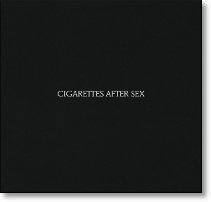
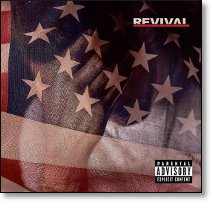
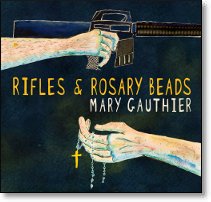
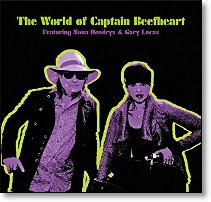
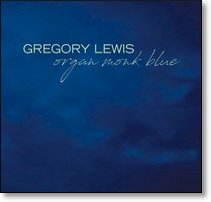
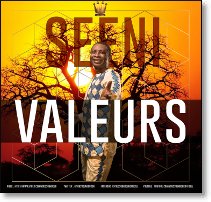
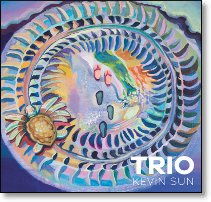
21 Savage/Offset/Metro Boomin: Without Warning (2017, Epic): Atlanta rappers, Shayaa Bin Abraham-Joseph and Kiari Kendrell Caphus (of Migos), with producer Leland Wayne. Underground beats, so understated you're never quite sure what's up. B+(*) Fatima Al Qadiri: Shaneera (2017, Hyperdub, EP): Electronica producer, born in Senegal, grew up in Kuwait, based in Berlin, has two albums and a bunch of EPs. Whiffs of Arab music mixed in with the electronics. Five cuts, 21:09. B Wali Ali: To Be (2016-17 [2017], Mendicant): Guitarist, Discogs describes him as "disco-soul guitarist," noting he did session work for Rick James, Patrice Rushen, Teena Marie, Gladys Knight, Marvin Gaye, etc. He doesn't mention any of those names on his website, but has an alternative list of names including Taj Mahal, Peter Tosh, and Stanley Turrentine, and the Broadway musical "Mule Bone." He also says "his sound combines the music of Miles and Trane with that of Hendrix and Santana," but I'm mostly hearing Wes Montgomery, and rather liking that. B+(**) [cd] As Is Featuring Alan & Stacey Schulman: Here's to Life (2017 [2018], self-released): Guitar and vocals, standards (more or less), backed by various musicians with some strings, sax (David Binney), and featured spots for Grégoire Maret (harmonica). Some sweet spots. B [cd] Cardi B: Gangsta Bitch Music Vol. 1 (2016, KSR): Rapper Belcalis Almanzar, from the Bronx, got major label push for the hit single "Bodak Yellow" -- top song of 2017 according to the Pazz & Jop critics poll -- but no albums yet, just a bunch of singles and two short mixtapes. This one runs 33:10 with four skits that could easily be disposed of, and songs that tease you without quite delivering. B+(**) Cardi B: Gangsta Bitch Music Vol. 2 (GBMV2) (2017, KSR): Shorter at ten cuts, 28:26, skits down to just one, but guests up -- learning to delegate, or cut corners. Released in January, well before her big single in June. B+(*) Jeff Baker: Phrases (2017 [2018], OA2): Jazz singer, handful of albums since Jeff Sings Chet in 2003, writes about half of his songs here, drawing on Bonnie Raitt, Billy Joel, and Ryan Adams for standards. Brings in some first-rate musicians including Darrell Grant (piano), Steve Wilson (alto sax), Geof Bradfield (tenor sax), and Marquis Hill (trumpet), plus a string quartet. B [cd] Julien Baker: Turn Out the Lights (2017, Matador): Singer-songwriter from Memphis, not that anything she does suggests Memphis or Tennessee or any particular geography, other than perhaps the Moon. Slow, full of striving and, I guess, regret; nothing I'm particularly partial to, but not unappealing, either. B Django Bates' Beloved: The Study of Touch (2016 [2017], ECM): British pianist, has bounced around a lot since 1990, ranging from avant to fusion, playing with Dudu Pukwana and George Russell, recently doing a big band Saluting Sgt. Pepper (not very good). This is a mainstream piano trio, with Petter Eldh (bass) and Peter Bruun (drums). B+(*) Stefano Battaglia: Pelagos (2016 [2017], ECM, 2CD): Italian pianist, prolific since 1988 including several volumes of Bill Evans Compositions, picked up by ECM in 2005. Solo here, sometimes prepared. B+(**) Beck: Colors (2017, Capitol): Slacker hero back in the 1990s, turned soul man for his peak run, maturing into some kind of pop icon -- this is his 6th straight top-10 album, starting with Sea Change in 2002; i.e., the point when I stopped taking any real interest in whatever he was doing. Clearly he knows a lot about working the studio. Less clear why he bothers. B Dave Bennett: Blood Moon (2017, Mack Avenue): Clarinet player, first album was a tribute to Benny Goodman, second subtitled Songs of Great Clarinetists, on 2013's Don't Be That Way he became one himself. Continues in a retro-swing vein, with Reg Schwager on guitar and Dave Restivo on piano. B+(**) Bibio: Phantom Brickworks (2017, Warp): Electronica producer Stephen Wilkinson, from England, caught my ear with the more pop Mind Bokeh (2011), but has lately settled into ambient, best just a bit of piano with synth washes. B Bicep: Bicep (2017, Ninja Tune): DJ/production duo from Belfast in Northern Ireland, Andrew Ferguson and Matthew McBriar. First album, after a long run of singles and EPs since 2010. Nice mix of bounce and sonic flair. B+(**) Big K.R.I.T.: 4Eva Is a Mightly Long Time (2017, Multi Alumni/BMG, 2CD): Not as big as it looks -- 22 cuts, 84:48 -- but clearly could have been edited into something more impressive, stunning even. As is, it no doubt takes a lot more effort to sort through than I can give it, and I can't swear it's worth it, but I'd give it fairly decent odds. I'm surprised this hasn't gotten more EOY list support. B+(***) Raoul Björkenheim Triad: Beyond (2016 [2017], Eclipse Music): Trio, recorded in Helsinki, the guitarist joined by Ville Rauhala on double bass and Ilmari Heikenheimo on drums. Playing this after the Ecstasy quartet, I can't help but feel that something's missing. But not the guitarist. B+(**) Blanck Mass: World Eater (2017, Sacred Bones): Solo project by electronica producer Benjamin John Power, also dba Fuck Buttons. Massively orchestrated shards of sound, something I usually hate but find somewhat rousing here. B+(*) Samuel Blaser With Marc Ducret/Peter Bruun: Taktlos Zürich 2017 (2017 [2918], Hatology): Trombone-guitar-drums trio, fractures in interesting ways. B+(*) Anouar Brahem: Blue Maqams (2017, ECM): Oud player from Tunisia, filed under jazz due to the company he keeps -- here: Django Bates (piano), Dave Holland (bass), Jack DeJohnette (drums), with Manfred Eicher producing, making sure nothing untoward happens. With different company he'd be New Age, but not as good. B+(**) Bully: Losing (2017, Sub Pop): Alt/indie band, principally singer Alicia Bognano, from Minnesota but studied audio engineering in Nashville and worked an internship in Steve Albini's Chicago studio. Second album. B+(**) Daniel Caesar: Freudian (2017, Golden Child): Canadian singer-songwriter, Ashton Simmonds; soft, slow, slinky neo-soul in a near-falsetto, often beguiling, can drag a bit. B+(*) Chronixx: Chronology (2017, Soul Circle Music/Virgin): Jamaican singer-songwriter Jamar McNaughton, second album, father was a singer known as Chronicle, so he started out as Little Chronicle. In a sort of "neo-trad" move, would like to revive the classic sound of '70s reggae, but Jah doesn't seem to be willing. B+(*) Cigarettes After Sex: Cigarettes After Sex (2017, Partisan): Slowcore band, originally from El Paso, principally Greg Gonzalez -- an appealing idea, I once thought, but this is the first group that delivers on the concept, perhaps because I hear more than a little Neal Tennant in his voice. Still doesn't find redemption in dance, or much of anything else, so this may be a passing fancy. A- Cleric: Resurrection (2017, Figure, EP): Jorden Hodgetts, techno DJ/producer from Manchester [UK], 18 records (mostly EPs) since 2012. Five cuts, 23:15. Tasteful beats. [Napster has this mixed in with another Cleric, see below.] B+(*) Cleric: Retrocausal (2018, Web of Memory): Avant-metal, post-hardcore, and/or noisecore band from Philadelphia. Played this by accident, expecting more mild techno, but didn't find the initial thrash unlistenable, but are the blood-curdling screams really necessary? [Rare case where I halted album midway.] B- The Clientele: Music for the Age of Miracles (2017, Merge): British indie band, initially formed in 1991 but waited until 2000 to release their debut album, took a break after 2010, so this is some sort of comeback. Rather lush, strings even, horns too, adding to its catchy grace. B+(***) George Cotsirilos Quartet: Mostly in Blue (2017 [2018], OA2): Guitarist, born in Chicago, based in Berkeley, sixth album, mostly trios but adds pianist Keith Saunders here. All originals, mostly genteel postbop groove pieces. B+(*) [cd] The Courtneys: II (2017, Flying Nun): Vancouver girl group qua alt/indie band, guitar-bass-drums, landed on a label now owned by Warner but famous for breaking guitar-pop groups from New Zealand (The Bats, The Chills, The Clean), mostly because the shoe fits -- although I'd say they sound more like the Feelies. B+(**) Sylvie Courvoisier Trio: D'Agala (2017 [2018], Intakt): Swiss pianist, based in New York; following AllMusic I filed her under Avant-Garde -- an early album was titled Music for Barrel Organ, Piano, Tuba, Bass and Percussion -- but she's regularly worked in avant-jazz circles, especially since moving to Intakt in 1999. Trio here with Drew Gress (bass) and Kenny Wollesen (drums). B+(***) [cd] CunninLynguists: Rose Azura Njano (2017, A Piece of Strange Music/RBC): Hip-hop crew from Lexington, Kentucky, around since 2002 (Will Rap for Food). Underground beats, r&b a little soft around the edges, but I like the rapper -- seems like the voice of reason. B+(**) CupcakKe: Ephorize (2018, self-released): Chicago rapper Elizabeth Harris, with her fifth album in three years, coming off her Marilyn Monhoe and Queen Elizabitch tours, coming up on her 21st birthday in March -- talk about living fast. More audio porn, less social realism, sometimes you wish she'd slow it down a bit and relish how ridiculous life can get. B+(***) Scott DuBois: Autumn Wind (2017, ACT): Guitarist, quartet gets front cover mention -- Gebhard Ullmann (tenor sax/bass clarinet), Thomas Morgan (bass), Kresten Osgood (drums) -- but the fine print reveals more wind instruments (flute, oboe, clarinet, bassoon) and a string quartet, recorded separately after the fact. I'm not sure that the extras matter much, although sometimes the winds do kick up mightily. B+(***) EABS: Repetitions (Letters to Krzysztof Komeda) (2017, Astigmatic): Polish group, acronym stands for Electro-Acoustic Beat Sessions, the electric including guitar, bass, and turntables, plus trumpet, tenor sax, drums, with Marek Pedziwiatr playing both piano and synths. The compositions draw on the legendary pianist, dating from 1962-67, but juiced up with the beats and even a rap intro (and some later vocals, in English). B+(***) [bc] EMA: Exile in the Outer Ring (2017, City Slang): Singer-songwriter, initials for Erika Michelle Anderson, from South Dakota, third studio album, dense electopop, some spoken word. B+(**) Eminem: Revival (2017, Aftermath/Shady/Interscope): Starts with a bitch about how he's lost his stardom, but he somehow managed to snag the sample of the year -- no less than Beyoncé singing the "Walk on Water" refrain. It's clearer than ever that he has a signature style: tightly wound raps rising from fierce to batshit crazy, played off against irresistible pop hooks. Sometimes the batshit even rings true, especially when he takes on Trump and racism. A- Peter Evans/Agustí Fernández/Mats Gustafsson: A Quietness of Water (2012 [2017], Not Two): Trumpet, piano, unspecified sax, none of these players particularly noted for calm contemplation of nature. They play an elaborate shell game where the instruments pretend to be something else or merely hide in each other's murk. B+(*) Agustí Fernández/Albert Cirera/Ramon Prats: The Liquid Trio Plays Bernoulli (2017, Sluchaj Fundacja): All originals, jointly credited, only Bernoullis I can find mention of are Swiss mathematicians -- Wikipedia has pages on seven of them, most famously Jacob (1654-1705, Bernoulli numbers) and Daniel (1700-1782, Bernoulli's principle). Piano, saxophones, and drums, in an often-exciting thrash. B+(***) Fleet Foxes: Crack-Up (2017, Nonesuch): Seattle "baroque pop" group, third album since 2008, the top-rated EOY Aggregate album that I hadn't bothered checking out -- number 27 as I write this -- and for good reason. Not that it's really awful. More like it's bland and affectless, leaving one to wonder what anyone hears in it. C+ Danny Fox Trio: The Great Nostalgist (2016 [2018], Hot Cup): Pianist, based in New York, has a couple previous albums, mostly trios like this one with Chris van Voorst van Beest (bass) and Max Goldman (drums). B+(***) [cd] Charlotte Gainsbourg: Rest (2017, Because Music): Daughter of French singer-songwriter Serge Gainsbourg and British actress Jane Birkin, born in England, first album in 1986, second in 2006, this her fifth overall. Synth-based music, dream pop, lyrics effortlessly flowing between English and French -- the latter I'm unable to follow but find charming nonetheless. B+(**) Hillary Gardner/Ehud Asherie: The Late Set (2017, Anzic): Standards singer, based in Brooklyn, one-third of the vocal group Duchess. Just the pianist for accompaniment, with Asherie turning in a particularly sensitive job.l B+(*) Mary Gauthier: Rifles & Rosary Beads (2018, In the Black): Folk singer, has some good records under her belt, co-wrote these songs with veterans and spouses with their peculiar experiences and their usual rationalizations for their "service" -- no jingoism here let alone bloodlust, nothing that challenges my anti-military instincts, but I come away with little interest or empathy, no matter how remarkable the social realism. [PS: On further reflection, I was a bit harsh. The multiple writers make this less consistent than Becky Warren's War Surplus, but diversity has its merits and charms.] A- Ghostpoet: Dark Days + Canapés (2017, Play It Again Sam): British singer-songwriter Obaro Ejimiwe, not really a rapper but not much of a singer either. Fourth album, nice groove, not as down as trip hop. B+(**) Perfect Giddimani: Live My Life Again (2017, Giddimani): Greg Rose, from Jamaica, adopted the name Perfect for his first album back in 2006, title Giddimani, merging those names in 2011 for Back for the First Time. Includes a catchy song on Trump, but mostly hit and miss. B+(*) Justin Gray & Synthesis: New Horizons (2017 [2018], self-released): Bassist, from Toronto, plays electric but preferred instrument seems to be bass veena, which seems to pair well with tabla (Ed Haney), strings and lots of percussion. B+(**) [cd] Jeff Hamilton Trio: Live From San Pedro (2017 [2018], Capri): Drummer, best known as co-leader of the Clayton-Hamilton Jazz Orchestra, runs a splashy little piano trio on the side, with Tamir Handelman and Christoph Luty. One song each from Hamilton and Handelman, two from J. Clayton, a few other standards including "In Walked Bud." The pianist is swift and deft, but you notice the cymbals plenty too. B+(**) [cd] Natalie Hemby: Puxico (2017, GetWrucke): Singer-songwriter, first album, named for her Missouri hometown. Based in Nashville, where she has a couple dozen songwriting credits, including co-credits on a big chunk of Miranda Lambert's last two albums. B+(**) Nona Hendryx & Gary Lucas: The World of Captain Beefheart (2017, Knitting Factory): Lucas' project (labor of love?): he played guitar in Beefheart's Magic Band in the 1980s, and in 2005 formed a jazz group with Philip Johnston called Fast 'N' Bulbous. Otherwise, he pops up in all sorts of odd places -- my database shows him with Pulnoc and doing a Max Fleischer tribute. Hendryx is a singer, the strongest voice in '70s Labelle, but she's wanders downtown, most memorably working with Bill Laswell's Material. Mixed bag of songs, but most as unexpected as Monk, which gives them plenty to chew on, and leaves you with "Tropical Hot Dog Night" stuck in your synapses. A- Robyn Hitchcock: Robyn Hitchcock (2017, Yep Roc): English singer-songwriter, twenty-first studio album since 1981. I'm surprised not to find any of them previously rated in my database, as I'm pretty sure I had an old LP or two -- none of the titles look familiar, but Globe of Frogs (1988) has a song I recall ("Balloon Man"). B+(*) Ibeyi: Ash (2017, XL): French duo, second album, twin sisters Lisa-Kaindé Diaz (vocals/piano) and Naomi Diaz (percussion), born in Paris, the name Yoruba for twins, their father Cuban percussionist Anga Diaz, their mother French-Venezuelan singer Maya Dagnino. B+(*) Ishmael Ensemble: Songs for Knotty (2017, Banoffee Pies, EP): Principally Pete Cunningham (sax, bansuri, keyboards, synthesizer), with Russel Ramirez (trombone), others coming and going (clarinet, guitar, drums, two different vocalists). Filed it under jazz due to the horns, but closer to electronica, ambient sometimes. Four songs, 21:51. B Japanese Breakfast: Soft Sounds From Another Planet (2017, Dead Oceans): Singer-songwriter Michelle Zauner, from Oregon, of Korean and Jewish descent, previously fronted several bands, went solo in 2016 and this is her second album. Guitar layered over keyb, plays both ends of alt/indie and electropop, making it look remarkably easy. B+(**) Sharon Jones & the Dap-Kings: Soul of a Woman (2017, Daptone): Retro soul singer, formed the Dap-Kings and started recording in 2002, never great but she made a strong effort. Not sure when this was recorded, but Jones suffered a stroke while watching the 2016 election returns and died a few days after, making her one of the first victims of that mega-disaster. B+(*) Stacey Kent: I Know I Dream: The Orchestral Sessions (2017, Okeh): Jazz singer, originally from New Jersey, studied in England, where she married saxophonist Jim Tomlinson and stayed. Tomlinson produced, rounding up a huge orchestra which fits neatly in place, occasionally adding nice touches, never crowding the singer -- adept in her usual several languages. B+(**) Kondi Band: Salone (2017, Strut): Based in Brooklyn, a collaboration between Sorie Kondi, a thumb piano player from Sierra Leone, and producer DJ Chief Boima, an American who traces his own roots back to Sierra Leone. B+(***) The Koreatown Oddity: Finna Be Past Tense (2017, Stones Throw): Los Angeles "MC/Producer," has ten albums (most only available as cassettes, if that) since 2013, this the first on a label you've heard of. Starts with two songs about dinosaurs. Interesting, but gets sloppy toward the end. B+(**) LeeAnn Ledgerwood: Renewal (2016 [2017], SteepleChase): Pianist, from Ohio, has a record as far back as 1990 but not sure how many since. Trio, with Ron McClure on bass and Billy Hart on drums. Two originals, covers a mix of songbook and jazz standards plus a piece from Hindemith. B+(**) Ted Leo: The Hanged Man (2017, SuperEgo): Singer-songwriter from Indiana, in various mostly punkish groups, most notably Ted Leo and the Pharmacists (1999-2010), first album under just his own name. Some catchy moments, but don't stick with you. B Gregory Lewis: Organ Monk Blue (2017 [2018], self-released): Organ player, the fifth of his Organ Monk titles, returning to trio format after his more expansive (and trans-Monkish) Breathe Suite. I've always regarded his albums as a clever gimmick, but he gets more out of less here than I imagined possible. Obvious credit goes to guitarist Marc Ribot, but the organ continues to do the heavy lifting, gliding in and out of recognizable Monk, funk, and soul. A- [cd] Lil Uzi Vert: Luv Is Rage 2 (2017, Atlantic): Symere Woods, rapper from Philadelphia, first studio album after several mixtapes, including Luv Is Rage (2015) and an EP Luve Is Rage 1.5 (earlier 2017). Tight beats, tight raps, runs long, doesn't sink in. B+(*) L'Orange: The Ordinary Man (2017, Mello Music Group): Seattle-based beatmaster, nine releases since 2011 mostly with a co-headline rapper, goes with featured guests here. A little scattered, but stays interesting. B+(***) Luka Productions: Fasokan (2017, Sahel Sounds): Luka Guindo, from Mali, "rapper, producer, and multi-instrumentalist," second album, describes this as "new age music from Africa" but it's closer to ambient electronica, with mostly spoken words over the very spare beats. B+(**) Daniele Luppi/Parquet Courts: Milano (2017, 30th Century/Columbia): Short album (9 songs, 29:58), the concept an evocation of Milan in the 1980s. Luppi was born in Italy in 1972, based in Los Angeles but known more as a soundtrack composer and producer, his best known record a collaboration with Danger Mouse called Rome. He plays synthesizer, celesta, violin, and electric harpsichord and is credited with editing, mixing, and art direction. This time he recruited Parquet Courts for a retro punk feel and added vocalist Karen O on four songs and some horns -- the highlight of the closer ("Café Flesh"), possibly the year's jazz-funk masterpiece. B+(***) Mad Professor/Jah9: Mad Professor Meets Jah9 in the Midst of the Storm (2017, VP): Prolific dub produces, born Neil Fraser in Georgetown, Guyana, with younger Jamaican singer Janine Cunningham. Plods along under lots of echo at an easy pace, intrinsically appealing without leaving much of an impression. B+(**) Aimee Mann: Mental Illness (2017, SuperEgo): Singer-songwriter, in 'Til Tuesday before going solo in 1993, nine studio albums since, this the first I've heard since 1995's I'm With Stupid. Acoustic guitar, strings, sounds surprisingly like Joni Mitchell, although I can't quite remember why. B+(*) Roc Marciano: Rosebudd's Revenge (2017, Quality Control/300/Atlantic): Rakeem Calief Myer, from New York, has several albums/mixtapes, shows an interest in the drug trade but otherwise seems firmly grounded in underground culture. B+(**) Marker: Wired for Sound (2017, Audiographic): Ken Vandermark group: two guitars, Macie Stewart on keyboard and violin, plus a drummer, Vandermark credited with reeds. At times they play like a guitar band or an organ outfit -- fun when Vandermark honks along or takes a squawk break, but they lack economy, stretching two (of three) pieces past 20 minutes, and can get tedious. Still, there are stretches where they might be onto something. B JD McPherson: Undivided Heart & Soul (2017, New West): Retro-rocker, could be rockabilly but doesn't rock that hard. B+(*) Michete: Cool Tricks 3 (2017, self-released, EP): Underground pop star, touted by Pitchfork as "the worst queer rapper you need to listen to," fresher when the first batch came out -- lyrics like "I'm a stupid girl/I'm a dumb bitch" and "I wanna get hit by a car" need to be funnier, if not smarter. B [sc] Miguel: War & Leisure (2017, ByStorm/RCA): Soul man, Miguel Pimentel, from San Pedro [CA], fourth studio album, an album I go back and forth, up and down on, catchy enough but I must be missing something. B+(*) Roscoe Mitchell: Discussions (2016 [2017], Wide Hive): Art Ensemble of Chicago founder, AACM legend, still going strong at 77, although his instrumental credit is down to sopranino saxophone. Large group, 19 pieces including a string quartet, oboe, bassoon, tuba, two flautists, two percussionists, electronics. Arch, awkward, refuses to settle into anything resembling a groove, yet remarkable in its own peculiar way. B+(**) Mdou Moctar: Sousoume Tamachek (2017, Sahel Sounds): Tuareg guitarist from Niger, recorded this in Portland, OR, solo, so while he may be thinking rock he rarely pops out of his low-key, almost hypnotic groove. B+(*) Mount Kimbie: Love What Survives (2017, Warp): British electronica duo, Dominic Maker and Kai Campos, third album. Genres include post-dubstep, future garage, and art pop -- latter makes more sense, for better or worse. B Mr. Lif & Brass Menazeri: Resilient (2017, Waxsimile): Boston rapper, underground, several excellent albums both on his own and by his group the Perceptionists. Teams up here with a Bay Area Balkan brass band, sometimes rapping over the deep brass, often laying back and letting them run. Not as inspired (or maybe I mean frenzied?) as their old country models (at least the ones I've heard), but has some novelty value. B+(*) Simon Nabatov/Max Johnson/Michael Sarin: Free Reservoir (2016 [2017], Leo): Russian avant-pianist, left for Rome in 1979, studied at Julliard in New York, since 1989 based in Köln. Piano trio, sharp and vibrant. B+(***) Youssou N'Dour: Seeni Valeurs (2017, Jive/Epic): From Sénégal, emerged from Etoile de Dakar quite young as a star, and has dominated since the mid-1980s, but while his Nonesuch albums (2002-10) got notice in the US, his more recent releases hardly cause a ripple. First I heard of this was in an isolated EOY list, and I've yet to find a single review or press release -- it does show up on numerous streaming sites, and for sale as a download. Strikes me as masterful, especially as the rhythm adds layers upon layers. A- Maciej Obara Quartet: Unloved (2017, ECM): Polish alto saxophonist, first record on ECM, with Dominik Wania (piano), Ole Morten Vågan (bass), and Gard Nilssen (drums), recorded in Oslo. Obara originals plus one Komeda cover, but he yields a lot of space to the piano, adding little beyond soft shadings. B The Ed Palermo Big Band: The Adventures of Zodd Zundgren (2017 [2018], Cuneiform): Saxophonist, has led this big band since 1977, mostly pursuing an unhealthy obsession with Frank Zappa. Here he refracts Todd Rundgren songs through a Zappa prism and scales them up to big band size. Back in the 1970s I was a big fan of Rundgren, even writing a feature piece on him for the Village Voice -- one that I calculated took a full 24 hours just to make a single pass through his discography. I lost interest after that, but recognize a few bits here, most obviously "Hello It's Me." About the best I can say for Zappa was that I enjoyed a few minutes of Hot Rats. He always struck me as pretentious, his art a peculiar "freakiness for squares," and I've never found jazz efforts, either to canonize or to riff on him, fruitful -- Jean-Luc Ponty's 1969 King Kong is probably the most famous, and barely a B. I'd normally go easy on Palermo's pop culture humor and schmaltz, but the more Zappa he injects, the less amusing I find it. C+ [cdr] Evan Parker/Mikolaj Trzaska/John Edwards/Mark Sanders: City Fall: Live at Café Oto (2014 [2017], Fundacja Sluchaj): What I think of as Parker's everyday trio -- as opposed to his venerable trio with Barry Guy and Paul Lytton, with at least 15 albums over 30 years (1983-2013) -- plus the Polish alto saxophonist (also on bass clarinet). Recorded on Parker's 70th birthday, he sticks with tenor, B+(**) [bc] Reverend Peyton's Big Damn Band: Front Porch Sessions (2017, Family Owned): Three-piece country blues outfit from Brown County, Indiana, with Jayme Peyton as the Reverend, playing antique guitars (1930 steel-bodied National, 1934 wood-bodied National Trojan Resonator, a 1994 reproduction of a 1929 Gibson acoustic, and "a three-string cigar box guitar"), backed by Breezy Peyton on washboard and Max Senteney on drums, suitcase, and five-gallon plastic bucket. Young enough to have picked up pointers from Squirrel Nut Zipper records, although Charley Patton remains the holy grail. B+(**) Lucas Pino: The Answer Is No (2017, Outside In Music): Tenor saxophonist, calls his group the No Net Nonet (a previous album title). Does a nice job weaving in the horns, one result being that the solos that stood out were trumpet and trombone. B+(***) Leslie Pintchik: You Eat My Food, You Drink My Wine, You Steal My Girl! (2018, Pintch Hard): Pianist, seventh album since 2004, mostly trio plus percussion (Satoshi Takeishi), adding horns (Ron Horton and Steve Wilson) on two cuts, accordion on two others. Mostly originals, two standards, "Smoke Gets in Your Eyes" especially nice. B+(**) [cd] Stuart Popejoy: Pleonid (2017, Leo): Bass guitarist, member of Bassoon ("avant-riffmetal trio") and Iron Dog ("electric improvisation trio"), first album, a single 59:35 composition hacked out by algorithms and played by Sarah Bernstein (violin), Avram Fefer (alto sax), Steve Swell (trombone), and Kenny Wollesen (vibes/drums). B+(**) Portico Quartet: Art in the Age of Automation (2017, Gondwana): British instrumental jazz-rock group, half-dozen albums since 2007, early albums distinguished by their use of hang, but that was replaced by samples after Nick Mulvey left in 2011, and their new work is mostly electronic groove music, rather fetching. B+(**) Protomartyr: Relatives in Descent (2017, Domino): Detroit alt/indie band, Joe Casey singing, backed by guitar-bass-drums, fourth album, sort of a cross between the Fall and the Hold Steady, an impressive trick but less urgent and distinctive than either. B+(***) Dan Pugach Nonet: Plus One (2017 [2018], Unit): Drummer, based in Brooklyn, large band comes in a couple of configurations -- one with Ingrid Jensen on trumpet. Given to bombast, with Nicole Zuraitis on four vocals that add little other than a change of pace. B- [cd] Queens of the Stone Age: Villains (2017, Matador): I figured them for more of a hard rock outfit, which they were twenty-some years ago when I first made their acquaintance, but this is well within alt/indie norms, moderately catchy, a little bit interesting, as best I recall. B Real Estate: In Mind (2017, Domino): Alt/indie band from New Jersey, Martin Courtney the voice, fourth album since 2009, has an easy pop feel but not much jangle (so not another Feelies). B The Regrettes: Feel Your Foolings Fool! (2017, Warner Brothers): Nominally a punk band led by singer Lydia Night and guitarist Genessa Gariano, no doubt got their major label deal because they know a thing or two about pop hooks as well. B+(**) Dave Rempis/Matt Piet/Tim Daisy: Hit the Ground Running (2017, Aerophonic): Alto/tenor sax-piano-drums, a rather impromptu show arranged as a benefit to Planned Parenthood (or Refugee One) on the occasion of Trump's inaugural -- something to take one's mind off the great American catastrophe. Pretty diverting while it lasts. B+(***) [bc] Margo Rey: The Roots of Rey/Despacito Margo (2017 [2018], Origin): Mexican-American singer-songwriter/actress takes a turn as a jazz standards singer, scattering a couple of songs in Spanish among "The Nearness of You," "Nature Boy,' "Speak Low." Distinctive voice, thoughtful band. B+(**) [cd] Eve Risser/Kaja Draksler: To Pianos (2017, Clean Feed): Piano duets, Risser from France, Draksler from Slovenia. Both are fine pianists, but don't generate the energy, say, of the Kris Davis-Craig Taborn duets, although some of the problem here may be that it's so quiet at times that I lost track. B Ryuichi Sakamoto: Async (2017, Milan): Japanese keyboardist, first noted in the rock group Yellow Magic Orchestra, vast discography: Wikipedia counts 19 studio albums since 1978, 6 live albums, 6 compilations, 5 EPs, and uncounted soundtracks. First album after a battle with throat cancer, which isn't evident except perhaps that he tried a little harder. B+(*) Christian Sands: Reach (2017, Mack Avenue): Mainstream pianist, looks like he cut four albums 2002-09 then this one, with a bunch of side credits in between -- mostly with Bobby Sanabria or Christian McBride. Steady hand, mixes his guests up with Marcus Strickland (tenor sax/bass clarinet) most notable, two covers from Bill Withers and Barry Mann-Cynthia Weill-James Horner. B+(**) Rev. Sekou: In Times Like These (2017, Zent): Raised in rural Arkansas, based in New York, full name Osagyefo Uhuru Sekou, public intellectual, political activist, Pentecostal pastor, recruited Luther and Cody Dickinson to beef up his blues licks, preaches truth to power but I can't say much for the music. B- Serengeti: Jueles/Butterflies (2017, self-released): Credits: "David Cohn as Kenny Dennis, Jade as Jueles, Nedelle Torissi as Stace, Rob Kleiner as Presto Stevens." More singing than rapping, what spoken vocals there are usually buried as background noise, so harder than ever to follow. B+(*) Nadine Shah: Holiday Destination (2017, 1965): British singer-songwriter, mixed Norwegian and Pakistani descent, third album plus a couple EPs. Nothing especially exotic about her music, but it flows and hangs together well. B+(*) Siama: Rivers: From the Congo to the Mississippi (2016, Siama Music): Last name Matuzungidi, from Congo, played in various soukous bands there, and later as things got dicier migrated through Uganda, Kenya, Dubai, and Japan. He's picked up some nuances over the years, but what impresses here are the echoes of soukous. B+(**) Steve Slagle: Dedication (2017 [2018], Panorama): Alto saxophonist, mainstream with terrific tone and poise, also plays soprano on one cut and flute on another, backed by piano trio (Lawrence Fields, Scott Colley, Bill Stewart), Roman Diaz's congas on five cuts, and long-time collaborator, guitarist Dave Stryker, on more. B+(***) [cd] Peter Sommer Septet: Happy-Go-Lucky Locals (2017, self-released): Tenor saxophonist, also plays clarinet, group covers the big band bases without the depth that makes those bands big -- a second saxophonist, a trumpet, a trombone, piano, bass, and drums. Three originals, some Ellingtonia (including Mingus' "Duke Ellington's Sound of Love"), a Monk, a Gershwin tune. B+(**) [cd] Sparks: Hippopotamus (2017, BMG): Brothers Ron and Russell Mael, from Los Angeles, cut their first record in 1972, flashed their wit with their sophomore album title, A Woofer in Tweeter's Clothing (not actually much good), enticed me briefly when they were picked up by Island -- a label I listened to everything on in 1974, not just because they were the only label that regularly serviced me -- then fell out of my favor and beneath my radar. Indeed, their only record since 1980 I've noted existence of was 1994's Gratuitous Sax & Senseless Violins -- easily their second best title (way better than Terminal Jive, Whomp That Sucker, Angst in My Pants, or Music You Can Dance To). As crass and garish as their prime, but closer to light opera. Inadvertent self-critique qua song: "I Wish You Were Fun." B Mavis Staples: If All I Was Was Black (2017, Anti-): Jeff Tweedy produced and wrote all the songs -- three, including the title track, co-credited to Staples. Political songs, but I wouldn't call them protest songs -- more about building things, like movements. I won't argue with the "when they go low, we go high" sentiment, but it offers no clue as to how low they actually go. B+(***) Harry Styles: Harry Styles (2017, Columbia): English singer-songwriter, famous (in some circles) as one-fifth of the boy band One Direction (2010-15; after Zayn Malik's departure they carried on as a quartet, until they split up in 2016), appeared in Dunkirk so can claim to be an actor, debut album: something hard, something soft, the accumulated life experiences of a 23-year-old celebrity. B Kevin Sun: Trio (2017 [2018], Ectomorph Music): Tenor saxophonist, also plays C-melody (2 cuts) and clarinet (3), based in Brooklyn although this was cut near Boston. First album, with Walter Stinson on bass and Matt Honor on drums. The original pieces -- two group-credited -- take a while to sink in, but the album really comes alive on the one cover, a resplendent "All of Me." Sun also writes a blog worth checking out. He's young enough to cite Steve Lehman as a "key influence," but I find his writing about Lester Young more interesting. A- [cd] Steve Swell: Music for Six Musicians: Hommage À Olivier Messiaen (2017, Silkheart): Avant trombonist, many records since 1996, second recent Hommage to a modern classical composer -- the previous Kende Dreams to Bartók. The strings -- Jason Kao Hwang on violin/viola, Tomas Ulrich on cello, but no bass -- got on my nerves a bit at first, and I still could use more trombone. With Rob Brown (alto sax), Robert Boston (piano/organ), and Jim Pugliese (drums). The Messaien references, of course, are way over my head. B+(***) [cd] Thiefs: Graft (Le Greffe) (2017 [2018], Jazz & People): Nominally a French-American trio -- Christophe Panzani (sax, woodwinds, electronics), Keith Witty (bass, electronics), David Frazie Jr. (drums, acoustic and electric) -- augmented by Aaron Parks (piano, keyboards) on 6 (of 11) cuts plus five guest vocalists: best known is spoken word artist Mike Ladd, most interesting is "rappeur franco-rwandais" Gaël Faye. B+(**) [cd] Tricky: Ununiform (2017, False Idols): Trip hop producer Adrian Thaws, 13th album since 1995, slow and smoky, with a wide range of guest vocalists. B+(*) The United States Air Force Band Airmen of Note: Veterans of Jazz (2017, self-released): Big band, standard 17 pieces plus vocals from "Technical Sgt. Paige Wrobel," with "Colonel Larry H. Lang, Commander and Conductor." You've no doubt heard that "military justice is to justice as military music is to music" (a Robert Sherrill book title) and variations on that. This isn't exactly the music they were referring to, but it isn't much better. In particular, they've managed to wring all the spontaneity and individual flair out of jazz, once again saving the village by destroying it. D+ [cd] Valley Queen: Destroyer (2017, self-released, EP): Los Angeles group, Natalie Carol vocals/guitar, Shawn Morones guitar/vocals. Five songs, 24:26; Bandcamp as a bonus: a cover of a Destroyer song. B- Ecca Vandal: Ecca Vandal (2017, Dew Process): Australian pop star, first album, fairly low budget, runs hot and cold, the hot stuff (e.g., "Price of Living") most impressive. B+(**) Ken Vandermark: Momentum 2 & 3 (2016 [2017], Audiographic, 2CD): Website treats album as eponymous but the previous Momentum 1: Stone (a 6-CD box with various lineups) was credited to Vandermark -- not that this matches any of those. Nor is the "&" clear: one group here, a sextet, performing two pieces (the 10-part "Brüllt" and the 2-part "Monster Roster") on one day, totalling 104:45. With Nate Wooley (trumpet), C. Spencer Yeh (violin, voice, electronics), Christof Kurzmann (ppooll), Jasper Stadhouders (electric bass, electric guitar), and Tim Daisy (drums). The horns are everything you'd expect, but without them the rhythm and electronics rarely amount to much. B+(*) [bc] David Virelles: Gnosis (2016 [2017], ECM): Pianist, born in Cuba, moved to Canada around 2001 and studied at University of Toronto. Fifth album, fairly large group with flute, clarinet, strings, and lots of percussion. Impressive piano player, but this winds through a lot of ponderous spots. B+(*) Mark Wade Trio: Moving Day (2017 [2018], self-released): Bassist-led piano trio, with Mark Harrison on piano and Scott Neumann on drums. Second album, originals plus two covers. B+(**) [cd] Trevor Watts/Veryan Weston/Alison Blunt/Hannah Marshall: Dialogues With Strings: Live at Café Oto in London (2017, Fundacja Sluchaj): The former a long-running duo, alto/soprano sax and piano; the latter another duo, violin and cello. The interaction is heated, the strings if anything more feverish and far harsher than the piano-sax. B+(*) [bc] Weird Beard [Florian Egli/Dave Gisler/Martina Berther/Rico Bauman]: Orientation (2017 [2018], Intakt): Swiss saxophonist, also plays clarinet, the group adding guitar, electric bass, and drums to an album which is far from weird, a pleasant groove which occasionally rises to something more. B+(**) [cd] Wiki: No Mountains in Manhattan (2017, XL): Patrick Morales, grew up on Manhattan's Upper West Side, joined the hip-hop collective Ratking, out now with his first album. Voice has a wry twist, lyrics too. B+(**) Roy Woods: Say Less (2017, OVO Sound/Warner Brothers): Young r&b singer-songwriter from Ontario, actual name Denzel Spencer, first album after an EP. B+(**) Msafiri Zawose: Uhamiaji (2017, Soundway): From Tanzania, grew up in a famous musical family, plays a style called Gogo-Fusion, has several previous albums. Mostly breaks down to soft-toned trance-like rhythms, seductive but going nowhere. B+(*) Zola Jesus: Okovi (2017, Sacred Bones): Nicole Hummel, aka Nika Roza Danilova, born in Phoenix, grew up in Wisconsin, four EPs, five albums, touring band mostly synths and drums, dark, inflated, and melodramatic -- what they call "goth," I guess. B Recent Reissues, Compilations, Vault Discoveries
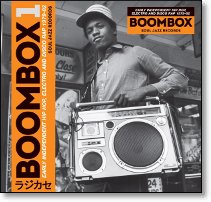
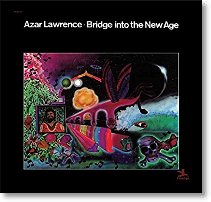
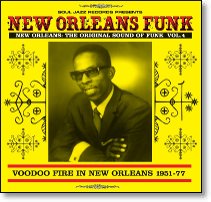
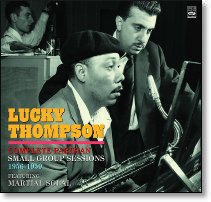
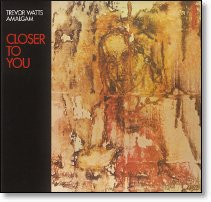
Acetone: 1992-2001 (1992-2001 [2017], Light in the Attic): The pitch: "what if Chet Baker had played with the Velvet Underground?" Los Angeles trio, cut four albums and an EP 1993-2000. Bassist-singer Richie Lee doesn't sing much like Baker let alone play trumpet, while guitarist Mark Lightcap's Velvets licks don't go much beyond "Pale Blue Eyes" -- not that anything here is that fetchingA sampler with nine previously unreleased tracks (out of 16) trying to make a case for the group. Soft, slow, at best they remind me of another (better) '90s group: the Vulgar Boatmen. B Airstream Artistry: Jim Riggs' Best of the TWO (1991-2008 [2017], UNT, 3CD): Various UNT student bands directed by Riggs. The early material, in particular, struck me as relatively bright and pleasing, but not so much so as to preclude fatigue by the third disc -- not sure if it's them or me, nor do I much care to find out. B+(*) [cd] Otim Alpha: Gulu City Anthems (2004-15 [2017], Nyege Nyege): From Uganda, as is the label, touted as the originator of "electro acholi," culled from eleven years of recordings with producer Leo Palayeng, "a mixture of traditional Acholi 'Larakaraka' wedding songs and bubblegum electronics." Intense rhythm, but rather one-note. B [bc] Louis Armstrong: The Standard Oil Sessions (1950 [2017], Dot Time): A radio shot for "Musical Map of America," recorded in San Francisco but meant to represent New Orleans, never broadcast, acetates long languishing among Armstrong's collection. Features Jack Teagarden and Earl Hines on the cover, Lyle Johnson (clarinet) and Clancy Hayes (guitar) in the fine print, and unknown bass and drums. Standard set, too much talk, but typically brilliant. B+(**) Boombox: Early Independent Hip Hop, Electro and Disco Rap 1979-82 (1979-82 [2016], Soul Jazz, 2CD): No prehistory here -- nothing antedates "Rapper's Delight," the only names I know are Spoonie Gee and the Treacherous Three. More imitation than innovation, but as a collection of party rhymes this is hard to beat. A- Boombox 2: Early Independent Hip Hop, Electro and Disco Rap 1979-83 (1979-83 [2017], Soul Jazz, 2CD): Like the previous volume, nothing here you're likely to have heard before -- some relevant numbers: after the first hit, "Rapper's Delight," in 1979 50-some rap records appeared by the end of the year, and over 100 more the following year, so there's a lot of obscurities to choose from. Just not a lot of variety, as everyone's recycling the same party beats, and pretty much the same rhymes. B+(***) Kenny Burrell: A Generation Ago Today (1966-67 [2018], Verve): Guitarist, started in bop in the fifties but had developed a silky smooth sound by the mid-sixties, nicely suited to swing tunes, including three from Benny Goodman here -- although the dedication is more specifically to Goodman's pioneering guitarist, Charlie Christian. Phil Woods helps out on alto sax. B+(*) Dancehall: The Rise of Jamaican Dancehall Culture (1977-93 [2017], Soul Jazz, 2CD): New edition of a 2008 compilation, seems to differ by dropping songs, although with various product configurations it's hard to be sure. Dancehall evolved from reggae and rocksteady much like new wave did from disco, mostly by tightening and compressing the groove and favoring talkie singers. Not sure how this stacks up against the only other dancehall comps I have in my database -- VP's Dancehall 101 (released in two volumes in 2000; I've only heard Vol. 1, which came with a remix disc) -- but my impression is that this leans earlier, and is no doubt better documented. Mostly artists I've heard, even some memorable songs ("Murder She Wrote," "Diseases"). B+(***) Deutsche Elektronische Musik 3: Experimental German Rock and Electronic Music 1971-81 (1971-81 [2017], Soul Jazz, 2CD): Two previous albums, one from 2010 with more of the obvious Krautrock stars: Can, Amon Düül, Tangerine Dream, Faust, Cluster, Popol Vuh, Neu, Ash Ra Tempel; a second from 2013, most returning with a few more names (Michael Hoenig, Michael Rother); now this one, where the names I recognize are a small minority. Choice cut: "White Overalls," by La Düsseldorf. B+(*) Gary Husband: A Meeting of Spirits (2005 [2017], Edition): British jazz/fusion/prog drummer/keyboardist, long associated with Allan Holdsworth, Billy Cobham, and (lately) John McLaughlin. Recorded this solo piano album about the time he was recruited for McLaughlin's 4th Dimension band, and it makes for a helluva job application -- six originals set as interludes among ten McLaughlin tunes. B+(*) Azar Lawrence: Bridge Into the New Age (1974 [2017], Prestige): Tenor saxophonist, cut three albums 1974-76 then nothing until 2007. This is his first, five pieces, as many lineups, just piano (Jo Bonner) and percussion for the shortest track, much more for the others -- Woody Shaw and Jean Carn on two, the vocals not too intrusive; Arthur Blythe and Mtume on the other two, with Julian Priester (trombone) and Hadley Caliman (flute) on one of those. Still, all unfied by the leader's fierce saxophone, seeking to merge avant and black power into something cosmic: a sign of times that didn't last. A- Legacy: Neil Slater at North Texas (1982-2015 [2017], UNT, 4CD): The big one, four discs and a very substantial booklet chronicling Slater's direction of various UNT lab bands over three decades. Big band music, sometimes notable, often generic but never sloppy or half-assed. Not something I spent much time on (other than the half-day it took just to play it once), but UNT has produced more top-notch jazz musicians than any other college outside of the New York-Boston nexus, and Slater most likely had a lot to do with that. B [cd] The Lloyd McNeill Quartet: Asha (1969 [2017], Soul Jazz): Flute player, recorded a handful of albums from 1968-80, later becoming better known for his drawing and painting. Quartet includes Eugene Rush (piano), Steve Novosel (bass), and Eric Gravatt (drums), Postbop, some would say "spiritual." B+(*) The Lloyd McNeill Quartet: Washington Suite (1970 [2017], Soul Jazz): Marshall Hawkins takes over the bass slot for a similar first side, but the second turns toward Third Stream with an additional woodwind quintet. B Willie Nelson: Willie's Stash Vol. 2: Willie Nelson and the Boys (2011-12 [2017], Legacy): A dozen standards -- one old Nelson song and no less than seven Hank Williams tunes -- from the sessions that produced Heroes (2012), with songs Lukas and Micah as "the boys." Nice, but Nelson tended to hide behind his guests on Heroes, and the boys don't give him much cover. B+(*) New Orleans Funk Vol. 4: Voodoo Fire in New Orleans 1951-77 (1951-77 [2016], Soul Jazz): First New Orleans Funk volume came out in 2000. I thought it was terrific when I reviewed it in Recycled Goods, but didn't notice later volumes until this one. Mixed bag, but the high points are revelations, and the rest is pretty hopped up. The exception in many ways -- among them the only song I recognize, is James Waynes' "Junco Partner" (one of those highlights, perhaps my favorite version ever). A- Hermeto Pascoal & Grupo Vice Versa: Viajando Com O Som: The Lost 1976 Vice Versa Session (1976 [2017], Far Out): Brazilian composer, multi-instrumentalist, producer, all around legend, his discography starting in 1961 and continuing past his 80th birthday. First side strikes me as sloppy psychedelia but the folk tune expanded into the 26:36 closer is a rhythmic romp that could have inspired the Miles Davis accolades the label likes to quote. B+(**) Punk 45: Les Punks: The French Connection: The First Wave of French Punk 1977-80 (1977-80 [2016], Soul Jazz): Following five volumes of UK and US punk -- all good, my favorite their survey of Cleveland and the Mid-West, Extermination Nights in the Sixth City -- nineteen mostly short (three 4:07-4:09 cuts, only 4 more over 3:00) cuts by groups I've never heard of (including a Stooges cover). Mostly in English, mostly derivative, still much fun. B+(***) The Replacements: For Sale: Live at Maxwell's 1986 (1986 [2017], Rhino, 2CD): Major 1980s alt-rock band, recorded this after their two greatest albums -- Let It Be and Tim -- and before original guitarist Bob Stinson left, after which it was shelved, leaving the band's only live recording as 1985's The Shit Hits the Fans (a cassette-only 1985 release of a show from 1984). Reasonably well behaved here, but still harsh and jerky, raw. B+(**) Space, Energy & Light: Experimental Electronic and Acoustic Soundscapes 1961-88 (1961-88 [2017], Soul Jazz): Early electronica, mostly before it transformed from avant to dance music, although minimalists rarely neglected their beats. Released on 3-LP, with one piece trimmed to fit onto a single CD (81:17 drops down to 78:55). Only a couple artists familiar to me, an interesting mix but a bit spacey. B+(**) Sun Ra: Discipline 27-II (1972 [2017], Strut/Art Yard): Just the keyboardist's name on the cover, although I've also seen this co-credited to His Astro Intergalactic Infinity Arkestra, more or less his long-time large band with Marshall Allen and John Gilmore the best-known names. The music is as shambling as ever, I could have done without the "space ethnic voices" that show so little discipline on the long title cut. B The Revelators: We Told You Not to Cross Us . . . [20th Anniversary Edition] (1997 [2017], Crypt): Garage punk band from Columbia, Missouri. Reissues their first album, adding six bonus cuts, a healthy dose of angst and thrash with a beat you can pogo to. B+(***) [bc] Soul of a Nation: Afro-Centric Visions in the Age of Black Power: Underground Jazz, Street Funk & the Roots of Rap 1968-79 (1968-79 [2017], Soul Jazz): A fertile area to explore, as soul got markedly more political from 1968 to 1972, as did avant jazz, and the two spawned various cross-currents, some famous, many underground. Aside from Gil Scott-Heron's famous "The Revolution Will Not Be Televised" -- lately familiar as the theme to the TV series Homeland -- this leans toward jazz, not a bad idea, but only Joe Henderson breaks out from the African grooves (in the least topical piece here). Meanwhile, the "roots of rap" idea vanishes after Scott-Heron. B+(*) Buddy Terry: Awareness (1971 [2017], Mainstream/Wewantsounds): Tenor saxophonist, third of five 1967-72 albums, started with Prestige playing soul jazz but this pushes some edges, at least well into postbop territory. With Stanley Cowell (piano), Cecil Bridgewater (trumpet), guitar, two basses, drums, and Mtume's congas. B+(**) Lucky Thompson: In Paris 1956: The All Star Orchestra Sessions (1956 [2017], Fresh Sound): Collects four sessions from March-May 1956, in Paris with large (8-10 piece) French bands led by Henri Renaud, Gérard Pochonet, and Dave Pochonet -- I can't attest to their "all star" status, although Martial Solal is in on twelve cuts. The bands offer too much of too little, but the saxophonist is often superb. B+(*) Lucky Thompson: Complete Parisian Small Group Sessions 1956-1959 (1956-59 [2017], Fresh Sound, 4CD): One of the great post-WWII tenor saxophonists, born in South Carolina, grew up in Detroit, joined Erskine Hawkins' big band straight out of high school, certainly understood bebop -- he played on Charlie Parker's legendary septet -- but retained a swing feel. He moved to Paris in 1956 and cut these luscious small group sides with various locals (notably pianist Martial Solal) and American expats like Kenny Clarke and Emmett Berry. A- Trevor Watts Amalgam: Closer to You (1976 [2018], Hi4Head): Alto/soprano saxophonist, a major figure in the British avant-garde from 1969 on although he didn't get into the habit of releasing records under his own name until after 2000. Amalgam was his first group, a sax trio, and their first record, Prayer for Peace (1969) is a landmark. This is a later edition of the group, with Colin McKenzie (bass guitar) and Liam Genockey (drums), the first four cuts released by Ogun in 1979. Reissue adds five more tracks (24:04) to the original four tracks (40:30). Fast bits are immediately compelling; slower parts take longer to sort out. A- [bc] Old Music
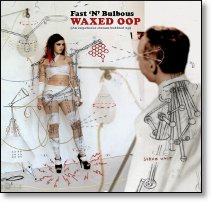
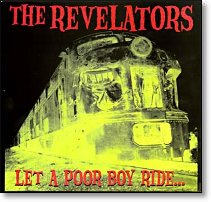
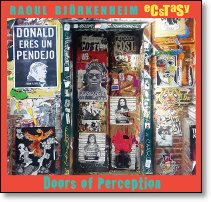
EABS: Puzzle Mixtape (2012-15 [2016], self-released): Mixtape assembled from sets at Klub Puzzle in Wroclaw, with the Electro-Acoustic Beats System septet and various guests, starting with rapper Jeru the Damaja. Mixed bag after that, like they're trying to come up with a Robert Glasper-like hip-hop/jazz fusion, but are more scattered. B+(*) [bc] Fast 'N' Bulbous: Waxed Oop (An Impetuous Stream Bubbled Up) (2009, Cuneiform): Guitarist Gary Lucas formed this Beefheart tribute band in 2005 with Philip Johnston (Microscopic Septet) leading the septet's horn section -- Rob Henke on trumpet, but more important are anchors Dave Sewelson (bari sax) and Joe Fiedler (trombone), waxing eloquent and adding some swing to Don Van Vliet's blues base. Opens and closes with the guitarist's twisted blues licks, making me wonder (even though I love the horns) if he doesn't have a more stripped down album somewhere. A- [bc] Luka Productions: Mali Kady (2016, Sahel Sounds): Bamako-based DJ/producer Luka Guindo, something (unlike his later "new age" album) you could infer from this mashup, a mix of Malian styles speeded up with hefty dose of hip-hop. B+(*) New Orleans Funk Vol. 3: Two-Way-Pocky-Way, Gumbo Ya-Ya & the Mardi Gras Mambo (1959-84 [2013], Soul Jazz): All but two cuts 1964-70: a Professor Longhair classic early, and a Dirty Dozen Brass Band retro-grinder late (if indeed I got the date right), which makes it more soul than funk, at least compared to Vol. 4. B+(***) The Replacements: All for Nothing/Nothing for All (1985-90 [1997], Reprise, 2CD): The early albums, up through Let It Bleed (1984) were on independent Twin/Tone, after which the group got a major contract and released four albums on Sire. The first disc here samples those four albums, taking four cuts from each (my grades: A, A-, B, ?). All but two cuts on the second disc are previously unreleased. The former are still front-loaded. Nothing spectacular on the latter but you often glimpse the rowdiness that made them so attractive in the first place. B+(***) The Replacements: All Shook Down (1990, Sire): The last group album before Paul Westerberg went solo, one I didn't bother with back at a time when I only heard records I bought. Probably more disappointing at the time than it is now: it has more in common with Westerberg's later solo career than with the raucous band he led. B+(*) The Revelators: Let a Poor Boy Ride . . . (1998 [2009], Crypt): A second album, recorded in Austin, but I'm not finding any evidence it was released at the time. It builds on its predecessor, a bit less punk, a bit more rave up, the extra space filled up by fierce growl and soaring riffs. A- [bc] Cecil Taylor: Garden 2nd Set (1981 [2015], Hatology): Previously known as Garden Part 2, released in 1990, the six original cuts reduced to five but expanded from 41:23 to 47:13. Solo piano, typically deep and frequently explosive. B+(***) Revised GradesSometimes further listening leads me to change an initial grade, usually either because I move on to a real copy, or because someone else's review or list makes me want to check it again: Raoul Björkenheim Ecstasy: Doors of Perception (2017, Cuneiform): Finnish guitarist (born in Los Angeles but grew up in Finland and has bounced back and forth), plays well-amped electric but not fusion or any other obvious style. Group, often styled with uppercase C-T-S, is a quartet, with saxophonist Pauli Lyytinen adding seamless harmonic depth (especially with the bass sax), Jori Huhtala (bass), and Markku Ounaskari (drums). By the way, right on for the cover poster: "Donald, eres un pendejo." [was: B+(***)] A- Jason Isbell and the 400 Unit: The Nashville Sound (2017, Southeastern): Second songwriter in Drive-By Truckers, on his own for a decade now and folks who've followed him and care swear this is his masterpiece. I can't fault the songcraft or doubt his authority, but don't care much either. [Was: B+(**)] B+(***) Princess Nokia: 1992 Deluxe (2017, Rough Trade): Nuyorican melting pot rapper, Destiny Nicole Frasqueri, released a single as Wavy Spice, guested with Ratking, repackaged last year's mixtape into this debut studio album. Beats no flashier than recent DIY norms (Lil Uzi Vert and Wiki come to mind), and sometimes she submerges in them, but sometimes she pops up and surprises you. [Was: B] B+(***) NotesEverything streamed from Napster (ex Rhapsody), except as noted in brackets following the grade:
Ask a question, or send a comment. Monday, January 29, 2018 Music Week
Music: Current count 29253 [29219] rated (+34), 378 [373] unrated (+5). Ran out of time again, so I'll have to let the lists speak for themselves. The reviews will show up in Streamnotes later this week/month, so I probably mean Wednesday, although I'm not sure how I'll manage that either. My mother's birthday -- she would have been 105 -- I usually mark the day with some home cooking (or Chinese, which is most of what we ate together in 2000). But I'm likely to take a break this year and go out for some inferior fried chicken. (I can match hers, but for some reason Strouds can't.) Wednesday is also the likely freeze date for my 2017 list. Seems too early, partly because I didn't get much closure from the Village Voice Pazz & Jop poll. Some hope they will eventually manage to post the ballots, but I'm informed their web platform change made that difficult. Nothing on Glenn McDonald's site either, so they've probably frozen him out -- I have little doubt that if he had the data it'd be up now. Still, I noticed a few more pieces dribbling out at the Voice. Here's what I know about so far:
After a long hiatus, I did manage to make a bit of progress on the jazz guides. Up to Adam Schroeder in the Jazz '00s file, 80% (minus the groups which I've been collecting for later), bringing the 21st Century guide to 1351 pages. Still, progress is erratic, and I wouldn't bet on much soon. As I said, no time left to comment, but I will note that one album I initially graded B+(***) based on a download but bumped up after the publicist sent a CDR. Doesn't happen often, but sometimes extra plays do help (at least if the record is good to start with). New records rated this week:
Recent reissues, compilations, and vault discoveries rated this week:
Old music rated this week:
Grade (or other) changes:
Unpacking: Found in the mail last week:
Ask a question, or send a comment. Sunday, January 28, 2018 Weekend RoundupI figured the big political story of the week was Trump going to Davos, announcing "America is open for business," and hat-in-hand begging foreign capitalists to invest in America. He'd probably tell you that the reason he's courting foreign investment is to create jobs for Americans, but that's merely a second-order side-effect. The reason capitalists invest money is for profits -- to take more money back out of America than they put in. By "open for business" Trump means "come rip us off -- we'll make it easy for you." Trump's Davos mission effectively ends any prospect that Trump might have actually tried to implement some sort of "economic nationalist" agenda. The odds that he would do so were never very good. The balance of corporate power has swung from manufacturing to finance, and that has driven the globalization that has undermined America's manufacturing base while greatly increasing the relative wealth of the top percent. Trump himself has benefited from this scheme, not really by working the finance and trade angles as by offering rich investors diversifying investments in high-end real estate. None of this was really a secret when Trump was campaigning. To the extent he had concrete proposals, they were always aimed at making it easier for businesses, including banks, to screw over customers (and employees), policy consistent throughout his own long career. Given that's all he ever wanted to do, it's not just laziness for him to kick back and let the Republican Party policy wonks go crazy. It's not even clear that Trump cares about his signature anti-immigration stance. Sure, the hard-liners he's surrounded himself with have been able to keep him in line (although his occasional thrashing adds confusion to the issue, and thus far camouflage -- much ado last week about his seemingly generous offer on the "dreamers" wrapped up in numerous unpalatable demands). Some scattered links this week:
Ask a question, or send a comment. Monday, January 22, 2018 Music Week
Music: Current count 29219 [29181] rated (+38), 373 [367] unrated (+6). Before we get to music, I want to point out Leonard Pitts' column trying to sum up what Donald Trump, his enablers and fellow travelers have wrought in just one year. This would have fit neatly as a coda to yesterday's Weekend Roundup:
Almost fifty years ago I read an essay, "The Obvious," by R.D. Laing, which pointed out that different people have very different notions of what's obvious. This resonated with a word I had recently learned from John N. Bleibtreu's book about cognitive differences between different species, The Parable of the Beast (1968). The word was Umwelt, from the German, the world around oneself. Everyone sees a limited slice of the world, at best tenuously connected to other people's slices, and that's been a limitation since time immemorial. Epistemologists like Kant struggled to find interlinked forms beneath the appearances, but there's a more empirical way to show how external changes affect and limit our understanding of the world. Given that our comprehension of the world is achieved and articulated through a prism of language, we generally find ourselves trapped in a world spun by mass media. Hence, overexposure to Trump normalizes him, and changes us. I'm not at all sure this is deliberate -- ineptness seems more plausible -- but it is strangely effective. But I am sure that there are many forces which seem to subtly shape our environment in ways that serve their purposes and preclude chances for alternatives -- in business, politics, religion, etc. For instance, I have a book on the shelf in front of me by Philip Mirowski called Never Let a Serious Crisis Go to Waste, about the 2008 financial meltdown and recession, and more specifically how the crisis, which should have totally discredited neoliberal economic theory, resulted in virtually no real change -- mostly because no one in a position of power could see their way around those beliefs. Obama's election in 2008 represented a desire for change, but it wasn't accompanied by any real change in the way Democrats thought about such basic issues as economics and war. Listened to quite a few records last week, informed by numerous EOY lists (notably including one from Jason Gross), yet I didn't find much to recommend. I did dig into a bunch of Soul Jazz compilations, which might have fared better if I had the booklets (usually pretty good) to go along with the music. The two A-list records I did come up with turned out to be 2016 releases. The Village Voice has published a list of the top 100 albums and top 50 singles from its Pazz & Jop Critics Poll, plus two essays: one by Robert Christgau, Personal, Political, and Otherwise: King Kendrick Rules Pazz & Jop; the other by Sasha Frere-Jones, Cardi B: In Control of Pazz & Jop Singles. I don't see complete totals, individual ballots, or critic comments, as in previous years, and I don't see any statistical analysis over at Glenn MacDonald's Furia site, which has been an invaluable resource in recent years (2008-2016). We don't even have such basic information as who voted. I'll hold off on commenting on Pazz & Jop and my own EOY Aggregate until next week, by which point I should have stopped fiddling with the latter. I've been working on bringing Robert Christgau's website up to date. In my private copy, I now have all of the Expert Witness monthlies up to last week, and I have all of those stuffed into the database. I'm still a day or two away from updating the website, but have squirreled away two files of EW entries in the hopes that someone with better eyes might take a look at them and spot errors. See January 2017-June 2017 and July 2017-January 2018. Email me directly or webmaster (which comes to me). Please excuse the broken style sheet and other links. The update will also include a 2017 Dean's List (not published at Village Voice). One of the tasks I have left to do is to format that and hook in the links. New records rated this week:
Recent reissues, compilations, and vault discoveries rated this week:
Old music rated this week:
Unpacking: Found in the mail last week:
Ask a question, or send a comment. Sunday, January 21, 2018 Weekend RoundupThis week marks the first anniversary of Trump's inauguration as president, or as we're more inclined to note: one year down, three more to go. Supporters like to tout the economy, especially the record high stock market -- something which affects few Americans, but at least partially reflects things Trump has actually done, like turning a blind eye to corruption, and slashing corporate tax rates. Supporters also point to low unemployment and marginal wage growth, two trends that started before Trump but at least he hasn't wrecked yet. Also, Trump's approval ratings have seen a slight uptick over the last month, but he is still way under water, with by far the worst ratings of any first-year president since they've been measuring. I'm not sure where Herbert Hoover ranks: by the end of his first year the stock market had crashed and the Great Depression started, but even three years later, with conditions worsening, Hoover's vote share was higher than Trump's approval ratings. Perhaps economic indicators are overrated? Or maybe it's just that most people aren't feeling part of the much touted growth? What little wage growth there has been most likely gets sucked up by higher prices -- oil, for instance, is up sharply, while help like food stamps is being cut back. But most likely most of us have yet to be hit with the full impact of Trump's regulatory and tax shifts. Moreover, much of what Trump's minions have done over the last year simply increase risk -- something you may not notice and won't have to pay for until it's too late. The most obvious risk is war with North Korea, which hasn't happened but could break out with shocking speed. Other risks, like withdrawal from the Paris Accords on global warming, will necessarily play out slower, but could be even harder to reverse. In between, it's a pretty sure bet that increasing inequality and deregulation will create financial bubbles which will burst and turn into recession. Other instances of risk increase include EPA changes which will increase pollution, changes to Obamacare which will reduce the number of people insured, and continued reduction of educational opportunities -- as the future becomes ever more dependent on people with technical skills, those skills will become rarer (well, except for immigrants, but Trump's working on curtailing them too). Some scattered links this week:
Ask a question, or send a comment. Monday, January 15, 2018 Music Week
Music: Current count 29181 [29150] rated (+31), 367 [368] unrated (-1). Initial calculation came out at 24 new ratings, surprisingly low. Still, the list below only comes to 26. I looked through the unrated list and found the discrepancies, plus a few others, nudging me over the thirty mark. That should have been easy given the weather and the availability of EOY lists suggesting things to check out. Still, main reason I didn't get more done was the Danny Fox Trio album, which I must have listened to 7-8 times. Came out pretty much as I surmised from the first play, but I couldn't come up with anything to write -- indeed, I don't seem to have any vocabulary to describe what I was hearing. Very frustrating. Also must have played Gregory Lewis at least five times -- a surprise, but I noticed several critics jumped the gun and listed this 2018 release on their 2017 Jazz Critics Poll ballots. One record with some upside potential that only got two plays was Big K.R.I.T.'s double: I concluded, as far as I got, that first disc is A-, but second falls a bit short. One thing I could use some help on is proofreading updates to Robert Christgau's CG database. All of the reviews from January through June 2017 are here (please excuse the style sheet confusion). I'll add a second batch when I get it entered. Christgau is writing a Pazz & Jop piece for the Village Voice this year. Not sure when that's going to be posted, but he expressed a desire that I get his reviews up by then. (Probably won't happen this week, but odds are much better for next.) Main things to look out for are missing italics and elided words -- for technical reasons the things I'm most likely to screw up. I'm still fiddling with my EOY Aggregate file. It should correlate somewhat well with the Pazz & Jop results, but retains a relative (but not very significant) UK bias, and has a distortion that raised three Expert Witness favorites into the top twenty (Jason Isbell, Jens Lekman, Waxahatchee). I went back and spent more time on several Christgau favorites, resulting in two upgrades (Isbell, Princess Nokia), though I couldn't quite see adding them to my still short non-jazz A-list. New records rated this week:
Recent reissues, compilations, and vault discoveries rated this week:
Grade (or other) changes:
Unpacking: Found in the mail last week:
Ask a question, or send a comment. Sunday, January 14, 2018 Weekend RoundupAfter Trump made his "shit-hole countries" comment, Matt Taibbi asked on Twitter whether any president had previously said anything comparable. Not sure what he found out. My own first thought was that Thomas Jefferson probably said something less succinct but roughly equivalent about Haiti, and such views were probably very common among American politicians -- certainly as long as slaveholders remained in power, and probably much later. Indeed, GW Bush's critique of "nation building" was pointedly directed at Haiti, and the Clinton operation Bush so disparaged was primarily instigated to stem the influx of refugees from Haiti's dictatorship. (Indeed, it was Clinton who converted Guantanamo from a navy base into a prison "holding tank" for Haitian refugees.) But I do want to share one example I picked up from a tweet (by Remi Brulin). This is evidently from a transcript of a conversation between Nixon and Kissinger, from May 4, 1972:
Some scattered links this week:
Ask a question, or send a comment. Monday, January 8, 2018 Music Week
Music: Current count 29150 [29119] rated (+31), 368 [364] unrated (+4). Expected rated count would be a bit higher, given that I've mostly been working off EOY lists, but it checks out fairly well. Some quick numbers: rated count for 2017 releases: 1048; length of Jazz A-List: 80; length of Non-Jazz A-List: 55; number of new albums in EOY Aggregate: 1936; number of total albums in Music Tracking List: 2895. The ratio of Jazz/Non-Jazz A-list always starts out high, but usually balances out around by the end of January. Last year it wound up 75/67 (52.8% jazz, up to 59.2% jazz this year). If I recall correctly, in previous years it was closer to even, sometimes even favoring non-jazz. Most likely explanation is that my ratio of jazz/non-jazz grades is higher than usual: currently 673/296 (69.4% jazz), vs. 689/358 (65.8% -- closer than I expected, but still likely to explain part of the greater split). Someone pointed out on Facebook that I hadn't given a single A grade to a new release in 2017. I think it's safe to say that's never happened before, although the numbers have been declining, especially the last few years: from 2010 on { 15, 6, 7, 6, 12, 2, 3, 0 }. Several reasons occur to me: the number of physical CDs I've received has been dropping, and I've almost completely stopped buying CDs; I only listen to streamed or downloaded material while working on the computer, and when I do so it's almost something I haven't rated yet. For instance, back in 2010 I rated 133 A/A- records, of which 36 (27.0%) were streamed. This year I have 136 A/A- records, 79 streamed (58.0%). The increase in the top 30 is even more extreme, going from 2 (6.7%) in 2010 to 14 (46.7%) in 2017. Also note that the jazz split in the top 30 increased from 12 (40.0%) to 19 (63.3%). I've always thought that part of the definition of an A (vs. A-) record was that it held up over many plays over time. Indeed, in past years I routinely promoted 4-6 albums from A- to A at EOY time. This year I got crushed at deadline time and hardly replayed anything, leaving little but memory and notes to help me compile my ballots. It's probably also true that my listening time has declined a bit -- although the number of records processed this year is similar to 2010 (1009 new + 73 old music, vs. 968 new + 81 old in 2017), so maybe I'm rushing more? Of course, there are other possibilities. While it seems unlikely that there is less good music being released these days, it may well be harder to find. More likely is that my own interest is flagging, whether due to age and creeping infirmity or to general depression. Back in my twenties I discovered music to be a psychic refuge from all sorts of everyday ordeals, and that's a big part of the reason I got so deep into it. While I don't think my taste or erudition or even my memory have declined much, it does seem that music has lost a bit of its magic for me. I wouldn't be surprised if I listen to less and less in the future. But I do note an uptick in unpacking this week, so that may keep me going. I meant to write more about the EOY Aggregate files (link above), which I've kept adding to. Major adds in the last week include close to forty top-ten lists from the Facebook Expert Witness group, which has produced major spurts for Jens Lekman, Jason Isbell, Waxahatchee, and Alex Fahey (the only one without a Christgau A grade). I've also added Christgau's grades next to mine, so a mutual A- gets an 8 point boost regardless of how obscure (e.g., Matt North, Conor Oberst, Robt Sarazin Blake, Swet Shop Boys, Starlito & Don Trip, Chuck Berry). Neither of these tweaks, nor anything else, has had much impact on the top of the list, which remains: Kendrick Lamar, Lorde, SZA, LCD Soundsystem, St. Vincent, Vince Staples, The National, then a tight knot of (105-100 points): Jay-Z, Sampha, War on Drugs, Slowdive, and Perfume Genius. New records rated this week:
Recent reissues, compilations, and vault discoveries rated this week:
Old music rated this week:
Unpacking: Found in the mail last week:
Ask a question, or send a comment. Sunday, January 7, 2018 Weekend RoundupStarted collecting the Yglesias links and Taibbi on Wolff last night, and this is as far as I got today. Of Yglesias' big four stories, I left oil drilling, anti-pot enforcement, and the Pakistan aid cut on the floor: mostly didn't run across anything very good on those subjects, although that's partly because it seems like my source trawling has taken a big hit (especially since Paul Woodward's WarInContext went on hiatus). That leaves a bunch on the Wolff book, the unseemly end of the Kobach Commission, and some Iran links. Oh, and dumb Trump tricks, but that's a gimme. Of the missing stories (and, of course, there are many more than the "known unknowns"), the break with Pakistan seems likely to be most fateful. Americans have bitched since 2002 that they're not getting their money's worth in Pakistan, but Pervez Musharraf's turn against the Taliban was never popular there, especially with the ISI, and only a combination of sticks and carrots made the move at all palatable. It remains to be seen whether Trump removing the carrots will tip the balance, but renewed Pakistani support for the Taliban could make the US stake in Afghanistan much more precarious -- at worst it might provoke a major US escalation there, with pressure to attack Pakistan's border territories ("sanctuaries"), with a real risk of igniting a much larger conflagration. Probably won't come to that, but Pakistan is a country with more than 200 million people, with a large diaspora (especially in the UK), with nuclear weapons, with a military which has fought three major wars with India and remains more than a little paranoid on that front. The reasonable solution for Arghanistan is to try to negotiate some sort of loose federation which allows the Taliban to share power, especially in the Pashtun provinces where it remains popular, while the US military exits gracefully. This is unlikely to happen because the Trump administration has no clue how diplomacy works and no desire to find out. Pakistan could be a useful intermediary, so cutting them out seems like a short-sighted move. But it is a trademark Trump move: rash, unconsidered, prone to violence with no regard for consequences; cf. Syria, Libya, Somalia, Palestine, North Korea. It's only a matter of time before one of those bites back hard. Same is basically true of the offshore oil leases, but probably on a slower time schedule. It will take several years before anyone starts drilling, and there will be a lot of litigation along the way. But eventually some of those offshore rigs will blow up and spread oil all over tourist beaches in Florida and/or California. Some people will make money, at least short-term, and some will be hit with losses in the longer term, but at least it will mostly be money. That matters a lot to Trump, but less so to you and me. Less clear what the marijuana prosecution impact will be. In theory Sessions just kicked the ball down to local US attorneys, who can choose to prosecute cases or not. But a year ago Sessions initiated a purge and replaced all of Obama's prosecutors with his own, so it's likely that at least some of them will take the bait and try to make names for themselves. Meanwhile, politicization of the Department of Justice keeps ratcheting up. Trump and Congressional Republicans have renewed attacks on Sessions for failing to protect Trump from the Mueller investigation, and they've gone further to question the political loyalties of the FBI. Meanwhile the courts are increasingly being filled up with Republican hacks. The net result of all this is that people on all sides are coming to view "justice" in America as a vehicle of partisan patronage. It's going to be hard to restore trust in law once it's been abused so severely by goons like Trump and Sessions. I haven't written much about the whole Russia situation. A big part early on was the fear that neocons were just using it to whip up a new cold war, which is something they were very keen on at least as early as 2001, when Bush took office and Yeltsin gave way to Putin. With his KGB background, it's always been easy to paint Putin as bearing Cold War grudges, even more so as a master of underhanded tactics -- most egregiously, I think, in his reopening of the Chechen War. The Cold War was very good for the defense industry, and generally bad for the American people (as well as many others around the world), so I regard any effort to reignite it as dastardly. The neocons had modest success doing so during the Obama years, especially with recent sanctions in response to the Russia annexing Crimea and, allegedly, supporting separatists in eastern Ukraine. Hillary Clinton was especially vociferous at Russia-baiting, so it was no surprise that Putin favored her opponent. Trump himself had pitched numerous business ventures to Russian oligarchs, so he must have seemed to Putin like someone to deal with. Indeed, there seems to have been mutual attraction between many Republicans and Putin, possibly based on the former's admiration of strong men and contempt for democracy. It's worth noting that Russia is the only country where the ultra-rich have profited more inequally since 2000 than the United States. The second major reason for resisting the post-election claims of Russian interference has been how it was used by Clinton dead-enders as an excuse for losing the 2016 election. Their desperation to blame anyone but the candidate has blinded them to the real lessons of the campaign's failure. (Presumably I don't need to reiterate them here.) A third reason, I reckon, is the hypocrisy of blaming Russia while ignoring Israel's much more pervasive involvement in US elections: I've seen numerous liberals describe Trump as "Putin's bitch" (most recently in Dawn Oberg's song, "Nothing Rhymes With Orange"), but if Trump's anyone's bitch, it's Netanyahu's (or more directly, Sheldon Adelson's -- who, as Philip Weiss notes in the link below put more money into the campaign than Trump himself did). On the other hand, the "Russiagate" story is sticking, and lately the focus has shifted to culprits one feels no sympathy whatsoever for. The problem isn't really collusion: Trump's people were very sloppy about their meetings with Russians, but they were sloppy and inept in pretty much everything they did. On the other hand, it sure looks like they would have colluded had they figured out how, and they were aware enough that they were overstepping bounds to lie about it afterwards -- greatly increasing their culpability. It's also clear that Flynn and Manafort had their own Russian deals, which wound up looking worse than they initially were after they joined the campaign. What Russia actually did to tilt the election toward Trump wasn't much -- certainly cost-wise it's a small drop in the ocean of money agents working for Adelson and the Kochs spent to get Trump elected. It would be a mistake to play up Russia's hacking genius, just as one shouldn't underestimate the effect of AFP's grassroots organizing. Elections are run in a crooked world -- even more so since the Citizens United ruling unlocked all that "dark money" -- but one thing that Clinton really can't complain about is not having enough money to compete. On the other hand, what "Russiagate" is making increasingly clear is the utter contempt that Donald Trump and (increasingly) the whole Republican Party have for law, justice, truth, and fairness. I don't hold any fondness for James Comey, whose own handling of the Clinton email server case was shameless political hackery, and I've actively disliked Robert Mueller for decades -- ever since he prosecuted that ridiculous Ohio 7 sedition case (which my dear friend, the late Elizabeth Fink, was a successful defense counsel on). But Trump's interference in their jobs has been blatantly self-serving -- if not technically obstruction of justice easily conveying that intent. We seem to only be a short matter of time until Trump's contempt becomes too blatant to ignore, and while I doubt that will phase his Republican enablers or his most fervently blinkered base, it should at least help bury his awful political agenda. Meanwhile, here are some other ways Trump has stunk up last week:
Ask a question, or send a comment. Tuesday, January 2, 2018 Music Week
Music: Current count 29119 [29058] rated (+61), 364 [388] unrated (-24). Initial calculation on rated count was +41, which seemed plausible enough, but when I moved the albums list from the scratch file to the notebook I counted 44, so clearly something was amiss. I went back and searched for unrated albums and found 20 I had failed to update -- obviously going back before last week, in some cases more than a year. I don't have a lot of unrated physical 2017 CDs -- maybe a dozen, including some inconvenient but still playable vinyl -- so I've been doing a lot of streaming, especially items from interesting EOY lists, and a fair number of them have been short: the Dawn Oberg is just three songs, more are legitimately EPs, and with the refocusing on vinyl a lot of regular albums clock in close to 30 minutes. I try to work faster streaming, avoiding replays unless I really feel the need to confirm a good record, and short goes faster still. December's Streamnotes went up on the last possible day, which has in turn pushed Weekend Roundup and this post a day later than normal -- three-day weekends and all that. I got a last minute Pazz & Jop invite, thanks to some strings Bob Christgau pulled. I finally did a quick sort on my Best Non-Jazz list without actually resampling anything, then slipped William Parker's Meditation/Resurrection into the top ten to maintain a little jazz cred. (Also bumps Kendrick Lamar's Damn, which I have little doubt will win without me.) I have no confidence that these are the ten best (mostly non-jazz) albums of 2017, but they are good ones, interesting ones, ones worth noting:
I don't keep track of singles, so I'm hopeless there. One idea that did occur to me was to look up anti-Trump songs. I found lists from Guardian, Mic, Pitchfork, and Rolling Stone. In the end, I picked (only seven, but I expected zero):
Obviously, could have done better had I spent more time, but top four would probably have hung on. I did manage to sample another half-dozen songs, including Fiona Apple's "Tiny Hands" and YG's "FDT" (but didn't get to Brujeria's "Viva Presidente Trump!" -- on virtually all the lists -- until too late). New records rated this week:
Recent reissues, compilations, and vault discoveries rated this week:
|