|
An occasional blog about populist politics and popular music, not necessarily at the same time. LinksLocal Links Social Media My Other Websites Music Politics Others Networking Music DatabaseArtist Search: Website SearchGoogle: Recent Reading
Music DatabaseArtist Search: Website SearchGoogle: |
Music Week [330 - 339]Monday, December 23, 2019 Music Week
December archive (in progress). Music: Current count 32491 [32466] rated (+25), 230 [226] unrated (+4). Skipped last week, so this one covers two weeks, with a big hole in the middle. On. Dec. 12, I had surgery to open up my nasal passages, hopefully to breathe better. The surgery was fairly quick, and I was home by noon, but my recovery hasn't been anything to brag about. I did virtually nothing for over a week. Had a follow-up appointment after a week, with the PA poking around, pulling out scabs and clots of blood. During that week I checked email and processed a few late ballots for Francis Davis's NPR Jazz Critics Poll (we did finally match last year's total of 140), but couldn't work for more than 15 minutes at a time (even on something as mechanical as Noisey's EOY list, which took me 4-5 sessions). I didn't feel much better Friday, but found I could get some work done. I only played old jazz for a week, but started streaming some new music -- mostly hip-hop, as it turned out. Pretty much everything I heard landed at B+(**), and this week's reviews are even shorter and shabbier than usual. Almost finished the week without a single A- record, but Trapline landed 10th on Phil Overeem's year-end list. I still can't tell you why, but three plays convinces me there's enough going on there to merit the grade. Almost added a second one, Emmeluth's Amoeba: Chimaera, from Chris Monsen's list, but decided I need another play before trying to write anything.While I was down, I missed three pieces (free, I think) from Robert Christgau's And It Don't Stop subscription newsletter, so I'll do penance for not announcing them in a timely manner here:
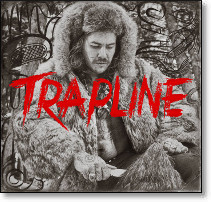
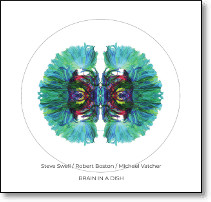
Don't have much more to say at this point. The usual tracking files are in the usual places. I've added a few things to the EOY Aggregate, but it is nowhere near up to date (and while I'm likely to add to it, it may never try to make it as comprehensive as in recent years). New records reviewed this week: Eric Alexander: Eric Alexander With Strings (2019, High Note): Mainstream tenor saxophonist, called his 1992 debut Straight Up, has 40+ albums since, even more side credits (including more than a dozen in One for All). Cover credits his long-running quartet (David Hazeltine, John Webber, Joe Farnsworth), as well as Dave Rivello for arranging and conducting the strings -- not terribly interesting on their own, but not saccharine fluff either. B+(*) Gonçalo Almeida/Martin van Duynhoven/Tobias Klein: Live at the Bimhuis (2017 [2019], Clean Feed): Bass, drums, alto sax or bass or contrabass clarinet. B+(***) Rebecca Angel: Santa Baby (2019, Timeless Grooves, 1): Actually, just a 3:28 single, something I wouldn't review but for being sent the CD. Song dates to Eartha Kitt in 1953 -- wonder why it's not done more often. Delicious, and no penalty for quitting while she's ahead. B+(***) [cd] Atmosphere: Whenever (2019, Rhymesayers Entertainment): Minneapolis hip-hop duo, rapper Slug (Dea Daley) and DJ/producer Ant (Anthony Davis), beaucoup albums since 1997. More relationship songs here, always a staple. B+(***) Courtney Barnett: MTV Unplugged (Live in Melbourne) (2019, Marathon Artists): Recorded October 22, 2019, so little more than a month before the December 6 release date. Her acoustic guitar isn't nearly as potent as her electric, but she picks up resonance with a cello in the band. Also picks up a couple guests, and closes with a strong cover of Leonard Cohen's "Goodbye Marianne." B+(**) Beck: Hyperspace (2019, Capitol): Singer-songwriter, released some of the best albums of the 1990s, has been hard to even recognize since 1999's funk move, Midnite Vultures. Collaborator here is Pharrell Williams, which should be good for a few cheap hooks. Too bad I couldn't recognize that many. B Dopolarians: Garden Party (2019, Mahakala): Sextet, or merger of trios: one (relatively young) cluster is made up of Chris Parker (piano), Chad Fowler (alto sax), and Kelley Hurt (voice), and they do most of the writing; the other is well known: Kidd Jordan (tenor sax), William Parker (bass), and Alvin Fielder (drums). B+(***) [bc] Ras G & the Afrikan Space Program: Dance of the Cosmos (2019, Akashik, EP): Gregory Shorter Jr., DJ/producer from Los Angeles, 24 albums/mixtapes since 2008, died at 40 in 2019. Dense grooves with scattered talk. [Napster only has 4/5 tracks; other track on Bandcamp, total 28:50.] B+(**) Lafayette Harris Jr.: You Can't Lose With the Blues (2019, Savant): Pianist, from Baltimore, debut 1992, this a trio with the superb Peter Washington and Lewis Nash. Still not really what I'd call bluesy. B+(*) Hiromi: Spectrum (2019, Telarc): Japanese pianist, Hiromi Uehara, has recorded steadily since 2003, understands that one key to popularity is keeping it brisk. This one is solo, so she doubles down, and keeps it going for 73:16. B+(**) Hot Chip: A Bath Full of Ecstasy (2019, Domino): English electropop group, seventh studio album since 2006. Catchy, most of the time. B+(*) Brittany Howard: Jaime (2019, ATO): Singer-songwriter, gone solo after two records fronting Alabama Shakes, did a fair Otis Redding impersonation there. Bits of retro-soul here, too, mixed in with unclassifiable experiments. Her diva move? B Kaytranada: Bubba (2019, RCA): Louis Kevin Celestin, born in Haiti, grew up in Canada, second album after a lot of EPs, mixtapes, and production credits (some as Kaytradamus). Has a real knack for pop trifles. B+(**) José Lencastre Nau Quartet: Live in Moscow (2018 [2019], Clean Feed): Portuguese alto saxophonist, backed by two-thirds of RED Trio (Rodrigo Pinheiro and Hernâni Faustino, piano and bass), plus his brother João on drums. B+(**) Jeff Lofton: Jericho (2019, self-released): Trumpet player, based in Austin. Blues-based bop, with "The Christmas Song" a change of pace I'll pardon this week, and two vocal takes of "Compared to What" (by Carolyn Wonderland and Murali Coryell). B+(**) [cd] Caroline Polachek: Pang 2019, Columbia): Singer-songwriter, leader of Chairlift (3 albums, 2008-16), first solo album (at least under her own name). B+(*) Slayyyter: Slayyyter (The Mixtape) (2019, self-released): Catherine Slater, electropop singer from suburban St. Louis, first album. Leads with sex, which never comes clear in the dense mix, not that I especially mind. B+(**) Sly & Robbie/Roots Radics: The Final Battle: Sly & Robbie vs. Roots Radics (2019, Serious Reggae): Roots Radics started in the late 1970s as the studio band for Channel One, have several dozen albums, mostly meet-ups with dub-oriented singers and producers -- Dunbar & Shakespeare have much the same resume, often working with even bigger stars. No problem evoking reggae's heyday, but not so easy building on that. B+(**) [yt] Sly & Robbie: Dub Serge (2019, Taxi): Refers back to a 1979 Serge Gainsbourg album, Aux Armes Et Caetera, which Sly, Robbie, Ansel Collins, and other Jamaicans played on (backing vocals were the I Threes: Judy Mowatt, Marcia Griffiths, and Rita Marley). This "remake" disposes of the vocals and makes Gainsbourg's songs unrecognizable, buried under layers of classic dub. B+(*) Snotty Nose Rez Kids: Trapline (2019, Fontana North): Canadian First Nations hip-hop duo, from the Haisla reserve village of Kitamaat, now based in Vancouver, third album. Hard to get a handle here, but obviously much in jest, and serious nonetheless. A- Stormzy: Heavy Is the Head (2019, Merky/Atlantic): English rapper Michael Owuo Jr., grime star, second album. Fast, dense, some politics, some serious charges. B+(**) Dave Stryker: Eight Track Christmas (2019, Strikezone): Guitarist, close to 40 albums since 1990, counting the band he co-leads with Steve Slagle. Released Eight Track in 2014 with this no-horn, groove-oriented quartet -- Stefon Harris (vibes), Jared Gold (organ), McClenty Hunter (drums) -- and aside from the season focus this would be IV. Leans secular, with "Happy Xmas (War Is Over)" the one non-traditional tune. B [cd] Sudan Archives: Athena (2019, Stones Throw): Brittney Denise Parks, born in Cincinnati, based in Los Angeles, self-taught violin, learned to feed that through loops and added her voice. First LP after two EPs. Defies genre, so another hip young singer-songwriter. "All we got is the Internet" is a sign of the times, for better and/or worse. B+(**) [bc] Juan Vinuesa Jazz Quartet: Blue Shots From Chicago (2018 [2019], NoBusiness): Tenor saxophonist, from Spain, spent a couple years in Chicago where he put this group together: Josh Berman (cornet), Jason Roebke (bass), and Mikel Patrick Avery (drums). Free jazz, has a nice lyrical feel. B+(***) [cd] The Who: Who (2019, Polydor): In 1994 they released a box set called Thirty Years of Maximum R&B, but by my calculation it was more like six (1965-71) -- sure, Quadrophenia (1973) has its fans, but the decline through It's Hard (1982) was undeniable. I'd say they set themselves up with "I hope I die before I get old," especially when only Keith Moon did (1978). Aside from profit-taking boxes, this is only their second album since -- Endless Wire appeared in 2006. Got to give them credit here for sounding like no one else. Still, he record runs longer than their inspiration. B Recent reissues, compilations, and vault discoveries: Bobby Bradford/Frode Gjerstad/Kent Carter/John Stevens: Blue Cat (1991 [2019], NoBusiness): Cornet player, had a legendary two-horn quartet with John Carter, tries to conjure up a bit of that dynamic with alto saxophonist Gjerstad. Recorded in London with local bass/drums legends. B+(**) [cdr] Unpacking: Found in the mail last week:
Ask a question, or send a comment. Monday, December 9, 2019 Music Week
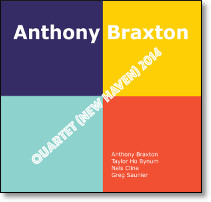
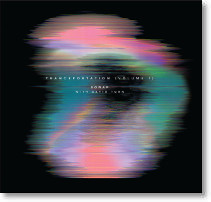
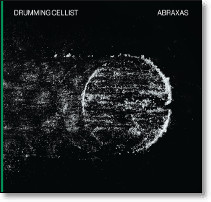
December archive (in progress). Music: Current count 32466 [32422] rated (+44), 226 [230] unrated (-4). I have very little time to spare on this, so will keep it short. Spent much of the weekend counting ballots for NPR's 14th Annual Jazz Critics Poll, something Francis Davis started back when we were writing for the Village Voice. Deadline was last night, but there's a good chance that any ballots that arrive today will be counted. I have 132 at present, down a bit from 2018. Some surprises (for me at least) among the new album leaders. Less so among the other categories. This week's haul includes a bunch of records I discovered among the ballots. Still, two/thirds of this week's A- records came from my queue. Results will probably be posted in about a week. I'm liable to fall out of the loop on that, as I'm scheduled for what should be minor surgery on Thursday, and I'm pessimistic about what I will be able to do the following week or so. In fact, I'm pretty down on getting anything done beforehand either. Until I got swamped over the weekend, I did a fair amount of work on the EOY Aggregate, which has changed rather dramatically. Up to Thanksgiving, the list was dominated by first-half albums which showed up in mid-year lists -- Sharon Van Etten's Remind Me Tomorrow was leading Billie Eilish's When We All Fall Asleep Where Do We Go?. Eilish pulled back ahead last week, but the dramatic gains were from: (2) Lana Del Rey: Norman Fucking Rockwell; (4) Angel Olsen: All Mirrors; (5) Nick Cave & the Bad Seeds: Ghosteen; and (11) FKA Twigs: Magdalene. Among first-half albums, (7) Weyes Blood: Titanic Rising is the one that has gained some spots, evidently because those who can stand it like it a lot. I was fairly up-to-date before the weekend, but haven't added much since. Should see many more lists in the next week or two, but unclear whether I'll be able to keep up. At any rate, the file is doing most of what it needs to do. Still, not much jazz in it, other than my own grades. I'll add the JCP data when it goes public. New records reviewed this week: Awatair: Awatair Plays Coltrane (2019, Fundacja Sluchaj): Polish-Ukrainian trio: Tomasz Gadecki (tenor/baritone sax), Mark Tokar (double bass), Michal Gos (drums). Three stretched Coltrane pieces plus an 10:57 "Improvisation for Jr. J.C." B+(***) [bc] Bones [Ziv Taubenfeld/Shay Hazan/Nir Sabag]: Reptiles (2017 [2019], NoBusiness): Bass clarinet/bass/drums trio, recorded in Amsterdam, released on vinyl. Free jazz, fairly intimate. B+(**) [cdr] Anthony Braxton: Quartet (New Haven) 2014 (2014 [2019], Firehouse 12, 4CD): One "Improvisation" per disc, each 57:14-64:09, each dedicated to a pop star you probably couldn't blindfold guess (Jimi Hendrix, Janis Joplin, James Brown, Merle Haggard). Braxton plays saxes from sopranino to contrabass but no tenor (alto is his main axe), joined by Taylor Ho Bynum (cornet and family), Nels Cline (electric guitar), and Greg Saunier (drums). Gave it one play and was delighted, often amazed, never annoyed (well, until the last few seconds of Disc 3). One could spend ages further dissecting, but I doubt I will. A- Patrick Brennan/Abdul Moimême: Terraphonia (2019, Creative Sources): Alto saxophonist, from Detroit, has a handful of records including a couple as Sonic Openings Under Pressure, in a duo here with a Portuguese experimental guitarist, who has 25 albums since 2008, mostly small groups with all names on the masthead. Something more than just harsh noise, but that's most of it. B+(*) Terri Lyne Carrington + Social Science: The Waiting Game (2019, Motéma, 2CD): Drummer, studied at Berklee with Alan Dawson, built a solid post-bop reputation in the 1990s, lately has turned to crossover pop, including quite a bit of hip-hop here, sprinkled with guest stars, with a few political lyrics. Second disc is lighter, a 42:19 instrumental orchestrated by Edmar Colón. B+(**) Anthony Coleman: Catenary Oath (2018 [2019], NoBusiness): Pianist, debut was 1992, some of his early records offered an avant take on klezmer. Solo piano here, starts with a dedication to Roscoe Mitchell, ends with Ellington. B+(**) [cdr] Chick Corea/Christian McBride/Brian Blade: Trilogy 2 (2010-18 [2019], Concord, 2CD): A sequel to the trio's 2014 3-CD Trilogy, adding select tracks from a 2016 tour to leftovers from the first period. B+(**) Rodney Crowell: Texas (2019, RC1): Country singer-songwriter, originally from Texas, 21 albums since 1978, had a run of hits off his 1988 album (Diamonds & Dirt), but hasn't enjoyed much attention lately. Got some guest help this time, mostly fellow Texans like Willie Nelson, Steve Earle, Lyle Lovett, and Billy Gibbons. (Exception to the rule: Ringo Starr.) B+(***) Nina De Heney/Karin Johansson/Henrik Wartel: Quagmire (2018 [2019], Creative Sources): Bass-piano-drums, the bassist dominating (especially early on), for a very claustrophobic sound. B+(*) Doja Cat: Hot Pink (2019, Kemosabe/RCA): LA rapper Amala Zandile Dlamini, second album, promises more skin, holds back a bit. B+(**) Marc Edwards/Guillaume Gargaud: Black Hole Universe (2019, Atypeek Music): American free jazz drummer, played with David S. Ware in the 1980s, teams up here with a French guitarist. Reminds me of Sonny Sharrock, maybe even more intense, but I'm not quite there with it yet. B+(**) Andy Emler/David Liebman: Journey Around the Truth (2018 [2019], Signature Radio France): French keyboardist, playing organ here, pumped up for dramatic effect like a hoary old soundtrack. The saxophonist builds on that, with tenor and soprano. B+(*) Erin Enderlin: Faulkner County (2019, Black Crow Productions): Singer-songwriter from Arkansas, has had some success peddling songs in Nashville, third album. Old time sound, lots of booze and wallowing blues, could use a stiffer backbone, or a shot of feminism. B+(*) Gorilla Mask: Brain Drain (2019, Clean Feed): Alto saxophonist Peter Van Huffel's rockish power trio, with electric bass (Roland Fidezius) and drums (Rudi Fischerlehner), fourth group record. Seems almost too easy to make this formula work, so the occasional glitches stand out. B+(***) Alex Harding/Lucian Ban: Dark Blue (2019, Sunnyside): Duets, baritone sax/bass clarinet and piano, a nice match. B+(**) Eric Hofbauer's Five Agents: Book of Water (2018 [2019], Creative Nation Music): Guitarist, based in Boston, has done interesting work at pushing the boundaries of postbop without quite crossing over into avant-garde. Comes especially close here, with three veterans of Ken Vandermark's Boston-Chicago nexus -- Jeb Bishop (trombone), Nate McBride (bass), Curt Newton (drums) -- plus Jerry Sabatii (trumpet) and Seth Meicht (tenor sax). B+(***) Eric Hofbauer & Dylan Jack: Remains of Echoes (2019, Creative Nation Music): Guitar and drum duo, picking their way through covers from Ellington to the Police. B+(**) Carl Ludwig Hübsch/Pierre-Yves Martel/Philip Zoubek: Otherwise (2018, Insub): Tuba player, the others credited with viola da gamba and piano, both also with synthesizer. Two side-long tracks, ambient but never gets too comfortable. B+(*) [bc] Ill Considered: Ill Considered 8 (2018 [2019], Ill Considered Music): British jazz group, based in London, quartet with Idris Rahman (sax/fx), Leon Brichard (electric bass), Emre Ramazanoglu (drums), and Satin Singh (percussion), adds another live document to their fast-growing catalogue. Strong bass riffs, flexes a lot of muscle. B+(***) Katarsis 4: Katarsis 4 (2019, NoBusiness): Sax quartet from Lithuania, biased toward alto -- two members list alto first, the others second (after baritone and soprano) -- so this doesn't have much in common with the harmonic focus of WSQ or ROVA. Some electronics, loads of atmosphere. B+(**) [cd] Kimchi Moccasin Tango: Yankee Zulu (2018 [2019], Clean Feed): Norwegian trio -- Karl-Hjalmar Nyberg (tenor sax), Karl Bjorå (guitar), Dag Erik Knedal Andersen (drums) -- the group name parsed for three pieces, the title for the fourth. Avant-noise from the start, can change up a bit here and there, in ways that are ultimately winning. B+(**) Lee Konitz Nonet: Old Songs New (2019, Sunnyside): Arranged and conducted by Ohad Talmor. The nonet balances reeds and strings: 4 each, the leader's alto sax shadowed by flute, clarinet, and bass clarinet; 2 celli between viola and bass; plus George Schuller on drums. Lush and unashamedly gorgeous. B+(***) Mat Maneri Quartet: Dust (2019, Sunnyside): Leader plays viola, mostly known as son of avant-clarinetist Joe Maneri, and for playing side-roles in Matthew Shipp's orbit. Closer to the mainstream here with Lucian Ban (piano), John Hébert (bass), and Randy Peterson (drums). B+(*) MC Yallah X Debmaster: Kubali (2019, Hakuna Kulala): Rapper Yallah Gaudencia Mbidde, from Uganda, and producer Julien Deblois, from France, with a short cassette. Densely fractured, could come from any high-tech haven. B+(*) Tom McDermott: Meets Scott Joplin (2018 [2019], Arbors): Trad jazz pianist, from St. Louis, first record was called New Rags (1982), returns to the old ones here. Mostly solo, but picks up when some friends drop in (notably trombonist Rick Trolsen). B+(**) Camila Meza and the Nectar Orchestra: Ámbar (2019, Sony Masterworks): Chilean singer-songwriter, based in New York, has a reputation as a jazz guitarist, fourth album, group adds strings to piano-bass-drums, lush and dramatic (not my favorite combination). B Roscoe Mitchell Orchestra: Littlefield Concert Hall, Mills College, March 19-20, 2018 (2018 [2019], Wide Hive): No musician credit for Mitchell (78), just composed, orchestrated, and conducted by. Twenty-five piece orchestra, with a fair number of strings and most of the classical horns (but no saxophones), a harp, some exotica. B+(**) Qasim Naqvi: Teenages (2019, Erased Tapes): Drummer from Pakistan, first noticed in the piano trio Dawn of Midi, has moved more into electronica lately, especially with this "music for modular synthesizer." B+(*) Tomeka Reid Quartet: Old New (2018 [2019], Cuneiform): Cellist, grew up near DC, studied in Chicago and built her connections there before moving on to New York. Second Quartet album, with Mary Halvorson (guitar), Jason Roebke (bass), and Tomas Fujiwara (drums). Seems small, like the strings folding back on themselves, but not without its unique Halvorson moments. B+(***) [dl] Michele Rosewoman's New Yor-Uba: Hallowed (2017-18 [2019], Advance Dance Disques): Postbop pianist, born in Oakland, based in New York, took a turn toward Afro-Cuban jazz with her New Yor-Uba "musical celebration of Cuba in America," and continues here, with three specialists in batá and congas, a raft of horns, and vocalist Nina Rodriquez. B+(***) Bob Sheppard: The Fine Line (2019, Challenge): Mainstream saxophonist, plays them all but best known for tenor, based in Los Angeles, has a few albums since 1991 but has done a ton of studio work, especially backing vocalists. Backed by piano (John Beasley), bass, and drums, with a few guests. Very respectable outing. B+(**) Kalie Shorr: Open Book (2019, self-released): Singer-songwriter from Maine, based in Nashville, songs have some country in them, production has a lot of Nashville. B+(*) Sonar With David Torn: Tranceportation (Volume 1) (2019, RareNoise): Sonar is a Swiss guitar-guitar-bass-drums band, principally Stephan Thelen, tunings feature tritones, rhythm very buttoned down, straight enough for rock, clever enough for jazz. Second album with guitarist Torn, who probably adds something, but fits in so seamlessly it's hard to discern what. A- [cdr] Tim Stine Quartet: Knots (2018 [2019], Clean Feed): Chicago guitarist, has a couple previous albums. Joined here by Nick Mazzarella (alto sax), Matt Ulery (bass), and Quin Kirchner (drums). B+(*) Steve Swell/Robert Boston/Michael Vatcher: Brain in a Dish (2018 [2019], NoBusiness): Trombone, piano/organ, drums, a strong outing for a trombonist who's been one of free jazz's leading lights for more than a decade. A- [cd] Fay Victor: Barn Songs (2018 [2019], Northern Spy): Striking jazz singer-songwriter, closest we have to a second coming of Betty Carter. Dusted off some old songs from her Amsterdam exile, given stark and foreboding framing with cello (Marika Hughes) and alto sax (Darius Jones). B+(**) Bobby Watson/Vincent Herring/Gary Bartz: Bird at 100 (2019, Smoke Sessions): Three alto saxophonists, Bartz (the eldest, with 13 years on Watson and 24 on Herring) the one I think of most literally as a Charlie Parker clone, but I couldn't pick them apart here. With David Kikoski (piano), Yasushi Nakamura (bass), and Carl Allen (drums). I don't really feel this as relating to Parker, unless they're just saying all you need is chops. But chops they have, and that can be fun. B+(*) Recent reissues, compilations, and vault discoveries: Dusko Goykovich: Sketches of Yugoslavia (1973-74 [2019], Enja): Trumpet player, a Serb born in Bosnia-Herzegovina, incorporated folk idioms into jazz from Swinging Macedonia (1966) on. Leads a quartet here, fronting the rather lacklustre NDR Radio Orchestra Hannover. B+(*) Dadisi Komolafe: Hassan's Walk (1983 [2019], Nimbus West): Plays flute and alto sax, only album I can find, quintet with piano (Eric Tilman), bass, drums, and vibraphone, recorded in Los Angeles. Has a deep African vibe. B+(**) [bc] Yusef A. Lateef: Hikima: Creativity (1983 [2019], The Key System): Tenor saxophonist, changed his name when he converted to Islam, early on developed an interest in African and Middle Eastern music. Recorded a lot from 1957 into the 1970s, hit a thin patch, but bounced back from 1989, first with Atlantic then his own YAL label. This is one of two records he recorded in Nigeria, with a local group with singers and a lot of percussion. B+(**) [bc] Old music: Kristijan Krajncan: Drumming Cellist (2017, Sazas): Slovenian cellist-drummer, overdubs the two instruments, first album, adopted its title as his artist credit on his second (Abraxas). Fills the first half with J.S. Bach's "Cello Suite No. 2 in D Minor." B+(*) [bc] Unpacking: Found in the mail last week:
Ask a question, or send a comment. Monday, December 2, 2019 Music Week
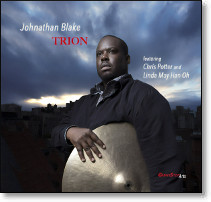
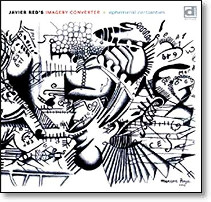
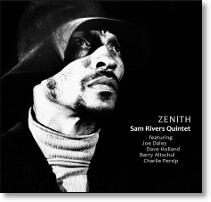
December archive (in progress). Music: Current count 32422 [32388] rated (+34), 230 [221] unrated (+9). I have 52 ballots counted for Jazz Critics Poll. Deadline is December 8, but I'm finding very little reason to shuffle the top of my EOY Jazz List, so I might as well file my own ballot sooner rather than later. This is what I'm handing in: New music:
Historical music:
Miscellaneous categories:
One consideration I had was whether to omit records that I didn't receive (or obtain) physical copies of. In recent years, I've done that for historical releases (which have gotten to be hard to come by) but I allowed streamed new releases to slip onto my ballot. After I slid Ill Considered 6 down a couple notches, the only streamed item in my New top ten was the Mark Lomax mega-production. I decided to keep it on the ballot because I had rated it a full A (only three this year, although the top two A- records are good candidates for promotion), and because a couple other critics had voted for it, with a high enough points-per-ballot to move it into the top-30. Among historical records, I decided to keep Getz on the ballot because I didn't have a satisfactory alternative: the next two records I have physical copies of are samplers by Bill Evans and Wes Montgomery, but I'm rather chafed that I haven't been able to hear those artists new-old records (Evans in England and Back on Indiana Avenue), which are the ones other critics are voting for. (The other big set from the same label that I haven't been able to hear yet is Nat "King" Cole's Hittin' the Ramp, currently running 3rd in the poll.) I do have CDs of six more records further down the list, and I'm especially appreciative of the Sam Rivers and Horace Tapscott sets, but they are well down the list, barely over the cusp. This week's haul is nearly all records suggested by counting JCP ballots. Also noticed a few things from recent lists by Phil Overeem and Chris Monsen, and scrounging through Tim Niland's recent reviews. My EOY Aggregate was close to up-to-date until today, when we were hit with an avalanche of new lists. Main ways I track these things are through AOTY and Acclaimed Music's EOY 2019 forum. I'll catch up eventually, although lots of things aren't making it easy (slow recovery from illness, anticipation of surgery, visitors, my mind's inability to process it all). New records reviewed this week: Stefan Aeby: Piano Solo (2018 [2019], Intakt): Swiss pianist, first solo after several trio albums, expands the instrument's range with various preparations and electronic post-processing. B+(*) Rodrigo Amado/Dirk Serries: Jazzblazzt (2018 [2019], Raw Tonk): One of my favorite tenor saxophonists, in a duo with a prolific (but hitherto unknown to me) Belgian guitarist, aka Vidna Obmana. Rather fractured, onto something. B+(**) The Big Yes: The Big Yes (2018 [2019], Nakama): Scandinavian free jazz quartet, two horns -- Anna Högberg (sax) and Maria Bertel (trombone) -- bass and drums, storming through one 30:58 track. B+(**) [bc] Johnathan Blake: Trion (2018 [2019], Giant Step Arts, 2CD): Drummer from Black Art Jazz Collective, has some range in groups with Kenny Barron, Oliver Lake, Donny McCaslin, and Dr. Lonnie Smith, plus a couple albums under his own name. He's terrific in this basic sax trio, as is bassist Linda May Han Oh, but after a brief intro this is really a tour de force for Chris Potter. A- Jane Bunnett and Maqueque: On Firm Ground/Tierra Firme (2019, Linus Entertainment): Soprano saxophonist, also plays flute and trompeta china, has used this group name since her 2014 album. As Latin rhythms go, this is impressive enough, but the vocals throw me off. B Daniel Carter/Patrick Holmes/Matthew Putman/Hilliard Greene/Federich Ughi: Electric Telepathy Vol. 1 (2018 [2019], 577 Records): Aka the Telepathic Band: saxes/clarinet/trumpet, clarinet, keyboard, bass, drums. B+(***) Cochemea: All My Relations (2019, Daptone): Saxophonist Cochemea Gastelum, spent the last 15 years in Sharon Jones' band, the Dap-Kings. Dropped last name for his second album, takes aim at his roots, which are not just African, starting with a chant, ending with a groove. B+(**) [bc] John Dikeman/George Hadow/Dirk Serries/Martina Verhoeven/Luis Vicente: Ideal Principle (2016 [2018], Raw Tonk): Tenor saxophonist, born in Nebraska, grew up in Wyoming, wound up in Amsterdam. Others play drums, electric guitar, double bass, and trumpet. Strong free jazz outing, the trumpet a highlight. B+(***) [bc] Petter Eldh: Koma Saxo (2018 [2019], We Jazz): Swedish bassist, based in Berlin, recorded this quintet in Helsinki with three saxophonists (Otis Sandsjö, Jonas Kullhammar, and Mikko Innanen) plus drums (Christian Lillinger). Horns play some kind of fuzzy harmony, underscoring the centrality of the bass. B+(**) Ellery Eskelin/Christian Weber/Michael Griener: The Pearls (2018 [2019], Intakt): Tenor sax-bass-drums trio, mixing avant improv with older forms, including two "rag" titles, one each from Jelly Roll Morton and Count Basie. B+(***) Georg Graewe/Ernst Reijseger/Gerry Hemingway: Concertgebouw Brugge 2014 (2014 [2019], Fundacja Sluchaj): Piano-cello-drums trio, first joined together 30 years ago (1989). B+(**) [bc] Joel Harrison: Still Point: Turning World (2019, Whirlwind): Guitarist, twenty albums since 1994, changes up here by working with and composing for the Talujon Percussion Quartet, adding Indian musicians like Anupam Shobhakar (sarode) and Swaminathan Selvaganesh (percussion), also Hans Glawaschnig or Stephan Crump (bass), Dan Weiss (drums/tabla), and Ben Wendel (sax/bassoon). Ambitious album, leaves a strong impression. B+(**) Jazzmeia Horn: Love and Liberation (2019, Concord): Jazz singer, originally from Dallas, moved to New York at 18, second album, all covers on her first, mostly originals here. Half could rate as well-above-average neo-soul, some her impressive technique goes overboard with. Closes with a formidable "I Thought About You." B+(***) Keith Jarrett: Munich 2016 (2016 [2019], ECM, 2CD): Solo piano, has well over a dozen such albums, Like many this one runs long, and tries my patience -- not that he doesn't impress me here and there. B+(*) Guillermo Klein: Los Guachos Cristal (2019, Sunnyside): Argentine pianist, has used "Los Guachos" as an album title and/or as his group name: a large one, 11-pieces here, mostly New Yorkers, like his sax section -- Miguel Zenon (alto), Bill McHenry (tenor), and Chris Cheek (soprano/tenor/baritone) -- and trumpets: Diego Urcola and Taylor Haskins. Impressive section work, moved along by a strong rhythm. B+(***) Kokoroko: Kokoroko (2019, Brownswood, EP): London-based Afrobeat collective, with saxophonist Cassie Kinoshi, Sheila Maurice-Gray (trumpet), Richie Seivwright (trombone), plus guitar, keyboards, bass, and drums. Four cuts, 24:24. B+(*) Ingrid Laubrock + Aki Takase: Kasumi (2018 [2019], Intakt): Sax and piano duo, a German based in New York and a Japanese based in Berlin. B+(**) Metropolitan Jazz Octet Featuring Dee Alexander: It's Too Hot for Words: Celebrating Billie Holiday (2019, Delmark): Chicago group, name comes from one Tom Hilliard assembled for a 1959 tribute to Bix Beiderbecke. The new group connects to the old through Hilliard protégés Jim Gailloreto (tenor sax) and John Kornegay (alto sax). The band exudes power, the singer strength. Hard to fault either, but doesn't quite seem right. B+(**) Van Morrison: Three Chords & the Truth (2019, Exile/Caroline): After a spate of covers albums, he's back with a batch of original songs (one co-authored), reportedly new ones but sounding ever so much like his old ones (perhaps I should A:B "Days Gone By" with "Days Like This"?). In fact, they sound so classic that it's finally clear how much his voice has thickened up. B+(***) Evan Parker/Barry Guy/Paul Lytton: Concert in Vilnius (2017 [2019], NoBusiness): Avant sax-bass-drums trio, together frequently since 1980 (probably before). Plays his distinctive soprano as well, but his best records are all tenor. B+(***) [cd] Junius Paul: Ism (2016-19 [2019], International Anthem): Chicago bassist, first album, recorded 17 pieces on eight dates, using the same quartet on three, rotating other players on the others. That contributes to, but doesn't really explain, the indeterminateness that pervades the album, a mix of ambient and chaos. Note that Makaya McCraven edited and co-produced. B+(*) Ken Peplowski/Diego Figueiredo: Amizade (2018 [2019], Arbors): The Brazilian guitarist has nine albums since 2006, two with singer Cyrille Aimée, and now this one with the retro-swing clarinetist. A couple of originals, various Brazilian classics, a spritely "Caravan," and the most languorous "Stompin' at the Savoy" I've ever heard. B+(*) Javier Red's Imagery Converter: Ephemeral Certainties (2019, Delmark): Piano player from Chicago, his real name for all I know -- my first reaction was to think of bluesmen but Javier is a plausible first name, unlike Louisiana, Piano, Speckled, and Tampa. First album, quartet with Jake Wark (tenor sax), Ben Dillinger (bass), Gustavo Cortiñas (drums). Major poise and balance. A- SEED Ensemble: Driftglass (2019, Jazz Re:freshed): London-based 10-piece jazz band led by saxophonist Cassie Kinoshi, who also has a hand in Nérija and Kokoroko. Strong groove, massive horns, several guest vocals don't quite register. B+(*) Christian Meass Svendsen With Nakama and Rinzai Zen Center Oslo: New Rituals (2017-18 [2019], Nakama, 3CD): Bassist, went overboard here: each disc has the same titles, the first pass for group plus "chant choir," the second just group, the third all the way down to solo bass. The group, Nakama, has violin, piano, bass, drums, and voice. They're quite lively with the choir, but slow down on their own side, and you know what to expect with solo bass. B+(*) [bc] Pat Thomas/Dominic Lash/Tony Orrell: Bley School (2018 [2019], 577 Records): British pianist, distinct from two other musicians of same name (one from San Francisco, the other Ghana). I'm rather shocked that I didn't have a database entry for this one, as he's appeared on 40+ albums since 1993, starting with Lol Coxhill and Derek Bailey. A tribute to the late Paul Bley, more focused on approach than canon. B+(***) [bc] Trigger: Pull (2019, Shhpuma): Avant-thrash trio: Will Greene (electric guitar), Simon Haines (electric bass), Aaron Edgcomb (drums). Intense, relentless, still it does eventually melt together. B Jennifer Wharton's Bonegasm: Bonegasm (2018 [2019], Sunnyside): Trombonist, first album, a trombone quartet (John Fedchock, Nate Mayland, Alan Ferber) backed by piano-bass-drums. B+(*) Yong Yandsen/Christian Meaas Svendsen/Paal Nilssen-Love: Hungry Ghosts (2018 [2019], Nakama): Avant-sax trio, recorded in Kuala Lamur -- evidently home base for the tenor saxophonist, a co-founder of EMACM (Experimental Musicians & Artists Co-operative Malaysia -- and released in Norway, home of the bassist and drummer. One searing 39:00 tear. B+(***) [bc] Recent reissues, compilations, and vault discoveries: Joseph Daley: The Seven Deadly Sins/The Seven Heavenly Virtues (2010-13 [2019], Jodamusic): Reissues two albums, one broadly orchestral I've previously heard and graded B+(***), the other more string-laden, below. Averages out to: B+(**) Sam Rivers: Zenith [Sam Rivers Achive Project, Volume 2] (1977 [2019], NoBusiness): Tenor saxophonist, also plays soprano, piano, and (quite a bit of) flute. Quartet with Joe Daley (tuba/euphonium), Charlie Persip (bass), and Barry Altschul (drums), live set in Berlin. I might complain about the flute, but the rhythm section more than picks up the slack. A- [cd] Makoto Terashita Meets Harold Land: Topology (1983 [2019], BBE): Japanese pianist, had one previous trio album from 1978, doesn't seem to have had much since, but this was picked out for the label's J Jazz Masterclass Series. His meeting with the alto saxophonist is backed by Yasushi Yoneki (bass) and Mike Reznikoff (drums). The piano trio is quite satisfying on its own, and Land is as poised and fierce as I can recall. A- [bc] Old music: Johnathan Blake: Gone, but Not Forgotten (2014, Criss Cross): Drummer-led quartet, with bass (Ben Street) and two saxophonists (Chris Potter and Mark Turner). Something to be said for the extra harmony, but they do meander more, sometimes with alto flute or soprano sax, and wind up with a bit of swing. B+(***) Joseph Daley: The Seven Heavenly Virtues (2013,
Jodamusic): Tuba player, from New York, side credits since 1971
(Taj Mahal, Gil Evans, Sam Rivers), first under his own name The
Seven Deadly Sins (2011), with his 24-piece Earth Tones Orchestra.
This sequel is mostly string orchestra and percussion, some piano.
I can't say as I've ever found violins heavenly. Closes with three
"sketches" referring to Warren Smith, Billy Bang, and Bill Dixon.
B+(*) Unpacking: Found in the mail last week:
Ask a question, or send a comment. Monday, November 25, 2019 Music Week
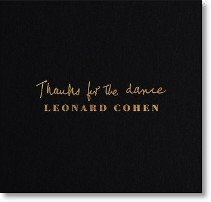
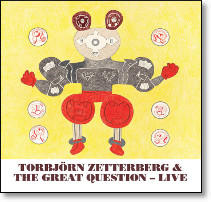
Music: Current count 32388 [32371] rated (+17), 221 [221] unrated (+0). Took ill late last week, spending a couple days doing nothing more ambitious than watching the remains of television series Laura had already given up on (The Durrells in Corfu, which I enjoyed very much, and Press, which barely kept me going). I'll add that we recently finished the latest seasons of Orange Is the New Black and Succession, which among other things remind us that class persists in quantum orbits so isolated that it's hard for most of us to imagine life like that. No Weekend Roundup yesterday. I have a few links saved up for next time I manage to write one. Not much Music Week here either. The one thing I am trying to keep up with is tabulating ballots for this year's NPR Jazz Critics Poll. That pointed me to several records this week, no doubt more next week. (Playing Johnathan Blake's Trion at the moment, and it's sounding like a pretty solid A-.) Spent a lot of time early in the week just trying to round up the various pieces of Allen Lowe's box set, and wound up guessing a bit. I still haven't finalized my ballot yet, but you can see a very rough draft here. New records reviewed this week: Ilia Belorukov & Vasco Trilla: Laniakea (2017 [2019], Astral Spirits): Russian alto saxophonist, also plays fluteophone and electronics, in a duo with percussion, recorded at the latter's Barcelona studio. Feels too static for jazz, lots of drone, not even much clang. B- [bc] Leonard Cohen: Thanks for the Dance (2016 [2019], Columbia/Legacy): The poet-singer died in 2016, about the time he released You Want It Darker, still excellent despite a voice in tatters. These are "sketches" for songs, rounded up and finished roughly by son Adam Cohen, with guest help like Daniel Lanois and Beck. Barely makes it: nine songs, 29:17, the voice harsh even by recent standards, but the music is uncanny, and his words hit hard. A- The Last Poets: Transcending Toxic Times (2019, Ropeadope): Group dates from 1968, before hip-hop was recognized as such, and has gone through numerous permutations, but poets Abiodun Oyewole and Umar Bin Hassan return from their first album, along with recent arrival Baba Donn Babatunde and some other guest spots. One thing new here is the musicians are a lot more steeped in jazz, thanks to producer (and bassist) Jamaaladeen Tacuma. Ends with two strong, bitter political rants. B+(**) Quiana Lynell: A Little Love (2019, Concord Jazz): R&B singer with some jazz overtones, born in Texas, grew up in Baton Rouge, based in New Orleans, trained in classics and church, won her contract in one of Concord's contests (this one named for Sarah Vaughan). First album, mixed bag of songs, some vibes. B Aurora Nealand/Steve Marquette/Anton Hatwich/Paul Thibodeaux: Kobra Quartet (2019, Astral Spirits): Chicago label (lots of interesting records, but most with only a sample song or two on Bandcamp; this 3-song 42:06 the exception). Nealand plays accordion, alto sax, voice, objects. The others guitar, bass, and drums. Fond of slow burns, building to impressive climaxes. B+(*) [bc] Ivo Perelman/Matthew Shipp/William Parker/Bobby Kapp: Ineffable Joy (2018 [2019], ESP-Disk): Brazilian avant-saxophonist, only three releases (6-CD) this year on his usual label (Leo), decided to diversify and follow his pianist to the latest iteration of the famous 1960s DIY label, citing an early Gato Barbieri release on same. With bass and drums from old Shipp associates, he couldn't ask for a more robust rhythm section. B+(***) Charlie Porter: Immigration Nation (2019, OA2): Trumpet player, from New York, second album, postbop quintet with Nick Biello (tenor sax), Oscar Perez (piano), bass, and drums, plus a vocal (Sabine Kabongo) on one song. B+(*) [cd] Wallace Roney: Blue Dawn-Blue Nights (2019, HighNote): Trumpet player, hard bopper, had some prestige tutors (Gillespie, Davis, Terry), couple dozen albums since 1987. Seems to have a young band, none I've heard of -- Emilio Modeste (sax), Oscar Williams II (piano), Paul Cuffari (bass), Kojo Odu Roney (drums) -- and they push him pretty hard. B+(***) Toh-Kichi: Baikamo (2019, Libra): Piano-drums duo, Satoko Fujii and Tatsuya Yoshida. Four pieces from each, eight more joint improvs. Nice to hear Fujii roughing up the piano again. B+(***) [cd] Torbjörn Zetterberg & the Great Question: Live (2017 [2019], Corbett vs. Dempsey): Swedish bassist, released four solo albums, three by his Hot Five (2002-04), side credits with most of this band: Jonas Kullhammar (tenor sax/flute), Alberto Pinton (baritone sax/clarinet/flute), Susana Santos Silva (trumpet/tin whistle), Mats Äleklint (trombone/harmonica), and Jon Fält (drums). Lot of firepower there, and the bassist clearly likes it hot. A- [bc] Recent reissues, compilations, and vault discoveries: Georg Graewe/Ernest Reijseger/Gerry Hemingway: Kammern I-V (2009 [2019], Auricle): Piano-cello-drums trio, group recorded together at least ten times, with 1994's Saturn Cycle a favorite. This comes close, the piano especially vibrant and challenging. B+(***) [cd] Allen Lowe: Jews & Roots/Radical Jewish Acculturation: An Avant Garde of Our Own: Disconnected Works: 1980-2018 (1980-2018 [2019], Constant Sorrow/ESP-Disk, 8CD): Musicologist, his books and their companion CD compilations offer an extraordinarily broad and deep exploration into American recorded music, but he also plays alto sax, and his own works have increasingly turned ambition to sprawl: the 3-CD Blues & the Empirical Truth (2011), the 4-CD Mulatto Radio (2014), the separately packaged 6-CD In the Diaspora of the Diaspora (2016), and now this 8-CD box (most recorded since 2016, but also picking up scattered recordings going back to his first efforts). Haven't heard the first disc, and I'm short for details (especially on the 8th). One case where the physical CDs could make the difference, especially give that Lowe's as much a writer as a musician (though he'd probably hear it the other way round).
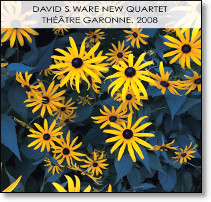
Overall, something like: B+(***) Dudu Pukwana/Han Bennink/Misha Mengelberg: Yi Yole (1978 [2019], Corbett vs. Dempsey): South African alto saxophonist, emigrated with the Blue Notes, richocheted between his native township jive (cf. his wonderful 1973 In the Townships) and avant-jazz extremes (I hated his 1977 Diamond Express). This finds some kind of middle ground, especially when the pianist breaks out his boogie-woogie. B+(**) [bc] David S. Ware New Quartet: Théâtre Garonne, 2008 (2008 [2019], AUM Fidelilty): The old Quartet had one of the greatest runs in jazz history, from 1990-2007, with Matthew Shipp (piano), William Parker (bass), and a series of drummers. His new Quartet, with Joe Morris (guitar), Parker, and Warren Smith (drums), turned out one album (Shakti) before kidney failure sidelined Ware (a kidney transplant gave him a brief respite from 2009-12, during which he made a partial comeback). This live date came a few weeks after the album, reprising most of the compositions. Ware is Ware, but Morris has some surprises in store. A- Mary Lou Williams: Mary Lou Williams (1962-63 [1964], Folkways; [2019], Smithsonian Folkways): Pianist, a chief architect of Kansas City swing in Andy Kirk's orchestra, kept evolving up to her death in 1981 -- including a foray into religious music which shows up here in several choral pieces (although only the first is awful). On the other hand, her piano is often wonderful, especially on "A Grand Night for Swinging" (title of one of her best albums). B+(*) Old music: Georg Graewe/Ernest Reijseger/Gerry Hemingway: Continuum (2005 [2006], Winter & Winter): Piano-cello-drums trio, the cello pointing toward chamber jazz, the percussionist cleverly working his way around the edges, careful not to push too hard. B+(*) Grade (or other) changes:
Unpacking: Found in the mail last week:
Ask a question, or send a comment. Monday, November 18, 2019 Music Week
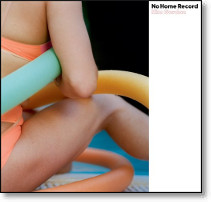
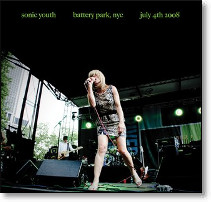
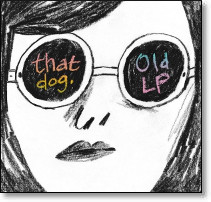
November archive (in progress). Music: Current count 32371 [32345] rated (+26), 221 [221] unrated (+0). I've been dreading this date for more than a month now. I should be feeling relief that the worst-case scenario has been avoided, but I'm still feeling pretty shaken and tattered. Thought I'd celebrate by rustling up a fairly simple dinner on Tuesday -- a big pot of paella plus something for dessert -- for a small group, figuring that's the one thing I can still depend on my competency for. But at the moment I'm feeling overwhelmed by pressing work -- including lots of things I've been putting off. Indeed, I had quite a bit I wanted to write about here, but will have to cut very short. One thing that will seem obvious from the list below is that Robert Christgau's Consumer Guide: November 2019 came out on Wednesday. As the column currently depends on paid subscribers, I've held back the grade schematic from previous news rolls, but I will note a few things here: three pick hits are albums I previously graded A- (Raphael Saadiq: Jimmy Lee; Rachid Taha: Je Suis Africain; Jamila Woods: Legacy! Legacy!). Three more I came up short on, but revised my grades below: Kim Gordon: No Home Record; Sonic Youth: Battery Park; and That Dog: Old LP. I don't often change my grades after a Christgau review -- the only other time it's happened this year was The Coathangers: The Devil You Know. My initial assessments of the first two were pretty close to the mark, but at the time I didn't feel like giving them the extra play they needed, and took that as a sign. That left one new record I hadn't gotten to (Ed Sheeran's -- well, more if you count the HMs, where I struck out), and two old ones where I was familiar with the music from other packages: I have two Spaniels CDs on Collectables which match the 2-CD Jasmine compilation closely, and I've heard all of the music on the 8-CD Bud Powell bargain box -- my previous grades (I have the two Trio albums on Roost combined on a single Roulette CD):
I should note that my 2019 ratings and music tracking files have continued to grow (927 new releases rated so far, 3167 records listed). I've also done a very preliminary sort of my top-rated jazz and non-jazz records, showing 67 A/A- jazz records vs. 54 non-jazz. Last year at this time the split was 46-46, which I noted at the time was unusually balanced. Not easy to dig up stats on previous years, but I suspect 2016 was more typical, with a 61-41 jazz/non-jazz split. In most years, the numbers eventually even out, but I typically hold off on non-jazz records until I see them show up in EOY lists. One thing I should emphasize here is that the current lists are a first pass, and I expect the rank order to shift a lot in the near future. The other thing is that I will keep adding to (and otherwise reshuffling) those two files well into 2020 (as I've done in years past). I should also note that my metacritic list is still growing. I started this file with mid-year lists, then added points based on grades (mostly as reported by AOTY and Metacritic). I don't have any actual EOY lists factored in (the first usually show up just before Thanksgiving, so . . . next week), but have added new records as they come out. First place has tottered between Sharon Van Etten and Billie Eilish all years, with Van Etten recently back on top. If I had time, I'd speculate on where I see the EOY lists going, based on this research (factoring in certain data artifacts), but will have to skip that for now. Final point I wanted to make is that Francis Davis is running his 14th Annual Jazz Critics Poll, and once again I'll try to help out. I also don't have time to speculate on likely standings there -- indeed, I've given the subject very little thought, and doubt my metacritic file sheds much light on it at this point. One thing I do want to pass along from the invite letter is this:
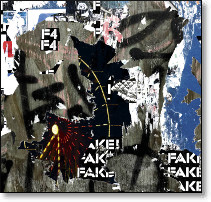
I'd be happy to forward any critic nominations. New records reviewed this week: Lolly Allen: Coming Home (2016 [2019], OA2): Vibraphone player, based in Los Angeles, first album, opens with Horace Silver's "The Hippest Cat in Hollywood," closes with "Bebop," wrote two songs and her trumpet player Carl Saunders added one called "Lolly's Folly." B+(*) [cd] Jon Batiste: Anatomy of Angels: Live at the Village Vanguard (2018 [2019], Verve): New Orleans pianist, calls his band Stay Human, culled six nights of sets down to this slab of vinyl. Three originals, an arrangement of "Round Midnight," and a short bit of "The Very Thought of You," sung by Rachael Price -- a standout moment, along with Tiven Pennicott's tenor sax blast. B+(*) Jon Batiste: Chronology of a Dream: Live at the Village Vanguard (2018 [2019], Verve): A second helping from the six-night stand, also vinyl-sized. B+(*) Gerald Cleaver & Violet Hour: Live at Firehouse 12 (2019, Sunnyside): Drummer from Detroit, complains he's "been unfairly pigeonholed as a free jazz player for much of his career," strikes back with an unabashed hard bop sextet, reassembling a group he first led in 2008: JD Allen (tenor sax), Andrew Bishop (bass clarinet, soprano & tenor sax), Jeremy Pelt (trumpet), Ben Waltzer (bass), Chris Lightcap (bass). Good blowing session, especially for Allen. B+(**) The DIVA Jazz Orchestra: DIVA + the Boys (2017 [2019], MCG Jazz): Drummer Sherrie Maricle conceived this as an all-female big band back in the 1990s, eighth album here following 2017's 25th Anniversary Project. The "boys" are guests Ken Peplowski (clarinet), Claudio Roditi (trumpet), Jay Ashby (trombone), and Marty Ashby (guitar). B+(*) [cd] DJ Shadow: Our Pathetic Age (2019, Mass Appeal, 2CD): Josh Davis, 1996 Endtroducing was a brilliant debut, 2002 The Private Press still a staple in my travel case. I hear occasional echoes here, among the beats on the mostly instrumental first disc. Second disc offers a parade of rappers, fine enough individually, can't say they add up to much more. B+(**) FKA Twigs: Magdalene (2019, Young Turks): British crooner-songwriter Tahliah Barnett, second album, producers are often well known electronica artists -- Nicholas Jaar, Daniel Lopatin, Skrillex, Cashmere Cat -- but leans toward torchy ballads. B Gauche: A People's History of Gauche (2016-18 [2019], Merge): DC band, second album, singers Mary Jane Regalado and Daniele Yandel come from other notable bands (Downtown Boys and Priests). A reviewer I saw was reminded of Devo and B-52s, but for me the saxophone can only mean X-Ray Spex. Not quite that good, of course. B+(***)/p> Charles Gayle/Giovanni Barcella/Manolo Cabras: The Alto Sessions (2017 [2019], El Negocito): Free jazz saxophonist, spiritual kin to Albert Ayler, played on the streets of New York before eeking out a career on obscure jazz labels. Recorded this one in Belgium, with locals on drums and bass (Barcella originally from Italy), and as the title suggests, plays alto instead of his usual tenor. Also plays some piano. B+(**) [bc] Ben Goldberg: Good Day for Cloud Fishing (2017 [2019], Pyroclastic): Clarinet player, mostly trio with Nels Cline (guitar) and Ron Miles (trumpet), with Dean Young (poems) also featured on the cover -- inspiration for the music and fodder for the print package, but not an obvious connection. B Laura Jurd: Stepping Back, Jumping In (2019, Edition): British trumpet player, leads the group Dinosaur, who play here as well as a string quartet and extra odds and ends -- trombone, euphonium, santoor, banjo, electronics. The strings are modern/abstract, don't do much for me, but other spots take off. B Kneebody: Chapters (2018-19 [2019], Edition): Fusion band, based in Brooklyn, eighth studio album since 2005: Ben Wendel (tenor sax), Shane Endsley (trumpet), Adam Benjamin (keyboards), and Nate Wood (bass/drums), plus various guests, including four vocalists. Not much to start, but gets much better when after guests Josh Dion and Kaveh Rastegar add some bent skronk to "Hearts Won't Break," and hits the occasional moment thereafter. B+(*) Kodian Trio: III (2019, Trost): Avant-jazz trio: Colin Webster (alto sax), Dirk Serries (electric guitar), and Andrew Lisle (drums). Third album, five pieces ("I" through "V"), cut this on a day off while touring Netherlands. Fairly intense free-for-all. B+(***) Konstrukt + Ken Vandermark: Kozmik Bazaar (2018 [2019], Karlrecords): Turkish avant-jazz group (alto sax/guitar/bass/drums), two dozen or so albums since 2008, many featuring guests who wandered their way -- Marshall Allen, Peter Brötzmann, and Evan Parker each appeared on 2011 albums, so this paring was almost inevitable. The guest contributes to the free thrash, but doesn't stand out as much as expected -- though that's probably his clarinet on the closing space excursion. B+(**) Liquid Quintet [Agusti Fernandez/Artur Majewski/Albert Cirera/Rafal Mazur/Ramon Prats]: Flux (2017 [2019], Fundacja Sluchaj): Barcelona pianist Agustí Fernández, prolific since 1986, has recorded as The Liquid Trio before, with Albert Cirera (saxes) and Ramon Prats (drums), adds Artur Majewski (trumpet) and Rafal Mazur (bass) here. B+(**) [bc] Made to Break: F4 Fake (2017 [2019], Trost): Ken Vandermark project, seventh group album since 2011, with the leader on reeds, Christof Kurzmann (electronics), Jasper Stadhouders (bass, guitar), and Tim Daisy (drums). Three longish pieces, Vandearmark impressive as ever, the noise around him conducive. A- Rachel Musson/Pat Thomas/Mark Sanders: Shifa: Live at Cafe Oto (2019, 577): British saxophone/piano/drums trio (tenor/soprano), Musson impressed me on Federico Ughi's Transoceanico. She impressed again here, and the pianist starts out sparkling, but this free improv does wear a bit. B+(**) Bob Ravenscroft & Inner Journeys: Phantasmagoria (2019, OA2): Piano-bass-drums trio, 25 short improv pieces, with Dwight Kilian (bass) and Rob Moore (piano). Ravenscroft did a couple of albums 1982-83, not much since. B+(*) [cd] Bria Skonberg: Nothing Never Happens (2019, self-released): Canadian trumpet player, also sings -- hype sheet cites Louis Armstrong and Anita O'Day as models, but also describes her voice as "smoky." Sixth album starts sultry, offers some blues, a rather avant instrumental, then turns "Bang Bang" into a standard. B+(***) SLD Trio: El Contorno Del Espacio (2018 [2019], Fundacja Sluchaj): Argentine piano-bass-drums trio: Paula Shocron, German Lamonega, Pablo Diaz. Shifts around, including some strong free passages. B+(**) [bc] Tierney Sutton Band: ScreenPlay (2019, BFM Jazz): Jazz singer, mostly standards, first record 1998, most records attributed to her band. These are songs from movies, originally released in five EPs corresponding to five acts, each with 3-5 songs. Some are quite striking, including "Sound of Silence" (one I normally can't stand) and "Diamonds Are a Girl's Best Friend." B+(***) Pat Thomas and Kwashibu Area Band: Obiaa! (2019, Strut): From Ghana, a highlife star in the 1960s -- see his Coming Home 2-CD compilation), got another shot when he formed this band in 2015. This one seems to be new, but still dwells largely in the past. B+(**) Threnody [Johan Berthling/Martin Küchen/Steve Noble]: A Paradigm of Suspicion (2018 [2019], Trost): Bass-sax-drums trio, looks like their third album together, the group namme appearing here after being part of the second album's title (Threnody, at the Gates). First album evidently listed Küchen first, as does Bandcamp page here. Free and hard. B+(***) Jonah Tolchin: Fires for the Cold (2019, Yep Roc): Singer-songwriter from New Jersey, fourth album, 2014's Clover Lane was the one that got my attention. He remains a thoughtful songwriter, but shies away from grabbing you. B+(*) Recent reissues, compilations, and vault discoveries: Future: Monster (2014 [2019], Freebandz): Nayvadius Cash, rapper, released a bunch of mixtapes from 2010, this his 13th in five years, but one of the first to get widely noticed. Reissued for streaming. B+(***) ICP Orchestra: ICP Orchestra in Albuquerque: The Outpost Performance Space, March 17th, 2003 (2003 [2019], ICP): Justly famous Dutch avant big band (11 pieces), initials stand for Instant Composers Pool, founded 1967 and led until recently by pianist Misha Mengelberg, just started trawling through their vault tapes for lost treasures. Meanders, sometimes brilliantly. B+(**) [bc] Old music: Charles Gayle/Giovani Barcella/Manolo Cabras: Live in Belgium (2015 [2017], El Negocito): One of the grand old avant tenor saxophonists goes to Belgium, picks up local drummer and bassist, and does what he's often done, for an often stunning series of righteous riffs. Plays some piano too, as sigular as his sax. B+(***) [bc] Grade (or other) changes:
Unpacking: Found in the mail last week:
Ask a question, or send a comment. Monday, November 11, 2019 Music Week
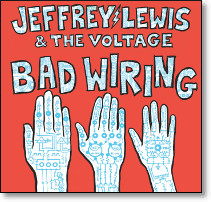
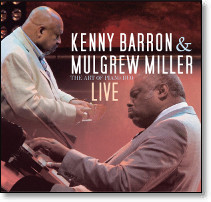
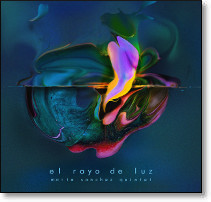
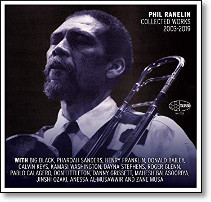
November archive (in progress). Current count 32345 [32307] rated (+38), 221 [220] unrated (+1). Pressure continues to build on my psych crisis. Hoped for a break today, but may have underestimated the holiday. Maybe tomorrow? I've been in a rut for nearly a month, getting damn little done. Still, might as well knock this out. Don't actually have much to say about it, anyway. Next week will either be much better . . . or worse. New records reviewed this week: Ben Allison/Steve Cardenas/Ted Nash: Quiet Revolution (2015 [2018], Sonic Camera): Bass/guitar/tenor sax, also some clarinet. Same trio as Nash's later Somewhere Else, but artists listed here as above, the mix favoring the bass, and indeed this one is on his label. One song from each, covers from Jim Hall (6) and Jimmy Giuffre (2), closing with "Love Theme From Spartacus." [CD reissue; first appeared vinyl-only 2016 on Newvelle.] B+(***) Byron Asher: Byron Asher's Skrontch Music (2018 [2019], Sinking City): From New Orleans, plays clarinet and tenor sax, first album, organized a ten-piece ensemble to play around excerpts from oral history recordings, giving it a trad jazz reference even when the music is aggressively postmodern. B+(**) The Bad Plus: Activate Infinity (2019, Edition): Piano trio, founded in 2000 by Reid Anderson (bass), Dave King (drums), and Ethan Iverson (piano) -- replaced in 2017 by Orrin Evans, a star in his own right. B+(**) Kenny Barron & Mulgrew Miller: The Art of Piano Duo: Live (2005-11 [2019], Sunnyside, 3CD): Two pianists, three encounters, the first in Marciac in 2005, the others in Zurich in 2011, two years before Miller (the junior partner by 15 years) died. Barron is famous as an educator, and playing along with students is part of his shtick, but few are as gifted as Miller. The pair merge together so seamlessly it's rarely clear who's playing what -- indeed, the occasional solo can be hard to detect. Endlessly entertaining. Dare I say flawless? A- Harold Danko/Kirk Knuffke: Play Date (2018 [2019], SteepleChase): Piano and cornet duo. Alternates Duke Jordan songs with jointly-credited originals, cycling through "Flight to Denmark" three times. B+(***) David Friesen Circle 3 Trio: Interaction (2018 [2019], Origin, 2CD): Bassist, also plays piano (four tracks here), notable as a composer, has close to 50 albums since 1975. Trio with Joe Manis (tenor/soprano sax) and Charlie Doggett (drums), more free than I expected. B+(***) [cd] [11-15] Andy Fusco: Vortex (2017 [2019], SteepleChase): Alto saxophonist, played with Buddy Rich 1978-83, debut album in 1996, now has four albums on the Danish label since 2016. This is a septet, with Walt Weiskopf (tenor sax -- another Rich alumnus Fusco recorded a 2006 album with, Tea for Two), Joe Magnarelli (trumpet), John Mosca (trombone), Peter Zak (piano), bass and drums. B+(**) Mary Halvorson & John Dieterich: A Tangle of Stars (2018 [2019], New Amsterdam): Guitar duo, she recently won a MacArthur Genius Grant, he best known as a long-term member of Deerhoof, although this isn't his first side project with jazz musicians. B+(**) Kevin Hays/Mark Turner/Marc Miralta: Where Are You (2018 [2019], Fresh Sound New Talent): Piano/tenor sax/drums, all write original pieces, plus they cover Charlie Parker and Ornette Coleman. Turner is as solid as ever, while the pianist adds some spice. B+(***) Zlatko Kaucic Quintet: Morning Patches (2018 [2019], Fundacja Sluchaj): Slovenian Drummer, credited with "ground sounds" here, couple dozen albums since 1994, quintet members get "feat." credit on cover: Michael Moore (alto sax/clarinet), Marco Colonna (clarinet/bass clarinet), Albert Cirera (tenor sax), Silvia Bolognesi (bass). B+(*) [bc] Michael Kiwanuka: Kiwanuka (2019, Polydor): British singer-songwriter, born in London, parents from Uganda, don't think I accept his classification as "indie folk," but don't see many other pigeonholes. Third album, a star in UK, still a curiosity here. B+(*) Kronos Quartet: Terry Riley: Sun Rings (2019, Nonesuch): String quartet, more than 40 albums since 1979, including various forays into jazz and world music as well as modern/postmodern classical -- this looks like their fourth Terry Riley album. The strings tend to be scruffier than Riley's usual electronics, which is OK by me, but I'm less taken by the choir. B Travis Laplante: Human (2018 [2019], New Amsterdam): Tenor saxophonist, best known for his sax quartet Battle Trance, goes solo here, with various effects, including circular breathing his way into air raid siren territory. B Jeffrey Lewis & the Voltage: Bad Wiring (2019, Don Giovanni): New York folkie, started out drawing comic books, fifteen years later he goes to Nashville, gets a producer, and rocks harder than ever. Good opening song, a surefire single on "LPs" (advice: "if it's cheap there's less chance you'll regret it"), tails off a bit toward the end. B+(***) Joe Morris & Evan Parker: The Village (2014 [2019], Fundacja Sluchaj): Guitar and sax duo, the latter switching between soprano and tenor. A bit scratchy, which is what Morris does best. B+(**) [bc] Ted Nash/Steve Cardenas/Ben Allison: Somewhere Else: West Side Story Songs (2019, Plastic Sax): Sax/guitar/bass, the former listed first in larger type. Can't say as the songs mean much to me, but nicely done. B+(**) One O'Clock Lab Band: Lab 2019 (2019, North Texas Jazz): As you probably know by now, University of North Texas has one of the largest and most successful jazz programs anywhere (in the USA) outside of the Boston-New York corridor. This is their big band class, directed by Alan Blaylock, and their section work and arranging are pretty sharp. Also note that the vocal cut, with Marion Powers, is a highlight. B+(*) [cd] [11-22] Evan Parker/Lotte Anker/Torben Snekkestad: Inferences (2016 [2019], Fundacja Sluchaj): Sax trio, not an auspicious lineup as all three play soprano, with minor switches helping (Anker to tenor sax, Snekkestad to trumpet), but not often enough. Two pieces, 41:00. B+(*) [bc] Marta Sánchez Quintet: El Rayo De Luz (2019, Fresh Sound New Talent): Spanish pianist (not the singer who outranks her on Google), based in New York, handful of albus since 2008, third quintet effort, with Chris Cheek (tenor sax) joining mainstays Roman Filiu (alto sax), Rick Rosato (bass), and Daniel Dor (drums). Sneaks up on you, with one of Cheek's finest outings. A- [cd] [11-22] Sirkis/Bialas IQ: Our New Earth (2018 [2019], Moonjune, 2CD): IQ stands for International Quartet, led Israeli drummer Asaf Sirkis and Polish singer Sylwia Bialas, with Frank Harrison (keyboards) and Kevin Glasgow (electric bass) -- both from UK, which appears to be where Sirkis and Bialas are based, although the latter identifies as Scottish. Folkish, has a dark, brooding beauty. B+(**) [cd] That Dog: Old LP (2019, UMe): Alt-rock group from LA (1991-97), singer-songwriter Anna Waronker, two of Charlie Haden's daughters, and a drummer. Cut three albums before breaking up. After some solo albums, regrouped recently (minus Petra Haden) and finally came up with this new album (title a nostalgic song). B+(**) Jeremy Udden: Three in Paris (2018 [2019], Sunnyside): Postbop saxophonist (alto/soprano), from Massachusetts, based in New York, half-dozen albums since 2006. Thinking about Steve Lacy here, backed by Nicolas Moreaux (bass) and John Betsch (drums). "Bone" is a highlight, thanks to a Latin twist. B+(***) Michael Zilber: East West: Music for Big Bands (2018 [2019], Origin, 2CD): Saxophonist, originally from Vancouver, BC, moved to Boston, New York, later San Francisco. He's assembled two big bands here, one in San Francisco, the other in New York, and gives each a full disc, writing four pieces on each, adding covers ranging from "Somewhere Over the Rainbow" to "Sergeant Pepper's Lonely Hearts Club Band." B+(*) [cd] [11-15] Recent reissues, compilations, and vault discoveries: Bulawayo Blue Yodel (1950s [2019], Olvido): "High lonesome sounds from 1950s Zimbabwe, Kenya, and South Africa" -- "14 lost classics . . . all reissued for the first time from original 78rpm discs." The reference to bluegrass isn't too far fetched, but older and more exotic folk forms, lending with something that sounds Hawaiian. Extensive notes are promised. B+(**) [bc] Lloyd McNeill: Treasures (1975 [2019], Soul Jazz): Flute player, emerged around 1969 playing an intimate pan-African soul jazz, developed further here in a meeting with Brazilians -- Dom Salvador (piano), Portinho (drums), Ray Armando (percussion) -- backed by bass (Cecil McBee) and more drums (Brian Blake). B+(**) Lee Moses: How Much Longer Must I Wait? Singles and Rarities 1965-1972 (1965-72 [2019], Light in the Attic): Soul man from Georgia, released his only album in 1971 (Time and Place, also the title of a 2007 compilation). This pulls his early singles together, including a couple before he really found his voice. B+(**) [bc] Phil Ranelin: Collected Works 2003-2019 (2003-19 [2019], Wide Hive, 2CD): Trombonist, born in Indianapolis, moved to Detroit in the 1960s, co-founding Tribe in 1971, and later moved on to Los Angeles, hit 80 this year. I discovered his 1970s records when they were reissued (along with a Remixes) by Hefty c. 2002. That rejumped his career, leading to the 5 records that are sampled here, evidently with 3 or 4 new tracks. Various lineups, especially strong at sax -- Pharoah Sanders is most readily recognized, Kamasi Washington is another powerhouse -- and percussion. A- Tribe: Hometown: Detroit Sessions 1990-2014 (1990-2004 [2019], Art Yard/Strut): Jazz collective founded in 1971 by Wendell Harrison (reeds) and Phil Ranelin (trombone), with Marcus Belgrave (trumpet) perhaps the best known. Ran their own label 1972-76, with various comebacks and throwbacks over the years, including the album Rebirth in 2009. Not clear that this should should be regarded as a named group: Harrison only appears on 6 (of 10) tracks, as does Harold McKinney (piano/vocals). Belgrave is on 4 (as is Pamela Wise, piano/vocals), Ranelin only 2. B+(***) Old music: Ben Allison: The Stars Look Very Different Today (2013, Sonic Camera): Bassist, one of the few jazz composers to impress me enough to write his name in that slot on ballots. After nine Palmetto albums set up his own label and made his records scarce. This is a quartet, moves into fusion territory with two guitarists (Steve Cardenas and Brandon Seabrook), plus Allison Miller on drums. B+(*) Ben Allison: Layers of the City (2017, Sonic Camera): With Jeremy Pelt (trumpet), Steve Cardenas (guitar), Matt Kimbrough (piano), and Allan Mednard (drums). B+(**) Harold Danko: After the Rain (1994 [1995], SteepleChase): Pianist, from Ohio, debut album in 1974, joined this Danish label in 1993. This is his second album there, solo piano, a set of John Coltrane songs. B+(**) Harold Danko Quartet: Tidal Breeze (1995-96 [1997], SteepleChase): Pianist-led quartet, cut several albums in the 1990s, with Rich Perry on tenor sax, Scott Colley on bass, and Jeff Hirshfield on drums. Strong performances all around. B+(***) Lloyd McNeill and Marshall Hawkins: Tanner Suite (1969 [2015], Universal Sound): Flute and bass duo. Four ten-minute pieces, hold your interest. B+(*) Lee Moses: Time and Place (1971, Maple): First and only album, nine tracks (33:20) of exceptionally gritty soul, even if some of the covers aren't promising ("California Dreaming," "Hey Joe"). B+(***) Phil Ranelin: A Close Encounter of the Very Best Kind (1996, Lifeforce): Not much in the trombonist's catalog between his stint with Freddie Hubbard (1979-80) and his revival after 2002 -- one 1986 album, and this trio plus guests -- title cut expands the band to nine, including congas and Steve Turre's conch shell. B+(***) Phil Ranelin: Living a New Day (2005, Wide Hive): Trombonist, band has two guitars, keys, bass, vibraphone, and drums. Vocal on the title cut is a strong message for peace. Grooves hard, with two alternate takes -- underscoring how good that title piece is. B+(**) Phil Ranelin & Tribe Renaissance: Reminiscence: Live! (2009, Wide Hive): Discogs has nothing on this release, but AMG offers a lineup: Ranelin (trombone), George Harper Jr (tenor/baritone sax), Carl Randall Jr (tenor sax), Zane Musa (alto sax), Louis Van Taylor (clarinet, flute, alto flute), Keith Fiddmont (flute, soprano sax), Jinshi Ozaki (guitar), Danny Grissett (organ, piano), William Henderson (piano), Nate Morgan (piano), Ryan Cross (bass), James Leary (bass), Lorca Hart (drums), Thomas White (drums), Don Littleton (congas, drums/percussion), Tambu (congas, percussion). Apt title: "Thrivin on a Groove." Closer: "Caravan." B+(***) Phil Ranelin: Portrait in Blue (2015, Wide Hive): Where Tribe was expansive and all-inclusive, above all else a rallying of community, this is a back-to-basics move: a quintet with trombone, Pablo Calogero (on bass clarinet and tenor/soprano sax), piano, bass, and Don Littleton (drums, congas, percussion), playing bluesy material. Doesn't have the exultation of some of his other albums, but makes up for that lack in subtler ways. B+(***) Pamela Samiha Wise: A New Message From the Tribe (2017, Tribe): Pianist, sings some, from Cleveland, moved to Detroit in 1978, married Tribe founder Wendell Harrison, wrote the last three tracks on Tribe's Hometown: Detroit Sessions. Fifth album. Emphasizes the Latin tinge in the African diaspora -- as indeed did her debut, the Jerry Gonzalez-produced Songo Festividad. B+(**) Unpacking: Found in the mail last week:
Ask a question, or send a comment. Monday, November 4, 2019 Music Week
November archive (in progress). Music: current count 32307 [32276] rated (+31), 220 [224] unrated (-4). Not as physically miserable on waking up this morning as last, but more deeply troubled. Figured I'd get even by doing a long groan and rant here, but 9-10 hours later, when I finally got started, all I wanted was the day to be over with. So I'll spare you the details on two major personal crises, other than to note that one I made some headway on today, and the other I sensibly put off until tomorrow. That leaves two or three technical problems that are easier to talk about. The one that bothers me most is the new computer. To recap, I order a bunch of parts to build a new computer:
I'm reusing a Logitech K740 Mechanical Keyboard, plus (for now) a pretty cheap set of speakers -- gear originally attached to an old (and pathetically slow) machine that will be retired (or maybe used as a print server, as it's the last machine standing with a parallel port for my HP Laser Printer). Originally I misread the motherboard specs and thought I could make do with onboard video, but turned out that was dependent on a different CPU, so I had to add the video card. When I did install the card, the machine came up nicely, and I loaded Xubuntu 18.04 LTS easily enough. Main problem I ran into then was that the default fonts were awful small on the high-resolution monitor, so I've had to find the various places where they are defined and tweak them up. The new machine is as powerful as I expected. However, I ran into a problem: the machine freezes after some period of inactivity. I've spent 3-4 days chasing after this problem, and still don't have a handle on it. The obvious suspect is the power save and screen lock functions of the window manager. I've scaled them back (and eliminated light-locker all together). That eliminated the blank screen, but the system would leave either just wallpaper or the full workspace window when it freezes (in which state neither mouse nor keyboard wakes it up). I wondered whether parts of the window manager crashed, in which case it should be possible to ssh in from another machine -- but active ssh sessions are disconnected when the machine freezes. I've poured through syslogs, but have yet to find anything enlightening (obviously have more of that to do). The box felt a bit warm to me, so I wondered about thermal. Inserting an instant read thermometer through the back grill registers 93F, which doesn't strike me as unusually hot. Also, the timing always follows inactivity -- I played music for about 5 hours last night, then it shut down a few minutes after the music stopped. Good news, I suppose, is that reset wakes it up, and reboot is pretty quick. Still, the most vexing problem I've run across in 6-8 computer builds -- rather dispiriting given my age and psychic frailty. Also, I shot way pass my original budget, so I'm extra reluctant to swap in extra new hardware. Plus this has come at a time when I'm also having to deal with repair/replace questions on dishwasher and car. One bit of good news is that I seem to have managed to repair the dishwasher leak. [PS: I have ascertained that the freeze is a kernel panic, more specifically a watchdog timer detecting a soft lockup during a system call (timeout is 20 seconds). This indicates a bug in a kernel module, although I suppose it could be caused by a hardware fault. I need to better understand the context to figure out how to fix the problem or work around it. It would be helpful to get a call trace, which would map the source back to an application program.] Not much to say about this week's music. Swapping out the old computer before getting the new one working forced me to spend more time working off the promo queue than streaming. As for the "old music," I picked up a friendly download of Carmen McRae's Live at the Dug -- one of the few records recommended in Will Friedland's The Great Jazz and Pop Vocal Albums I hadn't heard), and thought I'd check out a few more promising albums without taking a deep dive. In recent weeks I've been the best-reviewed new albums plus identifying other new ones of exceptional interest. Not much to report on that front this week: top-rated this week was Michael Kiwanuka: Kiwanuka (12), followed by Miranda Lambert: Wildcard (7), and Sudan Archives: Athena (4). The other new release that looks most promising is: Jeffrey Lewis & the Voltage: Bad Wiring. Among records I previously reviewed, the best to finally appear last week were: Roger Kellaway: The Many Open Minds of Roger Kellaway [A-]; and Roberto Magris: Sun Stone [***]. New records reviewed this week: Areni Agbabian: Bloom (2016 [2019], ECM): Vocalist, pianist, from California, Armenian descent -- mixes trad Armenian hymns and folk songs in with originals, some credited to producer Manfred Eicher. Very minimal, only other musician is percussionist Nicolas Stocker. B The Carter Family: Across Generations (2019, Reviver Legacy): A John Carter Cash project, the son of June Carter, who first appeared in her famous family's group at age 10, and her second husband, an even more famous country singer-songwriter. JCC has made his mark as a producer lately, so this must have seemed a natural. Not sure of the details, but he started with old tracks from the group's heyday, cleaned them up and added extra voices from later Carter generations. Not sure it's worth the effort. B Nick Cave and the Bad Seeds: Ghosteen (2019, Ghosteen/Bad Seeds, 2CD): Australian singer-songwriter, a big deal since the early 1980s, but I was warned off him early, and have only sampled his last two (now three) albums. Still, I recognize his voice from songs used on the 1920s British gangsters show Peaky Blinders, where their industrial klang worked fairly well. But none of that here: everything is slow, eerie perhaps, with nothing much registering beyond a certain pained beauty. B Clipping.: There Existed an Addiction to Blood (2019, Sub Pop): Experimental rap group from Los Angeles, best known member Daveed Diggs. On an alt-rock label, where their focus on noise over beats seems to be appreciated. I go back and forth. B+(*) Dave Douglas: Engage (2018 [2019], Greenleaf Music): Trumpet player, you know that, lists his band members in same-sized type below the title, for good reason: Anna Webber (alto & bass flutes/tenor sax), Jeff Parker (guitar), Tomeka Reid (cello), Nick Dunston (bass), Kate Gentile (drums). Also employs two more trumpet players on occasion. A- [cd] [11-08] Nick Dunston: Atlantic Extraction (2019, Out of Your Head): Brooklyn-based bassist, first album, has a half-dozen side credits over last couple years, notably one with Dave Douglas. Emphasis on strings, the bass supporting a balance between guitar and violin/viola, with flute (Louna Dekker-Vargas) and drums, and a bit of vocal. B+(**) [cd] Lorenzo Feliciati/Michele Rabbia: Antikythera (2019, RareNoise): Primarily an electric bassist (with or without frets), but nothing here makes you think of bass-and-drum duets. Feliciati is also credited with keyboards, samples, soundesign, and electric guitar, and Rabbia does electronics as well as drums. Plus you get guests on all eight tracks: Cuong Vu (trumpet), Andy Sheppard (sax), Roy Powell (organ), and two pianists (Rita Marcotulli and Alessandro Gwis). B+(**) [cdr] Floating Points: Crush (2019, Ninja Tune): English electronica producer Sam Shepherd, also has a PhD in neuroscience and epigenetics. Third album, some danceable beats, more ambient whorls of shaded sound. B+(**) Calabria Foti: Prelude to a Kiss (2019, Moco): Singer, plays violin, fourth album, wrote one song here, rest are standards. Bob McChesney arranged and produced, bands ranging from solo piano (Roger Kellaway) up to full-blown orchestra. Results vary, but at her best on "The Folks Who Live on the Hill" (with Kellaway). B [cd] Hal Galper Trio: The Zone: Live at the Yardbird Suite (2016 [2019], Origin): Pianist, a good one, first side credit looks to be Chet Baker in 1964, 30+ albums since 1971, a few struck me as A-list, like his 2009 trio with Reggie Workman and Rashied Ali (Art-Work), and last year's album with Jerry Bergonzi (Cubist). This one, a trio with his label's resident rhythm section (Jeff Johnson and John Bishop), live from Edmonton in Canada, isn't quite such a tour de force, but reminds you how impressive he can be. Note that Johnson wrote 4 (of 7) songs, to the leader's one. A- [cd] [11-15] Francesco Guerri: Su Mimmi Non Si Spara! (2019, RareNoise): Italian cellist, several albums since 2010, solo here, also credited with electronics, which may explain why this doesn't feel overly constrained. B+(**) [cdr] Jerome Jennings: Solidarity (2019, Iola): Drummer, one previous album. Starts with "Bebop," expands in many directions with various guests, including a pretty good Camille Thurman vocal, and a striking excerpt from a speech by Stephanie Flowers. B+(***) [cd] [11-09] Per Texas Johansson: Stråk På Himlen Och Stora Hus (2019, Moserobie): Swedish, plays clarinets, tenor sax, oboe, and flute, usually puts "Texas" in quotes, released one of the year's best albums (Orakel) as an avant-sax trio. Here goes for something closer to chamber jazz, with violin, vibraphone/marimba, harp, and timpani (OK, some drums), two vocals (one a choir) -- not things I particularly approve of, but has some nice passages. B+(***) [cd] Lakou Mizik: HaitiaNola (2019, Cumbancha): Haitian group, formed after the big 2010 earthquake, visit New Orleans and are greeted warmly. Early rhythm tracks are exciting enough, but I found my interest waning when they slowed it down. Did perk up on their kreyol take on "Iko Iko." B+(*) Miranda Lambert: Wildcard (2019, RCA Nashville): Country singer-songwriter, seventh album (tenth if you include Pistol Annies), hard to improve on her voice or ask for more spunk, and I'm not finding any reason to doubt this album. A- João Lencastre's Communion 3: Song(s) of Hope (2019, Clean Feed): Portuguese drummer, has several groups including this trio with piano (Jacob Sacks) and bass (Eivind Opsvik). B+(**) [bc] Chris Lightcap: SuperBigmouth (2019, Pyroclastic): Bassist, builds on his Bigmouth group -- two previous albums, with Chris Cheek and Tony Malaby (tenor saxes), Craig Taborn (keybs), and Gerald Cleaver (drums) -- by adding his Superette group: Curtis Hasselbring and Jonathan Goldberger (guitars), and Dan Rieser (drums). Two good ideas that often as not bog each other down. B Lil Tjay: True 2 Myself (2019, Columbia): Tione Jayden Merritt, 18, from the South Bronx, was featured on Polo G's hit "Pop Out," first album, wound tight. B+(*) Fredrik Ljungkvist Trio: Atlantis (2019, Moserobie): Swedish saxophonist, not a lot under his own name -- two 1995-97 Quartet albums, a couple duos -- but is a front line player in Atomic, pops up elsewhere (including my favorite 2018 album). Acquits himself well here, with Mattias Welin (bass) and Jon Fält (drums), plus guests on 3 (of 7) tracks (one a Sofia Jernberg vocal). B+(***) [cd] Maurice Louca: Elephantine (2019, Northern Spy): Egyptian composer, plays guitar and piano, several albums, leads a group of twelve here including vocalist Nadah El Shazly, some oud, but mostly a large (and occasionally unruly) jazz ensemble. B+(*) Nellie McKay: Bagatelles (2019, Palmetto, EP): Started out as a singer-songwriter on the pop/rock side of the fence, but lately has focused on repertoire, making short work of eight standards here, dispatched in 17:29, most with little more than a bit of ukulele, "I Concentrate on You" close to a cappella. A trifle, but a charming one. B+(*) MIKE: Tears of Joy (2019, 10K): Mixtape, from New York rapper Michael Bonema, difficult person to look up -- Discogs lists him as "Mike (408)," credits him with 15 recordings, this one under "Miscellaneous." No paragon of clarity, either in samples or words, but something there. B+(**) [bc] Mute: Mute (2018 [2019], Fresh Sound New Talent): New York-based quartet, name an anagram from plucking random letters from the artists' names: Kevin Sun (C-Melody sax/clarinet), Christian Li (piano), Jeonglim Yang (bass), Dayeon Seok (drums). All four write songs (3-3-2-1). The saxophonist continues to impress, even spread a bit thin over a finely balanced group. A- [cd] [12-13] The Niro Featuring Gary Lucas: The Complete Jeff Buckley and Gary Lucas Songbook (2019, Esordisco): Lucas played guitar in Captain Beefheart's Magic Band 1980-82, and has done more than anyone else to keep that flame burning, especially with his Fast 'n' Bulbous jazz band. He's dabbled in all sorts of things, including a 10-month collaboration with singer-songwriter Jeff Buckley, before his one studio album, Grace (1994), made him famous, and before his death in 1997 promoted him to infamous. The songs Buckley and Lucas wrote were released in 2002 as Songs to No One 1991-1992, and are reprised here, with Davide Combusti (aka, The Niro) singing, and Lucas helping out. The singer isn't much of an improvement over the model, but the guitarist is. B [11-08] Northern Ranger: Eastern Stranger (2019, self-released, EP): Canadian drummer Harry Vetro, quartet with violin (Nelson Moneo), piano/wurlitzer (Noah Franche-Nolan), and bass (Victor Vrankulj). Violin invokes a "Newfoundland-Irish jig," so they're tempted to pass this off as "world fusion," hoping to snare a few customers afraid of what it is, namely jazz. B+(**) [cdr] Nicholas Payton: Relaxin' With Nick (2019, Smoke Sessions, 2CD): Trumpet player from New Orleans, but he takes the opener on piano, rather impressively, and plays electric keyboards later on. Backed by a terrific mainstream rhythm section: Peter Washington (bass) and Kenny Washington (drums). B+(**) Roberta Piket: Domestic Harmony: Piket Plays Mintz (2019, Thirteenth Note): Pianist, more than a dozen albums since 1996, mostly trios but this is her third solo. All songs written by Billy Mintz, who led one of the few other albums she's played on. B+(**) [cd] [12-06] Polo G: Die a Legend (2019, Columbia): Chicago rapper Taurus Remani Bartlett, first album, went gold with a hit single "Pop Out." Trap influence, sound anyway. B+(**) Neil Young & Crazy Horse: Colorado (2019, Reprise): New material (as far as I can tell), Young's 39th studio album, ten songs straight and true, "Rainbow of Colors" effectively political in today's world. With Nils Lofgren, Billy Talbot, and Ralph Molina back on board. His best since 2012's Psychedelic Pill, coincidentally his last Crazy Horse rendezvous. B+(***) Recent reissues, compilations, and vault discoveries: James Brown: Live at Home With His Bad Self (1969 [2019], Polydor): Archival release of the complete show in Augusta, GA on October 1, 1969, originally planned for release, then excerpted (four cuts) for Sex Machine. Not hard to see why this was shelved at the time: a fair amount of patter, some uninspired instrumental breaks ("Spinning Wheel"?), especially compared to the later material they went with. On the other hand, much of it is as great as you'd expect. A- Johnny Griffin & Eddie "Lockjaw" Davis: Ow! Live at the Penthouse (1962 [2019], Reel to Reel): Two previously unreleased live shots, recorded in Seattle, led by two tenor saxophonists who've done their fair share of jousting over the years, are pretty simpatico here. Backed by Horace Parlan (piano), Buddy Catlett (bass), and Art Taylor (drums). A- [cd] [12-06] Old music: Carmen McRae: Torchy (1955, Decca): Jazz singer, second album, standard ballads arranged by Ralph Burns and Jack Pleis. Strong, clear voice, frames every song precisely. B+(**) Carmen McRae: Sings Lover Man and Other Billie Holiday Classics (1961 [1962,1997], Columbia/Legacy): First reaction is what do we need an inferior collection of Billie Holidays songs for, but this is as good as McRae can make it, a set of swing standards given precise readings, a strong band that includes Eddie "Lockjaw" Davis and Nat Adderley. Holiday's own "God Bless the Child" is a highlight. The CD bonus tracks are too much (especially "The Christmas Song"). B+(***) Carmen McRae: As Time Goes By: Carmen McRae Alone Live at the Dug (1973 [1974], Victor): Ten standards done solo, backed by nothing but her own piano, from a concert in Japan. B+(***) [dl] Unpacking: Found in the mail last week:
Ask a question, or send a comment. Monday, October 28, 2019 Music Week
Music: current count 32276 [32248] rated (+28), 224 [224] unrated (+0). Birthday last week, so I lost a day to cooking, most of another to shopping and prep. I usually like to do something new and extraordinary, but had a terrible time settling on a theme and menu this year. Finally, the final decision was made by Laura, in favor of an idea Max Stewart floated: fire up the grill and made burgers. That seemed pretty ordinary to me, but in fact I can't recall ever grilling hamburgers (I've grilled or smoked pretty much everything else). Turned out to be a pretty good idea. I picked up a new cookbook (The Ultimate Burger), and came up with three variations: teriyaki pork burgers with grilled pineapple, salmon burgers with tomato chutney, and good old bacon cheeseburgers. Even took a shot at making some potato buns (although I bought more for backup, mostly brioche and pretzel buns). For side dishes, I did baked beans, two potato salads, coleslaw, corn and tomato salad, and my standard cucumber-yogurt thing. And for dessert, I stuck with my original choice: Mom's coconut cake, served with vanilla ice cream. Had nine people, and everyone seemed pleased. October archive (see link above) is wrapped up and indexed. Not much to say about this week's haul, except perhaps that The Daisy Age was the surprise A+ in Robert Christgau's first new Consumer Guide under his And It Don't Stop subscription newsletter, and the only new CD I've bought in 3-4 months (not that I couldn't have assembled the play list from Napster). Back when I was writing Recycled Goods, I tried to get on Ace Records' promo list, but never got so much as a reply. So I was pretty jealous when Bob told me a few years back that they had started sending him records. This looks like the tenth of their records he's reviewed since 2013. (If anyone cares, I'd review every damn one.) Some of the old music this week were rap records from that vintage (1989-95). Also filled in some EST back catalogue, after reviewing their Live in Gothenburg as an A- last week (which makes it, in my humble estimation, their best record ever). Best-reviewed albums from the week of 10-25 (according to my metacritic file (4+ counting my grades in brackets, but paren totals don't count my grades): Anna Meredith: FIBS (9); Rex Orange County: Pony (5); Neil Young & Crazy Horse: Colorado (5); Blaenavon: Everything That Makes You Happy (4); Cigarettes After Sex: Cry (4) [***]; Hana Vu: Nicole Kidman/Anne Hathaway (4). Also note: Kanye West: Jesus Is King (2). Best-reviewed albums from 10-18: Floating Points: Crush (13); Foals: Everything Not Saved Will Be Lost (Part 2) (9); Caroline Polachek: Pang (9); Battles: Juice B Crypts (7); Clipping: There Existed an Addiction to Blood (7); Vagabon (7); Patrick Watson: Wave (5); Matana Roberts: Coin Coin Chapter Four: Memphis (3) [***]. New records I want to track down: The Bad Plus: Activate Infinity; Lakou Mizik: HaitiaNola; Nellie McKay: Bagatelles; Van Morrison: Three Chords & the Truth. Also out since last week, previously graded: Randy Brecker/Ada Rovatti: Brecker Plays Rovatti: Sacred Bond [**]; Jeff Denson/Romain Pilon/Brian Blade: Between Two Worlds [*]; Laszlo Gardony: La Marseillaise (Sunnyside) [**]; Carmen Sandim: Play Doh (Ropeadope) [*]; Leo Sherman: Tonewheel (Outside In Music) [*]; Esbjorn Svensson Trio: EST Live in Gothenburg (2001, ACT -2CD) [A-]. New records reviewed this week: Big Thief: Two Hands (2019, 4AD): Adrianne Lenker's group, fourth album, hot on the heels of this year's U.F.O.F., a widely praised breakthrough album. Comparable songs here, somewhat less compelling. B+(**) The Nat Birchall Quartet: The Storyteller: A Musical Tribute to Yusef Lateef (2019, Jazzman): British tenor saxophonist, main influence is Coltrane, also plays soprano sax and bass clarinet but no flute here (a big part of Lateef's repertoire). With Adam Fairhall or John Ellis on piano, Michael Bardon on bass, and Andy Hay on drums, plus Birchall and Hay add some African percussion. Some originals as well as originals and covers from Lateef's songbook. Still sounds more like Coltrane, but that's nothing to sneeze at. B+(**) Daniel Carter/Julius Priester/Adam Lane/Reggie Sylvester/David Haney: Live Constructions Volume 2 (2018 [2019], Slam): Leader plays saxophones and trumpet, did Volume 1 with Haney (piano) and Hilliard Greene (bass), returns in a new set, adding trombone (Priester) and drums (Sylvester), with Lane taking over the bass slot. Keeps it rather skeletal. B+(*) Daniel Carter/Stelios Mihas/Irma Nejando/Federico Ughi: Radical Invisibility (2018 [2019], 577): Saxophonist, best known for his work in William Parker's groups, also credited with trumpet, clarinet, flute, and keyboard. The others play guitar, bass, and drums, recording in New York, all titles joint credits. B+(**) [bc] Cigarettes After Sex: Cry (2019, Partisan): Mainly Greg Gonzalez, from El Paso, relocated to New York, and recorded this second album in Mallorca and Germany. First album had a Pet Shop Boys vibe. This one is slower and milder, takes longer to seduce you, but comes close. B+(***) Harry Connick Jr.: True Love: A Celebration of Cole Porter (2019, Verve): Singer, backed by a 25-piece orchestra which seems like overkill on the one hand and nothing special on the other. Still, easy to get a kick out of the Porter songbook. B+(*) Satoko Fujii/Joe Fonda: Four (2018 [2019], Long Song): Piano-bass duo, fourth album together, two cuts add Natsuki Tamura on trumpet. B+(***) [11-08] Binker Golding: Abstractions of Reality Past and Incredible Feathers (2018 [2019], Gearbox): British tenor saxophonist, half of Binker & Moses, goes for a conventional quartet here with Joe Armon-Jones (piano), Daniel Casimir (bass), and Sam Jones (drums). All originals, most build on riffs, and the larger group pays dividends in swing. A- [cd] Kim Gordon: No Home Record (2019, Matador): Sonic Youth chanteuse (1983-2009), now 66, first nominal solo album although she had a side project in the 1990s (Free Kitten), several more since, including post-SY albums as Body/Head and Glitterbust. She does a masterful job of capturing Sonic Youth's sound, then folds it back on itself, making it more impenetrable then ever. But didn't she used to be the one who opened it up? B+(***) Homeboy Sandman: Dusty (2019, Mello Music Group): New York rapper Angel Del Villar II, nine albums and nine EPs since 2007, not that there's much distinction between them, as his albums all fit comfortably on vinyl -- this is one of his longer ones, with 15 cuts (34:52). B+(***) Mute: Mute (2018 [2019], Fresh Sound New Talent): New York-based quartet, name an anagram from plucking random letters from the artists' names: Kevin Sun (C-Melody sax/clarinet), Christian Li (piano), Jeonglim Yang (bass), Dayeon Seok (drums). All four write songs (3-3-2-1). The saxophonist continues to impress, even spread a bit thin over a finely balanced group. A- [cd] Miles Okazaki: The Sky Below (2019, Pi): Guitarist, most recently heard on his 6-CD Work, where he played solo every tune Thelonious Monk ever wrote. Returns to a quartet format here, with Matt Mitchell (keyboards), Anthony Tidd (electric bass), and Sean Rickman (drums). B+(***) [cd] Anne Phillips: Live at the Jazz Bakery (2019, Conawago): Singer, recorded an album in 1959, another in 2000, then (I guess) this one, with scattered studio work (she was a backup singer on Leslie Gore's "It's My Party") and advertising jingles. Much too much talk in between songs, but she explains it all if you're interested. Husband Bob Kindred plays sax, Roger Kellaway piano, and Chuck Berghoffer bass. B- [cd] Matana Roberts: Coin Coin Chapter Four: Memphis (2019, Constellation): Alto saxophonist from Chicago, latterday AACM member, Bandcamp page says she's in Indonesia (but I've also heard New York, and this was recorded in Montreal). I've had problems with the vocals before, but these seem to fit the bill. Band includes two guitarists who switch off to other instruments, bass, drums, occasional vibes, and Steve Swell (counted as a guest) on trombone. B+(***) Rocket 808: Rocket 808 (2019, 12XU): Austin band, a project of guitarist John Schooley (best known for the Revelators), mostly instrumental rock band, guitar reminds me of Link Wray, but not that special. B [bc] Michael Jefry Stevens & the Mountain Chamber Jazz Ensemble: The Poet Is in the House (2019, ARC): Avant-pianist, based in Black Mountain, NC, where he rounded up this 14-person group, with everything from strings to voice. A pretty mixed bag, the vocals a particular sore point. B [bc] Devin Brahja Waldman: Brahja (2019, RR Gems): Saxophonist, also plays other instruments (piano, synthesizer, drums here), has several previous albums. Some version confusion here: Bandcamp offers four tracks (31:30), Discogs for the LP lists eight tracks (46:25), but my CDR from the artist adds a ninth track (total 54:51). Lineups vary, scattered vocals, seductive grooves, bits of exotica, steady saxophone. B+(***) [cdr] Recent reissues, compilations, and vault discoveries: The Daisy Age (1989-94 [2018], Ace): A blip in the history of hip-hop, where pop rap took an underground twist, perhaps all the more to distinguish itself from the contemporary vogue for gangsta. I didn't respond at all well to De La Soul at first -- they lead off here, and are credited with a ridiculous acronym for DAISY -- but I've logged A-list albums for nine other artists here (although a couple only with later compilations), and eventually got into some later De La Soul albums. Half of these cuts are well remembered (not that I've pulled the albums out recently). The others fit the flow, which is what a good various artists comp should do. [NB: 2-LP adds 2 cuts: Fu-Schnickens with Shaquille O'Neal: "What's Up Doc? (Can We Rock?) (K-Cut's Fat Trac Remix); Leaders of the Old School: "Case of the P.T.A."] A [cd] Saadet Türköz/Elliott Sharp: Kumuska (2007 [2019], Intakt): Turkish singer, ancestors recently arrived from Central Asia, now based in Switzerland, backed by the American, who gives up his usual guitar for analog synthesizers, bass clarinet, and glissentar. B+(*) Old music: Black Sheep: A Wolf in Sheep's Clothing (1991, Mercury): Hip-hop duo (Dres and Mista Lawange), from New York but met up in North Carolina, affiliated with Native Tongues ("which included the Jungle Brothers, A Tribe Called Quest, and De La Soul"). First album, a little rough out of the gate but finds its flow. B+(**) Brand Nubian: Foundation (1998, Arista): Afro-centric hip-hop group from New Rochelle, New York, named like their first hit single in 1989. Fourth album, second best after their 1990 debut. Choice cut: "Probable Cause." B+(***) Fu-Schnickens: Greatest Hits (1992-95 [1995], Jive): Brooklyn hip-hop trio, cut two albums 1992-94, reduced them to four cuts each and added four odds and ends in this career-capper. Don't know that any of them went any further. Dense, rapid-fire, turntables and a sideline in dancehall toasts. B+(***) Esbjörn Svensson Trio: Plays Monk (1996, Superstudio Gul; [2000], ACT): Major Swedish piano trio with Dan Berglund (bass) and Magnus Östrum (drums), first album in 1993, so this is fairly early. Monk tunes, nicely done but fancied up a bit, with strings on a couple. B+(**) Esbjörn Svensson Trio: Winter in Venice (1997, Superstudio Gul; [1999], ACT): Original material, including the four-part "Semblance Suite in Three or Four Movements." B+(*) Esbjörn Svensson Trio [EST]: From Gagarin's Point of View (1999, ACT): Looks like this was initially released by Superstudio Gul, but picked up fast by the German label, which went on to reissue earlier albums. First appearance of initials on the cover, more background image than logo, and first album where Magnus Öström pushes the rhythm to the fore, which would significantly broaden their popular appeal. B+(**) Esbjörn Svensson Trio [EST]: Good Morning Susie Soho (2000, ACT): "EST" on spine but spelled out on cover. B+(***) E.S.T.: Leucocyte (2007 [2008], ACT): Recorded in Australia, not released until shortly after pianist Svensson died in a scuba diving accident. Two long, multi-part pieces (plus a few more), the title tract running 27:37. Everyone doubles on electronics, adding bits of sparkling light to the settings. B+(**) E.S.T. [Esbjörn Svensson Trio]: 301 (2007 [2012], ACT): Named for the studio in Australia where Leucocyte was recorded, sessions from that same month. My favorite here is the drum roll of "Three Falling Free: Part II." B+(***) Unpacking: Found in the mail last week:
Purchases:
Ask a question, or send a comment. Monday, October 21, 2019 Music Week
October archive (in progress). Music: current count 32248 [32212] rated (+36), 224 [229] unrated (-5). As of late Sunday. Monday's mail unpacked below but not counted above. Last couple weeks I've barely been able to scratch out two A- records. In fact, only one of the last six weeks yielded more than three, but I'm up to a nearly unprecedented nine here (E.S.T. a late add). One reason is I did something different last week, in that I jotted down a list of seven "new records I most want to track down." I found all seven, and got four A- records there (Jaimie Branch, Chris Knight, L'Orange & Jeremiah Jae, Kelsey Waldon). Although I must admit that part of the reason I did that was that Knight and Waldon were riding multiple A/A- streaks, and L'Orange/Jae's previous also came in at A-. Nor was Branch much of a surprise. Had I looked further, I would also have flagged Crosscurrents Trio (Dave Holland has his own streak going), and maybe the two new Intakt releases. Also got a couple pleasant surprises out of the promo queue. My other main source this week was Saving Country Music: I added their top-reviewed albums to my metacritic file, but the winners there were the expected ones from Knight and Waldon. Adds to this and my tracking file help keep me up to date. For instance, I can tell you the best-reviewed new records of the week (10-18): Battles: Juice B Crypts (6); Foals: Everything Not Saved Will Be Lost (Part 2) (6); Vagabon (6); Clipping: There Existed an Addiction to Blood (5); Floating Points: Crush (4); Caroline Polachek: Pang (4); Patrick Watson: Wave (4). Best-reviewed new records of the previous week (10-11): Big Thief: Two Hands (17); Kim Gordon: No Home Record (12); Elbow: Giants of All Sizes (9); Richard Dawson: 2020 (8). New records I most want to track down: Homeboy Sandman: Dusty; Matana Roberts: Coin Coin Chapter Four: Memphis; Rocket 808. Also out 10-18, listed below or previously graded: Gebhard Ullmann: MikroPULS [A-]; Michael Formanek: Even Better [***]; Petros Kampanis: Irrationalities [**]; Derel Monteith: Connemara [**]; Chris Speed: Respect for Your Toughness [**]; Chip Stephens/Stenn Wilson: Sadness & Soul [**]; John Yao: How We Do [**]; Rez Abbasi: A Throw of Dice by the Silent Ensemble [*]; Derel Monteith: Quantity of Life [*]; Carrie Wicks: Reverie [*]; Katerina Brown: Mirror [B]; Dan McCarthy: City Abstract [B]. Old records this week were mostly the result of collecting several recent decade-or-two best-of lists. I've started to copy these down, mostly to provide a checklist against my own listening. There weren't many titles I hadn't heard, but I had totally missed Chromatics and Joanna Newsom, so now I know something. You can find the lists with my grades here (original links in the files):
One more week left in October, promises to have more than the usual batch of distractions. Had a "furnace tuneup" last week, which left both the system and us pretty confused, so I need to call them back and get to the bottom of that. Weather itself has been up and down, enough so to remind me that as much as I hate the heat, the cold is actually more painful. Birthday coming up, so I'll take a day or two cooking something. I usually do a broad tasting menu from some exotic cuisine (started with Chinese, then Indian, then Turkish; finally got to French last year), but I'm feeling more like comfort food this year (or maybe I just really want to end it with Mom's coconut cake). Last two big meals have been Hungarian, so I'm done with that for a while (although I still want to make the dumplings at some point, possibly the rabbit goulash and/or the venison meatballs, and for that matter the somloi trifle and/or the dobos torte -- the two insanely classic Hungarian desserts). Just not this week. Two more big projects are putting together a new computer, and doing a major cleanup/reorganization of the tools in the basement and garage. Decided to buy the computer parts after my secondary machine temporarily crapped out a week ago. Eventually got it to boot, but it's been so slow I've dragged my feet something awful on website work. But rather than buy something cheap to replace the secondary machine, I figured I should jump whole hog into a new primary unit. Well, "half hog": went with the $200 AMD Ryzen 2700 CPU (8 cores, double the Passmark of my main machine), but much cheaper than the $565 Ryzen 3900 (twice again as fast); 64G of DDR 3000 SDRAM, instead of the 128G maximum; a 1TB M.2 slot SSD; on-board graphics (serious gamers could double the price of their computer here); a mid-range 750W power supply; and a relatively cheap box (because I still want a built-in DVD drive, which the fancy boxes no longer support). Where I did splurge was on a new 32-inch monitor UHD monitor. Should be relatively easy to put it together and load up Xubuntu. One resolution is to only do UTF-8 on the new box, so to get the extra speed, I'll have to convert the websites. The basement/garage project will be a lot more work, and take a lot more out of my music time. I'm sick and tired of not being able to find tools I know I have. I expect to wind up with an inventory, in some kind of database or spreadsheet, with everything a bit neater. Perhaps success there will lead to a second project, to start to unburden the house of excess stuff, including a few books and CDs. At one point I thought of donating the latter to a library, and never went through with that (and feel less inspired every time they name another building after the Kochs). Open to ideas there. Haven't done any significant work on my 2020 election book, but keep thinking about it. The book I'm currently reading on George Washington has some relevance, as he has one thing in common with Trump (extraordinary riches) but is otherwise Trump's polar opposite (well, aside from the race thing). New records reviewed this week: Yazz Ahmed: Polyhymnia (2016-19 [2019], Ropeadope): British-Bahraini trumpet player, third album. Long list of credits for this, as it seems to have undergone a lot of "additional recording and overdubs" following the initial 2016 session. B+(**) Michaela Anne: Desert Dove (2019, Yep Roc): Country singer, moved from Brooklyn to Nashville to break into the business, but recorded this third album in California, which seems like fate. B+(*) Bonnie Bishop: The Walk (2019, Thirty Tigers): Singer-songwriter from Texas, eponymous debut in 2002, eighth album, can pass for country but reminds me more of Bonnie Raitt. Seven songs, stretched out past 40 minutes. B+(**) Jaimie Branch: Fly or Die II: Bird Dogs of Paradise (2018 [2019], International Anthem): Trumpet player, from Chicago, second album, also sings, plays synths and percussion. The vocals (including a bit from Ben LaMar Gay) add to the exuberance, but are beside the point, which starts with the excitable groove. A- Chromatics: Closer to Grey (2019, Italians Do It Better): Electropop band from Portland, OR; fifth album since 2003, first in seven years (not counting the much bruited but unreleased Dear Tommy). Apt title. Docked a bit for reminding me of "Sound of Silence" (sorry about that). B Crosscurrents Trio [Dave Holland/Zakir Hussain/Chris Potter]: Good Hope (2018 [2019], Edition): Bass, tabla, and saxes (mostly tenor), writing credits pretty evenly divided. Potter is always capable of a bravura performance, but is rarely as consistent as here -- a credit to the others, especially Hussain, whose subtle beats entice and disarm the saxophonist like a master snake charmer. A- Croy & the Boys: Howdy High-Rise (2019, Spaceflight): Singer-guitarist Bad Boy Croy leads a five-piece band including a bassist named Amy Hawthorne, presumably writes the humorous ditties he sings -- assuming you find the humor in laments like "I'm Broke" and "Luxury (Is a Four Letter Word to Me)." B+(**) Michael Formanek Very Practical Trio/Tim Berne/Mary Halvorson: Even Better (2019, Intakt): Bassist, long list of albums, his collaborators here stellar enough their names appear before and bolder than the title. Interesting mix, but seems to be lacking something. Drums? B+(***) Bill Frisell: Harmony (2016 [2019], Blue Note): Guitarist, has often dabbled in Americana over his long career, hooks up with vocalist Petra Haden, with Hank Roberts (cello, voice) and Luke Bergman (baritone guitar, acoustic guitar, bass, voice). Recording date not given, but originally performed in November 2016, so will go with that. Some songs are striking: "Hard Times" for its simplicity, "Lush Life just the opposite. Here and there a gemlike bit of guitar catches your ear. B+(*) Abdullah Ibrahim: Dream Time (2019, Enja): Great South African pianist, 85, playing a solo program of 17 pieces, not his catchiest or most dynamic but touching nonetheless. B+(**) Gethen Jenkins: Western Gold (2019, 5 Music): A throwback to the Outlaw Country vogue, which is to say he sounds a lot like Waylon Jennings, and doesn't seem to be much smarter. Choice cut: "Basket Case." B+(*) Georgette Jones: Skin (2019, self-released): First name Tamala, Georgette seems to be the middle, and Jones is inherited from famous father George, though web search makes more of her mother, Tammy Wynette. Worked as a registered nurse before recording her debut album in 2010. B+(**) Roger Kellaway: The Many Open Minds of Roger Kellaway (2010 [2019], IPO): Pianist, debuted with A Portrait of Roger Kellaway in 1963, many albums since and still active as he turns 80, although this one has been sitting in the vault a while. Trio with Bruce Froman on guitar and Dan Lutz on bass. Seven standards, the piano racing even as they're stretched between 5:02 and 12:12, closes with a sparkling "Caravan." A- [cd] [11-01] Chris Knight: Almost Daylight (2019, Drifters Church): Country singer-songwriter from Kentucky, ninth album since 1998 (seven years since his last and best, Little Victories). The band has muscled up, his voice thick and grizzled -- nowhere more than on John Prine's "Mexican Home," their duet close to seamless. A- L'Orange & Jeremiah Jae: Complicate Your Life With Violence (2019, Mello Music Group): Hip-hop producer ("sampledelic North Carolina cubist") and Chicago lyricist ("fracture rap demigod"), second album together (L'Orange has also worked with Mr. Lif, Kool Keith, Stik Figa, and Homeboy Sandman, but his first round with Jae was his best). Dingy film noir dystopia, not sure whether futuristic (as suggested), uncannily perceptive, or just an improved Czarface yarn. A- Doug MacDonald & the Tarmac Ensemble: Jazz Marathon 4: Live at Hangar 18 (2019, DMAC, 2CD): Guitarist, originally from Philadelphia but long-established on the West Coast. Recorded this in Los Angeles with a nine-piece group featuring Kim Richmond (alto sax, better known as a big band arranger). Mostly standards, "Pennies From Heaven" as delicious as ever. B+(*) Dan McCarthy: City Abstract (2019, Origin): Vibraphone player, from Canada, quartet with guitar, bass, and drums, none of which add much. Opens with a dedication to Carla Bley, closes with one to Gary Burton. B Mike & the Moonpies: Cheap Silver and Solid Country Gold (2019, Prairie Rose): Austin-based honky tonk band, Mike Harmeier leader, sixth album since 2010, for a change of pace trekked to England to record in the Abbey Road studio backed by the London Symphony Orchestra. Nothing fast or hard, but the strings are unobtrusive. Still, seems a bit budget-limited: 8 tracks, 31:36. B+(*) Joshua Redman & Brooklyn Rider: Sun on Sand (2019, Nonesuch): Tenor sax trio, with Scott Colley and Satoshi Takeishi, and a string quartet, playing a suite composed and arranged by Patrick Zimmerli. Brooklyn Rider has over a dozen albums since 2008, including two volumes of Philip Glass and several with Béla Fleck, but nothing recognizably jazz. Strong pulse through the strings, more modernist than jazz. B+(**) Reut Regev's R*Time: Keep Winning (2019, Enja): Trombonist, like husband-drummer Igal Foni born in Israel, based in New York. Quartet with Jean-Paul Bourelly (guitar) and Mark Peterson (bass). Strong groove but doesn't lose interest when they break it up. Daughter Liana, age 7, adds a vocal interruption. A- Chris Speed Trio: Respect for Your Toughness (2018 [2019], Intakt): Tenor saxophonist, plays free but rarely shows any strain (much less screech), with Chris Tordini (bass) and Dave King (drums) -- all musician names on the front cover, but below the title. B+(***) Chip Stephens/Stenn Wilson: Sadness & Soul (2018 [2019], Capri): Piano and baritone sax, just the duo, make a point of noting the antiquity of their instruments (1876 and 1946, respectively). Title tune is original, rest are standards, two from Coltrane the most recent, Monk's "'Round Midnight" as vintage as the sax. B+(**) [cd] Gebhard Ullmann/Hans Lüdemann/Oliver Potratz/Eric Schaefer: MikroPULS (2017 [2019], Intuition): German reeds player, sticks with tenor sax here, supported by piano, bass, and drums. Free jazz, but almost a ballad album, with all four contributing pieces, with a nice flow, intricate, touching even. A- [10-18] Kelsey Waldon: White Noise/White Lines (2019, Oh Boy): Country singer-songwriter from Monkey's Eyebrow, Kentucky, probably the best voice in recent years, and one of the better songwriters. Third album, all superb; this one on John Prine's label, first new artist there since Todd Snider. A- Alice Wallace: Into the Blue (2019, Rebelle Road): Southern California-based Americana singer-songwriter, fourth album, big voice, overly dramatic, sometimes reminds me of the Eagles, but she's not that kind of jerk. B Recent reissues, compilations, and vault discoveries: Ernest Hood: Neighborhoods: Memories of Times Past (1975 [2019], Freedom to Spend): One-shot album (although Hood also recorded a single as Hawg Thistlefield and the Hawg Brothers Family Band): zithers, synthesizer, and found sounds. Aims at ambience and nostalgia, but too modern and unsettled to relax and doze off. B Esbjörn Svensson Trio: E.S.T. Live in Gothenburg (2001 [2019], ACT, 2CD): Swedish piano trio, formed in 1993, ended with the pianist's death in 2008, was very popular in Europe, less so here. Much of their appeal was rhythmic, good examples of that here, but they're remarkably listenable even when they slow it up. A- [cd] Barney Wilen: Live in Tokyo '91 (1991 [2019], Elemental Music, 2CD): French tenor saxophonist (1937-96), a terrific musician. Very solid live shot, quartet with piano (Olivier Hutman), bass, and drums. B+(***) Old music: Chromatics: Kill for Love (2012, Italians Do It Better): Fourth album, the one that showed up on Uproxx's decade list, and it's easy to hear why: the guitar has some bite to it, and the table-setting cover is Neil Young's "Into the Black" (from Rust Never Sleeps). B+(***) [sc] Joanna Newsom: The Milk-Eyed Mender (2004, Drag City): Plays harp, sings in a weird child's voice. Christgau gave this, her first album, an A-, then slammed her second (Ys) with a C+, noting "original in one thing, worth doing another." I hear the "original" in this one, but also the likelihood that it will soon wear out its novelty. B+(*) Joanna Newsom: Ys (2006, Drag City): "Second system complex" that an engineer, having been cautious and successful on a first project, will build on confidence gained and take more risks on a second effort, ultimately failing. Something of that here, with two tracks stretched to 12:08 and 16:53, five total to 55:42. On the other hand, this sold better and made more year-end lists, which can only partly be attributed to momentum. Of course, I can't speak to the "ach Gott!" libretto, although her whimsy is less obvious, ditto her annoying quirks. B Joanna Newsom: Have One on Me (2010, Drag City, 2CD): Third album, sprawls to 124:08, filling 3-LP or 2-CD, with more than two dozen musician/vocalist credits. She remains a distinctive voice and idiosyncratic artist, but this all tends to flow together, not unpleasantly, but not adding up to much. B Reut Regev: This Is R*Time (2008 [2009], Ropeadope): Trombonist, also plays flugabone (no slide, looks like a bugle swallowed the guts of a French horn), first album, with guitar (David Phelps), drums (Igal Foni), electric or acoustic bass, congas on a couple cuts, bongos on one. B+(**) Unpacking: Found in the mail last week:
Ask a question, or send a comment. Monday, October 14, 2019 Music Week
October archive (in progress). Music: current count 32212 [32183] rated (+29), 229 [229] unrated (+0). Cutoff was Sunday evening, after posting Weekend Roundup. Didn't have all of the unpacking done, so unrated count is a bit low. The two A- records came early in the week. Both are available on Bandcamp: Drumming Cellist, Abdallah Ag Oumbadougou. There's a good chance that The Rough Guide to the Roots of Country Music might have hit A- on a second or third play, but not having the booklet, having to spend close to an hour checking dates, and the suspicion that I've heard everything there elsewhere didn't dispose me to be especially generous. I saw a little bit (maybe 10%) of Ken Burns' Country Music PBS series. Not much there I didn't already know, but thought what I saw was pretty useful -- certainly didn't strike me as distorted and deceptive, like his Jazz series. As far as I can tell, the only product tie-ins are called The Soundtrack, available in both a 2-CD edition and a 5-CD box. I don't like streaming boxes -- actually, I don't have the patience, in large part because it's hard to break them up in to listenable chunks, and there's no booklet to help you keep score -- so I probably won't bother, but the tracklists look impeccable. Probably not as good as Classic Country Music: A Smithsonian Collection (also 5-CD), but better than Columbia Country Classics (from 1990, also 5-CD). Virtually no overlap with Rough Guide, for reasons that hardly need explication. I read about the Exbats in last week's Robert Christgau's Consumer Guide. If the link doesn't seem to work, maybe you should subscribe? I was pleased to find my previous A- picks for Chance the Rapper and Tyler Childers as good or better. Also that he found more than I did in Black Midi, Chuck Cleaver, Rapsody, and Sleater-Kinney. Some folks have asked about XgauSez. It's on a new schedule, fourth Wednesday of each month, and subscribers will get it delivered to their mailboxes. Continuing to plug things into my tracking and metacritic files, which is helping me keep up to date. For instance, I can tell you the best-reviewed new records of the week (10-11): Big Thief: Two Hands (15); Kim Gordon: No Home Record (12); Elbow: Giants of All Sizes (8). Best-reviewed new records of the previous week (10-04): Angel Olsen: All Mirrors (24) [*]; Nick Cave & the Bad Seeds: Ghosteen (22); Danny Brown: Uknowhatimsayin¿ (16) [***]; Wilco: Ode to Joy (10); DIIV: Deceiver (9). New records I most want to track down: Yazz Ahmed: Polyhymnia; Jaimie Branch: Fly or Die II: Bird Dogs of Paradise; Bill Frisell: Harmony; Abdullah Ibrahim: Dream Time; Chris Knight: Almost Daylight; L'Orange & Jeremiah Jae: Complicate Your Life With Violence; Kelsey Waldon: White Noise/White Lines. Rez Abbasi: A Throw of Dice by the Silent Ensemble (2017 [2019], Whirlwind): Guitarist, from Pakistan, has recorded regularly since 1993. Based this one on an Indian-German silent film from 1929. Quintet with Pawan Benjamin (sax, flute, bansuri), plus bass, drums, and percussion (Rohan Krishnamurthy). B+(*) [cd] [10-19] Mats Åleklint/Per-Åke Holmlander/Paal Nilssen-Love: Fish & Steel (2018 [2019], PNL): Eponymous group album, but the names are on the cover so I figure they deserve the credit -- especially since the Swedes (trombone and tuba), prolific as they are, rarely get lead billing. B+(***) [bc] Simone Baron & Arco Belo: The Space Between Disguises (2019, GenreFluid): Pianist, also plays accordion, seems to be her first album. Core trio helped with production, adding strings and percussion, which makes it sound way too chamberish for my taste. B- [cd] [11-08] Katerina Brown: Mirror (2019, Mellowtone Music): Singer, based in Bay Area, songs include three in her native Russian (with English versions tacked on as "bonus tracks"). With pianist Adam Shulman, other scattered about, with a Kenny Washington duet. B [cd] [10-18] Cashmere Cat: Princess Catgirl (2019, Mad Love/Interscope, EP): Norwegian DJ Magnus August Hølberg, second album (if 7 songs, 18:34 counts). No ID on the voice (other than a Christina Aguilera sample), which fits the cartoon cover. B+(*) Drumming Cellist [Kristijan Krajncan]: Abraxas (2019, Sazas): Kristijan Krajncan, from Slovenia, plays cello and dubs in percussion tracks, second album, not quite solo in that he works in a couple guest spots (electronics, harpsichord). The upbeat pieces move smartly, and the occasional change of pace remains of interest. A- [cd] David Finck: Bassically Jazz (2019, Burton Avenue Music): Bassist, looks like his third album, with many more side credits (website lists 122) since 1988. Centers on the leader's instrument, with weak horns (flute/trombone), piano (Jim Ridl) and vibes (Joe Locke), guitar, drums, vocals (Linda Eder or Alexis Cole) on three cuts. B+(*) Ras Kass: Soul on Ice 2 (2019, Mello Music Group): Rapper John Austin IV, recorded two albums for Priority 1996-98, third album here reprises his debut title. He remained active in his missing decades, appearing on other albums and releasing a pile of mixtapes. Sounds old school. B+(***) Krokofant: Q (2019, Rune Grammofon): Norwegian fusion trio -- Tom Hasslan (guitar), Jørgen Mathisen (sax), Axel Skalstad (drums) -- had three numbered albums before this one, which adds bass Ingebrigt Håker Flaten) and vibes (Axel Skalstad). Saxophonist has some avant chops, not much in evidence. B Remy Le Boeuf: Assembly of Shadows (2019, SoundSpore): Saxophonist, from Santa Cruz, second solo album after several in his brother act. Big band, conducted by Gregory Robbins, no strings in the credits but I was faked out, maybe because the long suite sounds so classical, with no swing and a lot of Anne Webber's flute. I took an instant dislike to it, but on second play have to admit some intricate (and quite lovely) passages (and no strings). B [cdr] [11-01] Little Brother: May the Lord Watch (2019, Imagine Nation Music/For Members Only/Empire): Hip-hop group from Durham, North Carolina, four albums 2003-10, regrouped as a duo (rappers Phonte [Coleman] and Big Pooh [Thomas Jones]) for this album. Nice flow, solid album. B+(**) John McPhee/Paal Nilssen-Love: Song for the Big Chief (2017 [2019], PNL): Tenor/pocket trumpet and drums duo, something they've done before (e.g., the 7-CD Candy box set), something the drummer has done with lots of saxophonists. All pretty consistent, but this one was recorded just after Sunny Murray died, recalling his 1969 album Big Chief. B+(**) [bc] Bernie Mora & Tangent: No Agenda (2019, Rhombus): Guitarist, has a couple previous albums with this group name -- only player I recognize is saxophonist Doug Webb. Fusion, comes out roiling, never really loses that, although attention is something else. C+ [cd] Poncho Sanchez: Trane's Delight (2019, Concord Picante): Congolero, born in Texas, grew up in California, 1980 debut album Salsa Picante. Covers three Coltrane tunes here, the title one of two originals. Some vocals. B Louis Sclavis: Characters on a Wall (2018 [2019], ECM): French clarinetist, records since 1981, 13th for ECM since 2002. Quartet, opens with piano (Benjamin Moussay). Cover shows a concrete wall, looks like Israel's West Bank partition, although looks small because a human figure has been painted nearly the height of a panel. B+(*) Mike Stern-Jeff Lorber Fusion: Eleven (2019, Concord): Fusion guitarist and smooth jazz keyboardist, both looking their age (66-67), with Jimmy Haslip co-producing. Not much to it. C+ Tinariwen: Amadjar (2019, Anti-): Touareg group from Mali, steady stream of albums since 2002. Recent albums appear to credit "+10:1," evidently the band's name in Tamasheq. Hard to differentiate among their many albums, but this one seems relatively laid back. B+(**) Kiki Valera: Vivencias En Clave Cubana (2018 [2019], Origin): Cuban cuatro master, a member of Familia Valera Miranda, "a century-old group and one of the most important purveyors of the Son Cubana." Indeed, sounds impeccably Cuban, with Coco Freeman's vocals, a dash of trumpet, and lots of percussion. B+(***) [10-16] Rodney Whitaker: All Too Soon: The Music of Duke Ellington (2017 [2019], Origin): Bassist, from Detroit, teaches at Michigan State, ten or so albums since 1996, mainstream affairs, this his first explicit nod to swing. Leads a sextet which covers the bases: trumpet (Brian Lynch), tenor sax (Diego Rivera), trombone (Michael Dease), piano (Richard Roe), and drums (Karriem Riggins), with Rockelle Whitaker vocals on most tracks. Delightful program. B+(***) [10-16] Barrence Whitfield Soul Savage Arkestra: Songs From the Sun Ra Cosmos (2019, Modern Harmonic): Retro blues-rocker, born in Florida (as Barry White), studied in Boston, long based there, band called Barrence Whitfield & the Savages. Sun Ra's songbook takes him to some strange places, but "Muck Muck" was made for him. B+(**) Carrie Wicks: Reverie (2019, OA2): Singer-songwriter, based in Seattle, backed by a nice jazz combo, with Brent Jensen on sax (soprano/alto) and Bill Anschell's piano trio. Can't say much on the originals (all co-written, most with Ken Nottingham), but the covers are nice and poised. B+(*) [cd] [10-16] Young M.A: Herstory in the Making (2019, M.A Music/3D): New York Rapper Katorah Marrero, first album after an EP (Herstory), a couple mixtapes, a hit single ("OOOUUU"). Gender not always clear, especially when she goes on a rant about her "bitches." B+(*) Recent reissues, compilations, and vault discoveries: The Exbats: E Is 4 Exbats (2016-18 [2019], Burger): Post-punk trio from Arizona, drummer-vocalist Inez McLain, her father Kenny on guitar, plus a bass player. Most songs appeared on previous albums with titles that make me curious. B+(***) Abdallah Ag Oumbadougou: Anou Malane (1995 [2019], Sahel Sounds): Tuareg guitarist-singer from Niger, recorded this in Benin. Regarded as a classic in the style, so steady you start to wonder if it isn't too easy, but that's only because the balance is so impeccable. A- The Rough Guide to the Roots of Country Music: Reborn and Remastered (1926-33 [2019], World Music Network): A primer on the oldtime folk music of the white American south, the legacy country music claimed as its roots. Some familiar names, some more obscure. Not able to sort this out compared to similar comps, but this would fill the gap fairly well. Main caveat I have is that the label is notoriously shoddy in its documentation, but I haven't seen whatever accompanies this one. B+(***) Cecil Taylor: Mysteries: Indent: Antioch College/Yellow Springs, Ohio/March 11, 1973 (1973 [2018], Black Sun): Mysteries seems to be a series of vault recordings by the late avant-pianist. Cover omits "Mysteries," but includes the rest, as above. However, title is usually given as Mysteries: Second Set of Indent. Indent appeared in 1977 on Arista/Freedom, as one of Taylor's first solo records. I didn't care for it at the time, but this second set is pretty spectacular. B+(***) Cecil Taylor: Mysteries: Untitled (1961-76 [2019], Black Sun): That's the title, plain as day on the cover. One 49:14 solo set (previously unreleased) from the Bösendorfer Festival in November 1976, plus three well-known group tracks from Taylor's side of a 1961 two-artist LP shared with Roswell Rudd. B+(**) Old music: The Exbats: A Guide to the Health Issues Affecting Rescue Hens (2016, Burger): First album, released on cassette tape. Playing these after the compilation (E Is 4 Exbats) gives me a combination of déjà vu and roughly comparable filler. B+(**) The Exbats: I've Got the Hots for Charlie Watts (2018, Burger): Second album (cassette), as above, but hedged up for the title (and maybe for some of the filler). B+(***) Rodney Whitaker: Ballads and Blues: The Brooklyn Sessions (1998, Criss Cross): Bassist, first album as leader after more than a decade of side-credits, especially with Roy Hargrove, also Terence Blanchard and Eric Reed. Three pieces by Paul Chambers (also one by George Duvivier) proclaim his roots. With Ron Blake (tenor/soprano sax), Reed (piano), Stefon Harris (vibes), and Carl Allen (drums), plus Wycliffe Gordon (trombone) on two tracks. B+(**) Barrence Whitfield & the Savages: Soul Flowers of Titan (2018, Bloodshot): I've long thought of him as a blues-rocker, but he owes more to, and sounds more like, 1950s rockers like Chuck Berry and Little Richard than the 1960s bluesmen (or Englishmen) who defined the genre. Doesn't necessarily pick or write great songs, but when he does he can really burn it up. B+(***) Unpacking: Found in the mail last week:
|