|
An occasional blog about populist politics and popular music, not necessarily at the same time. LinksLocal Links Social Media My Other Websites Music Politics Others Networking Music DatabaseArtist Search: Website SearchGoogle: Recent Reading
Music DatabaseArtist Search: Website SearchGoogle: |
Blog Entries [720 - 729]Sunday, September 9, 2018 Weekend RoundupThis is how last week started, with a few choice tidbits from Bob Woodward's new book, Fear: Trump in the White House: Philip Rucker/Robert Costa: Bob Woodward's new book reveals a 'nervous breakdown' of Trump's presidency As Aaron Blake (in The Most damning portrait of Trump's presidency yet -- by far):
The book doesn't go public until 9/11 -- wouldn't you like to have been a "fly on the wall" for the marketing sessions that picked that date? -- but not much that's been reported so far is surprising. I've long suspected that Trump ordered a plan to pre-emptively attack North Korea, and that the military brass refused to give him one, but that story didn't strike Blake as important enough to even mention. (He does cite Trump's tantrum over Syria: "Let's fucking kill him! Let's go in. Let's kill the fucking lot of them.") Still, the main effect of the book leaks was simply to get the mainstream press to return to such quickly forgotten stories, and to provoke more reactions to feed the 24-hour cable news cycle. One such reaction was the now infamous New York Times anonymous op-ed piece, I Am Part of the Resistance Inside the Trump Administration, reportedly by "a senior official in the Trump administration whose identity is known to us and whose job would be jeopardized by its disclosure." Again, this has mostly been reported as a dis of Trump, but it is actually a very scary document, revealing that even as deranged as Trump is, he's not the most despicable and dangerous person in his administration. When the author claims "like-minded colleagues and I have vowed to thwart parts of his agenda and his worst inclinations," they're not doing it out of any sense of higher loyalty to law and the constitution. They're doing it to advance their own undemocratic, rigidly conservative political agenda. And if these people are really "the adults in the room," as competent as they think, they'll probably wind up doing more real harm to the people than Trump could ever do on his own. Of course, the op-ed launched a huge guessing game as to the author. Trump played along, tweeting something about "TREASON" and urging Atty. General Jeff Sessions to investigate (although on further reflection I doubt he'd really welcome another DOJ investigation of his staff). And, of course, everyone who is anyone in the administration has denied responsibility -- hardly a surprise given that a willingness to stand up for truth and take responsibility for one's actions were disqualifying marks for any Trump administration job. Besides, as John Judis notes, "I'd look for whoever in the administration most vociferously denounces the author of the op-ed." For an overview, see Andrew Prokop: Who is the senior Trump official who wrote the New York Times op-ed? -- although you'd have to go to the links to come up with possible names and reasons. Jimmy Kimmel noticed the unusual word "lodestar" and came up with a reel of Mike Pence using the word in a half-dozen different speeches. (Colbert ran the same revelation a day later.) Actually, that suggests Pence's speechwriter, whoever that is. Indeed, there are dozens of anonymous little folk you've never heard of scurrying around the West Wing offices, where they could stealthily carry on the "good fight" of enforcing rightist orthodoxy. It's not like anyone had ever heard of Rob Porter before he got fired, but his precise job was to shuffle papers for Trump's signature. The other thing to remember about Pence is that he was the main person responsible for staffing the Administration after Trump got elected, so he's likely the main reason why all these totally orthodox conservatives have been empowered and turned loose to wreak havoc on the administrative state -- indeed, on the very notion that the government is meant to serve the people and promote the general welfare of the nation. Additional links on Woodward and/or the Anonymous op-ed:
Concurrently, the Senate Judiciary Hearing has been holding hearings on Trump's Supreme Court nominee, Bret Kavanaugh. Some links:
Some scattered links this week:
Not really news, but other links of interest:
Ask a question, or send a comment. Monday, September 3, 2018 Music Week
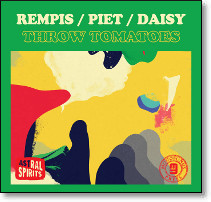
Music: current count 30261 [30216] rated (+45), 278 [275] unrated (+3). Posted Streamnotes on Thursday, figuring it was foolish to think I could find any more A-list records on the last day of August. But part of that problem was that I was looking for August-released pop, and none of the obvious picks -- Ariana Grande, Mitski, Nicki Minaj, Blood Orange, even that Methodist Hospital album Christgau recommended -- did the trick. After posting, I switched to new jazz, and came up with three A- avant-jazz albums in short order (Schnell, Rempis-Piet-Daisy, Hegge). Actually, what steered me toward the Clean Feeds was Chris Monsen's 2018 favorites, which lists Mia Dyberg at 18 and Chris Pitsiokis at 29 (also Hegge at 34), but not Schnell (or Carlos Bica). Monsen also lists two more Clean Feeds: The Heat Death's The Glenn Miller Sessions and Jon Rune Strøm Quintet's Fragments, which I had previously reviewed at B+(**). I have one other A- Clean Feed this year: Angles 3's Parede, and six more at B+(***):
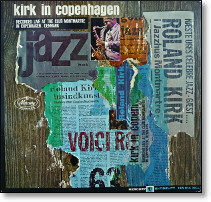
I haven't done the research, but there's a good chance that my Clean Feed grades have slipped a bit (and are otherwise more slapdash) since they stopped sending me physical CDs. (Certainly I'm slower in getting to them.) The Rempis album turned up in my effort to flesh out the jazz listings in my Music Tracking file. Strikes me as the best thing he's done all year (I have four more albums of his in my Year 2018 file.) I spent a fair amount of work last week trying to identify more 2018 jazz releases, adding 363 new entries to the file (was 1498 albums, now 1885, 806 of them jazz). The original purpose of this list is to build a list of things that might be interesting to hear, but it also provides a framework for aggregating EOY lists, including the Jazz Critics Poll. I got most of them by looking at the 2018 jazz album list under Discogs: 5,727 records (vs. 12,849 for 2017, 13,394 for 2018). Obviously, I didn't add everything. I just picked out artists that I more/less recognized, things on well-regarded labels, and a few others that looked interesting. For instance, of the 50 albums on the first page, I list 11 (*5 added this week): Chris Burn*, Verneri Pohjola*, Globe Unity, Henri Texier*, Skadedyr, YoshimiO, Kamaal Williams, Sylvie Courvoisier, Jerry Granelli*, Dinosaur*, Terence Blanchard. Many records appeared multiple times (e.g., separate listings for CD, LP, and Downloads), so we're looking at more like 1,500 distinct titles. picked up some reissues, but skipped even well known ones where they didn't seem to offer anything new. After that, I took a look at Free Jazz Collective's reviews, and also All About Jazz's reviews, although I didn't get very far back there before I started running into uncertain dates. (Maybe this link will work better.) Under "old music," I noticed a new vinyl reissue of Roland Kirk's Domino, and felt like streaming it, then one thing led to another. Still a few later albums I haven't heard, but I don't have a lot of hope for them. Then I noticed a Zoot Sims record in a search (I was actually looking for Tom Abbs' new Hawthorne), and felt like hearing him. Finally, Randy Weston died (92, elected to Downbeat's Hall of Fame just last year). Here's an obituary by Giovanni Russonello; another by Harrison Smith. My grade list is here, with Carnival (1974) and Khepara (1998) my personal picks (plus three more A- records). Noteworthy links I missed in yesterday's Weekend Roundup:
Recommended music links:
Also, I'll be posting another batch of Robert Christgau's Xgau Sez Q&A sometime Tuesday. You can always get the latest first at that link. New records rated this week:
Recent reissues, compilations, and vault discoveries rated this week:
Old music rated this week:
Unpacking: Found in the mail last week:
Ask a question, or send a comment. Sunday, September 2, 2018 Weekend RoundupHad a lazy, bewildering week, where I didn't get any work done on the server/websites, so I wound up with nothing better to do on Sunday than gather up another Weekend Roundup. Some scattered links this week:
Ask a question, or send a comment. Thursday, August 30, 2018 Streamnotes (August 2018)As I noted in last week's Music Week, the largest Streamnotes column ever was posted November 8, 2009, with 206 records, which at 188 I didn't come close to matching this month. On the other hand, the record covered a period of 41 days. Recently I've kept to a monthly schedule (occasionally with two posts in a month, as in Jan. 2016, Dec. 2014, Sept. 2014, Jan. 2014, Jan. 2011 -- that is, mostly during the EOY crunch. Within those single-month posts, my previous record was 185 (Nov. 2013), followed by 179 (Sept. 2015), so I barely topped that. The big difference this month has been a lot of old records, many of them long-time residents of my "unrated" list (albums I own but never graded). Back around 2002, before I started reviewing records (and much before I stopped buying them) that list was up over 900, with most of them stashed away where I wouldn't be likely to stumble across them. Of course, that's still the case, but I've found a bunch of them from streaming, and that's good enough for my present purposes. The list is down to 275 now. I'd like to knock it down under 200, but doubt I can do that just by streaming. At some point I need to start digging up things, but then I've needed to houseclean for a long time now. Made a last-minute stab at much-hyped pop records released in August. There were more of them than I expected, but I wasn't much impressed by any of them (OK, except Robbie Fulks/Linda Gail Lewis). The one I felt had the most potential was Blood Orange, but three plays weren't enough. Did quite a bit to add non-jazz to the Music Tracking File, mostly looking through AOTY lists. I'm currently listing 1497 records there (I've rated 566 of those). Unfortunately, AOTY has only noticed about 10-20 jazz records this year, so they're no help in that regard. I haven't found a good way to track new jazz releases yet. In the past I've used the review scrolls at All About Jazz and Free Jazz Collective, but they've proven really tedious. so I've yet to do that this year. Assuming we're 7 (not 8) months into the year, I'm on track to review 970 records, and find 113 A/A- new releases. That compares with, as of freeze-time last year, 1135 records (-14.5%) and 139 A/A- new releases (-18.7%). It's tempting to attribute that to slowing down (and possibly getting crankier) with age, especially given all the bad things that have happened this year, but chances are I'm in some similar slump every year at this time, only to pick up the pace once EOY lists start rolling in. Of course, that depends on things not getting even worse. I am at least thankful this summer is coming to a close. Now what? Most of these are short notes/reviews based on streaming records from Napster (formerly Rhapsody; other sources are noted in brackets). They are snap judgments, usually based on one or two plays, accumulated since my last post along these lines, back on July 31. Past reviews and more information are available here (11657 records). Recent Releases
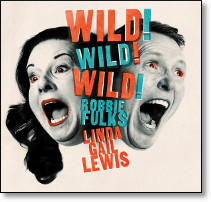
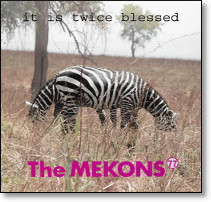
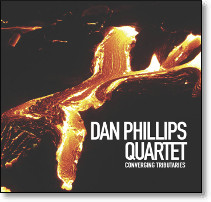
Stefan Aeby Trio: The London Concert (2017 [2018], Intakt): Swiss pianist, trio with André Pousaz on bass and Michi Stulz on drums. Original compositions (one by Pousaz), has a deft touch which keeps everything at a moderate distance, encouraging contemplation. B+(***) [cd] Aguankó: Pattern Recognition (2018, Aguankó): Latin jazz band from Detroit, led by percussionist Alberto Nacif, "steeped in the tradition of jazz infused Son-Salsa." Seems like the real deal, just cruising right past me. B+(**) [cd] American Aquarium: Things Change (2018, New West): Alt-country band from Raleigh, NC, led by BJ Barham -- had a solo album I liked in 2016, Rockingham, but this has been his main vehicle since 2006. I'm not following the songs about drinking (or not drinking), but "The World Is On Fire" could be a new national anthem: "when did the land of the free become the home of the afraid?" is only one of many insights. B+(***) Dave Anderson: Melting Pot (2018, Label1): Saxophonist (soprano, alto), a Minnesota native, moved to Toronto then New York. Spices his 3-part "Immigrant Suite" with sitar, tabla, flute, and extra percussion (Roberto Quintero). Breezy, relatively short (33:32). B+(*) [cd] Simon Barker/Henry Kaiser/Bill Laswell/Rudresh Mahanthappa: Mudang Rock (2017 [2018], Fractal Music): Drummer, from Australia, seems to have his hands in a lot of projects, networking here with the guitarist (globe-trotter), bassist (studio denizen), and alto saxophonist (Indian parents, born in Europe, raised in the US, covers all the bases). Music "inspired by the Korean shamanic tradition," fused all sorts of ways. B+(***) [cd] Nat Birchall Meets Al Breadwinner: Sounds Almighty (2018, Tradition Disc): British tenor saxophonist, usually hews pretty closely to Coltrane, goes Jamaican in Manchester, with Breadwinner playing drums, guitars, and keyboards, and Vin Gordon on trombone. Birchall claims the writing credits (one co- for each of his guests), but they're pretty generic, with "dub" in 4 titles, "skank" in another. Of course, I love the riddim and the dub echo. Just a bit disappointed that the sax blends in so strictly. B+(**) [bc] Blood Orange: Negro Swan (2018, Domino): Dev Hynes, fourth album as Blood Orange (two earlier ones as Lightspeed Champion). Genre classifiers are very cofused here (folk? baroque pop?), but this has spots where the artist seems confused too. Vocals clear as soul, but rhythms sketchy, experimental, sometimes lost in the ether. B+(**) Steve Coleman and Five Elements: Live at the Village Vanguard, Vol. I (The Embedded Sets) (2017 [2018], Pi, 2CD): Live double, two full sets. For rock groups this sort of thing is usually slotted after the group has done considerable touring, building up a market for a retrospective, and often also because the new material is slowing down. The alto saxophonist's group is pretty much at that point: the band is solid and cohesive through a number of albums. Indeed, this sums them up nicely. B+(***) [cd] Rodney Crowell: Acoustic Classics (2018, RC1): Old songs (mostly, "Tennessee Wedding" is new, and some others have been reworked), the acoustic treatment not primitivist (no pedal steel, but lots of fiddle). B+(*) Tim Daisy: Configurations (2018, Relay): Avant Chicago drummer, first noticed when he broke into the Vandermark 5, a very busy guy ever since. Solo percussion, recorded live sans overdubs, mallet instruments like marimba and bass xylophone loom large, and that helps. B+(**) [bc] Dennis Llewellyn Day: Bossa, Blues and Ballads (2018, DDay Media Group): Jazz singer, writes some (like the lyrics here to "Zawinul & Cannonball Blues"), has a handful of albums since 1999 (some as Dennis Day). Nice mix here, with the "bossa" earning its top billing. Couple dozen musicians, only Ray Blue (tenor sax) on more than four cuts (6), best known pianist Harold Mabern (piano, 4). B+(*) [cd] Jason Eady: I Travel On (2018, Old Guitar): Country singer-songwriter from Mississippi, based in Texas, eighth album since 2005, only two barely grazing the US Country chart (40, 45). Still, very solid songwriting, sound more trad than neotrad, has a voice too. B+(***) Robbie Fulks/Linda Gail Lewis: Wild! Wild! Wild! (2018, Bloodshot): Jerry Lee's sister is 12 years his junior, 15 years older than Fulks. She cut two albums in 1969 (one with Jerry Lee), then nothing until 1990, when she found a rockabilly market in Europe. She's been touring hard ever since, with 20+ albums up through 2015's Hard Rockin' Woman. She met Fulks in Sweden through a common publicist, and one thing led to another. I'm not finding any credits: are these old songs, or do they just sound that way? is that Linda on the piano? Either way, great fun. And while I'm a sucker for rockabilly, the change-of-pace pieces work just as well. A- Ariana Grande: Sweetener (2018, Republic): Pop star, fourth album, leans heavily on Pharrell Williams for tunes, features spots by Missy Elliott and Nicki Minaj. Probably explains why here and there I thought she might be onto something, but by the end I no longer cared to figure out what. Sure, "God Is a Woman." But "Get Well Soon" doesn't. B Darrell Katz and the JCA Orchestra: Rats Live on No Evil Star (2016-17 [2018], JCA): Composer, arranger, bandleader, plays guitar on one cut here. Originally from Kansas, moved to Boston in 1975, teaches at Berklee, founded the Jazz Composers Alliance Orchestra in 1985, a big band with occasional extras, has a dozen albums, mostly with them. Always struck me as hit and miss, but this has some rousing music and one of the year's best political songs, "Red Dog Blues," with Allizon Lissance singing. B+(***) [cd] Gayle Kolb: Getting Sentimental (2018, JeruJazz): Standards singer, from Chicago, first album, age not given but she lived in Los Angeles in the early 1970s and returned to Chicago in 1974. Voice has some personality, and the band adores her. I have mixed feelings about "Wichita Lineman," but songs like "Second Time Around" suit her perfectly. B+(**) [cd] Mahobin: Live at Big Apple in Kobe (2018, Libra): Another entry in pianist Satoko Fujii's 60th birthday celebration: a two-horn quartet, with Natsuki Tamura on trumpet and Lotte Anker on sax, but the music is primarily formed by the glum landscape of Ikue Mori's electronics. B+(**) [cd] Debra Mann: Full Circle: The Music of Joni Mitchell (2018, Whaling City Sound): Jazz singer, pianist, Berklee graduate, based in Rhode Island, three previous albums, writes some, cites Jobim and Frishberg as favorites, and here dedicates a whole album to folksinger-turned-jazzbo Mitchell, covering two of her Mingus lyrics and ten other songs, closing with a "Woodstock" I found improbably touching. Dino Govoni's sax a plus. B+(**) [cd] Brian McCarthy: Codex (2017 [2018], self-released): Saxophonist (alto/soprano), postbop quartet with Justin Kauflin on piano, plus bass and drums. Four covers, including pieces by Joe Henderson and Clark Terry. B+(**) [cd] Lonnie McFadden: Live at the Green Lady Lounge (2018, Jazz Daddy): Trumpet player, song and dance man (website says "entertainer") from Kansas City, one previous album, backed by piano trio, opens with "Moten Swing" and closes with his own "Swing Like Count Basie," with a tap number for an encore. Tells stories about rehearsing "In the Basement" and performing "What a Wonderful World" on a USO tour in decidedly unwonderful Baghdad. Claims to like James Brown and "modern jazz," but you know what's in his DNA. B+(***) [cd] The Mekons 77: It Is Twice Blessed (2018, Slow Things): Reunion of the band's original 1977 lineup, with for-the-duration members Jon Langford and Tom Greenhalgh, plus four others (Kevin Lycett, Mark White, Andy Corrigan, Ros Allen) -- not sure when they left, probably not far into the 1980s. Closer to their punk roots, a time when they weren't yet the great country-ish band they became in the mid-1980s, but their vintage post-punk sound hits the spot today, as does their heartfelt politics. A- Methodist Hospital: Giants (2017, self-released): Rock band from Chicago (with cross-references to PA and FL), first album, 9 tracks, 33 minutes, no idea how to slot it -- website suggests something evolved from pop punk and sludge metal, but that isn't very helpful. First third very impressive, then holds solid. B+(***) Parker Millsap: Other Arrangements (2018, Okrahoma): Singer-songwriter from Oklahoma, niche market Americana, rocks out of the gate but gets a bit sketchy toward the end. B+(*) Nicki Minaj: Queen (2018, Young Money/Cash Money): Fourth album (counting both Pink Friday twice), four years since her third, and she's converted her flamboyance and outrage into some sort of corporate brand, the rhythms mechanical, the rappers hired guns, herself somewhere in the mix -- I suppose a video might clear that up. Still enjoy nearly everything here, but having trouble remembering any of it. B+(***) Nicole Mitchell: Maroon Cloud (2017 [2018], FPE): Flute player, from Chicago, part of a new generation of AACM activists, backed here by piano (Aruan Ortiz) and cello (Tomeka Reid), and joined by vocalist Fay Victor. Took me a while to recognize the singer: I still dislike the dark operatic opening, but by the time she gets to "No One Can Stop Us" she's fully in charge. B+(***) [cd] Mitski: Be the Cowboy (2018, Dead Oceans): Last name Miyawaki, born in Japan, father American, raised in 13 countries before settling in New York. Fifth album (counting two digital-only school projects). Big sound, more rock than pop, a few good lines and fair melodies but I'm neither impressed nor pleased. I can't begin to tell you why this has gotten such rave reviews. B Chris Monson: Seldom in the Well (2018, self-released): Canadian Guitarist (Toronto, I think), first album, sextet with trumpet (Kevin Turcotte), tenor sax (Kelly Jefferson), piano, bass, and drums. "a meditative, explosive exploration of progressive and jazz traditions": all dumped into the postbop blender. B [cd] The Necks: The Body (2018, Northern Spy): Australian piano trio -- Chris Abrahams (piano), Lloyd Swanton (bass), Tony Buck (drums) -- formed in 1985, first album in 1989, twenty-some since. Can go electric with Buck playing guitar, as happens here when they kick it up a notch 25 minutes into the single 56:40 piece. They dial it back a bit 20 minutes later. B+(**) Tami Neilson: Sassafrass! (2018, Outside Music): Country singer, born in Canada, moved to New Zealand in 2007, sixth album since then, a favorite of the country music-loving detective in The Brokenwood Mysteries. Mostly rockabilly first time I heard her (Dynamite!, but aims for soul ballads here, and her voice doesn't let her down. B+(**) Peter Nelson: Ash, Dust, and the Chalkboard Cinema (2018, Outside In Music): Trombone player, from Michigan, based in New York, first album (after an EP in late 2017), postbop, seems over-eager to showcase more variety than he needs, including some voice. I do like the trombone. B+(**) [cd] Dan Phillips/Hamid Drake: Trail of Inevitability (2017 [2018], Lizard Breath): Guitar-drums duo, based in Chicago, Phillips had a good record last year leading Chicago Edge Ensemble. Seems to have some trouble getting on track, but impressive when they do. B+(***) Dan Phillips Trio: Divergent Flow (2017 [2018], Lizard Breath): Guitarist, backed by Krzysztof Pabian (double bass) and Tim Daisy (drums). B+(**) Dan Phillips Quartet: Converging Tributaries (2017, Lizard Breath): Guitarist, his current Chicago trio -- Krzysztof Pabian on bass and Tim Daisy on drums (he also has a group based in Bangkok) -- plus Jeb Bishop on trombone. Whereas his trio albums feature his frenzied riffing, the trombone takes center stage, adding weight and drive, and letting the guitar fill in around the edges. Not that Phillips doesn't get moments to shine, but they tend to be quieter, contrasting his sweet tone against the deeper growl. A- [bc] John Pittman: Kinship (2018, Slammin' Media): Trumpet player, seems to have come out of Manitoba, winding up in Toronto. First album, also plays in the Heavyweights Brass Band. Standard hard bop quintet, Shirantha Beddage on sax, but tends to soften toward the end. B+(*) [cd] Serpentwithfeet: Soil (2018, Secretly Canadian): Josiah Wise, from Baltimore, now based in Brooklyn, r&b singer, first album after an EP. Long on ululation, flow gets tripped up. B Amanda Shires: To the Sunset (2018, Silver Knife): Singer-songwriter from Lubbock, sixth album (or eighth counting duets with Rod Picott and Jason Isbell -- she married the latter), appeared on a bunch of albums I like (including Todd Snider and John Prine). Filed her last album under country but this one rocks pretty hard, only rarely allowing her country voice to peek through. Still don't care for the opener, which suffers from prog glitz not unlike the hideous album cover, or the gruesome closer. B+(***) Sarah Shook & the Disarmers: On Audiotree Live (2018, Audiotree, EP): Alt-country singer/band, two pretty fair LPs, five cuts, 16:26. B+(*) Günter Baby Sommer: Baby's Party [Guest: Till Brönner] (2017 [2018], Intakt): Swiss drummer. Small party, just a duo with the guest on trumpet and flugelhorn. Unclear on the credits, which include bits of "Danny Boy" and "In a Sentimental Mood." The piece called "Third Shot" I recognize as Ani Di Franco's "Which Side Are You On?" although it may not have started there. B+(***) [cd] Stéphane Spira: New Playground (2017 [2018], Jazzmax): French saxophonist, plays soprano here, handful of albums including a Round About Jobim, leads a quartet here with piano/keyboard (Joshua Richman), bass (Steve Wood), and drums (Jimmy MacBride), all originals (one by Wood), recorded in NYC. Postbop, upbeat, lots of spark and dazzle. B+(***) [cd] Steve Tibbetts: Life Of (2018, ECM): Guitarist, some piano, backed by cello (Michelle Kinney) and percussion (Marc Anderson), although neither has much impact here, all very peaceful. Ten titles fit the "Life of X" ("Life of Emily," "Someone," "Lowell," "Dot," etc.). B+(*) The Tiki Collective: Muse (2018, Vesuvius Music/Slammin' Media): Large group, guitarist Eric St-Laurent listed first, with horns, strings, keyboards, flute, vibes, electric sitar, and a revolving cast of guest singers who all sound pretty much the same. Nice "Mood Indigo." Surprise standard "(Don't Fear) The Reaper." "Quizas Quizas Quizas" perked up my ears, but I kept expecting it to turn into "Fernando." B- [cd] Miguel Zenón: Yo Soy La Tradición (2017 [2018], Miel Music): Alto saxophonist, from Puerto Rico, based in New York, won a MacArthur fellowship a few years back. Has lately been leaning toward strings, and goes the whole way here, his sax coloring on top of a conventional string quartet ("featuring Spektral Quartet"). I have mixed feelings. I've never been much for strings, and they're clearly the point here. Still, rather lovely as these things go. B+(***) [cd] Recent Reissues, Compilations, Vault Discoveries
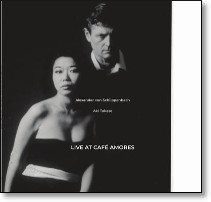
Don Drummond: Don Cosmic (1960-65 [2017], Studio One): Jamaican trombonist, played for Studio One including the Skatalites, with dozens of singles under his own name. His career ended in 1965 when he was convicted of killing his girlfriend, and was imprisoned until his death in 1969. All instrumentals, groove pieces, trombone leading like it belongs there. B+(***) The Gladiators: Symbol of Reality (1982 [2018], Omnivore): Moving out of Studio One, this album originally released on Nighthawk with the Itals backing Albert Griffiths, pinning him into a deeper rasta-roots groove, the reissue packed with extra dub versions. Dub is something I always enjoy but am rarely impressed by, so it kind of blurs things when it takes over here. B+(**) Tommy McCook & the Agrovators: Super Star/Disco Rockers (1977 [2018], Pressure Sounds): Saxophonist (1927-98), born in Havanna but moved to Jamaica at six, spending a few years in Miami before he joined the Skatalites and did a vast amount of session work for Studio One. Insrumental group, riddim classic, his horn an effective lead. B+(**) [bc] Alexander von Schlippenbach/Aki Takase: Live at Café Amores (1995 [2018], NoBusiness): Two pianists, German and Japanese, each famous before they got married. Pieces include medleys of Mingus and Monk as well as their own tunes. Remarkable throughout. A- [cd] Old Music
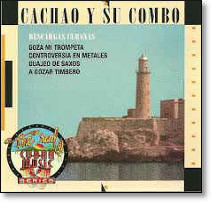
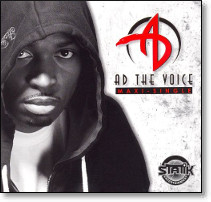
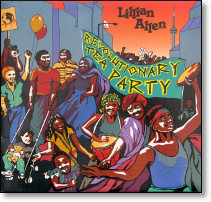
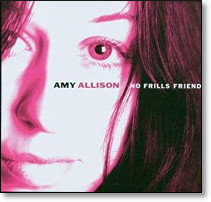
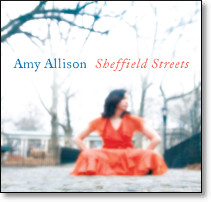
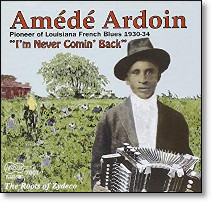
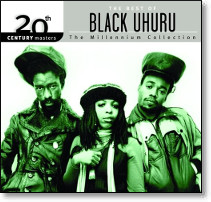
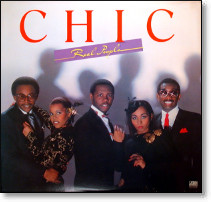
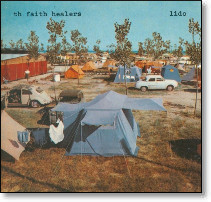
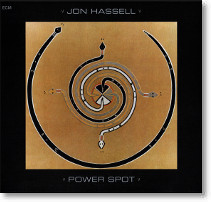
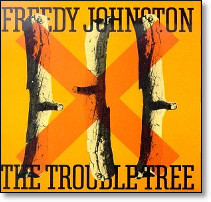
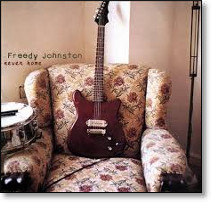
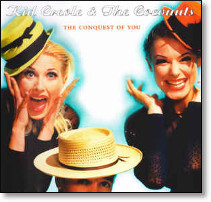
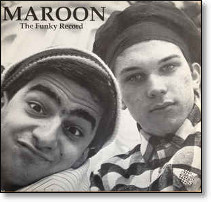
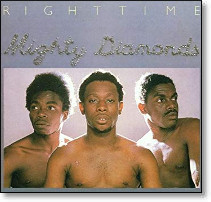
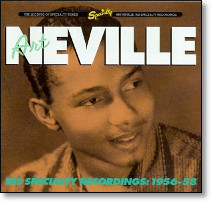
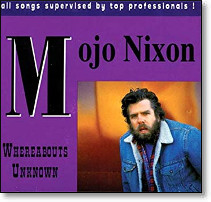
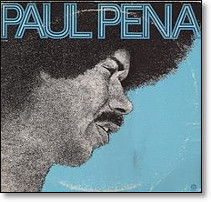
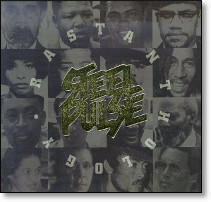
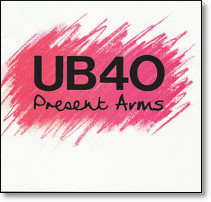
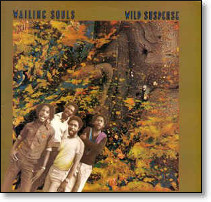
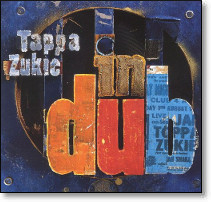
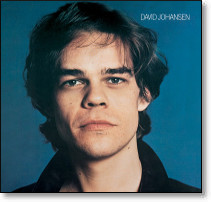
Ad the Voice: Maxi-Single (2007, Statik Entertainment, EP): Antonio Delgado, running for political office this year (Democrat in NY-19) but more than a decade ago recorded this rap album: ten cuts, 38:10, but four are versions of "U Scared" and two others appear twice, so only five distinct songs. I've seen a reference to a 2006 album, but this is the only one I've found. His Republican opponent thinks he'll have a field day pointing at Delgado's lyrics. I'm not fast enough to transcribe "Venom," but I'd sure vote for him. A- Arthur Alexander: Rainbow Road: The Warner Bros. Recordings (1972 [1994], Warner Archives): Country-soul singer from Sheffield, Alabama. Cut three albums: one for Dot in 1962, a second for Warners in 1972, and a third for Elektra Nonesuch just before he died in 1993. Compilation drops one song from the album, adds a few singles, moving the better songs to the fore, and ending on an unfortunate gospel note. B+(*) Lillian Allen: Revolutionary Tea Party (1986, Redwood): Dub poet, born in Jamaica but moved to New York at 18 and on to Toronto. Smart politics, fierce and feisty. A- Amy Allison: No Frills Friend (2003, Diesel Only): Singer-songwriter, daughter of Mose Allison, grew up listening to country music, drawn to the sad songs. She recorded this third album in Scotland, and picks up a wee touch of their brogue -- gloom too. Sample lyric: "I'm dreaming of the way things ought to be . . . Someone wake me up and make me face reality. Dreaming's killing me." A- Amy Allison: Everything and Nothing Too (2006, Cheater's World): Perfectly fine album. If sound was everything, might be her best. Still, if it were, I ought to be able to write more about it after three plays, don't you think? B+(***) Amy Allison: Sheffield Streets (2009, Urban Myth): Fifth album over 13 years, with nothing since. She always identified with country music, but she's rarely crafted songs as perfectly country as "I Wrote a Song About You." A- Bob Andy: Retrospective (1970-75 [1986], Heartbeat): Keith Anderson, co-founded the Paragons but left early, recording singles for Studio One and writing songs for other rocksteady artists. Discogs credits him with 98 singles, most 1967-89, but this doesn't offer a very broad sample: seven cuts from his 1975 album The Music Inside Me, four songs I can't date but seem to be earlier. B Antietam: Victory Park (2004, Carrot Top): Indie rock band from Louisville, principally marrieds Tara Key and Tim Harris, released an eponymous album in 1985, eight more through 2011, plus two Key solo albums and one as Babylon Dance Band in 1994-95. After that burst, there was a nine-year drought until this one came out. B Amédé Ardoin: The Roots of Zydeco: I'm Never Comin' Back (1930-34 [1995], Arhoolie): One of the first major cajun musicians to record, born 1898 in Evangeline Parrish, LA, only spoke French, played accordion, his vocals high and lonesome, both sound utterly classic. Died in 1942. This seems to be most of his output. Not to be confused with his cousin, Alphonse "Bois Sec" Ardoin, another major figure. A- Steve Arrington: Dancin' in the Key of Life (1985, Atlantic): Soul/funk singer, started as a percussionist in Slave before moving up, then out, recording two albums as Steve Arrington's Hall of Fame before this solo debut. B+(***) Backstreet Boys: Backstreet Boys (1996 [1997], Jive): Boy band from Florida, first US release after the same title was used in Europe and elsewhere to build their brand/market. More ballads than not, a pale take on a soul group but that works in this demographic, as does the pop glitz of the upbeat tracks. B+(**) Bad Luck: Four (2016 [2018], Origin): Seattle-based duo: saxophonist Neil Welch and drummer Chris Icasiano. Fourth album since 2009, one I filed under the drummer (although I no longer see why: Welch has 6-7 records under his own name, vs. 0 for Icasiano, although his was the name I recognized). Rockish riffs and rhythms, avant edge, nice fusion concept. B+(***) Big Sandy and His Fly-Rite Boys: Swingin' West (1995, Hightone): Western swing revival band, formed in California c. 1990, with 13 albums through 2013, this their fourth. B+(*) Black Light Burns: Cruel Melody (2007, I Am Wolfpack): Debut album from the band Wes Borland formed after leaving rap/metal band Limp Bizkit (Fred Durst was the singer there, and the band kept on without Borland.) Light industrial, some songs like the opening "Mesopotamia" downright catchy. B+(*) Black Uhuru: The Best of Black Uhuru [20th Century Masters: The Millennium Collection] (1979-84 [2004], Island): The great reggae group of the 1980s, with three singers -- Michael Rose, Puma Jones, and Duckie Simpson -- powered by Sly & Robbie, through five good-to-great studio albums, discounting their live sets and dub remixes. I didn't bother with this when it came out because I had the albums and 1993's dub-rich 2CD Liberation: The Island Anthology, and somehow missed it when I did a Recycled Goods trawl through the budget series. This is a one-stop bargain, relatively generous at 11 cuts, 50:43, but overall I still prefer Anthem and Red. A- Black Uhuru: Guess Who's Coming to Dinner (1979-80 [1981], Taxi): Six of these seven tracks were originally released on Taxi (Sly & Robbie's label) in Jamaica in 1979 as Showcase, and "Shine Eye Gal" added in 1980. What happened to the record after that is confusing, with eponymous albums issued in Europe, and this title appearing belatedly in the US on Heartbeat in 1987, or maybe Virgin in 1983. Somewhat minimalist sound, clearly rooted in dub but doesn't have the finishing touches yet -- probably a plus. B+(***) Black Uhuru: Brutal (1986, RAS): Junior Reid joins the group; Puma Jones still in but seems on the way out. Less political, closer to dancehall. B+(**) Black Uhuru: Brutal Dub (1986, RAS): By this point, they had gotten into the habit of releasing dub version of each new album. Pretty much their stock set of effects. B Black Uhuru: Now (1990, Mesa): Michael Rose left after Anthem, and Puma Jones split after one more album, leaving the group (brand name) to Duckie Simpson, joined here by Don Carlos and Garth Dennis, for the first of four albums through 1994. B+(**) Blood Orange: Cupid Deluxe (2013, Domino): Second album, the one I missed (although I'm surprised; cover is certainly familiar). Plays it close, but less fractured than the new one, in some cases clear enough for pop, but somehow beyond all that. B+(***) Cachao Y Su Combo: Descargas Cubanas (1957 [1994], Panart): Cuban bassist Israel López, regarded as "co-creator of the mambo and a master of the descarga (improvised jam sessions)." These appear to be his first sessions as leader, a dozen pieces mostly named for a featured instrument. The horns are impressive, the voices a little harsh, but the real star is the percussion. A- Chic: Chic (1977, Atlantic): First album, Napster now lists them as "classic disco," with the girls on the cover and the guys -- Nile Rodgers and Bernard Edwards -- in the grooves. I didn't catch on until their third album, but have probably heard most of this on their two volume Rhino best-ofs. Even retrospectively, the hit barely has a gimmick, the strings are cliché, and the voices are thin. B Chic: C'est Chic (1978, Atlantic): They're learning to trust their bass/guitar lines, and with "Le Freak" even the singers perk up. Nothing else jumps out like that, but "I Want Your Love" is a worthy second single. They're getting somewhere. B+(**) Chic: Les Plus Grand Succès de Chic (Chic's Greatest Hits) (1977-79 [1979], Atlantic): Seems a little soon to cash in with a "best of" after a mere three albums, especially with the third, Risqué filling up a whole LP side (and in the US release, not reprising the actual hit). On the other hand, not exactly the same thing, with two songs in 8+ minute dance versions, others in shorter radio edits. B+(***) Chic: Real People (1980, Atlantic): Most songs are just tasty funk lines tagged with a slogan that gets repeated endlessly, with scant regard for making sense; e.g.: "26 / My baby's a 26 / On a scale of 1 to 10 she's a 26." Sure, it doesn't add up, until it does. A- Count Ossie and the Mystic Revelation of Rastafari: Grounation (1973 [2016], Dub Store, 2CD): Tokyo record store, trying their hand at the reissue business, starting with this Jamaican drummer, a founding figure in a primitivist rastafarian strain called nyabinghi -- I tend to think of it as campfire music, so far out in the sticks you can't imagine it in a studio. Pretty scattered, although the 15:08 title track and its 15:05 "Continued" are remarkable. B+(***) [bc] The Mystic Revelation of Rastafari: The Roots of Reggae (1973 [2001], Recording Arts, 2CD): Same sessions, had this sitting on my shelf for ages, the plus a booklet that turns out not to be all that useful. B+(***) [cd] Dälek: From Filthy Tongue of Gods and Griots (2002, Ipecac): Hip-hop trio from New Jersey -- rapper is MC Dälek (Will Brooks), others listed as Oktopus (producer) and Still (turntables), with additional personnel including DJ Rek. Key concept is to muscle hip-hop up with layered noise, drawing on precursors like My Bloody Valentine and Einstürzende Neubauten, and this works best when they do just that. B+(**) Delaney & Bonnie and Friends: D&B Together (1971 [1972], Columbia): Delaney Bramlett was a session musician in LA in the mid-1960s, playing in the house band for Shindig!, a TV rock showcase. He married singer Bonnie O'Farrell, formed a bluesy duo, and started recording and touring with various friends -- Leon Russell, Eric Clapton, Duane and Gregg Allman (Wikipedia also lists Gram Parsons, Dave Mason, and George Harrison; Carl Radle and Jim Gordon were everywhere). They produced a couple of great albums, but their business always was a mess, and they were headed for breakup and divorce in 1973. This was their last album, originally released on Atco as Country Life. A couple songs here that resurface on their compilations, but with the "friends" numbering close to forty, this gets pretty hot and bothered. [Guitarists: Eric Clapton, Duane Allman, Dave Mason, Steve Cropper, plus John Hartford on banjo and Red Rhodes on steel; King Curtis is one of three saxophonists; Tina Turner and Rita Coolidge are among the dozens of extra vocalists.] B+(**) DJ Muggs: Muggs Presents: The Soul Assassins, Chapter 1 (1997, Columbia): The beatmaster from Cypress Hill rounds up various artists ranging from coast to coast (from Dr. Dre to RZA/GZA, anyhow), with three Mob/Mobbs in between. Catchiest for me is Wyclef's "John 3:16," but it all flows neatly together. B+(***) Anna Domino: East and West (1984, Les Disques du Crépuscle, EP): Singer-songwriter, an army brat born in Tokyo, grew up in Ann Arbor, Firenze, and Toronto before winding up in New York and getting signed to a Belgian label. Five-cut debut, 22:55. Hard to peg. Christgau tried "hypnotic with no cosmic aspirations." B+(***) Anna Domino: East and West + Singles (1984 [2017], Les Disques du Crépuscle): CD reissue adds three increasingly catchy singles and a demo, getting us to a respectable 38:19. A- Anna Domino: Anna Domino (1986, Les Disques du Crépuscle): First full album, ten cuts (more on later reissues), leans a bit more on dance beats but that doesn't seem to be the point. Not sure what is. B+(**) Anna Domino: This Time (1987, Les Disques du Crépuscle): The last album I noticed by her, although I see now that she released three more over the next three years before she gave up (although she returned in the alt-folk Snakefarm in 1999, and again in 2011). Wouldn't say she's slipping here, but she's growing less distinctive, more solid. B+(**) [cd] Clint Eastwood & General Saint: Stop That Train (1983, Greensleeves): DJ duo, given names Robert Brammer and Winston Hislop, did two albums together, the first (Two Bad D.J.) the better, but this one adds to their shtick: catchy grooves and obvious jokes. B+(***) Alton Ellis: Alton Ellis Sings Rock and Soul (1967, Coxsone): Rocksteady singer's first album, covers as advertised given the Studio One treatment, not that all of them can handle it. B+(*) Eminem: Eminem Presents the Re-Up (2006, Shady/Interscope): Spoils after Eminem's first string of hit records, from 1999 up to his Curtain Call: The Hits collection in 2005, featuring the label exec on the first two songs plus a few more down the stretch. Of course, the idea was to showcase the label mates he collected, guys like Obie Trice, Ca$shis, Stat Quo, and Bobby Creekwater -- the only ones you're likely to have heard of are 50 Cent, Nate Dogg, maybe Lloyd Banks. One voice stands out, of course, but not because he's aiming to. B+(*) Th' Faith Healers: Lido (1992, Elektra): British experimental/noise rock group, cut this debut and one more album in 1994, with Roxanne Stephen vocals, backed by guitar-bass-drums. Dense, distorted guitar tension comes in waves, threatening to drag you under, but turns appealing when you go with it. A- Fall Out Boy: From Under the Cork Tree (2005, Island): Rock band from Illinois, second album, got a big label push here and went double-platinum. Part of the push included sending me an advance and a lot of hype. Didn't look very interesting, so I put it aside figuring I'd consider it again when they sent a final copy, which never happened. Five albums later, four chart-toppers, and I've never noted enough critical interest to make me wonder what I missed. Only the bookkeeping matter brought me back here. They sound hard and dense, enough so you don't mind not hanging on every word, possibly because you suspect there's really not much there in the first place. But then I pretty much figured that out before I didn't bother listening to them when they were "the next big thing." B- Clinton Fearon: Mi Deh Yah (2010, Makasound/Makafresh): Pointed to this by an Xgau Sez submission, proclaiming it the "best Reggae album since prime Marley, Spear, Toots, Culture and probably stronger than any single offering from any of them." Not that great, but retains much of that 1970s reggae vibe, echoing a number of period stars. Fearon played bass and sang backup in the Gladiators (1976-82, behind Albert Griffiths), before he moved to Seattle and started a solo career. Hadn't heard of him, and although Griffiths and the Gladiators rang a bell. Good tip. B+(***) The Follow: Up With the Sun (2006, Oni Music): Rock band from Columbia, MO, Troy and Amy Rickertsen on guitar and bass, plus Mat Matlack on drums. Eight albums 1997-2015, but still fairly minor. B- For a Life of Sin: A Compilation of Insurgent Chicago Country (1994, Bloodshot): Looks like a label sampler, but with catalog number BS 001 this looked forward, what you might call a vision statement. Most of these artists never recorded full albums for the label -- Jon Langford, Robbie Fulks, Freakwater, the Bottle Rockets, and the Riptones were the exceptions, with the Handsome Family the one that got away. Inauspicious, but the label developed into one of my favorites a decade later, and their reputation for left-wing alt-country remains strong enough I still check out nearly everything they release. B Heinz Geisser-Guerino Mazzola Duo: Folia/The Unam Concert (2000 [2001], Silkheart): Swiss duo, percussion and piano, recorded in Mexico City, intense, energetic free improv, loud and chaotic. B+(*) Howe Gelb: Dreaded Brown Recluse (1991, Restless): Singer-songwriter, has released 27 albums since 1985 as Giant Sand, another 23 under his own name, and has used a few more aliases along the way. This was actually the first album he put his name to. Puts a lot of emphasis on harsh guitar riffing, then he sits down at the piano and talks up some free association. B+(***) The Gladiators: Presenting the Gladiators (1969-76 [2006], Sankofa): A first gathering of twelve singles, although I can't say they're the best of the crop -- "Rainy Night in Georgia" is the one that bothers me most -- nor do they clearly present the group, other than to point out that after ska and pop failed they started to reinvent themselves as roots-rasta. B+(*) The Gladiators: Studio One Singles (1969-78 [2007], Heartbeat): A second collection of early singles for Albert Griffiths' roots-rasta group, not especially catchy but the basic riddim keeps you going. Several are followed by dub versions, or "Pt. 2" B-sides. B+(**) The Golden Palominos: Blast of Silence (Axed My Baby for a Nickel) (1986, Celluloid): Drummer Anton Fier's boho-rock "group" -- bassist Bill Laswell and what seems like an ever-expanding circle of hangers-on: twenty this time, three-quarters famous enough I don't have to rack my brain for but improbable together (not that I've done the diagramming to see just who played with whom). Less jazz, more country, not that either end stands out. On the other hand, Jack Bruce's piece sounded pretty good, but even it ran on too long. B- Stefan Grossman: Guitar Landscapes (1990, Shanachie): Folk guitarist from Brooklyn, learned fingerpicking style by studying with Rev. Gary Davis and listening to dozens of other blues masters. Early albums had titles like The Gramercy Park Sheik (1969) and The Ragtime Cowboy Jew (1970). This is one of his last -- only two more after 1990. B+(*) Guy: The Future (1990, MCA): R&B trio from New York, recorded two albums 1988-90 (plus a third for a 2001 reunion), popularized the term "new jack swing" for their funk beats and hip-hop rap-song. This is their second, a long one, which might have seemed like the future when it was released but sounds more like the past now. B+(**) John Hartford: Me Oh My, How the Time Does Fly: A John Hartford Anthology (1976-84 [2003], Flying Fish): Banjo-playing folksinger, grew up in St. Louis, developing a fixation on the Mississippi River -- his first Flying Fish album was called Mark Twang. This anthology originally came out in 1986, the CD bringing the sample to 18 tracks from 9 albums. B+(**) Jon Hassell: Vernal Equinox (1977 [1978], Lovely Music): Trumpet player, born in Memphis, studied in Rochester, Köln (with Karlheinz Stockhausen), and Buffalo -- where he ran into Terry Riley and LaMonte Young, and developed an interest in traditional musics of the world, sending him off to India to study with Pandit Pran Nath. He coined the term "Fourth World" to describe his integration of primitive exotic musics with advanced electronics, finally getting noticed with his 1980 collaboration with Brian Eno: Fourth World Vol. 1: Possible Musics. Before that, he recorded two albums: this the first, with his trumpet hovering over scattered percussion (mostly Nana Vasconcelos and David Rosenboom) and electronics. Nothing real special, but a fair proof of concept. B+(**) Jon Hassell: Earthquake Island (1978, Tomato): Second album, Hassell plays Arpstrings and Polymoog as well as trumpet, adds Badal Roy and Dom Um Romao to Nana Vasconcelos on percussion, Brazilian guitars, Miroslav Vitous on bass, and bits of voice, nonetheless making the album sound more ambient. B+(*) Jon Hassell: Power Spot (1983-84 [1986], ECM): After three of his "fourth world" albums on Eno's Editions EG, Hassell makes a brief stopover at ECM, where he planted the seeds for later jazztronica -- (a minor interest of the label, but enough to bring us Nils Petter Molvaer and Nik Bärtsch, as well as one more Hassell album in 2009. Here he seems to have given up on the exotic percussion, while doubling down on electro groove. And, as always, the trumpet provides just the right human touch to keep the machines in their place. Produced by Eno and Daniel Lanois. A- Jon Hassell: Maarifa Street (Magic Realism 2) (2005, Nyen): Ambient exotica, with Peter Freeman's programming, John Beasley's keyboards, Dhafer Youssef's oud and voice, and Abdou Mboup's drums, the trumpet present but not really in charge (at least until Paolo Fresu guests). B+(**) William Hooker Quartet: Lifeline (1988 [1989], Silkheart): Drummer, the first track a 50-minute set at the R.A.W. Jazz Festival (stands for Real Art Ways), with two alto saxophonists (Alan Michael and Claude Lawrence) plus William Parker on bass; the remaining 18:02 a different quartet with tenor sax (Charles Compo), trombone, and piano. Former includes some spoken word, with the saxes under Ornette's spell. Latter tracks have more muscle, and are better for it. B+(*) William Hooker Ensemble: The Firmament Fury (1989 [1994], Silkheart): Actually, small groups: a duo with Claude Lawrence (alto sax), trio with Charles Compo (tenor/soprano sax) and Masahiko Kono (trombone), quartet adding Donald Miller (guitar), drum solo at the end. The larger groups are better, but the drummer's solid too. B+(**) Abdullah Ibrahim: African Piano (1969 [1973], Japo): South African pianist, solo recorded in Jazz-Hus Montmartre, Copenhagen, originally released as Dollar Brand in 1970. B+(***) The Itals: Brutal Out Deh (1981, Nighthawk): Rasta vocal trio, had five years together after solo careers to get their shit together for this, their first album. B+(***) Rick James: Street Songs (1981, Gordy): Funk singer, first album went gold in 1978, but he trailed off after that, until this (his fifth) became his biggest hit. Can't say as this has aged gracefully, although "Super Freak" is twice the highlight, better at 7:05 than at 3:24. B+(*) Flaco Jiminez: Arriba El Norte (1969-80 [1989], Rounder): San Antonio-born accordion player, father a conjunto pioneer who put him on stage at age 7, has long been the most accessible of Tex-Mex stars, playing with Doug Sahm in the 1960s, the guy Ry Cooder turned to when he wanted some Chicken Skin Music, eventually a founder (with Sahm and Freddy Fender) of Texas Tornados. B+(**) Flaco Jiminez: Entre Humo Y Botellas (1982-87 [1989], Rounder): This picks up his 1980s work, a nice set that won't blow anyone away. B+(*) J-Live: All of the Above (2002, Coup d'Etat): Jean-Jacques Cadet, aka Justice Allah, day job teaching English in Brooklyn, second album (six more up to 2015). B+(*) David Johansen: In Style (1979, Blue Sky): Former singer for the New York Dolls, notorious for their makeup and poses, but actually produced two of the most vital rock albums of 1973-74. Second solo album. Still sounds much like his old band, which of course always sounded like him, but only the title cut stands out. (Well, also "Wreckless Crazy.") B+(**) David Johansen: Here Comes the Night (1981, Blue Sky): Third solo album, seems to be distancing himself, maybe losing touch, although in the end he comes up with a great song the Dolls couldn't have done: "Heart of Gold." B+(***) David Johansen: Live It Up (1982, Blue Sky): Starts with an Animals medley, moves on to the Four Tops, winds up with two NY Dolls songs, mostly tapping his superior solo debut for filler. Puts on a hot show. B+(**) David Johansen: David Johansen and the Harry Smiths (2000, Chesky): Having run his retro-swing Buster Poindexter concept into the ground, Johansen takes advantage of the 1997 6-CD reissue of Harry Smith's Anthology of American Folk Music to dig deeper into folk-blues. He makes for a credible blues singer, and the band is up to the task. B+(*) Freedy Johnston: The Trouble Tree (1990, Bar/None): Singer-songwriter from Kinsley, KS, first album. I had an aunt who taught fourth grade there, so I asked her about Johnston and she recalled the family, but not teaching him -- came off a farm south of town, which never struck me as very good land (though probably better than my family's homestead in nearby Hodgeman County). The guitar -- indeed, his whole demeanor -- seems tougher here than on later albums: a strong showing, probably took a while to sink in. A- Freedy Johnston: Never Home (1997, Elektra): Fifth album, after such masterpieces as Can You Fly and This Perfect World, one more exceptional collection of songs -- he makes it seem easy, but it surely isn't. A- Freedy Johnston: Right Between the Promises (2001, Elektra): Cover shows him standing on asphalt in front of cheap hotel rooms, looking markedly older but still slinging his guitar. Some more good songs, a couple of relative dull spots. B+(**) Freedy Johnston: The Way I Were (1986-92 [2004], Bar/None): Early demos, on the label that released his first two albums. B+(***) Darius Jones Quartet: Book of Mae'bul (Another Kind of Sunrise) (2012, AUM Fidelity): Alto saxophonist, tremendous talent but can get way too noisy for my taste. He does manage to keep this one under control, mostly by listening to pianist Matt Mitchell, who does a lovely job. Also with Trevor Dunn (bass) and Ches Smith (drums). B+(**) Kid Creole and the Coconuts: To Travel Sideways (1993 [1995], Atoll): August Darnell's new wave Caribbean fantasy band, beyond brilliant 1980-83, or -85 or later (I was a huge fan of 1991's You Shoulda Told Me You Were). Still, after Sire lost and Columbia dropped them, their 1990s albums became hard to find, with this and its successor only appearing in the US after fans in France and Japan got first shot. For once, feels like coasting, or maybe that's the title concept. Especially unsettling is "The Anniversary Medley," with its laconic versions of their own classics. B Kid Creole & the Coconuts: Kiss Me Before the Light Changes (1994 [1995], Atoll): Partial return to form, at least beatwise. B+(**) Kid Creole & the Coconuts: The Conquest of You (1997, SPV): Released originally in Germany, with a US reissue in 2005. This one's a complete return to form, with tremendous rhythm, wit, elegance, and plenty of dancing coconuts. Even some rap. A- Kid Creole & the Coconuts: Lost Paradize Edits (1980-83 [2012], ZE): Remixes, picking up sixteen songs from four years and four brilliant albums, hardening the beats and raising the noise level, neither of which help. B+(*) Joachim Kühn: I'm Not Dreaming (1983, CMP): German pianist, discography starts in 1969, mixed group here with trombone (George Lewis), cello, percussion, and Herbert Försch on marimba and pipe organ. Always an impressive pianist, the trombone adds something interesting, less sure about the rest. B+(*) Joachim Kühn: Dynamics (1990, CMP): Solo piano, often impressive. B+(**) Lambchop: How I Quit Smoking (1996, Merge): Lo-fi alt-country band from Nashville, Kurt Wagner the frontman, shows a modest touch as it plods through these light but endearing tunes. B+(*) Christine Lavin: Good Thing He Can't Read My Mind (1988, Philo): Folk-based singer-songwriter, fifth album, a free thinker with a sense of humor, still rather prim -- several years away from titles like Getting in Touch With My Inner Bitch and I Don't Make This Stuff Up, I Just Make It Rhyme. B+(**) The Leaves: Hey Joe (1966 [1993], One Way): Garage band from Los Angeles, title cut was a minor hit, earning them a slot on Nuggets. They recorded two albums: this the first plus five extra tracks for the CD reissue. B+(*) The Leaving Trains: Favorite Mood Swings (Greatest Hits 1986-1995) (1986-95 [1997], SST): Post-punk band from Los Angeles, released seven albums and a couple of EPs on SST, this wrapping them up in one neat package, missing one early and two later albums. First half doesn't really grab you, but a stretch near the end is much more impressive -- including two cuts from an EP I like, Loser Illusion Pt. 0. B+(***) Ray Lema: Kinshasa-Washington D.C.-Paris (1983, Celluloid): From Congo, moved to US then to France in 1982, a journey nicely summed up here, on one of his first albums. Plays keyboards, so not as guitar-centric as most soukous, but the rudiments are there, and he adds some flair. B+(*) Laurie Lewis: Restless Rambling Heart (1986, Flying Fish): Singer-songwriter from California, got into folk music through festivals in Berkeley, picked up the fiddle in addition to guitar and string bass, graduated into bluegrass. Second album, the twang barely acquired, but quite lovely. B+(***) Bob Lind: You Might Have Heard My Footsteps: The Best of Bob Lind (1966-67 [1993], EMI): Singer-songwriter, had what turned out to be a novelty hit in 1965 ("Elusive Butterfly"), parlayed that into the two Jack Nitzsche-produced produced albums collected here, a better-known album on Verve Folkways (The Elusive Bob Lind, not here), and a 1971 swansong on Capitol. Nitzsche wrapped his folkie guitar in anonymous strings, occasionally adding orchestral effects. B Shane MacGowan and the Popes: The Rare Oul' Stuff (1994-97 [2001], ZTT): Former frontman of the Pogues, basically a punk rock group with a lot of Irish brogue. After they broke up, his new band offered a hint and a joke for two albums, 1994-97, and this odds-and-sods collection, mostly singles, EP cuts, and live bits. B+(**) Maroon: The Funky Record (1987 [1988], Arb): Rap duo -- Will E.P. (William Pfaum) and MK Chilly Dog (Martin Kierszenbaum) -- met in Ann Arbor, recorded this one album. Christgau liked it, I bought a copy (evidently the first release, without cover art), never graded it, don't know whether I still have the copy. Skinny beats, quirky smartass humor, and, yes, funky. [Looks like there's a 30th anniversary "Special Edition" with extra cuts, but I haven't heard them.] A- [sc] Loreena McKennitt: An Ancient Muse (2006, Verve/Quinlan Road): Canadian singer-songwriter, plays piano, harp, and accordion; draws her music from local Mennonite traditions, from her Irish and Scottish heritage, and from various world musics, especially Middle Eastern. Seventh album, first after a nine-year gap. Opening "Incantation" didn't sound promising, but the Celtic harp offers a nice surrounding for her voice, and every little bit of beat helps. B+(**) Ras Michael & the Sons of Negus: Nyabinghi (1974, [2006], Charly): Michael George Henry, First album, group basically a drum circle to which the leader chant-sings refrains that are scarcely removed from nursery rhymes. In later albums like Rally Round he/they got really good at this. [Included in a 1998 Trojan reissue along with Dadawah: Peace & Love. B+(**) Ras Michael: Know Now (1989, Shanachie): Fifteen years in, he's developed into a seasoned performer, kept the faith, but lost something in the drums. B+(*) Mighty Diamonds: Right Time (1976, Virgin): Jamaican vocal trio, first album, I missed it at the time, figuring that Island had a lock on the best reggae groups. Or maybe I just thought the young men on the cover looked too cute. Still, they're right with Jah and deeply concerned for the world. A- Charles Mingus: Shoes of the Fisherman's Wife . . . (1959-71 [1988], Columbia): Had to cobble this compilation together from other sources, with six tracks from 1959 (with two Ellingtons) and the title track (continues, ". . . Are Some Jive Ass Slippers") from a 1971 big band project. Not an essential pairing, but the title piece does sound better here than in the 1972 album Let My Children Hear Music). B+(**) Roscoe Mitchell/Brus Trio: After Fallen Leaves (1989 [1994], Silkheart): Swedish group -- Arne Forsén (piano), Ulf Åkerhielm (bass), Gilbert Matthews (drums) -- recorded a couple of albums (1984-92) on their own, three with guest saxophonists (the others: Charles Tyler, John Tchicai). Starts with Mitchell on flute as if they're trying to spin some chamber jazz. Stronger when he moves to alto sax, better still when all hell breaks loose, then for some reason they quiet down. B+(*) Pablo Moses: Pave the Way (1981, Mango): Reggae singer, also a producer (if memory serves), hit-and-miss although 1983's In the Future is a keeper. This was his third album, the one previous, but better distributed as Island/Mango cornered (actually, built) the US market for reggae. B+(*) Pablo Moses: Pave the Way Dub (1998, Tabou): Dub remixes of the 1981 album, the nine titles renamed (usually not by much, stretched out a bit, vocals trimmed but not absent. Doesn't help much, but doesn't hurt either. B+(*) Pablo Moses: Pave the Way + Dubs (1981-98 [2004], Young Tree, 2CD): Combines both slices. B+(*) Art Neville: His Specialty Recordings: 1956-58 (1956-58 [1992], Specialty): Founder of the Meters (1965) and the Neville Brothers (1977), his only recordings under his own name a few singles -- one on Chess when he was 18, a few in the 1960s on Instant and Cinderella, but principally these twelve cuts (plus 8 demos for 20 cuts, 46:54). Once you get past the demos, this sounds pretty classic -- indeed, the most recognizable songs were hits for others, but his voice suits them perfectly. A- [cd] Mojo Nixon: Whereabouts Unknown (1995, Ripe & Ready): Born Neill Kirby McMillan Jr., genres listed as cowpunk and psychobilly, basically a comic who knows some choice blues chords. He cut six albums with Skid Roper 1985-90, my favorite 1989's Root Hog or Die, then called his next group the Toadliquors. Somehow, this solo album didn't even make his page in Wikipedia, but it finds him in a particularly fiery mood. I suppose I should distance myself from his paean to armed insurrection ("You Can't Kill Me"), but verbal outrage is his shtick. Sample lyric (referring, I think, to the first George Bush): "I ain't gonna be George Pussy's whore / You can't make me kill another man / . . . My free will just ain't willin'." A- Mojo Nixon: Gadzooks!!! The Homemade Bootleg (1997, Needletime): Rocks hard and rolls harder, can be simplistic ("I Like Marijuana") or crude ("The Poontango") or downright scatological ("Amsterdam Dogshit Blues"), and includes too many alcohol songs (although "Are You Drinkin' With Me Jesus" is a keeper). Even lifts a melody from the Velvet Underground. B+(**) No-Man: Schoolyard Ghosts (2008, K-Scope): British group, formed in 1993 with a dozen albums through 2012, this next to latest. Tempted to call this dream pop, almost ambient, plaintive vocals on a softly shimmering backdrop. B+(*) Johnny Osbourne: Truth and Rights (1979 [1980], Heartbeat): Jamaican reggae crooner, released a couple dozen albums 1979-91 (one earlier, one later), starting at Studio One with this fine effort. B+(**) Ozric Tentacles: Sunrise Festival (2007 [2008], Snapper): British instrumental rock band, started releasing cassettes in 1985 with a steady stream of albums through 2013, one in 2015, a tour in 2017. Strikes me as prog, quite a bit of liftoff, neither cheesy nor pretentious, but otherwise of little utility. B Paul Pena: Paul Pena (1972, Capitol): Singer-songwriter, grandparents immigrated from Cape Verde Islands, born with congenital glaucoma and blind by age 20, produced this debut album two years later, another in 1973 that didn't appear until 2000. Pena recorded nothing more until the late 1990s, when he learned Tuvan throat singing. By then, his health was failing, and he died at 55 in 2005. This has been out of print until it finally appeared on digital in 2011. Not easy to pigeonhole, especially up front, but by the time he gets to "Something to Make You Happy," he's got it. A- Buster Poindexter: Buster Poindexter (1987, RCA): David Johnansen put this novelty act together a decade after the New York Dolls broke up and he went solo. Mostly covers from the 1940s or earlier, songs he loves but they don't necessarily love him. B Buster Poindexter: Buster's Spanish Rocketship (1997, Island): Johansen's fourth (and last) BP album -- haven't heard Buster Goes Berserk or Buster's Happy Hour, but they mostly look like jump blues with an increasing set of originals compositions. All original pieces here, but the retro concept persists, fleshed out with rhumba rhythms and show-tune sets. Clearly, a lot of work went into this, but my patience wore out midway. B Portastatic Featuring Ken Vandermark & Tim Mulvenna: The Perfect Little Door (2001, Merge): Indie rock band, a side project for Superchunk singer-guitarist Mac McCaughan, recorded eight albums, a bunch of EPs and singles 1993-2009. With five cuts, this one is counted as an EP, but runs 33:39. The featured guests play sax and drums, avant-garde stars in Chicago but you'd hardly guess that here. First four cuts Vandermark barely provides some shading, but he does lead off the fifth, "When You Crashed," with a terrific (if not very far out) solo, accompanied by Mulvenna's jazz drums, before the guitar fades in, and after four minutes the leader's voice. B+(**) The Posies: Amazing Disgrace (1996, DGC): Power-pop band from Seattle, cut three albums for Geffen in their heyday, from 1990 to this one, before dropping back to minor labels, solo projects, and various regroupings. Their harmonies have a certain sweetness, but they don't seem to be very happy about anything -- while still clinging to the notion that "there has to be an upside." B+(*) Quodia: The Arrow: A Story in Seven Parts (2007, 7d Media): Comes with a DVD, which probably makes more explicit this "synthesis of music, theater, video art, and animation; a psychedelic contemporary parable." On its own you get spoken voice, sometimes backed with percussion (nice), sometimes melodramatic synths and cello (not so), even a bit of choir voice (ugh). Trey Gunn is the main voice. Regina Spektor does one piece I could do without. B- Ride Your Bike: Bad News From the Bar (2007, Deep Elm): Colorado band, Mike Getches the singer-songwriter, released two albums. Has a distinctive voice, emotional command, more than a few things to say. B+(**) Hal Russell-Joel Futterman Quartet: Naked Colours (1991 [1994], Silkheart): Alto saxophonist, born in Detroit 1926 as Harold Luttenbacher, was a protean figure in the Chicago avant-garde with his free jazz NRG Ensemble and his post-rock group, the Flying Luttenbachers (both figured in Ken Vandermark's early discography). Futterman is a pianist with Chicago connections and a Cecil Taylor fetish, and they're backed here by Jay Oliver (bass) and Robert Adkins (drums). B+(**) Hal Russell NRG Ensemble: The Finnish/Swiss Tour (1990 [1991], ECM): Group dates back to 1981, with two saxophonists (Russell and Mars Williams), Brian Sandstrom (trumpet, guitar, bass), Kent Kessler (bass), and Steve Hunt (drums/vibes), with several players trying on the didgeridoo. Kinda all over the place, but terrific when the avant-squall finds a hard beat (choice cuts: "Raining Violets," "Linda's Rock Vamp"). B+(***) Hal Russell: Hal's Bells (1992, ECM): Solo album. Not sure how much was overdubbed, but I can't imagine anyone playing sax and trumpet at the same time -- Russell was known as a saxophonist (tenor and soprano here) but majored in trumpet in college, so he dusted that off here, and breaks up the horn stretches by playing a lot of percussion instruments: especially vibraphone and marimba but also drums (he started there at age 4) and bells. B+(**) Shaggy: Pure Pleasure (1993, Virgin): Orville Richard Burrell, from Jamaica, moved to New York, joined the Marines for the first US invasion of Iraq, "perfected his signature singing voice in the Marine Corps." Back in Jamaica, he cut a dancehall version of the old ska hit "Oh Carolina" -- I've seen the two versions used to bookend a pretty definitive history of Jamaican music. As the 1980s progressed, reggae riddims hardened into dancehall beats, and Shaggy's gruff voice sealed the deal, making him a big star. B+(**) The Shangri-Las: Greatest Hits (1964-66 [1993], Charly): Girl group, initially two pairs of teenaged sisters (later a trio when the elder one got pregnant), produced by Shadow Morton. Cut two albums, two top-five singles ("Remember (Walking in the Sand)" and "Leader of the Pack"), 4 more top-twenty (including "Give Him a Great Big Kiss," later covered by the New York Dolls). Many "best-of" compilations -- the most generous is Mercury/Chronicles' 25-cut The Best of the Shangri-Las (1996), but this 20-cut edition is the one I happened to pick up. Choice non-hits: "Sophisticated Boom Boom," "He Cried." The early filler is just that, but the latter songs make you wish they had hung on. B+(**) The Shangri-Las: The Best of the Shangri-Las (1964-67 [1996], Mercury): I thought I'd isolate the eight songs on this 25-cut compilation not on Charly's Greatest Hits. Not much plus/minus here, and nothing essential dropped out (4 songs, like "The Boy"). B+(**) Shapes and Sizes: Shapes and Sizes (2006, Asthmatic Kitty): Canadian indie band, from Victoria, BC, later moved to Montreal. First of three albums, couple of singers, Caila Thompson-Hennant the best known (Cecile Believe, Mozart's Sister, a couple other bands). Kind of prog-ish. B- Pete Shelley: XL-1 (1983 [1995], Grapeview): Singer (guitarist) in the Buzzcocks, one of the better punk/new wave groups to emerge in late-1970s Britain, cut four solo albums 1980-86, of which this is the third. Tightens up the dance beats, not uncommon for new wavers in the 1980s. B+(**) Jo-El Sonnier: Cajun Roots (1994, Rounder): Cajun singer-songwriter, plays accordion, close to 30 albums since 1967, goes for roots revival here, sounding timeless. B+(***) Steel Pulse: Reggae Fever (1980, Mango): Reggae group from England (Birmingham), third album, released as Caught You in UK but Reggae Fever in US and Canada. B+(**) Steel Pulse: The Best of Steel Pulse [20th Century Masters: The Millennium Collection] (1978-91 [2002], Hip-O): Twelve cuts, front-loaded from their three Island records, one song each from three of their next five plus a stray single. I don't doubt their rasta cred or their political acumen, but they've always struck me as a little urbane, but I like how this winds up with "Taxi Driver." B+(***) Steel Pulse: Rastanthology (1978-96 [1996], Wise Man Doctrine): Presented as a 20-year history, later dubbed Vol. 1 after the 2006 Rastanthology II: The Sequel. Picks up six cuts from the early Island/Mango records, more from later labels, mixed up with no regard to chronology, and ends with a delightful cover of "When You're in Love With a Beautiful Woman" (Dr. Hook & the Medicine Show) -- no idea when it was recorded, but it came out as a single the year after it appeared here. A- [cd] Jason Stein & Tim Daisy: Alive at Woodland Pattern Book Center (2014, Relay): Bass clarinet and drums, from Chicago, improv duo here recorded live in Milwaukee. Digital only, so probably figured why not? B [bc] Stew: The Naked Dutch Painter . . . and Other Songs (2002, Smile): Mark Stewart, from Los Angeles, founded a group called the Negro Problem in 1997, did five albums through 2012, overlapping five solo albums from 2000-05, this in the middle of all that. B+(*) Sway and King Tech: Wake Up Show Freestyles, Volume 2 (1996, All City): Bay Area hip-hop duo, best known as DJs for the Wake Up Show, radio (I guess), eventually compiled eight volumes of "best freestyles" (1994-2004). Various artists, maybe a dozen I've heard of, closer to two dozen I haven't, done to the same beats, but they work fine. B+(**) Television: The Blow-Up (1978 [1982], ROIR, 2CD): Before I moved to New York, I had read reams about CBGB and the new bands starting out there, with Television the most instantly legendary. After I moved, they were the one band I never managed to see live, so I always figured I missed something there. I did happen to be in Robert Christgau's apartment when he first played Marquee Moon -- I watched him open his mail, and he cleared the turntable to play it immediately -- and while it sounded good to me, his reaction was far more famiiar, and ecstatic. The main reason I never saw them was that they broke up after two albums. (Indeed, Richard Hell split before the first, leaving only one 45 with his credit.) Not sure who initiated this project (originally an 85-minute cassette, split onto 2CD in a 1999 reissue), but Christgau and John Piccarella wrote the liner notes -- for some unknown reason we never managed to get them up on Christgau's website, so I've yet to read them. Christgau's argument is that this documents them as "a great guitar band." Second half is best in that regard, as they stretch "Little Johnny Jewell" and "Marquee Moon" out to 14-minutes each, then close with a blistering Stones cover ("Satisfaction"). Their Dylan cover isn't as well chosen. B+(***) Television: Television (1992, Capitol): After two albums, the band broke up, with Tom Verlaine recording seven solo albums 1979-92 to Richard Lloyd's three. Then they regrouped for this one-shot, broke up again, with neither artist recording much more. As songwriter and vocalist, this fits easily into Verlaine's solo progression, although Lloyd's slight edge in guitar solos may seem like a renovation.. B+(***) Steve Tibbetts: Steve Tibbetts (1976 [1995], Cuneiform): The guitarist's first album, a duo with Tim Weinhold on percussion, the leader actually credited with: "instruments, tape effects, vocals, and engineering." Several sources put him in fusion, which I had never heard but figured might be an early thing. Still, this started out sounding almost as pastoral as his latest, until midway when he started adding electronics and picking up speed. The blurb describes this as "an unholy mix of finger-style guitar Americana with the psychedelic spirit and effects of Jimi Hendrix." I can't say as he earns either end of that spectrum, but the closer ("How Do You Like My Buddha?") is one terrific piece of music. B+(**) [bc] Steve Tibbetts: Yr (1980 [1988], ECM): Second album, originally released in 1980 by Frammis, reissued after the guitarist had moved on to ECM. Tibbetts plays guitar, keyboards, mandolin, dobro, sitar, kalimba, and "easy percussion" -- leaving the trickier bells and bongos to Tim Weinhold and Marc Anderson, plus tabla by Marcus Wise or Steve Cochrane. I do here more echoes of Fahey this time, wrapped in exotic percussion, and it becomes more fun when he turns it up (e.g., "You And It"). B+(**) Big Joe Turner: Rhythm & Blues Years (1952-59 [1986], Atlantic): Blues shouter from Kansas City, most of his early work was with boogie-woogie pianists like Pete Johnson. Was past 40 when Atlantic signed him and pointed him toward rock and roll, although only two of his songs broke out of R&B to the pop charts ("Corrine, Corrinna" and "Honey Hush"). I've long recommended his 14-cut Greatest Hits (on Atlantic), which doesn't intersect with this 32-track companion set. Nothing here really strays from the blues fold, but then it never did. B+(***) UB40: Signing Off (1980, Virgin): British reggae band, multi-racial, from Birmingham (like Steel Pulse), first album. Beats draw on dub. Some of the catchier tunes I know from their 1980-83 compilation, which was the point we started paying attention to them. B+(***) UB40: Present Arms (1981, Virgin): Second album, also flows into 1980-83 but stands a bit more on its own. Trademark style: after the songs they just slip into an extended groove, which satisfies as well. A- UB40: UB44 (1982, DEP International): Third album. The group is named after one UK welfare form, and the album title comes from another. This was a big hit in the UK, but seems awful subtle here. Again, the most impressive songs are so familiar I must have picked them up from 1980-83. The others follow in the group's neatly tended groove. [PS: Picked these three albums out of something called 5 Album Set, which finishes up with albums I knew well at the time: Labour of Love and Geffery Morgan, A and B+ respectively. Doule be a real bargain.] B+(***) Laura Veirs: Saltbreakers (2007, Nonesuch): Singer-songwriter, raised in Colorado, lives in Portland with husband-producer Tucker Martine with some jazz connections -- Eyvind Kang on viola, Keith Lowe on double bass, Bill Frisell on electric guitar (one cut). First album 1999, this her seventh. B+(*) Wailing Souls: Wild Suspense (1979, Mango): Another Jamaican vocal group, primarily Winston Matthews and Lloyd McDonald (with Garth Dennis here), originally formed in 1964 by Joe Higgs as the Renegades. They cut singles for Studio One, an album in 1975, then got this second one picked up by Island. Deep rasta roots, fine harmonies, first-rate studio band including Sly and Robbie. The 1995 reissue adds a bunch of dub remixes. I'm tempted to dock it a notch for trailing off, but while less interesting, it still has a certain charm. A- Wailing Souls: Wild Suspense + Dub (1979, Mango): B+(***) Caron Wheeler: Beach of the War Goddess (1993, Capitol): British soul singer, started in Brown Sugar and Afrodiziak, and most notably in Soul II Soul. Released a solo album, UK Blak, in 1990, then this one -- helped out by the odd rap. Runs long, but I liked "Naughty Eyes." B+(*) Andrew W.K.: I Get Wet (2001 [2002], Island): Initials short for last name Wilkes-Krier, born in Stanford, CA, grew up in Ann Arbor, father a famous legal scholar, went to elite prep schools, was serious about music from an early age. Still, his debut album is a straight-laced rip on arena rock party anthems -- a pretty good one. B+(***) Mia X: Unlady Like (1997, No Limit): Rapper Mia Young, from New Orleans, second album, a rare woman in this game at this time, which she handles by toughening up, and working in guest males. B+(*) X-Ecutioners: Built From Scratch (2002, Loud): Hip-hop group, four DJs (perhaps I should say turntablists?), raps pretty basic over basic beats and oodles of scratches. Theme seems to be "A Journey Into Sound," although you also get "Feel the Bass" and "Play That Beat" and "Let It Bang." B+(**) Miguel Zenón: Looking Forward (2001 [2002], Fresh Sound New Talent): The alto saxophonist's first album, fairly large group, mostly Latin specialists -- Diego Urcola (trumpet), David Sanchez (tenor sax), Luis Perdomo (piano), Ben Monder (guitar), Hans Glawischnig (bass), Antonio Sanchez (drums), plus two percussionists. Ambitious compositions go light on Latin tinge, aren't overly fancy, but don't really sink in either. Does have his sound set. B+(**) Tappa Zukie: In Dub (1976 [1995], Blood & Fire): David Sinclair, most commonly known as Tapper Zukie but his Discogs page some three dozen variations, and I'm finding chaos and confusion everywhere I look for him. His 1973 debut Man Ah Warrior is well regarded but has thus far escaped my review. Instead I found this, which is remarkably bright and spry for a dub album -- tuneful even. A- Revised GradesSometimes further listening leads me to change an initial grade, usually either because I move on to a real copy, or because someone else's review or list makes me want to check it again: Guy: Guy (1988, MCA): After listening to their second album, I figured I probably underrated their debut. More harmony, less funk. Underrated? A bit. [was: B] B+(*) David Johansen: David Johansen (1978, Blue Sky): First solo album, sounds like most of the songs were ready for a third New York Dolls album, and while such a thing would have been a step down from the first two, this fills the bill nicely now. Gave it another chance because I remembered more songs from it than is usual for B+ records. [was: B+] A- NotesEverything streamed from Napster (ex Rhapsody), except as noted in brackets following the grade:
Ask a question, or send a comment. Monday, August 27, 2018 Music Week
Music: current count 30216 [30165] rated (+51), 275 [310] unrated (-35). Running on a new server. I ordered the replacement from Hosting & Designs non Tuesday. Everything is kind of a blur now, but I think it was late Friday afternoon when I was finally able to log in and start configuring accounts and rebuilding websites. Unfortunately, we had a miscommunication on setting up the nameservers, so I didn't get DNS running properly until Saturday evening. I now recall that I made the same stupid error when we set up the initial server eight years ago. By Saturday night I had rebuilt four websites I had active copies of: hullworks.net, tomhull.com, carolcooper.org, and caroladibbell.com (the latter lost some pages that had been managed by WordPress). I'm still digesting a lot of server details -- I'm getting a lot more status email than I ever did before. The first message, even before I got my login directions, was a notice that hackers tried to login and have been blocked. I expected the Russians would chomp at the bit, but the first blocked address was from China, the second from the US, then half a dozen other countries (Italy, Netherlands, Poland, Colombia, France, Thailand) before Russia showed up. I've been saving those notices, and have 30-40 blocked IPs so far. Nothing very troubling so far, but I can't say as I understand it all. One thing that happened last time was that some of my website software broke because the security setup blocked some of the PHP functions I was using. So far that does not appear to have happened. Still, the server has moved from PHP 5 to PHP 7, and that transition broke a lot of things when I changed my local server several months back. I'd appreciate it if you'd be on the outlook for breakage and let me know so I can get it fixed. This particular server change does not affect robertchristgau.com, but I'm still mid-stream in dealing with similar issues there. I still have four more websites to set up, but three are basically empty stubs, and I'm waiting on some configuration info for the fourth. So, I figured those could wait a bit, and like God, I decided to take a day of rest. Well, of doing some of my own writing. I came up with Weekend Roundup, but didn't actually get it done until late afternoon Monday. Then, of course, there's this. After which, I'll have to do my first partial update of my website. Shouldn't be a problem, but I've been running into a lot of Murphy lately. My plan to start writing short, single-topic news/politics posts got put on hold with the server crash. The planned outlet is one of the WordPress websites I haven't set up yet. Still seems like the right thing to do, especially after juggling a half-dozen topics in Weekend Roundup. I wound up rather flummoxed by the Korea piece, which ran on through 16 paragraphs, leaving me thinking: it was too long, it didn't cover everything that needed to be covered, and it didn't come to a real conclusion. I have an idea for a simpler piece: a simple op-ed, on "Trump should start by ending the Korean War now." Then save the stuff on how American mental attitudes lead us to such stupid and arrogant policies. Another piece might be on McCain. I said pretty much what I wanted to say, but it doesn't feel like I made the points in proper order. And I added a couple of points today that could have been woven into the main piece. On the other hand, I probably understated the extent to which McCain has been a media creation, and what this says both about us and the media. Those two issues overwhelmed the week, but another half-dozen items deserve deeper, more focused treatment. I also have thoughts on Masha Gessen's book, The Future Is History: How Totalitarianism Reclaimed Russia: not so much about the political system in Russia as the overall mindset which supports Putin, and how common that mindset is even in the United States. I'm reminded of much here, ranging from the classic studies by Arendt, Adorno, and Fromm (which Gessen cites) to Chris Hedges' still-important American Fascists: The Christian Right and the War on America (2012). Much to write about there. Not much to say about the music below. The new jazz queue had shrunk to almost nothing a couple weeks ago. It's back up to 20 records now, but most of them have September-October release dates, so they didn't seem very urgent. August is relatively slow for new releases. Several weeks ago I made an effort to catch up with many of the 2018 releases that showed up on mid-year lists, so I doubted more research now would yield much. But also, a couple weeks ago I started streaming records I have long listed as U (unrated) in my database. Some were old LPs I had long ago but never jotted down a grade for. Most were used CDs I bought at closeout sales c. 2000-2004, when I was still buying a lot of CDs on spec, before I started getting all the promos I could handle. And some were promos I received but didn't find time to get to (mostly non-jazz from 2006-07; pending counts from 2005-17 are: 6, 20, 14, 6, 4, 8, 8, 2, 1, 0, 1, 0, 2). My unrated list peaked over 900, but I've been slowly knocking it down for many years now. I took a big chunk out of it last week, dropping under 300 for the first time since I've been counting, winding up at 275. Early in the week I worked off the database rock files. Later on I just pulled all the unrateds out regardless of where they came from. I also started collecting a list of Christgau A-list records I hadn't heard (or at least graded), and occasionally tried something there. Three of this week's six A- records came from Christgau's A-list (Amy Allison's No Frills Friend, Chic's Real People, and Paul Pena). Two came from my unrated CDs (Amédé Ardoin, Art Neville). The other Amy Allison record I just picked up when I was in the neighborhood. I'll probably continue the tactic another week or so, but at this point half of what I look up isn't on Napster. On the other hand, I do presumably have physical copies of these records, somewhere, and I've started to find and play some (Art Neville was one). On the other hand, I'm likely to have a lot of distractions the next couple of weeks. The new server and the Christgau website still need a lot of work. I'm trying to wrap up one last pass through the Notebook, this time to collect all of the non-jazz reviews and most of the non-review scraps I've written on music. The former I hope to hand over to Michael Tatum, in the hopes that he can fix my mistakes, flesh out the many places where I'm too cryptic (or evasive), and fill in the numerous gaps. I doubt the latter has any value as a book, but it should make it easier to find scraps that can be used elsewhere. I'm currently in 2009, so about half of the way through. When I'm done, I will have hacked the notebook into nine volumes, ranging from 800 to 1,800 pages each -- should run close to 15,000 pages in total. It's most of what I have to show for nearly two decades of ranting and raving "on the web." August ends on Friday, so if nothing major breaks I'll post a Streamnotes by then. Currently the draft file includes a very low 32 new records, 3 recent compilations, 137 old records, and 2 grade changes, so 173 total records. That's a pretty big month -- I should check whether I've ever topped it. (Let's see: the most ever for a column was 206 on November 8, 2009, but that covered 41 days after September 28; the most on a monthly schedule was 185 for November, 2013, followed by 179 for September, 2015. The most so far this year was 165 in February, followed by 163 in July and 157 in January. Not much chance I'll top 206, but 185 is possible, and 179 is likely.) New records rated this week:
Old music rated this week:
Unpacking: Found in the mail last week:
Ask a question, or send a comment. Sunday, August 26, 2018 Weekend RoundupLaura and I were invited to a discussion on "the ethics of nuclear weapons" at the UU Church last night. My late sister was a member of that church, so it was nice to see a number of her old friends there. We didn't really prepare for the official topic, but instead spent most of the time talking about Korea. I wasn't very pleased with the way the discussion went: mostly, it turned on one person's argument, an intractable set of beliefs I'd sum up as follows:
This is probably a pretty common cluster of beliefs, at least among people who are old enough to have swallowed whole the dominant American propaganda line of the late Cold War era, and the self-congratulatory platitudes that followed the collapse of the Soviet Union. (At the time, I likened this to a wrestling match, where one fighter collapses of a heart attack in the ring, and the other pounces on top of the carcass to claim victory.) As with most myth, there are kernels of fact buried in the fantasy. During WWII, the Soviet Union avoided a two-front war by signing a non-aggression treaty with Japan, allowing them to concentrate their war effort against Germany. After Hitler fell, Truman lobbied Stalin to declare war on Japan. The Soviet Union complied, and two weeks before the US dropped atomic bombs on Hiroshima and Nagasaki, Soviet troops invaded the Japanese puppet regime in Manchuria, pushing into Korea. When Japan surrendered, the US and the Soviet Union agreed to partition Korea (a Japanese colony since 1910) at the 38th Parallel. Both powers installed presumably loyal dictators: Kim Il Sung in the North, Syngman Rhee in the South. Both dictators harbored ambitions of unifying Korea under their own rule, and started to arrest anyone they suspected of sympathy for the other. In June 1950, faced with massive arrests of communist sympathizers in the South, Kim's forces invaded the South in an attempt to seize power there. The South's forces were initially overwhelmed, but the US organized a counterattack and by October had almost completely conquered the North. At that point, Chinese "volunteers" infiltrated North Korea, and forced US forces to retreat, eventually establishing a stalemate along what in 1953 became the armistice line, flanked on both sides by a demilitarized zone. With both sides claiming the right to rule the whole of Korea, neither side was willing to declare the war ended, or to normalize relations. However, 65 years later, despite much ill will from both sides, that border has held, with neither side showing any active interest in restarting a war which in 1950-53 had been utterly devastating. Since 1953, North and South Korea have evolved in very different ways. The South eventually overthrew the US-installed dictatorship, and developed into a flourishing democracy, with a strong export-driven economy dominated by huge industrial combines. The command economy in the Communist North grew rapidly through the 1960s, but stalled after that, while the government itself, with its hugely expensive military sector, grew increasingly isolated and paranoid. The US and its allies had always shunned relations with North Korea, and the North became even more isolated as the Soviet Union collapsed and China focused increasingly on trade with the West. From the 1990s on, the only times North Korea managed to get any attention from the US was when they threatened to develop nuclear weapons -- something they have now succeeded at, including ICBM rockets that can deliver nuclear warheads to the continental US. This raises a whole bunch of questions. To start at what's more logically the end, why does the US care whether North Korea has nukes? No nation has used nuclear weapons since 1945, when he US destroyed two Japanese cities, killing some 250,000 people, but that happened in a context that we haven't come close to reproducing since: at the end of a genocidal World War which killed over 50 million people and left two continents devastated, and at a time when the bombs were new, poorly understood, and possessed by only one nation, one which had no reason to fear retaliation. America's nuclear monopoly ended in 1947, when the Soviet Union tested its first atomic bomb, shortly followed by the UK (which had collaborated in the Manhattan Project), and in the 1960s by France and China -- and later still by Israel, India, Pakistan, South Africa (since dismantled), and North Korea.. Many other nations possess the know how and wherewithal to build nuclear weapons -- the most obvious are Germany and Japan, which build their own nuclear power plants (actually a good deal more difficult than bombs: starting a nuclear reaction is much easier than keeping it from blowing up) -- but others have given serious thought to the prospect. The reasons should be obvious, but we in the US have blind spots here. Such weapons are very expensive to develop, and even more so to maintain. They threaten, but have no practical utility. There are only two real reasons to develop them: one is ego -- the idea that mastering nulear power shows the world that a nation is a truly modern world power -- which seems to be the main motivation for the UK and France, and has figured into the calculations elsewhere. The other is to provide a deterrent against attack by a hostile power: for the Soviet Union, that was the US; for China the US and/or the Soviet Union; for India and Pakistan, each other (although India and China had a border war in the 1960s); for Israel, much larger neighboring Arab countries. South Africa developed their bombs when they were the last white colonial appendage left in Africa, and they dismantled them when the apartheid regime gave up. North Korea, of course, has lived under the threat of US nuclear weapons since the 1950-53 war started. At that time, there were loud voices in the US calling for using A-bombs there. It isn't clear whether those calls were ever seriously considered, but one might argue that the threat of Soviet retaliation quashed the idea. And ever since then US politicians have repeatedly threatened North Korea with their "all options are on the table" rhetoric. (Insert insane Trump tweet here.) Given all this, a rational observer would conclude that the sole reason North Korea developed nuclear weapons and missile delivery capability was to deter a possible US attack. If the US had no such plan, on what possible grounds could the US object? Yet the string of US presidents from Clinton through Trump have repeatedly thrown tantrums when faced with the prospect that North Korea might do to us what we could do to them a thousand times over. Rather, they've turned the issue of North Korea's potential capability into a test of American power -- one that has clearly failed now. Still, this is only a problem because American arrogance and obstinacy has made it one. Trump could unilaterally dismiss this problem by declaring that the United States has no desire ever to attack or impose its will on North Korea, but remains confident that it can respond to North Korean aggression -- even one employing nuclear weapons. Of course, Trump won't do this, because his administration is prisoner to a couple of serious misconceptions about how the world works. Most important, they think that a strong military posture makes us safe, and that from that position of strength they can dictate terms the rest of the world will have to comply to. The former is a stock line of American political debate which goes back as far as the 1790s when Alexander Hamilton wanted to build up the US Navy -- ostensibly for defense but more to poke our noses into excluded colonies (in the 1800s this was rechristened the Open Door policy; one door it opened was the rise of Japanese militarism, culminating in WWII). In point of fact, America is secure because we're a big, rich country that no other power can intimidate, let alone conquer. On the other hand, spreading US forces all around the world just invites resistance, making the US look unjust and vulnerable. Attempting to dictate terms further sets us up for failure, as we've seen all around the world: Cuba, Vietnam, all over the Middle East, Venezuela, Ukraine, Korea. But while most of the Korea problem is strictly in the heads of politicos in Washington -- note that John Bolton is the worst possible person to be directing national security -- two other questions need to be asked: What does North Korea want? And what does South Korea want? I don't doubt that Kim Il-sung never forgot his dream of reuniting Korea under his rule, he found it increasingly difficult to mount any sort of serious challenge, and died in 1994 with the country in crisis. His son and successor, Kim Jong-il, was 9 when the war started, so it remained a living memory for him, he took over during a famine and was preoccupied to his death in 2011 with consolidating his family hold on power, which he did through a quasi-religious personal cult combined with a major militarization of society. However, his successor, Kim Jong-un, wasn't born until 1983, long after the war, his formative years marked by the collapse of the Soviet Union, the market reforms of China, and the rise of South Korea to affluence: very different circumstances that should prefigure a different approach. I think it's fair to say that no one in America really understands how politics works in North Korea -- especially what sort of factions/coalitions exist and how power shifts between them -- but I think it is telling that Kim Jong-un hasn't adopted the Great/Dear Leader persona of his ancestors. He has continued the process of introducing market reforms started by his father, but those have been hampered by trade limits imposed by US and UN sanctions. It makes sense that he thinks that if he can end the sanctions, he can lead North Korea into an era of much greater prosperity. He just needs to be able to do that without surrendering political power. (Again, China is the model.) And it's long been speculated that more than deterrence North Korea's doomsday assets might be the one trading card the US might pay attention to. In short, what North Korea wants is security, continuity for the regime, and economic opportunity. In order to give up major defense forces, Kim has to be convinced that the US and South Korea aren't going to take advantage of his weakness and attack or try to subvert his regime. Trump has as much as said that he would take that deal. (He'd even be willing to consummate with a Trump golf resort on one of North Korea's beaches.) The problem doesn't seem to be where both want to wind up, but Trump's so enthralled by the notion that America has the power to bully others into submission that he's unwilling to take the obvious first step in suspending the sanctions (even after Kim suspended all bomb and missile testing -- the rationale for the sanctions in the first place). As for South Korea, it looks like the "happy solution" of the South absorbing the North into a single country and economy has lost much of its previous sentimental appeal. The two nations have been separate for 65 years, and the South has done very well as a result. It would be nice not to have the military threat the North poses hanging over them -- e.g., the thousands of pieces of artillery that could reduce Seoul (metro population 25.6 million) to rubble in hours. Moreover, they must realize that all these years the US has been "protecting" them from the North, the US has also been taunting the North, making their own lives more precarious. Beyond that, of course, opening up the North to travel and trade would be a plus. Throughout the recent negotiations, the Moon government has been the essential intermediary between North Korea and the US, flattering both to reduce tension and get things done. Moon is in a position where he could force the US to accept whatever deal he and Kim agree to. At the meeting we had some discussion of how the "German model" might apply to Korea. South Korea has about twice the population of the North (51-25 million), but about 60 times the GDP ($41,388 per capita vs. $1,800), a much tougher merger case than Germany, where the West had approximately 4 times the population (63-16 million) but only six times the GDP ($15,714 per capital vs. $9,679 in the East. Moreover, only an American would see German reunification as a "happy ending": it was very difficult, very expensive, and hasn't worked out all that well (25 years later, East German GDP is still just 67% of West). The "cold shock" models for converting previously Communist economies in Russia and Eastern Europe fared even worse in most cases. Nobody knows how to merge two economies so different, least of all anyone who thinks it's possible. Of course, most Americans can't even conceive of such a problem. But then they also have shown themselves to be remarkably indifferent to the harm their government thoughtlessly inflicts on other people. In fact, Republicans don't even seem to care about the harm their ideological policies and corrupt politics inflict on most Americans. Some Korea links:
Some scattered links this week:
Ask a question, or send a comment. Monday, August 20, 2018 Music Week
Music: current count 30165 [30119] rated (+46), 310 [325] unrated (-15). Server still down, so I'm writing this for posterity -- not for immediate consumption. Working in seclusion like this made it seem more appropriate to continue using Napster to look up albums in my database as unrated (things I have physical copies of, or had, but they're often difficult to locate in my clutter). I started this a couple weeks ago with reggae and rap, then I started with the rock lists: currently up to rock-90s, although I skipped some 2CD sets along the way, and couldn't find others. The old music list below is mostly '80s. Along the way, I started to compile a list of Christgau A-list albums I missed. Mostly this came into play only after I had an unrated album by an artist: e.g, I had two unrated Anna Domino albums, but Christgau had preferred her first, so I checked it out too; David Johansen (I had Buster Poindexter unrated, but had missed two A- records, and wound up checking out a couple more; another case where I went fairly deep was Freedy Johnston. I had one unrated Kid Creole album, and went further there just to satisfy my own curiosity. On the other hand, after Christgau's A- picks from Steve Arrington and Rick James didn't make the grade, I didn't feel compelled to look further. I figure I'll keep doing this for a while. August is always a slow month for new music -- indeed, most of the new jazz in my queue doesn't officially released until September -- so I don't feel much pressure to keep up. And with so much shit breaking all around me, focusing on the unrated list saves me from having to do a lot of research. It also, as this week shows, makes it much easier to keep the rated count up. Also, mixing in the Christgau picks where convenient makes it likely to find some A-list records of my own. (Lido and Never Home were Christgau picks, but Christgau didn't even review The Conquest of You and Whereabouts Unknown, so they came as big surprises.) Along the way, I also took the time to reconsider a couple of records that I had previously rated, but seemed like I might have underestimated way back when. David Johansen was a special case because I recalled a number of songs there with the sort of detail I often have trouble mustering for A-list albums these days. New records rated this week:
Old music rated this week:
Grade (or other) changes:
Unpacking: Found in the mail last week:
Ask a question, or send a comment. Monday, August 20, 2018 Weekend RoundupHere's a lead story for the week: Kofi Annan, former UN secretary general, has died at 80. Annan had the misfortune of being Secretary General at a time when the US decided to stop giving lip service to international institutions and go its own way with its own ad hoc "coalitions of the willing." He is remembered for consistently and presciently warning the US against Bush's invasion and occupation of Iraq. Nor was that the last time Annan failed tragically in the cause of peace. In 2012, the Arab League appointed him to mediate in Syria's civil war, but the US refused to participate, letting the war continue another six-plus years. See, e.g., Michael Hirsh: The Syria Deal That Could Have Been:
Philip Gourevitch: Kofi Annan's Unaccountable Legacy is far more critical of Annan, especially for the international failure to intervene in the Rwanda genocide. I don't doubt that Annan tended to blame the peacekeeping failures that plagued the UN during his tenure (and long before and ever since) on the members, who left the UN with few options. Still, one can counter that US interventions in Somalia and Kosovo fared no better, and probably made matters even worse. Some scattered links this week:
Ask a question, or send a comment. Monday, August 13, 2018 Music Week
Music: current count 30119 [30076] rated (+43), 325 [337] unrated (-12). Server crashed Thursday and has been down since, so I don't have anywhere to post this. Latest message says: "We are trying to get your server online today. Thank you again for your patience." Evidently it was damaged by a power surge, and it took a couple days for them to get the undamaged servers up. Second message had something about disk drives, suggesting they have some slow and tedious salvage method. Presumably the worst-case scenario is starting again from scratch on a new server -- probably faster, maybe a bit cheaper. Most of the websites are cloned or backed up elsewhere, so I don't expect much permanent loss -- although a couple have been managed to someone else, and I don't know the state of his backups. Reconfiguring all of the domains and accounts (8-10) isn't something I remember how to do, so will be a bit of a slog. Of course, this situation is somewhat worse coming a couple months after my local server crashed, costing me a lot of data loss. I've been able to rebuild my local copies of websites from the server, but differences in software revisions have caused a lot of code to break. I haven't been doing full updates since then, so things have gotten a bit precarious. (Robert Christgau's website is on its own virtual server, so is still up. I updated about 95 files recently, but still have a bunch more to work on before I can do a complete resynch.) I've been taking it easy since the disruption, trying to avoid panic and depression. So far, so good, but I imagine the cumulative weight of all this stress will take a toll. I'm sure not as confident in my mastery of this technology as I thought I was. Meanwhile, been playing music. Continued my scan through my reggae list, especially seeking out albums I previously owned and marked as U in my database. Wound up with just two U records left (both by Big Youth). Decided to play some Jon Hassell after that, starting with two albums I used to own but never got registered in the database, then picked up a couple more that Christgau had liked. Finally, moved on to U-rated rap albums, having a bit less success at finding them (still unrated: M.O.P.'s Handle Ur Bizness [EP], Twice Thou's The Bank Attack, MTV: The First 1000 Years: Hip-Hop. Moving on to the rock lists next. Maybe at some point doing this I'll knock the unrated list down to something I can print out and physically search for. Meanwhile, actually made a dent in the new jazz queue. I haven't been getting much, and most of what's been in the mail recently has September (or later) release dates, so didn't seem like a rush. Also took a look at Dan Phillips, who had sent me a download link for his latest a few months back. I downloaded it, but wound up reviewing it from Napster. Also found it and more on Bandcamp. I didn't go all completist on him, but did find one from 2017 I liked even more than the new one. (His Decaying Orbit, credited to Chicago Edge Ensemble, was also on my 2017 Jazz List.) Other main thing I've been doing has been to collect the political bits from my notebook. I created one book file for 2001-2008 (766k words, 1590 pages), another for 2009-2012 (708k words, 1768 pages), and I've just filled out a third for 2013-2016 (675k words, 1666 pages). Most likely I'll do the same thing for post-2016. At the same time, I've collected various non-music, non-political notes into a sidecar file (currently 324k words, 780 pages): autobiographical bits, notes on friends and family (many deceased), work on the house, computers, cooking, movies and television I've watched, pets, various maladies. Should be useful for the long-procrastinated memoir, but mostly it's gotten me reviewing the late stages of my life. Not sure whether I should be proud of all the work I've put into writing since Laura told me she'd rather I do that than start that home automation business, or ashamed of all the time I've wasted while not making any sort of tangible living. Probably will depend on whether she (or anyone else) can carve all this writing up into several worthwhile books. At some point I'll share these files -- assuming that at some point I get a working server, or come up with some other suitable outlet. PS: Occurs to me that I should make one more pass through the notebook to pick out the music writings that I didn't already stick in to the jazz guide books. Some good material there, especially from the Expert Comments period. Unfortunately, also a lot of lists and statistical analysis that are likely to be of little if any general interest. I wish someone else would take a crack at that, not least because such a person would start with a different vantage point. Also, I already have way too much to work with already. New records rated this week:
Recent reissues, compilations, and vault discoveries rated this week:
Old music rated this week:
Unpacking: Found in the mail last week:
Ask a question, or send a comment. Sunday, August 12, 2018 Weekend RoundupHaven't made my transition to posting on Notes on Everyday Life: partly inertia early in the week, but my server vanished from the web Thursday evening and still (late Sunday) hasn't come back. Not being able to do anything about this -- ISP says they've had a "power problem," adding that some hard drives were damaged and "we are attempting to slave primary drives on several servers," evidently a slow process -- I went ahead and assembled a Weekend Roundup, not that I have anywhere to post it. Some scattered links this week:
|