|
An occasional blog about populist politics and popular music, not necessarily at the same time. LinksLocal Links Social Media My Other Websites Music Politics Others Networking Music DatabaseArtist Search: Website SearchGoogle: Recent Reading
Music DatabaseArtist Search: Website SearchGoogle: |
Blog Entries [850 - 859]Saturday, July 8, 2017 Dead CenterMark Penn/Andrew Stein: Back to the Center, Democrats: Penn was Hillary Clinton's "senior adviser" for her 2008 campaign, which he did more than anyone to destruct and disgrace. Stein was Manhattan Borough president back in the 1990s. Neither figure has any import even among the Clinton faction of the Democratic Party, so it may be unnecessary even to bother with their half-hearted efforts to herd the Democratic Party back toward the "center" -- there must be others who are other who can articulate such views more coherently, but their raw instincts are little different. The one thing they all have in common is a visceral hatred for the left, although in particulars it could take any form that seems convenient. For Penn and Stein, this is built on selective memory:
In 1996 Clinton's "resounding re-election" came with 49.2% of the vote, leaving Gingrich and the Republicans in complete control of Congress -- "back" only if your entire conception of the Party was Clinton himself. The only bills Clinton was able to pass during his second term were ones the Republicans calculated would hurt and disillusion the Democratic Party base -- "welfare reform," repeal of Glass-Steagall, a capital gains tax cut, a bill which declared "regime change" in Iraq to be US policy. But in wasn't "leftward drift" that cost the Democrats control of Congress in 1994: it was Clinton's "triangulation" (his efforts to win over business support by attacking the party base, especially unions), as exemplified in his decision to prioritize NAFTA over health care, and to forsake traditional Democratic health care proposals in favor of a system that catered an increasingly predatory health care industry. Still, if Clinton's second term was such a golden age for the Democratic Party, how come they lost two elections to Bush, with the Republicans maintaining control of Congress up to 2006 -- when wild-eyed Howard Dean took control of the DNC? And while Obama won decisively in 2008 with his promise of change (and less soundly in 2012 running on "no change"), it's quite a stretch to blame Hillary Clinton's epic collapse in 2016 on the party's "leftward drift." While Republicans have made huge gains since 2010, you have to ask whether this was abetted by fear of the Democratic left or disgust over the corruption and ineptness of Democratic centrists. One hint: Trump's nickname for Clinton was "Crooked Hillary." Penn and Stein are not just deluded about history, they've come up with some peculiar ideas about what a "winning strategy" for the Democrats might entail. For instance, they think Democrats can win back the working class through a combination of Trumpian prejudices and "moderate" trade and immigration policies:
Penn and Stein never mention Clinton's signature NAFTA treaty, which was a direct attack on the working class, and the cause of a massive wave of Mexican emigration -- the other major source of immigrants (poor ones, anyway) has been US wars and US-sponsored dictators around the world. The single most important reason Democrats lost so much of the working class was their failure to protect and support unions -- they were just too busy chasing business donors. Republicans took advantage of that lapse by playing to white prejudices -- their only option, because they don't have any economic answers (but neither do the "centrist" Democrats, despite empty cant like "fair trade"). The reason this op-ed has generated any interest at all is that it raises a real question, obscures another, and is stupid enough it begs you to argue the opposite. The real question actually has three parts: is the assumption that American politics is laid out on a left-right axis true; if so, is it true that the center has shifted right in recent years; and if so, can the Democrats gain voter share by moving right to recapture that center? "Centrism" depends on all three being true, but there are many problems with each. Many people don't think in terms of left-right (e.g., they consider other terms like integrity, or they focus on non-economic issues). The statistical center has moved different directions on different issues. And both parties obfuscate (rather than change) unpopular positions. But also 30-50% of eligible voters don't vote, so they defy categorization. If you're on the left, you probably think that's because mainstream Democrats haven't given many people credible reasons to vote. That's unproven, but one data point is that Sanders has consistently polled better against Trump than Clinton did. That argues against Penn and Stein. The obscured question is whether actual Democrats have done better when they moved to the center. Clinton's 1992 campaign was distinctly populist, and Obama seemed to embrace progressive liberalism in 2008. Both moved sharply center/right after those elections, and both lost Congress after two years. Even though both were re-elected, neither regained Congress, and neither managed to get a successor elected. Both oversaw periods with reasonable economic growth which accrued almost exclusively to the very rich, resulting in greater inequality. Both saw (and contributed to) the decline of the public sector, and the deterioration of the safety net -- as a result, average Americans (by definition, the "center" of the electorate) saw their relative welfare decline, their risks increase, and their children's futures diminish. You might argue that median welfare declined less under Clinton and Obama than it did under the Bushes, but in absolute terms the only upward indicator "centrist" Democrats can point to is the personal wealth of the dealmakers at the top. As the quotes above make clear, Penn and Stein do their best to obfuscate this legacy. The opposite argument -- that Democrats are more likely to win when they move left -- actually has quite a bit of historical support. Both Clinton (in 1992) and Obama (in 2008) ran successful campaigns that promised much more than they delivered or even attempted when they entered office. The Democrats' best election of the last 25 years was in 2006 (actually before the recession in 2008), when the DNC was run by Howard Dean, the self-described champion "of the democratic wing of the Democratic Party." And again, all available evidence shows that Sanders would have fared better than Clinton against Trump. Would be "centrists" have trouble grasping this because they fail to understand how the current political dynamic destroys any ground the "centrists" try to claim. This is because the two parties are very different in goals and methods. The Republicans were taken over by a faction which relentlessly and insatiably pushes everything to the right, in large part by never conceding anything important to the other side. This doesn't preclude compromise deals, but they always exact a high price from the Democratic Party base, and as such lead those voters to become disenchanted with the Party leadership. They can do this because their policies are compatible with the beliefs of their donors -- to increase corporate power over everyday life, making the rich richer, and punishing whoever stands in their way. One could imagine a similar dynamic on the left, but as politicians became ever more dependent on donors there has never been a comparable funding option for the left. Instead, what's happened is that "centrist" Democrats have filled the breech, banking the votes of the base while cutting deals with their favored donors -- sometimes incredibly bad deals, like NAFTA and the repeal of Glass-Steagall. In this dynamic, rich donors naturally pressure Democrats to settle with Republicans, yet in the end they wind up backing the Republicans because they can't resist the promise of getting more and more power and wealth. So in this dynamic, the "centrists" screw themselves two ways: they betray their base voters, and they never really get the business support they bargained for. And after repeated failures, it starts to get obvious that they really have nothing to offer. (Hence Penn and Stein wind up pushing "fair trade" and "trying to restore manufacturing jobs.") There are a few more angles to all of this -- e.g., Democrats hurt themselves enormously when they jump into foreign wars -- but this is the basic dynamic. Penn and Stein don't begin to understand it. For another view on the piece, and some background on who these jokers are, see: Alex Pareene: Mark Penn's Bad Column Also Makes No Goddamn Sense. Nicholas Lemann offers a sympathetic portrait of the Clintons in his New York Review of Books piece, What Happened to Clintonism? (mostly behind their paywall), based on four recent books: Daryl A Carter: Brother Bill: President Clinton and the Politics of Race and Class; Michael Tomasky: Bill Clinton; William H Chafe: Hillary and Bill: The Clintons and the Politics of the Personal; and Joe Conason: Man of the World: The Further Endeavors of Bill Clinton. He does manage to make Clinton seem less sinister than he appears now. To some extent the "political winds" in the early 1990s were blowing in a way that favored someone like Clinton (or Gore), so to some extent he just happened to be in the right place at the right time. (This is not the same thing as popularity within the party. I remain convinced that Jesse Jackson would have won most primaries in 1992 had he run, but I doubt he would have won, and the Party kingmakers were desperate for someone who could win.) And after twelve years of Reagan and Bush, Clinton's centrism still had an aura of plausibility: indeed, if he had a free hand he might have expanded and strengthened the safety net, rolling back the decline of the middle class, while still pursuing his pro-business initiatives. The Republicans deserve much credit (or blame) for wrecking his dream programs, but he shares blame for echoing and legitimizing their concerns and compromising with their schemes. Conason's book covers the post-presidential years, mostly Clinton's unique combination of vanity and altruism embodied in his Foundation, probably without examining too closely how much money stuck to his fingers on its way from Davos-class donors to the world's needy. It isn't surprising that someone who worked so hard to help his wealthy benefactors make even more should aspire to be one with them, but such upward mobility has neither sharpened his political instincts nor his human empathies -- which in 2016 turned into a liability for Hillary, whose own political ambitions made his philanthropy look more like some kind of political slush fund. Had the Clintons just quietly receded into their newfound wealth few people would have cared much, but having grown wealthy from being president and making their supporters billions of dollars, running again just made them look greedy, and pretending they were running for us just added the insult of hypocrisy. That Hillary Clinton ultimately lost the election to Donald Trump, and largely because she was the one perceived to be "crooked," is much more than ironic. Given Trump's history and personality, it should have been easy to depict him as greedy and egotistical -- a man who had spent every waking moment of the last fifty years pursuing fame and fortune, one who could hardly be expected to change his stripes the moment he nominally became a public servant. Even looking back it's not clear why Clinton's campaign failed to drive that point home -- it's not so much that they didn't try as didn't manage to be convincing. And while there are many possible reasons for this, the big one was that they spent so much of the campaign being defensive, reeling from the constant barrage of email and foundation scandals. On the other hand, the Republicans seem to have figured out a very effective way to drive home their "crooked Hillary" meme: social media. Probably the most convincing (and disturbing) piece I've read to date on the campaign is Sue Halpern's How He Used Facebook to Win. The important thing about social media advertising is the degree to which ads can be targeted, so that Trump's people could deliver very precise messages meant to push different user buttons. This, of course, builds on a strategy Republicans have depended on for years now: cultivating single-user voters and stoking their fears to rally them against the Democrats. (Crime comes and goes, but guns and abortion have been especially reliable issues.) There is, of course, a risk in doing this too publicly: it generates a backlash. But highly targeted social media advertising limits unintended visibility, while providing a multiplier effect as fans forward their favored memes to their friends and followers. Here's a sample from the article:
Nor was Trump's digital advertising limited to pushing buttons to get potential supporters to come out and vote for him. It was also directed at undermining Hillary Clinton's support by turning potential voters for her off:
Some of these approaches had been worked by Obama's campaign in 2008 and 2012, especially in terms of micro-targeted get-out-the-vote efforts. But there's an essential asymmetry between Republican and Democratic agendas and strategies: Democrats at least try to present a coherent program that offers tangible benefits to voters (even though they, especially recently, have a poor track record of delivering on their promises, nearly every popular benefit ever dates back to Democrats). Republicans, on the other hand, favor intrinsically unpopular policies of increasing the power and wealth of a tiny coterie of elites, so they have few options other than to dissemble and misdirect -- indeed, what seems to work best for them is driving voters into blind rage. The article quotes Laura Quinn, explaining: "Trump didn't have a lot of 'Here is my agenda, here is my narrative, I have to persuade people of it,' . . . The Trump world was more like, 'Let's say a lot of different things, they don't even necessarily need to be coherent, and observe, through the wonderful new platforms that allow you to observe how people respond and observe what works, and whatever squirrel everyone chases, that's going to become out narrative, our agenda, our message.'" It's tempting to blame all this -- literally the undermining of democracy by special interests spreading unchecked misinformation -- on social media. Indeed, the business model of paying for social media through advertising is quickly becoming as annoying and as distorting as the same model has long been in broadcast media. (Print advertising is somewhat less so because it's easier to pass over -- for that same reason, it is often more informative and less manipulative.) I have an even lower view of advertising, not just because that industry has been the source of such all pervasive techniques as message framing, focus groups, polling, targeting, but because the whole industry is built on the notion that truth is maleable to whatever special interests want it to be. As more and more money is put into the process of manipulating public opinion, actual policies become afterthoughts, not something we agree on because we want or need them, but perks for the political parties most skilled at provoking or stroking our psyches. Hillary Clinton was unable to defend us from these machinations, partly because her naive faith in the establishment, garnered by living so many years in its bubble, didn't prepare her for such a dirty campaign, and partly because she was so complicit in so many failures of that establishment that she wound up bearing more than her share of the blame -- she even managed to make Donald Trump look like an outsider, an insurgent, a vanquisher (all ridiculous views if you give them a bit of thought). The silver lining in the election is that it frees us from the notion that all is fine and nothing has to change. Had she won, we'd still be struggling with that notion, and the Republicans would still look like a possible way out -- even though they have nothing to offer but worse. Finally, the Democrats can cast off the worst of their legacy (Mark Penn and Andrew Stein, for starters). The center is no longer an option: it's too late, and offers too little. Ask a question, or send a comment. Monday, July 3, 2017 Music Week
Music: Current count 28359 [28324] rated (+35), 366 [368] unrated (-2). Most of the week's new finds made it into the June Streamnotes post which came out on Friday -- the best new one is yet another good one from François Carrier. The Streamnotes post included a 30-album wild-ass guess at what a mid-year critics poll list might look like, with my grades for the 27 albums I had checked out. I've since added the 3 I had missed, so the top-30 grade curve looks like this:
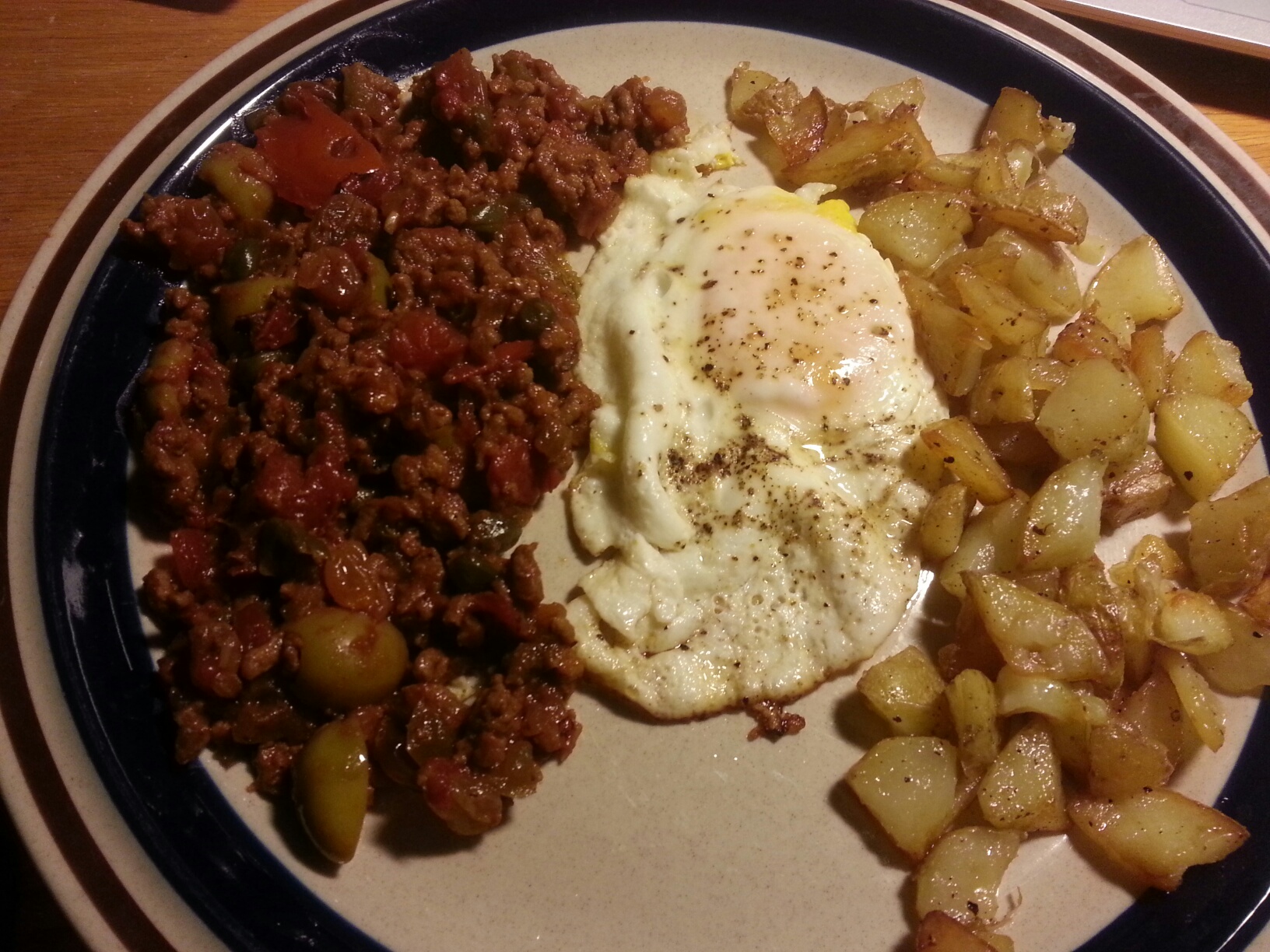
That's still pretty left-shifted from normal, but note I decided to include Jens Lekman and Magnetic Fields (both Christgau picks) instead of artists with more supporting data such as Ryan Adams, Julie Byrne, Alex G, and/or Harry Styles. I'll also concede that I can imagine other people liking most of the bottom half of the list more than I do (well, Perfume Genius and Dirty Projectors seem pretty hard to like). I got a couple of reprieves from my computer problems. The website ISP found a bit of free disk space, but at 95% used it could go away fast, and the company has become impossible to communicate with. I got around my local browser problem by switching to Chromium, which has held up fairly well, although I haven't put anyway near the load on it I used to do with Firefox. I still need to save everything off, do a fresh operating system load, and put it all back together again, but it's tempting to keep muddling by for a while until I face up to all that. It would be good, for instance, to update the Christgau website before I break my local copy. It would be even better if I could migrate the website to HTML5 and UTF-8 when it comes back. Presumably there are tools that help with that sort of thing, but I haven't searched them out yet. We've also talked a bit about making it more phone-friendly or even converting it to some kind of phone ap, but that's another learning curve. Anyone who has advice or suggestions about this, please get in touch through normal channels. Tried turning on the old Dell laptop today, but it came up with an ominous message about the "disk drive failing" that suggests it's soon to be a goner. It's running Ubuntu 10.04, so it's even further behind than my main machine. For most practical purposes I replaced it with a Chromebook a few years ago, but I never got into the habit of using cloud storage, so I really just use it for web surfing. I suppose a new real laptop is in order. Meanwhile, about the only thing I've actually been enjoying has been cooking. The hardest thing has been lining up guests so I get an excuse to stretch a little -- I still haven't done the big Korean bash I planned out 3-4 months ago. I did cook Indian for my sister's birthday, but that's about all. On the other hand, I've been picking up small packages of meat and scattered vegetables that I can cook for the two of us. Today I turned a pound of hamburger into picadillo -- sort of a Cuban sloppy joe mix -- served with pan-fried potatoes and fried egg (a "caballo"). Lately I've found myself going back to Chinese recipes, some I haven't made in years. On Sunday I made a version of sweet & sour pork and some fried rice. I made lettuce wraps with a chicken and pine nut filling and fried cellophane noodles. I found some frozen pork chops and turned them into pork & pickle soup (the "pickle" is Szechuan preserved vegetable -- mustard stem), adding some dried mushrooms. Another time I made braised pork ribs with fermented black beans. Then there was the "hoisin-exploded" chicken. I have a pretty good pantry of Chinese odds and ends, so I can usually turn a package of meat or fish and whatever vegetables are handy into a remarkably tasty meal. The hard part is keeping fresh scallions and ginger on hand. My mother was the master of always having a pantry (and two freezers) stocked with anything she might need should, say, a relative show up in need of a full meal and maybe a pie or cake. After she died, I made three typical cakes, knowing that all the ingredients would be on hand. We grew up on stories of Aunt Hester receiving guests at 3AM with full meals prepared on her wood-fired stove. I don't think Mom ever had to do that, but she was prepared. New records rated this week:
Old music rated this week:
Unpacking: Found in the mail last week:
Ask a question, or send a comment. Sunday, July 2, 2017 Week LinksLast week I contemplated suspending Weekend Roundup. Partly I was having grave computer problems that made surfing the web ever more painful, and partly I was just disgusted with all the insane things Trump and the Republicans are doing. Since then I tried Google's Chromium browser and it's working better (although not perfectly, and without NoScript I'm seeing a lot of annoying JavaScript I never had to deal with before). So I figured I'd compromise by just jotting down a few links without comments, although sometimes I couldn't help myself. Also because shit's happening so fast, I figured I should jot down a date for each linked page (when I remembered to do so). Then I wrote an introduction. Meanwhile, I slogged through Noam Chomsky's essay collection, Who Rules the World? I didn't learn a lot I didn't already know, but I started out in a bad mood about America's many wars, so I didn't mind Chomsky being even harsher than I would be. Still, I wanted something lighter next, and settled for Bernie Sanders' post-campaign book. Only about 100 pages into it -- still pre-Iowa, when he was a very longshot, yet still no more improbable than the mess we wound up with. I talked to a friend last week who was still complaining about "Bernie or bust" -- people who held out for something more while most of us were willing to settle for much less (damn near nothing). Five months in, I think we can draw some clear conclusions about Donald Trump as President. One is that he's a lot more ignorant about everything a national political leader does (or should do) than pretty much anyone imagined -- including those of us who have long feared what we thought would be the worst. One manifestation of this is that he has no clue how to get anything done, and his ideas about what to do rarely rise above his sociopathic prejudices. The second, which was easier to predict from his campaign, is that his shameless disregard for truth is orders of magnitude beyond anything Washington -- a notorious haven for dissemblers -- has ever encountered. The media literally have no idea where to begin, because there are no fixed points to navigate by. The third is that Trump has belied every intimation he made on the campaign trail that he might break with Republican Party orthodoxy and forge a new direction: nationalist, for sure, but giving government a more humane role at home and a less aggressive one at home. This not only didn't happen; as many of us suspected, it never had a chance. Trump's trifecta of ignorance, incompetence, and dishonesty (for lack of a better word -- mendacious implies he's somewhat clever, and even bullshit suggests a hidden agenda) has left his administration in the malevolent hands of Republican apparatchiks and their billionaire masters. His only authentic (in the sense of things he personally decided) moves so far have been hiring relatives and touring his personal properties -- things he's been doing for decades. And when he's not indulging his oversized ego, he's doing what he's always tried to do: make money. He's not responsible for creating Washington's ubiquitous culture of graft, but he exemplifies it, especially by making sure he's getting his cut. Still, since Mitch McConnell unveiled his hitherto secret health care bill (the BRCA, like the breast cancer gene -- it seems immune to adding a "Care" suffix because it clearly doesn't), Trump's own personal garishness has taken a back seat (despite eruptions like the Mika Brzezinski flap) to his adopted party's crusade not just to coddle and elevate the rich but also to demean and hurt the poor (and anyone else they can organize their disdain against). This should have been clear years ago, but centrist Democrats and the bought-and-aid-for media have perpetuated the myth that they can work with moderate counterparts among the Republicans. But while Clinton and Obama never pointed to the obvious, Trump inadvertently made the point when he complained of not having a chance to get a single Democratic vote for his "repeal-and-replace Obamacare" bill. At least this answers the thought experiment: how bad does a bill have to be to not get a single sell-out Democrat? Still, Republicans are using their thin Congressional margins, the conservative-leaning Supreme Court, and anything that can be done through executive orders (or not done by turning a blind eye to enforcement on matters like civil rights, environment, and antitrust), to push its anti-popular (and frequently downright unpopular) agenda through. Just this last week, Trump's travel ban order got a reprieve from the Supreme Court, and the House passed two anti-immigrant bills (certain to fall short of the 60 votes the Senate used to require, but McConnell may still get creative there). It's hard to say whether Trump's chaos (for lack of a better word, although I was tempted by "insanity") is making their efforts easier or harder. Matthew Yglesias sums this up in Why Donald Trump can't make deals in Washington:
Here's another writer who understands that no matter how personally noxious Donald Trump may be, his administration is doing pretty exactly what any Republican administration would be doing given the same powers: Alex Pareene: This Is Normal:
Meanwhile, here are links (mostly without comments) to some stories I noticed:
Note: It was impossible for me to follow various links that loooked interesting due to aggressive gatekeeping. This included Business Insider, Forbes, The Wall Street Journal. Also annoying: The Guardian, The Nation. I subscribe to The Nation, so should be able to work around that, but the new browser doesn't have the right account info. Ask a question, or send a comment. Friday, June 30, 2017 Streamnotes (June 2017)Ran up against the end of the month again, although this month has more records than any since February, when I finally started running out of interest in 2016 EOY lists. This month's resurgence is probably related to having looked through a couple dozen mid-year lists -- they've become almost as automatic in the music press as EOY lists. Lot of records below I wouldn't have noticed otherwise. On the other hand, those lists are no guarantee of merit. Back on June 12, I published my wild-ass guess how the top-20 of list aggregate might look. Here's a slightly revised top-30 with some recent releases and a few longer-shots (my grades in brackets):
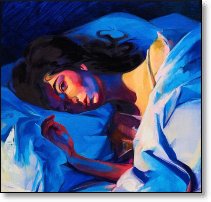
I'll probably get to the three unrated albums shortly. Lorde has only made five MY lists (vs. 13 for The XX and 15 for Drake) but she's currently number two at Album of the Year, with a 92/27 just behind Kendrick Lamar's 92/28. Took me a long time to get to A- but I finally did (much longer than it took me with Lamar). Drake has more/better lists than XX but I think we have a hip-hop selection bias (unlike the norm for EOY lists) -- plus I've heard the album and can't quite see what people like so much about it. Vince Staples is currently number 4 at AOTY (88/18), and SZA is at 11 (85/10) -- SZA has done better on lists so far, but had a two-week head start. Of course, most of the good records I found don't show up on those MY lists. For country, I got some tips from Saving Country Music (Jason Eady, John Moreland, Colter Wall -- not that I wasn't already on Moreland). Christgau has reviewed Chuck Berry, Steve Earle, Oumou Sangaré, and Starlito (and written about without reviewing Omar Souleyman), but not my other two rap picks (Joey Bada$$ and Oddisee) or the electropop (Sylvan Esso, Charli XCX). Three of five jazz albums came from my queue, but I had to go to Napster for Jimmy Greene and to Bandcamp for Joshua Abrams. I was so delighted with the latter I played all of his Eremites on Bandcamp (but didn't find any more Ari Brown sax). Most of these are short notes/reviews based on streaming records from Napster (formerly Rhapsody; other sources are noted in brackets). They are snap judgments based on one or two plays, accumulated since my last post along these lines, back on May 31. Past reviews and more information are available here (9774 records). Recent Releases
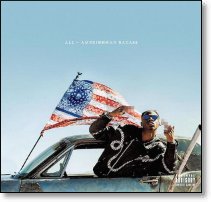
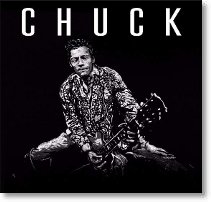
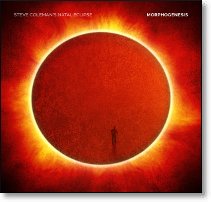
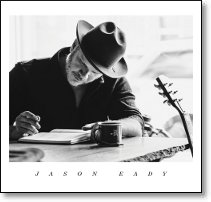
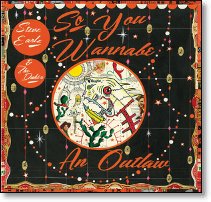
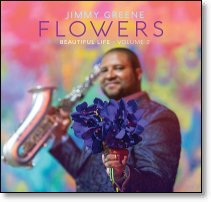
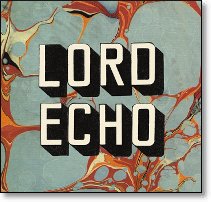
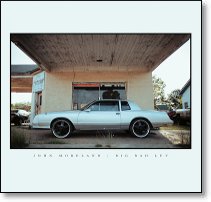
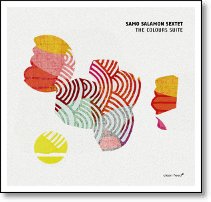
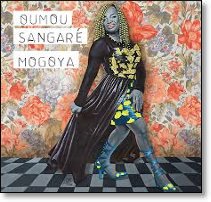
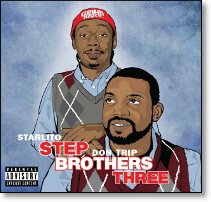
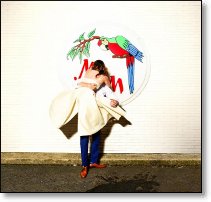
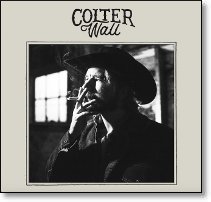
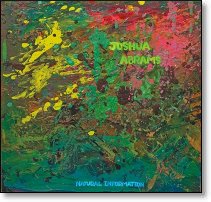
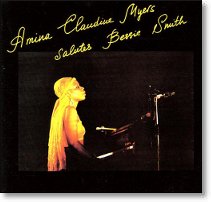
Joshua Abrams & Natural Information Society: Simultonality (2014-15 [2017], Eremite): Chicago bassist, appeared in avant-garde circles around 2002 but at this time highly patterned, repetetively rhythmic music, close in spirit to minimalism but subtly more complex. Abrams himself is also credited with guimbri, small harp, and bells, and is joined by Lisa Alvarado (harmonium, Leslie, percussion), Ben Boye (chromatic electric autoharp, piano, Wurlitzer), Emmett Kelly (electric guitar), and two percussionists (Michael Avery and Frank Rosaly) -- plus a real nice closing track tenor sax spot (Ari Brown). A- [bc] Ambrose Akinmusire: A Rift in Decorum: Live at the Village Vanguard (2017, Blue Note, 2CD): Trumpet player, born and raised in Oakland, now 35 -- as one reviewer noted, the same age as Coltrane when he recorded his own Live at the Village Vanguard in 1961. Highly regarded: he topped DownBeat's Critics Poll for Best Trumpet last year, following his third studio album, which placed 3rd in 2014's Jazz Critics Poll. (Say, didn't Coltrane have a couple dozen albums by 1961?) Quartet, with Sam Harris (piano), Harish Raghavan (bass), and Justin Brown (drums). (Coltrane's Quartet members weren't any more famous at the time, and extra Eric Dolphy had only cut his first albums the year before.) I've never been much impressed, at least until I heard "Trumpet Sketch (milky pete)," the intense trumpet-drum parlay that closes the first disc. Still, took a long time to warm up to that point, and the second disc only comes close to reprising it on the last track. This leaves me with two thoughts: first, this could have benefited from a lot of editing, and second, this group isn't able to sustain their few moments of excitement over a set or a side. B+(*) Tony Allen: A Tribute to Art Blakey & the Jazz Messengers (2017, Blue Note, EP): Drummer from Nigeria, best known for his work with Fela Kuti. Can't recall him ever playing on a jazz record before, but also can't imagine any reason he wouldn't admire the principal inventor of hard bop, especially as Blakey himself developed a fascination with African drumming. Four tracks, 24:34, including Blakey's own "The Drum Thunder Suite." Septet based in Paris, the horns a bit light and flighty, the rhythm more skittish than hard. B+(**) Joey Bada$$: All-Amerikkkan Bada$$ (2017, Pro Era/Cinematic): Brooklyn rapper Jo-Vaughn Scott, second studio album after three mixtapes. Despite his fondness for dollar signs, this finds him thinking hard about injustice in the nation, and while the "three K's" isn't deep, I don't mind him dropping a little kitsch into the dialectic. Nor an occasional obscenity, like "fuck Trump." A- Ignacio Berroa Trio: Straight Ahead From Havana (2017, Codes Drum Music): Drummer, from Cuba, left in 1980, joined Dizzy Gillespie in 1981 until his death. First album, Codes (2006) was superb, but I haven't heard anything since. This is a piano trio featuring Martin Bejerano with Josh Allen on bass, playing Cuban tunes recalled from Berroa's childhood in a very straightforward bop style, a little extra percussion on a couple tracks, and a Ruben Blades vocal on one. B+(**) [cd] Chuck Berry: Chuck (1991-2014 [2017], Dualtone): Legend, content to rest on his laurels since Rock It in 1979, then announced this album on his 90th birthday, but didn't live long enough to see its release. Eight originals, two fair approximations. Of the originals, two are obvious glosses on classics ("Lady B. Goode," "Jamaica Moon") but "Wonderful Woman" veers just far enough from "Back in the USA" to seem like a new hit. A couple others offer off-handed surprises, and nowhere does he struggle to top himself like on his '70s albums. A- Steve Bilodeau: The Sun Through the Rain (2017, self-released): Guitarist, from Boston, has a half-dozen previous albums (all on Bandcamp). This is a trio, with Richard Garcia on sax and Dor Herskovitz on drums. Neither free nor fusion, a more complex form of ambience, dense and rather dark. B+(*) [cd] Scott H. Biram: The Bad Testament (2017, Bloodshot): Singer-songwriter from Texas, country drawl with a harder edge, started out in 1998 as The Dirty Old One Man Band, fourth album got picked up by Bloodshot in 2005, and this is his fifth since (ninth overall). Seems incapable of putting together an album without rough patches or gratuitous offense, but sometimes just that works best -- as on the gospel singalong or the closing blues instrumental. B+(**) Mary J Blige: Strength of a Woman (2017, Capitol): I've never had a good ear or much patience for this r&b star, but she hit it big in 1992, and while she hasn't gone platinum since 2007 that's more the industry's fault: she projects great strength and perseverance, even when wielding the "survivor" cliché, and she hasn't let up one iota here. Of course, I'm tempted to say she oversings and overpowers everything, but that's just how she rolls. B+(***) Blondie: Pollinator (2017, BMG): A New York group I loved in the 1970s, up to and including their oft-maligned 1980 album Autoamerican. Their big hiatus was between 1982-99, but I didn't notice their last two albums (2011, 2014). This one makes a strong, distinctive pop impression, but leaves me wondering what they really have to say. B Erik Bogaerts/Hendrik Lasure/Pit Dahm: Bogaerts & Lasure + Dahm (2016, self-released): Sax, piano, and drums, although the latter is so quiet I've already forgotten it, leaving a rather chamber-ish piano-sax dialogue. Bogaerts is from Antwerp, Belgium. B- [bc] The Brother Brothers: Tugboats E.P. (2017, self-released, EP): Country/folk group from Brooklyn, brothers are Adam and David Moss. Six tracks, 18:43, harmonies can be Everly, main instruments are fiddle and cello, the one cut where they drop them for something accordion-like is a must to avoid. B- Burial: Subtemple/Beachfires (2017, Hyperdub, EP): William Bevan, British dubstep producer, released two albums 2006-07, the latter to much acclaim, but since then has only dribbled out EPs or singles -- this one skimpier than most, the two songs total 17:13. Rather glum and obscure, makes one wonder why we should bother. B Burning Ghosts: Reclamation (2017, Tzadik): LA-based jazz-metal fusion quartet, second album: Daniel Rosenboom (trumpet), Jake Vossler (guitar), Richard Giddens (bass), Aaron McLendon (drums). Trumpet player is terrific -- he's building a very interesting career, mostly behind group aliases but his Astral Transference and Seven Dreams is worth searching for. The metal offers some solid crunch but not a lot of flash. B+(***) [cdr] Julie Byrne: Not Even Happiness (2017, Ba Da Bing): Singer-songwriter from Buffalo, second album, rather short (9 songs, 32:37). Plays guitar and sings, so a folkie by default, dressed up with an aura of strings. Doesn't seems like much, especially given a first instinct to compare her to Joni Mitchell, but grows on you. B+(**) Gerald Cannon: Combinations (2017, Woodneck): Mainstream bassist, one previous album in 2003, numerous side credits back to 1995, has trouble working all his friends in so they're rotated with a few cuts each: alto saxophonists Gary Bartz, Sherman Irby, and Steve Slagle; trumpeters Duane Eubanks and Jeremy Pelt; pianists Rick Germanson and Kenny Barron. Willie Jones III gets most of the drum work, but Will Calhoun gets one cut, and guitarist Rick Malone gets three. Five originals, six covers. B+(**) [cd] Regina Carter: Ella: Accentuate the Positive (2017, Okeh/Masterworks): Violinist, ten albums since 1995, won a MacArthur "genius" grant in 2006. This coincides with the 100th anniversary of Ella Fitzgerald's birth, but it's hard to see an organic connection to Carter's work -- I suspect it was the label's idea (like when they directed her cousin to Billie Holiday), and with its ready-made songbook seemed easy. Two vocals (Miche Braden and Carla Cook, spread wide), the rest instrumentals featuring the leader backed with guitar, keyboards, bass, and drums. B+(*) Playboi Carti: Playboi Carti (2017, AWGE/Interscope): Atlanta rapper Jordan Terrell Carter, previously dba $ir Cartier, first mixtape. Rhythmically resembles Young Thug, but hasn't really found message or meaning yet. B+(*) Chastity Belt: I Used to Spend So Much Time Alone (2017, Hardly Art): Indie band, four women from Walla Walla, Washington, so post-punk they're almost lackadaisical, which is not because they're boring, let alone happy. B+(*) Chicano Batman: Freedom Is Free (2017, ATO): Los Angeles band, third album, mostly in Spanish, started out sounding erratically dissonant, or maybe just out of tune, then started to cohere somewhat -- even got interesting on one song I could follow ("The Taker City"). B- Gerald Clayton: Tributary Tales (2017, Motéma): Pianist, son of bassist John Clayton, fourth album. Group includes three saxes (Logan Richardson, Ben Wendel, Dayna Stephens), bass, and drums. The saxes provide some attractive big band harmonics, but this doesn't generate much lift or propulsion. B Steve Coleman's Natal Eclipse: Morphogenesis (2016 [2017], Pi): Alto saxophonist, thirty-some albums since 1985, has broken new ground several times and this is probably another -- I've played it many times, never really making up my mind as it keeps shifting in unexpected directions. Large group with a chamber jazz air -- only has percussion on 5/9 tracks, never significant, although there are many sources of rhythm -- three reeds, trumpet, violin, piano, bass, with Jen Shyu's voice shadowing. A- [cd] Bill Cunliffe: BACHanalia (2013-16 [2017], Metre): Pianist, has a dozen or so records since 1993 (e.g., Bill Plays Bud, Bill in Brazil, A Paul Simon Songbook), has worked in big bands, and has written five books. This was recorded over three sessions, some with big band. Two (of eight) titles credit JS Bach, one more CPE Bach, but nothing here triggers my Bach reflex -- nor does the Prokofiev, but I only recognized the Cole Porter when the singer took over, so none of this strikes me as very clear (or inspiring). Featuring credits for singer Denise Donatelli and trumpeter Terell Stafford, who also gets a shout-out from the leader. B- [cd] Dálava: The Book of Transfigurations (2016 [2017], Songlines): New York guitarist Aram Bajakian, of Armenian heritage but I'm not finding much biography, nor credits here. He has a previous Dálava album (2014): Moravian folk songs, sung by his wife Julia Ulehla, transcribed by her great-grandfather over a century ago. Figure this for more: while the vocals harken back to an age that aspired to opera, the guitar is decidedly new. B+(*) [bc] Roger Davidson Trio With Hendrik Meurkens: Oração Para Amanhã/Prayer for Tomorrow (2016 [2017], Soundbrush): Pianist, based in New York but fell hard for Brazilian music long ago, something he has in common with the German vibraphonist/harmonica player. With Eduardo Bello on bass, Antonio Santos on drums, for fast sambas with boppish touches. B+(**) [cd] Rick Davies: Thugtet (2015 [2017], Emlyn): Trombonist, originally from Albuquerque, played Latin jazz for many years in New York, recorded this three weeks before his death in December 2015. Billed as "an energetic meld of danceable Latin with jazz and a good taste of funk," features Alex Stewart (tenor sax) and Ray Vega (trumpet) as guests, doubling up on the congas. B+(**) [cd] Joey DeFrancesco and the People: Project Freedom (2017, Mack Avenue): Names his band but the publicist doesn't bother to list credits. Some sleuthing suggests the leader plays his usual organ plus some trumpet, along with Troy Roberts (tenor/soprano sax), Jason Brown (drums), and Dan Wilson (probably guitar). Starts with a whiff of "Imagine," and includes titles like "Lift Every Voice and Sing," "A Change Is Gonna Come," and "Stand Up" -- probably some originals too. B+(*) The Deslondes: Hurry Home (2017, New West): New Orleans group, generically Americana, draws on country rock with Cajun flavors including a guy who doubles on fiddle/pedal steel. B Dalton Domino: Corners (2017, Lightning Rod): Singer-songwriter, alt-country division, has some grit in his voice and in his songs. Last few songs do tend to blur together. B+(**) Drake: More Life: A Playlist by October Firm (2017, Young Money/Cash Money): Canadian rapper, destined to be a big deal in 2010 but he's never really delivered, even though he's been rather prolific. Probably his most critically acclaimed album since Thank Me Later, but it's packaged as a throwaway and that's pretty much what he delivers. I'm sure there are other rappers who are as regularly upstaged by guests and samples, but I can't recall their names. B+(*) Jason Eady: Jason Eady (2017, Old Guitar): Country singer-songwriter, born in Mississippi but seems to be associated with Texas, with a half-dozen albums since 2005 on obscure labels. Picks his way through unassuming songs, easy and graceful, most with stories to tell. A- Justin Townes Earle: Kids in the Street (2017, New West): Singer-songwriter, drawl much weaker than his father's which shades him away from country toward folk, and personality seems less commanding as well. Nice record, though. B+(**) Steve Earle & the Dukes: So You Wannabe an Outlaw (2017, Warner Brothers): There's nothing glamorous about those outlaw songs, but the roots grow thick, not least with the fiddle. A- Silke Eberhard Trio: The Being Inn (2016 [2017], Intakt): Plays alto sax and bass clarinet (here), based in Berlin, has done tributes to Dolphy, Coleman, and Mingus; credited with writing everything here, although I hear echoes of Ornette. Trio with Jan Roder (bass) and Kay Lubke (drums). A- [cd] Eliane Elias: Dance of Time (2017, Concord): Brazilian pianist, early albums from 1985 on were instrumental but at some point she started to sing -- most winningly on 1998's Eliane Elias Sings Jobim -- and lately it's turned into her shtick, light and charming. B+(*) The Four Bags: Waltz (2017, NCM East): With no drums, I suppose you could characterize this as chamber jazz, just not very formal or polite. Trombone (Brian Drye), accordion (Jacob Garchik), clarinet (Mike McGinnis), and guitar (Sean Moran) -- all leaders on their own (Garchik primarily on trombone), each contributing pieces here (plus three takes of "Valse des As" by G. Jacques). B+(*) [cd] Art Fristoe Trio: Double Down (2017, Merry Lane, 2CD): Piano trio, seems to be pianist Fristoe's debut, a double, with Tim Ruiz on bass and Richard Cholakian or Daleton Lee on drums. Six originals, mostly on the second disc, plus eleven covers, opening with "Smells Like Teen Spirit" and closing with "Speak Low." For some reason he decides to sing "Blackbird," and it's not pretty. B [cd] Future: Future (2017, Epic/A1/Freebandz): Rapper Nayvadius Cash, fifth studio album since 2012 (he also has a dozen mixtapes and 62 singles). Stretches himself thin over 17 tracks, 62:47, and still wasn't done. B+(**) Future: Hndrxx (Epic/A1/Freebandz): And, dropping a week after Future, his Sixth studio album. Most critics, including Christgau, regard this as the better half. It does start stronger, but once he settles into his slack groove it's hard for me to discern any difference. B+(**) Gabriel Garzón-Montano: Jardin (2017, Stones Throw): Brooklyn-born, father French, mother Colombian. Album has a soul vibe but can slow down to just airy. B Gato Libre: Neko (2016 [2017], Libra): Trio, seventh album since 2004, led by trumpeter Natsuki Tamura, with Yasuko Kaneko on trombone and Satoko Fujii on accordion -- sort of a miniature/avant brass band, the accordion adding a folkish flair. Some lovely passages, especially toward the end, but it rarely jumps out at you. B+(**) [cd] Kate Gentile: Mannequins (2016 [2017], Skirl): Drummer, also plays vibes, from Buffalo, based in New York since 2011. First album, quartet with Jeremy Viner (clarinet/tenor sax), Matt Mitchell (piano/electronics), and Adam Hopkins (bass). All original material by Gentile, interesting mix of rhythmic vamps and free jazz, both good for the pianist. Runs long: 72 minutes. B+(***) [cd] Terry Gibbs: 92 Years Young: Jammin' at the Gibbs House (2016 [2017], Whaling City Sound): Vibraphonist, born 1924, cut his first record in 1949 (or 1951), led an outfit he called the Dream Band circa 1959 (his son, drummer Gerry Gibbs, present here, has his own Dream Band). First record since 2006, cut in his living room with John Campbell on piano and Mike Gurrola on bass, mostly swing and early bop standards, and indeed they are delightful. B+(***) [cd] The Brett Gold New York Jazz Orchestra: Dreaming Big (2016 [2017], Goldfox): Big band, 18 pieces when the guitar's present, Gold composed and arranged but doesn't play, more than half of the New York musicians are recognizable from their own careers. Certainly has some exciting passages, especially when the trombones come out. B+(*) [cd] Alex Goodman: Second Act (2017, Lyte): Guitarist, from Canada, first album nominated for a JUNO as "Contemporary Jazz Album of the Year" -- probably doesn't mean pop jazz -- at least this isn't -- but fancy, intricate, thoughtful postbop, impressive but not especially interesting. Band here includes sas/EWI (Matt Marantz), keyboards, bass, drums, vocal credits I never quite noticed in two plays, fluffed out to 75 minutes. B [cd] The Great Harry Hillman: Tilt (2017, Cuneiform): Swiss group, from Luzern: Nils Fischer (reeds), David Koch (guitar/efx), Samuel Huwyler (bass), Dominik Mahnig (drums). Namesake was a sprinter who won three gold medals in the 1904 Olympics. Hard to pigeonhole this -- hype sheet compares them to postrock bands like Radian and Tortoise, throwing in a little Mary Halvorson, which may be the idea, but the actuality is less settled, or predictable. B+(**) [cdr] Jimmy Greene: Flowers: Beautiful Life, Volume 2 (2017, Mack Avenue): Tenor saxophonist, based in Sandy Hook, CT, where his 6-year-old daughter was among those murdered in the infamous school shooting there. He bounced back with his 2014 album Beautiful Life and won a Grammy, but I prefer this edgier album, full of probing, searching saxophone. Two piano trios split the backing (Renee Rosnes/John Patitucci/Jeff "Tain" Watts vs. Kevin Hays/Ben Williams/Otis Brown III), and two songs get guest vocals. A- Halsey: Hopeless Fountain Kingdom (2017, Astralwerks): Young pop singer from New Jersey, Ashley Frangipane, second album after her debut, Badlands, went platinum (and made my A-list). This isn't as immediately appealing, perhaps because the fated lovers saga seems contrived, borrowed, or just too much trouble. Still has a knack, though. B+(**) Louis Hayes: Serenade for Horace (2017, Blue Note): Drummer, was still in his teens in 1956 when he joined the Horace Silver Quintet -- for the next decade one of the greatest of all hard bop groups. Hayes moved on to Cannonball Adderley in 1959, and Oscar Peterson in 1965-67 and 1971, and led his own groups from 1972 on, sometimes sharing billing with Junior Cook or Woody Shaw. David Bryant plays piano, Josh Evans trumpet, Abraham Burton tenor sax, Steven Nelson vibes, Dezron Douglas bass. Silver's tunes still sound terrific, especially when Burton takes charge (he even salvages the Gregory Porter vocal), with the vibes accenting the swing. B+(***) Wade Hayes: Old Country Song (2017, Conabor): Country singer-songwriter from Oklahoma, first two records (1995-96) went gold, next two charted, fifth was self-released nine years later, and since then he's had a close call to cancer. Neotrad, not especially inspired, but I rather like "I Don't Understand" ("all I know about love"). Also "Going Where the Lonely Go." B The Heliocentrics: A World of Masks (2017, Soundway): London jazz-funk group "based around" drummer/producer Malcolm Catto, name derived from Sun Ra, have done especially notable work in their surprising collaborations (Mulatu Astatke, Lloyd Miller, Orlando Julius, Melvin Van Peebles). Dense world fusion, front-loaded with vocals (Barbora Patkova, from Slovakia). B+(***) Joseph Huber: The Suffering Stage (2017, self-released): Singer-songwriter from Milwaukee, played banjo in .357 String Band, considered folk or country but rocks pretty hard for the former. Bandcamp has two bonus tracks. B+(***) Innocent When You Dream: Dirt in the Ground (2017, self-released): Canadian group, evidently led by Aaron Shragge, credited with "dragon mouth trumpet/shakuhachi," joined by tenor sax (Jonathan Lindhorst), guitar (Ryan Butler), bass (Dan Fortin), drums (Nico Dann), and on most tracks pedal steel (Joe Grass). Not quite pop, but they maintain a groove and soar a little. B+(*) [cd] Jason Isbell and the 400 Unit: The Nashville Sound (2017, Southeastern): Alabama boy, one of the songwriters in the Drive-By Truckers, left ten years ago for a solo career still yoked to a band name. Christgau likes his last four albums more (sometimes a lot more) than I do, which probably means I should pay more heed to the lyrics and worry less about the unexceptional music -- here nothing I would chalk up as "Nashville sound" even given that as Nashville pursues the arenas they've been rocking harder than ever. But Isbell doesn't rock hard, nor does he play up his roots, and while a couple songs are clear and poignant, others pass right by. B+(**) Japandroids: Near to the Wild Heart of Life (2017, Anti-): Canadian garage punk duo/group, third record, five years after their second. Brash and loud, works for them. B+(**) The Jesus and Mary Chain: Damage and Joy (2017, ADA/Warner): Scottish noise-pop band, principally brothers Jim and William Reid, a big deal in 1985-94, broke up after their 1998 album flopped, reunited for lack of anything better to do in 2007 but didn't rush into the studio: this is their first album in 19 years. Easily a return to form, one I thoroughly enjoyed without being much impressed (well, until "Get On Home" came on). B+(**) J.I.D: The Never Story (2017, Dreamville/Interscope): Atlanta rapper Destin Route, signed to J Cole's label, first album after an EP, trips lightly through ten producers, who don't treat him quite as well. B+(***) Kano: Made in the Manor (2016, Parlophone): British rapper, file under grime, fifth album since 2005, snagged a Mercury nomination and made some UK EOY lists last year, tied for 211 in my EOY aggregate so I noticed it but failed to check it out (note that I graded 9/17 records at that level, 5 of them A-). B+(***) Ryan Keberle & Catharsis: Find the Common, Shine a Light (2017, Greenleaf Music): Trombonist, fifth album with this group -- Mike Rodriguez (trumpet), Jorge Roeder (bass), Eric Doob (drums) -- with former guest singer Camila Meza (also plays guitar) moving into center stage. Beatles ("Fool on the Hill") and Dylan ("The Times They Are A-Changin'") covers are surprisingly striking, the original material more mixed. B+(**) [cd] Zara Larsson: So Good (2017, Epic/TEN): Swedish pop singer, still a teenager first album a hit in Scandinavia, this second an international breakout. In English, primed for the world market, danceable but not as hot, say, as Robyn. Not unthoughtful either. Still, how come the lyric I noticed was "you can be the next female president"? Then the refrain went "make that money girl" -- as if that's the ticket. B+(**) Llop: J.Imp (2017, El Negocito): Quartet, Belgian (I think): Erik Bogaerts (sax), Benjamin Sauzereau (guitar), Jens Bouttery (drums, electronics), Brice Soniano (bass). Mostly improv, surprisingly ambient, pleasant even. B+(*) [cd] Lord Echo: Harmonies (2017, Soundway): From New Zealand, aliases Mike August and Mike Fabulous, bills himself as "underground super-producer." Sounds more soul than anything but not as retro as Mayer Hawthorne, but you might triangulate that with disco and nu and rocksteady and find something fresh. A- Lorde: Melodrama (2017, Lava/Republic): Pop star from New Zealand, cut her first album in her teens, released this second album to much acclaim at 20. Co-writes most of her songs with Jack Antonoff, avoids the big producer-centric glitz most pop artists aim for, even has a way of talking her way into them that recalls Lily Allen. Not as fucking brilliant, but already pretty damn sharp. A- Low Cut Connie: "Dirty Pictures" (Part 1) (2017, Contender): Philadelphia alt/indie band named for a memorable waitress, fourth album, led by Adam Weiner, who has lately shifted focus from guitar to piano, gaining a raucous honky-tonk sound. The piano is more central than ever here, but that only helps when they keep it upbeat, not when maturity turns to flab. B Alex Maguire/Nikolas Skordas Duo: Ships and Shepherds (2016 [2017], Slam, 2CD): Pianist Maguire has been around, playing in Hatfield and the North, Elton Dean's Newsense, Pip Pyle's Bash, Sean Bergin and M.O.B., a couple albums with Michael Moore. This seems to be the debut for Skordas, who plays tenor/soprano sax, gaida (bagpipe), tarogato, flutes, bells, and whistles. He doesn't exactly put his best foot forward by starting with the bagpipe, a harshness that recurs as part of their volatile chemistry. B [cd] Brian McCarthy Nonet: The Better Angels of Our Nature (2016 [2017], Truth Revolution): Alto/soprano saxophonist, second album. Nonet arrays trumpet, trombone, four saxes, and piano-bass-drums for rich and varied textures, occasionally dipping into Civil War-vintage tunes -- the title draws on Abraham Lincoln's first inaugural address. B+(***) [cd] John McLean/Clark Sommers Band: Parts Unknown (2017, Origin): Guitar and bass, both have other albums as leaders. Front cover also mentions Joe Locke (vibes) and Xavier Breaker (drums). By turns, slick, slinky, and frothy. B- [cd] Tift Merritt: Stitch of the World (2017, Yep Roc): Singer-songwriter, usually taken for country but that doesn't seem necessary here. B+(*) Molly Miller Trio: The Shabby Road Recordings (2017, self-released): Guitar-bass-drums trio, young enough to consider Jackson Browne and Tom Waits tunes standards, plus some more trad fare (even beyond Smokey Robinson). Ten songs, 29:22. B [cd] Charnett Moffett: Music From Our Soul (2017, Motéma): Bassist, more than a dozen albums since 1987, many side credits (only 7 listed on his Wikipedia page but AMG's credits table runs 290 lines). Group here includes Pharoah Sanders (tenor sax), Cyrus Chestnut (piano), Stanley Jordan (guitar), and rotates between three drummers (Jeff "Tain" Watts, Mike Clark, Victor Lewis). The big three do what you'd expect, with Sanders all sharp edges, Jordan polished grooves, and Chestnut richly florid vamps. Could have used more Sanders, but he sounds great when he gets the chance. B+(***) Thurston Moore: Rock N Roll Consciousness (2017, Caroline): Sonic Youth guitarist, side projects date back to circa 1995 but were usually experimental and minor until the band broke up. This seems in between, only five songs, two over 10 minutes (total 42:51), the words coming late and reluctantly. B+(*) John Moreland: Big Bad Luv (2017, 4AD): Country singer-songwriter, born in Texas, moved around a lot including a spell in Kentucky but counts Tulsa as his home. Title was a throw-away line in the upbeat closer but his non-Nashville label must have dug it. Fine collection of songs, some fast, some slow, he does it all. A- Gurf Morlix: The Soul & the Heal (2017, Rootball): Singer-songwriter, played with and produced Lucinda Williams, cut his first album in 2000 and is up to ten here. Pretty good songs rooted in Austin's view of the country. B+(**) Kyle Motl: Solo Contrabass (2016 [2017], self-released): Bassist, top two associations are with Abbey Rader and Peter Kuhn, so avant and not so famous; also has a duo album with Adam Tinkle and two group albums led by Drew Ceccato. Solo bass albums tend to be more about drawing sounds out of their instrument than music, but this does both. B+(**) [cd] The Mountain Goats: Goths (2017, Merge): John Darneille's group front, in business since 1991, sixteenth album. Name drops various groups he grew up listening to, while remaining truthful to his own unique songcraft. B+(***) MUNA: About U (2017, RCA): Los Angeles guitar band, three women, genre said to be "dark pop," got a rave review in The Nation but two plays slipped by me without leaving a lasting impression, other than certainly, not bad. B+(*) Amina Claudine Myers: Sama Rou: Songs From My Soul (2016, Amina C): Pianist-organ player-vocalist, originally from Arkansas, steeped in church music, moved to Chicago and joined AACM, then on to New York. First two albums focused in Marion Brown and Bessie Smith, a range she's stradled ever since -- at least up to 2000, when the discography fizzles out. This is solo and seems to be new, released after she turned 74. Most striking on the back half's spirituals. B+(*) Quinsin Nachoff/Mark Helias/Dan Weiss: Quinsin Nachoff's Ethereal Trio (2016 [2017], Whirlwind): Tenor saxophonist, several albums since 2006, this sax-bass-drums trio by far his best. Original pieces, mostly mid-tempo, nothing fancy or frantic, but it holds together superbly. A- [cd] The Necks: Unfold (2017, Ideologic Organ): Exceptionally long-running Australian piano trio -- Chris Abrahams (piano), Tony Buck (drums), Lloyd Swanton (bass) -- with 22 albums going back to 1989. This was designed for 2-LP with four side-long pieces 15:35-21:47. Less jazz than shimmering, resplendent ambient, nicely pitched for a label handled by Editions Mego. B+(***) Vadim Neselovskyi Trio: Get Up and Go (2017, Blujazz): Ukrainian pianist, based in New York but teaches at Berklee in Boston. Third album, a tightly melodic piano trio with some vocal shadowing I neither like nor mind. B+(**) [cd] Ed Neumeister & His NeuHat Ensemble: Wake Up Call (2014 [2017], MeisteroMusic): Trombonist, a veteran of many big bands from the 1980s, with several albums as leader. This is a big band thing, with Dick Oatts and Rich Perry in the reeds, Steve Cardenas on guitar, John Hollenbeck on percussion -- more than half of the players are names I recognize. B+(*) [cd] The New Vision Sax Ensemble: Musical Journey Through Time (2017, Zak Publishing): Saxophone quartet: Diron Holloway (soprano/alto plus clarinet), James Lockhart (alto), Jason Hainsworth (tenor), Melton Mustafa (baritone). Their journey proceeds back through time, starting with a Bobby Watson piece, then "Night in Tunisia" and "'Round Midnight" through a Gershwin medley and "These Foolish Things" and on to Scott Joplin and "Amazing Grace" -- crowd pleasers that let them show off their clever layering. B+(*) [cd] Larry Newcomb Quartet With Bucky Pizzarelli: Living Tribute (2016 [2017], Essential Messenger): Guitarist, got a PhD from University of Florida in 1998, CV and "musical influences" mostly rock but he comes off more as a soul/swing guy here, or maybe that's just his new mentor Pizzarelli. Quartet includes Eric Olsen on piano. Starts with standards, then moves into originals, which continue the vibe. Two nice vocals toward the end, by Leigh Jonaitis. B+(*) [cd] North Mississippi Allstars: Prayer for Peace (2017, Legacy): Brothers Luther and Cody Dickinson, sons of Memphis producer Jim Dickinson, formed this band in 1996 although Luther also plays for Black Crowes. Southern rock with more nostalgia for Martin Luther King than for Dixie, dipping more than a few times into old blues -- I actually had "Stealin'" in my head before I heard this delightful version. B+(***) Oddisee: The Iceberg (2017, Mello Music Group): Amir Mohamed el Khalife, rapper born in Maryland, based in DC, father from Sudan, prolific since 2005 (Wikipedia counts 11 studio albums, 10 mixtapes). Beats acoustic, band rocks, even swings a little, the raps fast and impressively level-headed. A- Zephaniah OHora & the 18 Wheelers: This Highway (2017, MRI): Country singer-songwriter from Brooklyn, uses a lot of old-fashioned pedal steel but lacks that old-time twang in his voice, which gives his oft-effortless crooning a peculiar air. And when he goes for a cover, he comes up with "Something Stupid." B+(**) Aruán Ortiz: Cubanism: Piano Solo (2016 [2017], Intakt): Pianist, b. 1973 in Cuba, based in Brooklyn, half-dozen albums since 2005. Last year's trio Hidden Voices was especially well regarded, and this solo effort is every bit as thoughtful. Original pieces, oblique references to Afro-Cuban, nothing too obvious. B+(**) [cd] Jeff Parker: Slight Freedom (2013-14 [2016], Eremite): Jazz guitarist from Chicago, plays in avant groups but also in post-rock Tortoise. Solo guitar with effects and sampler -- the latter adds some beat, which makes this attractive without a lot of virtuosity. B+(**) Perfume Genius: No Shape (2017, Matador): Stage name for Mike Hadreas, has several albums that strike me as fey and arty -- this one even more so. B- Errol Rackipov Group: Distant Dreams (2015 [2017], OA2): Plays vibraphone and marimba, studied at Berklee and Miami, second album -- had a song on a Jazziz sampler in 1997 but only source I've found on the album gives its date as 2015. Group has two saxophones, piano, bass, and drums -- very energetic with the mallets. B+(*) [cd] Rag'n'Bone Man: Human (2017, Columbia): British singer-songwriter Rory Charles Graham, first album, title single works the cliché that the definition of being human is fucking up. He has an impressive voice that I can't peg in any genre -- it belies any possible claim to blues or gospel, reminding me more than anything of a Marine Corps drill sergeant, an effect only enhanced by the backup singers. It's the sort of record that sounds impressive first, but you grow tired of quickly. B- Mason Razavi: Quartet Plus, Volume 2 (2016 [2017], OA2): Guitarist, based in San Francisco area, has a couple previous albums. Quartet adds piano/keyboards, acoustic/electric bass, and drums, the "plus" expanding into a smallish big band (three reeds, one each trumpet/trombone) for the second half, most obvious (if not best) on the sole cover, "Caravan." B [cd] Mike Reed: Flesh & Bone (2016 [2017], 482 Music): Chicago drummer, has done a heroic job of absorbing and furthering the avant-jazz tradition of his city, usually attributing his work to two groups rather than appearing on the masthead alone. Of course, he's not alone: the credits are structured as a two-sax quartet (Greg Ward and Tim Haldenam), with Jason Roebke on bass, but two more horns spread out the sound: Jason Stein on bass clarinet and Ben Lamar Gay on cornet. Reed refers to this as "my dream-like reflections" and that's the weak spot, when it gets too dreamy. But things wake up with Marvin Tate's spoken word rants and ravings -- I sneered at first, then found them interesting, and ultimately decided they were an intrinsic part of the album's musicality. B+(***) [cd] Jeremy Rose: Within & Without (2016 [2017], Earshift Music): From Australia, plays alto sax and bass clarinet, has at least three albums. Plays off here against Kurt Rosenwinkel's guitar, backed by piano-bass-drums. B+(*) [cd] Samo Salamon Sextet: The Colours Suite (2016 [2017], Clean Feed): Guitarist from Slovenia, has consistently produced interesting records. Wrote eight pieces named for colors, and brought this sextet for Jazz Festival Ljubljana, with "two of my favorite drummers" (Roberto Dani and Christian Lillinger), Pascal Niggenkemper (bass), Achille Succi (bass clarinet), and Julian Arguelles (tenor and soprano sax). The horns contrast well, the sharper sax piercing the airier bass clarinet, most impressively when they crank it up. A- [cd] Oumou Sangaré: Mogoya (2017, No Format): Wassoulou singer from Bamako, the capitol of Mali. She's recorded super albums since 1991's Moussolou. While Christgau detects a loss of "engagement" here, I find myself enjoying it just fine. A- Scenes: Destinations (2016-17 [2017], Origin): Guitar-bass-drums trio -- John Stowell, Jeff Johnson, John Bishop -- have a number of albums together. Stowell is an intricate stylist, and gets helpful but unimposing support. B+(*) [cd] Shinyribs: I Got Your Medicine (2016 [2017], Mustard Lid): Country-soul, swamp-funk band from Austin, originally just Kevin Russell (vocals, guitar, ukulele, mandolin) but nowadays they got horns and backing singers which lets them swing a little. Sample verse: "he once was a verb, now just a noun." On the other hand, great cover of "A Certain Girl." Also recommended: "I Don't Give a Sh*t." B+(*) Sleaford Mods: English Tapas (2017, Rough Trade): British duo -- rapper Jason Williamson and musician Andrew Fearn -- with their postpunk beats and working class screeds. Been around long enough they're starting to get automatic, and been successful enough you start to wonder if they're losing their edge. They are, somewhat, but still can catch a riff and/or a rant often enough to remind you how unique they are. B+(***) Slowdive: Slowdive (2017, Dead Oceans): British shoegaze/dream pop group led by singers Neil Halstead and Rachel Goswell, released three albums 1991-95, broke up, regrouped and after 22 years came up with their fourth album -- like Jesus and Mary Chain, except not so famous (or good). Short on fuzz, but enough shimmer to drown in. B+(*) Smino: Blkswn (2017, Zero Fatigue/Downtown): Rapper from St. Louis, Christopher Smith, debut album after a couple EPs. Small voice, small beats, likes to sing, which occasionally threatens to get catchy but more often is just oddly appealing. B+(**) Jay Som: Everybody Works (2017, Polyvinyl): Alias for Melina Duterte, born in Oakland, parents Filipino. Sort of a DIY pop thing, a novel, interesting voice. B+(*) Omar Souleyman: To Syria, With Love (2017, Mad Decent): Syrian wedding singer, a style known as dabke, currently based in Turkey, was introduced to the United States in 2006 via the first of four Sublime Frequencies comps, and has since become an international star. Hard to choose between his last three albums, but this is the hottest, heaviest, most frenetic albums I've heard this year, so it stands out clearly from everything else. A- Chris Stapleton: From a Room: Volume 1 (2017, Mercury Nashville): Country singer-songwriter, maybe "alt" but he's so died-in-wool I wouldn't dare quibble. Solid bunch of songs, mostly down-and-out, but that's realism these days. B+(***) Starlito & Don Trip: Step Brothers Three (2017, Grind Hard): Two rappers from Tennessee, Nashville and Memphis, released their first Step Brothers in 2011. Midtempo beats, rhymes unroll methodically, everything so loose you're surprised to find it holding together. Christgau tweeted "best hip-hop album of a year that should damn well be generating better ones." Took me three plays and I'm still not convinced, but desperate times are upon us. A- John Stein/Dave Zinno: Wood and Strings (2016 [2017], Whaling City Sound): Guitar and bass duets, mostly standards (4 Stein pieces, 1 Zinno, 9 others, with Sam Rivers the outlier). Very intimate, the bass resonant, the guitar light as a feather. B+(***) [cd] Dayna Stephens: Gratitude (2017, Contagious Music): Tenor saxophonist. Eighth album as leader, although it seems like I run into him more often in others' side credits. Quintet is likely better known: Brad Mehldau (piano), Julian Lage (guitar), Larry Grenadier (bass), and Eric Harland (drums). Marvelous tone, on the upbeat pieces anyway -- when they slow down the guitar tends to get in the way. B+(**) Becca Stevens: Regina (2017, GroundUp): Singer-songwriter, fourth album, has some jazz cred but I'm not particularly hearing that here, and "Mercury" is flat-out pop. Guest spots for Laura Mvula, Jacob Collier, and David Crosby. Two covers, one from Stevie Wonder (botched). B- Matthew Stevens: Preverbal (2017, Ropeadope): Guitarist, from Toronto, studied at Berklee, based in New York, second album, a trio backed with bass (Vicente Archer) and drums (Eric Doob). Too uncertain for fusion. Last track goes verbal, feat. Esperanza Spalding. B Marty Stuart and His Fabulous Superlatives: Way Out West (2017, Superlatone): A long-time bluegrass stalwart, leans here toward the Western end of C&W, which sounds fine at first but somehow gets lost in the tumbleweeds. B Sylvan Esso: What Now (2017, Loma Vista): Electropop duo from North Carolina, singer Amelia Meath and producer Nick Sanborn. Second album. Terrific. A- SZA: Ctrl (2017, Top Dawg/RCA): Neo soul singer Solana Rowe, first album after two mixtapes and an EP, an instant hit although not so obvious to me -- certainly likable, with guests like Travis Scott and Lamar Kendrick checking in to mix it up. B+(**) Tamikrest: Kidal (2017, Glitterbeat): Tuareg band from in/around Kidal in northeast Mali, on their fifth album here. A remarkably calming record, in stark contrast to the rhythmically similar (but fancier) Omar Souleyman or even other Saharan groups (e.g., Mariem Hassan's). I count that as a plus, but a limited one. B+(**) Dylan Taylor: One in Mind (2015-16 [2017], Blujazz): Plays bass and cello, second album, wrote 3/10 songs here, fewer than his more famous sideman, the late guitarist Larry Coryell (5), who provides the sweet tooth here. Also with drummer Mike Clark. B+(*) [cd] Thundercat: Drunk (2017, Brainfeeder): Stephen Bruner, mostly plays bass guitar, started more as a producer, has dozens of side-credits including Flying Lotus and Kendric Lamar, but three albums in has evolved into some kind of soul man, just very hard one to pin down. Runs through 23 tracks in 51:24. B+(*) Thurst: Cut to the Chafe (2017, self-released): Los Angeles post-punk band, two siblings, Kory and Jessie Seal -- he does most of the vocals and she drums -- plus a bass player. Rough, but I suppose that's the point. B+(**) [bc] Trombone Shorty: Parking Lot Symphony (2017, Blue Note): New Orleans trombonist, albums date from 2002 but he took off when Verve picked him up in 2010. Also credited here with vocals and another dozen instruments, backed by another dozen musicians and a choir. Basically soft soul, with delusions of grandeur. I moved him into my pop jazz file a while back, but he's not even that anymore. B- Urbanity: Urban Soul (2017, Alfi): Australian duo, Phil Turcio (keyboards) and Albert Dadon (guitars, aka Albare). Genial, pleasant groove music. B [cd] The Vampires: The Vampires Meet Lionel Loueke (2016 [2017], Earshift Music): Hard for me to see Loueke as making for an especially momentous meeting, although he does what he usually does here, adding some sinewy, sweet guitar and (eventually) vocals. The group is a two-horn quartet, Jeremy Rose (alto/tenor sax, bass clarinet) and Nick Garrett (trumpet), plus bass and either of two drummers. The strike me as typical rock fans who moved on to jazz because it's more demanding, and don't want to hear about fusion. B+(*) [cd] Carlos Vega: Bird's Up (2016 [2017], Origin): Saxophonist (tenor/soprano), from Miami, teaches in Tallahassee, recorded this in Chicago. Second album, both with "Bird" in the title. Impressive on a straight charge, although I find the various change ups (including a guest vocal) a bit muddled. B+(*) [cd] Mat Walerian/Matthew Shipp/William Parker: Toxic: This Is Beautiful Because We Are Beautiful People (2015 [2017], ESP-Disk): Polish alto saxophonist (also bass clarinet, soprano clarinet, flute), with piano and bass legends; Walerian's third album for the label, each with a group name that I've slid into the title (not that it makes much sense this time). Five long pieces, 79:11. Leader strikes me as more tentative here than on the previous albums, but Shipp and Parker think of lots of ways to amuse themselves. B+(**) Colter Wall: Colter Wall (2017, Young Mary's): Young (21) singer-songwriter from Saskatchewan, first album, has a deep voice which sounds much older, especially on slow ones (i.e., most of the time). Has some DJ patter in the middle, something about flipping the record over, which makes him out to be a much bigger deal than he is. Then the second half makes me think maybe he should be. A- Charlie Watts/The Danish Radio Big Band: Charlie Watts Meets the Danish Radio Big Band (2010 [2017], Impulse): Drummer for the Rolling Stones, has released eleven albums on his own since 1986, mostly jazz. Gerald Presencer arranged the pieces, opening with "Elvin Suite" and including two Stones pieces ("You Can't Always Get What You Want" and "Paint It Black") -- both highlights, especially for Per Gade's guitar. B+(**) Shea Welsh: Arrival (2017, Blujazz): Guitarist. based in Los Angeles. Seems to be his first album. Groups vary, including two vocalists, and dropping down to solo guitar on "Both Sides Now" and "Moonlight in Vermont." B- [cd] Wire: Silver/Lead (2017, Pink Flag): England's first postpunk group, timed this album release for the 40th anniversary of their "first proper Wire gig" -- their label-defining debut Pink Flag came out later in 1977. Trademark sound, but they don't push it very hard. B+(*) Jaime Wyatt: Felony Blues (2017, Forty Below, EP): Singer-songwriter from Los Angeles. I see more comparisons of her to Linda Ronstadt than to country singers, but more still buy into her outlaw thing. Probably the big voice and big production. Seven cuts, but only one less than 4:00 so they add up to 29:57. B+(*) Charli XCX: Number 1 Angel (2017, Asylum): British pop singer Charlotte Aitchison considers this a mixtape though why is unclear to me. Same for the characterization as "avant-pop" -- possibly looking for something that conveys how beyond ordinary it is. A- Young Thug: Beautiful Thugger Girls (2017, 300/Atlantic): Rapper Jeffrey Williams, first studio album after scads of mixtapes, so he's settling into the more modest release pace of a major label star -- gets him more guests, but not necessarily better songs. Takes a while to get going, but his comic voice and rapid fire vocal rhythm finally wins out. Still hard for me to tell if there's anything special here. B+(***) Recent Reissues, Compilations, Vault Discoveries
American Epic: The Soundtrack ([2017], Columbia/Third Man/Legacy): Tied into a three-part PBS program on the early recording history of American music, which the labels plan on expanding to a whole cottage industry, this being the most select, most succinct product: 15 songs [14 on Napster, dropping "Jole Blon"], all stone cold classics, skewed toward an oft-overlooked diversity (not just blues and country but Latin, Cajun, Hawaiian, and Native American -- but no jazz), expertly remastered. Too short, especially compared to the voluminous treasure troves Harry Smith and Allen Lowe have compiled, and I don't yet have an opinion on the series' 5-CD box set. But extraordinary. Maybe America was indeed once great. A- Alice Coltrane: The Ecstatic Music of Turiyasangitananda [World Spirituality Classics 1] (1982-95 [2017], Luaka Bop): Title can be parsed variously, often with her name (larger print) in the middle, and I've seen the label's series moniker placed first, but I've generally preferred to bracket it last. She was pianist Alice McLeod, from Detroit, before she married John Coltrane, recorded a dozen or so jazz albums on her own, dove into Indian religion and adopted the Sanskrit Turiyasangitananda (sometimes just Turiya Alice Coltrane). These tracks come from a series of recording she made for Avatar Book Institute, originally produced in small quantities for members of her ashram. She plays organ, synthesizer, and harp, backed with strings, percussion, and many singers. Oddly, I'd say surprisingly, uplifting. B+(**) Dave Liebman/Joe Lovano: Compassion: The Music of John Coltrane (2007 [2017], Resonance): Two major tenor saxophonists, Liebman also playing soprano, Lovano working in alto clarinet and Scottish flute, backed by Phil Markowitz (piano), Ron McClure (bass), and Billy Hart (drums). Liebman has released a number of Coltrane tributes over the years, including a blast through Ascension, so this seems to be his thing. B+(***) [cd] Hayes McMullan: Everyday Seem Like Murder Here (1967-68 [2017], Light in the Attic): Delta bluesman, born and lived in Tallahatchie County, Mississippi. Played with Charley Patton in the 1920s but never recorded until these sessions, which in turn weren't released until now. Just guitar and voice, a fair amount of talking, nothing here that really distinguishes McMullan from better-known contemporaries like Skip James (also born in 1902) or Furry Lewis (b. 1893), but nice to hear something new this old. B+(***) The Rolling Stones: Some Girls: Live in Texas '78 (1978 [2017], Eagle Rock): DVD released in 2011, packaged with a CD which only recently became available on its own. You may recall 1978 was the year when they got past their aging anxieties and released Some Girls, their best album since 1972's Exile on Main Street (still true). The key there was Keith inserting some country twang, but live they turn the new songs into long vamps -- best is "Miss You" but they can wear thin, and "Far Away Eyes" just gets cornier -- and they push out the old songs, though not two Chuck Berry covers. B+(**) The Rolling Stones: Totally Stripped: Paris (1995 [2017], Eagle Rock): Their 1995 Stripped album was based on studio sessions in Tokyo and Lisbon plus live "small venue" performances in Amsterdam, Paris, and London. This year they've rounded up all of that for a variety of product configurations -- Discogs lists 14 and that doesn't include this one, which seems to be a carve-out of the Paris concert. The 1995 album sounded remarkable, but the completeness here adds both weakness and redundancy. No doubt they do, however, put on one helluva show. B+(**) The Rough Guide to Hillbilly Blues (1920s-30s [2017], World Music Network): As with the Jug Band Blues compilation below, this strong compilation of white country blues includes a handful of fairly well known pieces and a lot of background context, perfect for beginners, sufficient for most (although certainly not the last you need to hear from Jimmie Rodgers or Charlie Poole). A- The Rough Guide to Jug Band Blues (1920s-30s [2017], World Music Network): I should track down these dates -- always a problem with this label, but at least it's possible with old blues, unlike much world music -- but this does a nice job of rounding up a coherent style, highlighted by outfits like the Memphis Sheiks, Cannon's Jug Stompers, the Memphis Jug Band, and various bigger names backed by Jug Bands (Tampa Red, Memphis Minnie, Jimmie Rodgers). A- Umoja: 707 (2017, Awesome Tapes From Africa, EP): Group is South African, led by Alec Khaoli, but adopted a Swahili (East African) word for its name, signifying "unity." They cut a half-dozen records from 1982-91, including this little post-disco EP, four cuts, 18:01 (dropping two remixes from the original LP). Pick hit: "Money Money (Bananas)." B+(**) Sun Ra & His Arkestra: Thunder of the Gods (1966-71 [2017], Modern Harmonic): Previously unreleased, three cuts, dates uncertain but the tapes were found among others that establish this range (1966's Strange Strings, 1971's Universe in Blue). Big band, but most of the time they're switching off to strings or percussion, so horns are minimal and swing is non-existent. B- Old Music
Joshua Abrams: Natural Information (2010-12 [2014], Eremite): Bassist, made his initial impact on the Chicago avant scene but sometime around here moves off in another direction that emphasizes repetitive rhythms and exotic instruments -- his other credits here include bells, dulcimer, guimbri, kora, harmonium, sampler, synthesizer, and that catchall percussion. Others on the original six-track 2010 LP play drums and sometimes guitar. Two later tracks with a larger group added to CD reissue. Rougher and more intense than his latest album, which moves this album name into the credit slot. A- [bc] Joshua Abrams: Represencing (2011 [2014], Eremite): Follow-up to Natural Information, although the later extra tracks there mess up my sort order. This, too, originally came out on vinyl (2012 vs. 2011), and the later CD adds a 24:46 live bonus. Recorded at home, with widely varying lineups for scattered effects -- the usual crew, plus several Chicago notables show up for a track each: Nicole Mitchell, Jeff Parker, Tomeka Reid, Jason Stein, Chad Taylor, Michael Zerang. B+(**) [bc] Joshua Abrams: Magnetoception (2013 [2015], Eremite): Alternates between beat pieces, which remain fascinating, and ambient ones, less so even if that's the idea. Abrams plays bass, celeste, clarinet, guimbri, small harp, and bells, and gets major help from Hamid Drake on tabla and various drums; also Emmett Kelly and Jeff Parker on guitar, Ben Boye on autoharp, and Lisa Alvarado on harmonium. B+(***) Amina Claudine Myers: Salutes Bessie Smith (1980, Leo): Pianist, originally from Arkansas, moved to Chicago and joined AACM, then on to New York. Second album after a set based on Marion Brown's piano music. Also plays organ and sings here, backed with bass (Cecil McBee) and drums (Jimmy Lovelace), starting with four Bessie Smith songs, then ending with two more expansive originals (the second side of the original LP). A- Amina Claudine Myers Trio: The Circle of Time (1983 [1984], Black Saint): Piano trio with Don Pate (electric and double bass) and Thurman Barker (percussion). She also plays organ and harmonica, and sings on half the pieces. Her avant moves on piano wax and wane between striking and tentative, but her organ-vocal centerpiece ("Do You Wanna Be Saved?") will make a believer out of you. B+(***) Amina Claudine Myers Trio: Women in (E)Motion (1988 [1993], Tradition & Moderne): With Jerome Harris on electric bass and Reggie Nicholson on drums. Two Bessie Smith songs ("Wasted Life Blues" swings especially hard), one from Robert Thurman, four originals. B+(**) Steve Pistorius & the Mahogany Hall Stompers: 'Taint No Sin (1989 [1991], GHB): Trad jazz pianist, many side credits but only a handful of albums under his own name. He picks out two Walter Donaldson songs here including the opener (in parens: "To Dance Around in Your Bones"), and fills them out with tunes by both Armstrongs, Morton, Redman, Bocage, and a few others. Terrific five-piece band, with Scott Black (cornet), Chris Tyle (drums), Jacques Gauthe (clarinet/alto sax), and John Gill (bass sax, banjo), arrangements credited to the band. Also does a fine job of singing five songs -- better than the four vocals the band claimed. A- Wallace Roney: According to Mr. Roney (1988-91 [1997], 32 Jazz): Rolls up two (of seven) albums for Muse, his second (Intuition) and fifth (Seth Air), omitting a CD bonus track from the former but adding two extras. The former uses two saxophonists -- Kenny Garrett (alto) and Gary Thomas (tenor) -- on 5/6 tracks each (4 on both, 1 each) with Mulgrew Miller, Ron Carter, and Cindy Blackman. The latter dropped down to a classic hard bop quintet, with brother Antoine Roney on sax, plus Jacky Terrasson, Peter Washington, and Eric Allen. The former strikes me as a shade livelier, but he's sharp on both, just not all that innovative. B+(**) Wallace Roney: No Job Too Big or Too Small (1987-93 [1999], Savoy Jazz): Selections from five of Roney's first seven albums, all originally on Muse. Mostly hard bop quintets, mostly hard-charging affairs, his bread and butter. B+(***) Wallace Roney: Mistérios (1994, Warner Brothers): First post-Muse album, with producer Matt Pierson looking for something sexier than the usual hard bop grind, featuring the leader's imposing trumpet on slow burn, backed by extra Latin percussion and a muffled orchestra with seven strings and five "flutes and recorders" -- deep in the background murk. Sax helps on four cuts, mostly Antoine but Ravi Coltrane takes the last turn. B- Wallace Roney: No Room for Argument (2000, Stretch): Postbop trumpeter, moved to Chick Corea's label here, which may explain why he's doubled up on keyboards (Geri Allen and Adam Holzman) for a rhythm section willing to slip in some funk. Saxophonist Antoine Roney is solid as ever. B+(*) Additional Consumer News:Previous grades on artists in the old music section.
NotesEverything streamed from Napster (ex Rhapsody), except as noted in brackets following the grade:
Ask a question, or send a comment. Monday, June 26, 2017 Music Week
Music: Current count 28324 [28293] rated (+31), 368 [373] unrated (-5). I have six computers in my office, but mostly I use two. One I do my writing, website development, email, and most of my browsing on. I built it several years ago, and installed Ubuntu 12.04 on it. Somehow I never updated it as Ubuntu moved through several more releases. That's only been a problem in one respect: the Firefox web browser has always been vulnerable to bad JavaScript and Flash code, and for quite some time it would slow down and eventually crash. I've tried to combat this by running NoScript, an extension which lets me decide whether to run JavaScript and Flash on a per-website basis. I also wound up banning several websites altogether, only viewing Amazon and Facebook on other computers. This worked fairly well for a long time, but as a great many websites became mired ever deeper in JavaScript, I wound up having to allow more and more, and that tended to browser's reduce the between-crash time. This situation got markedly worse a week or two ago -- possibly coinciding with a redesign of Twitter, although banishing Twitter didn't fix the problem, nor did radically reducing the number of tabs I keep open (normally 40-50, down to 5-10). Firefox crashed 3-5 times a day, or sometimes just hung until I would kill it. The obvious solution was to upgrade the Ubuntu release, but getting from 12 to 16 probably couldn't be done incrementally. Rather, I would have to do a fresh install, which meant backing everything up, cleaning the system out, loading the new release, reconfiguring, and restoring my data. No real reason why I can't do that, but it would be a major disruption in my work and life, so I've been putting it off. I did find an interim fix, which is to switch from Firefox to Chromium. The good news there is that Chromium actually runs much faster than Firefox ever did -- probably because the program is multithreaded, so it's making much more efficient use of my 8-core CPU. Downsides were that I had to reconfigure lots of things, and I haven't found a satisfactory ad blocker yet -- AdBlockPlus doesn't work, so I tried Ad Remove (which seems to require me to identify all of the offending ads) then Fair Adblocker (which blocks pop-ups but otherwise doesn't seem to block anything at all). Trying one called Ads Killer now, but too soon to tell. Meanwhile, I've been shocked (and disgusted) at the extent to which advertising has taken over the web. Reminds me that I need to write that essay on why advertising is the root of all our problems. Also, Chromium crashed twice while I was writing this, but both times involved the same path, so it's an easily characterized bug. With these browser problems, I skipped Weekend Roundup this past week, but I may not bother restarting even when I get the browser problems fixed. But that's another story. Meanwhile I had a fair week listening to music. The second main computer I have is running Ubuntu 16.04, so it's reasonably up to date. I run AdBlockPlus on it, but not NoScript, but I rarely have two windows or more than a dozen tabs, so it's not getting a heavy workout. I stream music from Napster and Bandcamp there, occasionally download things to play through VLC, and keep a tab open for Facebook. So I had plenty of music available, even though the CD queue seems to be drying up with the summer heat. (The Pending list is currently down to 9 records. Only one of this week's A- records came to me as a CD, and that thanks to the musician, not the label.) Two A- records this week from Christgau's Expert Witness -- the Chuck Berry a late arrival on Napster. (Could be I didn't give Kano enough time, but I could also say that for Young Thug; neither got the three plays it took to nudge Starlito & Don Trip over the line.) Most of the alt-country albums came from Saving Country Music's mid-year list -- Jason Eady and Colter Wall were the finds there. I went after the Joshua Abrams backlog giving an A- to this year's Simultonality, which I can now assure you is his best-to-date. I decided to try the Rolling Stones' live shots when I was most depressed last week, and they did help to cheer me up, even if ultimately they didn't seem essential. Both were audio derivatives from DVD products. Sylvan Esso was one of those records I picked out from my Music Tracking list -- one of those things someone likes somewhere, but I'm rarely this impressed by what I find there. I looked up Steve Pistorius while working on the Jazz Guides (currently 696 + 647 pages, still in Jazz '80s-'90s, up to Norbert Stein). Still working on it, not least because it's a fair low energy project -- much easier than trying to write something new. Still got a long ways to go, and it's not going to look very pretty once this pass is done. Most obvious problem is that I repeat myself a lot from record to record, useful in separate columns but redundant when all of an artist's records are stacked up. I had a crisis with the website a week ago, when I couldn't update files due to no free disk space. I resolved at that point to move my website, which is probably still the right idea, but the hosting company opened a bit of space up so I can hold off a bit. I have made some progress on a few other problems, most importantly getting a lot of CD filing done. Also managed (last night) to copy a bunch of downloaded music from an old machine to the one with speakers, so I should start to check that out fairly soon. Expect a Streamnotes by the end of the month. Currently 131 records in the draft file, so I'm already up a bit from recent months (111, 115, 114; February had 153, January 156). New records rated this week:
Recent reissues, compilations, and vault discoveries rated this week:
Old music rated this week:
Unpacking: Found in the mail last week:
Ask a question, or send a comment. Sunday, June 25, 2017 No Weekend RoundupI'm going to suspend Weekend Roundup. Part of the reason is technical, which I may (or may not) explain in Music Week tomorrow. Suffice it to say that it's nearly impossible for me to search out the various links that the posts are based on. But also I find myself wanting to give in to depression, which has both personal and political dimensions. Maybe I'll write about the personal sometime -- I've been toying with a plan to write an autobiography, and it looms large there -- but my political despair got a huge boost on Tuesday when Georgia voters turned against Jon Ossoff in the GA-6 congressional election to replace Tom Price. At the time, I wrote the following in my notebook:
I also tweeted:
Also, a second tweet I thought then but only posted today:
I'm not an ideological purist, so I'm not much bothered when a Democrat (or, more rarely, a Republican) tries to tailor his/her message to the prejudices of his/her district. Still, one worries that Democrats too readily give up not just principles but any sort of vision that life could be made better for their voters, and in doing that they lose credibility -- both that they know what to do and that they even care. Still, one suspects that the problem with Ossoff's campaign wasn't that he tailored his message to voters so much as to the constituency he clearly cared most about: donors. He wound up raising and spending (and, given the results, wasting) some $26 million -- about 70 times as much money as James Thompson had to work with here in Kansas. Obviously, there are limits to what money can buy in an election, but there is also a lesson: when Democrats focus more on donors than on voters, they lose -- even if they're fabulously successful with donors (as Ossoff and Hillary Clinton undeniably were). And while their campaign compromises undermine voter trust, their de facto losses are destroying a second credibility front: the notion that those of us who lean further left have to support cowardly Democrats because they're the only ones who can win and protect us from the ever more vile Republicans. Still, no matter how much those centrist, donor-supplicant Democrats demand allegiance from left-leaning voters, somehow they can't bring themselves to critique Republicans with even a tiny fraction of the vitriol Republicans heap on them. For example, Republicans have run attack ads in every House race trying to link the Democrat to Nancy Pelosi and her "radical agenda." I can't even imagine what they mean by that -- as far as I've been able to tell, she's an utterly conventional hack, her "leftist" more due to her representing San Francisco, a district which could certainly to better. But they've worked for years turning her into a bait word. So why don't Democrats turn the tables on Paul Ryan, who really does have an agenda? (By the way, I'd say that from a purely tactical view, Pelosi is done. Sure, they did the same thing to Tom Daschle and Harry Reid, but why not make them work a little?) Or to pick another current example, Hillary Clinton tweeted: "If Republicans pass this bill, they're the death party." Why wasn't writing the bill reason enough for that tag? Does she still think that by leaving the door open enough Republicans will come to their senses to make a difference? Wasn't it true that thousands of people died needlessly in the years before they gained insurance through the ACA? Weren't the Republicans "the death party" when every single one (ok, except for the guy who won a freak election in New Orleans) voted against it? I do have quibbles about "death party" -- "pro-life" Republicans use that against Democrats who defend abortion rights, and both parties are tainted by their kneejerk support of war and arms sales. I'm not advocating a coarsening of political discourse, but one needs to recognize that it's already happened, and that it's been remarkably successful for Republicans, getting many (if not most) Americans to turn their backs on everything that's worked to make this a decent country, as well as to ignore (or worsen) the many bad things we've done. I doubt there's a single solution to this, but Democrats need to develop some backbone, and start breaking through the shells that right-wing media have constructed to shelter the Republicans from the effects of their actions. Somehow I didn't even notice the House election in South Carolina to fill Nick Mulvaney's seat. It was expectedly won by a Republican, but it turns out the race there was as close as in Georgia, with Democrat Archie Parnell losing 47.9-51.1%. In 2016, Trump won this district by 18.5%, and Mulvaney won by 20%. One might argue that the four House elections so far show the Democrats running better than in 2016, but it still hurts that all four elected Republicans. (Actually, the Democrats did win one: Jimmy Gomez in CA-34, but it was a solidly Democratic seat and the "top two" primary led to a runoff between two Democrats.) Since Tuesday's election debacle, following several weeks of Russia nonsense (which despite the media obsession doesn't seem to bother voters much), political news took a remarkable turn toward reality with the publication of Mitch McConnell's health care bill. Crafted behind closed doors, given a new name (the "Better Care Reconciliation Act" to avoid the stink of the House AHCA bill -- although it shares an acronym with the "breast cancer gene"), with McConnell promising a vote before Congress goes into recess for July 4. The secrecy did manage to keep it out of the news, but now that we can see what's in it's still time to panic. Some details vary, but the overall outline is the same as the House bill, which Trump initially applauded then admitted was "mean, mean, mean." It starts with a massive tax cut for the rich, which is balanced out by cutting subsidies and Medicaid, and it's stacked so that the tax breaks are retroactive while the service cuts are phased in over several years -- maybe you'll forget who caused them? While the CBO hasn't had time to score it yet, the advertised hope was that the number of people losing their insurance could be reduced from 23 to 20 million. Trump's campaign promises of cheaper policies, lower deductibles, and better coverage are still jokes. Not surprisingly, the far right attacked the bill first, wanting to make it even meaner. I read one piece that said AFP (the Koch network campaign operation) was angling for two amendments: one is to free insurance companies from minimum coverage regulation -- the effect will be to let them sell fraudulent policies which don't cover many costs so will lead to many more bankruptcies; the other is for more "health savings accounts" -- a tax dodge only of interest to the rich. As you may recall, Ryan's House bill originally failed to get a majority, but while you heard some grumbling from "moderates" that the bill went too far, the winning margin actually came from the far right after Ryan agreed to make the bill more draconian. The Kochs are looking for the same dynamic in the Senate. This should be a field day for the Democrats, but as Matthew Yglesias points out, The health bill might pass because Trump has launched the era of Nothing Matters politics. I've found two things especially disturbing in the last week: one is how shamelessly Republicans are lying about their bill; the other is how the media has been falling for the line that this bill is a test of whether Trump and the Republicans are able to deliver on their campaign promises. The obvious counter to the latter is that there are a lot of very dumb things Trump campaigned for that he cheerfully forgot once elected. When I started this I didn't plan on writing this much, least of all about McConnell-Miscare, though I thought I might mention something about Russia -- not the hacking scandal (which regardless of how bad it was pales in comparison to what the Republicans have been doing in state legislatures to suppress votes) but about the dangerous games of chicken our respective air forces have been playing (for some on this, and more on health care, see Yglesias' The most important stories of the week, explained). I should also point you to Seymour M Hersh: Trump's Red Line, on Trump's escalation of the Syria War, which directly led to the later conflicts with Russia. I have little doubt that had technology permitted I could have built a list of links to major Trump scandals and other misdemeanors this week, as I have every week since inauguration. If you need a reminder of the price Americans are paying for having hated Hillary Clinton and the Democrats so much that they figured they had nothing to lose by turning the federal government over to a bunch of con men and crooks, you're free to look at my posts (most of which portend the future more than they examine the past):
I don't know whether the Roundup will continue (although I'll probably file some links in the notebook for possible future reference). Feels like I'm shouting into the void. I often think back to an essay I read as a teenager, by R.D. Laing, called "The Obvious": his point was that everyone has their own idea of what's obvious, a condition which in no way undermines our conviction of its obviousness. My writing starts with a number of principles which I think I can justify but really just seem obvious to me. If you share them, you will like what I have to say, and if not, you won't. Clearly, a lot of people don't, and I have no idea how to get to them. And while I'm not necessarily writing for those who don't understand (or care), it's not very gratifying when they don't. Ask a question, or send a comment. Monday, June 19, 2017 Music Week
Music: Current count 28293 [28254] rated (+39), 373 [385] unrated (-12). Covered a lot of records last week, came up with a nice mix with more than usual highly recommended. Once again, streaming played a large roll: only one of three A-list jazz albums came in the mail (Steve Coleman, the most marginal, the one that took the most work, but regardless of my reservations I predict a top-five poll finish). Christgau's latest featured "a flood of new country" -- especially Jason Isbell, who I've never gotten and still don't, and Steve Earle, for the week's easiest pick. But I've been working on another country list, thanks to Saving Country Music, which brought me to Jason Eady, Zephaniah OHora, Marty Stuart, Jaime Wyatt, and some others we'll get to soon -- Joseph Huber, Colter Wall, Dalton Domino, the Brother Brothers, Shinyribs, and possibly more in the fine print. (I'd already checked out Sunny Sweeney, John Moreland, Willie Nelson, Rodney Crowell, Whitney Rose, Chris Stapleton, Angaleena Presley). The latest Downbeat steered me to Jimmy Greene, Gerald Clayton, Ambrose Akinmusire, Regina Carter, and Louis Hayes. I've seen some raves about Akinmusire, but only one or two cuts come close to justifying them. His last album came in 3rd in Jazz Critics Poll (I gave it a B-), so this one might too. At least I feel like I can hear what Coleman's doing, even if I'm not wild about it. Greene's previous album was also hugely admired, but I didn't like it nearly as much as I do this one. The featured reviews also includes a new one by Tomasz Stanko, which I've snarfed a download of but haven't bothered with yet. (Actually, I've yet to play a single ECM download this year, although I have most of them somewhere -- I think mostly on the wrong computer.) Speaking of computers, I'm running into big problems with the ISP that hosts tomhull.com. I struggled getting yesterday's posts up because the server ran out of disk space. I'm using 398MB on a virtual server disk partition with 67GB, so my slice is a mere 0.59% of the partition, and the server has another 141GB partition that's only 56% used (but inaccessible to me). I've filed a problem report but they haven't responded let alone done anything. The company is Addr.com. I've been there a long time, and they've become increasingly dysfunctional, so I should move -- in fact, should have moved years ago, but didn't because it's not actually possible to get a clean dump of the blog database. I do have all the flat files elsewhere, but it would be a huge job to rebuild the blog database (probably not even worth doing since almost all of the writing is in the Notebook and there never have been many comments). Compounding this is my main working computer, which is stuck on a very old release of Ubuntu. The main reason that's a problem is that that particular version of Firefox seems to be real buggy especially when running JavaScript. I've gotten by for a long time by running NoScript, but I have to enable JavaScript for many sites. The result is that the program quickly becomes bogged down -- as I'm currently writing this it's just sitting idle but top reports it's using 102% of CPU -- and soon crashes. I had it hang or crash three times yesterday, which means it's getting worse -- over the last few months it's usually managed to stay up about 2-3 days at a time. What I need to do is to copy everything off, load a fresh batch of software, and restore all the websites and writing and archives and so forth. Ugh. I've known I've had to upgrade for some time, but have held back due to the general mess in the office. I finally made a small amount of progress last week on getting the mountains of CDs organized and filed, and hope to continue working on that this week. In the meantime, there's some possibility that the website will temporarily go away. I did make some progress early last week on the Jazz Guides, but that got stalled mid-week. Current page counts: 682 + 599. Still in the Jazz '80s file, up to Adam Pieronczyk. I took a dive into Amina Claudine Myers' back catalogue while working on this: mostly AACM-meets-Bessie Smith. The Leo album was a Penguin 4-star, and really takes off on the backstretch. Incoming mail took a nosedive last week, although I got two new releases from Intakt today. There's usually a seasonal dip later in the summer, but as the trawl through Downbeat demonstrated, I'm no longer getting a lot of new jazz (9/35 records individually reviewed this month). Looks like I'm no longer getting records from Clean Feed, which I've regarded as a reason to carry on. Maybe I'll find some on Napster. New records rated this week:
Recent reissues, compilations, and vault discoveries rated this week:
Old music rated this week:
Unpacking: Found in the mail last week:
Ask a question, or send a comment. Sunday, June 18, 2017 Weekend RoundupI thought I'd start with some comments on the Trump-Russia mess. As far as I can tell (and this isn't very high on the list of things I worry about these days), there are four separate things that need to be investigated and understood:
The problem is that even though these questions seem simple and straightforward, they exist in a context that is politically highly charged. Again, there are several dimensions to this:
Here are some links on subjects related to Trump/Russia:
Someone named James T Hodgkinson took a rifle to a baseball field in Arlington, VA where several Republican members of Congress (and a few hangers-on) were practicing for a charity baseball game, and started shooting. He wounded five, most seriously Rep. Steve Scalise (R-LA) before he in turn was shot and killed by police. Hodgkinson had a long history of writing crank letters-to-the-editor, as well as a history of run-ins with the law, including complaints of domestic abuse and shooting guns into trees, but he was also virulently anti-Trump, so right-wing talking heads had a field day playing the victim. Still, it's doubtful that this brief experience of terror will move any of the Republicans against the wars we export abroad, let alone question their vow of allegiance to the NRA. Some relevant links:
Some scattered links this week in Trump's many other (and arguably much more important) scandals:
And finally some other items that caught my eye:
Ask a question, or send a comment. Sunday, June 18, 2017 Six Days and Fifty YearsI noticed this letter by Stu Blander in the New York Times Book Review, a response to a review by Gal Beckerman, 50 Years On, Stories of the Six Day War and What Came After, and saw that it provided a brief set of talking points meant to defend Israel's 50-years-and-counting Occupation. I thought I'd quote these points (in bold below) and see how well they hold up:
I can see some merit in some of these points, especially up through the 1967 War. European settler colonies have either succeeded or failed depending on whether they were able to establish a demographic majority -- as they clearly did in the US, Canada, Australia and New Zealand, but as they failed to do in Algeria, South Africa, Rhodesia, or Kenya. Until the 1948-49 War, the Jewish Yishuv in Palestine was limited to about 32% of the total population, which didn't bode well. This is why Ben Gurion and the Zionist leadership embraced Partition and Transfer as well as open Jewish immigration (which the British had suppressed since 1939, and earlier from Arab countries). That they emerged from the war with 72% of the land in Palestine and an 80% majority ensured their survival, but it took some years after that before the lesson was impressed on the Palestinians and neighboring Arabs. Algeria, for instance, rejected the French only in 1964, and it took another 25 years for white South Africans to give up their system of Apartheid. So Zionism won the struggle for existence and statehood in 1948-49, but like so many successful people, they didn't stop there. They got greedy: both in terms of expanding their territorial grasp and in how completely they were able to dominate their opponents. The result has been an extraordinary human tragedy, both for the oppressed and for the souls of the dominators. Blander's letter continues:
Aside from demography, the other settler colony consideration is whether you can return, as the British in India and the French in Algeria clearly could. Boers in South Africa might have been able to return to the Netherlands, but (unlike the English in South Africa) were long separated from those roots -- which is one reason they hung on so dearly. Jews in Palestine/Israel had few other options -- Americans could come and go, and some others did move on to Western Europe, but the majority from East Europe and the MENA countries had few options and little appetite to return. On the other hand, if you don't recognize Zionism to be a creed of settler colonialism, you'll miss the underlying rationales for why the Zionist settlers did what they did, and why they've gone on to create a regime that systematically denies the native population any semblance of human or civil rights, a system which it regularly reinforces with violence. Otherwise, you might just think their racism and militarism derive from some intrinsic evil. As a white settler American (albeit 4-10 generations removed from Europe), I can relate, but I also understand the trap such identity sets, and the need to outgrow that. Israelis have succeeded in transplanting themselves to the Middle East, but not for as long, and with a more precarious majority, than we have, so it's understandable that they're much more on edge (plus there's the Holocaust, which they've preserved memory of to an unhealthy degree -- kind of like the way the Civil War was remembered in the US South well into my lifetime, whereas we've done a pretty good job of sweeping traumas to minorities like slavery and the Indian wars under the rug). I guess this is why I find the last paragraph of Blander's letter confusing:
You can't really square away those and dozens of other things people say, each coming from a limited and parochial vantage point. It would helps to see where the Zionists came from, what they sought and hoped for and built, and how they coped with real and imagined threats, but one also needs to accept the Palestinians as they were and have become, to put their words and actions into a historical context and understand how their options have been severely constrained. The next line might be something about how if they could all just learn to understand and empathize with each other the conflict would be easy to resolve. But that won't happen, at least broadly: the views are too limited and the experiences too raw. It often takes distance to be able to see both sides clearly, to find some common ground or viable modus vivendi. I think that's the point of Nathan Thrall's new book, The Only Language They Understand: Forcing Compromise in Israel and Palestine. Thrall is taking a line that Israelis have often said about Arabs -- one of many things Zionist colonizers learned from their British patrons (along with house demolitions and other forms of collective punishment, and indeed the legal code Israel built its Occupation on), and reflecting it back. The saying usually ends with "is violence," which Thrall left out, because he realizes that force can take other forms. In The One-State Condition: Occupation and Democracy in Israel/Palestine, Ariella Azoulay and Adi Ophir make a distinction between "eruptive violence" (what you normally think of as violence) and "potential violence" (what you feel when you see an Occupation soldier, or are arrested, or served with a warrant by a state that depends on arms for enforcement, or even a veiled threat). Israeli society positively seethes with "potential violence" like this. The closest analogy I can think of, one that Americans should (but often cannot) be able to relate to, is how the all-pervasive legal strictures of the Jim Crow South were reinforced with lynching (and note that many white Southerners had their own "Holocaust memories" dating from Civil War and Reconstruction, their own sense that their renascent power was only achieved through violent struggle). As someone who abhors violence in all forms and degrees, I find it disturbing to note that Jim Crow was only dismantled because a superior force -- the US federal government -- intervened. (Same for slavery a century earlier, much more violently.) Similarly, it is hard to see any glimmer of hope that Israeli society might voluntarily dismantle its own "matrix of control" (Jeff Halper's apt phrase and thorough analysis) without the application of considerable external pressure. One problem is that the world isn't much good at this: partly because many powers are convinced they can solve their international problems through violence, and partly because the targets of that violence are more likely to hunker down and carry on than to give up. Germany and Japan gave up their imperial ambitions only after utter devastation, but Vietnam and Afghanistan suffered comparable ruin and carried on. And while economic sanctions seem less brutalizing, about the only case you can point to where they worked was South Africa (which at least is much more similar to Israel than such failed sanctions targets as Cuba, North Korea, Iraq, and Iran). The BDS movement is promising not so much because it punishes Israel for misbehaving as because it shows that the world no longer considers Israel's violent repression of millions of people subject to its power to be morally acceptable. As fascinating as the past is, this is a conflict which can only be resolved in the present, and the key to that is to stop treating each other badly. To do that we need to condemn every transgression on every side, and we need to refuse to allow either side's misdeeds to justify the other. Most obviously, Israel's "right to defend itself" doesn't extend to bombing, shooting, bulldozing, kidnapping or starving -- all typical Israeli acts justified under the "self-defense" umbrella. One could even imagine a simple and elegant system where, for instance, every time someone in Gaza shoots a rocket over the wall Israel can present the authorities in Gaza with a bill for damages and a warrant for the arrest of whoever's responsible. Of course, Gaza could do the same every time Israel lobs a shell or drops a bomb on Gaza. While the warrants may be difficult to satisfy, the damages at least could be deducted from the streams of aid both Israel and the Palestinians receive. The formalities themselves would both publicize infractions and deter against them. Moreover, this wouldn't require a grand deal to establish a "final status" verdict. All it would require is mutual agreement that shooting and bombing is something that shouldn't be allowed or excused any more. We also need to lighten up and let go of things. You can't go back and rectify the past, but you can start again and try to get it right from here on out. No one starts with a clean slate, and I'm not sure that one is even possible, but a little self-awareness and a little more effort to respect others can go a long ways. I know, for instance, that I'm not free of the racism and sexism and Christianity and American jingoism I grew up with, but I've managed to contain them to the point where I'm not much of a problem for other people. That much seems doable, even if it's not done often enough. But one last point: we should understand why ending (or at least ameliorating) this conflict matters. It's not just that mistreatment anywhere is bad, or even that Israel is bucking a worldwide trend toward deconialization (not so much a return of settlers to Europe as a general blurring of racial and ethnic identities all around the world), but especially for us in America a recognition that Israel's all-encompassing belief in using violence to perpetuate inequality infects us as well (or in some cases, such as Jim Crow, even originated here). America's self-destructive lurch to the right parallels and feeds off Israel's, and it's unlikely we can stave off the one without at least separating it from the other. For another review of Thrall's book and several others, see David Shulman: Israel's Irrational Rationality (or as the cover put it: "Israel: From Military Victory to Moral Failure"). Here's a quote:
Also, further down, after detailing the author's personal experiences with Israeli settlers near Hebron:
Shulman also mentions a "binational" scheme which is close to where my own thinking has led me:
Of the other books reviewed, Matti Steinberg's In Search of Modern Palestinian Nationhood strikes me as possibly the most interesting. The author "served for many years as a senior adviser to the heads of the Shin Bet" and he seems to have made a careful, nuanced study of what Palestinian writers were actually thinking as their view of Israel evolved from "roughly 1973" on. There is an interesting movie called The Gatekeepers of interviews with five former Shin Bet heads, showing in each case a career evolution from youthful hawk to aged, wizened dove, so one imagines that even while they towed the standard political line, they actually learned real things about the people they were spying on. Unfortunately, the more they learned, the more they regretted, the more likely they were to be replaced with someone younger and more reckless. I think that rule often applies to Israeli politicians as well, although Netanyahu has managed to be single-mindedly obstructionist for what seems like forever. Ask a question, or send a comment. Monday, June 12, 2017 Music Week
Music: Current count 28254 [28225] rated (+29), 385 [383] unrated (+2). Barely less than the thirty that for me marks a productive week, but close enough, especially given that my cutoff for the week's report was relatively early, and since then I'm already as I write this up to seven records for next week. I've continued to add items to the Music Tracking file, especially from early "so far" lists (although I ran out of patience when I tried to scoop up the 2017 jazz review list from All About Jazz). I've been picking promising (well, in some cases just much touted) records from the list, and getting the usual hit-and-miss results. I found two A- records there: a rapper who surprised me, and a pop star who still sounded convincing after four plays. The hardest call was the Mountain Goats' Goths, which probably got six plays without clearly making the grade -- still, a damn nice album. Two records I didn't spend much time on but you might turn out to be more to your taste: MUNA and Jay Som. The other A- is American Epic: The Soundtrack, which is the tip of an iceberg that includes much more I haven't found time to deal with, notably a 5-CD box and a bunch of individual artist compilations for genres (Blues, Country) and artists I already have serviceable anthologies by (Carter Family, Mississippi John Hurt, Blind Willie Johnson, Leadbelly, Memphis Jug Band). Chances are any of those would do you well. But the box is a lot to focus on coming off the computer, and I wouldn't be able to review the doc -- always important with reissues -- without actually getting my hands on the product. As for the original music, I haven't seen the PBS shows, and don't know where to begin. The whole thing is much like the Ken Burns jazz and Martin Scorsese blues campaigns, except I'm much less engaged. As for the mid-year lists (and obviously we're still close to a month shy), so I'm working from a short and arbitrary sample. Without resorting to math, I'll give you my subjective impression of how this list would shape up if we had more data. Also, I've included my grades, where known, in brackets:
The top slot is a slam dunk. The next three could go any way, with XX a clear leader in UK, Misty in US, and Sampha broader (but not so deep) everywhere. I think RTJ3 is underrepresented, probably because its release straddled the New Year. The sample is skewed toward hip-hop, so I tended to slide those records back a bit (especially Drake, which showed up on the third most lists). Also I pushed Christgau favorites Lekman and Magnetic Fields up (onto) the list (the latter quite a bit, but also note that its Metacritic score is very high). Some other, somewhat less likely, possibilities: Ryan Adams: The Prisoner; Arca [B]; Joey Bada$$: All-Amerikkkan Bada$$ [A-]; Cloud Nothings: Life Without Sound [**]; Future: Hndrxx; (Sandy) Alex G: Rocket; Japandroids: Near to the Wild Heart of Life [**]; Kehlani: SweetSexySavage [*]; The New Pornographers: Whiteout Conditions [***]; Paramore: After Laughter [***]; Priests: Nothing Feels Natural [**]. Also on my "first pass" list: Mary J. Blige: Strength of a Woman [***]; Julie Byrne: Not Even Happiness; Charly Bliss: Guppy; Feist: Pleasure [B]; Future Islands: The Far Field; Girlpool: Powerplant [B]; Gorillaz: Humanz; Jlin: Black Origami [**]; Aimee Mann: Mental Illness; Rick Ross: Rather You Than Me; Sorority Noise: You're Not as ___ as Your Think; Stormzy: Gang Signs & Prayer [*].
More 2017 best of (so far) lists:
I should also note that Robert Christgau has a review of several books by Terry Eagleton: With a God on His Side. New records rated this week:
Recent reissues, compilations, and vault discoveries rated this week:
Unpacking: Found in the mail last week:
|