|
An occasional blog about populist politics and popular music, not necessarily at the same time. LinksLocal Links Social Media My Other Websites Music Politics Others Networking Music DatabaseArtist Search: Website SearchGoogle: Recent Reading
Music DatabaseArtist Search: Website SearchGoogle: |
Blog Entries [930 - 939]Saturday, November 12, 2016 Democracy's DebacleI suppose I should write something about last week's election. I've been sick to my stomach all week, feeling chronic maladies that make me wonder how many of the ill consequences I will actually hang on to experience. Admittedly, this reasoned forbiding was made more personal by the death and funeral of a friend and the sufferings of another. It probably didn't help that I've spent so much of my time re-reading old notebooks and blog posts going back to 2001, where I offer a strongly worded and reasoned accounting of the ongoing disaster Billmon liked to refer to as the Cheney Administration. (I haven't gotten up to the Obama era yet -- itself a lengthy chronicle of growing dismay, especially at the mental illness that so many Republicans have fallen into, but also at the haplessness of Democrats, especially Obama.) Since 2001, I've written some five million words in the notebook. The majority of them have been on music, and I've occasionally mentioned movies, television, books, and more personal matters, but at least one million of those words have been addressed to clearly political topics (especially war). A few people do appreciate what I've had to say, but I've never managed to attract any attention beyond old friends and folks who initially tuned in for music reviews. So when confronted with results like last week's, I can't help but feel that I've wasted fifteen years of my life. I've never been, nor ever will be, a political activist, let alone a nuts and bolts political strategist. I'm starting to feel like I should hang it up, focus on other projects, and let others carry on. Still, I guess I do have a few things to say. I haven't read many of the post-mortems, least of all the efforts of the usual suspects to shift blame (but for some examples, see Annie Karni: Clinton aides blame loss on everything but themselves). Rather, I did what I usually do, and looked at some numbers. (I mostly got these from Wikipedia and Google, perhaps not the most authoritative sources, but likely to be close to accurate.) First, they show that there was no groundswell of support for Trump. He got 817 thousand votes less than Romney did in 2012 (while losing by 5 million votes), and he only got 168 thousand more votes than McCain in 2008 (while losing by 9.5 million votes). In total votes, the Republican share has been effectively flat over the last three presidential elections. If the voter base has grown (which would be expected given that the population has grown), you could even argue that the Republican share has been declining. They didn't win this time because they gained ground. They merely lost less than Clinton did: she finished with 5.4 million fewer votes than Obama got in 2012, and even so was only done in by a quirk in where those votes were distributed, a bias rigged into the electoral system. You might wonder about the effect third parties had, but it was negligible. After polling close to 9% for most of the season, Gary Johnson collapsed at the end, receiving 3.22% of the vote. Jill Stein suffered a comparable collapse, dropping from 3% peak polls to less than 1% (0.96%). Both of those candidates ran in 2008, and both did better this time (Johnson was up 2.23%, Stein 0.60%), but their 2.83% increase was a tiny fraction of the increased unfavorable ratings of this year's major party candidates. If Clinton could have magically counted all of Stein's votes, her plurality would have been larger -- as it was, Clinton received 439 thousand more votes nationwide than Trump did -- but even a 1.3% popular vote margin wouldn't have been enough to flip the electoral college in her favor (she would have picked up Michigan and Wisconsin, but not Pennsylvania -- Stein got 48,912 votes in Pennsylvania, but Trump led Clinton by 67,636). At most Stein accounts for one-sixth of Clinton's deficit. In the end, it's hard to see anyone other than Clinton to blame for that 5.5 million vote drop off. Indeed, one can argue that her deficit was even larger against reasonable expectations. Economic indicators have generally been favorable, and Obama was enjoying his highest approval numbers in a many years. Moreover, Trump was a glaringly deficient, utterly ridiculous opponent: Clinton's poll numbers surged after each of three debates when viewers could see them side-by-side, even more so after the party conventions. She appeared to have the more unified party behind her. And she had more money than Trump (although Trump had pulled ahead of her in "dark money" and benefited from millions the Kochs and others plowed into down-ballot races). So you have to ask: why didn't enough people come out and vote for her? In some cases they did: she ran ahead of her polls in Nevada, where the "get out the vote" campaign was focused on Latinos (and Democrats feared losing a critical Senate seat). But I have to wonder if she had any effective "ground game" at all in states where polls showed her leading, especially the states that ultimately sunk her: Pennsylvania, Michigan, and Wisconsin. Could be that Democrats were over-confident there, or just lackadaisical: how many people there didn't vote because they assumed their votes weren't needed? (And how many were turned away by nasty voter suppression laws?) As I understand it, Clinton didn't appear in Wisconsin after the primary. And while she did campaign in Pennsylvania, the big push there was to win over suburban Republicans, not to fortify the party base. On the other hand, the Koch network seems to have put most of their money into down-ticket races, notably in defending endangered Senate seats in Pennsylvania, Wisconsin, North Carolina, Florida -- all successfully, coincidentally tilting those states for Trump. (Also Iowa, Indiana, Missouri, and Ohio, where Trump was expected to win -- Clinton didn't even contest Indiana or Missouri, although both states should be competitive. The Democrats did win three close Senate races, all in states Clinton won: Illinois, Nevada, and New Hampshire.) All along, I basically felt that if Clinton could run a "get out the vote" operation comparable to Obama's in 2008-12, she would win handily. If any lesson has become a commonplace over the last 10-20 years, it's that you win elections by motivating your base and getting them out to vote. The bottom line is that Trump did that, and despite her advantages Clinton did not do an adequate job. What was unusual this year was that the primary motivator was fear and loathing of the other side, and that in turn led voters to excuse a lot of deficiencies in their own candidate. Of the two, Clinton's failure is far more spectacular, and far more damning, than Trump's success. For starters, Clinton had a lot more to work with than Trump did. No major party candidate had ever had anything like the disapproval ratings of Trump. Moreover, he could be attacked on numerous fronts, starting with the gross dysfunctionality of his party's agenda and their obstruction against any constructive attempts to solve proven problems (e.g., health care, finance regulation, climate change). I think it was a tactical error on Clinton's part to focus instead on personal issues -- a tactic that Trump made irresistibly easy, but doing so exposed her own personality faults to greater scrutiny, and she could go overboard, especially with that "nuclear codes" thing which also reminded voters that the notoriously hawkish and anti-Russian Clinton could just as easily get them blown up. (From Karni's article above: "They explained that internal polling from May showed that attacking Trump on the issue of temperament was a more effective message." Internal? From May?) Just before the election, Trump rolled out an ad that was quickly dismissed as anti-semitic: the problem was that aside from Clinton, all the "bad" people in the ad were Jewish (although they weren't identified as such); and since what made them "bad" was that they "control the levers of power in Washington," favor "global special interests," and "put money into the pockets of a handful of large corporations," that evokes the old anti-semitic trope of a secretive global Jewish cabal pulling strings all around the world. On the other hand, the thrust of the ad was plainly true (as far as it went): for several decades now, Washington has molded public policy to benefit special interests, especially large financial organizations, and Hillary Clinton was very much a cog in this process. I hadn't heard about the ad when I first saw it, so I was focusing on the explicit message, and for a while I thought it would have made a terrific Jill Stein spot. Then Trump came on, and of course it's ridiculous to think that he'll change any of this -- if ever there was a guy angling to get his share of the graft, it's Trump -- but his final pitch turned out to be prophetic: he proclaimed the election the last chance Americans had to stop Crooked Hillary, and that was one simple, concrete task they could carry out. And so, just enough people voted for Trump (and just not quite enough voted for Clinton) to make that much happen. After one of the most annoying and frustrating campaign seasons in American history, at least some people emerged feeling they had accomplished something. (On the other hand, had Clinton won, most Democrats would merely have been relieved, feeling they had dodged a deadly bullet, but aware that the next four years would be sheer struggle.) The one clear result from this election is that Clinton is done. Having lost one nomination to Obama, having nearly lost another to Sanders, and now having blown a huge lead against Trump, she is a three-time loser, and at her age there's no way she's going to bounce back. And that's not only good riddance, it's a reprieve -- a chance for the Democratic Party to regroup and rebuild free of the dead weight of the Clinton legacy. Back in 1992 Bill Clinton came to Washington thinking he would show the Democrats a way to win in the post-Reagan oligarchy. All they had to do was to prove to the corporate masters that Democrats would be better for business than the Republicans were. As governor of Arkansas, Clinton had pioneered that formula, helping boost local outfits like Walmart and Tyson grew to become international giants. In Washington, one of the first things he did was to push NAFTA through -- over the protests of labor unions, but pointedly to subdue those unions, to weaken them and thereby proove his loyalty to his business friends. Even though Clinton managed to get reelected in 1996, his strategy could hardly be called a success: he cost the Democrats Congress in 1994, and all of his subsequent legislative accomplishments were compromises that Republicans agreed to because they understood that they only served to undercut the Democratic Party's base. That was followed by eight years of Bush, which started with budget-busting tax cuts and ended with a complete financial meltdown and the worst depression since the 1930s -- conditions which, along with a similar loss of Congress in 2010, conspired to keep Obama from doing virtually anything significant to help his voters out. (His donors, of course, made out like bandits.) With Obama we effectively got eight more years of Clintonism, most obviously through a raft of Clinton-linked appointments, notably his hawkish secretary of state. What's happened in the 24 years since Clinton came to Washington is that inequality has blown up to unprecedented (nearly unimaginable) levels, we've been plagued by near-permanent war, and the Republicans have somehow convinced most Americans that government-by-Democrats can never work to their benefit. And they've een able to do that largely because Democrats like Hillary Clinton have played along. Her long history of complicity and collusion in all of this is the root of her problems, and it's why roughly a third of the country despises her so much they're willing to risk a fool like Donald Trump as president. (And in a country where 40% of the people have been turned off and never bother to vote, that's all it takes.) I still find it almost impossible to imagine Trump as president, but I'm even more disturbed by what happened in the Congressional elections. The Republican Congress since 2010 has been nothing short of a public embarrassment. Most Republicans have been inveterate obstructionists, with nearly all adhering to extreme (and dysfunctional) ideological positions. The Democrats should have made Congress the central issue this election, much as Harry Truman won the 1948 election by campaigning against a Republican "do nothing" Congress. And if most Americans had clearly understood that message, they surely would have flipped both the House and Senate to the Democrats. But none of that happened. Sure, Democrats made modest gain: two Senate seats and seven House seats, but that left the Republicans in control of both chambers, with fat chance that Trump use the presidential veto will to tamper down their insanity (as Obama, at least, could do). The only upside is that presumably Congressional Republicans won't feel compelled to wreck their own president's administration. They'll let him do that himself, although I full well expect them to contribute. The Republicans have been playing a weird game where they never get blamed for their obstruction or inaction. That's been going on since 1994, minus a respite when Bush was president. In effect, they've extorted the American people into giving them complete power this time -- recall that Republicans were promising to hound Clinton even if she won the election, and had vowed never to confirm any of her judicial nominees. A Trump presidency spares us that kind of discord (although he could still order prosecutors to go after Clinton -- something that would smack of petty vindictiveness, not that that's beneath him). What the Democrats have long needed to do was to rebuild a real, effective party that squarely defends and promotes the interests of the majority of their voters. They haven't done this because the Clintons (and Obama) have been so remarkably successful at raising money from well-heeled donors, notably in finance and high-tech. The Republicans have a long head start building their party from the ground up, recruiting compliant apparatchiki to run for precinct and entry-level offices, giving them a coherent ready-built program and talking points, and promoting those who toe the line most effectively. This has resulted in Republican domination of state and local offices, and their gerrymandering has given the Republicans an edge in the House (even when Democrats get more votes). They have organizations like ALEC crafting pet legislation, plus think tanks and their extraordinary media network. The Democrats have nothing like this, not least because they don't have a coherent program. They merely promise not to be as awful as Republicans, without even fully explaining why that might be, or what it might entail. If there's a silver lining in this election, it's that the DNC will abandon its "cult of personality" that only supports the person at the top (Clinton or Obama) and start to work toward rebuilding the party from the bottom up, formulating a coherent challenge to Republican right-wing dominance. This election debacle will cost us dearly: most obviously, the era when the courts would use constitutional rights to protect us from oppressive government will come to a quick end. How bad it might all get is hard to forecast. Trump started his campaign by occasionally straying from conservative orthodoxy, but wound up pledging allegiance to nearly every wretched idea the Republican Party has embraced. As president, the main question will be whether he succumbs to ideologues like Mike Pence and/or Paul Ryan, or whether he resists and takes a less self-destructive course. (He has, for instance, already backtracked on Obamacare.) Same for foreign policy: does he provoke more war, or back away from destructive confrontations? I don't expect in any way that he'll become "Putin's puppet" but there are several areas where a closer relationship with Russia could reduce world tensions. On the other hand, no prospective Trump underling fills me with more dread than Michael Flynn -- I find him far more worrying than Trump's notorious "temperament." Beyond that I don't really care to speculate. Like Reagan and Bush, his fetish for "free enterprise" and contempt for government will foster unimaginable corruption. Meanwhile, the usual Republican nostrums will fail, often catastrophically. We in Kansas have gotten more than a taste of how bad Republican fantasies can turn out. Now it's your turn. This isn't the first time I've been so sorely disappointed by the American people -- the Nixon landslide in 1972 and the Reagan landslide in 1984, both in spite of overwhelming evidence of malfeasance and sociopathy, were especially terrible, although Bush's narrow win in 2004 was even more painful. But we've grown up in a nation that's been warped by perpetual war with the world, a nation that has come to celebrate inequality and inequity, that has grown vicious and surly even while thinking itself beyond reproach. Trump has finally given America a face as ugly as the reputation we've garnered over decades. It still feels like a bad dream, but some day we must wake up and face ourselves. Hopefully that will be sobering. Ask a question, or send a comment. Tuesday, November 8, 2016 Ten Years AfterWhile looking for jazz reviews tonight, I ran across a post I had written on May 12, 2006 -- that's ten-and-a-half years ago -- titled "Mobsters in Suits." At the moment it appears as though the 2016 election is ending in the ugliest way ever: with the Democratic Party nominee winning a clear plurality of the popular (democratic) vote, but the Anti-Democratic Party capturing the quintessentially Republican Electoral College, and thereby electing yet another minority president -- a rich guy with media savvy but no political experience, traits that early in the primaries reminded me of his fellow billionaire and kindred spirit, Italian Prime Minister Silvio Berlusconi. I might as well just quote it here, and leave it to you to figure out the relevance:
The piece concluded with some quotes and comments on Stephen Colbert's White House Correspondents Dinner keynote, which you can look up. As for the relevance of Berlusconi, here's what Kathleen Geier tweeted tonight:
My only additional comment at this time is that while ten years ago I thought America was relatively immune to the sort of criminality that Berlusconi practiced in Italy, it is less so now. How much less remains to be seen, but we have witnessed and suffered through eight years of relentless obstruction and sabotage against Obama's presidency, with essentially no efforts to -- indeed no conception of -- constructively address the nation's myriad problems. And now it seems like the voters have handed two branches of government over to a party hell bent on destruction. Ask a question, or send a comment. Monday, November 7, 2016 Music WeekMusic: Current count 27329 [27287] rated (+42), 394 [423] unrated (-29). Actual rated count is probably 19 records -- at least that's how many are listed below. Counts for previous weeks are 15-9-19, so I'm in some kind of protracted rut. When I originally computed this week's count I came up with 18, but noticed that was less than I had listed, so I knew that I had failed to record some grade in the database. So I wound up listing all of the unrated records, and compared them to several other sources, and found a couple dozen records I hadn't counted correctly. Almost everything below was listened to on actual CDs -- I see three exceptions, two from Napster and one from Bandcamp. Reason there is that the computer I use for streaming effectively died last Monday/Tuesday, so I haven't been able to do any of that almost all week. (It's also kept me off Facebook.) The computer isn't actually dead. I can remotely log into it, but either the screen is permanently locked or the display circuitry is dead. I replaced the power supply in that computer a couple weeks ago, and it did seem to resolve a clicking/popping problem in the audio. Also could be that a software "upgrade" triggered the problem -- screen lockouts are not unreported, although the fixes I've seen haven't solved the problem. My current plan is to order new guts and rebuild the computer, pretty much from scratch (salvaging my new power supply and old hard drive, and re-using an old tower case, but not much else). I've started to shop for components, and have had a tough time settling on anything beyond an AMD FX-8350 AM3+ eight-core processor (for some reason Intel doesn't offer anything cost/performance-competitive). Anyhow, that CPU and comparable components might persuade me to consolidate my writing work on the new listening machine, at which point I can finally upgrade software on my "main" machine. Upgrade the network too. Important things I've been procrastinating on for way too long. Second time in last three weeks I have no A- (or better) records to report. BassDrumBone was my big hope, and I have both discs three spins, finding much to like but not enough to get excited about. The Richie Cole album is really lovely, Eric Hofbauer strikes a fine balance for Ives-in-jazz, and Nat Birchall adds another worthy chapter to the St. John Coltrane gospel. So, some good records here -- just none cracking the 97 A-list albums already on my 2016 list. I figure I'll format this list into best-of-year format sometime in the next two weeks -- EOY lists traditionally start appearing around Thanksgiving, and it turns out I never ever froze last year's lists (split for jazz and non-jazz). Also heard that NPR will once again support Francis Davis's Jazz Critics Poll, so I'll help out some there. Making slow progress collecting jazz reviews. I haven't made any changes to the 21st Century book -- everything I'm scraping up is going into a scratch file for future processing -- but I have continued to add directly to the 20th Century non-book, which recently inched over the 300-page mark. I'm still thinking that what I've written there is far patchier than is needed for a real record guide, but it's getting to where I may have to take it seriously. I have, by the way, continued to use the high grade scale (A- = 9, B = 5) as I've been updating, as opposed to the low scale (A- = 8, B = 4) I used in the first pass at the Jazz CG data. When I get back to the latter, I'm pretty sure I'll switch to the high scale. Pretty much everyone I consulted preferred the low scale, but I haven't made any meaningful distinctions between A+ and A in decades, and it doesn't seem either fair or reasonable to downgrade everything else because I want to insist on some concept of perfection. I don't expect to get much work done this coming week. For one thing, I'm sad to report that one of my oldest friends, Tony Jenkins, has died. He was 60, has struggled with liver cancer over the past year. He grew up next door, and wound up owning that house -- he was living there when we moved to Wichita in 1999, although he also had another house about a mile northeast, that he and his wife bought when they married. It was one of those tiny houses built for aircraft workers during WWII, and he transformed it into something special, tearing the roof off and building a second story with a master bedroom and bath that spanned the whole house. I spent a lot of time with him while he was doing that, trying to be helpful (but wasn't really), and he inspired much of the work I've done on our own house ever since. Haven't seen him much in the last few years, so his illness really came as shock and regret. He is survived by his wife Kathy and a rather large dog -- when they got married nearly four decades ago they told us they were going to practice with dogs, and they stuck to that story. Tony once told me he had been surrounded with death all his life, which struck me as excessively morose. But his brother Bobby, who was a couple years older than me (so about eight years older than Tony), was killed in Vietnam -- more than any single thing his senseless death turned me against that atrocious war. He also had a much older brother, Wayne, who died in a car crash before he turned sixty, but I don't think they were close. (I barely knew Wayne, mostly by reputation as a legendary local athlete who turned down a chance to play pro baseball to pursue a lucrative business career.) I don't know when Tony's parents died, but they've been long gone -- certainly before Tony got through his 20s, though probably not while he was still in his teens. He was a tremendous talker, the sort of guy you might be tempted to wind up a bit just to see where he takes it. He had low expectations in school -- I once prepared a very nice poetry notebook for him (not at all like the blasphemous one I prepped for my brother, the one that got him kicked out of school), and Tony declined to use it because he figured no one would believe it to be his own work. You could call that integrity -- he certainly had that. He worked in construction, doing siding for a while, then mostly ironwork for cement. Hard work, took a toll. But what he did learn, he could be downright perfectionist about. Early on I probably looked down on him as not very smart, but eventually I came to admire him, to respect his very real talents, and to appreciate his steady friendship. He was unique. He is missed, his absence an unfillable void. New records rated this week:
Unpacking: Found in the mail last week:
Ask a question, or send a comment. Sunday, November 6, 2016 Weekend RoundupI was sorely tempted to write nothing more about the election until it's all over. I doubt I'll write much below, but when I start out I never know. Part of this is just plain disgust at how the last couple weeks have played out. Part is that I've been sick, and that hasn't helped my mood one bit. A big part of the disgust is simply that Hillary Clinton seems to have blown a huge lead: FiveThirtyEight gave her an 88.1% chance of victory on October 17, 81.5% as late as October 28. Today that's down to 64.5%. In terms of states that posits her as losing six states she was previously leading in: Arizona (her odds there are now down to only 25.8%), Iowa (27.1%), Ohio (32.9%), Florida (47.4%), Nevada (48.0%), and North Carolina (48.4%). That's still based on a 2.8% popular vote margin. Some polls are closer than that, with at least one showing Trump ahead. TPM had a narrower spread yesterday (2.4%) but a larger one today (3.9%, despite Clinton dropping to 45.9% of the vote). Throughout most of the election, the median state (as far as the electoral college is concerned) has been New Hampshire: if Clinton wins New Hampshire and every other state she's been polling better in, she gets 272 electoral votes and wins the election. She's still given a 61.2% chance in New Hampshire. Trump could win the election by capturing New Hampshire, unless he loses a larger state he holds a slim lead in (Nevada, North Carolina, and Florida are all very close, and early voting looks especially good for Clinton in Nevada). On the other hand, Trump could lose New Hampshire and still win if he pulls an upset in Colorado (where he's currently givens a 26.9% chance) or Pennsylvania (25.9%). At this stage, the presidential race has been reduced to these nine "battleground" states. Kansas (97.5% R) isn't one of them. In fact, I don't think I've seen a single street sign for either Trump or Clinton. I did see two Trump advertisements last week, and thought they hit an effective note: it is, after all, easy to tag Clinton as the candidate of the status quo, without suggesting how attractive more status quo would be compared to Trumpian change. I haven't seen any Clinton ads, but am haunted by at least one of her soundbytes, where she warns us of the danger of entrusting "America's nuclear codes" to someone as "thin-skinned and impulsive" as Trump. That's probably as carefully phrased as could be, but it mostly reminded me that she is decidedly hawkish, someone who believes strongly in flaunting America's military power, and someone who views the presidency as almost a secondary role to being Commander-in-Chief. Isn't it odd that the numerous "checks and balances" that limit what a president can do aren't sufficient to keep a mad person from blowing up the world? I've said all along that the surest way Clinton could lose would be to remind us of her appetite for war, and she's found an inadvertent way of doing that. I figure that must be part of her blown lead, even though the emails and her linkage to Anthony Weiner (perhaps the most universally reviled man in America right now) have gotten more attention. By the way, as I was preparing this, FBI Director Comey says agency won't recommend charges over Clinton email, admitting, in his usual backhanded way, that his previous letter about re-opening the Clinton email investigation -- the event that precipitated Clinton's polling losses -- had come to nothing. Too bad we can't inspect the internal FBI emails discussing why he exposed this baseless innuendo in the first place. The FBI has a terrible legacy of politically-minded "investigations" but they've rarely set their sights on someone as mainstream as Hillary Clinton. Once again they've embarrassed themselves. More I could write about here, but let's wind up this intro with Seth Meyers' "closer look" at the Major Clinton and Trump scandals:
Problem here is that Meyers is still reducing the election to a choice between two celebrity personalities, as opposed to the real differences between the parties and interests they represent. Not that there are no real issues buried in the Trump litany, nor that some of the personal traits (like his seething contempt for women and non-whites, and for that matter workers) don't portend policy dangers, but one thing this campaign has spared (or cheated) us was an opportunity to debate and vote on two radically different political visions. Imagine how much different this election might be if the choice was Bernie Sanders vs. Ted Cruz? One might learn something there, and emerge from the election with a mandate and a direction. But with Clinton vs. Trump we're stuck with muddled results -- both candidates are widely viewed as crooked, greedy, deceitful, treacherous, untrustworthy, pompous, arrogant, and full of ungrounded bluster -- their few differences attributable to irreconcilable identity allegiances. And even if Clinton wins, her margin isn't going to be nearly large enough to win Congress as well and to force a rethinking of those divisions. Republicans running for Congress have pledged to block her every appointment, to stalemate government and disable her administration from day one. Trump has already convinced most of his supporters that the only way he can lose is if the system is rigged against them. It's fair to say that America is more divided now than at any election since 1860, which precipitated the Civil War. In terms of ideas and policies, those divisions have been growing since the Goldwater and Reagan campaigns, with conservatives demanding ever more complete domination of government and business, making the state a tool of the rich while eliminating any countervailing support government might provide for working people. Of course, conservatives rarely argue their agenda coherently -- they prefer to describe clear-cutting as their "healthy forests" initiative -- because they're aware that they'd lose. What Trump adds here is an unprecedented degree of paranoia, and a demagogic style that insists on degrading and dehumanizing his opponent and all of her supporters, and that's what's made him so vile and dangerous. Some scattered (election) links this week:
PS: Just shook up by a 5.3 earthquake centered 3 miles west of Cushing, Oklahoma. Fairly sharp for about 15 second here, unsettled for another 20-30 seconds, but I doubt we suffered any damage. On the other hand, Cushing bills itself as the "pipeline capital" of America, so they have a lot of dangerously fragile infrastructure real close to the epicenter. Happened at 7:44:25 local time. Ask a question, or send a comment. Monday, October 31, 2016 Music Week
Music: Current count 27287 [27272] rated (+15), 423 [418] unrated (+5). Another light week. Spent Friday evening through Sunday working on an overly ambitious birthday dinner. I doubt I'll ever try that again -- at least at such scale. Wound up scratching five dishes from the menu -- a couple I'll finish up tonight to keep from wasting the ingredients, a couple more can wait indefinitely. Theme was Greek, with three main dishes, baked and fresh veggies, pita bread, dips, stuffed grape leaves, and various hot mezze, with walnut cake for dessert. The bread was disappointing, the dips mixed, the grape leaves tasty but mostly ignored, the mezze reduced to meatballs and sweetbreads (especially good). The main dishes -- fish, shrimp, rabbit, and briami were all spectacular. Cake was fine too. Biggest problem was logistical, as I was unable to get the food out in proper order, and we ran out of table space -- we probably would have been better off setting it up as a buffet, but we don't really have room for that either. Smaller dinners for six or so still seem workable, and the main dishes were pretty simple preparations -- long bakes or slow braises. Thanks to Elias Vlanton, Greek was the first non-American cuisine I fell in love with, but aside from Garithes Yiouvetsi I've rarely cooked it, having moved on and made Turkish cuisine my specialty. So it was nice to get back to basics recently. I posted October's Streamnotes on Saturday, just before I started cooking, so there's virtually nothing new listed below. I posted a notice on Facebook, and was surprised to find that nearly all of the commentary concerned my ACN background grades on Bruce Springsteen. I often use Streamnotes as a tool for going back and checking out records I had missed, but since I didn't bother with previously rated records I figured that at least listing them would provide some useful context. German avant-pianist Alexander von Schlippenbach was a case in point this past month, as I reviewed his latest plus six older ones, then listed 18 others (including Globe Unity and a couple of joint projects with wife Aki Takase). I started doing Springsteen after watching his appearance on Stephen Colbert plugging his memoir and a tie-in CD of odds and sods. Next I moved on to Live 1975-85, his famed 5-LP/3-CD live archive, then figured I might as well mop up the rest. Can't say as I discovered anything -- certainly nothing I wish I had bought earlier. As is well documented (e.g., here and here and here) I developed an intense dislike for Springsteen c. his Time cover -- partly my rather instinctive leanings toward antihype, partly revulsion over the hyperbolic dramaturgy of Born to Run (e.g., "Jungleland") and Darkness at the Edge of Town, and partly because I had become partisan in my fondness for the era's British pub rock movement (e.g., see the numerous references to Ducks Deluxe, op. cit.). One commenter wrote "a universe where BTR is a B+ is a chilly place indeed." Actually, my original Born to Run grade was B-. I certainly didn't feel chilly at the time. Lots of other things I loved at the time, and it's always been relative. I've mellowed considerably since then, acknowledging the title cut as magnificent (despite some terrible lyrics, like "And strap your hands 'cross my engines") although "Jungleland" still sucks. The album that started to turn me around was The River, where he cut out most of the crap and started to hone his sound down to something classically rock but still distinctive. Took me a while, but he eventually turned into someone I liked (took him a while too) -- e.g., I don't get the problem some commenters have with The Seeger Sessions. Still, I'm not here to argue that you shouldn't like something you actually do. If you have your own considered views, God bless you. I figure I'm mostly useful because I write about so much stuff you've never heard of, or never taken seriously. (Black Bombaim is a good case in point, or 75 Dollar Bill -- although Jason Gubbels and Robert Christgau got to the latter way before I did.) And when I do touch on something familiar, maybe that will help you correlate, as well as providing my own sanity check. Wouldn't want to miss anything important, especially if it's a widespread pick (like Springsteen, unlike Schlippenbach). More useful was Dan Weiss' complaint that I underrated Rae Sremmurd. One of those acts I always seem to come out low on. A comment that's more likely to trigger re-evaluation is Michael Tatum's on American Honey: "Genres that aren't supposed to mix, artists I don't care for, even songs I never liked . . . no one listens to all this stuff at the same time. But somehow it works." I could blame Spotify (Napster only has like seven cuts), but I heard all that and still couldn't decide whether it justified what's basically a mixtape. New issue of Downbeat came in the mail today, featuring their 81st Annual Readers Poll results. I've rarely felt further isolated from the jazz fans represented by the magazine (looks like about 15000 voted). The HOF winner was the late Phil Woods, a worthy candidate who narrowly edged out Wynton Marsalis -- not a personal favorite, but over 35 years now he's probably produced as many A- albums as Woods, maybe more. Woods also won for alto saxophone, where he was trailed by (get this): Kenny Garrett, David Sanborn, and Grace Kelly. Marsalis won trumpet, followed by a guy I'd never heard of, Roger Ingram (he's mostly played in big bands, going back to Louie Bellson and Woody Herman). Most disappointing for me was the album standings -- not so much that Maria Schneider won (most critics adore her) as that she was followed by Grace Kelly, Gregory Porter, Arturo Sandoval, and many others. I count two A-, two B+(***), and various lower grades. What the hell, let's list them:
I haven't assembled my 2016 lists yet (working list here), but compare my Best Jazz Albums of 2015, which intersects the earlier (and larger) half of this list, and considers a lot more. Hard to overstate how disgusted I am right now with the FBI over Hillary Clinton's emails -- easily the most boring subject in American politics for over a year now. (And while I don't doubt that Anthony Weiner is a creep, why the hell are they investigating him?) Before this broke I was actually thinking that both candidates had been treated unfairly. After all, the real primordial scum of American politics is Ted Cruz, but to go after him you'd have to talk about issues, and that's the real fear and dread of all sorts of media in America. I minor exception to this is the Wichita Eagle, which has published detailed position charts on various candidates. Trump's isn't as awful as you'd expect, and Clinton's isn't as good as you'd hope, but that race at least is pretty clear cut. But I was saddened by how awful the Democratic congressional candidates are this time -- Patrick Wiesner for Senate and Dan Giroux for House. Given the Republican incumbents, I'll probably wind up voting or both (although I know a few people who prefer independent Miranda Allen over Giroux), but neither has much of a chance. I'll be voting for Clinton too, although I fear my prediction that she'll be dogged by one stupid scandal after another for her entire term will turn out prescient. Very doubtful my wife will vote for her. Since the email thing broke open again, she's been hashtagging "itoldyouso" and heaping special scorn on those who claimed "she's been vetted" back in the primaries. Turns out none of the candidates were very well vetted, because the vanity and hubris presidential candidates all but require are endless generators of petty scandal. New records rated this week:
Old music rated this week:
Unpacking: Found in the mail last week:
Ask a question, or send a comment. Saturday, October 29, 2016 Streamnotes (October 2016)Slightly more than a month's worth of records here, as I ran into a couple bad weeks then found myself running out of month. Still a fairly substantial outing: 114 records (93 new, 3 recent comps, 18 oldies I'm just now catching up to -- mostly Bruce Springsteen and Alexander von Schlippenbach, both searches triggered by recent albums). New records are mostly jazz, although I made an effort early in the month to check out many of the year's better regarded pop albums -- my main source Album of the Year's Highest Rated Albums of 2016 list. I'm still missing three of the top five (Nick Cave, Beyoncé, and Frank Ocean), one more down to ten (Dillinger Escape Plan), and three more down to twenty-five (DD Dumbo, Nails, The Hotelier) -- mostly not on Napster (although I now see that Nick Cave finally appeared). Rated count for 2016 releases is currently 744 albums. I'm not sure how that compares year-to-date with 2015 but it's probably down by about 20%: by freeze date my 2015 list had hit 1112 albums, so if you scale that back to ten months you get 926, and 744 is 80.34% of that. Of course, in every year critics pick up their coverage rate toward the end when the annual best-of lists start to appear. Seems likely I'll wind up down closer to 10% than the current 20%. A list this year is currently 97 long, down considerably from 150 last year (at freeze date, now up to 164). Same calculations show that current A-list is down 22.4% this year. I've actually wondered whether I'm getting faster and looser with grades this year. These numbers actually look rather normal, but that doesn't mean I haven't: I'd have to do some research to prove it, but I suspect that it's normal for A-grades to pile up late in the year. It's also normal for jazz to spurt ahead of non-jazz (currently 54-43, as I recall less than last year's split at this time, although the two columns wound up evenly balanced). One reason for my doubts is that some of this month's picks are records that I don't regard as especially strong for the artist, but I've let them pass through anyway (Leonard Cohen, John Prine, Handsome Family, maybe even Revolutionary Snake Ensemble). On the other hand, I didn't quite bite on several jazz albums that have gotten a lot of critical play (Mary Halvorson, Wadada Leo Smith; perhaps halso Darcy James Argue and Andrew Cyrille). On the other hand, my favorites this time lean toward mainstream and/or groove (although I guess Black Bombaim and Damana don't fit either niche -- so much for predictable). Most of these are short notes/reviews based on streaming records from Napster (formerly Rhapsody; other sources are noted in brackets). They are snap judgments based on one or two plays, accumulated since my last post along these lines, back on September 22. Past reviews and more information are available here (8746 records). Recent Releases
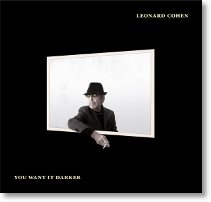
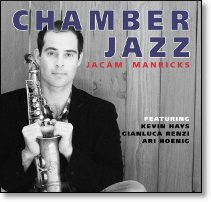
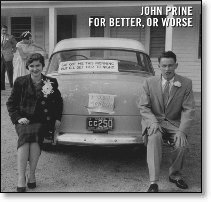
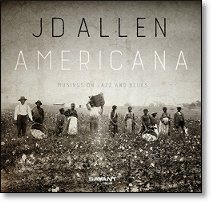
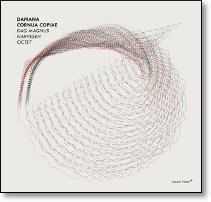
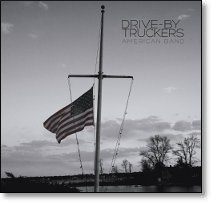
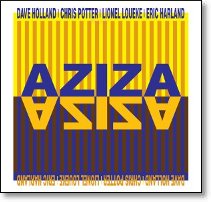
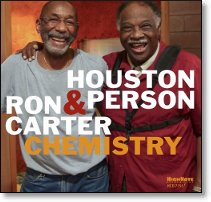
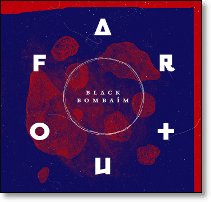
75 Dollar Bill: Wooden Bag (2015, Other Music): A duo, with Rick Brown banging on things and playing a little alto sax, and Che Chen playing guitar and more alto sax. Mostly roiling drone and percussion, and little differentiation among seven songs, but the noise is distinct and captivating, so there. B+(***) [bc] 75 Dollar Bill: Wood/Metal/Plastic/Pattern/Rhythm/Rock (2013-15 [2016], Thin Wrist): Principally a duo, with Rick Brown playing less than a full set of drums (but "plywood crate") and Che Chen more than one guitar, with a few others adding to the discordant harmonies. Four pieces, 39:20, the vaguely Saharan grooves and harmonies minimally differentiated. A- [bc] Stefan Aeby Trio: To the Light (2015 [2016], Intakt): Swiss pianist, third trio album, also appears on good records by label mates Christoph Irniger and Sarah Buecchli. With André Pousaz on bass and Michi Stulz on drums. B+(**) [cd] Joey Alexander: Countdown (2016, Motéma): Pianist, from Bali in Indonesia (full name Josiah Alexander Sila), was 11 when he cut his debut and 13 for this sophomore effort. Mostly trio with Larry Grenadier or Dan Chmielinski on bass and Ulysses Owens Jr. on drums. He's gotten the red carpet treatment so far -- even won a Grammy. And he is a surprisingly adept interpreter, as well as a fairly decent writer of genre exercises, but among mainstream jazz pianists these days, who isn't? B+(*) JD Allen: Americana: Musings on Jazz and Blues (2016, Savant): Tenor saxophonist, leads a trio with Gregg August on bass and Rudy Royston on drums. Sticks to basics here, doesn't strain or strive, but makes it all -- mostly original pieces, only one cover dating back to the '30s -- feel natural, unforced. A- [cd] Amber Arcades: Fading Lines (2016, Heavenly): Alias for Dutch singer Annelotte de Graaf, with a background in law working for UN war crimes tribunals. No idea how I should alphabetize names like this. Bright, tuneful pop, framed more by guitar than keyboard. B+(*) Darcy James Argue's Secret Society: Real Enemies (2016, New Amsterdam): Big band, rhythm section (including guitar) often plugged in, third album, Argue composes and conducts but doesn't play. His conspiracy themes are highlighted in spoken pieces, including a lecture on "paranoid style," and he backs it all up with stark, dramatic swells. B+(**) [bc] Jay Azzolina/Dino Govoni/Adam Nussbaum/Dave Zinno: Chance Meeting (2016, Whaling City Sound): Listed alphabetically, all four contributing songs, as listed: guitar (best known, if not best remembered, for Spyro Gyra), tenor sax, drums, and bass. Most impressed by Govoni -- unfamiliar with him, but he teaches at Berklee, and his page there asserts the obvious: "A good saxophonist, first and foremost, has to have a tremendous sound." He does. B+(**) [cd] Andrzej Bauer/Adam Baldych/Cezary Duchnowski/Cezary Konrad: Trans-Fuzja (2012 [2016], ForTune): Polish string jazz trio (cello, violin, bass/electronics) plus drums. Despite the instrumentation, not close to the "chamber jazz" notion. B+(**) [bc] Beekman: Vol. 02 (2015 [2016], Ropeadope): Tenor sax quartet based in Brooklyn, pianist Yago Vazqauez (also Rhodes) listed first although all write with saxophonist Kyle Nasser most prolific -- 4/9 songs, vs. 3 for Vazquez, 2 for Pablo Menares (bass), 1 by Rodrigo Recabarren (drums). Boppish, flows fast and hard. B+(***) [cd] Black Bombaim/Peter Brötzmann: Black Bombaim & Peter Brötzmann (2016, Clean Feed): Portuguese "stoner/psychedelic rock" group, a power trio with guitar-bass-drums but no singer, so they're into densely textured noise. That suits the saxophonist. He does what he's been doing for nearly fifty years, but the framing makes this more accessible without compromising his rawness. A- [cd] Bon Iver: 22, a Million (2016, Jagjaguwar): Justin Vernon, third album, not so much a singer-songwriter as a fairly huge cult artist, his popularity and critical favor a puzzle to me -- not that I'm immune to his appeal, I just find it hard to see how such arcane chicanery and fey disposition could gain a mass following. Perhaps that says something about the ever-evolving nature of anomie. B+(*) Danny Brown: Atrocity Exhibition (2016, Warp): Rapper from Detroit, apprenticed in the drug trade but has righted his career, now on his fourth album. Voice humorous similar to Young Thug, gives him a bit of lift even when the thug life doesn't deserve it. First hook goes "tell me something I don't know." Not the last, either. A- John Butcher & Ståle Liavik Solberg: So Beautiful, It Starts to Rain (2015 [2016], Clean Feed): Sax and drums duets, the former playing soprano and tenor. Three pieces, 35:19, choppy and rather abstract. B+(**) [cd] George Cables: The George Cables Songbook (2016, HighNote): Pianist, has a long list of records since 1975, many well regarded ones on SteepleChase I haven't heard so I tend to remember him best for his stellar work with Art Pepper. Something of a career recap here, with a superb trio (Essiet Essiet and Victor Lewis) augmented by sax (Craig Handy) on five tracks, percussion (Victor Kroom) on four, and vocals (Sarah Elizabeth Charles) on six. B+(***) [cd] Lou Caimano/Eric Olsen: Dyad Plays Jazz Arias (2015 [2016], self-released): Alto sax and piano, respectively, adding Randy Brecker (flugelhorn) or Ted Nash (tenor sax) on most pieces -- written, as advertised, by Mozart, Verdi, Bizet, Massenet, Delibes, and Barber. But without their usual strings and voices they never trigger my usual classical gag reflex. They just seem a little overblown. B [cd] Neko Case/KD Lang/Laura Veirs: Case/Lang/Veirs (2016, Anti-): Trio of established singer-songwriters, in alphabetical order but also from most to least famous. Reviewers like to compare this to the Parton-Ronstadt-Harris "Trio" but those were much bigger stars with instantly recognizable voices. These three are much more anonymous, yet it's remarkable how evenly they blend together. B+(**) Nels Cline: Lovers (2013 [2016], Blue Note, 2CD): Guitarist, pays the rent by slumming in Wilco, but that evidently hasn't dulled his ambition for solo projects. Indeed, this project is gargantuan both in length and in its credits, yet none of that is evident in the orchestral music, an mix of placid and ominous, neither all that well defined. B- Clipping: Splendor & Misery (2016, Sub Pop): Experimental hip-hop group from Los Angeles, best known member Daveed Diggs (from Hamilton), offer a concept about about a future slave (Cargo 2331) being shipped through outer space. Progress ends in very spare and mechanical beats and blips, its own cold and unforgiving dystopia. B+(*) Leonard Cohen: You Want It Darker (2016, Columbia): Slow, grim, gravelly, the octogenarian poet backs himself into a dark corner, and then a funny thing happens: the more you strain for clues (and you do) the sweeter his serenade. A- Cymbals Eat Guitars: Pretty Years (2016, Sinderlyn): New York band, took their name from a Lou Reed quote "describing the sound of the Velvet Underground," not that they're that disciplined. Instead, we get a better-than-average rock band with solid songs and some flash, not that I find that especially interesting. B Andrew Cyrille Quartet: The Declaration of Musical Independence (2014 [2016], ECM): Drummer, from Brooklyn, an important figure on the avant-garde since he joined Cecil Taylor's group in 1964. With more than dozen albums under his own name, his ECM debut is a subversive little quartet, with guitarist Bill Frisell shirking the spotlight more often than not. Equally inscrutable are Richard Teitelbaum (synth/piano) and Ben Street (bass). B+(***) [dl] Damana (Dag Magnus Narvesen Octet): Cornua Copiae (2014 [2016], Clean Feed): Drummer-led Norwegian octet, with three saxes (alto, tenor, baritone/bass), trumpet, trombone, piano, bass: tremendous power from a horns section, but also texture, layering, and detail, propelled by a rhythm section with a hint of swing. Looks like a debut record, likely my ballot pick. A- [cd] Dogbrain: Blue Dog (2016, Dogbrain Music, EP): Jay Ward, a countryish songwriter who sings through his stutter because the music flows so readily, has one album and three EPs. Six cuts, 18:39. B+(***) Dreezy: No Hard Feelings (2016, Interscope): Chicago rapper-singer, has a couple of EPs, pretty good single here in "Body" (feat. Jeremih). B+(*) Drive-By Truckers: American Band (2016, ATO): First thing you notice is how easily Patterson Hood's southern drawl flows over the contour of the melodies. Then words kick in, starting with a remarkable song about race and shooting deaths which works in a not unrelated bit of domestic violence. A- Earprint: Earprint (2016, Endectomorph Music): Boston quartet: Tree Palmedo (trumpet), Kevin Sun (tenor sax, clarinet), Simón Willson (bass), Dor Herskovits (drums). Slippery postbop, bouncing off walls, occasionally surprising you. B+(**) [cd] Orrin Evans: #Knowingishalfthebattle (2016, Smoke Sessions): Postbop pianist from Philadelphia sets up a high-revving group with two guitarists (Kurt Rosenwinkel and Kevin Eubanks), plus bass (Luques Curtis) and drums (Mark Whitfield Jr.), with guest spots for sax (Caleb Wheeler Curtis) and voice (M'Balia Singley) -- the latter's take of "Kooks" trips itself up, but her "That's All" is fine. B+(**) Jonathan Finlayson & Sicilian Defense: Moving Still (2016, Pi): Trumpet player, previous album (Moment and the Message) was terrific, has notable side credits with Steve Coleman, Steve Lehman, Mary Halvorson, and Tomas Fujiwara. Quintet with both guitar (Miles Okazaki) and piano (Matt Mitchell), tends to float above their postbop. B+(**) [cd] Five in Orbit: Tribulus Terrestris (2015 [2016], Fresh Sound New Talent): Franco-Catalan quintet, where Ramon Fossati (trombone), Olivier Brandily (alto sax/flute), and Laurent Bronner (piano) write the pieces (aside from a Lincoln-Roach cover), plus Nicolas Rageau (bass) and Luc Isenmann (drums). Fossati seems most drawn to Mingus, kicking the band into a higher orbit. B+(**) Fond of Tigers: Uninhabit (2016, Offsesson/Drip Audio): Instrumental rock band from Vancouver, seven-piece, includes a couple of the city's notable jazzbos -- JP Carter on trumpet and Jesse Zubot on violin -- but guitarist Stephen Lyons (also credited with vocals, percussion and electronics) is most likely responsible, for the music if not necessarily the bloat. C+ Friends & Neighbors: What's Wrong? (2015 [2016], Clean Feed): Another fine Norwegian freebop group, quintet with trumpet, tenor sax/clarinets, piano, bass, and drums -- no one I've heard of before. Four of the five contribute songs, with André Roligheten (reeds) marginally more prolific (and listed first in the credits). B+(***) [cd] Future of the Left: The Peace & Truce of Future of the Left (2016, Prescriptions): Rock band from Wales, considered noise rock or post-hardcore but I'd slot them more as post-punk in a line that includes the Fall and the Three Johns. Not sure of the politics, but Falco's snarl exudes class conflict, so that's a start, and I've never found their basic grind more appealing. B+(***) Robert Glasper Experiment: ArtScience (2016, Blue Note): Pianist, originally promised jazz with hip-hop influence and has straddled that concept inelegantly since 2005, but the vocals here push the balance toward postmodern r&b, which is where the beats derive anyway. B+(*) GOAT: Requiem (2016, Sub Pop): Swedish group, called their first album World Music and has tried to expand on that thought ever since, but to the extent they specialize at all, they've come up with a psychedelicized form of afrobeat. They're not always that delectable, but I could listen to, say, the grind of "Goatband" much longer than 7:50, nor is that the only time they find such a compelling groove. B+(***) Mary Halvorson Octet: Away With You (2015 [2016], Firehouse 12): Guitarist, protégé of Anthony Braxton, has previous Quintet and Septet albums, here adding Susan Alcorn (pedal steel) to the latter: Jonathan Finlayson (trumpet), Jon Irabagon (alto sax), Ingrid Laubrock (tenor sax), Jacob Garchik (trombone), John Hébert (bass), Ches Smith (drums). Slippery pieces, much to admire but hard to pin them down, especially with the guitarist most elusive of all. B+(***) [cd] The Handsome Family: Unseen (2016, Loose Music): Brett and Rennie Sparks, she (I gather) does most of the writing with its fascination for nature and science, and he does most of the singing, like the music (mostly guitar) basic but elegant. I fear some recycling of tunes, but that's mostly because they're so memorable. A- Billy Hart & the WDR Big Band: The Broader Picture (2016, Enja/Yellowbird): The veteran drummer composed all of these pieces, some going back to the 1970s, and took over as the WDR Big Band's drummer, but the star here is Christophe Schweizer, arranger of the pieces and director of the big band. The WDR Big Band has long been one of the most competent of Europe's institutional bands, but even they have rarely brought their guest star's music so vividly to life. B+(***) [cdr] Luke Hendon: Silk & Steel (2016, self-released): Guitarist, touches on gypsy jazz à Django Reinhardt, backed by bass and drums (and sometimes violin) but you rarely notice more than the guitar. B+(*) [cd] Dave Holland/Chris Potter/Lionel Loueke/Eric Harland: Aziza (2016, Dare2): Bass, tenor/soprano sax, guitar/vocals, drums -- not sure why I missed the first two names when I filed this (other than that my advance didn't come with a cover, and the spine only says Aziza). Strong rhythm record, moves right along. Potter, of course, is superb, and when he switches to soprano they just double down on the Latin tinge. Two songs each, the sort of balance you rarely find in a supergroup. A- [cdr] Jenny Hval: Blood Bitch (2016, Sacred Bones): Avant goth diva from Norway, released a couple records as Rockettothesky before reverting to her birth name, turns out some kind of soundtrack about vampires -- maybe just a concept album, but it's as scattered as many soundtracks. C+ Ital Tek: Hollowed (2016, Planet Mu): Electronica producer Alan Myson, from Brighton UK, fifth album since 2008, has a bit of industrial klang shaded toward ambience. B+(**) Nicolas Jaar: Sirens (2016, Other People): Nominally electronica, but it's the rock and roll bits -- bass throbs, drum rolls, even a little squelchy guitar -- that impress me, not that he doesn't occasionally fade into ambiance. B+(**) Kate Jackson: British Road Movies (2016, Hoo Ha): British singer-songwriter, formerly frontwoman for the Long Blondes, debut solo album. Solid album, but not much sticks. B+(*) Manu Katché: Unstatic (2016, Anteprima): French drummer, group includes Tore Brunborg (saxes), Jim Watson (keyboards), and Eileen Andrea Wang (bass), adding guests here and there, notably Nils Langren (trombone on five tracks). Relaxed, a bit light, easy on the ears. B+(*) Michael Kiwanuka: Love & Hate (2016, Polydor): Born in London, parents from Uganda, straight up soul singer often tagged as retro, big star in England but barely gets noticed here. Second album, nothing fancy but a simple pleasure. B+(**) Mike LeDonne & the Groover Quartet: That Feelin' (2016, Savant): Started as a mainstream pianist in the early 1990s but has increasingly made the organ his tool, goes for old-fashioned soul jazz with tenor saxophonist Eric Alexander and guitarist Peter Bernstein providing tasty leads, and dependable Joe Farnsworth on drums. Vince Herring (alto sax) joins on three cuts. B+(**) [cd] Hamilton Leithauser + Rostam: I Had a Dream That You Were Mine (2016, Glassnote): Former frontman (guitar, vocals) of the Walkmen, my candidate for the most dead-ass boring alt/indie band of the last decade, working with multi-instrumentalist and producer Rostam Batmanglij, formerly of a much better band, Vampire Weekend. Splits the difference, the songs sharp and catchy, but still something I don't quite trust. B John Lindberg Raptor Trio: Western Edges (2012 [2016], Clean Feed): Bassist-led sax trio, with Pablo Calogero on baritone and Joe LaBarbera on drums. The deep sax meshes evenly with the bass, with no threats to break out into something crazy -- just steady, smart free jazz. B+(**) [cd] John Lindberg BC3: Born in an Urban Ruin (2016, Clean Feed): Bassist, founder and mainstay of String Trio of New York. Trio with Wendell Harrison on clarinets and Kevin Norton on vibraharp and percussion, although more often it seems like bass duets with one or the other, or just bass solos. Each combo is interesting in its own right, but I don't see how they add up. B+(**) [cd] Jacam Manricks: Chamber Jazz (2015 [2016], self-released): Saxophonist, credited here with alto, soprano, tenor, flute, alto flute, and clarinet; leading a quartet with Kevin Hays on piano and Fender Rhodes, Gianluca Renzi on acoustic bass, and Ari Hoenig on drums. Nothing I think of as "chamber jazz," although he incorporates bits from some classical composers as well as Nascimento and Miles Davis, adding to the album's sheer catchiness. A- [cd] Grégoire Maret: Wanted (2016, Sunnyside): Born in Geneva, Switzerland; based in New York; plays chromatic harmonica, an instrument which speaks blues but gets diluted in the strings and flute producer Terri Lyne Carrington brought out, not to mention the scattered soul vocals. Could be his Grammy first time out spoiled him. B- Jørgen Mathisen/Christian Meaas Svendsen/Andreas Wildhagen: Momentum (2015 [2016], Clean Feed): Free sax trio from Norway, Mathisen -- also on the Damana album -- playing soprano and tenor (mostly the latter), the others bass and drums. Struggles a bit, both at full roar and in more studious stretches. B+(*) [cd] Maxwell: blackSUMMERS'night (2016, Columbia): Gerald Maxwell Rivera, neo-soul crooner, fifth album going back to 1995, but only second since 2001, the previous title differentiated from this one's only by different case. Can't say that I docked him for that, but it didn't win him the benefit of the doubt either. B Anna Meredith: Varmints (2016, Moshi Moshi): British, background includes compositions for classical orchestra, moving into pop in 2012 with the first of two EPs, then this debut album. Favors crashing waves of synths, where words are almost an afterthought. B Rale Micic: Night Music (2015 [2016], Whaling City Sound): Guitarist, born 1975 in Belgrade (Yugoslavia, now Serbia), moved to US in 1995 to study at Berklee, settled in New York, has at least three previous albums. This quartet blends his guitar nicely with Danny Grissett's piano. B+(*) [cd] Minim Experiment: Dark Matter (2016, ForTune): Guitarist Kuba Wojcik wrote all five tunes, featuring piano (Kamil Piotrowicz) and backed by bass and drums, most attractive when the beat sustains the minimalism, but interesting even when it doesn't. B+(**) [bc] Moonbow: When the Sleeping Fish Turn Red and the Skies Start to Sing in C Major I Will Follow You to the End (2016, ILK): All tracks composed by bassist Tomo Jacobson, born in Poland, based in Copenhagen, also in the group Mount Meander, and working on a film about William Parker (who contributed a liner note poem). Septet -- three saxes, guitar and piano, bass and drums, Kresten Osgood the only familiar name. Ambitious set, with its broad sweep and towering heights, moody colors. Still, hard to get a handle on it all. B+(**) [cd] Kevin Morby: Singing Saw (2016, Dead Oceans): Singer-songwriter from Lubbock, recording his third album in Woodstock. Outstanding song is "Dorothy," which refines a riff from . . . "Heroin." B+(***) The Mowgli's: Where'd Your Weekend Go? (2016, Photo Finish/Island): Pop group from Calabasas, California -- a ritzy suburb in the hills west of Los Angeles' San Fernando Valley. Bouncy upbeat, multiple singers with lots of vocal harmonies, a formula completely alien to the downer vibe that young critics seem to love. Me, I loved their previous Kids in Love, but while this has similar appeal, nothing here quite grabs me. B Mudcrutch: 2 (2016, Reprise): Southern rock band, formed in 1970 in Gainesville, Florida, defunct by 1975 without an album but reformed in 2007 with five-sixths of the original lineup, the original lead singer having left by 1972 and been obsoleted by backup Tom Petty's post-group stardom. So basically, this is Petty in a nostalgic mood. B Mark Murphy: Slip Away (2016, Mini Movie): Not the late jazz singer, this one's a singer-songwriter, plays guitar, also covers Dylan, McCartney, Newman, and Young. Band composed of name jazz musicians (Jon Cowherd, Chris Morrissey, Jeff Ballard, Gilad Hekselman, Dayna Stephens) with Maria Neckham joining for a duet, but no one stretches, the result barely registering as easy-listening rock. B [cd] Naked Wolf: Ahum (2016, Clean Feed): Dutch group, has a previous album, looks like all members write with Felicity Proven (trumpet) and Mikael Szarfirowski (guitar) also singing (or rapping); the others are Luc Ex (bass), Yedo Gibson (reeds), and Gerri Jäger (drums). The vocals threaten to pull this into some weird post-rock vein, while the instrumentals drag it back into the domain of demented circus music. B+(*) [cd] Steve Noble & Kristoffer Berre Alberts: Condest Second Yesterday (2015 [2016], Clean Feed): English drummer, has a long discography since 1987 mostly with European avant-gardists, here in a duo with a relatively new tenor saxophonist from Norway -- brings tremendous energy, although he does tend to squawk. B+(***) [cd] Sean Noonan: Memorable Sticks (2015 [2016], ForTune): Drummer-led piano trio, with Alex Marcelo and Peter Bilenc, with Noonan adding a narration about chipping away in a salt mine, looking for treasures. Very upbeat, often emphatic, but I find the voice more distracting than not. B [bc] Angel Olsen: My Woman (2016, Jagjaguwar): Singer-songwriter from St. Louis, sang backup for Bonnie "Prince" Billy, second (or third) album, adding to the critical acclaim for her 2014 Burn Your Fire for No Witness. First time through I didn't catch much, but a second spin caught my ear numerous times, even when she slows to a whisper. B+(***) Parker Abbott Trio: Elevation (2016, self-released): From Canada, a different kind of piano trio, with both Teri Parker and Simeon Abbott playing various keyboards (including organ and good old acoustic piano, but mostly electrics), with Mark Segger on drums and percussion. B [cd] Nicholas Payton: Textures (2016, Paytone): Around the turn of the century someone came up with the term "jazztronica" and a number of mainstream jazz artists started dabbling in that direction, including the New Orleans trumpet master. Nothing much happened, but Payton keeps plugging away, doing this solo on keyb and laptop. He succeeds in generating textures. Still doesn't amount to much by way of music. B- Houston Person & Ron Carter: Chemistry (2015 [2016], HighNote): Two old guys playing sax-bass duets at a casual pace on comfortable standards. Carter has probably appeared on more records than any other jazz musician (Morton & Cook once tried counting and decided Ray Brown held that distinction, but Carter has long passed Brown). Back cover has a photo of the two with an old white man sandwiched between the more imposing black figures -- presumably that's Executive Producer Joe Fields, who signed Person to Prestige in the 1960s and kept him close ever since. This isn't their first duet album. I should probably recheck that one, but for now I'm too much in love with this one. Guess I'm getting old myself. A [cd] John Prine: For Better, or Worse (2016, Oh Boy): In 1999 Prine eased his way back from throat cancer with a remarkable album of old country tunes, the vocal duties shared with Iris DeMent and several other women. He repeats that concept here -- probably figures that at 70 he's earned another easy one, or maybe he's noticed that he hasn't written a album's worth of originals since Bush provoked him to 2005's Fair and Square. Of course, this isn't as marvelous as the first time: the songs aren't as improbable, he's lost a step, and so many young women are chasing him that DeMent only gets two highlights. None of that bothers me. And if you're waiting for a John Prine song, just wait for the end. A- Punkt 3: Ordnung Herrscht (2015 [2016], Clean Feed): Group named for German bassist-composer Noah Punkt, who has a previous solo album, two previous trios, and various other projects. This is a trio with saxophonist Tobias Pfister and drummer Ramon Oliveras, free jazz, sharp but not too aggressive. B+(***) [cd] Rae Sremmurd: SremmLife 2 (2016, Eardrum/Interscope): Hip-hop duo from Mississippi, Swae Lee and Slim Jimmi, second album. Pretty ragged for pop stars, somewhat catchy, might even be funny too if I was into their B- and N-shit. B+(*) Revolutionary Snake Ensemble: I Want That Sound! (2016, Innova): Alto saxophonist Ken Field's Boston-based answer to New Orleans' second line brass bands, actually just a sextet with two saxes, trumpet, and the trombonist doubling on tuba. Fourth album, more of their infectious funk groove. A- [cd] Huerco S: For Those of You Who Have Never (And Also Those Who Have) (2016, Proibito): Brian Leeds, Kansas-born, based in Brooklyn, second album, ambient electronica composed of little bits of synth, almost toy-like at first but grows into something. B+(**) Savages: Adore Life (2016, Matador): London-based post-punk band, fronted by Jehnny Beth (Camille Berthomier), who has a bit of Patti Smith in her voice. Doom and gloom too, the sort of thing that could prove prophetic, although for now I'm on the fence. B+(***) SBTRKT: Save Yourself (2016, self-released, EP): English "post-dubstep" group, primarily synths producer Aaron Jerome, with vocals from Sampha and The-Dream. Short LP (8 tracks, 25:55) after two longer albums. Kind of mopey, more like trip-hop, without the hop. B- Schlippenbach Trio: Warsaw Concert (2015 [2016], Intakt): Avant pianist Alexander von Schlippenbach, with Evan Parker on tenor sax, and Paul Lovens on drums -- a trio for more than forty years. Frenetic and sketchy when they started out, now old masters to don't mind kicking up their heels. B+(***) [cdr] John Scofield: Country for Old Men (2016, Impulse!): Easy-grooving guitarist, backed by Larry Goldings (piano and organ), Steve Swallow (electric bass), and Bill Stewart (drums), playing relatively old country songs (Shania Twain's "You're Still the One" is the only one less than thirty years old, and James Taylor's "Bartender's Blues" might not count as country), all familiar and still recognizable. B+(*) Travis Scott: Birds in the Trap Sing McKnight (2016, Epic): Jaques Webster, Houston rapper, dreams of dollar signs in his stage name, recruits enough guests for his second album to point that way. But I mostly hear a beats record, and like it that way. B+(**) Elliott Sharp Aggregat: Dialectrical (2016, Clean Feed): After many years as an avant-garde gadfly, mostly playing guitar, he's turned into a free jazz stalwart, here playing reed instruments (soprano/tenor sax, Bb/bass clarinet), in a group named for his 2012 album -- his best as far as I know. This one gives 76-year-old drummer Barry Altschul a "Feat." on the cover, and spreads the horns out with Taylor Ho Bynum on trumpet and Terry L. Greene II on trombone, plus Brad Jones on bass. Sharp indeed, though also a bit shrill. B+(***) [cd] Alan Silva/Mette Rasmussen/Ståle Liavik Solberg: Free Electric Band (2014 [2016], ForTune): Silva, born in Bermuda, moved to New York at age 5, has been a minor figure on the avant-fringe since the early 1960s, mostly playing bass but increasingly since the 1990s keyboards. Regardless of the dilapidated upright on the cover, he plays synth here, the electric clashing with alto sax and drums. One 45:55 piece, rough around the edges, as advertised. B+(*) [bc] Sleaford Mods: TCR (2016, Rough Trade, EP): New label, thought they'd test the water and make nice with a five track, 17:17 EP, so straightforward you can follow every word and step easily to the clipped beats. TCR stands for Total Control Racing. B+(***) Kaitlyn Aurelia Smith & Suzanne Ciani: Sunergy (2015 [2016], RVNG Intl.): Three pieces, 23/12/18 minutes, not sure who composed but both play various synthesizers, for something like ambient but with much more swish. B+(**) Kaitlyn Aurelia Smith: Ears (2016, Western Vinyl): More synths, more scattered at first with bits of voice and woodwind (Rob Frye's credit) or maybe just more slippery, with six shortish pieces between 3:05 and 4:57 then an 11:09 finale which builds into something, justifying its title, "Existence in the Unfurling." B+(**) Wadada Leo Smith: America's National Parks (2016, Cuneiform, 2CD): Trumpet player, came of age in Chicago's AACM but remained obscure until around 2000 when he started to break out of expectations -- an album with Thomas Mapfumo (from Zimbabwe), an "Electric Miles" trbute band with Henry Kaiser, and recently a series of extended compositions (including The Great Lakes Suites and Ten Freedom Summers). This sprawling six-piece, written for his Golden Quintet (piano-cello-bass-drums) draws inspiration from all around the country, and strikes me as being as heavy and ponderous as its subject matter, but dotted with marvelous, often breath-taking details. B+(***) [cd] Solange: A Seat at the Table (2016, Saint/Columbia): Last name Knowles, same as her older sister Beyoncé. Third album in thirteen years, a big production with scores of writers, producers, and guests, but the sound hardly suggests such scale, and the songs are laced with a male commentary which while interesting in its own right could just as well belong to a completely different album. B+(**) Richard Sussman: The Evolution Suite (2015 [2016], Zoho): Pianist, also credited with electronics, more importantly as composer, arranger, etc. Played keyboards in Elephant's Memory in 1969, later spent a couple years with Blood, Sweat & Tears, while his own records started up in the 1970s. Title piece runs through five movements, with a couple "radio edits" tacked on to fill out 75 minutes. Band a quintet with trumpet (Scott Wendholt) and tenor sax (Rich Perry), expanded with a string quartet (The Sirius Quartet) and Zach Brock on electric violin. Some exciting passages, but I don't much care for the strings. B [cd] Kate Tempest: Let Them Eat Chaos (2016, Lex): British rapper with a literary bent, not sure what the story is here but it must pick up toward the end when the grime beats come together and flower into melody -- or maybe that's just the music. B+(**) Touché Amoré: Stage Four (2016, Epitaph): Post-hardcore band from Burbank, fourth album, work up a decent grind, tight enough I'm impressed and rather pleased, as if I still liked music of this sort. B+(*) Wax Tailor: By Any Beats Necessary (2016, Le Plan): French trip-hop producer Jean-Christophe Le Saoût, fifth album since 2005, comes out as a blues rocker but eventually retreats to his more accustomed turf. Reminds me of a group called Was Not Was, another producer vehicle with no signature sound but a lot of smashing studio tricks. B+(*) Whitney: Light Upon the Lake (Secretly Canadian): Alt-rock duo from Los Angeles, Max Kakacek and Julien Ehrlich, who previously did business as the Smith Westerns, plus a drummer from Unknown Mortal Orchestra and a producer from Foxygen wrapping the falsetto vocals with orchestral dross. B- YG: Still Brazy (2016, Def Jam): Rapper Keenon Jackson, from Compton, follow up to his 2014 My Krazy Life, still shocked that a guy with such crude rhymes and so little flow can bank on a major label contract. Inspirational lyric: "Fuck Donald Trump." B+(*) Yoni & Geti: Testarossa (2016, Joyful Noise): Collaboration between beatmaker Yoni Wolf (of WHY?) and rapper David Cohn (aka Serengeti). Musically this reminded me first of the Beach Boys then the Beatles in their most psychedelic modes but more so by half. The raps are standard-grade 'Geti. B+(**) Recent Reissues, Compilations, Vault Discoveries
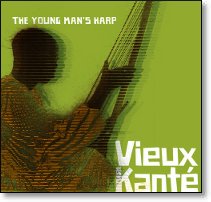
American Honey ([2016], UME): Soundtrack to a movie I hadn't heard of until Christgau raved about this download-only product. Evidently there are multiple versions, with a "complete" song list totalling 27 songs, but Rhapsody only has 8 so I turned to Spotify and found 23. A mixtape of hip-hop and Americana and some alt-rock. only a couple songs I recognized, although when I played Spotify the ones on Rhapsody stood out. Maybe they're the best, or maybe more familiarity will elevate more. B+(***) [sp] Vieux Kanté: The Young Man's Harp (2005 [2016], Sterns): Blind kamalé ngoni virtuoso from Mali, died at age 31 in 2005, leaving this recording from "shortly before he died" unreleased. Schematic solo intro before a singer and percussion join in. A- Bruce Springsteen: Chapter and Verse (1966-2012 [2016], Columbia): Compiled as a tie-in to Springsteen's Born to Run autobiography, so it starts with juvenilia: three cuts from his teenage bands, three more from the year he got signed (1972), plus one of those soppy ballads from his second album -- the first five previously unreleased -- before he gets his sound together on "Born to Run." The second half you probably know, not so much a best-of as a set of signposts to a life's work. Not a record you're likely to replay, except maybe for your grandchildren, who probably won't get it but might dig the early intensity. B+(***) Old Music
Black Bombaim: Titans (2012, Lovers & Lollypops): "Stoner/psychedelic rock" band from Portugal, Ricardo Miranda (guitar), Vitor Rodrigues (electric bass), and Paulo Gonçalves (drums), although this second album adds others on each of four LP-side-length tracks (three over 18 minutes, one just 10:36). Most mix-ins are guitar, some keybs, a muted vocal on first tracks, and some sax sounding prophetic. B+(***) Black Bombaim/La La La Ressonance: Black Bombaim & La La La Ressonance (2013 [2014], PAD/Lovers & Lollypops): A live mash up of two Portuguese instrumental rock bands, the former group a noise-oriented power trio, the latter a bit jazzier (and not just because they feature Paulo Araujo on alto sax). B+(**) Black Bombaim: Far Out (2014, Lovers & Lollipops): A single LP, so just two pieces, total 34:44, the first side adding the superb saxophonist Rodrigo Amado, the second mixing in synth and electronics by Luis Fernandes. Rocksteady beat, of course, but what they build on it, unencumbered by vocals, is as complex as powerful. A- Evan Parker/Barry Guy/Paul Lytton/Schlippenbach Trio: 2X3=5 (1999 [2001], Leo): Two trios, the common denominator saxophonist Evan Parker, with the latter trio adding pianist Alexander von Schlippenbach and drummer Paul Lovens. One 77:07 piece, the interest often drifting to the percussion, not least the piano. B+(***) Schlippenbach Trio: Bauhaus Dessau (2009 [2010], Intakt): Living legends, seems like every few years they tape a concert and put it out, if only to remind you they're still around, still kicking up raw improv, with Evan Parker doing his circular breathing thing for a showstopper. B+(***) Bruce Springsteen & the E Street Band: Live 1975-85 (1975-85 [1986], Columbia, 3CD): In the 1970s most big rock groups would release a live album, usually a 2LP, either as a status item or a piece of interim product. Shortly before I moved to New York, Springsteen had played a week at the Bottom Line -- possibly the last time he played in a venue that intimate -- and those who saw him there were total converts. I wasn't, but I never saw him live, and only started to like his albums with 1980's The River (his 2LP, another of the era's status rungs). Over the next decade his songbook grew and his concerts grew longer, so when he finally did release the live album his fans had been craving, it added up to five LPs, 40 songs, 3:36:13 -- something they could also squeeze into a 3CD box. Highlights abound, including two possible national anthems we can all stand for, a story about dodging the draft, a terse take on "War." But even the 1975-78 hyper-dramaturgy I so hated at the time sounds personable framed by these arenas. B+(***) Bruce Springsteen & the E Street Band: Hammersmith Odeon, London '75 (1975 [2006], Columbia, 2CD): One complete concert, 2:04:52, from the tour that followed Springsteen's Born to Run breakthrough album, released as a DVD bonus to that album's 30th Anniversary Edition package, then a year later repackaged on CD. Makes me wonder whether I would have been so appalled by the studio album had I seen them live? In an age when guitar bands were the norm, the organ-piano-sax combo both invoked rock's early roots and scaled the sound up to a new level of magnificance. Still too much drama. B+(**) Bruce Springsteen: The Promise (1977-78 [2010], Columbia, 2CD): Outtakes from the sessions that produced my least favorite Springsteen album, the pompous and ridiculously overblown Darkness at the Edge of Town, assembled as part of a 3-CD + 3-DVD "30th anniversary edition" -- extra baggage we can dispense with here. Two songs were hits for others, and a couple more are related to things that made the finished album, but most were most likely rejected because they weren't sufficiently hyperbolic -- a human scale that I found redemptive, at least when it appeared on better songs than these. B+(*) Bruce Springsteen: In Concert/MTV Unplugged (1992 [1993], Columbia): Part of MTV's Unplugged series, but after the previously unreleased "Red Headed Woman" the irregular band plugged in and played a set primarily from his uninspired current albums, Lucky Town and Human Touch (8/12 songs). B- Bruce Springsteen: The Ghost of Tom Joad (1995, Columbia): Title reference is to Steinbeck channeled through Woody Guthrie, not least musically where guitar and harmonica suffice for the subdued folk music. I can relate more to the lament for the lost foundries of "Youngstown" -- but not much else. B Bruce Springsteen: Tracks (1972-95 [1998], Columbia, 4CD): Demos and outtakes, a couple of live tracks, a few B-sides, 66 songs in all selected from a trove of some 350 at the time. I have no idea how many turned up on later albums -- the four 1972 demos made it to 1973's Greetings From Asbury Park, and much further down I see a "Born in the USA" as a Nebraska outtake. Mixed bag, of course, but follows the arc of his career -- the third disc, where the scraps fell off his two great 1980s albums, is a lot of fun. But he slipped and slowed down a bit in the 1990s. B+(*) Bruce Springsteen: 18 Tracks (1972-99 [1999], Columbia): A 15-cut sampler from the Tracks box set, plus three more bait cuts, no doubt figuring that's all they'd need to get fans willing to buy a 4-CD box of outtakes to buy them again. I don't think it would be hard to carve an A- record from the box, but I'd mostly go with the fast ones, and they didn't. In fact, they only picked one of the five "choice cuts" Christgau identified in the box: "Pink Cadillac." B+(**) Bruce Springsteen & the E Street Band: Live in New York (2000 [2001], Columbia, 2CD): Recorded over two nights of a "ten-show tour-ending run at Madison Square Garden," and originally released as an HBO special (pretty sure I saw that), expanded onto two DVDs, and finally two CDs, long enough to qualify as an average Springsteen show: loud, some interesting variations, magnificent when the sax comes out on top. Due for a revival: "American Skin (41 Shots)." B+(**) Bruce Springsteen With the Sessions Band: Live in Dublin (2006 [2007], Columbia, 2CD): Another DVD product reissued on CD, the band refers back to the 2006 album We Shall Overcome: The Seeger Sessions -- 10 of 12 songs repeated here, plus 10 more, a mix of Springsteen's folkier oldies and even older trad fare, all given the big arena treatment by a star who can command an 18-piece band and make it cohere like a revival. B+(**) Alexander von Schlippenbach: Payan (1972 [2014], Enja): The avant-pianist's first solo album, not that I'm so sure where all the sounds in the 10:00 closer "Kinds of Weirdness" come from. But until weirdness takes over, you get chopped abstraction, finding its unique way in the world. B+(*) Alex von Schlippenbach/Paul Dunmall/Paul Rogers/Tony Bianco: Vesuvius (2004 [2005], Slam): London studio session, the pianist playing with saxophonist Dunmall's trio, Rogers playing a 7-string ALL bass. Two long pieces (29:11, 34:47), not as volcanic as hoped for. B+(**) Alexander von Schlippenbach: Piano Solo: Twelve Tone Tales, Vol. 1 (2005 [2006], Intakt): Twelve-tone theory is supposedly a way to break ingrained habits by spreading compositions evenly over all possible tones, but I doubt I'll ever be able to recognize that theory just by sound. Rather, I hear a sort of mid-tempo rambling, a lot of thought input but far less conveyed. [4/9 tracks: 35:50] B+(**) Alexander von Schlippenbach: Piano Solo: Twelve Tone Tales, Vol. 2 (2005 [2006], Intakt): More from the same session, ending the string of originals with three Dolphy tunes, "All the Things You Are," and Monk's "Trinkle Tinkle." [6/13 tracks, 34:03] B+(**) Additional Consumer News:Previous grades on artists in the old music section. Included extra Schlippenbach albums (Globe Unity, Aki Takase) but the Evan Parker record was picked for Schlippenbach, so this isn't the place to go through his discography (at least 26 rated records).
NotesEverything streamed from Napster (ex Rhapsody), except as noted in brackets following the grade:
Ask a question, or send a comment. Friday, October 28, 2016 Golden Oldies (4)More tidbits from my online notebook, which starting in 2005 became an archive and expansion of my blog. On February 15, 2005, I wrote about North Korea's newly developed nuclear weapons, and the American response:
On February 4, 2005, I wrote a letter in response to an editorial in the Eagle by a "Social Security reformer" named Jim Clark (you may recall that Bush tried to redeem his "mandate" by wrecking Social Security, a quest which didn't go over too well):
From a post on May 29, 2005, on a couple Kansas politicians:
In early May, 2005, I noted that I succumbed to my wife's entreaties and started watching television with her, specifically the Jack Bauer terrorism fantasy 24. Since then TV has become a nightly ritual. I reckon you can date my mental rot from that date. On May 27, 2015, I noted:
On May 31, 2015, I published a piece in the Village Voice on jazz labels. The notebook adds a note on business models that I promised to return to some day:
On September 1, 2005, I wrote this in a letter about Katrina and New Orleans:
On September 30, 2005, in the wake of Katrina, I wrote about the Republican embrace of small and/or incompetent government:
On October 17, 2005, I wrote about Bush's ill-fated nomination of Harriet Miers to the Supreme Court:
Also:
From October 22, 2005, I reminded readers I had opposed going to war in Afghanistan in the first place (well, in 2001, although had I given it any thought I would have opposed it in 1979 as well), then noted:
On November 11, 2005 I wrote about Veterans Day:
Might as well end this with my Pazz & Jop ballot, from December 27, 2005:
Ask a question, or send a comment. Monday, October 24, 2016 Music WeekMusic: Current count 27272 [27263] rated (+9), 418 [412] unrated (+6). One of those weeks that was just blown to shreds, as I came down with a stomach bug on Wednesday, spent a couple days pretty much stuck in bed, and still feel exhausted and a bit unsettled. Before getting sick several records got a lot of plays without quite convincing me they're A- material (Cables, Schlippenbach, American Honey). The only Schlippenbach Trio album I've given an A- to was 2015's Features, which I don't recall as being a close decision, so I thought I should at least go back and replay 1972's Pakistani Pomade -- perhaps a little wilder than the new one, but not nearly as vividly recorded. I've been playing more old Schlippenbach today, but nothing that can't wait until next week. Birthday tomorrow, will be 66. Spent some time today wading through the Social Security online form, so maybe I'll start drawing some income (and slow down the savings burn). Had planned on cooking tomorrow, but the illness forced a postponement -- maybe Saturday. I usually pick out a national cuisine and try to overdo it. I thought Greek would be fun this year: first non-American food I learned to cook, thanks to my dear college friend Elias Vlanton. I visited Elias back in June and we cooked up a pretty smashing dinner, using The Jerusalem Cookbook and a few other Mediterranean recipes, so he's been on my mind. Finally worked out a tentative menu last night: a delicate balance of feasible and awesome. Made very little progress on the jazz book(s) last week. I'm up to October 2005 in the notebook. I've reached a point where nearly all the reviews I'm finding had been copied to the Jazz Prospecting and/or Recycled Goods archives. Not sure yet if that means I can skip the rest, but good chance I can. For now I have one more Golden Oldies column to post, so that series will probably end with 2005. I should get around to a Streamnotes post later this week. Currently have 102 records, which isn't a huge amount, but if quantity doesn't force a post, the calendar will. Might give me some extra motivation to cherry pick the largest incoming queue I've had in several years. Sad to note the death of Tom Hayden, a founder of the new left even before he became one of the leading opponents of the Vietnam War. As a teenager I read his book Rebellion in Newark, and of course rooted for him in the Chicago 8/7 trial. I was pleased to see him go into mainstream California politics, and can't say much about that. (Although I did roast him for endorsing Hillary over Bernie earlier this year: post here.) In 2012, he spoke to the annual meeting of the Peace and Social Justice Center here in Wichita, and did a nice job of tracing out the continuity from the New Left to today's progressive politics. New records rated this week:
Recent reissues, compilations, and vault discoveries rated this week:
Grade changes:
Unpacking: Found in the mail last week:
Ask a question, or send a comment. Tuesday, October 18, 2016 Golden Oldies (3)Continuing my slog through the online notebook, picking up in mid-2004, just in time for another presidential election -- I think this was the one that Matt Taibbi called "The Stupid Season," fully aware that what he was describing was a periodic ritual, not a one-shot fluke. On August 19, with the anti-Kerry "swift boaters" in full attack, I wrote:
Also:
I probably should have added something like "too bad he no longer has the courage to remind us how right he was in opposing that war, as opposed to how dumb he was in signing up for it in the first place." Maybe even: "in retrospect, he's managed to make both stances look like nothing more than opportune political stunts as he tried to gauge which way the wind was blowing." But then we're talking about a guy who voted against the Gulf War in 1990 and for the Iraq War in 2003 and came to regret both votes. On September 3, 2004, I wrote a fairly long post on Chechen separatism and terrorism -- the occasion was an attack on a school in nearby Beslan, which killed more than 300 people. On September 13, 2004, I found myself looking back on 9/11:
On October 29, 2004, I wrote a piece about the Boston Red Sox and their curse, on occasion of their first World Series victory since 1918. Also wrote this:
On October 21, I sent a letter to virtually everyone in my address book, titled "Vote for John Kerry (It's Important)." It was the first time I ever done something like that (and it will probably be the last). You can read the letter with a postscript here. The letter concluded:
As we now know, Bush did win that election -- a very close one, with some taint in Ohio -- but it wasn't long before the gullible came to regret their choice: only Nixon sunk faster and further after a successful re-election bid. Still, twelve years later few people seem to recall what was at stake in 2004. And even though the second Bush term merely brought the disasters seeded in his first term to fruition, it seems like most people have forgotten his party's responsibility for so many calamities. After Kerry failed, I wrote a long postmortem, including this prediction (November 3, 2004):
My mood darkened later that week when Bush celebrated by destroying the defiant Iraqi city of Falluja. From my November 9, 2004 post:
From November 17, 2004, as Bush was reloading his administration for a second term:
On November 25, 2004 I wrote about an event where a panel of speakers held forth on "are we safer now?" (meaning safer from terrorism). I introduced that piece by noting that a school in Wichita had recently been blown up, not by terrorists but by construction incompetence (probably a gas leak). I went on to generate a long list of non-terrorist things that actually make our lives more dangerous, then added this paragraph, which goes a bit deeper:
On January 21, 2015, I wrote about natural disasters, starting with a local ice storm, then moving on to California mudslides and the big tsunami in the Indian Ocean:
On February 23 I wrote a good deal about Boeing's outsourcing of their plant in Wichita where my father and brother had worked for many decades. I also wrote a little note on Hillary Clinton and her presidential prospects (nearly four years ahead of the 2008 election):
Ask a question, or send a comment. Monday, October 17, 2016 Music Week
Music: Current count 27263 [27244] rated (+19), 412 [401] unrated (+11). Rated count back way down again -- it was 15 two weeks ago, then jumped up to fairly normal 33 last week (not counting a bookkeeping windfall which made the posted total 46; September's weekly totals were 34, 38, 25, 30). Several obvious factors: good records get more spins than not-so-good ones, and that was especially true this week; I took a fair amount of time off for yardwork and cooking; and the machine I use to listen to Rhapsody has had some problems, so I've had it down for a couple days (hopefully a new power supply will help -- finally got it installed today and so far, so good). Up to February 2005 in my trawl through the online notebook for lost reviews. I've started to find some of the Jazz Consumer Guide surplus (before I started posting them in meta-columns in December 2005), as well as quite a few reviews of older jazz albums. I'm saving the latter in a Recorded Jazz in the 20th Century book file, currently a bit over 260 pages long (recent PDF here). I haven't updated the Recorded Jazz in the Early 21st Century PDF recently (you can still download the 144-page first pass here). New records rated this week:
Old music rated this week:
Added grades for old LPs:
Unpacking: Found in the mail last week:
|