Streamnotes2026:Aug 29 Jul 31 Jun 27 May 28 Apr 28 Mar 31 Feb 28 Jan 31 2025: Dec 31 Nov 25 Oct 27 Sep 29 Aug 26 Jul 28 Jun 30 May 27 Apr 28 Mar 31 Feb 28 Jan 27 2024: Dec 31 Nov 28 Oct 31 Sep 30 Aug 27 Jul 31 Jun 26 May 27 Apr 29 Mar 25 Feb 28 Jan 28 2023: Dec 31 Nov 27 Oct 31 Sep 25 Aug 28 Jul 31 Jun 26 May 29 Apr 24 Mar 27 Feb 27 Jan 31 2022: Dec 31 Nov 28 Oct 31 Sep 26 Aug 29 Jul 25 Jun 27 May 30 Apr 25 Mar 28 Feb 28 Jan 31 2021: Dec 31 Nov 29 Oct 26 Sep 26 Aug 30 Jul 26 Jun 28 May 30 Apr 26 Mar 29 Feb 22 Jan 31 2020: Dec 28 Nov 30 Oct 29 Sep 28 Aug 31 Jul 27 Jun 29 May 27 Apr 27 Mar 30 Feb 24 Jan 31 2019: Dec 31 Nov 25 Oct 28 Sep 30 Aug 26 Jul 29 Jun 24 May 27 Apr 29 Mar 25 Feb 25 Jan 31 2018: Dec 28 Nov 30 Oct 31 Sep 30 Aug 30 Jul 31 Jun 30 May 31 Apr 28 Mar 27 Feb 28 Jan 31 2017: Dec 31 Nov 28 Oct 31 Sep 30 Aug 30 Jul 28 Jun 30 May 31 Apr 29 Mar 31 Feb 28 Jan 28 2016: Dec 31 Nov 30 Oct 29 Sep 22 Aug 25 Jul 30 Jun 30 May 26 Apr 28 Mar 30 Feb 25 Jan 31 Jan 08 2015: Dec 15 Nov 18 Oct 24 Sep 16 Aug 18 Jul 29 Jun 13 May 12 Apr 14 Mar 18 Feb 13 Jan 24 2014: Dec 31 Dec 11 Nov 22 Oct 31 Sep 30 Sep 09 Aug 21 Jul 30 Jul 08 Jun 21 May 29 May 03 Apr 15 Apr 03 Mar 19 Feb 13 Jan 31 Jan 19 2013: Dec 29 Nov 30 Oct 30 Sep 28 Aug 28 Jul 27 Jun 29 May 29 Apr 26 Mar 28 Feb 26 Jan 29 2012: Dec 28 Nov 27 Oct 16 Sep 18 Aug 17 Jul 18 Jun 12 May 15 Apr 10 Mar 06 Feb 03 Jan 14 2011: Dec 10 Nov 09 Oct 05 Sep 06 Aug 09 Jul 10 Jun 07 May 07 Apr 12 Mar 08 Feb 08 Jan 15 Jan 04 2010: Dec 04 Nov 05 Oct 09 Sep 07 Aug 10 Jul 08 Jun 09 May 08 Apr 09 Mar 10 Feb 05 Jan 06 2009: Dec 06 Nov 08 Sep 27 Aug 16 Aug 02 2008: Nov 14 Sep 23 Aug 26 Jul 28 Jul 14 Apr 17 Apr 07 Feb 05 Feb 02 Jan 15 2007: Dec 26 Dec 10 Dec 03 Intro Artists Search List Latest LinksLocal Links Social Media My Other Websites Music Politics Others Networking Music DatabaseArtist Search: Website SearchGoogle: |
Streamnotes: October 31, 2026Most of these are short notes/reviews based on streaming records from Napster (formerly Rhapsody; other sources are noted in brackets). They are snap judgments, usually based on one or two plays, accumulated since my last post along these lines, back on September 25. Past reviews and more information are available here (26500+ records). New Music
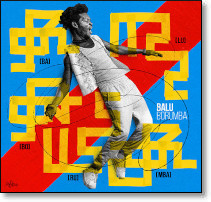
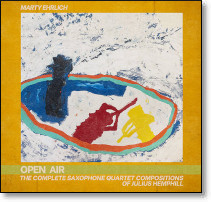
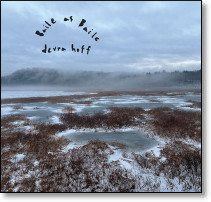
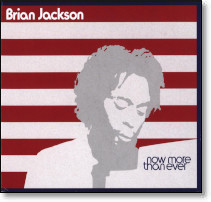
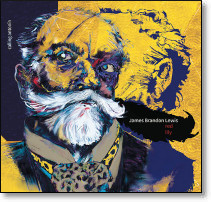
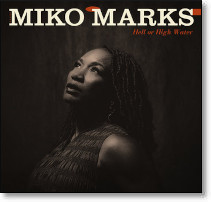
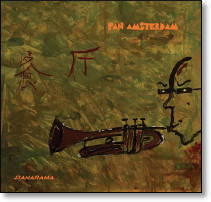
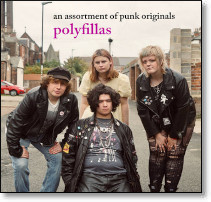
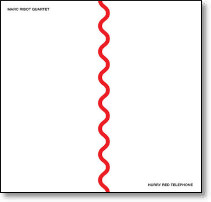
1-800-Mikey: In Yun (2026, Goner): Australian lo-fi bedroom pop group, principally Michael Barker, fourth album since 2022. B+(*) [bc] 300SkullsAndCounting/Jenny Sparks: This Is Spa Town! (2026, XL, EP): British artist, maybe Hal Hewetson, has a self-released 2025 album, some more stuff on Bandcamp. Discogs lists the album style as "screamo, chiptune." Sparks seems to be a bassline producer, not evident in their video. 9 songs, 22:23. Normally I hate glitch pop, but this at least has a pretty good beat. B+(***) [sp] Adéla: Prima (2026, Capitol): Pop singer-songwriter, from Slovakia, last name Jergová, studied ballet in Moscow, danced in Vienna and London, moved to Los Angeles, all by age 19, when she got drummed out of HYBE's Dream Academy talent context (the winners became Katseye). First album after an EP, starts hot, goes through the various moves, most working well enough, few spectacular. B+(**) [sp] Jocelyn Balu: Borumba (2026, Vu Prod): Congolese vocalist, member of Bakolo Music International, first solo album. Touted as a future rumba star, hits the sweet spot, or as the Bandcamp page puts it, "fidèle à ce qui constitue la signature du genre et aux canons définis . . . de Nico à Luambo." A− [sp] Rahsaan Barber: Eternal (2025 [2026], Jazz City Music): Saxophonist, teaches at UNC, several albums since 2011, postbop quintet with guitar, piano, bass, and drums. B+(**) [cd] Matt Berninger: Type It Up (2026, Concord, EP): Vocalist-lyricist for the National since their founding in 1999, has two solo albums since 2020, plus this 5 song, 21:36 EP, including covers of New Order's "Blue Monday" and Lou Reed's "Who Loves the Sun." B+(*) [sp] David Binney: History:Memory (2026, Mythology): Alto saxophonist, has several dozen albums since 1990, Discogs counts 195 performance credits. This one is solo, using pedals for synth overtones. B [sp] Nat Birchall Quartet: Live at Low Four Studio, Manchester (2026, Ancient Archive of Sound): British tenor saxophonist, plays "spiritual jazz," which is heavily indebted to Coltrane. Long-running quartet, with Adam Fairhall (piano), Michael Bardon (bass), and Paul Hession (drums). B+(***) [bc] Michael Blake: Halloween Tales (2026, Baby Tank): Canadian tenor/soprano saxophonist, debut 1997, quartet with Gary Versace (piano), Ben Allison (bass), and Michael Sarin (drums). Mostly movie themes here, leading off with the theme from Halloween, adding "Witchcraft" and "The Creep." B+(**) [sp] Sam Blakeslee Large Group: New Blood (2023 [2026], Brooklyn Jazz Underground): Trombonist, debut album 2017, a quintet, but has mostly worked in big bands since then. Conventional big band, approximately, with guitar (Pete McCann), and a couple of guest spots. Alan Farber produced, with Erica Seguine conducting. B+(*) [sp] Blondshell: Violins (2026, Partisan): Singer-songwriter Sabria Teitelbaum, third album after a 2018 EP as BAUM. Indie pop of some minor distinction. B+(*) [sp] Curly Castro: Yaphet (2026, Backwoodz Studioz): Underground rapper, from Philadelphia, part of the duo Shrapknel, solo debut 2013, last heard from in 2021, with Locust producing the beats, and many features, notably Margel the Sophant. A− [sp] RJ Chesney: A Southern Man (2026, Man of Straw): Singer-songwriter born in Macon, raised in Biloxi, figures he knows better than others what makes a Southern Man, among which he counts Johnny Cash, Jimmy Carter, and MLK. B+(**) [sp] Alexis Cole: Taking My Seat: A Musical Inheritance (2026, Tiger Turn): Standards singer and pianist, a dozen-plus albums since 1999, sings familiar tunes quite credibly, backed by bass (David Finck) and drums (Kenny Hassler). B+(**) [cd] [11-09] Jeff Colella/Putter Smith: Between Friends (2026, AJI/Capri): Piano and bass duets, former has a few albums going back to 1997, Discogs credits the latter with 71 performances since 1971, including a previous album together from 2014. B+(*) [sp] Gustavo Cortiñas: The Drum Also Sings (2026, Desafio Candente): Drummer, born in Mexico, studied in New Orleans, based in Chicago, fifth album since 2013, an all-drummer trio with Dave King and Isaiah Spencer — Max Roach is naturally on their minds, but they hedge their bets and slip in some actual vocals. B+(**) [sp] Stephan Crump: Passerine (2025 [2026], Out of Your Head): Bassist, as a composer has led 20 albums since 1997. Group here with Kenny Warren (trumpet), David Leon (alto flute/sax), and Ches Smith (percussion). B+(**) [cd] Amalie Dahl's Dafnie & Lisa Ullén: Live at Kafé Hærverk (2025 [2026], Trost): Danish alto saxophonist, group named for a 2022 album, freebop with trumpet, trombone, bass, and drums, adding the Swedish pianist here. B+(**) [sp] Mike Dana Jazz Orchestra: Farther (Still) (2025 [2026], Origin): Guitarist, studied at Berklee, taught at Fresno City College (1990-2018), since 2015 has been involved with Jazz Education Abroad, teaching in Lebanon and elsewhere. Has some reputation as a composer, but this appears to be his first album as leader. Big band, a bit short on brass, with two (of five) sax slots given to oboe and bassoon, but "special guests" added for solos: trumpeters Aaron Janik and Ingrid Jensen; saxophonists Eric Marienthal, Bob Mintzer and Tim Ries. B+(*) [cd] Defcee & Steel Tipped Dove: We Will Be Brief (2026, Fused Arrow): Chicago rapper Adam Levin, several albums since 2018, with producer Joseph Fusaro. Brief indeed: 12 songs, 28:24. But packed with ideas, quips, and deft beats. A− [bc] Daniel DeLorenzo: Can You Not (2026, self-released): Guitarist, has several albums on Bandcamp and Spotify since 2017, but I can't find a Discogs listing. Trio with bass (Theous Jones) and drums (Casey Toll). Seven songs, originals plus a noise-laced Schumann, 27:57. B+(**) [cd] Vito Dieterle: Nerve Case (2026, SteepleChase): Tenor saxophonist, based in New York, has several albums since 2019, quartet with Kris Kaiser (guitar), Griffin Fink (bass), and Aaron Seeber (drums). Opens with a tune by Kaiser, closes with Dieterle's title track, seven standards in between, with "I Won't Dance" one of the liveliest. B+(**) [sp] Dinner Party: Watchu Bringing? (2026, Empire): Third group album (short: 9 songs, 25:12), jazzy soul-pop with Terrace Martin, Robert Glasper, 9th Wonder (Patrick Douthit), and Kamasi Washington, with singer Phoelix (Michael Edward Neil) featured on most songs. [sp] Dinosaur Jr.: Near There (2026, Jagjaguwar): Indie rock band, appeared on SST in the 1980s, this their 13th studio album, I was never much impressed by them, although I did like one J. Mascis solo album (Several Shades of Why), and one of Lou Barlow's Sebadoh albums (Barksdale). B+(*) [sp] Marty Ehrlich: Open Air: The Complete Saxophone Quartet Compositions of Julius Hemphill (2025 [2026], Out of Your Head): Hemphill was an alto saxophonist (1940-95), from St. Louis, who recorded some important albums in the 1970s, but by 1977 was putting most of his effort into the World Saxophone Quartet, which has survived but never really replaced him. In recent years, there have been several attempts to revive his compositions, as well as releasing archival tapes. This is one of the most ambitious, with Allan Chase, Rob DeBellis, Brian Landrus, Andy Laster, Jeff Lederer, Lisa Parrott, and Jason Robinson joining Ehrlich. (There is also one "forgotten" track from 1997.) My problem is the one that I've long had with WSQ and its ilk: monophonic horns, focusing on harmony, sound slow and stodgy. I was inclined to write this off, but the CD showed up and got extra time, at which point the sheer beauty, especially on disc 2, swept me away. [Spotify, which I listened to initially, seems to be incomplete. Bandcamp only offers 5/42 tracks.] A− [cd] Julieta Eugenio: Mi Boathouse (2026, Dox): Tenor saxophonist, from Argentina, based in New York, third album, with Glenn Zaleski (piano), Matt Dwonszyk (bass), and Jonathan Barber (drums). B+(**) [sp] Event Horizon Jazz Quartet: Consternation (2026, self-released): Chicago area group, second album after a 2020 debut, led by Jim Kaczmarek (reeds) and Scott Mertens (keys), with Donn DeSanto (bass) and Rick Vitek (drums). B+(**) [sp] FaithNYC: Love Is a Wish Away (2024, Creation Youth): Singer-songwriter Felice Rosser, from Detroit, old enough to recall the 1967 riots, not sure when she moved to New York, but she released an album as Faith in 1997. Plays bass and sings, with Fin Hunt (drums) and Justin Adams (guitar/percussion/keyboards). With notions of funk and punk and dub for context, something that is not like anything else. B+(**) [sp] Enzo Favata: Ritornare (2026, ECM): Italian saxophonist (soprano here, with clarinet and bass clarinet), from Sardinia, has a fair number of albums (18 per Discogs) since 1992, this a group sometimes known as his Atlantico Quintet: Daniele de Bonaventura (bandoneon), Marcello Peghin (10-string guitar), Salvatore Maltana (bass), and U.T. Gandhi (drums). Folk-based, intricate, and generally lovely. B+(**) [sp] Diego Figuerido: Horse Blues (2026, Arbors): Brazilian guitarist, quite a few albums since 2005, first appeared on this retro-swing label in a 2019 duo with Ken Peplowski, and has been a regular since then. With his brother Tacio Figueiredo on bass, plus keyboards (Gi Reis), harmonica (Uira Cabral), and drums (Anderson Matos). Sophisticated easy listening. B+(*) [sp] Firelife Trio: The Space Around the Sound Resounds (2025 [2026], Sonic Transmissions): Houston-based saxophonist Danny Kamins (soprano and alto here), has several albums since 2017, here backed by Dennis Gonzalez's sons Aaron (bass) and Stefan (drums). B+(***) [bc] The Flying Horse Big Band: Swingin' With the Flying Horse Big Band (2024 [2026], Flying Horse): Big band based at University of Central Florida, Jeff Rupert director (and composer of 4 of 8 pieces), tenth album since 2015, guest Rob Paparozzi takes a vocal on a John Hiatt song, which may be the best thing here. B [cd] Chad Fowler/Eri Yamamoto: Polkadots & Moonbeams (2024 [2026], Mahakala Music): Duets, alto sax/flute and piano, improv pieces, aside from a start with one Fowler wrote, and the title song at the end. B+(**) [bc] Satoko Fujii Orchestra Nagoya: Kore Kara (2026, Libra): Fourth installment in this year's avant big band series, with one more still to come. Doesn't take off very fast, nor soar very far, although it does have some moments. B+(**) [cd] Clay Giberson: Moment's Notice (2025 [2026], Origin): Pianist, albums since 2001 (some as Upper Left Trio), offers a trio here with David Ambrosio (bass) and John Bishop (drums), playing two originals plus seven standards from "St. James Infirmary" up through Jarrett. B+(*) [cd] Rhiannon Giddens: Hope Is the Thing With Feathers (2026, Nonesuch): Folkie singer-songwriter, plays banjo and other instruments, started in Carolina Chocolate Drops, wrote four songs here (one with a lyric adapted from Emily Dickinson), covers more traditional songs. B+(***) [sp] Danny Green: Let the Music Happen (2026, OA2): Pianist, seventh album since 2008, first solo, four originals, five covers (Lennon-McCartney, Stevie Wonder, three standards). B+(*) [cd] Yosef Gutman: Perfect Traveler (2026, Soul Song): Bassist, born in South Africa, studied at Berklee, based in Jerusalem, has several albums. Started as duets with pianist Yonathan Avishai, adding in woodwinds (Gilad Ronen) and drums (Daniel Dor), with some spoken word narration I didn't catch. Nice melodies, with airs from Morocco to Yemen. B+(**) [sp] The Hanged One: Limbo (2026, Relative Pitch): Tenor saxophonist Camila Nebbia, from Argentina, based in Berlin, leads a sextet, which opens very loud. With cello (Julia Bilat), guitar (Arne Braun), electronics (Andres Marino), bass (Vinicius Cajado), and drums (Lukas Akintaya). Varies a bit after the first piece. B+(**) [bc] Nathan Hanson/Steve Hirsh: Memory Is Subjective (2025 [2026], Mahakala Music): Saxophone (tenor/soprano) and drums duo. Hanson has several albums and more credits going back to 1995. Hirsh is a more recent regular on the label. B+(**) [bc] Phil Haynes 2 Horns & What?: Avant Modern/Jazz Now (2026, Corner Store Jazz, 2CD): Drummer, from Oregon, debut 1984, early on was closely associated with Paul Smoker. Two trios with two horns each: one with Nate Wooley (trumpet) and Peyton Pleninger (saxes), the second with Pleninger and Jonathan Ragonese (saxes). B+(***) [cd] Marina Herlop: Dja Dja (2026, self-released): Catalan pianist, sings some, her music tends to be classified as electronic, fifth album since 2018. Some interesting bits. B+(*) [sp] Clarence Hines Jazz Orchestra: Along the Way (2022-26 [2026], OA2): Trombonist, based in Jacksonville, teaches at University of North Florida, first album, a big band affair. B [cd] Shelley Hirsch/Christian Weber/Alfred Vogel: Vanish (2024 [2026], Boomslang): Composer/vocalist/performance artist (b. 1952), a dozen albums and many side-credits since 1985, backed here by bass and drums. B+(**) [sp] Eric Hofbauer/EHX: Tongues/Hope Language (2026, Creative Nation Music, 2CD): Guitarist, albums since 1998, group is variable, but at full force includes tenor sax (Temidayo Balogun or Noah Preminger), cello (Ana Ospina), bass (Tony Leva), and drums (Kyle Anderson or Miki Matsuki), with vocals (Hayley Thompson-King) on four tracks, mostly playing pop/rock songs from Lennon-McCartney through Regina Spektor (outliers are jazz pieces from Charlie Parker, Eddie Harris, and Carla Bley). B+(**) [sp] Devra Hoff: Baile as Baile (2019 [2026], AUM Fidelity): Bassist, aka (or fka, formerly known as?) Devin Hoff, under which name Discogs lists 12 albums and 130 appearances, as opposed to 4 appearances as Devra (including Sharon Van Etten and Julia Holter). No recording dates or indication that this is a slightly augmented and re-ordered reissue of a self-released 2019 album. Mostly solo bass, two tracks with Holter (harmonium) and Tara Jane O'Neil (prepared autoharp). Should be of limited interest, but I find myself loving the deep resonance of the instrument, and the slow unfolding of the melodies. A− [cd] Devra Hoff/Matt Chamberlain: And Let Gravity (2026, self-released): Chamberlain is a drummer, has several solo albums since 2005, was a member of two fusion groups I rather liked (Critters Buggin, Floratone), but mostly has studio credits with rock stars (most frequently Tori Amos, but also: Dylan, Springsteen, Bowie, Elton John, John Fogerty, Lorde, Fiona Apple, Randy Newman, Macy Gray, the Who). Hoff plays bass guitar, bass viol, acoustic and electric guitars, and synthesizer, mostly hard, fast, and loud, until it isn't. B+(*) [bc] Brian Jackson: Now More Than Ever (2026, BBE): Composer, keyboardist, sings some (but delegates most vocals), best known for his co-credits with Gil Scott-Heron (1974-80), has a few solo albums since 2000. Recycles several well known Scott-Heron pieces, including an updated "The Revolution Will Not Be Televised," while adding more of his most agreeable funk. I don't remember the 1970s as being as glum as "Winter in America," but 45 years after Reagan's false springtime, this serves as a wake up. A− [sp] Shai Jaschek: Portrait (2026, Jazz Bird): Israeli-born guitarist, based in New York, second album, trio with bass (Joe Martin) and drums (Kush Abadey). B+(**) [sp] Katokye: Obuhangwa Bwa Bayankore Na Baharoro (2025, Nyege Nyege Tapes): First studio album for "legendary singer" John Katokye, follows traditions of the "Banyankore and Bahororo people of Western Uganda," a cappella with complementary response vocals and occasional handclaps. B+(*) [sp] Katseye: Wild (2026, HYBE/Geffen, EP): "Global girl group," originally six singer-dancers from four countries but based in Los Angeles, modeled on K-pop — where HYBE is a big label, accounting for their initial sales advantage in South Korea. Third EP, down to five on the cover, but just four performed on their recent SNL feature. Five songs, 13:37, three released as singles so far ("Animal" the best). B+(**) [sp] Kiefer: Memory Bomb (2026, Blue Note): Pianist, mostly electric, last name Shackleford, from Los Angeles, sixth album since 2017, first on Blue Note, in what seems to be a return to the label's Mizell Brothers era (if you've forgotten, and why shouldn't you?, there's a 1972-76 compilation that the label released in 2005). I can't really hate the rinky-dink keys, the synth ambiance, or even the slick guest vocals and raps, at least until this slows to stall speed. B− [sp] Franklin Kiermyer: Scatter the Atoms That Remain (2026, Gearbox): Canadian drummer, based in New York, albums since 1992, has used this title as a group name two times before (2019 and 2021), but not really a group here, as Davis Whitfield (piano) is the only regular, previous bassist Otto Gardner is limited to two tracks (two more for Géraud Portal, of 10 total tracks), and the horn leads are also limited to two spots each: Keyon Harrold (trumpet), Isaiah Collier (tenor sax), and Linda Sikhakhane (soprano sax). Also some guest spots (Aaron Parks, RaKalam Bob Moses) and vocals (including a choir). Starts off in a heavily spiritual jazz (aka Coltrane) mode, and more or less ends there, with focus on the drums in between. B+(*) [bc] The Klittens: Have a Heart (2026, THK/Cargo): Dutch group, sings in English, first album after singles/EPs, Bandcamp says "feminist fuzz garage indie jangle rock postpunk," which runs their gamut. B+(**) [sp] Kirk Knuffke/Marilyn Crispell/Thommy Andersson: Paintbrush (2024 [2026], Sunnyside): Cornet, piano, and bass, recorded near Crispell's home base in Woodstock (actually, the late Karl Berger's studio, an influence and inspiration for all). Perhaps worthy of closer study. B+(**) [sp] Kwn: And All Pride Aside (2026, RCA): British singer-rapper Khyra Wilson, born in London, father Nigerian, mother Irish, second album (Wikipedia has it as 3 EPs, but this one is 11 songs, 38:47). B+(**) [sp] Miranda Lambert: Crisco (2026, Vanner): Tenth solo album since 2005, probably the best track record of any singer-songwriter in country music in that period, but this seems like a major slip up, and not entirely for embracing the concept of "country disco," whatever that is supposed to be. "Sunset Marquis" is clearly disco, but not very good. "Crisco" is more country, but also not very good. By the way, while my mother used to fry chicken in Crisco, she gave that up long ago, for schmaltz with a bare minimum of vegetable oil. I keep Crisco, but these days only use it for chicken and dumplings. B [sp] Matt Lavelle & the 12 Houses: Hymn to the Universe (2022 [2026], Mahakala Music): Leader, who had developed distinctive styles on trumpet and bass clarinet, opts for pocket trumpet and E-flat piccolo clarinet here. Group is a big band built around Zodiac Sax Quartet (including the late Clare Daly), with the brass giving way for flutes and a bassoon, and viola instead of bass. "No More Hate" breaks out into a chant. B+(***) [bc] Azar Lawrence: Turn the Music Up (2026, Trazar): Tenor saxophonist (also soprano), 1974 debut was an especially strong album, faded away in the 1980s but came back strong in 2007. Returns to his early songs here, pushing the "spiritual jazz" dimensions, even including "The Creator Has a Master Plan." B+(**) [cd] Gregory Lewis: Organ Monk Sings: Introducing Ms Raina (2026, Sunnyside): Organ player, released Organ Monk in 2010, and has stuck with that concept, here with album seven, a trio with Jerry Weldon (tenor sax) and Nasheet Waits (drums), adding singer Raina Welch this time. B+(*) [sp] James Brandon Lewis/Red Lily: Calling Antonin (2025 [2026], TAO Forms): Tenor saxophonist, has been exceptional since his 2011 debut, already this year has a superb quartet album on Intakt (Omni) and an album with the Messthetics that many others like more than I do, and last year a trio on what is normally a rock label (Anti-) that I really like. But for heavy conceptual weight, he convenes his Red Lily group, with Kirk Knuffke (cornet), Tomeka Reid (cello), Joshua Abrams (bass), Chad Taylor (drums), and added this time Melanie Dyer (viola) — which has thus far won him the Francis Davis Jazz Critics Poll twice. The concept here is based on Czech composer Antonin Dvorak (1841-1904), who spent some time in the US absorbing Afro-American music. My prejudice against classical music has more to do with sound triggers than with form, so not a problem here — as I recall, Steve Swell also did a Dvorak tribute I really liked. Lots going on here, including a dedication to the late Roy Campbell. A− [cd] Finn Loxbo: Lummernikt (2025 [2026], Fönstret): Swedish guitarist, ninth album since 2012, Discogs says "folk singer, singer-songwriter," but this is solo guitar, so perhaps some parallel to the "American primitivism" of John Fahey? B+(*) [bc] Carla Marciano: Daydreaming: My Beloved Father Giovanni (2025 [2026], Challenge): Italian alto/sopranino saxophonist, from Salerno, several albums since Trane's Groove in 2002, an influence, backed by piano-bass-drums, supplemented by string orchestra on several tracks. B+(**) [cd] Miko Marks: Hell or High Water (2026, Redtone): Singer-songwriter from Flint, Michigan, based in Oakland, released two albums 2005-07, emerged again in 2021-22 with two albums slotted Country/Americana in 2021-22, appeared on the Grand Ole Opry, had a bit part on Beyoncé's "country" album. Goes flat-out blues this time, with producer Justin Phipps on guitar and much more, Steve Wyreman adding more guitar, bass, and keyboards. Some Muddy Waters licks go a long ways. A− [sp] Branford Marsalis and Dianne Reeves: Dedicated to You (2026, Blue Note): Presented as a John Coltrane tribute, the idea is to have Reeves sing the six songs from 1963's ballad album, John Coltrane and Johnny Hartman, backed by the saxophonist and his quartet: Joey Calderazzo (piano), Eric Revis (bass), and Justin Faulkner (drums), who add instrumentals, three as bonus tracks. The Coltrane/Hartman album has long struck me as one that should be great but isn't — although Coltrane's Ballads, from the same year, is so sublime you have to blame Hartman. Reeves is a superb singer, but that doesn't seem to help much here. Most modern saxophonists are indebted to Coltrane, and few more so than Marsalis. But why aim for his most anodyne gestures? B+(*) [sp] Buddy Miller: Buddy Miller (2026, New West): Alt-country singer-songwriter, from Ohio, has recorded on his own or with friends since 1995, most significantly four albums (2001-23) with wife Julie, who wrote or co-wrote five (of 12) songs here. Buddy's songwriting is limited to three co-credits with Julie. This is one of his "and friends" albums, with many guest features. B+(**) [sp] Billy Mohler: Live in Europe (2025 [2026], Dox): Bassist-composer, started in rock bands, studied at Berklee, eight or so albums since 2019, this recorded at Bimhuis (Amsterdam) and Carambolage (Bolzano, Italy), with Hermon Mehari (trumpet), Francesco Bigoni (tenor sax), and Nate Wood (drums). B+(***) [bc] Tommy Muellner: Solitary Moon (2026, Calligram): Pianist, first album, postbop quintet with label regulars Geoff Bradfield (reeds/flute), Art Davis (trumpet), Clark Summers (bass), and Phil Gratteau (drums). Three originals, many standards. Runs 79 minutes. B+(**) [sp] Ekep Nkwelle: Caged Bird (2026, Mack Avenue): Singer, born and raised in/near DC, cites "musical worlds that shaped her — jazz tradition, gospel reverence, contemporary eclecticism and her Cameroonian heritage." First album, after side-credits with David Murray, Kenny Barron, Joel Ross, and Jazz at Lincoln Center. She could develop into Aretha Franklin, but (like her) needs better songs and arrangements. B+(*) [sp] Mali Obomsawin: Automatic (2025 [2026], Out of Your Head): Bassist-singer-songwriter, from Canada (Odanak First Nation), debut album 2022, followed that with a Greatest Hits that wasn't. Group includes Adam O'Farrill (trumpet), Taylor Ho Bynum (cornet), bass clarinet, two tenor saxophones, guitar, turntables/electronics, and drums. I never made much sense out of the voices, but the horns frequently impressed. Eight songs (35:46). B+(***) [cd] Pan Amsterdam: Panarama (2026, Def Pressé): Rapper Leron Thomas, from Houston but based in New York, also plays trumpet, which is a nice touch. Fifth album since 2018. Rambling, shuffling, inscrutable. A− [sp] William Parker: Waltz for Gregory (2023 [2026], AUM Fidelity): The bassist, but just composer/producer here (Ken Filiano fills in on bass) needs no introduction, but Gregory is Hines (actor, singer, but most notably here tap dancer). Title cut (14:27) has Melissa Almaguer tapping. Andrea Wolper sings Parker's lyrics, which mean well but don't always sit easy on the music, no matter how skilled her contortions. With Bruce Barth (piano), Jim Ferraiuolo (oboe), Steve Swell (trombone, terrific), and Kevin Murray (drums). B+(***) [cd] Gretechen Parlato: The Wise Ones (2026, Edition): Jazz singer, from Los Angeles, father is a well-known bassist, and grandfather was a trumpet player; eighth album since 2005, writes some and also draws originals from Alan Hampton (bass) and Josh Mease (guitar), so the closest thing to a standard is a Stevie Wonder song arranged by Robert Glasper (one of three pianists). Rather pretty. B+(*) [sp] Houston Person: From the Heart (2026, Arbors): Mainstream tenor saxophonist, started with Prestige in 1966, where he also did A&R, continuing with Joe Fields through the Muse and HighNote labels, so it's a surprise to see him show up on a different label (especially one that's been relatively quiet of late). With Eddie Allen (trumpet), John Di Martino (piano), James Chirillo (guitar), Sean Smith (bass), Vincent Ector (drums). Standards, nicely done, easy. B+(***) [sp] Polyfillas: An Assortment of Punk Originals (2026, Dangerous): Punk band from Sunderland, in far northeast England (just southeast of Newcastle), principally Ava and Jamie Dangerous. First album, an EP (whence "Rude Boys of England") and several singles. Title suggests a formal exercise, more a love letter to history than the upswell of primal rage that drove punk in the 1970s. But now I'm old enough I not only don't mind, I applaud. A− [cd] Marek Pospieszalski Octet: Ever (2025 [2026], self-released): Polish tenor saxophonist, several albums since 2014, including three on Clean Feed. Octet includes a second tenor sax, trumpet, viola, guitar, piano, bass, and drums. B+(**) [bc] Enrico Rava Fearless Five With Joe Lovano: Corners (2025 [2026], ECM): Italian trumpet player, many albums since 1972, group here with trombone, guitar, bass, and drums (Evita Polidoro, who also gets a vocal credit), joined by the tenor saxophonist. B+(*) [sp] Eli Paperboy Reed: Getting There (2026, Yep Roc): R&B traditionalist Eli Husock, from Boston, debut from 2005 was optimistically subtitled "And Other Smash Hits!" Gets an extra boost here from producer Jerry Williams, aka Swamp Dogg, who knows better than most that "one man's trash (is another man's treasure)." B+(***) [sp] Mike Reed's Separatist Party: Sing the Color Blue (2022-24 [2026], Thrill Jockey): Drummer, based in Chicago, has several groups, this one follows a 2023 album, keynoted by poet Marvin Tate, with cornet (Ben Lamar Gay), tenor sax (Rob Frye), guitar/synth (Cooper Crain), and synth (Dan Quinlivan). B+(**) [bc] Julian Davis Reid and Circle of Trust: Mercy We Need (2026, Too Lost): Pianist from Chicago, also a theologian, has a previous album with this group, side projects like the JuJu Exchange, side credits with Isaiah Collier and Jamila Woods. Five songs feature Tramaine Parker (vocals), four Lenard Simpson (alto sax, one both). My appetite for the gospel vocals is pretty limited. B+(*) [cd] Marc Ribot Quartet: Hurry Red Telephone (2024 [2026], Pi): Guitarist, hype sheet starts "for more than four decades," so he's been around, and "refusing to stay in one place, moving restlessly between jazz, rock, No Wave, singer/songwriter, solo guitar, music for film, Cuban music, and free improvisation." Spins says "Quartet," but credits list 8 musicians, with just Ribot and Chad Taylor (drums) on all six tracks, the bass divided between Hilliard Green and Sebastian Steinberg, the fourth slot a saxophone (James Brandon Lewis, Briggan Krauss, or Brian Settles), with some extra bagpipes on one track. Lewis is especially strong. Maybe Ribot didn't want to overdo it. A− [cd] Jason Robinson: Blue Salience: For Yusef Lateef (2025 [2026], Circumvention Music, 2CD): Saxophonist, albums since 1998, some quite ambitious, including this big band he calls his Janus Orchestra. He plays some tenor sax and alto flute here, but his main credit is percussion, followed by a long list including cuica, clavinet, and synthesizer. This doesn't particularly work for me, perhaps because I've never had a real sense of Lateef, or maybe it just takes too much concentration to sort out what's going on. Whatever it is, there's sure a lot of it. B+(*) [cd] [10-29] Adonis Rose: Live at JazzAscona: The Music of Gregg Hill (2025 [2026], Cold Plunge): Drummer, from New Orleans, leads the trad-minded New Orleans Jazz Orchestra, has a couple of albums with smaller groups, not an obvious follower of the Michigan composer but they've found common ground, and injected extra energy into the repertoire (four Hill compositions, plus "Lush Life" and "Bop Be"). The horns are impressive. Phillip Manuel's vocals might also be, if you're into that sort of thing: a bull in a china shop, until he surprised me with a flexible, almost delicate reading of "Lush Life." B+(**) [cd] Adam Rudolph: Invisible Threads (2025 [2026], Omni Sound): Percussionist, plays drums from everywhere, has many albums since 1987, pieces here commissioned for a festival in Türkiye, recorded in Istanbul with a mostly local band. B+(*) [bc] Jamie Safir: Momentum (2026, Chill Tone): British pianist, first album as leader, several side credits back to 2017, mostly trio with bass (Conor Chaplin) and drums (Luke Tomlinson) playing originals, with Iain Ballamy (tenor sax) joining in on about half of the tracks, staying uncharacteristically mellow. B+(**) [cd] Brandon Seabrook: Utility Modern (2026, Out of Your Head): Guitarist, also plays banjo, many side credits back to 2002, mostly free jazz but can veer into noise-rock. With Bill Frisell (guitar), Rahsaan Carter (bass), and Marcus Gilmore (drums). Bits of interest here when the banjo comes out, or when they risk some noise. B+(***) [cd] Sha Ray and DJ Haram: Critical Thot (2026, Backwoodz Studioz): Bay area rapper, first album (9 songs, 24:37; Bandcamp adds three remixes), with Philadelphia producer Zubeyda Muzeyyen. Dense, seems close to breaking through but rarely does. B+(*) [sp] Andy Sheppard: Salt Catchers (2025 [2026], ECM): Tenor saxophonist (also soprano), albums since 1987, especially with Carla Bley. Trio with Rita Marcotulli (piano) and Michel Benita (bass). B+(*) [sp] Judi Silvano's Garden Winds: First Flight (2024 [2026], JSL): Singer, has a dozen albums since 1992, way too operatic for my taste, especially in this company: Haruma Fukazawa (flutes), Claire De Brunner (bassoon). B− [cd] Bria Skonberg: Indigo (2025 [2026], Cellar): Canadian trumpet player and singer, ninth album since 2009. One original, the rest standards, from "Mood Indigo" through Sting, the most striking a Jacques Brel-Rod McKuen song, "If You Go Away." B+(***) [sp] Skyzoo & Apollo Brown: Luxury Tax (2026, First Generation Rich/Escapism): Underground rapper Gregory Skyler Taylor, from New York, couple dozen albums since 2006, including a previous with Detroit producer Brown. B+(**) [sp] Wadada Leo Smith: Constellations and Hemispheres (2017-22 [2025], Burning Ambulance Music): Trumpet player, five pieces (59:10) recorded over several years, the first track with piano (Sylvie Courvoisier) and drums (Marcus Gilmore), the others with more players, peaking out at 10 for the 22:05 centerpiece. B+(***) [sp] Jim Snidero: House of Trane (2026, Savant): Alto saxophonist, 27th album since 1985, quartet with Stefan Karlsson (piano), Nat Reeves (bass), and Jason Tiemann (drums), arrives in John Coltrane's centennial year. B+(**) [sp] RJ Spangler's Bop Insurgents: Ain't Doin Too Bad (2026, Eastlawn): Percussionist (congas, shakers), credit extends to "featuring Bill Heid" (piano/organ), so I suppose this aims at soul jazz groove, with sax (Russ Miller), guitar (Ralph Tope), bass, and drums. Played it twice and it's not unpleasant, but what the group name suggests, the title takes away. B [cd] Nirosta Steel: My Skyscraper (2026, Ulyssa): Stevan Hall, from Scotland (b. 1957), worked with Arthur Russell in New York in the 1980s, his own discography only appearing after 2012, with this his third album, a panorama of off-kilter disco-funk artifacts. B+(*) [sp] Kevin Sun: Kevin Sun, II (2024 [2026], Endectomorph Music): Tenor saxophonist, immediately impressed with his 2018 Trio, demonstrating considerable chops as well as a command of history. By my reckoning, he followed that up with four more A− albums, then slipped into the range of very honorable mentions; meanwhile running a record label that regularly produces interesting releases by others. This year he's come up with two simultaneous quartet albums, both recorded on the same day, so the numbering is rather arbitrary. This one I found more engaging, perhaps because Christian Li's piano adds dimensions I didn't find in the first volume, or maybe just because the saxophonist seemed more engaged from the start. With Walter Stinson (bass) and Kayvon Gordon (drums). B+(***) [cd] Kevin Sun: Kevin Sun, I (2024 [2026], Endectomorph Music): Quartet with Max Light (guitar), Walter Stinson (bass), and Jon Starks (drums), recorded the same day as II, presumably first, as it feels more tentative early on. B+(**) [cd] Tinashe: Popstar (2026, Atlantic/Nice Life/Tinashe Music): Pop singer-songwriter, last name Kachingwe, father from Zimbabwe, born in Kentucky, grew up in Los Angeles, eighth album since 2014. B+(***) [sp] Fumi Tomita: Yokai: Songs of the Japanese Supernatural (2025 [2026], OA2): Japanese bassist, teaches in Massachusetts, has several albums since 2011, original pieces here, with Carl Clements (saxes/flute), Jason Ennis (guitar), and Gary Fieldman (drums). B+(**) [cd] [10-16] Tres Hongos: More Chips (2024 [2026], Relative Pitch): Trio of Jacob Wick (trumpet), Marc Riordan (piano), and Frank Rosaly (drums), third album, widely spaced since 2012. B+(**) [sp] Trio Imagination: Creative Inspirations (2025 [2026], Pi): Last names on the spine: David Virelles (piano), Reggie Workman (bass), and Andrew Cyrille (drums). The pianist has often impressed me in the past, and one couldn't ask for a more storied rhythm section, but 4-5 plays in I still have to force myself to listen closely, and then it's just maybe. B+(*) [cd] Two Shell: Infinite Now (2026, Young): British electronic music duo, Jack Benson and Patrick Lewis, third album since 2024. I like the beats, but doubt the words add much. B+(**) [sp] Ron Vincent: Ray's Hat Trick (2025 [2026], Origin): Drummer, reconvenes Gerry Mulligan's rhythm section from 1989 with Bill Mays (piano) and Dean Johnson (bass), along with Steve Cardenas (guitar) and a bunch of flute players (Dave Brandom, Tim Armacost, Matt Garrison, who less conspicuously also play other reeds). B− [cd] Lex Walton: Ultimate Love Forever (2026, Sub Pop, EP): Singer-songwriter, some kind of noise-pop, cites Les Rallizes Dénudés as inspiration, Wikipedia cites a discography going back to 2018 but this is probably the first one with any real distribution, a short one at that (7 songs, 19:50), but gets your attention. B+(**) [sp] Leslie Waugh: Night Bloom (2026, Smallz): Country singer-songwriter from Texas, bio claims a debut album in 2011 and a trilogy of EPs, Discogs has nothing. B+(*) [sp] Chris Whiteman/John Toomey Quartet: Live at Révéler (2025 [2026], self-released): Guitar and piano, backed by bass and drums. I'm only finding side-credits for both — more for Toomey, who goes back to 1982, and has a Quartet but second-billed to a singer (Laura Martier, in 2001). He's second here, nice accompaniment to a very pleasant guitarist, who also slipped a couple of originals in with eight standards. B+(***) [cd] Wild Up: Julius Eastman, Vol. 5: Gay Guerilla (2026, New Amsterdam): Self-described "band," a 20-piece orchestra by my count, led and conducted by Christopher Rountree, which I figure as 8 strings, 8 horns (trumpet and french horn for brass), 2 pianos, 2 percussion. They did various projects starting in 2014, but latched onto Eastman (1940-90) in 2021 with Femenine, and return again with one of the composer's more famous works (8 parts, 28:49). An exceptional piece of music. A− [sp] Jess Williamson: A Mile South of Heaven (2026, New West): Country singer-songwriter, sixth solo album since 2014 plus a group album with Katie Crutchfield as Plains. B+(*) [sp] Wishy: Nature's Pill (2026, Winspear): Indie rock group from Indiana. Second album, Noted the VU quote. Guitar jangle, seems possible that their name is a tribute to Wussy, not that I care. B [sp] Jay Worthy, George Clinton & LNDN DRGS: Generation P (2026, Empire): Canadian rapper Jeffrey Sidhoo, based in Compton, many releases since 2018, especially mixtapes with Sean House as LNDN DRGS. The P-Funk guru brings the samples B+(*) [sp] Jerry Z: Break Allegro (2026, Drawbar): Hammond B3 organ player, last name Zaslavsky, possibly his first leader album, but side credits go back to 2002, including with guitarist Oz Noy and drummers Mike Clark and Lenny White — all noted on the cover here, as is Chad LB (tenor sax). B+(**) [cd] [10-09] Recent Reissues, Compilations, Vault Discoveries
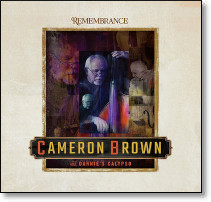
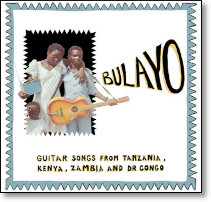
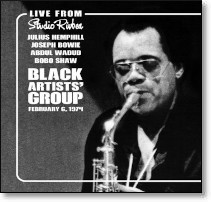
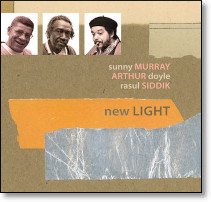
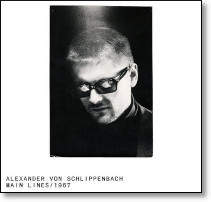
Roland Brival: Créole Gypsy (1980 [2026], Soundway): Singer-songwriter from Martinique (b. 1950), first album, also has a reputation as a novelist and painter. B+(*) [sp] Cameron Brown and Dannie's Calypso: Remembrance (2011 [2026], Sunnyside): Bassist, b. 1945 in Detroit, first albums in his Discogs list were: Massimo Urbani, Beaver Harris, and George Adams/Don Pullen Quartet; although his first side credits were with George Russell, and one quickly notices Archie Shepp, Mal Waldron, Dewey Redman, Dannie Richmond, and Sheila Jordan. The band name here is a tribute to Richmond, and song titles name Russell, Jordan, and Don Cherry, and the songs include material by Richmond, Redman, Cherry, and Jobim. Quintet: Lisa Parrott (alto/soprano/baritone sax), Jason Rigby (tenor/soprano sax), Russ Johnson (trumpet), and Tony Jefferson (drums). That roster suggests serious postbop, but the reality is raucous freebop, with a nod toward calypso. A− [sp] Bulayo: Guitar Songs From Tanzania, Kenya, Zambia, and DR Congo (1979-80 [2026], Mississippi): Eleven songs (30:10), field recordings by "a young British-Kenyan musician named John Low [on] the road to learn finger-style guitar from his heroes." This seems slight, but it is beguiling as few vintage African records are. A− [sp] Can: Live in Arles 1975 (1975 [2026], Mute): German experimental rock group, released 10 studio albums 1969-79, mostly a quartet of Irmin Schmidt (keyboards), Jaki Liebezeit (drums), Michael Karoli (guitar), and Holger Czukay (bass), some vocals early and late, but not much here. They had several reunions, but only Schmidt is still alive. During this period they had evolved into a something of a fusion-jazz band, like Soft Machine, and this set, the 7th in a series of restored live tapes, moves along deftly, its pieces merely numbered. B+(***) [sp] Stanley Cowell Trio: Illusion Suite (1972 [2026], ECM): Pianist (1941-2020), debut album was memorably titled Blues for the Viet Cong (1969, the first of two on Freedom), co-founded the Strata-East label in 1973, but recorded this one album for ECM, a trio with Stanley Clarke (bass) and Jimmy Hopps (drums), playing his own compositions. B+(***) [sp] The Ducks: High Flyin' (1977 [2023], Shakey Pictures): Formerly known as the Jeff Blackburn Band, a short-lived group with a couple of veterans from San Francisco cult band Moby Grape (1967-69; I've never understood the attraction), and briefly Neil Young, who salvaged these live tapes for his "Official Bootleg Series." Young sounds pretty great here, but that accounts for less than a quarter of the songs. The other singer-songwriters are pretty average, able to evoke that 1970s country jam landscape from the Grateful Dead to the Eagles, without ever quite matching any of them. B+(**) [sp] The Go-Betweens: Fountains of Youth: Live at the Town and Country Club, London, 10th May 1987 (1987 [2026], Beggars Banquet): Australian band, two major singer-songwriters, Grant McLennan (1958-2006) and Robert Forster (b. 1957), both with notable solo careers after 1990, although there were more group albums 2000-05. The group's early work is definitively compiled in 1978-1990, but this live set, which previews a bit of their penultimate Tallulah, works nearly as well. B+(***) [sp] Sir Roland Hanna: Songs of Hope, Inspiration and Joy (1990s-2002 [2026], IPO): Pianist (1932-2002), from Detroit, started in big bands in the 1950s, was a regular with Thad Jones/Mel Lewis, faded in the 1980s, but late in life recorded several albums for IPO, from which this largely undated solo work is drawn. B+(**) [sp] Jon Hassell: Music Is Invisible (Pentimento Volume Three) (2015 [2026], Ndeya): Trumpet player (1937-2021), best known for his Brian Eno collaboration on Fourth World Vol. 1: Possible Musics, a brand he subsequently developed. His two previous Pentimento albums came out in 2018 and 2020. B+(***) [sp] Coleman Hawkins and Göran Lindbergs Trio: Bean and the Swedish Boys (1963 [2026], Vax): The legendary saxophonist, with a local rhythm section at the Golden Circle in Stockholm: Göran Lindberg (piano), Kurt Lindgren (bass), and Rune Carlsson (drums). B+(***) [sp] Julius Hemphill/Joseph Bowie/Abdul Wadud/Bobo Shaw: Black Artists' Group: February 6, 1974 [Live From Studio Rivbea, Volume 5] (1974 [2026], NoBusiness): Alto sax, trombone, cello, and drums, with less credited "special guest" Raymond Lee Chang on violin, and some voices I can't quite figure out. Hard to parse the cover, but the individuals are named first. BAG was a collective formed in St. Louis, active there 1968-72, with some members moving to Paris in 1973, then to New York in 1974 (Oliver Lake, Hamiet Bluiett, and Baikida Carroll are among the former members not in this group). Three long pieces, 50:15, two by Bowie, the other by Wadud. A find, especially for the trombone. A− [cd] Jon Waine: Second Skin (1975-1983) (1975-83 [2026], Corbett vs. Dempsey): New Jersey experimental/post-punk band, principally Brian McCormack (guitar) and William Pope (vocals, aka Pope.L, who "went on to have an illustrious career as a conceptual visual artist"). They produced one single in 1982 (per Discogs, "Do the Tic/Boogie Down the Congo," now "impossibly rare"). This gathers up 30 recordings, putting the more mature 1980-83 material on the first CD, with home recordings from 1975-81 filling out a second CD. Interesting sound here, some novel kind of fractured no wave funk, the closest analogue Pere Ubu (with nothing quite like David Thomas or Peter Laughner). This could have been edited down, but history is inevitably messy. B+(***) [bc] John Larkin: Before Scatman: Early Sessions (1978 [2026], Iceberg, EP): Jazz pianist/singer (1942-99), grew up with a stuttering problem, which he overcame first by playing piano, then by scatting. He recorded five albums 1986-99, most as Scatman John. These four songs (23:13) came earlier. Surprisingly intense. B+(*) [sp] Peggy Lee: Too Marvelous for Words (1955 [2026], Peggy Lee Associates): Originally Nora Egstrom (1920-2002), from North Dakota, I remember her as a big star/celebrity in the 1950s, but she started with Benny Goodman's big band in 1940 ("Why Don't You Do Right" was a 1942 hit), later with Gordon Jenkins ("Lover" in 1951), sang some duets with Bing Crosby, wrote many of her own songs, but most successfully covered "Fever" in 1958, acted, did a voice in Lady and the Tramp (later suing Disney for millions for breach of contract). She recorded these 49 songs for radio syndication, with a small jazz combo anchored by Gene DiNovi (piano) and Bill Pittman (guitar), with Pete Candoli (trumpet). Mostly songbook standards, some she never recorded elsewhere. B+(***) [sp] Peggy Lee: Since You Have Gone (1963 [2026], Capitol, EP): Four previously unreleased songs, the title song an original arranged by Short Rogers, packaged with three "signature recordings": "Big Spender," "Fever," and "Why Don't You Do Right (Get Me Some Money Too)." All done in 10:04. B+(**) [sp] Sunny Murray/Arthur Doyle/Rasul Siddik: New Light (1999 [2026], NoBusiness): Avant-garde drummer, at first I thought he ruined Coltrane, but I've slowly warmed to some of their work together (although I've yet top revisit his ESP-Disk albums). [PS: My bad: I had him confused with Rashied Ali, a mistake I've had stuck in my mind so long I didn't think to recheck it. Ali and Murray had very similar careers, appearing on many notable albums, up to his death in 2009.] But he released a superb album in 1998 (We Are Not at the Opera), and this label is finding more from that period. This is a free bash with Doyle (tenor sax/flute/voice) and Sidik (trumpet): two improvs, one piece by Doyle, one by Don Cherry. A− [cd] Sunny Murray/Arthur Doyle/Rasul Siddik: Incantations (1999 [2026], NoBusiness): Same group, recorded the same day, so not a lot to choose between this and New Light, but I give the edge to the other one. Maybe the Don Cherry piece makes the difference, or maybe I just paid better attention. B+(***) [cd] Leon Parker Trio 93: Foundations (1993 [2026], Sunnyside): Drummer, just starting out, recorded this before his 1994 debut, after a 1992 side-credit with Dewey Redman. Trio with Brad Mehldau (piano, 23 at the time, two years before Warners released Introducing Brad Mehldau) and Ugonna Okegwo (bass, the elder at 31). The pianist plays some feisty Monk. B+(**) [bc] Peace Anthems (2026, Red Hook): A compilation of 13 new pieces, featuring: Qasim Naqvi, Taylor Deupree, Kalia Vandever, Thomas Morgan, BlankFor.ms, Moor Mother, Sungjae Son, Martha Deribe, Simone Maggio, Wadada Leo Smith, Amina Claudine Myers, Andrew Cyrille, and Kit Downes. Intent is to "approach peace as both subject and sonic practice." In practice, that leans toward ambient, notably with the Smith-Myers "Reflections on Palestine." B+(**) [sp] John Prine: Found Dogs (1995 [2026], Oh Boy): Folkie singer-songwriter (1946-2020), from Illinois, recorded four 1971-75 albums long regarded as classics, then three more for Asylum little remembered, then he started his own label. It took another decade before he released one of his all-time albums (The Missing Years, in 1991), followed up by the even-better Lost Dogs & Mixed Blessings (1995). Then he got cancer, wrecked his voice, and struggled, sometimes brilliantly, until Covid cut him down in the early days of the pandemic. His widow still runs his record company, and they've cultivated some fine talents (most famously Todd Snider and Kelsey Waldon), but the meal ticket is still his back catalog. The first five songs here are alternate versions of songs from the album, each interesting in its own right. The other five songs, including a Johnny Horton cover, are lesser affairs, at this point more endearing for the singer than for the songs. B+(***) [sp] Alexander von Schlippenbach: Main Lines/1967 (1967 [2026], Corbett vs. Dempsey): German free jazz pianist, just getting started — Globe Unity was recorded in 1966, with his Penguin crown album Pakistani Pomade still five years out — in a set of four radio tracks (46:21), drawing on various musicians in the Manfred Schoof Quintet, Peter Brötzmann Quarter, and Irène Schweizer Trio (so some of the piano is by Schweizer or Fred van Hove; bass and drums also appear in threes). Final piece really brings the noise. A− [bc] Old Music
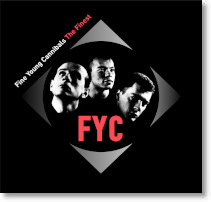
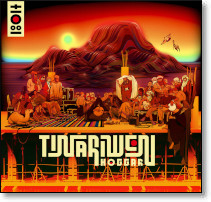
Lola Beltrán: Voz E Inspiracion (1975, Peerless): Mexican singer and actress (1932-96), specialized in ranchera and huapango music, many albums from 1954 on. Not hard to identify this is specifically (dramatically, even operatically) Mexican. B+(**) [yt] Daniel DeLorenzo: Trio (2017, self-released): Guitarist, from North Carolina, first album, with Theous Jones (drums) and Able Jones (organ), plus extra guitar on two tracks (Doug Sours). Seven jazz standards, from "Work Song" to "Straight No Chaser," 38:02. B+(**) [bc] Fine Young Cannibals: The Finest (1985-89 [1996], MCA): British ska-pop band, founded by David Steele and Andy Cox from the Beat, with Roland Gift as the singer (who also had a star turn in the Stephen Frears/Hanif Kureishi movie Sammy & Rosie Get Laid). They released two albums, reduced to 10 songs here, plus a soundtrack cut and three previously unreleaseds for bait. A− [sp] Fine Young Cannibals: The Finest: The Rare and the Remixed (1985-89 [1996], MCA): Second disc adds three extra songs and five remixes, total 43:07, nothing essential or important or unlistenable. Just the extras, without trying to factor in the best-of: B+(*) [sp] F.S.K.: International (1995 [1996], Sub-Up): German group, founded 1980 as Freiwillige Selbstkontrolle ("voluntary self-control"), went with initials around 1989. Kind of a folk-rock grounding, but more eclectic, perhaps even whimsical (not that it's easy to tell). B+(**) [sp] Milford Graves With Arthur Doyle & Hugh Glover: Children of the Forest (1976 [2023], Black Editions): "Percussionist, acupuncturist, herbalist, martial artist, programmer, professor and pioneer of free Jazz" (1941-2021), from three sessions: one with Doyle (tenor sax/flute) and Glover (klaxon/percussion); one with just Glover (tenor sax); and a final solo piece (3:13). B+(***) [sp] Coleman Hawkins: Coleman Hawkins and Confrères (1958 [1960], Verve): Original LP ran 5 tracks, 34:58: one track with Ben Webster, Herb Ellis, and Oscar Peterson's Trio, plus four more with Roy Eldridge, Hank Jones, George Duvivier and Mickey Sheen. [1988 CD reissue adds two bonus tracks, not on current stream.] B+(*) [sp] Freddie Jackson: Rock Me Tonight (1985, Capitol): Soul singer (1956-2026), first album, first four topped the R&B charts, their pop chart success declining from 10 to 59. "Mellow groove, mellow sound. Just lie back and enjoy it." B+(*) [sp] Franklin Kiermyer: Kairos (1995 [1996], Evidence): Canadian drummer, third album, draws on "world traditions of spiritual music" (samples as interludes from Cameroon, the Black Sea, Arizona), nominally a quartet with Michael Stuart (soprano/tenor sax), reinforced with guest saxophonists Sam Rivers and Eric Person. B+(***) [bc] Peggy Lee: Sings With Benny Goodman (1941-44 [1957], Columbia): A selection of 10 early tracks with Goodman and His Orchestra, some hits but misses more, more non-hits, so it's hard to figure. B+(*) [yt] Peggy Lee: Capitol Collector's Series, Volume I: The Early Years (1945-50 [1990], Capitol): This series of reissues came out 1989-93, each with 25 songs. I have 14 of them, ranging from pop icons in the 1940s to country singers in the 1970s (my A/A−-rated ones are by Louis Prima, Gene Vincent, Merle Haggard, and Hank Thompson). I don't think they ever released a Volume II, but Lee recorded for Capito through 1972, so there is lots more they could have included. B+(**) [sp] Peggy Lee: The Best of Peggy Lee: The Capitol Years (1947-70 [1997], Capitol Jazz): Looking for a single volume best-of from her primary period, this looked promising: 18 songs, 49:33, starting with two from her later Benny Goodman years. Only one song where she added lyrics to a Duke Ellington tune, so effectively this is a standards showcase. And tracking these dates down, I see many more songs she could likely to just as well. [PS: There is a 1988 comp with effectively the same title, but only a few songs in common. There are at least a half-dozen The Best of Peggy Lee titles without subtitles, going back to 1960. The one in the "20th Century Masters: The Millennium Collection" series draws from her early 1950s Decca period. There are also several The Very Best of Peggy Lee compilations. It might be interesting to chart out which songs are in which comps, as it's possible that there's less consensus on which are her best songs than there is for any comparable artist.] B+(***) [sp] Peggy Lee: The Best of Peggy Lee [20th Century Masters: The Millennium Collection] (1952-56 [2002], MCA): Another sprawling series of CD reissues, this one limited to 12 songs no matter how short (36:23 here). This is limited to her brief Decca period, starting with four songs fronting the Gordon Jenkins Orchestra ("Lover" was her biggest hit). B+(*) [sp] The Modern Lovers: Precise Modern Lovers Order: Live in Berkeley and Boston (1971-73 [1994], Rounder): Jonathan Richman's group, from Boston, had recorded an album produced by John Cale in 1972, but unreleased until 1976, at which point it sounded prophetic. Live tapes from the period, very lo-fi, includes a cover of the Velvet Underground's "Foggy Notion" among their originals, some I haven't heard elsewhere. B+(*) [sp] New York Ska-Jazz Ensemble: Collection 1995-2004 (1995-2004 [2005], Megalith): Long-running group (latest LP 2022), concept is to take jazz standards (like "Harlem Nocturne" and "Haitian Fight Song") and play ska tricks on them. Starts with four tracks from their 1995 debut, then two more from 1996, after which I have trouble tracking the sources. Some live tracks. Some vocals (including "Teardrops From My Eyes"). B+(**) [sp] Violeta Parra: Las Últimas Composiciones De Violeta Parra (1966, RCA): Chilean folk singer-songwriter (1917-67), collected songs from all over, but also wrote these, recorded simply with her guitar and percussion. B+(***) [sp] Astor Piazzolla: Sinfonia De Tango (1955, Disques Vogue, EP): Argentinian tango composer, first album, 10-inches, 8 songs, 23:04, further credited to "su bandoneon y sus cuerdas" (strings, from Orchestre National De L'Opéra De Paris, along with Lalo Schifrin on piano. B+(**) [sp] Scatman John: Scatman's World (1995, RCA): John Larkin, recorded a couple of previous albums under his own name, turned his stutter habit into a unique mix of rap, scat, and jaunty pop schtick. This album turned into a novelty hit, especially in Japan (where it sold 1.5 million). Features a utopian anthem, "World of Scatland." B+(*) [sp] Idrissa Soumaoro & L'Eclipse De L'I.J.A.: Le Tioko-Tioko (1978, Eterna): From Mali, seems prototypical. B+(**) [sp] Zuhura Swaleh/Matano Juma & Orchestra Morning Star: Karama Zijiri (1973, Pwani): Originally a cassette, split between the two singers, ladies first. While the band could be backing both, Juma's singles credit it, and my rough impression is that he gets the more polished support. Swaleh was born in 1947 in Nairobi, later moved to Mombasa, on the coast with a long history of Arab trade, where the local style is called taarab, and the influence is decidedly Arabic. (The Zanzibara series includes a volume subtitled L'âge d'or du taarab de Mombasa, with several recordings each — Swaleh's are credited to Zuhura & Party or Zuhura & Zein Musical Party; they also appear on Zanzibara 10: First Modern, Taarab Vibes From Mombasa & Tanga.) I know less about Juma, but he is also associated with taarab. B+(**) [yt] Caetano Veloso: Bicho (1977, Philips): Brazilian singer-songwriter (b. 1942), one of the founders of the Tropicália movement in the late 1960s, and a major figure ever since, but someone I've sampled very lightly over the years. B+(***) [sp] Wild Up: Julius Eastman, Vol. 4: The Holy Presence (2024, New Amsterdam): "Digs ever deeper into Eastman's oeuvre, performing lesser-known works that represent a mystically charged and spiritually reflective vein of his dynamic catalog." Opens with a vocal piece, "Our Father," sung by Davone Tines, followed by a piano piece with Richard Valitutto, then on to the main event, "The Holy Presence of Joan d'Arc" (20:09, following a 10:07 "Prelude" featuring Tines, too much of a "classical singer" for me). Featured on the longer work is cellist Seth Parker Woods. B+(*) [sp] Yellow Magic Orchestra: Yellow Magic Orchestra (1978, Alfa): Japanese synthpop group, originally a one-shot project of bassist Haruomi Hosono, but developed into a band with drummer Yukihiro Takahashi and keyboard player Ryuichi Sakamoto. Nice beats album, but vocals eventually seep in, and clutter increases. B+(*) [sp] Yellow Magic Orchestra: Solid State Survivor (1979, Alfa): Japanese electropop group, debut 1978, second album, continued until 1984, then reformed briefly in 1992, 2002, and 2007: Haruomi Hosono (bass/keyboards), Yukihiro Takahashi (vocals/drums), and Ryuichi Sakamoto (keyboards), the best known for his solo career (d. 2023). Opens with instrumentals, lighter and quirkier than Kraftwerk or even Can, then breaks the vocal ice with an amusing "Day Tripper." B+(**) [sp] Grade (or other) ChangesSometimes further listening leads me to change an initial grade, usually either because I move on to a real copy, or because someone else's review or list makes me want to check it again. Also some old albums extracted from further listening: Tinariwen: Hoggar (2026, Wedge): Tuareg group, formed in Algeria by exiles from Mali, spent some time in Libya before returning to Mali and getting caught up in political struggles there. Recorded an album in Ibidjan in 1991, but their breakthrough didn't come until 2001, when they started touring Europe and releasing albums there. Tenth album since 2001, all are pretty good but not very distinct. Christgau singled this one out as their best, which seems plausible to me, although that wasn't my first thought. [was: B+(**)] A− [sp] Music WeeksMusic: Current count 36534 [36534] rated (+0), 149 [149] unrated (+0). Excerpts from this month's Music Week posts: NotesSources noted as follows:
Grades are probably self-explanatory, aside from B+, which is subdivided 1-2-3 stars, because most records that come my way are pretty good, but they're not all that good. |