Streamnotes2026:Aug 29 Jul 31 Jun 27 May 28 Apr 28 Mar 31 Feb 28 Jan 31 2025: Dec 31 Nov 25 Oct 27 Sep 29 Aug 26 Jul 28 Jun 30 May 27 Apr 28 Mar 31 Feb 28 Jan 27 2024: Dec 31 Nov 28 Oct 31 Sep 30 Aug 27 Jul 31 Jun 26 May 27 Apr 29 Mar 25 Feb 28 Jan 28 2023: Dec 31 Nov 27 Oct 31 Sep 25 Aug 28 Jul 31 Jun 26 May 29 Apr 24 Mar 27 Feb 27 Jan 31 2022: Dec 31 Nov 28 Oct 31 Sep 26 Aug 29 Jul 25 Jun 27 May 30 Apr 25 Mar 28 Feb 28 Jan 31 2021: Dec 31 Nov 29 Oct 26 Sep 26 Aug 30 Jul 26 Jun 28 May 30 Apr 26 Mar 29 Feb 22 Jan 31 2020: Dec 28 Nov 30 Oct 29 Sep 28 Aug 31 Jul 27 Jun 29 May 27 Apr 27 Mar 30 Feb 24 Jan 31 2019: Dec 31 Nov 25 Oct 28 Sep 30 Aug 26 Jul 29 Jun 24 May 27 Apr 29 Mar 25 Feb 25 Jan 31 2018: Dec 28 Nov 30 Oct 31 Sep 30 Aug 30 Jul 31 Jun 30 May 31 Apr 28 Mar 27 Feb 28 Jan 31 2017: Dec 31 Nov 28 Oct 31 Sep 30 Aug 30 Jul 28 Jun 30 May 31 Apr 29 Mar 31 Feb 28 Jan 28 2016: Dec 31 Nov 30 Oct 29 Sep 22 Aug 25 Jul 30 Jun 30 May 26 Apr 28 Mar 30 Feb 25 Jan 31 Jan 08 2015: Dec 15 Nov 18 Oct 24 Sep 16 Aug 18 Jul 29 Jun 13 May 12 Apr 14 Mar 18 Feb 13 Jan 24 2014: Dec 31 Dec 11 Nov 22 Oct 31 Sep 30 Sep 09 Aug 21 Jul 30 Jul 08 Jun 21 May 29 May 03 Apr 15 Apr 03 Mar 19 Feb 13 Jan 31 Jan 19 2013: Dec 29 Nov 30 Oct 30 Sep 28 Aug 28 Jul 27 Jun 29 May 29 Apr 26 Mar 28 Feb 26 Jan 29 2012: Dec 28 Nov 27 Oct 16 Sep 18 Aug 17 Jul 18 Jun 12 May 15 Apr 10 Mar 06 Feb 03 Jan 14 2011: Dec 10 Nov 09 Oct 05 Sep 06 Aug 09 Jul 10 Jun 07 May 07 Apr 12 Mar 08 Feb 08 Jan 15 Jan 04 2010: Dec 04 Nov 05 Oct 09 Sep 07 Aug 10 Jul 08 Jun 09 May 08 Apr 09 Mar 10 Feb 05 Jan 06 2009: Dec 06 Nov 08 Sep 27 Aug 16 Aug 02 2008: Nov 14 Sep 23 Aug 26 Jul 28 Jul 14 Apr 17 Apr 07 Feb 05 Feb 02 Jan 15 2007: Dec 26 Dec 10 Dec 03 Intro Artists Search List Latest LinksLocal Links Social Media My Other Websites Music Politics Others Networking Music DatabaseArtist Search: Website SearchGoogle: |
Streamnotes: September 25, 2026Most of these are short notes/reviews based on streaming records from Napster (formerly Rhapsody; other sources are noted in brackets). They are snap judgments, usually based on one or two plays, accumulated since my last post along these lines, back on August 29. Past reviews and more information are available here (26500+ records). New Music
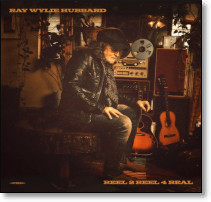
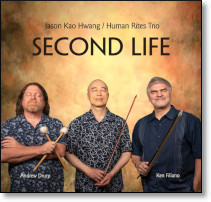
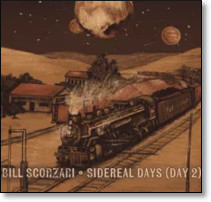
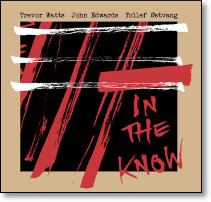
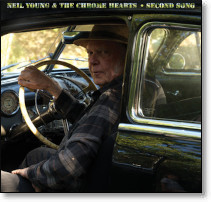
Nicki Adams and Michael Eaton Featuring Francisco Mela: Arrival (2024 [2026], J-man): Pianist, from Arizona, based in Brooklyn, has a previous duo album with Patrick Adams (trumpet, probably related), and a couple albums with saxophonist Eaton (tenor/soprano). Modern postbop, originals by Adams (2) and Eaton (3), with covers of Cole Porter, Andrew Hill, Wayne Shorter, and Thom Yorke. The drummer just makes the others sound better. B+(***) [cd] Agriculture: The Spiritual Sound (2025, The Flenser): Black metal (blackgaze) band from Los Angeles, second album, holds the dubious distinction of being the highest-rated unheard album in my 2025 EOY Aggregate, so I don't expect much. As metal goes, this has its tolerable moments. But as metal goes, I don't much care. B [sp] Ralph Alessi: A Sun That Never Sleeps (2025 [2026], ECM): Trumpet player, several dozen albums since the late-1990s, has brother Joseph Alessi on trombone, backed by Matt Mitchell (piano), John Hébert (bass), and Ches Smith (drums/vibes). B+(**) [sp] ALG Trio: Between the Vistula and the Hudson (2026, Aesthetiko): Gilad Atzmon (alto sax/clarinet), Piotr Lemanczyk (bass), and Adam Golicki (drums). The Vistula is the main river draining Poland, home of the rhythm section. Atzmon was born in Israel, left for Britain in 2002, and has continued to be vocal in his opposition to Israeli policies. I doubt that matters at all here, a trio where the lead is well-mannered but precisely focused. A− [sp] Terry Allen: Blood Sucking Maniacs (2026, Paradise of Bachelors): Singer-songwriter, born in Wichita, based in Santa Fe, but mostly associated with Lubbock, thanks to his 1979 album Lubbock (On Everything) (1979). Album title can also be read as group name, especially given that Allen only wrote 5 (of 22) songs, while other Allens (Bale, Bukka, Calder, Kru, Sled, and wife Jo Harvey) also contributed songs. Strikes me as a bunch of half-baked ideas: some appealing, some interesting, most requiring more work than I feel up to. (Two plays, with the closing "Family Tree" the one that suggests more effort might pay off.) B+(**) [sp] Amyl and the Sniffers: Truth or Consequence: Live From El Coyote (2025 [2026], Rough Trade): Australian post-punk group, three good albums since 2019, but not like I remember songs and such. Sounds a bit flat, takes a while to get in gear, typical of live rock albums. B+(*) [sp] Gilad Atzmon/Daniel Bulatkin/Taras Volos/Dušan Černák: Praying for More Songs to Come (2024 [2025], Hlava XXII): Leader plays alto sax/clarinet, backed by piano, bass, and drums, with two Atzmon originals, one each from Bulatkin and Volos, and a "My Old Flame" cover. B+(***) [sp] Willow Avalon: Pink Pocket Pistol (2026, Assemble Sound/Atlantic): Country singer-songwriter, last name Martin, from Georgia, second album, first was called Southern Belle Raising Hell. Voice seems weak, but comes up with several interesting songs, including one about disposing of a dead husband. B+(**) [sp] Baauer: U (2026, LuckyMe): EDM producer Harry Bauer Rodrigues, from Philadelphia, started as Captain Harry, had a hit single in 2012 called "Harlem Shake," third album after 2016 and 2020. B+(**) [sp] Maja Babyszka/Gilad Atzmon/Nikos Sidirokastristis: In Memory of That Song (2024 [2025], Aesthetiko): Piano, woodwinds, and percussion, the pianist also using voice for harmonic layering. B+(**) [sp] Erykah Badu & the Alchemist: Before the World Blows (2026, Control Freaq/Young): Neo-soul singer-songwriter, five hit albums 1997-2010, mixtape in 2015, returns with hip-hop producer Alan Maman. Not much of a departure until late, when the rappers (Westside Gunn, Earl Sweatshirt) and Kamasi Washington appear. B+(*) [sp] Lucian Ban & Elevation: Rush (2024 [2026], Sunnyside): Romanian pianist, moved to New York in 1999, debut album 2002 on CIMP, moved on to ECM and Sunnyside, often reflecting on his roots. Quartet here with Abraham Burton (tenor sax), John Hébert (bass), and Eric McPherson (drums). Burton reminds one of the strong impression he made in the 1990s, after which he seemed to vanish. Mostly postbop, but ends with a Gavril Tarmure vocal that ties this back to the old country. B+(**) [sp] Towa Bird: Gentleman (2026, Interscope): British singer-songwriter Victoria Vergara-Bird, born in Hong Kong (parents British and Filipino), grew up in Thailand and London, second album. Mostly upbeat dance numbers, as it should be, but even the pace changers sneak up on you. Discogs had this on 2025, which had me wondering how such a major label album could have escaped notice, but other sources say 2026, and the artist website is promising to ship vinyl in September. A− [sp] Bitchin Bajas: Isle Peaks (2026, Drag City, EP): Chicago band led by Cooper Crain, who also plays guitar/organ in alt-rock band Cave, with Dan Quinlivan and Rob Frye. Discogs lists 21 albums since 2010, with this 2 song, 26:03 remix from the Inland See sessions counted among 7 EPs. First track is minimalist groove with extra sauce. Second is ambient with extra shimmer. B+(**) [sp] Kimmi Bitter: Bittersweet (2026, self-released): Country singer-songwriter, second album, "produced and co-written by throwback wizard Michael Gurley," loves 1960s countrypolitan, even the strings, but also mixes in some steel and surf guitar, harmonica or Tijuana brass. Doesn't quite hold my attention to the end, but opens with a near-perfect Pasty Cline impression, followed by one that tops Marty Robbins. B+(***) [sp] Ran Blake: Voices (2023 [2026], Tzadik): Pianist, b. 1935, so 88 when this was recorded, his umpteenth solo album since 1965, his main alternative format duos — vocalists start with Jeanne Lee in 1961, up to a new one with Dominique Eade this year, but also saxophonists (Houston Person, Clifford Jordan, Anthony Braxton, most recently Jared Sims), pianists (Jaki Byard, Claire Ritter), and various others (Enrico Rava, David Fabris, Kresten Osgood). I might as well admit I have no idea how to evaluate his solo work. That's not just my opinion: I once pitched a column idea to Bob Rusch, who turned me down because he decided, citing one of my Ran Blake reviews, that I wasn't critical enough to write for Cadence. He joined New England Conservatory in 1967, heading their "Third Stream Department," which opened the academic doors to jazz. He won his Guggenheim Fellowship in 1982, and his MacArthur Genius Grant six years later — one of the first jazz musicians so fêted. I don't doubt that he deserves his reputation, but his solo albums usually leave me unmoved, and his others turn on his accompanists: I've credited him with three A− albums: his 1966-67 duets with Lee, his 2017 duo with Ritter, and his unique 1986 quartet, Short Life of Barbara Monk, with Ricky Ford. But his solo albums more often landed on an indifferent B: my solo piano favorites, where even Tatum and Taylor fall short, are Earl Hines and Don Pullen, and even there I'd rather they add a Budd Johnson or George Adams. Here, Blake tiptoes through 19 pieces, mostly standards, most of which I should have recognized anywhere (but only "You Are My Sunshine" registered on first pass; what does it say about my ears to have missed "Hallelujah I Love Her So" or "La Vie En Rose" followed by "Ain't Misbehavin'"?). Still, I feel fortunate to have this, enough so to grade it in the keep range. After all, with Rusch passed, and me nearing the end, what's to be gained by translating my prejudices into snark? B+(***) [cd] Christer Bothén/Oren Ambarchi/Johan Berthling/Andreas Werliin: Serpentine (2023 [2026], Black Truffle): The leader, 82 at the time, plays bass clarinet and donso n'goni, accompanied by guitar, bass, and drums. Shades into ambient. B+(**) [sp] Alain Bradette: To My Loved Ones (2026, Quantum Gravity): Saxophonist (tenor in pics, also EWI), from Montreal, released a debut album in 2005, mostly originals, postbop with guitar, keyboards, bass, and drums. B+(*) [cd] Geof Bradfield/Myra Melford/Ben Goldberg/Dana Hall: Open or Close (2025 [2026], Calligram): Tenor/soprano saxophonist (also bass clarinet), based in Chicago, albums since 2001, ranges mainstream to free, has recorded with Goldberg (clarinets) and Hall (drums) before, but the pianist (connected through Goldberg) is the major addition here. A− [cd] BTS: Arirang (2026, Big Hit): K-pop boy group, 6th Korean-language studio album since 2014 (along with 4 Japanese albums), first since 2020, their hiatus occasioned by "military service." I file the few K-pop albums I hear under "Asian," but this is really a hip-hop group, with the crucial difference that it's hard to discern individuality, and not just because it's mostly in a language I don't understand (Korean). What's fascinating about watching their performances is the constant shuffling of focus, but that's much harder to hear. Still, the bits of English are hooks, which may be just enough. B+(**) [sp] Greg Chako: Hard Bop for the Record (2026, Mint400): Guitarist, Discogs lists 9 albums, starting in 1996. All originals, quintet with Brooks Giles (tenor/soprano sax), Spencer Merk (trombone), bass, and drums, recorded in Cincinnati. More what I'd consider postbop. B [cd] Rasheed Chappell: No Era for Margins (2026, Perfect Time): New York rapper, debut 2011, regular albums since 2019, solid and steady through rough waters. B+(**) [sp] Corook: How Do I Relate to You? (2026, Atlantic, EP): Singer-songwriter, writes and sings odd but catchy ditties, has an album, some EPs, a Best of Coroook (So Far) where may be the first one in rock history where the "(So Far)" didn't turn into a tombstone. Six songs, 17:43. B+(**) [sp] Liz Cracchiolo: Zaccai Curtis: Sonoluminescence Vol. 1 (2026, TRRCollective): Pianist, born in New York City, has several albums since 2000, some as Curtis Brothers Band with brother Luques Curtis (bass, 4 tracks here, the other 4 with Mike Boone). Plays some electric here, and takes a vocal. With Joe Dyson (drums, Craig Handy (strong tenor sax, some flute), Brevan Hampden (congas & percussion), and a couple of guest spots. B+(***) [sp] Czarface/Frankie Pulitzer: Czarface Meets Frankie Pulitzer (2026, Silver Age): Hip-hop duo of 7L and Esoteric, from Boston, started 2001, recorded their superhero comic spoof Czarface in 2013 with Inspectah Deck (from Wu-Tang Clan) and kept the trio going for another dozen albums, with occasional guests (most notably MF Doom). Pulitzer is an English rapper, long-time Wu-Tang fan, jiu-jitsu master, and actor, better known as Tom Hardy — although he has a long list of movie credits, I recall him mostly from intense roles in the TV series Taboo and Peaky Blinders. I've always loved the mix, and try not to sweat the lyrics, although I did jot down, "I don't even take a pee without monetizing the streams." Doesn't that suggest some level of celebrity behind the masks? B+(***) [sp] The Kris Davis Trio: Lost in Geneva (2025 [2026], 4166): Covers continues: "featuring Robert Hurst & Johnathan Blake" (bass and drums). She's a superb pianist, with albums back to 2004, including one poll winner. I'm not much of a piano trio fan, so I usually need a horn to put an album over (Tony Malaby was prominent on her early albums). Still, this one holds up remarkably well. A− [cd] [09-25] Michael Dease: City Life: Music of Greg Hill (2024 [2025], Origin): Trombonist, meany albums since Dease Bones in 2007, including two previous albums of Hill's Compositions. This one is extended to 19 songs, 108 minutes, with two originals, two J.J. Johnson tunes, and one each from Sharel Cassity, Gregory Tardy, and Emily Remler, with Hill producing. Trio first set with Linda May Han Oh (bass) and Jeffrey "Tain" Watts (drums), with vocals on two tracks; second set adds Geoff Keezer (piano) and Nicole Glover (tenor sax). B+(***) [sp] Todd DelGiudice: Mas Alto (2025-26 [2026], OA2): Alto saxophonist, second album as leader (first was 2011), some side credits, including with Jon Hamar (bass here; drums are split between Obed Calvaire and Jim White). Mostly original pieces (one by Hamar), but starts with Tristano, and includes a "Darn That Dream." I do enjoy a good sax workout. B+(***) [cd] [09-18] Louis Durra: Mood Music (2026, self-released): Pianist, from California, studied at Berklee, moved to Berlin, recorded this in Los Angeles, has one previous album (per Discogs, although I have two more in my database). Mostly originals, quiet and lovely music with light bass or guitar and drums. B+(**) [cd] Echo Party: Who Does Not Seek the Sky? (2025 [2026], Mahakala Music): Quintet, recorded in Memphis, last names on the cover: Chad Fowler (flute/stritch), Art Edmaiston (tenor/soprano sax), Alex Greene (keyboards), Khari Wynn (bass), Steve Hirsh (drums). Edmaiston has a lot of studio work, mostly on blues albums, but this is kaleidoscopic free jazz, even more so than his earlier album with Fowler this year. B+(***) [bc] Fatboi Sharif & Elucid: Invasion Body Camera (2026, Fused Arrow, EP): Rapper from NJ, several albums since 2021, along with a rapper/producer from Queens, a member of Armand Hammer. One track, 11:50. B+(*) [sp] Fatboi Sharif & Child Actor: Crayola Circles (2026, Backwoodz Studioz): NJ rapper with producer Max Heath. Longer, even slower. B [sp] Fatboi Sharif & Roper Williams: Goth Girl on the Enterprise (2025, POW/Fused Arrow, EP): NJ rapper, slo-mo aiming at horror show creepy, with producer, several previous releases together. 8 songs, 12:35. B [bc] Christian Finger: Zeit Zirkel (2026, Finger Music): German drummer, based in New York, first album after a few side credits, rounded up a fairly prominent postbop quintet, with Ralph Alessi (trumpet), Ben Monder (guitar), Vadim Neselovskyi (piano), and Adam Armstrong (bass). B+(*) [cd] [10-01] FLO: Therapy at the Club (2026, EMI): British neo-soul vocal trio (Stella Quaresma, Jorja Douglas, Renée Downer), second album after a couple of EPs, both UK hits, barely charted in US. Pretty upbeat. B+(***) [sp] Sullivan Fortner: Leave That in There (2026, Artwork): Pianist, from New Orleans, seems like he's only recently emerged as a major player, but his debut was 2015, on Verve, and Discogs lists 78 performance credits since 2005 (he's 39). Trio with Tyrone Allen II (bass) and Kayvon Gordon (drums). Impresses first with clever rhythms. Winds up for some reason on organ, with some chorus. A talent, for sure, but never quite connects for me. B+(**) [sp] Satoko Fujii Orchestra Berlin: Second Attempt (2026, Libra): The third of five big band albums coming out in quick succession this year, the first an older tape from 2014, this like the second from earlier this year. Starts a bit slow, but finishes with a strong vocal eruption. B+(***) [cd] George Garzone: Themes for Good Friends (2026, Jojo): Tenor saxophonist, b. 1950, from Boston, has a couple dozen albums since 1978, many in the Fringe (1978-2001), more under his own name, but is probably best known as the teacher every saxophonist who passed through Boston wants to thank. Quartet with Luis Perdomo (piano), Santi Debriano (bass), and Jeff "Tain" Watts (drums), plus Randy Brecker on trumpet for five (of 8) tracks. Ends with originals "The Mingus That I Knew" and "To Michael Brecker." What is it about Brecker that never quite works for me? B+(**) [sp] Grex: Auntie + Tebs (2026, Geomancy): Oakland group, with Karl Evangelista (guitar), Rei Scampavia (keyboard), and Robert Lopez (drums), the first two also voice and misc., produce some very noisy experimental rock with jazz moves, with several others helping out — names include Bobby Bradford (cornet) and Zoh Amba (sax). Title references Filipino reform politician Miriam Defensor Santiago and South African drummer Louis Moholo-Moholo. Radical ambitions, realized erratically. B+(**) [bc] Rich Halley 4: A Distant Land (2025 [2026], Pine Eagle): Tenor saxophonist, from Oregon, has recorded since 1984, but his pace picked up after he hit 65. His usual quartet, with trombone (Michael Vlatkovich), bass (Anadrew Jones), and drums (Carson Halley). Most are terrific, as are the sax leads here. But some stuttering in the flow gives me pause. B+(***) [cd] Eric Harland: Vipassana II (2026, Ropeadope): Drummer, lots of side credits since 2002, his own albums mostly credited to Eric Harland Voyager, including Vipassana (2014), but this just under his own name. Some fusion — keyboards, guitar, bass — but the percussion (Keita Ogawa as well as Harland) is fancier, and Ben Wendel plays some tenor sax. B+(*) [sp] Stefon Harris + Blackout: Legacy Dances (2024 [2026], Motéma): Vibraphonist, debut on Blue Note 1998, three previous group albums from 2004, cover here says "feat. Casey Benjamin," the saxophonist (alto/soprano) and vocalist who died shortly after this was recorded. Opens with a "What a Wonderful World," and closes with a spoken word piece called "We Are an African People." Both seem a bit off. B [sp] Heat On: 150 Swirl (2025 [2026], Cuneiform): Group led by drummer Lily Finnegan, second album, with Edward Wilkerson Jr. (tenor sax and alto/Bb clarinet), Fred Jackson Jr. (alto sax and percussion), and Nick Macri (basses). B+(***) [dl] Ned Hill Band: Saw Jesus at the Park (2026, self-released, EP): Hype sheet says "longtime Nashville icon," Discogs reluctantly listed two albums, Bandcamp says "acclaimed veteran songwriter," and offers 21 releases, including singles, other attributed to the Cowards or Ned Van Go. Six songs, 20:11. B+(*) [sp] The Hobknobs: Helmets Off (2026, 12XU/THK): Dutch art-pop duo (Arie van Vlilet, Yaël Dekker), first album after a 2025 EP. B+(**) [sp] Julia Holter: Materia (2026, Domino): Art pop singer-songwriter, self-released albums start in 2007, got some attention on RVNG in 2012 and more on Domino since 2013. Nice enough, but she's never clicked for me. B [sp] Ray Wylie Hubbard: Reel 2 Reel 4 Real (2026, Soundly Music): Country singer-songwriter, from Oklahoma but gravitating toward Texas (not Nashville), had a band in the 1970s called the Cowboy Twinkies. I never paid him much heed until he co-wrote a song for Hayes Carll's 2008 album, then liked it enough to cover it on his 2010 album — the first one that caught my ear, but they've been all aces since. A− [sp] Jason Kao Hwang/Human Rites Trio: Second Life (2024 [2026], Flying Panda Music): Violinist, from near Chicago, has a couple early albums c. 1990, picked up the pace around 2005, becoming my automatic poll pick after Billy Bang died. What both have in common is their ability to turn violin into a distinctive lead jazz instrument (as opposed to those who used it to swing with guitar leads, or to import from classical). Trio with Ken Filiano (bass) and Andrew Drury (percussion), follows an eponymous 2019 group album, distilling his art into its purest form. A− [cd] [10-01] Inpatient: Asylum (2026, Sick Boi/EighthHD): Joint project of rappers Ren Gill and Chris Webby with producer JP On Da Track. Ren seems to have more medical/mental history than discography, but has two good albums that I've heard; from Connecticut, Webby (Webster) has an analogous history, and an edge in mixtapes, and a freestyle flow that draws on Eminem. Producer has worked with Mike., as well as Webby. First couple tracks reminded me of Manu Chao for the ease with which they straddle genres, but they don't settle there, or anywhere else, and get heavier. Grim medicine: "gotta crack some eggs to make this muiltimillion dollar omelet. . . . for the science to prevail, gotta live with the losses." Or "don't forget to medicate; it's a sick sick sick world, but I feel great." Or "nothing left that we could say, 'cause it looks like we're fucked either way." A− [sp] Noah Kahan: The Great Divide (2026, Mercury): Singer-songwriter, from Vermont, fourth album since 2019, plays some guitar, co-writes with Gabe Simon (guitars, some keyboards and percussion) and sometimes Aaron Dessner (more of everything). Much longer (96 minutes) than my attention span, at least when listening to this. B+(*) [sp] Lenny Kaye: Goin' Local (2026, Yep Roc): Early rock critic, compiled the genre-defining Nuggets album of 1960s garage rock, played guitar for Patti Smith, self-released a tape in 1982, followed by an album in 1984, but while he was famous enough for groups like the Fleshtones to seek him out, he never made a star move before. Maybe not here, either. While he has taste and sensibility, he doesn't have an aesthetic, or much of a voice. Leaving him with a batch of fairly good songs, done disarmingly. Choice cut: "The Things You Leave Behind." B+(**) [sp] Braxton Keith: Real Damn Deal (2026, Warner Nashville): Country singer, from Midland TX, first album, co-wrote most of his songs, pretty trad sounding. Seems likely to do well in Nashville. B+(*) [sp] Kiwi Jr.: Blowin' Up (2026, Perennial/K): Indie band from Canada, fourth album since 2026. Sounds a bit like Pavement fronted by Jonathan Richman, but if that were the case, wouldn't I be more delighted? B+(**) [sp] L'Rain: Fata Morgana (2026, Mexican Summer): Singer-songwriter Taja Cheek, from Brooklyn, fourth album since 2017, usually described as experimental pop or neo-psychedelia, neither of which is much of a description. Sounds more ambient to me, but I'm probably missing something. Title refers to a kind of mirage. B [sp] Janel Leppin: The Realist (2024 [2026], Out of Your Head): Cellist, recent albums on Cuneiform have been coming in pairs, this just a trio with Devra Hoff (bass) and Chad Taylor (drums/mbira). Mostly a groove album, but not just. B+(***) [sp] Frank London/Loisada Fife & Drum Corps: Touzle Your Kurchy (2026, Adhyâropa): Trumpet player, has played in Klezmer groups like Hasidic New Wave and the Klezmatics as well as in jazz. Fife & drum music has long been associated with the military, especially around the time of the US Revolutionary War, although they also bear some resemblance to New Orleans funeral marches (where a little brass is always welcome). A throwback, and sort of a novelty. B+(**) [sp] Roberto Magris Trio: Live in Mexico City (2025 [2026], JMood): New piano trio, released along with four archive tapes as part of his label's 20th anniversary solution (below for the rest). With Roberto Aymes (bass) and Luis Martinez (drums), playing three originals and various standards, opening with a medley of McCoy Tyner and Don Pullen. B+(***) [cd] Mama's Broke: Reunion (2026, Free Dirt): Folk duo from Nova Scotia, Amy Lou Keeler and Lisa Maria, third album since 2017, a little down and out. B+(*) [sp] Takashi Matsunaga: Ride Five (2026, Ride Five): Japanese pianist, has a half-dozen albums since 2003, recorded this one in New York, original pieces, nearly solo — some bass by Christian McBride, but I hardly noticed it first time through. I was, however, struck by the calm, reassuring piano. B+(**) [cd] Syran Mbenza: Rumba Africa (2025, Hysa Productions): Congo guitarist, b. 1950, based in France since 1981, best known bands are Les Quatre Étoiles and Kékélé, with occasional solo albums since 1980, most recently a fine Franco tribute (2009). Very nice, but hardly exceptional. B+(***) [sp] My Face Is Dancing: My Face Is Dancing (2021-25 [2026], 577/Positive Elevation): Drummer Federico Ughi and members of his family, an experimental electronic mix of tapes from "different moments throughout the children's lives, documenting their growth and artistic evolution between the ages of two and ten." B+(*) [dl] Ami Molinelli: Raízes Do Choro E Samba (2026, Amimo): Brazilian "roots" music, from a San Francisco-based percussionist. Sounds very classic, with several nice vocals. B+(***) [cd] The Necks: Disquiet (2025, Northern Spy, 3CD): Australian keyboards (Chris Abrahams), bass (Lloyd Swanton), and drums (Tony Buck) trio, several dozen albums since 1989, have developed a crossover following which gets them taken seriously as jazz and beyond. I resisted playing this due to sheer length (4 pieces, 179:28), but with some writing to do, I figured this wouldn't require much attention. It doesn't, although the first 15 minutes were pretty seductive, and I had to struggle to get back to work. B+(**) [bc] Angela O'Neill and the Outrageous 8: A Live Musical Tribute to Peggy Lee (2024 [2026], Outrageous 8): Standards singer, from California, has at least one previous album, opens with effusive band intros, website includes a full page of band bios, a lot of gray hair in the pics, but no denying their swing. Lee started singing for Benny Goodman in 1941, went on to have many pop hits up to 1969, the main one here being the closer, "Fever." B+(**) [cd] Orquesta Akokán: América! (2026, Daptone): Cuban-American mambo band, fourth album since 2018. The problem with retro is that unless you're really sharp on the details, it can just sound old. B+(*) [sp] Nino Paid: Somewhere Over the Rainbow (2026, Signal/Columbia): Rapper Jacquan Andrews, from the DC suburbs in Maryland, third album. Understated gangsta, not the worst option. B+(**) [sp] Carly Pearce: Honest Woman (2026, Stoney Creek): Country singer-songwriter, from Kentucky, fifth album since 2017, another good batch of songs. B+(***) [sp] Sarah Pillow: Wanderer (2026, Buckyball): Jazz singer, three albums (1997-2003), some standards but also draws on the vocalese practice of writing lyrics to jazz themes, and adds some of her own (Mingus most prominently). Band includes Donny McCaslin (tenor sax) and Dave Kikoski (piano). Good take on "Nature Boy." B+(***) [cd] [10-05] Punkt.Vrt.Plastik: Kompress (2026, Intakt): Trio of Kaja Draksler (piano), Petter Eldh (bass), and Christian Lillinger (drums), fourth group album since 2016, merges words from their three languages, squeezing out the space meant to signify their increasing tightness. B+(**) [sp] Matthew Putnam/Hilliard Greene/Francisco Mela: Bright Sun Outside (2025 [2026], 577): Pianist, presumably not the same as the mathcore/metal drummer, as the other piece of information I've been able to find on him is that "he is best known for his work in nanotechnology." Trio with bass and drums, evidently their second. B+(**) [os] Quagmire & Christer Bothén: Rörane (2026, Relative Pitch): The former is a Swedish trio of Nina De Heney (bass), Karin Johansson (piano, some prepared, and zither), and Kenrik Wartel (drums), joined by the 85-year-old clarinetist (on bass and contrabass). B+(**) [sp] Queen Herewin & PA. Dre: DOTOM: Death of the Old Me (2026, Matic): New York rapper, third album after a 2015 debut and last year's return, with a producer I can find nothing on. Draws on a lot of guest rappers, but she's probably sharper than they are. B+(**) [sp] Rapsody: God Gotta Afro & Gold Hoops (2026, We Each Other/Roc Nation): Rapper Marianna Evans, from North Carolina, fifth album since 2012, 43 now, moving boldly into a new phase of life. Extended meditations on blackness, the African group Karabo Ya Morena powering some cuts, another tune with George Clinton expressing "Love to Sun Ra." Pretty deep. A− [sp] Rome Streetz: Sock It 2 My Pocket (2026, Mass Appeal): Rapper Jerome Allen, born in London, moved to New York as an infant, then back and forth. Half-dozen studio albums since 2018, many more collaborations, mixtapes, etc. B+(**) [sp] Jim Rotondi & Dena DeRose: Out of the Past (2024 [2026], Cellar): Mainstream trumpet player, from Montana, debut 1997, a regular in One for All (18 albums 1997-2024), recorded this in Austria two weeks before his sudden death at 61, with the pianist-vocalist (she sings 5 of 8 songs), bass (Danny Ziemann), and drums (Mario Gonzi). B+(*) [sp] Andrew Sa: American Rough (2026, Bloodshot): Singer-songwriter, based in Chicago, "courageously subverts the heteronormative traditions of country music," where "country" is some kind of merger of Patsy Cline and Roy Orbison. B+(*) [sp] Bill Scorzari: Sidereal Days (Day 2) (2022-24 [2026], self-released): A born and bred New York City attorney, decided to try out as a singer-songwriter around 2015, his productivity and skills picking up after retiring from his day job. Second batch of songs saved over from the sessions that produced his 2025 Sidereal Days (Day 1). His scratchy voice is approaching Tom Waits territory, but he's made good use of a chorus. The electric guitar has depth and resonance. The pace is moderate: no need to outrun the songs, which are deeper than ever. "And my mind's inclined to fix on only things I truly need." A [cd] [09-25] Nicolas Souchal/João Madeira/Bruno Parrinha: Parcours D'Impulsions (2025 [2026], 4DaRecord): French trumpet player, has several albums since 2017, with bass and alto sax. Abstract, the horns restrained, but gets somewhere toward the end. B+(*) [dl] Springfield Symphony Jazz Orchestra: Royalty: The Music of Duke Ellington & Count Basie (2026, T2 Music): First question was: which Springfield? Answer is Ohio, so I didn't expect to find any familiar names, but was pleased to see that Edwin Bayard (tenor sax) had made it out from Columbus, and I also recognized Pharez Whitted (trumpet), plus "special guests" Jeff Hamilton (drums), Kurt Elling (vocals), and Ekep Nkwelle (vocals). That the band can play the charts, and that the charts are great, is pretty much a given. But the details also stand out. Most obviously, the vocalists, and surprisingly for me, that includes Elling, who missed his calling as a blues shouter. Also Bayard! B+(***) [cd] Ross Stanley/Gilad Atzmon/Joel Barford: Organology (2025, Aesthetiko): Some sources take album title as group name, but the individual names are equally prominent on the cover, in the order given: organ, alto sax, drums. British group. Stanley has appeared on many albums since 2006, occasionally on the slug line, rarely listed first. Barford is relatively new. Of course, this comes down to the saxophonist, who is delightful. B+(***) [sp] Co Streiff/Russ Johnson Quartet: Oracle (2023 [2026], Intakt): Swiss alto saxophonist, scattered credits back to 1984, but not a lot under her own name (two Sextet albums, a duo with Irène Schweizer, and a 2011 Quartet with Johnson, a Brooklyn-based trumpet player, also in her Sextet). With Christian Weber (bass) and Gerry Hemingway (drums). B+(***) [sp] Sweet Pill: There's Still a Glow (2026, Hopeless): Philadelphia-based emo band, Zayna Youssef the singer, Jayce williams (guitar) also continuous from the band's 2018 founding. Second album, following a 2022 debut and a 2019 EP. B+(*) [sp] Ayumi Tanaka/Thomas Morgan/Thomas Strønen: Windflower (2025 [2026], ECM): Japanese pianist, based in Norway since 2011 (when she was 25), has several albums since 2016, this a trio with bass and drums. B+(**) [sp] This Is Lorelei: The Singer in My Band (2026, Matador): Singer-songwriter Nate Amos, solo side-project aside from the Rachel Brown-fronted Water From Your Eyes. Third album, after lots of EPs and mixtapes. Tuneful, interesting, enough twang for Americana (if not country). I played it three times, and don't doubt it will find followers, but I still don't care. B+(***) [sp] Tricky: Different When It's Silent (2026, False Idols): British trip-hop producer Adrian Thaws, his reputation set by his 1995 debut Maxinquaye, 15th studio album, his longest gap from 2003-08. Most tracks feature vocalist Mitch Sanders. B+(*) [sp] The Tubs: Hard Life (2026, Merge): Welsh indie band, Owens Williams the singer, also plays guitar, previously from Joanna Gruesome. B+(*) [sp] Trevor Watts/John Edwards/Tollef Østvang: In the Know (2024 [2026], Motvind): Alto/soprano saxophonist, one of the founders of the British avant-garde (Spontaneous Music Ensemble, Amalgam, LJCO), which made him just shy of 85 when this was recorded: one 37:21 improv, with bass and drums. He's in terrific form here. A− [bc] Brennan Wedl: Brennan Wedl (2026, Anti-): Singer-songwriter from Minneapolis, based in Nashville, played guitar and sang in the group Dazey and the Scouts (one album, 2017). First solo album, after a 2019 EP and several singles. "Will you still want me when the crazy comes out?" B+(***) [sp] Saul Williams: Leap Life (2026, Big Dada): Poet, spoken word artist, was featured in the 1998 film Slam, has recorded albums since 2001, including collaborations with musicians like Trent Reznor, DJ Krust, David Murray, and Carlos Niño. He's never quite grabbed me (unlike Anthony Joseph, or Gil Scott-Heron), and this seems to meander much. B+(**) [sp] Matt Wilson's Good Trouble: Love Is the Whole Thing, We Are Only Pieces (2026, Palmetto): Drummer, own records since 1996, huge number and range of side credits, can play free or any variety of postbop. Second group album, name inspired by Andrew Young, features Jeff Lederer (tenor sax), with alto sax (Tia Fuller or Anisha Rush), Dawn Clement (keyboards/vocals), and Ben Allison (bass). I'm not feeling the vocals, although I can guess at the logic and sentiment behind them. But there's no guessing with Lederer. B+(**) [cd] [09-18] Charlie Worsham: Once Upon a Second Time Around (2026, ONErpm): Country singer-songwriter, self-described Marty Stuart disciple, from Mississippi to Berklee to Nashville, third album, after two 2013-17 Warners albums. Since then he's been a journeyman guitarist, but seems to have picked up some tricks, and considerable trad feel. B+(***) [sp] Neil Young & the Chrome Hearts: Second Song (2026, Reprise): Wikipedia says this is Young's 50th studio album. This is his second studio album with this band, along with a live album. In the long run, this is likely to get lost on the shelves, but on first play, he's rarely sounded so comfortable, or quietly compelling. A− [sp] Recent Reissues, Compilations, Vault Discoveries
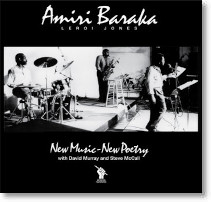
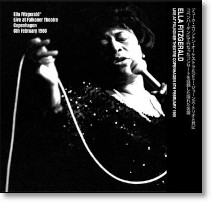
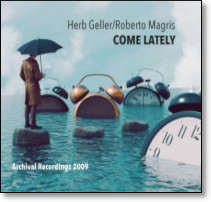
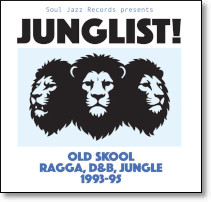
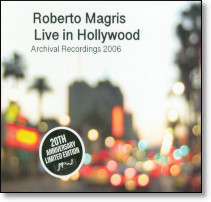
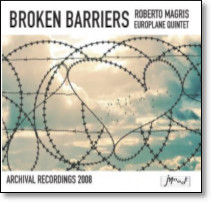
Amiri Baraka: New Music ~ New Poetry (1982 [2026], Modern Harmonic): Afro-American poet (1934-2014), hard to avoid mention of race with him, even in reference to his early plays, essays (Blues People), and novel (The System of Dante's Hell) published under his original name, Leroi Jones, when he was celebrated in Greenwich Village, before he moved back to Newark, getting arrested in the 1967 riots. (Fun fact: his son, Ras Baraka, wound up as mayor of Newark.) I read much of his early work, and he made a big impression on me. His Wikipedia has a long list of "controversies," but they strike me as ephemeral, distractions from the deeper truths he lived and felt. He's accompanied here by David Murray (tenor sax/bass clarinet) and Steve McCall (drums), as if he wasn't intense enough on his own. A− [bc] The Cramps: Gravest Gravy (1977 [2026], Vengeance): One of the lesser bands to inhabit the CBGB's scene in mid-1970s New York City, I must have seen them 3-5 times, always opening for other groups, usually with Robert Christgau, who didn't think much of them. I wasn't much impressed either, but they finally made a record (Songs the Lord Taught Us) in 1980, and kept at it until singer Lux Interior (Erick Lee Purkhiser) died in 2009. His partner was guitarist Poison Ivy [Rorschach] (Kristy Wallace), who co-wrote the songs but didn't sing much. These were leftovers from the Alex Chilton-produced EP Gravest Hits, 5 originals and 7 covers (most obviously "Hungry" and "Rocket in My Pocket"). Unlike other CBGB's bands, they never sounded like the future. But nearly 50 years later, they're safely retro. They even have a genre tag: psychobilly. B+(**) [sp] Ella Fitzgerald: Live at the Falkoner Theatre Copenhagen 6th February 1966 (1966 [2026], Gearbox): A previously unreleased live tape, recorded the night before The Stockholm Concert, an appearance with Duke Ellington that's been widely available since 1994. Ellington skipped this tune-up, with Jimmy Jones and his trio picking up the slack, but Ellington's horns were out in force, at least for the first seven tracks. One highlight is a scat from "How High the Moon" through "A Tisket, a Tasket" to "A Hard Day's Night." A− [sp] Herb Geller/Roberto Magris: Come Lately: Archival Recordings 2009 (2009 [2026], JMood): Alto saxophonist (1928-2013), from Los Angeles, his mid-1950s albums were high points in the development of "West Coast Cool Jazz," quit after his wife died in 1958, moving to Brazil then to Europe, where he staged a notable comeback around 1990. His association with the Italian pianist began in 2003, with a live album from 2009 appearing in 2014. Backed by bass and drums, playing standards (one from Geller), familiarity helps, especially the 21:53 "Strayhorn Medley." A− [cd] Junglist! Old Skool Ragga, D&B, Jungle 1993-95 (1993-95 [2026], Soul Jazz): I'm more familiar with ragga, which seemed to be the logical progression as the dance grooves of reggae, hardened and intensified through dub, dancehall, and dubstep, with ragga itself transitional to the more UK-dominant forms of jungle, drum and bass and grime. This catches a fairly narrow moment, and never lets up. A− [sp] Roberto Magris: Live in Hollywood: Archival Recordings 2006 (2006 [2026], JMood): Italian pianist, released an album in 1990, but only found a home when he linked up with this Kansas City-based label, an event they're marking with five "20th anniversary limited editions." The earliest is this live set, with Tony Lakatos (tenor sax), Art Davis (bass), and Alonzo "Scooter" Powell (drums). They all sound terrific here, especially on standards like "St. James Infirmary." Ends with audio liner notes (interesting the first time, but rather long on repeat). A− [cd] Roberto Magris Europlane Quintet: Broken Barriers: Archival Recordings 2008 (2008 [2026], JMood): The pianist with Tony Lakatos (tenor/soprano sax), Florian Bramböck (alto/soprano sax), Nikola Matosic (bass), and Drago Gajo (drums), recorded in Austria. Again, the saxophone makes all the difference, even though it is, quite literally, less singular this time. A− [cd] Roberto Magris: Wind Summit: A Kansas City Jazz Session: Archival Recordings 2014 (2014 [2026], JMood): Pianist, with Steven Lambert (flute/clarinet/tenor sax) and Robert Scott Fromm (tenor sax), bass, and drums, plus vocals (Julia Haile) on two tracks (of 7, 6 bebop-era jazz tunes plus 1 Magris original). B+(**) [cd] Irène Schweizer: Piano Solo: Prelude to a Kiss and More (1986 [2026], Intakt): Swiss avant-pianist (1941-2024), is best known for her duo albums with free jazz drummers, but is a powerful solo performer — as at least eight previous solo albums attest. B+(***) [sp] Sittin' With Blaze: A Tribute to Blaze Foley (2026, Lost Art): Texas country legend (1949-89), released few singles and a so-so album in 1984, but since his death numerous scraps have come out, as well as tributes — Gurf Morlix's Blaze Foley's 113th Wet Dream (2011) is probably the best. This batch of pretty good songs from the mid-1970s appeared in 2010. They get new singers with better voices here, including Lucinda Williams, John Moreland, Lucy Dacus, Phosphorescent, and others I'm less familiar with. B+(***) [sp] Old Music
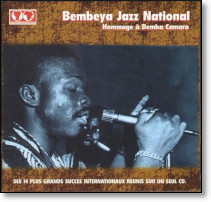
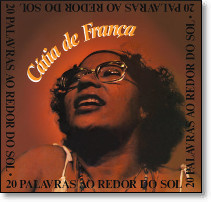
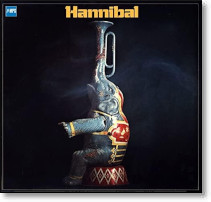
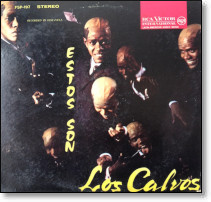
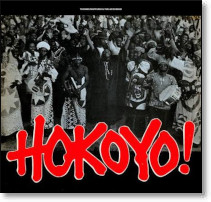
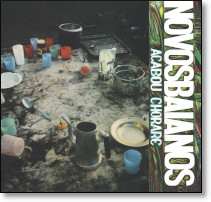
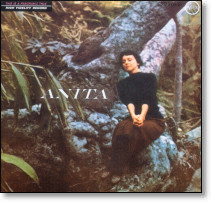
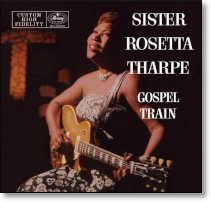
The 5.6.7.8's: Best Hits of the 5.6.7.8's (1989-2014 [2019], Time Bomb): Japanese garage rock outfit founded 1986, two sisters plus a third woman (on bass, since the early 1990s), first album was called Golden Hits of the 5.6.7.8's (1988), but Early Days Singles collection starts in 1989 (as does their singles discography at Discogs). Evidently, they're still working, with a new album (Run Run Run) out that I can't find, so I thought I'd try this one. Eclectic and trashy, in ways that could be camp but probably aren't. B+(**) [sp] Nicki Adams & Michael Eaton: Paraphrase (2021 [2022], SteepleCase LookOut): Piano and tenor sax duo, their first album, Adams had a previous duo album with trumpet, Eaton a couple previous albums to 2014. Originals by Adams (1) and Eaton (3), plus covers of Shorter, Monk, Coltrane, and Tim Hagans. While I didn't notice the drummer on the new one, I miss him here. B+(**) [sp] Sunny Ade & His African Beats: The Master Guitarist Vol. 11: Sunny Ti De (1974, African Songs): Nigerian juju pioneer, was introduced to American audiences by Island in 1982, his albums critically acclaimed but one heard complaints that touring with his big band was prohibitively expensive. I've never made much sense of his earlier Nigerian discography, but two compilations Shanachie assembled were outstanding (The Best of the Classic Years is A+). The Master Guitarist series goes at least to Vol. 12, but Discogs has only half of the titles (1971-74), and there are other series that circle through the same years. This one, which was Brad Luen's pick of the 1970s albums, appears to have been issued as Sunny Ti De and Sunny Tide 2. I can't recommend this over those comps, but on its own, this is superb. A− [yt] Nelson Angelo/Joyce: Nelson Angelo E Joyce (1972, Odeon): Brazilian singer-songwriter, b. 1949, plays guitar, first album, with singer Joyce Moreno (b. 1948), her third album, with an illustrious career ahead. Angelo I'm not so sure about. B+(**) [sp] Bembeya Jazz National: Hommage À Demba Camara (1974 [2000], Sylla): Afropop group from Guinea, originally from Beyla but gained national status thanks to state support. Camara was a singer, killed in an auto accident in 1973, hence this tribute. A− [sp] Nat King Cole: Unforgettable (1946-54 [1954], Capitol): Originally a jazz pianist of some note, ran a trio in the 1940s and developed as a singer, regularly topping the r&b charts from 1942 on, sometimes scoring pop hits. In the late 1940s, he started using string orchestras and backing singers, topping the pop charts in 1946 with "(I Love You) For Sentimental Reasons," and later "Mona Lisa" and "Too Young" (included here) and "Nature Boy" (not here); the title song, from 1951, was his first certified silver single. This was originally released as an 8-song 10-inch LP in 1952, then reissued as a 12-inch with 12 songs in 1954. I've often had trouble with these arrangements, ranging as they do from treacly to bombastic, marring good songs and a great singer. I've long searched for a quality compilation of his 1950s hits, but found nothing until 2005's The World of Nat King Cole, which cheats from early trio tracks to his posthumous duet with daughter Natalie Cole on "Unforgettable." B+(*) [sp] Willie Colón & Héctor Lavoe: Lo Mato (1973, Fania): Salsa musician (1950-2026) from the Bronx, many albums 1967-2013, played trombone and sang — backup here, as Lavoe, from Puerto Rico (1946-93) took the leads (as he had since hooking up on El Malo in 1967). B+(***) [sp] Celia Cruz: The 'Brillante': Best of Celia Cruz with the Orchestras of Johnny Pacheco & Willie Colon (1974-77 [1978], Yaya): Cuban singer (1925-2003), started in Sonora Mantancera, moved to Mexico then to the US after the Revolution, joining Tito Puente and many other salsa bands, including the Fania All Stars. I've only lightly sampled her work, so I have no special insights here. But this is relentlessly up, 1970s salsa at its finest. A− [sp] Aracy De Almeida: Noel Rosa (1950-54 [2002], Continental EastWest/Warmer): Brazilian singer (1914-88), recorded two sets of 78s in 1950-51 of songs by samba composer Rosa (1910-37). They were collected in a 1954 album, followed by 1955's Canções De Noel Rosa Com Aracy De Almeida (a different album, from what I can tell). The guitar is often fortified with strings, the sound a bit creaky, but the singer is capable. B+(**) [sp] Cátia De França: 20 Palavras Ao Redor Do Sol (1979, Epic): Brazilian singer-songwriter, from Paraiba in the Northeast, first album, of eight through 2024. Rhythm is strong, bits of accordion and violin add a distinctive texture. A− [sp] Heitor Dos Prazeres/Jorge Fernandes/Ataulfo Alves/João Da Baiana: Macumba (1958, Fantasia): Brazilian samba singer-composers, birth dates range from 1887-1909. Same title (refers to Afro-Brazilian Orixas, sometimes combined with Lucumi) as a 1955 album by Heitor Dos Prazeres E Sua Gente, but no songs in common. Unclear whether this is a compilation or collaboration, or whether it has anything to do with the 1958 movie Macumba. Kind of rough, which is rather refreshing compared to the softness of later MPB. A− [sp] Heitor Dos Prazeres E Sua Gente: Macumba (1955, Discos Rádio, EP): Earlier album, raw samba as its most primal, which seems to be the point. Eight songs, 20:53. B+(***) [sp] Blaze Foley: Sittin' by the Road (mid-1970s [2010], Lost Art): Twelve demo songs, dates uncertain, raw material for the Sittin' With Blaze various artists tribute. Songs are true enough. Not a very magnetic singer. B+(**) [bc] Blaze Foley and the Beaver Valley Boys: Cold, Cold World (1979-80 [2006], Lost Art): "First Texas studio recordings," with a band that included drummer Gurf Morlix. Repeats "Big Cheeseburgers & Good French Fries," possibly others. Voice is a bit more settled, and the band adds a little swing. His cult is such that they've scraped together quite a few posthumous releases (8 in my database, 5 heard so far). This is as enjoyable as any I've heard. B+(***) [bc] Blaze Foley: Live at the Austin Outhouse (1988 [1999], Lost Art): Live set, "recorded over two nights in 1988 just days before his tragic murder" at 39, so repeats several early songs. B+(*) [bc] Chabuca Granda: Tarimba Negra (1978, Pronto): Peruvian singer-songwriter (1920-83), wrote many criolo waltzes, establishing herself as a major figure in Afro-Peruvian music. B+(***) [sp] Hannibal and the Sunrise Orchestra: Hannibal (1975, MPS): Trumpet player Marvin Peterson (b. 1948), recorded a debut album under that name in 1969, played with Gil Evans in the early 1970s, became Hannibal here, later changing his last name, going as Hannibal Lokumbe, with regular albums through 1995, a couple more later. This is one of his most famed albums, with Michael Cochrane (piano, wrote one song), Diedre Murray (cello), Michael Carvin (drums/percussion), and Chris Hart (percussion). Trumpet is strong throughout, but the rhythm picks up on the second side, with some vocals on "The Voyage" and the 13:46 tribute to Malcolm X. A− [sp] Antonio Carlos Jobim/Luis Bonfa: Black Orpheus (Orfeu Negro) [The Original Sound Track of the Movie] (1959 [1960], Epic): Famous movie, co-written and directed by Marcel Camus, won the Palme d'Or at Cannes in 1959, set in a favela of Rio de Janeiro. Wikipedia tells me that the film has been criticized for eroticized Afro-Brazilian stereotypes, but that sounds like a plus in a soundtrack. Indeed, the drum tracks are pretty graphic, which could have sufficed, but the proper songs are sensuous too. A− [sp] Los Calvos: . . . Y Que Calvos! (1968, RCA): Venezuelan salsa group, led by pianist Ray Pérez, debut album 1967, followed by this second album, Pérez then moving on to a solo career, at least through 1992. Hotter than the average salsa band, but hard for me to gauge how much or why that matters. B+(***) [sp] Los Calvos: Estos Son Los Calvos (1967, RCA): First album, why not? Starts off with an extra noise quotient, which adds excitement and uncertainty to a form I often find just a bit too cut-and-dry. A− [sp] Thomas Mapfumo & the Acid Band: Hokoyo! (1978, Chimurenga Music): Singer-songwriter from Zimbabwe, b. 1945, created and popularized chimurenga, starting with this debut album, which translates as "watch out," and got him arrested by the Mugabe government. His next decade would be even better. A− [sp] E.T. Mensah and His Tempos Band: Tempos on the Beat (1959, Decca): From Ghana (1919-96), the King of Highlife, formed his Tempos band in 1946, toured England in 1953, Discogs lists singles from 1953 and several 10-inch LPs from 1958, including this one. 10 songs, 28:25, goes down easy. B+(***) [yt] Nass El Ghiwane: Disque D'Or (1973 [1998], Mélodie): Moroccan Gnawa group, founded 1969, inspired by ancient Sufi poetry, but also introduced modern western instruments like banjo, many albums, at least up to 2007. This was their first album, eponymous on Polydor, where this is one of several reissue titles. B+(***) [sp] Novos Baianos: Acabou Chorare (1972, Som Livre): Brazilian group, from Salvador — Bahia, in the northeast, home of forró, although experts say "samba rock" or "tropicalia." Second album (of 8 from 1970-78), tabbed by Rolling Stone Brasil in 2007 as tops among the "100 greatest Brazilian music records." Not much I've heard (or remember) on that list, but this is not just nice but pretty great. A− [sp] Anita O'Day: Anita (1956, Verve): Jazz singer (1919-2006), née Colton, started with Gene Krupa, had several hit singles including "Let Me Off Uptown" (1941) with Roy Eldridge. She sang with other big bands, then went solo, moving into bop and developing her scat technique, but struggled with drugs and men. In the 1950s, she became a Norman Granz project, with this the first of several albums she recorded for Verve. Buddy Bregman arranged and produced a dozen standards. While the strings are best not dwelled on, she nailed every song. A− [sp] Hermeto Pascoal: Slaves Mass (1977 [2004], Warner Bros./Rhino): Brazilian composer/multi-instrumentalist (1936-2025), albums start in 1964, gained some international fame appearing with Miles Davis in 1971. Plays keyboards, soprano sax, flutes, guitar, and sings some. Band includes Ron Carter (bass), Airto Moreira (percussion), and Flora Purim (vocals on two songs). Original album 42:43, with the CD reissue adding three bonus tracks (34:30). B+(***) [sp] Queen Herawin: Metamorphosis (2015, Matic Entertainment): New York rapper Peridot Smith, cover identifies her as "of the Juggaknots," a group with siblings Paul Smith (Breeze Brewin) and Kevin Smith (Buddy Slim) that released two albums (1996, 2006). Runs noisy, but as one song points out, "there's a method to this madness." B+(***) [bc] Le Seigneur Rochereau & L'Afrisa International: À L'Olympia (Paris) 1970 (1970 [1997], African): Congolese superstar (1940-2013), originally Pascal-Emmanuel Sinamoyi Tabu, best known as Tabu Ley Rochereau, composed some 3000 songs over 250 albums, two 2-CD sets on Stern's Africa (The Voice of Lightness) do a good job of representing him, but the well appears bottomless. This was his debut in Paris, a triumph. A− [sp] The Rough Guide to Bachata (1993-2005 [2009], World Music Network): A genre of popular dance music from the Dominican Republic, started in the 1960s in the impoverished countryside, so less classy than the nationalized merengue, a distinction that escapes me — especially as what little I know has come from other Rough Guides: Merengue, Merengue Dance, and Merengue and Bachata. B+(***) [sp] Rumble in the Jungle (1991-95 [2007], Soul Jazz): Earlier compilation of the UK jungle scene, captures the intensity of the beats as they drive out the sheer humanity of classic reggae. B+(***) [sp] Jamaaladeen Tacuma: Hotel Le Prince (2009 [2022], Jam-All Productions): Electric bassist, most prominently a member of Ornette Coleman's Prime Time (1976-87), recorded a series of jazz-funk albums for Gramavision in the 1980s, played in groups like Cosmetic and Free Form Funky Frēqs, with widely scattered albums since. This one features David Murray (tenor sax/bass clarinet), with his son Mingus Murray (guitar), Paul Urbanek (keyboards), and Ranzell Merrit (drums), with a bit of spoken word, from Amiri Baraka to Barack Obama. B+(***) [bc] Sister Rosetta Tharpe: Gospel Train (1956, Mercury): Gospel singer (1915-73), played electric guitar with such authority she shows up in rock & roll roots anthologies, appeared in John Hammond's 1938 "Spirituals to Swing" concert, and in the big bands of Cab Calloway and Lucy Millinder; she had some crossover r&b hits in the 1940s. This was her first LP, new recordings including some previous hits (e.g., "Up Above My Head There's Music in the Air," from 1947). I haven't tracked the others down, but they sound definitive here. [Note: I played the original 12-song edition, remastered in 2002. There is also a 17-track "Expanded Edition," but it's unclear when it appeared — Spotify says 1956. Also a 14-track Gospel Train: Expanded Edition from 1958, on Decca, but it has different songs, mostly drawn from 1940s singles.] A [sp] Toots and the Maytals: Sweet and Dandy (1969, Beverley's): Jamaican reggae group, started in 1962 as the Maytals, this the first album with lead singer Frederick "Toots" Hibbert (1942-2020) listed first, although a third just Maytals album came out a year later, and key songs like "Monkey Man," "54 46 That's My Number," and "Pressure Drop" recur on multiple albums (the latter on their 1975 American debut, Funky Kingston and compilations. A− [sp] Celestine Ukwu: Igede (1971 [2007], Premier): Nigerian (Igbo) highlife star (1940-77), first album was called True Philosophy, credited to Celestine Ukwu & His Philosophers National, and is reproduced in this reissue, named for the first song. B+(***) [sp] Papa Wemba & L'Orchestre Viva La Musica: Mabele Mokonzi (Elou) (1976-77 [1977], Special Molokai): Congolese guitarist, singer, and bandleader, started with Zaïka Langa Langa before organizing his own group here. Huge number of albums. I recommend his 2-CD Sterns comp, 1977-97, which starts here. The guitar sound is classic soukous, and the energy rarely flags. B+(***) [yt] Zaïko Langa Langa: Plaisir De L'Ouest Afrique Volume 1 (1976, Essiebons): Congolese rumba band, founded 1969, first album called Non Stop Dancing (1974), followed by this double album produced in Ghana by Henri Bowane. Band continues, still led by founder Jossart N'Yoka Longo, although the current lineup mostly dates from 2004-05, and the alumni list is huge (best known is probably Papa Wemba). [Spotify doesn't seem to have Volume 2. RetroAfric reissued both albums on one CD in 1993, as Zaïre-Ghana.] A− [sp] Edmundo P. Zaldivar (H): Carnavalitos (1955, Pampa, EP): Argentinian musician (1917-78), credits include "(h.)," Spanish equivalent "(hijo)" for "Jr.," recorded this delightful set of folk dances (8 tracks, 23:27) with "su conjunto de Arte Folklórico y Nativo." [Album was expanded to 12 tracks in 1957, as Carnavalitos de Argentina.] A− [yt] Tom Zé: Estudando O Samba (1976, Continental): Brazilian singer-songwriter, b. 1936, started recording 1968, six albums through 1978, just one more before 1990, when David Byrne signed him to Luaka Bop, and released a compilation of his early tracks as Volume 4 of his Brazil Classics. Zé also claimed Volume 5 with a new album, and has released quite a bit of new music up through 2022. The Massive Hits compilation included 9 (of 12) songs from this album, plus 5 from Todos Os Olhos (1973) and 1 from Nave Maria (1984). I've enjoyed most of the later albums, but my initial encounter with Zé was awkward and discomfiting. I'm tempted to double down here, but then I find myself complaining more about slick than quirky or disheveled, and wonder why I'm complaining. Perhaps a revisit to an album Christgau graded A+ is in order, but I'm never going to give it enough time to figure out the "leftist jingles" or "lulling lyricism," not to mention the postmodernism. A− [sp] Tom Zé: Imprensa Cantada (2003, Trama): Brazil-only album, as Zé regarded it as too tied to its political context to be comprehensible elsewhere, which given the scattered reactions may have been well-founded (among graders, Christgau rated it A−, while Brazil Beat, which at least entertains the idea of Zé as the "greatest Brazilian musician of all time," went for C). Reports are that it started as an EP, with other odds and sods tacked on. Only song I can really calibrate is his trot of "You're the Top," which I find cringeworthy. Other than that, lots of exercises in style, mostly mild. B+(*) [sp] Limited SamplingRecords I played parts of, but not enough to grade: -- means no interest, - not bad but not a prospect, + some chance, ++ likely prospect. Grade (or other) ChangesSometimes further listening leads me to change an initial grade, usually either because I move on to a real copy, or because someone else's review or list makes me want to check it again. Also some old albums extracted from further listening: Barcelona Art Orchestra & Miguel Zenón: Expressions: Concerto for Alto Saxophone and Orchestra (2025 [2026], Miel Music): Barcelona-based group, has at least one previous album, led by Néstor Giménez (piano), Lluc Casares (tenor sax), Joan Vidal (drums), and Lluis Vidal (piano), each composing a section here, featuring the alto saxophonist. The strings not really my thing, but the extra play helped. [was: B+(*)]: B+(**) [cd] Chic: Les Plus Grand Succès De Chic (Chic's Greatest Hits) (1977-79 [1979], Atlantic): Scrounging around for a compilation that fits into a decade formula they clearly straddled, this fits, even if it was soon to be topped. Seven songs, the same first seven on 1991's Dance, Dance, Dance: The Best of Chic, which adds four more, and was followed immediately by an arguably even better Vol. 2. [was: B+(***)]: A− [sp] Rechecked with no grade change: Additional Consumer News:Grades on artists in the old music section. Music WeeksMusic: Current count 36534 [36534] rated (+0), 149 [149] unrated (+0). Excerpts from this month's Music Week posts: NotesSources noted as follows:
Grades are probably self-explanatory, aside from B+, which is subdivided 1-2-3 stars, because most records that come my way are pretty good, but they're not all that good. |